


The War Remnants Museum in Ho Chi Minh City reminds us of Vietnam’s history through photographs, artifacts, and displays. It provides visitors with valuable insights into how the Vietnamese suffered, sacrificed, and learned about the importance of peace.
Introduction To the War Remnants Museum
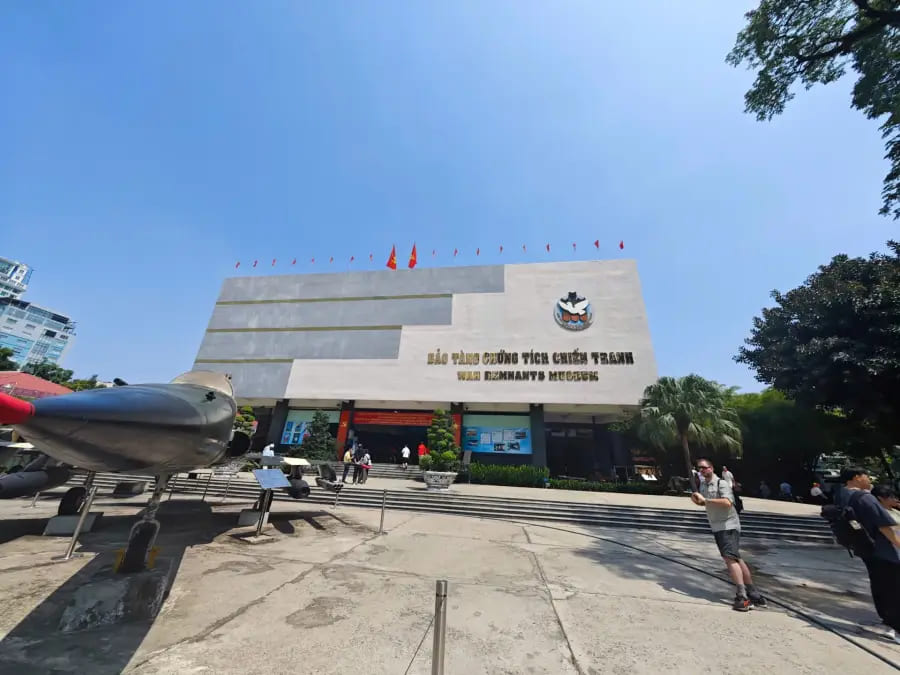
The War Remnants Museum is one of Vietnam’s most intense memorial establishments, and it is located at 28 Vo Van Tan in District 3 of Ho Chi Minh City. Opened in 1975, the Museum has gathered and preserved thousands of photographs, objects, and documents that illustrate the consequences and atrocities of war, particularly during the wars with France and the United States.
Going through the museum is more than looking at displays – it is an emotional dive into modern Vietnam’s past and a profound statement about the importance of peace and human rights. Through thematic displays, powerful photographs, and genuine war relics, the museum seeks to show insight into the depths of sacrifice, the psychological coping of the normal person, and the future consequences of war.
History Of War Remnants Museum
The War Remnants Museum has its roots shortly after Vietnam’s reunification in 1975. To keep the paperwork of the nation’s resistance and denounce all crimes of foreign aggressors, the local authority established the Exhibition House for Crimes of War and Aggression. Shortly thereafter, the infrastructure opened its doors to the public on September 4, 1975. The purpose of the museum was to serve as an educational opportunity for younger generations to know about the resilience of the Vietnamese people to attain freedom and peace, and to show the crimes of foreign forces.
On November 10, 1990, the physical space would change its name to the Exhibition House for Crimes of Aggression. Eventually, it received its current name, the War Remnants Museum, on July 4, 1995. The museum has then become one of the most well-visited museums in Ho Chi Minh City, with a steady flow of local and foreign visitors wanting to know about Vietnam’s past, and the global quest for peace.
Unique Structure Of The War Remnants Museum
The War Remnants Museum spans a vast space, housing a modern three-story, 4,522 m² building and has additional facilities along with a spacious outdoor exhibition area, covering an area of 3,026 m². Let’s talk about each level and the displays we will observe in detail.
Exploring The Ground Floor
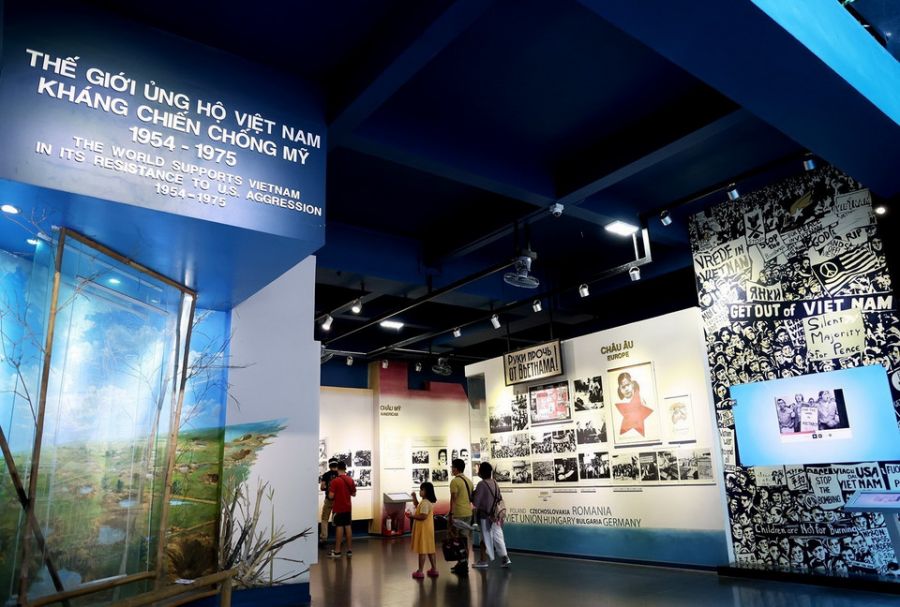
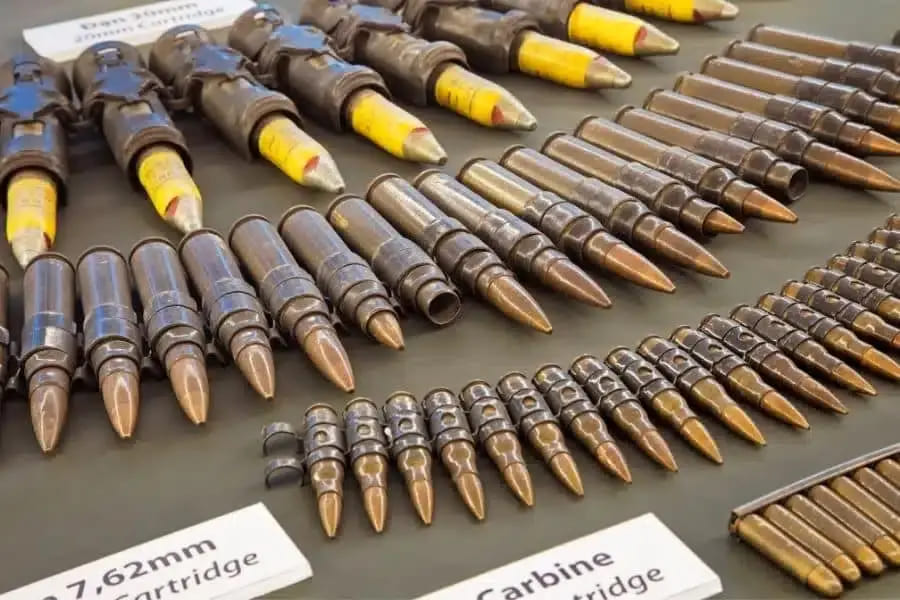
The first floor will present the exhibition “The World Supports Vietnam’s Resistance Against America,” highlighting over 100 photos and 145 documents that illustrate public protests, international conferences, and demonstrations from 1954 to 1975. The floor also has gigantic war relics and artifacts seen outdoors, including tanks, aircraft, and large weapons.
There is also an important exhibition, “Prison System in Vietnam’s War of Aggression”. This display shares details of prisons built by American and South Vietnamese forces to detain revolutionaries, including models of prisons that detainees would face while imprisoned. Many visitors are moved as they stand in front of the models that depict tortures and prisons that were implemented during the move from a prison, which is a sad reality and memory for many people.
Discovering The First Floor
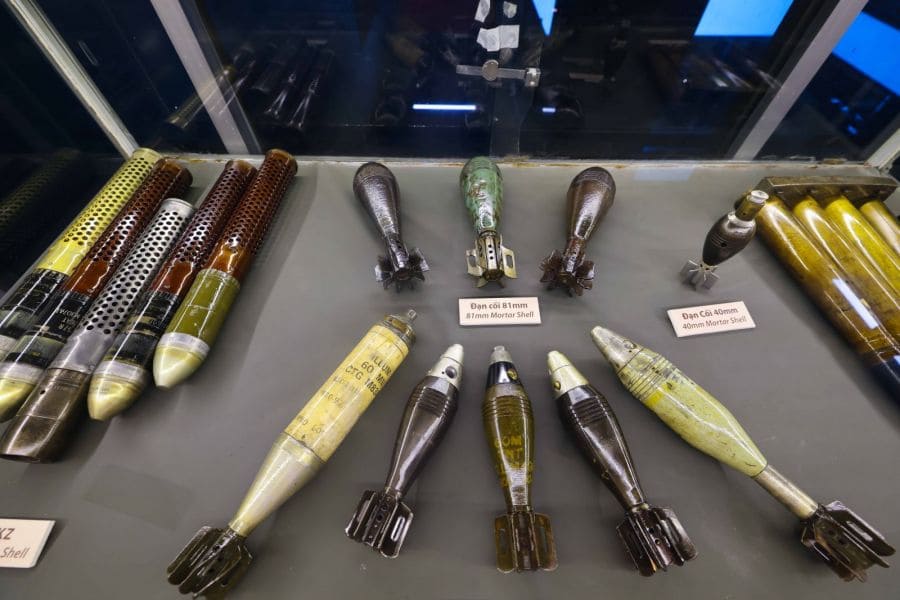
On the first floor, there are two important themes: “Crimes of Aggression” and “Consequences of Agent Orange.” Visitors will encounter 22 documents, 243 artifacts, and 125 photos that portray the savagery of war and its destructive secondary effects on Vietnamese civilians. The materials in the section on Agent Orange display the persistent human and environmental devastation of this chemical weapon.
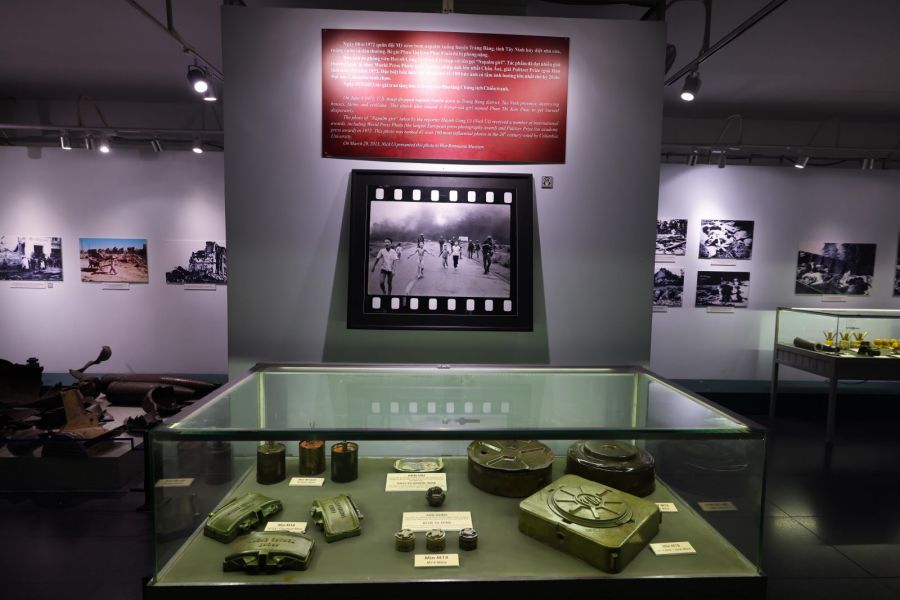
Another incredibly impactful exhibit features the My Lai Massacre, along with the most recognized photo from the Vietnam War, nicknamed “Napalm Girl.” This iconic photo was taken by Vietnamese-American photographer Nick Ut and continues to evoke both empathy and protest against what could aptly be termed the crime of the war.
Exploring The Second Floor
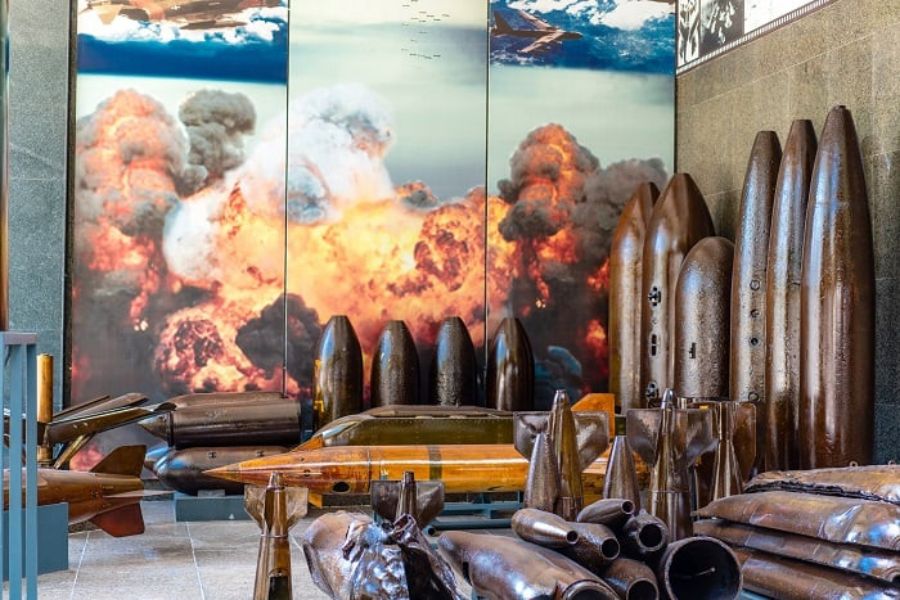
On the second floor, you will find the exhibition “Historical Truths,” with 66 images, 20 documents, and 153 artifacts of atrocities experienced in both the French and American wars. The exhibition “Requiem” honors journalists who died in service covering the Indochina wars with a moving exhibit of battlefield images.
The second floor also features “Vietnam: War and Peace” and “Agent Orange in the Vietnam War” with the works of Japanese photographers Ishikawa Bunyo and Goro Nakamura. Their photo essays suggest powerful emotions about the struggle of war and sacrifices made for the sake of independence for the nation.
6 Unforgettable Experiences You Shouldn’t Miss
Visiting the War Remnants Museum is an experience of connecting with the history of Vietnam and the strength of its people. These are the highlights you must experience while walking through this incredible museum.
Explore The Permanent Exhibitions
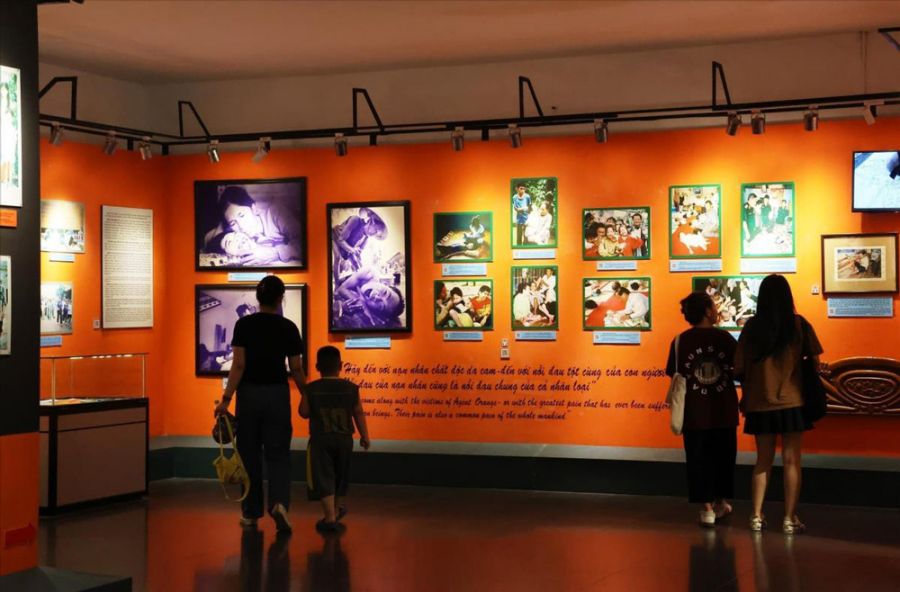
The museum consists of nine permanent exhibitions highlighting themes of war crimes, the destructive impact of bombs, and the country’s rebuilding experience. Through the use of photographs, documents, and artifacts, the exhibition explores the lived experiences of the struggles Vietnam endured. Each exhibition is carefully curated to allow visitors to learn of the individual human cost and the resilience to be rebuilt from the ruins of experiences.
Discover Priceless Artifacts
The collection here is large and meaningful. There are more than 20,000 items, including documents, personal items, and photographs. Many of the donated items come from veterans, journalists, and international friends who observed the war firsthand. As you view the exhibitions, you will observe deeply impactful objects that bring a personal story beyond official recognition.
Watch Historical Documentaries
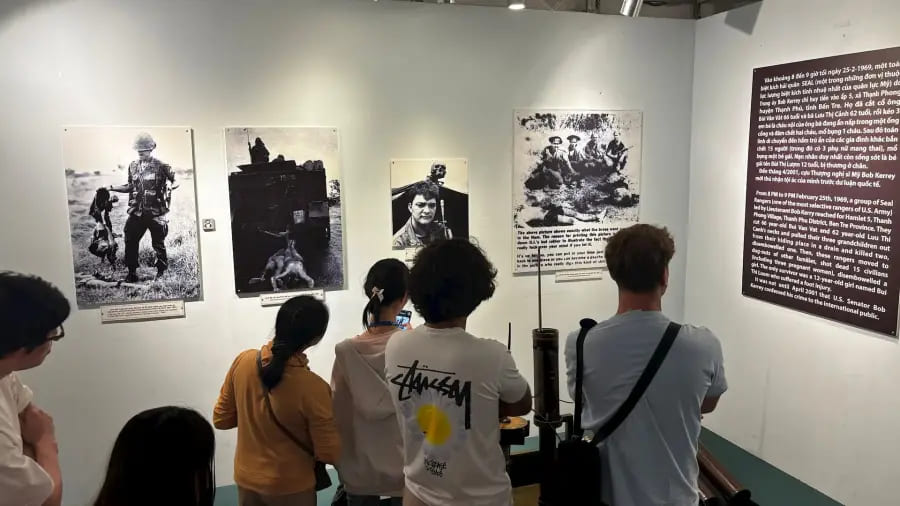
At the museum, visitors have the option to sit at booths and watch documentary films that inform the context of the exhibits. The films feature powerful footage and individuals telling their human story that brings the stories vividly alive in ways that cannot be caught by words alone. The films highlight the devastation of war and the resilience of the people living through it. For many travelers, this may be one of the most memorable experiences of the day.
Meet Living Witnesses Of History
The museum’s most impactful moment is when you have the chance to hear from eyewitnesses to history. Whether soldiers or civilians who endured the hardships of war, their reflections give life to what you see as you walk through the exhibits. Listening, they will recount the events they lived, and it transforms your visit into a much more personal and emotional experience. It provides the opportunity to connect with the living history of Vietnam.
Explore The Outdoor Exhibition Area
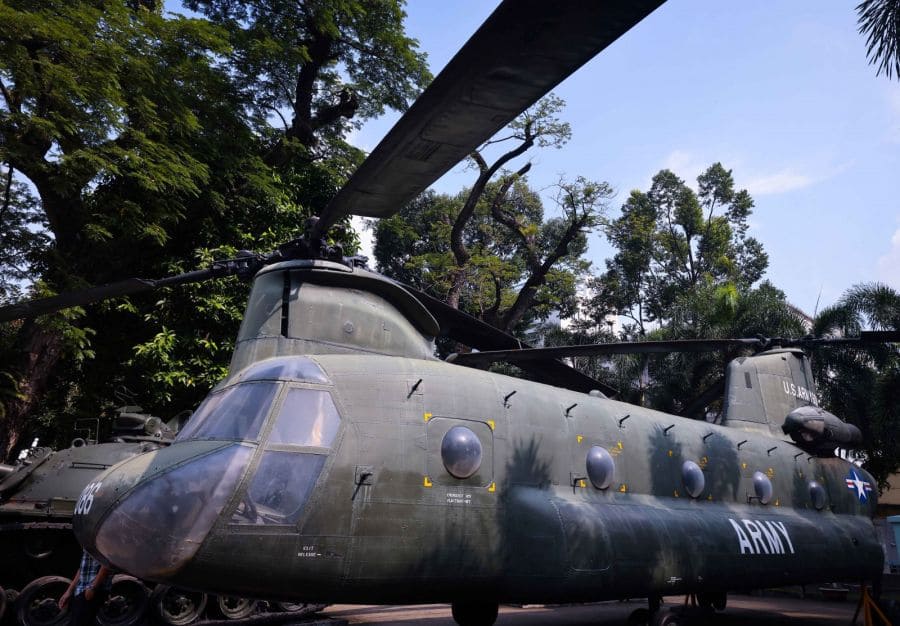
Departing from the main building, you will find a large outdoor area exhibiting several large wartime relics. Fighter planes, helicopters, tanks, and other equipment once used in combat are on display. Walking among these imposing machines is a stark contrast to the personal accounts you have and will hear inside the museum. Open-air venues bring a different perspective by allowing you to imagine the scale of warfare.
Experience Culture And Reflection
The War Remnants Museum is both a historical site and a cultural attraction for domestic and international visitors. The museum creates a unique contemplative environment emphasizing reconciliation and dialogue, and before you leave the museum, you will leave with a greater sense of peace and a deeper understanding of the past that helps to shape the present and cultivate space for a better future.
Entrance Fee
The cost for entering the War Remnants Museum is 40,000 VND per individual.
Children younger than 6 years, those with disabilities, and families in poverty are free of charge.
Children from ages 6 to under 16 years, students and pupils, the elderly, those who have contributed to the revolution, and residents of remote or mountainous areas will receive a 50% discount.
Opening Hours
The War Remnants Museum is open every day until 5:30 PM, including weekends (Monday to Sunday). The museum is best visited during the dry season, from December to April, which is often a nice time to enjoy your travels in Ho Chi Minh City.
How To Get To the War Remnants Museum
The War Remnants Museum is very accessible due to its location in the heart of Ho Chi Minh City, and visitors may choose from many ways to get there, depending on budget and travel style.
By Personal Vehicle
If you want to drive, you can take either Cong Hoa or Truong Chinh Street, followed by a turn down Cach Mang Thang Tam Street, eventually arriving on Vo Van Tan Street, which is where the War Remnants Museum is located. The experience should be easier with the use of online map applications or GPS, which will also help prevent you from getting lost.
By Taxi Or Ride-Hailing Apps
Using a taxi or ride-hailing application (such as Grab, Gojek, or Be) is fast and simple. You only need to enter the museum’s address for the driver to take you there. You don’t have to worry about directions or parking as you sit back and enjoy yourself.
By Public Bus
This is a more economical way to get to the museum when you take routes through public transport No. 14 from Mien Dong Bus Station, No. 06 from Cho Lon Bus Station, and No. 28 from Ben Thanh Market. Be sure to check for the latest schedule and bus stops to find out how to get to the station that suits your needs.
Things To Know Before Traveling To The War Remnants Museum
Before you go, there are some important rules that will help you to have a positive and respectful experience. These guidelines will allow you to experience the museum while honoring its solemn atmosphere.
- Wear respectful clothing and park in the designated areas.
- Be quiet during your visit and do not eat or drink in the museum.
- Do not touch any exhibit without permission.
- Do not bring weapons, unauthorized items, or smoke.
- Follow the direction of security staff and museum guides for your visit.
- If you are with a larger group, consider purchasing tickets ahead of time to save time.
FAQs About War Remnants Museum
Before entering the War Remnants Museum, travelers usually ask other general things, such as about tickets, regulations, and what to expect. Below are some of the general FAQs with answers that we hope will help you in your planning.
How long plan to stay at the War Remnants Museum?
On average, visitors spend about 1.5 to 2 hours at the museum. If you plan to closely read everything and view the documentary films, plan for at least 3 hours. You will likely be in and out in even less time if you are not particularly interested in history.
Is the museum appropriate for children?
The museum displays graphic images and other sensitive material that may not be appropriate for younger children. Parents will need to steer or guide their kids to decide what to see or read. However, older children and/or teenagers will find the museum educational and eye-opening.
Can I take photos inside the museum?
In fact, you are allowed to take photos in most areas of the War Remnants Museum. Photographs with flash and tripods would likely not be allowed, as they could affect the exhibits. Be courteous to others visiting the museum when taking your photos.
Final Thoughts: Is The War Remnants Museum Worth Visiting?
Not only is the museum a location, but it is also a significant departure point that reveals the history of Vietnam and its people’s resilience. The powerful exhibits, real historic American and Vietnamese artifacts, and emotional photographs portray the continued effects of war while maintaining the importance of peace. Let Seni World take you to this extraordinary site as an enjoyable and memorable part of your journey.


Related articles


