


Wat Banan in Cambodia is a captivating Angkor-era temple complex. Visitors can admire its ancient architecture, intricate carvings, and panoramic views of rice fields, rivers, and villages, making it a must-visit cultural and historical site.
Introduction To Wat Banan
Located just over 20 kilometers south of Battambang on a hilltop, Wat Banan is an impressive five-tower temple, reminiscent of the grandeur of Angkor Wat. Its elevated position provides sweeping views of the surrounding lush green fields of rice, tranquil forests and valleys, and meandering rivers. The soft, almost surreal experience of walking up a long stairway through shade from ancient trees electrifies visitors while bringing them a sense of serenity and calm, allowing them time to relax and appreciate the tranquil ambience that surrounds them as they make their ascent to the temple complex.
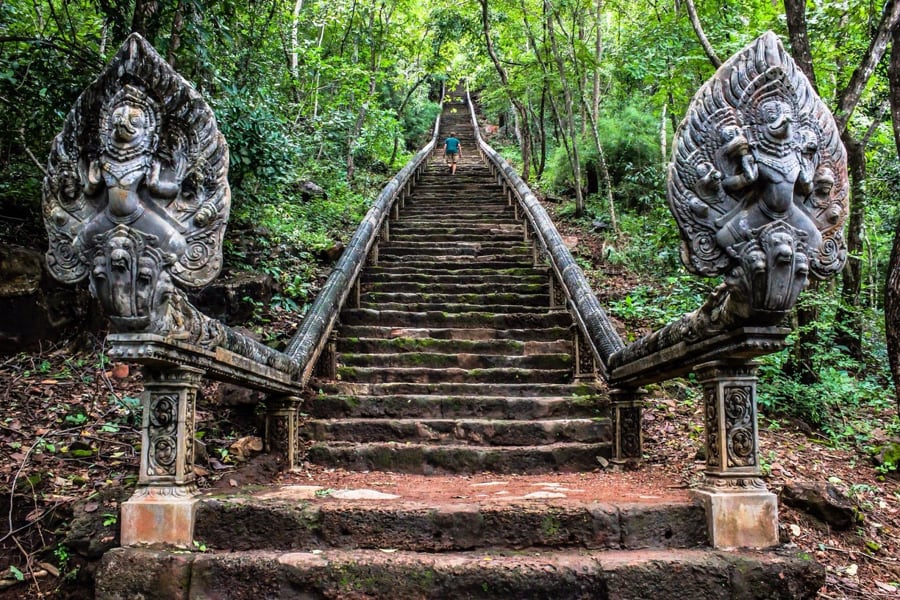
When you visit Wat Banan, you can experience Cambodia’s historical significance through the weathered carvings, sacred shrines, and many centuries of artistic architecture that continue to endure. Visitors can find peace and tranquillity at the temple since it is relatively quiet and does not draw the tourist crowds. The combined attributes of spirituality, natural beauty, and rich history make Wat Banan an unforgettable experience, easily making it a highlight of any travelling experience in Battambang and beyond.
History Of Wat Banan
The construction of Wat Banan began in the 11th century during the period of King Udayadityavarman II and continued into the 12th century under King Jayavarman VII. Wat Banan was designed following the general principles of the Angkor period, with many characteristics similar to those of Angkor Wat, but smaller in scope; thus showing the advanced skills of the Khmer Empire.
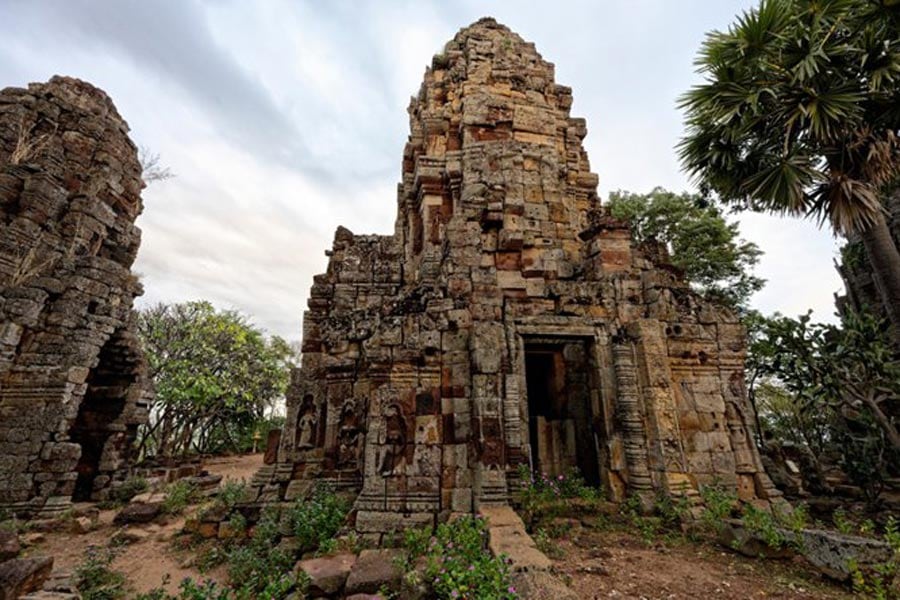
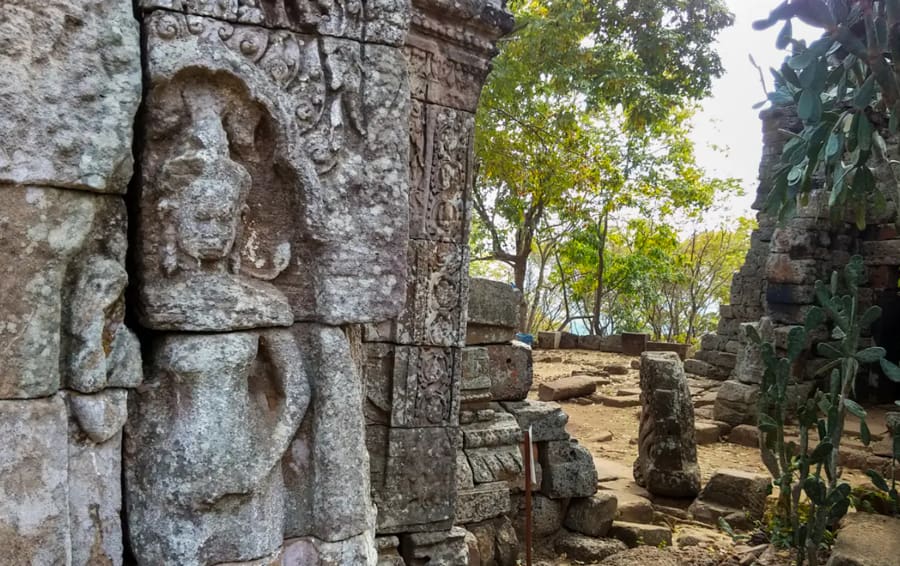
Wat Banan is primarily constructed using sandstone and is decorated with ornate carvings on its walls, columns, and reliefs. All the carvings are elaborately detailed and represent the craftsmanship and creativity of Khmer artisans, who have preserved the legacy of Cambodia’s culture through the use of various stories and symbols found within the carvings.
Wat Banan still remains as a worship site and attracts the dedication of the local population. The temple continues to be used for many types of religious ceremonies, and remains a place that is meaningful to the community as well as to many visitors who come to Cambodia for the purposes of learning about and experiencing the spiritual history of Cambodia.
Unique Architecture Of Wat Banan
Located on a 400-meter mountain, the Banan Temple (also known as Wat Banan) is accessed by climbing around 300 stairs. The view from the temple is 360 degrees of the Sang Ke River, rice fields, sugar palm trees, and surrounding villages. Banan Temple is one of the best preserved structures built during the time of Angkor and has withstood decades of natural decay and human destruction, but still reflects an architectural style from that period.
Main Temple Structure
Five towers “or are the five major towers of the temple’s site,” with Central Tower being the largest, tower, and all five of “the towers are being made up of beautiful carvings” in addition to the designs of numerous different types of apsara (goddesses), the most representative of that tower design, has succumbed to countless natural catastrophes, the majority of which have occurred throughout the many centuries that the towers existed.
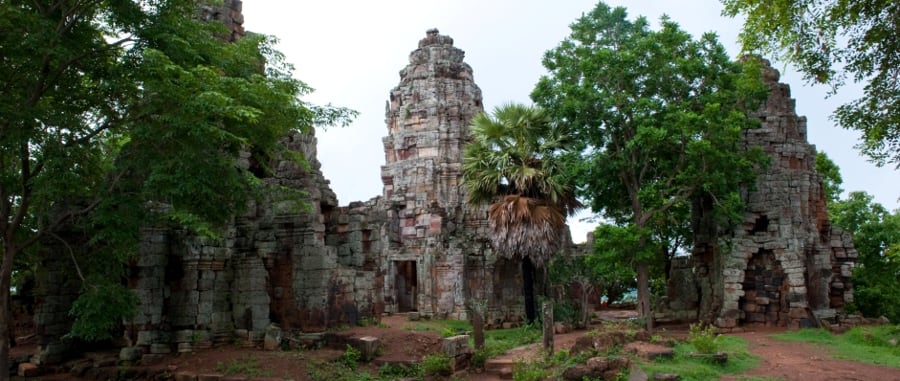
The central tower’s equivalent architectural form has been adopted by each of the five towers, and symmetry is also prevalent throughout the designs, giving an overwhelming feel of solid architectural size. Thus, the similarities to the architectural design similarities with Angkor Wat produce a spectacular view toward the front elevation of each tower.
Carvings and Stone Reliefs
The intricate carvings adorning the walls and columns in both towers demonstrate the skill of Khmer artisans. The detailed floral or mythological designs of all of the relief carvings illustrate famous events within Khmer culture and provide insight into their beliefs regarding culture and religion as they pertain to each particular structure.
Temple Layout
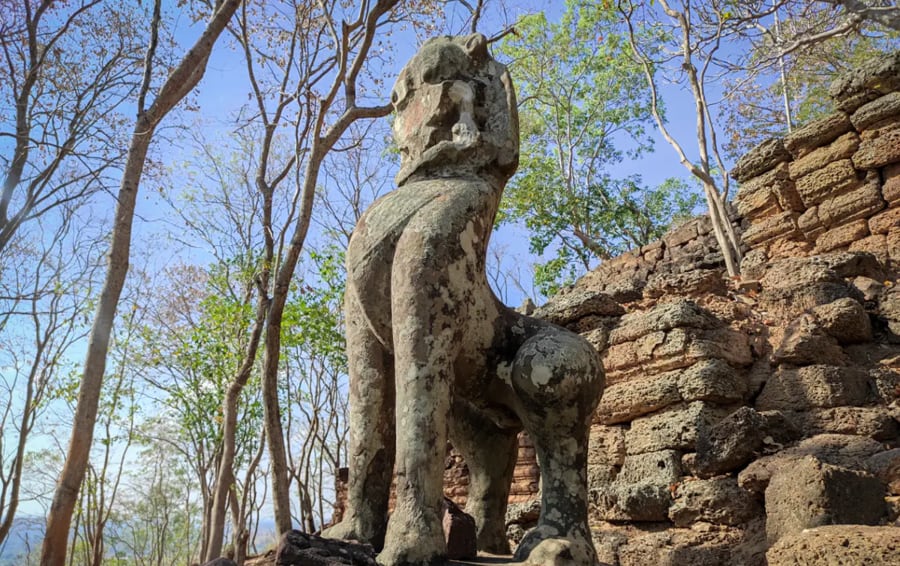
Visitors can discover an assortment of smaller buildings located around the outside of the main Tower, including a walk through courtyards, stairs, and terraces, and, ultimately, appreciate the incredible visual balance of the Design and Structure of the Temple up on the Mountain.
Nearby Attractions: Prasat Banan Vineyard
The Prasat Banan Vineyard lies in proximity to the temple, and it is now a beautiful vineyard in Cambodia. Tourists visiting the temple can add to their trip by participating in grape harvests or wine tastings, which will provide tourists with both cultural and leisure activities not commonly found together.
5 Unforgettable Experiences You Shouldn’t Miss
Visiting Wat Banan will allow you to experience much more than just incredible historical architecture; you will have the chance to explore the natural environment and to learn about the cultural traditions of the area. When visiting Wat Banan, it is important to take advantage of the many different experiences it offers.
Climb About 300 Ancient Stone Steps To The Hilltop Temple
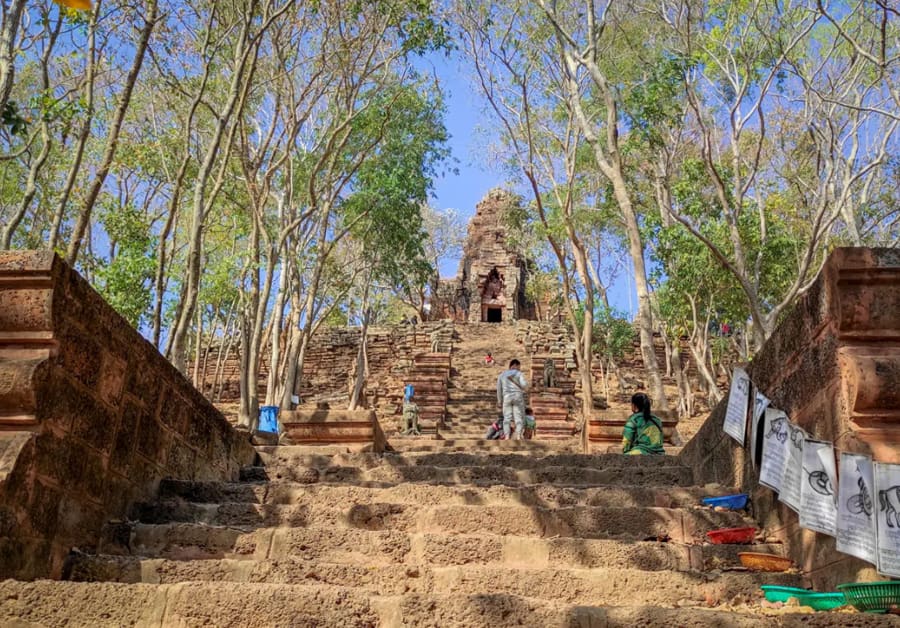
The journey to the top of Wat Banan starts at the base, up 358 steep stone steps, overgrown with moss, leading to the temple at the peak. On your way up, you will walk through dense vegetation, on shaded paths, and see the rolling hills below you in several places. The journey can be a challenge, which adds to your to-do list in Battambang.
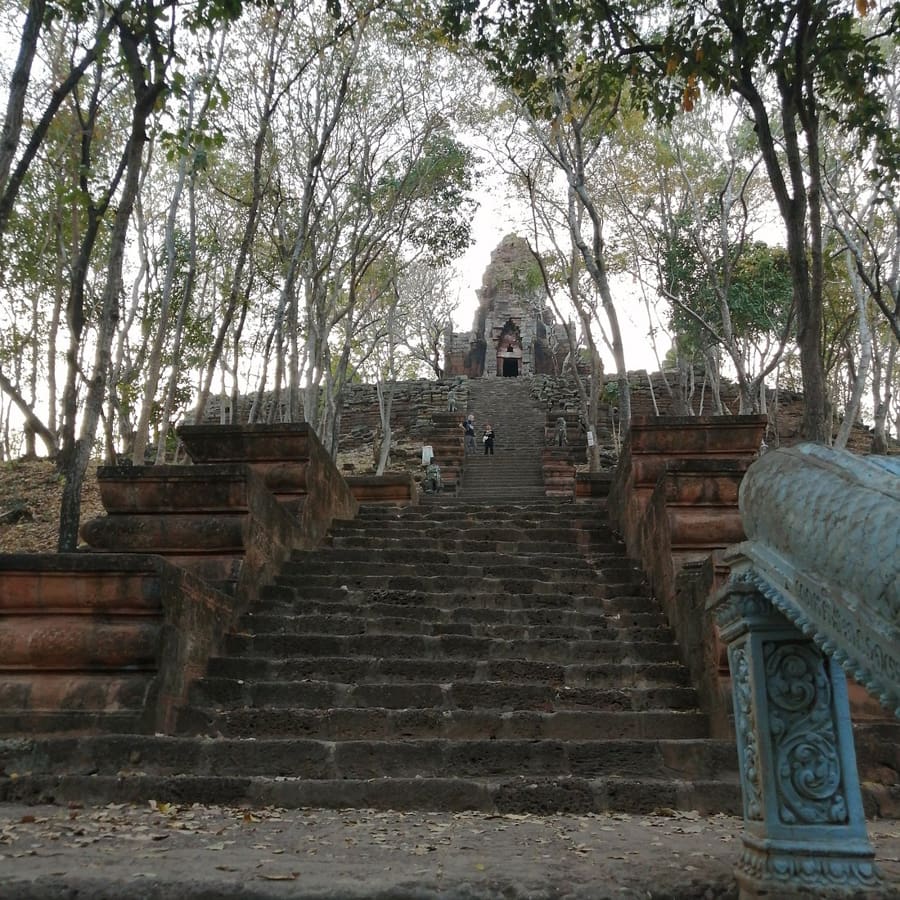
As you come to the temple, after almost 1000 years of surviving the natural elements, the feeling of accomplishment is tremendous, and coupled with the gentle breeze, the beauty of Wat Banan makes every step worth the effort.
Explore The Five Tower Sanctuaries
The landscape consists of five exquisite, aged stone towers arranged in a configuration resembling the traditional Angkor Wat design, each carved from sandstone, depicting Khmer mythology, and rich in ancient symbolism and tradition through their carvings. Although many of the towers have experienced collapse over time, their status merely enhances the timelessness of the temple.
As you walk around the temple, observe the beautiful silhouette of the towers in front of you as they appear to touch the heavens. It is a great site for photographers and anyone who wants to envision the magnificence of the temple when it was originally constructed.
Enjoy The Panoramic View Of Battambang Countryside
The panoramic views of Battambang you get are breathtaking from the hilltop. The countryside is covered with rice fields in every direction and dotted with small villages, palm trees, and winding dirt roads. If you happen to be there when it is sunny, you will be amazed at how beautiful the land looks in the soft golden glow of the early morning or the last rays of sunlight in the evening.
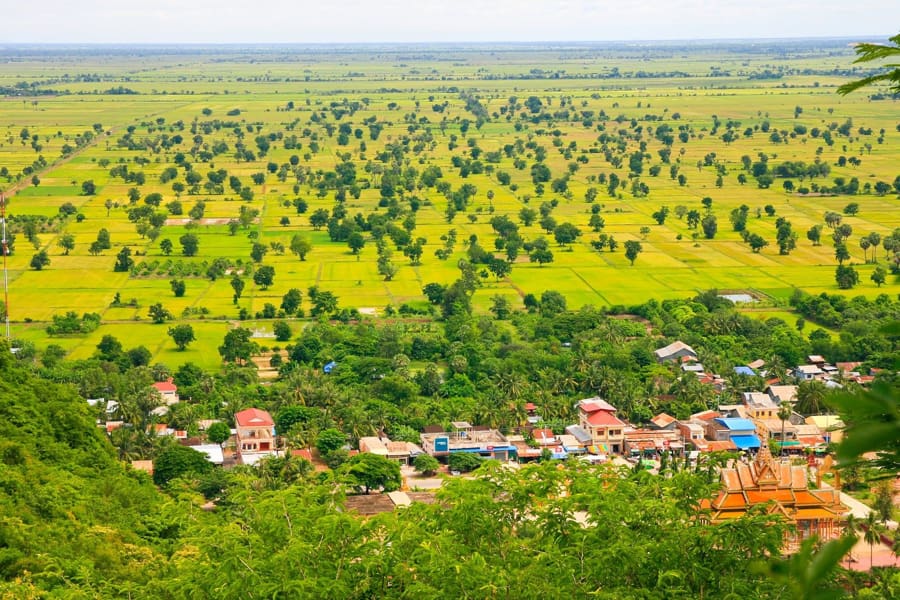
This serene rural view, among so many other reasons, draws people to Wat Banan for its unique beauty and cultural significance. Many visitors stop on the stone platforms to pause for a moment and take in the stunning views of nature.
Visit The Nearby Water Caves (La Ang Pracheah Meas)
Just a short distance away from the temple is another popular attraction: the water caves. The water caves are famous for their freshwater pools and other interesting underground formations, along with all of the legends surrounding them that local guides usually tell their guests.
Visiting the water caves provides a fun, wonderful, and refreshing alternative to visiting the temple when it’s especially hot outside. The temperature within the caves is relatively cool, and the sound of running water creates a quiet and relaxing environment. It is a surprisingly beautiful place for someone who wants to be outside in nature but enjoys more serenity away from the hustle and bustle of being in a temple.
Entrance Fee
To enter Wat Banan, it will cost approximately $1 to $2 USD for each person. The cost of the ticket supports the maintenance of the temple and grounds. A donation is not required, but if you would like to help with the preservation of Wat Banan or offer something to the temple, you are welcome to do so.
Best time to visit Wat Banan
The best time to visit Wat Banan is in the dry season from November to April in Battambang, when the climate is more conducive to outdoor activities and the terrain is lush from the rains.
- Dry Season (November to April): During this period, there is less moisture in the air and fewer chances for rain. The coldest months of the dry season, December to February, tend to have milder temperatures, generally between 20°C to 30°C, which are ideal for exploring the temple complex, climbing the stairs, or enjoying the beauty of the countryside.
- Hot Season (March to May): Temperatures begin to rise, often exceeding 35°C. While it is still possible to visit Wat Banan during this time, you will need to be prepared for the heat by taking plenty of water with you and scheduling all of your outdoor activities for early morning or late afternoon when the temperatures have dropped.
Visiting the temple complex in the early morning or late afternoon provides the best photographic light and the most comfortable experience while climbing the stairs. The wet season (April to October) features heavy rains, which cause the paths to become slippery. However, this season provides a very green and picturesque environment as long as you are willing to endure the occasional shower.
How To Get To Wat Banan
There is an easy way to reach Wat Banan and enjoy the scenic views along the way. Wat Banan is located approximately 25 km south of Battambang. The travel time is approximately 40 minutes, and the route takes you through beautiful rural scenery, lush green rice fields, and small cosy villages.
By Tuk-Tuk
The most common and authentic way to reach Wat Banan is to take a tuk-tuk (or motorbike taxi). Tuk-tuks have an open design that allows you to feel the fresh air while you take in the sights of everyday life along the rural roads. Tuk-tuks will wait for you while you tour the temple and generally charge you around 10 to 15 USD for your round trip.

By Taxi Or Private Car
Traveling via a private car service gives you the best opportunity for a smooth, comfortable ride. Air-conditioned and larger, this option is a great option if you have a family or a group and do not want to be stuck in the heat on the way from your hotel. The one-way price is generally $20-$30 with approximately 30-40 minutes of travel time. Most drivers will allow you to combine stops along the way, so you can see several other sites during your ride, such as Phnom Sampeau.
By Motorbike
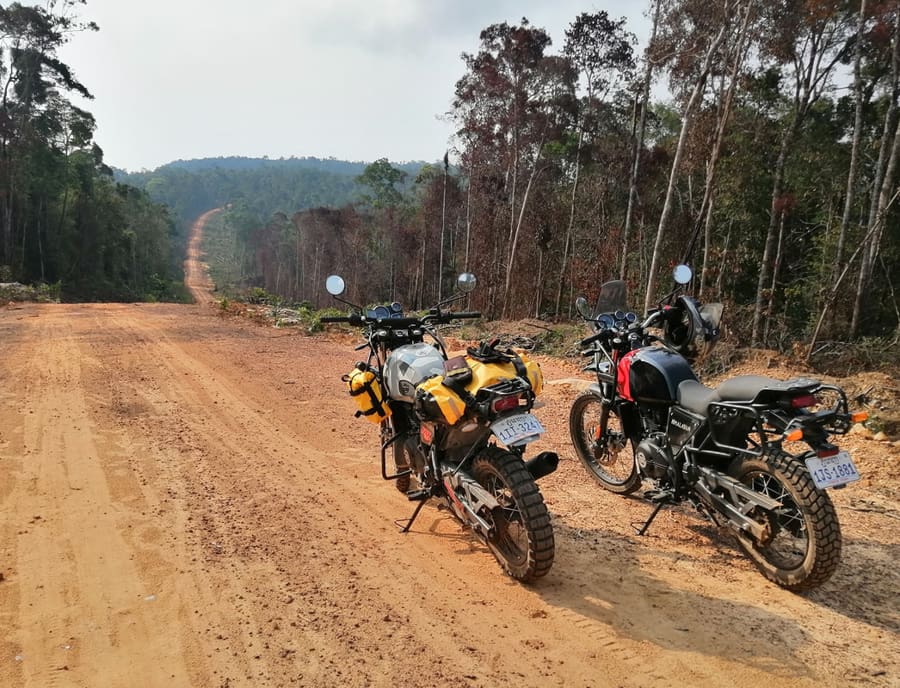
By renting a motorcycle, you can travel at your own speed and take breaks whenever it suits you. The route to Wat Banan is easy to follow, but some portions of it may be dusty or bumpy depending on the time of year. Renting a motorcycle generally runs between $6 and $10 daily, which makes this option extremely affordable. If you like having the option to do as you please and being somewhat adventurous, this is definitely an excellent option.
By Bicycle
You can cycle to Wat Banan if you like to take your time and experience the journey. The ride there is approximately 1.5-2 hours long. In addition to being scenic, the route takes you along rural backroads as well as through villages. Although rewarding, it could be exhausting if it is hot outside.
Therefore, it is recommended that you bring along plenty of water and leave early in the morning so that you do not have to face the heat of the day. If you are an active adventurer looking for an environmentally-conscious way to see the country of Cambodia, this option should work for you!
Things To Know Before Traveling To Wat Banan
When planning your trip to Wat Banan, it’s a good idea to familiarize yourself with some key points that will help you enjoy yourself more, as well as make your journey easier. Below are several tips for getting prepared for the climb, understanding what type of weather to expect, and knowing some cultural customs in the area.
- At Wat Banan, you will have to walk 358 steep stone steps, so make sure you are wearing comfortable shoes like sneakers or hiking boots.
- The best time to visit Wat Banan is first thing in the morning or late afternoon because this will help you avoid the heat of midday and also provide better lighting.
- When climbing Wat Banan, it is very hot, and there are not many shops after you start climbing, so take plenty of water with you.
- As Wat Banan is an active religious site for locals, you should dress in a respectful manner.
- Be cautious of monkeys at the bottom of the steps since they may come very close to you and grab any food or small things you have on you.
- If you would like to learn more about the temple’s history and architecture, hire a local guide.
- Make sure you bring cash to pay the entrance fee, and buy refreshments or snacks from local vendors.
Final Thoughts: Is Wat Banan Worth Visiting?
When in Battambang, Wat Banan is a great stop for those looking for a peaceful combination of cultural, historical, and natural beauty. The ancient towers of Wat Banan, combined with the tranquil environment at the top of the hill, along with the stunning country views, provide an overwhelming sense of peace. Climbing to the top of the temple is very gratifying, allowing visitors to enjoy the ambience and find appreciation for Cambodia’s cultural heritage. For a more enjoyable experience and easy travel in Battambang, consider using Seni World as your travel agency.


Related articles


