


Wat Kang, located in the heart of Vang Vieng, Laos, is a serene Buddhist temple known for its beautifully decorated ordination hall, reclining and seated Buddha statues, and traditional drum tower. It offers visitors a peaceful glimpse into local religious life.
Introduction To Wat Kang
Wat Kang, nestled in the heart of Vang Vieng town, is a serene Buddhist temple that offers a window into everyday spiritual life in Laos. The temple is characterized by traditional Lao architecture, vibrant decorations, and golden Buddha statues, including both seated and reclining Buddhas – creating a calm and welcoming atmosphere for both locals and travelers.
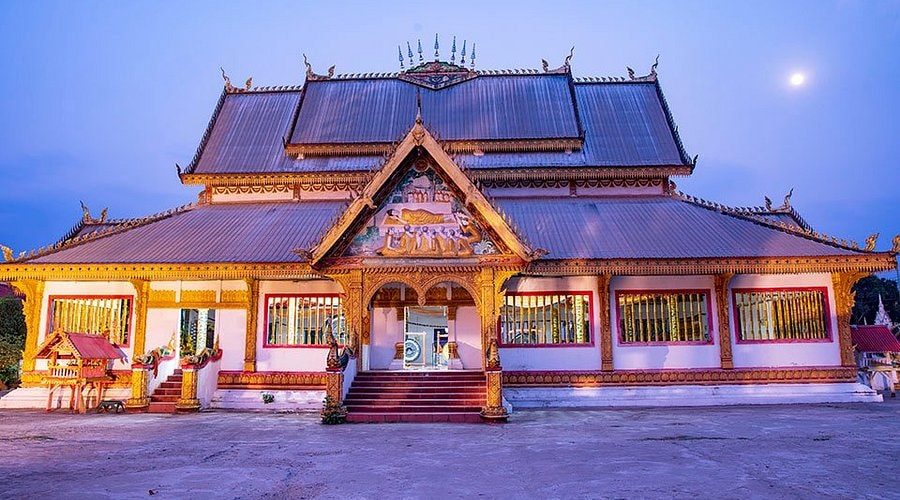
Because of its convenient location on the main street and free admission, Wat Kang is easily accessible and often visited by those passing through town. Inside, visitors can observe locals performing their daily rituals, admire colorful murals and intricate details in the prayer hall, and enjoy a peaceful, meditative environment that contrasts sharply with Vang Vieng’s lively tourist areas.
History Of Wat Kang
The exact origins of Wat Kang are unclear, but the main temple structure, including the ordination hall, was built in 1938. Historical records before this period are scarce, leaving much of the temple’s early history a mystery.
Before the development of Vang Vieng as a tourist hub and the establishment of the nearby airfield during the “Secret War” in Laos, the town was a small rural community. The local population primarily relied on subsistence farming, suggesting that any earlier religious structures at this site were likely simple and modest. Today, Wat Kang stands as a significant cultural and spiritual landmark, reflecting both the history and resilience of the local community.
Top 3 Iconic Attractions In Wat Kang
Wat Kang is more than just a temple; it’s a living testament to Lao culture and spiritual traditions. Each section of the temple offers unique insights, from its beautifully decorated halls to iconic Buddha statues and traditional structures. Exploring these highlights allows visitors to fully appreciate the artistry and history of the temple.
The Ordination Hall
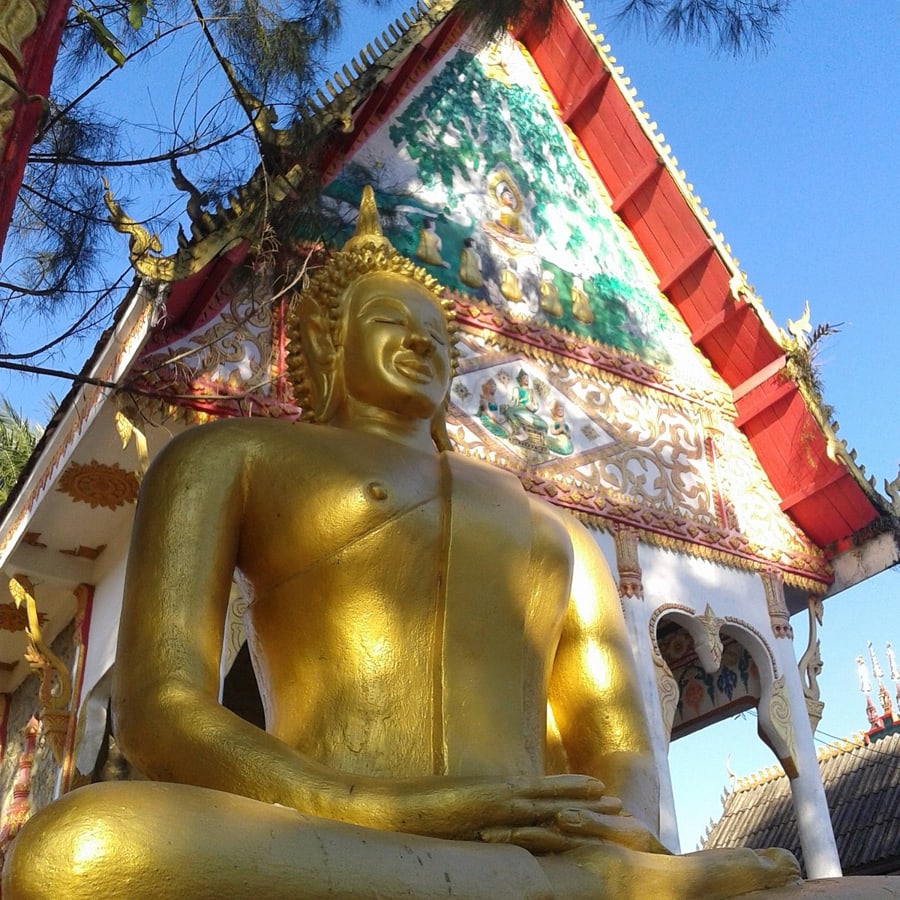
The ordination hall at Wat Kang may be small, but it is beautifully decorated both inside and out. Murals and intricate paintings adorn the walls, depicting Buddhist stories and local traditions, creating a serene and contemplative atmosphere. Its design reflects a typical Lao temple outside the major cities, showcasing simple yet elegant architecture founded without royal patronage. Visitors can admire the balance between functional space for worship and artistic detail, making it a quiet yet captivating highlight of the temple.
Seated and Reclining Buddha Statues
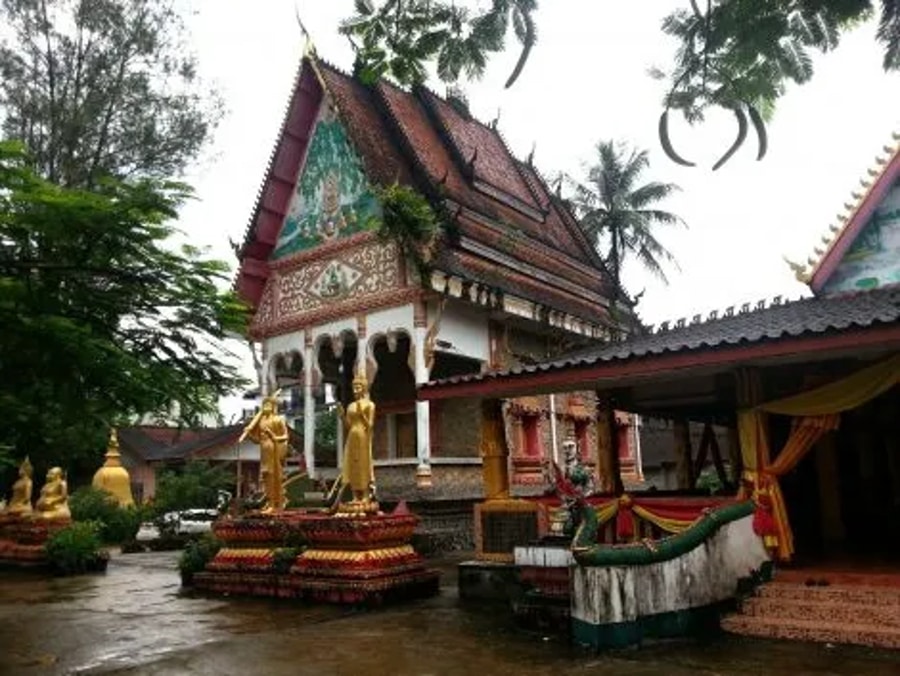
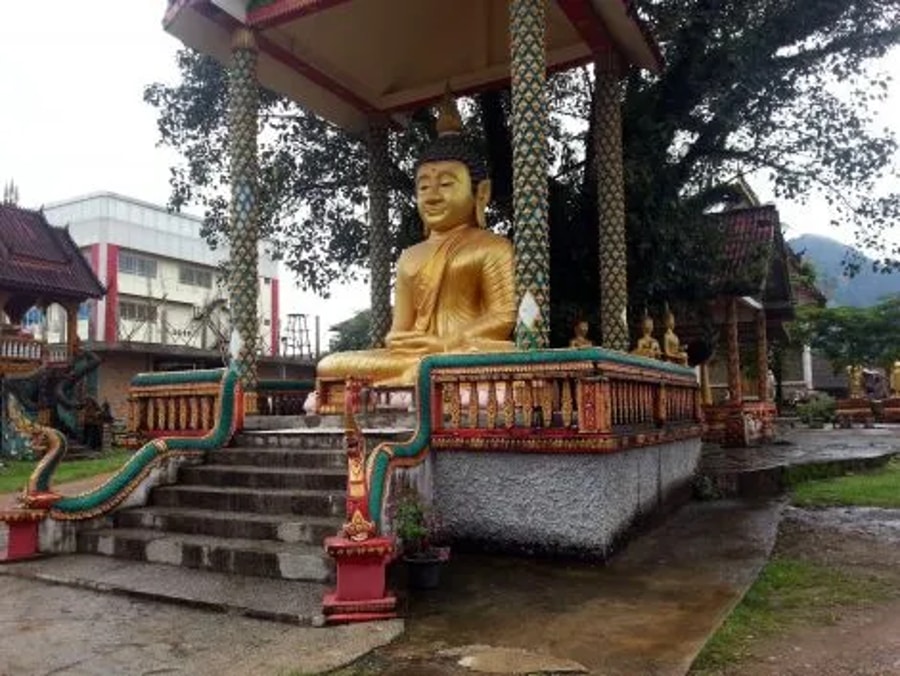
Wat Kang houses two large Buddha statues under protective shelters: a seated Buddha and a reclining Buddha. These statues are complemented by four smaller Buddha figures and a small chedi in front of the ordination hall. The reclining Buddha, with its calm expression and detailed craftsmanship, represents the Buddha at rest or during his final moments, while the seated Buddha embodies meditation and spiritual focus. Together, they offer visitors a chance to reflect on different aspects of Buddhist philosophy and devotion in a peaceful setting.
Drum Tower
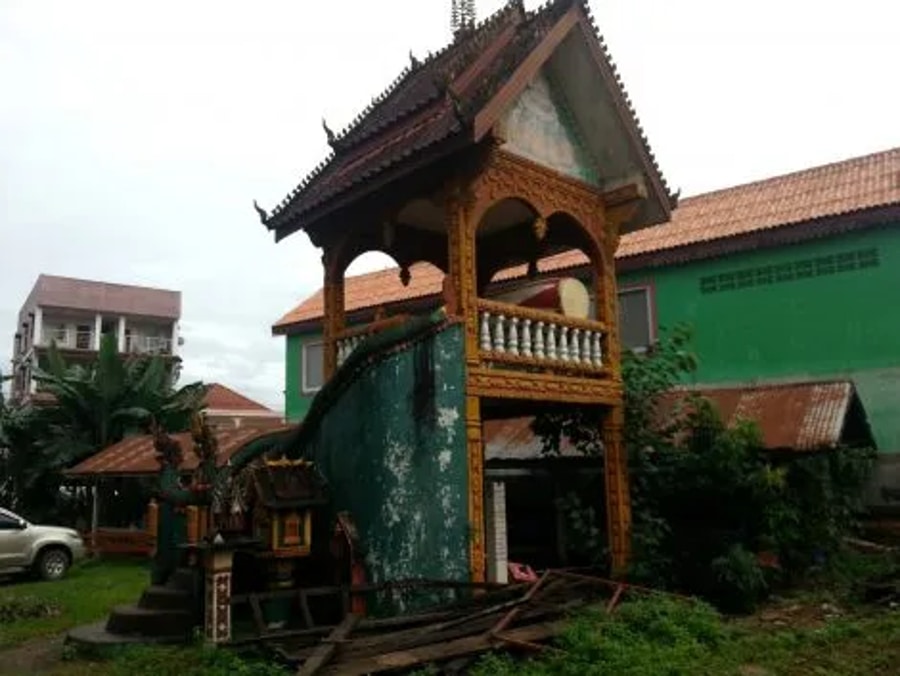
The drum tower at Wat Kang is another significant feature of the temple complex. Traditionally, drum towers in Laos are placed at the center of towns or villages, serving both spiritual and community purposes. The presence of a drum tower here suggests that Wat Kang may have been one of the original central temples in Vang Vieng before the town expanded southward. The tower stands as a symbol of the temple’s historical importance, providing insight into local town planning and religious practices.
5 Unforgettable Experiences You Shouldn’t Miss
Visiting Wat Kang offers more than just sightseeing; it’s an opportunity to immerse yourself in the spiritual and cultural heart of Vang Vieng. From exploring serene temple grounds to witnessing local rituals, each experience leaves a lasting impression and deepens your understanding of Lao traditions.
Explore the Main Temple Hall
The main temple hall, or ordination hall, serves as the spiritual center of Wat Kang and is the highlight of any visit. Its elegant wooden beams, traditional Lao-style tiered roof, and carved eaves showcase a perfect blend of simplicity and intricate craftsmanship. Inside, you’ll find Buddha statues adorned with colorful robes, candles, and offerings from local worshippers. Spending time in the hall allows you to observe the monks in their daily rituals, from chanting to meditation, offering a glimpse into the spiritual life of the community. The serene atmosphere inside also provides a peaceful retreat from the bustling town outside.
Admire Traditional Lao Architecture
Wat Kang’s architecture is a beautiful example of traditional Lao temple design. The tiered roofs, delicate carvings on wooden pillars, and murals depicting Buddhist stories and local folklore make each corner visually captivating. Walking around the temple grounds, you can appreciate the harmonious integration of the temple with its natural surroundings, including trees, gardens, and small ponds. The attention to detail in both construction and decoration reflects centuries of cultural heritage and religious devotion, allowing visitors to gain a deeper appreciation of Lao artistry and craftsmanship.
Participate in Morning Alms Giving
Experiencing the morning alms giving is one of the most meaningful ways to connect with local culture at Wat Kang. Each day at dawn, monks walk through the temple grounds with their alms bowls, collecting offerings of food from villagers and tourists alike. Visitors are welcome to observe or respectfully participate in this ritual, gaining insight into the spiritual practice of generosity, known as dāna, which is central to Buddhist life. Witnessing the quiet discipline of the monks and the devotion of the community provides a profound understanding of Lao traditions and emphasizes the peaceful rhythm of daily life in Vang Vieng.
Enjoy the Scenic Views Around the Temple
Wat Kang is slightly elevated, offering panoramic views of Vang Vieng’s picturesque landscape, including lush rice fields, winding rivers, and the iconic limestone karsts that surround the town. Visiting during early morning or late afternoon ensures soft, golden light that enhances the beauty of the scenery. You can spend time strolling the temple grounds, taking photographs, or simply sitting quietly to reflect and absorb the tranquility. The combination of cultural immersion and natural beauty makes this experience particularly memorable, providing both aesthetic pleasure and a sense of spiritual calm.
Experience Local Festivals and Ceremonies
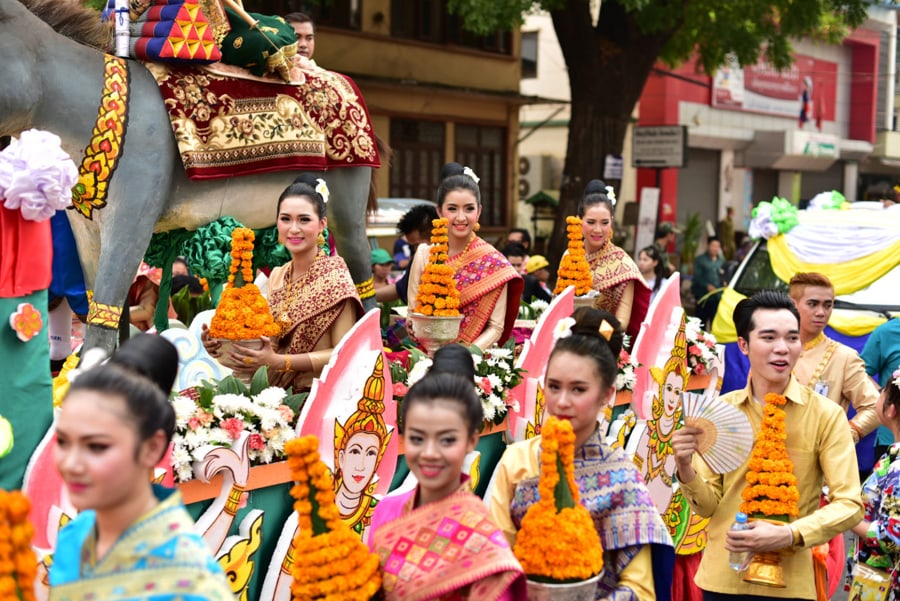
If your visit coincides with major Buddhist festivals such as Lao New Year (Pi Mai) or Visakha Bucha, you’ll witness Wat Kang come alive with vibrant rituals and community gatherings. Locals gather to light candles, chant prayers, and make offerings to the monks, filling the temple grounds with a sense of devotion and celebration. Participating in or observing these ceremonies offers a deeper understanding of Lao spirituality, cultural values, and community life. It’s also a unique opportunity to experience traditional music, dance, and attire, creating a rich, immersive cultural experience that goes beyond sightseeing.
Entrance Fee
Visiting Wat Kang is free of charge, allowing all travelers to explore the temple and its grounds without any admission cost. While there is no mandatory fee, visitors are welcome to make voluntary offerings or donations, which are typically used to support the temple’s maintenance and the monks’ daily activities. Bringing small offerings, such as flowers, incense, or a monetary donation, is a thoughtful way to show respect and contribute to the upkeep of this historic and spiritual site.
Best Time To Visit Wat Kang
The best time to visit Wat Kang is during the dry season, from November to February, when the weather in Vang Vieng is cool and comfortable. This period allows for pleasant exploration of the temple grounds and surrounding landscapes without the disruption of heavy rain or extreme heat. Visiting in the early morning or late afternoon is ideal to enjoy soft natural light and a tranquil atmosphere for photography and reflection.
How To Get To Wat Kang
Getting to Wat Kang in Vang Vieng is simple and convenient, whether you are staying in town or coming from other major cities in Laos. The temple is well-connected by local transport, making it easy to include in your Vang Vieng itinerary.
From Vang Vieng town center:
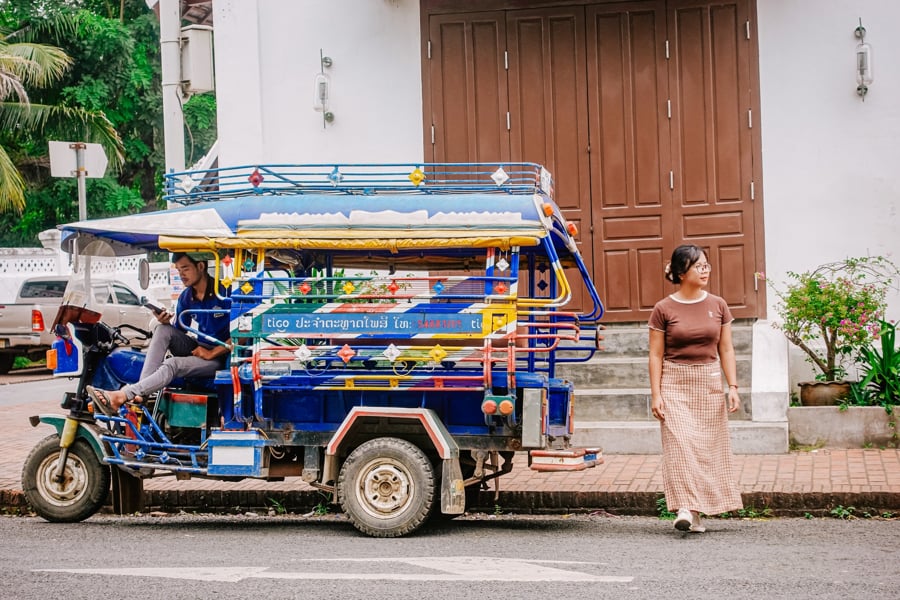
You can walk, cycle, or take a tuk-tuk to Wat Kang. Walking takes about 10–15 minutes, depending on your pace. Tuk-tuk fares are usually around $2–$3 USD, while bicycle rentals cost roughly $1–$2 USD per day.
From Luang Prabang:
If you are traveling from Luang Prabang, you can take a bus or minivan to Vang Vieng. The journey takes approximately 4–5 hours, and tickets cost around $10–$15 USD. From Vang Vieng town center, you can continue by tuk-tuk or bicycle to the temple.
From Vientiane:
From Vientiane, buses and minivans to Vang Vieng are available throughout the day. The trip usually lasts 5–6 hours, with ticket prices ranging from $12–$18 USD. Once in Vang Vieng, local transport options like tuk-tuks or bicycles will take you directly to Wat Kang.
Things To Know Before Traveling To Wat Kang
Before visiting Wat Kang, it’s helpful to be aware of the local customs and practical details to ensure a smooth and respectful experience. Here are some useful tips to help you make the most of your visit.
- Dress respectfully: Wear modest clothing that covers shoulders and knees, as Wat Kang is an active religious site.
- Remove shoes: Always take off your shoes before entering the main prayer halls.
- Visit early morning or late afternoon: These times offer cooler temperatures and fewer crowds for a peaceful experience.
- Observe rituals quietly: Be mindful of monks and worshippers, avoiding loud conversations or flash photography inside sacred areas.
- Bring water and sun protection: The temple grounds can be sunny, so a hat, sunscreen, and water bottle are recommended.
- Support the temple: Consider donating a small offering or participating in local fundraising activities to support the upkeep of Wat Kang.
- Plan transport in advance: Tuk-tuks or motorbikes are the easiest ways to reach Wat Kang from Vang Vieng town, and negotiating fares beforehand is advisable.
FAQs About Wat Kang
Wat Kang in Vang Vieng is a peaceful temple offering insight into Laos’ religious and cultural heritage. Before visiting, here are some common questions travelers ask to help plan your trip effectively.
Do I need to pay an entrance fee to visit Wat Kang?
Visiting Wat Kang is free of charge. However, donations are welcome and are a common way to support the temple and local monks. You can contribute any amount you feel comfortable with.
How long does a visit to Wat Kang usually take?
A typical visit lasts about 30–60 minutes, depending on whether you explore the ordination hall, Buddha statues, and drum tower. If you want to take photos and soak in the surroundings, allow extra time.
What should I wear when visiting Wat Kang?
Visitors should dress modestly out of respect for the temple. Shoulders and knees should be covered, and shoes must be removed before entering the ordination hall. Lightweight, breathable clothing is ideal in the warm climate.
How can I combine a visit to Wat Kang with other attractions in Vang Vieng?
Wat Kang can easily be paired with nearby attractions like Tham Phu Kham Cave, the Nam Song River, or local markets. A half-day itinerary allows time to enjoy the temple and other scenic or cultural spots nearby.
Final Thoughts: Is Wat Kang Worth Visiting?
Wat Kang is a peaceful and culturally rich destination that offers a glimpse into the spiritual life of Vang Vieng. Its traditional Lao architecture, serene temple grounds, and intricate artwork make it a memorable visit for travelers. The temple provides a calm escape from the town’s lively streets, perfect for reflection and photography. Experiencing local rituals here adds an authentic touch to your journey. Don’t miss this hidden gem when exploring Vang Vieng with Seni World.


Related articles


