


Wat Phou is a historical temple built by the Khmer civilization in southern Laos, famous for its impressive architecture and religious value. It is located amidst the base of Mount Phu Kao and provides a striking view of the Mekong River.
Introduction To Wat Phou
Wat Phou is a truly historical and religiously significant temple compound located in the Champasak region, at the foot of Phou Kao Mountain in what is today the Lao People’s Republic, and is definitely one of the holiest sites in the town of Champasak and the entire region. This historical temple is in excess of a thousand years old and actually predates the renowned Angkor temples in terms of history, symbolically making it one of the oldest religious shrines in Southeast Asia.
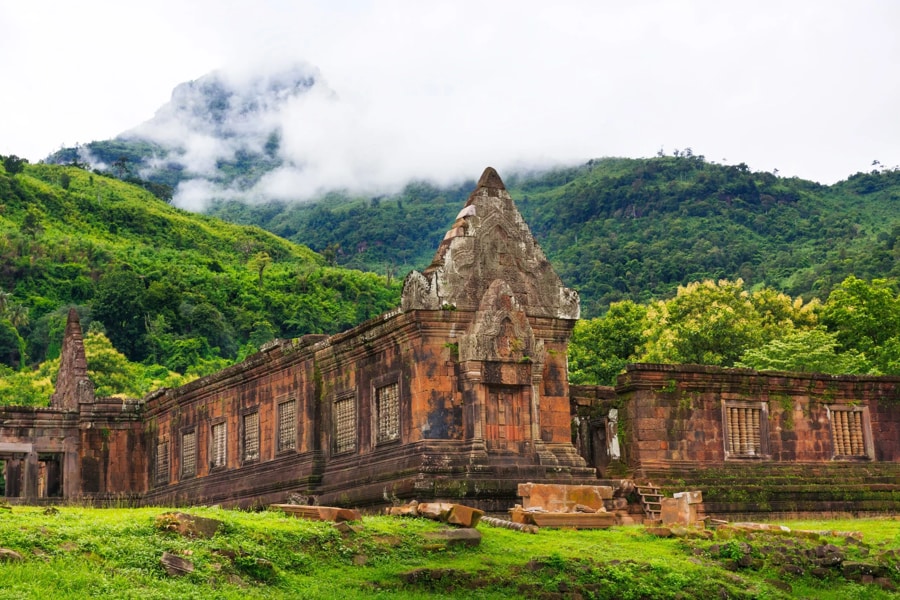
When it comes to what makes Wat Phou special, it is not just its age but the exquisite location in which it is placed. This temple is situated along a natural path that stretches from the Mekong River up to the top of the mountain, symbolizing the broad views of the landscape, religious springs, moss-covered stairs, and peaceful worship areas. Moving through this temple area gives one the sensation of being in a living museum where history and religious aspects meet in perfect harmony with the surroundings.
History Of Wat Phou
Wat Phou is among the oldest Hindu temples in Southeast Asia, symbolically representing the religious and architectural legacy of the Khmer culture. Its construction took place in the late 10th and early 11th centuries AD, even prior to the construction of the renowned Angkor temples in Cambodia, with its original purpose being an homage to Shiva, one of the main gods of Hinduism.
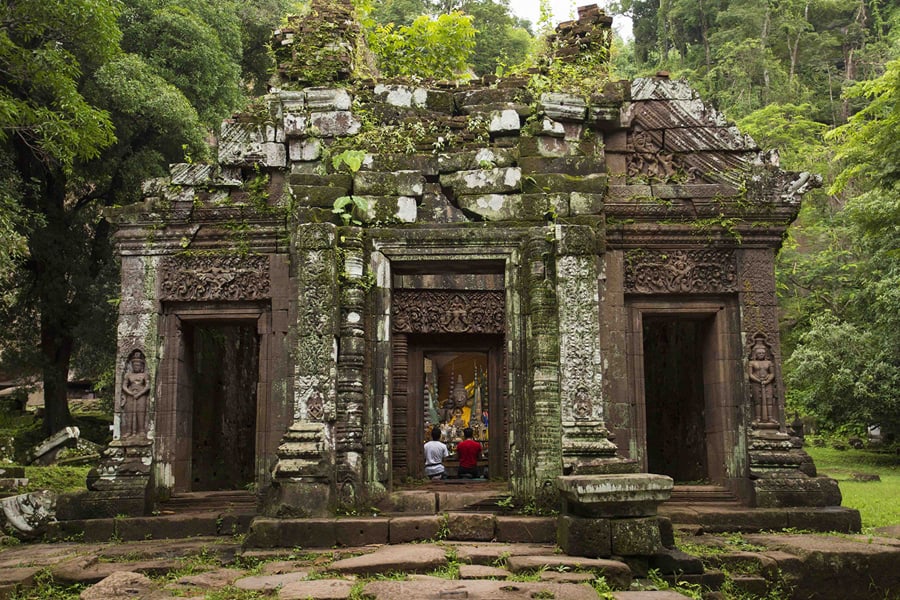
During the 13th century, the Khmer civilization transformed Wat Phou into a monastery for religious leaders of the Buddhist faith, which it remains to this day. The temples’ enigmatic carvings include a stone crocodile, a religious symbol of a ‘lingam’ on top of Mount Phou, and serpent-covered staircases leading up to the religious sanctum.
The Wat Phou temples were designated a UNESCO World Heritage Site in 2001 and have remained an important relic of Laotian culture and a ‘must visit’ for any traveler in the area because of its enduring conservation and prestige among the people of Lao.
Unique Architecture Of Wat Phou
Wat Phou is a marvel of old Khmer architecture, a fusion of spirituality, art, and the natural environment. As you walk around the compound, you will see a series of architectural levels showing the history of this religious site from a Hindu temple, eventually developing into a Buddhist shrine.
The Ancient Museum Entrance
Your adventure in Wat Phou starts with a small but intriguing museum located within the area, protecting regional cultural icons. Inside the museum, over a hundred stone artworks, such as reliefs and representations of Hindu gods, reflect the skill of the old artists who created these pieces of art. Though heavily battered throughout the centuries, the main gate of the museum is proof of the elegance of past civilizations because it features fine carvings.
The Sacred Processional Path
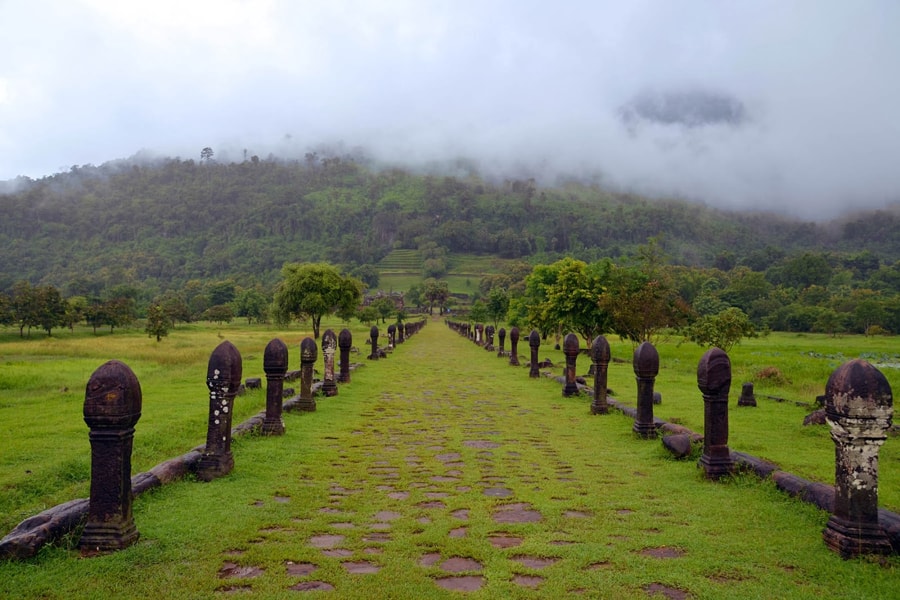
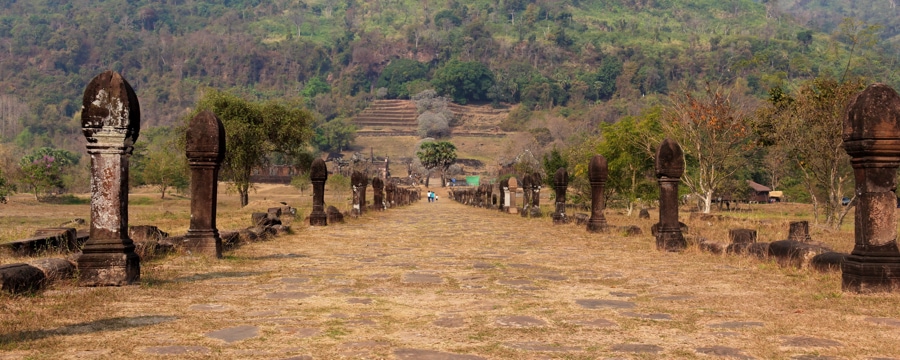
From the museum, a straight walkway leads one towards the main temple area. This walkway is flanked by stone pillars in the shape of lingas, a symbol of Shiva in Hindu mythology. A series of large, broad stones makes up the pathway, giving it a serious look as one walks towards the shrine area.
The Twin Mandapa Temples
Two old mandapas rest on a raised platform with an eastern exposure at the end of the processional path. The materials used were some of the finest sandstones, which were partially restored with the objective of restoring the original splendor and symmetry typical of religious sites constructed by the early Khmer.
The Steep Sacred Stair
Reaching the upper sanctum, one is required to climb a series of stone steps leading up the mountain sides. This series of stairs is accompanied by tall cylindrical pillars and greenery, forming a dramatic entry into the religious peak. This journey of stairs symbolically leads one away from the earthly plane and into the divine realms.
The Upper Sanctuary And Carved Rock Shrines
First, the topmost level exposes the most distinctive features of Wat Phou’s architecture, including oversized stones carved in perfect circles and interlocking seamlessly with other similar stones and beautifully detailed carvings.
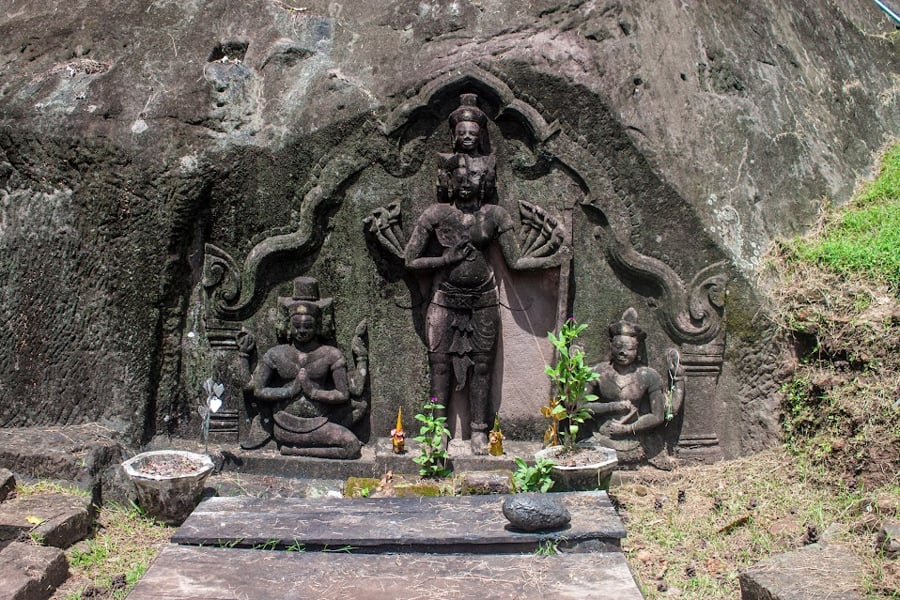
Other enigmatic carvings include the crocodile stone and other symbolically religious carvings within and around the sanctum sanctorum of Wat Phou. The finer details in these carvings represent the dedication and expertise of the Khmer people who constructed Wat Phou out of the mountainside itself.
5 Unforgettable Experiences You Shouldn’t Miss
A visit to Wat Phou is much more than just an exploration of a historical temple. It’s a journey through history, culture, and an array of mesmerizing natural surroundings. Here’s a look at what makes this holy site come alive and your visit an unforgettable one.
Appreciate The Timeless Architecture Of The Ancients
Wat Phou’s most striking trait is perhaps its perfect fusion of old Khmer art and the religious influences of the earliest Hindus. As you step inside the grounds of the temple, you will come upon a museum containing over a hundred statues and intricately carved reliefs dating from the 5th to 11th centuries.
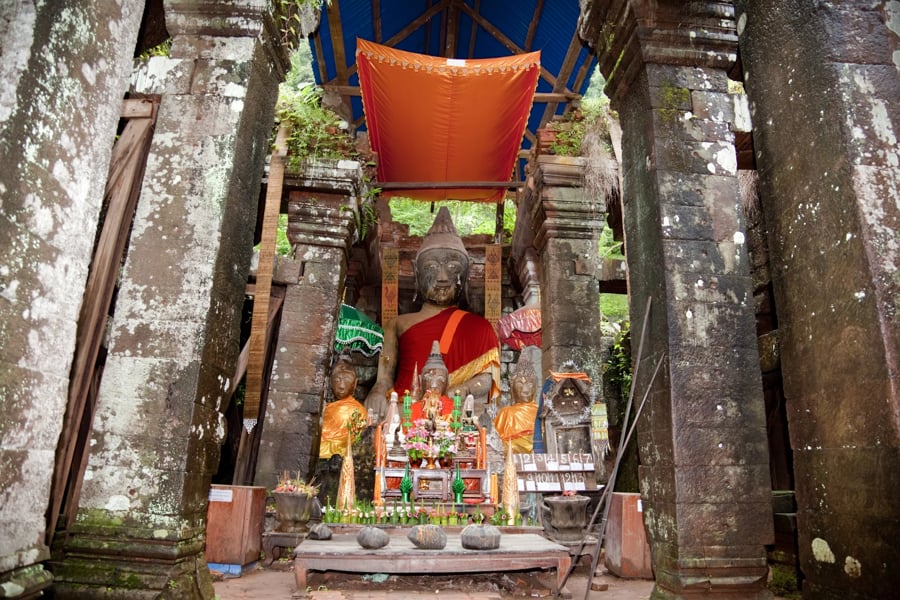
Lined up along the main walkway are the stones, leading you to two main temples, both of which face eastwards. The upper level is 60 meters wide and 60 meters long and is 70 meters above ground level; it used to be a shrine of Shiva and is currently the religious core of Wat Phou itself.
Take In The Majestic Natural Scenery
Apart from its architecture, Wat Phou is renowned for its gorgeous landscape surroundings, too. It is located amidst the majestic Mount Phou Khao and a flowing Mekong River, so the landscape aligns beautifully with the historical grandeur of the temple settings.
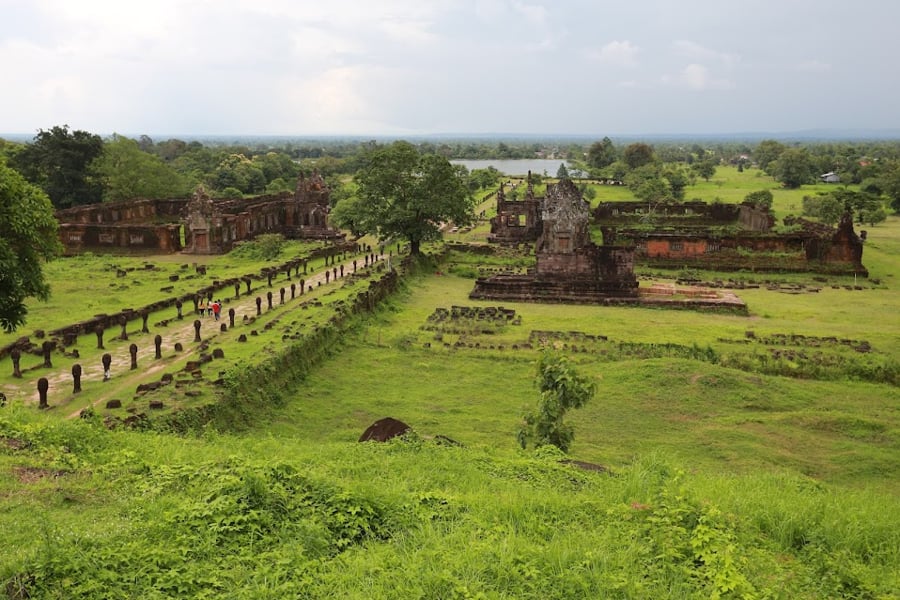
There is plenty of greenery, thick trees, and open areas where one can unwind and take a moment to appreciate the surroundings. Visitors have often sensed a calm atmosphere when taking a stroll within the grounds of Wat Phou, especially with the golden hues of the setting sun shining upon the historical ruins.
Experience The Vibrant Wat Phou Festival
A visit to Wat Phou during the full moon in the third lunar month will allow you to join one of the most significant and colorful Buddhist holidays, the Wat Phou Festival, in southern Laos. Thousands of Laotian people come here to honor the Buddha with religious rituals, including candlelit processions, giving alms, and offering rites.
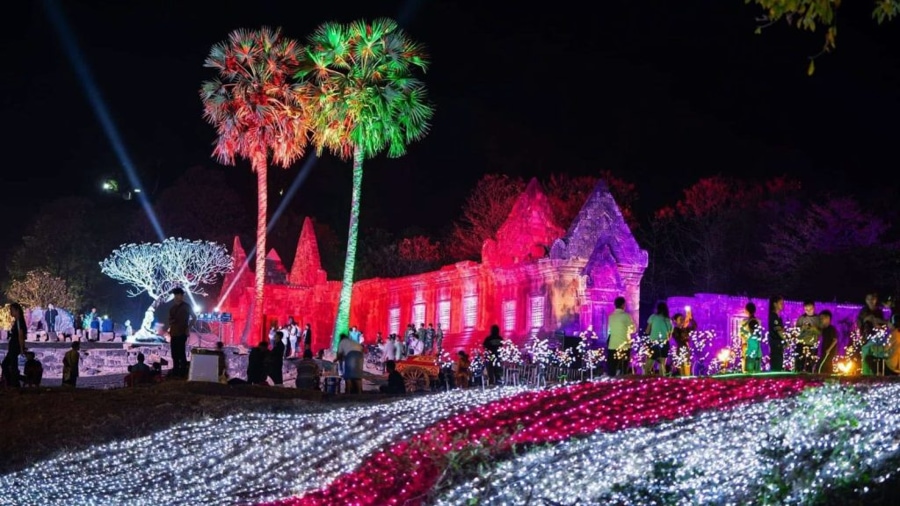
The temple comes alive with typical Lao music, chanting, and cultural shows, giving you a better insight into the Lao spirit of life. Moreover, you will be able to try local food and typical sweets, and visit craft stalls featuring products typical of the region.
Hike The Sacred Pathway To The Upper Sanctuary
For most people who visit Wat Phou, one of the most memorable experiences in Pakse will be climbing up the old stairway that leads to the top of the sanctuary. This stairway is made up of stones, which have worn a smooth finish over the years, and you will see these stones winding past frangipani trees, which fill the air with a sweet scent when in bloom. As you ascend, you will get a view of wide expanses of land leading up to the Mekong River.
Explore The Enigmatic Sacred Carvings And Rock Landforms
Wat Phou is replete with significant rock sculptures and carvings that symbolize the religious ideologies of the Khmer culture of old. Of great interest here is the crocodile rock sculpture and the elephant-shaped rock formation, both of which symbolize profound mythological legends.
It is generally believed these rock sculptures were used for some religious ritual in olden times, giving this religious site a sense of mysticism associated with rituals unknown to most people today. This activity is perfect for those travel enthusiasts who take a profound interest in the background history of religious sites associated with hidden meanings and symbols.
Entrance Fee
Wat Phou has a nominal entrance fee, typically around 50,000 kip (approximately 2-3 USD), for international visitors. There is an extra charge for hiring a local guide and other services such as guided tours, lighting for pictures, or mountaineering equipment.
Opening Hours
The temple is normally open from 8:00 AM to 5:00 or 6:00 PM, although this may vary according to some sources. It is advisable to visit the temple in the early morning or late afternoon to avoid the scorching sun when sightseeing.
Laos enjoys a tropical monsoon climate with a clear distinction between the wet and dry seasons. The wet season is from May to October in Pakse, with the remaining period from November to March being the dry season, which is cooler with favorable weather.
For an optimal experience, it is recommended that you visit during the dry season so that you can easily tour the temple without disruptions due to rainfall.
How To Get To Wat Phou
From Pakse, passengers can make their way to Wat Phou by many different forms of transport: taxi, self-drive car, tuk-tuk, which is less expensive and provides travellers with a little more flavour. The total distance is roughly 50 km and will take approximately 1 hour.
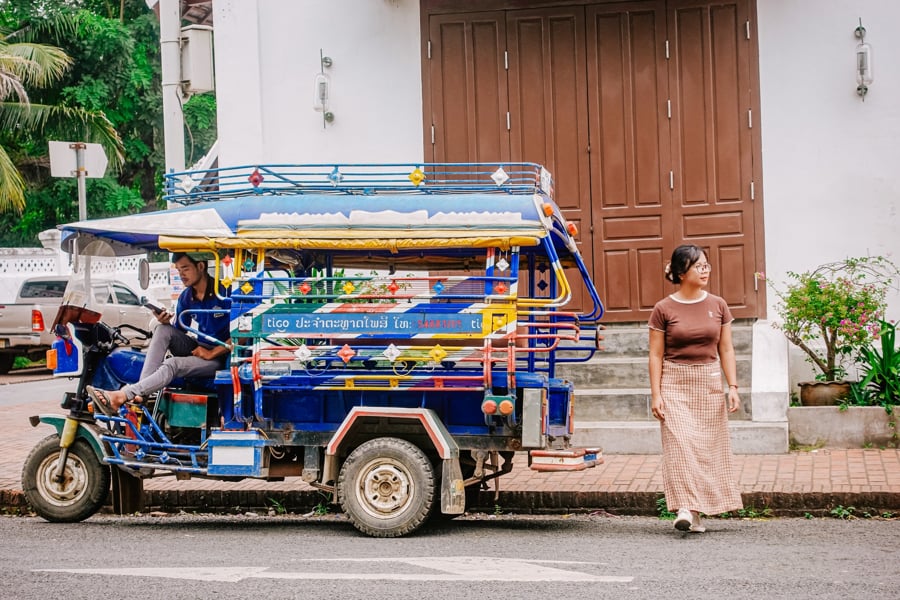
Taxi prices usually sit around 150k – 200k KIP, whereas tuk-tuks normally charge about 100k – 120k KIP. You will see beautiful scenery, including the Mekong River, on your journey, as well as other parts of the Historical Laotian Culture. Therefore, you get to experience the actual trip as well as the destination.
Things To Know Before Traveling To Wat Phou
A visit to Wat Phou is an adventure you will never forget, but some tips will be helpful in getting the most out of your adventure. Here are some things you need to know about this historical temple site built by the Khmer civilization.
- Wear comfortable footwear and clothing because temple grounds involve long walkways, uneven stone paths, and staircases leading up to the upper sanctum. It is best to wear light fabric because the region is rather warm throughout the day.
- Bring lots of water, especially if you will be hiking up to the top of the main sanctuary area, since hydration options may be restricted around the entrance areas.
- Early in the morning, so you can avoid the heat and the noon-time crowds. The temple is especially beautiful in the early morning light, with a better photographic backdrop and a serene environment.
- Be mindful of local norms and dress appropriately, as Wat Phou is an active religious site. It is customary to have your shoulders and knees covered, and you can act quietly when in religious areas.
- It is advisable to have some cash with you because some entrance fees, car park fees, and other smaller purchases, such as beverages, souvenirs, and snacks, may be required in cash.
- Be careful when you walk up the upper sanctuary area because the stairs leading up are old and made of stone, with some parts slippery and some stairs of unequal heights.
- Check the weather conditions before you visit, since coming during the rainy season can make the stairs slippery and vision blurry. A visit during the dry season is ideal.
Final Thoughts: Is Wat Phou Worth Visiting?
A visit to Wat Phou is a must for those who appreciate historical sites, scenic views, and cultural enrichment. A thousand-year-old Khmer buildings, religious atmosphere, and majestic mountain setting of Wat Phou create a memorable and spectacular landscape with a profound spiritual flavor. Walking through the temple complexes lets you peek into the history of Southeast Asian civilization. For your ideal Laos tour, try other wonderful travel ideas with Seni World.


