


One of the oldest temples in Vientiane, Wat Si Saket features a distinctly Siamese architectural style and thousands of statues of Buddha, as part of a pleasant cultural landmark, and the serene temple offers visitors an insight into Laotian spirituality.
Introduction To Wat Si Saket
Wat Si Saket is one of the most interesting and historically significant temples in Vientiane, and is known as the oldest existing temple in the city. Built in 1818 during King Anouvong’s reign, it was remarkably not affected at all by the Siamese invasion, and remains one of the few remaining structures in Laos untouched in its original condition. Surrounded by a relatively peaceful environment, its traditional Lao-Buddhist style, including a beautiful five-tiered roof, provides a very peaceful place to escape the busy capital.
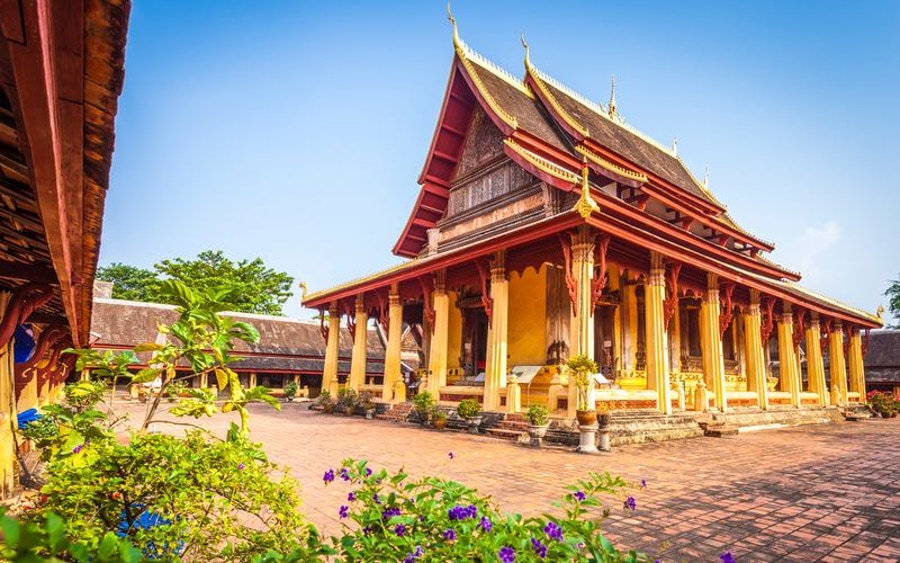
Wat Si Saket’s famed cloister wall is a beautiful feature as well, containing thousands of images of Buddha in various sizes and materials, from wood to bronze to ceramic. The unique collection gives travelers a glimpse into Buddhist reverence and craft spanning across centuries. No matter how you come to Wat Si Saket, whether you are here for the tranquil temple halls, to admire ancient murals, or the cultural stories, this is a destination that beautifully combines history and cultural significance and quiet beauty.
History Of Wat Si Saket
Wat Si Saket was built in 1818 at the request of King Anouvong and is among only a few temples in Vientiane that incorporate strong Siamese Buddhist architectural features. Unlike the typical, traditional Lao temple, Wat Si Saket is characterized by a five-tiered roof structure and surrounding terraces that lend it a distinct and unusual appearance, austere but dignified, with an understated fusion of both Eastern spirituality and Western stylistic inspirations. It is this type of architectural design that likely explains why the temple survived the various sweeping historical disruptions, including the aftermath of King Anouvong’s rebellion.
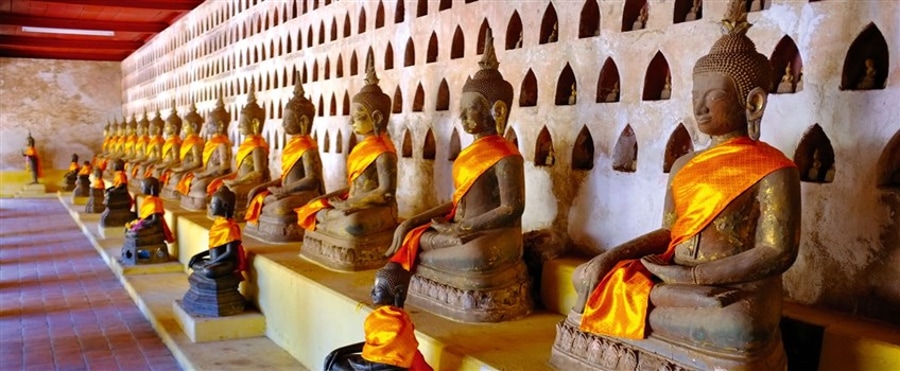
Wat Si Saket has survived, like much of its surroundings, for over a century in quite remarkable condition. The temple underwent two major restorations, in 1924 and 1930, overseen by the French authorities, to preserve its architectural beauty and its deep cultural and religious significance. Today, Wat Si Saket, a living historical treasure and sacred Buddhist space, is home to thousands of ancient Buddha statues and is a popular and significant stop for travelers seeking to engage with one of Laos’ symbols.
Unique Architecture Of Wat Si Saket
Visitors to Wat Si Saket are struck by the elaborate architecture and rich historical details. From the tiered roof down to the corridors that wrap around the temple, each aspect of this site speaks of centuries of Lao craftsmanship and spirituality. The following is a description of features that make this temple architecturally unique.
Tiered Roof And Surrounding Corridors
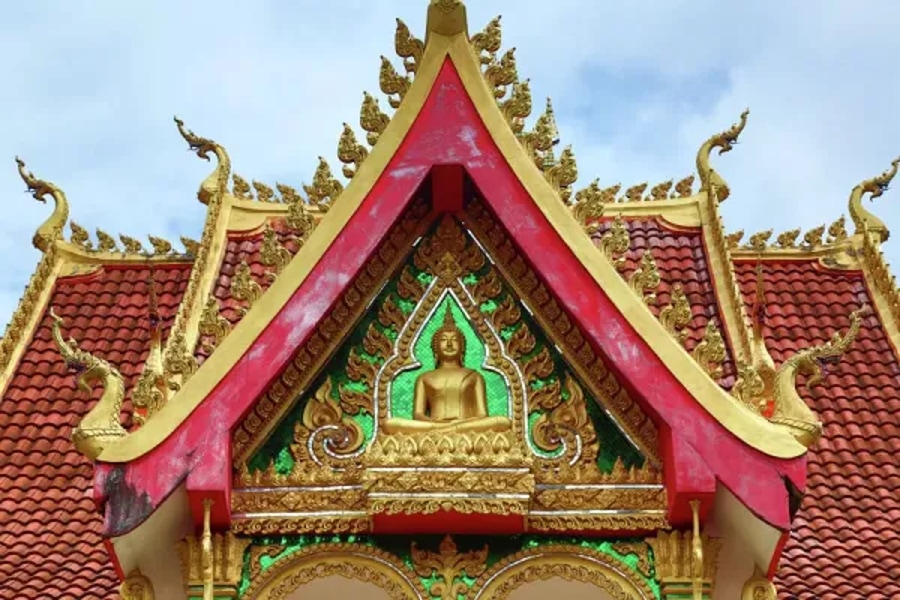
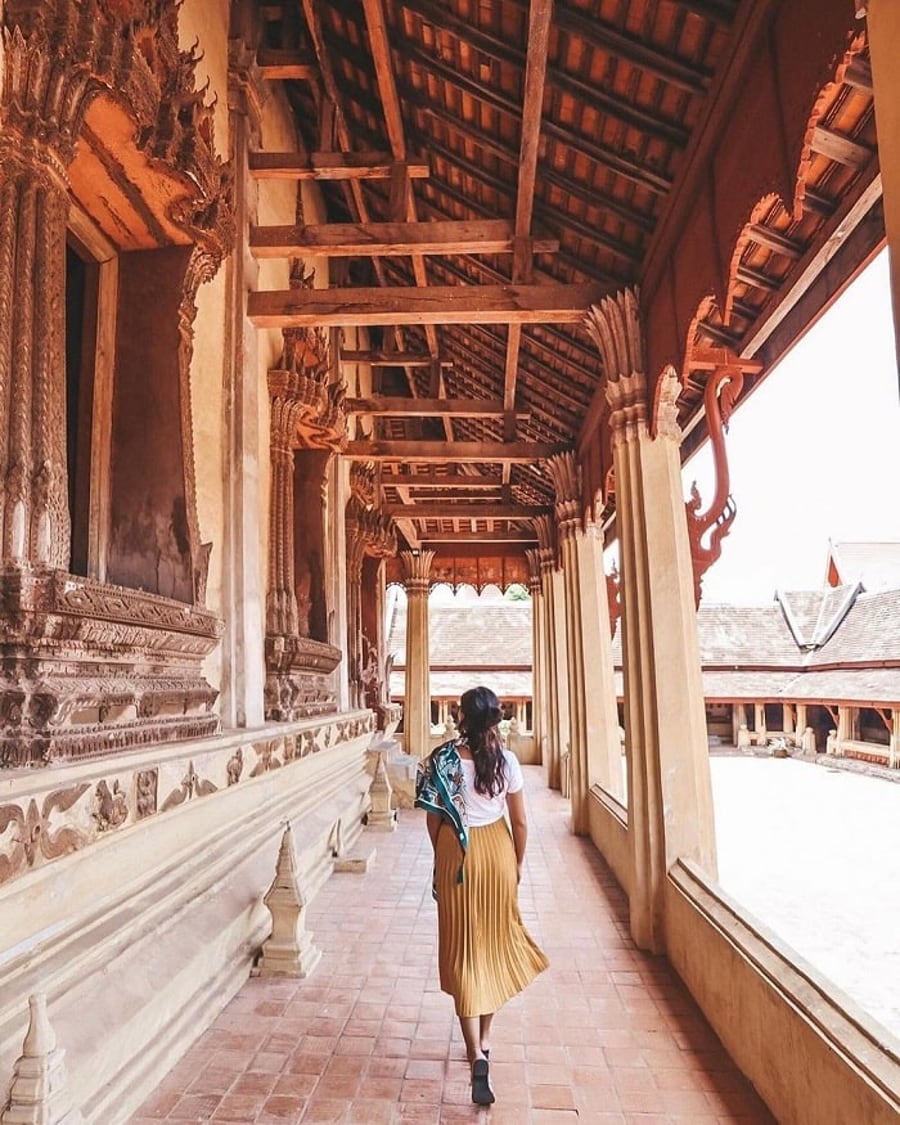
An impressive five-tiered roof is the most notable architectural feature of Wat Si Saket, with the roof creating a stacked effect that is striking. Wrap-around corridors run around the main temple and provide shaded areas for walking as well as a calming ambiance. The corridors lead visitors around the temple grounds while also providing display areas for the thousands of Buddhas that are displayed along the walls of the corridors.
Collection Of Buddha Statues
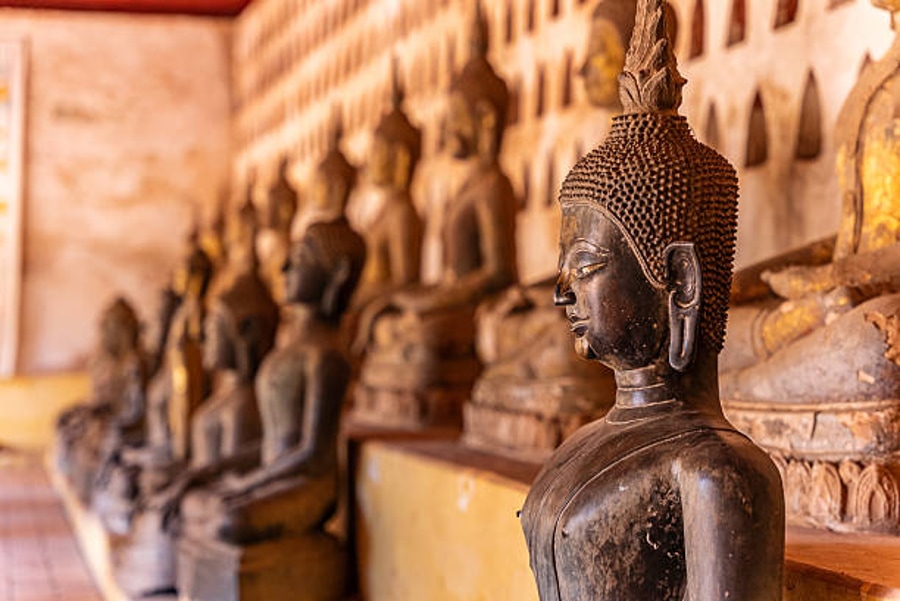
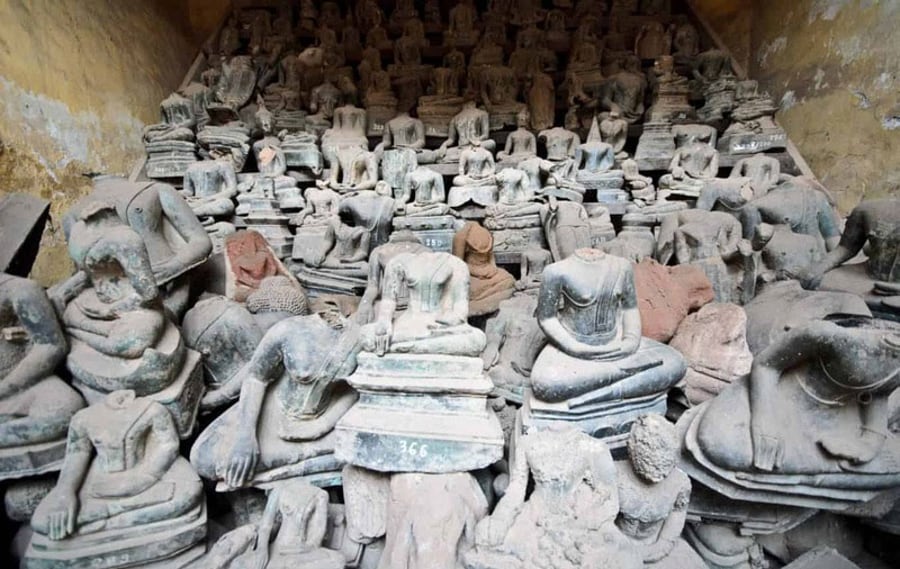
There are over 2,000 statues of Buddhas displayed in the corridors, varying in size, shape, and material. Dating back between the 16th and 19th centuries, the statues reflect the devotion of generations of Lao devotees and the richness of history. About 300 statues carved from tin, stone, and wood are displayed throughout the temple grounds and exemplify traditional Lao sculpting methods.
Central Shrine And Precious Statues
The central shrine houses beautiful bronze statues of Buddha cloaked in gold, which represent the zenith of artistic and religious inheritance. Visitors frequently marvel at the multitude of statues specifically arranged around the shrine. Even the entryway to the shrine, with its plain wooden doors, opens to a stunning display of spiritual art in various forms that will imprint the image of reverence and magnificence in their minds.
War-Damaged Statues And Historical Remains
As one travels along the western corridor, one can see broken statues from the Siamese invasion period in 1828. They are remnants of a time of war and serve as mute testimony to the temple’s historical story. They represent a historical significance in contrast to the serene surrounding religious spirit of the Wat Si Saket.
Hidden Rooms And Sacred Artifacts
On the left side of the main shrines, you can enter through a small wooden door to see hundreds of Buddha statues, each with its own story. The temple also serves as a library and preserves and maintains approximately eight thousand valuable texts. The arrangement of the small Buddha statues in small niches within miraculously summons a sense of security and peace for those who worship there and for those who visit for contemplation.
4 Unforgettable Experiences You Shouldn’t Miss
A visit to Wat Si Saket is more than just a tourist experience – it is a chance to experience the rich history, culture, and spirituality of Laos. Below are some memorable and unique experiences to remember while visiting.
Explore Cultural And Historical Heritage
Engage with the fascinating history of Wat Si Saket from its construction by King Sethathirath to the restoration under the French. Learn the stories behind the thousands of Buddha statues in the temple, each with its own story and significance. Watching the local worship provides visitors with another layer of depth around the traditions and consistent devotion and practice of the Lao people, creating an experience that is more educational than memorable in Vientiane.
Appreciate The Architecture And Buddha Statues
Take the time to appreciate the temple’s lovely architecture with its tiered roof and expansive courtyards. The thousands of Buddha statues are inside the temple – in different ages, sizes, and designs – allowing for angles to take pictures or just reflect and appreciate from any angle you decide to take. Each statue demonstrates craftsmanship and reverence, and highlights the opportunity to connect through artistry and religious etiquette, which has persisted for thousands of years in a single location.
Immerse Yourself In Spiritual Life
Wander the temple grounds and appreciate the peaceful and sacred environment where you can contemplate and appreciate the spiritual significance of the statues and sacred areas. Even if you do not participate but only witness the local rituals, it will give you a better understanding of how Buddhism holds significance in everyday life here in Laos, and make a lasting impression on your visit with the peaceful charm of the temple.
Discover Lao Spiritual Practices
Visiting Wat Si Saket will allow you to get up close to witness traditional Lao rituals: chanting, offerings, and devotion rituals. These rituals, while simple to observe, have a profound significance associated with them that reflects spiritual values and beliefs. Learning these traditions will undoubtedly add another dimension to your sightseeing and culturally enrich your trip beyond tourism.
Entrance Fee
When entering Wat Si Saket, visitors will need to pay a nominal entrance fee. For foreign visitors, this is about 34,775 LAK (approximately 1.32 USD). You can pay for a ticket upon entering the site, which grants you access to the temple area and main sanctuary.
Opening Hours
Wat Si Saket is open every day from 8:00 AM – 5:00 PM, giving visitors enough time to enjoy the beautiful architecture and thousands of Buddha statues. The temple is open year-round, but the best time to visit is during the dry season from December to April, when the weather is refreshed and makes for good sightseeing.
How To Get To Wat Si Saket
To visit Wat Si Saket, travelers first must get to Laos, usually by flying to the capital city of Vientiane. If you are already located in another province in Laos, you can travel to Vientiane by car or bus.
Once in the city center, there are a few easy ways to get to Wat Si Saket:
- Private vehicles: If you are driving from the central location in Vientiane, take Rue 23 Singha and Route 13 for about 10 minutes. Get off at Route 13 and Nongbone Road.
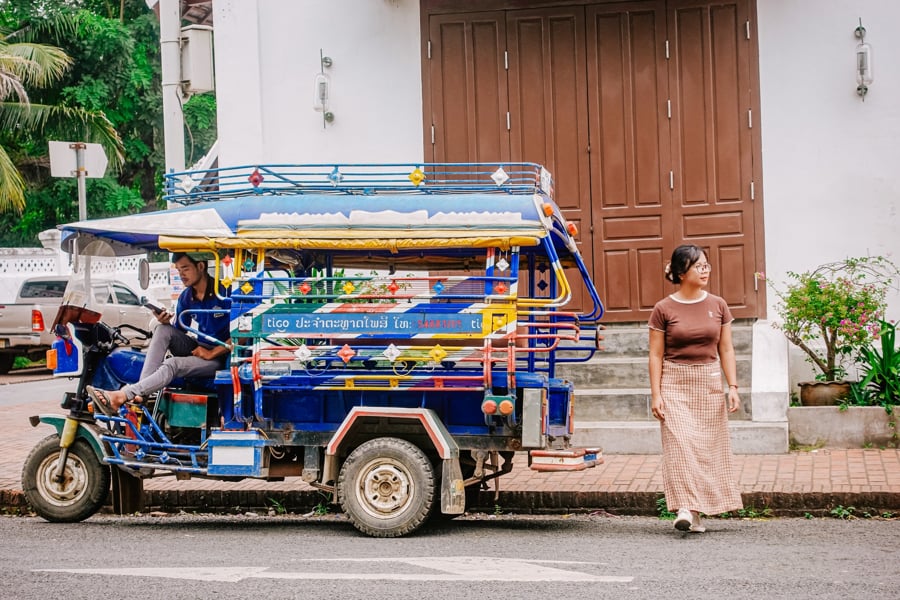
- Tuk-tuk: The fastest and easiest option is to rent a tuk-tuk. Expect a price of around 200,000 kip (about 232,000 VND) for a 7-seater tuk-tuk.
- Bus: Public buses are certainly the most inexpensive option. You can take the number 14 bus from the city center, which makes it easy for all tourists to get to the temple (and it is close by).
Things To Know Before Traveling To Wat Si Saket
Experiencing Wat Si Saket is a wonderful cultural experience, but here are things to consider to ensure a respectful and pleasant experience and visit. Before visiting, it would be helpful for you to review these important guidelines to enhance your experience of the temple.
- Be sure to wear appropriate clothing that covers shoulders and knees. For sacred spaces, avoid wearing short skirts, open-back tops, or very revealing clothing, including sleeveless tops.
- Keep the atmosphere quiet and respectful. Speak quietly, avoid making loud noises, and do not touch any Buddha statues or sacred worship objects.
- Remove your shoes before entering the shrine area. This is an important and mandatory practice at all Buddhist temples in Laos.
- If you are taking photos – only take them in places where it is allowed. When taking photos of Buddhas or centuries-old murals, do not use flash.
- If participating in an offering or local ritual, observe, and follow what the local worshippers, monks, or priests are doing to demonstrate respect and faith.
- Keep the temple grounds clean, do not litter, do not pick flowers, and do not cause damage to the temple, surrounding structures, or the environment.
FAQs About Wat Si Saket
A visit to Wat Si Saket provides insight into the deep cultural and spiritual connections of Laos, but visitors to the temple often have practical questions before their visit. Here are some frequently asked questions, with helpful answers to facilitate your visit.
Is photography permitted inside the temple?
Generally, you can take photos around Wat Si Saket, but be sure to abide by any rules the temple has. As a sign of respect, please do not use flash on either the Buddha statues or the sacred murals. Also, always be respectful to the temple and do your best to take photos discreetly if you are near people who are praying and engaging in worship.
What do I wear when visiting Wat Si Saket?
Visitors are expected to dress modestly, covering both their shoulders and their knees. As a sign of respect to the sacred site, pets and revealing clothing, shorts, and sleeveless t-shirts or tops are not permitted. It is recommended to wear comfortable shoes because at some points you will need to remove them before you go to certain areas.
Can I enjoy religious ceremonies at Wat Si Saket?
Yes! If you respect the local customs and practices, tourists and visitors may observe or participate in the ceremonies and rituals as the locals do. If you see the locals make some kind of offerings and prayers, do your best to follow them as you participate. Part of visiting the ceremony and offering provides insight into Lao Buddhist practice, which many find educational.
Final Thoughts: Is Wat Si Saket Worth Visiting?
The temple Wat Si Saket is undoubtedly worth visiting for those travelers looking to engage more fully with the history, culture, and Buddhist heritage of Laos. The temple is Vientiane’s oldest surviving temple, and has a contemplative charm, stunning traditional architecture, and thousands of Buddha statues that provide an unforgettable experience. If you have planned a trip to Vientiane, come let Seni World show you Wat Si Saket and make your motivation to visit those sacred places meaningful in life.


