


Sapa’s Y Linh Ho Village is a tranquil settlement located in the Muong Hoa valley, which features terraced rice paddies and lofty mist-covered hills, and embodies the rich local culture of the H’mong people. Visitors can enjoy the serenity of this village and have access to various natural attractions.
Introduction To Y Linh Ho Village
Located within the scenic Muong Hoa Valley, bordering the Sapa area of northern Vietnam, Y Linh Ho Village is a remote village that offers visitors a tranquil haven amongst the stunning landscape of terraced rice fields, verdant summits, and traditional ethnic village communities, although it is not as developed for tourism as the surrounding areas of Sapa. It is an ideal destination for those who seek an authentic experience with nature and traditional culture.
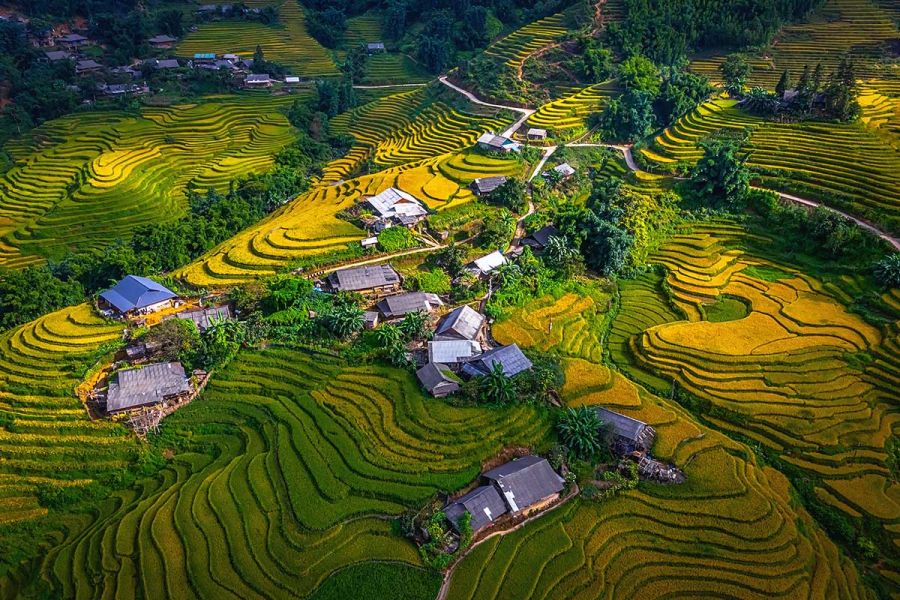
Many people visit Y Linh Ho to view the daily lifestyles of the H’Mong and Dao people living in the area, as well as to hike through winding dirt trails that follow streams and rice paddies, discovering beautiful vistas throughout the Hoang Lien Son mountain range. A combination of traditional weaving and indigo dyeing, as well as the unique cuisine, gives Y Linh Ho’s visitors an opportunity to gain a deeper appreciation of life in the northwest highlands of Vietnam.
History Of Y Linh Ho Village
The village of Y Linh Ho is believed to be named after its founder, “Ly Linh Ho.” The Dao are believed to have “reclaimed and settled this land” many generations ago. The H’Mong people adopted this name and retained it as a sign of respect for the founder’s contribution, while at the same time creating a unique cultural and historical identity for the mountainous area of Sapa.
While the town today consists mostly of H’Mong residents, there remain several Dao families, and it retains its tranquil, natural beauty, which can be connected to the area’s rich history, traditions, and its connection to the environment.
6 Unforgettable Experiences You Shouldn’t Miss
Hidden from the busiest treks in Sapa, Y Linh Ho Village offers you an invitation to experience the stripped-down, rewarding nature of beauty, wherein nature and true highland culture are what define experience. It’s all about substance, not flash, about trails that are uneventful, about interactions that are genuine, and about the valley unfolding in a different, more authentic way.
Walking Through the Terraced Rice Fields of the Muong Hoa Valley
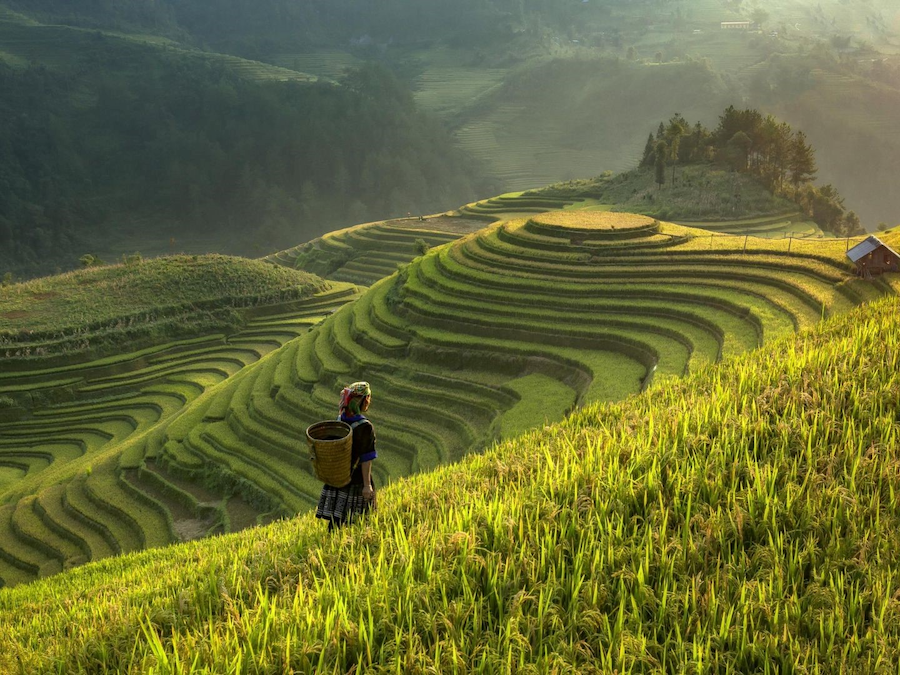
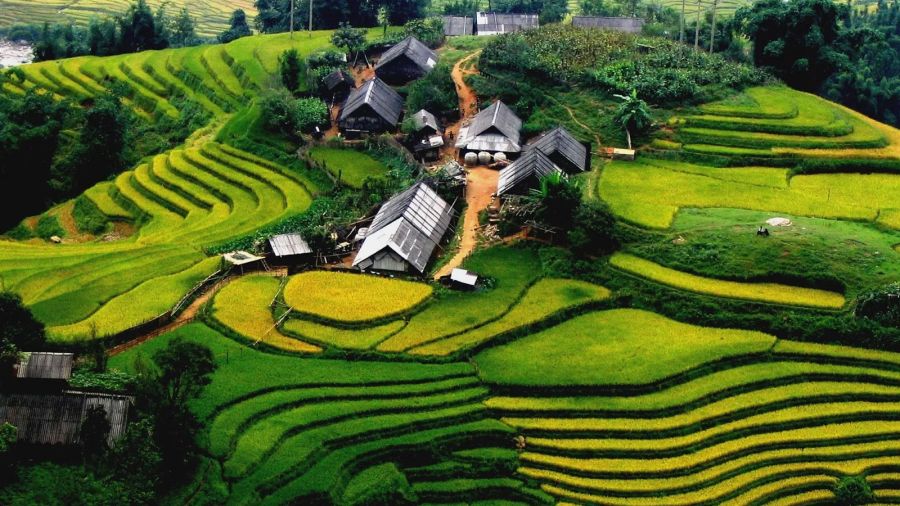
A stroll through Muong Hoa’s rice terraces is the essence of enjoy-. Paths wind you through terraced rice paddies that change color from rich greens of spring through summer’s soft gold. Meanwhile, you listen to streams bubbling, observe farmers tending their lands, and see mountains fading away in mists. It is a slow and immersive experience where you absorb the rhythm of life in the highlands and take great shots without any deadlines.
Try on Traditional H’Mong Clothes for Photos
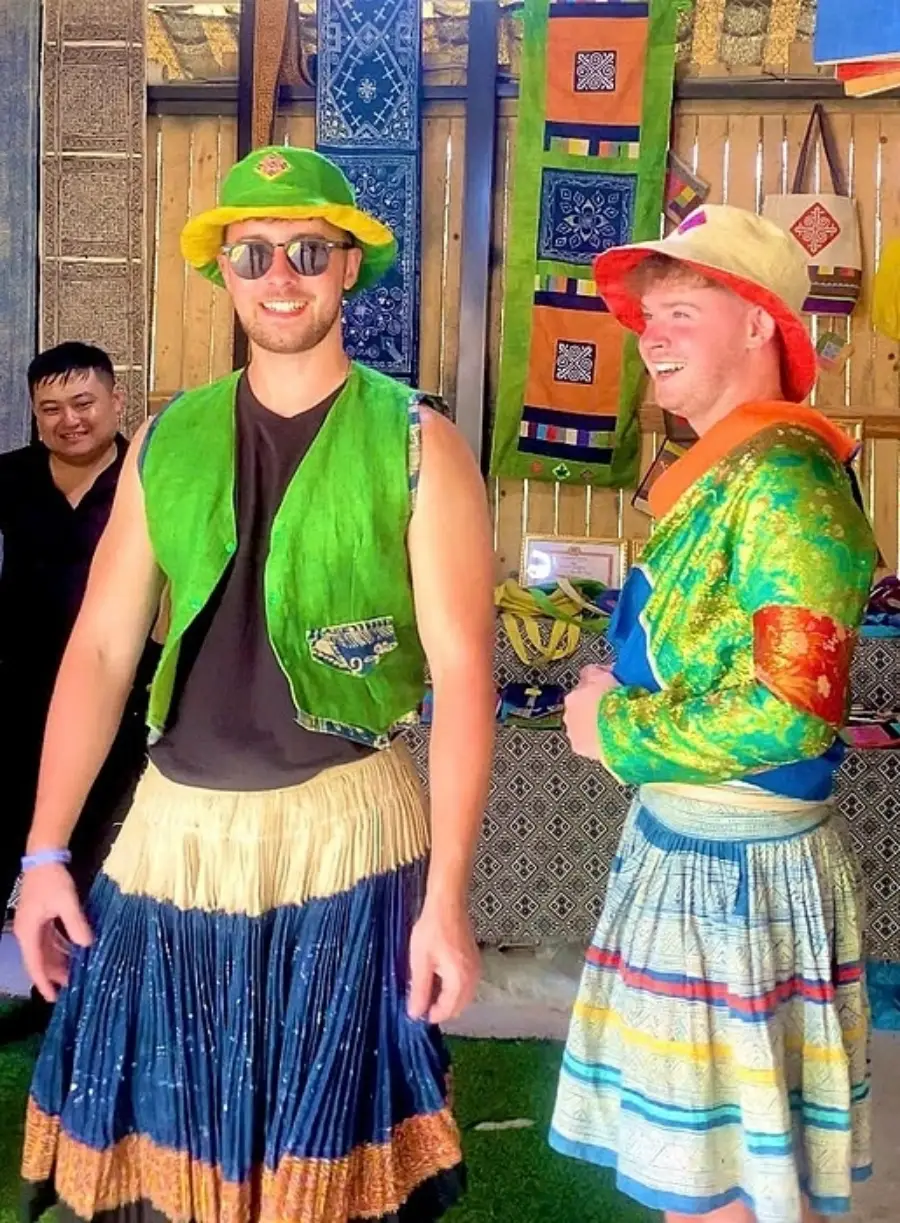
Wearing traditional H’Mong clothing provides a direct connection to the culture at Y Linh Ho. Locals can rent colorfully sewn clothing in a variety of styles. Not only does wearing traditional clothing improve your photographs, it also expresses the love and care the artisans put into making each item. Among the lush fields or the homes made of bamboo in the background, a truly engaging experience can be achieved.
Discover the Cuisine and Daily Life of the H’Mong People
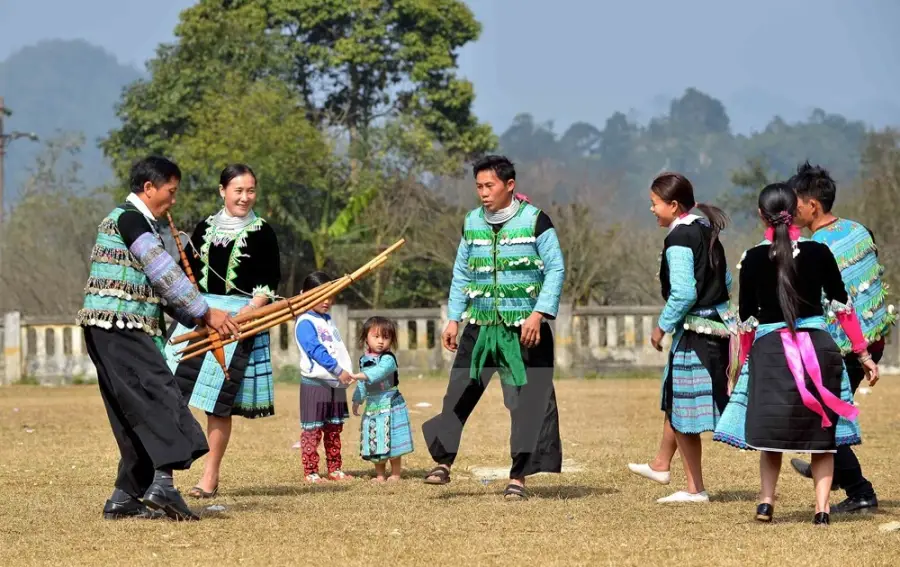
Visiting the many local eateries and cafes in Y Linh Ho will provide you with an insight into H’Mong tradition and how they live day to day. You can see women dye fabric using natural indigo, weavers creating traditional cloth, and women cooking meals over a wood fire.
The traditional meals served there include thang co (a dish of boiled meat), grilled “cap nach” pork, sticky rice and corn cakes. These traditional meals exemplify the frugal and simple way of mountain life. Having meals or chatting with the locals will be enriching experiences far above the run-of-the-mill sightseeing tours.
Cross Over the Lao Chai San 2 Bridge
Crossing the Lao Chai San 2 Bridge gives you access to a less-frequented section of the Muong Hoa Valley. This wooden suspension bridge crosses a small, slow-moving stream, with terraced fields on one side and mist-covered, high, steep mountains on the other.
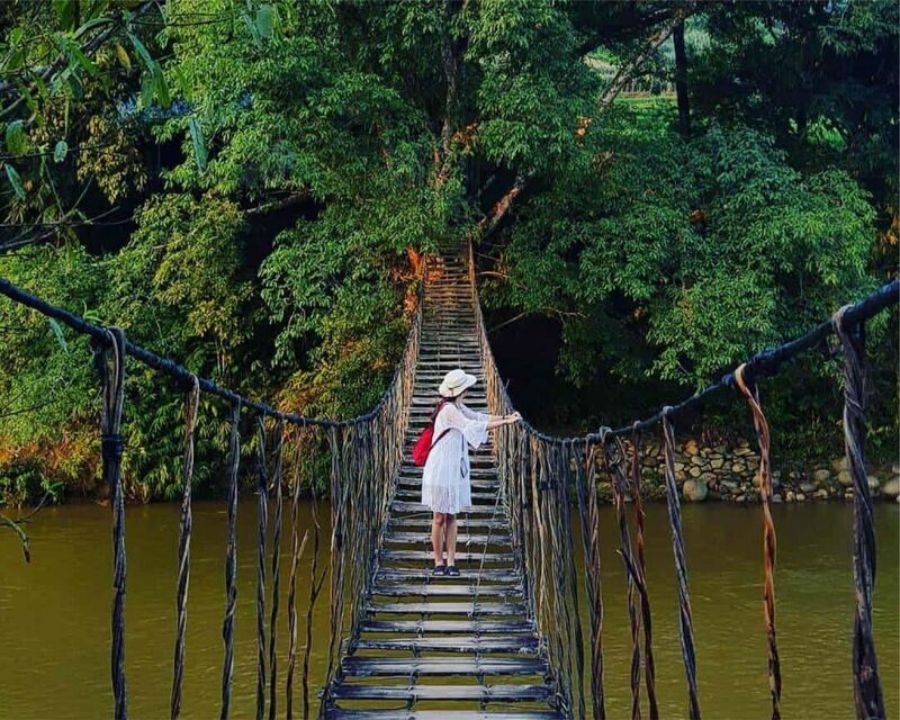
Many tourists stop to take photos as well as to enjoy the natural beauty around them of both the mountains and the valleys. As the primary entrance into Y Linh Ho Village, the bridge provides a sense of the peaceful, tranquil journey that is ahead.
Peaceful Village Trekking
Y Linh Ho offers an alternative trekking experience for adventurers looking for quiet trails. The village’s routes offer the opportunity to see rice paddies, forests, and small villages, allowing you to see first-hand how people in rural areas live.
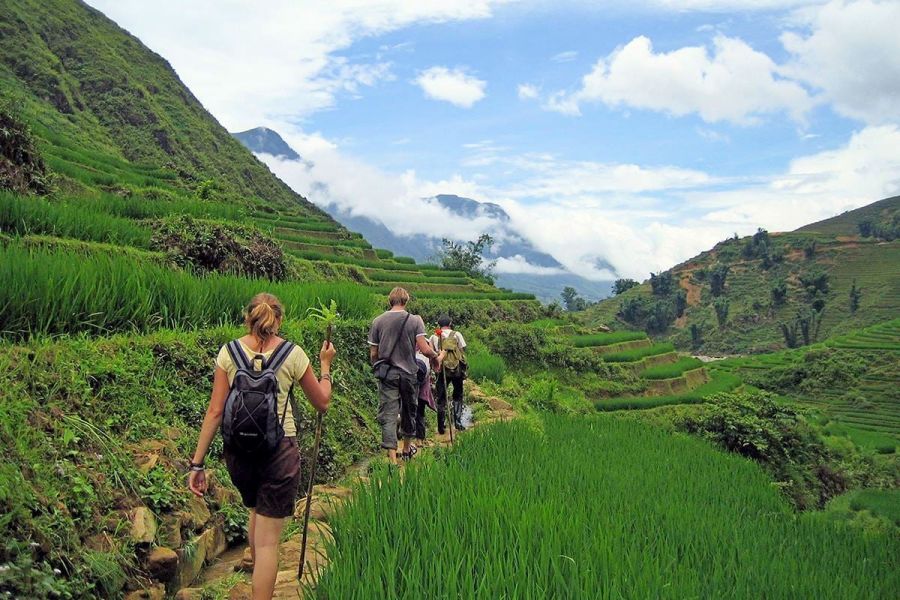
On your trek, you will likely see children playing, farmers working their land, and buffalo grazing near the trail. The emphasis when trekking in this area is not on how fast you can get to the end of the course but rather on the things you see and experience along the way. Trekking is a means to step off the beaten path and come closer to nature and the people who live in these remote regions of Vietnam.
Rustic Village and Landscape Photography
For those who love photography, Y Linh Ho Village provides a never-ending source of images. From old wooden houses and dirt paths to farmers carrying baskets of produce over rice paddies, all subjects are natural and unposed. Imagine photographing the gentle light and mist during early morning hours or the soft hues of evening as the sun sets over the valley. These beautiful moments allow a photographer to capture the heart of highland communities and create a meaningful visual documentary for years to come.
Entrance Fee
The small village of Y Linh Ho in Sapa does not charge any official entrance fee in contrast to larger villages such as Cat Cat, which tend to charge an entry fee for visitors. Y Linh Ho is also a traditional H’Mong village located in a very picturesque valley with beautiful rice terraces where visitors are able to walk, trek and take pictures as much as they like without paying anything to do so.
However, visitors should plan to pay for some small services such as eating at a local restaurant or staying in a local homestay, and wear comfortable walking shoes and have enough energy to explore Y Linh Ho.
Best Time To Visit Y Linh Ho Village
The best time to visit Y Linh Ho Village is during its water season from April to May. At this time, rainwater pours into the rice fields, making them reflect the sky and mountains. This is just ideal for photographers and other artists to capture the poetic beauty of Y Linh Ho Village. It is also one of its best times with beautiful scenery.
Another great time to visit Y Linh Ho Village is during the harvest season, which takes place between August and September, with golden rice fields in the mountains and a bustling scene of cultivation taking place in the rice fields throughout the day. The autumn season, which takes place between September and November, is ideal because it is filled with pleasant cool weather with bright skies, making hiking pleasant. There is also a great time suited for those who enjoy misty scenery, which takes place between December and January.
How To Get To Y Linh Ho Village
There is no direct way to get to Y Linh Ho Village, but you have two options: either trek or ride a motorbike. Both have scenic views but may be challenging for tourists who are less physically mobile.
By Trekking
The trek will begin from Sapa Town, go to Cat Cat Village, and proceed to Lao Chai San 2 Bridge. After which, you can proceed to Y Linh Ho Village, which is nestled serenely amidst mountains and rice paddy fields. The total distance is about 3.5 to 4 km and should take approximately 1.5 to 2 hours to finish. The time usually depends on your pace.
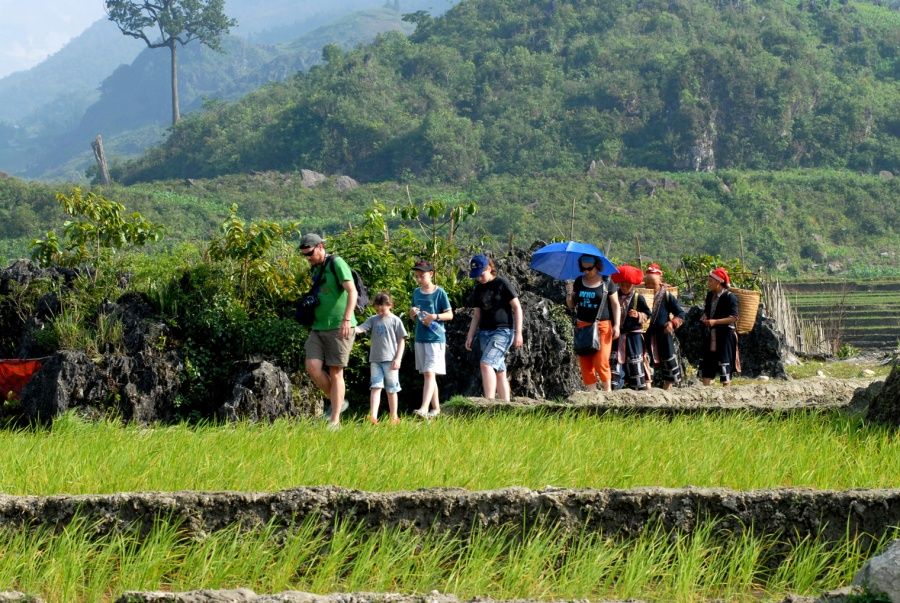
Throughout the route, the terrain goes from paved walking paths to rocky or muddy terrain, especially during rainy conditions. This trail will be most appreciated by active travelers, particularly hikers, looking for a chance to discover real, rural life. Opportunities for photography are endless, from the golden fields of rice terraces to the mountain vistas, right on down to the activities of everyday villagers.
By Motorbike
From the town of Sapa, take Provincial Road 152 south towards Lao Chai. Turning after about 3 kilometers from Lao Chai San, you will take a small turnout towards Y Linh Ho village. The drive will take about 15 to 20 minutes. This is certainly faster and much more convenient than taking the other route, especially with travelers with time constraints.
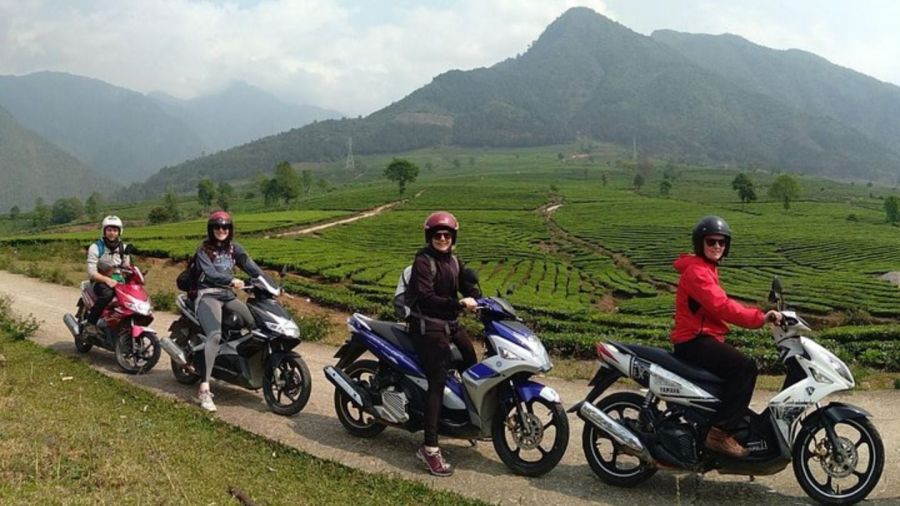
When approaching Y Linh Ho, you will find that the road is steeper and narrower. This may be difficult, particularly when it is slick from rain. In good weather, you will enjoy the beautiful scenery of the mountains and an element of adventure. However, in inclement weather, such as rain or thick fog, you may face danger. In addition, sharp turns and rough roadways make this path unsuitable for novices or those who are not accustomed to mountainous terrain.
Things To Know Before Traveling To Y Linh Ho Village
Y Linh Ho Village is a picturesque but quite distant place, making it a must to prepare for a visit there. The tips provided below are the key to a safe and successful trip to the serene highland village so that you can experience all the best it has to offer.
- It is recommended that you wear trekking shoes because village trails and terraced rice fields sometimes have uneven spots and may be muddy after the rains.
- Bring water and snacks because the hike takes about 1.5 to 2 hours.
- Always check the weather before heading out, because trail conditions can become difficult with fog, rain, or sometimes ice.
- It would be good to have some cash with you since credit cards and ATMs are not available in the village. People also prefer cash transactions.
- Layers should be worn to allow for adaptation to possible changes in weather when you are at elevated altitudes.
- Be respectful of local customs and privacy when photographing villagers or accessing private property. It is always polite to ask for permission.
- Start the climb early in order to escape the rain of the afternoon and ensure sufficient lighting for the trek back, especially where the path can be less visible when the sun has set.
- It is recommended to hire a local guide or ask for directions, which can be helpful for navigating through to destinations and even learning H’Mong culture if that is desired.
- You can expect minimal facilities such as toilets or rest stops, but the village is still quite rural, and this is, of course, all part of the appeal.
Final Thoughts: Is Y Linh Ho Village Worth Visiting?
Y Linh Ho Village is definitely worth exploring for people in search of unspoiled nature, culture, and a laid-back pace of life that can be enjoyed in remote areas and away from crowded tourist hotspots. The rice fields, mountains, and indigenous H’Mong tribes of this area will give you an immersive experience. The hiking in this region will be very personal and uncommercial, so you will have the chance to interact with the local people. So, in case you are looking for something different in nature, culture, or even peace, then Y Linh Ho Village might be the place for you.


