logo mobile sidebar
support-image-mobile
Share your ideas with our local expert team - we’re here to listen and help you shape a meaningful journey through Indochina.
(+84) 868 663 993
Asia Leading Tour Operator 2025
tripadvisor travelers choice awards 2024
Travelers' Choice Awards 2025

Author: Content Seniworld

The Best Time To Visit Mai Chau For A Perfect Valley Journey

The best time to visit Mai Chau is from March to May and from September to November. Let’s explore the weather and suitable activities in Mai Chau in detail with Seni World.

Where Is Mai Chau?

Mai Chau is a peaceful mountainous district located at the westernmost point of Hoa Binh province. It is about 110 km from the center of Hanoi, equivalent to nearly 3 hours of travel by car. Nestled behind the hustle and bustle of urban life, Mai Chau still retains its quiet, shy, and gentle beauty like a highland girl. With such impressive beauty, Mai Chau attracts the hearts of many travelers who have visited this place.

Mai Chau in the golden rice season

Not only possessing peaceful beauty and fresh air, but Mai Chau is also favored by heaven and earth with precious landscapes. The 4-season rustling fields or the white apricot and plum blossoms are the scenes that many travel enthusiasts seek out when traveling to Mai Chau. Besides, the villages in Mai Chau stand out with their typical stilt house architecture, rich customs, and unique folk festivals.

What Is The Best Time To Visit Mai Chau?

Mai Chau in the green rice season

Mai Chau is beautiful in every season in its own way. However, the two most popular times are spring (from March to May) and autumn (from September to November).

  • From March to May: Spring is considered the best time to visit Mai Chau when the trees are budding and everywhere is filled with flowers. In particular, this is the season of forest white flowers and plum blossoms, creating a poetic and magical scene. The cool spring weather in Mai Chau is also favorable for sightseeing and picnic activities.
  • From September to November: In autumn, Mai Chau’s weather is cool and pleasant with clear blue skies and few clouds. This is the season of brilliant, ripe rice, and when Mai Chau valley is covered in a shimmering golden color. If visiting Mai Chau in autumn, you can admire the beautiful natural scenery and participate in the unique cultural festivals of the Thai people.

Mai Chau Weather Overview By Season

Each season in Mai Chau has its own unique and attractive beauty. Depending on your preferences and travel purpose, you can choose the most suitable time to experience it. Below is a table of average temperatures in Mai Chau by season. Afterwards, Seni World will analyze more closely the weather in Mai Chau according to the time frames suitable for the natural scenery and activities there.

Season Month Average
Temperature (°C)
Typical Weather Experience
Spring February to April 20 Spring is pleasant with low rainfall and blooming Ban flowers. Ideal activities are sightseeing, biking, and cultural immersion.
Summer May to August 27 Summer in Mai Chau is hot and humid with frequent rains and lush greenery. It is suitable for indoor activities like weaving classes or short hikes.
Autumn September to November 24 In Autumn, the weather becomes cooler, with golden harvest fields and occasional showers. This season is perfect for photography, trekking, and joining harvest festivals.
Winter December to February 13 In Winter, it’s dry, mild days with chilly evenings and foggy vistas. You can participate in relaxed treks and cultural bonfire evenings.

Spring (From February to April)

Spring in the North of Viet Nam starts from February to April, when Mai Chau puts on a brilliant display of flowers with a warm, gentle climate and mild sunshine. Between the brilliant peach garden and the pure white plum garden, people’s hearts are purified, finding the peace and purity of nature.

These months are the best time to go to Mai Chau with family to capture beautiful moments of the poetic scenery of peach and plum blossoms. The end of April is also the time when the plums start to grow, preparing for a bumper plum harvest season.

mai chau in spring

Summer (From May To August)

If Mai Chau in the spring brings freshness and purity, Mai Chau in the summer is the cool breeze blowing from nature. From April to July is the hot season of Vietnam’s weather. Fortunately, thanks to the terrain, Mai Chau Valley still retains the typical cool tropical mountain climate, with low humidity. The temperature this season in Mai Chau is only about 22 to 30 degrees Celsius, lower than the plains of Northern Vietnam.

mai chau in summer

Occasionally, in the afternoon, sudden rain visits, bringing moisture and fresh air. Summer is also the green rice season, so if you want to admire the sparkling terraced fields, this will be the best time to visit Mai Chau.

Autumn (From September To November)

Autumn in Mai Chau begins from September to November. This is when the green rice fields turn golden and stretch endlessly. At that time, the temperature is slightly lower than in the summer with clear skies and cool wind. Autumn is also the rice harvest season, so visitors can easily see farmers harvesting in the fields with the sound of laughter and chatter.

One of the favorite activities of Mai Chau tourists this season is to rent a motorbike and drive through the fields. They can take photos, record videos, or simply admire the golden color of the rice flowers mixed with the red sunset on the horizon. Autumn in Mai Chau brings a peaceful, romantic feeling of a perfect countryside picture.

Mai chau in Autumn

Winter (From December To February)

Like most places in the North, Mai Chau is cold in winter, especially in the early morning and late evening. At this time, the rice has been harvested, and the trees are no longer lush and green. Sounds gloomy, right? However, Mai Chau in winter is the hottest place for young people who love backpacking and cloud hunting. Tourists who have experienced cloud hunting have confessed that the feeling of admiring the magical floating clouds from above is the most unforgettable memory of their trip to Mai Chau.

And when night falls, you can try sitting around the fire with friends, enjoying specialties such as grilled pork, bamboo rice, and chatting with the locals. Mai Chau winter brings a feeling of warmth and closeness, like returning to a familiar home in the middle of nature.

Tips For Visiting Mai Chau In Different Seasons

mai chau in winter

To have a happy, safe, and memorable journey to Mai Chau Valley, please carefully read the tips and advice that Seni World compiled from travelers who have experienced traveling here:

  • Choose the right outfit: The most important point is that clothes need to be suitable for the time you come to Mai Chau. For example, if you go in winter or early spring, bring a warm coat; if you go in summer, you should bring sunscreen and a wide-brimmed hat to protect your skin.
  • Choose the right time: Each season in Mai Chau has different beauty and activities. The tip is that you should choose the best time to visit Mai Chau based on the weather and appropriate activities to avoid wasting time on unwanted experiences.
  • Choose accommodation early: Mai Chau has many accommodation options, from traditional Thai homestays (Lac village, Pom Coong village) to more upscale resorts, so that you do not have to worry about where to stay in Mai Chau. However, you should book a room in advance, especially during peak season or weekends, to ensure a satisfactory place.
  • Don’t forget to enjoy the food in Mai Chau: Note these specialties in your list: bamboo rice, grilled chicken, grilled stream fish, wild boar meat, five-color sticky rice, and cat cabbage. These dishes are often simply prepared but have a rich mountain flavor.
  • Remember to bring cash: Because not all stores here accept cards, you should prepare some cash for payment.
  • Book a tour if you need convenience: Going to Mai Chau by yourself is easy, but a Mai Chau tour through Seni World (or a reputable company) helps save time, including car, guide, and Pu Luong itinerary.
  • Rent a bicycle or motorbike for flexibility: If you want to explore the village freely, rent a bicycle or motorbike and go early in the morning to enjoy the fresh air.

FAQs About The Best Time To Visit Mai Chau

travel to mai chau by bus

Seni World also collects some FAQs to help you understand deeply about the best time to visit Mai Chau. Let’s see more of them below!

Does it snow in Mai Chau in winter?

Unlike Sapa, it rarely snows in Mai Chau. Usually, from December to January, light frost will appear.

When is the most beautiful time for the Mai Chau rice fields?

The best time to visit Mai Chau and see the rice is from September to November. At that time, the rice is golden ripe, creating a poetic and prosperous scene of the Northwest region.

How long does it take from Mai Chau to Ninh Binh?

Mai Chau to Ninh Binh takes nearly 3.5 to 4 hours, depending on traffic, vehicle, and weather conditions.

Is Mai Chau safe for foreign tourists?

It is very safe to travel, and the locals are friendly. However, you need to be careful of slippery roads during the rainy season (June-August) and winter fog.

Is it possible to visit Mai Chau in one day?

Yes, but it would be a bit rushed. The ideal trip is within 3 days to fully explore the village, go trekking, and experience the culture.

What are some exciting things to do in Mai Chau?

Some highlights of Mai Chau: cycling to Lac village, Pom Coong, trekking to Go Lao waterfall, visiting Chieu cave, watching Thai dance, or learning to weave brocade.

Which festivals in Mai Chau are worth attending?

If you come to Mai Chau at the beginning of the year, you can attend the Praying for Rain Festival (March) with Thai dance, the Long Tong Festival (January) with H’Mong/Tay drums, and the colorful Lunar New Year (February).

Final Thoughts: Is Mai Chau Worth Visiting?

Above are some shares about the best time to visit Mai Chau in the year. Hopefully, this travel guide will help you choose the ideal time to experience the unique beauty of this land. Plan and start your journey to explore Mai Chau with Seni World today to enjoy memorable moments!

Discover Ninh Kieu Wharf: Magical Riverside Evenings In Can Tho

Ninh Kieu Wharf is the center of Can Tho, where you will experience river views, a vibrant river walk, and a lively night market. You can walk along the river, eat fresh seafood, and enjoy the Mekong Delta vibe!

Introduction To Ninh Kieu Wharf

Situated in the heart of Can Tho along the tranquil Hau River, Ninh Kieu Wharf is a must-see destination in the Mekong Delta region. This lively riverside location is always bustling with boats, food vendors, and performers, demonstrating the vivacity of local life daily. It features a beautiful boulevard, a tree-lined park, and sweeping views of the river; it’s an ideal location for relaxing and learning about local culture.

Ninh Kieu Wharf is a must-see destination in the Mekong Delta region

As dusk blankets the setting, a single scene becomes a sparkling array of lights and sounds. Words cannot describe the ambiance created by the gentle glow of neighbourhood cafés, soft smells of grilled seafood, and the sounds of music from the cruise boats. This creates a destination that is regularly frequented by locals and visitors alike.

History Of Ninh Kieu Wharf

Ninh Kieu Wharf can be traced back to the 19th century, during the reign of King Gia Long of the Nguyen Dynasty. It used to be a small riverside wharf at the end of Can Tho Market that served essentially as a trading wharf. Given its function as a trading area, the French referred to it as “Quai de Commerce”, meaning Commercial Wharf.

History Of Ninh Kieu Wharf

In 1957, it was renovated and renamed Ninh Kieu Park. “Ninh Kieu” came from the historic battle of Ninh Kieu, where the Lam Son army, led by national hero Le Loi, defeated the Ming invaders. This is a meaningful name that expresses the Vietnamese spirit of gratitude and remembrance of the roots of our nation.

Top 3 Iconic Attractions In Ninh Kieu Wharf

Ninh Kieu Wharf is an exciting cultural, historical, and waterfront destination full of life in Can Tho. Visitors can admire the brilliant views overlooking the Hau River, visit classic historical sites, and take pleasure in the casual open-air atmosphere at this well-known river site

The Pier

The pier is located on the right bank of the Hau River, where it meets the Can Tho River, and is a historical symbol for the city. For many years, it has been a center for trade and transit and exemplifies Can Tho’s cultural and economic development. Visitors will love watching and taking pictures of local boats, best enjoyed while admiring the canal views.

The Pedestrian Bridge (Love Bridge)

The pedestrian bridge is a gracefully S-shaped bridge, 199 meters long and 7.2 meters wide. Two large lotus flowers have been designed into the center of the bridge. There are solar-powered LED lights and seating areas throughout the bridge that provide spectacular views of the Can Tho River and the city skyline. This charming bridge is a popular place for both locals and tourists.

The Pedestrian Bridge (Love Bridge)

The Riverside Park And The Walking Street

The riverside park and walking street host approximately 1.5 km of the riverfront, linking the Old Market, the walking bridge, and the park area next to the Hau River. It is a beautiful place to walk, unwind, and take in the view of the river. It has street merchants, local arts and entertainment, and an overall relaxing escape from the city, and is an excellent place to go with family, for an evening stroll, or to take pictures.

7 Unforgettable Experiences You Shouldn’t Miss

A visit to Ninh Kieu Wharf wouldn’t be complete without exploring its most famous attractions: from leisurely walks along the riverbank to night markets with bright colors, each corner of this area shows its own charm and the soul of Can Tho.

Visit Ninh Kieu Park

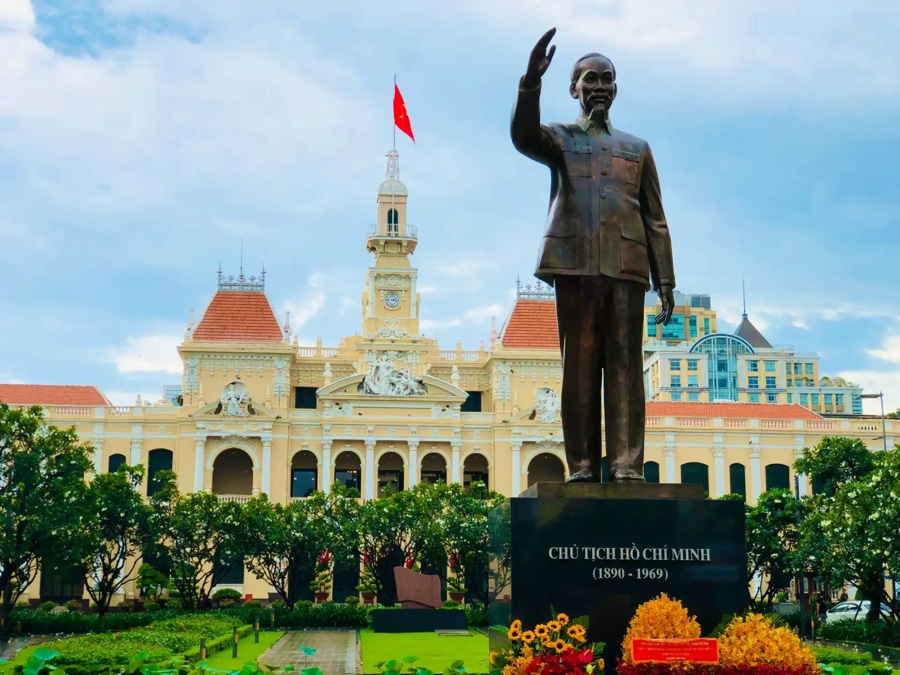
Your journey in Can Tho often begins from Ninh Kieu Park, the green oasis just next to the Hau River. The park is full of green trees, stone benches, and open spaces where locals and tourists alike take their time to relax. At its very center, there is an enormous bronze statue of President Ho Chi Minh, 7.2 meters in height and weighing 12 tons.

Visit Ninh Kieu Park

Stroll Along Hau River

The Hau River is likely to be the most beautiful place in Ninh Kieu, representing a perfect combination of serenity and fascination. At dawn, you could enjoy the golden sun rising slowly in the sky and light up the day, showing you the images of locals getting ready to start a new day. At sunset, the river shines with beautiful shades of orange and red, evoking a perfect moment for travelers to take their cameras out. And by night, when lights from the nearby cafes and boats reflect beautifully in the water, the scene becomes really romantic and serene.

Walk Through The Can Tho Love Bridge

The Can Tho Love Bridge, or pedestrian bridge, is a modern landmark in the shape of an S, which is Vietnam’s land shape. It is beautiful with color-changing LED lights that illuminate magically along the riverside at night. Two big lotus-shaped platforms face the middle of the bridge for visitors to sit and rest or take memorable photos. If your luck permits, then you will get to see hundreds of floating lights surrounding the bridge during the lantern festival-a sight to remember.

Admire Can Tho Bridge

From Ninh Kieu Wharf, you can also admire the magnificent Can Tho Bridge – Vietnam’s first cable-stayed bridge. This masterpiece in engineering is especially dramatic at sunset, with a sky turning into a warm color palette. At night, the colors of the LEDs light up in the bridge, reflected across the Hau River. For the best view, take a river cruise from Ninh Kieu Wharf and watch it from the water. And before starting the trip, do not forget to agree on the fare with the boatman.

can tho bridge on the sunset

Enjoy A Ninh Kieu River Cruise

One of the highlights of visiting Ninh Kieu Wharf is the evening river cruise. Boats normally run from 7:00 PM to 9:00 PM; this will take you down the quiet Hau River, and you can see the glittering city lights while on board. Onboard, you can appreciate traditional folk music forms, including Don Ca Tai Tu – the signature art form of the Mekong Delta. If your luck permits, a full moon night cruise gives the view an added poetic touch, with the moon reflected on the water. You will also be able to enjoy real local dishes right on the cruise for an unforgettable Can Tho experience.

Enjoy A Ninh Kieu River Cruise

Discover Ninh Kieu Night Market

End your day with a visit to one of the most dynamic shopping places in the city, the Ninh Kieu Night Market. The market is always busy, full of locals and tourists who take a walk along rows of different colorful stalls selling clothes, accessories, souvenirs, and local specialties. Even if you don’t plan to buy anything, the friendly vendors will gladly let you look and sample their products. The glowing lights and happy noises of the market are also appropriate for an evening stroll. Grab a few Mekong Delta delicacies for home gifts!

Visit The Ong Pagoda

Ong Pagoda is a very sacred and one of the most beautifully designed Chinese temples in Can Tho, located just a short walk from the wharf. It is famous for its intricate architecture, bright red details, and hundreds of spiral incense coils hanging from the ceiling. The scent of the incense combined with the ringing of bells creates a serene, spiritual atmosphere. Every year, thousands of tourists come to pray and admire the beauty of Ong Pagoda, especially during festivals.

Unique Architecture Of Ong Pagoda

Entrance Fee

You can visit Ninh Kieu wharf and walk around the riverside park totally free. Some activities do require a ticket, for example, taking a river cruise (the price depends on the time and type of cruise), having dinner on a cruise, or walking through and shopping at the Ninh Kieu night market with a variety of products for sale.

Best Time To Visit Ninh Kieu Wharf

Can Tho has a mild and pleasant climate throughout the year. Therefore, you can visit Ninh Kieu Wharf at any time of year. Nevertheless, the best time to go there is in the dry season, starting in December and ending in April, when the weather is sunny and ideal for visiting. In April and December, when the traditional festivals of Thuong Dien and Ha Dien take place, you may encounter the lively cultural life of the city at that time. The riverside is the scene of historic celebrations and festivals.

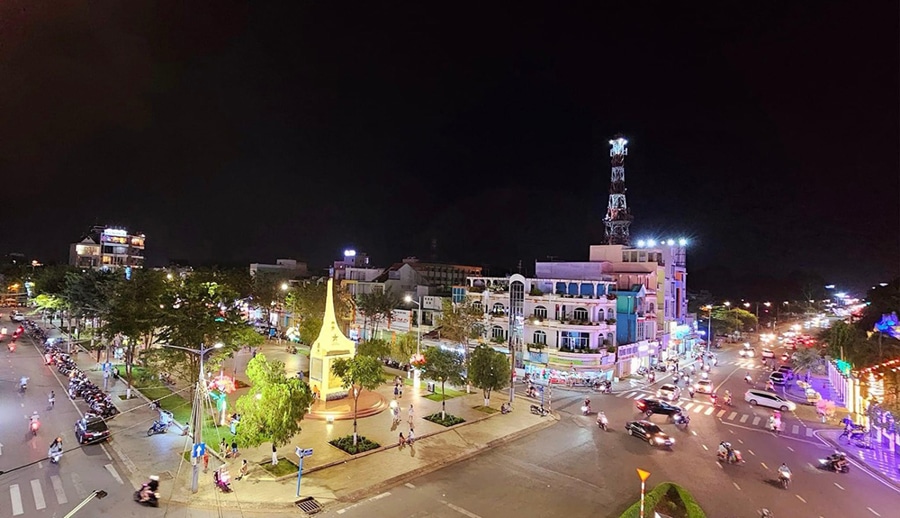
ninh kieu wharf at night

One of the best times to watch local life in action is early in the morning. People can be seen exercising by the Hau River. They laugh and talk cheerfully while they wait for the sun to start rising. As the day moves on, things get busier both for the local farmers and tourists. At night, colorful LED lights reflect from the water, making Ninh Kieu Wharf a lively, sparkling destination with an abundance of music, laughter, and energy.

How To Get To Ninh Kieu Wharf

Knowing the most effective ways to get to Can Tho and around the city, planning a trip to Ninh Kieu Wharf is simple. Here is a list of useful options for the traveler.

Traveling To Can Tho

If you are departing from the Southern provinces like Ho Chi Minh city, traveling by motorbike could ultimately save you money and give you more convenience, though be cautious with potholes and take your time for safety. If you would like more comfort, intercity buses or limousines are other options. Mien Tay Station has tickets for around 130,000-140,000 VND, and if coming from Hanoi, expect to pay approximately 900,000 VND per ticket. Air travel is another substantial choice, providing speed, safety, and resources while onboard to make travel pleasant.

From Can Tho Airport To Ninh Kieu Wharf

It takes roughly 40 minutes to travel to Can Tho City Center from the airport, since the airport is at a distance of 22 km. Travelers can taxi, Grab, or city bus to downtown, or arrange for an airport transfer. Ninh Kieu Wharf is located on the right bank of the Hau River in downtown Can Tho, and is accessible from nearby streets such as Nguyen Thai Hoc, Ngo Quyen, and Hai Ba Trung.

Things To Know Before Traveling To Ninh Kieu Wharf

Planning ahead of time can help make your visit to Ninh Kieu Wharf a fun experience. Here are a few tips to make your trip easier and more enjoyable:

  • Schedule your visit late in the day when you can enjoy the river in daylight and experience the lights along the riverside at night.
  • Wear comfortable shoes because you will probably be walking a lot on the wharf, in the park, and at the night market.
  • Be sure to have a bit of cash with you for the river cruise, snacks from street vendors, and shopping at the night market.
  • Take a camera or your cellphone to take scenic pictures, including at the love bridge and sunsets along the riverside.

Final Thoughts: Is Ninh Kieu Wharf Worth Visiting?

For anyone looking to experience the heart of Can Tho’s riverside allure, Ninh Kieu Wharf is a prime destination worth a stop. Ninh Kieu Wharf boasts a convivial riverside atmosphere, a lovely night market, and pretty views of the river. It also offers an idyllic space to experience culture, cuisine, and leisure. The wharf will have enough photo opportunities and things to do that it can enchant visitors of all ages. Make an appointment with Seni World today to experience Ninh Kieu Wharf to the fullest!

Tay Do Night Market: The Lively Shopping And Food Paradise In Can Tho

The Tay Do Night Market in Can Tho is a vibrant market where visitors can buy local products, eat delicious street food, and enjoy traditional music performances that provide a glimpse of the colorful culture of the Mekong Delta in Vietnam.

Introduction To Tay Do Night Market

Nestled in vibrant Can Tho, the Tay Do Night Market is one of the most famous and lively night markets in the whole Mekong Delta. Once the sun sets, the night market comes alive with colorful lights shining, upbeat music played, and the smell of delicious local street food drifting in the air. Stalls filled with goods line the river’s edge, welcoming both locals and visitors who enjoy eating, shopping, and soaking up southern Vietnam’s cultural charm.

The Tay Do Night Market in Can Tho

What makes Tay Do Night Market so outstanding is its wonderful combination of traditional elements with modern vitality. The variety of goods available is impressive, as Tay Do represents a little of everything, from handmade handicrafts, local attire, and fresh fruits to rich Asian delicacies. Similarly, the market reflects the warm hospitality and relaxed lifestyle of Can Tho’s customs and citizens. If you are in this quaint riverside town, it would be impossible not to enjoy walking through the market, experiencing the bright atmosphere, and eating genuine Mekong food.

History Of Tay Do Night Market

The Tay Do Night Market, initially referred to as Luc Tinh Market, opened in about 1915 and has long been recognized as a key trading area of Can Tho. The name “Luc Tinh” (meaning “Six Provinces”) was given because the market was a busy commercial area serving to connect merchants from six provinces throughout southern Vietnam during French colonization. The market was built around the same time as the Binh Tay and Ben Thanh Markets in Saigon, which signifies its importance as one of the oldest trading areas in the region.

Tay Do Night Market in Can Tho

Over the years, the market has changed quite a bit, and during a lull, it was known as Hang Duong Market, and operated as a market mostly for small local vendors, providing the market with few foreign merchants. The market was completely renovated in 2005 after almost 90 years of work to become Can Tho Market, and it began to provide an important space for both commerce and culture in Can Tho. Tourists’ influx in Can Tho led to the market operating at night, where people would generously refer to it as Tay Do Night Market, to which the historic meaning of Tay Do or “Capital of the West” captures its vibrancy.

Unique Architecture Of Tay Do Night Market

Tay Do Night Market welcomes visitors with its unique Asian style that combines tradition and modernity. The lively atmosphere, beautiful layout, and glowing lanterns at night create a magical view by the Hau River.

Tiled Roofs In Southern Style

One of the most recognizable aspects of the market is the red tiled roofs, created in a traditional style of Southern Vietnam, featuring soft curves and countless layers are not only meaningful and nostalgic, but also keep users cool and enjoyable throughout the day.

Layout And Structure

The market brings an open layout and structure with stalls that are organized in a way where visitors can move freely without risk of crowding, even in situations where it is busy. Each section has a designated use – food court, handicrafts, etc, and will follow its own orderly process for creating enjoyable related shopping experiences.

Night Sparkle

As it becomes night, Tay Do night market lights brightly and beautifully with thousands of LED lights and decorations. The mixture of warm yellow colors and color creations causes the market to offer more magic to the lively atmosphere by appealing to every visitor.

Unique Architecture Of Tay Do Night Market

Large Waterfront Area

Different from plenty of classic markets, the Tay Do Night Market is located on wide-open land directly next to the beautiful Hau River. The open space creates a comfortable environment for a leisurely evening of walking, shopping, and experiencing local friendliness.

5 Unforgettable Experiences You Shouldn’t Miss

Before departing Can Tho, be sure to include an evening spent at the Tay Do Night Market in your schedule – A fusion of culture, cuisine, and community awaits you. The market offers a range of experiences from the sounds of folk music to shopping and dining that you will carry with you long after the trip is over!

Listen To The Melodies Of Don Ca Tai Tu

At the Tay Do Night Market, listening to Don Ca Tai Tu is one of the best experiences. This Southern folk music is recognized and protected by UNESCO. These heartfelt sounds played on the Moon lute, Vietnamese zither, and other instruments convey feelings and a rhythm of Mekong life, and don’t require a stage or lights; performances are often held in the corners of the market with travelers and locals listening in. It’s a wonderful chance to connect with the heart of the Mekong – the home of the love and warmth of Western Vietnam.

Experience The Vibrant Nightlife Atmosphere

Walking and browsing through the busy stalls of Tay Do Night Market is more than a little sightseeing – it is truly a look into local life in night. The air is filled with the smell of recently cooked street foods, chatter from the vendors, and laughter from visitors.

Experience The Vibrant Nightlife Atmosphere

Each stall shares a story, from baskets of tropical fruits, including mangoes and mangosteens, to handmade crafts and colorful lanterns. Watching locals work and interact with tourists does provide some insight into the community’s liveliness and charm. It is a true celebration of the nighttime spirit of the Mekong River.

Explore Local Handicrafts And Specialties

Tay Do Night Market is a mecca for anyone who enjoys shopping for unique souvenirs. Everything from bamboo baskets to handwoven bags, miniature conical hats, or decorations made from coconut shells captures the wonder of craftsmanship and the creativity of the local artisans. Do not forget to sample more regional specialties, including dried snakehead fish or shrimp, or the famous Sa Dec noodles, sold at neighboring stalls. Each purchase or bite leads toward taking home a piece of the Can Tho culture.

Explore Local Handicrafts And Specialties

Savor The Culinary Delights Of The Mekong Delta

No trip to Tay Do Night Market is ever complete without some delicious food. Follow the enticing smell of hot batter to crispy Banh Xeo filled with river shrimp, then try Sa Dec Hu Tieu with beef broth. For dessert, cool off with Che Thot Not (sweet soup) with palm fruit and coconut milk. More adventurous eaters should try grilled snakehead fish or bánh tằm bì and experience these delicious appetizers. Every bite tells a story of the land, simple, fresh, and full of love.

Take In The Incredible Night Views At Ninh Kieu Wharf

Ninh Kieu Wharf is one of Can Tho’s landmarks, located just a few hundred meters from Tay Do Night Market. Visitors can take a saunter to the wharf from the market to behold the twinkling lights reflected on the Hau River for a calm and romantic feeling.

Incredible Night Views At Ninh Kieu Wharf

The delightful evening breeze, the toots of boats and their engines sliding by in the river, and the celebration of nearby eateries can make the evening an experience. After walking through the market, there is no better way to end the night at Can Tho than at Ninh Kieu Wharf, sipping on a cool beverage or local snack.

Entrance Fee

Visiting Tay Do Night Market is free. You will only need to pay for items you purchase or food from the many stalls selling delicious street food, with prices for food options and products varying from stall to stall.

Opening Hours

Tay Do Night Market is generally open privately from sunset to early morning, and thrives with a big crowd and colorful ambiance. The best time to enjoy Tay Do Night Market would be from about 5:00 PM through 11:00 PM, when the numbers are the largest. This is when the night market experiences the most colorful hustle of food stalls, shops for souvenirs, and cultural activity. If you’re hoping for a quieter experience, you can come a little earlier in the night to prepare and walk around before crowds arrive.

How To Get To Tay Do Night Market

There are several easy options to get to Tay Do Night Market. If you are traveling from other provinces, you can take a plane or drive in your own vehicle to District 4. Depending on your budget and preference, you can take the train or a bus.

Many bus companies go from Hanoi or Ho Chi Minh City to Can Tho, where it will take 38-48 hours and cost around 900,000 VND per person from Hanoi. If you want to leave from Mien Dong or Mien Tay stations, from Ho Chi Minh City, there, the cost is between 100,000-200,000 VND.

You can fly from a variety of prices between 900,000 to 5,000,000VND, depending on seat class, for about two hours. Train tickets from their stations (Hanoi or Saigon) take about 10-15 hours and cost approximately 700,000 VND per person, and then the bus, taxi, or drive will take you to Can Tho. The downtown Tay Do Night Market is about 1 km away and has many transportation options: motorbike, taxi, or you can walk. The road to the market is wide and even, so visitors can see anything they want to see during the day or night.

Things To Know Before Traveling To Tay Do Night Market

cafe in the tay do night market

Before you head to Tay Do Night Market, here are some helpful tips that will make your visit more enjoyable and easier. Use these recommendations to have the best shopping and dining experience with local food in Can Tho.

  • Keep your personal belongings safe, particularly your wallet and cellular device, because the market can be crowded in the evening.
  • Carefully examine the origin and quality of all products before purchasing, as goods are produced in multiple countries.
  • Do not be shy to bargain in a respectful manner. Many vendors expect a little friendliness.
  • Wear light, comfortable clothes and shoes for some flexibility when moving through the packed lane.
  • Make sure to bring enough cash because most stalls do not accept cards or digital payments.
  • Try to get to the market earlier in the evening to avoid congestion, especially after 8 p.m.
  • If you will participate in local street food taste testing or simply sampling, choose stalls with busy preparation and sanitary seating when possible.
  • When taking photos of vendors or stall food, of course, respect in photo-taking; a few local vendors will ask to take their photo, but most likely will simply ask for respect in photo-taking.
  • Consider going during the dry season when the weather will be overall more tolerable for being outside at the night market.

Final Thoughts: Is Tay Do Night Market Worth Visiting?

Tay Do Night Market is one of the biggest and most colorful destinations in Can Tho, allowing visitors to see the essence of local life in the Mekong Delta. It blends traditional Vietnamese culture with the vivacity of modern nightlife, comprised of street food, local handicrafts, and live music. Tay Do Night Market is a must when traveling in Vietnam with Seni World to really experience the tastes and sights of Can Tho at night.

Can Tho Museum: The Soulful Story Of Southern Vietnam

Can Tho Museum is one of the biggest museums of the Mekong Delta and also displays the province’s diverse history, culture, and way of life covering thousands of years of interesting artifacts and modern presentations.

Introduction To Can Tho Museum

Can Tho Museum, situated in the center of Can Tho, is indeed one of the best places to discover the history and culture of the Mekong Delta. The museum houses more than 5,000 relics that present the history of the Delta from the past to the present day. Inside the museum is a fascinating journey through ancient people, traditional crafts, and the daily lives of the local ethnic groups.

Can Tho Museum is one of the biggest museums of the Mekong Delta

This museum is not only a monument but also a vibrant exhibition of the identity of the Mekong people. With a series of exhibits, each with its own introduction, value, and description, travelers can gain a higher value of the harmony between humans and nature in this land of richness and fertility. This visit generates both understanding and inspiration, making it a necessary part of any trip to Can Tho.

History Of Can Tho Museum

The Can Tho Museum was established on July 31, 1980, under the name Hau Giang Provincial Museum by the People’s Committee of Hau Giang Province. The museum completed its first exhibition hall on December 3 of that year, which displayed the revolutionary struggles of the Party, the army, and the people of Hau Giang. The collection increased steadily to 1,157 artifacts in 1981 and 1,500 artifacts in 1986, supporting the museum’s role as a repository of local heritage.

Exhibition in the can tho museum

After Hau Giang Province was divided into Can Tho and Soc Trang cities in 1992, the museum was renamed Can Tho Provincial Museum. From June 24, 1998, the new museum was constructed with an area of 1,200m2 and an investment of 17.8 billion VND. On August 31, 2001, the museum was officially inaugurated and opened to the public, with many delegates invited to celebrate the occasion.

The museum was renamed the Can Tho City Museum on January 1, 2004, when Can Tho officially became a centrally governed city; however, the museum continued with the responsibility to preserve and promote the region’s historical and cultural values.

Unique Architecture Of Can Tho Museum

Every floor displays a distinct journey based on the natural, cultural, and historical heritage of the Mekong Delta. This place surely belongs on your bucket list when seeking to experience Can Tho from its origins. Let’s discover the highlights on each floor and see if it meets the hype.

Floor 1: Learning about Can Tho’s Natural and Cultural Heritage

The first floor provides an introduction to Can Tho’s geography, climate, and daily life. This area offers a nice representation of Can Tho’s rivers, landscapes, flora, and fauna through high-quality photographs alongside short documentary films. The Oc Eo Culture area is another highlight of this floor.

Learning about Can Tho’s Natural and Cultural Heritage

This ancient civilization existed from the 1st to the 7th century, and the artifacts recovered from this era offer valuable information about the early cultural and trading development of southern Vietnam. The daily life, beliefs, and traditions of the Kinh, Hoa, and Khmer community organizations are also collected on this floor. From ancient agricultural tools, models of temples, and traditional musical instruments to dress costumes, you can take the kaleidoscope of cultural diversity and harmony found in this region.

Floor 2: Re-experiencing the Heroic Resistance Period

The second floor focuses on Vietnam’s resistance against French and American colonialists. Visitors can view some war artifacts, including weapons, uniforms, and personal items that belonged to native soldiers. Histories and photographs visually display stories of the courage and resilience of the people of Can Tho and Hau Giang during the resistance period. This floor offers an emotional experience, elevating understanding of the courage and sacrifice that formed modern Vietnam.

4 Unforgettable Experiences You Shouldn’t Miss

From interactive galleries to cultural workshops, everything here allows you to connect with the heart of the Mekong Delta. Here are some exciting experiences you should definitely try while you are there.

Explore The Modern Exhibition Space

The Can Tho Museum wows visitors with its neat and spacious exhibition spaces featuring state-of-the-art lighting and sound systems. In a modern and cool building, visitors can learn the exciting story of the history and people of the Mekong Delta through interactive displays, screens, video gameplay, and 3D model displays.

Each section is thoroughly organized by the theme or storyline, complete with everything from ancient culture to some phenomenally impressive scientific advancements. Whether you’re a history buff or simply interested in the region, visiting this contemporary, bright museum allows local heritage to present itself in a rich and entertaining way.

Appreciate A Rich Collection Of Artifacts

The museum contains over 5,000 artifacts. The collection has examples of ancient tools, textiles and clothing, fine art, and even scientific advances. Each artifact tells a story, a story about struggles, creativity, and the everyday life of the cultures and peoples who have shaped this land.

Appreciate A Rich Collection Of Artifacts

There are opportunities to get involved and take part in hands-on experiences such as pottery making or weaving, allowing you to better appreciate and understand traditional crafts. Ultimately, this experience connects you to the rich cultural heritage and roots of Can Tho.

Explore The History And Culture Of The Area

The museum has a strong connection to the past and present of Can Tho. You can see the transformation of this land, from early prehistoric life, a period of struggle and independence, to present-day life.

Explore The History And Culture Of The Area

The history, customs, beliefs, and identity of this place and the people who have inhabited it are dynamically expressed visually and through interactive technology, through tangible artifacts, and the experience of community folk art. As travelers, each visitor will experience a greater understanding of local life, beliefs, and identity as they navigate through each gallery. The experience is enlightening for each traveler.
Enjoy Unique Exhibitions

The Can Tho Museum regularly provides themed exhibitions showcasing interesting history, culture, art, and science. Each exhibition is curated, bringing together technology and narratives through the use of 3D models, imagery, and immersive sound.

Enjoy Unique Exhibitions

Additionally, you can take part in hands-on workshops, including pottery making and traditional weaving. These exhibitions will enhance your experience and put you in the mood by providing educational insight into the local culture while also having fun and engaging moments in the museum.

Entrance Fee

The cost to enter Can Tho Museum is very reasonable for everyone. Tickets are priced at 30,000 VND for adults and 15,000 VND for students. For a small price, it is a great way to experience the abundant culture and history of the city.

Opening Hours

The Can Tho Museum is available for visits every day of the week, so it makes a great addition to your itinerary. It is open from 8:00 AM to 11:00 AM and again from 2:00 PM to 5:00 PM from Tuesday through Thursday. Then, on weekends and holidays, the museum is open from 8:00 AM to 11:00 AM and then again at night from 6:30 PM to 9:00 PM for a unique night experience.

The ideal time to visit is during the dry season (December to April), when the weather is good for traveling and sightseeing. The early hours on weekday mornings are usually the least crowded, so you can enjoy the exhibitions at your leisure before the crowds arrive.

How To Get To Can Tho Museum

Can Tho Museum is situated approximately 1 km from Ninh Kieu Wharf and has good accessibility from the city center. You can travel there by motorbike, taxi, or even by bus, the route of Hai Ba Trung Street, taking a left onto Ngo Quyen Street, right onto Ly Thuong Kiet Street, and left onto Tran Quoc Toan Street.

If you want to go from Can Tho International Airport, take a taxi or private car via Truong Dai – Nguyen Van Linh – Ton Duc Thang Street, and it would take you about 10-15 minutes to reach. Alternatively from the Can Tho Bus Station, go towards Ton Duc Thang Street, situated on Nguyen Van Linh, and then exactly the same is true for travel time, about 10-15 minutes.

Things To Know Before Traveling To Can Tho Museum

Appreciate A Rich Collection Of Artifacts

Visiting the Can Tho Museum can be both a fun and informative experience, but there are a few things to keep in mind to make things as smooth and respectful as possible. Below are helpful tips so that you can make the most out of your experience during your trip.

  • To prevent any damage or breakage, refrain from touching the displayed artifacts, as a number of the items are extremely valuable and very fragile.
  • You may decide to join a guided tour if you want to learn about the stories, history, and meaning behind each exhibit.
  • To keep the museum clean and safe, do not bring food, drinks, or flammable items into the museum.
  • Minimize noise, don’t shout, run, or play in exhibition areas.
  • Wear comfortable clothing and shoes, because you may be walking through several different floors for a while.
  • Photography will be restricted in some areas, so please check before taking a photograph.
  • Combine your museum experience in Can Tho with excursions to nearby attractions, like Tay Do Night Market, Hoa Sung Ecological Garden, and My Khanh Tourist Village.

FAQs About Can Tho Museum

It’s understandable that before visiting Can Tho Museum, you might have a few questions regarding opening hours, tickets, and so forth. To help alleviate some of the uncertainty, here are some of the most common questions asked by travelers, and corresponding answers:

What does the museum have inside?

The exhibit at the museum has more than 5,000 objects centered around the culture, history, and inhabitants of the Mekong Delta. Highlights of the exhibit are about the Oc Eo civilization, the various ethnic communities, and the resistance wars. The museum also has interactivity displays and uses multimedia presentations.

How long will I need at Can Tho Museum?

Most visitors report spending one to two hours inside the museum. If you enjoy customs, history, and culture, you may stay longer to read the detailed displays and watch the documentary videos if you enjoy doing.

Can I take photographs inside the museum?

Yes, in most areas of the museum, taking photographs is fine, but flash and tripods are usually restricted or not allowed. You may want to check with the staff for their policy because sometimes individual exhibits have different rules regarding taking images.

Final Thoughts: Is Can Tho Museum Worth Visiting?

A trip to Can Tho Museum gives you a great opportunity to discover the unique culture and diverse history in the Mekong Delta area. The wonderful location highlights the spirit of the region through its collections of objects, which range from traditional crafts to ancient artifacts. The museum is just a calming and nice experience for visitors who are traveling through the area and want to appreciate the essence of southern Vietnam outside of the floating markets. Invite Seni World to explore the cultural gems of Can Tho that are unforgettable.

Wake Up With The River Life At Phong Dien Floating Market

As a riverside market at the center of Can Tho, Phong Dien Floating Market gives way to boats filled with fresh fruit, vegetables, and other local items. A great way for visitors to see a slice of the life and culture of the Vietnamese people in the Mekong Delta.

Introduction To Phong Dien Floating Market

Serving as an embodiment of life on the river, Phong Dien Floating Market is the center of the Mekong Delta. At dawn, the tranquil river surface displays several boats filled with fresh fruits, vegetables, and assorted products originating in the region. Now, life around the setting matures, revealing movement, sounds, texture, and color, attracting gawking tourists who come to see the local people and merchants engaging in conversations and exchanging goods, and some riding their boats, just to experience the feeling of being part of the delta community.

Phong Dien Floating Market is the center of the Mekong Delta

Visiting the market is an enriching experience, where you can sit on a boat in the river, relax, and drink coffee while sharing the events of the moment. You can also rest, taste regional food that was just made, and admire the landscape with its beauty. You have good business running at the stalls, wood windows with an excellent view of ‘work’, and all the colorful scenes with merchants.

History Of Phong Dien Floating Market

Phong Dien Floating Market gets its name from the fact that it is located in Phong Dien District of Can Tho City, as well as the unique form of trade that occurs on boats in the river, where the term “floating market” originates. The name is an explanation of where the market is located and the actual method of doing business, which is, selling and purchasing produce and goods directly from boats.”

While there is no closely documented timestamp of when this market was founded, floating markets in Vietnam began to establish between the 18th to 19th centuries. Phong Dien Floating Market is now known as one of the well-known markets of the Mekong Delta and one of the most active river markets that not only keeps the essence of its history and local culture, and way of life, but also a center of commercial activity in the inhabitants’ daily lives.

Top 3 Iconic Attractions In Phong Dien Floating Market

Phong Dien Floating Market is a vibrant place to shop and a culturally rich experience that reflects the Mekong Delta spirit. There are beautiful sights here that make it a unique floating market.

The Symbolic “Cây Bẹo” (Advertising Pole)

The “cây bẹo” is a true legend of the market. It is a tall bamboo pole that market vendors use in place of shouting what they are selling. Vendors put pieces of fruit, vegetables, and seafood on the poles and try to hang them from the top of the poles, to let buyers from a distance get a glimpse of what they are offering. It saves their voice and serves as a sort of advertising. You will see hundreds of these poles swinging back and forth over boats of colors, and it is one of the iconic images that reflects the market experience.

The Symbolic “Cây Bẹo” (Advertising Pole)

Round Basket Boats

Another dimension of interest with the Phong Dien Floating Market is the opportunity to paddle in the small, round basket boats. Locals will paddle on the round basket-boat to get from larger boats to the shore or paddle their basket boat to transport some smaller items. The experience of seeing these woven bamboo boats, along with the gentle motion of the boat, is enjoyable, but the experience of getting to be in the basket boats is even better! A quick ride on the basket boats is a great way to feel the waterways and daily trader life.

Local Houses By The River

Beyond the market scene, visitors can visit the local houses along the river. Many locals own houses right on the water with many water pathways and planting spaces. Additionally, some local families will sell small snacks and homemade drinks from their house with a balcony to travelers and boaters throughout the local community. Observing or traveling by boat among river houses does give you a sense of authentic delta-living or a simpler life within nature.

6 Unforgettable Experiences You Shouldn’t Miss

Phong Dien Floating Market brings visitors a colorful view into everyday life on the rivers of the Mekong Delta. Offering a variety of local food and picturesque scenes on the river, it’s a must-see stop for any traveler looking for culture and adventure.

Breakfast On A Boat At Phong Dien Floating Market

Start your morning off with breakfast sitting on a slowly drifting boat on the river. Breakfast will feature local foods, including the wonderful flavors of bun mam and hu tieu, so that you don’t miss a single unique taste of the Mekong Delta.

Breakfast On A Boat At Phong Dien Floating Market

As you eat, you will experience the sights and sounds of vendors screaming their wares as they row up and down the river among the boats filled with river life. As a common Vietnamese activity, eating breakfast and food with local Vietnamese people will create an unforgettable memory of breakfast by the river in the early morning that you will never forget.

Take Amazing Photos At The Floating Market

All that Phong Dien and Cai Rang have to offer will inspire photography lovers. Photograph the hustle and bustle of the boats, the bright fruits and vegetables, and the peaceful rivers, all while it is still sunrise. Whether you are looking for action shots of life at the market or a tranquil early morning landscape, the floating market presents endless possibilities to compose eye-catching images.

Take Amazing Photos At The Floating Market

Drink A “Floating” Coffee On The River

While you are in Phong Dien, another unique experience is trying the “floating coffee”, which is famous in the area and served on a small boat, floating along the river. This coffee is aromatic and only costs 10,000 VND for a cup. While enjoying your floating coffee, you will see the water life, vendors doing their work, and a soft, relaxing breeze on the river. This is a simple but authentic cultural experience of enjoying the Mekong Delta, moving between ups and downs, while having coffee in hand.

Taste Fresh Local Fruits From The Market

Phong Dien Floating Market is a place to buy fresh, local fruits. Mangoes, rambutan, durian, and watermelon are in large supply and typically sold at a reasonable price. Travelers can sample the fruits directly from the boats whilst taking in the morning trading atmosphere. This aspect of travel allows visitors to have a taste of local fare and see how agriculture plays a role in the livelihood of a local person.

Fresh Local Fruits From The Market

Visit Famous Places In Phong Dien

Many other attractions are available to see in the Phong Dien area than the floating market. Muoi Cuong Cocoa Garden has grown cocoa trees and offers chocolate products made by hand. Lung Cot Cau Eco-Tourism welcomes traditional games, including biking on bamboo bridges and tug-of-war. Ong De Eco-Park allows visitors to interact with exotic animals and watch an eagle show. This attraction also introduces some cultural aspects to life in the Mekong Delta.

Connect with Local Sellers And Discover Their Stories

One of the best aspects of being in Phong Dien is interacting with the local sellers. Almost any simple statement like “How is business?” reveals much about their lifestyles and experiences growing the products they sell and living day to day. Once you openly interact with any sellers, the whole market seems to bring to life. You also make some special bond to that local seller and relate better with the whole community. Those relationships will exemplify the culture and hospitality of the unique Mekong Delta.

Connect with Local Sellers And Discover Their Stories

Entrance Fee

Entrance to Phong Dien Floating Market is free. There is no ticket necessary to enter, and you will not have to find your wallet. The only moment you spend money is to buy food, fruits, and local souvenirs, local farmers or street vendors. While actually supporting local merchants and farmers’ income.

Opening Hours

The Phong Dien Floating Market is open year-round and is always available to guests, even during off-hours. However, the market really comes alive early in the morning when the vendors show up to sell fresh fruits and vegetables from their boats.

To fully appreciate the market, the best time to go is from 5:30 AM to 7:30 AM, when the market is fully operational. At this time in the morning, it is still somewhat dark, the nice, cold, and fresh morning air can be fully enjoyed, and you’ll be able to fully experience the market.

How To Get To Phong Dien Floating Market

Phong Dien Floating Market is one of the most popular destinations for tourists to Can Tho city, and in the Mekong Delta. Depending on your desires and time constraints, you can get to the market by boat or automobile.

By Road

If you would prefer to drive, from the main square of Can Tho city, go down 30/4 Street, then take a left at the roundabout on 3/2 Street. Continue that street straight until you reach Cai Rang Bridge,and  after that, proceed along Provincial Road 923 for approximately 15 km to Phong Dien Market. Driving from downtown Can Tho will take approximately 30-40 minutes by motorbike or car.

By Waterway

If you would prefer a more authentic experience, you should charter a boat from Ninh Kieu Wharf and glide down the gentle rivers towards the market. Boat travel will take around 45-60 minutes, while passing through lovely tributaries and experiencing local life along the river in the Mekong Delta.

Things To Know Before Traveling To Phong Dien Floating Market

Take Photos and Connect with Local Sellers

Before visiting the Phong Dien Floating Market, it would be beneficial to remember a few important tips to help enhance your experience and avoid potential difficulties. Here is a list of important suggestions to help make your visit go smoothly:

  • If you want to experience the busiest and best atmosphere, going early in the morning, around 5:30 AM -7:30 AM, is best. You will have better chances of more business transactions and a better selection of products if you go early.
  • Most vendors at the floating market do not take card payments, and if you’re planning on buying fresh fruits, food, or souvenirs, you’ll want to have enough cash.
  • It is common to barter at the market, so feel free to request a better price for the merchandise you’re interested in.
  • If you’re visiting during the rainy season, be prepared by dressing appropriately for the weather, and comfortable shoes to walk around on boats or in wet.
  • Make sure you know where all your belongings are, and especially watch your purchases closely to avoid someone taking them from you, especially when it is crowded.
  • If you can, try to arrange to have some floating coffee or another regional dish; however, be mindful to look out for hygiene standards and eat from reputable vendors.
  • Consider reducing travel time by including a trip to the nearby Can Tho Museum, Tay Do Night Market, or Ong Pagoda on your day in the Can Tho area.

Final Thoughts: Is Phong Dien Floating Market Worth Visiting?

Phong Dien Floating Market provides a fascinating look at the everyday life and culture of the Mekong Delta, with its colorful boats, fresh goods, and the bustle of trade up and down the river. A one-of-a-kind experience with the sights, sounds, and tastes of the area, Phong Dien has to be experienced for yourself. You’ll have a chance to ride along in a boat, taste the delicious local food, and even venture through some waterways in the surrounding area. Plan your visit with Seni World and explore all the excitement and charm of Phong Dien Floating Market.

Sacred Ong Pagoda – A Chinese Legacy Site In Phan Thiet

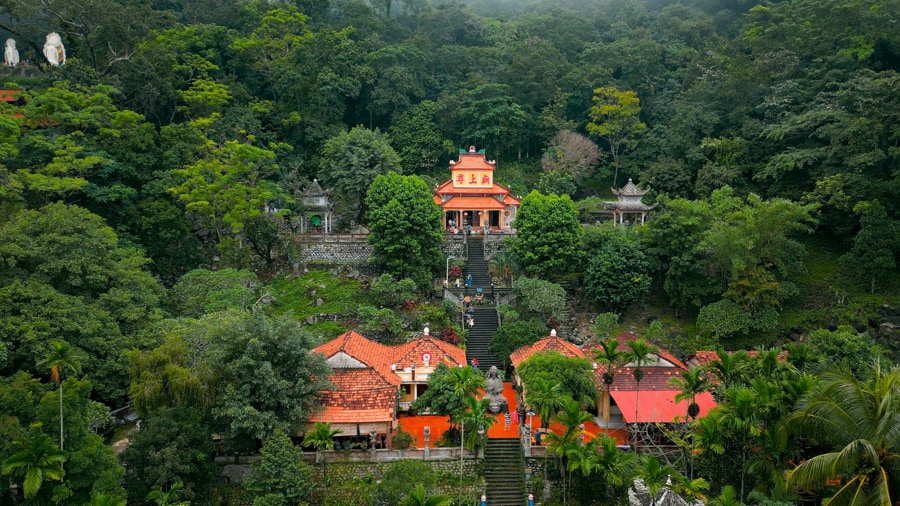
Ong Pagoda is situated in Phan Thiet, Binh Thuan, and was established in the 18th century by the local Chinese community. Famous for its beautiful architecture and ambiance, Ong Pagoda represents cultural harmony and devotion.

Introduction To Ong Pagoda

Built by the Chinese community in 1770, Ong Pagoda or Quan De Temple is a significant site of worship in Phan Thiet. Dedicated to Guan Yu, an icon of loyalty and right, the temple is known for its elaborate architecture and colorful decorations, plus a fantastic atmosphere, making it one of those “must-see” sites in a town if you have an interest in history that evolved into cultural harmony.

Ong Pagoda or Quan De Temple is a significant site of worship in Phan Thiet

When visitors enter the temple, they will be greeted by the unmistakable smell of incense, beautiful gold color carvings, and the melodic bell jingling and ringing throughout the hall. Ong Pagoda is a living testimony of the healthy and rich blend of diverse spirituality and culture that existed in Phan Thiet. A perfect place to reflect, explore, and admire beautiful, ancient craftsmanship, it is quiet and tranquil for learning and reflection, and more beautiful than one could imagine.

History Of Ong Pagoda

Built in 1770 by the local people from Guangzhou, Ong Pagoda was established during the Nguyen Dynasty period. The Chinese characters inscribed on the wooden beam above the main hall indicated that the Ong Pagoda was established in the winter of Canh Dan year (about 1770).

Ong Pagoda is Built in 1770 by the local people from Guangzhou

It is dedicated to Guan Yu, a famous general from the Three Kingdoms period, and admired for his loyalty, bravery, and justice made a place of worship, which is also why Ong Pagoda is known as Quan De Temple or Quan Thanh Mieu Temple by the local population. Ong Pagoda is no longer only visited by the local Chinese population but has become a prominent spiritual and cultural symbol for Phan Thiet. It has maintained its architecture and sacred atmosphere for many generations since its construction over 200 years ago.

Unique Architecture Of Ong Pagoda

One of the most attractive characteristics for travelers of Ong Pagoda in Phan Thiet is the preservation of its traditional Chinese architecture from the date of its construction. The pagoda reflects the craftsmanship and spirituality of the local Chinese community that built the temple.

Harmonious Layout

The entire layout of the complex follows traditional Chinese Feng Shui principles, representing stability, prosperity, and good luck. The layout of the buildings is interconnected and versatile, fostering a sense of stability, balance, worship aspect, and visual appeal.

Unique Architecture Of Ong Pagoda

Intricate Carvings

The wooden beams and columns are carved in great detail with various patterns of dragons, phoenixes, flowers, and legends. Every carving is uniquely created by talented Chinese carpenters, adding timeless beauty and cultural identity to the temple.

Gilded Decorations

The altars, panels, and functionally written couplets are lacquered and gilded with care. The main hall and the Ancestral Hall record more than 100 old lacquered horizontal boards, some of which were constructed in China during the 19th century.

Imposing Guan Yu Statue

In the center of the pagoda is an impressive wooden statue of Guan Yu amongst precious ancient statues. Although Ong Pagoda is a temple to Guan Yu, rather than the Buddha, and has no monks in residence, the local people, with regard and reverence, refer to Ong Pagoda as a “pagoda.”

Guan Yu Statue

Heritage Bells Of China

Ong Pagoda also retains several bronze bells that were manufactured in Guangdong during the Qing Dynasty. The bells have specialized designs that are different from the traditional Vietnamese designs, reinforcing the heavy Chinese cultural influence that exists within the temple’s heritage.

4 Unforgettable Experiences You Shouldn’t Miss

Visiting Ong Pagoda is reconnecting with an authentic culture and authentic spirituality while tapping into history and engaging with the lively life in Phan Thiet. Here are some selections from the list of experiences you won’t want to miss while visiting the remarkable temple.

Explore History And Architecture

Ong Pagoda was built to honor Guan Yu, an honorable general from the Three Kingdoms period who personifies loyalty and righteousness. During your exploration of the temple, you’ll recognize the beauty of the building’s Chinese architecture and learn the stories of its establishment and construction. Every individual piece of the structures, whether the ornate roof tiles or the carved wooden columns, tells an image of history to reflect honor and devotion.

Pray For Peace And Prosperity

The temple is honored as sacred by both residents and visitors, and many come to pray for blessings of health, happiness, and success. There’s a peaceful context of the local community at the temple, combined with the smell of incense and the gentle ringing of the temple bell, which creates a source of feelings of ease and calm.

Pray For Peace And Prosperity

Many visitors will pray or bow down in front of the statue of Guan Yu, where the incense is, and pay tribute to show respect and seek blessings for the safety and happiness of their daily lives.

Participate In The Nghinh Ong Festival

If you plan to visit during the annual Nghinh Ong Quan Thanh De Quan festival (typically in the seventh lunar month), you will see one of the most colorful and lively associations in Phan Thiet.

Participate In The Nghinh Ong Festival

This festival includes parade procession activities, traditional music, and cultural performances that honor Guan Yu. The local families pray for good weather and a good harvest, which makes this festival a joyful occasion that visitors should enjoy when visiting Phan Thiet.

Experience Local Culture

The festival and temple events are not held exclusively for the local Chinese community but are open to all visitors and residents. This aspect of the festival nicely shows you that you will also be able to comprehend in detail some of the rich traditions and beliefs that influence normal local life in Phan Thiet. When you are engaged in these events, you will clearly feel community unity and respect shared happiness that the temple of Guan Yu is establishing.

Entrance Fee

Ong Pagoda can be visited free of charge and is inclusive to all. That said, should you desire to make offerings or pray for peace and good fortune, you are permitted to purchase incense or small items from the temple per your preference and goodwill.

Opening Hours

Ong Pagoda operates daily from 6:00 AM to 5:00 PM. For an optimal experience, visitors should come in the morning when the setting is tranquil and prayer or photos would be easier with few distractions. A particularly interesting time to visit is during the Nghinh Ong Festival that occurs in the seventh month of the lunar calendar, with an abundance of local culture on display.

How To Get To Ong Pagoda

Ong Pagoda is situated at 24 Ngo Si Lien Street, Duc Nghia Ward, right in the center of Phan Thiet City, and is just a short walking distance from the busy Phan Thiet Market. Since the Pagoda’s location is so central, you will not have a hard time finding it because most locals, including taxi drivers and street vendors, will point you in the right direction.

If you’re traveling from Mui Ne, the most comfortable and economical option is to be on Bus No. 1, which runs from Mui Ne to downtown Phan Thiet. A simple request to the conductor to stop close to Phan Thiet Market is all you need to do. Once you’re in that locale, Ong Pagoda is less than a kilometer away, which is only a few minutes walk. The convenience of the location is also ideal, as you can venture to other nearby places of interest within the city center, as they are all nearby.

Things To Know Before Traveling To Ong Pagoda

Unique Architecture Of Ong Pagoda

Prior to heading to Ong Pagoda, it is good to be informed about a few things that will ease your visit and make it an even more meaningful experience. Below are a few helpful tips to get you ready:

  • Dress conservatively and respectfully when entering the temple grounds.
  • Go early in the day in order to enjoy a peaceful, spiritual atmosphere.
  • If you want to pray, bring small offerings such as incense or flowers.
  • Take off your shoes before going into the main worship area.
  • Keep voices low and remain calm while inside the temple.
  • Photography is permitted in most areas (however, avoid using flash when taking photos near altars).
  • Bring cash, as most stalls located nearby may not accept cards.
  • If you wish to visit during the annual Nghinh Ong Festival, be sure to check the calendar before arriving.
  • Stay hydrated and bring a hat if you plan on visiting other sites near the temple.
  • Learn a few customs or phrases from the area; it’s a nice way to connect with the community.

FAQs About Ong Pagoda

You probably have a few questions in mind regarding Ong Pagoda’s history, customs, and what it’s like to visit. Here are some of the most frequently asked questions travelers bring up so that you can prepare for a pleasant and meaningful visit.

May I take pictures inside the Ong Pagoda?

You may take pictures in most of the areas, but always ask first if you are close to an altar. At no time should you use your flash or interrupt someone who is praying. The best time to take pictures is in the morning when natural light will emphasize the details of the pagoda.

How long does it take to visit Ong Pagoda?

A typical visit will take 30 minutes to 45 minutes. If you want to spend more time, consider visiting one of the surrounding sites, such as the Ham Tien Market or Van Thuy Tu Temple, to enrich your experience with the history and culture of the city.

What is the occurrence of the Nghinh Ong Festival?

This important festival happens once a year and recognizes Guan Yu, generally in the seventh lunar month. Locals have processions or parades, lion dances, and ceremonial rituals praying for peace and prosperity. It is one of the more delightful cultural practices that the local area has to offer, Phan Thiet.

Nghinh Ong Festival

Do you have to bring some sort of offering?

You do not have to bring an offering, but there are offerings of incense or candles, or flowers inside the temple. These little offerings have a spiritual component to respectfully pray for good health and fortune. All things are very reasonably priced when you enter the grounds.

Is Ong Pagoda good for families or students?

Yes. The temple offers a calming, quiet environment, a place of safety, and is educational at all levels. Students or children can learn social lessons from traditional beliefs. Adults can appreciate the art and peace of mind.

Final Thoughts: Is Ong Pagoda Worth Visiting?

One of the most incredible cultural sites in Phan Thiet is Ong Pagoda, which represents the combination of history, spirituality, and beautiful architecture. The ornate features of the pagoda, along with its peaceful atmosphere, provide visitors with a fantastic place to relax from the hustle and bustle of the city. Ultimately, a visit to Ong Pagoda is a chance to experience centuries of devotion and artistry preserved by the local Chinese community. Don’t miss Ong Pagoda and many of the other unique aspects of Phan Thiet with Seni World for an unforgettable travel experience.

Can Tho Nightlife And Top Things To Discover In This Riverside City

Can Tho nightlife flows gently yet full of color, blending riverside lights, local music, and the scent of food along the streets. Evenings here move slowly but stay alive through markets, cruises, and simple moments by the water.

Top 6 Things To Do In Can Tho Nightlife

Can Tho nightlife doesn’t sleep. This area comes alive, offering food stalls, twinkling lights, also a pleasant place for an evening stroll. Here are a few ways to spend those hours after sunset.

Walk Along The Ninh Kieu Pedestrian Bridge

The footbridge arcs across the river in Ninh Kieu, linking the bank to Con Cai Khe islet. By night, the structure shaped like a ‘Y’ illuminated by lotus blossoms that cycle through hues, becomes a striking feature of the Hau River. Cars aren’t allowed; instead, folks simply stroll while taking in the scenery. The houses by the river brighten as evening falls. Locals love this place; families linger after dinner, not just tourists.

Walk Along The Ninh Kieu Pedestrian Bridge

Weekends on Saturday and Sunday evenings, the Ninh Kieu flower garden transforms. Soft tunes drift through the air as small performances unfold by the bridge. Refreshments are available; think icy coconut water, zesty kumquat tea, or snacks from stalls by the entrance. Find a spot on the stone benches facing the garden; admission is free at any time. The best light with crowds to share it happens around 6:30 PM until nine. If you’re close to either Ninh Kieu Wharf or downtown, along Hai Ba Trung Street, walking is simple instead of needing a ride.

Explore Ninh Kieu and Tay Do Night Markets

If you want a taste of Can Tho after dark, the night market is your best bet. Find Ninh Kieu Night Market at the corner of Hai Ba Trung, also Nguyen Thai Hoc, which faces Ninh Kieu Wharf Park. That’s when the city truly comes alive. Expect dishes rooted in the area as grilled fish, rice pancakes, light spring rolls, and then finishing with something sweet. Prices are usually clear, so go ahead and try bits from various stalls instead of one big meal. Because it’s right beside Ninh Kieu wharf, close to riverside hotels, getting there won’t be a trouble.

Explore Ninh Kieu night market in can tho

Tay Do Night Market has a distinct vibe. Tucked inside Tay Do Cultural Park, also known as the Can Tho International Exhibition Fair Center, it’s near Tran Phu Street. A taxi or motorbike will get you there from Ninh Kieu Wharf in just about a kilometer. The night market isn’t just about food; you’ll discover crafts, clothes, and even classic fair games. Open from five to eleven, admission’s free. If you’re seeking more meal options, though, Tay Do boasts an impressive variety of food stalls.

Dine On A Yacht Along The Hau River

For a peaceful night alongside beautiful scenery, consider dining aboard a boat on the Hau River; it’s a real treat when visiting Can Tho after dark. Vessels leave Ninh Kieu Wharf from 6:00 to 6:30 PM, then cruise the river for approximately ninety minutes. You can choose between Can Tho Princess or Ninh Kieu Cruise; each offers a fixed menu blending Vietnamese flavors alongside familiar Western plates.

Dine On A Yacht Along The Hau River

Cruises sometimes feature live guitar tunes, even brief sets of regional ballads, giving a genuine feel that isn’t geared toward visitors. Trips generally run about an hour and a half, getting back by nine so you can head out to local spots like cafes or rooftop lounges. To snag a good spot, particularly if you’re visiting over the weekend, reservations are wise; local celebrations happen here often. Getting to the pier from hotels in Ninh Kieu District doesn’t require transport; just walk, following signs close to Ninh Kieu Park where boats depart.

Enjoy Drinks At Rooftop Bars And Lounges

Beyond markets and riverside walks, Can Tho nightlife also includes a growing café and bar scene. Rooftop spots such as Holiday One Sky Bar and Iris Hotel Sky Lounge overlook the downtown streets, offering panoramic views with mellow background music. These are ideal for a late-evening drink or small gathering. Dress codes are casual, and most places close by midnight.
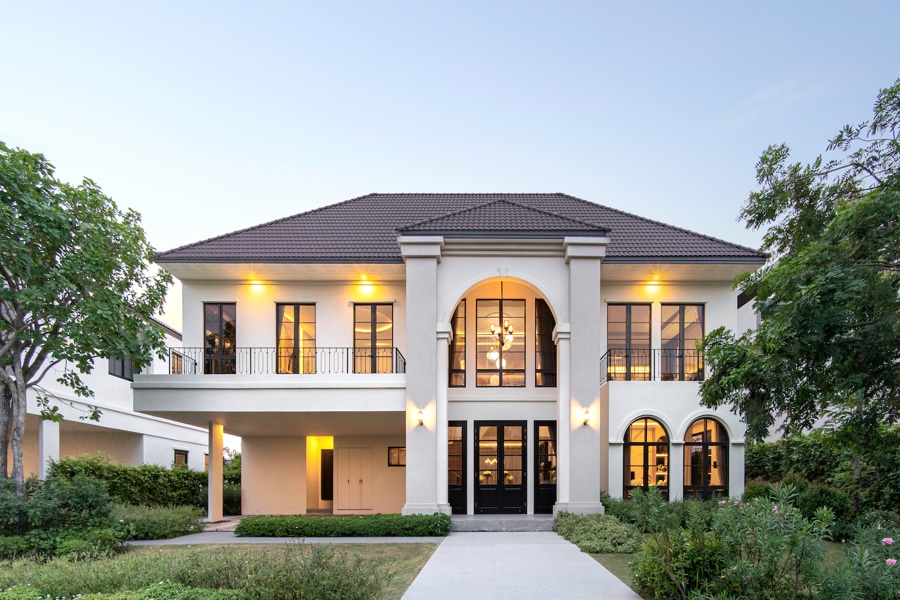
Holiday One Sky Bar

For something more local, acoustic cafés like The Lighthouse or May Coffee & Acoustic host nightly performances from young Can Tho musicians. The mood is laid-back: simple drinks, warm lighting, and songs that mix Vietnamese pop with soft rock covers. Prices are moderate, and performances usually start around 8 PM. Both rooftop and café options work well if you want to unwind after the markets.
Try Street Food And Evening Walks At Xang Thoi Lake

About two kilometers from Ninh Kieu Wharf, Xang Thoi Lake (also known as Bo Ho) has become a favorite night spot for locals. It’s not a tourist attraction in the usual sense, just a small lake surrounded by casual food stalls, drink stands, and low plastic chairs. But that’s exactly what makes it worth visiting. You can try local street dishes like grilled rice paper, skewers, or milk tea, then sit by the lake watching people fish or chat by the water.

Try Street Food And Evening Walks

The area gets busy after 7 PM, mostly with students and office workers relaxing after work. It’s also safe to walk around, with lighting all along the lakeside. If you’re staying near Ninh Kieu, a short taxi or Grab ride will get you there in under 10 minutes.

Experience Early Morning Cai Rang Floating Market Vibes

Cai Rang Floating Market technically belongs to the early morning, but for many visitors, it’s the natural continuation of Can Tho nightlife. Boats begin gathering on the Hau River from about 4:30 a.m., selling fresh fruit, vegetables, coffee, and breakfast dishes directly from their decks. The best way to visit is by joining a small wooden boat tour from Ninh Kieu Wharf, which takes about thirty minutes to reach the main trading area.

visit cai rang floating market

The whole scene of the morning floating market is busy yet calm, showing another side of the Mekong Delta and what to experience in Can Tho beyond the night. To get the best experience, leave your hotel around 5 a.m., wear something light, and bring small cash for a floating cup of Ca Phe Sua Da (Vietnamese Iced Coffee). The early hours might seem daunting, but this peaceful, colorful market rewards anyone willing to trade a little sleep for a true local moment.

What To Eat In Can Tho At Night

Can Tho truly comes alive after dark, especially when it comes to food. It’s simple fare, brimming with local flavor; dishes are prepared quickly, then enjoyed right on the street. You taste the city itself.

Banh Xeo Can Tho (Crispy Pancake)

This golden rice pancake is filled with shrimp, pork, and bean sprouts, then folded into a half-moon and fried until crisp. Locals tear pieces by hand, wrap them with herbs and lettuce, and dip them into fish sauce mixed with lime and chili. The flavor is light yet addictive, and eating it hot off the pan is part of the fun.

Where to try: Banh Xeo 7 Toi on 45 Hoang Van Thu Street, a long-time favorite that stays busy well into the evening.

Banh Xeo are filled with pork, shrimp, and bean sprouts

Bun Nuoc Leo (Fermented Fish Noodle Soup)

From the Mekong River comes this remarkable noodle soup. A flavorful broth, built from fermented fish, lemongrass alongside river prawns, offers a rich taste without being too strong. Bean sprouts, fragrant herbs, then tender roast pork complete the experience.

Where to try: Bun Nuoc Leo Ut Trinh on 25 Nguyen Trai Street, known for serving authentic southern-style broth.

Nem Nuong (Grilled Pork Skewers)

A touch of sugar, garlic, alongside fish sauce tenderizes the meat; grilling over charcoal creates a lovely browned surface. You build rolls with rice paper, cradling the meat, crisp lettuce, fragrant herbs, plus tangy pickled carrots, then drizzle generously with smooth, spicy peanut sauce.

Where to try: Nem Nuong Thanh Van on 17 Hoa Binh Avenue, a long-standing shop where the grill never seems to rest.

Nem Nuong can tho

Hai San Nuong (Grilled Seafood)

Along Tran Phu Street, also close to Ninh Kieu Wharf, you can see sellers showcase their catch: glistening prawns, clams, squid, and little fish arranged on beds of chipped ice. You choose your catch, then watch them cook it, slicked with garlic butter, maybe some chili oil, or vibrant green onion sauce. Dining on fresh seafood by the river, beverage chilled, is somehow both deeply Vietnamese yet special occasion worthy.

Where to try: Hai San Song Hau Restaurant or the Tran Phu Night Market, both serving fresh catches until late.

Che (Sweet Soup Dessert)

To finish an evening in Can Tho, locals turn to Che (sweet soup dessert), a colorful sweet soup layered with beans, jelly, fruit, and coconut milk. Some prefer green mung beans and taro; others add sticky rice, black beans, or soft agar cubes. Everything is ladled into a tall glass and topped with shaved ice so the coconut cream slowly seeps through each layer. The result is cooling and lightly sweet, a perfect contrast after savory dishes or a walk along the wharf.

Where to try: Che Hien Trang near Ninh Kieu Market, a local favorite known for generous portions and late-night hours.

Tips To Experience Can Tho By Night

the Hau River at night

The pace of nightlife in Can Tho is slower than in other cities, so the right timings and a few decisions can make the difference between having a passing experience and actually feeling the city. These ideas will help you appreciate the food and ambiance by the Hau River at night.

  • Where you stay in Can Tho makes everything more enjoyable for your night; you will stay at a hotel located near Ninh Kieu Wharf, and therefore a short walk to most of the attractions, a pleasant nighttime walk away from your accommodation, and be able to safely return after any meal.
  • No worries about the dinner cruise, however, it is easier to go on a weekday; the less crowds crowds, more attention given to you and to others by the captain and crew, and the river is quiet enough to hear the music on the boat.
  • The locals eat early, so getting to the night market around 6:30 PM will mean fresher options that you will not have to wait for at the popular stalls.
  • If you are walking, try to plan your walking path around the pedestrian bridge and Ninh Kieu Park; both areas remain bright, busy, and well policed.
  • If you plan on a rooftop bar, they all close before midnight; by ordering your drink a touch earlier, you can indulge in the last lights of the city and not feel rushed at closing time.
  • To see the floating market at dawn, it makes the most sense to stay near Ninh Kieu Wharf so you can board as early as needed without having to transfer vast distances.

Final Thoughts

Can Tho nightlife doesn’t rely on noise or neon. Nights here feel close and familiar, a reminder that the Mekong’s spirit lives not just in its waters but in the way its people slow down to enjoy life. If you’re planning to explore the Delta, spending an evening in Can Tho is worth every hour. And for travelers who want more local guidance or custom itineraries across Vietnam, Seni World offers detailed travel ideas and on-the-ground insights to help you experience each place at its best.

Where To Stay In Can Tho And Top Places For A Riverside Getaway

Choosing where to stay in Can Tho shapes how you experience its rivers, floating markets, and calm neighborhoods. The charm lies not in grand sights but in the small, unhurried moments that define the Mekong.

Best Areas To Stay In Can Tho

Sheraton hotels in the ninh kieu riverside

Can Tho has spots for everyone, even if you’re after river fun, dawn market trips, or peaceful streets. Though small, the city feels different depending on where you are, revealing various facets of Mekong life. Here’s a look at the favorite areas visitors choose, each presenting its own piece of the delta.

  • Ninh Kieu Riverside: Can Tho truly comes alive at Ninh Kieu Riverside. It’s the city’s heart, a bustling area where cafes line the riverbank alongside a lively night market. Waterfront hotels, such as Sheraton, Wink, and even Charmant Suites, place visitors smack in the middle of things, offering ease alongside a genuine sense of how the city moves. Ideal if strolling is your goal, also want to experience what happens when evening arrives.
  • Con Au Islet: A quick boat trip from Ninh Kieu brings you to Con Au Islet, a peaceful escape. It’s a different place altogether; calm days give way to tranquil evenings. The resorts there are ideal for those wanting seclusion yet convenient access to everything else..
  • Cai Rang: Downriver from the city, you’ll find Cai Rang, where the bustling floating market unfolds each day. It means skipping a lengthy commute to experience Can Tho’s local life. You’ll find quiet escapes at places like Can Tho Ecolodge, alongside cozy homestays nestled among palms bordering the river.
  • Cai Khe: Cai Khe offers a peaceful retreat near Ninh Kieu, a good spot if you prefer avoiding the hustle, alongside accessibility. You’ll find contemporary lodging, shops, plus swift access to both the riverfront and major thoroughfares. Consequently, it suits those on work trips or anyone desiring ease without total immersion in city clamor.

Top Places To Stay In Can Tho

Can Tho boasts an interesting blend of activities, waterfront retreats, chic lodging, also cozy guesthouses. Here’s what visitors frequently suggest, each providing a unique feel for the city’s relaxed pace.

Charmant Suites – A Boutique Hotel Can Tho

Just a quick stroll, under five minutes, puts visitors near Ninh Kieu Wharf, the bustling nighttime market, alongside a bunch of riverfront cafes buzzing when evening arrives. Being there means effortlessly catching a morning boat to Cai Rang Floating Market, or wandering Hai Ba Trung Street to soak up the local vibe.

Charmant Suites - A Boutique Hotel Can Tho

This hotel suits pairs or anyone seeking ease while still feeling the pulse of the city. A rooftop pool overlooks the waterway, alongside direct access to a mall filled with eateries, shops, plus a movie theater. The team will organize trips, perhaps to Ong Temple or the local museum, or book transport for you. A room here typically costs about $44 a night, varying with the time of year. If you want to be near both the river likewise Can Tho’s nightlife, this place hits a sweet spot.

Wink Hotel Can Tho Ninh Kieu Wharf

Wink Hotel injects fresh energy into Can Tho’s riverfront. The lobby also functions like a hangout spot, while a rooftop pool offers respite. Guests arriving from Saigon find checking in surprisingly swift. Folks who visit generally travel alone or come with buddies, often just passing through Can Tho on their way further into the Mekong Delta. Expect to pay roughly $36 each night for a room; prices shift with weekends and whatever’s happening in town.

Wink Hotel Can Tho Ninh Kieu Wharf

Just walk out the door, and suddenly you’re swept into things around here. Boats for the floating market leave shortly, making it simple to hop on morning excursions directly. Because of where it is, how easily it moves around, also its look, Wink suits people wanting a city vibe yet close access to Can Tho attractions.

Sheraton Can Tho

Sheraton Can Tho rises above Hoa Binh Avenue, a landmark locals use for getting around town. It links directly to Sense City Mall, so visitors can enjoy movies, cafes, also shopping all under one roof. For folks with children, or those here for work needing a central location, this place really delivers. The Rates change somewhere between $75 and upwards of $120 during busy times like festivals, yet many feel the consistent quality from a well-known brand justifies the cost.

Sheraton Can Tho

The building isn’t just well-built; where it stands simplifies exploring. A quick trip from the front doors delivers visitors to Ninh Kieu Wharf for river cruises, or one could wander across the footbridge to Con Au Islet as evening approaches. After a busy day, the pool outside or the terrace overlooking the river offers peaceful spots to unwind. If you’re looking for a convenient base in Can Tho, somewhere offering everything you need alongside effortless exploration, Sheraton continues to be a top pick.

Muong Thanh Luxury Can Tho Hotel

Near the Can Tho Bridge, in Cai Khe district, Muong Thanh Luxury Can Tho sits along the river, a bit more peaceful than bustling Ninh Kieu. With more than 300 rooms, this hotel delivers what you expect: reliable service alongside plenty to do. You can swim in the big pool, get old-style herbal therapies at the spa, or savor local dishes at the restaurant. Nights here usually cost from $38-$50, positioning it as a surprisingly affordable luxury.

Muong Thanh Luxury Can Tho Hotel

The hotel shines because getting around from here feels effortless. You could wander over to the riverfront park, or hop in a cab for a quick trip to the footbridge. Moreover, reaching the path to Cai Rang Floating Market proves easier than staying tucked away in Ninh Kieu. Folks on work trips like the meeting rooms here.

Victoria Can Tho Resort

Guests often describe Victoria not as a hotel, but as a quiet riverside break inside the city. The property lies at the end of a small lane off Cai Khe, just five minutes by boat or car from the main Wharf, so it keeps the city within reach. Rooms open directly to the garden or pool area, creating a slow and pleasant atmosphere that most guests describe as the highlight of their stay.

Victoria Can Tho Resort

Days here often start early with breakfast on the terrace overlooking the river, then a private cruise arranged by the hotel to the floating markets or to fruit farms in Phong Dien. In the afternoon, the pool and spa become the center of quiet activity, followed by dinner at Spices Restaurant, which focuses on Mekong produce. The price varies widely, around $100–$120 per night, depending on season and package. For couples searching for where to stay in Can Tho that feels genuinely local yet refined, Victoria captures that river spirit better than anywhere else.

TTC Hotel – Can Tho

Most people notice this hotel long before they check in, its purple sign glows over the riverside every evening. Travelers staying here talk less about design and more about what the location gives them: direct access to the river’s pulse. You can step out at dawn to see vendors loading flowers at the pier, then come back later for sunset when cruise boats line up with music and lights. Breakfast happens on the upper floor where the entire Hau River spreads out beneath the windows, a view that feels more Mekong than most rooftop cafés in town.

TTC Hotel – Can Tho

Guests often combine their stay here with short evening walks along the promenade, where coffee stands, ferries, and locals line up by the water. Because of its location, rates shift quickly, some nights closer to $55, others much higher when festivals fill the riverside area. Couples who enjoy staying in the heart of things, rather than in polished isolation, this address fits perfectly. Among practical options for where to stay in Can Tho, TTC gives you unbeatable access to the city’s most active quarter.

Iris Hotel Can Tho

Iris Hotel sits inland on Tran Van Kheo Street, about ten minutes from the river, in a quieter part of Ninh Kieu District. It’s not built for spectacle but for travelers who prefer a clean, mid-range stay with good amenities. The lobby feels simple yet organized, and the indoor pool becomes a welcome bonus during the hot season.

Iris Hotel Can Tho

Guests staying longer often like the small cafés and food spots scattered around the neighborhood, where breakfast runs cost less than a drink by the river. Prices usually hover around $27–$35 per night, though they dip lower midweek. The staff helps arrange transport to the floating markets or day trips to Truc Lam Zen Monastery nearby. For travelers deciding where to stay in Can Tho who want quiet evenings but quick access to everything, Iris balances both worlds comfortably.

KP Hotel

KP Hotel rarely shows up on glossy lists, yet many travelers end up extending their stay here. The reason is simple: it’s right in the middle of everything that makes downtown Can Tho easy with small cafés, late-night pho stalls, and a short walk to the ferry pier. Guests who arrive without fixed plans often use it as a base to map their next steps, picking up floating-market tours or day trips as they go.

KP Hotel

The staff know the city by heart and can point you to the best Hu Tieu spots or suggest where to catch a good river sunset. Rooms are compact but spotless, and the Wi-Fi actually works well, something budget travelers don’t take for granted in the Mekong. Rates usually sit around $30 per night or less when booked directly. For independent travelers still deciding where to stay in Can Tho, KP feels like a no-fuss hub that keeps you close to local life.

Tips To Choose Where To Stay In Can Tho

Selecting the right area is not just about personal comfort; it is about how each evening connects to what you wish to see during your stay the next day. These are quick ideas to match your lodging with tomorrow’s plans.

  • If you love quiet mornings, stay near Cai Rang or Ba Lang, where you’ll wake to river sounds instead of traffic.
  • If you’ve got a single night in town, basing yourself near Ninh Kieu Wharf is smart. It puts the night market alongside the river cruise right at your doorstep, a neat combination.
  • To truly experience Can Tho, go at the ideal time to visit Can Tho, usually from December through April. This way, you’ll find bright, open skies ideal for exploring the waterways by boat.
  • Weekend stays fill up fast with domestic groups, so if you prefer quiet nights, go midweek when the riverside feels calmer.
  • When the weather gets wet, seek out spots boasting sheltered courtyards or maybe even indoor pools. That way, you won’t miss the lovely scenery while a quick downpour moves through.

Final Thoughts

Can Tho is one of those cities that reveals itself slowly. No matter which address you pick, the real reward comes from seeing how life here moves with the river. That, more than any luxury or rating, is what defines the best answer to where to stay in Can Tho. For more travel stories and local insights across the Mekong Delta, explore Seni World, your window into Vietnam’s slow, authentic side.

19 Best Things To Do In Can Tho To Have Wonderful Moments

There are numerous things to do in Can Tho for vacationers to have incredible moments, such as visiting Cai Rang Floating Market, exploring Ninh Kieu Wharf, going to Can Tho Night Market,… Read Seni World’s blog to know more!

Things To Do In Can Tho

Visit Cai Rang Floating Market

Cai Rang Floating Market is the world-famous and iconic image of Can Tho. Visiting here at dawn, you will see dozens of boats arriving at the river to sell many different types of fresh fruits, vegetables, and local specialties. This makes Cai Rang Floating Market a colorful and dynamic floating bazaar. Let’s enjoy the lively sounds of bargaining and try participating in this exciting activity once.

visit cai rang floating market

If you want to experience Cai Rang Floating Market up close, you should take a small boat tour, then buy a cup of bold Vietnamese coffee or a traditional flavor bowl of Hu Tieu right on the water. It is the most wonderful and authentic way to immerse yourself in the Mekong Delta’s unique river culture as well as particular local trade traditions.

Explore Ninh Kieu Wharf

Ninh Kieu Wharf is the central hub and another symbol of Can Tho, positioned along the Hau River. Covered with local restaurants, pretty coffee shops, and a beautiful green park, Ninh Kieu Wharf is the best choice for a relaxed evening stroll with perspectives of sparkling lights reflecting on the water.

ninh kieu wharf at night

At night, Ninh Kieu Wharf changes into a brilliant promenade with delicious local food stalls and live music. From here, you can additionally catch dinner cruises or boat excursions to nearby islands. Exploring Ninh Kieu Wharf is one of the must-try things to do in Can Tho for first-time tourists.

Go To Can Tho Night Market

Located near Ninh Kieu Wharf, Can Tho Night Market is an interesting world full of colors, smells, and sounds. Both local people and vacationers arrive at the night market to try delicious street food, pretty handmade crafts, and traditional souvenirs.

ninh kieu night market in can tho

When going to Can Tho Night Market, don’t forget to enjoy various types of grilled seafood, Banh Xeo Mien Tay (Vietnamese Pancakes), or sweet coconut desserts. You can also chat with friendly local vendors to know more about their energetic daily lives and work. All food here has an economical price, traditional flavor, and it keeps the spirit of the Mekong Delta.

Tour Bang Lang Stork Garden

This nature reserve, Bang Lang Stork Garden, is home to heaps of white storks that roost in the treetops. The best time to visit Can Tho City in general and Bang Lang Stork Garden in particular is from December to April, or during the dry season.

Tour Bang Lang Stork Garden

You should go to the nature reserve in the early morning or sunset, when the sky is clear and filled with the flapping wings of birds. Bang Lang Stork Garden has a serene scenery, surrounded by green rice paddies and blue waterways, making it a great escape from the busy city. Particularly, travelers can also investigate this place by a small boat through the lush mangrove forest.

Discover The Can Tho Museum

Can Tho Museum showcases the rich history as well as culture of the Mekong Delta region. Exhibits here consist of conventional apparel, agricultural tools and equipment, ancient artifacts, and stories of the old Khmer and Chinese communities.

can tho museum

Can Tho Museum is a wonderful educational destination for travelers, especially global vacationers, to understand more about how the Mekong Delta people’s lifestyle evolved with the river. The museum is also superbly built and designed with a stunning combination of modern and traditional architecture.

Uncover Phong Dien Floating Market

Smaller and more local than Cai Rang Floating Market, Phong Dien Floating Market brings travelers a more authentic and friendly experience. You can see various farmers sell their fresh produce directly from their boats, and they often barter with each other. You should take an early morning boat ride to witness daily life as it naturally occurs on the water. This floating market is quieter and less touristy, wonderful for photography with family and friends, as well as cultural immersion.

Visit Ong Pagoda

Ong Pagoda, or known as the Chinese Pagoda, is a colourful pagoda near Ninh Kieu Wharf, which is devoted to Kuang Kung. Ong Pagoda has brilliant architecture, complicated dragon carvings, and beautiful lanterns, so it is one of Can Tho’s most photogenic sites. When going inside, the air is filled with the aroma of incense and quiet prayers. The pagoda is an iconic image for the long-standing Chinese impact on the Mekong Delta region and Can Tho City’s religious and cultural life.

ong pagoda in can tho

Walk Around Can Tho Old Market

Can Tho Old Market, built during the French colonial period, still stands as an architectural gem along the river nowadays. The old market’s yellow facade and arched windows make this destination a well-known photography spot for both local people and travelers who love the vintage building and atmosphere.

Going inside, Can Tho Old Market sells many different types of local products, consisting of dried fruits, fish sauce, and traditional handicrafts. Visiting Can Tho Old Market is one of the must-try things to do in Can Tho for travelers to pick up the Mekong Delta souvenirs and taste local snacks.

Relax At The Love Bridge

Connecting Ninh Kieu Wharf to Con Cai Khe, this pedestrian bridge glows superbly at night with heart-shaped lights. Therefore, the bridge is called Love Bridge. Couples often visit here to hang symbolic locks of their love or take some romantic photos to save these great moments.

love bridge in can tho

The Love Bridge also offers panoramic and impressive views of the river and Can Tho City skyline for all visitors. The bridge is one of the most world-famous places to take photos for sharing them with the network on many Social media platforms, particularly during sunset.

Take A Dinner Cruise On The Hau River

You can try experiencing Can Tho from an extraordinary side, such as enjoying a scenic dinner cruise. When you sail down the Hau River, you can have an opportunity to unwind in Vietnamese dishes accompanied by attractive live folk music. The smooth glow of lanterns on the cruise and the light breeze over the water of the Hau River create a magical atmosphere. It is an excellent night interest for families or couples when they want to learn more about Can Tho nightlife.

Visit Truc Lam Phương Nam Zen Monastery

One of the largest monasteries in the Mekong Delta region, Truc Lam Phương Nam Zen Monastery combines traditional Vietnamese architecture with tranquil green gardens. This place has the towering bell tower and lotus ponds that beautify the monastery’s peaceful ambiance. Travelers can walk through the grounds, try to meditate, or learn more about sacred Buddhist philosophy.

truc lam phương nam zen monastery in can tho

Enjoy Fruit Gardens in Phong Dien

Can Tho is surrounded by various lush orchards where vacationers can pick tropical fruits, consisting of fresh mangosteen, rambutan, and longan. Local farmers here regularly invite visitors to sample their harvest and unwind in delicious traditional home-cooked food. Wandering through the fruit gardens in Can Tho, you can have an opportunity to experience the rural life in the Mekong Delta.

Explore Con Son Islet

Con Son Islet is a small island community well-known for eco-tourism and warm hospitality. From Can Tho city center, you can reach Con Son Islet by boat. Discovering this small island, you can join many different exciting activities, like watching “flying fish” shows, making rice paper, or learning traditional cake-making ways. Vacationers are welcomed into local homes for food, social, and cultural exchange. Con Son Islet offers a hospitable and strong connection with the local people of the Mekong Delta for travelers all over the world.

Visit The Military Museum

The Military Museum highlights Southern Vietnam’s wartime history against America with valuable and detailed exhibits, including old tanks, meaningful photographs, and relics. The museum is a destination for all visitors to reflect on Vietnam’s resilience and patriotism. The displays are very informative and well-curated. Therefore, they help visitors understand more about the region’s role in Vietnam’s independence. Visiting the Military Museum is one of the wonderful things to do in Can Tho for history lovers.

Visit The Military Museum in can tho

Try Local Specialty

Visiting Can Tho City, you can not miss out on its local specialties, especially Banh Xeo Can Tho, or Vietnamese Crispy Pancake. Can Tho’s version of this well-known Vietnamese crispy pancake is bigger and packed with shrimp, pork, as well as fresh bean sprouts. You will eat Banh Xeo Can Tho with local herbs and sweet fish sauce to have an explosion of flavor. Many riverside restaurants in Can Tho prepare it fresh, sizzling on hot clay pans. Eating Banh Xeo Can Tho at these places is really a cultural and culinary revel in mixed.

Banh Xeo are filled with pork, shrimp, and bean sprouts

Discover Munirangsyaram Pagoda

Placed in the Can Tho city center, Munirangsyaram Pagoda is a famous Khmer Buddhist pagoda that stands out with its golden spires and carefully carved details. The pagoda showcases the cultural diversity of Can Tho’s communities. The peaceful courtyard and colourful murals of Munirangsyaram Pagoda bring vacationers more insights about Khmer spiritual art. This is an excellent destination for travelers who are interested in Southeast Asian architecture.

Investigate Tay Do Ecotourism Park

Tay Do Ecotourism Park is a unique theme park that combines various topics, like nature, traditional architecture, as well as fun and leisure activities. Visitors, particularly international travelers, can have a chance to explore local lotus ponds, small bridges, and folk games. Tay Do Ecotourism Park is mainly popular with families with kids and children, for its picnic places and cultural performances. The park brings them an energetic yet relaxed Mekong Delta atmosphere.

Investigate Tay Do Ecotourism Park

Attend A Traditional Southern Folk Music Show

Traditional Southern Folk Music Show, also called Don Ca Tai Tu, is a proudly UNESCO-recognized music form. It is a very important part of the Mekong Delta’s identity. Performances use traditional instruments of the Southern Vietnam area, like the Dan Kim and many emotional singing styles.

Numerous local homestays and restaurants in Can Tho offer live shows where travelers can enjoy the music while eating local dishes. Attending a traditional Southern folk music show is one of the stunning things to do in Can Tho, for you to enjoy Southern Vietnam’s hospitality and culture.

Enjoy Coffee With A River View

Can Tho’s local coffee shops have a bold culture along the riverbanks. Unwinding in a cup of Vietnamese iced coffee while seeing pretty boats drift by is a peaceful and happy experience for visitors, particularly when they explore Can Tho during the rainy season. From rustic riverside huts to modern rooftop coffee shops, each destination is a spot of a unique yet traditional flavor of the Mekong Delta region. This is a wonderful way for all vacationers to relax and absorb the slow and soothing tempo of Can Tho.

Final Thoughts: Is Can Tho Worth Traveling?

Being a well-known and captivating destination in the Mekong Delta region, there are various things to do in Can Tho for both local and global travelers. Not only is it a natural beauty, but Can Tho also has rich cultural and historical sites, delicious traditional food, and folk music shows. Let’s contact Seni World, a reputable tour operator from Vietnam, for more consulting about what to do and where to stay in Can Tho, and everything about this adventure.

The Best Time To Visit Can Tho For A Great Mekong Delta Trip

The best time to visit Can Tho is from December to April, which is warm and sunny. It has little rain, calm river waters, and clear skies. Visiting here, read Seni World’s travel guide to understand the weather and tips.

best time to visit can tho

Where Is Can Tho

Can Tho is the heart of the Mekong Delta area in Southern Vietnam. Located along the Hau River, Can Tho is an essential hub for commerce, society, culture, and travel in the Mekong Delta. The city has a fascinating mixture of traditional Vietnamese culture and modern improvements. Going to Can Tho, travelers can unwind in dynamic markets, try delicious local food, and take peaceful boat rides through a maze of canals covered with coconut palms.

Can tho bridge in can tho

Not only are its beautiful waterways, but Can Tho also attracts vacationers with its cultural richness and laid-back vibe, like Cai Rang Floating Market, historical pagodas, and French colonial architecture. Each destination of the city is a tale of life intertwined with the Hau River. So don’t miss out on discovering the countryside by bike, tasting fresh tropical fruits in local gardens, or watching the sunset over the Mekong River.

What Is The Best Time To Visit Can Tho?

The best time to visit Can Tho is from December to April, during the dry season. At these times, Can Tho has warm sunshine, clear skies, and calm waters. Therefore, you can choose the dry season to take part in outdoor activities and sightseeing. Let’s explore the famous floating markets in Can Tho, consisting of Cai Rang Floating Market and Phong Dien Floating Market. These times are also suitable for cruising along the Hau River and visiting fresh fruit gardens in full bloom.

Cai Rang floating market

From May to November, Can Tho is in the rainy season. However, the rains are usually short and refreshing. The wet season in Can Tho is also when the Mekong Delta’s scenery is at its greenest, with numerous lush rice paddies and abundant fresh tropical fruits. Although travel can be slightly affected by showers, this is still a gorgeous and less-crowded time for vacationers to experience Can Tho’s genuine appeal.

Can Tho Weather Overview By Season

Can Tho has two seasons in a year. The weather changes from warm sunshine, clear skies, and calm waters to rain, but brilliant scenery. Seni World has summarized the Can Tho weather by month and highlighted some recommended things to do in Can Tho for you to refer to. Thanks to them, you to easily follow and arrange a remarkable adventure:

Season Months Temperature (°C) Typical Weather Experience
Dry season December to April From 25 to 32 The dry season in Can Tho City is sunny and warm, with little rainfall. This is the best time to visit Can Tho for sightseeing and participating in outdoor activities. The calm weather makes boat travel along the Mekong Delta pleasant and enjoyable.
Rainy season May to October From 26 to 33 During the rainy season, Can Tho has short and heavy showers, but they usually do not last long. This is also the most productive time of the year, with lush natural scenery and abundant fresh tropical fruits.

The Dry Season (From December To April)

The dry season in Can Tho regularly lasts from December to April, having a warm and sunny climate. They are the best conditions for outdoor exploration. During this time in Can Tho, rainfall is minimal, and the skies continue to be mostly clear. So you can enjoy cruising along the Mekong River, investigating the Cai Rang Floating Market, or just cycling through green, lush countryside roads. The air is really fresh and comfortable, permitting tourists to completely unwind in the scenery, culture, and energetic daily life on the waterways.

Tet holiday in Vietnam

From December to April is also when Can Tho’s landscapes and fruit gardens are at their most brilliant. All the ripe fruits and blooming flowers enhance the splendor of the Mekong Delta region. Because the dry months coincide with various local festivals as well as the Tet Holiday (known as Vietnamese Lunar New Year), travelers can have a chance to revel in the lively spirit of Can Tho. You can take part in many colorful celebrations, enjoy traditional performances, and taste delicious local dishes.

The Rainy Season (From May To October)

The rainy season in Can Tho generally spans from May to November, having higher humidity and common afternoon showers. The rain can be heavy at times, but it does not often last all day. This season changes the Mekong Delta into a green and lush paradise. You can see numerous vibrant rice fields, beautiful blossoming lotus ponds, and full rivers. All of them show the area’s natural abundance. The floating markets are also at their liveliest, with many canals brimming with boats carrying fresh produce, fruits, and flowers.

The cooler temperatures of the wet season in Can Tho make it pleasant to visit pagodas, local farms, and floating villages with fewer crowds. Travelers can try many different types of seasonal fruits, consisting of mangosteen, rambutan, and durian, which are at their sweetest during these months. There are still many things to do in Can Tho during the wet season, and you can have a real glimpse into the local life and rhythm of the Mekong Delta on a very different side.

Tips For Visiting Can Tho In Different Seasons

To have a comfortable, exciting, happy, and safe adventure in Can Tho, not only the attractions, but also need to remember the following essential travel tips. These tips will help you have this Mekong Delta trip more conveniently and protect yourself more effectively:

  • Book accommodations in advance in the dry season: The dry season is the best time to visit Can Tho, so you need to book your hotel or homestay in advance to get better prices and availability.
  • Stay hydrated in the dry season: The sun in the dry season can be intense, so don’t forget to bring a reusable water bottle and drink frequently to ensure your body has enough water.
  • Use sunscreen and sun gear in the dry season: You must protect your skin from the high UV rays by applying high SPF level sunscreen and wearing hats and glasses, especially when visiting floating markets or rice fields.
  • Wear suitable clothing in the dry season: You should choose light and breathable apparel, such as cotton or linen clothing, to stay cool while walking around.

can tho city at night

  • Prepare mosquito repellent in the dry season: Even in the dry season, the riverbanks in Can Tho can attract insects and bugs at dawn and dusk. So you need to bring mosquito repellent to protect your skin.
  • Bring rain gear in the wet season: Let’s bring a lightweight raincoat or a small umbrella when going out during the rainy season in Can Tho. Showers here are common but short, so you can continue sightseeing afterward.
  • Wear quick-drying clothes and footwear in the wet season: Roads and boat decks in the rainy season can get slippery, so avoid heavy materials to protect yourself.
  • Avoid midday adventure in the wet season: Thunderstorms often occur in the afternoon, so you need to remember to plan your journey in Can Tho in the morning during the rainy season.
  • Use waterproof bags for gadgets in the wet season: Let’s protect your electronics, such as your smartphone and camera, when on boat trips by preparing waterproof bags.
  • Plan a flexible journey in the wet season: Be careful of heavy rain or flooding in rural areas. If you still do not know how to customize a suitable itinerary in the rainy season in this city, contact Seni World for more consulting.

FAQs About The Best Time To Visit Can Tho

Seni World also summarized some FAQs to help you understand deeply about the best time to visit Can Tho. Let’s see them more below!

When is the hottest time in Can Tho?

April and May are commonly the hottest months in Can Tho. The temperatures of these two months sometimes exceed 34°C (93°F). So you should wear light and breathable clothing and drink enough water to ensure your health and comfort.

When is the coolest time in Can Tho?

The coolest months in Can Tho are from December to February, with lower humidity and plenty of sunshine. However, Can Tho remains warm year-round, so they are still above 23°C (73°F).

Is it safe to take a boat trip during the rainy season?

Yes, it is. As long as you go with a reputable tour operator, follow their guideline and usually check weather conditions. Be careful and feel pleasant to take a boat trip during the rainy season in Can Tho.

Are there any major festivals in Can Tho?

Yes, there are some major festivals in Can Tho, including the Vietnamese Lunar New Year and the Ok Om Bok Festival. The Ok Om Bok Festival is regularly celebrated by the Khmer community in November, marking the end of the harvest season in the Mekong Delta region.

Does Can Tho celebrate the Water Lantern Festival?

Yes, Can Tho can celebrate the Water Lantern Festival. Some smaller-scale lantern events often occur along Ninh Kieu Wharf as well as the riverside areas. Let’s join them to enjoy the poetic and peaceful vibe in this city.

Final Thoughts: Is Can Tho Worth Visiting?

The best time to visit Can Tho is from December to April, which is warm and sunny. It has little rain, a calm sea, and clear skies. So you can take part in outdoor activities and sightseeing, like cruising along the Mekong River, investigating the Cai Rang Floating Market, or just cycling through green, lush countryside roads. If you want to learn more about this Can Tho trip, as well as consult travel tips, and receive support for the visa process, let’s contact Seni World. We are here to help you from A to Z on this Vietnam itinerary.