logo mobile sidebar
support-image-mobile
Share your ideas with our local expert team - we’re here to listen and help you shape a meaningful journey through Indochina.
(+84) 868 663 993
Asia Leading Tour Operator 2025
tripadvisor travelers choice awards 2024
Travelers' Choice Awards 2025

Author: Content

Top 13 Vietnamese Food You Need To Try With Pictures And Tips

Discover the 13 most delicious Vietnamese dishes for first-time travelers, including the most popular foods such as pho, banh mi, and local favorites. Packed with useful tips and beautiful photographs, enjoy Vietnamese food the way the locals do!

Banh Mi (Vietnamese Baguette Sandwich)
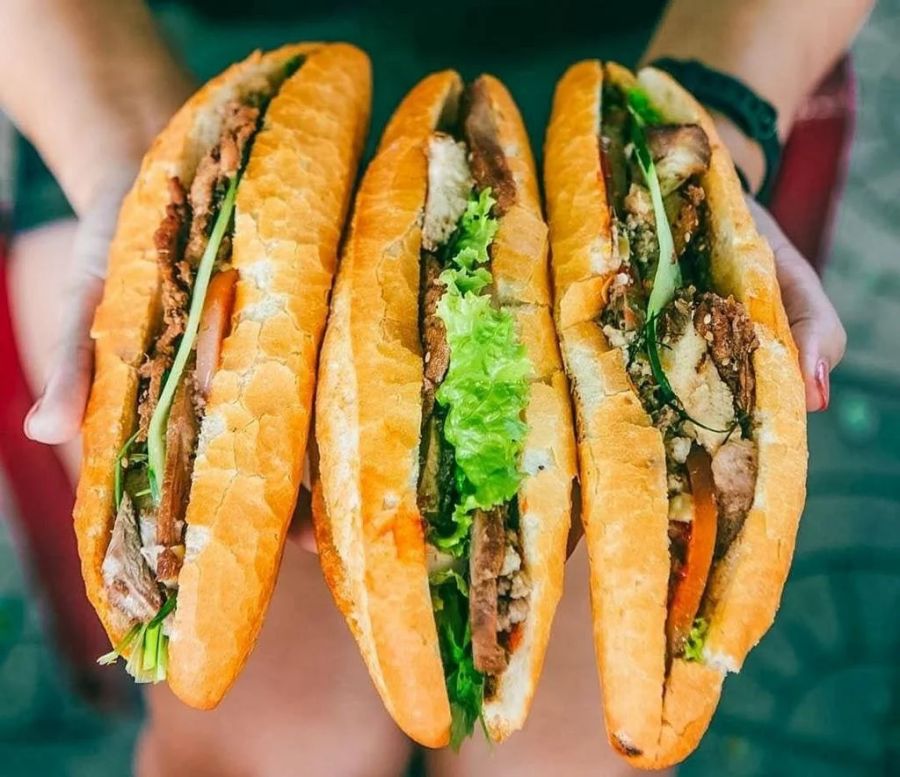
Banh Mi

Banh Mi is a popular Vietnamese sandwich served on a baguette. It’s street food and available everywhere in Vietnam, from Hanoi’s old quarter to Saigon’s streets. Outside, the bread is crusty, inside, it’s soft and freshly baked daily.

Inside, there is a tasty array of ingredients including grilled pork, steamed meatballs, pâté, pickled daikon and carrots, fresh cucumber, chili slices, and herbs like coriander. Each bite offers a different feel and flavor, and it is a tasty and filling meal at any time of day.

Bun Bo Hue (Spicy Beef Noodle Soup from Hue)
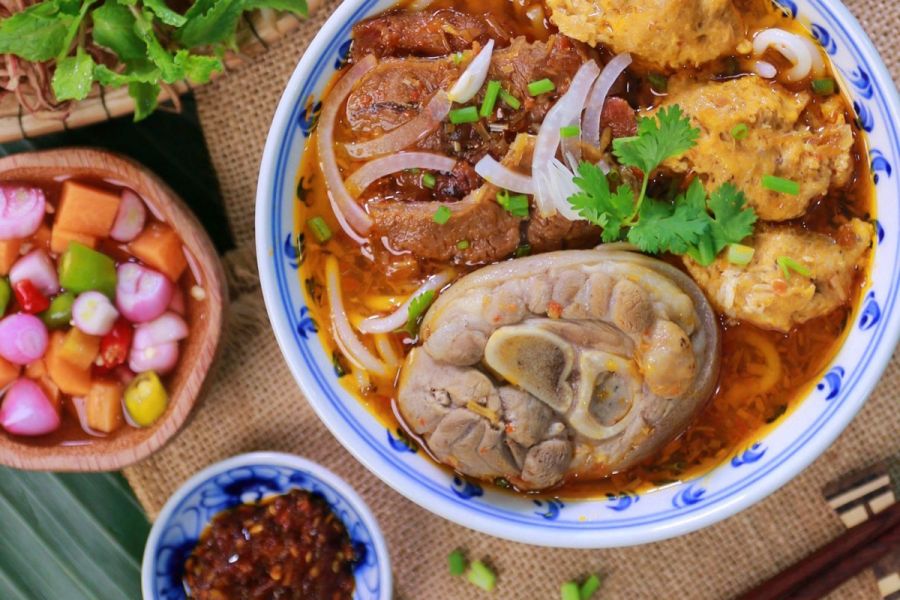
Bun Bo Hue

Bun Bo Hue is a spicy, powerful beef noodle soup from the imperial city of Hue in central Vietnam. It is famous for its rich, flavorful broth and balance of spicy, sour, salty, and savory flavors. Many who like pungent Vietnamese soups really adore this dish. It is usually eaten as a fulfilling breakfast or lunch, especially in southern and central Vietnam.

It’s made by slow-cooking beef bones with lemongrass, shrimp paste, and chili oil to make an aromatic and flavorful base. Thick, round rice noodles are added, together with soft slices of beef, pork hock, and sometimes pieces of solid pig’s blood.

Banh Xeo (Vietnamese Sizzling Pancake)
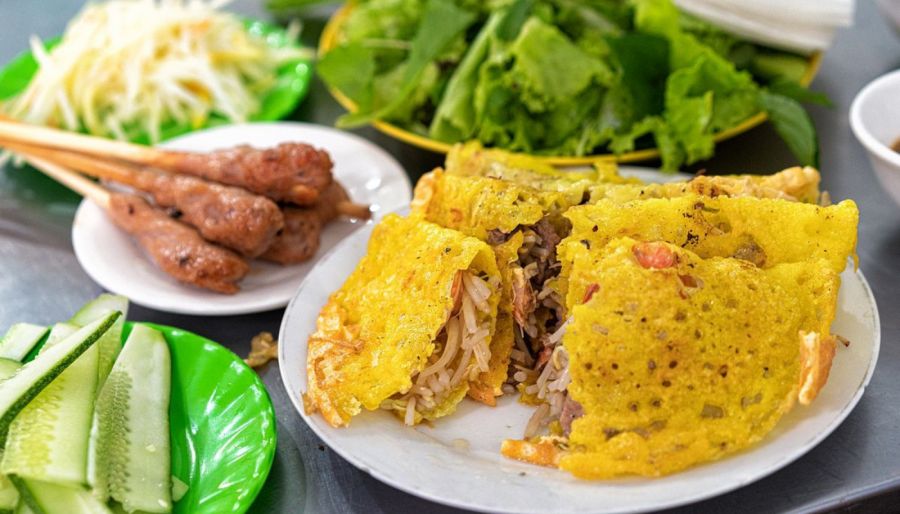
Banh Xeo

Banh Xeo is a crispy, tasty pancake that crackles while it is being cooked, and thus was named, “xeo” is the sound of the batter hitting hot oil. It is popular in southern and central Vietnam. The yellow pancake is made of rice flour, turmeric powder, and coconut milk, and has shrimp, pork, and bean sprouts inside.

When crispy-fried, it is cut into pieces and wrapped in fresh lettuce or rice paper with herbs like mint and basil. It’s then dipped into sweet and sour fish sauce. Banh Xeo is a communal dining experience to relish eating, typically with family or friends.

Bun Cha (Grilled Pork with Noodles)
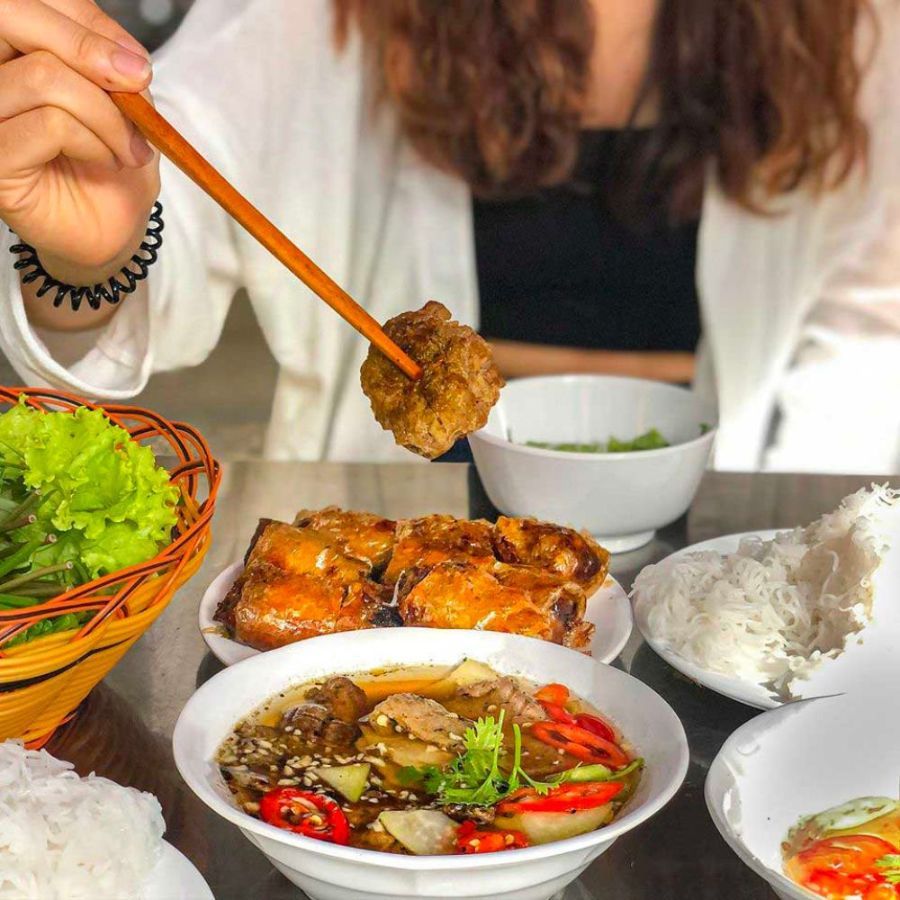
Bun Cha

Bun Cha is a popular dish in Hanoi and a top lunch choice for the locals. It is made of grilled pork served in a bowl of hot fish sauce with a hint of sweetness, topped with pickled papaya and carrot.

These are presented in a bowl of hot, sweet-sour sauce. The sauce is made with fish sauce, vinegar, sugar, and garlic. With it, there is a side plate of rice noodles, lettuce, and fragrant herbs like perilla and mint. To eat, you dip all of them into the sauce, with a tasty combination of textures and flavors.

Bun Bo Tron Nam Bo (Southern-style Stir-fried Beef Noodles)
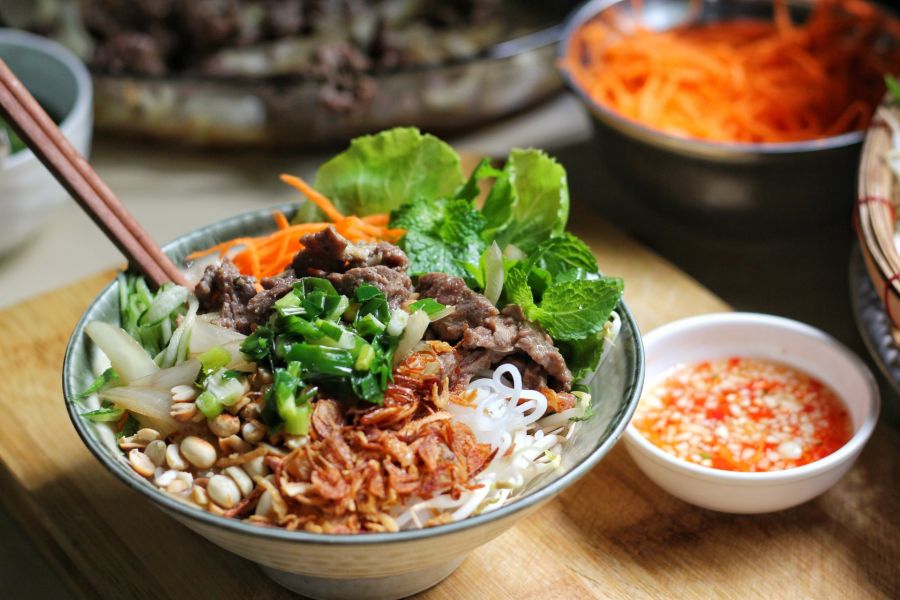
Bun Bo Tron Nam Bo

Bun Bo Tron Nam Bo Bun Bo Tron Nam Bon is a flavorful Southern Vietnamese noodle dish of tender rice noodles, wok-tossed beef, herbs, bean sprouts, and crushed peanuts. It is sprinkled with crispy shallots and accompanied by a sweet and sour fish sauce dressing, which combines all the flavors together so perfectly.

It’s a light dish packed with flavor, it’s fresh with herbs on one end, with the richness of marinated beef on the other. It’s one of those things I think a lot of people love as a hearty lunch or dinner, particularly on sweltering days when only something cool will do. And it’s a great demonstration of the way just a few unassuming ingredients can combine to create something that really tastes good.

Bun Rieu (Crab Paste Noodle Soup)
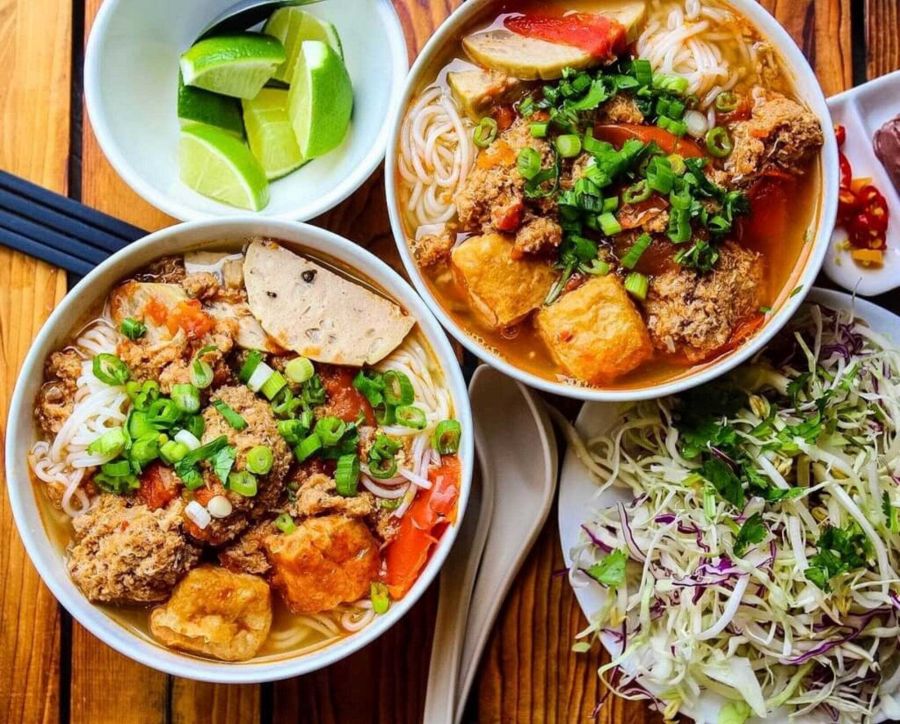
Bun Rieu

Bun Rieu, or Vietnamese Crab Paste Noodle Soup, is a classic Vietnamese noodle soup dish: hot, satisfying, and delicious. This tasty soup is made with banh canh, rice vermicelli noodles, that is often added to a rich brew of fish stock where guests can also add a mixture of crab paste, minced pork, fish cakes, tomatoes, tofu, and, depending on your location in the country, sometimes snails or blood pudding.

It is typically topped with fresh herbs, shredded lettuce, and banana blossoms, and served with a squeeze of lime. You see people eating bun rieu all over the north and the south, and often for breakfast or lunch, because it’s delicious but also balanced in richness, tang, and refreshment.

Banh Cuon (Steamed Rice Rolls)
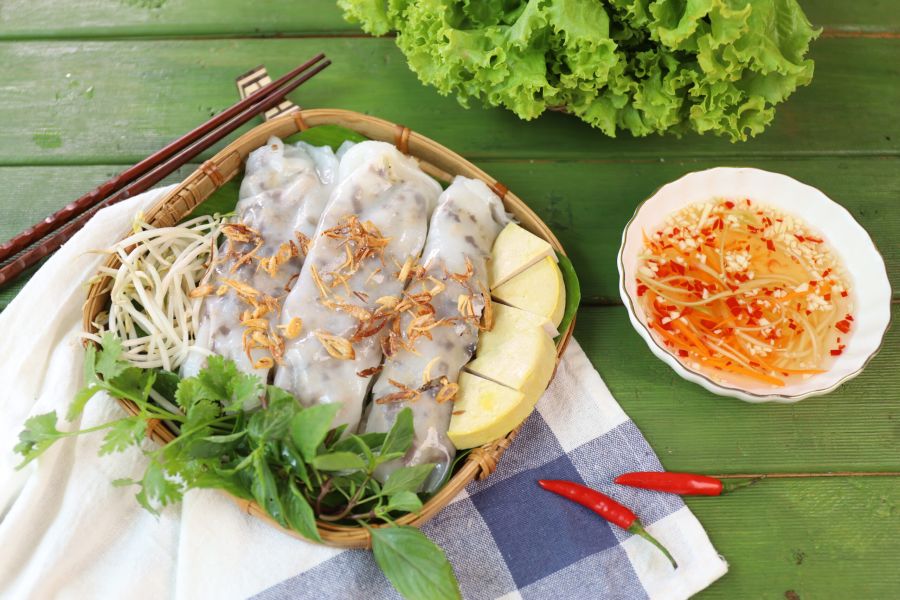
Banh Cuon

Banh cuon is a steamed rice roll wrapped in a thin rice wrapper. The texture is made from ground pork and sweet potato. The roll is mixed with crisp fried shallots, slices of Vietnamese pork link, fresh sauces, and a pungent fish sauce made with chili oil painting.

This is a favorite dish of northern Vietnamese and can be set up on every road in Hanoi. However, you must try the Banh Cuon, if you want to start the day with a light snack. With every bite, you can feel the discrepancy between the soft and warm rice roll and the juicy sauces. For those who like to start the day with a light snack, this dish is a delicacy not to be missed.

Goi Cuon (Fresh Spring Rolls)
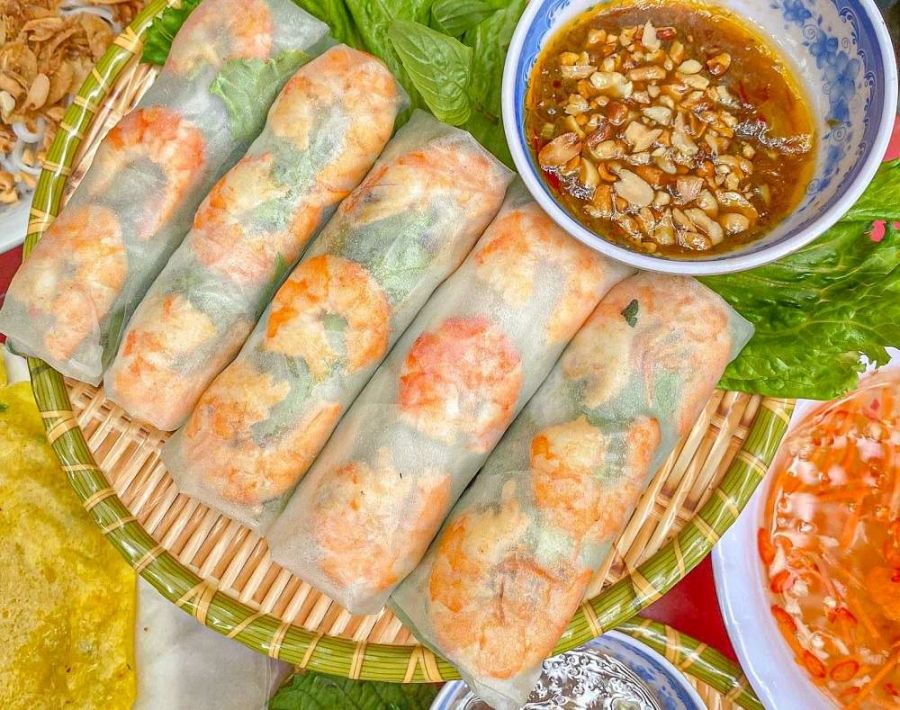
Goi Cuon

Fresh Spring Rolls (Goi Cuon) is a cherished dish that’s loved by Vietnamese people. Spring rolls are precisely wrapped in soft and transparent rice paper, which contains fresh ingredients such as shrimp, pork slices, rice rolls, lettuce, and sauces.

These spring rolls are light and healthy, making them a perfect snack or appetizer. Paired with racy peanut sauce or hoisin sauce, fresh spring rolls have a fresh taste, a balanced taste, and comfort, making them a first choice for those who are looking for a stimulating mess or a light snack.

Com Tam (Broken Rice with Grilled Pork)
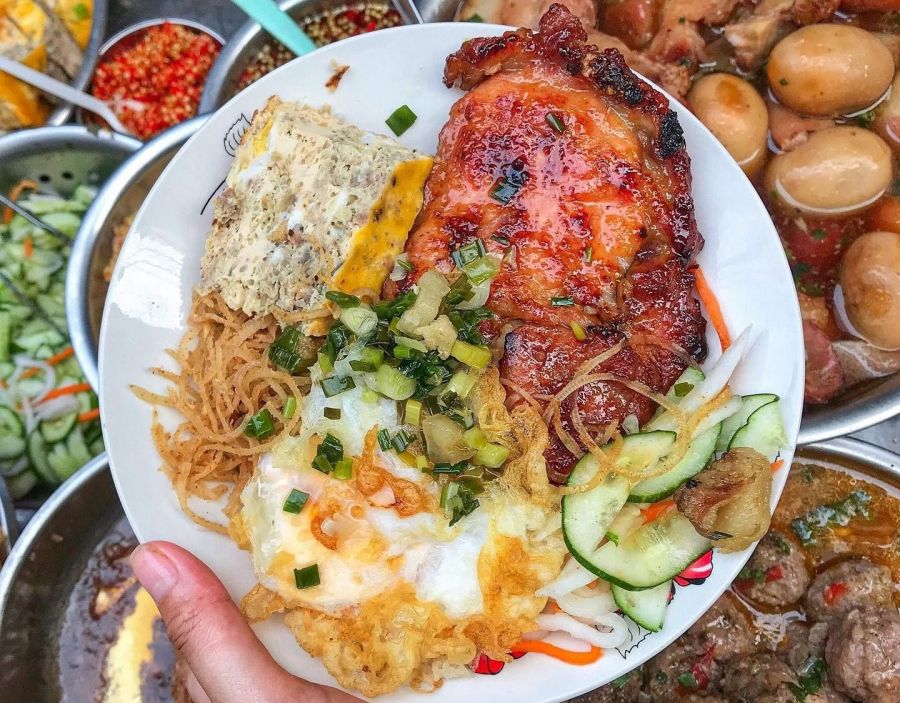
Com Tam

Com Tam or Grilled Pork with Broken Rice is a common street food in southern Vietnam, especially Ho Chi Minh City. The broken rice grains, once considered an outgrowth, are now extremely sought after for their tender, slightly crunchy texture. The broken rice is served with grilled pork chops, a fried egg, shredded pork rind, pickled carrots and daikon, and a sweet-savory fish sauce for drizzling over.

What sets Com Tam apart is its homestyle, comforting flavor loved by all ages. Although it’s plain, it pairs well with smoked grilled meat with good-topping ingredients and a superior balance of salty, sweet, and sour. The dense, filling dish is a breakfast favorite but consumed at any meal time.

Mi Quang (Turmeric Noodles from Quang Nam)
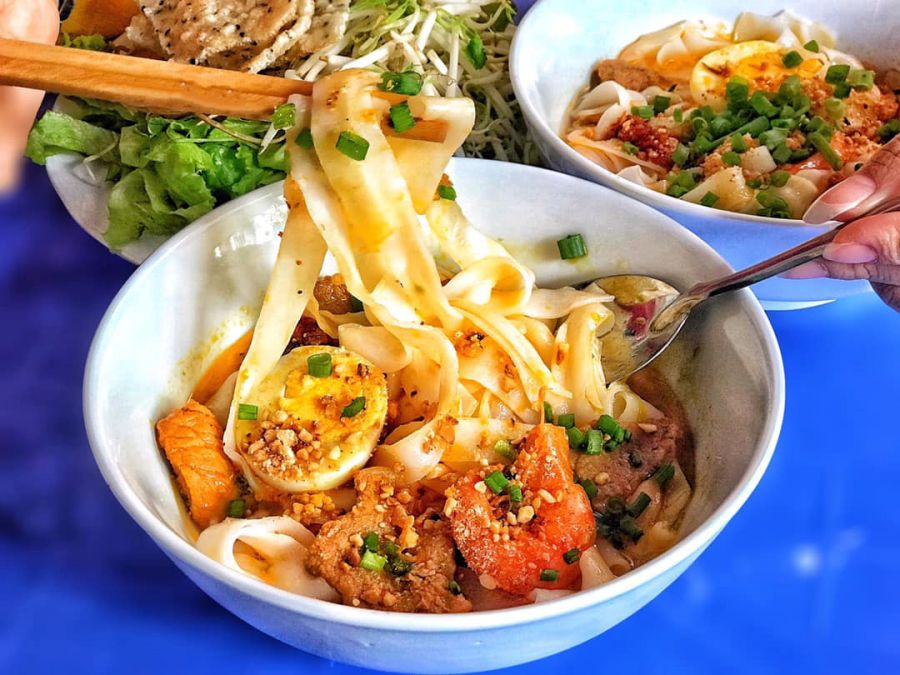
Mi Quang

Mi Quang (Quang Nam Turmeric Noodles) is a central Vietnamese specialty, extremely popular in Da Nang and in Quang Nam province. It is made of yellow-colored wide rice noodles from turmeric, served in a shallow bowl with strong-flavored broth. The toppings would typically include pork, shrimp, quail eggs, and fresh herbs, all sprinkled with roasted peanuts and crispy rice crackers.

What sets Quang Noodles apart is its startling color and contrasting textures, chewy noodles, crunchy toppings, and rich, full-bodied broth. It showcases the essential Vietnamese flavors and is often eaten as an everyday comfort food or festive dish.

Hu Tieu (Southern Vietnamese Noodle Soup)
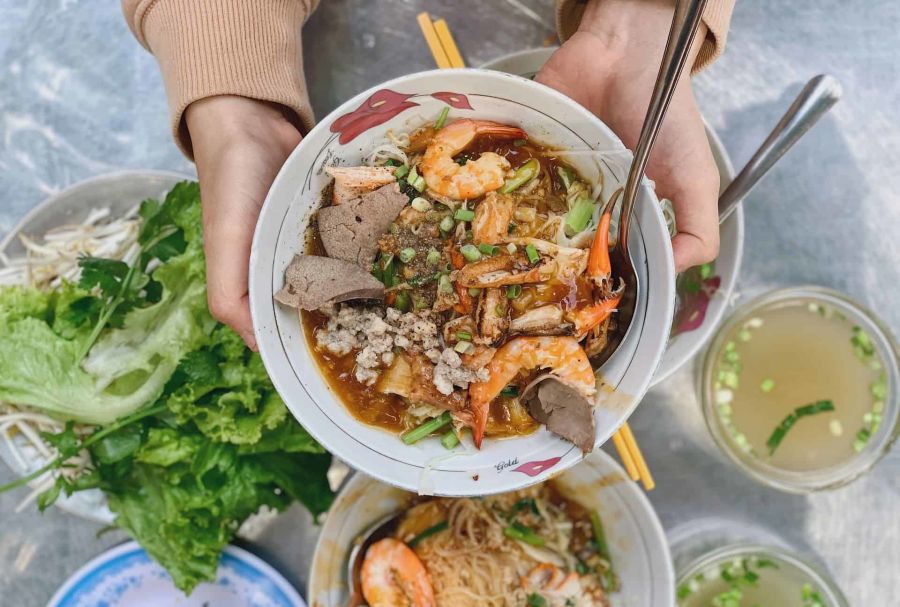
Hu Tieu

Hu Tieu – who doesn’t love these famous Vietnamese noodle soups from the South, particularly Saigon or the Mekong Delta! It’s all served in a clear and somewhat sweet pork-based broth, which comes with chewy rice noodles and a varied medley of toppings: sliced pork, shrimp, squid, or quail eggs.

The hearty dish is typically eaten for breakfast or lunch, and it’s always served with some fresh herbs, lime, chili, and bean sprouts on the side. Flavored with the characteristic balance of Southern Vietnamese cuisine, Hu Tieu has become an all-time favorite of locals and tourists.

Banh Bot Loc (Dumplings with Shrimp and Pork)
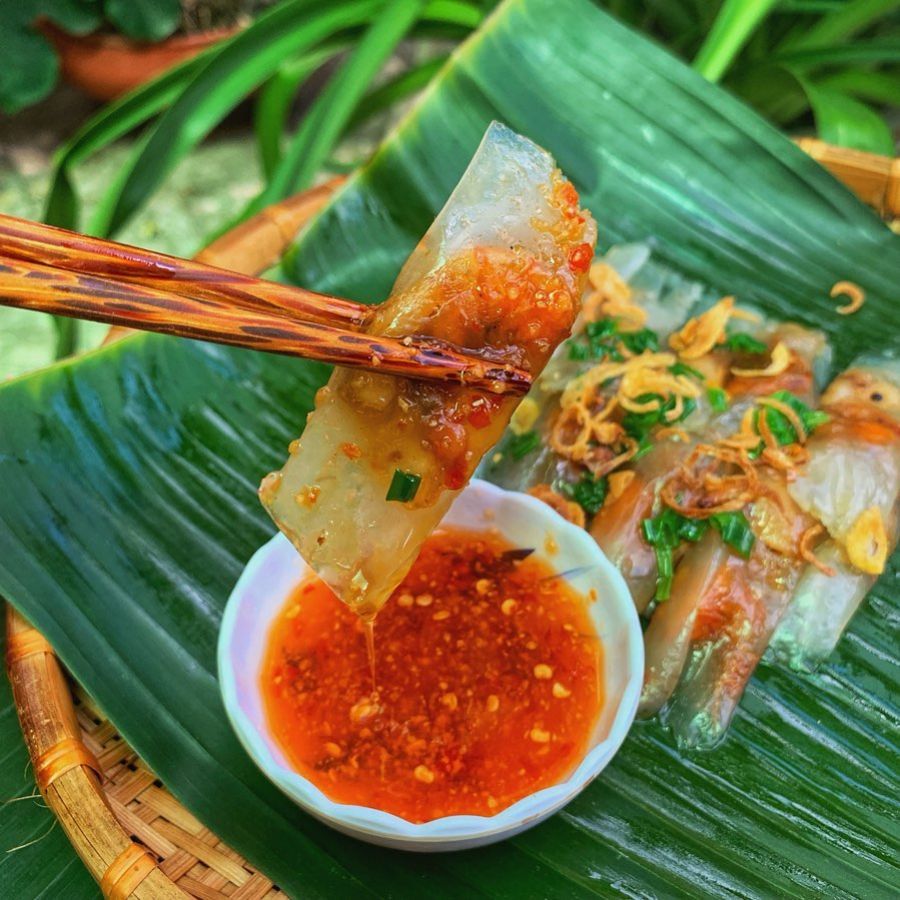
Banh Bot Loc

Banh Bot Loc is a traditional Vietnamese dumpling that’s especially popular in the Central region, particularly around Hue. These small, circular dumplings are made from tapioca flour, giving them a leathery and slightly sticky texture. Outside, they’re filled with a scrumptious admixture of shrimp and pork, creating a perfect balance of taste.

Banh Bot Loc is generally fumed or boiled and eaten when it is hot with a side of sweet and racy fish sauce for dipping. This dish is loved for its unique texture and rich, savory flavors, so it has become a favorite snack or appetizer for anyone exploring Vietnamese cuisine.

Banh Cam (Sesame Balls with Sweet Filling)
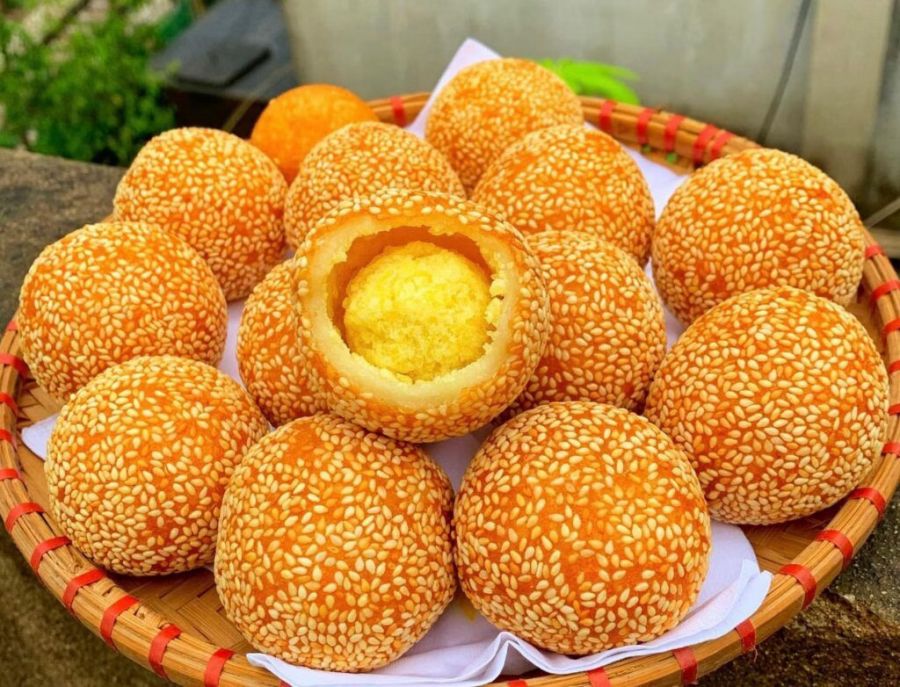
Banh Cam

The Banh Cam is a popular dessert in Vietnam, especially in the South. It’s a combination of sticky rice flour formed into small rounds to enrobe sweet mung bean paste and coated with sesame seeds. Then they’re deep-fried until crispy and golden.

It’s no lie, people love to eat Banh Cam as snacks, desserts, because they can taste how crispy and sweet the crust and coating are, while the soft part inside. It is so popular at festivals as a mark of happiness and good fortune. This is a favorite soy sauce flavor in numerous Vietnamese families.

Final Thoughts: Is Vietnamese Food Worth Trying?

The Vietnamese food is an experience in and of itself. The food is very fresh and delicious as it balances sweet, sour, salty, and spicy flavours. Each and every meal is a colorful story of culture and tradition. Discover even more delicious Vietnamese flavors at Seni World!

Sapa in September: Rice Fields, Weather & Local Life

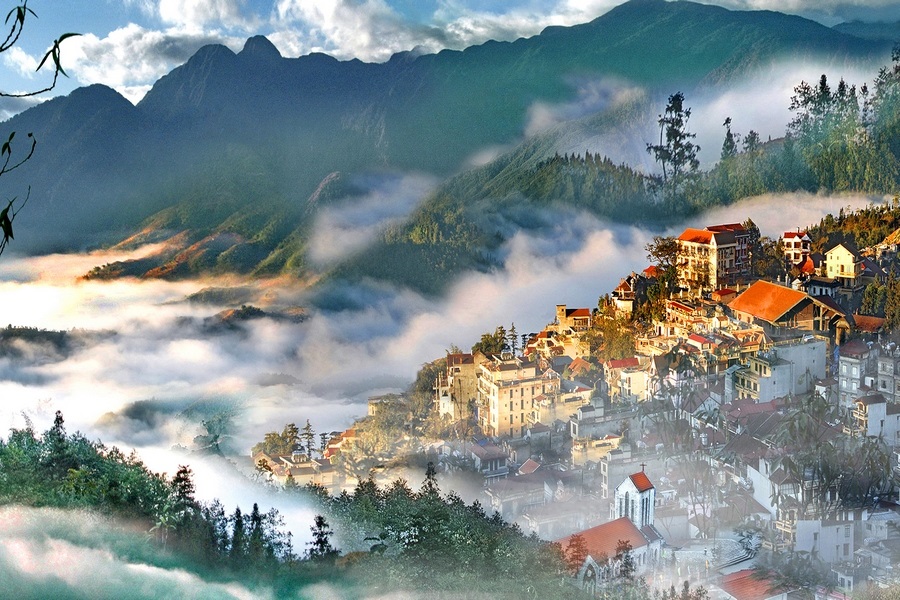
Sapa in September is one of the best times to explore northern Vietnam. Nestled in the mountains, this charming destination offers a unique mix of stunning landscapes, pleasant weather, and vibrant cultural experiences, especially in early autumn.

Where Is Sapa?

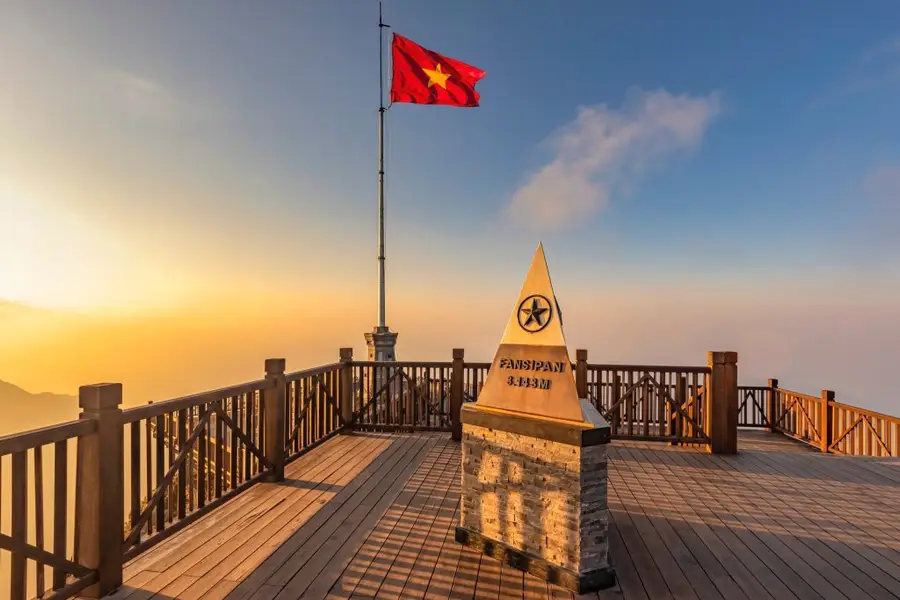
Sapa Fansipan 8

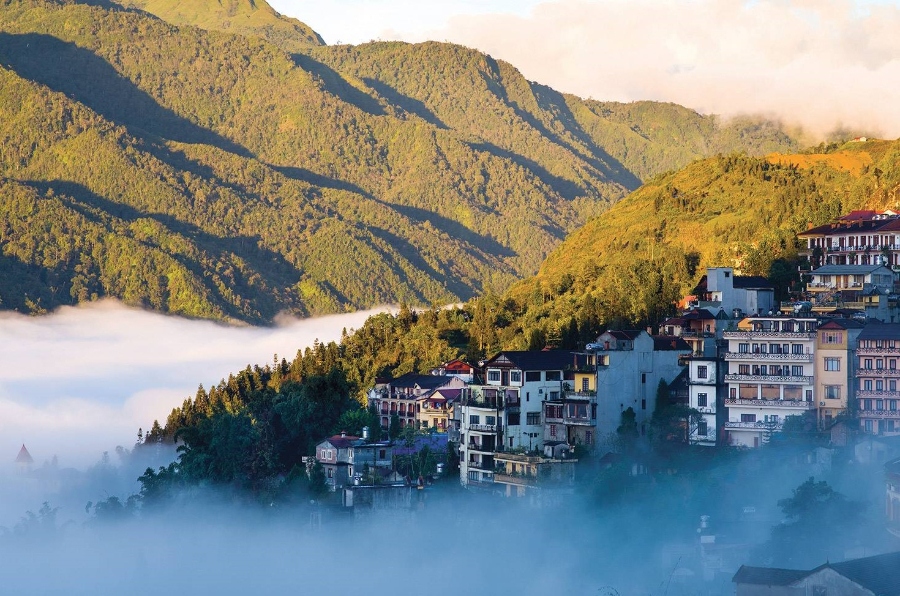
Sapa is a town located in the northwest of Vietnam, in Lao Cai Province. It is located near the border with China and is renowned for its cooler climate, terraced rice fields, and diverse ethnic minority groups, including the Hmong, Dao, and Tay.

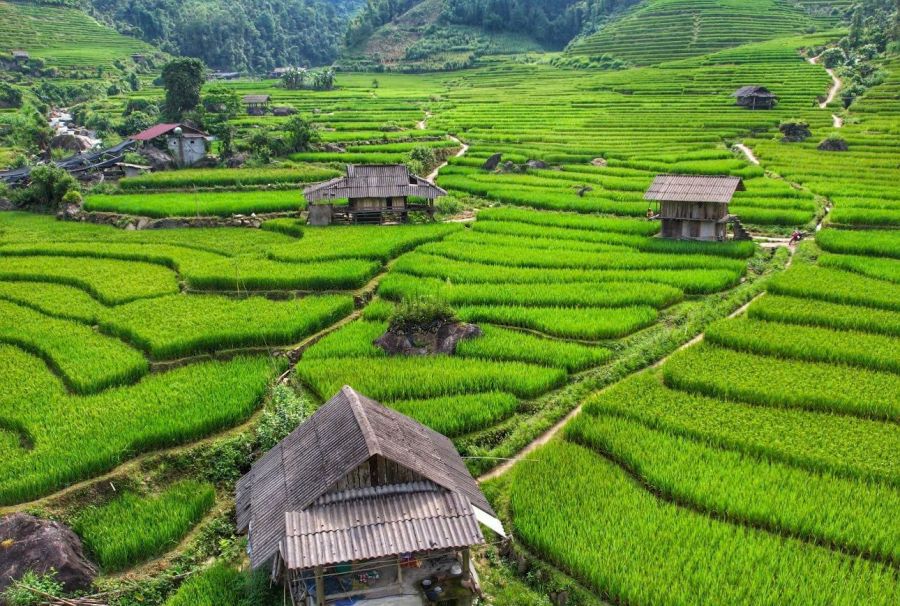
September is the best time to visit Sapa for a lot of travellers who love the green rice terraces, as the harvest month has started. The rice terraces transform into a field of golden yellow, and such a vista there are few others that can compete with the scale across Southeast Asia. September is, after all, the most suitable time to come as the Sapa temperature in September becomes more stable after the rainy summer months and is more ideal for trekking and other outdoor activities.

What Is the Weather Like In Sapa In September?

The Sapa weather in September is quite nice and cool. During the day, temperatures hover between 20 – 25°C, which is perfect for hiking and traveling around. But it can get quite cold at night, you’ll need warmer clothes for the evenings and early mornings.

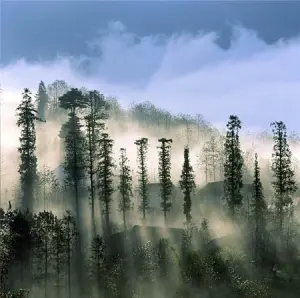
September does get some rain, but not as much as the heavy summer rains of July and August. You may have a few brief showers, but then the skies tend to clear. Moisture can be high, but the cooler air makes it feel pleasant to breathe in. Morning mist is not uncommon in September, and just adds to the mystique, but can limit visibility if there is a desired sunrise.

Weather Factor Details
Average daytime temperature 20 – 25°C (68 – 77°F)
Average nighttime temperature 15 – 18°C (59 – 64°F)
Rainfall Moderate (100 – 150mm)
Humidity 70 – 80%
Fog/Mist Common in early mornings
Sunshine hours 5 – 6 hours per day

What To See And Do In Sapa In September

Sapa in September is among the most picturesque. The landscape is lush and green, rice terraces turning golden, it’s ideal for nature lovers and photographers. Here are the top things you shouldn’t miss when traveling to Sapa in September.

Marvel At The Golden Rice Terraces

lua chin vang nam cang

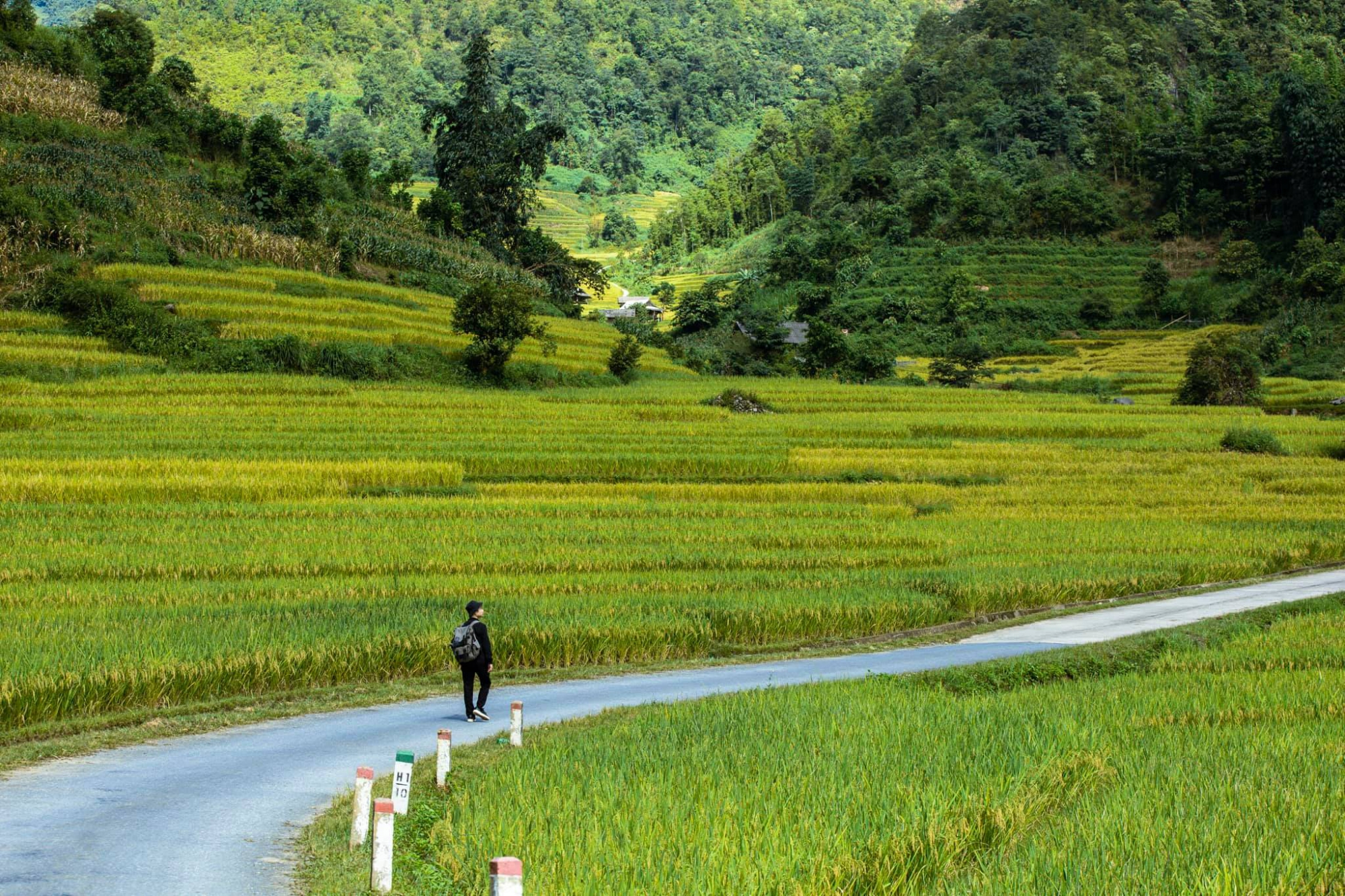
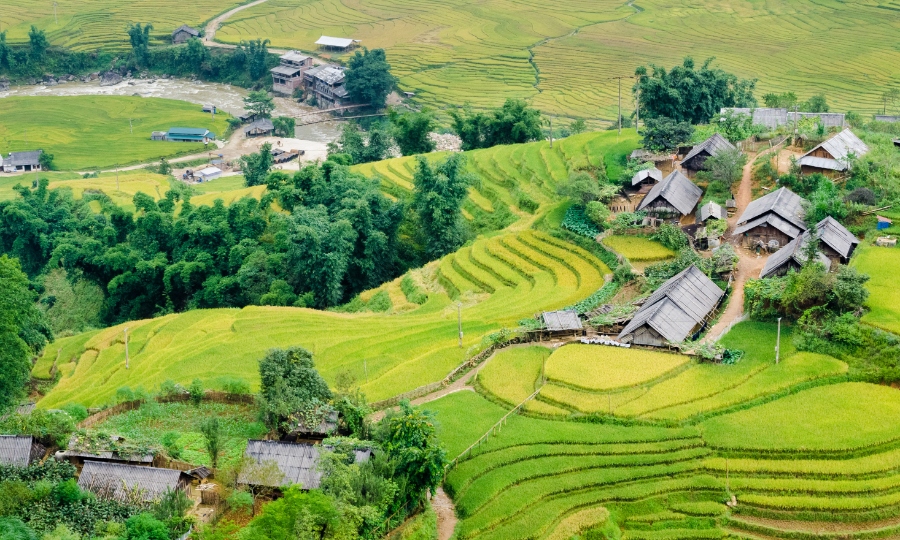
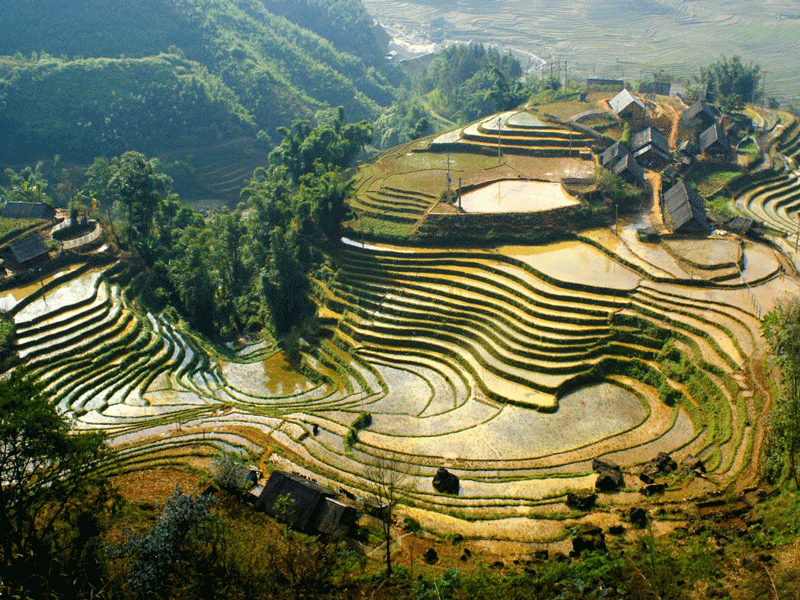
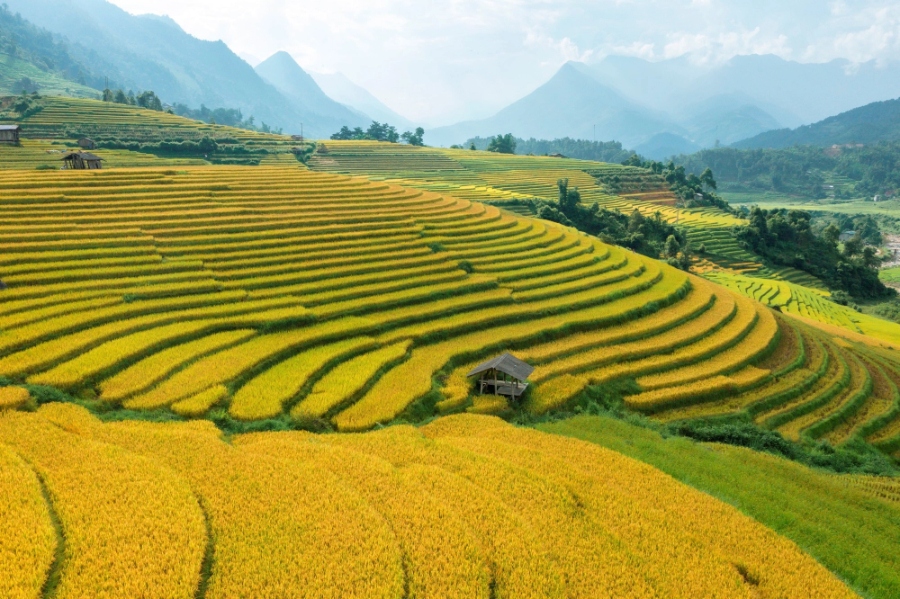
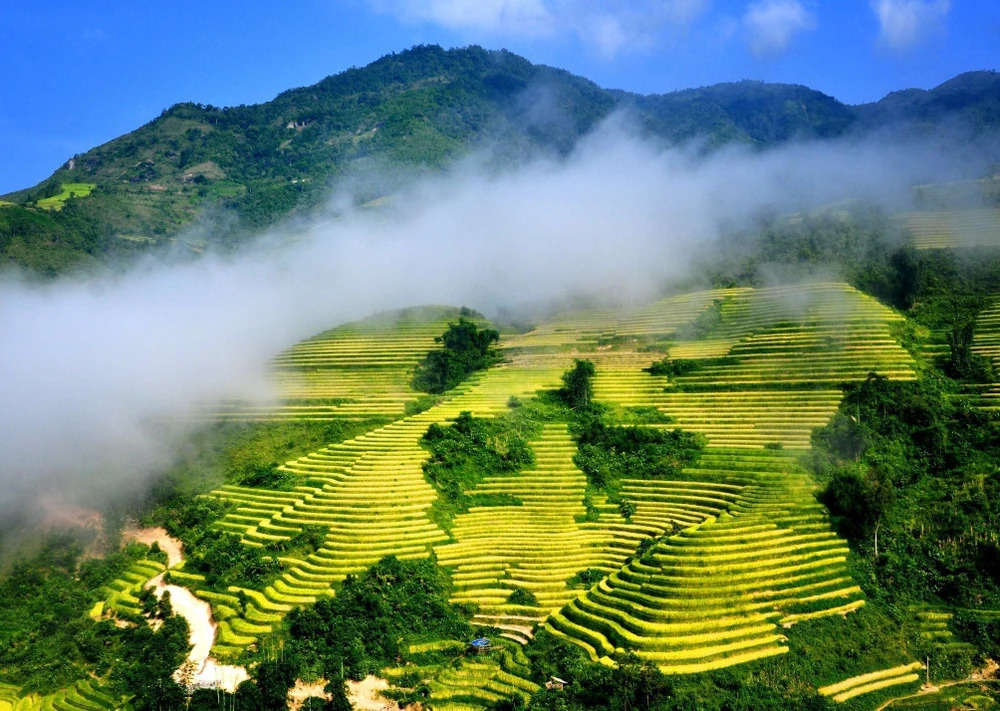
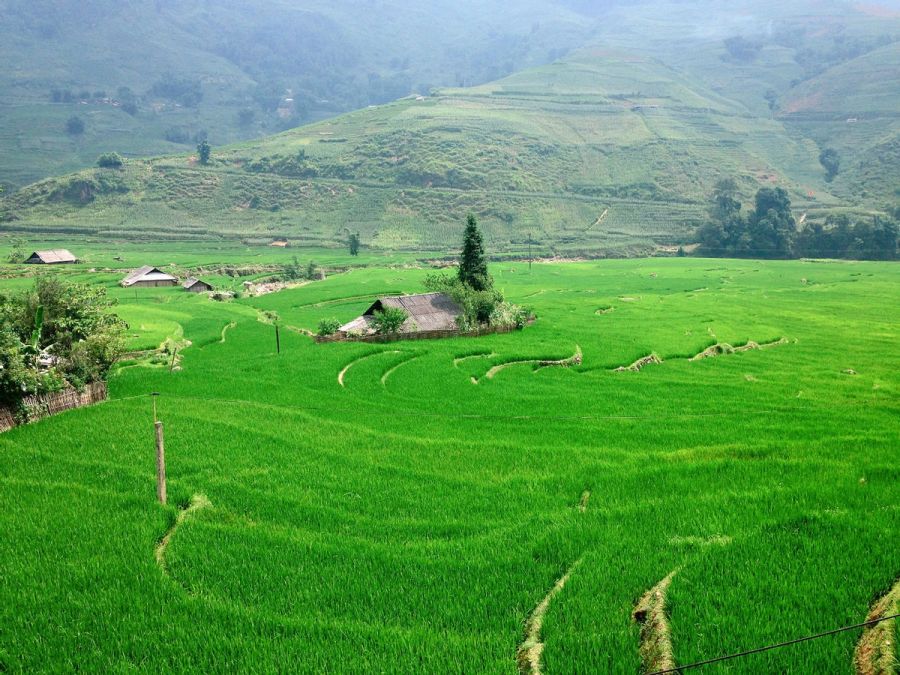
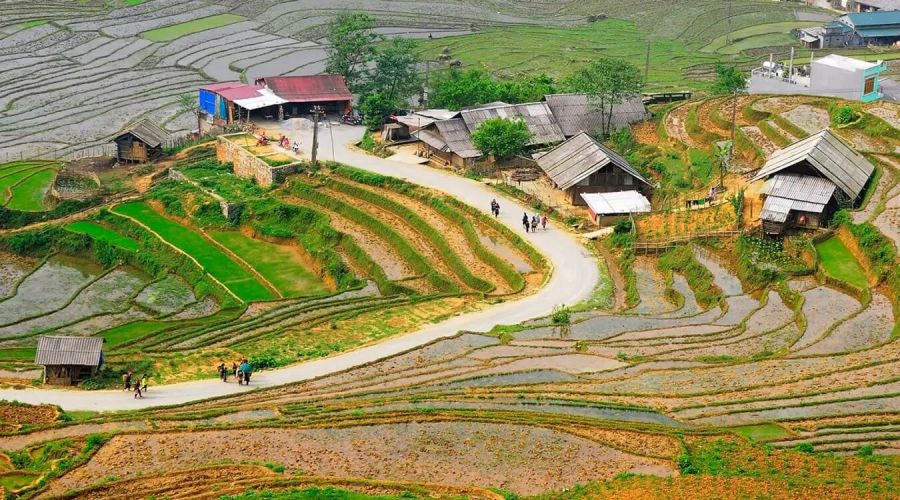
One of the nice things is that you can see the fabulous Sapa rice fields in September at their best. The terraces become a spectacular patchwork of colors as the rice ripens on the mountainsides.

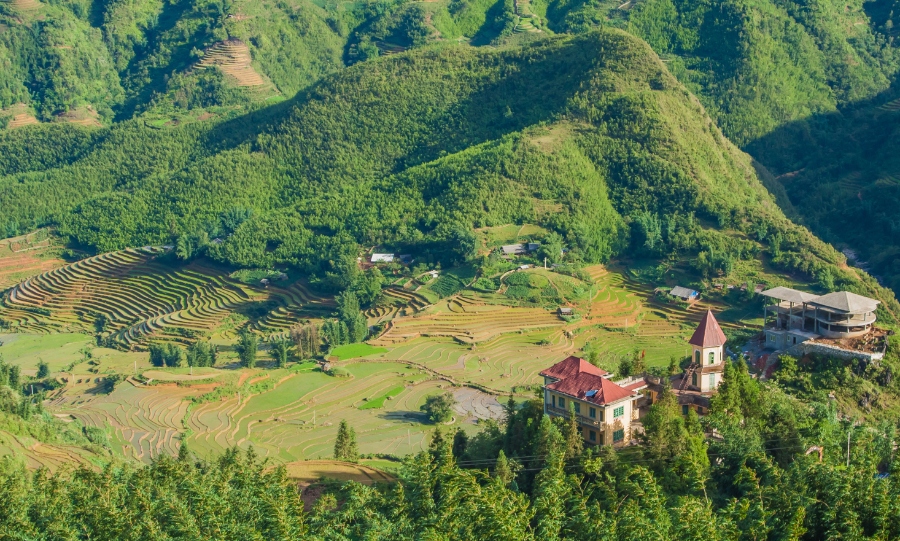
Among the hotspots are Muong Hoa Valley, with tiers of terraced fields tumbling down the mountain. There are also great views of the rice terraces in Cat Cat and Ta Van Village. The best time to photograph is early in the morning or late in the afternoon, when the golden rice shimmers in the gentle sunshine. The harvest typically peaks in early to mid-September and lasts for about two weeks, so you should check to go “hunting” for the golden season.

Climb Ham Rong Mountain

Sapa HamRongMountain 5

Sapa in September, with fine weather, soft sunshine, would also be the best for climbing Ham Rong Mountain. At the top of the mountain, it is the whole scene of Sapa, with golden rice fields, green trees, flowers blooming, undulating roofs, and remote villages.

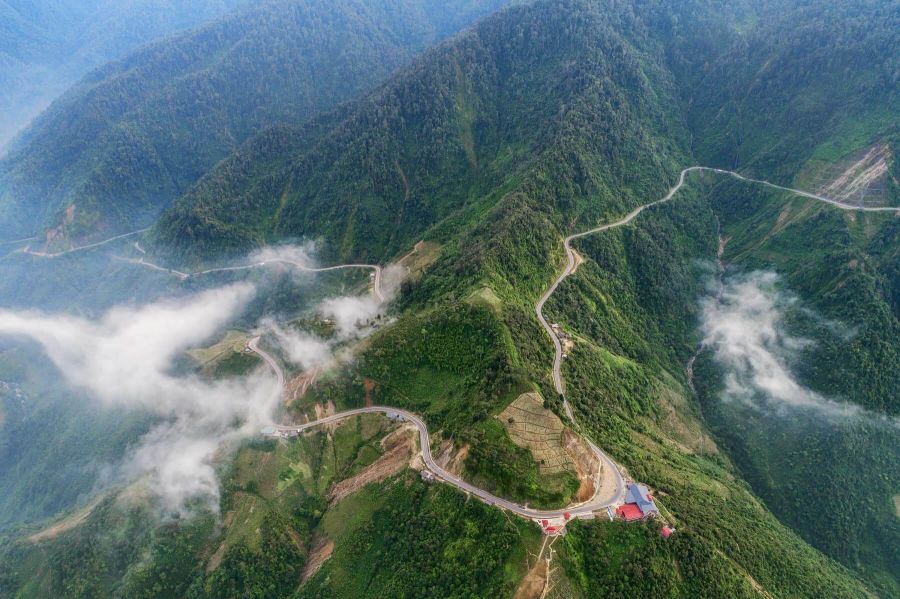
On some sunny days of autumn without fog, clouds get formed in the valleys and then drift to the town, villages, and Ham Rong Mountain, where patches of cloud wires race up and down the hill sides and link together the peak of Ham Rong and the edge of the sky. When you stand at the top of the mountain, you can touch the clouds that blow by.

Trek Through Ethnic Villages

The outstanding cultures of Sapa ethnic minorities

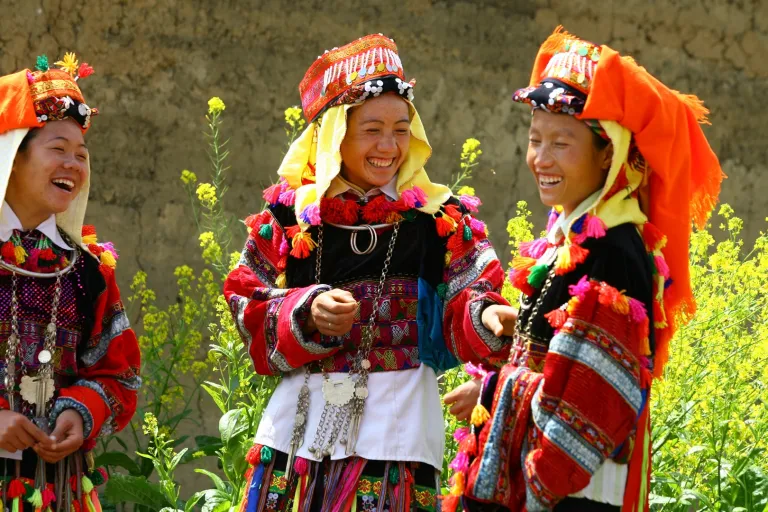
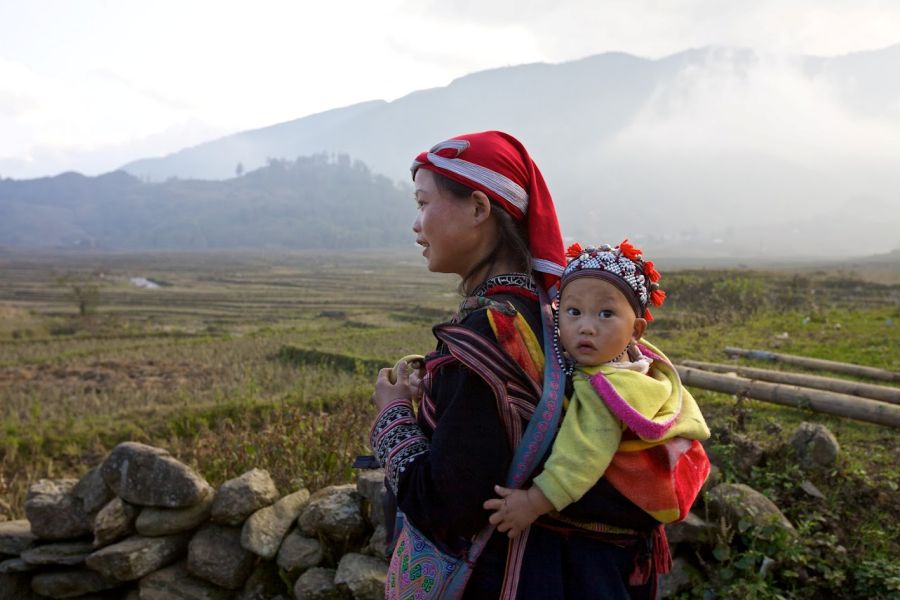
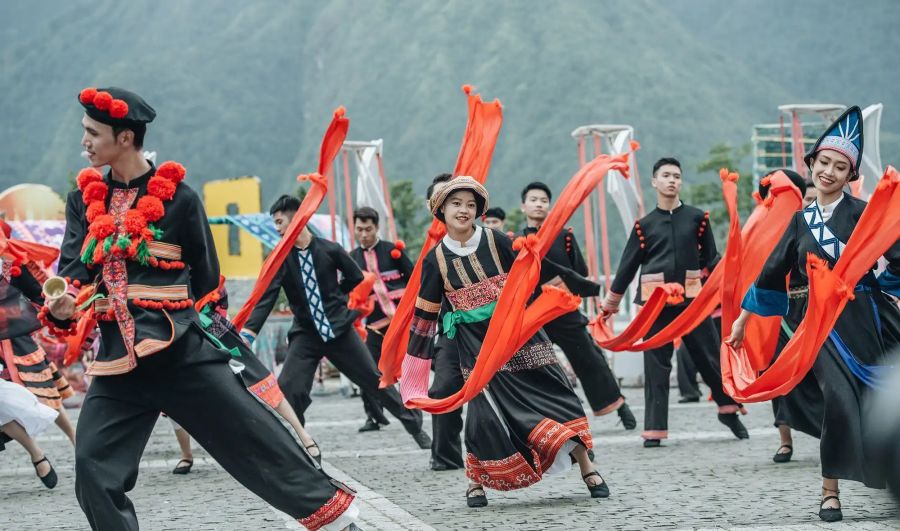
Sapa in September is pleasant for hiking to classic ethnic minority villages. Generations of the Hmong, Dao, Tay, and Giay people have been living in these mountains, preserving their customs and habits.

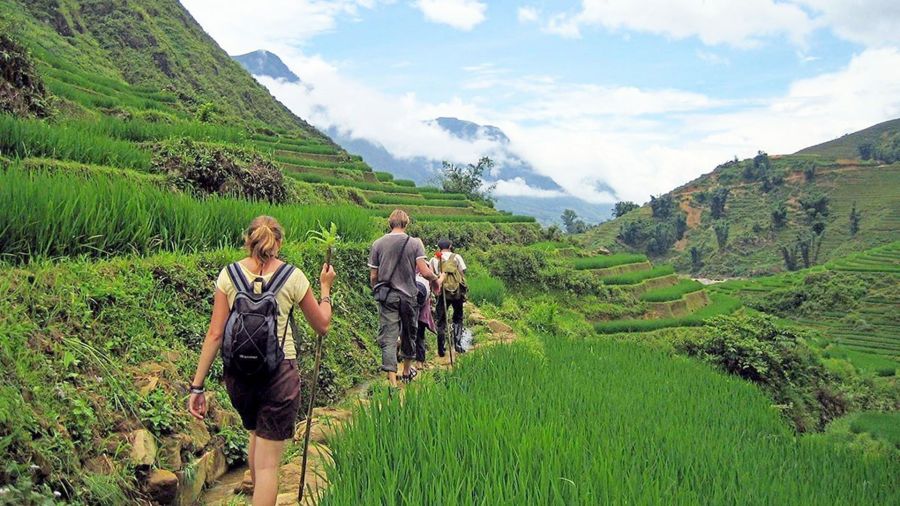
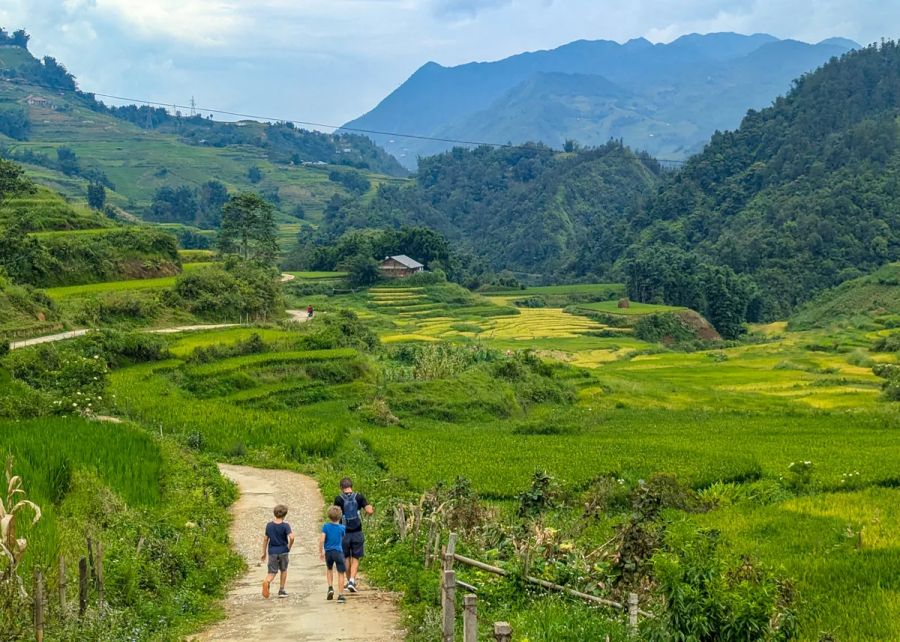
The Cat Cat Village trek is one of the most common trekking routes, where you will have the chance to go through the waterfalls and traditional handicraft workshops. The trek from Lao Chai to Ta Van village gives stunning views of the valleys and opportunities to meet local families. The relatively comfortable trek through Muong Hoa Valley is a sensational experience with the views of the rice terraces and visits to the remote villages as the highlights of your adventurous trek.

Conquer Fansipan Mountain

Fansipan

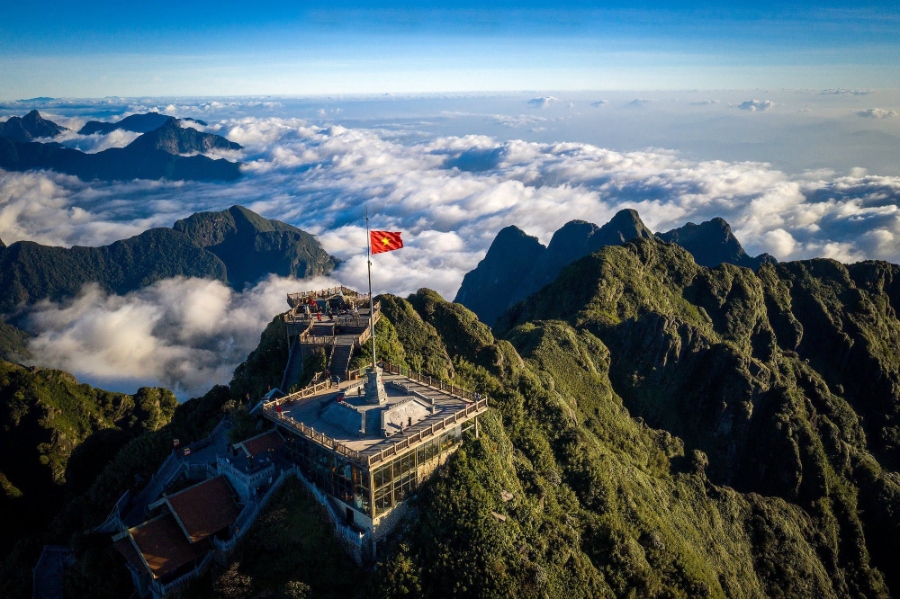
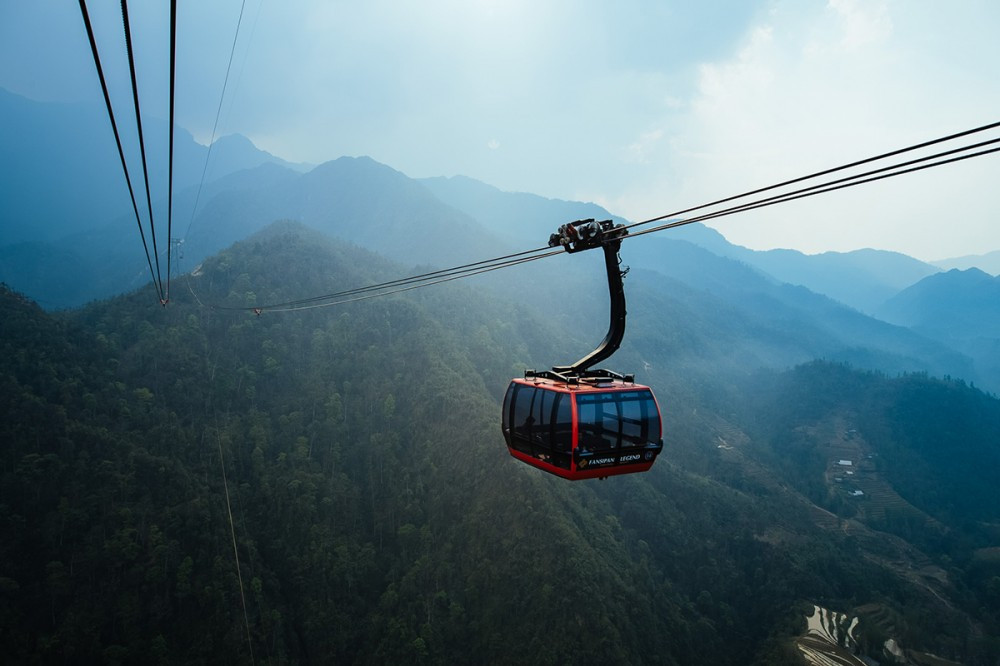
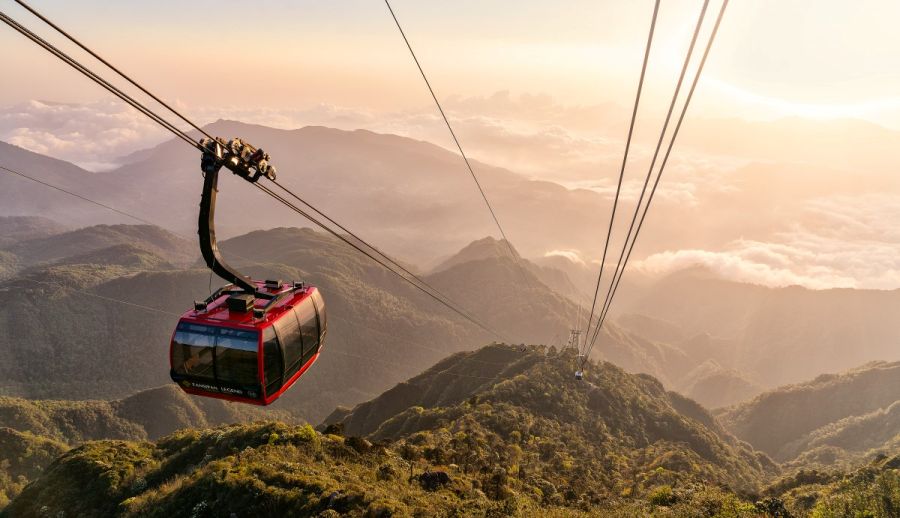
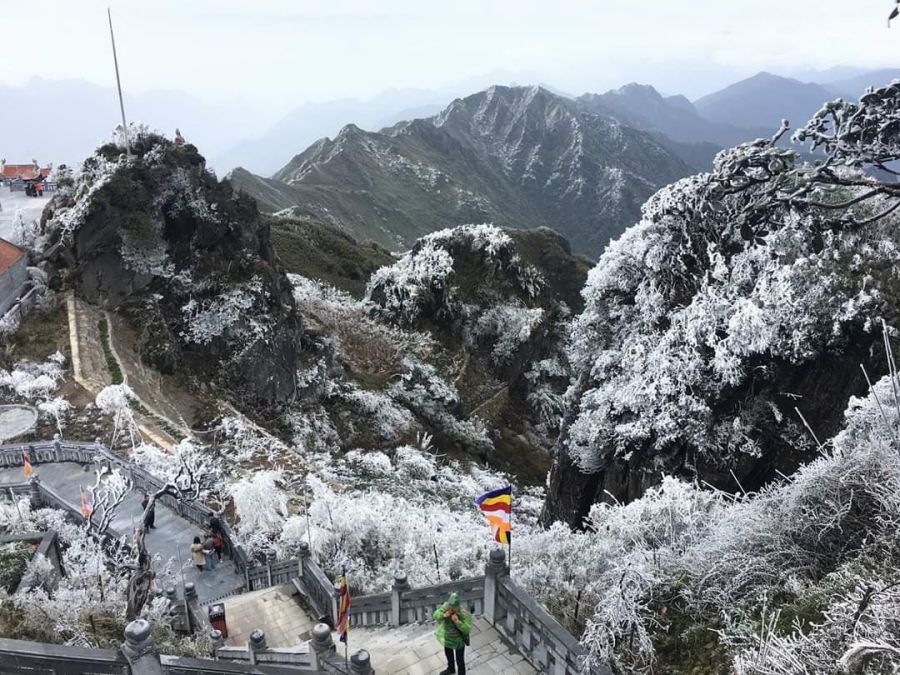
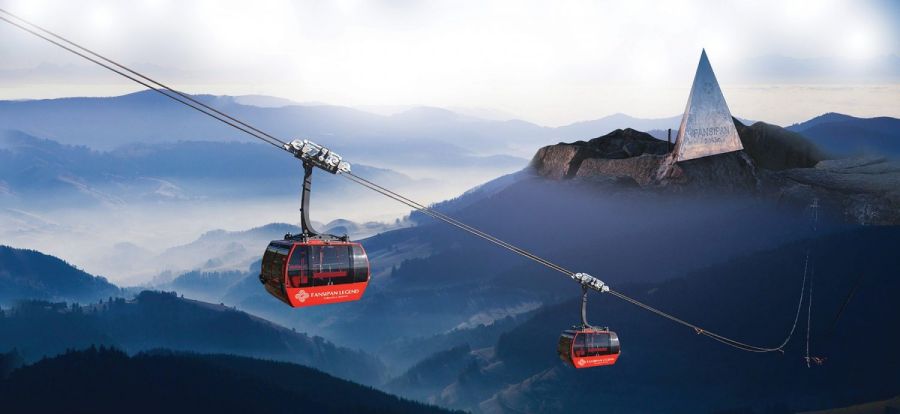
September is ideal for climbing Fansipan, the highest mountain in Vietnam at 3,143m. Rainfall is less and skies are clearer than in summer months. You can choose the strenuous 2-3 day hike, or to be easier, the cable car for the less strenuous access.

The cable car system is one of the longest in the world, with views of the mountains and valleys. On the summit is a Buddhist temple complex and sweeping views that extend to the Chinese border on a clear day.

Take The Train To See Muong Hoa Valley

ga tau muong hoa

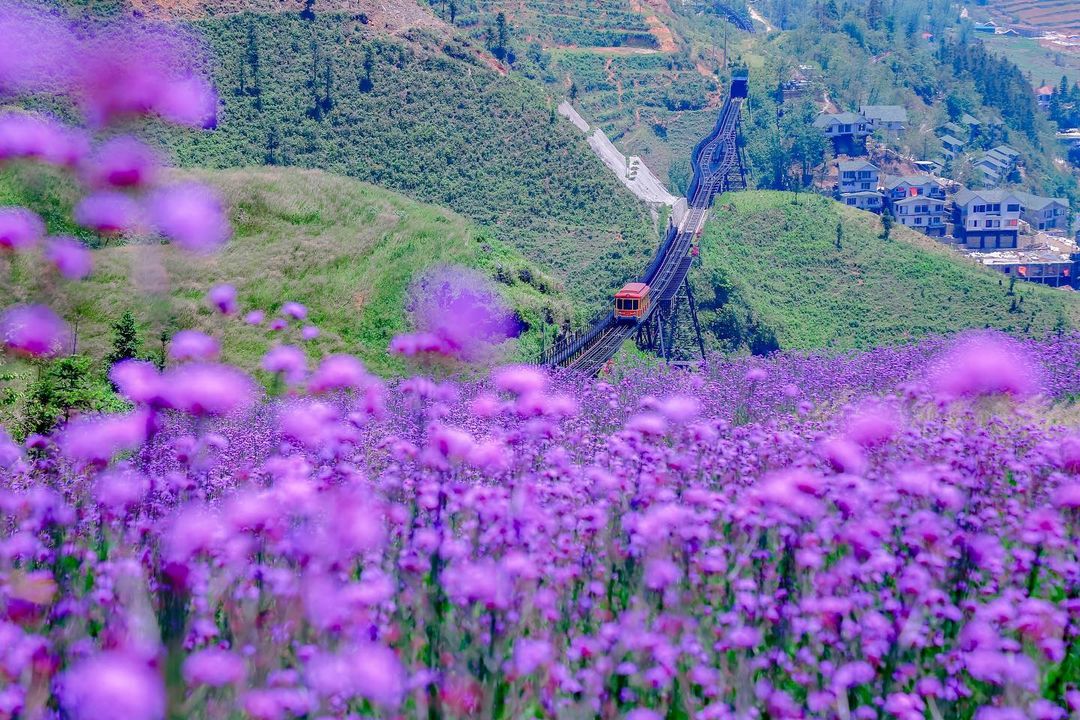
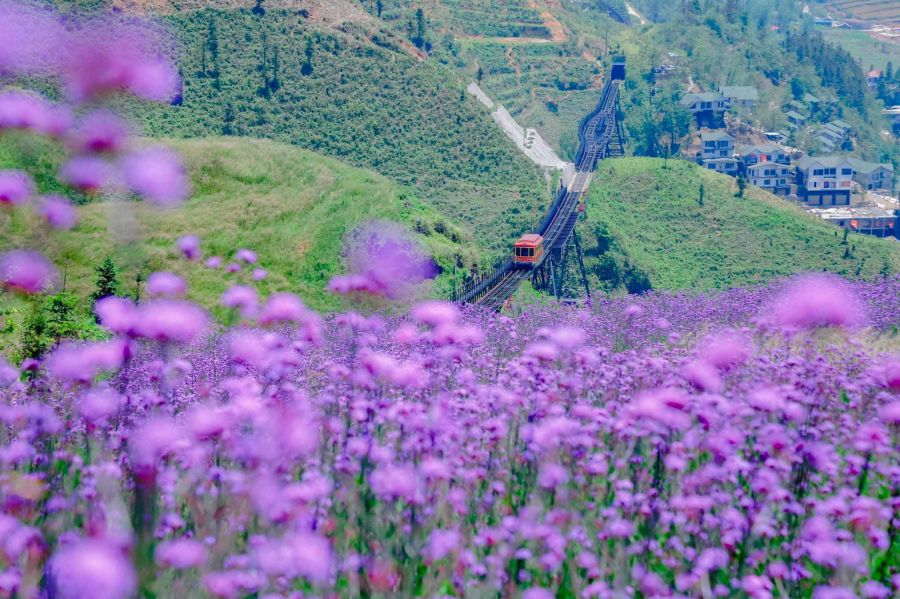
Sapa in September is not only renowned for its golden rice terraced fields and clouds hovering in the mountains, but also for the Muong Hoa Valley. To see and enjoy the enchanting beauty of countless different flowers, take the magical journey on one of the most stunning trains in Vietnam in about 6-7 minutes.

The train departs from the 5-star Sapa De La Coupole hotel for the Fansipan cable car station through the Muong Hoa Valley. You might already feel the wind with the arrival at the cable car station and endless meadows full of blooming flowers.

Visit Sapa Waterfalls

Silver Waterfall 1

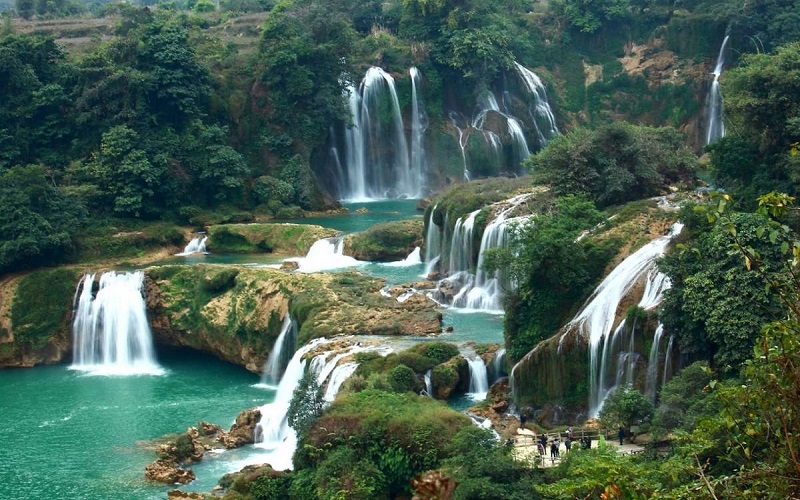
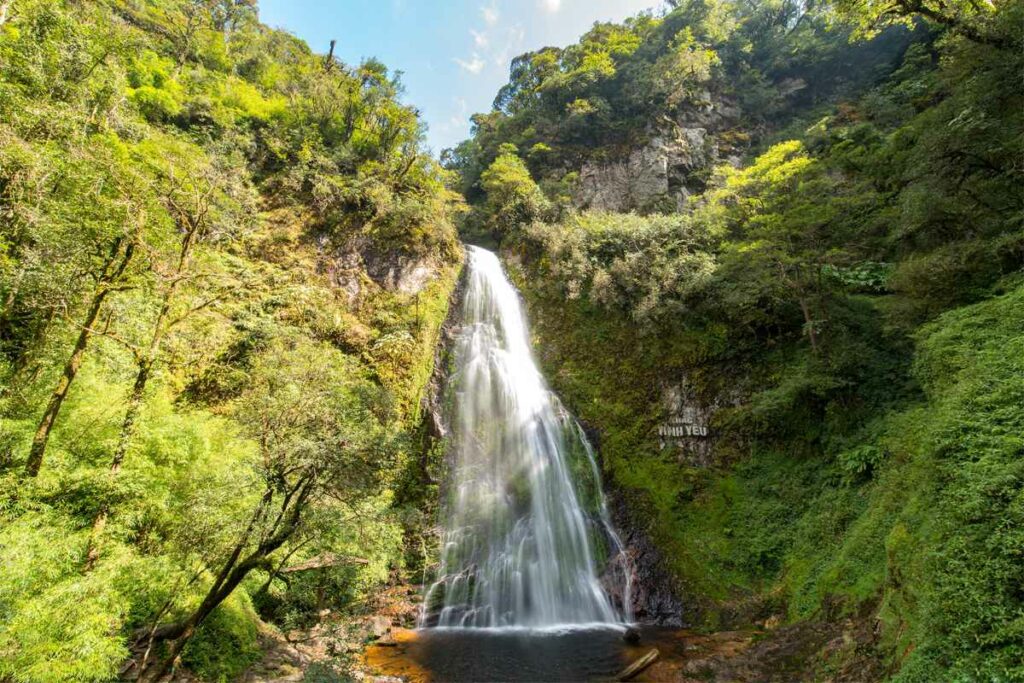
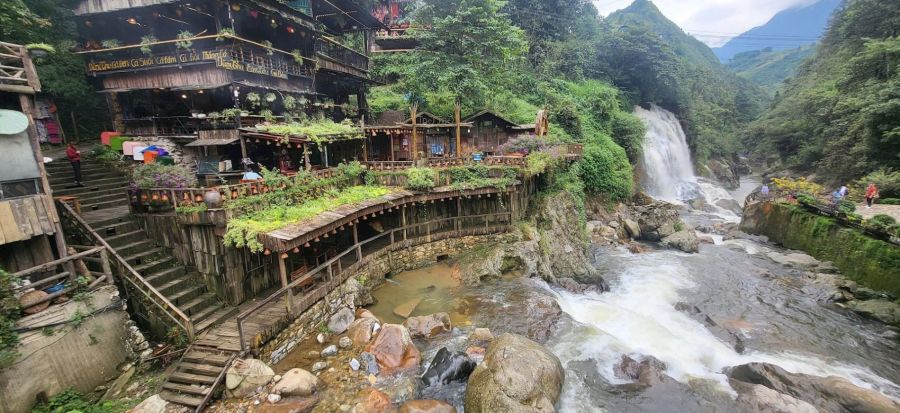
If you’re in Sapa in September, don’t miss the opportunity to visit the beautiful waterfalls. Thanks to summer rains, the falls are flowing nicely at this time of year. Silver Waterfall is among the best waterfalls in the area. Only 12 km from Sapa town, the waterfall can be reached by motorbike or car. The waterfall descends over 200m and is quite spectacular, but it was also very cool and fresh, particularly when the mist rises from the bottom.

Love Waterfall, on the other hand, is deeper in a peaceful pine forest. Getting there involves a short walk, which is lovely and calm. The waterfall itself is celebrated as a gentle, sweetly romantic falls that is popular with couples and those who just enjoy the look and sound of nature.

Wandering On Cau May Street

Glass Bridge 1

Cau May is in a neighborhood with French architecture, with lots of restaurants, cafes, and Sapa’s hotels. Walking around this small street is interesting, too. You may purchase souvenirs produced by the ethnic minority people, have lunch or relax in the beautiful restaurant, and have your takeout tea or coffee or a can of beer, or soft drinks while watching the wonder as Sapa town sleeps from the mountain summit.

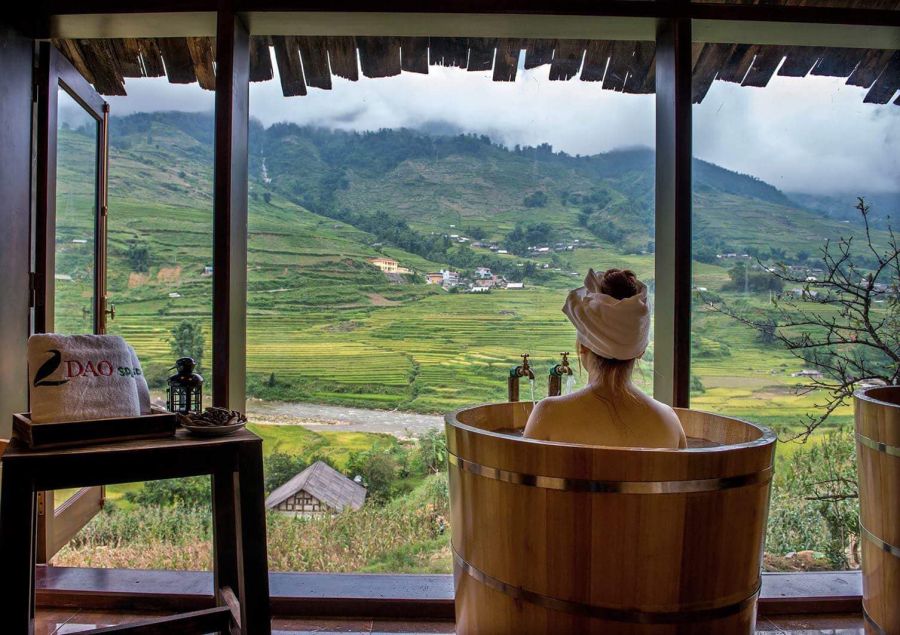
Plus, there’s a special something about bathing in the medicinal leaves of the Red Dao people after a long day’s climb, as well. The medicine is made up of natural herbs that strengthen the bones, beautify the skin, and relax the mind.

Visit Sapa Market And Local Fairs

cho phien sapa 1

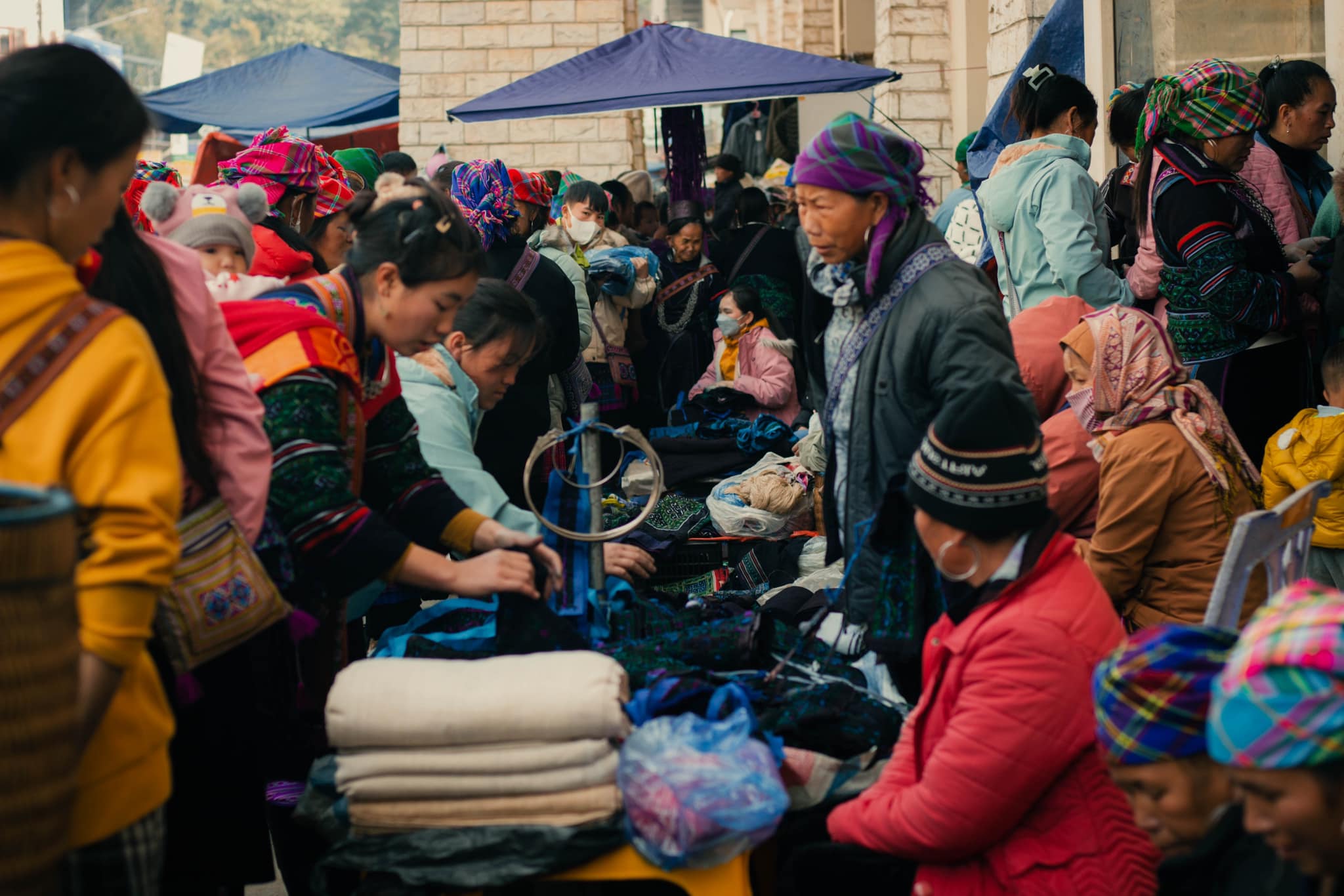
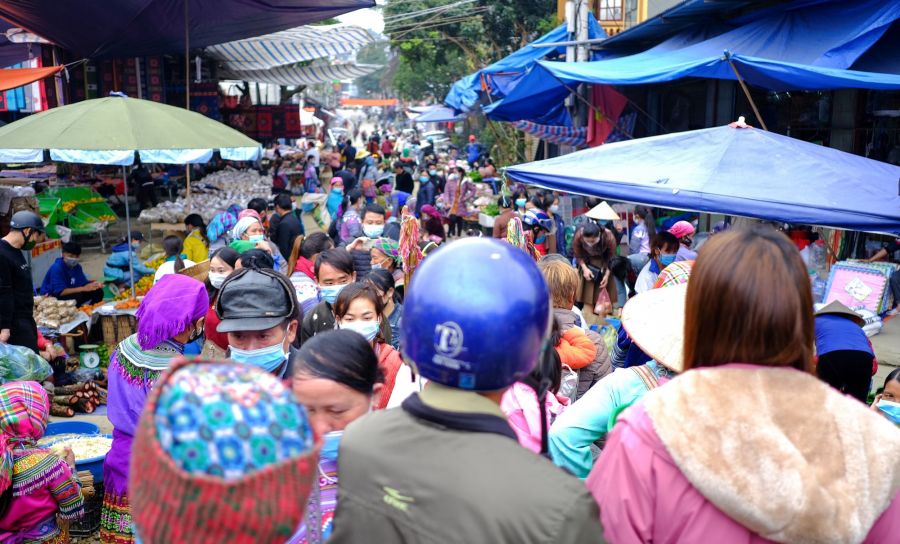
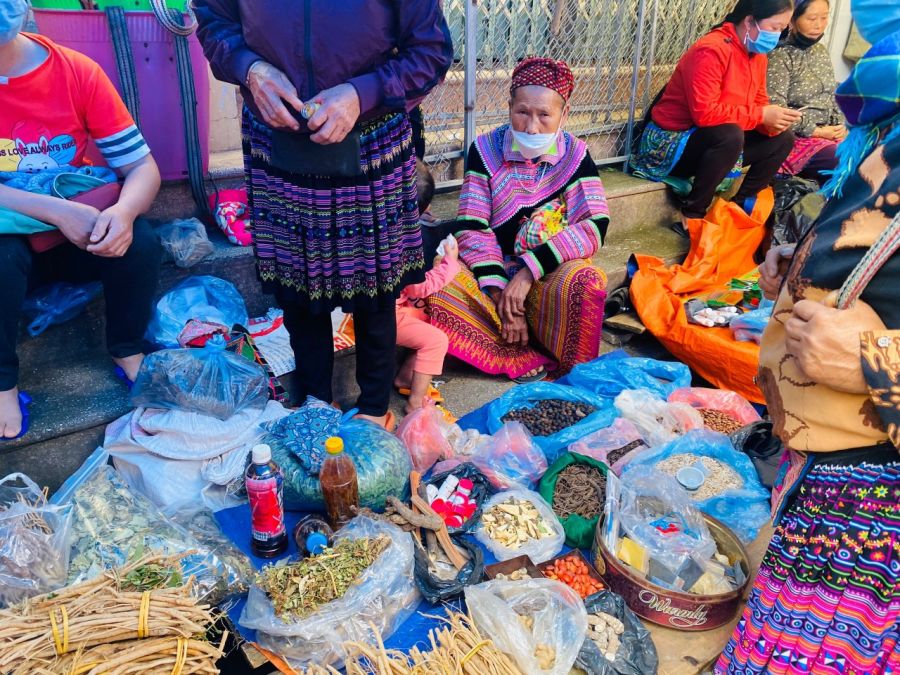
Weekends in Sapa are so vibrant and colorful with local markets and fairs. One of the main draws is Sapa Market, where ethnic minority groups from the surrounding villages come to town to sell their handmade wares. Find all sorts of things from handwoven textiles, embroidered clothing, herbal remedies, and dried foodstuffs to unique take-home souvenirs representing the traditions of the H’mong, Dao, and Tay communities.

As you wander among the stalls, you get a sense of trade, chat, and culture. It’s also a great spot to snack on some of the local street food, like grilled skewers, sticky rice, or herbal drinks made from forest ingredients.

What To Pack For Sapa In September

Sapa weather in September can still change quickly throughout the day, warm and sunny in the afternoon, or cool and misty in the evening, even rainy, depending on when you visit, particularly in early September. To stay comfortable and make the most of activities such as hiking or village stays, here is what you should pack.

  • Waterproof hiking or trekking shoes: The trails in Sapa could be slippery or muddy from rain a few days earlier, especially around the terraced fields or in forest paths. From hiking to Lao Chai to going to Love Waterfall, you need good-quality boots with a strong grip and water resistance to avoid cramping, muscle overexertion, or even ankle strain.
  • Raincoat or umbrella: Light rain showers are also possible early September, particularly in the afternoon. Carry a light raincoat or pack a collapsible umbrella that stows in your daypack. You should choose the fast-dry material.
  • Layered clothing for daytime comfort: As the weather changes, layering is advisable. Bring breathable T-shirts, long-sleeved shirts, and a couple of warmer pieces in case it gets cold or windy in high elevations  such as Fansipan.
  • Hat, sunglasses & high-SPF sunscreen: UV rays can be harsh at higher elevations, even in early autumn. A broad hat or cap, polarized glasses and 30+ sunscreen will help keep you looking good while trekking or having adventures in the open.
  • Spray or cream to repel insects: There may be mosquitoes or other insects around rice paddies, forested trails, or waterfalls. Carry a small bottle of insect repellent to keep the bites at bay if you are staying the night in some rural village.
  • Daypack or trekking backpack: Pack a small day pack in which you can pocket your necessities, such as eating utensils, camera, water bottle, sun cream, some snacks, and because the weather can get very unpredictable rain jacket! If you’re hiking, invest in a bag that has chest or waist support to minimize strain on your shoulders.
  • Portable charger & travel adapter: Pack plenty of power with a high-capacity power bank, and don’t forget a Vietnamese travel adapter (A, C or D plugs) to make sure your devices stay charged while spending long days out enjoying sites.

Travel Tips For Visiting Sapa In September

Visiting Sapa in September may be one of the most fantastic traveling experiences in Vietnam. To make the most of your journey, you must be adequately prepared for many things. Below are a few important travel tips for a hassle-free and memorable trip to Sapa in September.

  • Book accommodation in advance: September is among the high seasons for both domestic and foreign tourists due to the beautiful golden fields and cooler climate. Homestays, mountain resorts, and hotel stays near the rice terraces or in Sapa town book up fast. It’s a good idea to reserve your stay at least a week or two in advance.
  • Respect local customs in ethnic villages: Remember to dress modestly, ask permission before shooting photos of local people, and avoid giving money or candy to children while in these areas. Instead, help the local community by purchasing handmade crafts or hiring local guides from the villages.
  • Bring enough cash for rural areas: ATMs can be found in the town of Sapa, but many homestays, small restaurants, and village shops do not accept cards or digital payments. You should have some cash (in Vietnamese Dong) to cover your purchases or tips for the local guide.
  • Stay hydrated and eat light while trekking: On long treks, particularly in the sun, you can feel tired and dehydrated. Use a reusable water bottle, take frequent breaks, and snack on small, energy-rich treats like nuts or local fruits. Do not eat large meals before a trek to avoid digestive discomfort.

Final Thoughts: Is September A Good Time To Visit Sapa?

Sapa in September is one of the ideal months. The golden rice terraces are in full glory, and the weather is refreshing, cool, and enjoyable. If you’re an amateur of photography, trekking, and cultural exploring, Sapa in September gives you something you want to remember. So, if you’re interested in this nice September month in Sapa and want to explore, let SeniWorld help you. The dedicated support team will customize your trip for the best experience ever!

Sapa in August Travel Guide with Real Local Insight

Sapa in August offers a stunning combination of lush landscapes, cool breezes, and rice paddies nearing their peak. With its mild weather and dramatic scenery, it’s one of the most rewarding times to explore this highland town.

Where Is Sapa?

Sapa MuongHoaValley 2

Sapa is a small mountain town in Lao Cai Province, about 320 kilometers northwest of Hanoi. It sits at an altitude of 1,500 to 1,600 meters, giving it a cool, temperate climate year-round. It lies in the Hoàng Liên Sơn mountain range, near Vietnam’s border with China, and is home to several ethnic minority communities such as the Hmong, Dao, and Tay.

August draws a large number of travelers because it marks the peak of the rice-growing season. The terraced fields are at their most vivid, and local villages are alive with farming activity and traditional markets. It’s also a popular time for trekking routes like Lao Chai – Ta Van and for exploring ethnic culture firsthand.

What Is the Weather Like In Sapa In August?

August is one of the wettest months of the year in Sapa, but it’s also one of the most visually striking. While rain is frequent, it usually comes in short afternoon showers rather than all-day downpours, leaving mornings and early afternoons relatively clear and fresh.

To give you a clearer idea of Sapa weather in August, here are the typical conditions.

Weather Element Details
Average daytime temperature 22°C – 25°C (72°F – 77°F)
Average nighttime temperature 16°C – 19°C (61°F – 66°F)
Rainfall ~350–400mm total rainfall
Humidity High (80–90%)
Fog Possible in early mornings, especially in valleys
Storm risk Occasional tropical storms or heavy rain late in the month
UV index Moderate to high (use sun protection when it’s sunny)

August is not cold, but thanks to Sapa’s altitude, the air stays cooler than in most parts of Vietnam. It’s still summer, so you’ll feel the humidity, especially right before it rains. The upside? The landscape is at its greenest and most photogenic. Expect misty mountain views in the morning, dramatic skies in the evening, and vibrant rice terraces in between.

What To See And Do In Sapa In August?

This is the time when rice fields near harvest, festivals take place, and the weather still allows for outdoor trips. If you’re visiting Sapa in August, these are the activities that make the most sense to try.

Join The Mong Rice Festival In Cat Cat Village

Sapa CatCatVillage 2

Every year around late August, the Mong people in Cát Cát Village hold a harvest festival to give thanks for the growing season. As the rice fields near harvest, local Hmong families gather to celebrate the season with music, dancing, and quiet rituals in the heart of the village. Visitors can walk around freely, join locals in simple games, or enjoy grilled corn, sticky rice, and herbal drinks. The event usually takes place in the village square. Entrance to Cát Cát costs around 90,000 VND, and you don’t need a separate ticket to attend the festival.

Ride Or Watch The “Golden Season” Cycling Race

Note: This event is often held, but may not occur annually. Please check with local organizers for confirmation.

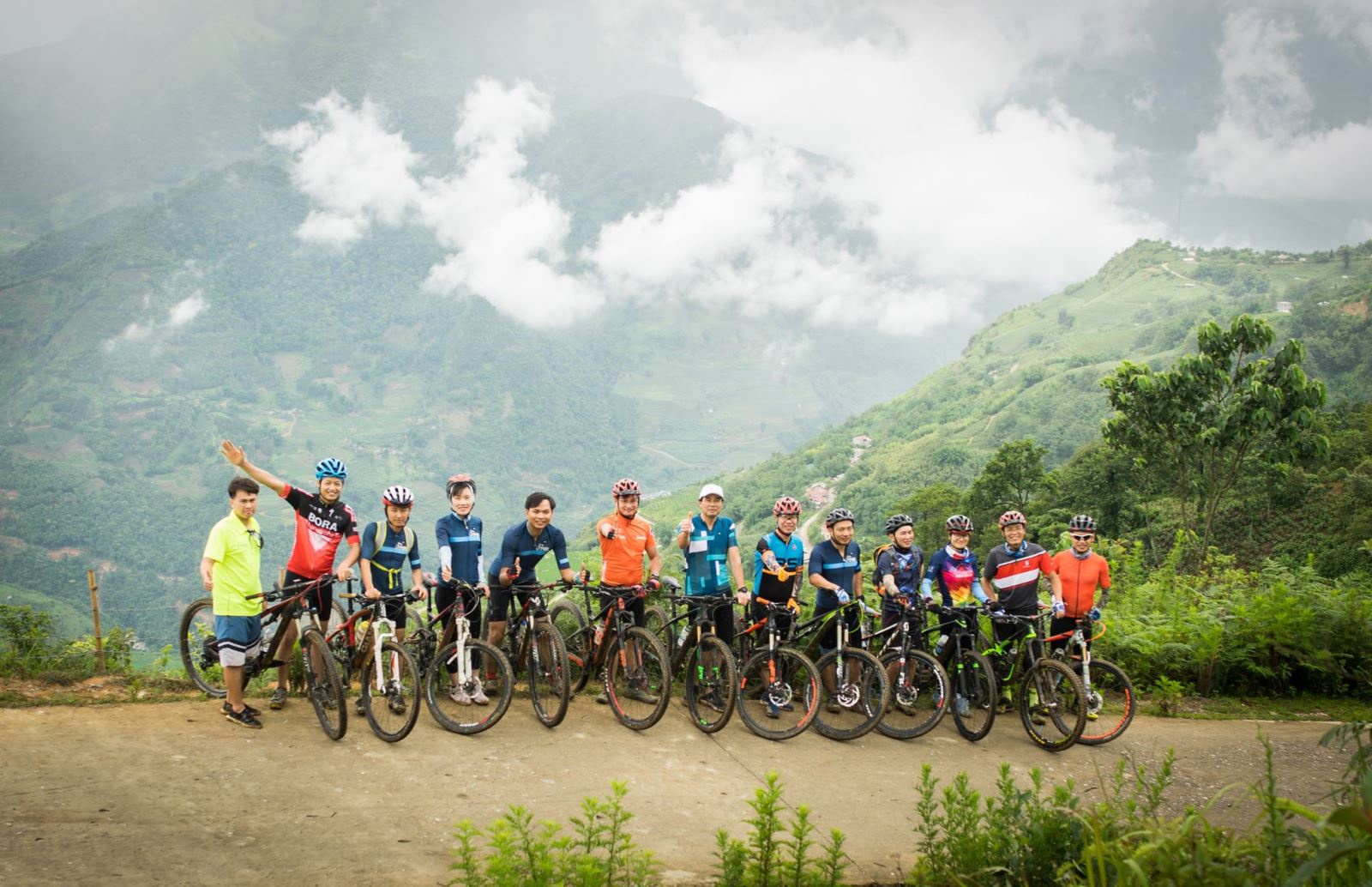
This race is held at the end of August, when the rice terraces in Muong Hoa Valley are at their brightest green. The route passes through Lao Chai and Ta Van, attracting both local riders and adventurous tourists. Even if you’re not joining the race, it’s worth coming early to catch the energy with village music echoing through the valley, and unbeatable views. Spectators can watch for free at various points along the road. Registration for cyclists usually costs between 10 to 15 USD.

Visit Sunflower Hill Near O Quy Ho Pass

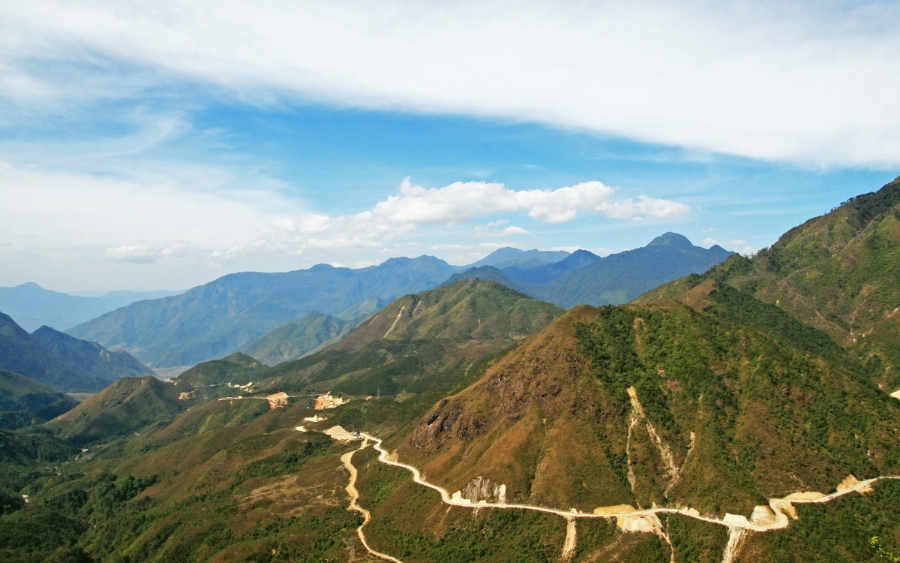
o uy ho pass

This seasonal flower field is located around eight kilometers from Sapa Town, just off the road to O Quy Ho Pass. The sunflowers usually bloom in mid to late August, covering the hillside with bright yellow flowers. While not a large tourist site, it offers a short stop for photos and a quiet view across the valley, especially in the late afternoon when the lighting is better. Entry is around 30,000 VND. The road is easy to access by motorbike or taxi, but can get muddy if it rains the night before.

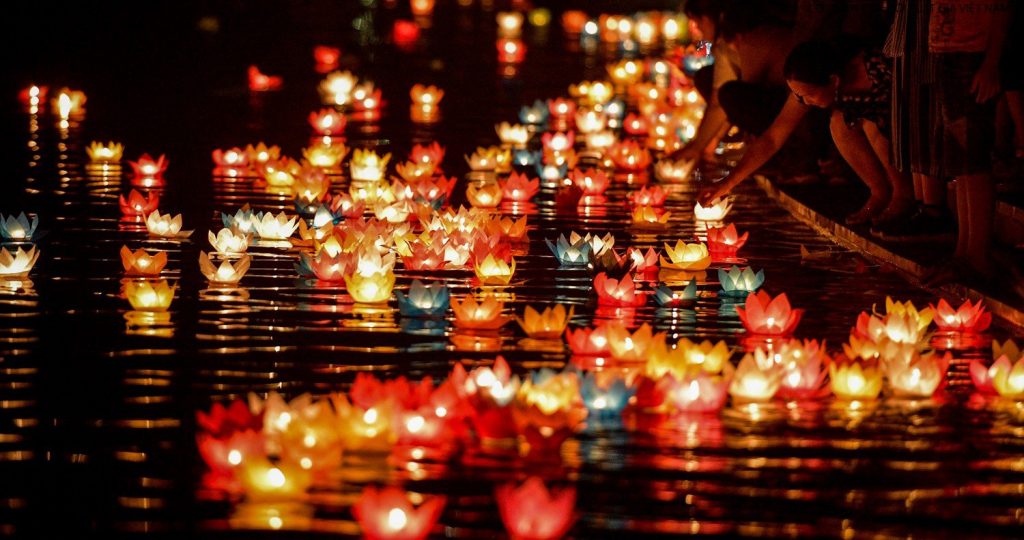
Experience Vu Lan “Ghost Month” Lantern Release

Le hoi tha den hoa dang

Vu Lan falls in the middle of August, which is one of the most significant Buddhist festivals in Vietnam. Locals in Sapa tend to meet in Thanh Phuc Temple in Sa Pa Ward to commemorate their ancestors and also have a silent lantern release at night. The temple is tiny but vibrant, and has its ceremonies and relaxing atmosphere along the hillside. There’s no ticket required, but if you want to release a lantern, a small donation of 20,000 to 30,000 VND is expected.

Cloud Hunting At Ham Rong Or Hang Da

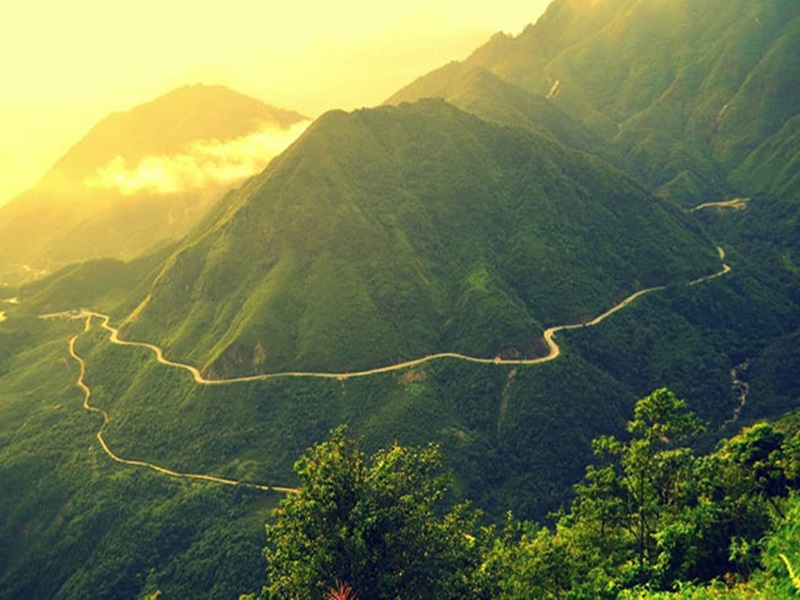
Sapa OQuyHoPass 4

From Ham Rong Mountain, located just behind Sapa Church, you can reach several viewpoints on foot within 30–45 minutes. It’s a managed site with marked paths, flower gardens, and an entry fee of 70,000 VND per person. Hang Da Village, Hau Thao Commune, is more difficult to access, but does not charge to enter, and is much less crowded. These two location points give panoramic vistas of the rice terraces, particularly during sunset and sunrise hours. You should be there by 6 a.m., and make sure to check the weather forecast the previous night.

Join A Rice Harvesting Experience In Ta Van Or Ban Ho

ta van village

August marks the beginning of harvest season in many villages around Sapa. In Ta Van or Ban Ho, some households welcome travelers to join the work in the fields for a few hours — cutting rice by hand, tying bundles, and carrying them home. It’s not a performance or a show, so expect real farm work with real tools. Most of these activities are arranged through local homestays or guides. Waterproof shoes and a hat are highly recommended.

Explore Silver Waterfall And Love Waterfall

Silver Waterfall 1

The two falls are off the road northbound O Quy Ho Pass to the nearest distance of Sapa Town, which is about 12 kilometers. Silver Waterfall lies directly on the road, and it can be visited in less than 30 minutes. You can follow the staircase and take a closer view, and take several photos alongside the road. Love Waterfall has a 1.5-kilometer forest walk, but the trail is properly taken care of. The price of admission to any of the sites is 70,000 VND.

Visit The Sapa Night & Weekend Love Market

cho tinh sa pa 1

Sapa Night Market opens daily from around 5:00 PM, near the stone church, but it gets livelier on weekends. Most stalls sell grilled skewers, corn wine, and handmade items from Dao and Hmong vendors. On Saturday nights, you might come across small groups playing traditional instruments near the square, an informal version of the once-famous love market. It’s a good place to catch a glimpse of local youth culture and pick up small souvenirs. This area is walkable and free to enter, but expect crowds after 7:00 PM, and bring cash for food or souvenirs.

Kayaking Or Boating In Sapa Lake

Go On a Boat Ride Around Sapa Lake

Sapa Lake sits right at the edge of town and is often overlooked by travelers heading straight to the hills. In August, when the water level is stable and the weather cools down, it’s a peaceful spot for a short break. Local services offer small boats and kayaks for rent by the hour, with options for solo or two-person rides. It’s a quiet way to see the town from a different angle, especially in the early morning when the water is calm. Rental prices range from 100,000 to 200,000 VND per 30 minutes, depending on the type of boat.

What To Pack For Sapa In August?

When planning what to pack for Sapa in August, you should prepare for cool mornings and rapid weather changes. There are a couple of small things that save you a heap of bother by the time you get there.

Clothing

Sapa temperature in August is humid during the day, whereas the nighttime weather is cooler. You are to bring along lightweight and long clothes that dry easily. Some light jackets or hoodies would assist during the morning or after the rain.

Shoes

The trails in Sapa get muddy easily, even after a short shower. Choose shoes with a solid grip and good support. Many travelers bring trail runners or hiking shoes. Flip-flops work in town but are unsafe for anything off-road.

Rain protection

You’ll likely run into short rain showers during your trip. A compact rain jacket or poncho fits easily in your daypack and keeps you dry when walking or riding a bike. If you’re carrying electronics or spare clothes, use a waterproof bag or a backpack cover.

Electronics

Moisture and dirt can damage your gear. Store your phone and camera in waterproof pouches when you’re outside for long periods. A power bank is useful on full-day trips, especially if you use your phone for photos or maps.

Personal care

Mosquitoes are common around rice fields and streams. Bring repellent if you plan to spend time outdoors in the late afternoon. Sunscreen is still important at high altitudes, even on cloudy days. Wet wipes and tissues are useful

Documents and cash

Hotels will ask for your passport, so don’t leave it in Hanoi. ATMs are fine in town, but smaller shops or food stalls only take cash. I usually carry small bills in a zip pouch so I don’t have to dig through my main bag every time.

Medication

Finding a pharmacy in Sapa isn’t hard, but they don’t always carry what you’re used to. I bring the basics—headache pills, something for the stomach, and motion sickness tablets for the winding road up from Lao Cai.

Travel Tips For Visiting Sapa In August

August in Sapa can be beautiful and challenging at the same time. These tips are based on what actually matters when you’re there.

  • The month of August in Sapa can be attractive and also tough. These are tips on what really counts when you arrive there.
  • Most hotels and buses fill up quickly on weekends, so it’s better to book a few days in advance.
  • Afternoons are frequently rainy, and thus morning treks are safer and drier.
  • Small shops, markets, and taxis usually don’t take cards, so it’s helpful to carry cash in small bills.
  • It would be wise to get yourself of carrying a rain jacket in your day bag because the weather can change quickly.
  • After rain, trails may be slippery, which is why it is a good idea to check the local conditions before doing anything.
  • Local events don’t always follow a fixed schedule, so flexibility helps more than planning.
  • The majority of villagers do not mind photos, but it is quite polite to ask before photographing.
  • Not every village will be equipped with shopping or even clean water, so it is a good idea to carry your own bottle.
  • he road from Lao Cai to Sapa is winding—motion sickness pills can make the ride easier.

Final Thoughts: Is August A Good Time To Visit Sapa?

If you don’t mind a bit of rain, August is one of the most rewarding months to explore Sapa. The rice terraces are nearly ready for harvest, the hills are alive with color, and local villages feel full of energy. It’s not the driest time of year, but it’s a chance to see Sapa at its most natural, before the crowds of September roll in. Sapa’s already good. But Seni World knows a few that make more sense.

Why Sapa in July Feels Fresh, Quiet, and Worth Visiting

It’s summer, but Sapa doesn’t feel like it. While the lowlands sweat, this mountain town slows down in the mist. So what exactly happens up here in Sapa in July? Let’s take a closer look.

Where Is Sapa?

Sapa Lake 2

Sapa is an altitude town in Northern Vietnam, stereotypically known due to its farms and terraced rice fields as well as the ethnic minority lifestyle. It’s about six hours from Hanoi by highway or overnight train. It is perched almost 1,500 meters above sea level and provides an excellent relief to the summer heat that covers most parts of the country.

The town itself is extended on a ridge, but in July, it is noticed mostly in the valleys below. The rice fields around Lao Chai and Ta Van, studded with terraces of growing rice, are at their greenest. The scene is calmed down with fewer visitors following the June holidays, and the local markets are more relaxed.

What Is The Weather Like In Sapa In July?

sapa weather in july

Sapa weather in July is unpredictable; morning fog, midday sun, and sudden afternoon showers can all happen in a single day. But it’s this variety that gives the town its quiet charm in the off-season. When the weather clears, Sapa turns crisp and wide open, just like the postcard scenes you’ve probably seen online.

It is one of the wettest months of the year, and it will mostly rain in short periods in the afternoon or in the evening. Morning is mostly dry, which is the most appropriate time to trek or visit local villages. Thanks to Sapa’s elevation, Sapa temperature in July stays cool even at midday, and nights can feel chilly, especially after rain.

Weather Overview: Sapa in July

Factor Typical Range/Condition
Daytime temperature 24°C – 27°C
Nighttime temperature 17°C – 20°C
Rainfall 300 – 400 mm/month, ~14–15 days
Humidity 85% – 90%
Fog Common after rain or early morning
Sunlight Up to 12–13 hours/day

What To See And Do In Sapa In July?

This is the month when Sapa shifts pace. Instead of classic sightseeing, you’ll find seasonal moments that only appear in the mist and rain.

Bamboo Rafting On Swollen Muong Hoa Streams

muong hoa stream 1

In July, the streams running through Muong Hoa Valley often rise just enough after rain to allow bamboo rafting. Local Hmong guides offer short rides on traditional rafts, passing through terraced rice fields with views of surrounding hills. Trips usually last 30 to 45 minutes and cost around 150,000 to 200,000 VND per person.

The best time to go is in the morning between 9 AM and noon, when the water is calm and before afternoon showers begin. You can book directly through homestays in Ta Van or Lao Chai, but availability depends on recent rainfall.

Catch The Rice Flower Scent In The Air

sapa mua lua chin

Late July is when rice in Lao Chai and Ta Van begins to flower, an early indicator of harvest. Early mornings bring a gentle scent of rice blossoms carried by valley fog. This subtle fragrance is rarely noted in other seasons and offers a unique sensory layer to your trek. Local homestays or trekking guides can point you to the best viewing fields between 6–8 AM.

Sunrise Cloud-Hunting At O Quy Ho Or Fansipan

deo o quy ho binh minh

Early mornings in July often bring thick clouds that settle low in the valleys. From 5 to 7 AM, you can head to O Quy Ho Pass or the Fansipan cable car station to catch the ridgelines peeking through a sea of mist. It’s a short window—30 to 60 minutes—but when the light hits just right, it’s unforgettable. Tours usually cost 500,000 to 700,000 VND per person, and booking one day ahead is a safe bet.

Sunflower Hill At Fansipan Station

hoa huong duong fansipan

Around mid-July, a quiet slope near the Fansipan cable car station surprises visitors with a sea of blooming sunflowers. Covering more than 15,000 square meters, the hill becomes one of the most colorful spots in Sapa during the rainy season. The garden opens daily, and the entrance fee is about 80,000 VND. The hill is located near the lower station of the Fansipan cable car, and it’s easy to find on your own.

Morning Walks In The Pine Forest

Pine Forest Sapa

After a night of rain, the pine forests around the Fansipan base become cool, misty, and almost silent. Early morning, around 7 AM, is the best time for a quiet walk through this natural “steam room.” The air smells fresh with pine and damp earth, and the trails are soft but manageable. The entrance fee is usually between 100,000 and 150,000 VND, depending on the route. It’s a good idea to wear proper walking shoes and a light jacket; it’s cooler than you’d expect.

Plum Picking In Local Gardens

Man Sapa

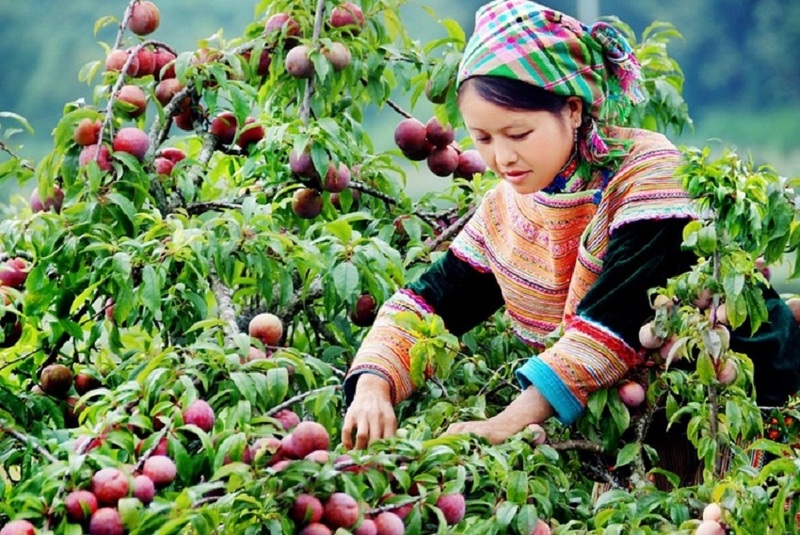
July marks the tail end of plum season in Sapa, and it’s the perfect time to pick ripe, sweet fruit straight from the tree. Several homestays in Lao Chai or Ta Van offer access to small family-run gardens where you can wander freely and fill a basket. The experience is informal: no tickets, just ask and pay for what you pick. Prices usually range from 20,000 to 30,000 VND per kilogram, and most hosts will let you try some on the spot.

Monsoon Markets And Love Market Evenings

cho tinh sa pa

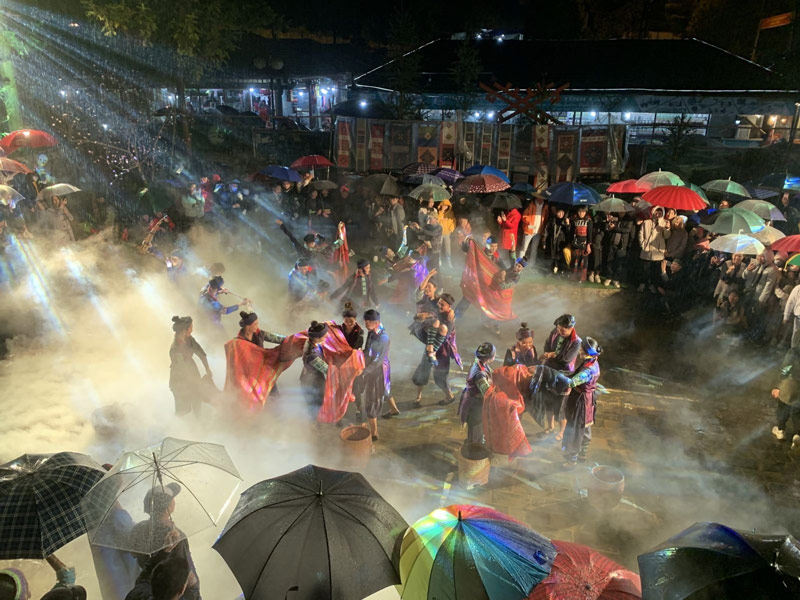
Sapa’s local markets take on a different energy during the rainy season. On weekends, you may catch a “love market” event in the town square, where local ethnic groups share music, dance, and regional snacks. Markets usually run from late afternoon until 9 PM, depending on the weather. You’ll find a mix of grilled street food, handmade textiles, and local produce for sale.

Soak In A Local Hot Spring Or Mud Spa

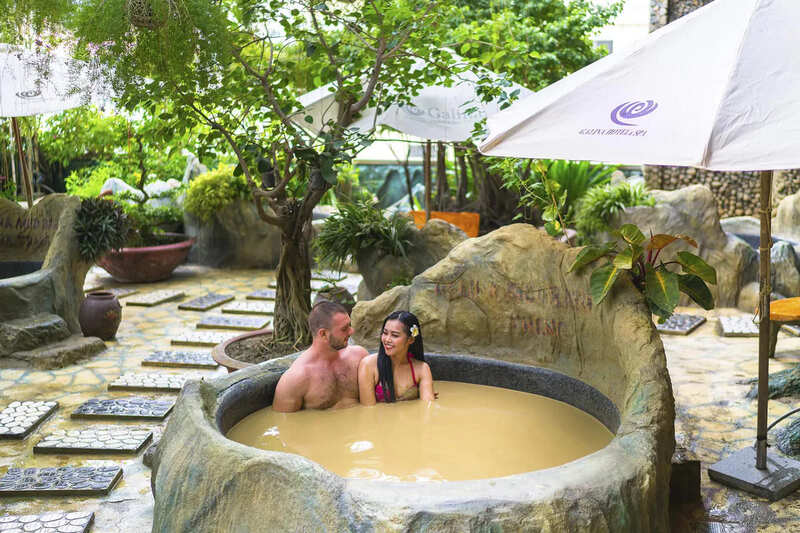
After a rainy hike, few things feel better than sinking into a hot herbal bath or mud spa. The cool air of July makes these experiences extra soothing. Some eco-lodges like Sapa Clay House, Sapa Green Spa, or Red Dao House Spa offer traditional Red Dao herbal baths, natural hot tubs, and even mud therapy treatments. Prices range from 100,000 to 350,000 VND, depending on the service. You don’t have to stay overnight—many spas welcome walk-in guests in the afternoon or early evening.

Mud Spa 1 1

Visit The Gladiolus Festival In Sapa

The Gladiolus Festival takes place annually from late July to the end of August across several areas in Sapa. The main site is the Fansipan cable car station, which turns into a colorful hillside garden filled with blooming gladiolus flowers. Access to this area usually requires a cable car ticket or a tour package. The good news is, tickets are often discounted during the festival period, sometimes up to 50% off for select visitor groups.

Gladiolus Festival

Join A Village Cooking Class With Fresh Forest Ingredients

Several homestays in Lao Chai or Ta Van host small cooking classes with local families. Guests are invited to pick herbs and vegetables straight from the garden before preparing seasonal mountain dishes like stir-fried forest greens or grilled pork. The session takes place in a family kitchen, includes a full meal, and costs around 250,000–300,000 VND per person. It’s best to arrange the class at least one day in advance, especially during weekends.

Village Cooking Class

Explore O Long Tea Hill And Sample Local Leaf Varieties

About 10 km from Sapa Town, O Long Tea Hill offers peaceful walking trails and sweeping mountain views. Visitors can stroll through neatly arranged tea rows and enjoy a fresh cup of oolong at family-run tea shops. The area is accessible by taxi (around 300,000–400,000 VND round trip) or motorbike rental (about 100,000 VND/day). Most travelers explore on their own. A tasting session typically costs 20,000–30,000 VND, and misty mornings after rain are ideal for photos.

O Long Tea Hill

What To Pack For Sapa In July

July in Sapa brings cool air, muddy paths, and afternoon showers. What you wear can shape how much you enjoy it.

Clothing

July in Sapa is warm but damp, so breathable, quick-dry shirts and pants are best. A thin sweater or fleece is still needed for early mornings or after rain, when the air turns cool. A light raincoat or waterproof layer is essential due to sudden afternoon showers.

Footwear

Trails get muddy and slippery after rain, especially in the valleys. Trekking shoes with a solid grip are a must if you plan to explore beyond town. For evenings or indoor use, bring a pair of sandals that dry quickly.

Accessories

Humidity can soak your bag as fast as your clothes, so pack a rain cover or plastic liner for your backpack. Insect repellent is important when visiting farms or walking through rice fields. A foldable umbrella also comes in handy during light rain or sun.

Basic medicine

Tourists going to Sapa during the July months are likely to experience extreme changes in temperature, between hot, cold and rain. That’s why it’s wise to keep some flu tablets and digestive aids on hand.

For people who are sensitive to damp weather, a few warming patches or menthol oil can make evenings more comfortable.

Cash and offline access

Even today, villages such as Lao Chai and Ta Van still mostly use cash, especially on rainy days when internet and mobile service can be unstable. It’s helpful to carry some small change and a printed map to avoid wasting time on shopping or asking for directions.

Travel Tips For Visiting Sapa In July

Visiting Sapa in July leads to experiencing the variable skies and wet paths, yet it could be a paradise with proper preparations.

  • Morning hours in Sapa often bring clearer skies, making them the best time for trekking and sightseeing.
  • Most rain falls in the afternoon, so early starts help avoid getting caught in sudden showers.
  • The dates of local markets are subject to weather change, so it is usually a better option to ask your host than to check online.
  • Sapa’s weather can delay the Fansipan cable car, especially on stormy days, so it’s worth checking the schedule early.
  • Occasionally, there might be electricity cuts during storms, so it is a good practice to carry a power bank or flashlight.
  • Umbrellas are not that effective in windy weather as raincoats and waterproof covers.
  • Train and bus schedules to and from Hanoi may change due to landslides in extreme weather, so it’s safer to allow some buffer time.
  • Shoes with a solid grip and fast-drying socks can make a big difference on slippery village trails.
  • Lightweight thermal layers are useful for sudden temperature drops after rain.
  • Booking homestays with heated showers or drying spaces adds comfort after wet days.
  • Waterproof phone cases and quick-dry towels come in handy more times than not.
  • Always have small cash on hand, as card machines or ATM might not work in bad conditions.

Final Thoughts: Is July A Good Time To Visit Sapa?

It is not everyone who has July in mind when arranging a trip to Sapa, yet a visit during this month usually gives such people something to be amazed by. If you don’t mind a bit of rain, this is a great time to explore the valleys, enjoy the local crops in season, and see a less touristy side of the town.

Want to have practical advice and the best current recommendations? What you need is hot tourism information and up-to-the-minute news, and Seni World has it all.

Sapa In May: Magical Nature And Wonderful Adventure

Sapa in May is the month from Spring to Summer, and is one of the peak seasons for both Vietnamese and global travelers. Seni World’s travel guide will show you its features, weather, temperature, attractions and scenery, and travel tips.

Where Is Sapa?

Sapa_TerracedField_ (5)

Sapa is positioned in the Northwest of Vietnam, inside Lao Cai province. Sapa is world-famous for being surrounded by the majestic Hoang Lien Son mountain range, which includes Fansipan, the highest peak in Indochina. Moreover, this mountainous terrain has many steep slopes, various lush valleys, and beautiful, iconic terraced rice fields. Sapa also has a special climate and weather, so you can enjoy “4 seasons in just 1 day” in this town.

Many Vietnamese and global travelers are interested in unveiling Sapa in May because of its ideal weather conditions and the beautiful scenery. Thanks to moderate and comfortable temperatures, Sapa in May is perfect for you to try outdoor activities like trekking and hiking. Besides, you can witness the landscapes that have their best colour, like the lush rice terraces starting to fill with water, or rhododendron flowers blooming across the mountainsides. This combination makes May one of the peak seasons for travelers to visit Sapa.

What Is The Weather Like In Sapa In May?

May is a transitional month from Spring to the start of Summer and the rainy season in Sapa. Sapa weather in May can be slightly relaxed, commonly from 16°C to 24°C, which is suitable for outdoor activities like trekking and exploring the local villages. However, evenings and nights in Sapa Town tend to be cooler, and temperatures will decrease to about 15°C to 17°C. Therefore, you should bring a light jacket or sweater.

Whilst Sapa in May is not the top of the rainy season (because the peak is normally July and August), May still has a growth in rainfall. The rain often comes in quick, heavy showers, but it can end fast. The mixture of warmth and increasing humidity will make the air muggy at times. So, you need to focus on staying hydrated. Although the opportunity of rain is high, May is also one of the best times for you to visit Sapa Town. The scenery is relatively lush and green, and local farmers start planting rice seedlings within the terraced fields.

Weather Overview

Weather Aspect Details
Daytime Temperature 18°C – 24°C
Nighttime Temperature 15°C – 17°C (sometimes can drop lower)
Snowfall None
Fog Common, in particular in the mornings
Rainfall 170 – 265 mm
Humidity 70% – 82%

What To See And Do In Sapa In May

Although there are heavy rains in Sapa, it is quick and ends fast. Therefore, May is also one of the best times for you to explore Sapa attractions. Here are some hints that Seni World has collected for you about what to see and do in Sapa in May:

Trek Via Vibrantly Green Terraced Rice Fields

sapa rice terraces

Sapa rice fields in May are very lush and green, particularly the iconic terraced rice fields. Therefore, May is a wonderful time to witness this maximum vibrant scenery. Sapa in May is regularly the time when farmers in this area are energetically transplanting seedlings.

This time, the hillsides are painted in incredible shades of green. The extended rainfall ensures the fields are properly irrigated, developing brilliant reflective surfaces and a lush, verdant whole view. They are perfect for photography, as well as walking through local villages like Lao Chai and Ta Van.

Visit Ethnic Minority Villages

The outstanding cultures of Sapa ethnic minorities

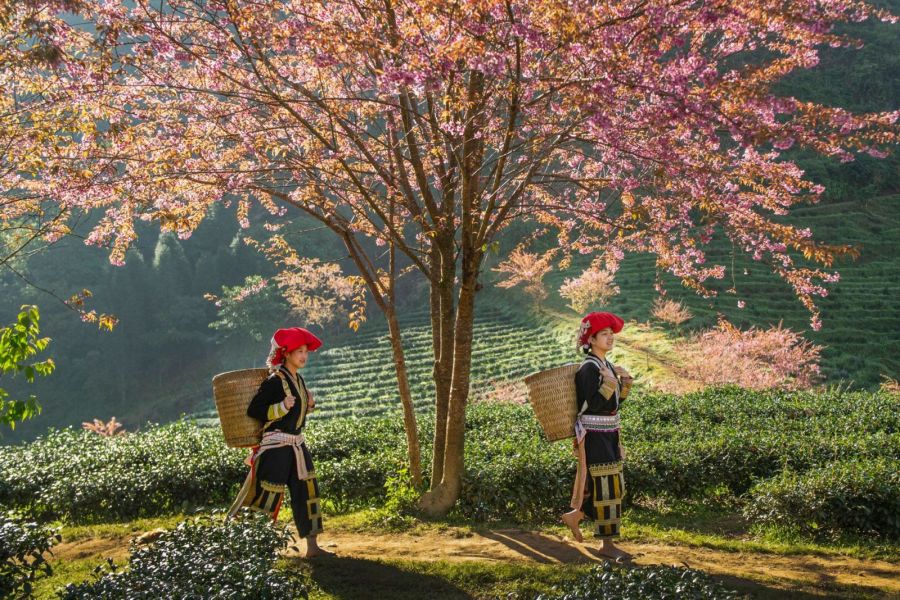
To find out more and deeply about the rich cultural tapestry of Sapa, you should trek to visit many different local ethnic minority villages, consisting of the Cat Cat Village of H’mong people, the Ta Phin Village of Red Dao people, or the Lao Chai Village and the Ta Van Village of H’mong and Giay people. Here, you can have a chance to take a look at daily life, traditional customs, and local handicrafts.

Win Fansipan Peak By Cable Car

sapa fansipan cable car

Another activity in Sapa in May is booking the Fansipan Legend cable car to the Fansipan Peak, “Roof of Indochina.” Although the top is full of fog, this adventure itself gives breathtaking views of the Muong Hoa Valley and the surrounding beautiful mountains. At the top of Fansipan Mountain, you can also discover the wonderful religious complexes with many pagodas and a grand Buddha statue.

Uncover Sapa Town And Its Central Market

sap town

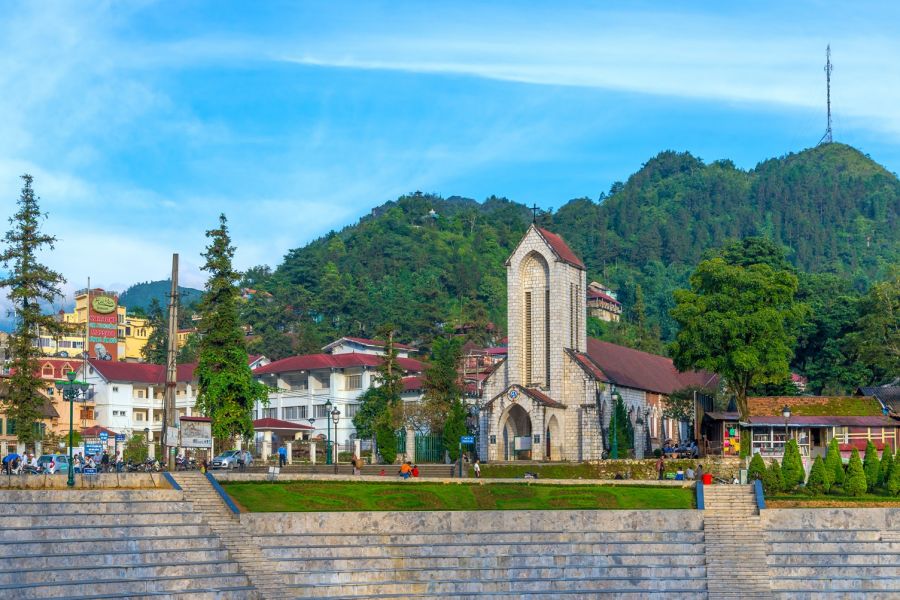
Walking through the fascinating streets of Sapa Town, you will feel its specific peaceful atmosphere. Let’s go to the famous Stone Church, the town square, and missable the dynamic Sapa Market. Here, you can see the local life, find fresh produce, as well as traditional, beautiful handicrafts. You will also have an opportunity to connect directly with the ethnic minority vendors who come down from the calm mountains.

Investigate The Sapa Ancient Rock Field

bai da co sapa

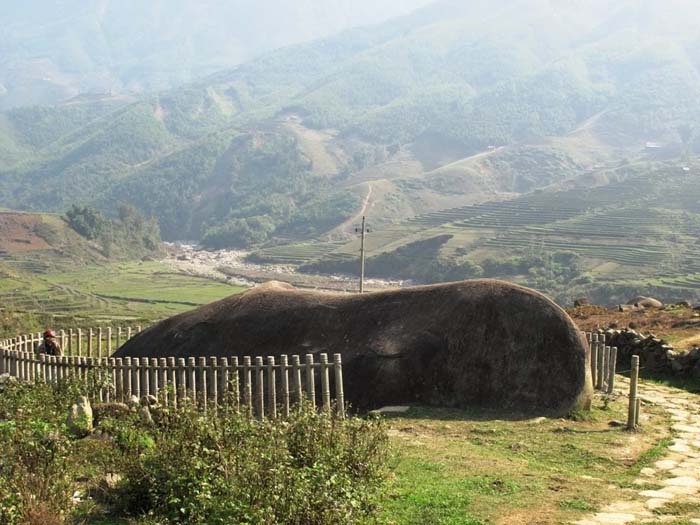
Located within the Muong Hoa Valley, the Sapa Ancient Rock Field has hundreds of ancient boulders uniquely carved with many different mysterious, beautiful figures and patterns. Arriving at this place, you can learn more about the fascinating valley’s prehistoric past, as well as the beliefs of early inhabitants here. You will understand a unique culture and history combined with the natural beauty.

Try An Authentic Homestay

If you want to try a truly cultural experience, you should spend at least one night in a conventional homestay in a pretty local village. You will live with an ethnic minority family, enjoy their lifestyle, share delicious, local meals with them, learn more about their daily work, and gain a deeper insight into their customs, traditions, and friendliness.

Enjoy Unique Local Food In Sapa

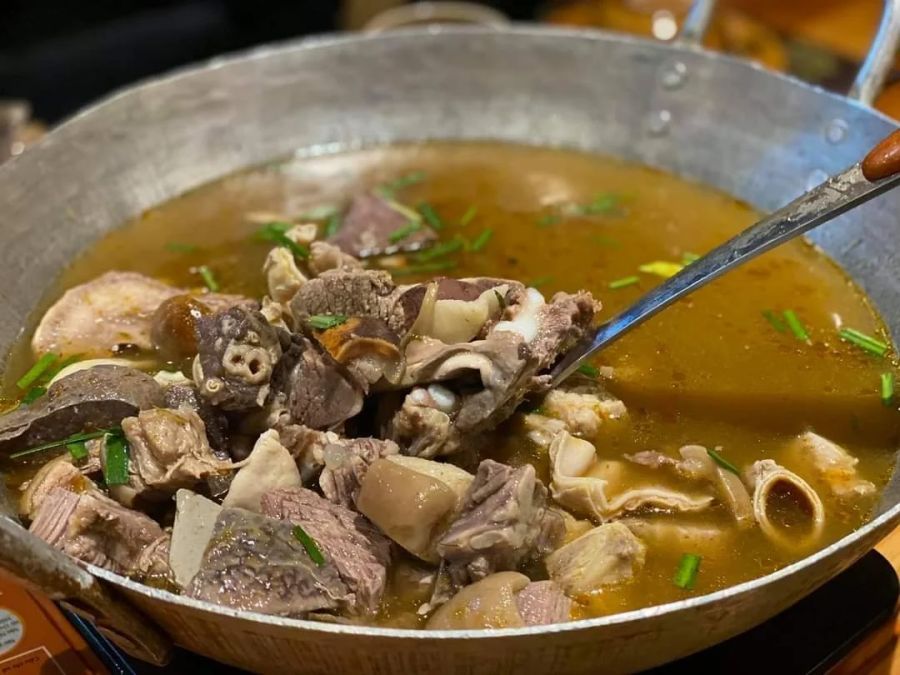
Unique local food of Sapa in May can indulge your taste buds. Here, let’s enjoy the local famous cuisines like Thang Co (horse hotpot), fresh salmon hotpot, many types of grilled skewers, and delicious sticky rice. Those dishes include almost of local ingredients, as well as traditional cooking ways of many generations of the mountain groups.

Go To The Love Waterfall And The Silver Waterfall

love waterfall sapa

Sapa in May is the beginning of the rainy season, so the Love Waterfall and the Silver Waterfall are frequently at their most powerful state, marvelous power, gushing with elevated and strong water flow. Those beautiful waterfalls and natural beauty around them give you more chances for outstanding photos. You can also simply access them from the main road.

Discover O Quy Ho Pass And Rong May Glass Bridge

Sapa OQuyHoPass 5

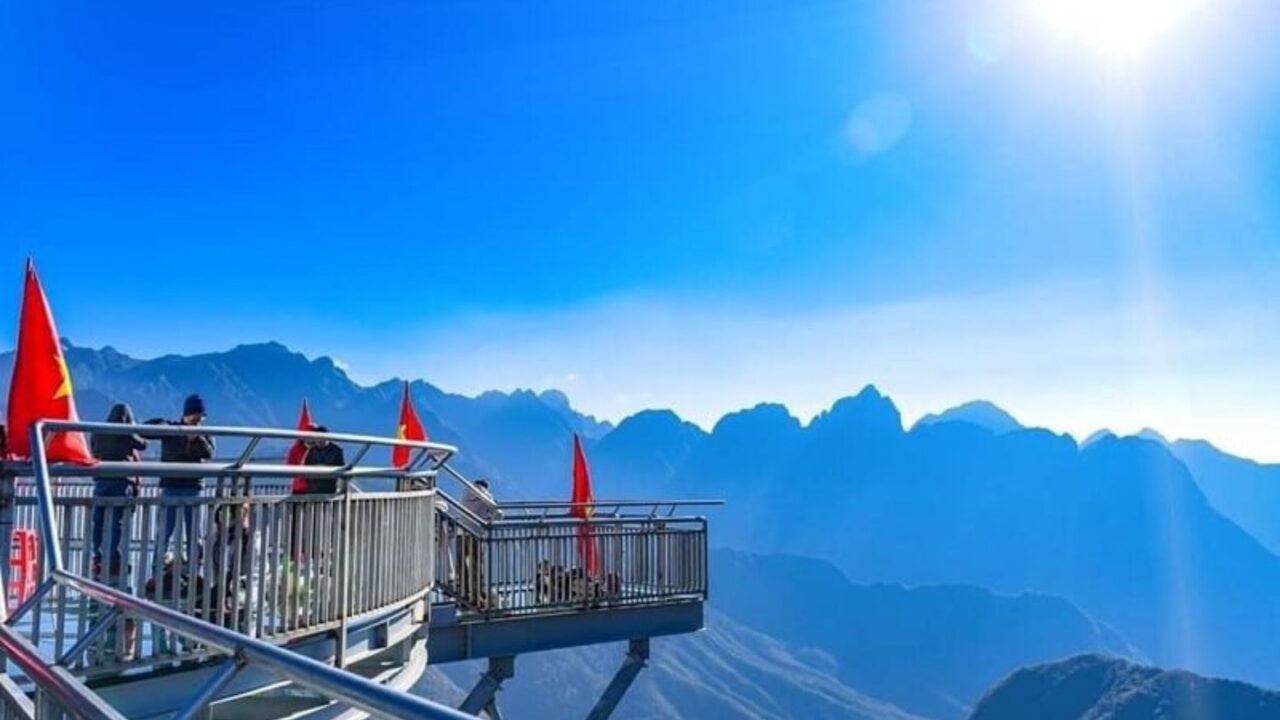
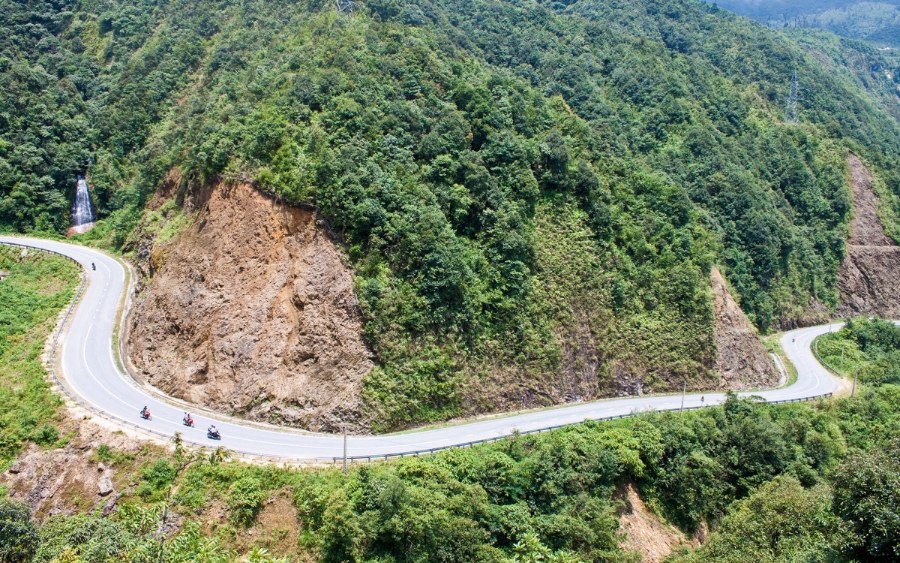
The next activity when you travel to Sapa in May is driving or riding alongside the huge O Quy Ho Pass. This is one of Vietnam’s highest and most beautiful mountain passes with various remarkable perspectives. On the pinnacle, let’s try a thrilling feeling on the Rong May Glass Bridge, which has a unique architecture and extends hundreds of meters over the valley.

Unwind In A Traditional Red Dao Herbal Bath

After an energetic day of trekking and exploring various Sapa attractions, let’s soothe your muscle groups and unwind in a traditional Red Dao herbal bath. These healing and relaxing tubs are infused with numerous local herbs gathered from the woodland

Red Dao herbal baths are considered to have restorative and healing features for your health and your body, and provide a unique and relaxing cultural enjoyment, in particular, welcoming in case you encounter bad weather, especially in May, with the rains.

What To Pack For Sapa In May

Sapa in May is the time from Spring to the start of Summer, as well as the beginning of the rainy season. Therefore, you should pack suitably to have a smooth adventure. Here is some information that Seni World guides you:

Warm layers and rain gear

You should bring lightweight and breathable clothing like t-shirts or long-sleeved shirts. Thanks to them, you can layer easily. Besides, evenings and early mornings in Sapa in May may be cold. Therefore, a fleece jacket, a light sweater, or a thin windbreaker is very suitable for travelers. Sapa in May has a lot of heavy rain, so don’t forget to bring rain gear like a lightweight, waterproof rain jacket, a poncho, or a compact umbrella.

Long or short pants for outdoor activities

Long pants are perfect for trekking, say goodbye to bugs, and cold evenings. Short pants or capris are suitable for warmer days when visiting the town area. In case you are trying a homestay or a local house, you should wear warm pajamas for polite and against cool nights.

Footwear for trekking and exploring

You need to pick out waterproof shoes with proper grip, because trails in Sapa after rain can be slippery and muddy. About socks, let’s wear breathable ones to keep your feet dry and prevent blisters. In particular, you should prepare a pair of sandals or flip-flops for enjoyment at your accommodation or for short walks to visit the town.

Accessories and useful tools

There are many accessories and tools that you can not miss out on when traveling in Sapa in May, including: a small daypack or backpack, sunscreen, insect repellent, water bottle, digital camera, power bank, basic first-aid kit, a small towel, hand sanitizer, wet wipes, trekking poles, flashlight,…

Travel Tips For Visiting Sapa In May

To have a safe, exciting, and memorable journey to Sapa in May, you need to remember to save some important travel tips carefully below:

  • Book in advance: Sapa in May is one of the peak times to travel, so you need to book in advance, both lodgings and tickets for famous destinations.
  • Rent a local guide for trekking: For a more secure and interesting adventure, particularly on unmarked trails or in strange areas, let’s rent a local guide to gain more insights about local lifestyle, wildlife, and conventional medicine.
  • Stay hydrated: The mixture of warmth and humidity of Sapa in May can make you feel fatigued, in particular when you take part in many different strenuous activities. Therefore, it is very necessary for you to drink lots of water.
  • Protect your health, body, and skin: Let’s bring sunscreen with a high SPF, a large-brimmed cap or hat, and sunglasses. Besides, in case you plan on trekking in forested regions, you need to bring insect repellent.
  • Basic first-aid kit when trekking: In your trekking journey in Sapa, you may have some slight accidents, so include band-aids, antiseptic wipes, pain relievers, as well as any personal medications for your health.
  • Be prepared for changing weather: While usually mild, Sapa temperature in Nay can be unpredictable, continuously changing with the 4 seasons in a single day. So you should understand and prepare suitable items, like clothing, accessories, or gear for these situations.
  • Buy a good deal at local markets: If buying at local markets in Sapa, don’t worry about bargaining for a more affordable price. Remember to be polite when bargaining with local vendors here.

Final Thoughts: Is May A Good Time To Visit Sapa?

Sapa in May is the beginning of the rainy season, making the scenery lush and green. Therefore, this is one of the peak seasons that attracts both Vietnamese and global travelers. If you want to take a Sapa adventure in May, consult about interesting things to see and to do in this town, and receive support for the visa process, let’s contact Seni World, a reputable tour operator from Vietnam. We are here to help you from A to Z on your Sapa discovery journey in May.

Sapa in April: Weather, Flowers, and Best Things to Do

Visiting Sapa in April is one of the most stunning times. The season is good, flowers are blooming, and cultural life is intense. This guide has everything you need to plan for your spring trip to Sapa.

Where is Sapa?

Local in Ta Phin Village

Sapa is located in the northern Vietnamese province of Lao Cai, in the Hoang Lien Son mountain range close to the Chinese border. Sapa is well known for its ethnic diversity, including H’mong, Dao, and Tay. Cultural gem The region is rich in cultural authenticity with its traditional ways of life, vibrant markets, and colourful costumes.

And April is a particularly good time of year to go to Sapa. Hints of the rice-planting season begin to show, and the landscape changes colour. The spring flowers are out on the hillsides, and it’s lovely and warm in Sapa in April. It’s great for hiking, sightseeing, and photography.

What Is The Weather Like In Sapa In April?

Sapa weather in April is a harmony of cool spring and warm golden sunshine. The sky is clear, the sun is warm but not too warm, and it doesn’t rain very much.

Sapa in April is hotter than in the first 3 months, with 15 – 20 degrees. While the thermal amplitude is less, the visitors will get the experience of being in four seasons in one day. It is cold like in the spring, in the midday or afternoon, it is warm like in the summer. It starts to freshen up around 5 o’clock, it is like autumn, and in the nighttime it is a little cold, just like winter.

Weather Aspect Details
Average daytime temperature 17-20°C (63-68°F)
Average nighttime temperature 12-15°C (54-59°F)
Rainfall 140mm across approximately 11 days
Humidity Around 80%
Sunshine hours 6-7 hours per day
Fog occurrence Moderate, mainly early mornings
Snow/Frost possibility Very rare

What To See And Do In Sapa In April

Sapa in April is a great time for some exploration and relaxation. The countryside is noticeably busy with activity as local farmers are busy working the terraced rice fields, and it’s, of course, great weather for exploring outdoors. Here are the top things to experience when arriving in Sapa in April.

Conquer Fansipan Summit

Conquer Fansipan Summit

Fansipan is situated in the Hoang Lien Son range, in the northwest of Vietnam, and it’s 9 kilometers southwest of Sapa town. In order to conquer Fansipan Peak, tourists can choose to climb or take the modern cable car, as already experienced by many visitors. It is only a 15-minute walk (600 steps) from the station to the peak of Fansipan, and you’ll have a good opportunity to enjoy the beautiful landscape.

In spring (from March to May), visitors will find the entire mountainside is awash in a quilt of red, pink, and white rhododendron blossoms, as though painted. Standing at the peak, you will see Sapa as a picture hidden in the clouds, with fairy features, high mountain ranges that make you feel great.

Watch The Terraced Rice Fields

Although the Sapa rice fields in April won’t be golden, this is when the rice planting season starts. Farmers begin preparing the terraces by flooding them with water, producing mirror-like layers that mirror the sky and clouds. These glistening, terraced fields are the most spectacular, particularly around Muong Hoa Valley, Lao Chai, and Ta Van. At Sapa in April, you can walk into the fields, have a chat with local farmers, and even watch how people hand-plant rice; it’s an incredibly beautiful cultural exchange.

Trek The Ethnic Minority Villages

Trek The Ethnic Minority Villages

April is one of the best times to trek in Sapa. With dry conditions and sunshine, it is a wonderful time to trek the mountains and valleys. Routes range from a simple walk to a full-day adventure. Popular treks include:

  • Cat Cat Village: Near Sapa Town, great for those who come to Sapa for the first time.
  • Y Linh Ho – Lao Chai – Ta Van: Beautiful trek through the valley.
  • Ban Ho and Nam Cang: More of a village experience and fewer tourists.

On your way, you’ll go by wooden houses and farm animals, as well as locals in traditional clothing. Some treks involve homestay possibilities, so you can share a meal and stories with a hill tribe family.

Experience Sapa Market

You will have unforgettable experiences at the Sapa Market. When coming here, you will completely experience all the beauty of the Highlands’ culture. Markets commonly take place on Saturdays or Sundays, although some are special holiday markets. crossing the market, you have the opportunity to attend and enjoy the stirring concerts performed by the H’Mong, Dao, and Tay ethnic people carrying out trades in their stunning and exotic attire.

Stalls in the streets offer a variety of local products: brocade, wild mushrooms, honey, wine, and clothes. Visitors to the market also get a chance to learn about the lives and customs of the colourful local people, giving tourists many experiences.

Cloud Hunting On O Quy Ho Pass

O Quy Ho Pass

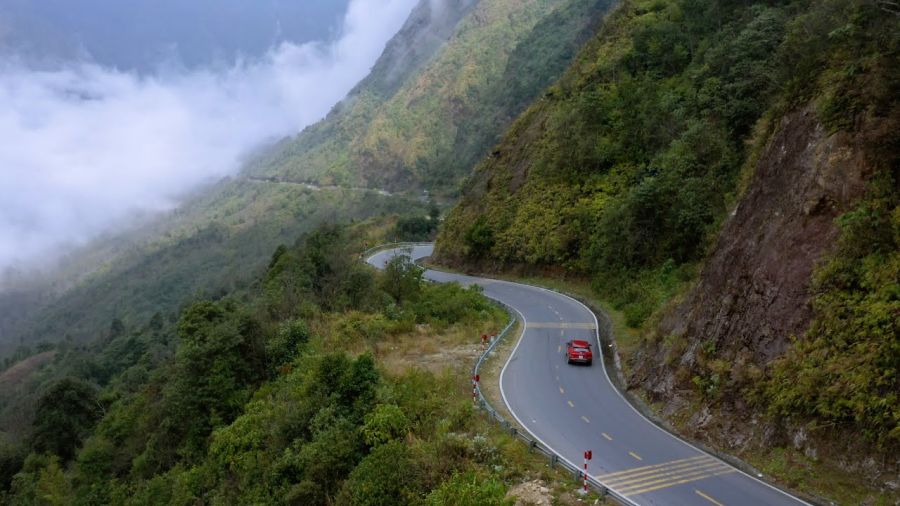
O Quy Ho Pass is one of the tourist attractions that many tourists cannot ignore when traveling to Sapa in April. This is one of the fabled “four great mountain passes” of Vietnam and is well known for its magnificent, but perilous road. Given that you come to Sapa in April, you will have the chance to go cloud hunting at the peak of the pass early in the morning or at the sparkling sunset. If visitors are lucky, they can see the big clouds of fog on the mountain’s side pulled up to mix with sunlight, then they will have a very beautiful, marvellous view.

Take A Walk To Love Waterfall And Silver Waterfall

Nature enthusiasts and adventurers should visit Love Waterfall and Silver Waterfall in April. Both are situated on the outskirts of Sapa Town and can be covered as part of a half-day nature tour. The waterfalls are another chance to see the natural beauty of the Hoang Lien National Park and take a break from the action of the main town.

In April, both waterfalls are showing at their photographic best. The gentle spring rains contribute to the flows but do not create trails that are too muddy or dangerous. The hillsides around here are brilliant green, and the skies are among their clearest in the morning; ideal for photography or just slipping away into nature.

Camping On O Long Tea Hill

O Long Tea Hill

O Long Tea Hill is a must-visit place when you are in Sapa in April. The boundless green tea-covered hills, winding up the hill slope, form a peaceful, poetic scenery. This is a perfect spot to camp, pitch your tent out in the open natural space, and look for incredible sunset photos. By the time the sun slowly goes down, the yellow light covers the tea rows to give the most beautiful natural picture. You can prepare a small picnic party and drink hot tea to feel the peace of the Northwest mountains and forests.

Discover Spring Flowers On Ham Rong Mountain

Ham Rong Mountain is also just a ten-minute walk behind the stone church of Sapa Town, one of the most accessible and rewarding places you enjoy spring in Sapa. In April, the mountain will become a blooming paradise with fresh air and endless mountain panoramas.

A highlight of Ham Rong is the Orchid Garden. There are around 200 orchid species that are gathered from all over the country. These exotic and fragile flowers bloom in abundance along the walking trails and wood archways, providing a feast for the eyes of photographers.

What To Pack For Sapa In April

Silver Waterfall

You should be well-prepared, as the weather in a day can be different from sunny and warm at noon to cold and misty at night. To remain comfortable and truly take pleasure in anything from trekking to lounging, it’s crucial to have the versatile clothing and handy travel gear you need.

  • Light jacket or sweater: Though Sapa in April begins the warmer spring season, the high altitude means early mornings and late evenings can still be chilly if not cold at 12–15°C (53–59°F). And a light jacket, hoodie, or fleece sweater is enough to keep you warm on early morning hikes, evening walks, or lounging outside at night.
  • Comfortable walking or trekking shoes: Sapa is all about the mountains and valleys, so there is a lot of walking on uneven, often muddy terrain. So, whether you are walking around Cat Cat Village, hiking to Ta Van, or getting lost in the rice terraces at Muong Hoa Valley, sturdy walking shoes or waterproof hiking boots with excellent grip are a necessity.
  • Raincoat or umbrella: Scattered rain showers often happen in April. You will also want a small collapsing umbrella or lightweight raincoat to help keep you dry as you roam. Opt for quick-dry fabrics so you’re not left wet and uncomfortable for the remainder of the day.
  • Layered clothing: Daytime temps are usually about 20–23°C (68–73°F) and cooler in the morning or evening, so it’s wise to layer up. Pack a variety of T-shirts, long-sleeve shirts, and lighter sweaters so you can easily layer as needed during the day.
  • Hat, sunglasses & sunscreen: UV rays can be intense at higher altitudes, even on cooler days. You should wear a wide-brim hat or a cap, and UV-guard sunglasses are essential for keeping your skin and eyes safe, and a high-SPF sunscreen.
  • Insect repellent: April does not seem to be attracting a lot of mosquitoes, but they are still there in rural areas, rice paddies, or near waterfalls. Throw in a bottle of insect repellent spray or cream to keep you comfortable and prevent bites, especially in the evening or when you are overnighting in villages.
  • Personal medication & first aid: You can find pharmacies in Sapa Town, but they may not carry the brands or types of medication you are familiar with. And you should pack along your personal medications, allergy meds, something for your digestion, and a small travel first-aid kit.

Travel Tips For Visiting Sapa In April

April is a great time to visit Sapa when the spring is cooler, but there are still plenty of blooms and an opportunity to learn about the culture. But a little preparation will make your trip all the better, especially during a busy travel season. Here are a few travel tips for Sapa to help you get the most out of your trip in Sapa.

  • Book accommodation in advance: April is one of the busiest months for travel in northern Vietnam, as there are several national holidays, including Hung Kings’ Temple Festival (around April 18) and Reunification Day (April 30). To minimize disappointment and maximize your choice, it’s best to book your accommodations at least 2 – 3 weeks ahead, especially if traveling around the Holiday periods.
  • Transportation: Getting to Sapa from Hanoi is half the adventure; in April, you’re in for an even more scenic road trip than usual with clear skies and stunning mountain vistas. There are two ways to travel by train or bus, and the circumstances of your trip will likely dictate which one you choose. And in exploring Sapa, on rainy days it’s best to hop in a taxi.
  • Respect local customs and traditions: The ethnic groups that live in Sapa are numerous, with their own language, culture, and beliefs. It may be so tempting to take pictures of bright clothing, village houses, or farming, but it is respectful to ask, and don’t take photos in villages and around spiritual sites unless you’re given explicit permission.

Final Thoughts: Is April A Good Time To Visit Sapa?

Sapa in April is perfect for getting to know this region’s natural beauty and cultural identity. It’s not too hot, the flowers are blossoming, and the rice is freshly planted. This is a wonderful combination of the sights and the work, and quiet. So if you are dreaming about a trip to Sapa in April, let SeniWorld make your trip unforgettable! With individually tailored walks, guided treks, genuine home-stays, and community projects, SeniWorld shows you real Sapa like no one else.

Sapa In March: Weather, Activities & Travel Tips

March marks the spring in Sapa. Are you planning to visit Sapa in March? This guide helps you discover everything about the weather, top things to do, and travel tips to ensure your Sapa March trip is smooth and unforgettable.

Where Is Sapa?

Azalea Flowers

Sapa is a beautiful mountainous town in the northwest of Vietnam, in Lao Cai Province. Nestled in the Hoang Lien Son mountain range near the Chinese border, it is roughly 1,500 meters above sea level. The appropriately terraced rice fields, chilly weather, and lively ethnic minority culture are the outstanding things in Sapa. Therefore, it has long been a must-see for Vietnamese and foreign tourists alike.

Most tourists visit Sapa in March as this is the time when winter ends and spring begins. March is ideal for visiting Sapa due to being warm, dry, and perfect for trekking and other outdoor activities. Visitors are then treated to the best of the area’s natural beauty, minus the extreme winter cold and summer rains.

What Is The Weather Like In Sapa In March?

Peach Blossoms

While not as freezing as in previous months of the year, Sapa weather in March starts to become warmer, less rainy, and more sunny. The Sapa temperature in March is between 12 and 19 degrees Celsius. Arriving in Sapa in March, you will be welcomed by the warm summer in April and May, and also suffer the cold and the remaining frost of winter from last month.

Fewer rainfalls compared with summer months mean March is one of the best times for outdoor activities. Morning temperatures can still be crisp, especially at higher elevations, but the afternoons are pleasant for hiking and sightseeing. Clear skies are great for photos and views of the mountains.

Table of weather in Sapa in March:

Weather Aspect Details
Daytime temperature 15°C – 20°C (59°F – 68°F)
Nighttime temperature 7°C – 12°C (44°F – 54°F)
Rainfall Low to moderate (30-50mm)
Humidity Around 85%
Fog and mist Common in the morning
Snow or frost Rare, but chilly mornings

What To See and Do In Sapa In March

Sapa in March is full of blooming azaleas, pear flowers, and pure white plum flowers. In particular, it is also a “cloud hunting paradise” for travelers. For visitors who would like to go to the highland market, March is the best time. Below are the 5 most ideal experiences when traveling to Sapa in March.

Explore The Terraced Rice Fields

Terraced Rice Fields

March is one of the most beautiful months to visit the famous rice terraces of Sapa. Although the Sapa rice fields in March are not yet fully green, they are beginning to be prepared for the planting season. From March to May, all rice terraces are filled with water. When the sun shines upon the surface of the water, the rice paddies resemble a giant mirror that reflects the blue sky and the green mountains around the area.

Watch The Peach And Plum Blossoms

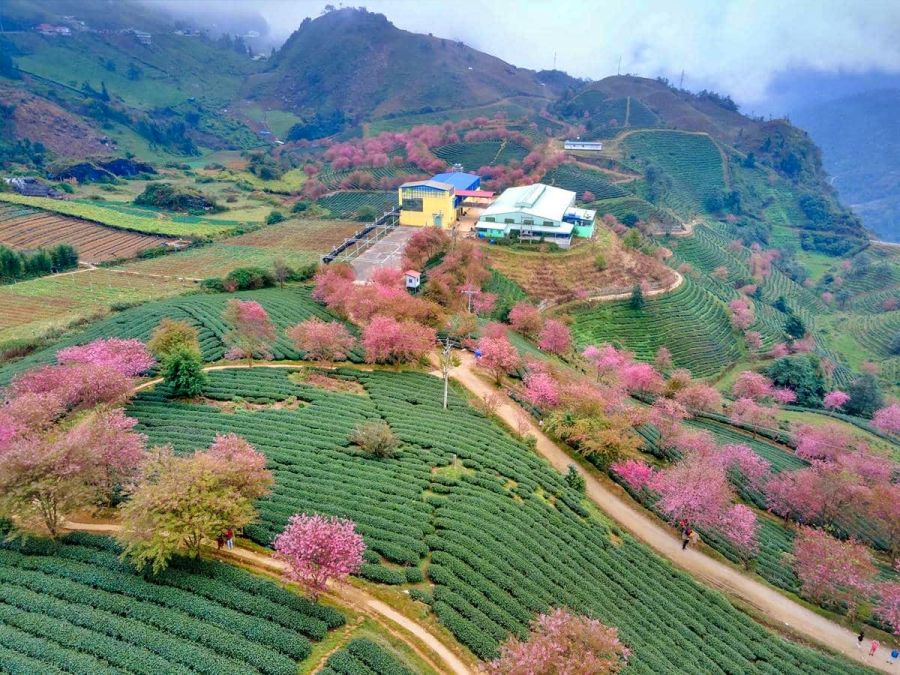
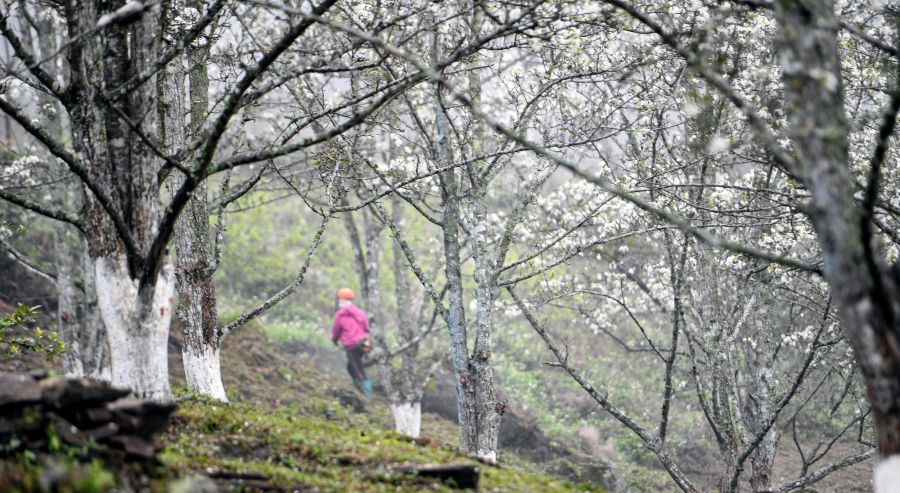
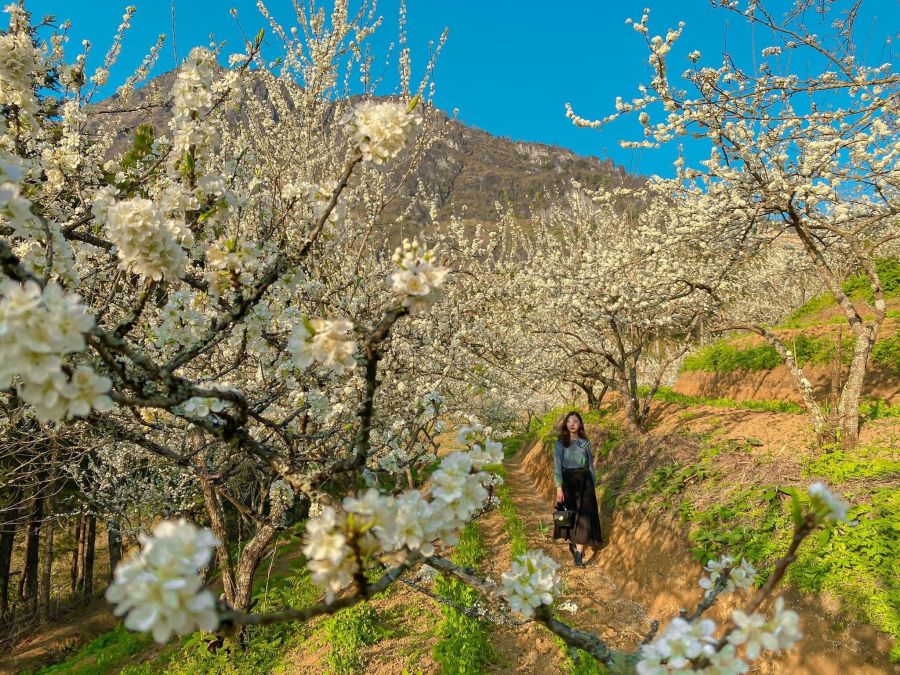
By the middle to the end of March, Sapa’s hills and rural pathways become a painterly wash of pink and white as peach and plum trees bloom. You will see flowering trees around villages such as Ta Van, Hau Thao, and even on the roadside along the road to Fansipan or O Quy Ho Pass. This is an absolute must-do for photographers and lovers when visiting Sapa in March. These flowers are not only a spectacular sight, but they also mark the beginning of the growing season for peach orchards and the planting season for rice.

Admire The White Pear Blossoms

White Pear Blossoms

Pear trees often bloom just a little bit later than peach and plum, so they are a secret treasure for those who visit in late March. These pure white flowers stand out against the gloomy tree branches and emerald slopes, making a poetic, tranquil landscape.

You can find it in Ban Pho, Y Ty, and some parts of Sa Seng or Trung Chai. The locals sometimes refer to it as the “snow of spring” for its gentle, pure color. The pear flowers can often be found in more remote, less-touristy areas. It’s the perfect option for travelers who want a little peace and some photo opportunities that are away from the crowds.

Overwhelmed By The Azalea Flowers

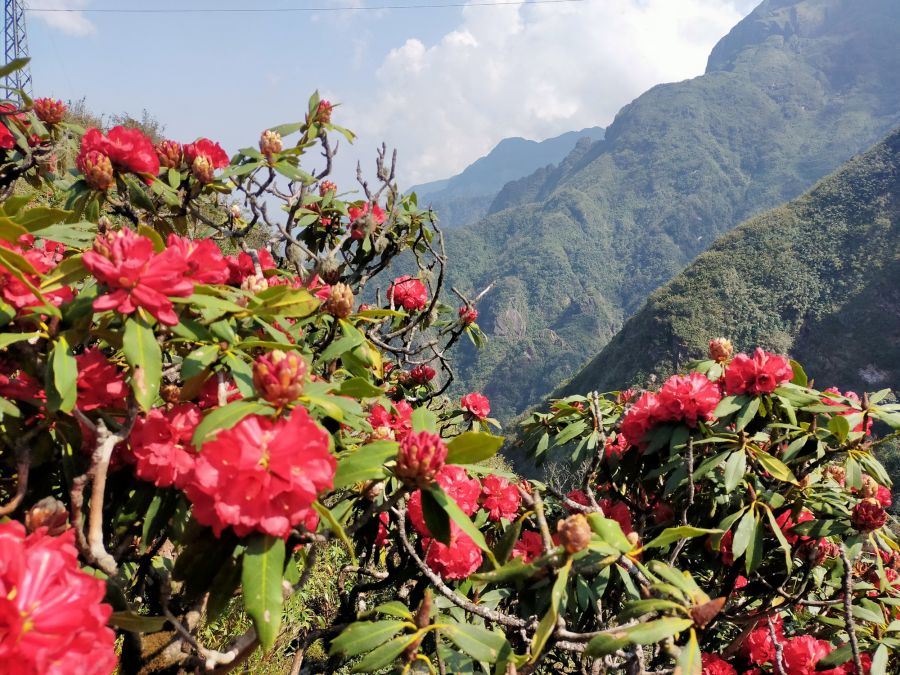
Azaleas have been blooming bright red at the end of February on the high rocky slopes of the Hoang Lien Son range in Lao Cai Province. The top of Fansipan is considered the “holy land” of this flower, with over 40 species of different shapes and colors.

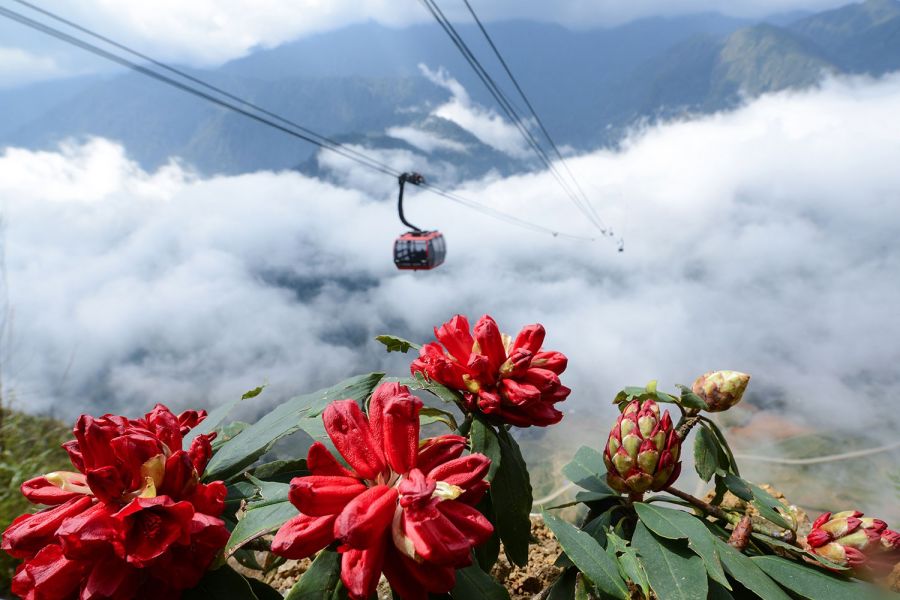
From above, inside the cable car cabin, the Hoang Lien Son range resembles a giant brocade woven from millions of vibrant azalea petals. Furthermore, there is the Azalea Festival in March. An appealing culture and tourism event to celebrate the beauty and vitality of Sapa azaleas. Tourists will see thousands of types of Rhododendron trees and experience particular performances by the highland people.

Attend Cultural Shows And Festivals

Gau Tao Festival

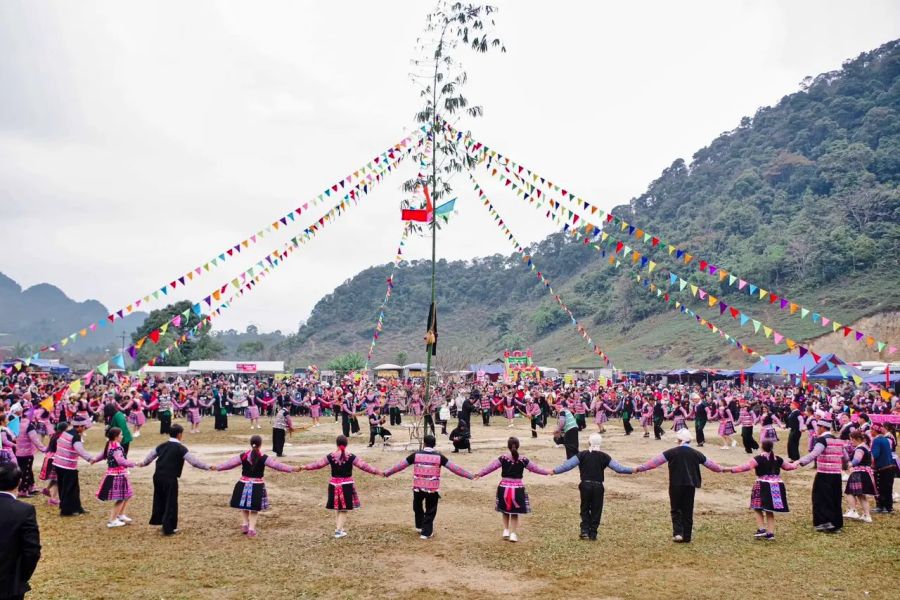
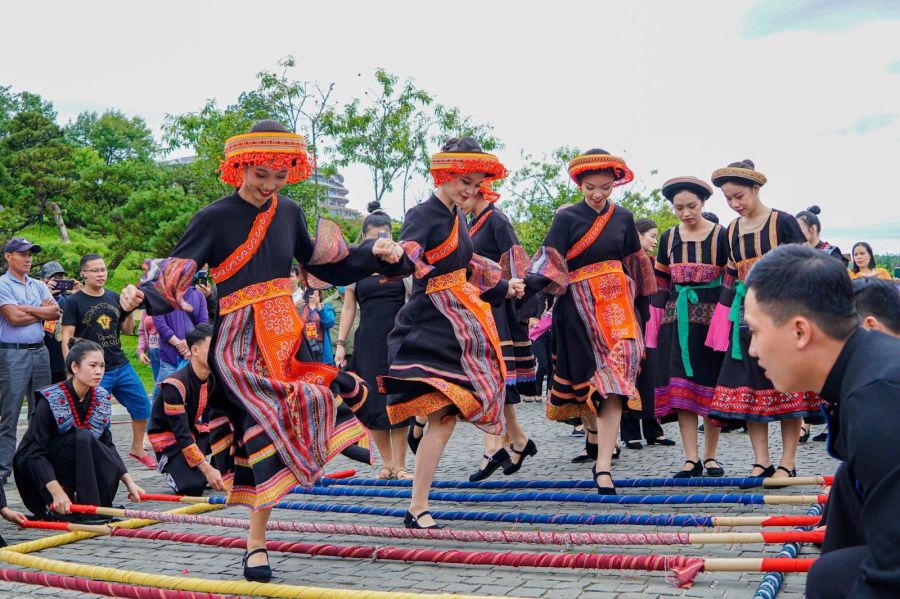
On weekends and festival days in March, visitors can enjoy colorful ethnic performances and local markets in Sapa Town. Also, the Gau Tao Festival and other spring celebrations throughout the region might be taking place. This gives you a great chance to learn more about traditional life, clothing, dancing, and food. It’s a wonderful time to participate in the festivals and connect with the communities.

Conquer Fansipan Mountain

The weather in Sapa in March is stable for reaching the summit of Mount Fansipan (Roof of Indochina, with 3,143 meters). The modern cable car system departs from Sun World Fansipan Legend and brings visitors above the sea of clouds, over the mountain ranges, and straight to the summit within 15–20 minutes.

At the top, in addition to panoramic views of Sapa’s terraced valleys, are cultural attractions like the Great Buddha statue and ancient pagodas. There are also trekking routes open for the adventurous, although these take a bit more time and planning.

Visit The Sapa Market

Thang Co

The market at the center of Sapa Town is particularly vibrant in the spring, and is a feast of colours, sounds, and scents which represent the diversity of local ethnic groups. March is a good time to experience. Traders from nearby villages assemble to sell handmade textiles, brocade clothing, medicinal herbs, and homegrown produce.

It’s also a great destination to taste local specialties such as grilled skewers, sticky rice in bamboo, Thang Co (a traditional stew), or corn wine. The market isn’t just for shopping; it’s a living cultural experience of traditional customs, bargaining rituals, and daily life.

Hunting Cloud Ground At O Quy Ho Pass

One of the most enjoyable experiences in Sapa in March is cloud hunting at O Quy Ho Pass. Clouds often cover the mountains like a thick carpet of snow early in the morning during this month, and it feels just like walking in the sky. The pass, linking Sapa and Lai Chau, has also become one of the favorite check-in places for photographers and bikers. And don’t forget your jacket: the wind here can blow strong and cold.

Marvel At Muong Hoa Valley

Muong Hoa Valley in March

Muong Hoa Valley is back to life after a long winter and misty mornings, so that sunbeams filter over the fields; the early rice field preparations are already underway. Farmers commence plowing and redirecting water into terraced fields, as wildflowers and new greenery begin to carpet the hills. It’s this combination of human activity woven into the natural landscape that makes Muong Hoa such a beautiful subject to explore and photograph. Walking the narrow trails here also provides stunning views of the surrounding mountain ranges.

What To Pack For Sapa In March

With changing temperatures during the day, it is important to pack wisely to be comfortable and well-equipped in Sapa’s diverse climate. In March, mornings can be cool while daytime temperatures rise to pleasant levels.

Here is what to wear in Sapa in March:

  • Layered clothing: Pack a combination of T-shirts, long-sleeve tops, thermal wear, and sweaters to accommodate temperature fluctuations throughout the day.
  • Warm jacket: A fleece or insulated jacket is essential for early mornings, late evenings, or if you head higher up, like to Fansipan. You should choose a lightweight but windproof and water-resistant style.
  • Trekking shoes: You need walking shoes to go to villages, and trekking paths are often rocky and, most of the time, slightly muddy.
  • Rainproof gear: March may mean light showers, so bring a compact waterproof jacket or travel-sized umbrella. Think about a rain cover for your backpack and waterproof bags for electronics.
  • Scarves, hats, gloves: If you’re going to be outside at sunrise, scarves keep you warm. On chilly mornings, a knit beanie and some touchscreen-friendly gloves can help make them more bearable.
  • Sunscreen and sunglasses: UV rays can be potent and harmful all year at high elevation, so protect your skin with sunscreen and wear polarized sunglasses to relieve glare during hikes or cable car rides.
  • Camera or smartphone: Plan to pack a camera with a zoom lens or a phone with strong low-light capabilities. They are necessary for photographing the misty landscapes, flowering trees, and colorful ethnic markets.
  • Small backpack: Good for day hikes and carrying water, snacks, and extra layers. A padded strap, a comfy option, is a good choice.

Travel Tips For Visiting Sapa In March

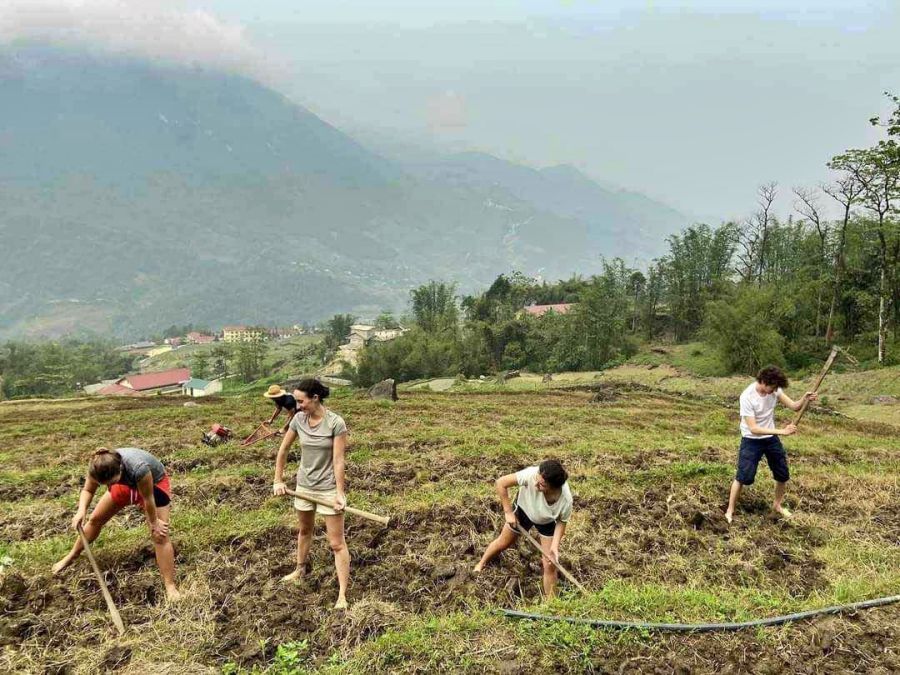
Experience A Day As A Local Farmer

To ensure you have an unforgettable trip to Sapa in March, prepare a little and behave mindfully, and the best will come while you are there. Here are useful tips you should refer to:

  • Book accommodations early: March is one of the high months for travel, thanks to the lovely weather and blooming season, so it’s good to book accommodation in advance.
  • Choose village homestays: Homestays in villages such as Ta Van or Lao Chai with ethnic families are a good way of getting a taste of real Sapa life. You will have the opportunity to sample local dishes, partake in family meals, and even learn traditional crafts.
  • Start a day early: Mornings tend to be misty, which means lots of photo opportunities in a romantic misty view of Sapa. By late morning, as the mist lifts, you’ll have clearer views of the mountains, rice fields, and blossoms.
  • Stay hydrated: It may not feel hot outside, but the high altitude and exertion can lead to dehydration quickly. Take a reusable water bottle with you always and keep sipping while on the go.
  • Follow local customs: Many villages are conservative, and it’s good practice to dress modestly with shoulders and knees covered. Always ask permission before taking someone’s photograph, or the photograph of a home or religious icon.
  • Hire a local guide: An informed local guide can make your trip, sharing stories, identifying hidden trails, and arranging real interactions with local people. Guides also promote responsible tourism and can be interpreters.

Final Thoughts: Is March A Good Time To Visit Sapa?

Absolutely. March combines the best of both seasons, the waning chill of winter and the beginning of spring. With no terrible weather and stunning natural scenery, Sapa in March is ideal for photographers and nature lovers, as well as culture lovers. So, if you have a Vietnam tour in mind, book with Seni World today and get to experience Sapa at its best time of year.

How to Travel Sapa in February: Tips, Weather, Highlights

Visualizing misty mountains, peach blossoms, and a hint of snow in the dream? Sapa in February has it all and more. Let’s dive into what makes Sapa in February a rare and unforgettable travel experience.

Where Is Sapa?

Go Trekking In Sapa

Sapa is located in Lao Cai Province, in the mountainous region of northern Vietnam. At some 1,500 meters above sea level, it has a fresh mountain climate in sharp contrast to the tropical heat of Hanoi and the south of Vietnam. Sapa is a long-time favorite tourist destination of nature lovers and photographers because of its cool air and scenic beauty. In recent years, more travelers have chosen to visit Sapa in February. This is a transitional period between winter and spring, when early peach and plum blossoms begin to appear across the hillsides. Travelers who come this month can have more space to explore and interact with locals in an unhurried setting.

What Is The Weather Like In Sapa In February?

February in Sapa is cold, damp, and often foggy, very different from most other parts of Vietnam. It is cloudy, foggy, and occasionally sleet or a light fall of snow in some of the mountain ranges, such as the O Quy Ho pass. The cold may be biting, but this is the time when the first green hints of spring begin to appear.

February may not be the most weather-friendly time for trekking due to cold and damp conditions. However, it offers a quiet, moody landscape that’s ideal for travelers who enjoy misty views, soft light for photography, and a peaceful atmosphere without crowds.

The following is a brief weather overview for those planning to visit Sapa in February:

Weather Aspect Details
Daytime Temperature 10°C – 15°C
Nighttime Temperature 3°C – 8°C (can feel colder with windchill)
Rainfal Low to moderate (20–50 mm for the month)
Humidity Around 85–90%, especially in the early morning
Fog and Mist Common, especially in the early morning and late evening
Snow or Frost Rare, but possible on high passes like O Quy Ho

What To See And Do In Sapa In February?

February brings a quieter, more local side of Sapa. The experiences below offer a closer look at its seasonal charm.

Admire Peach and Plum Blossoms in Ta Phin and Ban Khoang

Plum Blossoms in Sapa

From early February, wild peach and plum blossoms start blooming in Ta Phin and Ban Khoang, around 12–20 km from Sapa town. These places are hotter and at a lower altitude, so the flowers bloom earlier than in the central part of the town. There are motorbikes that you can hire or a car to get to the villages. Mornings are the best time when hazy sight and soft light occur. There is no entrance ticket, although certain homestays might demand payment for parking or walking tours.

Ride The Fansipan Cable Car To Vietnam’s Highest Peak

Fansipan Cable Car

The Fansipan cable car is operational throughout the year and transports people to the peak in approximately 15 minutes at 3,147m. At this time of year, (February), the higher regions will either have frost or shall have light snow, especially in the morning. Be prepared to wear lots of layers, since it can even be under 5 °C at the summit. The ticket prices vary slightly depending on the day of the week. Below is the basic fare for the cable car and funicular services:

Cable Car Ticket Prices (Round Trip)

Ticket Type Weekdays (Mon–Fri) Weekends & Holidays
Adults (over 1.4m in height) 800,000 VND 850,000 VND
Children (1m–1.4m in height) 550,000 VND 550,000 VND
Children (under 1m in height) Free of charge Free of charge

Note: The cable car can also halt temporarily because of high winds; hence, one should check the weather conditions before visiting.

Join Tet Nhay Festival In Ta Phin Village

Tet Nhay Festival

In case you come to visit in the period of Tet (Vietnamese Lunar New Year), you can observe the Tet Nhay festival in Ta Phin organized by Red Dao people. This festival involves some ritual dancing with ancestors and is performed between the 1st and the 3rd day of the lunar year. The spectators who want to watch are welcome, but must be dressed decently and must not interrupt the ceremony. No entrance fee is charged, although you can donate as you please.

Hike Through The Muong Hoa Valley

Muong Hoa Valley

It is one of the finest locations to have short treks in Sapa, even during cold weather. The trail links up villages such as Lao Chai, Ta Van, and Y Linh Ho, and the rice terraces adorn the sides of the trails, and the paths are there and easy to walk. Before you get into the valley, you will pay an entrance fee per person to get into the valley at 75,000 VND. Bring a local guide with you in case you want to navigate more easily, as well as have some authentic tales to hear from the villagers.

Visit Silver Waterfall and Love Waterfall

Love Waterfall

Both waterfalls lie along the road to O Quy Ho Pass, about 20 minutes by car from Sapa town. Silver Waterfall is right by the roadside and costs 20,000 VND to enter. Love Waterfall is further in and requires a short forest walk; the entrance fee is 70,000 VND. February is a great time to visit, as water levels remain strong and the crowds are gone. Wear good shoes, paths can be wet and slippery.

Take Photos At Heaven Gate On O Quy Ho Pass

Heaven Gate is the highest viewpoint on the O Quy Ho Pass, looking down into misty valleys between Sapa and Lai Chau. It’s free to stop by and take photos from the roadside, but there’s a developed check-in point nearby charging 120,000 VND. Early morning is often foggy, while late morning to noon can bring clear skies if you’re lucky. Avoid riding a motorbike unless you’re experienced. This pass is steep and can be slick in February.

Explore Local Ethnic Markets In Bac Ha Or Coc Ly

Bac Ha Market

If you’re staying in Sapa for more than a few days, it’s worth checking if ethnic markets like Bac Ha (Sunday) or Coc Ly (Tuesday) are open. These markets aren’t just places to buy things. They’re vibrant meeting points where ethnic communities come to trade, socialize, and show off their traditional outfits. In February, the festive mood of Tet often lingers, making the colors and energy feel even more alive. Note that Bac Ha is around 2.5 hours by car, so this works best as a day trip with a private guide or small group tour.

Warm Up With A Red Dao Herbal Bath In Ta Phin

Red Dao Herbal Bath

This is one thing your body will appreciate after a day of walking around in cold air. The local Red Dao women are seen to prepare steaming wooden tubs containing herbs that have been boiled in the forest around the Ta Phin Village. The aroma is heavy, down to the earth, scratchy, placating, and the heat slices through the cold. Prices vary, but most homestays charge around 100,000–150,000 VND per person. It’s not fancy, but the experience is honest and deeply rooted in local tradition.

Watch Traditional Games During Spring Festivals

Traditional Games

Spring festivals in Sapa’s ethnic villages often include games that are both playful and symbolic. You may find some top-spinning in the case of young men, or bamboo dancing in the case of girls, or tug-of-war in the case of older people. These activities usually take place during the first two weeks after Tet in such villages as Ta Van or Thanh Phu. Ask your homestay or tourist guide whether any cultural festival takes place while you are staying with them.

Stroll Around Sapa Town And The Stone Church

Sapa Stone Church

Sapa town alone offers plenty of pleasures even without having to go far. Small cultural performances can be observed in the central square in the evenings. And Stone Church is a nice place to rest or to take pictures in the mists that roam around. Grilled street food and boiling corn wine can be tasted, and small cafes with misty mountain views are available surroundings of the church. There is no entrance fee at the church or the other places surrounding the church.

What To Pack For Sapa In February

Sapa in February is cold, humid, and frequently misty. By bringing the right items, you will stay comfortable and warm during your travel time.

Warm clothes

You’ll need more than just a light jacket. A proper winter coat or insulated outer layer is essential, especially for early mornings and evenings. It’s also smart to pack thermal underwear, sweaters, and a fleece—these layers help trap body heat and let you adjust as the temperature changes throughout the day.

Footwear and cold-weather gear

Village roads and paths may be muddy and even slippery, so a pair of hiking shoes with good grip will help a lot. Wool socks are better in the cold than cotton. Don’t forget gloves, a beanie, and a scarf—these small items make a big difference when the wind picks up at higher elevations.

Personal care items

Lip balm and moisturizer will be necessities because the air is both cold and dry. In case you wish to use an herbal bath or a hot spring, carry your own towel and an extra set of clothes. Hand sanitizer and tissues come in handy as well when one visits local homes or markets where facilities are primitive.

Day-use essentials

Most travelers spend full days out exploring, so it’s worth bringing a small backpack to carry water, snacks, and extra layers. A reusable water bottle is very convenient and environmentally friendly. Batteries are more likely to deplete in cold weather. So it would be a decent idea to bring a power bank with you in case you want to take a lot of pictures or use your maps to navigate.

Travel Tips For Visiting Sapa In February

Sapa in February can be both charming and challenging. With the right timing and a few small adjustments, you can avoid the typical cold-season pitfalls and enjoy the best of what the region offers.

  • During Tet, opening times of such services as the Fansipan cable car may alter, so it is always better to check this information with your hotel or with the local guide.
  • There is usually a thick fog before 9 a.m. An afternoon is a more suitable time to begin outdoor activities.
  • Hotels and transportation may be overbooked in Tet, and the easiest way is to reserve a hotel or any form of transportation at least two weeks before.
  • Some of the trekking paths may turn slippery after a light rainfall; thus, walking sticks are advisable even on a short route of trekking.
  • Most of the neighborhood stores and food outlets do not support cards, and you should carry sufficient Vietnamese cash.
  • In Sapa, weather apps are not the most reliable tool, and it is usually advisable to consult locals to learn what to expect.
  • It is likely to be busy during weekends, so going and looking at the main sights on weekdays will be a quiet experience.

Final Thoughts: Is February A Good Time To Visit Sapa?

Visiting Sapa in February is also advisable as you can avoid the cold and the slower movement process. It is less crowded, transport can be reserved last minute, and events just before Tet holiday in the village allow travelers access to local traditions. Although fog and cold weather may interfere with the schedule of a given trip, they make the journey peaceful and atmospheric. A winter Sapa trip will be surprisingly rewarding with proper planning, and Seni World can assist you in getting the details right.

Sapa in January: What to Know Before You Go

Sapa in January is one of the few places in Vietnam where snowfall is possible, though it’s rare and short-lived. The quiet season makes it a good time for travelers who want nature and local culture without the crowds.

Where Is Sapa?

Sapa in January

Sapa is a mountainous township in Lao Cai Province, far north of Vietnam, near the Chinese border. It is situated about 1,500 meters above sea level and is surrounded by steep hills, deep valleys, and the stepped rice terraces. It has a number of ethnic minority groups, and it is also a well-known place because of its proximity to Fansipan, the peak of Vietnam.

January is not the usual tourist season in Sapa, but that’s exactly what makes it interesting. The town is peaceful, the air is chill, and the landscape acquires a muffled, serene quality. It does not snow very often, but it may. And a lot of Vietnamese tourists visit it at this period with the hope of seeing at least a trace of it. Others will find the charm in hiking on deserted paths and witnessing a different rocky face of the northern highlands.

What Is the Weather Like in Sapa In January?

The month of January is the coldest month in Sapa. The temperatures during the day traditionally remain around 8-12°C, although nighttime can be as low as 3°C or even less. In severe instances, particularly when cold spells travel down from China, temperatures as low as below freezing point may be experienced, and frost or light blankets of snow might be seen.

Sapa is also known for its fog during this time of year. Mornings are often covered in thick mist that doesn’t always clear by noon. The humidity stays high, but rainfall is low compared to summer. The air feels damp and chilly, especially when there’s little sun. More to this, roads and walking paths may be slippery, and visitors must be ready to experience wet and muddy conditions when trekking or visiting the villages.

Weather Overview

Weather Aspect Details
Daytime Temperature 8°C – 12°C
Nighttime Temperature 3°C – 7°C (can drop lower)
Snowfall Rare, short-lived
Fog Frequent, thick in the morning
Rainfall 20 – 30 mm
Humidity 85% – 90%

What to See and Do in Sapa In January

Although January is not the high season in Sapa, yet there are a lot of valuable things to do. Colder weather highlights a different character of the town that people miss in warmer months.

Explore Cat Cat Village And Have A Barbecue Street Food

Cat Cat Village

Located just a short downhill walk away from the center of Sapa, Cat Cat Village is one of the most popular destinations among first-time travelers. Visitors can rent H’mong-style clothing for photos, explore the handicraft shops, and watch traditional weaving demonstrations. There are hawkers selling grilled pork on sticks, sticky rice wrapped in bamboo shoots, and hot roasted chestnuts near the entrance and along the main path. They are basic street foods that are so suitable for the cold weather.

Trek From Y Linh Ho To Lao Chai And Ta Van Villages

Lao Chai Village

This is a trekking trail which leads further into Muong Hoa Valley crossing some of the remote villages and terraced mountains. The path may be slippery, yet the prize is a quiet stroll between ethnic enclaves with a minimal number of tourists about. Along the way, you’ll find local homes and homestays offering warm hospitality. They usually offer hot herbal tea, corn wine, and simple mountain food such as stir-fried buffalo with lemongrass or pumpkin soup with native greens.

Take The Fansipan Cable Car On A Frosty Morning

Fansipan Cable Car

January is among the few months when snow and frost may be expected on the peak of Fansipan. It’s often foggy at the top, but temperatures can drop below 0°C, and if you’re lucky, you might catch frost or even snow. A one-way ticket costs around 750,000 VND. The Fansipan cable car usually operates daily from 7:30 AM to 5:30 PM, though opening time may vary slightly by season or day. Please check the official schedule before your visit. To get the best viewing possibility of frost or snow, it is advisable to get up early in the morning following a cold front.

Drive up To O Quy Ho Pass For A Winter Sunset

O Quy Ho Pass

O Quy Ho is one of the highest passes in Vietnam, connecting Lao Cai and Lai Chau. In January, temperatures at the top can drop below 5°C, and the view is often covered in mist. But on clear days, the sunset is stunning, especially between 5 PM and 5:30 PM. You can drive up by motorbike or car, and there are roadside stalls selling grilled corn and tea to warm you up.

Soak In Ban Ho Hot Spring

Ban Ho Hot Spring

About 30 kilometers from Sapa, Ban Ho Hot Spring is a quiet, no-frills spot to relax when the cold starts to wear you down. Surrounded by forested hills and stilt houses, the pools are simple but naturally warm, with water around 40°C even in winter. It’s especially nice after a long walk or ride. And on weekdays, you might have the whole place nearly to yourself.

Catch Early Peach And Plum Blossoms

O Long tea hill

In some high-altitude areas like O Long tea hill or the slopes around Ta Phin, wild peach and plum trees begin to bloom, usually after a few days of sunshine. For the best views, head to O Long Tea Hill (≈8 km from Sapa) or Ta Van Chu. Ta Van Chu gardens often charge a small entrance fee of around 20,000 VND, and many spots are free. You can get there by motorbike rental or a half-day private car/jeep tour directly from Sapa.

Join Ethnic Festivals Like Tet Nhay And Roong Pooc

Roong Pooc Festival

In January, some ethnic groups in Sapa begin celebrating their versions of the new year. The Red Dao in Ta Van hold the Tet Nhay festival, filled with ancestral rituals, fire jumping, and symbolic dances passed down for generations. The Giay people in Muong Hoa celebrate Roong Pooc to pray for a good harvest, gathering in traditional clothes with drums and singing. These events don’t follow a fixed schedule, but if you’re around when one happens, it’s something you won’t forget.

Visit Bac Ha Market For A Low-Season Cultural Dive

Bac Ha Market

Located about three hours from Sapa, Bac Ha Market remains active in January, though with fewer tourists. You’ll see Hmong and Dao families in traditional dress selling handmade goods, produce, and hot street food. The market feels more local this time of year, and interactions are less rushed.

Visit Silver Waterfall And Love Waterfall During The Quiet Season

Silver Waterfall

These two cataracts are well-known places near Sapa, yet in January, they are much quieter than they usually are. Silver Waterfall can be reached easily and is grandiose even when seen on the road. Whereas Love Waterfall requires a brief walk through a bamboo forest and mossy boulders. It is subdued color-wise during this time of year. If you go very early in the morning, you may have the place to yourself.

What To Pack For Sapa In January

Sapa in January is very cold, wet, and unpredictable, and having the correct gear will greatly determine how much you will enjoy your trip. The following are the basics to make you warm, dry and comfortable.

Warm layers for freezing mornings

January in Sapa can feel much colder than expected, especially in the early morning and late evening. You should pack thermal base layers, sweaters or fleeces, and a thick insulated jacket. If you’re sensitive to the cold, heat packs or thermal underwear can make a big difference.

Waterproof outerwear

Fog, light rain, and constant moisture are common. A waterproof jacket or windbreaker with a hood is essential, even if it doesn’t rain heavily. Quick-drying pants or leggings are better than jeans, which stay wet and cold for hours.

Proper footwear for slippery trails

During January, paths near and in Sapa may be very muddy and bouncy. You should bring hiking shoes or boots with a good grip. Don’t bring flat-soled sneakers or fashion boots, just in case you would like to walk through villages or rice terraces.

Cold-weather accessories

You should not neglect such small but important things as gloves, a scarf, and a warm beanie. The wind can be biting when you’re riding a motorbike or visiting Fansipan. These simple items can make cold days a lot more comfortable.

Other useful items

A refillable water bottle, sweat-wicking socks, and a folding umbrella can come in handy. You will also find power banks useful, as the cold drains batteries faster than usual. When you intend to be out the whole day, a simple medical kit and some snacks come in handy.

Travel Tips For Visiting Sapa In January

Traveling to Sapa in January can become a trip to remember, yet some difficulties are easy to forget about. These hints will assist you in having a safe, comfortable trip and enjoying it as much as possible.

  • It is worth looking at the weather forecast before going out every day, in particular, in case you want to catch snow.
  • Tight travel schedules should be avoided since there is a likelihood of delay due to fog or slippery roads.
  • Most shops and restaurants in local villages do not accept cards, so you should prepare some cash in advance.
  • It is a good idea to book accommodation well in advance, as this season has a lot of domestic travelers who visit Sapa on weekends.
  • Make sure to book a hotel or a homestay that has heating or at least electric blankets to keep yourself warm at night
  • It is strongly advised that you employ a local guide in case you are trekking, particularly on the less popular trails.
  • Having hot meals frequently and hydrating your body will help your body adapt to the cold.
  • It is preferable to take permission before clicking the photos of locals, as it is a matter of respect and will avoid any embarrassing moments.
  • When the weather is foggy or wet, it is better not to use a motorbike taxi; it is better to walk or order a car (when it is a long distance).

Final Thoughts: Is January a Good Time to Visit Sapa?

Sapa in January isn’t for everyone. The weather can be rough, the views unpredictable, and the cold gets into your bones if you’re not ready. But for those who don’t mind the chill and want a slower, less polished version of Sapa, this might just be the best time to go. And in case that is your idea of a dream trip, Seni World can provide the local knowledge and reliable contacts to make it happen, in the simplest manner.

Moana Sapa: A “Miniature Bali” Waiting For You To Check In

The Moana Sapa is an exciting, thrilling, and beautiful destination for travelers who want to take memorable photos and witness natural, beautiful scenery. Seni World’s travel guide will show you its history, iconic attractions, entrance fees, and travel tips.

Introduction To Moana Sapa

Moana Sapa from above

Moana Sapa is currently one of Sapa’s exciting, relatively new, and famous sights, designed especially as a “check-in” point with various nearby breathtaking scenery. This complex is regularly called “miniature Bali” or “Heaven’s Gate,” which is a unique mixture of artificial artistry and natural grandeur. Visiting here, you will have a chance to take beautiful photos with the backdrop of Sapa’s majestic mountains, cloud-stuffed skies, and, in particular, unique artificial arts.

Moana Sapa proudly has several themed installations carefully and meticulously crafted. Travelers can pose through an iconic “Heaven’s Gate”, swing over an “infinity” view, or show their solitude with the aid of a “lonely tree” in photos. All of them are designed to border the huge natural scenery. These arts, combined with the misty and ethereal vibes of Sapa, make a mysterious setting that attracts specifically younger travelers and photo lovers searching for interesting and shareable moments.

History Of Moana Sapa

In the mid-to-late 2010s, when traveling and capturing boomed, traveling managers identified the capacity to create reachable and visually impressive backdrops that attract a modern and young demographic. Moana Sapa was developed as a perfect idea to capitalize on Sapa’s beautiful natural landscapes, mixing unique themed installations.

By way of strategically building spots like “Infinity Swings”, “Heaven’s Gates,” and “Lonely Trees,” Moana Sapa quickly has both raw scenic beauty and man-made appealing arts, and afterward, becomes a symbolic part of Sapa’s present-day tourism. Gradually, this place becomes very well-known for the Social Media trend of sharing image-centric tourism as a wonderful “check-in” destination both in Vietnam and worldwide.

Top 5 Iconic Attractions In Moana Sapa

The Moana Sapa has various iconic and wonderful attractions for you to uncover. Let’s find out more about them in Seni World’s information below!

Sapa Heaven Gate (Bali Gate)

Moana Sapa Heaven Gate

The most well-known and sought-after photo point inside Moana Park Sapa is the Sapa Heaven Gate (also called the Bali Gate). This is a visually brilliant landmark that attracts direct inspiration from the symbolic Handara Gate in Bali. The Sapa Heaven Gate has a complicated and elaborate layout with traditional and detailed architectural features, and stands proudly in opposition to the raw and majestic backdrop of Sapa.

The best of the Sapa Heaven Gate is its ideal positioning and architectural bordering. It perfectly frames the majestic mountain ranges as well as the tremendous sky past, developing a nearly surreal and extremely dramatic backdrop for images. Whether or not the sky of Sapa is obvious and blue, or shrouded in the mists, the Sapa Heaven Gate acts as a natural destination that showcases a sense of awe and marvel.

Moana Statue (The Giant Girl Statue)

Moana Statue

Standing as an imposing factor in the Moana Sapa is the Moana Statue Sapa, friendly known as the Giant Girl Statue. This statue is 6 meters, immediately attracting travelers at the first-see when they arrive at the Moana Sapa location. Showing a lady with closed eyes and hands gently raised, this statue seems like a contemplation and inviting among the grandeur of the mountain landscape.

The grand scale of the Moana Statue, blended with its peaceful and unique posture, gives travelers a combo of art and natural beauty when they capture photos. In many Social Media platforms like Instagram, Facebook, TikTok, or X in Vietnam and worldwide, travelers, especially the youth visiting Sapa, usually share various unforgettable images of this statue.

Infinity Lake With The White Piano

Infinity Lake With The White Piano

The Infinity Lake With The White Piano is a dreamy and romantic highlight among the huge natural scenery of the Moana Sapa. This spot includes a crystal-clear and shallow lake designed as an ideal natural mirror. Its reflective surface flawlessly catches the whole sky and clouds above, making a seamless feeling. The water seems to merge directly with the horizon, bringing a peaceful and nearly ethereal backdrop for travelers.

The maximum exclusive and captivating element of this infinity lake is the white piano carefully placed in its center. Inspired by romantic movie scenes, the combination of the pristine white piano, the reflective water, and the big mountain scenery creates a picturesque and particular setting. You can arrive at this place and make your cinematic moments, as well as memorable snapshots.

The Golden Hand Sculpture

The Golden Hand Sculpture

Among the creative man-made arts at Moana Sapa, the Golden Hand Sculpture is impressive. This large, golden hand appears as if it is floating in mid-air and extending from the mountainous area. The posture with fingers slightly curled showcases a powerful ambition of reaching out and hugging the Northwest mountains and the vastness of the Sapa area. This is a connection between human and natural grandeur.

The Golden Hand Sculpture gives an extraordinary backdrop that is suitable for creative images, in particular in the course of Sapa’s signature misty features. While the clouds and fog are around the scenery, the hand starts to emerge from the mist like a mystical entity, making it feel absolutely like a marvelous scene from a fairytale. “Checking in” here, you will have many exceptional and unforgettable images.

The “Deadly” Swing (Infinity Swing)

Infinity Swing

For travelers with an adventurous, thrilling spirit and a love of taking dramatic photos, the “Deadly” Swing (also known as Infinity Swing) is an unmissable point at Moana Sapa. This exciting swing is put to extend over the brink of a cliff, giving you the stomach-lurching feeling of soaring into the full-size expanse of the sky. You can have a mixture of thrilling adrenaline with awe-inspiring natural splendor.

Although having the dangerous name, the Infinity Swing is a very famous spot for you to have heart-pounding pictures, attracting adventurous travelers to save their interesting moments. As you swing, you can see wonderful valleys, rolling mountains, and the countless skies underneath. The feeling of being suspended between heaven and earth, mixed with the beautiful vistas, ensures you will never forget this memory.

3 Cultural Experiences You Shouldn’t Miss In Moana Sapa

Moana Sapa Cafe

Besides the symbolic attractions, the cultural sides are also experiences that you can not miss out on in the exploration of the Moana Sapa. Let’s see more below!

Moana Sapa Cafe

The Moana Sapa cafe provides travelers a comfortable place to relax and enjoy a drink after witnessing the scenery and taking photos. This is often included with the entrance fee. When relaxing at the Moana Sapa cafe, you can see the wonderful, large views of the Hoang Lien Son mountain range, as well as the beautiful misty Sapa landscape. At these cafes, you can enjoy many types of artisan coffees, teas, and soft drinks.

Enjoy Local Food

Visiting the Moana Sapa, you can also try local food, highlighting here are BBQ offerings. There are some local restaurants here for you to enjoy the cuisine and witness the scenic beauty. The ambiance is designed impressively, with friendly staff and comfortable seating. Therefore, besides enjoying drinks in cafes, you can choose a BBQ spot to unwind after exploring the photo zones.

Visit Love Market

The nearby markets of Moana Sapa are traditionally called the Sapa Market or the Love Market. The Love Market is held on Saturday evenings. It was a place where youth from various tribes would meet and socialize through conventional songs and dances. Though the Love Market’s traditional form is much less common now, you might still see cultural performances there.

Moana Sapa Entrance Fee

Moana Sapa Heaven Gate

The Moana Sapa has many price ticket choices for travelers. Here is the Moana Park Sapa entrance fee, as well as some additional service fees:

Ticket Type Price Detailed Information
Basic entrance fee About 80,000 VND – 90,000 VND Regularly, when arriving at all photo spots, you will receive a free bottle of water
Entrance fee and an optional drink About 100,000 VND When arriving at all photo spots, you will choose a hot or cold coffee or a soft drink
Entrance, drink, and costume rental About 150,000 VND When arriving at all photo spots, you will choose a drink and the rental of traditional costumes for taking photos
Full service combo About 180,000 VND This will include enhanced services or additional premium benefits
Children’s ticket price About 60,000 VND This ticket is for children (regularly specific height ranges, like under 1.2m)

Moana Sapa Opening Hours

The Moana Sapa opening hours are generally from 07:00 AM to 05:00 PM or sometimes 06:30 AM to 07:00 PM daily. The change depends on the specific time, such as the peak season. Therefore, it will always be best for you to confirm the exact opening hours directly with Moana Sapa (for example, confirm via their official Facebook page or by official call).

How To Get To Moana Sapa

The Moana Sapa location is just a few kilometers outside Sapa Town center, relatively easy and convenient for you to access. Here is a table to show you how to get to Moana Sapa:

Transportation Travel time (starting from Sapa Town) Cost (One way)
Walking About 20 – 40 minutes (depending on exact location) Free
Motorbike or scooter rental About 5 – 10 minutes About 100,000 – 150,000 VND per day (rental)
Motorbike taxi About 5 – 10 minutes About 30,000 – 50,000 VND (negotiable)
Taxi or private car About 5 – 10 minutes About 50,000 – 100,000 VND

Things To Know Before Traveling To Moana Sapa

To have a safe, interesting, and memorable journey on the Moana Sapa, you need to remember carefully some important travel tips below:

  • The perfect time for taking pictures: This is early morning because you can keep away from crowds and easily meet the iconic Sapa mist. Let’s arrive right at about 7:00 am – 7:30 am. Besides, late afternoon here also can offer great light; however, it might be crowded.
  • Put on comfortable footwear: Although it will not be a strenuous trek, you will still be walking across the Moana Sapa complex, which has paved paths and a few raw steps. Therefore, comfortable footwear is always an amazing selection.
  • Ensure your camera or smartphone is fully charged: The Moana Sapa is a “paradise” for checking in, so make sure your devices, like your camera or smartphone, are prepared well and fully charged. Having a power bank might be beneficial.
  • Allocate enough time: You need to plan for at least 1 to 2 hours to discover all the wonderful spots for photography and perhaps enjoy yourself in a refreshment. If you travel here in the peak season, it may take 2 to 3 hours. Let’s focus on the real-time situation.
  • Climate can influence views: On clean days, you can have a captivating whole mountain view. On foggy or cloudy days, this place will have mysterious beauty but restrict remote views. Be prepared carefully both times. The Moana is just a photography point, not a cultural site. This place is mainly designed for pictures with unique themed backdrops and sculptures, and is no longer an ancient site. The Moana Sapa is also not a destination for you to have direct engagement with traditional ethnic minority groups.

Final Thoughts: Is The Moana Sapa Worth Visiting?

The Moana Sapa is a wonderful place to “check in” and share memorable photos on Social Media. Let’s visit here to enjoy both man-made arts combined with the beautiful, natural scenery. If you want to take a Moana Sapa adventure, consult about interesting things to do in the “miniature Bali”, and receive support for the visa process, let’s contact Seni World, a reputable tour operator from Vietnam. We are here to help you from A to Z on your Moana Sapa discovery journey.