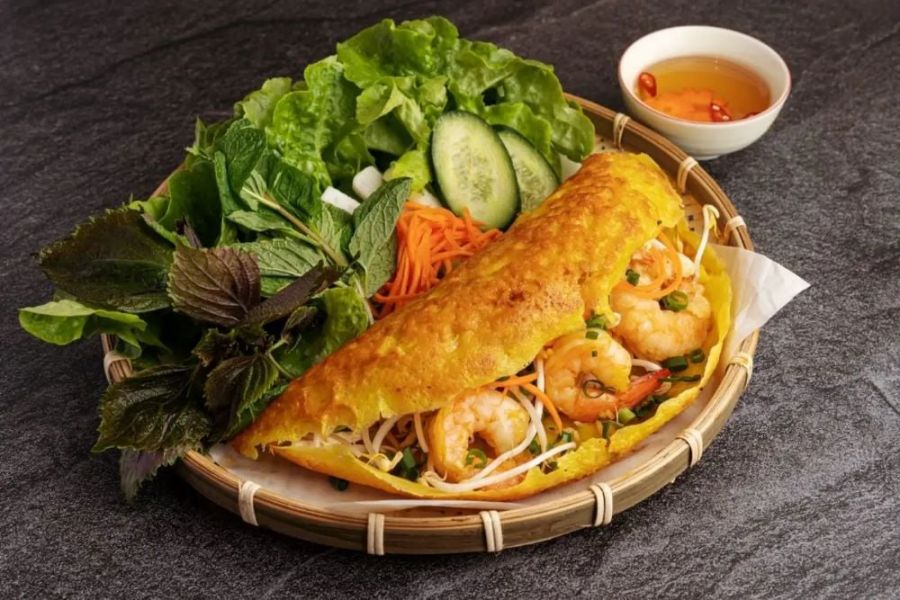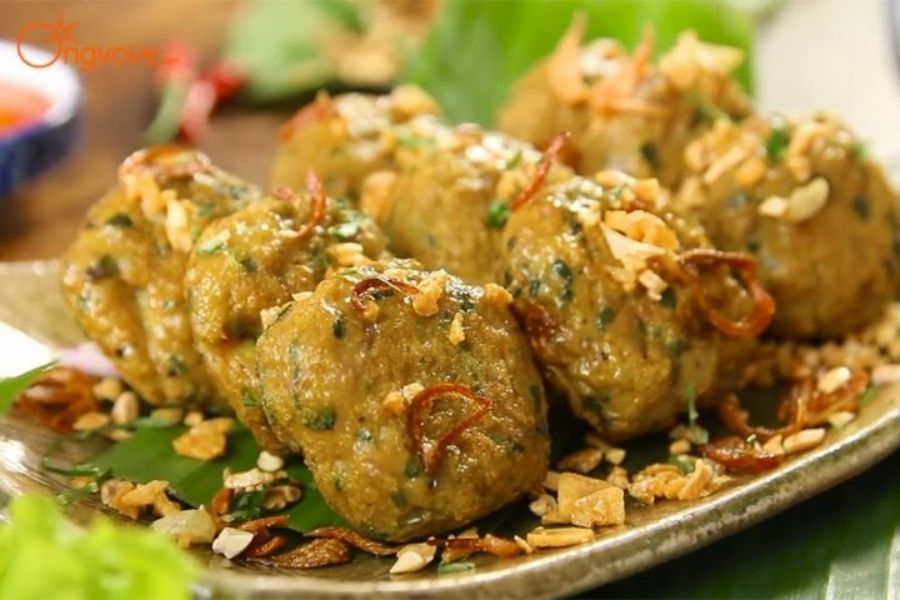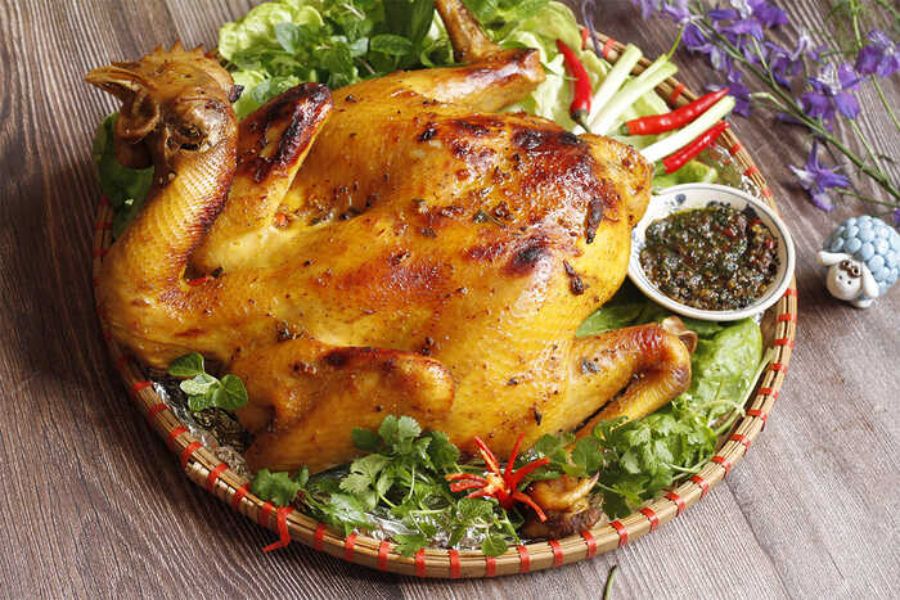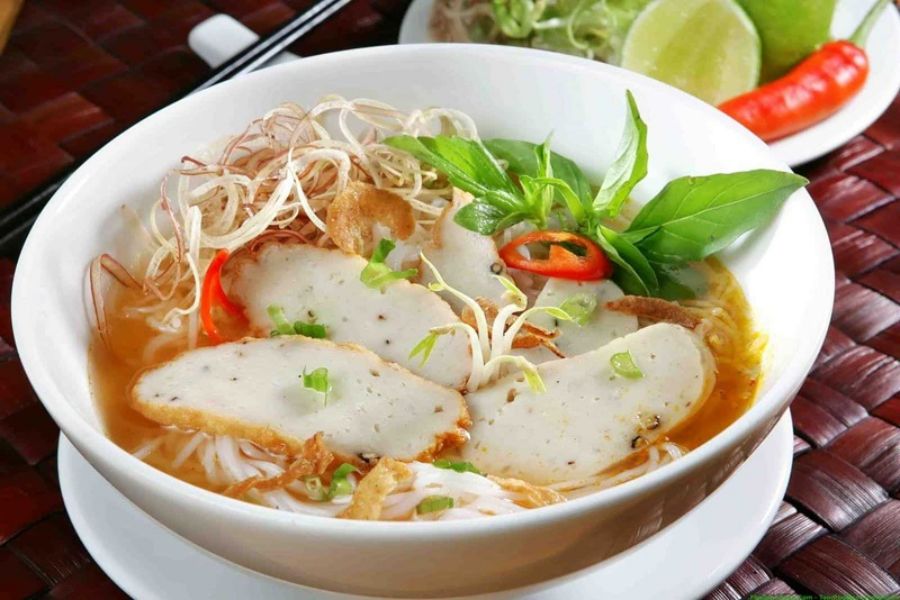
logo mobile sidebar
support-image-mobile
Share your ideas with our local expert team - we’re here to listen and help you shape a meaningful journey through Indochina.
(+84) 868 663 993
Asia Leading Tour Operator 2025
tripadvisor travelers choice awards 2024
Travelers' Choice Awards 2025

Author: Linh Nguyen

Discover A Living Heritage At Kim Bong Carpentry Village

Kim Bong Carpentry Village, located just across the river from Hoi An Ancient Town, is a centuries-old craft village where artisans build beautiful wood products. This craft village gives visitors an opportunity to gain insight into local heritage and cultural vibrancy through traditional craftsmanship.

Introduction To Kim Bong Carpentry Village

Kim Bong Carpentry Village Gate

Nestled along the Thu Bon River, Kim Bong Carpentry Village is a centuries-old craft village with ties to Hoi An’s cultural legacy. Established in the 15th century, it was home to gifted artisans whose craftsmanship contributed to the fine wood architecture of the Hoi An Council and even royal works in Hue.

Today, Kim Bong is a lively village where visitors can watch craftspeople as they carve fine details, build boats, and construct furniture. A trip to Kim Bong is more than just sightseeing. It is an opportunity to experience Vietnam’s living histories, an experience where history, art, and village lifestyles coincide.

History Of Kim Bong Carpentry Village

Bong Carpentry Village

Kim Bong Carpentry Village first came under the spotlight during the 16th century when Hoi An


was a trading center. When Hoi An was buzzing as an international port, Kim Bong had the opportunity to integrate different styles and techniques into its own methods and carve a unique identity.

By the 17th century, Kim Bong’s peak coincided with Hoi An’s economic prosperity. By the 18th century, the craft began to branch into three main forms of carpentry: construction carpentry, household furniture, and shipbuilding. Skilled artisans became known throughout the country for their delicate carvings and sacred sculptures, and the name of Kim Bong became famous.

Now, Kim Bong is a contributor to the preservation of Vietnam’s traditional culture. Generations of artisans have not only produced fine handicrafts and valuable experience, but they have also helped to restore and preserve Hoi An Ancient Town. With tourism booming, the village has opened its doors to exhibit to visitors the possibility of its heritage and craftsmanship.

Unique Structure Of Kim Bong Carpentry Village

Kim Bong Carpentry Village is recognized for not only traditional wood craftsmanship, but also preservation of old houses that have a unique architectural character. As you walk along narrow paths, you can see homes with roofs of tiles that are moss-laden, aged yellow walls, and wooden parts of the homes that demonstrate the craftsmanship of the people who once lived there. These houses embody the cultural identity of the village as well as the timeless beauty of Vietnamese traditional architecture.

4 Cultural Experiences You Shouldn’t Miss

Kim Bong Carpentry Village isn’t just a traditional craft village – it’s also a living museum of history, culture, and art. You can walk in the footsteps of history and become a part of a heritage that stretches back over 600 years. These cultural experiences will add to your journey in ways unimaginable.

Experience 600-Year-Old Carpentry Heritage

Bong Carpentry Village

Kim Bong Carpentry Village emerged in the 16th century when Hoi An was an internationally renowned trading port. Local artisans were influenced by, and adopted techniques from, China and Japan, and even Europe, and built upon their Vietnamese traditions to develop a distinctive style of carpentry. In the 18th century, the village already had three branches: construction carpentry, shipbuilding, and household furniture making.

In more modern times, when many things begin to evaporate or become ruined daily, the craftsmen of Kim Bong are still dedicatedly to preserving their roots through practice. They take great pride and continue to actively participate in the restorative efforts of ancient residences and temples in Hoi An. Each beam and carving keeps together history, culture, and artistry that you should not miss when visiting Hoi An. For visitors to Hoi An and Kim Bong, learning about this heritage context offers a unique view of how a small village has formed and continues to provide support for the architectural identity of the entire town.

Witness Artisans At Work

Witness Artisans At Work

One of the most amazing parts of your visit is witnessing artisans work on site in their workshops. As you slowly meander through the village, the sounds of chiseling, hammering, and sawing surround you. This rhythm of labor has been the melody of Kim Bong for generations. You can observe woodwork being measured, carved, and polished. In every workshop, artisans are making furniture, boats, or intricate wooden statues, contributing a single link in the chain of processes.

What makes this experience so noteworthy is the care, focus, and patience put into every groove, curve, and detail. Those with design and functional purpose, as well as artistic merit. This process illustrates the way ordinary pieces of timber are manipulated into cultural products that reflect the essence of Hoi An.

Enjoy The Beautiful Woodworks

Enjoy The Beautiful Woodworks

The time has finally arrived to visit the village and admire the beautiful wooden pieces displayed around the village. Every piece, each finished piece, has its own story to tell – whether it is a carving of a buffalo plowing the fields, a fisherman throwing a net, or traditional decorative motifs such as dragons, phoenixes, and lotus flowers.

The work is much more than decoration; it is a unique artistic expression of the local people’s daily lives, belief systems, and value systems. The natural brown colours and smooth textures of the wood add to their beauty, usually shifting between rustic and simple to polished and refined depending on the style. Artisans are able to create many different effects using carving techniques such as relief carving, hollow carving, and sculpting that seem almost alive.

Take Home A Souvenir Made by Hand

Take Home A Souvenir Made by Hand

Before you leave the village, don’t forget to get a handcrafted souvenir to take home. Here, you can find a variety of items ranging from small and affordable items like decorative panels, figurines, or keychains, to larger items like household furniture, altars, or statues.

Each of the products has Kim Bong’s spirit within it, handcrafted through learned techniques passed down through the generations. A purchase is more than a purchase when you are helping local artisans sustain their craft and livelihoods for the future. And more importantly, you are taking a piece of the unique heritage with you, so not only is your souvenir an item, but an important reminder of your time spent in Hoi An.

Entrance Fee

Visitors do not have to worry about any entry costs when visiting Kim Bong Carpentry Village, besides their own personal expenses for items such as food, drinks, or wooden souvenirs to take home. This free access, however, makes the village even more interesting to thousands of visitors each year, making it one of Hoi An’s must-see stops!

Opening Hours

Kim Bong Carpentry Village is open daily from 8:00 AM to 5:00 PM, making it convenient to visit at any time of the year. However, if you want to see the village during its liveliest period, you should time your visit on the 6th day of the first lunar month. This is the day when locals celebrate the Ancestor’s Commemoration Festival, which is one of the most important festivals related to the culture and traditions of Kim Bong.

During this time, you will have the opportunity to take part in festive activities, observe traditional rituals, and see firsthand how much respect villagers show to their ancestors who developed the carpentry craft. This unique and interesting opportunity will allow you to see the spirituality of Kim Bong and also all of the artistry, all in one visit.

The ideal time to visit Kim Bong Carpentry Village is also in the dry season (from March to September) when the weather in Hoi An is mostly dry, sunny, and rain is unlikely, but still perfect for visiting the craft village and sightseeing.

How To Get To Kim Bong Carpentry Village

Kim Bong Carpentry Village is situated just across the river from Hoi An Ancient Town, making it an easy trip to get to. You can get to the village by either boat or by land, depending on your preference.

By Boat

One of the best experiences of visiting the village is taking a short boat ride to get there. From Bach Dang Street along the river in Hoi An Ancient Town, you can pick up the ferry on the Hoi An – Cam Kim route. The ferry is only a 10-minute ride and gives you beautiful views of the river. After you arrive on the pier, you just have a 5-minute walk to the main area of Kim Bong Carpentry Village.

By Bicycle Or Motorbike

If you prefer to explore by land, you can rent a bicycle or motorbike. From Hoi An Ancient Town, you will cross Cam Kim Bridge, where you then turn left. You must continue for about 3 kilometers to reach the village. It will be a lovely ride, and you can enjoy the countryside feel that is peaceful and serene while in Hoi An.

Things To Know Before Traveling To Kim Bong Carpentry Village

To have a pleasant and memorable trip to Kim Bong Carpentry Village, consider some helpful recommendations regarding clothing, timing, and local manners. A little planning can help you fully appreciate the character of this traditional craft village.

  • Dress comfortably and with shoes that allow you to move easily. In summer, always bring a hat or an umbrella to protect oneself from the sun.
  • The ideal time to visit is in the morning (8:00-11:00 AM) when the village is lively and bubbling with tourism. Visiting in the afternoon is serene and peaceful.
  • In order to take your time in exploring and experiencing workshops, exhibitions, and local life, we recommend 2-3 good hours to explore.
  • Understand some of the village’s history and woodworking traditions before arriving. It will help make your visit more enjoyable and enriched.
  • Bring some cash, as a lot of artisans may not accept a credit card for purchases or activity fees.
  • Be courteous by not creating any noise and not touching incomplete products in the workshops, while helping to preserve the integrity of the village.

FAQs About Kim Bong Carpentry Village

If you’re heading to Kim Bong Carpentry Village, you’ll no doubt have some questions. Below are some useful answers to help assure your visit will be free of problems and enjoyable, and make for some lovely memories!

How long should I spend there?

The average traveler spends, on average, 2-3 hours at the village. This is typically enough time to stroll through the quiet streets, check out the carpentry workshops, and chat with some of the artisans. If you’re more interested in traditional crafts, or you’re coming to join a hands-on event, you might want to hang out longer, say, half a day.

Can I buy wooden products directly from the artisans?

Yes, you can buy a range of hand-crafted wooden products from individual artisans and workshops. There are small souvenirs, for example, carved animals and keychains, and there are also larger items, such as furniture and decorative pieces.

Is Kim Bong Carpentry Village family-friendly?

Absolutely! The village is friendly and safe, so it is a good family environment. Kids can roam freely throughout the open spaces and be able to see the craftsmen at work. They will see how the wood is transformed from a piece of lumber to a beautiful piece of art. Some of the workshops may even let kids have a simple hands-on experience where they can try carving or painting something. An educational and fun family outing!

Final Thoughts: Is Kim Bong Carpentry Village Worth Visiting?

Kim Bong Carpentry Village is a place where tradition and artistry come alive. This village allows travelers to see carvers at work, look at gorgeous wooden objects, and take in the culture of Hoi An outside the Old Town. If you are going to visit, this village is a must-see, and you can experience it in the most authentic and memorable way with Seni World!

Authentic Pottery Traditions At Thanh Ha Pottery Village Hoi An

Nestled on the banks of the Thu Bon River, Thanh Ha Pottery Village is a centuries-old craft village where clay comes alive through the hands of local artisans. A visit here reveals Vietnam’s living heritage, creativity, and unforgettable cultural encounters.

Introduction To Thanh Ha Pottery Village

Thanh Ha Pottery Village is a remote village of Hoi An Ancient Town, three kilometers to the west of the town, where clay has been transformed into art for more than five hundred years. This village is not as fast-paced as the lantern-lit streets of Hoi An. So visitors are encouraged to observe the artisans at work, attempt their hand at pottery, and look at the rustic houses constructed with the same ground beneath them.

Thanh Ha Pottery Village in Hoi an ancient town

Not only is Thanh Ha Pottery Village a site worth visiting in Vietnam, it is also a living museum of tradition and identity. In this case, there are still ancient practices, and still families are sharing secret techniques, and village life is evident at every twist and turn. It is a perfect place to have different kinds of experiences: to make pottery, to watch heritage craft being created, or simply to put your feet in the Thu Bon River.

History Of Thanh Ha Pottery Village

Thanh Ha Pottery Village began in the late 15th century when artisans of Thanh Hoa migrated southward and brought their pottery skills along with them to the Thu Bon River’s rich banks. From a small river village over the years, this has grown into a well-known crafts producer of ceramics, household items, and ornamental tiles for central Vietnam. A majority of the terracotta tiles covering the renowned yellow houses of Hoi An Ancient Town were produced in Thanh Ha kilns right here.

Traditional Pottery making in Thanh Ha Pottery Village (2)

What is special about Thanh Ha is the village’s strong adherence to traditional techniques. Generations of potters have supported themselves by hand-molding clay using basic wooden wheels and open-kilns, without machinery. Their dedication has not only preserved the craft’s beauty but also the essence of culture behind it. Today, when industrial ceramics dominate markets worldwide, Thanh Ha is one of the few places where art, history, and daily life are intertwined.

Top 4 Iconic Attractions in Thanh Ha Pottery Village

While Thanh Ha may seem like a quiet riverside community, it is home to several fascinating highlights that showcase the artistry and culture of its people. Here are the most iconic spots you should not miss when exploring this traditional craft village.

Thanh Ha Terracotta Park

The Terracotta Park is the most glaring sight in Thanh Ha Pottery Village, which is a huge outdoor museum constructed fully out of clay. There are also life-size sculptures, artistic installations, and even miniature replicas of the wonders of the world, like the pyramids, the Taj Mahal, and the Hue Citadel. The park is also a tourist destination because of its artistic design, which necessitates a visit to the park to take photos and see its cultural heritage.

Thanh Ha Terracotta Park in hoi an (2)

Traditional Pottery Workshops

There are family-owned studios where craftsmen carve clay in the same traditions as centuries ago, scattered all over the village. It is like going back in time to see the potters turn their wheels and shape clay into jars, pots, or animal figures. Visitors are most welcome in most workshops to have a go at making pottery, which is a no-pressure activity that brings you into contact with the heritage of the village.

The Communal House and Ancient Kilns

The communal house is a religious and cultural hub, and people used to meet there to celebrate festivals and rituals in the past. It is surrounded by old kilns, some of which are still in use, firing clay products. These edifices emphasize the survival of the ancient artisans and offer a genuine insight into how the manufacturing of pottery has kept the community alive over the generations.

Riverside Setting Along The Thu Bon River

The river Thu Bon, which borders the village, beautifies Thanh Ha. The wooden boats continue to pull ashore with clay and finished ware off to the surrounding towns. As one walks along the banks, the picture is wonderful, showing simple life as the beat of the pottery was merged with the lazy flow of the stream. It is an ideal place to stop and get the feel of a Vietnamese craft village.

Take A Boat Ride Down the Hoai River in hoi an

4 Cultural Experiences You Shouldn’t Miss In Thanh Ha Pottery Village

Thanh Ha Pottery Village is not merely a visit to see products of clay displayed in the village, but also an experience of the craft and culture of this river community. Such experiences will help to make your best experiences in Hoi An more real and valuable.

Attempt Pottery Making With The Local Artists

Most of the travelers find the best thing to do is to sit in the potters’ wheel and make their own clay object. Using the assistance of the experienced villagers, you can make cups, bowls, or even tiny animal figurines. When completed, you can bake your work and bring it home as a gift, a memorable reminder of your stay in Thanh Ha.

Traditional Pottery making in Thanh Ha Pottery Village

Paint And Decorate Clay Toys

Other than pottery wheels, most workshops allowed children and adults to paint terracotta toys, masks, or whistles. These childish objects that were used by the local children are nowadays made in bright colours and simple designs. One of the fun ways to address the heritage and use one’s creativity is to decorate it.

Visit The Terracotta Park’s Miniature World

At Terracotta Park, a person can walk through clay models of some of the world’s wonders, such as China’s Great Wall, Sydney’s Opera House, or Vietnam’s Hue Imperial City. There are also interactive exhibits that people can touch, photograph, and learn about the skills involved in the making of these huge clay models in the park. It is informative and very photographic.

Thanh Ha Terracotta Park in hoi an

Join Village Festivals And Rituals

If you time your visit to coincide with the village’s yearly festival, held in the communal house, you can observe sacrifice rituals to the craft ancestors and join in the folk games. Even if it is not festival time, observing people sun-drying clay, firing pots into ovens, or shipping products by boat gives you a genuine idea of how things are done in a village that you would not be likely to find anywhere else.

Entrance Fee

Thanh Ha Pottery Village collects an entrance fee from visitors in an effort to assist in preserving the heritage and provide revenue to the local artists. These include admission to the village, traditional workshops, and the Terracotta Park. Children under a certain age are normally given free or discounted admission, thus making it family-friendly.

Ticket Type Price (VND) Validity Includes Notes
Adult Visitor (Village Ticket) 35,000 One-day ticket Entry to the village, pottery workshops, heritage sites, and a small clay gift Same price for Vietnamese & foreigners
Child Visitor 15,000 One-day ticket Entry to the village, pottery workshops, heritage sites, and a small clay gift Applies to children and students
Terracotta Park (Adult) 40,000 – 50,000 One-day ticket Full access to Terracotta Park and terracotta world wonders models Price varies by ticket office
Terracotta Park (Child) 30,000 One-day ticket Full access to Terracotta Park and terracotta world wonders models Applies to children
Combo Ticket (with Terracotta Park) 70,000 One-day ticket Village, workshops, and full access to Terracotta Park Best choice if you want the full experience

Tip: Tickets are sold at the entrance gate of Thanh Ha Village, and guides are often available on request for a small extra fee.

Thanh Ha Terracotta Park in hoi an

Opening Hours

Visitors can visit the Thanh Ha Pottery Village on all days and stroll freely in the workshops and terracotta marvels. The village attracts the highest traffic during the late mornings, and afternoons tend to be less crowded and more comfortable to spend. The dry season is the most suitable time to visit, as the sun rays will make it possible to have a good walk in the village along the river.

The most appropriate season to visit Hoi An and Thanh Ha Pottery Village is the dry season between February and August. Sunny weather nowadays allows one to walk around the village, take part in pottery classes, and take photos of terracotta exhibitions without being interrupted by rain. You can go very early in the morning to watch the potter, in case you wish for a quieter time. And the best golden light to photograph on the Thu Bon is late afternoon.

Traditional Pottery workshop in Thanh Ha Pottery Village

Area / Activity Opening Hours Notes
Thanh Ha Pottery Village Gate 08:00 AM – 05:30 PM Tickets available at the entrance; last entry usually before 5:00 PM.
Pottery Workshops 08:00 AM – 05:00 PM Some workshops close earlier if there are fewer visitors.
Terracotta Park 08:30 AM – 05:30 PM Closed on major national holidays.

How to Get To Thanh Ha Pottery Village

Thanh Ha Pottery Village is merely three kilometers west of Hoi An Ancient Town, and so it is easily accessible. Visitors can take a leisurely walk, bike, rent a motorbike, or flag down an ad-hoc taxi. The journey is mixed in experience, from slowing it down along the river to a swift and convenient ride straight to the village gate.

Thanh Ha Village Pottery Village in Hoi an

Transportation Mode From Hoi An Ancient Town Travel Time Estimated Price (VND) Best For
Walking About 3 km 30 – 40 mins Free Budget travelers, those who enjoy slow exploration
Bicycle About 3 km 15 – 20 mins Around 50,000/day Eco-friendly, flexible stops along the way
Motorbike Rental About 3 km 10 mins 80,000 – 100,000/day Adventurous travelers wanting more flexibility
Taxi/Grab About 3 km 7 – 10 mins 50,000 – 70,000/ride Families or groups seeking convenience

For the most scenic experience, choose to cycle or walk along the small riverside road, where you can enjoy peaceful views of the Thu Bon River and local life. If you rent a motorbike, make sure you have a valid license, as traffic rules are strictly enforced. Taxis or ride-hailing apps like Grab are the best options if you prefer comfort and transparent fares, especially during hot or rainy days.

Things To Know Before Traveling To Thanh Ha Pottery Village

To make your trip to Thanh Ha Pottery Village smooth and enjoyable, there are several important things every traveler should keep in mind. These notes will help you plan better, respect local culture, and get the most out of your visit.

  • Early morning or late afternoon are good times to avoid tour groups and get a more intimate experience with artisans.
  • In case you intend to see the Terracotta Park too, then it is more cost-effective to buy the combo ticket at the entrance gate.
  • Photography is permitted in most of the workshops, although it is always good manners to request permission before crouching over the working artisans, taking close-up shots.

Decorate Clay Toys in Thanh Ha Pottery Village

  • Wear casual clothing and wear good shoes, because the village roads may not be smooth or dusty. Carry a hat and sunscreen when it is sunny.
  • Show deference to the local culture: in order to enter the communal house, or on a village festival, modest attire is welcome.
  • Family-owned workshops are common and invite guests to make pottery- always make sure to ask what that includes (eg, fire it, keep it) before you begin.
  • The village is particularly noisy on the Pottery Festival (7th lunar month) when games, rituals, and parades will be held, so time your visit if you can.

Final Thoughts: Is Thanh Ha Pottery Village Worth Visiting?

Thanh Ha Pottery Village is a living museum of Vietnamese culture, where history, artistry, and local life blend in harmony. For travelers looking to escape the busy lantern streets of Hoi An, Thanh Ha offers a quieter yet deeply cultural experience. Ready to explore Thanh Ha Pottery Village? Let Seni World guide your journey with the best Hoi An itineraries, local insights, and hassle-free travel services.

Explore The Authentic Countryside At Tra Que Vegetable Village Hoi An

Nestled just a short ride from Hoi An, Tra Que Vegetable Village is a tranquil haven where farming traditions have thrived for over 300 years. Travelers come to taste organic herbs, try hands-on gardening, and glimpse authentic countryside life.

Introduction To Tra Que Vegetable Village

Tra Que Vegetable Village, located 3 kilometers northeast of the Hoi An Ancient Town, can be pictorialized as a small patch of neat beds adjacent to a still lagoon. Its cultivators have long been selling herbs and salad greens to the markets of the city in order to enrich the soil with the algae of the rivers picked inadvertently during the low tide. Along dingy footways, along columns of mint, basil, perilla, and coriander, the scent was blended with the scent of green leaves.

visit Tra que vegetable village in hoi an

And now, for the traveler, it’s not just about the views, but the whole routine that they get to participate in. With a conical hat on one’s head, guests balance the yoke, water the rows in slow rhythm, then enter a kitchen to prepare with the herbs one has just cultivated, ending the day with a simple herbal foot soak. A tranquil hands-on respite from the chaotic activity of Hoi An streets, and an uncomplicated journey to meet the custodians of the town’s flavors.

History Of Tra Que Vegetable Village

Tra Que Vegetable Village dates its history to over three hundred years ago, when the villages of farmers lived along the river De Vong. The fertile alluvial soil and the unlimited supply of water made a heavenly land of cultivation. The seaweed that was collected in the river and employed as natural fertilizer was what made Tra Que really stand out, as the fruits it produced had a scent and taste that could not be found anywhere in Vietnam.

Tra Que Vegetable Village in hoi an (2)

Tra Que eventually became the green pantry of Hoi An. Its vegetables and herbs became the main ingredients in local delights, which would not be the same without the appropriate greens. To this day, we continue to find the herbs of Tra Que listed proudly on the menus throughout town, a sign of quality herbs that the local residents and tourists know well. The village also has acquired a new role, where visitors are invited to spend time in the village and enjoy the farming culture, enjoy their cooking, and experience the warm hospitality of a community that has preserved its craft over the generations.

Top 5 Iconic Attractions Around Tra Que Vegetable Village

Although Tra Que Vegetable Village is popularly recognized as a silent village of farmers, it has an advantage because it is conveniently positioned to visit Hoi An on a short trip. In a day, travelers can enjoy historic streets, cultural landmarks and even the coast. The following are the most iconic locations that you can comfortably visit together with Tra Que.

Hoi An Ancient Town

Another UNESCO World Heritage site, the Hoi An Ancient Town, is only a ten-minute drive from the village, yet it has not diminished in its appeal over the centuries. Wooden assembly halls, yellow-lined narrow streets and marketplaces along the rivers are characteristic of a special mixture of traditions of Vietnamese, Chinese, and Japanese. The town is illuminated by thousands of lanterns during the night, which gives one of the most magical scenes in all entire Vietnam.

Hoi An's Ancient Town at night

An Bang Beach

An Bang Beach is only 3 kilometers away, and is a soft golden sand and relaxed atmosphere beach. It is the perfect place after a morning in vegetable fields to relax, sunbathe, or eat freshly grilled seafood in beachfront restaurants. Many tourists prefer to visit Tra Que and An Bang together and have a day in the unity with nature and the open sea.

an bang beach in hoi an, quang nam (2)

Cam Thanh Coconut Village

Beautiful nipa palm forest, and still take a boat basket during movement in Cam Thanh Coconut Village is a short distance from the town. They are carried through winding water passages by local fisherman who reveals to them the traditional fishing methods. It’s very family and friendyyyy and some fun activities:) makes it a good, relaxing atmosphere.

ride boat on cam thanh coconut village

Thanh Ha Pottery Village

Ceramics Thanh Ha Pottery Village is 7 km away from Tra Que, and has been producing pottery by hand for over 500 years. People can watch artisans pot-lathing and try their own hand at pot-moulding. There is also a village pottery museum, which exhibits the creative art of the local potters.

Thanh Ha Village Pottery Village in Hoi an

Cua Dai Beach

Cua Dai Beach is a beach that goes on for a few minutes next to An Bang. With its calm water and long sandy beach, it’s great for bike rides from Tra Que. If you want to see the local fishermen coming in with their catch of the day, get there early in the morning. It’s a cool peek into coastal life.

Cua Dai Beach in hoi an

4 Special Experiences You Shouldn’t Miss In Tra Que Vegetable Village

What makes Tra Que Vegetable Village unique is more than just the beauty of the fields; however, it’s the opportunity to delve into rural life every day. These memories of culture that they carry with them long after they are gone, make a regular stop an unforgettable experience for a traveler.

Farming Like A Local

One of the most fun ways to spend any morning in the village is to be a farmer. With a conical hat perched on your head and bamboo watering cans resting on your shoulders, you soon learn to loosen the soil, plant seedlings, and tend to rows of vegetables. It can be a hands-on, muddy affair, but it is always rewarding, offering travelers laughs and a deep appreciation for the work that goes into Hoi An’s famous dishes.

Farming Like A Local in Tra Que farm (3)

Learn To Make Traditional Fertilizer With Seaweed

One of the specialties of the Tra Que farm is the seaweed that is collected from the nearby waterway and used as organic fertilizer. Farmers also drive around to gather, mix and apply this compost around the beds where the vegetables are growing, and it is a practice that has occurred for some time. This shows why fragrant herbs grow here not tasting like they do in the rest of Vietnam.

Farming Like A Local in Tra Que farm

Join A Cooking Class

The cooking lessons at Tra Que begin in the garden, where a few handfuls of basil, mint or coriander are picked, and end up in a humble village kitchen. Next, local hosts introduce you to a walk through time of classic dishes, beginning with banh xeo (crispy pancakes) and spring rolls. The possibility of preparing the dish using the materials acquired recently makes the food particularly memorable and brings about a taste of the countryside of Hoi An.

Join A Cooking Class in Tra Que farm

Relax With A Herbal Foot Soak

After time in the fields or on a bicycle, few things are more welcome than a warm basin of water infused with fresh herbs. Local families prepare mixtures of aromatic leaves believed to ease fatigue and restore energy. The simple ritual blends the rhythms of farm life with gentle wellness, leaving visitors both relaxed and refreshed.

Entrance Fee

Visiting Tra Que Vegetable Village requires only a small entrance fee, a contribution that helps maintain the gardens and supports the farming community. The cost is modest, making it easy for travelers to enjoy the scenery and explore the cultural experiences offered here.

Ticket Type Price (VND) Notes
Adult Visitor 30,000 – 35,000 Includes entry to the vegetable gardens and a contribution to the community.
Farming Tours 150,000 – 300,000 Price depends on the activity package and duration
Cycling Tour with Guide 600,000 – 650,000 Includes bicycle rental and guided visit

Farming Like A Local in Tra Que farm (2)

The basic ticket allows guests to move through the vegetable plots and interact with the working farmers. For guests who want more, activity ‘add-ons’ offer even greater involvement, such as immersive experiences like planting and harvesting, cooking local dishes, or guided cycling around the lanes. Such experiences are often organized by homestays or community associations, and include small ‘extras’ like local snacks or herbal tea.

Opening Hours

Tra Que Vegetable Village is open on a daily basis, starting early in the morning and continuing until late afternoon. When the farmers are in the fields watering, harvesting, and cutting fresh bundles of herbs to take to the markets in Hoi An, the village is most active at daybreak. It is also earlier in the year, therefore cooler, light is softer, and an opportunity to capture some of the best shots of the countryside.

February to April and September to November are the most favorable times to visit Hoi An and Tra Que because the weather is clear and the temperature is not too hot. It is the best time to go cycling between the fields, attend farming classes, or outdoor cooking classes, which do not make you feel uncomfortable in fierce rain or hot summer weather. Toward the end of the day, when the sun sets, the gardens are full of warm, golden light, and the entire village is serene and eternal.

Tra Que Vegetable Village in hoi an

How To Get To Tra Que Vegetable Village

Tra Que Vegetable Village is situated approximately 3 kilometers NNE of Hoi An Ancient Town and can be reached by various modes of transport. The adventurous backpackers can choose to hire bicycles or motorbikes, and the family and groups can take taxis or personal cars. Before they venture out into the countryside, many travelers like to take an early morning walk through the markets of Hoi An.

Transportation Mode Travel Time (from Hoi An center) Estimated Price (VND) Best For
Bicycle 15 – 20 minutes 25,000 – 30,000/day Budget travelers, eco-friendly ride
Motorbike Rental 10 – 15 minutes 120,000 – 250,000/day Flexible schedule, adventure seekers
Taxi/Grab 5 – 10 minutes 30,000 – 50,000/ride Families, small groups, quick trips
Private Car 5 – 10 minutes 200,000 – 800,000/half day Comfort, larger groups, guided tours

Cycling and walking remain the most popular ways to arrive, as the route is flat and lined with rice fields and village homes. Travelers visiting in the hot season should aim for the early morning or late afternoon, when the air is cooler and the light is soft. The journey itself becomes part of the experience, setting the mood before stepping into the gardens of Tra Que.

Enjoy Farming Life At Tra Que Vegetable Village

Things To Know Before Traveling To Tra Que Vegetable Village

Visiting Tra Que will be more enjoyable and rewarding if you consider a few pieces of local knowledge. These useful tips come from local villagers and fellow travelers to make your visit more seamless and engaging.

  • Farming activities typically begin in the morning as early as 8:00 am, and as such, when you come a bit earlier, you can join the activities right at the start.
  • The aisles between the vegetable beds are usually narrow and even muddy, hence closed shoes or strappy sandals are much safer than flip-flops.
  • The majority of cooking classes will have a short market tour of Hoi An, and as such, make sure to be informed of the activities on the day beforehand to avoid missing it.
  • An herbal foot soak after cycling or farming is a warm and comfortable experience, and some homestays may even provide it at no cost with other activities.
  • Tet is a season when certain activities can be on hiatus; it is also the season when they show the family customs, as every village has its own rites.
  • The sunsets in the fields are beautiful scenes, as well as prone to the invasion of mosquitoes. Consequently, having light long sleeves will not only make you comfortable but also allow you to see the view.

Final Thoughts: Is Tra Que Vegetable Village Worth Visiting?

Tra Que Vegetable Village is more than a farmland outside Hoi An; it is a living showcase of traditional agriculture and authentic Vietnamese culture. For any traveler considering whether it deserves a place on their Vietnam itinerary, the answer is certainly yes. If you are planning a trip and would like advice on tours or tailor-made experiences, Seni World is ready to help make your visit smooth and unforgettable.

Museum Of Trade Ceramics: Multinational Culture And Styles

The Museum of Trade Ceramics is a brilliantly preserved 19th-century merchant residence that shows the Ancient Town’s rich trading culture and history. Seni World’s travel guide will show you its history, culture, attractions, entrance fees, and important travel tips.

Introduction To The Museum Of Trade Ceramics

The Museum of Trade Ceramics in Hoi An Ancient Town, located at 80 Tran Phu Street, is a brilliantly preserved 19th-century merchant residence that shows the Ancient Town’s rich trading culture and history. With more than 400 artifacts dating from the 9th to 19th centuries, the museum emphasizes Hoi An’s role as a critical hub on the old maritime Silk Road.

outside space of Museum Of Trade Ceramics in Hoian

Local people and international travelers who take a Central Vietnam itinerary can come to this place and admire ceramics from China, Japan, India, the Middle East, as well as Southeast Asia. Moreover, visitors can also explore the unique structure and traditional architecture of the construction itself. They reflect the cultural fusion that defines the special Hoi An heritage.

History Of The Museum Of Trade Ceramics

The Museum of Trade Ceramics was established in 1995 inside a restored 19th-century merchant house in Hoi An Ancient Town. The museum aimed to preserve and exhibit the Ancient Town’s role as a key trading port on the maritime Silk Road from the 9th to the 19th centuries.

History Of The Museum Of Trade Ceramics in Hoian

The collections at this attraction are amassed from archaeological excavations and shipwrecks, highlighting the cultural and trading between Vietnam and international locations, which include China, Japan, India, and the Middle East. At present, the Museum of Trade Ceramics is also a symbol of the architectural and cultural heritage of Hoi An’s merchant community.

Unique Architecture Of The Museum Of Trade Ceramics

The Museum of Trade Ceramics in Hoi An Ancient Town is a brilliantly preserved 19th-century merchant residence that shows the Ancient Town’s rich trading culture and history. Here are 5 unique architectural features of the well-known Museum of Trade Ceramics in Hoi An Ancient Town:

Traditional Hoi An Wooden House Design

The Museum of Trade Ceramics is located in a restored 2-story wooden house, which has the traditional style of Hoi An’s 19th-century ancient merchant residences. Particularly in the architecture, the museum has dark wood beams, carefully carved timber frames, and a beautiful tiled roof that strongly replicates the Hoi An Ancient Town’s architectural identity.

Traditional Wooden House Design Of The Museum Of Trade Ceramics in Hoian

Harmonious Blend Of Cultures

Arriving at this place, you can have an opportunity to revel in a fusion of Vietnamese, Japanese, and Chinese influences. You will see complicated curved roof details that remind you of old Chinese temples, elegant Japanese-style wooden joinery, and brilliant Vietnamese open layouts with natural ventilation. Don’t forget to take some memorable photos and share them with your networks.

Spacious Courtyard Layout

A distinctive and highlighted feature of the Museum of Trade Ceramics is the prominent central courtyard, which presents light and air circulation. This open space of this place became a wonderful and useful solution for tropical weather like in Central Vietnam, and additionally served as a communal region for both merchants and families at that time.

Decorative Carvings And Patterns

The Museum of Trade Ceramics’s architecture also emphasizes delicate and captivating timber carvings, unique lattice windows, as well as symbolic motifs. All of them often represent prosperity, toughness, longevity, harmony, and concord. When you see them in the cultural and career side, they are values critical to the merchant community from the past to the present.

Traditional Wooden House Design Of The Museum Of Trade Ceramics in Hoian (2)

Functional Trade House Structure

Unlike a normal home, the construction was designed to mix residential and trading spaces. Among them, the ground floor was once used for exhibiting goods and conducting commercial enterprises. Besides, the upper floor was used as private living quarters for families. You can see that this layout showcases the commercial life of old Hoi An’s trading families.

5 Cultural Experiences You Shouldn’t Miss At The Museum Of Trade Ceramics

Not only can you learn more about the unique and captivating architectural features of the Museum of Trade Ceramics, but you can also find out more about and unwind in cultural experiences in this famous attraction. Here are 5 cultural experiences you should not miss when investigating the impressive area around the Museum of Trade Ceramics:

Discovering Ancient Trade Routes

Learning more about the ancient trade routes will be one of the wonderful things to do in Hoi An, in general, and in this museum adventure. The museum displays maps, documents, and old artifacts that show how Hoi An was once a dynamic hub of the maritime Silk Road. You can have a chance to understand more about the insight into how ceramics linked Vietnam with China, Japan, India, and the Middle East.

Admire Rare Ceramics Collection Of The Museum Of Trade Ceramics in Hoian (4)

Admiring Rare Ceramics Collection

At the Museum of Trade Ceramics, there are over 400 ceramic artifacts dating from the 9th to 19th centuries on show for visitors, consisting of luxury Chinese porcelain, beautiful Japanese Imari ware, and unique Middle Eastern pottery. Through this series, you will witness the diversity of both styles and techniques brought via exchange in Hoi An in the past.

Participating In Storytelling Tours

Some tours to the Museum of Trade Ceramics consist of local tour guides who share legends, merchant family histories, as well as interesting tales of long-distance voyages in the past centuries. This experience will make static artifacts that are just displayed in the museum into vivid and energetic stories of cultural exchange in Hoi An Ancient Town.

Enjoying Traditional Foods In The Surroundings

The Museum of Trade Ceramics is located within Hoi An Ancient Town, so after visiting the museum, don’t forget to stroll and revel in traditional delicious foods nearby areas. Some iconic dishes here include Cao Lau (Cao Lau Noodle Soup), Mi Quang (Quang Noodle), Banh Vac (White Rose Dumplings), Com Ga (Chicken Rice), and Banh Xeo (Crispy Vietnamese Pancake).

Cao lau is a specialty from Hoi An

Buying Souvenirs In The Surroundings

After exploring the Museum of Trade Ceramics, you can stroll the surrounding streets of Hoi An Ancient Town to buy souvenirs that link to ceramics. Ceramic stores close to the museum sell fantastically beautiful, crafted bowls, elegant teapots, and pretty vases inspired by centuries-old styles once traded across Asia. Besides ceramics, you can choose homemade lanterns, carefully crafted silk scarves, embroidered textiles, and intricate timber carvings that make specific keepsakes or gifts, or as a way to bring home a piece of Hoi An’s culture.

Entrance Fee Of The Museum Of Trade Ceramics

Here is a table that Seni World has prepared for the entrance fees at the Museum of Trade Ceramics. These fees can slightly vary according to the real-time travel season:

Ticket Type Price (VND)
Vietnamese (domestic) visitors 80,000 VND per person
International (foreign) visitors 120,000 VND per person

Admire Rare Ceramics Collection Of The Museum Of Trade Ceramics in Hoian

Opening Hours Of The Museum Of Trade Ceramics

Seni World has also collected all the Museum of Trade Ceramics opening hours for travelers. Thanks to them, you can flexibly schedule a comfortable and happy trip to this destination in Hoi An Ancient Town:

Day Opening Hours Notes
From Monday to Sunday From 07:00 AM to 09:00 PM daily It can be different based on the real-time climate and crowd.
Every 15th day of the month Closed For maintenance or repairs.

From February to April and from September to January are the best times to visit Hoi An in general and the Museum of Trade Ceramics in particular. This is the reason why the opening hours of this museum can be different, depending on the real-time climate and crowd. So you need to check before and carefully confirm with the Museum of Trade Ceramics’s manager.

Admire Rare Ceramics Collection Of The Museum Of Trade Ceramics in Hoian

How To Get To The Museum Of Trade Ceramics

In the Museum of Trade Ceramics journey, you should select the right way to get to this attraction to be convenient, as well as have a suitable price. Here are hints from Seni World about how to get to the Museum of Trade Ceramics from Hoi An’s central areas:

Transportation Mode Estimated Price (VND) Travel Time Best For
Walking (within Hoi An Ancient Town) Free From 5 to 15 minutes (depending on your hotel’s location) Walking is suitable for travelers staying inside the Hoi An Ancient Town who prefer to explore this area at a slow pace.
Bike From 20,000 to 40,000 VND per day (rental) From 5 to 10 minutes Biking is an eco-friendly choice, common with budget vacationers and travelers who enjoy cycling.
Motorbike From 120,000 to 150,000 VND per day (rental) From 3 to 7 minutes This type of transportation is for independent travelers who want both flexibility and speed.
Taxi From 30,000 to 80,000 VND (a short distance within Hoi An) From 3 to 5 minutes Navigating by taxi is comfortable, convenient, especially for families or groups.
From Da Nang – Taxi or private car From 300,000 to 400,000 VND for one way About 45 minutes (30 kilometers) Travelers will be coming directly from Da Nang airport or their accommodations.
From Da Nang – Bus From 20,000 to 30,000 VND for one way From 60 to 70 minutes (30 kilometers) Budget travelers will love this type of transportation, and buses stop near Hoi An Ancient Town, so they can walk to the museum.

admire Museum of Trade Ceramics in hoian

Things To Know Before Traveling To The Museum Of Trade Ceramics

To have an exciting, happy, convenient, and safe Hoi An itinerary, as well as a Museum of Trade Ceramics trip, you should remember the following essential travel tips. These tips will help you discover this place comfortably, but still respect both culture and society, and protect yourself best:

  • Respect the heritage: Say no to touching the artifacts in the Museum of Trade Ceramics, except as allowed.
  • Arrive at the museum early in the day: At this destination, mornings are quieter, with fewer vacationers. So you should choose this time for more time to explore everything.
  • Get dressed suitably: Let’s choose light and breathable garments when visiting the museum, because they are great for Hoi An’s tropical climate.
  • Wear relaxed shoes: The Museum of Trade Ceramics is inside an antique house with timber floors. Therefore, you should wear comfortable walking footwear to stroll around conveniently.

Admire Rare Ceramics Collection Of The Museum Of Trade Ceramics in Hoian (2)

  • Bring light baggage: The museum is in the center of Hoi An Ancient Town, so the distance is not very long in case you stay in Hoi An. This is the reason why you should keep away from wearing bulky bags.
  • Stay hydrated: You should bring a water bottle in your baggage to ensure you’re hydrated, in particular if you plan to explore the whole Hoi An Ancient Town after the Museum of Trade Ceramics.
  • Respect the quiet atmosphere: The atmosphere of the Museum of Trade Ceramics is very quiet, so you need to be polite and speak softly when exploring the museum.
  • Combine with nearby museums: For an interesting exploration, let’s combine this journey with nearby museums, consisting of the Museum of Sa Huynh Culture and Hoi An Folklore Museum. In case you don’t know how to arrange this adventure suitably and flexibly, contact Seni World for more consulting.

Final Thoughts: Is The Museum Of Trade Ceramics Worth Visiting?

The Museum of Trade Ceramics emphasizes Hoi An’s role as a critical hub on the old maritime Silk Road. This building is a brilliantly preserved 19th-century merchant residence that shows the Ancient Town’s rich trading culture and history. If you want to take a Museum of Trade Ceramics journey, as well as consult things to see and do in this attraction, and receive support for the visa process, let’s contact Seni World, a reputable tour operator from Vietnam. We are here to help you from A to Z on your Museum of Trade Ceramics discovery adventure.

My Son Sanctuary: Hindu Temple Complexes In Central Vietnam

My Son Sanctuary is a UNESCO World Heritage Site in Central Vietnam and one of Southeast Asia’s most important Hindu temple complexes. Seni World’s travel guide will show you its history, culture, attractions, entrance fees, and important travel tips.

Introduction To My Son Sanctuary

My Son Sanctuary, located about 40 kilometers from Hoi An, is a UNESCO World Heritage Site and one of Southeast Asia’s most important Hindu temple complexes. The sanctuary is devoted especially to the worship of Shiva, the Hindu god of both creation and destruction. Therefore, My Son Sanctuary is very famous among international travelers and is one of the most highlighted spots in the Central Vietnam itinerary.

My Son Sanctuary in Hoi an (3)

Surrounded by huge mountains, My Son Sanctuary is home to a variety of attractive red-brick towers and shrines that exhibit the tremendous Cham artistry, architecture, and devotion inspired by the Indian style. Nowadays, the sanctuary stands not only as an archaeological treasure of Central Vietnam but also as a cultural image reflecting the rich history and culture of this place.

History Of My Son Sanctuary

My Son Sanctuary was the spiritual and political capital of the old Champa Kingdom, which flourished from the 4th to the 13th century. Mainly dedicated to the Hindu god Shiva, the sanctuary was a sacred place for royal ceremonies, religious offerings, as well as a burial area for Cham kings. Over the centuries, Cham artisans built more than 70 unique temples and towers using great red brick and sandstone.

My Son Sanctuary in Hoi an

They are superior techniques and complicated carvings that showcase both Indian and local influences. No matter suffering damage from wars and natural decay, My Son Sanctuary is still one of Southeast Asia’s most symbolic and very important archaeological destinations and was proudly recognized as a UNESCO World Heritage Site in 1999.

Unique Architecture Of My Son Sanctuary

My Son Sanctuary is a UNESCO World Heritage Site, one of Southeast Asia’s most important Hindu temple complexes, as well as a wonderful attraction in Hoi An. Here are 5 unique architectural features of the well-known My Son Sanctuary:

Red Brick Masonry Without Mortar

The temples of My Son Sanctuary are constructed basically from red bricks, exquisite and highlighted for their durability and seamless joints. Unlike normal building ways, the Cham builders used no visible mortar because historians have researched and believe that they used a natural resin or a special technique that bonded the bricks tightly together. This particular masonry approach remains a mystery and is a key, impressive factor in the My Son Sanctuary’s endurance over centuries.

My Son Sanctuary in Hoi an was built by red brick

Hindu-Inspired Tower Design

The primary sanctuaries, known as Kalan, were built as image representations of Mount Meru, the sacred axis of the Hindu universe. These towers have tall and tapering spires and were dedicated to Shiva. They were also designed as locations to house lingas and important perform rituals. The verticality of the layout emphasized a religious connection between earth and heaven.

Hindu-Inspired Tower Design of My Son Sanctuary in Hoi an

Intricate Sandstone Carvings

My Son’s temples are decorated with sandstone sculptures and bas-reliefs depicting wonderful images of Hindu gods, apsaras (also called celestial dancers), sacred animals, and mythological scenes. Every carving showcases not only Cham artistry but also Indian spiritual impact, combining elegance with symbolism. Seeing these intricate decorations at My Son Sanctuary, you can feel that they are both the captivating point of art and the religious expressions of devotion.

Intricate Sandstone Carvings of My Son Sanctuary in Hoi an

Multi-Layered Temple Complex Layout

The sanctuary is divided into groups of temples and towers. They are arranged in clusters around a main shrine. Every cluster commonly consists of a central temple (for worship), smaller towers (for storage of holy items), and auxiliary structures. The spatial space and organization display Hindu cosmology, with the main sanctuary in the middle at the role of the divine cosmos.

Multi-Layered Temple Complex Layout of My Son Sanctuary in Hoi an

Fusion Of Indian And Indigenous Cham Styles

With the strong impact of the Hindu temple structure from India, My Son Sanctuary contains local Cham elements from Vietnam, which include decorative patterns inspired by nature and indigenous beliefs. This fusion created an exceptional style particular to Champa culture, making My Son more different and unique than other Hindu temple attractions in Southeast Asia.

5 Cultural Experiences You Shouldn’t Miss At My Son Sanctuary

Not only can you find out unique architectural features of My Son Sanctuary, but you can also find out more about and revel in cultural experiences in this famous destination. Here are 5 cultural experiences you should not miss when uncovering the captivating area around the My Son Sanctuary:

Watching Cham Dance Performances

One of the most memorable things to do in a Hoi An trip, in general, and in My Son Sanctuary, in particular, is enjoying the daily Cham dance performances held near the entrance of this place. Local performers wearing conventional costumes bring to life historical rituals through unique Apsara dances, graceful moves, and rhythmic drum beats. These special performances recreate the spiritual vibe of ceremonies as soon as shown in the temples of the past.

Watching Cham Dance Performances in My Son Sanctuary in Hoi an

Listening To Traditional Cham Music

Besides the dances, travelers can have an opportunity to unwind in the distinct sounds of Cham musical instruments, including gongs and drums. The music here, deeply religious and symbolic, is traditionally performed to honor Hindu deities during the sacred temple rituals. Listening to these special melodies against the backdrop of the ruins, you can feel more added intensity for this cultural adventure.

Exploring Ancient Hindu Ritual Sites

Strolling through the temple groups at My Son Sanctuary, you can see that this is a great journey into spaces once reserved for kings and priests. They were dedicated to Shiva, represented by lingas, and were sacred locations of worship. Witnessing the layout of these sanctuaries and ruins, you can gain deep insight into the spiritual existence among the lives of the Champa civilization.

Visiting The My Son Museum Outside

Before or after discovering the ruins, don’t forget to explore the onsite museum so you can better recognize both the cultural and historical significance of this destination. The My Son Museum showcases Cham sculptures, old artifacts, and informative details that are displayed carefully. They designate how this attraction functioned as both a religious and political center.

visit My Son Museum in Hoi an

Participating In A Guided Cultural Tour

Taking part in a guided excursion with a local expert, you will have a richer cultural experience. Tour guides will share more stories and legends of the Champa kings, information about Hindu influences, and insights into Cham traditions that are nonetheless alive today. This personal storytelling style will change your journey from a simple sightseeing into an adventure through the living culture of the Cham people from past to present.

Entrance Fee Of My Son Sanctuary

Here is a table that Seni World has summarized for My Son Sanctuary entrance fees. These fees can slightly vary according to the real-time travel season:

Ticket Type Price (VND) Notes
Adult (local and international visitors) 150,000 VND This price includes entrance to My Son Sanctuary, electric shuttle transfer from the entrance to the destination, and access to the My Son Museum.
Children under 15 years old Free The child may need to have an ID, or proof of age may be required.
Vietnamese Students Discounted (with a valid student ID) Price may vary depending on policy at the time of visit.
Cham people Free This is a part of cultural preservation policies.

Watching Cham Dance Performances in My Son Sanctuary in Hoi an (2)

Opening Hours Of My Son Sanctuary

Seni World has also collected all the My Son Sanctuary opening hours for you. Thanks to them, you can arrange a comfortable and happy trip to this UNESCO World Heritage Site:

  • Daily opening hours: From 06:00 AM to 05:00 PM.
  • Cham dance performances: These shows are usually held 3 times a day at 09:30 AM, 10:30 AM, and 02:00 PM. The schedule may change depending on the season or real-time special events.

From February to April and from September to October are the best times to visit Hoi An in general and My Son Sanctuary in particular. This is the reason why the opening hours of this attraction can be different. So you need to check before and carefully confirm with the My Son Sanctuary’s manager.

My Son Sanctuary in Hoi an (4)

How To Get To Of My Son Sanctuary

In this My Son Sanctuary journey, you should choose the right way to get to this place to be convenient, as well as have an affordable price. Here are hints from Seni World about how to get to the My Son Sanctuary:

Starting Point Transportation Options Estimated Travel Time Notes
Da Nang International Airport or Da Nang City Center Taxi, private car, motorbike rental, and guided tour bus From 1.5 to 2 hours The distance between the 2 places is about 60 kilometers. So a private car or a guided tour is the most comfortable option.
Hoi An Ancient Town Taxi, private car, motorbike rental, and guided tour bus From 1 to 1.5 hours Roughly 40 kilometers, so besides transportation like from Da Nang, some skilled travelers choose a motorbike or a half-day tour from Hoi An Ancient Town.
From Da Nang Or Hoi An Hotels Guided tours (you can choose half-day or full-day) Depend on your itinerary It includes round-trip transportation, entrance tickets, as well as a local guide for travelers.
Hue City Private car and guided tour bus From 3.5 to 4 hours This is around 145 kilometers, and often combined with a stop in Da Nang City or Hoi An Ancient Town before arriving at My Son Sanctuary.

Things To Know Before Traveling To My Son Sanctuary

To have an interesting, convenient, memorable, and safe Hoi An itinerary, as well as a My Son Sanctuary trip, you should remember the following important travel tips. These tips will help you navigate this place conveniently, but still respect the culture and society, and protect yourself best:

  • Arrive early in the morning: If you want to keep away from the heat and large excursion groups, let’s arrive at this place early in the morning.
  • Wear comfortable walking shoes: Because you will discover more on choppy paths and walk through temple ruins, you need to wear comfortable walking shoes.
  • Dress respectfully: You must wear simple and polite apparel, with shoulders and knees covered, because My Son Sanctuary is a sacred site.
  • Protect your skin: Carry a hat, sunglasses, and sunscreen with a high SPF level to protect your skin from the sun, as there is little shade in some areas.

My Son Sanctuary in Hoi an

  • Stay hydrated: Don’t forget to drink enough water to ensure your health. Even though you can also buy refreshments at the entrance, you should still bring a bottle of water in your baggage.
  • Book a local tour guide: Let’s enjoy a journey with a local tour guide to have a more interesting experience. You can understand deeply about the Champa history and culture, Hindu influence, and temple significance.
  • Prepare cash: Cash (Vietnamese Dong or VND) is the most convenient way for you to pay for entrance tickets, food, beverages, and conventional souvenirs nearby. Many small vendors and food stalls don’t accept online payment or cards.
  • Combine your visit with Hoi An: My Son Sanctuary is approximately 1 hour away, so let’s combine a trip between the 2 places. In case you don’t know how to arrange a perfect trip, contact Seni World for more consulting.

Final Thoughts: Is My Son Sanctuary Worth Visiting?

My Son Sanctuary is a UNESCO World Heritage Site and one of Southeast Asia’s most important Hindu temple complexes that showcase both Indian and local influences in architecture. If you want to take a My Son Sanctuary adventure, as well as consult things to see and do in this destination, and receive support for the visa process, let’s contact Seni World, a reputable tour operator from Vietnam. We are here to help you from A to Z on your My Son Sanctuary discovery journey.

Escape To Cham Island – A UNESCO Biosphere Reserve

Cham Island is a UNESCO Biosphere Reserve located in Hoi An, Vietnam, and is known for its beautiful beaches, abundant coral reefs, and cultural heritage. Just off the coast, Cham Island represents an idyllic escape with the perfect blend of relaxation, adventure, and local experiences.

Introduction To Cham Island

Cham Island, or Cu Lao Cham, is a small, idyllic island located about 15 kilometers from Cua Dai Beach, Hoi An. As listed with UNESCO Biosphere Reserve, the island is well known for its pristine beaches, lush woodlands, and biodiversity in its waters. With its vibrant blue waters, soft sandy beaches, and peaceful nature, Cham Island allows you to escape the hustle and bustle of streets lined with shops, tourists, and restaurants in Hoi An and Da Nang. Visitors can venture into traditional fishing villages, explore historic relics, and enjoy the warm welcome of the local community.

Cham islands (cu lao cham) in Hoi an

Visitors travel to Cham Island not only for its natural attractions but also for the unique types of experiences available. The island provides the perfect environment for activities such as snorkeling, scuba diving, and boat excursions, allowing you to enjoy colorful coral reefs and a variety of beautiful fish. In addition to its aquatic features, there are hiking paths and cultural visits, as well. Your hike on the islands may have you unsure if you are visiting more of a neighbourhood or a nature reserve.

History Of Cham Island

Cham Island has a history that dates back three thousand years, from when the Cham people settled and established trade links with the region a thousand years later. The Cham Islands are located along the ocean trading routes, where they served as a point of anchorage for merchants traveling trade routes across Southeast Asia and other regions, primarily during the time of the prosperous Champa Kingdom.

Cham Island (cu lao cham) in hoi an

The cultural significance of Cham Island continued to develop through the 18th and early 20th centuries with the construction of important religious sites, such as the Hai Tang Pagoda in 1753 and the Than Yen Sao Shrine at Bai Huong in 1843. Today, Cham Island is known not only for its magnificent natural beauty but also as a biosphere reserve recognized by UNESCO for preserving its ecological value and ancient Cham heritage.

Top 5 Iconic Attractions In Cham Island

Cham Island is famous not only for its unspoiled beauty but also for its cultural and historical sites. The island has so many sites to visit, from its beautiful beaches to its ancient temples. The island offers many things to do for those who are seeking some relaxation as well as adventure, and here are some sites to check out while visiting Cham Island.

The Beaches Of Cham Island

The beaches of Cham Island are plentiful, with stunning and soft, and fancy white sand as well as crystal-clear water to enjoy. Some of the most popular beaches of Cham Island are Bai Ong, Bai Chong, and Bai Bac. Bai Ong is typically the chosen beach for day-trip tours as its sand is clean, and it has access to fresh water showers as well as restaurants serving local seafood around the shore, making it perfect for a stopover.

The Beaches Of Cham Island

Bai Lang and Bai Huong are perfect for visitors looking for a local experience, as you can find homestays, as they are close to fishing villages. These beaches are also one of the most excellent locations to relax and enjoy the calm waters, which you should try when visiting Hoi An. They are not crowded due to being outside of tourist areas, giving you a close-up view of the normal daily life of the islanders.

Tan Hiep Market

Situated next to the main pier, Tan Hiep Market is the center of local business on Cham Island. Visitors will see lots of fresh seafood, forest items, and local handicrafts at this market. Lots of tourists buy dried seafood to bring home as gifts.

buy sea food in Tan Hiep Market

The market is busy and very lively in the morning. You can bargain, but prices are usually reasonable. Walking around the market gives you a sense of local culture and allows you to taste special island foods.

Eo Gio (Wind Alley)

Eo Gio is located just south of Bai Lang, about 3 km away, and is one of the best places on the island to view sunrise. The location is between two mountain ranges and has a nice natural “saddle” shape that residents think is cute and is named Eo Gio.

The pavement path to Eo Gio is smooth enough to walk while admiring the wildflowers that call this terrain home. Standing here, you can see the ocean clearly and even spot the Cham Island lighthouse in the distance.

Eo Gio (Wind Alley) in cham island

Ancient Cham Well

This 200-year-old structure, known as the Cham Well, or Xom Cam Well, is an important historical site for the island community. The well once provided fresh water for locals and is still known for its symbolic value of life and heritage.

In local belief, the water is said to help cure seasickness. Some villagers will even boil the water with some special leaves of the forest and give a drink to travelers who don’t feel well. Visiting the well for yourself is an inspiration to step back in time and to hear the enchanting tales from local villagers passed down through generations.

Ancient Cham Well in cham island

Hai Tang Pagoda

Hai Tang Pagoda was built in 1758 and is located at the foot of a mountain on Hon Lao, the largest island of the Cham Islands. The pagoda is built with stone walls, and its architectural style is representative of spiritual life in the local community. Inside Hai Tang Pagoda, you will find statues of the Buddha. You will also find an ancient bronze bell decorated in dragon motifs.

Although the temple does not have resident monks, it is managed and cared for by a couple living nearby. Hai Tang Pagoda is within mountains and rice fields, providing the serene surroundings that matter and make for a nice stop for cultural purposes and quiet contemplation.

Hai Tang Pagoda in cham island

4 Cultural Experiences You Shouldn’t Miss

Cham Island is famous not only for its beaches and scenic views, but also for its unique cultural and adventurous experiences. From adrenaline-pumping activities to sampling local delicacies, every minute spent on the island will bring you to its real charm. Here are some of the unforgettable activities waiting for you.

Parasailing Adventure

For thrill-seekers, parasailing is one of the truly exhilarating activities to do on Cham Island. You will put on a life jacket, get strapped into the parachute, and then be lifted into the sky as you are pulled by a speedboat crossing the ocean.

Your flight duration will be about 10-15 minutes, and you’ll be flying as high as 70 meters, with stunning views of the sea below. Parasailing is a great activity for anyone who loves the freedom of experience and the adrenaline of being between the vastness of the sky above and the ocean below.

Parasailing Adventure in cham island

Scuba Diving And Coral Watching

Cham Island is famous for its beautiful coral reefs and marine diversity. Most all-inclusive trips will involve snorkeling or scuba, but you can also book separately at the pier or with guesthouses on the island.

There are options for shallow snorkeling or deep scuba diving with tanks. Prices start from 200,000 VND and go as high as 1,000,000 VND per experience, depending on what you choose. It’s truly a magical way to experience the beauty of the island!

Scuba Diving in cham island

Island Hopping

Within the area of Hon Lao, there are also seven smaller islands that you can hire a boat to visit. Prices are around 700,000 VND for a half-day excursion and accommodate up to 10 people.

If you have a specific destination, such as visiting swallow birds’ nests, smaller excursions cost 300,000 VND. All the island excursions offer breathtaking views of the islands as well as appreciating the unique biodiversity of Cham Island and the surrounding islands.

Tasting Local Specialties

No trip is complete without tasting Cham Island’s signature foods, such as purple stone crabs, found only from March to June, grilled “oc vu nang” snails, and one sun-dried squid. Each type of food has its own seasonal characteristics and flavor.

There are also wild vegetables that you will boil and dip into the rich fish sauce. Although these are simple meals, they are very delicious. The meals show the flux of the mountains, forests, and sea to make a delicious dish. And the foods you are eating have significance in the culture of the island.

Tasting Local Specialties in cham island

Entrance Fee

While visiting Cham Island, you have to pay both a sightseeing fee and an eco-fee. The sightseeing ticket is 70,000 VND, and the eco-fee is 30,000 VND. If you travel by speedboat, the fee is usually included in the ticket price, so you won’t have to pay separately.

Best Time To Visit Cham Island

The ideal time to visit Cham Island is from mid-March to August, when the weather in Hoi An is clear and calm, the sea is calm, and outdoor activities can be enjoyed. This is the period when swimming, snorkeling, diving, and enjoying the island’s natural beauty are at their best.

Best to avoid visiting from October to February during the rainy season. The seas can be rough, boats may suspend operations, and it can be unsafe for visitors to travel during these months.

How To Get To Cham Island

Everyone can make it to Cham Island conveniently. It’s only about 18 kilometers from Cua Dai Beach, and just around 45 kilometers from Da Nang city. The two ways to reach the island are by either a speedboat (cano) or a wooden boat. Speedboats (canoes) offer more comfort, and they are much faster; wooden boats are used by the locals for transporting goods and other services.

Travel companies like Seni World also book day tours to Cham Island. They provide transportation, lunch, entrance fees, and activities such as snorkeling or visiting fishing villages. Walking is an option, but there’s also the option of renting a motorbike when you arrive on the island for a little more freedom and exploration.

summer At Cham Islands in da nang

Option Price (VND) Inclusions Travel Time Notes
Speedboat (Cano) 350,000 VND 260,000 (boat) + 70,000 (entrance fee) + 20,000 (environment fee) 15 – 20 minutes Children <12 months: free

1 – 8 years: 50% fare

Wooden Boat Varies Basic transport only ~1.5 hours Mainly for locals; fewer departures
Motorbike Rental 120,000 – 150,000 VND Per-day rental on Cham Island Flexible Best for exploring the island independently

Things To Know Before Traveling To Cham Island

Before you go exploring Cham Island, it’s useful to be aware of some useful tips and suggestions to make your trip smoother and more sustainable. These notes will help you have a good time on the island while staying responsible, safe, and comfortable.

  • Refrain from using plastic bags, straws, or any other non-biodegradable single-use plastics. Cham Island is a “no plastic” area to protect its delicate ecosystem.
  • When you snorkel or dive, respect the marine environment. Do not touch or step on the coral reefs!
  • If you have any heart problems, high blood pressure, or breathing problems, consult with your doctor before participating in any diving activities.
  • The food and snacks at Tan Hiep Market are generally cheaper than at Bai Lang or Bai Ong, so it is a good place to get food and shop.

Final Thoughts: Is Cham Island Worth Visiting?

Cham Island has everything from the finest beaches, colorful coral reefs, and heritage to delicious local cuisine – there’s no reason not to go! You will surely think each moment spent in Cham Island is memorable, and you will have relaxation or discovery or both…such a lovely place. Plan your trip today with Seni World and let the beauty of Cham Island steal your heart.

Hoi An Night Market Guide: Food, Fun, And Evening Vibes

Hoi An Night Market is an exciting place with pretty lanterns, delicious street food, and unique local craft works. Hoi An Night Market is located in the heart of Ancient Town, Hoi An. It is a great location for experiencing the local culture, shopping, and vibrant nightlife.

Introduction To Hoi An Night Market

Hoi An has four night markets, each with its own distinct vibe and experiences. The biggest is Nguyen Hoang Night Market, which has colorful lanterns lining the riverside. You can also check out the Cong Nu Ngoc Hoa Night Market, the Bach Dang Night Market, and the Tran Quy Cap Night Market. All of which have a strong local culture and specialties.

explore hoi an night market

The night markets are not only places to shop; they are another representation of the culture in Vietnam. Visitors can enjoy street foods, look for handmade items, and watch traditional performances. Each of the night markets has its own unique feel, allowing visitors plenty of opportunities to enjoy the nightlife in Hoi An.

History Of Hoi An Night Market

While the precise date of establishment is unclear, Hoi An Night Market has been integral to the cultural and economic fabric of Ancient Town for many years. Established in a trading town known for its international trade in the 16th and 17th centuries, Hoi An Night Market highlights the town’s rich history and has now developed into a vibrant evening destination, offering visitors a unique mix of local foods, handicrafts, and cultural engagement in a celebration of Hoi An’s heritage.

Hoi An night Market

Top 3 Iconic Night Markets In Hoi An

The night markets in Hoi An are incredibly lively, where people can shop, eat, and experience the local culture! Each night market has its own character, from lit-up displays of colorful lanterns and stalls filled with authentic street food, to unique local souvenirs. These are the top iconic night markets in Hoi An that you can’t miss.

Nguyen Hoang Night Market

  • Address: Nguyen Hoang Street, Minh An Ward, Hoi An City, Quang Nam Province
  • Opening hours: 05:00 PM – 11:00 PM
  • Average price: From 40,000 VND to 100,000 VND/item

Nguyen Hoang Night Market in Hoi an

Nguyen Hoang Night Market is the most famous and busiest night market in Hoi An. It is directly in front of the Japanese Covered Bridge, making it easy to find and a photo opportunity. With around 50 stalls extending over 300 meters, it is a popular stop for locals and tourists alike! Nguyen Hoang Night Market has products from colorful lanterns to handmade crafts, clothes, and souvenirs for you!

What makes this market distinctive is not merely the shopping, but the environment it establishes. The warm, glowing lights from the lanterns make it a perfect spot to get amazing images, and the vendors are friendly and often allow guests to stand near their stalls and pose anywhere. Besides shopping, guests can enjoy little snacks and street food, all while absorbing the bustling, yet charming energy of Hoi An at night. Nguyen Hoang Night Market is truly the center of nightlife.

Cong Nu Ngoc Hoa Night Market

  • Address: Cong Nu Ngoc Hoa Street, Hoi An City, Quang Nam Province
  • Opening hours: 04:30 PM – 11:00 PM
  • Average price: 20,000 VND to 100,000 VND/item

If you’re a food aficionado, Cong Nu Ngoc Hoa Night Market is a culinary heaven waiting to be discovered. Located on Cong Nu Ngoc Hoa Street, the market is filled with stalls providing authentic Hoi An and Quang Nam dishes, like Mi Quang, cao lau, clam dishes, and grilled corn. The scent of street food is incredible and will entice you to stop by and sample something. Prices won’t break the bank, so it will allow you to try many of the items in one night.

My Quang is a famous local food in Hoi an

In addition to food, this market has an engaging atmosphere that is very inviting and allows visitors to experience in a small way the day-to-day life of local people. This market is not as ‘touristy’ as Nguyen Hoang market, which allows you to stop and take in your surroundings at a much slower pace. Seated at a small stall with a bowl of Mi Quang or a hot snack, you can sincerely embrace the street food scene of Hoi An.

Night Markets – Bach Dang Street, Tran Quy Cap, And Surrounding Streets

  • Address: Along Bach Dang, Hoang Van Thu, Tieu La, and Tran Quy Cap Streets
  • Opening hours: 06:00 PM – 11:00 PM

The night markets on Bach Dang, Tran Quy Cap, Hoang Van Thu, and Tieu La streets aren’t very old, but they have quickly become popular with visitors. These newer night markets aim to offer more space to shop, be entertained, and enjoy cultural experiences, making them very lively commercial sites for visitors and locals. The stalls offer an interesting blend of souvenirs, handicrafts, clothing, and delicious snacks. With loads of lanterns strung across the street and a few old houses still present, it provides a traditional yet vibrant atmosphere.

local food in hoi an night market

The beauty of these markets is that whether you are looking for a tourist-friendly or a local feel, they provide a balance. These markets were much more spacious than the crowded Nguyen Hoang Market, so you were able to move about more easily. These markets we handled were ideal for travelers who wanted an authentic experience while being in a place that was not as chaotic.

5 Cultural Experiences You Shouldn’t Miss

The Hoi An Night Market experience is not simply shopping or local food tasting; it is a cultural experience that can provide you with a connection to the spirit of this ancient town. Below are some authentic experiences you should definitely consider partaking in while experiencing the lively markets come night.

Savor Hoi An’s Traditional Dishes

Hoi An Night Market is a food lover’s delight, serving up not just amazing tastes, but also a little slice of Central Vietnam’s culinary history. There are smells of grilled food wafting in the air as you meander past sizzling pans and steaming pots, luring you in with every step you take. You will find the chewy Cao Lau noodles found only in Hoi An, refreshing “nuoc mot” herbal drinks to refresh your body after a walk, or simply wandering to see and taste the flavors of the city’s heritage.

Cao lau is a specialty from Hoi An

While exploring these flavors, you may also be introduced to Mi Quang topped with shrimp and pork, crispy golden Banh Xeo served with a selection of fresh greens, or the famous Hoi An chicken rice that has made many travelers swoon.

Enjoy The Folk Songs Of Bai Choi

If you’re looking for a truly unique cultural experience while at Hoi An Night Market, look no further than Bai Choi. Bai Choi is a folk culture performance that combines folk songs, poems, and storytelling using limited musical instruments. As you wander through the crowded market streets, you will notice groups watching, clapping, and singing along.

Enjoy The Folk Songs Of Bai Choi in hoi an

Bai Choi was recognized as an intangible cultural heritage by UNESCO. Bai Choi is much more than just a performance; it is a glimpse into the essence of the culture of Central Vietnam. By attending a performance here, you not only add depth to your trip but also gain a better appreciation of how music continues to connect people through generations in Hoi An.

Take A Boat Ride On The Hoai River

Gliding across the dark waters of the Hoai River one evening is one of the most wonderful things you can do in Hoi An. The water dances with the lights of hundreds of lanterns, turning the river into a glistening floor of colors. The small shops and street vendors that line the river can be seen glowing from both sides. The whole essence of the scene is romantic and almost magical.

Take A Boat Ride Down the Hoai River in hoi an

Many boat rides also include the opportunity to release small paper lanterns into the river, which is a local tradition that is believed to bring you peace and prosperity. The moment you hold the lantern in your hands, cross your fingers and make your quiet wish, and let it drift slowly downstream, is a straightforward moment that is going to be unforgettable.

Join Traditional Folk Games

If you’re looking for a fun diversion from shopping or sightseeing, seek out the area devoted to folk games at the night market, where you can try your hand at pot breaking blindfolded, the board game O An Quan (Mandarin square capturing), or even simple childhood games like rope jumping. These games are aimed at all ages, and it’s hoped that participants will share jest and merriment too.

For many of the locals, these games will evoke fond memories of carefree childhood days, and for international visitors, they offer an exceptional opportunity to experience traditional ways of life in Vietnam. Involvement in the games is just as much about meeting others and feeling friendly community interaction as it is about having fun.

Admire The Lantern-Lit Streets

Hoi An is commonly referred to as the “city of lanterns”, and this is particularly true at the night market. When the sun goes down, hundreds of brightly colored lanterns are lit up, and the streets become an enchanting place to walk. The assortment of red, yellow, blue, and green lights all reflect off the ancient houses and the river, creating a picture-perfect patchwork that, in its composition, is both festive and romantic.

Admire The Lantern-Lit Streets

Walking through bright-lanterned streets seems dreamlike. Many travelers stop to take photos, and it seems like every corner has a picturesque backdrop to make the perfect photo. Even without the pictures, just standing still, taking in the warm and soft shimmering lights feels fantastic. Therefore, it is one of the most special sights to see and experience in Hoi An.

Best Time To Visit Hoi An Night Market

Hoi An Night Market is open every day from 5:00 PM to 11:00 PM. The best time to visit the market is between 7:00 PM and 10:00 PM. During these hours, the market is the busiest with glowing lanterns, bustling food stalls, and a lot of cultural activities. At this time, you can fully take in the festive vibe with local food and capture some of the best pictures of the streets during a lantern festival.

How to Get to Hoi An Night Market

Most travelers fly into Da Nang International Airport and then travel to Hoi An, which is roughly 30 km away. You will have the choice of getting to the Hoi An Night Market from Da Nang by taxi, private car, bus, or motorbike, depending on your personal comfort and budget.

Stroll Through Hoi An Ancient Town At Night

Transportation Travel Time Estimated Cost
Taxi / Private Car 45 – 60 minutes 350,000 – 500,000 VND
Shuttle / Bus 1 – 1.5 hours 60,000 – 100,000 VND per person
Motorbike Rental 1 hour 120,000 – 150,000 VND per day

Things to Know Before Traveling to Hoi An Night Market

Before you head to Hoi An Night Market, it’s worthwhile to remember a few useful tips to make your trip more straightforward. These few notes will help you enjoy the fun of this vibrant, bustling night market without a hitch.

  • Bargain wisely when buying souvenirs, as some sellers may not budge on their prices.
  • Keep your belongings secure, as the market can be very busy and pickpocketing is sometimes common.
  • Use waste bins to throw rubbish into and keep this ancient town clean, beautiful, and sustainable.
  • Arrive in the late afternoon to explore the Old Town first, before enjoying the night market when the lanterns light up.

Final Thoughts: Is Hoi An Night Market Worth Visiting?

Hoi An Night Market is a must-see location, where food, culture, and tradition all come together in an exquisite blend. What you can enjoy during the market is everything from local cuisine to folk performances and streets that seem to glow from the lanterns. It is a perfect way to experience the essence of Hoi An after the sun goes down. Let Seni World help you with an unforgettable experience.

Discover Hoi An Central Market: A Blend Of Culture & Tradition

Hoi An Central Market is the vibrant heart of the ancient town, where history and everyday life roll into one! It fills colourful stalls, lively street food, and everything else, allowing visitors a true taste of local culture and charm.

Introduction To Hoi An Central Market

Hoi An Central Market is one of the liveliest places to visit in the Ancient Town, where the quality of daily life and cultural exuberance shine. Bordering the Thu Bon River, the market is filled with the sights, sounds, and smells of fresh seafood, spices, handmade crafts, and the famous Hoi An lanterns.

Hoi An Central Market (7)

When going to the market, it is not just about picking up groceries. You are also going to try Hoi An’s best dishes like Cao Lau (Hoi An noodles), Banh Mi (Vietnamese baguette sandwich), and Com Ga (Hoi An chicken rice) for local prices! The hustle and bustle of the market, the friendliness of the vendors, and the authentic flavors make it an important destination for travelers who want to experience the true essence of Hoi An.

History Of Hoi An Central Market

The Hoi An Central Market has always been a hub of commerce, with Western travelers noting its bustling activity as early as the 17th and 18th centuries. Each year, fairs lasting four to six months convened merchants, fostering a commercial vibrancy. By the 19th century, the Nguyen Dynasty recognized Hoi An as a large commercial center where Chinese communities hailing from Guangdong, Fujian, Chaozhou, and Hainan came to conduct business.

Hoi An Central Market

The market served as a junction of goods flowing from mountains and midland marketplaces down to the delta of the Thu Bon River, interconnecting local trades with international routes of the downstream, down to the Cua Dai estuarine routes. This key function not only made the prosperous exchange of goods possible at Hoi An’s ancient port but also reflected the commercial spirit of Quang Nam province throughout Quang Nam’s historical periods of Dang Trong.

Unique Structure Of Hoi An Central Market

Hội An Central Market is not only a food haven but also a great place for travelers to take pictures. The market is filled with moss-covered roofs and striking yellow walls with time engravings, creating a quaint yet romantic rustic feel. The ambiance provides a unique charm that allows visitors to capture timeless moments.

The market is reasonably well organized into sections; fresh seafood, vegetables and fruits, souvenirs, and street food stalls are highly organized and easy to traverse. You can either enjoy a good bowl of cao lau or taste the local chicken rice, or simply enjoy a cool cup of sweet soup. The market is easy to understand and easy on the eyes.

Hoi An Central Market (2)

3 Special Experiences You Shouldn’t Miss

Visiting Hoi An Central Market is much more than shopping. It’s aligned with culture, food, and the everyday pace of local life. There are a few unique experiences you won’t want to miss.

Try Hoi An’s Famous Street Food

Foodies will love the Hoi An Central Market. You can sample anything from the globally popular Banh Mi, with crunchy toasted bread and delicious fillings, to cao lau, the locally sourced noodles with smoky pork and fragrant herbs.

You will undoubtedly want to scoop up a bowl of Quang noodles or have one of the crispy, golden Banh Xeo that are cooked right in front of you. The market captures all of Hoi An’s delicious food in one place, forming the ultimate destination for food adventures.

My Quang is a famous local food in Hoi an

Feel The Vibrant Traditional Market Ambiance

Once you enter the market, you will be engulfed in the vibrant energy, an exciting contrast to the serene back streets of Hoi An’s old town. The air is filled with the aroma of herbs and spices, and sizzling meat cooking on the street, which is truly on your to-do list in Hoi An.

Vendors are beckoning to potential patrons, bargaining voices echo in the aisles, and eye-catching displays of colored fruits, seafood, and handicrafts are ubiquitous. Simply walking along the stalls and being absorbed in the exciting atmosphere will connect you directly with the daily lives of the locals.

Capture Timeless Moments With Real Architecture

The Hoi An Central Market is more than just food and commerce. It is a place with history. The rustic feel is entirely authentic and noticeable in the character of the mossy tile roofs, yellow paint on the walls, and the long-narrow pathways that have remained since the Far East trading days.

All of these aspects provide a picturesque setting, making it one of the most photogenic locations in the entire area. Every corner can tell a story, and with the market going on all around, the space can set up photos that represent Hoi An’s heritage or spontaneous, vibrant images that will last a lifetime.

grilled meat in hoi an

Entrance Fee

Visiting Hoi An Central Market is free of charge. But if you’re eating some local food, purchasing souvenirs, or buying some fresh food, you’ll pay according to the prices specified at each shop/restaurant.

Opening Hours

Hoi An Central Market is open daily from 6:00 AM to 10:00 PM with great energy throughout the day. The ideal time to come is first thing in the morning, after 6:00 AM, when you will experience lots of local activity, shopping for their fresh produce and fresh seafood counters proudly displaying their daily catch on display.

The late afternoon – early evening periods are also great if you just want to mingle in the food court and socialize amongst the vibrant street culture surrounding the Hoai River.

How To Get To Hoi An Central Market

There are many transportation options to get to Hoi An Central Market, depending on your budget and style of travel. If you are looking to travel in comfort, modestly, or have the flexibility to stop anywhere along the way, there is always a way to get to this colourful market.

All options are different experiences: taxis and private cars for comfort, and buses if you’re on a budget, while motorbikes will give you unrestricted freedom to stop off the beaten path!

a store in Hoi An Central Market

Mode of Transport Duration Price Range (VND) Notes
Taxi 45 – 55 minutes 350,000 – 430,000 Comfortable and direct.
Bus 70 – 80 minutes ~30,000/person Runs 5:30 AM – 6:00 PM, every 20 minutes.
Private Car/Van 50 – 60 minutes 550,000 – 1,100,000 Great for groups. Routes vary: Linh Ung, My Son, Hai Van, etc.
Motorbike Rental 50 – 60 minutes ~200,000/day Flexible and popular. Allows exploring other attractions en route.

Things To Know Before Traveling To Hoi An Central Market

Visiting Hoi An Central Market is a fun experience, and with some beforehand preparation, it can make the experience even better. Read ahead for some fantastic hints to help you enjoy it fully!

  • The market’s main hours of operation are daily from 6:00 AM to 10:00 PM, so you can go at the time that works best for you.
  • Everyone you encounter, vendors and staff alike, is honest and friendly, so you don’t have to worry too much about bargaining.

souvernia in hoi an central market

  • Food prices are cheap and posted, so it’s easy to try selections you’ve never tried before.
  • At the food court, you can take a seat at one stall and freely order from the other stalls around you.
  • Some of the more popular places to go are Co Thanh provides a rice shop, Co Thanh Thanh for smoothies, and Co Tam’s noodle shop.
  • The recommended time to go is as early in the morning as possible to enjoy the more upbeat atmosphere and to get some of the best and freshest seafood.

FAQs About Hoi An Central Market

Hoi An Central Market isn’t just a shopping place- it’s where history, culture, and local life collide. Here are some frequently asked questions and detailed answers to best prepare you for your visit.

Why is Hoi An Central Market special?

The market is a vibrant space filled with traditional local goods, colorful lanterns, and fresh produce. However, unique to Hoi An Central Market is the atmosphere; the market allows you to taste the local specialties such as Cao Lau and Quang noodles while soaking up the daily life in Old Town.

How is the market laid out?

The market is well-organized and has appropriate areas for seafood, fruits and vegetables, souvenirs, and food stalls. The organization allows you to feel at ease with the setting and allows you to bargain for spices, sit down for a meal in the food court, or buy whatever you desire at ease.

fresh crab in hoi an central market

What local goods can I buy?

Visitors to Hoi An Central Market enjoy shopping for handmade lanterns, traditional fabric, wooden crafts, and local spices that are representative of the essence of Hoi An. Fresh seafood and tropical fruits are also a highlight, made better by that they make great gifts or souvenirs in order to take a little taste of Vietnam back home with you.

Is Hoi An Central Market a good place for families with children?

Yes, it’s a good place for families. The kids usually like to taste sweet snacks, taste fruit juices, or even just walk around the colorful stalls. This is a good chance for parents to introduce their kids to traditional culture and make it fun and educational for everyone.

How is the ambiance in the evenings?

By the time the sun is just about ready to set, the market takes on a whole different ambiance. Lanterns light up and stalls glow in a warm light, making it feel cozy and magical. It’s a great time to eat street food, people-watch, and take pictures that capture the spirit of Hoi An.

Walk Around The Lantern Streets in Hoi an

Are there facilities for tourist use within the market?

Yes, market visitors will find facilities such as currency exchange points, food vendors with English menus, and locals who are generally willing to help. Some stalls offer cooking classes or tastings, which is a way for you to do more than just shop.

Can I bargain at Hoi An Central Market?

There is haggling etiquette in some parts, especially in areas where you are purchasing souvenirs or handicrafts. Vendors are very friendly, so a polite haggle will likely be expected. When it comes to food stalls, as prices are often fixed and already very reasonable, you won’t be haggling there.
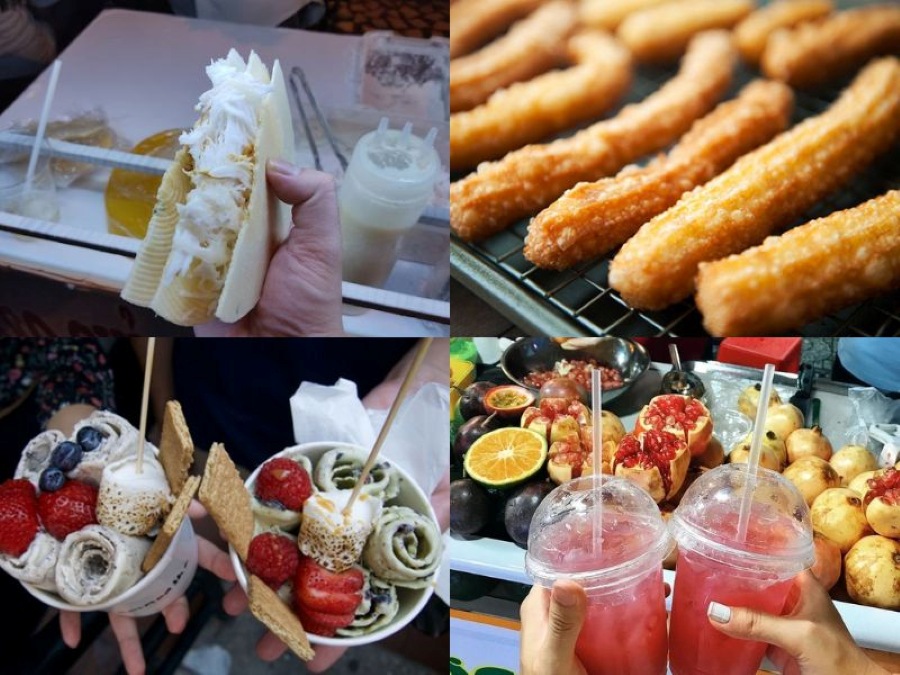
Final Thoughts: Is Hoi An Central Market Worth Visiting?

Hoi An Central Market isn’t just an active trading environment, but a place where culture, history, and everyday life collide. Take in the colourful stalls, enjoy authentic local specialties, and witness how traditional cultures blend with today’s fast-paced lifestyle. A visit to the central market provides more than just souvenirs; it provides a taste of the soul of Hoi An. If you’re planning a trip, reach out to Seni World to help you maximise this special destination.

Phuc Kien Assembly Hall – A Chinese Cultural Heritage In Hoi An

Phuc Kien Assembly Hall was established in Hoi An as a cultural symbol for the Fujian Chinese community in the 17th century. Today, this place is known for its beautiful buildings and sacred atmosphere, where people explore history, spirituality, and tradition.

Introduction To Phuc Kien Assembly Hall

Phuc Kien Assembly Hall is a well-known landmark in Hoi An Ancient Town, constructed in the late 17th century by Chinese immigrants from Fujian Province. Originally, a smaller temple, designated for Thien Hau, the goddess of the sea, it evolved into a larger assembly hall with a much nicer design. The actual assembly hall has ornate gates, dragon-carved pillars, and beautiful tile work, which shows a blend of Chinese and Vietnamese architecture. Now Phuc Kien has become not only a religious site but also a landmark that focuses on the commerce and cultural significance of Hoi An as a trading city.

Phuc Kien Assembly Hall in hoi an

Regardless of the religious value of visiting Phuc Kien, it is a symbol of community. Phuc Kien assembly hall was built as a place for the Fujian Chinese to gather as a collective group. Every corner of the hall can become picture-perfect, from the vibrant red door to the peaceful, quiet courtyards. Visiting Phuc Kien assembly hall gives travelers a sense of stepping into the past while appreciating the beauty and respect for tradition that lives in today.

History Of Phuc Kien Assembly Hall

Phuc Kien Assembly Hall was originally constructed in 1690 by Chinese immigrants from Fujian Province who made Hoi An their home. At the start, Hoi An Pho was a simple wooden temple dedicated to the Goddess Thien Hau, the protector of sailors and merchants on their voyage across the ocean. Within a short time, it became a spiritual centre and a place of gathering for the Fujian community of people living in the town.

Phuc Kien Assembly Hall in Hoi an

In 1757, the wooden structure was rebuilt using bricks and roof tiles, giving it the appearance of both solidity and ornateness we admire today. Over the years, Phuc Kien Assembly Hall has been preserved and restored, making it one of the most remarkable sites of culture and religion in Hoi An Ancient Town. Phuc Kien Assembly Hall has a history that traces both Hoi An’s prosperity as a trading port and the strong influence of Chinese culture in the area.

Unique Architecture Of Phuc Kien Assembly Hall

Phuc Kien Assembly Hall boasts a large scale, beautiful architecture, and is considered one of the most beautiful assembly halls in Hoi An. The architecture of Phuc Kien Assembly Hall is divided into three parts: the Tam Quan Gate, the Main Hall, and the Rear Sanctuary. Each of these sites features stylistic elements, craftsmanship, and practice, all of which carry specific spiritual meanings.

Tam Quan Gate

Tam Quan Gate is one of the most impressive highlights in the assembly hall. The gate is decorated with porcelain plate pieces and consists of curved yin-yang tiles. There are three entrances to the gate with symbols that represent Heaven, Earth, and Humanity.

tam quan gate in phuc kien hoi an

In the ceremony, it states that the middle door is rarely opened except during weddings, funerals, or the most special of festivals. Once you enter through the Tam Quan Gate, visitors can expect to step into a calm courtyard where a dragon fountain awaits and lush green plants lead them into a place of worship where contemplative peace abounds.

Main Hall

The Main Hall serves as the centerpiece of the assembly hall for worship. Inside, you will see altars to Thien Hau Holy Mother, Avalokitesvara Bodhisattva, three birth goddesses, twelve midwives, and the God of Wealth. On the right are shrines to the deity “Thien Ly Nhan” and “Thuan Phong Nhi,” the protectors of sailors at sea. There is a model wooden boat to portray the travels of merchants with painted “eyes” to prevent danger while on the water.

main hall of phuc kien Assembly Hall, hoi an

Rear Sanctuary

This area allows home or travelers to burn large incense coils to pray for health, prosperity, and good fortune. These amazing incense spirals can be burned for over 30 days as the coils are two feet tall. If the carvings’ coils burn out, the keepers of the hall will light them again. This part of the assembly serves as a nice chapel with peacefulness and spiritual ambiance, where items of value, like bronze bells, drums, statues, and embellished wood carvings that catalogue centuries of cultural heritage, are displayed.
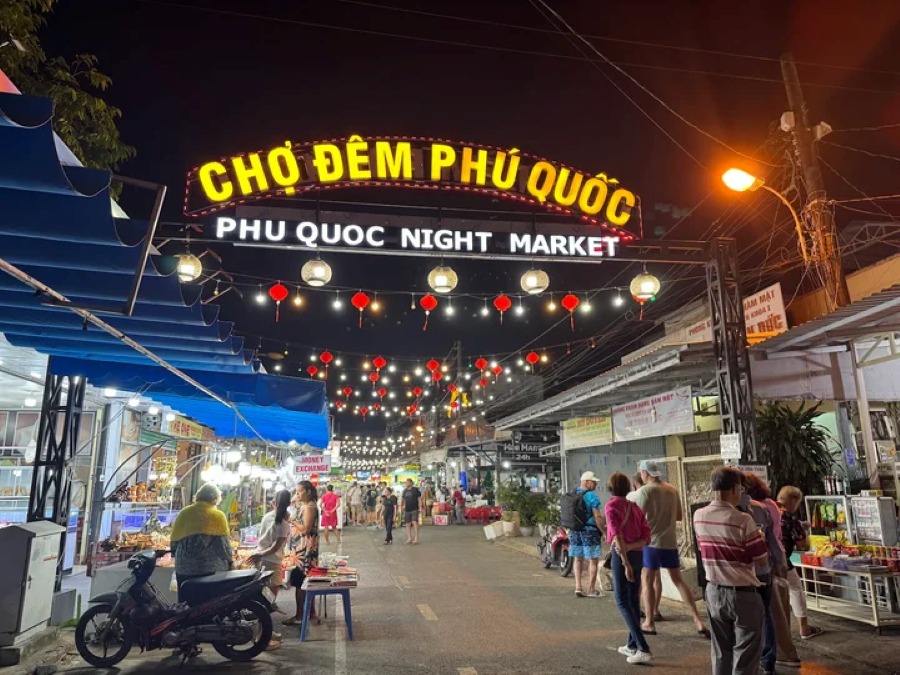
5 Cultural Experiences You Shouldn’t Miss

Visiting Phuc Kien Assembly Hall is not simply a visit to a heritage building and beautiful photo opportunities. It is also an exploration of the historical, cultural, and spiritual world that has formed Hoi An over the centuries. From the massive entrance gates to the surrounding altars, how everything is arranged has a meaning. Here are some cultural experiences you can look forward to on your journey.

Appreciate The Unique Architecture

Phuc Kien Assembly Hall is an excellent example of Fujian-Chinese architecture to be found in Hoi An. Red and green colours, dragons and phoenixes, and intricate carvings are all used to signify good luck, wealth, and harmony. As you enter the memorials over the arched entry gate to the hall and courtyards, be amazed by the craftsmanship of artisans and their quality of work from hundreds of years ago. Everything from the material used, the tiles on the roof, and the statue designs has significance in identity and pride to the Fujian community.

Phuc Kien Assembly Hall in Hoi an (2)

Explore Cultural And Historical Significance

Besides its architectural beauty, the assembly hall is a site where history comes alive. Built in the late 17th century, the hall was established by Chinese immigrants from Fujian, and served as a focal point for the community to gather in order to stay connected to their culture back in China. Visiting the hall provides an understanding of how Hoi An was previously a vibrant and international trading port where cultures intersected. The hall serves as a bridge for sharing heritage between Vietnam and China, which remains influential in the town.
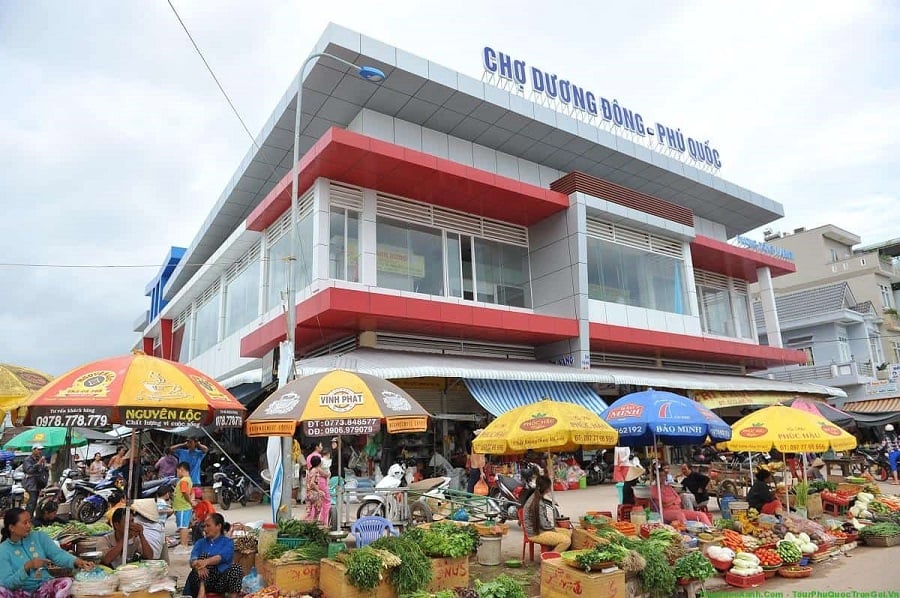

Experience The Spiritual Environment

Phuc Kien Assembly Hall is primarily a sacred space. The hall worships Thien Hau Thanh Mau, the goddess of the sea, who protects sailors, merchants, and families. Inside the hall, you will notice the smell of burning incense and often see locals praying for prosperity, health, and peace as they perform offerings. Many visitors will also take this opportunity to light some incense sticks or even large coils of incense as an offering. Regardless of whether you exemplify the faith or not, you will leave with a feeling of tranquility and respect for the local traditions.

hall worships Thien Hau Thanh Mau in Phuc Kien Assembly Hall

Participate In The Energetic Festivals

If you visit on a day of festivities, the assembly hall gets a certain vibrancy. There are two crescendo events: the Via Ba Mu (Mother Goddess) Festival on the first day of the second lunar month and the birthday of Thien Hau on the 23rd day of the third lunar month. These two events unite both local people and travelers in colorful ceremonies that include music, prayers, offerings, and other traditional activities.

Therefore, if you experience either of those celebrations, you get the rituals, as well as the locally manifested communal spirit that has sustained the space for centuries. So, admiring Phuc Kien Assembly Hall is one of the iconic activities when you visit Hoi An.

the Via Ba Mu (Mother Goddess) Festival in Phuc Kien Assembly Hall

Appreciate The Sacred Artworks And Decorations

As you move around the hall of the assembly, don’t forget to look at all the statues, reliefs, and paintings that decorate the altars and walls of the hall. Gods, mythical creatures, and even symbolic forms that have acquired meaning over centuries.

Each representation expresses meaning; dragons can represent power, as well the carp turning into dragons can express persistence. Therefore, by noting these representations, you have moved toward understanding the meanings, values, and stories that the Fujian community brought to Hoi An.

Entrance Fee

Locals and international travelers must pay an entrance ticket price to visit Phuc Kien Assembly Hall. Here is the reference price:

Visitor Type Ticket Price
Vietnamese visitor 80,000 VND / person
International visitor 150,000 VND / person

Opening Hours

The Phuc Kien Assembly Hall is open every day from 7:00 AM – 6:00 PM, making it convenient for visitors to take in the stunning architecture and enjoy the peacefulness of the hall in their leisure time. The busiest visitation times are during special days, such as the Lunar New Year, the full moon, and traditional festivals.

Phuc Kien Assembly Hall in Hoi an

To fully enjoy the cultural spirit of the hall, plan on wading through the larger crowds during the important occasions. The Lantern festival, held on the 15th day of the first month of the lunar calendar, and the Thien Hau Goddess festival, held on the 23rd day of the third month of the lunar calendar, are good times to celebrate and enjoy the hall being alive with meaningful rituals, offerings, and celebrations.

On the other hand, if you want to get away from the crowds and have more opportunities for unobstructed photographs, try visiting early in the morning or late in the afternoon.

How to Get to Phuc Kien Assembly Hall

Most travelers visiting Hoi An Ancient Town and attractions like Phuc Kien Assembly Hall get to Da Nang first, and then make their way to Hoi An, which is about an hour’s drive. You can select the transportation method depending on your travel style and budget.

By Motorbike

Most independent travelers choose to rent a motorbike in Da Nang. The typical cost is about 120,000 – 150,000 VND per day. The drive is beautiful if you take Vo Nguyen Giap and Lac Long Quan coastal roads straight to Cua Dai Beach before turning right on Hai Ba Trung Street, and onto Le Loi Street, and finally Phan Chau Trinh Street until you reach the hall at 46 Tran Phu, Hoi An.

Get to Phuc Kien Assembly Hall by motorbike

By Private Car

For families or groups, the best/most comfortable option is to hire a private car with a driver. The price is usually 500,000 – 700,000 for a round trip, depending on the type of vehicle. This is usually the best option regarding time and convenience if you do not want to drive yourself.

Things to Know Before Traveling to Phuc Kien Assembly Hall

There are a few key things to know before visiting Phuc Kien Assembly Hall to make your visit a little more enjoyable and respectful. Since this is a sacred area, travelers should try to follow local customs and be respectful while visiting this site.

  • Dress modestly and avoid talking too loudly so as to exhibit respect for the worship atmosphere.
  • Do not bring food or drinks inside since the hall is meant for worship and sightseeing only.
  • Please take care of your belongings, as during festival days it can get packed.

Phuc Kien Assembly Hall in Hoi an (4)

  • You can purchase huge coils of incense and offerings from inside the hall, so there is no need to bring them from outside.
  • Visit earlier in the morning or late in the afternoon to try to avoid the tour groups and get a quieter perspective.
  • Take time to enjoy all the details of the architecture, from the front gate to the ornate carved wooden statues.
  • Make sure to always ask before taking close-up pictures of worshipers.

Final Thoughts: Is Phuc Kien Assembly Hall Worth Visiting?

Phuc Kien Assembly Hall is more than just a historical landmark – it is a synthesis of culture, spirit, and art at the center of Hoi An. From the imposing Tam Quan Gate to the fragrant halls and detailed carvings, each aspect signifies a story of faith and heritage. A visit here allows you to appreciate exceptional architecture, learn about local traditions, and absorb the serene atmosphere. Let Seni World be there for your Vietnam journeys and assist in making the most out of your travels to such a cultural gem.

Phung Hung Old House: Hoi An Heritage Site With Unique Design

Phung Hung Old House in Hoi An embodies centuries of history with its rare blend of Vietnamese, Japanese, and Chinese design. Visiting this heritage site offers travelers an authentic glimpse into the merchant life of a bygone era.

Introduction To Phung Hung Old House

Located in the heart of Hoi An Ancient Town, Phung Hung Old House is one of the most treasured heritage homes in the city. Built more than two centuries ago, the house reflects the prosperity of merchant families who once traded silk, ceramics, and spices at this bustling port. Its name, “Phung Hung,” literally means “prosperous,” symbolizing the hopes for wealth and longevity of the generations who lived here.

Phung Hung acient house in hoi an

Today, the house remains a living museum where travelers can admire its harmonious fusion of Vietnamese, Japanese, and Chinese architectural influences. Dragon-carved wooden beams, airy courtyards, and decorative tiles from overseas create an elegant yet timeless space. As part of the UNESCO-listed Hoi An Ancient Town, Phung Hung Old House is honored as one of its best-preserved examples of merchant heritage. For travelers planning their Vietnam itinerary, this house is a highlight that shouldn’t be missed.

History Of Phung Hung Old House

Phung Hung Old House was built at the end of the eighteenth century. Already, Hoi An had gained a commendable reputation as an intercultural gathering point. This house is unlike several others in the town in that it was constructed to endure in terms of time as well as elements, especially the floods of the Thu Bon River. The elevated surface on higher levels shows how the local merchants altered houses to accommodate them, to retain the goods, and even family life.

Chinese-Inspired Details inPhung Hung Old House, Hoi an

It is the nirvana as well as the dark age of the trading post at Hoi An. It was home to generations of foreign trade and colonial rule, as well as times of war. Despite all these changes, the entire house has remained in a single family line, over eight generations. It is highly prized because of what that historical transaction means, in which cultural exchange was embedded in the permanent in the merchant phase of Hoi An.

Unique Architecture Of Phung Hung Old House

The architecture of Phung Hung Old House reflects the blending of cultures that once shaped Hoi An. Every detail, from the wooden frame to the decorative motifs, carries a story of adaptation and exchange.

Chinese-Inspired Details

Most of the Chinese touches can be seen at the front of the house. The decorated doors and wooden balconies are carved well, and there were two, so-called, spirit eyes above the entrance, which were supposed to guard the family against evil spirits. The wooden columns and beams inside are painted in ancient patterns of dragons and phoenixes, the symbol of good fortune and prosperity. These facts do not seem decorative in themselves, but are an expression of the hopes and beliefs of the family that lived here.

Chinese-Inspired Details inPhung Hung Old House, Hoi an

Japanese Roof Structure

The roof, when looking upward, has an aspect of Japanese influence where the house stands out. It is constructed in the style of the Four Seas, which is a quadrangular shape that allows the flowing of air and keeps the inner part cool in tropical weather. The tiles that cover the roof, yin, and yang, make it strong and beautiful, and the pattern on the tiles has a spiritual connotation related to balance and harmony. This is a thoughtful design showing the cultural interchange of Hoi An and the Japanese merchants of old.

Vietnamese Craftsmanship And Materials

Fundamentally, the house is very Vietnamese. It was constructed principally of ironwood and other valuable timbers, owing to their durability and to their imperviousness to insects. The pillars are made of wood and set on lotus-shaped stone bases, but it does not only keep the house dry- they also carry a symbolic meaning. The structure is brick-built, and the broad wooden crossbeams make the walls stable, a feat of local skill.

Phung Hung Old House in Hoi an

Flexible Design Against Floods

Even the design of the house was very practical. Trading used to be done on the ground floor, and family life and worship on the upper floor. Doors were constructed in such a way that they were foldable and removable; they would help in controlling air in summer, as well as make it easier to protect during storms. Knowing about this ingenious design also contributes to your list of visits to Hoi An for those who are interested in knowing how life determines architecture.

5 Cultural Experiences You Shouldn’t Miss At Phung Hung Old House

A visit to Phung Hung Old House is not just about gazing at the architecture. The opportunity to experience a culture where Hoi An’s heritage comes alive is also offered to guests.

Explore The Merchant Lifestyle

The house’s ground floor used to be a busy shop and warehouse. Tourists are free to stroll the area and visualize how silk, ceramics, pepper, and salt were measured, crated, and traded. Tales of the merchant class can be heard by guides, who describe how families were able to strike a balance between business and personal life. This makes the house look more like a record of the trading golden age of Hoi An.

Phung Hung Old House in Hoi an (3)

Join Ancestral Worship Rituals

Family worship is on the second floor. In this case, the use of altars in honor of ancestors and a sea goddess, Thien Hau, is still witnessed today. Travelers can observe relatives incensing or listen to the explanation of the symbolism of gifts. The rituals make one understand more of the way Vietnamese families preserve their ancestry within their households.

Appreciate Antique Arts And Symbolism

Phung Hung Old House is filled with antiques that carry both artistic and cultural value. Visitors can admire furniture inlaid with mother-of-pearl, wooden eaves carved with carp, and panels featuring dragons and phoenixes. Each detail carries meaning, from prosperity to protection. Learning these symbols from local guides helps travelers see how art, belief, and daily life were closely connected.
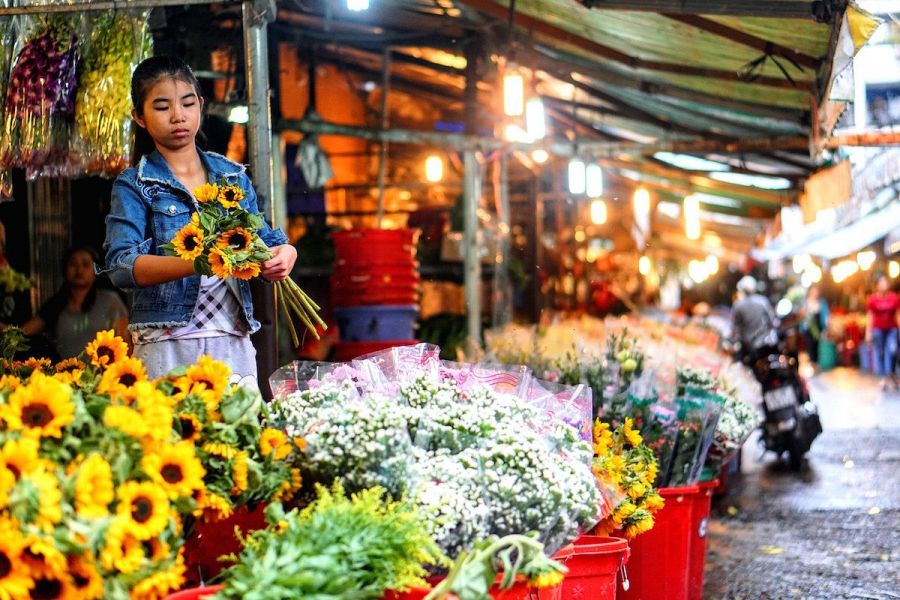
Learn From Living Descendants

One of the most memorable experiences is meeting the descendants of the original owner, who still live in the house. They welcome guests, answer questions, and explain how traditions are maintained through generations. This personal interaction makes the visit special, because travelers don’t just view history—they hear it directly from the family that keeps it alive.

Phung Hung Old House in Hoi an (6)

Get Connected to the Surrounding Heritage

Located near the Japanese Covered Bridge and a number of assembly halls, the house is part of a wider cultural landscape. Visitors can combine their visit with nearby sites, in which case visiting Hoi An, a significant site in the history of the merchant sea, spans a full day exploring Hoi An’s merchant past. This kind of connection between the house and the old town helps the traveller see how every building creates the bigger picture of heritage.

Entrance Fee

Tickets to Phung Hung Old House are covered in the general entrance to Hoi An Ancient Town entrance pass. Visitors can purchase this pass from official counters throughout the old town and should always have it with their own when they are on their visit, as staff will verify it at each visit location. The ticket is valid for one day and provides access to a couple of heritage attractions, including ancient houses, assembly halls, and museums.

Phung Hung Old House in Hoi an (5)

Ticket Type Price (VND) Validity Includes Notes
Vietnamese Visitor 80,000 VND 24 hours Entry to Hoi An Ancient Town + 5 heritage sites (including Phung Hung Old House) Required for sightseeing, not just walking around.
Foreign Visitor 120,000 VND 24 hours Entry to Hoi An Ancient Town + 5 heritage sites Free for children under 16 years old.
Additional Sight Tickets 20,000–40,000 VND Same day Extra sites beyond the 5 included Optional if you want to visit more landmarks.

Opening Hours

Phung Hung Old House is open daily for visitors. The site follows the general schedule of heritage attractions in Hoi An Ancient Town, making it easy for travelers to plan their itinerary in advance.

Area / Activity Opening Hours Notes
Phung Hung Old House 07:00 AM – 05:30 PM A ticket is required, usually included in the Old Town sightseeing pass.
Surrounding Ancient Town Open all day (24/7) Streets, cafes, and riverside areas are accessible without a ticket.

The best time to pay a visit to Hoi An and explore the Phung Hung Old House is from February to April and from September to January. These months have dry weather and nice afternoons, perfect for walking around the ancient town. Early mornings are calming, blissfully enjoyable, and tranquil, where one can enjoy the house sans crowds. Travelers preferably should avoid the peak rainy season in October.

Phung Hung Old House in Hoi an (2)

How To Get To Phung Hung Old House

Phung Hung Old House is located in the center of Hoi An Ancient Town, only a short walk from the Japanese Covered Bridge. The site is easy to access once you arrive in Hoi An, since all major transport options from Da Nang connect directly to the old quarter. Travelers can choose different ways to reach Hoi An first, then walk to the house inside the pedestrian area.

Transportation Mode From Da Nang City Center From Da Nang International Airport Travel Time Estimated Price (VND) Best For
Taxi About 30 km About 30 km 45 – 60 mins 300,000 – 450,000 Comfortable and direct option
Private Car About 30 km About 30 km 45 – 60 mins 350,000 – 500,000 Families or groups with a flexible schedule
Motorbike Rental About 30 km About 30 km 50 – 70 mins 120,000 – 180,000/day Adventurous travelers who enjoy flexible stops
Public Bus About 30 km About 30 km 70 – 90 mins 30,000 – 50,000 Budget travelers and those who want a local experience

After arriving in Hoi An, visitors can easily walk to the old quarter, where Phung Hung Old House is located. The streets are narrow and closed to most vehicles, so walking or cycling is the best way to enjoy the atmosphere. Travelers who ride motorbikes should park outside the pedestrian zone before entering the heritage area.
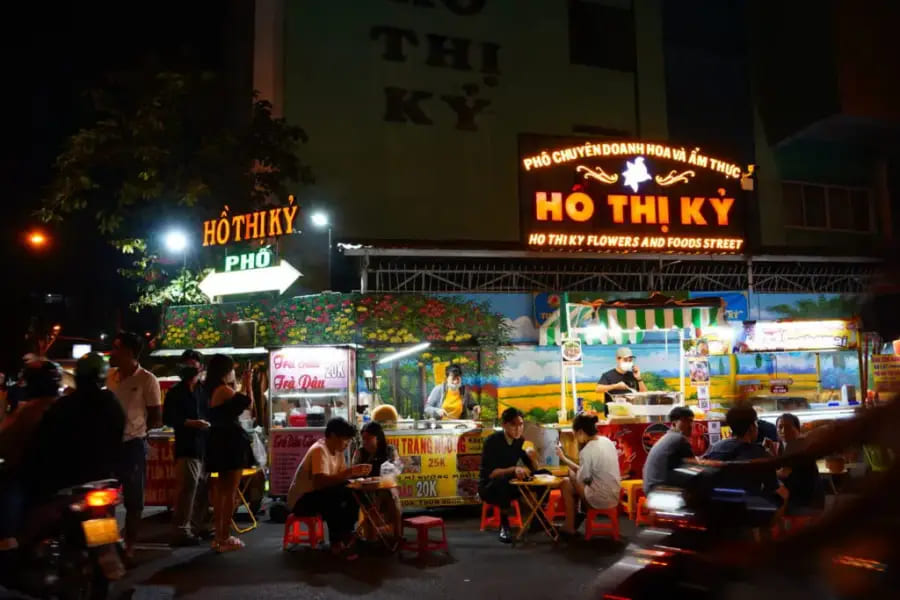
Phung Hung Old House in Hoi an (4)

Things To Know Before Traveling To Phung Hung Old House

A trip to Phung Hung Old House is fairly straightforward, though a few small preparatory steps will make your visit smoother and more enjoyable. These practical suggestions are those that must be useful and, in fact, are likely to be considered by most visitors to the old town.

  • The house becomes very busy, starting from around 9 in the morning till 11, with groups of tourists, so being there right inside the door at opening will give you a quieter atmosphere for enjoyment.
  • While it looks as if the furniture and other carved details have been rather sturdy, they are not, and even the most minute accidental contact leaves marks for eternity; so the best practice would be to admire from afar.
  • The Phung Hung Old House stands very close to the Japanese Covered Bridge, so you may easily do both and thereby save time on your tour.

Japanese covered bridge

  • Photographing is indeed allowed, while using any tripod stands or such will be against the rules, so brace yourself for shooting handheld; you might have to maneuver through several dark rooms on your visit.
  • Also, the upper floor is still retained by the residing family, so respecting the restricted areas will keep the visit smooth and help avoid interruptions.
  • Flooding sometimes affects Hoi An in the rainy season; hence, the water level might place some limitations on accessing old houses, so checking conditions beforehand is a smart step.

Final Thoughts: Is Phung Hung Old House Worth Visiting?

Visiting Phung Hung Old House gives travelers a closer look at how Hoi An’s merchant families once lived and worked. The house is easy to reach inside the ancient town, and spending time here adds depth to any walking tour of Hoi An. For travelers who enjoy history and culture, it is a stop that feels both meaningful and memorable. If you need help planning routes or combining Phung Hung with nearby highlights, Seni World is ready to guide you.