logo mobile sidebar
support-image-mobile
Share your ideas with our local expert team - we’re here to listen and help you shape a meaningful journey through Indochina.
(+84) 868 663 993
Asia Leading Tour Operator 2025
tripadvisor travelers choice awards 2024
Travelers' Choice Awards 2025

Author: Linh Nguyen

An Dinh Palace: A Royal Heritage Of Time

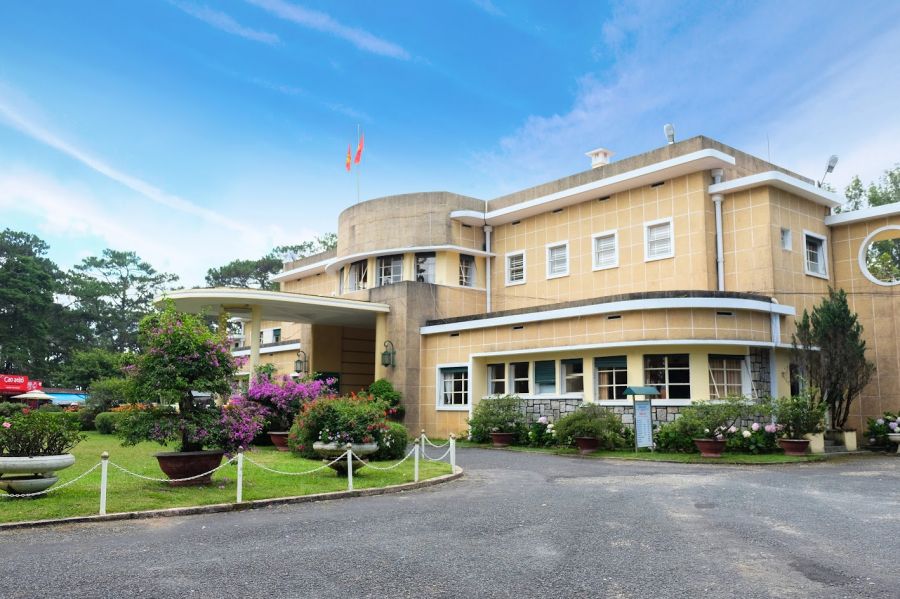
An Dinh Palace is a romantic blend of European and Vietnamese ways. It shows the regal charm of the Nguyen Dynasty. A quiet spot full of history and charm, it’s a go-to place for many who visit.

Introduction To The An Dinh Palace

An Dinh Palace represents one of Vietnam’s most fascinating examples of architectural fusion. This big palace was once the house of Emperor Khai Dinh, and later, the last emperor, Bao Dai, stayed there during his peak in Vietnam.

An Dinh Palace is a romantic blend of European and Vietnamese ways

Entering An Dinh Palace feels like entering a living story, in which every room tells how Vietnam experienced Eastern and Western styles intertwined. An Dinh Palace allows you to see how the members of the imperial family live, unlike other bigger places in Hue, like the Imperial City. The preservation of artifacts, the atmosphere, and the configuration of the structure are all representative of the early 1900s, which was an important yet complex time in Vietnam’s royal history.

History Of An Dinh Palace

The story of An Dinh Palace is connected to the last rulers of the Nguyen dynasty, King Khai Dinh and his son, Bao Dai. Originally constructed in 1902 as a residence for the crown prince, it became the lavish palace we recognize today after Khai Dinh ascended to the throne. By 1922, the structure, as a gift to his son, had transformed into the primary house for the royal family, providing personal space away from the formalities of the Imperial City.

An Dinh Palace was constructed in 1902

After Bao Dai abdicated his throne in 1945, the palace remained the last residence in Vietnam for him and his family. In 1955, Queen Mother Tu Cung gifted the property to the government. Although neglected for some time, An Dinh Palace has been professionally restored and is now a UNESCO World Heritage site. It keeps the authentic stories of the last royalty.

The Architecture Features Of An Dinh Palace

The best part of the An Dinh Palace is its architecture, a blend of Asian and Western styles. There were once ten great buildings on the palace land, but now only three are left because of time: the Main Gate, Trung Lap Pavilion, and Khai Tuong Pavilion.

The Main Gate

As you step in, you first see the two-floor Main Gate, a true piece of art. It’s made in the Vietnamese “tam quan” (three-door) style, and it puts on a grand show. It has nice porcelain and bits of broken glass, with old Vietnamese marks like dragons, phoenixes, and the four seasons. The top of the gate joins East and West, with a crown-like thing and a big pearl on top, standing for kings and luck.

An Dinh Palace's Main Gate

The Trung Lap Pavilion

Just after you walk through the main gate, you come to the Trung Lap Pavilion. This big, eight-sided place has a bronze figure of King Khai Dinh in the middle. This place was once for big parties and meeting guests. It has an open feel and fine details, giving a royal vibe, and leads to the main spot, the grand Khai Tuong Pavilion.

The Khai Tuong Pavilion

The Khai Tuong Pavilion is the top building at the center of An Dinh Palace, a three-level structure that illustrates how the palace combines different types of buildings. The building appears like a large European house, but the large, arched windows suggest French influence, the tall posts suggest Roman influence, and the front features, which are generous and nice. The color of the building is rich yellow, and it stands out against the green tree lines.

The walls and top of the pavilion illustrate fine artwork and wall paint that merge styles of wok from the west with stories of Vietnam. The first floor will grip your emotions with six large wall arts of important old stories and major events of Vietnam. The second and third floors emulate the kings’ daily life for the royal family of Nguyen dynasty. The descriptive name of the “Khai Tuong”, meaning “the beginning of good luck,” as speculation of future developments for the royal family is one hope for better days.

6 Cultural Experiences You Shouldn’t Miss

An Dinh Palace gives guests many ways to learn about the royal culture of Vietnam and see how old ways changed with time. Each visit lets people see the deep cultural roots that made Vietnam what it was in the early 1900s.

Explore the Royal Living Quarters

The private family areas of An Dinh Palace show close looks at how Vietnamese kings lived when old royal ways met new world styles. These rooms keep their original furniture and show parts that tell us about daily life – things you don’t see in the bigger, public palace parts.

statue of vinh thuy price in an dinh palace

Going through the king’s study, you see what he liked and the cultures that helped form how he saw the world. Books in French, Vietnamese, and Chinese show the mix of languages the Vietnamese kings knew at this time. Own items and art show how the royal family mixed the old Vietnamese style with new European ways.

Participate In Traditional Tea Ceremonies

An Dinh Palace sometimes has old Vietnamese tea events that show how this key custom kept giving shape and sense to the lives of royal families even when other ways changed to mix with Western styles.

These tea events are held in rooms of the palace that are made to look as they did long ago, with real items used in ceremonies that the royal court owned. People taking part learn what the symbols mean in making and giving tea, and also feel the quiet moments that made these events key for helping the royal family deal with stress and make their bonds stronger.

Attend Traditional Music Performances

The palace often puts on traditional music shows that make the old rooms come to life with real cultural bits. These shows use the kinds of music tools and tunes that were used to amuse the royal court when the palace was busy.

In the palace’s big front room, the music from the court shows how the old arts from Vietnam kept their place even when things from Europe started to mix into other parts of life at court. The sound in these big, old rooms makes the music better and helps those who come by get a deeper feel for the culture.

Admire The Wall Art

In the big house, some noteworthy finds are the frescoes that look like they’re from Europe. They’re on walls and tops of rooms. These bright, full-of-color art pieces are in good shape, and they mix East and West looks well. Some show tales of myths, while others show normal day things or mean something more. Seeing this art in a royal house in Vietnam is not common. It shows that, back then, the Nguyen rulers liked to try new things and were open to new ideas. If you get close to these paintings, you can see the careful paint work and feel a sense of beauty that makes you think.

The Wall Art in an dinh palace

Learn About Queen Mother Tu Cung

The warmest part of the big house is the living area of Queen Mother Tu Cung, who was the mother of Emperor Bao Dai. Her rooms are just as they were, with things she owned, simple but full of meaning, from family photos to written notes and even simple tools. You can still feel her there, sharing a look into her strong, quiet power, even when things were changing around her. Knowing her story brings the history of the Nguyen rulers to a personal level, more than just kings and big houses, showing us how mothers behind the kings helped shape history too.

Enjoy The Quiet Moments In The Yard

After you see inside, go out to the middle yard. There, mossy stone paths, cool trees, and a quiet wind let you have a calm time. The mix of old European style and old Vietnamese garden feel makes a calm peace. It asks you to sit, think, or snap photos slowly. It’s a quiet spot away from the busy parts of Hue, a place to take it slow and sense the old times. If you love history or just want some quiet, the garden at An Dinh Palace is a whole vibe on its own.

Entrance Fee

The price to get into An Dinh Palace is quite cheap, so all kinds of people can visit.

  • Adults: 50,000 VND each.
  • Children: Free.

Keep in mind: These prices can change. It’s advisable to check with the official ticket office or a local tour guide to get the latest details.

Opening Hours

An Dinh Palace is open from 7 am to 5 pm each day. These set open times let guests plan their Hue trips well. They have enough time to deeply see the palace and its gardens.

The best time to go is in the early morning or late in the day to stay away from the hot noon sun. The light is softer then, too, which is great for taking photos. The cool, dry months from March to May are the best for walking around.

The An Dinh Palace's The Khai Tuong Pavilion

How To Get To An Dinh Palace

An Dinh Palace sits by the An Cuu River in Hue, in a spot that’s easy to reach. You can get there in many ways. Its place in the heart of Hue’s old area lets you see more old spots on the same trip.

Transport Method Duration Cost Recommended For
Walking 15 – 25 minutes Free Budget travelers, exercise enthusiasts
Bicycle rental 5 – 10 minutes 40,000 – 60,000 VND/day Eco-friendly exploration
Motorbike taxi 5 – 8 minutes 20,000 – 35,000 VND Quick, convenient transport
Regular taxi/Grab 8 – 12 minutes 35,000 – 50,000 VND Comfort, air conditioning

From Hue Railway Station

Transport Method Duration Cost
Taxi 12 – 18 minutes 70,000 – 90,000 VND
Local bus 25 – 35 minutes 8,000 – 12,000 VND
Motorbike taxi 15 – 20 minutes 50,000 – 70,000 VND

From Phu Bai Airport

Transport Method Duration Cost
Airport shuttle 50 – 65 minutes 80,000 – 120,000 VND
Private taxi 30 – 40 minutes 350,000 – 450,000 VND
Motorbike taxi 35 – 45 minutes 180,000 – 250,000 VND

Things to Know Before Traveling to An Dinh Palace

Getting ready well makes your palace trip better, letting you fully enjoy the beauty and meaning of this old place. Knowing the right things to do in Hue and the culture helps you use your time well at the royal home.

taking photo at an dinh palace

  • The An Dinh Palace is not very strict about what to wear, like some holy places, but you should still dress well when you walk through royal rooms.
  • Good shoes for walking are key, as you will walk on many kinds of floors, from shiny wood to stone paths. Wearing simple clothes shows you know why royal places are important.
  • You can usually take your photos in most parts of the palace, but some areas with special items might have rules. If you want to use big photo tools, you need to get a permit and might have to pay more. Flash photos may be off-limits in some spots to keep old items and decorations safe.
  • An Dinh Palace is a key cultural spot for the people of Vietnam, so guests must show the right respect and interest when they visit. Keep voices low and avoid actions that may ruin the quiet feeling that many look for in such old places.

Final Thoughts: Is An Dinh Palace Worth Visiting?

An Dinh Palace offers a great visit for those looking to learn about Vietnam’s rich culture and the special time when East and West met in Vietnamese royal life. It blends unique building styles, personal stories, and deep cultural meanings. Let SeniWorld lead you to the best An Dinh Palace trip and find out why this great building still draws people from all over the world!

Truong Tien Bridge: A Great Historical Testimony Still Standing

Spanning over Perfume River, Truong Tien Bridge shows the long story of Hue. For years, it has linked the two sides of the river, blending the city’s past, present, and future in a grand mix of skill and tradition.

Introduction To Truong Tien Bridge

Truong Tien Bridge, also known as Trang Tien Bridge, is a key icon of Hue, Vietnam. It spans the Perfume River with grace. This old bridge links the north of Hue, where the Imperial Citadel sits, to the south, filled with busy markets and new roads. It was built during the time of French rule and was fixed many times. The bridge has been a major path for travel and has seen a lot of Hue’s deep and wild past, including the Nguyen Dynasty, colonial rule, and the Vietnam War.

Truong Tien Bridge overview

Its strong Gothic tops and six steel parts, made by the known Eiffel company, bring a mix of European buildings and a local feel. Today, Truong Tien Bridge is more than a tool for travel. It stands for Hue’s strength, beauty, and culture. If you love history or just want a good trip, a walk on the bridge at dawn or dusk, when light plays on the water, gives you a very moving time and makes you feel close to the heart of the city.

History Of Truong Tien Bridge

Truong Tien Bridge has a story as full and big as the town it lives in. It was first built in 1897 when King Thanh Thai wanted a steel bridge over the Perfume River. He gave this big job to the big French group Eiffel. This was a key time in Vietnam’s past, as it was the first bridge in Indochina made with new Western ways of building.

Truong tien bridge was first built in 1897

Done in 1899, the bridge was first named Thanh Thai for the king. But its name changed a lot after that, with the big shifts in Vietnam’s rules. It was called Clémenceau in French times, then Nguyen Hoang after the big change in 1945. Only in 1975, when Vietnam came back as one, did it get its now-known name: Truong Tien, or Trang Tien. This name comes from the “Truong Tien” mint nearby, linking it to the city’s work and cultural story.

Unique Architecture Of Truong Tien Bridge

More than just a way to get over the river, Truong Tien Bridge is a key sign of Hue’s mix of culture and old colonial past. Its build shares a tale of both use and beauty, showing off the city’s style in each arch and rail.

Steel Arches And Big Gothic Marks

At the core of the bridge’s look are six big curved steel arches, spanning 403 meters of the Perfume River. These arches make the bridge’s flow match the river’s moves below it. Made in the early 20th century when the French were in charge, the look shows clear French Gothic marks, seen most in the sharp arch shapes and the deep detail work. This mix of Western build and Hue’s smooth beauty makes the bridge stand out as a key sight, more so when viewed from afar or from a boat moving under it.

Truong tien bridge look shows clear French Gothic marks

A Mix Of Light And Color

The bridge looks nice and old in the day, but its real charm shows at night. In 2002, they put in new lights that change the bridge into a bright mix of colors. The lights keep shifting, covering the steel bends in blue, red, green, and purple. This view is so cool to watch, and it shines on the calm waters of the Perfume River below. With this update, the bridge has become a big spot to see at night. Here, people from the town and visitors come to walk, snap pictures, and just enjoy the lovely air.

Fitting In With Nature

The bridge’s six steel arches are not only visually stunning but also represent the strength and elegance of Hue itself. The Gothic arches make great frames for looking at the Perfume River and the land around it. People who take photos and make art really like how each arch shows a new view of Hue’s beauty.

The bridge is made of steel and has developed a unique appearance over the years, giving it a worn but still attractive look. This fits well with the old royal buildings of Hue that you can see from the bridge. This old look has made the bridge even nicer to see.

4 Cultural Experiences You Shouldn’t Miss

More than just a key piece of architecture, the Truong Tien Bridge lets visitors dive into the deep culture of Hue and its present-day life. Every visit gives a new view on why this bridge means so much to people in Vietnam.

Take an Evening Stroll at Sunset

The best time to see Truong Tien Bridge is in the soft light before the sun goes down. As the hot day cools, locals start their walks across the bridge. The late sun turns the steel into dark shapes while the Perfume River down below shows off the sky’s shifting colors. At this time, you’ll see real life in Hue. Young couples walk close, old folks sit on the bridge’s seats sharing tales, and kids dash around the arches. The cool night air mixes city sounds with the calm river below.

Sunset in the truong tien bridge

Street photographers find this the best time to catch the feel of the bridge. The mix of old bridge style, soft light, and people moving creates pictures that show the heart of Hue. Many return on different nights to see how the weather or seasons change the appearance of the bridge.

See Dragon Boat Races On Big Days

The Perfume River under Truong Tien Bridge hosts great dragon boat races a few times each year, mostly on big local party days. The calm river turns into a lively spot of fun races and joy.

If you stand on the bridge as the races go on, you get the best spot to see the bright boats zip by as teams row in time to loud, old drums. The bridge is like a big stand where folks crowd, yell, and enjoy the boat races.

Dragon Boat Races on the perfume river

The high, curved parts of the bridge make the race sounds even louder, pulling you into the sound scene. With folks yelling, drums thumping, and oars hitting the water, you hear a tune that fits the fun of these big days well.

Experience the Night Market Nearby

Take a quick walk from the Truong Tien Bridge, and you will find the Dong Ba Night Market. As the sun sets behind the Perfume River, the market lights up with bright lanterns, busy food spots, and loud, happy talk. You can smell cooked meats, fresh green stuff, and sweet coconut all around, pulling in both locals and visitors to this full-of-life place.

dong ba night market

Here, try out local food like Banh Khoai (crispy pancakes with shrimp and bean sprouts from Hue), Che Hue (a sweet, colorful soup), and even dishes with Mam Ruoc, a hot shrimp paste with a strong taste, you won’t forget. You also see stalls packed with silk scarves in deep colors, hand-stitched bags, and the famous Non La (cone hats) that show off Vietnam’s old-style grace. Many goods come from local crafters, so when you buy something, you help keep old crafts alive.

Take a Cyclo Ride Around the Citadel

Right by the bridge to the Imperial City, you’ll find cyclo drivers ready to give rides. These well-known three-wheel cabs have been on Hue’s roads for many years. Riding one not just makes getting around easy, it’s also a deep dive into the local way of life. The slow speed lets you see the old fort walls, spot secret green spots, look at marks of French old-style design, and watch daily life. Many cyclo drivers have lived in Hue all their lives. They also act as city tour guides, telling their own stories and facts about the royal days and the changing face of the town. Alone or with a friend, a cyclo trip is a calm, thoughtful way to really see Hue’s heart.

Entrance Fee

One of the best things about the Truong Tien Bridge for those who want to save money is that it’s free to cross. It’s a working bridge that helps the people who live in Hue get where they need to go. Unlike some other old places in Vietnam that ask you to buy a ticket, Truong Tien Bridge is open to all.

truong tien bridge at night

Opening Hours

Truong Tien Bridge serves as an open road with no closed times. You can go there at any hour, day, or night. Being open all the time lets people see how the bridge looks at different times and in different seasons.

Best time to go: The dry months, March through August, are the best time to see Hue. April and June are good, with exciting events like the Hue Festival, adding fun to your trip.

How To Get To Truong Tien Bridge

In the north, the start of the bridge is in Phu Hoa ward, and the other end is in Phu Hoi ward, right in the middle of Hue city, Vietnam. This spot lets you get to Truong Tien Bridge in many ways to move around easily.

travel to Hue by Train

From Hue City Center

Transport Method Duration Cost Notes
Walking 5 – 15 minutes Free Most hotels in the city center are within walking distance
Bicycle 3 – 10 minutes 30,000 – 50,000 VND/day rental Popular option, bike rentals available citywide
Motorbike taxi 2 – 5 minutes 15,000 – 25,000 VND Convenient for longer distances within the city
Regular taxi 3 – 8 minutes 25,000 – 40,000 VND Available via the Grab app or street hailing

From Hue Railway Station

Transport Method Duration Cost
Taxi 15 – 20 minutes 60,000 – 80,000 VND
Local bus 30 – 45 minutes 7,000 – 10,000 VND
Motorbike taxi 10 – 15 minutes 40,000 – 60,000 VND

From Phu Bai Airport

Transport Method Duration Cost
Airport shuttle 45 – 60 minutes 60,000 – 100,000 VND
Private taxi 25 – 35 minutes 300,000 – 400,000 VND
Motorbike taxi 30 – 40 minutes 150,000 – 200,000 VND

Things To Know Before Traveling To Truong Tien Bridge

To make your visit to the lovely city of Hue nice and easy, here are some key things to think about before you head out. A bit of planning will let you dive deep into the city’s own feel and rich history.

  • Hue is a city you should see on foot, and you will walk a lot, more so if you plan to see old spots and walk by the Perfume River. Put on a pair of comfy sneakers or walking shoes that you can keep on all day to keep away blisters and sore feet.
  • Do not forget to bring sunscreen, a hat, and shades. The sun may be very strong, more so when you are in open places like the Citadel or the big gardens by the royal graves. Keeping water with you and being safe from the sun will make sure you feel great throughout your visit.
  • While it is safe to walk on Truong Tien Bridge, the streets of Hue are full. Make sure to look out when you cross the street, as bikes are the main way to get around.
  • At holy places near Truong Tien bridge, like pagodas, dress in a way that covers your shoulders and knees. This shows you respect the local ways and the holy feel of these spots.
  • The Truong Tien Bridge is open to photos, but think of the local folks who use the bridge daily. Make sure not to stop those walking by when you take pictures, and always get a yes before taking photos of local people.

Final Thoughts: Is Truong Tien Bridge Worth Visiting?

Truong Tien Bridge is not just an old landmark; it’s the real heart of Hue. Going to Truong Tien bridge gives you not only top views and cool photo spots but also a true feel of this old royal town. It’s a top spot that shows the calm beauty and lasting soul of Hue. Let SeniWorld take you on the best Truong Tien Bridge trip and find out why this old bridge still wins hearts and minds from all over the globe!

Explore Dong Ba Market Like A Local: A Hue Cultural Hotspot

Located by the Perfume River, Dong Ba Market stands as Hue’s oldest and most known market. It’s full of colors, tastes, and stories. Going there lets you really get into Vietnam’s old way of life, food, and local feel.

Introduction To Dong Ba Market

Dong Ba Market is one of the most vibrant and culturally significant landmarks in Hue. More than a spot to buy and sell, it feels like an active space that holds history, where each seller has a tale. The smell of hot street food joins with the deep smell of new spices, leading you through tight paths that show bright clothes, handmade gifts, and the loud talk of sellers.

Dong Ba Market from the outside

Every day, it draws lots of people, from locals getting what they need for the day to tourists searching for unique gifts and a real Vietnam touch. The calls of sellers, the scent of herbs and spices, and the bright shades of strange fruits come together, making a busy vibe that shows what a Vietnamese market is truly like. Dong Ba Market serves as a cultural link from the past to now. Here, old-time sellers with hand-made hats sit next to new stores with the latest stuff. This cool blend shows how Vietnam has grown over time.

History Of Dong Ba Market

The history of Dong Ba Market goes back to when the French were in charge, and they began to change how cities in Vietnam looked. It started in the late 1800s to meet the needs of Hue’s growing number of people. At that time, Hue was the main city under the Nguyen rulers. Set by the Perfume River, the market soon turned into a key spot for trade, making it easy to move goods by river.

Dong Ba Market in the past

Over the years, Dong Ba Market has seen a lot of big events. It kept going through the Vietnam War, giving out food and items even when times were hard. This showed the strong spirit of the sellers and the people there. In the 1990s, big fix-ups made it more up-to-date but kept its old look and feel. This kept the market’s own style for both people from there and those visiting.
The Architecture Of Dong Ba Market

At the center of the market is a large building with three levels, known as the bell floor. It’s surrounded by rows of houses forming a U-shape. This layout blends French architectural style with Vietnamese trading practices.

Ground Floor

From dawn to dusk, the ground floor buzzes with activity. People come here to pick up fresh essentials for daily use. You’ll see a variety of stalls with sellers offering everything from tropical fruits to fish straight from the Perfume River. Early in the morning, this space fills with vibrant colors and scents as local women and cafe owners shop for the finest ingredients to prepare their meals.

tropical fruits in dong ba market (2)

Vegetable vendors arrange their produce in colorful displays mimicking a rainbow, using carrots, herbs, and leafy greens. The seafood section boasts a wide range of fish, from river varieties to ocean catches. Meanwhile, tucked in the corners are stalls where traditional healers sell ancient remedies made from plants and roots well-known over the centuries.

Second Floor

Small shops fill the gaps between food spots, all selling classic gifts. Non La (cone hats) dangle gently from above, speaking of life in the fields under the sun. Bamboo works, sticks with earthy smells, and fabric with fine stitches show the quiet art that makes Hue’s history shine.

Many who sell here like to share stories behind their work. Ask about the designs sewn in, how bamboo fits into everyday life, or how the sesame sweet gets its shine. What you bring back from here isn’t just a thing, it’s a memory filled with meaning.
Third Floor

As you go up to the third floor, you land in a big mix of fabrics, clothes, and things to wear that show off Hue’s rich culture. This spot is a dream for those who love style, with stands full of all sorts, from daily wear to fancy, old outfits like the fine Ao Dai. If you’re after light scarves, sewn bags, or cool hats, there’s a lot of choice, and it’s all full of color.

non la sold in dong ba market

What makes this spot stand out are the good tailors who make Ao Dai just for you, a key mark of Vietnamese beauty and being a woman. Many folks pick from fine silk, heavy cloth, or soft cotton and get sized up right there. The process is close and feels good, giving you a rare look at old sewing ways that have been around for ages. For those into style or items full of culture, getting an outfit here is a way to grab the spirit of Hue.

4 Cultural Experiences You Shouldn’t Miss

On top of food and shops, Dong Ba Market lets you dive deep into Hue’s culture. Here are five big things you can do to feel the heart and true vibe of the town.

Try Local Food At The Food Court

One of the best ways to know Dong Ba Market is through its street food. These foods show the true taste of Hue’s cuisine. They are loved not just by people from here but also by visitors from all over who look for real tastes. You should try:

  • Bun Bo Hue (Hue beef noodle soup): A hot and rich beef noodle soup, seen as the heart of Hue food. It has a tasty broth made slow with lemongrass, chili oil, and shrimp paste aged to taste, with soft beef, pork hock, and big round noodles.
  • Banh Beo (Steamed rice cakes): Soft and tasty, on top are shrimp, crispy pork, and green onion oil, with sweet fish dip – a light and yummy bite.

Try Local Food in dong ba market

  • Banh Am (Flat rice dumplings): Packed in green banana skin, full of shrimp and pork – soft, full of smell, and melts as you eat.
  • Banh Loc (Tapioca dumplings): Clear and chewy, with shrimp and pork belly-loved in Hue for its fun feel and strong taste.
  • Che Hue (Hue sweet soups): A bright mix of treats with beans, fruits, jellies, and coconut milk – best when cold on a warm day.
  • Nem Lui (Grilled pork skewers): With fresh herbs, rice skin, and sauce to dip – great for making your wraps with a deep smoked taste.

Explore Old Craft Skills

Many sellers at Dong Ba Market are also skilled crafters who create their items using old techniques passed down by their families. Visitors can watch hat makers weave palm leaves into the well-known Non La, or observe silk weavers making intricate patterns on ancient looms.

These displays offer people a close view of the detailed work that defines Vietnamese crafts. Lots of crafters are happy to talk about their methods and share stories about their work, helping visitors appreciate the skill and time it takes to craft these beautiful items.

Learn How To Bargain In A Traditional Market

Visiting the Dong Ba Market is a good way to learn the old Vietnamese style of bargaining. This type of dealing is not just about talking prices. It’s a way to bond with both buyers and sellers. Sellers search for buyers who like to bargain, and often, they talk and show respect to each other.
Start by setting a price that is about half or a little more than their initial price, then gradually increase to a price both agree on. Remember, always bargain with a smile and be kind, as being too tough may be seen as rude in Vietnam’s culture.

Visit The Imperial Citadel Nearby

A few minutes’ walk or drive from Dong Ba Market is the UNESCO World Heritage Imperial Citadel of Hue. It was the center of the Nguyen Dynasty’s reign and culture, including moats, walls, palaces, and temples. Once you survive the hectic, chaotic atmosphere of Dong Ba’s laden stalls and street vendors, entering the muted, aged sector of the Citadel is a stark contrast.

The Imperial Citadel of Hue

There, you can saunter through grand entrances, admire historic architecture, and ponder the town’s regal history. It’s not simply an eye candy bonanza, but a genuine immersion into the history of Hue’s kings.

Entrance Fee

Dong Ba Market is a free public market that everyone can enter. It stands out from many spots in Vietnam because it does not ask for money to go in. You can walk through its three floors and around the place with no cost.

However, you may incur costs for buying things, eating, and paying for extras like tours or unique local acts that some sellers might show. With no fees to get in, Dong Ba Market is open to all, whether you are saving money or spending big.
Opening Hours

Dong Ba Market is open every day from 7 AM to 7 PM, keeping the same hours all week. But the hardest-working sellers, mainly those who run food stalls, start to show up from 4 AM to 5 AM.
The market is most crowded in the early hours of the morning, but if you go after 3 PM, it’s calmer, and it’s cooler too. If you like fewer people around, go on a weekday; more folks come on weekends and big holidays, including both locals and visitors.

How To Get To Dong Ba Market

Dong Ba Market sits on Tran Hung Dao Street in Hue City (near Truong Tien Bridge and the Perfume River). It’s in a good spot, easy to get to by many means of travel. The market is close to big spots and travel hubs, making it simple for visitors to reach from their accommodations in Hue.

Transportation Method Duration from City Center Approximate Cost Notes
Walking 5 – 10 minutes Free From most central hotels
Cyclo 10 – 15 minutes 50,000 – 100,000 VND Traditional and scenic
Motorbike Taxi 5 – 10 minutes 20,000 – 40,000 VND Fast and convenient
Private Car/Taxi 5 – 15 minutes 50,000 – 150,000 VND Comfortable option
Bicycle Rental 10 – 20 minutes 100,000 – 200,000 VND/day Eco-friendly choice

Things to Know Before Traveling to Dong Ba Market

To make sure your visit to Dong Ba Market is fun and easy, it’s good to plan a bit. Here are some key tips and ideas to think about for a top-notch trip.

  • Take cash in small bits: Most sellers don’t accept cards. You should have enough cash on hand to buy things and eat well.
  • The market can be full at busy times. Keep your bag close and keep your stuff safe.

Try Local Food in dong ba market

  • For dry fish or strong-smelling goods, ask for air-tight packing to keep your bags fresh.
  • Sellers think it’s bad luck if the first customer leaves without buying. If you go early, try to buy something, not just look.
  • Take care to ask if you can snap a photo of folks, mainly when they sell stuff. Lots of them will smile and stand for a pic, but it is nice to ask them first.
  • Try to pick up simple words in Vietnamese like “xin chao” (hello) and “cam on” (thank you) to get smiles and maybe even good deals.
  • You should try to deal with prices, but keep it kind and warm. People in Vietnam like peace and not losing face, so if you get too pushy, you might end up paying more and not having a good time.

Final Thoughts: Is Dong Ba Market Worth Visiting?

Going to the Dong Ba Market lets you really feel what life in Vietnam is like every day. The mix of old-style buildings, usual trade, and new needs makes a place where you can see real Vietnamese ways while finding it easy to look around and buy. Let SeniWorld take you down the busy paths and secret spots of Dong Ba Market. We make sure you find not just great deals and tastes, but also the deep stories of culture that make this old market a key place to visit on your Vietnam trip.

A Local Journey Along Hue’s Perfume River From Morning To Sunset

Flowing through the poetic heart of Hue, the Perfume River captures the city’s soul with its gentle beauty and cultural depth. Its tranquil charm invites travelers to slow down, breathe in history, and feel Vietnam’s imperial legacy come alive.

Introduction To Perfume River

The Perfume River is one of the most iconic natural landmarks in central Vietnam, flowing through the heart of Hue city. Its calm waters and scenic surroundings have long been a source of inspiration for poets, artists, and musicians. The river stretches about 80 kilometers, winding past ancient pagodas, royal tombs, and forested hills before emptying into the Tam Giang Lagoon. For generations, it has been a central part of daily life and royal rituals in Hue, linking the city’s past with its present.

perfume river overview

Perfume River serves as a major tourist attraction to travelers not only because of the serene nature, but also because one travels to get a fresh angle on Hue. On the river, one can take a boat ride which reveals old villages, imperial remains, and beautiful countryside. Among the many things to do in Hue, a peaceful boat ride along the Perfume River appeals to those who enjoy quiet landscapes and cultural heritage.

History Of Perfume River

The Perfume River, known locally as Song Huong, has long been tied to Hue’s cultural and historical identity. Its name came from the scented flowers that used to fall into the water from upstream forests. The river flows through historic areas such as Kim Long and Ngoc Ho, where mandarins and royal families once lived. During the Nguyen Dynasty, it was used regularly for transport and ceremonial events like royal boat processions and ancestor worship.

Perfume River's name came from the scented flowers

This was strategically placed when Hue was being planned as the imperial capital by the Nguyen emperors in the early 19th century. The smooth flow of the river through the city was, according to the feng shui beliefs, the reason that led to harmony and balance. Some of its major constructions were royal tombs, Thien Mu Pagodas, and the Imperial Citadel, among many others. This river effectively connected these locations and, therefore, it became a central point of the spiritual and geographical Hue configuration.

Top 5 Iconic Attractions In Perfume River

The Perfume River passes through many of Hue’s most important cultural sites. Most boat tours include stops at these key locations, giving visitors a chance to explore the city’s heritage from the water.

Thien Mu Pagoda

Located on Ha Khe Hill, Thien Mu Pagoda overlooks the northern bank of the Perfume River. Built in 1601, it is one of the oldest and most visited pagodas in Vietnam. The site is best known for its seven-story Phuoc Duyen Tower, which has become a symbol of Hue. The pagoda also houses old Buddha statues, ceremonial bells, and the car once used by monk Thich Quang Duc before his self-immolation in 1963. Most river cruises stop here as part of the itinerary.

Thien Mu Pagoda overview

Tomb Of Emperor Minh Mang

Minh Mang’s tomb is located about 12 kilometers upstream from the city center. It is one of the most impressive examples of Nguyen Dynasty architecture, with a layout that strictly follows feng shui principles. The complex includes courtyards, pavilions, lotus lakes, and stone statues, all arranged symmetrically. The peaceful setting and traditional design make it a favorite stop for both local and foreign visitors.

Hon Chen Temple

Hon Chen Temple sits on a hill above the riverbank in Ngoc Ho village. It is dedicated to the goddess Po Nagar and other spirits associated with nature and fertility. Unlike most imperial sites, the temple blends Cham and Vietnamese architectural elements. It is also the site of the annual Hon Chen Festival, which involves a colorful river procession with dragon boats, traditional music, and ritual offerings.

Dong Ba Market

While not a historic monument, Dong Ba Market is an essential stop along the Perfume River for those who want to see daily life in Hue. The market sells fresh produce, traditional snacks, conical hats, and handmade crafts. It is busiest in the morning, and visitors often combine a short market visit with a walk along the riverbank nearby.

dong ba market in the morning

Truong Tien Bridge

Truong Tien Bridge, built during the French colonial era, connects the two banks of Hue’s city center. It was designed by Eiffel’s company and is now a popular photography spot, especially when lit up at night. The bridge plays a symbolic role in Hue’s modern identity, and it’s also near many restaurants and cafes with river views.

4 Cultural Experiences You Shouldn’t Miss

The Perfume River is more than just a scenic waterway. It plays an active role in local traditions, religious life, and daily routines. If you want to understand Hue beyond the monuments, here are three cultural experiences that offer a closer look at how the river connects people and heritage.

Morning Market Visits By Riverside

Early mornings along the Perfume River are busy with market activity. Locals set up stalls near Dong Ba Market and nearby piers to sell fresh vegetables, flowers, and seafood brought in by boat. Visitors often stop by for a quick breakfast or just to watch the morning flow of goods and people. Popular picks include bun bo Hue and sticky rice sold right near the pier.

Dragon Boat Rides With Traditional Music

One of the most popular experiences on the Perfume River is taking a ride on a dragon boat. These wooden boats are decorated with traditional motifs and shaped like dragons. Several operators offer short cruises, some of which include live performances of Hue royal court music, a UNESCO-recognized cultural heritage of Vietnam. Most tours start near Truong Tien Bridge and head towards Thien Mu Pagoda or Hon Chen Temple.

Dragon Boat Rides With Traditional Music in Perfume River

Join The Hon Chen Temple Festival

Held twice a year, the Hon Chen Festival is a vibrant religious event on the river. Locals dress in traditional costumes and perform ritual offerings to the Mother Goddess and river spirits. The highlight is a boat procession with decorated vessels carrying incense, flowers, and music across the water. Visitors can watch from the riverbanks or join a tour that follows the boats. It’s one of the rare chances to witness living folk traditions in action.

Try A Sunset Dinner Cruise

A few tour operators in Hue provide dinner cruises up the Perfume River during the dry months, March-September. These cruises tend to begin in the late afternoon and last two hours. There are also boats that have live folk or court music performances on them. The cruises will start off at the piers along Le Loi Street or Truong Tien Bridge. Most range between 250,000 and 500,000 VND per person, but operators and men typically make the difference.

Sunset Dinner Cruise in Perfume River

Entrance Fee

It does not cost any fee to enter the Perfume River since it flows freely through the city. The only thing is that travelers ought to know in advance the general rates of river-related activities, i.e., boat rides and access to local and immediate heritage sites. There are cases when some boat owners can provide package offers with several stops on the river. The prices change according to seasons, times of the day, and the nature of a visit (private or shared tour).

Experience Price Range Notes
Dragon boat ride (1–1.5 hrs) 150,000 – 250,000 VND per boat Price per boat (4 – 6 people). Departure near Truong Tien Bridge.
Dinner cruise with a set menu 250,000 – 500,000 VND per person Includes a meal and a music performance. Book in advance during high season.
Thien Mu Pagoda Free Donations optional. Modest clothing required.
Hon Chen Temple 30,000 – 50,000 VND per person May vary during festival days.
Minh Mang Tomb 150,000 VND per adult Group tickets are available if visiting multiple royal tombs.

Opening Hours

The Perfume River is accessible all year round. However, most activities around it, like boat tours, temple visits, and riverside markets, follow regular timeframes. Below is a quick guide to typical operating hours:

Activity Opening Hours Notes
Dragon boat ride 07:30 AM – 05:00 PM Tours start from piers near Truong Tien Bridge.
Dinner cruise 04:30 PM – 08:00 PM Requires advance booking during peak season.
Thien Mu Pagoda 07:00 AM – 05:30 PM Open daily. No entrance fee.
Dong Ba Market 05:00 AM – 06:00 PM Busiest before 10:00 AM. Best for early visits.
Hon Chen Temple 07:00 AM – 05:00 PM May extend hours during festival seasons.

The best time to visit Hue, especially for enjoying the Perfume River, is from March to August when the weather is dry and river conditions are stable. April and June are good choices if you want to catch cultural events or boat festivals. From September to January, rainfall is frequent, and flooding can occur, especially in October and November. If you’re planning to attend the Hon Chen Festival, check dates based on the 3rd and 7th lunar months. This is when the main processions and ceremonies take place on the river.

How To Get To Perfume River

The Perfume River runs through the central area of Hue, and most travelers can reach it within minutes from their hotel. A common starting point is Hue Railway Station or the nearby Citadel area, where many accommodations are located. From there, it’s easy to access key river spots like Truong Tien Bridge, Le Loi Street, or Toa Kham Wharf, where boat tours typically begin.

The Perfume River runs through the central area of Hue

Here’s a quick guide to getting to the river depending on your transport method:

Transport Duration Estimated Cost Notes
Walking 10 – 20 mins Free Ideal if staying near the Citadel or Le Loi Street. Many hotels are within walking distance.
Taxi / Grab 5 – 10 mins 30,000 – 60,000 VND Available 24/7. Grab is widely used in Hue.
Cyclo 20 – 30 mins 40,000 – 70,000 VND Slower but scenic. Negotiate the price beforehand.
Bicycle rental Flexible 40,000 – 60,000 VND/day Available at hotels and rental shops. Good for exploring river paths.
Motorbike rental Flexible 120,000 – 180,000 VND/day Requires a Vietnamese or international license. Useful for visiting sites along the river.

Things To Know Before Traveling To Perfume River

While visiting the Perfume River is simple and accessible, a few practical tips can help make your experience smoother and more enjoyable. These small details often make a big difference, especially if it’s your first time in Hue.

  • Boat tours don’t always follow a fixed schedule. If you’re not on a group tour, it’s common for boat owners to wait until they have enough passengers before departing, even if that means a delay of 20-30 minutes.
  • Not every sunset cruise turns out the way you imagine, especially on overcast days. It’s worth checking the weather before booking if you care about the view.
  • During the Hon Chen Festival, expect crowds along the riverbanks and very little shade. It gets hot fast, so having water and a hat on hand is a smart move.

Truong Tien bridge on the Perfume River

  • The dragon boats used for sightseeing may not have life jackets for every passenger unless you specifically ask. If you’re traveling with children or non-swimmers, it’s worth checking before boarding.
  • Some boats offer on-board music performances, but not all do. If music is part of your plan, confirm this in advance, as many cheaper rides are transport-only.
  • Riverbank paths in Hue are popular for walking, but parts of the route between Truong Tien Bridge and Dong Ba Market can be uneven or poorly lit at night. A flashlight or phone light is useful.
  • There’s limited signage in English along the river, especially at smaller piers or stops. If you want a self-guided experience, consider downloading offline maps or saving key locations ahead of time.

Final Thoughts: Is Perfume River Imperial City Worth Visiting?

The Perfume River is not a standalone destination, but it plays an important role in how travelers experience Hue. It connects major cultural landmarks, offers a relaxed way to explore the city, and adds a quieter layer to the trip. If you’re planning to visit Hue, it’s worth setting aside time to explore the river by boat or on foot. For travelers who want help organizing a route or booking a cruise, Seni World can support with planning and local arrangements.

Local Guide To Visiting Thien Mu Pagoda Hue With Scenery And Tips

Thien Mu Pagoda stands serenely by the Perfume River, known for its deep spiritual presence, timeless architecture, and layered history. A visit here reveals not just a religious site, but a living symbol of Hue’s cultural identity.

Introduction To Thien Mu Pagoda

Thien Mu Pagoda is one of the most recognizable landmarks in Hue, with a history stretching back to the early 1600s. Situated on a small hill overlooking the Perfume River, this seven-tiered tower and its surrounding temple complex have long been a spiritual and cultural icon of Vietnam. The pagoda is closely tied to Vietnamese Buddhism and remains active today, attracting both worshippers and curious travelers.

Thien Mu Pagoda overview

Many visitors include Thien Mu Pagoda in their Hue itinerary not only for its peaceful setting but also for its connection to the city’s deeper heritage. Over the centuries, the site has played an important role in religious life, royal affairs, and moments of political change. It’s also easily accessible from the city center, making it a convenient yet meaningful stop for those exploring the former imperial capital.

History Of Thien Mu Pagoda

The Thien Mu Pagoda’s history began in 1601, when it was first established under the rule of Nguyen Hoang, the founding lord of southern Vietnam. According to legend, a local elderly woman appeared on the hill and foretold that a spiritual leader would build a pagoda to bring peace to the land. Inspired by this prophecy, Nguyen Hoang ordered the construction of the temple on Ha Khe Hill, where it still stands today.

Thien Mu Pagoda's history began in 1601

Throughout the Nguyen Dynasty, the pagoda received support from the royal court and became one of the most important Buddhist centers in the region. It has witnessed not only periods of peace and religious growth but also times of political unrest. In the 1960s, Thien Mu gained international attention when a monk associated with the pagoda protested against religious persecution. These layers of history have made the site a powerful symbol of both spirituality and resilience.

Unique Architecture Of Thien Mu Pagoda

The architecture of Thien Mu Pagoda blends traditional Vietnamese design with elements of Chinese and Buddhist influence. While the entire complex is relatively modest in size, it is carefully arranged to reflect harmony, spiritual symbolism, and historical significance.

Phuoc Duyen Tower

This seven-story octagonal tower is the most iconic structure at Thien Mu Pagoda and the one most often seen in photographs of Hue. Built in 1844 during the reign of Emperor Thieu Tri, each level of the tower is dedicated to a different Buddha. The red-brick tower stands 21 meters tall and serves as a symbol of Hue’s religious heritage. Visitors often stop here first to admire its structure and quiet riverside setting.

Phuoc Duyen Tower in Thien Mu Pagody

Dai Hung Hall

Behind the tower lies Dai Hung Hall, the main sanctuary of the pagoda. This is where worshippers come to pray and offer incense. The hall is decorated with intricate wooden carvings, lacquered altars, and bronze statues of Buddha, including a large statue of the Maitreya Buddha. Though not grand in size, the hall has a calm and reverent atmosphere that reflects the temple’s spiritual essence.

The Tomb of Monk Thich Don Hau

Further into the complex is the tomb of Venerable Thich Don Hau, a respected abbot who devoted his life to humanitarian work and Buddhist education. His stupa lies in a shaded garden area, often visited by locals who come to pay respects. The presence of his tomb adds a personal, human layer to the site beyond its historic and religious roles.

Bell Tower and Drum Tower

Flanking the courtyard are two smaller towers that house a bronze bell and a wooden drum. The bell, cast in the early 18th century, weighs over two tons and was once used to call monks to prayer and announce important events. These towers help complete the balanced layout of the pagoda and are often appreciated for their craftsmanship.

4 Cultural Experiences You Shouldn’t Miss

While Thien Mu Pagoda is primarily a place of worship, it also offers simple yet memorable experiences that help visitors connect with the local spiritual and cultural atmosphere. Below are some specific activities you can do during your visit.

visiting Thien mu pagoda in spring

Light Incense In The Main Hall

Upon entering the temple grounds, visitors can approach the main sanctuary and respectfully offer an incense stick. There’s a designated area with incense and a donation box near Dai Hung Hall. Locals often do this while making a quiet wish for health, family, or peace. It’s a peaceful, culturally rooted moment that gives travelers a chance to reflect and take part in a longstanding tradition.

Visit The Monk’s Car (Of Thich Quang Duc)

In a separate building near the back of the complex, you’ll find the preserved Austin car that belonged to Venerable Thich Quang Duc. This vehicle was driven to Saigon (Ho Chi Minh City now) in 1963, where the monk famously self-immolated in protest of religious discrimination. The car is now displayed as a historical artifact, and reading the attached bilingual signage provides powerful insight into Vietnam’s recent past.

Try A Local Vegetarian Meal Outside The Temple

Near the entrance gate, a few small vegetarian food stalls often appear on weekends or during lunar holidays. They serve simple dishes like Com Chay (rice with tofu and vegetables), noodle soups, or sweet soy-based snacks. Prepared according to Buddhist dietary customs, the meals are light and affordable. It’s a casual yet thoughtful way to experience local culture beyond the temple walls.

Local Vegetarian Meal Outside The Temple

Join A Vesak Celebration If Visiting In May

If your visit falls around late April or May, check the local calendar for the Vesak festival—Buddha’s birthday. Thien Mu Pagoda is one of the most active locations in Hue during this time, with lantern decorations, vegetarian food stalls outside the gates, and large gatherings of monks and followers. Visitors are welcome to watch the ceremonies and take part in the festivities, as long as they dress respectfully and behave quietly.

Entrance Fee

The Thien Mu Pagoda entrance fee is free, and the site is open to all visitors. You can explore the temple grounds, see the main tower, and visit the historical displays without needing to buy a ticket. However, small donations are appreciated and can be placed in collection boxes near the main hall. There are no official tour guides stationed, but some local guides may offer short tours if arranged in advance through travel services in Hue.

The Thien Mu Pagoda entrance fee is free

Opening Hours

The Thien Mu Pagoda opening hours are from 7:00 AM to 5:00 PM daily. Visitors can come at any time during these hours without prior booking. For a quieter experience, try arriving early in the morning or closer to closing time when the crowds thin out.

Detail Note
Opening Hours 07:00 AM – 05:00 PM (daily)
Estimated Visit Time 30 – 45 minutes
Best Season March to August (dry season)
Less Crowded Hours Early morning or after 04:00 PM

Hue’s dry season, from March to August, is considered the best time to visit Hue and Thien Mu Pagoda. Skies are usually clear, and the Perfume River below the pagoda reflects the sunlight beautifully. The rainy season, from September to January, sees frequent showers, though the site remains open. If you don’t mind a bit of rain, visiting during off-peak months can offer a more intimate experience.

How To Get To Thien Mu Pagoda

Thien Mu Pagoda is located on Ha Khe Hill, about 5 kilometers west of Hue’s city center, overlooking the Perfume River. Most visitors stay near Le Loi Street or around the Imperial City, where hotels, cafes, and tour services are concentrated. From these areas, it’s easy to reach the pagoda by motorbike, taxi, or by taking a boat along the river.

For those using motorbikes, a Vietnamese or international driver’s license is required. Taxis and Grab drivers are generally familiar with Chua Thien Mu (or Thien Mu Pagoda) as destination names. If you choose the boat route, most dragon boat tours depart from Toa Kham Wharf and follow a direct route upstream along the Perfume River.

tourists visit Thien mu pagoda

Popular Transport Options:

Transport Method Travel Time Estimated Cost (VND) Notes
Taxi / Grab 10 – 15 mins 70,000 – 100,000 Drivers are familiar with the destination, and the ride is comfortable and quick.
Motorbike Rental 15 – 20 mins 120,000 – 180,000/day Foreign travelers must have a valid license; helmets are required by law.
Bicycle Rental 20 – 25 mins 30,000 – 50,000/day A scenic and quiet route, best enjoyed in dry weather.
Dragon Boat 30 – 40 mins 100,000 – 150,000 Boats depart from Toa Kham Wharf and offer a slower, more relaxing ride along the river.

Things To Know Before Traveling To Thien Mu Pagoda

Thien Mu Pagoda is a peaceful religious site, and a few simple preparations can help make your visit more comfortable and respectful. The site is open to everyone, but it’s still a functioning temple with its own customs and quiet rhythms.

  • Visitors should wear modest clothing that covers the shoulders and knees, especially when entering shrine areas.
  • The early morning and late afternoon are the most pleasant times to visit, with cooler temperatures and fewer crowds.
  • Shoes must be removed before stepping into indoor halls or worship spaces, as this is customary in Buddhist temples.
  • Taking photos is generally allowed outside, but it’s best to avoid using cameras or phones during prayers or ceremonies.
  • The temple grounds are quiet and reflective, so speaking softly and silencing phones is considered respectful.
  • The walking paths around the pagoda are paved but may become slippery after rain, so comfortable footwear is recommended.
  • English signage is limited, so reading a short guide beforehand or visiting with a local guide can help add context to what you see.
  • Restrooms are located near the parking area, not inside the main temple complex, so plan accordingly if traveling with children or elderly guests.

FAQs About Thien Mu Pagoda

If you’re planning your first visit to Thien Mu Pagoda, these are the kind of details that can help you avoid small surprises and enjoy the trip more fully.

Is the area around the pagoda walkable, or do I need a vehicle?

You can easily walk around the temple grounds once you arrive, as the site is compact and flat. But to get there from the city center, about 5 kilometers away, you’ll need a motorbike, taxi, bicycle, or boat.

Are boat rides to the pagoda worth trying, or just for the view?

Boat rides are less about convenience and more about the experience. They’re slower than going by road, but they offer peaceful views along the Perfume River. If you have time, it’s a pleasant and scenic way to reach the pagoda.

Is there anything I should bring with me when visiting?

You don’t need much, but a water bottle, sun protection, and small cash for donations will come in handy. If you’re going by motorbike or boat, having a map or navigation app is helpful too.

Final Thoughts: Is Thien Mu Pagoda Worth Visiting?

While there are many things to do in Hue, from grand palaces to historic ruins, Thien Mu Pagoda offers something quieter. For many, this is the spot where Hue finally slows down and starts to feel real. The site may be small, but it connects local history, Buddhist tradition, and the city’s relationship with the Perfume River in one stop. Seni World can help you fit it smoothly into your day, especially if you’re combining it with other cultural landmarks nearby.

Hue Imperial City: Cultural Heritage And Practical Information

Behind the ancient walls of Hue Imperial City lies the grandeur of Vietnam’s last royal dynasty. For travelers seeking culture, architecture, and history in one place, this former imperial capital promises an experience unlike anywhere else.

Introduction To Hue Imperial City

The Hue Imperial Citadel is one of the nation’s most significant historic sites. It was built during the early nineteenth century and was the political seat of the last ruling dynasty of Vietnam, the Nguyen Dynasty, until 1945. Located in central Hue, this site is made up of old palaces, temples, and inner citadel walls spread out over a sizable area. It is now part of the Complex of Hue Monuments, recognized by UNESCO.

Hue Imperial City

Many tourists come specifically to view the Imperial City in Hue. This site provides a direct connection to and experience of Vietnamese royal history that is not available anywhere else. It is conveniently located for visitors to access through many different levels of architecture and governance. If heritage is something you enjoy, Hue is a cultural must-stop along any trip across Central Vietnam.

History Of Hue Imperial City

Hue Imperial City was the royal capital of Vietnam during the Nguyen Dynasty, which lasted from the early 1800s to the mid-1900s. The emperors ruled the country from this complex for over a century. It was not only the political center but also the place where royal ceremonies, ancestor worship, and national decisions took place. The design followed Chinese traditions, with separate areas for the emperor, his family, mandarins, and soldiers.

Many buildings were damaged during the wars of the 20th century, especially in a major battle in 1968. After the war, the site was left in poor condition for many years. Since the 1990s, this Hue Imperial City UNESCO-listed site has been gradually restored through national efforts and international support. Today, the site includes both damaged remains and areas that have been carefully restored for public visits.

Top 6 Iconic Attractions In Hue Imperial City

The Imperial City covers a large area, with multiple gates, halls, temples, and inner courtyards. The following highlights are among the most important and well-preserved sites you’ll find on any Hue Imperial City map.

Ngo Mon Gate (Noon Gate)

The Ngo Mon Gate is the main southern entrance to the Imperial City and one of its most recognizable structures. Built in 1833 under Emperor Minh Mang, it was used exclusively by the emperor for important ceremonies and troop inspections. Today, visitors can walk through the gates and climb the upper level to enjoy a panoramic view of the Flag Tower and the surrounding moat. Its combination of stone base and wooden superstructure represents the grandeur of the Nguyen Dynasty architecture.

ngo mon in Hue Imperial City

Thai Hoa Palace (Palace of Supreme Harmony)

Located just behind the Ngo Mon Gate, Thai Hoa Palace is one of the most important buildings in the Imperial City. It was used for official receptions and ceremonies such as the coronation of emperors. The hall is supported by 80 lacquered ironwood columns, all carved with dragon motifs symbolizing imperial power. Despite suffering damage during wars, the palace retains its original layout and decorative details.

Forbidden Purple City (Tu Cam Thanh)

The Forbidden Purple City used to be the residence of the emperor and his family, resembling the Forbidden City in Beijing. Most of the Purple City is currently under reconstruction, even though portions of it were destroyed during the French and American wars. Some of the reconstructed halls, remnants of the Dien Tho Palace (Queen Mother Residence), and royal gardens can still be seen by visitors. It is a better place to envision what the imperial court was like.

The To Temple (The Mieu)

The To Temple is a religious and festival place dedicated to the emperors of the Nguyen Dynasty. It has the altars of the nine Nguyen emperors, including the founder’s tablets and portraits of the ancestors. Visitors get access to the main hall, side houses, and a quiet courtyard in the Confucian tradition. It gives an idea of what royal rites are, another important spiritual aspect of the dynasty.

Duyet Thi Duong Royal Theatre

Built in 1826, Duyet Thi Duong is the oldest royal theatre still existing in Vietnam. It is located inside the Forbidden Purple City and was where the emperors and their court watched traditional performances such as tuong (classical Vietnamese opera). After being restored, this showcase of the cultural dimensions of the site was opened for live performances for visitors. This provided one of the few opportunities to experience how royalty experienced entertainment in the 19th century.

Duyet Thi Duong Royal Theatre In Hue Imperial City

3 Cultural Experiences You Shouldn’t Miss

More than just architecture and royal history, the Hue Imperial City is a glimpse into the way of life, rulership, and court life of the Nguyen dynasty. These experiences are more about the understanding of the pace of court life.

Watch Traditional Performances At Duyet Thi Duong Theater

Duyet Thi Duong is Vietnam’s oldest existing royal theater (here, daily performances are offered of an ancient form of court opera, the classical opera). They are short, but enjoyable with a rich image; as dancers in embroidered costumes performed to traditional music, which used to be performed before the emperor alone. The visitors don’t follow along with the lyrics; they feel the energy, rhythm, and majesty. This is one place where the intangible heritage of Hue might be observed.

Observe Ancestral Ceremonies At The To Temple

On important lunar calendar dates, the To Temple turns into a vibrant worshiping ground for the cultural upholding of imperial traditions. The main ceremonial practices incorporate incense, burnt offerings, drum summons, and readings in Sino-Vietnamese in the traditional outfit. These are not touristic performances but real acts of respect which are associated with the Nguyen dynasty. Should you be so fortunate as to be on one of these days, it seems a very intimate and deep experience.

Visit The Royal Kitchen Area And Traditional Food Display

The old royal kitchen is located near the Forbidden Purple City and has been rebuilt to include exhibits of food preparation as it would have been done in the past. Visitors may see how royal food was arranged (which is a reproduction of the dishes served to emperors and queens). The difference between everyday food and festive food can be described in some of the exhibits. This area provides an overview of how food is used to denote status, season, and occasion.

Hue Traditional Food Display

Entrance Fee

Tickets to Hue Imperial City can be purchased at the main gate and cover admission to all the main areas of the complex (e.g., Ngo Mon Gate, Thai Hoa Palace, The To Temple, and The Forbidden Purple City). There is a single entry ticket or a combination ticket that covers other royal tombs in the region around Hue. Any rate is given in Vietnamese dong (VND).

Tickets can be bought at the gate or by contacting some of the tour agencies that have them. Not all counters accept credit cards, and, therefore, cash is advisable. Occasionally, extra charges are levied for cultural performances or rides on an electric car, depending on schedule and availability.

Ticket Prices (as of 2025):

Ticket Type Price (VND) Notes
Adults (foreign visitors) 200 Standard single-entry ticket
Children (7 – 12 years old) 40 Must show ID if needed
Children under 7 years old Free No ticket required
Vietnamese citizens (with ID) 150 Local rate applies only to Vietnamese nationals
Combination ticket (Imperial City + 2 tombs) 420 Includes entry to Imperial City, Khai Dinh, and Minh Mang tombs

Opening Hours

The Hue Imperial City opening hours follow a daily schedule, with seasonal adjustments and occasional evening events. The site operates with set opening and closing times, but during certain peak tourism months or cultural festivals, hours may be extended in the evening. Last ticket sales usually stop 45 minutes before closing time, so arriving too late in the day is not recommended

Evening visits, when available, include decorative lighting and cultural shows, offering a different atmosphere from daytime tours. These nighttime events are announced in advance by local tourism boards or tour agencies. The best time to visit Hue, especially the Citadel, is from January to April when the weather is cooler and rainfall is low.

Thai Hoa Palace In Hue Imperial City

Daily Opening Schedule:

Season Hours Notes
Regular season 07:00 AM – 05:30 PM Applies to most months
Summer peak (May-August) 07:00 AM – 06:00 PM Extended hours may apply on weekends
Special night opening 06:30 PM – 09:00 PM (selected days) Often during festivals or holidays

How To Get To Hue Imperial City

Hue Imperial City is located in the center of Hue, just north of the Perfume River. Most visitors stay in the southern part of the city, near Le Loi and Vo Thi Sau streets, where hotels and restaurants are concentrated. From this area, it’s easy to reach the Imperial City by car, motorbike, or even on foot.

For travelers using motorbikes, a valid international or Vietnamese driver’s license is legally required. Most taxi and ride-hailing drivers are familiar with “Dai Noi” or “Imperial City” as destination names. If you’re walking, use the Truong Tien Bridge to cross the river, then follow the main road north to Ngo Mon Gate, the entrance to the site.

Hue Imperial City was the royal capital of Vietnam

Popular Transport Options:

Transport Method Travel Time Estimated Cost (VND) Notes
Taxi / Grab 5 – 10 mins 40,000 – 70,000 Taxis are available all day and provide a quick and comfortable ride.
Motorbike rental N/A 120,000 – 180,000/day A valid motorbike license is legally required for foreign travelers.
Cyclo 15 – 20 mins 100,000 – 150,000 Prices should be agreed in advance to avoid misunderstandings.
Walking 20 – 30 mins Free This is a pleasant option in cooler weather but less ideal in summer.
Electric cart tour Flexible 150,000 – 200,000 Often includes a short guided route around major tourist attractions.

Things To Know Before Traveling To Hue Imperial City

Most visitors enjoy the site more when they come prepared. These practical tips will help make your visit smoother and more rewarding.

  • Wearing comfortable shoes is essential, as the site covers a large area with uneven stone walkways, some of which become slippery after rain.
  • It’s best to visit in the early morning or late afternoon to avoid harsh sunlight, especially from May to August when midday temperatures can exceed 35°C.
  • Although English translations follow most signage, the historical information is limited, and a hired licensed guide or audio tour app can be used to add meaning to the objects you observe.
  • There is not a lot of shade in many parts of the citadel, and, therefore, it is highly advisable to carry a hat, sunglasses, and sunscreen, particularly in the dry season.
  • It is not permitted to fly a drone within the walls of the Imperial City without advance permission from local authorities.

Ngo Mon Gate (Noon Gate) In Hue Imperial City

  • There are a few cafés and rest areas inside the complex, but they may charge slightly higher prices than outside vendors, so carrying a water bottle is a good idea.
  • If you plan to take photos inside temples or shrines, check for signage first, as some areas restrict photography out of respect for cultural practices.
  • Night tours usually require a separate ticket and may not be available every day, so ask in advance if you’re visiting during the summer or festival seasons.
  • Motorbikes are not allowed inside the complex, and parking is available outside the main gates with attendants on site.
  • Some restored areas are still under construction or preservation, which means certain halls or gardens may be temporarily closed without prior notice.

Final Thoughts: Is Hue Imperial City Worth Visiting?

Hue Imperial City is one of those rare places where the deeper you look, the more you find. The site is well-organized, rich in detail, and easy to explore without a guide. It offers a clear window into Vietnam’s royal past and easily tops the list of things to do in Hue for history lovers. And if you’re looking for a smooth, well-planned cultural trip through central Vietnam, check out tour options from Seni World.

Minh Mang Tomb: The Harmony Of Confucian And Taoist Styles

The Minh Mang Tomb is well-known for its strict symmetrical layout, the deep integration, and harmony of Confucian and Taoist philosophies in architecture. The Seni World travel guide will show you its history, cultural experiences, attractions, transportation, and travel tips.

Introduction To The Minh Mang Tomb

The Minh Mang Tomb, situated near the Perfume River (Song Huong) in Hue, is a must-visit destination on any Central Vietnam itinerary. The Mausoleum of Emperor Minh Mang is one of the majestic and architecturally harmonious royal tombs of the Nguyen Dynasty.

The Minh Mang Tomb

Surrounded by poetic lakes, lush pine forests, and beautifully landscaped gardens, the tomb reflects Emperor Minh Mang’s profound reverence for Confucian ideals, as well as his vision of cosmic harmony. This complex has a symmetrical layout with over 40 structures, consisting of palaces, pavilions, and temples. They are aligned alongside a critical axis, bringing a tranquil and religiously rich enjoyment for visitors.

History Of The Minh Mang Tomb

Creation of the Minh Mang Tomb started in 1840 under Emperor Minh Mang, the second ruler of the Nguyen Dynasty. However, Minh Mang passed away quickly after the project began. His successor, Emperor Thieu Tri, finished the tomb in 1843.

This complex was carefully selected for its feng shui alignment, showcasing concord among heaven, earth, and man. The mausoleum is not only Minh Mang’s final resting area, but it is also a long-lasting testimony to his strong leadership, cultural reforms, and efforts to centralize imperial authority throughout his reign.

Unique Architecture Of The Minh Mang Tomb

The Minh Mang Tomb is well-known for its strict symmetrical layout and the deep integration and harmony of both Confucian and Taoist philosophies in architecture. Here are 5 unique architectural features of the Minh Mang Tomb, one of the wonderful attractions in Hue, for you:

Perfect Symmetry And Balanced Layout

The Mausoleum of Emperor Minh Mang is famous for its strict symmetrical layout alongside a vital axis that runs from the main gate of the tomb to the emperor’s tomb. Each architectural point, such as gates, pavilions, bridges, and temples, is situated in perfect harmony, demonstrating stability and order in governance, as well as the main mindset of Emperor Minh Mang.

Perfect Symmetry And Balanced Layout of minh mang tomb

Nhi Thap Bat Tu Style

Nhi Thap Bat Tu in architecture means 28 buildings in total, or the complex of 28 architectural systems. This is an iconic image representing the 28 lunar mansions in Eastern culture and cosmology. It displays deep integration and harmony of both Confucian and Taoist philosophies into the tomb’s creation and building, particularly an emperor’s tomb.

Fusion Of Nature And Architecture

Surrounded by green, lush gardens, poetic lakes, and great pine forests, the mausoleum is designed as a beautiful landscape painting. All structures are carefully located among various natural elements, consisting of the Trung Minh Lake and Ngu Mountain, making a quiet and peaceful atmosphere, reflecting Minh Mang’s vision and mission of a great realm.

Symbolic Bridges And Pavilions

Wandering into the central area of the complex, you will have a chance to pass over symbolic bridges like Trung Dao Bridge, which has the meaning of the road from the earthly world to the religious one. Besides, the Minh Lau Pavilion (Pavilion of Light) here showcases the emperor’s wisdom and legacy, positioned on a small hill with the whole perspective of the complex.

Use Of Traditional Imperial Architecture

The Minh Mang Tomb displays the strongly traditional Nguyen Dynasty architectural style, consisting of curved and tiled roofs with dragon motifs, ornate and carefully wood-carved decorations, and the iconic imperial red and yellow colors. This traditional building approach reinforces Minh Mang’s role at the time, who was a ruler deeply rooted and thought in Confucian values as well as Vietnamese heritage.

4 Cultural Experiences You Shouldn’t Miss In The Minh Mang Tomb

Besides investigating the great architecture of the Minh Mang Tomb, you can also have cultural experiences around this place. Here are 3 cultural experiences you shouldn’t miss when exploring this emperor’s tomb in the Hue itinerary:

Explore Traditional Imperial Temple Ceremonies

Stroll through the Hien Duc Gate and worship temples, and you will see offerings and incense, especially during the unique rituals. These ceremonies are an important part of keeping the cultural practice of ancestor worship and show reverence for Vietnam’s past. Local people and travelers will respectfully place fruit, incense, and symbolic objects on the altars.

Traditional Imperial Architecture of minh mang tomb

Discover Mythical Creatures in Decorative Motifs

Visiting the Minh Mang Tomb, you will have a chance to see intricate carvings of dragons, phoenixes, turtles, and unicorns, which are the four sacred animals in Vietnamese legend and mythology. Each of them has a cultural meaning, including dragons for strength, phoenixes for peace, turtles for longevity, and unicorns for justice. They are intricately embedded in gates, roofs, and altars.

Take In The Imperial Garden Landscaping Techniques

The Minh Mang Tomb complex is a living museum of the Nguyen Dynasty royal scenery. Don’t miss out on seeing how all plants, lotus ponds, and bonsai trees are carefully decorated to beautify the natural balance of this place. It also displays conventional feng shui concepts and principles, as well as a cultural belief that if nature is shaped properly, it will bring spiritual harmony and power.

Revel In The Traditional Dishes Of Hue

Traveling to Hue, don’t forget to try various iconic Hue dishes, including Bun Bo Hue (Spicy Beef Noodle Soup), Com Hen (Clam Rice), Nem Lui (Grilled Pork Skewers), Cha Hue (Hue-Style Sausage), and Banh Khoai (Crispy Vietnamese Pancake). Besides, you can try to enjoy royal foods in some luxurious restaurant, including Vit Nau Chao (Fermented Tofu Duck Hotpot), or Ga Tiem Ngu Qua (Steamed Chicken With Five Fruits),…

Traditional Dishes Of Hue

Entrance Fee Of The Minh Mang Tomb

Here is a table that Seni World has summarized the Minh Mang Tomb entrance fee in Hue. Besides, we have also collected combo tickets, including the Minh Mang Tomb, for you to refer to:

Ticket Type Adult (from 13 years old) Child (7 to 12 years old) Child Under 7
The Minh Mang Tomb 150,000 VND 30,000 VND Free
Imperial City, the Minh Mang Tomb, and the Tu Duc Tomb 420,000 VND 80,000 VND Free
Imperial City, the Minh Mang Tomb, and the Khai Dinh Tomb 420,000 VND 80,000 VND Free
Imperial City, the Minh Mang Tomb, the Tu Duc Tomb, and the Khai Dinh Tomb 530,000 VND 100,000 VND Free

Opening Hours Of The Minh Mang Tomb

The Minh Mang Tomb opening hours are from 07:00 AM to 05:00 PM on all days of the year, and sometimes from 07:00 am to 04:30 pm. However, if arriving after 04:00 pm, it is harder for you to visit fully because of its large. Therefore, you should choose to visit here before then.

The period from January to April, especially from February to April, is the best time to visit Hue as well as the Minh Mang Tomb. This is the reason why the open hours of this attraction can be different. Therefore, you need to carefully ask the manager of this destination before booking the ticket to explore.

taking photo at minh mang tomb

How To Get To The Minh Mang Tomb

Arriving at the Minh Mang Tomb from the Hue city center, you should opt for the right way to be comfortable and have a low price. Here are hints from Seni World about how to get to the famous Mausoleum of Emperor Minh Mang in Hue:

Mode Of Transport Typical Travel Time (From Hue City Center) Estimated Cost (VND) Notes
Taxi From 25 to 30 minutes About 120,000 to 180,000 VND This is a convenient choice and ideal for groups or travelers looking for comfort.
Motorbike From 25 to 30 minutes About 100,000 to 150,000 VND per day (rental) Motorbikes are adventurous, flexible, and you can easily rent one at lodgings or local rental shops.
Bike From 50 to 70 minutes About 50,000 VND per day (rental) Biking is an eco-friendly option of transportation, and you can have a scenic ride along quiet roads. It is good if the weather is pleasant.
Dragon Boat and then Walk The total is about 90 minutes About 200,000 to 400,000 VND (the boat rental) You need to take a boat from the Perfume River (Song Huong) pier to the nearby wharf, then walk about 1 km to reach the Minh Mang Tomb.
Tour Service Half-day or full-day About 300,000 to 800,000+ VND The tour service includes a local guide and typically features multiple attractions, such as the combination of the Tu Duc Tomb, the Khai Dinh Tomb, and the Minh Mang Tomb.
Private Car From 25 to 30 minutes About 400,000 to 600,000 VND (the round trip) This is the best choice for convenience, groups, and families. You can share the cost and feel relaxed.

Things To Know Before Traveling To The Minh Mang Tomb

To have a comfortable, exciting, and memorable trip to the Minh Mang Tomb in Hue, please remember the following important travel tips. These tips will help you discover this attraction conveniently, but still respect the spirituality, culture, and protect yourself best:

  • The pleasant time: You should go to the Minh Mang Tomb in the early morning or in the late afternoon to keep away from crowds and heat.
  • Protect your skin: Particularly in the Summer season, you need to remember to apply sunscreen with high SPF, and wear a hat to protect your skin.
  • Bring insect repellent: The tomb is surrounded by water and gardens, so mosquitoes can be a problem for travelers, especially in summer. Remember to bring insect repellent to protect yourself.

Traditional Imperial Architecture of minh mang tomb (2)

  • Stay hydrated: Prepare a bottle of water to make sure that your body has enough water in the sun when strolling around the Minh Mang Tomb.
  • Wear comfortable walking footwear: When going to the Minh Mang Tomb, there are steep stairs as well as uneven stone paths, so wearing suitable walking shoes is essential.
  • Arrange a combo of visiting: Because of the relation and the nearby areas, you can integrate the exploration of the Minh Mang Tomb with close by tombs like the Tu Duc Tomb and the Khai Dinh Tomb for a full day of history, culture, and memories of the past.
  • Bring the valid ID for your children: The Mausoleum of Emperor Minh Mang offers reductions available for children and students with a valid ID. Let’s bring it for a ticket-off if you have children.
  • Get dressed respectfully: You need to wear clothing politely and respectfully (with shoulders and knees covered), particularly if coming into any shrine regions here.
  • Don’t be noisy: Remember to avoid loud behavior because this is a historic and spiritual attraction. Let’s have respectful behavior and voice.
  • Prepare cash: You need to bring cash (VND or Vietnam Dong) for buying tickets and some small purchases because ATM are not common at this destination.
  • Check the weather forecast: In Hue, the weather can be hot and humid or sometimes heavy rains, depending on the travel season, which you opt for to arrive here. Therefore, you need to remember to take a look at and carefully check the weather forecast in advance, and plan accordingly.

Final Thoughts: Is The Minh Mang Tomb Worth Visiting?

The Minh Mang Tomb is a symbolic attraction in Hue, which has a strict symmetrical layout and the deep integration and harmony of both Confucian and Taoist philosophies in architecture. If you want to take a Minh Mang Tomb adventure, as well as consult about interesting things to do in Hue, and receive support for the visa process, let’s contact Seni World, a reputable tour operator from Vietnam. We are here to help you from A to Z on your Minh Mang Tomb discovery journey.

Tu Duc Tomb: Peace, Poetry, And The Vietnamese Architecture

The Tu Duc Tomb is peaceful and poetic, and especially highlights conventional Vietnamese architecture in comparison to other Nguyen structures. The Seni World travel guide will show you its history, cultural experiences, attractions, transportation, and essential travel tips.

Introduction To The Tu Duc Tomb

Located in a peaceful pine forest about 6 kilometers Southwest of the city center of Hue, the Tu Duc Tomb is one of the most poetic, serene, and largest royal tombs of the Nguyen Dynasty. The tomb is set amidst beautiful lotus lakes, ancient shady pavilions, and winding, mysterious pathways.

Tu Duc Tomb was created and designed by Emperor Tu Duc

This complex is not only a mausoleum of Emperor Tu Duc, but it is also a luxurious retreat for him during his lifetime. Its elegant combination of traditional architecture and green nature displays the emperor’s love for literature, tranquility, as well as harmony with the natural world. So Tu Duc Tomb is one of the best destinations for travelers in the Central Vietnam itinerary.

History Of The Tu Duc Tomb

Built between 1864 and 1867, the Tu Duc Tomb was created and designed by Emperor Tu Duc himself, who reigned over the Nguyen Dynasty from 1848 to 1883. Although he planned this tomb as his final resting place, Tu Duc was never actually buried here because of the fear of grave theft.

Therefore, he was laid to rest in a secret region, and based on various legends, all 200 workers who buried him have been reportedly executed to hold the mystery forever. Nowadays, the Mausoleum of Emperor Tu Duc is a wonderful and valuable evidence for a testament to imperial grandeur, as well as artistic sensibility in Vietnam’s feudal era.

Unique Architecture Of The Tu Duc Tomb

The Tu Duc Tomb is well-known for its peaceful and poetic vibe, and especially highlights conventional Vietnamese architecture in comparison to other Nguyen structures. Here are 5 unique architectural features of the Mausoleum of Emperor Tu Duc, one of the wonderful attractions in Hue, for you:

Harmonious Integration With Surrounding Nature

In contrast to many royal tombs, which can be grand, luxurious, and imposing, the Mausoleum of Emperor Tu Duc is a peaceful and poetic complex that seamlessly blends into the encircling green pine forest, beautiful lotus ponds, and rolling hills. The panorama was carefully built and designed to reflect Emperor Tu Duc’s love for both poetry and nature.

Extensive Use Of Traditional Vietnamese Architecture

The tomb highlights conventional Vietnamese architecture with great curved roofs, natural wooden columns, and complex carvings. All of them have little Chinese impact in comparison to other Nguyen structures. Moreover, the buildings in this complex are organized asymmetrically, increasing the natural glide of the site in place of enforcing an inflexible royal order.


Dual-Purpose Design: Tomb And Retreat

Particularly in comparison to the tombs of other emperors, the Tu Duc Tomb was constructed not only as a burial place for him, but it is also as a living retreat. He used it during his lifetime as an area to create poetry, relax, and escape from busy court affairs. It consists of serene pavilions and lakes, and performance areas, basically a “mini-palace” in nature.

Emperor’s Stele Pavilion With The Longest Inscription

The stele pavilion at the Tu Duc Tomb includes one of the biggest and longest inscriptions amongst all tombs of the Nguyen Dynasty. The most interesting point of this stele pavilion is that the Emperor Tu Duc wrote the epitaph himself, reflecting on his failures and regrets. It displays humility not commonly seen in royal tombs and is also a unique feature of this tomb.

The Minimalist Burial Area

Notably, the actual burial area of Tu Duc in this tomb is pretty simple. The main tomb phase, in spite of the largest area of the complex, is surprisingly modest and simple. According to the legend of local people, the exact burial position of the emperor remains unknown, and is rumored to be hidden mysteriously elsewhere to save the grave from robbery.

4 Cultural Experiences You Shouldn’t Miss In The Tu Duc Tomb

Besides discovering the unique architecture of the Mausoleum of Emperor Tu Duc, you can also have cultural experiences around this destination. Here are 3 cultural experiences you shouldn’t miss when visiting this emperor’s tomb in the Hue itinerary:

Listen To The Hue Royal Court Music

Hue Royal Court Music, or Nha Nhac Cung Dinh Hue, is a UNESCO-recognized intangible heritage. On special events and holidays, or throughout cultural excursions, travelers may revel in these types of performances in Hue. These elegant and ancient songs once entertained emperors and give you an immersive vibe in this wonderful journey.

Listen To The Hue Royal Court Music

Explore Traditional Vietnamese Garden Architecture

Don’t forget to walk through the complicated designed landscapes, such as Xung Khiem Pavilion, Luu Khiem Lake, and Du Khiem Pavilion, which mix nature and conventional aesthetics. These places were the imperial lounges of Tu Duc for him to compose poetry and unwind in the stillness and serenity of nature, and are now perfect for travelers who want to enjoy the peaceful atmosphere.

Witness The Imperial Garden Landscaping Techniques

The Tu Duc Tomb complex has a wonderful royal scenery of the Nguyen Dynasty. Visiting this attraction, you will see that all the plants, lotus ponds, and bonsai trees are carefully cared for to maintain the natural balance and harmony of this place. It also shows conventional feng shui concepts and principles strongly, as well as a cultural belief of the royal that if nature is shaped exactly, it will bring spiritual power.

lotus lake in Tu Duc tomp

Take Part In Guided Historical Tours Or Cultural Talks

Many local tour guides or cultural talks surrounding the Tu Duc Tomb provide rich stories about the imperial court lifestyle of the Nguyen Dynasty in general, and Tu Duc’s complex personality in particular. Choosing these tours, you can have a unique context behind the special architecture, rituals, as well as the daily lifestyles of Vietnamese royalty in the 19th century.

Entrance Fee Of The Tu Duc Tomb

Here is a table that Seni World has summarized the Tu Duc Tomb entrance fee in Hue. Besides, we have also collected combo tickets, including the Tu Duc Tomb, for you to refer to:

Ticket Type Adult (from 13 years old) Child (7 to 12 years old) Child Under 7
The Tu Duc Tomb 150,000 VND 30,000 VND Free
Imperial City, the Tu Duc Tomb, and the Khai Dinh Tomb 420,000 VND 80,000 VND Free
Imperial City, the Tu Duc Tomb, and the Minh Mang Tomb 420,000 VND 80,000 VND Free
Imperial City, the Tu Duc Tomb, the Khai Dinh Tomb, and the Minh Mang Tomb 530,000 VND 100,000 VND Free

Opening Hours Of The Tu Duc Tomb

Seni World has also collected all the Tu Duc Tomb opening hours for travelers. Based on them, you can schedule a comfortable and happy trip to this iconic attraction in Hue:

  • In the Summer season (from March 16th to October 15th): 06:30 AM to 06:00 PM
  • In the Winter season (from October 16th to March 15th): 07:00 AM to 05:30 PM

taking photos with traditional costume in Tu Duc Comp

The opening hours of the ticket booth here are a little different from the entrance hours, including:

  • In the Summer season (from March 16th to October 15th): 06:30 AM to 05:30 PM
  • In the Winter season (from October 16th to March 15th): 07:00 AM to 05:00 PM

The period from January to April, especially from February to April, is the best time to visit Hue as well as the Mausoleum of Emperor Tu Duc. This is the reason why the open hours of this attraction can be different. Therefore, you need to carefully ask the manager of this place before booking the ticket to explore.

How To Get To The Tu Duc Tomb

Visiting the Tu Duc Tomb from the Hue city center, you should choose the right way to be comfortable and have a low price. Here are hints from Seni World about how to get to the well-known Mausoleum of Emperor Tu Duc in Hue:

Mode Of Transport Typical Travel Time (From Hue City Center) Estimated Cost (VND) Notes
Taxi From 10 to 15 minutes About 70,000 to 120,000 VND This is a convenient option and ideal for groups or travelers seeking comfort.
Cyclo From 30 to 40 minutes About 100,000 to 150,000 VND You can have a leisurely ride on a cycle, the traditional and iconic transportation of Vietnam. It has a slower pace, scenic, but less practical for long distances.
Motorbike From 10 to 15 minutes About 100,000 to 150,000 VND per day (rental) Motorbikes are flexible, adventurous, and you can easily rent one at hostels or local rental shops.
Bike From 25 to 35 minutes About 50,000 VND per day (rental) Biking is an eco-friendly selection of transportation, a scenic ride along quiet roads. It is good if the weather is pleasant.
Tour Service Half-day or full-day About 300,000 to 800,000+ VND The tour service includes a local guide and typically features multiple attractions, such as the combination of the Tu Duc Tomb, the Khai Dinh Tomb, and the Minh Mang Tomb.

Things To Know Before Traveling To The Tu Duc Tomb

To have a safe, memorable, and exciting journey in the Tu Duc Tomb in Hue, please remember the following essential travel tips. These tips will help you discover this attraction comfortably, but still respect the spirituality, culture, and protect yourself best:

  • Arrange a combo of visiting: Because of the relation and the nearby areas, you can integrate the exploration of the Tu Duc Tomb with nearby tombs like the Khai Dinh Tomb and the Minh Mang Tomb for a full day of history, culture, and memories of the past.
  • The suitable time: You should go to this place in the early morning or in the late afternoon to keep away from crowds and heat.
  • Bring the valid ID for your children: The Tu Duc Tomb offers reductions available for children and students with a valid ID.

Unique Architecture Of The Tu Duc Tomb

  • Wear secure shoes: Because the grounds of this place are large and have various partly hilly areas, you need to wear secure and comfortable footwear to protect yourself.
  • Get dressed respectfully: Don’t forget to wear clothing politely and respectfully (shoulders and knees covered), especially if coming into any shrine regions.
  • Don’t be noisy: Remember to avoid loud behavior because this is a historic and spiritual attraction. Let’s have respectful behavior and voice.
  • The offline Tu Duc Tomb map: You need to download an offline map of the Mausoleum of Emperor Tu Duc to know exactly how you walk, so you can prepare to go on the right road and easily take memorable photos and videos here.
  • Cash is the king: You need to bring cash (VND or Vietnam Dong) for buying tickets and small purchases because ATM are not common at this destination.
  • Protect your skin: Especially in the Summer season, you should remember to prepare sunscreen with high SPF and a hat to protect your skin.
  • Stay hydrated: Bring a bottle of water to make sure that your body has enough water in the sun when walking around the Tu Duc Tomb.

Final Thoughts: Is The Tu Duc Tomb Worth Visiting?

The Tu Duc Tomb is an iconic attraction in Hue, which has a peaceful and poetic vibe, and especially highlights conventional Vietnamese architecture in comparison to other Nguyen structures. If you want to take a Tu Duc Tomb adventure, as well as consult about interesting things to do in Hue, and receive support for the visa process, let’s contact Seni World, a reputable tour operator from Vietnam. We are here to help you from A to Z on your Tu Duc Tomb discovery journey.

Hotels In Hue: Prepare A Wonderful Lodging For A Great Trip

There are various brilliant hotels in Hue for you to stay to refresh your energy after adventures. Let’s explore the top 10 most comfortable and convenient places to stay in Hue, favored and trusted by both local people and travelers.

Best Areas For You To Book Hotels In Hue

The area that you select to book the hotel in Hue can identify your entire experience of this Vietnam itinerary. So far from attractions, you will waste a lot of time in traffic, but sometimes, being too central may cause suffocation. Therefore, Seni World has collected some best areas for you to book hotels in Hue:

Pham Ngu Lao Street Area

Regularly known as the top choice for new travelers, Pham Ngu Lao Street area (in the Phu Hoi Ward) has comfortable traffic and brings travelers a relevant, brilliant experience. It is within walking distance of main attractions like the Imperial Citadel and the Perfume River (Song Huong), and includes many different colourful streets full of cafes, bars, and tour services. This region is particularly energetic at night, so in case you are seeking a vibrant nightlife on your visit, let’s choose to stay at the Pham Ngu Lao Street area.

Best Areas For You To Book Hotels In Hue

Vinh Ninh Area

Adjacent to the Phu Hoi Ward, Vinh Ninh blends a tranquil beauty impression with proximity to facilities. Along the Perfume River, hotels in the Vinh Ninh area are also at the entry to walking streets, the Dong Ba Market, and river cruises. The Vinh Ninh area is the best for you if you need a slightly calmer accommodation without sacrificing location.

Imperial Citadel Area

In case of choosing the Imperial Citadel Area (like Thuan Thanh or Phu Nhuan area) to stay, you are just steps faraway from Hue’s historical center. You can have a chance to immerse yourself amongst ancient gates, the Dong Ba Market, and a traditional atmosphere. Besides, you are nonetheless only a quick walk to the more modern city center. If you are a history lover, don’t forget to book hotels in Hue in this area.

Vy Da Area

Located just across the river, Vy Da area is extra residential and less touristy. Choosing this place to stay will help you to give significantly lower costs, a serene environment, and the opportunity to soak in the real local lifestyles of the local people. It will be a solid choice if affordability and quiet atmosphere are your top priorities in this journey.

Huong Long Area

Huong Long area (in the North of the Perfume River) is far from the bustle and busyness of the city center, not only beside the poetic Perfume River, but also near the world-famous Thien Mu Pagoda, making it a peaceful and scenic stay. It is an exquisite selection to book hotels in Hue for groups of families or tourists searching for tranquility.

Thuy Bieu (West Hue) And Thuan An Beach (East Hue)

These two areas have the rural allure and also the coastal getaways for travelers, such as:

  • Thuy Bieu: This area in the West Hue offers a green, rural space with homestays and motorbike-friendly routes. It is so amazing for those looking for a quiet and countryside vibe to stay.
  • Thuan An Beach: It is about 15 kilometers East of central Hue, and is right for beach enthusiasts who want to unwind near the coast in this itinerary.

Top 10 Best Hotels In Hue For You To Have A Wonderful Stay

Seni World has also summarized some highly recommended hotels in Hue for you to refer to and easily select. It includes the location, star standard, main design, service, as well as the typical price range. Let’s see more in the section below:

Alba Hotel (3 ★)

Alba Hotel is one of the budget-friendly 3-star hotels in Hue for budget travelers. This hotel is within easy and suitable walking distance of the well-known Perfume River and Nguyen Dinh Chieu pedestrian region. Rooms system of the Alba Hotel are straightforward, clean, and practical, which is pleasant for tourists who want a simple lodging but near the citadel.

Alba Hotel in Hue

The hotel has a rooftop terrace, an on-site restaurant and café, as well as free wireless. Also, all enthusiastic staff and comfort are not unusual positives in visitor reviews after staying here. Common rates for rooms in the Alba Hotel in Hue are from $23 to $30 per night for basic rooms. However, travelers need to note that fees vary by using the date and the real-time status of the hotel.

Eldora Hue Hotel (3 ★)

Eldora Hue Hotel is one of the modern mid-variety Hue hotels close to the Perfume River. This place has a contemporary room system and an exciting indoor pool, which is a perfect choice for visitors who want to have slightly more convenience without too-high pricing. The décor of the Eldora Hue Hotel leans modern, and you can enjoy various benefits like a fitness centre and restaurant.

Eldora Hue Hotel

The hotel is very popular with tourists who like to revel in a quieter riverside location whilst nonetheless being close to well-known Hue’s attractions. The rooms of Eldora Hue Hotel are between $45 and $80 per night, and the price range varies depending on season and the booking sites.

Lavela Hue Hotel (4 ★)

Lavela Hue Hotel (also called La Vela or LaVela) is a luxury 4-star inn with a modern layout, numerous on-site dining selections and facilities, consisting of a rooftop pool, spa, and fitness centre. This hotel is suitable for the segment of upscale business and resort breaks. The assets of the hotel are larger and offer more wonderful benefits than smaller city accommodations.

Travelers can unwind at the luxury pool, delicious breakfast, and family-friendly amenities, so Lavela Hue Hotel is a good option for people who want to try resort comforts in the Hue itinerary. The price range is commonly around $75 to $115 per night, depending on the real-time period and promotions of the hotel.

Thanh Lich Hue Hotel (4 ★)

Arriving in Hue, you can have a senior-level relaxation at Thanh Lich Hue Hotel, among the hotels near Hue Imperial City, with a 4-star standard. In comparison with accommodations in a similar price range and standard, this place offers step-up rooms and service tiers for travelers and business visitors. You can enjoy the comfortable rooms, an on-site restaurant, and various extras like a transfer service from the airport.

Thanh Lich Hue Hotel

Thanh Lich Hue Hotel is located in the center of the city, so it is very handy for you to visit the Hue Imperial City and famous local ancient cafés. The average rates of the rooms are approximately $30 to $45 per night, and sometimes in the shoulder season, the hotel still has a decrease with deals.

Park View Hue Hotel (4 ★)

Park View Hue is a 4-star hotel in the city that highlights both room comfort and services. As one of the luxury hotels in Hue, the rooms of Park View Hue generally include balconies or pleasant park views, minibars, and convenient work desks. So it attracts groups of family and business travellers.

Besides, the hotel additionally has a modern pool, fitness centre, and on-site restaurant. Its location on Ngo Quyen Street and near riverside walks, as well as many famous local restaurants, make it a great choice for high-end travelers. Rates at Park View Hue are around $22 to $40 per night for standard rooms, with promotional fees frequently available.

Cherish Hue Hotel (4 ★)

Cherish Hue Hotel combines both classical beauty and modern comfort in a multi-story hotel in the central area of Hue. The hotel has varied restaurants, a spa, and a gym with special sauna service, jacuzzi, and massage service, perfect for vacationers looking to loosen up after an energetic day of sightseeing.

Its region, tranquil but central, and wonderful benefits make Cherish Hue Hotel an exquisite choice for couples or travelers who want a peaceful, handy stay with a hint of refinement. Costs are around $90 to $170 per night, depending on the room type and the real-time travel season.

Silk Path Hue Luxury Hotel (5 ★)

Being one of the 5-star hotels in Hue, Silk Path Hue Luxury Hotel is a full-service property close to both the iconic Truong Tien Bridge and Perfume River. This hotel consists of elegant rooms, spa service, an outdoor pool, and various restaurants, which is a classic desire for travelers seeking vital luxury in Hue.

Silk Path Hue Luxury Hotel

Silk Path Hue Luxury Hotel combines cutting-edge comforts with a central, convenient location for sightseeing. From the hotel, you can go to many different attractions in Hue, as well as see and do many interesting things here. Recent nightly rates are from approximately $70 to $100+ per night, depending on the room type and the booking date.

Pilgrimage Hue Boutique Resort & Spa (5 ★)

Pilgrimage Hue Boutique Resort & Spa is a tranquil, garden-centered luxury lodging, which takes a short drive for travelers from Hue. It is in a lush area with conventional Vietnamese villa-style accommodation and a massive lagoon pool. This place mixes heritage background design and hotel services for rest, such as spa treatments and family relaxation.

Travelers can enjoy multiple pools, a green spa, bicycle rental, and shuttle services to the Hue city center. The general vibe of Pilgrimage Hue Boutique Resort & Spa is peaceful and resort-oriented as opposed to city-centre convenience. Regular costs of each room vary $65 to $120 per night, depending on the room type and seasonal promotions.

Langco Bay Retreat (5 ★)

Langco Bay Retreat, which is on famous Lang Co Beach, about an hour from Hue, is an oceanfront luxury retreat with villa-style rooms, beach access, great pools, and spa services. This is one of the best hotels in Hue, and is aimed at tourists who want a high-end seaside break rather than a busy city. With the placement beside the beach and near a golf course, Langco Bay Retreat is very suitable for couples and families.

Langco Bay Retreat

Langco Bay Retreat has multiple dining selections, wellness offerings, and outdoor activities. This is an excellent choice in case you plan to split time between Hue’s attractions and the coast. Common nightly rates are around $70 to $129 per night.

Indochine Palace (5 ★)

Indochine Palace gives a lavish combo of traditional Indochinese architectural style and modern beauty in the center of Hue. It has spacious, complicated, decorated rooms, many restaurants, full-service spas, gyms, and playgrounds. Therefore, this is a flexible preference for families and upscale vacationers looking for both luxury and comfort.

Indochine Palace

Also, if you are searching for a relevant area for exploring the Perfume River as well as nearby local markets, Indochine Palace is a perfect option. This resort has prices from around $60 to $80 per night, which is a particularly appealing range for a well-placed, 4-star standard lodging.

Final Thoughts

Hue has various hotels, from budget-friendly to luxury or high-end ones. Choosing the right hotels in Hue can make you feel wonderful on your adventure. If you want to be consulted about hotels in Hue, the best time to visit Hue, interesting things to see and to do in Hue, as well as receive support for the visa process, let’s contact Seni World, a reputable tour operator from Vietnam. We are here to help you from A to Z on your Hue discovery journey.

Best Routes From Hue To Ho Chi Minh City For Every Budget

Going from the old royal town to the lively city gives a thrilling look at Vietnam’s varied lands and deep past. This guide gives a deep view of how to travel from Hue to Ho Chi Minh City.

Overview of Hue To Ho Chi Minh

The trip from Hue, the ancient, illustrious city, to Ho Chi Minh City, the active heart of exchange, tells the story of Vietnam’s development. Here, the terrific Royal Citadel is a verification of the Nguyen Dynasty’s might, whereas calm imperial tombs spread out in the calm lands by the Perfume River. The city’s moderate beat and solid ancient ways sparkle a shining, however stark light on the unused south.

ho chi minh city at night

Moving towards Ho Chi Minh City, you step absent from ancient echoes and bounce into the exuberant vibe of the present. Known to many as Saigon, it’s a city full of life. Here, tall towers rise close to old-time buildings and ancient sanctuaries. Putting these two spots side by side gives a full view of the land’s long trip from its ancient, amazing times to its fast-paced, cutting-edge ways. This is why many who travel choose these two cities for their trips, needing to know more about Vietnam’s soul.

How Far Is It From Hue To Ho Chi Minh?

The old city of Hue and the big city of Ho Chi Minh City are far apart, about 1,000 kilometers, when you travel by road. It’s a long trip that covers a big part of the nation, so deciding how to get there is an important part of your trip plan.

How long it takes to get there can change a lot based on how you decide to go. For example, a quick flight is the fastest way, taking you from Hue to HCMC in just over an hour. This is best for those who don’t have much time and want to see a lot in each city. On the other hand, those who go by land – be it train, bus, or motorbike – will need a lot more time. A ride on a train or bus can last from 18 to 24 hours, usually filling up a whole day and night. If you ride a motorbike, it turns into a multi-day trip that lets you see more of what the country looks like.

How to Travel From Hue To Ho Chi Minh?

Moving from the old town of Hue to the busy city of Ho Chi Minh City calls for a good plan on how you get there. Each choice has its own good points in terms of time, cost, ease, and the sights you’ll take in.

By Motorbike

Riding a motorbike from Hue to Ho Chi Minh City (HCMC) is a great option to see so many different sights of Vietnam. You will ride along National Highway 1, the main route that leads from North to South, which has many wonderful, interesting parts of the country.

You will see lots of great sites: the wide-reaching Hai Van Pass, where the mountains face the wide-open sea, diverse beach towns like Da Nang and Nha Trang, miles of golden sandy beaches and sand dunes near Mui Ne, and many little towns to observe real life in Vietnam. You should plan for 3-5 days of fun and a decent ride, not to mention many stops, photographs, and unplanned fun.

The best part about this option is the ability to stop wherever there is something to check out. However, it takes fitness and ability as the roads become extremely rugged and unpredictable. You also need to prepare for all sorts of weather conditions, ranging from extremely hot conditions to unexpected rain.

Travel From Hue To Ho Chi Minh by motorbike

Aspect Details
Duration 3 – 5 days with stops
Cost 450,000-800,000 VND (bike + fuel)
Route Highway 1 or Ho Chi Minh Trail
Best Stops Da Nang, Hoi An, Quy Nhon, Nha Trang, Dalat
Requirements Valid license, protective gear, and insurance

By Bus or Minivan

Bus trips are the cheapest way to get to Ho Chi Minh City from Hue. Many firms run this way with different types of buses, from the very plain local ones to big fancy ones with beds and TVs. Sinh Tourist is the top pick for travelers with bags, giving a good ride and times that work for tourists. Their buses have cool air, seats that go back, and folks who talk English. Phuong Trang (FUTA) has more high-end choices with more room for legs and snacks while you ride.

Most buses leave Hue in the late afternoon from 6 to 8 PM and reach Ho Chi Minh City the next day from 10 AM to 12 PM. This plan lets you sleep as you go and cuts down on what you pay for a place to stay. But, tall people might find the seats tight, and the stops are few, just for the driver to rest and fill up the tank.

Travel From Hue To Ho Chi Minh by minivan

Bus type Price (VND) Duration Comfort level
Standard bus 400,000 – 500,000 16 – 18 hours Basic, frequent stops
Sleeper bus 600,000 – 750,000 15 – 16 hours Beds, AC, fewer stops
Limousine bus 800,000 – 1,000,000 14 – 15 hours Premium seats, snacks

By Private Car

Getting a private car with a skilled driver provides more comfort, flexibility, and ease, making it great for families, small groups, or those who want a smooth trip. The drive time is about the same as taking a bus, around 20 to 25 hours, but usually, you spread this out over 2 or 3 days.

The price changes based on the type of car and how long the trip is. However, it’s more costly than taking other types of transport. This cost usually covers the car, driver, fuel, tolls, and sometimes the driver’s stay (check if meals are extra or included). The driver takes care of finding the way, parking, and can also point out cool places to stop. Most drivers are familiar with the local food spots, fun things to see, and great places for photos.

As a benefit of hiring a private car, you can choose when to stop, maybe for lunch with a view of Lang Co Bay, overnight in Nha Trang, or to take pictures whenever you like. Another big plus is the air-conditioned ride, control over the whole trip with door-to-door service, and it’s safer than driving alone or on a bike.

Travel From Hue To Ho Chi Minh by private car

Car Type Price (VND) Capacity Best For
4-seat sedan 2,800,000 – 3,500,000 2 – 3 people Couples, solo travelers
7-seat SUV 3,500,000 – 4,200,000 4 – 6 people Small families
16-seat van 4,500,000 – 5,500,000 8 – 14 people Large groups

Self-Drive Car Rental

Renting a car to travel from Hue to Ho Chi Minh City is not very usual, but it lets you be free. This method works only if the driver is very sure of themselves and knows or is ready for all the different driving issues in Vietnam, like road signs and rules.

You need an International Driving Permit (IDP) plus your own license to rent and drive the right way. The cost to rent a car depends on the type of car and which company you choose. It starts at around 1,500,000 VND per day for a simple car. You also need to pay for gas, road fees, and hotels each night. The best part is having the freedom to go where and when you want, in a big, comfy car with air and space for bags.

But, you must deal with the stress of often busy streets, finding safe spots to park, and maybe language issues if things go wrong.

Feature Details
Time 20 – 25 hours (split over multiple days)
Cost 1,500,000 – 3,000,000 VND/day (rental) + Petrol
Notes IDP Mandatory. Driving in Vietnam is challenging. Only for confident drivers. GPS is essential.
Route Highway 1 (AH1) or custom routes. Requires navigation.

By Train

If you want to feel the true vibe of Vietnam, you should ride the Reunification Express train. Trains such as SE1, SE3, SE5, and SE7 go through the pretty views by the sea and farm lands from Hue to Saigon Station (HCMC).

To have a nice sleep and a smooth trip, we suggest going for a Soft Sleeper berth. These rooms give you more room and comfort than a Hard Sleeper or a plain seat. A Soft Sleeper can cost from 700,000 VND to 1,800,000 VND.

Riding the train reveals Vietnam in a new light. Along the way, you’ll see cool ocean spots, large rice farms, and parts of farm life you’d skip if you flew. It’s safe and fun to see the sights, with a cozy feel and a simple food cart to eat from.

Travel From Hue To Ho Chi Minh by private train

Feature Details
Time 18 – 22 hours
Cost 700,000 – 1,800,000 VND (Soft Sleeper Berth)
Notes Book Soft Sleeper (4-berth) well in advance. SE1/SE3 trains preferred. Scenic route. Expect possible delays.
Route Scenic coastal & countryside via Da Nang, Dieu Tri, Nha Trang, Bien Hoa to Saigon Station (HCMC).

By plane

When you need fast travel, going by plane is the best way. Many flights each day link Hue’s Phu Bai Airport (HUI) to Ho Chi Minh City’s Tan Son Nhat Airport (SGN). The real flight time is just 1.5 hours. But you need to prepare for checking in and arriving at the airport. It takes 1.5-2 hours. Then, travelling to your hotel in Ho Chi Minh lasts more than 45-60 minutes.

The cost of flying depends on when you book, the time of year, and the airline you pick. Low-cost airlines will ask more money for picking seats, food, and any bags bigger than small ones.

Travel From Hue To Ho Chi Minh by plane

Feature Details
Time 1.5 hours (flight) + Transfers (~4-5h total)
Cost 1,000,000 – 3,500,000 VND
Notes Fastest option. Check baggage allowances carefully (esp. Vietjet/Jetstar). Book early for the best prices.
Route Direct flight (HUI to SGN).

Tips To Travel From Hue To Ho Chi Minh

In Central Vietnam, there are times of wet and dry. From September to February, a lot of rain can make travel tough, mostly on bikes. In the south, it’s often dry all year, but storms can hit. Bring things to keep dry, and look at the weather before you leave.

Hue To Ho Chi Minh

  • Places like Hoi An, Nha Trang, and Da Lat get very busy on Vietnamese holidays and in summer. It’s best to plan early there. You can try living in homestays to feel like a local or at beach resorts to chill.
  • Bring a simple first aid kit, sunscreen, and bug spray. If you bike, take safety gear and tools for small fixes. Get travel insurance that covers health troubles and accidents, good for wild fun.
  • Big towns have money machines, but small hills do not. Take lots of cash for roads, food, and extra needs. Credit cards are good in city rooms and food spots, but not in little towns or stalls.
  • The middle and low parts of Vietnam do not talk or live the same. Learn simple Vietnamese to be nice and move easily. Dress right at holy places or country spots, and ask if you need to take photos of folks.
  • The long ride from Hue to Ho Chi Minh City is a great shot to see more of Vietnam. You can stop at cool towns like Da Nang, Hoi An, Nha Trang, or Da Lat, not all at once. This makes the trip light and lets you see more spots.

Final Thoughts

A ride from Hue to Ho Chi Minh City crosses Vietnam in one seamless trip. You can ride your bike for fun, take a private car for comfort, or choose a bus to save face while witnessing incredible sights to appreciate. Want to journey the distance from old Hue to new Ho Chi Minh City? Let SeniWorld arrange customized trips, provide rapid rides, and facilitate your awesome trip to Vietnam.