


Phung Hung Old House in Hoi An embodies centuries of history with its rare blend of Vietnamese, Japanese, and Chinese design. Visiting this heritage site offers travelers an authentic glimpse into the merchant life of a bygone era.
Introduction To Phung Hung Old House
Located in the heart of Hoi An Ancient Town, Phung Hung Old House is one of the most treasured heritage homes in the city. Built more than two centuries ago, the house reflects the prosperity of merchant families who once traded silk, ceramics, and spices at this bustling port. Its name, “Phung Hung,” literally means “prosperous,” symbolizing the hopes for wealth and longevity of the generations who lived here.
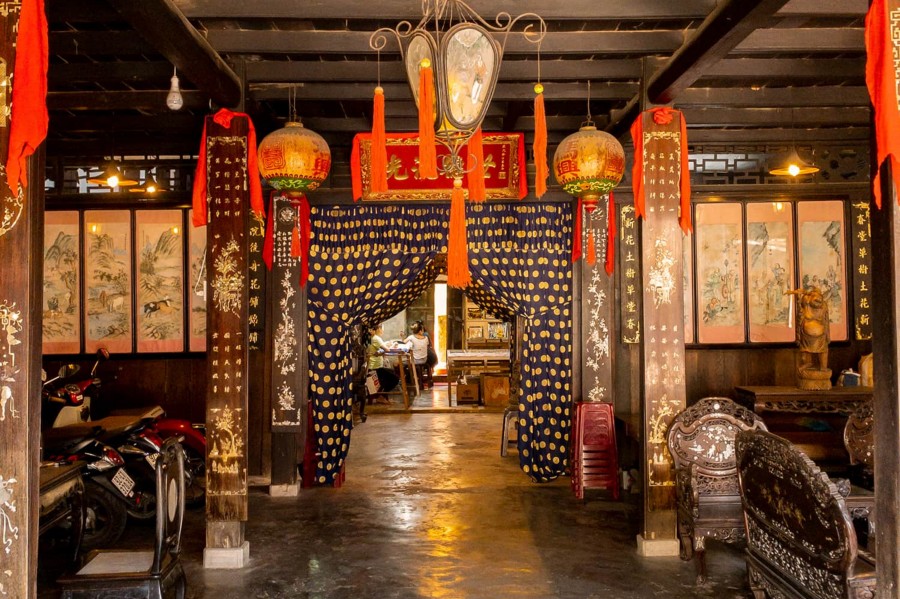
Today, the house remains a living museum where travelers can admire its harmonious fusion of Vietnamese, Japanese, and Chinese architectural influences. Dragon-carved wooden beams, airy courtyards, and decorative tiles from overseas create an elegant yet timeless space. As part of the UNESCO-listed Hoi An Ancient Town, Phung Hung Old House is honored as one of its best-preserved examples of merchant heritage. For travelers planning their Vietnam itinerary, this house is a highlight that shouldn’t be missed.
History Of Phung Hung Old House
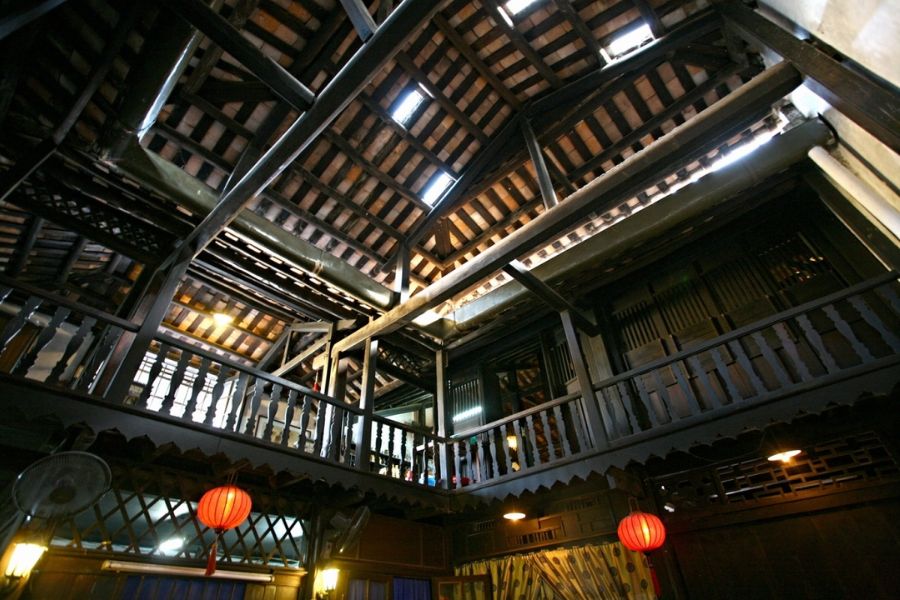
Phung Hung Old House was built at the end of the eighteenth century. Already, Hoi An had gained a commendable reputation as an intercultural gathering point. This house is unlike several others in the town in that it was constructed to endure in terms of time as well as elements, especially the floods of the Thu Bon River. The elevated surface on higher levels shows how the local merchants altered houses to accommodate them, to retain the goods, and even family life.
It is the nirvana as well as the dark age of the trading post at Hoi An. It was home to generations of foreign trade and colonial rule, as well as times of war. Despite all these changes, the entire house has remained in a single family line, over eight generations. It is highly prized because of what that historical transaction means, in which cultural exchange was embedded in the permanent in the merchant phase of Hoi An.
Unique Architecture Of Phung Hung Old House
The architecture of Phung Hung Old House reflects the blending of cultures that once shaped Hoi An. Every detail, from the wooden frame to the decorative motifs, carries a story of adaptation and exchange.
Chinese-Inspired Details
Most of the Chinese touches can be seen at the front of the house. The decorated doors and wooden balconies are carved well, and there were two, so-called, spirit eyes above the entrance, which were supposed to guard the family against evil spirits. The wooden columns and beams inside are painted in ancient patterns of dragons and phoenixes, the symbol of good fortune and prosperity. These facts do not seem decorative in themselves, but are an expression of the hopes and beliefs of the family that lived here.

Japanese Roof Structure
The roof, when looking upward, has an aspect of Japanese influence where the house stands out. It is constructed in the style of the Four Seas, which is a quadrangular shape that allows the flowing of air and keeps the inner part cool in tropical weather. The tiles that cover the roof, yin, and yang, make it strong and beautiful, and the pattern on the tiles has a spiritual connotation related to balance and harmony. This is a thoughtful design showing the cultural interchange of Hoi An and the Japanese merchants of old.
Vietnamese Craftsmanship And Materials
Fundamentally, the house is very Vietnamese. It was constructed principally of ironwood and other valuable timbers, owing to their durability and to their imperviousness to insects. The pillars are made of wood and set on lotus-shaped stone bases, but it does not only keep the house dry- they also carry a symbolic meaning. The structure is brick-built, and the broad wooden crossbeams make the walls stable, a feat of local skill.

Flexible Design Against Floods
Even the design of the house was very practical. Trading used to be done on the ground floor, and family life and worship on the upper floor. Doors were constructed in such a way that they were foldable and removable; they would help in controlling air in summer, as well as make it easier to protect during storms. Knowing about this ingenious design also contributes to your list of visits to Hoi An for those who are interested in knowing how life determines architecture.
5 Cultural Experiences You Shouldn’t Miss At Phung Hung Old House
A visit to Phung Hung Old House is not just about gazing at the architecture. The opportunity to experience a culture where Hoi An’s heritage comes alive is also offered to guests.
Explore The Merchant Lifestyle
The house’s ground floor used to be a busy shop and warehouse. Tourists are free to stroll the area and visualize how silk, ceramics, pepper, and salt were measured, crated, and traded. Tales of the merchant class can be heard by guides, who describe how families were able to strike a balance between business and personal life. This makes the house look more like a record of the trading golden age of Hoi An.

Join Ancestral Worship Rituals
Family worship is on the second floor. In this case, the use of altars in honor of ancestors and a sea goddess, Thien Hau, is still witnessed today. Travelers can observe relatives incensing or listen to the explanation of the symbolism of gifts. The rituals make one understand more of the way Vietnamese families preserve their ancestry within their households.
Appreciate Antique Arts And Symbolism
Phung Hung Old House is filled with antiques that carry both artistic and cultural value. Visitors can admire furniture inlaid with mother-of-pearl, wooden eaves carved with carp, and panels featuring dragons and phoenixes. Each detail carries meaning, from prosperity to protection. Learning these symbols from local guides helps travelers see how art, belief, and daily life were closely connected.
Learn From Living Descendants
One of the most memorable experiences is meeting the descendants of the original owner, who still live in the house. They welcome guests, answer questions, and explain how traditions are maintained through generations. This personal interaction makes the visit special, because travelers don’t just view history—they hear it directly from the family that keeps it alive.

Get Connected to the Surrounding Heritage
Located near the Japanese Covered Bridge and a number of assembly halls, the house is part of a wider cultural landscape. Visitors can combine their visit with nearby sites, in which case visiting Hoi An, a significant site in the history of the merchant sea, spans a full day exploring Hoi An’s merchant past. This kind of connection between the house and the old town helps the traveller see how every building creates the bigger picture of heritage.
Entrance Fee
Tickets to Phung Hung Old House are covered in the general entrance to Hoi An Ancient Town entrance pass. Visitors can purchase this pass from official counters throughout the old town and should always have it with their own when they are on their visit, as staff will verify it at each visit location. The ticket is valid for one day and provides access to a couple of heritage attractions, including ancient houses, assembly halls, and museums.

| Ticket Type | Price (VND) | Validity | Includes | Notes |
| Vietnamese Visitor | 80,000 VND | 24 hours | Entry to Hoi An Ancient Town + 5 heritage sites (including Phung Hung Old House) | Required for sightseeing, not just walking around. |
| Foreign Visitor | 120,000 VND | 24 hours | Entry to Hoi An Ancient Town + 5 heritage sites | Free for children under 16 years old. |
| Additional Sight Tickets | 20,000–40,000 VND | Same day | Extra sites beyond the 5 included | Optional if you want to visit more landmarks. |
Opening Hours
Phung Hung Old House is open daily for visitors. The site follows the general schedule of heritage attractions in Hoi An Ancient Town, making it easy for travelers to plan their itinerary in advance.
| Area / Activity | Opening Hours | Notes |
| Phung Hung Old House | 07:00 AM – 05:30 PM | A ticket is required, usually included in the Old Town sightseeing pass. |
| Surrounding Ancient Town | Open all day (24/7) | Streets, cafes, and riverside areas are accessible without a ticket. |
The best time to pay a visit to Hoi An and explore the Phung Hung Old House is from February to April and from September to January. These months have dry weather and nice afternoons, perfect for walking around the ancient town. Early mornings are calming, blissfully enjoyable, and tranquil, where one can enjoy the house sans crowds. Travelers preferably should avoid the peak rainy season in October.

How To Get To Phung Hung Old House
Phung Hung Old House is located in the center of Hoi An Ancient Town, only a short walk from the Japanese Covered Bridge. The site is easy to access once you arrive in Hoi An, since all major transport options from Da Nang connect directly to the old quarter. Travelers can choose different ways to reach Hoi An first, then walk to the house inside the pedestrian area.
| Transportation Mode | From Da Nang City Center | From Da Nang International Airport | Travel Time | Estimated Price (VND) | Best For |
| Taxi | About 30 km | About 30 km | 45 – 60 mins | 300,000 – 450,000 | Comfortable and direct option |
| Private Car | About 30 km | About 30 km | 45 – 60 mins | 350,000 – 500,000 | Families or groups with a flexible schedule |
| Motorbike Rental | About 30 km | About 30 km | 50 – 70 mins | 120,000 – 180,000/day | Adventurous travelers who enjoy flexible stops |
| Public Bus | About 30 km | About 30 km | 70 – 90 mins | 30,000 – 50,000 | Budget travelers and those who want a local experience |
After arriving in Hoi An, visitors can easily walk to the old quarter, where Phung Hung Old House is located. The streets are narrow and closed to most vehicles, so walking or cycling is the best way to enjoy the atmosphere. Travelers who ride motorbikes should park outside the pedestrian zone before entering the heritage area.

Things To Know Before Traveling To Phung Hung Old House
A trip to Phung Hung Old House is fairly straightforward, though a few small preparatory steps will make your visit smoother and more enjoyable. These practical suggestions are those that must be useful and, in fact, are likely to be considered by most visitors to the old town.
- The house becomes very busy, starting from around 9 in the morning till 11, with groups of tourists, so being there right inside the door at opening will give you a quieter atmosphere for enjoyment.
- While it looks as if the furniture and other carved details have been rather sturdy, they are not, and even the most minute accidental contact leaves marks for eternity; so the best practice would be to admire from afar.
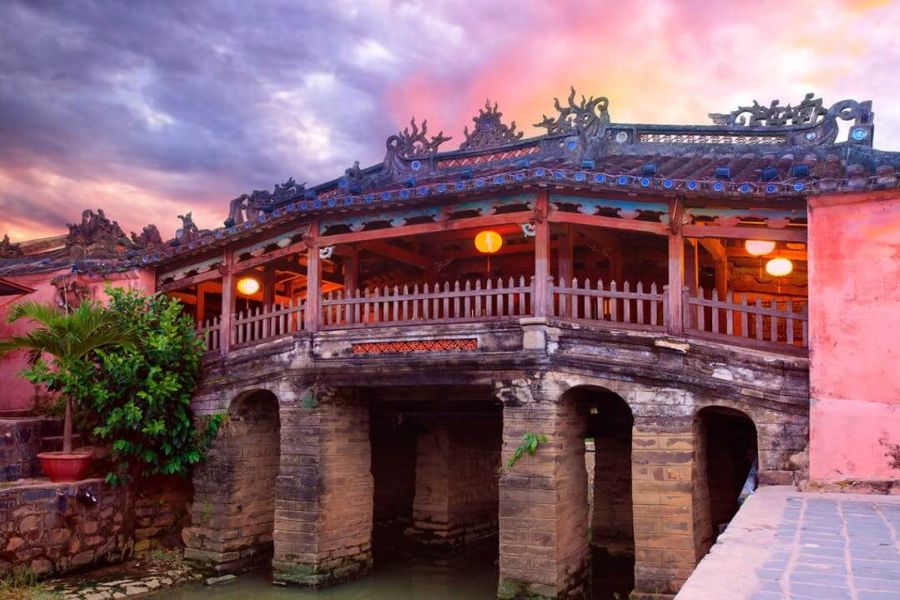
- The Phung Hung Old House stands very close to the Japanese Covered Bridge, so you may easily do both and thereby save time on your tour.
- Photographing is indeed allowed, while using any tripod stands or such will be against the rules, so brace yourself for shooting handheld; you might have to maneuver through several dark rooms on your visit.
- Also, the upper floor is still retained by the residing family, so respecting the restricted areas will keep the visit smooth and help avoid interruptions.
- Flooding sometimes affects Hoi An in the rainy season; hence, the water level might place some limitations on accessing old houses, so checking conditions beforehand is a smart step.
Final Thoughts: Is Phung Hung Old House Worth Visiting?
Visiting Phung Hung Old House gives travelers a closer look at how Hoi An’s merchant families once lived and worked. The house is easy to reach inside the ancient town, and spending time here adds depth to any walking tour of Hoi An. For travelers who enjoy history and culture, it is a stop that feels both meaningful and memorable. If you need help planning routes or combining Phung Hung with nearby highlights, Seni World is ready to guide you.


