


This beautiful nature reserve, located deep in the mountains of Ba Be National Park, is one of the most beautiful eco-destinations in northern Vietnam. Famous for its green waters of Ba Be Lake, towering limestone cliffs, waterfalls, and dense tropical forests, this national park has something to offer at every turn. One can enjoy serene boat rides, jungle treks, cave explorations, and authentic experiences of ethnic communities of nearby villages.
Introduction to Ba Be National Park
Situated deep in the heart of Bac Kan Province, located in the northern part of Vietnam, Ba Be National Park is a breathtakingly beautiful place with a reputation for its unspoiled forests, rugged limestone mountain ranges, and one of the largest natural freshwater lakes in all of Southeast Asia, namely the Ba Be Lake. This is a haven for nature lovers and travel enthusiasts, providing a peaceful retreat for those who want to get away from the hustle and bustle of urban living.
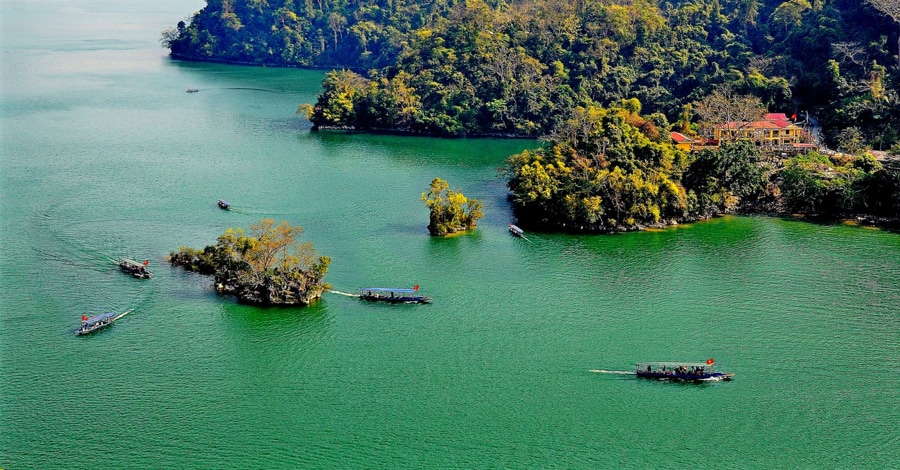
However, Ba Be National Park is not just about the scenic views. It is also about the authentic cultural experiences. The national park is inhabited by several ethnic minority groups, including the Tay, Dao, and Hmong ethnic groups. Travelers can explore the tranquil waterways of the national park, hike through the jungles, explore the hidden waterfalls, or explore the caves and listen to the echoes of the geological history of the national park. Ba Be National Park is a great destination for those who want to explore the natural beauty and cultural heritage of Vietnam.
History of Ba Be National Park
At the heart of the national park is the Ba Be Lake, which is considered to be one of the largest natural fresh lakes in Vietnam. Measuring an area of about 500 hectares and stretching over eight kilometers in length, the lake also reaches two kilometers in width and can go as deep as 35 meters. The name “Ba Be” literally translates to “Three Lakes” because of the way it is naturally segmented into three parts, Pe Lam, Pe Lu, and Pa Leng. These lakes combine to create a vast and serene lake surrounded by mountains made of limestone and covered in tropical forests.
The ecological and cultural significance of Ba Be Lake has been recognized both domestically and internationally. In March 1995, the World Freshwater Lakes Conference held in the U.S. listed Ba Be as one of the 20 special freshwater lakes in the world that need to be protected and conserved. In the following year, Ba Be National Park was officially listed as a national historical and cultural site. In 1997, the Vietnam National Commission for UNESCO nominated the park as a World Natural Heritage site.
Top 7 Iconic Attractions in Ba Be National Park
Recognized as one of the most outstanding natural wonders of Vietnam, Ba Be National Park is a vast biosphere reserve and a significant Ramsar site on limestone mountains. From hidden caves, green lakes, waterfalls, and sacred ponds, every corner of this national park is a treat for nature lovers, promising a plethora of stunning views and biodiversity.
Puong Cave
Puong Cave, which is situated in the northern area of the park, is a beautiful limestone cave formed by the Nang River over thousands of years. The cave is 300 meters long, with both ends exposed, and has vertical cliffs and interesting stalactites of all shapes and sizes. Over 20 species of bats call this cave home, giving it a lively, mysterious feel.
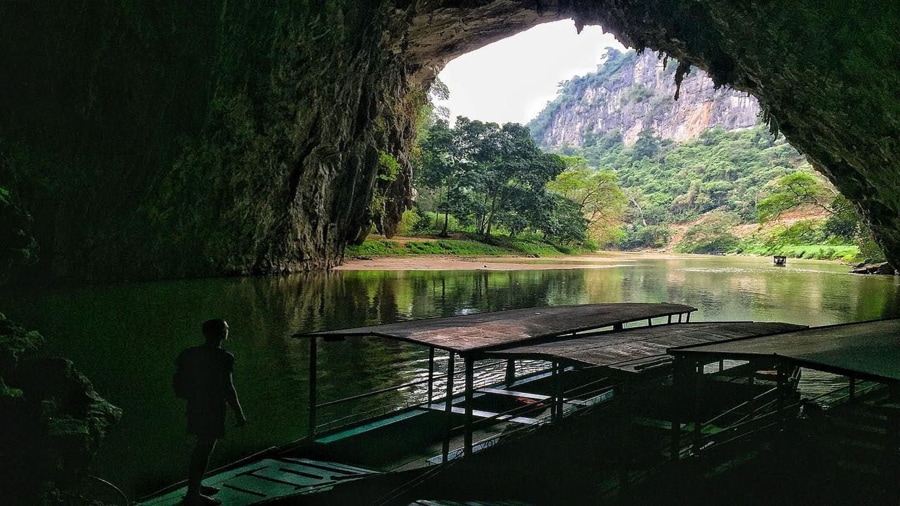
Visitors typically travel through the cave by boat, gliding smoothly through the cool air, taking in the interesting rock formations. The temperature remains a pleasant 18-20°C, making this a cool, memorable experience during your visit to Ba Be.
Widow Island
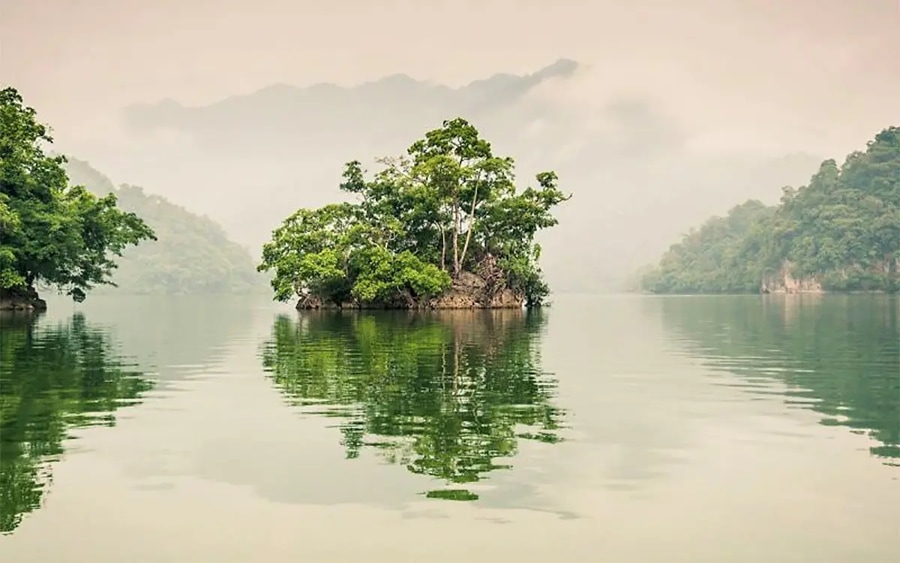
Floating serenely in the middle of Ba Be Lake, Widow Island appears as a small emerald treasure floating on top of serene blue waters. This island, formed from layered rocks of limestone, is covered in greenery, giving it a picturesque look that is ideal for photography. This island is part of every tour on Ba Be Lake, allowing visitors to walk on its shores or simply take in the serene environment. This island has a legend that connects it to an endearing tale of a widow, giving it cultural significance in addition to its beauty.
Dau Dang Waterfall
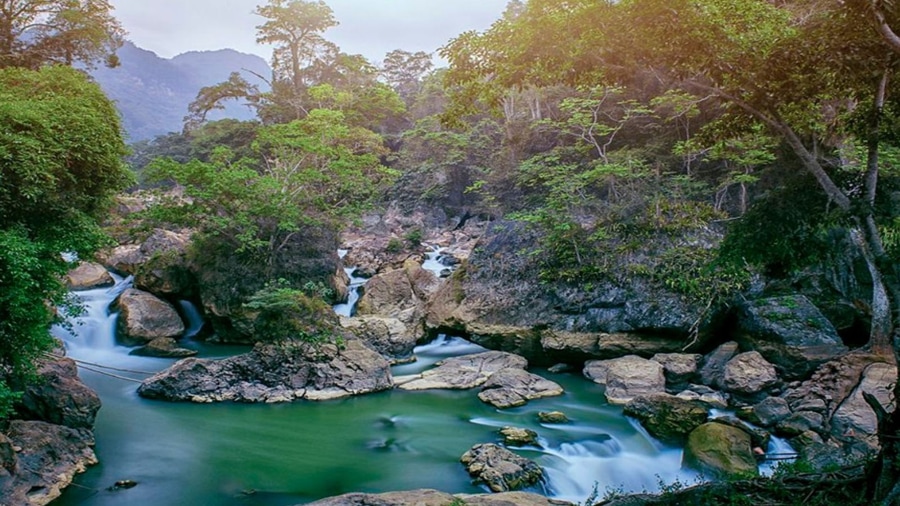
About four kilometers away from Puong Cave, the wild water of Dau Dang Waterfall captivates travelers. Located between two ranges of limestone mountains, the waterfall freely flows over large rocks, forming three separate sections. Some parts of the waterfalls are dramatic, while other parts of the waterfalls are dreamy. The sound of rushing water can be heard throughout the valley, giving this place a sense of adventure. It is also one of the favorite places for photography, especially for those who enjoy dramatic scenery.
Ao Tien Pond
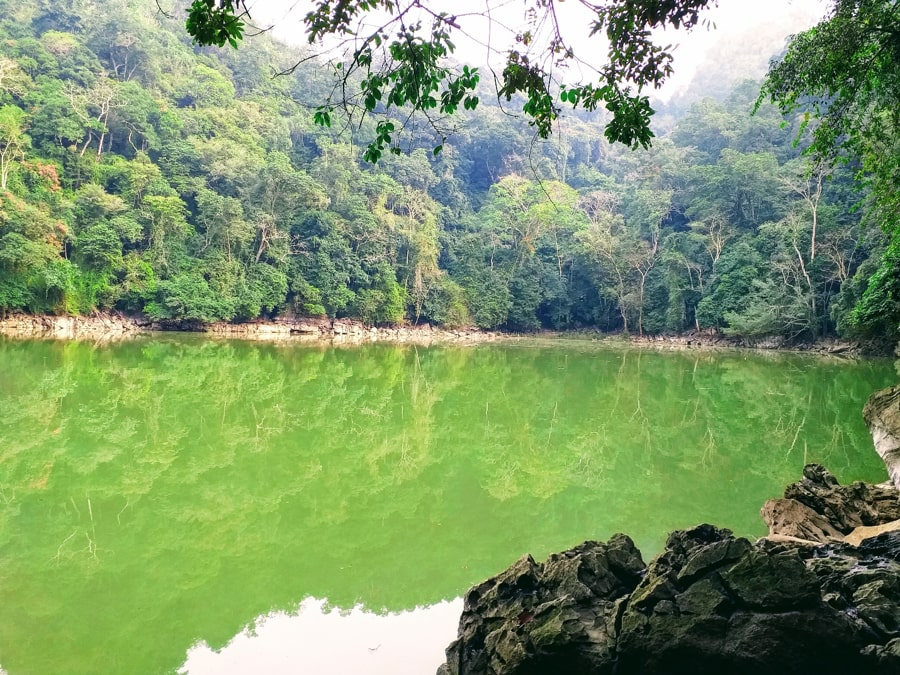
The quiet freshwater lake, known as Ao Tien Pond, is connected to Ba Be Lake by underground rivers. Due to the fact that it does not have any outlet or input, the water is crystal clear and calm, reflecting the sky like a mirror. It is inhabited by a variety of aquatic flora and fauna, and it is a sacred site for the locals. It is recommended for visitors to appreciate the scenery without interfering with the water, but it is a perfect spot to unwind and connect with nature.
Ba Be Lake
At the heart of the national park is the Ba Be Lake, which is considered the “green jewel” of Bac Kan Province. This lake is surrounded by towering limestone mountains and dense forests. Its surface reflects clouds and cliffs like a giant mirror. A popular activity in the national park is taking a boat trip across the lake. There, tourists can see caves, islands, and stilt villages. The lake provides fresh air and a soothing atmosphere. A visit to the national park would not be complete without seeing this iconic natural wonder.
Hua Ma Cave
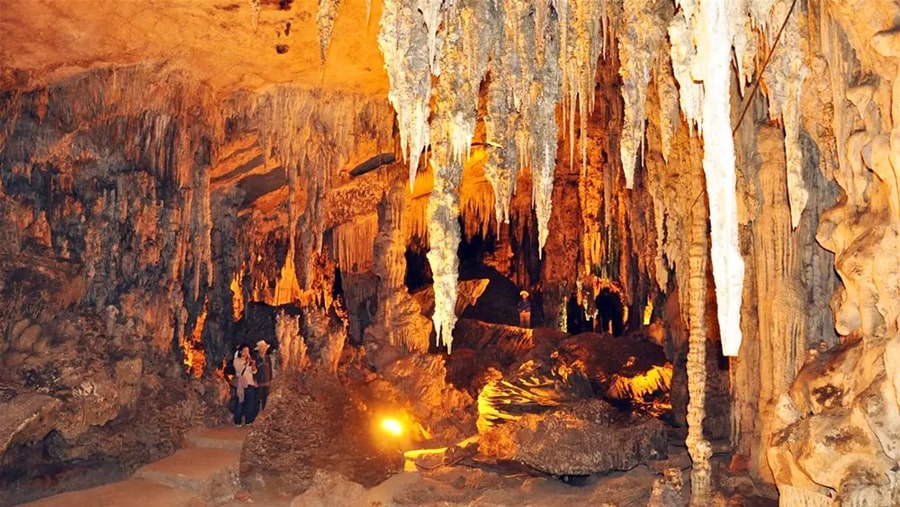
Hua Ma Cave, which is located at 350 meters above sea level on the southern side of the lake, is famous for its enormous size and mysterious beauty. After passing a staircase on the hillside, one enters a huge cave with colorful stalactites and stalagmites of various shapes, such as curtains, towers, or even mythical creatures. According to local legends, the cave used to be filled with strange sounds, which gave it a spiritual reputation. Today, it is a great destination for adventure lovers and photographers, since the surreal rock formations make every step feel like entering another world.
Tham Phay Cave
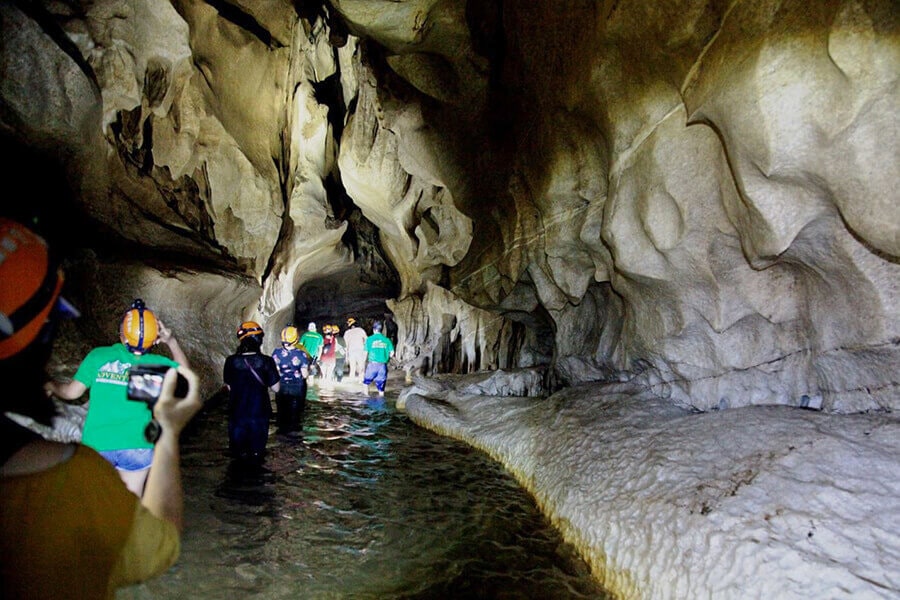
Similar to Son Doong Cave, which is found in Quang Binh, Tham Phay is one of the least explored and most adventurous caves in the area. Located deep within the forest near Co Don Mountain, it is not easy to reach this cave, but the journey is well worth it. As you make your way into the heart of this beautiful cave, you will be treated to the stunning stalactites, rivers, and other rock formations. While the journey is quite challenging, the unspoiled beauty of this cave is what makes it one of the most rewarding experiences for travelers who love adventure.
4 Unforgettable Experiences You Shouldn’T Miss
Ba Be is not just a place to look at scenery from afar. It is a place where you can actively engage in activities on the lakes, forests, caves, and villages, and each of these activities will take you closer to the raw beauty of Ba Be.
Take A Scenic Boat Trip Across Ba Be Lake
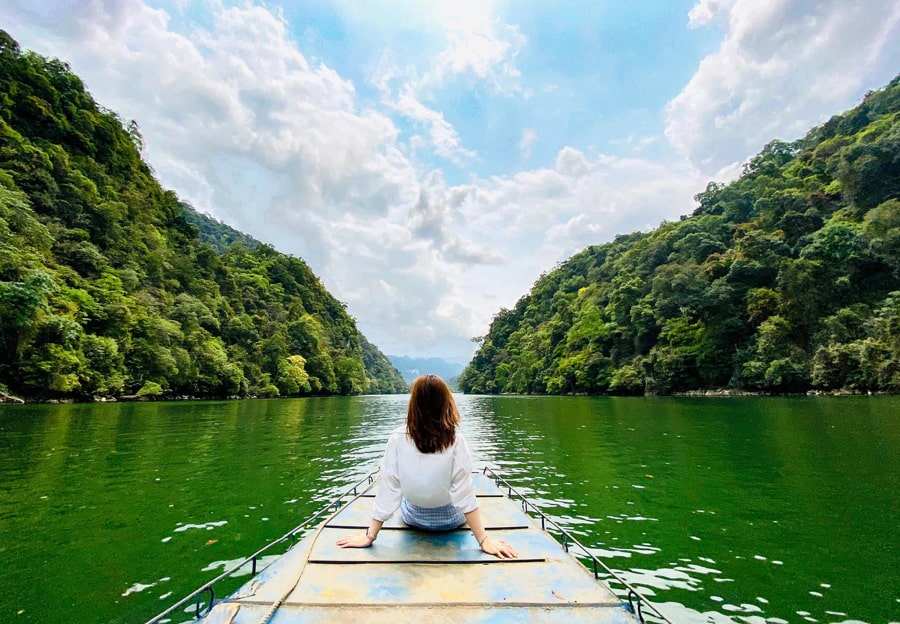
Taking a boat ride on Ba Be Lake is perhaps the most iconic activity in the park, and it is the best way to understand its sheer size and beauty. As you cruise on the lake, you will see towering cliffs and forests reflected on its surface like a mirror. This leisurely pace will give you time to take in fresh air, listen to birds chirping, and simply enjoy your surroundings.
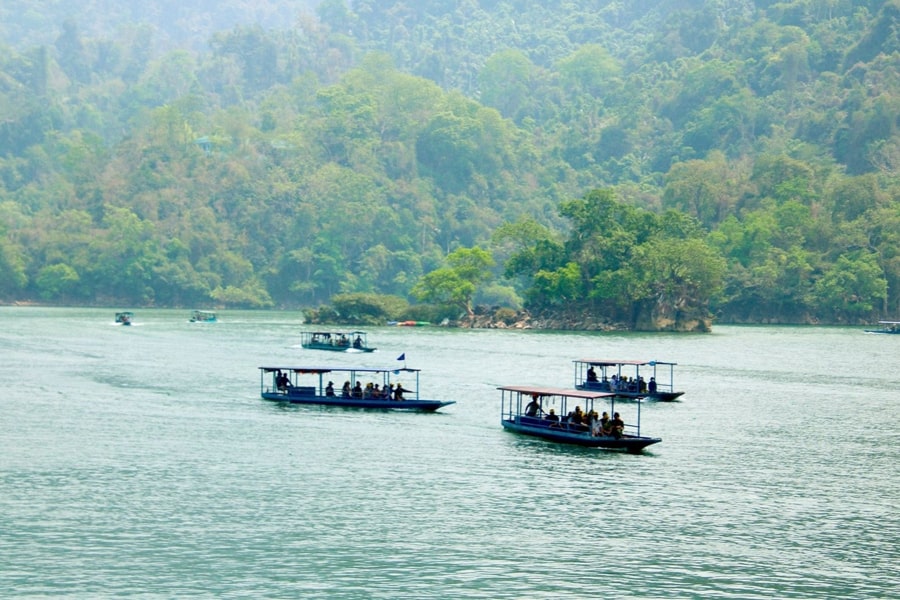
A boat trip is arguably the most popular activity on Ba Be Lake. It’s the perfect way to gain some insight into the size and beauty of this area. While traveling across this lake, you are surrounded by steep cliffs, with images of your reflection appearing on the surface of the lake, surrounded by forest.
Kayak or Swim in Crystal-Clear Waters
Kayaking or swimming allows you to engage in the absolutely beautiful area of Ba Be and its natural scenery and habitat. With a kayak, you also have the chance to explore quieter places, such as hidden corners, backwaters and shorelines that you would not be able to reach when using larger boats.
You may see fish gliding underneath you, and perhaps see butterflies flittering about the riverbanks. Swimming in the cool waters of the river on a lovely day after a long day of hiking or sightseeing provides you with a great way to relax! Enjoying a simple activity such as this has the ability to combine both enjoyment and peace in one experience!
Trek Through Forest Trails to Caves and Waterfalls
With densely wooded pathways throughout the jungles and diverse terrains, Ba Be National Park has everything that a trekking enthusiast could want. Trekking routes take you through lush tropical forests, over wooden bridges, and ascend into the heights of rolling hills, providing plenty of opportunities to view natural wonders such as Dau Dang Falls or stunning limestone caves.
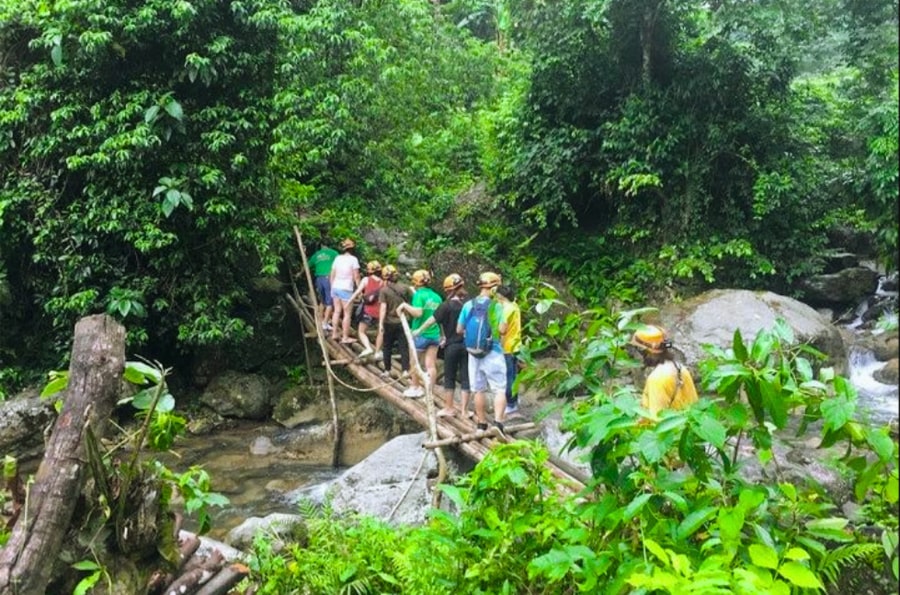
As you make your way through this forest, you may come across plants that are not found anywhere else, birds with unusual colours, and possibly even some rare wildlife. Some of these trails are easy to hike and appropriate for novices, while others are more challenging for those looking for an adventure. Hiking here is similar to stepping back into a world that has never been altered or developed.
Stay Overnight In A Traditional Tay Homestay
A night spent in one of the nearby villages of the park will provide a unique opportunity to experience culture at a much deeper level than simply observing sights during the day. Many Tay ethnic family members host visitors and allow them to stay overnight in their traditional wooden stilt homes, which allows you to witness first-hand what daily life is like for them living in the mountains. Each guest has the opportunity to have their host prepare traditional meals for them and tell them stories about local legends and customs.
Nights tend to have a calmer sense of acoustics because most of the sound from the city is replaced by that from nature’s creatures and the lake. Waking up to the mountains’ obscured peaks amid the mist with a breeze of countryside-fresh air is very refreshing. The welcoming and connection to culture adds to the importance and quality of your stay in this area.
Entrance Fee
Prior to visiting Ba Be National Park, it is worth noting that the park has its own entrance fees for visiting the lake, caves, and boat services. These fees are reasonable and are used to support conservation activities.
Entrance Ticket and Service Prices
| Service | Adults | Children |
| Ba Be Lake entrance ticket | ~$3 | ~$1.75 |
| Hua Ma Cave ticket | ~$2 | ~$1 |
Boat Tour Prices (Per Boat)
| Route | Duration | Price (USD) |
| An Ma Temple route | 30–60 mins | ~$13 |
| An Ma Temple – Lake – Widow Island | 1.5–2 hrs | ~$26 |
| Dau Dang Waterfall – Lake – Widow Island | 2.5–3 hrs | ~$35 |
| Puong Cave – Lake – Widow Island | 3.5–4 hrs | ~$52 |
| Puong Cave – Dau Dang – Lake – Widow Island | 4.5–5 hrs | ~$52 |
Best Time to Visit Ba Be National Park
The location of Ba Be National Park, which is surrounded by ancient limestone mountains and vast primary forests, provides a source of fresh air and a cool, pleasant climate. The climate of this national park is always pleasant due to its highland location. Therefore, this national park is suitable for outdoor activities during any season of the year. The season you visit this national park during will depend on the season.
- April – October (Rainy and Humid Season): This season, rain showers are quite common, forests are green, and waterfalls are powerful.
- November – February (Cold Season): In this season, temperatures can go as low as 0°C, and mornings are foggy.
- February – April (best time to visit): Dry, cool, and comfortable weather, ideal for outdoor activities.
- 9-10th of Lunar January (Early Spring): A good time to attend the Ba Be Lake Festival and explore Tay and Nung ethnic traditions.
How to Get to Ba Be National Park
Ba Be National Park is situated 220 km from Hanoi and can be accessed by road, making it an easy 2-3 day trip from the capital. The length of time it takes to travel varies by method of transportation, but usually takes between 3 and 5 hours, and provides wonderful scenery of the northern mountains and countryside of Vietnam.
By Car or Bus
This is the easiest and most comfortable way for tourists to get to the destination. From Hanoi, it is recommended to take the route via Ring Road 3 and Thanh Tri Bridge, then take the Hanoi-Thai Nguyen Expressway and proceed to National Highway 3 to Bac Kan Province. After arriving in Phu Thong Town, take Provincial Road 258 for about 40 km to reach Ba Be Lake.
The cost of a bus from Hanoi to Bac Kan is about 150,000-200,000 VND (6-8 USD) per person. For the route from Bac Kan City to the national park, it will take about 100,000-150,000 VND (4-6 USD) by taxi or motorbike taxi. This route is smooth and convenient, and it is recommended for families and tourists who prefer to avoid driving.
By Motorbike
If you are a fan of adventure and want a flexible mode of transport, then a motorbike is the best way to travel and explore the countryside. From Hanoi, you can travel along National Highway 3 towards Thai Nguyen, passing through Dinh Hoa, Cho Chu, and Bang Lung, and finally reaching Ba Be. The travel time will be around 4-5 hours and will provide a scenic view of the mountain ranges, rice paddies, and villages of ethnic minorities.
Rental of a motorbike in Hanoi is quite cheap, around 120,000-180,000 VND per day, or around 5-7 USD. But the road conditions are quite narrow, so you should wear proper gear and ride the bike carefully. This mode of transport is best suited for backpackers who want a flexible and adventurous travel experience.
Things to Know Before Traveling to Ba Be National Park
Ba Be National Park is a serene and unspoiled tourist spot, and it is always a good idea to be somewhat prepared for your visit, which will make your adventure more comfortable. Knowing what to expect will make your adventure more enjoyable.
- Wear comfortable hiking shoes. Many of the attractions require visitors to walk through forest trails, rocky terrain, or slippery steps near waterfalls and caves.
- Bring insect repellents and sunscreen. The park is surrounded by jungle and water, and mosquitoes and strong sun are common, especially during summer.
- Bring cash for various services. ATMs are limited, and most homestays, boat rides, and small businesses accept cash only.
- Homestay for a night. Staying a night in a Tay community will provide a richer cultural experience, and you can enjoy the lake at sunset or sunrise.
- Check the weather before trekking or going on a boat ride. Rainfall will make the trekking route muddy, and a boat ride will be less enjoyable.
- Wear light but warm clothing. It will be cool in the mountainous area, especially from autumn to spring.
Final Thoughts: Is Ba Be National Park Worth Visiting?
Absolutely. Ba Be National Park is a rare gem that provides a serene atmosphere of lakes, forests, waterfalls, and ethnic villages. Therefore, it is a perfect getaway to nature. Whether you cruise around Ba Be Lake, trek through the jungle, or stay in a stilted ethnic house, it is all serene and refreshing. This is a perfect destination for travelers who enjoy eco-tourism, adventure, and culture. For a smooth and meaningful adventure to Ba Be, let us plan it for you and provide you with the best of the best.
Related articles


