


Bao Dai Summer Palace is a historic landmark in Da Lat, once serving as the private retreat of Vietnam’s last emperor. The palace reflects elegant architecture, royal lifestyle, and peaceful surroundings amid pine-covered hills.
Introduction To Bao Dai Summer Palace
Bao Dai Summer Palace, also known as Dinh Bảo Đại, is one of Da Lat’s most iconic historical attractions. Once the residence of Emperor Bao Dai, the last king of Vietnam, this elegant palace showcases a harmonious blend of French colonial architecture and royal Vietnamese style. Surrounded by pine forests and cool highland air, the palace offers visitors a glimpse into the refined lifestyle of the Nguyen Dynasty. Inside, original furniture, working rooms, and private living spaces are carefully preserved, creating an authentic atmosphere that reflects the emperor’s daily life.
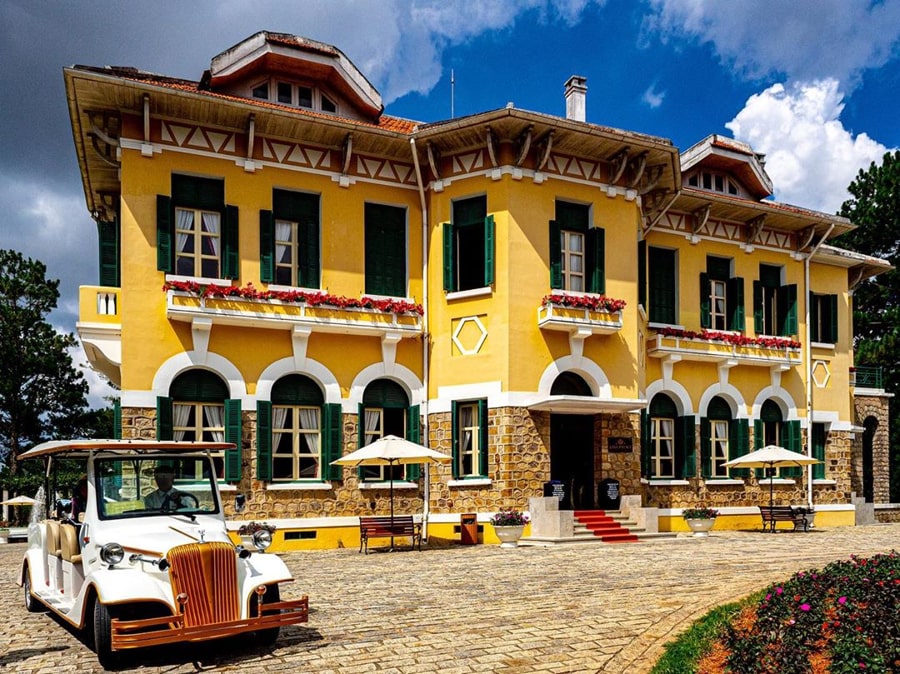
Visiting Bao Dai Summer Palace is not only a journey into Vietnam’s royal history but also a chance to enjoy the peaceful charm of Da Lat. The palace’s scenic location, well-maintained gardens, and cultural value make it ideal for history lovers, architecture enthusiasts, and first-time visitors. It is a must-see destination for anyone wanting to understand Da Lat beyond its romantic landscapes.
History Of Bao Dai Summer Palace
Bao Dai Summer Palace was built in the early 1930s as a private residence for Emperor Bao Dai, the last ruler of the Nguyen Dynasty. Designed under the influence of French colonial architecture, the palace reflects the modern tastes of the emperor, who was educated in France. Unlike traditional royal palaces, this residence features a simple yet elegant design, prioritizing comfort and functionality. It served as a retreat where Bao Dai lived and worked with his family during his time in Da Lat, a city he favored for its mild climate and tranquil atmosphere.
After the end of the monarchy, Bao Dai Summer Palace witnessed many historical changes and was later preserved as a cultural and historical site. Today, it stands as a valuable reminder of Vietnam’s final imperial era, offering insight into royal life during a period of transition. The palace’s preserved interiors, historical artifacts, and stories connected to Emperor Bao Dai make it an important destination for understanding Vietnam’s modern history.
Unique Architecture Of Bao Dai Summer Palace
Bao Dai Summer Palace stands out for its refined architecture, reflecting the emperor’s modern lifestyle and Western influence. Every space was designed for comfort, functionality, and harmony with Da Lat’s cool climate and natural landscape.
Modern French Colonial Design
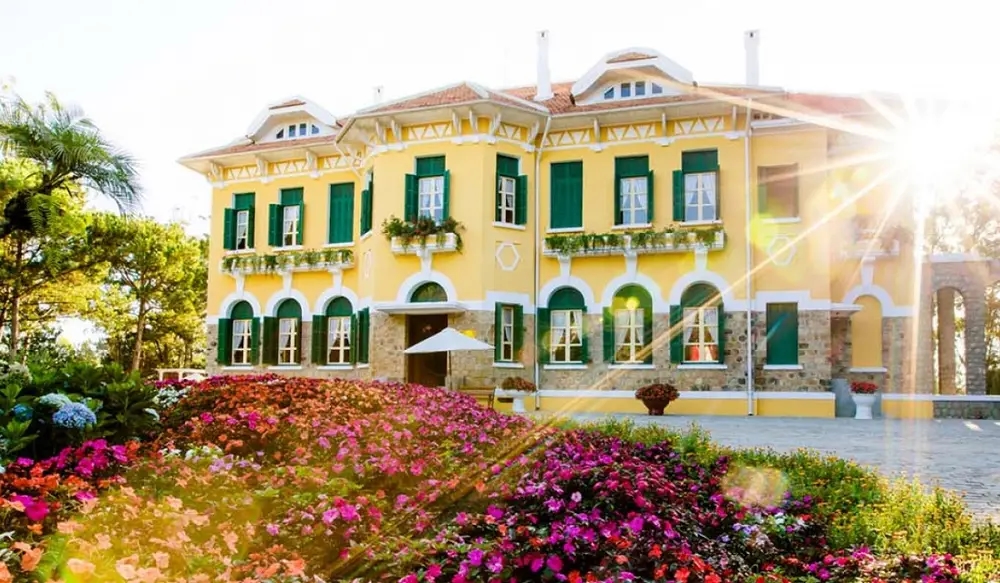
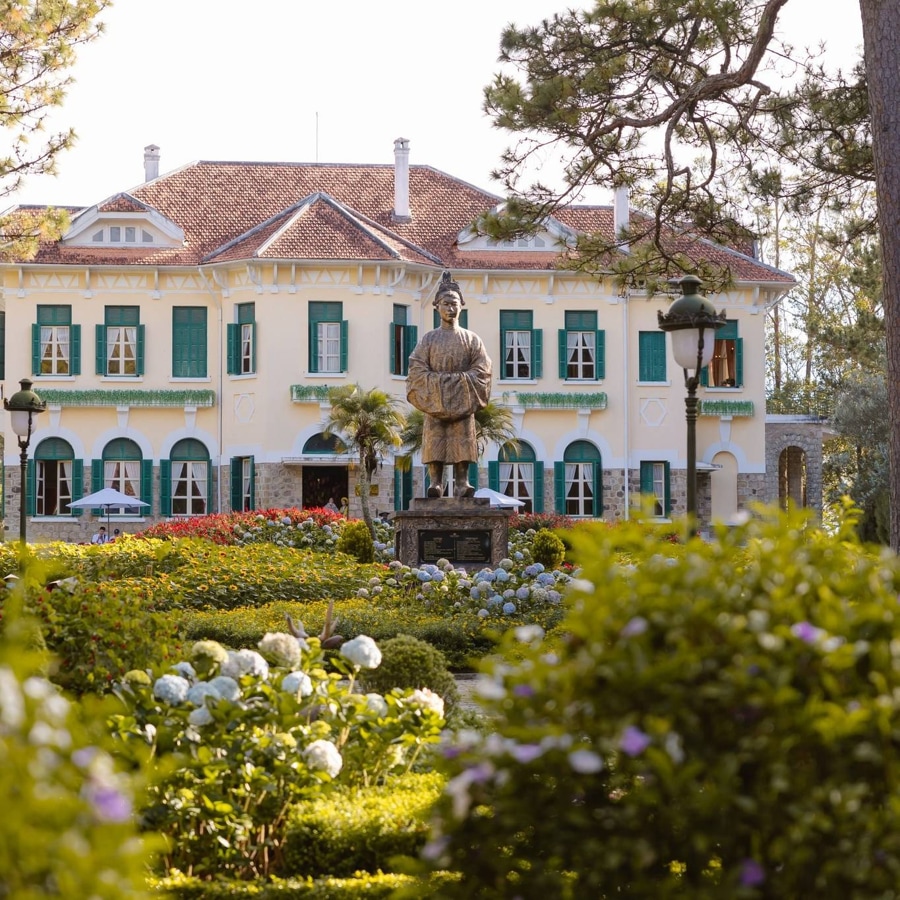
The palace features a clear French colonial architectural style, marked by clean lines, flat roofs, and balanced proportions. Unlike traditional Vietnamese palaces, its design is minimalist and practical, emphasizing daily comfort over ceremonial grandeur. Large windows allow natural light to fill the interiors while offering views of the surrounding pine forests. This architectural approach reflects Emperor Bao Dai’s European education and preference for a modern royal residence suited to private living rather than formal court rituals.
Functional Interior Layout
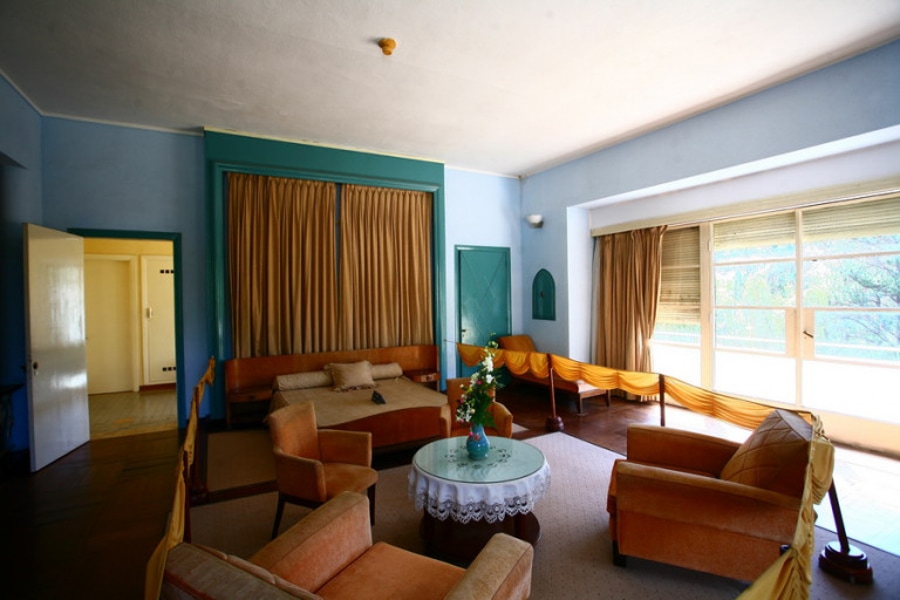
Inside the Bao Dai Summer Palace, the layout is carefully planned to separate public and private spaces. The ground floor includes reception rooms, meeting areas, and working spaces, while the upper floors are reserved for bedrooms and family living quarters. Original furniture, staircases, and décor remain intact, highlighting a blend of Western elegance and Vietnamese subtlety. This functional design provides visitors with a realistic insight into the daily life of Vietnam’s last emperor.
3 Unforgettable Experiences You Shouldn’t Miss
Bao Dai Summer Palace offers immersive experiences that go beyond simple sightseeing. From history and architecture to nature and photography, each activity helps visitors connect deeply with Da Lat’s royal past and tranquil atmosphere.
Explore the Royal Living Spaces
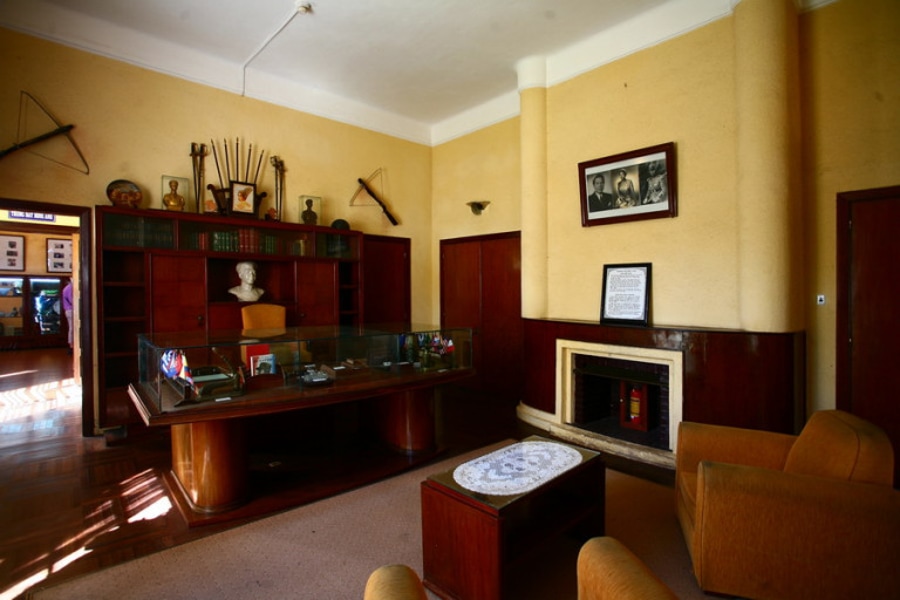
Step inside the original living and working areas once used by Emperor Bao Dai and his family. The preserved bedrooms, reception rooms, and study spaces display authentic furniture, personal belongings, and historical photographs. As you move through each room, you gain a clearer understanding of the emperor’s daily routines, lifestyle, and responsibilities. This experience transforms the palace from a historic building into a vivid story of Vietnam’s final imperial chapter, allowing visitors to feel closely connected to the past.
Admire French Colonial Architecture
Take time to observe the palace’s French colonial design, characterized by clean lines, spacious layouts, and large windows. The architecture reflects Bao Dai’s European education and preference for modern living. Walking around the structure allows visitors to see how Western architectural elements were adapted to Da Lat’s cool climate and natural landscape. This experience is especially appealing to architecture enthusiasts and photographers seeking elegant, timeless details.
Enjoy the Peaceful Garden and Pine Forest Views
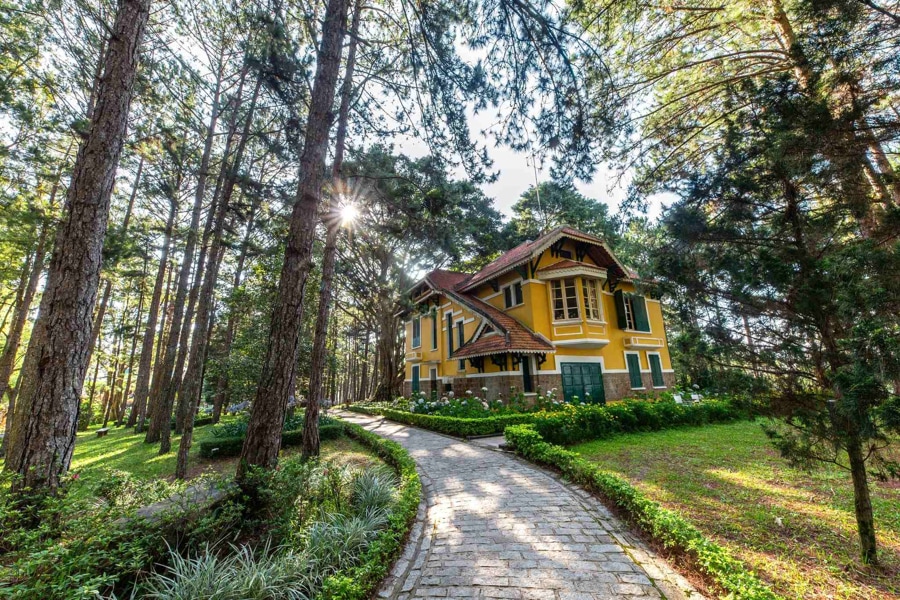
Surrounding the palace are well-kept gardens and tall pine trees, creating a calm and refreshing environment. A leisurely stroll around the grounds offers fresh air, scenic viewpoints, and excellent photo opportunities. This peaceful setting explains why Bao Dai chose Da Lat as his retreat, making the visit relaxing as well as culturally enriching for travelers seeking quiet moments amid history.
Entrance Fee
Bao Dai Summer Palace offers affordable entrance fees, making it an easy addition to any Da Lat itinerary. Clear ticket pricing and simple policies help international visitors plan their visit smoothly and confidently.
| Ticket Type | Price (VND) | Price (USD approx.) | Notes |
| Adult Ticket | 30,000 to 50,000 | 1.2 to 2.0 | Standard entrance for sightseeing |
| Child Ticket | 15,000 to 25,000 | 0.6 to 1.0 | Applied to children below a regulated height |
| Children under 1m | Free | Free | Free entry when accompanied by adults |
| Costume Rental (optional) | 20,000 | 0.8 | Available for photo experiences |
| Combo Experience Ticket | 150,000 | 6.0 | Includes additional activities and photo options |
Ticket prices may vary slightly depending on the palace and season, so visitors are advised to check directly at the entrance before purchasing.
Opening Hours
Bao Dai Summer Palace is open daily from 7:00 AM to 5:30 PM, allowing visitors plenty of time to explore the palace interiors and surrounding gardens. The site welcomes guests throughout the year, including weekends and public holidays, making it a convenient stop in any Da Lat travel itinerary.
The best time to visit Bao Dai Summer Palace is during the dry season from November to March, when the weather is cool, pleasant, and ideal for sightseeing. Visiting in the morning or late afternoon helps avoid peak crowds and provides softer natural light for photography, creating a more relaxed and enjoyable experience.
How To Get To Bao Dai Summer Palace
Bao Dai Summer Palace is conveniently located near Da Lat city center, making it easy to reach by various transport options. Visitors can choose flexible ways to travel depending on budget, time, and personal comfort.
| Transportation | Estimated Cost (VND) | Estimated Cost (USD) | Travel Time | Notes |
| Taxi / Grab Car | 80,000 to 120,000 | 3.2 to 4.8 | 10 to 15 minutes | Comfortable and suitable for groups |
| Motorbike Rental | 120,000 to 150,000 / day | 4.8 to 6.0 | 10 to 15 minutes | Requires valid driving license |
| Private Car | 500,000 to 800,000 | 20 to 32 | Half day | Ideal for families or full itinerary |
| Walking (from the center) | Free | Free | 30 to 40 minutes | Suitable for active travelers |
When traveling by motorbike, international visitors should carry a valid driving license recognized in Vietnam and wear a helmet at all times. Roads to the palace are paved and easy to navigate, but caution is advised during the rainy season due to slippery conditions.
Things To Know Before Traveling To Bao Dai Summer Palace
Visiting Bao Dai Summer Palace is a rewarding cultural experience, especially with a little preparation. These practical travel tips will help you enjoy the palace comfortably, respectfully, and without unexpected issues during your visit.
- Wear comfortable walking shoes, as the palace grounds include stairs, slopes, and garden paths that require light walking and steady footing throughout the visit.
- Visit early in the morning or late afternoon to avoid crowds and enjoy cooler temperatures, especially during weekends and peak tourist seasons.
- Bring cash in small denominations, since some ticket counters and rental services may not accept credit cards or international payments.
- Dress respectfully when entering indoor exhibition areas, as the palace is a historical site with preserved royal living spaces.
- Allow at least one hour to explore the palace interiors and gardens at a relaxed pace without rushing through key rooms.
- Photography is allowed in most areas, but flash usage may be restricted inside, so check local signs before taking photos.
- During the rainy season, carry a light rain jacket or umbrella, as Da Lat’s weather can change quickly during the day.
FAQs About Bao Dai Summer Palace
Bao Dai Summer Palace is one of Da Lat’s most visited historical attractions, often raising common questions from international travelers. The answers below help visitors better plan their trip and understand what to expect before arriving.
How much time should I spend at Bao Dai Summer Palace?
Most visitors spend about one to one and a half hours exploring Bao Dai Summer Palace. This allows enough time to walk through the main rooms, view historical displays, take photos, and enjoy the garden area. Travelers who enjoy architecture or photography may want to stay longer to explore details at a slower pace.
Can I take photos inside the Bao Dai Summer Palace?
Photography is generally allowed inside the Bao Dai Summer Palace, including many interior spaces and outdoor areas. However, flash photography may be restricted in certain rooms to protect historical artifacts and furniture. Visitors should follow posted signs and staff instructions to ensure respectful and responsible photography during their visit.
Is the Bao Dai Summer Palace suitable for families with children?
Yes, the Bao Dai Summer Palace is suitable for families traveling with children. The open spaces, gardens, and easy walking paths make it accessible for all ages. While younger children may not fully understand the historical context, the palace’s layout and outdoor areas still offer an enjoyable and educational experience for families.
Final Thoughts: Is Bao Dai Summer Palace Worth Visiting?
Bao Dai Summer Palace is a worthwhile destination for travelers seeking history, culture, and peaceful scenery in Da Lat. Its elegant architecture, preserved royal interiors, and tranquil surroundings offer a deeper understanding of Vietnam’s last imperial era. The palace is easy to visit, affordable, and suitable for all ages, making it an ideal stop in any itinerary. Plan your Da Lat journey with Seni World to discover meaningful destinations and create memorable travel experiences with confidence.


