


Hai Van Pass is a legendary coastal mountain pass in central Vietnam, connecting Hue and Da Nang. Famous for dramatic curves, ocean views, and historical value, it is a must-visit destination for adventure seekers and photographers.
Introduction To Hai Van Pass
Hai Van Pass is one of the most famous mountain passes in Vietnam, stretching along the boundary between Hue and Da Nang. Known as the “Ocean Cloud Pass,” it offers a spectacular combination of winding roads, lush mountains, and sweeping views of the East Sea. Standing at an elevation of nearly 500 meters, the pass has long been admired for its natural beauty and strategic importance. Today, it attracts travelers seeking scenic drives, memorable photography spots, and a deeper connection with central Vietnam’s dramatic landscapes.
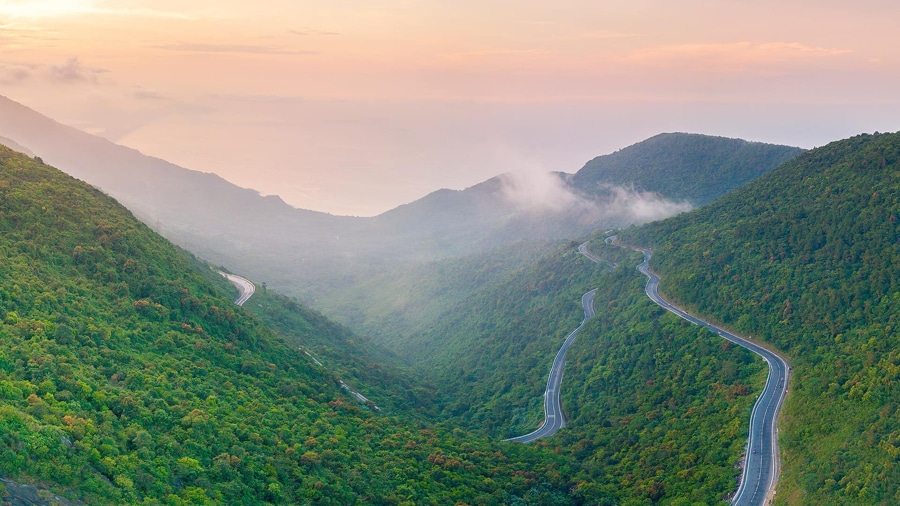
Visiting Hai Van Pass allows travelers to experience one of the most breathtaking coastal routes in Southeast Asia. The journey itself is the highlight, with panoramic viewpoints, cool mountain air, and historic sites such as Hai Van Gate along the way. Whether traveling by motorbike, car, or guided tour, the pass delivers a sense of adventure and freedom. It is an ideal destination for nature lovers, road trip enthusiasts, and anyone looking to explore Vietnam beyond its cities.
History Of Hai Van Pass
Hai Van Pass has a long and layered history shaped by geography, culture, and military significance. For centuries, the pass served as a natural boundary between ancient kingdoms, most notably the Champa Kingdom in the south and Đại Việt in the north. Its strategic position made it a vital route for trade, communication, and defense across central Vietnam.
During the Nguyen Dynasty, Hai Van Gate was constructed at the summit to protect the imperial capital of Hue, earning the pass the title “the most magnificent pass under heaven.” In later periods, especially during the French colonial era and the Vietnam War, Hai Van Pass continued to play an important military role. Today, beyond its historical value, the pass stands as a symbol of resilience and cultural continuity, reflecting centuries of human interaction with Vietnam’s dramatic coastal landscape.
Top 4 Iconic Attractions In Hai Van Pass
Hai Van Pass is more than just a scenic road; it is home to several iconic landmarks that highlight its natural beauty and historical importance. Each stop along the pass offers a unique perspective, from panoramic viewpoints to centuries-old structures.
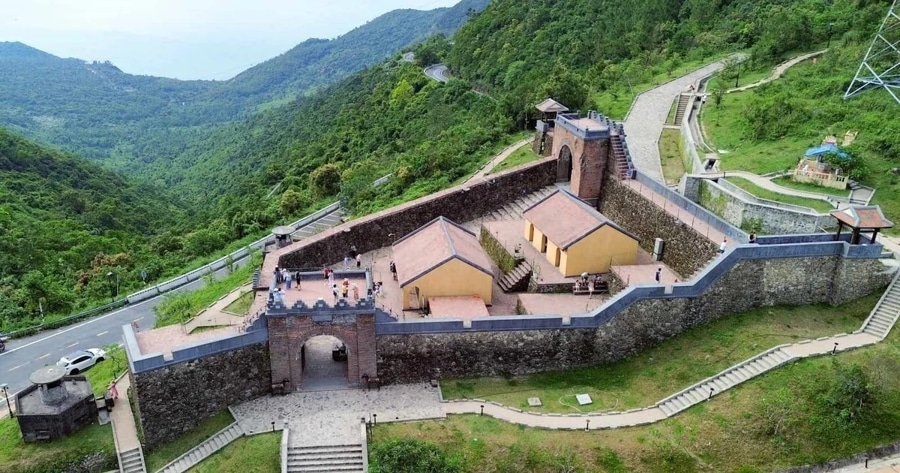
Hai Van Gate
Hai Van Gate is the most historically significant landmark on the pass, located at its highest point. Built during the Nguyen Dynasty, it once served as a strategic military fortification protecting Hue from the south. The ancient stone gate, weathered walls, and old cannons create a powerful contrast against the surrounding mountains and sea. From here, visitors can enjoy sweeping views of both Hue and Da Nang, making it a popular stop for history lovers and photographers alike.
Hai Van Quan Viewpoint
This viewpoint is one of the best places to fully appreciate the dramatic landscape of Hai Van Pass. Standing here, travelers can see winding roads hugging the mountains, dense green forests, and the vast blue ocean below. The cool air and open scenery create a refreshing break during the journey. It is an ideal spot for panoramic photos, short rests, and simply taking in the scale of central Vietnam’s coastal terrain.
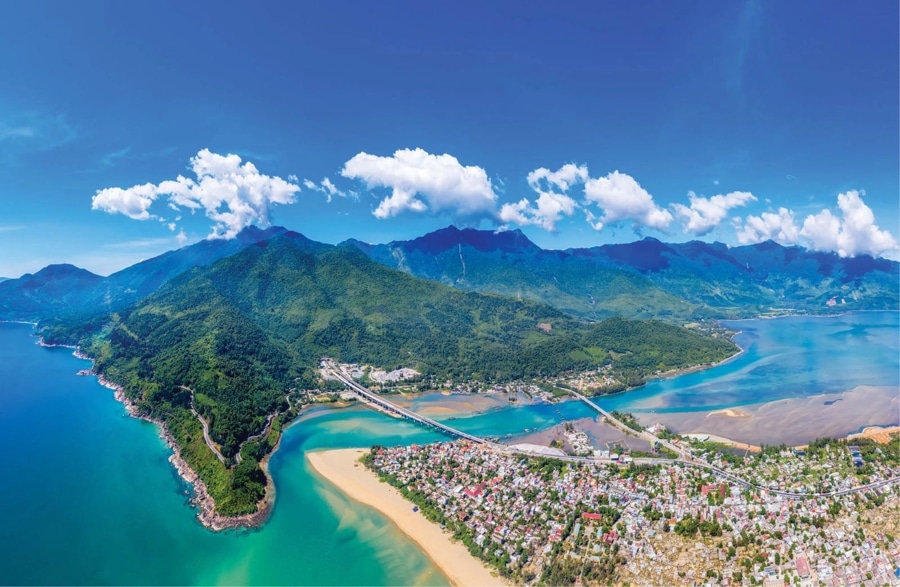
Lang Co Bay
Located at the northern foot of Hai Van Pass, Lang Co Bay is famous for its calm waters and long white-sand beach. The bay offers a peaceful contrast to the thrilling drive of the pass above. Visitors often stop here to relax, enjoy fresh seafood, or admire the lagoon-meets-sea landscape. With mountains behind and ocean ahead, Lang Co Bay is considered one of the most beautiful bays in Vietnam and a perfect complement to the Hai Van Pass experience.
Da Chong (French Bunker Ruins)
Da Chong is a lesser-known but fascinating attraction featuring remnants of French and wartime bunkers. These concrete structures were once used for observation and defense due to the pass’s strategic height. Today, the ruins add a sense of mystery and historical depth to the landscape. Surrounded by wild vegetation and open views, Da Chong appeals to travelers interested in military history and off-the-beaten-path exploration.
5 Unforgettable Experiences You Shouldn’t Miss
Hai Van Pass offers more than stunning scenery; it delivers memorable travel experiences that connect nature, culture, and adventure. From scenic drives to local flavors, each activity adds depth to your journey across this iconic mountain pass.
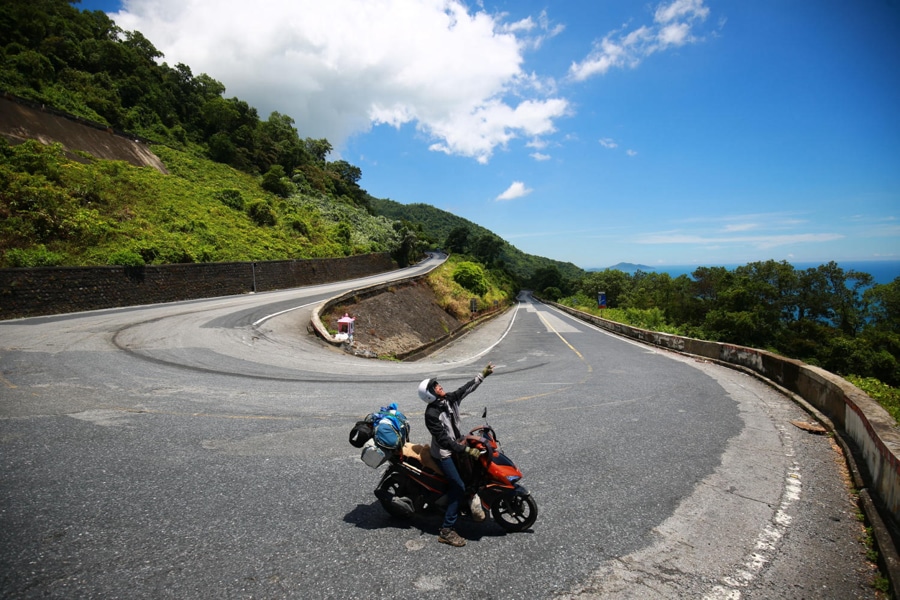
Enjoy a Scenic Motorbike Ride
Riding a motorbike across Hai Van Pass is one of the most thrilling experiences in central Vietnam. The winding roads, changing elevations, and fresh mountain air create a strong sense of freedom. As you navigate sharp curves, you are rewarded with breathtaking ocean views and lush forests. This experience is especially popular among adventure seekers who want to fully feel the rhythm and beauty of the pass at a relaxed pace.
Capture Panoramic Photography Spots
Hai Van Pass is a paradise for photographers thanks to its dramatic landscapes and natural lighting. Numerous viewpoints along the route allow travelers to capture sweeping shots of mountains meeting the sea. Early morning and late afternoon are ideal for soft light and misty effects. Whether using a professional camera or a smartphone, every stop offers a chance to create unforgettable travel memories.
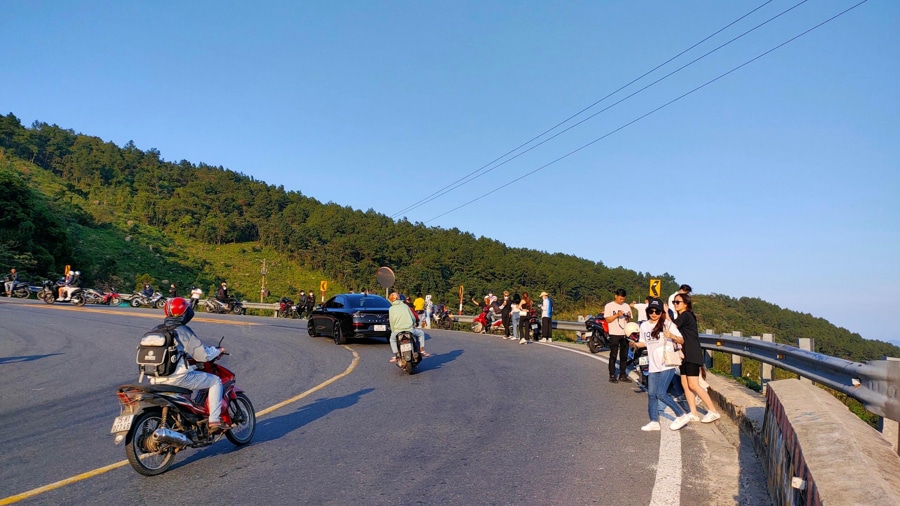
Visit Historic Hai Van Gate
Exploring Hai Van Gate gives visitors a deeper appreciation of the pass’s historical significance. Walking among ancient stone walls and old fortifications reveals stories of past kingdoms and military defense. The elevated location also provides impressive views in both directions, toward Hue and Da Nang. This experience combines history, culture, and scenery in one meaningful stop along the journey.
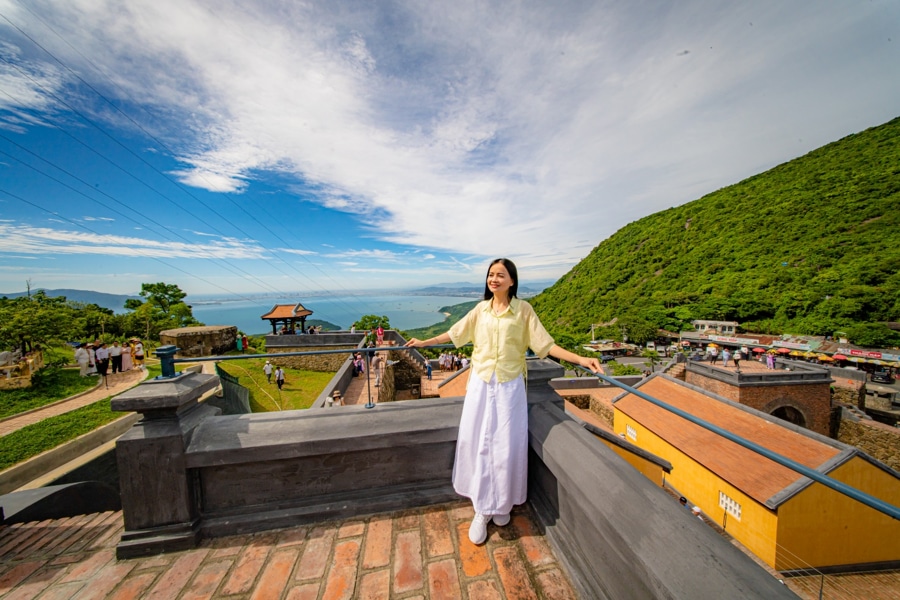
Relax at Lang Co Beach
After crossing the mountain pass, stopping at Lang Co Beach is a perfect way to unwind. The calm waters and quiet shoreline offer a peaceful contrast to the winding road above. Visitors can swim, stroll along the beach, or enjoy fresh seafood at local restaurants. The relaxed atmosphere makes Lang Co an ideal place to slow down and appreciate central Vietnam’s coastal charm.
Experience Changing Weather in One Trip
One unique aspect of Hai Van Pass is the sudden change in weather along the route. Travelers may experience sunshine, mist, and cool mountain air within a short distance. This natural variation adds excitement and mystery to the journey. It also enhances the visual appeal of the landscape, making each trip across the pass slightly different and truly unforgettable.
Entrance Fee
Visiting Hai Van Pass is generally free, as there is currently no official entrance fee to access the scenic road and most viewpoints. Travelers can stop, explore, and take photos without paying for a ticket. In some areas, especially around Hai Van Gate, local authorities have proposed a small conservation fee, but it has not been widely enforced. Overall, Hai Van Pass remains a budget-friendly destination, suitable for independent travelers, motorbike riders, and road-trip enthusiasts exploring central Vietnam.
Opening Hours
Hai Van Pass does not have official opening or closing hours, as it is a public mountain road open to vehicles throughout the day. Travelers can cross the pass at any time, but daylight hours are strongly recommended for safety and sightseeing. Early morning and late afternoon are especially popular, as traffic is lighter and visibility is better for enjoying coastal views and photography. During weekends and holidays, the pass can become busier, particularly with motorbike travelers and tour vehicles.
The best time to visit Hai Van Pass is from March to September, when weather conditions are generally dry, and skies are clear. This period offers the best visibility for panoramic views of the sea and mountains. From October to January, the pass often experiences rain, fog, and strong winds, which can reduce visibility and make driving more challenging.
How To Get To Hai Van Pass
Hai Van Pass is conveniently located between Da Nang and Hue, making it easy to access by different means of transportation. Travelers can choose flexible options depending on budget, time, and travel style. Below is a clear comparison to help plan your journey.
| Transportation | Estimated Cost (USD) | Travel Time | Notes |
| Motorbike | 6 to 10/day (rental) | 1.5 to 2 hours | Most popular option, scenic and flexible |
| Private Car | 40 to 60/trip | 1 to 1.5 hours | Comfortable, ideal for families |
| Taxi / Grab | 50 to 70/trip | 1 to 1.5 hours | Door-to-door convenience |
| Guided Tour | 50 to 90/person | Half day | Includes stops and commentary |
Traveling by motorbike offers the most immersive experience, but riders should have a valid driving license, basic riding skills, and wear protective gear. The weather can change quickly, so check forecasts before departure. Avoid riding at night due to fog, sharp curves, and limited visibility.
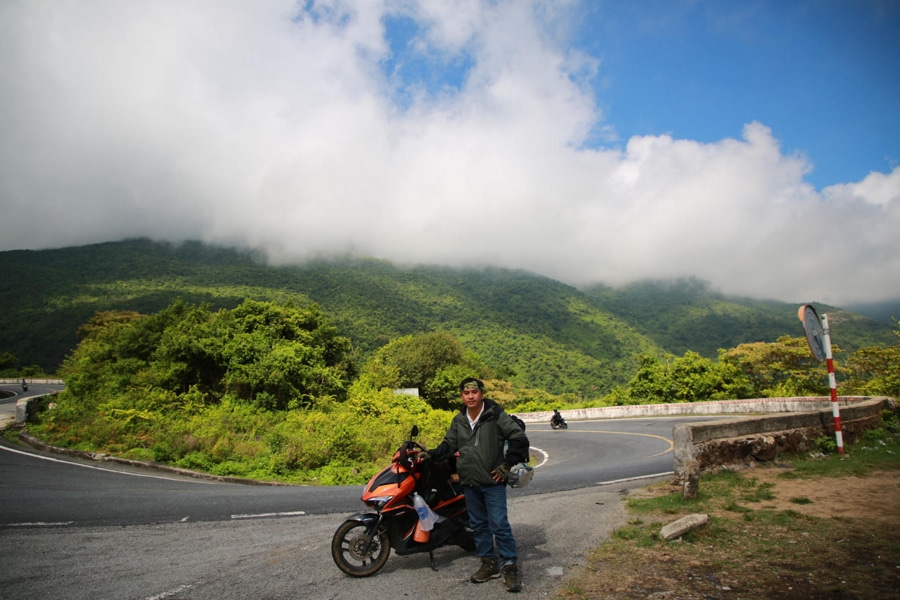
Things To Know Before Traveling To Hai Van Pass
Before visiting Hai Van Pass, travelers should prepare carefully to ensure a safe, enjoyable, and memorable journey. These essential travel tips help you handle weather changes, road conditions, and plan for a smooth experience.
- Check weather conditions in advance, as fog, rain, and strong winds can reduce visibility and affect road safety, especially during the rainy season from October to January.
- Travel during daylight hours to enjoy scenic views and avoid dangerous curves, limited lighting, and sudden weather changes that often occur after sunset.
- Ensure your vehicle is in good condition, including brakes, tires, and fuel, since repair services and gas stations are limited along the pass.
- Carry a valid driving license if riding a motorbike, as police checkpoints may operate, and proper documentation ensures a stress-free journey.
- Wear protective gear and comfortable clothing, especially helmets, gloves, and jackets, as the weather can turn cooler at higher elevations.
- Bring water and light snacks, because food stalls are limited along certain sections of the pass, particularly during off-peak hours.
- Stop only at safe viewpoints, avoid parking on sharp curves, and stay aware of passing vehicles to ensure both safety and enjoyable sightseeing.
FAQs About Hai Van Pass
Hai Van Pass attracts travelers with its dramatic scenery, winding roads, and rich history between Hue and Da Nang. These frequently asked questions provide practical insights to help you plan a safe, enjoyable journey.
Is Hai Van Pass dangerous for first-time visitors?
Hai Van Pass can be challenging, but it is generally safe if travelers prepare well. The road has sharp curves, steep sections, and changing weather, especially fog and rain. First-time visitors should travel during daylight, maintain a steady speed, and avoid overtaking on blind corners. Motorbike riders should have prior riding experience and proper safety gear. With careful driving and awareness, the journey is enjoyable rather than risky.
Do I need a motorbike license to ride across Hai Van Pass?
Yes, travelers riding a motorbike should carry a valid driving license recognized in Vietnam. Police checkpoints may appear along the route, especially during busy periods. Having the correct license helps avoid fines and ensures insurance coverage if needed. If you are not confident riding legally or safely, hiring a private car or joining a guided tour is a convenient alternative.

How long does it take to cross Hai Van Pass?
Crossing Hai Van Pass typically takes between 1 and 2 hours, depending on your starting point, traffic, and the number of stops. Many travelers spend more time stopping at viewpoints, Hai Van Gate, and photography spots. If you enjoy sightseeing, plan at least half a day to fully experience the pass without rushing and to enjoy the surrounding scenery comfortably.
Is the Hai Van Tunnel a better alternative than the pass road?
Hai Van Tunnel is faster and safer for travelers who prioritize time and comfort, especially during bad weather. However, it does not offer scenic views. The pass road is ideal for travelers seeking adventure, photography, and nature. Many visitors choose to go through the tunnel one way and return via Hai Van Pass for a balanced travel experience.
Final Thoughts: Is Hi Van Pass Worth Visiting?
Hai Van Pass is absolutely worth visiting for travelers seeking natural beauty, adventure, and iconic coastal scenery in central Vietnam. With its winding mountain roads, panoramic ocean views, and historical landmarks, the pass offers an unforgettable journey rather than just a destination. Whether you ride a motorbike or travel by car, every turn delivers a new perspective. For a well-planned and inspiring trip, let Seni World help you discover Hai Van Pass and experience Vietnam at its most breathtaking.


