


Standing proudly inside the Imperial Citadel of Thang Long, Hanoi Flag Tower is one of the city’s most recognizable historical sites. It provides tourists with a potent window into Vietnam’s history and sense of national identity thanks to its distinctive architecture and profound patriotic significance.

Introduction To Flag Tower Hanoi
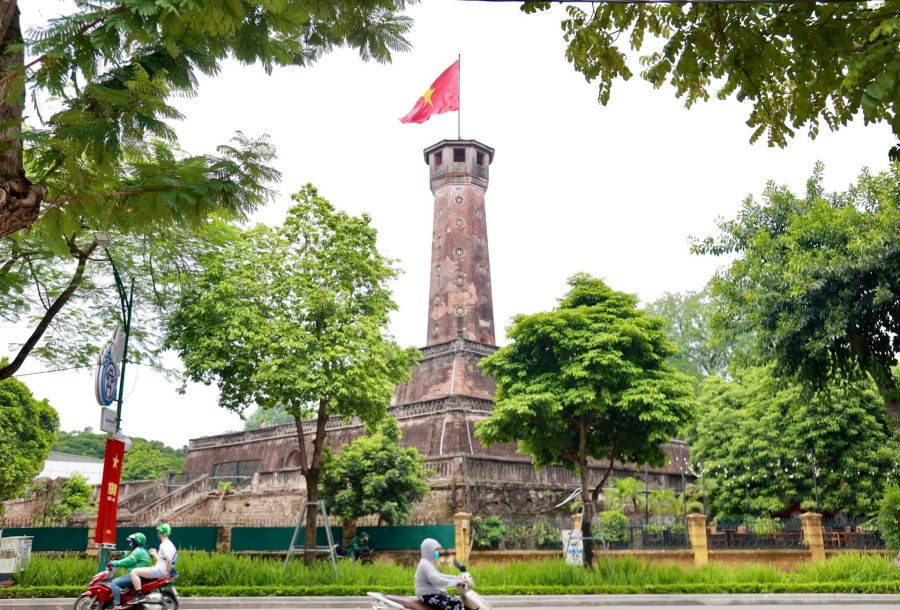
The Flag Tower in Hanoi is a very historical architectural structure in the heart of the capital and is a symbol of Vietnamese identity. The Flag Tower of Hanoi, completed between 1805 and 1812 under the Nguyen Dynasty, is a structure that initially made up the Thang Long Imperial Citadel in the capacity of a military lookout tower. The Flag Tower is a symbol of the strategic approach to structure, which is characteristic of its architectural time.
What is so unique about Flag Tower Hanoi is its capacity to survive intact in spite of the dramatic changes that have taken place in its history. This monument has lived through French colonialism, wars, and the metamorphosis of Hanoi in its present version as it stands proudly in the capital city. The present-day Vietnamese flag is known to be flying high at this monument as an indication of its strength in spite of past attempts to destroy it. A visit to this monument is more than viewing an antique structure.
History Of Flag Tower Hanoi
The Flag Tower of Hanoi represents one of the few architectural remains within the Thang Long Imperial Citadel that survived through the waves of history. Its continued existence today offers visitors a tangible window into the deep history and cultural heritage of Vietnam’s capital.
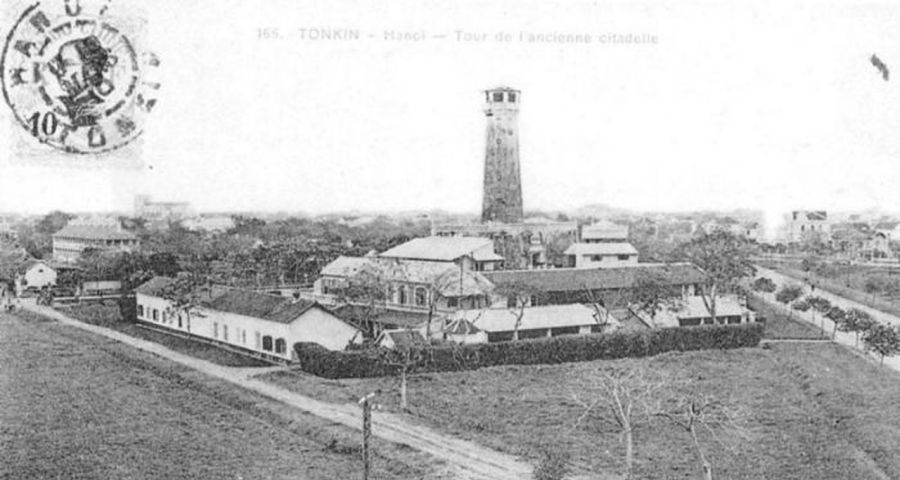
The Flag Tower was built in 1805 during Emperor Gia Long’s reign and completed in 1812, when Hanoi was also being founded as the capital at that time. The Flag Tower stands on the southern part of Thang Long Imperial Citadel’s old area, at the foot of “Tam Môn” fortress from the Le Dynasty.
The Flag Tower marks the start of the north-south axis route that leads from “Đoan Môn Gate” to “Kính Thiên Palace.” During the Nguyen Dynasty, besides its purpose as a location to hoist the imperial flag, it also performed its functions as the site of royal ceremonies and military events.
Unique Architecture Of Flag Tower Hanoi
Being one of the longest-standing historical monuments in Hanoi, Flag Tower Hanoi stands out with its symmetrical design and creative architectural solutions. All the aspects of the monument showcase the military features, coupled with the traditional design of the architectural works of the early 19th century.
Overall Design And Proportions
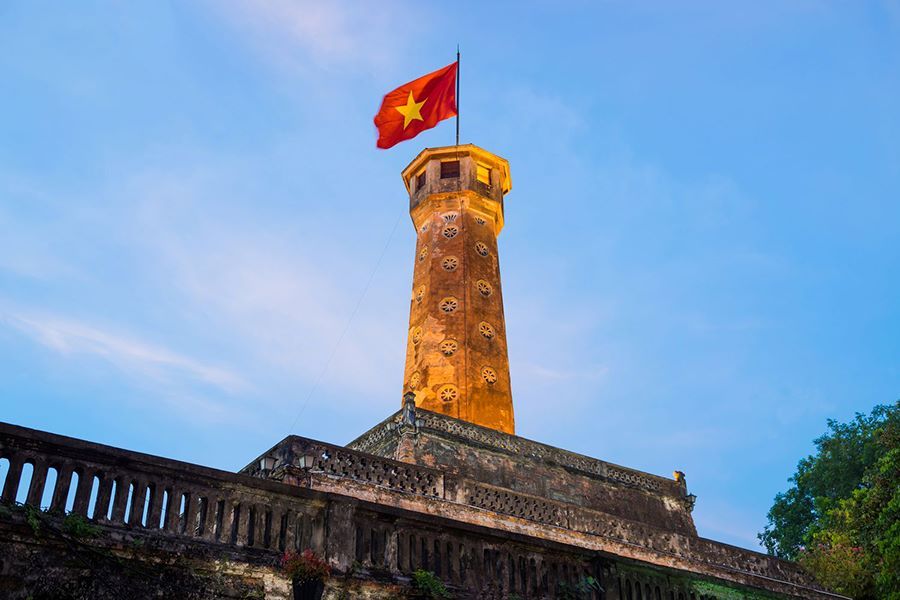
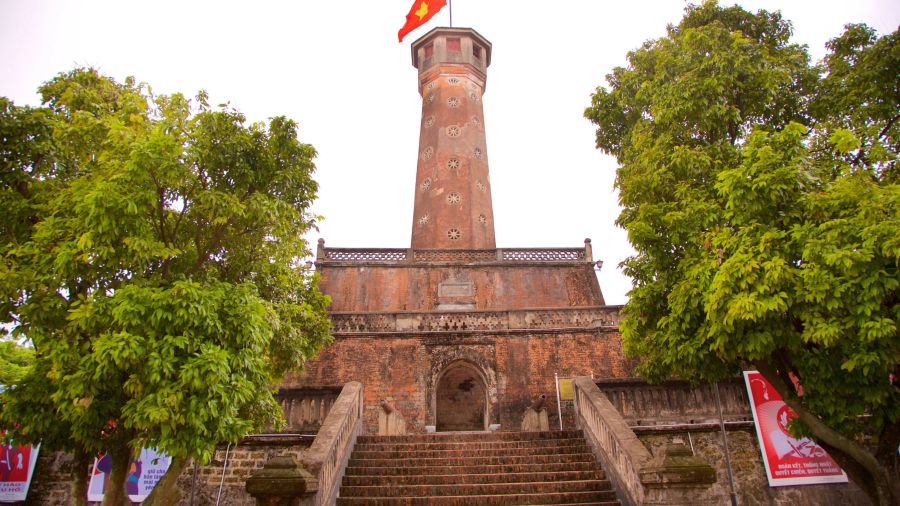
When the steel flagpole is added, Flag Tower Hanoi’s overall height of 33.4 meters rises to more than 40 meters. With three solid base levels topped by a central tower, the entire structure has a circumference of roughly 180 meters and is designed in a classical style. It forms a truncated square pyramid that progressively gets smaller as it rises. This well-balanced form guarantees durability against time and weather in addition to fostering a sense of authority and stability.
The Three-Tiered Base Structure
Each of the three separate levels that make up the Flag Tower’s base has both structural and symbolic functions. At 42.5 meters on each side and 3.1 meters in height, the first base tier is the biggest. It emphasizes the ceremonial approach to the monument with two brick staircases that lead visitors upward.
The second tier is more compact, with each side measuring 27 meters and a height of 3.7 meters. Three of the four doorways on this level, which face the cardinal directions, are engraved with significant Chinese characters: “Nghênh Húc” (Welcoming the Morning Light) to the east, “Hồi Quang” (Reflected Light) to the west, and “Hương Minh” (Facing the Light) to the south. Ancient philosophies that link light to prosperity and wisdom are reflected in these inscriptions.
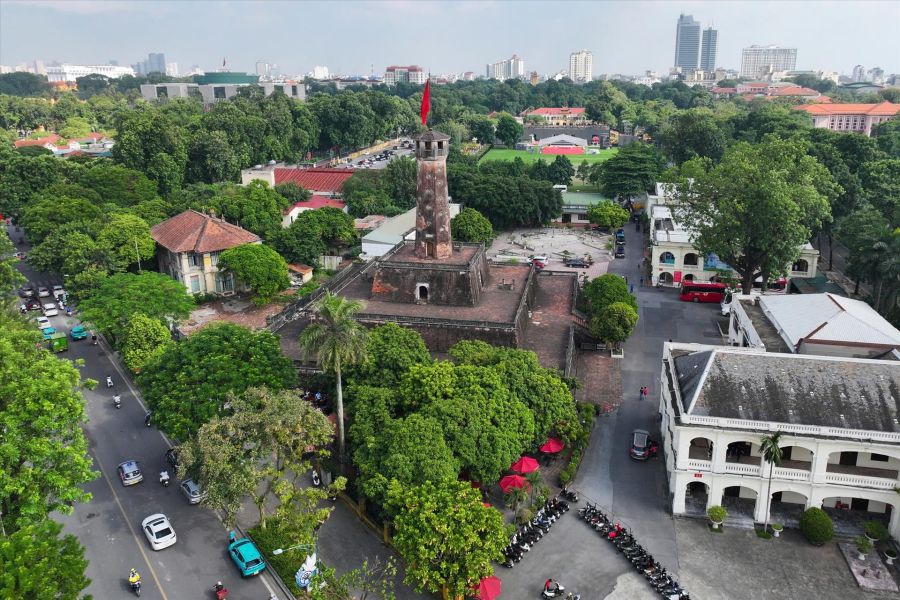
The third tier, which is the smallest of the three, is 5.1 meters high and has sides of 12.8 meters. On the northern side, it has a single entrance that leads straight into the main tower. All three levels are connected by a spiral staircase that strengthens the tower’s defensive roots while facilitating easy ascent.
Exterior Architectural Features
Flag Tower Hanoi looks sturdy, symmetrical, and respectable from the outside. Its original military purpose is highlighted by the thick brick walls and sparse ornamentation, all while preserving a classic style. The monument has a sense of quiet strength that blends in with its historical surroundings thanks to subtle details like precisely positioned openings and crisp geometric lines.
Interior Design And Climate Control
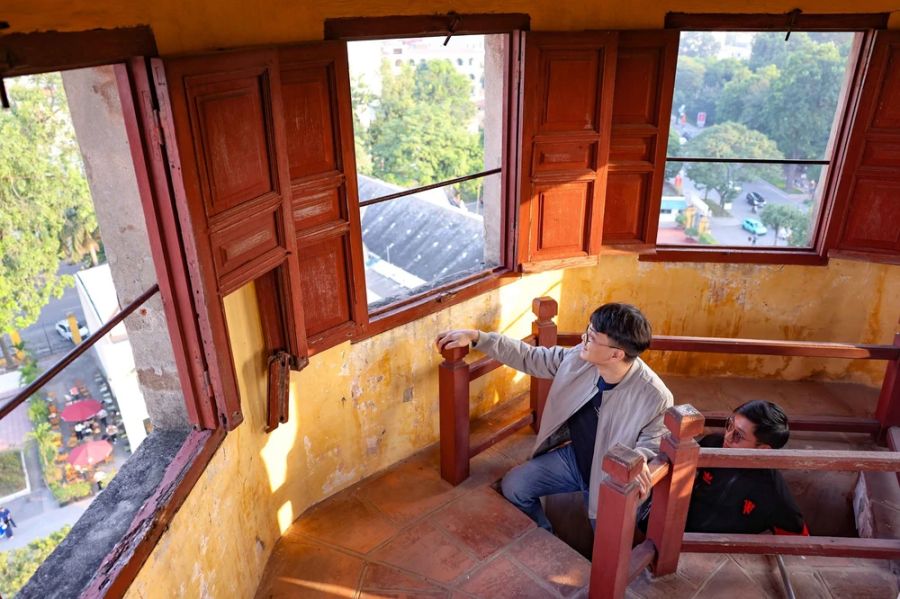
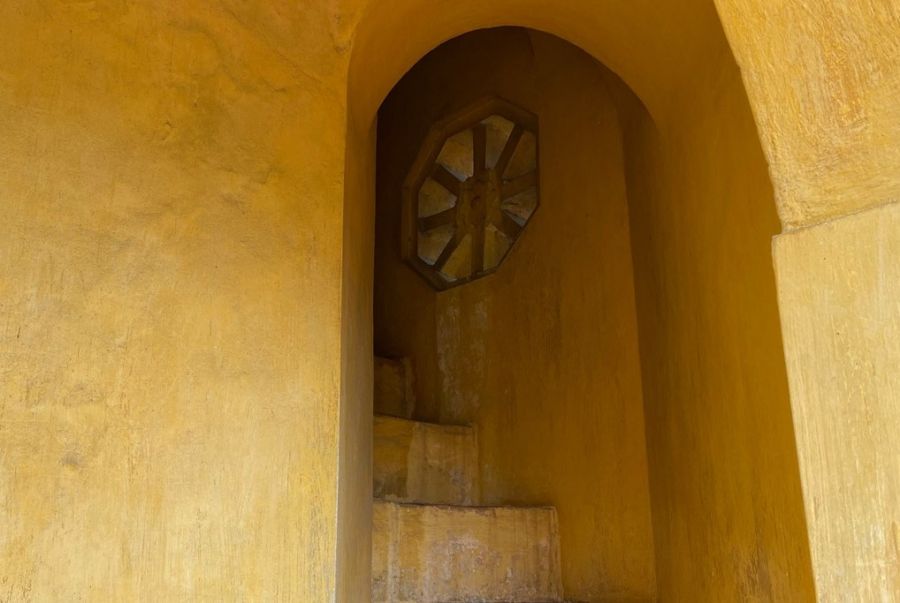
The tower’s interior design prioritizes comfort and usefulness. Even in the sweltering summer months of Hanoi, the interior is kept cool by the thick masonry walls. Traditional architecture successfully adapted to the local climate long before modern technology, as evidenced by the thoughtful arrangement of staircases, openings, and interior spaces to allow for airflow.
The Central Tower And Observation Pavilion
The main tower, which is 18.2 meters tall and shaped like an octagonal column with 2.13 meters on each side, rises above the third base. A 54-step spiral staircase inside takes guests to the summit. In order to provide natural light and ventilation throughout the interior, 39 rosette-shaped windows and 6 fan-shaped openings are evenly spaced throughout the tower.
At the top is a 3.3-meter-tall octagonal observation pavilion with eight windows that match the tower’s eight sides. The national flag is flown from a circular steel pole in the middle that is 8 meters tall and has a diameter of 0.4 meters. The Vietnamese flag, which is 4 by 6 meters in size, has been permanently displayed here since the late 20th century, creating a potent symbol of national pride that can be seen from a distance.
4 Unforgettable Experiences You Shouldn’t Miss
The Hanoi Flag Tower is a fascinating mix of history, architecture, and city views that ensures every visit is memorable. Whether it is climbing its historic stairs or watching national events, there are many ways to experience its appeal and historical importance.
Explore The Unique Architecture
The Flag Tower in Hanoi not only symbolizes the historic significance of the monument but also signifies a work of architectural genius and the ability to survive for so many years. One can climb to the top using the spiral staircase and witness the red flag with a golden star flying aloft. The interior remains cool due to natural ventilation and the water-resistant design of the door to enable one to visit even during rainy conditions.
As you climb the tower, you will observe the elegance of the architectural work that reflects the ingenuity of the architects from the Nguyen era. When you are at the top of the tower, you will have a special feeling of how history merged to produce this national monument.
Capture Memorable Photos
The Flag Tower is a paradise for both photographers and history enthusiasts alike. The ancient stone exterior and carvings, combined with the colorful flag, provide a multitude of opportunities for taking amazing photos. Many tourists wear their ao dai clothing to incorporate modern travel photography with national heritage to take very unique photos.
The act of taking a photo can be full of meaning at the Tower of Hanoi since the history of the tower always lends itself to the timeless photograph that is produced. The lighting of the sun at either sunrise or sunset imbues the tower with a magic that leads to the photographing of the beauty of the city of Hanoi from a very unique position.
Admire Historical Artifacts
Located within the complex of the Vietnam Military History Museum, the Hanoi Flag Tower is a place that offers one of the immersive experiences of history in Hanoi. It is possible to get close to tanks, helicopters, and artillery, among other military equipment, to learn about the complex and rich history of the Vietnam military.
From the observation deck located on top of the tower, the views of Hanoi further enhance the overall experience. In the north lie the historical landmarks of Lầu Công Chúa, Đoan Môn, and Cửa Bắc. In the east lies the peaceful Hoan Kiem Lake and the Hanoi Post Office. Finally, in the west lie Ba Dinh Square, the Ho Chi Minh Mausoleum, and the Museum of Ho Chi Minh. All these artifacts and views of the city provide the visitor with the chance to correlate the historical importance of the tower with the energy of the modern city of Hanoi.
Participate In Major National Events
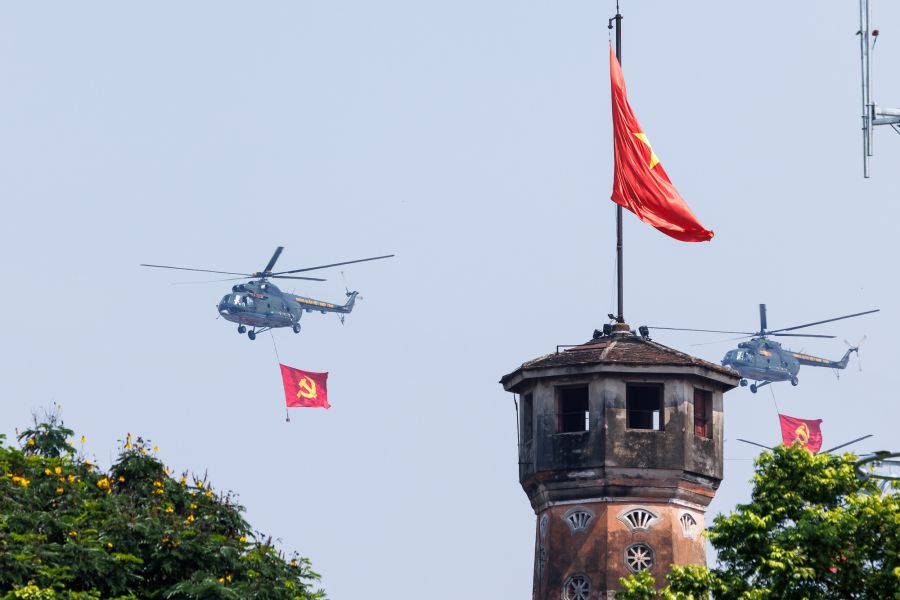
The Hanoi Flag Tower is even more incredible during national events and celebrations. For September 2nd (National Day) and October 10th (Capital Liberation Day), there are large-scale events in the tower area where you can watch the raising of the flag, traditional music performances, and other patriotic events.
By joining these events, you will be able to see the precision and rigor of marching soldiers in theirÐtraditional costumes, the magnificence of the costumes, and the exuberance of the Vietnamese celebrating their country’s heritage. The events are extremely immersive, bringing you closer to the culture and history in a way that you will feel you belong to the living heritage of Hanoi.
Entrance Fee
All travelers can afford to visit Flag Tower Hanoi. Certain visitor groups are eligible for special discounts and exemptions from the clearly regulated ticket prices.
| Visitor Category | Ticket Price |
| Adults | 20,000 VND per person |
| Seniors (over 60 years old) | 10,000 VND per person |
| Students | 10,000 VND per person |
| Children under 15 years old | Free |
| People with meritorious service to the revolution | Free |
Opening Hours
The Hanoi Flag Tower was opened to visitors as of January 1, 2025, with the Thang Long Heritage Conservation Center as its manager.
The tower is open for visits every day from 08:00 AM to 5:00 PM, giving ample opportunities to enjoy the historical structure, the observation deck, as well as the panoramic view of Hanoi.
It’s best to visit during the cooler season in Hanoi in October and April, when the climate is pleasant and quite ideal for walking around the tower and other historical spots. It would also be best to go early in the morning for a serene and picturesque view.
How To Get To Flag Tower Hanoi
You can easily find your way to the Hanoi Flag Tower since it’s located in the city center. The following are the usual modes you will take to get there, depending on where you are coming from in the city.
By Motorbike Or Private Car
In case your point of origin in Hanoi is the city center, the path from there to the area where the Thang Long Imperial Citadel lies would be Ton Duc Thang → Le Hong Phong → Dien Bien Phu. When you reach the location, the entrance to the Flag Tower will be to your right, approximately 100 meters away from the main entrance.
- Motorbike rental: About 130,000 VND per day (5.50 USD).
- Car Rental: 690,000-3,000,000 VND per day (29-125 USD), depending on the type and length. The advantage of driving a rental car yourself is the freedom to go wherever you like, but you have to consider traffic in Hanoi and parking in urban zones.

By Public Bus
Taxis and ride-sharing services such as Grab and Be are convenient and quick from anywhere in Hanoi. These are a great option if you have luggage with you or if you want to take a straight route.
- Taxi: From about 40,000 VND (1.70 USD) per short trip.
- Ride‑hailing motorbike: From about 20,000 VND (0.80 USD) per short trip.
On Foot
If you are already touring central Hanoi, for instance, the Ho Chi Minh Mausoleum or Ba Dinh Square, or Imperial Citadel of Thang Long, the Flag Tower will be conveniently accessible on foot. These are the best ways to absorb the surroundings before the monument.
Things To Know Before Traveling To Flag Tower Hanoi
Prior to going to Flag Tower Hanoi, it would be a great help to learn some tips that can make the visit go even better. As a historical monument inside a military compound, there are some things worth considering.
- Flag Tower Hanoi is a part of the Vietnam Military History Museum complex. Visiting the museum along with the tower will help to understand the historic value of the tower.
- You should dress properly when you visit because this is a national heritage site connected to the military history of Vietnam.
- The optimal time to visit the garden is in the morning, when the atmosphere is cooler, there are fewer people, and the sunlight is optimal for photography.
- There are stairways inside the tower to higher levels, and thus, comfortable walking shoes would ensure a safe and enjoyable tour experience.
- It is usually not prohibited to take photographs, although certain sections may be restricted. Therefore, it is important to be alert to instructions.
- Extra time can be allocated to visit the surrounding areas and attractions such as Ba Dinh Square, Ho Chi Minh Mausoleum, and other places of interest.
Final Thoughts: Is Flag Tower Hanoi Worth Visiting?
Flag Tower Hanoi is a must-visit destination for all travelers seeking to experience the historical core of Vietnam’s capital. The monument provides a great opportunity to admire a symbol that has managed to withstand various wars and colonialism and is still standing with pride to this day. Its location makes it a great addition to your tour itinerary for a cultural experience. The significance and importance of Flag Tower Hanoi go beyond that of a monument and stand for a source of national pride and spirit of Vietnam’s capital city, Hanoi. Experience a tour of Flag Tower Hanoi and learn about its historical significance with Seni World.


