


The Hien Luong Bridge, which spans the Ben Hai River in Quang Tri Province, is an iconic historical site in Vietnam. It was formerly a physical demarcation that divided Vietnam into North and South, but now represents the unity, peace, and strength of the country and people of Vietnam.
Introduction To Hien Luong Bridge
The Hien Luong Bridge, located over the Ben Hai River in the Quang Tri province of Vietnam, stands as one of Vietnam’s most important historic sites. Initially constructed during the French colonial era, the Hien Luong Bridge was designated the ideological divide between North and South Vietnam at the 17th Parallel under the 1954 Geneva Accords. For over twenty years, the Hien Luong Bridge served as a militarized front for both ideologies, propaganda differentiators, and emotional congestion for families and communities on opposite banks of the river.

Today, the Hien Luong Bridge is a strong reminder of the pain Vietnam endured during its struggle to unite into a country of peace. The Hien Luong Bridge has been restored with its distinguishing feature of two different colours representing the former divided country. Today, the Hien Luong Bridge is a part of the larger historical complex, new museums, monuments, and a location for memorialisation. Visitors will see the Hien Luong Bridge to learn about the historical chapter of Vietnam and will be able to reflect on the strength, sacrifices, and aspirations for unification that formed the nation.
History Of Hien Luong Bridge
Hien Luong Bridge commemorates the spot where the 17th parallel was temporarily established as the boundary between North and South Vietnam in accordance with the Geneva Accords in 1954. During the period from 1954 to 1975, this bridge and the Ben Hai River experienced years of separation and struggle, as well as the reunification spirit of a nation.

The Ben Hai River is 100 km long and stretches from its origin in the Truong Son Mountains along the 17th parallel to the coastline at Cua Tung beach. Its original name is Minh Luong, but it was renamed Hien Luong during the Nguyen dynasty period due to a taboo on its original name during the reign of the Minh Mang Emperor. The Hien Luong Bridge has been rebuilt many times since its original construction in 1928 and is well-known for its historic events, such as the symbolic “flag rivalry” and “loudspeaker battles” between the two sides.
Today, the Hien Luong – Ben Hai River complex has been recognized as a Special National Monument (since 2013) and is also a prominent destination in tours of Vietnam’s DMZ (Demilitarized Zone). By visiting this destination, tourists get a chance to visit historic sites as well as take a moment to reflect on the values of peace, independence, and national unity.
Top 7 Iconic Attractions In Hien Luong Bridge
Stretching some 15 kilometers on both banks of the Ben Hai River, the Hien Luong heritage site boasts a number of important historical landmarks in Quang Tri. It is here that the story of division, survival, and the reunification of the nation comes alive.
Hien Luong Bridge
The most iconic landmark in this region is the Hien Luong Bridge, which is almost 183 meters long and has seven spans and a pavement made of ironwood that has been repainted in different colors to denote the division between North and South Vietnam. One can almost visualize the painful years when this region was separated and then rejoined when this landmark was repainted blue to denote reunification in 1975. The Ba Dinh Square is another historic landmark in this region.
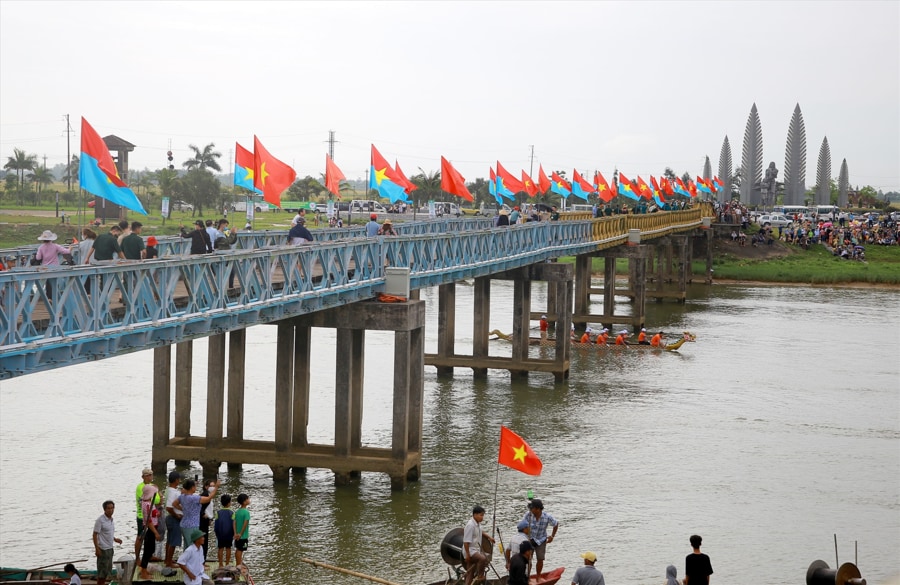
Hien Luong Flagpole
Situated on the north bank, the Hien Luong Flagpole stands 38 meters tall, featuring a massive flag of Vietnam measuring 75 square meters. This flagpole marked the beginning of the “flag rivalry,” in which both sides continuously erected flagpoles as a symbol of national pride. The flagpole has become a powerful symbol of the unity, resilience, and determination that the Vietnamese possess.
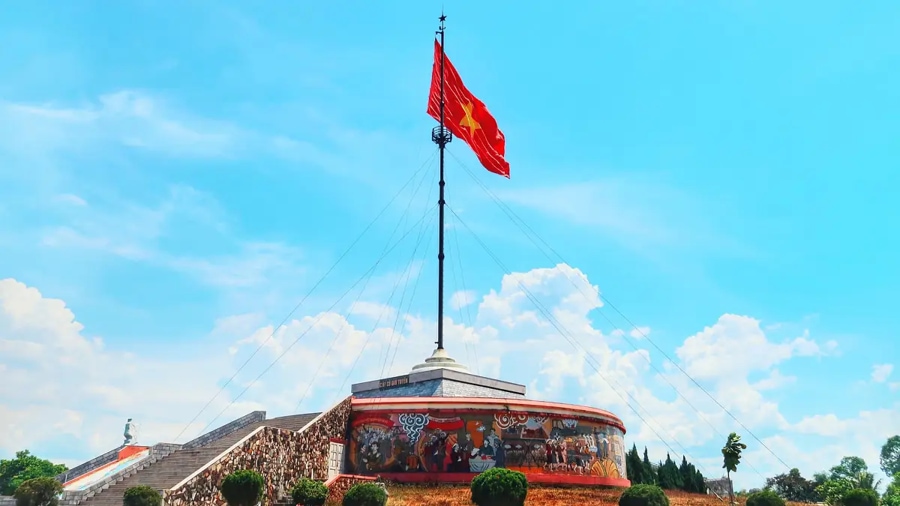
Loudspeaker Broadcasting System
Loudspeakers on either side of the river contributed substantially to psychological warfare during times of separation. The northern bank contained five distinct clusters of loudspeakers providing 7,000 watts of audio capacity that transmitted music and speech across the river to the southern bank. A visitor to this location can gain insight into how noise, language, and ideas were weaponised against one another during one of the most volatile moments in Vietnam’s past.
Hien Luong Police Station
The Hien Luong Police Station, located at the north end of the bridge, has been restored to its original 1955-1967 appearance. Three V-shaped buildings comprise the facility; these same structures served as locations for high-level diplomacy and monitoring activities. Additionally, inside, patrons can view the intense and anxious exchanges that occurred on the front lines of the national separation.
Monument Of The Aspiration For Reunification
The southern shore houses the Aspiration to be Reunited Monument, which artistically represents, both powerfully and eloquently, the desire for unification shared by many families on both shores of the river. The monument’s design conveys the emotional turmoil of family members due to their inability to be together and the longing for peace to reunite families. Therefore, it is one of the most poignant places located within the Hien Luong complex.
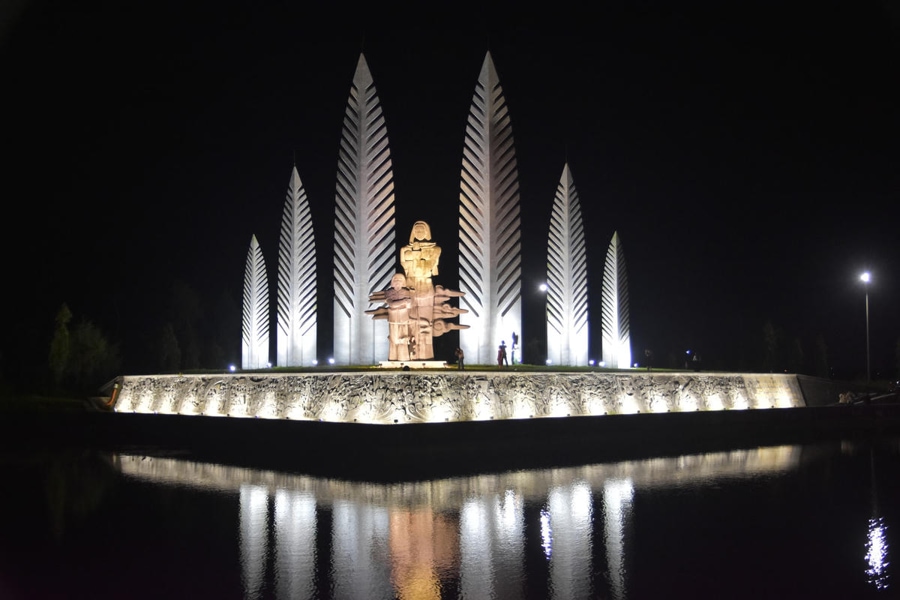
17th Parallel Museum
The 17th Parallel museum houses many photographs, historical documents, artifacts, etc from both the conflict and the division years. It portrays personal accounts and memorabilia, offering a clearer understanding of what daily life was like during these tumultuous times: the cost of sacrifice, the ultimate reunification of Vietnam. For those interested in learning about Vietnam’s history, this is an important stop.
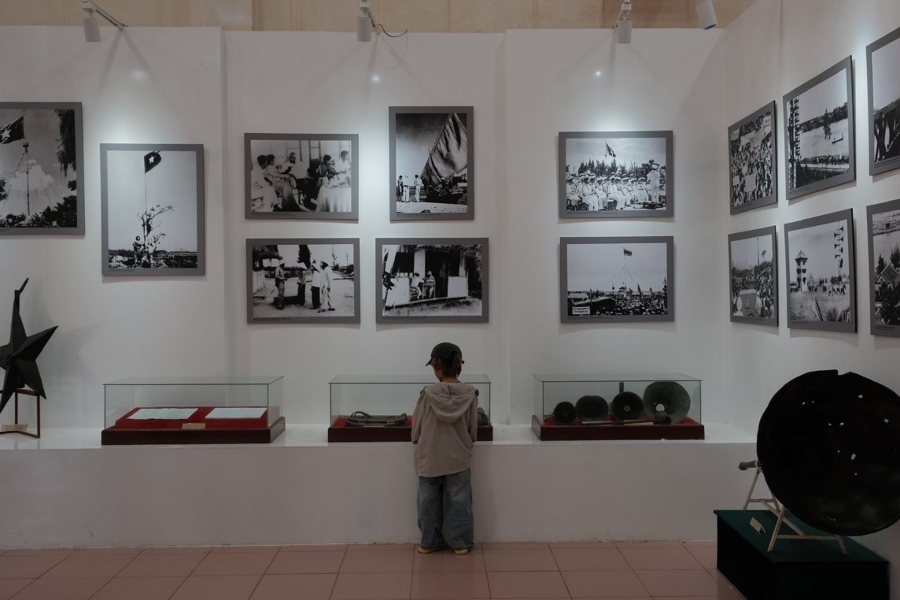
Cua Tung Ferry Landing
During the war, Cua Tung Ferry Landing was an essential method for the movement of troops and materiel across the Ben Hai River. Today, the site has memorial markers and reconstructed areas reflecting the courage of those who crossed the treacherous waters despite constant danger. This area today is also a peaceful area in which to contemplate the struggles faced by so many during times of war.
4 Unforgettable Experiences You Shouldn’t Miss
Hien Luong Bridge is a historic site as well as a location where you can experience history instead of just viewing it. Such experiences extend beyond sightseeing as you get a chance to relate to Vietnam’s history and current events in a more intimate manner.
Walk The Line That Once Divided a Nation
To cross the Bridge of Hien Luong is to embark on a symbolic journey where one is encouraged to reflect on one’s own thoughts and feelings. To cross this bridge is to walk over a river that once separated families and ideologies for more than twenty years. To cross this bridge is to stand on the midpoint and absorb the silence and meaning of history when many people stop there, not for taking pictures but for contemplating and appreciating history.

Listen To History Through Stories, Not Just Structures
Spend some time listening to the stories told by local guides and veterans instead of concentrating on what you see. From heartfelt moments of longing and hope to covert communications across the river, their stories depict everyday life during the division. These human tales help visitors comprehend how common people overcame extraordinary circumstances, transforming the site from a static monument into a living memory.
Experience The Power Of Silence Along The Ben Hai River
The most moving experience one can have at Hien Luong is watching the peaceful flow of the Ben Hai River. Unlike other museums and monuments, the river communicates with one’s soul through its peaceful flow and environment. It is indeed striking to see the peaceful flow of the river today, especially because it was once the symbol of conflict and tension on the boundary line of the divided land.
Step Into The Emotional Space Of The DMZ Zone
Exploring around the DMZ area gives a better insight into how Hien Luong was involved in the conflict, as one of the best things to do in Quang Tri. Taking a walk around ex-military areas and historic sites allows you to understand the magnitude of the conflict in a non-overwhelming manner. It also makes you realize how you should view Hien Luong as a part of a bigger historic landscape as opposed to a standalone site.
Entrance Fee
Before visiting the Hien Luong Bridge, it is helpful to know the cost of the entrance fees and the opening hours so that you can plan your visit accordingly. The cost of the entrance fees is very affordable.
| Visitor Type | Entrance Fee |
| Adults | 50,000 VND / visit |
| Children | 20,000 VND / visit |
Best Time To Visit Hien Luong Bridge
- Opening hours: From 7:00 AM to 5:00 PM daily
The climate in Quang Tri is quite harsh, with a dry season that lasts from March to September and can be very hot because of the Lao wind, and a rainy season that lasts from October to February, during which there is lots of rain and storms. Because it is so open, the weather is a factor that affects your experience there.
The ideal period to visit the Hien Luong Bridge and the Ben Hai River is either in March and April or in August and September. This is the period when the weather is relatively cooler, and it rains very little, and it is easy to visit the bridge and the museums at your own pace. You can avoid the period of June and July, which is very hot, and October, which is the peak period for storms.
How To Get To Hien Luong Bridge
The Hien Luong Bridge crosses the Ben Hai River in Cua Tung Commune, Quang Tri Province, approximately 30 km north of Dong Ha City, 75 km south of Dong Hoi City, and about 92 km from Hue. Due to its favorable position on the central transport routes of Vietnam, it is relatively easy to reach the bridge from any region.
From Dong Ha Or Dong Hoi
By car, taxi, or motorbike from Dong Ha or Dong Hoi, one can reach Hien Luong Bridge along National Highway 1A, and then follow the local routes to the Hien Luong Ben Hai Historical Relic site. If one is approaching from other cities like Hue, Da Nang, Hoi An, Hanoi, or Ninh Binh, then trains and sleeper buses are available to reach Dong Ha City, from where one could proceed to the destination.
From Ho Chi Minh Or Hanoi
If you are starting from Ho Chi Minh or Hanoi, flying will give you the fastest means of transportation. You can take a plane to Dong Hoi Airport or to Phu Bai Airport (Hue), then proceed to Quang Tri by car or bus to your destination. This route will also give you an opportunity to visit other historical sites along the DMZ area, such as Hien Luong Bridge.
Things To Know Before Traveling To Hien Luong Bridge
Before going on to Hien Luong Bridge, a superficial understanding of some issues of a practical and cultural nature can make the trip easier and more meaningful. The following tips aim at helping you plan your visit respectfully, so you make the most out of it:
- When visiting Hien Luong Bridge, one should dress modestly and comfortably because it is a historical site with great significance. Modest dressing is a sign of respect for the site, while comfortable walking shoes are a must for walking around the bridge, museum, and banks of the river.
- It’s best to visit during early mornings or late afternoons to steer clear of the intense heat of the sun during peak times and to avoid visiting during times when most tourists are likely to come in groups.
- Spend time exploring the museums and exhibition areas around instead of just visiting the bridge. The exhibits, pictures, and histories allow you to better understand the effects of division along the 17th parallel on humans.
- The Hien Luong Bridge should be combined with other sites in the Quang Tri area, such as Vinh Moc Tunnels or Doc Mieu Base. Visiting several sites gives a fuller understanding of Vietnam’s history.

- It is essential that you conduct yourself in a calm and respectful manner during your visit, particularly around memorials and symbolic structures. This is a site of remembrance, and it is always appreciated if you are quiet and reflective during your visit.
- In preparation for the weather, one should bring bottled water to drink, sunscreen lotion, as well as a hat, as the surroundings of the bridge and the Ben Hai River are quite open and may get hotter, especially in the summer season.
Final Thoughts: Is Hien Luong Bridge Worth Visiting?
Travelers who wish to learn more about Vietnam than just its beaches and scenery should definitely visit the Hien Luong Bridge. This historic site, which represents division, resiliency, and eventual reunification, provides a profoundly emotional journey into the country’s past. While taking in the serene beauty of the Ben Hai River today, people can contemplate history by strolling across the bridge. When combined with neighboring museums and memorials, the experience is both poignant and instructive. To thoroughly and meaningfully explore Hien Luong Bridge, schedule your Quang Tri visit with Seni World.


