


Hu Tieu is a popular Vietnamese noodle dish that is originally from Southern Vietnam, especially Saigon and the Mekong Delta region. The dish is known for its distinct yet rich flavour, chewy rice noodles, and the variety of toppings that can be found in the dish, such as pork, shrimp, and herbs.
What Is Hu Tieu
One of the most popular noodle dishes in Southern Vietnam, especially in Ho Chi Minh City, is Hu Tieu, which is widely popular across the Mekong Delta region of Vietnam. The dish is characterized by rice noodles served with a savory pork-based broth, accompanied by pork, prawns, minced meat, quail eggs, and herbs.
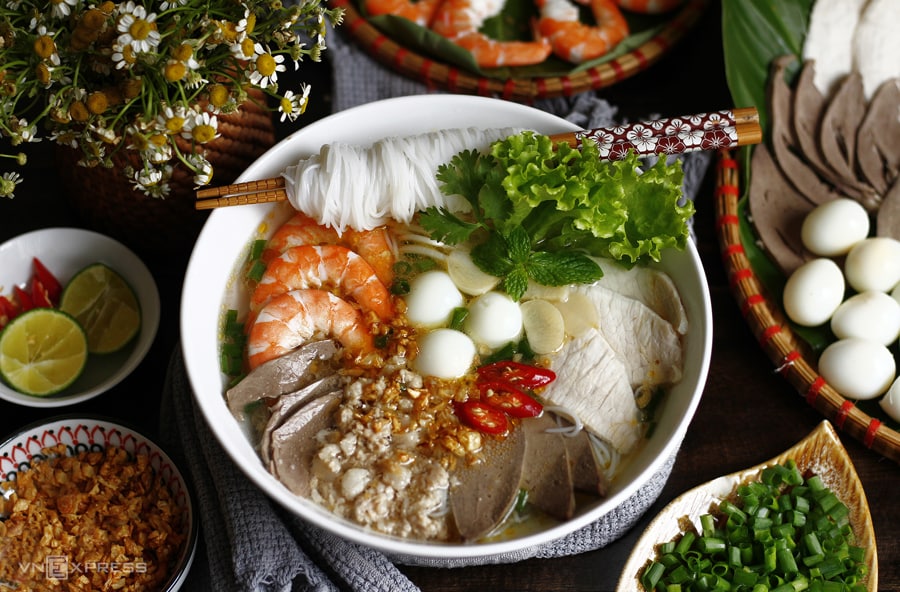
What makes the dish stand out is the perfect blend of flavors, which include the savory taste of the pork-based broth, the chewiness of the rice noodles, and the freshness of the herbs used as a topping for the dish. The dish, which is heavily inspired by Chinese and Cambodian cuisine, is a true reflection of the cultural diversity of Vietnam, especially in the Southern part of the country. For travelers, Hu Tieu is one dish that should be tried for the authentic taste of the street food culture of Vietnam.
The Origin and Cultural Significance of Hu Tieu
Hu Tieu is thought to have originated from Chinese and Cambodian cuisine that spread throughout the Mekong Delta area in the past. The majority of historians believe that Hu Tieu originated from Teochew Chinese immigrants who came to Southern Vietnam and introduced their noodle soup recipes to the area. The Vietnamese, however, adapted the recipe and included local ingredients, making it unique and distinguishable from other Asian noodle soups. The cities of My Tho and Saigon contributed greatly to the popularity of Hu Tieu, where traders and travelers enjoyed the meal at street food stalls and markets.
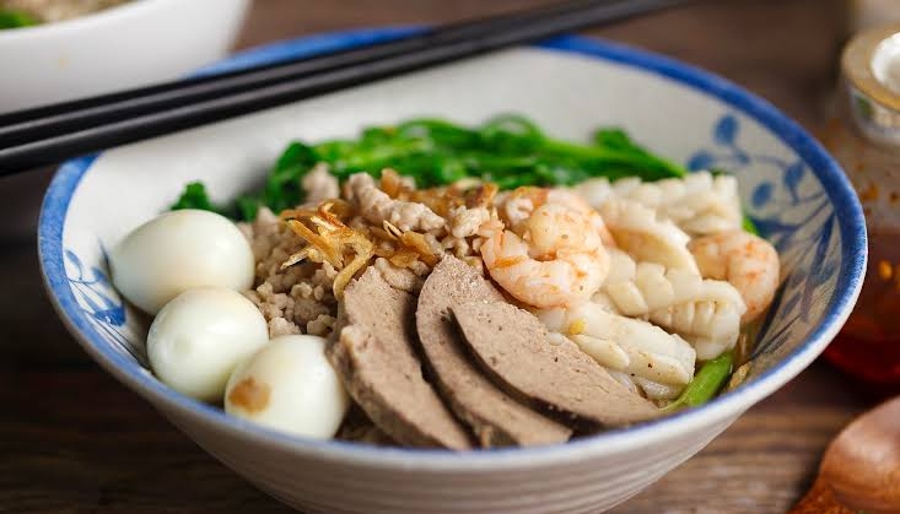
Hu Tieu is now recognized as one of the most recognizable dishes in Southern Vietnamese cuisine. The dish is normally enjoyed during breakfast, lunch, or even late at night in busy cities and towns. The dish is a symbol of the Mekong Delta, where Vietnamese, Chinese, and Khmer cuisines are combined in a unique and delightful way. Hu Tieu is a symbol of comfort, tradition, and street food culture in Southern Vietnam, where the majority of Vietnamese people reside.
How To Make Hu Tieu At Home (Authentic Recipe)
Though you are not located in Southern Vietnam, it is still possible to recreate a mouth-watering bowl of Hu Tieu at home with the right ingredients and techniques. This traditional Vietnamese noodle dish is easy to make and offers a rich taste of the essence of Vietnamese cuisine.
3.1. Main Ingredients for Making Hu Tieu Process
Before one can start the cooking process, it is essential to ensure that one has all the necessary ingredients for the dish. The following ingredients can be used for making Hu Tieu, and the amounts indicated can be used for making the dish:
|
Main Ingredient
|
Quantity
|
|
Fresh Hu Tieu rice noodles
|
800 g – 1 kg
|
|
Pork bones (for broth)
|
700 g
|
|
Pork slices
|
300 g
|
|
Shrimp (peeled)
|
300 g
|
|
Ground pork
|
200 g
|
|
Quail eggs (boiled)
|
10-12 eggs
|
|
Bean sprouts
|
200 g
|
|
Garlic, shallots
|
Small amount
|
|
Fish sauce, salt, sugar
|
For seasoning
|
|
Fresh herbs (chives, lettuce, cilantro)
|
1 large plate
|
|
Fried garlic
|
A small bowl
|
3.2. Step-By-Step Of Cooking Hu Tieu
Step 1: Prepare the broth
First and foremost, clean the pork bones well and blanch them in boiling water for a short time to remove impurities. Then, place these pork bones in a pot and add water to it. After that, simmer it for 1.5 to 2 hours. Finally, add shallots, salt, and a bit of sugar to it to get a clear broth that is naturally sweet.
Step 2: Prepare the toppings
While the broth is simmering, we can now prepare the toppings that will give Hu Tieu its distinct flavor and texture. The pork should be sliced into thin pieces and lightly seasoned with fish sauce and pepper. The shrimp should be cleaned and peeled, and then briefly cooked until they turn pink. The ground pork should be cooked in garlic for added aroma and flavor.
Step 3: Cook the noodles
Put a pot of water on the fire and blanch the Hu Tieu noodles for a short time until they turn soft and still retain a certain degree of chewiness. Be careful not to overcook the noodles because they can turn too soft. After that, drain the noodles and arrange them evenly in bowls to await the completion of the dish.
Step 4: Assemble the bowl
Place the toppings neatly on top of the noodles. Place slices of pork, shrimp, ground pork, and a few boiled quail eggs on top of the noodles to make a rich and satisfying dish. Then add some bean sprouts and a handful of herbs such as chives or lettuce, which will add freshness to the dish and counterbalance the richness of the meat.
Step 5: Add the broth and serve
Finally, pour the hot and fragrant broth over the noodles and toppings until the bowl is full. Garnish with fried garlic and chopped chives on top of the noodles to add fragrance and visual appeal to the dish. Hu Tieu noodles can be served with a squeeze of lime juice, chili sauce, or soy sauce to suit each person’s taste.
How To Eat Hu Tieu Like A Local
Not only do you get to enjoy a bowl of noodles when you eat Hu Tieu in Vietnam, but you also get to witness the local way of dining. Knowing the local way of enjoying the dish can enhance your understanding of the flavor combination of the dish.
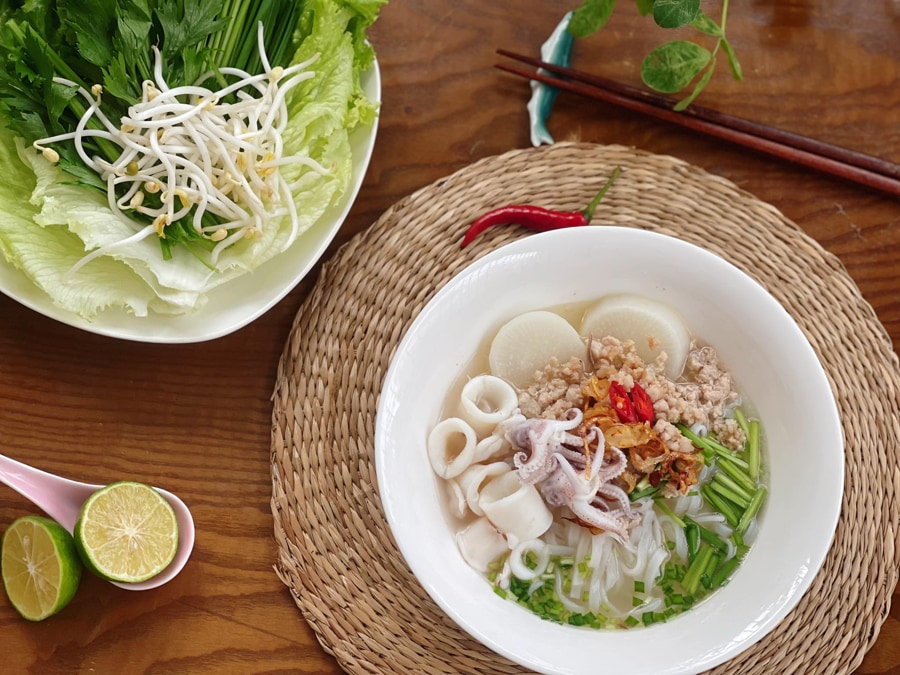
Step 1: Start with the broth
The locals usually start off their meal by tasting a spoonful of the broth before deciding to add any other condiment to their meal. This is a great way to savor the sweetness of the broth resulting from cooking pork bones for a long period of time. It is essential to enjoy the original broth before deciding to add any condiment to your meal.
Step 2: Mix the noodles and toppings
The second step in enjoying your Hu Tieu is to mix your noodles and other ingredients in the bowl using your chopsticks. You should mix your noodles with pork, shrimp, bean sprouts, and herbs. The ingredients in your meal ensure that you have a balanced meal in every spoonful.
Step 3: Add herbs and condiments
Fresh herbs like chives, lettuce, or cilantro are added to improve the smell and freshness of the dish. Some locals even add a squeeze of lime or chili sauce to adjust the flavor according to their liking. This step allows you to customize the flavor to your liking.
Step 4: Enjoy small bites
Unlike other meals, locals do not rush to finish their meal. Instead, they take small bites to savor the taste of Hu Tieu. Take a portion of noodles with chopsticks and pair it with some toppings, then drink the broth between bites. Eating in this manner allows you to appreciate all the wonderful combinations that make Hu Tieu so unique.
Where To Try The Best Hu Tieu In Vietnam
Although it can be found all over Vietnam, the authentic and most varied versions are typically found in Southern Vietnam, especially in Ho Chi Minh City. The city is renowned for its street food scene, with Hu Tieu available everywhere, ranging from street stalls to local eateries that have been around for ages.
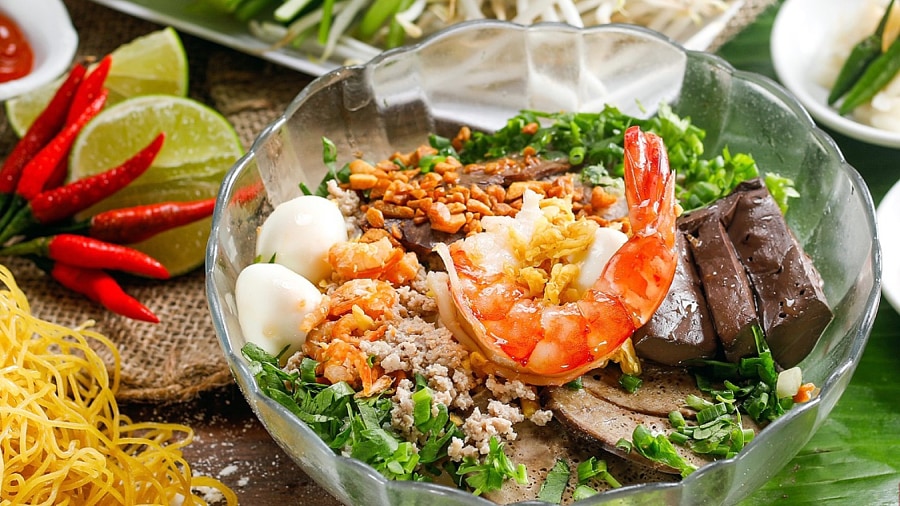
Here are some popular places where you can enjoy delicious Hu Tieu in Vietnam:
-
Hu Tieu Hong Phat: 389 Vo Van Tan Street, District 3, Ho Chi Minh City.
-
Hu Tieu Muc Ong Gia: 62/3 Ton That Thiep Street, District 1, Ho Chi Minh City.
-
Hu Tieu Nam Vang He: 22B Ky Dong Street, District 3, Ho Chi Minh City. T
-
Hu Tieu Nam Vang Nhat Pham: 38/15A Nguyen Van Troi Street, Phu Nhuan District, Ho Chi Minh City.
-
Hu Tieu Nam Vang Nhan Nghia: 385/1A Nguyen Trai Street, District 1, Ho Chi Minh City.
Useful Tips For Enjoying Hu Tieu In Vietnam
Tasting Hu Tieu in Vietnam can be a thrilling experience, especially for first-timers who want to experience the country’s street food scene. Having some knowledge of simple dining tips will make you appreciate the dish more, just like how locals experience it.
-
Hu Tieu is usually eaten for breakfast or lunch in Southern Vietnam. However, most restaurants serve Hu Tieu all day long.
-
The locals usually add lime juice, chili sauce, or soy sauce to their Hu Tieu according to their own tastes.
-
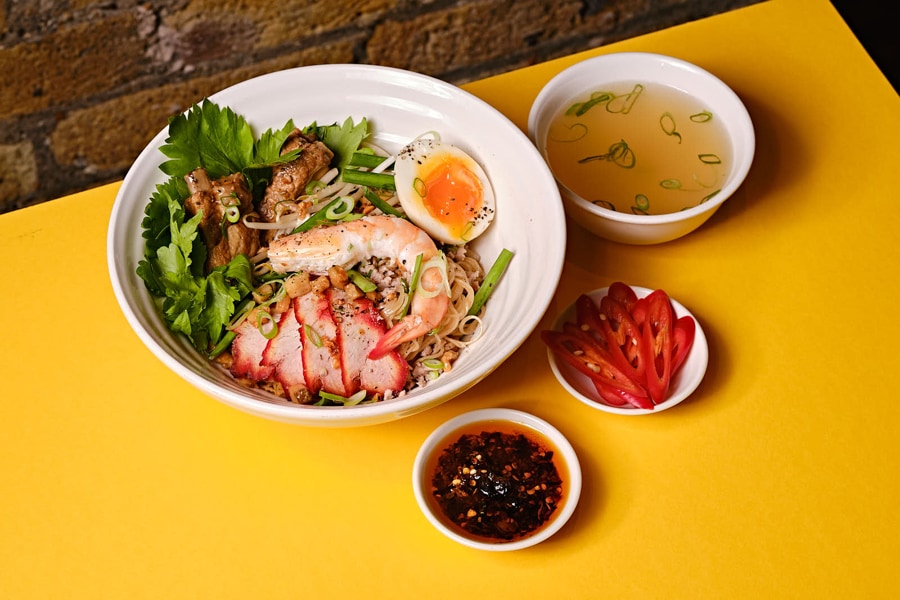
The fresh herbs and bean sprouts are usually served on the side so that you can add as much freshness and crunch as you want.
-
You can have Hu Tieu in a soup form or in a dry form with broth on the side. You can then opt for the form that you want.
-
The best way to enjoy Hu Tieu is to have it from a small street stall because that is where you can experience the best taste and atmosphere of Vietnamese street food culture.
FAQs About Hu Tieu
Before attempting to try Hu Tieu for the first time, travelers are naturally curious about how the food is served and how it is different from other Vietnamese noodle dishes. Here are some frequently asked questions that can help you understand this popular Southern Vietnamese dish better.
-
What is the difference between Hu Tieu and Pho?
Hu Tieu and Pho are two popular noodle soups in Vietnam, but they have different tastes and ingredients. The main difference between the two soups is that Pho has a richer beef broth and flat rice noodles, while Hu Tieu has a lighter, sweet broth made from pork bone and toppings like shrimp, pork, and quail eggs.
-
Is it necessary to have Hu Tieu soup?
No, it is not necessary to have it in soup form. It can be in two forms: soup or dry noodles. In the dry form, noodles and toppings are mixed with sauce in a bowl, while broth is separately given on the side to be consumed with noodles.
-
Where in Vietnam is Hu Tieu most popular?
Hu Tieu noodles are most popular in Southern Vietnam, especially in Ho Chi Minh City and the Mekong Delta region. Places like My Tho are famous for their own versions of Hu Tieu noodles and are popular with locals and tourists alike.
Discover Vietnam’s Food Culture With Seni World
Vietnamese food is renowned for its blend of fresh ingredients, rich flavors, and rich food traditions. From popular street food such as Hu Tieu to a multitude of regional food varieties found across Vietnam, each dish has a story to tell about food culture, history, and life in Vietnam. Trying these dishes is one of the best ways for tourists to get a feel for the essence of Vietnamese culture.
If you wish to experience food culture in Vietnam on a deeper level, Seni World offers unique travel experiences that can get you involved with food culture in Vietnam. With Seni World, tourists can experience street food culture, hidden food joints, and popular dishes such as Hu Tieu, just like locals. Join a journey with Seni World and experience the authentic food culture of Vietnam through its unforgettable food traditions.
Final Thoughts
Hu Tieu is a dish that truly reflects the diversity and richness of Southern Vietnamese cuisine. The dish, with its light and savory broth, soft noodles, and a range of fresh garnishes, is a perfect blend that creates a delightful culinary experience. Eating a plate of Hu Tieu at a local food stall is, for many travelers, a culinary experience that is not just about savoring a tasty meal, but also about experiencing the culture of the Vietnamese people. If you want to explore the authentic Vietnamese street food and local food scenes, then traveling with Seni World can make the culinary journey even more significant and meaningful.
Content Seniworld
Subscribe
Login
0 Comments
Oldest
Related articles
Vietnam Travel Guide

Vietnam Travel Guide

Vietnam Travel Guide

Vietnam Travel Guide