


Kim Bong Carpentry Village, located just across the river from Hoi An Ancient Town, is a centuries-old craft village where artisans build beautiful wood products. This craft village gives visitors an opportunity to gain insight into local heritage and cultural vibrancy through traditional craftsmanship.
Introduction To Kim Bong Carpentry Village
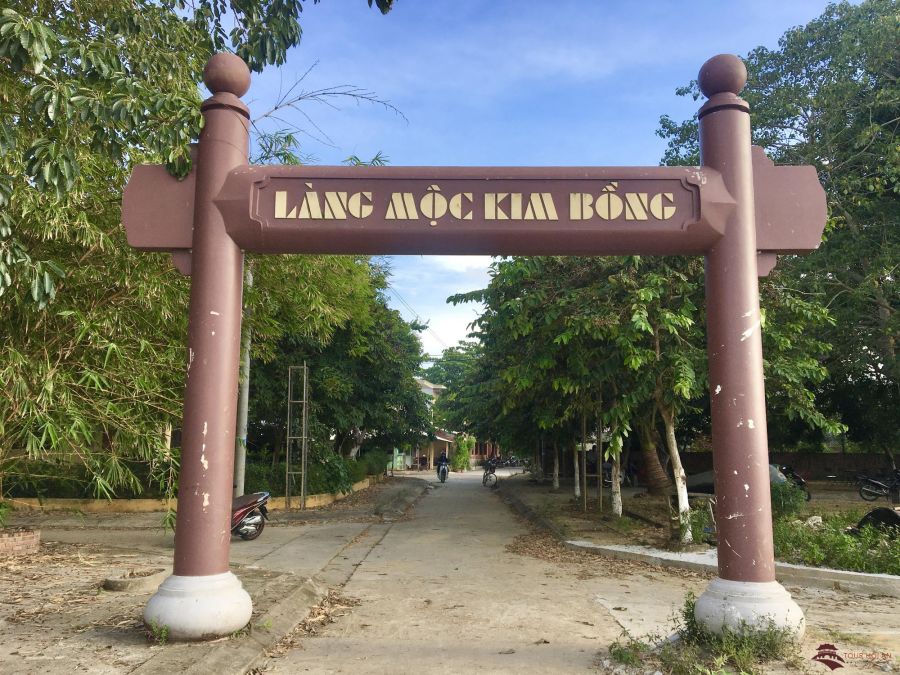
Nestled along the Thu Bon River, Kim Bong Carpentry Village is a centuries-old craft village with ties to Hoi An’s cultural legacy. Established in the 15th century, it was home to gifted artisans whose craftsmanship contributed to the fine wood architecture of the Hoi An Council and even royal works in Hue.
Today, Kim Bong is a lively village where visitors can watch craftspeople as they carve fine details, build boats, and construct furniture. A trip to Kim Bong is more than just sightseeing. It is an opportunity to experience Vietnam’s living histories, an experience where history, art, and village lifestyles coincide.
History Of Kim Bong Carpentry Village
Kim Bong Carpentry Village first came under the spotlight during the 16th century when Hoi An
was a trading center. When Hoi An was buzzing as an international port, Kim Bong had the opportunity to integrate different styles and techniques into its own methods and carve a unique identity.
By the 17th century, Kim Bong’s peak coincided with Hoi An’s economic prosperity. By the 18th century, the craft began to branch into three main forms of carpentry: construction carpentry, household furniture, and shipbuilding. Skilled artisans became known throughout the country for their delicate carvings and sacred sculptures, and the name of Kim Bong became famous.
Now, Kim Bong is a contributor to the preservation of Vietnam’s traditional culture. Generations of artisans have not only produced fine handicrafts and valuable experience, but they have also helped to restore and preserve Hoi An Ancient Town. With tourism booming, the village has opened its doors to exhibit to visitors the possibility of its heritage and craftsmanship.
Unique Structure Of Kim Bong Carpentry Village
Kim Bong Carpentry Village is recognized for not only traditional wood craftsmanship, but also preservation of old houses that have a unique architectural character. As you walk along narrow paths, you can see homes with roofs of tiles that are moss-laden, aged yellow walls, and wooden parts of the homes that demonstrate the craftsmanship of the people who once lived there. These houses embody the cultural identity of the village as well as the timeless beauty of Vietnamese traditional architecture.
4 Cultural Experiences You Shouldn’t Miss
Kim Bong Carpentry Village isn’t just a traditional craft village – it’s also a living museum of history, culture, and art. You can walk in the footsteps of history and become a part of a heritage that stretches back over 600 years. These cultural experiences will add to your journey in ways unimaginable.
Experience 600-Year-Old Carpentry Heritage

Kim Bong Carpentry Village emerged in the 16th century when Hoi An was an internationally renowned trading port. Local artisans were influenced by, and adopted techniques from, China and Japan, and even Europe, and built upon their Vietnamese traditions to develop a distinctive style of carpentry. In the 18th century, the village already had three branches: construction carpentry, shipbuilding, and household furniture making.
In more modern times, when many things begin to evaporate or become ruined daily, the craftsmen of Kim Bong are still dedicatedly to preserving their roots through practice. They take great pride and continue to actively participate in the restorative efforts of ancient residences and temples in Hoi An. Each beam and carving keeps together history, culture, and artistry that you should not miss when visiting Hoi An. For visitors to Hoi An and Kim Bong, learning about this heritage context offers a unique view of how a small village has formed and continues to provide support for the architectural identity of the entire town.
Witness Artisans At Work
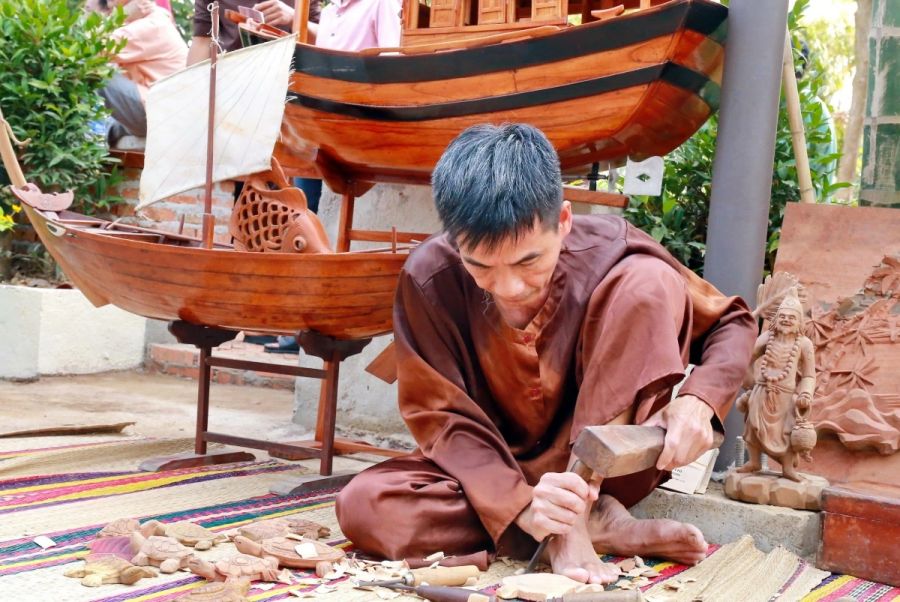
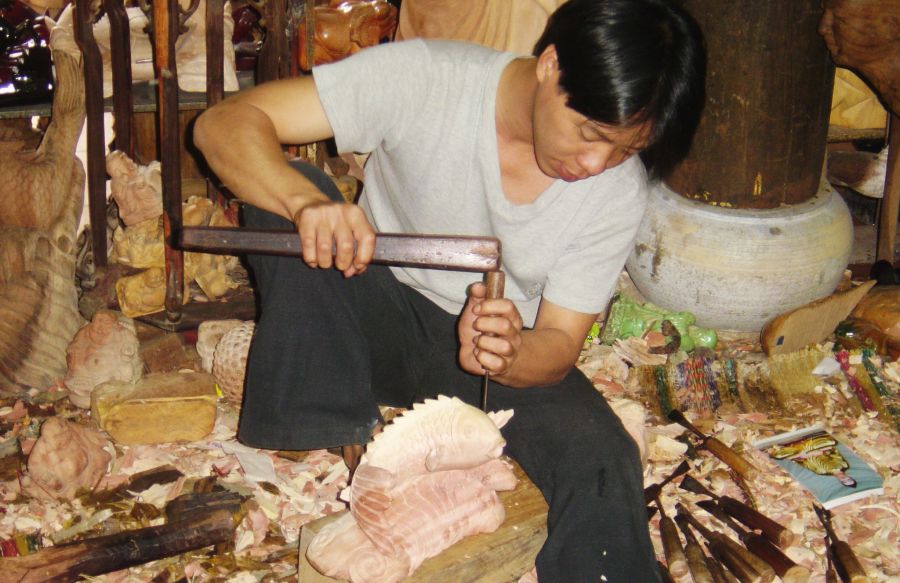
One of the most amazing parts of your visit is witnessing artisans work on site in their workshops. As you slowly meander through the village, the sounds of chiseling, hammering, and sawing surround you. This rhythm of labor has been the melody of Kim Bong for generations. You can observe woodwork being measured, carved, and polished. In every workshop, artisans are making furniture, boats, or intricate wooden statues, contributing a single link in the chain of processes.
What makes this experience so noteworthy is the care, focus, and patience put into every groove, curve, and detail. Those with design and functional purpose, as well as artistic merit. This process illustrates the way ordinary pieces of timber are manipulated into cultural products that reflect the essence of Hoi An.
Enjoy The Beautiful Woodworks
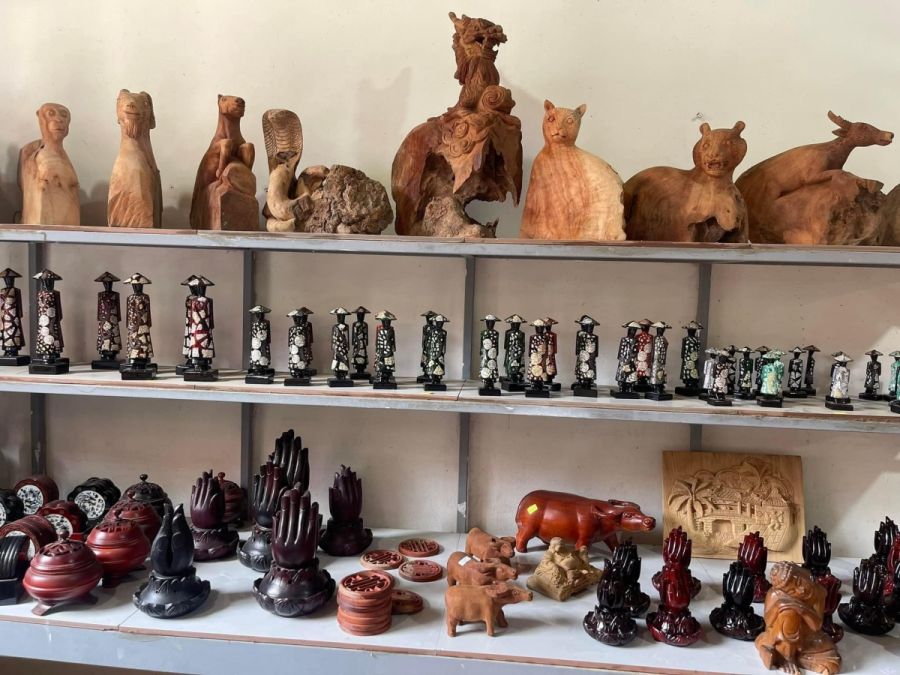
The time has finally arrived to visit the village and admire the beautiful wooden pieces displayed around the village. Every piece, each finished piece, has its own story to tell – whether it is a carving of a buffalo plowing the fields, a fisherman throwing a net, or traditional decorative motifs such as dragons, phoenixes, and lotus flowers.
The work is much more than decoration; it is a unique artistic expression of the local people’s daily lives, belief systems, and value systems. The natural brown colours and smooth textures of the wood add to their beauty, usually shifting between rustic and simple to polished and refined depending on the style. Artisans are able to create many different effects using carving techniques such as relief carving, hollow carving, and sculpting that seem almost alive.
Take Home A Souvenir Made by Hand
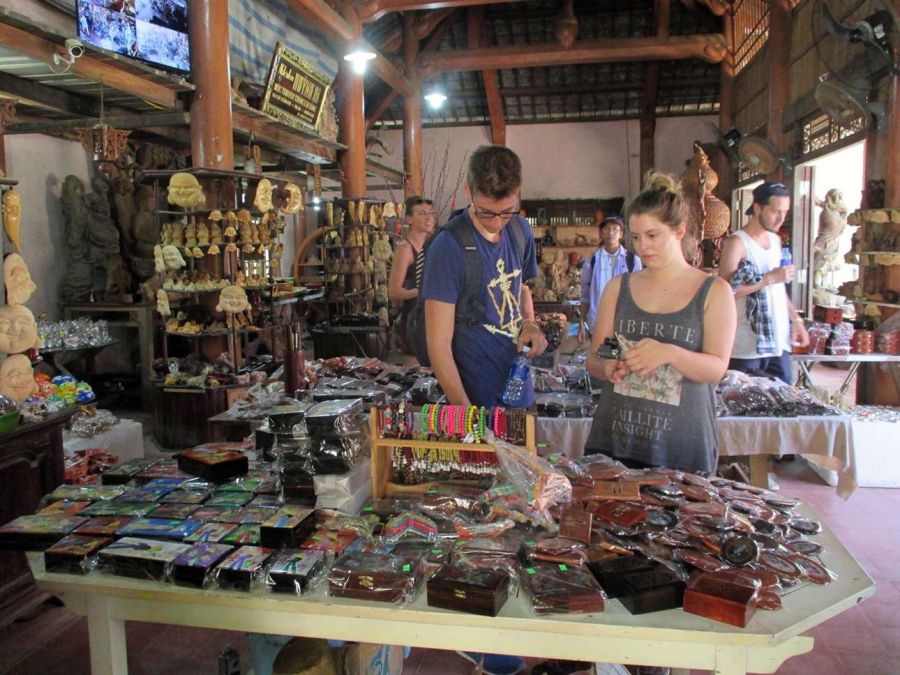
Before you leave the village, don’t forget to get a handcrafted souvenir to take home. Here, you can find a variety of items ranging from small and affordable items like decorative panels, figurines, or keychains, to larger items like household furniture, altars, or statues.
Each of the products has Kim Bong’s spirit within it, handcrafted through learned techniques passed down through the generations. A purchase is more than a purchase when you are helping local artisans sustain their craft and livelihoods for the future. And more importantly, you are taking a piece of the unique heritage with you, so not only is your souvenir an item, but an important reminder of your time spent in Hoi An.
Entrance Fee
Visitors do not have to worry about any entry costs when visiting Kim Bong Carpentry Village, besides their own personal expenses for items such as food, drinks, or wooden souvenirs to take home. This free access, however, makes the village even more interesting to thousands of visitors each year, making it one of Hoi An’s must-see stops!
Opening Hours
Kim Bong Carpentry Village is open daily from 8:00 AM to 5:00 PM, making it convenient to visit at any time of the year. However, if you want to see the village during its liveliest period, you should time your visit on the 6th day of the first lunar month. This is the day when locals celebrate the Ancestor’s Commemoration Festival, which is one of the most important festivals related to the culture and traditions of Kim Bong.
During this time, you will have the opportunity to take part in festive activities, observe traditional rituals, and see firsthand how much respect villagers show to their ancestors who developed the carpentry craft. This unique and interesting opportunity will allow you to see the spirituality of Kim Bong and also all of the artistry, all in one visit.
The ideal time to visit Kim Bong Carpentry Village is also in the dry season (from March to September) when the weather in Hoi An is mostly dry, sunny, and rain is unlikely, but still perfect for visiting the craft village and sightseeing.
How To Get To Kim Bong Carpentry Village
Kim Bong Carpentry Village is situated just across the river from Hoi An Ancient Town, making it an easy trip to get to. You can get to the village by either boat or by land, depending on your preference.
By Boat
One of the best experiences of visiting the village is taking a short boat ride to get there. From Bach Dang Street along the river in Hoi An Ancient Town, you can pick up the ferry on the Hoi An – Cam Kim route. The ferry is only a 10-minute ride and gives you beautiful views of the river. After you arrive on the pier, you just have a 5-minute walk to the main area of Kim Bong Carpentry Village.
By Bicycle Or Motorbike
If you prefer to explore by land, you can rent a bicycle or motorbike. From Hoi An Ancient Town, you will cross Cam Kim Bridge, where you then turn left. You must continue for about 3 kilometers to reach the village. It will be a lovely ride, and you can enjoy the countryside feel that is peaceful and serene while in Hoi An.
Things To Know Before Traveling To Kim Bong Carpentry Village
To have a pleasant and memorable trip to Kim Bong Carpentry Village, consider some helpful recommendations regarding clothing, timing, and local manners. A little planning can help you fully appreciate the character of this traditional craft village.
- Dress comfortably and with shoes that allow you to move easily. In summer, always bring a hat or an umbrella to protect oneself from the sun.
- The ideal time to visit is in the morning (8:00-11:00 AM) when the village is lively and bubbling with tourism. Visiting in the afternoon is serene and peaceful.
- In order to take your time in exploring and experiencing workshops, exhibitions, and local life, we recommend 2-3 good hours to explore.
- Understand some of the village’s history and woodworking traditions before arriving. It will help make your visit more enjoyable and enriched.
- Bring some cash, as a lot of artisans may not accept a credit card for purchases or activity fees.
- Be courteous by not creating any noise and not touching incomplete products in the workshops, while helping to preserve the integrity of the village.
FAQs About Kim Bong Carpentry Village
If you’re heading to Kim Bong Carpentry Village, you’ll no doubt have some questions. Below are some useful answers to help assure your visit will be free of problems and enjoyable, and make for some lovely memories!
How long should I spend there?
The average traveler spends, on average, 2-3 hours at the village. This is typically enough time to stroll through the quiet streets, check out the carpentry workshops, and chat with some of the artisans. If you’re more interested in traditional crafts, or you’re coming to join a hands-on event, you might want to hang out longer, say, half a day.
Can I buy wooden products directly from the artisans?
Yes, you can buy a range of hand-crafted wooden products from individual artisans and workshops. There are small souvenirs, for example, carved animals and keychains, and there are also larger items, such as furniture and decorative pieces.
Is Kim Bong Carpentry Village family-friendly?
Absolutely! The village is friendly and safe, so it is a good family environment. Kids can roam freely throughout the open spaces and be able to see the craftsmen at work. They will see how the wood is transformed from a piece of lumber to a beautiful piece of art. Some of the workshops may even let kids have a simple hands-on experience where they can try carving or painting something. An educational and fun family outing!
Final Thoughts: Is Kim Bong Carpentry Village Worth Visiting?
Kim Bong Carpentry Village is a place where tradition and artistry come alive. This village allows travelers to see carvers at work, look at gorgeous wooden objects, and take in the culture of Hoi An outside the Old Town. If you are going to visit, this village is a must-see, and you can experience it in the most authentic and memorable way with Seni World!


