


Lao food is a dynamic combination of fresh herbs, bold spices, and simple cooking techniques that reflect the rich culture and agricultural traditions of the country. From sticky rice to spicy papaya salad and fragrant grilled meats, Lao cuisine offers authentic, unforgettable flavors.
Laap
Laap is one of the most popular Lao dishes and arguably considered the national dish of Laos. It is believed to have originated from the northern and northeastern provinces, particularly Luang Prabang, and the Mekong provinces. Laap is deeply rooted in Lao culture and celebrations. The word “laap” is derived from the Lao word for “fortune” and “good luck.” It is therefore served during various Lao celebrations, including weddings. In the past, laap was prepared using minced chicken, beef, pork, duck, and sometimes even fish. It was a reflection of the agricultural livelihood of the Lao people and their emphasis on fresh produce.
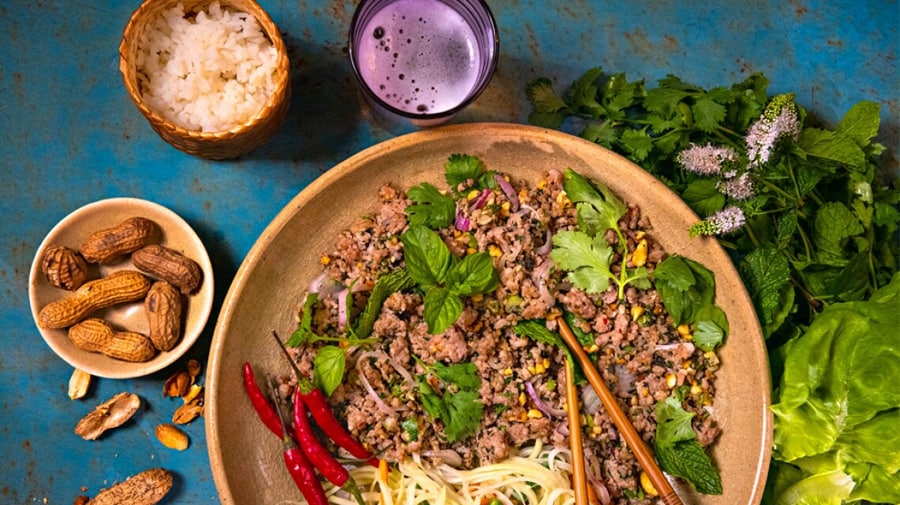
The preparation of laap consists of mincing meat and mixing it with lime juice, fish sauce, roasted ground rice powder, fresh herbs like mint and coriander, and plenty of chili. The taste is bold, tangy, slightly spicy, and aromatic with a nutty texture from toasted rice. People usually consume laap with sticky rice and fresh vegetables. Some regional versions prepare the meat raw or lightly cooked; hence, tourists concerned about food safety should always clarify their preference when ordering.
Tam Mak Hoong
Tam Mak Hoong is Laos’ popular green papaya salad, which is also part of the everyday Lao cuisine cycle. This popular Lao food is widely eaten all over Laos, particularly in the central and southern parts of the country. This Laotian dish is commonly eaten in the streets and regularly in most families. Its name literally means “pounded papaya,” which was traditionally made by pounding ingredients together. Tam Mak Hoong is the epitome of Lao cuisine, which focuses on powerful flavors.
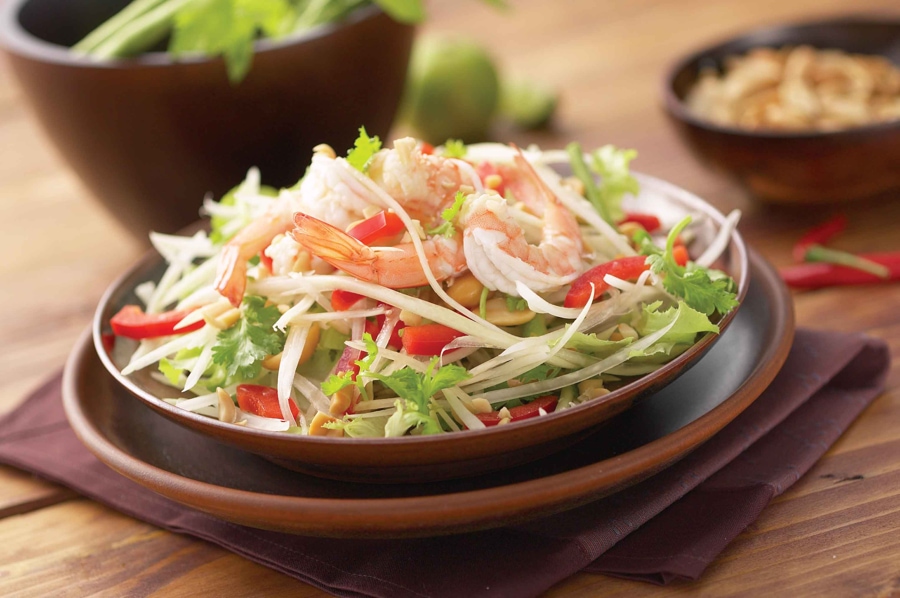
The salad is composed of green papaya, garlic, chilies, fish sauce, lime juice, fermented fish sauce, tomatoes, dried shrimp or crab, and is very spicy, sour, salty, and umami from the padek, making it thicker in flavor than the Thai version. The salad must be eaten along with sticky rice and grilled meat. Travelers should consider the fact that the original version of the salad can be extremely spicy; hence, it’s wise to ask for a milder version.
Sai Oua
Sai Oua, or Lao Sausage, is a delectable culinary delicacy common across Laos, especially in northern provinces. This traditional Lao-style sausage, or savory meat product, is influenced by local herb gardens and culinary traditions linking Lao culture to fresh and aromatic ingredients. ‘Sai Oua’ literally means ‘stuffed intestine.’ This means that a stuffed intestine encases the meat mixture used to produce this savory delicacy.
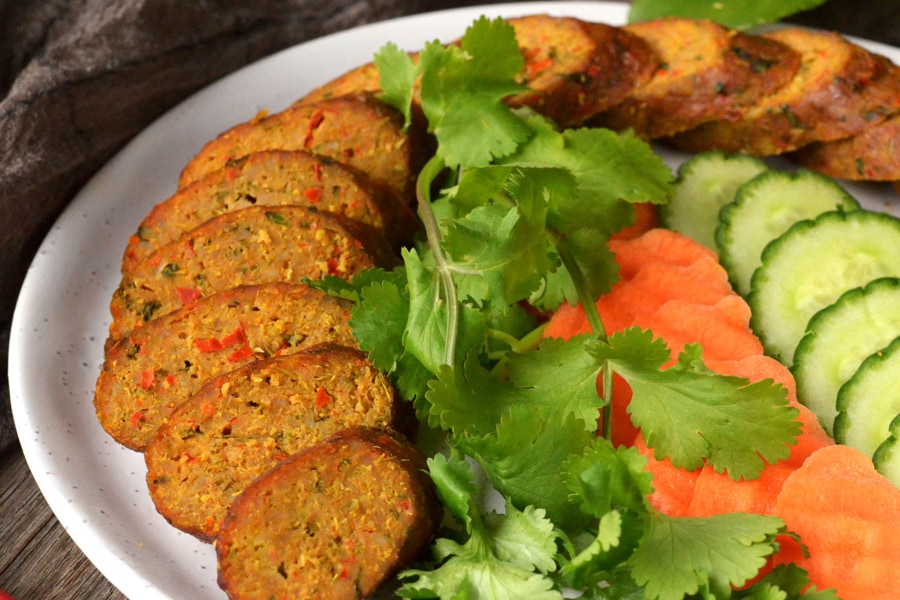
Sai Oua is made by grilling minced pork with added lemongrass, kaffir lime leaves, galangal, garlic, chili, and fish sauce. Once cooked, the mixture is served and is quite savory due to the smokiness imparted by the grilling process and the blend of herbs used in the making of the dish. It goes well with sticky rice and a variety of vegetables; however, the dish is almost fully cooked and is more enjoyable when consumed hot and straight out of the grill.
Mok Pa
Mok Pa is a traditional dish of the Lao people. This dish originates from communities living along the banks of the Mekong River, where freshwater fish are plentiful. The term “mok” refers to “steaming in banana leaves,” and the term “pa” refers to “fish.” This dish represents the simple nature and harmony of Lao cuisine.
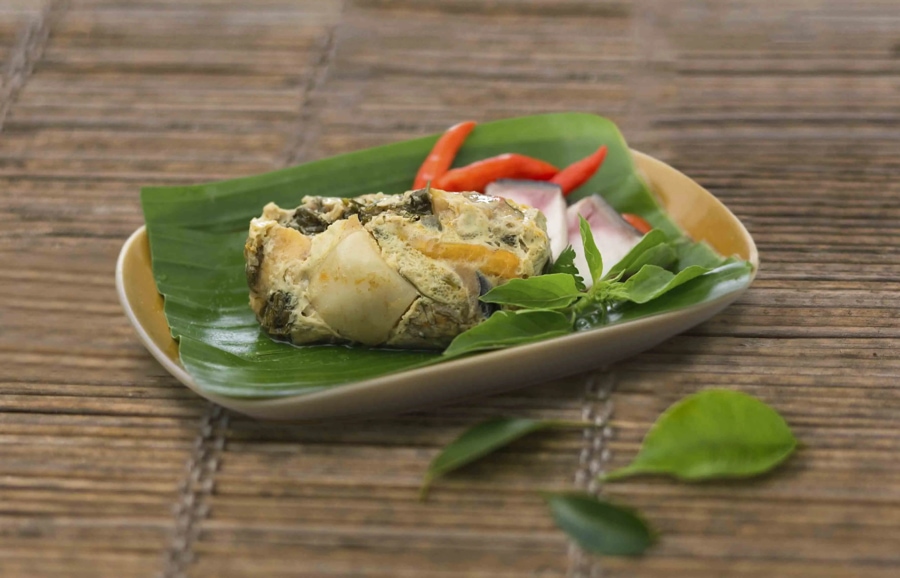
The fresh fish is used along with herbs like dill, lemongrass, kaffir lime leaves, and hot chili, which are then combined with fish sauce as a seasoning agent. The mixture is then placed in banana leaves and steamed until done. The dish will be moist and full of aroma, along with herbal and spicy undertones. Mok Pa is served along with sticky rice. The dish is light as it is steamed instead of being fried and incorporates elements found in nature along with Lao river cuisine.
Laap Naam Tok
Laap Naam Tok is a variant of traditional Laap that is savory and delicious. Laap Naam Tok is widely enjoyed in northern Laos and among rural populations. The phrase “Naam Tok” literally means waterfall and symbolizes the moistening flavor drips from the cooked meat when sliced. Laap Naam Tok differs from traditional Laap because this recipe is grilled beef or pork, which is an essential grilling culture in Laos. Laap Naam Tok is usually consumed on special occasions and at social events because of its social and cultural nature.
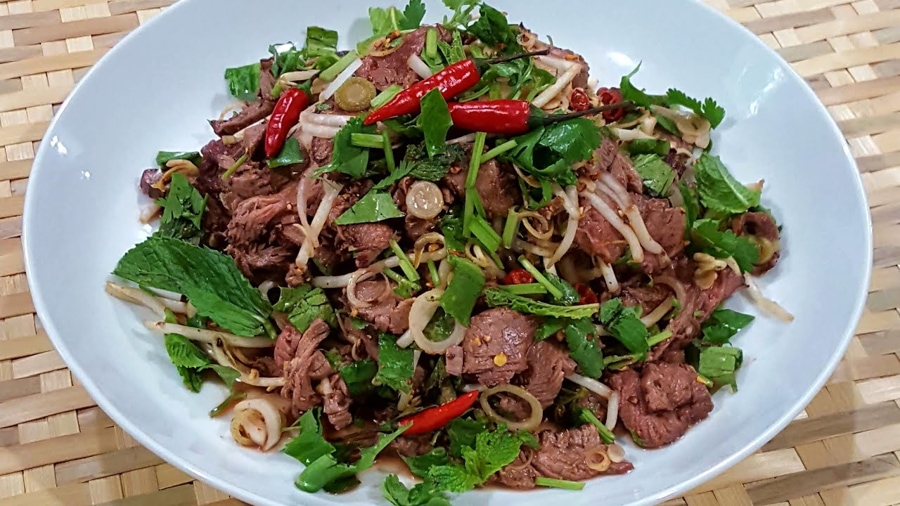
The grilled meat is sliced into thin pieces, mixed with lime juice, fish sauce, roasted ground rice powder, dried chili flakes, shallots, and mint leaves. The meat’s taste is strong, sour, smoky, and spicy, accompanied by the crunch of the toasted rice grains. The dish is served with sticky rice or fresh herbs. However, the grilled meat might not be well done in some cases, so tourists should ask for well-done meat when preferred.
Naem Khao Tod
Naem Khao Tod is a unique crispy rice salad hailing from central Laos that became popular across the country. It literally translates to “fried rice,” named after its star ingredient and defining texture. This dish is a serious testament to the creativity of Lao food, turning stale sticky rice into a bright and bold salad. Also common as a shared, or social snack and street food appetizer.
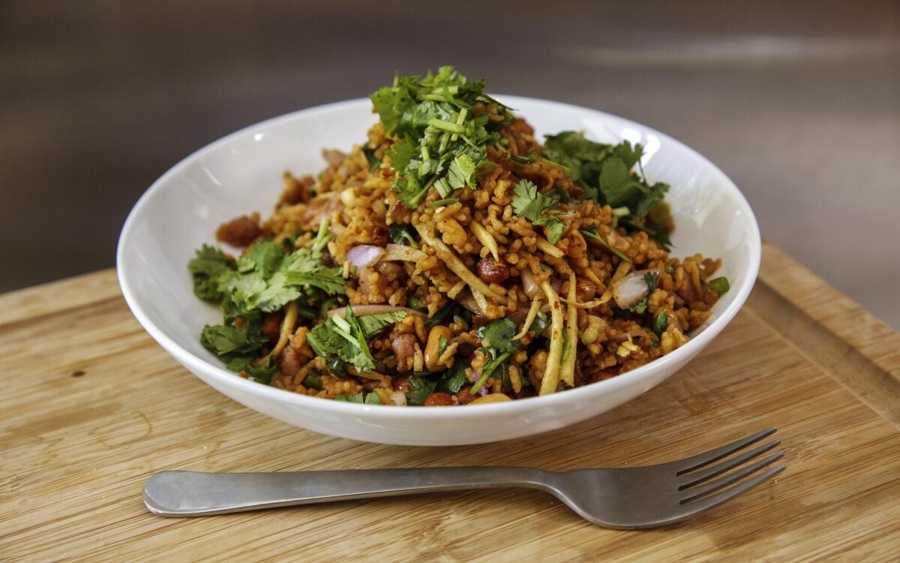
Cooked rice is made into balls, deep-fried in grease until crispy and golden in color, and then crushed and mixed with fermented pork sausage called naem, shredded coconut, peanuts, lime juice, herbs, and chili. The flavor is a complicated balance between crispy, sour, savory, and a slightly sweet note. Often it’s served wrapped in lettuce leaves to add freshness. As it is prepared with fermented sausage, tourists need to make sure that it is fresh and well-handled.
Khao Soi
Khao Soi is one of the traditional noodle soups of the northern Lao people, especially of the Luang Prabang area. Unlike the richer version of the Khao Soi noodle soup of Thailand, the Khao Soi of the Lao is lighter and showcases the simplicity of genuine Lao culinary culture. The name “Khao Soi” literally means “cut rice.” This refers to the fact that the dough made of steamed rice is thinly sliced according to authentic tradition to produce rice noodles.
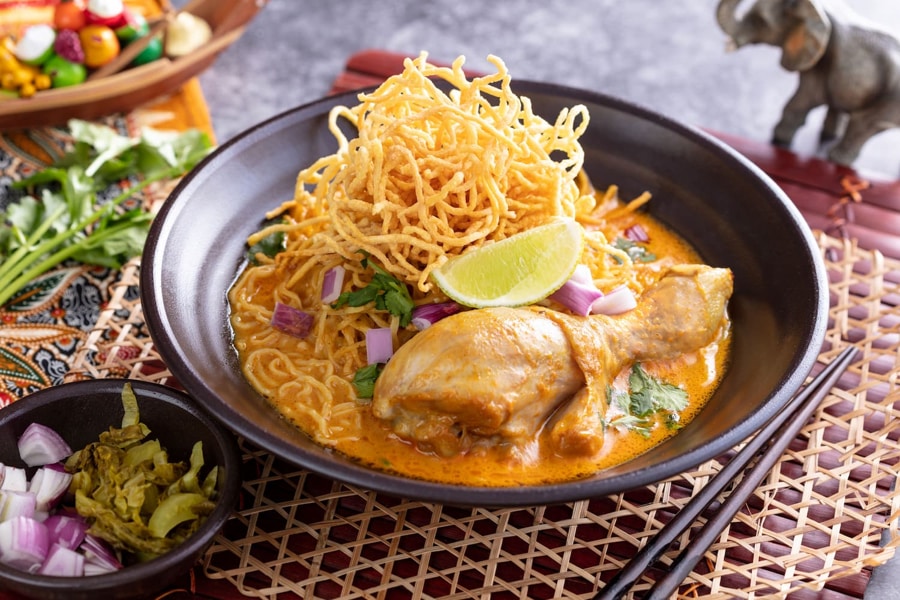
The soup is made with a pork or chicken bone broth that is served with a topping consisting of minced pork cooked in a lightly tangy tomato-based sauce, fermented soybeans, garlic oil, and herbs. The taste is savory and somewhat sweet, but does not contain a lot of spice. The addition of lime juice provides freshness to the taste. It is important to take note that spice intensity varies for different people, and therefore, mild chili should be asked for.
Sien Savanh
The dish is known as Sien Savanh, which translates to “heavenly beef.” It is widely enjoyed in Laos, available everywhere across the country, especially in Vientiane and Central Laos. The dish garnered its name because of its tremendous flavor and the sense of pride that people have in enjoying this traditional dish. The process of drying beef in the sun is the most common preservation method of beef used by villagers during expeditions.
The preparation involves slices of meat marinated with garlic, soy sauce, fish sauce, sugar, and sesame seeds. It is sun-dried and lightly fried or grilled to attain the desired texture. The taste of the meat is such that it is a combination of sweetness, savory, and smoky. It is often dipped in spicy jaw sauce. If travelers want to taste the best of this dish, they must seek reputable vendors who prepare the meat freshly.
Khao Niew
Khao Niew, or Lao sticky rice, is the basis of the Lao food cultural tradition and a daily staple dish consumed in all of Laos, particularly among the rural communities that inhabit the banks of the Mekong River. Lao sticky rice differs from jasmine rice consumed in the rest of Southeast Asia because the food carries a distinct cultural identity that signifies unity, hospitality, and communal sharing. “Khao” refers to rice. However, “Niew” refers to sticky food because the product is naturally glutinous in texture.
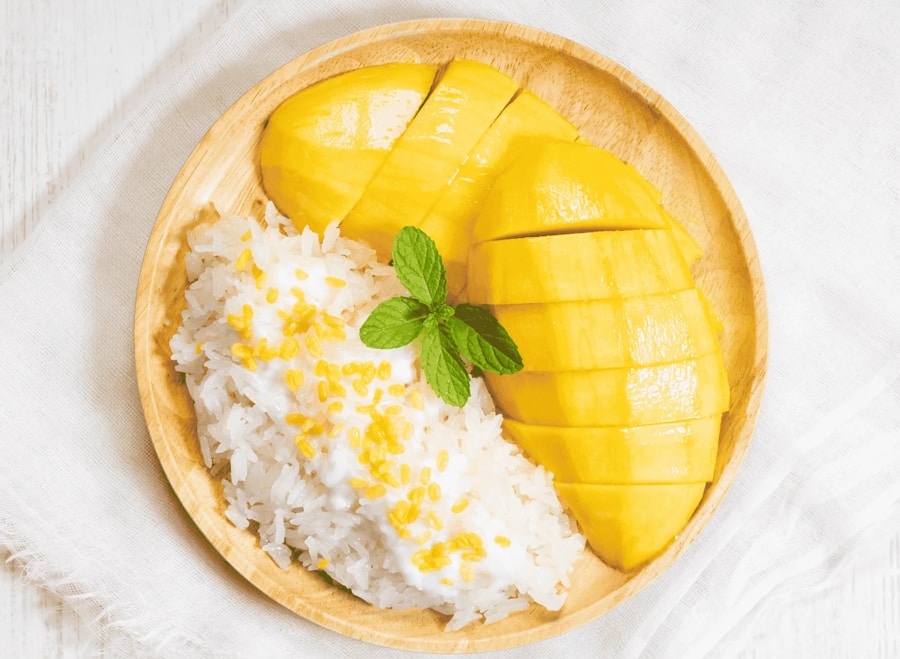
The rice is soaked for several hours and then steamed in a traditional bamboo basket that is placed on the boiling water. This process gives Khao Niew its chewy texture and distinctively nutty flavor. The food is usually taken with the hands by rolling it into small round shapes and then dipping it in sauces, salads, or grilled meat. The visitors should use their right hand to eat the food as it is etiquette in the region.
Or Lam
It is a traditional Lao dish made from a stew, which comes from the northern region of Laos, particularly from the town of Luang Prabang, and is typically considered part of royal cuisine. Lao Iconic Dish – Or Lam is an awesome Lao dish influenced by the mountainous landscape of Laos and its forests. “Or” stands for the term used for thick stews, and “Lam” stands for the slow-cooking method used in its preparation, which has made the Lao Iconic Dish Or Lam an integral part of royal cuisine.
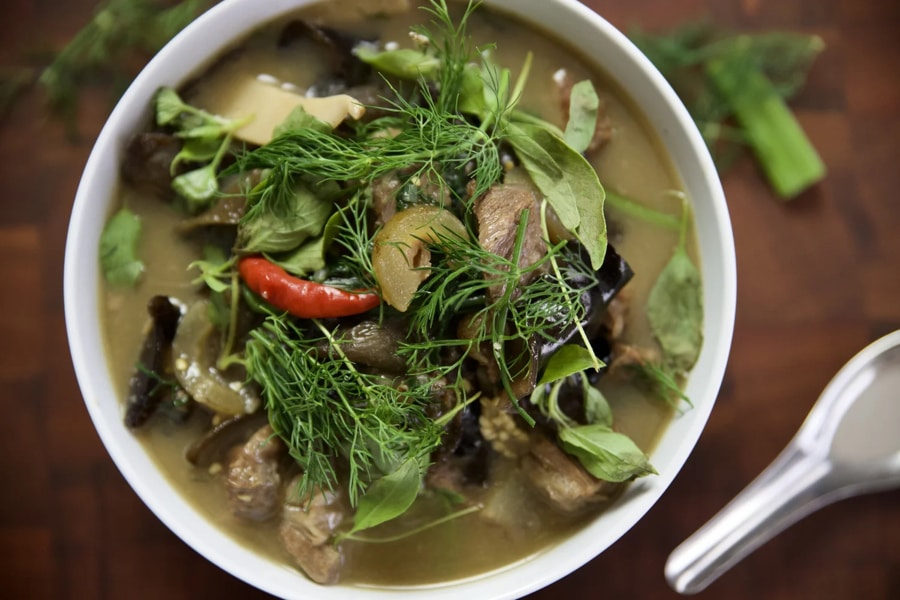
The dish is created using buffalo, pork, or chicken with eggplants, mushrooms, lemongrass, chilies, and sakhan, which is a peppery wood stem only found in Laos. The texture is a hearty and slightly thick consistency with an intense flavor that is mildly spicy, earthy, and slightly bitter from the sakhan. The dish is usually served with sticky rice. First-time eaters must be prepared to experience the herbal bitterness, which is definitely an integral and appreciated virtue of the dish.
Ping Kai
The dish is called Ping Kai, which stands for grilled chicken in the Laotian language. It is an extremely popular street food which is widely consumed in all parts of the country, and the list includes the capital city, Vientiane, and the charming town of Luang Prabang. The term “Ping” actually stands for something that is grilled on the charcoal fire. “Kai,” on the other hand, refers to chicken. The dish is extremely popular in the country, given the tradition of grilling.
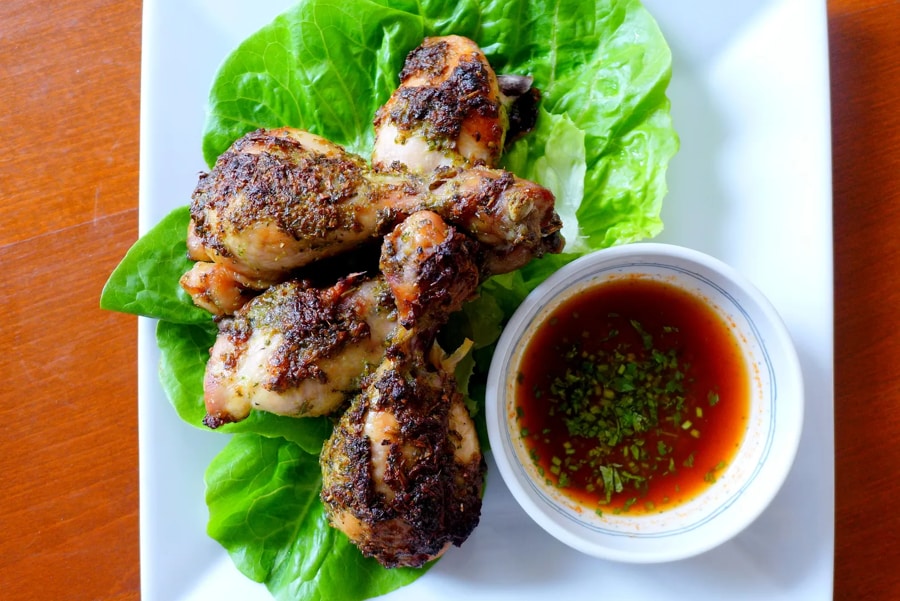
The chicken is marinated in garlic, coriander root, fish sauce, and black pepper before being grilled slowly over a charcoal fire. This method gives the chicken a crispy exterior and juicy interior with a smoky fragrance. It tastes savory, slightly peppery, and well-balanced. It goes well with a side of sticky rice and spicy sauce. To maximize your experience, it is best to eat the Ping Kai immediately, freshly grilled, and specify the spicy level to your taste.
Khao Piak Sen
Khao Piak Sen is a traditional Lao noodle soup that is consumed all over the country and is especially favored in central Laos and Vientiane. The name “Khao” translates as rice, “Piak” as wet, and “Sen” as strands, referring to the soft, freshly made rice noodles in the dish. Influenced partly by Vietnamese cuisine but distinctly Lao in flavor, Khao Piak Sen is considered a comforting everyday meal. It is especially common for breakfast but can be enjoyed at any time of day, reflecting the warm and communal nature of Lao food culture.
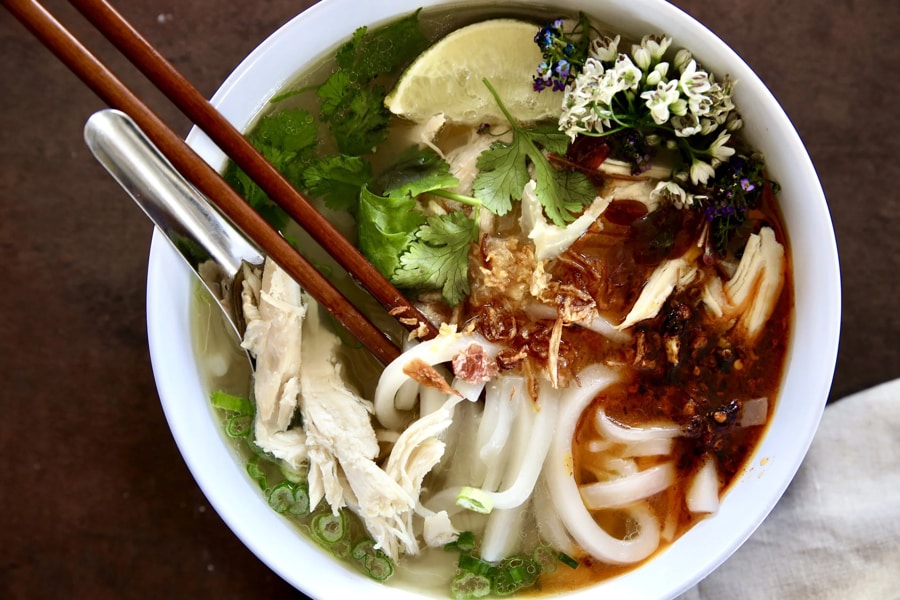
The soup is prepared with a rich broth slowly simmered from chicken or pork bones, creating a deep yet gentle flavor. The thick, handmade rice noodles give it a slightly chewy texture, topped with shredded meat, fried garlic, herbs, and a lime for freshness. The taste is mild, savory, and soothing rather than spicy. For travelers who want more heat, there’s the option to add extra chili, though they should enjoy this heat for the best experience.
Khao Jee
Khao Jee is a popular Lao street food sandwich that is a product of the French colonial legacy, particularly in the cities of Vientiane and Luang Prabang. The term “Khao” means rice, and “Jee” stands for grilled, although in the current context, it is used to mean the crispy French baguette that makes up the sandwich. Lao street food vendors developed the French baguette over time and produced an interesting fusion that combines the baked French culinary tradition with the intense Lao taste buds. Khao Jee has become an important street food breakfast.
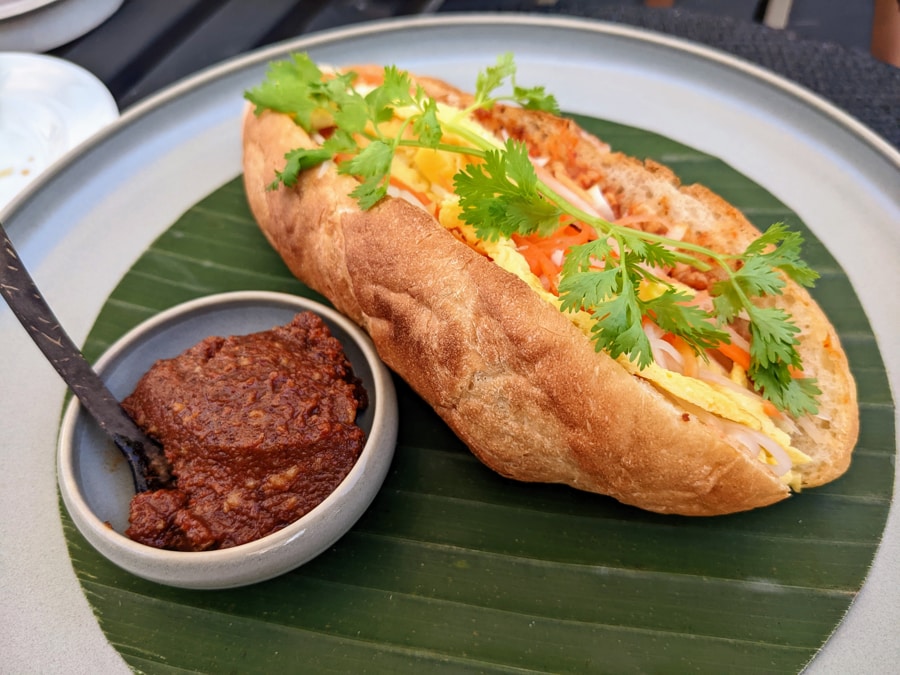
The sandwich uses a freshly baked baguette, which is toasted lightly. It is then stuffed with pâté, grilled pork or chicken, carrots, daikon radish, cucumber, herbs, and chili sauce. The taste is a combination of crunchy, savory, tangy, and slightly spicy. Travelers can always request that less chili be used to make the taste less spicy. It is recommended that the sandwich be freshly made to enjoy it best.
Fried Seaweed Kaipen
Fried Seaweed Kaipen is a unique northern Lao dish, particularly well-known in the context of Luang Prabang and local areas near the river. Kaipen is literally made of natural freshwater-green algae growing in the river, particularly during the dry season, on natural outcroppings of rock in the water. The relationship of the Lao people with their environment, particularly with this river, is of crucial importance here. Gathering kaipen is a challenging task; therefore, this dish is particularly valuable in northern Laos.
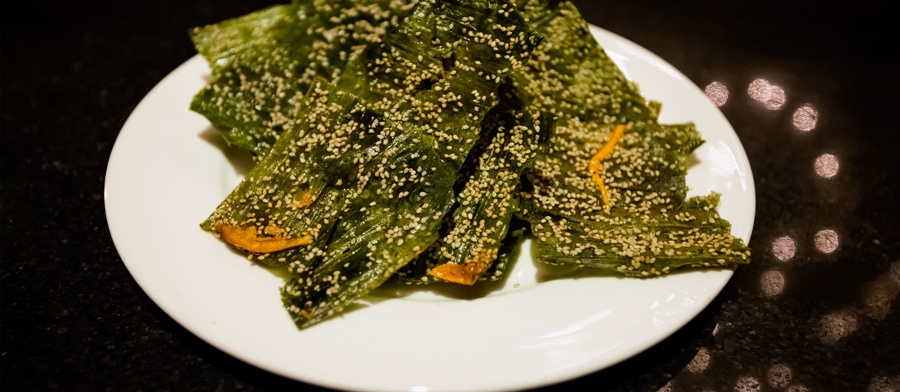
The collected seaweeds are then cleaned, mixed with sesame seeds, garlic, and sometimes chili, before they are pressed into thin sheets, which are later dried under the sun. When dry, they are lightly fried until crisp, light, and golden. The taste is light, crispy, nutty, slightly salty, and delicious. Kaipen noodles should always be taken with a special kind of spicy paste called jeow bong for a flavored taste. For tourists, it is advisable to eat the freshly fried noodles for the full crisp texture.
Insect Foods
Eating insects has long been a part of Lao traditional dishes, particularly in rural and mountainous regions where natural resources shape everyday diets. In northern and southern provinces alike, edible insects like crickets, bamboo worms, grasshoppers, and silkworm larvae have long been part of everyday palates due to their affordability and sustainable sources of protein. Eating insects in Lao culture is part of resourcefulness and a close relationship with nature. More than a peculiar sight, they are sold as common market foods and are enjoyed as a snack.
Most insects are fried in salt, chili, kaffir lime leaves, and garlic until crispy. The flavor is savory, slightly nutty, and has a crunchy texture somewhat like fried shrimp or chips. Others may be stir-fried with aromatic herbs for added fragrance. Busy market stalls are recommended for travelers who wish to try these insect foods because of freshness and proper cooking. Also, start with small portions for first-time tasters exploring genuine Lao food experiences.
Final Thoughts
If you are ready to taste the real flavor of Lao cuisine with the most immersive experience, Seni World is here to take you through the most unforgettable food journeys in Laos and the wider Southeast Asia region. With our help, you will be able to taste the real culture of the region with our range of traditional food experiences. Start planning your next food adventure with Seni World now and discover the real Southeast Asia!
Content Seniworld
Subscribe
Login
0 Comments
Oldest


