


The Museum of Cham Sculpture, located in the city of Da Nang, preserves the largest collection of Cham artifacts in the world, featuring ancient sandstone sculptures that reflect the history, beliefs, and artistic achievements of Cham culture in Central Vietnam.
Introduction to the Museum of Cham sculpture
The Museum of Cham Sculpture in Da Nang is a famous cultural monument that protects the largest collection of Cham sculptures in the world. Established in the early 20th century, this museum preserves ancient sandstone sculptures, altars, and rock reliefs from the 7th to 15th centuries. Every artwork in this museum reflects the high skill and artistic legacy of the Cham culture in Vietnam’s central coast region. Well-organized galleries in this museum guarantee that visitors gain a clear understanding of the cultural legacy in artwork that existed in the history of Cham culture.
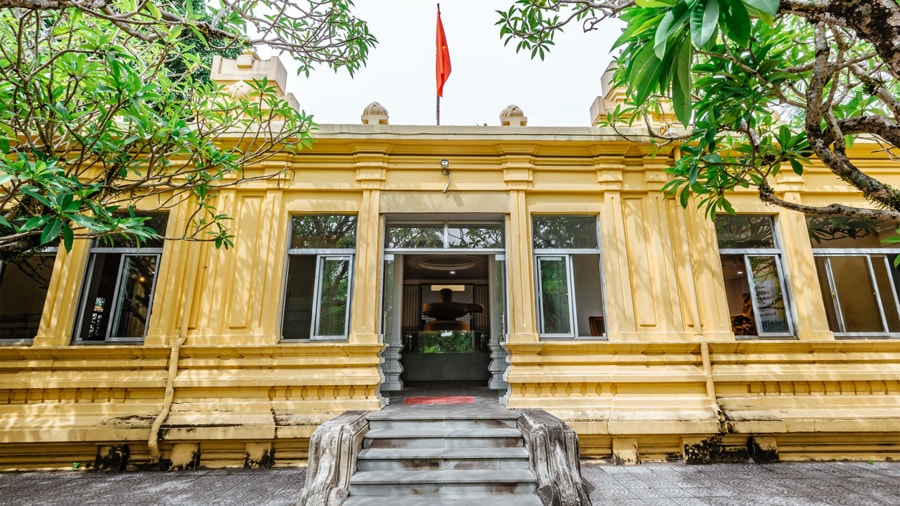
One of the options to learn more about the cultural heritage of Vietnam, which is beyond the normal lifestyle that can be observed in modern cities, is to visit the Museum of Cham Sculpture. The museum is located in Da Nang, which is very convenient. The peaceful surrounding area is an excellent place to visit the museum. The museum is recommended to those who are interested in history and art, and those who wish to experience something different regarding the culture of Vietnam.
History of the Museum of Cham sculpture
The Museum of Cham Sculpture was founded in 1915, during the French colonial period, as a result of research conducted by academics of the “École Française d’Extrême-Orient” or EFEO. The idea for creating such a museum originated after the collection of artifacts of the ancient civilization of “Cham,” which existed in ancient temples in the central region of Vietnam, namely My Son, Tra Kieu, and Dong Duong. Later, after renovation, it became the most important place for the preservation of Cham sculpture in Vietnam.
The museum exhibits reflect the rich history of Champa culture, which flourished from the 2nd century to the 15th century. The Chams had a rich cultural heritage, which was influenced by Hinduism, later developing into Buddhism. Today, the most important source of preserving the cultural heritage of the Chams is the Museum of Cham Sculpture, making tourists aware of the historical importance of the Chams in the cultural heritage of the people of Vietnam.
Top 4 Iconic Attractions in the Museum of Cham sculpture
The Museum of Cham Sculpture has galleries dedicated to specific collections, with each collection representing an archaeological site of the ancient civilization of the Cham people. The signature galleries give a chance to understand the development, beliefs, and intricacies of Cham culture.
My Son Gallery
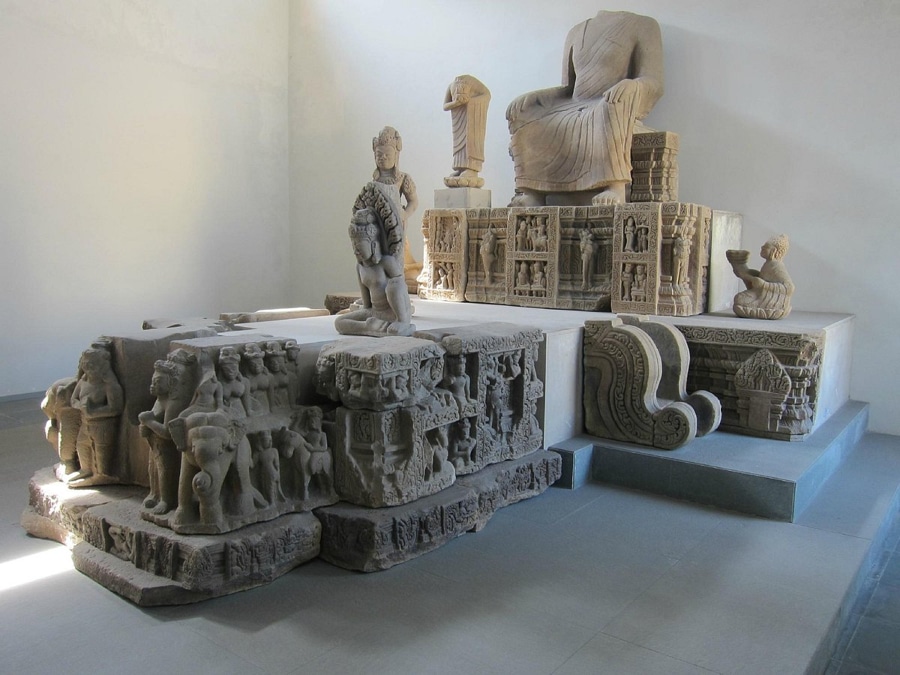
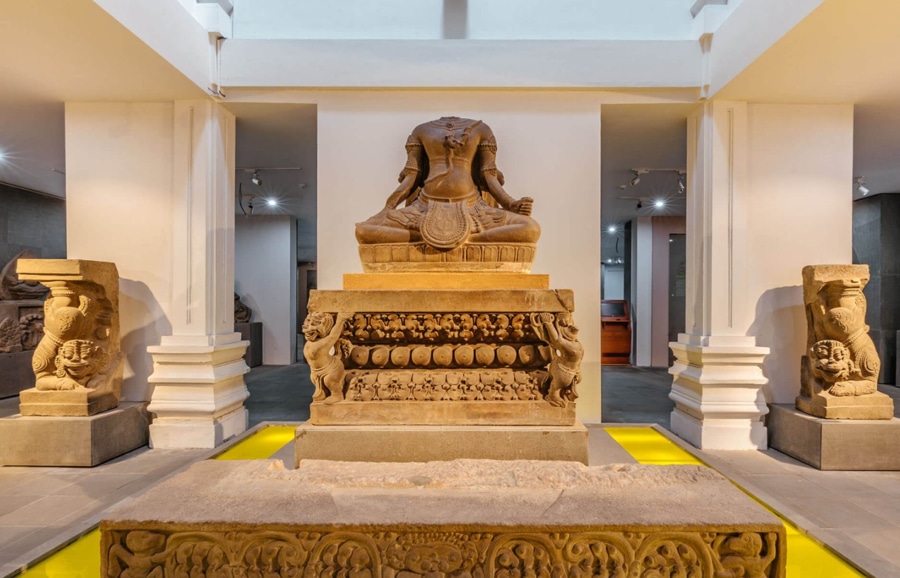
The My Son Gallery has statues that were discovered at the My Son Sanctuary, a spiritual center of the Cham Empire. The statues have a strong influence of Hinduism, as they display depictions of Lord Shiva, lingas, and carvings. The statues are carved out of sandstone, showing a high level of craftsmanship for spiritual expressions. The gallery provides a lot of insight into why this particular spot in central Vietnam is spiritually very significant.
Tra Kieu Gallery
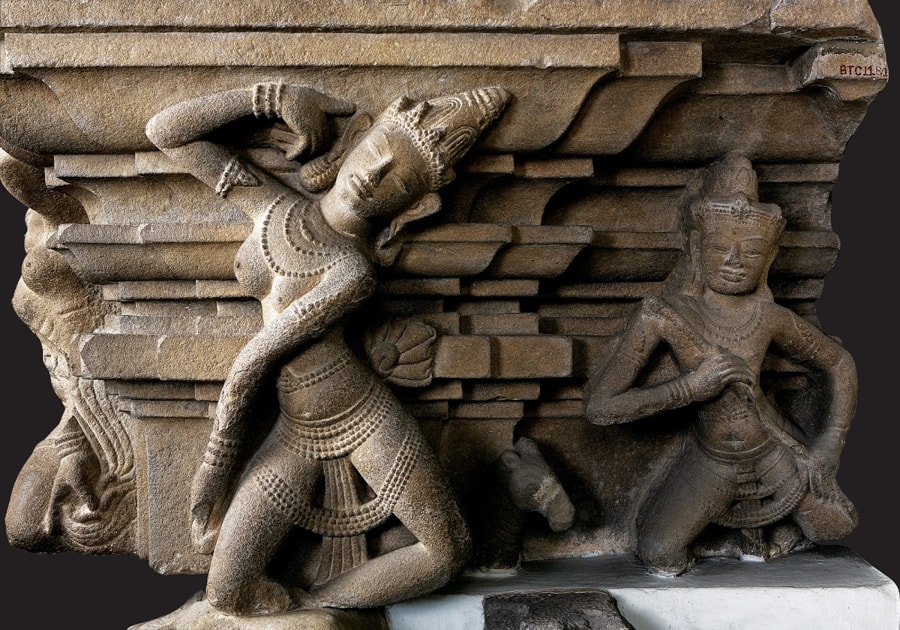
Tra Kieu Gallery features the masterpieces of Tra Kieu, which was once considered the ancient capital of Champa. Its most prominent pieces include the detailed bas-reliefs that show the king’s procession, dancers, and stories of mythology. They are the manifestations of the particular period of the kingdom’s life, social stratification, and the level of refinement in art that the Chams had achieved in the heyday of civilization. It is highly treasured for its narrative carvings, which provide historical insights into themes that do not involve religious overtones.
Dong Duong Gallery
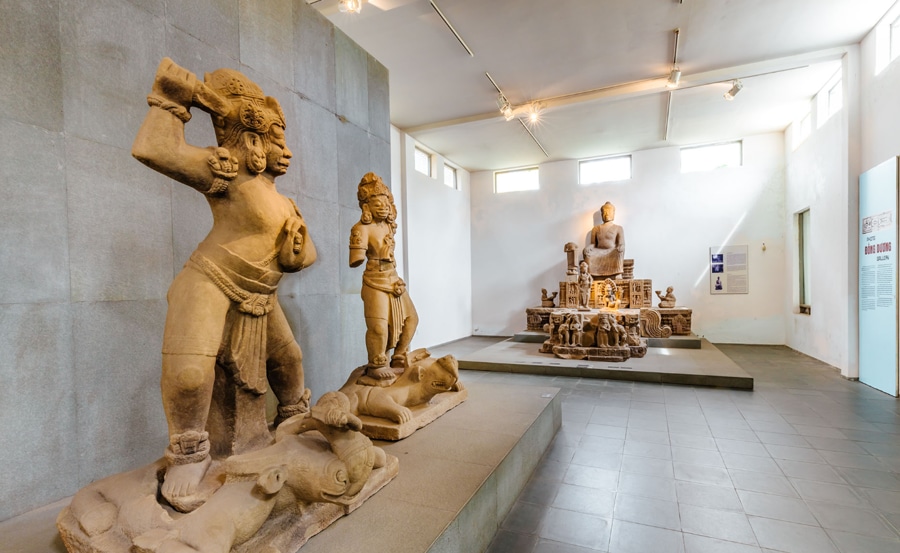
The Dong Duong Gallery is unique in the sense that it has a special Buddhist influence, which represents a unique period in the culture of Champa. The sculptures of Buddhist statues with powerful expressions and robust bodies are found in this gallery. The artifacts found in this gallery are representative of the fusion of Buddhism and Hindu cultures in this region. This gallery provides information about the religious and adaptive aspects of Cham culture related to their arts and beliefs.
Thap Mam Gallery
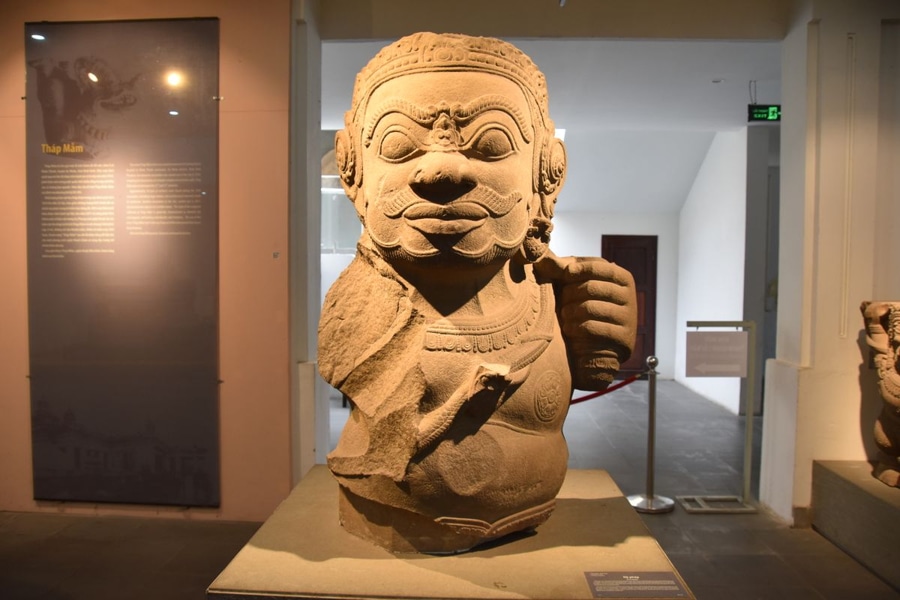
Thap Mam Gallery represents the later phase of Cham sculptures, which marked this era because of their bold designs and ‘dynamic forms.’ The sculptures in this gallery are full of ‘expressions, vigor in body, and ornate detail,’ which reveal ‘artistic maturation and external influences.’ This gallery represents the ‘final phase of the evolution of Cham Art’ in order to reveal the ‘techniques used in sculpture over the centuries.’
4 Unforgettable Experiences You Shouldn’t Miss
A visit to the Museum of Cham Sculpture offers a rare opportunity to learn about the artistic and spiritual legacy of Cham culture. Besides visiting the museum, there are also opportunities for culture related to the ancient history of the Chams.
Get A Close-Up Look At Ancient Cham Sculptures
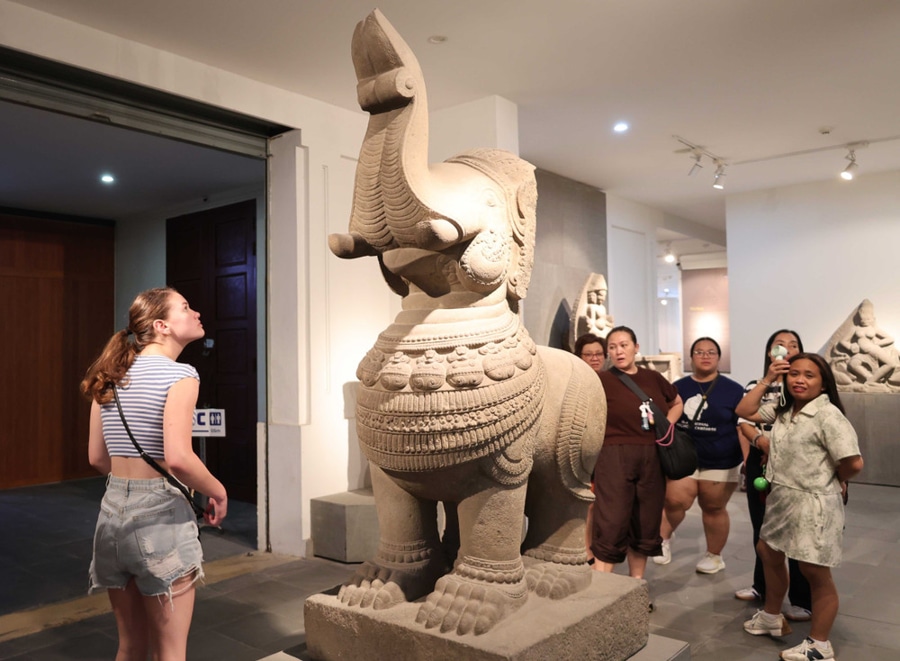
A visit to the Museum of Cham Sculpture will give visitors the opportunity to take a closer look at many sandstone statues that are several centuries old. Every statue will show fine details of craftsmanship, religious symbols, and other techniques that are unique to the Cham culture. Taking a closer look at these works of art will give visitors a better appreciation of the historical significance and spiritual meaning of every exhibit.
Discover Cham History Through Informative Exhibits
It also comes with well-organized exhibition rooms, together with descriptions of the history in an easily understandable manner. One will also learn more about the emergence and collapse of the Champa civilisation, the impacts on religion, and many other things. It will be the best place for those interested in learning more about the ancient civilisations in central Vietnam.
Hindu And Buddhist Influences Abound
One of the most unforgettable moments is when one realizes how both Hinduism and Buddhism are combined in all those exhibits, from Shiva to Buddhist bodhisattvas, the religious contrast is well represented in Cham culture. This kind of contrast would help visitors realize how religious beliefs have impacted Cham art and architectural traditions throughout the ages.
Enjoy A cultural Atmosphere
Despite its location in the heart of Da Nang, this museum remains a place of peace and tranquility. This enables visitors to have a look at the items at a leisurely pace, take photographs, and have a moment of peace and quiet from the hustle and bustle of the more modern city attractions. It is a peaceful place that enriches the experience in Da Nang and makes cultural exploration worthwhile.
Entrance Fee
The fees charged as an entrance fee at the Museum of Cham Sculpture are very affordable, and this makes the museum accessible to both local and foreign tourists. The information regarding the fees and any other discounts that you may be entitled to is as follows:
| Ticket Type | Price (VND) | Approx. Price (USD) |
| Adults (Vietnamese & International visitors) |
60,000 VND | 2.5 USD |
| Students (with valid ID) | 10,000 VND | 0.4 USD |
| Children | 10,000 VND | 0.4 USD |
| Free Admission | Eligible priority groups* | Free |
Discount and Free Admission Policy: Free or discounted admission is available for children, students with a school ID, and some individuals with high priority status according to local regulations. Special public holidays occasionally serve as free visit days for all. The fees are subject to change, and it is best to verify this by visiting the ticket booth.
Opening Hours
The Museum of Cham Sculpture is open every day, with visitors coming in the morning until late in the afternoon. The museum has fixed operating hours, making it easy to fit it into your schedule in Da Nang, regardless of which tour you are on, be it private or guided. The museum is open throughout the year, including weekends and public holidays.
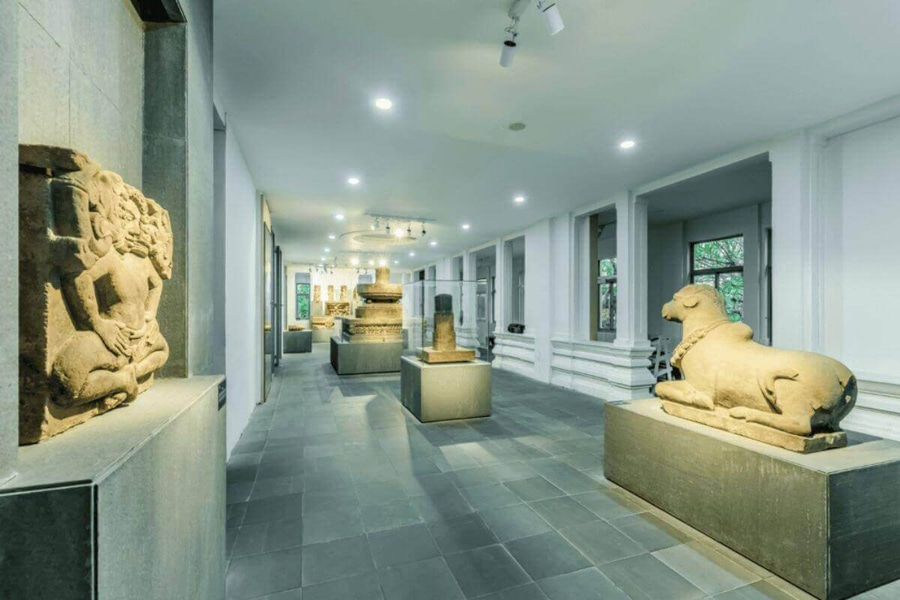
It would be better to visit this museum during early morning or late afternoon when the surroundings are not crowded, and the climate in Da Nang is favorable. This will help the visitors to explore the museum at a slow pace and enjoy the exhibits without any disturbance. It would be a good idea to visit the museum at other times when there are fewer tourists, especially when it is vacation time for tourists.
How To Get To Museum of Cham sculpture
The Museum of Cham Sculpture is located in the heart of the city of Da Nang, close to the Han River and other tourist attractions in the city, making it easy to get there by transport from the airport, train station, or beach. One can use different modes of transport, depending on the time and budget.
| Transport Type | Estimated Time | Price (VND) | Approx. Price (USD) |
| Taxi / Private Car | 10 to 15 minutes | 70,000 to 100,000 | 3 to 4 USD |
| Motorbike (self-ride) | 10 to 20 minutes | 100,000 to 150,000 / day | 4 to 6 USD |
| Public Bus | 15 to 30 minutes | 5,000 to 10,000 | 0.2 to 0.4 USD |
| Walking (nearby areas) | 10 to 25 minutes | Free | Free |
Travel Notes: If one is motorbiking, it would be necessary to carry a driving license, and it would be good to know how to drive on the roads. Public transport via buses would be inexpensive, but they might not be readily available, whereas taxis and cars would be the most convenient form of transport. It would be very easy to reach the museum.
Things to Know Before Traveling to the Museum of Cham Sculpture
Before visiting the Museum of Cham Sculpture, there are some information or tips that you need to consider before having a smooth visit. This information is very significant in terms of planning effectively before visiting any museum.
- Dress in a modest and comfortable manner because it is a cultural place. Wearing light clothes is advisable because they can be of great importance in moving from one gallery to another.
- The best time to visit this statue is in the early morning or in the late afternoon because it is not congested, especially during peak season in Da Nang.
- Photography is allowed in most areas, but flash photography could be prohibited to protect ancient sandstone sculptures from the effects of flash.
- Allocate a minimum of one to two hours to explore the museum and read each description of the exhibits.
- It is advisable to carry money with you for museum entry fees, as it is not always possible to pay using credit cards.
- Visitors are required to follow the rules provided by the museum to preserve valuable artifacts and ensure a quiet environment.
- You could consider visiting other sites in the area, as it is very easy to access other cultural sites from where the museum is located.
FAQs About the Museum of Cham sculpture
The Museum of Cham Sculpture is a popular destination for travelers who are interested in history and antique art. Below are some of the most frequently asked questions and answers that will help one understand what to expect when visiting the site.
How much time should I allocate to the Museum of Cham Sculpture?
This would take, on average, one to two hours. Hence, visitors would have enough time to visit the galleries, as well as the sculptures, and also enough time to read the information provided. Visitors who may be history or art enthusiasts may choose to spend more time in the museum.
Is the Museum of Cham Sculpture suitable for families and kids?
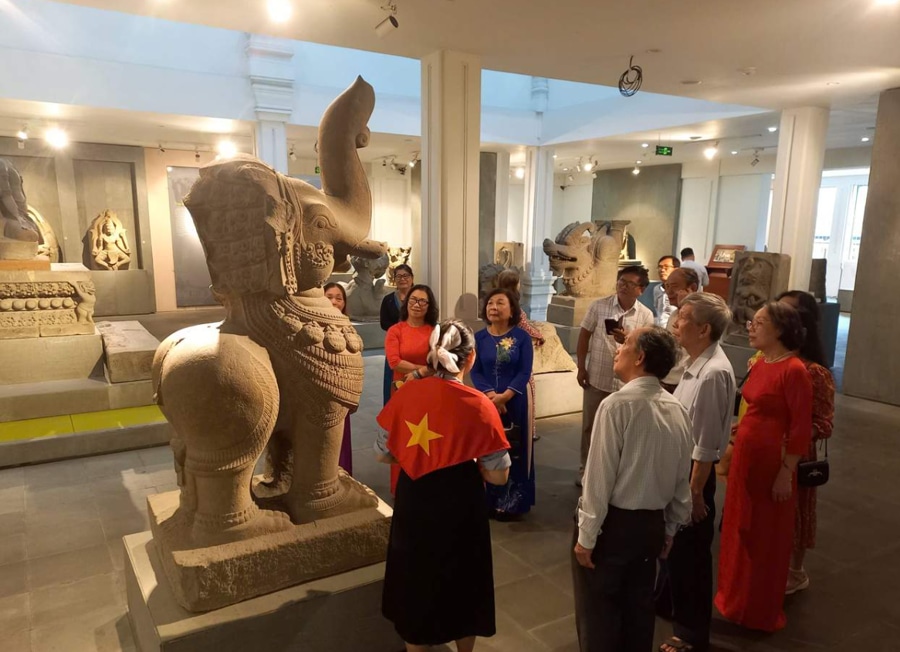
The museum welcomes families, including those whose children have an interest in history and culture. The museum is roomy, well-designed, and calm. Both parents and children can learn something from this experience. The museum can provide an educational experience for older children regarding ancient civilizations. There is visual storytelling and well-preserved artifacts, so this experience can be considered educational.
Is it possible to visit the Museum of Cham Sculpture with other tourist sites?
Yes, this is a major advantage because the museum is located in the central part of the city. It can be combined with any other place of visit in Da Nang. A half-day visit can be organized to include any of the cultural sites, river walks like Han River Bridge, or any of the landmarks in Da Nang.
Final Thoughts: Is the Museum of Cham sculpture Worth Visiting?
A must-visit attraction for every traveler who is interested in culture, history, and authenticity, the Museum of Cham Sculpture is a treasure trove of cultural and historical riches, offering the world’s largest collection of Cham artifacts to discover in a peaceful and enlightening environment. Situated in the heart of the city, with a design that is easy to follow, the Museum of Cham Sculpture is a must-visit attraction, irrespective of whether it is your first visit to Da Nang or if you are looking to experience culture that is of interest to you. Begin your journey of discovery with us at Seni World.


