


Thien Hau Pagoda is one of the oldest Chinese temples in Ho Chi Minh City, dedicated to the Goddess of the Sea. It attracts attention by its spiritual atmosphere, ornate architecture, and strong cultural meaning for the Chinese people living in this city.
Introduction To Thien Hau Pagoda
One of the most famous and ancient Chinese temples in this city, the Thien Hau Pagoda, can be found in the heart of Chinatown or the “Cho Lon” area. Built by the Cantonese community, the temple was constructed in the 19th century, mainly with the objective of praying for their safety. Designed specifically for the honor and worship of the Goddess of the Sea, the pagoda’s roofs are adorned magnificently, giving the place the essence of outstanding culture.
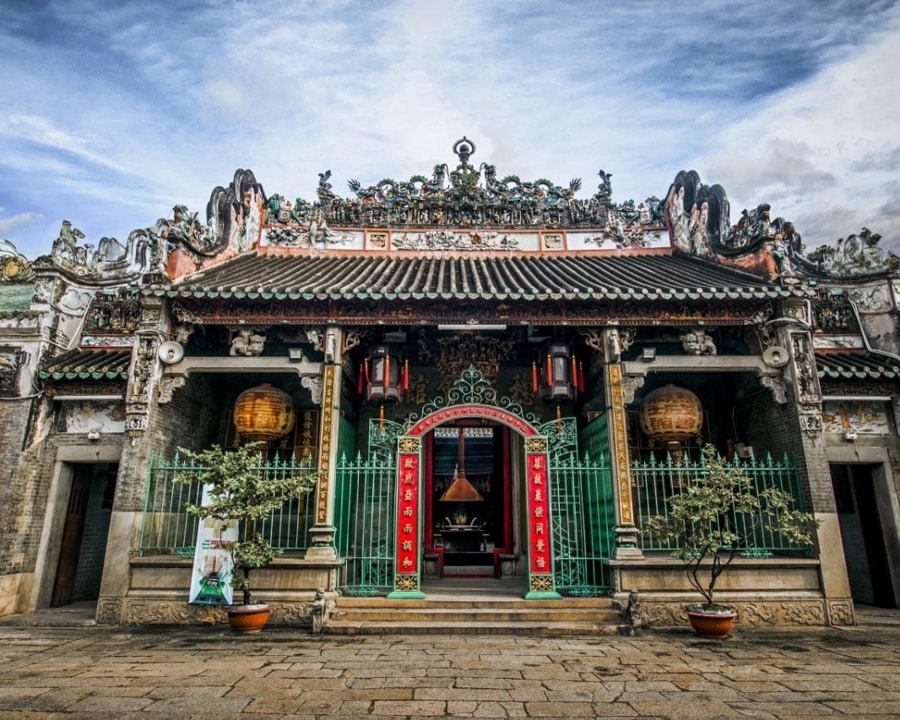
Visiting Thien Hau Pagoda provides an important insight into the spirituality and culture of the local Chinese community. Visitors to Ho Chi Minh City make a point of visiting Thien Hau Pagoda to see traditional Chinese architecture, witness Chinese prayer rituals, and enjoy the peaceful atmosphere amidst the chaotic city. Additionally, the pagoda is a famous destination for those praying for luck, good health, and a smooth trip. Thien Hau Pagoda is a destination worth visiting for all travelers, particularly those who appreciate culture, photography, and spirituality.
History Of Thien Hau Pagoda
Thien Hau Pagoda was constructed in the early 19th century by the Cantonese Chinese community who settled in Ho Chi Minh City’s Cho Lon. The temple is dedicated to Thien Hau Thanh Mau, the Goddess of the Sea, reflecting the beliefs of early Chinese migrants who depended on her protection during long and dangerous sea journeys to Vietnam. In due course, the pagoda became a significant spiritual hub where traders and families gathered to pray for safety, prosperity, and harmony that helped preserve Chinese religious traditions far from their homeland.
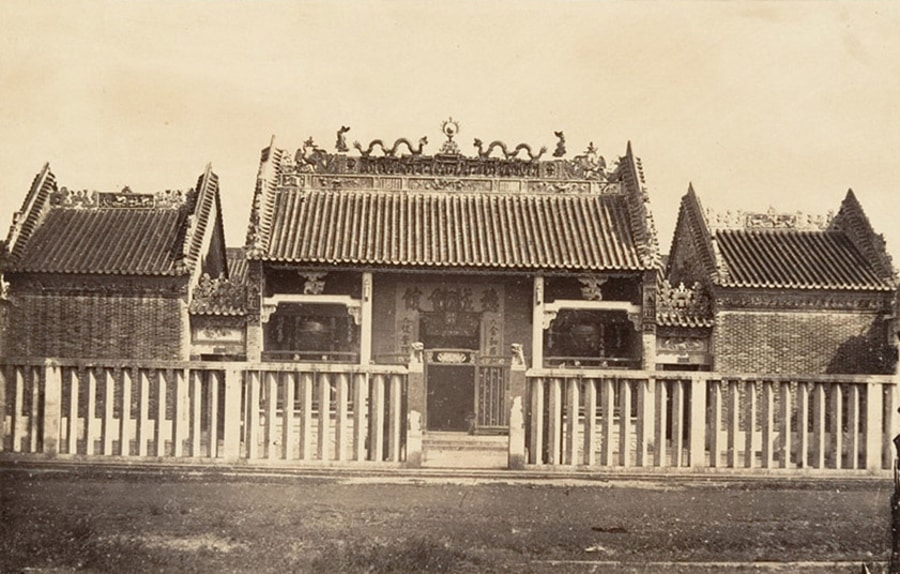
Through generations of restoration work and further urban development around it, this pagoda has guarded its original architectural style, religious rituals, and annual festivals. It continues to carry out traditional ceremonies, the offering of incense, and communal rejoicing, bridging the gap between past generations and today’s worshippers. Therefore, Thien Hau Pagoda is not only a historical monument but also a living heritage site deeply embedded in the local tradition.
Unique Architecture Of Thien Hau Pagoda
Thien Hau Pagoda is famous for its unique Chinese architectural design, symbolism, and workmanship. All the elements are symbolic, depicting the traditional Chinese belief system, yet sacred, visually stunning, and centrally located within Ho Chi Minh City.
Main Hall
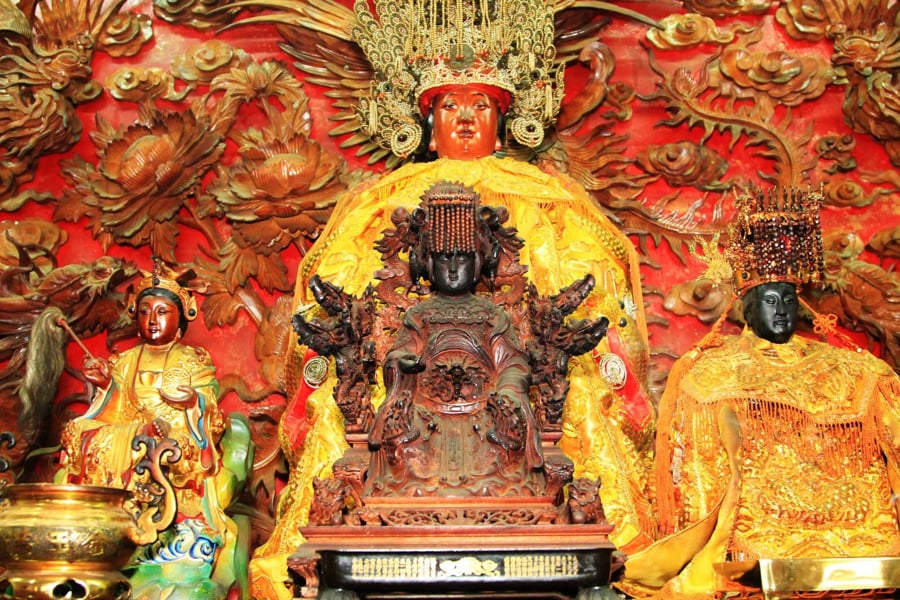
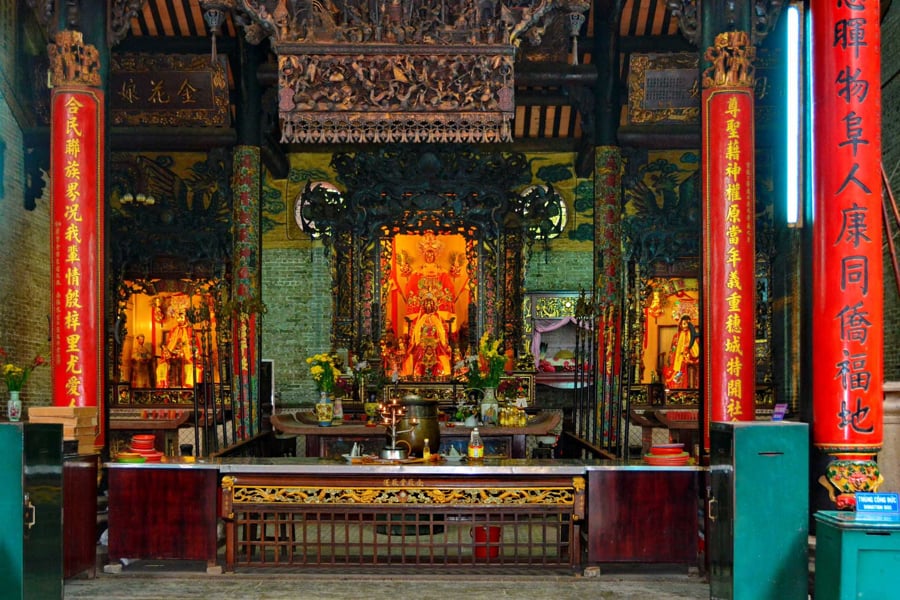
The Main Hall is the spiritual heart of Thien Hau Pagoda, as it shelters the statue of Thien Hau Thanh Mau. The hall was built in harmony with symmetry, consisting of wooden pillars decorated with red and gold ornaments. The scent of incense adds to the sacrificial atmosphere within the hall. The altar was built following Chinese religious traditions, emphasizing harmony. The remainder of the hall encourages those visiting to stop and pray for safety, health, and prosperity within a sacred space.
Roof Decorations and Ceramic Figures
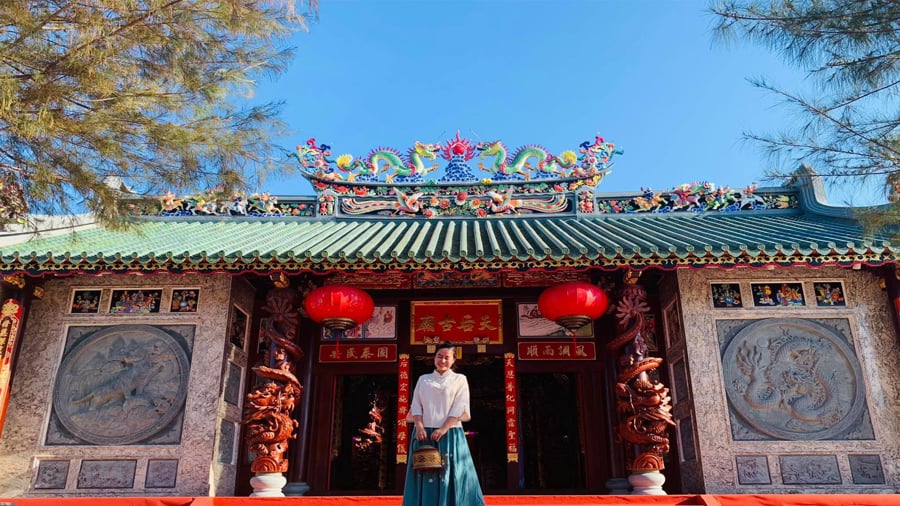
Another major architectural highlight of the pagoda is its roof, which is adorned by beautiful ceramic figurine sculptures. The sculptures are detailed artworks featuring legends, myths, symbols of success, and symbols of safety. The sculptures are significant artworks showcasing Cantonese designs. The roof, therefore, is an iconic component of this pagoda. In addition, there is a deeper significance associated with these sculptures, giving this pagoda roof an added beauty.
Courtyard and Incense Coils
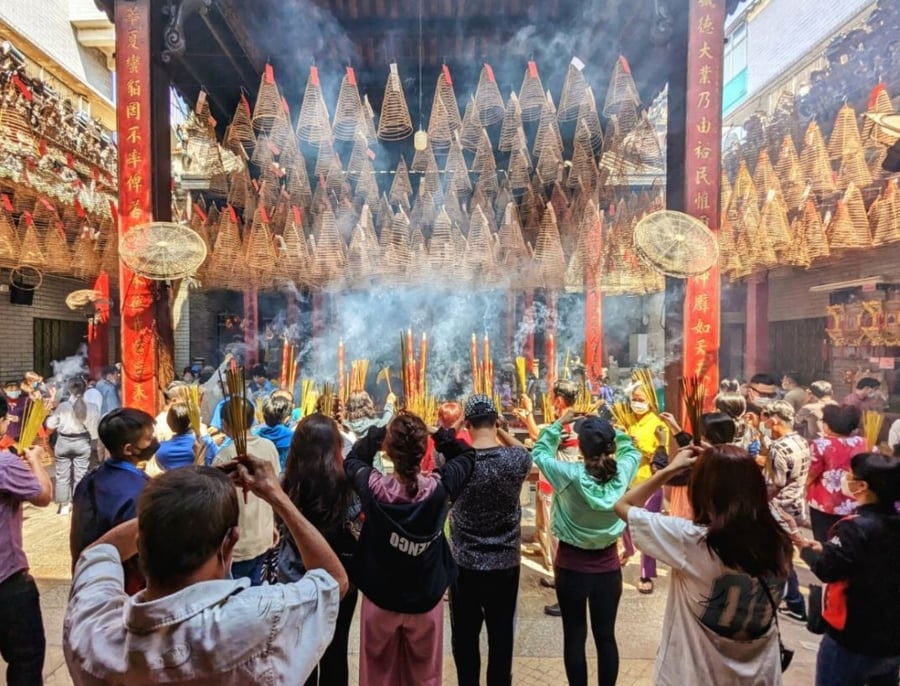
The open courtyard is of much significance to the pagoda’s design, largely allowing natural light and air to travel through the complex. Large hanging incense coils dominate this space, creating a mystical and peaceful ambiance. Visitors write down wishes on red paper attached to the coils; when the smoke rises, one feels certain that the prayers have been carried to the heavens. Architecturally, it joins various parts of the pagoda and reinforces spiritual openness and shared worship.
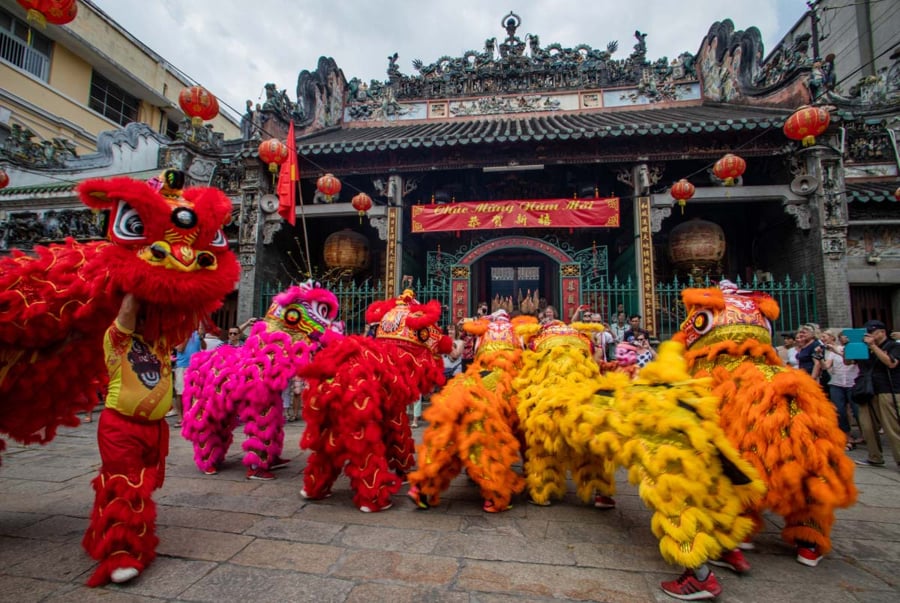
3 Unforgettable Experiences You Shouldn’t Miss
An experience visiting the Thien Hau Pagoda is not only about looking; it is also a spiritual and cultural journey. Unforgettable moments like this help one appreciate the significance and rich Chinese culture surrounding the pagoda’s religious importance.
Pray For Luck And Safe Journeys
One of the more meaningful activities that can be experienced in the Thien Hau Pagoda is the offering of incense and prayer rituals to the Thien Hau Thanh Mau. People come here, either locals or tourists, to pray for safe passage, good fortune, and a smooth voyage. Observing the locals as they carry out this traditional impoverished rite can really teach one about the spiritual outlook of the Chinese people.
Admire Traditional Chinese Architecture
Take time to slowly look at the pagoda’s architectural details, from the wood-carved door to the ceramic roof figures. Each detail represents Cantonese architecture and symbolism of safety, prosperity, and peacefulness. Strolling around the halls and courtyard enables the visitor to see how architecture, religion, and art come together in one beautiful form. This is best appreciated by culture enthusiasts and photography enthusiasts alike.
Experience the Spiritual Atmosphere in Chinatown
As the Thien Hau Pagoda is located in the ChoLon area, it is possible to visit the place while experiencing the spiritual side of Chinatown. The stark contrasts between the frenetic pace of the streets outside the pagoda and the tranquil environment within warrant some time in the Thien Hau Pagoda, so it is possible to understand the spiritual side that guides the lives in this community.
Entrance Fee
Thien Hau Pagoda is a budget-friendly tourist spot to consider visiting, and anyone can go as no entrance fee is required to go inside the temple area. The site is open to both tourists and devotees for free, emphasizing its use as a thriving place of worship rather than as a tourist site in itself. Although no ticket is required for entering, a donation is appreciated, particularly if one wants to join in the rituals such as lighting the incense sticks and making wishes. Some people spend a small amount of money on the incense sticks or the offerings, ranging from 10,000 to 30,000 VND, approximately USD 0.40 to USD 0.80, in order to join in the rituals respectfully.
Opening Hours
Thien Hau Pagoda operates every day of the week from 8:00 AM to 4:30 PM. While it operates on each day of the year, it is more serene during mornings, especially during weekdays. However, it tends to become more crowded during weekends, full-moon days, and during festivities, as locals like to make their way to the pagoda to make prayers and offerings.
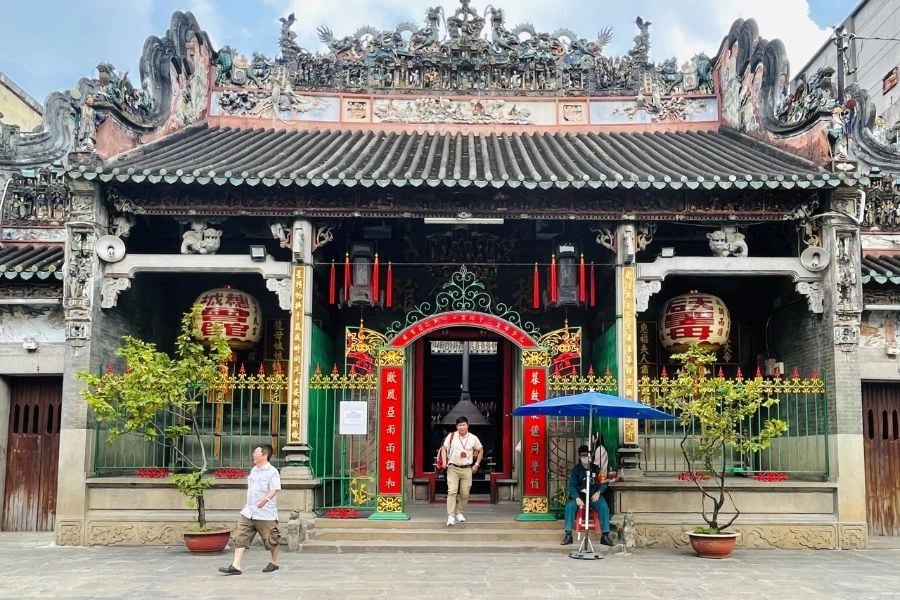
The best time to visit Thien Hau pagoda is inthe early morning or in the afternoon when the weather is not hot, and the atmosphere seems peaceful. However, travelers should not consider traveling during peak season or festivals in order to maximize their appreciation of the architecture of the pagoda.
How To Get To Thien Hau Pagoda
Thien Hau Pagoda is located in Cho Lon (Chinatown) District 5 in the city of Ho Chi Minh. This location can be accessed by different modes of transport. There are many alternatives that can be chosen depending on your budget and comfort.
| Transportation | Estimated Time | Price (VND) | Price (USD) | Notes |
| Taxi / Ride-hailing car | 15 to 25 minutes | 120,000 to 200,000 | 5.0 to 8.0 | Convenient and comfortable, ideal for groups. |
| Motorbike | 20 to 30 minutes | 50,000t to 100,000 | 2.0 to 4.0 | Suitable for experienced riders; traffic can be busy. |
| Public bus | 30 to 40 minutes | 7,000 to 10,000 | 0.30 to 0.40 | Budget-friendly option; multiple routes serve District 5. |
| Walking (within District 5) | 10 to 15 minutes | Free | Free | Ideal if staying nearby in Chinatown. |
Travel Tips: While traveling by motorcycle, tourists must have a valid license to drive and also be comfortable riding in city traffic. One should wear moderate clothing when entering the pagoda. It is recommended that tourists avoid traveling during peak hours.
Things To Know Before Traveling To Thien Hau Pagoda
Before visiting the Thien Hau Pagoda, it is important to understand the etiquette and norms of tipping to ensure a smooth visit, as this will help appreciate the spiritual scene and the cultural value of the place.
- Dress Modestly: Always wear clothes that cover your knees and shoulders to comply with religion and look decent while visiting the sacred parts of the pagoda.
- Maintain Silence: Ensure that your voice is low while in the prayer halls and courtyards to maintain peace. It should be done with respect for those praying.
- Photography etiquette: Photography is allowed, but there is a need to avoid using flash or photography during rituals or while people are praying.
- Obey the temple rules: Be mindful of the signs and instructions within the temple premises, avoiding restricted areas reserved only for monks or religious ceremonies.
- Show respect to sacred objects: Never touch an altar, statue, or sacred objects, as they are of great spiritual significance.
- Be mindful of one’s behavior. Walk quietly, avoid disruptive behavior, and respect local customs. It can help create the peaceful environment that this pagoda has.
FAQs About Thien Hau Pagoda
Prior to a visit, tourists are normally curious about certain aspects, such as the rules of conduct, activities conducted within this historical temple, and what they can expect from the sight, among other questions, as addressed in the following FAQs.
What is the Thien Hau Pagoda known for?
Thien Hau Pagoda is renowned for being dedicated to Thien Hau Thanh Mau, the Goddess of the Sea, who has the reputation of protecting sailors and travelers. This pagoda is highly famous for its traditional Chinese architecture and colorfully decorated ceramic roofs, along with huge hanging incense coils. Located in the Chinatown of Ho Chi Minh City, it reflects the spiritual and cultural heritage of the Chinese-Vietnamese people of the locality.
Is it possible for non-religious visitors to visit Thien Hau
Yes, Thien Hau Pagoda is very welcoming to non-religious visitors and international tourists. No need to be Buddhist or practice Chinese religious beliefs to visit this place. You are encouraged to walk and visit the site quietly. This way, you can learn from the cultural and spiritual values inside the temple. Simply by practicing proper decorum and etiquette, you can have a worthwhile experience.
Is Thien Hau Pagoda a proper place to go for cultural sightseeing?
Of course, Thien Hau Pagoda is a good place for cultural tourism because it allows one to learn about Chinese migration history, religious beliefs, and handcrafting. Visitors admire detailed carvings, symbolic decoration, and active worship practice. Its location in Cho Lon also allows travelers to combine visiting the pagoda with the exploration of Chinatown markets, streets, and cultural landmarks around.
Final Thoughts: Is Thien Hau Pagoda Worth Visiting?
It is absolutely worth visiting the Thien Hau Pagoda, especially for travelers who cherish culture, history, and spiritual knowledge. While you are in the midst of the busy streets of Ho Chi Minh City, the authentic Chinese architecture and rich culture of the Thien Hau Pagoda would be a real treat. Moreover, it is quite interesting to know more about the Chinese-Vietnamese community’s beliefs and culture while appreciating the beauty of the Thien Hau Pagoda. Are you on the lookout for a well-curated journey to the Thien Hau Pagoda and other such cultural and historical gems across Vietnam? Look no further than the Seni World for your next big adventure!


Related articles


