


Travel trends in 2026 are a reflection of the changing values that travelers are looking for in their travel experiences. Sustainable tourism, cultural immersion, and the use of technology are some of the factors that are changing the way people travel.
Slow Travel
Slow travel is a travel philosophy that emphasizes the idea of visiting more destinations but spending more time in fewer places, immersing oneself in the local culture, and experiencing the destination in a more meaningful way rather than rushing from one place to another. The idea of slow travel has become a hallmark of travel in 2026 as people are becoming increasingly interested in authenticity, wellness, and sustainability. According to recent surveys of global travel patterns, the majority of travelers are now indicating a preference for visiting fewer destinations and having more meaningful experiences rather than rushing from city to city.
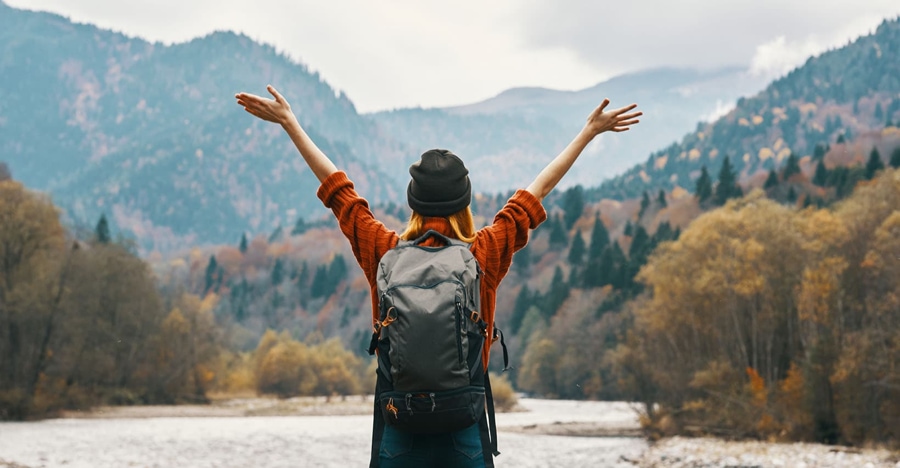
The trend of remote work and digital nomadism, as well as the pandemic-induced reevaluation of work-life balance, has also contributed to this trend. The benefits of slow travel include reduced travel stress, increased understanding of the local culture, reduced impact on the environment, and more personal memories. Examples of slow travel include staying in a small town for a month, immersing oneself in a local culture for an extended period of time, and traveling by train or overland to focus on the scenery and the local experience.

This is particularly well-suited to Southeast Asia, where the culture, geography, and society are such that slow travel is a perfect fit. In Vietnam, slow travelers can easily spend weeks in heritage towns, learning local crafts, or immersing themselves in regional cuisine outside of the big cities. In Laos, the easy-going nature of river towns and countryside is such that slow travel is almost an inevitability. And in Cambodia, slow travelers can easily combine cultural exploration with local community experiences, ranging from village life to slow historical exploration. These are places where slow travel is not only possible, but also highly rewarding.
Wellness Travel
Wellness travel is centered on enhancing physical, mental, and emotional health through activities such as spa retreats, meditation retreats, nature immersion, fitness vacations, and holistic healing. In 2026, wellness travel remains a rapidly growing trend in the travel industry as people become increasingly concerned with health, stress relief, and life balance as a result of global uncertainty and fast-paced living.
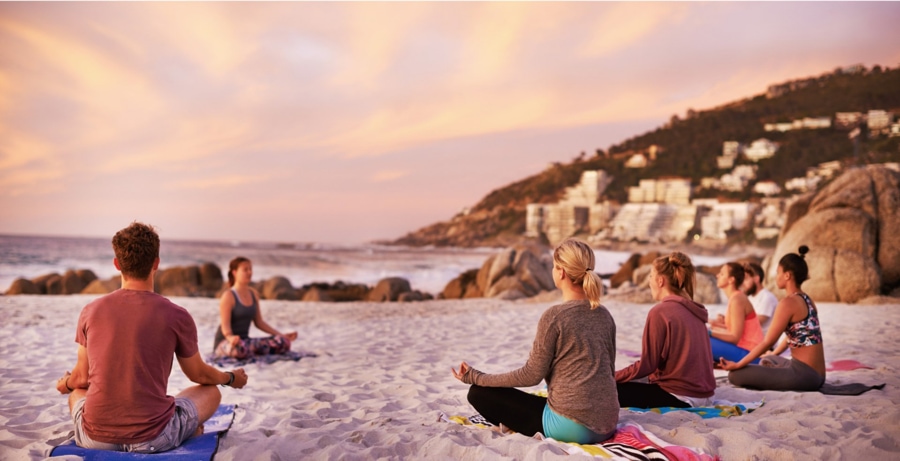
According to research by the Global Wellness Institute, the global wellness tourism industry has been steadily growing and is expected to break past pre-pandemic levels of growth as more people take vacations for relaxation, mental rejuvenation, and health prevention. Additionally, most surveys indicate that the majority of travelers have come to view well-being as a fundamental aspect of travel planning, as opposed to a luxury component. Wellness travel components include stress relief, improved physical fitness, enhanced sleep, mental clarity, and nature immersion. Wellness travel examples include destination spa retreats with multi-day detox programs, yoga and meditation retreats in nature-based environments, and full immersion wellness resorts that integrate nutrition, fitness, and mindfulness.
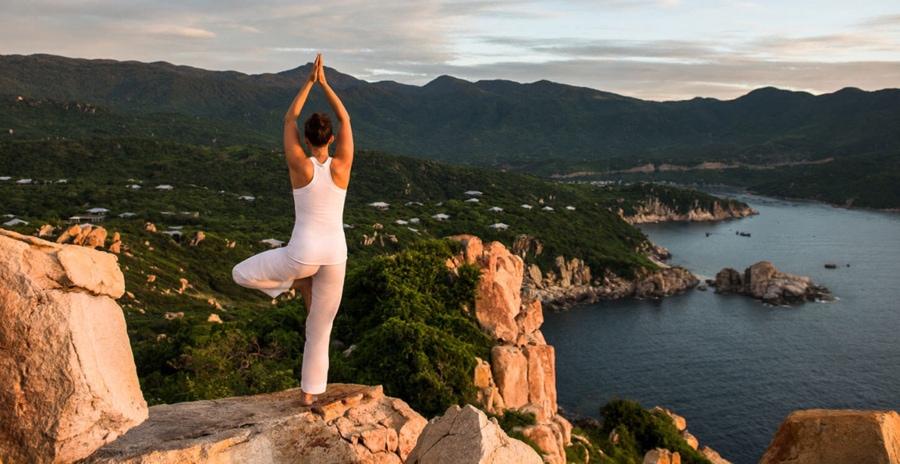
Southeast Asia is now one of the most popular destinations for wellness travel, thanks to its natural beauty, traditional healing practices, and serene settings. In Vietnam, tourists can indulge in beach yoga retreats, herbal therapy practices, and nature wellness getaways in the mountains or by the beach. Laos provides a laid-back atmosphere that is perfect for mindfulness retreats, meditation by the river, and digital detox programs in pristine surroundings. At the same time, Cambodia combines its rich spiritual history with contemporary wellness tourism, ranging from holistic retreats near ancient temples to eco-resorts built specifically for relaxation and rejuvenation. In all three countries, wellness tourism is more than just indulging in luxury; it is about rediscovering one’s body and mind through culture, nature, and meaningful downtime.
Travel for Mental Health
Mental health travel is an emerging trend that specifically targets emotional healing, stress management, and mental wellness, aside from the usual sightseeing. In 2026, more travelers are opting for destinations and activities that can alleviate anxiety, burnout, and emotional imbalances. This is in response to the rising global consciousness about mental health issues and the long-term consequences of living a stressful life. Mental health issues such as anxiety and burnout have significantly risen globally in recent years, as reported by the World Health Organization, which has shaped the way people value rest.

Data from global online travel agencies also indicate that a huge number of travelers today take trips for the sole purpose of emotionally rejuvenating themselves, aside from discovering new destinations. Mental health travel benefits include stress management, mood enhancement, digital detox, emotional clarity, and increased resilience. Examples of mental health travel include nature-based healing retreats for mindfulness, quiet travel for minimizing stimulation, and healing vacations for journaling, therapy workshops, or guided reflection activities.
Southeast Asia provides the perfect conditions for mental health-centered travel due to its soothing landscapes, relaxed pace of living, and rich spiritual heritage. In Vietnam, travelers can look forward to serene mountain getaways, beach relaxation, and homestay experiences that are centered on wellness and emphasize reflection and breaking away from the routine of daily living. Laos is a particularly good destination for emotional renewal travel, as it provides serene river-side towns, conducive meditation environments, and little to no city pressure. On the other hand, Cambodia provides very spiritual environments, reflective cultural experiences, and nature-based escapes that are conducive to emotional renewal.
Purpose-Driven Travel
Purpose-driven travel is an emerging trend where travelers opt for trips that have a positive impact, social, cultural, environmental, or personal, beyond just leisure or sightseeing. In 2026, more travelers feel that their travel decisions should reflect their personal values, such as supporting local communities, conserving nature, protecting heritage sites, or contributing to social causes. This trend is a result of the overall global awakening to sustainability, responsible consumption, and responsible travel.
As per the World Tourism Organization, the majority of international travelers feel that their travel dollars should positively impact local communities and the environment. Purpose-driven travel, on the other hand, provides immense value to travelers, including a better understanding of cultures, meaningful interactions with locals, and a sense of doing good in the destinations visited. These include volunteering for tourism projects, community-based homestays where the primary beneficiaries are local families, and conservation travel, like protecting wildlife or restoring the environment.
This travel trend is particularly significant in the Southeast Asia region, where tourism can have a direct positive impact on the preservation of culture. In Vietnam, tourists can participate in community-based tourism initiatives in rural villages, learn about traditional crafts, or engage in sustainable agriculture initiatives. In Laos, tourists can stay in locally operated eco-lodges, engage in cultural exchange activities, or contribute to the preservation of heritage sites in smaller towns. On the other hand, Cambodia is famous for social enterprise tourism, where tourists can eat, shop, or stay at establishments that support education and community development initiatives.
Solo Travel And Community Travel
Solo travel and community travel appear to be contrasting approaches, but in 2026, they are increasingly interwoven. Solo travel pertains to people discovering destinations on their own, whereas community travel revolves around establishing links with other people, either by sharing experiences, participating in group activities, or using social travel networks. This is a rising trend because people want to enjoy both the liberty of traveling alone and the benefits of human interaction. Many people want to enjoy liberty, self-discovery, and flexible travel options, but they also want to have the chance to interact with other people who share similar interests.
As per the global research conducted by Booking.com, a large number of travelers indicate that they want to go for solo travel but also want to have fun with other people through activities like group tours, shared accommodations, or community-based activities. The advantages include personal development, boosting self-confidence, cultural immersion, and overcoming loneliness when traveling alone.
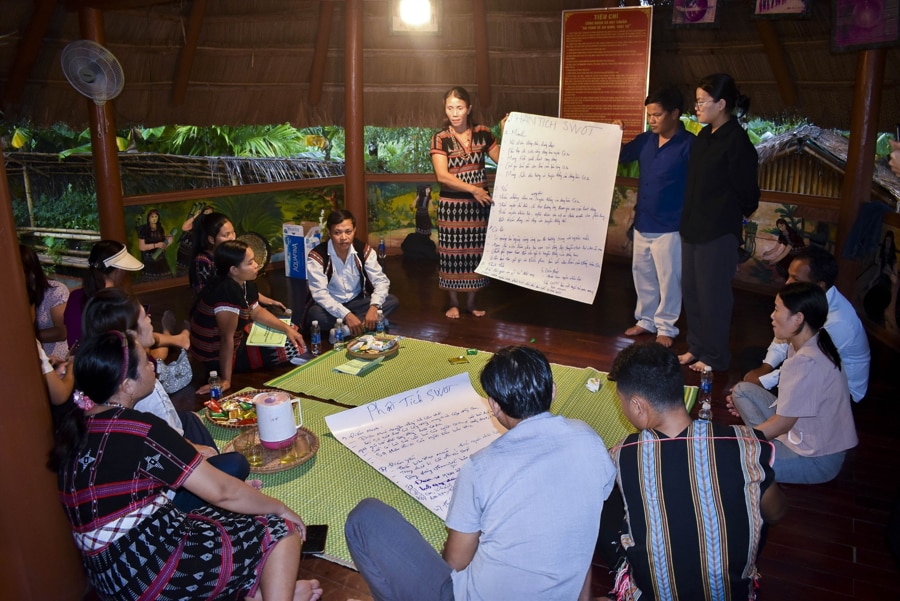
This is particularly evident in the Southeast Asian region, where travel is accessible, social, and immersive. In Vietnam, solo travelers can participate in food tours, language meetups, or adventure-sharing activities while discovering cities and nature on their own. In Laos, there are laid-back settings where solo travelers can meet others through river experiences, small-group activities, and community-based accommodations.
In Cambodia, solo travelers can experience social travel through guided cultural tours, shared cultural activities, and community-led experiences. In all three countries, solo travelers can have the freedom of traveling alone while still being part of a global community, making these countries perfect for experiencing this new wave of travel.
Other Emerging Travel Trends To Watch
With the evolution of global travel, new trends are emerging that are changing the way people plan, experience, and prioritize their travel. Below are some of the trends that are expected to shape the behavior of travelers and the development of tourism in the coming years.
Digital Nomads and Work-Cations
Telecommuting is no longer a temporary solution. It’s becoming a lifestyle. With the increasing number of companies embracing flexible work arrangements, professionals are now combining travel and work through extended work trips or “work-cations.” In response to this, destinations are now developing digital nomad visas, co-working spaces, and packages for extended stays. This is expected to continue as younger travelers now value flexibility, immersion, and work-life balance over traditional office life. Destinations will likely position themselves as remote work-friendly ecosystems rather than just vacation destinations.

AI-powered trip planning
Artificial intelligence is changing the way people research and plan their travel. AI technology has reached the stage where it can plan entire itineraries based on individual preferences, budget, travel history, and even the user’s mood. Right from notifications about dynamic pricing to real-time language translation and intelligent travel assistants, AI is making travel planning less stressful and more efficient. With advancements in technology, the need for conventional travel agents may decrease, and intelligent digital travel planners may become the norm.
Hyper-personalized travel experiences
But what about hyper-personalization, which goes beyond customization by using data and predictive analytics to create highly personalized experiences? The travel industry is already seeing the beginnings of this, as hotels, airlines, and tour companies begin to anticipate the needs of travelers before they even arrive, such as room temperature, eating habits, exercise levels, and cultural interests. The future of travel may see every aspect of the trip personalized.
Micro-travel (micro vacations/short breaks)
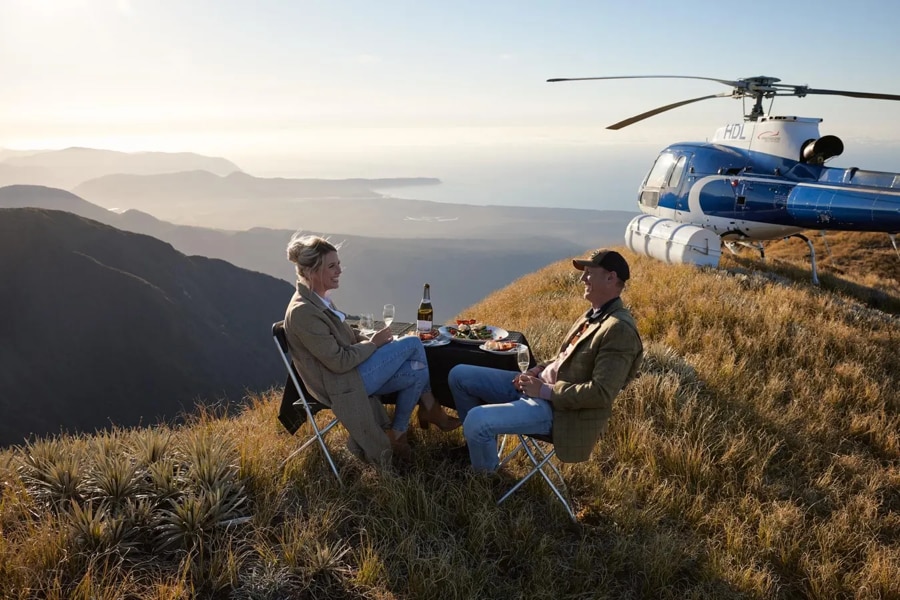
The idea of taking short and frequent trips is becoming more attractive than taking long vacations every year. Micro-traveling involves taking short escapes, such as weekend nature getaways, 48-hour city breaks, or short wellness escapes. This is a result of people’s busy lifestyles and the ability to work remotely, as well as the need for stress relief. Travel companies are now offering short and experience-packed itineraries for people with limited time.
Responsible culinary travel
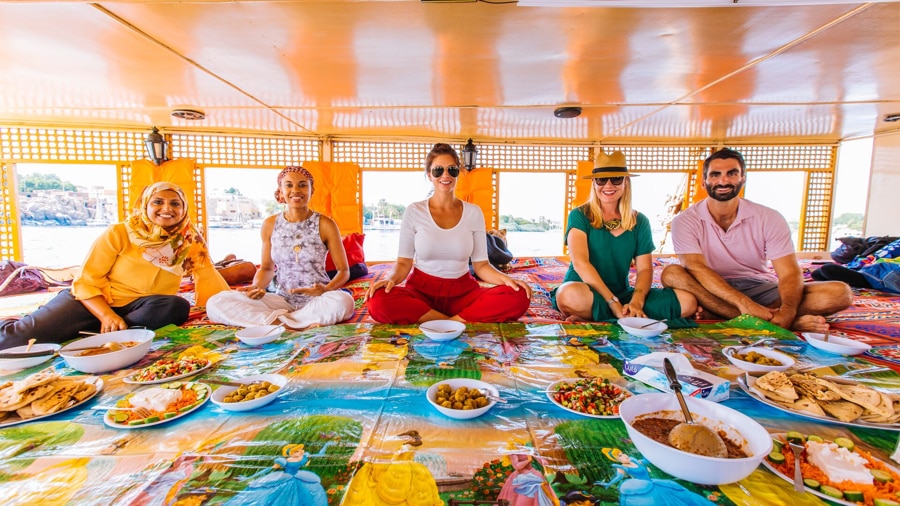
Food tourism is also evolving from just eating food to learning about the production, procurement, and preservation of food. Tourists are now looking for authentic food experiences that help support local farmers, preserve traditional methods of cooking, and reduce the negative impact on the environment. Farm-to-table restaurants, zero-waste cooking workshops, and community-led food tours are on the rise. This is a result of the increasing awareness about sustainability and preservation of culture through food.
Space tourism begins
Although it is still costly, commercial space travel is slowly transitioning from science fiction to reality. Already, private space companies such as SpaceX and Blue Origin have successfully transported civilians on suborbital flights. While it may take years for it to become widely accessible, the mental breakthrough is immense – travel is no longer confined to Earth. Eventually, advancements in technology may drive down prices, ushering in a new era of tourism.
Final Thoughts
As the world of travel continues to shift and change, these trends represent an increasing need for meaning, wellness, and connection that is being sought after on a global scale. They represent the exciting possibilities that may lie ahead for how the world may be experienced in the year 2026 and beyond. At Seni World, we are currently launching these trends for inspiration and awareness, but not necessarily as a fully fleshed-out product just yet. We look forward to bringing these experiences to life in the future, with your eager support and interest.
Content Seniworld
Subscribe
Login
0 Comments
Oldest


