


Vietnamese clothing is an embodiment of Vietnam’s rich history, cultural identity, and beauty. It encompasses everything from the traditional Vietnamese dress, popularly known as the ‘Ao Dai,’ to traditional clothing worn in different regions of Vietnam.
Ao Dai
The Ao Dai is the most popular traditional dress in Vietnam and represents elegance, modesty, and national pride. The Ao Dai has its origins in the 17th century and evolved from the Ao Ngu Than, which was worn by the Nguyen Lords. The Ao Dai has a long tunic with a high collar and flowing panels over trousers, emphasizing elegance and movement while maintaining traditional values.

The Ao Dai not only represents elegance and beauty but has significant cultural and historical value as well. It is often worn on different occasions, such as festivals, weddings, school events, and national events, symbolizing the harmony between tradition and modern life. The Ao Dai can be rented for cultural experiences and photography in different locations, such as Hanoi, Hue, and Hoi An, for 10-25 USD, whereas purchasing an Ao Dai can cost around 40-100 USD.
Ao Tu Than
Ao Tu Than is a Vietnamese folk costume that has been closely linked with women, especially those from northern Vietnam, particularly during the 18th and 19th centuries. The name “Tu Than” literally translates to “four panel costume,” which reflects the importance placed on family values and harmony. The Ao Tu Than costume consists of a Yem, a long skirt, and a silk sash, with fabrics that are easy to move around in while creating an elegant look that reflects simplicity.
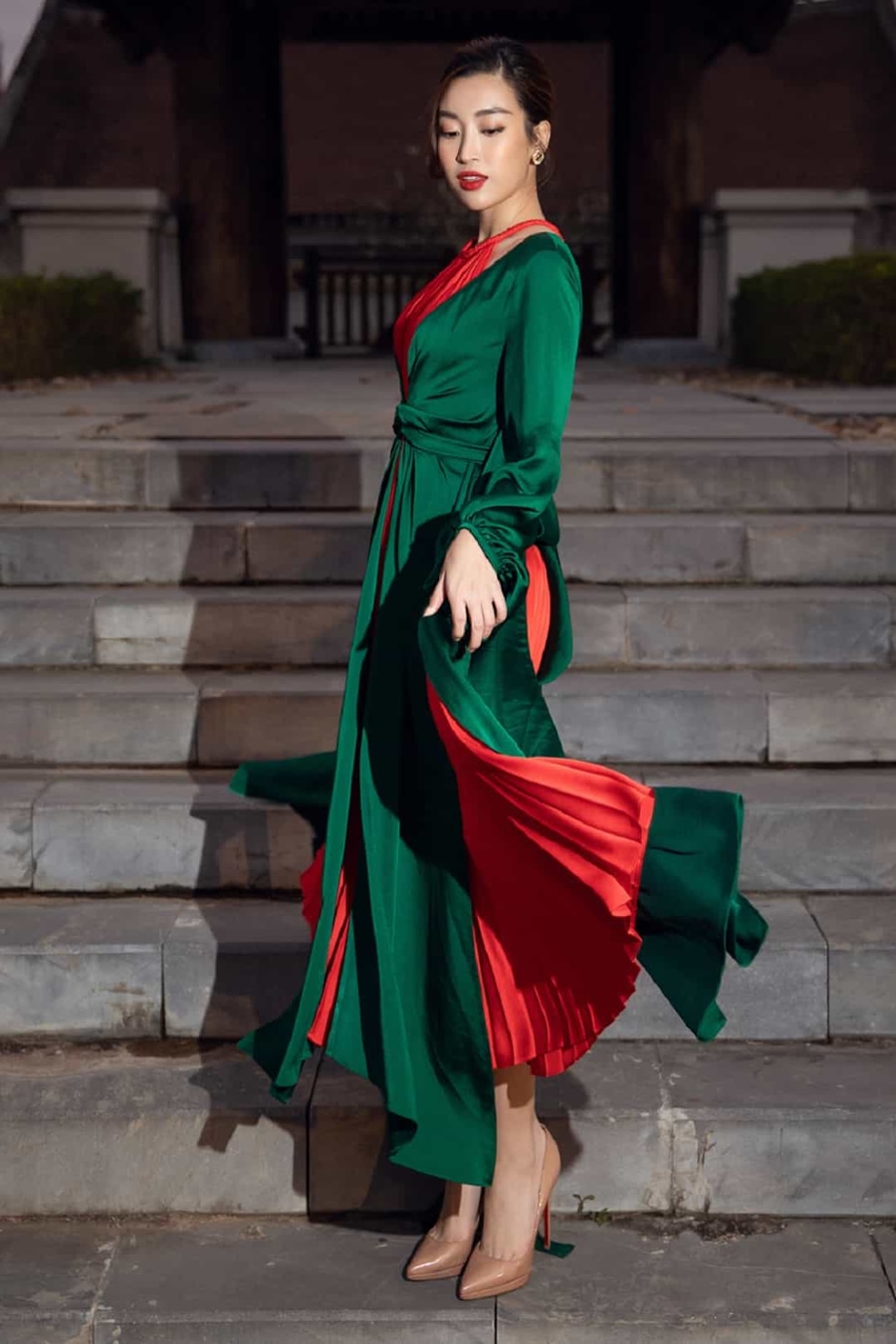
The Ao Tu Than costume reflects simplicity, femininity, and agrarian heritage, especially from northern Vietnam. The costume is often used during cultural festivals, folk shows, and historical reenactments that reflect the Vietnamese lifestyle and moral values. The Ao Tu Than costume is not commonly used nowadays but can be rented for cultural activities or photography, especially within Hanoi, with costs ranging from 10 to 20 USD.
Ao Ba Ba
Ao Ba Ba, also referred to as the traditional Southern Vietnamese blouse, has been worn by farmers in the Mekong Delta region for generations. Its design, with a collarless style, buttons at the front, and comfortable fabric, ensures freedom of movement. Its modest yet elegant cut symbolizes the peaceful nature of Southern Vietnam, reflecting their attitude towards life, which is marked by humility, strength, and living in harmony with nature.
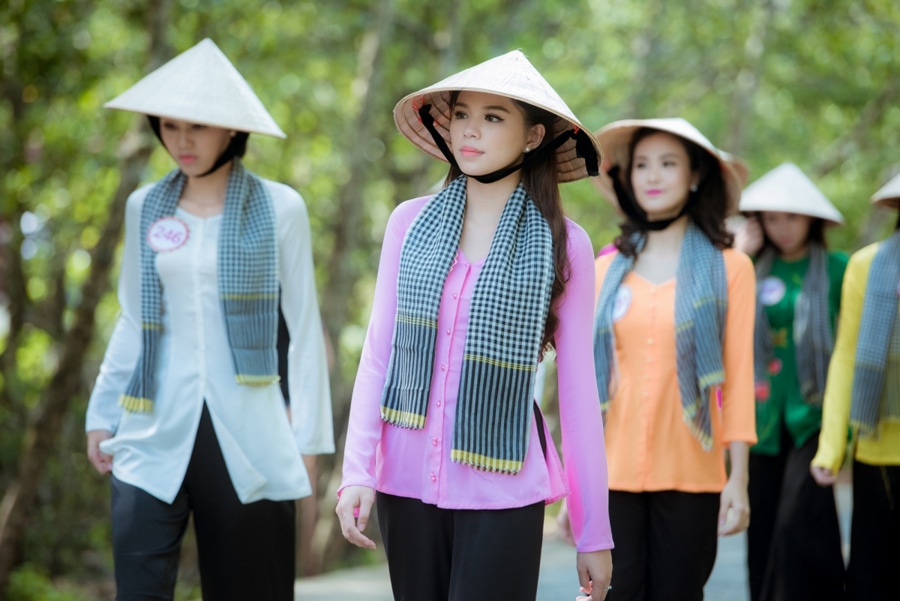
Aside from its use as an ordinary garment, the Ao Ba Ba also has cultural and historical significance as a symbol of Southern culture. Currently, it is appreciated for its simplicity and nostalgic value. A tourist can buy an Ao Ba Ba for USD 10 to 25, or they can rent it for a cultural experience and a photoshoot, with prices ranging from USD 5 to 10.
Ao Nhat Binh
The traditional Vietnamese court dress known as Ao Nhat Binh is a traditional Vietnamese court dress originating from the Nguyen Dynasty, used by queens, princesses, and noble ladies of Vietnam. The dress is named after its characteristic rectangular neckline, which represents balance and nobleness. The dress is adorned with embroidered designs of phoenixes, flowers, clouds, and auspicious motifs, inspired by Confucianism and imperial aesthetics of East Asian culture.
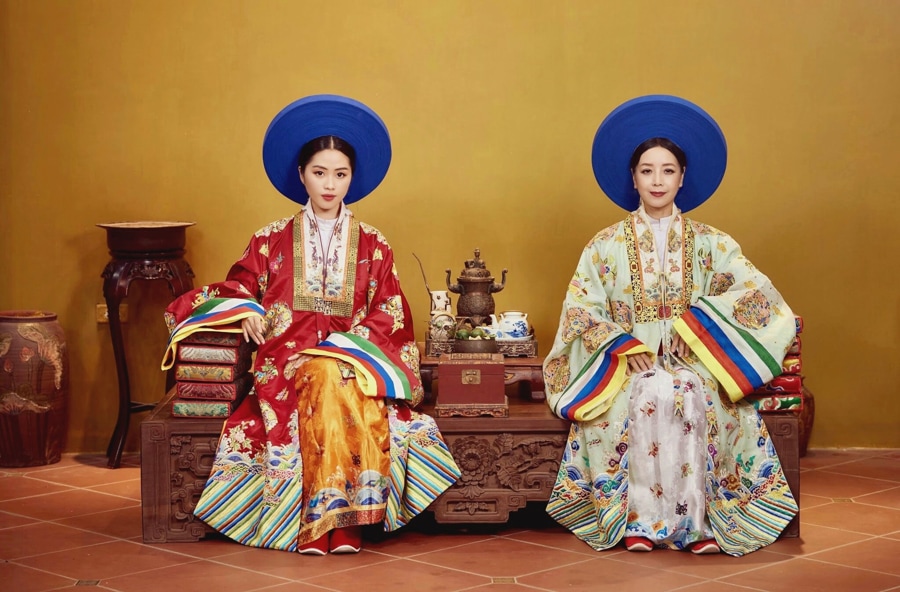
Culturally, the Ao Nhat Binh symbolizes power, elegance, and the hierarchical beauty of Vietnam’s feudal era. Today, Ao Nhat Binh is appreciated as a piece of historical and artistic heritage rather than as a practical garment. Genuine Ao Nhat Binh is hard to find and quite expensive, with prices going above USD 300. However, tourists can rent Ao Nhat Binh for photo shoots at Hue heritage studios or historical costume houses for about USD 20-40.
Yem
The Yem, also referred to as Ao Yem, is a traditional undergarment originating from Vietnam’s feudal period and is mostly worn by women in Northern Vietnam. The undergarment’s diamond or square-shaped fabric and thin neck strap with a tie at the back emphasize the beauty of femininity while being simple and functional at the same time. The undergarment is made of silk or cotton fabric with a natural color palette, evoking the concept of natural beauty and simplicity associated with rural areas.
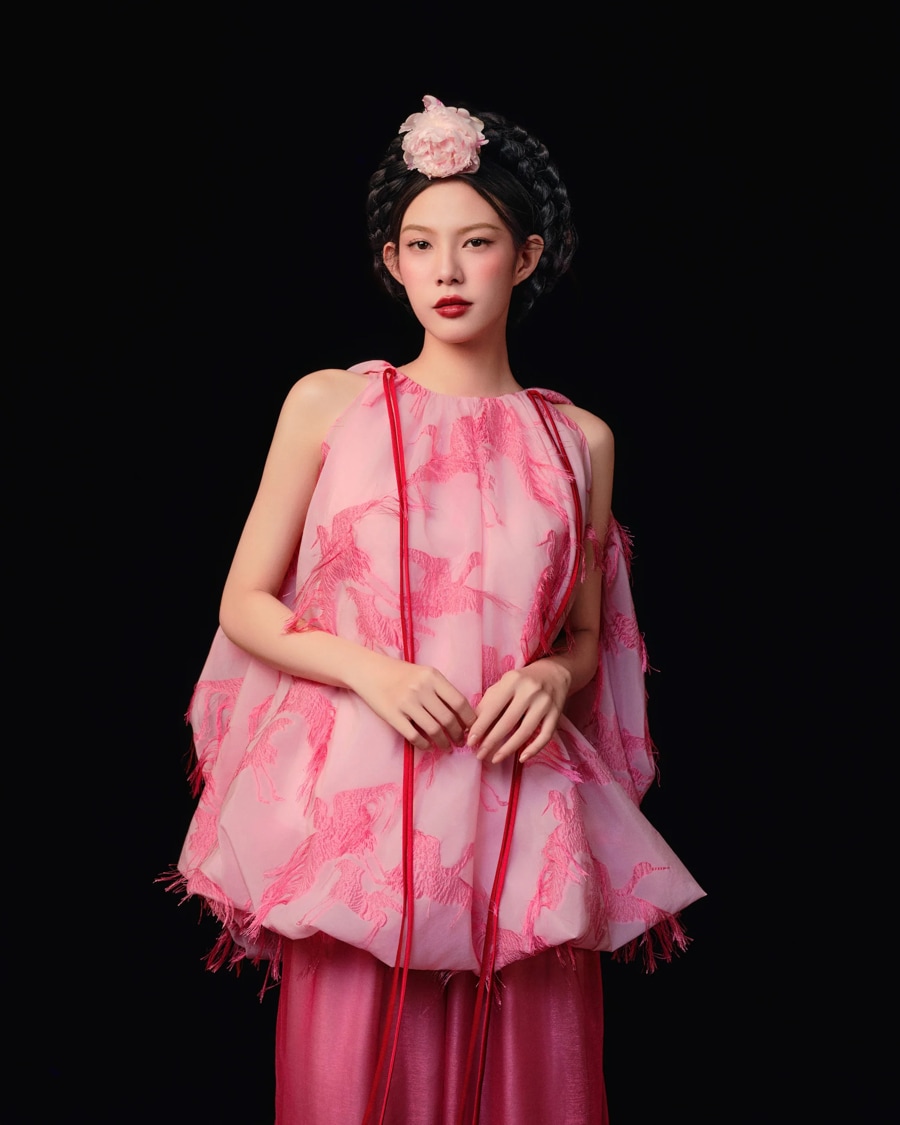
Culturally, the Yem is of poetic and historical significance, as it is found in folk songs, paintings, and classical literature as an embodiment of youthfulness and femininity. Today, it is mostly enjoyed in cultural performances and heritage photography. Contemporary ones are priced between USD 8-20, while the traditional Yem costumes can be rented at costume studios in Hanoi for photo shoots, ranging from USD 5-15 per session.
High-Neck Yem
The High-neck Yem, also known as Yem Co Xay, is a variant of the traditional Yem, a garment developed during the late feudal period in Northern Vietnam. Unlike the traditional Yem, which has an open neckline, the High-neck Yem has a high and rounded neckline, giving it a touch of elegance and refinement. Made of silk or fine cotton, this garment is carefully tailored to create a flattering look, with a touch of modesty and femininity.
Yem Co Xay, in the past, symbolized the development of women’s clothing according to changing societal norms, which became more refined and sophisticated. Today, garments are mostly found in heritage fashion and photography. The original garment is available for purchase at a price of around 20-40 USD, while renting the garment for photoshoots at cultural studios in Hanoi ranges between 10-20 USD.
V-Neck Yem
The V-neck Yem, or Yem Co Se, is a traditional Vietnamese dress that evolved from the traditional Yem in Northern Vietnam. The most distinctive aspect of the V-neck Yem is its split V-shaped neckline, which gives the wearer a sense of lightness and openness while still maintaining a sense of elegance. Typically made of silk or cotton, the dress emphasizes the natural curves of the wearer and captures the beauty of sensuality tempered with restraint.
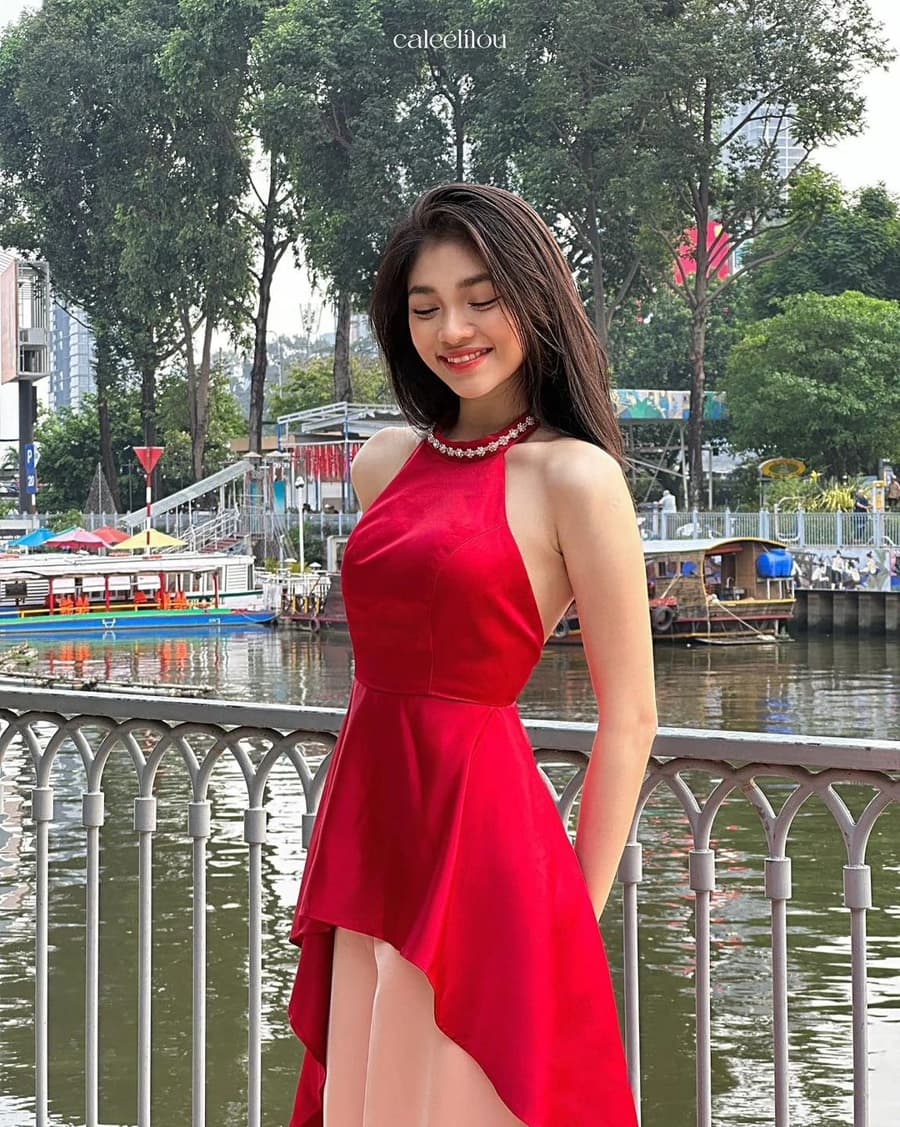
It has been historically linked to young women and celebrations, featuring in folk literature, art, and celebrations in the countryside. It represents the essence of youth, vitality, and femininity in the collective memory of the Vietnamese people. In contemporary times, it is only used for heritage performances and art photography, rather than for practical wear. The contemporary version is priced between USD 10 and 25, while the rental option is available in the studios of Hanoi for USD 8 to 15 per session.
Vay Dup
Vay Dup is a traditional Vietnamese skirt that was commonly worn by women in the northern rural regions of Vietnam in the past. Unlike modern skirts that are tailored, Vay Dup has a simple design where it is wrapped around the body without a waistband and is tied with a cloth belt. The skirt is made of dark indigo or brown fabric and was designed to give the wearer freedom of movement.
Vay Dup has historically reflected the daily lives of Vietnamese women prior to the use of trousers. It is often depicted in folk paintings, proverbs, and historical documents, reflecting the simplicity, diligence, and resilience of Vietnamese women. Today, Vay Dup is preserved in traditional festivals, cultural events, and heritage photography. Reproductions of Vay Dup can be purchased at a cost of 15-30 USD, while rentals are available at cultural studios in Hanoi at a cost of 10-20 USD per photoshoot.
Vay Linh
Vay Linh is a traditional Vietnamese dress worn by women of the North during the feudal era. The skirt is made of Linh silk, a type of hand-woven silk that is renowned for its smooth texture, dark black color, and subtle luster. The skirt is long and flowing, exuding a sense of elegance that is in contrast to the simplicity of rural Vietnamese clothing. The refined fabric of the skirt is a testament to the art of traditional silk weaving.
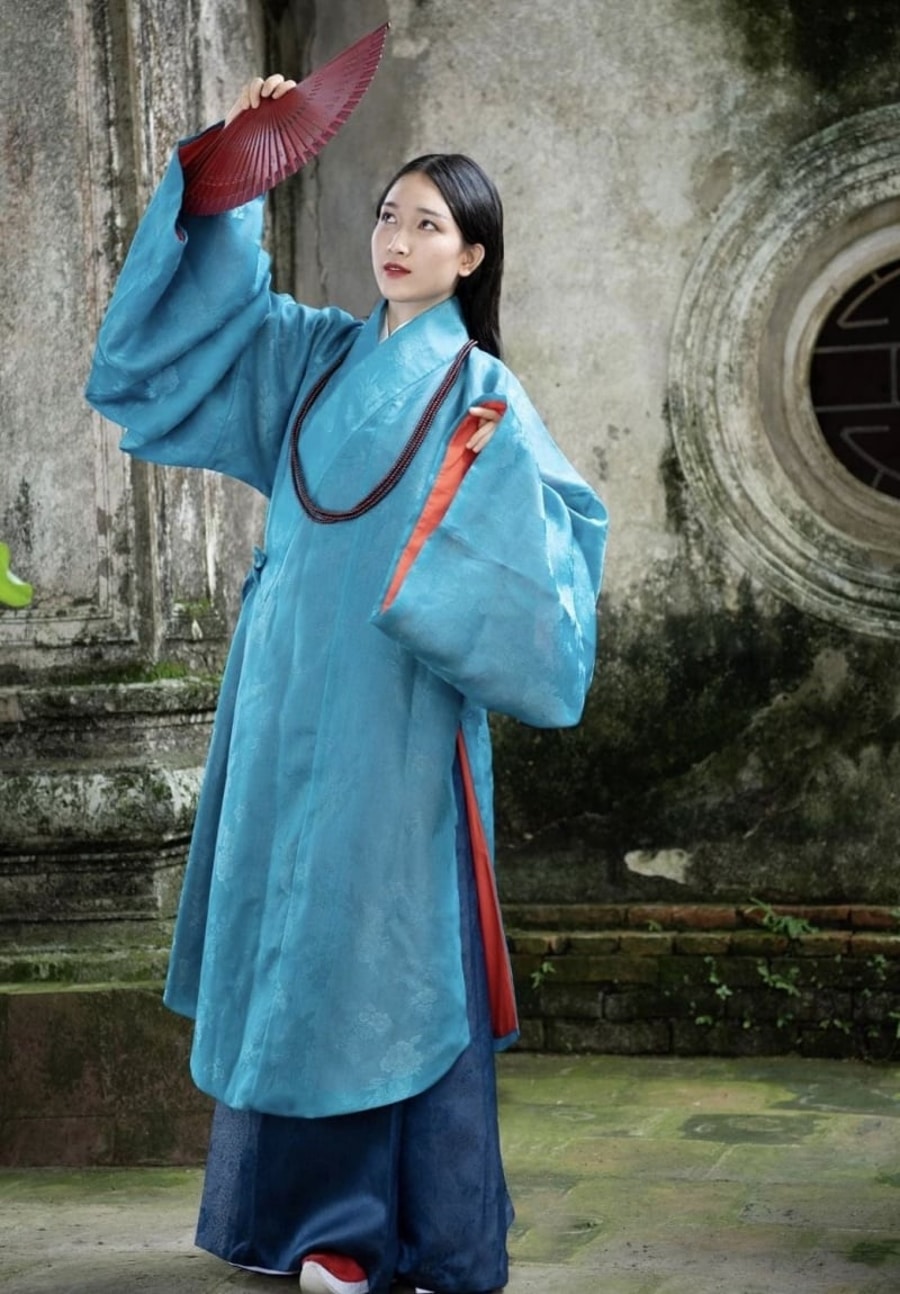
Culturally and historically, váy lĩnh reflects femininity, elegance, and civility, usually worn during special occasions, festivals, or when visiting communal houses. Vay Linh is often depicted in folk art and historical scenes, representing the quintessential beauty of Northern Vietnamese women. In modern times, authentic Vay Linh is scarce and precious, with prices over USD 100. Most people can only experience it through renting heritage studios in Hanoi, which costs between USD 15 and 30 per session.
Ao Tac
The Ao Tac is a formal traditional Vietnamese robe created in the Nguyen Dynasty and used by scholars, officials, and aristocrats. It is called Ao Tac because its sleeves are broad, measuring a unit called tac, which translates to sleeve width measured in a traditional unit. It has a straight cut, five-panel design, and intricate details that signify order and symmetry. It is made from silk or brocade and represents the elegance and discipline of the imperial period in Vietnamese history.
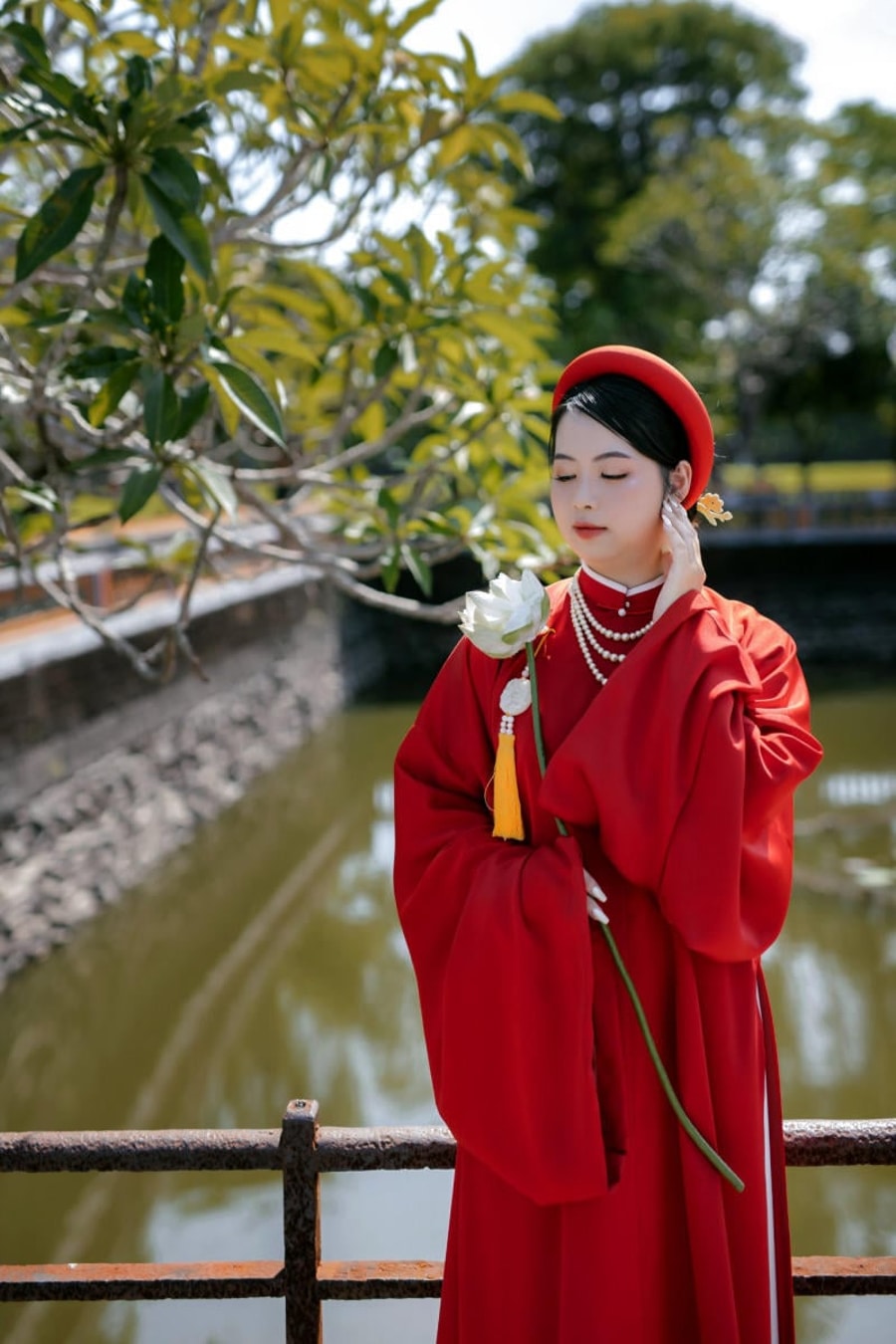
Historically, Ao Tac is a symbol of Confucian virtues like propriety, hierarchy, and tradition. It was normally worn during royal ceremonies, ancestral rituals, and formal events. Modern-day Ao Tac is conserved as a cultural heritage and academic identity symbol. Original Ao Tac can cost anywhere from USD 150 onwards, while renting one for photo shoots or events is possible at the heritage costume studios in Hue and Hanoi for USD 20-40 per session.
Ao Ngu Than
Ao Ngu Than is a traditional Vietnamese garment standardized in the late eighteenth century and commonly worn during the Nguyen Dynasty. The garment gets its name from its five-panel design, which represents human values like humanity, righteousness, propriety, wisdom, and faith. With its standing collar, straight silhouette, and buttoned front, Ao Ngu Than combines formality and functionality. Made from silk or high-quality cotton, Ao Ngu Than represents a transition from ancient clothing to modern ao dai.
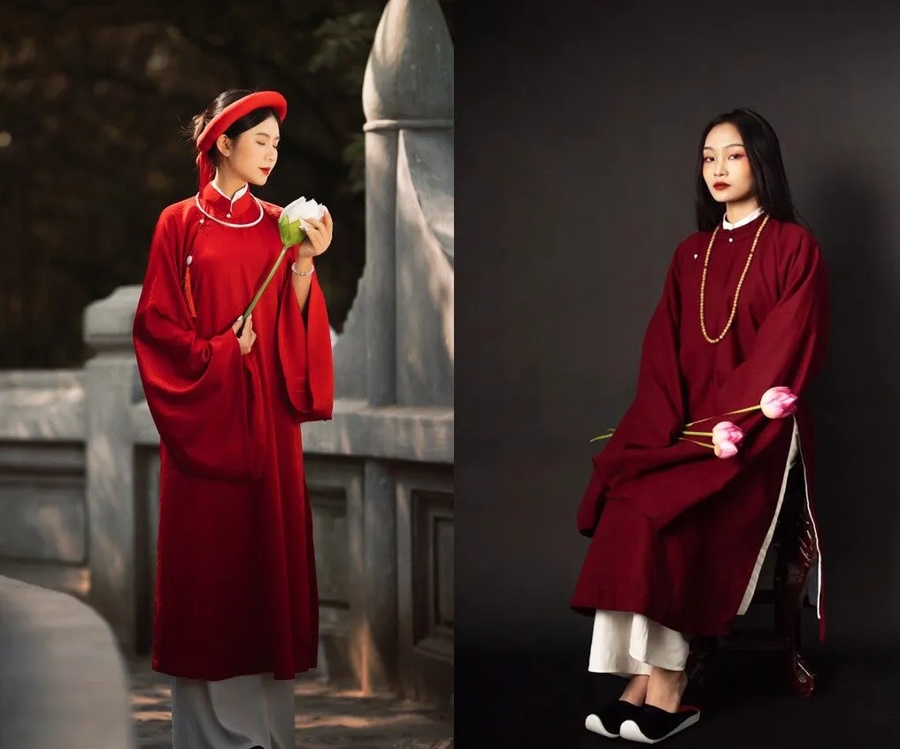
In cultural and historical contexts, Ao Ngu Than symbolizes Vietnamese identity, society, and Confucian ethics. This garment was worn by both males and females, and it symbolized class and elegance. Today, Ao Ngu Than is appreciated as a cultural heritage and no longer as a fashion trend. Original pieces can be purchased from USD 120 and upwards, and rentals can be arranged at heritage studios in Hanoi and Hue cities, ranging from USD 15 to 35 per photoshoot.
Non La
Non La is a type of traditional Vietnamese hat that has been worn for centuries, whether in the countryside or the city. It is handmade from palm leaves and bamboo, with a light yet robust cone shape to protect the wearer from the sun and rain. The simplicity of the Non La represents harmony with nature, and the intricate stitching represents the skill of the artisans. The Non La is more than just a practical item; it is an aesthetic representation of life in Vietnam.
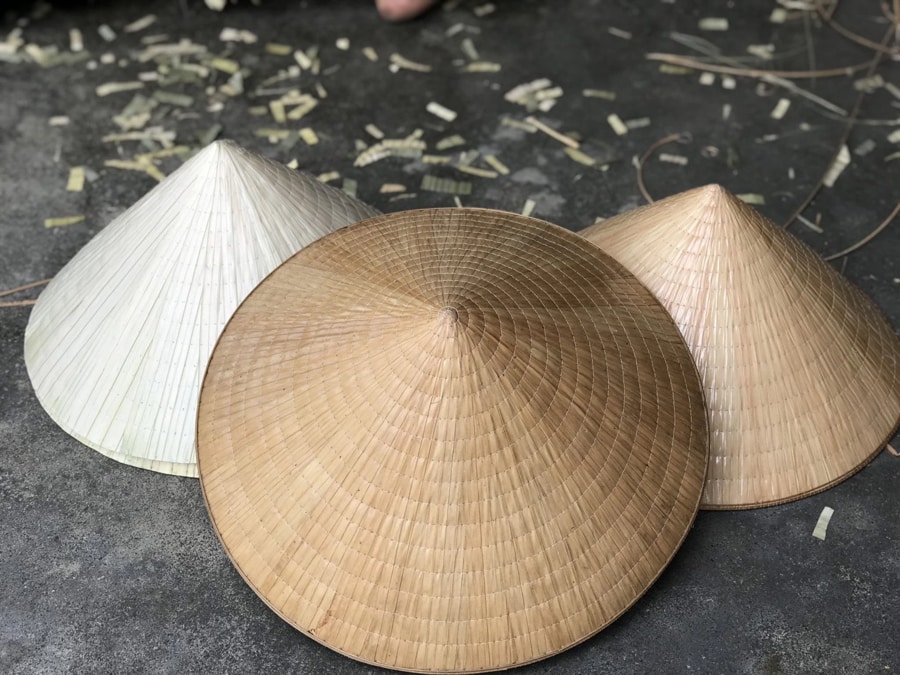
Non La has traditionally symbolized strength, simplicity, and a strong connection with nature. Non La has also been frequently featured in folk art, poetry, paintings of farmers, and women, becoming a cultural icon in Vietnam. Non La has cultural significance today, but only in terms of symbolism. Its price varies from USD 5-20 for handmade Non La, while renting Non La at cultural villages or photography studios costs between USD 2-5.
Non Quai Thao
Non Quai Thao is a traditional Vietnamese hat made from palm leaves and bamboo, which is commonly linked to women in Northern folk culture. It differs from the Non La hat because of its broad and flat shape, which is held together by silk ribbons known as quai thao, flowing elegantly over the shoulders. The hat is light in weight yet visually appealing, particularly when paired with traditional dresses during festivals and performances. The hat’s style makes it look elegant, emphasizing the rhythm and movement of the body.
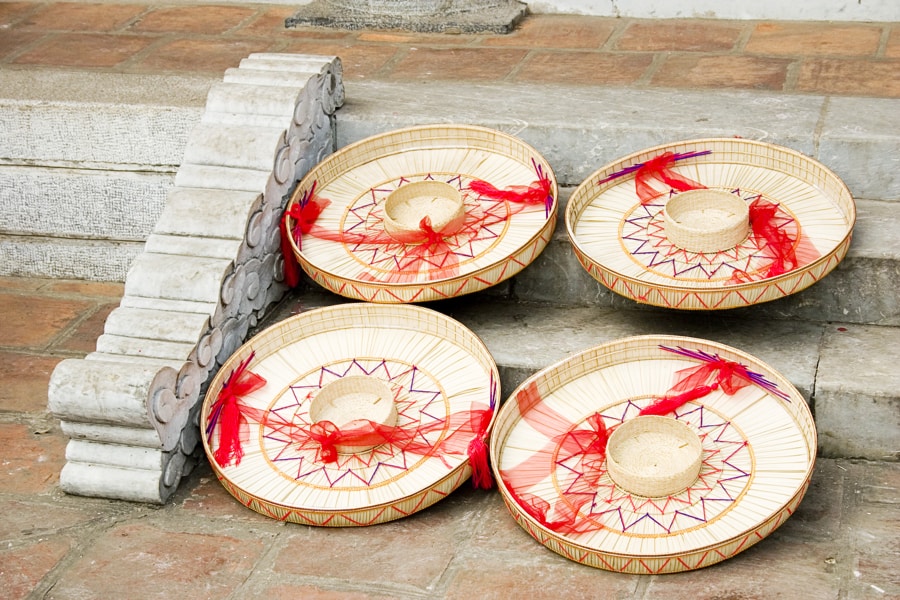
Non Quai Thao is culturally associated with Quan Ho folk songs and rural celebrations, embodying femininity, harmony, and communalism. It is commonly depicted in folk art and religious iconography, signifying rural elegance rather than practicality and work. Today, Non Quai Thao is maintained for cultural events and heritage photography. Handmade genuine products are available for USD 30-60. Alternatively, you can find rentals for cultural centers and studios in Bac Ninh and Hanoi for USD 10-20 per session.
Khan Mo Qua
Khan Mo Qua is a traditional Vietnamese headscarf that has been worn by women in the past, especially in the northern parts of Vietnam during the feudal era. Khan Mo Qua is normally made from soft silk or cotton materials and is folded in a unique way to form a shape around the face while still being light and comfortable. The headscarf is simple yet elegant, allowing the fabric to flow freely and accentuate a woman’s delicate facial features.
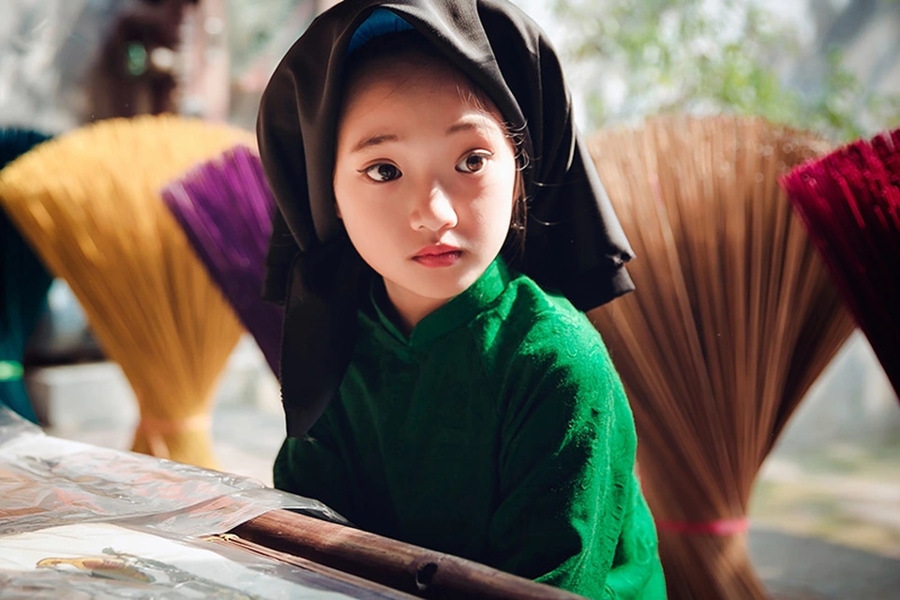
From a cultural and historical perspective, Khan Mo Qua represents modesty and femininity and is a symbol of inner beauty and elegance in traditional Vietnamese culture. In terms of contemporary practice, Khan Mo Qua is preserved through cultural performances and heritage photography. The cost of a reproduction ranges between 10-25 USD, while the rental fee is available through heritage costume studios in Hanoi and costs between 5-10 USD per photoshoot session.
Final Thoughts: Is Vietnamese Dress Worth Exploring?
Vietnamese dress is an embodiment of its long history, artistry, and culture. Every traditional garment, from casual wear to formal wear, has its own symbolic meaning and is influenced by the culture and lifestyle of the people in each region. Travelers who are interested in learning more about Vietnam beyond its geography and tourist spots can start by learning more about these traditional costumes. Travelers who are interested in immersing themselves in the culture of Vietnam can discover its beauty and heritage with Seni World.


