


Vietnamese flowers reflect the natural beauty, culture, and traditions of Vietnam. From delicate blossoms symbolizing purity to vibrant blooms representing prosperity and resilience, they appear in festivals, art, and daily life. Each flower carries a unique meaning, revealing the country’s deep connection to nature and seasonal change.
Introduction About Vietnamese Flowers
Flowers are an essential part of life and culture in Vietnam, woven deeply into traditions, celebrations, and everyday moments. From quiet rural villages to vibrant modern cities, flowers appear everywhere, decorating homes, honoring ancestors, and marking important ceremonies. Beyond their beauty, Vietnamese flowers reflect philosophy, symbolism, and emotional expression, making them especially fascinating to international visitors. Each bloom tells a story of resilience, purity, love, or renewal, shaped by history and seasonal rhythms. For travelers, discovering Vietnam through its blooming landscapes offers a unique cultural journey. Explore the country’s stunning flower seasons and meaningful traditions with Seni World for an unforgettable experience.
The National Flower of Vietnam – Lotus Flower
The lotus flower is widely regarded as the national flower of Vietnam, although it has not been officially approved by the government. Despite this, it holds deep cultural and spiritual importance and is strongly embraced by the public as a symbol of national identity. The lotus grows in muddy water yet rises above the surface to bloom beautifully, representing purity, resilience, and inner strength, qualities many Vietnamese people value in life.
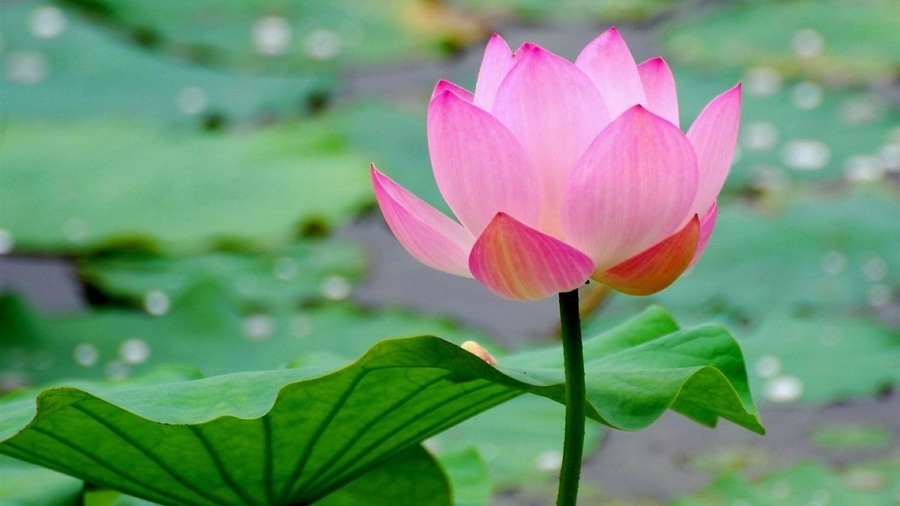
For centuries, the lotus has appeared in poetry, art, architecture, and religious traditions. It is especially significant in Buddhist culture, where it symbolizes enlightenment and spiritual awakening. The flower’s elegant form and gentle fragrance also make it a common motif in traditional design, from temple carvings to everyday decorative items. Even Vietnamese cuisine celebrates the lotus, using its seeds, roots, and tea for both flavor and health benefits.
Traditional Flowers of The Vietnamese New Year
The Vietnamese New Year is a celebration of renewal, beauty, and hope, where nature plays a meaningful role in welcoming fresh beginnings. Among festive decorations, traditional flowers carry deep symbolism, shaping the atmosphere of joy and spiritual harmony.
Peach Blossom – Symbol of Northern Vietnam
Peach blossoms have long been cultivated in northern regions of Vietnam, where cooler winters help the trees bloom just in time for the Lunar New Year. Famous growing areas near Hanoi produce branches carefully shaped and nurtured for festive display. These soft pink flowers symbolize new beginnings, renewal, and the hope of a fresh start. Many families also believe peach blossoms can ward off bad luck and negative energy, bringing peace and protection for the year ahead.
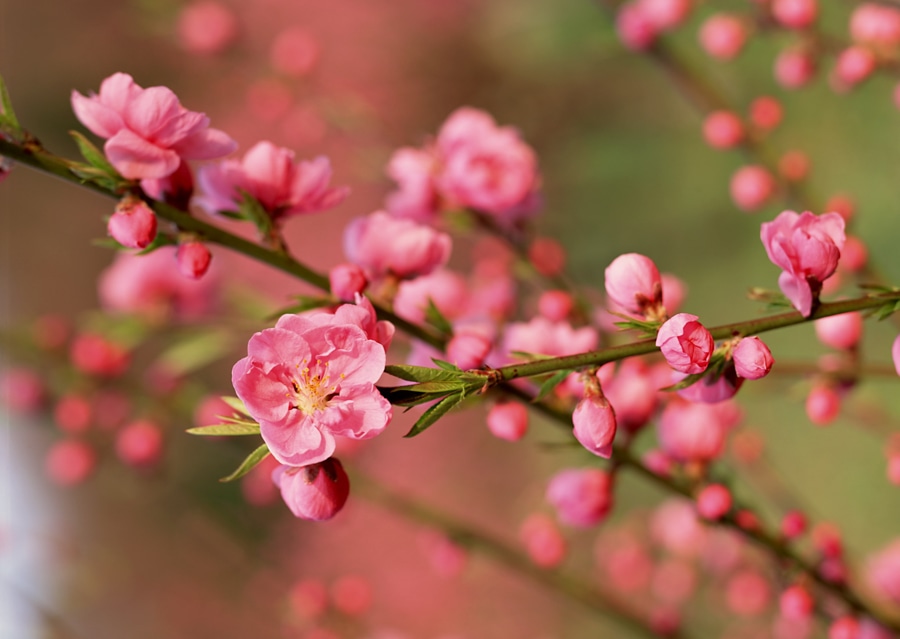
During the Northern Vietnamese New Year, peach blossom branches become the heart of home decoration. Families proudly display them in living rooms, on ancestral altars, and at entrances to welcome prosperity and happiness. Their gentle color brightens indoor spaces and reflects the joyful spirit of spring. Beyond decoration, peach blossoms create a warm gathering point where relatives celebrate traditions, share meals, and welcome good fortune together.
Apricot Blossom – Icon of Southern Vietnam
Apricot blossoms thrive in the warm climate of southern Vietnam, where sunshine and mild temperatures help the trees bloom brilliantly during the Lunar New Year. They are widely cultivated across fertile regions such as the Mekong Delta, where gardeners carefully time watering and pruning to encourage vibrant golden flowers. These bright yellow blossoms symbolize wealth, prosperity, and good fortune, making them an essential part of welcoming a successful new year.
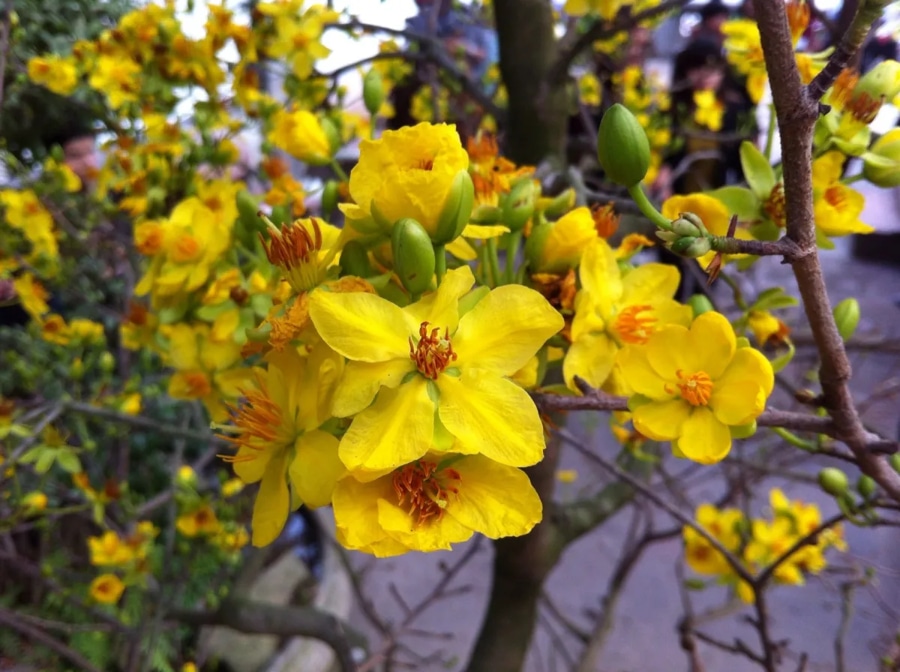
For people in southern Vietnam, apricot blossoms reflect an open, optimistic, and joyful spirit. Homes, offices, and public spaces are decorated with blooming branches to invite happiness and abundance. The flower’s bright color mirrors the warmth and positivity often associated with southern culture. More than decoration, apricot blossoms express hope, generosity, and a cheerful outlook, embodying the festive energy that defines the Southern Vietnamese New Year.
Chrysanthemum – Longevity and Respect
Chrysanthemums hold a special place in traditional celebrations and ancestral worship in Vietnam, especially during the Lunar New Year. Their bright, full blooms are often displayed on family altars and in living spaces as offerings of respect and gratitude. Because the flowers last long and remain vibrant, they symbolize endurance and sincerity when honoring ancestors and elders.
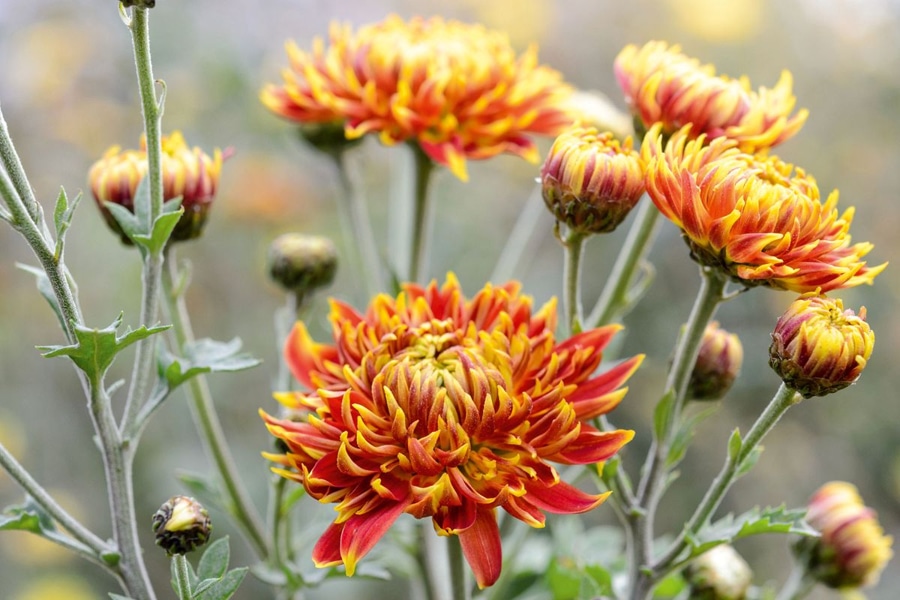
Beyond rituals, chrysanthemums represent longevity, harmony, and deep family bonds. Their presence during festive seasons reflects wishes for health, stability, and lasting happiness across generations. Many families choose them not only for beauty but for the meaningful message they carry, respect for tradition, appreciation for life, and hope for enduring wellbeing.
Regional Flowers Across Vietnam
Vietnam’s diverse geography creates a wide variety of flowers that bloom differently from north to south throughout the year. Each region has its own signature blossoms, reflecting unique climates, landscapes, and cultural identities.
Flowers of Northern Vietnam
Northern Vietnam is known for its poetic seasonal flowers, especially in Hanoi, where blooms shape the rhythm of daily life. Lotus flowers appear in summer, filling ponds with quiet elegance, while pomelo blossoms bring gentle fragrance to spring gardens. In autumn, milk flowers perfume the streets, creating a nostalgic atmosphere that many locals associate with memory, romance, and changing seasons. These blooms are more than natural beauty. They reflect mood, time, and emotion in the northern landscape.
Traveling through Vietnam during the flower seasons offers visitors a deeply sensory experience. Each bloom transforms familiar scenery into something new, from peaceful lakes to tree-lined avenues. Seasonal flower watching invites slower travel, photography, and cultural connection, allowing visitors to experience northern Vietnam’s beauty through its changing colors, scents, and emotions.
Flowers of Central Vietnam
Flowers in Central Vietnam reflect a quiet elegance shaped by history, spirituality, and refined cultural traditions. In Hue, lotus flowers bloom gently along rivers and palace ponds, enhancing the city’s serene imperial atmosphere. Their soft beauty mirrors Hue’s slow rhythm of life, where nature and heritage exist in perfect harmony. The lotus here feels contemplative rather than vibrant, inviting visitors to pause, reflect, and appreciate calm surroundings.
Frangipani trees, often seen in temple courtyards, add another layer of peaceful charm. Their delicate fragrance drifts through sacred spaces, creating a tranquil environment for prayer and meditation. Together, these flowers express Central Vietnam’s nostalgic beauty, quiet, poetic, and deeply spiritual.
Flowers of Southern Vietnam
Flowers in Southern Vietnam reflect the vibrant, open spirit of life shaped by rivers, canals, and fertile land. Golden apricot blossoms brighten homes during festive seasons, while bougainvillea climbs over gates and bridges, adding bold color to everyday scenery. Water lilies bloom across ponds and waterways, creating peaceful floating landscapes that feel inseparable from the region’s natural rhythm.
In the lush environment of the Mekong Delta, flowers are closely tied to daily life. They grow along riverbanks, beside homes, and throughout floating markets, blending beauty with livelihood. Here, flowers are not just decorative. They are part of the water-based culture, reflecting warmth, vitality, and the gentle flow of southern living.
Best Time and Places to See Flowers In Vietnam
Vietnam’s varied climate enables flowers to blossom in their own unique beauty in each season. Traveling in Vietnam during different flower seasons is one of the best ways to discover the culture, nature, and people in their most colorful form.
Spring (January – March)
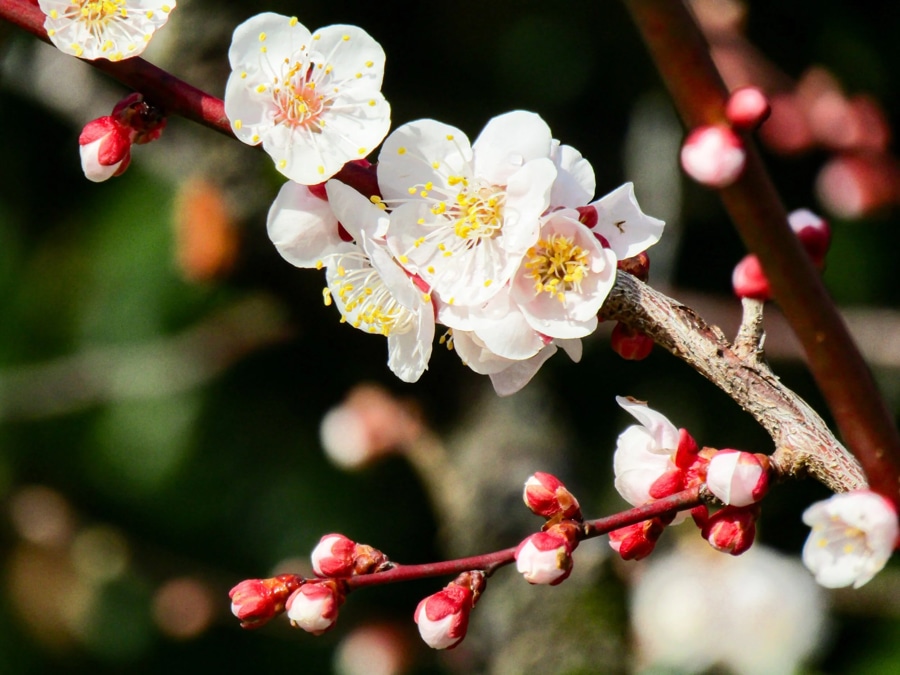
One of the most colorful flower seasons in Vietnam is in the spring. In the north, peach flowers adorn the city streets in Hanoi. Plum and apricot flowers also blossom in the mountainous regions around Moc Chau. Meanwhile, in the south, yellow apricot flowers add to the festivities during Tet holidays in Vietnam, especially in Ho Chi Minh City.
Summer (April – June)
Summer is the time for the blooming of lotus flowers and flamboyant red flowers. Lotus flowers in ponds around Hanoi and Hue are a treat to the eyes and symbolize purity and elegance. Bright red flamboyant trees also blossom in the city streets and schoolyards. The sunny days in summer are perfect for capturing the vibrant colors of flowers in Vietnam.
Autumn (July – September)
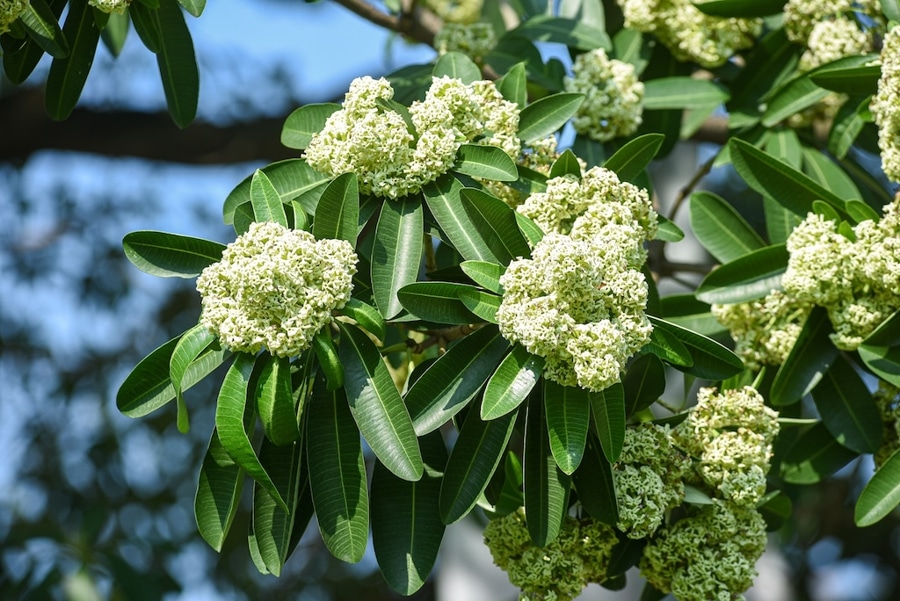
Autumn is a season with pleasant weather and beautiful flower scenes. For example, Hanoi is filled with daisies and milk flowers during the autumn season. Da Lat is also a beautiful destination during the autumn season. Traveling during the autumn season is a wonderful idea with pleasant weather.
Winter (October – December)
Vietnam is a beautiful destination during the winter season, with beautiful wild sunflowers in Da Lat and buckwheat flowers in Ha Giang. Traveling during the winter season is a wonderful idea with pleasant weather.
Travel Tips for Flower Lovers Visiting Vietnam
Traveling through Vietnam by means of seasonal flowers can be a really memorable experience, especially if you are able to plan your trip well. In order to make the most out of your flower travel, here are some useful and thoughtful tips for traveling beautifully and responsibly:
- The best time to visit flower fields is in the early morning or late afternoon, as this provides the best natural light and avoids crowds. Soft natural light is ideal for taking beautiful and colorful photographs.
- When visiting flower gardens, flower fields, and temple sites, always respect the sites and avoid stepping on the flowers and plucking them without permission. Also, while visiting pagodas, always wear modest clothing and behave calmly.
- While traveling, always try to adopt sustainable tourism and avoid littering, carrying a water bottle, and buying products from local communities. This helps to preserve traditional ways of living.
- The blooming seasons should also be checked before traveling to ensure that the flowers have not finished blooming. Weather conditions, especially rain in mountain areas, may also impact views and transportation.
- Appropriate clothing should also be worn, especially when visiting flower farms in the countryside or the highlands. Wearing comfortable footwear and clothes will make the flower viewing experience enjoyable.
FAQS About Vietnamese Flowers (Optional)
Vietnamese flowers have a strong association with culture and tradition. Some of the common questions asked by visitors to Vietnam about its flowers have been mentioned below:
What Is The Most Famous Flower In Vietnam?
The most famous flower in Vietnam is the lotus. This flower is considered the national flower of Vietnam. The lotus flower represents purity and strength, as it grows in the mud and still remains beautiful. You can find ponds of lotus flowers in Vietnam, particularly in the rural areas and at temples.
What Flowers Are Associated with The Vietnamese New Year?
The flowers associated with the Vietnamese New Year or Tet are peach flowers in the north and yellow apricot flowers in the south. These flowers symbolize good fortune and happiness in the upcoming year. People put these flowers in their homes to usher in good fortune and positive energy in their lives.
Where Is The Best Place to See Flowers In Vietnam?
The best place to see flowers in Vietnam depends on the time of the year you visit Vietnam. Da Lat is known for its flowers throughout the year. People also celebrate flower festivals in Da Lat. Hanoi is known for its lotus flowers in the summer and peach flowers in the spring. Northern Vietnam also has beautiful flowers in the mountains during different seasons.
Final Thoughts: Why Vietnamese Flowers Are Worth Exploring
Vietnamese flowers are not just beautiful flowers found in nature; rather, they represent a culture and tradition deeply rooted in the country. Whether it is the lotus pond representing purity and innocence or the peach blossoms welcoming the Lunar New Year, every flower represents a story. Visiting Vietnam and learning about its flowers can give tourists a glimpse of the country beyond its tourist attractions. Flowers can be said to be a bridge between nature and people on a journey of self-discovery. If you are looking to experience Vietnam through the most beautiful lens possible, look no further than Seni World.


Related articles


