logo mobile sidebar
support-image-mobile
Share your ideas with our local expert team - we’re here to listen and help you shape a meaningful journey through Indochina.
(+84) 868 663 993
Asia Leading Tour Operator 2025
tripadvisor travelers choice awards 2024
Travelers' Choice Awards 2025

Author: Content Seniworld

Vang Vieng To Luang Prabang Guide For A Scenic Journey

From Vang Vieng to Luang Prabang, the scenic northern route unfolds with breathtaking landscapes, twisting rivers, and limestone mountains. Visitors can enjoy outdoor pursuits in Vang Vieng before uncovering the temples, colonial charm, and rich cultural heritage of Luang Prabang.

Overview Of Vang Vieng To Luang Prabang

The route from Vang Vieng to Luang Prabang has some of the most scenic drives in the whole of Laos. In fact, Vang Vieng, known throughout the world for its scenic beauty, limestone caves, and water activities such as tubing and kayaking, provides tourists with an opportunity to unwind and experience the beauty of nature before setting out on a further leg in the northern part of the country. The town has an undeniably relaxing and scenic environment, making it the ideal destination from which tourists in Laos can explore the northern side.

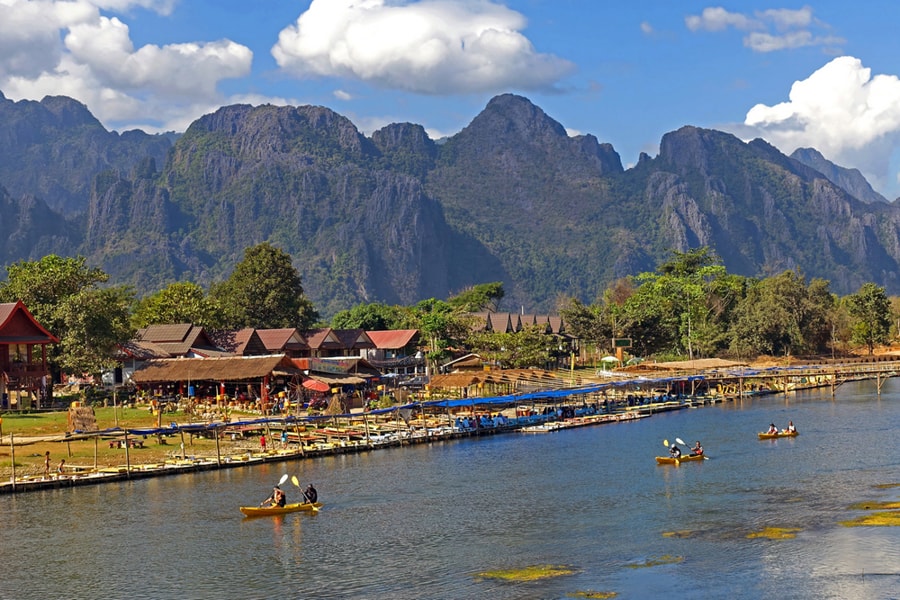
kayaking in nam song river, vang vieng

Luang Prabang, a UNESCO World Heritage site and the former royal capital, offers a completely different experience. With its golden temples, French colonial architecture, and lively night markets, the city exudes a calm and alluring experience. The contrast between the excitement of the outdoors in Vang Vieng and the rich cultural experiences in Luang Prabang has led travelers to combine the experiences in one single trip.

How Far Is It From Vang Vieng To Luang Prabang?

The driving distance between Vang Vieng and Luang Prabang is approximately 340 km, and the major roads in northern Laos connect the two destinations. The driving time, usually by car and bus, takes an average of 7 hours, subject to the flow of traffic. The driving route takes travelers through the hills, valleys, and villages, and the scenery provides an opportunity to enjoy the beauty of the environment in the Lao territory. Some people usually break their journeys to visit different destinations.

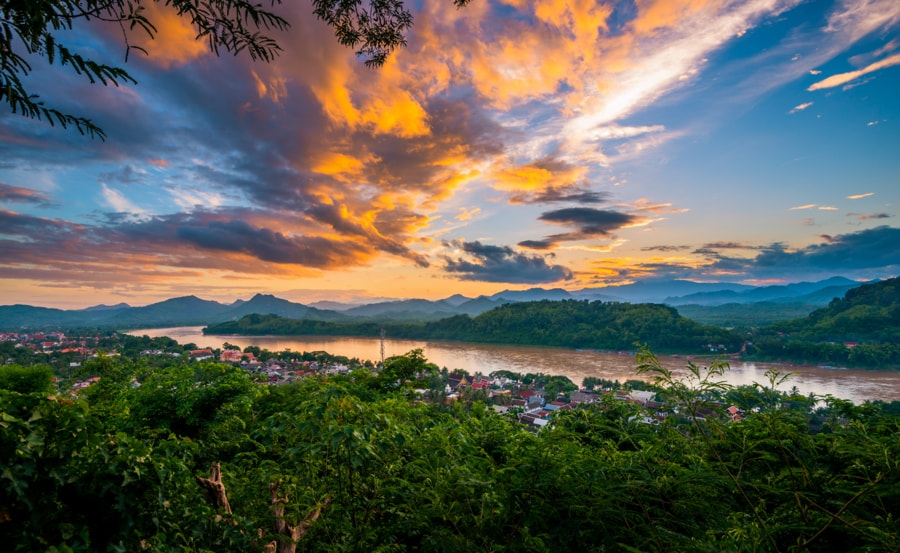
Mount Phousi in luang prabang

How to Travel From Vang Vieng To Luang Prabang?

Traveling between Vang Vieng to Luang Prabang has many options that cater to all budgets and travel preferences. Whether traveling fast, using local transport, or being completely independent when on a trip, there are plenty of choices for people who are looking for transportation between the two cities.

By Bus

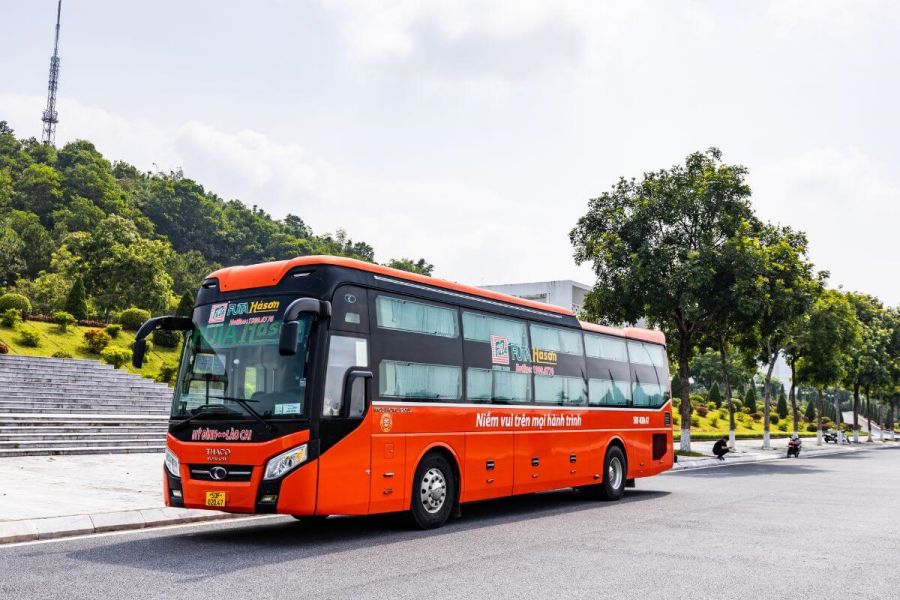
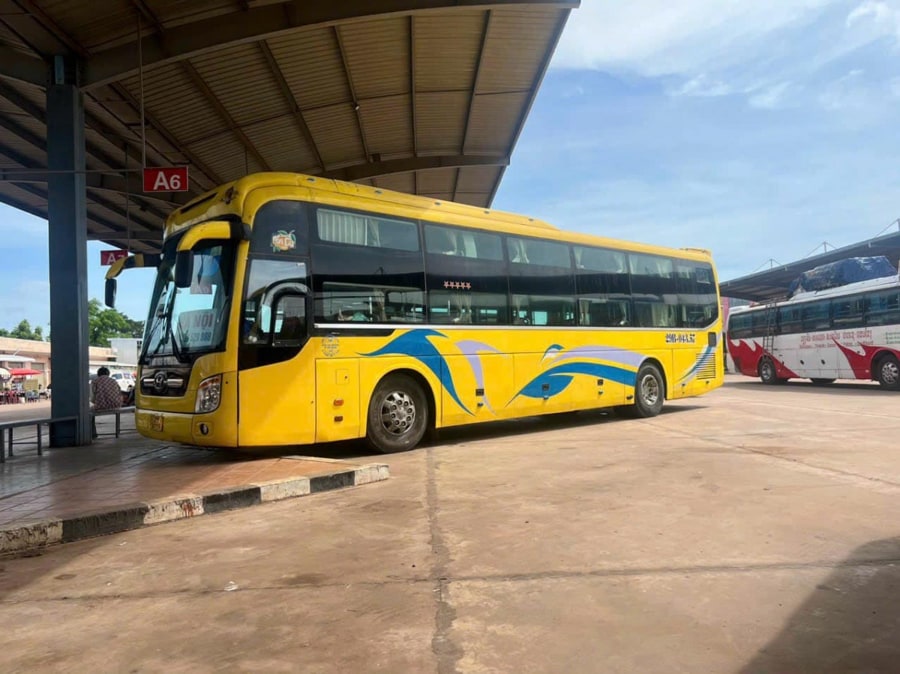
By far the cheapest option for traveling between Vang Vieng and Luang Prabang is by bus. Typically, the buses take five to seven hours to get from Vang Vieng to Luang Prabang, depending on road conditions and which bus company you go with, but the majority of the time, the buses will leave every day and return every morning. Most tourists will spend anywhere from $22-$32 for a bus ticket, which is a good amount of money for someone who wants to travel on a budget but still be safe.

vang vieng to luang prabang by bus

You can buy bus tickets in person at the bus station in either city, or you can pre-purchase a bus ticket online, by exchanging your email confirmation for a physical bus ticket when you get to the bus station. It is recommended to show up 30-60 minutes before your scheduled bus departure time in order to ensure that you have your seat secured and are prepared for boarding.

By Flight

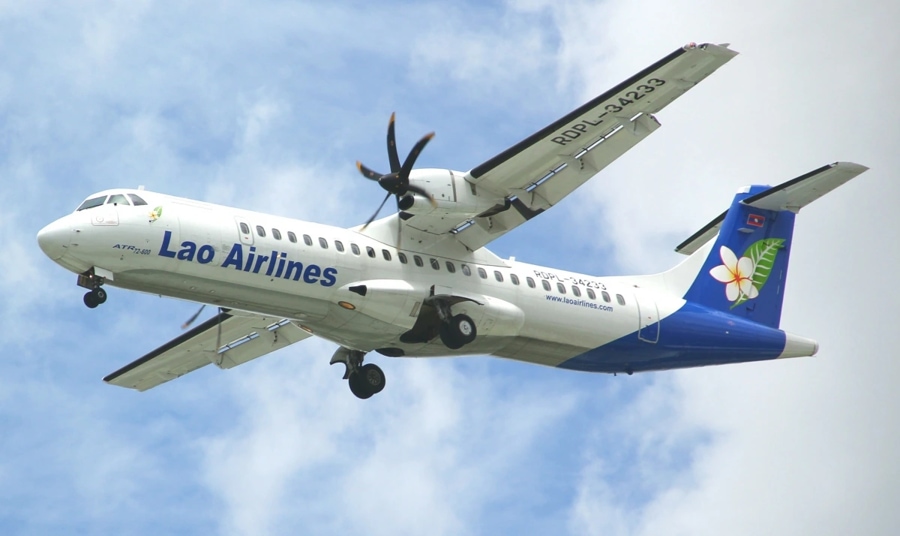
Although there are no direct flights from Vang Vieng, many travelers will fly out of Vientiane after a short transfer. There are two airlines operating in Luang Prabang (either Lao Airlines or Lao Skyway), which tend to offer the quickest method of getting there. Costs vary greatly depending on time of year and demand and may be anywhere from $70 USD to more than $400 USD round-trip.

vang vieng to luang prabang by plane

The duration of a flight typically takes about two hours, providing a comfortable and quick alternative to long road travel. This can be a good choice when your time is limited or you would rather avoid winding mountain roads.

Self-Driving (Car Or Motorbike)

For those adventurous individuals who wish to drive themselves from Vang Vieng to Luang Prabang, this will allow for maximum freedom. The actual route from Vang Vieng to Luang Prabang is generally simple to follow and in relatively good condition, with some breathtaking views through the mountain ranges along the route.

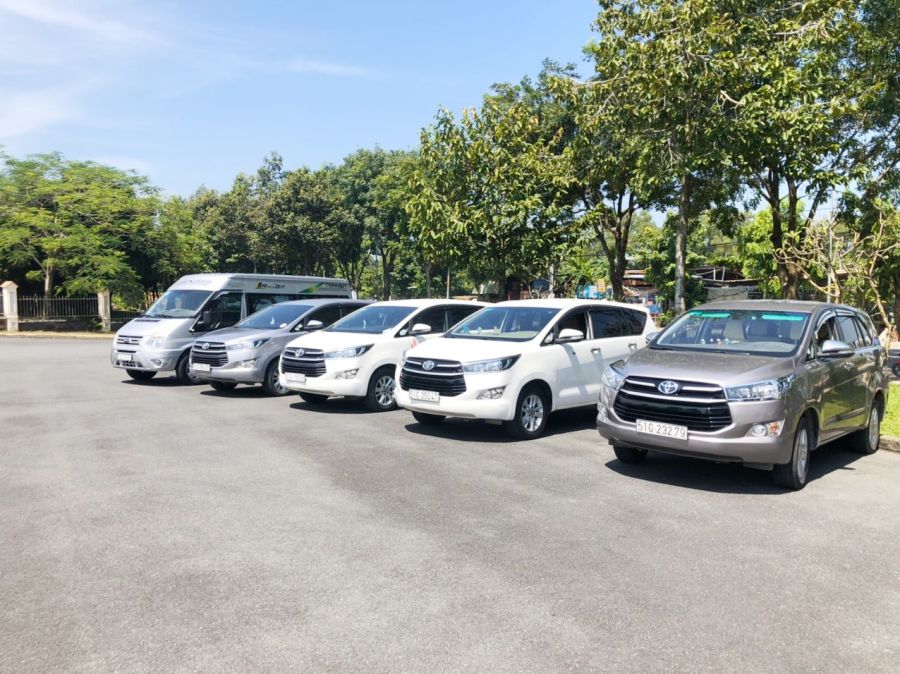
vang vieng to luang prabang by car

You can easily navigate with Google Maps, which allows you to make as many stops as you wish. Make sure you travel during daylight hours, that your vehicle is mechanically sound, and be prepared for a little bit of winding roads. This is great for those wanting a flexible, immersive travel experience.

Tips For Traveling From Vang Vieng To Luang Prabang

Travelling from Vang Vieng to Luang Prabang can indeed be an enjoyable experience, provided you are well-prepared. Here are some tips that would help you make your travel safe and enjoyable.

  • The travel should be carried out in the early mornings when there is no afternoon traffic, and the daylight provides an opportunity to enjoy the scenic sights.
  • Pick a reputable bus and car service, particularly when you need comfort on the winding roads through the mountains.
  • Things like water and cash are also important, in case the rest stops and convenience stores are limited.
  • Wear comfortable clothing and layered clothes, considering the temperature differences between the valleys and the highlands.
  • Always have your camera or smartphone with you in order to capture the great landscapes and river scenery.
  • Before traveling, check the conditions of the roads and the weather, especially during the rainy season.
  • Stop and rest in local villages and scenic overlooks, and take the chance to stretch your legs.

Recommended Stops Along the Way

There are several great places to visit before you arrive at Luang Prabang when making your way from Vang Vieng to Luang Prabang. Here are some examples:

Nam Ngum Lake

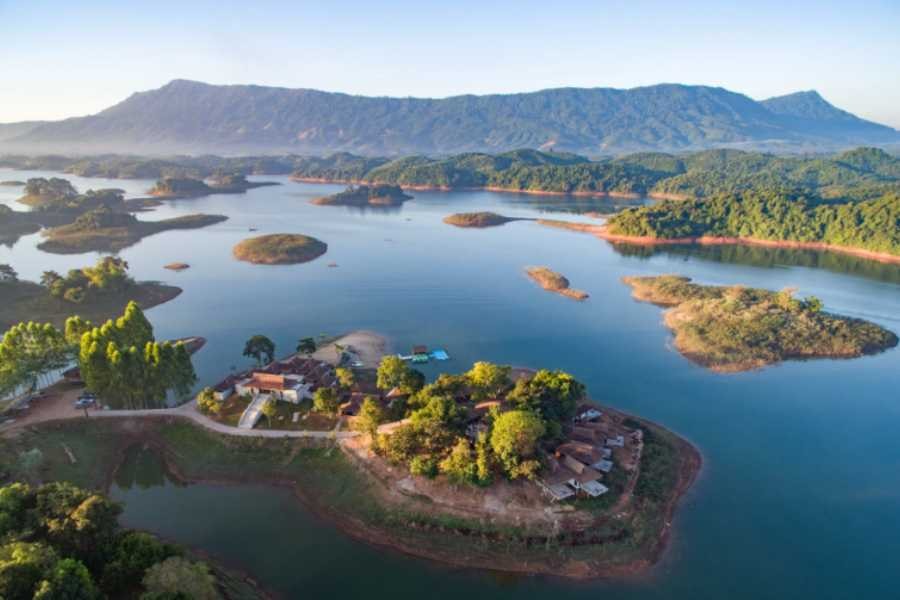
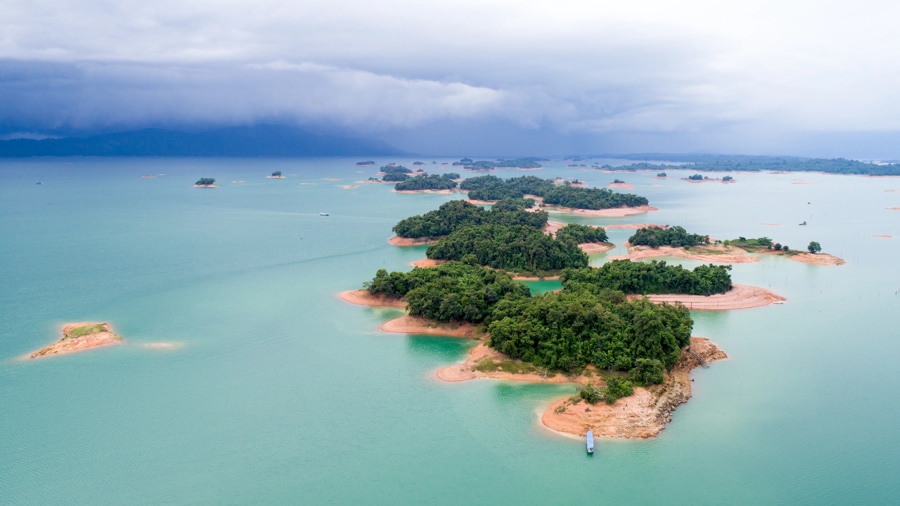
Situated slightly away from the main highway between Vang Vieng and Luang Prabang, Nam Ngum Lake offers tranquil waters as well as lush, verdant hills for an incredible sense of calmness. This location also has opportunities for taking boat trips and stretching your legs on the shoreline. Nearby villages and floating houses reveal a glimpse of traditional rural life in Laos.

Nam Ngum Lake

If you arrive early, you will see the early morning sun shining on the lake, which is perfect for photographers or for enjoying a picnic in peace. Many travelers find this to be an excellent spot to break the monotony of traveling northward.

Tham Sang Caves (North Of Vang Vieng)

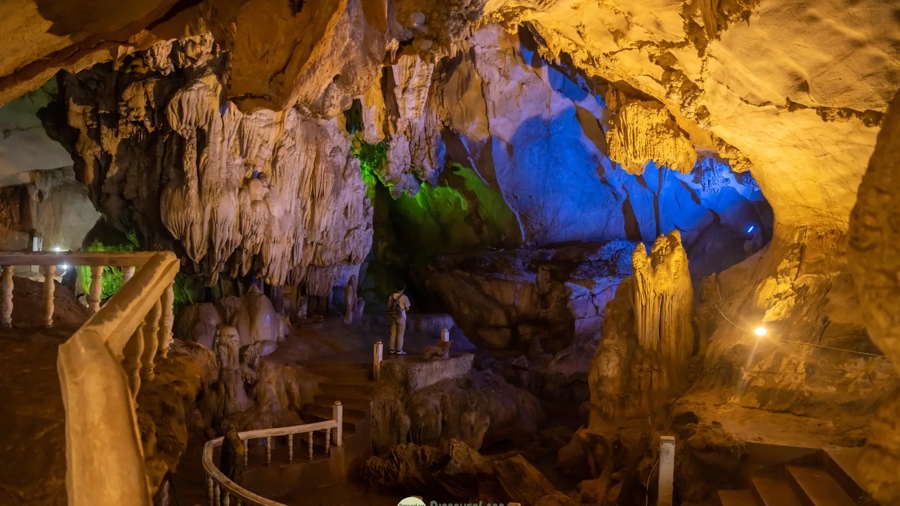
Located not too far north of Vang Vieng, Tham Sang Caves are a series of natural formations that provide both adventure and beauty. With unusual formations such as stalactites, tight spaces, and dimly lit areas providing the impression of another world away from the open fields, these caves can provide a wonderful diversion from the road, especially to those who enjoy light adventure. The caves can be an excellent way to add variety to your trip without having to take any significant detours.

Tham Sang Caves

Pak Ou Caves

When you arrive in or before arriving in Luang Prabang, make sure that you take a brief detour over to the Pak Ou Caves. As well as being an area with spiritual history, the Pak Ou caves also provide visitors with incredible scenery from the river that runs alongside and through a number of different caves. Within these caves, you’ll find hundreds of small Buddha Statues; you can boat up and along the Mekong River to see how beautiful the journey really is. And it is a perfect way to unwind after spending time in the busy old town of Luang Prabang.

Kuang Si Falls

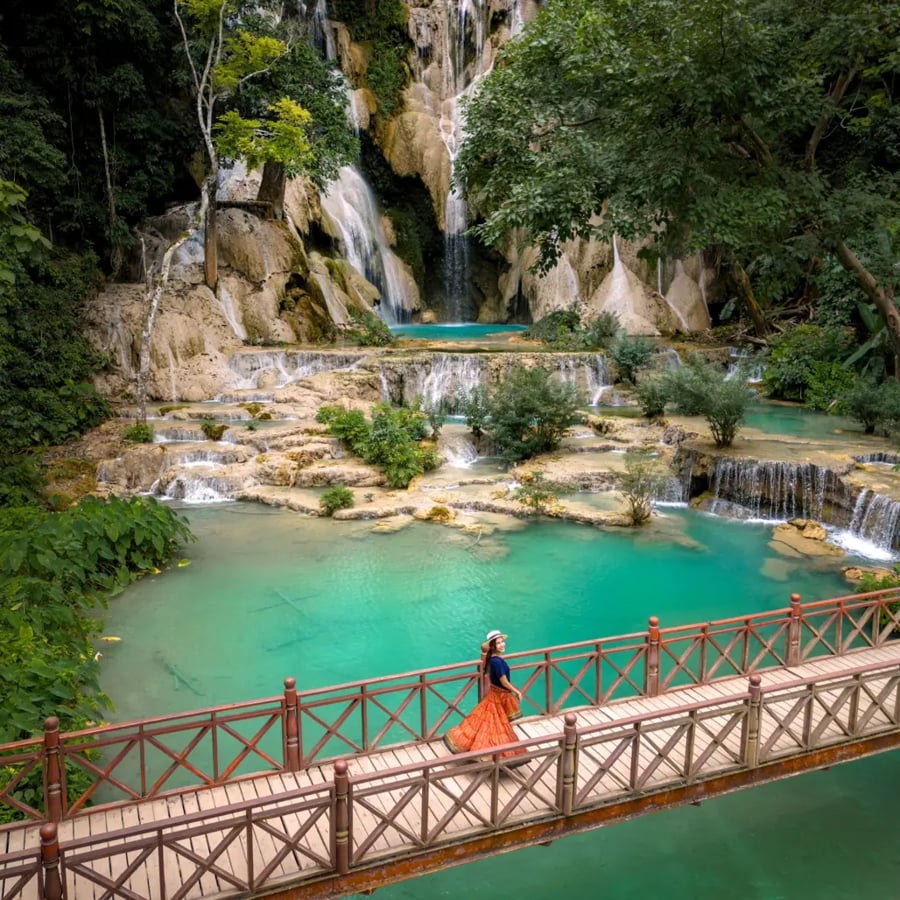
Visiting Kuang Si Falls is one of the must-try activities in Luang Prabang for you. Kuang Si is a magnificent and multi-tiered waterfall that has stunning, crazy blue swimming pools below it as well as all around it, where you can either relax after travelling so many hours by car, or you can enjoy the mist from the waterfall and the beauty of the surrounding jungle area.

Kuang Si Waterfalls is one of Laos’ most stunning natural attractions

Kuang Si is also one of the most requested places for travelers who want to take a break and see some of the most wonderful, untouched areas in Laos that give you an adventure experience as well as a relaxing one.

Luang Prabang Night Market And Old Town

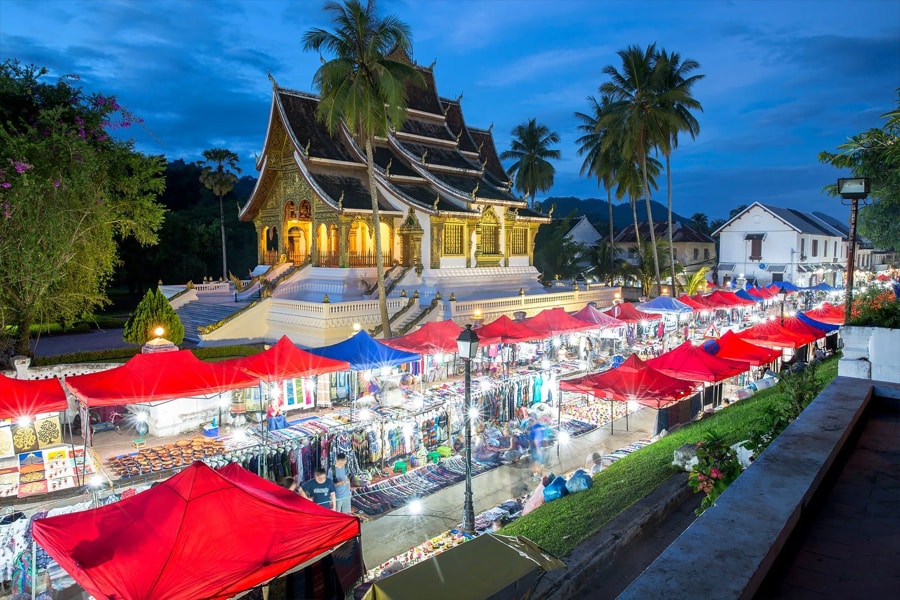
Upon arriving in Luang Prabang, you will find that you are greeted in a cordial and lovely manner by the experience of exploring the traditional old town area and the evening night market. The narrow streets of Luang Prabang are filled with charming colonial-era buildings and homes, along with temples and local shops.

The atmosphere of the night market is perfect for picking up unique souvenirs as well as local arts and crafts, trying various food items from vendors, and experiencing the culture of Luang Prabang. The experience is a dramatic change from the natural beauty of the countryside that you previously enjoyed.

FAQs About Traveling From Vang Vieng To Luang Prabang

The most frequently asked questions when traveling from Vang Vieng to Luang Prabang are dealt with herein. Allow yourself to have a clearer view and, thus, more comfortable traveling without any stress.

What’s the best way of traveling between Vang Vieng and Luang Prabang?

The most popular options include private car, minivan, and public bus. Private cars provide flexibility and comfort, while buses are more affordable and frequently available. Some travelers also use shared vans or tourist shuttle services, which balance cost and convenience. Always book through a reliable provider to ensure safety on the winding roads.

Can I make stops at attractions en route?

Yes, there are a few beautiful spots and local villages worth visiting along the route. Sightseeing stops often include Nam Ngum Lake, local markets, and viewpoints around the river valleys. Plan extra time for a bit of exploration, photo opportunities, or enjoying a meal in one of the many cafes on the side of the road. It makes your journey so pleasant and less exhausting.

Luang Prabang Night Market

Is an overnight journey possible?

Overnight travel is possible but less common because it takes so long, and the roads are windy. Most travelers prefer daytime trips for safety and to be able to see the scenery. If you take an overnight bus, make sure it’s run by a reputable company, and bring things you need, such as water, snacks, and a travel pillow. Daytime travel also allows stops at local attractions.

Final Thoughts

The train ride between Vang Vieng and Luang Prabang provides an excellent mix of the beauty, adventures, and rich culture of the Lao people. This route, together with others in Seni World, provides an excellent means through which you can explore the peaceful sights together with the rich history of Laos. With Seni World, your travel experience in the Republic of the Lao people will be enjoyable and memorable.

Vang Vieng to Vientiane Road Trip: Adventure, Nature & Local Culture

The drive from Vang Vieng to Vientiane is a scenic one, and the route takes in limestone ranges, waterways, and villages. There is plenty to enjoy on this drive, whether it’s the peaceful scenery, the enjoyable stops, or the interesting sights.

Overview of Vang Vieng To Vientiane

All in all, the road from Vang Vieng to Vientiane has got to be one of the most pleasant and hassle-free ways in and through the country, making the transition from a rugged environment to an urban setting seamless. Driving through the mountains, rice fields, and rural areas, the scenic route provides a pleasant contrast to the bustling city and the rugged environment. Depending on whether you are ending your stay in the likes of Vang Vieng, you would then travel via the scenic route.

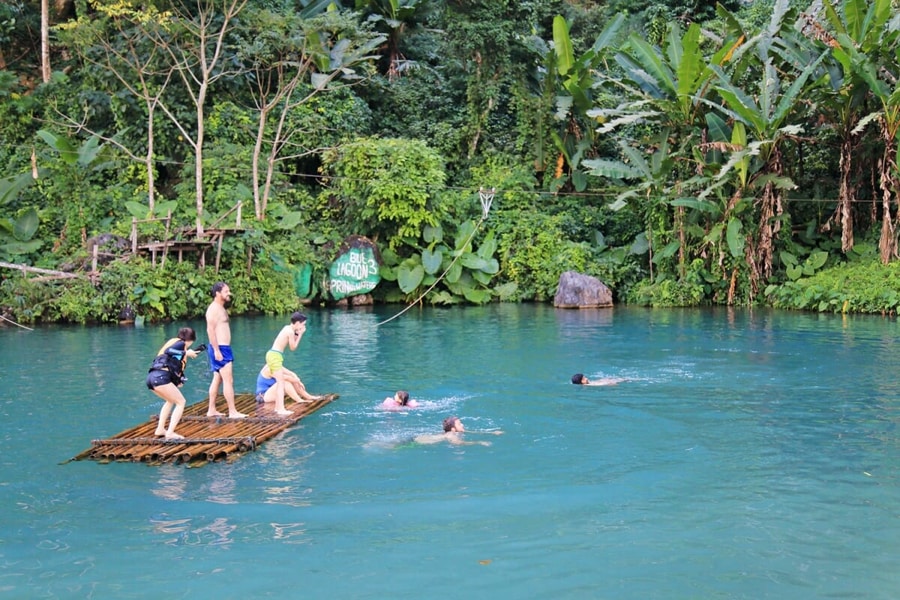
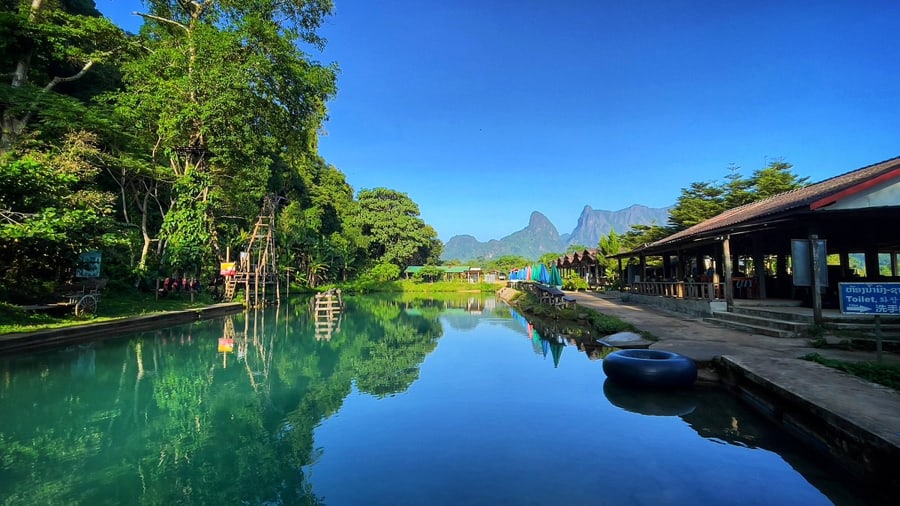
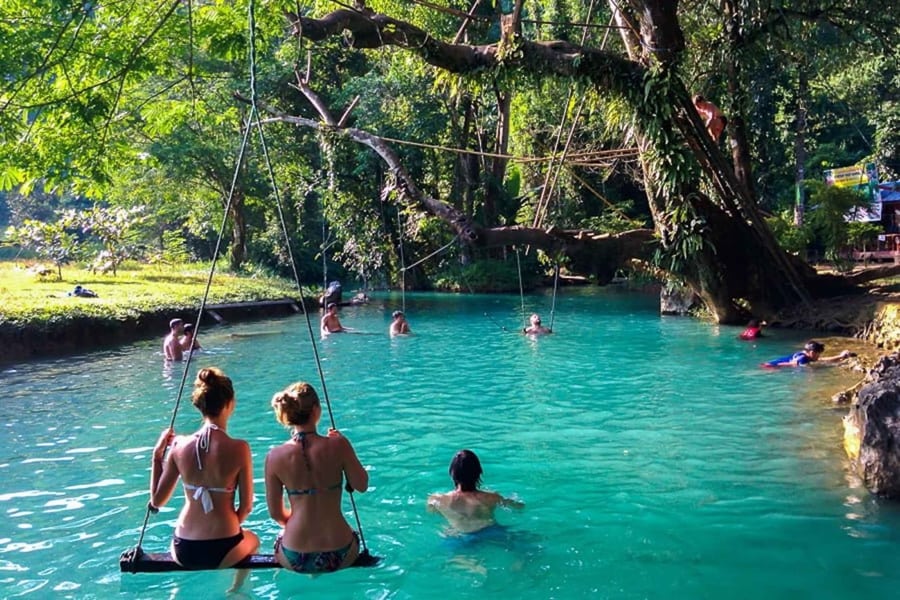
blue lagoon in vang vieng

One reason why numerous travelers opt to visit both Vang Vieng and Vientiane in the same trip is that the experiences in the two destinations couldn’t be more different and yet complement each other in the best ways. In Vang Vieng, you get the adrenaline rush that comes with kayaking, hot air balloon rides, caves, and blue lagoons nestled among cliff faces. When you arrive in the other city, you get the warm reception that comes with temples, coffee shops, museums, and sunset cruises on the Mekong.

How Far Is It From Vang Vieng To Vientiane?

The approximate distance between Vang Vieng and Vientiane is 109 kilometers. This is one of the shortest and most accessible travel distances in the whole of Laos. The developments that have occurred in the transport network mean that traveling from the two destinations has become easier than ever.

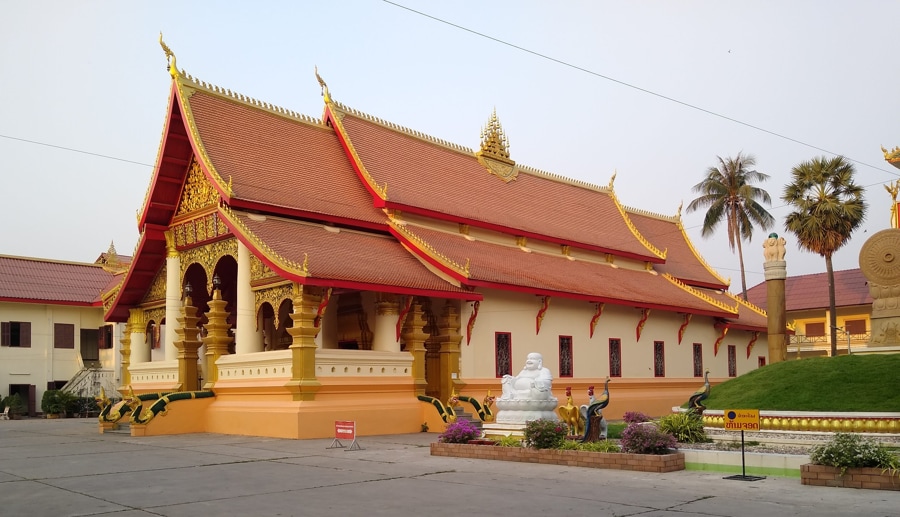
Wat Ong Teu Mahawihan is one of the many temples in the city of Vientiane

The average time taken for the travel is 1 hour and 45 minutes, and up to 2.5 hours, depending on your means of transport. The fastest ways would be through the express vans and buses, and then private cars. The route takes a short and scenic path, ensuring that tourists get the chance to explore the adventures and culture available in both Vang Vieng and Vientiane.

How to Travel From Vang Vieng To Vientiane?

Traveling from Vang Vieng to Vientiane offers a scenic journey through Laos’ lush landscapes. The route that connects the action-packed town of Vang Vieng with the capital, Vientiane, so you can travel by many means of transportation.

By High-Speed Train

The high-speed train, with a journey duration of approximately 50 minutes, is the fastest and most convenient option available from Vang Vieng to Vientiane. The high-speed rail connecting Laos and China hosts this service for significant stations such as Vang Vieng and Vientiane. A traveler can select a cabin type that will best fit their preference and budget, considering that the options range from standard seats to VIP cabins, which are more comfortable and less crowded.

Tickets are available at the station, though it is best to book in advance because the seats quickly sell out. Remember to bring a passport when you buy the tickets; note that there are both high-speed and regular trains operating on this route, which gives travelers flexibility in planning their travel.

Cabin Type Estimated Price (LAK) Travel Time Best For
Standard Seat (2nd Class) About 60,000 – 90,000 LAK About 50 min Budget vacationers and solo backpackers.
Soft Seat (1st Class) About 100,000 – 140,000 LAK About 50 min Travelers who want extra convenience at a good price.
Business Class Seat About 170,000 – 220,000 LAK About 50 min Tourists who want more space and quieter cabins.
VIP or Premier Seat About 240,000 – 320,000 LAK About 50 min Vacationers who want a luxury vibe, minimal crowds, and a pleasant experience.

By Bus

Buses provide an attractive and cost-effective alternative, where passengers can enjoy the scenic sights and experience the local culture. The train network provides a much faster service compared to the high-speed train, and an array of trains operate on a daily basis.

When organizing your bus travel, purchasing tickets through travel agencies or hotels could be an excellent option, and tickets can also be purchased at the bus stations. While acquiring the tickets through a middle man, you should always negotiate the cost before making the final purchase. Moreover, when purchasing the tickets, it would be better not to go for round-trip tickets, as purchasing two single tickets would prove to be less expensive.

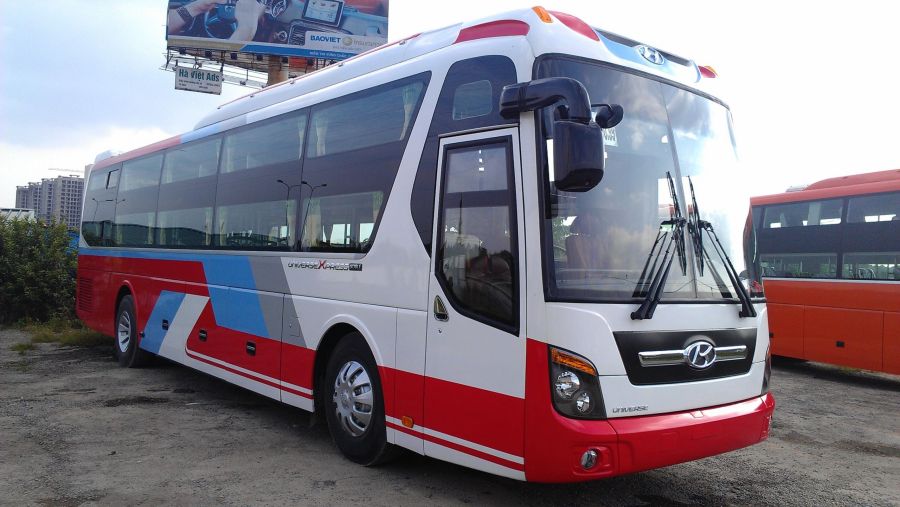
Vang Vieng To Vientiane by bus

Vehicle Type Estimated Price (LAK) Travel Time Notes
Standard Minivan Total from 150,000 to 200,000 LAK (per person) About 4-5 hours This is the most frequent option and the best choice for budget travelers. Minivans run numerous times a day from the bus stations in Luang Prabang.
VIP Minivan Total from 220,000 to 300,000 LAK (per person) About 4-5 hours The seats are slightly larger, the air conditioners are better and up-to-date, and there are fewer people. The minivans are smoother and easier to use than the other type.
Tourist Bus Total from 180,000 to 250,000 LAK (per person) About 5-6 hours This form of transportation takes longer than minivans, and the ride feels smoother. This type of transport is bigger than minivans and has a roomier space.
Limousine Minivan Total from 300,000 – 400,000 LAK (per person) About 4-5 hours Better comfort choice with modern seats, increased leg room, and smoother driving. Always includes pick up and drop off from accommodations.

Tips For Traveling From Vang Vieng To Vientiane

Here are a few simple tips that can help you travel from Vang Vieng to Vientiane with ease and comfort. Whether you go by bus, van, or private car, these suggestions are going to make it easier and more comfortable for you.

  • Book your ticket a day in advance, particularly on weekends and peak seasons.
  • The best thing about train travel in Japan, rather than in other countries, is the ability to see
  • Insect repellents and an all-weather sportswear change would be useful.
  • Keep some cash aside in small denominations in case you need it for snacking, toilet stops, and other local charges on the way.
  • In the event that you are riding in a shared minivan, make sure you arrive early in order to secure a better spot.
  • Private cars provide the greatest comfort, perfect even for traveling with family and plenty of luggage.
  • Check the weather conditions, especially during the rainy season, because torrential rain could delay travel time.

Recommended Stops Along the Way

When you’re traveling from Vang Vieng to Vientiane, the roads themselves become an experience, and there are plenty of interesting stops on the way. Take your time in visiting all these destinations and make your experience even more enjoyable.

Nam Ngum Lake

Nam Ngum Lake. The lake is a peaceful spot on the way to Vientiane. The lake is sheltered by hills and villages. The lake has become famous for fishing, boating, and relaxing on the lake shore, and it provides an excellent opportunity for tourists to experience the countryside in the Laotian provinces. There are a number of small cafeterias on the lakeshore. Moreover, there are floating villages and gardens on the lake. It’s the perfect spot where you can take several photos and then have a picnic.

Nam Ngum Lake

Thalat Market

A brief visit at the Thalat Market provides an opportunity to experience the rich Lao culture. The markets are vibrant, and the stalls are filled with fresh fruits and healthy snacking foods. The location provides the best setting where visitors can taste the local foods and even purchase some gifts. A walk through the markets provides an insight into the lifestyle beyond the tourist centers.

Buddha Park (Xieng Khuan)

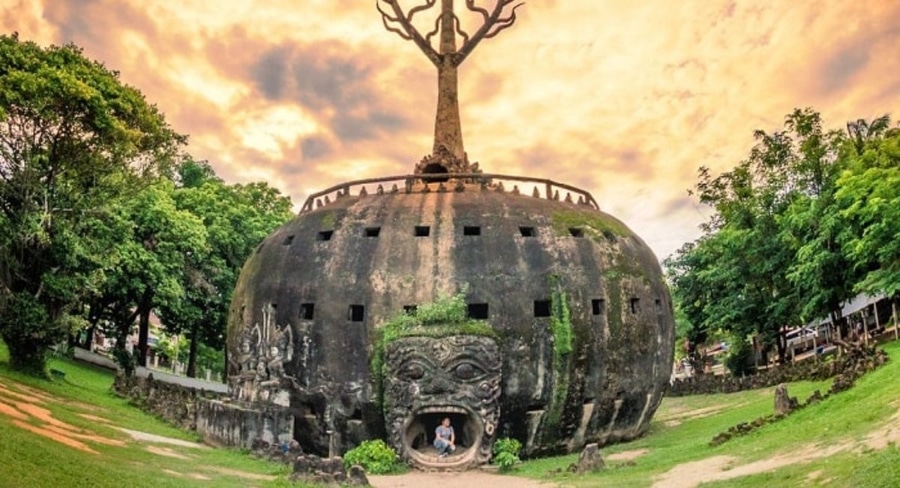
The Buddha Park is a somewhat unusual grouping of over 200 Buddhist and Hindu statues in the area near Vientiane. The site features walking among gargantuan and occasionally bizarre statues ranging from reclining Buddhas to mythological creatures. This artwork and religion mashup has a fantasy twist and appears unlike other parks in Southeast Asia. Scaling the top structure provides great vistas of the park and the surrounding farmland. The Buddha Park is a relaxing and enjoyable respite before the excitement of the city.

The Pumpkin Tower (Three-World Stupa)

Vientiane Riverside And Mekong Walk

First, when nearing the city of Vientiane, make a stop on the banks and take in the scenery. The Mekong River bank walkways offer a relaxing experience, filled with small coffee shops, vendors, and benches to sit and unwind. This location provides an excellent viewpoint where you can witness the city dwellers, fishermen, and family members relaxing in the evening. Watching the sunset here has an incredibly magical effect.

Patuxai Monument

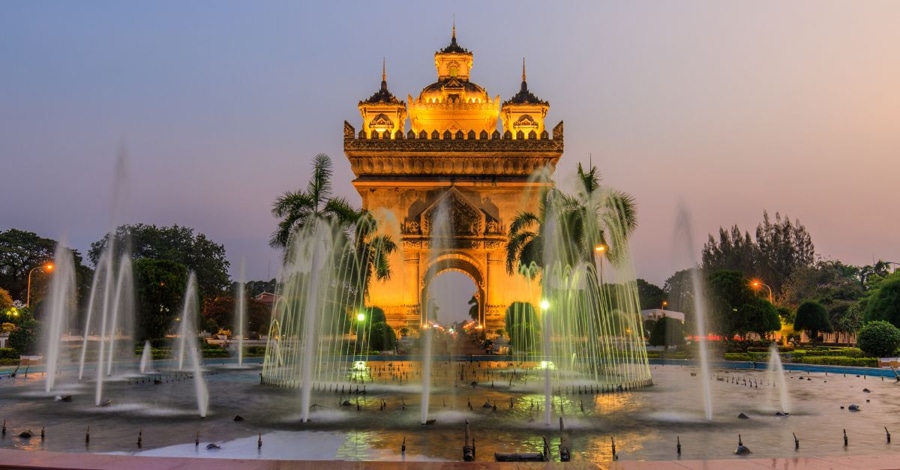
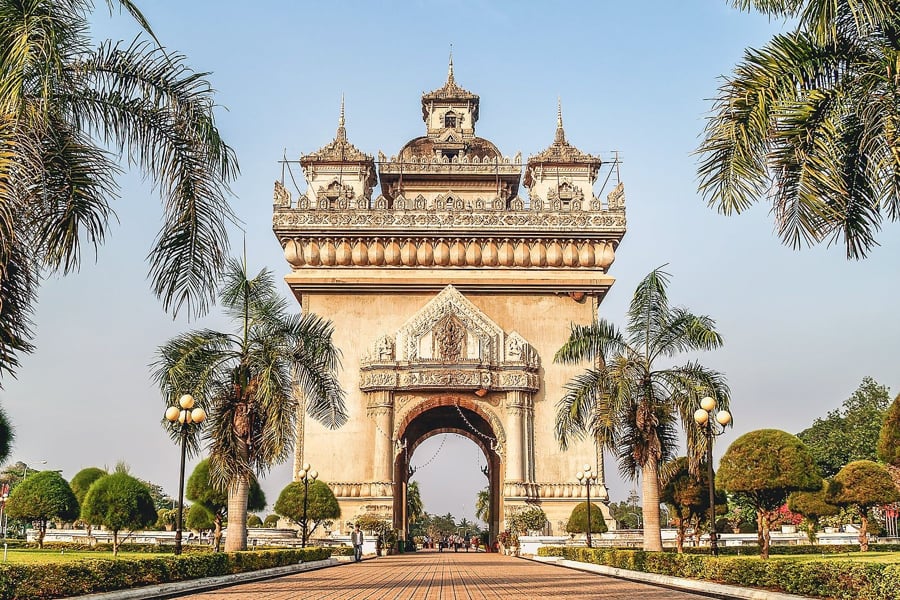
The Patuxay Monument, nicknamed the “Arc de Triomphe of Laos,” is another famous landmark in the city. Just go up and take in the sights from the top. There are great city and street views available. The architectural style reflected in the Patuxay Monument combines French colonial and Lao structures, so it’s pretty interesting. There are also walkways, statues, and resting areas in the park. This site has got to be seen in order to fully grasp the history and beauty of Vientiane.

Patuxai Monument as the Victory Gate Monument

FAQs About Traveling From Vang Vieng To Vientiane

Here are some FAQs that should help you in planning your travel from Vang Vieng to Vientiane.

What is the best means of traveling from Vang Vieng to Vientiane?

Buses and minivan services are the most preferred among travelers. Private cars can provide greater convenience and flexibility, particularly when traveling in a large group. Your choice of transport depends on your budget, luggage, and desired travel time.

Can I book a private car service?

Absolutely. With a private car and taxi, you have the freedom to leave when you want and make any number of stops you like. The cost is higher compared to using public transport.

Is it safe to travel by road in Laos?

Yes, the major road from Vang Vieng to Vientiane is relatively safe. The roads are paved and in good condition, except in some spots in the mountains where the roads twist and turn. Always exercise care and avoid traveling when the sun has set.

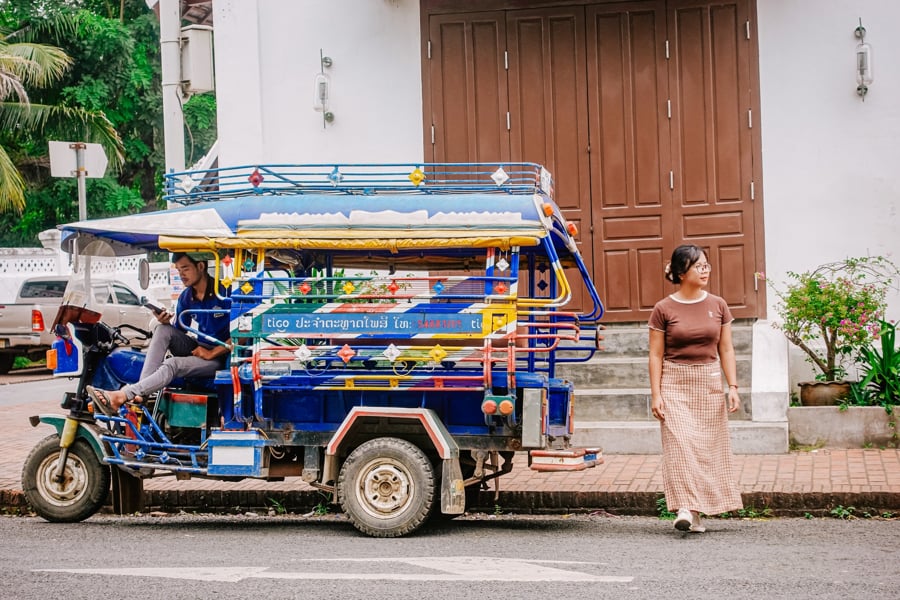
travel by tuktuk in laos

Are there any scenic stops on the route?

Yes, the route passes through scenic limestone karsts, waterways, and villages. Some people make a brief stop, perhaps at a local market. This could be an excellent opportunity to stretch your legs.

Should I bring cash with me on the trip?

Yes, you should bring some Lao Kips and/or US dollars. This would help in terms of purchasing some snack foods, making toilet stops, and possibly some tolls on the way. Credit cards cannot be used on bus and taxi services.

Final Thoughts

The bus ride from Vang Vieng to Vientiane could be the most enjoyable experience you could have in your Lao adventure because in just a short ride, you get the chance to experience the contrasting aspects of the country, from the scenic and peaceful landscapes and mountains to the rich culture in the capital city. Whether you’re traveling for adventure, relaxation, and sightseeing, you can make your experience in Vang Vieng and Vientiane seamless and hassle-free with the help of Seni World.

The Only Vang Vieng Itinerary You’ll Ever Need In Your Life

Your itinerary to experience the best of Vang Vieng will greatly affect your trip. This full itinerary will give you an insider’s look at some of the must-see attractions, the most fun things to do, as well as some of the most beautiful hidden gems that Vang Vieng has to offer, to create a lifetime memory of your visit.

Why Choose The Vang Vieng Itinerary?

Located in central Laos is Vang Vieng, a popular place to visit because of all of the beautiful natural sights around it. The giant limestone karst mountains, the flowing rivers, and the lush green rice paddies create an inviting and tranquil atmosphere for people looking to escape the hectic pace of urban life. The scenery of the city is one thing; however, its true appeal lies in the laid-back and friendly vibe that surrounds it, making Vang Vieng an excellent destination for relaxation and reconnecting with nature.

Admire The Sunset In Vang Vieng

Adventure seekers will find plenty of things to do while in Vang Vieng. Activities like tubing and kayaking on the Nam Song River, exploring the countless caves in the area, as well as hot air ballooning over the karst mountains will appeal to many travelers. This proposed itinerary provides an experience of everything that a traveler can do in a fun and relaxing atmosphere while in Vang Vieng, which is a top priority when visiting Laos.

What To Expect From The Vang Vieng Itinerary

Knowing what to expect makes travel planning easier, and Vang Vieng is no different. The activities, pace, and highlights you’ll encounter while traveling through this breathtaking town are all clearly outlined in this itinerary.

Nam Song River

Kayaking along the Nam Song River is one of the most exciting ways to discover the natural beauty of Vang Vieng. While kayaking downstream, you get the opportunity to enjoy the views of limestone rocks, greenery, and the picturesque landscape of the Nam Song River.

Nam Song river in vang vieng, laos

Vang Vieng Town

Vang Vieng Town is a place where visitors on vacation can take a leisurely walk to understand the local culture. Walking through the streets of the town on foot or by bicycle means having the opportunity to enjoy warm encounters with the local people. Visitors also get the opportunity to enjoy local meals.

Nam Xay Viewpoint

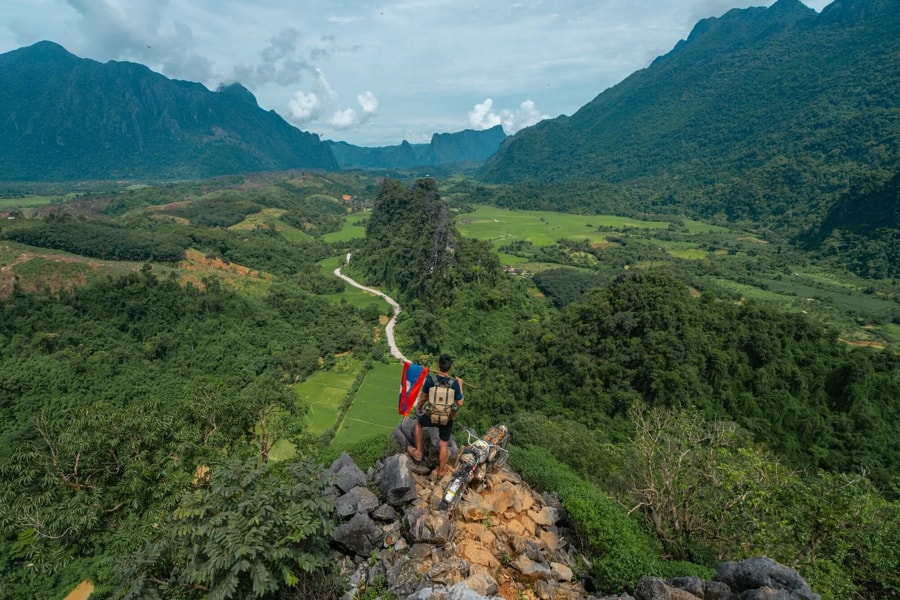
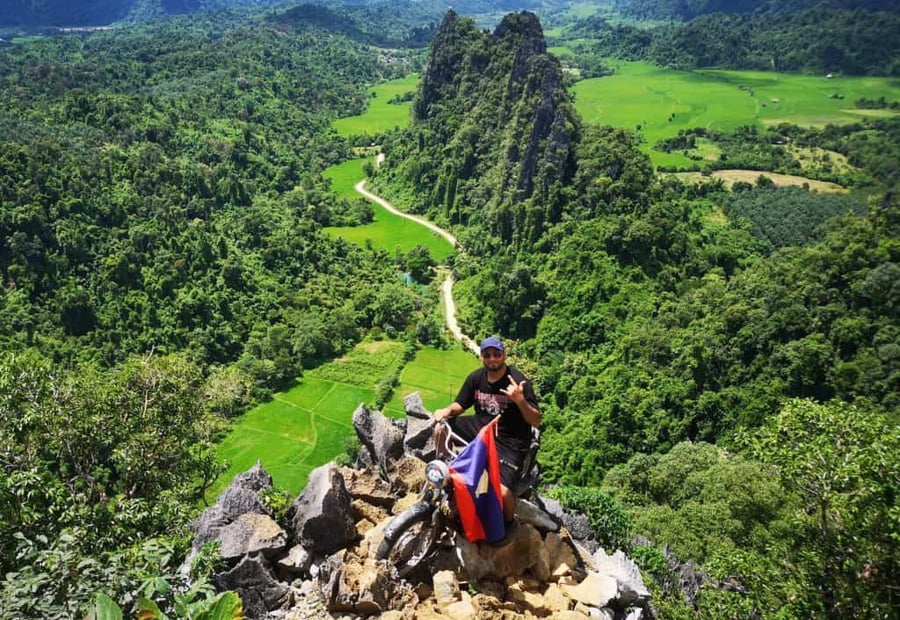
Nam Xay Viewpoint is one of the most attractive hiking trails in Vang Vieng. At the summit of the trail, visitors can enjoy the picturesque scenery of limestone mountains. Such hiking trails are ideal for visitors who are nature lovers. Visitors from all over the world come to Vang Vieng for adventure tourism.

Sae Lao Project

Sae Lao Project is a community-oriented restaurant that is near the hiking trailheads. It is famous for its local food and the rural scenery surrounding it. However, the best part of this restaurant is its contribution to the local community in the form of free English lessons for kids and adults.

Blue Lagoon And Phu Kham Cave

Blue Lagoon and Phu Kham Cave are some of the top sites in Vang Vieng. Visitors get the opportunity to swim in the blue water before going inside the cave to explore its rock formations. It is the perfect combination of both relaxation and adventure.

things to do in Vang Vieng

Hot Air Balloon Ride

One of the most memorable experiences in Vang Vieng is the hot air balloon ride. Nothing beats the feeling of rising above Vang Vieng in the early morning sun while taking in the breathtaking views from the rivers to the karsts to the rice fields.

Detailed Itinerary

Knowing what to expect makes travel planning easier, and Vang Vieng is no different. The activities, pace, and highlights you’ll encounter while traveling through this breathtaking town are all clearly outlined in this trip.

Day 1

Typically, if you take a minivan or a bus in the morning, your journey from Vientiane will take about 3 hours, so that you will arrive in Vang Vieng in time for lunch. After lunch, it’s important to fuel your body up for your afternoon excursions. Seni World recommends finding a hotel or guesthouse that is along the river. It is very convenient for any water activity you may want to participate in while you are in Vang Vieng. So look for a lunch spot at either your hotel, guesthouse, or nearby restaurant to re-energize and avoid wasting time travelling.

Once you have refuelled, it’s time to get out and explore. Start your exploration with a kayaking experience down the Nam Song River. Kayaking can be a lot of fun, but it can also be physically strenuous, so you might want to go with someone strong enough to help you navigate your kayak. As you kayak, you will pass many different stunning views of limestone cliffs and lush green vegetation as they change with every bend along the river.

kayaking in nam song river

If you don’t feel like you want to kayak, you can always just lie back and relax in an inflatable tube as the gentle river current carries you downstream and enjoy the scenery.

After your kayaking adventure on the river, take the afternoon to stroll around the town of Vang Vieng. You can either walk or bicycle through the quiet streets while observing how the local friendly people live their everyday lives, and discover a nice restaurant that looks tempting. To get a complete experience of the local flavours, try a traditional Lao meal.

After your meal, you can either stop by a local bar to check out the local nightlife or go back to your hotel room to rest and be ready for the next day’s adventures. The tranquility of the sunset in Vang Vieng makes it an ideal way to end your first day there.

Day 2

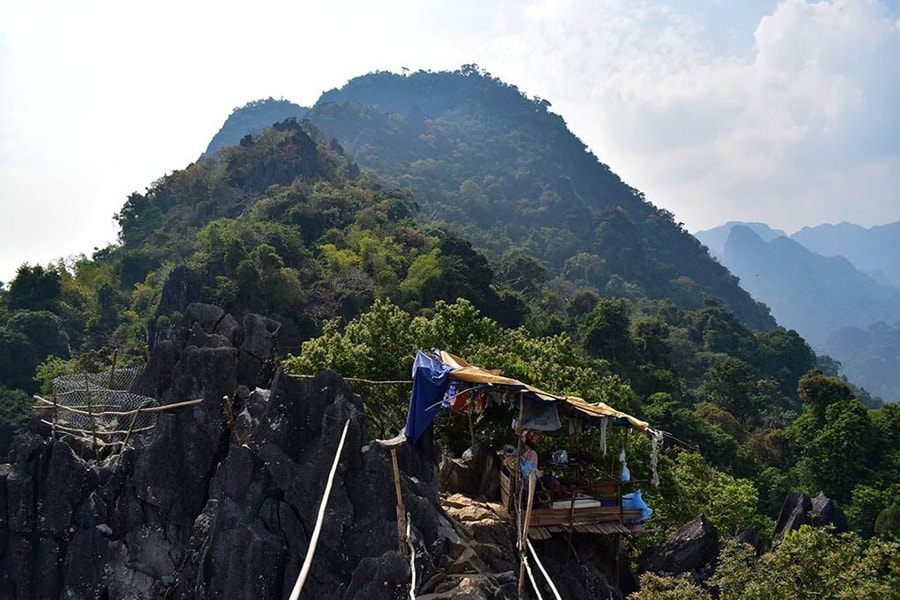
Start your second day early by fueling up for your mountain adventure with a hearty breakfast. There are many unique limestone mountains in Vang Vieng, and hiking is one of the best ways to see some of the area’s most beautiful scenery. There are numerous well-known viewpoints in Vang Vieng, such as Nam Xay, Pha Ngern Viewpoints, and Silver Cliff Viewpoint. Either join a guided hiking group or hike at your own pace if you’re an experienced hiker. The views from the summits of these peaks should be the things to do in Vang Vieng.

Pha Ngern Viewpoints in Vang Vieng

After spending the day on a hike, stop for lunch at Sae Lao Project, a restaurant located just a short distance from the hiking area. This restaurant serves a variety of great food, including papaya salad and spring rolls, and has amazing views of the surrounding countryside. The thing that makes this restaurant so special is that all of the money generated through their restaurant supports free English classes for kids and adults in the local village. When dining here, you can relax knowing that your visit helps the community!

At the end of your day, return to town and look for a bar or restaurant by the river. You can enjoy a sunset while you drink a cool beverage, relax, and enjoy the wonderful serenity of the Nam Song River during the Evening Light. This will give you time to reflect on the day’s activities in Vang Vieng and get ready for tomorrow’s activities in the City.

Day 3

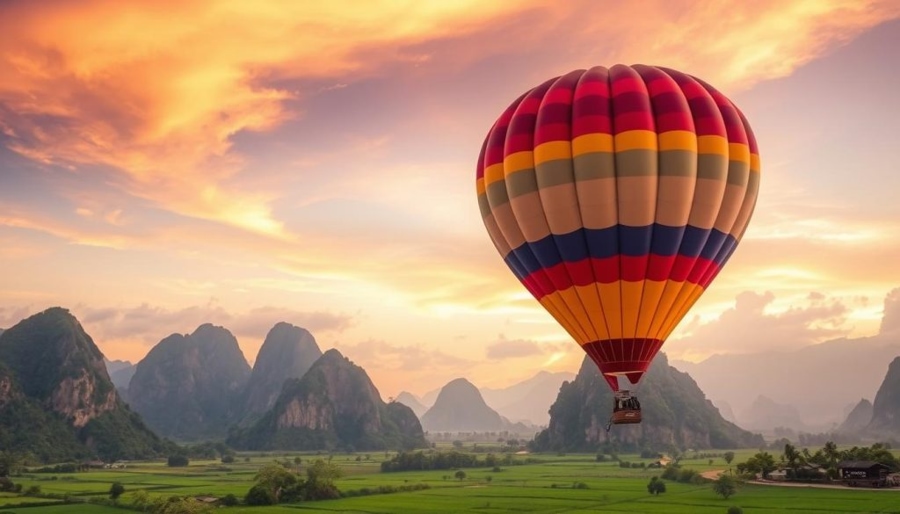
A hot air balloon ride is one of the best ways to see all that Vang Vieng has to offer. If you go up into the sky in a balloon early in the morning, you can experience a bit of weightlessness and see the breathtaking scenery below. Your view of the city, such as the rivers, mountains, and leaves, will begin to go back together in a mosaic, which is unlike anything you will see in the rest of Laos.

Ride A Hot-Air Balloon At Sunset Vang vieng

After this exhilarating experience, treat yourself to a delicious lunch at one of the local restaurants and enjoy the tastes of your last day in Vang Vieng. After your good lunch, you can head back to Vientiane or keep on your trip to Luang Prabang or your customized route through Laos and take in every aspect of each stop along the way. Enjoy your final meal in Vang Vieng as a way to reflect on the three unforgettable days in Vang Vieng.

FAQs About Vang Vieng Itinerary

You will enjoy planning your trip to Vang Vieng; however, once you start planning, you may discover you have many questions about what the best way to explore this breathtaking beauty is. Below you will find some answers to your commonly asked questions regarding your travels to Vang Vieng.

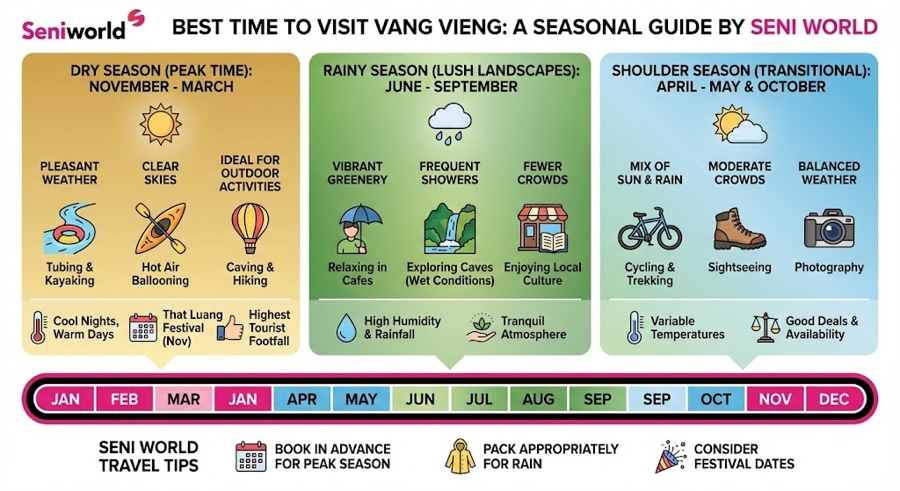
When is the best time to visit Vang Vieng?

The best time to visit Vang Vieng is from November to April, the dry season. This is when you get much nicer weather and experience much nicer outdoor activities, like kayaking, hiking, and taking a hot air balloon ride. Also, during this timeframe, all of the skies are clear enough for you to take great photos and enjoy the wonderful scenery.

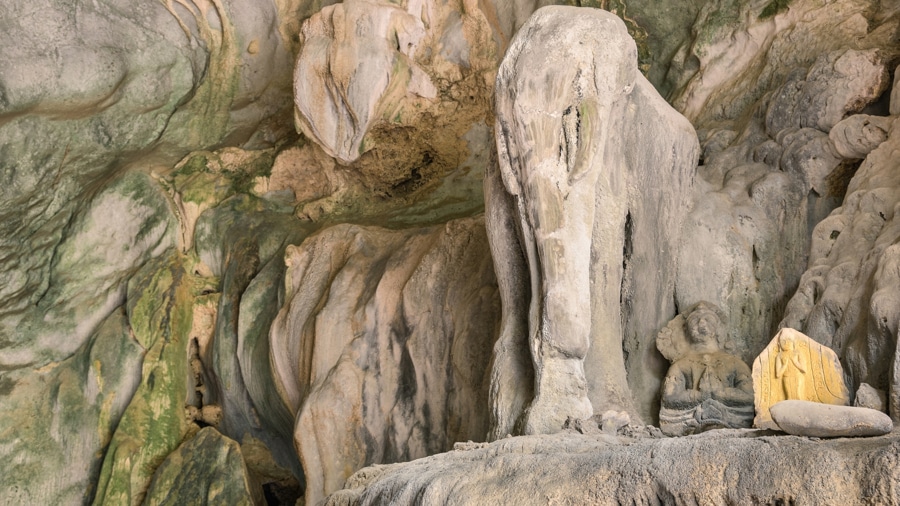
tham xang cave in Vang Vieng

How many days are enough to explore Vang Vieng?

2-3 days is a good amount of time to visit all the major attractions in Vang Vieng! You will have the chance to do some river rafting, hike to the best lookout points, go caving, and even take a hot air balloon ride over the countryside! One day is not enough time to visit all the major attractions; if you stay longer, it will give you time to relax and enjoy the scenery.

Do I need a tour guide for hiking or exploring caves?

A local tour guide is advised if you’re unfamiliar with hiking areas & caves, especially if it’s your first time. A local guide will know about all the hidden trails, have local knowledge to share, & keep you safe while hiking or exploring caves. For very experienced hikers, you can hike or explore caves without the help of a guide, but having one can add an entirely different experience & help you find less-traveled routes.

How should I get around Vang Vieng?

You can travel in the Vang Vieng area by using one of the following methods: walking, cycling, or renting a scooter. Walking is best if you are just exploring your immediate surroundings, while cycling is great for visiting attractions beyond Vang Vieng, such as viewpoints and caves. Renting a scooter gives you both flexibility and speed when travelling around the area, but always exercise caution when riding a scooter and remember to wear a helmet!

Where do I find local food in Vang Vieng?

Vang Vieng has many local restaurants and street food outlets across the town. Some of the most highly recommended dishes to try are Lao papaya salad, spring rolls, and sticky rice with grilled meat. Community-based restaurants and outlets like Sae Lao Project also help support local education in English; such a visit would definitely be worth trying. Sampling local cuisine is an excellent way to be close to the culture, plus it’s delicious.

Final Thoughts: Is Vang Vieng Worth Visiting?

You should add Vang Vieng, Laos, to your travel itinerary for this area because Vang Vieng has beautiful tropical scenery with many limestone peaks, rivers, hills, and valleys, creating an environment that is ideal for relaxation or adventure. It is a friendly place that combines natural tropical beauty with adventure. Contact Seni World to begin planning your trip now and to ensure you have a fantastic time in Vang Vieng!

Top 15 Authentic Foods In Vang Vieng Worth Traveling For

Vang Vieng is celebrated for both its breathtaking limestone geography and its expansive, active food culture. The food in Vang Vieng ranges from traditional festival foods to one-of-a-kind local fare, providing travelers with a unique taste of Laos.

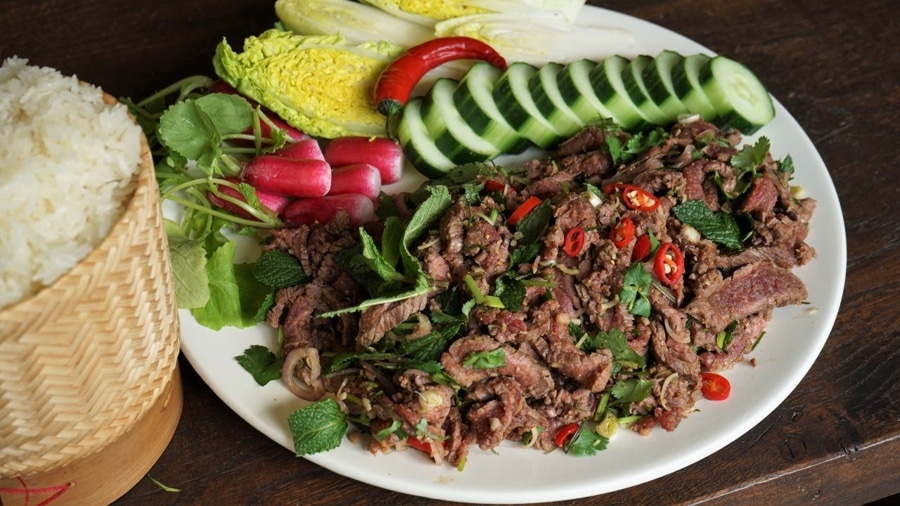
Laap – The Good Fortune Dish Of Laos

Laap is often cited as Laos’ national dish and carries a heightened status in cultural practices. It is often enjoyed during festivals, celebrations, and family gatherings, since it represents good fortune, wealth, and happiness. Laap is made of minced chicken, beef, or pork, and is most frequently seasoned with herbs, lime, roasted rice powder, and chili.

Laap is often cited as Laos' national dish

Laap is served with fresh vegetables and sticky rice combined for a fresh, balanced meal. The profile of flavors is fresh, citrussy, and slightly spicy, erasing any memory of unpleasant flavors, and is a delightful welcome into Lao food culture. Whether you are consuming Laap as a guest in a local home or in a restaurant, every bite is a distribution of Laos’ flavors and culture.

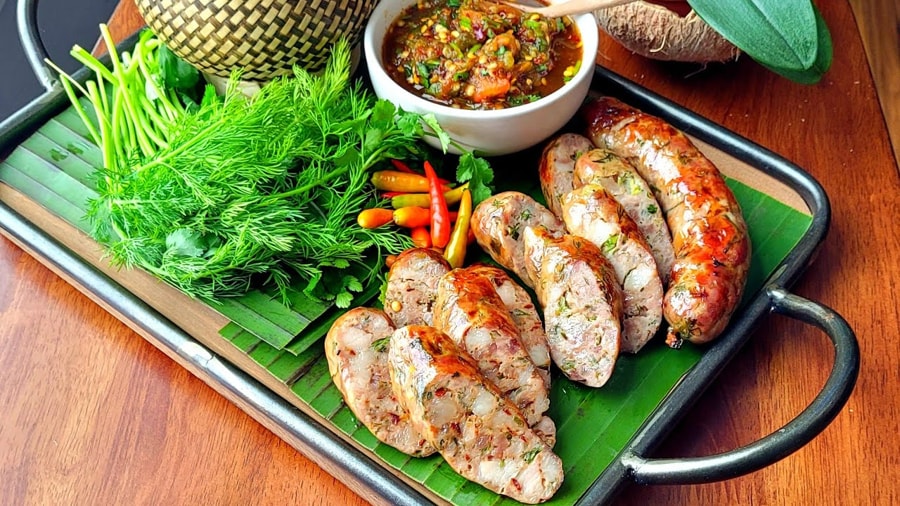
Sai Oua – Lao Herbal Sausage

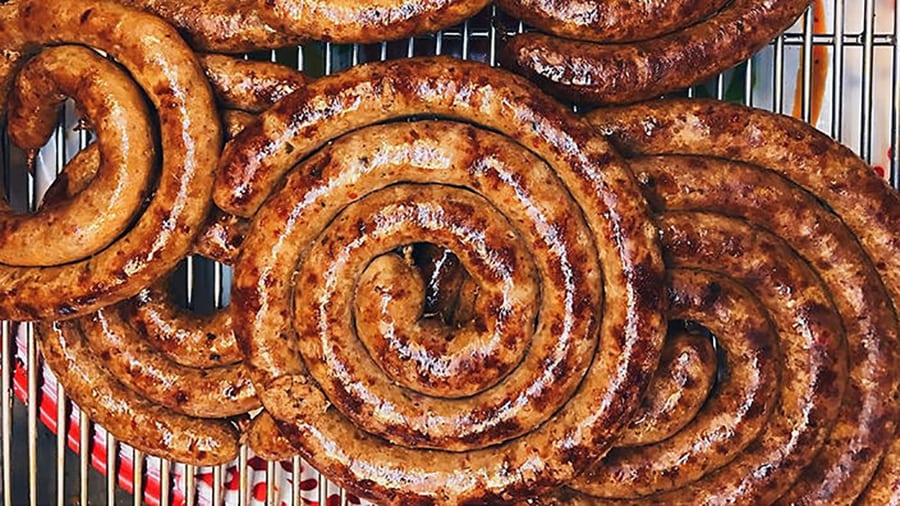
Sai Oua is a delicious sausage from Laos that is especially common in the northern parts of the country and with travelers visiting Vang Vieng. Prepared from ground pork, the filling also contains lemongrass, kaffir lime leaves, shallots, herbs, and chili. Sai Oua is typically grilled on a charcoal grill, which imparts a smoky flavor and crispy skin. Each bite is fragrant, savory, and full of herbs, which gives it a distinctly Lao flavor.

Sai Oua - Lao Herbal Sausage

Sai Oua is tasty on its own, or it can also be eaten with sticky rice, vegetables, or dipping sauce. It is definitely one of the easiest and most enjoyable street foods you can try while you are traveling.

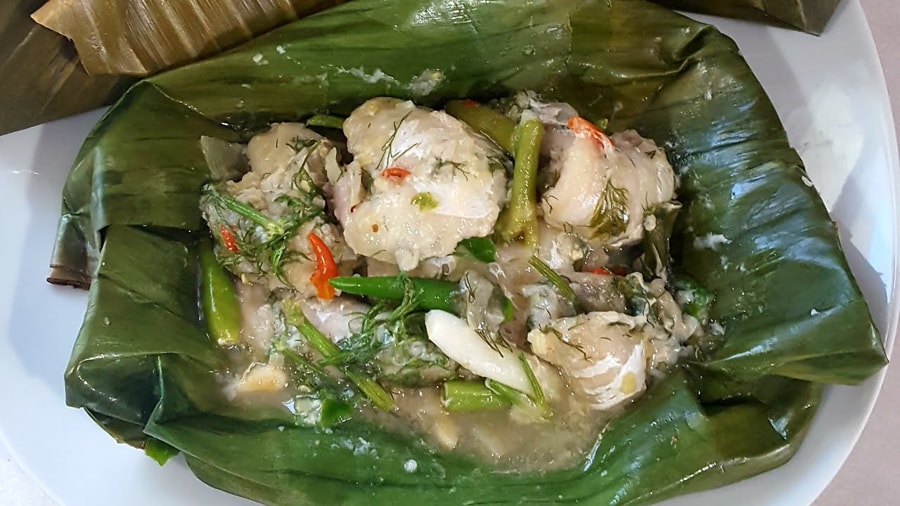
Mok Pa – Steamed Fish In Banana Leaves

Mok Pa, a classic steamed fish recipe of Laos, is made using ingredients typically available at home. The main ingredient is fresh fish, usually tilapia or carp, while mok pa’s spice pastes are composed of garlic, chilies, galangal, fresh herbs and a preferred Lao “mak khén” spice.

Mok Pa - Steamed Fish In Banana Leaves

Banana leaves wrap around the fish, and then it’s placed onto a grill of charcoal to steam. The wrap keeps all of the moisture from cooking so that it cooks the fish directly in the spices, giving it a rich, earthy flavour. The finished mok pa will be moist, flavourful with the right balance of spices, herbs and aromas, and served with plain boiled sticky rice and fresh vegetables. Mok Pa demonstrates genuine Lao food in a very humble but true way.

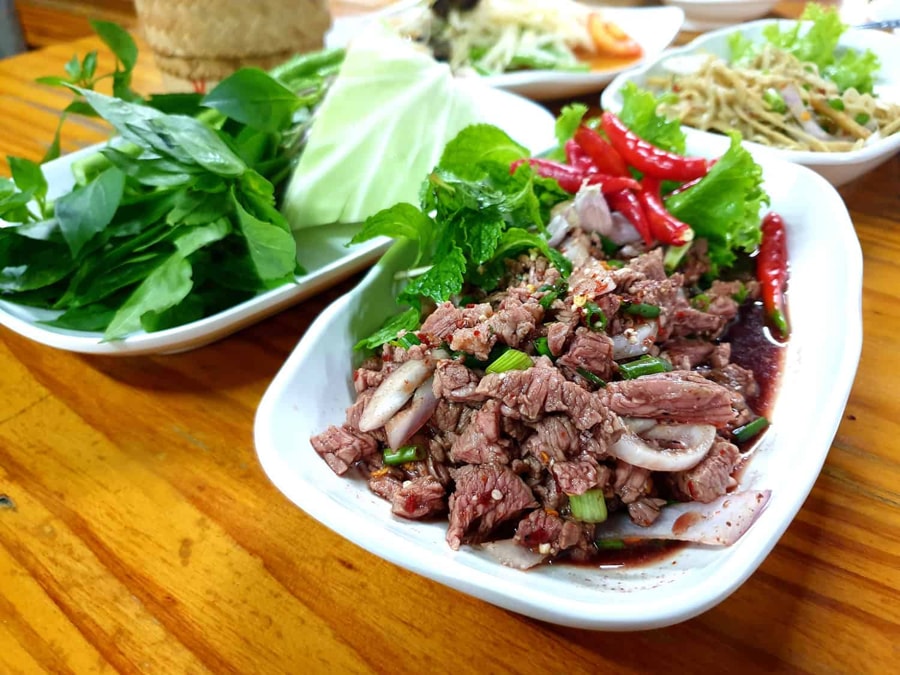
Laap Naam Tok – Grilled Lao Minced Meat Salad

Laap Naam Tok is a type of Laap that uses grilled or smoked meat as an ingredient. The most common types of meat used in Laap Naam Tok are beef and pork, which are minced with fresh herbs, lime juice, toasted rice powder, chili pepper, and kaffir lime leaves. The grilled flavour adds an extra dimension to Laap Naam Tok than regular Laap, plus the smokiness transferred from grilling is an added bonus. Also, like regular Laap, Laap Naam Tok comes with sticky rice and crunchy vegetables to balance its richness.

Laap Naam Tok - Grilled Lao Minced Meat Salad

Laap Naam Tok is perfect for those who enjoy barbecuing and want to experience some of the bolder Lao flavours. Overall this rustic meal captures the community-oriented style of eating of large portions where everyone shares.

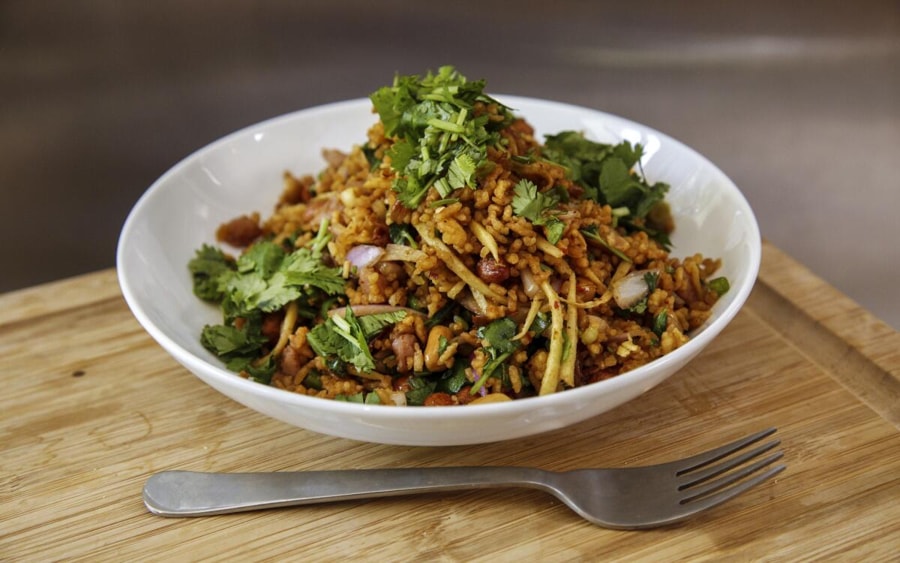
Naem Khao Tod – Salad Of Crispy Rice

Naem khao tod is an unusual and celebrated food in Laos, meaning “salad from crispy rice.” This salad is made from deep-fried rice balls that are broken apart and then mixed with herbs, peanuts, shredded coconut, dried chili, and fermented pork sausage, contributing to a nice combination of crunchy rice and chewy sausage.

Naem Khao Tod

The flavor is tangy, savory, and slightly spicy while providing something utterly different from the more typical salads of Southeast Asia. This dish is a popular offering in any restaurant and on the streets throughout the country. You may find it throughout the region, but trying it in Laos will provide the fullest and greatest experience.
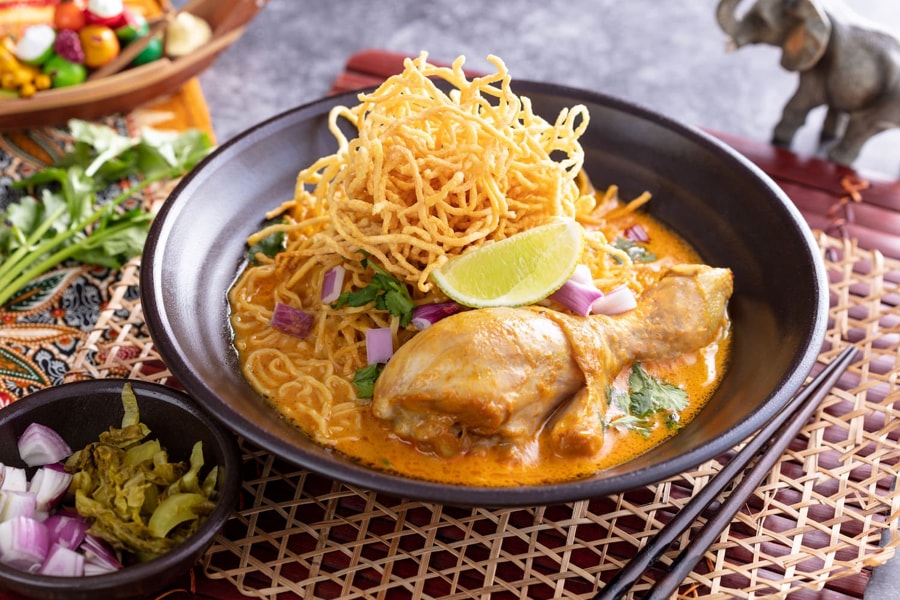
Khao Soi – Lao Noodle Soup

The Lao version of Khao Soi is lower in liquid than the Thai version and is made with thick rice noodles, flavored with a mildly creamy broth. The broth often contains chicken or beef and is stewed with vegetables such as potatoes, carrots, or onions. The coconut milk adds a smooth, rich texture and a little sweetness to the broth. Each bowl of Khao Soi is served with fresh herbs and lime to brighten the flavor.

Khao Soi - Lao Noodle Soup

Khao Soi is a common meal in the homes and restaurants of Laos and is simply comforting, satisfying, and full of flavor; a hearty bowl of Khao Soi is ideal after a full day of adventures, exploring the beautiful Vang Vieng valley.

Sien Savanh – Dry Beef In Lao Language

Sien Savanh, a specialty from Savannakhet, is now found throughout the whole country of Laos as many people enjoy it. Sien Savanh is made by taking thinly sliced marinated beef that has been dried under the sun, giving it a rich flavor, then grilling it or cooking by other means using dry heat.

The result is a chewy, savory delicacy that finishes sweet and smoky. Traditionally eaten with sticky rice, it can also be served with spicy chili dipping sauce. Since it is preserved well, many tourist buy it for gifts for others or as souvenirs, and it is a good way to experience Lao Food. Sien Savanh is an extraordinary snack for sharing between friends when enjoying drinks or meals together.

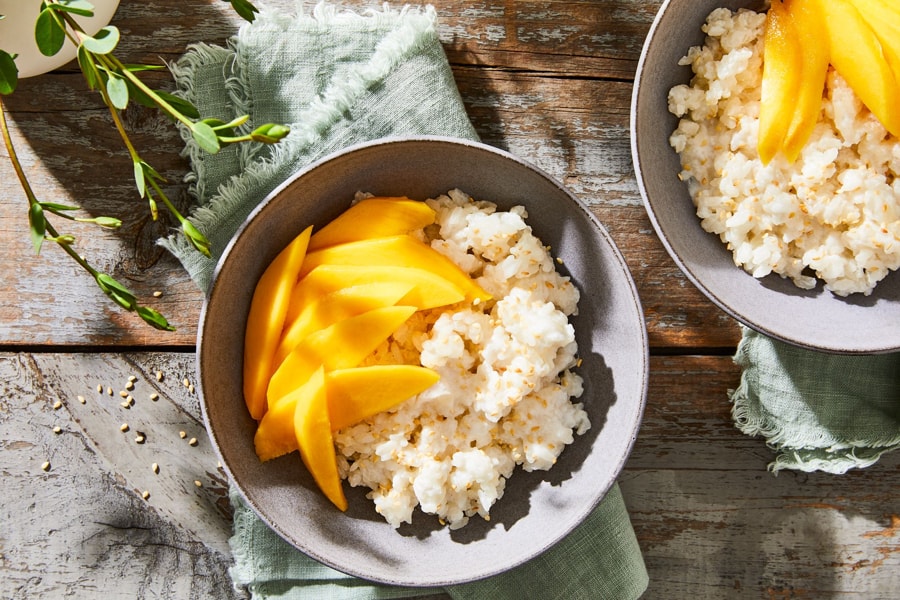
Khao Niew – Sticky Rice

Sticky rice (khao nieow) is much more than just food; it has a social role within the Laotian community. Sticky rice accompanies nearly all types of Lao meals (e.g., grilled meats, salads, stews, and dipping sauces). The method for cooking sticky rice involves steaming it in bamboo containers until it reaches an ideal consistency, soft and slightly chewy.

Khao Niew - Sticky Rice

Community meals consist of families and friends gathering together at a table to share a variety of dishes while forming a cohesive community atmosphere by pinching, forming, or rolling sticky rice with their fingers. Khao nieow plays an important social role in traditional Lao Festivals and celebrations. It may be a simple food item, but it represents something profound in the culture.

Or Lam – Spicy Lao Stew

Or Lam originates from the former royal capital of Luang Prabang and is essentially another type of stew. The Or Lam meat can be either chicken or pork that’s mixed with sturdy veggies like sweet potatoes, squash, mushrooms, and eggplants. The most interesting part about this stew’s identity would be ‘mak khen,’ or the Lao pepper.

This is an aromatic chicken or pork broth made especially for a cold and cozy night out with family and friends. This particular dish embodies the Lao cooking tradition of using earthy ingredients in bold seasonings. Or Lam is a Lao comfort food.

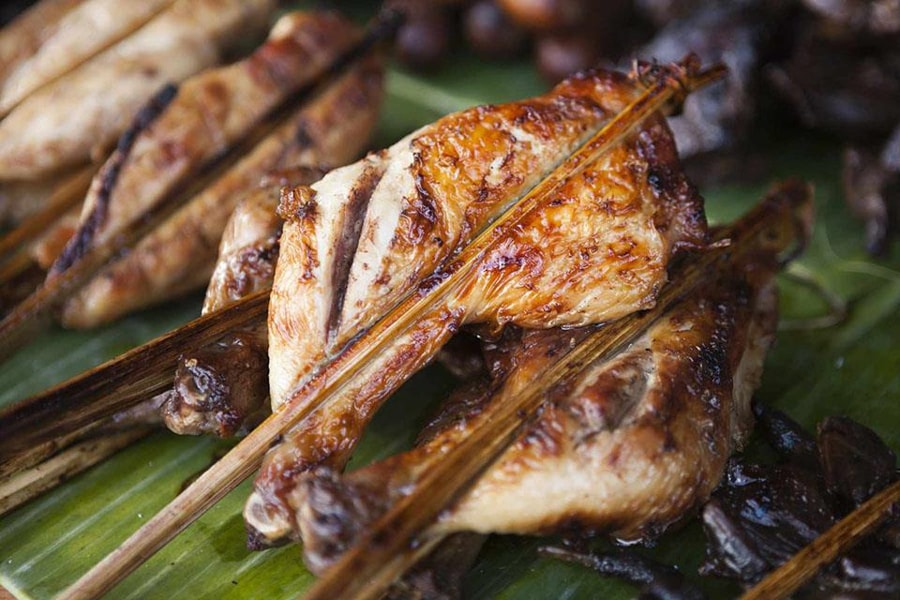
Ping Kai – Lao Grilled Chicken

Ping Kai in Laos is one of the most popular grilled food recipes and a common food item in markets or family gatherings. The chicken is first marinated in garlic, herbs, soy sauce, and coconut milk. The chicken is finally grilled over charcoal and cooked slowly so that the chicken meat turns tender and has a golden brown and crispy exterior. The aroma of burning charcoal mixed with sweet and savory flavors makes Ping Kai not only memorable but also leaves the taste buds craving more. Ping Kai is best enjoyed in open or communal table seating.

Ping Kai - Lao Grilled Chicken

Khao Piak Sen – Lao Rice Noodle Soup

Khao Piak Sen is the warm noodle soup may be likened to ‘pho’ in the Lao tradition and is enjoyed in the following way: there are thick and chewy ‘noodles’ made from ‘rice flour’ in ‘a rich broth skimmed from pork or chicken bones,’ and ‘some aromatics like dried ginger, lemongrass, or boiled shallots are added.’

The herbs, the lime wedges, or even the fried shallot pieces are added when the food is being served. Many Lao locals take this food either for breakfast or lunch. By being hot food, khao piak sen functions as comfort food in Lao cuisine.

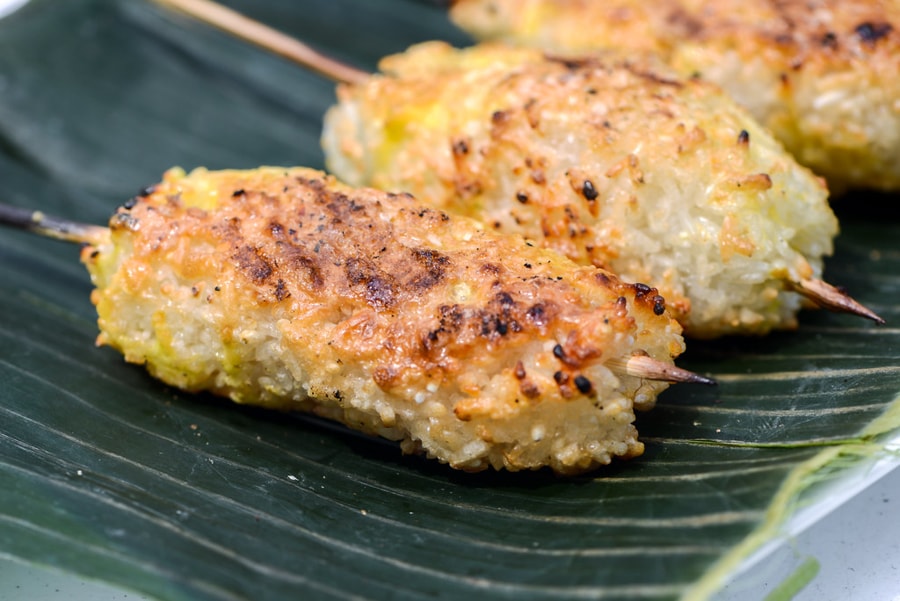
Khao Jee – Lao Grilled Sticky Rice Cake

Khao Jee is another street food in Thailand that has received international attention after being voted one of the best street foods in the world by CNN. Khao Jee is made in the following way: You take this sticky rice and shape it around a stick; you put egg yolk and seasonings on the food and grill it until golden brown. Inside, the food is warm; the outside part is crispy.

Khao Jee - Lao Grilled Sticky Rice Cake

Flavours are simple yet very refreshing and satisfying, especially when consumed hot from the grill. Khao Jee appears in many Lao households and restaurants and is not expensive, it’s available anytime and anywhere. This food shares many qualities with Lao street food.

Kaipen – Crispy River Weed

Kaipen is indeed a very special and delicious snack made from river weed harvested from the Mekong River areas. It’s seasoned with lots of spices and dried in the sun before being deep-fried until crispy and crunchy like crackers. The best way to eat this delicacy would be with either chili or sweet and sour sauce. The taste would be quite salty yet surprisingly sweet. It’s quite common to munch this while drinking beers too! This is indeed one of the most unforgettable dishes of all for foodies like me!

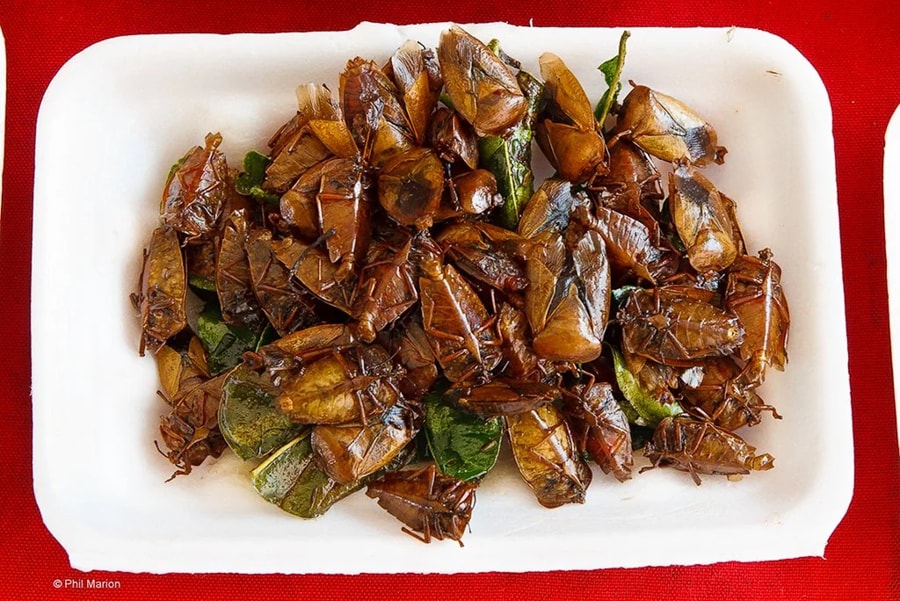
Insect Dishes Of Laos

Surprisingly, insects are quite popular in Lao cuisine. Crickets that are fried, or silkworms that are roasted, bamboo worms, or grasshoppers that are grilled are quite common insect dishes in Lao cuisine. These insects are rich in nutritional values and serve as good sources of protein too. Without the slightest doubt, they are quite flavorful and delicious too. Salt-rice or sticky-rice recipes are common in Lao dishes.

Insect Dishes Of Laos

For the traveler, this may be quite unconventional, but the chance to indulge in entomophagy or crickets would be quite the adventure and the best possible exposure to the Lao food culture. Entomophagy also embodies diversity and the creative nature of Lao cuisine.

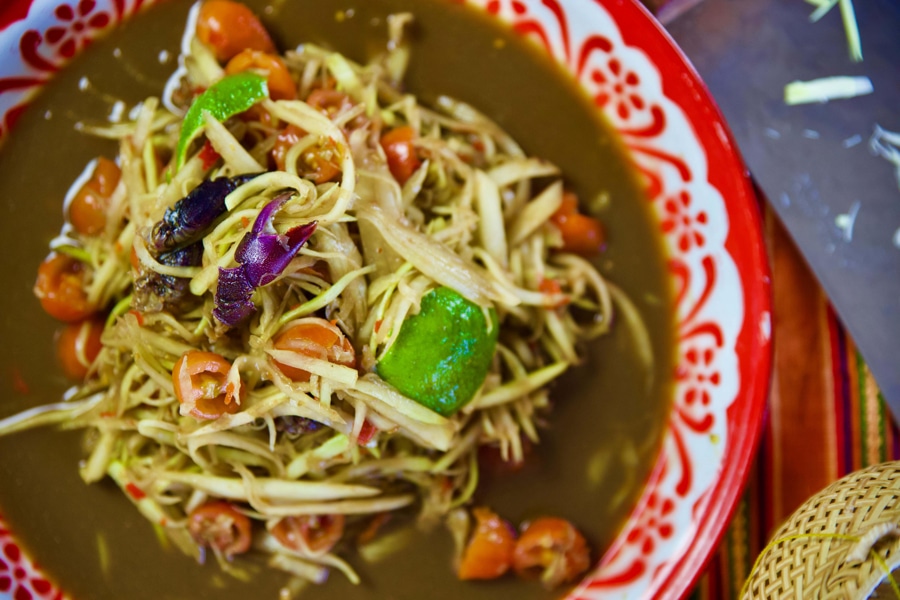
Tam Mak Hoong – The Iconic Lao Papaya Salad

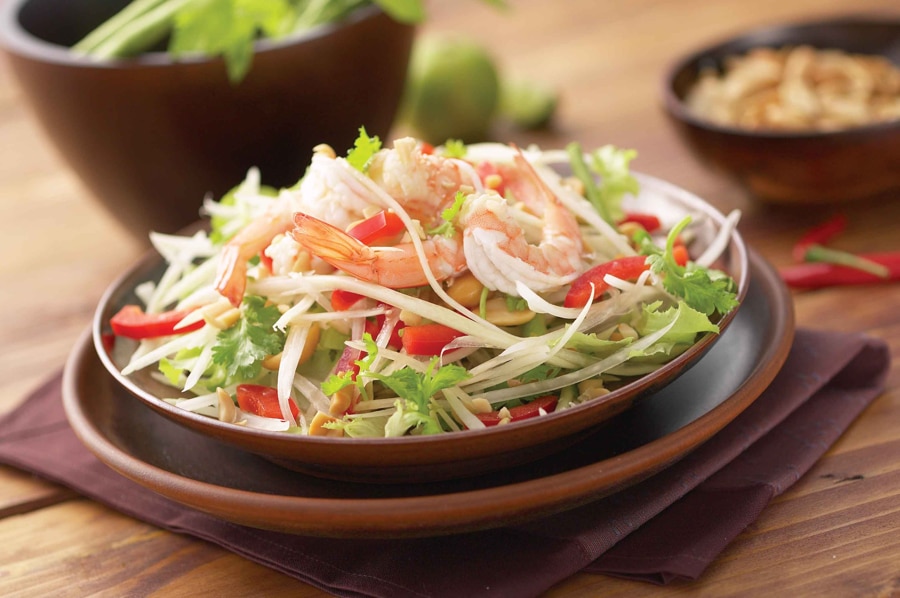
Tam Mak Hoong, or Spicy Papaya salad in Laos, is one of the most beloved Lao dishes in the country and should not be missed in Vang Vieng. This salad consists of thinly sliced green papaya and is mixed with garlic, chilies, Laos’s iconic fermented fish sauce, the pungent prahoc or prahok in other Lao dishes, and fresh lime juice. The Lao Spicy Green Papaya salad doesn’t taste like the Thai salad’s sweeter cousin in Thailand in terms of taste because of the prahoc. The Lao version’s umami taste bursts in one’s mouth. The taste involves spicy, sour, salty, and umami.

Tam Mak Hoong (Lao Green Papaya Salad)

This would taste well served either with glutinous or grilled meat and can be enjoyed in Lao cuisine’s distinctive style in combination with other dishes in either light or more substantial celebrations. It symbolizes the lively and distinct character of Lao’s everyday dishes. This should not be missed in Vang Vieng.

Final Thoughts

The food you can investigate in this region of Laos incorporates more than the enjoyment of food; it’s the discovery of the nature of Lao food. Whether salads that are spicy and fresh in taste, or meat barbequed just right, or soups that are aromatic or earthy and sticky from the regions’ signature staple food in Laos, each provides significant storytelling in terms of legacy and family or regional pride in particular. For those seeking the most genuine adventure in both Vang Vieng and food, Seni World can be your perfect guide.

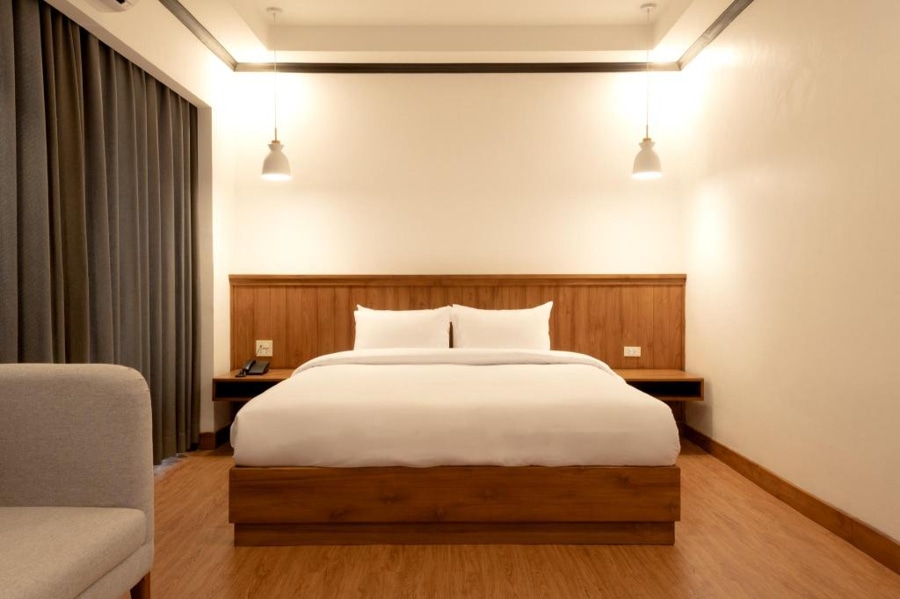
Where to Stay in Vang Vieng: Best Hotels And Resorts To Choose

Choosing where to stay in Vang Vieng depends on how you plan to explore the river valley and the viewpoints around town. Staying by the water or near the middle changes what’s easy during your visit.

Top 10 Places To Stay in Vang Vieng

Here’s a handpicked list of where to stay in Vang Vieng, picked by where they’re at, how cozy they are, so you can easily hit the top spots around Vang Vieng with lagoons, caves, or riverside lookouts.

Amari Vang Vieng

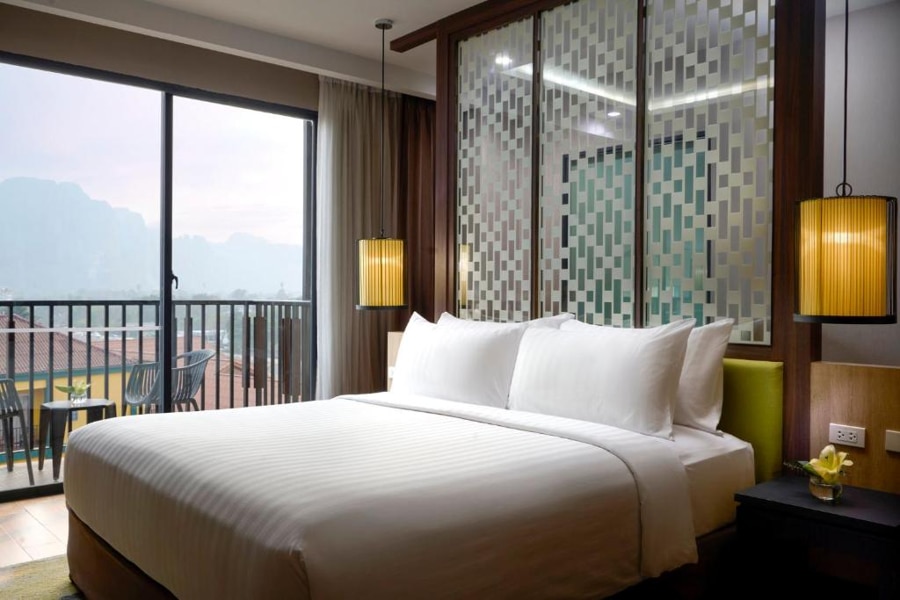
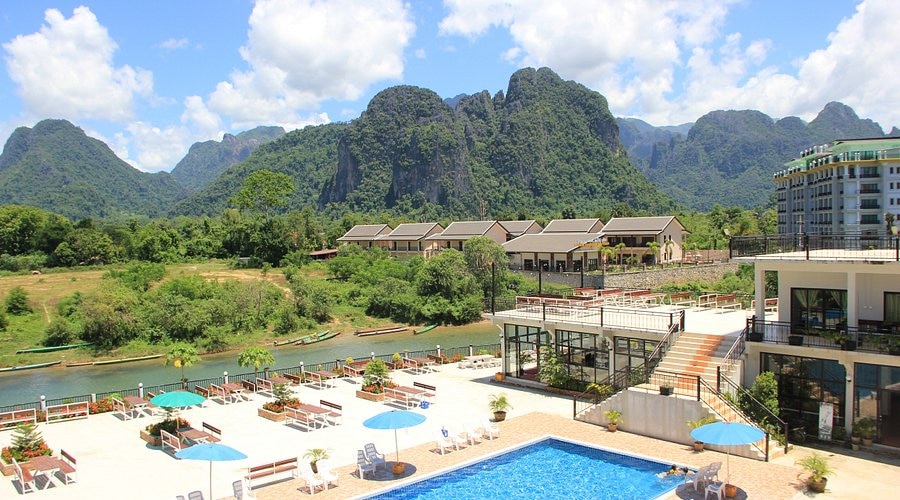
Amari’s right by the water, so getting to Vang Vieng’s top spots, riverside coffee shops, or narrow pedestrian lanes is super easy. Because the hotel sits higher up, plenty of rooms have unblocked sights of the Nam Song River along with the rocky hills beyond. Inside, spaces don’t feel cramped; the broad front desk zone flows into a relaxed hangout spot upstairs. Facilities stand out – this place has a rare riverside pool with clear views of the mountains.

Amari Vang Vieng

Most rooms match up when it comes to space and setup, while some come with balconies looking out on the water. Eating onsite helps; there’s also a workout room, plus staff who get things done without hassle. In just 3 to 7 minutes on foot, grab bikes or scooters, hit a corner store, or hop on tours like those heading to Blue Lagoon. Prices at Amari begin around $65 to $75 but go higher on weekends or holidays, so locking in early makes sense if you’re after a room that faces the river.

Inthira Vang Vieng

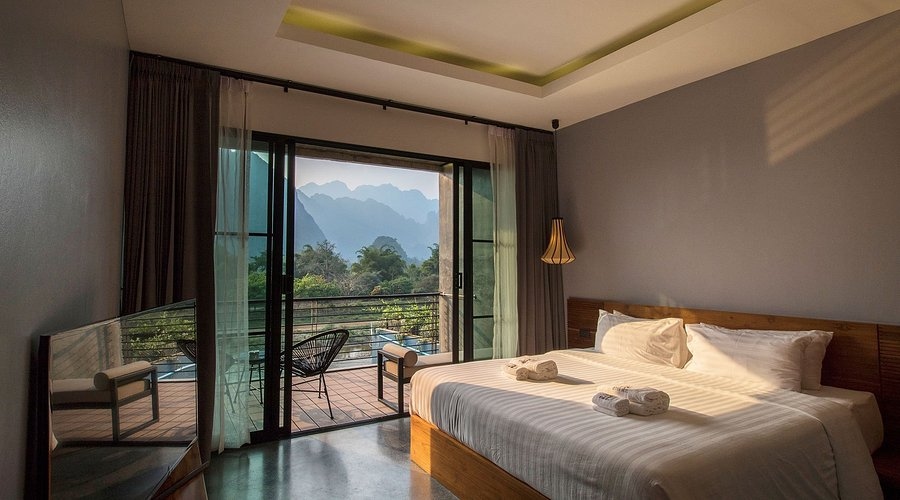
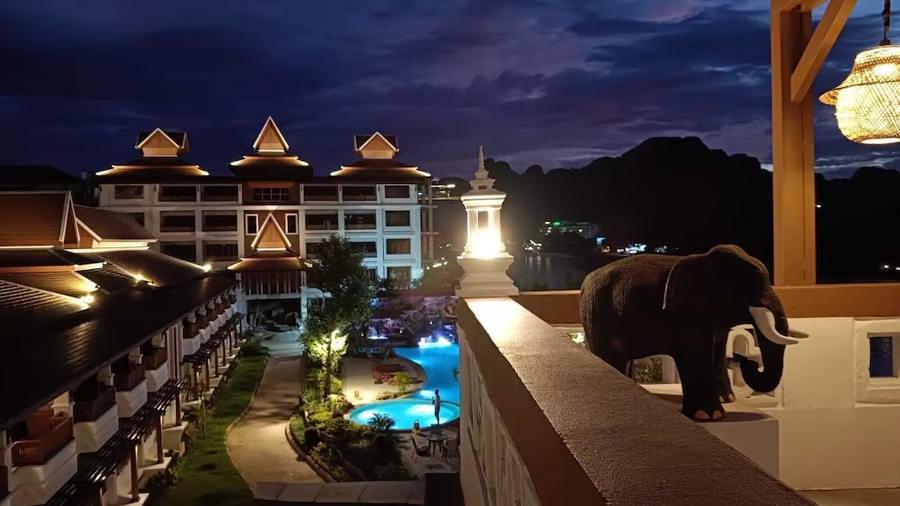
Being here fits those who’d rather sleep near real action than just hear about downtown. It is by the water, not far from where folks hop into kayaks and tubes. It is also perfect for watching dusk fall, plus eateries that fire up meals early for hikers heading out at dawn. Rooms stay light and fresh, some looking out on rocky peaks where fog hangs at sunrise. You’ll usually pay about $90 per night to start, though weekend stays by the river run pricier.

Inthira Vang Vieng

By the water, there’s a pool that stands out – great for pairs or solo explorers needing downtime after trips. Parents like the roomy entrance area plus broad layout, giving it a relaxed vibe compared to tighter waterside spots. Staff get things done fast; booking rides to places such as Nam Xay or Pha Ngeun is Easy, help’s right there at travel counters.

Confetti Garden Hotel

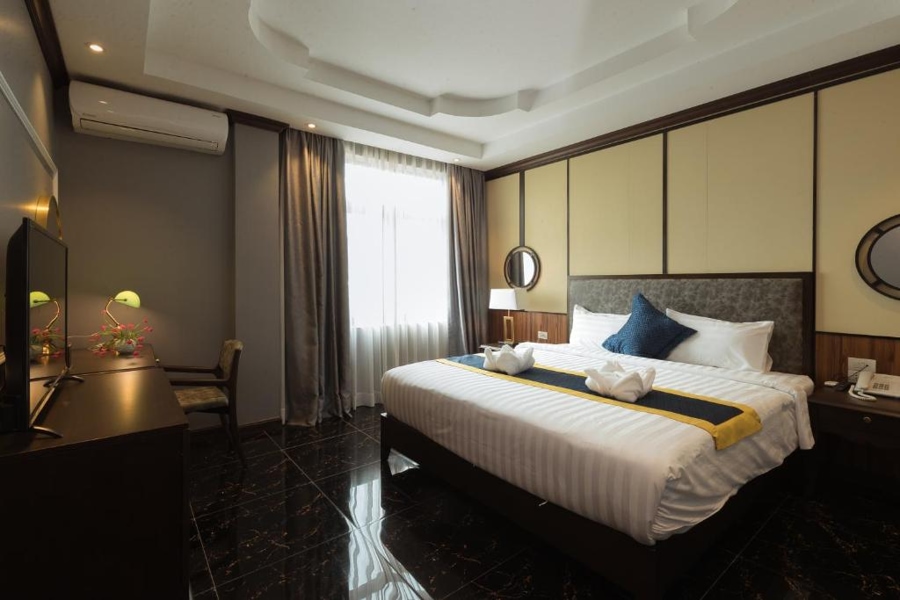
Confetti Garden sits quietly in the Viengkeo area, just off the riverside path. Getting around is hassle-free – head west on foot for five minutes, and you’ll hit the bus stop plus the early market. This place breathes easier than most budget-friendly lodgings nearby. Hallways stretch out wide, shared zones get plenty of breeze, and rooms spread out, so nothing ever feels boxed in like those packed downtown buildings.

Confetti Garden Hotel

Rooms inside feel roomy, plus they’re always tidy, most look out toward the rocky cliffs instead of noisy roads. Folks tend to like how well the AC works and how quiet it stays at night; it might seem minor, yet it matters when music from bars or scooters runs late downtown. Booking trips early is hassle-free thanks to info centers close by, head out to Pha Ngeun or Nam Xay without a sweat. Most days, stays run about $55 to $70 per room, though prices dip midweek once crowds leave.

ViengTara Vang Vieng Resort

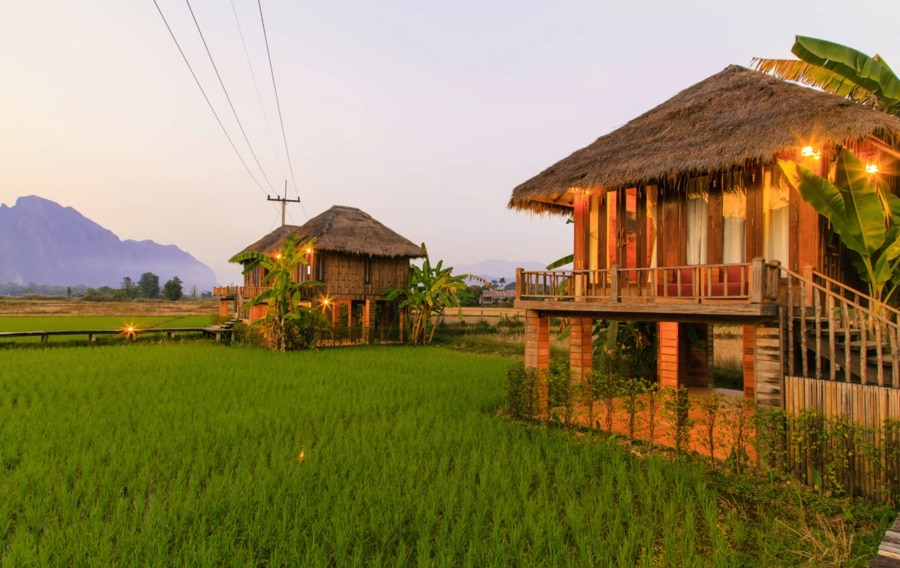
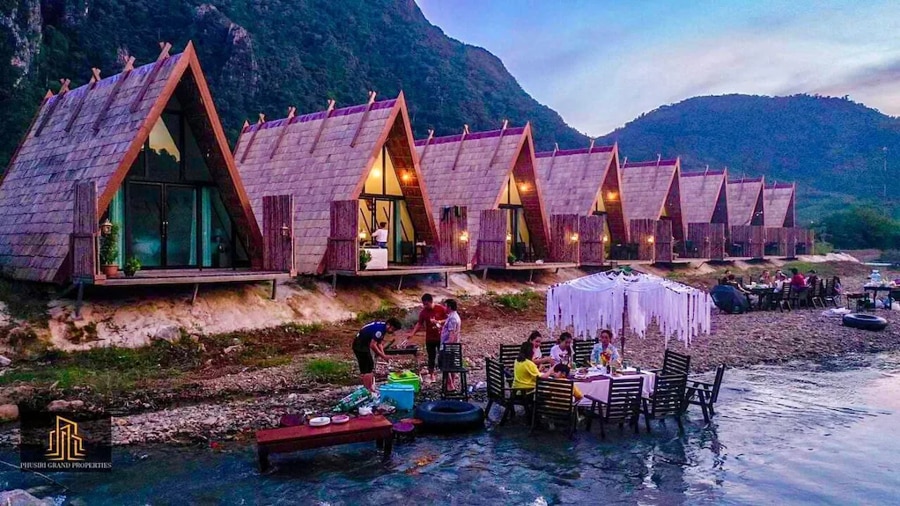
ViengTara stands out in Vang Vieng thanks to its walkway through rice fields, this wooden trail guides you to private bungalows backed by tall limestone peaks. Guests love starting the day staring at wide-open farms, fog curling off the hills, plus clear sightlines to distant ridges. Even though it feels remote, the river crossing is just a quick stroll away, so things like floating downstream, paddling canoes, or watching dusk settle don’t take much effort.

ViengTara Vang Vieng Resort

The bungalows sit far apart, offering space to yourself, while inside they’re basic yet tidy. It was built around big windows pulling in sunlight and views straight across the open land. Rates usually sit from $105 to $150 based on cabin choice, with pricier options located directly beside the footpath. Workers here handle rides to morning destinations, also hooking guests up with kayak trips or balloon launches close by.

Simon Riverside Hotel

Simon Riverside is tucked beside a calm stretch of the Nam Song River, close enough to reach riverside bars or kayak launch spots on foot. People tend to book here when they like being near the water but want to skip the busy crowds lining the central waterfront. Step out front and you’ll find tour guides for daily trips. Folks often pick this spot because it’s close to the river yet quiet when night falls.

Simon Riverside Hotel

Some rooms look out on water, others face the rocky hills at the back, simple setups, though everything’s kept clean. You’ll see families hanging by the pool area, thanks to plenty of open space for kids to move around. Need a tube float or a zip-line trip? Staff sort that out fast, right at check-in. Prices jump up and down based on how packed things get; slow times might cost about thirty-five bucks, but peak weeks push prices north. If you’re scouting places in Vang Vieng with calm energy plus solid access to nature, this one fits.

Consiana Vang Vieng Hotel

Consiana sits quietly within the town layout, near a strip packed with rental huts for scooters, quick-eat spots, along with booking desks. Light floods into the spaces thanks to large panes that look out on peaks instead of neighboring lodgings. Morning meals come early, handy if you’re chasing first light or exploring underground sites later. Those traveling in pairs or small groups usually appreciate the steady vibe – no surprises, just solid practicality.

Consiana Vang Vieng Hotel

Since the hotel’s just minutes from the path to Blue Lagoon 1 and Nam Xay Viewpoint, folks planning long outdoor trips usually think it’s convenient. Grab a bowl of khai piak or a fresh fruit drink outside before leaving; for supper, the night market’s an easy walk off. Room prices hover near $30 most days but dip midweek if fewer people are around.

Vangvieng Angsavanh Resort

Staying at Angsavanh places you just outside Vang Vieng, where paved paths slowly turn into dusty lanes leading to nearby hamlets. Travelers often set off for Pha Ngeun Viewpoint from here – routes kick off nearby, skipping the busy downtown chaos. No bars thump late into the night; instead, quiet settles fast, which is precisely what draws folks looking for restful stays amid nature’s pace.

Vangvieng Angsavanh Resort

The resort stretches through a big garden, offering lots of outdoor seats and shady corners. Instead of facing the town, rooms look toward the ridges, catching breezy airflows that drift down later in the day. Right in the middle, there’s a smaller swimming pool; people sticking around longer often dip in to relax after trekking lagoons or climbing through caves. Prices go up on weekends, though most week slots begin near $40, giving budget-conscious visitors a calm yet affordable pick.

Phubarn VimarnVangvieng Resort

Phubarn Vimarn acts less like your average Vang Vieng stay, more like a little escape on its own. This spot runs alongside a calm curve of the Nam Song River, near open fields where hot-air balloons rise at dawn. You’re only a short stroll from riverside eateries. Besides that, most lagoon trips start right past the hotel gate – making it solid for those planning outdoor-focused days.

Phubarn VimarnVangvieng Resort

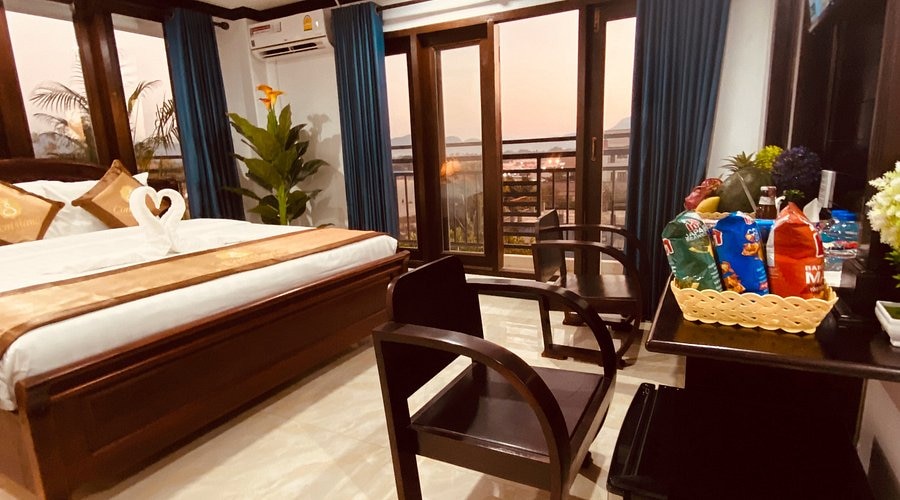
Inside the resort, you’ll find villa-like rooms spread far apart, each one has big windows looking out at the river or rocky bluffs. People on romantic getaways or marking milestones usually pick this spot thanks to its seclusion, whereas bigger crews go for expanded suites. Regular rooms generally cost around $110 to $120, though top-tier villas jump in price on weekends or during festivals.

Family Land Camping Resort

A cozy spot with tents and cabins off the main roads, surrounded by farmland and wide-open spaces. Getting to the lagoon trails is fast from here, so folks driving toward Blue Lagoon 3 tend to start out this way. The place sits on open grassy areas, where tents, huts, and relaxed hangout spots are scattered like a tiny outdoor community.

Folks come here for room to breathe, fresh air, plus time to slow down after hikes to scenic cliffs or cave tours. A few stays are snug wood cabins; meanwhile, some go for classic safari-style tents with better mattresses. Prices for cabins tend to run from $68 to $100 based on layout, while the ones that look great online book up fast on Saturdays. Works just fine for friend crews or solo explorers who’d rather camp near trees instead of being stuck inside a regular city hotel.

Oudomsin Vang Vieng Hotel

Since it’s near the trailhead to Nam Xay and Pha Ngeun, folks aiming for sunrise treks pick this spot to skip extra rides. You’ll mostly see buddy duos, quick visitors, or folks wanting no-fuss locations instead of riverside scenes. That kind of ease matters to visitors planning full-on outdoor days while picking spots in Vang Vieng.

Oudomsin Vang Vieng Hotel

Inside, spaces feel clean and open – built for function, not lounging around. Cleaning stays on track every day while reception handles sudden trip plans easily, thanks to tour spots nearby along the strip. Rates shift quite a bit from weekdays to weekends; basic rooms hover near $41-70, though bigger ones jump when group crowds roll in.

Tips For Choosing Where To Stay In Vang Vieng

Various spots in Vang Vieng come with their own perks; doing a quick check or two helps line up your visit with the vibe you’re after.

  • Finding the right spot in Vang Vieng means looking at what each area gives you. A quick look around helps line up your visit with how you’d like to spend time there.
  • The river area’s great for people who wake up early, scenic spots, kayak ramps, or morning coffee joints are just a short walk away.
  • Lodging right in town cuts down hassle during daily outings – scooter pickups and boat shuttles usually run from main roads.
  • A spot close to the south end of town cuts down early-morning drive time to Nam Xay or Pha Ngeun, handy if you’re visiting Vang Vieng at peak times, when those places fill up fast.
  • Being close to the night market means you can grab food even when it’s late, which works well if you’re getting back from a long day out.
  • Places near the Blue Lagoon entrance cut down travel time when you’re going back more than once, particularly if you’re hitting several lagoons in a single trip.
  • A break by the old wooden bridge works better when you’re doing several river trips – most tube launch spots plus evening lookouts are clustered there.
  • Folks who rent scooters care about places with parking nearby – public spots might vanish by night, especially when weekends get crowded.
  • Staying close to the road leading to Ban Na Thong makes lagoon trips easier – most shared vans run along it, so finding a ride’s hassle-free.

Final Thoughts

Vang Vieng has all sorts of places to sleep, so where to stay in Vang Vieng you pick boils down to your vibe in the valley. Once you know that vibe, picking a spot gets way simpler. If you’re chasing trails across Laos or Vietnam, Seni World helps sort rides and tickets, so hopping between spots isn’t messy.

Enjoy Vang Vieng Nightlife With Best Activities And Practical Tips

Vang Vieng nightlife mixes riverside kicks, chill spots when the sun dips, blazing fire acts – then grab a quick bite from roadside vendors. Since it’s all near the hub, soaking up evening vibes here means no headaches, zero long trips.

Top 6 Things To Do In Vang Vieng Nightlife

Vang Vieng at night mixes river time with relaxed outdoor chats or laid-back spots to unwind. These snapshots capture actual experiences folks like, how you can jump in, while offering small hints to keep things flowing, so nothing throws off your vibe.

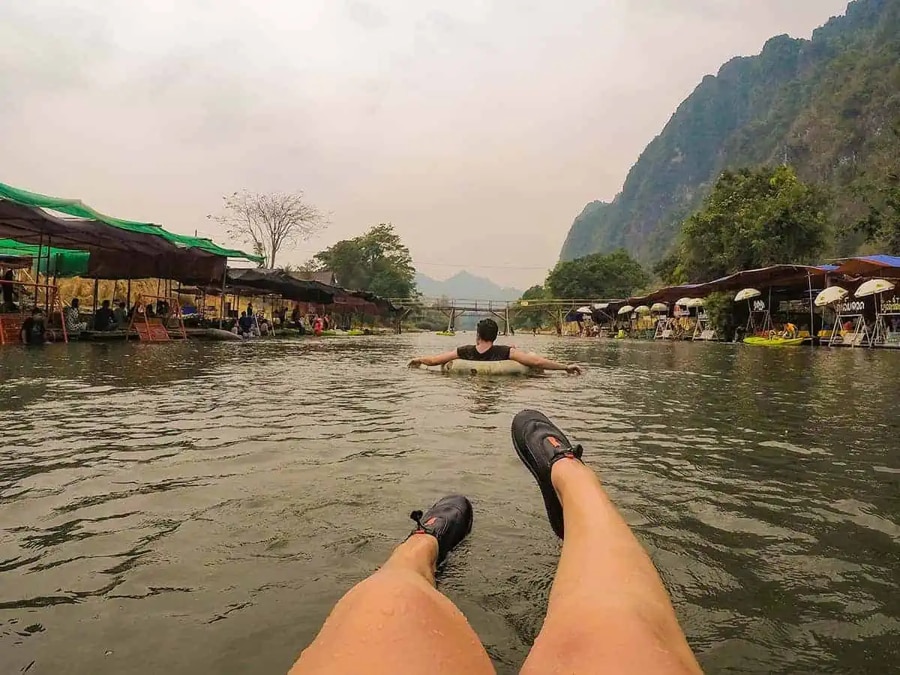
Drift Down Nam Song After Sunset (Tubing Twilight Party)

Sunset tubing runs daily until early evening, a relaxed way to enjoy Vang Vieng. Rather than hiking, you jump into a tuk-tuk that speeds you to the launch point. At the site, workers give you a blow-up tube, possibly a dry bag, plus quickly cover key safety tips. Floating back toward town takes around 45 minutes, though timing shifts with the river’s flow.

Drift Down Nam Song After Sunset

Along the way, locals at small river spots pull your float near using a rope, no paddling required. Not wild or hectic, just relaxed vibes, perfect for cool-headed riders as daylight fades. The final entry point runs till about five; come late, miss out. Bring only the essentials: a waterproof pouch for your phone, some cash, plus sandals that won’t slip off. Lockers are available downtown, but snag one early; they vanish fast on weekends.

Join A Riverside Sunset Session

The riverside near the large bridge fills up with mats, tiny bamboo huts, and makeshift seating where visitors unwind after sightseeing. It’s not focused on drinks or noise, but rather a calm communal area people use to relax before dinner. Soft drinks are cheaper here than in nightlife zones; what’s more, there’s no pressure to leave, stay as long as suits you.

The comfort angle makes this place a solid pick, no reservations needed, while plenty of stays are only a short walk away. If the weather holds up, you’ll see balloons touching down around dusk; perfect timing if photos are your thing. Weekends get packed once folks return from the Blue Lagoon or morning kayak runs. A fast warm-up spot before hitting dinner or whatever night action rolls in.

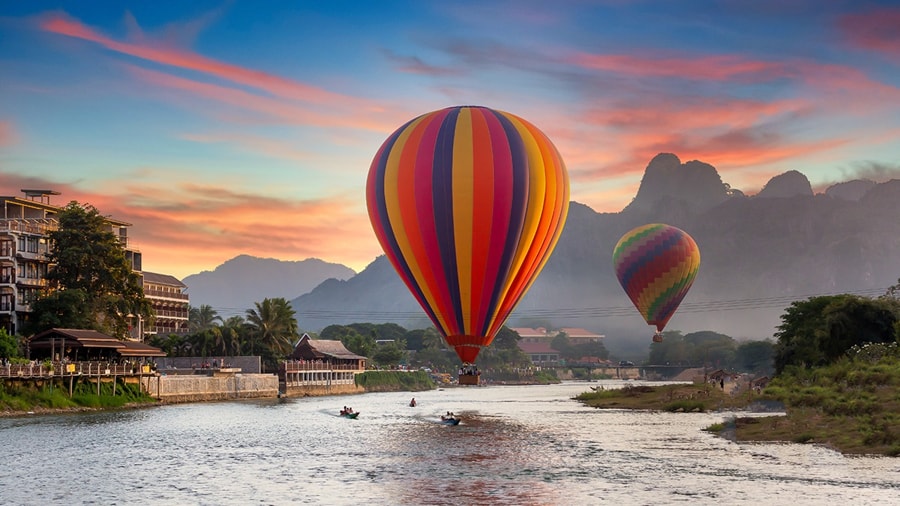
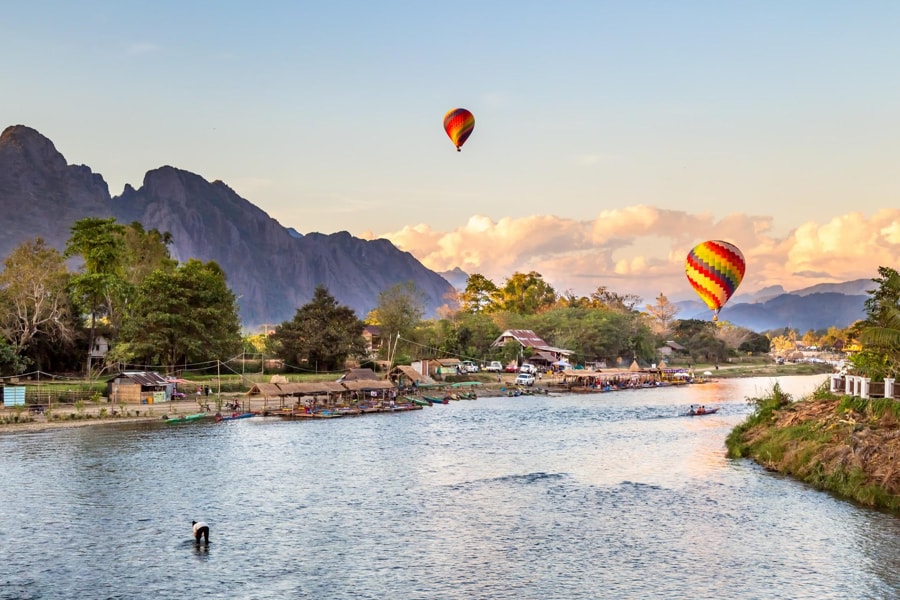
Ride A Hot-Air Balloon At Sunset

A hot-air balloon ride ranks among the more organized things to do in Vang Vieng; sunset trips grab the biggest crowd. Flights typically last anywhere from 25 to 45 minutes, though timing shifts based on who’s running it and how the wind behaves. Pick either a low-altitude route skimming above local villages and the town itself, or go for a higher climb sweeping across mountains and valleys beyond. Costs fall between $110 and $135, with pickup, return, plus bottled water generally bundled in.

Ride A Hot-Air Balloon At Sunset Vang vieng

Sunset spots go fast – usually booked 3 to 7 days ahead, which means grabbing yours early matters. When winds turn risky, rides get scrapped on the spot; yet plenty offer a redo or cash back, meaning it pays to check their rules upfront. Worried about height? The climb up feels smooth, takes its time, plus folks usually settle in once they’ve floated past minute two.

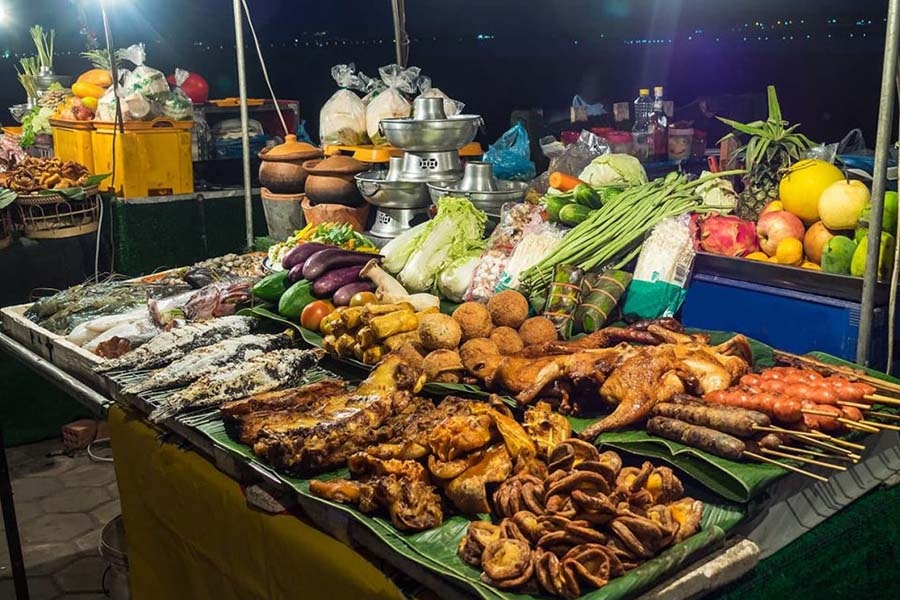
Try The Night Street Food Route

Vang Vieng’s evening food scene clusters near the riverside plus spreads into narrow side paths off the main strip. Not huge, yet handy when you need a fast meal or bite before moving on. Look for grilled meat sticks, spicy pork rolls, crispy noodle pans, flaky roti stands, also some spots dishing out blended fruit drinks; prices usually sit between 15,000 and 40,000 kip.

Night Street Food Route in vang vieng

The hands-on bit: top vendors start up by 6:30 p.m., yet the grilled stuff hits harder earlier, before ten, while supplies stay crisp. You won’t find proper tables, so plan on chowing down upright or taking bites near the riverbank. Now, if spicy kicks aren’t your thing, toss in a “go light on chili” request; most plates roll out fiery-style unless told otherwise.

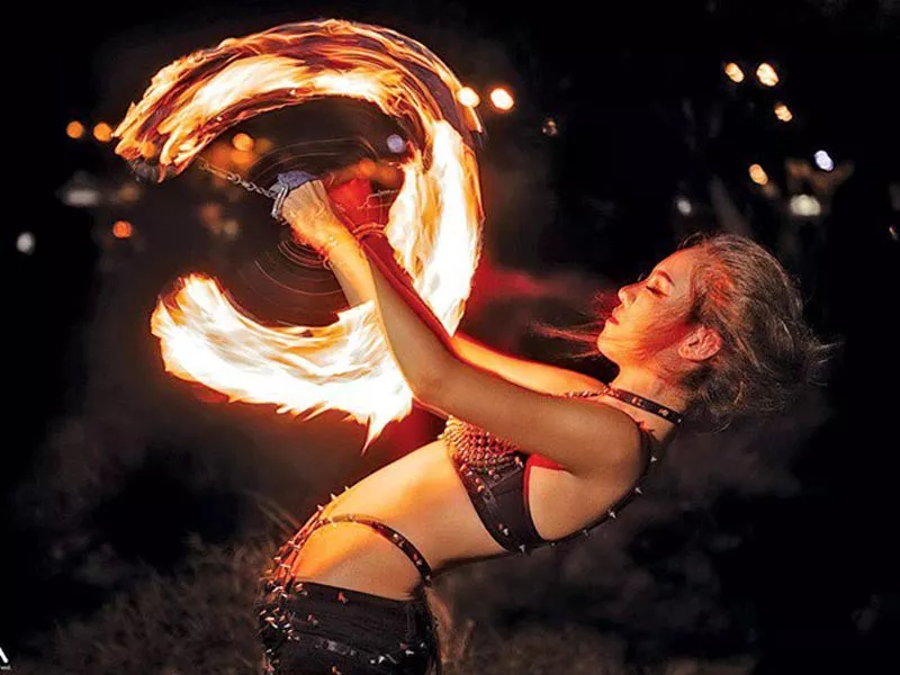
Experience The Fire Show Culture (Fire Dance & LED Performances)

Folks put on fire acts every night in Vang Vieng, mostly by the water, spinning flaming balls, poles, or glowing rings. These shows pop up after dark, broken into quick rounds now and then. No entry fee, you just stroll down the riverside trails until you spot people stopping to watch. When someone lights it up, folks naturally gather around.

Experience The Fire Show Culture in vang vieng

Travelers usually don’t realize the performances shift between different spots. Since artists change places every 20 to 30 minutes, hanging around one area could make you skip the standout moments. For clearer sightlines, position yourself slightly farther away – being right up front gets stuffy, also performers require room to stay safe.

Enjoy Acoustic Nights & Chill Lounges

For a calmer version of Vang Vieng nightlife, acoustic evenings are ideal if you don’t want to indulge in party-centric clubs. Various small eateries lining the river have live sound almost every night, focusing primarily on guitar strumming and mellow vocals. Earth Recycled Bar is a good spot for friendly vibes and familiar faces; Gary’s Irish Bar is another option for softer strumming sessions, while a few other bars along Viengkeo Road are quieter than usual.

Most venues kick off around 8:30 or 9 at night, but it’s not uncommon for patrons to filter in slowly. Solo, with friends, or in casual small gatherings to find peace, there’s no reserved seating. Mats line the ground or modest stools, welcoming anyone trying to get there early to secure comfort. Drink prices aren’t as high as bars, either, and the atmosphere is calm and conducive to exchanging conversations with strangers.

What To Eat In Vang Vieng Nightlife

Vang Vieng nightlife accommodates quick eats. Most food portions are relatively small and inexpensive, so paying for meals does not detract from an evening out. Instead, combine food requests like these with after-dark adventures.

Lao BBQ Skewers (Grilled Meat On Sticks)

Grilled skewers cook over blazing hot coals before consumers sink their teeth into them, catching those smoky notes that carry a sweet-salty glaze, ideal if you are in a rush. It’s typically pork or chicken, but sometimes liver, perhaps small river fish, cut in half. Everything goes directly on the heat without sauce; these meaty delights don’t fall apart while people walk, and it’s easy to manage while meandering through crowds.

Where to try: the BBQ stalls lined in front of Sakura Bar on Vang Vieng Walking Street (Savang Village Road)

Sai Oua (Lao Herb Sausage)

Sai oua is so much better than ordinary sausage – thick, hearty, and not spicy, mixed with lemongrass and kaffir lime, sprinkled with wild herbs that add zing. It is sliced, thrown on hot coals and served just before being handed off to you to let those bold smoky notes emerge from under the casing. Though it has a bold flavor, it won’t burn your mouth off; it’s ideal if you’re slowly getting acclimated to Lao spices. Pair it with sticky rice or snack late at night when hunger pangs hit.

Sai Oua (Lao Herb Sausage)

Where to try: Get your bites from the sausage stands near Gary’s Irish Bar along Viengkeo Road, where various stalls sit open each night uninterrupted.

Grilled River Fish (Freshwater Fish From The Nam Song)

River fish gets covered in salt, packed with herbs, then cooked slowly over fire till the outside crunches but the middle stays tender. This serving’s big and good for two people, and tastes fresher than farm-raised kinds, kind of subtly sweet with just a touch of lemongrass. You’ll typically get it alongside a basic dip plus some raw herbs on the side.

Where to try: Head down to the riverside grills close to Villa Nam Song Hotel, find them along the Lao–Thai Friendship Road; there are about three or four spots set up every evening.

Stir-Fried Noodles (Quick Wok Noodles)

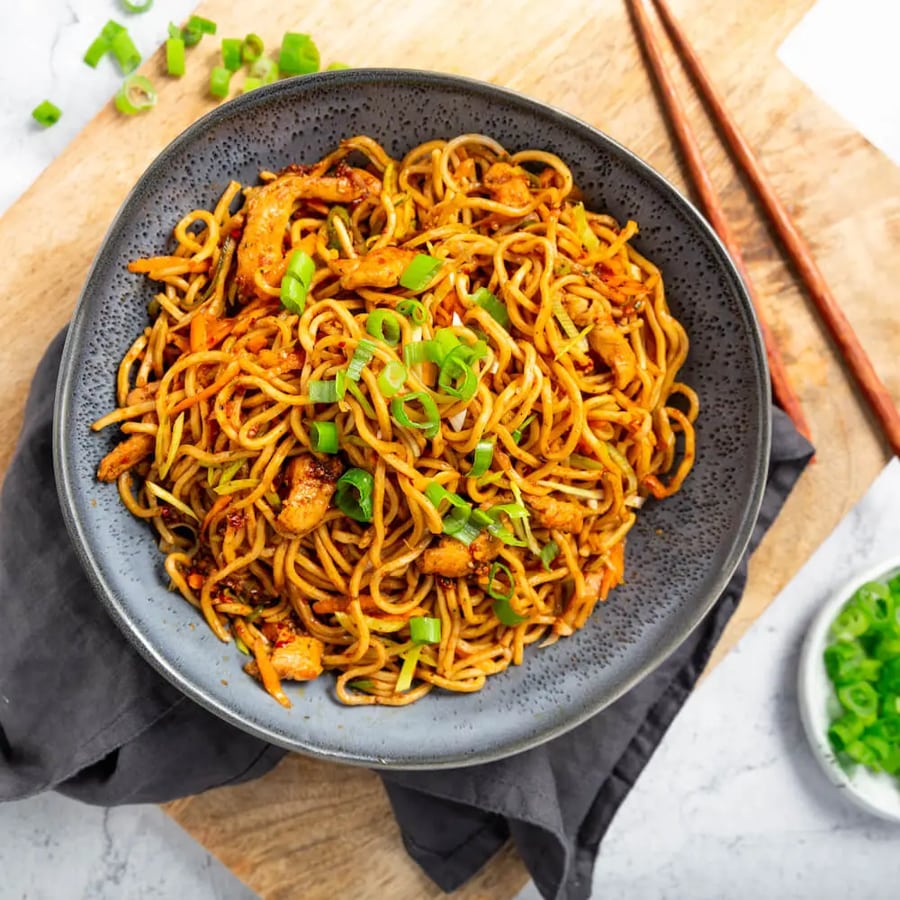
These noodles get cooked fresh, mixed fast in a sizzling pan with veggies and egg, plus whatever protein you pick as chicken, pork, or tofu. A bit greasy but that’s part of the charm. The taste is light, nothing sharp, just cozy enough when you need warmth without feeling stuffed. Even during busy hours, it shows up quick – like three minutes flat. If spice isn’t your thing, say so upfront; they usually pile on more chili than most expect.

Stir-Fried Noodles (Quick Wok Noodles)

Where to try: Vendors slinging noodles along Inpeng Road – check out that tight alley behind Namsong River Bridge, often tagged “Food Street” by hostels around.

Banana Roti (Crispy Pancake with Banana)

Banana roti gets rolled out flat, cooked till the sides crunch slightly, and then layered with banana pieces plus a drizzle of thick milk. Not fancy at all, but always hits right, particularly when it’s still hot, and you’re strolling by the water. Swap in chocolate, shredded coconut, or even an egg if you like, yet most folks go back to the original every time. Perfect for nighttime cravings, and light enough so your stomach doesn’t mind.

Where to try: Those roti stalls where Viengkeo Road meets Vang Vieng Walking Street, just next to Sakura Bar, never empty, never closed.

Tips To Experience Vang Vieng Nightlife

Vang Vieng at night gets fun once you figure out what really happens when the sun drops, particularly when crowds show up around peak travel seasons. These tips keep you from typical tourist mistakes while getting more from your nights out.

  • The tubing spot fills up fast during Vang Vieng peak months(mainly November through March), so showing up early means you’ll grab your locker, equipment, plus a ride in the tuk-tuk without sweating the next van’s timing.
  • Sunset hangs easier if you’ve got a portable charger; river spots rarely have plugs, so folks usually drain their phones just before eating or watching balloons rise.
  • Balloon pilots give the go-ahead just hours before launch, so staying loose in the evening helps dodge stress if your dusk flight shifts to dawn tomorrow instead.
  • Live music vendors will be very busy and have large crowds around them until around lunchtime and through until after hours. If you want to get in early for a preferred band, you may need to visit another time.
  • Fire shows move around at Vang Vieng nightlife. Wandering the river trail slowly means you’ll likely catch cooler performances without staying put.
  • Riverfront eateries shut sooner when it’s the quiet season, check their times, or you might trek downtown just as grills power down past 9:30.
  • Stalls by the footbridge usually shut early, meaning heading to Walking Street first lets you find busier stands before they pack up.
  • Visitors after quiet nights often prefer the south side of the river; it’s chillier than downtown spots, particularly when tourist crews come back late.

Final Thoughts

Vang Vieng nightlife isn’t big, yet it still packs fun options that slip right into your trip without hassle. Once you figure out how things run when the sun goes down, nights start flowing better more relaxed, way more fun. Even if this place is only a quick stop while hopping around Laos or Vietnam, smart prep cuts hours off travel stress. Instead of guessing routes, team up with Seni World, and we’ll sort rides and links so shifting from spot to spot feels smooth.

Top 11 Thrilling Adventures And Things To Do In Vang Vieng

Vang Vieng in Laos can be regarded as a heaven for both adventure-seekers and nature lovers because of the vast assortment of exciting activities available in this town, along with the natural scenic beauty of the region. Ranging from river rafting to cave explorations and cycling through lush countryside, this town has it all.

Visit The Tham Xang And Tham Nam Caves

Experience the enchanting Tham Xang and Tham Nam caves, which you can explore either by using a tube while floating down the Nam Song River or kayaking. Those caves have big limestone formations, stalactites, and to find hidden chambers. While exploring, you will come across small streams, natural pools, and photographic views.

tham xang cave in Vang Vieng

Following your exploration, you will enjoy a Lao traditional BBQ meal, which is cooked on a banana leaf. All while enjoying the local flavors in this amazing scenery. This journey will combine culture, excitement, and nature; have fun or relax. Both things to do in Vang Vieng can be in one adventure.
Learn Rock Climbing In Vang Vieng

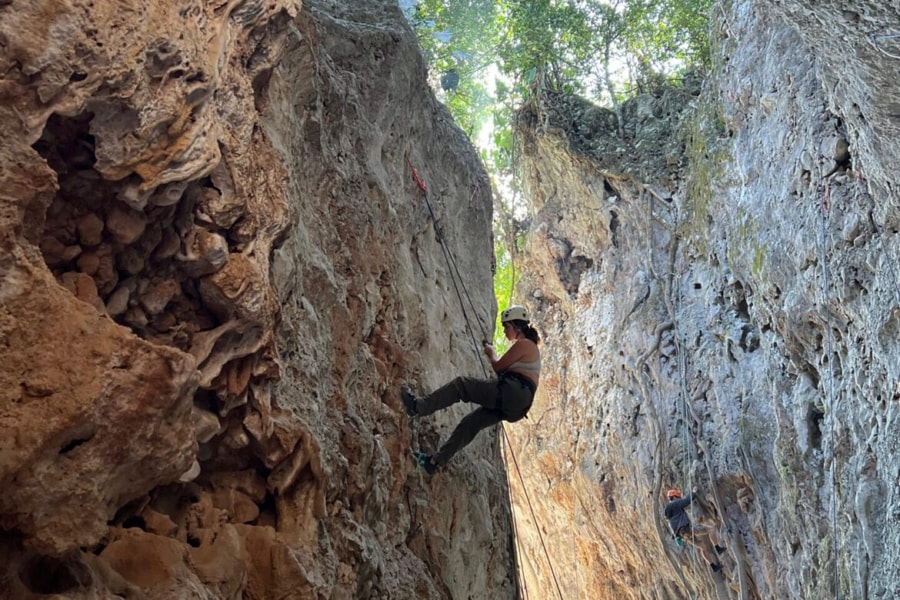
Vang Vieng’s jagged karst mountains are perfect for rock climbing for novice to advanced climbing experience. Professional guides train you to stay safe and provide lessons on climbing techniques and practical climbing tips.

Learn Rock Climbing In Vang Vieng

Once at the top, you will enjoy an incredible view of the Nam Song River winding its way through lush valleys flanked by limestone cliffs. Rock climbing in this area is not just a physical challenge, but also an immersive way to connect with the natural environment and develop a greater appreciation of Laos’ stunning landscapes. The feelings of achievement, along with a stunning view, will give you all the reasons to climb in Laos.

Cycle Through Vang Vieng’s Countryside

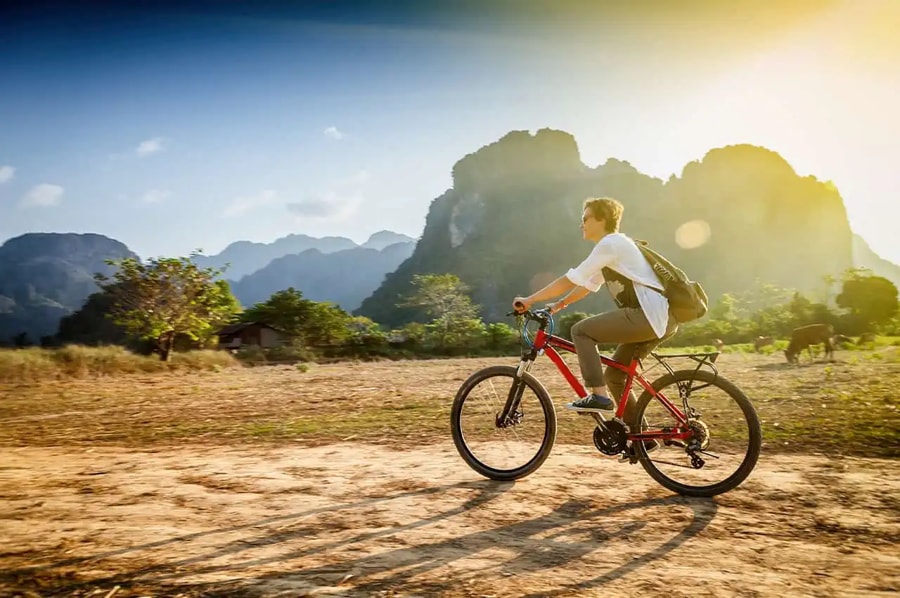
Cycle Rent a bike, and tour the peaceful and scenic countryside around Vang Vieng. Cycle through the golden rice fields gently swaying in the wind, through the forested areas, and the villages where the friendly villagers will readily greet you with warm smiles.

Cycle Through Vang Vieng’s Countryside

Along the way, you can pay a visit to the Phou Kham Cave, take a dip in the Blue Lagoon’s crystal-clear water, and delight in the local street foods available there. Exploring the countryside through cycling also allows you to pace yourself according to your preferences while exposing you to the culture of the countryside and the natural scenery right before your eyes.

Discover Culturally Rich Caves

Many of the caves around Vang Vieng have cultural and religious significance beyond their natural attraction. The colorful Buddha statues adorning Tham Hoi create an atmosphere that is complemented by the reflected, otherworldly light on its underground pool. Tham Loup houses a majestic golden reclining Buddha surrounded by small figures representing monks and disciples.

You can also see local religious practices being carried out, observe detailed carvings on the wall, and appreciate the serenity of religious places. Have a riverside BBQ on banana leaves afterwards to mix food with culture. This combination of natural interest and spiritual curiosity will make these caves both instructive and unforgettable.

Zipline Over Lush Nature

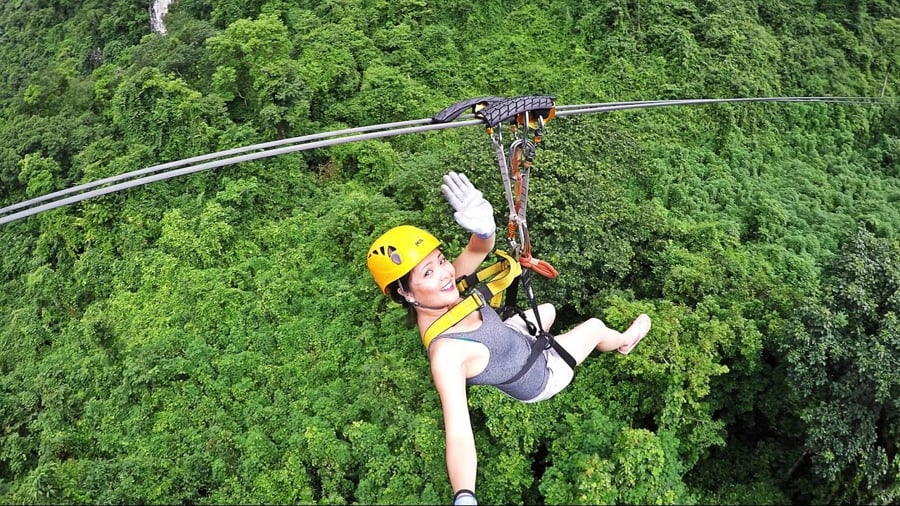
Soaring through the tree tops along a zipline, Vang Vieng offers breathtaking views of lush forests, meandering rivers, and towering cliffs of limestone. The exhilaration of flying from platform to platform is more than equaled by the stunning scenery beneath, with unforgettable combinations of adrenaline and awe.

Zipline in Vang Vieng

After this fun-filled zipline, you can take time to cool off by swimming underneath the 30-meter waterfall of Kaeng Nyui, a refreshing end to this adventure. This activity perfectly captures the balance between exciting sensations and appreciation of nature, allowing the traveler to witness the landscape from an angle that few people will ever experience.

Float And Party Along The River

Tubing down the Nam Song River is one of Vang Vieng’s most iconic experiences, mixing adventure, relaxation, and socializing. You’ll be taken upstream by tuk-tuk before spending two to three hours drifting down the river, stopping at riverside bars along the way for local snacks and drinks with live music.

You can take shots of the karst landscape along the route, swim in pools of calm water, or just float and soak in the serenity. Bring a waterproof bag to keep your belongings dry, and don’t miss out on the opportunity to make friends along the route. Tubing gives you a festive atmosphere while offering stunning views and gentle contact with nature.
Admire The Sunset In The Village

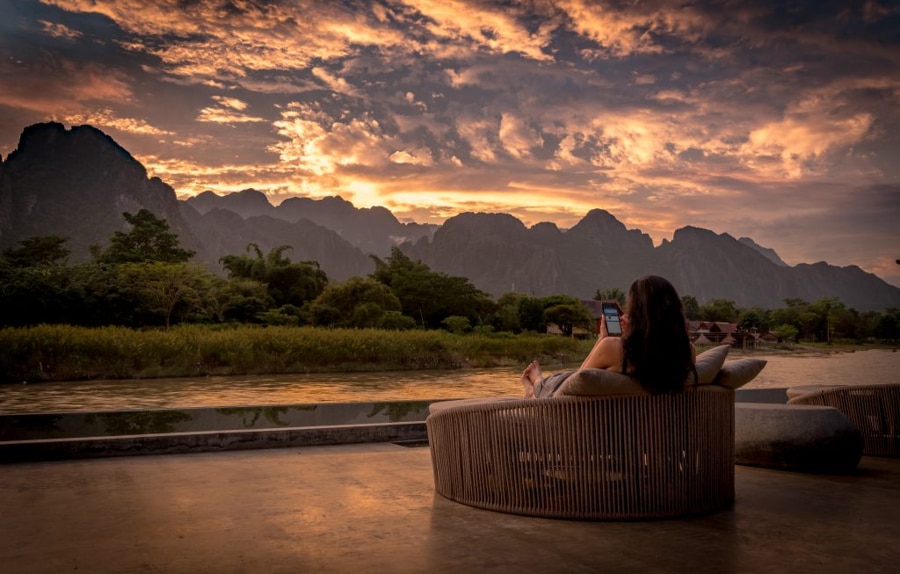
As the day comes to a close in Vang Vieng, seek out a riverside bar or restaurant to observe an amazing sunset over the Nam Song River. The sky will burst into a colorful explosion of orange, pink, and purple, creating a beautiful reflection in the water below. Enjoy a cold drink in your hand, as you listen to the deep and murky water of the river, combined with the sounds of distant nature. This is a beautiful way to end your exploits, you will be fully immersed in the magnificence of the surroundings.

Admire The Sunset In Vang Vieng

Many travelers during this time capture beautiful photos or enjoy a quiet few minutes of just being still in the peaceful surroundings of the town. It’s like time stands still and you are able to enjoy the magical balance of romance, tranquility, and natural beauty.

Rest At Blue Lagoon

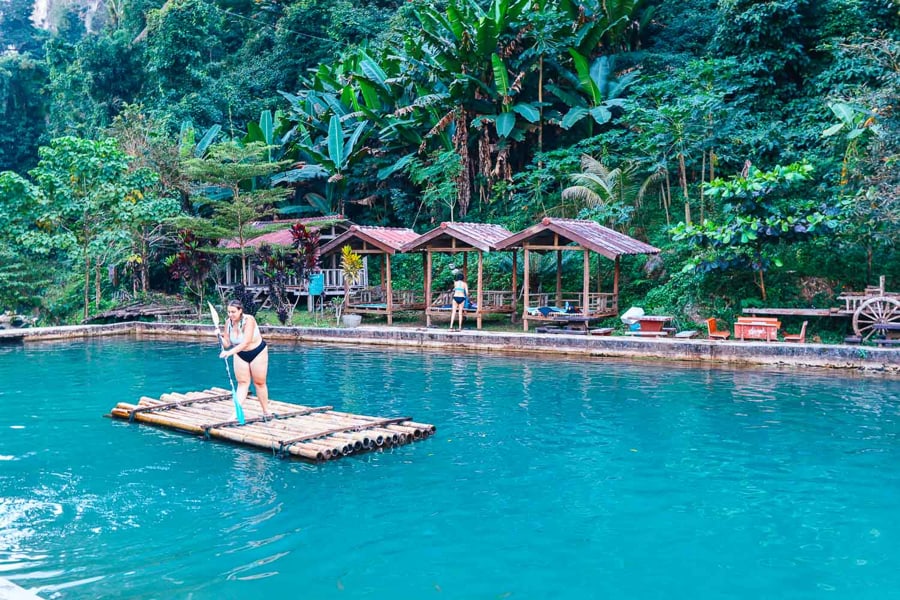
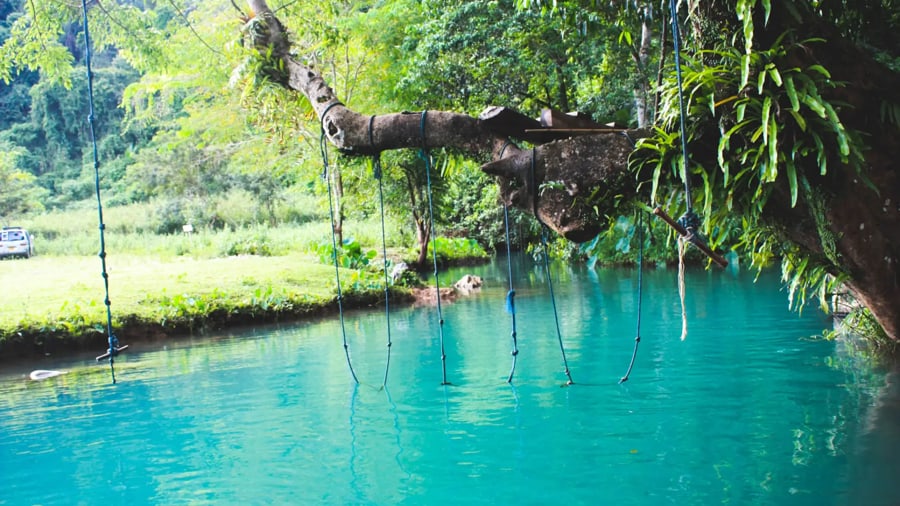
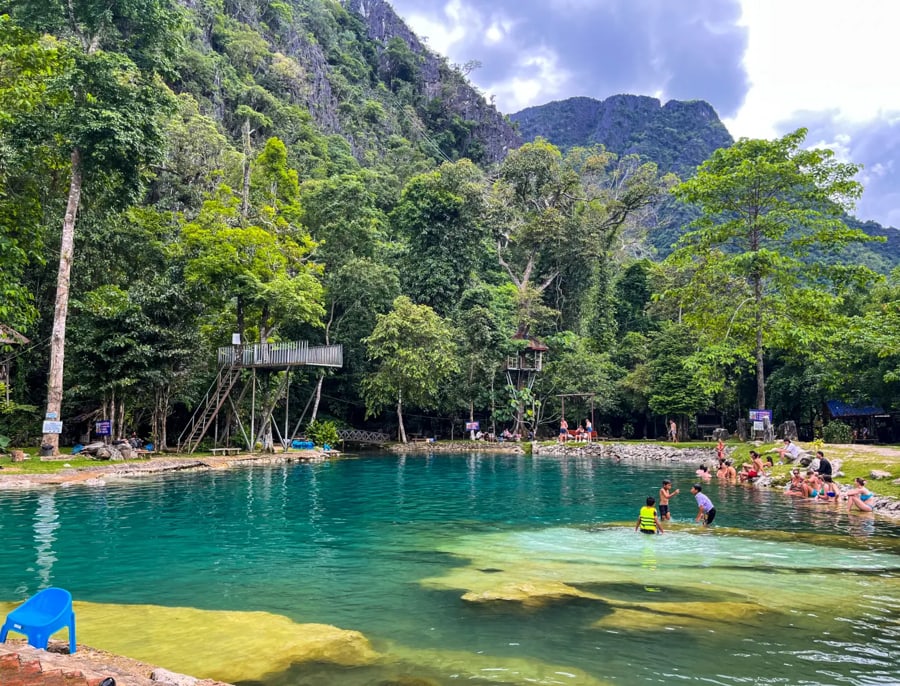
Vang Vieng also has three Blue Lagoons that are unique in their own ways. The activities you can do there are swimming, snorkeling, and just relaxing along its turquoise waters, surrounded by the forested landscape and limestone cliffs.

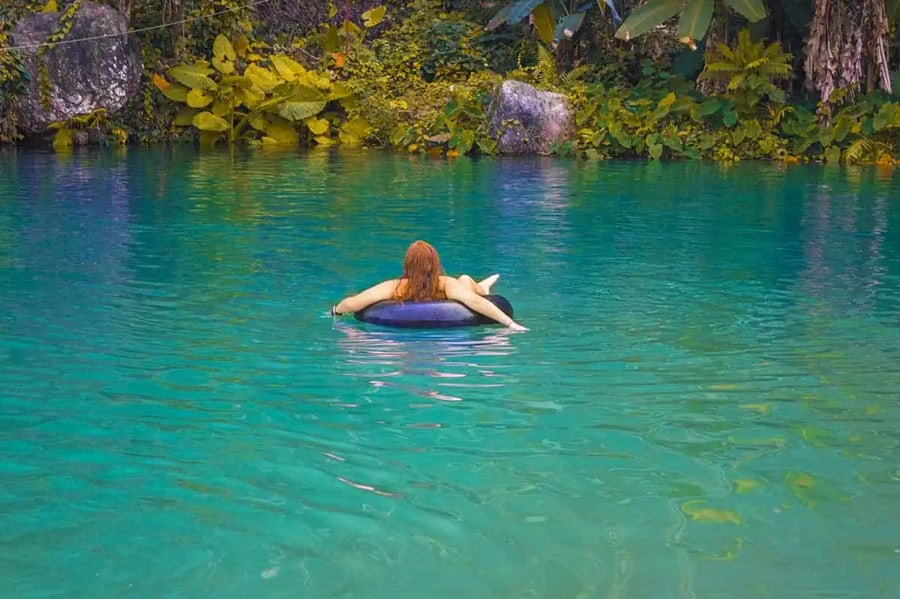
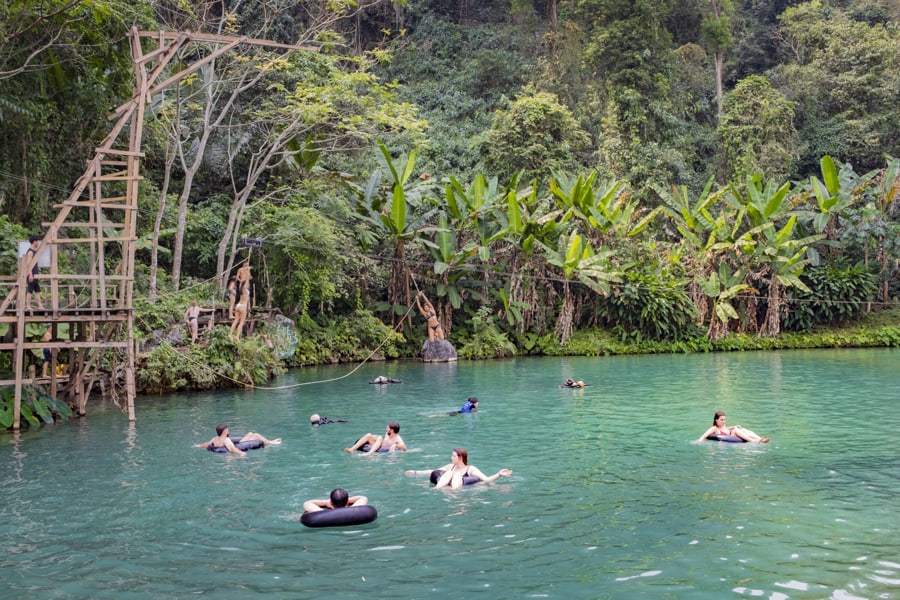
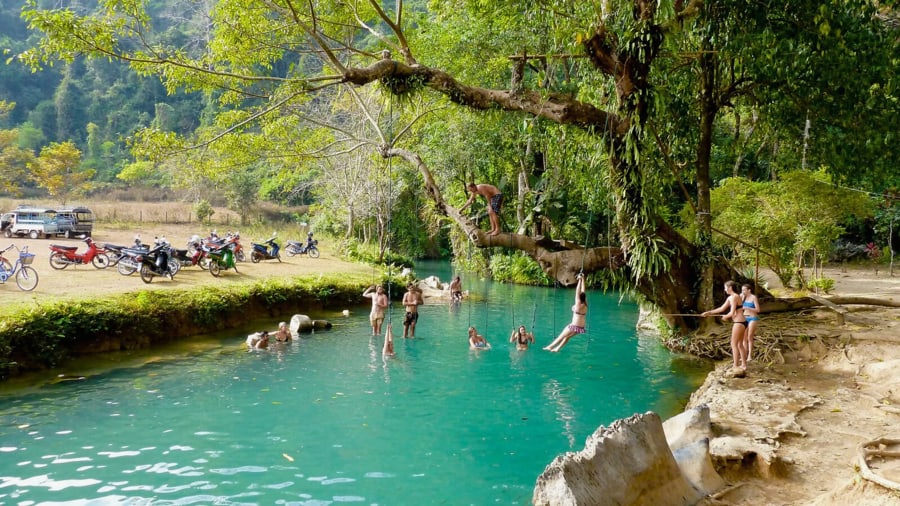
blue lagoon vang vieng

Some Blue Lagoons might also offer the possibilities of rafting through the forest using a bamboo raft, jumping from the limestone cliffs, and flying through the air using the zip line. This will give you a bit of adventure along the journey. Since the Blue Lagoons can be found a few kilometers from the town center of Vang Vieng, you will also be able to see the scenic countryside along the way.

Take a Hot Air Balloon Ride

If you’re looking for a different vantage point to see Vang Vieng, a hot-air balloon ride is an experience to remember. As the balloon slowly ascends into the sky, the town, the winding rivers, and the surrounding limestone karsts appear to get smaller and smaller, providing a new view of the magnificent landscape. The feeling of floating above the scenery does provide excitement and tranquility, which is a once-in-a-lifetime experience of seeing the region from the perspective of a bird.

Experience hot balloon in vang vieng, laos

If you book your hot-air balloon ride based on sunrise, sunset flight times, you get the added effect of warm, golden sunlight illuminating the valleys and mountains. Hot-air balloon rides neatly blend slight adrenaline with stunning sights that are both mesmerizing and calming, creating must-try things to do in Vang Vieng so that travelers will quickly relate to unforgettable memories for years to come.

Sample Local Food In Vang Vieng

One of the best ways to enjoy Vang Vieng is through its exceptional local cuisine. We recommend beginning your culinary journey with sticky rice, which is a common element in most Lao meals, to be combined with laap, a lemongrass-filled minced meat salad that is spiced with herbs and lime. You will want to try Tam Mak Hoongg, a spicy green papaya salad, and then Khao Soi, a Lao-style noodle soup.

Sample Local Food In Vang Vieng

For truly adventurous eaters, local markets may offer fried insects and a range of other strange but culturally authentic snacks. It doesn’t get more authentic than savanakhet grilled chicken and Lao dried beef (Sien Savann). Trying out all of these dishes not only fills your stomach, but you can also incorporate them as a great way to connect with the local lifestyle in Vang Vieng.

Uncover The History Of The Lao People In Luang Prabang

For travelers interested in history and culture, a four-hour drive from Vang Vieng will lead them to the historical city of Luang Prabang, the ancient royal capital of the Kingdom of Laos. This heritage city has been declared a World Heritage Site with over 30 golden temples, French colonial architecture, and lush forests dotted with cascading waterfalls.

A walking tour of the city will offer an insight into the traditional Buddhist religious rituals of the land and its culture through the various cultural sites. The drive from Vang Vieng to this city passes through the picturesque countryside of the land. Hence, the knowledge-gaining experience will be combined with visual information as well. This completes the Vang Vieng tour package.

FAQs About Things To Do In Vang Vieng

Vang Vieng is a destination with a wide array of activities, filled with adventure, culture, and relaxing moments, but travelers may have a few questions before traveling to Vang Vieng. Below are some of the most common questions travelers have to make the most out of their trip.

When is the best time to visit Vang Vieng?

The best time to visit Vang Vieng is during the dry season when the weather is cooler, and outdoor activities are more enjoyable. The dry season is from November to April, and the rivers are calmer, making tubing and kayaking more enjoyable. The skies are clearer, which gives the best hiking conditions for hot air balloons and photographs.

Is Vang Vieng safe for solo travelers and families?

Yes, Vang Vieng is generally safe for solo travelers and families, but you should always exercise caution around bodies of water and outcropping cliffs. The safest way to experience Vang Vieng would be to comply with the safety regulations put forward by the local government, tour operators, and sites that offer activities, such as tubing, ziplining, and rock climbing.

What adventure activities should I not miss in Vang Vieng?

If you want a unique experience, do not miss tubing down the Nam Song river, zip lining through lush forests, or checking out the Tham Chang and Tham Nam caves! Hot air balloon rides are also popular for an aerial view of Vang Vieng. Each adventure will give you a different way to appreciate Vang Vieng’s incredible scenery while adding excitement to your trip!

How much time should I plan for Vang Vieng?

In Vang Vieng, most travelers report spending between 2 and 4 days to allow for a suitable balance of adventure and relaxation. This also allows for time to go tubing, climbing, hiking, cave exploring, and eating local foods. If you choose to stay longer, you can accomplish all these same experiences, plus at a slightly slower pace, allowing time to find local hidden gems, small villages, and views along the Nam Song river.

Are there accommodations suitable for all budgets?

Yes! Vang Vieng offers various accommodations ranging from budget guesthouses or hostels to boutique hotels and resorts along the river for all types of travelers. Travelers can choose based on convenience, comfort, and price. A lot of riverside stays or resorts have easy access to tubing, kayaking, and views of sunsets.

Final Thoughts

Vang Vieng has been a heaven for adventure junkies and culture enthusiasts. The breathtaking scenery of limestone caves and rivers, combined with their rich culture, makes each of their activities unforgettable. Be it cave explorations, cycling through villages, and indulging in various street foods, something is exciting for each traveler. Start planning your Laos trip today with Seni World and learn about the best things to do in Vang Vieng.

The Best Time To Visit Vang Vieng For A Memorable Adventure

The best time to visit Vang Vieng is from November to February, when the climate is pleasant, dry, and the skies are clear. This is wonderful for outdoor activities and beautiful sightseeing. Read Seni World’s guide to understand the weather and tips.

Where Is Vang Vieng?

Vang Vieng is known as a small but quite famous tourist resort situated in the central region of Laos, between the cultural capital of Laos, Vientiane, and UNESCO’s heritage town of Luang Prabang. This means that indeed Vang Vieng can be considered an excellent tourist spot for holidaymakers wishing to tour the region. The resort lies alongside the Nam Song River, gently streaming through the beautiful valley. This location presents a picturesque setting that leads to many adventurous journeys. The resort falls in the broad valley of limestone and tall karst mountains, ideal for photographers.

The fact that not only does Vang Vieng possess natural beauty, but it also has a strategic location, makes this place an essential tourist entry point in the region of Northern Laos. This particular town in Laos became amazingly famous because of the combination of peaceful natural landscapes and adventure journeys, in contrast with relaxed Lao lifestyles. However, no matter how or what, in this case, you are going through either the highway or the latest Laos-China high-speed rail in this particular place due to its strategic location that provides convenient access.

What Is The Best Time To Visit Vang Vieng?

The best time to visit Vang Vieng is during the cool and dry season, which is commonly from November to February. Throughout these months, the Vang Vieng weather is most pleasant, with daytime temperatures averaging around 20 to 25°C and cool evenings. The skies are typically clear, so it is wonderful for exploring the town or unwinding in outdoor activities. The cool and dry season is also the peak tourism season. Therefore, Vang Vieng will be more energetic, and accommodations here may be more expensive than at other times.

best time to visit Vang Vieng is during the cool and dry season

The shoulder season, from March to May, can also be the best time to visit Vang Vieng for visitors who prefer fewer crowds. Temperatures begin to increase, regularly reaching 30°C or more. With the dry conditions, you can still take part in relaxed outdoor activities. The rainy season, which is from June to October, brings common heavy showers and higher humidity, which will make river-based enjoyment more challenging. However, the rainy season changes the panorama into green scenery and full waterfalls.

Best Time To Visit Vang Vieng For A Memorable Adventure

Vang Vieng Weather Overview By Season

Vang Vieng has three seasons in a year, consisting of cool and dry season, hot and dry season, as well as rainy or wet season. Seni World has listed the Vang Vieng weather by month and also the Vang Vieng temperature by month for vacationers to refer to. Therefore, you can comfortably check, follow, and arrange an exciting Vang Vieng itinerary:

Season Months Temperature (°C) Typical Weather Experience
Cool and dry season November to February From 15 to 25 The cool and dry season is pleasant and dry, so it is ideal for outdoor activities and beautiful sightseeing in Vang Vieng.
Hot and dry season March to May From 25 to 35 This time is hot and sunny. Therefore, river activities are popular, but daytime heat can be intense.
Rainy or wet season June to October From 23 to 30 Frequent heavy showers in the rainy or wet season, with high humidity, lush green landscapes, and fewer tourists.

The Cool And Dry Season (From November To February)

The cool and dry season (from November to February) is the best time to visit Vang Vieng. All through these months, temperatures usually vary from 15 to 25°C, which are perfect conditions for outdoor activities without the inconvenience of heat or humidity. Skies are clean, the air feels crisp, and rainfall is minimal, so you can freely enjoy hot air ballooning, tubing at the Nam Track River, as well as hiking through breathtaking limestone mountains. At this time, Vang Vieng’s scenery appears at its best, with green rice fields and huge karst cliffs.

vang vieng, laos in dry season

The weather is pleasant; hence, the cool and dry season marks the peak tourist season in Vang Vieng. The atmosphere in this season gets quite vibrant due to the influx of tourists in the region. There are various activities that take place in this season in Vang Vieng. The nightlife gets quite interesting in this season. Moreover, there are various day-long excursions in this season too. Even if the cost of staying in this season gets slightly higher, the charges are justified. You get to enjoy this season thoroughly in terms of kayaking or caving or just relaxing alongside the river in this season.

The Hot And Dry Season (From March To May)

The hot and dry season (from March to May) in Vang Vieng has notably warmer temperatures, often ranging from 28 to 35°C or higher during peak afternoons. Therefore, this time is also called the Vang Vieng burning season. The climate remains ordinarily sunny with little or no rainfall, so it is a great time for sightseeing and caving early in the morning or late in the afternoon. The Nam Song River is peaceful and clear, suitable for exciting kayaking or a relaxing float. No matter what the weather, it is colourful and wonderful for photography.

Nam Song river in vang vieng, laos

Fewer vacationers go to Vang Vieng during these hot months, so this place becomes quieter and more comfortable. You can book accommodation at lower prices, unwind in less crowded attractions, and arrange your travel plan flexibly. The important point is to stay hydrated and smartly schedule activities around cooler parts of the day. Although the heat can be challenging, travelers who love serene journeys and the sunny, dry weather will enjoy traveling in Vang Vieng at this time.

The Rainy Or Wet Season (From June To October)

The rainy or wet season (from June to October) in Vang Vieng has frequent showers and high humidity, changing this entire place into lush and brilliant greenery. Rain usually falls in short, heavy bursts and regularly in the late afternoon or evening. Therefore, you can choose mornings for outdoor exploration without worrying about sudden rain. Rivers and waterfalls become more effective, developing dramatic scenery. However, tubing or cave trekking may be cancelled because of the strong currents or muddy conditions.

This rainy or wet season is the low travel period, which makes Vang Vieng more tranquil than in the peak season. Lodging prices drop, and tourists can experience a more chilled surroundings with fewer crowds at famous attractions. Although the weather can be unpredictable, the wet season has unique beauty, like misty mountain perspectives and refreshing cool breezes after rain. For vacationers who don’t mind occasional rains, they can revel in Vang Vieng’s natural scenery at its greenest.

Tips For Visiting Vang Vieng In Different Seasons

To have a comfortable, memorable, enjoyable, and safe trip in Vang Vieng, you should not only find out more about this Lao itinerary, but also need to remember the following important travel tips. These tips will help you have this adventure in Vang Vieng more pleasantly and protect yourself more effectively:

  • Book accommodation early in the cool and dry season, because this is peak travel season in Vang Vieng and accommodations fill up fast. So you need to book hotels in advance to ensure availability and at a better price.
  • Pack light layers in the cool and dry season, because both mornings and evenings can be chilly.

Experience hot balloon in vang vieng, laos

  • Bring sunscreen with a high level of SPF in both the cool and dry season and the hot and dry season. UV levels in Vang Vieng can still be strong even in the cool season. Besides, let’s use hats and sunglasses in the hot season to protect ourselves from strong sunlight.
  • Stay hydrated and carry water at all times in the hot and dry season, because at this time, the heat can be intense.
  • Plan outdoor activities for early morning or late afternoon in the hot and dry season to avoid peak heat. Moreover, don’t forget to arrange some indoor activities during the midday sun.
  • Wear breathable and lightweight clothing in the hot and dry season. They will help you stay comfortable, especially when you go out for outdoor activities.
  • Sometimes, there is smoke or haze from regional burning from March to April. So you need to be careful and prepare some masks to ensure your health.
  • Bring a lightweight raincoat or poncho in the rainy or wet season, because afternoon showers are common. They will help you protect from sudden rains. Besides, let’s wear quick-drying apparel to stay comfortable and convenient throughout the day.
  • Avoid slippery trails after heavy rainfall in the rainy or wet season, particularly cave entrances. Moreover, don’t forget to check river conditions before taking part in tubing or kayaking, due to currents can be stronger.
  • Carry waterproof bags in the rainy or wet season to protect your smartphones and electronics.
  • Be flexible with your adventure in the rainy or wet season, as the weather can change quickly. If you still don’t know how to arrange your travel plan suitably, let’s contact Seni World for more consulting.

FAQs About The Best Time To Visit Vang Vieng

Seni World also listed some FAQs to help you find out more about the best time to visit Vang Vieng. Let’s see them more in the section below!

Is it safe to visit Vang Vieng during the rainy season?

Visiting Vang Vieng during the rainy season is generally a relatively good choice. However, you should avoid swollen rivers and slippery trails to protect yourself from dangerous situations.

Is hiking in Vang Vieng safe for travelers in the rainy season?

Hiking in Vang Vieng is still safe for travelers. However, you need to avoid steep or muddy trails, as well as choose safer routes. Let’s ask the local people carefully for helpful advice about where to hike and where not to go during this season.

hiking in vang vieng

Is the Nam Song River clear year-round?

The Nam Song River is clearer in the dry season, and it is muddier and faster after heavy rain. If you want to have brilliant photos of the Nam Song River, let’s travel in Vang Vieng in the dry season.

Is hot air ballooning available in Vang Vieng all year?

Hot air ballooning is mostly available in Vang Vieng, but sometimes, flights can be canceled in rainy or windy weather to ensure safety for vacationers.

Does Vang Vieng get cold at night?

Vang Vieng gets cold at night, particularly in December and January. In these months, nights in Vang Vieng can drop below 15°C. Therefore, you need to wear light layers and a warm jacket to protect your health from the cool weather.

What is the worst time to visit Vang Vieng?

The worst time to visit Vang Vieng is during the peak rainy season, particularly from August to September. At this time, there is heavy rainfall, strong river currents, and usual weather, which can limit outdoor activities and make your adventure less convenient.

Final Thoughts: Is Vang Vieng Worth Visiting?

The best time to visit Vang Vieng is from November to February, when the weather is pleasant, dry, and the skies are clear. Daytime temperatures average around 20 to 25°C, which is very comfortable, and evenings are cool. So you can unwind in many different outdoor activities, such as enjoying hot air ballooning, tubing at the Nam Track River, and hiking through breathtaking limestone mountains. If you want to learn more about this Vang Vieng journey, like what to do and where to stay in Vang Vieng, and receive support for the visa process, let’s contact Seni World, a reputable travel operator.

COPE Visitor Centre Vientiane – UXO Awareness And Survivor Stories

The COPE Visitor Centre in Vientiane offers a rare perspective on the impact of unexploded ordnance in Laos. Visitors learn about rehabilitation, prosthetics, and hear stories from survivors are all educational and emotionally powerful.

Introduction To The COPE Visitor Centre

The COPE Visitor Centre in Vientiane is a heart-wrenching and informative attraction that conveys the continuing narrative of unexploded ordnance (UXO) in Laos and its communities. Founded by COPE (Cooperative Orthotic & Prosthetic Enterprise), the visitor centre shows how bombs left from years of conflict continue to take the lives of innocent people, while showing incredible survivors rebuild their lives.

The COPE Visitor Centre in Vientiane

Hours of entertainment and information, the COPE Centre is also a real-life rehabilitation facility: prosthetic limbs, wheelchairs, and mobility aids are free of charge to those who have been injured by UXOs. Visitors leave with a distinctly powerful understanding of the contending human costs of war, and what hope is offered through COPE’s continued work, through multimedia exhibits, personal owners, and a small theatre showing documentaries.

History Of COPE Visitor Centre

The COPE Visitor Centre was founded in 1997 as part of the Cooperative Orthotics and Prosthetics Enterprise, a Community-based rehabilitation for survivors of unexploded ordnance (UXO) in Laos. COPE has been providing life-changing rehabilitation services in the form of prosthetics, wheelchairs, and mobility aids for people who were injured by bomb and landmine explosions.

Unique Architecture Of COPE Visitor Centre

The COPE Visitor Centre provides more than just historical context; its design reflects an intentional integration of educational, emotional, and functional spaces. Each space is purposely designed to take visitors on a journey through Laos’s experience with war, while allowing visitors a space for reflection, learning, and support.

Documentary And Exhibition Spaces

There are rooms dedicated to documentaries and exhibits on the violent history of the Laotian Civil War and the 260 million cluster bombs dropped during the period of 1964-1973. These rooms combine photographs, stories from survivors of cluster bomb injuries, and interactive exhibits to create a deep-learning environment where visitors can grasp both the magnitude of harm and suffering inflicted, as well as the ongoing impacts on local populations.

Documentary And Exhibition Spaces in COPE Visitor Centre

Gift Shop And Café Area

COPE also includes a small gift shop and café area where visitors can rest and reflect while supporting the programs supported by the centre. The gift shop features handmade crafts and artworks made by survivors of injuries caused by cluster bombs as a meaningful way to support local initiatives. The café provides a sense of calm for processing the experiences and stories shared during the visit.

Education And Awareness Spaces

Various spaces are created for the specific purpose of education and awareness regarding COPE’s mission of rehabilitating victims of unexploded ordnance through prosthetics and therapy programs. Interactive exhibits take visitors through the technical, medical, and social dimensions of rehabilitation, giving the audience a clear understanding of the organization’s holistic approach to recovery and empowerment.

Spaces For Reflection And Remembrance

The centre features spaces for contemplation where visitors may pause in consideration of the human cost of war. Sculptures, installations, and survivor stories invoke empathy and offer an opportunity to remember the impact on affected communities and to acknowledge the incredible resilience of the Laotian people. Each area cheers and cultivates a solemn, respectful environment that supports the educational messages of the centre.

5 Unforgettable Experiences You Shouldn’t Miss

A visit to the COPE Visitor Centre is an emotionally engaging and educational experience, presenting an opportunity for you to learn more about the ongoing impacts of unexploded ordnance (UXO) in Laos. You will also discover the perseverance of survivors and the remarkable ways they foster new beginnings through creativity, bravery, and community.

See A Legacy Of Cluster Bombs

The Centre has a large collection of unexploded cluster bombs and artifacts that reveal the impact of the Vietnam War. You will find original documents, pictures, and stories that show how those bombs keep impacting people all day in Laos. Each of these exhibits helps provide context about the portion of the population affected, so you can see why UXO clearance is still so important and what people face in affected communities. So, visiting here will be one of the lasting memories for you in Vientiane.

See A Legacy Of Cluster Bombs in COPE Visitor Centre

Look At the Art And Creativity Of Survivors

COPE has a gallery with art of survivors of bomb accidents that shows resilience and the human spirit. The art takes many forms, such as sculpture, drawings, and paintings. This gives a different and unique perspective on how people seek therapy through creative expression and storytelling.

We want the visitors to recognize not only the skill and artistry of the person, but also to get a sense of the human emotion and reality of their lives through the art. You will be able to see trauma being transformed into a story of hope through creative expression.

Educate About UXO Risks

The centre provides educational exhibits, and some exhibits have an interactive display, which explains the ongoing risks posed by unexploded ordnance. The exhibits utilize photos, videos, and display boards to educate visitors about how unexploded ordnance affects communities, agriculture, and local development. Education and awareness encourage a sense of understanding and responsibility, as they relate to why safety education and clearance on an ongoing basis are significant for Laos’s continued growth.

Support And Engage With Rehabilitation Programs

A major focus of the COPE Visitor Centre is rehabilitation programs that provide prosthetics, mobility, and therapy for survivors. Visitors can understand what is involved in helping victims of UXO regain independence and improve their quality of life. The exhibits describe both the technical support and emotional support as part of the rehabilitation program, describing the well-established efforts from international and national levels to assist the survivors.

Support And Engage With Rehabilitation Programs

Conceptualize the Human Aspect of War

Outside of historical context and art, COPE seriously emphasizes the personal human stories behind the statistics. Through the survivor’s own stories, photographs, and video interviews, visitors begin to understand how war and unexploded ordnance impact lives decades later.

COPE is provoked with the understanding that education leads to empathy, and visitors leave COPE contemplating how they would act in similar situations. A lasting impression will remain of how important it is to aid in the education of peace, safety, and continued humanitarian efforts in Laos.

Entrance Fee

A highlight of the COPE Visitor Centre is that it is free for all visitors. This demonstrates the centre’s commitment to raising awareness of the challenges faced by individuals with unexploded landmines and providing vital services such as rehabilitation and prosthetic limbs.

Opening Hours

The COPE Visitor Centre opens daily from 8:30 AM to 4:00 PM, seven days a week, and is seldom busy. It leaves the doors closed during major Lao holidays such as National Day and Lao New Year. The majority of exhibitions are indoors, making the COPE Visitor Centre an ideal destination even in rainy weather conditions in Vientiane.

This allows plenty of time for visitors to look at the exhibits, learn about the challenges of those affected by landmines, and learn of the life-saving work of COPE.

How To Get To the COPE Visitor Centre

The COPE Visitor Centre is in the center of Vientiane, approximately 2 km south of Patuxai- just over a mile from the Victory Monument. It’s an easy ride on a relatively quiet road from the downtown attractions by bicycle, or a short tuk-tuk or taxi ride.

You will find art, sculptures, and decorations made out of UXO and recycled prosthetic limbs on display at the COPE Visitor Center. Several exhibits are made from UXO or prosthetic limbs, like the outdoor sculpture of a mother and her child, all made from these materials. These sculptures are a reminder of the continued impact landmines are having on communities in Laos.

Entry is free to the COPE Visitor Centre, there are permanent exhibitions explaining the lives of survivors, and explaining the rehabilitation work that COPE does. For those who would like a more in-depth experience, there are guided tours of the visitor center and COPE’s humanitarian mission.

Things To Know Before Traveling To COPE Visitor Centre

It is advantageous to be prepared for your visit to the COPE Visitor Centre to enhance your experience of the exhibits and the stories within the exhibitions.

  • The centre is wheelchair accessible.
  • You may take photographs unless a specific request is voiced when photographing individual visitors and survivor stories in the exhibitions.
  • You should plan to spend around 1-2 hours exploring the exhibitions and learn about COPE’s work and mission.
  • There are guided tours available if you wish to learn more about the impact of UXO and the rehabilitation of survivors.
  • Wear comfortable shoes for walking to the indoor exhibition areas and outdoor exhibition areas.
  • Donations are appreciated to support COPE’s work to provide prosthetics and rehabilitation services.
  • Visit on a weekday or a little early in the morning, when there will be fewer visitors, for a quieter and more reflective experience.

FAQs About COPE Visitor Centre

If you’re going to visit the COPE Visitor Centre, you might have questions about what to expect. Below are some frequently asked questions and detailed answers that can assist you in making your decision to visit.

What is at the COPE Visitor Centre?

Visitors will have access to exhibits displaying unexploded ordnance from the Vietnam War, prosthetic devices, and the personal stories of those who survived. The art gallery displays artwork developed by those impacted by landmines, reflecting resilience and hope. The COPE exhibits create a whole picture of many of the local challenges, historically and currently.

How long will it take to visit the COPE Visitor Centre?

Most visitors spend about 1 – 2 hours at the COPE Visitor Centre. This gives more than enough time to read the decor, view the educational videos, and visit the shop and café. Slowing down will help you fully appreciate the stories and exhibits.

Is the COPE Visitor Centre suitable for children?

Yes, it is a family-friendly centre. Some of the exhibits can be emotionally heavy due to the nature of unexploded ordnance and the implications of its use. For older children, it will be an educational experience, assuming they can understand the context. Younger children may be drawn to the art and interactive exhibits.

Can I support COPE’s work while you visit?

Of course! Visitors are welcome to buy handmade souvenirs and gifts in the shop. All profits will go directly to support COPE’s programs. You can also contribute directly to help provide prosthetics and rehabilitation to survivors of UXO.

What is the way to reach the COPE Visitor Centre?

The visitor centre is located approximately 2 km south of Patuxai in central Vientiane. It is a tuk-tuk, bicycle, or easy walking distance from many hotels in the city. The centre is well marked and convenient for visitors and tourists who are perusing the central attractions.

Final Thoughts: Is the COPE Visitor Centre Worth Visiting?

The COPE Visitor Centre offers a unique and engaging experience in Vientiane in an informal, yet educational context, relating to both compassion and history. Visitors will learn about the difficulties that survivors of unexploded ordnance face and how rehabilitation services react to life-changing injuries. The experience of touring the centre raises money for COPE and raises public awareness of important humanitarian issues. Start planning your Laos visit to Seni World to explore the centre and learn how to help and make a difference during your trip.

Wat Xieng Khuan Buddha Park: A Journey Through Art And Spirituality

Xieng Khuan, also referred to as the Buddha Park, is an interesting sculpture garden situated near Laos’ capital, Vientiane. The garden houses over 200 statues from Hindu and Buddhist mythology. The surreal artwork makes it an absolute must-visit site for all culture and art lovers.

Introduction To Xieng Khuan

Xieng Khuan, also referred to as Buddha Park, is one of the strangest and interesting sites to visit if you’re in the vicinity of Vientiane. Located along the Mekong Riverbank, this site isn’t your typical temple but rather an outdoor garden featuring enormous statues of religious imagery derived from Buddhist and Hindu legends. The moment you step inside this site, you’ll be greeted by gigantic statues and carvings that transport you to a place where art and religiosity combine to form something beautiful in their own right.

Xieng Khuan, also referred to as Buddha Park

It was originally developed in 1958 by a monk and mystic who wished to translate his views graphically via statues. Presently, there are over 200 statues here depicting paths to enlightenment and myths involving gods, demons, and so forth. Some interesting architecture here would be its pumpkin-shaped structure representing heaven, earth, and even hell, as well as its gigantic Statue of Reclining Buddha, one of Laos’s finest statues.

History Of Xieng Khuan

Xieng Khuan, also referred to as ‘Buddha Park,’ originally opened in 1958 by Bunleua Sulilat, who was known as a mystic, sculptor, and philosopher who aimed to combine Buddhist and Hindu ideologies into one artistic and philosophical concept. The idea behind creating this concept resulted in a park full of statues of gods, demons, animals, and other religious figures depicting stories from Buddhism and Hinduism. The statues were all part of his artistic creation to allow viewers to interpret their meanings related to life and ‘enlightenment.’

Xieng Khuan Temple is full of incredible sculptures and artworks

In 1975, following a great change in politics in Laos, Bunleua Sulilat relocated to Thailand. In this new land, he continued pursuing his artistic passions and created yet another sculpture garden named ‘Sala Kaew Ku.’ The garden is very similar to ‘Buddha Park.’ Currently, ‘Buddha Park’ stands not only as an artistic site but also as a cultural monument remembering the artistic heritage and philosophical ideologies of its incomparable founder.

Top 3 Iconic Attractions In Xieng Khuan

Xieng Khuan Temple is full of incredible sculptures and artworks that have Buddhist and Hindu themes. A trip to this site will provide you with the opportunity to explore unusual artworks depicting different stories about life and death.

The Pumpkin Tower (Three-World Stupa)

The pumpkin-shaped monument towering about 6-7m high is definitely one of the must-see structures in Xieng Khuan. The three-tiered structure represents Hell, Earth, and Heaven. Believers must go inside from the demon’s gaping mouth. You will observe concrete sculptures installed along the walls inside, depicting courses and mythological narratives.

The Pumpkin Tower (Three-World Stupa)

The spiraling staircase leads to the symbolic stage of enlightenment, but without any railings to hold onto makes it quite daunting to climb. The vistas from atop encompass not just the area of Buddha Park but sculptures encircling it.

The Reclining Buddha

The 40-meter-long reclining statue of Lord Buddha stands out as the finest artwork in this park. It catches everyone’s attention because of its serene facial look and beautiful shape. The statue rests in a state of tranquility in lush greenery all around it.

In front of the statue stands an altar where visitors can offer their tribute it. The large statue stands among other statues as a symbol in the spaces of the park. There are other statues positioned to act as symbols in these spaces.

Other Major Sculptures

In addition to these famous statues, other large statues depicting both Buddhist and Hindu mythological themes abound in Xieng Khuan. One of these statues shows Indra, the god of heaven, seated atop his three-headed elephant, together with faces and hands clutching symbolic objects.

Buddhist and Hindu mythological themes abound in Xieng Khuan

A statue shows a deity with four wings sitting atop a horse, highlighting the rich imagination of artist Bunleua Sulilat. The statues convey the blend of cultures and ideologies to form what seems like a complete encyclopedia of South East Asian religions in this Park.

4 Unforgettable Experiences You Shouldn’t Miss

A trip to Buddha Park is not just about appreciating ancient statues, but also represents a journey to explore culture and nature. Some experiences to remember while planning your trip to Buddha Park are as follows.

Immerse Yourself In The Impressive World Of Buddhist Sculptures

In Buddha Park, there are numerous statues made of concrete, and these statues mainly portray either the life of Buddha or his preachings. Nonetheless, Buddha Park isn’t strictly Buddhist; there are statues from other religions as well.

Impressive World Of Buddhist Sculptures

One can observe detailed statues of Shiva, Arjuna, and even Lord Vishnu from Hindu mythology present in this collection. All statues in this collection have been numbered to make it easier for tourists to visit and learn about them. Many statues have been ornamented with minute details to represent great craftsmanship. Though all statues have religious representations, there are statues whose surrealistic and creepy portrayals depict animals and demons.

Explore The Peaceful Green Landscape Of Buddha Park

Buddha Park Aside from its statues, Buddha Park also boasts its serene and beautiful environment. The combination of ancient architecture, small bodies of water, and vegetation makes for a perfect blend of art and nature. Massive statues stand tall amidst groupings of trees and colorful flowers, creating a serene environment perfect for unwinding.

The presence of the Mekong River also adds to its splendor by creating a beautiful scenery that complements the atmosphere of the area. Nevertheless, despite its vegetation, there aren’t so many shaded areas; thus, it can be quite hot during very sunny days. People usually roam around to appreciate the serene atmosphere of the area.

Feel The Sacredness In The Shrines Around The Park

Equally impressive are several structures that give a spiritual feel to the park. One of the most striking features is the famous pumpkin-shaped building, which immediately catches the eye with its unusual shape and symbolic meaning. It consists of three levels: hell, the human world, and heaven. Inside, all the rooms are filled with clay sculptures that illustrate various ideas and stories from mythology and religion.

Sacredness In The Shrines Around The Park

Visitors have to climb narrow stairways to get from one floor to another, which makes the experience even more poignant and mysterious. The inside and outside of the building give sharply contrasting views, with rough surfaces on the outside and fanciful artistic details on the inside. Exploring this symbolic shrine gives travelers a deeper insight into Buddhist and Lao cultural beliefs.

Enjoy Local Cuisine At Buddha Park Restaurant

Buddha Park also has a culinary break where you can eat lunch without needing to go out of the premises. The eatery consists of rustic shelters made of bamboo. It’s also open to nature and has shaded seating. You get a chance to taste some spicy Lao meals. This reflects the simplicity of the cuisine of the said nation.

Additionally, many visitors will appreciate the opportunity to have a cool drink or a snack afterwards and see the statues outdoors. The serene environment makes this a wonderful place to take a break and enjoy the views of the statues and the natural landscape. This will be a great way to end your visit while taking in the serene ambiance of this park.

Entrance Fee

As of the current date, 2024, the entrance fee at the Buddha Park costs 40,000 LAK for foreigners, which is approximately 1.84 USD, and another 15,000 LAK for locals. The entrance fee to this attraction makes it convenient for both tourists and locals to visit the cultural asset of Laos.

Opening Hours

The Buddha Park (Xieng Khuan) operating hours run from 8:00 AM to 5:00 PM; thus, it can be easily visited at any time of the day. The best time to visit the site would be either early morning or late afternoon because of conducive weather conditions and sunlight.

The Sacredness In The Shrines Around The Park

The highest number of visitors to this park occurs during the dry season from November to March since the weather is clear and perfect for sightseeing. You can visit if you do not mind crowds, either on weekdays or at any time other than holiday seasons.

How To Get To Xieng Khuan

Xieng Khuan, or more commonly referred to as Buddha Park, lies some 25 km southeast of Vientiane along Thanon Thadeua, the same road that leads to the Lao-Thai Friendship Bridge. Depending on budget and preference for travel style, a number of options are available for reaching here from the city center.

By Bus

Within downtown Vientiane, catch Bus No. 14 at Talat Sao Bus Station between 6:00 AM and 5:00 PM every 20 minutes. The fare is 6,000 LAK. The last bus of the day leaves the park at 4:45 PM, so be sure to plan accordingly.

By Tuk-Tuk

If you prefer to travel without transfers, hiring a tuk-tuk should be pretty flexible; the round-trip cost is around 100,000 LAK, with negotiable prices possible before leaving.

By Bicycle

Bicycling For active travelers, cycling is one of the best ways to enjoy the surroundings at their own pace. Bike rentals in Vientiane will cost approximately 60,000 LAK per day and offer a scenic, memorable journey into the park.

Things To Know Before Traveling To Xieng Khuan

Below are some things it would be good to know beforehand to make your visit to Xieng Khuan go as smoothly as possible. All these pointers will ensure your safety and an enjoyable time while exploring this very special site.

  • Wear comfortable footwear since it will be necessary to walk to appreciate all of the statues.
  • You’ll definitely want to bring sunscreen, a hat, and sunglasses because there isn’t much shade in this part of the park.
  • You should always have some money in Lao Kip handy for entrance fees, snacking, or other souvenirs since cards aren’t accepted.
  • Be respectful of their cultural and religious value; do not climb onto or touch statues of religious figures.
  • Early morning hours and late afternoon timings can be considered to avoid peak season and enjoy less heat.
  • Take a camera or have a smartphone handy to photograph these surreal statues from different angles.
  • You may also like to hire a guide to learn about the statues’ meaning and the history of the park.

FAQs About Xieng Khuan

A trip to Xieng Khuan can be very interesting. However, several questions may come to mind if it’s your first time visiting Xieng Khuan. Below are some of the common questions, together with their answers.

What is Xieng Khuan, and what makes it famous?

Xieng Khuan, commonly called Buddha Park, is a sculpture garden and temple complex in the vicinity of Vientiane in Laos. The site draws widespread attention to its surreal art collection of over 200 Hindu and Buddhist statues, such as huge Buddhas and strange sculptures. The park provides a singular aesthetic and cultural perspective to art lovers and tourists.

Xieng Khuan, or more commonly referred to as Buddha Park

Is Xieng Khuan suitable for children and families?

Yes, it is very family-friendly, but it would be best if parents were very close to their kids around large statues or areas like stairs, such as inside the pumpkin temple. Children love to investigate statues and learn about Lao culture.

Can I photograph inside Xieng Khuan?

Absolutely! Photography is allowed in the entire park. Many tourists come to this park to take photographs of these very surreal and artistic sculptures. For great photographs, come to the site early in the morning or late in the afternoon.

Final Thoughts: Is Xieng Khuan Worth Visiting?

Xieng Khuan definitely deserves to be added to your must-visit attractions if what you’re looking for in a holiday destination encompasses art, religiosity, and cultural heritage in a way like no other. And from its numerous giant statues to its serene riverside environment, it’s not difficult to arrive at the conclusion that it exudes both elements of mysticism and elements of something inspired. You can make your trip to Vientiane even more special and memorable by planning to go to these attractions via Seni World.