logo mobile sidebar
support-image-mobile
Share your ideas with our local expert team - we’re here to listen and help you shape a meaningful journey through Indochina.
(+84) 868 663 993
Asia Leading Tour Operator 2025
tripadvisor travelers choice awards 2024
Travelers' Choice Awards 2025

Author: Content Seniworld

A 2026-Full Travel Guide To Ho Chi Minh In March With Hidden Spots

March will bring warm sunshine and pleasant weather to Ho Chi Minh City, which makes it perfect for sightseeing and fun adventures outdoors. It’s an excellent time to observe local culture, eat street food, and take in the sights and sounds, and energy of the busy city.

Where Is Ho Chi Minh?

Ho Chi Minh City (once called Saigon) is the largest city in Vietnam and is situated in the southeastern part of the country near the Mekong River Delta and the South China Sea. Ho Chi Minh City is the economic and cultural center of the country, full of French colonial buildings that contrast with modern architecture and the activity of its streets.

dinner cruise in ho chi minh city

Travel to Ho Chi Minh City in March to tap into an excellent opportunity to visit before the full start of the rainy season. During March, you may enjoy walking along the busy markets, outdoor cafés, and, importantly, the buildings with splash architectural highlights without any heavy rain, like what might occur later in the summer months. As long as the skies are clear and temperatures are comfortable, March can be one of the best times to experience the city’s beauty.

What Is The Weather Like In Ho Chi Minh In March?

In March, Ho Chi Minh City transitions into its warmest period before the rainy season. With warm and sunny days, this is a pleasant time to be outside exploring. While daytime temperatures gradually climb, there tends to be little rain, making it a perfect time to visit the old districts of the city.

Weather Aspect Details
Temperature Daytime highs are around 34 °C, and typical lows are 25 °C.
Humidity Humidity is moderate, averaging around 61%, making the air more comfortable to be outside than in later months.
Rainfall Precipitation levels are very low: about 17.5 mm and approximately 4.4 rainy days
Cloud Cover Sky conditions start the month partly cloudy, then end the month more overcast (~47% clear)
Weather Pattern Dry and warm, with heat and sunshine on the increase, perfect for outdoor activities before the rains begin

What To See And Do In Ho Chi Minh In March

March is a great month to visit Ho Chi Minh City to experience the city’s soft, vibrant charm. The weather is warm, dry, and pleasant, making it an appealing choice for outdoor activities. Here are some of the top things to see and do in Ho Chi Minh City this March.

Admire The Pink Trumpet Trees

Pink trumpet trees bloom from February to April and color neighborhoods a romantic shade of pink. We recommend you walk along Vo Van Kiet Boulevard, Ham Nghi Street, or Dien Bien Phu. The tree-lined boulevards are great places for taking photographs, especially in the gentle March light. Make sure to bring a camera; the season of beauty lasts only a few weeks.

Admire The Pink Trumpet Trees in ho chi minh in march

Explore The Meaningful Architecture Of The Independence Palace

Independence Palace is one of Ho Chi Minh City’s more famous landmarks, and its history is interesting. In addition to learning about interesting local history, visitors can explore the beautiful building and park-like garden. The Palace is also a great backdrop for very stylish travel photos because of its nostalgic charm and photographable corners.

Shop And Savor Local Goods At Ben Thanh Market

Ben Thanh Market is a must-see destination for welcoming visitors looking for a glimpse of the local market. The market is full of booths with handicrafts, textiles, souvenirs, and some delicious street food. The old clock tower front is a classic spot to take a few picture-worthy shots outside of the market. So visiting Ben Thanh Market is one of the wonderful experiences to fully enjoy the local life in Ho Chi Minh City.

inside the ben thanh market in ho chi minh city

Admire The Pink Tan Dinh Church

With a delightful pastel pink color, the Tan Dinh Church is one of the most enchanting photo spots in Ho Chi Minh. The Gothic architecture in an unusual hue will surely stand out amongst Ho Chi Minh’s modern streets. It is best to go visit the Tan Dinh Church in the morning when the light casts a perfect glow on the façade for dreamy photos.

Take In The Scenery At The Bitexco Financial Tower

Located in the center of the city, the Bitexco Tower represents modern Ho Chi Minh. From its height, take the high-speed elevator up to the Saigon Skydeck and enjoy the beautiful panorama that the city offers. While you are sipping a drink in the sky, you will have a chance to see the Notre Dame Cathedral, the Thu Thiem Tunnel, and many more landmarks from above.

the bitexco tower in ho chi minh city

Savor Saigon’s Signature Dishes

Ho Chi Minh’s vibrant food culture must be a part of your trip. You can choose from a number of styles of Com Tam (broken rice with grilled pork), noodles from street vendors, or seafood from local restaurants. Once again, the choices are numerous. March, with its ideal weather, is an excellent time for outdoor food stalls and night markets around the city.
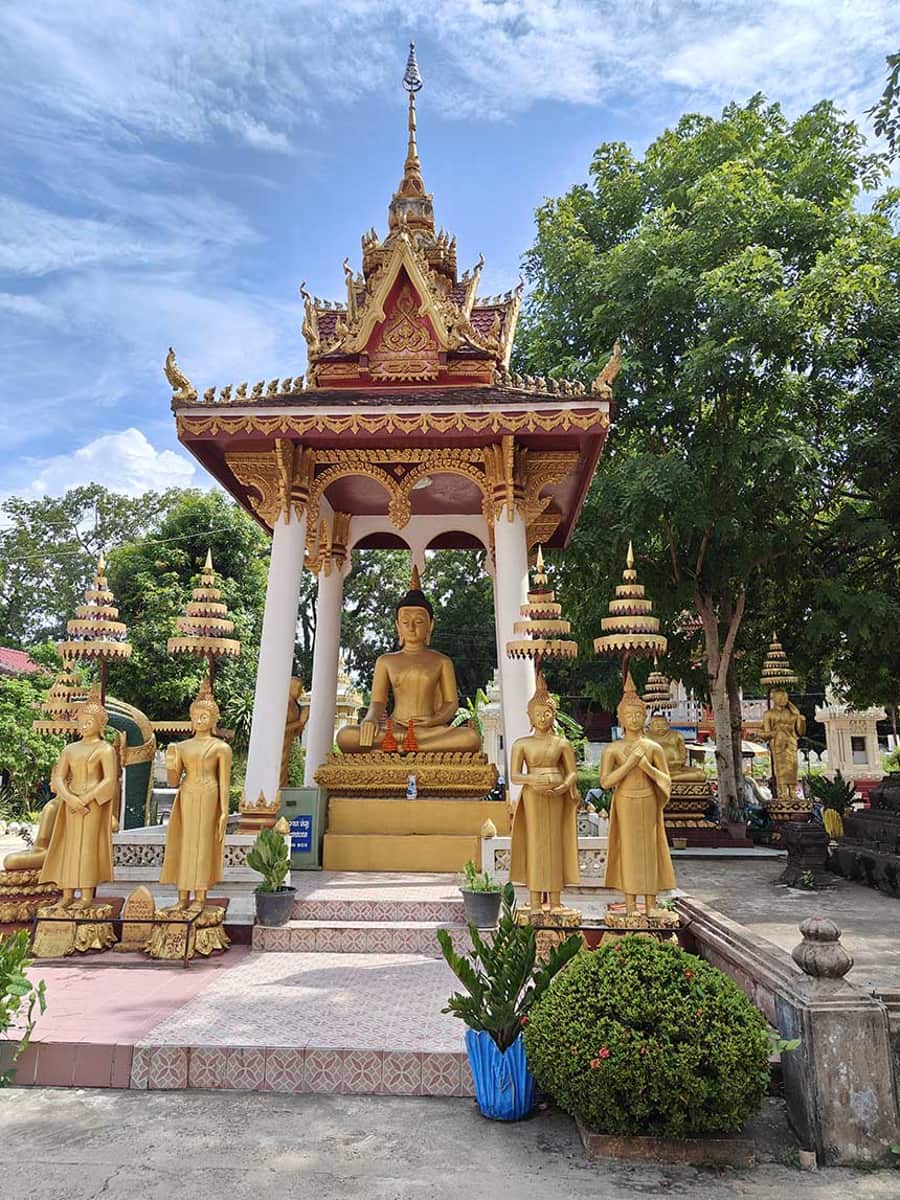
com tam saigon

Enjoy Nguyen Hue Walking Street At Night

In March, the comfortable weather continues into the evening, making it the perfect time for Nguyen Hue Walking Street to feature the lights, music, and laughter that continued throughout the day. You can sing along with the locals with their dancing, you can sit aside and watch street performers, or simply take in the atmosphere of the evening with the colonial buildings and modern cafes nearby.

Visit Saigon Zoo And Botanical Gardens

This is where a family might enjoy a brief rest in a green park. Within the relatively discreet Saigon Zoo and Botanical Gardens is a wealth of animals under large trees and tropical flowers, offering a refreshing break from the hustle. The parks provide nice walking in the trees and taking a team photo with the colourful flowers in bloom, particularly in March.

Enjoy A Day Trip To The Cu Chi Tunnels

March’s dry and sunny weather is a wonderful time to book a famous Cu Chi Tunnel day trip, located around 60 km from the city. At the tunnels, you can crawl through historic tunnels, discover resilience during wartime in Vietnam, and see some clever pits and underground hideouts. It is educational and adventurous, and gives visitors an opportunity to learn about the country.

visit Cu Chi Tunnels in ho chi minh city

What To Pack For Ho Chi Minh In March

March in Ho Chi Minh City means warmer sunshine and mostly dry days, making it a great time to see sights and be outside. Though there may be occasional rain and hotter temperatures, a little smart packing goes a long way for your comfort on a trip.

Light apparel and accessories

Designed for warm weather, pack good-quality, breathable, lightweight clothing such as cotton T-shirts, linen tops, and quick-dry shorts. Pack a wide-brimmed hat, sunglasses, and sunscreen to help protect you from the tropical sun. For exploring the city, ensure you have comfortable walking shoes or sandals.

Rain gear and sun protection

While March is within the dry season, you may still encounter a sudden tropical downpour. Bring a small compact umbrella or a lightweight raincoat in case of rainy weather. Sunscreen, lip balm, and after-sun lotion will protect your skin from the sun’s UV rays while you discover the outdoor attractions.

Health and personal hygiene essentials

Next, pack your basic medications, pain medications, allergy medication, and any other prescribed medications. You also want to bring basic personal care items, such as a toothbrush, toothpaste, shampoo, and wet wipes. Also, pack a small bottle of hand sanitizer for traveling in the city, visiting local markets.

Documents and money

Place your identification, passport, and travel insurance into a waterproof pouch. We recommend carrying cash (Vietnamese Dong) and a credit or debit card (many of the small vendors do not take credit or debit cards). It is wise to pack copies of all important paperwork in the event of a misplaced travel document.

Electronics and gadgets

You will want to bring your phone, a power bank, and a universal travel adapter so that you may stay connected and charged throughout the day. Bring a small camera or a GoPro to make sure you get all of your Saigon moments!

Other useful items

A functional day pack is ideal for day trips, and a reusable water bottle is great for hydration in the heat. Consider packing a small notebook or travel journal to record your memories, and snacks for your long sightseeing days.

Travel Tips For Visiting Ho Chi Minh In March

Visiting Ho Chi Minh City in March is a great time to do so because the dry season will provide lots of sun and lovely warmth. To prepare, make sure to keep the following things in mind:

  • Dress in light, breathable clothing to keep cool during the warm days.
  • Bring sunscreen, sunglasses, and a hat to protect yourself from the tropical sun.
  • Be sure to drink water throughout the day, especially on days you visit outdoor attractions.
  • Plan your outdoor activities in the early morning and late afternoon to avoid the hottest parts of the day.
  • Keep some cash on you, as a lot of small shops and local markets may not take cards.
  • Pack insect repellent if planning to visit parks or riverfront areas.
  • Be sure to book your accommodation well in advance, as March is a busy travel month in Vietnam.

FAQs About Visiting Ho Chi Minh In March

March is one of the most pleasant months to visit Ho Chi Minh City, with lots of sun and fewer visitors. As travelers prepare to visit in March, here are some common questions they typically ask about visiting.

What events or festivals take place in Ho Chi Minh in March?

In March, you will see Vietnamese cultural performances and flower festivals as well as various art shows, all focused on celebrating the atmosphere of the early spring in Vietnam. You will also have the opportunity to attend vibrant weekend night markets and musical performances in city squares. It will be a great month to witness the city’s enjoyable local life.

the pink church in ho chi minh city

Is Ho Chi Minh crowded in March?

Comparatively, March will be less crowded when compared to peak months when a typical holiday occurs. You will be able to see longer waiting lines at major attractions and find better hotel deals. It is a terrific trip for travelers that would like to see and do things without crack and with fabulous weather.

What are the best things to do in Ho Chi Minh in March?

The month of March is comprehensive with sightseeing, cafe hopping, and sunset sail cruises on the Saigon River. You will also have the opportunity to capture the blooming of the Pink Trumpet Blossoms throughout the city. Lastly, let’s check out the local food stalls and all the wonderful Vietnamese street food experiences.

Final Thoughts: Is March A Good Time To Visit Ho Chi Minh?

March definitely is a great time of year to visit Ho Chi Minh City. The weather is warm, dry, and sunny, perfect for sightseeing, visiting rooftop cafés, and roaming the lively streets of the city. It’s also much less crowded than the summer months, which makes travel even more enjoyable. Let Seni World help you enjoy your perfect Saigon experience, easy and in style.

Ho Chi Minh In February: The Ultimate Guide For First-Time Visitors

Ho Chi Minh in February entices visitors with warm, beautiful blue skies and a festive feeling from the Lunar New Year. It is a lovely time to visit, as you can see the sights and sample the street food.

Where Is Ho Chi Minh?

Ho Chi Minh city is situated in the southeastern area of the country; it is close to the Mekong River and the South China Sea. Ho Chi Minh City is the most populous city in the nation and symbolizes French colonial architecture found throughout the city with features such as current skyscrapers and lively streets.

new year in ho chi minh city in february

February is one of those months that offers something unique to Ho Chi Minh City. You get the feeling that there is something special about this city during February. The feeling among people seems to be one that is full of lightness and greater mornings with clear blue skies. Not counting the decent population that flies to Ho Chi Minh during February to experience its markets and history without enduring the scorching sun that comes with the summer season.

What Is The Weather Like In Ho Chi Minh In February?

February is one of the best seasons to visit Ho Chi Minh City. The climate is subtropical with average temperatures that are quite pleasant without the sun beating down. The dry season has started, meaning that you might get to enjoy clear skies and lower humidity as well. These are perfect conditions to explore the city without exhausting yourself walking around.

Weather Aspect Details
Temperature Highs in the day are around ~33 °C, lows at night are usually ~23 °C
Humidity Moderate humidity levels of ~60%
Rainfall Very little rain: only a couple of days with any measurable rain, not more than ~10 mm, as on average
Cloud Cover A fair amount of clear to partly cloudy skies (~47% of the days will have less cloud cover).
Weather Pattern Dry season: warm and sunny with little rain, very pleasant for any outdoor activity.

What To See And Do In Ho Chi Minh In February

In February, you’ll find some of the best temperatures of the year and an energetic vibe – an ideal time to dig into the city. Attractions encompass history, energetic streets, and artistic corners, among other great experiences, all reflecting the lively spirit and cultural diversity of the city. Below are a few of the best things to see and do in Ho Chi Minh this February.

Witness the Tet Festival Festivities

If your travels bring you to Ho Chi Minh City in February, your visit likely coincides with Tet, the most significant and spirited festival in Vietnam. The city will be filled with colorful flower markets, vibrant festivals, and elaborate decorations. Nguyen Hue Walking Street will transform into a stunning flower street filled with artwork installations and traditional tokens of good luck and success.

Witness the Tet Festival Festivities

The locals will be traveling to pagodas to pray for a prosperous year, and visitors are welcome to do the same by sampling traditional festive foods, such as Banh Chung, or collecting small red envelopes as souvenirs. Experiencing Tet in Ho Chi Minh will be one of the best opportunities to catch a warm glimpse of Vietnamese life and neighborly conviviality.

See Unique Architecture At The Independence Palace

The Independence Palace (or Reunification Palace) represents history and resilience for the Vietnamese people. Fortunately for you, February’s cooler months are comfortable enough to stroll the expansive grounds as well as the architecture without being too hot. Within the palace, there is a lot of war relics, period rooms, and art that all suggest to you that you are walking through time, following the storied evolution of Saigon through the years.

visit sai gon independence palace

Experience The Energy Of Bui Vien Walking Street

If you want to feel some energy and nightlife, Bui Vien Walking Street is for you. February’s warm evenings are perfect for local street food, street musicians, and happening street bars. Travelers and local residents first create an engaging experience for you to witness the youthfulness and liveliness of Saigon. It is a place where the city literally comes alive.

Explore The Saigon Central Post Office

The Saigon Central Post Office is an exquisite representation of French colonial architecture and serves both as a cultural and artistic gem. Visiting in February when the warm rays of the sun reveal the beautiful yellow coloring on the building’s exterior and the delicate patterns inside adds to the ambiance.

Saigon Central Post Office

There are some vintage phone booths, and many grand arches hanging from the ceiling which all combine to take visitors to a different time and evoke a level of nostalgia that encourages you to stay. Perfect for taking some pictures, this place embodies the feeling of old and new to see, and is worth spending time at.

Visit The Ho Chi Minh City Museum Of Fine Arts

A quiet pleasure that one can enjoy in Ho Chi Minh is visiting the Museum of Fine Arts. The museum consists of three colonial constructions and has an excellent collection of various artworks from traditional to modern art in Vietnam. The first part of February is quite chilly enough to walk through some art exhibitions in one’s free time in the afternoons and evenings. Each exhibition room outlines one story related to the creativity of people in terms of art, besides learning about the budding art movement in modern art.

Shop And Eat At Ben Thanh Market

A visit to Ho Chi Minh City wouldn’t be complete without visiting the Ben Thanh Market. The favorable climate during the month of February adds to the fun. You can buy crafts, souvenirs, and other specialties amidst the experience of shopping in the open air. You can indulge in street foods such as Pho (Vietnamese noodles), Banh Xeo (Vietnamese sizzling pancake), and fresh tropical fruits. This is only a sampling of your essential daily sustenance in Saigon.

ben thanh market in ho chi minh city

What To Pack For Ho Chi Minh In February

When traveling to Ho Chi Minh City in February, expect pleasant, warm weather for the most part, and fairly dry. Therefore, plan accordingly. Here’s a rundown of what you should pack to ensure a trouble-free and enjoyable vacation.

Clothes and accessories

It’s a good idea to pack lightweight, breathable fabrics: t-shirts, shirts, shorts, casual pants; cotton or linen is best. Comfortable sandals or shoes can also be very useful, as you will have to walk extensively while visiting the various sights.

And let’s not forget the sun protection-related items: a hat, sunglasses, and sunscreen. Though it’s highly improbable that you will get any rain in February, a small umbrella or some thin raincoat is handy in case you get caught in a rain shower.

tourist visiting Ho chi minh city

Personal items

You should carry your identification or passport and, to the extent that you feel comfortable, any travel documents, with a wallet of cash and/or cards. These will be helpful for any purchases and provide safety for your cash or cards.

You will want toiletries and personal items such as hand sanitizer, wipes, and a small first aid kit, including personal medications, possibly headache or stomach remedies, or medications to fight motion sickness.

Electronics and Other Things

A charged phone and a power bank are all you need to have navigation apps and memories on hand from your travels. If you’re into photography, bringing along your camera to capture the sights of the city will create lasting memories of its colorful streets and landmarks. Snacks and a refillable water bottle may also be beneficial along the way.

Other tips

Keep an eye on the weather before you leave so you will be adequately prepared. Choose an appropriate backpack or suitcase depending on the length of your travel. Small items like lip balm, moisturizer, or even bug spray can enhance the outdoor experience.

Travel Tips For Visiting Ho Chi Minh In February

bus tour in ho chi minh city

Exploring Ho Chi Minh City during February is a rewarding experience, as the pleasant temperatures and energetic feel of the city make for a fun trip. To help maximize your travel experience, consider the following advice so you can more easily and comfortably sightsee across the city.

  • Dress light and in breathable clothing, as you will likely be walking around during very warm and sunny conditions.
  • Wear comfortable shoes you can wear while walking, particularly if you plan on visiting outdoor markets, museums, or historical landmarks.
  • Make sure to bring a hat, sunglasses, and sunscreen, as the February sun is to be taken seriously, even if it isn’t harsh.
  • Grab a small daypack that can hold water and snacks because you could be away for long periods of walking up and down streets or away from attractions.
  • Be respectful of customs. This is particularly true for any post-Lunar New Year celebrations or festivals.
  • Staying hydrated, as ever being outside during the sun while doing urban exploration, can be surprisingly dehydrating, even if the temperature is mild.
  • Keep your valuables secure, especially while in crowded areas, such as Ben Thanh Market, or on busy streets. Of course, to prevent pick-pocketing, one should always be aware of their surroundings.

FAQs About Visiting Ho Chi Minh In February

Visiting Ho Chi Minh City in February provides beautiful weather, a nice atmosphere, and an exciting environment for visiting and experiencing culture. Some common questions people often have for their travel plans in Ho Chi Minh City are answered below to help you have an enjoyable experience.

Are there any festivals or events in February?

February often marks the close of the Lunar New Year, and the events surrounding it include cultural activities like performances, festive decorations, parades, and celebrations in general. This is an excellent opportunity to enjoy Vietnamese culture and see the local cultural practices of culture. Wherever you go, popular markets or streets will have plenty of lively decorations, giving you and other visitors a lively atmosphere.

How crowded is Ho Chi Minh City in February?

The city’s moderate to busy level of tourism will likely be in the post-Lunar New Year range, but the mode is manageable. Certain attractions have busy or full crowds, so be sure to cover those places early. The streets, markets, and nightlife of the evening will have a crowd and be lively, generally meeting your expectations of a new environment.

Is it safe to explore the city in February?

Yes, Ho Chi Minh City is overall safe for visitors to the city. It is a good idea to take normal precautions, such as watching your belongings and avoiding dark, secluded areas after nightfall. The city has many forms of transit, such as public transportation, taxis, and ride-hailing services, available for traveling throughout the city.

How much will it cost to visit Ho Chi Minh in February?

Accommodation and flight costs may be slightly higher during Tet, but outside of this week, fares are quite cheap. If you book in advance, you can get a better deal.

Is it safe to get around the city during Tet?

Yes, Ho Chi Minh City is incredibly safe and lots of fun to be at over Tet. Just be aware of pickpockets in crowded places and make sure to keep an eye on your things at public celebrations!

Final Thoughts: Is February A Good Time To Visit Ho Chi Minh?

February is certainly one of the best months to visit Ho Chi Minh City. With warm sunshine, little rain, and multi-events of cultural life, it’s a good time to get outside, explore the busy streets, local markets, and historical sites. You can enjoy outdoor activities without the sweltering heat or unexpected rain. Whether you’re interested in sightseeing, gastronomic tours, or the lively holiday spirit, Ho Chi Minh City will have something for you. Preparing for this unique journey to Ho Chi Minh City with Seni World, the city is at its best!

Ho Chi Minh In January: Explore Festive Streets & Sunny Days

Ho Chi Minh City in January is both dynamic and lively, with mildly comfortable weather and minimal rain. It is a good time to stroll the rich streets and visit historical landmarks with soft breezes and views overlooking the riverside.

Where Is Ho Chi Minh?

Ho Chi Minh City, formerly known as Saigon, is the largest city in the southern region of Vietnam, situated near the Mekong Delta and the South China Sea. This bustling city boasts French colonial buildings and contemporary skyscrapers, as well as an energizing street culture, making it a must-see city in Vietnam.

ho chi minh city bus tour

January is an extremely popular time to visit Ho Chi Minh City, given the weather is nice and cool and dry. Therefore, it is an easy season to stroll around the city and visit historical attractions, plus sit outside at bustling cafe terraces and fully enjoy Vietnam’s bustling city life without having to deal with heat or the wet season.

What Is The Weather Like In Ho Chi Minh In January?

Ho Chi Minh City enjoys dry-season weather in January, featuring warm temperatures, lower rainfall, and clear skies most days. Typically, daytime highs are around 32°C (about 89°F), while it remains mild in the evenings at about 22 °C (72 °F). For Ho Chi Minh City, the dry season means little rain and comfortable humidity compared to the wet months, making it a good time to explore.

Weather Aspect Details
Temperature Highs around 32 °C (89 °F), lows around 22 °C (72 °F)
Humidity Moderate for the region, more comfortable than rainy season.
Rainfall Very low rainfall, one of the driest months of the year.
Cloud Cover Relatively clear skies with fewer heavy clouds than wet months.
Weather Pattern Dry season: warm, mostly sunny, very little rain, great for outdoor activity.

What To See And Do In Ho Chi Minh In January

Ho Chi Minh City is a unique mix of cultural, history, and modern attractions – a great city to visit in January! With the enjoyable weather, you can easily enjoy walking around outdoor shops and visiting famous landmarks without the oppressive heat or rain whilst enjoying the exciting feeling of the activities in town.

Stroll Around Nguyen Hue Walking Street

Whether you’re visiting Ho Chi Minh City in January, you will want to stop by Nguyen Hue Walking Street. Located in District 1, this 900-meter pedestrian street is packed with thousands of visitors every day! If you’re fortunate enough to visit during January, this street displays amazing displays of decoration and lights for the Lunar New Year, which will create a fantastic and vibrant experience in HCMC! The street is also considered the “shopping capital” of Saigon, with restaurants, designer stores, and international brands located in the area and packed with energy!

Stroll Around Nguyen Hue Walking Street

Admire Ho Chi Minh Museum Of Fine Arts

The Ho Chi Minh Museum of Fine Arts is a special cultural spot definitely worth visiting in January. Located in the heart of Ho Chi Minh, it has a vast collection of modern as well as traditional artworks. It would be a great idea to stop here as it allows tourists to admire the intricacies of artworks, marvel at exhibitions, as well as take exciting pictures.

Listen To Some Heart-Stolen Songs At Saigon Opera House

The Saigon Opera House is a favorite among locals as well as tourists. Its architectural charm and artistic significance make it a not-to-be-missed part of a visit to Ho Chi Minh. In January, tourists can witness cultural performances, watch plays, or just marvel at the preserved French colonial architectural heritage of the opera house.

Pray Peace At Notre Dame Cathedral Of Saigon

The Notre Dame Cathedral can be identified from a distance because of its Gothic architectural design, which includes high towers, walls made of green stone, and ornate carvings. In this cathedral, you can view some of the breathtaking artworks, including a painting of Jesus on the Rosary and a statue of the Virgin Mary. It is a point of interest for taking pictures while visiting Ho Chi Minh in January.

Notre Dame Cathedral of Saigon

Shop Local Goods At Ben Thanh Market

One of Ho Chi Minh City’s well-known buildings and a must-see in January is Ben Thanh Market. This lively market features an amazing range of local goods, from fresh fruit and seafood to handicrafts and souvenirs. The weather in January is nice and cool, which always makes for an enjoyable stroll through the bustling aisles. You can taste some Vietnamese street food, shop for fun gifts, and feel the buzz of a local market. Definitely practice your bargaining skills to get a deal!

Enjoy The Fresh Atmosphere At Saigon Zoo and Botanical Gardens

The cool, dry weather makes January an ideal time to check out the Saigon Zoo and Botanical Gardens. This zoo has been around for more than 150 years, making it one of the oldest zoos in Southeast Asia, and it affords some peace in the city. You can see a variety of animals, stroll in the lush green space, and take a walk down shaded paths. This venue is good for families as well as photographers.

See The Top High Views From Bitexco Financial Tower

If you want a 360-degree view of the city, visit the Bitexco Financial Tower for its Skydeck experience. The clear skies in January offer good visibility, so it’s a great time to enjoy the views. From the Skydeck, you can see views of Ho Chi Minh City’s skyline, rivers, and streets below. The tower also has restaurants and cafes, allowing you to sit and relax while having a meal or a drink. It is a modern highlight and beautifully contrasts the historic, older architecture of the city.

Bitexco Financial Tower in Ho chi minh city

Experience Cultural Activities At Jade Emperor Pagoda

Another experience worth visiting in January is the spiritual experience at Jade Emperor Pagoda. The beautiful, intricate carvings and statues of deities and the scents of incense in the halls bestow a peaceful atmosphere. You can see local worship practices and take photos of the beautiful woodwork and aesthetic architectural style in January when the weather is mild. January allows you to comfortably walk around the pagoda grounds and take time to reflect quietly.

Uncover The Cultural And Historical Heritage Of The Ho Chi Minh City Museum

The Ho Chi Minh City Museum offers an overview of the history, culture, and development of the city. In January, it is enjoyable to visit the museum because the weather is cooler and there are fewer tourists than during high season. The museum contains historic objects, photographs, and displays detailing the history of the city’s growth and development. Overall, this is a convenient stop for travelers who are interested in better understanding both colonial and contemporary Ho Chi Minh City.

The Ho Chi Minh City Museum in Ho chi minh city

What To Pack For Ho Chi Minh In January

When visiting Ho Chi Minh City in January, pack light, breathable clothing, and important items to enjoy the dry season weather. Even though you may encounter very little rainfall, it’s better to be safe rather than sorry and prepare for nice warm days with a shower here and there.

Clothing and accessories

Plan to wear light-weight breathable clothes that wick away sweat, such as cotton shirts, shorts, or dresses, as the temperatures are nice and warm during the day. Sunscreen, sunglasses, and a broad-brimmed hat are important for protection from the strong sun. Comfortably walking shoes are also a good idea for walking the streets and markets.

Rain gear and sun protection

Bring a small umbrella or a thin raincoat for those rare, unexpected showers during the month. The sun can still be very strong in January, so apply sunscreen often and wear sunglasses that are UV-rated.

Personal and medical items

It is a good idea to carry your ID, passport, driver’s license, cash, and bank cards on your person. Carry personal medications, bug spray, and basic first-aids such as plasters or band-aids with you, as well as toiletries to freshen up throughout the day.

Essential extras

Bring a small daypack or bag to carry for day trips. It is also helpful to bring electronics like your phone, camera, or power bank. Think about bringing a few snacks, like dried fruit or biscuits, in case you find yourself out longer than you expected on the itinerary. Finally, consider bringing a small laundry bag for dirty clothing, so they are easier to keep organized with the rest of your luggage.

Travel Tips For Visiting Ho Chi Minh In January

visit sai gon independence palace

January is a dynamic period for visiting Ho Chi Minh City with pleasant weather that facilitates exploration and enjoying the outdoors. Here are some useful tips to help you navigate your visit to this bustling city.

  • Bring a reusable water bottle to drink plenty of water while walking around the city under the fresh sun.
  • Dress for the day with light, breathable clothing and comfortable, plain shoes to walk around busy streets and outdoor markets.
  • Start early morning with popular attractions when there are fewer travelers and the temperatures are cooler.
  • Use local ride-hailing apps or taxis for added convenience to moving around the city safely and quickly.
  • Keep cash on you for some of the smaller merchants or street markets that do not accept cards.
  • Mix it up with perhaps some indoor activities, visiting museums and parks, cultural and civic sites, or exploring walking streets.
  • If you wish, have a small umbrella or thin raincoat, hypothetically, with precipitation being rare in January, it could rain for a short period.

FAQs About Visiting Ho Chi Minh In January

January is a very good time to be in Ho Chi Minh City, as the weather is very welcoming. Below are some questions often asked concerning travel plans to Ho Chi Minh.

Is January a busy season for tourists in Ho Chi Minh?

January is relatively busy because of the favorable climate as well as preparation for the Lunar New Year. Tourist spots can be crowded, but it’s much more convenient than the wet season. Early morning is the best time to avoid crowds.

Is there a festival taking place in January?

Yes, the month of January usually involves preparations for Tet, the Vietnamese Lunar New Year. The streets, such as Nguyễn Huệ Walking Street, are decorated with illuminated flowers, making it a joyful environment. Cultural shows as well as markets can be expected.

New year decoration in ho chi minh city

Is it safe to travel in Ho Chi Minh in January?

Yes, Ho Chi Minh City is relatively safe for tourists. Just as in any big city, it would be a good idea to be mindful of your environment, keep your belongings secure, and follow local traffic regulations.

Final Thoughts: Is January A Good Time To Visit Ho Chi Minh?

Visiting Ho Chi Minh City in January is a uniquely enjoyable experience owing to the year’s mild temperatures, infrequent rainfall, and often blue skies. These pleasant conditions significantly enhance what is often a difficult task; walking the streets, shopping in markets, visiting landmarks, and attending other outdoor activities during this dry season will not match the inconveniences of heat and high humidity. Plan your travels well with Seni World so you can maximize your time in Ho Chi Minh City!

Ho Chi Minh To Con Dao Travel Routes And Transport Information

Ho Chi Minh to Con Dao is a popular route for travelers seeking a calmer escape after days in the city. The trip is easy to arrange, leading to an island that feels remote, peaceful, and closely tied to nature.

Overview Of Ho Chi Minh To Con Dao

The trip from Ho Chi Minh City to Con Dao connects the busiest city with a calm island retreat. About 230 km off the shore, this destination is known for unspoiled beaches, rich sea ecosystems, and remnants of colonial times scattered throughout. Many travelers choose this route because it’s easy to reach while still feeling remote, a rare mix in today’s southern Vietnam.

the pink church in ho chi minh city

Each day, flights depart Ho Chi Minh City, lasting less than an hour, fitting smoothly into southern getaways. What pulls people in is shifting fast from Ho Chi Minh’s highlight sights to a lazy island pace. Many travelers unwind for days exploring old prisons and sacred sites; meanwhile, some dive at Dam Trau or Bay Canh, hidden aquatic spots scattered along Vietnam’s coast.

How Far Is It From Ho Chi Minh To Con Dao?

The distance from Ho Chi Minh to Con Dao is about 230 km when measured straight. Because the island group lies beyond the southern coast, driving isn’t possible; therefore, travelers must choose flights or watercraft. A direct flight from Tan Son Nhat to Con Dao usually takes around 55 minutes. In contrast, ferries leaving from Vung Tau or Soc Trang can take between three and four hours, depending on sea conditions and weather patterns.

peaceful Con Dao Island

A short flight often suits visitors bound for the island most. On the other hand, ferries attract passengers who prefer a slower journey, especially during the best time to visit Ho Chi Minh and the southern coast. Still, rougher seas occasionally disrupt sailing schedules between May and September, so you should check ahead to help avoid long delays.

How To Travel From Ho Chi Minh To Con Dao?

There are various ways to reach Con Dao from Ho Chi Minh City. You can fly, take a ferry, or even a helicopter – focusing on different aspects of the travel experience, from speed to aesthetic appreciation to rare views.

By Flight

Generally, the fastest and most reliable option is to fly from Ho Chi Minh to Con Dao. Daily flights depart from Tan Son Nhat International Airport (SGN) to Con Dao Airport (VCS), located on Con Son Island (the largest). The flight time is just under an hour, but even factoring in getting to the airport and boarding, you save almost 24 hours of travel time versus taking the ferry.

Ho Chi Minh to Con Dao by flight

There are regular flights offered through Vietnam Airlines, Bamboo Airways, and Vietravel Airlines, with ATR-72 aircraft. These planes are smaller than typical jets due to the limited runway on the island. Fares fluctuate depending on demand and seasonal trends, and early bookings will save money and prevent stress. Because these planes are smaller, the number of seats per flight stays limited, and luggage allowances are stricter, so it’s best to consult the weight limits before packing your bags.

Aspect Details
Travel Time Around 55-60 minutes from Ho Chi Minh City to Con Dao. Slight variations may occur due to air traffic.
Airlines Vietnam Airlines, Bamboo Airways, Vietravel Airlines. Operated by a small ATR-72 aircraft suitable for the short runway.
Estimated Price 1,200,000-2,500,000 VND (USD 50-100) one way, depending on season and booking.
Best For Travelers seeking a fast, comfortable, and weather-reliable option. Ideal for short trips or connecting itineraries.

By Fast Ferry (From Ho Chi Minh City)

People heading to Con Dao skip the plane – instead, they hop on a speedboat from Ho Chi Minh City. Sure, it’s slower than flying, yet you get sweeping sea views during the ride. These ferries leave from docks close to the outskirts, zipping through downtown spots in roughly 45 minutes. With weather playing a role, travel time shifts between four and a half to six hours. Most departures kick off at dawn, docking at Ben Dam Port on Con Son by midday.

Ho Chi Minh City to Con Dao by ferry

Aspect Details
Travel Time The trip from Ho Chi Minh City to Con Dao lasts about 4.5 to 6 hours, depending on the boat along sea conditions.
Departure Port Ferries leave from Hiep Phuoc Port, located in Nha Be District. Around 20 km away from District 1, you can get there by taxi or your own car in about 40 to 60 minutes.
Ferry Company Ferries run by Phu Quoc Express or others use new-style vessels, which include AC, toilets, along emergency gear inside.
Estimated Price Ticket costs go from 800,000 to 1.2 million VND, around $30 to $50, for a single trip. During busy periods like holidays, prices might shift a bit.
Best For People avoiding airplanes might choose boat rides from Ho Chi Minh City, great if you like taking it slow. Instead of rushing through airports, some jump on vessels leaving straight from town, enjoying calm movement across water without ever stepping near a gate.
Notes Schedules change when the weather or tides do. Get to the dock at least 45 minutes before it leaves. Carry water, maybe include seasick pills if that’s something you worry about.

By Bus And Ferry (Via Soc Trang)

Take a bus or minivan to Tran De Port in Soc Trang; that’s about five hours on the road. When you get there, grab a quick ferry bound for Ben Dam Port on Con Son Island instead. Lots of operators run vessels here – these come with air-conditioned cabins, cozy seats, plus essential safety stuff. Trips normally take anywhere from 10 to 16 hours, but hiccups may pop up thanks to heavy traffic or transfers. Best to check departure schedules ahead of time; booking a combo bus-boat pass might save hassle later.

Aspect Details
Travel Time The whole trip lasts around 10 to 16 hours, the bus ride from Ho Chi Minh City to Soc Trang takes about 5 hours, then a ferry that runs roughly 3.5 to 4 hours.
Departure Points Buses heading to Soc Trang leave either from Mien Tay Bus Station or run by private companies in District 5. Meanwhile, the ferry sets off from Tran De Port, reaching Ben Dam Port once it lands on Con Son Island.
Estimated Price Bus-ferry combo rides run from 500,000 to 900,000 VND (about USD 20–35) each way, price changes by company or seat choice
Best For Folks watching their cash, plus adventurers up for extra hours on the move – keen to swap buses and boats along the way.
Notes This path takes the most time yet shows the real side of the Mekong Delta. Because tides or weather can shift ferry times, check the schedule one day ahead of leaving.

By Helicopter (From Vung Tau)

A quick hop by chopper from Vung Tau gives visitors a fresh take on getting to Con Dao – fast, smooth, with sights you won’t forget. Run by VNHS, this ride lifts off from Vung Tau Airfield straight to Con Dao’s tarmac. Instead of hours on ground transport, it’s just sixty minutes slicing above waves. Along the route, skies open up endless ocean scenes plus scattered land patches down under.

go to con dao By Helicopter

The chopper can fit between 12 and 24 people, varies by type, yet flies multiple days weekly – weather and how busy it gets make a difference. Sure, it costs more than anything else; still, folks looking for ease, quiet time, or a bit of thrill tend to go for it. For workers rushing around or anyone pressed for time, skipping check-in crowds and boat waits makes this one sensible move.

Aspect Details
Travel Time About an hour’s trip from Vung Tau to Con Dao. These flights can change based on how clear or rough the weather is.
Departure Point Vung Tau Airport sits around 120 km southeast of Ho Chi Minh City. To get there, folks usually drive or hop on a bus, takes about two hours either way.
Operator Southern Vietnam’s chopper firm runs flights through the national helicopter group.
Estimated Price Around 2.2 to 3 million VND, about $85 up to $120, for one ride. Prices might change depending on crowds or when you travel.
Best For Folks who’ve got cash to spare, small groups, or busy experts needing comfort, hassle-free travel, sometimes an ocean view here and there.
Notes Just a handful of places remain, secure yours early. When the weather acts up, trips could be canceled. Bring only what you need because luggage must stay under the limit.

Tips For Traveling From Ho Chi Minh To Con Dao

Ben Dam (Dam port) in con dao island

Most folks get to Con Dao without hassle by checking the forecast, snagging a spot early, or working around how island logistics tend to run, so what’s next focus on real moves that actually cut down tension and holdups.

  • Flights from Ho Chi Minh to Con Dao often fill up fast, which means grabbing your ticket ahead of time, say 2 or 3 weeks prior, tends to lock in a seat along with lower prices.
  • The wet, blustery stretch, usually May through September, can mean random timetable shifts; that’s why plans go smoother if you add a spare half-day before or after the trip.
  • People prone to motion sickness tend to notice smoother rides up front or near the center of propeller aircraft, while on boats, sitting around the middle helps ease discomfort.
  • The bus, together with the ferry through Soc Trang, cuts down on ocean travel time when set against leaving from Vung Tau, which is why folks uneasy about choppy seas usually go for the Soc Trang option.
  • Ferry companies or flights might send alerts late, so stash your ticket offline, then double-check the reservation the night prior to trip day to spot quiet timetable shifts.
  • Combo passes linking the Tran De Port shuttle with the boat to Ben Dam make transfers smoother; newcomers usually see this as easier than grabbing each piece on its own.
  • Storms don’t happen much, yet they can pop up. Having a hotel reservation, you’re able to tweak or cancel fast near your travel window, which keeps your plans from falling apart.
  • If you hop on the first ferry to Soc Trang, reaching Tran De Port feels smooth – no hurry at all, especially when it’s a weekend – and that means rolling out of Ho Chi Minh City near 2:30 or 3 AM.
  • Scooters in Con Dao often get booked up fast during holidays. Ringing your hotel a day early could help secure one. That way, once you land, you won’t need to hunt around – your ride’s already set. Skipping the search means more time exploring instead.

Final Thoughts

Getting from Ho Chi Minh to Con Dao isn’t as tough as it sounds; plenty of options that fit any wallet or vibe. Planning ahead helps; being open makes it better, turning urban noise into calm shores without stress. If you need a hand lining up rides, flights, or boat trips, Seni World hooks you up using dependable locals they know well. With personalized support and verified operators, your journey to Con Dao or even a Vietnam tour will be as seamless as planning a simple city break back home.

Ho Chi Minh To Can Tho Transportation Options And Travel Information

A trip from Ho Chi Minh to Can Tho lets you slow down and enjoy the Mekong’s daily scenes. Along the way, you’ll find small towns, friendly locals, and landscapes that still keep their gentle southern character.

Overview Of Ho Chi Minh To Can Tho

Getting from Ho Chi Minh City to Can Tho’s a popular move across southern Vietnam, particularly if you’re keen on diving into the Mekong Delta without much prep. These spots link up smoothly via highways and flight options, so tossing in a brief trip or tacking on an extra couple of days isn’t tricky at all. Lots of outings starting in Ho Chi Minh City wrap up in Can Tho before heading back, given how handy it is for checking out areas such as Vinh Long, Ben Tre, or Soc Trang.

floating market in can tho

How Far Is It From Ho Chi Minh To Can Tho?

The gap between Ho Chi Minh and Can Tho sits close to 165–170 km, though it shifts a bit based on where you roll out from and which way you pick. The route is easiest during the dry season, considered the best time to visit Ho Chi Minh, with clear skies and smooth traffic. A lot of folks go via National Highway 1A since it’s quicker plus cuts straight through. If traffic behaves, expect roughly 3.5 to 4.5 hours behind the wheel or riding a bus.

Ho Chi Minh city

The trip moves through major Mekong areas like Tien Giang or Vinh Long, giving views of countryside spots now and then. A few layovers pop up, coffee joints, local eateries, where folks can chill awhile. When hopping on a plane, you’ll zip straight from Ho Chi Minh (SGN) over to Can Tho (VCA), about 130 km in under an hour, which suits anyone rushing against the clock.

How to Travel From Ho Chi Minh To Can Tho?

You can get from Ho Chi Minh to Can Tho in different ways; pick one that matches how much time you’ve got, what you want to spend, or how you like to move around. Check out these breakdowns so you can figure out which option lines up with your plans

By Motorbike

A motorbike ride from Ho Chi Minh City to Can Tho rolls through wide plains mixed with farms, so handling is smoother compared to steep trails up north or near Da Nang. The time needed is roughly between four and six hours, depending on detours taken or breaks made here and there. Riding gives you freedom, yet there are some downsides, too. In short, this trip works best for riders who feel steady handling unpredictable streets and want a closer look at delta living.

Ho Chi Minh City to Can Tho by Motorbike

Aspect Details
Route Option 1 Ho Chi Minh City first, after that My Tho, then onward to Vinh Long, till you hit Can Tho. Follows National Highway 1A, a tight route, jammed with roadside spots so you can fill up or eat quickly.
Route Option 2 Ho Chi Minh City heads toward Ben Tre, followed by Vinh Long, then finally Can Tho. This path crosses slim bridges, sticking to quiet roads that dodge heavy traffic. Fewer vehicles around mean extra room, a calmer ride. Along the riverside, tiny workshops crafting coconut goods pop up; life here ticks at its own pace.
Route Option 3 Ho Chi Minh City leads to Cao Lanh, followed by a trip toward Can Tho – this path avoids crowded highways, weaving through Dong Thap. If you want peaceful lanes, open farmland, or less traffic, it fits well. Those who prefer relaxed journeys past flooded fields and rural stops usually find this leg worth it.
Distance Between 165 and 180 kilometers, depending on your chosen route.
Travel Time Usually around 4 to 6 hours on the bike. Add extra time when snapping pics or grabbing food.
Safety Tips Begin your ride before it gets hot out. Use a good helmet along with gloves and a solid jacket. Watch out around big trucks while riding, also leave your lights on – even when skies are bright.
Suggested Stops My Tho: start the day with coffee near the water.

Vinh Long: check out a busy market, then walk across the bridge for nice sights.

Can Tho: get there early so you’re set up when the sun goes down – perfect time to enjoy the river scene.

By Bus or Minivan

Headed from Ho Chi Minh to Can Tho by bus or small vans is what most people pick – cheap, easy, familiar. They run every hour from Mien Tay Station straight into downtown Can Tho. It takes around 3.5 to five hours, depending on how busy the roads get, plus when you leave. Services kick off at dawn, keep going past dark, so you’re free to chase sunrise tours to the water markets tomorrow.

Vehicle Type Price (VND & USD) Travel Time Notes & Tips
Standard Sleeper Bus Around 180,000 up to 230,000 VND, roughly 7 through 9 USD 4 to 5 hours This choice is cheaper; also, there are several departures daily. The bus stops now and then during the trip; although the room to stretch out is limited, packing a compact blanket or cushion may make things easier.
Cabin / VIP Sleeper Bus Around 300,000 to 400,000 VND, roughly 12 to 16 USD 3.5 to 4.5 hours Private cabins give you more seat space along with a cleaner layout inside. Things feel nicer once perks such as complimentary drinks or Wi-Fi kick in.
Limousine Minivan (9 to 16 spots) Roughly 350,000 to 450,000 VND, so around 14 to 18 USD 3.5 to 4 hours Picks you up straight from your doorstep, lets you out exactly where you want. Fewer passengers mean faster rides while keeping things quiet, though the room’s limited. Works great when it’s just two of you or you’ve got light luggage.
Night Bus Around 250,000 to 350,000 VND, roughly 10 to 14 USD 4 to 5 hours Fine choice when heading to those morning floating markets. Most buses start around 10 PM, some go till 11 PM, and reach Can Tho before sunrise. Bring earplugs; toss in a light jacket to keep cozy.

By Private Car

Thanks to the fresh Trung Luong – My Thuan highway, which now allows personal cars, the ride’s quicker and less bumpy. Sure, it’s pricier compared to buses – yet the time saved makes up for it. Rides come tidy, cooled, and handled by skilled locals who know Mekong roads well. Hotel pickups or Airport drop-offs are no problem. A bunch of services even toss in round-trips or quick detours to nearby spots.

Ho Chi Minh City to Can Tho by car

Vehicle Type Estimated Price (one-way) Estimated Travel Time Notes & Tips
4-Seater Sedan Around 1.7 to 2 million VND, roughly 70 or 85 USD 3.5 to 4.5 hours Fine for two people or just one, especially if you’re carrying little stuff. The vehicles feel good inside and get regular check-ups. Reserve earlier, like a full day ahead, to grab a nicer price.
7-Seater SUV Around 2.2 to 2.5 million VND, roughly 90 or even up to 100 US dollars 3.5 to 4.5 hours Offers extra room for legs along with place to keep things. Ideal if you’re traveling with kids or a few friends who want their own space now and then.
16-Seater Minibus Around 2.8 to 3.2 million VND, roughly 115 up to 130 USD 4 to 5 hours Fine choice when traveling with a crowd or hauling several bags. Ride feels steady, goes straight there, feel free to ask for quick breaks if you want pics or food.

By Boat

Heading from Ho Chi Minh to Can Tho on water isn’t typical. Most folks take buses or private rides but seeing the Mekong Delta this way changes everything. Tours usually start in My Tho or Cai Be, spots roughly two hours by road. Once aboard, vessels glide downstream through Vinh Long toward Can Tho, stopping at small craft hubs and groves growing exotic fruits. Cost shifts based on what kind of ride you choose.

Ho Chi Minh to Can Tho by boat

Aspect Details
Travel Time Journeys take 7 to 10 hours on speedy daytime boats; overnight ones drag on for one or two whole days, stopping now and then so you can check out landmarks.
Departure Points Most boats leave from My Tho or Cai Be, both easy to get to by car if you’re coming from Ho Chi Minh City. A few tour options give you a ride straight from your hotel right down to the dock.
Estimated Price Costs go from 1,200,000 up to 3,000,000 VND each traveler, around 50 to 120 USD, depending on whether you’re splitting the boat or booking it all yourself.
Facilities Folks can pick anything from simple spots on tiny vessels to cozy rooms with AC, food included, while also getting tours on land.
Best For Folks can pick anything from simple spots on tiny vessels to cozy rooms with AC, food included, while also getting tours on land.
Notes Travelers interested in slow-paced journeys and cultural experiences along the Mekong rather than simple point-to-point transport.

Tips For Traveling From Ho Chi Minh To Can Tho

ninh kieu wharf at night

Before picking your way to go, consider the time you’d like to arrive in Can Tho, as well as how loose or fixed your schedule should be. These suggestions zero in on real stuff that makes planning easier while getting more out of your journey.

  • Thinking about checking out Cai Rang Floating Market? Get to Can Tho the night before, crash close to Ninh Kieu Wharf, to catch an early boat ride right at dawn, since that’s when things really start buzzing.
  • While reserving a stretch van, double-check where they’ll pick you up at the hotel, plus where exactly you’ll get dropped off. A few companies park beyond downtown, so you may have to grab a quick cab to reach your place.
  • If you hire a personal vehicle, get the driver to double-check the full price, tolls, plus gas before leaving. That way, unexpected costs won’t pop up once you’ve reached your spot.
  • Hopping on a morning boat trip, give your hotel a heads-up, and they’ll sort out an early ride to Ninh Kieu Wharf. Since most departures kick off near 5:30 AM, showing up just fifteen minutes behind schedule might make you skip the market’s peak rush.
  • If you want to head further into the Mekong Delta, grab your next ride from Can Tho rather than Saigon; locals know spots bigger offices miss, so deals pop up more often.
  • While riding a motorbike, keep in mind that these bikes can’t go on the Trung Luong – My Thuan express route. Instead, take Highway 1A or local backroads.
  • Taking a night bus can get chilly, so pack a thin jacket or cover, as sometimes the AC runs strong.
  • Going for a boat trip beginning in My Tho or Cai Be also means checking first that your deal covers the ride from Ho Chi Minh City to where the boat leaves.

Final Thoughts

Headed from Ho Chi Minh to Can Tho is a quick trip worth taking across southern Vietnam. Getting there works without hassle, with plenty of links that make it simple. Along the way, you’ll catch real glimpses of daily Mekong Delta living. Depending on how fast or slow you wanna go, pick what suits your style or wallet. For help tailored just for you, hook up with Seni World and make your ride through Vietnam flow easier than expected.

How To Travel From Ho Chi Minh To Mekong Delta With Comfort And Ease

The route from Ho Chi Minh to the Mekong Delta has long been a favorite among travelers heading south. It’s straightforward, easy to plan, and offers a glimpse of how life unfolds along Vietnam’s most fertile region.

Overview Of Ho Chi Minh To the Mekong Delta

The route from Ho Chi Minh City to the Mekong Delta is one of the busiest in southern Vietnam. It is the link from the largest metropolitan region to the river network, which grows the majority of rice and fruits for the entire region. Although the distance is not great, either 70 or 170 km, the change in terrain starts to happen quickly.

ho chi minh city

Many travelers choose this route to leave Ho Chi Minh City for the Mekong since it’s easy, convenient, and highly active. The highways are safe with shuttles virtually every hour. For travelers on a time limit, stopovers in My Tho or Ben Tre are quick boat rides and stops in villages. Many people even stop over in Can Tho overnight just to see the sunrise on the floating markets. Yet this short journey provides a glimpse into the normal routines and commerce from bend to bend on this winding river.

How Far Is It From Ho Chi Minh To Mekong Delta?

The distance from Ho Chi Minh City to the Mekong Delta is 70 to 170 km, depending on where one goes. My Tho is closest, about a 90-minute to two-hour taxi drive away. Ben Tre is just beyond My Tho, about 85 km away. Can Tho, however, as the largest city down south, takes almost four hours by car to get there, if not slightly less. Travel time depends on traffic from Ho Chi Minh City. For Ho Chi Minh City visitors, travel time depends on traffic and road conditions, not so much on the weather

ride a boat in ben tre

The weather affects more on weekends or national holidays when there are more people traveling outside of the city. The best time to visit from Ho Chi Minh down to the Delta is between December – April dry season, when rainfall is minimal and skies are clear, providing for less traffic and optimal travel. This also goes for destinations farther south – approximately 5 to 6hours of travel from Ho Chi Minh City to Soc Trang or Chau Doc, although it may seem shorter because of the scenery along the way.

How To Travel From Ho Chi Minh To Mekong Delta?

Heading from Ho Chi Minh City into the Mekong Delta doesn’t take long – plenty of ways to go, but everyone’s got trade-offs on cost, comfort, or feel. Instead of sticking to city sights and local highlights in Saigon, you could hop on a boat ride through My Tho or Ben Tre.

By Motorbike

Getting to My Tho or Ben Tre usually takes two or three hours, whereas Can Tho is around four hours away. Ground stays level almost the whole trip; feels smooth if you’ve handled a bike before – still, might want to pass if you’re fresh to riding. Roads near Ho Chi Minh City tend to clog up fast, particularly close to spots like Binh Chanh or Tan An. Down south, conditions change out of nowhere, so bring a rain jacket because heading off at dawn cuts delays.

from ho chi minh to ben tre by motorbike

Aspect Details
Route Option 1 Ho Chi Minh City leads to My Tho, from there it goes to Ben Tre, eventually arriving in Can Tho. Travels along Route 1A, using small roads close to the Tien River – passing through palm groves, hopping on ferries every few stretches.
Route Option 2 Ho Chi Minh City first, then off to Tan An – after that, a stop at Vinh Long, finally rolling into Can Tho. Rather than tackling My Tho’s crowded streets, you’ll take calm backroads winding through open fields.
Distance Starting from Ho Chi Minh City, My Tho sits just 70 km away, and Ben Tre lies a bit farther at 85 km. If your destination is Can Tho, expect a ride of close to 165 km.
Travel Time Up to 3 hours gets you to My Tho or Ben Tre, roughly 3.5 if not closer to 4 for Can Tho; road conditions might stretch it. Weather plays a part, so does rest time along the way.
Suggested Stops Tan An Market’s a decent spot for homegrown eats, whereas the Rach Mieu Bridge serves up steady views of the river. Head into My Tho, and you’ll bump into Vinh Trang Pagoda – calm, aged, doing its own thing. A short hop past Can Tho, the Phong Dien floating market hums along, gliding without rush on the current.

By Bus Or Minivan

Reaching the Mekong Delta from Ho Chi Minh via bus or minivan won’t cost much – plus it’s pretty straightforward. While you could do it in one day and head back, hanging out past sunset works fine too. Departures roll out regularly from Mien Tay station, with common stops at places like My Tho, Ben Tre, or Can Tho. The path you pick is not such a big deal, it’s about two hours to My Tho or Ben Tre, though getting to Can Tho eats up closer to three and a half or four.

from ho chi minh to ben tre by bus

Vehicle Type Price (VND / USD) Travel Time Notes & Tips
Standard Bus 90,000 to 150,000 VND (4 to 6 USD) for My Tho or Ben Tre

150,000 to 200,000 VND (6 to 8 USD) for Can Tho

Between two or three hours, sometimes up to four The cheapest choice, buses leave every hour from Mien Tay Bus Station with brief stops along the way. Rooms on board are basic, so pack water or a thin jacket to stay comfy.
Limousine Minivan (9-16 seats) From 200,000 up to 300,000 VND, that’s around 8 till 12 USD. 2 to 4 hours A comfier option featuring spacious seating, cool AC, also pickup from your hotel in Ho Chi Minh City. Great if you’re traveling with a few others or hauling lots of bags.
Tourist Day Bus with Boat Option From 450,000 up to 700,000 VND, around 18 to 28 bucks, with a trip on a boat tossed in 8 to 10 hrs there and back Gets you there and back plus a quick boat ride on the water near My Tho or Ben Tre. Ideal if you’ve got just a single free day and like things sorted out ahead.

By Private Car

The alternative method of getting to the Mekong Delta is by private car or taxi. My Tho is about 2 hours by road from Ho Chi Minh City. Can Tho will take closer to 4. It’s more convenient to take this option if you’re a family or a small group. Most are arranged through their hotels or tour guides in the area, and some travelers use online applications. The drivers usually know common areas where tourists go so they’ll drop you off wherever you’d like and pick you back up from there.

Vehicle Type Estimated Price (one-way) Estimated Travel Time Notes & Tips
4-Seater Sedan Around 1,100,000 to 1,700,000 VND (45 to 70 USD) from Ho Chi Minh City to My Tho

2,500,000 to 3,000,000 VND (100 to 120 USD) to Can Tho

2 to 4 hours Best for couples or individuals traveling with easy-to-carry luggage. It is the only service that provides direct transfer from your hotel to the central Delta cities without waiting for any other passengers or transfers.
7-Seater SUV Around 2,800,000 to 3,500,000 VND (115 to 140 USD) 3.5 to 4 hours Offers more space and comfort for small families or groups. Smooth on long drives and convenient for travelers carrying extra bags or equipment.
16-Seater Minibus Around 3,500,000 to 4,000,000 VND (140 to 160 USD) 3.5 to 5 hours Suitable for groups of 8 to 12 people. It is convenient to coordinate and plan day trips or overnight tours around the Delta because it offers luggage flexibility and hassle-free organization.

By Flight

Arriving at Can Tho International Airport is straightforward. The city center is a mere 15-20 minute taxi ride from the airport. Most taxi rides, depending on traffic, last around 15 to 25 minutes. After you reach the urban center, the trip to places such as Soc Tring, Hau Giang, and even An Giang is possible through public minibuses or hired cars. Prices for tickets are generally reasonable, although the supply is influenced by timing.

ho chi minh to mekong delta by plane

Aspect Details
Flight Duration About an hour gets you to Phu Quoc, while Can Tho takes roughly 80 minutes.
Ticket Price Fares usually range between 1,000,000 and 1,800,000 VND, around 40 to 75 USD but prices shift based on when you book or the time of year.
Best For Visitors flying directly to Phu Quoc, while others hop on a flight from Ho Chi Minh City toward the far southern regions.
Notes Getting a flight is handy, yet it won’t save you time when hopping between nearby spots on the mainland Delta, since getting to and from airports drags out your trip. Most travelers find that driving or bus routes just work better.
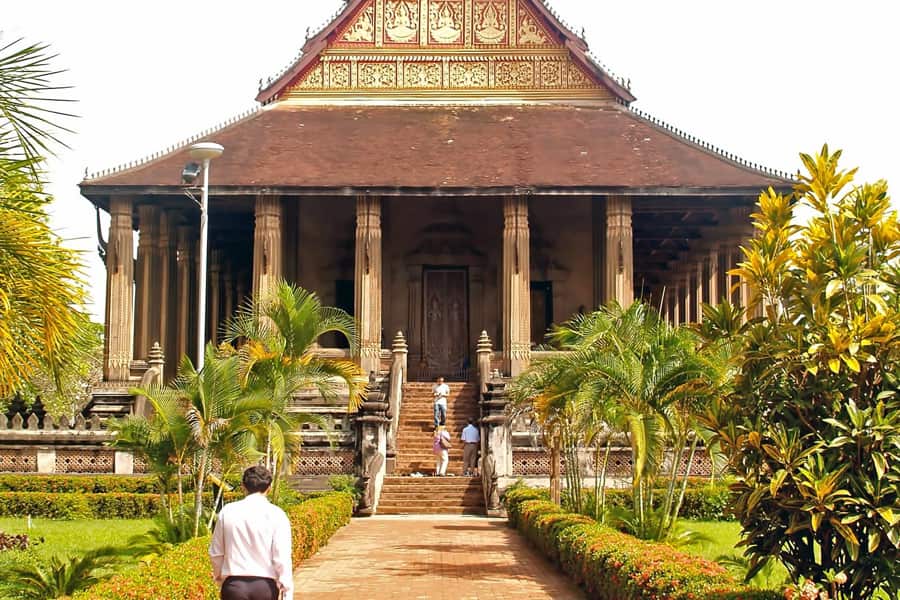
Tips For Traveling From Ho Chi Minh To Mekong Delta

Cam Thanh Coconut Village

A short trip to the Mekong Delta goes smoother if you plan ahead. These ideas focus on timing, ways to move about, or small stuff that matters after leaving the city.

  • If you head out before seven, traffic won’t slow you down in Long An’s toll area – meaning My Tho could take under two hours.
  • A quick visit beginning downtown skips the extra bus journey – usually, they pick you up directly where you’re staying.
  • People heading to Can Tho should spend the night – trips to Cai Rang Market kick off between 5:30 and 6 AM.
  • Take the Rach Mieu Bridge to reach Ben Tre is faster than going through My Tho, while avoiding the ferry ride completely.
  • Rain usually shows up by mid-afternoon most afternoons from May to October, so aim for a morning boat ride; that way you’ll dodge choppy water while catching brighter light.
  • If you’re visiting several areas, arrange rides through your host family, lots of drivers wait while you check things out, then take you to the next spot once you’re ready.
  • Weekends require an additional hour of travel; traffic builds up quickly on Route 1A as everyone heads back to the Delta. Traffic builds up around the bridge as everyone crowds onto the freeway. What many don’t know, however, is how far in advance the traffic begins to slow, more than an hour after noon.
  • If you are visiting multiple Cococon workshops on your way to Ben Tre, going to Pho Dinh instead of Tam Phuoc will save travel time, which ultimately means you’ll fit in an additional workshop along the riverside without the worry.
  • Anyone considering a boat trip near Ben Tre or My Tho should consult their boatman; the water levels fluctuate quickly throughout the day and with narrow passages, this becomes a huge issue when the water levels recede.

Final Thoughts

The trip from Ho Chi Minh to the Mekong Delta is perfectly tailored for most tourists. It’s short enough to do in one day but everything along the way lends itself to water-adjacent stops if you have the time. For up-to-date recommendations or personalized Vietnam guided tours, it’s great to have Seni World by your side to foster credibility; these ground-level professionals have real assets and real knowledge and know how to spread the word with legitimacy.

All You Need To Know About Traveling From Ho Chi Minh To Phnom Penh

The trip from Ho Chi Minh to Phnom Penh links Vietnam’s lively south with Cambodia’s historic heart, offering travelers an easy yet fascinating way to explore two cultures shaped by the same winding Mekong River.

Overview Of Ho Chi Minh To Phnom Penh

From Ho Chi Minh City to Phnom Penh ranks as one of the most traveled crossings on land across Southeast Asia. These capital hubs connect through up-to-date roads along with regular shuttles, so crossing isn’t slow or complicated. Travelers cover the stretch in up to seven hours, meaning you can hop from one nation to another without needing an overnight stay.

Notre Dame Cathedral of Saigon

Plenty of folks pick this trip since it’s straightforward, pretty to look at, plus it works well logistically. Crossing borders doesn’t take much hassle while road conditions stay decent most of the time, also online visas help you get in faster. It slots into nearly any itinerary, be it a quick add-on from Vietnam, a stretch within an Indochina route, or hopping between two cities packed with tasty eats and deep stories. Solo explorers find it stress-free and steady when linking Vietnam with Cambodia on one seamless move.

How Far Is It From Ho Chi Minh To Phnom Penh?

The drive from Ho Chi Minh City to Phnom Penh covers about 230 km on paved roads. Travel time can swing between six and seven hours by bus or minivan, depending on delays at the border or heavy traffic. When flying, trips are way faster. Flights straight from SGN to PNH last about 50 minutes. Once you count transit to terminals plus check-in steps, overall time stays below three hours, great for those chasing quickness without hassle.

How To Travel From Ho Chi Minh To Phnom Penh?

A range of transit methods links these cities daily, so getting around works well whether it’s a quick visit or part of a broader journey. Buses are cheap, flights save time, and private rides suit travelers planning stops for things to do in Ho Chi Minh City before heading to Phnom Penh.

By Bus Or Minivan

Going from Ho Chi Minh City to Phnom Penh by coach is how most people choose to cross the border overland. This trip goes through the Moc Bai – Bavet border point along Route 22, linking southern Vietnam with Cambodia’s key roads leading into the capital. All things considered, it generally lasts around six or seven hours, depending on departure timing plus delays during passport checks. Prices stay low, while many companies run either two or three buses every 24 hours. It’s great for folks watching their spending or those keen to get a real look at how people live near the Mekong area. Make sure your passport doesn’t expire within half a year, plus have some small denominations ready when handling visa fees at the checkpoint.

ho chi minh to phnom penh by bus

Vehicle Type Details
Standard Bus (40–45 seats) The cheapest option runs about 450,000 to 550,000 VND (18 to 22 USD) each. Seats aren’t fancy, yet they’re fine if you’re riding during daylight. Hold on to your stuff while going through border check, since everyone gets off for passport checks.
Sleeper Bus / VIP Minivan A cozier ride featuring seats that lean back plus cooling systems inside. Costs hover between 650,000 and 900,000 VND (about 25 to 35 USD). Big names like Giant Ibis, Kumho Samco, or Sorya usually hand out drinks together with small bites. Grabbing a seat ahead of time works well if you’re traveling on weekends or public holidays.
Limousine Minivan (9–16 seats) Get picked up at a hotel in District 1, then dropped off close to central Phnom Penh; this ride’s super smooth. Cost is between 900k and 1.1 million VND (about $35–42). Since the cabin’s compact, you get extra room plus quicker border processing. Great option if you’re traveling light or in a tiny group wanting ease without hassle.

By Flight

Flying from Ho Chi Minh City to Phnom Penh gets you there quicker plus smoother than any other option. Every day, direct planes run between Tan Son Nhat (SGN) and Phnom Penh’s main airport (PNH), operated by airlines like Vietnam Airlines, Cambodia Angkor Air, or Lanmei. This choice works well for visitors short on time or those skipping lengthy bus lines at checkpoints. Planes run multiple times daily, plus getting downtown is hassle-free since each airport sits near its urban core, so taxis or app-based rides get you there fast.

ho chi minh to phnom penh by plane

Aspect Details
Flight Duration The trip from Ho Chi Minh to Phnom Penh by plane takes about 50 to 60 minutes once airborne. When you factor in getting to the airport, checking in, and moving through security, plan on spending close to two and a half or even three hours overall.
Airlines Vietnam Airlines, along with Cambodia Angkor Air and Lanmei, flies nonstop every day; now and then, Thai AirAsia links trips through Bangkok.
Estimated Price Ticket costs go between 1,500,000 and 2,400,000 VND (around 60 to 95 USD), based on when you travel or book. Cheaper tickets typically cover just carry-on stuff.
Best For People on the move want fast trips with ease; some catch links from there to Siem Reap, others head into Bangkok, or push through to Hanoi.
Airport Tips Tan Son Nhat Airport sits around 7 to 9 kilometers away from District 1, roughly a 25 to 40-minute ride if you take a cab. As for Phnom Penh Airport, it’s about 10 kilometers from downtown, which usually means 30 to 45 minutes by vehicle. Don’t forget to look up entry rules early; folks from most countries can get into Cambodia using an online visa instead.

By Private Car

Hiring a private vehicle for trips from Ho Chi Minh City to Phnom Penh gives you full control over your schedule. The main perk of private rides is easy travel. Your car meets you right at the hotel, then takes you straight to wherever you’re headed in Phnom Penh, no switching vehicles or long waits. If you need a driver who speaks English, just ask.

Vehicle Type Details
4-Seater Sedan Suitable for one to two passengers with light luggage. The one-way fare ranges from 3,000,000 to 3,500,000 VND ( around 120 to 140 USD). Travel time is around 6 hours, including a short rest or lunch break near the border. Cars are air-conditioned, comfortable, and usually operated by professional drivers familiar with immigration procedures.
7-Seater SUV Best for small families or groups of three to five. Prices range between 3,500,000 to 4,200,000 VND (around 140 and 165 USD). Vehicles offer more luggage space and a smoother ride on bumpy sections of the highway. Booking is advised during weekends and holidays.
9–16 Seater Minibus Ideal for larger groups who want to travel together. The cost is roughly from 4,500,000 to 5,500,000 VND (around 180 to 220 USD), depending on pick-up location and operator. The service includes door-to-door transport, optional border assistance, and flexible stops along the way for meals or sightseeing.

Recommended Stops Along the Way

The journey from Ho Chi Minh to Phnom Penh cuts through areas showing the quiet charm of the Mekong area. The best travel time is from November to March, since conditions then are calm, good for stretching out a road trip while hitting spots worth the detour.

Tay Ninh – Cao Dai Holy See

About a 2-hour drive northwest of Ho Chi Minh City sits Tay Ninh, home to the Cao Dai faith. The main temple there wears gentle pastel colors, features carved dragon columns, and also vibrant sky-themed artwork inside. Visitors can check out the rituals around noon, since they welcome outsiders during that time.

Tay Ninh - Cao Dai temple

Moc Bai Border Area

The Moc Bai border point isn’t only a gate, it’s packed with shops free of tax and small food spots along the road. A bunch of visitors pause here to walk around, grab a bite, or swap money prior to stepping into Cambodia. Besides that, it’s handy for checking visa papers or picking up a local phone chip.

Bavet Town

Right after you step into Cambodia, there’s Bavet, a spot where casinos, guesthouses, and street stalls blend oddly. It isn’t packed with tourist spots, yet it gives a glimpse into how border business works day by day. Stick around for a quick drink; seeing folks hustle through trade sets the mood before heading on to Phnom Penh.

Kandal Province Countryside

Coming closer to Phnom Penh, fields stretch out wide with small farms and sleepy hamlets dotting the land. You’ll see everyday scenes from country Cambodia, houses on poles, flooded rice plots, along with vendors at dirt-road stands offering sticky snacks and tropical fruit. Travelers behind the wheel might pull over quickly just to snap a picture or taste homemade treats while still outside town.

Kandal Province Countryside

Tips For Traveling From Ho Chi Minh To Phnom Penh

Statue of His Majesty Preah Bat Samdech Preah Norodom Sihanouk

You probably came looking for straightforward tips you can actually use fast. Follow the list below to cross over without trouble, while skipping the little problems that trip up plenty of people on the road.

  • If you head out at sunrise, you’ll hit the Moc Bai–Bavet crossing ahead of most tourist coaches, meaning nearly sixty minutes less stuck in line.
  • Store a sharp picture of your passport right on your phone. That way, when crew members need to verify IDs, things move quickly, especially if everyone’s going through customs together.
  • You’d better grab your Cambodian e-visa a few days before departure. Since it works at Bavet, there’s no need to wait in the on-site application queue.
  • Make sure the name on your ticket lines up perfectly with your passport, middle names included. Otherwise, certain airlines might block you from getting on board, no exceptions.
  • Carry a thin jacket even when it’s dry outside. Since immigration areas blast cold air, you could end up waiting there for around half an hour.
  • Pick up a Cambodian eSIM ahead of your trip. In this way, once you’re across the border, you’ll already have internet to check directions or book rides without hassle.
  • If you get to Phnom Penh by bus, it’s best to skip booking plans earlier than 6 PM, as the city’s traffic often gets rough around that time.
  • If you’re thinking about renting a motorbike, check with the company beforehand; many local outfits won’t let you take it across borders, nor do they offer coverage abroad.

Final Thoughts

Headed from Ho Chi Minh to Phnom Penh is one of the smoothest border hops around here. Not far at all, paperwork’s hassle-free, while rides come cheap or comfy, your call. Every way you go gives a peek at riverside scenes on the Mekong, where traditions blend but still stand apart. If you’re planning to tag Cambodia onto your Vietnam run, Seni World hooks up trips, bookings, and plans built around your timing.

Best Transport Options From Ho Chi Minh To Siem Reap Journey

The journey from Ho Chi Minh to Siem Reap starts in the pulse of southern Vietnam and ends amid Cambodia’s sacred ruins. It’s a path travelers choose to trace history, flavors, and quiet countryside life in one sweep.

Overview Of Ho Chi Minh To Siem Reap

The trip between Ho Chi Minh City and Siem Reap is one of the busiest international routes across mainland Southeast Asia. Connecting the biggest, liveliest urban hub in Vietnam with Cambodia’s historic temple town brings a fast but dramatic change in landscape and local life. A lot of visitors kick off their adventure through this region in Saigon. Once they’ve wandered its energetic neighborhoods, they head out toward northwestern Cambodia, bound for Angkor Wat, widely seen as the standout treasure of ancient architecture in these parts.

independence palace in Ho chi minh city

This path gets picked because it’s easy plus full of variety. You can check out the Mekong area, follow ancient trading trails, while spotting how nearby nations move at different speeds with unique vibes. Getting a visa isn’t tricky, getting around won’t leave you short, and prices work no matter your wallet size. If you’re aiming to link Vietnam with Cambodia through one smooth journey, hopping from Ho Chi Minh to Siem Reap still stands out as a top pick to see the core of this part of Asia.

How Far Is It From Ho Chi Minh To Siem Reap?

The drive from Ho Chi Minh to Siem Reap covers around 460 kilometers, but a flight cuts that down to nearly 410. Ho Chi Minh City, near Vietnam’s Mekong Delta, connects smoothly with Siem Reap in northwest Cambodia, home to the famous Angkor temples, through regular flights and convenient land crossings. A direct flight takes around 70 minutes, while hopping on a bus or driving through Phnom Penh can drag on from 11 to 13 hours, depending heavily on border traffic. Most people hitting the road use Moc Bai–Bavet, yet those who fly stick to Tan Son Nhat heading to Siem Reap Angkor.

Siem Reap dance

How to Travel From Ho Chi Minh To Siem Reap?

A few ways link Ho Chi Minh City to Siem Reap, with trade-offs in price, ease, and duration. No matter your choice of speed, comfort, or budget, here’s how to travel from Ho Chi Minh to Siem Reap, while still enjoying some top experiences around Ho Chi Minh before you go.

By Bus or Minivan

Heading from Ho Chi Minh to Siem Reap via bus or minivan saves cash while staying a top pick for travelers on foot. Many paths go through Phnom Penh, so switching rides there is common before pushing onward up north. Roughly 460 km long, this trip usually takes up 11 to 13 hours; road quality plus delays at the Moc Bai-Bavet crossing play big roles. How comfy you feel mostly comes down to who’s running things and what kind of ride you pick.

ho chi minh to Siem Reap by minivans

Vehicle Type Details
Standard Sleeper Bus The price runs between 700,000 and 900,000 VND (around 28 to 35 USD). Travel typically takes about 12 or 13 hours, with food breaks plus downtime in Phnom Penh along the way. Some buses are pretty bare-bones, often packed too, so bringing a thin blanket, something to munch on, and a neck cushion can help you cope better.
Cabin / VIP Sleeper Bus Fares run from about 1,000,000 to 1,300,000 VND (roughly 40 to 52 USD). Travel duration is around 11 or 12 hours, pretty much the same. Still, you get extra space and quieter cabins here. Folks going for cozier beds and fewer hiccups tend to pick this one.
Limousine Minivan (9–16 seats) Fares begin around 900,000 to 1,200,000 VND (36-48 USD). The journey might take just 10 or 11 hours, less than usual, since groups are smaller and there aren’t so many stopovers. Quite a few companies will grab you from your hotel in Ho Chi Minh City, then let you off nearer downtown Siem Reap, which helps ease things even with the stretch involved.

By Flight

Flying directly from Ho Chi Minh City to Siem Reap is usually the fastest way to go. Since daily flights run between Tan Son Nhat (SGN) and Siem Reap International Airport (SAI), travelers can choose airlines such as Cambodia Angkor Air, Vietnam Airlines, or Bangkok Airways. The distance totals roughly 410 kilometers; most trips take less than one hour and fifteen minutes, ideal for tight itineraries or limited time.

ho chi minh to Siem Reap by flight

Be ready with visa documents, either on paper or stored digitally, before arriving in Cambodia. While airfare costs more compared to bus rides, many feel paying extra is worth getting back nearly a whole day.

Aspect Details
Travel Time Around 70 to 80 minutes nonstop from Ho Chi Minh to Siem Reap. Total travel time door-to-door is roughly two and a half to three and a half hours once you factor in getting around town, plus airport procedures.
Airlines & Schedule Flying nonstop usually means picking Cambodia Angkor Air or Vietnam Airlines; otherwise, hopping via Phnom Penh or Bangkok opens up extra departures each day. To keep things reliable, aim for early morning or late night instead.
Estimated Price Fares go from about 2.5 up to 5.5 million VND, roughly $100–$220 for one ride, but what you pay shifts based on season, ongoing promotions, or your bag count. Booking tickets roughly 2 or even 4 weeks ahead usually saves cash versus showing up last-minute.
Airports & Transfers From District 1 to SGN, it’s about 7-9 km, from 20 to 40 minutes by car or rideshare, depending on traffic flow. Heading from SAI into central Siem Reap is expected a ride 45 to 60 minutes, whether you take the shared van or grab a private taxi.
Best For Folks short on time, parents hoping it all works out fine, along with tourists sorting passes last minute or aiming for evening light at Angkor.
Notes Bring your visa copy, paper or digital, and have your flight confirmation handy when landing. Watch luggage policies since certain tickets don’t include hold baggage. Flights fill fast during busy times, so try catching an early flight to skip delays from midday weather and crowds.

By Private Car

A ride from Ho Chi Minh to Siem Reap gives you full control on the go. Covering roughly 460 kilometers through southern Vietnam into central Cambodia, plan for 10 to 12 hours because of uneven roads and delays at the Moc Bai-Bavet border point. Drivers usually handle cross-border routes smoothly, breezing through immigration checkpoints. Sharing costs among passengers makes it a solid pick: steady progress without emptying your pockets.

Vehicle Type Details
4-Seater Sedan Fares kick off between 3,000,000-3,500,000 VND (around 120 to 140 USD) gets you on a single ride. The journey usually takes between ten and twelve hours – rest stops and crossing checks included. Works well for people traveling alone or pairs who don’t carry much stuff. Reserve your spot about seven days early, so there are more transport options, plus easier contact with checkpoint staff.
7-Seater SUV 3,800,000-4,500,000VND (around 150 to 180 USD), but it changes based on who runs it and what time of year. Better seats, extra room for bags, great if you’re traveling with kids or a few people and want something steady and comfy over long stretches. The driver might help swap cash or sort out your entry papers once you hit the border.
16-Seater Minibus It costs roughly 5,000,000 to 5,500,000 VND (around 200 to 220 USD) one way. The trip takes about 10 to 12 hours, depending on how many breaks are made along the route. Built for small teams of 8 through 15 people; you move as a group but still get room for big luggage.

By Cruise

A trip by boat from Ho Chi Minh to Siem Reap gives you a relaxed look at the Mekong area’s natural beauty. Voyages often start in My Tho or Can Tho, just a short ride from downtown Ho Chi Minh City, and drift toward Phnom Penh, then onward to Tonlé Sap Lake, ending close to Siem Reap. This entire stretch generally lasts between four and seven days, shaped by route choices and how high the river runs. This trip bundles rides, stays, and exploring into a single package.

Ho Chi Minh to Siem Reap by cruise

Aspect Details
Travel Time Many trips from Ho Chi Minh to Siem Reap by boat last about four to seven days, though timing shifts with rest stops or river water levels. A few plans feature sleeping one night in Phnom Penh or possibly Kampong Chhnang instead.
Route & Highlights The journey skirts the Mekong Delta, then moves through Phnom Penh, and after that reaches Tonlé Sap Lake ahead of mooring close to Siem Reap. Typical stops cover artisan hamlets nearby, bustling water markets, or strolling along river towns when night falls.
Estimated Price Basic rooms go for around 45,000,000-80,000,000 VND (Around 1,800 to 3,200 USD) for each traveler. Meanwhile, high-end picks might cost more than 100,000,000 VND (Around 4,000 USD), based on how long the trip is or what kind of care you get.
Best For People looking for cozy trips, taking it easy, or diving into local cultures often choose this. Plus, newlyweds and older travelers love it, getting from Vietnam to Cambodia smoothly, with no border hassles to worry about.
Notes Grab your spot way in advance; this is key during Nov through Feb, since that’s when the best time to enjoy Ho Chi Minh, the river hits its sweet spot. A few boat trips toss in help with visas, along with personal rides from Saigon straight to where you hop on board.

Tips For Traveling From Ho Chi Minh To Siem Reap

Anyone heading from Ho Chi Minh City across to Siem Reap can benefit from a few smart travel pointers before setting off.

  • Visitors ought to head across the border while it’s still light out, processing at Moc Bai–Bavet usually speeds up if done early in the day.
  • Siem Reap’s fresh airport sits around 60 minutes from downtown; booking your ride ahead cuts waiting once you land.
  • Those taking minivans ought to bring only what they need, storage room’s tighter than on big coaches.
  • People booking a ride with an international driver often get through border stops quicker, while dealing with customs becomes way easier.
  • Picking an eSIM ahead of time while still in Ho Chi Minh means you’ll have data ready when landing in Siem Reap, so maps work fast, booking rides is easy, also checking into your place goes without hassle.

Final Thoughts

The trip from Ho Chi Minh City to Siem Reap shows two sides of Southeast Asia. Thanks to clear visa policies along with better transit links, crossing between these spots is simpler than before. Works well for quick trips but leaves room to dig into each place more fully. When you’re set to plan your own route through Vietnam and Cambodia, get in touch with Seni World, and our crew will sort out rides, paperwork, plus tailor-made moments that match how you like to travel.

Ho Chi Minh To Phu Quoc: Energetic City To Wonderful Island

There are numerous ways for tourists to travel from Ho Chi Minh to Phu Quoc, like motorbike, bus, minivan, private car with ferry, and plane. Depending on your money and demand, choose the best way to have an excellent trip.
Overview Of Ho Chi Minh To Phu Quoc

The trip from Ho Chi Minh to Phu Quoc, Vietnam’s largest island, brings tourists a quick change from urban bustle to a relaxed tropical island paradise. Phu Quoc is wonderful for a relaxing getaway, mixing many different activities and water sports, exciting island exploration, and tasting the local fresh seafood, as well as the famous fish sauce. These things make an excellent contrast to the fast-paced life of Ho Chi Minh City.

ho chi minh city museum

How Far Is It From Ho Chi Minh To Phu Quoc?

The Ho Chi Minh to Phu Quoc distance is about 290 to 420 kilometers, based on your specific direction taken. With the distance above, the typical Ho Chi Minh to Phu Quoc travel time is about 1 to 2 days with stops (by motorbike and ferry), from 9 to 13 hours (by bus or minivan and ferry), about 10 to 13 hours (by private car and ferry), and about 1 hour (by plane).

How To Travel From Ho Chi Minh To Phu Quoc?

Journeying from Ho Chi Minh to Phu Quoc, you can choose many different types of transportation, such as a motorbike, a bus, a minivan, a private car, or a plane. If you select transportation, except for a plane, you will combine it with a ferry trip. In this part of this blog, Seni World will show you how to get from Ho Chi Minh to Phu Quoc.
Sunset Sanato Long Beach Phu Quoc

By Motorbike

Visiting from Ho Chi Minh to Phu Quoc by motorbike is an interesting and memorable trip for thrill-seeking travelers who love long-distance rides and investigating Vietnam’s countryside. You can stop everywhere you want for sightseeing or to enjoy traditional local food. Riding to ferry ports like Ha Tien or Rach Gia, then you will take your motorbike on the ferry to Phu Quoc. The Ho Chi Minh to Phu Quoc ferry price is commonly from 185,000 to 260,000 VND, which is still a suitable price for budget travelers.

However, this Southern Vietnam itinerary can be very long and physically demanding, particularly during the hot weather or with heavy traffic along the way. Besides, riding through the Mekong Delta’s narrow roads or construction zones can be risky for amateurs. During the peak travel season or on holidays, the cost of ferrying both you and your motorbike can be higher than the standard, so you need to carefully check the schedules in advance.

Aspect Option 1 (Road and Ferry from Ha Tien) Option 2 (Road and Ferry from Rach Gia) Option 3 (Scenic Mekong Route and Ha Tien Ferry)
Route Ho Chi Minh City → My Tho → Chau Doc → Ha Tien → Phu Quoc (through ferry) Ho Chi Minh City → My Tho → Vinh Long → Can Tho → Rach Gia → Phu Quoc (through ferry) Ho Chi Minh City → Ben Tre → Tra Vinh → Soc Trang → Chau Doc → Ha Tien → Phu Quoc
Distance About 330 to 380 km to Ha Tien, then a 1.5 to 2.5-hour ferry About 290 to 330 km to Rach Gia, then a 2.5 to 3-hour ferry About 350 to 420 km to Ha Tien, then a 1.5 to 2.5-hour ferry
Travel Time From 8 to 11 hours (recommended from 1 to 2 days with stops) and ferry From 7 to 10 hours (recommended from 1 to 2 days with stops) and ferry From 9 to 13 hours (recommended about 2 days with stops) and ferry

By Bus Or Minivan

The Ho Chi Minh to Phu Quoc bus or minivan journey is a low-priced and convenient choice for travelers. You will take a bus or minivan trip to either Ha Tien or Rach Gia port, then a ferry crossing to the island. Modern buses and minivans regularly have secure reclining seats, air-conditioning, and free Wi-Fi, so it makes the Ho Chi Minh to Phu Quoc itinerary even excellent.

Ho Chi Minh to Phu Quoc by bus

Vehicle Type Price (VND) Travel Time Notes
Standard Sleeper Bus and Ferry Total from 550,000 to 800,000 VND (per person) About 9.5 – 12 hours You will go on a sleeper bus from Ho Chi Minh City to Ha Tien or Rach Gia, then you will transfer to a fast ferry to Phu Quoc Island. Seats can be changed to sleeper beds, and there is usually air-conditioning. However, it can be crowded during weekends and holidays.
VIP Sleeper Bus and Ferry Total from 700,000 to 1,100,000 VND (per person) About 9 – 11 hours This type of transportation has more spacious sleeper cabins, privacy curtains, modern USB charging ports, and sometimes free Wi-Fi. It brings travelers a more comfortable resting experience during the long trip as well as a smoother transfer to the ferry terminal.
Limousine Minivan and Ferry Total from 900,000 to 1,400,000 VND (per person) About 8.5 – 10 hours Limousine minivans have fewer seats with larger and softer chairs and a smooth ride quality. It will have the pick-up from your hotel in Ho Chi Minh City and drop-off near your hotel in Phu Quoc. It is good for tourists who want comfort.
Open Tour Bus and Ferry Total from 600,000 – 950,000 VND (per person) About 10 – 13 hours Open tour buses have more flexible pick-up and drop-off points and can stop for relaxing along the way. It is very suitable for vacationers who love flexibility or want to investigate during the journey.

By Private Car

Traveling from Ho Chi Minh to Phu Quoc by private car is the most comfortable, private, and versatile way for those who value convenience and scenic exploration. You can choose your own departure time, freely make rest stops, and revel in a comfortable feeling. Like buses or minivans, you will also drive to either Ha Tien or Rach Gia port, then a ferry crossing to Phu Quoc Island.

Car Type Estimated Price (VND) Travel Time Best For
4-Seater Sedan About 6,000,000 – 7,500,000 VND (one-way, including ferry ticket) About 10 – 12 hours Solo tourists or couples who like privacy and flexibility, with smooth connections from Ho Chi Minh to Ha Tien or Rach Gia ferry ports, then going to Phu Quoc.
7-Seater SUV/MPV About 6,500,000 – 8,500,000 VND (one-way, including ferry ticket) About 10 – 12 hours Small families or communities of 3 to 5 members who seek more luggage space and convenience during the long adventure.
9-16-Seater Minibus About 8,000,000 – 11,000,000 VND (one-way, including ferry ticket) About 10 – 13 hours Larger groups who want to enjoy a trip together with plenty of legroom. It usually comes with strong air-conditioning and modern onboard amenities.
VIP Limousine Van About 9,500,000 – 14,000,000 VND (one-way, including ferry ticket) About 10 – 12 hours Premium vacationers who love comfort, reclining leather seats, modern USB charging ports, and sometimes free onboard Wi-Fi.

By Plane

Touring from Ho Chi Minh to Phu Quoc by plane is the fastest and most convenient selection for vacationers. There are many direct flights from Tan Son Nhat International Airport to Phu Quoc International Airport, providing flexible schedules for you. Because planes save time in transferring, you can reach Phu Quoc Island refreshed and start to explore the island’s beaches right away.

Ho Chi Minh to Phu Quoc by plane

Aspect Details
Flight Duration The Ho Chi Minh to Phu Quoc flight time is about 1 hour
Airlines Vietnam Airlines, Vietjet Air, Bamboo Airways, and Pacific Airlines
Airport in Ho Chi Minh City Tan Son Nhat International Airport (SGN)
Airport in Phu Quoc Phu Quoc International Airport (PQC)
Estimated Price (VND) About 800,000 to 2,000,000 VND (one-way, and based on the peak season, the seasonal promotion, and the promotion of each airline)
Best For Vacationers who love unwinding in the fastest and most pleasant way, particularly families, or short journeys
Required Documents Passport (global travelers) or ID card (Vietnamese travelers)

Tips For Traveling From Ho Chi Minh To Phu Quoc

If you want to have an interesting, convenient, and safe journey from Ho Chi Minh to Phu Quoc, you need to learn more about the important travel tips. Seni World has summarized them for you to have a perfect trip.
  • Book flights early, particularly on weekends: The Ho Chi Minh to Phu Quoc trip is one of the busiest domestic routes. Ticket prices rise quickly during holidays and weekends, so let’s book flights early to ensure availability.
  • Choose the suitable transportation: There is no Ho Chi Minh to Phu Quoc train trip, so you can travel by the types of transportation that Seni World has summarized in this blog.
  • Prepare motion-sickness medication: The sea can be rough, especially from June to September, so you need to prepare motion-sickness medication to ensure your health.
  • Bring sunscreen and mosquito repellent: Because Phu Quoc’s tropical environment can be intense year-round, you should bring sunscreen and mosquito repellent to protect your skin.

Recommended Stops Along The Way

Touring from Ho Chi Minh to Phu Quoc by motorbike is a thrilling way to explore Vietnam’s beautiful coastline and mountain views. Here are some suggested stops depending on your selected route:

My Tho

Just about 70 kilometers from Ho Chi Minh City, My Tho (Tien Giang Province) is the first stop along the way for travelers. This place is well-known for its green, lush fruit gardens and Mekong River cruises. You can take a short boat adventure to nearby islands, including Thoi Son or Dragon Island. Besides, don’t miss out on tasting local honey tea and experiencing traditional Southern Vietnamese music. This is an enjoyable way to know more about the tradition and lifestyle of the Mekong Delta.

My Tho (Tien Giang Province)

Ben Tre

Called the “Coconut Kingdom” of Vietnam, Ben Tre has peaceful riverside scenery and unique local handicraft workshops. Travelers can go to coconut candy factories, discover the narrow canals by using a sampan, and communicate with friendly local people in conventional villages. This stop is wonderful for experiencing the authentic slow pace of life in the Mekong Delta before continuing the next journey south.

Can Tho

As the largest city in the Mekong Delta, Can Tho is a colourful cultural hub well-known for its Cai Rang Floating Market, where local vendors sell fruits and other local foods directly from boats. It is also home to fascinating night markets and delicious local dishes. You can spend some hours, or even a night here, to completely immerse yourself in the Mekong Delta’s appeal and hospitality.

visit cai rang floating market

Ha Tien

Ha Tien is near the Cambodian border and is also the gateway to Phu Quoc Island. This city is known for its impressive limestone hills, beautiful seashores, and spiritual temples, so it is a tremendous stop before taking the ferry to Phu Quoc. You can go to Thach Dong Cave pagoda, uncover local fresh seafood markets, or just loosen up on the coast while looking forward to your ferry to the island.

Final Thoughts

Touring from Ho Chi Minh to Phu Quoc, you can select many different types of transportation, such as a thrilling motorbike, an economical bus or minivan, a comfortable private car with a ferry, or a pleasant direct plane. This selection will depend on your demand, budget, and your favorite. If you want to take an adventure from Ho Chi Minh City to Phu Quoc, know more about things to do in Phu Quoc as well as Ho Chi Minh City, and receive support for the visa process, let’s contact Seni World, a reputable tour operator from Vietnam.

17 Things To Do In Cao Bang To Have Unforgettable Moments

There are various things to do in Cao Bang for travelers to have wonderful moments, like visiting Ban Gioc Waterfall, Nguom Ngao Cave, Pac Bo Historical Site,… Let’s read Seni World’s article to know what to do in Cao Bang!

thing to do in cao bang

Visit Ban Gioc Waterfall

Ban Gioc Waterfall is the iconic image of Cao Bang, world-famous as one of the most captivating and largest waterfalls in Southeast Asia. Its layered cascades go with the flow powerfully between Vietnam and China, making an impressive natural border. When standing on the beautiful riverbanks, you can revel in the mysterious mist and hear the thundering roar. All of them make this attraction unforgettable.

visit ban gioc waterfall in cao bang

Not only enjoy sightseeing, but you can also immerse yourself in the waterfall on a unique bamboo raft, which brings you near the lower cascades. The surrounding lush rice fields and huge limestone mountains make this area a wonderful landscape, particularly in the period of the wet season in Cao Bang, when the water volume of waterfalls reaches their height.

Explore Nguom Ngao Cave

Nguom Ngao Cave is a brilliant karst cave system formed naturally millions of years ago. It stretches numerous kilometers underground and includes magnificent stalactites and stalagmites sculpted by nature. When strolling inside, vacationers will feel like stepping into another fantastic world. Therefore, visiting this cave is one of the excellent things to do in Cao Bang for everyone.

In this adventure, you can see that Nguom Ngao Cave is located near the famous Ban Gioc Waterfall, so you can mix both destinations in just one trip smoothly. Lighting inside the cave makes the natural formations here more highlighted. You can see the geological wonders hidden mysteriously beneath Cao Bang’s mountains. Don’t forget to take some great photos and share them with your networks on many social media platforms.

Nguom Ngao Cave is breathtaking

Discover Mat Than Mountain

Mat Than Mountain or Angel Eye Mountain is famous for its huge circular hole piercing through the limestone top. This is an unprecedented and dramatic formation. Mat Than Mountain is located in the Thang Hen Lake area, so you can easily access it through the poetic winding rural roads. For a seamless travel, you can combine a trip to Thang Hen Lake and Mat Than Mountain.

The surrounding valley of the mountain has wide green meadows where you can see the local cattle peacefully grazing. This thing creates a dreamy landscape for those who want to escape from dynamic and busy cities. Mat Than Mountain is also a beautiful spot for trekking, camping, or taking cinematic photos for everyone with the symbolic “eye” in the background.

Angel Eye Mountain (Mat Than Mountain)

Go To Thang Hen Lake

Thang Hen Lake is part of a system of 36 interconnected lakes in Cao Bang, though only some can be seen during the period of the rainy season. The lake is well-known for its natural emerald-blue colour, surrounded by lush, green limestone mountains. Travelers can rent a boat to revel in or simply walk along the lake’s edge to unwind in serene views and cool breezes. The whole place is attractive at both sunrise and sunset, making it a beloved area for nature lovers and photographers.

Thang Hen Lake is a place where pristine natural beauty meets ethnic charm

Walk Through Phong Nam Valley

Phong Nam Valley is one of Cao Bang’s gorgeous rural landscapes, and exploring it is one of the unmissable things to do in Cao Bang. The valley is filled with lush rice terraces, pretty stilt homes, and towering karst mountains. The tranquil atmosphere and the refreshing natural scenery at this place make it wonderful for a slow adventure in the mountainous area.

Cycling or walking through Phong Nam Valley, vacationers can have an opportunity to experience local life up close. They include farmers working in the rice terrace fields, kids and children biking to school, and gentle rivers flowing through the village. Let’s chat and ask the permission to take some memorable photos with friendly local people here. This will be an unforgettable memory on this trip.
Trek Through The Pac Bo Historical Site

The Pac Bo historical site is a meaningful attraction that is deeply tied to Vietnam’s history, famously being the place where President Ho Chi Minh lived and worked through the early years of the revolution. This historical site consists of Pac Bo Cave, Lenin Stream, Karl Marx Mountain, Border Marker 108, Milestone Km0, and President Ho Chi Minh’s simple wooden shack.

visit The Pac Bo Historical Site

Besides historical significance, Pac Bo is a wonderful scenic trekking path through turquoise and serene streams, forested hills, and peaceful rural scenery. The perfect mixture of nature and history makes Pac Bo both educational and unwinding. So visiting the Pac Bo historical site is one of the must-try activities in this Northern Vietnam itinerary.

Uncover Khuoi Ky Ancient Stone Village

Khuoi Ky Ancient Stone Village is well-known for its conventional stone homes built by the Tay ethnic group of Vietnam. Khuoi Ky Ancient Stone Village is a 400-year-old architectural site that creates a special stone-inspired landscape, and it is hardly ever discovered anywhere else in Vietnam. So, going to this place is one of the must-try things to do in Cao Bang for travelers, particularly global travelers.

Uncover Khuoi Ky Ancient Stone Village

When looking for where to stay in Cao Bang, you can choose to spend a night at a homestay in Khuoi Ky Ancient Stone Village. You can have a chance to enjoy the interesting village life, try many types of traditional meals, and listen to cultural stories from local people here. The surrounding scenery of lush rice terrace fields and green bamboo forests adds to its attraction of this beautiful stone village.

Discover Cao Bang Geopark

Cao Bang Geopark, or UNESCO Global Geopark, is a place to showcase over 500 million years of geological evolution. Its scenery includes natural caves, unique limestone formations and fossils, as well as majestic mountains. Tourists can follow themed geopark routes to investigate cultural villages, natural wonders, and ancient destinations. This is an excellent way for you to find out more about the natural history and cultural richness of Cao Bang.

Enjoy Boating At Le Nin Stream

Le Nin Stream is an iconic attraction in the Pac Bo historical site. This stream has the turquoise water, and is one of the most peaceful spots in the historical site. The stream flows lightly and calmly beside tranquil forested mountains and is famously associated with President Ho Chi Minh’s time living here. A short stroll along the stream, you can see crystal-clear reflections and old trees. Don’t forget to try sitting quietly by the water to enjoy the serene vibe at this place.

visit lenin stream

Hike To The Border Marker 108

Border Marker 108 is also part of the Pac Bo historical site and is situated near Ban Gioc Waterfall. It symbolizes the boundary between Vietnam and China. The hike is short but wonderful, bringing tourists panoramic perspectives of both the river and the waterfall. It is a meaningful destination for history lovers and anyone who wants to learn more about Vietnam’s geographical borders. Especially, the views when you look from the top are perfect for photography.

Visit Truc Lam Phat Tich Pagoda

Positioned near Ban Gioc Waterfall, Lam Phat Tich Pagoda was built entirely with the architectural style of Northern Vietnam. The pagoda sits on a mountain overlooking Ban Gioc Waterfall and the surrounding valley. After climbing and then reaching the peak of the mountain, you will see breathtaking views and a tranquil spiritual area around the pagoda. Lam Phat Tich Pagoda is an outstanding place for you to meditate, relax, or take photos of the attraction.

Visit Truc Lam Phat Tich Pagoda

Taste Local Cao Bang Cuisine

Cao Bang is home to scrumptious local dishes, such as Banh Cuon Cao Bang (Steamed Rolls With Soup), Pho Chua Cao Bang (Cao Bang Sour Noodle Soup), Xoi Tram (Sticky Rice With Black Olive Fruit), Thang Co (Simmered Horse’s Meat And Offals), Banh Ap Chao (Crispy Duck Pancakes), and Vit Quay Cao Bang (Cao Bang Roasted Duck). Many foods here mirror the culinary traditions of ethnic minorities.famed seven-spice roasted duck in cao bang

Go To Ban Viet Lake

Ban Viet Lake is a serene and lesser-known vacation spot with glassy waters surrounded by quiet forests. The lake is best for tourists when they are in search of tranquility, particularly from March to May, or from September to November, which is the best time to visit Cao Bang. You can stroll across Ban Viet Lake or sit by the water to relax. Because the lake is off the beaten path, it feels untouched and iconic of Northern Vietnam’s rural impression.

Explore Me Pia Pass

Me Pia Pass is a dramatic mountain route with 14 sharp and thrilling hairpin turns stacked tightly on a hard and steep slope. This pass is one of Vietnam’s most symbolic, challenging, and difficult road perspectives. The lookout point at the pinnacle of Me Pia Pass brings travelers breathtaking panoramas of the winding pass and the valley under. This is a favorite spot for skilled motorcycle riders and adrenaline seekers when traveling to Cao Bang. However, exploring this path will not be suitable for amateurs.

me pia pass in cao bang

Discover Cao Bang Museum

Cao Bang Museum is an exhibit of the city and province’s valuable history, culture, ethnic groups, as well as the revolutionary past. They consist of meaningful artifacts, traditional costumes, and war memorabilia. This is an amazing stop to learn more about the region’s background before you start exploring other historic sites. Visiting here is among the things to do in Cao Bang in almost all itineraries to this mountainous city for both local and global travelers.

Take Part In A Traditional Tay Or Nung Festival

Cao Bang’s ethnic groups usually hold various colorful festivals and galas like Da Quan Pagoda Festival, Nang Hai Festival (Praying For Blessings Festival), or Long Tong (Spring Festival). They bring energetic games, local music performances, and traditional rituals. These celebrations are a way for local people to showcase their traditional beliefs and communal spirit.

nang hai festival in cao bang

Participating in these festivals, you can witness the impressive dances, folk songs, and vibrant clothing of ethnic groups in Cao Bang. For international travelers, it is a rare chance to experience authentic cultural traditions nevertheless preserved today. Let’s take some memorable photos or record lively videos to save these valuable memories.

Go Motorbiking Through Rural Cao Bang

Cao Bang has several of Vietnam’s most dramatic but calm rural motorbike routes. These roads lead through massive karst mountains, rice terrace valleys, and peaceful ethnic villages. Motorbiking offers adventurous travelers the freedom to uncover remote regions at their own pace. It is a great way to see the mysterious gems that big excursions frequently miss, and also one of the thrilling things to do in Cao Bang for challenging travel lovers.

Final Thoughts: Is Cao Bang Worth Traveling?

Being a well-known and beautiful mountainous city in Northern Vietnam, there are numerous things to do in Cao Bang for vacationers. Besides its natural beauty, Cao Bang has a meaningful historical site, traditional foods, as well as thrilling activities, consisting of cycling or walking through the valley for adventurous travelers. Let’s contact Seni World, a reputable tour operator from Vietnam, to have a brilliant trip to Cao Bang.