logo mobile sidebar
support-image-mobile
Share your ideas with our local expert team - we’re here to listen and help you shape a meaningful journey through Indochina.
(+84) 868 663 993
Asia Leading Tour Operator 2025
tripadvisor travelers choice awards 2024
Travelers' Choice Awards 2025

Author: Content Seniworld

Sacred Ong Pagoda – A Chinese Legacy Site In Phan Thiet

Ong Pagoda is situated in Phan Thiet, Binh Thuan, and was established in the 18th century by the local Chinese community. Famous for its beautiful architecture and ambiance, Ong Pagoda represents cultural harmony and devotion.

Introduction To Ong Pagoda

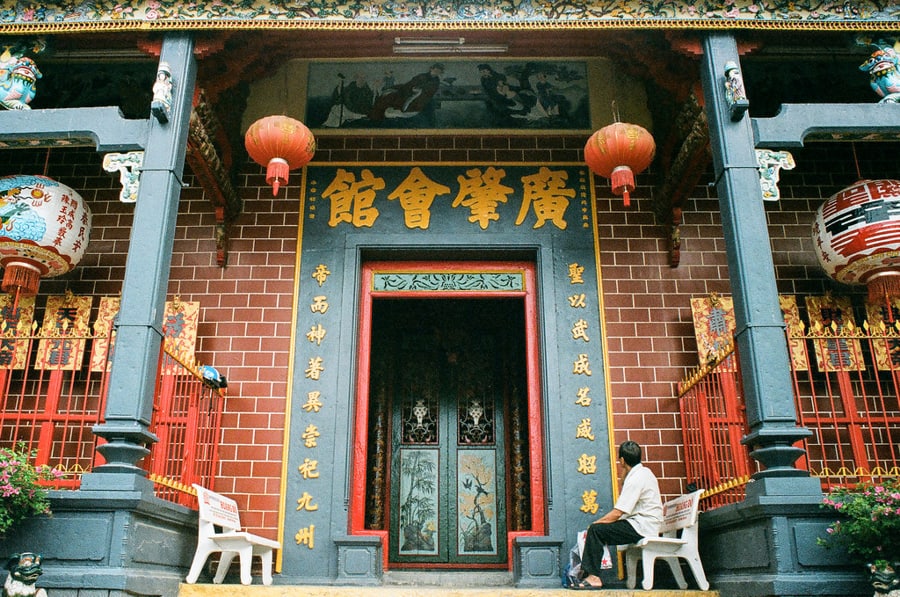
Built by the Chinese community in 1770, Ong Pagoda or Quan De Temple is a significant site of worship in Phan Thiet. Dedicated to Guan Yu, an icon of loyalty and right, the temple is known for its elaborate architecture and colorful decorations, plus a fantastic atmosphere, making it one of those “must-see” sites in a town if you have an interest in history that evolved into cultural harmony.

Ong Pagoda or Quan De Temple is a significant site of worship in Phan Thiet

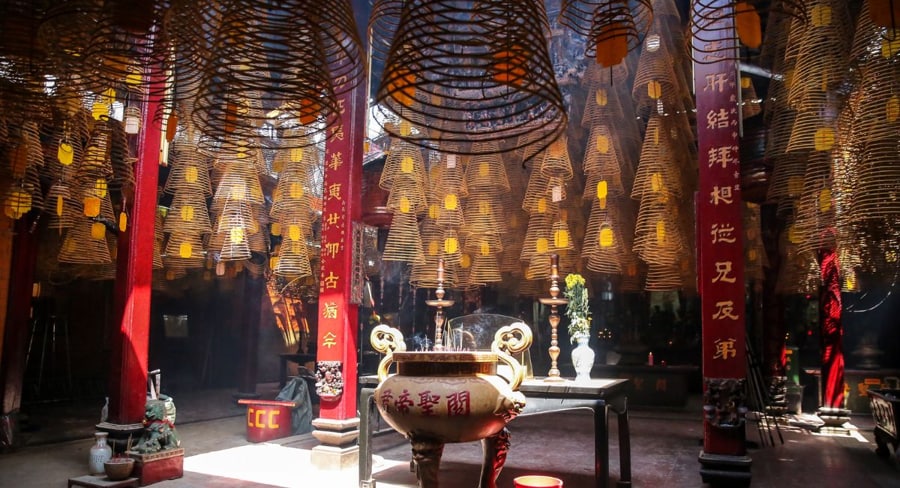
When visitors enter the temple, they will be greeted by the unmistakable smell of incense, beautiful gold color carvings, and the melodic bell jingling and ringing throughout the hall. Ong Pagoda is a living testimony of the healthy and rich blend of diverse spirituality and culture that existed in Phan Thiet. A perfect place to reflect, explore, and admire beautiful, ancient craftsmanship, it is quiet and tranquil for learning and reflection, and more beautiful than one could imagine.

History Of Ong Pagoda

Built in 1770 by the local people from Guangzhou, Ong Pagoda was established during the Nguyen Dynasty period. The Chinese characters inscribed on the wooden beam above the main hall indicated that the Ong Pagoda was established in the winter of Canh Dan year (about 1770).

Ong Pagoda is Built in 1770 by the local people from Guangzhou

It is dedicated to Guan Yu, a famous general from the Three Kingdoms period, and admired for his loyalty, bravery, and justice made a place of worship, which is also why Ong Pagoda is known as Quan De Temple or Quan Thanh Mieu Temple by the local population. Ong Pagoda is no longer only visited by the local Chinese population but has become a prominent spiritual and cultural symbol for Phan Thiet. It has maintained its architecture and sacred atmosphere for many generations since its construction over 200 years ago.

Unique Architecture Of Ong Pagoda

One of the most attractive characteristics for travelers of Ong Pagoda in Phan Thiet is the preservation of its traditional Chinese architecture from the date of its construction. The pagoda reflects the craftsmanship and spirituality of the local Chinese community that built the temple.

Harmonious Layout

The entire layout of the complex follows traditional Chinese Feng Shui principles, representing stability, prosperity, and good luck. The layout of the buildings is interconnected and versatile, fostering a sense of stability, balance, worship aspect, and visual appeal.

Unique Architecture Of Ong Pagoda

Intricate Carvings

The wooden beams and columns are carved in great detail with various patterns of dragons, phoenixes, flowers, and legends. Every carving is uniquely created by talented Chinese carpenters, adding timeless beauty and cultural identity to the temple.

Gilded Decorations

The altars, panels, and functionally written couplets are lacquered and gilded with care. The main hall and the Ancestral Hall record more than 100 old lacquered horizontal boards, some of which were constructed in China during the 19th century.

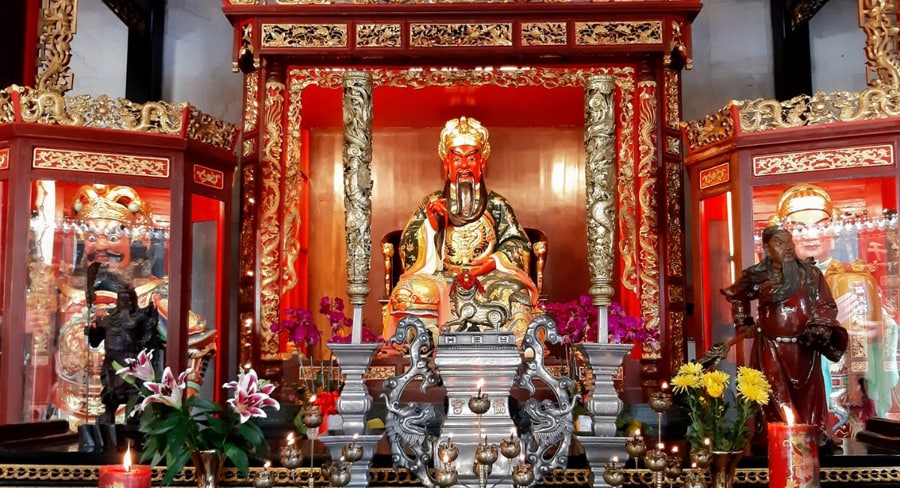
Imposing Guan Yu Statue

In the center of the pagoda is an impressive wooden statue of Guan Yu amongst precious ancient statues. Although Ong Pagoda is a temple to Guan Yu, rather than the Buddha, and has no monks in residence, the local people, with regard and reverence, refer to Ong Pagoda as a “pagoda.”

Guan Yu Statue

Heritage Bells Of China

Ong Pagoda also retains several bronze bells that were manufactured in Guangdong during the Qing Dynasty. The bells have specialized designs that are different from the traditional Vietnamese designs, reinforcing the heavy Chinese cultural influence that exists within the temple’s heritage.

4 Unforgettable Experiences You Shouldn’t Miss

Visiting Ong Pagoda is reconnecting with an authentic culture and authentic spirituality while tapping into history and engaging with the lively life in Phan Thiet. Here are some selections from the list of experiences you won’t want to miss while visiting the remarkable temple.

Explore History And Architecture

Ong Pagoda was built to honor Guan Yu, an honorable general from the Three Kingdoms period who personifies loyalty and righteousness. During your exploration of the temple, you’ll recognize the beauty of the building’s Chinese architecture and learn the stories of its establishment and construction. Every individual piece of the structures, whether the ornate roof tiles or the carved wooden columns, tells an image of history to reflect honor and devotion.

Pray For Peace And Prosperity

The temple is honored as sacred by both residents and visitors, and many come to pray for blessings of health, happiness, and success. There’s a peaceful context of the local community at the temple, combined with the smell of incense and the gentle ringing of the temple bell, which creates a source of feelings of ease and calm.

Pray For Peace And Prosperity

Many visitors will pray or bow down in front of the statue of Guan Yu, where the incense is, and pay tribute to show respect and seek blessings for the safety and happiness of their daily lives.

Participate In The Nghinh Ong Festival

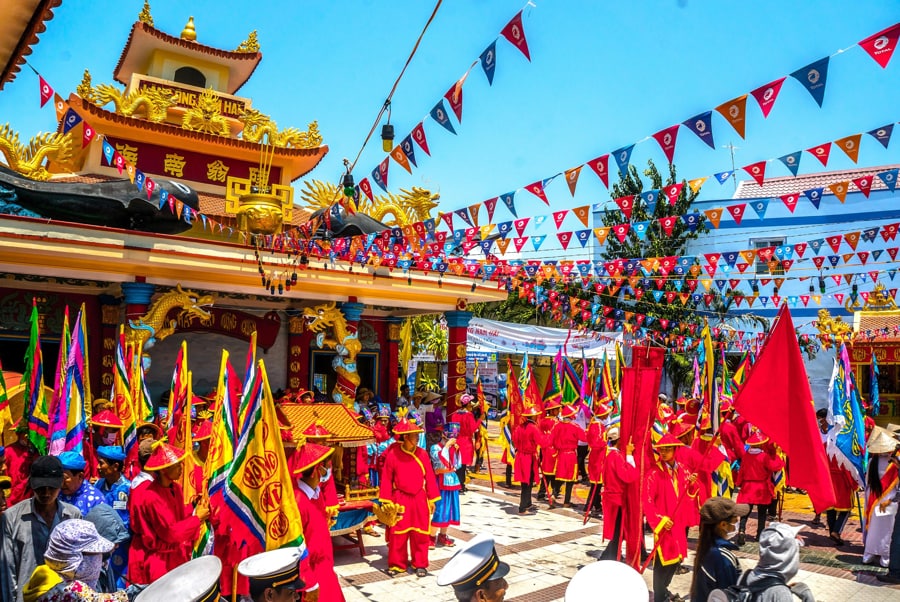
If you plan to visit during the annual Nghinh Ong Quan Thanh De Quan festival (typically in the seventh lunar month), you will see one of the most colorful and lively associations in Phan Thiet.

Participate In The Nghinh Ong Festival

This festival includes parade procession activities, traditional music, and cultural performances that honor Guan Yu. The local families pray for good weather and a good harvest, which makes this festival a joyful occasion that visitors should enjoy when visiting Phan Thiet.

Experience Local Culture

The festival and temple events are not held exclusively for the local Chinese community but are open to all visitors and residents. This aspect of the festival nicely shows you that you will also be able to comprehend in detail some of the rich traditions and beliefs that influence normal local life in Phan Thiet. When you are engaged in these events, you will clearly feel community unity and respect shared happiness that the temple of Guan Yu is establishing.

Entrance Fee

Ong Pagoda can be visited free of charge and is inclusive to all. That said, should you desire to make offerings or pray for peace and good fortune, you are permitted to purchase incense or small items from the temple per your preference and goodwill.

Opening Hours

Ong Pagoda operates daily from 6:00 AM to 5:00 PM. For an optimal experience, visitors should come in the morning when the setting is tranquil and prayer or photos would be easier with few distractions. A particularly interesting time to visit is during the Nghinh Ong Festival that occurs in the seventh month of the lunar calendar, with an abundance of local culture on display.

How To Get To Ong Pagoda

Ong Pagoda is situated at 24 Ngo Si Lien Street, Duc Nghia Ward, right in the center of Phan Thiet City, and is just a short walking distance from the busy Phan Thiet Market. Since the Pagoda’s location is so central, you will not have a hard time finding it because most locals, including taxi drivers and street vendors, will point you in the right direction.

If you’re traveling from Mui Ne, the most comfortable and economical option is to be on Bus No. 1, which runs from Mui Ne to downtown Phan Thiet. A simple request to the conductor to stop close to Phan Thiet Market is all you need to do. Once you’re in that locale, Ong Pagoda is less than a kilometer away, which is only a few minutes walk. The convenience of the location is also ideal, as you can venture to other nearby places of interest within the city center, as they are all nearby.

Things To Know Before Traveling To Ong Pagoda

Unique Architecture Of Ong Pagoda

Prior to heading to Ong Pagoda, it is good to be informed about a few things that will ease your visit and make it an even more meaningful experience. Below are a few helpful tips to get you ready:

  • Dress conservatively and respectfully when entering the temple grounds.
  • Go early in the day in order to enjoy a peaceful, spiritual atmosphere.
  • If you want to pray, bring small offerings such as incense or flowers.
  • Take off your shoes before going into the main worship area.
  • Keep voices low and remain calm while inside the temple.
  • Photography is permitted in most areas (however, avoid using flash when taking photos near altars).
  • Bring cash, as most stalls located nearby may not accept cards.
  • If you wish to visit during the annual Nghinh Ong Festival, be sure to check the calendar before arriving.
  • Stay hydrated and bring a hat if you plan on visiting other sites near the temple.
  • Learn a few customs or phrases from the area; it’s a nice way to connect with the community.

FAQs About Ong Pagoda

You probably have a few questions in mind regarding Ong Pagoda’s history, customs, and what it’s like to visit. Here are some of the most frequently asked questions travelers bring up so that you can prepare for a pleasant and meaningful visit.

May I take pictures inside the Ong Pagoda?

You may take pictures in most of the areas, but always ask first if you are close to an altar. At no time should you use your flash or interrupt someone who is praying. The best time to take pictures is in the morning when natural light will emphasize the details of the pagoda.

How long does it take to visit Ong Pagoda?

A typical visit will take 30 minutes to 45 minutes. If you want to spend more time, consider visiting one of the surrounding sites, such as the Ham Tien Market or Van Thuy Tu Temple, to enrich your experience with the history and culture of the city.

What is the occurrence of the Nghinh Ong Festival?

This important festival happens once a year and recognizes Guan Yu, generally in the seventh lunar month. Locals have processions or parades, lion dances, and ceremonial rituals praying for peace and prosperity. It is one of the more delightful cultural practices that the local area has to offer, Phan Thiet.

Nghinh Ong Festival

Do you have to bring some sort of offering?

You do not have to bring an offering, but there are offerings of incense or candles, or flowers inside the temple. These little offerings have a spiritual component to respectfully pray for good health and fortune. All things are very reasonably priced when you enter the grounds.

Is Ong Pagoda good for families or students?

Yes. The temple offers a calming, quiet environment, a place of safety, and is educational at all levels. Students or children can learn social lessons from traditional beliefs. Adults can appreciate the art and peace of mind.

Final Thoughts: Is Ong Pagoda Worth Visiting?

One of the most incredible cultural sites in Phan Thiet is Ong Pagoda, which represents the combination of history, spirituality, and beautiful architecture. The ornate features of the pagoda, along with its peaceful atmosphere, provide visitors with a fantastic place to relax from the hustle and bustle of the city. Ultimately, a visit to Ong Pagoda is a chance to experience centuries of devotion and artistry preserved by the local Chinese community. Don’t miss Ong Pagoda and many of the other unique aspects of Phan Thiet with Seni World for an unforgettable travel experience.

Can Tho Nightlife And Top Things To Discover In This Riverside City

Can Tho nightlife flows gently yet full of color, blending riverside lights, local music, and the scent of food along the streets. Evenings here move slowly but stay alive through markets, cruises, and simple moments by the water.

Top 6 Things To Do In Can Tho Nightlife

Can Tho nightlife doesn’t sleep. This area comes alive, offering food stalls, twinkling lights, also a pleasant place for an evening stroll. Here are a few ways to spend those hours after sunset.

Walk Along The Ninh Kieu Pedestrian Bridge

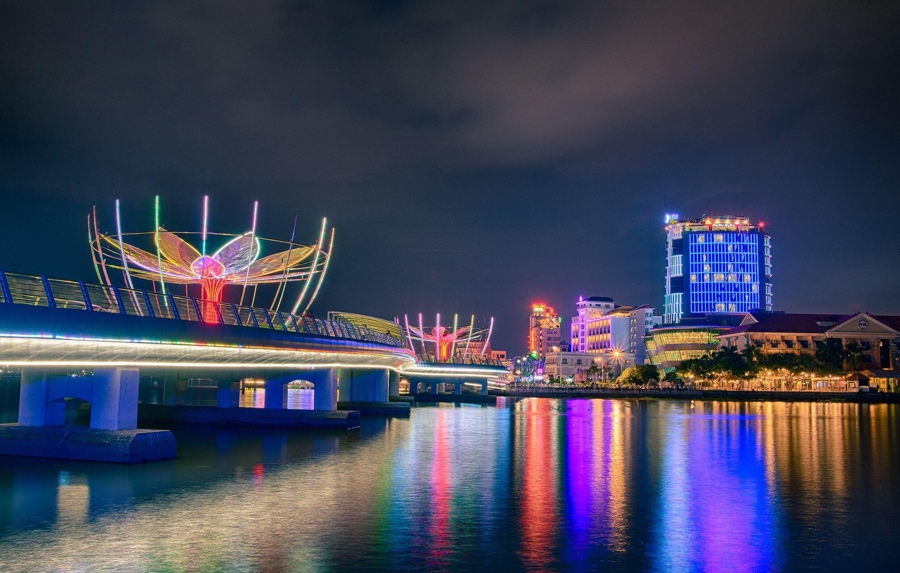
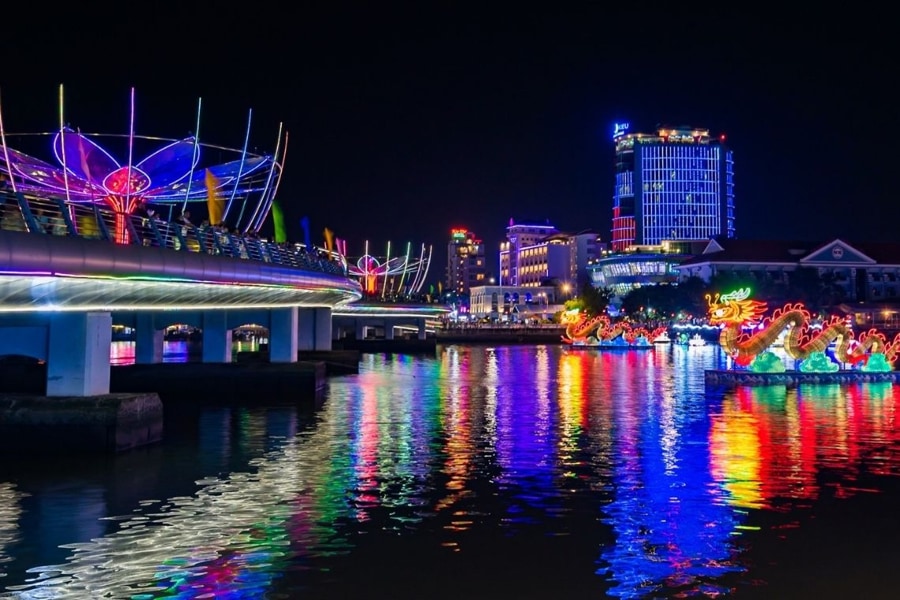
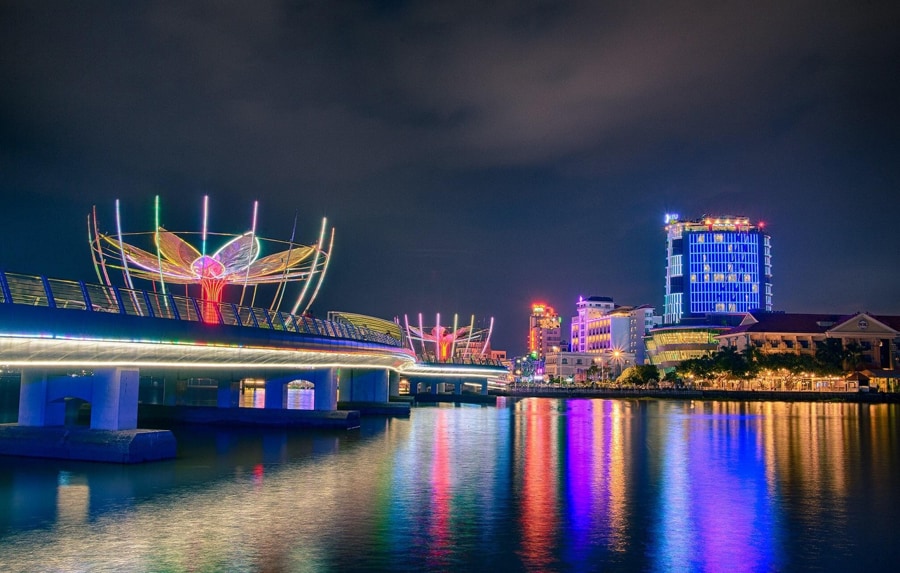
The footbridge arcs across the river in Ninh Kieu, linking the bank to Con Cai Khe islet. By night, the structure shaped like a ‘Y’ illuminated by lotus blossoms that cycle through hues, becomes a striking feature of the Hau River. Cars aren’t allowed; instead, folks simply stroll while taking in the scenery. The houses by the river brighten as evening falls. Locals love this place; families linger after dinner, not just tourists.

Walk Along The Ninh Kieu Pedestrian Bridge

Weekends on Saturday and Sunday evenings, the Ninh Kieu flower garden transforms. Soft tunes drift through the air as small performances unfold by the bridge. Refreshments are available; think icy coconut water, zesty kumquat tea, or snacks from stalls by the entrance. Find a spot on the stone benches facing the garden; admission is free at any time. The best light with crowds to share it happens around 6:30 PM until nine. If you’re close to either Ninh Kieu Wharf or downtown, along Hai Ba Trung Street, walking is simple instead of needing a ride.

Explore Ninh Kieu and Tay Do Night Markets

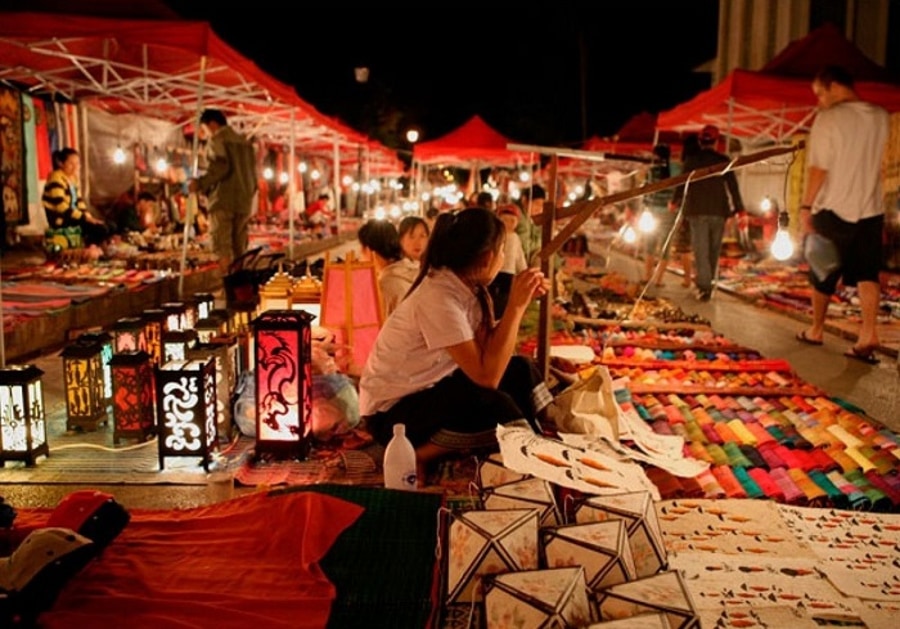
If you want a taste of Can Tho after dark, the night market is your best bet. Find Ninh Kieu Night Market at the corner of Hai Ba Trung, also Nguyen Thai Hoc, which faces Ninh Kieu Wharf Park. That’s when the city truly comes alive. Expect dishes rooted in the area as grilled fish, rice pancakes, light spring rolls, and then finishing with something sweet. Prices are usually clear, so go ahead and try bits from various stalls instead of one big meal. Because it’s right beside Ninh Kieu wharf, close to riverside hotels, getting there won’t be a trouble.

Explore Ninh Kieu night market in can tho

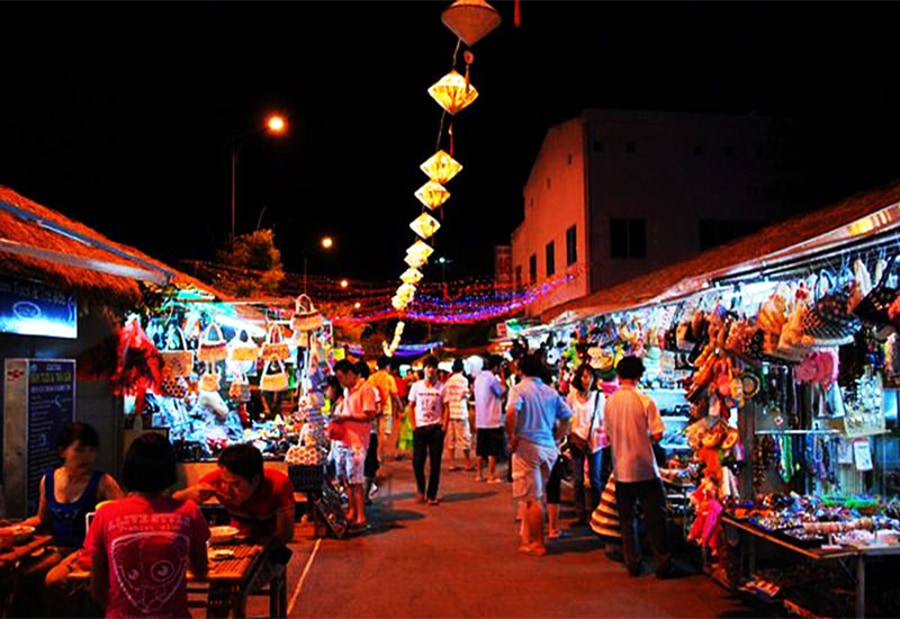
Tay Do Night Market has a distinct vibe. Tucked inside Tay Do Cultural Park, also known as the Can Tho International Exhibition Fair Center, it’s near Tran Phu Street. A taxi or motorbike will get you there from Ninh Kieu Wharf in just about a kilometer. The night market isn’t just about food; you’ll discover crafts, clothes, and even classic fair games. Open from five to eleven, admission’s free. If you’re seeking more meal options, though, Tay Do boasts an impressive variety of food stalls.

Dine On A Yacht Along The Hau River

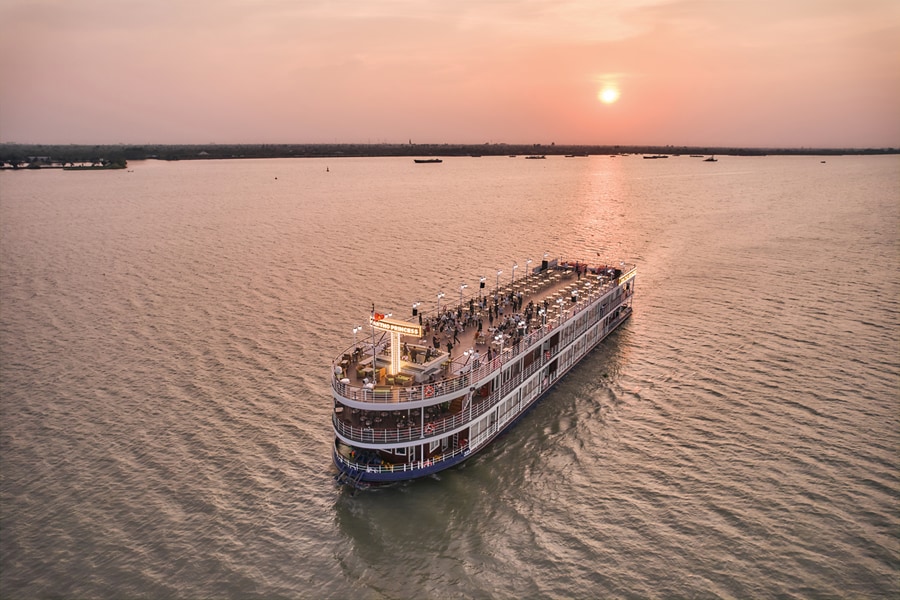
For a peaceful night alongside beautiful scenery, consider dining aboard a boat on the Hau River; it’s a real treat when visiting Can Tho after dark. Vessels leave Ninh Kieu Wharf from 6:00 to 6:30 PM, then cruise the river for approximately ninety minutes. You can choose between Can Tho Princess or Ninh Kieu Cruise; each offers a fixed menu blending Vietnamese flavors alongside familiar Western plates.

Dine On A Yacht Along The Hau River

Cruises sometimes feature live guitar tunes, even brief sets of regional ballads, giving a genuine feel that isn’t geared toward visitors. Trips generally run about an hour and a half, getting back by nine so you can head out to local spots like cafes or rooftop lounges. To snag a good spot, particularly if you’re visiting over the weekend, reservations are wise; local celebrations happen here often. Getting to the pier from hotels in Ninh Kieu District doesn’t require transport; just walk, following signs close to Ninh Kieu Park where boats depart.

Enjoy Drinks At Rooftop Bars And Lounges

Beyond markets and riverside walks, Can Tho nightlife also includes a growing café and bar scene. Rooftop spots such as Holiday One Sky Bar and Iris Hotel Sky Lounge overlook the downtown streets, offering panoramic views with mellow background music. These are ideal for a late-evening drink or small gathering. Dress codes are casual, and most places close by midnight.

Holiday One Sky Bar

For something more local, acoustic cafés like The Lighthouse or May Coffee & Acoustic host nightly performances from young Can Tho musicians. The mood is laid-back: simple drinks, warm lighting, and songs that mix Vietnamese pop with soft rock covers. Prices are moderate, and performances usually start around 8 PM. Both rooftop and café options work well if you want to unwind after the markets.

Try Street Food And Evening Walks At Xang Thoi Lake

About two kilometers from Ninh Kieu Wharf, Xang Thoi Lake (also known as Bo Ho) has become a favorite night spot for locals. It’s not a tourist attraction in the usual sense, just a small lake surrounded by casual food stalls, drink stands, and low plastic chairs. But that’s exactly what makes it worth visiting. You can try local street dishes like grilled rice paper, skewers, or milk tea, then sit by the lake watching people fish or chat by the water.

Try Street Food And Evening Walks

The area gets busy after 7 PM, mostly with students and office workers relaxing after work. It’s also safe to walk around, with lighting all along the lakeside. If you’re staying near Ninh Kieu, a short taxi or Grab ride will get you there in under 10 minutes.

Experience Early Morning Cai Rang Floating Market Vibes

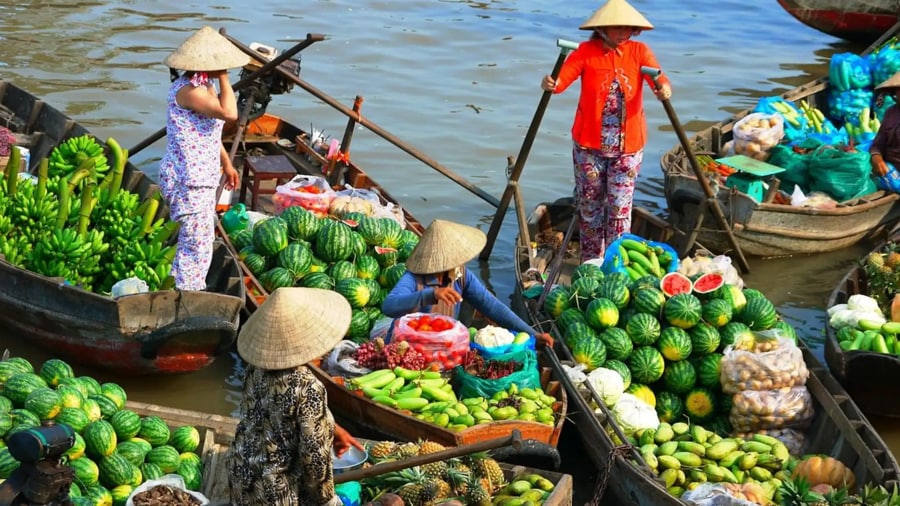
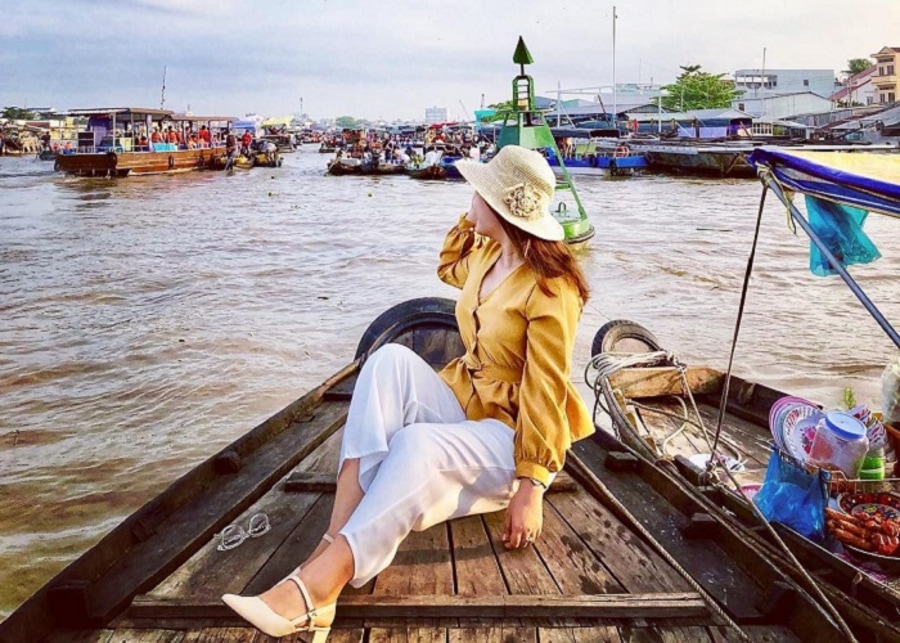
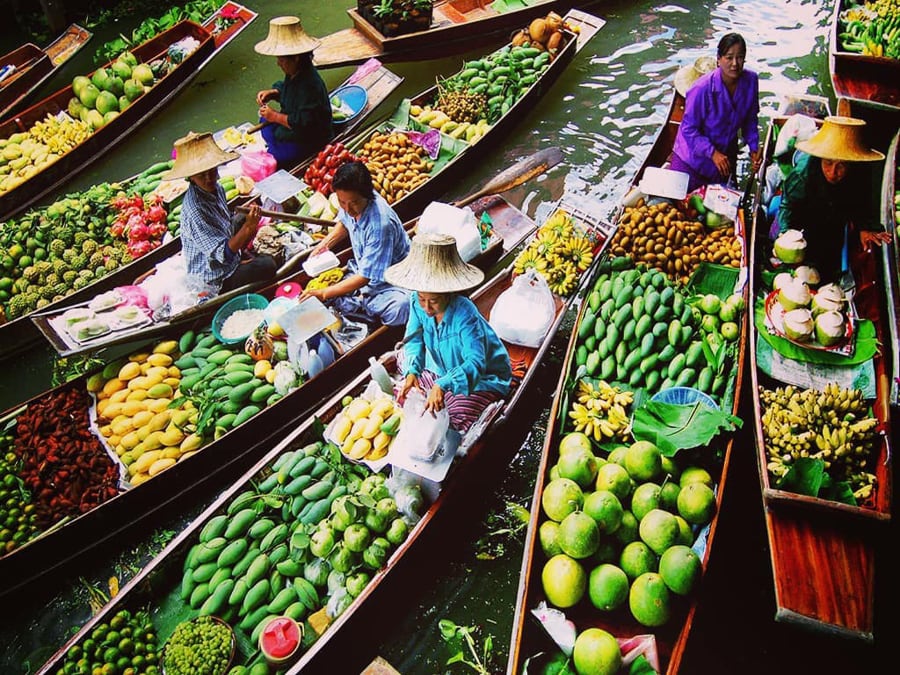
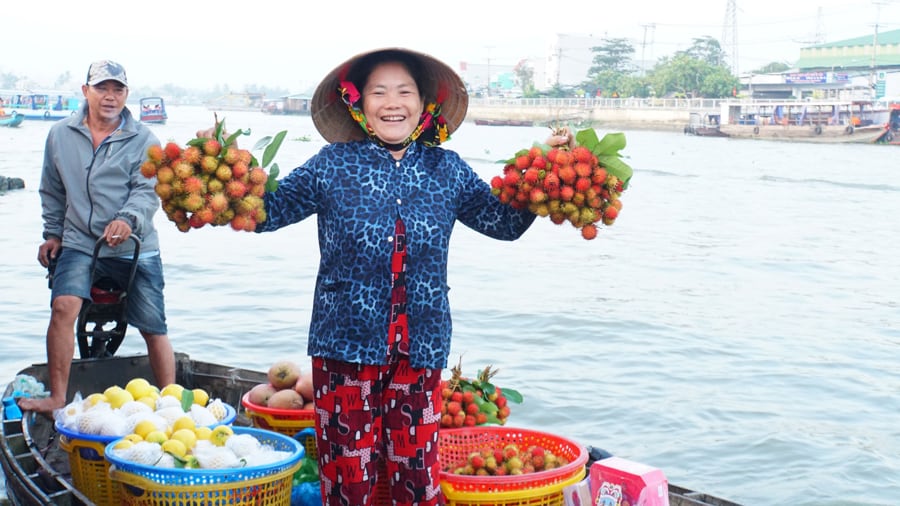
Cai Rang Floating Market technically belongs to the early morning, but for many visitors, it’s the natural continuation of Can Tho nightlife. Boats begin gathering on the Hau River from about 4:30 a.m., selling fresh fruit, vegetables, coffee, and breakfast dishes directly from their decks. The best way to visit is by joining a small wooden boat tour from Ninh Kieu Wharf, which takes about thirty minutes to reach the main trading area.

visit cai rang floating market

The whole scene of the morning floating market is busy yet calm, showing another side of the Mekong Delta and what to experience in Can Tho beyond the night. To get the best experience, leave your hotel around 5 a.m., wear something light, and bring small cash for a floating cup of Ca Phe Sua Da (Vietnamese Iced Coffee). The early hours might seem daunting, but this peaceful, colorful market rewards anyone willing to trade a little sleep for a true local moment.

What To Eat In Can Tho At Night

Can Tho truly comes alive after dark, especially when it comes to food. It’s simple fare, brimming with local flavor; dishes are prepared quickly, then enjoyed right on the street. You taste the city itself.

Banh Xeo Can Tho (Crispy Pancake)

This golden rice pancake is filled with shrimp, pork, and bean sprouts, then folded into a half-moon and fried until crisp. Locals tear pieces by hand, wrap them with herbs and lettuce, and dip them into fish sauce mixed with lime and chili. The flavor is light yet addictive, and eating it hot off the pan is part of the fun.

Where to try: Banh Xeo 7 Toi on 45 Hoang Van Thu Street, a long-time favorite that stays busy well into the evening.

Banh Xeo are filled with pork, shrimp, and bean sprouts

Bun Nuoc Leo (Fermented Fish Noodle Soup)

From the Mekong River comes this remarkable noodle soup. A flavorful broth, built from fermented fish, lemongrass alongside river prawns, offers a rich taste without being too strong. Bean sprouts, fragrant herbs, then tender roast pork complete the experience.

Where to try: Bun Nuoc Leo Ut Trinh on 25 Nguyen Trai Street, known for serving authentic southern-style broth.

Nem Nuong (Grilled Pork Skewers)

A touch of sugar, garlic, alongside fish sauce tenderizes the meat; grilling over charcoal creates a lovely browned surface. You build rolls with rice paper, cradling the meat, crisp lettuce, fragrant herbs, plus tangy pickled carrots, then drizzle generously with smooth, spicy peanut sauce.

Where to try: Nem Nuong Thanh Van on 17 Hoa Binh Avenue, a long-standing shop where the grill never seems to rest.

Nem Nuong can tho

Hai San Nuong (Grilled Seafood)

Along Tran Phu Street, also close to Ninh Kieu Wharf, you can see sellers showcase their catch: glistening prawns, clams, squid, and little fish arranged on beds of chipped ice. You choose your catch, then watch them cook it, slicked with garlic butter, maybe some chili oil, or vibrant green onion sauce. Dining on fresh seafood by the river, beverage chilled, is somehow both deeply Vietnamese yet special occasion worthy.

Where to try: Hai San Song Hau Restaurant or the Tran Phu Night Market, both serving fresh catches until late.

Che (Sweet Soup Dessert)

To finish an evening in Can Tho, locals turn to Che (sweet soup dessert), a colorful sweet soup layered with beans, jelly, fruit, and coconut milk. Some prefer green mung beans and taro; others add sticky rice, black beans, or soft agar cubes. Everything is ladled into a tall glass and topped with shaved ice so the coconut cream slowly seeps through each layer. The result is cooling and lightly sweet, a perfect contrast after savory dishes or a walk along the wharf.

Where to try: Che Hien Trang near Ninh Kieu Market, a local favorite known for generous portions and late-night hours.

Tips To Experience Can Tho By Night

the Hau River at night

The pace of nightlife in Can Tho is slower than in other cities, so the right timings and a few decisions can make the difference between having a passing experience and actually feeling the city. These ideas will help you appreciate the food and ambiance by the Hau River at night.

  • Where you stay in Can Tho makes everything more enjoyable for your night; you will stay at a hotel located near Ninh Kieu Wharf, and therefore a short walk to most of the attractions, a pleasant nighttime walk away from your accommodation, and be able to safely return after any meal.
  • No worries about the dinner cruise, however, it is easier to go on a weekday; the less crowds crowds, more attention given to you and to others by the captain and crew, and the river is quiet enough to hear the music on the boat.
  • The locals eat early, so getting to the night market around 6:30 PM will mean fresher options that you will not have to wait for at the popular stalls.
  • If you are walking, try to plan your walking path around the pedestrian bridge and Ninh Kieu Park; both areas remain bright, busy, and well policed.
  • If you plan on a rooftop bar, they all close before midnight; by ordering your drink a touch earlier, you can indulge in the last lights of the city and not feel rushed at closing time.
  • To see the floating market at dawn, it makes the most sense to stay near Ninh Kieu Wharf so you can board as early as needed without having to transfer vast distances.

Final Thoughts

Can Tho nightlife doesn’t rely on noise or neon. Nights here feel close and familiar, a reminder that the Mekong’s spirit lives not just in its waters but in the way its people slow down to enjoy life. If you’re planning to explore the Delta, spending an evening in Can Tho is worth every hour. And for travelers who want more local guidance or custom itineraries across Vietnam, Seni World offers detailed travel ideas and on-the-ground insights to help you experience each place at its best.

Where To Stay In Can Tho And Top Places For A Riverside Getaway

Choosing where to stay in Can Tho shapes how you experience its rivers, floating markets, and calm neighborhoods. The charm lies not in grand sights but in the small, unhurried moments that define the Mekong.

Best Areas To Stay In Can Tho

Sheraton hotels in the ninh kieu riverside

Can Tho has spots for everyone, even if you’re after river fun, dawn market trips, or peaceful streets. Though small, the city feels different depending on where you are, revealing various facets of Mekong life. Here’s a look at the favorite areas visitors choose, each presenting its own piece of the delta.

  • Ninh Kieu Riverside: Can Tho truly comes alive at Ninh Kieu Riverside. It’s the city’s heart, a bustling area where cafes line the riverbank alongside a lively night market. Waterfront hotels, such as Sheraton, Wink, and even Charmant Suites, place visitors smack in the middle of things, offering ease alongside a genuine sense of how the city moves. Ideal if strolling is your goal, also want to experience what happens when evening arrives.
  • Con Au Islet: A quick boat trip from Ninh Kieu brings you to Con Au Islet, a peaceful escape. It’s a different place altogether; calm days give way to tranquil evenings. The resorts there are ideal for those wanting seclusion yet convenient access to everything else..
  • Cai Rang: Downriver from the city, you’ll find Cai Rang, where the bustling floating market unfolds each day. It means skipping a lengthy commute to experience Can Tho’s local life. You’ll find quiet escapes at places like Can Tho Ecolodge, alongside cozy homestays nestled among palms bordering the river.
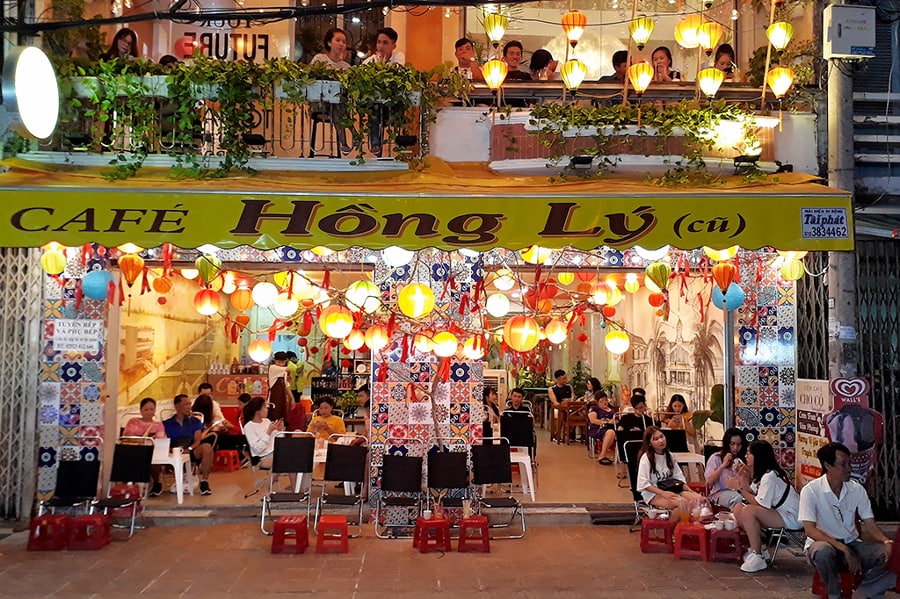
  • Cai Khe: Cai Khe offers a peaceful retreat near Ninh Kieu, a good spot if you prefer avoiding the hustle, alongside accessibility. You’ll find contemporary lodging, shops, plus swift access to both the riverfront and major thoroughfares. Consequently, it suits those on work trips or anyone desiring ease without total immersion in city clamor.

Top Places To Stay In Can Tho

Can Tho boasts an interesting blend of activities, waterfront retreats, chic lodging, also cozy guesthouses. Here’s what visitors frequently suggest, each providing a unique feel for the city’s relaxed pace.

Charmant Suites – A Boutique Hotel Can Tho

Just a quick stroll, under five minutes, puts visitors near Ninh Kieu Wharf, the bustling nighttime market, alongside a bunch of riverfront cafes buzzing when evening arrives. Being there means effortlessly catching a morning boat to Cai Rang Floating Market, or wandering Hai Ba Trung Street to soak up the local vibe.

Charmant Suites - A Boutique Hotel Can Tho

This hotel suits pairs or anyone seeking ease while still feeling the pulse of the city. A rooftop pool overlooks the waterway, alongside direct access to a mall filled with eateries, shops, plus a movie theater. The team will organize trips, perhaps to Ong Temple or the local museum, or book transport for you. A room here typically costs about $44 a night, varying with the time of year. If you want to be near both the river likewise Can Tho’s nightlife, this place hits a sweet spot.

Wink Hotel Can Tho Ninh Kieu Wharf

Wink Hotel injects fresh energy into Can Tho’s riverfront. The lobby also functions like a hangout spot, while a rooftop pool offers respite. Guests arriving from Saigon find checking in surprisingly swift. Folks who visit generally travel alone or come with buddies, often just passing through Can Tho on their way further into the Mekong Delta. Expect to pay roughly $36 each night for a room; prices shift with weekends and whatever’s happening in town.

Wink Hotel Can Tho Ninh Kieu Wharf

Just walk out the door, and suddenly you’re swept into things around here. Boats for the floating market leave shortly, making it simple to hop on morning excursions directly. Because of where it is, how easily it moves around, also its look, Wink suits people wanting a city vibe yet close access to Can Tho attractions.

Sheraton Can Tho

Sheraton Can Tho rises above Hoa Binh Avenue, a landmark locals use for getting around town. It links directly to Sense City Mall, so visitors can enjoy movies, cafes, also shopping all under one roof. For folks with children, or those here for work needing a central location, this place really delivers. The Rates change somewhere between $75 and upwards of $120 during busy times like festivals, yet many feel the consistent quality from a well-known brand justifies the cost.

Sheraton Can Tho

The building isn’t just well-built; where it stands simplifies exploring. A quick trip from the front doors delivers visitors to Ninh Kieu Wharf for river cruises, or one could wander across the footbridge to Con Au Islet as evening approaches. After a busy day, the pool outside or the terrace overlooking the river offers peaceful spots to unwind. If you’re looking for a convenient base in Can Tho, somewhere offering everything you need alongside effortless exploration, Sheraton continues to be a top pick.

Muong Thanh Luxury Can Tho Hotel

Near the Can Tho Bridge, in Cai Khe district, Muong Thanh Luxury Can Tho sits along the river, a bit more peaceful than bustling Ninh Kieu. With more than 300 rooms, this hotel delivers what you expect: reliable service alongside plenty to do. You can swim in the big pool, get old-style herbal therapies at the spa, or savor local dishes at the restaurant. Nights here usually cost from $38-$50, positioning it as a surprisingly affordable luxury.

Muong Thanh Luxury Can Tho Hotel

The hotel shines because getting around from here feels effortless. You could wander over to the riverfront park, or hop in a cab for a quick trip to the footbridge. Moreover, reaching the path to Cai Rang Floating Market proves easier than staying tucked away in Ninh Kieu. Folks on work trips like the meeting rooms here.

Victoria Can Tho Resort

Guests often describe Victoria not as a hotel, but as a quiet riverside break inside the city. The property lies at the end of a small lane off Cai Khe, just five minutes by boat or car from the main Wharf, so it keeps the city within reach. Rooms open directly to the garden or pool area, creating a slow and pleasant atmosphere that most guests describe as the highlight of their stay.

Victoria Can Tho Resort

Days here often start early with breakfast on the terrace overlooking the river, then a private cruise arranged by the hotel to the floating markets or to fruit farms in Phong Dien. In the afternoon, the pool and spa become the center of quiet activity, followed by dinner at Spices Restaurant, which focuses on Mekong produce. The price varies widely, around $100–$120 per night, depending on season and package. For couples searching for where to stay in Can Tho that feels genuinely local yet refined, Victoria captures that river spirit better than anywhere else.

TTC Hotel – Can Tho

Most people notice this hotel long before they check in, its purple sign glows over the riverside every evening. Travelers staying here talk less about design and more about what the location gives them: direct access to the river’s pulse. You can step out at dawn to see vendors loading flowers at the pier, then come back later for sunset when cruise boats line up with music and lights. Breakfast happens on the upper floor where the entire Hau River spreads out beneath the windows, a view that feels more Mekong than most rooftop cafés in town.

TTC Hotel – Can Tho

Guests often combine their stay here with short evening walks along the promenade, where coffee stands, ferries, and locals line up by the water. Because of its location, rates shift quickly, some nights closer to $55, others much higher when festivals fill the riverside area. Couples who enjoy staying in the heart of things, rather than in polished isolation, this address fits perfectly. Among practical options for where to stay in Can Tho, TTC gives you unbeatable access to the city’s most active quarter.

Iris Hotel Can Tho

Iris Hotel sits inland on Tran Van Kheo Street, about ten minutes from the river, in a quieter part of Ninh Kieu District. It’s not built for spectacle but for travelers who prefer a clean, mid-range stay with good amenities. The lobby feels simple yet organized, and the indoor pool becomes a welcome bonus during the hot season.

Iris Hotel Can Tho

Guests staying longer often like the small cafés and food spots scattered around the neighborhood, where breakfast runs cost less than a drink by the river. Prices usually hover around $27–$35 per night, though they dip lower midweek. The staff helps arrange transport to the floating markets or day trips to Truc Lam Zen Monastery nearby. For travelers deciding where to stay in Can Tho who want quiet evenings but quick access to everything, Iris balances both worlds comfortably.

KP Hotel

KP Hotel rarely shows up on glossy lists, yet many travelers end up extending their stay here. The reason is simple: it’s right in the middle of everything that makes downtown Can Tho easy with small cafés, late-night pho stalls, and a short walk to the ferry pier. Guests who arrive without fixed plans often use it as a base to map their next steps, picking up floating-market tours or day trips as they go.

KP Hotel

The staff know the city by heart and can point you to the best Hu Tieu spots or suggest where to catch a good river sunset. Rooms are compact but spotless, and the Wi-Fi actually works well, something budget travelers don’t take for granted in the Mekong. Rates usually sit around $30 per night or less when booked directly. For independent travelers still deciding where to stay in Can Tho, KP feels like a no-fuss hub that keeps you close to local life.

Tips To Choose Where To Stay In Can Tho

Selecting the right area is not just about personal comfort; it is about how each evening connects to what you wish to see during your stay the next day. These are quick ideas to match your lodging with tomorrow’s plans.

  • If you love quiet mornings, stay near Cai Rang or Ba Lang, where you’ll wake to river sounds instead of traffic.
  • If you’ve got a single night in town, basing yourself near Ninh Kieu Wharf is smart. It puts the night market alongside the river cruise right at your doorstep, a neat combination.
  • To truly experience Can Tho, go at the ideal time to visit Can Tho, usually from December through April. This way, you’ll find bright, open skies ideal for exploring the waterways by boat.
  • Weekend stays fill up fast with domestic groups, so if you prefer quiet nights, go midweek when the riverside feels calmer.
  • When the weather gets wet, seek out spots boasting sheltered courtyards or maybe even indoor pools. That way, you won’t miss the lovely scenery while a quick downpour moves through.

Final Thoughts

Can Tho is one of those cities that reveals itself slowly. No matter which address you pick, the real reward comes from seeing how life here moves with the river. That, more than any luxury or rating, is what defines the best answer to where to stay in Can Tho. For more travel stories and local insights across the Mekong Delta, explore Seni World, your window into Vietnam’s slow, authentic side.

19 Best Things To Do In Can Tho To Have Wonderful Moments

There are numerous things to do in Can Tho for vacationers to have incredible moments, such as visiting Cai Rang Floating Market, exploring Ninh Kieu Wharf, going to Can Tho Night Market,… Read Seni World’s blog to know more!
Things To Do In Can Tho

Visit Cai Rang Floating Market

Cai Rang Floating Market is the world-famous and iconic image of Can Tho. Visiting here at dawn, you will see dozens of boats arriving at the river to sell many different types of fresh fruits, vegetables, and local specialties. This makes Cai Rang Floating Market a colorful and dynamic floating bazaar. Let’s enjoy the lively sounds of bargaining and try participating in this exciting activity once.

visit cai rang floating market

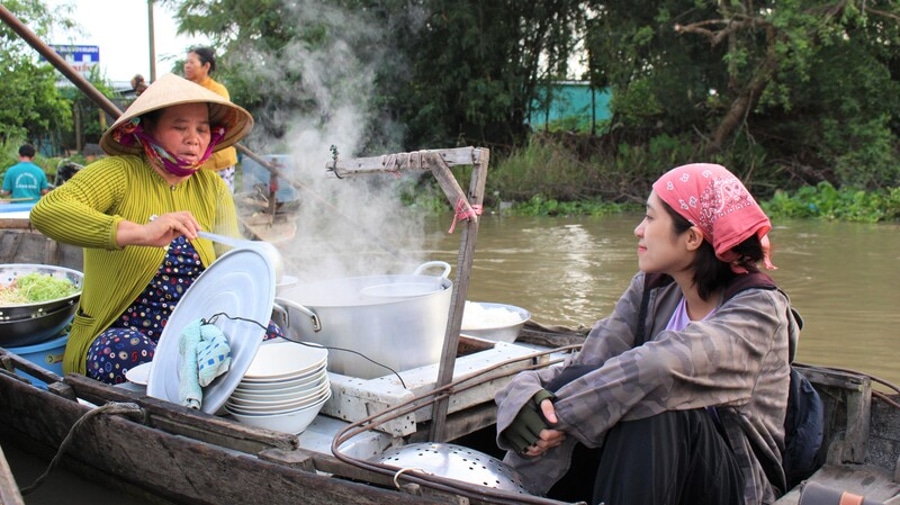
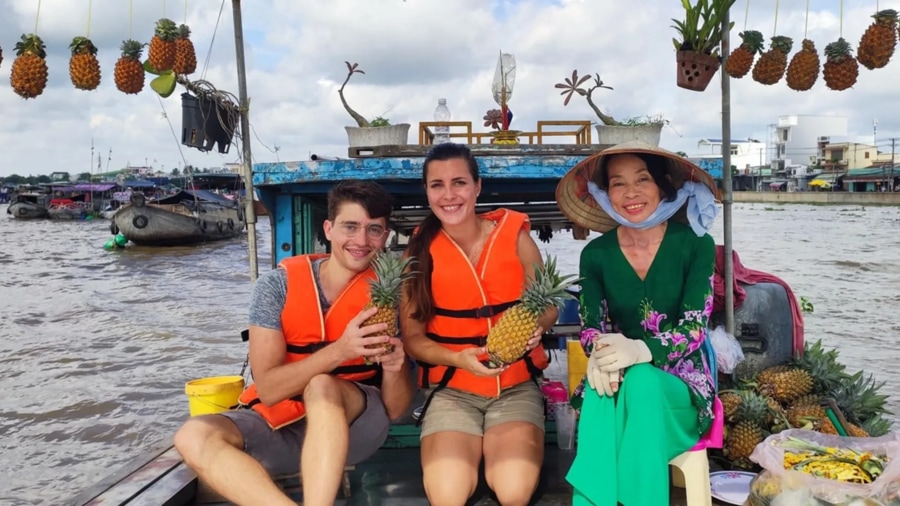
If you want to experience Cai Rang Floating Market up close, you should take a small boat tour, then buy a cup of bold Vietnamese coffee or a traditional flavor bowl of Hu Tieu right on the water. It is the most wonderful and authentic way to immerse yourself in the Mekong Delta’s unique river culture as well as particular local trade traditions.

Explore Ninh Kieu Wharf

Ninh Kieu Wharf is the central hub and another symbol of Can Tho, positioned along the Hau River. Covered with local restaurants, pretty coffee shops, and a beautiful green park, Ninh Kieu Wharf is the best choice for a relaxed evening stroll with perspectives of sparkling lights reflecting on the water.

ninh kieu wharf at night

At night, Ninh Kieu Wharf changes into a brilliant promenade with delicious local food stalls and live music. From here, you can additionally catch dinner cruises or boat excursions to nearby islands. Exploring Ninh Kieu Wharf is one of the must-try things to do in Can Tho for first-time tourists.

Go To Can Tho Night Market

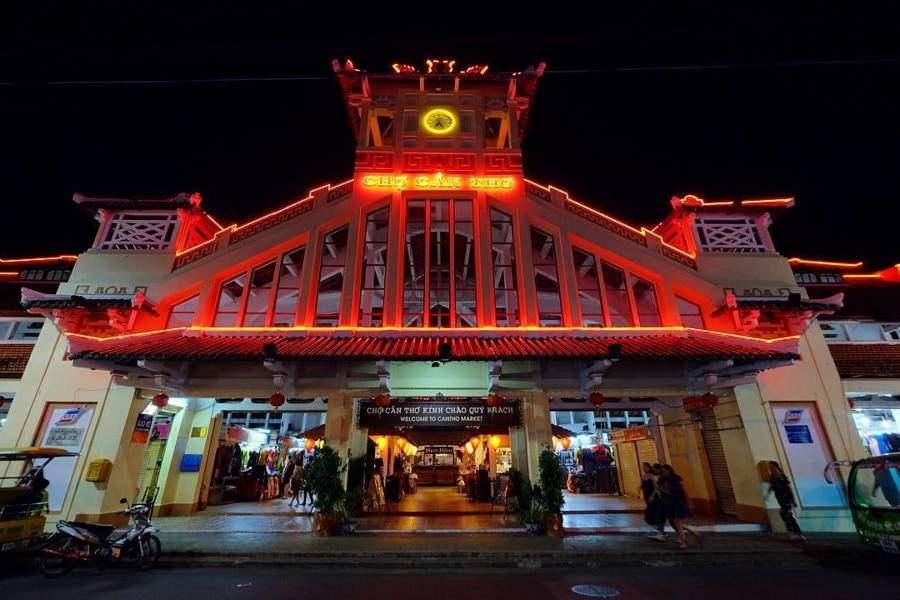
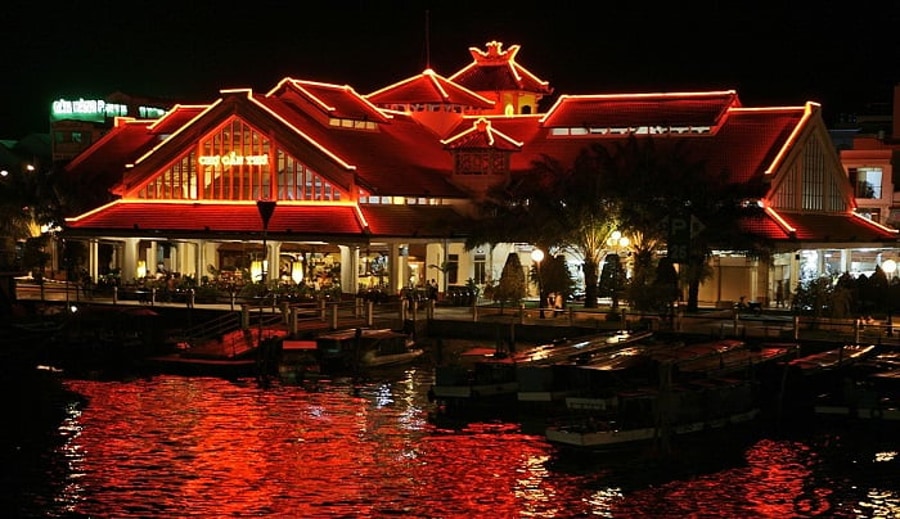
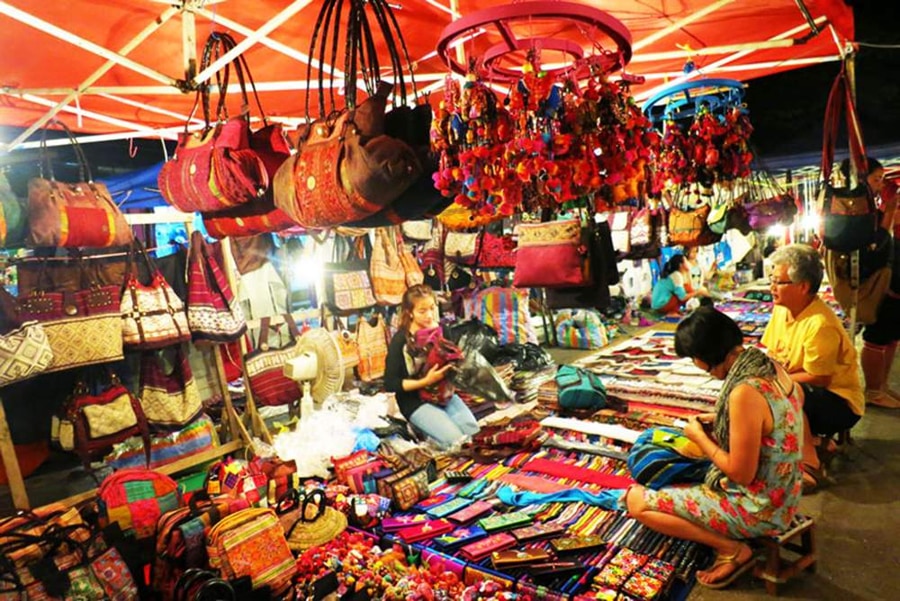
Located near Ninh Kieu Wharf, Can Tho Night Market is an interesting world full of colors, smells, and sounds. Both local people and vacationers arrive at the night market to try delicious street food, pretty handmade crafts, and traditional souvenirs.

ninh kieu night market in can tho

When going to Can Tho Night Market, don’t forget to enjoy various types of grilled seafood, Banh Xeo Mien Tay (Vietnamese Pancakes), or sweet coconut desserts. You can also chat with friendly local vendors to know more about their energetic daily lives and work. All food here has an economical price, traditional flavor, and it keeps the spirit of the Mekong Delta.

Tour Bang Lang Stork Garden

This nature reserve, Bang Lang Stork Garden, is home to heaps of white storks that roost in the treetops. The best time to visit Can Tho City in general and Bang Lang Stork Garden in particular is from December to April, or during the dry season.

Tour Bang Lang Stork Garden

You should go to the nature reserve in the early morning or sunset, when the sky is clear and filled with the flapping wings of birds. Bang Lang Stork Garden has a serene scenery, surrounded by green rice paddies and blue waterways, making it a great escape from the busy city. Particularly, travelers can also investigate this place by a small boat through the lush mangrove forest.

Discover The Can Tho Museum

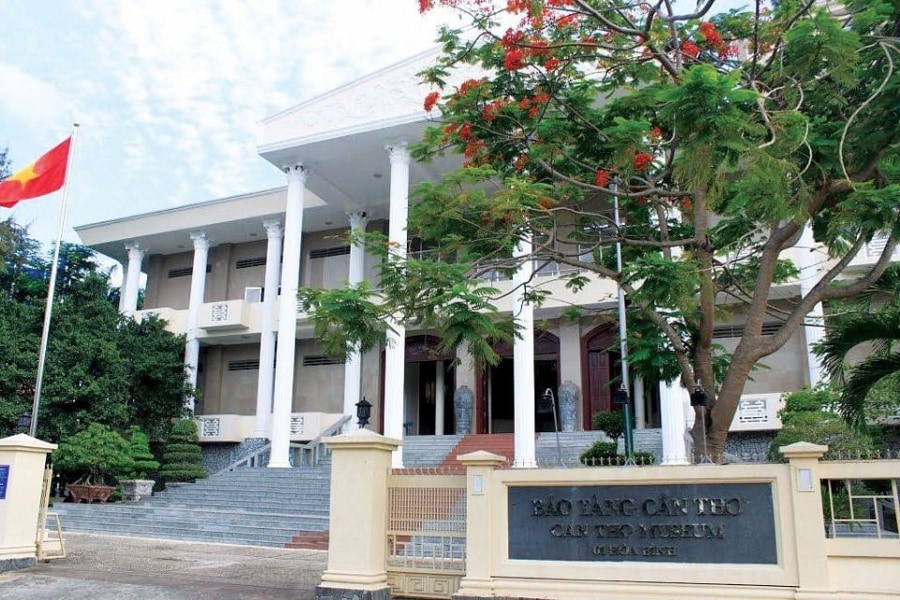
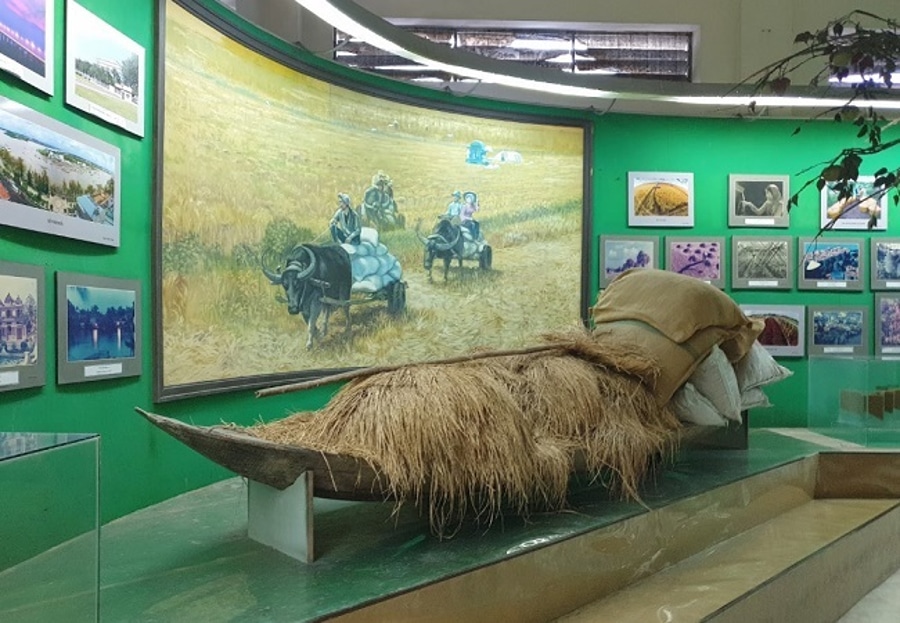
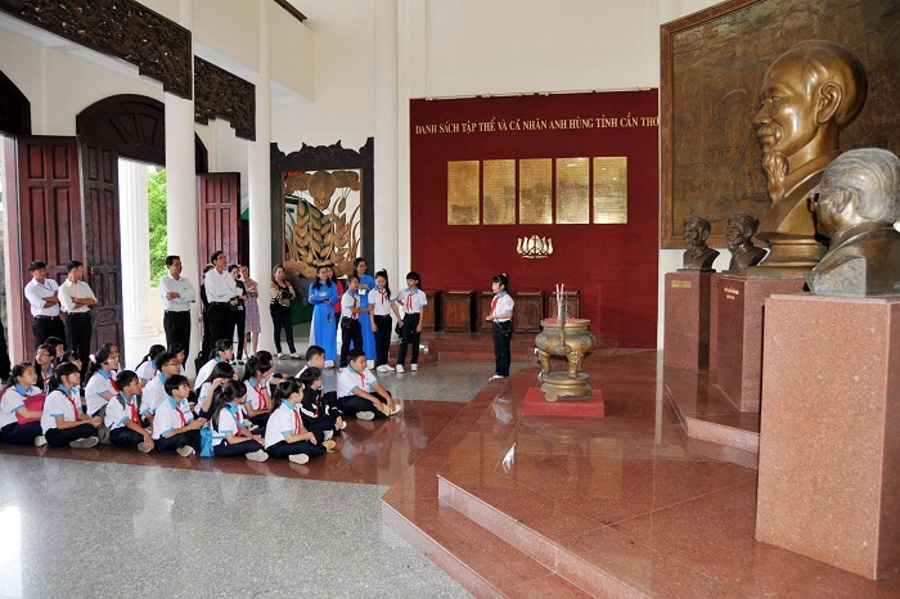
Can Tho Museum showcases the rich history as well as culture of the Mekong Delta region. Exhibits here consist of conventional apparel, agricultural tools and equipment, ancient artifacts, and stories of the old Khmer and Chinese communities.

can tho museum

Can Tho Museum is a wonderful educational destination for travelers, especially global vacationers, to understand more about how the Mekong Delta people’s lifestyle evolved with the river. The museum is also superbly built and designed with a stunning combination of modern and traditional architecture.

Uncover Phong Dien Floating Market

Smaller and more local than Cai Rang Floating Market, Phong Dien Floating Market brings travelers a more authentic and friendly experience. You can see various farmers sell their fresh produce directly from their boats, and they often barter with each other. You should take an early morning boat ride to witness daily life as it naturally occurs on the water. This floating market is quieter and less touristy, wonderful for photography with family and friends, as well as cultural immersion.

Visit Ong Pagoda

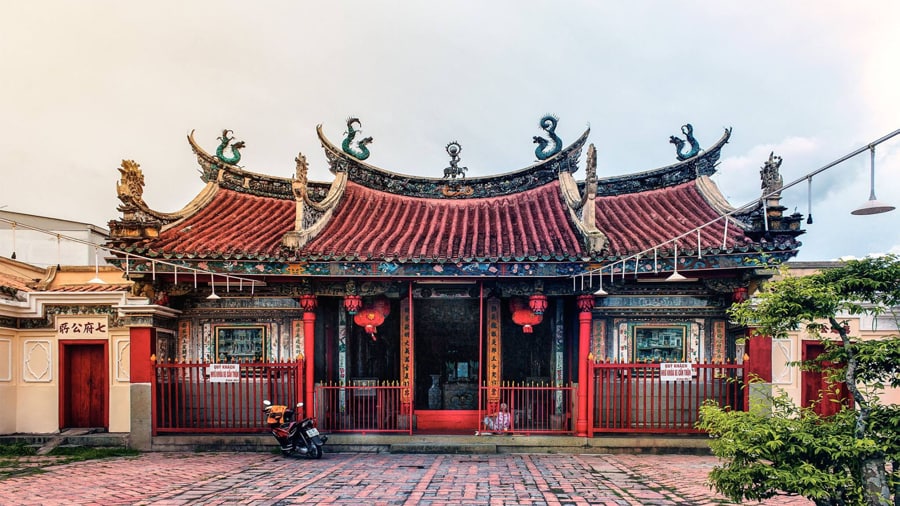
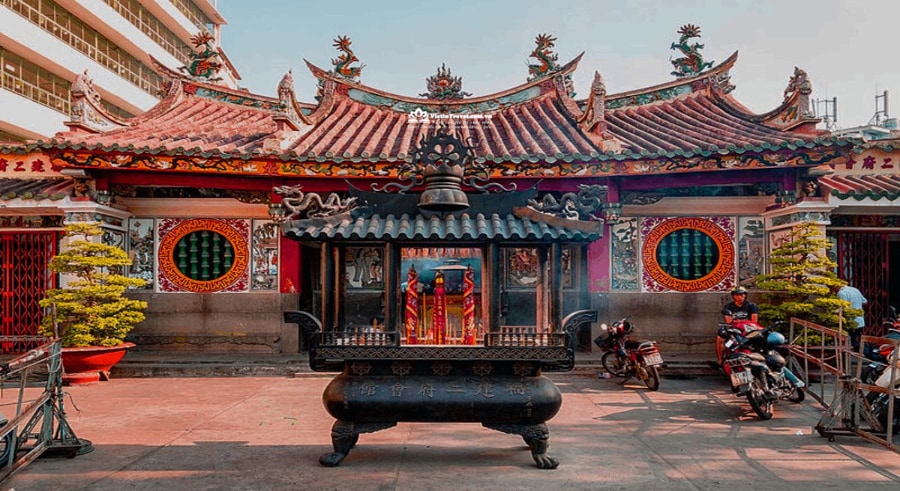
Ong Pagoda, or known as the Chinese Pagoda, is a colourful pagoda near Ninh Kieu Wharf, which is devoted to Kuang Kung. Ong Pagoda has brilliant architecture, complicated dragon carvings, and beautiful lanterns, so it is one of Can Tho’s most photogenic sites. When going inside, the air is filled with the aroma of incense and quiet prayers. The pagoda is an iconic image for the long-standing Chinese impact on the Mekong Delta region and Can Tho City’s religious and cultural life.

ong pagoda in can tho

Walk Around Can Tho Old Market

Can Tho Old Market, built during the French colonial period, still stands as an architectural gem along the river nowadays. The old market’s yellow facade and arched windows make this destination a well-known photography spot for both local people and travelers who love the vintage building and atmosphere.

Going inside, Can Tho Old Market sells many different types of local products, consisting of dried fruits, fish sauce, and traditional handicrafts. Visiting Can Tho Old Market is one of the must-try things to do in Can Tho for travelers to pick up the Mekong Delta souvenirs and taste local snacks.

Relax At The Love Bridge

Connecting Ninh Kieu Wharf to Con Cai Khe, this pedestrian bridge glows superbly at night with heart-shaped lights. Therefore, the bridge is called Love Bridge. Couples often visit here to hang symbolic locks of their love or take some romantic photos to save these great moments.

love bridge in can tho

The Love Bridge also offers panoramic and impressive views of the river and Can Tho City skyline for all visitors. The bridge is one of the most world-famous places to take photos for sharing them with the network on many Social media platforms, particularly during sunset.

Take A Dinner Cruise On The Hau River

You can try experiencing Can Tho from an extraordinary side, such as enjoying a scenic dinner cruise. When you sail down the Hau River, you can have an opportunity to unwind in Vietnamese dishes accompanied by attractive live folk music. The smooth glow of lanterns on the cruise and the light breeze over the water of the Hau River create a magical atmosphere. It is an excellent night interest for families or couples when they want to learn more about Can Tho nightlife.

Visit Truc Lam Phương Nam Zen Monastery

One of the largest monasteries in the Mekong Delta region, Truc Lam Phương Nam Zen Monastery combines traditional Vietnamese architecture with tranquil green gardens. This place has the towering bell tower and lotus ponds that beautify the monastery’s peaceful ambiance. Travelers can walk through the grounds, try to meditate, or learn more about sacred Buddhist philosophy.

truc lam phương nam zen monastery in can tho

Enjoy Fruit Gardens in Phong Dien

Can Tho is surrounded by various lush orchards where vacationers can pick tropical fruits, consisting of fresh mangosteen, rambutan, and longan. Local farmers here regularly invite visitors to sample their harvest and unwind in delicious traditional home-cooked food. Wandering through the fruit gardens in Can Tho, you can have an opportunity to experience the rural life in the Mekong Delta.

Explore Con Son Islet

Con Son Islet is a small island community well-known for eco-tourism and warm hospitality. From Can Tho city center, you can reach Con Son Islet by boat. Discovering this small island, you can join many different exciting activities, like watching “flying fish” shows, making rice paper, or learning traditional cake-making ways. Vacationers are welcomed into local homes for food, social, and cultural exchange. Con Son Islet offers a hospitable and strong connection with the local people of the Mekong Delta for travelers all over the world.

Visit The Military Museum

The Military Museum highlights Southern Vietnam’s wartime history against America with valuable and detailed exhibits, including old tanks, meaningful photographs, and relics. The museum is a destination for all visitors to reflect on Vietnam’s resilience and patriotism. The displays are very informative and well-curated. Therefore, they help visitors understand more about the region’s role in Vietnam’s independence. Visiting the Military Museum is one of the wonderful things to do in Can Tho for history lovers.

Visit The Military Museum in can tho

Try Local Specialty

Visiting Can Tho City, you can not miss out on its local specialties, especially Banh Xeo Can Tho, or Vietnamese Crispy Pancake. Can Tho’s version of this well-known Vietnamese crispy pancake is bigger and packed with shrimp, pork, as well as fresh bean sprouts. You will eat Banh Xeo Can Tho with local herbs and sweet fish sauce to have an explosion of flavor. Many riverside restaurants in Can Tho prepare it fresh, sizzling on hot clay pans. Eating Banh Xeo Can Tho at these places is really a cultural and culinary revel in mixed.

Banh Xeo are filled with pork, shrimp, and bean sprouts

Discover Munirangsyaram Pagoda

Placed in the Can Tho city center, Munirangsyaram Pagoda is a famous Khmer Buddhist pagoda that stands out with its golden spires and carefully carved details. The pagoda showcases the cultural diversity of Can Tho’s communities. The peaceful courtyard and colourful murals of Munirangsyaram Pagoda bring vacationers more insights about Khmer spiritual art. This is an excellent destination for travelers who are interested in Southeast Asian architecture.

Investigate Tay Do Ecotourism Park

Tay Do Ecotourism Park is a unique theme park that combines various topics, like nature, traditional architecture, as well as fun and leisure activities. Visitors, particularly international travelers, can have a chance to explore local lotus ponds, small bridges, and folk games. Tay Do Ecotourism Park is mainly popular with families with kids and children, for its picnic places and cultural performances. The park brings them an energetic yet relaxed Mekong Delta atmosphere.

Investigate Tay Do Ecotourism Park

Attend A Traditional Southern Folk Music Show

Traditional Southern Folk Music Show, also called Don Ca Tai Tu, is a proudly UNESCO-recognized music form. It is a very important part of the Mekong Delta’s identity. Performances use traditional instruments of the Southern Vietnam area, like the Dan Kim and many emotional singing styles.

Numerous local homestays and restaurants in Can Tho offer live shows where travelers can enjoy the music while eating local dishes. Attending a traditional Southern folk music show is one of the stunning things to do in Can Tho, for you to enjoy Southern Vietnam’s hospitality and culture.

Enjoy Coffee With A River View

Can Tho’s local coffee shops have a bold culture along the riverbanks. Unwinding in a cup of Vietnamese iced coffee while seeing pretty boats drift by is a peaceful and happy experience for visitors, particularly when they explore Can Tho during the rainy season. From rustic riverside huts to modern rooftop coffee shops, each destination is a spot of a unique yet traditional flavor of the Mekong Delta region. This is a wonderful way for all vacationers to relax and absorb the slow and soothing tempo of Can Tho.

Final Thoughts: Is Can Tho Worth Traveling?

Being a well-known and captivating destination in the Mekong Delta region, there are various things to do in Can Tho for both local and global travelers. Not only is it a natural beauty, but Can Tho also has rich cultural and historical sites, delicious traditional food, and folk music shows. Let’s contact Seni World, a reputable tour operator from Vietnam, for more consulting about what to do and where to stay in Can Tho, and everything about this adventure.

The Best Time To Visit Can Tho For A Great Mekong Delta Trip

The best time to visit Can Tho is from December to April, which is warm and sunny. It has little rain, calm river waters, and clear skies. Visiting here, read Seni World’s travel guide to understand the weather and tips.

best time to visit can tho

Where Is Can Tho

Can Tho is the heart of the Mekong Delta area in Southern Vietnam. Located along the Hau River, Can Tho is an essential hub for commerce, society, culture, and travel in the Mekong Delta. The city has a fascinating mixture of traditional Vietnamese culture and modern improvements. Going to Can Tho, travelers can unwind in dynamic markets, try delicious local food, and take peaceful boat rides through a maze of canals covered with coconut palms.

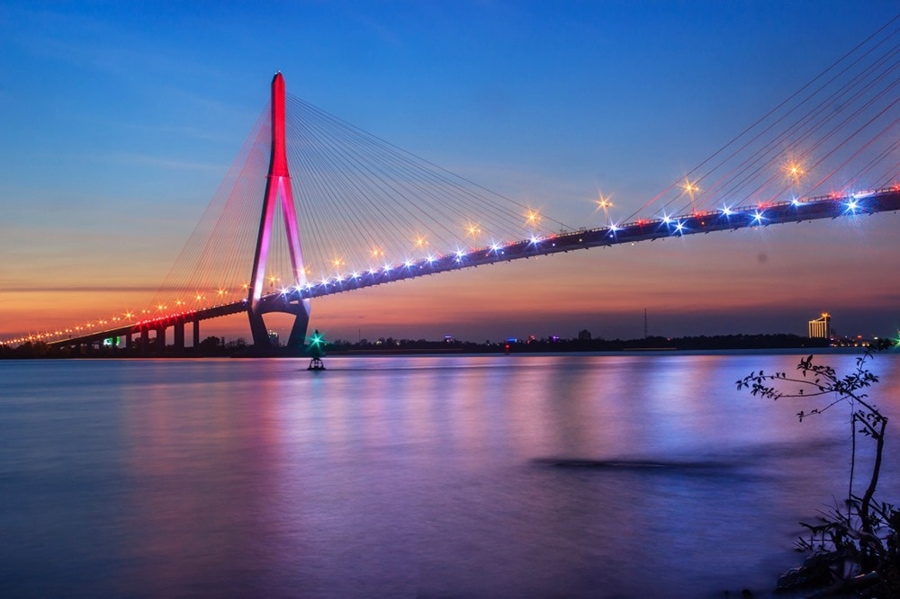
Can tho bridge in can tho

Not only are its beautiful waterways, but Can Tho also attracts vacationers with its cultural richness and laid-back vibe, like Cai Rang Floating Market, historical pagodas, and French colonial architecture. Each destination of the city is a tale of life intertwined with the Hau River. So don’t miss out on discovering the countryside by bike, tasting fresh tropical fruits in local gardens, or watching the sunset over the Mekong River.

What Is The Best Time To Visit Can Tho?

The best time to visit Can Tho is from December to April, during the dry season. At these times, Can Tho has warm sunshine, clear skies, and calm waters. Therefore, you can choose the dry season to take part in outdoor activities and sightseeing. Let’s explore the famous floating markets in Can Tho, consisting of Cai Rang Floating Market and Phong Dien Floating Market. These times are also suitable for cruising along the Hau River and visiting fresh fruit gardens in full bloom.

Cai Rang floating market

From May to November, Can Tho is in the rainy season. However, the rains are usually short and refreshing. The wet season in Can Tho is also when the Mekong Delta’s scenery is at its greenest, with numerous lush rice paddies and abundant fresh tropical fruits. Although travel can be slightly affected by showers, this is still a gorgeous and less-crowded time for vacationers to experience Can Tho’s genuine appeal.

Can Tho Weather Overview By Season

Can Tho has two seasons in a year. The weather changes from warm sunshine, clear skies, and calm waters to rain, but brilliant scenery. Seni World has summarized the Can Tho weather by month and highlighted some recommended things to do in Can Tho for you to refer to. Thanks to them, you to easily follow and arrange a remarkable adventure:

Season Months Temperature (°C) Typical Weather Experience
Dry season December to April From 25 to 32 The dry season in Can Tho City is sunny and warm, with little rainfall. This is the best time to visit Can Tho for sightseeing and participating in outdoor activities. The calm weather makes boat travel along the Mekong Delta pleasant and enjoyable.
Rainy season May to October From 26 to 33 During the rainy season, Can Tho has short and heavy showers, but they usually do not last long. This is also the most productive time of the year, with lush natural scenery and abundant fresh tropical fruits.

The Dry Season (From December To April)

The dry season in Can Tho regularly lasts from December to April, having a warm and sunny climate. They are the best conditions for outdoor exploration. During this time in Can Tho, rainfall is minimal, and the skies continue to be mostly clear. So you can enjoy cruising along the Mekong River, investigating the Cai Rang Floating Market, or just cycling through green, lush countryside roads. The air is really fresh and comfortable, permitting tourists to completely unwind in the scenery, culture, and energetic daily life on the waterways.

Tet holiday in Vietnam

From December to April is also when Can Tho’s landscapes and fruit gardens are at their most brilliant. All the ripe fruits and blooming flowers enhance the splendor of the Mekong Delta region. Because the dry months coincide with various local festivals as well as the Tet Holiday (known as Vietnamese Lunar New Year), travelers can have a chance to revel in the lively spirit of Can Tho. You can take part in many colorful celebrations, enjoy traditional performances, and taste delicious local dishes.

The Rainy Season (From May To October)

The rainy season in Can Tho generally spans from May to November, having higher humidity and common afternoon showers. The rain can be heavy at times, but it does not often last all day. This season changes the Mekong Delta into a green and lush paradise. You can see numerous vibrant rice fields, beautiful blossoming lotus ponds, and full rivers. All of them show the area’s natural abundance. The floating markets are also at their liveliest, with many canals brimming with boats carrying fresh produce, fruits, and flowers.

The cooler temperatures of the wet season in Can Tho make it pleasant to visit pagodas, local farms, and floating villages with fewer crowds. Travelers can try many different types of seasonal fruits, consisting of mangosteen, rambutan, and durian, which are at their sweetest during these months. There are still many things to do in Can Tho during the wet season, and you can have a real glimpse into the local life and rhythm of the Mekong Delta on a very different side.

Tips For Visiting Can Tho In Different Seasons

To have a comfortable, exciting, happy, and safe adventure in Can Tho, not only the attractions, but also need to remember the following essential travel tips. These tips will help you have this Mekong Delta trip more conveniently and protect yourself more effectively:

  • Book accommodations in advance in the dry season: The dry season is the best time to visit Can Tho, so you need to book your hotel or homestay in advance to get better prices and availability.
  • Stay hydrated in the dry season: The sun in the dry season can be intense, so don’t forget to bring a reusable water bottle and drink frequently to ensure your body has enough water.
  • Use sunscreen and sun gear in the dry season: You must protect your skin from the high UV rays by applying high SPF level sunscreen and wearing hats and glasses, especially when visiting floating markets or rice fields.
  • Wear suitable clothing in the dry season: You should choose light and breathable apparel, such as cotton or linen clothing, to stay cool while walking around.

can tho city at night

  • Prepare mosquito repellent in the dry season: Even in the dry season, the riverbanks in Can Tho can attract insects and bugs at dawn and dusk. So you need to bring mosquito repellent to protect your skin.
  • Bring rain gear in the wet season: Let’s bring a lightweight raincoat or a small umbrella when going out during the rainy season in Can Tho. Showers here are common but short, so you can continue sightseeing afterward.
  • Wear quick-drying clothes and footwear in the wet season: Roads and boat decks in the rainy season can get slippery, so avoid heavy materials to protect yourself.
  • Avoid midday adventure in the wet season: Thunderstorms often occur in the afternoon, so you need to remember to plan your journey in Can Tho in the morning during the rainy season.
  • Use waterproof bags for gadgets in the wet season: Let’s protect your electronics, such as your smartphone and camera, when on boat trips by preparing waterproof bags.
  • Plan a flexible journey in the wet season: Be careful of heavy rain or flooding in rural areas. If you still do not know how to customize a suitable itinerary in the rainy season in this city, contact Seni World for more consulting.

FAQs About The Best Time To Visit Can Tho

Seni World also summarized some FAQs to help you understand deeply about the best time to visit Can Tho. Let’s see them more below!

When is the hottest time in Can Tho?

April and May are commonly the hottest months in Can Tho. The temperatures of these two months sometimes exceed 34°C (93°F). So you should wear light and breathable clothing and drink enough water to ensure your health and comfort.

When is the coolest time in Can Tho?

The coolest months in Can Tho are from December to February, with lower humidity and plenty of sunshine. However, Can Tho remains warm year-round, so they are still above 23°C (73°F).

Is it safe to take a boat trip during the rainy season?

Yes, it is. As long as you go with a reputable tour operator, follow their guideline and usually check weather conditions. Be careful and feel pleasant to take a boat trip during the rainy season in Can Tho.

Are there any major festivals in Can Tho?

Yes, there are some major festivals in Can Tho, including the Vietnamese Lunar New Year and the Ok Om Bok Festival. The Ok Om Bok Festival is regularly celebrated by the Khmer community in November, marking the end of the harvest season in the Mekong Delta region.

Does Can Tho celebrate the Water Lantern Festival?

Yes, Can Tho can celebrate the Water Lantern Festival. Some smaller-scale lantern events often occur along Ninh Kieu Wharf as well as the riverside areas. Let’s join them to enjoy the poetic and peaceful vibe in this city.

Final Thoughts: Is Can Tho Worth Visiting?

The best time to visit Can Tho is from December to April, which is warm and sunny. It has little rain, a calm sea, and clear skies. So you can take part in outdoor activities and sightseeing, like cruising along the Mekong River, investigating the Cai Rang Floating Market, or just cycling through green, lush countryside roads. If you want to learn more about this Can Tho trip, as well as consult travel tips, and receive support for the visa process, let’s contact Seni World. We are here to help you from A to Z on this Vietnam itinerary.

Ham Tien Market: Fresh Flavors And Local Finds In Phan Thiet

Ham Tien Market, located in Phan Thiet, is a vibrant market filled with fresh seafood, produce, and vibrant stalls. Guests can sample traditional Vietnamese flavors, seek gifts and souvenirs, and drink in a lively market atmosphere – all creating a great experience.

Introduction To The Ham Tien Market

Ham Tien Market, located on Nguyen Dinh Chieu Street of Mui Ne town in Binh Thuan Province, is considered one of the most lively local markets you will find. The market is alive and bustling early in the morning. Local sellers set up a variety of fresh seafood, fruits, vegetables, and homemade products. The atmosphere is full of life and charm with the sounds of negotiating, smells of cooked dishes, and smiling, laughing vendors.

Ham Tien market

Visitors visiting Ham Tien Market are eager to see the local culture and way of life of the local people. It’s great to try tasty street food options (e.g., grilled seafood, pancakes, and coconut cakes) being made right in front of you. The market is also a good place to find souvenirs from the coast (e.g., conch shells, handmade jewelry, or local specialties) for a reasonable price! Visiting Ham Tien Market is more than just shopping, but it is a chance to see the warm hospitality of the residents and experience a real piece of local life in Mui Ne!

History Of Ham Tien Market

In 1697, Ham Tien Market was established on the banks of the Ca Ty River as a trading place for fishing villages nearby. In the beginning, Ham Tien Market was a small market serving the community. By the late 19th century, trade and commerce were booming, bringing merchants, such as Chinese merchants, to buy and sell goods.

After the French colonization era of 1946, Ham Tien Market began to slow down due to political restrictions and instability, but the market flourished once again after the years of war. In 2015, the local government renovated and upgraded Ham Tien Market, creating a larger and more convenient area for the seller and shopkeeper, and visitors alike.

As of now, Ham Tien Market ranks as the second-largest market in Phan Thiet, behind the Central Market. It is well-known for its many products, particularly its seafood. So, you’ll find its very large baskets and tanks packed with many types of live fish, crabs, and shellfish.

Top 4 Iconic Attractions In Ham Tien Market

Ham Tien Market is a lively place in Phan Thiet with a combination of fresh seafood, regional specialties, and handmade goods. Walk through the stalls and smell the flavors and feel the atmosphere as you explore everything Ham Tien Market has to offer. Below are some of the most iconic attractions that you will be sure not to miss:

Fresh Seafood

There is one thing for certain: the fish are very fresh at Ham Tien Market and in many cases, even still flopping about in the tubs. The squid is translucent, the shrimp are glistening, and the crabs are tied with vibrant red string. The market is a fish lover’s heaven for both selection and freshness.

fresh seafood in ham tien market

Dried Seafood And Regional Specialties

Ham Tien Market also specializes in dried seafood and regional snacks. In addition to the fresh seafood, sun-dried fish, tamarind squid with sauce, and fermented shrimp paste, capture the true flavor of Phan Thiet. For snacking, once in Ham Tien Market, you will certainly collect a few bags of seasoned squid for all those tours we are taking, providing that authentic taste of Phan Thiet, herby goodness again.

Market Food Delights

The market is a paradise for local food lovers. Hot Banh Can with real fish sauce, translucent Banh Quai Vac with shrimp and pork, and crispy Banh Xeo with meat and squid appeal to any visitor. You can even try Goi Ca mai, the local specialty dish, and become addicted to it. If someone wants to get the true culinary atmosphere of Phan Thiet, sampling these foods is an absolute must.

enjoy goi ca mai

Handicraft And Souvenir Area

Ham Tien Market is more than food. In the handicraft section, visitors can see items made of natural materials like bamboo, coconut, coir, and seashell. Not only are there plenty of unique souvenirs to start the conversation with handcrafted woven baskets and a delightful selection of shell decorations, but they are also a perfect gift to share with family and friends.

6 Unforgettable Experiences You Shouldn’t Miss

Before departing Ham Tien Market, ensure you take time to walk around and experience all the special aspects of the market. From shopping for fresh seafood to observing the local rhythm of life, memorable experiences await around every corner of the market.

Shopping For Fresh Seafood

Shopping at Ham Tien Market is a “must-do” if you are visiting Phan Thiet. The market is well known for its many varieties of seafood that have been freshly caught, including squid, tuna, stingray, and shrimp. Because of the abundance of marine resources, all seafood is available year-round, and in the right season is very affordable. Local vendors are friendly and will always help you look for the highest quality product available.

Purchasing Local Dried Goods

Apart from fresh seafood, the Ham Tien market, like many other markets, sells all kinds of dried products. Dried squid, one-sun squid (squid dried in the sun and salt-marinated), dried shrimp, dried fish, etc. Locals use traditional processes that have been passed down through generations. All these products have their own flavor and capture the sea breeze and sunshine of Phan Thiet.

try dried squid in phan thiet

Tasting Fish Sauce From Phan Thiet

Finally, when you are at the market, you cannot miss the market fish sauce, made from freshly caught anchovies and sea salt. The fish sauce is umami-rich and aromatic. It takes local artisans months of careful fermentation and monitoring in oak barrels to produce the fish sauce, and each one is worth the wait. You can even taste before you buy, which is a fantastic way to show people why fish sauce is a foundational traditional product from Phan Thiet culture.

Savoring Authentic Street Food

Ham Tien Market is not just for shopping – it’s a place for food lovers, too. As you walk through the vibrant stalls, you will find many choices of local products from Banh Can, Banh Xeo, grilled seafood, coconut desserts, and much more. All of the food is affordable, made fresh daily, and full of real Phan Thiet flavors. There is something special about sitting on small stools amongst the locals as you eat, knowing you are somewhere special to enjoy a meal.

Admiring The Vibrant Atmosphere Of The Market

One of the truly wonderful things in Phan Thiet is the experience of being amongst the hustle and bustle of the Ham Tien market. In the early morning hours, fishermen, vendors, and customers haggling are found amongst the busy, full of fish just out of the ocean. The smell of the sea, laughter, and sounds of trade fill the air – and although busy, it has a simple atmosphere without losing its local charm.

The Vibrant Atmosphere Of The Market

Discovering The Local Fishing Hamlet

Just up the coast from the market is the quiet fishing hamlet known as Ham Tien. Here, visitors can watch as fishermen patch their nets, see fishing boats returning after sunrise, or take pictures of the coracles, brightly painted, lined against the shore. The views of the sea, the local activity, and the lifestyle complement themselves nicely with the traditions of the region.

Entrance Fee

The Ham Tien market is free to visit, so you can freely wander through the colorful stalls without paying any entry fees. Food or handicrafts (seafood, local specialties, handicrafts, etc.) will, of course, incur charges if you choose to buy.

Opening Hours

The Ham Tien Market operates every day of the week from 6:00 AM until 7:30 PM, and is open to guests year-round. Travelers can visit at any time during their stay in Phan Thiet, but the best time to come visit Ham Tien Market is in the early morning at about 6:00 AM. This is when the freshest seafood arrives at the market from the previous night’s fishing.

If you would like the best experience, we recommend visiting during the dry season (from November to April) when it is sunny and the ocean is calm. This way, you can avoid the rainy months and enjoy your trip, taking into consideration that both storms and extremely high tides will occasionally affect travel plans.

How To Get To Ham Tien Market

It is easy for visitors to reach Ham Tien Market from Ho Chi Minh City or the center of Phan Thiet. There is a range of transportation options available that travelers can use to reach the market based on their available time, budget, and the style in which they travel.

From Ho Chi Minh City to Phan Thiet

Most travelers will start from Ho Chi Minh City. By far the most common and affordable option is to use a bus service. Tickets typically range from 150,000 to 250,000 VND, and the travel time is around 4 to 5 hours.

From Ho Chi Minh City to Phan Thiet by bus

In addition, for those who seek a more convenient ride, there is the option of travelling by train. There are trains departing from Saigon Station to Phan Thiet Station that get you there in about 4 hours. For visitors who prefer more flexibility, you may also drive your own vehicle or rent a private vehicle. Driving your own car is generally more expensive but allows you to view the scenery while travelling the 200 kilometers, which usually takes an additional 4 to 5 hours.

From Phan Thiet to Ham Tien Market

Ham Tien Market is located approximately 10 kilometers from downtown Phan Thiet, so it is very accessible. Many tourists rent a motorbike to ride along the beautiful coastal roads at a daily price of 150,000 – 200,000 VND. Additionally, taking a taxi is a comfortable, quick way to get there as well, costing around 100,000 – 150,000 VND for the 20-minute journey.

Things To Know Before Traveling To Ham Tien Market

Travelers should be aware of a few useful tips before visiting Ham Tien Market to ensure that the experience is easy and enjoyable. Hope that these helpful tips will help visitors get the most from the experience.

  • To get the freshest seafood, visitors should go to the market in the morning, around 6 AM, to see the freshest seafood that has just arrived from local fishing boats.
  • If you are visiting the market with friends or family, buying seafood in bulk is a great idea because vendors regularly help us reduce prices when buying in bulk.
  • Consult the sellers for advice when selecting seafood. Sellers usually grade products by size and freshness, with a grading system of one to three, a grade one being the best.
  • If you want to take seafood home with you, place your order in advance so that the vendors can pack and prepare your seafood to take so that it remains fresh.
  • Be prepared to keep an eye on your personal belongings, especially at peak times when the market is crowded with visitors.
  • Feel free to bargain in a friendly way. This is part of the local shopping experience and makes it fun.

Final Thoughts: Is Ham Tien Market Worth Visiting?

You should definitely consider checking out Ham Tien Market on a visit to Phan Thiet. It is an authentic local fishing village market with bustling stalls, fresh food smells, and kind vendors. Let Seni World take you to this colorful destination and experience the simplistic yet authentic beauty and fun of Ham Tien Market!

Mui Ne Fishing Village: Authentic Stories Of The Ocean Shore

Mui Ne Fishing Village is a picturesque beach resort in Phan Thiet where you get to experience life in a traditional Vietnamese fishing village and sample fresh seafood. The place is indeed a wonderful representation of traditional Vietnamese beach life.

Introduction To Mui Ne Fishing Village

Probably one of the most authentic coastal communities in Vietnam, Mui Ne Fishing Village, sits along the coast of Phan Thiet in Binh Thuan Province. The sunrise in this village presents itself to visitors in the form of round basket boats bobbing on the surface of the sea, fishing boats returning with buckets of fresh fish, which creates a busy but beautiful scene. The village market is alive with different colors and smells, seafood piled high, and the sounds of day-to-day life, which is inviting visitors and an interesting way to experience local culture.

Sunset on the Mui Ne Fishing Village

However, not only does Mui Ne Fishing Village give travelers a great way to experience the day-to-day life of fishermen, it also offers travelers the opportunity to experience the slower pace of life seaside. Palm trees line the shore, drying nets have been freshly mended, and you can find seaside shacks serving the freshest seafood caught earlier that morning. Villagers, who are often friendly to outsiders, are bullhorns of information regarding traditional practices like net weaving and fish preservation, which offer just as many sights as sounds and thoughts to consider.

History Of Mui Ne Fishing Village

Mui Ne Fishing Village is a famous coastal destination in Phan Thiet, located roughly 1 km along the coast, providing an escape for fishing boats throughout the year. The area demonstrates the simple, genuine life of South Vietnam’s central fishermen, roaring with activity in the mornings as fish are brought ashore, creating a lively beach market in commerce. It creates a symphony of sea, sky, sun, sand, and livelihoods.

Over 20 years ago, Mui Ne was a quiet strip of land that was sparsely populated and relied on fishing. The total solar eclipse on October 24, 1995, dramatically changed the area and created a tremendous draw for people from across Vietnam and the world, as the rarity of the event was advertised. The area’s development gave rise to greater tourism as travelers sought to experience a beach destination, which has led to much more rapid tourism. It fostered a belief in the area to be the “resort capital” and “holiday paradise” of Binh Thuan.

The name of Mui Ne comes from folklore, the word “Mui” denoting land jutting out into the sea and “Ne” meaning a place to escape from storms. Another folklore story describes the term from “Princess Né,” as she established a small temple at Hon Rom, contributing to the name Mui Ne over time.

Top 4 Iconic Attractions In Mui Ne Fishing Village

Mui Ne Fishing Village provides a distinct experience of day-to-day life with its authentic fishing village culture and scenery in coastal Vietnam. From an active fish market to superb viewpoints, the area has plenty of places to see culture and nature.

Mui Ne Beach

Mui Ne Beach is a stretch of soft golden sand, which is the perfect place to walk or take photographs in the morning sun, particularly with the colored fishing boats lined up along the beach. Visitors can witness fishermen bringing their catch back to shore to deliver to vendors, providing some action and authenticity to local coastal life.

The beautiful mui ne beach

Mui Ne Fish Market

The fish market is the center of the village, full of hustle and bustle in the early morning. Tourists can see a big variety of fresh seafood caught that day, see local vendors selling their catch, and purchase whole fish for cooking or keeping as souvenirs.

Fishing Boat Harbor

After a long day out at sea, this is where boats will land and tie up for the night. The harbor provides a nice view of the village, and while there, you can see the local fishermen helping one another with offloading their boats, pulling up large nets of fish caught, and using their boats for all aspects of everyday life. You can also take short boat rides in this area around the fishing headland, if desired.

Hon Rom Viewpoint

After a short walk from the village, visitors come to the Hon Rom Viewpoint, which showcases a panoramic view of the coastline with the fishing village below. Visitors can stop here for photos of the sunrise or sunset and be engulfed in nature.

5 Unforgettable Experiences You Shouldn’t Miss

Mui Ne Fishing Village provides visitors with more than just amazing views. It offers engagement and experiences that allow you to feel the pulse of coastal life as you sample fresh seafood and watch the sun rise in the bustling village. You certainly won’t forget everything about being there.

Enjoy Freshly Cooked Seafood

At Mui Ne Fishing Village, you need to try the amazing seafood that is cooked fresh. Picture small, seaside restaurants filled with food being grilled, steamed shrimp, and delicious scallops coated in scallion oil. Enjoying meals like this at or just before sunset overlooks the rippling sea – the aroma of freshly cooked seafood and bright, salty sea air makes for an experience you will unwind with or indulge in later – and will remind you of your time near the ocean.

enjoy fresh seafood

Row A Basket Boat Along The Shore

The locals are known for basket sailing, where visitors can enjoy a traditional boat ride just offshore with local fishermen. You will feel the salty, cool breezes while watching larger boats set out to sea for fishing. The morning experience is lively. Lots of laughter, lots of activity. The energy and atmosphere are very closely tied to the local experience. Wear a life jacket, don’t stand it when it takes your photo, and remember that safety is important.

Watch The Breathtaking Sunrise

The evening at the fishing village is enchanting with the early morning sun glinting on the sails and sea. Take a beach walk, take a dip in the soft waves, or just sit back and watch the sunrise over the horizon. The golden glow revives the village in a colorful, glinting setting ideal for photography and contemplation.

enjoy sunrise on the mui ne fishing village

Take Snapshots At The Boat Beach

The boat beach is one of the most perfect places for colorful shots, where tens of colorful basket boats stand in rows in soft white sand. Here, you can have a panoramic view of the whole village, green palm trees, and blue sky. It is a good place for Instagram shots and admiring the Vietnamese coast.

Enjoy The Local Specialties

Along Huynh Thuc Khang Street, sample local eateries and beach stalls serving up signature cuisine. Phan Thiet Hot Pot, grilled squid teeth, Banh Quai Vac dumplings, or fried Ca Loi fish in scallion oil are all worth trying. They all employ fresh seafood and local ingredients, offering a taste of Mui Ne’s culinary heritage. So, eating local cuisines is one of the must-try activities in Phan Thiet.

Entrance Fee

Mui Ne Fishing Village does not charge an entry fee since it is a residential area and public beach. However, other services, such as rental of equipment, will have to be paid for, or if one buys fresh catch and local produce, such as fish sauce or dried shrimp.

Best Time To Visit Mui Ne Fishing Village

The best time to come to Mui Ne Fishing Village is during the dry season from June to August in Phan Thiet, when the weather is dry, sunny, and the sea is calm. This is a safe time for walking up and down the coast, taking pictures, and taking in the daily life of fishermen. From September to November, the area has heavy rains, windy conditions, and rough seas, making outdoor activities difficult at times, so this requires consideration if you plan to visit during this time.

best time to visit mui ne fishing village

If you desire a more authentic experience, plan to come shortly after sunrise, as the village is busy with fishermen bringing in their fresh catch. Late afternoon and early evening are excellent times as well to take in beautiful and peaceful sunsets when the sky turns golden and shares the beauty with a calm coastal setting, compared to the busy morning fishing.

How To Get To Mui Ne Fishing Village

Flights are available for travelers coming from provinces in the north to land in Ho Chi Minh City to proceed to Binh Thuan by car. It takes about 2.5 hours to arrive in Phan Thiet from Ho Chi Minh City. There are tourist cars and buses that you can take in order to save some costs.

In a bus journey, two of the popular companies for traveling from Saigon to Mui Ne are Phuong Trang and Sinh Cafe. The final stops for both are the Mui Ne Bus Station. The location is just 200 meters away from a fishing village. There are motorbike taxis and bicycles that you can rent, as well as motorbikes for transportation to the village.

You can go to mui ne fishing village by car

Adventurous travelers can opt for a motorbike journey from Ho Chi Minh City to Mui Ne Fishing Village. Going to Binh Thuan via National Route 1A, turn left to Phan Thiet at Suoi Cat junction. Continuing on Provincial Road 706 will lead to Mui Ne. The motorbike journey is ideal as it has many scenic points and natural sights to enjoy.

Things To Know Before Traveling To Mui Ne Fishing Village

Prior to going to the Mui Ne Fishing Village, one must respect the tradition of the local inhabitants and be ready for a day of exploration of the vibrant fishing village. Below are some vital tips on how to make your trip worthwhile and hassle-free:

  • Respect the daily routine and culture of the local people.
  • Wear modest and suitable dress while walking through the village.
  • Always seek permission first before taking pictures of the local people.
  • Carry sunscreen, a sun hat, and sunglasses for protection against the sun.
  • Carry some small bills for easy purchasing and exchange.
  • Consider an early morning trip to see the crowded fish market and fishermen arriving back from the sea.
  • Secure your belongings properly, particularly on the crowded beach and market.

FAQs About Mui Ne Fishing Village

Arranging a trip to Mui Ne Fishing Village can pose some common questions to travelers. The information given below will provide some relevant and valuable answers regarding your trip.

Can I photograph some of the villagers?

Well, yes. But always ask for permission to take pictures. The villagers are quite friendly. In addition to that, always respect their privacy to ensure that you have a good experience.

photograph some of the villagers

Are there safety measures for water-based activities?

In case you are thinking of engaging in some beach activities like a boat ride and/or a fishing trip, it is advisable that you choose a reputable organization to go with and that you wear a life jacket.

Is Mui Ne Fishing Village child-friendly?

Yes, the village is suitable for families. Children can enjoy the beach, watch fishermen at work, and learn about local culture in a safe environment, especially during early morning or late afternoon hours.

Final Thoughts: Is Mui Ne Fishing Village Worth Visiting?

Mui Ne Fishing Village is a vibrant, unique glimpse of the day-to-day life of coastal fishermen, with its lively local culture and stunning ocean views. Visitors get to indulge in fresh seafood, sail on traditional basket boats, and bring back memories of spectacular sunrises. The village’s charm lies in its balance of authenticity, nature, and hospitable local people. Organize your holiday with Seni World to enjoy this unforgettable place to the maximum.

Van Thuy Tu Temple: Phan Thiet’s Ancient Maritime Heritage

Van Thuy Tu Temple is a historic spiritual site in Phan Thiet honoring the Whale God and the local fishing culture. Visitors can admire the ancient structure, preserved whale skeletons, and the rich maritime culture of Binh Thuan.

Introduction To Van Thuy Tu Temple

Van Thuy Tu, located in Phan Thiet, Binh Thuan, is an unusual temple that has a distinct site in which Buddhism mixes with local folk beliefs associated with the sea. The temple is significant because it worships the whale god and the importance whales hold for fishermen.

In addition to the temple’s aesthetic structures, it is known for its whale skeletons, arguably some of the largest in Vietnam. At the temple, you can appreciate beautiful sacred architecture, view and learn about the fishing culture of the region, and find tranquility and contemplation while near the ocean.

Van Thuy Tu, located in Phan Thiet, Binh Thuan

History Of Van Thuy Tu Temple

Van Thuy Tu Temple came into existence as early as 1762 when the people of Thuy Tu village constructed it to pay their homage and pray to the whale god. It was a small wooden hut with a roof of leaves on top of it near the sea, and over time, it was expanded and modernized. The roof of leaves was substituted with tiles, and wooden walls were substituted with bricks, and now it is a temple that covers more than 500m².

Van Thuy Tu Temple pray to the whale god

In spite of all these changes, Van Thuy Tu still has much of its old-day beauty and traditional look, like a communal hall, so much so that most tourists confuse it with Van Thuy Tu Temple. Officially a national historical site since 1996, the temple contains almost 100 whale skeletons and larger fish skeletons, some of which are 100-150 years old. Locally, the remains are preserved with respect as a sign of gratitude to the whales that saved them in the ocean.

Moreover, the temple contains several Han-Nom culture artifacts and 24 royal decrees under the Nguyen dynasty, confirming the religious and cultural significance of Van Thủy Tự as a symbol of the inseparable bond of the dwellers with the sea.

Unique Architecture Of Van Thuy Tu Temple

Van Thuy Tu Temple demonstrates the architectural characteristics of the past, combined with cultural heritage and long-standing beliefs of fishing communities in the past, in a two-part interior and exterior arrangement. The exterior displays a magnificent style, while the interior mass has purposely arranged sacred spaces honoring the deities of the sea and local mythologies.

Exterior Temple Architecture

Van Thuy Tu Temple architecture is a historic “four-pillar” structure in which all beams and columns come from the peak of the central pillars. Once visitors pass through the three-arch gate, they encounter an exhibit hall for the Nam Hai Whale, then at their back, they have views of the ground cradle of sanctuary for a Whale burial washed ashore, or washed ashore.

The overall space of Van Thuy Tu Temple creates an ambiance and sense of timelessness; there is a nearby sacred building named Ngoc Lan Sanctuary that was used by the Whale when washed ashore. The noticeable layout and style of worship replicate earlier communal houses, which is why the locals refer to it as Dinh Van Thuy Tu.

Interior Temple Architecture

The central hall of the temple serves Nam Hai Cu Toc Ngoc Lan, the god of whales, while the left wall displays Thuy Long Thanh Phi Nuong Nuong (the goddess of water), and the right wall exhibits Thai Hieu Tien Su, the protector of fishing and agricultural labor. The back of the central hall has a storage area used for whale skeletons, while the most distant shrine is for Duc Quan Thanh. The temple’s site has been established. The temple again is a sea and maritime-related space, a spiritual home and community space for the people of Phan Thiet and Binh Thuan province.

Exterior Temple Architecture Of Van Thuy Tu Temple

5 Unforgettable Experiences You Shouldn’t Miss

Van Thuy Tu Temple is an experience that offers a peek into religious and sea-based culture in Bình Thuận. The ancient structure and whale skeletons are all a part of this experience and give a different perspective every time.

Explore The Whale Worship Belief

Van Thuy Temple offers you a chance to delve deeper into Whale Worship traditions, an important folk belief for all people in Binh Thuan. Whale worship is a ritual practiced in this region in order to celebrate whales that are believed to safeguard fishermen and guide them in the seas. It is possible for you to witness some rituals related to this tradition and understand more about its mythological aspects. It is important to comprehend this mythological significance in order to understand how Van Thuy Temple holds mythological significance.

Admire The Giant Whale Skeletons

The temple is home to nearly 100 whale skeletons that are around 150 years old and are a unique and intriguing sight to behold. Amongst this array of enormous skeletal remains, one can get a feel for its history and significance in relation to sea life and its appreciation and reverence for this magnificent creature. Every whale skeleton holds a history in itself that symbolizes a positive connection that has developed between mankind and the sea.

Admire The Giant Whale Skeletons

Uncover Maritime History And Find Artifacts.

The Van Thuy Temple is a site that preserves a large number of artifacts and Han-Nom cultural relics associated with traditional fishing. The artifacts depict how fisher people lived their daily lives. The artifacts that can be observed in this site are indicative of the ingenuity and resilience that people in this profession exhibited in their daily endeavors, and relate to their connection with the sea.

Appreciate Ancient Architectural Designs

The structure of this temple is a blend of maritime functionality and spiritual aesthetics that provides a soothing and meditative atmosphere for its visitors. The wooden and brick constructions of this temple have withstood time and reflect the skill and aesthetic sensibilities of its artisans. Taking a walk around this temple complex enables a visitor to appreciate this perfect blend of beauty and religiosity that makes this temple a treasure of Binh Thuan.

Participate In Temple Festivals

Van Thuy Tu Temple has many large festivals every year. There is the Te Xuan, Cau Ngu Festival, Chinh Nguyen Festival, Cheo Doc Festival, and Man Nguyen Festival. The festivals have rituals with music and traditional performances. To attend one of its festivals is to experience and discover more about this place, as well as its people and their faith and customs related to whales. Are you ready to enjoy many colorful festivals, one of the unique experiences in coastal Phan Thiet?

enjoy van thuy tu temple festival

Entrance Fee

Van Thuy Tu Temple has an open policy for visitors with a reasonable entrance fee, allowing anyone interested in learning more about its cultural and historical values to visit. Below is a step-by-step clarification of the ticket prices and policy:

Visitor Type Price
Adults 15,000 VND
Children over 1m2 height 15,000 VND
Children under 1m2 height Free

Opening Hours

Van Thuy Tu Temple is open every day, from 7:00 AM to 5:30 PM, with sufficient time for visitation and contemplation. November to April is the best season for visitation, when the weather in Phan Thiet is lovely and perfect for tourist excursions. Visiting during the traditional festivals, in accordance with the lunar calendar, also presents an excellent chance to experience the profound cultural and spiritual festivities of the temple.

How To Get To Van Thuy Tu Temple

Van Thuy Tu Temple, which is a sacred shrine for the Whale God (Ca Ong), is situated at 54 Ngu Ong Street, Duc Thang Ward, Phan Thiet, Binh Thuan.

You can travel from Phan Thiet City Center to the temple by going about 15 km on National Highway 1A in the direction of the Suoi Cat roundabout, to Tran Quy Cap – Tran Hung Dao streets, continued by a left turn onto Han Thuyen street, and once arrival at intersection with Duc Ong street turn left, follow the path until you find number 54, the gate to Van Thuy Tu Temple.

For those coming from the nearby Co-opmart area, the journey would even be easier: cross the Tran Hung Dao bridge, turn left onto Ngu Ong Street, and continue about 500 meters before easily locating the entrance to the temple. If parking a car or motorcycle, parking is available for a fee ranging from 5,000 to 30,000 VND for each vehicle.

Things To Know Before Traveling To Van Thuy Tu Temple

Visiting Van Thuy Tu Temple is a culturally rich experience as well. However, you have to exercise some caution and follow some tips for a meaningful and safe experience in this sacred place. Find out how.

  • Try to have a calm and serene personality. Walk noiselessly. Do not chat loudly.
  • modest dress and in a respectful fashion. Avoid wearing mini skirts and shorts.
  • Do not touch and disturb the artifacts and exhibits inside the temple.
  • Keep the environment clean by not littering or leaving trash behind.
  • Look after your own belongings, especially in crowded places to avoid either losing them or damaging them.
  • Follow instructions from temple staff and any rituals that are in process.
  • Bring water and sunblock if you are going to enjoy your site during peak sun hours.

FAQs About Van Thuy Tu Temple

Going to Van Thuy Tu Temple for the first time can provoke many inquiries. When you get ready for your visit, these questions and answers will help you plan and have a truly rewarding experience.

What is Van Thuy Tu Temple?

Van Thuy Tu Temple is well-known for venerating the Whale God, or Ca Ong, who is highly regarded by local fishermen. Inside, the temple displays approximately 100 whale skeletons, some of which date back more than 150 years, in addition to preserving fishing cultural artifacts from generations of traditional fishing lifestyles. It also serves as a point of cultural spiritualism and has regular annual festivals.

Van Thuy Tu Temple is well-known for venerating the Whale God

Can I take photos inside Van Thuy Tu Temple?

Yes. You can take pictures in most of the temple area and indoor spaces, but do take care not to photograph during the conduct of spiritual rituals and whenever in the vicinity of worshippers. Take an extra minute to always ask if it is good beforehand whenever you have a doubt. It is also good to obey signs and/or instructions from a member of staff.

Is Van Thuy Tu Temple suitable for our family?

Of course! Van Thuy Tu Temple is an educational and spiritual experience for all, and will appeal to all ages. Small children can appreciate the fishing folk ways of life, maritime traditions, and historical artifacts, all while adults can venture through the architecture, and even participate in the ceremonies.

Final Thoughts: Is Van Thuy Tu Temple Worth Visiting?

The Van Thuy Temple in Tu is a chance to experience a unique piece of history and culture in and around Binh Thuan. The opportunity to observe its preserved architecture and explore whale skeletons that are over a century old in addition to immersing oneself in fisherman tales is a unique experience. The significance associated with its artifacts and royal decrees signifies its historical value. Visiting this site through Seni World is a chance to connect with history in a deeply meaningful and profound way.

Echoes Of Champa Glory At Sacred Po Sah Inu Cham Towers

The Po Sah Inu Cham Towers in Phan Thiet are the remnants of the ancient Champa Kingdom. With a sacred atmosphere and unique architecture, the towers are an authentic embodiment of the essence of culture and spirituality of the Cham people.

Introduction To Po Sah Inu Cham Towers

Located on Ba Nai Hill, only a few kilometers northeast of the city of Phan Thiet, Po Sah Inu Cham Towers are a nostalgic reminder of the once-great Champa Kingdom, which once ruled much of the south-central coast of Vietnam; the towers were built in the 8th and 9th centuries AD. This cluster of red brick towers was originally dedicated to Hindu deities; it illustrates the wonderful Hoa Lai architectural style, one of the oldest and most beautiful forms of Cham art. The gargoyles, finely crafted domes, and brick carving show the incredible skill of the Cham people and make it a unique location for scholars of history and architecture.

The Po Sah Inu Cham Towers represent a beautiful convergence

In addition to their historical and religious significance, the Po Sah Inu Cham Towers are a location from which to watch the coastline of Phan Thiet and the South China Sea, one of the bodies of water of the South China Sea. Tourists can wander, absorb the spiritual atmosphere, see Cham ceremonies on holidays, or simply bask in the tranquillity of being at the top of the hill. Visiting this ancient site is a day spent in history as well as a day spent feeling the spirit of Cham culture that is maintained in Vietnam today.

History Of Po Sah Inu Cham Towers

The Po Sah Inu Cham Towers represent a beautiful convergence of history, legend, and spirituality, which is connected to the ancient Champa Kingdom. According to local lore, Princess Po Sah Inu was so beautiful and kind that she fell in love with Po Sahaniempar, a Muslim nobleman from Gia Lam. Even though they had different religions, their love flourished until it was shattered when the prince fell in love with another woman. When she returned to her homeland, the princess spent her life giving the people useful things like weaving, farming, and animal husbandry, and earned their everlasting love and gratitude.

The Po Sah Inu Cham Towers represent a beautiful convergence

In appreciation for her cunning and compassion, the Cham people built the Po Sah Inu Towers as a temple. Originally built in the 8th to 9th centuries in the Hoa Lai architectural style, the towers were built to honor the Hindu god Shiva, before becoming shrines for Princess Po Sah Inu in the 15th century. The historic complex still stands about 7 km northeast of Phan Thiet, and it is considered a valuable cultural heritage site, and the heart of the annual Kate Festival, where the local Cham celebrate the spirit and benevolence of the princess.

Unique Architecture Of Po Sah Inu Cham Towers

The Po Sah Inu Cham Towers are among the most prominent vestiges of the ancient Champa civilization in terms of unique architecture, religious significance, and historic imagery. Located on a hill overlooking the sea, the site comprises three major towers: the Main Tower (Tower A), the Fire God Tower (Tower C), which no longer exists, and the Bull God Tower (Tower B).

The entire complex was built with molded bricks and held together with natural resin, instead of mortar, a practice that still baffles researchers today. The walls of the towers generally lack ornamentation, and when ornamentation exists, it appears as rectangular-shaped details pressed deep into the surface of the brick. Unlike many other ancient Cham works, little stone was used to build the complex, only to create the sacred Linga-Yoni altar and the statue of Nandin, the bull of the god Shiva.

Main Tower (Tower A)

Overlooking the grounds at 16 meters tall and three levels of architecture, the towering Main Tower presides. Slightly tapering as it rises, each tier symbolizes the ascension from earthly to celestial worlds. The four roof ventilation holes are practical yet symbolic, supplying air while connecting the divine and human worlds. Inside, the sacred Linga-Yoni altar remains the place of devotion, visited by locals and tourists alike for blessings and tranquility.

Main Tower (Tower A)

Tower B

Tower B, originally 12 meters tall, was a smaller replica of the Main Tower edifice. It was dedicated to Nandin, Shiva’s divine bull. The tower itself no longer exists, but archaeological excavations have yielded pieces of the tower foundation and the ornamental stone facades. The open courtyard before the tower was a place of ceremony and continues to host Cham cultural rituals like the Kate Festival.

Tower C

Shortest of the three, Tower C was dedicated to the Fire God and stands about 5 meters high. Its compact size and centuries of exposure to the elements aside, its unadorned but solid form still signifies the spiritual devotion of the Cham people. Revived by local artisans, the tower now serves as a site of respect to store offerings in important religious ceremonies at the Main Tower, preserving the living tradition of this ancient heritage.

6 Unforgettable Experiences You Shouldn’t Miss

When you visit the Po Sah Inu Cham Towers, you are not just looking at old bricks; you are entering another world filled with culture, beliefs, and history. From sacred rites to colorful festivals, every moment you spend here carries even more significance and connects you more deeply to the Cham people’s legacy of art and faith.

Appreciate The Unique Architecture

You will be impressed with the beautifully shaped Cham towers, built to pay respect to different spiritual entities: the main tower to Shiva, the other towers to the sacred Bull Nandin, and the God of Fire. The surrounding bricks build narratives on top of narratives, each with its intricate sculptures and rich red tones, reminding you of a civilization during its zenith. Being on this hilltop with the sea directly behind you also amazed you as the architecture blends seamlessly with the surroundings.

Appreciate The Unique Architecture

Learn The History Of Po Sah Inu

Hear the captivating history of Princess Po Sah Inu, a cherished figure of the Champa Kingdom, known for her beauty, kind nature, and wise persona. Her story has been told and retold for generations. When you stop to connect with Po Sah Inu, the imagination of what life was like during the prosperous Cham empire, with art and faith blended, is endless.

Take Part In The Katê Festival

If you are present in the seventh month of the Cham lunar calendar, you will want to take part in the Katê Festival. This is one of the most significant traditional festivals of the Cham nation that you really should experience in Phan Thiet. During the Katê Festival, local people perform in colorful costumes, engaging in sacred activities, folk dances, and energetic music.

Experience Cham Cultural Performances

Cham cultural performances and educational shows display the vivid tradition of the Cham nation. The traditional performances combine dance, music played on native instruments, and stories to animate the glorious past of Champa. The performances provide cultural experiences to visitors, but they are also real ties to a cultural heritage that gives residents both pride and connection.

Experience Cham Cultural Performances

Feel The Space As Sacred

Po Sah Inu is not just a historical site; it is also a sacred site where people come to connect with gods in their own form of spirituality. The towers are sites where Cham deities are worshiped, and they have a sense of divine peace and spirituality. Whether you burn incense or just observe the rituals, Po Sah Inu gives an aura of divine power and shows the strength of centuries of devotion.

Make Offerings And Prayers

Join the local community to make offerings and pray for good fortune, peace, or favorable weather. These acts are an essential part of the Cham religious practice and an emotional way to demonstrate gratitude to Princess Po Sah Inu. When you participate in the ceremony, you can feel the culture and emotional bond of people’s relationship to their spiritual traditions.

Entrance Fee

Visitors are welcome to Po Sah Inu Cham Towers, with entrance fees that are within a reasonable range. Admission tickets cost only 15,000 VND for adults and 7,000 VND for children, granting the ability to explore this ancient architectural complex and experience and learn about cultural heritage.

Opening Hours

The Po Sah Inu Cham Towers are accessible to visitors every day from 7:00 AM to 5:00 PM for people to enjoy their ancient beauty and religious ambiance.

The Po Sah Inu Cham Towers are accessible to visitors every day

The best time to tour the Towers is during the Cham celebrations, when the people are engaged in vibrant displays of color, music, and cultural aspects. From September to October in Phan Thiet (the 7th lunar month), the Katê Festival is recognized as one of the most significant holidays of the Cham people, where visitors have the opportunity to witness religious ceremonies, traditional dances, and hear Cham musical instruments such as the Paranưng drum, Ginăng drum, Saranai trumpet, and Kanhi fiddle.

During the first lunar month (about February), the Rija Nưgar and Poh Mbăng Yang festivals typically occur at the base of the towers. These are the moments of significance for the Cham community to offer reverence and thanks through ceremony and cultural artistry in community observance.

How To Get To Po Sah Inu Cham Towers

Visiting the Po Sah Inu Cham Towers is easy and easy to get to if you are arriving from another city, or coming from the city of Phan Thiet. Here is how to reach this lovely cultural site.

From The Nearest Airport

Phan Thiet does not have its own airport, which means Cam Ranh International Airport will be the best option for you, 200 km away. From Cam Ranh Airport, you can take a taxi or bus to Po Sah Inu Cham Towers by using National Highway 1A.

From The Center Of Phan Thiet

If you are coming from Ho Chi Minh City or Hanoi, when you arrive in Phan Thiet, you simply need to take a taxi via Vo Nguyen Giap Street to Po Sah Inu. Allow about 30 minutes, since there are many scenic views along the coast as you drive there.

Things To Know Before Traveling To Po Sah Inu Cham Towers

The Po Sah Inu Cham Towers are not simply a historical site but a sacred place that defines worth and merit. To assist your visit, whether it may be as smooth or meaningful as possible, here are some important things to keep in mind.

  • Dress conservatively and appropriately, since this is a site of worship and reverence.
  • Try to visit early in the morning or late in the afternoon, as the heat of midday could be intense and unbearable.
  • Help keep the surrounding area clean by disposing of trash appropriately, while taking care of the site.

The ancient beauty and religious ambiance of the Tower

  • Follow all the rules and regulations defined by your local guides or the management board.
  • Avoid any climbing or touching of the restricted areas, both for your safety and the safety of the ancient site.
  • Make sure to be quiet and respectful to the site during any religious ceremonies or when locals are praying.

Final Thoughts: Is Po Sah Inu Cham Towers Worth Visiting?

A visit to the Po Sah Inu Cham Towers offers a once-in-a-lifetime experience of a truly ancient Champa civilization, part of the foundation of Vietnam’s culture and civilization. Tourists admire the architecture of these structures, soak in the spirituality of the place, and enjoy the panoramic view of the coastline of Phan Thiet. In this place, located where history, culture, and art converge with nature, visitors will find peace as well as inspiration. Book with Seni World and allow the experience at Po Sah Inu to unfold.

Ta Cu Mountain – The Legendary Sacred Landmark Of Binh Thuan

Ta Cu Mountain is a famous natural and spiritual attraction in Binh Thuan. It is characterized by lush forest, idyllic scenic views, and sacred pagodas, which provide a sense of adventure and tranquility in its journey to understanding natural sanctity.

Introduction To Ta Cu Mountain

Ta Cu Mountain, situated roughly 30 kilometers to the south of Phan Thiet City, is one of Binh Thuan’s most recognizable natural and spiritual destinations. With an elevation of 649 meters above sea level, it is refreshing to be in nature surrounded by forests, cool air, and stunning views. While the mountain is well-known for its beauty, it is also noted for its spiritual atmosphere that attracts devotees as well as nature-lovers.

Ta Cu Mountain is a famous natural and spiritual attraction

At the center of Ta Cu is the giant reclining Buddha statue, measuring 49 meters in length, and sleeping peacefully in green hills, one of the biggest in Southeast Asia. Visitors are able to either hike to the top along forest trails or take a cable car ride above the trees to the top of the mountain. A trip to Ta Cu Mountain is not just a sightseeing journey, but rather an escape to nature, a chance to view Vietnamese spirituality, and a few moments to relax away from the city bustle.

History Of Ta Cu Mountain

In 1872, Monk Tran Huu Duc (1812-1887) visited Ta Cu Mountain and created a little meditation facility in a rocky cave. His healing abilities enabled him to cure the Empress Mother, and Emperor Tu Duc gave the temple the title of “Linh Son Truong Tho” (Sacred Mountain of Longevity).

After the monk died in 1887, a lower temple called Linh Son Long Doan was constructed at the base of the mountain to represent him as the founder. He lived in the cave the whole time he was meditating. He drank from natural springs and lived on wild vegetables. Over time, Ta Cu Mountain was known as a Sacred site, a place abundant with valuable medicinal plants, and became recognized as a national cultural and historical site.

Ta Cu Cable Car to Ta Cu mountain

At present, the location has become the Ta Cu Cable Car and Ecotourism Site, one of the most interesting travel tourism destinations of Binh Thuan since 2003, after being made into this site. Tourists from many parts of Vietnam have come to visit when they would like to experience the cool air in the mountains and to pilgrimage to the sacred spiritual site.

Top 4 Iconic Attractions In Ta Cu Mountain

A visit to Ta Cu Mountain provides not only spectacular views of natural scenery but also a cultural and spiritual journey among historical monuments. There is plenty to enjoy, from the bottom to the top of the mountain, with ancient temples and impressive religious architecture.

Ta Cu Pagoda

Set on the natural slope of the mountain, Ta Cu Pagoda features traditional Northern Buddhist architecture and still retains its ancient grace and tranquility after so many years; there are three remarkable statues of the Buddha, Amitabha Buddha, Avalokitesvara, and Mahasthamaprapta, all made from pure white stone and buried in the beauty of the mountain.

A remarkable statues in the Ta Cu pagoda

Linh Son Truong Tho Pagoda

At an elevation of 420 meters above sea level, this temple is well known for its gigantic reclining statue of Shakyamuni entering Nirvana, which measures 49 meters long by 11 meters high and holds the record for the longest reclining statue of the Buddha on a mountain in Asia! Visitors can view a spectacular panoramic view of the coastline all the way to Hon Ba Island in La Gi.

Linh Son Truong Tho Pagoda

To Pagoda

To Pagoda is one of the historical Buddhist sites in Ta Cu Mountain, dating back to the late 19th century. After ascending over 100 stone steps, visitors arrive at the peaceful site of an ancient temple constructed in the architectural style of the Nguyen Dynasty. Within the temple grounds is the legendary Hang To (To Cave), a sacred location where the monk who built the pagoda became enlightened.

Long Doan Pagoda

To the east of To Pagoda is Long Doan Pagoda, which exhibits a more modern architectural characteristic. It displays stupas commemorating revered monks and abbots within the temple grounds. Due to its simplistic ambiance and atmosphere, the pagoda is a nice site to meditate and contemplate on the tranquil cultural spaces that envelop Ta Cu Mountain.

6 Unforgettable Experiences You Shouldn’t Miss

In addition to its sacred temples, Ta Cu Mountain provides visitors with various stimulating experiences that combine adventure, relaxation, and beautiful scenery. It is worth highlighting a few activities that you should not miss, so that your trip will be an unforgettable experience.

Hiking The Ancient Forest

If you are looking for amusement and enjoy a physical challenge, then hiking up Ta Cu Mountain is one you will not forget in Phan Thiet. The hiking trail is over 2,500 meters long, with more than 1,000 winding stone steps to hike through thick jungles on steep hills. You will get to appreciate natural sights along the trail, such as Ban Thuong Rock, Ban Ha Rock, and Yen Ngua Slope. The reward for hiking the summit of Noc Tru at 694 meters will still astonish you with the spectacular views of the Binh Thuan landscape.

Hiking The Ancient Forest of Ta Cu Mountain

Taking The Cable Car Journey

Most visitors prefer to conquer Ta Cu Mountain by cable car because it is quicker, and it is a more scenic experience. From the cable car, you will see nearly half of the mountain’s lush forest and enjoy breathtaking views over Thuan Nam Town below. Charming villages, serpent-like roads, and colorful dragon fruit gardens create a delightful picture of rural Vietnam.

Having Fun With Fishing

Fishing in the mountain’s peaceful lakes provides a peaceful option to unwind and escape for visitors. Amongst the foliage with fresh mountain air, it is an ideal escape to relax and enjoy nature’s serenity. After fishing and catching a few, you can ask local chefs to prepare your fresh fish on the spot – a simple yet rewarding way to motivate patience.

Pedal Boating In Swan Lake

The swan-shaped pedal boats will provide you with a fun-filled activity that will appeal to the entire family while visiting the Ta Cu Mountain tourist area. You can glide across the calm lake, with greenery surrounding you, to enjoy the relaxation and on-the-lake fun, regardless of whether you are visiting with kids, friends, or a partner. This activity is a great excuse to take a short break while finding relaxation in the area.

Exploring By Electric Car

If comfort is your thing, and you would like ease of exploration when visiting Ta Cu Mountain, then renting an electric car is likely the best option for you. You will enjoy a leisurely ride on smooth asphalt roads, gently bending and weaving throughout plush gardens and sheltered trees for a rewarding ride with great views of the mountains.

Eating At Ta Cu Mountain

Dining here is never a problem. Around the cable car station, you will find spacious restaurants and cafés with views, with opportunities to try local specialties such as Ca Ty squid cakes and sun-dried Phan Thiet squid. If you would like to have additional options, you can always check out the nearby choices like Taku Restaurant, Colia Minh Restaurant, Modjo Bar & Restaurant, or Babylon, all known for their delicious dishes and hospitality.

Try sun-dried Phan Thiet squid

Entrance Fee

Ta Cu Mountain Tourist Area was established in 2003 and is one of the unique highlights of Binh Thuan province. It consists of sightseeing and experience activities, including cable cars and nature. Below is a summary of ticket prices and experiences available to visitors:

Type of Ticket Adults (VND) Children (VND)
Entrance Ticket 50 30
Cable Car (Round Trip) 100 60
Cable Car (One Way) 60 40
Fishing Area Access 10,000 / rod
Swan Pedal Boat Ride 10,000 / person
Electric Shuttle Service 10,000 / adult 5,000 / child

Best Time To Visit Ta Cu Mountain

Ta Cu Mountain has a cool climatic condition throughout the year because it is situated at a high elevation and the area has thick forest cover. The area around Ta Cu Mountain possesses two distinct seasons: the rainy season and the dry season. The best time to visit is from November to April, when visitors can be assured of blue skies, the air is fresh, and traveling or hiking further up the mountain is much more convenient, comfortable, and enjoyable.

The best time to visit is from November to April

Visitors should also take into account that the rainy season is from May to October in Phan Thiet, which could affect travel plans or make climbing the mountain more difficult because of slippery trails, though the scenery will be greener and more colorful.

Ta Cu Mountain tends to have the most visitors during the spring season and specifically during the Lunar New Year in February, which is a popular destination for many visitors who pray for peace and prosperity.

How To Get To Ta Cu Mountain

Part of the adventure lies in getting to Ta Cu Mountain. Whether you’re in the mood for a scenic motorbike journey, an easy bus ride, or a heart-pounding cable car ride to the top, you have more than one way to arrive.

Getting To The Bottom Of Ta Cu Mountain

Since there is no operating airport anymore in Phan Thiet – Binh Thuan, visitors from Northern or Central Vietnam would fly to Ho Chi Minh City and then proceed to Phan Thiet by bus. It is easy from there to travel to Ta Cu Mountain.

Local flights from any Vietnamese airport to Tan Son Nhat Airport in Ho Chi Minh City have regularly priced fares at 900,000 VND-1,200,000 VND. Take a bus or a motorbike from Ho Chi Minh City, around 170 km to Phan Thiet.

  • By bus: Catch a coach from Mien Dong Bus Station to Phan Thiet or La Gi. They all go through Ta Cu Mountain, so you can drop by on your way. Ticket prices are 160,000-450,000 VND per person, depending on the category of bus and seat type.
  • By motorbike: As Ta Cu Mountain lies on National Highway 1A, it is easy for motorbike tourists from Ho Chi Minh City. Ride on the highway for approximately 170 km to kilometer 28 of Phan Thiet, and turn towards the signs leading to the mountain base.

Climbing To The Top Of Ta Cu Mountain

Climbing To The Top Of Ta Cu Mountain by Cable Car

Or, either by cable car or on foot, from the base of the mountain. Both are stunning with panoramic views of the green rolling countryside of Binh Thuan.

  • By cable car: It takes about 15 minutes and offers a wide panoramic view of the mountain and the town of Thuan Nam below. Return ticket costs 100,000 VND for adults and 60,000 VND for children.
  • By climbing: Climbers can climb more than 1,000 stone steps to get there. The strenuous climb is rewarded with the beauty of the forest, the freshness of the air, and the accomplishment of having summited one of Binh Thuan’s holy mountains.

Things To Know Before Traveling To Ta Cu Mountain

Prior to embarking on Ta Cu Mountain, it is wise to make plans in advance to ensure a more enjoyable trip. Below are some basic pointers to consider before your visit:

  • Wear light and breathable clothing and footwear that are appropriate for hiking or exploring.
  • Bring sunglasses, a hat, and sunscreen due to the intensity of the tropical sun.
  • Dress modestly and stay quiet while entering temples on the mountain.
  • Pack insect repellent since there may be a lot of bugs on the trail.
  • Bring enough water, snacks, and basic first aid items, especially if hiking on foot.
  • Be respectful of your actions, and refrain from loud voices and disrespectful gestures in sacred places.
  • If you’d prefer a more relaxing experience, consider a cable car ride to the summit rather than hiking.

Final Thoughts: Is Ta Cu Mountain Worth Visiting?

Ta Cu Mountain caters to those looking for a combination of nature, culture, and inner peace. The cool weather, green environment, and views from the cable car are unforgettable experiences for visitors. The sacred temples of the mountain and the reclined Buddha statue add tranquility and peacefulness to your journey. Plan your trip today with Seni World to experience the eternal charm of Ta Cu Mountain.