logo mobile sidebar
support-image-mobile
Share your ideas with our local expert team - we’re here to listen and help you shape a meaningful journey through Indochina.
(+84) 868 663 993
Asia Leading Tour Operator 2025
tripadvisor travelers choice awards 2024
Travelers' Choice Awards 2025

Author: Content Seniworld

Discover Phnom Penh’s Central Market With Souvenirs And Street Finds

The Central Market (Phsar Thmei) is one of the most popular spots in Phnom Penh. Visitors to this market can find almost anything here, ranging from jewelry, gifts, and t-shirts to fruits and vegetables, and many types of local foods.

Introduction To Central Market Phnom Penh

Central Market in Phnom Penh, known as Phsar Thmei, is another of the capital’s defining landmarks and was erected in 1937. It boasts an imposing yellow dome and Art Deco styling and consists of four large wings that extend out from this central dome, featuring broad corridors that are chock-full of vendors and stalls. Central Market is more than an important architectural landmark in Phnom Penh; rather, it signifies the colonial past of the capital and the vibrant character of its inhabitants. It is like entering a living museum when exploring its corridors.

Central Market in Phnom Penh, known as Phsar Thmei

Once inside, visitors can enjoy an incredible array of products that range from dazzling jewelry and textiles to local food and electronics. In addition, this marketplace is full of energy that spreads from Cambodian vendors selling merchandise to visitors exploring and taking in the offerings on sale. In addition to offering the chance to explore Cambodian products and vendors, this marketplace provides visitors to Phnom Penh an insight into the life of this city in an ambiance that is vibrant and colorful.

History Of Central Market Phnom Penh

Central Market Phnom Penh, also known as Phsar Thmei or “New Market,” constructed during the French colonial era in 1937, features amazing Art Deco architecture. Designed by French architect Desbois, it is one of the most iconic markets in Cambodia.

Central Market has become synonymous with that of Phnom Penh

Over the years, this marketplace has become synonymous with that of Phnom Penh, integrating the country’s culture and vibrant business activities. In an effort to maintain its special and unique architectural features, the Cambodian government managed to get funding from the French Development Agency for renovations to ensure that it reopened for business.

Top 4 Iconic Attractions In Central Market Phnom Penh

Market explorations provide visitors with insight into the living culture of Phnom Penh and include many shopping facilities as well. Every area is known for special products and commodities, making it easy for visitors to plan their travel as per their preferences.

Jewelry And Souvenirs Section

Turning towards the eastern side of this marketplace, you can spot many vendors selling silver and gold jewelry, gemstones, and some beautifully made souvenirs. This is one of the best places to get some special gifts or decorations. T-shirts and some trinkets can be purchased here.

Jewelry And Souvenirs Section In Central Market Phnom Penh

Electronics And Second-Hand Goods

Central Market is also renowned for its extensive electronics section, offering everything from cell phones to small gadgets. In addition to that, there are used products on sale at very low prices. It is this section that attracts those in pursuit of deals and novelties alike.

Food And Local Cuisine

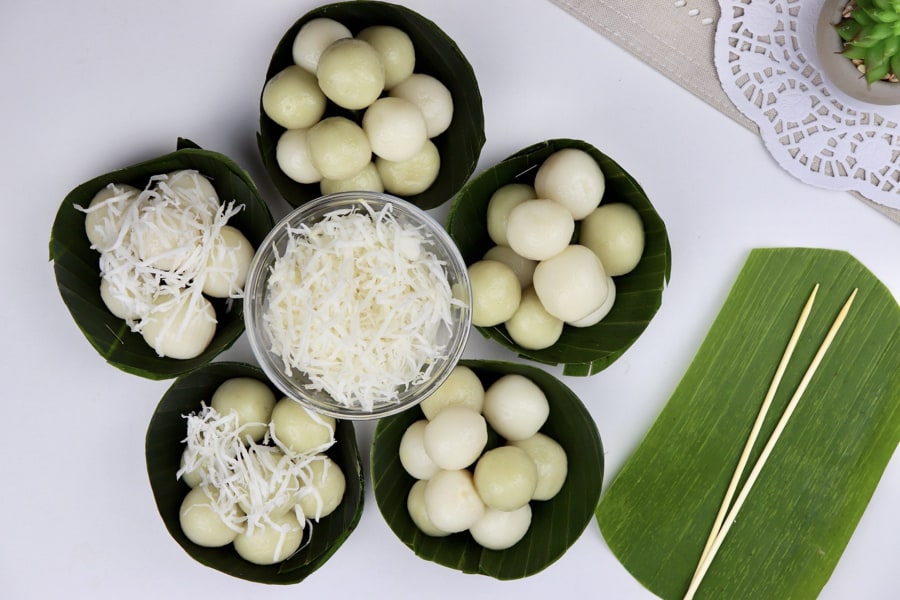
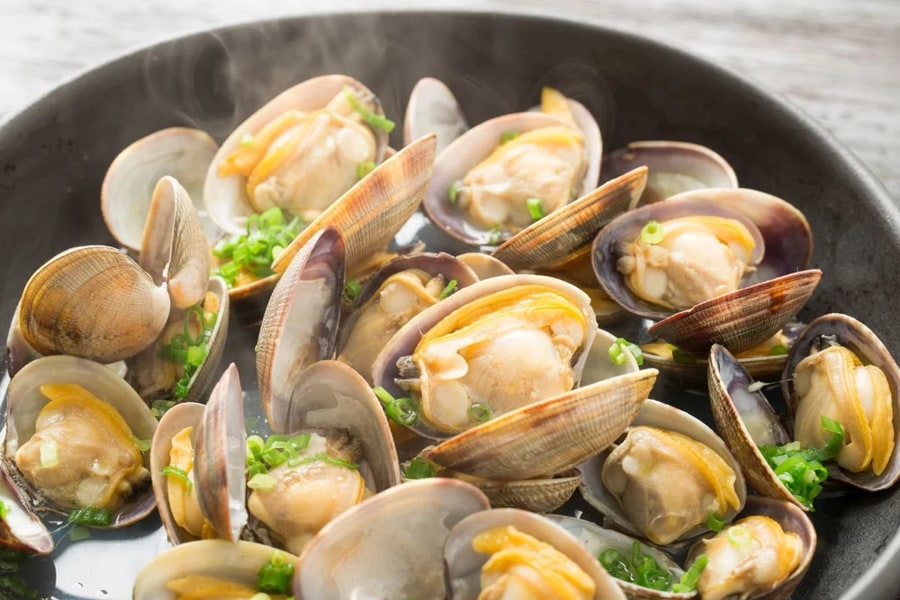
No visit would ever be complete without indulging in some Cambodian snacks. Some special goodies include coconut milk cakes that are ideal for cooling down in the afternoon. Fresh produce and other local materials, such as seafood and spices, can be purchased as well.

Food And Local Cuisine in Central Market

Clothing And Accessories

Clothing comprises one of the many products sold in the market stalls. They range from the pieces of silk clothing that are considered the nation’s traditions to modern clothing. Other products, such as shoes and bags, are also available in plenty.

5 Unforgettable Experiences You Shouldn’t Miss

Central Market in Phnom Penh is more than just a marketplace, and in fact, it is also an area that blends culture, history, and daily life. Every nook and cranny of this marketplace reveals Cambodian traditions and daily life, and it is possible for visitors to explore this marketplace for buying products and admiring its special architectural designs.

Buying Local Merchandise And Souvenirs

Central Market is a paradise for any customer as it provides products ranging from apparel, footwear, and accessories to makeup, crafts, and local memorabilia. Additionally, it is also possible to acquire premium products like gold, silver, precious gems, and antiques.

Buying Local Merchandise And Souvenirs in Central Market

Every booth is laid out in such a manner that it becomes very easy to browse around, and vendors are generally helpful and willing to share some insight or anecdote about their merchandise. Whether it is a gift, keepsake, or just an unforgettable token, this marketplace has something for every type of customer.

Understanding Its Unique Architecture

Central Market boasts one of the greatest attributes in its Art Deco architectural design, created by French architect Desbois. In this case, it has a large dome towering above four wings in this marketplace, making it very impressive.

By accessing Central Market, visitors can enjoy the architectural design of this building and its symbolism in relation to Phnom Penh. In this case, Central Market can be looked at as an important aspect of Phnom Penh’s to-do list due to its architectural designs and symbolism.

Experiencing Cambodian Culture

Taking a stroll at Central Market is the ideal way to put you right in the midst of local culture. Here, you can see the vendors organizing their stalls, listen to the loud negotiations between the vendors and potential customers, and watch Cambodians going about their daily lives. Central Market presents an insight into the life of this bustling metropolis and showcases the intertwining of business and socialization that takes place at this marketplace.

Experiencing Cambodian Culture at Central Market

Tasting Local Food And Snacks

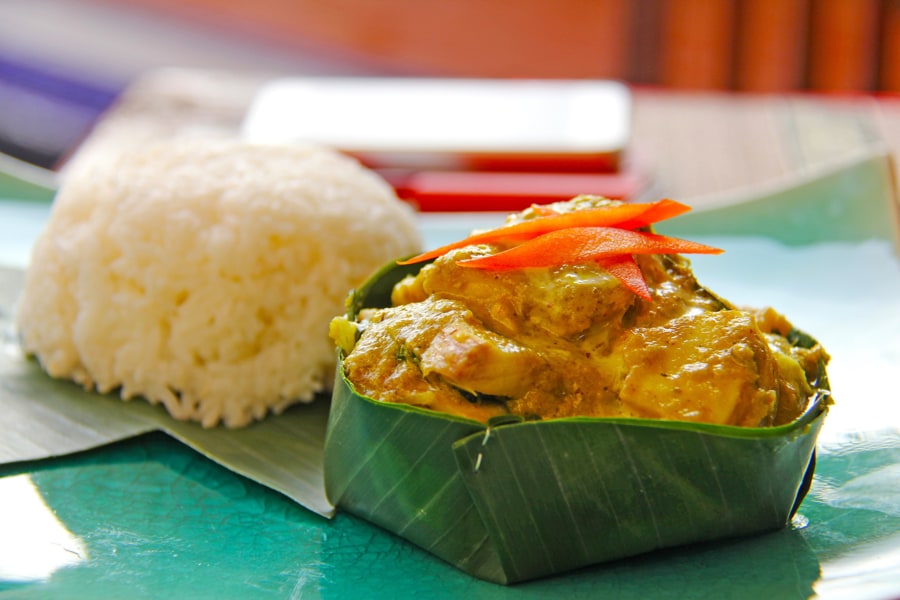
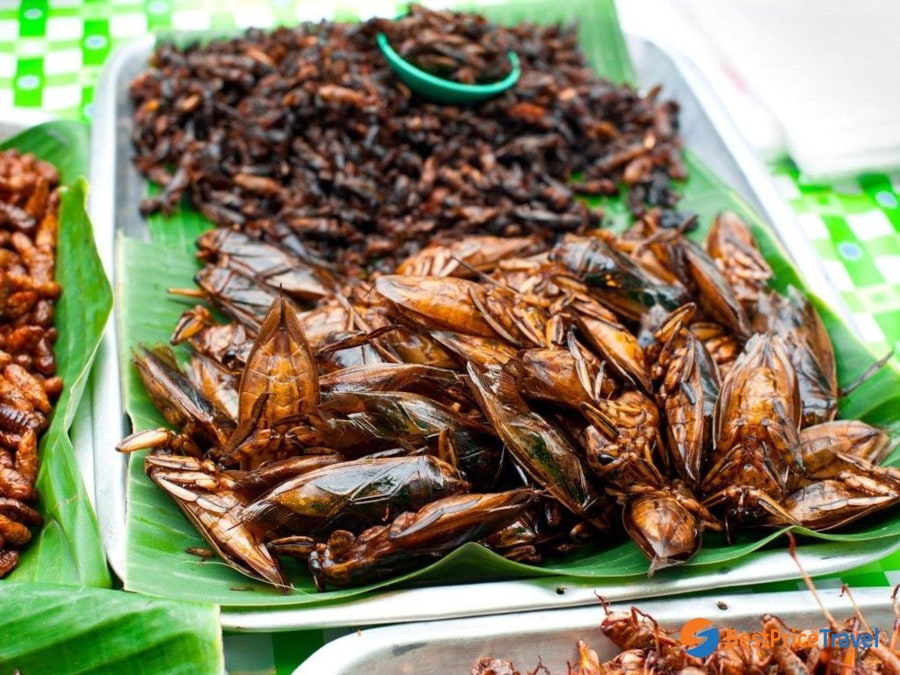
Food enthusiasts will be thrilled to explore the variety of Khmer delicacies in Phnom Penh that the Central Market has to offer. Starting from fruits, seafood, and spices to Cambodian sweets such as coconut milk cake or any type of fried snacks, everything can be tried. Visitors can wander around the food areas and get exposure to different tastes as they move around the stalls. Eating the food not only helps in taking care of hunger pangs, but it also helps in understanding the culinary practices of Cambodia.

Finding Bargains And Unique Items

Central Market contains secondhand goods, electronic items, and one-of-a-kind collectibles, all at great prices and in a fun environment! If you’re looking for something really special, you can expect to find things like an unusual souvenir or electronic equipment that you can’t find anywhere else.

You can haggle at Central Market, which makes your shopping experience even more fun! You can find everything from vintage clothing to everyday items, and you’ve got a chance to negotiate your prices and discover unexpected items. Anything you buy will be much more valuable to you once you’ve purchased it at Central Market.

cloth inside the central market

Entrance Fee

Central Market in Phnom Penh has no admission fee, and you can explore the busy corridors and experience the unique Art Deco design of the building without charge. You simply pay for anything you wish to purchase, such as souvenirs, clothes, jewelry, Cambodian handicrafts, and food items. Most sellers are willing to negotiate prices, which gives you an exciting and interactive experience when shopping.

Opening Hours

Every day, the Central Market in Phnom Penh is open for business from 8:00 AM until 5:00 PM, making it easy to take a stroll through the busy market at your convenience. The market stays open year-round, although the ideal time to visit would depend on the time of year because of the weather variations.

In fact, there are typically two seasons in Phnom Penh because of the city’s warm tropical monsoon climate:

  • The Rainy Season, from June to November, is characterized by heavy rains, sometimes resulting in local flooding. Traveling around the market could potentially be very difficult at times.
  • The Dry Season, from December to May, is generally believed to be divided into two distinct periods: the cool months (December through February) and the hotter months (March through May).

The optimum time to visit the market is during the Dry Season, as you can expect it to be very comfortable, dry, and pleasant. To get the full effect of the excitement and liveliness of the market, early morning or late afternoon visits during this time would help you avoid the extreme heat of midday.

How To Get To Central Market Phnom Penh

Central Market in Phnom Penh can be easily accessed from Vietnam as well as within Phnom Penh. Based on preference and budget, it is possible to travel to this popular marketplace via flights, buses, or other means of transport.

From Vietnam

By Plane: Direct flights from Ho Chi Minh City, Hanoi, and Da Nang to Phnom Penh are available on Vietnam Airlines, and Thai AirAsia. Flight durations range from 1 hour. Ticket costs range from 50 to 120 USD, depending on the airline and the season.

By Bus: Quality buses run from Ho Chi Minh City to Phnom Penh, and some of the companies that offer this service include Mailinh Express, Sapaco, and Mekong Express Limousine Bus. It takes about 6 hours, and the fares range between 8-20 USD.

From Phnom Penh City

Central Market can be accessed via bicycle, motorbike, tuk-tuk, taxi, and Grab. Taking a tuk-tuk would cost between $1 and $3 USD, whereas a taxi or Grab would cost between $3 and $7 USD for those coming from the city center.

Things To Know Before Traveling To Central Market Phnom Penh

Exploring Central Market Phnom Penh can be an exhilarating experience, and some preparation can go a long way in making the process smoother and more enjoyable for you. Here are some points to note when you plan to explore this busy marketplace.

  • Try to get to the markets early in the morning when they will be less crowded.
  • Bring small bills in cash, preferably in USD, as credit cards are generally not accepted, and change may be scarce.
  • Wear comfortable shoes and light clothes, as the marketplace is huge, and it may take several hours for you to walk around.

street food inside the central market

  • Also, be prepared to bargain politely since it is very usual and may turn out to be an entertaining process.
  • Take care of your belongings and be aware of possible pickpocketing in crowded places.
  • Try some of the local food vendors’ snacks and desserts available within the marketplace to enjoy some Cambodian cuisine.
  • Plan on spending enough time to explore every corner of the markets, be it jewelry and gifts, fruits and vegetables, or electronics.

FAQs About Central Market Phnom Penh

If you are planning a trip to Central Market in Phnom Penh, there are a few things that will make your trip less complicated and more enjoyable. Below are some of the most frequently asked questions regarding visiting the Central Market.

What types of products are sold at the Central Market?

The Central Market is a great place to shop for inexpensive clothing, shoes, jewelry, silver, souvenirs, electronics, and local food items. It also has many unique and high-quality items to purchase as gifts for family and friends.

Can I bargain with the sellers?

Yes! Bargaining is very common at the Central Market. When negotiating a price, start at around 60–70% of the seller’s asking price, and be polite when negotiating.

Is there a large crowd at the Central Market?

Yes, there can be a large number of people shopping at the Central Market, especially on the weekends and in late morning. It is best to visit in the early morning or late afternoon to avoid a large number of shoppers and to have a more enjoyable experience shopping.

Final Thoughts: Is Central Market Phnom Penh Worth Visiting?

The Central Market of Phnom Penh is a cultural, historical, and commercial centre that gives visitors a chance to see all three elements in one place. The beautiful architectural style of the building, the many different stalls filled with an array of merchandise and diverse products, provide a unique opportunity for those enjoying Cambodia trips to have an authentic experience of the country’s culture. If you want to find out more about the Central Markets, please visit Seni World.

Wat Phnom Temple: The Iconic Spiritual Site In Phnom Penh

One of the most recognizable sites in Phnom Penh is the ancient hilltop temple known as Wat Phnom. It provides guests with a significant window into the spiritual and cultural foundations of the city and is well-known for its serene ambiance and fabled beginnings.

Introduction To Wat Phnom

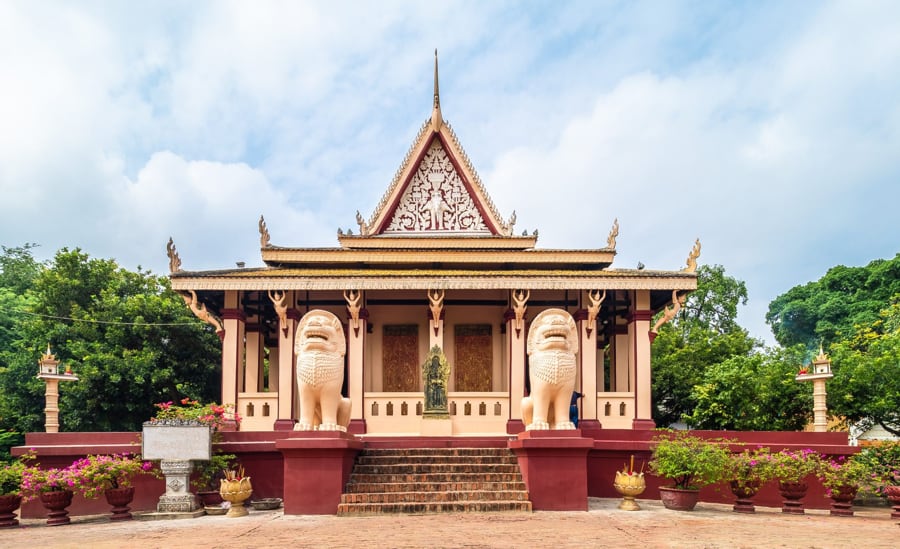
Wat Phnom is a temple with great historical significance that stands in the middle of the city of Phnom Penh with great pride. The temple tells the story of Phnom Penh and continues to be the heart and soul of the city today. The temple was built in 1372. It was built when a woman by the name of Daun Penh found some Buddhist relics in the waters of the river and constructed a small hill to house them. The name of the city, “Phnom Penh,” came from this very simple act, and Wat Phnom will always be a major cultural representation of this action.

Wat Phnom is a temple with great historical significance

Wat Phnom has become one of the most popular tourist spots in the city, with visitors going there for the calmness that the temple provides and the beautiful Khmer architecture, the shaded gardens, and the nice sound of the prayer bells ringing. Many people come to the temple to enjoy the quiet and to learn about the folklore of the area, and also to appreciate the great views from the top of the hill. It is a peaceful and unique experience for visitors to learn about the history of Phnom Penh and to see how the city has evolved from different cultures over time.

History Of Wat Phnom

Wat Phnom was founded in 1372 and is strongly associated with the well-known myth of Lady Penh, a good-hearted woman who found four Buddha statues concealed inside a drifting koki tree near the Mekong River. She constructed a small shrine atop a hill to honor the statues because she thought this was a sacred sign. This laid the groundwork for what would eventually become the most famous temple in the city.

Wat Phnom is a prime example of traditional Khmer architecture

The temple’s location on a 27-meter mound, Phnom Penh is symbolized by the Khmer word “Phnom,” which means “hill.” Over time, this hallowed location gave rise to the name “Phnom Penh,” signifying its profound spiritual and historical ties to Cambodia’s capital.

Unique Architecture Of Wat Phnom

Wat Phnom is a prime example of traditional Khmer architecture, with tall, finely carved spires that draw the eye right away. With numerous shrines and enormous Buddha statues, the temple invites guests to explore its hallowed areas in a roomy, tranquil setting. Detailed bas-reliefs depicting Cambodian folklore and legendary stories adorn the surrounding walls. Symbolic statues of dragons and other mythological creatures direct guests along the entrance pathway, fusing spiritual significance with artistic beauty. Wat Phnom is a remarkable example of Cambodia’s architectural legacy because of its unique blend of craftsmanship and symbolism.

5 Unforgettable Experiences You Shouldn’t Miss

You won’t find a combination of spiritual significance, regional customs, and distinctive cultural experiences anywhere else in Phnom Penh when you visit Wat Phnom. Every encounter, from peaceful times of introspection to vibrant scenes on the temple grounds, draws you nearer to the city’s spirit.

Make A Prayer At The Sacred Shrine

The tale of Lady Penh and the four Buddha statues is why Wat Phnom is not only one of the most sacred places in Cambodia, but it also attracts many visitors who come to pray for wealth, serenity, and good luck. These visitors place small offerings or cash on the hands and feet of a Buddha statue as an expression of hope.

climbing to the Wat Phnom

As you enter, you will find yourself surrounded by peaceful incense, giving you an opportunity to reflect and ponder on your life. By taking part in this simple act, you will establish a connection with decades’ worth of spiritual faith within a society.

Obtain A Fortune Reading

At the entrance, you will also find a typical Cambodian-style fortune teller who provides local-style readings. Upon arrival, you will be given a bundle of sacred sticks, which you are to hold to your forehead while silently making a wish.

After you make your wish, you will take one of the sticks to reveal your fortune. The fortune teller will interpret your stick’s meaning and provide insight into your future, health, or luck. After you have received your reading, it is customary to leave a donation in the brass tray beside him. Through this experience, you will gain a personal insight into Khmer spiritual traditions.

Release Sparrows For Good Luck

Releasing sparrows is a common tradition at many Cambodian temples. At Wat Phnom, there are many vendors selling small cages full of little birds. These cages typically sell for between 10-25 USD and contain 15-25 tiny sparrows each. The custom of releasing these sparrows symbolizes welcoming new blessings while letting go of any bad luck you may have experienced in the past.

Although the symbolic significance is important to many people, unfortunately, many of the sparrows sold will lose their tails shortly after being purchased. Therefore, you should consider your own position before participating in this custom. Still, it remains one of the most popular spiritual activities in Phnom Penh.

Take Pictures Of The Local Monkeys

Many long-tailed macaques inhabit the area around Wat Phnom, where they are allowed to roam freely. The temple grounds look very vibrant and playful due to the presence of the monkeys, and they are often the unexpected subject of visitors’ photos.

Take Pictures Of The Local Monkeys

Visitors can take humorous photos with monkeys in the background, watch how they interact with each other, and even feed them from a distance. However, you should not get too close to the monkeys, and keep their belongings secured. Because some monkeys tend to be bold and aggressive. The monkeys are a fun way to add adventure to your visit to the temple.

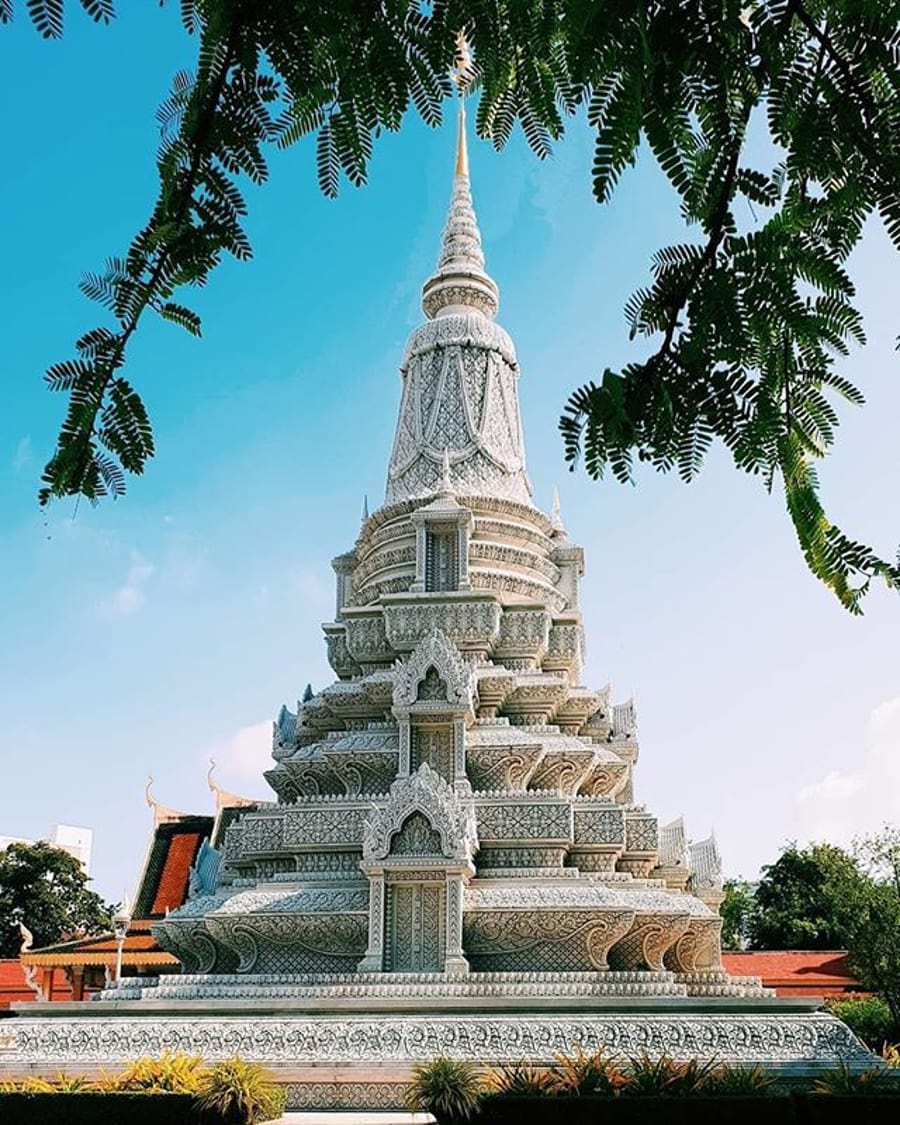
Go To The Ancient Stone Stupa

The impressive stone stupa has intricate detail and stands prominently on the western side of the hill. King Ponhea Yat’s, who is the Khmer emperor who moved the Khmer Capital from Angkor to Phnom Penh in 1434, ashes are housed in this sacred structure.

Moreover, the stupa represents the artistic heritage left behind through time, as demonstrated by the high level of craftsmanship used to create it. By walking around the stupa, you can gain a deeper understanding of the spiritual significance of Wat Phnom and the history of the Khmer royal family; therefore, this is one of the major highlights of the Temple area.

Entrance Fee

Entrance to Wat Phnom is typically affordable, usually from 1-2 USD. You may choose to make a donation or gift at the temple based on your ability to contribute and your personal wishes.

inside the Wat Phnom temple

Opening Hours

Every day from 7:00 AM to 6:00 PM, Wat Phnom is open. The dry season in Phnom Penh, which runs from November to April, is the ideal time to travel to Cambodia the country because of its pleasant weather, sunny skies, and comfortable temperatures.

To enjoy the temple’s lush surroundings and avoid the intense midday heat, it is best to visit in the early morning or late afternoon. The temple comes alive and is bustling during important Cambodian holidays like Pchum Ben and Khmer New Year (Chaul Chnam Thmey), providing a vibrant cultural experience despite the crowds.

How To Get To Wat Phnom

Depending on their starting point in Vietnam and personal preferences, travelers have a number of options for getting to Wat Phnom. Phnom Penh can be reached by air, bus, or private vehicle, and there are numerous local transportation options that make it simple to get to the temple once you’re in the city.

Traveling from Vietnam to Phnom Penh

Flying directly from Ho Chi Minh City, Hanoi, or Da Nang is the quickest route from Vietnam to Phnom Penh. From Ho Chi Minh City, a flight takes roughly one hour. Regular direct flights to Phnom Penh are offered by airlines such as AirAsia, Vietnam Airlines, and Cambodia Angkor Air.

  • Buses: Depending on traffic and border procedures, top-notch bus services like Mekong Express, Sorya, or Giant Ibis travel from Ho Chi Minh City to Phnom Penh in about 6-7 hours.

Flying directly from Ho Chi Minh City to Phnom Penh

  • Private Vehicle or Motorbike: Visitors looking for independence and flexibility can enter Cambodia through the Moc Bai border (Tay Ninh) by renting a motorcycle or driving their own vehicle. It is necessary to have the right paperwork and be ready to cross the border.

Moving around Phnom Penh to Wat Phnom

  • Motorbike or Bicycle: For independent exploration, a lot of young tourists choose to rent a motorbike or bicycle. Wat Phnom can be easily found using Google Maps and is only a short drive from major cities.
  • Walking: It takes about 15 to 20 minutes to walk from the Central Market if you’re in the heart of Phnom Penh.
  • Tuk-tuk: A well-liked local option, tuk-tuks provide a practical and genuine experience. Depending on the distance, prices typically range from 1 to 3 USD.

Things To Know Before Traveling To Wat Phnom

Although visiting Wat Phnom is an unforgettable experience, you can make your trip easier and more pleasurable with a few helpful suggestions. To respect regional traditions and easily navigate the site, bear the following in mind:

  • Since Wat Phnom is a sacred site and certain areas require respectful attire, wear clothing that covers your knees and shoulders.
  • To support the temple’s upkeep, bring coins and small bills for donations, offerings, or small services like releasing birds.
  • Particularly in crowded areas or near the free-roaming monkeys on the premises, pay special attention to your bags and personal belongings.

around outside the Wat Phnom

  • Monkeys can be aggressive, so avoid feeding them directly. Instead, watch them from a safe distance and take pleasure in their playful antics.
  • To avoid the midday heat and have a more tranquil, less crowded experience at the temple, visit in the morning or late afternoon.
  • To preserve the spiritual atmosphere and be polite, watch and respect those who are praying, and obey directions in off-limits areas.
  • It can be physically taxing to climb the hill to the main temple, so it’s important to bring water, especially in the summer.

FAQs About Wat Phnom

This page has a list of FAQs about planning your visit to Wat Phnom. The FAQ includes helpful tips, cultural information, and a few things to expect on your visit to Wat Phnom in Phnom Penh.

Are visitors allowed to join in religious or cultural activities?

Yes! Guests may join in traditional activities, such as praying, lighting incense, and having their fortune told, at the temple entrance. Visitors are encouraged to wear appropriate clothing and display appropriate behavior.

Make A Prayer At The Sacred Shrine

When visiting, are there any safety concerns?

Visitors should exercise caution around some of the temple monkeys. Visitors should follow temple etiquette (e.g., take off their shoes before entering shrines) and wear comfortable footwear.

Is it possible for me to take pictures inside Wat Phnom?

Although most areas of the temple allow photography, it might be prohibited in certain shrines or areas of worship. Always be mindful of others and do not use flash photography when taking pictures of Buddha statues, as this may distract them from their worship. Taking photos of the grounds and outside sculptures, as well as of any carvings, is perfectly acceptable, but do so respectfully by remaining calm and not being overly rowdy.

Does Wat Phnom have guides available?

You can either rent an English-speaking guide through a local tour operator, or you may be able to find one near the main entrance to the temple. In addition to providing insights about the temple’s architecture and local myths surrounding Lady Penh and the creation of Phnom Penh, your guide will also provide historical context for your visit.

Is Wat Phnom packed on holidays?

Absolutely, on important Cambodian festivals such as Khmer New Year, or Pchum Ben, crowds can be huge with local Cambodians and outside tourists visiting the temple at the same time. In order to get away from the crowds, capture better photos, and have a more peaceful experience, it’s recommended to visit the temple in the morning hours before crowds start to arrive. The temple is still beautiful and spiritually alive even when so many people are visiting.

Final Thoughts: Is Wat Phnom Worth Visiting?

For those looking to have a peaceful and authentic experience of Phnom Penh’s cultural heart, visiting Wat Phnom is essential. The beautiful architecture of the temple, combined with the historical lore surrounding Wat Phnom, along with the hilltop shaded environment, make this a perfect space to escape the fast-paced life of Phnom Penh. Walking through the gardens at Wat Phnom will help one to understand how important a place it has been for hundreds of years, and spending a few quiet minutes inside will also add to an individual’s understanding of this site. Check with Seni World for other traveling suggestions in Cambodia!

Choeung Ek Killing Fields – History, Memorial & Travel Guide

Choeung Ek, also known as The Killing Fields, is located in proximity to Phnom Penh. This historical site remembers the Khmer Rouge victims. Visitors are given an excellent opportunity to experience and learn from Cambodia’s history while paying tribute to these unfortunate individuals.

Introduction To Choeung Ek

Choeung Ek is located approximately 17 kilometres south of Phnom Penh. It represents Cambodia’s Khmer Rouge era (1975-1979). It was at this site that many bodies were buried in mass graves. Hence, it was among those places with the highest deaths recorded in Cambodia at that time. Today, Choeung Ek is used as a tourist site with a white stupa containing skulls of those who lost their lives there.

Choeung Ek is located approximately 17 kilometres south of Phnom Penh

A visit to Choeung Ek leaves an indelible mark on visitors when it becomes an educational and reflective journey at Choeung Ek. The history behind the buried gravesites and exhibits at Choeung Ek increases knowledge about human suffering under Khmer Rouge rule. Audio-guided tours allow visitors to learn more about the history of Choeung Ek. Choeung Ek will always appeal to visitors wishing to know more about Cambodia’s history.

History Of Choeung Ek

Choeung Ek, more commonly known today as the Killing Fields or the mass grave of Choeung Ek, is a location where 17,000+ people were murdered and buried without any dignity under Cambodian law by the Khmer Rouge. Before the occupation of the Khmer Rouge, Choeung Ek was a fruit orchard. Today, it serves as a testament to the depth of human suffering and horror of Cambodia’s genocide and acts as a memorial to the many families who lost loved ones due to the violence of the Khmer Rouge.

the crimimals of pol pot

The Khmer Rouge, a communist party led by Pol Pot, ruled Cambodia from 1975 to 1979. During this time, the Khmer Rouge implemented an extreme form of Communism and engaged in a campaign of violence against the people of Cambodia that resulted in approximately 2 million people, or 25% of the total population at that time, suffering through a horrible death through execution, starvation, and forced labor. Some of those executed were done so to save bullets, which illustrates the extreme brutality of the Khmer Rouge regime.

Visiting Choeung Ek provides one of the most meaningful opportunities to witness the suffering and atrocities committed during this period in Cambodia and to honor the victims of the Khmer Rouge regime, but also allows visitors to reflect on the resilience and humanity of the Cambodian people.

Unique Architecture Of Choeung Ek

The stupa at Choeung Ek Memorial marks itself differently through distinctive Buddhist architecture that not only honours the Khmer Rouge but still exudes tranquillity inside as well. The stupa features an erect spire with Khmer pagoda structure architecture; this features spiritual ascension. The stupa features glass panels that allow sunlight to pass through to demonstrate inside a calibrated arrangement of skulls and bones amounting to about thousands.

Inside the stupa itself, the books are organized based on age and sex to signify a grave reminder of just how widespread this tragedy was. The use of transparent glass incorporates the idea of openness and truth, while lotus motifs and carving imply purification or rebirth into something new with regard to Cambodian traditions. It is with this marriage of art and restoration that the site becomes an emotionally expressive structure found nowhere else in Cambodia.

6 Unforgettable Experiences You Shouldn’t Miss

Visiting Choeung Ek is indeed an experience that initiates your emotions, which consist of self-reflection and learning. Throughout your experience at Choeung Ek, not only will you learn more about the dark sides of Cambodia’s history but will also salute the strength of those who were subjected to these experiences.

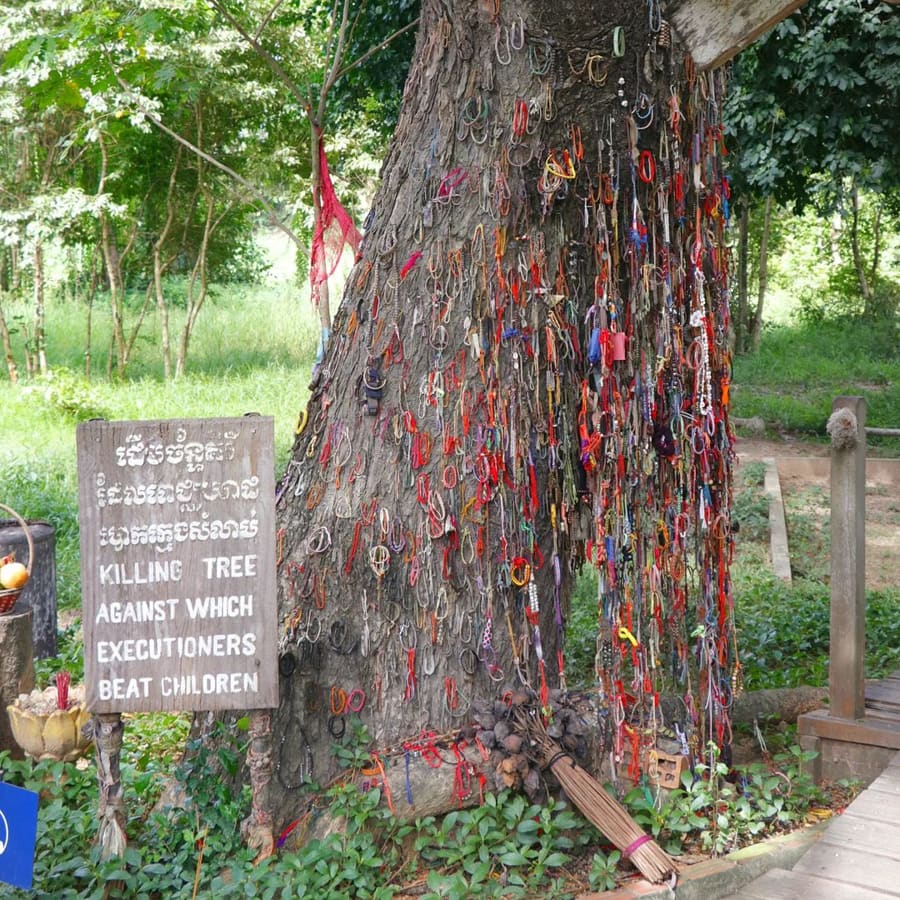
Walk Through the Mass Graves

While taking a walk around the paths for walking at Choeung Ek, you will find many mass grave sites with large numbers of innocent civilians interred at this site. There are plaques that tell you how these people were brought to these grave sites and how they were killed before they were buried.

Walk Through the Mass Graves

While walking within the stillness of the site which has maintained these graves so well, you will feel the enormous sadness that emanates from these grave sites and hence assist you to relate emotionally with how much took place. Visiting the site at Choeung Ek will succeed in making you ponder on your own humanity and the lessons relating to violence and preserving memories of historical events.

Visit The Memorial Stupa

The main stupa with over 5,000 human skulls arranged according to the year of death is the most distinctive part of Choeung Ek. You can closely look at human skulls as you go through the stupa and read the history behind these human skulls. This stupa not only holds significance for Cambodians but symbolizes sacrifice and bravery against tyranny and the price that tyranny pays in human lives. There could not be a more emotional moment than pondering over human life lost and how history should not be repeated.

Visit The Memorial Stupa

Listen To The Audio Guide

The Choeung Ek site has an audio tour guide service that gives audiotaped explanations of the site’s history and how the Khmer Rouge came into power, life under Khmer Rouge rule, and other stories of those who were killed there. Taking this tour would allow visitors to relate everything they see when walking around Choeung Ek because everything would be brought together into a historical context. The tour would not only be visually compelling but also an educational experience for those taking it.

Pay Respect and Reflect

Numerous visitors choose to offer moments of quiet reflection at different points throughout Choeung Ek, with flowers and bowing or just standing still to show their reverence for the deceased. These moments of reflection offer those arriving at this site an opportunity to reflect personally while paying tribute to those who lost their lives at Choeung Ek. The holiness of this site helps visitors understand the importance of compassion and remembering those who lost their lives at this site of so much history.

Investigate the Surrounding Grounds

Apart from the stupa and the grave sites, the land around Choeung Ek still holds vestiges of orchards and other features that demonstrate how it was before the tragedy took place. It’s even possible to tour around these places and get an idea of how the land was transformed from a site of tranquility into a nightmare. It’s only when experiencing the beauty together with tragedy that it’s easy to comprehend just how serious everything was.

sacred memorial site in Choeung Ek

Take Lessons from Exhibitors

Throughout Choeung Ek, there are exhibits that offer historical context and explanations of Khmer Rouge policy. These exhibits demonstrate how the genocide was systematic and explain the bigger picture beyond the numbers lost at Choeung Ek. It’s an important part of your visit to explore these exhibits because they offer important context to what you experience at Choeung Ek and can help you understand the magnitude of what you’re seeing and how those who lived through it were affected.

Entrance Fee

To visit Choeung Ek (the Killing Fields), the cost is 6 USD per person, which includes an audio-guided tour for visitors to be able to understand more about the historical significance of the property.

Opening Hours

The memorial and grounds of Choeung Ek are open seven days a week between 7:30 AM and 5:30 PM, providing visitors with plenty of opportunities to visit.

If you’re looking to visit Choeung Ek during a drier time in Cambodia, plan to visit Choeung Ek between November – March, as these months offer cooler weather and are the most pleasant for walking.

Mornings are usually best to visit the site because the lighting will help create a quieter atmosphere and provide better photographic opportunities. The mornings’ cooler temperatures will allow you to comfortably walk, as well as give you a less crowded experience when you’re able to reflect peacefully on your visit.

Things To Know Before Traveling To Choeung Ek

When visiting Choeung Ek it is imperative that visitors understand that this is a sacred memorial site, and therefore should show reverence for all those who lost their lives there by taking the time to properly prepare before visiting.

  • Dress appropriately by ensuring clothing will cover the shoulders and knees.
  • Bring water and sunscreen; visitors may be walking around the grounds for 1 to 2 hours and can be in hot conditions.
  • Consider hiring a local tour guide or utilizing an audio tour. It is important for visitors to gain an understanding of the history of Choeung Ek and the experiences that occurred there, as they will provide context and background for a more well-rounded experience of Choeung Ek.

sacred memorial site in Choeung Ek

  • Try to arrive early at Choeung Ek while there are fewer visitors to have a peaceful, quiet reflection.
  • While on the grounds, please observe proper manners by remaining respectful, as Choeung Ek is a place of remembrance for all the souls who perished during this tragic period of Cambodian history, by keeping conversations to a minimum.
  • Outside of the Glass Stupa containing skulls, please take your time to pause and reflect in a respectful manner before going inside.
  • For a more complete view into the history of the Khmer Rouge genocide, it is suggested that visitors consider combining a visit to Choeung Ek with a visit to the Tuol Sleng Genocide Museum located in Phnom Penh.

FAQs About Choeung Ek

Prior to traveling to Choeung Ek, there are concerns and queries that many visitors have before planning their trip to this site of historical significance. These FAQs can help visitors with their queries related to traveling to this site:

What is Choeung Ek? Why is it important?

Choeung Ek is among the Killing Fields that are well-known throughout Cambodia because of the killings and burials of Khmer Rouge victims that took place there. It was turned into an important site to remember those who lost their lives there or were killed somewhere else but were buried there because of the genocide that took place.

How long does it take to visit Choeung Ek?

Generally, visitors get to spend only one to two hours at this site exploring either the stupa or taking a tour around the premises. If you find yourself with an audio-guided tour, then you would need slightly more time to complete your tour because you would need to listen to the commentary too.

Is it acceptable to photograph at Choeung Ek?

Photography is permitted but requires visitors to exercise tact. Do not resort to smiling or posed photographs and avoid taking photos of the remains inside the stupa. It’s a site meant for commemoration; therefore, visitors need to conduct themselves with reverence and dignity at all times.

Final Thoughts: Is Choeung Ek Worth Visiting?

It is very emotional when visiting Choeung Ek, as you will truly learn about the sad history of Cambodia during the Khmer Rouge. You also see the many mass graves of those who died, and even see the Stupa of Memory and Remembrance. The importance of the history of this site and its tranquility make it a must-see for any traveler looking to journey through the history of Cambodia. Visit Seni World to learn more about Choeung Ek.

Tuol Sleng Genocide Museum: Explore Cambodia’s Dark History

Tuol Sleng Genocide Museum in Phnom Penh is a grim reminder of the tragic history of Cambodia under the Khmer Rouge rule. It is a prison-turned museum where one can learn about the history of the prison and reflect on the strength of humanity and the significance of remembering.

Introduction To The Tuol Sleng Genocide Museum

Tuol Sleng Genocide Museum is a former peaceful high school located in Phnom Penh and is one of the most macabre symbols of the former Khmer Rouge government because of its conversion into the infamous S21 prison. Between 1975 and 1979, this location was noted for the imprisonment and torture of numerous innocent civilians, leaving an unpleasant mark on the history of Cambodia. At present, the old buildings stand intact, including detention cells converted from classrooms, rooms full of written testimonies, and a series of gruesome images of captives.

Tuol Sleng Genocide Museum is a former peaceful high school located in Phnom Penh

It is not an easy outing emotionally, but it is a very significant one. This is because the museum is a location for remembrance and learning, and it helps one appreciate just what the tragedy is and what strength the surviving people must have shown during those times. It is a significant stop for those who would be interested in learning about the history of Cambodia.

History Of the Tuol Sleng Genocide Museum

A history of the Tuol Sleng Genocide Museum is inextricably linked with the turbulent history of Cambodia itself. Before becoming one of the most terrifying memorials of the rule of the Khmer Rouge, this location passed through a series of significant transformations, symbolizing the dramatic history of the region itself.

inside the Tuol Sleng Genocide Museum

It was first constructed in 1962 as Ponhea Yat High School, offering education to children of the area. But by 1970, with a political change being brought about by the U.S., it came under a new name, Toul Svay Prey High School. It is a drastic changeover because in 1975, the Khmer Rouge captured power and turned the school into the infamous Security Prison 21, known as S-21.

The facilities were fully completed with the conversion of a high-security prison and torture facility in 1976. S-21 turned out to be one of the key prisons used by the ruling party, containing approximately 17,000 inmates, with electrified fences and torture rooms meant to make escape impossible. When the Khmer Rouge fell apart in 1979, history records 10,499 people being imprisoned here, excluding children, of whom only a few were left alive.

After achieving a period of peace in Cambodia, the infamous prison site is currently known as the Tuol Sleng Genocide Museum, with evidence and records of the abuses maintained intact in a historical manner.

Unique Architecture Of Tuol Sleng Genocide Museum

Tuol Sleng means ‘Hill of the Poisonous Tree’ in Khmer and symbolizes the painful history associated with the location. It used to be a school, later turned into a prison by the Khmer Rouge, and the design of the museum reflects the memories of the mass suffering associated with this location.

The Outer Grounds And Perimeter

This museum compound is approximately 600 by 400 meters in area, with tall concrete walls and rusted barbed wire enclosing it. It appears bland from the exterior, with nothing special standing out about these buildings, that is, if one doesn’t pass through the iron gate. This courtyard used to be a school playground but is now a tomb-like area devoid of activity, despite the tragic occurrences within it.

The Outer Grounds of Tuol Sleng museum

The Four Main Buildings

Tuol Sleng is comprised of four long buildings, which were former classrooms. The buildings were later used by the Khmer Rouge government as detention, questioning, and torture cells. The classrooms were later divided into smaller cells made of wood and bricks, leaving only a small space for the inmates. Inside the cell, metal beds, chains, and everyday household items used as torture equipment can be seen today.

The Barbed-Wire Corridors

Many corridors and balconies were covered in thick wrappings of barbed wire, so that escape and suicide were out of question for the prisoners. But today, these wire cages remain suspended along the walkways of the second floor of the jail, and this is what gives one a sense of the terror that existed within these walls.

 Barbed-Wire Corridors in Tuol Sleng Genocide Museum

The Interrogation And Torture Rooms

Certain areas have been left just as they were when discovered in 1979. The rusted metal beds, ammunition boxes, clubs made of wood, pliers, and other primitive tools fill up vacant spaces, symbolizing a common reaction to what transpired in these areas. The effect of the old tiles and dim lighting creates an eerie environment that most people would rather avoid.

The Painting Gallery

But on the upper floors, a painting gallery shows scenes of torture and imprisonment in graphic detail. The paintings were done by survivors who were forced to create works of art in exchange for their lives. This emotional art makes these galleries some of the most meaningful and haunting parts of the museum.

The Photographic Portrait Rooms

There is a section with thousands of images of prisoners, with faces full of fear, confusion, defiance, or child-like innocence. Each photograph is a story in itself, and the magnitude of these images is just shocking. The images form a historical document and a reminder of the cost of the Khmer Rouge Regime.

The Photographic Portrait Rooms

The Skull Room

The last room houses shelves of skulls and bodies with evidence of blunt trauma injuries. This is a remembrance of the victims, as well as an exhibition of the brutality committed within S-21. It is among the most difficult sections within the museum.

5 Unforgettable Experiences You Shouldn’t Miss

A visit to the Tuol Sleng Genocide Museum is much more than a historical tour; it is an emotional journey where one is compelled to think, reflect, and understand the pain and suffering experienced by Cambodia and the people who were subjected to the brutality of the Khmer Rouge.

Explore The Original Prison Cells

A walk through these confined cells made of wood and bricks is one of the most frightening experiences one can have in Phnom Penh. This is because these cells were previously used as classrooms and were turned into isolation cells for tens of thousands of prisoners. It is here that you can see the iron chains, the stains on the floor, and the icy coldness of the cells. This is a reminder of the torturous acts performed here because the cells have remained just the same after the travesty, and one can understand the living conditions of the convicts here.

Watch The ‘Torture Instruments and Interrogation Rooms’

There is original torture equipment used by the Khmer Rouge on display in the museum, and this can be a rather grim but educational experience nonetheless. The torture cells will often be fitted with metal bed frames, boxes of ammunition, and equipment with a story to tell in itself about the violence inflicted on people within these cells.

The empty floors and peeling walls will only serve to emphasize the hopelessness once present within these cells among the prisoners being held here. These cells will serve to make one reflect on the importance of human rights and what can befall a person who promotes an extreme form of belief.

Take Time With The Survivor Paintings

A rather emotional part of the museum is the painting made by those who suffered in S-21, which shows intriguing paintings about torture, everyday struggles, and violence with a profound level of emotional expression. These paintings act as a historical document because they create a moment in history that cannot be defined with words.

The Painting Gallery in Tuol Sleng Genocide Museum

These paintings were made by those who were previously prisoners and used painting as a means of expression for history and survival. These paintings will allow you a moment to connect with the victim emotionally. The paintings turn a physical museum into an emotional one.

Study The Portrait Walls Of Prisoners

The galleries containing thousands of prisoner photographs are some of the most memorable parts of the museum. It takes a moment to realize what these pictures represent: the fear in the eyes of adults, the confusion of children, and the expression of unknown outcomes for what lies ahead for these prisoners. It is staggering just reviewing the number of these prisoner pictures, the evidence of the tragedy that occurred here. This one section alone would leave a lasting impact on you after leaving the museum.

Visit The Memorial Room Of Human Remains

The last room of the museum is occupied by shelves containing skulls and bones, impeccably conserved to show proof of the tragedy that occurred. Though traumatic to view, this is a symbol of remembrance and commemoration of the numerous people who lost their lives. The skulls demonstrated visible signs of trauma, symbolizing the brutality they went through. The quietness in this room encourages one to reflect upon the vulnerability of life.

Visit The Memorial Room Of Human Remains

Entrance Fee

A visit to the Tuol Sleng Genocide Museum will require a small entry fee, estimated between 3 and 5 US dollars, for every visitor. This entry fee is an important source of funds used for maintaining the museum, including its exhibits, which serve as a reminder of those who suffered under the rule of the Khmer Rouge leaders. There may be extra costs for a guided tour, but one can visit the museum on your own too.

Opening Hours

Tuol Sleng Genocide Museum is open from 8:00 AM to 5:00 PM every day, giving one plenty of time to visit the museum.

However, if you want a quiet moment of reflection as you visit the museum, it is better to go early in the morning. This is because Cambodia’s climate is tropical, leading to high heat in the afternoon, especially during the period between March and May Phnom Penh, making it ideal for a tour in the morning when you can walk around the museum comfortably. A visit during the dry season, which runs from November to March, is perfect since the climate is cooler and favorable for a visit to the museum.

The Original Prison Cells

How To Get To the Tuol Sleng Genocide Museum

The Tuol Sleng Genocide Museum can be reached easily because it is located in the city centre of Phnom Penh. Walking is a viable alternative if you can access the museum directly from your accommodation. For those who want a faster means of transport, a tuk-tuk can be taken from most areas of Phnom Penh.

For instance, from the Royal Palace to the museum, the distance is estimated to be about 3 km, with a cost of approximately 2-3 USD by tuk-tuk. However, you can hire private cars or use a taxi app if you would rather travel by an air-conditioned vehicle.

Things To Know Before Traveling To the Tuol Sleng Genocide Museum

A visit to the Tuol Sleng Genocide Museum can be a truly emotional and very educational journey about what occurred in the history of Cambodia under the rule of the Khmer Rouge. For you to fully appreciate your visit to this museum, some preparations need to be taken into consideration.

  • Wear modest attire that covers your shoulders and legs because the museum is a serious site of commemoration.
  • The exhibits, including pictures and instruments of torture, can be very disturbing, so care must be taken here.
  • A knowledgeable guide can offer historical background and inform you of the meanings behind each exhibit.
  • The cost of a single entry, so-called ‘tickets,’ is approximately 3 to 5 U.S.
  • There may be some areas where photography is allowed, while it is prohibited in some areas, so one needs to be aware of the museum’s rules.
  • Take a slow pace through the exhibits so you can reflect on the history, because this is definitely a location where you don’t want to hurry.

Final Thoughts: Is Tuol Sleng Genocide Museum Worth Visiting?

As a traveler looking to expand your knowledge and understanding of Cambodia’s history, the Tuol Sleng Genocide Museum is definitely an experience that shouldn’t be missed. A trip to this museum serves to add a meaningful memory to your adventure in Phnom Penh and offers you insight into the perseverance of the Cambodian people. Whether you are planning a trip to Cambodia or are already there, we recommend applying the expertise of Seni World throughout your travels.

Your Essential Guide To The National Museum Of Cambodia

Thousands of artifacts, sculptures, and traditional artworks are on display at the National Museum of Cambodia in Phnom Penh, which highlights the nation’s rich history. It is a must-visit location for those interested in culture and history because of its magnificent Khmer architecture and varied collections.

Introduction To the National Museum Of Cambodia

Richly displaying Cambodia’s cultural and artistic heritage, the National Museum of Cambodia, located within close proximity to the Royal Palace in Phnom Penh, has over 14,000 artefacts such as stone and bronze sculptures, ancient pottery, as well as relics from the Angkor period. This makes the National Museum an essential destination for anyone interested in Khmer history and culture, while also including people globally.

National Museum of Cambodia, located within close proximity to the Royal Palace in Phnom Penh

The visitor can peruse through galleries that are beautifully displayed. These galleries can take the visitor through a history of Cambodia’s artistic development over many centuries, from what is thought to be the beginning of Cambodia’s prehistory until the peak of the Khmer Empire. The museum’s traditional Khmer architectural style and tranquil environment help to enhance a visitor’s experience and provide a visitor with the opportunity to immerse themselves in the rich history and cultural identity of Cambodia.

History Of the National Museum Of Cambodia

The National Museum of Cambodia, located on Street 13 in Sangkat Chey Chumneas, Khan Daun Penh, is located just north of the Royal Palace of Phnom Penh. George Groslier, who was both a historian and author, was responsible for the creation and building of the National Museum of Cambodia. His work has contributed to the promotion of the traditional art and crafts of Cambodia.

Unique Architecture Of the National Museum Of Cambodia

The foundation was laid for the museum on August 15, 1917. After approximately two-and-a-half years of construction, the museum officially opened for the Khmer New Year on April 14, 1920. Since its opening, the National Museum has been a significant part of Cambodia’s cultural heritage and has maintained thousands of artifacts and artworks that represent Cambodia’s remarkable history.

Unique Architecture Of the National Museum Of Cambodia

A visit to the National Museum of Cambodia is an amazing exploration of Cambodia’s 1,600 years of Khmer art and culture. The Museum’s design of each gallery is specifically designed to expose visitors to the history of Cambodia from its prehistoric times through the Angkor and Post-Angkor periods, highlighting how art, religion, and craftsmanship have evolved through the centuries.

The Bronze Gallery

The Bronze Gallery contains a collection of artifacts dating from the 7th century to the 20th century in the form of bronze. This gallery contains numerous religious and ceremonial artifacts, including statuary representations of the Hindu and Buddhist deities, ceremonial (or ritual) items such as candle holders and bells, and a number of the many types of beautifully decorated jewelry items like rings and headdresses. The development of bronze as a metallurgical medium in Cambodia was first influenced by Indian culture and peaked during the Angkor period with unique sculptures such as the Vishnu statue.

Bronze Gallery contains a collection of artifacts

The Prehistory Gallery

The Cambodian History Gallery allows visitors to gaze into the ancient world of Cambodia, showcasing stone tools and metal weaponry from Cambodia’s past. These artifacts and objects provide insight into the everyday lives, technological advancements and cultural practices of Cambodia’s earliest inhabitants, allowing visitors to explore the development of the Khmer Empire and the historical context of later artistic achievements.

Cambodian History Gallery allows visitors to gaze into the ancient world of Cambodia

Workshops for Conservation and Restoration

During this time, the Museum of Cambodian History has hosted workshops focused on the preservation and repair of priceless works of art as well as all materials related to them. A great example of these types of workshops is the Reclining Vishnu, which has been restored to the point that it illustrates how much detail and skill go into the preservation of Cambodian culture over the ages. There will also be many objects from these workshops, including statues of many Buddhist deities and examples of many sacred items used in Khmer religious traditions.

The Pre-Angkorian Sculpture Gallery

The Gallery of Pre-Angkorian Sculptures includes numerous examples illustrating the evolution of Khmer Sculpture within the timeframe of the 5th to 8th centuries CE, or before the establishment of the Angkor Kingdom. The Gallery also holds examples of great importance, such as the eight-armed Vishnu from Phnom Da and the mixed form statue depicting the combined image of both Shiva and Vishnu (Harihara).

The artefacts of the Buddhist period from this era also demonstrate the impact that the development of Buddhist Art has had upon the history of Cambodia.

Angkorian Gallery inside The National Museum of Cambodia

Angkorian Gallery

Examples of the Angkor period Masterpieces can be found in the Angkor Gallery. These include large sculptures depicting animals (such as Garuda) and humans, Shivabhairava (Shiva) statues dating from 9th – 13th century, a magnificent stone stele illustrating the life of Shiva, and images of King Jayavarman VII in Bayon style. Additionally, the display also features ceremonial barges and accessories for the royal palanquins adorned with elaborately carved wooden ornamentation.

Post-Angkorian Gallery

The Post-Angkorian Gallery contains wooden sculptures, decorated objects made from a combination of mother-of-pearl inlay and ivory, and other finely carved items that exhibit the high degree of craftsmanship achieved by Khmer artisans. The items within this gallery illustrate day-to-day life, religious beliefs/practices, and the development of artistic techniques after the fall of the Angkorian Empire.

4 Unforgettable Experiences You Shouldn’t Miss

The National Museum of Cambodia is much more than just a place to keep ancient objects. It also takes you on a journey through many different centuries of Khmer culture and history. When you visit the museum, you will have the chance to visit the well-organized gallery exhibits, walk through beautiful garden settings, and learn about traditional Cambodian arts.

Explore The Museum Gallery

When you first enter the museum, start your visit by walking through the various galleries that display a chronological history of Cambodia’s cultural history. The Bronze Gallery highlights many different religious and ceremonial items from the 7th to the 20th centuries. The Prehistory Gallery illustrates the daily lives of early Cambodians using stone tools, bronze weapons, and ceremonial objects.

The other galleries contain many examples of the evolution of Khmer art from Pre-Angkorian times to Angkorian times, until the end of the Angkorian period. The artwork is arranged chronologically to show how Khmer artistry changed over time.

Enjoy the Serene Green Courtyard

Encircled by verdant gardens and covered walkways, the museum grounds are ideal for a leisurely stroll. Calm ponds with fish and lotus flowers contribute to the serene ambiance and provide a pleasant escape from the tropical heat of Phnom Penh. After touring the galleries, this outdoor area is perfect for taking pictures and unwinding.

National Museum Of Cambodia Courtyard

See Traditional Cambodian Living Arts Performances

Visitors can witness live performances of traditional Cambodian dance every evening from 7:00 to 8:00 p.m. These live music-accompanied performances tell tales from the Angkorian palaces to daily life. You can gain a deeper understanding of Cambodian culture, music, and customs by watching these dances.

Take Part in Workshops or Guided Tours

On occasion, the museum hosts workshops and guided tours where specialists discuss the significance and background of important artifacts. At certain special events, visitors can participate in hands-on activities and learn about traditional Khmer craftsmanship and ancient sculpting techniques. Your visit becomes more engaging and unforgettable as a result of these experiences.

Entrance Fee

Adult admission to the National Museum of Cambodia is $10 USD. An audio guide is available for an extra $5 USD for those who want to use it. Children and school groups are admitted free of charge. In order to give visitors a deeper understanding of the history, culture, and significance of the artifacts on display, the museum also provides guided tours in both English and French. Visitors can easily fully appreciate the rich Khmer heritage as a result.

Opening Hours

The National Museum of Cambodia is open every day from 8:00 AM to 5:00 PM; tickets close at 4:30 PM. The cooler months of November through February are the ideal time to visit, as the weather in Phnom Penh is more conducive to exploring the museum and its surrounding gardens. You can avoid midday crowds and have a more tranquil experience by going early in the morning or late in the afternoon.

How To Get To the National Museum Of Cambodia

Here are some useful details to help you plan your trip and get an idea of how much it will cost. Here is a detailed explanation of how to travel to and around Phnom Penh, along with an estimate of the cost in USD:

Visiting Phnom Penh

It’s very easy to get to Phnom Penh, and you can pick the option that best suits your schedule and budget. This is what you should know before embarking on your adventure.

  • By air: Flying to Phnom Penh International Airport (PNH) is the quickest option. A motorbike taxi costs between $5 and $7, while a taxi to the city center costs between $10 and $15.
  • By long-distance bus: Well-known companies like Kumho, Sapaco, Mekong Express, and Mai Linh Express offer trips from Ho Chi Minh City that cost between $20 and $25 and take about 6 to 7 hours.

Visiting Phnom Penh by plane

Traveling Through Phnom Penh

With a wide range of affordable transportation options, getting around the capital is simple. The most popular and practical routes to the museum are listed below.

  • Taxi: Reliable and practical, short city rides typically cost between $3 and $5.
  • Tuk-tuk: Depending on distance, this affordable and cultural experience usually costs between $2 and $4.
  • Walking: If you’re staying close by, it’s easy to walk to the museum because of its central location.

Things To Know Before Traveling To The National Museum Of Cambodia

It’s a rewarding experience to visit the National Museum of Cambodia, but you can get the most out of your trip if you know a few useful tips. These rules guarantee a seamless, courteous, and pleasurable visit to this cultural icon.

  • To show respect for Cambodian culture, dress modestly and respectfully, covering your knees and shoulders.
  • To avoid crowds and have a more tranquil experience, arrive early in the morning or late in the afternoon.
  • Most places permit photography, but keep an eye out for signs and don’t use flash on fragile artifacts.
  • For a more thorough understanding of the exhibits, think about hiring an English/French-speaking guide or renting an audio guide.
  • Drink plenty of water, particularly when strolling through the museum’s outdoor gardens.
  • The museum’s collection covers everything from prehistoric times to contemporary Khmer art, so take your time perusing each gallery.
  • If you are visiting with a group, check with the ticket counter to see if children and students are eligible for free admission.

Final Thoughts: Is the National Museum Of Cambodia Worth Visiting?

The National Museum of Cambodia contains a wealth of historical, artistic, and cultural artifacts that provide a glimpse into the Khmer civilization. Each of the museum’s galleries is filled with numerous works of sculpture, artifacts, and traditional art. With the beautiful displays, peaceful environment, and the opportunity to learn about Khmer culture and history through these objects, a visit to the museum will allow visitors to create a lasting memory. Visitors should plan their tour of the museum with Seni World for the most enjoyable experience when they visit.

Silver Pagoda Phnom Penh: Cambodia’s Shimmering Jewel

The Silver Pagoda has a large number of valuable artefacts, including gold Buddhas, that represent an important part of Cambodia’s history. Visitors can learn about the spiritual practices of the Khmer people and the tonalities of their architecture.

Introduction To Silver Pagoda

The Silver Pagoda is a revered national landmark that is situated in the Royal Palace Compound, Phnom Penh, and is a significant religious heritage site in Cambodia. It is known as the Wat Preah Keo Morakot, and its name is derived from the fact that its flooring is paved with over 5,000 pieces of shiny silver tiles that give a holy and heavenly ambiance to the structure. The architectural beauty of this pagoda, infused with a blend of Khmer creativity and a gilded finish, offers a unique opportunity for tourists to enter a royal structure that is of immense significance to the cultural heritage of this country.

The Silver Pagoda is a revered national landmark

However, what makes the Silver Pagoda truly unique is its collection of priceless relics. Visitors can marvel at the famous Emerald Buddha, carved from crystal, and the golden Buddha, covered in diamonds. The pagoda is flanked by a mural gallery that depicts the legend of Cambodia through colorful artwork. For anyone exploring the delights of Phnom Penh, a visit to the Silver Pagoda is about far more than a place to go. It offers a fascinating glimpse of artistic, religious, and royal heritage, and what that means to the cultural identity of Cambodia.

History Of the Silver Pagoda

The Silver Pagoda, or Wat Preah Keo Morakot, was originally constructed back in 1892, during the rule of King Norodom. It was made of wood, typical of Cambodian architecture, and was rebuilt a second time, this time made of wood and brick, in 1902, and was finally consecrated on the 5th of February 1903. Since its initial formation, this temple has long been famous for its collection of numerous priceless Buddha statues.

The Silver Pagoda, or Wat Preah Keo Morakot, was originally constructed back in 1892

Conventionally, the role of the Silver Pagoda was to be a prayer and meditation site for the king, without a resident monk. Only once was there a monk living at the pagoda, from July 31, 1947, when King Norodom Sihanouk meditated for three months. When there were formal Buddhist occasions, the king allowed monks from temples around Phnom Penh to lead these activities.

By 1962, the wooden structure had decayed. Alongside the leadership of Queen Mother Kossamak Nearyreath, King Sihanouk constructed the temple from reinforced cement, with columns made of Italian marble. Additionally, the floor was paved with 5,329 pieces of hand-crafted silver tiles weighing 1.125kg each, earning the temple its popular name, the Silver Pagoda. The temple is also known as the Golden Pagoda because of its golden statue of Maitreya Buddha.

The current role of the Silver Pagoda is mainly a cultural-historical repository rather than a place of worship. It contains over 1,050 treasured objects that include gold, silver, bronze, and other precious materials. These objects have reportedly been donated by His Majesty the King, Her Majesty the Queen, members of the royal family, and followers. They include donations for blessings of peace, prosperity, and the protection of cultural heritage for the future.

Top 5 Iconic Attractions In Silver Pagoda

The Silver Pagoda is much more than a religious place, being a place where the royal art and heritage of Cambodia lie. Right from the mesmerizing statues of Buddha to the mural paintings, every place of attraction inside this temple tells a different story.

The Majestic Golden Buddha

The most recognizable of these is the enormous gold statue of the Buddha, weighing over 90kg or 200lbs, set with over 2,086 glittering diamonds. Dating back to 1906, this work of art was made from the royal family’s own collection of King Norodom’s jewelry, designed – as was customary from the Angkor era – in the likeness of King Norodom himself. The most prominent diamond, weighing about 25mm, is embedded within the headgear.

Majestic Golden Buddha In Silver Pagoda

The Surrounding Smaller Buddha Statues

Across the temple, there are also numerous smaller statues of Buddha made of gold and silver, approximately the size of a hand. Of these, there is a 50cm emerald Buddha that is placed prominently high, believed to radiate light at night.

Golden Buddha In Silver Pagoda

Additionally, there is a 60-80cm dark-bronze Buddha, where anyone can touch its feet for blessings; this is a way for one to feel connected to the religious heritage of Cambodia.

A Temple Without Resident Monks

Contrary to most temples of the Buddhist faith, the Silver Pagoda is without resident monks; it serves merely as a holy site for prayer for the royal family. It is basically a storage place for religious artifacts. The holy nature of this temple is such that even when the Pol Pot regime emptied Phnom Penh to live in hiding for four years, most of its artifacts had remained undisturbed.

The Reamker Epic Murals

Inside the pagoda, a broad gallery is filled with murals that contain scenes of the Reamker, a Khmer version of the Indian Ramayana. These murals, created between 1903-1904 by pupils under the direction of artist Ang Vichitre Chea and architect Oknha Tep Nimit Thneak, trace the stories of legendary figures, evil spirits, and gods, giving the viewer a cultural and religious description through each stroke of the brush.

Royal Mausoleum

It is also home to a number of royal mausoleums, such as those of His Majesty King Ang Duong, His Majesty King Norodom, His Majesty King Suramarit, Her Majesty Queen Kossamak, and Her Royal Highness Princess Kantha Bopha. These mausoleums keep the remains of the members of the royal family of Cambodia.

4 Unforgettable Experiences You Shouldn’t Miss

When you arrive at the Silver Pagoda, you will be able to fully interact with Cambodia’s cultural and spiritual past. From silver tiles on the ground to priceless Buddha Statues, each part of the temple has its own story, which allows for both delight and learning to occur simultaneously.

Admire The Silver Tiles

Visiting the Silver Pagoda allows you the chance to walk on a floor made up of more than 5,000 pieces of solid silver. The bright silver shining so brightly against the dark colored wood surrounding it creates an almost divine feeling in the atmosphere of the temple. The quality of craftsmanship and artistry at the Temple is a true one-of-a-kind experience that should be appreciated by all those who have a desire to experience the culture and heritage of the Khmer people.

Admire The Silver Tiles in Silver Pagoda

Marvel at the Precious Buddha Statues

In addition to having beautiful floors, the Silver Pagoda also houses a number of priceless Buddha Statues, including the world-renowned Emerald Buddha made out of crystal and a life-size gold statue of Buddha covered in thousands of diamonds. These statues not only provide the viewer with amazing visual beauty but also have tremendous value to those who practice the Buddhist faith, as they are a reminder of the great faith of the Khmer people and their royal family.

Learn About the Architecture and Art of Cambodia

The architecture of the temple is an impressive fusion of Khmer architectural styles and the influences of Buddhism. Visitors can see beautiful murals that depict stories from the Reamker Epic, as well as many of the historical and decorative artifacts created by Khmer artisans over many centuries, which demonstrate the incredible artistic heritage of Cambodia. The craftsmanship and creativity exhibited by Cambodian craftsmen can be seen in all aspects of the temple’s design.

Explore the Spiritual Culture of Cambodia

In addition to the beauty of the Silver Pagoda, it also serves as a window into the spiritual and cultural history of Cambodia. Through exhibits and sacred objects, it shows how religion is intertwined with everyday life in the Kingdom of Cambodia, and gives visitors an opportunity to gain a deeper understanding of Cambodia’s values, traditions, and history.

Entrance Fee

Entrance into The Silver Pagoda (Wat Preah Keo Morakot), located in Phnom Penh, Cambodia, does not require an entrance fee. It is also worth noting that donations to the temple are purely voluntary and can be given at the visitor’s discretion.

Opening Hours

Visitors can typically visit the Silver Pagoda (Wat Preah Keo) in Phnom Penh each day from 7:30 am to 11 am, and from 2 pm to 5 pm. Because it is located in a country where the weather is typically very warm, visitors may also choose to visit at other times of the year when it is generally warm enough to be outside and sightseeing.

September and October would be the most ideal months to visit if you want to have the best experience, because the temperature during those months will be much cooler and will provide for a more enjoyable experience than during May through August, when it is at its hottest.

How To Get To the Silver Pagoda

People from Vietnam can take advantage of a number of conveniently available transport methods to reach the Silver Pagoda, found in Phnom Penh, Cambodia, if they wish to experience this attraction. Flights, for example, can be accessed directly from Noi Bai Airport, Hanoi, or from Tan Son Nhat Airport, Ho Chi Minh City, for a price of about 1.5 to 2 million VND.

The Silver Pagoda, situated on the southern side of the Royal Palace

Alternatively, you can take a long distance bus from Ho Chi Minh City to Phnom Penh. When you arrive at the city, you can get to the Silver Pagoda quickly through the availability of transport such as taxis, buses, and tuk-tuks that quickly take you to the ground of the Royal Palace where the pagoda is situated.

Things To Know Before Traveling To Silver Pagoda

It’s a unique experience to pay a visit to the Silver Pagoda, but there are a number of things you must keep in mind to make your trip a smooth and successful one. It’s a highly revered temple, and one of the most important ones that Cambodia is home to.

  • Dress modestly, keeping your shoulders and knees covered. Long pants or a long skirt are best.
  • Photography and filming can be limited or restricted, so you must read all signs carefully prior to entry.
  • Please keep your voice down and refrain from raised conversations, especially within the main sanctuary.
  • Avoid touching statues, relics, or religious objects, as some of them can be priceless cultural assets.
  • It is customary to remove your hat when entering the indoor areas of temples.
  • Be careful where you tread on the silver-tiled floor. Parts of it may be uneven or fragile.
  • It is best to come here early to get a less crowded environment to enjoy fully the beuaty of this pagoda.

Final Thoughts: Is Silver Pagoda Worth Visiting?

The Silver Pagoda is a definite must-visit for anyone who wants to feel the heartbeat of Cambodia’s culture. It is a perfect harmonization of holy artistic expression, royal heritage, and unique artifacts that you won’t find elsewhere within the boundaries of Cambodia. Right from its floor that is tiled in glinting silver to its iconic Emerald Buddha, each and every corner of this place speaks a word of its own significance. Experience the heritage of Phnom Penh at this site, and a memorable experience is guaranteed. For a hassle-free experience in Cambodia, contact Seniworld.

Cambodia Royal Palace: A Glorious Sanctuary Of Royal Splendor

The Royal Palace in Phnom Penh has many elegant halls and exquisite gardens along with an extensive historical background, providing visitors with an outstanding view of Cambodia’s Royal heritage and customs.

Introduction To the Royal Palace

The Royal Palace in Phnom Penh can easily be said to rank among the top tourist attractions and icons of Cambodia’s rich history and architecture because of its golden roofs and Khmer style that resonate strongly with Cambodia’s cultural foundations and traditions. The Royal Palace dates back to the 19th century and still serves to date as the Cambodian monarchy’s residence and spiritual center. It was built to express Cambodia’s love for monarchy traditions and culture.

The Royal Palace in Phnom Penh

The Royal Palace would provide an insightful perspective into Cambodia’s history, arts, and religion. The Royal Palace compound houses the legendary Silver Pagoda with precious national relics like emerald and diamond-studded Buddha figures inside it. Whatever your affinity – architecture, royal traditions, or finding solace in an oasis amidst Phnom Penh’s hustle and bustle – the Royal Palace is indeed an important part of your Phnom Penh tour itinerary.

History Of the Royal Palace

The Royal Palace of Cambodia was constructed from 1866 until shortly after the king, King Norodom I, moved the country’s capital from Oudong to Phnom Penh. It took until 1871 for the palace itself to be finished, but two more years for the defensive walls to be constructed. It was only after this that the palace was finally considered complete. After this, a number of buildings within the compound were added, rebuilt, or redesigned.

sunset in the Royal Palace

Among the most prominent architectural works of this site are the Chanchaya Pavilion and Throne Hall, which exquisitely exemplify Khmer architectural skills. Despite being nearly 200 years old, the Royal Palace remains remarkably preserved, and is now one of the most cherished cultural landmarks of Cambodia.

Top 4 Iconic Attractions In the Royal Palace

A trip to The Royal Palace requires entrance into one of Cambodia’s most historical and culturally revered sites, with magnificent structures that reflect the age-old tradition of royalty. Below are attractions to visit within the Royal Palace that best represent its beauty and significance.

Throne Hall

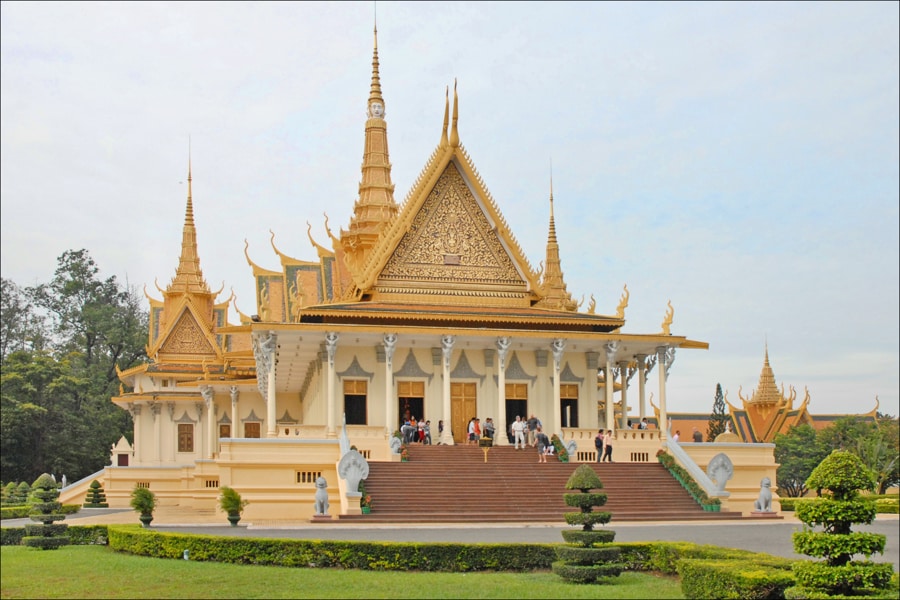
The Throne Hall is among the most magnificent halls at the Royal Palace, where there is an assortment of precious items that were owned by the royal families of Cambodia; other items consist of works of art that express Cambodia’s rich heritage. There are well-carved sculptures and statues showing the Cambodian kings of different dynasties.

The Throne Hall is among the most magnificent halls at the Royal Palace

In addition to its aesthetic magnificence and beauty, this hall holds significance as it serves as the site where Cambodia welcomes foreign dignitaries and hosts state occasions. It is also at this site where the pomp-filled ceremonies of crownings and other royal traditions occur; hence, it can succinctly be said to represent Cambodia’s monarchy. Unveiling the Throne Hall reveals how singular it is to access the aesthetic and ceremonial world of Cambodia’s monarchy.

Napoleon III Pavilion

The pavilion dates back to the 19th century and was a gift from Emperor Napoleon III of France to King Norodom of Cambodia. It is unique because all the materials used to build the pavilion originated from France, and its European architectural styles make it impressive. The pavilion’s magnificent color tones showcase the luxurious living of the royal family. The pavilion is currently utilized for official royal functions. It is a historic, diplomatic, and architectural marvel for tourists to enjoy.

Napoleon III Pavilion

Chanchhaya Pavilion

The Moonlight or Chanchhaya Pavilion is conventionally utilized for hosting official events, giving public speeches, or welcoming honored guests. Architecturally, this structure is a perfect blend of Khmer and minute French touches. This makes its design both historically significant and stunning. The spacious roof of this structure serves as a shading area for hosting functions outdoors, thus enhancing the magnificent form of the pavilion. It was designed to be a platform for royal events, thus its significance to the palace premises. It is especially camera-friendly because of its open structure.

Moonlight or Chanchhaya Pavilion In the Royal Palace

Silver Pagoda

The Silver Pagoda, situated on the southern side of the Royal Palace, is one of the most revered places in Cambodia. It is also known as Wat Ubosoth Ratanaram, a place where over 1,050 priceless objects made of gold, silver, bronze, and precious stones are preserved. It is called the Silver Pagoda because of the presence of 5,000 silver tiles that weigh about a kilogram each, placed on the temple floor. These tiles give this revered place a unique ambiance.

The Silver Pagoda, situated on the southern side of the Royal Palace

Moreover, this pagoda is where the renowned 90-kilogram gold statue of the Buddha, encrusted with 9,584 diamonds, can be found, making this place a national treasure. Not only is this place a sensation to the eyes, but it is also a religious destination for prayer, meditation, and admiration of its pristine beauty.

5 Unforgettable Experiences You Shouldn’t Miss

When paying a visit to the Royal Palace, you get to enjoy it much more than the architectural brilliance. You get to experience the royal culture of Cambodia. These are the experiences that make your trip a memorable one.

Be Awed by Grand Architecture

The palace is known for its stunning Khmer architectural design, complete with high spires, curved roofs, and glimmering golden tiles that sparkle under the sun. It is a pleasure to walk through this property because you can enjoy the elegant French architectural touches that blend impeccably well with Buddhist symbolism. Every structure is a storytelling experience, from royal functions to a heritage that dates back through the ages.

stunning Khmer architectural design of royal palace

Visit the Silver Pagoda

One of the fascinating parts of this complex is the Silver Pagoda, where some of the most revered artifacts of Cambodia can be found. The interior of this pagoda is paved with over 5,000 tiles made of solid silver, combined with golden statues of Buddha, which shimmer with emeralds and precious gems. This is a peaceful place to get a glimpse of the religious heritage of this country. You can feel the respect that the people of this country have for this heritage.

Explore Royal History & Culture

The palace premises have numerous works of art, such as paintings, statues, and stone carvings that depict the history of the Cambodian monarchy. When you tour, you get to learn about various occurrences that have shaped the country’s history, myths, and even practices that can be traced back to the day of its founding. Most of these works of art depict scenes from the Ramayana and the Khmer myths.

Visit the Phochani Pavilion

The Phochani Pavilion is recognized for housing royal performances, traditional dances, and official ceremonies. The pavilion’s architectural style elegantly combines Khmer and modern tastes, with carved pillars and arched doors. The spacious room demonstrates the country’s longstanding admiration for the arts. It is almost possible to picture the numerous celebrations that have occurred here.

Admire the Beautiful Palace Gardens

The gardens of the Royal Palace feature vibrant flowers that bring a feeling of serenity to your tour experience. Vibrant flowers, well-maintained hedges, and peaceful walkways provide a much-needed break from the busy streets of the city. The gardens provide a magnificent setting for the palace buildings, making each corner of this place a perfect setting for clicking photos. It is a perfect place to take a break and enjoy this paradise of tranquility.

the gardens of the Royal Palace feature vibrant flowers

Entrance Fee

The Royal Palace in Cambodia has an entry fee of approximately $3 per person that is charged at the time of entry. An additional charge of about $2 will also be levied if you want to take pictures on the inside of the Palace.

Opening Hours

The Royal Palace in Phnom Penh operates daily from 7:30 AM to 11:00 AM and then from 2:00 PM until 5:00 PM. It was important for visitors to remember that occasionally, this attraction closes because of royal occasions; hence, if you’re planning your trip around national holidays, it’s wise to contact them before your visit.

It would be ideal to visit the Royal Palace when it’s cool and dry from November to February if you can withstand lower temperatures when exploring the site on foot. It would be ideal to visit early when it’s relatively cool, and fewer visitors will be present to disrupt your shots or your relaxation experience at the site.

How To Get To the Royal Palace

It’s easy to get to the Royal Palace in Cambodia if you’re traveling from Vietnam or if you’re already in Phnom Penh. The following are just some of the ways to get to this place:

By Air

Taking an air transport is the quickest means to Phnom Penh if you’re traveling from Vietnam. For your air transport from either Noi Bai International Airport, located in Hanoi, or Tan Son Nhat International Airport, found at Ho Chi Minh City, to Phnom Penh International Airport, you can opt for either Vietnam Airlines, Vietjet Airlines, or Cambodia Angkor Airlines. Flight tickets cost between VND 2,000,000 to VND 3,000,000.

By Bus

For those traveling to southern Vietnam, taking a bus from Ho Chi Minh to Phnom Penh can be an ideal solution that fits your budget nicely. The cost of tickets starts at 400,000 VND and can go up to 500,000 VND. It takes approximately 6 to 7 hours to cover this distance.

Get to the royal palace by bus

In Phnom Penh city, once you arrive, the Royal Palace is about 5 km away from the city center. If you would like to enjoy the scenery while traveling, you can opt to walk or engage in local transport like tuk-tuks, motorbike taxis, or taxis. It’s especially fun to ride the tuk-tuks if you would like to get a feel of local culture. Irrespective of which transport you choose to take, don’t forget to discuss the cost before getting into it, and feel free to negotiate if need be.

Things To Know Before Traveling To the Royal Palace

A visit to the Royal Palace can prove to be an important part of your cultural experience; hence, having basic knowledge about the guidelines would assist you in touring the site with ease and comfort.

  • Dress modestly with your shoulders and knees covered, and avoid wearing lightweight clothing or flip-flop sandals because your entrance into the mosque can be denied if your clothing is not appropriate.
  • Be respectful of the Cambodian Royal Family and conduct oneself with proper manners at all times throughout the palace compound.
  • Do not take photos of restricted areas or sensitive relics because certain areas of the palace ban camera use.
  • Do not touch Buddha figures and never joke or make gestures that could be taken as disrespecting the Royal Family or religion.
  • Speak in low tones because speaking loudly can lead to warnings or even ejections at some locations.
  • Note that bringing cameras or video recorders might entail an extra cost of approximately USD 2 to 5.
  • Do not miss important highlights inside the complex, which include Moonlight Pavilion, Silver Pagoda, Ramayana murals, King Norodom I stupa, and traditional Ramayana masks.

Final Thoughts: Is the Royal Palace Worth Visiting?

The Royal Palace is definitely a tourist spot not to be missed because it offers visitors an unusual combination of history, culture, and beautiful Khmer architecture inside Phnom Penh itself. The gilded spires and sanctum of this palace exude an aura at once majestic and reverent. It could well provide visitors with access to Cambodia beyond Phnom Penh’s streets because it offers insights into Cambodia’s royal traditions that tourists would find difficult to tap into themselves while traveling alone. Book your Cambodia tour with Seni World to make your experience more memorable.

Si Phan Don Tourism: Don Det, Don Khon, And Don Khong Highlights

Known as the ‘4000 Islands’, Si Phan Don is a tranquil destination located on the Mekong River in southern Laos. You will find the scenery to be very lush with cascading waterfalls and a laid back island lifestyle.

Introduction To Si Phan Don

The Phan Don, nicknamed the “Four Thousand Islands,” is a breathtaking region in southern Laos where the majestic Mekong River branches out into numerous islets, with tranquil waterways and astonishing waterfalls. This remarkable holiday spot is renowned for its tranquil atmosphere, tropical climate, and pretty riverside villages, giving the visitor a genuine insight into Lao culture. The four thousand islands differ greatly in shape, form, and character, ranging from peaceful and isolated locations ideal for those seeking a retreat away from it all to busy town centers where Lao culture is in abundance.

Si Phan Don is a tranquil destination located on the Mekong RiverSi Phan Don is a tranquil destination located on the Mekong River

People traveling to Si Phan Don can look forward to a host of activities available for both adventure-lovers and those seeking a calm and quiet holiday experience. Taking a bicycle ride along country paths, a Kayak adventure on calm waters, and a slow cruise from one island to the other would let you soak up the natural splendor available here. Nature lovers can look forward to spotting the Irrawaddy dolphins, a treat in itself, and then there is the majesty of the Mekong, available for admiration in the form of the biggest waterfall in Southeast Asia at Khone Phapheng Falls.

Top 3 Iconic Attractions In Si Phan Don

Si Phan Don (which translates to “4000 Islands”) is home to some very distinct and different experiences on each island. The islands have such unique personalities, from energetic party places to tranquil places to just relax. It is an ideal destination in southern Laos.

Don Det

Among the islands in Si Phan Don, Don Det is the most well-known and is referred to as either the “Backpacker Island” or “Party Island”. Although most of Si Phan Don is relatively tranquil, Don Det is a gathering place for socializing and partying, particularly around the northern end of the island where the boats dock. Visitors enjoy walking around the island. However, many enjoy biking the scenic routes and views along the rivers.

Among the islands in Si Phan Don, Don Det is the most well-known

Don Khon

Don Khon, located south of Don Det and connected by an old railway bridge built by the French, has a much quieter and more relaxed feel than Don Det, so it is an ideal place to escape from the partying atmosphere on Don Det. Just like its fellow island, Don Det, Don Khon is a compact island and can easily be explored using a bicycle, giving visitors the opportunity to enjoy a slow-paced rural lifestyle in a beautiful setting while walking along the banks of the Mekong and observing the daily routines of traditional riverfront villages.

Don Khon in the Si Phan Don Area

Don Khong

Don Khong is the largest island in the Si Phan Don area, but it is the least visited; in fact, it is located farther north than both Don Det and Don Khon, where most of the tourist attractions are located. Don Khong provides a truly authentic and peaceful experience, where travelers can enjoy cycling around the island while experiencing lush landscapes, beautiful riverside communities, and the slower pace of local life, making it ideal for tourists looking for a relaxing and authentic experience.

Don Khong is the largest island in the Si Phan Don area

6 Unforgettable Experiences You Shouldn’t Miss

Si Phan Don is a beautiful and tranquil region located along the Mekong River in Laos. There are many activities to choose from, whether they be walking or biking through the lush green rice fields, watching the rare Irrawaddy dolphins swim in the river, visiting beautiful waterfalls, riding on a boat on the river or just relaxing with a refreshing bottle of Lao beer.

Spotting Irrawaddy Dolphins

A highlight of the Si Phan Don experience is seeing the rare freshwater Irrawaddy dolphin, mainly at Don Khon, which can be seen in their natural environment, and guided boat tours will give visitors an insight into how they behave and are protected.

Spotting Irrawaddy Dolphins in Si Phan Don

Watching them leap out of the water and swim alongside your boat will create a magical connection between wildlife and you as they bring about the thrill of a once-in-a-lifetime opportunity to interact with wildlife. For photographers looking to take advantage of capturing these elusive dolphins in action is an incredible opportunity to witness the beauty of the peaceful river surroundings.

Exploring Waterfalls

The surrounding islands are home to several breathtaking waterfalls, with the most spectacular being Khone Phapheng, which is often referred to as the ‘Niagara of Southeast Asia’, due to its majestic rushing waters cascading over rocky terrain.

Exploring Khone Phapheng Waterfall

The view from here creates an incredibly powerful experience, and visitors will find that visiting Tad Somphamit and Li Phi waterfalls in the area is a more private, peaceful location to watch the calmness of the water, capture photographs, or simply sit back and listen to the tranquil sounds of the water.

Boating and Swimming

A major highlight of visiting Si Phan Don is experiencing a traditional longtail boat ride along the Mekong River. Travellers get to experience an infinite river breeze while floating through various landscapes full of palm trees, floating homes, and local villages. The slower pace on certain sections of the river allows for swimming or tubing in the pristine waters. This combo of a laid-back and semi-back/adventurous approach makes this activity accessible to people of all ages.

Walking and Cycling

Exploring Si Phan Don by foot or bike is an option that lends itself to a more personal experience. By riding a bike on dirt roads and paths to visit local villages, you will discover many hidden gems, scenic views, rice paddies, etc., all of which would be difficult to find if travelling by car.

Exploring Si Phan Don by foot or bike

Likewise, the act of walking allows you to see more closely as well as observe local plants, traditional stilt homes, and have direct or personal interactions with residents. Both options will allow you to connect with both the island’s natural beauty and its unique rhythm and way of living.

Relaxing and Enjoying the Sunset

Relaxing by the river is one of the simple yet memorable pleasures of Pakse. You can grab a local snack and cold Lao beer, then find the perfect location to enjoy the sunset. The vivid orange, pink, and purple skies are reflected in the water, making for a beautiful and peaceful setting. After exploring the islands, this is an excellent way to relax, enjoy the environment, and take pictures that will remind you of your trip forever.

Exploring the Islands

There are distinct experiences provided by each island. Don Det is the most active, with many budget and backpacker visitors, making it a great place to socialize and hang out in the evening. Don Khon is quieter and is ideal for cycling, taking photographs, and watching for wildlife.

Don Khong is the largest of the islands and has plenty of room for visitors. You will learn much more about how the local people live on this island. You will have the opportunity to travel by bicycle or boat between islands and see much more of the Mekong, the traditional villages, and the relaxed way of life on Si Phan Don.

Entrance Fee

Visiting Si Phan Don does not cost anything, as all travelers are welcome to visit the islands free of charge. There may be an additional charge for the use of life jackets, ferry rides on the river, and for purchasing food and drinks from local vendors. The charges will vary according to the vendor or service being used, but overall, the cost to visit and see the islands is very inexpensive.

Best Time To Visit Si Phan Don

The best time to visit Si Phan Don is during the cooler dry season from November to March, when temperatures are lower and more agreeable for island exploration. It is also appropriate to travel in the hot season, from March to May, with perfect moments to plunge into the river and cool off.

Enjoying the Sunset in Si Phan Don

During the rainy season, from May to October, traveling around the islands might get a bit more difficult due to higher water levels. Nevertheless, that is the time when the Mekong expands over 14 km wide, with spectacular views of the Khon Phapheng waterfall as water rushes through the rocks.

How To Get To Si Phan Don

For most visitors to Si Phan Don, they will primarily be visiting Don Khon and Don Det. To reach these islands from Pakse, travellers can take a local shuttle (Songthaew) bus from Donruang Market to Ban Nakasong, which costs 35,000 Kip. The cost of taking a boat ride from Ban Nakasong to Don Det is another 15,000 Kip. Alternatively, visitors can opt to take a tourist bus, which costs 60,000 Kip and includes a boat transfer.

If Travellers are travelling to Don Khong from Pakse, the most cost-effective option is to take a Songthaew to Muong Khong, which is also 35,000 KIP. Since the ferry crosses the island and you don’t require a separate form of transportation on the island. Once you reach either island, rental bicycles are available at a cost of 10,000 Kip per day or on foot. You will also need to rent a motorbike for 50,000-60,000 Kip on either island in order to explore them more comfortably.

Things To Know Before Traveling To Si Phan Don

To have an enjoyable and pleasurable time at Si Phan Don, it’s beneficial to have a plan in advance. To ensure that you have a good experience and remember your trip, keep the following tips in mind:

  • You will not be able to use credit cards in many shops, restaurants, and guesthouses, and it is best to have local currency in your possession for daily expenses.
  • The best way to see the islands is by bike or scooter, giving you the flexibility to explore waterfalls, villages, and views whenever it suits you.
  • Although the islands have basic internet services, you may be able to enjoy a complete disconnect from the rest of your life when you visit these islands.
  • The dry season (November to March) is the best time to visit, while the wet season (May to October) may present some accessibility issues but will feature breathtaking views of the rivers.
  • Cycling, trekking, and water sports require lightweight, breathable clothing; swimsuits; and comfortable footwear.
  • When visiting temples in Si Phan Don’s traditional communities, please dress modestly and act respectfully at all times.
  • It is recommended to book your bungalows or guesthouse ahead of time to avoid the busy crowds on popular islands such as the island of Don Det, especially during holidays.

Final Thoughts: Is Si Phan Don Worth Visiting?

Si Phan Don is the place where everything comes together perfectly: nature, culture, and tranquility. Every corner-whether a serene river channel, an impressive waterfall, or a vibrant local village-offers unforgettable experiences. For those who love adventure, the islands offer exploration by kayak or bike, and those who want to simply relax can enjoy sunsets with peace along the Mekong. The presence of rare Irrawaddy dolphins and rich cultural traditions lends charm to every visit. Book the Laos tour with Seni World to discover the magic and beauty of Si Phan Don.

Dao Heuang Market Guide – Taste Unique Local Life in Pakse

Dao Heuang Market is by far the most dynamic and colourful marketplace the city has to offer. This market has a wide selection of fresh produce, street food, and local artisans, as well as common items for sale.

Introduction To Dao Heuang Market

The Dao Heuang Market in Pakse, Laos is the biggest and most crowded region and provide a fun place to go when traveling to this area. The market has multiple aisles that house all types of fresh fruits, vegetables, meats, fish, and local street food. It allows visitors to see the traditional lifestyle of the southern Laos people and experience it firsthand.

Dao Heuang Market is the largest market currently in operation in the province of Champasak

The environment of Dao Heuang Market is very active due to the number of people present, as well as the colourfully arranged merchandise. Because of this active atmosphere and the atmosphere created by the buyers and sellers talking with each other, the visitors area creates a unique and memorable experience while visiting this area.

Dao Heuang not only has food items but also a wide range of different types of fabrics, handicrafts and silver items as well as the best places to buy gift items from your visit and to learn about the traditional culture of Laos, but also gives visitors a chance to see how daily life is lived by the residents. You can enjoy some great street food, negotiate a price with a seller on a nice piece of handmade identification, or simply enjoy the lively atmosphere of the marketplace around you.

History Of Dao Heuang Market

Locally known as the “Pakse New Market,” Dao Heuang Market is the largest market currently in operation in the province of Champasak. Developed in the late 1990s as a replacement for the original market destroyed by fire in 1998, Dao Heuang Market has been developed with the financial support of local business persons Dang Do Hao and/or Lie Thi Luong, and an estimated $5 million has been spent to build the new market which currently houses approximately 1,000 businesses.

Dao Heuang Market is locally known as the “Pakse New Market,”

Today, Dao Heuang Market is recognized as being an essential destination for both the local residents of Pakse and visitors to the area seeking low-cost food, clothing, and other necessities. In addition to being a major commercial destination for both local and tourist consumers, Dao Heuang Market is often the first suggested destination for Pakse residents, providing directions on how to get to other locations within the city.

Top 5 Iconic Attractions In Dao Heuang Market

Dao Heuang Market has long served as an important downtown commerce center, as well as central hub of local Pakse. Pskemxe, Local Life, Foods, Cultures, are represented at this bustling marketplace through unique experiences awaiting discovery in every section or area within the marketplace.

Fresh Fruits And Vegetables

You will find many bright colours adorning the many colourful farm-fresh fruit and vegetable stands located throughout the market. A variety of fruits grown locally, tropical fruits, and a growing number of leaves and vegetables grown locally during the growing season can be purchased at very reasonable prices here, which is a very popular place for both local residents and tourists seeking a true taste of Lao flavours and ingredients.

Fresh Fruits And Vegetables

Street Foods And Snack Foods

There is a wide variety of Lao food and street snacks available at Dao Heuang Market. Visitors may sample many types of foods, ranging from grilled meats with sticky rice, sweet dessert items, and savoury specialties such as fried rice cakes, while enjoying southern latte on their culinary journey through southern Laos!

there is a wide variety of Lao food and street snacks

Textiles And Clothes

This part of the marketplace contains a huge range of options when it comes to clothing and textiles. Shoppers will find everything from casual items to scarves, as well as many traditional Lao textiles and clothing items. The many colours of textiles as well as handmade crafts make this section an ideal place for visitors to buy souvenirs.

Handicrafts And Souvenirs

Handwoven textiles, finely crafted silverware, beautifully designed jewellery, and other decorative objects can be found at stalls around the market. These unique items created by local artisans provide visitors with an opportunity to purchase something that will remind them of their travels. This area also allows visitors to see how Lao artisans create their products.

Daily Necessities And Household Supplies

The everyday items found in this section include kitchen items, tools, and personal care items. So it provides a good resource for local people and visitors to purchase their daily needs. It is also a good opportunity to observe how the people of Pakse go about their daily lives.

5 Unforgettable Experiences You Shouldn’t Miss

Dao Heuang Market is more than just a shopping destination; it is a colorful reflection of Pakse’s daily lifestyle and cultural diversity. You can taste delicious traditional Lao dishes and discover local artisans by touring the market.

Taste Authentic Lao Street Food

Dao Heuang Market is every foodie’s dream! The aisles are filled with stalls offering fresh fruits, grilled meats, sticky rice, & many different local Lao snacks. From spicy noodle soup to sweet desserts, you will experience authentic flavors that celebrate the local culinary heritage. Tasting the various foods served by vendors will immerse you even deeper into the local culture while you enjoy the energy of the market.

there is a wide variety of Lao food and street snacks

Enjoy Colorful Stalls & Local Crafts

Aside from providing an abundance of delicious street food, Dao Heuang Market is home to textiles, clothing, silverware & handicrafts made by local artisans. Walking around the colorful aisles provides an amazing visual experience with a variety of intricate patterns and colorful displays. You will find a wide selection of souvenirs to choose from while being able to admire the craftsmanship and creativity of the artisans who made them.

Embrace the Buzzing Market Vibe

The energy that fills the air of Dao Heuang Market is contagious! It’s a lively place: vendors shout out their special prices for the day and shoppers bargain with them, while the constant human activity creates an exciting atmosphere. Watching the hustle and bustle of market life provides visitors with a glimpse of what daily life is like in Southern Laos, along with how the traditional rhythm of a market operates.

Embrace the Buzzing Market Vibe

Meet Generous People In The Market

One of the highlights of a trip to Dao Heuang Market is the chance to meet the local people. This gathering allows visitors to interact with friendly vendors and shoppers who are generous and helpful. All this goodwill creates a more personal experience for visitors and provides a deeper understanding of Lao Culture and its hospitality.

Find New and Rare Ingredients

For anyone interested in cooking or exploring new culinary delights, Dao Heuang Market is an amazing place to go! Fresh herbs, strange vegetables, spices, and fish caught locally are all available for sale! If you don’t plan on cooking anything from the ingredients you see, you’ll still gain a better understanding of Lao food through the experience of finding unusual and rare ingredients.

Find New and Rare Ingredients

Entrance Fee

Visitors can enter Dao Heuang Market free of charge; there are no entrance fees to the market. Visitors only need to pay for their selected purchases, including items such as food, snacks, clothes, and handicrafts. Visitors can take their time to browse the market as they wish, which creates a comfortable atmosphere for everyone.

Opening Hours

The Dao Heuang Market opens its doors every day from 8:00 AM through to 4:00 PM, and therefore, you have an ample window of time to experience the many stalls around you. The early part of the day is when you will find the market full of life and produce is at its peak.

Going earlier in the morning will give you the added advantage of having the best opportunity to experience the excitement before it becomes too crowded, which will also increase the ease of browsing, sampling local food, and shopping for souvenirs. While there will be lots of activity throughout the rest of the day, the opportunity to sample local food and browse handicrafts is seen as being the most authentic.

Things To Know Before Traveling To Dao Heuang Market

Your trip to Dao Heuang Market can be a memorable one, but you can make the most of your experience if you keep some tips in mind. These tips can help you enjoy your time at this market without any hassle.

  • Arrive early to experience the market at its liveliest and to enjoy the freshest produce.
  • Carry some cash, preferably in Lao kip or USD, as most of these eateries won’t take cards.
  • Dress casually and wear appropriate walking shoes, as the market can get quite congested and some of the flooring is uneven.
  • You can also make attempts to consume local snacks, but make sure that the food is prepared fresh to prevent any stomach problems.
  • When buying handicrafts or clothes, practice polite haggling, a habit that is pervasive in Laos’s markets.
  • Be mindful of your property, as busy market areas can be hotspots for pickpockets.
  • Bring a bag that you can reuse to assist you in carrying your goods.

FAQs About Dao Heuang Market

Travelers looking for an authentic experience at Dao Heuang Market will find themselves asking many questions. The following are some frequently asked questions to help you plan your visit and maximize the enjoyment of your time at the market.

What makes Dao Heuang Market unique?

Dao Heuang Market is the largest market in Pakse, with a huge selection of fresh produce, street foods, textiles and handicrafts available. It’s a colourful, lively reflection of daily life and cultural traditions of southern Laos and is a fantastic place to find and purchase local food, as well as taste local foods and experience the culture and tradition of the Lao people.

Are there opportunities for me to negotiate prices?

Yes, you will see that bargaining or negotiating for prices is an expected part of shopping, especially for clothing, handicrafts and souvenirs. It is common practice to politely negotiate with vendors in order to reach a reasonable price, but always be respectful to the vendors. For food, the prices are fixed, but it is considered a nice gesture to leave small tips, which are greatly appreciated.

Is it safe to visit with children?

Families can indeed feel welcome at the market; however, it’s important to keep your children close just in case the market gets busy. To ensure a positive and respectful atmosphere, guests should dress appropriately, speak quietly, and supervise their children.

Am I allowed to take photographs on the market?

Photography is permitted in general. However, you must respect the vendors and other customers around you. Be sure to obtain consent from anyone who is close to you who you wish to photograph and from anyone who owns products you wish to photograph, so that people can have the opportunity for a friendly exchange.

What are some of the best souvenir items at Dao Heuang Market?

The top souvenirs available at Dao Heuang Market are local crafts, woven textiles made using traditional techniques, silver jewelry, and snacks made in Laos. Each of these items represents Lao cultural identity and craftsmanship and make excellent keepsake of your experience in Laos.

Final Thoughts: Is Dao Heuang Market Worth Visiting?

The Dao Heuang Market is an experience where Culture, Food & Living come together as one. It has been a wonderful way for tourists to immerse themselves into local Lao cuisine and try out many different dishes. For anyone wishing to learn more about the local culture and customs of Laos, this is an ideal location to do so. You can also make arrangements to visit Dao Heuang Market through Seni World.
Wat Luang: Explore Pakse’s Ancient and Sacred Temple

Wat Luang, located in Pakse, Laos, is a significant historic and cultural site with striking architectural features, plus beautifully painted murals and tranquil meditation rooms. The site also serves as an example of the rich artistic traditions of the Laotian people and the history of the city.

Introduction To Wat Luang

Wat Luang is the most prominent temple in Pakse. It is a key piece of Laotian cultural heritage. It was constructed back in 1935, and besides being a place of prayer, this structure served as a learning institution for monks, who studied Laos language, arts, as well as Laotian Buddhism. Its importance makes this a landmark to visit for anyone who is traveling through this region of Laos.

Wat Luang is the most prominent temple in Pakse

Entering Wat Luang, one is immediately struck by its impressive and traditional Lao architectural design, complete with sprawling tiled roofing, ornate pillars, and carved wooden doors. Once inside, one can see murals depicting the story of the Buddha’s life, as well as meditative halls that serve as a refuge for those seeking solitude. Visiting this place is a unique experience for tourists interested in exploring Lao’s religious heritage.

History Of Wat Luang

Located on the east bank of the Sedon River near National Highway 13, Wat Luang is one of the oldest and most notable Buddhist temples in Pakse. Built by the Funan-Cham Empire (5th to 6th centuries), it has been recognized for hundreds of years as one of the primary symbols of the city of Pakse by representing its true spirituality and cultural history.

Unique Architecture Of Wat Luang

In Pakse, Wat Luang is a place that provides a peaceful and eye-catching insight into typical Laotian Buddhist temples. Whether it is the ornate stupas or the calm main prayer hall, each and every corner of this temple exudes a harmonious blend of religious symbolism and artistic expression.

The Courtyard and Stupas

The temple’s courtyard is filled with intricately colored stupas, each of them housing the remains of a former king or leader, to emphasize that power is transient. Walking through this courtyard, visitors can enjoy the majesty of the two massive structures of this temple, along with the attention to detail that makes Wat Luang a cultural landmark.

The Main Hall

Upon entering the main hall, a sense of profound tranquility pervades. One can regularly find a young monk meditating in the center of the hall, where a series of colorful murals of Buddha’s life adorn the walls. This hall is home to a massive gold-plated Buddha statue, accompanied by smaller statues of the Buddha and corresponding offerings, radiating a sense of divine and tranquility.

The Main Hall Of Wat Luang

The Four-Sided Spire

Right outside of the temple, across the road, there is a quadrangular spire topped by a sharply pointed roof, boasting intricate carvings. This architectural feature is one of the defining signs of Pakse’s identity, attracting admiration for its beauty and accuracy, testifying to the cultural significance of this place and the high quality of Laotian temple architecture.

3 Unforgettable Experiences You Shouldn’t Miss

Exploring Wat Luang, a temple in Pakse, is a good opportunity for tourists to experience the religious and cultural aspects of this place. Whether you choose to learn about its architectural significance or learn about Laotian Buddhism, this temple promises a truly enlightening experience.

Admire Architecture

The architectural style of Wat Luang represents a superb combination of Lao designs, colours and patterns. The large ornate roofs of the temple, along with the gleaming gold pillars and murals on the walls, make the chapel an amazing sight to observe. When visiting Wat Luang, there are many beautiful artistic pieces you can see depicting many of the five hundred years of Lao Heritage.

The architectural style of Wat Luang

As the sun sets, its warm rays filter through the grounds of Wat Luang, leaving an aura of peace. The Spirit of Wat Luang represents a rich history of religious beliefs, artistically gifted persons and their beliefs and Ritual Practices. Therefore, this masterpiece must be visited, to really know its true meaning.

Learn About Buddhism

When visiting Wat Luang, you will have the excellent chance to learn about the historical and traditional practices of Buddhism in Laos. You may participate in various classes if you wish or simply observe a Laotian monk lead a prayer service, which will provide you with insight into how the practice of Laotian Buddhism has impacted the lives of its people.

The murals depicting the life of Buddha and many other pieces of artwork and relics within Wat Luang give you a visual and tactile representation of Buddhist teachings. You will also gain insight into the cultural significance of Buddhism in Laotian society and culture through your own spiritual development as part of your experience at Wat Luang.

Experience Serenity

Wat Luang is a place where they can enjoy a tranquil escape from all of the chaos of the city. The tranquility and peacefulness of Wat Luang are found in the meditation halls, which provide an environment for visitors to meditate and to take a break from their hectic city lives.

The soothing breeze that wafts through the halls from the nearby Se Don River combined with the tranquility of the temple creates an environment that is highly conducive to meditative practices. Visitors who walk through these grounds will experience a sense of inner calm and peace, a state of being that is very different from what they experience while living and working in a busy city.

Entrance Fee

You can visit Wat Luang for free, so all individuals are welcome to enjoy the temple without a fee. Even though you can visit Wat Luang without paying a fee, you can still donate money or bring something as a sign of respect and to help maintain Wat Luang and the monks who live there. Your decision is entirely your own regarding whether or not you would like to donate or give something, but all donations or contributions to Wat Luang are greatly appreciated and go toward the continued use and preservation of Wat Luang.

Wat Luang is one of the easiest temples to access

Opening Hours

People who come to visit Wat Luang Temple in Pakse, Laos, can visit the temple garden and the meditation rooms on the property. The temple’s daily hours are from 08:00 AM to 05:00 PM, which allows visitors to explore the garden and rooms at their convenience.

The best time to visit is during the early morning or late evening, as both times have lower lighting levels and less sound, allowing visitors to have a more peaceful experience. Because Laos is a warm place to live, tourists can visit Wat Luang Temple throughout the year. However, the most comfortable temperatures are from November through February.

How To Get To Wat Luang

Located within easy walking distance from the centre of Pakse, Wat Luang is one of the easiest temples to access due to its location near the heart of the city. There are multiple options for transportation to Wat Luang, including walking, motorbike rental, or taking a tuk-tuk.

Walking

If you are staying close to the city centre, walking to Wat Luang is an excellent option for those who want to enjoy their surroundings as well as experience local life while at a slower pace.

Bike Rentals

If you plan on visiting Wat Luang on your way around Pakse, renting a bicycle is an excellent idea. Bicycle rentals will cost from about $2.00 to $5.00 per day and provide flexibility and independence as well as the opportunity to stop and appreciate the beautiful scenery around you.

Motorbike Rental

If you would like to get from place to place easier, quicker and with greater flexibility, consider renting a motorbike. Daily rental rates vary from $8.00 to $15.00 depending on which bike you choose and where you rent it from.

Tuk-Tuk

A tuk-tuk is a very convenient way to reach Wat Luang. The ride from downtown is reasonably priced, usually ranging between $2-$5 USD. This makes it very affordable if you are a local, as well.

travel by tuktuk in laos

Car or Van Rental

If you are a traveler who prefers additional comfort when traveling in a group, there are car and van rental agencies available for rent. Prices generally start around $40-$60 USD per day for family-sized vehicles, making them the most economical way to travel.

Things To Know Before Traveling To Wat Luang

Travelling to Wat Luang, a temple in Pakse, can be a rewarding experience, but one that requires travellers to be adequately prepared to enjoy the experience that this cultural and religious site can provide. Here are some key tips to make your experience a success.

  • Dress codes include dressing modestly, with your shoulders and knees covered, since Wat Luang is a religious place.
  • Remove your shoes prior to entering the main hall or meditation room.
  • Go there for a morning or late afternoon visit to get softer sun and a quieter, more peaceful experience.
  • Please speak softly, as you can hear the monks praying there, along with meditators.
  • Photography is permitted outside, but photos are not to be taken inside the main hall without prior permission.
  • Small contributions, such as offering flowers, incense, or candles, can be made at specified areas, although these are voluntary.
  • Spend some time exploring the nearby region, such as the Se Don River and the four-sided spire opposite the road.
FAQs About Wat Luang

This temple is possibly the most famous temple in Pakse and often gets visited solely on account of its history and peacefulness. Here are some frequently asked questions to help you prepare for your visit and get the most out of it.
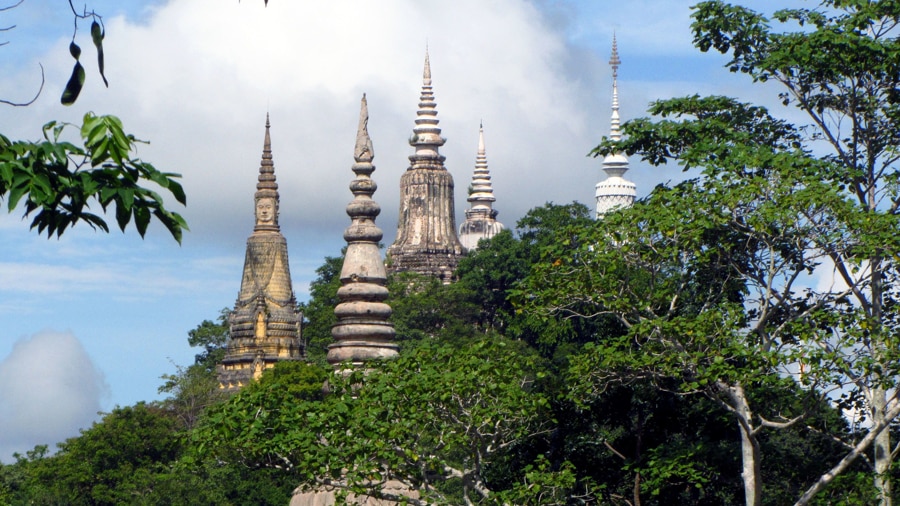
What is special about Wat Luang?

Wat Luang temple has historical significance and dates back to the 5th and 6th centuries; hence, this temple is one of the oldest in Pakse. This temple combines Lao architecture with murals depicting the life of Buddha in various colors. This temple functions both as a religious site and an important cultural location through which tourists can learn about Lao Buddhist culture.

May I take pictures inside the temple?

Taking photos in general is permitted within the temple compound; however, there are areas such as the main hall that may ban photography. Before taking photos inside, one should look out for signs or ask permission from the authorities. This helps in maintaining the sanctity of the temple and ensuring that the ambience remains peaceful.

Are there any offerings or donations required?

There is no cost associated with entering the Wat Luang temple, and any donation given here is completely voluntary. Visitors may wish to bring small gifts such as flowers, incense sticks, or even cash contributions toward the ongoing care of the temple. These offerings will be gratefully accepted. However, please do not feel obligated to give.

Is Wat Luang suitable for meditation or quiet reflection?

Yes. At Wat Luang, you will find areas dedicated to meditative, contemplative practices. The main assembly hall, plus additional meditative areas, provide visitors with the ambiance to relax in tranquillity while soaked with Spiritual Energy. Watching how the monks practice their meditation can also help visitors better understand Lao Buddhism for inner peace.

Can visitors interact with monks?

While at the temple of Wat Luang, one could assume that the monks are either performing ritualistic activities or meditating. Therefore, one would be expected as an act of showing respect by not approaching them during either of these occurrences. One can watch from a distance quietly, bowing slightly when greeting the Monks, and listen to any teachings offered by the monks if allowed to do so. When remaining at a proper distance of respect, it creates an atmosphere of peace for monks as well as those visiting them.

Are guided tours available?

Guesthouses and tour operators in Pakse offer visits to Wat Luang, and often include visits to other temples and cultural sites. During the tours, guests will learn about the temple’s history, meaning, and practices. Guests are also able to explore the site independently and learn about it from informational signs on display, as well as perform their own research.

Final Thoughts: Is Wat Luang Worth Visiting?

Wat Luang is another one of those tourist sites that you simply must get out to in Pakse if you want the complete tourist experience in this Laos province. This site provides the perfect getaway if you are looking for something out of the ordinary that provides both calmness and cultural experiences. On further inspection of Wat Luang’s architecture and paintings alone, you can learn so much about Lao culture. Even if you are particular about Lao artwork or spirituality, this trip would be well worth your while through Seni World.