logo mobile sidebar
support-image-mobile
Share your ideas with our local expert team - we’re here to listen and help you shape a meaningful journey through Indochina.
(+84) 868 663 993
Asia Leading Tour Operator 2025
tripadvisor travelers choice awards 2024
Travelers' Choice Awards 2025

Author: Content Seniworld

Lim Festival: The Cultural Heart Of Quan Ho Folk Songs

Lim Festival is a vibrant cultural event that takes place every year in Bac Ninh Province in Vietnam to celebrate the heritage of Quan Ho folk singing, which has been recognized by UNESCO as an Intangible Cultural Heritage of Humanity. This cultural event takes place on Lim Hill during the first lunar month of the year, during which people can participate in traditional music sung in a beautiful duet style along with traditional folk games and temple rituals, making Lim Festival a unique destination for cultural enthusiasts to experience the cultural heritage of northern Vietnam.

Introduction To Lim Festival

Lim Festival is also known as one of the most popular traditional festivals in Vietnam, not only attracting domestic tourists but also foreign visitors who are eager to discover Asian culture. Every year, Lim Festival takes place in Bắc Ninh, and it is very popular for its lively atmosphere, spiritual rituals, and especially the special art of Quan Ho folk singing. Over the years, the Lim Festival has become a cultural symbol representing the elegance, romance, and spiritual life of the Vietnamese people.
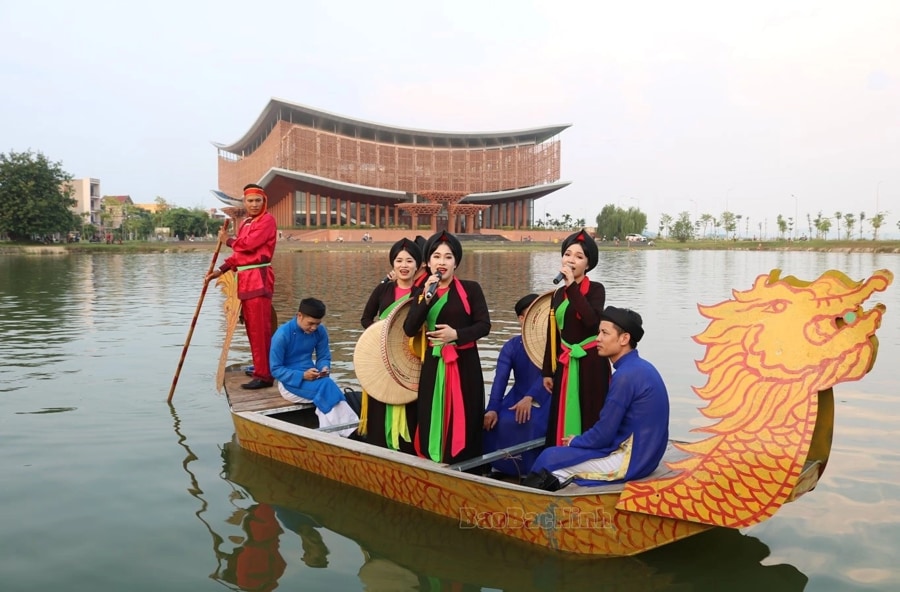
Lim Festival is a vibrant cultural event
Lim Festival is loved by many people because it is a perfect combination of entertainment and cultural experiences. Visitors can enjoy traditional music performances, take part in folk games, and communicate with friendly local people. Moreover, Lim Festival is not only a place for entertainment but also a chance for people to enjoy a slower pace of life, connect with history, and experience authentic Vietnamese traditions that are hard to find in everyday life.

History Of Lim Festival

The history of the Lim Festival has existed for many centuries and is associated with the cultural and spiritual life of the people of Bac Ninh. The festival was initially held to pay homage to local gods and historical figures who were believed to protect the villages and bring prosperity to the community. It is associated with worship of Hieu Trung Hau (a historical mandarin credited with promoting Quan Ho singing). However, over time, it evolved into a large cultural festival where people not only came to pay homage but also to celebrate their joy through music, games, and other activities.
Although there is no official historical record of the exact time when the Lim Festival began, the name “Lim” is associated with Lim Hill, which is the central point where the major rituals and performances take place. The Lim Festival, therefore, represents a sacred cultural space where spiritual and cultural traditions come together. The Lim Festival today represents continuity between the past and the present, as it maintains its cultural values in the midst of modern cultural life.

Unique Traditions And Highlights Of The Lim Festival

Lim Festival is also famous for its significant rituals and special traditions that express the spiritual and cultural values of the local community in Bac Ninh. Among the most significant rituals of the festival is the procession ritual, during which the villagers carry sacred objects and offerings from communal houses to Lim Hill. This ritual expresses the respect of the local community for their ancestors and village gods, as well as their wishes for peace, health, and happiness in the next year.
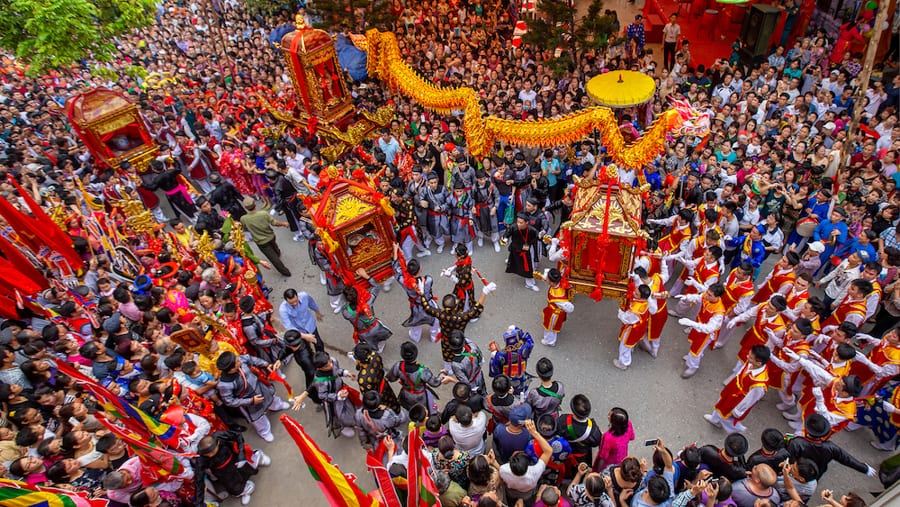
Lim Festival is also famous for its significant rituals and special traditions
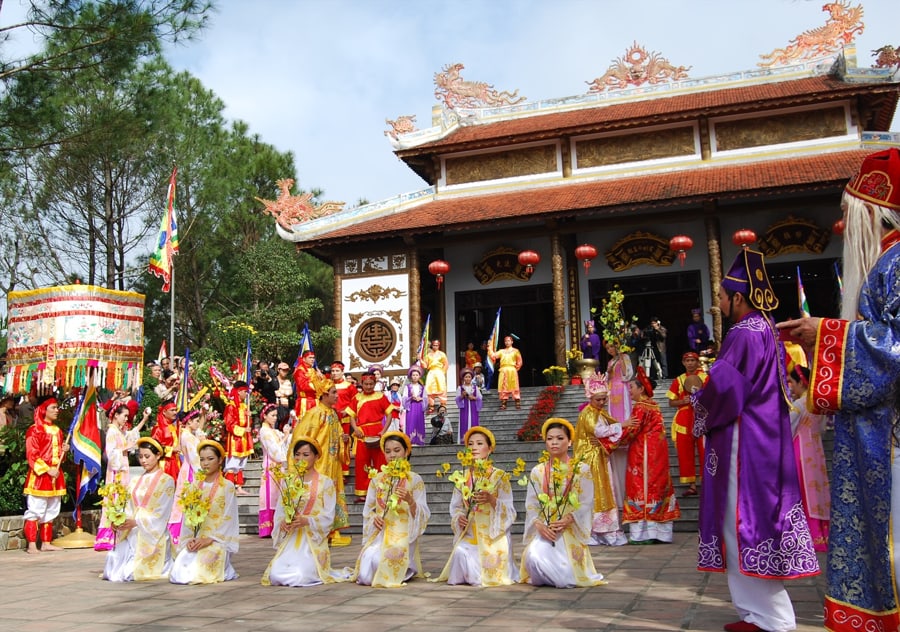
Another significant feature of the Lim Festival is the incense offering ceremony, which takes place in a serious and respectful mood. During this ceremony, people wear traditional costumes, bow to the altars, and make offerings of flowers, fruits, and incense to demonstrate their gratitude and spiritual devotion. This ritual is not only a spiritual practice but also a cultural event that contributes to the preservation of Vietnamese culture and the promotion of a sense of community among the participants.

4 Unforgettable Experiences You Shouldn’t Miss

Lim Festival is more than a cultural event. It is a source of unforgettable experiences that blend tradition, entertainment, and local lifestyle for visitors. Whether it is music, rituals, food, or community activities, every experience at Lim Festival will help you connect with Vietnamese heritage.

Quan Ho Folk Singing Performances To Watch

One of the most memorable experiences in Vietnam that you can have at Lim Festival is watching a live Quan Ho folk singing performance. These performances are conducted by local artists who wear traditional costumes. The artists sing love-themed songs in a soft and poetic manner, and the atmosphere is romantic and emotional. Even if you don’t understand the language, the songs and expressions will help you feel the beauty and sincerity of this traditional art form.
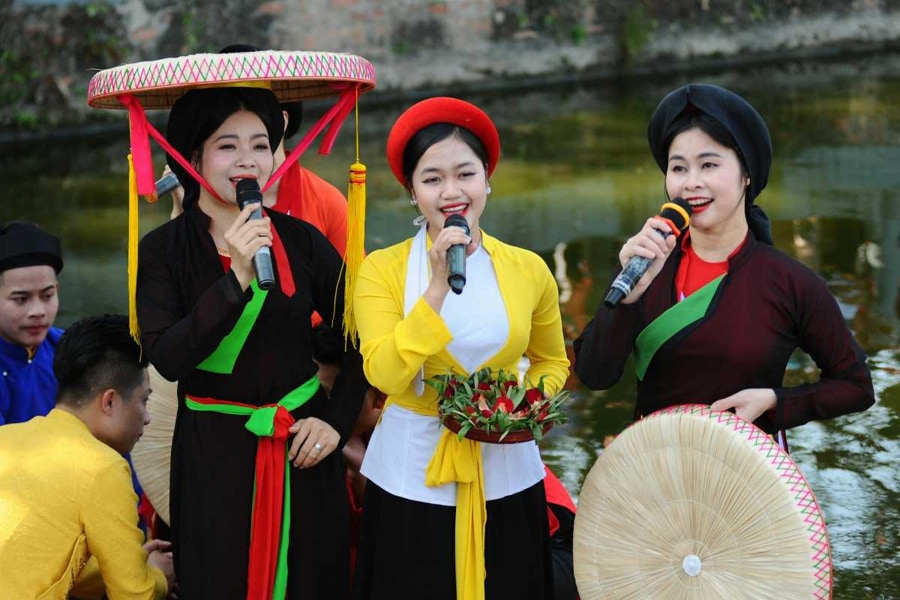
Quan Ho Folk Singing Performances To Watch

Join The Traditional Folk Games

Engaging in the traditional folk games is an enjoyable and participative way to experience the Lim Festival spirit. Some of the most popular games include bamboo swinging, tug of war, human chess, and village wrestling. Not only are these games enjoyable, but they also symbolize teamwork, power, and unity. Anyone, whether local or foreign, can participate in these games, which makes it easy to mingle and have fun with people from different walks of life.
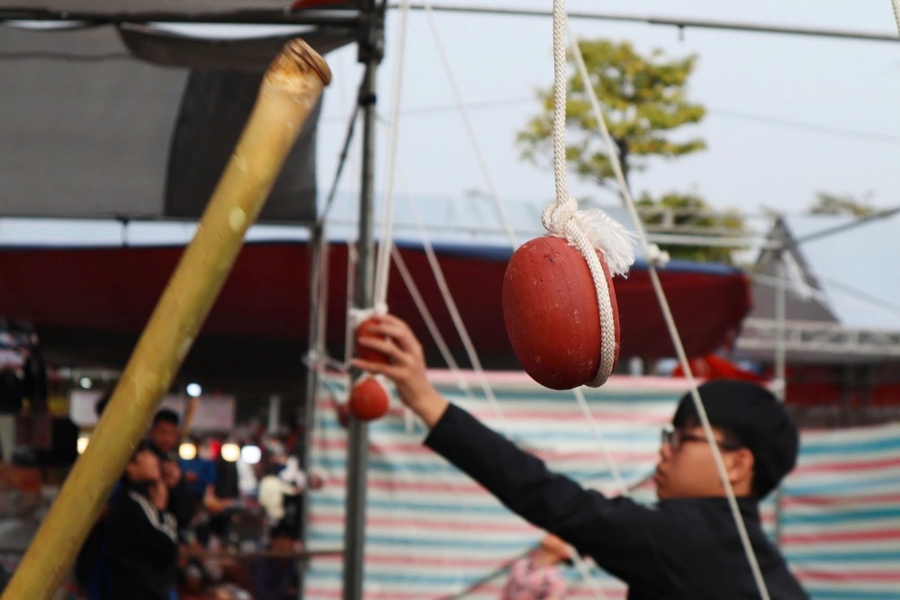
Join The Traditional Folk Games

Try Authentic Local Food

Food is one of the most important aspects of the Lim Festival, giving visitors an opportunity to experience authentic Vietnamese cuisine. You can find local food such as Banh Te, Banh Chung, Nem Ran, and local sweet desserts offered by village vendors. The food is usually made using old family recipes, giving it a homemade taste. Eating Vietnamese local food at the Lim Festival will give you an opportunity to experience Vietnamese culture through food while enjoying the surrounding environment.
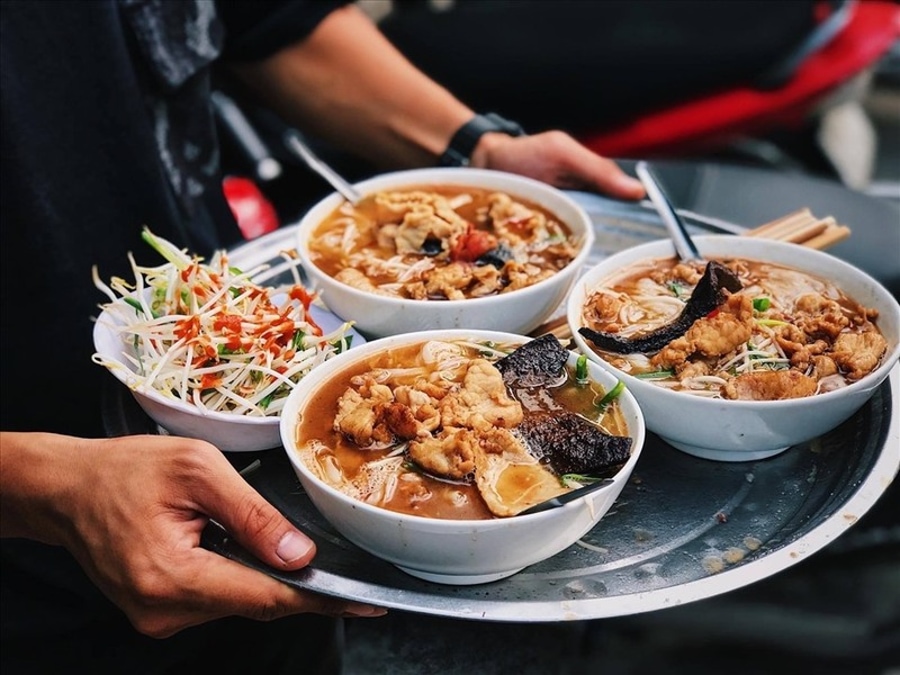
Eating Vietnamese local food at the Lim Festival

Experience Traditional Rituals And Processions

Attending traditional rituals is an experience that helps you understand the spiritual aspect of the Lim Festival. You can witness traditional processions, incense offering rituals, and worship sessions conducted by village elders. The rituals are conducted with utmost respect and signify the gratitude of people towards their ancestors and local gods. Attending these rituals will give you an insight into the Vietnamese way of life and the significance of living in harmony with nature and spiritual elements.
  1. Entrance Fee

Lim Festival is free of charge for all participants, making it an accessible cultural event for both locals and foreign tourists. There is no entrance ticket needed to participate in the main activities of the festival, such as viewing performances, exploring Lim Hill, and playing folk games. However, participants can choose to bring some offerings such as incense, flowers, and fruits if they want to participate in spiritual rituals and prayer ceremonies. The offerings are not mandatory but will make the cultural event more significant and meaningful.

Opening Hours And Event Schedule

Lim Festival normally happens on the 13th day of the first lunar month and lasts for two to three days, depending on the local arrangement. There is no fixed opening and closing time, but most events happen early in the morning at around 7:00 AM and end at 5:00-6:00 PM. Some cultural performances, especially Quan Ho singing, can happen all day long in different spots around Lim Hill and nearby villages.
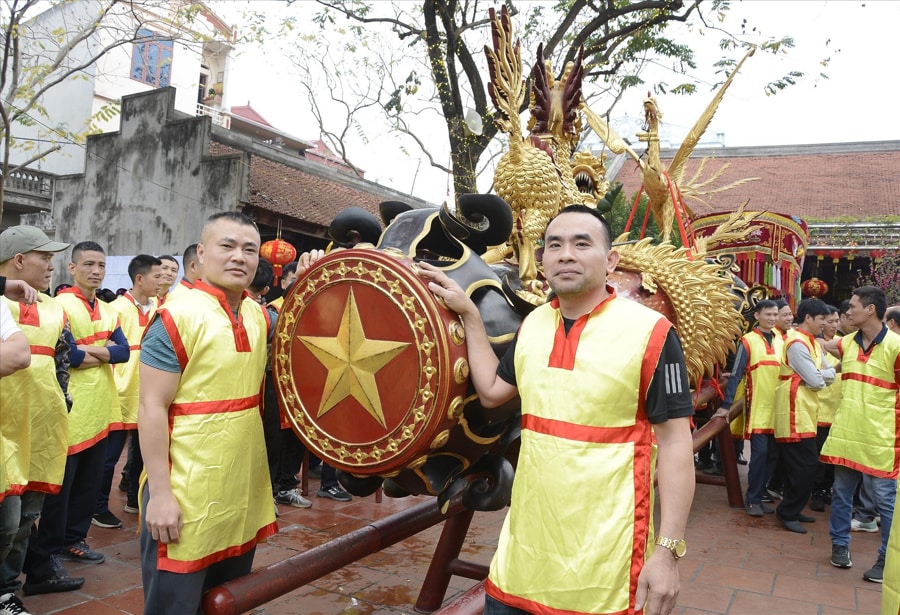
Lim Festival is free of charge for all participants
The best time to visit the Lim Festival is in the morning when the weather is cooler, and the most important rituals and processions happen. This is also when most cultural performances happen, giving visitors a chance to experience the festival atmosphere without the crowds that come in the afternoon.

How To Get To Lim Festival

Lim Festival is held in Bac Ninh, which is approximately 30 kilometers northeast of Hà Nội. This makes it very convenient for tourists. The most convenient and fastest way to reach the Lim Festival is by private car, taxi, or ride-sharing services like Grab. It takes approximately 45 to 60 minutes, depending on traffic.
Budget travelers also have the option to use public transportation. You can take a bus or train from Hanoi to Bac Ninh City, which takes about an hour. From there, you can take a local taxi or motorbike to Lim Hill, where the major activities of the festival are held. Many travel companies also offer guided tours to the Lim Festival during the festival period, which include transportation, a guide, and sometimes meals.

Things To Know Before Enjoying Lim Festival

Before going to the Lim Festival, it would be good to learn about local traditions and prepare accordingly to fully enjoy this cultural event. A little preparation will make it possible to enjoy this event in a respectful and comfortable manner.
  • It is best to arrive early to avoid the crowds and experience the major rituals, processions, and performances of Quan Ho singing in a more relaxed setting.
  • Dress modestly and comfortably, especially when visiting temples or participating in spiritual events, as it is a sign of good cultural understanding and respect.
  • It is best to bring small amounts of cash for purchases, as most vendors in the area do not accept digital payments.
  • Respect local regulations and instructions, especially during spiritual events, to show respect for the culture and traditions of the area.
  • It is also important to stay hydrated and wear comfortable shoes, as you may need to walk long distances around Lim Hill and the surrounding villages.
  • It is best to ask permission before taking pictures of the performers or spiritual events to avoid offending the locals.
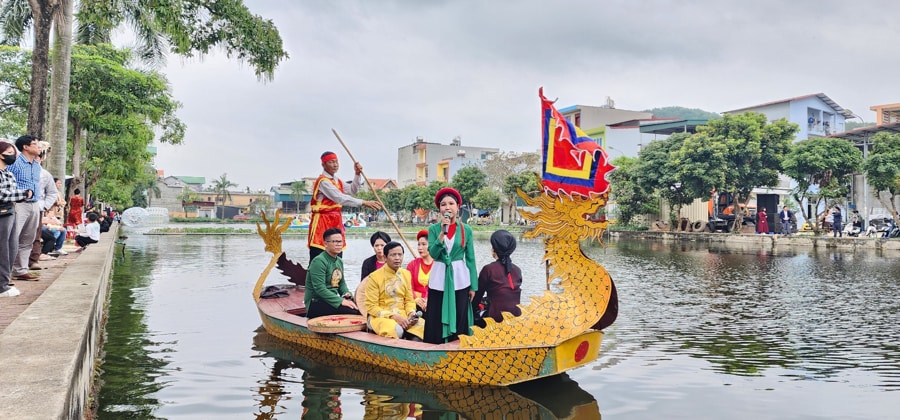
Quan Ho Folk Singing Performances To Watch

FAQs About Lim Festival

If you are going to the Lim Festival for the first time, you might have some common questions about the festival. The following FAQs will help you understand more about what to expect and prepare for your visit.
  1. Is the Lim Festival appropriate for international tourists?
Yes, the Lim Festival is very appropriate for international tourists who are interested in cultural tourism. The festival provides a favorable setting where tourists can enjoy traditional music, watch rituals, and mingle with locals. Even if tourists do not understand Vietnamese, they can still enjoy the performances, food, and festivities.
  1. Can I take part in the festival activities or just observe?
Many festival activities are open to visitors to take part in actively, such as folk games, food tasting, and community activities. However, some rituals are best observed from the sidelines, but most cultural experiences are open and welcoming to both locals and visitors.
  1. What do I need to bring when going to the Lim Festival?
You need to bring comfortable clothing, money for small purchases, a bottle of water, and a camera for taking pictures. If you are going to participate in spiritual activities, you can also prepare simple offerings such as incense or flowers, which can be easily purchased near the festival site.

Final Thoughts: Is the Lim Festival Worth Visiting?

Lim Festival is definitely a destination that is worth visiting for anyone who is interested in experiencing the true culture of Vietnam. Lim Festival is a festival that has a lot to offer, ranging from the Quan Ho folk singing to the local activities. The festival provides a perfect blend of entertainment and culture. Whether you are a cultural traveler or just looking for a different experience, Lim Festival is definitely a destination that will leave you with a lasting impression.

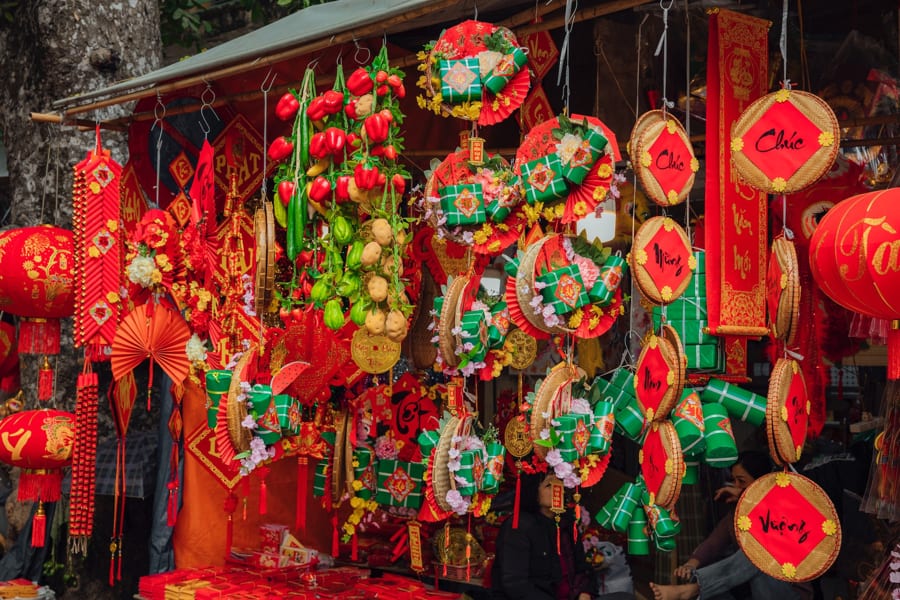
Lunar New Year in Vietnam: Traditions and Customs

The Lunar New Year festivities in Vietnam are known as Tet and represent the most important traditional festivals in the country, celebrating the beginning of a new year in the traditional Vietnamese style through reunions, cultural activities, new food, and happy celebrations.

Introduction To Lunar New Year Vietnam

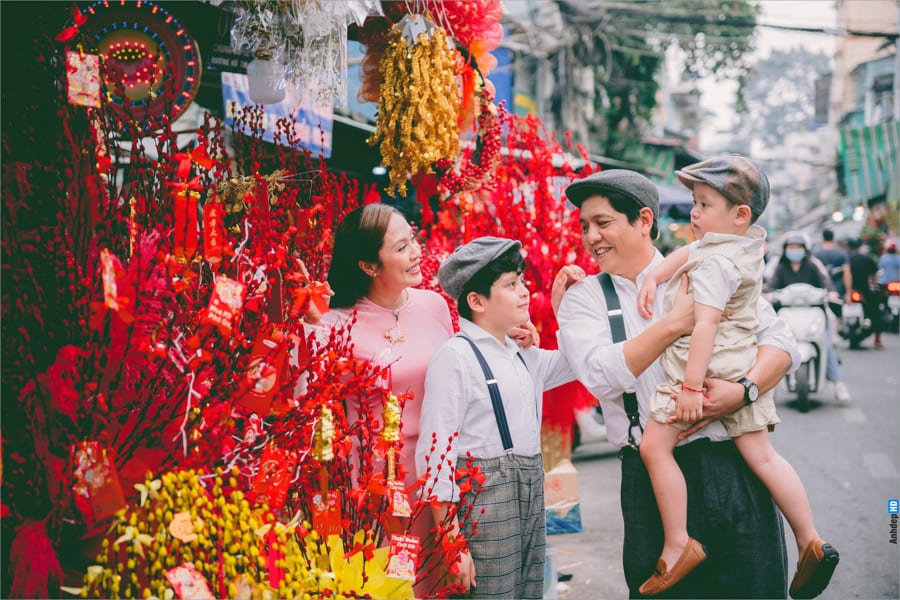
Lunar New Year in Vietnam, better known as Tet, is the most important traditional festival and the most popular in the country. It signals the start of a new year of the lunar calendar, interpreted as new beginnings, reunification within families, and blessings. During this period, cities and villages of Vietnam are embellished with flowers, red banners, and brightly colored lights. This makes everything around us very lively and bright. Tet is not just a holiday; it is also a cultural event deeply entangled with Vietnamese history and everyday life.
Lunar New Year Vietnam decoration
Enjoying Lunar New Year in Vietnam provides visitors with a good opportunity to experience authentic local traditions, from visiting family homes and temples to enjoying traditional food such as banh chung, and the lucky money custom. It is meaningful in terms of the cultural experiences that Tet can provide. In fact, this is a good time to experience Vietnamese hospitality, community spirit, and vibrant street celebrations, making it an unforgettable festival for international travelers.

History Of Lunar New Year Vietnam

The origins of the Lunar New Year in Vietnam are historical and date back to agricultural practices and the use of a lunar calendar for farming activities for centuries. The festival celebrates the end of the old year and the beginning of a new farming season, which symbolizes renewal, growth, and hope for a better future. During early times, Tet was a time for farmers to take a break after the harvest season and express their gratitude to their ancestors and gods for a successful season.
History Of Lunar New Year Vietnam
“TET” stands for “Tiet,” which means seasonal change. Over time, it has changed to become a celebration of national culture and means “family reunion, ancestor worship, and spiritual cleansing.” This includes “cleaning up the house, cooking special meals, and holding ceremonies to invite good luck and wealth.” Though “the exact date depends on the lunar calendar,” it signifies one and the same thing: “celebrating history, yet embracing new beginnings with hope and respect for tradition.”

Unique Traditions And Highlights Of Lunar New Year Vietnam

In the Lunar New Year, there are many meaningful traditions in Vietnam to reflect spiritual beliefs and cultural values. One of the most important rituals is ancestor worship: families prepare altars with the best fruits, an amount of incense, and traditional dishes to worship their ancestors and invite new year luck. Cleaning and decorating a house before Tet is also one of the most important things, as cleaning the house removes all the bad luck and ushers in the good.
Tet is a wonderful and challenging time to travel in Vietnam
The other big highlight is the traditional giving of lucky money in red envelopes to children and elders, li xi. The tradition symbolizes good wishes for the coming year in prosperity and happiness. People visit temples in hopes of health and success, while still taking in all the cultural activities related to lion dances, fireworks, and flower markets. These special rituals make Tet not just a celebratory activity but an equally spiritual and familial occasion in Vietnam.

3 Unforgettable Experiences You Shouldn’t Miss

Lunar New Year in Vietnam is full of countless cultural situations that enable a visitor to immerse themselves in local customs and festive mood. These unparalleled experiences enable the visitor to relate to the local lifestyle in the most genuine way.

Visit Traditional Flower Markets

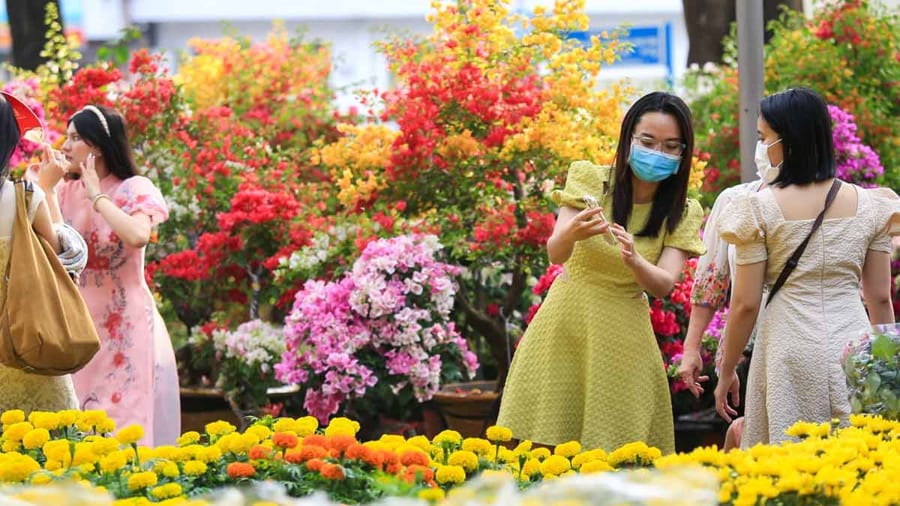
One of the most iconic experiences in Vietnam, is visiting traditional flower markets. The flower markets are usually filled with peach blossoms from the north, apricot blossoms from the south, and kumquat trees, which are luck symbols or a metaphor for prosperity. Besides their beauty, visiting flower markets provides an insight into the hope for a prosperous new year, considering that Vietnamese people buy flowers to decorate their houses. The flower markets are lively and cheerful, offering an excellent place for photography.
Visit Traditional Flower Markets

Enjoy Tet Traditional Food

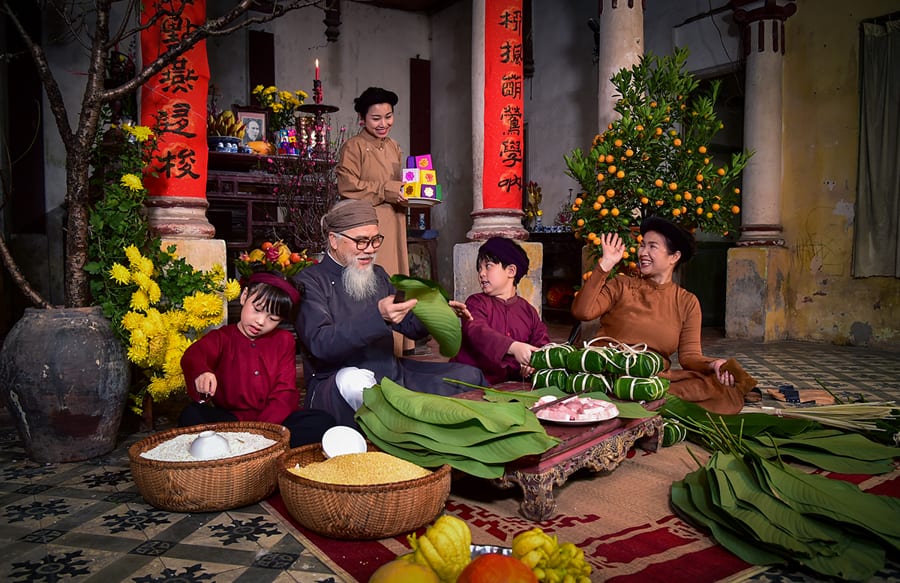
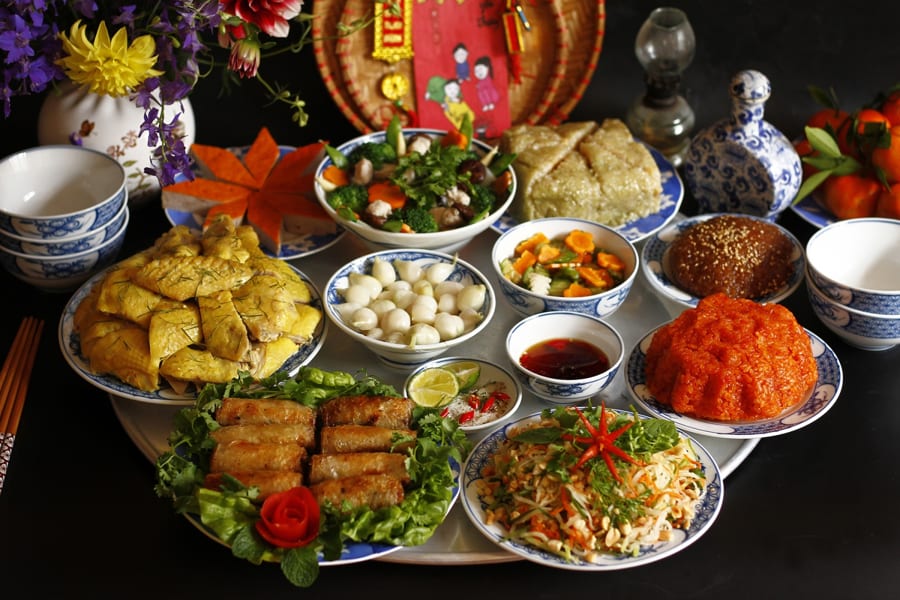
If you are visiting Vietnam during the Lunar New Year, enjoying Tet traditional cuisine is a must. Foods like Banh Chung, Banh Tet, pickled vegetables, chicken, and candied fruits are prepared to highlight feelings of gratitude and unity. These foods are commonly consumed during family reunions and religious ceremonies. For instance, tasting Tet foods can help visitors experience the culture from which every dish was prepared, not just from the taste. Tasting Tet foods can also be helpful in understanding Vietnamese cuisine in relation to history, symbolism, and seasonal celebrations.
Enjoy Tet Traditional Food

Participate In Lion Dances And Cultural Performances

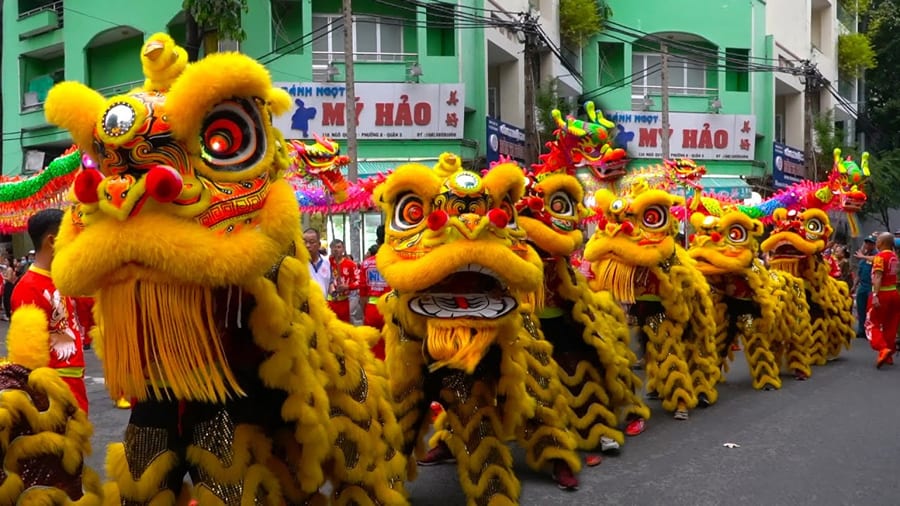
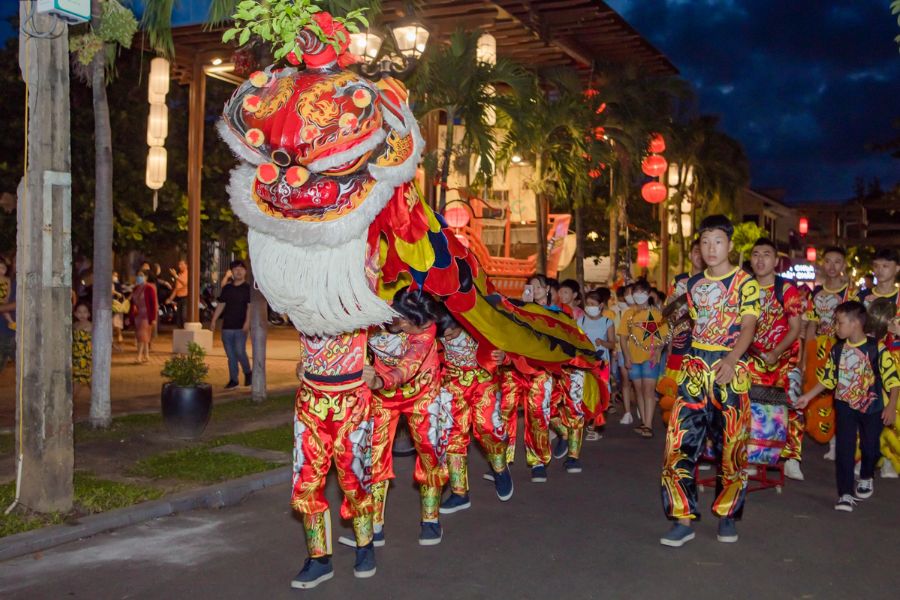
Joining in lion dances and cultural performances adds excitement and energy to the Tet experience. Lion dances are said to bring luck, wealth, and protection from bad spirits into the New Year. Performances commonly occur in public areas, shopping malls, and temples, along with loud drums and jolly crowds. Visitors can witness traditional music, folk games, and street shows displaying Vietnamese cultural heritage. These activities add color and gaiety and therefore give the traveler a feel of the joyous occasion of the Lunar New Year in Vietnam.
Participate In Lion Dances And Cultural Performances

Entrance Fee

The Lunar New Year festival in Vietnam, also known as Tet, does not officially require any fee to enter the festival. Public activities and family events are free. However, there might be entrance fees for temples or historical areas to visit during the festival season. It is okay for one to bring their offerings, for example, incense sticks or fruits; however, these are totally optional for praying for health and good luck.
Aspect
Price (VND)
Price (USD)
Temple/Pagoda Entry
20,000 – 50,000
~1 – 2
Historic Site Ticket
40,000 – 120,000
~2 – 5
Incense/Offerings
10,000 – 50,000
~0.5 – 2
Traditional Treats
30,000 – 100,000
~1 – 4
Bringing small offerings is a meaningful way to participate in local Tet customs when visiting temples or family altars.

Opening Hours And Event Schedule

In Vietnam, the Lunar New Year can last as long as 7 to 10 days, although the main activity takes place on the first three days of the lunar calendar. It usually falls between late January and mid-February. There’s no fixed opening time, but most activities happen from 8:00 AM until 10:00 PM, especially in temples, flower markets, shopping streets, and public squares. Fireworks and big events usually happen on New Year’s Eve from 9:00 PM to midnight.
The best time to visit the Lunar New Year in Vietnam is from the first to the third day of Tet, when all cultural activities are most vivid. Mornings are perfect for visiting temples and saying prayers, while nights are ideal for street festivals, performances, or socializing.

How to get to the Lunar New Year in Vietnam

The Lunar New Year in Vietnam is a national event, which means that it is not conducted in a particular place. The Tet celebration is across the entire nation, starting from big cities to small towns and villages, meaning that one does not necessarily require a specific destination for the event. Instead, one can enjoy the festival anywhere in the country, especially in big cities like Hanoi, Ho Chi Minh City, Hue, Da Nang, and Can Tho.
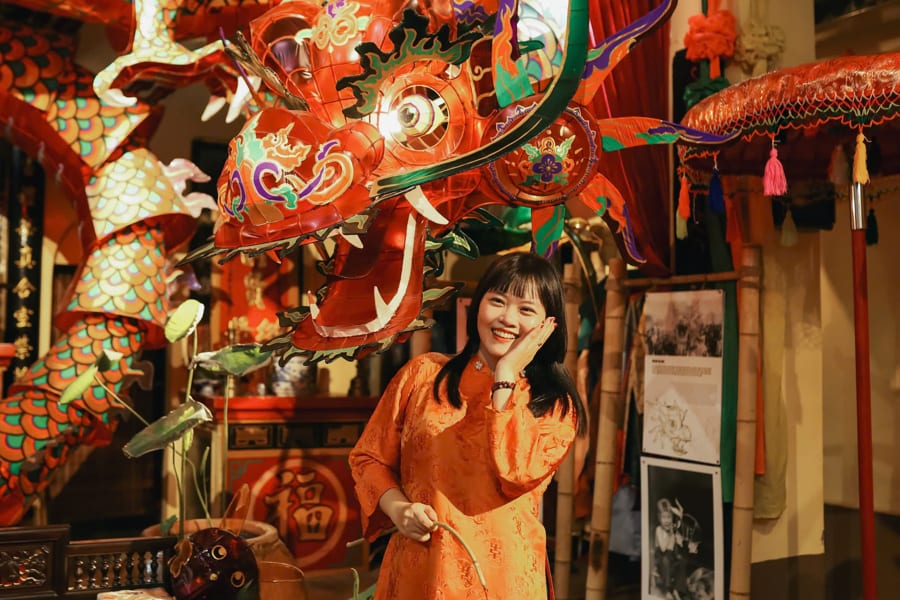
take photo with ao dai in Lunar New Year Vietnam
In order to enjoy the Tet holidays, tourists only have to arrive in Vietnam before the Tet season and stay close to the city center or residential districts. Walking and taking taxis are the most efficient means of transportation around this area. Before visiting, it is advisable to book your flights and hotels in advance because transportation and some services will be closed during the Tet holidays.

Things To Know Before Enjoying the Lunar New Year in Vietnam

Planning ahead of the Lunar New Year in Vietnam is recommended to avoid any inconvenience and enjoy festivals more comfortably. These practical travel tips will assist you through cultural, transportation-related issues, and festivities observed during the Lunar New Year.
  • Book your flight tickets and hotel accommodations well in advance since the fare hikes rapidly, and most local families travel during the Tet season every year.
  • Keep change with you as some shops close or do not accept cards, especially in the countryside and traditional markets during holiday periods, for daily expenses.
  • Showing respect for family customs by greeting elders first, refraining from negative terms, and adorning proper attire by displaying cultural appreciation at home or temples is necessary.
  • Be prepared for services such as restaurants and transport to be shut, and plan meals and itineraries in advance, well before the major Tet celebrations start.
  • Visit temples during the morning to feel peaceful and relaxed inside the temple by taking quiet pictures and meaningful prayers without any crowds and noise around you.

FAQs About Lunar New Year Vietnam

The following are some common questions that travelers generally want answers to before having their first experience with Lunar New Year celebrations in Vietnam. The answers will provide greater clarity regarding cultural, travel, and general circumstances.
  1. Does everything close down in Vietnam for the Lunar New Year?

Many small businesses, local shops, and family-run restaurants may close for several days during the Lunar New Year in Vietnam, especially in smaller towns. Major supermarkets, hotels, tourist attractions, and shopping malls usually remain open. Services may be offered with limited hours, and travelers should not expect normal schedules during the main Tet days.
  1. What should tourists avoid during Tet?

Tourists are also advised not to display negative attitudes such as arguing, using bad language, and talking about bad topics. It would also not be appropriate to visit someone’s home on the first day without being invited. Wearing neat clothing and being polite would help tourists garner positive vibes from families living in those locations.
  1. Does it happen to be a good time to travel in Vietnam during Tet?

Tet is a wonderful and challenging time to travel in Vietnam because the atmosphere is so festive and culturally rich, but transportation can be very crowded, prices are higher, and some services are closed. Tourists are able to witness unique traditions and decorations in big cities on holidays.

Final Thoughts: Is The Lunar New Year Vietnam Worth Visiting?

Lunar New Year in Vietnam is definitely worth visiting, where many special traditions, a nice atmosphere, and hospitality can be experienced. It’s the best period to see the locals’ emphasis on the importance of family, spirituality, and vibrant street celebrations throughout the country. Food, temple visits, and other exciting activities are simply amazing. Learn about the beauty of the Lunar New Year in Vietnam with Seni World and begin your meaningful cultural holiday.

Vu Lan Festival: A Complete Guide To Vietnam’s Day Of Gratitude

The Vu Lan Festival is significant and marks an important Buddhist event in the celebration of filial piety and expressing gratitude towards one’s parents. It takes place in Vietnam every year through spiritual rituals and includes family values and compassionate activities.

Introduction To The Vu Lan Festival

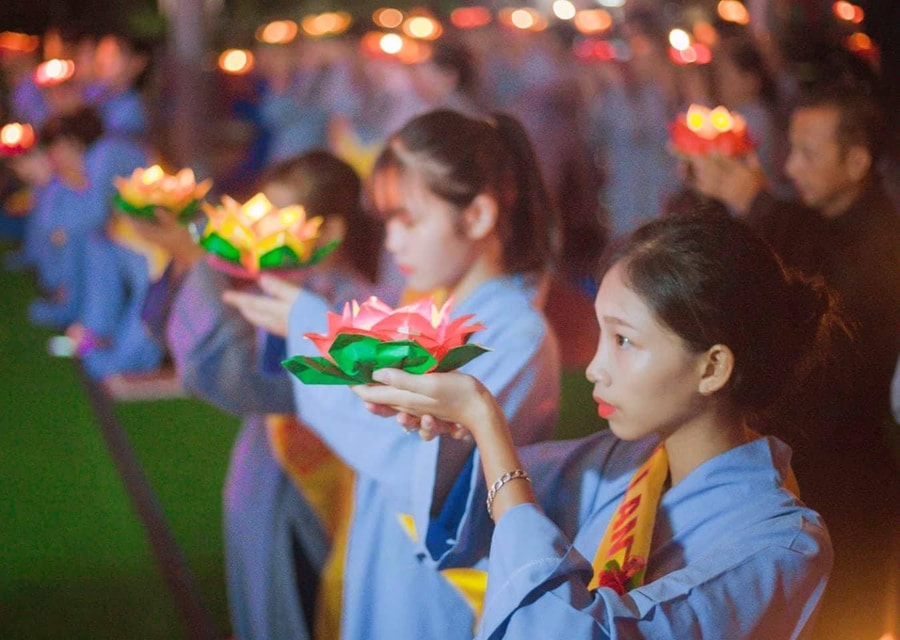
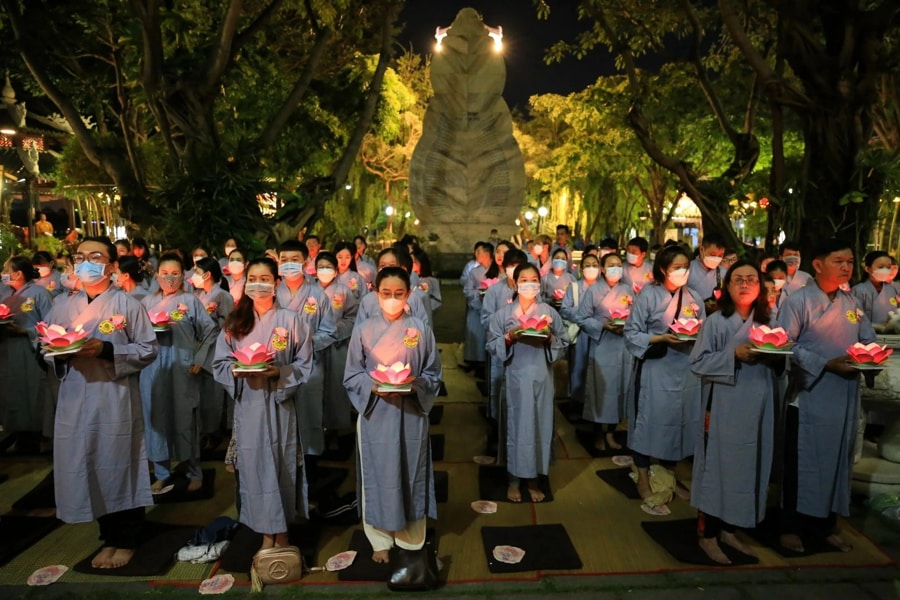
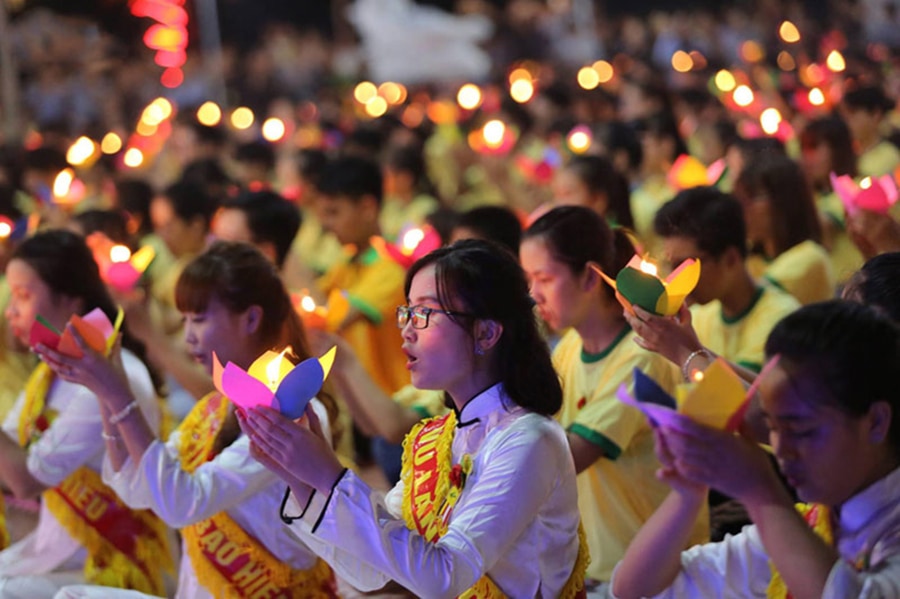
The Vu Lan Festival is generally celebrated as one of the most meaningful and most popular Buddhist festivals in Vietnam and even in several other nations that follow Buddhism, such as China, Japan, and Korea. It is held in the seventh month of the lunar calendar and includes rituals as well as cultural activities, providing a peaceful environment. Temples look beautiful, families observe prayers, and traditional festivals are conducted to pay tribute to parents and ancestors. Over the years, the Vu Lan Festival has transformed into not only a spiritual festival but also a joyful cultural festival.
The Vu Lan Festival is generally celebrated
There are opportunities to gain better insight into the values of the people in Asia, including those of gratitude, compassion, and family values, while being present at the Vu Lan Festival. Individuals can experience the moving rituals and traditions of the people, the calm settings of the temples, and symbolic activities conducted there. Rather than being simply celebrated, the event serves as an occasion for contemplation and practicing kindness and respect towards loved ones, making it very significant for visitors interested in cultural and spiritual experiences.

History Of Vu Lan Festival

The roots of the Vu Lan Festival are closely related to the teachings of Buddhism, especially to Maudgalyayana, a story about one of the most devoted disciples of Buddha, known in Vietnam as Mục Kiền Liên. According to the Buddhist sutras, he resorted to supernatural powers to trace his mother in the afterlife and found that she was miserably suffering in the realm of hungry ghosts. Under the guidance of the Buddha, he then learned a way to save his mother’s soul: offering food and donations to monks in the seventh lunar month. This kind act has then become the very grounding for Vu Lan, signifying gratitude and filial devotion.
The term “Vu Lan” literally means “Ullambhana” in Sanskrit, and it stands for “liberation from suffering or bondage.” The history of the Vu Lan festival begins at a time when the Asian continent was colonized by culture and tradition. Over time, the tradition found its way into various nations around the world, with Vietnam being no exception, slowly transforming into one of the national cultural events with the theme of honoring the parents, living and deceased, and beyond, the actual history, it has been made evident while keeping the tradition alive, it has become synonymous with spiritual values over time.

Unique Traditions And Highlights Of Vu Lan Festival

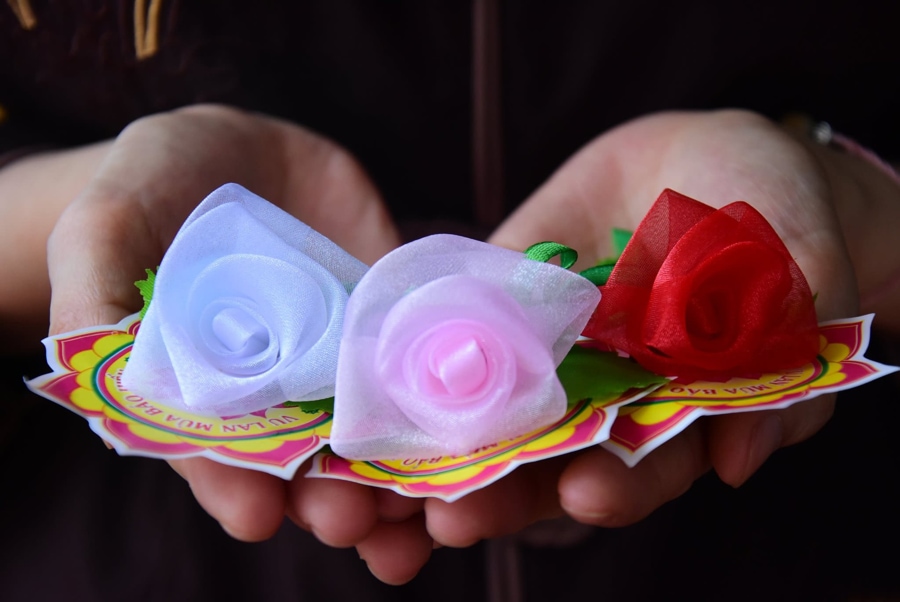
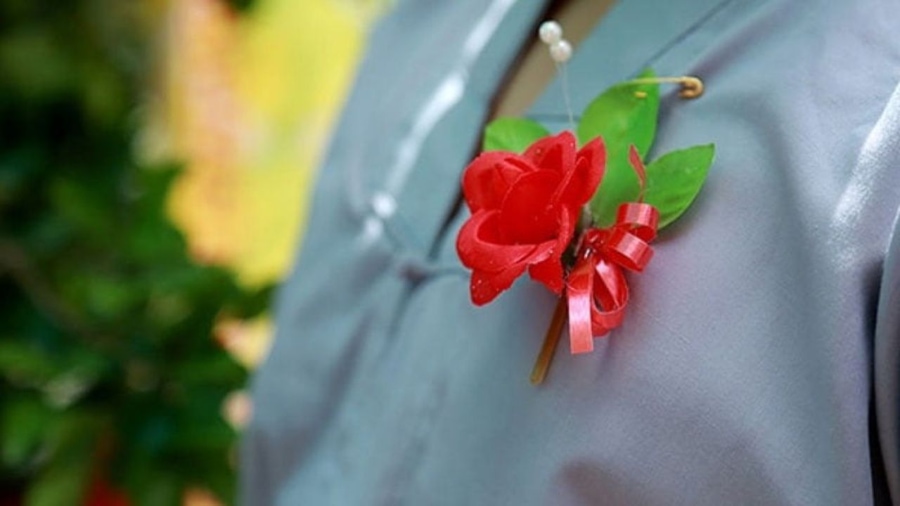
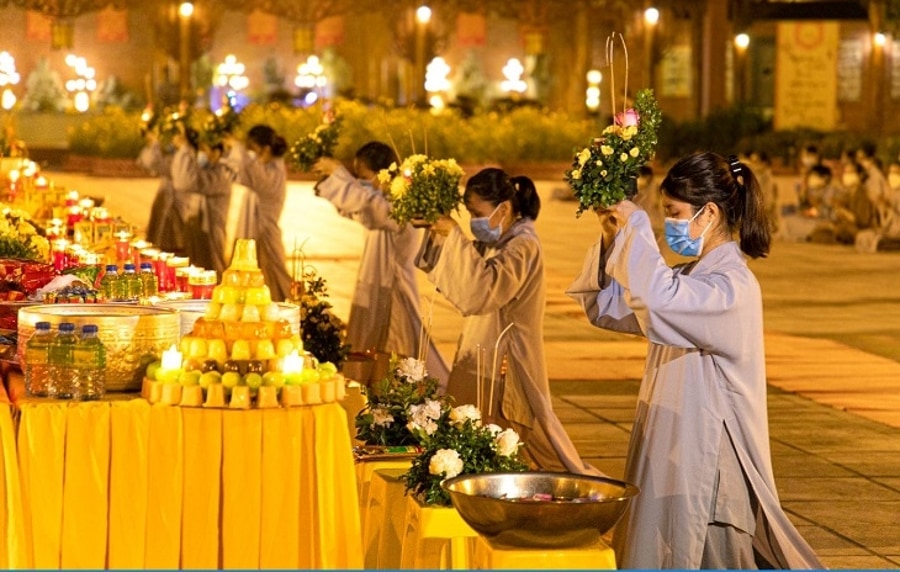
In the Vu Lan Festival, rituals and symbolic traditions show great respect for parents and ancestors. One of the most touching practices is the Rose Ceremony, where participants wear a red rose if their parents are alive and a white rose if they have passed away. This simple yet emotional ritual reminds people to cherish family bonds and express gratitude while they still can. The most important tradition is offering prayers and donations at temples, where families present food, incense, and flowers as offerings to ancestors in thanksgiving or pray for peace and well-being.
Rose Ceremony
A key highlight of Vu Lan is making merit. Many people donate food, money, or daily necessities to monks and charitable groups. They believe these good deeds help relieve suffering for both the living and the dead. Freeing animals, chanting sutras, and vegetarian meals also prevail through these occasions. This combination of customs, therefore, creates a calm yet reflective atmosphere, making Vu Lan not only a religious observation but also a cultural event predominantly centered on mercy, gratitude, and morals.

3 Unforgettable Experiences You Shouldn’t Miss

It is an enriching cultural and spiritual experience where one can feel a deep attachment towards the local traditions. Each activity, from sacred rituals to common customs, reveals gratitude, compassion, and family bonds within Vietnamese culture.

Joining Temple Ceremonies And Prayer Rituals

Visiting a Buddhist temple during the Vu Lan Festival is a moving experience when you visit Vietnam, where one can witness chanting ceremonies, offerings of incense sticks, and prayers to their parents and ancestors executed with great devotion. The monks carry out these rituals and emphasize the values of compassion, kindness, and gratitude. One can try to participate to understand more about Buddhist ideals and realise the importance of filial respect. The rituals are not only a great experience but also a rare opportunity to witness genuine religious practices born out of tradition and centuries of history.
Joining Temple Ceremonies And Prayer Rituals

Experience The Rose Ceremony Of Gratitude

One of the most symbolic activities of the Vu Lan Festival could be the Rose Ceremony, where the participants are given the chance to wear either a red rose if they wish to honor their living parents or a white rose to commemorate their deceased parents. This seemingly simple activity has great and meaningful emotional value, making visitors remember the activity and the festival at large. Engaging in the activity would give one a chance to reflect on the importance of their parents and how they appreciate them.
Experience The Rose Ceremony Of Gratitude

Enjoy Vegetarian Food and Acts of Charity

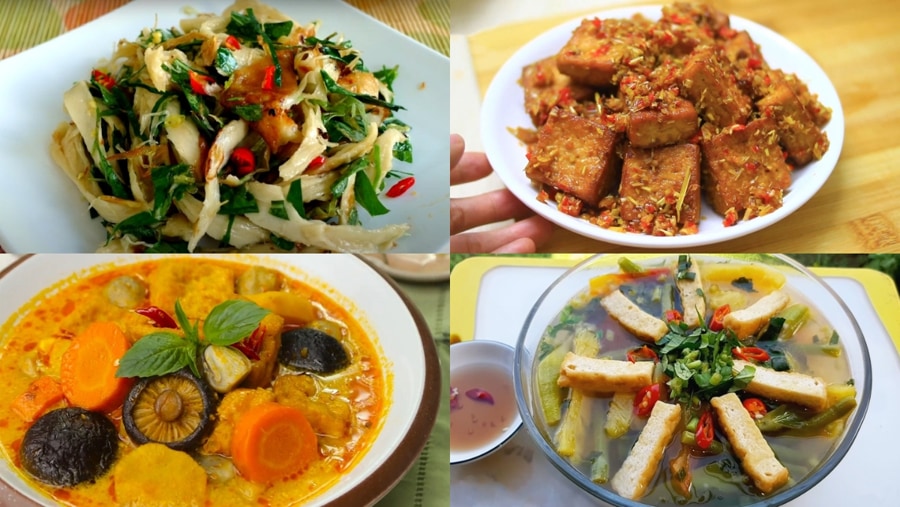
A vegetarian diet is often consumed during the Vu Lan Festival, promoting a sense of compassion and mindfulness among visitors. There is a wide variety of vegetarian food available for travelers at the temple or at various food shops around the site. Therefore, acts of charity, including the donation of food, funds, or daily items, are promoted throughout the festival event. By participating in these activities, tourists get to learn how kindness is also significant in the culture of the Vu Lan Festival, along with being significant during the Buddhist occasion.
Enjoy Vegetarian Food

Entrance Fee

The occasion of the Vu Lan Festival does not require spending a single penny, and all this is because the greatest part of the activities takes place in Buddhist temples that allow visitors free access. However, though there is no requirement, a person may like to contribute or bring along things such as incense, flowers, fruits, or vegetarian food items that may be offered during prayer, besides the fact that they also create a connection between the visitor and the true meaning behind the occasion.
Opening Hours And Event Schedule

The Vu Lan Festival occurs during the seventh lunar month, specifically during the 15th day, which is full moon. Buddha temples are usually open from the early morning till the evening, and visitors are free to participate in prayer and ritual chanting throughout the day. There are peak times during the morning and late afternoon, while the evenings are quiet and peaceful.
Vu Lan Festival does not require spending a single penny
The best time to visit the Vu Lan Festival is during the full-moon season, and one can attend the rituals and rose ceremonies organized during this time at the temples participating in the festival. Visiting the place early in the morning or during weekdays can be helpful in avoiding the crowds and obtaining an authentic experience.

How To Get To Vu Lan Festival

Vu Lan Festival is celebrated all over the country, and therefore, there is no requirement to travel to a specific place. This festival is observed at various Buddhist temples across the country during the seventh month of the lunar calendar, which makes it easily accessible regardless of your location. Metropolises like Hanoi, Ho Chi Minh City, Hue, and Da Nang celebrate grand festivals at famous temples, while other places also conduct special festivals.
To visit the Vu Lan Festival, tourists need to reach the destination they have chosen and then visit the temples around the places during the festival time. Generally, tourists can reach the temples using a taxi, motorbike, or any other vehicle to reach the temple. They need to check the timing in the temple beforehand in order to have a better experience during the festival time.

Things To Know Before Enjoying The Vu Lan Festival

Vu Lan Festival is a major Buddhist holiday steeped in importance to illustrate themes of gratitude, family traditions, and kindness. Recognizing local customs and norms will allow tourists to have a proper and pleasant experience while traveling.
Vu Lan Festival is a major Buddhist holiday
  • Dress modestly at temples, covering your shoulders and knees while respecting Buddhist customs and the relaxed, sacred ambiance at the temples themselves.
  • It is recommended that you visit the sites in the early morning when fewer people visit the sites, and you get a chance to witness authentic spiritual ceremonies performed in the temples.
  • If you want to say your prayers, consider bringing some offerings such as incense, flowers, or fruits; however, donation is optional.
  • Respect the temple rules, lower your voice, and show respect during prayer or chant rituals.
  • Taking pictures is often allowed, but before taking pictures of monks or those worshiping, permission must be asked.
  • Join in the Rose Ceremony by wearing red or white roses to honor your parents and ancestors.
  • Opt for vegetarian dishes when you eat out during Vu Lan as a way of showing compassion and respect for Buddhism as you travel.

FAQs About Vu Lan Festival

Vu Lan Festival is one question that is often on the mind of travelers interested in Buddhism and in Vietnamese traditions in general. Here are some answers to the most frequently asked questions about the festival.
  1. What is the meaning of the Vu Lan Festival in Vietnam?

Vu Lan is a Buddhist festival that entails filial piety, gratitude, and compassion to parents and ancestors. It also draws from Buddhist teachings that relieve suffering and show gratitude. In Vietnam, this festival portrays respect to both living parents and ancestors and the deceased loved ones by offering prayers, performing charity, and symbolic rituals, such as the Rose Ceremony.
  1. When is the Vu Lan Festival celebrated each year?

The Vu Lan Festival is celebrated in the seventh lunar month, with major events occurring during the fifteenth day, or during the full moon. The exact time varies from year to year, depending on the lunar calendar. During this time, special events and activities are scheduled in all temples throughout Vietnam.
  1. Will foreign visitors be able to participate in the activities?

Yes, foreign tourists are welcome to participate in Vu Lan Festival events held at Buddhist temples in Vietnam. The entrance is free of charge, and it is open to all. Tourists are reminded to don modest attire and respect temple practices and ceremonies. Making a simple offering or engaging in a charitable activity is also optional but appreciated.

Final Thoughts: Is the Vu Lan Festival Worth Visiting?

For the travelers who look for culturally and spiritually meaningful events, Vu Lan Festival is worth spending time in. Its sincere rituals, quiet atmosphere of the temple, and a strong message of gratitude make this celebration stand out in Vietnam. More than sightseeing, Vu Lan shares moments of quiet contemplation and touching emotions with local traditions. For further impressions in experiences of Vietnamese culture and Buddhist values, find more about Vu Lan Festival and other exciting trips in Seni World.

Da Lat Flower Festival: A Celebration of Color and Culture

The Da Lat Flower Festival is a cultural event highlighting the flowers, cool climate, and creative spirit of the city. It is characterized by flower presentations, parades, exhibitions, and activities attracting visitors from all over the world.

Introduction To Da Lat Flower Festival

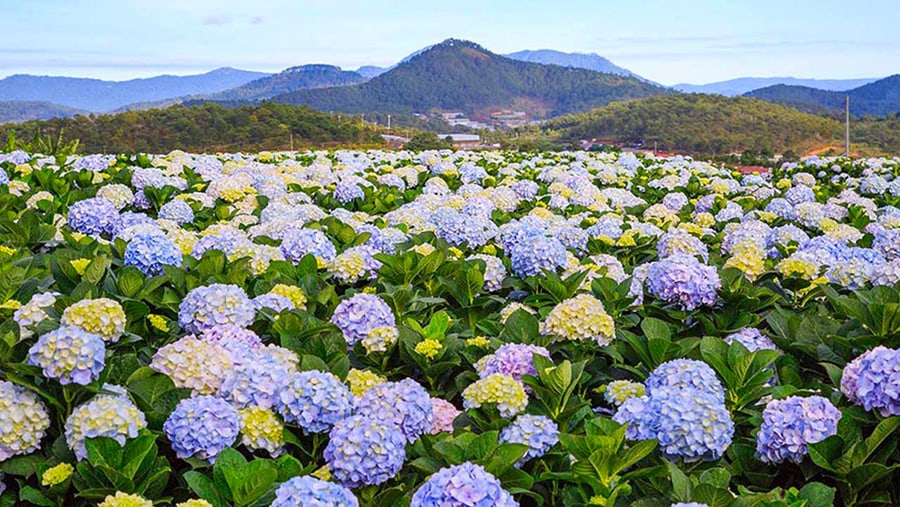
The Da Lat Flower Festival is one of the most renowned flower-viewing festivals in Vietnam. The Da Lat Flower Festival is a renowned cultural event on the world tourism map that takes place in the cool and romantic city of Da Lat. Da Lat is a region of great natural floral diversity. Given its subtropical climate and floral diversity, Da Lat is a garden city during the flower festival, owing to its pleasant weather and flowers that bloom throughout the year.
Da Lat Flower Festival is one of the most renowned flower-viewing festivals in Vietnam
Besides the beauty of flowers, touring Da Lat during the Flower Festival can be a window into culture, creativity, and sustainable tourism. You can see beautiful and special flower arrangements, visit traditional craft villages, enjoy street festivals, and delight in local cuisine. Moreover, Da Lat prides itself on being Vietnam’s “City of Flowers,” and this festival is an opportune time to visit this place if you are a tourist in need of inspiration, leisure, and unforgettable memories in a beautiful setting.

History Of Da Lat Flower Festival

Da Lat Flower Festival was born from the fact that this city has long been considered the flower-growing center of Vietnam. With its cool climate and highland soil, it has raised and exported flowers since the early years of the 20th century, during the French colonial period. Gradually, flowers became deeply attached to the identity, everyday life, and economic activities of the city. In the name of honoring farmers locally, promoting floriculture, and also partly introducing the beauty of Da Lat to more tourists, the first official Da Lat Flower Festival was organized in 2005, marking a new chapter in the cultural and tourism development of this city.
Although the event is not part of a traditional heritage, its name reflects a rich symbolic significance. While “Da Lat Flower Festival” evokes the imagery of a celebration of nature, creativity, and harmony between humans and the environment, the periodic event aims to uphold the city’s reputation as a “City of Flowers.” Nowadays, the event has emerged as a significant celebration, thereby raising the global appeal of the city and its inimitable floriculture heritage.

Unique Traditions And Highlights of the Da Lat Flower Festival

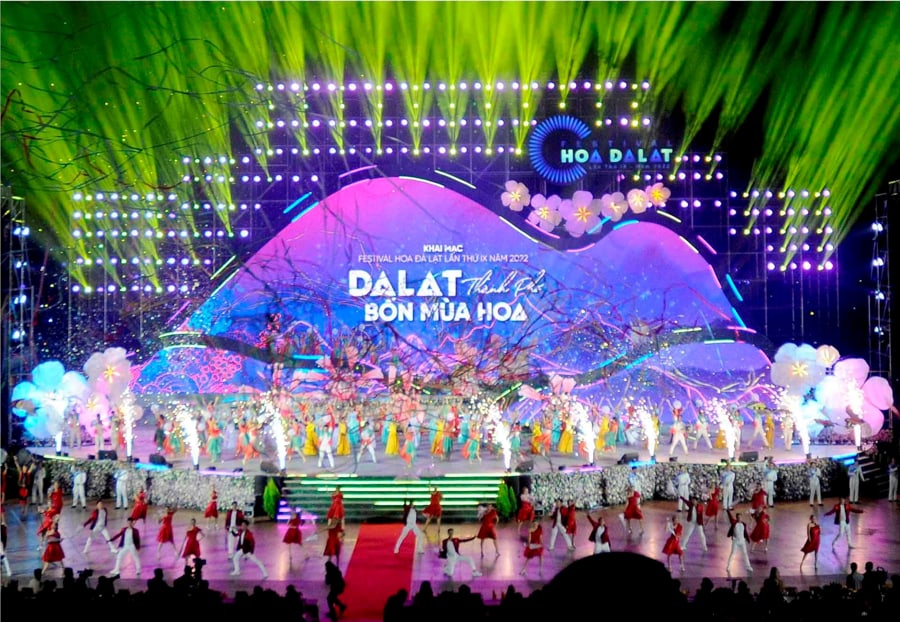
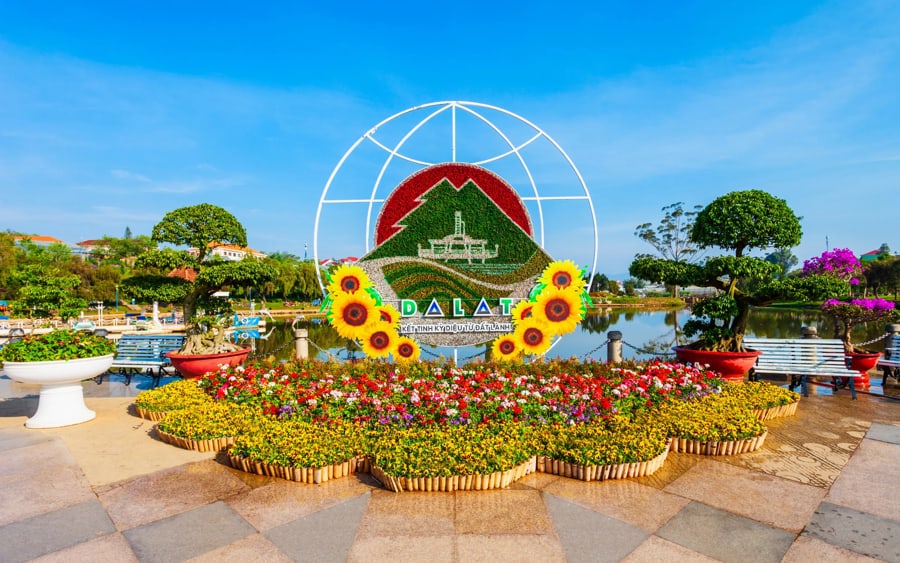
Unlike other traditional folk festivals, which are normally focused on rituals or prayers, the Da Lat Flower Festival has gained popularity due to its modern yet culturally vibrant festivals. One of the main attractions that distinguishes the festival from others is the flower exhibition that takes place throughout the city. In the Flower Festival, the roads and other places are converted into open-air galleries created purely from flowers. All the exhibitions are conducted around a specific theme.
Da Lat Flower
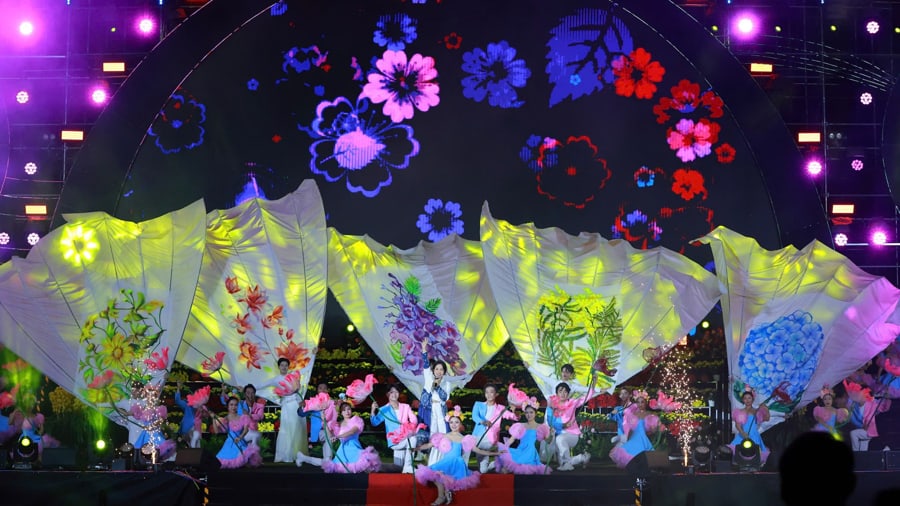
Another special tradition that is associated with the festival is the flower parade and cultural shows that combine flower growers, artists, and entertainers from specific regions. The flower growers become proud of their beautiful and elegant flowers, celebrating their skills and contributions to the identity of the city. In addition, it is possible to experience live music, flower-themed fashion shows, tea culture zones, and craft shows within the village. All these special traditions ensure that the Da Lat Flower Festival is not only beautiful and colorful but also brings people and nature closer.

3 Unforgettable Experiences You Shouldn’t Miss

The Da Lat Flower Festival gives visitors more than just beauty; it offers important cultural and sensory moments of the city’s identity. These activities allow travelers to fully engage with the festival atmosphere and better understand the local way of life.

Explore Stunning Flower Exhibitions

One of the most unforgettable experiences in Da Lat is taking a stroll through the large-scale flower exhibitions presented throughout the city. Streets, parks, and various areas are beautifully decorated with fresh flowers. Every flower exhibition is designed according to a specific theme, focusing on nature, artistry, and the environment. It is possible to see rare types of flowers, artworks, and enjoy the romantic atmosphere typical for Da Lat.
Stunning Flower Exhibitions in da lat

Enjoy Cultural Performances and Flower Parades

Cultural performances and flower parades are major attractions during the festival. These shows include traditional music and dancing, including performances by young people inspired by flowers and nature. They may also include flower parade shows where different vehicles and costumes are designed by people and flower growers of the region, and by watching them, tourists can understand the diversity and creativity found in the region.

Visit Local Craft Villages and Tea Culture Events

Additionally, it allows festival attendees to visit local craft villages and tea culture activities. Visitors can gain knowledge about traditional flower farming practices, watch handicraft activities, and get information about various tea cultures. It gives them deeper insights into how flower activities impact the economy, culture, and daily life in Da Lat.
Visit Local Craft Villages and Tea Culture Events

Entrance Fee

Most of the programs in the Da Lat Flower Festival are accessible for public participation, while some key exhibition areas, as well as specific zones, require entrance ticket purchases. The prices of entrance tickets are relatively low, allowing both domestic and foreign tourists to visit.
Category
Price (VND)
Price (USD, approx.)
Main flower exhibition areas
80,000 to 100,000
3.2 to 4.0
Special exhibition zones / themed displays
100,000 to 150,000
4.0 to 6.0
Combo tickets (entry + activities)
150,000 to 200,000
6.0 to 8.0
Children (height-based policy)
Discounted or free
Discounted or free
Some of the public flower street opening ceremonies and cultural shows are free to view, especially on some of the peak festival days, with varying costs of entry into the exhibition floor depending on the location and year of the festival.

Opening Hours And Event Schedule

The festival normally takes place every two years, most frequently at the end of November and during December, when the weather in Da Lat is cool, and the flowers are in full bloom. The main flower exhibition areas are usually open daily from about 8:00 AM to 6:00 PM, while street decorations are up throughout the day and evening. The opening ceremonies, cultural performances, and special events often happen in the evening as well, which creates a lively atmosphere throughout the city center.
flowers in da lat
Visit the Da Lat Flower Festival in the first days to enjoy a whole new environment. Major flower displays will become fresher at this time, and major activities will be officially launched. However, tourists are recommended to visit on a weekday or in the early morning to avoid crowds. Evening is recommended for those who want to see illuminated flower streets and night performances.

How To Get To Da Lat Flower Festival

The main locations for the Da Lat Flower Festival include Da Lat City, Lam Dong Province, with major locations within the city center, including Xuan Huong Lake, Lam Vien Square, and major flower parks, among others. The flower festivals in Da Lat can be reached by air, with Lien Khuong International Airport serving as a major airport, located approximately 30 kilometers from the city center, with a driving time of approximately 30-40 minutes.
For visitors coming from other cities in Vietnam, the most commonly chosen mode would be the bus, as the service is quite popular for traveling from cities like Ho Chi Minh, Nha Trang, and other prominent locations in the country. The venues in Da Lat are accessible and can be approached via taxi or on foot, especially in the central part of the town. Most prominent flower streets are located in close proximity to each other.

Things To Know Before Enjoying the Da Lat Flower Festival

The Flower Festival of Da Lat attracts a large number of tourists and spans several locations within the city. To enjoy the festival smoothly, comfortably, and without unnecessary tension or hassles, especially during the traveling seasons, it is best to prepare in advance.
  • Visit early in the morning or on weekdays to avoid crowds, see fresh flower displays, take photos comfortably, and experience a more relaxed festival feeling in the central parts of the city.
  • To ensure optimal comfort, wear comfortable shoes, especially walking shoes, and light clothing, as Da Lat’s weather has a tendency to stay cool, fluctuate quickly, and calls for adaptive clothing throughout the day.
  • Book your hotel and transportation in advance, especially during peak festival days, as hotels fill up fast and rates go up considerably as the dates of your arrival in India approach for the festival season.
  • Visitors should respect flower displays, avoid touching them, maintain the cleanliness of areas, and at all times respect information from flower event organizers.
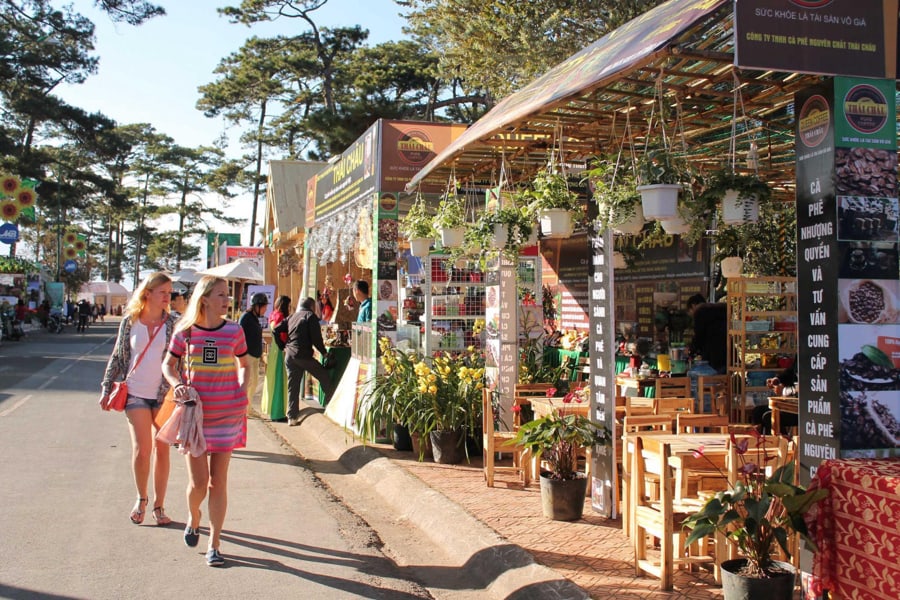
  • Carry some cash for small purchases, food, and tickets, as food stalls or temporary shops do not accept cards or digital payments during busy festival periods.

FAQs About Da Lat Flower Festival

If you are planning your trip, these frequently asked questions will assist you in understanding more about the Da Lat Flower Festival before entering the site. The following are common queries raised by travelers, both local and foreign.
  1. When is the Da Lat Flower Festival held?

The Flower Festival is normally held every two years, usually between late November and December. During these months, the weather is cool, flowers are in bloom, and the environment is suitable for outdoor exhibitions, which are very popular, making them the best time to visit Da Lat.
Da Lat Flower Festival
  1. Do I need to purchase tickets to attend the festival?

Generally, most flower streets, parades, and opening ceremonies are free to visit for visitors. Entrance tickets are required for some main flower exhibition areas and specific thematic displays. Prices are relatively reasonable, and in many cases, discounts are given to children (depending on height and venue policies).
  1. Is the Da Lat Flower Festival accessible to international travelers?

Yes, the festival is highly suitable for international guests due to its clear design and layout, pleasant ambiance, and attractive visual displays. Many events seem to emphasize sightseeing and culture rather than language skills, making it accessible for international travelers to enjoy without any language barriers.

Final Thoughts: Is Da Lat Flower Festival Worth Visiting?

The Da Lat Flower Festival is a perfect blend of nature, culture, and creativity, and visitors are presented with a unique opportunity to experience the most charming flower city in Vietnam. The natural scenery, flower displays, and flower festivals are the unique highlights of the event, attracting visitors of different ages and interests. If you are seeking a thrilling cultural experience, then the Da Lat Flower Festival is the place to visit. We at Seni World can assist you in planning a trip to the event with ease and comfort.

Mid-Autumn Festival In Vietnam: Lanterns, Mooncakes And Joy

The Mid-Autumn Festival in Vietnam is a beloved traditional celebration and a special time for family reunions, with a strong focus on children. Held on the full moon of the eighth lunar month, the festival features colorful lantern parades, delicious mooncakes, lively lion dances, and joyful cultural performances. Streets and homes are decorated with bright lights, and children carry star-shaped lanterns while enjoying songs and games under the glowing autumn moon.

Introduction To Mid Autumn Festival In Vietnam

The Mid-Autumn Festival in Vietnam is a traditional holiday celebration that is not only well-known in Vietnam, but in countries all over the world as well. The Mid-Autumn Festival is ushered in on the 15th day of the eighth lunar month, and it has long been connected to ideas such as a moonlit festival, lantern parade, lion dance, and moon cakes. The Mid-Autumn Festival has a significant meaning for children in Vietnam as a symbol of joy, reunion, and heritage.
Mid-Autumn Festival in Hoi an
The Mid-Autumn Festival in Vietnam is a unique cultural experience because, unlike in other countries, the passing of the event would be felt in every street through street festivals, colorfully lit lanterns, performances from the traditional customs of the people, and an array of mooncake delicacies. With a strong theme of family bonding, community activities, and local traditions, it would be great to experience the spirit and delight of the Mid-Autumn Festival in Vietnam.

History Of Mid Autumn Festival In Vietnam

The Mid-Autumn Festival in Vietnam has its origin deep-rooted in the traditions and customs of the past, rather than a specific historical incident. The Mid-Autumn Festival has been a part of the tradition for many years now, originally being associated with the lunar calendar and the rice cultivation cycle. The festival is marked during the full moon period of the eighth lunar month, during which period the harvest season comes to a close, with people gathering during this day in order to pay gratitude for the favorable weather during the season.
The name “Mid-Autumn Festival” reflects its timing in the middle of the autumn season, when the moon is believed to be at its brightest and fullest. In Vietnamese culture, the full moon symbolizes completeness, harmony, and togetherness, which explains why the festival strongly emphasizes family unity.
Whereas in some countries, the festival celebrates legends or royal traditions, Vietnam gradually molded the Mid-Autumn Festival into a joyous celebration for children with lanterns, lion dances, and storytelling. The character of this evolution underlines how the festival adapted to the values of the locality while maintaining the core meaning of thanksgiving, unity, and continuation of culture.

Unique Traditions And Highlights Of Mid Autumn Festival In Vietnam

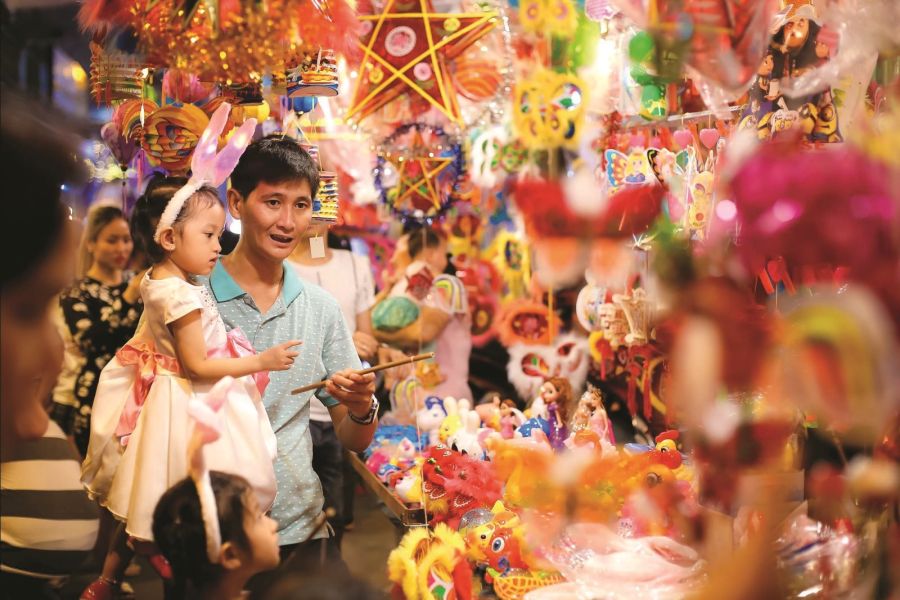
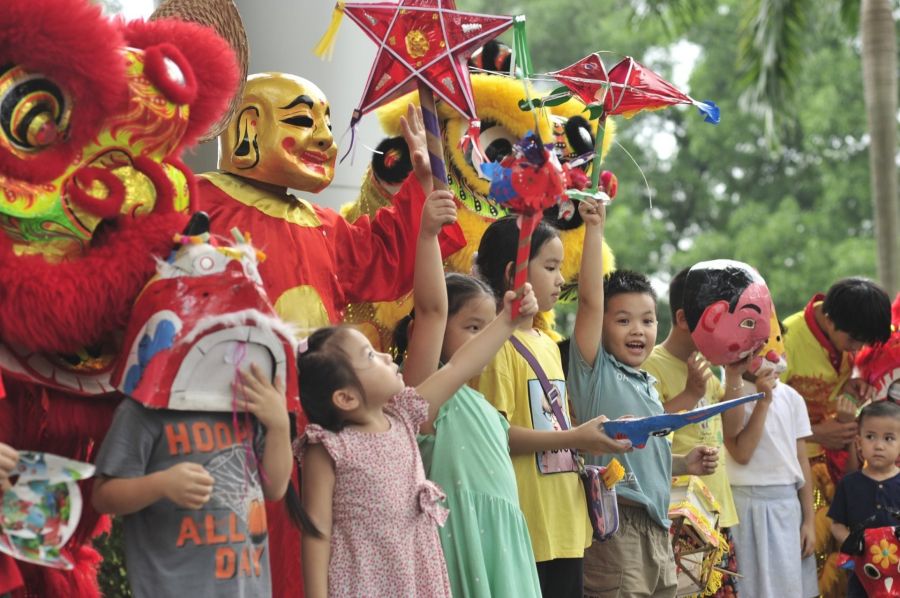
The Mid-Autumn Festival in Vietnam is accompanied by a wide range of unique customs that express cultural and community beliefs. Arguably, the most noticeable tradition during the Mid-Autumn Festival in Vietnam includes the parade of lanterns carried by children in the streets, in the shape of stars or animals. The lanterns express the significance of light, hope, and prosperity. Lion dances have remained another major tradition during the Mid-Autumn Festival in Vietnam, which emphasizes bringing luck and happiness during the festive period.
Seni_Mid-Autumn Festival
In addition to entertainment, the festival also features meaningful rituals and family customs. Families prepare offerings such as mooncakes, fruits, and tea for display under the full moon as one way of showing gratitude and respect for ancestors. The mooncakes are shared in a company to symbolize unity and harmony. The Mid-Autumn Festival in Vietnam does not stress formal ceremonies, unlike other similar events. The unique combination of traditional performances, symbolic rituals, and child-centered activities provides the color and meaning needed to make the event truly unique for Vietnam’s Mid-Autumn Festival celebrations.

3 Unforgettable Experiences You Shouldn’t Miss

One of the best things about experiencing the Mid-Autumn Festival in Vietnam is that visitors get to experience the culture firsthand, especially the local food and community activities. All these unique experiences illustrate the celebratory theme of the Mid-Autumn Festival.

Try local mid-autumn festival food.

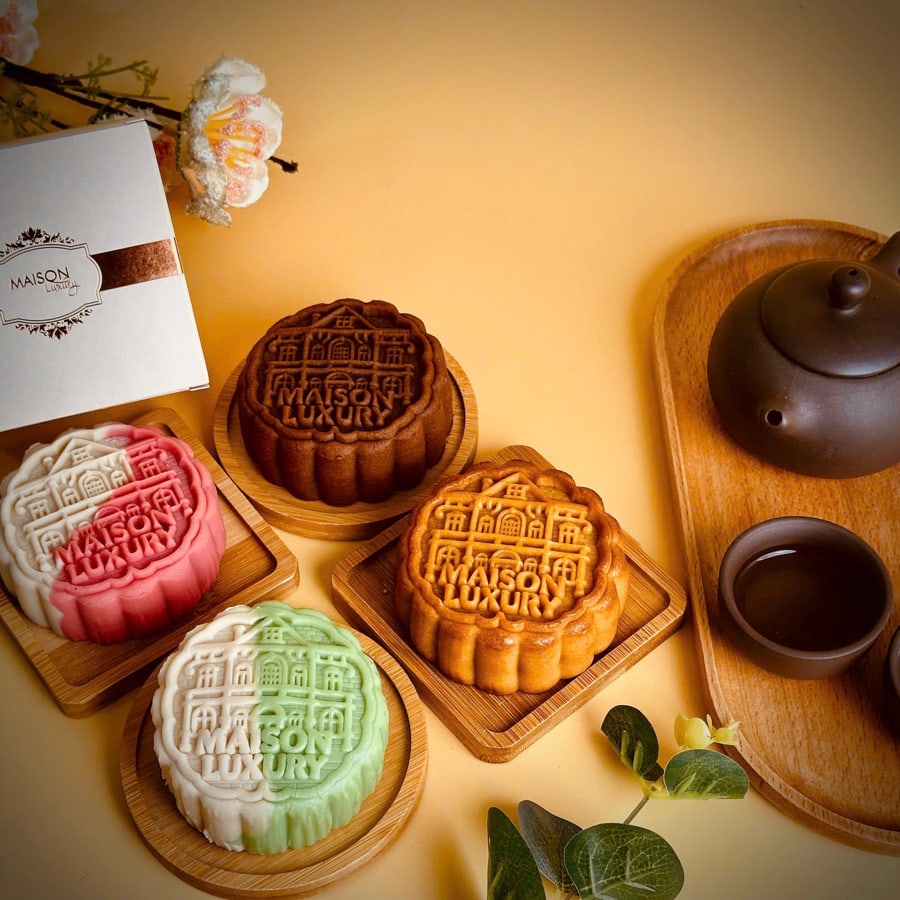
Of course, trying the local foods is included in a necessary Mid-Autumn Festival experience in Vietnam. Mooncakes are the most common, filled with lotus seed paste, mung bean, salted egg yolk, or mixed nuts. Mooncakes can be found everywhere in bakeries, street stalls, or local markets during the festival season. Other common seasonal fruits include pomelo and persimmon. This will help you, as a visitor, understand the symbolic meaning of unity, completeness, and family reunion by tasting these traditional foods at this festival.
Try local mid-autumn festival food.

Watch Traditional Lion Dances and Performances

Witnessing traditional lion dances is an exciting experience of the Mid-Autumn Festival in Vietnam. Lion dances normally take place in different areas, especially in residential areas, shopping centers, and public places.
During the Mid-Autumn Festival, they bring joy, luck, and prosperity, all in a happy and energetic manner, complemented by the beats of drums and cymbals. Lion dances have managed to attract a number of people, particularly children, in different areas during the Mid-Autumn Festival. Interestingly, some areas may also offer folk shows during the occasion.

Join a Lantern Parade or Craft Activity

Participating in a lantern parade is one of the most memorable ways to enjoy the Mid-Autumn Festival in Vietnam. Children with star-shaped or animal-colored lanterns and families join in processions around streets, which turn vibrant after sunset. Most local communities also provide lantern-making programs where foreign visitors can make traditional paper lanterns by hand. This experience offers deep cultural insight into the symbolism of lanterns, light, hope, and happiness during the Mid-Autumn Festival.
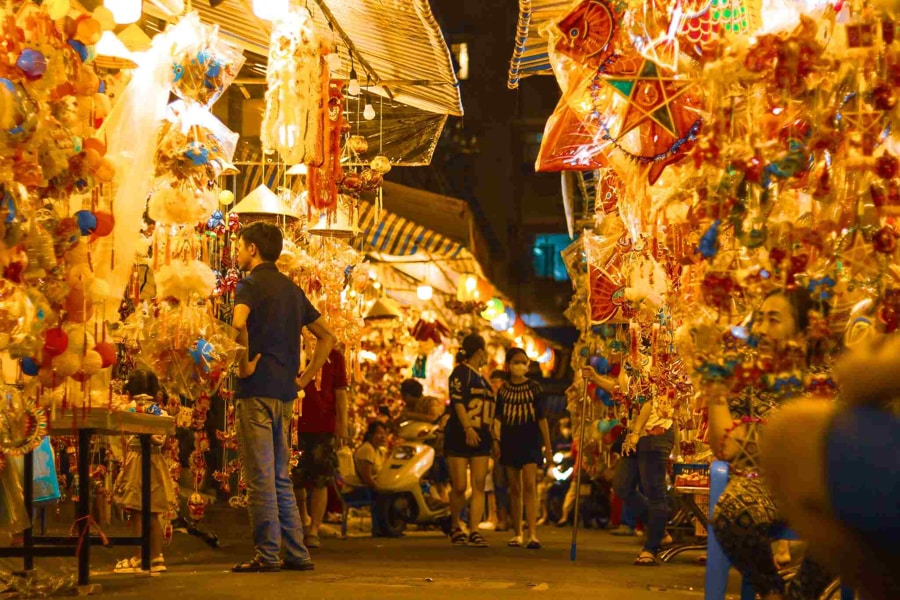
Mid Autumn Decoration in Ho Chi Minh in September

Entrance Fee

Moreover, in Vietnam, the Mid-Autumn Festival is free of charge, especially since most activities are conducted in the streets. One can freely enjoy the activities such as the lantern parade, lion dance, and parties without having to pay.
However, in this particular festival, tourists can bring some offerings such as mooncakes, fruits, or incense sticks. However, it is optional for tourists to bring their offerings while paying a visit to the Mid-Autumn Festival. Moreover, it will allow them to have access to the culture of the locals.

Opening Hours And Event Schedule

The opening time of the Mid-Autumn Festival in Vietnam is not established since the celebration is community-based and goes on throughout the day. However, the main activity of the Mid-Autumn Festival in Vietnam occurs on the 15th day of the 8th lunar month of the year. During the day, the locals prepare for the festivals, while at night, the celebrations happen across the community. Typically, the lantern parades, lion dances, and other street performances begin after sunset and between 6:00 PM and 9:00 PM when the moon is full.
The best time to visit the Mid-Autumn Festival in Vietnam is in the evening of the main day of the Mid-Autumn Festival at night. Especially during the night, it will be very lively in areas such as the city center, old quarters, and residential areas. Travelers should arrive at the venue early in order to make full use of their trip.

How To Get To Mid Autumn Festival In Vietnam

The Mid-Autumn Festival in Vietnam is a nationwide celebration rather than an event held at a single, fixed location. Because it takes place across cities, towns, and residential neighborhoods throughout the country, there is no specific route or venue to travel to. It is available for visitors to participate in almost anywhere in Vietnam, most notably in urban and local communities.
To enjoy the Mid-Autumn Festival, tourists only need to be in Vietnam during the festival period. Lantern parades and lion dances are best viewed in city centers, old quarters, public squares, and local neighborhoods. Places like Hanoi, Ho Chi Minh City, and Hoi An usually provide more street activities on this occasion, so these cities offer the most convenience for visitors.

Things To Know Before Enjoying Mid Autumn Festival In Vietnam

The Mid-autumn Festival in Vietnam is an exciting festival celebrated across the country, reflecting the culture and traditions of the country. It is essential to know the basic traveling tips as they will help you to have an enjoyable time while celebrating the festival.
  • Visit during the 15th day of the eighth lunar month, as most activities during the Mid-Autumn Festival are celebrated during this main festival day.
  • Consider visiting areas in the neighborhood or town center in the evening, because the parade of lanterns, the lion dance, and other street performances usually start in the evening.
  • Expect large crowds, especially if in a major city, and therefore try to arrive early enough to partake in all activities comfortably.

Seni_Mid Autumn Festival in Vietnam Museum of Ethnology

  • Wear comfortable and modest clothing because you may be walking some distance through community areas during the Mid-Autumn Festival celebrations.
  • To enjoy the taste of mooncakes, try baked items at reliable sources or local outlets to ensure the quality and safety of the taste.
  • Bring some cash to buy street food or lanterns, or for optional offerings, as many local shops might not be able to accommodate digital payments.
  • Be mindful of the locals’ culture when taking photos, especially during family activities, offerings during religious ceremonies, or children-based activities during the Mid-Autumn Festival.

FAQs About The Mid-Autumn Festival In Vietnam

Traditionally, there are a number of common questions with regard to the Mid-Autumn Festival in Vietnam that tourists and first-time visitors often ask, and answers to such common questions are provided below.
  1. What is the reason behind the celebration of the Mid-Autumn Festival?

In Vietnam, the Mid-Autumn Festival is about family reunions, appreciation, and rejoicing in the pleasures of childhood. Celebrations are held nationwide on the full moon of the eighth lunar month, including paper lantern processions, mooncakes, lion dances, and other events.
  1. Is the Mid-Autumn Festival in Vietnam exclusive to children?

While it is heavily linked to children, it is also relevant to adults and families. The festival is a time when parents, grandparents, and families unite to consume mooncakes and watch performances while strengthening their ties.
Mid-Autumn Festival in Hoi an
  1. Is it possible for tourists to take part in the Mid-Autumn Festival in Vietnam?

Yes, it is allowed for tourists to participate in the Mid-Autumn Festival held in Vietnam. Foreign visitors can enjoy public activities freely: watching lion dances, trying traditional food, and participating respectfully in any of the city and neighborhood activities.

Final Thoughts: Is Mid Autumn Festival in Vietnam Worth Visiting?

The Mid-Autumn Festival in Vietnam is a destination worth visiting, especially during this festival, as it is a joyful festival, has high family values, and showcases many cultural traditions. The Vietnamese Mid-Autumn Festival is a spectacular festival with lantern processions, mooncakes, and street performances. The festival is celebrated throughout Vietnam, making it convenient to enjoy it wherever you travel. Experience the amazing attributes of this meaningful festival and explore many more travel options in Vietnam through Seni World.

Hue Festival: A Grand Celebration Of Vietnamese Culture

The Hue Festival is an important cultural event in Vietnam, taking place in Hue City, and featuring the royal heritage, traditional arts, and international performances, appealing to tourists who are interested in experiencing the special combination of history and creativity.

Introduction To Hue Festival

The Hue Festival is one of the most popular cultural events in Vietnam, which attracts both local and foreign tourists every year. The festival takes place in Hue, the former imperial capital of Vietnam. Over the years, the Hue Festival has received international recognition, with the participation of art troupes from various countries, thus making it a global cultural exchange event.
The Hue Festival is one of the most popular cultural events in Vietnam
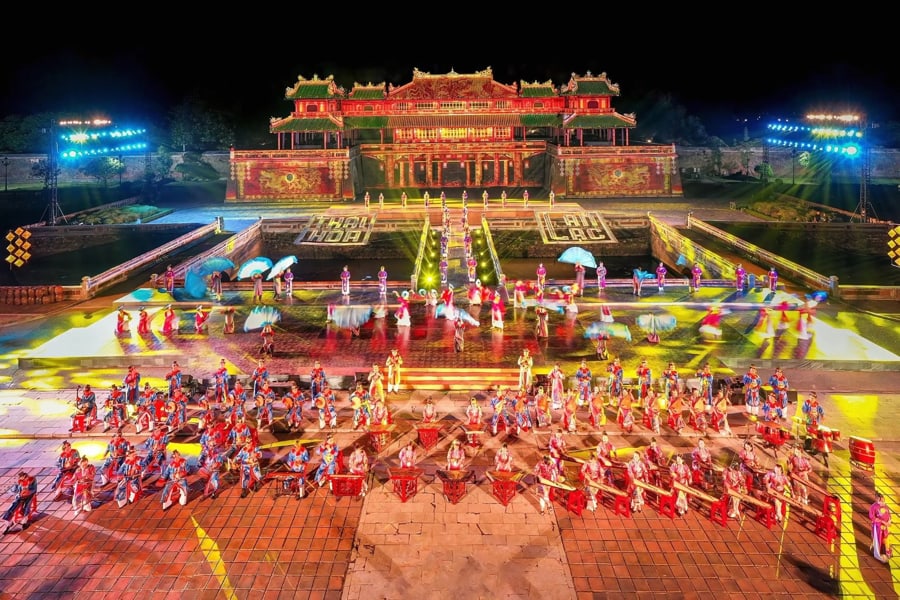
Visitors to the Hue Festival enjoy the event because it provides them with a unique opportunity to experience the history of Vietnam in a lively and creative manner. Visitors to the festival get to enjoy royal court music, traditional dances, fashion shows, street performances, and art exhibitions. The festival environment is lively yet elegant, with a blend of ancient traditions and modern creativity. Beyond mere entertainment, the Hue Festival provides tourists with an opportunity to engage with Vietnamese culture, appreciate artistic diversity, and discover the timeless beauty of a historic city.

History Of Hue Festival

The Hue Festival was first formally organized in 2000 as part of the Vietnamese government’s efforts to develop cultural tourism and restore the historical significance of Hue. As the former imperial capital of the Nguyen Dynasty, Hue was the political and cultural capital of Vietnam. The Hue Festival was organized to commemorate this heritage by reviving royal arts, rituals, and performances.
The name Hue Festival is significant in that it identifies both the location and the cultural significance of the event. The Hue Festival is not simply a religious or folk event but a celebration of heritage, creativity, and internationalism. The Hue Festival has grown to become a massive cultural event, showcasing not only Vietnamese performances but also international art groups. Today, the Hue Festival represents the linkage between the past and the present, helping to preserve imperial culture while introducing Hue to the world.

Unique Traditions And Highlights Of Hue Festival

The Hue Festival is held throughout the year, making the former imperial capital a lively cultural hub with four distinct seasons. There are more than 170 national and provincial events, and in each season, there are special themes and highlights that reflect the rich heritage of the former imperial capital and the vibrant culture of the people of Hue.

Spring Festival: “Spring in the Ancient Capital” (January – March)

The Spring Festival, also known as “Spring in the Ancient Capital,” is a festival that is celebrated throughout the first three months of the year. This festival is a collection of festivals of the royal court, traditional festivals, Tet cultural zones, and spring entertainment festivals that reflect the historic heritage of the former imperial capital of old Hue. Some of the major highlights of this festival are the First Martial Arts Festival of the Ancient Capital, the artistic opening of the National Tourism Year, and the celebration of historic milestones in the development of Thua Thien Hue.
Spring Festival in Hue

Summer Festival: “Shining Imperial City” (April – June)

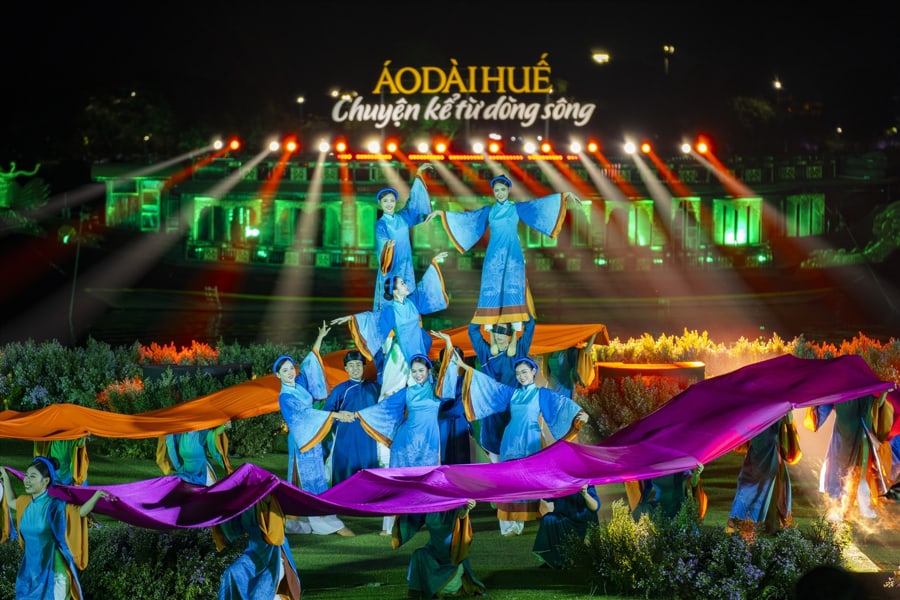
Summer Festival, with the theme “Shining Imperial City,” occurs during the period of April to June. The main highlights of this event include the Ao Dai Festival and Community Ao Dai Week. This event celebrates the beauty of Vietnam’s traditional long dress through fashion shows and other activities. During this period, Hue’s cultural and historical sites become colorful stages with artistic and cultural activities. Hue in the summer is full of vitality and beauty, with a kaleidoscope of artistic and cultural activities. This event attracts visitors who want to explore Hue’s traditional beauty in a modern context.

Autumn Festival: “Hue in Autumn” (July – September)

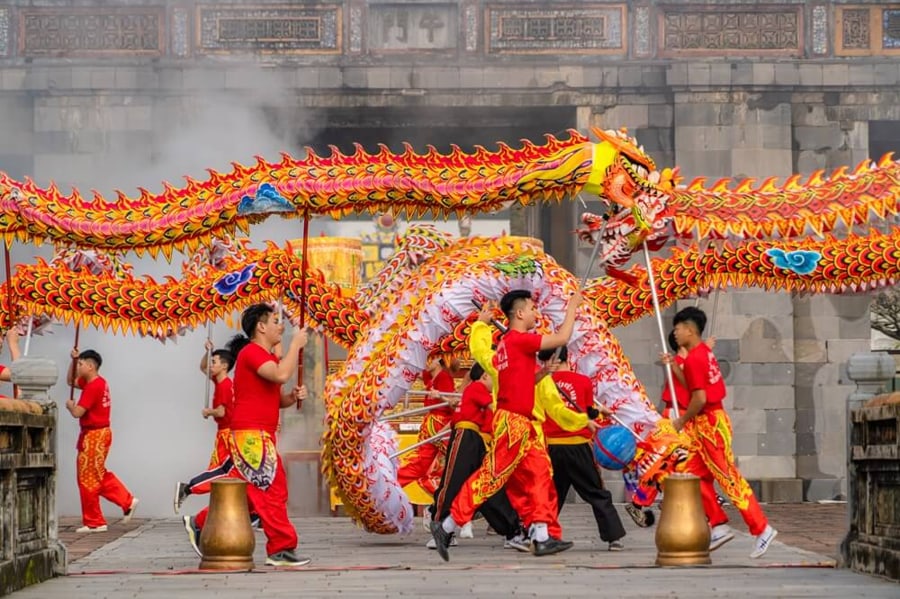
Autumn Festival, with the theme “Hue in Autumn,” occurs during the period of July to September. This event reflects the poetic beauty of Hue. The main highlight of this event is the Mid-Autumn Festival celebration, which includes the 2025 International Lantern Festival, Lion Dance Festival, Hue lion performances, and street lantern parades. This event attracts families and children who want to celebrate and have fun under the warm light of lanterns. Autumn in Hue is one of the most beautiful and romantic seasons.
Autumn Festival in Hue

Winter Festival: “Winter in Hue” (October – December)

The Winter Festival, “Winter in Hue,” is scheduled to take place between October and December. This festival promises to add new elements to make the winter period warmer and more vibrant. Some of the main events include the Closing Ceremony of the National Tourism Year – the Hue 2025, the International Music Festival, and the Countdown Art Program to celebrate the New Year 2026. This festival blends modern events with historical settings to make the festival ending an exciting and memorable experience.

3 Unforgettable Experiences You Shouldn’t Miss

Hue Festival provides visitors with many cultural activities that combine the royal heritage and local traditions of Hue with modern artistic performances. Each activity gives you the opportunity to discover the beauty of Hue from different cultural perspectives.

Watch Royal Court Music and Dance

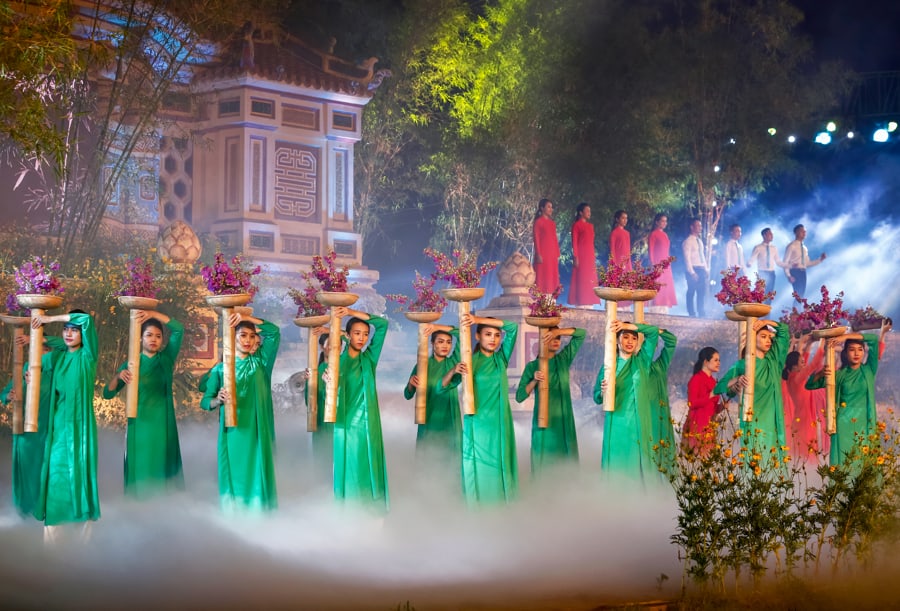
Another highlight of the Hue Festival is watching performances of royal court music and dance. Such performances recreate ancient imperial rituals, performed with traditional costumes and classical instruments. Sometimes, these performances are staged at historical sites such as palaces and temples, and this gives a proper insight into the lifestyle of the former royal family of Vietnam.
Watch Royal Court Music and Dance

Try Local Food And Traditional Cuisine

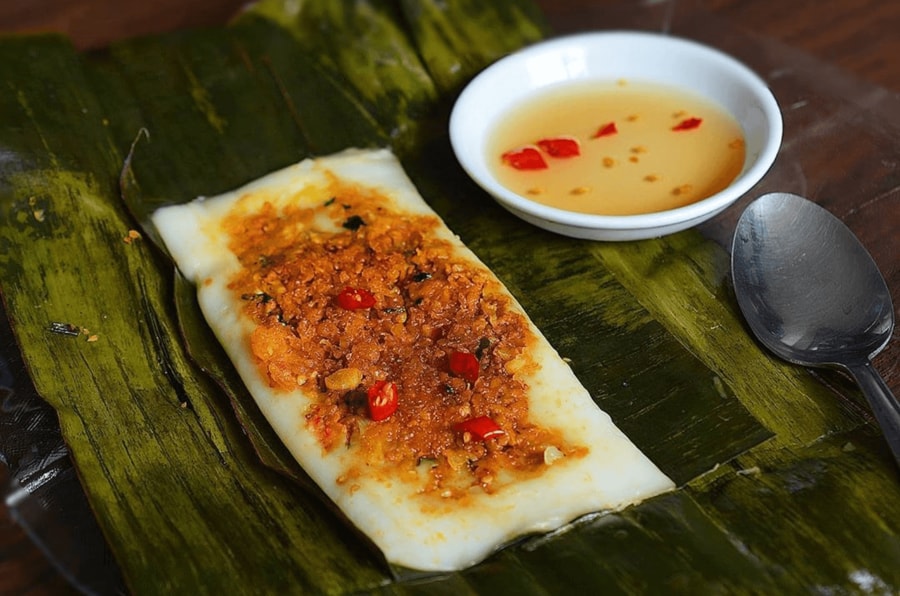
Foodies should not pass up the opportunity to indulge in Hue’s specialty cuisine during the festival, as Hue is one of the culinary capitals of Vietnam. Hue’s local dishes, such as bun bo Hue, banh beo, banh nam, and Vietnamese royal desserts, are easily found in food streets and stalls during the festival. Most of these dishes have been adapted from royal cuisine, emphasizing harmony in flavor and aesthetic appeal. Eating Hue cuisine during the festival will give visitors not only a taste of culinary delights but also the sophistication of the dining culture of the former imperial city.
Banh Nam (Flat Rice Cake In Banana Leaf)

Join Cultural Workshops And Craft Demonstrations

Another activity that Hue Festival has to offer is the cultural workshops and craft demonstrations. In these workshops, visitors can learn how to make traditional crafts such as embroidery, paper flowers, and conical hat decoration. These workshops give visitors the opportunity to interact with local artisans and learn about the traditional methods used in making these crafts. Through these workshops, visitors can create their own souvenirs while learning more about Hue’s artistic culture.

Entrance Fee

The Hue Festival provides a combination of free public activities and paid premium events, making it convenient for all travelers. Although most of the street performances are free, some of the royal performances and activities are paid.
Program / Activity
Estimated Price (USD)
Street Performances & Parades
Free
Opening Ceremony
12 to 18
Royal Court Music Show
15 to 25
Special Art Performances
20 to 40
Royal Dinner Experience
70 to 90
Most outdoor cultural activities are free for everyone. If you wish to join spiritual or traditional rituals, you may prepare small offerings such as incense, flowers, or fruits, which are optional but appreciated in local culture.

Opening Hours And Event Schedule

The Hue Festival is normally organized every two years, usually from April to June, depending on the schedule announced by the organizers. The activities of the festival are normally conducted throughout the day, from 9:00 AM to 10:00 PM, especially for the evening performances. The daytime performances may include exhibitions, workshops, and cultural performances, while the evening performances include music, dance, and royal performances on a large scale.
The most favorable time to visit the Hue Festival is in the evening, when the city is more illuminated with light and stage performances from different countries. The weather is warm, though visitors should be prepared for high temperatures, especially in late spring, making it the most favorable time to visit the historical sites of Hue.

How To Get To Hue Festival

The Hue Festival takes place in Hue, which is in central Vietnam and can be easily reached from other major cities. The best way to get to Hue is to fly into Phu Bai International Airport, which is approximately 15 kilometers from the city center. From there, one can take a taxi or shuttle bus to get to the festival sites in about 20-30 minutes.
One can also get to Hue by train or long-distance bus from Hanoi or Ho Chi Minh City. The train ride provides scenic views of the coast and is a favorite among tourists. Once in Hue, it is easy to get around the festival sites, which include the Imperial Citadel, Perfume River area, and main streets of the city by taxi, bicycle, or on foot.

Things To Know Before Enjoying The Hue Festival

Before participating in the Hue Festival, it is important to have some knowledge about local culture and prepare in advance to get the most out of your experience. This will ensure that you enjoy the festival with ease and without any stress.
  • Plan to arrive early to get good seats for the most popular performances, such as royal shows and opening ceremonies, as these tend to draw big crowds.
  • Dress comfortably and modestly, especially when visiting historical or religious sites, to demonstrate respect for local customs and cultural norms.
  • Bring sufficient cash for food, tickets, and souvenirs, as not all vendors may accept credit cards.
  • Refer to the official schedule every day to ensure that you do not miss any special performances, as these may change during the festival period.
  • Drink plenty of water and wear comfortable shoes, as you will be walking a lot between venues and outdoor performance areas.

perfomance in Hue Festival

FAQs About Hue Festival

If you are going to the Hue Festival for the first time, you might have a few questions in mind before you go. The following are some of the most frequently asked questions that will help you understand the festival better.
  1. How frequently is Hue Festival held?
Hue Festival is normally held every two years as a major cultural event, although some thematic festivals may be organized on an annual basis. The major festival normally takes place for a period of one week, with hundreds of artistic performances, exhibitions, and activities taking place throughout the city.
  1. How often is the Hue Festival organized?
Hue Festival is usually organized every two years as a large cultural festival, although some thematic festivals may be held annually. The large festival usually lasts for a period of one week, with hundreds of artistic performances and activities taking place throughout the city.

Final Thoughts: Is Hue Festival Worth Visiting?

The Hue Festival is definitely a must-visit for travelers who are interested in the royal heritage of Vietnam, as well as the cultural performances and international artistic exchange that this festival has to offer. The Hue Festival is a perfect combination of history, creativity, and community spirit that will surely leave a lasting memory for visitors. Whether it is traditional music or street performances, there is something for everyone at the Hue Festival.

Hoi An Lantern Festival: Floating Wishes On The Hoai River’s Glow

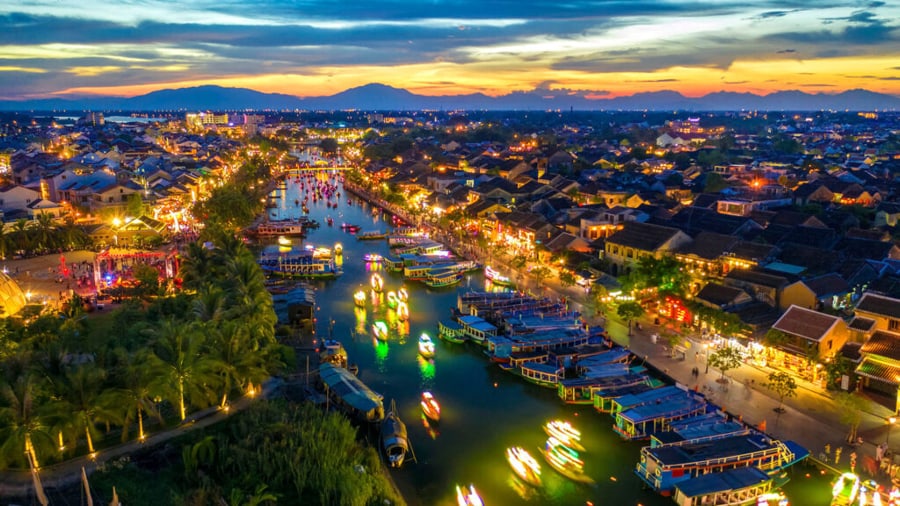
Hoi An Lantern Festival is a monthly cultural event where the ancient town glows with colorful lanterns, traditional performances, and candlelit river scenes, offering visitors a magical glimpse into Vietnam’s heritage and local life.

Introduction To Hoi An Lantern Festival

Hoi An Lantern Festival is considered one of the most renowned cultural and recreational events in Vietnam, with millions of visitors arriving from all over the world annually. Organized monthly in the ancient town of Hoi An, the festival has turned the old streets into a bright paradise, full of colorfully shimmering lanterns, together with traditional music and local performances. This peculiar festival shows the rich heritage of Hoi An and, at the same time, brings about a romantic and peaceful atmosphere that lures both domestic and international travelers.
Introduction To Hoi An Lantern Festival
Attending the Hoi An Lantern Festival allows guests to be fully submerged in truly Vietnamese culture, with a night full of breathtaking views. From releasing lanterns on the Thu Bon River to night markets and street food, the list of unforgettable memories goes on. This is not just a sightseeing event, but one steeped in profound cultural meaning, where history, art, and community blend in the most magical way.

History Of Hoi An Lantern Festival

The Hoi An Lantern Festival is rooted in tradition due to the history of trade in this region, which was in place between the 16th and 19th centuries. It was during this time that Chinese and Japanese immigrants moved to this area and commenced the tradition of hanging lanterns in front of homes. This tradition has since become an integral part of this town. With time, people commenced this tradition on full moon nights to celebrate and respect their ancestors by lighting lanterns to pray for peace and good fortune.
Although it does not correspond to a single, fixed historical date, it was officially promoted as a cultural event in the late 20th century to preserve Hoi An’s heritage and attract tourism. The name “Lantern Festival” reflects both its visual identity and deeper meaning: lanterns represent light, hope, and harmony between humans and nature. Nowadays, these festivals are celebrated during every full moon night, when electric lights should be turned off so that the town is able to glow only by lanterns and candles, symbolizing the return to traditional values and a slower, more meaningful kind of life.

Unique Traditions And Highlights Of Hoi An Lantern Festival

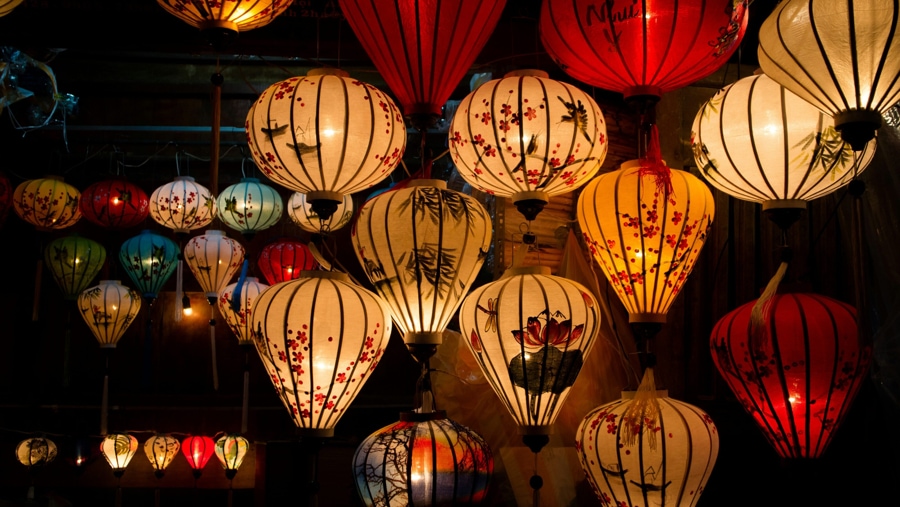
The Hoi An Lantern Festival is a series of charming traditions that reflect the rich heritage and peaceful spirit of this town. One of the most iconic highlights could be the lighting ritual, in which electric lights are turned off while thousands of colored lanterns light up the ancient streets. This situation creates a magical atmosphere, symbolic of good luck, harmony, and so hopes for a better future.
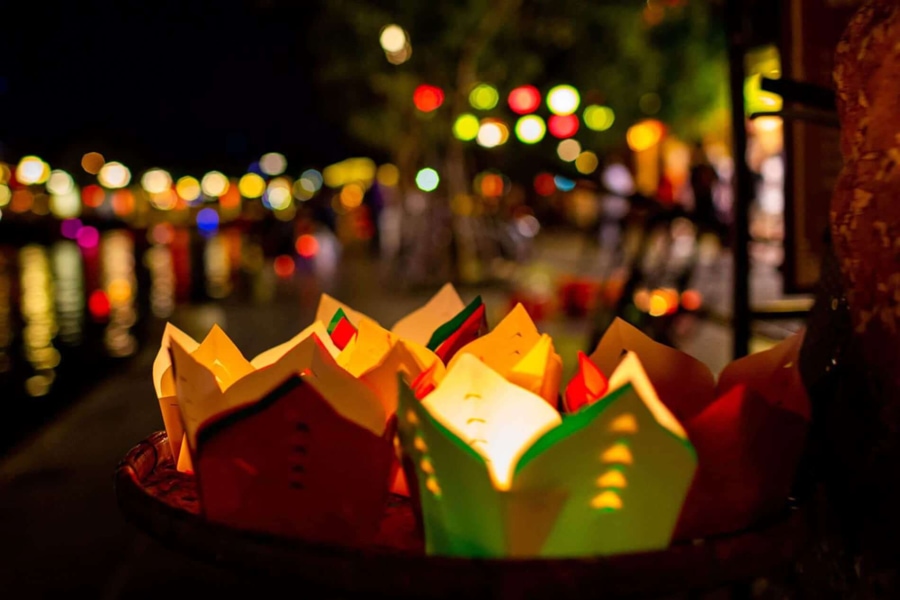
lanterns in hoi an
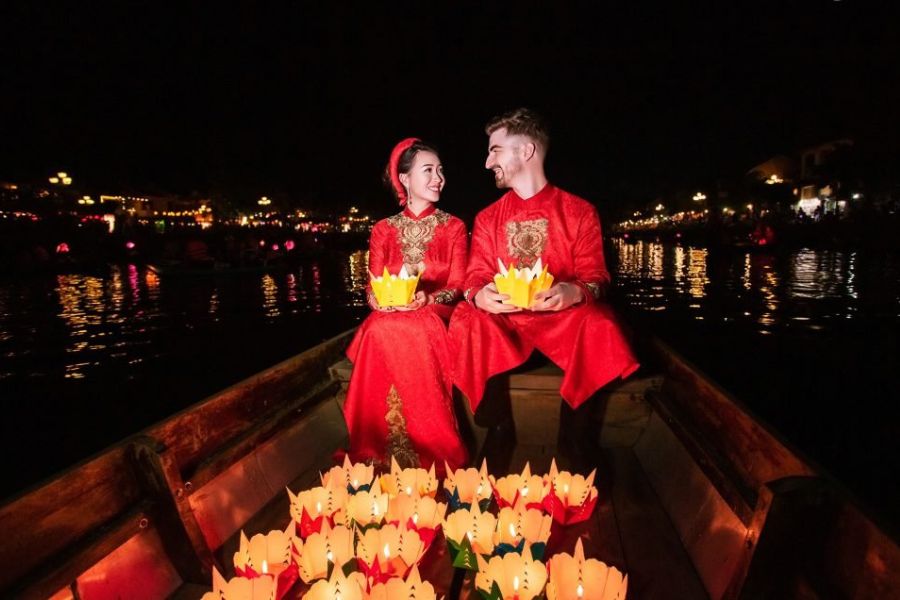
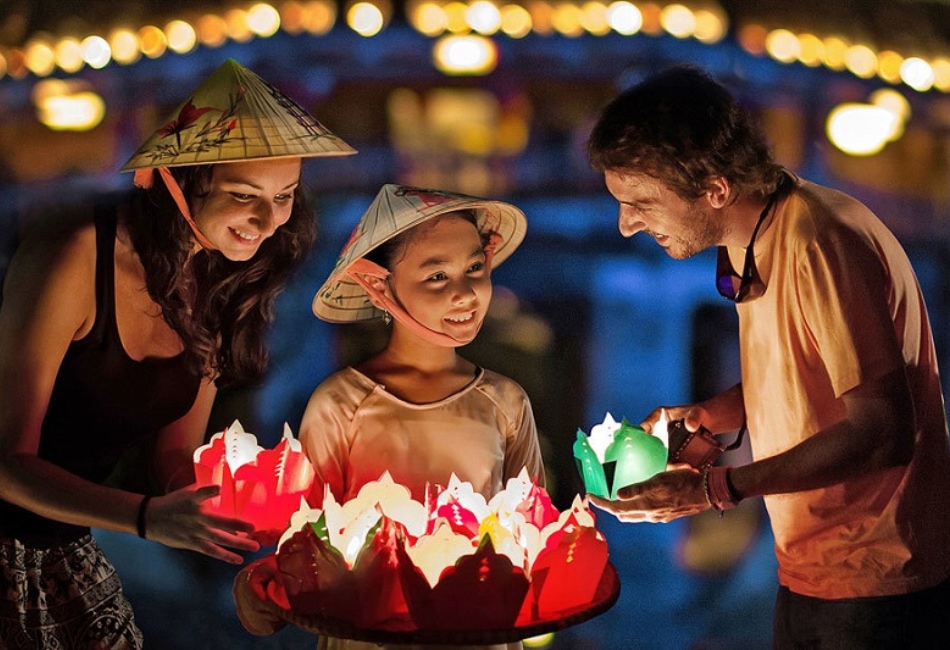
Another special tradition is the release of flower lanterns on the Thu Bon River: locals and visitors make wishes for health and happiness, floating small paper lanterns on the water. Traditional folk games, street performances, and classical music also form a part of this festival, enabling travelers to experience truly authentic Vietnamese culture. Taken all together, these rites turn Hoi An into a glowing cultural space in which history, spirituality, and celebration blend so well.

4 Unforgettable Experiences You Shouldn’t Miss

The Hoi An Lantern Festival is not only about beautiful lanterns, but it also has various interesting and significant cultural activities and amazing, memorable moments. The memorable moments help people get closer to the real spirit of the festival.

Release Lanterns On The Thu Bon River

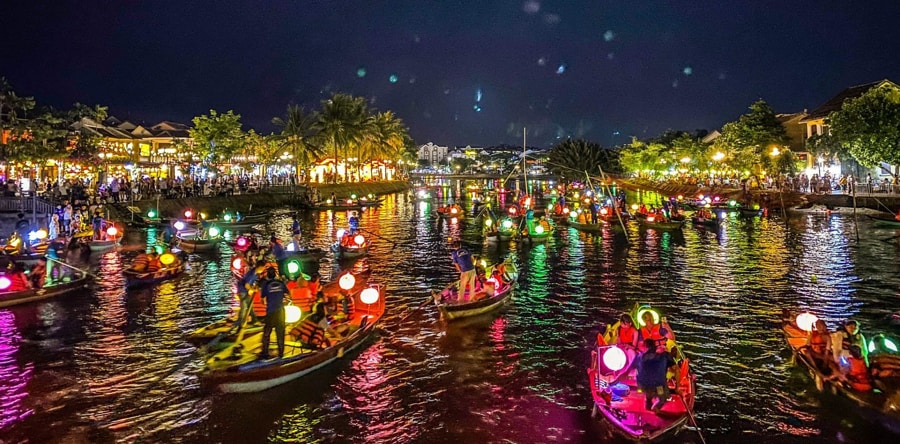
One of the major emotional moments associated with the Lantern Festival is releasing many lanterns into the Thu Bon River. It is very easy for visitors to buy many paper lanterns and put their wishes on them before releasing them into the water. Releasing hundreds of lights into the water makes the scene look very peaceful and beautiful. The locals believe that this activity brings them good luck, happiness, and positive energy. This activity symbolizes letting go of all worries and embracing hope for the future.
Release Lanterns On The Thu Bon River

Explore The Night Market

The Hoi An Night Market is an environment characterized by culture, shopping, and entertainment. At the market, individuals have the opportunity to experience shopping at various stalls selling handmade lanterns, traditional clothing, shopping souvenirs, and local crafts.
Additionally, it is worth noting that, aside from shopping, one is likely to have the opportunity to connect and learn about the lives of the locals in Hoi An. The market is certainly one of the most significant experiences in Hoi An, and its dynamic nature is worth experiencing.

Try Local Street Food

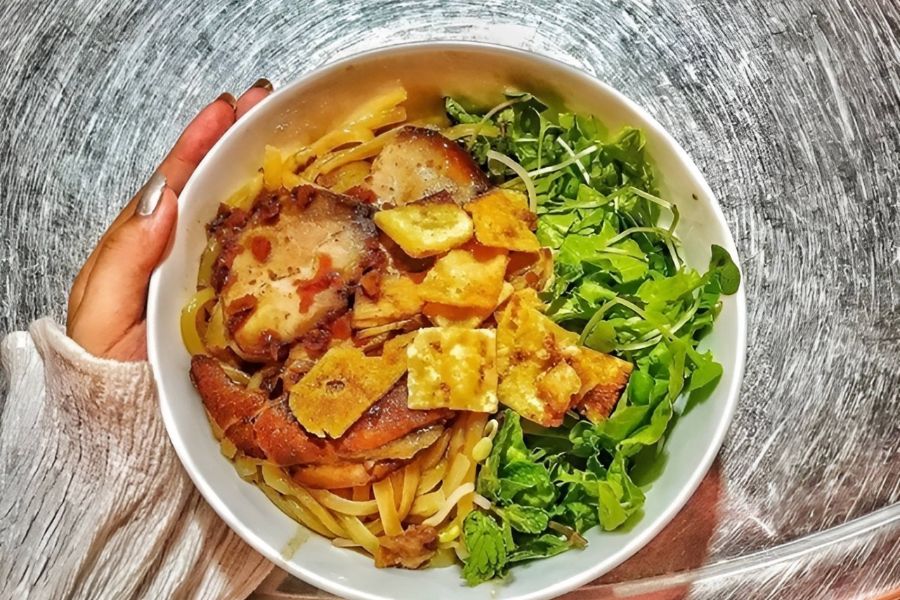
An important component of participating in the festival is trying local food from street vendors. These include local specialties like cao lau noodles, banh mi, seafood, and sweet desserts that consist of coconut and sticky rice. Most of these vendors are run by families, providing an opportunity to savor genuine tastes that have been passed down through several generations. An important feature of local cuisine is that it is savored outside under lanterns. It is not just about eating, but also about immersing oneself in the culinary heritage of central Vietnam.
Cao lau in Hoi an

Take a Lantern-Making Workshop

Making a lantern is another activity one could do to acquire knowledge about this festival. To make a lantern, an individual could simply join a workshop on lantern making. An individual could learn about each step in making a lantern, from the use of bamboo to the decoration of silk materials. An individual gains insight into the meaning of each color and its design in making lanterns for the festival. Making a lantern is a wonderful activity for individuals of all ages and gives insight into the festival.

Entrance Fee

The Hoi An Lantern Festival is free to participate in, as you are able to walk through the streets and enjoy the atmosphere without a special ticket. But if you are planning to visit the Hoi An Ancient Town area, there is a ticket to make sure heritage sites can be maintained and preserved.
Item
Approx. Price (VND)
Approx. Price (USD)
Ancient Town Entrance Ticket
120,000 VND
5 USD
Floating Lantern
5,000 to 20,000 VND
0.20 to 0.80 USD
Boat Ride on Hoai River
150,000 to 200,000 VND / boat
6 to 8 USD
Lantern-Making Workshop
Varies by provider
5 to 15+ USD (depends on workshop)
While not necessary, it is typical for visitors to bring an offering of incense, flowers, or wish papers, which can be incorporated into a lantern-releasing ritual, as well as other temples, should you wish to make a personal wish during the festival.

Opening Hours And Event Schedule

The Hoi An Lantern Festival is organized on the 14th day of the lunar month, the night of the full moon. Normally, this festival will last from 6:00 PM to 10:00 PM on the night when electric lights in the Ancient Town are turned off, and the streets light up with lanterns and candles. Most cultural activities, street performances, and river rituals occur during this time to create the most vibrant atmosphere for visitors.
The best time to visit the Hoi An Lantern Festival is between 7:00 PM and 9:00 PM, as by that time, the lanterns will be on, and the view is absolutely stunning. Arriving earlier allows for time to see historical sites, and staying later lets you fully appreciate the quiet river scene and vibrant night markets. The festival occurs monthly, meaning one does not have to wait for any specific season to enjoy it.

How To Get To Hoi An Lantern Festival

The venue for the Hoi An Lantern Festival is Hoi An Ancient Town, mainly on Hoai River, An Hoi Bridge, and Nguyen Phuc Chu Street. As the venue for the Hoi An Lantern Festival is in Hoi An Ancient Town, accessing the place is relatively easy for those coming from any of the major cities in Vietnam. The nearest airport to Hoi An Ancient Town is Da Nang International Airport, which is 30 km from Hoi An. From Da Nang, it will only take 40-50 minutes via taxi, car, or bus.
lantern Hoi An Ancient Town
If you are already in Hoi An, the best way to access the festival location is on foot or by bicycle, since the streets are closed during the festival season for motor vehicles. This would help you enjoy the scenery illuminated by lanterns along the way. If you are coming from other neighboring cities, such as Hue or Da Nang, the best way would be by bus or other transfer modes for the purpose of accessing Hoi An for both national and international tourists.

Things To Know Before Enjoying Hoi An Lantern Festival

By planning ahead, you can make the most of your visit and savor the magical atmosphere of the event. These are the most important travel tips to have a comfortable and memorable experience.
  • Arrive before about 6:00 PM to avoid crowds of tourist groups and enjoy the peace on the streets while capturing the best photography spots before the lanterns illuminate the Ancient Town entirely.
  • Wear comfortable walking shoes as most streets are pedestrian-only, and one would be spending a few hours traversing markets, waterfront spaces, and cultural scenes.
  • Carrying some cash in the local currency of Vietnam – the Dong – might be necessary as many of the local vendors will only accept cash for lanterns, food on the street, and short boat rides.
  • Respect the local culture by dressing modestly and talking politely, and also maintaining appropriate behavior at temples and spiritual zones during the celebration.
  • Make sure your belongings are safe at all times, particularly in crowded areas. It is highly advisable to use anti-theft bags to prevent pickpocketing.

FAQs About Hoi An Lantern Festival

Here are some of the most common questions that travelers often ask before participating in a trip to Hoi An Lantern Festival. By knowing these answers, you can make better and more informed decisions, thus avoiding any confusion during the trip.
  • When is the Hoi An Lantern Festival Held?

The festival is observed on the 14th of every lunar month, and that is the full moon night. It starts from 6 PM to 10 PM, and then lanterns are lit instead of electric lights. At that time, it is the most romantic time for an evening stroll and various activities, which can be savored by tourists from all over the world together peacefully.
  • Are there any entrance fees associated with the festival?

While the festival itself is free admission, an Ancient Town ticket may be required to enter heritage sites. This will be good for the conservation of heritage buildings and includes some attractions at the sites. Additional costs may include a boat ride, float lanterns, and/or some food and workshops according to interests and styles of traveling, especially for international tourists visiting the festival regularly at weekends and sometimes at night too.
boat on the hoai river in hoi an
  • What is the best time of year to visit?

Any full moon night is lovely, but the best time is from February to April because the weather is dry and nice. However, it is best avoided during the rainy season in Hoi An, which is from October to December. During this period, the heavy rain may interfere with your stay and enjoyment, mainly during the nights of your outdoor walking photography and exploration experiences today.

Final Thoughts: Is Hoi An Lantern Festival Worth Visiting?

The Hoi An Lantern Festival is a festival that is totally worth a visit, especially for its unique combination of culture, romance, and beauty that is hard to find anywhere else in the world. From the illuminated lanterns, river ceremonies, to the more lively streets, the festival offers memories that no traveler wants to forget. Thus, if you are looking for a truly cultural experience in Vietnam, you may consider this event, as it is a suitable option for you. Learn the magic of the Hoi An Lantern Festival through Seni World today.

Top 12 Hanoi Shopping Malls For Modern Retail Experience

Shopping malls in Hanoi provide an urban shopping experience with international brands, domestic brands, an array of food outlets, and family entertainment options, providing customers with a modern retail destination for a convenient and relaxing shopping experience in the city of Hanoi.

Vincom Center Ba Trieu

  • Location: 191 Ba Trieu Street, Hai Ba Trung District, Hanoi
  • Opening hours: Daily from 9:30 AM to 10:00 PM
Addressing 191 Ba Trieu Street, Hai Ba Trung District, Hanoi, Vincom Center Ba Trieu is a long-standing and reputable shopping mall in the capital city. Due to its central location, the shopping mall is easily accessible from Hoan Kiem Lake and other nearby business areas. This makes it a convenient stop for tourists as well as locals. The modern architecture, spacious environment, and well-organized floors of the shopping mall provide a comfortable setting for shopping and relaxation. Visitors can have a look at the various fashion boutiques, cosmetic brands, jewelry stores, and lifestyle outlets available at the shopping mall.
Vincom Center Ba Trieu
Operating from 9:30 AM to 10:00 PM daily, Vincom Center Ba Trieu is more than just a shopping mall. It has a variety of food options available, from local Vietnamese cuisine to other favorite international dishes. This makes it an excellent place to have a meal or hang out on the weekends. Other amenities are also available to make the experience more enjoyable. This makes it a great place to go if you are looking to get the latest in fashion or just a nice place to hang out in Hanoi.

Trang Tien Plaza

  • Location: 24 Hai Ba Trung Street, Hoan Kiem District, Hanoi, Vietnam.
  • Opening hours: Daily from 9:30 AM to 10:00 PM
One of the most well-known Hanoi shopping malls, and possibly one of the most iconic in the city, is the Trang Tien Plaza. Situated in the vicinity of Hoan Kiem Lake, and in the very center of the city, the mall boasts a unique reputation for its colonial and luxurious appeal. Moreover, the Trang Tien Plaza is a class above other commercial institutions in terms of its refined and exclusive appeal for shoppers. This is mainly due to its interior ambiance, arrangement, and focus on luxury goods.
Trang Tien Plaza
Third, this particular shopping mall suits travelers who prefer luxury shopping and service quality, as well as a more sophisticated lifestyle, specifically in Hanoi, Vietnam. Residents of Hanoi, business travelers, and tourists who look for comfort and luxury rather than crowded places will surely patronize this particular shopping mall, as it not only serves as a shopping haven but also as a quality dining place, especially for coffee lovers, due to its quality cafes and food establishments. Indeed, Trang Tien Plaza can be considered a symbol of modern Hanoi in terms of high-standard urban culture.

Lotte Mall Tay Ho

  • Location: Lotte Mall Tay Ho is located on Vo Chi Cong Street, Tay Ho District, Hanoi
  • Opening hours: Daily from 10:00 AM to 10:00 PM
Lotte Mall Tay Ho is amongst the newest and biggest malls in Hanoi. It is situated in Tay Ho District, close to West Lake. The mall is intended to be a contemporary lifestyle shopping mall. The mall is spacious in layout and architecture. It has an open environment. There is a collection of international fashion stores that provide shopping experiences to customers. There is also a supermarket in the mall. The mall is designed to offer entertainment to customers. The facilities offered include cinemas and cultural spaces.
Lotte Mall Tay Ho
This mall is especially suitable for families, young professionals, and international visitors looking for a full day of shopping, dining, and leisure in one place. With the surroundings on a lakeside and less crowded compared to malls in the center, Lotte Mall Tay Ho exudes an atmosphere that is relaxed but vibrant. The number of restaurants and cafes also makes it ideal for social gatherings or weekend hangouts. Above all, Lotte Mall Tay Ho reflects Hanoi’s modern lifestyle and is perfect for those looking for comfort, convenience, and enjoyment combined.

Vincom Mega Mall Royal City

  • Location: Vincom Mega Mall Royal City is located within the Royal City urban complex on Nguyen Trai Street, Thanh Xuan District, Hanoi.
  • Opening hours: Daily from 9:30 AM to 10:00 PM
Vincom Mega Mall Royal City is one of the most significant underground shopping centers in Southeast Asia. It is located in Thanh Xuan District in Hanoi. This mall has been developed on top of a majestic European architectural masterpiece. This provides a unique shopping experience entirely free of any climatic challenges. It includes all sorts of brands offering a wide range of items, such as cosmetics, fashion, electronics, etc. The mall is planned in a way that it becomes convenient for shoppers of all ages.
Vincom Mega Mall Royal City
Royal City Mall is appropriate and suitable for families, youth, or those seeking entertainment. The store offers an ice skating rink, an indoor water park, cinema complexes, and dining areas. On that basis, someone can spend their entire day at this mall. This store offers shopping, dining options, and recreational activities. As such, this mall is best for weekend outings or outings with family or friends. This mega mall is a cultural representation of an all-in-one lifestyle center of contemporary times, where you can shop and socialize.

Lotte Center Hanoi

  • Location: 54 Lieu Giai Street, Cong Vi Ward, Ba Dinh District, Hanoi, Vietnam.
  • Opening hours: Daily from 9:00 AM to 10:00 PM
Lotte Center Hanoi is a modern mixed-use complex, also a Hanoi shopping mall, specifically in Ba Dinh District. This district is one of the city’s most important business and diplomatic areas. The Hanoi Lotte Shopping Mall is found at the lower levels of one of the tallest skyscrapers in Vietnam. What makes the Hanoi Lotte Shopping Mall modern is its interior and exterior designs, which create a fashionable and modern look. The clean designs and wide corridors of the Hanoi Lotte Shopping Mall create a very comfortable and luxurious shopping place in the city of Hanoi.
Lotte Center Hanoi
This mall is especially suited for business travelers, expats, and shoppers. Apart from the shopping options available, the Lotte Center Hanoi is especially renowned for the observation deck and the skywalk, which offer breathtaking views of the city. The cafes, restaurants, and entertainment options make it perfect for a quick stopover, a meeting spot, or a relaxing evening out. With its strategic location and facilities that make for a multipurpose space, Lotte Center Hanoi is a sophisticated urban lifestyle haven.

Aeon Mall Long Bien

  • Location: 27 Co Linh Street, Long Bien Ward, Long Bien District, Hanoi,
  • Opening hours: Daily from 10:00 AM to 10:00 PM
Aeon Mall Long Bien is among the biggest Japanese-style shopping malls in Hanoi, located in the district of Long Bien, east of the city center. It is famous for its spacious layout and family-oriented design, offering a great selection of international and local brands, a large Aeon Supermarket, and dining options. Clean interiors, clear signage, and thoughtful facilities such as nursing rooms and stroller-friendly walkways make shopping comfortable for all visitors. There are entertainment zones, including cinemas and areas to play, that turn it into a complete lifestyle destination.
Aeon Mall Long Bien
This particular shopping center is especially suitable for family customers, young couples, and those visiting on weekends. Aeon Mall Long Bien is known for offering an effortlessly enjoyable family-friendly environment with its popular Japanese food culture and events. But the biggest advantage is that the shopping center offers a peaceful and open environment, creating the perfect contrast to the chaotic environment of Hanoi city center. This makes Aeon Mall Long Bien an ideal place for customers to shop and relax.

Mipec Long Bien

  • Location: 2 Long Bien II Street, Ngoc Lam Ward, Long Bien District, Hanoi, Vietnam.
  • Opening hours: Daily from 9:30 AM to 10:00 PM
Mipec Long Bien is a modern shopping complex in the Long Bien district. It is a comfortable and convenient place for the residents of the area to go. The layout of the complex is small but organized and well-designed. The space houses different kinds of fashion, electronic goods, a supermarket, and different kinds of food. The interior is comfortable enough for customers to visit the complex and visit the different sections without having to walk a lot if they want to go shopping. The complex is quiet, and shopping is convenient.
This is a very suitable place for people who live in the surroundings to spend time with their families, working people who are looking for convenience rather than luxury, and all other people who are in search of convenience. Here, you will find people who love a relaxing atmosphere and who want all the things they need within a limited area. In addition to cinemas and restaurants, Mipec Long Bien is a very suitable place for taking a short break or having a weekend trip.

Indochina Plaza Hanoi

  • Location:241 Xuan Thuy Street, Dich Vong Hau Ward, Cau Giay District, Hanoi
  • Opening hours: Daily from 9:00 AM to 10:00 PM
Indochina Plaza Hanoi is a contemporary shopping and lifestyle destination, situated in the heart of Cau Giay District, along with major universities and residential areas. The shopping mix inside the mall is nicely balanced by international brands, fashion stores of local origin, supermarkets, and food outlets. Its clean design, spacious walkways, and practical layout create a comfortable shopping environment. Unlike luxury-oriented malls, Indochina Plaza emphasizes everyday convenience while still offering a stylish and modern atmosphere for its guests.
Indochina Plaza Hanoi
This particular shopping mall is especially beneficial for students, young professionals, and people living in the surrounding areas, who can take advantage of its cheap shopping and food options. In addition, this shopping mall serves as a social scene for people, given its presence in cinemas, cafes, and entertainment centers. In this regard, Indochina Plaza Hanoi can be considered a unique entity in terms of providing a sense of relaxation for shoppers while also being accessible due to its proximity to transport routes, making this mall an essential element in Hanoi’s ever-evolving city life.

Vincom Mega Mall Times City

  • Location: 458 Minh Khai Street, Vinh Tuy Ward, Hai Ba Trung District, Hanoi,
  • Opening hours: Daily from 9:30 AM to 10:00 PM
Vincom Mega Mall Times City is the biggest underground shopping and entertainment area in Hai Ba Trung District, Hanoi. It was designed as a modern lifestyle destination with everything from international and local fashion to cosmetics, electronics, and household products under one roof. Its spacious corridors, clear zoning, and modern facilities make it easy and comfortable to navigate. Among the notable features of the place are the extraordinary aquarium and areas of family-friendly entertainment that add a unique attraction rather than usual shopping.
Vincom Mega Mall Times City
This particular shopping mall is especially recommended for families, young couples, and entertainment enthusiasts, as it has all the necessary spaces, including cinemas, play areas for kids, restaurants, and entertainment areas to spend a complete day. Also, with its basement concept, this mall is an appropriate option for spending time indoors in any type of weather. In short, after a balance of relaxation, entertainment, and shopping in Vincom Mega Mall Times City, this location stands out as the best in Hanoi.

The Garden Shopping Center

  • Location: The Manor Urban Area, Me Tri Street, My Dinh 1 Ward, Nam Tu Liem District, Hanoi
  • Opening hours: Daily from 9:00 AM to 10:00 PM
The Garden Shopping Center is a contemporary shopping destination with the concept of a modern lifestyle mall, situated in Nam Tu Liem District, Hanoi, near My Dinh Stadium and many residential neighborhoods. It has a compact but well-designed interior space with diverse fashion shops, salons, supermarkets, and eateries. Its neat design and modern interior create a pleasant atmosphere for people to perform their daily tasks. It may not be as huge as other shopping malls or mega malls; however, it is a convenient and relaxed shopping destination for people in the nearby surroundings.
This particular shopping center is favorable for the local population, like families and working professionals who prefer a convenient and accessible location for their shopping needs. Moreover, the availability of cinemas and restaurants suitable for families has made the location a convenient choice for a casual outing. Since it is strategically positioned for accessibility and convenience, the Garden Shopping Center location serves as a neighborhood mall that meets convenience with a peaceful and contemporary feel, fitting well with the Hanoi region’s urban lifestyles.

Savico Mega Mall

  • Location: 7–9 Nguyen Van Linh Street, Gia Thuy Ward, Long Bien District, Hanoi
  • Opening hours: Daily from 9:00 AM to 10:00 PM
Savico Mega Mall is a large and spacious shopping destination and entertainment zone situated in Long Bien. The mall is renowned for its enormous size and accessible location, providing a variety of international and local brands, supermarkets, and electronics shops, along with plenty of dining options. The large spaces, wide corridors, and modern amenities make this mall a comfortable destination for shoppers and visitors. In addition, Savico Mega Mall is also famous for its spacious parking facilities, making it a convenient location for people visiting in their cars.
Savico Mega Mall
Especially suited for families, drivers, and travelers in transit who would love to shop in a relaxed atmosphere away from the crowded city center, this shopping mall is appropriate for weekend trips or brief stopovers before or after flights, with cinemas and entertainment zones supplemented by casual restaurants. Its location near major highways ensures the possibility of easy travel from any part of Hanoi. In sum, Savico Mega Mall acts like a functional lifestyle destination that combines shopping, dining, and entertainment in a spacious and accessible setting.

Big C Thang Long

  • Location: 222 Tran Duy Hung Street, Trung Hoa Ward, Cau Giay District, Hanoi
  • Opening hours: Daily from 8:00 AM to 10:00 PM
Big C Thang Long is one of the prominent shopping and retail destinations that not only serves local customers but has been a hotspot for tourists over the years. The main focal point of this shopping mall is a huge hypermarket that stocks all kinds of grocery items, household essentials, electronic items, and other day-to-day requirements at competitive rates. A number of retail outlets are associated with this shopping mall, including fashion stores, local brands, and eateries, making it convenient for visitors to shop here.
Big C Thang Long
The shopping mall is especially convenient for local residents, local travelers, and long-stay travelers who need convenience. Big C Thang Long is very famous in Vietnam because of weekly shopping needs rather than special luxury goods. There is ample parking space available in Big C Thang Long shopping mall. The shopping mall is easily reached via major roadways. Big C Thang Long stands out in Vietnam because of its convenience and prices. The shopping mall is quite useful in Hanoi.

Final Thoughts

Hanoi’s shopping malls are known for their different shopping styles that blend fashion, dining, and entertainment in a modern environment that is extremely comfortable. Given that Hanoi is the capital of Vietnam, this shopping lifestyle suits the changing capital’s urban style. When you want to explore the world of diverse fashion labels, or you want to spend quality leisure moments with loved ones while enjoying cuisine from different culinary destinations, you are sure to find Hanoi’s shopping malls enjoyable. Get inspiration on where to shop from the best destinations in Hanoi by checking with Seni World.

Best For Value Travel Destinations: Why Vietnam, Laos & Cambodia Are Budget-Friendly

The best value for travel is a destination that offers affordable costs while still delivering rich experiences in culture, scenery, and local life. When searching for the best for value travel destinations, travelers often look for places where their budget goes further without sacrificing authenticity or memorable moments. In general, these destinations allow visitors to enjoy meaningful experiences while keeping overall expenses comfortably low.

What Makes A Destination “Best For Value”?

A destination could be defined as “best for value” if visitors are able to have an experience without incurring a high cost. The balance between cost and experience means that travelers can explore the destination comfortably while obtaining the best out of their budget.
  • Low daily expenses: Accommodation, food, entrance fees, and other local services remain within a low range, such that the traveler can stay longer, do more, yet not exceed their budgets.
  • High-value experiences: The destinations combine rich cultural heritage with spectacular landscapes and activities that are authentic, memorable, and affordable.
  • Cheap food and transport: Inexpensive street food and restaurants, local buses, inter-city and inter-state trains, and short domestic flights are easily available throughout the country, making daily travel across the country at reasonable costs easily possible.
  • The unique culture and nature include strong local traditions, historic sites, varied landscapes, and unspoiled nature that add depth and originality, giving real value to the travel experience.
  • Good visa access means less planning stress and extra costs due to simple procedures, visa-on-arrival options, or the availability of e-visas that increase a destination’s attractiveness for international travelers.

A destination could be defined as “best for value”

Vietnam: The Best All-Round Value Destination

Vietnam is always included in the top list of the best value travel destinations worldwide, thanks to low costs and great diversity. Vietnam possesses a wide variety of cities, nature, and cultural heritage in terms of high-quality experiences at low costs.

Why Vietnam Offers Incredible Value

Of all Southeast Asia’s destinations, Vietnam is arguably the best value but remains one of the most rewarding. For anyone looking to get more for less, it offers among the lowest daily costs in Southeast Asia and an incredibly well-rounded experience.
  • Daily travel of $35-50 is achievable for your accommodation, meals, getting around, and attractions, making Vietnam an ideal destination for those traveling on a tight budget but still wanting some enriching experiences.
  • Street food in Vietnam is available at really low prices, being highly qualitative, truly representative, with fresh ingredients that provide full meals for very low prices all over the country.

banh xeo quang binh

  • Budget-friendly transport options like buses and trains connect major cities and tourist regions, allowing travelers to move easily across Vietnam without having to spend much on travel.
  • Vietnam packs in enormous landscapes and experiences: from tropical beaches and misty mountains to historic towns and dynamic cities, delivering a world-class experience at truly remarkable value.

Best Experiences For The Price

Vietnam is among the most cost-effective holiday options in Southeast Asia. Visitors can experience the rich culture, breathtaking scenery, and world-class cuisine without breaking the bank. If you are searching for budget-friendly holiday activities in Vietnam that offer a luxurious experience, these options are highly recommended.

Street Food Tours

Taking a guided street food tour is one of the most enjoyable ways for budget travelers to experience Vietnam. For a small fee, you can taste authentic Vietnamese cuisine, discover secret local eateries, and learn about the culinary culture from a knowledgeable guide. When compared to eating out in Western restaurants, the street food in Vietnam offers incredible flavor and diversity for a fraction of the cost. This is a must-do for anyone looking for budget-friendly food adventures in Vietnam.
Nom Banh Chok (Khmer Noodles)

Motorbike Adventures

A motorbike adventure in Vietnam is a great way to experience freedom, adventure, and scenic views at an affordable daily rate. Whether it is a mountain pass, a coastal road, or a rural village, this adventure is a mix of adrenaline and immersion in the culture of Vietnam. Motorbike tours are a favorite among tourists looking for a unique adventure experience in Vietnam.

Overnight Cruises

The cruises in Vietnam are known for offering luxury levels of scenery and service at a very affordable price. One can indulge in activities such as kayaking, cave exploration, sunset, and seafood while staying on a comfortable boat. The cost of the cruises in Vietnam is surprisingly low compared to similar cruises around the world, making it one of the best investments for travel.
Enjoy A Saigon River Cruise

Cafe Culture

The café culture in Vietnam is both hip and cheap. Whether it’s a rooftop bar or a hidden alleyway café, drinking Vietnamese coffee is extremely affordable and a great cultural experience. Spending hours sitting in a café and people-watching with a cup of traditional coffee is one of the easiest and most fulfilling experiences in Vietnam.

Laos: Slow Travel And Nature For Less Money

Laos is a great place to visit if you are a traveler who wants to have a meaningful experience rather than a rushed one. Transportation in Vietnam is very cheap, and the cost of accommodation is also low. This makes Vietnam a great place for slow travel.

Why Laos Feels Peaceful And Affordable

  • Lower tourism costs: In comparison to other countries in the region, Laos is a great value when it comes to the cost of accommodation, food, transportation, and guided tours. Visitors can indulge in local cuisine, culture, and natural attractions without breaking the bank.
  • Fewer tourists: In contrast to other popular tourist destinations, sites such as Luang Prabang and Vang Vieng are peaceful and laid-back. Without the crowds of tourists and the commercialism that comes with them, visitors can visit temples, waterfalls, and natural wonders without being disturbed, making for a more authentic and personal travel experience.
  • Affordable guesthouses: Guesthouses in Laos are very affordable. Clean and comfortable rooms are available for a low price, often near a river or in the heart of a town. These small guesthouses offer a homey atmosphere and allow visitors to experience the local culture without spending too much money.
  • Slow lifestyle: The lifestyle in Laos is very relaxed, particularly along the Mekong River and in the old towns such as Luang Prabang. The laid-back lifestyle, early evenings, and Buddhist culture make for a serene environment that attracts visitors who are looking for a mindfulness and slow travel experience.

Wat-Phou-is-a-truly-historical-and-religiously-significant-temple-compound

Best Value Experiences

  • Waterfall adventures: Visiting waterfalls in Laos is both budget-friendly and amazing. Places like Kuang Si Falls and Tad Sae Waterfall have blue pools, lush forests, and picnic areas to relax in for a small entrance fee. Compared to other natural wonders in other countries, these waterfalls offer amazing views for a very low price.
  • Temple exploration: Laos has stunningly preserved Buddhist temples that can be visited for free or a small donation. In Luang Prabang, temples like Wat Xieng Thong have intricate architecture and spiritual tranquility. Visiting these temples allows travelers to experience Lao culture without spending much.
  • Mekong slow boat journey: A slow boat ride along the Mekong River is one of the most memorable and budget-friendly activities in Laos. The trip between northern towns provides serene river views, countryside, and an opportunity to unplug from the hustle and bustle of city life – all for a reasonable price.
  • Hiking and nature trekking: Laos has scenic hiking trails that go through mountains, rice fields, and rural villages. The areas around Vang Vieng are particularly famous for budget-friendly trekking options. With very low guide costs and cheap local transportation, hiking in Laos provides both fun and cultural immersion without breaking the bank.

Cambodia: History, Culture And Ultra Budget Travel

Cambodia is an intriguing travel destination where the history of several centuries combines with the local culture at very low costs. Cambodia is a country with a rich history and culture, and the cost of traveling there is very low.

Why Cambodia Is Extremely Budget-Friendly

  • Very cheap accommodation: Cambodia has plenty of budget-friendly accommodation options, ranging from hostels to boutique hotels. In Siem Reap and Phnom Penh, visitors can find clean and conveniently located rooms within their budget. Even private rooms with air conditioning and breakfast are much cheaper compared to other neighboring countries, making Cambodia a perfect destination for extended stays.
  • $1-3 meals: Street food in Cambodia is very affordable. Visitors can enjoy a variety of dishes like fried rice, noodle soups, and Khmer curry, which cost only $1-3. Night markets and food stalls offer authentic food experiences at very low prices, allowing visitors to sample multiple local dishes in a day without burning a hole in their pockets.
  • Affordable tours: Cambodia is famous for its world-class attractions like Angkor Wat, but guided tours are still very affordable. Visitors can opt for transportation, temple tours, countryside tours, and even boat tours on Tonle Sap Lake without burning their pockets. Compared to other similar attractions around the world, Cambodia provides an unbeatable historical experience at a very low cost.

Sunrise at Angkor Wat

Must-Do Value Experiences

  • Temple pass at Angkor: A temple pass at Angkor Wat allows visitors to visit several famous temples, such as Bayon Temple and Ta Prohm Temple. For a small fee, tourists can visit one of the most impressive archaeological sites in the world.
  • Island beaches: Islands such as Koh Rong provide beautiful beaches with white sand, crystal-clear waters, and cheap bungalows. Compared to other tropical countries, the cost of visiting the Cambodian islands is still relatively low.
  • Local markets: Markets in Phnom Penh and Siem Reap offer cheap street food, local products, and genuine cultural experiences. With a few dollars, tourists can enjoy a complete meal and buy memorable souvenirs.

Money-Saving Tips For Value Travel In Southeast Asia

Southeast Asia is known for being a budget-conscious region, but with some planning, you can stretch your dollars even further. If your aim is true value travel in Southeast Asia, the following tips will help you make the most out of your experience while spending the least.
  • Travel slowly and for a longer period in one place to cut down on transport expenses, negotiate discounts for staying a week in one place, and find cheaper local eateries outside the tourist zones.
  • Opt for family-run guesthouses rather than international hotels to get cheaper rates per night, better service, and a local cultural environment during your stay.
  • Dine at street food stalls and local eateries where the food is fresh, tasty, and much cheaper compared to restaurants catering to international tourists.
  • Use long-distance buses, sleeper buses, or shared transport rather than flights to cut down on expenses and experience the local life in various countries.
  • Book tours directly from local agencies in places like Siem Reap or Luang Prabang to get the best deals by comparing prices.
  • Travel during the shoulder months to get cheaper hotel rates, discounts on tours, and avoid the crowds while still enjoying favorable weather.

food in sihanoukville

FAQs (People Also Ask)

People who travel for value in Southeast Asia may compare the cost, safety, and food quality of different destinations before making a decision. Some of the most common questions people search for are answered below.
  1. Which is the cheapest country to visit in Southeast Asia?
Laos and Cambodia are two countries that are usually regarded as the cheapest destinations for budget travelers in Southeast Asia. The cost of living in these countries is very low compared to the average cost of living in Southeast Asia. The cost of staying in guesthouses and eating local food in smaller towns in Laos and Cambodia is especially very low.
  1. Is Vietnam cheaper than Cambodia?
Both Vietnam and Cambodia are budget-friendly destinations, but in some cases, Vietnam might be a little cheaper when it comes to food and transport. The cost of street food in places such as Hanoi is very economical, and the public transportation system is well-organized. Although Cambodia might be very cheap when it comes to staying in places such as Siem Reap, the entry fees for the temples, like Angkor, might raise the costs.
Boat Tour Through Melaleuca Forest Canals
  1. Is it safe for tourists to visit Laos?
Laos is generally a safe country for most tourists. The city of Luang Prabang is famous for its peaceful environment and low crime rate. There may be some petty theft, as in most places, but violent crime is rare for tourists. Taking proper care, as in most places, will be enough.
  1. Which country has the best food?
Food preferences are subjective, but Vietnam is often cited as the country with the most varied and internationally recognized cuisine in the region. Pho, Banh Mi, and spring rolls are some of the popular dishes that have gained international recognition. Cambodia has the best Khmer cuisine, while Laos has the best dishes featuring herbs and sticky rice. However, the best cuisine is subjective, and Vietnam is often the leader in this regard.

Final Thoughts: Where Will Your Money Go The Furthest?

Southeast Asia remains one of the best for value travel destinations in the world, boasting diverse cultures, stunning natural scenery, and delicious cuisine at remarkably affordable prices. Whether you choose to experience the vibrant energy of Vietnam, the laid-back lifestyle of Laos, or the historic treasures of Cambodia, you will quickly realize that your money stretches much further than expected. The key to maximizing your travel budget is to plan smartly and prioritize meaningful experiences over unnecessary indulgences. For more inspiring travel guides and budget-friendly itineraries, explore the latest travel insights with Seni World today.

The Gift Of A Smile: Why Dental Tourism In Vietnam is Special

Vietnam has emerged in recent times as a major hub for dental tourism, with visitors to the country taking advantage of the quality dental services available. Dental tourism involves international visitors accessing dental care services and touring other attractions in a country.
Vietnam is an ideal location for dental tourism, with visitors accessing dental care services like implants, crowns, veneers, and cosmetic dentistry. The country provides quality dental services in major cities like Ho Chi Minh, Hanoi, and Da Nang, with English-speaking dental staff and quality service to cater to the needs of international visitors.

What Is Dental Tourism in Vietnam?

Dental tourism Vietnam can be defined as the practice of visiting Vietnam for professional dental treatment and at the same time enjoying a tour in Vietnam. Dental tourists in Vietnam prefer to have dental treatments like dental implants, crowns, veneers, teeth whitening, and smile makeovers at very competitive prices compared to other countries. This has made dental tourism in Vietnam very popular in Southeast Asia and has become a new travel trend worldwide.
Dental Tourism in Vietnam
Apart from the cost benefits, dental tourism in Vietnam provides international visitors with convenient and comfortable dental treatment. This is because dental clinics in major cities in Vietnam have English-speaking staff and personalized dental treatment for international visitors. This provides visitors with an opportunity to have dental treatment and, at the same time, explore other interesting sites in Vietnam during their recovery period.

Why Choose Vietnam for Dental Treatment?

Vietnam has emerged as a popular dental tourism hub in Southeast Asia, and people from Australia, the US, European countries, and other Asian nations are flocking to the country for dental treatments. Vietnam has a unique combination of quality, affordability, and convenience, making it a promising dental tourism spot for international patients.
  • Dental tourism in Vietnam has gained popularity because dental treatments are 50-70% cheaper compared to other countries like the US, Australia, and the UK. Patients can save a huge amount of money on treatments like implants, crowns, and veneers.
  • Dentists in Vietnam, especially in places like Ho Chi Minh and Hanoi, have modern dental technology, digital imaging, and sterilization techniques, making dental tourism a promising option for international patients
  • Many Vietnamese dentists have acquired international training and have experience working with international patients.
  • Unlike other Western countries, patients can make appointments and receive dental treatments within a short period of time.
  • Vietnam offers a unique blend of beautiful beaches, cultural sites, and mouth-watering cuisine, making dental tourism a memorable experience for patients.

How Much Does Dental Treatment Cost in Vietnam?

Dental tourism in Vietnam provides an opportunity to undergo dental treatments of high quality at much lower costs compared to the United States. Below is a table showing a comparison of costs (approximate and in USD) for various dental treatments to give a better idea of the cost savings to be had when considering Vietnam for your dental tourism. The costs in Vietnam are based on the fee lists published by reputable clinics.
Procedure Vietnam (approx.) United States (approx.)
Dental Implants $800-$1,200 per implant $3,000-$4,500 per implant
Dental Crowns $250-$500 per crown $800-$1,500 per crown
Veneers (per tooth) $300-$600 $900-$2,000
Teeth Whitening $150-$300 $400-$800
Root Canal (single canal) $150-$350 $700-$1,500
Full Smile Makeover $2,000-$5,000 $8,000-$20,000
Note: Full smile makeover costs vary widely based on the number of procedures included.

Best Cities for Dental Tourism Vietnam

Vietnam has a number of vibrant cities that can provide international patients with high-quality dental care and a fantastic tourism experience. These cities have modern dental facilities and professionals who can provide international patients with a great experience.

Ho Chi Minh City

The most developed dental tourism centre in Vietnam is Ho Chi Minh City. This city serves as the largest economic hub in Vietnam and is home to several dental clinics accredited at an international level. The dental clinics have all the latest technology, including digital X-Ray machines, 3D imaging systems, and state-of-the-art sterilization equipment. Most dentists have trained internationally and are accustomed to treating patients from Australia, the USA, and Europe.
The most developed dental tourism centre in Vietnam is Ho Chi Minh City
In addition to providing high-quality dental services, Ho Chi Minh City is conveniently located, with Tan Son Nhat International Airport providing easy access and a variety of accommodation options ranging from budget to luxury. Additionally, during recovery from dental procedures, patients can explore exciting street food, visit historic sites, and shop at various locations, making this location perfect for dental care combined with exploring an urban environment.

Hanoi

As Vietnam’s capital city, Hanoi’s medical facilities combine modern technology with many generations of cultural history, making them a favourite choice for foreign patients seeking dental care in Vietnam. Hanoi has many reputable dental clinics that employ staff who speak English, enabling them to provide an excellent level of care to international patients. As a result, patients can find appointments to fit their travel schedule and complete their treatment in a timely manner.
Hanoi's medical facilities
Hanoi’s many lakes, beautiful Old Quarter, and rich history make for a great environment to relax following surgery. In addition to the great environment to heal, patients will be able to find many opportunities to eat traditional Vietnamese cuisine and explore Ha Long Bay following their visit, making it an appealing destination for international patients.

Da Nang

Da Nang is on the Central Coast of Vietnam and has become popular among people travelling for dental work as well as dental tourism. Da Nang provides high-quality dental care clinics, modern facilities, and a relaxed environment free from the hustle and bustle of other larger cities, all in one city.
In addition to being a dental tourism destination, Da Nang can also provide patients with a unique opportunity to have a peaceful beach getaway while receiving dental treatment. With many gorgeous beaches, delicious seafood restaurants, and nearby attractions such as Hoi An and Marble Mountain, Da Nang has something to offer everyone who plans on receiving dental care and enjoying their vacation at the same time.
Da Nang provides high-quality dental care clinics

Money-Saving Tips For Dental Tourists

Additionally, dental tourism in Vietnam is already known to be cost-effective, but with proper planning, you can make the most out of it by cutting down costs even further.
  • Request a detailed cost breakdown from at least two or three reputable clinics in Vietnam to compare costs.
  • Before you leave, it is recommended that you ask the clinic to give you a detailed timeline and estimated cost of treatment to avoid any additional costs.
  • If you can, try to complete all your treatments in one visit to cut down on flights.
  • Major cities in Vietnam, such as Ho Chi Minh, Hanoi, and Da Nang, have a number of clinics, making it a competitive market, thus offering you a better cost option.
  • By going during the off-peak season, you may be able to save on the cost of hotels and flights, which will help you save on the overall cost of dental tourism.
  • By staying close to the dental clinic, you will not incur additional costs for transportation.
  • Some dental clinics may include consultation fees, X-rays, temporary crowns, and follow-ups with the overall cost. It is therefore essential to confirm this with the dentist to avoid additional costs.
  • Even if your insurance does not allow you to get treatment overseas, you may still be eligible for partial payment once you return home.
  • When exchanging your money, you should only use a reputable bank or exchange service to avoid unfavorable exchange rates, which may add to the overall cost.

FAQs About Dental Tourism Vietnam

If you are planning to consider dental tourism in Vietnam, you probably have many questions about costs, time, and communication. Here are the answers to your questions to ensure your dental tourism experience in Vietnam.
  • How much can I save?
You can save between 50% and 70% on dental tourism costs compared to the costs of dental treatments in the United States, Australia, and the United Kingdom. Dental treatments such as implants, crowns, and veneers are much cheaper and of international standard. Even when you add the cost of traveling and staying in Vietnam to your dental tourism costs, you can save a lot on the costs of dental treatments.
  • How long should I stay?
The length of stay varies depending on the type of treatment you receive. For simple cases, like teeth whitening or a single crown, you may need to stay for 3 to 5 days, while dental implants may require a visit of 7 to 14 days or even multiple visits over a period of months.
  • Do dentists speak English?
Yes, in major cities like Ho Chi Minh, Hanoi, and Da Nang, many dentists speak English fluently, especially in clinics that cater to international patients, so you don’t have to worry about language barriers that may cause misunderstandings during treatment.

Final Thoughts: Is Dental Tourism Vietnam Worth It?

To summarize, dental tourism in Vietnam offers a unique experience, low cost, modern dental facilities, and an opportunity to experience a stunning nation while receiving your dental treatment. Finally, we also want you to know that currently, Seni World does not provide dental services in Vietnam. Therefore, your thoughts regarding this service are valuable, and we will take your comments into consideration when planning for the future. Please continue to stay tuned for more fun ways to see Vietnam with us.