logo mobile sidebar
support-image-mobile
Share your ideas with our local expert team - we’re here to listen and help you shape a meaningful journey through Indochina.
(+84) 868 663 993
Asia Leading Tour Operator 2025
tripadvisor travelers choice awards 2024
Travelers' Choice Awards 2025

Author: Content Seniworld

Your Complete Guide To Tad Fane Waterfall In The Bolaven Plateau

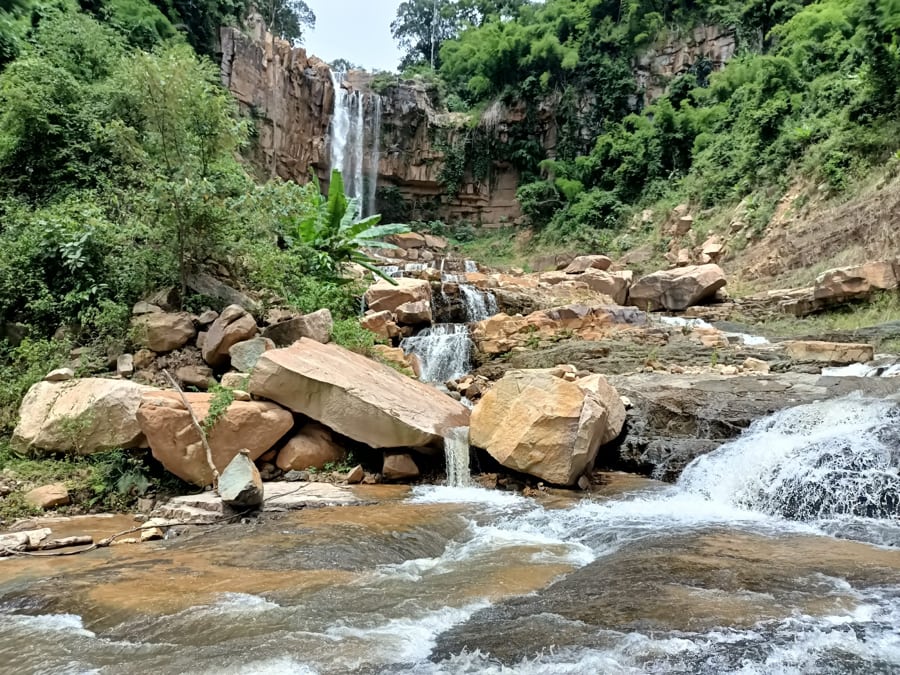
The Tad Fane Waterfall is located in the lush Bolaven Plateau region of Laos and features two distinct waterfalls surrounded by dense jungle. The waterfalls can be seen cascading down from a height of over 200 meters, creating a powerful surge of water, along with many scenic hiking trails that lead to the waterfalls.

Introduction To Tad Fane Waterfall

Tad Fane Waterfall is one of the most visually striking natural sites in the country of Laos, situated within the heart of the Bolaven Plateau. This site is nestled among dense tropical forests and cliff lines and features a waterfall with two massive cascades falling from a height of over 100 meters. This waterfall provides a haven for nature and picture enthusiasts because of its visually striking features, offered by its multilevel cascades.

Tad Fane Waterfall is one of the most visually striking natural sites in the country of Laos

The truly special thing about Tad Fane is the experiential journey it provides for those who come here. There is an observation deck where you can view the waterfall or a guided adventure tour where you can hike into the jungle itself and come up close to the waterfall’s refreshing spray and stunning surroundings. This is what captures the essence of the untamed forces of nature present in the Lao landscape itself.

Top Iconic Attractions In Tad Fane Waterfall

The mighty waterfalls of Tad Fane are not all you can see there; there are several majestic views of the surrounding area, as well as numerous secret spots to discover. Below, we have compiled some of the most well-known attractions you must visit at Tad Fane.

Twin Waterfalls

The main attraction at Tad Fane is the breathtaking twin waterfalls that drop over 100 meters down into the thick jungle around it. The view at sunrise, when the thick mist is still present, is the best time for photography, and on clear days you will see a very beautiful sight. The waterfalls can be viewed from different points along the main trek, where visitors can take in the amazing sight of their power and beautiful surroundings.

main attraction at Tad Fane is the breathtaking twin waterfalls

Jungle Views

As you make your way along the trails surrounding Tad Fane, you will find many jungle-viewing spots. These locations provide panoramic views of the twin waterfalls and the endless green jungle sprawled across the Bolaven Plateau. The natural beauty of both the waterfalls and the surrounding jungle is something you have to see for yourself.

Jungle Views

Hammock Over the Forest

Visitors can enjoy relaxation in the Sky Hammock, which is high above the forest floor, and their feet will dangle above the ground while they are suspended over the forest canopy, where they can enjoy a cup of coffee.

In this place of peace and tranquillity, tourists can experience breathtaking views of the falls, the rainforest and the surrounding area from an aerial perspective. The gentle rocking of the hammock provides an added sense of excitement and adventure.

Zip Line Adventure

Daredevils can experience the zip line that passes through the sky over the waterfall and through the tree tops of the rainforest. This is one of the highest and longest zip lines in Laos, and it will provide visitors with an adrenaline rush as they soar above the beauty of the Tad Fane waterfalls. Riding the zip line is sure to create lasting memories for visitors.

zipline through Tad Fane waterfall

Forest Trails and Hiking

During your time visiting Tad Fane, there are many trails for hiking and exploring the rainforest. Walking or trekking along these trails will allow you to discover hidden streams, rock formations and native flora and fauna. Hiking through this pristine environment will provide you with a deeper appreciation of the beauty of the Bolaven Plateau.

Unforgettable Experiences You Shouldn’t Miss

An experience at Tad Fane Waterfall provides visitors with an opportunity to experience a thrilling adventure, a relaxing escape, and an opportunity to immerse themselves in nature. Visitors to Tad Fane Waterfall can choose to experience thrilling external adventures, serene external viewpoints, or the chance to witness the breathtaking beauty of this stunning twin waterfall.

Zipline Adventure

The Zipline at Tad Fane Waterfall is one of the most popular thrill ride attractions, and it is one of the longest and highest Ziplines in the country of Laos. The adrenaline rush is unlike any other as you traverse through the lush jungle canopy, as well as above the twin waterfalls. The speed and height of your ride provide an exclusive view of both waterfalls and their associated foliage. The course includes many turns and twists to provide photo opportunities for the visitor. Not only is the zipline thrilling, but the breathtaking aerial view of the Bolaven Plateau and its surrounding natural landscape is awe-inspiring.

The Zipline at Tad Fane Waterfall

Experience Relaxation

For those who travel to relax a little, the Sky Hammock will allow you to unwind and enjoy nature while being suspended over the forest in the air between some strong trees! You will be able to enjoy panoramic views of the surrounding jungle and waterfalls. Enjoy your cup of coffee, your book, or a quiet meditation as you take in the fresh mountain air and the gentle motion of the hammock, a soothing experience that is great for quiet reflection and stunning photographs. The elevated view of the falls will truly show you the grand scale and presence of Tad Fane.

Hiking and Nature Trails

A network of hiking and trekking routes surrounds Tad Fane’s lush rainforest, where visitors can hike and trek these trails and uncover hidden areas of the plateau, explore smaller cascades, and see various plants and wildlife species that inhabit the rainforest environment. The trails are classified as being anywhere from easy walking to moderate treks. Most of the trails are suitable for anyone to walk or trek on and include several trails in varying levels of difficulty. As you walk along the trails, you will hear the sounds of animals, rushing water, and quiet rustle of leaves, all of which allow you to connect with nature in a revitalizing and grounding way.

Jungle Trek and Wildlife Spotting

For the ecology or wildlife enthusiast, guided jungle treks provide a unique opportunity to have an incredible adventure in nature. During the treks, the local guides will highlight the endemic plant life, colourful bird species, monkeys, and butterflies found in the region. On the treks, you will also have the chance to learn more about conservation and the natural history of the Bolaven Plateau. As you continue to venture deeper into the jungle, the sights, sounds, and aromas of the jungle will combine to create an unforgettable experience for nature lovers and families.

Relaxing in Nature Around a Picnic or Riverside

For those who prefer to spend their time in a more leisurely manner, there are plenty of great spots along the rivers and streams to take in the breathtaking views of the waterfalls from the surrounding forests. The sounds of rushing water combined with the cool shade of tropical trees is an ideal setting for either a romantic picnic for couples or a family picnic for groups. It is an opportunity for everyone to enjoy nature, enjoy the fresh air, and listen to the forest’s symphony, all while being restored and recharged after a long day of hiking at Tad Fane.

Relaxing in Nature Around a Picnic or Riverside

Optional Water Activities

If you’re feeling adventurous, depending on the season and levels of the river, many visitors also like to swim or wade in the calm pools at the base of the waterfalls. Swimming in these cool, crystal-clear waters will provide visitors with another way to cool down after a hike and be totally immersed in nature.

Other safe and fun water activities, such as paddleboarding and floating on the calmer side streams, are available, providing visitors of all ages with opportunities to interact with the water and have an enjoyable experience while visiting Tad Fane.

Entrance Fee

You do not need to pay to enter Tad Fane Waterfall because it is located on the Bolaven Plateau and is one of its natural viewing areas. The only items you would pay for would be for anything you want, like food or drink, guided tours, zip lines, sky hammocks, etc. Prices differ depending on which type of service you select.

Best Time To Visit Tad Fane Waterfall

Visiting the Tad Fane waterfall is best during the rainy season due to the waterfall’s massive flow, which creates an amazing display of sound with high volumes of water crashing down, thus creating large clouds of mist.

Visitors will have the best opportunity to be engulfed by nature’s beauty – lush green landscapes, with an environment that is peaceful and very rich in biodiversity. Visitors can also have breathtaking photographs, while being enveloped by the tranquillity and beauty of nature. By booking your experience with Seni World you will ensure a unique and memorable experience travelling to this magnificent site.

How To Get To Tad Fane Waterfall

Getting to Tad Fane Waterfall from the Bolaven Plateau is relatively easy since it sits on the ‘Bolaven Plateau Route’, so you’ll have a scenic ride through beautiful forests and coffee plantations; passing through small villages on the way will add to your experience. The following are the easiest ways to reach the waterfall:

If you are arriving at Pakse International Airport in Southern Laos, you can expect to pay approximately 38 km to get to Tad Fane. Once you arrive in Pakse, many people choose to rent a motorcycle for approximately 60,000 to 100,000 LAK per day. This option gives you the freedom to travel the Bolaven Plateau as you see fit.

If you want more creature comforts when travelling, you can also hire a private vehicle or taxi; the cost for this method of transportation usually ranges from 250,000 to 350,000 LAK (depending on negotiation and travel season).

fly to Pakse International Airport in Southern Laos

Things To Know Before Traveling To Tad Fane Waterfall

It is always best to prepare yourself for any visit; however, for those who intend to visit Tad Fane Waterfall, there are some things you will want to have knowledge about in order to make your time there more enjoyable and easier. The following list contains the most important items to remember when visiting one of the most beautiful places in the world.

  • Make sure to wear a comfortable pair of shoes that work well when walking on uneven terrain or when slipping on wet rocks, as there are many rocky and wet trails leading up to this spectacular location.
  • Carry an insect repellent with you, as the area surrounding this waterfall is located in a jungle, where mosquitoes thrive, especially during the rainy season.
  • Always take along a refillable bottle of water and some light snacks, since there aren’t any restrooms or stores near the waterfall.
  • If you visit Tad Fane Waterfall, you should treat nature and the people living there with respect. Therefore, you must not leave any trash and also refrain from making loud noises.
  • To avoid being in the hottest part of the day, you should visit in the early morning or late afternoon. This will also give you the chance to take pictures that are properly lit.
  • Be prepared for unexpected changes in weather conditions, particularly when there are wet trails from the rainy season, which can often become muddy.

Final Thoughts: Is Tad Fane Waterfall Worth Visiting?

If you are traveling to Laos, you must see the Tad Fane Waterfall. The twin falls that flow down the mountain surrounded by tropical forest make this area very beautiful! There are a variety of activities available for people such as hiking, jungle exploration, and photography opportunities to capture the waterfalls. To get the most out of your time at the Tad Fane Waterfall, use Seni World to plan your trip.

Bolaven Plateau: Wonderful Waterfalls, Coffee, And AdveBolaven Plateauture Tours

The Bolaven Plateau is located in the southern region of Laos and has a very peaceful atmosphere. It also has some of the best coffee produced in the world. The Bolaven Plateau is a wonderful destination for nature enthusiasts and for those who enjoy escaping everyday life.

Introduction To the Bolaven Plateau

Bolaven Plateau was formed in the region bordering Cambodia, where it represents a breathtaking highland area in Southern Laos. It has always fascinated visitors with its cool climate and lush green environments. An elevation of over 1,000 meters above sea level makes the area attractive as it presents an oasis from the tropical climate. Surrounded by dense forests, mountain rivers, and valleys engulfed in mist, the area exudes serenity, giving tourists an experience that makes the destination feel so raw and real.

Bolaven Plateau was formed in the region bordering Cambodia

One of the things that makes Bolaven Plateau so worth travelling to is the remarkable waterfall, rich cultural heritage, and coffee-making tradition of the region. Bolaven Plateau harbors many of the famous waterfalls in the country, including Tad Fane, Tad Yuang, and Tad Lo, which symbolize the picturesque scenery of water pouring from cliffs in vast jungle. In addition, Bolaven Plateau is renowned as the coffee-making center of the country since there are numerous coffee plantations where tourists gain knowledge about the unique soil characteristics that make the coffee in Laos the best in the country.

Top 10 Iconic Attractions In Bolaven Plateau

The Bolaven Plateau itself offers plenty of picturesque scenery, majestic waterfalls, widespread coffee plantations, and idyllic ethnic villages. Every nook and cranny in this mountainous area has something to offer, making any trip there rich in nature and cultural experiences.

Tad Fane Waterfall

Tad Fane Waterfalls are the symbol of the Bolaven Plateau, which consists of twin waterfalls dropping above 120 meters into the dense jungle gorge. These waterfalls are found inside the boundaries of the Dong Hua Sao National Park and symbolize both the strength and the mystique of nature because of the dense forest cover and the mist rising around them.

Tad Fane waterfall in Pakse

Nature lovers can enjoy these waterfalls from the observation deck or take treks through the primary forest in the surrounding area. In the rainy season, the water flow increases, and these waterfalls turn out to be a nature lover’s heaven.

Tad Yuang Waterfall

Only a brief hike away from Tad Fane, Tad Yuang Waterfall exudes a gentler and calmer form of attractiveness. To begin with, its large waterfall, gentle drops, and cooling natural pools make it the perfect spot to enjoy picnicking, swimming, or merely taking time to appreciate nature.

Tad Yuang Waterfall exudes a gentler and calmer form of attractiveness

In fact, the site has been carefully developed so that stairways lead to the bottom part of the waterfall, where the noises of rushing water all around envelop you. There is an adorable café located at the latter’s very edge where you can enjoy having cups of steaming coffee so close to the waterfall.

Tad Lo Waterfalls

The Tad Lo waterfall area is the site of three separate waterfalls (Tas Suong, Tad Lo, and Tad Hang) located in a serene rural community, and this area has retained its tranquil setting, providing a wonderful location for travelers seeking relaxation and rest.

The Tad Lo waterfall area is the site of three separate waterfalls

The area features small lodges along the river, with the sounds of water flowing down the waterfalls both day and night, along with many different ethnic groups close to the waterfall area. The cascading streams and the shaded walking trails surrounded by kind local residents reflect the relaxed beauty of the Bolaven Plateau.

Tad Champee Waterfall

“Tad Champee” is nestled deep inside the jungle and represents a peaceful, off-the-beaten-path destination perfect for those in search of serenity. Boasting not roaring water, it consists of “a gentle waterfall flowing into a large lake,” whose surface creates “a mirror-like reflection.” The “natural pool formed at the base of the waterfall” demonstrates “perfect clarity,” frequently dubbed “a natural swimming pool,” ideal for cooling off in the shade. Smooth stones and tall trees ring the pool.

Tad Champee Waterfall

Sinouk Coffee

Sinouk Coffee Plantation stands out in Bolaven Plateau as one of its most popular tourist sites. At the Sinouk Coffee Plantation, coffee is produced using organic farming that takes care of nature, resulting in an attractive green oasis of coffee plants in line. At the coffee plantation, you are shown how the coffee-making process takes place, from picking coffee cherries to drying and roasting the coffee manually. The activity culminates in an opportunity to drink coffee in the coffee garden itself.

Sinouk Coffee Plantation stands out in Bolaven Plateau

Jhai Coffee House

The Jhai Coffee House is more than just a plantation; it is also a community-based initiative designed to promote sustainable farming and help improve the economic conditions of local farmers. Visitors to the Jhai Coffee House will find flourishing coffee farms that they can tour and learn about the ethical production methods used to grow and produce coffee.

There will be stories available about the farmers who have produced each batch of coffee that is being presented on the island. This project not only encourages environmental sustainability, it also produces some of the finest coffee available in the region, making it an excellent choice for travelers interested in responsible tourism.

Paksong Coffee Capital

Paksong, located in the Bolaven Plateau area of Laos, is the country’s coffee capital, surrounded by many coffee-growing plantations, producing both Arabica and Robusta beans. The early morning hours at Paksong are particularly stunning with layers of mist lingering over the coffee fields. Visitors to Paksong can participate in hands-on workshops designed to teach them how to cultivate and process coffee beans or roast them over small open fires. It is a great way to learn more about how coffee is grown and processed in the Bolaven Plateau region.

Paksong Local Market

Paksong Market is an exciting experience that represents the typical lifestyle of the plateau people. Visitors can find many items there, from fresh fruits and vegetables to handcrafted items and traditional snacks. Coffee lovers will be happy with the variety offered at the market. When visitors walk through the market, they will notice many bright colors, friendly vendors, and wonderful smells, which all contribute to a very enjoyable visit. Visitors to the Paksong Market will leave with pleasant memories of the atmosphere and unique souvenirs from their visit.

Paksong Local Market

Dong Hua Sao National Park

Dong Hua Sao National Park provides visitors with access to various types of wildlife, and visitors can enjoy hiking through many untouched forests and rivers in the park. Visitors can hike through the park to see rare species of plants, birds, and untouched nature. Whether visitors enjoy the company of a tour guide or enjoy walking in nature, they will find the park to be an extremely peaceful place to escape the daily stresses of life and develop a deeper connection to the wilderness of the Bolaven Highlands.

Dong Hua Sao National Park

Wat Phou Salao

Wat Phou Salao is situated on top of a mountain overlooking the Champasak plains in the Bolaven Region of Laos. Visitors will find magnificent panoramic views from the temple, especially at sunset when the sky becomes a brilliant hue of gold and pink. The peaceful atmosphere and spiritual significance of the temple are the perfect way to end an adventurous day exploring the Bolaven Plateau.

Wat Phou Salao

9 Unforgettable Experiences You Shouldn’t Miss

Travelers to the Bolaven Plateau will have an amazing time with both adventure and natural beauty. There is so much you can do in the highlands of Laos that will create some truly unforgettable memories. Whether it be going after waterfalls, learning about culture, or just finding your inner thrill seeker, the Bolaven Plateau has something very special for everyone to enjoy.

Following the Beautiful Waterfall Trails

As a nature enthusiast, you will greatly enjoy visiting the waterfalls on the Bolaven Plateau, as they provide a great opportunity to experience nature’s beauty. One of the best places to see the beautiful two waterfalls of Tad Fane that drop about 120 meters into a deep gorge is going to be the Bolaven Plateau.

You will also find that Tad Yuang Waterfall has more gentle cascades surrounded by vegetation, whereas Tad Lo Waterfall has a very peaceful stream flowing through an agricultural village. Each of the waterfalls has its own distinct personality, from the towering cliffs and misty waterfall to the calm pools suitable for swimming.

Walk And Cycle Through Pristine Nature

It has plenty of hiking trails and countryside routes suitable for mountain bikes. Visitors can go through tropical jungles, gently sloping hills, and rural agricultural zones filled with coffee tree plantations. Breathing in the crisp mountain air makes every trip enjoyable. Visitors can complete the trail in one day from Pakse, but it might be an even greater experience to ride around it on a motorbike. You can learn about wild animals, get to know friendly people, and enjoy many scenic places in nature.

Soar Above The Jungle On A Zipline

For those who are always looking for an adrenaline fix, there is no doubt that the Tad Fane Zipline in Laos offers one of the most exhilarating experiences in the country. The long zipline takes you soaring directly across the valley and the famous twin waterfalls. It is an activity that truly combines speed, altitude, and scenery in such an amazing way that you will always cherish the moment. While you are ziplining through the air, you feel the power of the waterfall below you and the mountain breeze all around you.

Soar Above The Jungle On A Zipline

Experience Tree Top Explorer

The activities offered by Tree Top Explorer take place in the canopy of the tree. Some of the activities include zip-lining between trees, walking across suspended bridges, and being able to see from a high-up platform into the forest below. This gives you a whole new experience of being in the forest, getting a “bird’s eye view” of the lush green vegetation and hidden waterfalls. It’s a great way to really experience nature and challenge yourself. For anyone who wants to add an extra layer to their holiday experience, Tree Top Explorer’s activities are “once in a lifetime.”

Relax On Sky-High Hammocks

Another interesting thing about Tad Fane is the opportunity to relax on suspended hammock chairs or hammocks above the valley. Both of these options hang very high up and allow you to take in the view of the incredible twin waterfalls and vast amounts of green trees below you while feeling relaxed and a little bit excited. There are some viewpoints with small wooden chairs where you can sit and enjoy your cup of coffee while floating 40 feet above the ground. It’s an amazing combination of adventure and relaxation.

Discover Ethnic Villages And Cultures

There are many different ethnic groups living on the Bolaven Plateau, including the Alak, Katu, and Suay communities. Visiting these groups’ villages allows visitors to see their traditional houses and weaving practices and learn about their way of life that has not changed much over time. Locals generally are very receptive to visitors and are eager to share their culture and beliefs. Visiting ethnic villages on the Bolaven Plateau enriches visitors’ experiences by providing stories of their experiences, fostering connections with people, and experiencing a true cultural immersion.

Discover Ethnic Villages And Cultures

Explore Coffee And Tea Plantations.

The plateau has excellent conditions for growing high-quality coffee in Laos because of the volcanic soil and cooler climate found here. Plantation tours let you see the coffee trees in the fields and learn about how coffee is made, from the time when the cherries are picked until they are roasted as beans. Many farms also offer you the opportunity to sample fresh-brewed coffee right at the farm where it was grown and harvested. You’ll also find tea plantations and other crops that are grown in the highlands, which is a fun way to spend time.

Shop For Some Souvenirs At Local Markets

Local markets, like ‘Dao Heuang’ Market, provide a vibrant and colourful insight into the daily lifestyle of the locals. At the market, you’ll find a wide range of fresh fruits & vegetables, handmade crafts, herbal products, and locally grown coffee and tea, in addition to the unique and exciting marketplace atmosphere, friendly sellers, and the unusual aromas. Shopping at the local market is a great activity in Pakse to purchase one-of-a-kind souvenirs and try authentic Lao snacks.

Visit Ancient Wat Phou

Just a short drive away from Bolaven, you will find Wat Phou, or Wat Phou Temple, which has been recognised as a UNESCO World Heritage Site, and its ancient temple complex dates back to the 5th Century. Wat Phou Temple’s ancient architecture represents a combination of Hindu and Buddhist influences and includes stone terraces, sacred springs, and breathtaking views of the Mekong River valley below. The tranquil atmosphere, along with the historical significance, makes Wat Phou Temple a significant part of your Bolaven itinerary.

Wat Phou, a UNESCO World Heritage Site in Pakse

Entrance Fee

The Bolaven Plateau does not require a basic visitor entry fee. Visitors may enter the area without any restrictions on where they can go, but certain places or events, like waterfalls, nature preserves, and guided tours, may involve a different charge. Charges may be included in a packaged tour, or they will need to be paid at the site as an individual cost.

Best Time To Visit Bolaven Plateau

The winter months of November to March are optimal for experiencing the Bolaven Plateau. During these cooler, dry months, you will experience comfortable weather, which lends itself to outdoor activities. Because of the weather conditions during this period, trekking trails are easy to follow, waterfalls are viewable, and enjoy the beauty of the rainforest around the plateau. You will have a full day to take in the sights of the plateau at this time.

During the rainy season from June to October, waterfalls on the Bolaven plateau have a full flow, and the surrounding rainforest is full of greenery and life. However, if you visit between mid-October and February, you will have an opportunity to participate in the coffee harvests that occur on the Bolaven plateau. This is something that many travelers find to be one of the highlights of their visit. There is a lot of variation between seasons; therefore, you can choose the period that best fits the type of activities you are most interested in.

How To Get To Bolaven Plateau

When visiting the Bolaven Plateau, most visitors usually travel to Pakse first since it is the closest airport to the Plateau and offers the best options for reaching the Plateau.

Getting To Pakse

Regular flights operate daily between Pakse and major cities, including Vientiane, Bangkok, and Siem Reap. If you are coming from Vietnam, you will need to fly into Vientiane first and then take a domestic flight from Vientiane to Pakse. Long-distance buses are also available to travel from Central Vietnam provinces such as Kon Tum, Gia Lai, and Da Nang directly to Pakse. Bus journeys typically take between 12-16 hours, depending on your location of departure.

From Pakse To the Bolaven Plateau

Adventure enthusiasts, in particular, prefer traveling by motorcycle, as it provides them with the ability to explore at their own pace. Many places are offering low-cost motorcycle rentals in Pakse. Although bus and tuk-tuk services can take passengers to the major attractions, the trips will take longer than if the passengers traveled by motorcycle, and the bus services do not run to all locations along the bus route.

When traveling with a group or wanting to have the maximum amount of comfort while traveling, using a private car rental in Pakse is an excellent option since it allows the travelers to visit several places on a single day.

Things To Know Before Traveling To the Bolaven Plateau

Exploration of the Bolaven Plateau offers scenic, adventurous, and cultural experiences. To get the most out of your trip, there are some practical considerations that can help you prepare before leaving.

  • The most convenient means of touring the plateau would be by motorbike or vehicle due to the absence of means of public transport.
  • It is recommended that you bring comfortable shoes and clothing appropriate for trekking.
  • It is always important to carry water, snacks, and sunscreen when travelling to waterfalls or plantations.
  • Check the weather forecast when intending to travel; some roads can become slippery during the rainy season, but this contributes to the scenic nature of the waterfalls.
  • Be mindful of local customs when touring ethnic villages and coffee farms.
  • In some places, small entrance or guided tour fees can exist; therefore, keep some money in cash.
  • It is advised to plan your trip based on coffee harvest times, which occur from November to February.

Final Thoughts: Is Bolaven Plateau Worth Visiting?

With its combination of stunning natural scenery, exciting activities, and rich cultural heritage, the Bolaven Plateau is truly a spectacular travel destination. For those interested in the outdoors, the Bolaven Plateau has a wide variety of options for trekking, cycling, and ziplining. Or for those who love to explore culture, there are many opportunities to visit traditional villages and to drink authentic Laotian coffee. Book your trip with Seni World today to experience all of the wonders that the Bolaven Plateau has to offer.

Visit Wat Phou – Ancient Buddhist Temple Over 1,000 Years Old

Wat Phou is a historical temple built by the Khmer civilization in southern Laos, famous for its impressive architecture and religious value. It is located amidst the base of Mount Phu Kao and provides a striking view of the Mekong River.

Introduction To Wat Phou

Wat Phou is a truly historical and religiously significant temple compound located in the Champasak region, at the foot of Phou Kao Mountain in what is today the Lao People’s Republic, and is definitely one of the holiest sites in the town of Champasak and the entire region. This historical temple is in excess of a thousand years old and actually predates the renowned Angkor temples in terms of history, symbolically making it one of the oldest religious shrines in Southeast Asia.

Wat Phou is a truly historical and religiously significant temple compound

When it comes to what makes Wat Phou special, it is not just its age but the exquisite location in which it is placed. This temple is situated along a natural path that stretches from the Mekong River up to the top of the mountain, symbolizing the broad views of the landscape, religious springs, moss-covered stairs, and peaceful worship areas. Moving through this temple area gives one the sensation of being in a living museum where history and religious aspects meet in perfect harmony with the surroundings.

History Of Wat Phou

Wat Phou is among the oldest Hindu temples in Southeast Asia, symbolically representing the religious and architectural legacy of the Khmer culture. Its construction took place in the late 10th and early 11th centuries AD, even prior to the construction of the renowned Angkor temples in Cambodia, with its original purpose being an homage to Shiva, one of the main gods of Hinduism.

Wat Phou is among the oldest Hindu temples in Southeast Asia

During the 13th century, the Khmer civilization transformed Wat Phou into a monastery for religious leaders of the Buddhist faith, which it remains to this day. The temples’ enigmatic carvings include a stone crocodile, a religious symbol of a ‘lingam’ on top of Mount Phou, and serpent-covered staircases leading up to the religious sanctum.

The Wat Phou temples were designated a UNESCO World Heritage Site in 2001 and have remained an important relic of Laotian culture and a ‘must visit’ for any traveler in the area because of its enduring conservation and prestige among the people of Lao.

Unique Architecture Of Wat Phou

Wat Phou is a marvel of old Khmer architecture, a fusion of spirituality, art, and the natural environment. As you walk around the compound, you will see a series of architectural levels showing the history of this religious site from a Hindu temple, eventually developing into a Buddhist shrine.

The Ancient Museum Entrance

Your adventure in Wat Phou starts with a small but intriguing museum located within the area, protecting regional cultural icons. Inside the museum, over a hundred stone artworks, such as reliefs and representations of Hindu gods, reflect the skill of the old artists who created these pieces of art. Though heavily battered throughout the centuries, the main gate of the museum is proof of the elegance of past civilizations because it features fine carvings.

The Ancient Museum Entrance of Wat Phou

The Sacred Processional Path

From the museum, a straight walkway leads one towards the main temple area. This walkway is flanked by stone pillars in the shape of lingas, a symbol of Shiva in Hindu mythology. A series of large, broad stones makes up the pathway, giving it a serious look as one walks towards the shrine area.

The Twin Mandapa Temples

Two old mandapas rest on a raised platform with an eastern exposure at the end of the processional path. The materials used were some of the finest sandstones, which were partially restored with the objective of restoring the original splendor and symmetry typical of religious sites constructed by the early Khmer.

The Steep Sacred Stair

Reaching the upper sanctum, one is required to climb a series of stone steps leading up the mountain sides. This series of stairs is accompanied by tall cylindrical pillars and greenery, forming a dramatic entry into the religious peak. This journey of stairs symbolically leads one away from the earthly plane and into the divine realms.

The Upper Sanctuary And Carved Rock Shrines

First, the topmost level exposes the most distinctive features of Wat Phou’s architecture, including oversized stones carved in perfect circles and interlocking seamlessly with other similar stones and beautifully detailed carvings.

Carved Rock Shrines in Wat Phou

Other enigmatic carvings include the crocodile stone and other symbolically religious carvings within and around the sanctum sanctorum of Wat Phou. The finer details in these carvings represent the dedication and expertise of the Khmer people who constructed Wat Phou out of the mountainside itself.

5 Unforgettable Experiences You Shouldn’t Miss

A visit to Wat Phou is much more than just an exploration of a historical temple. It’s a journey through history, culture, and an array of mesmerizing natural surroundings. Here’s a look at what makes this holy site come alive and your visit an unforgettable one.

Appreciate The Timeless Architecture Of The Ancients

Wat Phou’s most striking trait is perhaps its perfect fusion of old Khmer art and the religious influences of the earliest Hindus. As you step inside the grounds of the temple, you will come upon a museum containing over a hundred statues and intricately carved reliefs dating from the 5th to 11th centuries.

The Timeless Architecture Of The Ancients in Wat Phou

Lined up along the main walkway are the stones, leading you to two main temples, both of which face eastwards. The upper level is 60 meters wide and 60 meters long and is 70 meters above ground level; it used to be a shrine of Shiva and is currently the religious core of Wat Phou itself.

Take In The Majestic Natural Scenery

Apart from its architecture, Wat Phou is renowned for its gorgeous landscape surroundings, too. It is located amidst the majestic Mount Phou Khao and a flowing Mekong River, so the landscape aligns beautifully with the historical grandeur of the temple settings.

Panoramic view of the World Heritage Site - Wat Phou Temple.

There is plenty of greenery, thick trees, and open areas where one can unwind and take a moment to appreciate the surroundings. Visitors have often sensed a calm atmosphere when taking a stroll within the grounds of Wat Phou, especially with the golden hues of the setting sun shining upon the historical ruins.

Experience The Vibrant Wat Phou Festival

A visit to Wat Phou during the full moon in the third lunar month will allow you to join one of the most significant and colorful Buddhist holidays, the Wat Phou Festival, in southern Laos. Thousands of Laotian people come here to honor the Buddha with religious rituals, including candlelit processions, giving alms, and offering rites.

Experience The Vibrant Wat Phou Festival

The temple comes alive with typical Lao music, chanting, and cultural shows, giving you a better insight into the Lao spirit of life. Moreover, you will be able to try local food and typical sweets, and visit craft stalls featuring products typical of the region.

Hike The Sacred Pathway To The Upper Sanctuary

For most people who visit Wat Phou, one of the most memorable experiences in Pakse will be climbing up the old stairway that leads to the top of the sanctuary. This stairway is made up of stones, which have worn a smooth finish over the years, and you will see these stones winding past frangipani trees, which fill the air with a sweet scent when in bloom. As you ascend, you will get a view of wide expanses of land leading up to the Mekong River.

Hike The Sacred Pathway To The Upper Sanctuary

Explore The Enigmatic Sacred Carvings And Rock Landforms

Wat Phou is replete with significant rock sculptures and carvings that symbolize the religious ideologies of the Khmer culture of old. Of great interest here is the crocodile rock sculpture and the elephant-shaped rock formation, both of which symbolize profound mythological legends.

It is generally believed these rock sculptures were used for some religious ritual in olden times, giving this religious site a sense of mysticism associated with rituals unknown to most people today. This activity is perfect for those travel enthusiasts who take a profound interest in the background history of religious sites associated with hidden meanings and symbols.

Entrance Fee

Wat Phou has a nominal entrance fee, typically around 50,000 kip (approximately 2-3 USD), for international visitors. There is an extra charge for hiring a local guide and other services such as guided tours, lighting for pictures, or mountaineering equipment.

Opening Hours

The temple is normally open from 8:00 AM to 5:00 or 6:00 PM, although this may vary according to some sources. It is advisable to visit the temple in the early morning or late afternoon to avoid the scorching sun when sightseeing.

Laos enjoys a tropical monsoon climate with a clear distinction between the wet and dry seasons. The wet season is from May to October in Pakse, with the remaining period from November to March being the dry season, which is cooler with favorable weather.

For an optimal experience, it is recommended that you visit during the dry season so that you can easily tour the temple without disruptions due to rainfall.

How To Get To Wat Phou

From Pakse, passengers can make their way to Wat Phou by many different forms of transport: taxi, self-drive car, tuk-tuk, which is less expensive and provides travellers with a little more flavour. The total distance is roughly 50 km and will take approximately 1 hour.

travel by tuktuk in laos

Taxi prices usually sit around 150k – 200k KIP, whereas tuk-tuks normally charge about 100k – 120k KIP. You will see beautiful scenery, including the Mekong River, on your journey, as well as other parts of the Historical Laotian Culture. Therefore, you get to experience the actual trip as well as the destination.

Things To Know Before Traveling To Wat Phou

A visit to Wat Phou is an adventure you will never forget, but some tips will be helpful in getting the most out of your adventure. Here are some things you need to know about this historical temple site built by the Khmer civilization.
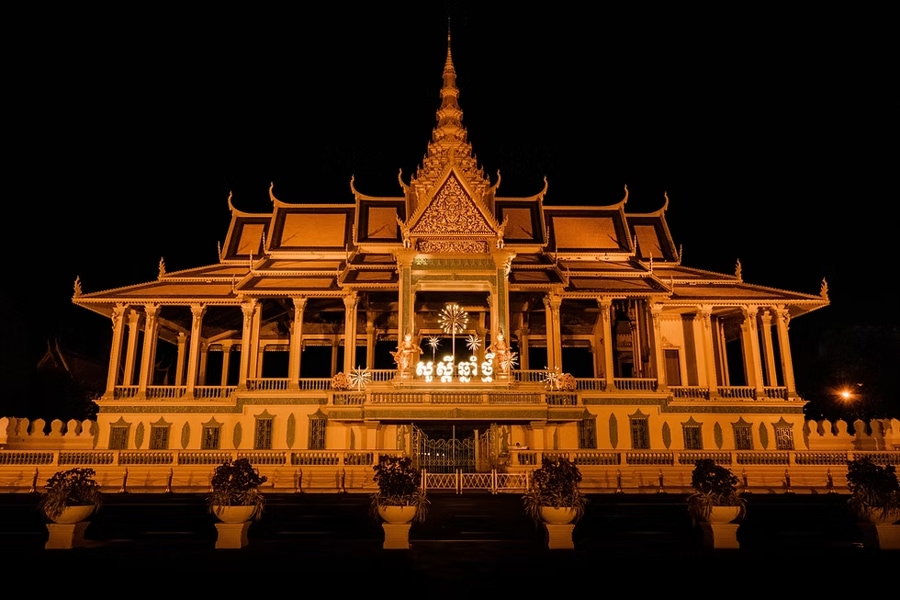
  • Wear comfortable footwear and clothing because temple grounds involve long walkways, uneven stone paths, and staircases leading up to the upper sanctum. It is best to wear light fabric because the region is rather warm throughout the day.
  • Bring lots of water, especially if you will be hiking up to the top of the main sanctuary area, since hydration options may be restricted around the entrance areas.
  • Early in the morning, so you can avoid the heat and the noon-time crowds. The temple is especially beautiful in the early morning light, with a better photographic backdrop and a serene environment.
  • Be mindful of local norms and dress appropriately, as Wat Phou is an active religious site. It is customary to have your shoulders and knees covered, and you can act quietly when in religious areas.
  • It is advisable to have some cash with you because some entrance fees, car park fees, and other smaller purchases, such as beverages, souvenirs, and snacks, may be required in cash.
  • Be careful when you walk up the upper sanctuary area because the stairs leading up are old and made of stone, with some parts slippery and some stairs of unequal heights.
  • Check the weather conditions before you visit, since coming during the rainy season can make the stairs slippery and vision blurry. A visit during the dry season is ideal.

Final Thoughts: Is Wat Phou Worth Visiting?

A visit to Wat Phou is a must for those who appreciate historical sites, scenic views, and cultural enrichment. A thousand-year-old Khmer buildings, religious atmosphere, and majestic mountain setting of Wat Phou create a memorable and spectacular landscape with a profound spiritual flavor. Walking through the temple complexes lets you peek into the history of Southeast Asian civilization. For your ideal Laos tour, try other wonderful travel ideas with Seni World.

Unique Adventure From Pakse To Don Det Across 4000 Islands

When traveling from Pakse to Don Det, it is an excellent way to see the beautiful countryside of Laos. You can experience all the beauty of the rivers and the laid-back life on the islands at the same time.

Overview Of Pakse To Don Det

The overland journey between Pakse and Don Det is one of the most commonly used routes among tourists venturing into the southern part of Laos. Pakse has all the makings of an important tourist hub, with markets, a riverfront, and links to other tourist destinations, compared to the peaceful haven in the middle of the 4000 Islands in the Mekong River that Don Det provides.

Explore Majestic Si Phan Don, Pakse

Quite a few travelers combine these two destinations in order to be able to experience the vibrancy and energy of urban Laos and the relaxing atmosphere and lifestyle on the island. While in Don Det, tourists can enjoy riverboat cruises, cycling tours in villages, and experiences in local ways of life, some of which have still not been impacted by tourists.

How Far Is It From Pakse To Don Det?

Pakse to Don Det is only about 153 km away, meaning it’s a pretty quick trip through southern Laos. By either bus or car, the average duration for travelling this route is approximately 3 hours and 45 minutes, but this will depend greatly on road and traffic conditions.

Most travellers will take the more scenic route running parallel to the banks of the Mekong River, where they can see small villages and a lot of green space, along with local markets. The road itself is generally clean and easy to follow. Thus, making it perfectly safe to travel via both private vehicle and public transportation. Furthermore, many visitors to this area choose to make this journey a part of their itinerary by also visiting other sites located in the 4000 Islands area, where they can also find other attractions along the way.

How To Travel From Pakse To Don Det?

There are numerous ways in which you can travel from Pakse to Don Det, and all options are quite viable, no matter what your pocketbook looks like. Using a shared van, bus, or taxi, you can reach the 4000 Islands.

By Minibus And Ferry

The most popular and available option would be a package deal that combines the overland transportation to Nakasang Pier and the ferry ride to Don Det. Some minivan and bus services operate from Pakse in the mornings, between the hours of 6:00 AM and 12:00 PM.

Pakse To Don Det by ferry

The travel time varies between 2-5 hours, depending on the waiting time, and the fastest travel time would be 1 hour and 45 minutes. The cost would be approximately 8-16 USD, equivalent to 200,000-400,000 VND. The recommendation would be to book the entire ticket package through travel agencies in Pakse in order to have a seamless connection between the road and ferry components.

By Private Taxi

In terms of convenience and flexibility, a private taxi would be the best choice, although this would cost considerably more. The travel time would still take 2-5 hours, just like the van and bus, and you can leave at any time you like, provided it fits your schedule. The price would range from about 125 USD and would only include transportation to Nakasang Pier, and you would have to pay extra for the ferry ride to Don Det.

Pakse To Don Dety taxi

Tips For Traveling From Pakse To Don Det

Traveling from Pakse to Don Det isn’t difficult; however, when viewed in the context of the traveler’s needs, the trip could be improved with some hints or recommendations. Although you may travel by bus, car, or boat, here are some ideas on how to effectively plan for your trip.

  • During high season, you must make your transportation arrangements (bus or private car) before arriving in Don Det to ensure a secure destination.
  • Because of the limited number of ATMs in Don Det, you will need to have cash available in smaller notes for purchasing ferry tickets, snacks, and the local charges.
  • Consider bringing a lightweight backpack containing travel necessities (water, sunscreen, etc.) when you visit Don Det. Although Don Det is located in a tropical location and offers a relaxed atmosphere, convenience stores do not exist on Don Det.
  • If traveling by boat, check the weather prior to leaving to avoid possible delays resulting from the weather or water current.
  • If possible, be an early riser, which will allow you to maximize your time visiting Don Det and the adjacent 4000-Island region.
  • Make sure you have a good pair of shoes or sandals available that are comfortable to wear while you are walking on unpaved roads and along the riverbanks.

Recommended Stops Along the Way

The ride from Pakse to Don Det is much more than a direct route from one location to another; there are interesting stops along the way where you can get a sense of local culture and enjoy the scenery.

Bolaven Plateau

The Bolaven Plateau represents a highland region distinguished by its cool climate, greenery, and waterfalls. There are tourists who come through this area specifically to visit Tad Fane and Tad Yuang waterfalls. The spot has become renowned, too, because of coffee plantations where you get an opportunity to taste coffee grown in those regions and even learn the process through which it was prepared. The location acts as a break before you go even further south.

Explore Chill Life At Bolaven Plateau

Champasak Town

Champasak Province has a small town called Champasak on the banks of the Mekong. The town has plenty of culture and history, and there are tourist attractions like the Wat Phu, a UNESCO site that features the ruins of an old temple and Mekong river views. The town has nice cafes and local markets where tourists can stop and have a quick bite.

Si Phan Don (4000 Islands)

Before arriving in Don Det, tourists experience the general region commonly referred to as the 4000 Islands, including Don Khone and Don Khong. These island destinations provide opportunities to explore the islands by Mekong River cruises, relaxed cycling through peaceful trails, and a visit to the fishing villages. In addition, tourists can witness the Irrawaddy dolphin, a rare species, in the Mekong River near Don Khone.

Mekong Riverside Villages

Tourists can get a taste of the rural Laos lifestyle at small villages bordering the Mekong River. They can visit these villages to try regional food, view local fishing operations, or spend some time relaxing along the banks of the river. This is a great way for travellers to experience a traveler’s interaction and immersion into the local culture and environment.

Mekong Riverside Villages

FAQs About Traveling From Pakse To Don Det

The journey between Pakse and Don Det is a very popular route for tourists visiting the south of Laos, but many tourists have questions about transport, border crossing, and what they can expect to find while visiting the islands. Below are some commonly asked questions that may aid in making this trip a smooth one.

Do I need a visa to travel between Pakse and Don Det?

Yes, most international visitors will not need to cross an international border when travelling from Pakse to Don Det; therefore, they will not need a visa to enter or leave either of these locations, as they are both in Laos. However, if you plan to visit some of the islands that are closer to the Cambodian border, you may need a visa to enter the border area.

What is the ideal season for travelling from Pakse to Don Det?

The best time to travel from Pakse to Don Det is during the dry season (from November to April). During this time, many of the roads are easier to drive on, and the weather tends to be nicer. However, during the rainy season (from May to October), some of the roads can be very slippery, and it takes longer to drive over them; this is especially true in the area of the Mekong River and the islands.

Are there any other places to visit besides Don Det?

Absolutely! The 4000 Islands area includes Don Khone and Don Khong as well as multiple smaller islands that tourists frequently visit to take in the scenery and see waterfalls, cycle, and get to know the locals. Additionally, you can see the rare Irrawaddy dolphin swimming in the Mekong River near Don Khone.

Don Khong in Laos

Is it safe to travel on roads from Pakse to Don Det?

Yes, the roads leading from Pakse to Don Det are well maintained by both buses and private vehicles. Locals are friendly and welcoming to travelers. However, travelers should use standard safety precautions while traveling, such as keeping an eye on their possessions, using a seatbelt if one is available, and checking ferry schedules. Travelers also say that they feel safe walking around Don Det, as well as the other islands.

What should I bring for the journey to Don Det?

Travelers to Don Det are advised to pack water, snacks, sunscreen, insect repellent, and a small, lightweight backpack. Wearing comfortable walking shoes will be useful while walking over the bumpy and uneven terrain on the islands of Don Det and the surrounding areas. Being prepared with these items will improve your overall travel experience, especially if you choose to use an independent transportation method.

Is it safe to travel alone from Pakse to Don Det?

Traveling alone from Pakse to Don Det is generally very safe, given that this route is heavily trafficked by tourists and the local communities are very welcoming to visitors. However, as with any solo travel, you should practice standard safety precautions, keep an eye on your personal items, and try to avoid travelling at night. Many solo travellers report having smooth, hassle-free experiences while commuting on this route.

Final Thoughts

A trip to Don Det from Pakse can provide you with the most relaxing and convenient form of travel, allowing you to enjoy the scenery from the river, the laid-back island lifestyle, and the rich culture of Laos. With several ways to get there, including bus, car, or boat, your journey will be simple and enjoyable. You can enjoy a peaceful escape from the noise of the city by being in Don Det, allowing you to take your time exploring and discovering what is available to you. You can begin your journey now with Seni World to make the most of your experience.

From Pakse To Siem Reap: Routes, Stops, And Expert Advice

Pakse and Siem Reap are destinations on the travel itinerary when people visit both Cambodia and Laos on the same holiday. This connection takes travelers through an easy-to-follow path that can be achieved through bus, car, and plane travel options.

Overview Of Pakse To Siem Reap

Overland travel from Pakse in Laos to Siem Reap in Cambodia takes tourists through the middle of Southeast Asia, where the calm environments in southern Laos are contrasted with the rich cultural and overall histories present in Cambodia. The reason why some tourists travel through this route could be the calm Mekong rivers, the greenery, and the waterfalls in and around Pakse, in addition to the chance to explore one of the world’s greatest archaeological sites.

Wat Phou, a UNESCO World Heritage Site in Pakse

Siem Reap, famous for its magnificent Angkor Wat, the UNESCO-listed Angkor archeological complex, as well as the lively markets and the rich Khmer culture, provides a contrast in the travel itinerary from the peaceful countryside in Pakse. The travel experience in Cambodia provides an opportunity for tourists to experience the beauty and uniqueness that Southeast Asia has in terms of their contrasting geography and rich cultural and historical backgrounds.

How Far Is It From Pakse To Siem Reap?

The distance from Pakse to Siem Reap is about 511 km, and it normally takes up to 8 hours and 23 minutes by road. It will depend on the traffic, border procedures, and conditions of the road. If you would like to fly, then you will see how much faster it will be-just about 1 hour, which is the most convenient and fastest option for most travelers.

Bayon Temple in Siem Reap

How to Travel From Pakse To Siem Reap?

Moving from Pakse in Cambodia to Siem Reap can be much easier than most people would think, and there are quite a few ways in which you could make the transition, depending on your budget and travel plans.

By Minibus Or Tourist Bus

This is the most common transport available from Pakse to Siem Reap, and it enjoys popularity among budget travelers and people who like overland transport. Here, you get the chance to travel on a minibus and a tourist bus, and the journey takes between 8 and 12.5 hours, depending on the pauses and border formalities. Departure usually takes place early in the morning, and you will arrive in the evening.

Pakse to Siem Reap by bus

Aspect Details
Duration 8 – 12.5 hours
Cost 36 – 67 USD
Departure Early morning
Arrival Evening in Siem Reap
Notes Assistance available for border crossing; good for budget travelers

By Flights

The fastest means of travel from Pakse to Siem Reap goes by air, and direct flights are less likely. The flight duration when there is a direct connection would be approximately 1 hour, and in other cases, the flight duration could extend to more hours. The cost may begin from 172 USD.

Aspect Details
Duration 1 hour
Cost From 172 USD
Arrival Siem Reap International Airport
Notes Fastest option: check schedules and layovers carefully

By Private Taxi

The private taxi service offers the greatest convenience and flexibility, making it the best choice when traveling in a family group. The duration takes approximately 9 hours, and there is an option to make stops on the way. Depending on the group, the cost can range from 320 to 383 USD.

Aspect Details
Duration About 9 hours
Cost 320 – 383 USD per vehicle
Notes Best for groups. Full control over stops and schedule

Tips For Traveling From Pakse To Siem Reap

When traveling from Pakse to Siem Reap, here are a couple of tips to help you on the way to making the journey enjoyable.

  • Check the visa requirements ahead of time, and especially at border crossings, as the amount of time and money needed to process a visa at the border varies depending on where you cross.
  • Be sure to bring enough cash in both US dollars and the local currency, since some small towns along the way, or even border crossings, may not accept debit cards or may not have the ability to process an online payment.
  • During peak travel, book your transportation ahead of time to ensure you will have a good seat on the bus and be able to avoid having to pay the higher price for a seat that may become available if you wait until the last minute.
  • Take with you only what you need, but make certain you bring along food (snacks), water, and a light jacket (if traveling by bus) due to varying temperatures inside the buses.

snack in laos

  • Make sure that you can easily locate your travel and identification documentation, your passport and visa documents, accommodations in Pakse, and your destination in Siem Reap.
  • Try to plan your travel to be in Siem Reap during daylight hours, so that you will have an easier time locating transportation and checking into your accommodations.
  • Consider purchasing travel insurance for added peace of mind, especially if your road travel will involve multiple days of travel or will consist of multiple stops.

Recommended Stops Along The Way

A ride from Pakse to Siem Reap provides an opportunity to experience different sights, attractions, and bustling town stops on the route connecting Laos and Cambodia. Depending on your schedule, some train stops provide valuable experiences when added to the long trip.

Ban Kiat Ngong

Ban Kiat Ngong is an uneventful village that lies within the Xe Pian National Protected Area. The area has green wetlands and rich animal life. Tourists gravitate here because they get to visit Phou Asa, an old stone fortress standing on a hill. The village also provides elephant treks, conducted by the people who live here. This location provides a peaceful reprieve before traveling in the direction of the border.

discover Xe Pian National Protected Area

Dong Kralor Border Checkpoint

The Dong Kralor border checkpoint signals the beginning of your travel through Cambodia. It’s mostly an immigration check, and there are some local vendors and resting areas in the vicinity. This is where you would undergo the visa formalities, and it would be helpful to have all the necessary papers and funds in cash. While it’s an insignificant spot on the travel map, you get a chance to experience the border culture.

Stung Treng

Stung Treng sits on the Mekong and Sekong Rivers and provides a peaceful spot by the water. There are calm environs and a slow pace of life here. Visitors can experience the local markets, eat some Cambodian cuisine, and take a quick boat ride on the river. The town also has basic guesthouses where travelers can stay longer. Stung Treng provides a great transition into the environment and culture in Cambodia.

Stung Treng sits on the Mekong and Sekong Rivers

Preah Vihear Province

In the southern part, there’s Preah Vihear Province, where you can enjoy the scenery and spot some historical landmarks. In fact, the province boasts the famous Preah Vihear Temple, a UNESCO World Heritage site, standing atop a cliff. While making your way to the temple might mean making a detour, it would be worthwhile, especially for those who appreciate ancient architecture. The fact that the province has villages and scenic countryside would make it a nice tourist spot.

Kampong Thom

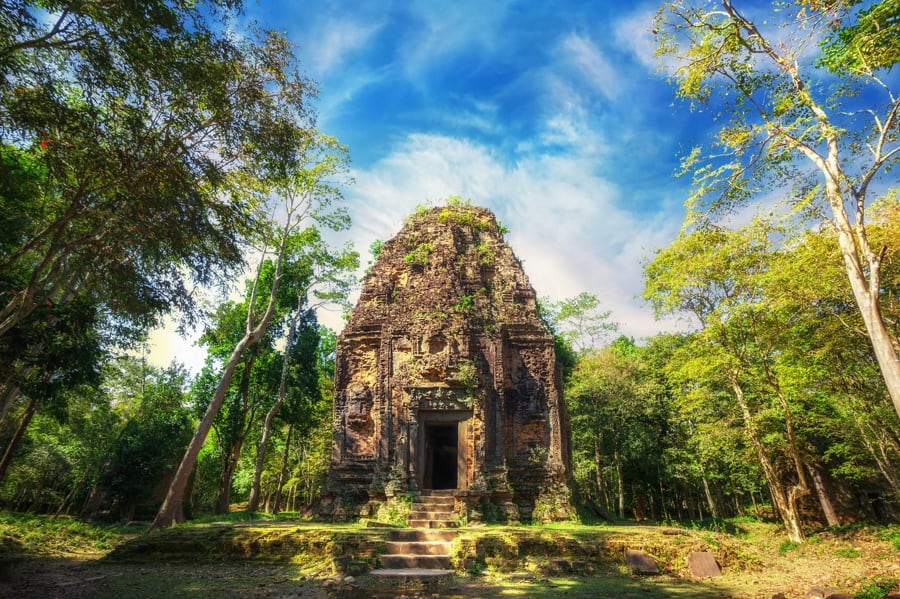
Kampong Thom is a larger provincial town, and it functions as a gateway to the important archaeological destinations in Cambodia. In this location, there is Sambor Prei Kuk, an old pre-Angkorian temple, and the paths are lined with forests and brick temples. Visitors can dine in local restaurants, stay in guest houses, and also appreciate the river scenery. The town provides an amalgam of culture, accessibility, and peacefulness. The stop at Kampong Thom enriches the experience preceding the ultimate drive to Siem Reap.

Kampong Thom in Cambodia

FAQs About Traveling From Pakse To Siem Reap

When planning a trip from Pakse to Siem Reap, there are a host of questions that arise, particularly if you are traveling internationally for the first time. Some of the questions you may have, and their answers, are provided below.

Is an entrance visa needed when traveling from Laos to Cambodia?

Yes. Visa requirements exist, and most people traveling there will need a visa in order to enter Cambodia. The application process has become easier in the sense that you can now apply before you leave the country, either online and in advance, or when you arrive at the border.

What is the safest means of travel between Pakse and Siem Reap?

Flying would always be the most secure and convenient means, and there would be much less risk involved. By bus and in your personal car, you could always travel overland, though there could be some risks involved, particularly during the rainy seasons. In cases where you decide on an overland trip, make sure you pick the transport service with the best reviews.

Is the border crossing between Laos and Cambodia easy?

Crossing the border usually isn’t a problem, provided that all your papers are in order. Be prepared to fill out some forms related to your entry and departure, and sometimes you might need to pay some small administrative costs. The lines could be long during peak periods, and you need to be patient.

Is it possible to travel at night?

Night travel is inadvisable, particularly because there isn’t much street lighting, and some countryside roads can be unsafe. The border controls also shut their operation in the evening. Therefore, you could experience hold-ups before the border. During the daytime, you’ll have better visibility and proper services on the way. Should you need an early arrival in Siem Reap, you could leave Pakse in the morning.

How long does the trip usually take?

The duration of the direct flight would be approximately an hour. This would be the shortest flight and the fastest means of travel. In the event that you decide to travel by road, the time would range between 8-10 hours. There could be extra hours involved, should you decide to make some stops on the way.

When is the best time for traveling from Pakse to Siem Reap?

The dry season, running from November through April, is the best time to travel. There are fewer risks on the roads, and the weather can be accurately predicted. In the rainy season, spanning from May through October, torrential rains may cause travel hold-ups and make some rural roads difficult. Flights are available throughout the year, and traveling through the dry season months ensures smoother travel.

Is it possible to combine sightseeing with the journey?

Yes. There can be tourism in the course of travel. Stung Treng and Preah Vihear provinces can offer some interesting scenery and the chance to explore some ruins. While the reason in the beginning was travel, it is important to make the most of the experience. Simply remember that travel time needs to be accounted for in the event that some sights are visited.

Final Thoughts

A great journey from Pakse to Siem Reap combines stunning landscapes, deep culture, and the world-famous Angkor temples. Whether by flying, bus, or private transfer, all routes can offer you great experiences according to different types of travelers. You may enjoy the peaceful river view along the way and suddenly plunge into the busy atmosphere in Siem Reap. For a smooth and well-planned journey, find more travel tips and routes with Seni World.

Planning Your Next Trip From Pakse To Vientiane Made Easy

Before arriving at the energetic capital, the trip from Pakse to Vientiane offers visitors a variety of picturesque scenery, rivers, and small towns. Many travel this route to enjoy Vientiane’s rich cultural heritage and the peace of southern Laos.

Overview of Pakse To Vientiane

Traveling from Pakse to Vientiane takes you through Laos’ southern and central regions, where you’ll find beautiful mountain scenery, rivers, and many rural communities. Most people traveling this route will stop in Pakse to enjoy its peacefulness before heading off to Vientiane to see its many cultural landmarks and experience the excitement of living and working in a city. Since Pakse and Vientiane offer completely different experiences from each other, combining both Pakse and Vientiane into one trip is an attractive option for travelers who want to see natural beauty as well as city attractions within the same trip.

Tad Yuang Waterfall in Pakse

While Vientiane has many historic sites, including numerous Buddhist temples. There are also lively riverside areas that are very popular with tourists visiting after having come from the peaceful environment of Pakse. To obtain a complete travel experience, travelers frequently combine a visit to both destinations, enjoying everything that Laos has to offer, from the serenity of southern Laos to the bustling, exciting streets and rich culture of Vientiane.

How Far Is It From Pakse To Vientiane?

The distance from Pakse to Vientiane is estimated to be approximately 669 kilometers on the main highways. On average, it will take around twelve hours and twenty minutes to drive between the two towns, depending on how many people are in the vehicle and how much road traffic there is. If you are looking to travel swiftly, an air flight is your best choice as the estimated travel time is a mere one hour.

With travel options, once you arrive in Vientiane from Pakse, you can choose to either travel by road and be able to appreciate the views along the way, or purchase a plane ticket and eliminate the guesswork of traveling by road!

Grand Main Stupa in Pha That Luang

How to Travel From Pakse To Vientiane?

There are various ways to get from Pakse to Vientiane, depending on your comfort level, budget, and schedule. Whether you’re looking for speed, affordability, or road flexibility, each option has a unique set of benefits.

By Plane (Lao Airlines)

The quickest and most practical way to get from Pakse to Vientiane is by plane. The flight is perfect for people on a tight schedule because it takes about an hour. Although costs can change based on the season, tickets start at about 81 USD. Speed and convenience are the primary benefits, but you must also take airport check-in and security procedures into consideration. For people who wish to travel quickly and easily without having to spend a lot of time on the road, this option is ideal.

Pakse To Vientiane by plane

By Bus Or Sleeper Bus

The most popular option for this route, particularly for low-cost travelers, is the sleeper bus. Buses usually take ten to fifteen hours, and many overnight services leave Pakse between 18:00 and 20:00 and arrive at Vientiane Southern Bus Station between 06:00 and 10:00 the following morning. This is the least expensive option, with tickets starting at 19 USD.

Although it saves money on lodging, keep in mind that sleeper cabins can be small, typically made for two people. Buses offer a picturesque and engaging way to experience Laos, despite the lengthy ride.

By Taxi Or Private Van

For groups or individuals seeking flexibility, hiring a private taxi or van is the best option. You can leave at any time and make stops along the way, and the drive typically takes 11-14 hours, which is a little quicker than a bus.

Pakse To Vientiane by private car

You get privacy, comfort, and schedule control, but the price is much higher, starting at about 465 USD per vehicle. Families, groups of friends, or anyone willing to pay more for convenience and flexibility during the lengthy trip should choose this option.

Tips For Traveling From Pakse To Vientiane

Your travel from Pakse to Vientiane will be quite a lengthy distance, so being prepared with these tips should enhance your overall experience.

  • Booking your transportation tickets in advance during peak travel times or weekends assures you a spot for your desired departure time.
  • Be sure to have your required travel documents, passports, and visas arranged at least one week before your scheduled departure.
  • Bring a large bottle of potable water and a large quantity of non-perishable snacks with you on your trip to ensure you are properly nourished during your journey to Vientiane, as most bus routes will not have many rest areas available.
  • Keep some small amounts of cash (in Lao Kip) available for small purchases, such as beverages and tips for food or small merchandise purchases from roadside vendors or stalls along the way.
  • It’s best to wear comfortable clothing when taking a long bus or car ride, as well as bringing a pillow and blanket along for added comfort.
  • If you are driving your own vehicle, it’s helpful to plan your route in advance with a map or GPS and allow yourself plenty of time to stop at rest areas and to go through border crossings.
  • When checking in at border crossings, be sure to have your passport, tickets, and any other important travel documents in a convenient place.

Recommended Stops Along the Way

Beyond just covering distance, traveling from Pakse to Vientiane offers the opportunity to take in Laos’ natural beauty, rural lifestyle, and cultural landmarks. The lengthy journey can be made memorable and pleasurable by scheduling a few stops along the way.

Si Phan Don (Four Thousand Islands)

The Four Thousand Islands, also referred to as Si Phan Don, consist of a spectacular set of River Islands located in southern Laos. They provide an opportunity for many travellers to encounter Irrawaddy dolphins (a rare species) in their own environment, book boat trips, and simply relax in the calmness of the Mekong River.

Explore Majestic Si Phan Don

There are many small guesthouses and cafes scattered across the three islands, and at these locations, you can relax while enjoying the local food. When you stop for some rest and quiet, you can unwind your body, inhale the fresh river air and experience the tranquillity of the area. It is an excellent and refreshing break on a long journey to Vientiane.

Champasak

The small town of Champasak is located close to Pakse and is famous for its cultural history. Wat Phou, a UNESCO World Heritage Site, is built on a slope overlooking the forested mountains of the Southeast Asian country of Laos (Lao PDR). It exhibits ancient Khmer architecture.

Wat Phou, a UNESCO World Heritage Site

Champasak offers many riverfront walkways and community markets to allow visitors to explore local handicrafts and have a meal full of traditional Lao flavors. When visiting and before embarking on one of the lengthier journeys, a brief stop at Champasak can provide a relaxing place that gives visitors a view of local culture, especially rural life. Visitors can find Champasak to be a lovely way to find peace and serenity in this slower-paced location within rural Laos.

Khong District

The Khong District lies alongside the Mekong River, making it a perfect place for travelers to explore authentic rural Laos. With quiet villages, scenic rice fields, and beautiful views of the riverbank, this part of Laos is great for taking pictures and enjoying a short break away from larger cities. Visitors who enjoy watching the daily activities along the river can stop by one of the many small family-owned restaurants and Snack Shops for a drink or a quick bite.

While enjoying the peacefulness of the countryside, visitors are recharged for the rest of their journey in Khong District. This area offers visitors an opportunity to appreciate and enjoy the beauty and simplicity of rural Laos before entering the busy urban centres of Laos.

Pakse Town

While Pakse may be the first place you stay, you might find it worthwhile to extend your stay in Pakse before heading north. You can take a relaxed walk along the beautiful riverside on the Mekong River, continue walking around town visiting some of the colourful markets and cafes that Pakse has to offer, and check out the cascades of waterfalls that are close by, such as the waterfalls of Tad Fane and Tad Yuang.

Tad Fane waterfall in Pakse

While you are visiting the town of Pakse, you may be able to sample the local delicacies, including fresh river fish or traditional Lao coffee. Taking the time to appreciate the beautiful and charming southern part of Laos from Pakse will ensure that you are able to relax and prepare for what will surely be a long drive up to Vientiane.

Vientiane Outskirts

The outskirts of Vientiane offer visitors a glimpse of the city’s urban life amidst rural surroundings as you get closer. Before entering the city, you can stretch your legs at these little roadside stops that serve coffee, snacks, and souvenirs. Rice fields and riverside villages give way to busy streets and local markets over time.

Mekong River view

It’s a great spot to stop for one last time, take in the Mekong River view, and mentally get ready for Vientiane’s vibrant, busy atmosphere. Before reaching the energetic capital, these last stops make the trip easier and more pleasurable.

FAQs About Traveling From Pakse To Vientiane

It’s a picturesque trip through southern and central Laos from Pakse to Vientiane, but if you’re flying, you’ll need to plan or spend a lot of time on the road. To make your trip easier and more pleasurable, here are some commonly asked questions and their corresponding answers.

Do I need a visa to travel between Pakse and Vientiane?

If you are already in Laos, you don’t need a visa to travel domestically. But, especially if you are a foreign visitor, make sure your entry documents into Laos are legitimate. When traveling between cities, always have your ID card or passport with you because hotels and transportation companies might request identification. This prevents needless delays and guarantees more seamless check-ins.

What should I pack for the journey?

For lengthy road trips, bring necessities like water, snacks, cozy clothes, and a travel pillow. For small purchases and roadside stops, keep some cash on hand in Lao Kip. Remember to bring your passport or ID, your tickets, and any hotel confirmations. The trip can be made more convenient and pleasurable with a power bank, sunscreen, and basic first aid supplies.

Is it possible to save time by traveling overnight?

Although they are available, overnight buses might not be the most comfortable option for such a lengthy trip. In order to take in the scenery and make stops easier, many travelers choose to travel during the day. If you decide to stay overnight, pick a reliable bus company and pack necessities like water, snacks, and a blanket. Additionally, traveling during the day gives you more freedom to stop and take in the sights along the way.

Final Thoughts

The travel experience between Pakse and Vientiane is filled with both relaxing rural scenery and cultural opportunities, and then later in the day, visiting the capital. This will give you the best of both worlds and allow for lots of rest breaks for leisure activities. To get the most out of your Laos trip, consider scheduling ahead of time to have time for sightseeing and rest stops. If you’re looking for good ideas, good details, and a personalized travel experience, Seni World will help with your travel needs.

Pakse Nightlife Highlights With Top Activities And Local Eats

Pakse nightlife is modest but easy to enjoy, with food stalls, riverside corners, and a few spots that stay active after dark. Most places sit close to the center, so you can explore without planning too much.

Top 6 Things To Do In Pakse Nightlife

Pakse at night scene is small yet handy, centered on street eats, spots by the river, or short fun plans needing no prep. Things like this make your evening relaxed, hassle-free.

Wander Through Pakse Night Market

Pakse Night Market is tucked behind Champasak Stadium, just a quick stroll from the highway or riverbank. Starts buzzing near 6 PM, with grills firing up, som tam stands rolling out, fresh juice blenders whirring, plus sweet bites on offer. Prices hang around 10K to 25K LAK per plate, meaning you can sample plenty while keeping cash in your pocket. For those who like poking around, tiny nooks pop up selling woven fabrics, handcrafted silver trinkets, quirky keepsakes missing from everyday stores.

Wander Through Pakse Night Market

If you don’t know where to start, check out the middle aisle first. Sellers often lay things out neatly, letting you just point instead of talking in Lao. Tables get taken fast on Saturdays or Sundays, so showing up early means you’ll likely snag a tidy spot close to the big food stands. Past the eating section, there’s a little group of craft spots offering handmade cloth, tiny pouches, along silver trinkets. Most stuff has set prices, making it less tricky when you’re not into haggling.

Watch Sunset & Night Views From Wat Phou Salao

Wat Phou Salao sits beyond the Mekong, just past the Japanese Bridge – roughly 10 to 15 minutes up by scooter or tuk-tuk. Folks usually show up near dusk to hang around till Pakse’s downtown sparkles come into view. From there, you see the Mekong, the Xe Don River. Not fancy, yet it’s among the top spots in Pakse where you can take in sights and chill out after dark on your own.

Watch Sunset From Wat Phou Salao

If you’re heading up the stairs, set aside around 20 minutes – don’t forget water; the path’s tough and out in the open. Once the sun dips down, bugs show up fast, meaning bug spray helps when snapping pics late. Lots of people come here, feel secure enough, yet darkness rolls in quickly, which is why many leave by 7:30. Stop by Wat Phou Salao early; it fits well before moving on to river views or local eats.

Enjoy A Riverside Dinner Cruise On The Mekong Or Xe Don

Dinner rides on boats near Pakse often start about 6:00 PM, leaving from spots close to Pakse Hotel by the water, perfect when you’d rather skip hopping between eateries. Instead of hurrying, vessels drift calmly down the Mekong or Xe Don River, dishing out basic Lao food, charred fish, plus cold drinks as darkness rolls over the banks. Booking weeks early is not needed; plenty of seats that day using their hotel or just showing up at the dock.

Enjoy A Riverside Dinner Cruise On The Mekong

If moving through town feels tiring, this laid-back plan gives shape to your night without stress. The ride takes about sixty minutes. You’ll find open seating, plus things never get loud, no matter if it’s Saturday or Tuesday. Toss in a thin coat, the moment the vessel swings out into wider water, gusts tend to chill quickly. For less shake and clearer sights, pick a spot upstairs instead of down near the motor hum. This outing asks little effort, works well for pairs, or just three folks hanging loose.

Explore Dao Heuang Market’s Evening Section

Dao Heuang Market is just below downtown Pakse, feeling more low-key than the big night market. As it gets dark, part of it comes alive with sellers dishing out crispy bites, ripe jungle fruits, sweet sticky rice treats, or basic home stuff. The costs here don’t play games, clear tags, no hassle. If you’re after a quick bite, hopping from stall to stall works smoothly. This place is one of the top picks for real-deal fruit shakes with mango, lychee, or tangy passion pulp blended fresh.

Explore Dao Heuang Market’s Evening Section

This spot works well for visitors thanks to Champasak fabrics on display, usually less expensive than store versions. When looking for scarves, little cloth items, or handcrafted shawls, here’s where you can check both cost and material side by side. Spread out enough to move around without hassle; still, carry cash along with smaller notes so things go faster. Not somewhere you’ll spend hours, though it spices up evening plans when paired with fast bites and browsing crafts nearby.

Browse Small Boutique Shops & Handicraft Stalls In Pakse Downtown

By Road 13, close to Champasak Palace Hotel, tiny stores pop up with handwoven scarves, crafted bags, silver trinkets, or handy travel gear. Many of these spots remain open till late, which leaves room to wander in once dinner ends or after a stroll by the water. Stuff here feels picked on purpose, unlike market clutter, making it smoother to feel fabrics or judge craftsmanship without stress. When you want presents that don’t look like they came off an assembly line, this stretch makes sense.

The prices show up right away, plus locals deal with tourists all the time, so chatting about clothing kinds or designs works fine even when your English isn’t strong. Besides that, this spot’s handy for picking up light keepsakes if hauling heavy stuff feels like a drag. Sure, you won’t need half a day here; still, it slots nicely into an evening routine as a quick practical stop.

Enjoy Drinks At Pakse’s Signature Bars & Live-Music Spots

Pakse isn’t packed with bars, yet there are spots where nights wind down just fine. 94 Bar stands out thanks to live acts, local groups belt out Lao and Thai tunes in a laid-back spot. Nearby the Mekong, Naga Bar suits those after calm vibes with basic drinks, seats outside, plus sightlines to the river flow. If you’re into games or prefer places that feel familiar to home, Overtime Bar fits the bill. Then again, during weekend evenings, Let’s Relax Bar pulls in folks who like buzzing scenes.

Enjoy Drinks At Pakse’s Signature Bars

If you’re into sights, check out Le Panorama Rooftop at Pakse Hotel. With a view over the Mekong and downtown, it’s a decent pick before dinner or after browsing markets. Most spots won’t break the bank, while nearby options let you hop around; two or three bars in one evening isn’t hard. Since tuk-tuks keep going on the main strip, returning to your place stays hassle-free, even when you’re cutting it close.

What To Eat In Pakse Nightlife

When Pakse nightlife folks head out for cheap eats found at street stalls, night bazaars, or tiny neighborhood spots. Most visitors keep coming back to these meals, not hard to ask for, satisfy hunger fast, plus deliver a genuine taste of daily life in Champasak.

Lao BBQ Mookata (Grilled Meat And Hotpot Combo)

Lao BBQ hits the spot when you’re hungry after a tiring day, meat and veggies cook on a domed grill, while soup warms up along the sides. You get plenty of food, plus many spots have fixed-price deals that help tourists skip language trouble. Cost depends on portion, though a mid-sized combo often feeds two just fine.

Where to try: Grab a bite at Sikhottabong BBQ, try Pakse Mookata if you’re close to Road 13.

Lao BBQ Mookata (Grilled Meat And Hotpot Combo)

Tam Mak Hoong (Lao-style Papaya Salad)

This popular night bite around town? Shredded green papaya tossed with chilies, lime juice, and funky fish sauce, along with handfuls of fresh herbs. It’s kick hits harder than Thailand’s take. Say “make it mild” when ordering if heat isn’t your thing. Goes great with sticky rice or charred chicken, should you need something heartier.

Where to try: Head to Pakse Night Market or grab a bite at that Som Tum Thai spot by the river.

Tam Mak Hoong (Lao-style Papaya Salad)

Grilled Mekong Fish (Salt-crusted River Fish)

The catch gets sprinkled with salt, packed with green herbs, then roasted low and slow on hot coal; the taste turns out crisp and grounded, no extra spices needed. You’ll likely get it with a spicy chili sauce plus raw veggies on the side; one whole fish feeds either a single person or maybe two if they’re not starving. When you’re after dinner, that’s simple but fills you up.

Where to try: Fish along the river by Naga Bar, grilled bites also pop up at Pakse’s evening market.

Khao Piak Sen (Fresh Rice Noodle Soup)

A bowl of Khao Piak Sen hits the spot when you’re after something cozy but light, no spice, no fry. Instead of bold flavors, it brings tender noodles swimming in a gentle soup, often with bits of chicken or pork tucked inside. It’s kind of like comfort food without weighing you down. You won’t see wild price swings, plus swapping toppings takes zero effort.

Where to try: Head to Khao Piak Sen Ban Keun or any little noodle spot near Road 13.

Khao Piak Sen (Fresh Rice Noodle Soup)

Lao Pork Skewers Ping Moo (Charcoal-grilled Pork)

These skewers pop up after dark, perfect when you’re skipping a proper dinner. The meat’s dipped in mild seasoning, cooked on hot coals, then handed over with basic sauce on the side. Grab just one or pile them up, lets you sample various spots without hassle. Best enjoyed with glutinous rice or between strolls through market lanes

Where to try: Find them near the entry stands at Pakse Night Market or small wagons by the Xe Don riverbank.

Lao Pork Skewers Ping Moo (Charcoal-grilled Pork)

Tips for Experiencing Pakse Nightlife

Pakse nightlife scene is small; knowing a bit ahead of time keeps things running without hiccups. The advice below skips common errors tourists fall into, and shows ways to dodge blowing a whole evening.

  • Evening spots in Pakse usually close sooner compared to bigger towns in Laos. So a quick check saves time and keeps plans from falling apart.
  • Tuk-tuks charge fixed prices at night, so agreeing on cost upfront keeps you from surprise fees near the river when it’s late.
  • Dinner boat rides, but also packed grill spots get crowded by Saturday or Sunday, so grabbing your spot late in the day means easier seating without long lines.
  • Folks down in Pakse’s center sell woven goods that usually beat the stuff at roadside stands. Check both spots side by side, or you might end up stuck paying high prices for weaker cloth meant for travelers.
  • The riverside path offers less to eat during the week, so grabbing a bite early at the night market makes sense, as it keeps you from turning back later once your stroll begins.
  • Peeking at the forecast, kind of like tourists scouting the best Vang Vieng trip timing, gives a heads-up for picking ideal nights to catch sunsets or hit street stalls.
  • Map out your path using distance with start at the night market, then head to the riverfront, followed by a rooftop bar. This way, fewer random tuk-tuk trips slow you down.
  • Nightlife here sticks to a few spots, along Road 13, by the river close to the bridge, or near the stadium; hitting these places on foot makes moving around easy.

Final Thoughts

Pakse nightlife isn’t fancy, yet it still gives solid options for a relaxed time. When you figure out where things happen late, planning gets easier with toss-in eats, Mekong sights, maybe some casual shopping. It suits folks happy with low-key rhythms instead of rushing through checklists. Heading elsewhere in Laos later or hopping into Vietnam? Seni World handles the nitty-gritty details, letting you just live the trip without stress.

14 Top Things To Do In Pakse For A Perfect Laos Adventure

While Pakse is usually a stopover for people on their way to other nearby attractions, the city itself has plenty to offer. From outstanding natural beauty to historical sites, this quiet riverside city is full of memorable experiences just waiting to be uncovered.

Explore Chill Life At Bolaven Plateau

One of the most iconic attractions in Pakse, the Bolaven Plateau is famous for its cool climate, lush greenery, and sprawling coffee plantations. The plateau enjoys an altitude of approximately 1,200 meters, creating a refreshing haven from the sweltering heat of the city. A large number of waterfalls, trekking through virgin natural landscapes, and immersion into rural highland life make for some of the things that travelers can undertake upon their visit. Among the waterfalls, Tad Fane and Tad Lo are two of the most prominent, with their dramatic drop from steep cliffs and peaceful surroundings.

Explore Chill Life At Bolaven Plateau

Paying visits to the coffee farms is another attraction, learning about the growing process, and sipping hot steaming cups of the local bean brew. Many do take guided tours. However, motorbike rentals are also fun for independent exploration. Be it sightseeing, adventure, or relaxation, visiting the Bolaven Plateau will be one of the unique things to do in Pakse for enthusiasts to return without memories worth a lifetime.

Walk Around The Wat Phou

Located about 40km south of Pakse, Wat Phou is a UNESCO World Heritage site and one of the most sacred ancient temple complexes in Laos. Originally built as early as the 5th century, this Khmer religious site even predates Angkor Wat and carries many similarities in its architectural style. Visitors will make their way up long staircases past ancient carvings and moss-covered shrines to upper sanctuaries.

Wat Phou is a UNESCO World Heritage site

The panoramic view from the top of the surrounding plains and the Mekong River is stunning. The atmosphere is calm and spiritual, thus making it a meaningful place for reflection and appreciating regional history. Many travelers come up at sunrise or late afternoon for ideal soft light and cooler temperatures. A visit to Wat Phou will satisfy any traveler’s desires for history, culture, and ancient Southeast Asian architecture.

Go To The Incredible Khone Phapheng Falls

Khone Phapheng Waterfall is the largest waterfall in Southeast Asia. It is also known as the ‘Niagara of Asia’. Khone Phapheng Waterfall is situated 100 km from Pakse on the Mekong River. This waterfall amazes visitors because of its powerful cascades thundering on huge rock formations. Nature’s raw power in the form of the waterfall’s surroundings also offers amazing opportunities for photographs.

Go To The Incredible Khone Phapheng Falls

Visitors can take walks on the observation decks to observe the waterfall rushing towards them. Khone Phapheng waterfall also houses endangered species like the Irrawaddy dolphin within the surrounding areas of the Mekong River. People usually visit Khone Phapheng Waterfall along with their Pakse tour.

Go Through The Pakse Bridge

Pakse Bridge, also named the ‘Lao-Japan Friendship Bridge,’ is one of the contemporary landmarks in the city. Crossing the Mekong River, the bridge connects Pakse to the neighboring districts. Other than its significance in the transportation system of the region, the bridge also serves as one of the romantic locations for observing sunset views of the surrounding landscape. Locals and visitors alike come to enjoy the views in the cool breeze.

Food stands along the sidewalks also fill the atmosphere. Visitors seeking simple yet beautiful local experiences would definitely enjoy the fun. It’s also one of the best ways to understand the modern aspect of Pakse while being surrounded by the beautiful landscape.

Enjoy Freshing Atmosphere At Phasuam Waterfall

Phasuam Waterfall is situated near the Bolaven Plateau. This waterfall is one of the most attractive natural sites in Pakse. Not many waterfalls in the world have rock formations in the shape of regular hexagons. Such natural wonders make the waterfall very attractive for photographers.

However, the rainforest surrounding the waterfall is still intact. Visitors can enjoy the beauty of the forests by walking along the trails. Visitors also get to enjoy the serenity of the countryside. Cultural display villages near the waterfall allow visitors to gain insight into the life of local ethnic groups. Many tourists visit the waterfall on their way to other waterfalls in the Bolaven Plateau.

Explore Majestic Si Phan Don (4,000 Islands)

Si Phan Don, meaning ‘4,000 Islands,’ is an immense riverine delta some 150 km from the city of Pakse. This beautiful place is especially popular for island-hopping by boat. However, visitors also like to kayak through the quiet riverside regions of the Mekong. Don Det and Khone are the two most popular islands in the region that should be added to your things to do in Pakse.

Explore Majestic Si Phan Don

However, visitors love the quiet fishing villages on both of the islands. Cycles and motorbikes are also available for rent. Also, the region is one of the few places in the world where one might witness the beautiful Irrawaddy dolphins. To say the least, the region is ideal for visitors who like to relax. Visitors love to spend the night in the region, enjoying both the sunrises and sunsets in the Mekong.

Swim At The Tad Yeuang Waterfall

Tad Yeuang Waterfall is also an attractive waterfall in the nearby area of the Bolaven Plateau. At this waterfall, the white water drops steeply into a deep pool amidst the backdrop of dense greenery. Walking trails are also available in the region that direct visitors through the forests. Thus, it is one of the best places for hiking and nature photography. People also come to enjoy the natural pool at the base of the waterfall for swimming.

Tad Yuang Waterfall

Picnic spots in the area provide a nice place for relaxation. The nature surrounding the cave is still unspoiled. Travelers get to enjoy natural beauty. Tad Yeuang is sometimes used in combination with nearby waterfalls on a tour from Pakse.

Pray Peace At The Wat Luang

Located along the Xe Don River, Wat Luang is one of the most important and largest Buddhist temples in Pakse. Its architecture is beautiful with intricate carvings, ornamental details, and colorful patterns, highlighting all the traditional thematic expressions. Being an active religious center, Wat Luang hosts many festivals and ceremonies throughout the year, especially during the Lao New Year. Visitors can see monks perform their daily rituals and appreciate the serenity that typifies Lao Buddhism.

Pray Peace At The Wat Luang

In the grounds of the temple, quiet reflection and photography are possible with locals arriving there to pray, meditate, or enjoy an afternoon of serenity. For those who want to learn more about spirituality and local traditions in Pakse, Wat Luang is a place worth visiting.

Hike Phou Asa Mountain And Visit Kiet Ngong Village

Panoramic sights over the town and the Mekong plains in the Pakse area can be enjoyed at Phou Asa Mountain. And when you follow the travel book directions, you can climb up the mountains either on foot or in your tuk-tuk, and you can get the best sights, especially during sunrise and sunset.

Hike Phou Asa Mountain And Visit Kiet Ngong Village

The tour also takes you through Kiet Ngong Village, which is a local Lao village near the mountains, so you can experience the countryside, far from the tourist zones. When you walk through the paths, ride through the coffee plantations, and climb up the mountains, you get a peaceful and enjoyable respite from the sights.

Shop At The Crowded Dao Heuang Market

The largest and most interesting market in Southern Laos, the Dao Heuang Market in Pakse, is situated only 2 km from the center in the southeastern part of the town, in the vicinity of the Japanese Bridge. This lively and typical Lao market, where you can wander through rows and rows filled with fresh produce, colorful fruits and veggies, river fish, and meat, all arranged in an open-air maze, is the best location in town where you can search and explore textiles, silverware, traditional clothes, and handicrafts.

Shop At The Crowded Dao Heuang Market

Street food enthusiasts would have their haven here, since the market’s culinary part offers an array of barbecues, fried delicacies, coffee, and Lao cuisine. There are even some exotic treats you could taste on the spot. The best time to explore the Dao Heuang Market would be in the early morning when the produce would be fresher, and you could avoid the crowd.

Relax At Tad E Tu Waterfall In The Bolaven Region

For those who want to explore beyond the beaten path, visit the Tad E Tu Waterfall, a less-visited waterfall in the Bolaven area near the city of Pakse. The effect of visiting waterfalls like the Tad E Tu Waterfall, and the others in the area, means you get the chance to experience the tropical surroundings and the quiet pools despite the throngs of visitors in other tourist destinations. The quiet pools in the waterfall make it an appropriate location to take a cool swim and unwind.

Relax At Tad E Tu Waterfall In The Bolaven Region

As the region is somewhat isolated and undeveloped, you can also experience the local lifestyle, and the experience becomes both an adventure and a peaceful retreat. When traveling here, it would be an excellent choice to accompany the visit with a coffee plantation tour and a round trip over the Bolaven Plateau.

Visit Sacred Pakse Chinese Temple

The Pakse Chinese Temple is one of the most colorful cultural attractions in the city and a great place to wander through during your Pakse travel. This typical temple complex stands out because of its red gates, dragons, lanterns, and wood carvings, all testifying to the strong Sino-Lao culture.

Upon entering, you feel like you’re in a peaceful, spiritual environment, where the scent of incense wafts through the air, and people come here and there to make offerings in the hopes of gaining some luck and fortune in their lives. Walking through the complex, admiring the colorful architecture, the mix between mythological artwork and local culture, and the stunning sunset casting warm orange tones on the buildings, making all the different colors pop, is a great experience.

Admire The Golden Buddha (Phou Salao)

Golden Buddha, also called the Phou Salao, stands atop a hill overlooking the Mekong River, making it one of the most famous landmarks in Pakse. Climbing up the hill provides an amazing bird’s-eye perspective on the town and the Japanese Bridge.

Admire The Golden Buddha (Phou Salao)

In fact, the spot is famous among tourists, and you can see many people enjoying the sunset, when the sky takes on an orange hue, and the Golden Buddha figure appears stunning against the setting sun. While the stairway leading up the hill provides a small exercise, the peaceful environment and the stunning site offered by the spot are an excellent reward and make the experience worthwhile.

Stop By Wat Pha Bat (Wat Phabat)

The Wat Pha Bat is a significant temple in Pakse and quite famous among tourists and natives alike because it has a sacred Buddha footprint, said to possess spiritual powers. While you explore the grounds in the Wat Pha Bat, you will notice the beautifully designed golden features and classic Lao architecture.

Stop By Wat Pha Bat (Wat Phabat)

Some visitors come here specifically to light incense sticks and witness the Lao people performing their rituals, and learn about their different mannerisms in the Buddhist faith. In fact, it is the peaceful and contemplative nature, despite the fact that it is situated near the town center.

Final Thoughts

Pakse is so much more than a stopover, but rather, a place imbued with natural beauty, cultural treasures, and unforgettable experiences. From ancient temples and grand waterfalls to serene river views and bustling local life, many things to do in Pakse for every type of traveler. This is a place that allows you to wander around at your leisure, finding the real charm of southern Laos. Ready to plan your perfect Pakse journey? Let Seni World craft your dream itinerary today!

Vang Vieng’s Tham Phu Kham: Natural Cave And Blue Lagoon Fun

Tham Phu Kham cave in Vang Vieng is very famous for its holy atmosphere, beautiful limestone formations, and the natural landscape. Tourists visit the place in order to explore the cool cave, the golden Buddha image in the cave, and the surrounding landscape.

Introduction To Tham Phu Kham

Among the most popular and holy sites in Vang Vieng is the Tham Phu Kham cave. It lies on a short journey to the west of the town. This site is very popular among visitors for its limestone formations, the spiritual surroundings, and the natural beauty. Even though the cave is situated in the middle of the mountains, where the forests are on the sides, and the cliffs are all along the entrance, the natural scenery is very dramatic. Visitors to the place usually come along with the Blue Lagoon.

Tham Phu Kham cave in Vang Vieng

Within the cave lies the beautiful bronze recumbent Buddha positioned in the main chamber of the cave. This chamber receives the soft rays of the sun shining from the natural hole in the ceiling. Of course, the effect within the chamber is one of tranquility. But aside from the altar in the main chamber of the cave, the Tham Phu Kham cave also has its deeper chambers replete with stalactites and stalagmites.

Top 5 Iconic Attractions In Tham Phu Kham

Tham Phu Kham is much more than just a cave. It’s an area steeped in spiritual significance because of its statues. It’s also of interest for its galleries. Of course, the lagoon is also one of the most popular spots.

Reclining Buddha Chamber

Among the most remarkable aspects of the Tham Phu Kham cave is the spacious chamber in the center of the cave that contains the image of the recumbent Buddha made of bronze. This chamber is lit by the sun radiating from an opening in the ceiling. Locals also come to this place to pray by offering incense sticks.

Buddha chamber inside Buddha Chamber

Stalactites And Stalagmites

After the Buddha chamber, the cave continues in the form of an intricate maze of passageways that contain many stalactites and stalagmites. Dark corridors branch off in various places. However, some of them require one to crawl through them, while others involve rock-hopping. Such chambers also provide an adventure in spelunking.

Blue Lagoon Pool

At the end of the cave trail is a small but beautiful turquoise pool named the Blue Lagoon. It is directly related to the Tham Phu Kham cave. This cool, crystal-clear water is the perfect place to take a refreshing swim after exploring the cave. There are ropes on nearby trees for people to swing on in order to jump into the Blue Lagoon.

The Blue Lagoon in Vang Vieng

Trail Leading to the Cave Entrance

To enter Tham Phu Kham cave, one proceeds on the hiking trail through the steep cliffside forest. To provide better support on the steepest sections of the trail, some handrails are in place. Walking through the trail also gives adventure-seekers the feeling of having achieved something.

Hidden Sub-Caves And Crevices

But for the more adventurous types, subcaves and crevices branch off deep in the cave system of Tham Phu Kham. These regions are less traveled through and, in some instances, might involve crawling through narrow openings or shallow pools of water. But it’s also an exhilarating way to experience the ‘untouched’ parts of the cave system.

5 Unforgettable Experiences You Shouldn’t Miss

For those looking for adventure and leisure, Tham Phu Kham and the adjacent Blue Lagoon provide a range of distinctive experiences. These experiences, which range from swimming in pristine waters to investigating enigmatic caverns, make your trip one to remember.

Visiting Tham Phu Kham Cave

Entering the interesting cave of Tham Phu Kham is one of the amazing activities in Vang Vieng. Various rock formations will intrigue you along the walking trail in the cave. To make the most out of the exploration in the cave, especially in the darker areas, it is advisable to rent a flashlight. Be cautious while exploring the cave, so as not to tread on the cave flooring.

Visiting Tham Phu Kham Cave

Scenic Views And Photo Opportunities

Take a walk over the famous orange bridge in the area adjacent to the lagoon to enjoy the views. It is the perfect place for photographs because of the greenery surrounding the place, the water, and the limestone cliffs in the far background. Take the opportunity to click the rising sun in the morning, the sunset in the evenings, or the bright scene in the middle of the day. It is also the perfect place to sit back and enjoy the surroundings.

Enjoying Local Food And Souvenirs

Experience the local flavors by tasting local snacks and drinks sold by vendors along the lagoon. From refreshing drinks to local street food in Laos, everything suits all tastes. It is also possible to purchase local souvenirs to take back home. By purchasing from the local vendors along the lagoon, visitors take back the culture of the people of Laos.

local street food in Laos

Relaxing And Soaking In The Atmosphere

Just sitting in the area by the lagoon and taking in the views of the clear water is enough to be one of the most memorable experiences. The energy paired with the natural tranquility of the surrounding environment works wonders for people who seek places for either relaxation or engagement. What could make for a more satisfying day in the outdoors is having the opportunity to enjoy the areas surrounding the lagoon.

Tham Phu Kham and the Blue Lagoon are some of the sites that provide adventure activities for tourists. Such activities make the visit memorable. You can swim in the crystal-clear water. Additionally, you can explore the caves.

Swimming At Blue Lagoon

Take the opportunity to submerge yourself in the cool, blue water of the Blue Lagoon. It is the perfect place to cool off during the tropical heat. Additionally, the ability to rent life jackets allows visitors to enjoy swimming without the risks. But if adventure is your goal, you also have the opportunity to jump from the top of tall trees or small bridges. This allows for some fun to be experienced during the visit. Be sure to bring along the waterproof camera.

blue lagoon in vang vieng

Entrance Fee

There is no cost associated with visiting Tham Phu Kham, as it is a naturally formed cave that is accessible to anyone wishing to see it. However, if you want to purchase food, drink, or souvenirs from one of the nearby markets, there could be other minor expenses.

In addition, you might have to rent equipment (flashlights & life-jackets) or hire a tour guide. These items are optional and will enhance and secure your experience while visiting the caves. All classes of tourists can visit the cave for no charge.

Best Time To Visit Tham Phu Kham

The best time to visit Tham Phu Kham Cave is during the dry season in Vang Vieng, from November to April, when the weather is sunny, the skies are clear, and the water of the lagoon is calm and inviting. Hiking and exploring caves in the months following are less likely to include the possibility of slippery rocks due to being in the rain. You should go on a trip either very early in the morning or right before sunset to avoid the crowds and have some great pictures of stunning turquoise waters and beautiful limestone cliffs.

Tham Phu Kham is one of Vang Vieng's most popular nature-based attractions

With the dry season comes much greater enjoyment of swimming, jumping off cliffs, and being outdoors. When you visit during this time, you will have the chance to appreciate the pristine, serene scenery of Tham Phu Kham.

Things To Know Before Traveling To Tham Phu Kham

Prior to your journey to Tham Phu Kham, there are some important pointers that one should bear in mind for the safe and enjoyable exploration of the cave as well as the Blue Lagoon. Preparing for the adventure will make it all the more pleasant for the visitor.

  • Despite the partial lighting in the larger cavern, some parts of the cave might be rather dark. Lighting will therefore assist in the safe exploration of the cave while enjoying the rock formations.
  • If you intend to enter the cave to visit the Reclining Buddha, you must wear clothing that covers your shoulders and knees as a mark of respect.
  • To climb to the entrance of the cave and to walk through the surroundings might be rather strenuous, especially during warm seasons. This might require adequate hydration.
  • Be careful because the cave floor and trail might be slippery. This is especially true in rainy weather.
  • Early in the morning or in the late afternoon is the best time to arrive in order to avoid the crowds and enjoy the natural scenery.
  • After caving, one place where you can cool off is the nearby Blue Lagoon. Hence, packing your swimsuits will make the visit all the more pleasant.

FAQs About Tham Phu Kham

Tham Phu Kham is one of Vang Vieng’s most popular nature-based attractions. The caves are what most visitors come to see, and the Blue Lagoon is an exciting opportunity to enjoy swimming. Below are some useful answers to common questions about visiting Tham Phu Kham.

How can you get to Tham Phu Kham?

For the best experience, use either a motorbike, bicycle, or tuk-tuk to arrive from Vang Vieng. The actual distance from the centre of Vang Vieng to Tham Phu Kham is 7 km. There will be wonderful views of the local culture along the way as you journey through the local communities and limestone formations in the area. It takes about 15-20 minutes to travel by either car or motorbike.

Can you swim at Tham Phu Kham?

Yes! The Blue Lagoon, next to Tham Phu Kham, is where you can swim, and it is a great way to cool off after exploring the cave. The water is clear and clean. You should also use good judgment regarding safety. If you feel it is necessary, use a life jacket.

What’s the duration to explore the cave?

The average amount of time needed for the expansion of Tham Phu Kham is between 30 and 45 minutes, depending on the extent to which a person chooses to explore stalactites, stalagmites, and chambers. Visitors may also wish to take more time to appreciate the scenery and photograph their surroundings.

Is it suitable for children and elderly visitors?

Yes, both children and the elderly may find it difficult to navigate through this area. It has been found that the cave and shoreline provide a good opportunity for small children and the elderly to slip if the trail or cave is unstable. As such, children and the elderly should be assisted with navigating this area. Parents should supervise their young children in or near the lagoon when swimming or climbing.

Are there tours of the cave?

Guided tours of the cave can be reserved with any local tour operator or directly from a vendor located at the site. Tour guides can share information with you about Tham Phu Kham’s history, geology, and folklore. For those seeking a more informative and safer experience, you may find guided tours to be of value.

Final Thoughts: Is Tham Phu Kham Worth Visiting?

Tham Phu Kham represents a site of amazing balance between culture, nature, and self-discovery place that will remain in your memory during your visit to Vang Vieng. From the holiest reclining Buddha inside the cave to the dramatic formation of limestone and peaceful surroundings on the mountain, each moment is special and inspiring. It is a place where spiritual reflection meets outdoor adventure, especially in combination with a refreshing stop at the nearby Blue Lagoon. Begin to plan your journey with Seni World for optimal visitation to Tham Phu Kham.

Pha Ngern View Point: Best Hiking And Sunset Spot In Vang Vieng

Pha Ngern View Point is a beautiful view located in Vang Vieng, Laos. This spot offers a panoramic view of the Nam Song River and the beautiful green rice fields, along with breathtaking, dramatic limestone formations

Introduction To Pha Ngern View Point

Pha Ngern View Point is the most beautiful spot in Vang Vieng. Located above the Nam Song River, visitors can take in the breathtaking panorama from this height and see the lush green rice fields, meandering rivers and the incredible karst mountains that the area is known for. This is an absolute must-see location for anyone that loves to capture the beauty of nature, watch the sunset, and enjoy Laos’ tranquillity away from the busy tourist areas of town.

Pha Ngern View Point is the most beautiful spot in Vang Vieng

The hike to Pha Ngern is moderately difficult as you’ll need to navigate rocky, steep terrain, but the journey itself is just as rewarding as the view you will have when you arrive. At various points throughout your trek, you will be provided with ropes and rails to assist in climbing, along with many different lookout points that allow for shorter treks for those who need a little assistance.

Top 5 Iconic Attractions Near Pha Ngern View Point

Pha Ngern View Point stands out in the region not only because of its beautiful views but also because of its proximity to famous sites in the area of Vang Vieng. Visiting the nearby places allows tourists to enjoy different experiences.

Tham Chang Cave

Only a few minutes’ drive from the Pha Ngern View Point is the Tham Chang Cave. This interesting place for adventure lovers houses beautiful stalactites and stalagmites. Tourists can climb stairs leading to the cave entrance from where the views of the Nam Song River and surrounding mountains are simply beyond compare. Once inside the cave, the cool atmosphere, along with natural wonders, combine for an ideal opportunity for photographers.

Magical Limestone Formations inside Tham Chang Cave

Blue Lagoon 1

Blue Lagoon 1 is recognized for being one of the best natural swimming spots. It contains turquoise water that is crystal-clear in color. It is surrounded by limestone cliffs. This place serves as the perfect spot for people to cool off from their hikes. Visitors can also enjoy rope swings, small waterfalls, and watch the beautiful fish in the blue lagoon.

Nam Song River

Running through the core of Vang Vieng is the Nam Song River. This is one of the best rivers in the region for kayaking, tubing, and boat rides. The quiet parts of the river make it ideal for beginners. Other parts of the river are made of mild rapids. Along the banks of the Nam Song River lie the greenery of the natural surroundings, along with limestone cliffs.

Enjoy Zip Line over Nam Song river

Tham Poukham Cave

This cave is one of the spiritual and natural points of interest in the area near Pha Ngern View Point. Among the interesting formations you will find in the cave are its stalactites, stalagmites, and the small lake. Also within the cave is the famous Buddha statue. This place’s quiet atmosphere serves as a relief from the hustle and bustle of the nearby town.

Blue Lagoon 2 And 3

Not too far from the viewing point, Blue Lagoon 2 and 3 provide pools for swimming that are much quieter and more secluded than those in the first Blue Lagoon. Away from the crowds in the first lagoon, surrounded by dense tropical forests and limestone formations, the areas in the Blue Lagoon 2 and 3 are ideal for either relaxation or exploration.

7 Unforgettable Experiences You Shouldn’t Miss

Visiting Pha Ngern View Point is a great combination of adventurous moments, the beauty of nature, and the richness of culture. For both those who love extreme sports and for fans of quiet contemplation, there are endless activities that will make this place unforgettable. Here are some experiences you absolutely shouldn’t miss while visiting Vang Vieng:

Hike To The Majestic Summit

Invigorating and rewarding, hiking to Pha Ngern View Point is one of the unique ways to immerse yourself in Vang Vieng. Passing through lush rice terraces, winding trails overgrown with dense forests, and amazing formations of limestone, every step is an adventure.
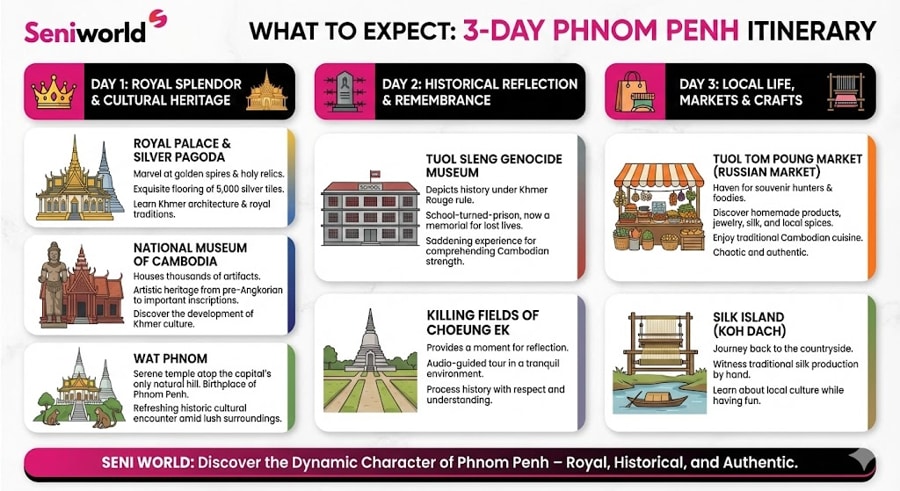
hiking to Pha Ngern View Point

The well-marked trail can be steep at times and guarantees safety; besides, photo stops are so numerous that the journey would never be tiresome. Reaching the summit, you get a breathtaking sight: Vang Vieng below your feet, surrounding mountains, and the serpentine rivers.

Enjoy The Panoramic View

Once you’re at the top, you’re afforded stunning 360-degree views across the entire Vang Vieng region. This is an ideal place to take sunrise or sunset photographs, but it’s equally apt just for quiet reflection, having a picnic, or merely sitting down with friends or family. The combination of rolling hills, limestone cliffs, and villages scattered below creates a serene and picturesque setting. Many people linger here for hours, enjoying the crisp air, taking photos, and basking in the tranquility.

Tham Xang And Tham Nam Caves Exploration

Tham Xang and Tham Nam caves nearby offer adventure and cultural insight. You can find some interesting stalactites, hidden chambers, and Buddhist statues, hiding in the shadows inside. Exploration in these caves thus provides an opportunity to get to know local legends, spiritual practices of the area, and geological wonders of Vang Vieng. The cool, slightly humid environment of the caves emphasizes the mystical atmosphere, making every step unique in this adventure.
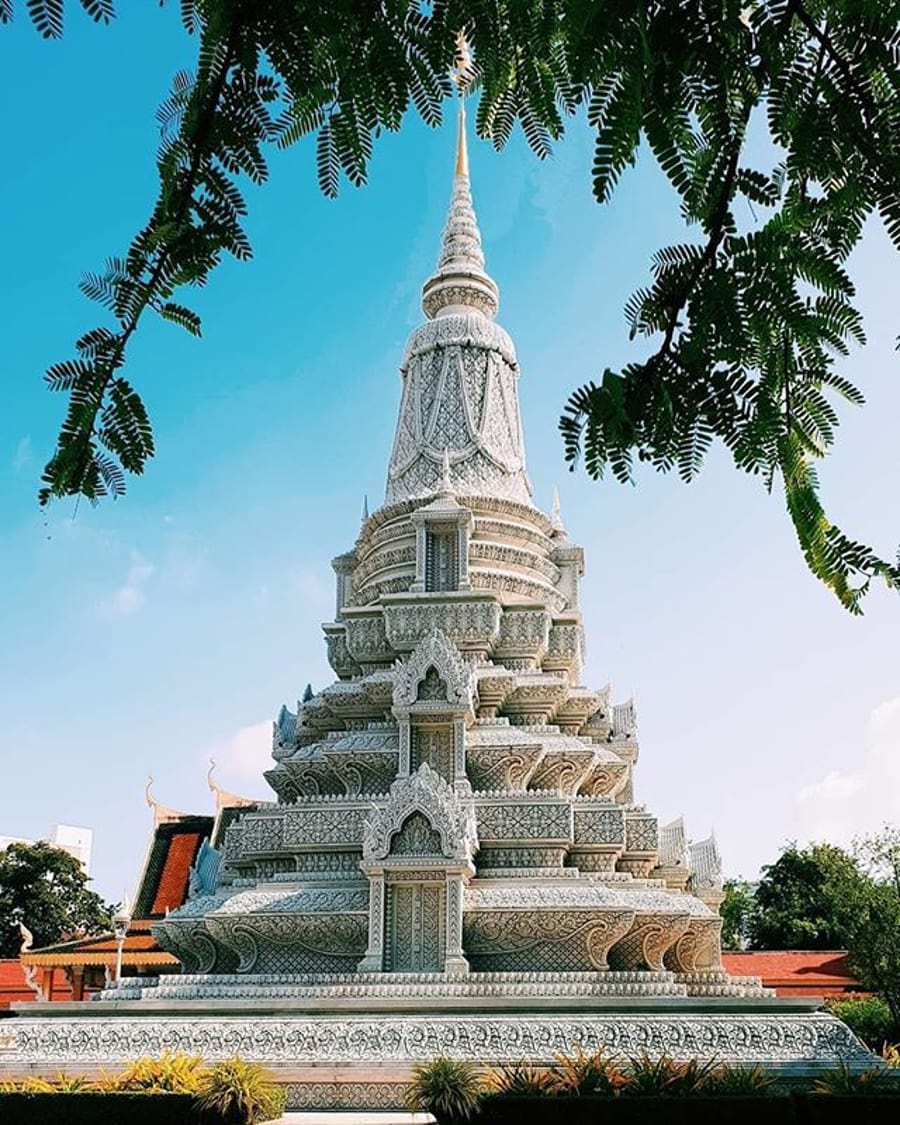
tham xang cave in Vang Vieng

Try The Zipline Adventures

For thrill-seekers, ziplining around Pha Ngern offers an unparalleled perspective of the lush landscape below. You will soar across treetops and valleys in an adrenaline-rushing experience with breathtaking panoramic views. Guides provide all the necessary safety equipment and instructions to ensure that this is a secure yet exhilarating experience. Combining excitement, speed, and great scenery, this is one activity that no adventure-loving person would ever forget.
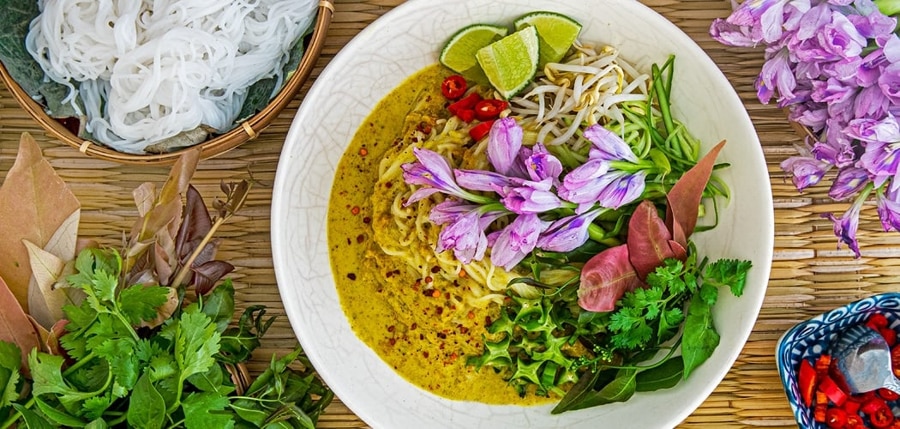
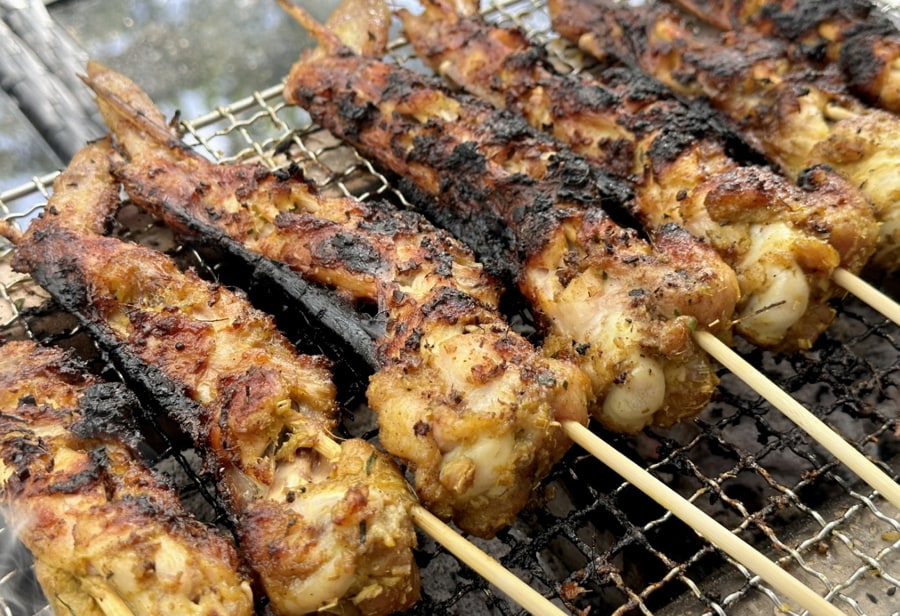
Kayak On The Nam Song River

Descending from the vantage point comes the opportunity to kayak through the refreshing and beautiful scenery of the Nam Song River. This allows one the freedom to kayak through majestic limestone cliffs, green forests, and small village riverside communities. Beginners enjoy the process as parts of the adventure involve soft riverside areas. However, other areas involve mild rapids for the adventurous. Along the adventure journey, one gets the opportunity to place their feet in the water.

Kayak Your Way To Adventure in Nam Song River

Visit The Fresh Blue Lagoon

A short trip from Pha Ngern, the iconic Blue Lagoon is a natural swimming area filled with crystal-clear turquoise water. You can swim, lounge on the shore, or even swing from the rope swings for a bit of adrenaline fun. The lagoon faces dense forests and a limestone cliff face, so it is an excellent spot to have a picnic or spend the whole day lounging. The natural beauty and serene atmosphere make it a must-visit location, perfect both for relaxation and photography.

Cycling Through the Countryside

Explore the surrounding countryside at your own pace by bicycle and discover the heart of Vang Vieng. Ride past vibrant rice paddies, quaint villages, and quiet country roads while viewing local life from close up. Cycling allows you the time to stop anywhere for photo opportunities, conversations with locals, or a taste of rural snacks along the way. This is both a relaxing and rewarding day that offers an authentic perspective on natural and cultural beauty.

Cycle Through Vang Vieng’s Countryside

Entrance Fee

Visiting the Pha Ngern View Point is free of charge because it is one of the natural sites. Travelers do not incur any fees to enjoy the beauty of the place. However, if you want to enjoy some food along the way because the site is free of charge, then you might incur some costs. Additionally, if you want to engage in the guided tour to the mountains because the primary visit to the Pha Ngern View Point is free, then you might incur some costs.

Best Time To Visit Pha Ngern View Point

The dry season, between November and April in Vang Vieng, is the best time to visit Pha Ngern View Point, as the skies are usually clear, offering breathtaking panoramic views of Vang Vieng and the surrounding mountains. Early mornings or late afternoons are ideal for catching the sunrise or sunset, when light is soft and gold, and photography conditions are enhanced, as is the whole experience.

The rainy season, between May and October, should be avoided because the trails will likely be slippery, and visibility may be compromised with fog and rain. Visiting in the cooler months further provides comfort in hiking and the ability to better enjoy all that the area has to offer without excessive heat or humidity.

How To Get To Pha Ngern View Point

Pha Ngern Viewpoint can be reached from the center of Vang Vieng or even directly from the capital city, Vientiane. It is in Khoun Ngern Village and around 260 km south of Vientiane, which takes about a 4-5-hour drive. The way to get there runs through beautiful landscapes with winding mountains, rivers, and villages.

breathtaking panoramic views of Vang Vieng and the surrounding mountains

A trip from Vang Vieng won’t require as much time, so you can combine it with other trips to nearby locations like Blue Lagoon or Nam Song River. Such a trip will be easier and safer if you hire a local driver or just go on an excursion with a tour operator, especially if you are in Laos for the first time.

Things To Know Before Traveling To Pha Ngern View Point

Preparation before heading to Pha Ngern View Point includes getting ready for the hike in advance and being ready for changing weather conditions. Tips that will be important in ensuring safety and enjoyment:

  • Wear comfortable shoes with good grip, because in certain areas, the trail can be steep and slippery.
  • Bring plenty of water to keep oneself hydrated, especially during the hotter months.
  • Try to start as early in the morning as you can to avoid crowds and warm temperatures.
  • Bring a hat, sunscreen, and sunglasses for protection against the sun.
  • Take along a camera or smartphone in which to capture panoramic views from the top.
  • Be very cautious around cliff edges, and respect all safety signage to avoid any accidents.
  • If you are not familiar with the trail or if you want more insights about the area, consider hiring a local guide.

FAQs About Pha Ngern View Point

Nature lovers and adventurous souls traveling to Vang Vieng should not miss visiting the Pha Ngern View Point. Here are some of the most frequently asked questions about the viewpoint and associated activities that will help you in planning your trip:

How long is the hike to the top viewpoint?

It’s a moderately challenging hike, suitable for most travelers in good physical shape. There are steep sections, and part of the trail is rocky; wearing proper shoes is absolutely important. Depending on your pace, it will take about 30-60 minutes to reach the top.

Can families with children visit Pha Ngern View Point?

The viewpoint can be enjoyed by families, but parents should proceed with caution around younger children because of steep areas and narrow paths. Bringing water and snacks is highly recommended to keep kids energized. These panoramic views at the summit are rewarding for all ages.

Final Thoughts: Is Pha Ngern View Point Worth Visiting?

With panoramic views of the rivers, rice paddies, and dramatic karst landscape that Vang Vieng offers, Pha Ngern View Point is unforgettable. The trek to the viewpoint gives you an air of adventure as you approach your end goal, which makes this experience that much more enjoyable. Guests will have opportunities for peaceful moments while taking breathtaking photographs and enjoying the beauty of nature in Laos. Go see Pha Ngern Viewpoint and connect with Seni World for help and tips on planning your trip.