logo mobile sidebar
support-image-mobile
Share your ideas with our local expert team - we’re here to listen and help you shape a meaningful journey through Indochina.
(+84) 868 663 993
Asia Leading Tour Operator 2025
tripadvisor travelers choice awards 2024
Travelers' Choice Awards 2025

Author: Content

Soar Among Sapa’s Clouds On The Rong May Glass Bridge

The Rong May Glass Bridge is a surprising engineering feat with many unique architectural functions that increase both thrilling and interesting feelings for travelers. Seni World’s travel guide will show you its history, unique architecture, attractions, and travel tips.

Introduction To The Rong May Glass Bridge
Rong May Glass Bridge

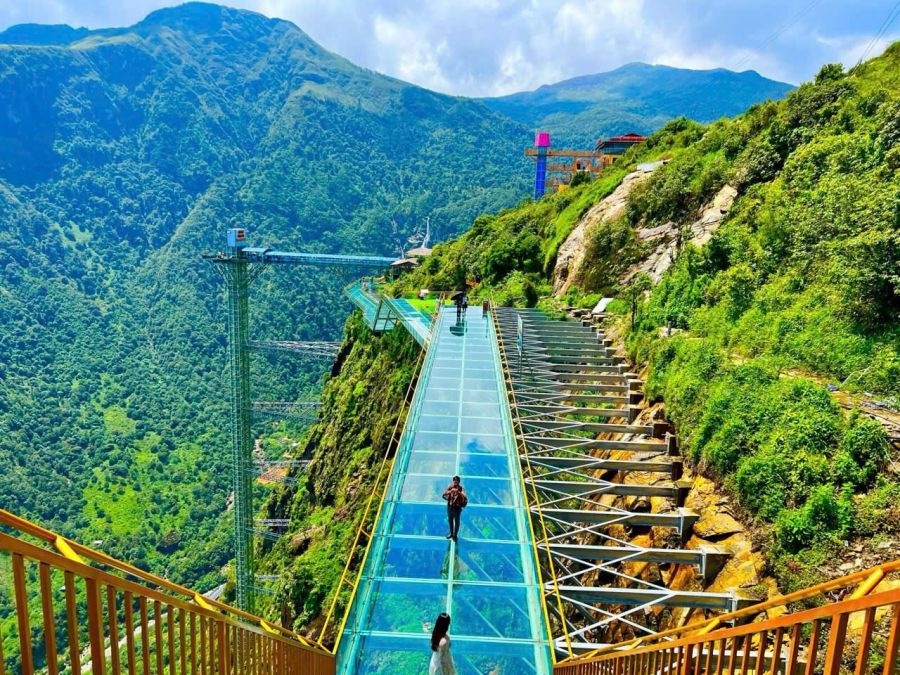
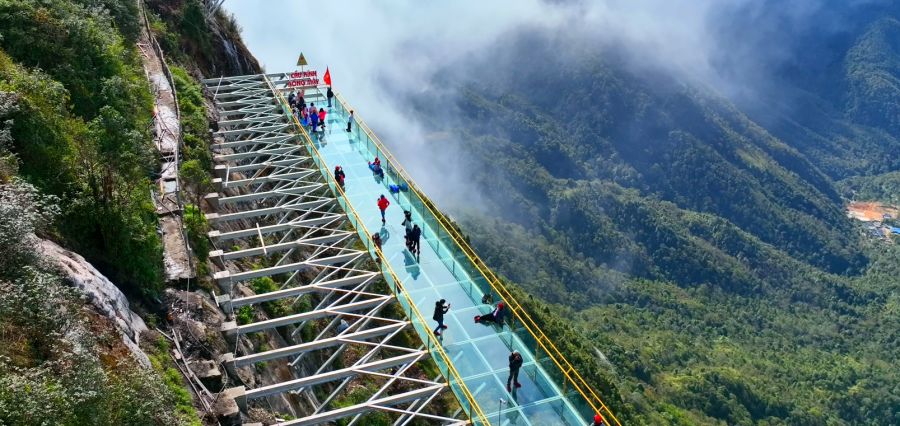
The Rong May Glass Bridge, often known as the Sapa Glass Bridge, is an awesome architectural and engineering structure positioned at the top of O Quy Ho Pass, near Sapa Town. With its marvelous shape, the Rong May Glass Bridge is considered the highest glass bridge in Vietnam. Visiting here, you will have a super exhilarating experience high above the huge Hoang Lien Son mountain range. This destination impresses both adventurers and nature lovers, and both Vietnamese and global travelers arrive there.

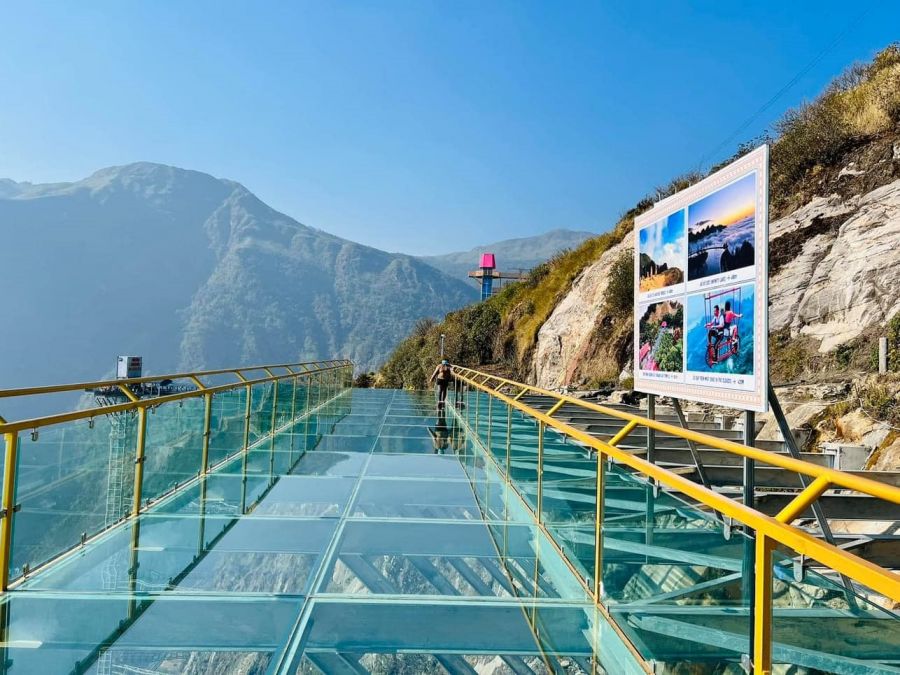
Designed to bring large and panoramic views, the Rong May Glass Bridge has a transparent walkway built from many layers of tempered glass. Travelers will feel the sensation of floating in mid-air freely. This place also has the glass elevator system, which is Vietnam’s first to ascend to reach this high level, and travelers will use it to go up the mountainside to the bridge. From this point, you can see the expansive views of lush and deep valleys, winding mountain roads, and wonderful peaks.

History Of The Rong May Glass Bridge
Rong May Glass Bridge

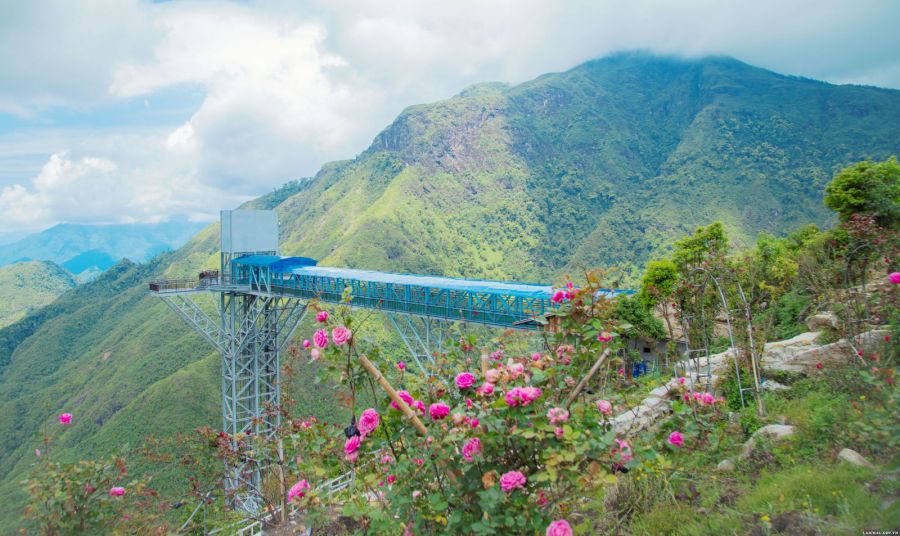
The Rong May Glass Bridge starts from part of a bigger ecological tourism site. At the beginning of January 2018, the complicated area was created with many lodgings, bungalows, and entertainment areas along the Rong May Glass Bridge, as well as its specific glass elevator machine. This bridge is invested in about 1,000 billion VND (approximately 43.4 million USD) and is developed by the Hoang Lien Son Group Joint Stock Company (Sungate Group).

On November 19, the first phase of the ecological tourism area of the Rong May Glass Bridge was completed, and this place was formally opened to visitors. Located at the O Quy Ho Pass, the bridge quickly gained interest because of its fame as the best glass bridge in Vietnam. Discovering here, travelers can have a chance to feel the “stroll among the clouds” experience. Its engineering capabilities, consisting of the multi-layered tempered glass and the high-quality elevator system, ensure that it satisfies all international protection requirements.

Unique Architecture Of The Rong May Glass Bridge

The Rong May Glass Bridge is very famous for its surprising engineering with several unique architectural functions that raise both its thrill point and the travelers’ revel in:

Circular Layout And Multiple Walkways
Rong May Glass Bridge

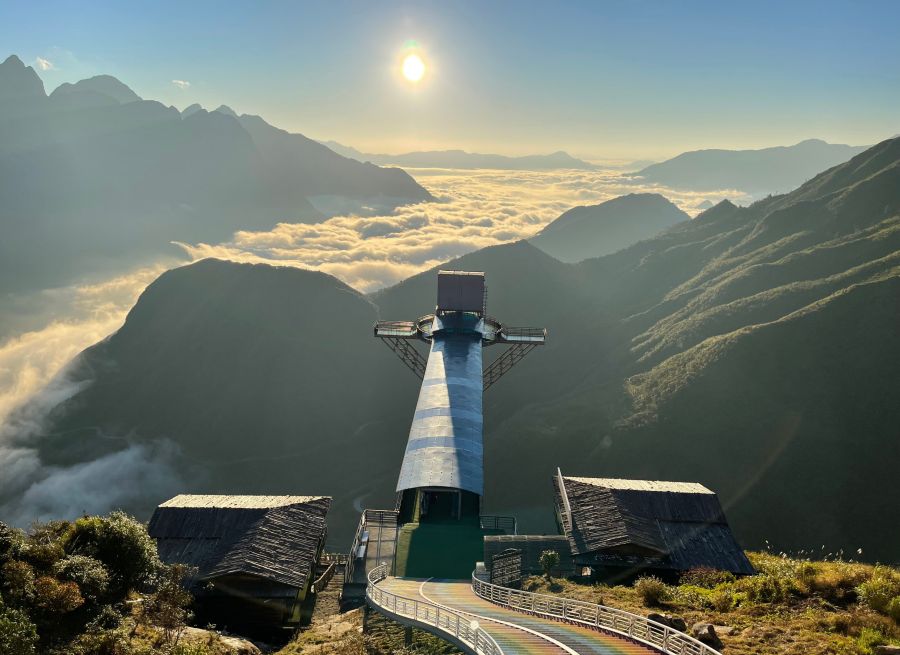
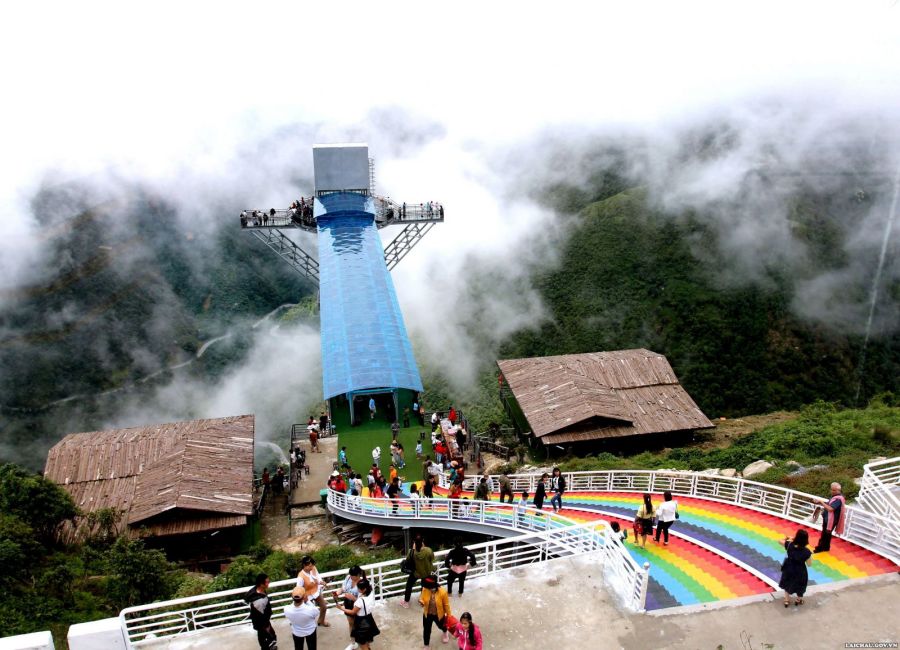
In contrast to many linear glass bridges, the Rong May Glass Bridge is designed with a special circular surface at its middle for many different walkways to extend. In particular, it functions with 4 separate walkways, and every walkway projects in a cardinal direction. This perfect format allows travelers to discover this bridge from multiple sides. From there, travelers will have numerous perspectives of the surrounding beautiful natural panorama and the giant valley beneath.

Incorporated Glass Elevator System
Rong May Glass Bridge

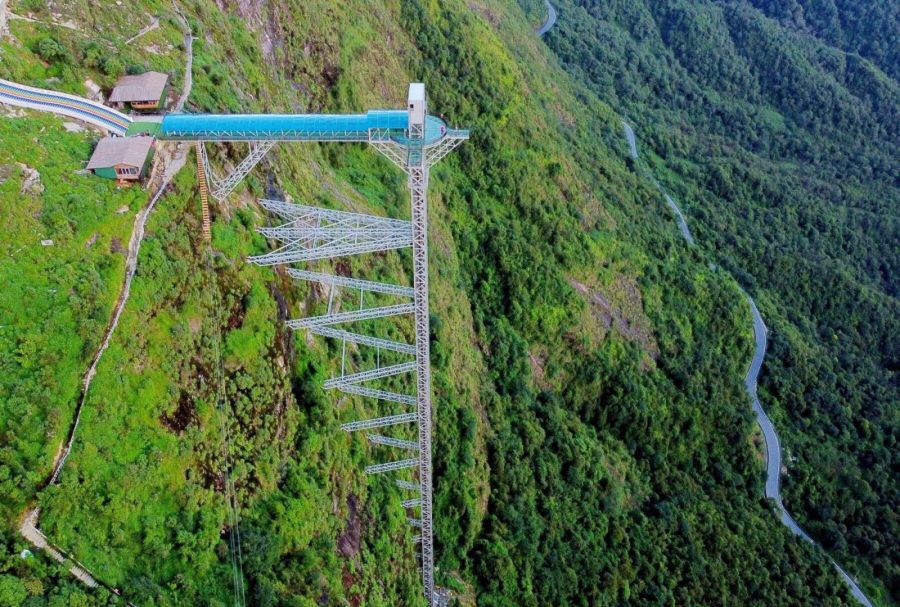
A genuinely wonderful element is the obvious glass elevator that takes visitors from a tunnel deep in the mountain up to the bridge level. This 300-meter-high elevator, the first of its type in Vietnam. The elevator is surrounded by clear glass on 3 sides and presents captivating panoramic views of the O Quy Ho pass as well as the Hoang Lien Son mountain range as you ascend. Before stepping onto the bridge, you will anticipate this adventure eagerly.

Multi-Layered Tempered Glass Construction
Rong May Glass Bridge

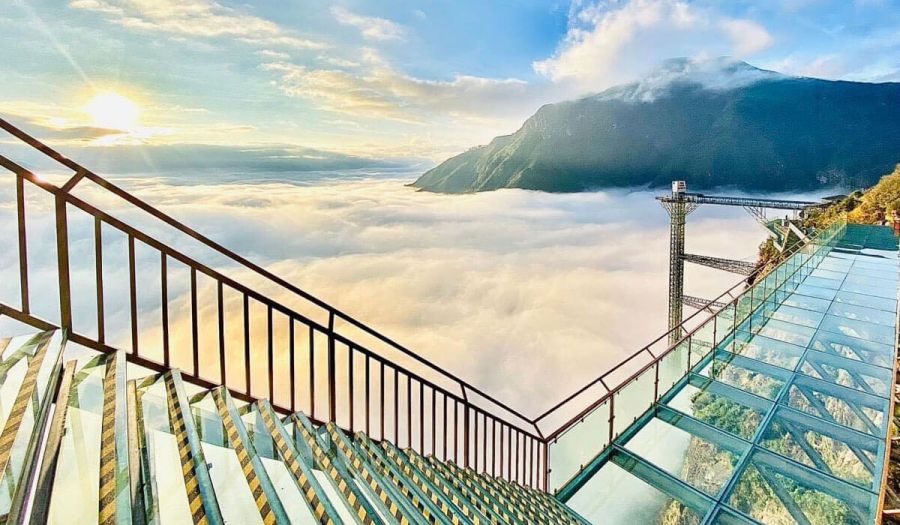
Not only is transparency paramount, but safety is also paramount for the Rong May Glass Bridge. This bridge’s ground is built from multiple layers of thick and tempered glass (often called 3 layers with a total thickness of 7cm). It is engineered to face up to heavy loads and face up to impact. Besides, the transparency of the glass increases the feeling of being suspended above the valley floor. This advanced point helps you have the feeling of taking walks on air, even as ensure absolute protection. Both exciting and safe for you!

4 Cultural Experiences You Shouldn’t Miss In The Rong May Glass Bridge

Seni World has collected 4 special cultural experiences when visiting the Rong May Glass Bridge. Let’s learn more about them below, and don’t miss out on them!

Enjoy The Best Modern Vietnamese Engineering

Uncovering the Rong May Glass Bridge, you can witness the stunning feat of Vietnamese engineering and building that made this particular glass bridge, as well as the obvious elevator. This also showcases Vietnam’s drive in current travel improvement. and the developing trend in Vietnamese travel focusing on unique, high-excitement, and visually brilliant attractions.

Catch The “Cloud Hunting” Trend
Catch The "Cloud Hunting" Trend

On many different Social Media platforms like Instagram, Facebook, TikTok, or X, the “cloud hunting” trend has become more and more famous, attracting many people to take part in it. Arriving at the Rong May Glass Bridge, you can catch this trend perfectly. The bridge’s high altitude will bring you above the clouds, and you can take many memorable photos with the clouds, like you are in paradise.

Watching Tourism & Leisure Culture

You can enjoy how both Vietnamese and international travelers interact with a well-known landmark. You may see families, groups of friends, and, of course, solo travelers unwinding in the beautiful perspectives, taking photos, and participating in the thrill of the glass bridge interestingly. Besides, you can seek the thrilling aspect with many different visitors, but have the same favorite.

Witness The Nearby Natural Scenery
Views from Rong May Glass Bridge

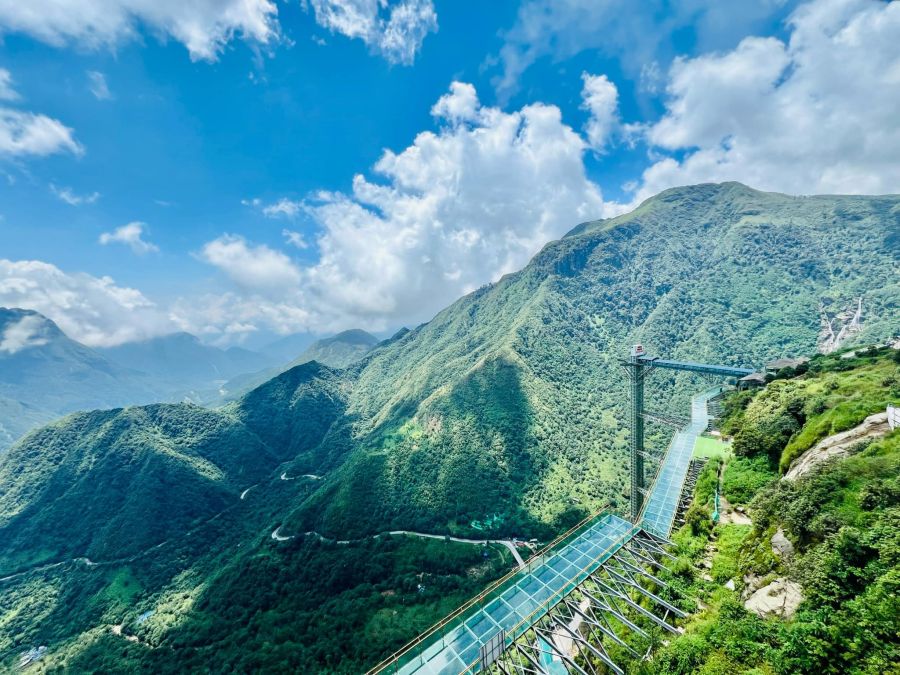
Opposite the Rong May Glass Bridge are the huge and great views of the majestic Hoang Lien Son mountains and O Quy Ho Pass. They are also world-famous attractions in Northern Vietnam with beautiful natural scenery. Standing in the Rong May Glass Bridge, you can witness these destinations, take some photos from the height, and think about the next journey to them.

The Rong May Glass Bridge Entrance Fee

The Rong May Glass Bridge has many price ticket selections for travelers. The primary price is for the glass elevator that takes you up to the bridge itself. Costs can vary depending on the peak season. Here are the Rong May Glass Bridge entrance fee:

Activities Adult Child
Glass elevator (round-trip) and Rong May Glass Bridge About 400,000 VND – 500,000 VND per adult About 200,000 VND – 300,000 VND per child from 1m to 1.4m height
Walking up to the Rong May Glass Bridge (one way) About 200,000 VND per adult About 100,000 VND per child

The Rong May Glass Bridge also has additional interesting activities, each with a separate price. However, because of the thrilling feature, these activities will be only for adults.

Activities Adult
Ziplining About 150,000 VND – 500,000 VND per ride
Bungee Jumping About 1,000,000 VND per jump
Paragliding About 900,000 VND per flight
Suspension Bridge Walk About 150,000 VND

The Rong May Glass Bridge Opening Hours
Admire sunset from Sapa Glass Bridge

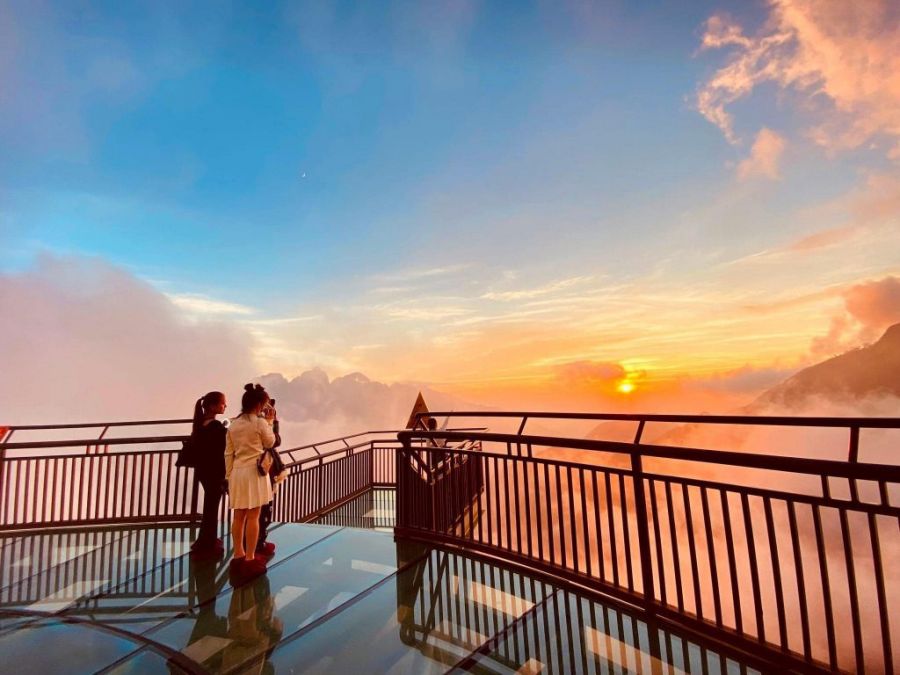
The Rong May Glass Bridge is commonly open day by day from 07:00 AM to 05:00 PM or for some period, from 7:30 am to 6:00 pm. This is best for you to confirm the precise hours for your journey date by checking on the official website or asking the manager of the ticket hub.

How To Get To The Rong May Glass Bridge

If you want to get to the Rong May Glass Bridge, you should start from Sapa. Seni World will help you to learn more about how to get to the Rong May Glass Bridge by many various transportation.

Transportation Travel time (starting from Sapa Town) Cost (One way)
Taxi or Private car About 25 – 40 minutes About 300,000 – 500,000 VND (round trip often negotiated)
Motorbike rental About 30 – 45 minutes About 100,000 – 150,000 VND per day (rental)
Motorbike taxi About 30 – 45 minutes About 100,000 – 200,000 VND (negotiable)
Organized tour Varies (often half-day) Varies (for example, from about 20 – 50 USD per person)

Important notes:

If you choose the taxi or motorbike taxi, Seni World highly recommends negotiating a comfortable round-trip fare with the driver and asking them to wait for you. The reason is that it can be very difficult for you to find a return ride from the pass.

Things to Know Before Traveling To The Rong May Glass Bridge
Rong May Glass Bridge

To have a safe and exciting journey on the Rong May Glass Bridge, you need to remember carefully some important travel tips below:

  • Wear suitable shoes: You should choose comfortable, flat, and especially non-slip footwear because when strolling on glass, wearing high heels or slippery soles is not perfect and very dangerous. Moreover, you might be required to wear fabric covers over your footwear to protect the glass surface.
  • Dress in many layers: Because of the high altitude, the temperature here can be significantly cooler and windier than when you are in Sapa Town. Therefore, let’s dress in many layers to ensure that you can adjust to the various situations, as well as protect your health.
  • Allocate the fit time: You can plan your adventure at least from 1.5 to 2.5 hours for the whole enjoyment, consisting of the journey to or from Sapa Town, ticket buying, the elevator movement, time on the bridge, and admiring various beautiful perspectives there.
  • Food and drink availability: When arriving at the Rong May Glass Bridge, don’t worry about food and drink. There are usually facilities at the base and likely near the bridge for snacks, but the fees could be more expensive than in Sapa Town. You should note this point.
  • Photography issues: The Rong May Glass Bridge is a superb spot for pictures. However, tripods may not be allowed in crowded areas due to safety concerns.
  • Transportation issues: You should negotiate when booking for a round-trip, and the waiting time for the best price, and still have transportation for movement.
  • Safety guidelines: Be aware of all safety instructions, as well as signage furnished on this site. Safety will always be with a great experience.
  • Crowd issues: The Rong May Glass Bridge can get very crowded, especially on weekends, on Vietnamese public holidays, and during the peak seasons of traveling. You need to keep in mind journeying early in the morning and buying the ticket in advance to avoid the crowds.

Final Thoughts: Is The Rong May Glass Bridge Worth Visiting?

The Rong May Glass Bridge is an awesome architectural and engineering structure that impresses both Vietnamese and global travelers. If you want to take a Rong May Glass Bridge adventure, as well as consult interesting things to do in this impressive place, and receive support for the visa process, let’s contact Seni World, a reputable tour operator from Vietnam. We are here to help you from A to Z on your Rong May Glass Bridge discovery journey.

Sapa Church: A Gothic Treasure in the Vietnamese Highlands

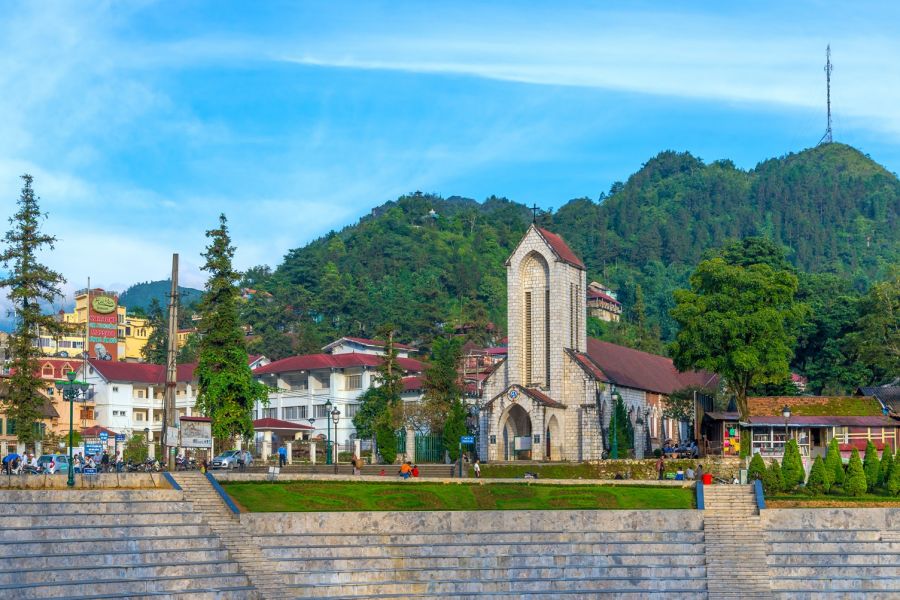
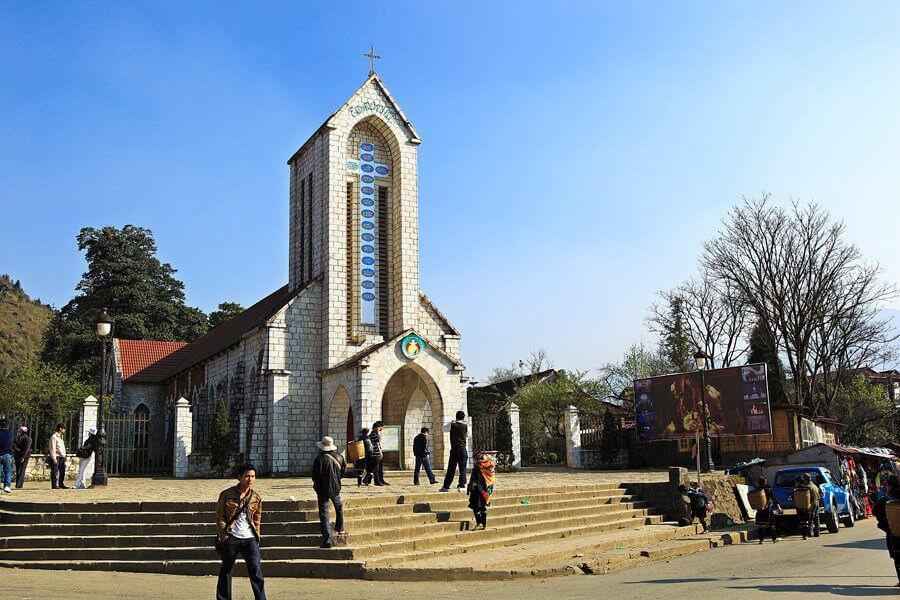
Sapa Church, also known as Stone Church, is a popular chapel in Vietnam’s foggy mountain town. It is surrounded by green hills and iconic terraced fields, and it combines culture, history, and photo opportunities in one place.

Introduction To Sapa Church

Sapa Church

Sapa Church is one of the best preserved and completed ancient architectural remnants from the colonial time of the French. This spectacular stone church is so synonymous with Sapa that it has become a must-see for any visitor to this part of Vietnam’s mountainous northwest.

Aside from its stunning design, visitors can learn about Vietnam’s colonial past while taking part in a religious ceremony in this spiritual sanctuary. It will be unfortunate if you visit Sapa without taking a photo of Sapa Stone Church, a must-visit attraction when coming to the city of mist. If you are a lover of architecture, history, or a moment of serenity all on your own, Sapa Church offers an unforgettable experience.

History Of Sapa Church

Sapa Church

Based on historical documentation, the construction of the Sapa Church was initiated in 1902 and completed after 10 years of intense effort, in 1935. The French settlers and missionaries founded Sapa as a hill station retreat, and the church served as a central meeting point for the burgeoning Christian community. The Sapa Church had not only withstood Japanese occupation during World War II, but also the French-Vietnamese wars and the reunification of Vietnam. This church remains beautiful as the day it was built after many restorations and repairs.

Not only a spiritual sanctuary for Catholics, but Sapa Church also represents a unique symbol of spiritual and cultural life for ethnic minorities, such as the Hmong, the Dao, and the Tay. They have blended Christian rituals with their traditions. This fusion of traditions gives an unusual aspect to the spiritual climate that the visitors can feel even today.

Unique Architecture Of Sapa Church

Located at the center of Sapa town, the Sapa Church is not just a religious site but also a beauty spot, an architectural work as well as a beautiful Old French building with the Vietnamese countryside in mist. The church intersects Gothic influences with indigenous material. Here are some outstanding architectural features of Sapa Church.

The Orientation Of Sapa Church

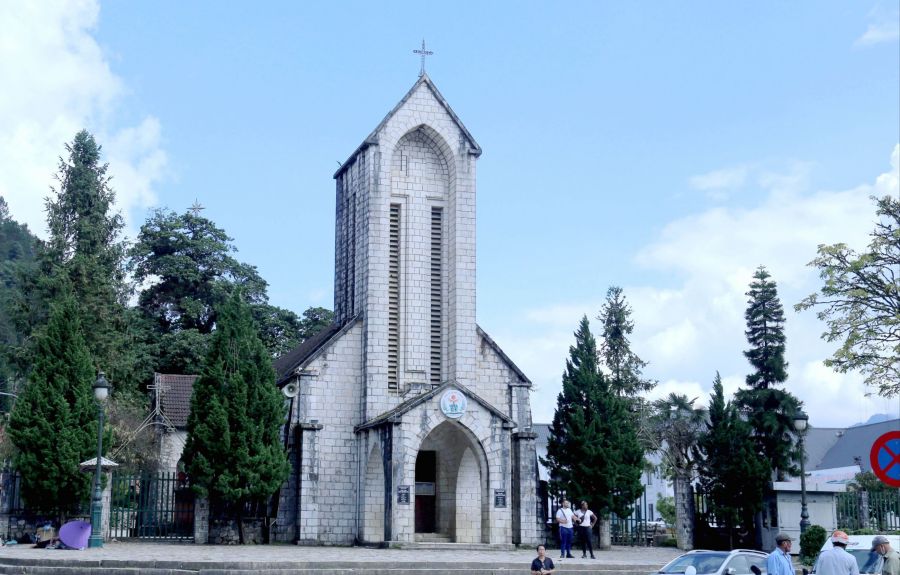
In front of Sapa Church

The old stone church of Sapa was set to face the East (where the sun rises). This is a very holy idea, which is known as receiving the source of light and brilliance that God gave. The West is at the back of the church, where Kito was indeed born and bred.

European Gothic-style Architecture

The whole of the house is composed of stone, including walls, floors, towers, and bells. They are held together by lime, sand, and molasses. With a total area of more than 6000 square meters of land, the ancient stone church of Sapa is quite large, with many areas such as the church area, monks’ quarters, livestock area, chapel, front yard, fence, and Holy Garden.

Inside the church is amazing, you will be surprised by the European designs. Even in the smallest details, the Gothic La architectural style is grafted onto the ancient stone Sapa Church. The appearance and architecture here are in the shape of a cross in ancient Roman Gothic architecture.

Unique Dome

Sapa ChurchSide architecture of the church

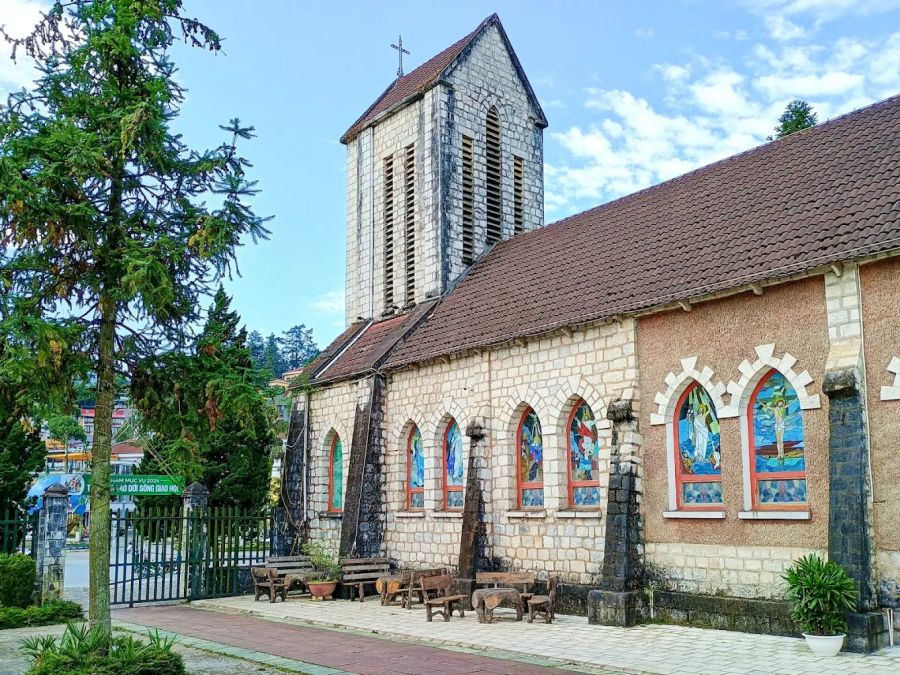
The church has red tiles on the roof and is triangular in shape. The two edges of the roof tiles are made in a simple, straight shape. The ceiling was made of straw, which was renewed continuously over many generations. However, the bell tower is made of lime, straw, and iron, which has managed to survive all these years without any fixing.

Stained Glass Windows

The inside stained glass windows combine the elements of traditional European religious art with the modern Vietnamese artistic style. The windows illustrate events in the life of Christ, presented in a modern style that opens the biblical narratives to a variety of local audiences.

The stained glass serves both decorative and functional purposes. In daylight, the sun streams in through these windows and lights up the stone floor and the wooden benches with colorful patterns of amazing light. The intensity of light through these windows varies during the day, thereby creating various moods for the different religious meditations.

Paint Color

Inside Notre Dame Cathedral of Sapa

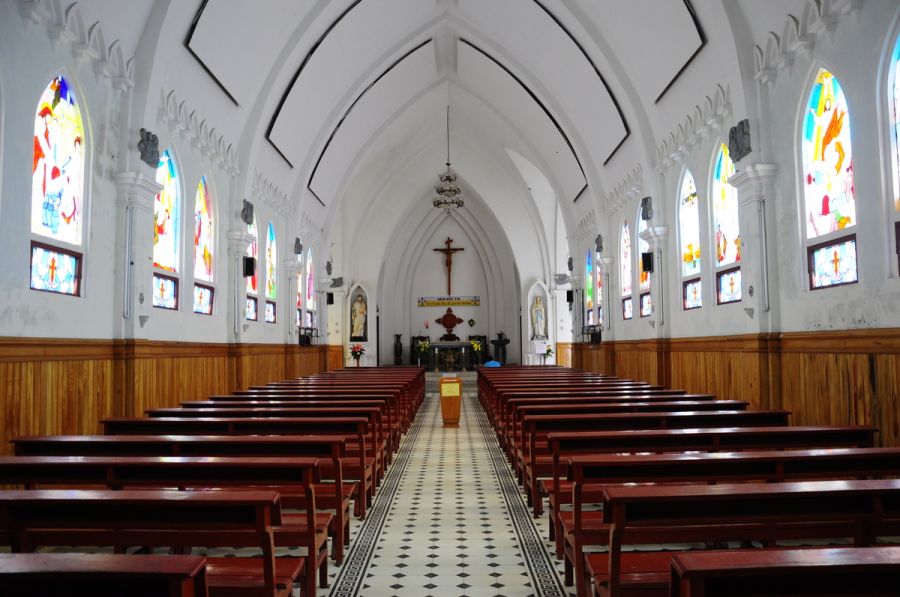
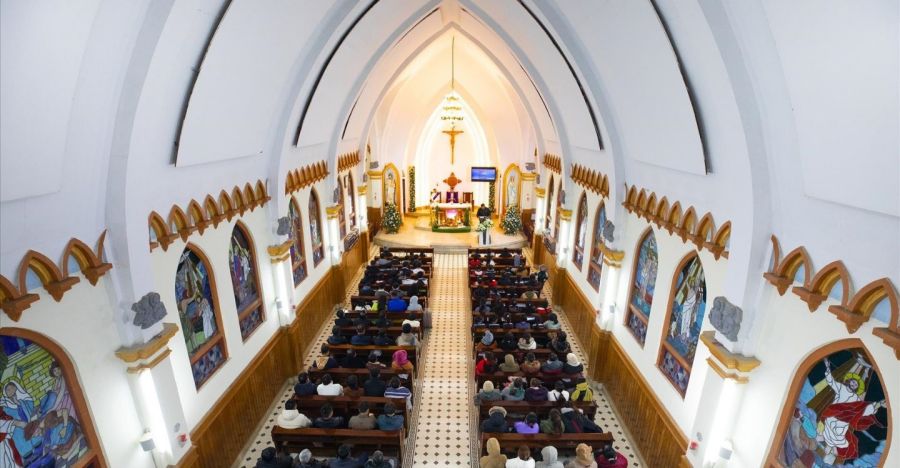
The white inside enhances the luxury of the Sapa Church, offering a more spacious and airy feeling. The walls are paneled with wood, which is easier to clean. Especially, the right wall in the cross is sanded like stalactites, slowly flowing down, which makes the church more special.

Architectural Harmony With Natural Setting

Most remarkably, the Gothic style of the church is perfectly combined with the natural scenery of Sapa. From several directions around the town of Sapa, the church looks unforced, like it grows from nature. The photos, accordingly, showcase both the architectural accomplishments of mankind and the grandeur of mountains.

In the building’s position, natural light, seasonal breezes, and flooding patterns are maximised, and the house is lifted above ground to protect from the flooding, while maintaining accessibility from the town center.

4 Cultural Experiences You Shouldn’t Miss

Sapa Stone Church, which is not only a popular tourist destination but also has a lot of interesting things, encourages tourists to explore. Here are some interesting experiences that you should not miss when coming to Sapa Stone Church:

Join A Local Sunday Mass

Join A Local Sunday Mass

One of the biggest cultural experiences at Sapa Church is a Sunday morning mass. Open to both tourists and villagers, the mass provides an unusual opportunity to see how Roman Catholicism mingles with the culture of Vietnam’s ethnic minorities. You’ll listen to hymns sung in Vietnamese and, often, in indigenous languages of communities such as the H’Mong or the Dao. It’s a peaceful place, and spiritual too, with strong ties to the community. It’s worth getting there early, though, before 7.30 AM if you want somewhere to sit, and dressing modestly is best.

Experience Unique Food

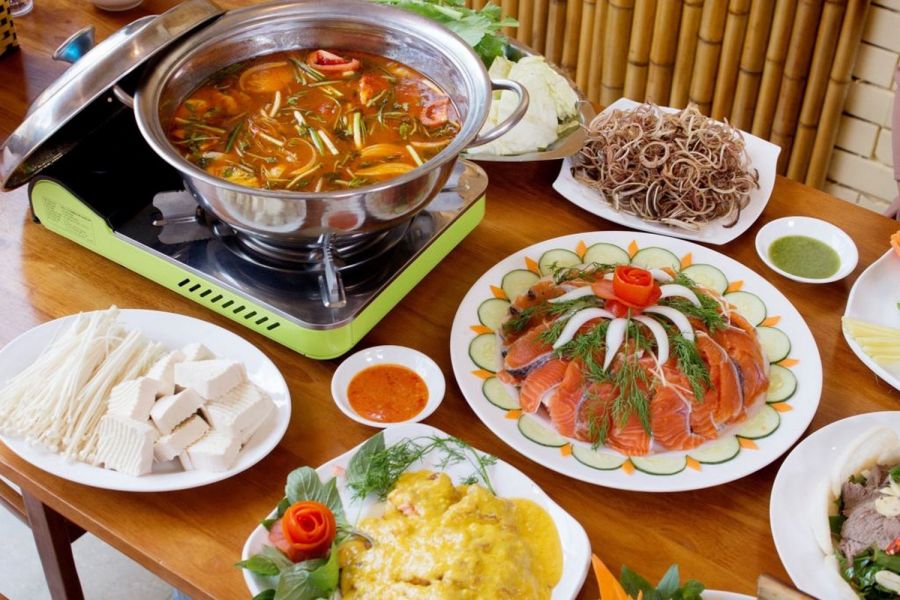
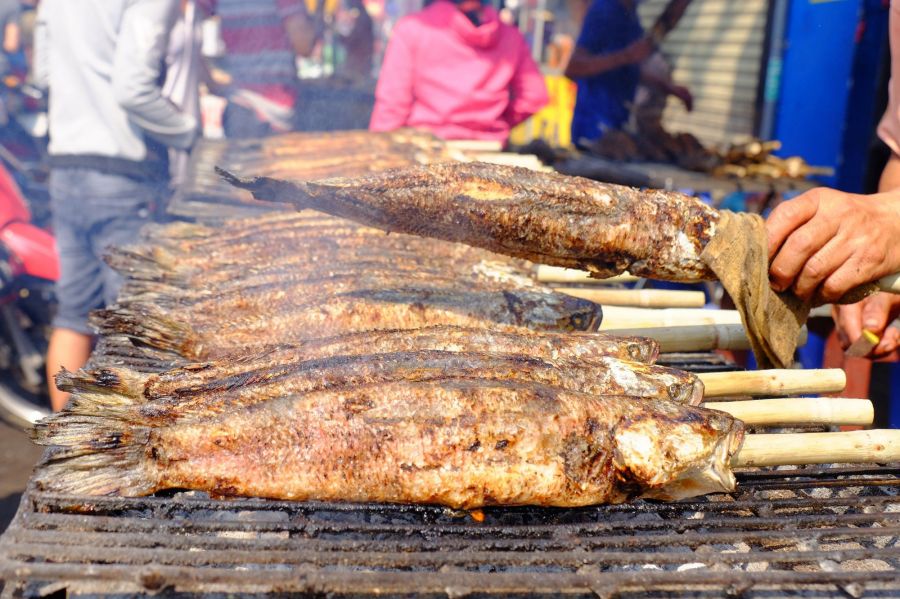
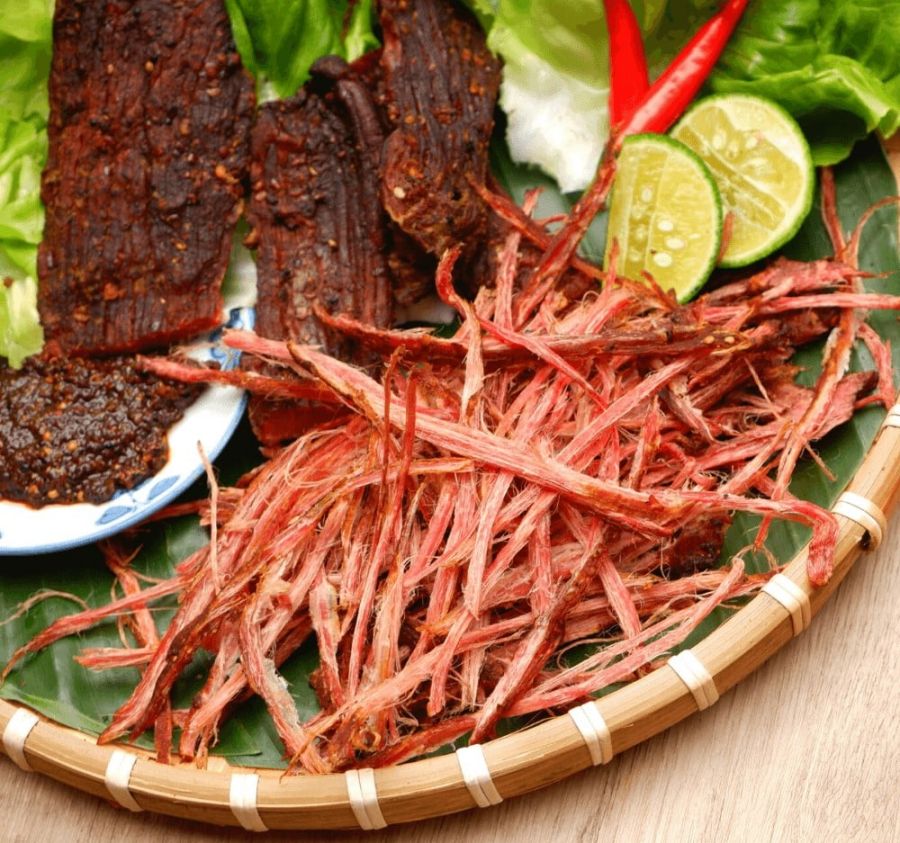
Don’t miss the delicious local specialties while coming to Sapa Stone Church. You should try a delicious fresh sturgeon hotpot, armpit pork, or crispy fried stream fish. The tasty small food stalls roadside along the cool mountain will naturally make you excited. Don’t forget to pick up buffalo jerky or other ethnic fare as gifts for the relatives.

Take Part In Love Market

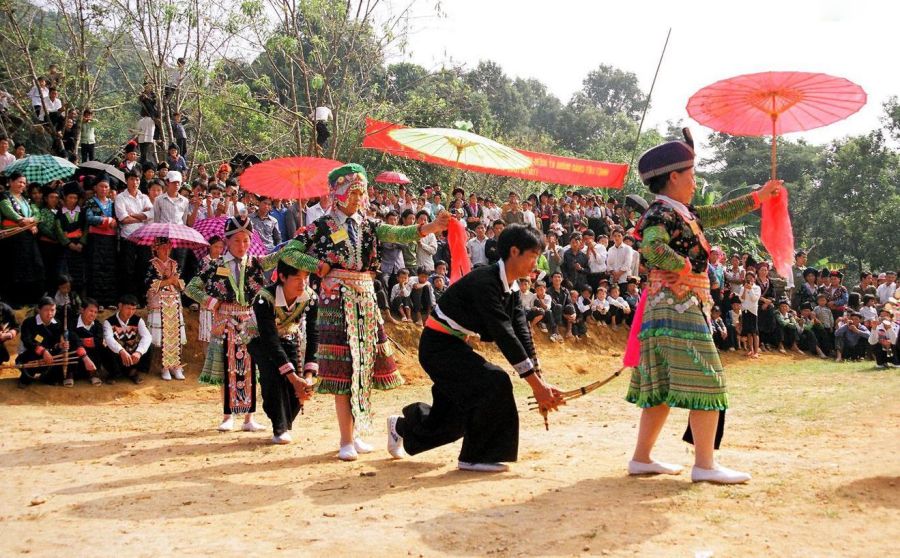
Local people perform traditional dances at Sapa love market

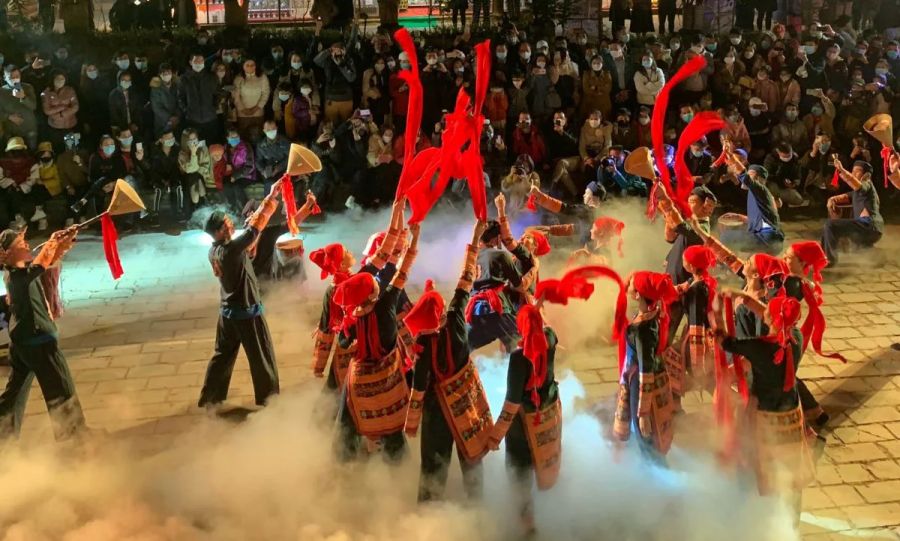
Right in the town’s center, Sapa Church and the surrounding area are especially lively on Saturday nights, when the Love Market operates. This is a tradition dating back centuries for ethnic minority groups like the H’Mong and Dao. It’s where young men and women once gathered to sing, dance, and show their affection the way courtship was done back then. Today, as modernised as it may be, though, the market, which prides itself on its colour and vibrancy, is still filled with cultural displays, crafty souvenirs, traditional clothes, and ethnic performances.

Attend Ethnic Performances In The Church Square

At all times of year, particularly during big festivals, like Tet or the regular market day in each village, the square in front of Sapa Church is a lively cultural theater. Groups like the H’Mong, Dao, and Tay come together here to present their traditional arts and demonstrate their heritage through flute melodies, folk dances, and fashion in colorful costumes.

These are not just performances for entertainment; they’re living representations of cultural heritage, and they are frequently put on in collaboration with local tourism bureaus. For tourists, it’s a special opportunity to see the diversity and richness of Sapa’s ethnic traditions up close.

Entrance Fee

The Sapa Church is free for all visitors. This is how the church remains accessible to both tourists and locals alike, and preserves its status as a house-in-the-street, as a cultural public monument.

There are no hidden fees or photography charges, which I think makes it one of the best budget-friendly attractions for those traveling to Sapa. The free admission extends to special religious holidays and cultural celebrations, and visitors will be able to enjoy more immersive cultural programming for no extra charge.

Sapa Church Opening Hours

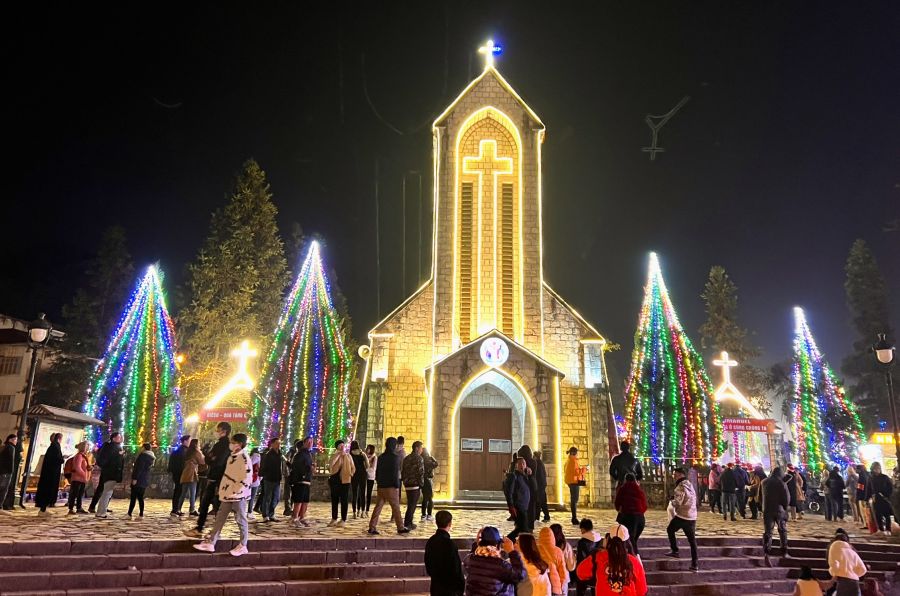
Sapa Church near Christmas Day

Sapa Church has no closing time since it is a religious structure. But ceremonies tend to be at set times, particularly on Sundays. In particular:

Opening hours:

  • Sapa Stone Church is open daily for tourists; there is no official closing time.
  • You may visit and photograph it at any time.
Ceremony hours
Weekdays
05:00 AM: Morning Prayer
06:30 PM: Evening Prayer
07:00 PM: Mass
Sundays
08:30 AM: Morning Prayer
09:00 AM: Mass
06:30 PM: Eucharistic Adoration

The best time to visit is from April, May, June, September, and October. Sapa weather during these months is quite moderate with less rain and clearer skies, which makes it easier to sightsee and take photos.

How To Get To Sapa Church

The stone church stands in the center of town across from the square. This is great as most accommodation and places of interest are quite close to it.

Transportation Method Cost Range Travel Time Notes
Walking from Sapa Center Free 5 – 10 minutes Most convenient option
Motorbike Taxi 20,000 – 50,000 VND 3 – 5 minutes For distant accommodations
Private Car 100,000 – 200,000 VND 5 – 10 minutes Good option for families or groups
Tourist Bus Included in tour packages Varies Part of organized tours

Tips:

  • Motorbikes can skid. There is fog and rain, in particular. Always use a helmet and slow speed.
  • Walkers: Make sure you have sturdy shoes with grippy soles; that wet stone is slippery!
  • Taxi/Grab: The app should be downloaded before arrival, as your internet may be weak in Sapa town.

Things To Know Before Traveling To Sapa Church

Before we take you to explore the Sapa Church, you had better be well prepared. Visiting for cultural immersion, spiritual exploration, or photography, these essential travel tips will help you travel easily.

  • Dress modestly and respectfully: Sapa Church isn’t just a tourist spot; it’s a functioning church. You should dress appropriately when visiting to respect the local religious community. Do not wear shorts, tank tops, or clothing that is revealing. If you do decide to attend Mass here, dress inconspicuously, in long sleeves and dark colors, so that you fade respectfully into the background of the local faithful.
  • Prepare for the weather: The weather in Sapa is unpredictable. A morning sun can soon become foggy or drizzly. Because the church is outdoors in an open square, you should dress in layers and bring a light raincoat or an umbrella, particularly during the rainy season from May to September.
  • Avoid peak hours: The Sapa Church is a well-known spot, so it can get fairly packed here, especially in the late morning, and even more so on market days or during festivals. For fewer people and the best lighting, come early in the morning (around 06:30 – 08:00 AM) or at sunset when warm lighting shines on the church.
  • Stay safe: Sapa is relatively safe for visitors, although petty theft may occur in crowded pockets of the area. Mind your belongings, especially during weekend events or concerts in the church square.
  • Bring cash: Although some of the big restaurants and hotels of Sapa may take cards, many of the street vendors, souvenir stalls, and food vendors around the church only accept cash. Carry with you smaller denominations of Vietnamese dong (VND) for snacks, donations, or locally produced goods.

Final Thoughts: Is Sapa Church Worth Visiting?

The Sapa Church is a must in every Sapa trip. It is easily accessible from the city center, so it’s an ideal stop-off to make a big impression in a short time. Are you ready to visit Sapa Church? Let Seni World take you on a trip in Sapa: from the stone church to the terraced fields. Begin your travel with us today!

O Quy Ho Pass: The Ultimate Mountain Road Trip Experience

O Quy Ho Pass is one of the most beautiful passes in Vietnam and brings the most vibrant view as well as an interesting experience. ItIt0 high altitude and panoramic views draw nature lovers and adventure seekers year-round.

Introduction To O Quy Ho Pass

O Quy Ho Pass

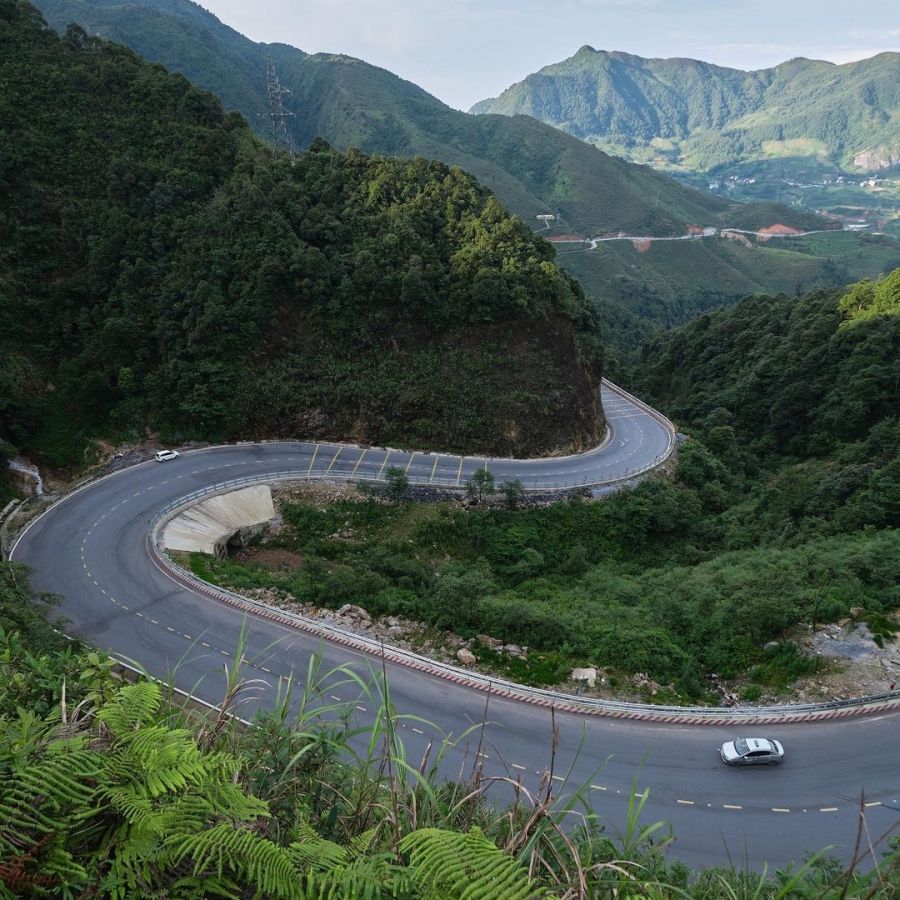
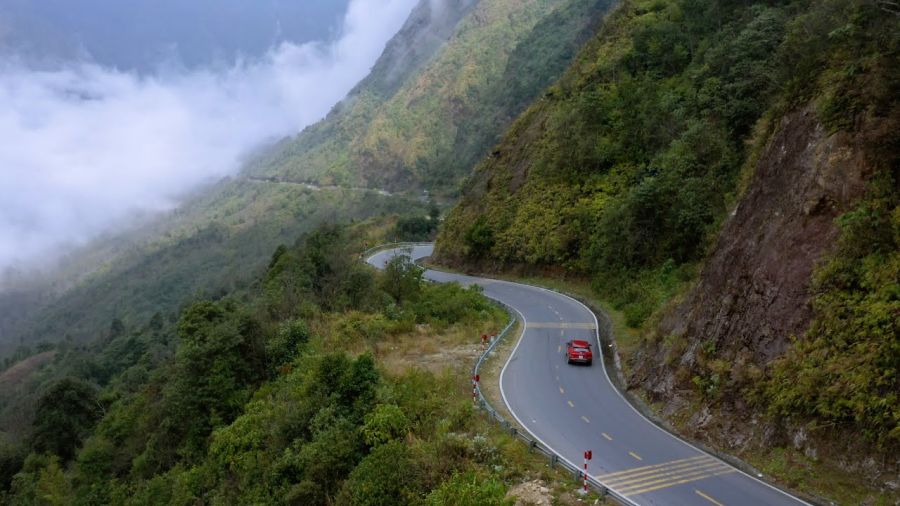
O Quy Ho Pass is one of Vietnam’s greatest natural landscapes. As one of the “Four Great Passes” of Northwest Vietnam’s mountains and forests, O Quy Ho Pass will certainly be the ultimate check-in point for the wild and poetic mountain and forest beauty. Situated atop the scenic National Highway 4D, this magnificent pass is almost 2,000 meters above sea level, serving as a land bridge between two provinces while offering visitors an unforgettable journey through Vietnam’s most dramatic landscapes.

The pass, which extends about 50 kilometers and is an important transportation route, is also, however, something entirely separate for the traveler. O Quy Ho Pass is also called Cloud Pass because white clouds cover the pass’s summit all the time. Together with its mystical ambiance, difficult trekking paths, and beautiful landscape, it’s one for the adventure junkies and nature lover’s checklist of things to do in Sapa.

History Of O Quy Ho Pass

O Quy Ho Pass

A local legend handed down from generation to generation explains the origins of the name of O Quy. It was the tragic love story between O Quy Ho, the son of the Mountain God, and the seventh fairy, the daughter of Jade Emperor. He didn’t agree with their relationship and forbade the Seven Fairies from going down to earth. The Jade Emperor also turned O Quy Ho into a black turtle on the top of the pass, close to the waterfall.

The fairy missed him so much and fell sick, then died. She has become a phoenix, stretching her wings and flying over the summit pass every afternoon, continually crying: O Quy Ho! Inspired by the couple’s beautiful but unfinished love story, people named the top of the pass O Quy Ho Pass and the waterfall the Love Waterfall.

Historically, the pass has long been an important crossing point between Lao Cai and Lai Chau, frequented for centuries by traders and villagers. The H’mong, recognized for their bright clothing and deep affinity for the land, frequently cultivate terraced rice fields on the slopes of the mountains. The Dao people, on the other hand, are renowned for their healing remedies; herbal baths and spiritual rituals are their forte. This long-standing culture adds to the experience of O Quy Ho.

Top 4 Iconic Attractions Around O Quy Ho Pass

What makes the trip over O Quy Ho Pass special is not only the road but the unforgettable stops and hidden treasures that make the whole adventure worthwhile. Along the way, every stop reveals a different aspect of the grandeur of Northern Vietnam, both in terms of landscapes as well as culture.

Cong Troi O Quy Ho (Heaven Gate)

O Quy Ho Heaven Gate

Heaven Gate is located at the highest point of the pass. Here, clouds often waft between your feet and the panoramic view spreads out to layers of foggy mountain ridges, meandering roads, and terraced rice fields in the distance. And on clear days, you can even see the snowcapped top of Fansipan, the highest mountain in Indochina. Lots of visitors also come here early in the morning and near sunset for the most spectacular lighting. It’s a great spot for panoramic photography, drone footage, or just to take in the fresh Mountain air and serene quiet.

Thac Bac (Silver Waterfall)

Silver Waterfall

Silver Waterfall is situated only about 12km from Sapa town. It looks like flowing silk, and is full of allure and serenity, surrounded by pine forests and bright green vegetation. Near its base, a small bridge crosses the stream from which visitors can feel the spray and hear the thunder of the water. Local stalls selling dried fruits, grilled eggs, and souvenirs on the side of the road make for a pleasant rest stop, combining nature with culture.

Thac Tinh Yeu (Love Waterfall)

Love Waterfall

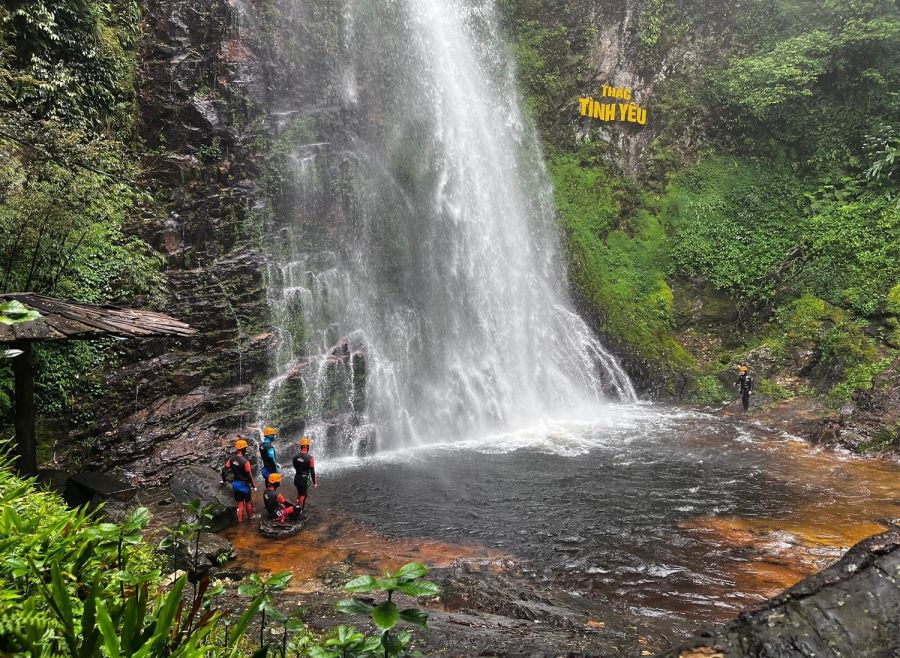
To get to Love Waterfall, you have to hike a 1.4 km forest trail, which is equally impressive. On the way, you will pass bamboo groves, mossy rocks, and chirping birds. The waterfall itself is a pretty, gentle cascade that flows into a crystal-clear pool. It is popular with both couples and nature enthusiasts. Be sure to stop on the bridge when you cross the creek and enjoy the peaceful view. The legend of Love Waterfall is closely connected with the origin of the O Quy Ho Pass.

Cau Kinh Rong May (Glass Bridge)

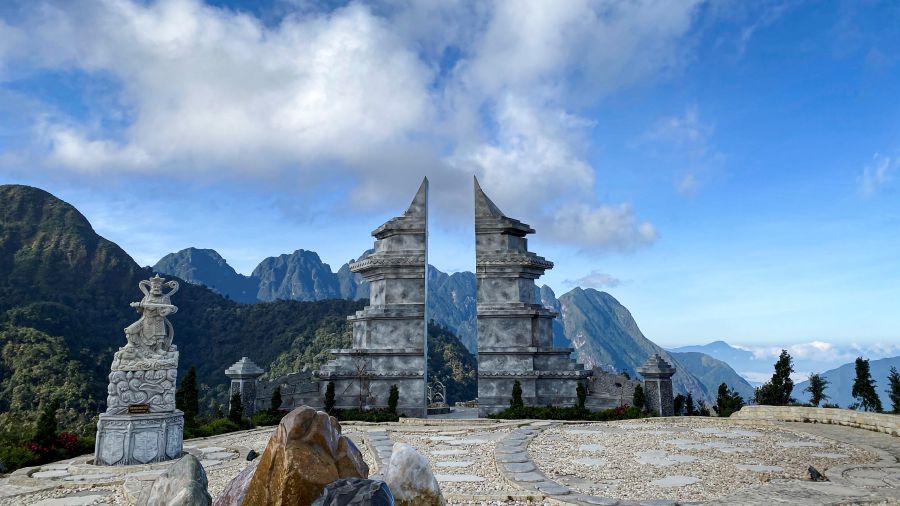
Rong May Glass Bridge

Situated about 15 km from the peak of O Quy Ho Pass, the Sapa Glass Bridge is one of the most exciting and unusual attractions in the area. Dangling at an altitude of 500 meters over a deep valley, the bridge provides unparalleled panoramic views of the Hoang Lien Son mountain range, cloudy peaks, and meandering mountain passes which seem to go on forever.

When the sun is out, the view is wide and surreal; with clouds, you find yourself walking beneath them. The combination of natural magnificence and man-made marvel adds up to a trip of a lifetime that thrills nature lovers.

5 Cultural Experiences You Shouldn’t Miss

In addition to its beautiful natural scenery, O Quy Ho Pass and the locality around it are home to a colorful array of cultures. Through that, you can gain insight into the daily life of the highland ethnic groups in Vietnam. Here are essential cultural experiences you just cannot miss:

Visit Ethnic Minority Markets

Bac Ha Market

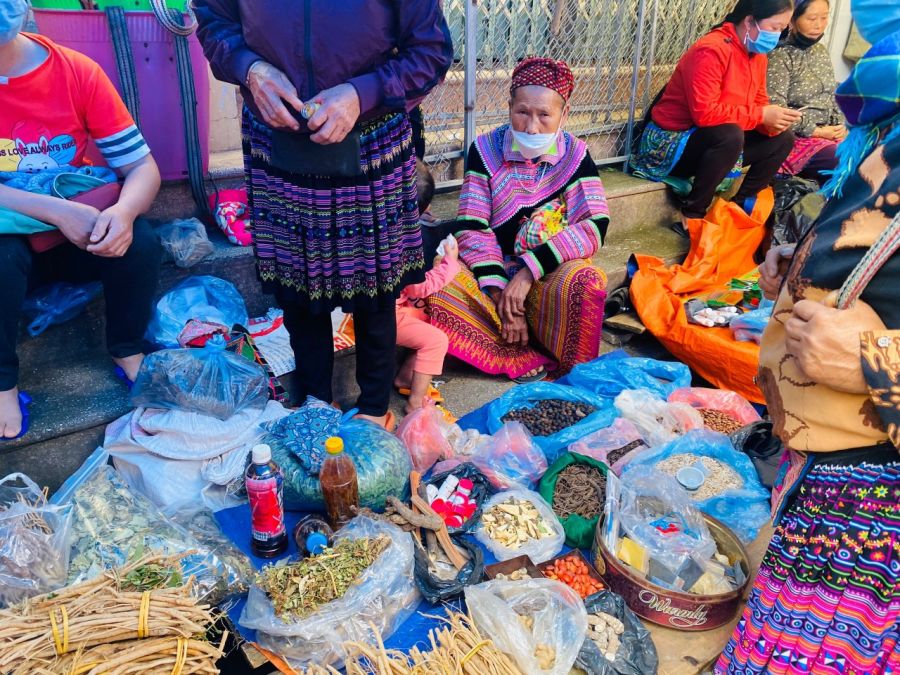
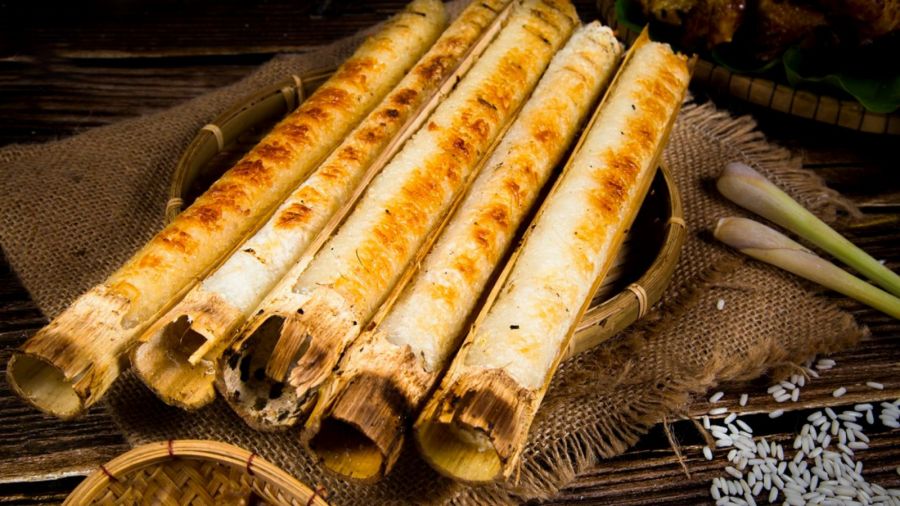
Daily local markets in surrounding villages like Sapa, Ban Khoang, and Ta Phin are held every day of the week. You see, these markets are not just about trading in goods; they are lively social markets where ethnic groups come together, all in their bright traditional dresses, to sell hand-woven fabrics, medicinal herbs, livestock, and homegrown produce. Get there early, like between 07:00 and 08:00 AM, to see the market in full action. Don’t miss the opportunity to try local specialities such as Thang Co (a H’mong traditional stew), Xoi Nep (Grilled sticky rice), and Ruou Ngo (corn wine).

Take A Traditional Herbal Bath

The Red Dao in Ta Phin Village, 20km from O Quy Ho pass, are known for their traditional herbal baths. Twenty or more kinds of forest plants and herbs are boiled for hours to create these baths, which are poured into big wooden tubs. It’s thought to help with fatigue, promote circulation, and clear aching muscles. Exactly, this is what you need after a hard trek or motorbike ride up through the mountains.

Join A Local Homestay And Farm Experience

Tourists join a local homestay and farm experience

For a more full-on experience, you should have a night or two in a local homestay. You will sleep in typical stilt houses or earthen homes among the people of the village, assist with cooking meals over a wood fire, and share conversations with a host family, often translated by English-speaking guides.

In villages like Ta Van, Lao Chai, and Sin Chai, some homestays also offer “day-in-the-life” experiences, including the chance to help plant or harvest rice in the terraced field.

Attend A Traditional Dance

In the evening, performances are arranged for tourists who stay overnight in many local communities, particularly around the villages of Ta Phin and Cat Cat. They perform their bamboo stick dances, love songs, and spiritual dances with handmade instruments, including leaf flutes and H’mong mouth harps. Joining and learning some basic dances are also interesting moments.

Admire The Rhododendron Flowers

Admire The Rhododendron Flowers

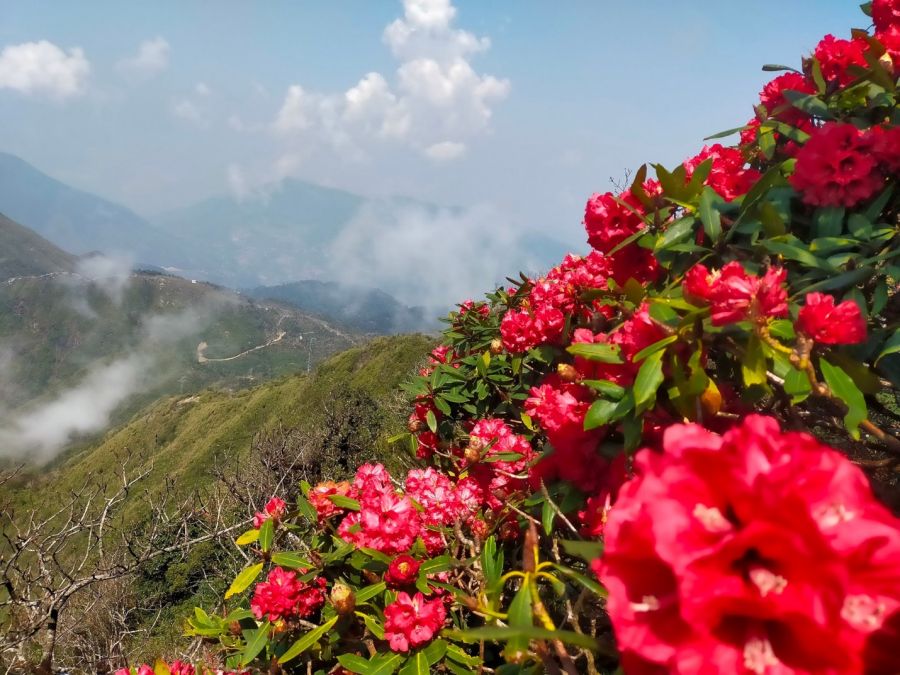
March is the month when the Rhododendrons burst into flower over the Hoang Lien Son range and on O Quy Ho pass. Rhododendrons are the signature flowers of Sapa and are a mark of this town. The landscape is such that when people come here, they fall in love. The best time is March and April every year is also the time Sapa has many people calling on. Visitors to the O Quy Ho pass can watch the Rhododendrons from a distance.

O Quy Ho Pass Entrance Fee

Though there is no fee to travel along O Quy Ho Pass proper, there are attractions at either end that charge a small fee for maintenance and tourism management. Here are the details:

Attraction Fee (VND) Notes
O Quy Ho Pass (Highway) Free Public road access
Hoang Lien National Park 30,000 Park entrance fee
Love Waterfall 70,000 Scenic viewpoint
Silver Waterfall 20,000 Viewing platform access
Heaven Gate Viewpoint 30,000 Cloud hunting
Parking fees 10,000 – 20,000 Various locations

Opening Hours

O Quy Ho Pass opens 24/7 as it’s a public highway. However, some tourist attractions operate within set hours.

  • O Quy Ho Pass: Open 24/7
  • Attractions nearby: 07:00 AM – 05:00 PM

The best time to visit O Quy Ho Pass is between October and April. It is the dry season when the roads are clearest with ideal visibility. The sky is clearer, so it is great for photography and sightseeing. Avoid the wet season, the fog, and the slippery roads represent danger.

How to Get to O Quy Ho Pass

O Quy Ho Pass

To get to the pass, tourists should travel from Sapa town to National Road 4D. The distance is about 15 kilometers.

Transportation Cost (VND) Duration Notes
Motorbike Rental 150,000 – 250,000/day 40 – 45 minutes Requires a valid license
Taxi or Private Car 800,000 – 1,200,000/day 25 – 30 minutes Driver included
Bicycle Rental 100,000 – 150,000 1 hour More adventurous

Travel tips:

  • If renting a motorbike, have a valid driver’s license.
  • Be sure to check the weather in advance.
  • Fill up fuel in Sapa; there are a few gas stations along the pass.
  • Wear your helmet and drive carefully, especially when it is foggy or lightly raining.
  • Using a digital map or an offline navigation app is strongly recommended, especially in areas where the phone signal might drop.

Things To Know Before Traveling to O Quy Ho Pass

In order to have a safe, comfortable, and memorable journey, these are some things you absolutely must know and be aware of before you leave:

  • Clothes preparation: The weather at O Quy Ho Pass can turn on a dime. If the morning starts sunny, the afternoon may be hit with an unexpected fog, wind, or light sprinkle. You should bring a thermal base layer, a fleece or insulated jacket, and a windbreaker or raincoat. Bring waterproof hiking shoes or sneakers with good tread if you want to hike to some nearby waterfalls or villages.
  • Vehicle safety: If you’re planning to be on the road on the pass on a motorbike or in a car, check that your vehicle is in perfect condition. You will need to have a current driver’s license with an ID.
  • Driving safety: You need to follow road signs, signals, and traffic rules. Reduce your speed when taking curves or when heavily banked. You also need to keep an eye out for other vehicles on the road, particularly big trucks or buses. You should not drive to the wrong side of the road, against traffic, or opposite-lane driving.
  • Physical health: The height of about 2,000 meters may present a problem to some visitors, especially those with respiratory or heart diseases. It’s advisable to rest, hydrate, and the slow elevation gain for acclimatization. The curvy roads may give your sensitive traveler motion sickness as well.
  • Photography equipment: There are some great photo opportunities on the O Quy Ho Pass. However, harsh conditions make it necessary to have good equipment prep. Pack extra batteries that drain quickly in cold weather, materials to clean your lenses from fog and moisture, and a protective cover for your cameras, should the weather change suddenly.

Final Thoughts: Is O Quy Ho Pass Worth Visiting?

O Quy Ho Pass is more than just a beautiful road. It’s a chance to blend the natural beauty, culture, and personal adventure. From the opportunity to stand at the Heaven Gate to trying the Dao herbal baths, a trip here is rich in culture. So you’re ready to get started on your O Quy Ho Pass adventure? Contact SeniWorld now to book your dream Vietnamese mountain adventure.

Ham Rong Mountain Guide: Dragon Legends & Cloudy Peaks

Ham Rong Mountain is one of Sapa’s most spectacular accessible attractions. It is located just a short walk from central Sapa town and offers panoramic views of the town and surrounding valleys. Explore more details about this destination right now!

Introduction To Ham Rong Mountain

Ham Rong Mountain

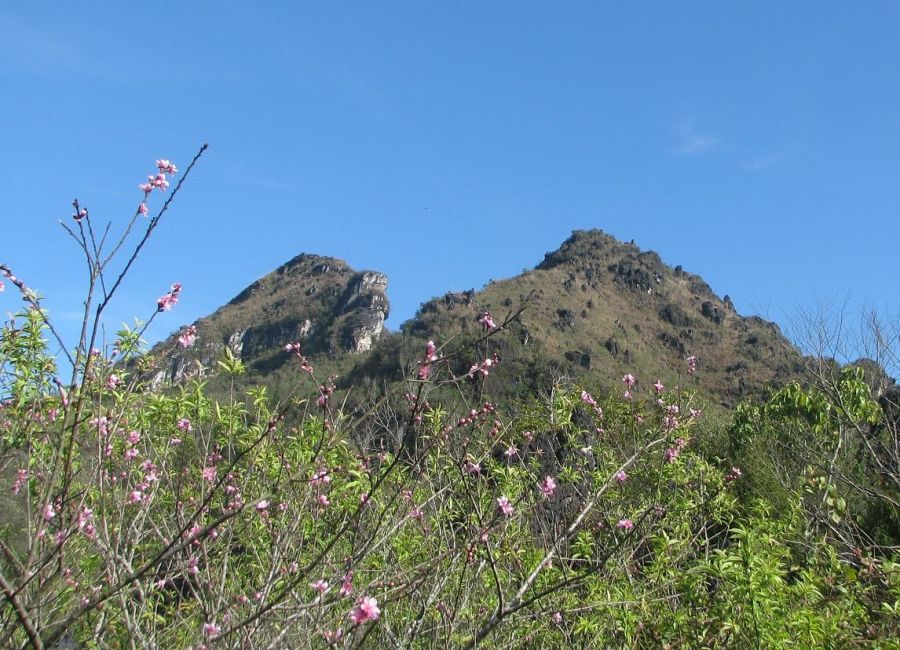
Ham Rong Mountain is one of Sapa’s most popular attractions. Ranging from 1,450 to 1,850 meters above sea level, visitors will get a great view to enjoy the scenery of Sapa town. You can reach this destination on foot from the center of Sapa town. The Ham Rong mountain is named after the shape of the rock on the top of the mountain. They look like a dragon’s mouth, especially when viewed from the side.

What sets Ham Rong Mountain special is the harmonious relationship between natural scenery and cultural value. Unlike a lot of the northern Vietnamese remote attractions, Ham Rong provides a relatively easy way for travellers to access nature without needing to make a long trek or a difficult ascent. The mountain is an excellent introduction to Sapa’s beautiful landscape, thus perfect for families, old visitors, and people who just want beautiful views without hard trekking.

History Of Ham Rong Mountain

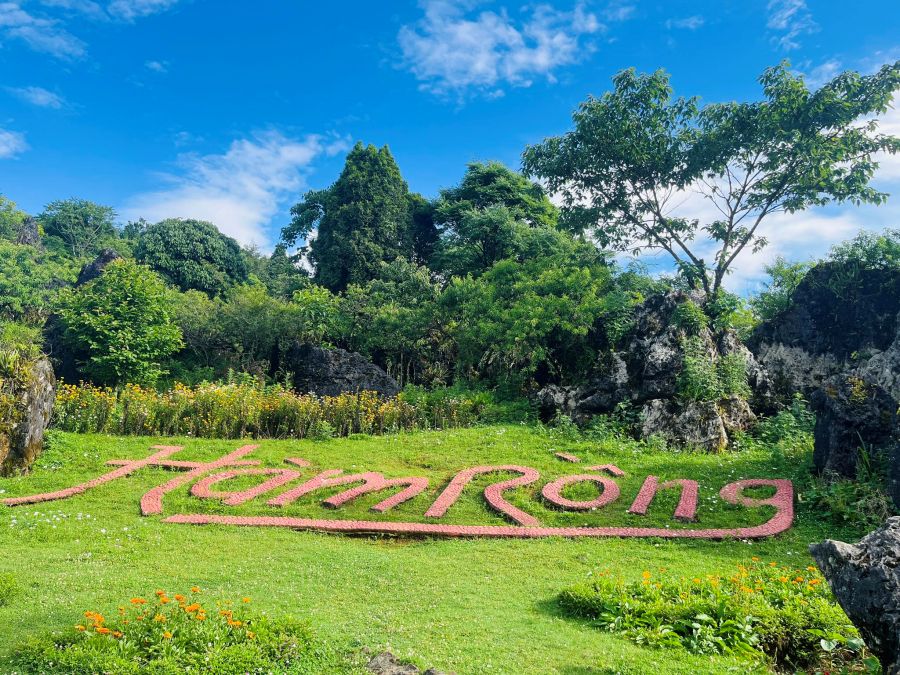
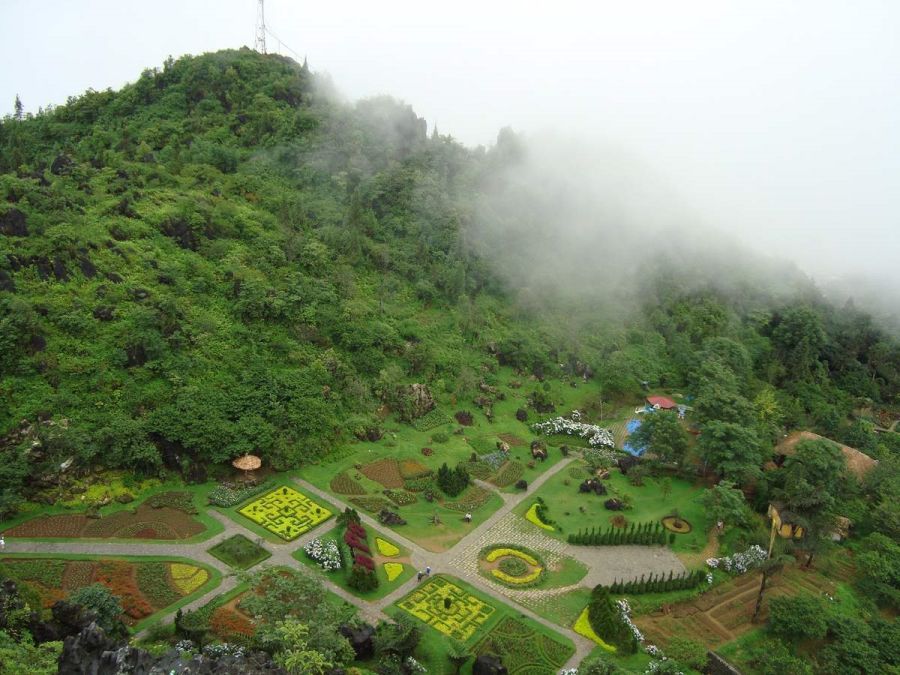
Yard of Ham Rong Mountain

According to the local legend, a fierce dragon lived in the mountains and defended the area from the threatening invaders. Legend has it that the dragon was petrified after fierce combat, leaving behind the rock formations that have lent their name to the mountain. These tales of local H’Mong elders continue to be passed down through generations.

The mountain changed from a local sacred place to a tourism destination in 1996 when the government of Vietnam turned the mountain into an ecological tourism zone. This was in the effort to promote the conservation of the ecosystem and also to create a source of sustainable income for the local communities. The project required careful planning to enhance the mountain’s natural beauty while adding infrastructure that could accommodate visitors safely. Sustainable tourism principles have driven the development of the mountains, where proceeds are directed towards local communities and the natural environment.

Top 5 Attractions In Ham Rong Mountain

Ham Rong mountain area spreads over 148 hectares, enabling you to walk, take photographs, and feel the beauty of nature. Here are a few highlights you don’t want to miss:

Stone Garden

Stone Garden

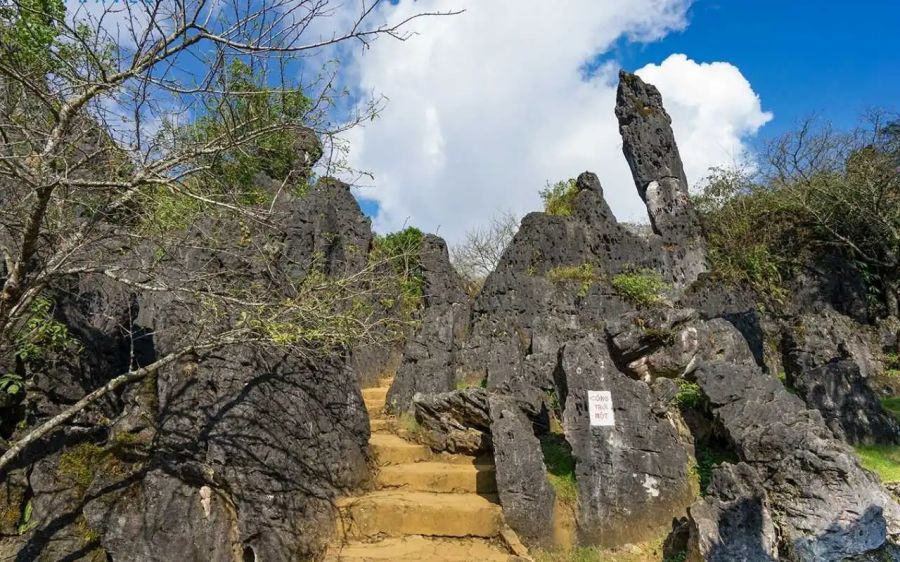
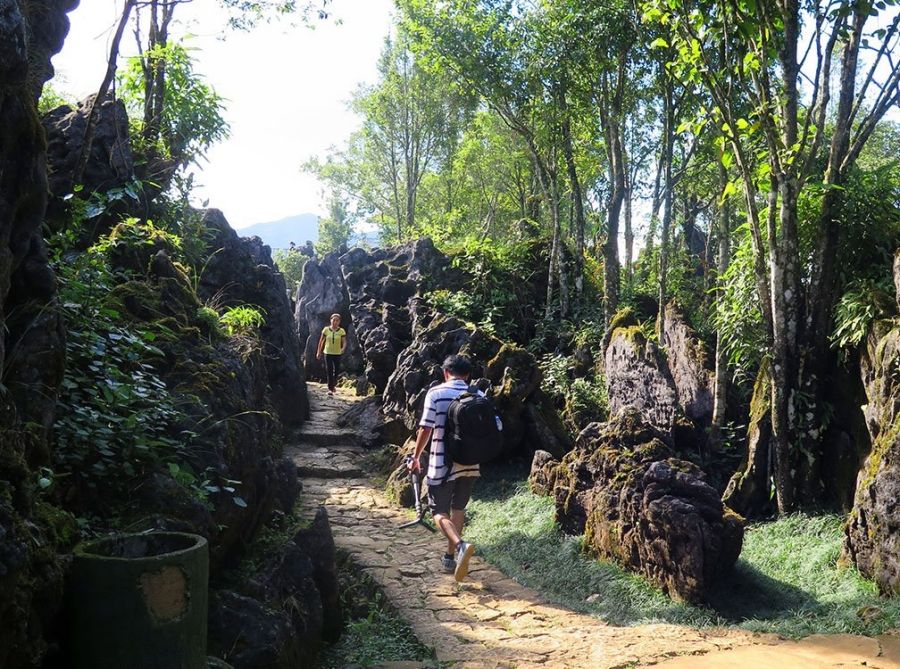
The Rock Garden features natural rock formations and stone sculptures. Skilled artisans have enhanced these natural formations with carefully placed sculptures and plantings. This area reflects the geological variety of the mountain, combined with artistic accents that add to its natural allure.

When people take to the winding paths among these stones, they feel as if they are walking into a mythological world. It is a great destination for light hiking, storytelling, meditation, and photography. Many visitors relax onsite for the peaceful, nearly spiritual feel.

Orchid Garden

You will visit the orchid garden, where you can see 200 kinds of orchids, which bloom and bear the features of Sapa. It is a tourist attraction that you should not miss while visiting Sapa. This orchid garden, one of the most beautiful orchid gardens of Vietnam, boasts wild species and various hybrids collected in the country.

The orchids flourish all year round in a tropical paradise amid the mountain climate of the garden’s cool houses. Guests will be able to see orchids at different stages of blooming, from small buds to big, showy blossoms in shades of deep purple, white, and stunning yellow.

Vuon Dao (Peach Blossom Garden)

Peach Blossom Garden

When spring comes, the Peach Blossom Garden (Vuon Dao) is more beautiful and impressive on Ham Rong Mountain. Blushing in soft pinks, this garden is a magnet for locals and tourists alike who want to experience the blooming seasonal beauty. There are dozens of varieties of peach trees blooming that make magic inside the garden. The smell of the flowers’ blooms fills the air, and the garden is an ideal place for strolls, taking romantic photos, and sightseeing.

In Vietnamese culture, the peach flower is traditionally important to the Vietnamese New Year (Tet Holiday) as it is the flower of hope. Visiting the garden during bloom time is a visual pleasure as well as an immersion into the merging cultural customs of northern Vietnam’s springtime.

San May (Cloud Yard)

Cloud Yard provides the magnificent feeling of being above the clouds. During the early hours of the morning, usually between 06:00 and 08:00 AM, this area is covered in heavy fog. You can get an amazing bird’s eye view over the Hoang Lien Son mountain range, the whole town of Sapa, Muong Hoa valley, Cat Cat village, and watch the sun slowly rise. The scenery appears to levitate. Visitors often claim these minutes as the most magical and emotional of their Ham Rong journey. On the campus, there are benches and lookouts designed for lounging, meditating, and photographing.

Keep following the cliff for another 10 minutes, and you will reach Heaven’s Gate, the most addictive coordinate for social media enthusiasts. In particular, when the sun shines through that part, it’s all magical, it’s like you’re in heaven.

Zodiac Animal Bridge

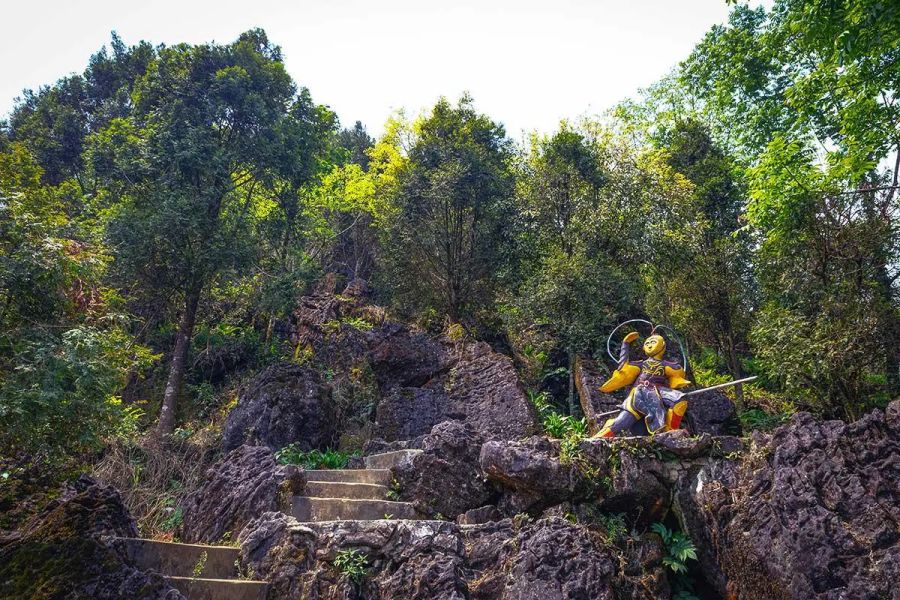
Monkey - Zodiac Animals in Ham Rong Mountain

These zodiac animals are arranged on a concrete bridge, and visitors can touch each of the statues, making their visit an interactive cultural experience. This attraction draws Vietnamese zodiac traditions and scenic walkways, where tourists can find their birth year animal and appreciate scenic mountains.

Every zodiac statue represents the traditional Vietnamese beliefs of what personality traits and fortune are associated with birth years. The bridge is a wonderful spot to take pictures and provides educational information on Vietnamese culture and customs.

5 Cultural Experiences You Shouldn’t Miss

Ham Rong Mountain is famous not only for its breathtaking scenery but also for its diverse culture and vibrant attractions. Here you can really connect to the daily life, customs, and art of ethnic groups that have spent generations.

Watch Traditional Ethnic Performances

Watch Traditional Ethnic Performances

Local artists from nearby H’Mong, Dao, and other minority villagers also arrive at the mountain every day to perform traditional dances and folk songs. These often occur in the Ham Rong Cultural Center or garden clearings along the trail. Every show offers a window into the original stories and traditions that have been handed down for generations. On occasion, visitors are asked to participate in some very basic dance steps, which makes the experience just that bit more special.

Buy Items From Local Handicraft Stalls

You will encounter stalls run by local ethnic vendors along the mountain trails, especially near the main viewing areas. They sell everything from handmade brocade scarves to silver jewelry to herbal balms to handwoven bags. Each one comes with a story. It can be about the craftsman’s family, their ethnic traditions, and their life in the mountains. Purchasing a souvenir here is more than a simple transaction; it’s a direct investment in community livelihoods and the survival of indigenous craft techniques.

Try Fun Folk Games Of The H’Mong And Dao People

Tourists playing stilts in Sapa

There are interactive zones to take part in traditional games on the Ham Rong Mountain campus. Visitors can try top-spinning, stilts walking, or folk tug of war. Simple as they may seem, they are also imbued with cultural identity and provide happy hours for everyone. Children, in particular, will be excited to have the opportunity to play while learning about Vietnam’s rural customs.

Taste Authentic Flavors Of Sapa At Food Stalls

Street food stalls are located in beautiful rest stops along the trail. You might like to try local specialties, such as Com Lam (bamboo sticky rice), grilled wild boar, boiled corn, and hot herbal tea. Many of its ingredients are foraged or grown by nearby villages, so that a bite is loaded with a truly local flavor. Not only does eating here fulfill your hunger after a hike, but it takes you to the culinary heart of the mountains.

Rent Traditional Costumes And Take Photos

Tourists try on traditional costumes of the Red Dao people in Sapa

Another memorable experience at Ham Rong Mountain is dressing up in traditional ethnic clothes and taking part in a photo shoot. You can rent festive H’Mong or Dao costumes adorned with colourful embroidered patterns in addition to head scarves, sashes, and jewelry. Local photographers are quite frequently available to help you take attractive shots with scenic backgrounds like flower gardens, misty trails, or cultural huts. Not only is it an entertaining activity, but it’s also an opportunity to get a little more out of their costume, a keener understanding of the identity and symbolism sewn into each one.

Ham Rong Mountain Entrance Fee

The entrance fee for Ham Rong Mountain is not very expensive, and it is worth the excellent value of sightseeing here. The table below will show you more:

Visitor Category Entrance Fee
Adults 70,000 VND
Children (over 1.2m height) 20,000 VND
Children (under 1.2m height) Free

Note:

  • The ticket to the park includes all the gardens, walking paths, and cultural performance venues in the Ham Rong Mountain ecological tourist area.
  • Tour guides, workshops, or even some cultural experiences incur additional costs.
  • They may have special discounts on national holidays.

Opening Hours

Ham Rong Mountain in early morning

Ham Rong Mountain is open daily from 06:00 AM to 06:00 PM.

The best time to visit is March to May, when the climate is dry and cool. Spring is stunning, with endless blooms and festivals.

If you’re totally into cloud hunting, you could go at the end of the year, somewhere between October and December. The weather at this time is often cloudy and foggy, giving a higher chance of successful cloud hunting.

How to Get to Ham Rong Mountain

Ham Rong Mountain is right behind Sapa’s central church, so you can walk to it from the town center. Refer to the table below for detailed costs of different types of transportation to Ham Rong Mountain.

Transport Method Cost Range Duration Best For
Walking Free 5 – 8 minutes Budget travelers, exercise
Motorbike Taxi 20,000 – 30,000 VND 2 – 3 minutes Solo travelers, quick trips
Taxi 50,000 – 80,000 VND 3 – 5 minutes Groups, comfort preference
Rental Motorbike 120,000 – 200,000 VND/day 2 – 3 minutes Multiple destinations, freedom

Travel notes:

  • You’ll need a motorbike licence if you plan to drive from Lao Cai to Sapa.
  • Roads may be slippery in the rainy season, so wear suitable footwear.

Things to Know Before Traveling to Ham Rong Mountain

Climb to Ham Rong Peak

There are a few things to know before you head off on your trip to Ham Rong Mountain if you want your visit to be an easy and fun experience. Even though the site is relatively close to Sapa town, and therefore very accessible, you are still in a mountainous area. Here are some important notes:

  • Footwear: Put on hiking or walking shoes that can provide good traction. Some of the paths can be quite steep, uneven, or slippery, particularly after rain, so sturdy walking shoes are advisable.
  • Weather preparation: The weather in Sapa can sometimes be quite unpredictable. Bring a light jacket or rain poncho, especially if you’ll be in the region during winter or the rainy season.
  • Photography guidelines: For the best photos, time your trip for early in the morning (before 09:00 AM) or late afternoon (after 03:30 PM). These moments are quieter and have softer natural light with fewer people, providing for a more peaceful-looking landscape.
  • Stay hydrated: Carry a refillable water bottle. There are food stalls along the way, but it’s also helpful to have some water, especially once you take on a longer hike or a warmer day.
  • Safety: Stick to the trails for your safety. Don’t clamber up to sit on big rocks or wander off the paths. Some spots might be shaky or dangerous.
  • Culture respect: Always seek people’s permission to photograph them, and support local livelihoods by buying handicrafts directly from artisans. You can learn some simple Vietnamese greetings to enhance cultural exchange.

Final Thoughts: Is Ham Rong Mountain Worth Visiting?

Ham Rong Mountain is not only a scenic spot to visit, but it’s also an ideal combination of nature, culture, and adventure. From the flower gardens to the panoramic views and cultural shows, the experience is both rich and relaxing. If you’re in Sapa for the day or have a couple of days in Sapa, don’t forget to visit this gem.

Plan your dream vacation with SeniWorld now and be amazed by the fantasy of Ham Rong Mountain!

Silver Waterfall Sapa: A Scenic Gem in Northern Vietnam

With its thunderous flow and panoramic mountain views, Silver Waterfall Sapa feels like a natural stage where the Northwest shows off its wild charm. This guide unpacks everything you need to explore it smoothly, from routes to local insights.

Introduction To Silver Waterfall Sapa

Silver Waterfall

Roughly 30 minutes by motorbike from central Sapa, Silver Waterfall marks the beginning of the route into the Hoang Liên mountain range, home to Vietnam’s highest peak, Fansipan. The falls plunge from a height of over 200 meters above sea level, fed by meltwater from the Lo Sui Tong summit. It sits right along National Highway 4D, making it one of the most accessible natural spots in the area. Travelers can simply stop by during a drive toward the O Quy Ho Pass and take in the raw energy of the highlands without leaving the road for long.

This is not just a scenic pit stop, but also a natural transition zone between cultivated valleys and rugged alpine forests. The area around the waterfall sits at over 1,800 meters, often cloaked in mist even during summer, making it a refreshing break from the heat of the lowlands. Its location right beside the main road means travelers can enjoy dramatic views without a long hike.

History Of Silver Waterfall Sapa

Foot of Silver Waterfall

Silver Waterfall didn’t get its name from folklore or mythology. Locals named it “Thac Bac” simply because the falling water shines like flowing silver under sunlight, especially in the morning, when mist lifts and the cliff face catches the first rays of light. The stream that feeds it comes from Lo Sui Tong mountain, part of the Hoang Lien range, and flows year-round, even during the dry season.

The area surrounding the waterfall has long been inhabited by ethnic H’Mong communities, who settled in the region centuries ago. Traditionally living in stilt houses on nearby hillsides, the H’Mong practiced terrace farming and foraged medicinal herbs in the forests. Tourism here has grown steadily over the past two decades. Still, many local families continue their way of life, making and selling handmade goods or working as guides for travelers passing through.

Top Attractions Around Silver Waterfall Sapa

The area around Silver Waterfall is more than just a photo stop. If you have time to explore, several nearby spots offer great views, fresh air, and a closer look at the landscape.

Silver Waterfall Main Viewpoint

As soon as you arrive at the Silver Falls parking lot on Highway 4D, a paved path will lead you to the main viewing platform. This area is located just to the left of the ticket control station, has a safety railing, and a short introduction board about the falls. This is the panoramic view of the main face of the falls, where the water falls from a height of more than 200 meters down the cliff.

O Quy Ho Mountain Pass

O Quy Ho Pass

If you continue driving along Highway 4D heading north from Thac Bac for about 10 minutes, you will reach the top of O Quy Ho Pass. This is one of the most famous “four great mountain passes” in Vietnam, at an altitude of more than 2,000 meters. From the top of the pass, you can look down at the valley and the Hoang Lien mountain range, especially beautiful in winter when the fog covers it and in the late afternoon when the sun gently sweeps through the mountain layers.

Rong May Glass Bridge

About 1.5-2 km from Thac Bac towards the pass, Rong May Glass Bridge is an adventurous check-in spot for thrill-seekers. The glass suspension bridge spans a deep ravine, built to provide panoramic views of Hoang Lien Son from an altitude of over 2,000 meters. Entrance tickets range from 200,000 – 250,000 VND, and you can buy them directly at the gate or through group tours.

Sapa Heaven Gate

Sapa Heaven Gate

Located right near the O Quy Ho summit (around 5 km from Silver Waterfall), Sapa Heaven Gate is the highest accessible point on Highway 4D. There’s a small parking and viewpoint area where visitors can see Fansipan in the distance on clear days. The combination of wind, cliffs, and panoramic views makes it one of the most unforgettable stops on the Sapa–Lai Chau route.

Pine Grove Rest Stop

On the way in and out of Silver Falls, you will pass through a short stretch of pine forest (about halfway between Sapa and the falls). Here, some locals have set up temporary rest stops with stone benches and small shelters. You can stop by to buy herbal drinks, green rice, fruit or hot tofu. This is a great place to take a walk, touch nature gently, or stop to take photos in a quiet space.

4 Cultural Experiences You Shouldn’t Miss

While Love Waterfall Sapa itself is a natural destination, the surrounding area is home to ethnic communities whose culture is closely tied to the forest. You can do these five simple but real things to get a taste of the local culture.

Try Lau Ca Hoi (Fresh Salmon Hotpot) Or Lau Ca Tam (Sturgeon Hotpot)

Sturgeon Hotpot

The mountainous region of Hoang Lien provides cool streams which are suitable to breed salmon and sturgeon. Only a few hundred meters away, there are some roadside restaurants that offer hotpot using freshly caught fish at the waterfall. Ginger, local herbs, and vegetables grown locally are normally added to the broth. In case you are uncertain where to stop, seek out Lau Ca Hoi or Lau Ca Tam with outside tables and tanks you can see through the road.

Sample Herbal Drinks From Roadside Stalls

Along the route from Sapa town to Silver Waterfall, you’ll find simple wooden stalls set up by H’Mong families. Many offer hot tea brewed from local plants like artichoke flower, forest vine, or wild ginger. The drinks are poured into glass cups or reused bottles, and often cost around 10,000 – 20,000 VND. It’s a quick stop, but a quiet moment in the mountain rhythm.

Browse H’Mong Handwoven Goods

H’Mong Handwoven Goods

Just outside the entrance to the waterfall, a few of the locals put up stalls where they hang colorful textiles on low wooden racks. Products consist of indigo-dyed scarves to hand-stitched coin purses. They are produced by traditional methods converted over the generations and are frequently dyed with natural dyes. Buying one means you take home a small piece of H’Mong tradition while directly supporting the person who made it.

Visit Su Pan Village For A Weaving Demo

Su Pan is a small village located just over 1 km from Silver Waterfall, on the way toward Love Waterfall. A few households there welcome visitors to observe how traditional backstrap looms are used. If you come at the right time, you might see the full process, from stretching cotton thread to dyeing fabric with indigo leaves. Some families also sell finished products or offer tea as part of the visit.

Entrance Fee

Silver Waterfall is managed by Hoang Lien National Park, and a small entrance fee is collected at the gate near the parking area. Tickets can be purchased on-site and there’s no need to book in advance.

Ticket Type Price (VND) Notes
Adults 20,000 Standard local rate
Children under 1.2m Free Height-based, not age-based
Group tours (10+ people) 15,000 Per individual; should come in a group

The tickets belong to a single entry only. There is no additional fee on cameras or parking motorbikes.

Note: There might be some photo stalls at the entrance selling so-called souvenir photos or demanding payments to wear a costume. They are optional and do not form the official fee.

Opening Hours

Silver Waterfall viewpoint from the bridge

Silver Waterfall remains open daily between 7:00 AM to 6:00 PM, even on weekends and public holidays. The majority of travelers come in the morning, between 8:00 and 10:00 AM, as it is cooler outside and the light is good to take some pictures. Tickets are sold directly at the entrance, and there’s no time limit once you enter. If you’re planning to visit nearby spots like Love Waterfall or O Quy Ho Pass, it’s best to arrive here before 4:00 PM to have enough daylight for the rest of your route.

When to visit basically depends on the type of experience that you seek. Between May and September, the waterfall is in full force because of seasonal rains, and the flow is very dramatic. Between October and April, the weather is more reliable, the sky is clearer, and the morning mist frequently provides a soft atmospheric quality.

How to Get to Silver Waterfall Sapa

Reaching Silver Waterfall is simple and doesn’t require a tour guide. The site is located just 12 kilometers from Sapa town, and all routes follow the paved National Highway 4D. Below is a quick comparison of common ways to get there:

Mode of Transport Travel Time Cost Estimate Details
Motorbike rental 20 – 30 mins 120,000 – 150,000 VND/day Most of the hotels or shops in Sapa can be rented. It is the most accommodating option to those traveling alone or in pairs
Taxi (round trip) 20 – 25 mins 300,000 – 400,000 VND A good alternative in case you are willing to have comfort but not to drive. Drivers know the area and they usually wait as you sightsee
Private car with driver 20 – 25 mins 500,000 – 700,000 VND It is perfect when you are in a group or have many places to visit, such as Love Waterfall or O Quy Ho Pass. Hotels or tour agents could be used to book it
Bicycle 1 – 1.5 hours Varies Only advise this when you are experienced. It is a hilly road with long uphill stretches and high-speed traffic

Tip: You can park right next to the entrance, and there’s no walking trail required. Still, bring a jacket – the weather can change quickly at higher altitudes.

Things To Know Before Traveling To Silver Waterfall Sapa

The path leading to Silver Waterfall

Tucked away in the misty hills of Sapa, Silver Waterfall is worth the journey, especially if you’re ready for it. Knowing these small details can make your visit to Silver Waterfall even better:

  • The weather near the waterfall changes quickly, even if it’s sunny in Sapa town. Fog and light rain are common, especially from May to September.
  • The stone paths can get slippery after rain. Wear shoes with good grip to stay safe while walking around the viewing area.
  • There are no food or drink vendors inside the ticketed area. You’ll need to buy snacks or water from stalls near the entrance before you enter.
  • Mobile signal is generally reliable along the highway, but it may weaken as you go higher toward O Quy Ho Pass.
  • Vendors around the site only accept cash. Bring small bills, as card payments and e-wallets are not widely used here.
  • If you rent a motorbike, check the brakes carefully. The road includes steep curves and downhill slopes, especially near the pass.

Final Thoughts: Is Silver Waterfall Sapa Worth Visiting?

Silver Waterfall is not the biggest or the most remote waterfall in Vietnam, but it’s one of the easiest to reach and one of the most photogenic in Sapa. Some come for the view, others stop briefly to take photos, and many include it as part of a longer mountain drive. Either way, Silver Waterfall fits naturally into any Sapa itinerary.

Well-matched routes and a smoother Sapa itinerary start with the right guidance — Seni World is here to make that process easier.

Love Waterfall Sapa Travel Guide with Local Tips and Routes

Most visitors travel to Sapa to seek the views of Fansipan or to walk through the rice terraces. It might not appear in every guidebook, but Love Waterfall Sapa has a quiet charm that’s well worth a visit.

Introduction To Love Waterfall Sapa

Love Waterfall

Love Waterfall Sapa sits inside Hoang Lien National Park, about 14 kilometers southwest of Sapa town. At nearly 100 meters tall, it’s one of the most impressive natural waterfalls in the region, with white water spilling down moss-covered cliffs. Though easily accessible, the waterfall is undeveloped and stays wild and natural.

What makes this place special isn’t just the scenery, but the atmosphere. It’s noticeably quieter than other tourist spots around Sapa. Even before you reach the waterfall, the walk through the pine forest and along the Golden Stream already feels calming. It’s a perfect option for those who want to connect with nature without having to travel too far from Sapa town.

History Of Love Waterfall Sapa

The name “Love Waterfall” comes from a centuries‑old legend cherished by local H’Mong and Red Dao communities. It tells of a heavenly fairy who fell in love with a flute‑playing young man beside the stream. When her family forbade the match, she transformed into a bird, returning to the falls every evening to hear his music.

Red Dao and H’Mong families have lived in the Hoang Lien foothills for generations. They’ve relied on the forest for medicine, food, and spiritual practice. The trail to Love Waterfall started as a village path, not meant for tourists. That’s why the route still feels authentic and rooted in local life.

Top Iconic Attractions In Love Waterfall Sapa

Although the Love Waterfall Sapa is the main draw, the journey there includes a few quiet spots worth noticing.

The Golden Stream

The Golden Stream

Prior to arrival at the waterfall, visitors follow a forest path that flows parallel to the Golden Stream. On a sunny day, the stream does not disappoint in terms of living up to its name, as the light strikes the surface of the stream and forms a golden glimmer on the water. This quiet segment is better experienced in the early morning when the forest is silent.

Love Waterfall Viewpoint

This is the prime watching area is located at the terminus of the hiking route. Here you can see the whole of Love Waterfall plunging over a steep moss-grown cliff. The falling water is almost 100 meters high, and it forms mist that fills the air. There’s a small platform where visitors often stop to rest, take photos, or simply watch the flow.

Wildflower Meadows (Seasonal)

Wildflower Meadows

In spring and early summer, the open patches along the trail bloom with wildflowers. Purple, white, and yellow blossoms line the edges of the path, especially near the stream. These flowers don’t grow year-round, but during peak season, they add a quiet burst of color to the walk. It’s a detail many visitors don’t expect.

Pine Forest Walk

Much of the trail to the waterfall runs through a pine forest. The air is cool and smells faintly of sap, and the trees block out just enough light to keep the path shaded. It’s an easy walk, but the setting makes it feel more remote than it is. You won’t see many people, especially if you go early in the day.

4 Cultural Experiences You Shouldn’t Miss

While Love Waterfall Sapa itself is a natural destination, the surrounding area is home to ethnic communities whose culture is closely tied to the forest. Spending a little more time here opens the door to simple but meaningful experiences.

Try Canyoning At The Waterfall

Try Canyoning At The Waterfall

Canyoning tours are now available right at Love Waterfall through local adventure operators in partnership with Hoang Lien National Park. You’ll rappel down parts of the waterfall, slide, swim in natural pools, and sometimes zip‑line over the river. Tours typically begin around 9:30 AM and include gear, insurance, and park fees, with routes suitable for individuals aged 14 and above. It’s not a common option yet, but it’s ideal for travelers wanting a hands‑on adventure in the jungle.

Join A Guided Forest Walk With A Local

Local guides, especially from the H’Mong and Red Dao communities, sometimes offer short guided walks that include Love Waterfall. These tours go beyond the usual sightseeing. You’ll hear stories about medicinal plants, seasonal forest changes, and how people used to rely on this land. You can ask about these tours through your accommodation or book in advance through community-based tourism groups in Sapa.

Enjoy The Golden Stream And Bamboo Woods

Enjoy The Golden Stream And Bamboo Woods

Wandering along the Golden Stream is more than scenic—it’s a moment to connect with nature as local villagers have done for generations. During spring, clumps of rhododendrons are in flower, and this is intermingled with areas of bamboo, providing an atmospheric backdrop. This scene shows everyday life in the forests of San Sa Ho, adding a calm note to your visit.

Have A Picnic By the Waterfall

Some visitors take a small picnic after taking the trail and spend some time at the waterfall. There is a sitting place on the flat rocks close to the viewing point, with cool misty air. There are no food stalls or vendors nearby, so you’ll need to pack your water and snacks. It is a silent place where you may have a rest and hear the sounds of the forest.

Entrance Fee

Love Waterfall

Love Waterfall is located in Hoang Lien National Park, and this means that one has to purchase an entry ticket at the main gate. The entrance fee is to visit the forest trail, the Golden Stream, and the observation platform on the waterfall. The tickets are sold at the entrance and are usually on a cash basis only.

Visitor Type Ticket Price (VND)
Adult 70,000
Children under 1.2m 30,000
Students (with ID) 50,000

There are no official discounts for groups or families. Vendors and tours may include the entrance fee in their pricing, so check in advance if you don’t want to be charged again at the gate.

Tip: Bring exact change. The gate staff may not be able to break large bills, and the nearest ATMs are in town. If arriving by motorbike or car, parking costs around 5,000 – 10,000 VND at the lot near the entrance.

Opening Hours

Love Waterfall is open to tourists throughout the week between 09:00 AM and 05:00 PM. It’s best not to arrive too close to closing time, as the forest gets darker quickly, and footing can become unsafe. A lot of travelers choose to travel in the morning, particularly before 11:00 AM, when the air is fresh, and the forest seems to be peaceful.

The best period to visit is from March to June. It is the time when the path is largely dry, wildflowers are starting to appear, and the sun is shining through the trees. During the period between July and September, rainy weather increases. When you come at this period, you need to come with a rain jacket and shoes with a good grip.

How To Get To Love Waterfall Sapa

Walk to Love Waterfall through Golden Stream

Roughly 14 kilometers from Sapa, Love Waterfall lies along the road to Tram Ton Pass. There’s a small parking lot near the entrance gate, and from there, the walk to the waterfall takes around 20 to 30 minutes.

Here are some of the most common means of transport that travelers take to get there.

Transportation Price (VND) Duration Notes
Motorbike rental 120,000 – 180,000/day ~30 minutes It is easy to rent a motorbike, of which most hotels or rental shops have them
Motorbike taxi (xe ôm) 100,000 – 150,000/one way ~30 minutes It’s best for solo travelers or those unfamiliar with mountain roads
Private car or taxi 250,000 – 400,000/one way ~30 minutes Good for groups or families; prices vary by season and provider
Guided tour with transport 400,000+/person Varies The entry ticket, transport, and local guide are always included in local tours

If you plan to ride yourself, make sure your license is valid for use in Vietnam. Taxis are easy to find around town, and some hotels can help you arrange one with a fixed price. If you’re joining a local tour, transport is usually included in the package and may also cover the entry ticket.

Things To Know Before Traveling To Love Waterfall Sapa

Although the trail itself is quite short and well-marked, some minor planning can make the journey more enjoyable. These tips will be particularly useful when you are a first-time visitor or you are travelling without a guide.

  • It’s best to bring cash in small denominations, as the ticket booth and nearby stalls don’t accept cards.
  • After rain, the trail gets a bit muddy and slippery, so it’s best to wear proper shoes.
  • There’s little to no mobile signal along the trail, so don’t count on navigation apps once you’re inside.
  • In case you are going to drive a motorbike, be sure to have a license and some experience on the mountain roads.
  • Weekdays are a good time to visit if you want to avoid the crowds.
  • The trail does not have any restaurants or shops, so bring water and snacks in case you want to spend some time there.

Final Thoughts: Is Love Waterfall Sapa Worth Visiting?

Love Waterfall Sapa isn’t a headline attraction, but that’s part of its appeal. It is a nice trail through the forest, along the silent stream and with an open view at the end,. So it is worth trying in case one is not into the crowded nature.

If your time in Sapa allows for one slower stop, this one is easy to reach and doesn’t take much planning. It’s a simple place, and sometimes that’s exactly what a trip needs. Looking for more travel ideas around Sapa? Seni World has a few suggestions to get you started.

Muong Hoa Valley: Heart Of Scenery, Traditions, And Cultures

The Muong Hoa Valley is a paradise of terraced rice fields and the hometown of ethnic minority groups, a perfect destination for travelers who love mysteries. Seni World’s travel guide will show you its history, culture, attractions, and travel tips.

Introduction To Muong Hoa Valley

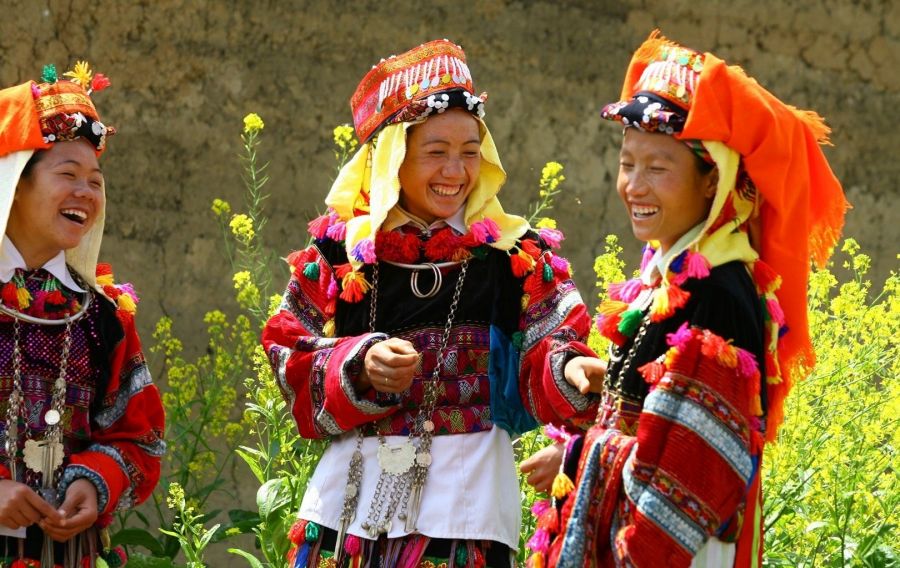
Red Dzao People

The Muong Hoa Valley is in the huge Hoang Lien Son mountain range of Northern Vietnam, and is world-famous as one of the most symbolic natural wonders in Sapa. About 28 kilometers Southeast of Sapa Town, the Muong Hoa Valley has many beautiful terraced rice fields that cascade down the hillsides, and is crisscrossed by the peaceful Muong Hoa River.

The Muong Hoa Valley is the hometown of several ethnic minority villages like the H’mong, Giay, Red Dao, and Tay people. Many generations of them have lived and cultivated the land for hundreds of years. Traveling to this destination, you can have a chance to find out their proud customs, conventional crafts, and everyday routines. Everything makes the Muong Hoa Valley a key point for everyone who wants to explore Sapa Town.

History Of Muong Hoa Valley

The Muong Hoa Valley has a mysterious historical stone field, scattered across 8 square kilometers, with over 200 carved boulders with strange symbols and human figures. This may be a complicated historical civilization, and up to now, it continues to puzzle archaeologists.

At present, the Muong Hoa Valley has many ethnic groups, consisting of the Black H’mong, Giay, Red Dao, and Tay people, who have lived there for generations. Each group keeps its identification through long traditions handed down by word-of-mouth, and day-by-day activities. They include traditional costumes with unique intricate embroidery and dyeing, galas celebrating harvests or new years, particular marriage rituals, and conventional crafts like silversmithing and weaving.

Top 5 Iconic Attractions In Muong Hoa Valley

The Muong Hoa Valley has many different iconic and wonderful attractions for you to explore. Let’s learn more about them in Seni World’s information below!

Terraced Rice Fields

Muong Hoa Terraced Rice Fields

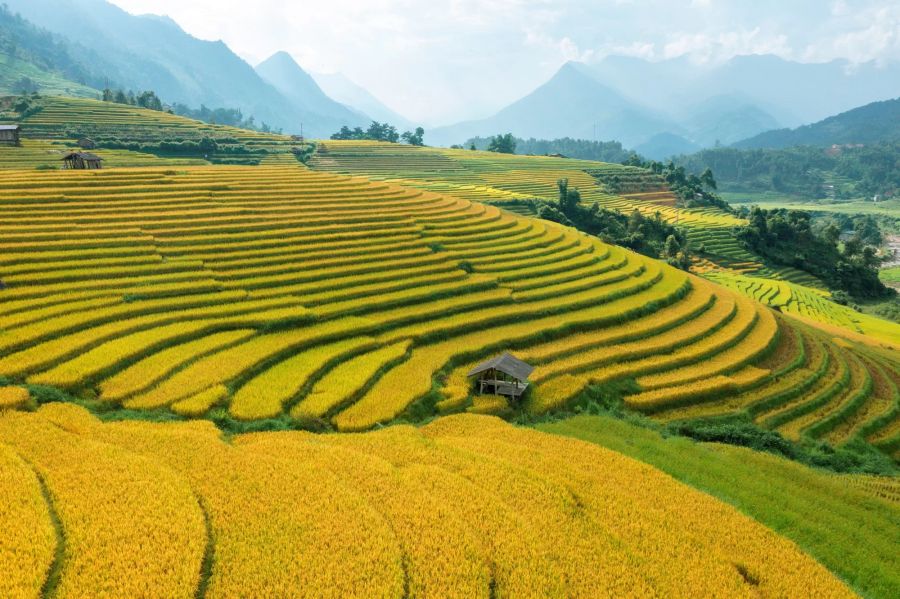
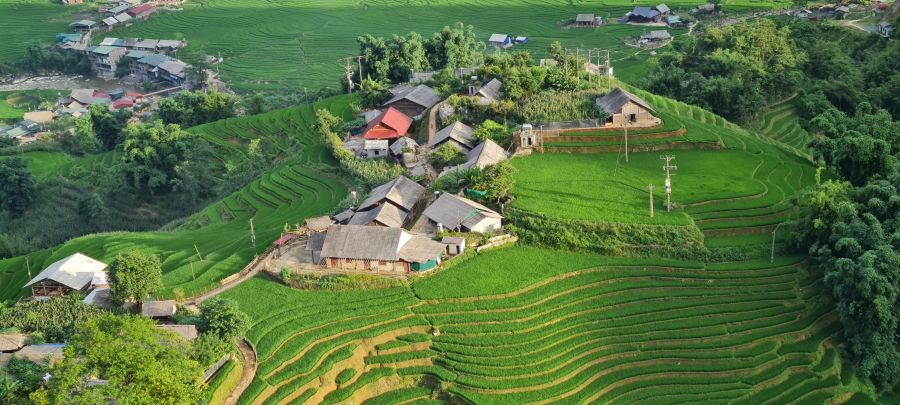
The terraced rice fields in the Muong Hoa Valley are certainly the best attraction that you can not miss out on. They fascinate travelers with their great stepped formations and dramatically change through the 4 seasons. This scenery paints a picturesque and iconic image that impresses all who witness it.

In the period of the water season, the terraced rice fields blink like endless mirrors, reflecting the blue sky, as well as the nearby huge mountains. In Spring, they become lush with green, and after that, change to the beautiful golden yellow when the time of harvest.

Ancient Stone Gallery (Sapa Ancient Rock Field)

Ancient Rock Field

The Ancient Stone Gallery is also known as the Sapa Ancient Rock Field. This is a mysterious site scattered throughout an area of 8 square kilometers, inside the Muong Hoa Valley. This visit space capabilities over 200 megalithic stones, and each of them is carved has many historic symbols.

The carved stone human figures and traditional stilt homes images present show you the insight of the valley’s deep and its religious sides. At present, the exact meanings and origins of these historic symbols continue to puzzle archaeologists. Especially, they add to the charm and exceptional appeal of this destination.

Ethnic Minority Villages

Lao Chai Village

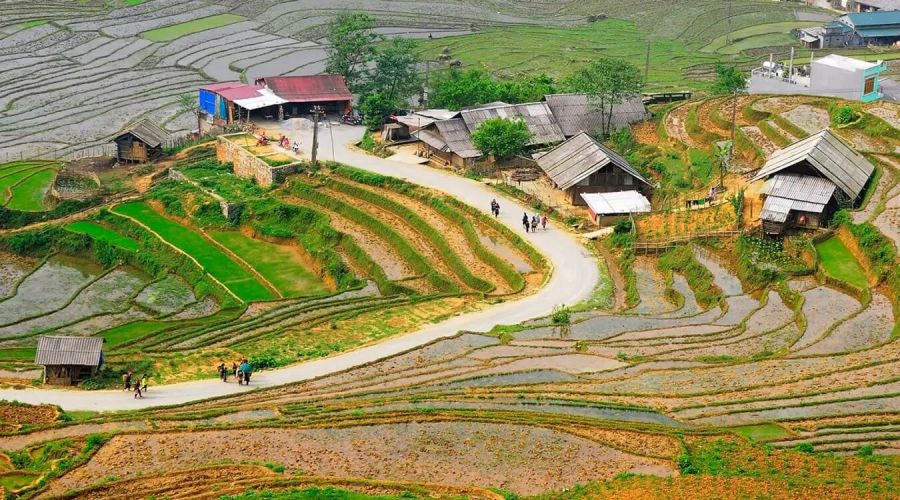
In the Muong Hoa Valley, you can see colourful and energetic activities of ethnic minority groups, consisting of the H’mong, Tay, Dao, and Giay peoples. If you want to explore their daily lifestyle and take part in many outdoor activities, don’t forget to visit some famous local villages here.

Villages for unveiling, which include Lao Chai Village, Y Linh Ho Village, Ta Van Village, and Giang Ta Chai Village, are important points for you to enjoy perfect outdoor activities. Let’s start with trekking adventures, learn deeply the rhythms of local life, or biking through beautiful villages, and take some memorable photos with friendly people here.

Muong Hoa Stream

Muong Hoa Stream

The beautiful Muong Hoa Stream is about 15 kilometers, and is an important connection among numerous ethnic villages in this valley. This waterway is not only a beautiful geographical scenery that attracts many different travelers, but it is also a valuable and essential part of local life.

Along the Muong Hoa Stream, there are many tranquil spots best for a clean dip. Besides, you can see small but enthralling waterfalls with scenic beauty. Its bamboo-covered banks are very suitable for relaxing picnics, in particular, for global travelers.

Muong Hoa Mountain Railway

Muong Hoa Mountain Railway

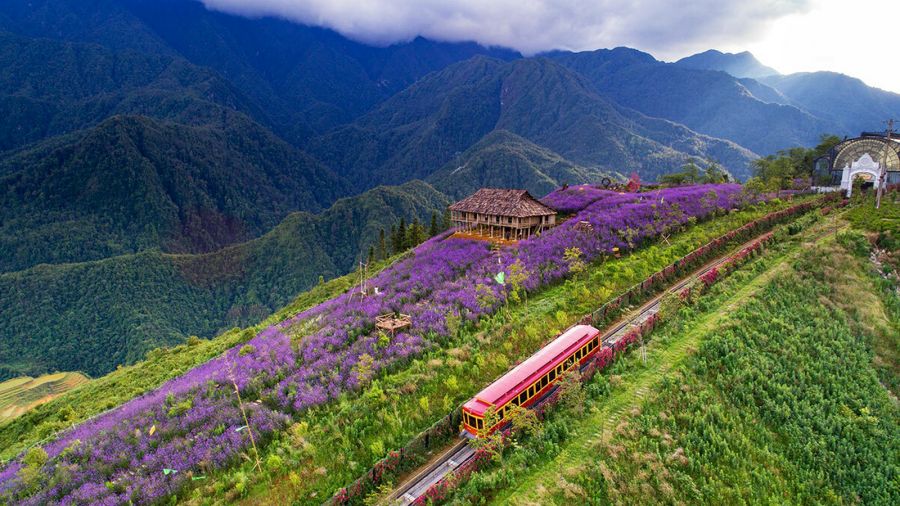
To have a large view of the Muong Hoa Valley’s lovely landscapes, the Muong Hoa mountain railway will be the best choice for you to have a scenic adventure. This railway will bring you through terraced rice fields, and you can easily witness the complete valley stretching out beneath.

The Muong Hoa mountain railway is very suitable for travelers who want to have a quiet experience but an outstanding vantage spot, numerous viewpoints for a scenic ride. Let’s choose this railway to see the sunrise or the sunset, while the valley is in a golden warmth.

3 Cultural Experiences You Shouldn’t Miss In Muong Hoa Valley

Besides the beautiful attractions, the cultural sides are also unique experiences that you can not miss out on in the exploration of the Muong Hoa Valley. Seni World will give you some hints about them.

Homestay With An Ethnic Minority Family

This is a wonderful way for travelers to revel in the peaceful atmosphere as well as the daily activities of local people. You can try to stay in a traditional stilt residence in some beautiful villages like Lao Chai Village, Ta Van Village, or Giang Ta Chai Village.

Let’s talk with friendly people here to learn more about their daily lives, conventional meals, customs, and traditions of local groups like the Dao, H’mong, or Giay. In many homestays here, you can also have a chance to join cooking lessons or participate in farm work with them.

Learn Traditional Handicrafts

Traveling to the Muong Hoa Valley, you can have a chance to see H’mong women carefully dyeing fabrics with natural indigo, or the art of hand-embroidery that makes their traditional costumes more beautiful and unique. Red Dao people are artisans in silver jewelry making, having both aesthetic and spiritual meaning.

Many local families welcome travelers to witness, study, and sometimes even try to do those crafts. This is a cultural activity that impresses many global travelers. After experiencing, they can also purchase specific and true handicrafts as souvenirs immediately from the local artisans.

Experience Local Festivals (Seasonal)

Experiencing local festivals will be the highlight of your adventure in the Muong Hoa Valley in case your timing aligns. These festivals have a deep origin from the agricultural calendar, spiritual beliefs, and social traditions of local groups. These occasions are featured by colorful costumes, unique music, folk dances, traditional games, as well as communal feasts.

There are some famous festivals here for you to enjoy. For example, Tet Nhay (Jumping Festival) of the Red Dao people after the Lunar New Year with a lively party involving ritual dances and religious activities. One more famous festival is the Roong Pooc Festival of the Giay people marks the start of the farming season with traditional games for a bountiful harvest.

The Muong Hoa Valley Entrance Fee

Love Waterfall

The Muong Hoa Valley has many destinations for you to uncover. We have broken down a detailed table about the entrance fee of the Muong Hoa Valley for you to follow easily:

Destination Cost (VND)
Muong Hoa Valley Access Fee
Adults 150,000 VND
Children (6 – 12 years) 100,000 VND
Children under 6 Free
Cat Cat Village Entrance Fee 90,000 VND
Ta Phin Village Entrance Fee 40,000 VND
Love Waterfall Entrance Fee 70,000 VND
Silver Waterfall Entrance Fee 20,000 VND

Important Notes:

  • The Muong Hoa Valley access fee for adults is a general fee for you to enter the central valley areas.
  • The Love Waterfall and the Silver Waterfall are located near the Muong Hoa Valley, and you need to pay a separate fee to enter them.

The Muong Hoa Valley Opening Hours

There is no exact “opening hours” for the Muong Hoa Valley like an ordinary attraction. You can go to this valley at any time of day or night. However, for the high-quality and most secure experience, Seni World recommends that you go all through daylight period, generally from early morning till late afternoon.

Even as there are no gates to shut the valley, main checkpoints to famous villages like Cat Cat Village or destinations requiring an entrance ticket usually operate from 07:00 AM to 07:00 PM. Your adventure should take place during this period to ensure you can access all areas, participate in activities, and enjoy other things.

How to Get To Muong Hoa Valley

If you want to get to the Muong Hoa Valley, you should start from Sapa Town. Seni World will help you to know how to get to the Muong Hoa Valley by many different means of transportation.

Transportation Time (From Sapa Town) Cost (One way)
Walking/Trekking About 1 – 3 hours (to nearest villages) Free (plus village entrance fees)
Motorbike/Scooter About 15 – 30 minutes (to core areas) 100,000 – 150,000 VND/day (rental)
Taxi/Private Car About 15 – 30 minutes (to core areas) 150,000 – 300,000 VND
Muong Hoa Funicular (Mountain Train) About 6 – 8 minutes (to the Fansipan cable car station) 150,000 VND (one way)
Guided Trekking Tour Varies (often full-day or multi-day) Varies (example: 25 – 100 USD/person)

Things To Know Before Traveling To Muong Hoa Valley

To have a safe and exciting journey in the Muong Hoa Valley, please remember the following important travel tips. These tips will help you discover the Muong Hoa Valley comfortably, but still respect local customs and protect yourself best:

  • Book a local guide or a reputable tour operator: They will help you to know more about worthwhile cultural insights, navigate trails, and coordinate respectful interactions between you and local people.
  • Be careful with various climates: Muong Hoa Valley’s weather can change quickly. The weather forecast is sunshine, but you should also prepare for rain, in particular during the wet season (from May to September). Trails here may be very muddy and slippery.
  • Protect yourself when trekking: You need to pack strong, relaxed, waterproof, and short-drying walking shoes with an accurate grip. Besides, don’t forget a rain jacket or poncho, layered clothing, sunscreen, sunglasses, a hat, and insect repellent.
  • Respect all local traditions: Let’s get dressed modestly and politely while journeying through villages, ask local people’s permission before taking photos of them, and keep in mind all local customs. Especially, keep away from giving cash or sweets immediately to kids here, which may encourage begging.
  • Cash is king in local villages: Whilst Sapa Town has ATMs, when visiting the Muong Hoa Valley area, you need to bring Vietnamese Dong (VND) in smaller denominations. Thanks to them, you can easily buy handicrafts and local snacks, as card payments are uncommon in rural regions.
  • Walking on marked paths: To ensure your safety, as well as to defend the surroundings and rice fields, you must stick to designated trekking paths and say no to private properties.

Final Thoughts: Is Muong Hoa Valley Worth Visiting?

The Muong Hoa Valley is a paradise for you to see terraced rice fields, an ancient stone gallery, and learn about the traditions and cultures of local people. If you want to take a Muong Hoa Valley adventure, as well as consult interesting things to do in this impressive valley area, and receive support for the visa process, let’s contact Seni World, a reputable tour operator from Vietnam. We are here to help you from A to Z on your Muong Hoa Valley discovery journey.

Fansipan: Surprising Beauty Of The Roof Of Indochina

Fansipan is known as the “Roof of Indochina” and is a perfect destination for travelers who love attractions from high elevations. Seni World’s travel guide below will show you “Where is Fansipan?”, its history, culture, attractions, culture, and travel tips.

Introduction To Fansipan

Cloud Hunting on Fansipan Peak

Standing about 3,143 meters above sea level, Fansipan is very famous among travelers all over the world and is known as the “Roof of Indochina”. The Fansipan peak is also the best in Vietnam, Laos, and Cambodia. Fansipan is positioned inside the Hoang Lien Son mountain range, about 9 kilometers southwest of Sapa Town. With the creation of the Fansipan cable car (Fansipan Legend), this tough peak now easily reaches more visitors, and it has become the most symbolic and hot-trending travel attraction.

Unveiling Fansipan, you can have breathtaking panoramic views that extend throughout the widespread mountain areas, as well as cloudy skies that are a surprising sight, in particular on clear days. Besides, the Fansipan journey through the modern cable car also shows you great views of Sapa’s rich terraced rice fields and deep valleys from the height. The complicated area at the top of Fansipan has wonderful pagodas with a grand Buddha statue, and spiritual pathways, providing you with a serene cultural and spiritual atmosphere.

History Of Fansipan

Fansipan proudly has a history of hundreds of thousands of years, which is between the Permian and Triassic periods, possibly around 250 – 260 million years ago. Therefore, it is very revered by local groups, and this is the primary reason why nowadays, more travelers choose this destination to witness its strong spiritual and natural grandeur.

The Hoang Lien Son mountain range, which is the “hometown” of Fansipan, is also the hometown of ethnic minority groups, such as Hmong, Tay, Red Dao, and Xa Pho people. Those local groups have lived in concord with the mountains for centuries, growing unique traditions deeply with the natural surroundings. Their long-lasting traditions include unique apparel of each group, complex embroidery patterns, festivals for harvests and the new year, like the Nao Song Festival of the Hmong.

Top 5 Iconic Attractions In Fansipan

Fansipan has many different attractions for you to explore. Let’s learn more about them in Seni World’s information below!

Fansipan Peak

Fansipan Peak

For travelers attracted by the rugged beauty of mountainous areas, reaching the top and enjoying the extreme cold of Fansipan temperature will be a perfect victory of their journey to Vietnam. The Fansipan peak is marked by a brilliant triangular stainless steel pillar, an icon of achievement, as well as a world-famous place for taking memorable photos for those who make this ascent.

Besides the physical marker, the top also has a special achievement sign that is the perseverance evidence of travelers who reach it. From this wonderful point, you can have an opportunity to see a captivating view: a full panorama of the Hoang Lien Son mountain range, huge cloudy skies, and the distant, undulating valleys.

Fansipan Cable Car

Fansipan Cable Car

The Fansipan cable car, Fansipan Legend, is recognized as a world-record-holding cable car due to its length and height, helping travelers have the best and seamless ascent in the direction. You can soar gracefully over the fascinating Muong Hoa Valley, see the lush rice terraces cascade down hillsides, and visit many conventional villages from the cabin.

There is a 15-minute journey for you to enjoy the comfortable feeling, which the ordinary climbing way can not offer. Because the Fansipan cable car glides upwards, you can have a chance to constantly evolving vistas of the wonderful, huge mountains, especially on clear days.

Bich Van Thien Tu Pagoda

Bich Van Thien Tu Pagoda

Bich Van Thien Tu Pagoda is a spiritual destination of the Fansipan complex above the clouds. Already has the Fansipan weather, Bich Van Thien Tu Pagoda frequently enveloped in mists that contribute to its tranquility and detachment from the busy, noisy world underneath.

Bich Van Thien Tu Pagoda features specific Tran dynasty architecture, with each detail, like gracefully curved roofs or intricately carved points, displaying centuries of cultural history of Vietnam. This place is also a deep connection between nature and spirituality.

Muong Hoa Funicular (Mountain Train)

Muong Hoa Funicular

To connect the space between Sapa Town and the Fansipan cable car station, the Muong Hoa Funicular, which the friendly name “Mountain Train”, will be an interesting transport for you. This modern railway helps you through the picturesque scenery, meticulously crafted tunnels, and over viaducts.

Not only discover the Muong Hoa valley, which is well-known for its lush terraced rice fields, but you can also witness ethnic minority villages here. This adventure is short but memorable, bringing a fascinating inspiration, as well as a sense of freedom for you after busy days.

Arhat Path (La Han Path)

La Han Path

The Arhat Path (also called the La Han Path) is a destination for travelers on a spiritual journey on Fansipan. This charming pathway is about 800 meters long, amidst the white clouds and mountains. When walking on this path, you can feel both a peaceful atmosphere and the challenge of the peak.

The specialty of this area is a non-stop display of 18 meticulously crafted Arhat statues. Each of them represents a disciple of the Buddha who has attained enlightenment and has a unique posture and expression. These respected statues are located along the route, instructing travelers on their spiritual progression. Alongside them are colourful azalea bushes, adding a brilliant vibe to this place.

3 Cultural Experiences You Shouldn’t Miss In Fansipan

Cultural experiences are special things that travelers should not miss out on when traveling to Fansipan. Seni World will give you some hints about them.

Try Local Food In Fansipan

After investigating the Fansipan peak, you can return to the nearby Sapa Town or the surrounding villages to enjoy local food. There are many unique and delicious cuisines that you can not find anywhere else.

  • First of all is Thang Co, a conventional, bold-flavored horse hotpot of Hmong people. However, you need to note that this food is made from internal organs. Some people can eat it, some can’t.
  • Don’t forget to try the mountainous grilled skewers, consisting of various meats and vegetables.
  • For a warm selection, the fresh salmon hotpot with many types of local vegetables is a must-try.

Visiting Ethnic Minority Villages

If you want to have a cultural immersion when traveling to Fansipan, let’s go to the ethnic minority villages located around Sapa Town. Not only see, but you can also engage and communicate freely and directly with the local groups like H’mong, Red Dao, Giay, and Tay people.

As soon as in these villages, you can have a chance to find out about their everyday life, witness their traditional crafts, such as indigo dyeing, weaving, or silver earrings making. Each ethnic group has its particular customs, languages, as well as traditional garb.

Shopping For Traditional Handicrafts

You can “bring” a piece of the cultural heritage of Fansipan in particular and Sapa in general home by buying handicrafts here. The Sapa Market, where ethnic minority people from surrounding villages sell their remarkable handicrafts, and you can buy anything you love.

You may be captivated by the intricately embroidered textiles in colourful hues and styles of the H’mong and Red Dao people. There are also silver earrings, traditional musical instruments, and various other handmade crafts.

Fansipan Entrance Fee

Fansipan Peak in Winter

From January 1, 2025, there is a new official update from Sapa Town authorities that has applied a separate sightseeing fee for travelers to Fansipan Mountain and Cat Cat Waterfall, including:

Visitors category Fansipan ticket price
Visitors aged 16 and above 10,000 VND
Children aged 6 – 15 5,000 VND
Children under 6, people with severe disabilities Free

If you choose the Fansipan cable car, Fansipan Legend for the round-trip, here is the detailed information about the ticket price:

Visitors category Fansipan ticket price
Adults (over 1.4m height) Monday – Friday & Sunday: 800,000 VND
Saturday & Holidays: 850,000 VND
Children (1m – 1.4m height) 550,000 VND
Children under 1m Free

Cable Car Of Fansipan Opening Hours

Fansipan’s cable car typically operates from 07:30 AM to 05:30 PM every day for you to easily reach the top of this mountain. However, this time can vary depending on each day of the week, as well as the peak or the shoulder season of traveling. Knowing the crowded time here, you can flexibly plan your trip and have a wonderful exploration.

The best time to visit Fansipan is commonly Spring (from March to May), when the weather is moderate, making flowers like cherries and azaleas are in bloom. Besides, Autumn (from September to November) is also the best time to visit Fansipan because of clear skies, comfortable temperatures, and great golden rice terraces in the Sapa valleys.

How To Get To Fansipan

If you want to get to Fansipan, you should take a trip from Hanoi to Sapa Town, and from Sapa Town to Fansipan. Seni World will help you to know how to get to Fansipan from Sapa!

Stage of Journey Transportation Time Cost (one way)
Hanoi to Sapa (Lao Cai) Overnight train About 8 – 9 hours 250,000 – 1,000,000 VND (10 – 40 USD)
Overnight sleeper bus About 5 – 6 hours 250,000 – 450,000 VND (10 – 18 USD)
Limousine van or minibus About 5 – 6 hours 350,000 – 550,000 VND (14 – 22 USD)
Sapa Town to Fansipan Legend Cable Car Station (Hoang Lien Station) Muong Hoa funicular (mountain train) About 6 – 8 minutes 150,000 VND (6 USD) (one way)
Taxi or motorbike taxi About 10 – 15 minutes 50,000 – 100,000 VND (2 – 4 USD)
Walking About 30 – 40 minutes (uphill) Free
Fansipan Legend Cable Car Station to Fansipan Peak Fansipan Legend cable car About 15 minutes 800,000 – 850,000 VND (32 – 34 USD)
Fansipan funicular (summit train) About 2 minutes (short) 150,000 VND (6 USD) (up)
Walking (from the cable car upper station) About 20 – 30 minutes (steps) Free (included in cable car ticket)

Things To Know Before Traveling To Fansipan

To have a safe and exciting journey in Fansipan, you need to remember some important travel tips below:

  • Altitude sickness: Fansipan’s peak is 3,143 meters, which may cause some travelers to experience signs of dizziness, headache, or shortness of breath. You must walk slowly at the pinnacle and hydrate.
  • The mountain weather: Fansipan could be sunny and after that, immediately foggy, rainy, or windy. Be careful and prepare more than one layer. You can easily feature or take away a layer as desired.
  • Wear non-slip footwear: Both on the cable car and when strolling to the Fansipan complex, the exact grip of your footwear is critical, in particular if the weather is moist.
  • Polite at religious sites: Get dressed modestly (shoulders and knees covered) and be respectful when visiting the statues, pagodas, as well as engage with local customs.
  • Protect your skin: Although the Fansipan weather is cloudy, UV radiation is more potent at high altitudes. Therefore, apply sunscreen for your skin and face, put on a hat, and sunglasses.
  • Comply with safety signs: You must be aware of all warning signs in this mountainous area and walk within the specified regions.
  • Book tickets earlier in peak season: This will help you save time queuing for the cable car and feel comfortable and happy on this adventure.

Final Thoughts: Is Fansipan Worth Visiting?

Fansipan is a perfect way for you to discover to refresh yourself, and enjoy the cool atmosphere from the height. If you want to take a Fansipan trip, as well as consult interesting things to do in this mountainous area, and receive support for the visa process, let’s contact Seni World, a reputable tour operator from Vietnam. We are here to help you from A to Z on your Fansipan discovery journey.
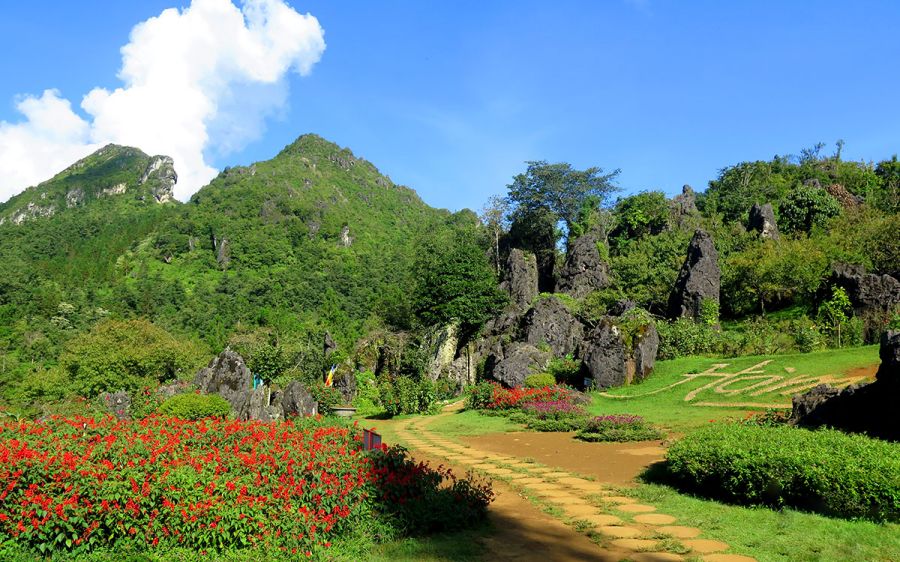
Sapa Food Guide: 12 Local Dishes Worth Traveling For

Sapa’s unique food shows the inviting flavors of the mountains with fresh products and old methods. Following this guide, every traveler can try true local dishes to discover the real culture of the misty hills.

Thang Co (Horse Meat Stew)

Thang Co (Horse Meat Stew)

Among all the food in Sapa, thang co stands out as a true cultural symbol. Originating from the H’Mong people, this dish brings together horse meat, bones, organs, and over twenty highland herbs in a pot that simmers for hours. The result is a bold, slightly gamey broth that’s warming and full of character.

You’ll find the most authentic bowls in open-air markets like Sapa Love Market or Bac Ha Fair. It has a unique flavor, but not for everyone, especially if you’re not familiar with dishes made from organ meat. You will often find that many restaurants now serve tamer versions by using beef or pork with the same style and flavor as the original ones.

Traveler Tip: Eating thang co from local markets at lunch will give you a chance to enjoy the most delicious broth. Pair it with a shot of táo mèo wine and sit among locals, and you’ll feel the soul of Sapa food come alive.

Lon Cap Nach (Grilled Free-Range Pork)

Lon Cap Nach (Grilled Free-Range Pork)

Lon cap nach is one of the best foods in Sapa, thanks to its rustic flavor and simple preparation. A favorite Sapa food, this hill tribe pork comes from small pigs raised in the hills by ethnic families. Their natural diet and active lifestyle give the meat a firm texture and unique taste.

After being marinated with herbs and salt, the pork is roasted until the skin turns crisp and the meat stays tender. Chili salt and pickles are usually served with it at markets or when people gather in the village. Because of its smoky and savory taste, the dish is easy to enjoy.

Traveler Tip: You can order great lon cap nach from the stalls at typical rural grills near Ta Phin and other towns in Sapa. Look for places with a steady crowd of locals; that’s usually the best sign the pork is freshly grilled and worth the wait.

Lau Ca Hoi (Salmon Hotpot)

Lau Ca Hoi (Salmon Hotpot)

Among the best Sapa foods for cold nights, lau ca hoi is both nourishing and full of local flavor. Lau ca hoi takes this fresh, highland-raised fish and turns it into something both comforting and vibrant. The broth is built from tomatoes, pickled bamboo shoots, lemongrass, and mountain herbs, giving it a slightly sour, aromatic base that warms you from the inside out.

Chunks of firm pink salmon are added just before serving, along with vegetables, mushrooms, and tofu. The fish stays tender while soaking up the broth’s sharp and fragrant flavor. It’s a favorite among locals during cold evenings and a memorable experience for travelers seeking something nourishing after a long day outside.

Traveler Tip: Order lau ca hoi at local restaurants like Cho Tinh Quan or Hotpot Center. Ask for wild vegetables and rice noodles on the side to enjoy them the way locals do.

Ca Suoi Nuong (Grilled Stream Fish)

Ca Suoi Nuong (Grilled Stream Fish)

Sapa’s mountain streams are rainy, the water is very cold, and it moves fast, so they provide an excellent environment for local fish to grow. It is because of this natural gift that ca suoi nuong stands out as a delicious example of Sapa food. First, the cleaned fish is seasoned with salt, lemongrass, and a bit of mac khen (a local pepper with a tangy, citrusy flavor), then it is grilled with its skin still on until it crisps and the meat separates smoothly.

There’s no fancy plating or sauces, just perfectly grilled fish served with sticky rice and a dipping mix of salt, chili, and lime. The taste is delicate and fresh, with a light smokiness that reflects how close the dish stays to nature. It’s simple, but incredibly satisfying, especially after a day spent trekking through the hills.

Traveler Tip: Try ca suoi nuong at Sapa’s night market or from roadside vendors near the Stone Church. It’s best when grilled on the spot and eaten hot, with your fingers and a pinch of salt.

Thit Trau Gac Bep (Smoked Buffalo Meat)

Thit Trau Gac Bep (Smoked Buffalo Meat)

Smoking buffalo meat, known as thit trau gac bep, is a well-known dish among the Black Thai people and one of the distinctive types of Sapa food. Before hanging it on the kitchen roof, the choice meat is rubbed with salt, ginger, and mac khen to get seasoned.

The slices end up dark, chewy, and have a strong earthy smell, as well as a strong savory taste. People in the area usually tear thit trau with their hands and dip them in a simple sauce made from chili and lime. Even though the texture seems stiff at first, you’ll notice the taste growing in each bite and staying with you for a while.

Traveler Tip: Sapa food local markets sell vacuum-packed thit trau gac bep, so you can easily get some or bring some home as a gift. Pick meat that gives off a tasty smoky smell and has very little visible fat for the greatest taste.

Com Lam (Bamboo Sticky Rice)

Com Lam (Bamboo Sticky Rice)

The simple dish of com lam is enjoyed everywhere in Sapa and the highlands. A bit of salt is added to sticky rice, then packed into bamboo tubes and slowly grilled over charcoal for a light smoky taste. The bamboo acts as a way to cook rice and adds a special aroma.

Grilled pork, stream fish, and sesame salt are often served with it, making it a popular side for trekkers and vendors alike. Its simplicity shows how creative highland cuisine can be. This dish is a classic part of Sapa food that travelers love to try.

Traveler Tip: Trekking travelers may find com lam around trekking trails and at the beginning of most villages. It makes a convenient snack to carry during day trips, compact, filling, and easy to eat without utensils.

Men Men (Steamed Cornmeal)

Men Men (Steamed Cornmeal)

Men men is a staple of the H’Mong people, made from dried corn ground into fine meal and steamed in layers. Unlike soft porridge, the texture is slightly coarse and crumbly, yet fragrant and gently sweet. It’s usually served with broth, stir-fried greens, or grilled meat, making it more of a base than a standalone dish.

In Sapa’s colder, higher areas where rice is harder to grow, corn plays an essential role in daily life. Men men reflects both the local landscape and the frugality of highland cuisine—simple, nourishing, and filling. It may not have the bold flavors of grilled meats or hotpot, but it leaves a quiet impression in the world of Sapa food.

Traveler Tip: Men men is best enjoyed at local family-run eateries rather than tourist spots. Ask for a side of vegetable soup or fried egg to balance out its dry texture.

Xoi Ngu Sac (Five-Colored Sticky Rice)

Xoi Ngu Sac (Five-Colored Sticky Rice)

People often notice this dish because it looks spectacular. Rice is dyed with red gac fruit, purple magenta leaves, yellow turmeric, and green pandan and steamed in one dish to come up with a colorful and aromatic snack.

Because of its vivid colors, many people think it tastes sweet, but its taste is very mild. Tay and Nung groups usually cook the dish to celebrate important occasions. Every color is said to symbolize different dreams, for example, prosperity or peace.

Traveler Tip: Try xoi ngu sac during the mornings at the markets, most importantly when there is a special day in Vietnam. The dish becomes contrasting and tastier when vendors add mung bean paste or sesame salt to it.

Ga Den (Black Chicken)

Ga Den (Black Chicken)

Ga den, also known as black H’Mong chicken, is a rare local breed raised in the mountains. Its skin is naturally dark, but the meat is firm, sweet, and rich in nutrients. Most people simmer it with herbs and bones, creating a gentle, aromatic broth believed to boost energy and circulation.

People often consider it food as well as medicine, mainly when the weather turns colder. It’s very light in taste compared to some mountain stews, and goes well with sticky rice as well as cooked forest plants. Sometimes it’s grilled, but the herbal soup is what defines the dish.

Traveler Tip: Herbal black chicken soup is best tried at small traditional restaurants, such as the ones you’ll find in Cat Cat or Ta Van villages. It’s a good choice for colder days when you need something warm but not too heavy.

Con Sui (Dry Pho With Sauce)

Con Sui (Dry Pho With Sauce)

Though it’s known as pho but pho con sui is closer in style to dry noodles. The dish is made with rice noodles, beef or pork sautéed together with fresh herbs and peanuts, some crispy shallots, and a thick, rich sauce. The sauce is not too thin or watery — a texture that surprises many first-timers exploring what to eat in Sapa beyond the usual noodle soups.

Local people tend to have con sui for either breakfast or lunch, when they need a lighter meal than usual. The flavor is layered: nutty, garlicky, and a little sweet. Some versions have fried sweet potato or egg to enhance the texture and produce a colorful meal.

Traveler Tip: If you visit small places during breakfast in Sapa center, ask for con sui instead of pho. It’s quick, affordable, and offers a satisfying local twist on a national classic.

Ruou Tao Meo (Fermented Wild Apple Wine)

Ruou Tao Meo (Fermented Wild Apple Wine)

The wine is created using wild apples (tao meo) gathered from the Hoang Lien Son slopes when autumn comes. After going through the slicing and aging process for months, the fruit gives off a sweet, subtle flavor with time. The final result is a reddish-golden wine that’s sweet on the nose but strong on the tongue.

Ruou tao meo is served to guests as a sign of warmth and trust. It pairs with grilled dishes like smoked buffalo or mountain sausage, especially at long communal meals in colder months. Each household may have its recipe, so the flavor can vary widely. Tasting tao meo wine is an authentic Sapa food experience, revealing the region’s culinary heritage.

Traveler Tip: Look for homemade versions sold at markets or roadside stalls. Choose bottles with visible slices of fruit inside, and ask how long they’ve been aged for a smoother, deeper flavor.

Banh Hat De/Hat De Nuong (Chestnut Cake & Roasted Chestnuts)

Banh Hat De/Hat De Nuong (Chestnut Cake & Roasted Chestnuts)

The streets of Sapa town fill with the smell of roasted chestnuts during the chilly winter times. Chestnuts are roasted over open flames or sprinkled inside cakes with a mild nutty taste and touch of sweetness. Chestnuts by themselves are simple and tasty, but the chestnut cake includes sticky rice flour and a pinch of sugar.

Even though they are simple and not fancy, these snacks have become staples of Sapa street food. You’ll often find vendors selling warm chestnuts wrapped in paper cones, especially in the evening near the night market or the Stone Church area. The texture is soft and crumbly, ideal for snacking as you explore.

Traveler Tip: Fresh chestnuts are most often found from late autumn up to early winter. Try this street food just after it is cooked, and feel the best essence of Sapa.

Conclusion

There’s no better way to understand Sapa food than by sitting down for a local meal. The food here is simple but full of care, shaped by weather, land, and tradition. Try some of the best food in Sapa, share a table, and you’ll start to see the place differently: quieter, deeper, and more familiar than you expected. And if you’re wondering where to begin, Seni World has a few ideas worth tasting.

Sapa Itinerary: Discover Natural Scenery And Northern Locals

There are many attractions for you to visit in the Sapa itinerary, including Sapa Town, Lao Cai, and Hanoi. Let’s read Seni World’s blog below to know more and customize a perfect tour for you!

Who Is The Sapa Itinerary Suitable For?

Sapa in Summer

The customized Sapa itinerary of Seni World is exceptionally well-suited for travelers seeking a deeply personalized experience in this beautiful mountainous area, including:

Travelers love to explore the lifestyle, customs, and traditions of the local people in the Vietnamese mountain area. They also love to find out the history of Hanoi, with the most iconic destination here.

  • Travelers with an interest in the majestic natural surroundings of Vietnam, and who want to witness the Northern mountainous region of Vietnam.
  • Travelers who are interested in the proud cultural identification of ethnic minorities in Vietnam.
  • Travelers want to enjoy various foods from both Hanoi specialties to the traditional cuisines of the highlands of Sapa.
  • Travelers choose tours with a balanced and customized schedule between sightseeing and resting, now not too rushed, but ensuring all the attractive locations in Hanoi and Sapa.

How Many Days To Spend In Sapa?

The best number of days to spend in Sapa Town depends on your favorites, interests, your health, as well as how deeply you want to explore the beautiful landscapes and ethnic cultures in this town. Seni World has some hints for you:

  • Sapa 1 day itinerary and Sapa itinerary 2 days: Just visit attractions in Sapa Town.
  • Sapa itinerary 3 days and Sapa itinerary 4 days: You can combine visiting nearby cities and provinces, like Hanoi and Lao Cai.
  • Sapa itinerary 5 days: You can explore Sapa Town, Hanoi, and Lao Cai deeply.

What To Expect From The Sapa Itinerary?

Tourists try on traditional costumes of the Red Dao people in Sapa

In the Sapa itinerary 4 days 3 nights, you will go to Hanoi, Lao Cai, and Sapa Town. Let’s learn more about what to see in this Sapa itinerary.

Hanoi

If you choose trips from the Sapa itinerary 3 days over the Sapa itinerary 5 days, Hanoi will be a destination. You can visit the most iconic places of the Capital of Vietnam, such as the West Lake, the Tran Quoc Pagoda, the Hoan Kiem Lake, the The Huc Bridge, the Ngoc Son Temple, the Hanoi Cathedral, and the City Opera House.

Moreover, you can also visit the Ho Chi Minh Mausoleum, the One Pillar Pagoda, and Van Mieu Quoc Tu Giam (the Temple of Literature).

Lao Cai

In Lao Cai, you will have the opportunity to take memorable photos at the border landmark of the province. Besides, you can witness the point where the Red River flows into Vietnam.

Sapa

In Sapa, you will visit the Cat Cat Village and learn more about the unique lifestyle and special customs of the H’mong people. In particular, you can reach the top of the Fansipan Mountain by the world-famous Fansipan Legend cable car.

Besides, you can discover the Sapa Night Market to unwind in the cool atmosphere and buy pretty souvenirs and handicrafts, as well as enjoy the local specialties here.

Detailed Itinerary

Seni World will show you a detailed Sapa itinerary 4 days 3 nights. This is a flexible journey that will be customized to be suitable for you.

Day 1: Arrive In Hanoi

The Huc Bridge leading to Ngoc Son Temple

In the morning of the first day in the Sapa itinerary, we will meet you at the Noi Bai International Airport, and take you to the accommodation in the center of Hanoi. We will also customize the schedule to be flexible according to your flight schedule. After taking a short break in the lodging, in the afternoon, let’s start the journey by exploring the Capital of Vietnam – Hanoi.

You can stroll around the West Lake, known as the largest natural lake in Hanoi, over 500 hectares and located within the heart of the capital. After that, you will visit the Tran Quoc Pagoda. Not only visiting the West Lake, but you can also not miss out on the Hoan Kiem Lake, the immortal and iconic image of Hanoi. You can have a chance to uncover the The Huc Bridge and the Ngoc Son Temple, which are famous points of mixture between history, tradition, and spirituality of the Vietnamese.

In the evening, let’s take beautiful photos at the Hanoi Cathedral with its symbolic ancient Gothic vibe and the City Opera House with its old “French in Indochina” style. Here, you can choose to enjoy street food, or you can go to a local restaurant to try famous traditional dishes.

Day 2: Hanoi – Lao Cai – Sapa

Admire green valleys on the way to Sapa

In the morning, you will check out early, and we will take you to visit the Ho Chi Minh Mausoleum, which is located inside the historical Ba Dinh Square. Don’t forget to witness the One Pillar Pagoda with the maximum unique structure in Vietnam, which looks like a beautiful lotus growing from the water. The final destination in Hanoi is the Temple of Literature, the primary university in Vietnam.

Say goodbye to the ancient Hanoi, we will drive you alongside the 250km Noi Bai – Lao Cai highway to Sapa Town. On this adventure, you can appreciate the beautiful scenery of the Northwest area with overlapping, huge mountain ranges and green valleys, as well as small, pretty villages hidden within the white clouds. While arriving in Lao Cai, a must-have activity you can not miss out on is taking photos at the border landmark of the metropolis. This place is also the point where the Red River flows into Vietnam.

In the evening of the second day of the Sapa itinerary, you will freely to walk around Sapa Town, experience the comfortable and cool air of the highlands. Don’t forget to refresh your taste by enjoying the local specialties here, consisting of Thang Co (Horse Meat Hot Pot), Trau Gac Bep (Smoked Buffalo Meat), Ruou Tao Meo (Tao Meo Wine), Lau Ca Hoi (Salmon Hot Pot), Xoi Ngu Sac (Five-Color Sticky Rice), and Com Lam (Bamboo-Tube Rice).

Day 3: Sapa Full Day Trip

Cat Cat Village

On day 3 of the Sapa itinerary, you will have a full day to explore this wonderful town. After breakfast at the accommodation, we will take you to go to the Cat Cat Village, which is an old, beautiful village of the H’mong people, dating back to the middle of the 19th century. Here, you can learn more about the special lifestyle and unique customs of the local people. Let’s talk with them about exciting stories.

After discovering Cat Cat village, you will have local lunch and take a short break. In the afternoon, we will drive you to the Fansipan Legend cable car station, world-famous for the most modern 3-wire cable system, and each cabin has up to 30 people. Reach the pinnacle of Fansipan at an altitude of about 3,143m, with a large view of the beautiful surroundings of Sapa’s clouds, mountains, as well as rivers in front of you.

In the night, after having dinner at a local restaurant with many traditional foods, you can stroll to visit the Sapa Night Market to buy pretty souvenirs and handicrafts. They are very varied, including brocade items, traditional jewelry, and musical instruments.

Day 4: Sapa – Departure

On the last day of the Sapa itinerary, we will drive you to Hanoi through the Lao Cai – Hanoi highway. This is the last chance for you to fully see the stunning path from Sapa Town to Hanoi, with brilliant, green valleys, majestic mountains, and the special lifestyle of local people within the majestic nature. Let’s take some photos for wonderful memories of this destination.

Arriving in Hanoi, we will take you to the Noi Bai International Airport, say goodbye to Vietnam, and depart to your country. See you again on another journey to Vietnam.

FAQs About The Sapa Itinerary

Tourists playing stilts in Sapa

Seni World also collects some FAQs to help you understand the Sapa itinerary clearly. Let’s see them more below!

What is the best time to start the Sapa itinerary?

The most suitable time is from March to May (Spring) for blooming flowers and moderate weather, or from September to early October (Autumn) for golden rice terraces and pleasant trekking conditions.

Is the Sapa itinerary appropriate for all health ranges?

Although many itineraries contain trekking, if you choose trips that are customized, you can change challenging trekking or difficult multi-day hiking to easy village walking. From there, you can ensure your health level.

How can I normally get to Sapa to begin my itinerary?

The most common approaches are through an overnight sleeper bus or a bus from Hanoi to Sapa. You can also arrive in Lao Cai by train and after that, catch a bus to go to Sapa Town easily.

Which ethnic minority villages are generally visited on a Sapa itinerary?

Famous villages consist of Cat Cat Village, Ta Van Village, Ta Phin Village, Lao Chai Village, and Y Linh Village. Each of them gives you unique and valuable cultural insights.

Do I have to book a tour operation for the Sapa itinerary or plan it myself?

Booking a guided or tour operation for the Sapa itinerary is regularly encouraged for first-timers as it includes transportation, accommodation, local instructions, and support on many other activities. If you want to be consulted more about this, contact Seni World.

What type of cultural experiences am I able to assume on a Sapa itinerary?

You can find out about the day-to-day lifestyles of local people, take a look at the conventional crafts of them (like unique weaving or dyeing), taste local delicacies, and enjoy traditional performances or fairs.

What important items are commonly included in a Sapa itinerary?

You need to wear cozy hiking footwear, many layers of clothing, rain gear like a rain coat or rain shoes (in particular for the Summer or Autumn), insect repellent, sunscreen, and a small backpack to keep cash and some important documents.

Does the Sapa itinerary include homestays, and are they encouraged?

Many itineraries, particularly hiking-focused ones in Sapa, include a single-day homestay in a local village, which is pretty advocated for travelers, especially global travelers, to have a true cultural experience.

Final Thoughts: Is Sapa Worth Visiting?

Sapa is a wonderful town, which has many beautiful natural attractions, and a unique lifestyle and customs of the local people. If you want to take a Sapa itinerary trip, consult how many days in Sapa, and receive support for the visa process, let’s contact Seni World, a reputable tour operator from Vietnam. We are here to help you from A to Z on your trip to Sapa.