


The Tran Quoc Pagoda is an iconic attraction in Hanoi, which has a long history and proudly showcases the literary and architectural traditions of Vietnam. Seni World’s travel guide will show you its history, culture, attractions, and travel tips.
Introduction To The Tran Quoc Pagoda
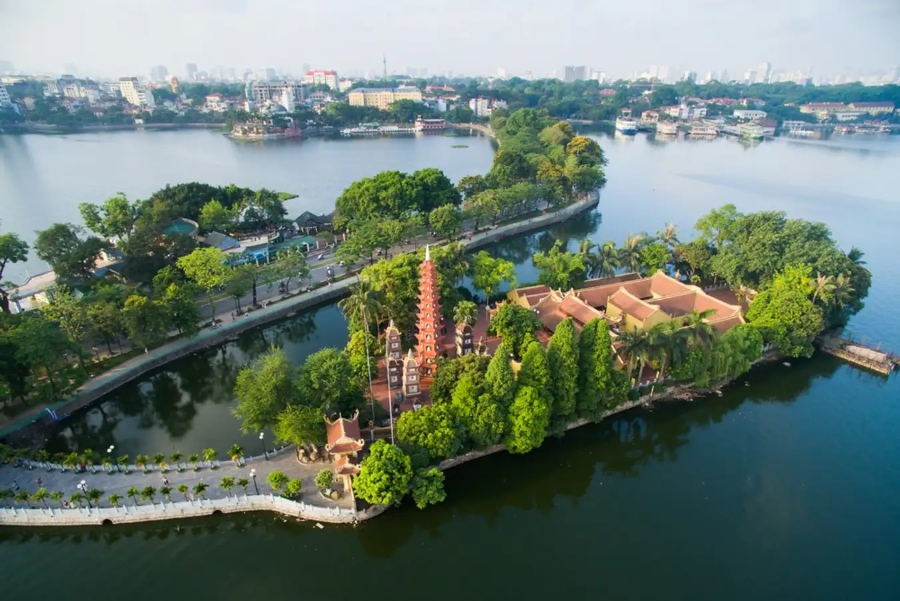
The Tran Quoc Pagoda, located on a small island in Hanoi’s West Lake. Being Vietnam’s oldest Buddhist pagoda, its history is over 1,500 years. The Tran Quoc Pagoda is an attractive mixture of traditional Vietnamese architecture and profound Buddhist symbolism, with the most highlighted being the Eleven-Story Stupa and a Sacred Bodhi Tree. More than just an ancient attraction, the Tran Quoc Pagoda is also a lively and peaceful area of worship, showing visitors a deep insight into Vietnam’s rich spiritual history.
History Of The Tran Quoc Pagoda
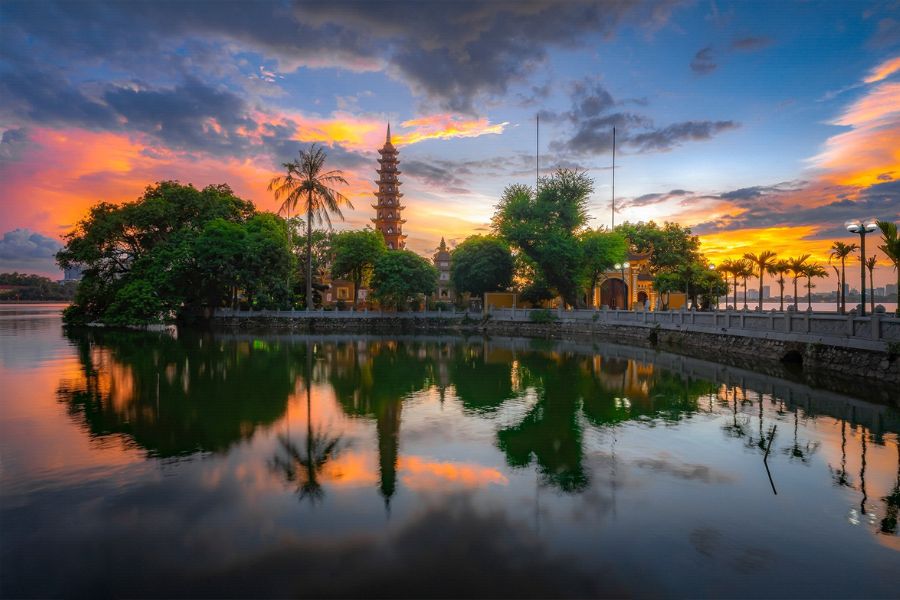
Tran Quoc Pagoda, located on a small island in Hanoi’s West Lake, proudly has a wealthy history of over 1,500 years, as it is reputed as the oldest Buddhist temple in the capital of Vietnam. Its origins start from the 6th century throughout the reign of Emperor Ly Nam De (544-548), with the initially name Khai Quoc Pagoda, meaning “National Founding.” The strategic vicinity as well as the spiritual meaning of the Tran Quoc Pagoda make it a desired retreat for emperors in the past and a venue for essential Buddhist ceremonies at present.
In the 17th century, Khai Quoc Pagoda changed its name to the Tran Quoc Pagoda, which means “Protecting the Nation,”. The pagoda has undergone various renovations and expansions throughout many different dynasties, increasing the beautiful combination of Vietnamese Buddhist structure and natural splendor. Nowadays, Tran Quoc Pagoda remains a brilliant center of Buddhist worship, a respected historic and cultural landmark, impressing both religious followers and travelers in their Northern Vietnam itinerary.
Top 5 Iconic Attractions In The Tran Quoc Pagoda
The Tran Quoc Pagoda is not only a beautiful attraction, but it also has a long history, as well as proudly showcasing the literary and architectural traditions of Vietnam. Here are 5 iconic attractions of the Tran Quoc Pagoda in Hanoi:
The Eleven-Story Stupa (Bao Thap)
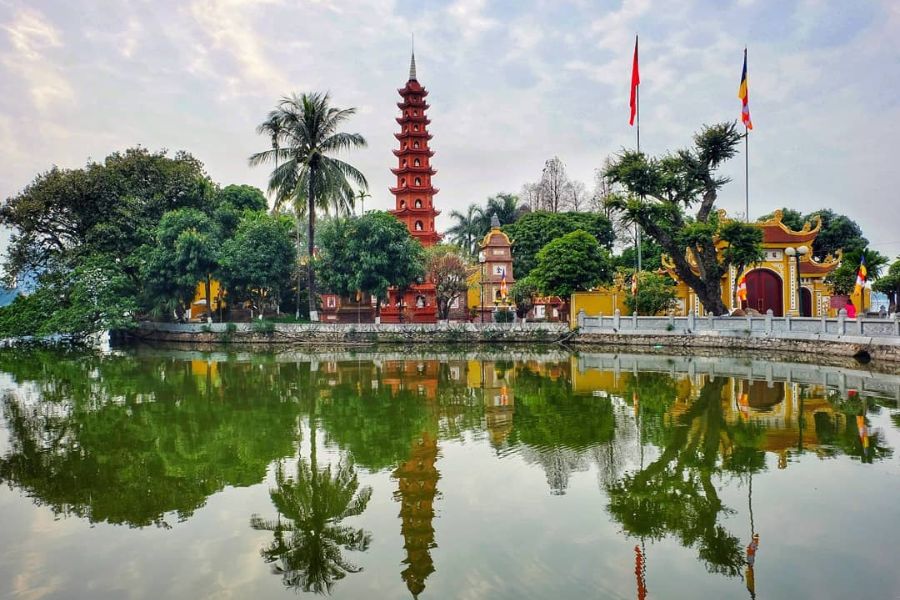
One of the interesting things to do in Hanoi, when visiting the Tran Quoc Pagoda, is to see the Eleven-Story Stupa. This red-brown, towering stupa is the iconic image of the Tran Quoc Pagoda. Built in 1998, it features a symmetrical design with eleven tiers, each adorned with six arched doorways.
Inside, you can witness white gemstone statues of the Amitabha Buddha. Topped with a beautiful nine-tiered lotus pedestal, which symbolizes religious enlightenment. This is an attractive masterpiece of Buddhist structure that dominates the Tran Quoc Pagoda’s skyline.

The Sacred Bodhi Tree
Located symmetrically with the Eleven-Story Stupa, this sacred Bodhi Tree holds great spiritual meaning. Especially, India’s former President Rajendra Prasad gave it to Vietnam in 1959, which was propagated from the original Bodh Gaya tree in India. This is the place where Shakyamuni Buddha attained enlightenment. The Sacred Bodhi Tree in the Tran Quoc Pagoda has lush, heart-shaped leaves that show a peaceful spot for reflection, as well as being a symbol of awareness and serenity.
The Front House With The Reclining Buddha
When travelers enter the pagoda, the Front House or also called Tien Duong, serves as a valuable welcoming area. It has numerous important statues, the most appreciable a fantastically crafted timber statue of Shakyamuni Buddha in a reclining pose. This statue has been blanketed in great, sleek, golden paint. The Shakyamuni Buddha statue in the Tran Quoc Pagoda is considered one of Vietnam’s most wonderful reclining Buddha figures, embodying both serenity and transcendence.
The Upper House And Main Altar
The Upper House (also known as Thuong Dien) is the most vulnerable part of the Tran Quoc Pagoda. It has the Main Altar and many revered Buddha statues, consisting of those representing the Buddha of the three periods, the past, present, and future. This corridor is where monks and devotees gather for prayer and meditation. Therefore, these points are the sacred, spiritual heart of the Tran Quoc Pagoda.

The Stele House And Bell Tower
The Stele House or Nha Bia is to the left of the Front House. This place preserves 14 steles appreciably engraved with poems by famous scholars. Besides, they also have ancient facts detailing the pagoda’s renovations during diverse dynasties.
Close by, the traditional timber Bell Tower, with its captivating red-tiled roof, completes the traditional architectural ensemble of the Tran Quoc Pagoda. These structures offer a glimpse into the pagoda’s long history, as well as proudly showcasing the literary and architectural traditions of Vietnam.

5 Cultural Experiences You Shouldn’t Miss In The Tran Quoc Pagoda
No longer uncovering the Tran Quoc Pagoda, you can also find out and enjoy cultural experiences in this destination. Here are 5 cultural experiences you shouldn’t miss when exploring the wonderful area around the Tran Quoc Pagoda:
Witnessing A Buddhist Ceremony
If available, you should experience a live Buddhist ceremony or prayer session for a real cultural experience. In case you happen to go to a service, let’s observe it respectfully and politely from a distance. The chanting, the services, and the devotion of the monks and laypeople are a deep and strong insight into Vietnamese Buddhist practices.
Meditating Or Reflecting Under The Bodhi Tree
Travelers can take a moment to quietly sit down or stand in contemplation under the Sacred Bodhi Tree in the Tran Quoc Pagoda. It is a powerful symbol of wisdom and serenity. Therefore, this peaceful spot brings you a opportunity for personal reflection within a deeply spiritual atmosphere.
Observing Local Devotees
When visiting the pagoda, you can have a chance to see the local Vietnamese people going to this place. Their gestures, respect for reverence, prayers, as well as interactions with the monks offer show real glimpses into contemporary Buddhist life in Vietnam. You will know how religion is interwoven with daily lifestyles.

Savoring The Lakeside Setting And Views
The Tran Quoc Pagoda’s location is unique it is on a small island in West Lake. After investigating the pagoda, you should take time to walk across the surrounding area of the island, taking part in the peaceful perspectives of the lake. This combination of the spiritual architecture and natural beauty is a symbol of Vietnamese pagodas, which gives travelers a feeling of tranquility.
Revealing In The Tranquil Escape From Capital Life
In spite of being within the bustling, busy capital of Hanoi, the Tran Quoc Pagoda still has perfect peace and quiet. You can have an opportunity to spend time sincerely soaking in the tranquil atmosphere, listening to the gentle sounds of the wind, and enjoying the cultural value that Vietnamese people put on spiritual sanctuaries within the quick city improvement at present.

Entrance Fee Of The Tran Quoc Pagoda
Here is a table that Seni World has summarized the Tran Quoc Pagoda entrance fee. There are also some notes for you to follow easily:
| Visitor Category | Entrance Fee | Notes |
| All visitors (both Vietnamese and foreign) | Free | There is no ticket entrance fee, but donations are really appreciated |
| Parking fee | About 10,000 VND per vehicle | In the peak season or holidays, there will be a parking fee here |
Opening Hours Of The Tran Quoc Pagoda
Seni World has also collected all the Tran Quoc Pagoda opening hours for you. Based on them, you can schedule a comfortable journey to this symbolic attraction in Hanoi:
- Regular day hours: From 08:00 am to 04:00 pm.
- The first and the fifteenth day of every lunar month: From 06:00 am to 06:00 pm.
- Lunar New Year’s Eve and Tet holiday: Open all night.
Spring (from February to April) and Autumn (from September to November) are the best times to visit Hanoi. There are many people to visit Hanoi in general and Tran Quoc Pagoda in particular. So the open hours will be different. So you need to confirm with the Tran Quoc Pagoda’s manager in advance.
How To Get To The Tran Quoc Pagoda
In this Tran Quoc Pagoda in Hanoi itinerary, you should choose the right way to get to this attraction to be convenient, as well as have a low price. Here are hints from Seni World about how to get to the Tran Quoc Pagoda from the Hanoi Old Quarter:
| Mode Of Transport | Typical Travel Time (From Hanoi Old Quarter) | Estimated Cost (VND) | Notes |
| Walk | About 35 – 40 minutes | Free | You can enjoy a pleasant lakeside walk, about 3.5 to 4 km from the Hanoi Old Quarter to Tran Quoc Pagoda. |
| Taxi | About 10 – 15 minutes | About 50,000 – 100,000 VND | The rates are different from many brands, and you need to avoid street taxis because of scam risks. |
| Motorbike Taxi | About 10 – 12 minutes | About 20,000 – 50,000 VND | You will go through the scenic route along West Lake via Thanh Nien Road. |
| Cyclo | About 30 – 45 minutes | About 100,000 – 150,000 VND | Cyclo is a symbolic image and cultural experience for international travelers to Vietnam. You should try it for sightseeing. |
| Bus | About 15 – 30 minutes | 7,000 VND | A bus is the lowest price for you. You still may take a short walk to the cathedral. |
| Private Car | About 10 – 12 minutes | About 100,000 – 200,000+ VND | This type of transportation will bring you a flexible exploration, and the Tran Quoc Pagoda has a parking lot. |
Things To Know Before Traveling To The Tran Quoc Pagoda
To have a happy, exciting, and safe journey in the Tran Quoc Pagoda in Hanoi, you should remember the following essential travel tips. These tips will help you explore this spot comfortably, but still respect the culture and protect yourself best:
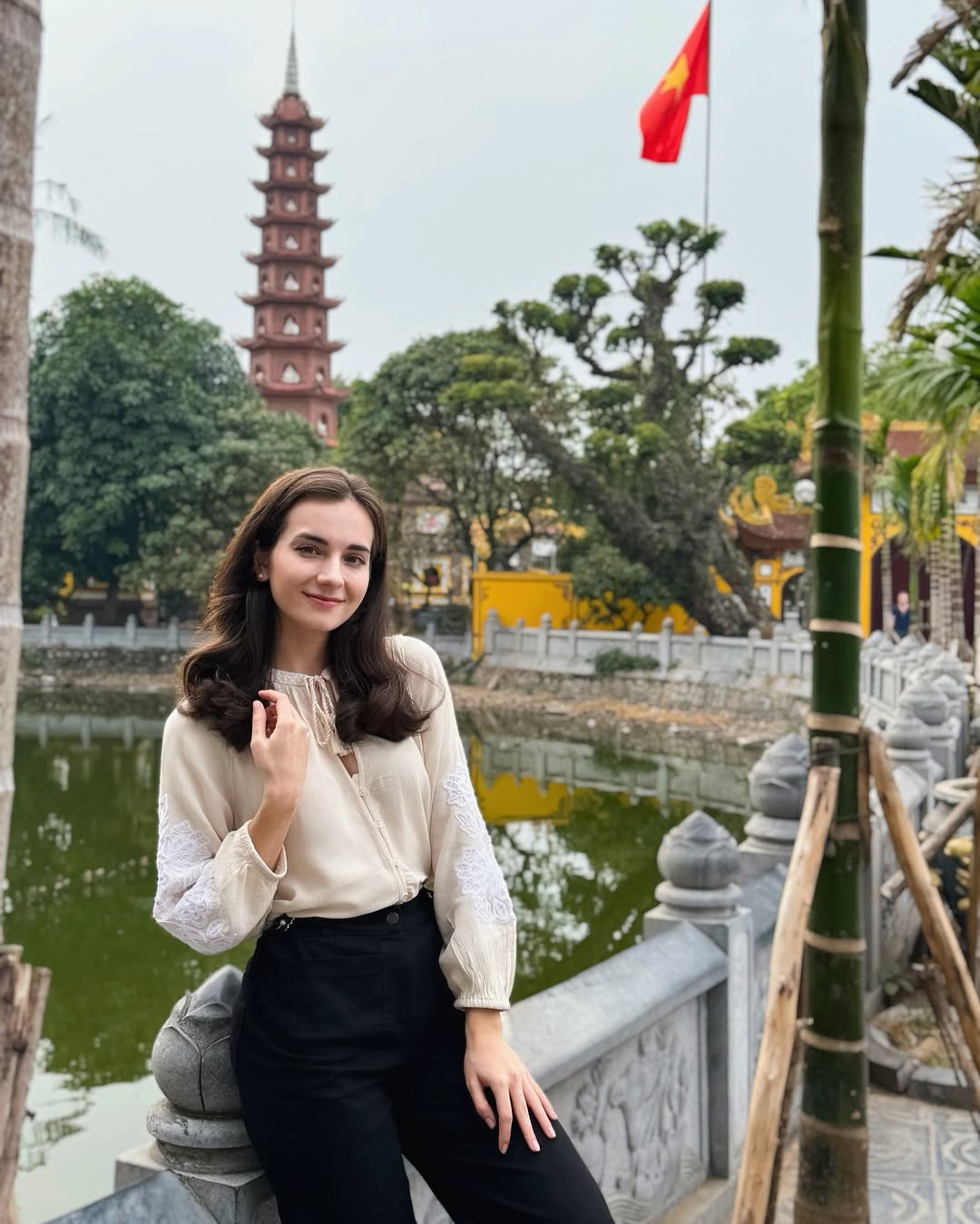
- Tran Quoc Pagoda dress code: Like any other religious site in Vietnam, you should dress politely, modestly, and respectfully, especially covering your shoulders and knees. You can be refused entry to the Tran Quoc Pagoda if inappropriately dressed.
- Removing your footwear: You will need to remove your footwear before entering both the main shrines and worship halls in the Tran Quoc Pagoda. This is a sign of respect.
- Behave respectfully: Don’t forget to maintain a quiet attitude, speak softly, and say no to any loud conversation to keep the solemn atmosphere here.
- Photography rules: Taking photos at the Tran Quoc Pagoda is allowed, but you must be mindful and respectful. You need to avoid using flash inside shrines and never point cameras directly at monks or people who are praying.
- Be aware of scams: There are some scams at the gate of the pagoda, which you need to be cautious of, including inflated taxi fares, currency confusion, and some misunderstood motorbike rental issues.
Final Thoughts: Is The Tran Quoc Pagoda Worth Visiting?
The Tran Quoc Pagoda is a symbolic attraction in the capital of Vietnam, which has a long history, as well as proudly showcasing the literary and architectural traditions of Vietnam. If you want to take a Tran Quoc Pagoda adventure, as well as consult interesting things to do in Hanoi, and receive support for the visa process, let’s contact Seni World, a reputable tour operator from Vietnam. We are here to help you from A to Z on your Tran Quoc Pagoda discovery journey.


