


The One Pillar Pagoda, right in Hanoi’s heart, is a figurehead for many when it comes to Vietnam’s attractions. Hailed for its unique lotus-shaped design, the ancient pagoda itself, with its spiritual meaning of purity, is a real spiritual treasure of the capital.
Introduction To The One Pillar Pagoda
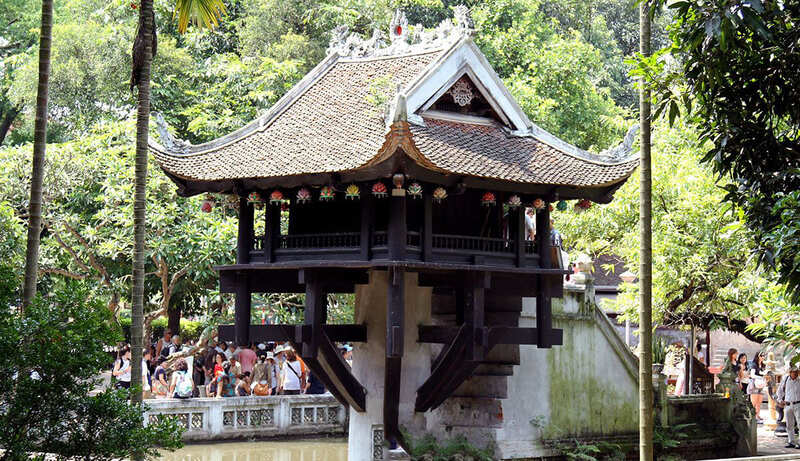
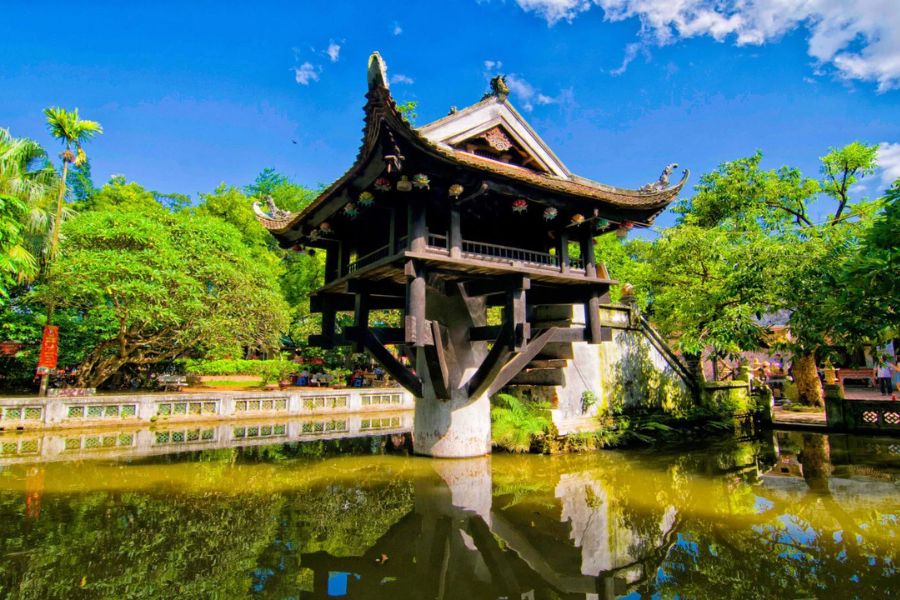
The One Pillar Pagoda, or Chua Mot Cot, is one of the most recognizable and historically significant marks in Hanoi. The pagoda was completed in 1049, under the orders of Emperor Ly Thai Tong, and was intended to look like a lotus flower floating atop a square pond to signify purity in Buddhist terms.
The pagoda attracts visitors not only for its architectural beauty, but everything associated with it culturally and spiritually. Located in a quiet courtyard, surrounded by the Ho Chi Minh Mausoleum complex, it is a welcome respite from the frenzy of the city while also providing an insight into the wider context of Vietnam’s religious culture.
History Of The One Pillar Pagoda
The One Pillar Pagoda, originally referred to as Dien Huu Tu (which means “a great lasting happiness”), was originally built in 1049 during the rule of the Emperor Ly Thai Tong. Legend has it that he had a dream of a Goddess of Mercy who was seated on a bright, radiant lotus flower, and she handed him a baby boy. He interpreted this as a gift from the heavens, and a monk by the name of Thien Tue gave him the advice of building the pagoda mounted on one wooden pillar to resemble the lotus in the dream. After this, the pagoda became the symbol of gratitude, spiritual faith, and royal devotion.
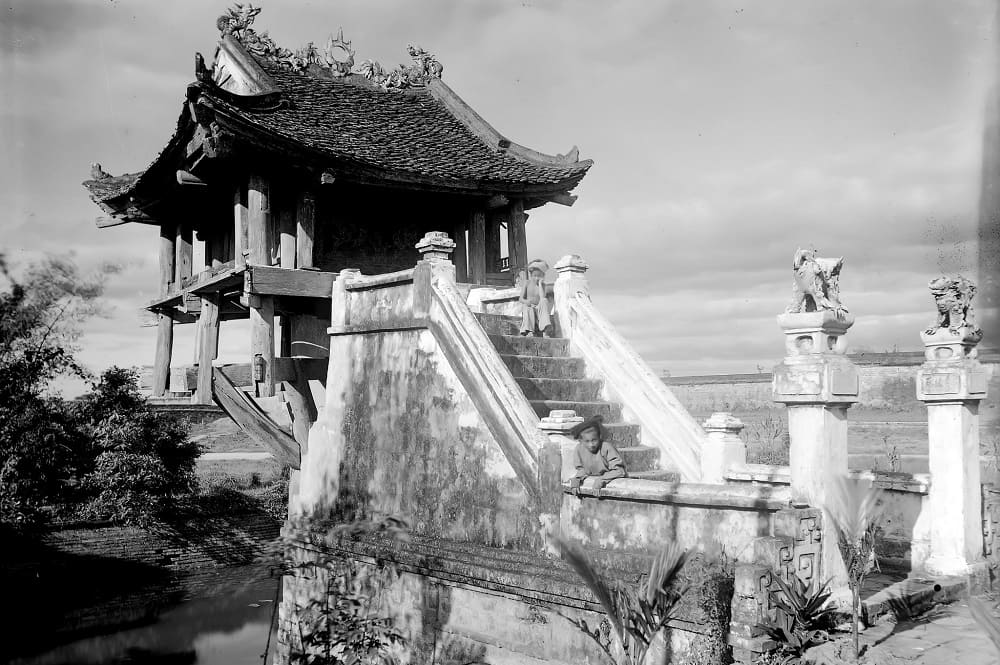
In later years, namely during the reign of Ly Nhan Tong, the pagoda developed with the construction of the Linh Chiểu pond and a golden lotus on the top of the pillar. Over the years, a number of dynasties, namely the Tran, Le, and Nguyen, would restore or rebuild the pagoda. In 1954, the pagoda was destroyed by the French before they withdrew from Hanoi. The pagoda was rebuilt in 1955 based on the original designs of architect Nguyen Ba Lang.
Unique Architecture Of The One Pillar Pagoda
The One Pillar Pagoda is a true example of a masterpiece of ancient Vietnamese architecture, containing spiritual meaning, as well as exquisite design in all aspects of the pagoda. From the entrance and Tam Quan gate to the pillar that supports the building and the lotus shrine itself, every aspect tells the story of devotion and master craftsmanship.
Tam Quan Gate and “Dien Huu Tu”
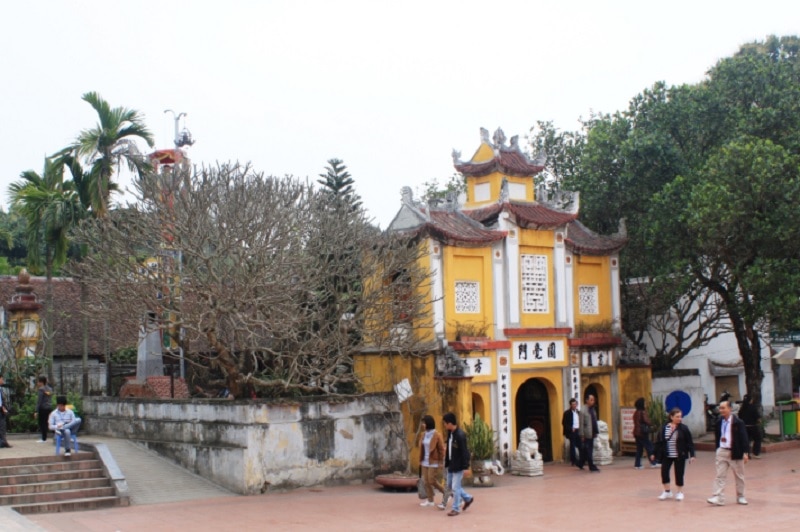
Upon entering the One Pillar Pagoda, the first feature met is the Tam Quan gate, which is a three-entrance gate that is very symbolic of Buddhist teachings. Above the gate, there is a carved wooden panel with golden characters that read, “Diên Hựu Tự”, which translates to “Long-lasting Blessings Temple”, denoting the original spirit of the pagoda.
The Tam Quan building is built in the style of a Vietnamese temple for both spiritual and architectural purposes. The tile roof is weathered, adding a sense of respect and honour in addition to a pre-designated threshold between ordinary life outside and a sacred space where individuals can savour stillness and reflect on concepts that lead to peace, such as enlightenment.
The Pillar of Stone
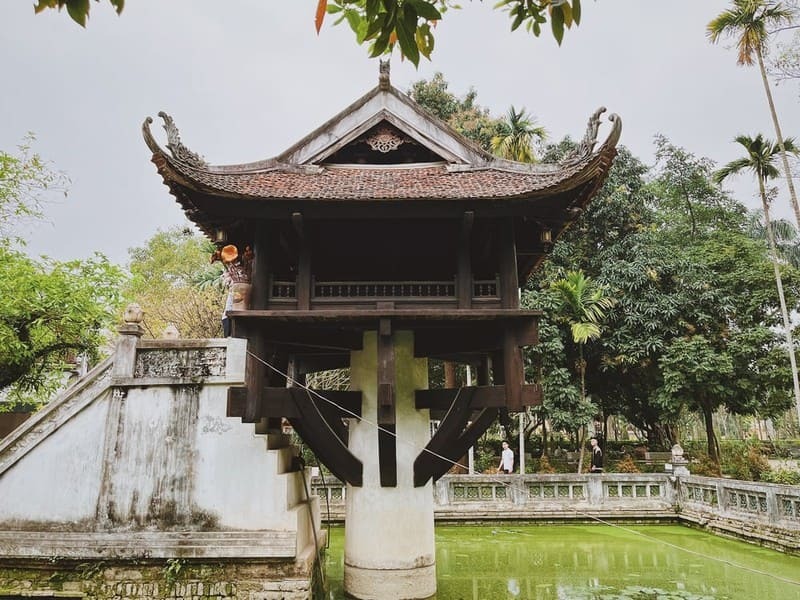
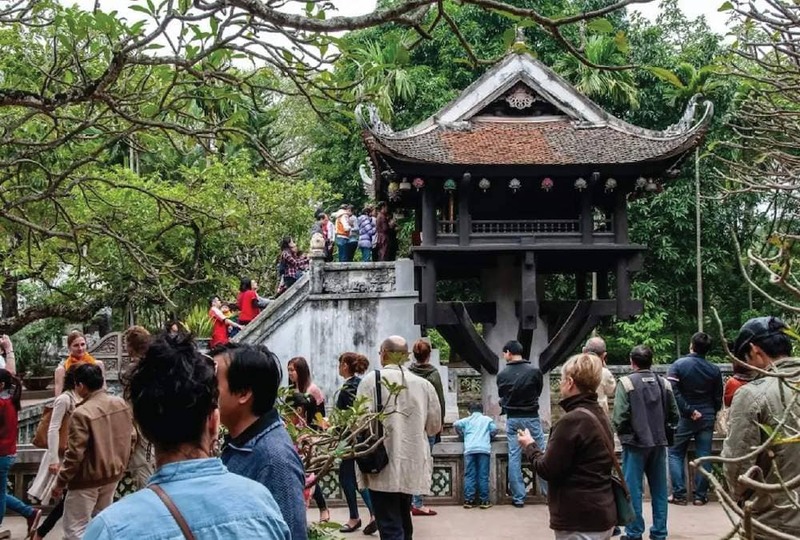
The stone pillar that gives the temple its name is located at the core of the pagoda. It consists of two cylindrical stone blocks placed one on top of the other; the pillar rises around 4 meters above a small lotus pond, while its base is submerged below the water. It has an approximate diameter of 1.2 meters, and it is built to sustain as a monument to time and the weather.
Not only does the centerpiece pillar serve as support for the physical structure, but it also has great symbolic meaning. The pillar rises from the calm water like a flower out of the water, representing purity, the awakening of the mind into an enlightened state, while also being a representation of the connection of earth and heaven. The pillar is also clever engineering and was a testament to the ingenuity of builders in 11th-century Vietnam.
Lien Hoa Dai (The Lotus Shrine)
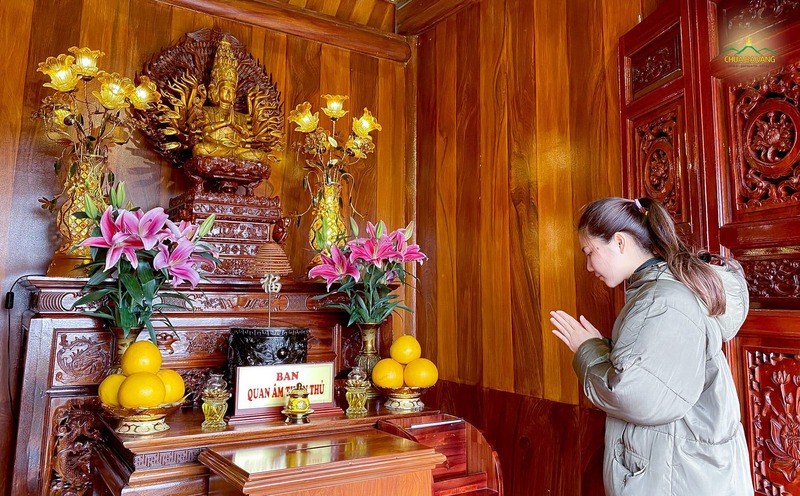
The Lien Hoa Dai, or Lotus Shrine, was built above the stone pillar. The shrine is a square wooden platform with railings that resemble lotus petals. Guests will find a well-decorated altar inside the shrine with a golden statue of Quan Am (the Goddess of Mercy) and some offerings – bronze incense burners, ceramic vases, and a red lacquered plaque with the words Lien Hoa Dai.
The shrine serves as both a worship space and a work of interior artistry. Each design element, from the carved cloud symbols to the decorative details on the altar in lacquer, incorporates Buddhist motifs of compassion and transcendence. The sacred emanation of the shrine provides a peaceful environment for reflection and prayer.
The Roof and Sacred Symbols
The pagoda features a roof covered in aging red roof tiles that have worn down over the centuries to develop their patina. Each tile has been hand-made and shows the care of Vietnamese artisans. This attention to detail is part of the visual and cultural significance of the structure.
The roof is crowned by the image of lưỡng long chầu nguyệt, or two dragons on either side of the sun or moon. This representation embodies Vietnamese spiritual perspectives related to balance, growth, and harmony in the universe. It is a visual echo of the temple’s meaning and purpose of promoting harmony between humans and the gods.
4 Cultural Experiences You Shouldn’t Miss
While visiting One Pillar Pagoda, you’re not only witnessing an iconic structure but also entering a serene spiritual realm with long-standing traditions and values. Below are some exceptional cultural experiences that would enhance your visit and help you connect more meaningfully with this sacred site.
Participate In Traditional Buddhist Ceremonies
If you happen to visit or attend important Buddhist holidays such as Vesak (Buddha’s birthday on the 8th day of the 4th lunar month in your local lunar calendar) or the first full moon of the year (Tet Nguyen Tieu), you will have moments of very colorful and meaningful experiences. The monks chant from ancient sutras, devotees offer flowers and food, and incense clouds shake gently through temple grounds.
Joining (or just observing) these ceremonies will immerse you in the rhythm of Vietnamese Buddhist culture. You get to take part in meaningful expressions of spiritual devotion and engage with local people and culture in a respectful and authentic way. And don’t worry if you are not Buddhist – the calming energy and elegant forms of beauty of these moments will leave an impression on you!
Light Incense And Say Prayers
Lighting incense at the main altar is a simple yet profound act. It is also an activity that many visitors to the temple choose to do. Incense is often used to make an offering, which may include bowing your head and making a request before the offering. The wish may be for good health, peace in life, love, or success in business. More importantly, lighting incense allows you to center yourself and practice being mindful of the moment in your life.
Incense may be lit for spiritual blessings or simply to pay respect to local customs, creating a sacred space through the simple scents of incense and the sound of gentle bells ringing from the pagoda. Not to mention, lighting incense is a timeless ritual of personal reflection, letting go of your worries for a brief moment, and sending your dreams and hopes into the sky above with the ascending smoke.
Learn The Spirituality Of The Pagoda
The One Pillar Pagoda is not only stunning, but it has a legendary story to tell. Legend has it that King Ly Thai Tong awoke from a dream in which the Goddess of Mercy (Quan Am) handed him a child while she was seated on a lotus. He was so moved by the dream he built the pagoda in 1049, the year 1049, on a big stone pillar, which lays out a blueprint of the lotus throne he saw in his dream, the ideal expression of divine grace and purity.
As you stand in front of the pagoda, learning where this all comes from creates even more depth, richness, and wonder. Speaking to monks or listening to local guides will give you an understanding of the layers of culture that lie underneath what you see, from the significance of the lotus to the meaning of the pagoda’s structure and form. It is the intersection of legend, history, and faith. Carolina’s their pagoda when you visit.
Unwind By The Tranquil Lotus Pond
The lotus pond under the pagoda is not just a decorative element; it is actually the most fundamental part of the symbolism of the pagoda. The lotus symbolizes enlightenment and spiritual purity, rising from the muck. Sitting there, you can feel the stillness of the place.
Many of the people stop here, listen, and watch the trees move in the breeze, and the water rhythmically undulating from the wind. It is a wonderful and peaceful pause from the hustle and bustle of the streets in Hanoi, and a nice little place for stillness, meditation, or simply being in the present moment.
Entrance Fee
For Vietnamese people, entrance to the One Pillar Pagoda is completely free. For foreign visitors, there is a nominal entrance fee of 25,000 VND per ticket. This entrance fee is considered a small donation to help with the Pagoda´s preservation and maintenance of this historical site.
Opening Hours
The One Pillar Pagoda is open to visitors from 7:00 AM to 6:00 PM every day, making it easy to plan ahead for visiting any day of the week.
The best time of day to visit One Pillar Pagoda is in the early morning or late afternoon, especially from October to April, when the weather in Hanoi is often so cool. Visiting during the week will also help to avoid large crowds and allow you to enjoy this pagoda with some peace and meaning.
How To Get To The One Pillar Pagoda
If you wish to use public transport, then take a bus on one of the following routes: 09, 22, 33, 45, or 50. All these buses have stops on Le Hong Phong Street, which is a short walk away from the pagoda. The buses usually operate from 5:00 AM to 9:00 PM. Prices vary for each bus route from 7,000-10,000 VND a ride.
For more flexibility, you could rent a motorbike or a bicycle, or use Grab and Be. If you plan to explore several sites, the pagoda is within walking distance of several other attractions like the Ho Chi Minh Mausoleum and Ba Dinh Square, so it would be even better as part of another walking tour if you are in the area.
Note: Parking is available for motorbikes near the site and usually costs around 5,000 VND per bike.
Things To Know Before Traveling To The One Pillar Pagoda
Before you visit the One Pillar Pagoda, there are a few tips you should consider to make sure your visit is smooth and respectful, as it is an important cultural and spiritual place.
- Respect restricted areas. There may be areas that have ‘no entry’ signs. These are most likely reserved for ceremonial use or maintenance.
- Walk softly. The pagoda is a specifically old wooden structure with historical significance in society. Do not bump into or lean on any of the architecture of the pagoda.
- Wear appropriate clothing. Although you do not have to be dressed in church attire, long pants or skirts are appreciated, and shoulders should remain covered, knowing you are in a religious site.
- Be quiet. There will be other people who pray, meditate, and/or enjoy the calm of the grounds around the pagoda.
- Do not smoke or litter. There are general environmental etiquette considerations regarding protecting the clean and serene environment.
- Photography is usually discouraged in interiors. Photography outside is usually not an issue; however, there may be signs prohibiting it inside and in any sacred area.
Final Thoughts: Is One Pillar Pagoda Worth Visiting?
You can’t miss One Pillar Pagoda. The symbolic lotus design, peacefulness, and cultural depth make this an essential place to visit. Not only is it an iconic Hanoi landmark, but also a unique experience in the history and spirituality of Vietnam. Experience it with Seni World for a meaningful cultural experience in Hanoi!


