


Banteay Kdei is a peaceful Buddhist temple within the Angkor Archaeological Park, constructed in the late 12th century under King Jayavarman VII. This temple is famous for its peaceful environment, ornate decorations, and complex passageways, providing visitors with a serene retreat from the chaos surrounding the popular Angkor Wat temple.
Introduction To Banteay Kdei
Located deep within the Angkor Archaeological Park in Siem Reap, Cambodia, Banteay Kdei is one of the most atmospheric yet underrated temples in the Angkor complex. Constructed during the 12th century under the rule of King Jayavarman VII, this Buddhist monastery temple is an embodiment of the Bayon architectural style. While other temples in the region are crowded with tourists, Banteay Kdei offers a peaceful experience, making it an excellent destination for those looking to have an intimate experience with Cambodia’s history and spiritualism.
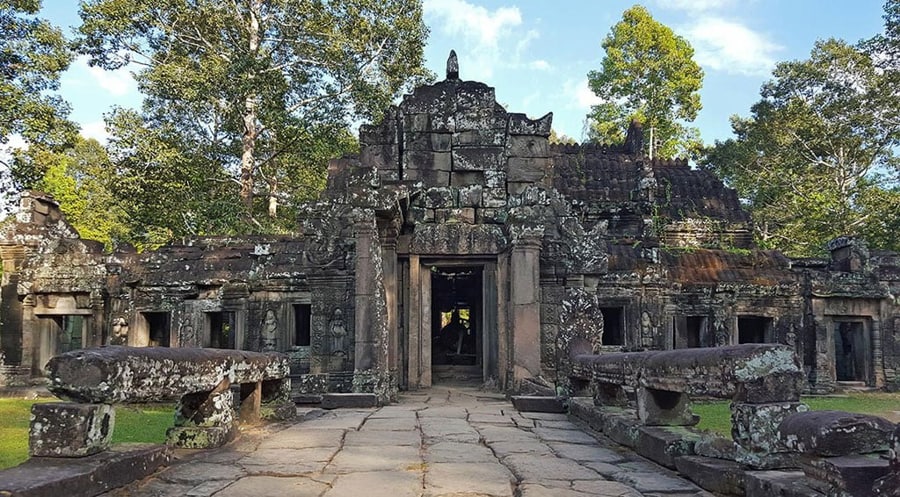
Visiting Banteay Kdei offers you an opportunity to explore the temple’s corridors, chambers, and apsara carvings in peace. Additionally, the temple’s proximity to Srah Srang means you can visit the temple at sunrise or sunset. With its numerous offerings, Banteay Kdei is an essential destination for photographers, history enthusiasts, and culture lovers.
History Of Banteay Kdei
The construction of Banteay Kdei took place in the late 12th to early 13th century under the rule of King Jayavarman VII, who was one of the most dominant monarchs in Khmer history. Originally, this was a Mahayana Buddhist Monastery, and its design is in the style of Bayon architecture, as seen in other temples such as Ta Prohm and Preah Khan. It was given the name “Citadel of Chambers” due to its design, which had chambers and halls that were connected to each other.
Over time, this temple was renovated as the religious beliefs of the people evolved from Mahayana to Theravada Buddhism. Due to its weakness and the use of poorer quality sandstone, this ancient structure has aged and gained a mystical look. It has an authentic look that has not been altered despite renovations, giving a glimpse into the evolution of Angkor spirituality and architecture.
Unique Architecture Of Banteay Kdei
With its blend of spiritual symbolism and intricate Khmer craftsmanship, Banteay Kdei is unique in its atmospheric design and monastic layout. The weathered sandstone structures and labyrinth-like corridors of Banteay Kdei are a timeless architectural masterpiece in Angkor.
Exterior Architecture
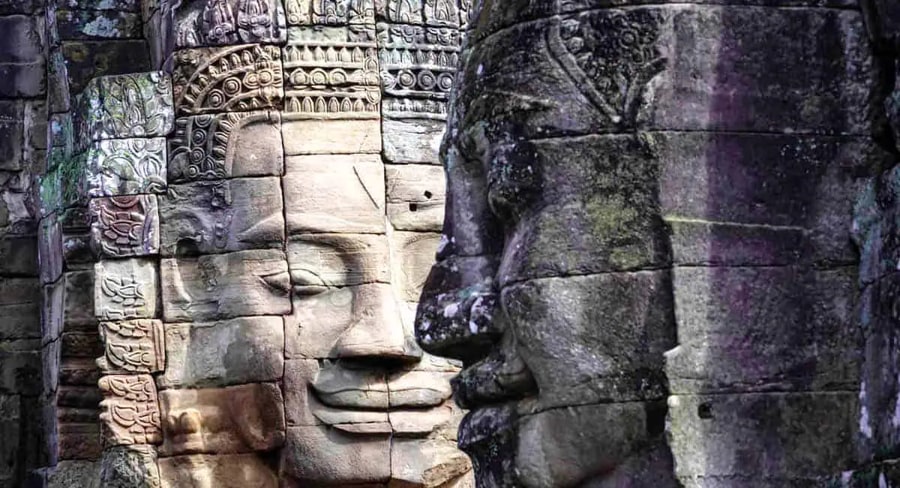
The external structure of Banteay Kdei is similar to the classic Bayon style and comprises laterite walls and intricately carved sandstone gateways known as gopuras in each of the cardinal directions. Each gateway originally featured serene carvings of Avalokiteshvara and devata images. The temple is surrounded by multiple galleries of concentric layers, signifying the different layers of the Buddhist universe. Despite its state of ruin, the weathered stones and tree-lined pathways add to its mystical allure and are a favorite location for photographers seeking Angkor’s hidden gems.
Interior Architecture
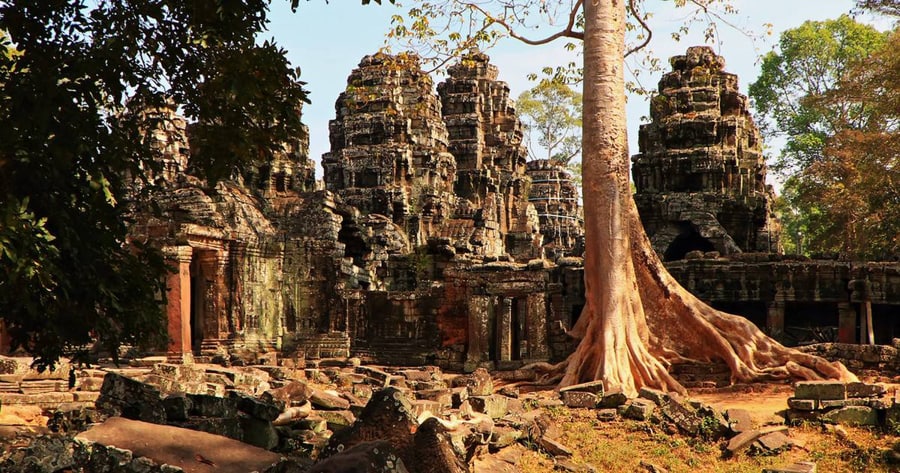
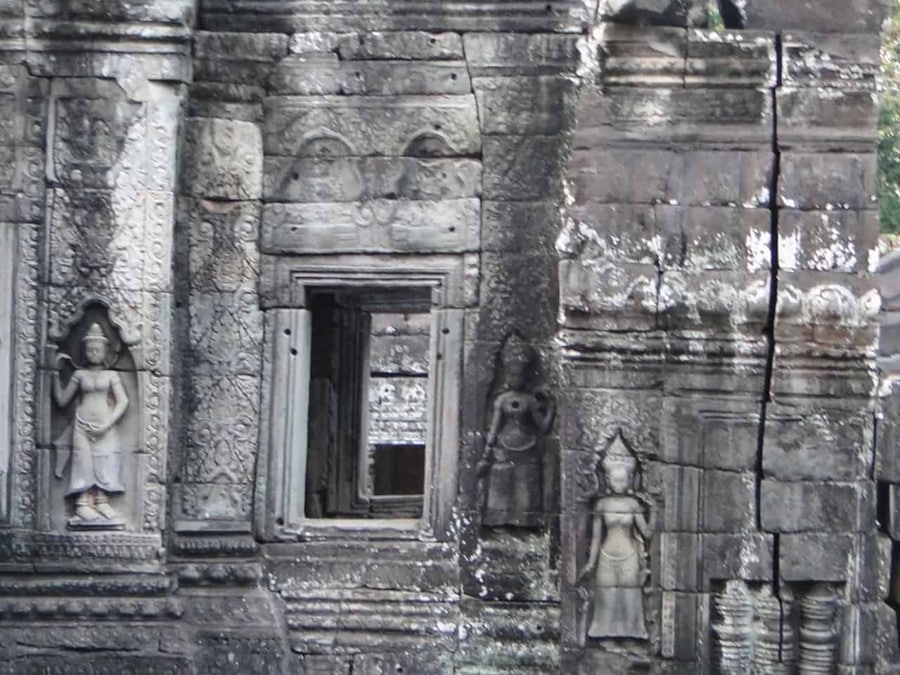
Inside, we find a complex of narrow corridors, courtyards, and chambers that are connected with each other. This complex inspired the name Citadel of Chambers. The central sanctuary contained important Buddhist images and was the spiritual heart of the monastery. One can view the nicely carved lintels and bas-reliefs, as well as the elegant images of apsara dancers on the inner walls of the monument. The peaceful courtyards with pillars and meditation halls recall its original function as a peaceful monastic retreat for Khmer monks.
3 Unforgettable Experiences You Shouldn’t Miss
Aside from the ancient walls, you can also have meaningful travel moments within the area of Banteay Kdei that will surely give you a connection with the spiritual history of Angkor. Here are the unforgettable moments you should not miss:
Explore The Hidden Corridors And Chambers
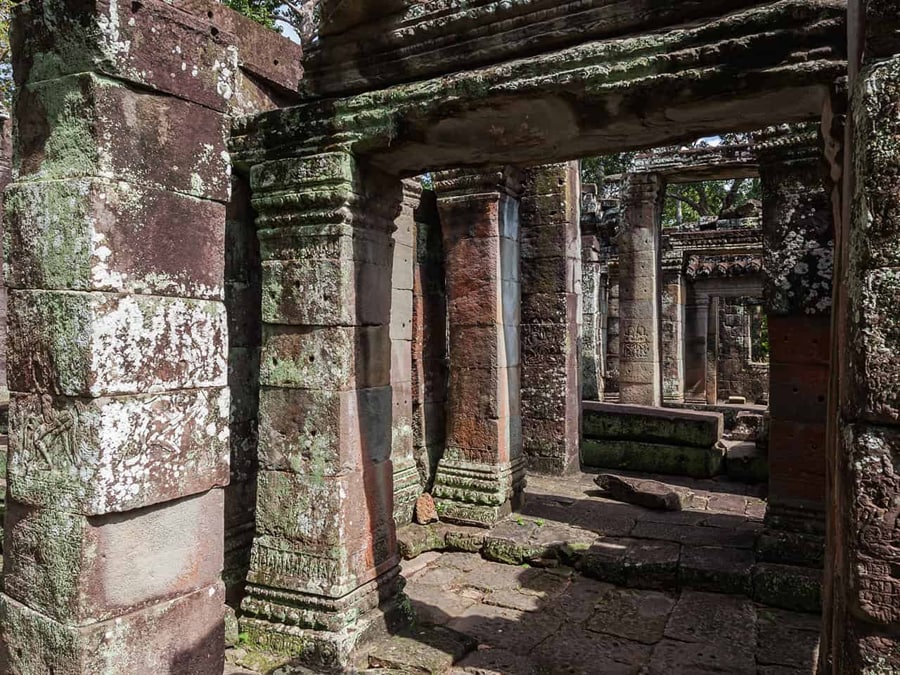
Walk through the winding corridors for which Banteay Kdei is named, meaning “Citadel of Chambers.” As you walk through these narrow corridors and large courtyards, you’ll see intricate carvings of apsaras, devatas, and Buddhist themes cut into the sandstone walls.
The partially ruined galleries provide great lighting effects for photographs. Unlike other temples in Angkor, Banteay Kdei is quiet and peaceful, giving you a chance to take your time exploring and absorbing the architectural and spiritual history of this ancient monastery.
Catch Sunrise Or Sunset At Nearby Srah Srang
Just a short walk away from Banteay Kdei is the Royal Reservoir known as “Royal Bath.” After visiting this temple, it is highly recommended that you catch a sunrise or sunset at this reservoir because it will be a magical sight seeing your own reflection on the water as the sun shines its golden rays on you, with palm trees as a backdrop on the horizon. This is a perfect blend of natural beauty and architecture in one place.
Photograph Intricate Carvings And Ancient Details
For photographers and history enthusiasts, Banteay Kdei is a photographer’s paradise. The ancient temple, made of sandstone, offers a lot of scope for photography with the early morning and late afternoon sun playing perfectly with the texture of the ancient carvings.
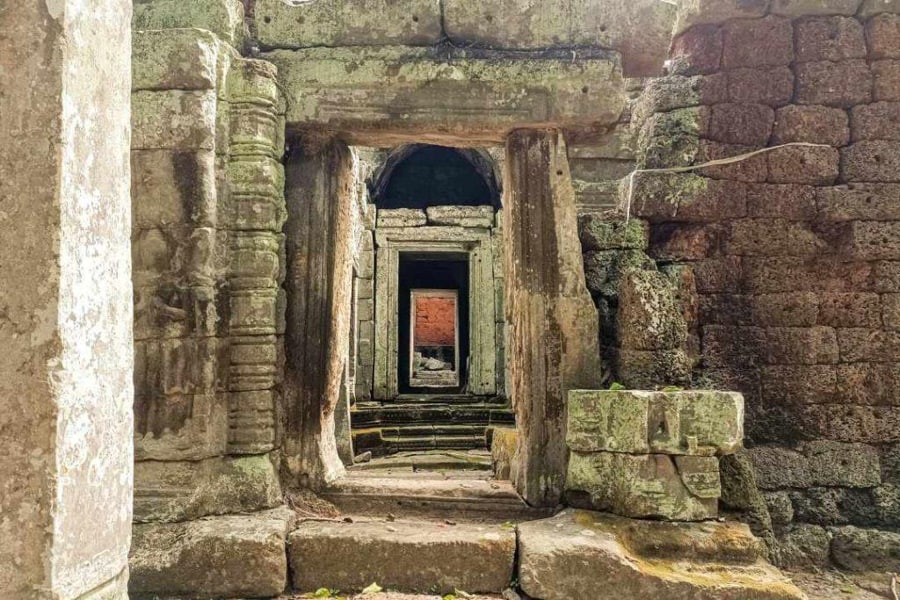
The ancient doorways and the beautiful bas-reliefs make for a perfect setting for photography enthusiasts. The symmetrical door frames and the peaceful meditation rooms at the ancient temple make perfect subjects for photography enthusiasts and history buffs.
Enjoy The Peaceful, Less Crowded Atmosphere
One of the most special experiences at Banteay Kdei is simply enjoying its calm and uncrowded environment. Compared to famous temples like Angkor Wat or Ta Prohm, this site feels more relaxed and less busy. Visitors can wander freely, sit quietly in the courtyards, and take in the spiritual ambiance. This peaceful atmosphere makes it easier to connect with the history and meaning of the temple.
Discover Hidden Corners And Overgrown Ruins
Another memorable activity is exploring the less-visited corners of the temple complex. Some areas are partially overgrown, with tree roots and vegetation blending into ancient stone structures. These hidden spots create a sense of mystery and discovery, especially for those who enjoy exploring beyond the main paths. It’s a great way to experience the raw and authentic charm of Angkor’s ruins.
Combine With Nearby Temples For A Deeper Experience
Banteay Kdei is conveniently located near several other important temples in Angkor Archaeological Park. Visitors can easily combine it with sites like Ta Prohm or Preah Khan on the same day. This allows you to experience different architectural styles and atmospheres across Angkor. Planning your route this way makes your visit more efficient and enriching.
Entrance Fee
To visit Banteay Kdei, international tourists need to buy a pass for the Angkor Archaeological Park. This pass gives you access to all major temples of Angkor Park, and you have flexibility according to your travel schedule
|
Pass Type
|
Price (USD)
|
Validity
|
|
1-Day Pass
|
37 USD
|
Valid for 1 day
|
|
3-Day Pass
|
62 USD
|
Valid for any 3 days within 10 days
|
|
7-Day Pass
|
72 USD
|
Valid for any 7 days within 30 days
|
Opening Hours
The opening hours of Banteay Kdei are from 7:30 AM to 5:30 PM daily, similar to other sites of the Angkor Archaeological Park. However, it is recommended for tourists to visit the site early in the morning when it is cooler and more peaceful. As it is part of the Angkor group of sites in Siem Reap, it is accessible throughout the year, even on weekends and public holidays, unless otherwise notified.
The best time for visiting Banteay Kdei is during the dry season, i.e., from November to March, when it is neither too cold nor too hot and is suitable for exploring the temples. Although it is recommended to visit during peak tourist season from December to February, it is advisable to visit before 9:00 AM or after 3:30 PM for a more peaceful and serene experience.
How To Get To Banteay Kdei
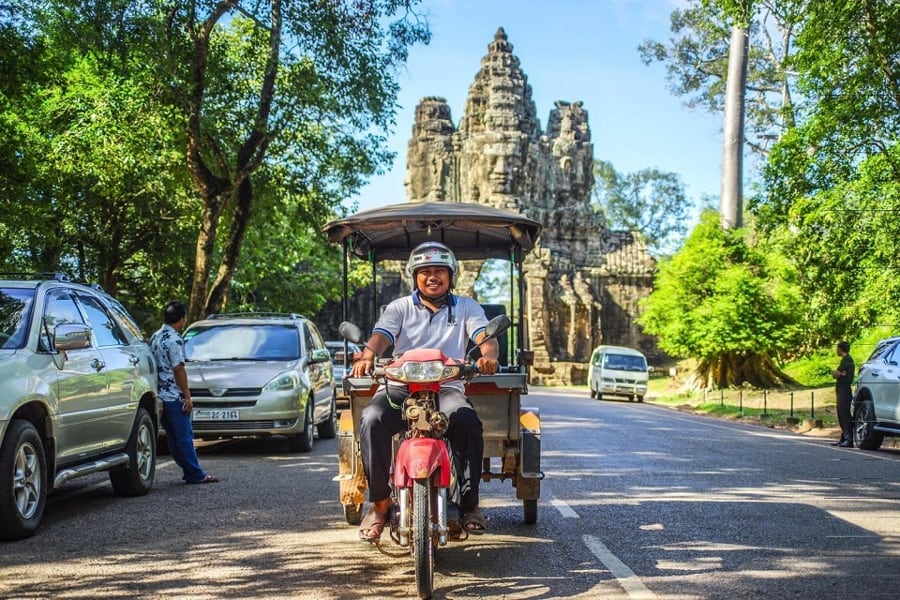
Located within the Angkor Archaeological Park in Siem Reap, Banteay Kdei is accessible from the city center. There are various convenient modes of transportation that can be used to get to the temple, depending on one’s budget, comfort, and style.
|
Transport Option
|
Estimated Cost (USD)
|
Travel Time
|
Notes
|
|
Tuk Tuk (Private)
|
15 to 25 USD
|
15 to 20 minutes
|
Popular choice, flexible itinerary
|
|
Taxi / Private Car
|
30 to 50 USD
|
15 minutes
|
Air-conditioned, comfortable
|
|
Motorbike Rental
|
10 to 15 USD
|
15 to 20 minutes
|
An international driving permit is required
|
|
Bicycle Rental
|
3 to 5 USD
|
25 to 40 minutes
|
Best for active travelers
|
Visitors are required to show a valid Angkor Pass at checkpoints before entering the temple compound. International tourists hiring motorbikes are advised to possess an international driving permit. It is advisable to carry water and wear light clothing because of the scorching heat and humidity.
Things To Know Before Traveling To Banteay Kdei
Prior to visiting Banteay Kdei, there are several essential details you should know before you can have a smooth and wonderful experience. Proper planning is essential in ensuring your comfort, respect, and exploration within Angkor Archaeological Park.
-
Arrive early in the morning to beat the crowds and the heat, especially during peak season from December to February in Siem Reap.
-
Wear modest clothing, such as covering your knees and shoulders, as Banteay Kdei is a historical Buddhist temple in the holy Angkor complex.
-
Make sure to carry your Angkor Pass at all times, as temple officials often check tickets at the temple entrances.
-
Bring your water and sunscreen, as shaded areas are scarce and temperatures can soar in the dry season.
-
Wear comfortable shoes, as the temple has uneven sandstone steps, narrow corridors, and some areas are even in ruins.
-
Visit this temple along with Srah Srang to enjoy a serene sunrise or sunset at the man-made lake.
-
Avoid touching the ancient carvings and bas-reliefs to help preserve these ancient sandstone structures for the next generation.
FAQs About Banteay Kdei
Planning your visit to Banteay Kdei may require asking some questions, especially if you are visiting the area for the first time. Below are some frequently asked questions that will help you prepare for your visit to the area.
-
Is Banteay Kdei good for families and kids?
Yes, Banteay Kdei is good for families and kids, but the temple is not as crowded as some of the more prominent temples, such as Angkor Wat. It is also important to note that kids should be closely monitored, especially since the temple has uneven stone steps, narrow corridors, and some areas have already collapsed.
-
How long should I spend at Banteay Kdei?
Visitors usually spend 45 minutes to 1.5 hours exploring the Banteay Kdei temple. The amount of time spent at the temple depends on your interest in photographs, architecture, and history. If you enjoy peaceful exploration and photography, you may want to spend more time at the temple to appreciate the peaceful atmosphere.
-
Do I need a tour guide for the Banteay Kdei temple?
Visitors may not need a tour guide, but having one can make a big difference in understanding the history and symbolism behind the temple. The tour guide can give you insights about the history, symbolism, and even some of the carvings, religious transformations, and architectural details, among others.
-
Do I need a separate ticket for Banteay Kdei?
No, Banteay Kdei is part of the Angkor Archaeological Park, so it is included in the standard Angkor Pass. Visitors can access the temple along with many other sites within the complex using the same ticket.
-
What makes Banteay Kdei different from other Angkor temples?
Banteay Kdei stands out for its quiet and less restored appearance compared to the major temples. Many parts of the structure remain in a semi-ruined state, giving it a more authentic and mysterious feel. This makes it especially appealing for travelers who enjoy exploring hidden corners and peaceful ruins.
Final Thoughts: Is Banteay Kdei Worth Visiting?
Absolutely. Banteay Kdei is an ideal location for travelers who want a more peaceful and intimate experience of visiting a temple in the Angkor Archaeological Park. Not only is it conveniently situated near Srah Srang, but it is also a unique and peaceful location for those who want to experience history, spirituality, and beauty without the crowds.
If you want to visit Cambodia and explore beyond its popular tourist spots, Seni World is here to help you plan a meaningful trip to Banteay Kdei and discover its hidden charm.
Content Seniworld
Subscribe
Login
0 Comments
Oldest


Related articles

Siem Reap Travel Guide

Siem Reap Travel Guide

Siem Reap Travel Guide
