


Hanoi Train Street is one of Vietnam’s most thrilling spots, where trains pass just inches from doorsteps and coffee tables. Beyond the photos, it’s a place of stories, routines, and unforgettable street-side moments waiting to be explored.
Introduction To Hanoi Train Street
Hanoi Train Street lies between two narrow rows of houses where trains pass extremely close to people’s daily lives. The railway runs right through a residential neighborhood in the Old Quarter of Hanoi. A few times a day, the tracks come alive with the sound of an approaching train.
Many travelers are drawn here to witness the train pass just inches from cafés and doorsteps. It is rare to see a moving train this close while sitting in a small street-side café. The mix of thrill and daily routine creates a special atmosphere unlike anywhere else in Vietnam.
History Of Hanoi Train Street
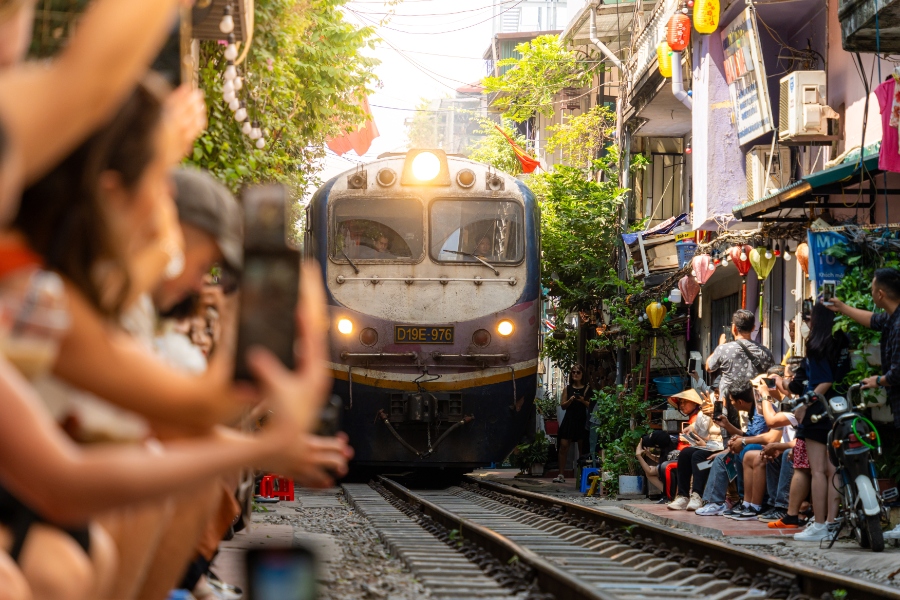
Hanoi Train Street was built in the early 1900s during the French colonial era as part of the North–South railway line. The tracks were laid directly through residential areas that had already formed along the narrow roads of the Old Quarter. Over time, families settled tightly around the line, creating the unique living space seen today.
For decades, the street remained largely unknown to tourists and was simply part of life for the residents. It was not until social media photos of trains brushing past coffee shops went viral that the area gained global attention. Since then, it has become one of the most talked-about destinations in Hanoi.
Unique Architecture Of Hanoi Train Street
Hanoi Train Street is unique because it explicitly combines a working railway line with a life-filled residential neighborhood. This compelling tension creates one of the most striking urban moments in Hanoi.
Narrow Residential Layout
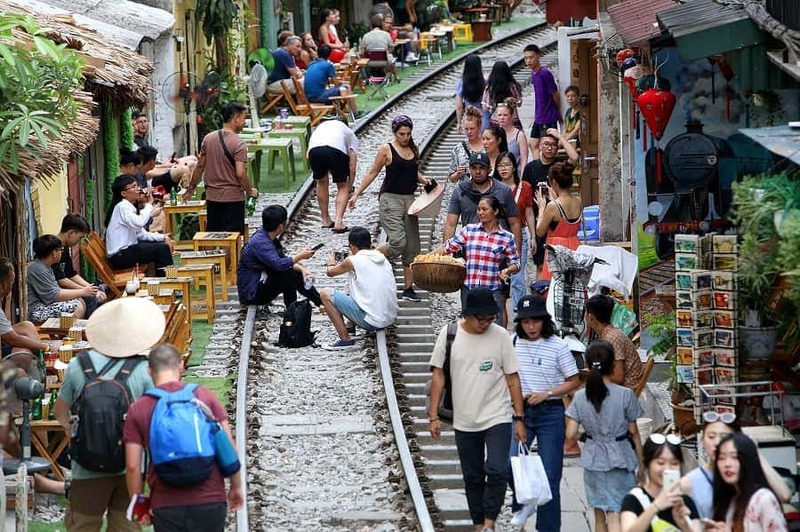
The houses along the street are built only a few feet from the railway itself. There is barely enough space for an individual to walk between the wall and the railway tracks. This narrow, cramped layout serves as a long alley, where every inch counts. Welcoming doors lead directly to the track, and small steps or stools often spill over the railway bed. Every resident is still content in this space, with balconies and rooftops used to store whatever daily life requires.
Living Space Along Active Tracks
The people who live in this area live alongside a busy train line, with multiple trains passing every day. Their daily life follows the rhythm of the trains but is otherwise smooth. Once the horn blows, everything gets packed away in seconds as the train goes by. When the train passes, people put up their laundry lines, potted plants, and food stalls. The tracks are not just for the trains, but they can also be a common space.
The Train Street Cafes
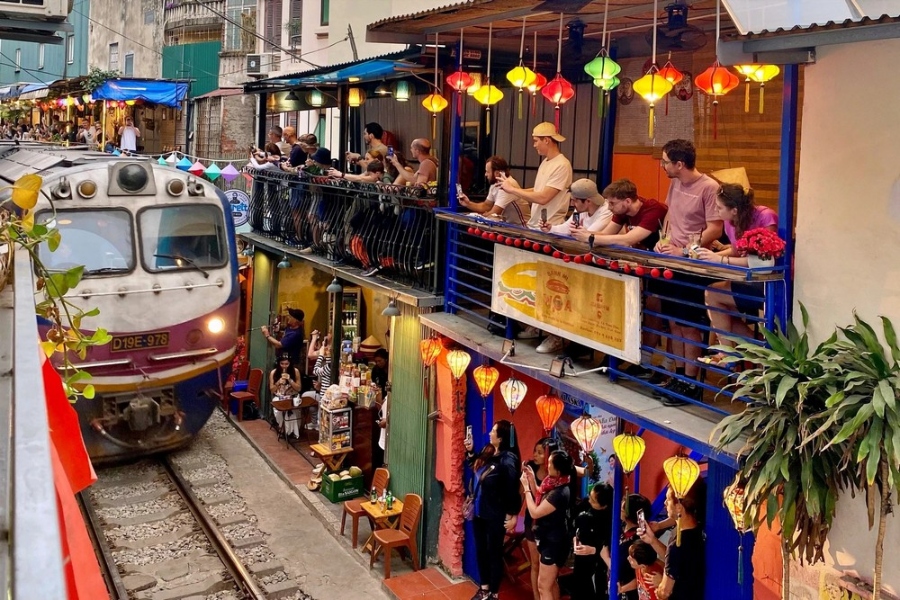
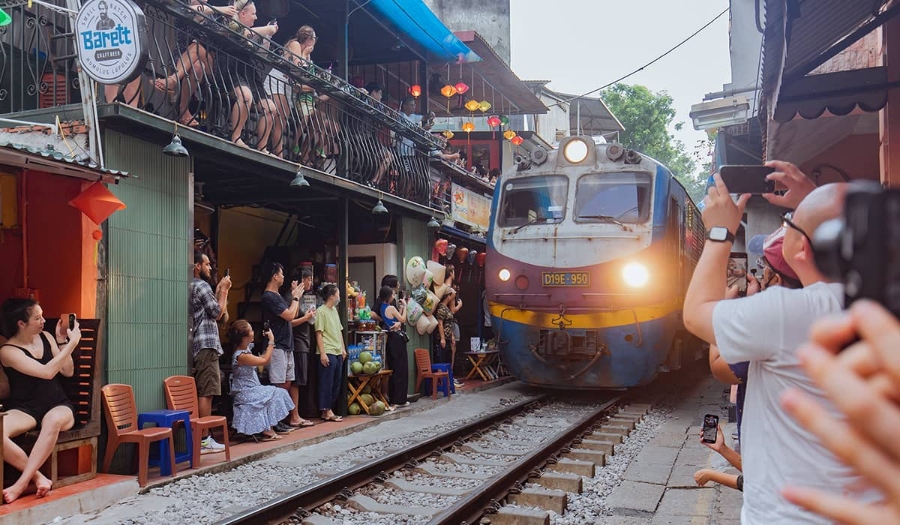
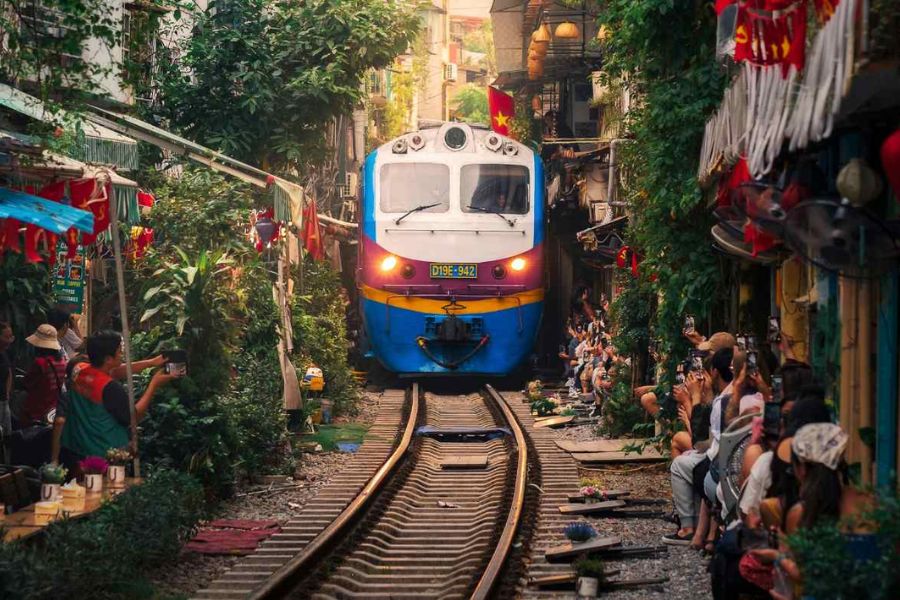
Cafés along both sides of the track have been established to host the many curious visitors. The cafés have been constructed to the immediate edge of the railway and are simply part of their home. Visitors sit on small stools with drinks and cameras in hand, waiting for a train to come past. Some cafés are small, quiet, and calm, while others create busy and colorful atmospheres with lanterns and balcony seating. Each café shapes the unique look and feel of Hanoi Train Street.
5 Cultural Experiences You Shouldn’t Miss
Hanoi Train Street isn’t just about train arrivals. These cultural experiences are what bring the pieces together to really absorb the pulse of life inside one of Hanoi’s most unique neighborhoods.
Witness The Train’s Passage
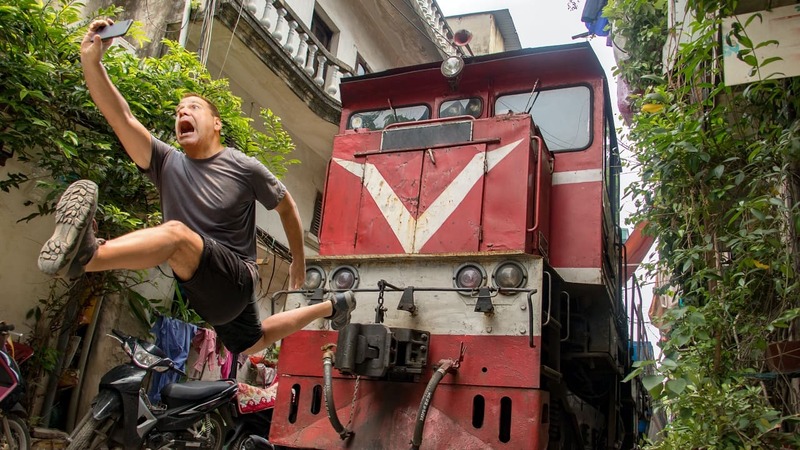
Every day, people sit quietly on either side of the train tracks waiting for the sound of a horn. The locals know the timetable by heart and calmly move their tables and signs to accommodate the passage. For a few seconds, it feels like time stops. Everyone is watching for the fast-moving train to pass by, only inches from their seated position.
As the train fades into the distance, conversations flow, and life slowly starts to flow again without an ounce of panic. The experience takes a few minutes, but is certainly etched into the minds of those who witness it. Simple to do, simply unforgettable.
Savor Traditional Vietnamese Coffee
On either side of the railway, there are small cafes selling drinks, with everyone seated on even lower stools. Many of these shops are family-run by people who live in the same building where they sell their coffee. The regular menu will often include a dish of Hanoi’s famous egg coffee, which is rich and creamy and made with whipped yolk and sweetened milk.
Sitting this close to the track with a hot drink in hand is both quiet and slightly thrilling. As trains come and go, the café space transforms, folding itself around the rhythm of the railway. The intensity of the flavors, sounds, and silence made it a memorable experience.
Connect With Locals
The majority of the people living on Hanoi Train Street are accustomed to a tourism presence in the neighbourhood; most people are only too happy to chat with you, whether that’s an exchange of a smile, a hello, or anything in between. Many will invite you to listen to a story or discuss what life is like so close to the railway, each with an insight into how people adapt to what is a strange way of living.
Several long-time residents have lived in this area for decades and have been able to watch this street transform from a quiet corner of Hanoi to a world-famous spot for photos. Many of the residents have incorporated their homes to host cafés or small shops, expressing the freedom and openness of life locally. Talking to the residents adds warmth and meaning to your visit here.
Capture The Moment Through Photography
This street has become one of the most photographed places in Hanoi, and there is a reason for that. The steel tracks, the soft, morning light, and the colorful balconies all combine to make every frame come alive. The best times to wander around toting a camera are early morning or late afternoon.
Even in the absence of a train, the quiet scenes of people sipping coffee, children playing, and vendors packing their stools together all speak beautifully. Many photographers will find meaning in such minute details. That’s why visiting a Hanoi Train Street cafe outside train times can still be worth your while.
Explore Nearby Cultural Landmarks
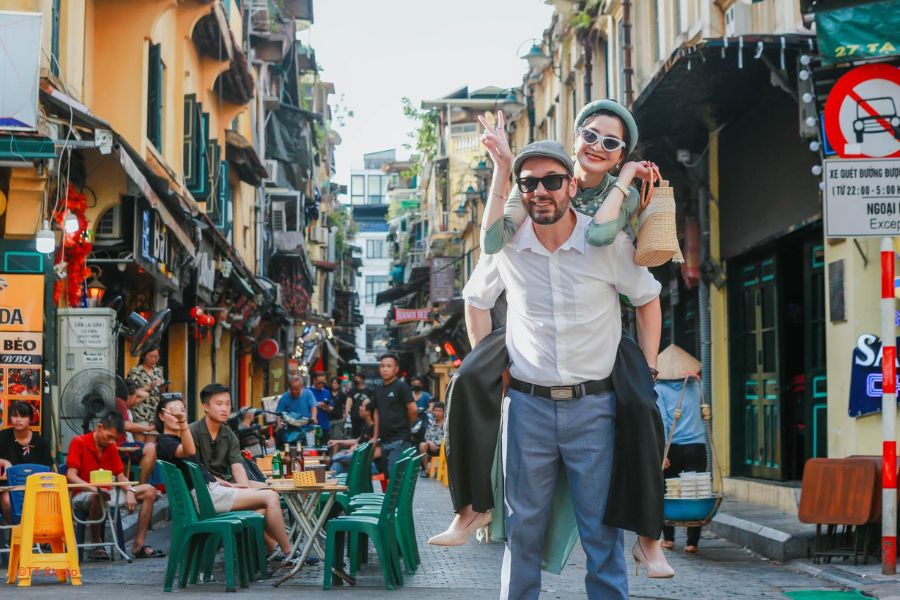
The area around Hanoi Train Street also has multiple nearby areas that allow for a greater representation of the character of the city. A short walk will present to you the Hanoi Ceramic Mosaic Mural, a long, multi-colored ceramic mural that lines the Red River dike. The mural consists of thousands of pieces of ceramics and shares stories from the history and culture of Vietnam.
From there, you can head into the Old Quarter to explore the small alleys filled with temples, street food stalls, and family shops. They connect nicely with the energy of Train Street and add even more depth to the experience. A visit to this area is never just about one place; it’s a walk through many corners of Hanoi’s life.
Entrance Fee
Hanoi Train Street is not an officially ticketed tourist site. And because of the safety regulations, certain areas do have limited access. In late 2019, local authorities limited direct access to portions of the street unless you had a guide. This is a reason why some cafes on tracks may require visitors to buy a drink to enter and stay during the times the train is there.
The table below outlines the expected costs if you visit Hanoi Train Street:
| Type of Access | Price (VND) | Notes |
| Entry via café (1 drink) | 40,000 – 80,000 | Includes access to a trackside seat and train view |
| Guided visit (optional) | 100,000 – 150,000 | For groups or first-time travelers |
| Access outside train hours | Free | There are still some places where you can walk in at non-train times |
Most cafés allow visitors to be let in as long as they order a drink. Some cafés may take you to an area where it is safe to wait for the train, and the staff usually know the timing of when trains go by. You can trust the staff to ensure a safe and respectful experience.
Opening Hours
There are no official opening hours, either, because it is a public area that people live in. But most cafés open between 8:00 AM and 10:00 PM. To see the train, people will need to come at a certain time, which may change depending on the day of the week, but is set for all weekend days.
The best time to visit is around sunset, when the lighting is nice for pictures, and when the cafés are busy. There should be around two to three trains that pass on a weekday, while more may pass on the weekend. To have the best experience and a safer view, it is advisable that one checks the Hanoi Train Street schedule on arrival at a local cafe.
| Access Type | Cost (VND) |
| Order at the trackside café | 40,000 – 80,000 VND |
| Join a guided visit | 100,000 – 150,000 VND |
| Walk during non-train time | Free |
How To Get To Hanoi Train Street
Travelers arriving by any transportation option from Hoan Kiem Lake or the Old Quarter will have no trouble finding Hanoi Train Street. There are two entrances to Hanoi Train Street: Ngo 5 Tran Phu (Phung Hung side) and Ngo 224 Le Duan. If coming from the Old Quarter, the Phung Hung entrance is the closest and easiest to find. Tourists are recommended to check with their hotel or local cafe on current access details.
| Transportation Method | Time (from Hoan Kiem) | Cost (VND) | Notes |
| Walking | 15 – 20 minutes | Free | Good for nearby hotels, clear weather |
| Taxi / Grab | 5 – 10 minutes | 40,000 – 60,000 | Fast and easy, direct to the entrance |
| Motorbike (rental) | 5 – 10 minutes | 120,000/day | Need a valid license and careful driving |
| Bicycle (rental) | 10 – 15 minutes | 50,000 – 70,000 | Scenic route, limited parking space |
Things To Know Before Traveling To Hanoi Train Street
Hanoi Train Street is small and special, and visitors often find themselves amazed by how life and trains move together in such a narrow space. But before stepping into this world, it helps to know a few quiet details that make the visit smoother, safer, and more thoughtful.
- Many café owners have lived there for years and usually know when the train is coming, so it’s best to ask them before settling down.
- Some parts of the street may not be open during certain hours, especially around the Phung Hung entrance, where local checks are more common.
- The path is narrow and can be congested on weekends. So wearing light clothes and carrying less in terms of bags will allow for better flow.
- While some cafés might take cards, cash is still the most common way to pay for drinks, so having a few small bills on you will be helpful.
- Trains don’t stop for pictures. No matter how slow they look, they’re fast enough to be dangerous. Always stay behind the safety line or where café owners guide you.
Final Thoughts: Is Hanoi Train Street Worth Visiting?
Hanoi Train Street is a small place, but it offers one of the most unusual travel moments in the city. Watching a train pass close to your seat while sipping local coffee is something both simple and unforgettable. It is not only about the train, but about seeing how people live, work, and welcome guests in such a narrow and lively space. If you want to include Hanoi Train Street on your Vietnam journey, Seni World can help you plan a safe and memorable visit.


