


A trip to Laos presents the essential mix of cultural exposure, natural beauty, and casual charm. All of which can be discovered within a short period of time. You can visit tranquil temples, picturesque scenery, and true traditional ways of life while experiencing the laid-back pace of one of Southeast Asia’s most appealing destinations.
How Many Days To Spend In Laos?
A 4-day, 3-night Laos itinerary is perfect for first-time visitors who want to experience the country’s cultural attractions without feeling rushed. This is because Laos is a country known for its laid-back attitude, tranquil atmosphere, and spiritual heritage. As such, a brief but well-planned trip to Laos will allow visitors to explore the country meaningfully, as opposed to just rushing from place to place. With this duration, it is possible to visit both Vientiane, the capital city, and Luang Prabang, which is the country’s most charming cultural center.
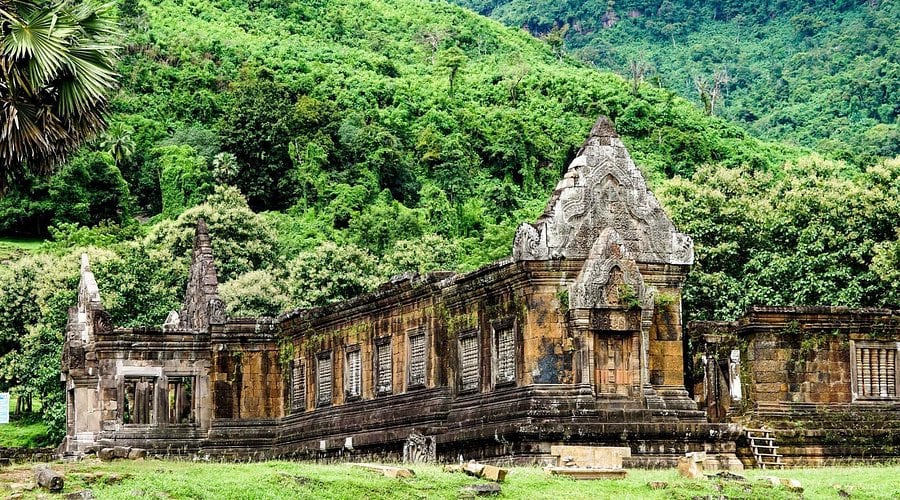
For four days, the traveler has the opportunity to visit the iconic temples, experience the traditional Buddhist way of life, and explore the stunning natural beauty of Laos. Travel distances between major tourist destinations are not far, and therefore, the itinerary has been practical and convenient. For people who are on a short vacation, the package of 4 days and 3 nights has been a great experience, offering the best of Laos in terms of culture, history, and natural beauty.
What To Expect From The Laos Itinerary?
This Laos itinerary combines cultural landmarks, spiritual traditions, and natural wonders across two of the country’s most fascinating destinations. Each stop offers a unique perspective on Laos’ heritage, architecture, and peaceful way of life.
Patuxay
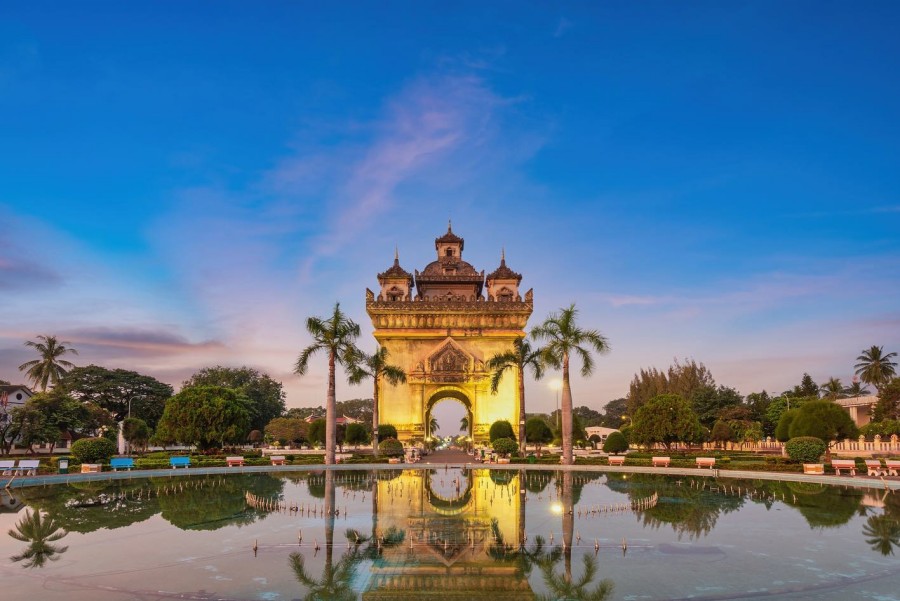
Patuxay is one of the most recognizable landmarks in Vientiane and a key highlight of any Laos itinerary. Often referred to as the “Victory Gate,” this grand monument was built to honor those who fought for Laos’ independence. Its architectural design blends European inspiration with traditional Lao decorative elements, creating a unique cultural symbol.
Pha That Luang
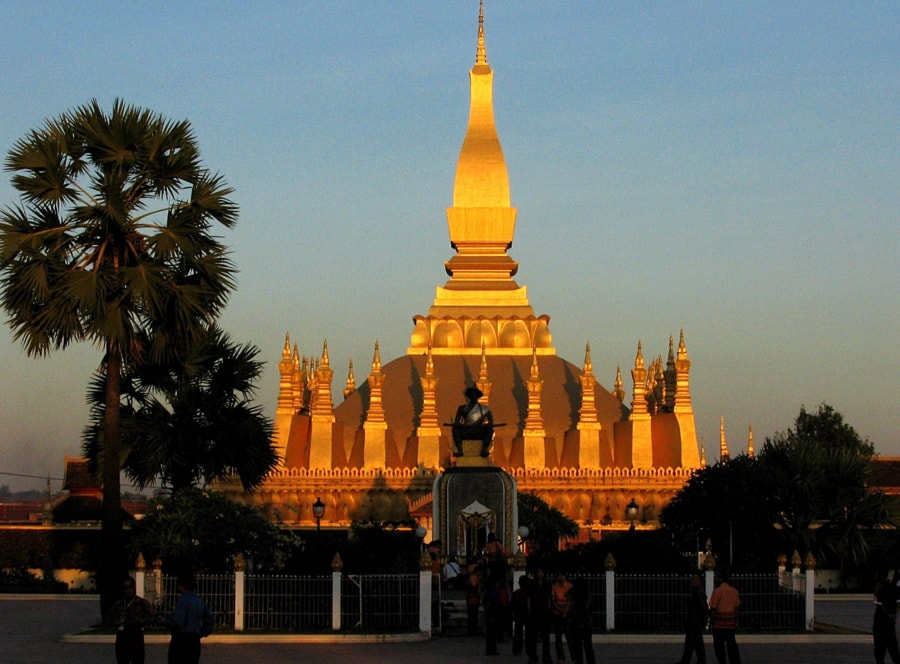
Pha That Luang is the most important religious monument in Laos and a powerful symbol of national identity. Located in Vientiane, this magnificent golden stupa represents Buddhist faith, unity, and the spiritual heritage of the Lao people. Its striking golden exterior shines brilliantly under the sun, creating a peaceful yet majestic atmosphere that attracts both pilgrims and travelers.
Wat Si Muang
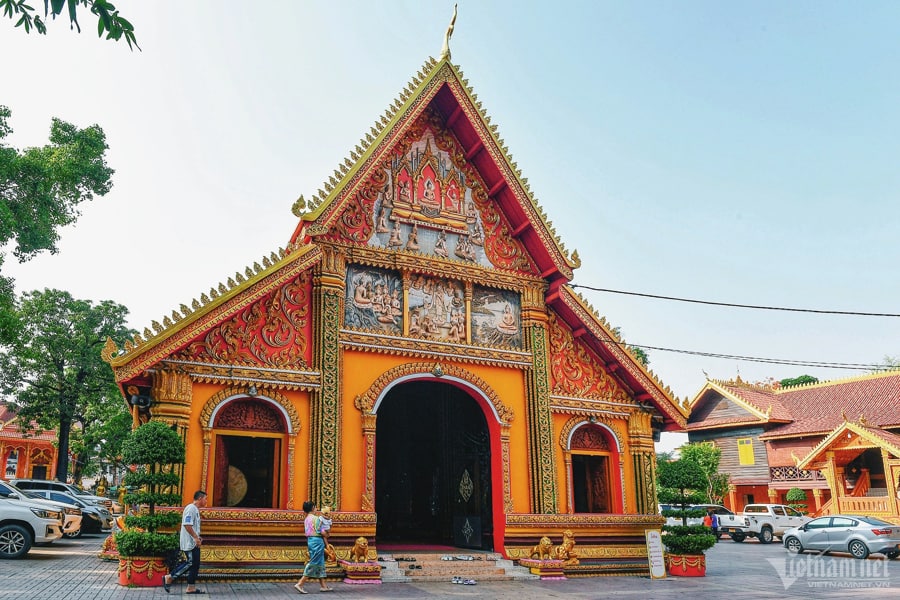
Wat Si Muang is one of the most sacred and spiritually significant temples in Vientiane, attracting both devoted worshippers and curious travelers. The temple houses the revered city pillar, which is believed to protect Vientiane and bring good fortune to those who pray here. important in Lao culture.
Wat Sisaket
Wat Sisaket is an essential stop on any Laos itinerary. Built in the early 19th century, it is the oldest surviving temple in the capital, remarkably preserved despite past conflicts that destroyed many surrounding structures. The temple is best known for its thousands of small Buddha images displayed in wall niches surrounding the inner courtyard.
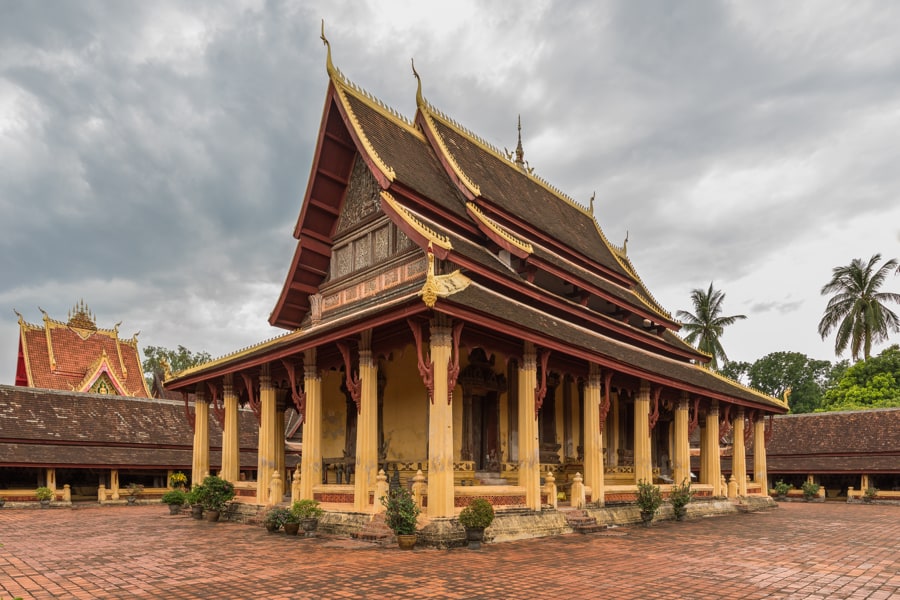
Wat Xieng Thong
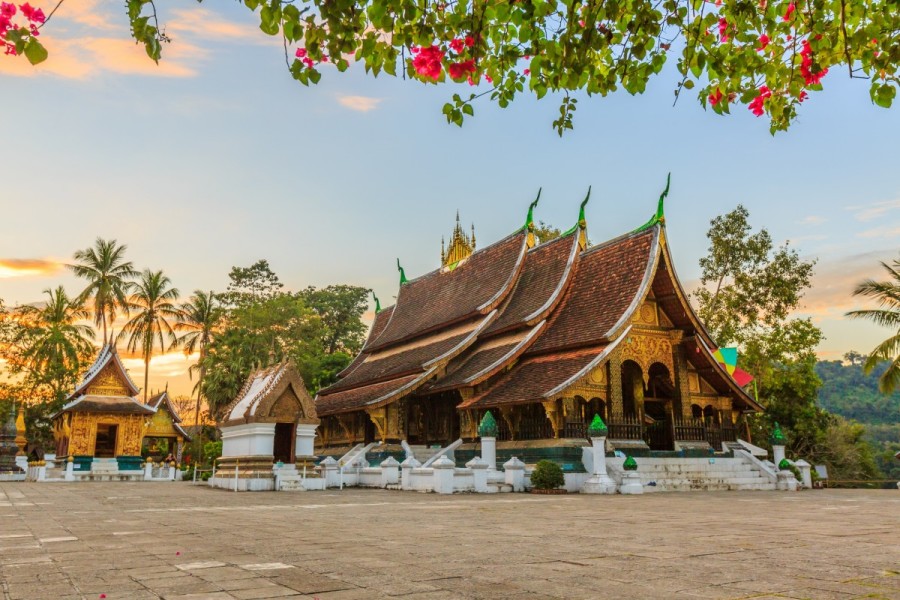
Located in the heart of Luang Prabang and built in the 16th century, this temple is widely considered one of the most beautiful and historically important religious sites in Laos. Its sweeping multi-tiered roofs appear to flow gracefully toward the ground, while intricate mosaics and detailed carvings reflect centuries of artistic mastery.
Alms Giving Ceremony
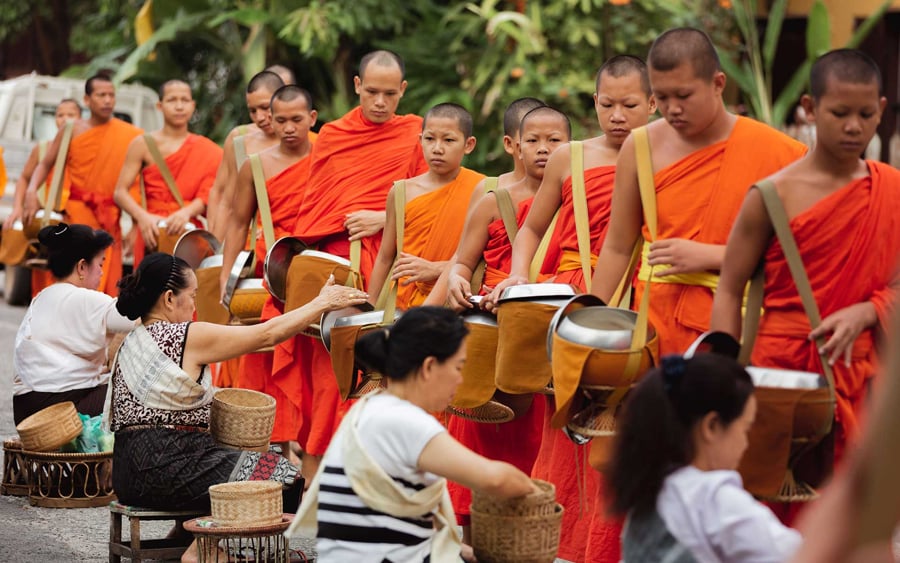
The Alms Giving Ceremony is one of the most meaningful cultural experiences visitors can witness in Luang Prabang. Taking place at sunrise each day, this sacred Buddhist tradition involves monks walking silently through the streets to receive food offerings from residents. The ritual reflects humility, gratitude, and spiritual connection, forming an essential part of daily religious life.
Kuang Si Waterfalls
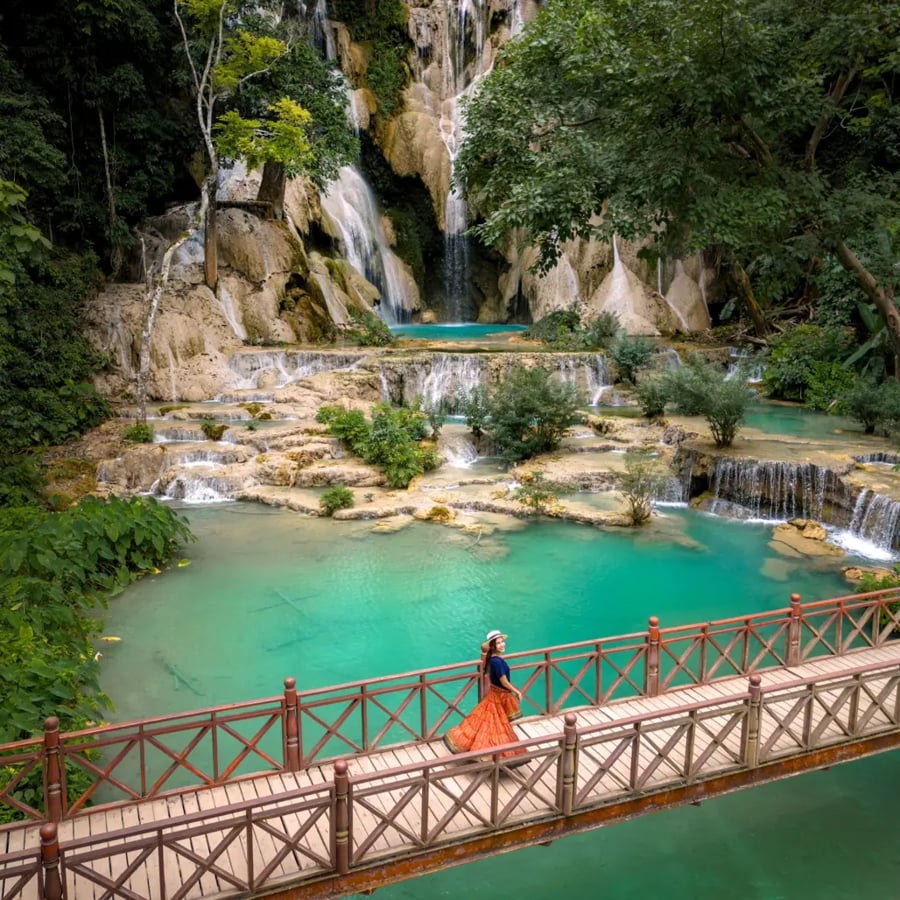
Kuang Si Waterfalls is one of the most breathtaking natural attractions in Laos and a must-see highlight of any well-planned Laos itinerary. Located about 30 kilometers from Luang Prabang, the falls are famous for their vivid turquoise pools and multi-tiered cascades flowing through dense tropical forest. The striking mineral-rich water creates vibrant blue colors that contrast beautifully with the surrounding greenery, making the landscape feel almost surreal.
Pop Ock Tok Village
Ock Pop Tok Living Crafts Centre is a cultural destination dedicated to preserving and showcasing traditional Lao textile heritage. Situated along the Mekong River, this artisan center provides insight into the complete silk production process, from silkworm cultivation to natural dyeing and intricate weaving. The name “Ock Pop Tok” means “East meets West,” reflecting the organization’s mission to connect traditional Lao craftsmanship with global appreciation.
Detailed Itinerary
This 4-day trip to Laos presents an incredible combination of culture, tranquil scenery, and unique historical experiences. Vientiane’s gentle charm and Luang Prabang’s classic charm combine to offer something new about the beauty and stillness of this lovely land every day.
Day 1: Ho Chi Minh City – Vientiane
Day 1 starts with a flight from Ho Chi Minh City to Vientiane, the peaceful capital of Laos. This is the beginning of the 4-day Laos travel plan. Upon arrival, visitors will explore the Patuxay Monument for a panoramic view of the city, visit the golden Pha That Luang, and experience the spiritual culture of the people at Wat Si Muang. In the evening, visitors will walk along the riverside of the Mekong River, taste local Lao cuisine, and experience the nightlife of the city.

Day 2: Vientiane – Luang Prabang
Day 2 starts with a serene day in Vientiane, and travelers can soak in the spirituality and history of the place before moving on to the north. They visit Wat Sisaket, the oldest surviving monastery in the capital, renowned for its serene courtyard and thousands of Buddha images tastefully arranged on the cloister walls. After visiting the temple and taking photos, the travelers move on to the railway station and board a modern high-speed train for Luang Prabang. The ride itself becomes a major attraction, with large windows offering a view of the mountains, green meadows, rivers, and villages of Laos.
As one arrives in Luang Prabang, the pace of life slows down as people explore the town and its picturesque streets, lined with traditional wooden houses and colonial architecture. Many people hike Mount Phousi in the late afternoon, from where they can view the sunset over the Mekong River and the surrounding mountains. If one has the time and the energy, a side trip to the waterfalls at Kuang Si can be a wonderful experience, making for a great end of the day.
Day 3: Full Day In Luang Prabang
In the case of Day 3, the day has been fully devoted to the exploration of the cultural charm of Luang Prabang, a place recognized for its spiritual ambience and cultural heritage. In the morning, the day starts with a visit to Wat Xieng Thong, a temple recognized for being one of the most important in Laos, owing to the beauty of its roof design and the presence of mosaics. In the afternoon, the day can be spent in leisurely activities, like visiting the cultural streets.
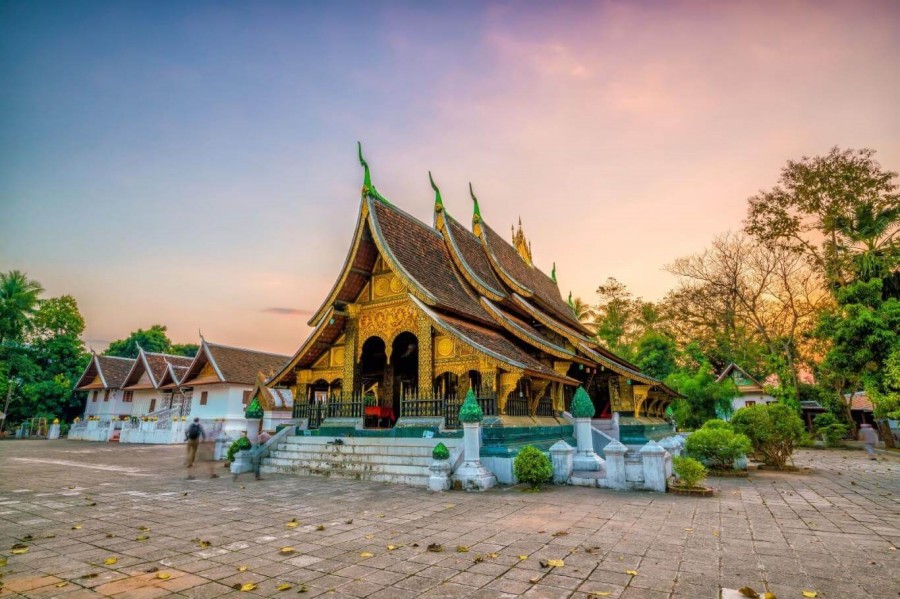
Later in the day, nature and scenery come to the fore with a visit to the famous Kuang Si Falls, which is renowned for its tiered turquoise water and lush jungle scenery. The evening concludes with a visit to the lively Luang Prabang Night Market, where tourists can indulge in shopping and savoring local cuisine while taking in the lively nightlife that Luang Prabang has to offer.
Day 4: Luang Prabang – Ho Chi Minh City
Day 4 represents the last day of the tour in Luang Prabang, and the day can be used for enjoying the relaxed atmosphere of the town before the return journey. One can spend the morning walking through the streets of the town, visiting a nearby café, or simply enjoying the view of the river. Some people like to spend the morning shopping for souvenirs at the markets before returning for breakfast and then transferring to Luang Prabang International Airport for the return flight.
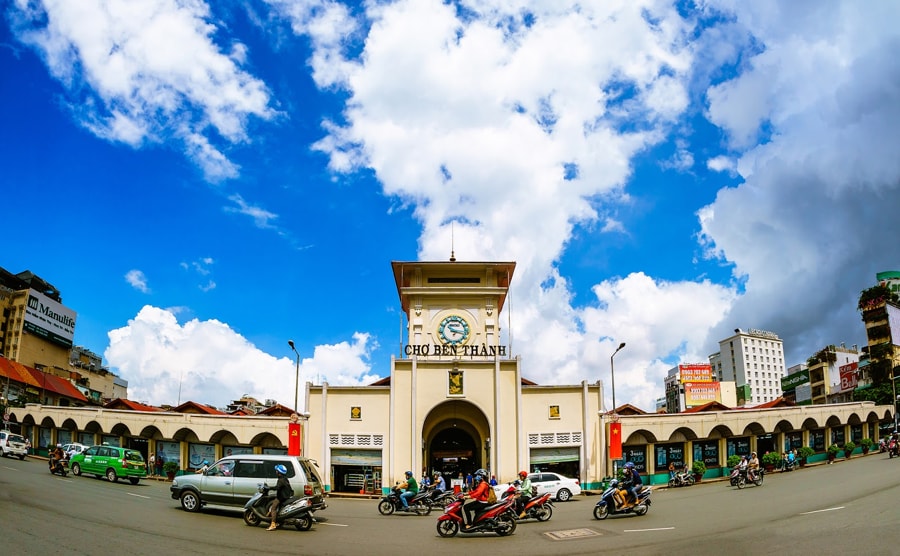
The flight back to Ho Chi Minh City marks the end of the 4-day adventure in Laos. During the flight, you think about the wonderful experiences you had during the trip. These experiences range from peaceful temples and cultural sites to beautiful natural scenes. This marks the end of the adventure in Laos.
FAQs About The Laos Itinerary
Planning a trip to Laos can feel exciting yet overwhelming, especially when you want to make the most of a short journey. These frequently asked questions will help you better understand what to expect and how to prepare.
-
Is 4 days enough to explore Laos?
Yes, four days are sufficient to experience the highlights if you stick to a well-planned itinerary. You can explore the capital, cultural sites, and the charm of northern Laos’ heritage. Although the trip is short, it provides a good balance of urban, cultural, and natural experiences.
-
What is the best time to visit Luang Prabang?
The best time to visit this place is between November and March, as the weather will be cooler and more comfortable for sightseeing. During this time, it will be more comfortable to engage in outdoor activities and visit temples. Traveling between places will also be easier due to the dry weather.
-
How do travelers get from Vientiane to Luang Prabang?
The majority of visitors use the high-speed train, which is quick, modern, and has beautiful scenery. The trip is also full of wonderful views of the mountains and countryside on the way. The train is also more convenient and time-effective compared to road transport.
-
What should I pack for this itinerary?
Light and breathable clothing appropriate for hot weather and comfortable walking shoes are recommended. Modest clothing, such as covered shoulders and knees, is recommended when visiting temples. It is highly recommended to pack essentials like sunscreens, insect repellent, and a water bottle.
-
Is the itinerary suitable for first-time visitors?
Yes, this itinerary is good for first-time travelers because it includes a number of major tourist attractions in the place. It provides a good balance of exploration, culture, and relaxation, so that travelers do not feel rushed in their visit to the place. Furthermore, it provides free time for personal exploration, so that travelers can find hidden treasures in the place or simply enjoy the place at their own pace.
Final Thoughts: Why Laos Belongs On Your Travel List
Laos is a place that embodies the true essence of slow travel, with serene landscapes, spiritual practices, and genuinely authentic cultural experiences. From golden temples to turquoise waterfalls, everything in Laos is an experience of calm and significance. A well-planned Laos tour will help you experience the unique charm of this country while also getting an opportunity to connect with its culture and natural beauty. Are you looking for a journey of culture, calmness, and exploration? Let Seni World help you plan your best Laos tour.
Content Seniworld
Subscribe
Login
0 Comments
Oldest


