


Traveling to Laos is generally affordable, making it popular for budget and mid-range travelers alike. Your total trip cost depends on accommodation choices, transportation, activities, and daily spending habits while exploring the country’s cities, nature, and culture.
Why You Should Know About The Laos Trip Cost
Planning a trip to Laos requires understanding realistic travel costs before you go. Knowing expected expenses helps you budget wisely, avoid surprises, and choose experiences that truly match your personal travel style and priorities throughout.
-
Setting a budget early helps you control spending, make informed decisions about accommodation, transportation, food, activities, and prevent unnecessary financial stress during your trip overall.
-
Understanding typical daily costs allows you to compare destinations, adjust your itinerary, prioritize experiences, manage cash flow efficiently, and avoid running out of money unexpectedly.
-
Knowing prices in advance helps you identify hidden fees, negotiate better deals, choose suitable travel seasons, estimate total expenses accurately, and plan smarter financial strategies.
-
Awareness of overall trip expenses helps you prepare emergency funds, handle unexpected situations confidently, reduce anxiety, maintain financial flexibility, and enjoy your journey with peace.
-
Estimating travel costs beforehand lets you align expectations with reality, track spending habits, adjust priorities, maximize value from every experience, and return home financially satisfied.
Laos Visa And Entry Costs
Understanding visa and entry costs is an essential part of planning your travel budget. Knowing the official fees, requirements, and procedures in advance helps you avoid delays, unexpected charges, and entry issues when visiting Laos.
Tourist visa on arrival cost (USD)
Travelers entering Laos in 2026 can still obtain a tourist visa on arrival, one of the most convenient entry options for short-term visits. The official fee is USD 30-42 for a single-entry tourist visa, allowing a stay of up to 30 days from the date of arrival. Payment is typically made in US dollars, and travelers should carry the exact amount in cash to avoid delays. Processing at major international airports and many land border checkpoints is usually straightforward and can take between 10 and 30 minutes, depending on arrival traffic.
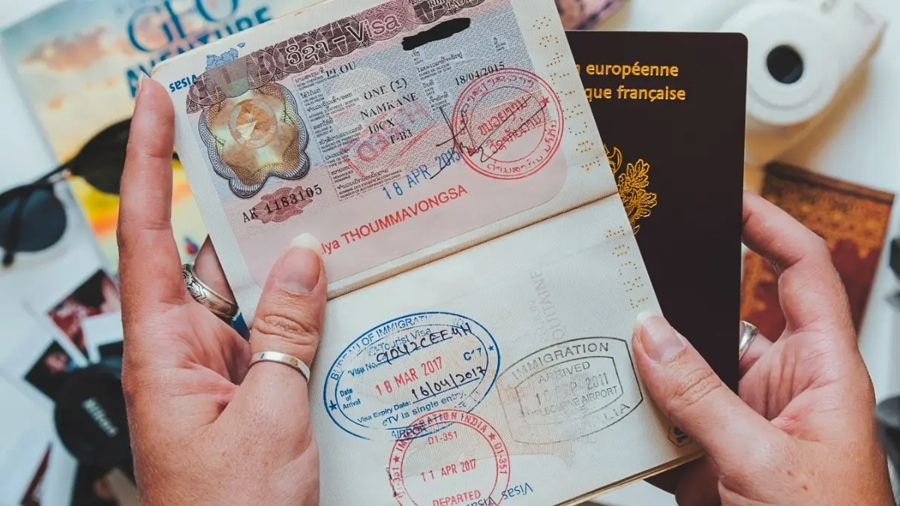
To qualify, visitors must hold a passport valid for at least six months, provide a completed visa form, and submit a passport-size photo if required at the entry point. In recent years, authorities have also introduced a digital e-Arrival registration system at some international gateways, which travelers may need to complete online before arrival. Tourist visas can generally be extended once for an additional 30 days through local immigration offices for an extra fee, making this option flexible for short leisure trips.
eVisa cost
Applying for an electronic visa is a convenient option for entering Laos before your trip. As of the latest regulations in 2026, the official government fee for a tourist eVisa is USD 50, allowing a single-entry stay of up to 30 days. The visa is typically valid for three months from the issue date, and most applications are processed within about three business days if all documents are correct.
In addition to the government fee, some applicants may pay a small online processing charge depending on the platform used. If you apply directly through the official government portal, extra costs are minimal, but third-party agencies can charge significantly higher service fees. Payment is completed online using a credit or debit card, and you will receive the approved eVisa by email.
Visa exemption policy (if eligible)
Some travelers can enter Laos without a visa, depending on nationality and bilateral agreements. Visa exemption policies usually apply to short tourism visits and typically allow stays between 14 and 30 days. Most eligible visitors must hold a passport valid for at least six months, show proof of onward travel, and comply with standard entry requirements. Visa-free access is commonly granted to citizens of certain regional partner countries under reciprocal arrangements, making short trips simpler and more affordable. However, permitted stay durations and conditions vary, so travelers should always confirm the latest eligibility rules before departure.
In addition to standard visa exemptions, Laos may introduce temporary visa-free programs to support tourism growth or strengthen international travel partnerships. These programs often apply to specific nationalities for limited periods and may include shorter permitted stays or additional entry requirements, such as completing an electronic arrival form. While a visa exemption eliminates the visa fee, visitors must still follow immigration regulations, including departure deadlines and activity restrictions. Overstaying or violating entry conditions can result in fines or penalties, so understanding the exact terms of visa-free entry is essential before traveling.
Embassy fees/multiple entries
Applying for a visa through an embassy or consulate is another option for travelers who prefer arranging entry documents before departure or who require specific visa types. Embassy-issued tourist visas typically cost around USD 30–40, though fees may vary slightly by location due to administrative or service charges. Processing times also differ depending on the embassy, usually taking several working days. This option can be useful for travelers who want added certainty before arrival, need longer validity periods, or cannot access online visa systems. Applicants generally submit their passports, application forms, photos, and payments directly or by mail, depending on local procedures.
For travelers planning longer stays or frequent visits, embassies may also issue visas that can later be extended. Multiple-entry privileges are not usually granted automatically and often require applying for an ordinary (longer-stay) visa category, followed by extensions through immigration authorities after arrival. Costs for multiple-entry extensions vary widely depending on duration, such as six or twelve months, and are significantly higher than single-entry tourist visas. This option is best suited for business travelers, long-term visitors, or those who plan to leave and re-enter the country several times within a year.
Transportation Costs in Laos
Transportation is often one of the biggest expenses when planning a trip to Laos, especially international travel. Costs vary widely depending on where you depart from, travel season, and how early you book your tickets.
International Flights to Laos
International flights are typically the largest transportation expense when traveling to Laos, especially for long-haul travelers. Because the country has limited direct intercontinental routes, most passengers connect through major Asian hubs such as Bangkok, Hanoi, Seoul, or Singapore. This extra leg often increases total travel time and ticket prices. In 2026, airfare varies significantly depending on season, departure city, and booking time, with peak holiday periods and last-minute purchases costing substantially more than bookings made several months ahead.
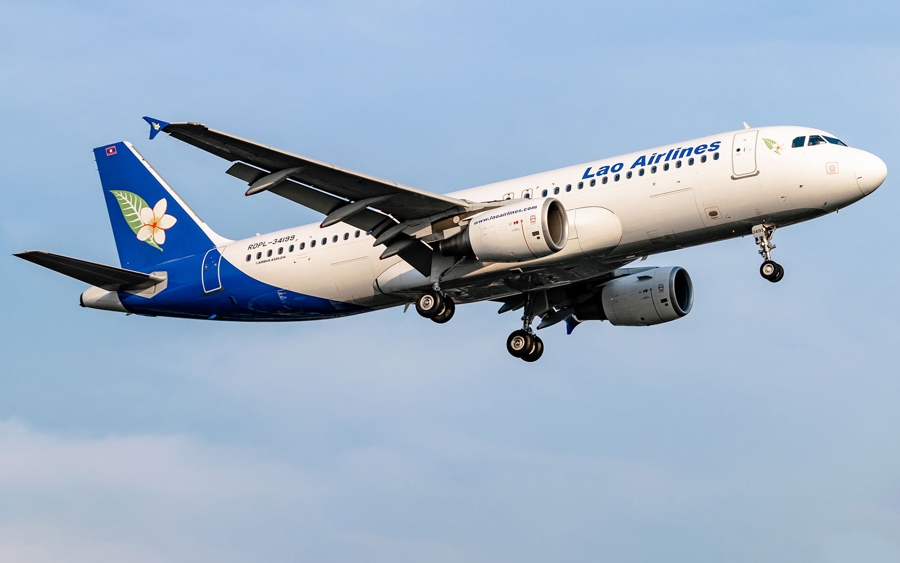
Round-trip flights from North America generally range from USD 900 to USD 1,600, though deals occasionally fall closer to USD 750 during off-peak periods. Travelers departing from Western or Central Europe typically pay around USD 700 to USD 1,300 return. From Australia, prices are usually lower due to proximity, averaging USD 550 to USD 1,100 round-trip. Promotional fares may appear during airline sales, but flexible travel dates and early reservations remain the best ways to secure cheaper international flights.
Domestic Transportation
Getting around Laos is generally affordable, with several transport options depending on distance, comfort level, and travel speed. Buses remain the most common and budget-friendly way to travel between cities, with standard intercity fares typically ranging from USD 8 to USD 25 depending on route length. Minivans are faster but slightly more expensive, often costing USD 10 to USD 30 for popular routes such as Vientiane to Luang Prabang. For longer distances or travelers seeking comfort, domestic flights connect major cities in about one hour, with one-way tickets usually priced between USD 60 and USD 150 when booked in advance.
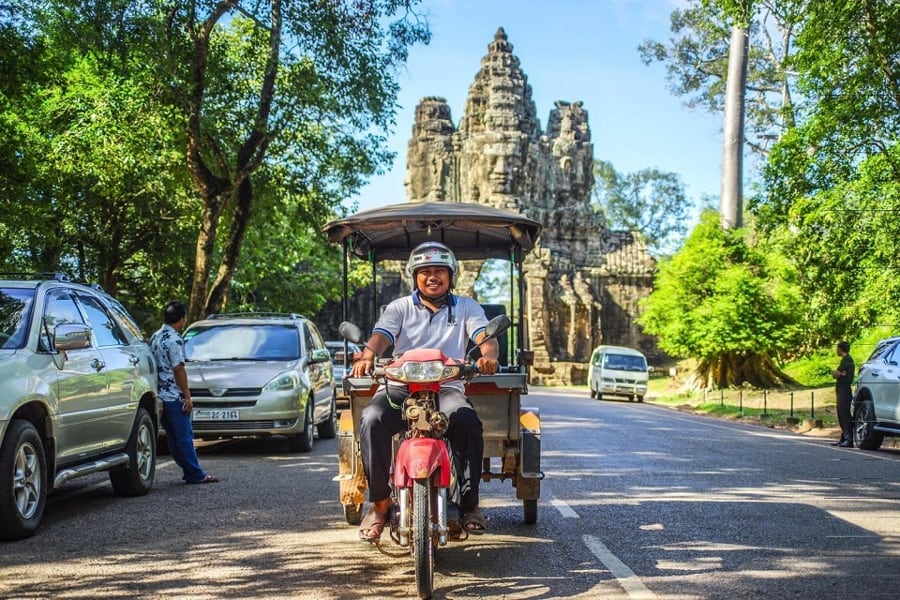
Within cities, short-distance travel is inexpensive and flexible. Tuk-tuks are widely available and usually charge USD 2 to USD 10 per ride, depending on distance and negotiation. Motorbike rentals cost around USD 8 to USD 15 per day, making them popular for independent travelers exploring smaller towns or scenic areas. Ride-hailing services operate in some urban areas but are still limited compared to neighboring countries. Overall, domestic transportation in Laos remains relatively low-cost, allowing travelers to move around easily without significantly increasing their travel budget.
Accommodation Costs in Laos
Accommodation in Laos is generally affordable compared to many other travel destinations, but prices vary depending on city, location, and hotel standard. Major tourist hubs such as Luang Prabang or central Vientiane tend to be more expensive than smaller towns or rural regions.
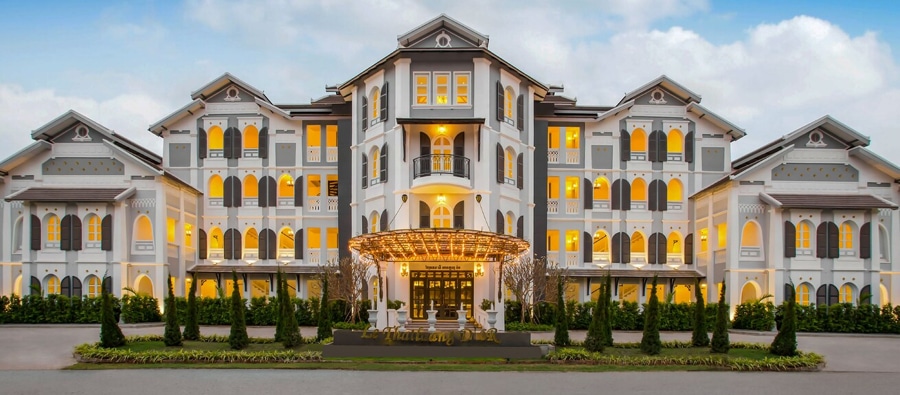
Vientiane
As the capital city, Vientiane offers a wide range of accommodation options, from budget guesthouses to international luxury hotels. In 2026, budget guesthouses and basic hotels typically cost around USD 12 to USD 30 per night, especially outside the city center. Mid-range hotels usually range from USD 40 to USD 90 per night, depending on location, facilities, and season. Higher-end 4-star properties often charge USD 100 to USD 180 per night, while luxury 5-star hotels can exceed USD 200 per night, particularly during peak travel months.
Prices in central districts near the Mekong River or popular attractions are generally higher than in residential neighborhoods. However, compared with many regional capitals, Vientiane still offers good value for comfortable accommodation. Travelers booking early or visiting during low season may find discounted rates, especially for longer stays or weekday reservations.
Luang Prabang
Accommodation in Luang Prabang is typically more expensive than in other parts of the country due to its UNESCO heritage status and strong tourism demand. In 2026, budget rooms and small guesthouses generally cost USD 15 to USD 40 per night, depending on proximity to the Old Town area. Mid-range hotels usually range from USD 70 to USD 150 per night, especially near popular landmarks and the night market. Luxury hotels and boutique resorts often charge USD 200 to USD 300 or more per night, particularly in heritage districts or riverside locations.
Premium areas such as the Old Town peninsula command the highest prices because of their walkability, historic architecture, and scenic views. Travelers who stay slightly outside the center can often find lower rates while still enjoying easy access to major attractions.
Vang Vieng
Hotels in Vang Vieng are generally more affordable than in Luang Prabang, though prices have gradually increased as the town has grown in popularity with adventure travelers. In 2026, budget hostels and simple guesthouses typically range from USD 10 to USD 25 per night, especially in non-central areas. Mid-range hotels with modern amenities usually cost USD 35 to USD 80 per night, while higher-end resorts or scenic riverside properties often range from USD 90 to USD 180 per night, depending on comfort level and views.
Accommodation prices can rise during peak travel seasons or festival periods when outdoor activities and nature tourism are in high demand. Overall, Vang Vieng remains a good value destination for travelers seeking comfortable stays at moderate prices, particularly compared with more established heritage cities.
Champasak
Accommodation in Champasak is generally quieter and more affordable than in major tourist cities, reflecting its relaxed atmosphere and smaller visitor numbers. In 2026, budget guesthouses and simple family-run stays typically cost around USD 10 to USD 25 per night, often including basic amenities and sometimes breakfast. Mid-range boutique hotels and comfortable riverside lodges usually range from USD 35 to USD 80 per night, offering air conditioning, garden views, and convenient access to nearby cultural attractions. For travelers seeking more comfort, upscale eco-lodges and resort-style properties can cost USD 90 to USD 160 per night, especially those with Mekong River views or premium facilities.
Prices may rise slightly during peak travel months or festival periods, but overall, Champasak remains one of the most budget-friendly destinations for scenic and peaceful accommodation in southern Laos.
Food And Drink Costs in Laos
Food in Laos is one of the most enjoyable and affordable parts of traveling, with options for every budget and taste. From street stalls to restaurants, prices remain relatively low compared to many destinations in Southeast Asia.
Street Food And Local Eats
Street food is the most budget-friendly way to eat in Laos, and it’s also where travelers can experience authentic local flavors. In 2026, simple dishes such as noodle soup, fried rice, or grilled meat skewers typically cost around USD 1.50 to USD 3.50 per serving, depending on the city and portion size. Popular local specialties like sticky rice sets or papaya salad meals usually range from USD 2 to USD 5 at casual roadside stalls or small family-run eateries.

Fresh fruit smoothies, iced coffee, and local drinks are also inexpensive, generally costing USD 1 to USD 2.50 each. Night markets often offer slightly higher prices due to tourist demand, but meals still remain affordable, averaging USD 3 to USD 6. Overall, street food provides excellent value, allowing travelers to eat well daily without significantly increasing their travel budget.
Restaurants And Cafés
Dining at restaurants and cafés in Laos is still affordable, though prices are higher than street food. In 2026, a typical meal at a casual local restaurant usually costs around USD 4 to USD 8 per person, depending on the dish and location. Tourist-oriented restaurants or places serving Western food generally charge USD 8 to USD 15 per meal, especially in popular destinations or central areas.
Mid-range restaurants with full table service often range from USD 15 to USD 30 per person, including a main dish and drink. Coffee culture is also growing, with espresso-based drinks typically costing USD 2 to USD 4, while specialty cafés may charge slightly more. Overall, restaurant dining remains reasonably priced, making it easy for travelers to enjoy comfortable meals without significantly increasing daily expenses.
Sightseeing And Activities Cost
Exploring attractions is an important part of any trip, and Laos offers many cultural and natural sites at reasonable prices. Most entrance fees are affordable, making it easy to experience multiple destinations without significantly increasing your travel budget.
Entrance Fees
Entrance fees across Laos are generally low compared to many international travel destinations, especially for cultural and nature-based attractions. Most temples charge small maintenance fees rather than full admission tickets. In 2026, visitors typically pay around USD 1 to USD 3 per temple, though major or historic temple complexes may charge up to USD 5. Museums are also inexpensive, with standard entry usually ranging from USD 2 to USD 5, depending on size, exhibitions, and location.

Natural attractions such as waterfalls are among the most popular paid sites. Entrance fees for well-known waterfalls generally range from USD 1 to USD 3, while larger or more developed parks with facilities may charge USD 3 to USD 6. Some locations also include parking or shuttle fees. Overall, sightseeing remains highly affordable, allowing travelers to visit multiple cultural and natural landmarks each day without spending much.
Tours And Experiences
Guided tours and hands-on experiences are popular ways to explore landscapes, culture, and daily life across Laos. In 2026, prices vary depending on duration, group size, guide expertise, and included services such as meals, transport, or equipment.
Slow boat journeys, especially multi-day river trips, typically cost around USD 120 to USD 250 per person, depending on comfort level and whether accommodation and meals are included. Trekking tours range from USD 25 to USD 50 for half-day trips and USD 60 to USD 150+ for full-day or multi-day guided treks, especially in remote mountain regions. Kayaking or tubing activities are usually more affordable, averaging USD 8 to USD 25 per session, with higher prices for guided excursions or longer routes. Meanwhile, cooking classes generally cost USD 20 to USD 45 per person, often including market visits, ingredients, and full meals. Overall, tours provide good value for immersive cultural and outdoor experiences.
Money-Saving Tips For A Laos Trip
Planning your budget carefully can make a big difference in how much you spend while traveling in Southeast Asia. These practical tips help you reduce expenses and get better value throughout your journey in Cambodia.
-
Travel during the shoulder or low season to find cheaper flights, discounted hotels, and lower tour prices compared to peak tourist months
-
Use US dollar cash and carry small denominations to avoid unfavorable exchange rates or problems changing in markets and local shops
-
Eat at local restaurants or street stalls instead of tourist-focused venues to enjoy authentic food at significantly lower prices
-
Book tours and transportation directly through local operators or guesthouses instead of international booking platforms to avoid extra service fees
-
Stay slightly outside main tourist areas, where accommodation prices are lower but still within easy distance of attractions
-
Compare tuk-tuk and transport prices before agreeing and negotiate politely when appropriate to avoid paying inflated tourist rates
-
Refill drinking water at hotels or refill stations instead of buying bottled water repeatedly to save money and reduce plastic waste
-
Plan major attractions in advance to avoid unnecessary transport costs or last-minute tour bookings at higher prices
FAQs About Laos Trip Cost
Budget planning often raises practical questions beyond basic travel expenses. These common questions help travelers better understand how to manage money and spending while visiting Laos.
-
How much money should I budget per day in Laos?
Daily budgets vary by travel style, but many travelers spend between USD 25 and USD 70 per day, excluding international flights. Budget travelers can spend less by using local transport and simple accommodation. Mid-range travelers usually pay more for comfort, guided activities, and restaurant dining.
-
Are ATMs and card payments widely available?
ATMs are common in major cities and tourist areas, but they may be limited in rural regions. Withdrawal fees can be relatively high, so taking out larger amounts less frequently can help reduce charges. Cash is still the main payment method in many small businesses.
-
Is tipping expected in Laos?
Tipping is not mandatory, but it is appreciated in tourist-oriented services. Small tips for guides, drivers, or restaurant staff are seen as a polite gesture rather than an obligation. Many travelers simply round up bills or leave small change.
-
Do I need travel insurance for Laos?
Travel insurance is not required for entry, but it is strongly recommended. Medical evacuation, accidents, or trip disruptions can be expensive without coverage. A basic policy can help protect your budget from unexpected costs during your trip.
Final Thoughts
Planning your Laos trip cost in advance helps you travel with confidence, manage expenses wisely, and enjoy more meaningful experiences. From transport to food and activities, Laos remains an affordable destination for many travel styles. With smart budgeting, you can explore more while spending less. Ready to plan your perfect trip? Let Seni World help you design a journey that fits your budget and travel goals.
Content Seniworld
Subscribe
Login
0 Comments
Oldest


