


Quang Tri is a very special place where history and culture are combined with untouched nature. The province has many famous DMZ sites and war relics, but also has peaceful rivers and quiet beaches where one can think about Vietnam’s history and enjoy local life and natural scenery.
Vinh Moc Tunnels
- Location: Vinh Moc Village, Vinh Thach Commune, Vinh Linh District, Quang Tri Province, located near Cua Tung Beach.
Vinh Moc Tunnels are unique as an underground marvel in Vietnam, created by locals during the Vietnam War as a means of surviving the incessant bombing of Quang Tri’s coastline. The tunnel is over two kilometers long and comprises three levels, digging more than 20 meters below ground level. The tunnels contain such amenities as residential areas, meeting areas, kitchen areas, water wells, and even a maternity area.
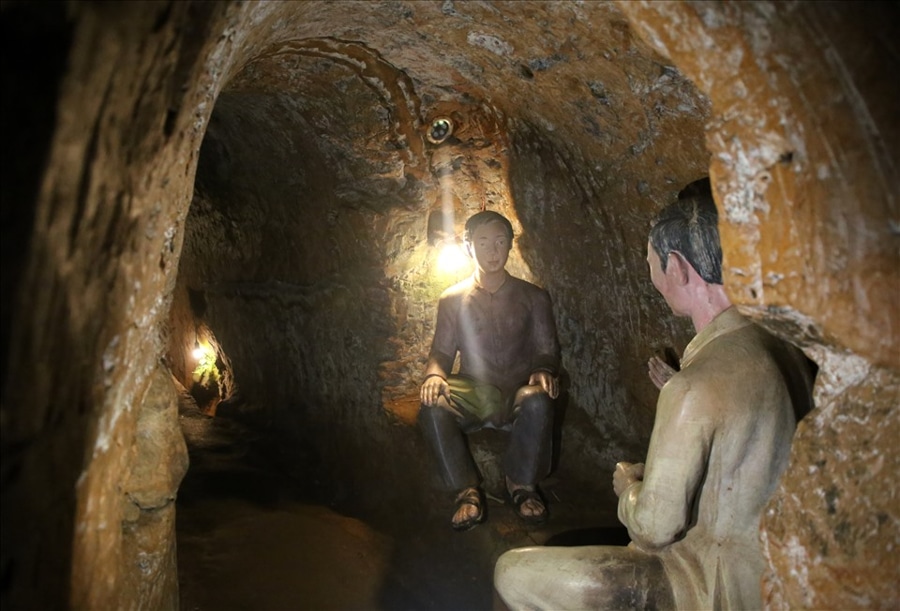
Walking through the tunnels is always an eye-opening experience in itself. The narrow passages, limited lighting, and unassuming architecture remind one of the resourcefulness and resilience of ordinary people faced with extraordinary situations. Vinh Moc is not only a historical site marking a period in Vietnam’s history but also serves as an extraordinary reminder of what humans are capable of when united and faced with insurmountable challenges in life.
Hien Luong Bridge
- Location: The 17th Parallel, located within Vinh Linh District on the northern bank and Gio Linh District on the southern bank.
The Hien Luong Bridge crosses the Ben Hai River at the very boundary of the 17th Parallel, which temporarily divided the country into North and South Vietnam following the Geneva Accords of 1954. For nigh on twenty-five years, the bridge bore the weight of the pain and the disputed will of the nation, and those whose pain it represented. This wartime bridge is bi-colored, reflecting the division of the national landscape and people.

Today, the restored bridge is now a part of the Hien Luong – Ben Hai Special National Relic Complex, and walking on it is to experience the weight of history that the metal of the bridge was once subjected to, and the peaceful surroundings that envelop the site serve as a reminder of the progress that has been made in the region. This site is an important one on any journey through Vietnam’s recent past.
Ben Hai River
- Location: The river originates in the Truong Son Mountain Range and flows into the sea at Cua Tung.
Although the Ben Hai River passes peacefully through central Quang Tri, its place in Vietnamese memory means it has an importance that is much larger than its physical size. During the war, the Ben Hai River formed the boundary of the Demilitarized Zone, dividing North Vietnam from South Vietnam. The banks of the Ben Hai River witnessed loudspeaker announcements, followed by flags and propaganda. A beautiful river became a battlefield for psychological warfare between North and South Vietnam.
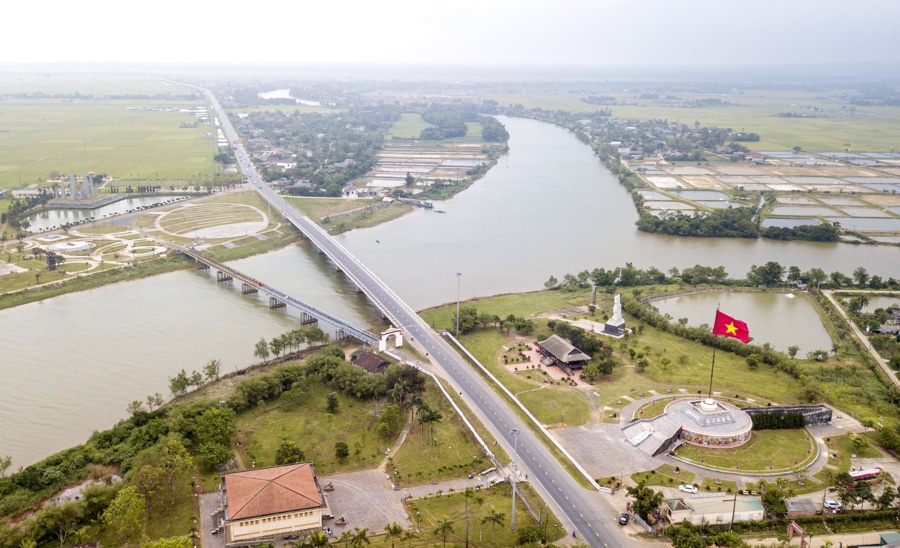
The Ben Hai River is now back to its original beauty with its lush fields surrounding the riverbanks and many small villages along the banks. Visitors who stroll along the banks of the river often think back to how peaceful it looks today compared to what it once was during the war period. Today, the Ben Hai River represents healing, forgiveness, and the peaceful endurance that exists among humans.
Khe Sanh Combat Base
- Location: Huong Hoa District, Quang Tri Province, Vietnam, is located about 60-70 km west of Dong Ha City, near the Lao border and along the historic National Highway 9.
Khe Sanh Combat Base is widely known as one of the most recognised battles of the Vietnam War internationally. It is located in a secluded area or plateau close to the border with Laos and was the site of extended, intense fighting during the famous Battle of Khe Sanh in 1968, when the world was watching closely. The base was strategically well-positioned. However, it had also become increasingly isolated and cut off by mountains and difficult terrain.
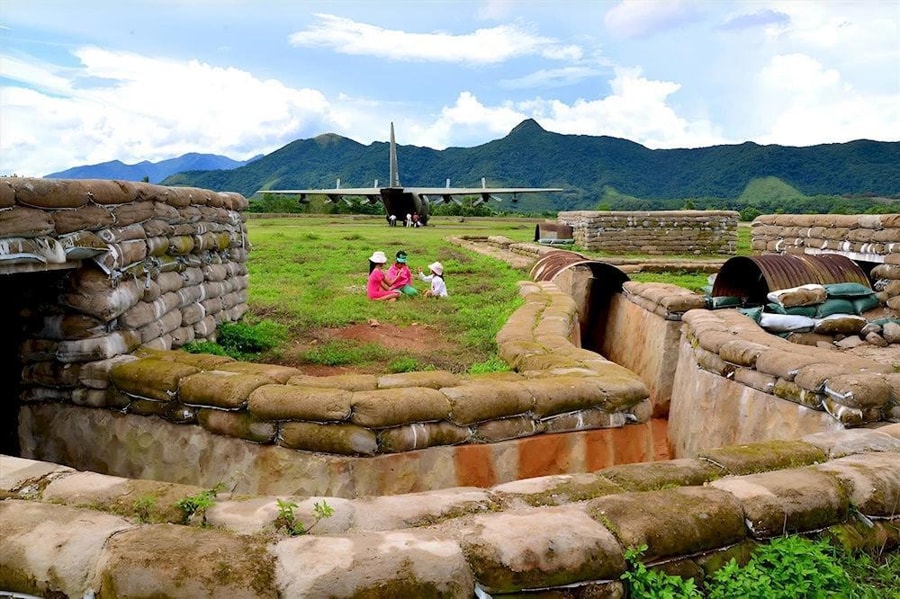
Khe Sanh is now considered a historical site and museum that can be visited. Its grounds still show evidence of the airplane crashes that took place there. In addition to evidence of various types of forces operating in the area, such as bunkers, runways, and military equipment. There are also many other remnants of military presence. Visitors to this base will get to experience the realities of warfare and some of the logistical and operational difficulties experienced by soldiers, as well as the tremendous human price of the war.
Quang Tri Ancient Citadel
- Location: The center of Quang Tri Town, in Quang Tri Province, Vietnam
Quang Tri Ancient Citadel, or Quang Tri Citadel, was initially erected as an administrative and military center by the Nguyen Dynasty in the early 19th century, and later, during the Vietnam War, was the site of a 1972 battle that lasted 81 days and was one of the bloodiest confrontations of the war. The Citadel, along with neighbouring territory, suffered near total destruction, with thousands of soldiers killed in battle.
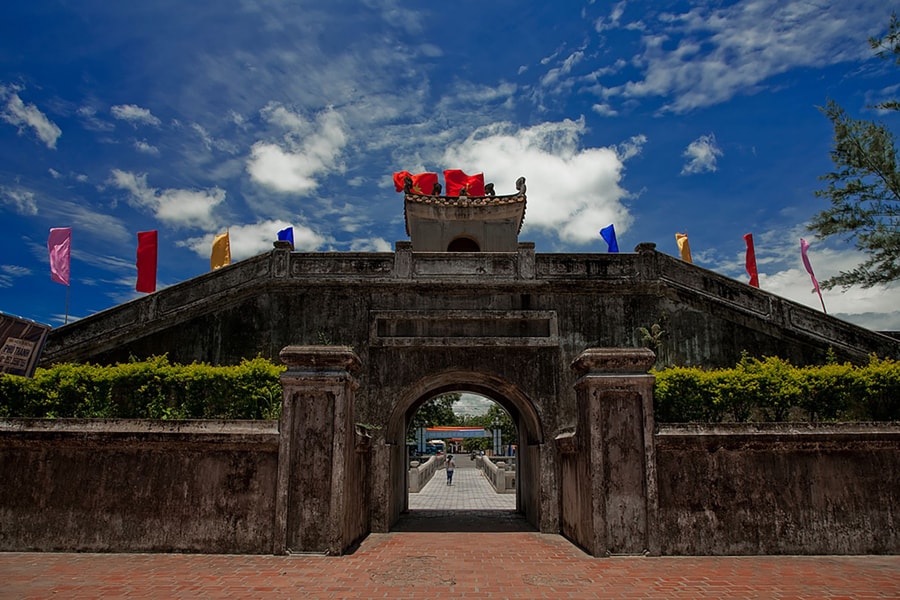
Today, instead of a restored fortification, the citadel is a sombre memorial, with quiet, reflective grounds that display monuments, commemorative walls, and other symbolic structures. The act of visiting Quang Tri Ancient Citadel evokes strong emotions in those who do so and expresses deep respect for those who made the ultimate sacrifice while also conveying the immense price of war and the importance of peace.
Ta Puong Waterfall
- Location: Ta Puong, Huong Viet Commune, Huong Hoa District, Quang Tri Province, located in the western mountainous area near the Vietnam-Laos border.
Located deep within the dense forests of the western Quang Tri Mountains, the Ta Puong Waterfall contrasts sharply with the province’s more commonly known historic sites and provides visitors with a dramatic view of how far Quang Tri has come in terms of eco-tourism. The flowing water from the Ta Puong Waterfall creates several different level cascades down the rugged rocks into crystal clear pools, and the area surrounding the waterfall is completely surrounded by dense forests and untouched nature.
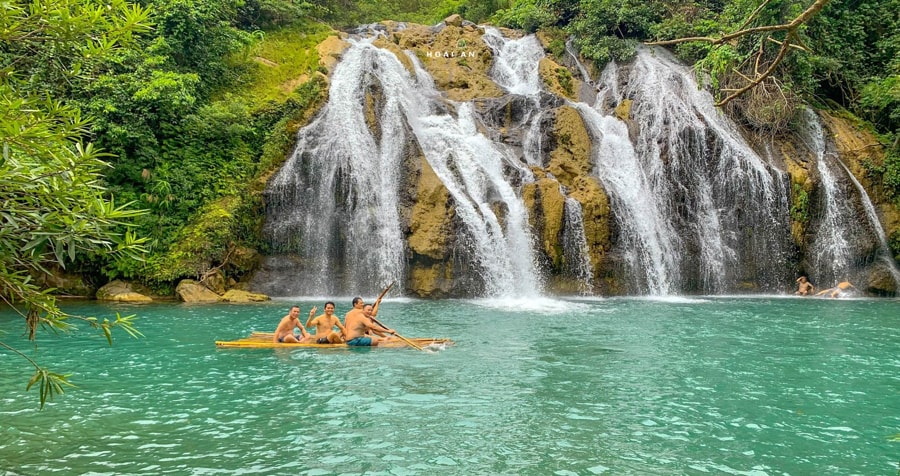
For the most magical experience, visit Ta Puong Waterfall during Quang Tri’s dry season, when golden sunlight filters through the trees and the cool pools offer a refreshing escape after your forest hike. Visitors usually access the Ta Puong Waterfall by hiking through remote wilderness, providing visitors with an opportunity to experience a beautiful natural environment while maintaining their relationship to nature. Ta Puong Waterfall is one of the best places to visit in Quang Tri, an example of natural beauty and the potential for adventure tourism and outdoor activities in this region of Vietnam.
Mui Treo Beach
- Location: Vinh Kim Commune, Vinh Linh District, Quang Tri Province.
Due to its undeveloped nature and peaceful environment, Mui Treo Beach is a great escape for anyone looking for a peaceful environment away from busy tourist destinations. With its soft sandy beaches, gentle surf, and limited infrastructure, Mui Treo maintains the stunning allure that has made it so popular, but also attracts tourists who want peace and simplicity in their travels.
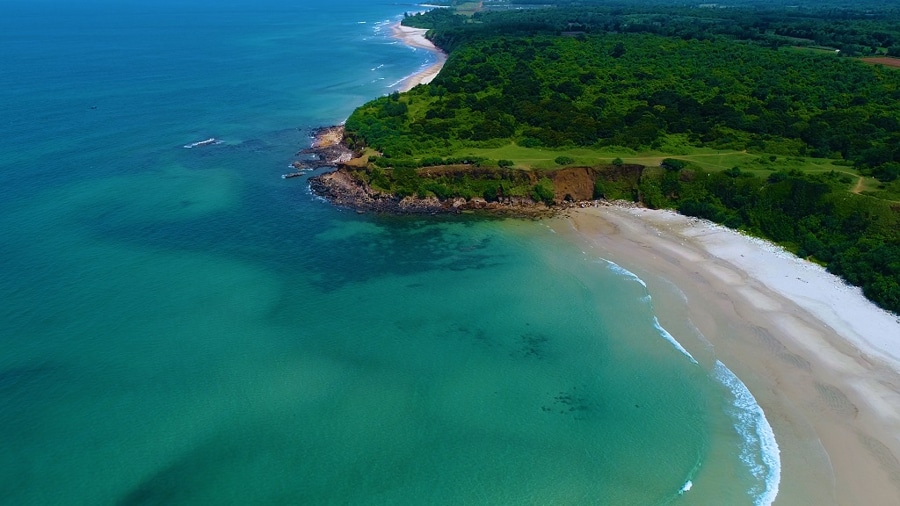
The way of life at Mui Treo is very much an experience, and the pace of life, especially in the mornings and evenings, is incredibly slow and laid back compared to most tourist areas like Mui Ne Beach. Fishermen working each day further enhance the local experience. Mui Treo provides the perfect opportunities for people to stroll along the beach for exercise, meditate, or simply enjoy the coastal experience free of the crowds associated with many popular destinations.
Bich La Village
- Location: Trieu Dong Commune, Trieu Phong District, Quang Tri Province, Vietnam.
Bich La Village, located in Quang Tri, has been around for over 500 years and has strong ties to its history. It also has a strong commitment to its values and its way of life as a community based on the worship of ancestors, sharing communal values, and celebrating the village in many ways.
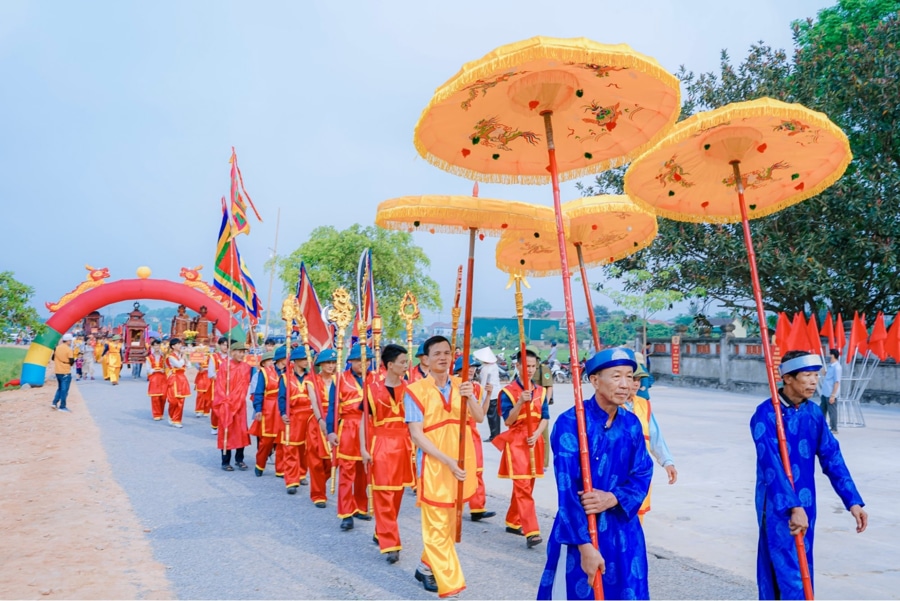
During their visits to Bich La, visitors to the village will experience a village that has survived through many generations and has remained relatively unchanged. Although ancient trees can still be found in many areas, as well as Common Houses created by the village, Bich La still represents some of the Best Examples of the Past in Vietnam and the best examples of the current day in Vietnam.
Cam Lo Market
- Location: Situated along the banks of the Hieu River, in Cam Lo District, Quang Tri Province.
The Cam Lo Market is a bustling neighborhood market that mirrors the daily pulse of Quang Tri’s citizens by being full of fresh fruits, vegetables, seafood, herbs, spices, and other handmade products from the local area. Unlike many touristy markets, this one was not created with tourists in mind, which enhances its authenticity and character.
Visitors can use the Cam Lo Market as a way to look at how the locals interact with each other, as well as to sample some regional flavors. It gives visitors the chance to see a different side of Quang Tri outside of its many historical sites, offering them insight into how people’s daily lives and cooking techniques change over time, and how welcoming the community is toward newcomers.
Cua Viet Beach
- Location: Cua Viet Town, Gio Linh District, Quảng Trị Province.
Cua Viet Beach is a large, popular beach and one of the most relaxed places to visit in Quang Tri, which is located at the southeast corner of Vietnam. Cua Viet Beach is home to many people from the surrounding area and has been a place for fishing for thousands of years, as shown by the many cormorants that can be seen on the beach today. It is a popular beach destination for both residents and tourists alike.
Cua Viet Beach offers many fresh seafood restaurants that serve local dishes using traditional methods, and the calm and inviting atmosphere makes Cua Viet Beach a perfect place to unwind after a day of visiting Quang Tri’s historical sites.
Van Kieu Village
- Location: The mountainous region along the Truong Son Range, especially in the western part of Quang Tri Province.
The Van Kieu ethnic minority people live in Van Kieu village, where they have lived in harmony with the mountains and forests for generations. They build traditional stilt houses from wood and bamboo and wear traditional handmade clothing that reflects their cultural heritage. Many are connected to the forest and practice spiritual and ancestral worship.
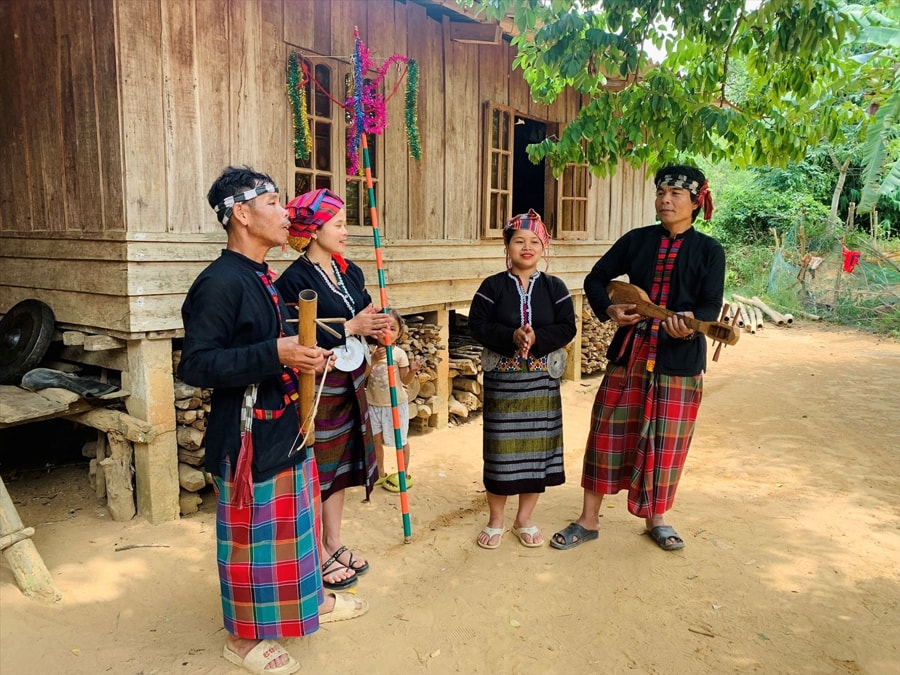
Traveling to Van Kieu Village gives travelers a unique opportunity to interact and learn from an authentic highland cultural community. Visitors can experience the way of life of the Van Kieu people through their traditional methods of weaving, playing folk music, gardening, and seasonal celebrations. The Van Kieu village is an important reminder of the cultural resilience, simplicity, and rich diversity of Quang Tri Province, making it one of the very special places to visit in Quang Tri.
Talung And Klu Mountains
- Location: Dakrong District, Quang Tri Province, located near National Highway 9 within the Truong Son Mountain Range.
In the west of Quang Tri, extensive wilderness makes up the plain of Talung and Klu Mountains, an area filled with dense woods, twisty trails, and majestic beauty. Because of its lack of development through mass tourism, this area contains incredible biodiversity as well as a tranquil environment free from modern civilization. The rolling hills, deep valleys, and thick vegetation that cover the land throughout all four seasons give rise to a landscape that changes dramatically each season.
If you are an adventurous traveler, there are several opportunities for you to experience the beauty of the Talung and Klu Mountains through trekking, nature photography, and immersive eco-tourism. By visiting, you will have the chance to slow down, enjoy the crisp mountain air, and reconnect with nature at its purest level. Unlike other historical sites within Quang Tri’s history of war, the Talung and Klu Mountains represent a different and more peaceful side of the province, as it allows nature to tell its own story.
Final Thoughts: Are Places To Visit In Quang Tri Worth Exploring?
Many places to visit in Quang Tri, where history, culture, and unspoiled nature intertwine in a very special manner. While war memorials stand as a testament to the region’s rich history, villages, mountains, rivers, and coastlines offer a fresh narrative of resilience. Visiting this place is more than a sightseeing trip. It is a journey that triggers a range of emotions. For all travelers out there, it is a place that is definitely worth visiting. Seni World will take you through this wonderful place and help your trip to Quang Tri – the essence of central Vietnam.


