


A spiritual icon by West Lake, Quan Thanh Temple invites travelers to explore Hanoi’s ancient beliefs, timeless architecture, and rich cultural rituals. Its sacred presence and unique charm make it a must-visit in the capital.
Introduction To Quan Thanh Temple
Quan Thanh Temple is located on the northern edge of Hanoi’s West Lake, close to the city center but surrounded by quiet trees and water. The temple is renowned for its significant religious value in Taoism and as one of the Four Sacred Temples that protect the ancient Thang Long Citadel. With its peaceful space and spiritual depth, locals and tourists often choose this place to understand a more traditional side of Hanoi.
The temple stands in contrast to the dynamic streets, in which one can one can know about pre-history beliefs of the Vietnamese and witness daily activities. The guest houses and temples were in quite good condition and had the very artistic-looking carved wooden gates and the conventional roofs made of tiles. This makes this site the right one to be a part of any Vietnam itinerary.
History Of Quan Thanh Temple
Quan Thanh Temple was originally built in the early 11th century under the rule of Emperor Ly Thai To. It was named Tran Vu Temple since it honoured the Taoist Huyen Thien Tran Vu, the northern God of heaven. He was believed to protect the city against disasters and evil spirits.
Through the centuries, the temple became one of the Four Sacred Temples constructed to defend the ancient capital of Thang Long in the four directions. Since it was built, it has been renewed through various dynasties, more so the Le and the Nguyen dynasties. The most notable of these was the bronze statue of Tran Vu, said to have been cast in 1677 and to have taken years to complete.
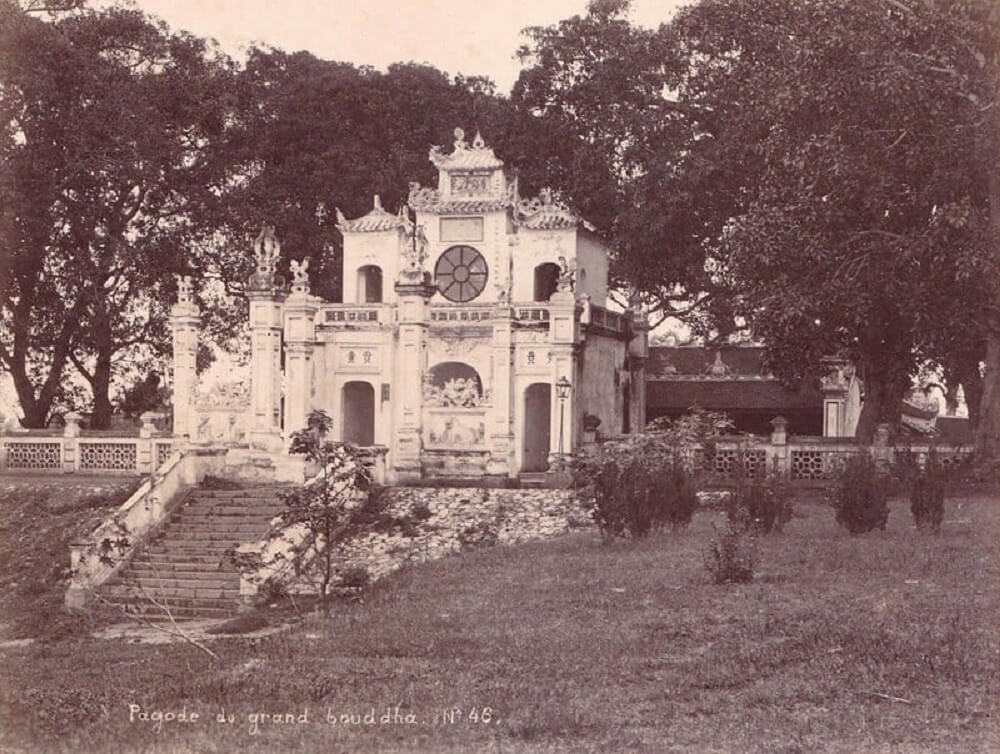
Top 5 Iconic Attractions In Quan Thanh Temple
Quan Thanh Temple looks tiny from a distance, but once you step through the gate, you’ll find five key spots that reflect decades of faith, history, and artistry. Every corner of the temple provides a new look at how Vietnamese people worship, construct, and maintain spiritual areas.
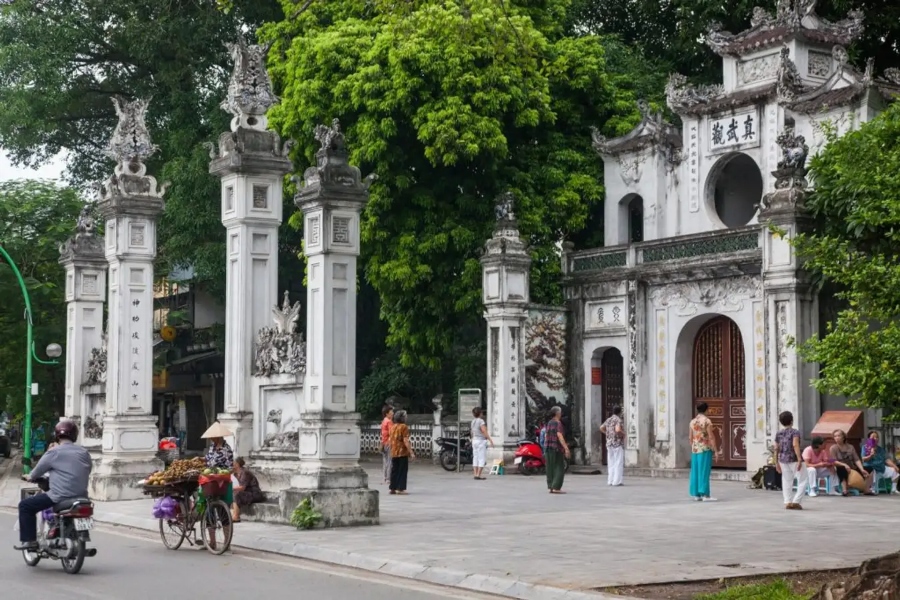
Cong Tam Quan (Tam Quan Gate)
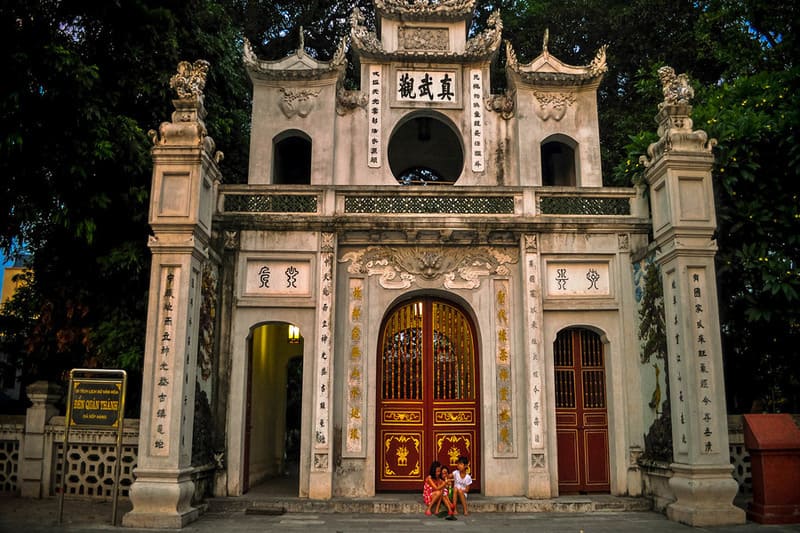
The Tam Quan Gate is the formal entrance to the temple and serves as a symbolic border between the everyday world and the sacred. Designed after traditional Vietnamese religious gates, it features three arched entrances, tiled roofs, and carved pillars with Taoist symbols. The side gates were originally used by visitors, while the central gate was reserved for monks. The best time to visit is early morning, when the light is soft and the space feels especially calm.
Courtyard And Ancient Banyan Tree
Only behind the gate, you enter a large courtyard with a huge cay da cao (old banyan tree), possibly a century old and larger. Banyan trees are grown around temples in Vietnamese culture to signify protection and long life. It is a cool, quiet space that naturally feels like a pause on the way towards the inner halls. During big holidays, this courtyard is the area of incense-burning offerings and communal practices.
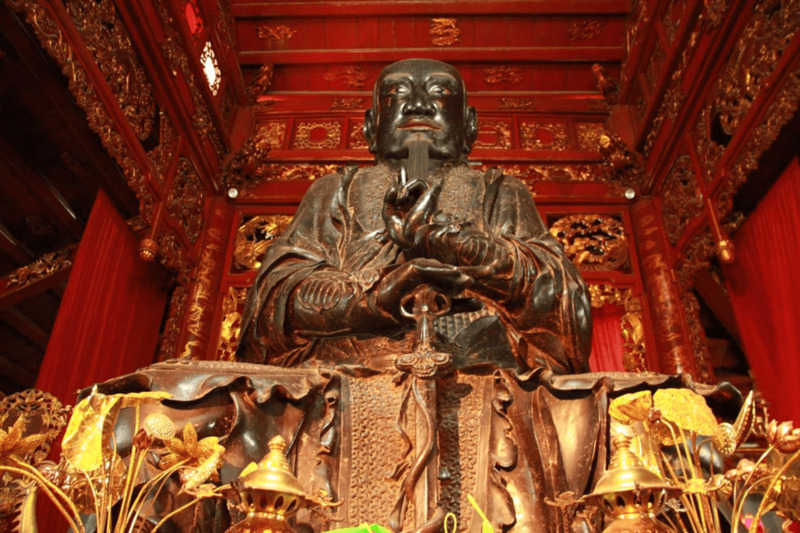
Tuong Dong Den (Bronze Statue Of Tran Vu)
The most well-known icon of the temple is a black-bronze statue of Huyen Thien Tran Vu called the Tuong Dong Den; it is located in the main sanctuary of the temple. The statue is almost four meters high and over 3,600 kilograms. Trum Trong, an artisan, cast it in 1677. It depicts the god in the state of meditation with one hand in a seal and the other holding a sword on a turtle and a snake. The scene denotes the symbolism of Taoism, together with the 17th-century excellent bronze making.
Nha Bia (Stelae House)
Nha Bia is a minor structure at the side of the main hall holding some ancient stone steles. This is the history of the temple, its restorations, religious practice through the centuries, and the names of patrons who supported the temple. Being unimpressive to the eye, the stelae can be of great value to researchers, as well as to all those who are concerned with the history of Vietnam.
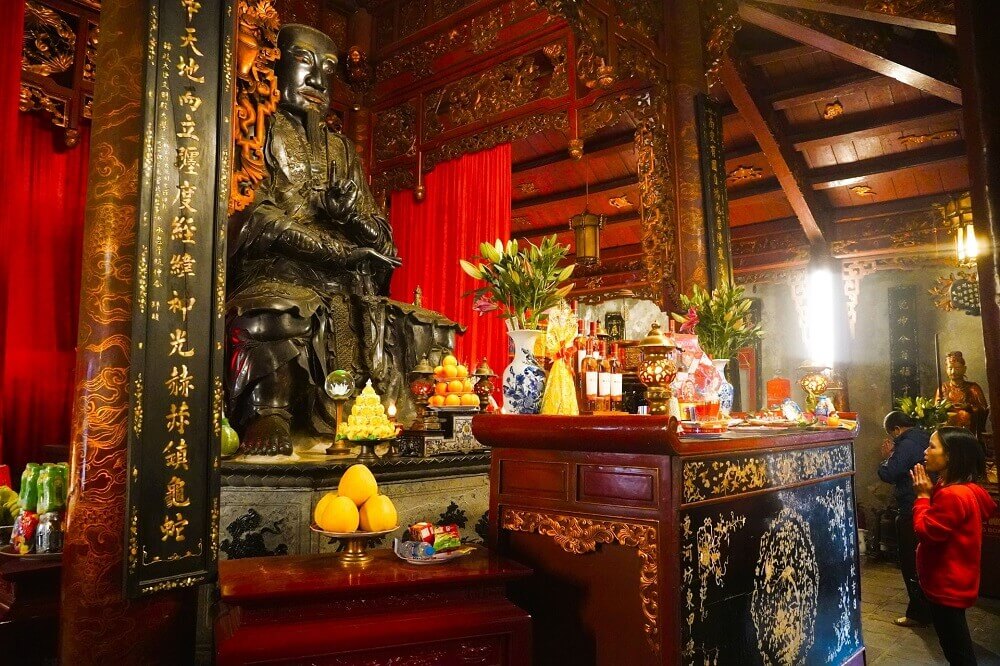
Hau Cung (Rear Hall)
Hau cung is the most religious section of Quan Thanh Temple, and is generally performed as an internal worship area. It is dark, less noisy compared to the main halls, with altars to different Taoist deities and ancestors. Although it does not seem as impressive as the main hall, it is incredibly significant to the people who keep the temple vivid with daily rituals. When you come to a festival or the first day of a lunar month, this is the most solemn praying place.
Top 3 Cultural Experiences You Shouldn’t Miss
If you’re visiting Quan Thanh Temple, don’t just stop at admiring the architecture. You can also find some cultural experiences introducing the spirit of the temple and the traditions of the local people.
Attend The Quan Thanh Temple Festival
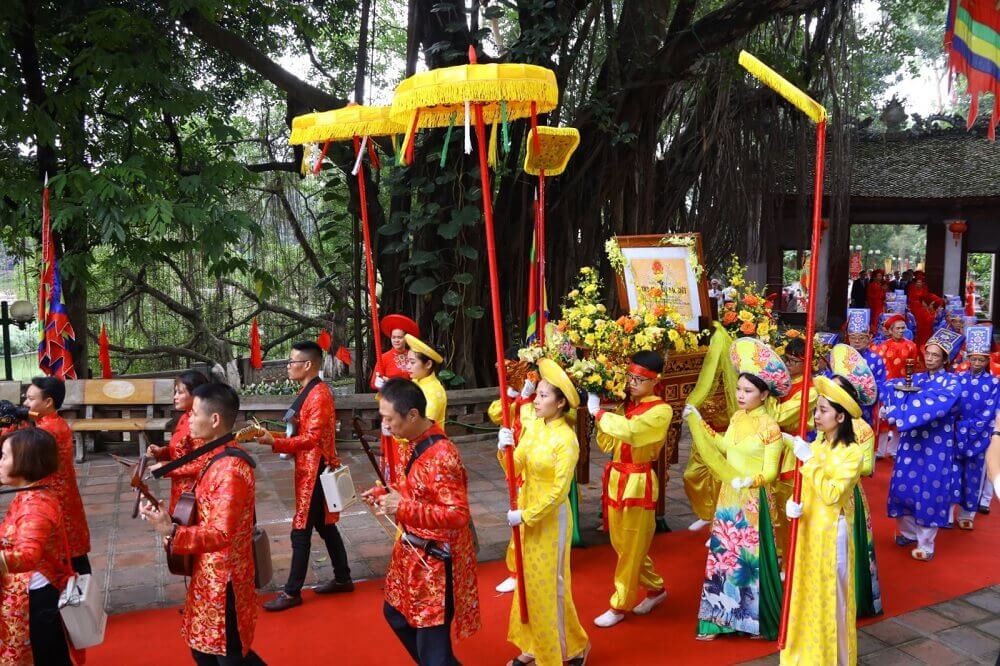
Quan Thanh Temple festival is held in the third month of the third moon. It is an ancient tradition, and the ceremony is in honor of the god Huyen Thien Tran Vu, which is conducted by the residents. The key rite tends to commence at the morning hours and finish off in the afternoon hours, with the attendance of local believers as well as passersby.
As the day goes by, the place fills up with cultural performances. Visitors are able to watch a palanquin procession and lion dances along with folk games within the courtyard. The festival is sacred as well as festive and provides an opportunity for travelers to see the living tradition of Hanoi at work. The majority of performances are usually outdoors; therefore, it is advisable to wear something comfortable and arrive early.
Join The Tran Vu Bell Sound Night Tour
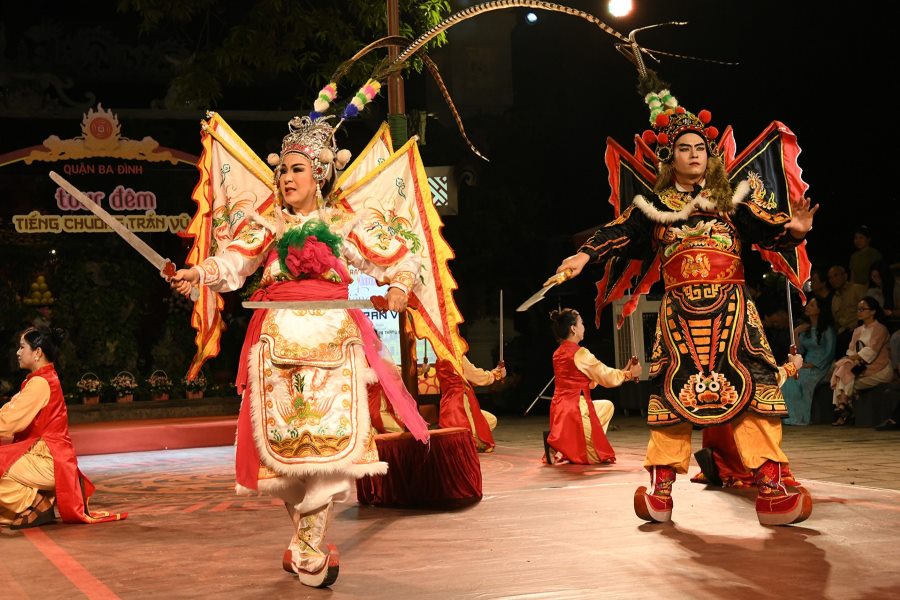
To have a more unique experience, it can be quite unforgettable to visit the temple at night, taking the Tran Vu Bell Sound tour. This candlelit tour invites visitors to explore at night, taking strolls, pausing for evening prayers, and listening to legends passed down through generations. Expectedly, the tour is conducted regularly, and its tickets may be booked beforehand via the official Hanoi cultural websites.
There are no shows that help to maintain the silence and respectful space around the temple. Many travelers have referenced how this experience allowed them to engage more exclusively with spiritual life in Hanoi. Since tickets are limited in number, you should plan if you are interested in this tranquil night experience.
Note: This tour is currently in a pilot phase and may not run daily. Regular public tours are expected to begin in August 2025.
Discover Traditional Carvings And Temple Architecture
When visiting Quan Thanh Temple, visitors are captivated by the beautiful wood carvings on the gates, doors, beams, and altar. With all these carvings, visitors can see the sacred animals of dragons and phoenixes, and also the flora representations of pine, bamboo, chrysanthemum, and apricot. The patterns can also signify wishes for balance, renewal, or protective wishes – all based on a sense of the principles of Taoism.
Step outside and you’ll see stone steles inscribed with old poems and records of restorations dating back to the 17th century. Look up at the tiled roof, and you’ll notice the curved edges and dragon ornaments at each corner. These architectural touches are not just decorative. They speak of belief, respect, and care passed down through generations.
Entrance Fee
The Quan Thanh Temple is economical for every traveler. The entrance fees are under the control of the local board and ensure the preservation of the temple and culture.
| Visitor Type | Price (VND) |
| Adults | 10,000 |
| Students (with ID) | 5,000 |
| Children under 1.2m | Free |
You don’t need to make reservations, and it is possible to purchase the tickets on the spot. A slight difference in prices can be noticed during special festivals or the New Year. And there are also donation boxes in case anyone would like to contribute to the temple of his/her own free will.
Opening Hours
Quan Thanh Temple is accessible to visitors every day. The majority of visitors visit it during the day; however, special dates allow more time to engage in spiritual activities and festivals.
| Time | Opening Hours |
| Regular days | 08:00 AM – 05:00 PM |
| Lunar days (1st & 15th) | 06:00 AM – 08:00 PM |
| Lunar New Year’s Eve | Open all night |
The finest time at Quan Thanh Temple is usually when it is early morning. You may see people walking in the gates silently with their loads of incense. If you want something more colourful, visit during the festival at the temple in the third month of the lunar calendar. You will witness lots of people bringing their offerings, playing ceremonial drums, as well as a procession done by locals in their traditional attire.
How To Get To Quan Thanh Temple
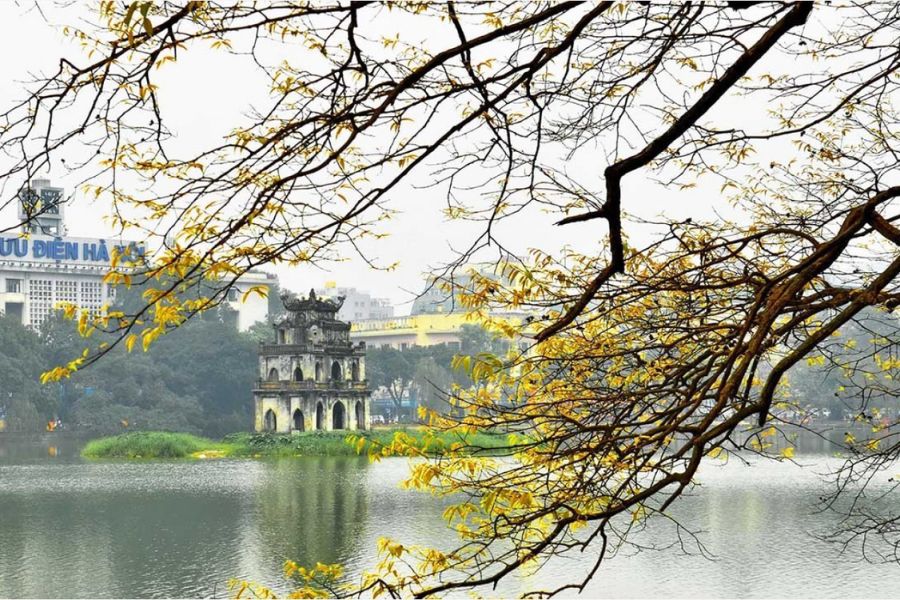
The Quan Thanh Temple is found in the northern part of the Old Quarter in Hanoi, only 2 kilometers away from Hoan Kiem Lake. This route takes you through Thanh Nien Street, one of the most beautiful roads in the city, with West Lake on one hand and Truc Bach Lake on the other.
The easiest option would be taking a Grab or taxi within the city center, where the ride takes between a few minutes, depending on the traffic. You can also ride a motorbike, but, in case you are not very aware of Hanoi traffic, it is better to take the other means of transport.
| Transport Method | Estimated Time | Estimated Cost |
| Grab / Taxi | 10–15 minutes | 40,000 – 60,000 VND |
| Bicycle Rental | 15–20 minutes | 50,000 – 80,000 VND/day |
| Public Bus (Route 50/31) | 20–25 minutes | ~7,000 VND |
| Motorbike Rental | 10–15 minutes | ~100,000 VND/day |
Things To Know Before Traveling To Quan Thanh Temple
To ensure that your visit is pleasant, polite, and unforgettable, you should remember a few practical things before going to Quan Thanh Temple.
- As this is an active place of worship, visitors are expected to wear modest clothes that should cover their shoulders and knees.
- Before entering into main prayer halls or moving onto elevated wooden platforms within the temple, shoes have to be removed.
- Photos can pretty much be taken everywhere; however, you should not take photos of people who pray or of other activities that occur during rituals.
- It is wise to carry small change in Vietnamese Dong in case you want to make some donations or purchase incense offerings within the temple.
- It is good to visit in the early morning or late afternoon so that you will get the cooler weather and also get a good atmosphere during the visit to the temple.
- You may be lucky and find local guides at the entrance, and an hour of a guided tour can also present you with more information about the history and meaning of the temple.
- Once in, you must talk in low tones and walk at slow speeds so as to honor the locals who visit the place in order to meditate.
- It does not have any big gift shops inside, but outside, there are small stalls to pick up souvenirs and snacks. And remember to bargain in a nice way in case you are interested in making any purchases.
- If you’re traveling during Tet or a major festival, prepare for larger crowds and allow more time to enter or move around the site.
Final Thoughts: Is Quan Thanh Temple Worth Visiting?
For travelers seeking more than just sightseeing, Quan Thanh Temple offers a rare sense of depth in the heart of Hanoi. Its ancient halls, spiritual energy, and quiet setting by West Lake let you experience the city’s cultural soul. If you’re drawn to meaningful places and want to connect with local heritage, this temple is worth adding to your Hanoi itinerary. For more travel ideas, Seni World can help you plan a journey that feels personal and memorable.


