


The Thu Bon River has great significance in the central part of Vietnam and meanders gently through Hoi An and its surroundings. The Thu Bon River has for centuries influenced the culture, agriculture, and economy of this region through its peaceful surroundings, riverine life, and tourist attractions.
Introduction To The Thu Bon River
The Thu Bon River is a very famous river in central Vietnam, stretching from the mountains of Truong Son to the East Sea. Passing through the town of Hoi An and the rural region, the Thu Bon River is a key factor in the history, cultures, and economies associated with the area. Acting as the primary trading route for the villages in the interior to the global ports, the Thu Bon River symbolizes prosperity and culture in the region. In contemporary conditions, the serenity of the Thu Bon River, along with the natural banks and fishing villages, symbolizes the authentic living rhythms in central Vietnam.
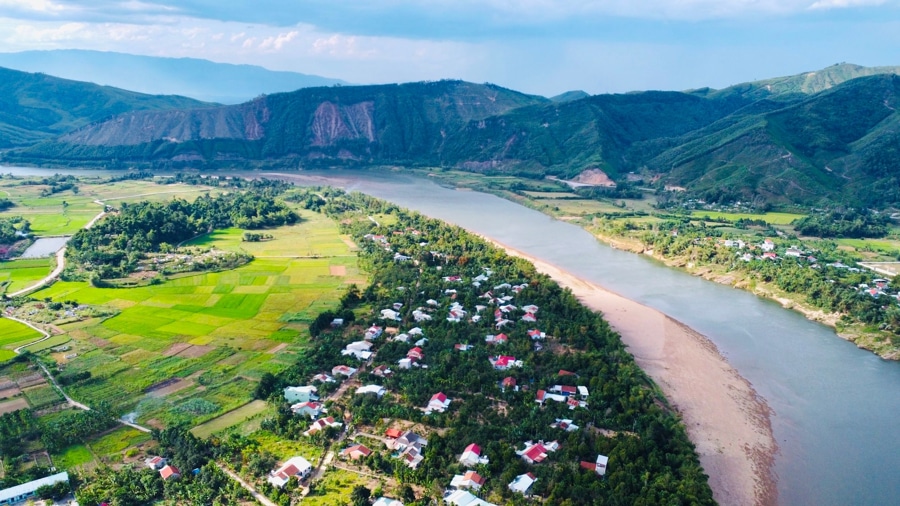
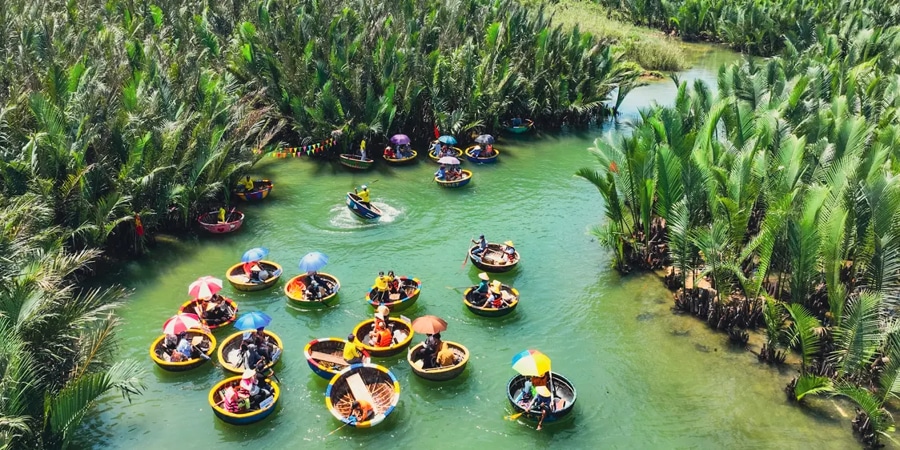
Visiting the Thu Bon River gives tourists a unique experience of natural and cultural richness. The boat rides along the Thu Bon River allow one to see green forests of nipa palms, ancient temples, and people living their lives around the river just the way their forefathers had done before them for many years. Of particular beauty is the view of the Thu Bon River at sunrise or sunset, with golden shades all over, making this river so captivating and alluring.
History Of The Thu Bon River
The Thu Bon River was created after a geological process where the water from the Truong Son Mountain flowed towards the east and eventually to the sea. The geological processes of erosion and sedimentation of the river contributed to creating fertile land along the River Thu Bon, and hence, it played a pivotal role in shaping the landscape of central Vietnam, where it offered fresh water and fertile land along the basin of the River Thu Bon.
Historically, the Thu Bon River has always served as an important channel through which trade, transport, and the spread of culture took place. The Thu Bon River used to be an important river through which villages in the interior were connected with the ancient trading port of Hoi An. In the Cham culture and other periods, trading ships used to transport products such as silk, ceramics, and spices.
Unique Architecture Of The Thu Bon River
Extending over a huge geographic space, the Thu Bon River is occupied by diverse architectural scenes. Every part of the Thu Bon River is characterized by iconic sites that demonstrate distinct design and the amazing relationship between the residents and the Thu Bon River.
Hoi An Ancient Town Riverside
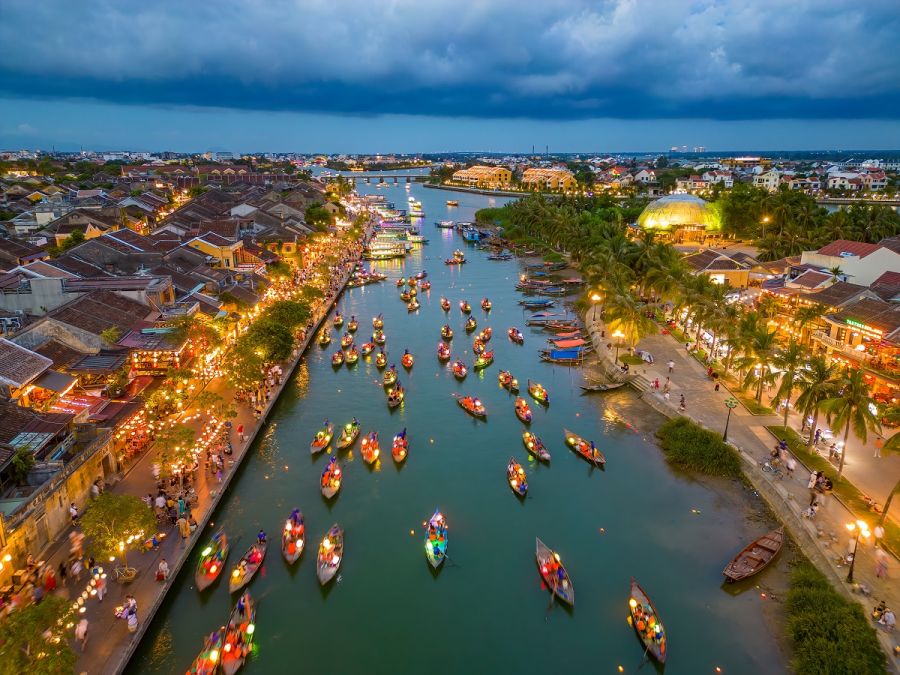
The course of the Thu Bon River, as it passes through Hoi An Ancient Town, showcases some of the region’s most characteristic architectural styles. This includes traditional timber homes, mercantile shophouses, and Chinese and Japanese communal buildings, all of which are characteristic of the region along the Thu Bon River, where trade was once a prominent activity along the route of the river. The homes display characteristic decorative facades, roofing, and balconies, and the ambiance at night, illuminated with lanterns, is simply magical.
Japanese Covered Bridge Area
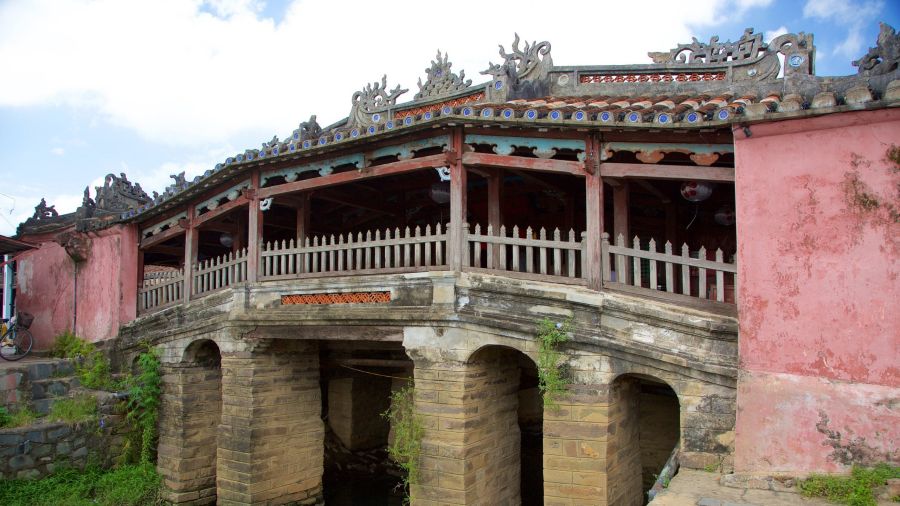
The Japanese Covered Bridge is an exemplary work of architecture, inextricably tied to the history of the Thu Bon River. This structure was erected in the early 17th century, representing the culmination of Japanese architectural styles with Vietnamese and Chinese artistic influences. As evidenced by its arched wooden design and tiled roofs, the structure was intended to resist floods and represent the confluence of cultures. This is because it was built in proximity to the Thu Bon River, representing how the Thu Bon River brought together various international trading communities.
Conventional Riverside Villages
Apart from the urban area, the villages following the Thu Bon River have architecture influenced by nature and people’s everyday lives. Houses have a wooden structure, terracotta roofs, and elevated foundations to be resilient to the floods that take place every year. Collective houses, temples, and small piers are positioned near Thu Bon, symbolizing the significance of Thu Bon in transportation and social events. Such architecture shows the significance of adaptability, robustness, and the special relationship that people have with nature.
Nipa Palm Forest Settlements
Where the Thu Bon River passes through nipa palm forests, the architectural style is more natural and eco-sensitive. Bamboo houses, fishing shelters, and pedestrian roads made of local materials blend well with the landscape. Such light structures enable fishing and ecotourism without harming the environment. In this section of the Thu Bon River, a compatible architectural style emerges, where the natural environment and local culture receive proper consideration.
Unforgettable Experiences You Shouldn’t Miss At The Thu Bon River
The Thu Bon River has more to offer than just picturesque scenery, with everything welcoming tourists to engage in local experiences. Everything that happens in and around the river provides memories that go beyond sightseeing.
Enjoy Riverside Cuisine Locally In Hoi An
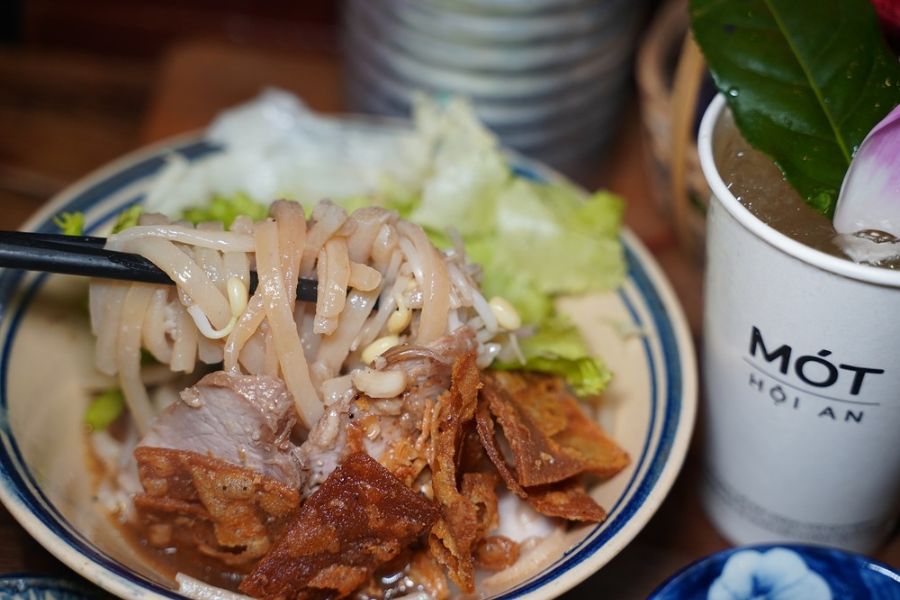
Trying the local food along the Thu Bon River is an indispensable travel activity. From riverside restaurants and village homes, real Central Vietnamese dishes are cooked with fresh ingredients sourced locally. Each meal demonstrates the region’s culinary heritage, from aromatic noodle soups to grilled river fish and traditional rice cakes. Having dinner along the waterside provides well-serene scenery while visitors learn how the river influences local cooking traditions, flavors, and daily life.
Watch Traditional Dance And Music Performances
Traditional dance and music shows along the Thu Bon River are more insightful into the culture of the place. Such shows may be staged during festivals or gatherings, with traditional songs, drumming, and elegant actions that have been handed down from years past. The shows are linked to stories of the river, agricultural activities, and religious traditions. Attending to this artwork within a riverside context gives a special and significant touch to the tourist encounter, so it is one of the must-try activities in Hoi An.
Attend A Textile Weaving Demonstration
The opportunity to take part in a textiles weaving demonstration is an unusual and fascinating experience for visitors interested in learning about arts and crafts in this region of Vietnam. The local weavers have been carrying out traditional methods of this craft using handloom weavers and basic instruments. The process of this craft is described, and its dependence on river resources is also explained.
Enjoy A Scenic Boat Ride During Sunset
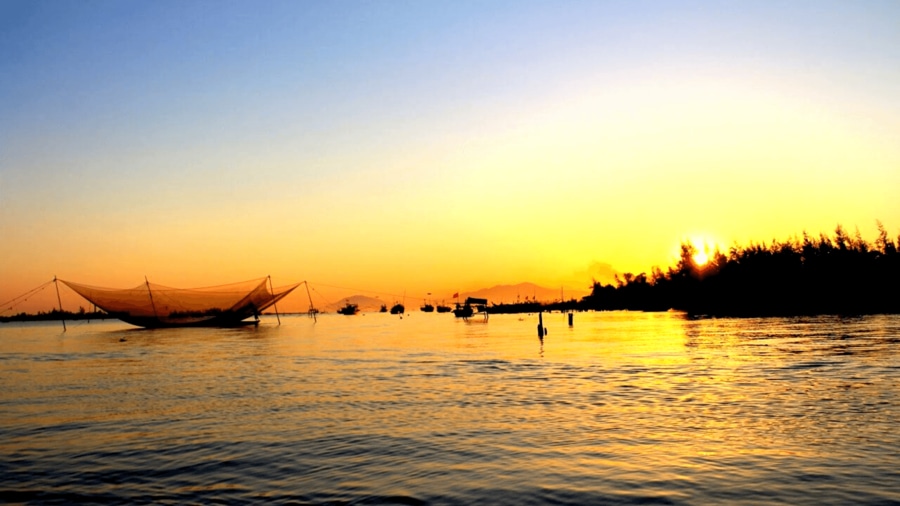
A sunset boat trip on the Thu Bon River is one of the most unforgettable experiences that a tourist can ever have. As the sunset approaches, the sun turns golden in color while the water of the Thu Bon River reflects the image of the nearby towns, trees, and traditional boats. This remarkable boat ride gives one an opportunity to see the daily activities conducted by the Thu Bon River while enjoying a relaxed ambiance.
Entrance Fee
The Thu Bon River is a natural sight where tourists can undertake river walks, sightseeing, and photography without the need to pay any entrance fees. It is, however, the case that boat rides and cultural events conducted on the Thu Bon River will require additional service charges.
| Activity / Service | Price (VND) | Approx. Price (USD) | Notes |
| Riverside access & sightseeing | Free | Free | No ticket required |
| Short boat ride (20–30 minutes, 1–3 people) | 150,000 – 180,000 | 6 to 7 USD | Standard wooden boat |
| Boat ride for 4–5 people | 200,000 – 250,000 | 8 to 10 USD | Shared or private |
| Private sunset boat tour (1–2 hours) | 300,000 – 500,000 | 12 to 19 USD | Price varies by route |
| Lantern release (per lantern) | 20,000 – 30,000 | 1 USD | Optional add-on |
Notes: Pricing may be for reference only and may change due to peak seasons or holidays.
Opening Hours
The Thu Bon River is always open for visits because it is a natural river and does not follow any opening and closing schedules. Travelers can walk around the banks, the villages, and the whole area any time they want. Boat services and tours, on the other hand, are usually available from early morning to evening, from 6:00 in the morning to 9:00 in the evening, depending on the weather and season.
The optimal time to visit the Thu Bon River is from February to August because of dry and pleasant weather conditions in Hoi An. During this period, low water levels and clear weather are favorable for boat rides and viewing around the Thu Bon River. Early mornings or late afternoons are the best times when the climate is cool with gentle lighting along the Thu Bon River banks.
How To Get To Thu Bon River
The Thu Bon River flows through the town of Hoi An and its countryside. Thus, the destinations are easily accessible by transportation from Da Nang. Tourists get to choose transportation modes based on their preferences and budget.
| Transport Type | From Da Nang / Hoi An | Travel Time | Approx. Cost (USD) | Notes |
| Taxi / Grab | Da Nang → Hoi An | 45 to 60 mins | 18 to 25 USD | Convenient, door-to-door |
| Private Car | Da Nang → Hoi An | 45 to 60 mins | 25 to 40 USD | Ideal for families/groups |
| Motorbike | Da Nang → Hoi An | 60 mins | 6 to 10 USD/day | Flexible, scenic route |
| Bicycle | Hoi An Old Town | 10 to 20 mins | 2 to 4 USD/day | Best for short distances |
| Local Bus | Da Nang → Hoi An | 90 mins | 1 to 2 USD | Budget-friendly option |
Notes: Weather should be checked before departure, and especially during the rainy season. A valid driving license and helmet are required for motorbike travel in Vietnam. Taxi or private cars should be used for a safe and smooth journey.
Things To Know Before Traveling To Thu Bon River
Prior to traveling to the Thu Bon River, there are things to be done in order to fully appreciate the natural and local cultural aspects. To ensure a smooth and enjoyable journey, it is important to be aware of some relevant tips.
- Come during early morning or late afternoon to avoid the heat, take in serene views, and spot the best scenery of the river under natural light.
- Bring some money in small denominations, as local boat services, lantern releases, or vendors around the rivers might not accept card payments.
- Light clothing, sunscreen, and a hat are needed, even more so during the dry season, since there is little shade along the river banks during the peak hours of the sun.
- Check the weather forecast. Thus, if it is raining heavily or there is flooding during the wet season, it may impact boats and outdoor activities.
- Respect the local customs and the environment by being modestly dressed, avoiding noisy conduct, and not littering the river with trash.
FAQs About Thu Bon River
Some common questions that tourists may ask are shown below, which will help them understand better when planning their trip to the Thu Bon River. These questions and answers are important so that tourists are not left with many questions when planning their trip to another country.
Is it free to visit the Thu Bon River?
Yes, the Thu Bon River is open to visitors for free because it is a natural river. Tourists can take a stroll around the river banks and admire its scenic views without having to pay any entrance fees. However, services such as taking a riverboat ride, having a sunset river cruise, or the lantern-releasing ceremony do come with additional charges.
What kind of things can visitors do on the Thu Bon River?
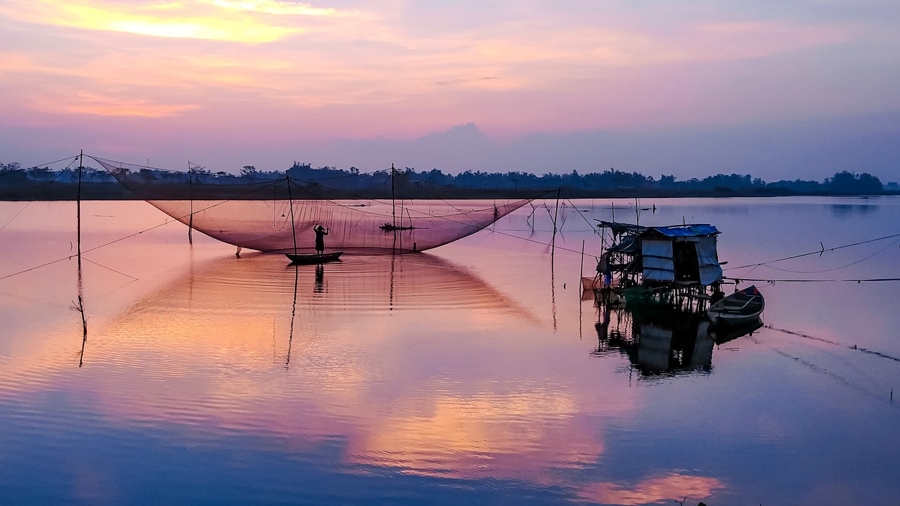
Visitors can take a scenic boat tour of the area, especially around sunrise or sunset, which would allow them to view some of the rural villages and countryside along the river banks. Recreation could include the release of lanterns, visiting some of the local villages, enjoying local foods, and experiencing some of the local culture or crafts.
Can the Thu Bon River be suitable for families or seniors?
Nevertheless, the Thu Bon River is suitable for visitors, including families and the elderly, because it is a peaceful and easily accessible river. The boat rides are not tiring, and the riverbanks are flat enough for walking. Care should be taken, though, to select the right boat companies and prevent visiting during the hottest times of the day.
Final Thoughts: Is the Thu Bon River Worth Visiting?
The Thu Bon River in central Vietnam merits a visit for its balance of natural beauty, cultural depth, and peaceful experience that a traveler may look for. Everything from scenic boat rides to enchanting traditional riverside villages, from historic connections with Hoi An, presents moments in both an authentic and relaxing way. This tranquil atmosphere invites visitors to go slow and reach out to the local life beyond busy tourist areas. Allow Seni World to guide you in discovering this timeless waterway and to create meaningful travel memories along its tranquil banks.


