


Yen Tu Mountain is one of the most revered spiritual sites in Vietnam that draws the attention of pilgrims and adventurers alike due to its spiritual ambiance and picturesque landscapes. This mountain is especially known for its mystic clouds, stone paths, and scenic views over the surroundings of the forest and valley areas. This site also comprises ancient pagodas, temples, and hermitages that date back to the ancient era and are related to the establishment of Buddhism in Vietnam, especially Truc Lam Zen Buddhism.
Introduction to Yen Tu Mountain
Yen Tu Mountain is considered one of the most famous spiritual and cultural tourist destinations in Vietnam. It is located in Quang Ninh Province, northeast of the country. With its foggy peaks, ancient pagodas, and forest trails, Yen Tu attracts both pilgrims and foreign visitors who like to have meaningful experiences. The mountain has a close connection with Vietnamese Zen Buddhism and boasts a rare religious heritage combined with natural beauty. One can tour several hundred-year-old temples, walk along stone paths deemed sacred, or simply enjoy panoramic views over green valleys and mountains.
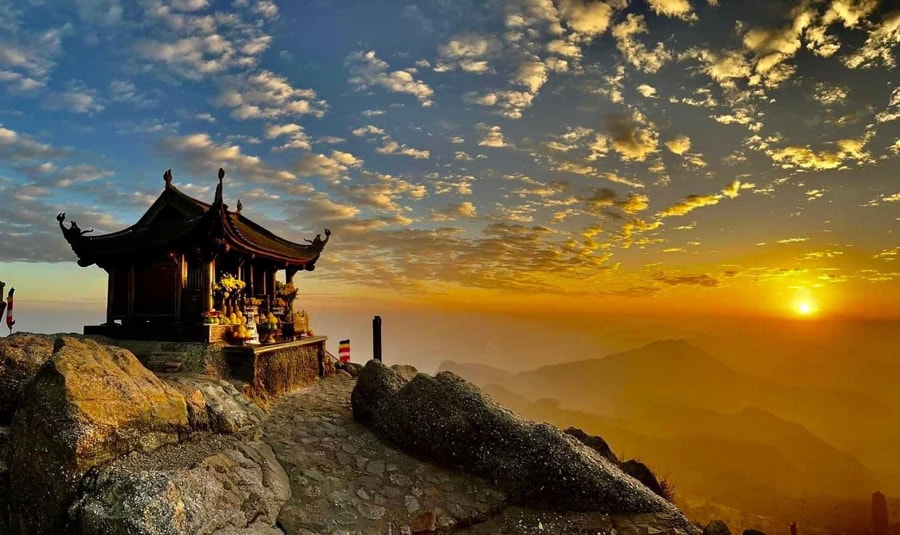
The visit to Yen Tu Mountain does not only involve visiting this destination. It is also an opportunity to chill out and explore history and nature. Unlike other popular tourist sites in cities where people visit to get the feeling of busy city life, Yen Tu Mountain is an opportunity for an authentic spiritual experience of Vietnamese culture and history. Yen Tu Mountain is accessible from Hanoi for a range of travelers.
History of Yen Tu Mountain
Yen Tu Mountain has a long and significant history closely linked with the development of Vietnamese Buddhism. In the late 13th century, King Tran Nhan Tong relinquished his throne and took Yen Tu as a place for meditation and spiritual retreat. Here, he founded Truc Lam Zen Buddhism, a uniquely Vietnamese school that puts great stress on simplicity, mindfulness, and a relationship with nature. Since then, Yen Tu has become an important pilgrimage site. Over generations, many pagodas, stupas, and stone paths have been built.
Over the years, monks and locals have lived with practice at the foot of Yen Tu Mountain, retaining religious traditions and cultural values. Annual pilgrimages, rituals of meditation, and seasonal festivals are reproduced on the mountain, reenacting the living spiritual heritage. Unlike many historical sites, Yen Tu is still an active religious center where ancient beliefs and daily life are organically tied together with the landscape of this mountain.
Top 4 Iconic Attractions in Yen Tu Mountain
The vast area of Yen Tu Mountain brings together a system of sacred sights along the spiritual path. Each attraction represents another stage of the pilgrimage and combines religious meaning, historical value, and impressive natural scenery.
Hoa Yen Pagoda
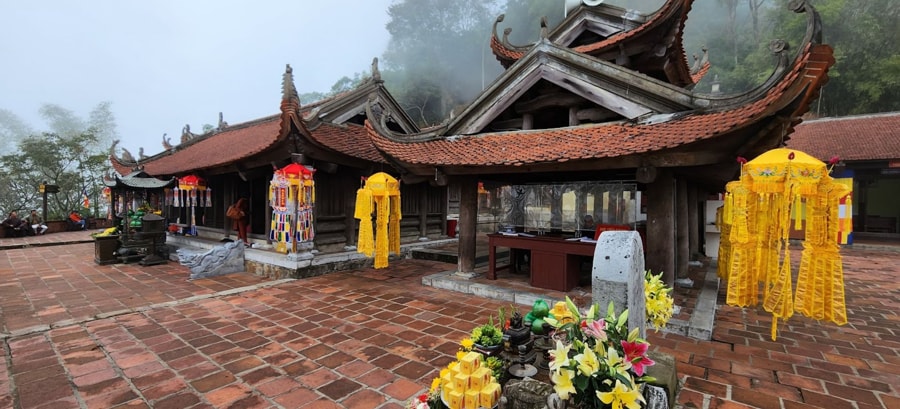
Hoa Yen Pagoda is the spiritual center of Yen Tu Mountain and is among the most popular attractions on the site. It is positioned halfway up the mountain and was once the main residence of King Tran Nhan Tong when he became a Buddhist monk. The location is surrounded by ancient pine trees and a series of stone courtyards, creating a serene environment with a wide view of the valley below. It is among the most popular pit stops for tourists to learn about the history of Truc Lam Zen Buddhism as they ascend the mountain.
Giai Oan Stream and Pagoda
Giai Oan Stream is a symbolic gateway associated with the themes of compassion and spiritual release. According to local legend, the story goes that royal concubines, who accompanied King Tran Nhan Tong to Yen Tu, chose to end their lives upon being denied entry to the monkhood. The pagoda was erected in commemoration of the dedication and sacrifice of royal concubines. There are stone bridges walking over the flowing water, which makes it peaceful and calm. This is an emotional turning point, from the worldly to the spiritual.
An Ky Sinh Pagoda
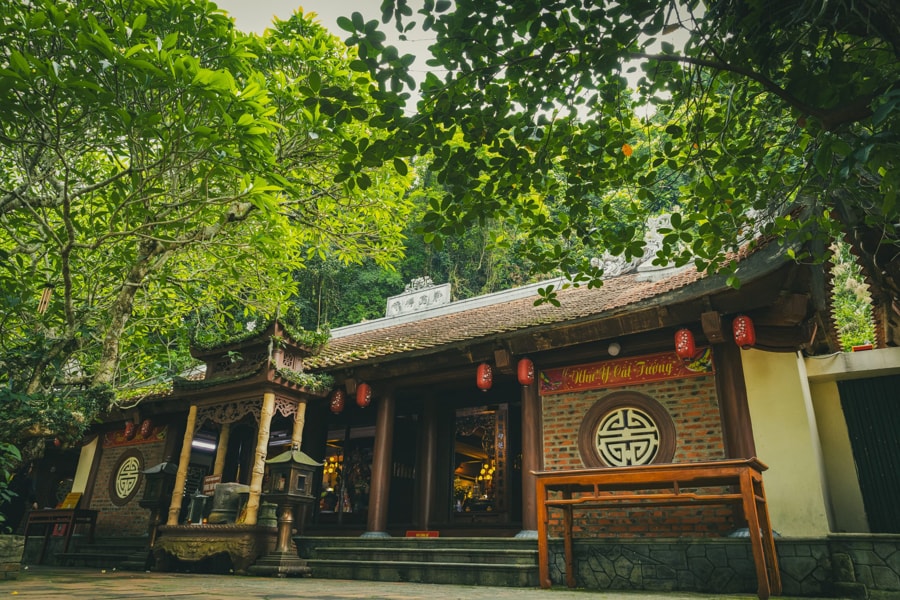
An Ky Sinh Pagoda is a significant historical and spiritual site where there is a stone stupa containing the relics of King Tran Nhan Tong. The pagoda is a reflection of the simplicity and order which Truc Lam Buddhism promotes, a life of inner development rather than grandeur. Many travelers visit the pagoda to pray for wisdom and serenity, among other things, because it is situated on a high site with a peaceful atmosphere, making it one of the most peaceful places on Yen Tu Mountain.
Dong Pagoda
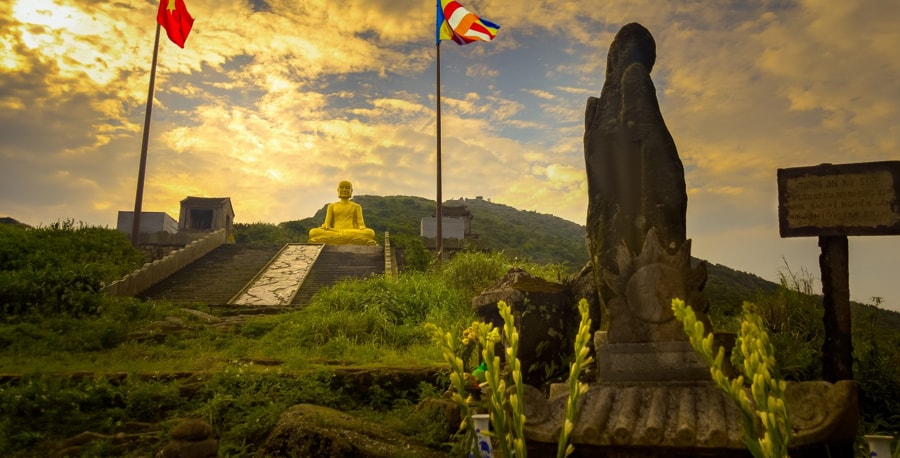
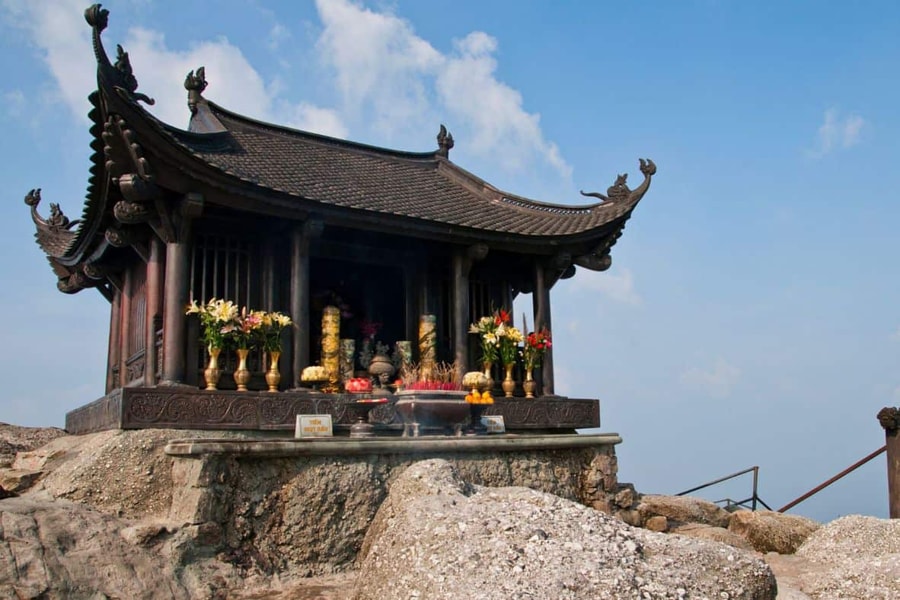
On top of Yen Tu Mountain, Dong Pagoda is said to be the final destination of the pilgrims. Being made entirely of bronze, this pagoda represents spiritual enlightenment and attainment after a long journey. From this pagoda, one can have a panoramic view of the mountains and clouds, especially on clear days. Going up to Dong Pagoda, whether by trekking or through the cable car, is said to be the most memorable trip for the pilgrims at Yen Tu.
3 Unforgettable Experiences You Shouldn’T Miss
Beyond pagoda visits and viewpoints, Yen Tu Mountain allows travelers to soak into its spiritual atmosphere and cultural traditions. It is these moments that will transform any ordinary visit into a meaningful journey of discovery and reflection.
Walk The Sacred Pilgrimage Trail
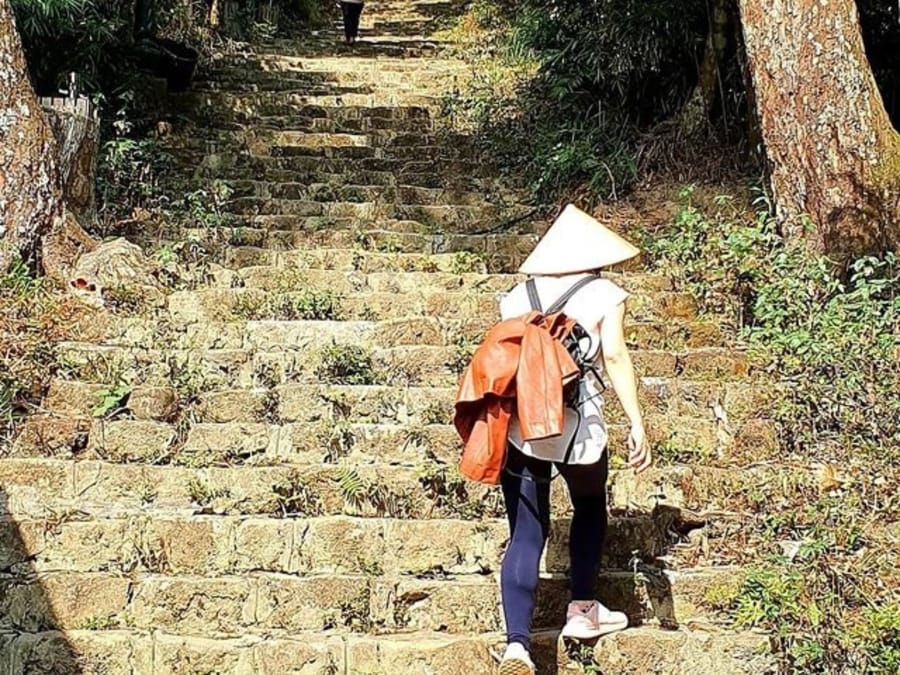
Walking along the pilgrimage trail may be considered the best way to access the natural beauty of Yen Tu Mountain, as it has actual paths made of stones that connect pagodas, forest areas, and other parts of the region that feature mountain streams, allowing pilgrims to follow the same path that Buddhist monks have taken for centuries. As you climb, the silence all around will remind you to be mindful, and along the way, you will see incidences of incense and prayers that help you grasp the spirituality of the region.
Cable Car Ride Above The Forest
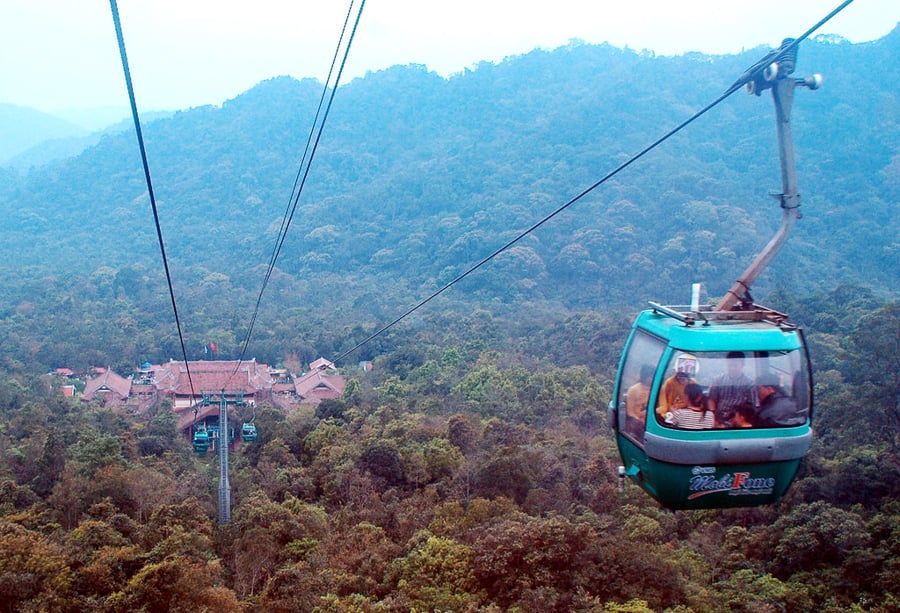
Compared to walking uphill for a long distance, the cable car system in Yen Tu Mountain offers a casual and comfortable sightseeing tour. Floating above dense forests and mist-covered valleys, the ride offers panoramic views barely visible from the ground. It is especially suitable for visitors with limited time or physical constraints while still allowing access to the key spiritual sites. The journey of the cable car itself becomes part of the experience, combining convenience and breathtaking natural scenery.
Observe Buddhist Rituals and Daily Practices
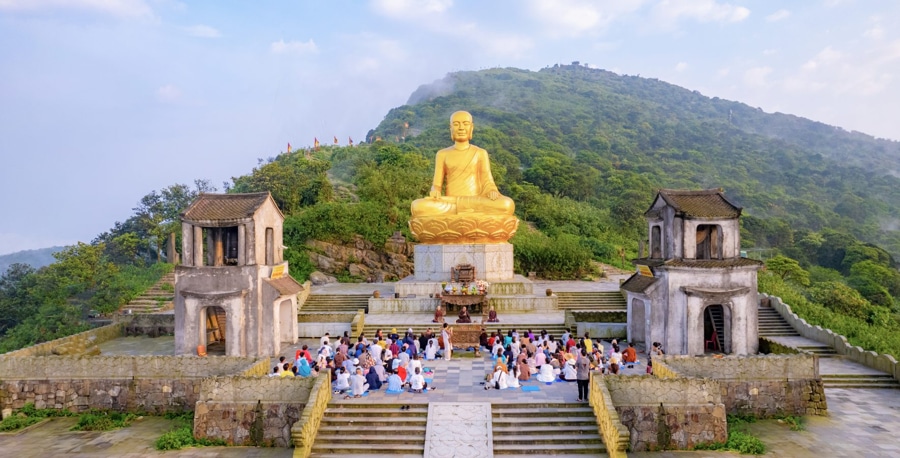
The most meaningful moments to be spent in Yen Tu Mountain are observing the daily routine of monks and pilgrims. Visitors can see various pagodas where incense is being offered, chanting, or silent meditation is in process. Such moments hint at traditions being followed by Vietnamese Buddhists for centuries now. By observing respectfully, travelers gain insight into the spiritual importance of Yen Tu, known to them, and its continued role in modern religious life.
Entrance Fee
The following are the entrance fees and cable car fares, all of which are set in USD. For students, kids, and elderly visitors, discounts are available upon presentation of ID. Fares may also increase slightly during festivals and holy days.
Entrance Ticket
| Ticket Type | Price (USD) | Notes |
| Adult Ticket | 2.00 | Standard entry to the mountain area |
| Child Ticket (under 12) | 1.00 | Require age verification |
| Children under 1.2m | Free | No ticket required |
| Student Discount | 1.50 | Valid student ID required |
| Senior (over 60) | 1.50 | ID verification may be required |
Cable Car Ticket
| Route | One-way (USD) | Round-trip (USD) | Notes |
| Base to Hoa Yen | 6.50 | 10.50 | Main route to the central pagoda |
| Hoa Yen to Summit | 6.50 | 10.50 | Upper section above the central area |
| Full Route | 11.00 | 18.00 | Best for time-saving and panoramic views |
Before heading to the cable car, visitors need to buy the entrance ticket at the Yen Tu Mountain Complex Main Gate. In the area, after entry inside, following the clear signboards will lead one to the cable car station, and different routes are ticketed at a separate price. Entrance tickets and cable car tickets are not convertible for each other, so travellers are advised to complete the entry first and then head towards the cable car area to have easy and hassle-free access.
Opening Hours
Yen Tu Mountain is open on a daily basis throughout the year, which enables visitors to visit this sacred site and its surroundings all year round. The opening hours of the main gate are from 7:00 AM to 6:00 PM, while the opening hours of the cable car system are from 7:00 AM to 5:30 PM. It is recommended that visitors reach Yen Tu Mountain early, especially during peak season, as this will enable them to spend as much time as possible at the location and then return home safely.
The best time to visit Yen Tu Mountain includes the period from October to April, as the climate is relatively cool and favourable for tourist activities. The peak season also takes place around the period from January to March, when there is the Yen Tu Festival. Interested visitors can also plan to visit during weekdays.
How to Get to Yen Tu Mountain
Access to Yen Tu Mountain is convenient from the major cities in northern Vietnam. Especially convenient are Hanoi and Ha Long. There are many transportation modes to choose from based on personal economic and comfort preferences.
| Transportation | From | Travel Time | Estimated Cost (USD) | Notes |
| Private Car | Hanoi | 2.5 to 3 hours | 80 to 120 | Flexible schedule, door-to-door |
| Shuttle Bus | Hanoi | 3 to 3.5 hours | 10 to 15 | Fixed timetable, budget-friendly |
| Taxi | Ha Long | 1 to 1.5 hours | 40 to 60 | Convenient for short distances |
| Motorbike | Hanoi | 3 to 4 hours | 5 to 8 (fuel) | Scenic route, experienced riders only |
Traveling to Yen Tu Mountain requires visitors to pay close attention to transportation; this is especially so if one decides to make a motorbike trip. First, one should remember a valid driving license. Besides, the roads are foggy or slippery at times of the year. And there is no fuel station around the site, so refuel in advance.
Things to Know Before Traveling to Yen Tu Mountain
Before going to Yen Tu Mountain, travelers should prepare themselves to make their journey to Yen Tu Mountain an enjoyable and respectful one to this place of spiritual value. The following essential tips are given for the convenient and respectful journey of international travelers from different countries.
- Comfortable walking shoes that can endure long stretches of stone, steep stairs, and irregular surfaces must be worn for the entire pilgrimage route.
- Wear a modest dress and cover your shoulders and knees before entering pagodas to respect local culture and communal Buddhist traditions followed at Yen Tu Mountain.
- Pack drinking water and light snacks, particularly if you are hiking uphill, since food and drink stalls are not readily available, especially in the higher mountains.
- Try to visit the temple as early as possible in the morning to avoid massive crowds and heat exposure. Also, the atmosphere is peaceful and spiritual during this time.
- Carry small amounts of money for entrance fees, cable car rides, donations, etc., as card transactions are not widely accepted.
- Respect the spiritual traditions of the place by keeping noise levels down, adhering to the rules, and carrying out rituals silently to maintain the calm atmosphere.
- Check the weather conditions before, as there might be fog, rain, or heavy winds, which might affect the hike or the cable car.
FAQS About Yen Tu Mountain
Travelers often have common questions before planning a trip to Yen Tu Mountain, especially regarding accessibility, difficulty, and cultural expectations. The answers below help international visitors prepare better and enjoy a smooth, meaningful experience.
Is Yen Tu Mountain Suitable for Travelers Who Are Not Religious?
Well, Yen Tu Mountain is suitable for non-religious travelers, too. Besides the spiritual aspect, the mountain provides wonderful natural scenery, quiet forest trails, and impressive viewpoints. Many tourists come for hiking, taking photos, and cultural exploration rather than visiting the temples to worship. The peaceful atmosphere, with historical architecture, makes Yen Tu an enriching destination even for those simply seeking nature, history, and a slow pace away from busy cities.
Do I Have to Hike The Entire Distance to Reach The Main Attractions?
No, they don’t have to unless they want to. The distance is covered by a cable system at Yen Tu Mountain. The modern cable system makes it easy for tourists to commute to various tourism sites like Hoa Yen Pagoda and other high points without much hassle. It makes it suitable for the elderly and those with little time to spend. Hiking is just optional.
Is Yen Tu Mountain Accessible as A Day Trip from Hanoi?
Yes, Yen Tu Mountain can be visited as a day trip from Hanoi because the travel time to the site is around three hours one way. Enough time can, therefore, be allocated to explore the major pagodas, take the cable car, and make the most out of the tour. Those who prefer a leisurely experience or want to attend morning religious activities can also stay overnight in the area.
Final Thoughts: Is Yen Tu Mountain Worth Visiting?
Yen Tu Mountain is a must-visit for travelers who want to absorb more of the cultural and spiritual experience of Vietnam. Sacred pagodas, mist-shrouded mountain landscapes, and a centuries-old Buddhist heritage blend to form a journey much beyond mere tourism. Each trek through ancient pilgrimage paths or taking in scenic views from atop cable car rides, Yen Tu offers balance, reflection, and authenticity. Plan your meaningful journey with Seni World for those who want a better, more comfortable insight into Vietnam’s spiritual heart.
Related articles


