


As a treasured symbol of Cambodia and the Khmer People, Angkor Wat has been recognized for its unique Khmer architecture, many intricate stone carvings, and spiritual significance. Truly a destination for visitors who appreciate culture, history, and the arts.
Introduction to Angkor Wat
Angkor Wat is one of the most famous and majestic tourist spots in Southeast Asia. Situated near the town of Siem Reap in Cambodia, this historic temple structure dates back to the early 12th-century reign of King Suryavarman II and was first a Hindu shrine and later converted into a Buddhist temple. Its massive structure covers several hundred hectares with magnificent stone structures, intricate bas-reliefs, and a design reflecting the mythical Mount Meru, attracting tourists from all over the globe to marvel at its rich history. Angkor Wat has been designated a UNESCO World Heritage Site.
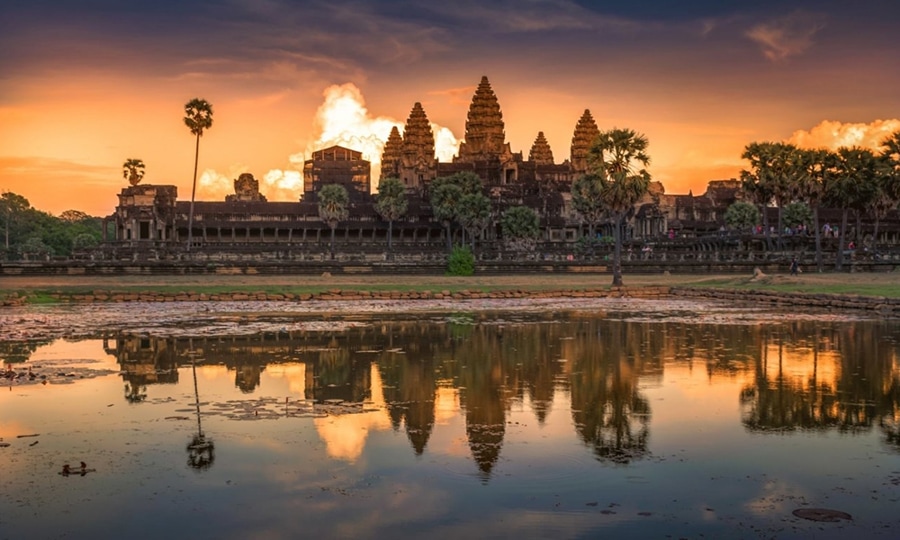
Visitors flock to Angkor Wat not only for its historical value, but also for the experience that it provides. Many visitors wake up early to witness the sunrise over Angkor Wat, creating a sight that is awe-inspiring, taking in the essence of Khmer culture. The carvings on Angkor Wat, with gods, dancers, and mythological stories, make every corner of this historical site come alive. Angkor Wat is a sign of Cambodia’s culture, a source of national pride, and its beauty never ceases to amaze visitors.
History of Angkor Wat
Angkor Wat dates back to the early 12th century during the period of King Suryavarman II and was initially dedicated to the worship of Hindu deities, including Vishnu. This temple was intended to be the state temple and final resting place for the Khmer king and symbolized the Khmer power and religion during the height of the Khmer Empire. However, during the late 14th and early 15th centuries, during the period of King Ang Chan, the Angkor Wat temple slowly changed from a Hindu worship site to a Buddhist worship site by substituting the statues of the Hindu deities with Lord Buddha statues.
The subsequent centuries saw the political deterioration and invasions by neighboring kingdoms that led to the gradual abandonment of Angkor Wat and the Angkor complex as a whole. Lost to the jungle and the ages, Angkor Wat was all but forgotten until it again appeared on the radar of the French explorers and scholars in the latter part of the 19th and the early 20th centuries.
It was in 1992 that Angkor Wat, along with the other temples within Angkor, was classified as a UNESCO World Heritage Site, underscoring the sheer importance of the temple complex. Angkor Wat now exists as an impressive Buddhist temple and an icon of the nation of Cambodia, attracting millions of tourists each year.
Top 5 Iconic Attractions in Angkor Wat
The Angkor Archaeological Park consists of over 1,000 temples that are either large or small. Each temple has its own unique structure, each tells a different story, and each has its own sense of mystery. Of these temples, there are several that stand out and highlight Angkor Wat. These temples provide visitors with a more in-depth understanding of Khmer religion, culture, and history through their architecture.
The Angkor Wat Temple
Angkor Wat is the heart of Angkor, both culturally and spiritually. It is also the largest temple in Cambodia and has the most prevalent architectural style. Angkor Wat was built in a grand manner with lotus-shaped towers, many great cross-shaped terraces, and nearly 400 chambers. The chambers are connected to each other by long, narrow corridors that are over 1,500 meters long. The five famous towers are meant to be symbolic of Mount Meru – the home of the Hindu Gods – with the middle tower rising to an incredible 65 meters tall.
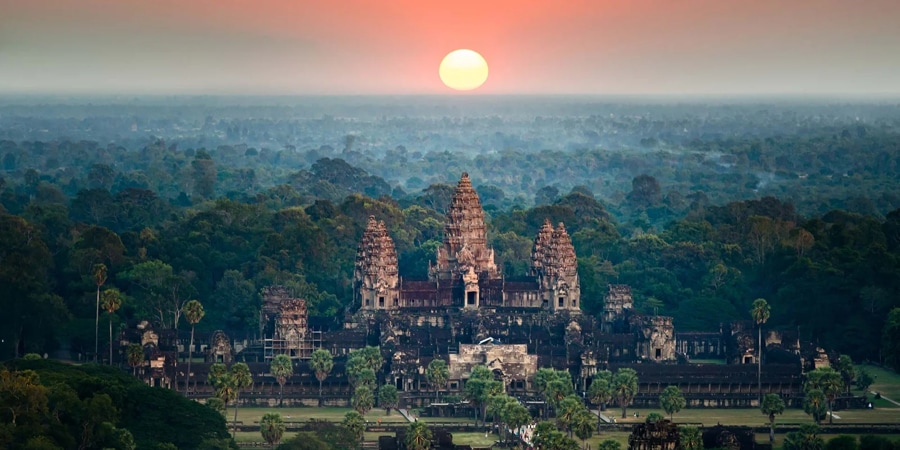
Unlike all Khmer temples, which face East, Angkor Wat faces West, and this is a traditional direction of death in the Hindu community. This has led many historians to believe that it was created as a royal burial site. One of the best examples of the high level of craftsmanship that went into the making of this temple is the sculpted bas-relief walls that depict Hindu epics such as the Ramayana and the Mahabharata.
Angkor Thom and Bayon Temple
Angkor Thom was the capital of the Khmer Empire, and today it is one of the most mysterious places in Angkor. It is surrounded by an enormous stone wall and a large moat, and can be entered by huge gates with four large stone faces carved into them on either side of the gates.
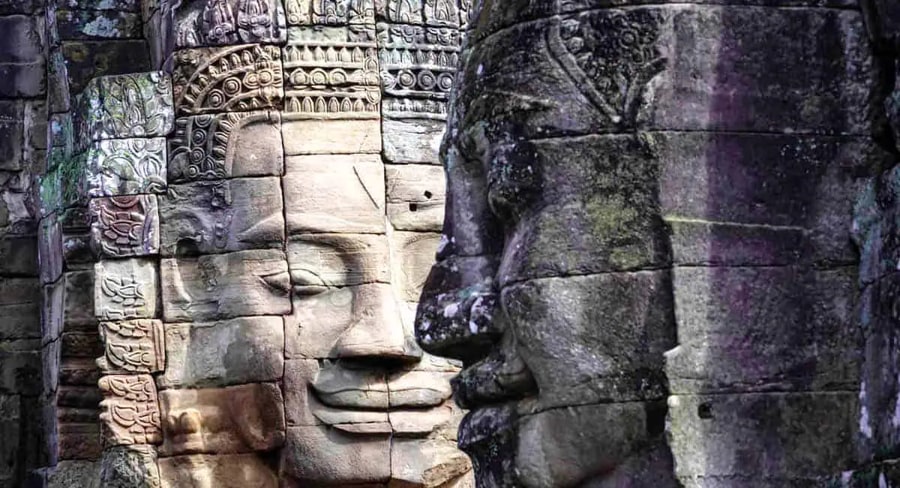
Bayon Temple is located at the heart of Angkor Thom and represents the artistic centre of this vast city of about 9 square kilometers. Bayon Temple has three platforms and 54 towers with a total of 216 beautiful, gentle, and enigmatic faces carved into white stone. These faces are said to represent either the Bodhisattva Avalokiteshvara or King Jayavarman VII himself, reflecting his power and compassion, as well as his spiritual enlightenment.
Ta Prohm Temple (Tomb Raider)
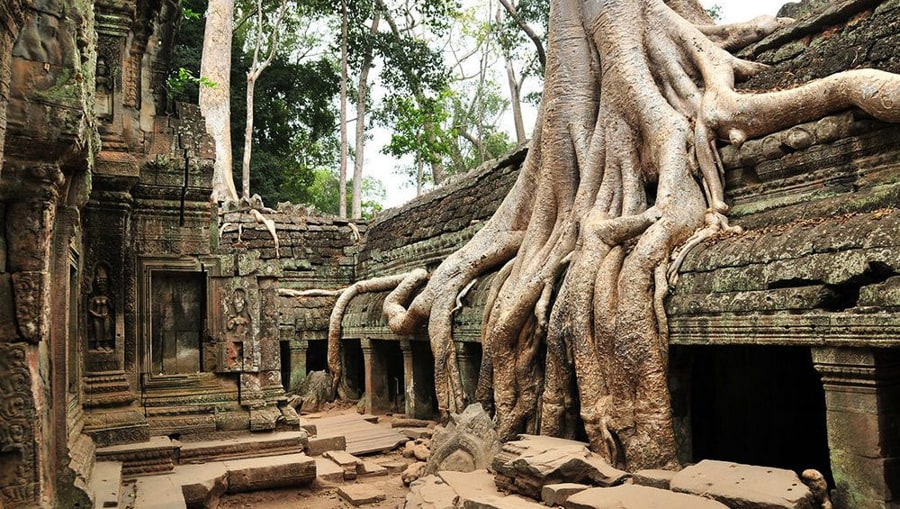
Ta Prohm, which gained international fame due to the movie Tomb Raider, is an incredibly scenic temple within the Angkor complex. Unlike other temples that have been restored or rebuilt to their former glory, Ta Prohm has remained largely unaltered since its construction.
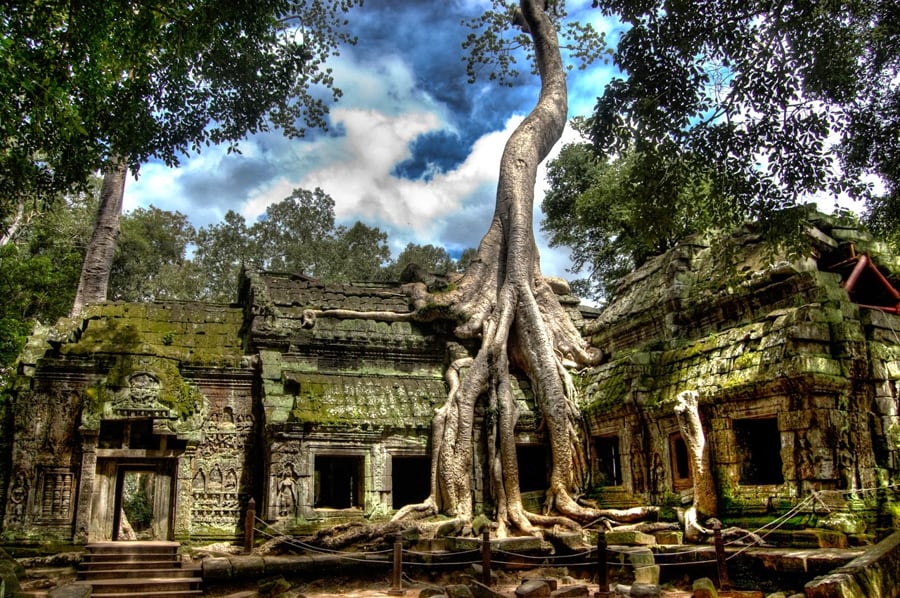
You will find that many of Ta Prohm’s walls, doorways, and towers are wrapped with large tree trunks and vines around them. The large roots intertwined with the walls create a striking combination of nature and man-made structure and give off an aura of mystery and endlessness. Walking around Ta Prohm is like finding a hidden city in the jungle. It’s both tranquil and mysterious and emphasizes how much time can change the physical world.
Roluos Group Temples
The Roluos Group features Preah Ko, Bakong, and Lolei Temples, which lie beyond the Main Angkor area, represent the earliest Khmer Temple architecture and were the site of the Ancient City of Hariharallaya, and were the models for the later developments of Angkor.
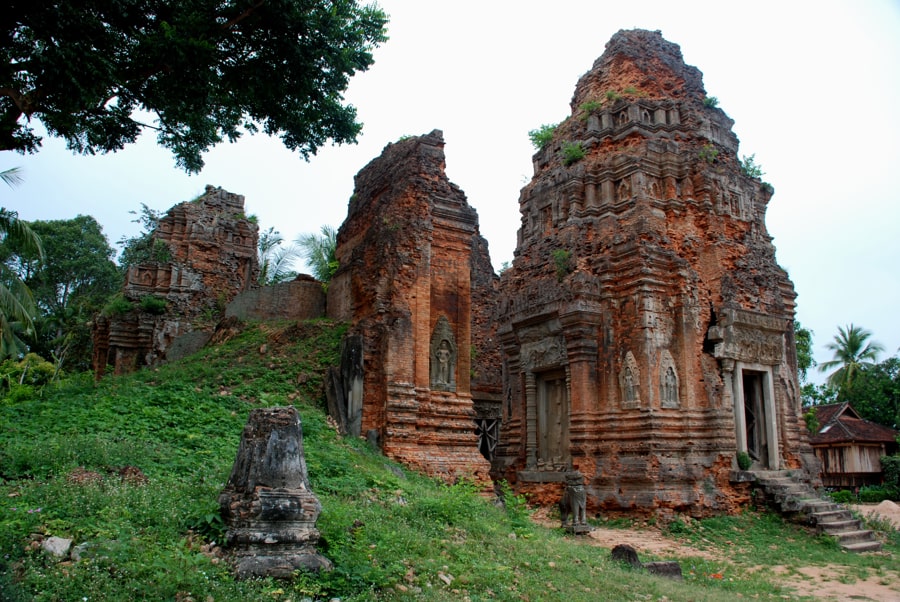
The Bakong Temple, in particular, became one of the early large-scale temple mountains that had been created by the Khmer. Visiting the Roluos Group is an excellent way to gain an understanding of the origins of the Angkorian civilization and how the Angkorian architectural development transitioned into the monumental splendor that we regard as Angkor Wat.
Banteay Srei Temple (Outer Angkor Area)
Often called “the Citadel of Women,” Banteay Srei is located approximately 25 kilometers away from the Angkor temples and was constructed in the 10th century using pink and red sandstone. Banteay Srei is well known for its fine detail of carvings, with many of the Hindu Mythologies represented on the temple so finely carved.
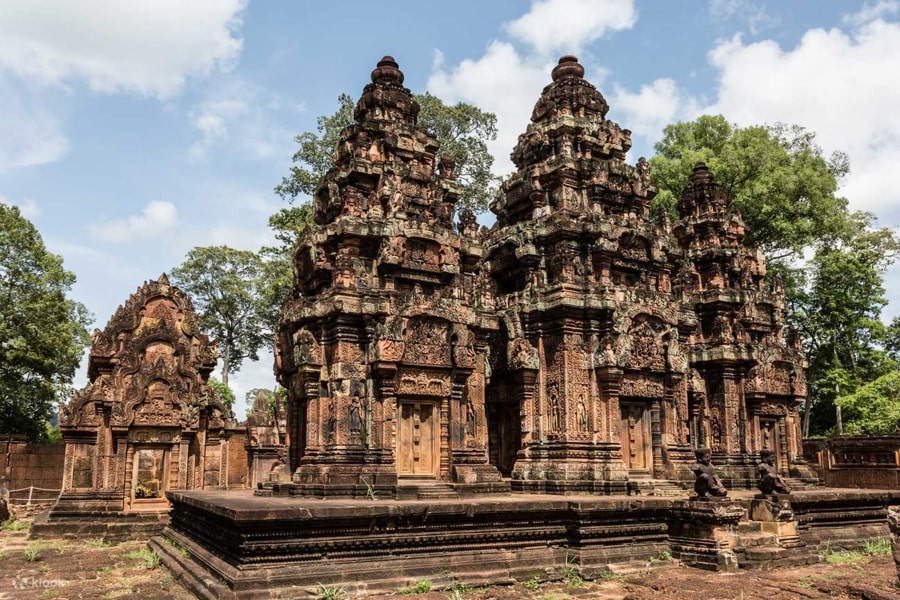
Many historians and archaeologists believe that they were hand-carved rather than created with stone tools. Despite the size of the building being less than other Angkorian temples, Banteay Srei is still considered one of the best examples of Khmer art, leaving visitors impressed by its beauty, artistry, and cultural history.
5 Unforgettable Experiences You Shouldn’T Miss
Angkor Wat is more than simply ancient temples; it’s a chance to experience Cambodia’s culture, history, and natural beauty. Here are great ways to make your visit to the Angkor complex enjoyable and memorable.
Watch The Sunrise at Angkor Wat
Watching the sunrise at Angkor Wat is anincredible experience and something that all visitors should experience in Siem Reap. Visiting in the early morning is a good way to see how the golden rays of sunlight light the temple’s pools and present a reflection of both the temple’s central towers and ornate features.
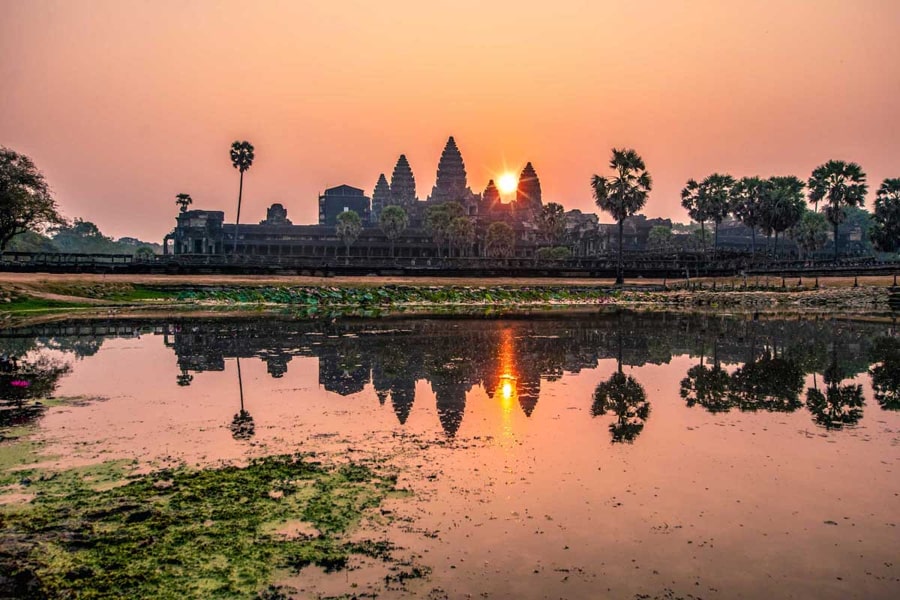
This peaceful setting is not only good for taking pictures, but it also gives visitors a chance to have a peaceful start to their day and a time to appreciate the size and amount of spirituality of one of the world’s most famous structures. For a lot of visitors, this quiet time offers the chance for reflection and to take in the size and beauty of one of the world’s most popular monuments.
Explore Bayon Temple and The Faces of Angkor Thom
Bayon Temple is found within the ancient city of Angkor Thom and epitomizes the artistic achievements and spiritual beliefs of the Khmer Empire. Bayon Temple is well-known for its 54 towers and the 216 giant, mysteriously created stone images of faces that give the illusion of following visitors through the temple complex.
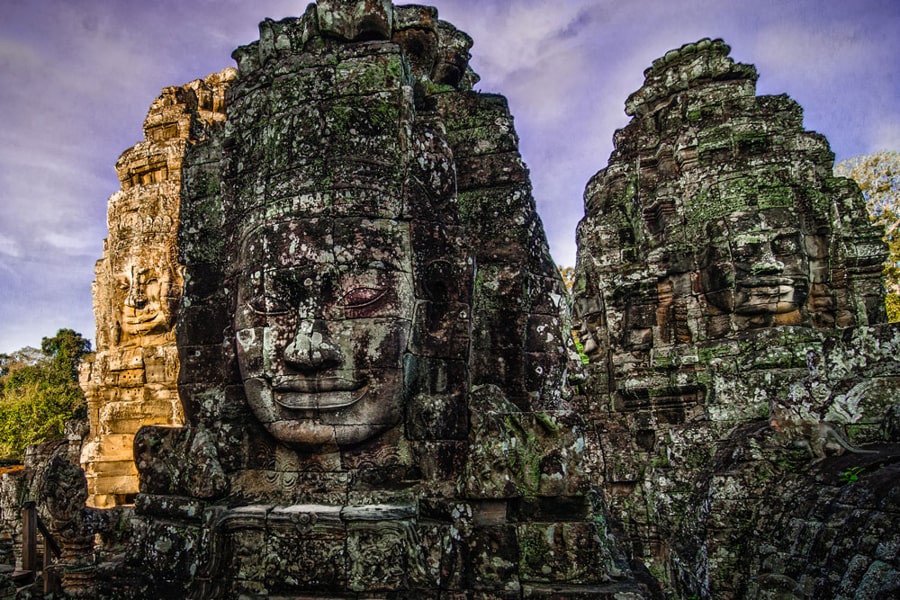
Visitors can also view many of the temple’s bas-reliefs, which depict daily life, the practice of Buddhist and Hindu rituals, and armed conflict. A visit to Bayon will enable a visitor to appreciate the artistry and history of this important Southeast Asian civilization and to understand the place these peaceful, pleasant stone faces have occupied in the hearts of those who have visited for centuries.
Jungle Adventure at Ta Prohm
Ta Prohm is one of the temples in Angkor that exudes a special atmosphere. This temple is particularly famous for its surreal combination of nature and architecture. The temple is overgrown with tree roots, resulting in a mystical environment. Visiting Ta Prohm is like entering a secret world that is lost to civilization, a place where nature and architecture are in a state of perfect harmony. Anyone who wishes to explore, take some remarkable photographs, and experience the unspoiled beauty of a place that is slowly being reclaimed by nature should definitely visit Ta Prohm.
Discover Hidden Gems In The Roluos Group
A treasure trove for those interested to learn more about the origins of Khmer architecture awaits at the Roluos Group Temples, consisting of Preah Ko, Bakong, and Lolei. This group of temples was located just beyond the main temples of Angkor and formed the city of Hariharalaya, which dates back to the earliest stone structures in the area. This site presents an excellent opportunity for the visitor to study the design and carvings on the surfaces of the earliest temples and learn more about the evolution of the Khmer architectural style while having the added bonus of a peaceful visit away from the main hustle and bustle of the central temples.
Appreciate Art and Craft at Banteay Srei
Banteay Srei, called the ‘Citadel of Women,’ is renowned for its fine features and fine artistry. This temple was created in the 10th century out of pink and red sandstone and boasts Hindu mythological carvings with an incredibly fine degree of detail.
At Banteay Srei, tourists are able to explore the temple grounds to their hearts’ content and admire the fine detail of the reliefs, as well as the skill of the Khmer artists. Apart from the fine features, Banteay Srei is also an important experience for tourists to learn more about the value systems and beliefs of the civilization that created the temple.
Entrance Fee
All foreign visitors need an entrance fee to Angkor Wat, whereas Cambodian nationals can get into the site for free. The entrance ticket is only usable for a certain number of days, depending on the type chosen. It is advisable to ensure you have cash with you when buying entrance tickets. Additionally, be cautious with your ticket as, oftentimes, guards check them at the entrance to major temples. Entrance tickets purchased after 5 PM can be used from the next day.
| Ticket Type | Price (USD) | Validity |
| 1-Day Pass | 37 USD | Valid for 1 day from the time of purchase |
| 3-Day Pass | 62 USD | Valid for 7 days from the time of purchase |
| 7-Day Pass | 72 USD | Valid for 1 month from the time of purchase |
Opening Hours
The operating hours of Angkor Wat Temple range from 5:00 AM to 5:30 PM, giving enough time to explore the temple during the day. Other temples with extended hours to enable sunrise and sunset visits include the Pre Rup and Phnom Bakheng temples, which operate from 5:00 AM to 7:00 PM, while the rest of the temples operate from 7:30 AM to 5:30 PM.
It is best to visit Angkor Wat during the dry season in Siem Reap, which is from November to March, since the weather is cool and perfect for visiting. Visiting during sunrise or sunset is best since you get to see the magnificent view, especially when reflected in ponds or from up high in the temple structures. Visiting during the early morning or late afternoon enables you to escape the crowds and take advantage of the perfect lighting, which is perfect for photography.
How to Get to Angkor Wat
Visiting the Angkor Wat temples requires that one select a means of transport according to preference, comfort, and pace. Below are some of the most common means of transport accessible when navigating the Angkor temples.
By Tuk Tuk
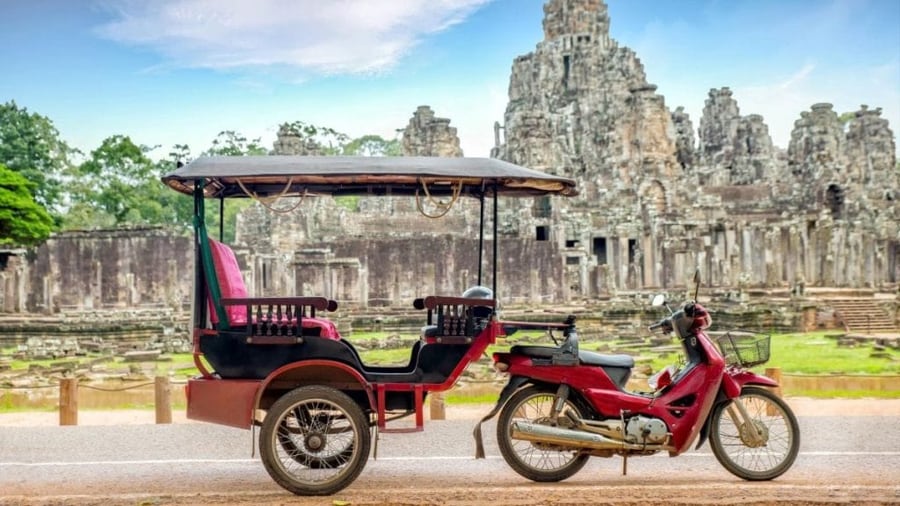
Tuk tuk is one of the most conventional ways people use in transportation in Cambodia, primarily in and around the temples of Angkor. It is a great opportunity to see this ancient site while taking in the interesting outdoor experience. Many tuk-tuk drivers provide full-day rental services. They come and take customers right from their hotel or guesthouse, visiting most places.
On average, one has to shell out only 25 USD for a full day with a tuk-tuk driver. One major advantage of the tuk-tuk is that people are given ample opportunities to take in the local culture and surroundings at their own sweet time.
Private Car or Taxi
Taking a private car or taxi will prove to be a great option for those who want comfort, privacy, and some respite from the scorching heat. This will enable you to travel from one temple to another faster and would prove to be a better option if you want to customize your own itinerary. Private cars and taxis can be booked on online websites or rented from local points in Siem Reap and cost anywhere between 30 to 40 USD per day. This will prove to be the best option for families, people with less time, or those who want to experience all the major sites stress-free.
By Bicycle
Renting a bike to explore Angkor Wat is also a wonderful experience for adventure lovers who enjoy physical activity and an even more personal exploration of the site. The use of bicycles offers participants the opportunity to explore the site at their own rate and enjoy the wonders of the natural environment and the beauty of the temples around them in comfort and serenity. The bikes for this experience are easily available from many stalls in Siem Reap for a relatively low price of 1 USD per day.
Things to Know Before Traveling to Angkor Wat
Preparing ahead of time for your trip to Angkor Wat is one way in which you can maximize your time at this wonder and steer clear of pitfalls. There are several things that you may want to keep in mind.
- The sunrise over Angkor Wat is magnificent, though rather crowded. Getting there before 5:30 will get you a better location for a photograph and a quieter experience.
- Religious site attire should be conservative. This means wearing clothing that covers both shoulders and knees, while avoiding clothes that show too much skin.
- The sun is very strong in Cambodia, and it is quite tiring to walk across the massive temple grounds. Water and sunscreen must be taken along.
- Having an educated guide at your beck and call can discuss the history and architecture associated with each of the temples you visit.
- There is a lot of walking involved in exploring the area of Angkor Wat, so it is essential to wear comfortable shoes.
- Motor rickshaws, bicycles, and personal transport are common vehicles used when accessing the Angkor complex. You can select a means depending on your speed preference.
- Do not touch any holy objects, step on any carvings, or disturb the monks. Always follow the signs and the customs to display courtesy.
Final Thoughts: Is Angkor Wat Worth Visiting?
Angkor Wat is a must-see destination for travellers who want to connect with culture, history, and the experience of travel that will last forever. There is something magical about watching the sun rise over Angkor Wat or strolling along the same stone-cast corridors of Angkor Wat from centuries past. It is a privilege to have such direct contact with one of the greatest empires of history, while being a part of the vibrant culture of Siem Reap today. If you desire a true journey of discovery in Southeast Asia, let Seni World do the planning for you to visit Angkor Wat in the most enriching and comfortable way possible.


Related articles


