logo mobile sidebar
support-image-mobile
Share your ideas with our local expert team - we’re here to listen and help you shape a meaningful journey through Indochina.
(+84) 868 663 993
Asia Leading Tour Operator 2025
tripadvisor travelers choice awards 2024
Travelers' Choice Awards 2025

Author: Tung Ngo

Pearl Farm Phu Quoc: Learn How Cultured Pearls Are Cultivated

The Pearl Farm Phu Quoc offers a fun activity for visitors, who can discover the pearl production process in Vietnam, including oyster cultivation, to gain deeper insights into pearl craftsmanship that can be seen only in Phu Quoc.

Introduction To Pearl Farm Phu Quoc

Pearl Farm Phu Quoc is another popular destination that allows visitors to see the pearl farming practices common in Vietnam. It is situated along the common tourist trails and provides an insight into the entire process of pearl farming, from the rearing of the oysters in pristine coastal waters to the final stage of manufacturing the pearls into exquisite jewelry pieces. Pearl Farm Phu Quoc is a learning destination with modern infrastructure and conductors who will make the necessary introductions.

Pearl in Pearl Farm Phu Quoc

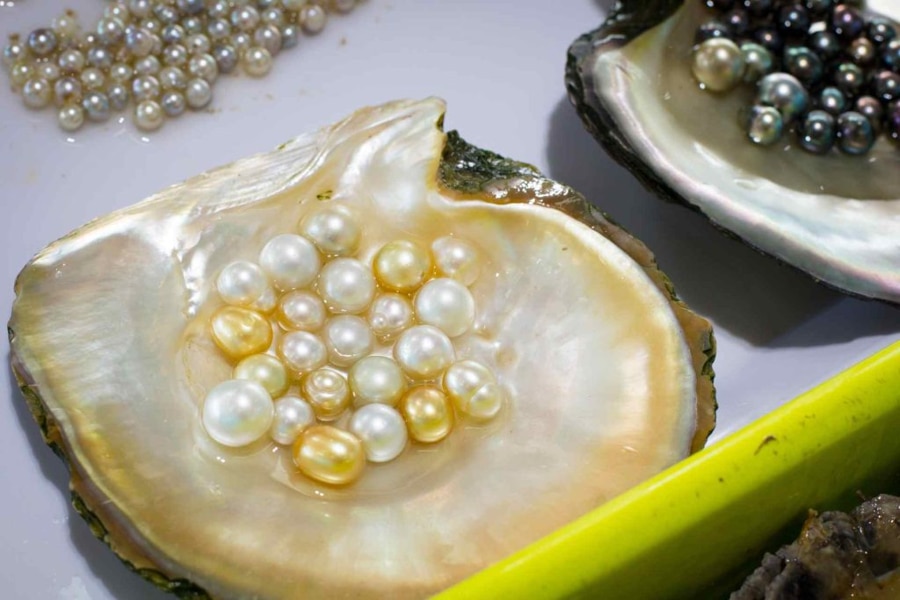
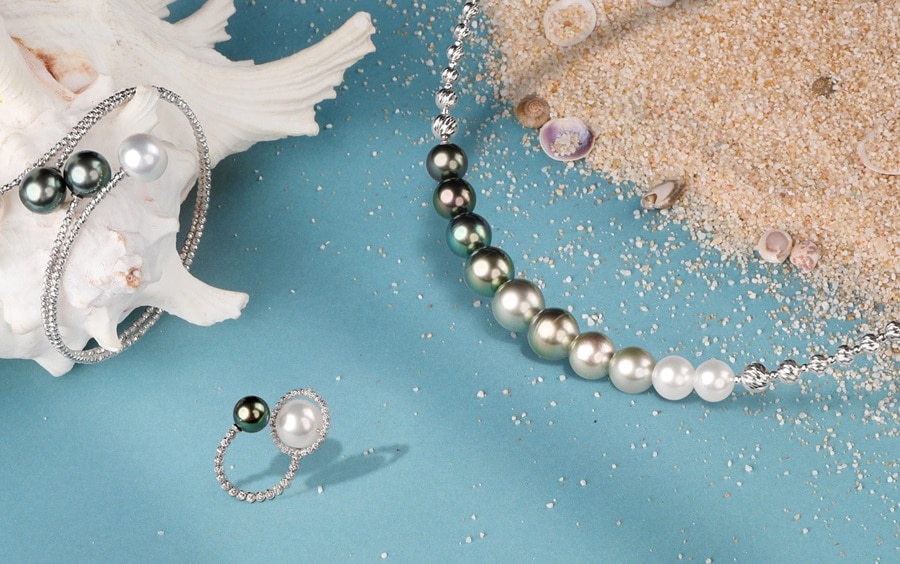
A visit to Pearl Farm Phu Quoc offers visitors a unique confluence of culture, craftsmanship, and the local economy. Visitors can take away knowledge of how natural and cultured pearls are produced, learn the comparison of pearl types, and witness artisans expertly execute their work. Authentic pearl jewelry is sold on these farms at transparent prices while ensuring quality and origin. This experience will provide a profound cultural depth to any Phu Quoc itinerary and yield a meaningful souvenir linked to the island’s heritage.

History Of The Pearl Farm Phu Quoc

The history of pearl farming in Phu Quoc dates back to some decades, when fishermen in the area started to cultivate pearls using the clean water that the island possesses. The early methods used did not have much of an effect on nature, as they were approaches used by generations to take care of oysters to produce pearls. In fact, this activity marked the beginning of pearl farming practice on the islands.

With the development of tourism on Phu Quoc Island, pearl farms soon became more organized establishments that mixed tradition with advanced technology. Modern techniques of pearl farming were introduced to enhance the qualities of pearls while maintaining the traditional elements. In this way, today’s Pearl Farm Phu Quoc also keeps with this long tradition of the island in preserving culture while meeting international norms in the production of pearls.

Top 3 Iconic Attractions In Pearl Farm Phu Quoc

Pearl Farm Phu Quoc offers visitors various functional areas, which in turn provide a different perspective on the pearl culture and craftsmanship. The various important areas to visit will aid visitors in comprehending the importance of visiting the Pearl Farm on the island.

Oyster Farming And Demonstration Zone

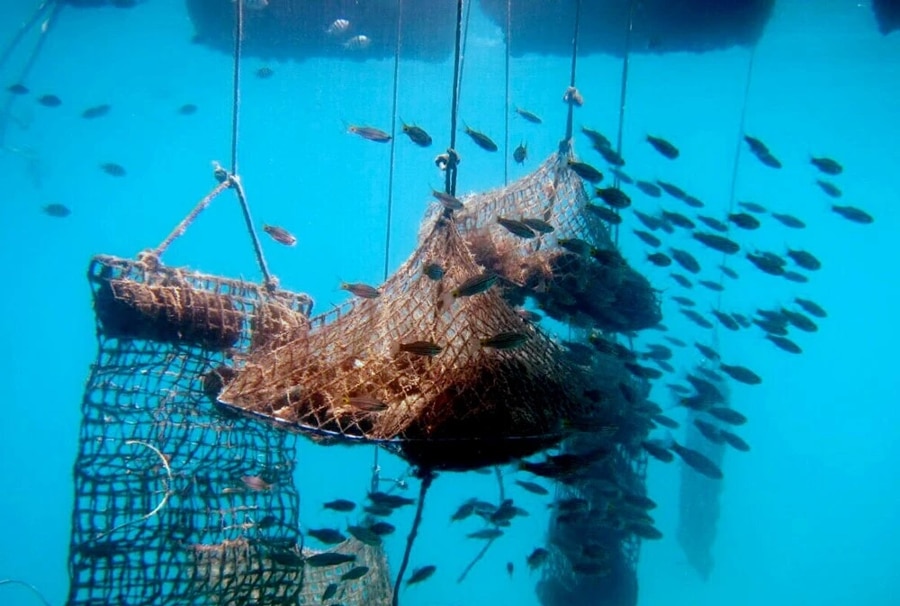
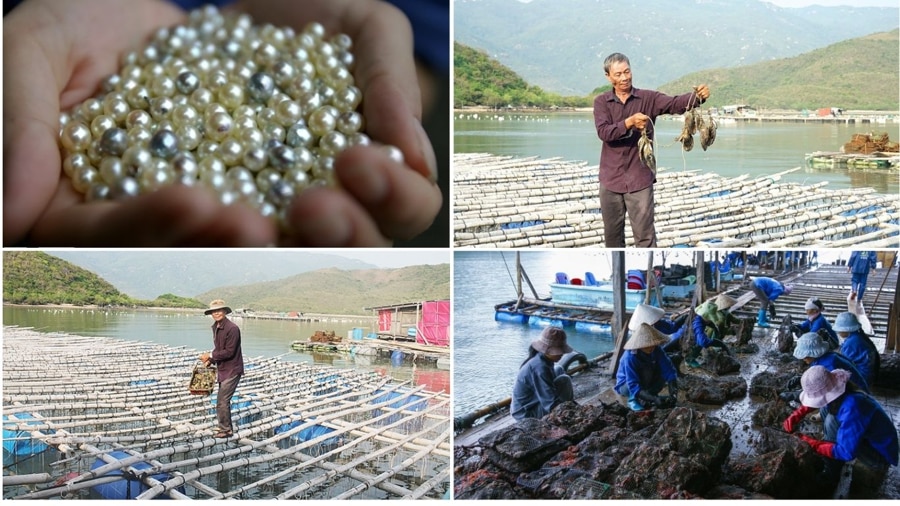
The oyster farming area enables tourists to view live oysters as well as understand the seeding process employed during pearl farming. Tour guides can explain to visitors how oysters are harvested, treated, and re-released into the ocean to take a number of years to produce pearls. This area strikes a balance between traditional practices and technology to produce high-quality pearls. Tourists can appreciate the art of pearl farming as well as understand why pearls are of long-term value.

Oyster Farming And Demonstration Zone

Jewelry Craftsmanship Workshop

Visitors can watch artisans create finished pieces from harvested pearls at the jewelry workshop. This area focuses on design, polishing, and setting of the pearls into rings, necklaces, and earrings. Attention to detail and the passing down of traditional craftsmanship through generations are important to this workshop. Visitors learn how quality can affect designs and prices. Providing a behind-the-scenes view really helps add culture to the experience and shows it is indeed not just about the product, but also an art form.

Pearl Jewelry Showroom

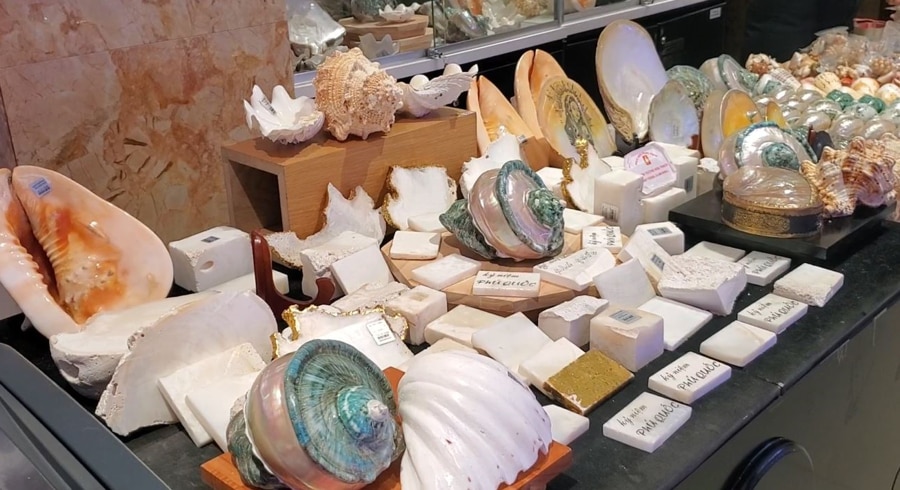
This showroom is where education meets shopping, with certified pearl jewelry in various styles on display. From classic designs to modern collections, each piece is clearly labeled with information about origin, type, and quality. Transparent pricing gives visitors confidence when choosing souvenirs or gifts. Personnel are available to explain differences between pearls without pressure. This area is where the experience of the Pearl Farm Phu Quoc gets completed, and one can take home a meaningful item connected to the island’s heritage.

Pearl Jewelry Showroom

4 Unforgettable Experiences You Shouldn’t Miss

A trip to Pearl Farm Phu Quoc is not merely for sightseeing, since it involves hands-on and cultural experiences that help immerse an individual in the history of the island. Cultural experiences include engaging with the locals and learning about the traditions of pearl farming.

Find Out About The Pearl Cultivation Process

One of the amazing experiences in Phu Quoc enables visitors to see the entire process of pearl production from oyster selection through to the finished harvest. The entire processes are outlined in detail by guides in easy-to-understand explanations so that visitors grasp how much time it takes for the pearl to be developed. Witnessing the use of actual equipment and processes in action definitely brings home how skilled this work is. This is definitely a must-see for travelers interested in local industries and practices on Phu Quoc.

Find Out About The Pearl Cultivation Process

Observing Live Oyster Seeding Procedures

The observation of oyster seeding is one of the most intriguing activities on the farm. Specialists plant nuclei into oysters with trained movements acquired through long practice. In fact, one understands better the patience and know-how needed for this task to avoid any errors that might influence the quality of pearls. This activity provides more insights into the use of traditional methods alongside advanced techniques and serves as a precious opportunity to access what would otherwise remain invisible.

Discover The Process Of Crafting Jewelry

This experience gives visitors the chance to view artisans go through the process from raw pearl to a finished, fine piece of jewelry: cleaning, polishing, grading, and setting pearls into intricate designs. Artisans often explain how pearl size, color, and luster influence design choices. This close-up look at craftsmanship shows that pearl jewelry is not mass-produced, but carefully created. It gives cultural value to the visit and helps travelers understand more about the true worth of authentic pearls.

Shop For Authentic Phu Quoc Pearls

Besides, the art of shopping in Pearl Farm Phu Quoc is literally based on the foundation of transparency and education. It allows comparing types, learning about how to identify quality, and understanding the justification of price. Certified products and clear information enable buyers to feel confident in their choices. Whether buying a gift or a keepsake, this experience directly links travelers to the island’s heritage as meaningfully as possible while supporting local craftsmanship and taking home a lasting memory of Phu Quoc.

Authentic Phu Quoc Pearls

Entrance Fee

The entrance to the Pearl Farm on Phu Quoc Island is entirely free. This makes the pearl farm one of the freely accessible attractions for everyone. One can freely browse through the exhibition area and witness the pearl farming process without having to pay an entrance fee. There are also no restrictions concerning the ages of the people accessing this attraction. This makes this pearl farm one of the preferred places for families and groups to visit. Even though this attraction is free to enter, one still has the freedom to choose whether to purchase pearl products and/or jewelry at this site.

Opening Hours

Actually, the opening hours for Pearl Farm Phu Quoc vary daily, starting from 8:00 AM until 6:00 PM, so that people can schedule a visit conveniently with other places on the island. The opening hours may be a bit different for each farm, including public holidays. However, they are all open to visitors all year long. In fact, there is no low season since pearl farms operate all year round.

The optimal time for sightseeing in Pearl Farm is in Phu Quoc’s dry season, estimated to be from November to April, when the sunshine is plentiful, and the roads leading to the place can be easily accessed. Morning and early afternoons work best, making the visit less crowded since most tourists usually come in large groups.

How To Get To Pearl Farm Phu Quoc

The pearl farms of Phu Quoc are also accessible for tourists, especially those that are near the main roads, especially around the areas of Duong Dong Town and beach sites. This way, visitors can choose their mode of transport accordingly.

Fly to Phu Quoc from Major Cities

Departure City Route Flight Time Estimated Cost (USD) Notes
Hanoi HAN → PQC 2h 10 min 60 to 150 (round trip) Multiple daily direct flights
Ho Chi Minh City SGN → PQC 1h 5 min 40 to 100 (round trip) Most frequent and flexible option
Da Nang DAD → PQC 1h 30 to 2h 60 to 120 Some direct flights, seasonal
Can Tho VCA → PQC 1h 40 to 90 Limited daily flights

From Phu Quoc Airport to Duong Dong Town to Attractions

Transportation Estimated Cost (USD) Travel Time Best For
Taxi / Grab Car 6 to 15 15 to 30 minutes Families, small groups
Motorbike Rental 5 to 7 / day 20 to 30 minutes Independent travelers
Private Car with Driver 25 to 40 (half-day) Flexible Multi-stop sightseeing
Guided Tour Included Varies First-time visitors

Travel tips: The roads in Phu Quoc are mostly flat and thus, easy to get around. Renting motorbikes is available for visitors, but a valid driving license and helmets are recommended. During peak time, leaving earlier for traffic congestion near tourist areas is a suggestion.

Things To Know Before Traveling To Pearl Farm Phu Quoc

Prior to coming to Pearl Farm Phu Quoc, there are important tips that tourists should consider to ensure a smooth experience. These tips will assist visitors on how to spend their time when at Pearl Farm Phu Quoc.

  • It is best visited during morning hours when there are fewer crowds and better explanations from staff members, since most tour groups usually visit during afternoon hours.
  • Wear comfortable and modest clothing, as there will be walking through exhibition halls and workshops. Light clothing would be suited to Phu Quoc’s tropical weather conditions.
  • Participate in Q and A sessions while the demos are being conducted, as the guides are eager to demonstrate pearl farm methods, grading, and distinctions between natural pearls and cultured pearls.
  • There is no need to purchase products since the pearl showroom is free to enter, and the learners will have the time to concentrate on learning and observing the pearl production process.
  • Be sure to check for authenticity when buying jewelry that involves or showcases pearls, and demand certification or a guarantee of quality.
  • You can also visit the pearl farms together with other attractions to save time and transportation expenses, since the locations of the attractions are mostly along the major roads.
  • Some recommended sites to visit in the vicinity would include a visit to the fish sauce factory in Phu Quoc and pepper plantations in Duong Dong town.

FAQs About Pearl Farm Phu Quoc

Travelers often wonder about certain questions when planning a visit to Pearl Farm Phu Quoc, especially about authenticity, the time required, and travel styles. The following FAQs put the answers into clear words for your smooth and informative visit.

How much time should I spend at Pearl Farm Phu Quoc?

Most visitors will spend between 45 minutes and 1.5 hours at Pearl Farm Phu Quoc, which is fairly sufficient to see the different exhibition areas, demonstrations, and the showroom without hurrying. Of course, travelers who are interested in detailed knowledge or shopping may stay longer; others might manage to make a quicker visit. The flexibility of duration means it is pretty easy to combine the farm with nearby beaches or attractions into the same half-day schedule.

Are the pearls that Pearl Farm Phu Quoc sells authentic?

The pearls in Pearl Farm Phu Quoc are mostly real, and they have certificates stating their origins, classification, and quality. Visitors can gain insight into how to rate the quality of pearls depending on factors such as their luminosity, size, and surface quality. Therefore, shopping is not mandatory, but having an understanding of the certification process will aid in decision-making while visiting other regions in Vietnam.

Final Thoughts: Is Pearl Farm Phu Quoc Worth Visiting?

A visit to Pearl Farm Phu Quoc can be very informative for those who wish to have a culturally significant experience without spending much money. This farm offers a clear understanding of the pearl culture in Vietnam, as well as a balance between education and sightseeing. Within no time, any schedule for Phu Quoc can be perfectly blended. Whether you want to have information about pearl farming or want to see the artistry involved, a trip to Pearl Farm Phu Quoc can be highly informative. Get ready for your journey with Seni World.

Discover Pepper Farm Phu Quoc and Local Farming Culture

Pepper Farm Phu Quoc is a popular cultural attraction where visitors can explore traditional pepper cultivation, learn about the island’s famous spice, and experience local farming life beyond beaches and resorts.

Introduction To Pepper Farm Phu Quoc

Pepper Farm Phu Quoc is one of the island’s most distinctive agricultural attractions, offering visitors a chance to explore the roots of its famous pepper industry. Known for its rich aroma and bold flavor, Phu Quoc pepper has gained recognition both locally and internationally. Visiting a pepper farm allows travelers to walk through lush green plantations, observe traditional cultivation methods, and learn how pepper is harvested, dried, and processed. It is an ideal stop for those interested in local culture, farming traditions, and sustainable agriculture beyond typical tourist spots.

Pepper Farm Phu Quoc is a popular cultural attractio

A visit to Pepper Farm Phu Quoc is not only educational but also highly experiential. Travelers can interact with local farmers, sample different varieties of pepper, and purchase authentic products directly from the source. The calm countryside setting provides a refreshing contrast to busy beaches, making it perfect for photography and relaxed exploration. For visitors seeking meaningful cultural experiences, Pepper Farm Phu Quoc is a rewarding and memorable destination.

History Of Pepper Farm Phu Quoc

Pepper cultivation in Phu Quoc dates back more than a century, when local residents began growing pepper using traditional farming methods suited to the island’s fertile soil and tropical climate. Over time, Phu Quoc pepper became known for its strong aroma, spicy taste, and high quality, earning recognition across Vietnam. The pepper farms developed mainly around rural areas, where agriculture played a vital role in sustaining local livelihoods alongside fishing.

Unlike mountainous regions, pepper farms in Phu Quoc are primarily maintained by Kinh communities, who have passed down farming knowledge through generations. Traditional techniques such as hand-harvesting, sun-drying, and natural soil fertilization remain widely practiced today. These long-standing traditions reflect the island’s deep connection to agriculture and sustainability. Visiting a Pepper Farm Phu Quoc offers insight into this cultural heritage and the enduring legacy behind one of Vietnam’s most famous spices.

Top 3 Iconic Attractions In Pepper Farm Phu Quoc

Pepper Farm Phu Quoc is more than just a plantation; it offers several small yet meaningful highlights that showcase local agriculture, rural scenery, and traditional farming practices, giving visitors a deeper and more authentic countryside experience.

Traditional Pepper Gardens

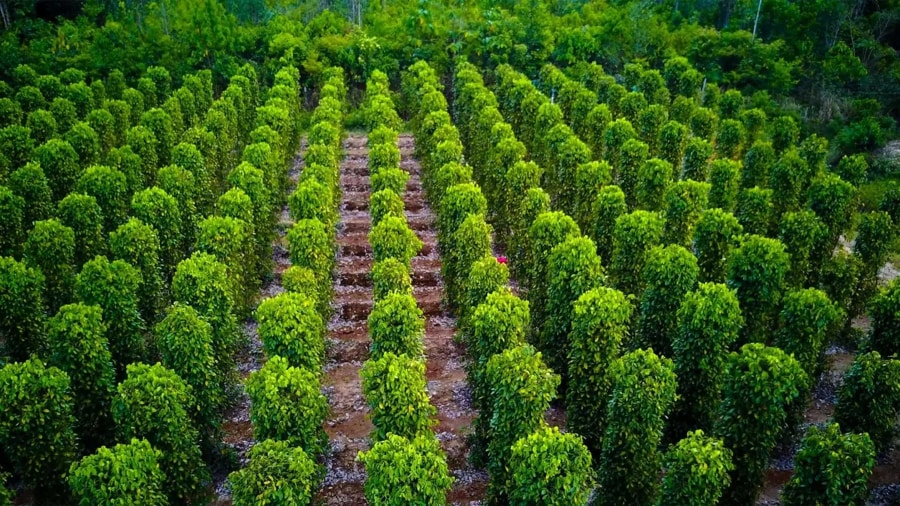
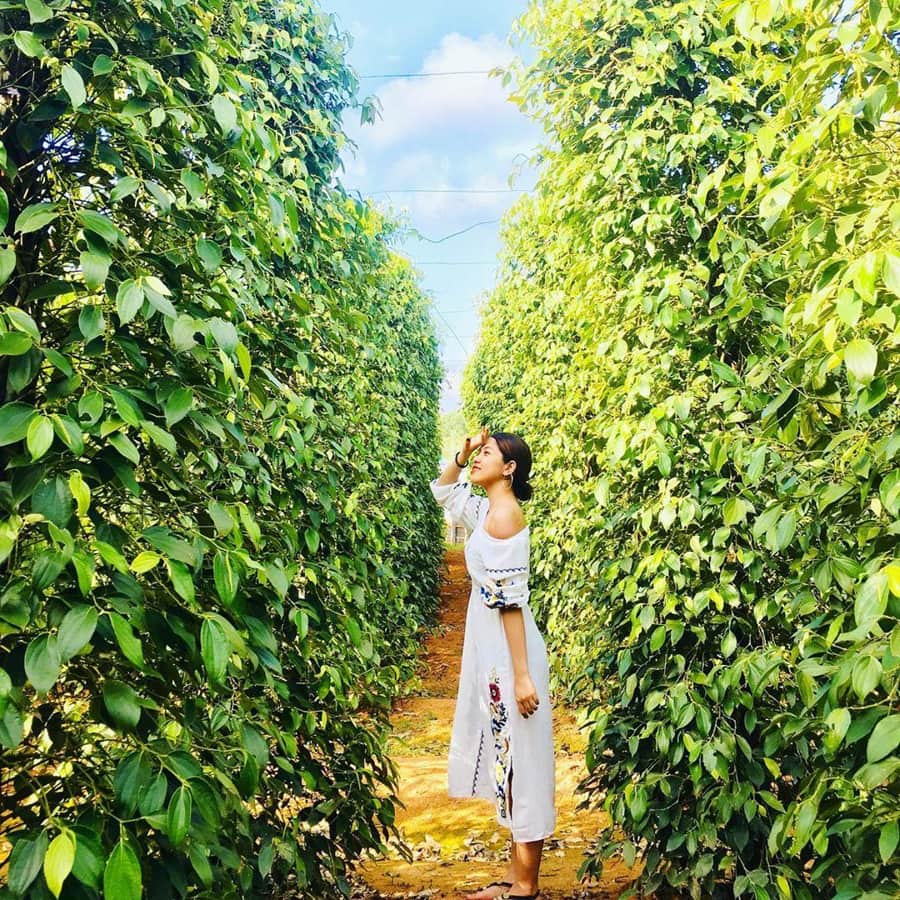
The traditional pepper gardens are the main highlight of any Pepper Farm Phu Quoc visit. Visitors can walk along neat rows of pepper vines climbing wooden poles, surrounded by lush greenery and fresh air. These gardens clearly demonstrate how pepper is cultivated using time-tested techniques passed down through generations. Informational signs or guides often explain planting, care, and harvesting processes, making the experience educational as well as relaxing. The gardens are also ideal for photography, especially during harvest season when pepper clusters are most visible.

Traditional Pepper Gardens

Pepper Processing & Drying Area

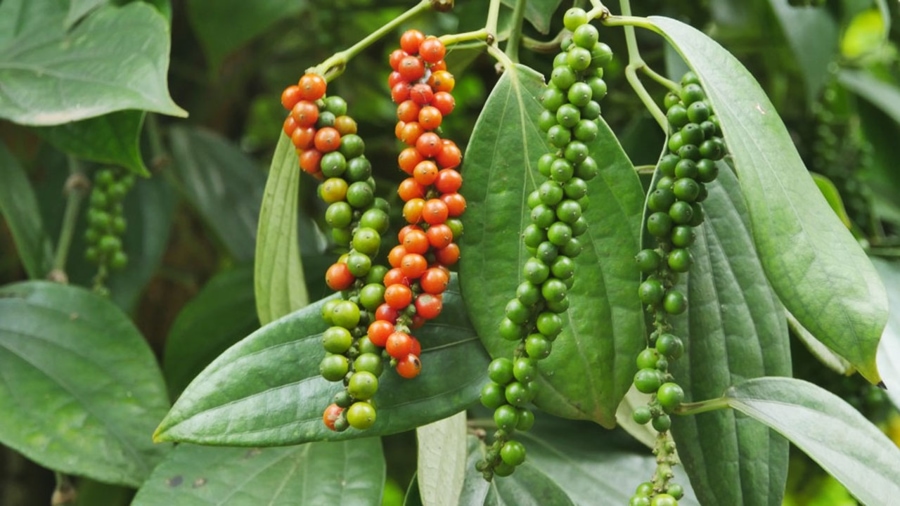
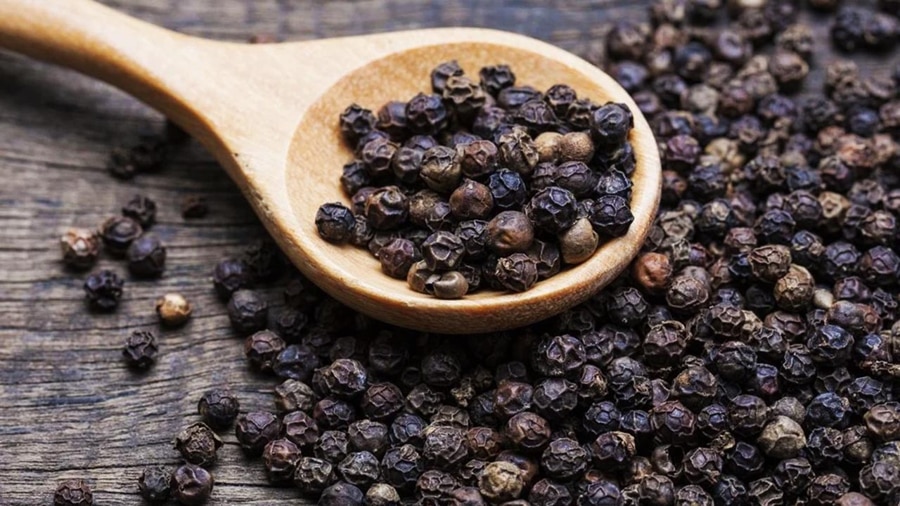
This area allows visitors to observe how freshly harvested peppercorns are processed into finished products. You can learn the differences between black, white, and red pepper, from boiling and drying to final sorting. Traditional sun-drying methods are still commonly used, reflecting the farm’s commitment to natural production. Seeing this process firsthand helps visitors better appreciate the quality and labor behind Phu Quoc’s famous pepper, turning a simple spice into a meaningful cultural product.

Pepper Processing & Drying Area

Farm Shop & Local Product Display

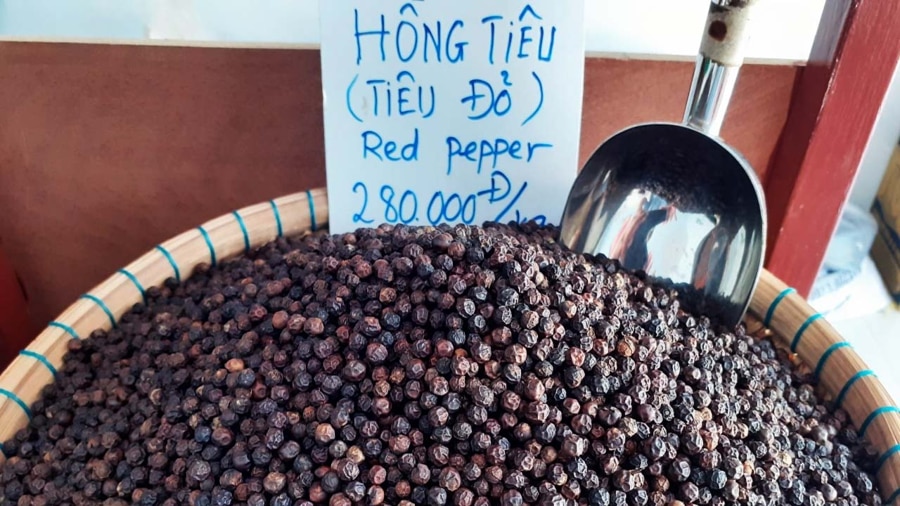
Most pepper farms include a small shop where visitors can sample and purchase authentic Phu Quoc pepper products. These shops usually offer black pepper, white pepper, red pepper, and pepper-based souvenirs packaged for travel. Staff often explain flavor differences and suggest culinary uses, making it easy for visitors to choose the right product. Buying directly from the farm ensures authenticity while also supporting local farmers and preserving traditional agricultural practices.

4 Unforgettable Experiences You Shouldn’t Miss

Visiting Pepper Farm Phu Quoc offers more than sightseeing; it provides hands-on cultural experiences that connect visitors with local farming life, traditional knowledge, and authentic island flavors in a peaceful rural setting.

Walk Through Lush Pepper Gardens

Strolling through green pepper gardens is one of the most relaxing experiences at Pepper Farm Phu Quoc. Visitors can observe pepper vines growing on wooden poles, breathe in fresh countryside air, and learn about natural cultivation methods. This experience offers great photo opportunities and a deeper appreciation for how Phu Quoc’s famous pepper is grown sustainably and harvested by hand.

Walk Through Lush Pepper Gardens

Learn the Pepper Harvesting Process

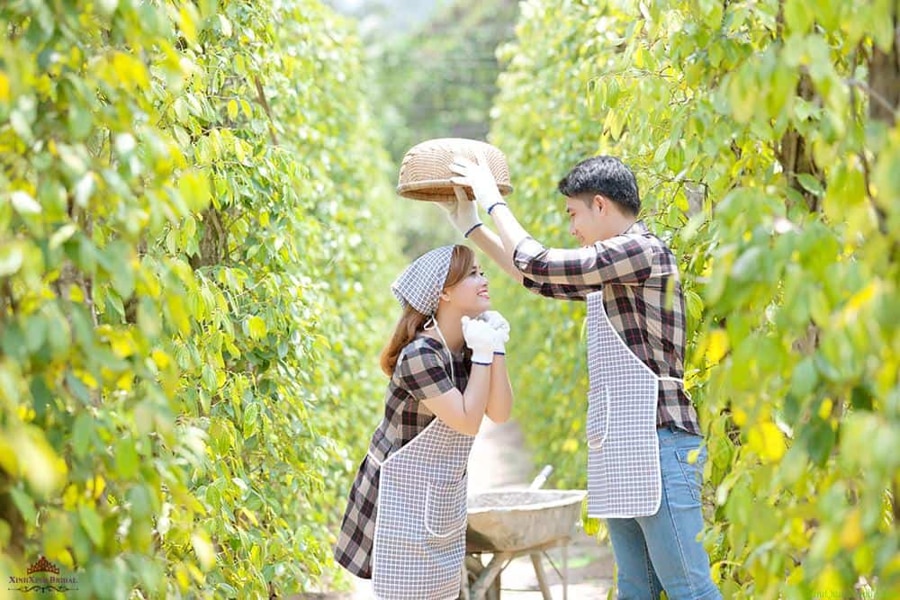
Watching or learning about the pepper harvesting and drying process helps visitors understand the effort behind each spice grain. Farmers often explain how peppercorns are picked, sorted, boiled, and sun-dried to create black, white, or red pepper. This behind-the-scenes experience transforms a simple ingredient into a cultural story of patience and tradition.

Learn the Pepper Harvesting Process

Taste and Buy Authentic Phu Quoc Pepper

Sampling different pepper varieties is a highlight that many visitors enjoy. You can taste the unique aroma and spiciness of Phu Quoc pepper while learning how each type enhances local dishes. Purchasing pepper directly from the farm guarantees authenticity and makes a meaningful souvenir that reflects the island’s agricultural heritage.

Taste and Buy Authentic Phu Quoc Pepper

Talk With Local Farmers

Engaging in conversations with local farmers adds a personal touch to your visit. They often share stories about daily farm life, challenges of cultivation, and long-standing traditions passed through generations. This interaction creates a genuine cultural connection and allows visitors to better appreciate the human effort behind Phu Quoc’s renowned pepper farms.

Entrance Fee

Pepper Farm Phu Quoc is known for its free or very affordable entrance, making it an easy stop for all travelers. Most pepper farms allow visitors to enter free of charge, while some charge a small fee of around VND 30,000–50,000 per person (approximately USD 1–2) for guided visits or tasting experiences. In many cases, children can enter for free, and no tickets are required for simple sightseeing. Entrance fees may vary slightly by farm and season, so checking on arrival is recommended.

Opening Hours

Pepper Farm Phu Quoc is generally open daily from around 8:00 AM to 5:00 PM, though opening hours may vary slightly depending on each individual farm. Most farms welcome visitors throughout the year, including weekends and public holidays. During the daytime, especially late morning and early afternoon, farms can become busier with tour groups. Visiting outside peak hours helps ensure a more relaxed and enjoyable experience.

The best time to visit Pepper Farm Phu Quoc is during the dry season from November to April, when the weather is sunny and ideal for walking through plantations. February to March is particularly special, as pepper plants are often in harvest season, offering the best views and learning opportunities. Early mornings provide cooler temperatures and better photo conditions.

How To Get To Pepper Farm Phu Quoc

Pepper farms in Phu Quoc are mainly located in rural areas such as Cua Duong and Ganh Dau, easily accessible from Duong Dong town. Visitors can choose taxis, private cars, or motorbikes depending on budget and travel preference.

Transport Option Estimated Travel Time Average Cost Notes
Taxi / Ride-hailing Car 20 to 30 minutes VND 200,000 to 300,000 (USD 8 to 12) Comfortable, ideal for families or groups
Private Car (with driver) 20 to 30 minutes VND 400,000 to 600,000 (USD 16 to 24) Flexible schedule, suitable for day tours
Motorbike Rental 20 to 40 minutes VND 120,000 to 150,000/day (USD 5 to 6) Requires a valid driving license
Bicycle 45 to 60 minutes VND 50,000 to 80,000/day (USD 2 to 3) Best for nearby farms and fit travelers

Travel Tips: Roads to pepper farms are mostly flat and easy to navigate, but some rural paths may be narrow or dusty. If traveling by motorbike, always wear a helmet and carry a valid license. During the rainy season, avoid riding after heavy rain due to slippery roads.

Things To Know Before Traveling To Pepper Farm Phu Quoc

Before visiting Pepper Farm Phu Quoc, preparing in advance helps you enjoy a smooth, comfortable experience while learning about local agriculture, traditional farming methods, and the island’s famous pepper in a peaceful countryside setting.

  • Visit early in the morning or late afternoon to avoid heat, enjoy cooler weather, and experience pepper farms in a quieter, more relaxed atmosphere.
  • Wear light clothing and comfortable shoes, as you will walk through gardens with soil paths and uneven ground in rural farm areas.
  • Bring cash in small amounts, since many pepper farms do not accept credit cards or digital payments for entry or purchases.
  • Ask permission before touching pepper plants or taking close-up photos, helping protect crops and respecting local farmers’ work.
  • Combine your visit with nearby attractions to save travel time and make the most of your day exploring northern or central Phu Quoc.

FAQs About Pepper Farm Phu Quoc

Many travelers have common questions before visiting Pepper Farm Phu Quoc, especially those interested in local culture and agriculture. The following FAQs help you plan your visit and understand what to expect during the experience.

What is the best time of year to visit Pepper Farm Phu Quoc?

The best time to visit is during the dry season from November to April, when the weather is sunny and comfortable. February and March are especially attractive because pepper plants are often in harvest season, allowing visitors to see peppercorns on the vines and learn more about the farming process.

How long does a visit to a pepper farm usually take?

A typical visit to Pepper Farm Phu Quoc lasts around 45 minutes to one hour. This allows enough time to walk through the gardens, learn about cultivation methods, take photos, and browse pepper products. Visitors who join guided tours or tasting experiences may spend a bit longer at the farm.

Can I buy authentic pepper directly from the farm?

Yes, most pepper farms have small shops where visitors can purchase authentic Phu Quoc pepper products. You can find black, white, and red pepper, often packaged for travel. Buying directly from the farm ensures quality, supports local farmers, and makes a meaningful souvenir.

Final Thoughts: Is Pepper Farm Phu Quoc Worth Visiting?

Pepper Farm Phu Quoc is a worthwhile destination for travelers seeking authentic cultural experiences beyond beaches and resorts. With free or low-cost entry, scenic plantations, and hands-on learning opportunities, it offers a deeper look into local agriculture and traditions. Visitors can enjoy peaceful countryside views, interact with farmers, and purchase genuine pepper products directly from the source. For a well-rounded Phu Quoc itinerary and trusted travel tips, let Seni World guide you to meaningful experiences across the island.

Coi Nguon Museum: A Journey Through Phu Quoc Heritage

Coi Nguon Museum is a cultural landmark in Phu Quoc, showcasing the island’s history, traditional lifestyles, and diverse natural artifacts, offering visitors a meaningful insight into local heritage through well-curated exhibitions and displays.

Introduction To Coi Nguon Museum

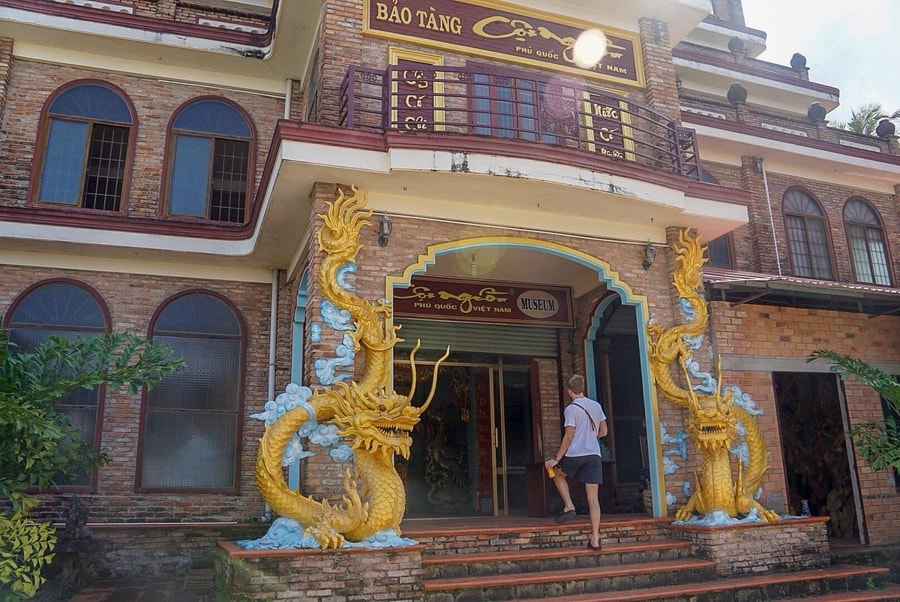
Coi Nguon Museum is one of the most distinctive cultural attractions in Phu Quoc, offering visitors a comprehensive look into the island’s history, traditions, and natural heritage. Established as a private museum, it houses thousands of artifacts related to local life, including ancient tools, traditional costumes, marine fossils, and historical documents. With its well-organized exhibition spaces and clear storytelling, the museum provides an educational yet engaging experience for travelers interested in understanding Phu Quoc beyond its beaches and resorts.

Coi Nguon Museum is one of the most distinctive cultural attractions in Phu Quoc

Visiting the Coi Nguon Museum allows travelers to connect deeply with the cultural roots of Phu Quoc Island. The museum highlights the development of local communities, traditional occupations, and the island’s relationship with the sea and nature. Its convenient location along Tran Hung Dao Street makes it easy to include in any itinerary. For culture lovers, history enthusiasts, and families, Coi Nguon Museum is a meaningful stop that adds depth and context to a Phu Quoc journey.

History Of Coi Nguon Museum

Coi Nguon Museum was founded in 2009 by Huynh Van Hien, a Phu Quoc native passionate about preserving the island’s cultural and natural heritage. The museum was established as a private collection, gradually expanding through decades of research, artifact collection, and documentation. Its name, “Coi Nguon,” means “Origin,” reflecting the founder’s mission to trace and protect the roots of Phu Quoc’s history, from early settlements to modern development.

Coi Nguon Museum was founded in 2009

The museum focuses on the lives of local communities on Phu Quoc Island, mainly the Kinh people, whose livelihoods have long depended on fishing, pearl farming, and forest resources. Through traditional tools, folk objects, and historical records, Coi Nguon Museum highlights long-standing customs, spiritual beliefs, and sustainable practices passed down through generations. This historical foundation makes the museum not only a cultural attraction but also an important archive preserving Phu Quoc’s identity for future generations.

Unique Architecture Of Coi Nguon Museum

Coi Nguon Museum impresses visitors not only with its rich collections but also with its distinctive architectural design. Each structure within the museum reflects traditional Vietnamese aesthetics, carefully crafted to enhance storytelling and create a strong connection between culture, history, and space.

Main Hall

The Main Hall is the architectural heart of Coi Nguon Museum, designed with a strong focus on traditional craftsmanship. Wooden beams, tiled roofs, and natural lighting create an authentic and welcoming environment. This space hosts major exhibitions, helping visitors understand Phu Quoc’s history and local life. The open layout allows smooth movement and clear viewing angles, while decorative details inspired by Vietnamese culture add depth, character, and a sense of historical continuity.

exhibition inside the Coi nguon museum

Wooden Staircase System

The wooden staircase system is both a functional and symbolic architectural feature of Coi Nguon Museum. Connecting multiple exhibition floors, the staircases represent a journey through different historical periods. Crafted from natural wood, they enhance the museum’s traditional aesthetic while ensuring durability. As visitors move between levels, the staircases offer changing perspectives of artifacts and displays, creating a dynamic and engaging museum experience rooted in thoughtful architectural design.

Open-Air Viewing Spaces

Open-air viewing spaces are an essential part of Coi Nguon Museum’s architecture, reflecting traditional island living. Balconies and terraces allow natural airflow and daylight, creating a comfortable environment throughout the museum. These spaces also offer views of the surrounding area, giving visitors moments to pause and reflect. By combining indoor exhibitions with outdoor elements, the museum achieves a harmonious balance between architecture, nature, and cultural storytelling.

4 Unforgettable Experiences You Shouldn’t Miss

Visiting Coi Nguon Museum is more than viewing exhibits; it is a journey into Phu Quoc’s living culture and heritage. These unforgettable experiences help visitors connect deeply with local traditions, history, and the island’s unique identity.

Explore Multi-Level Historical Exhibitions

Exploring the museum’s multi-level exhibitions is a highlight for first-time visitors. Each floor presents a different chapter of Phu Quoc’s history, from early settlements and traditional livelihoods to marine life and spiritual culture. Carefully arranged artifacts, photographs, and explanations create a clear narrative that is easy to follow. This experience allows visitors to understand the island’s development while appreciating the depth of its cultural roots.

Historical Exhibitions inside the coi nguon museum

Learn About Traditional Island Life

Coi Nguon Museum offers valuable insight into the traditional lifestyles of Phu Quoc’s local communities. Visitors can see everyday tools, fishing equipment, and household items once used by island residents. These displays explain how people adapted to coastal living and forest environments over generations. Learning about traditional island life adds context to modern Phu Quoc and deepens appreciation for its cultural heritage.

Discover Marine Fossils and Natural Artifacts

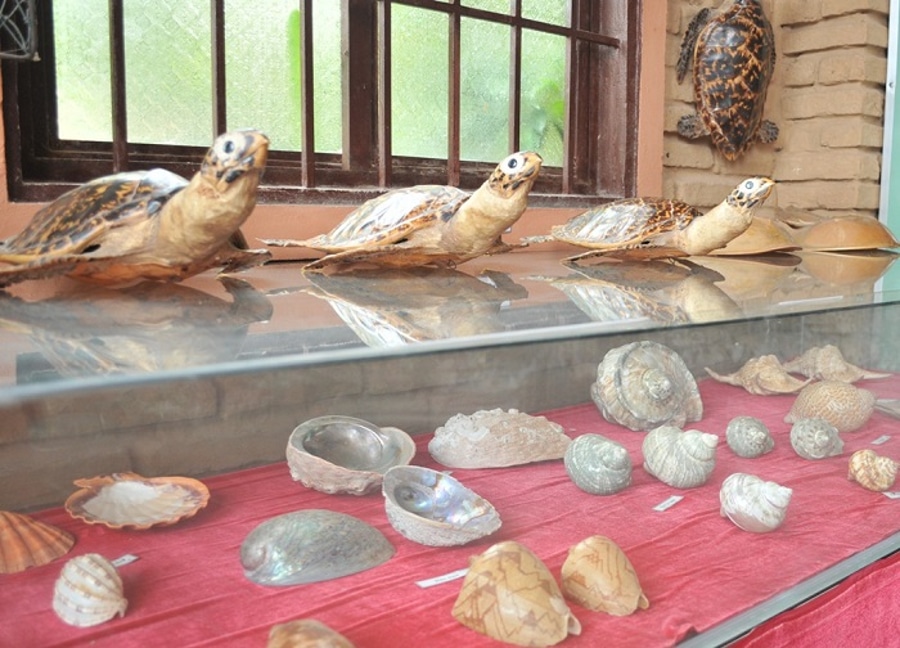
One unforgettable experience at Coi Nguon Museum is discovering its impressive collection of marine fossils and natural artifacts. Shells, corals, and preserved specimens highlight Phu Quoc’s close relationship with the sea. Informative descriptions explain their origins and significance, making this section both educational and visually fascinating. It is especially engaging for families and visitors interested in nature and marine history.

Discover Marine Fossils and Natural Artifacts

Enjoy Scenic Views from Upper Floors

Reaching the upper floors of Coi Nguon Museum rewards visitors with scenic views of the surrounding area. These open spaces provide a quiet moment to relax while reflecting on the exhibits below. Natural light and fresh air enhance the experience, making the visit feel balanced and immersive. This simple yet memorable moment completes the museum journey beautifully.

Entrance Fee

The entrance fee at Coi Nguon Museum is budget-friendly, making it accessible to most travelers visiting Phu Quoc. Ticket prices usually range from VND 20,000–50,000 per adult (approximately USD 0.8–2.0), depending on the visit time and current policies. In certain cases, children and visitors using on-site services may enjoy free admission. Overall, the reasonable entrance fee allows visitors to explore Phu Quoc’s history, culture, and local heritage at a very affordable cost.

Opening Hours

Coi Nguon Museum is generally open daily from 7:00 AM to 5:30 PM, allowing visitors to explore its exhibitions throughout the day. Some periods may apply a short midday break, typically around 11:30 AM to 1:00 PM, so arriving in the morning or mid-afternoon is recommended. Opening hours can vary slightly during holidays or special events, so checking locally before your visit helps ensure a smooth experience.

Coi Nguon Museum is generally open daily

The best time to visit Coi Nguon Museum is during the dry season from November to April, when Phu Quoc enjoys pleasant weather and clear skies. For a quieter experience, visit early in the morning or on weekdays, as peak tourist hours usually fall between late morning and early afternoon, especially during weekends and high season.

How To Get ToCoi Nguon Museum

Located on Tran Hung Dao Street, Coi Nguon Museum is easy to reach from central Duong Dong. Visitors can choose taxis, private cars, motorbikes, or ride-hailing services depending on budget, travel style, and preferred travel time.

Transport Option Travel Time (from Duong Dong) Estimated Cost Notes
Taxi / Grab Car 10 to 15 minutes VND 100,000–150,000 (USD 4 to 6) Comfortable and convenient for groups or families
Private Car 10 to 15 minutes VND 200,000–300,000 (USD 8 to 12) Suitable for flexible schedules and private tours
Motorbike Rental 10 to 15 minutes VND 120,000 to 150,000/day (USD 5 to 6) Riders must have a valid driving license
Bicycle 25 to 30 minutes VND 50,000 to 80,000/day (USD 2 to 3) Best for short-distance travelers staying nearby

Travel Tips: Roads to the museum are flat and easy to navigate, but motorbike riders should always wear helmets and carry a valid license. During peak season, visiting early helps avoid traffic and ensures easier parking.

Things To Know Before Traveling To Coi Nguon Museum

Before visiting Coi Nguon Museum, a little preparation can enhance your experience and help you explore Phu Quoc’s cultural heritage more comfortably, especially during peak tourist seasons and busy daytime hours.

  • Visit in the morning for a quieter atmosphere, cooler weather, and better lighting for photography, especially if you plan to explore all exhibition floors thoroughly.
  • Wear comfortable clothing and walking shoes, as the museum has multiple levels and exhibits that require climbing stairs and standing for extended periods.
  • Bring small cash in Vietnamese dong, since entrance fees and souvenirs may not always accept cards or international payment methods.
  • Allocate at least one hour to explore the museum fully, allowing time to read displays and understand Phu Quoc’s history and traditional crafts.
  • Respect museum rules by avoiding loud conversations and touching artifacts, helping preserve valuable cultural and historical collections for future visitors.
  • Photography is generally allowed, but flash usage may be restricted in certain areas to protect sensitive exhibits and displays.
  • Combine your visit with nearby attractions on Tran Hung Dao Street to maximize your time and enjoy a well-rounded sightseeing experience.

FAQs About Coi Nguon Museum

Visitors often have common questions before exploring Coi Nguon Museum, one of Phu Quoc’s most cultural attractions. The following FAQs provide helpful details to plan your visit smoothly and enjoy a meaningful museum experience.

What can you see inside the Coi Nguon Museum?

Coi Nguon Museum displays a rich collection of artifacts related to Phu Quoc’s history, culture, and traditional lifestyle. Visitors can explore exhibits on local fishing communities, ancient tools, sea life, traditional costumes, and religious objects. The museum also features wooden architecture and antiques collected over decades, offering a deeper understanding of the island’s heritage beyond beaches and resorts.

How long does it take to visit Coi Nguon Museum?

A typical visit to Coi Nguon Museum takes about one to one and a half hours. This allows enough time to explore all floors, read exhibition descriptions, and take photos. Visitors interested in history or traditional crafts may spend longer, while those on a tight schedule can still enjoy highlights within 45 minutes.

Is the Coi Nguon Museum suitable for families and children?

Yes, Coi Nguon Museum is suitable for families and children. The exhibits are visually engaging and easy to follow, helping younger visitors learn about local culture in a relaxed environment. However, parents should supervise children closely, as many artifacts are delicate and should not be touched.

Is photography allowed inside the museum?

Photography is generally allowed inside the Coi Nguon Museum, making it a great place for cultural photos. However, flash photography may be restricted in certain exhibition areas to protect artifacts. Visitors should follow on-site signs and staff instructions to ensure respectful and responsible photography during their visit.

Final Thoughts: Is Coi Nguon Museum Worth Visiting?

Coi Nguon Museum is absolutely worth visiting for travelers seeking a deeper understanding of Phu Quoc beyond its beaches and resorts. With affordable entrance fees, diverse cultural exhibits, and a convenient location, it offers a meaningful and educational experience for all ages. The museum beautifully preserves local history, traditions, and craftsmanship, making it a perfect stop for culture lovers and curious explorers alike. For a well-planned Phu Quoc journey, let Seni World help you discover authentic destinations and unforgettable travel experiences.

Phu Quoc National Park: A Pristine Natural Escape

Phu Quoc National Park is a protected natural haven on Vietnam’s largest island, featuring dense tropical forests, diverse wildlife, and scenic hiking trails, making it an ideal destination for eco-travelers, nature lovers, and outdoor adventure seekers.

Introduction To Phu Quoc National Park

Phu Quoc National Park is one of Vietnam’s most treasured natural attractions, covering more than half of Phu Quoc Island. This protected area is home to lush tropical forests, rolling mountains, freshwater streams, and rich biodiversity. As part of a UNESCO-designated Biosphere Reserve, the park plays a vital role in preserving rare flora and fauna while offering visitors a peaceful escape from crowded beaches. Its well-preserved landscapes make Phu Quoc National Park a top destination for eco-tourism, photography, and nature exploration in southern Vietnam.

Phu Quoc National Park is one of Vietnam’s most treasured natural attractions

Visiting Phu Quoc National Park allows travelers to experience the island’s untouched beauty beyond its resorts. The park features scenic hiking trails, panoramic viewpoints, and opportunities to spot wildlife in their natural habitat. Whether you enjoy trekking, birdwatching, or simply immersing yourself in nature, this destination offers a refreshing and authentic travel experience. With its tranquil atmosphere and breathtaking scenery, Phu Quoc National Park is a must-visit for anyone seeking adventure, sustainability, and natural charm.

History Of Phu Quoc National Park

Phu Quoc National Park was officially established in 2001 and later expanded to protect a vast area covering forests, mountains, rivers, and coastal ecosystems on Phu Quoc Island. The park was created to conserve the island’s rich biodiversity, including rare plant species and endangered wildlife, while maintaining ecological balance. Today, it forms a core part of the UNESCO-recognized Kien Giang Biosphere Reserve, highlighting its environmental and scientific importance at both national and international levels.

Long before becoming a protected area, the land within Phu Quoc National Park was closely connected to local communities, mainly ethnic Kinh people, along with Khmer and Chinese minorities. These communities relied on forests and streams for traditional livelihoods such as farming, fishing, and herbal medicine gathering. Over generations, they developed a deep respect for nature and sustainable living practices. This cultural connection adds historical depth to the park, making it not only a natural treasure but also a place shaped by long-standing human traditions.

Top 4 Iconic Attractions In Phu Quoc National Park

Discover the most iconic natural highlights inside Phu Quoc National Park, where untouched forests, scenic trails, and peaceful streams create unforgettable experiences for travelers seeking nature, adventure, and authentic island beauty beyond the beaches.

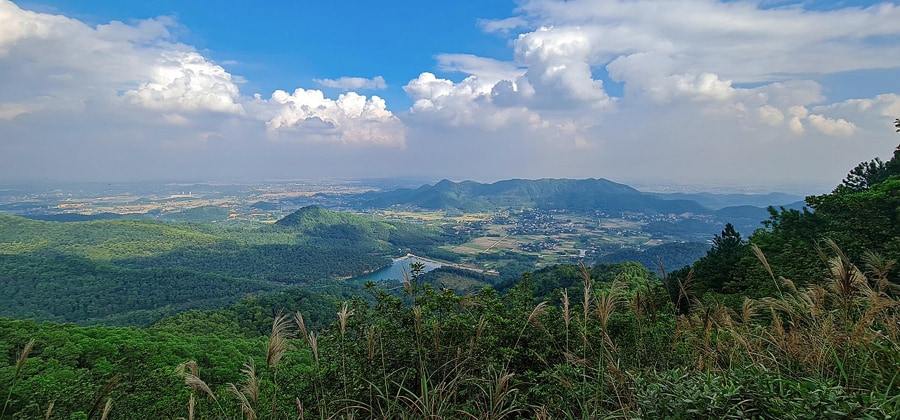
Ham Ninh Mountain Range

The Ham Ninh Mountain Range is the highest and most impressive area within Phu Quoc National Park. Covered by dense tropical rainforest, it offers challenging trekking routes and rewarding panoramic views over the island. On clear days, hikers can admire lush valleys, winding rivers, and even distant coastlines. This area is ideal for adventure seekers, nature photographers, and travelers who want to explore Phu Quoc’s wild, untouched landscapes while enjoying fresh air and serene surroundings.

Ham Ninh Mountain Range

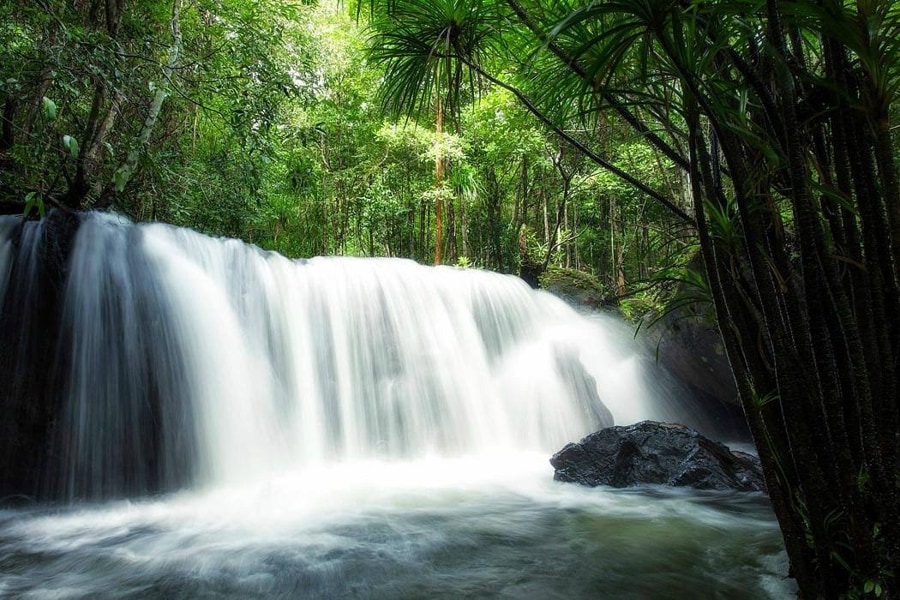
Tranh Stream (Suoi Tranh)

Tranh Stream is one of the most popular natural attractions near Phu Quoc National Park, especially during the rainy season. Flowing gently through forested hills, the stream features small waterfalls, rocky pools, and shaded picnic spots. Visitors can enjoy short nature walks, relax by the water, or take photos of the surrounding greenery. Its easy accessibility makes Tranh Stream perfect for families and travelers seeking a peaceful nature escape without strenuous hiking.

Tranh Stream (Suoi Tranh)

Ganh Dau Forest Area

The Ganh Dau forest area showcases the rich biodiversity of Phu Quoc National Park, with dense vegetation and diverse wildlife habitats. Walking through this region, visitors may encounter rare plant species, colorful birds, and tranquil forest paths. The area is especially attractive for eco-tourism and birdwatching enthusiasts. Its quiet atmosphere and minimal development allow travelers to experience the park’s natural ecosystem in its most authentic and undisturbed form.

Scenic Hiking Trails

The hiking trails inside Phu Quoc National Park are iconic attractions themselves, guiding visitors through ancient forests, gentle slopes, and hidden streams. These trails vary in difficulty, catering to both casual walkers and experienced trekkers. Along the way, travelers can learn about native plants, spot wildlife, and enjoy the calming sounds of nature. Hiking here offers a deeper connection to the island’s natural heritage and ecological beauty.

4 Unforgettable Experiences You Shouldn’t Miss

Beyond scenic landscapes, Phu Quoc National Park offers meaningful experiences that allow visitors to connect deeply with nature, local culture, and outdoor adventure. These unforgettable activities help create a more authentic and rewarding journey on Phu Quoc Island.

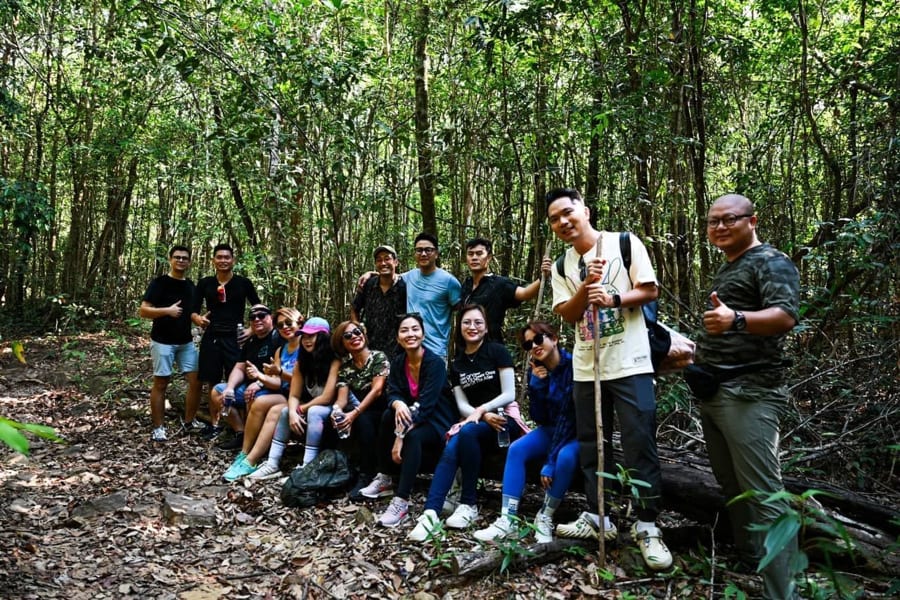
Trek Through Pristine Tropical Forests

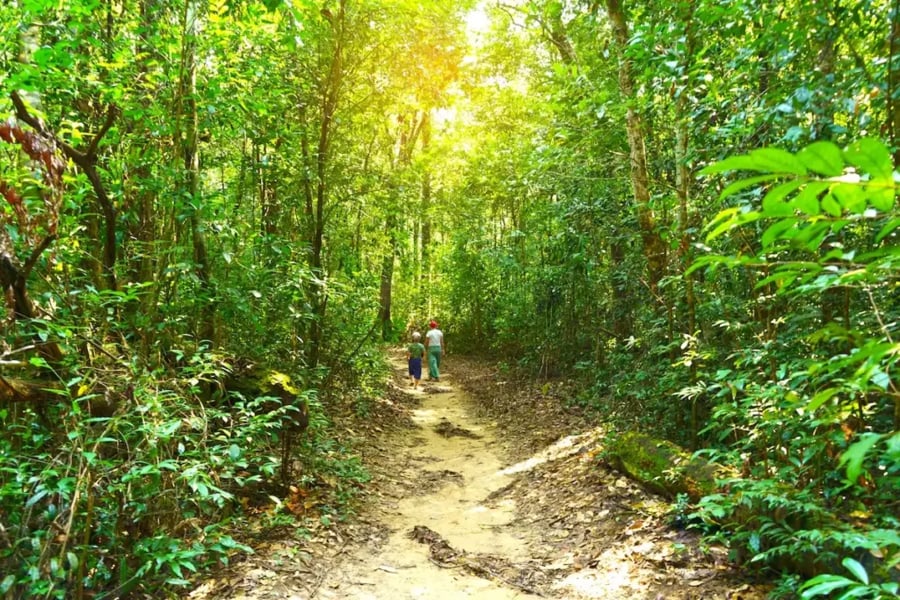
Trekking through the dense rainforest is one of the most memorable experiences in Phu Quoc National Park. Guided trails lead you beneath towering trees, past rare plants, and along quiet streams. Along the way, visitors can learn about native flora, medicinal herbs, and local conservation efforts. The peaceful atmosphere, fresh air, and natural sounds make forest trekking ideal for nature lovers seeking both adventure and relaxation.

Trek Through Pristine Tropical Forests

Wildlife Spotting and Birdwatching

Phu Quoc National Park is home to diverse wildlife, making it a rewarding destination for birdwatching and nature observation. Early mornings are best for spotting colorful birds, butterflies, and small forest animals in their natural habitat. With patience and a bit of luck, visitors may encounter rare species unique to the island. This experience offers a deeper appreciation of biodiversity and the park’s ecological importance.

natural animals in phu quoc national park

Enjoy a Picnic by Forest Streams

Spending time by the park’s freshwater streams is a simple yet unforgettable experience. Many visitors choose quiet spots along flowing streams to relax, enjoy snacks, or take refreshing dips during warmer months. Surrounded by lush greenery and gentle water sounds, this activity provides a perfect escape from busy tourist areas. It’s an excellent option for families, couples, and travelers seeking peaceful moments in nature.

Photography in Untouched Landscapes

Phu Quoc National Park offers endless photography opportunities, from misty forest paths to panoramic mountain views. Soft morning light and late afternoon sunshine highlight the park’s natural textures and colors. Whether capturing wildlife, landscapes, or close-up plant details, photographers will find inspiring scenes throughout the park. This experience allows travelers to preserve unforgettable memories of Phu Quoc’s unspoiled beauty.

Photography in Untouched Landscapes

Entrance Fee

Phu Quoc National Park is free to enter, allowing visitors to explore its natural beauty without any entrance fee. Most forest trails, scenic viewpoints, and open areas are accessible to the public, making it an ideal destination for budget-conscious travelers. This free access encourages eco-tourism while promoting awareness of nature conservation. However, certain protected zones or guided trekking experiences may require prior permission or tour arrangements to ensure safety and environmental protection.

Opening Hours

Phu Quoc National Park is generally open daily from 8:00 AM to 5:00 PM, allowing visitors to explore forest trails, streams, and scenic viewpoints during daylight hours. These opening hours apply to most accessible areas of the park. For safety reasons, visitors are advised to enter early and avoid late afternoon treks, especially during the rainy season. Guided tours or special trekking routes may follow fixed schedules arranged in advance with local operators.

Phu Quoc National Park is generally open daily

The best time to visit Phu Quoc National Park is during the dry season, from November to April, when the weather is pleasant, the humidity is lower, and hiking trails are easier to navigate. This period is also the park’s peak travel season, ideal for trekking, wildlife spotting, and photography. The rainy season, from May to October, brings lush greenery and flowing streams, but may remind visitors to check weather conditions before visiting.

How To Get To Phu Quoc National Park

Phu Quoc National Park is located in the northeastern part of Phu Quoc Island, around 20–30 km from Duong Dong Town. Travelers can easily reach the park by motorbike, taxi, or private car. Motorbikes are popular for flexible exploration, while taxis and private cars are more comfortable for families or groups. Most routes are paved, but some roads near forest areas may be narrow or uneven, especially during the rainy season.

Transportation Estimated Price (USD) Travel Time Notes
Motorbike rental 6–8 USD/day 40–50 minutes Valid driver’s license recommended
Taxi 15–25 USD/one way 30–40 minutes Convenient, no navigation needed
Private car 30–50 USD/round trip Flexible Ideal for groups, customizable stops

Travel Tips:
If traveling by motorbike, ensure you have a valid license and wear a helmet at all times. Fuel up before entering remote areas, as there are limited services near the park. During the rainy season, roads can be slippery, so drive carefully and avoid late afternoon travel.

Things To Know Before Traveling To Phu Quoc National Park

Before visiting Phu Quoc National Park, understanding local conditions helps you enjoy nature safely while respecting protected ecosystems. These essential travel tips prepare you for weather, transportation, activities, and responsible exploration inside the park area.

  • Wear lightweight clothing, sturdy shoes, and bring insect repellent to stay comfortable while trekking through humid forests and uneven trails during longer walks, hikes, and visits.
  • Visit early in the morning to avoid heat, enjoy wildlife activity, and have enough daylight for safe exploration throughout the park’s main forest areas comfortably.
  • Carry drinking water and light snacks, as food stalls and shops are limited once you enter the national park area, especially on longer walking routes.
  • Check weather forecasts before going, especially during the rainy season, when trails may be slippery, and streams rise quickly after heavy rainfall, affecting access and safety.
  • Respect nature by staying on marked trails, avoiding littering, and not disturbing wildlife or plants inside protected areas to support conservation efforts and park sustainability.
  • If traveling by motorbike, ensure you have a valid license, helmet, and sufficient fuel before entering remote zones where services and repairs are very limited.
  • Consider hiring a local guide for deeper trekking routes to learn about biodiversity, safety procedures, and conservation efforts while navigating challenging terrain responsibly and confidently.

FAQs About Phu Quoc National Park

Planning a trip to Phu Quoc National Park often raises questions about entrance fees, activities, and accessibility.

These frequently asked questions help travelers prepare better and enjoy a safe, smooth, and memorable nature experience on Phu Quoc Island.

Is Phu Quoc National Park free to enter?

Yes, Phu Quoc National Park is generally free to enter, and visitors can access most forest trails and open areas without paying an entrance fee. This makes it a budget-friendly destination for nature lovers. However, some protected zones, deep trekking routes, or guided eco-tours may require prior permission or additional costs arranged through local tour operators for safety and conservation purposes.

What is the best time of day to visit Phu Quoc National Park?

The best time to visit Phu Quoc National Park is early morning, between 8:00 AM and 10:00 AM. During this time, temperatures are cooler, wildlife is more active, and lighting is ideal for photography. Morning visits also provide enough daylight for hiking and exploration, reducing risks associated with heat, fatigue, or sudden weather changes later in the afternoon.

Can you explore Phu Quoc National Park without a guide?

Yes, visitors can explore many areas of Phu Quoc National Park independently, especially short trails and easily accessible zones. However, for longer treks or deeper forest routes, hiring a local guide is recommended. Guides provide valuable knowledge about flora, fauna, and safety, helping visitors avoid getting lost and ensuring responsible exploration of protected ecosystems.

Is Phu Quoc National Park suitable for families?

Phu Quoc National Park can be suitable for families, particularly in areas near streams, short walking paths, and picnic spots. Families should avoid challenging trekking routes and visit during dry weather for safety. Bringing water, snacks, insect repellent, and comfortable footwear helps ensure a pleasant experience. Always supervise children closely and follow park guidelines while exploring nature.

Final Thoughts: Is Phu Quoc National Park Worth Visiting?

Phu Quoc National Park is absolutely worth visiting for travelers seeking untouched nature, rich biodiversity, and peaceful outdoor experiences beyond the island’s beaches. With free entry, scenic hiking trails, and year-round natural beauty, it offers great value for eco-tourism lovers. From forest adventures to quiet streamside moments, the park suits all travel styles. Plan your journey today and discover Phu Quoc’s wild side with Seni World as your trusted travel companion.

Ho Quoc Pagoda: Sacred Seaside Buddhist Temple in Phu Quoc

Ho Quoc Pagoda, also known as Truc Lam Ho Quoc Zen Monastery, is one of Phu Quoc’s most sacred spiritual sites, famous for its seaside location, peaceful atmosphere, and stunning panoramic views overlooking the ocean.

Introduction to Ho Quoc Pagoda

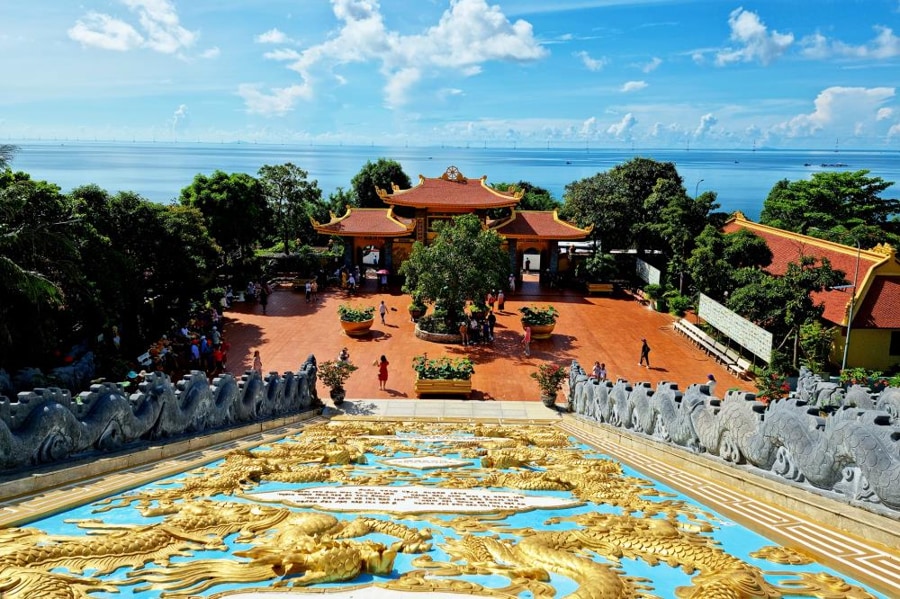
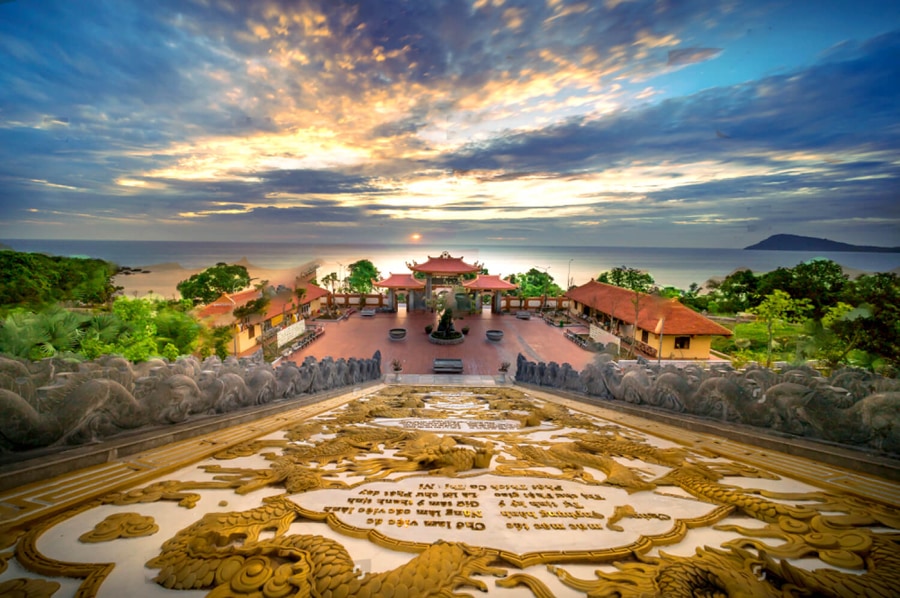
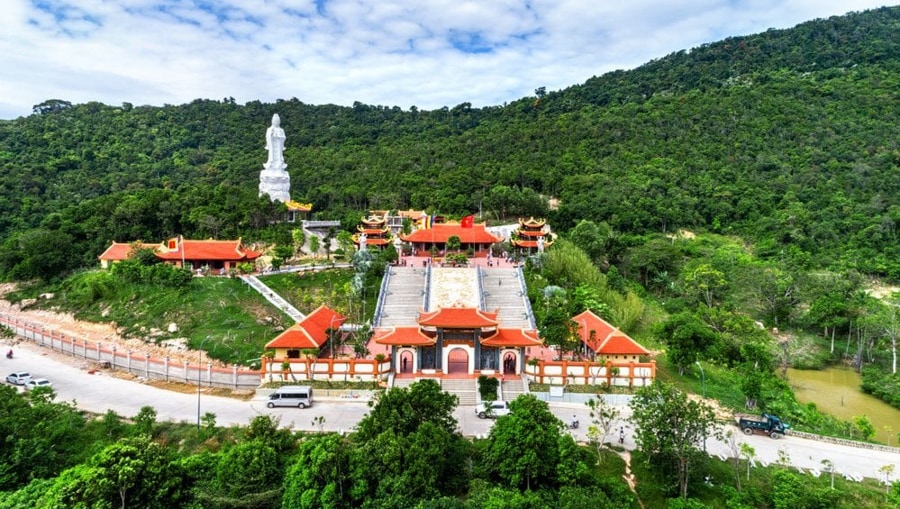
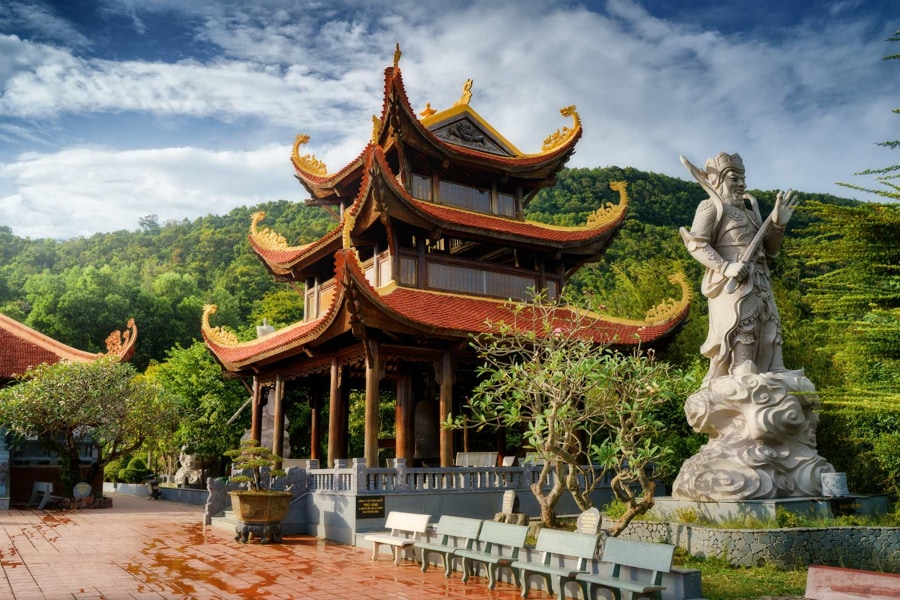
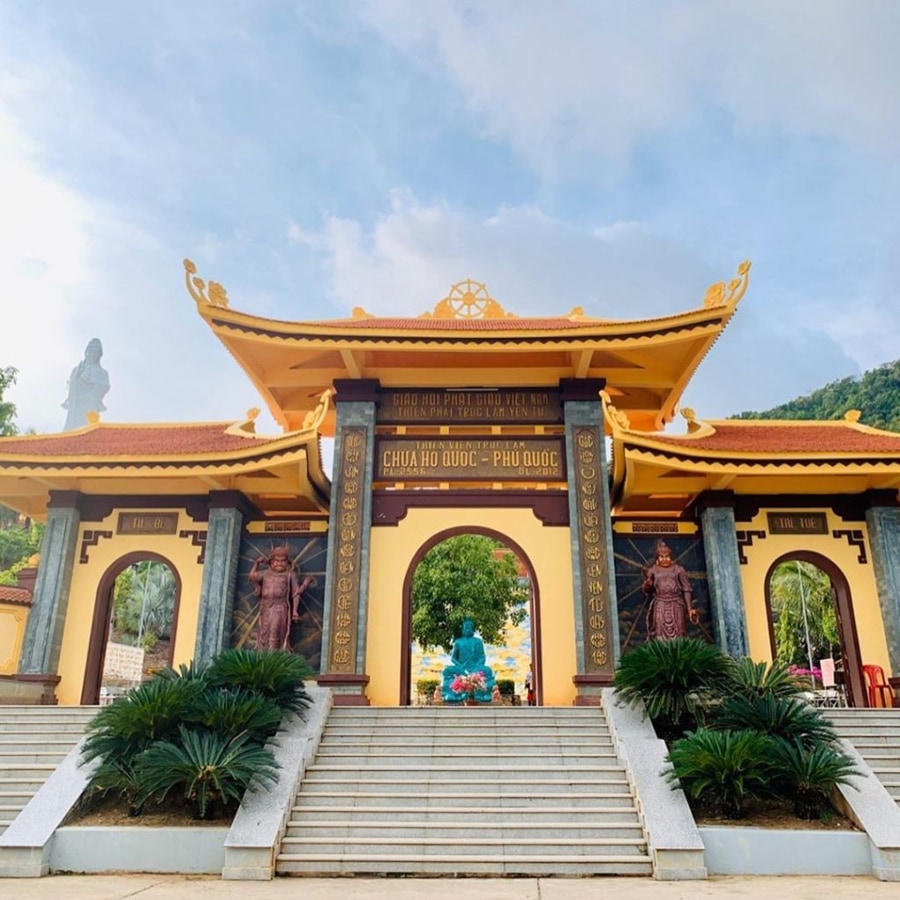
Ho Quoc Pagoda, officially known as Truc Lam Ho Quoc Zen Monastery, is one of the most famous spiritual attractions in Phu Quoc Island. Located on a hillside overlooking the sea, the pagoda offers a harmonious blend of traditional Buddhist architecture and breathtaking natural scenery. With its grand gates, stone stairways, and serene courtyards, Ho Quoc Pagoda attracts both pilgrims and travelers seeking a peaceful cultural experience. The calm atmosphere and panoramic ocean views make it a standout destination among Phu Quoc’s religious landmarks.

Ho Quoc Pagoda, officially known as Truc Lam Ho Quoc Zen Monastery

Visiting Ho Quoc Pagoda is a meaningful way to explore the spiritual side of Phu Quoc while enjoying stunning coastal landscapes. The pagoda is an ideal place for meditation, quiet reflection, and learning about Vietnamese Buddhism. In addition to its spiritual value, Ho Quoc Pagoda is also popular for photography and sightseeing, especially at sunrise and sunset. Easy access and free entry make it a must-visit stop for anyone looking to combine culture, nature, and tranquility during their Phu Quoc journey.

History Of Ho Quoc Pagoda

Ho Quoc Pagoda, officially named Truc Lam Ho Quoc Zen Monastery, was built between 2011 and 2012 as part of the Truc Lam Zen tradition in Vietnam. Situated on a coastal hillside in southern Phu Quoc, the pagoda was designed to harmonize Buddhist architecture with the surrounding sea and forest landscapes. Since its inauguration, Ho Quoc Pagoda has become the largest and most important Buddhist monastery on Phu Quoc Island, serving as a spiritual center for monks, locals, and visiting pilgrims.

Over the years, Ho Quoc Pagoda has played a significant role in preserving Buddhist teachings and promoting meditation practices rooted in the Truc Lam Zen philosophy. The pagoda regularly hosts religious ceremonies, festivals, and community activities that reflect Vietnam’s long-standing Buddhist traditions. Today, its historical value combined with its dramatic seaside setting makes Ho Quoc Pagoda not only a place of worship but also a culturally meaningful destination for travelers interested in history, spirituality, and Vietnamese heritage.

Unique Architecture Of Ho Quoc Pagoda

Ho Quoc Pagoda stands out for its majestic Truc Lam Zen architecture, harmoniously set between the mountains and the sea of Phu Quoc. Every structure is carefully designed to reflect Buddhist philosophy while highlighting the pagoda’s dramatic coastal landscape.

Unique Architecture Of Ho Quoc Pagoda

Tam Quan Main Gate

The Tam Quan main gate of Ho Quoc Pagoda is constructed from solid stone and designed in a traditional Buddhist style. It symbolizes the three paths to enlightenment and creates a solemn first impression. Facing the sea, the gate perfectly connects spiritual meaning with the surrounding natural landscape.

Main Hall (Chinh Dien)

The Main Hall is the spiritual heart of Ho Quoc Pagoda, featuring impressive Buddha statues and finely detailed wooden carvings. Positioned on elevated ground, it offers panoramic ocean views that enhance the sense of peace. This space is used for worship, meditation, and important religious ceremonies.

Stone Stairways to the Sea

The long stone stairways leading toward the coastline are among the most iconic architectural features of Ho Quoc Pagoda. They represent the spiritual journey between land and sea. Walking along these steps allows visitors to enjoy tranquil moments with breathtaking coastal scenery.

Stone Stairways to the Sea

Lotus-Inspired Design Elements

Lotus motifs appear throughout the pagoda’s architecture, symbolizing purity and spiritual awakening in Buddhism. These decorative details are subtly integrated into structures and carvings. The lotus designs add elegance while reinforcing the pagoda’s deep religious meaning and cultural identity.

Meditation Courtyards and Terraces

The open courtyards and terraces are designed as quiet spaces for meditation and contemplation. Built with stone surfaces and minimal decoration, they emphasize simplicity and harmony. Overlooking the sea, these areas create a strong connection between nature, spirituality, and inner peace.

Monk Living Quarters

The monk living quarters follow minimalist Truc Lam Zen architecture, focusing on simplicity and balance. Made from natural materials, the buildings blend seamlessly into the landscape. Their design reflects the disciplined lifestyle of the monks and the core values of tranquility and mindfulness.

5 Unforgettable Experiences You Shouldn’t Miss

Ho Quoc Pagoda offers more than spiritual significance, providing visitors with peaceful moments, cultural discovery, and breathtaking coastal scenery. From quiet meditation to scenic views, each experience creates lasting memories on Phu Quoc Island.

Enjoy the Peaceful Spiritual Atmosphere

Spending quiet time at Ho Quoc Pagoda is an unforgettable experience for many visitors. The calm surroundings, gentle sea breeze, and sound of temple bells create a perfect setting for meditation, reflection, and spiritual relaxation away from the busy tourist areas.

Peaceful Spiritual Atmosphere around the ho quoc pagoda

Admire Panoramic Ocean Views

One of the highlights of Ho Quoc Pagoda is its breathtaking view overlooking the sea. From the terraces and stairways, visitors can enjoy wide ocean vistas, especially during sunrise and sunset, making it an ideal spot for photography and quiet sightseeing.

Explore Traditional Buddhist Architecture

Walking through the pagoda complex allows visitors to admire traditional Truc Lam Zen architecture. From the grand main gate to the main hall and stone stairways, each structure reflects deep spiritual meaning and careful craftsmanship rooted in Vietnamese Buddhist culture.

Explore Traditional Buddhist Architecture

Experience Buddhist Rituals and Ceremonies

Visitors may have the chance to observe or participate in daily prayers and special Buddhist ceremonies. These rituals offer insight into local religious practices and provide a meaningful cultural experience, especially for those interested in spirituality and Vietnamese traditions.

Capture Stunning Travel Photography

Ho Quoc Pagoda is a favorite destination for photographers thanks to its unique location between mountains and sea. The combination of stone architecture, open sky, and coastal scenery creates striking photo opportunities at every corner of the temple grounds.

Entrance Fee

Entrance to Ho Quoc Pagoda is completely free, making it an accessible destination for all visitors to Phu Quoc Island. Travelers can explore the temple grounds, admire its architecture, and enjoy peaceful ocean views without purchasing tickets. Although there is no entrance fee, visitors are welcome to make voluntary donations to support temple maintenance and religious activities. This free admission policy allows everyone to experience the spiritual atmosphere, cultural value, and natural beauty of Ho Quoc Pagoda comfortably and respectfully.

Opening Hours

Ho Quoc Pagoda is open daily from 6:00 AM to 6:00 PM, allowing visitors to explore the temple throughout the day. Early morning hours are ideal for those seeking a quiet, spiritual atmosphere, while late afternoons offer cooler temperatures and beautiful coastal views. The pagoda may become busier during weekends, public holidays, and major Buddhist festivals, so visiting on weekdays is recommended for a more peaceful experience.

Ho Quoc Pagoda is open daily

The best time to visit Ho Quoc Pagoda is during the dry season from November to April, when the weather is sunny and comfortable for sightseeing. Sunrise and sunset are especially popular, as the soft light enhances the pagoda’s architecture and ocean scenery. Visiting during these times provides a memorable blend of spirituality, nature, and tranquility.

How To Get To Ho Quoc Pagoda

Ho Quoc Pagoda is easily accessible from Duong Dong town and Phu Quoc International Airport by various transport options. Choosing the right vehicle helps visitors enjoy a smooth journey while admiring Phu Quoc’s coastal scenery along the way.

Transportation Estimated Travel Time Approximate Cost (USD) Notes
Taxi / Car 30 to 40 minutes 15 to 25 USD Comfortable, suitable for families
Motorbike 35 to 45 minutes 5 to 7 USD (rental/day) Flexible, ideal for independent travelers
Private Tour Half-day Varies Often includes multiple attractions

Note: If traveling by motorbike, visitors should have a valid driving license and ride carefully, as some coastal roads near the pagoda can be steep and windy, especially during the rainy season.

Things To Know Before Traveling To Ho Quoc Pagoda

Visiting Ho Quoc Pagoda is a spiritual experience that blends spirituality with coastal scenery. Preparing in advance helps travelers respect temple etiquette, enjoy the visit, and make the most of their time in Phu Quoc.

  • Dress modestly by covering shoulders and knees to show respect when visiting the pagoda, especially during prayer times and religious ceremonies attended by monks and local worshippers.
  • Visit early in the morning or late afternoon to enjoy cooler weather, fewer crowds, softer lighting, and peaceful moments ideal for meditation, photography, and quiet spiritual reflection.
  • Bring water, sun protection, and comfortable shoes since the temple complex is spacious, with stone stairways and open terraces exposed to sunlight for long periods during visits.
  • Maintain silence, avoid loud conversations, and follow posted guidelines to preserve the sacred atmosphere, showing consideration for monks, worshippers, and other visitors seeking spiritual calm and mindfulness.
  • Check weather forecasts before traveling, as rainy conditions can make roads slippery, especially for motorbike riders heading to the pagoda from central Phu Quoc areas, safely.

FAQs About Ho Quoc Pagoda

Ho Quoc Pagoda is one of the most visited spiritual attractions in Phu Quoc, raising many common questions among travelers. The following FAQs help visitors plan a respectful, comfortable, and meaningful visit to this sacred seaside temple.

Is there an entrance fee to visit Ho Quoc Pagoda?

No, Ho Quoc Pagoda is completely free to enter for all visitors. There is no ticket booth or required fee to access the temple grounds, main hall, or viewing terraces. However, donation boxes are available for those who wish to contribute voluntarily to temple maintenance and religious activities. These donations are optional and not expected, allowing travelers to enjoy the pagoda regardless of budget while still supporting its preservation if they choose.

What is the best time of day to visit Ho Quoc Pagoda?

The best time to visit Ho Quoc Pagoda is early in the morning or late in the afternoon. Morning visits offer a quiet atmosphere ideal for meditation and spiritual reflection, while afternoons provide cooler temperatures and beautiful ocean views. Sunrise and sunset are especially popular for photography, as the natural light enhances the temple’s architecture and coastal scenery.

What should visitors wear when visiting Ho Quoc Pagoda?

Visitors should dress modestly when visiting Ho Quoc Pagoda to respect Buddhist traditions. Clothing should cover the shoulders and knees, and overly revealing outfits are discouraged. Comfortable footwear is recommended due to stone stairways and walking paths. Wearing respectful attire helps maintain the sacred atmosphere and ensures a pleasant experience for both visitors and worshippers.

Final Thoughts: Is Ho Quoc Pagoda Worth Visiting?

Ho Quoc Pagoda is truly worth visiting for travelers seeking a peaceful blend of spirituality, culture, and natural beauty in Phu Quoc. Its majestic seaside setting, traditional Buddhist architecture, and tranquil atmosphere create a meaningful escape from busy tourist spots. With free entry, easy access, and stunning sunrise and sunset views, the pagoda appeals to both cultural explorers and nature lovers. Add Ho Quoc Pagoda to your Phu Quoc itinerary and discover more inspiring destinations with Seni World.

Grand World Phu Quoc: The City That Never Sleeps

Grand World Phu Quoc is a vibrant entertainment and cultural complex known for its European-style architecture, lively nightlife, shopping streets, and artistic shows, offering visitors a dynamic destination that blends sightseeing, dining, and entertainment in one place.

Introduction To Grand World Phu Quoc

Grand World Phu Quoc is one of the most iconic tourist destinations on Phu Quoc Island, often referred to as “the city that never sleeps.” Designed with European-inspired architecture, colorful canals, and lively streets, this entertainment complex creates a unique atmosphere that blends culture, shopping, dining, and art. Visitors can stroll along Venice-style waterways, admire grand buildings, and enjoy a variety of performances and exhibitions throughout the day and night. Its vibrant setting makes Grand World Phu Quoc a popular stop for both first-time visitors and returning travelers.

Introduction To Grand World Phu Quoc

Travelers should visit Grand World Phu Quoc for its diverse experiences and nonstop entertainment. The area offers free sightseeing, photogenic landmarks, cultural shows, and a wide selection of restaurants and cafés. Open late into the night, it provides a different energy compared to beach destinations, making it ideal for evening exploration. Grand World Phu Quoc is perfect for travelers seeking culture, nightlife, and memorable photo opportunities in one location.

History Of Grand World Phu Quoc

Grand World Phu Quoc is a well-known entertainment and cultural complex located in the northern area of Phu Quoc Island. Famous for its European-inspired architecture and Venice-style canals, this destination offers a unique urban atmosphere unlike any other place on the island. Visitors can explore colorful streets, scenic waterways, art installations, and iconic landmarks that create a lively and photogenic setting both day and night. With free entrance and open public spaces, Grand World Phu Quoc attracts travelers of all ages.

Visiting Grand World Phu Quoc allows travelers to enjoy a wide range of experiences in one destination. From shopping and dining to cultural performances and nighttime entertainment, the area offers constant activity and visual appeal. Its late-night operations make it ideal for evening exploration after beach activities. Grand World Phu Quoc is perfect for visitors seeking vibrant nightlife, cultural discovery, and memorable photo opportunities during their Phu Quoc journey.

Iconic Attractions In Grand World Phu Quoc

Grand World Phu Quoc is a large-scale entertainment complex with multiple iconic areas, each offering a distinct atmosphere and experience. From European-style streets to cultural landmarks, these attractions define why Grand World is a must-visit destination.

Venice River and Gondola Area

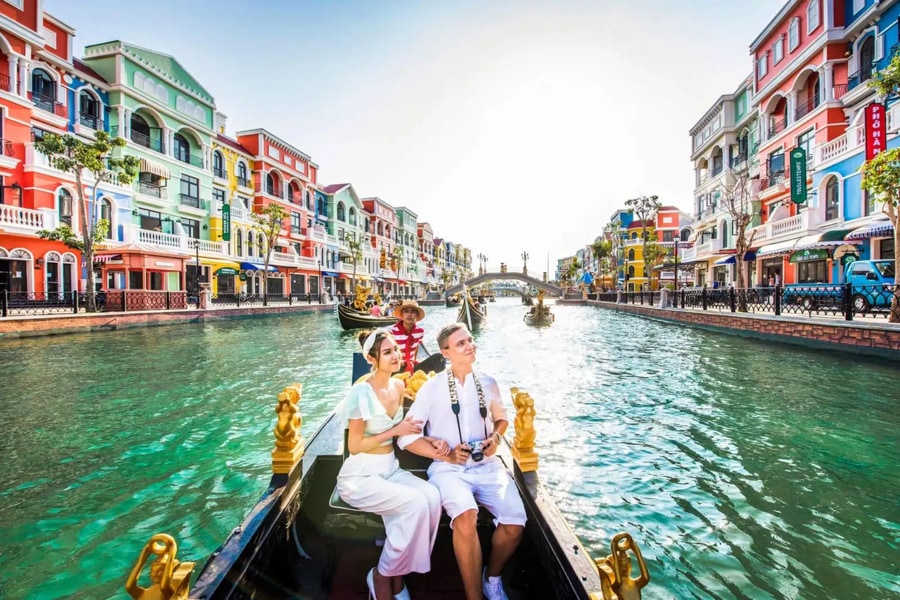
The Venice River is one of the most recognizable attractions in Grand World Phu Quoc. Inspired by Italy’s famous canals, this area features pastel-colored buildings, arched bridges, and flowing waterways. Visitors can enjoy gondola boat rides while admiring European-style architecture along both sides of the river. The calm water reflections and elegant design make it a popular spot for photography, sightseeing, and relaxed walks during both daytime and evening hours.

Venice River and Gondola Area

Urban Park and European Street

European Street showcases grand facades inspired by classic European cities, with wide boulevards, decorative balconies, and vibrant storefronts. This area is ideal for strolling, shopping, and enjoying street performances. The architectural design creates a lively urban atmosphere, especially at night when lights illuminate the buildings. European Street also connects major zones within Grand World Phu Quoc, making it a central hub for visitors exploring the complex.

Urban Park and European Street

Bamboo Legend Monument

The Bamboo Legend is a striking architectural landmark made entirely from bamboo, symbolizing Vietnamese craftsmanship and cultural heritage. Its large-scale structure and intricate design make it one of the most unique attractions in Grand World Phu Quoc. Visitors often stop here to admire the craftsmanship and take photos. This attraction adds cultural depth to the modern entertainment complex, blending tradition with contemporary tourism.

Teddy Bear Museum

The Teddy Bear Museum is a family-friendly attraction featuring creative storytelling through themed displays. Designed with playful architecture and colorful interiors, the museum showcases teddy bear collections set in adventure-themed scenes. It is especially popular with children and families, offering an indoor experience that contrasts with the outdoor attractions of Grand World Phu Quoc.

Teddy Bear Museum

4 Unforgettable Experiences You Shouldn’t Miss

Grand World Phu Quoc offers vibrant experiences that combine culture, entertainment, and nightlife in one destination. From scenic walks to cultural shows, each activity adds a unique highlight to your visit.

Take a Gondola Ride Along the Venice River

A gondola ride along the Venice River is one of the most memorable experiences at Grand World Phu Quoc. Gliding through calm canals, visitors can admire colorful European-style buildings, arched bridges, and romantic surroundings. This experience is especially popular in the evening when lights reflect on the water, creating a charming atmosphere perfect for couples and photography lovers.

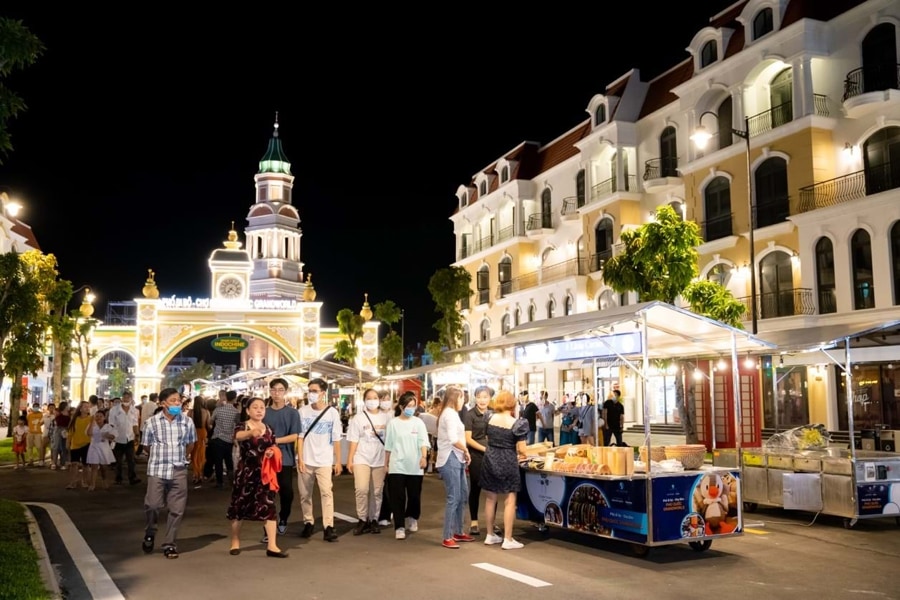
Explore Nightlife and Street Performances

Grand World Phu Quoc comes alive at night with lively street performances, music shows, and illuminated streets. Visitors can enjoy open-air entertainment, cultural acts, and spontaneous performances while strolling through the complex. The vibrant nightlife creates an energetic atmosphere that sets Grand World apart from other attractions on Phu Quoc Island.

Explore Nightlife and Street Performances

Visit Cultural and Art Landmarks

Exploring cultural landmarks such as the Bamboo Legend monument offers insight into Vietnamese craftsmanship and artistic expression. These attractions provide a meaningful contrast to modern architecture, allowing visitors to appreciate traditional values within a contemporary setting. It is a rewarding experience for travelers interested in culture and design.

Enjoy Dining and Café Hopping

Grand World Phu Quoc features a wide variety of restaurants, cafés, and street food options. Visitors can enjoy local Vietnamese dishes, international cuisine, or relaxing coffee breaks while overlooking canals and lively streets. Dining here combines flavors, views, and atmosphere into a complete sensory experience.

street food options in grand world phu quoc

Entrance Fee

Grand World Phu Quoc offers free public access, allowing visitors to explore the architecture, streets, and canals without an entrance ticket. However, selected attractions and experiences inside the complex require separate admission fees.

Attraction / Service Price (VND) USD (Approx.) Details
General entrance Free Free Walking, sightseeing, photography
Gondola boat ride 200,000 8 USD Scenic canal experience
Cultural night show 300,000 12 USD Large-scale cultural performance
Indoor museum entry 200,000 8 USD Family-friendly attraction
Combo ticket (2 attractions) 450,000 18 USD Better value for multiple experiences
Children under 100 cm Free Free Height checked on-site

Note: Prices may vary by season and show schedule. While general entry is free, visitors should budget separately for paid experiences inside Grand World Phu Quoc.

Opening Hours

Grand World Phu Quoc is open 24/7, allowing visitors to enter and explore the complex at any time of day or night. Most shops, coffee, restaurants, and indoor attractions operate from 10:00 AM to 10:00 PM, while bars and entertainment venues may stay open later in the evening.

grand world phu quoc performance at night

The best time to visit Grand World Phu Quoc is from 4:00 PM to 10:00 PM, when the weather is cooler, and the area comes alive with lights, street performances, and night shows. The peak tourist season runs from November to April, offering dry weather and ideal conditions for sightseeing, walking, and photography.

How To Get To Grand World Phu Quoc.

Grand World Phu Quoc is located in Bai Dai area, northern Phu Quoc Island, around 25–30 km from Duong Dong town and 35–40 km from Phu Quoc International Airport. Visitors can reach the destination easily using various transport options depending on budget and preference.

Transport Method Estimated Time Price (VND) Price (USD approx.) Notes
Motorbike 45 to 60 minutes 120,000 to 180,000/day 5 to 7 USD/day Requires valid driving license; suitable for confident riders
Taxi / Private Car 40 to 55 minutes 200,000 to 350,000/way 8 to 14 USD/way Comfortable and convenient for groups or families
Shuttle Bus 60 to 70 minutes Free Free Fixed routes and schedules from town and airport
Local Bus 70 to 90 minutes 30,000 to 50,000 1 to 2 USD Budget-friendly but less flexible

Things To Know Before Traveling To Grand World Phu Quoc

Before visiting Grand World Phu Quoc, understanding essential travel tips will help you plan better and enjoy a smooth experience. These practical notes are especially useful for first-time international visitors.

take photos in grandworld phu quoc

  • Visit in the evening for cooler weather, vibrant nightlife, cultural shows, and illuminated canals, as daytime temperatures can be hot and outdoor walking areas are extensive.
  • Wear comfortable shoes because Grand World is large, with long walking routes connecting attractions, restaurants, shops, and entertainment zones across the complex.
  • Check show schedules in advance to avoid missing popular performances, as some cultural shows and street events only run at fixed evening time slots.
  • Bring cash and cards, since most places accept cashless payment, but small vendors and street stalls may prefer cash for faster transactions.
  • Plan dining times early in peak season, especially weekends and holidays, as restaurants can become crowded during evening hours.
  • Follow local regulations and respect public spaces by keeping areas clean, disposing of trash properly, and avoiding restricted zones within the complex.
  • Allow enough time for photography, as Grand World Phu Quoc features European-style architecture, canals, and night lighting ideal for scenic photos.

FAQs About Grand World Phu Quoc.

Grand World Phu Quoc is one of the most popular entertainment and cultural complexes in northern Phu Quoc. Below are frequently asked questions to help international travelers plan their visit more effectively and confidently.

Is Grand World Phu Quoc free to enter?

Yes, entrance to Grand World Phu Quoc is completely free, allowing visitors to walk around, take photos, and enjoy the architecture without purchasing a ticket. However, certain attractions, shows, museums, boat rides, dining experiences, and entertainment activities inside the complex may require separate fees. Prices vary depending on the activity, so travelers should check details in advance and budget accordingly for paid experiences they wish to enjoy.

What is the best time of day to visit Grand World Phu Quoc?

The best time to visit Grand World Phu Quoc is in the late afternoon and evening, from around 4:30 PM onward. At this time, temperatures are cooler, shops and restaurants are fully open, and cultural shows begin. Nighttime offers the most vibrant atmosphere, with illuminated canals, street performances, and lively nightlife, making it ideal for sightseeing, dining, and photography.

How much time should I spend at Grand World Phu Quoc?

Most visitors spend between three to five hours at Grand World Phu Quoc, depending on their interests. If you plan to explore architecture, watch shows, dine, and join activities, an evening visit of four to five hours is ideal. Travelers combining Grand World with nearby attractions in northern Phu Quoc may consider allocating a half-day itinerary to fully enjoy the area without rushing.

Final Thoughts: Grand World Phu Quoc. Worth Visiting?

Grand World Phu Quoc is a vibrant destination combining European-inspired architecture, lively nightlife, cultural performances, and diverse dining experiences. With free entrance and nonstop entertainment, it suits all travelers, from couples to families. Whether visiting for photos, evening walks, or shows, the experience is memorable. To plan your visit smoothly and discover more exciting destinations in Vietnam, explore expert travel guides and itineraries with Seni World.

VinWonders Phu Quoc: Vietnam’s Largest Theme Park Experience

VinWonders Phu Quoc is Vietnam’s largest theme park, offering thrilling rides, immersive themed zones, family-friendly attractions, and world-class entertainment, making it a must-visit destination for fun, adventure, and unforgettable experiences on Phu Quoc Island.

Introduction To Vinwonders Phu Quoc

VinWonders Phu Quoc is one of Vietnam’s most famous entertainment destinations and the largest theme park on Phu Quoc Island. Covering a vast area, the park features multiple themed zones inspired by fairy tales, adventure worlds, and global civilizations. Visitors can enjoy a wide range of attractions, from thrilling roller coasters and water rides to interactive games and spectacular live shows. With modern facilities and well-organized layouts, VinWonders Phu Quoc attracts families, couples, and international travelers looking for a full-day entertainment experience.

VinWonders Phu Quoc is Vietnam’s largest theme park

Travelers should visit VinWonders Phu Quoc for its diverse attractions suitable for all ages and interests. The park offers exciting rides for adventure lovers, safe play areas for children, and immersive experiences for culture enthusiasts. Its convenient location, professional services, and high-quality entertainment make VinWonders Phu Quoc an ideal destination for creating unforgettable memories during any trip to Phu Quoc Island.

History Of Vinwonders Phu Quoc

VinWonders Phu Quoc was developed as part of a long-term vision to transform Phu Quoc into a world-class tourism and entertainment destination. Built within the northern area of the island, the theme park was designed to meet international standards, combining large-scale attractions with immersive storytelling and modern infrastructure. From its early planning stages, VinWonders Phu Quoc focused on creating a comprehensive entertainment complex that could attract both domestic and international visitors while elevating the island’s tourism profile.

VinWonders Phu Quoc is one of Vietnam’s most famous entertainment destinations

Over time, VinWonders Phu Quoc has grown into one of Vietnam’s most iconic theme parks, continuously expanding its themed zones, rides, and live performances. Inspired by global cultures, fairy tales, and adventure worlds, the park reflects a modern approach to entertainment rather than traditional heritage. Its development has played a key role in diversifying Phu Quoc’s tourism offerings, shifting the island beyond beach travel to become a leading destination for family-friendly entertainment and large-scale leisure experiences.

Unique Architecture Of Vinwonders Phu Quoch

VinWonders Phu Quoc stands out not only for its attractions but also for its impressive architectural design. Each area is carefully crafted to reflect different worlds, cultures, and fantasy themes, creating a visually immersive experience.

European Avenue

European Avenue features grand architecture inspired by classic European cities, with colorful facades, arched windows, and elegant street layouts. This area recreates the atmosphere of a vibrant old-town square, making it a popular spot for photography and parades. Decorative details, wide walkways, and harmonious color schemes enhance the sense of realism. European Avenue also serves as the main access route to other zones, blending architectural beauty with functional design.

European Avenue features grand architecture

Fairy Tale World

Fairy Tale World showcases whimsical architecture inspired by famous fairy tales and fantasy stories. Buildings are designed with playful shapes, bright colors, and imaginative details that appeal to families and children. Castles, towers, and storybook-style houses create a magical environment that feels like stepping into a fantasy land. This architectural style strengthens the immersive storytelling experience throughout the zone.

Viking Village

Viking Village is designed with strong Nordic influences, featuring wooden structures, stone details, and bold decorative patterns. The architecture reflects ancient Viking settlements, with rugged textures and dramatic layouts that match the adventurous theme. This zone’s design emphasizes strength and exploration, enhancing the excitement of nearby rides and attractions while visually transporting visitors to a legendary northern world.

Viking Village

Mystery of the Ancient World

This zone draws inspiration from ancient civilizations, with monumental structures, carved stone elements, and symbolic motifs. Architecture creates a sense of mystery and grandeur, evoking lost worlds and historic legends. Carefully designed pathways and large-scale facades add depth and atmosphere, making this area one of the most visually striking architectural highlights of VinWonders Phu Quoc.

Four Unforgettable Experiences You Shouldn’t Miss

VinWonders Phu Quoc delivers a full range of unforgettable experiences beyond a typical theme park visit. From adrenaline-pumping rides to immersive themed zones, each activity is designed to entertain, inspire, and create lasting memories for visitors of all ages.

Experience Thrilling Rides and Roller Coasters

Thrill seekers will love the high-speed roller coasters and extreme rides at VinWonders Phu Quoc. These attractions are built with modern technology, strict safety standards, and creative storytelling. From sharp drops to rapid spins, each ride delivers excitement and adrenaline. This experience is ideal for adventure lovers who want to challenge themselves while enjoying world-class amusement park design in a dynamic and energetic environment.

Explore Themed Worlds and Fantasy Zones

One of the most memorable experiences at VinWonders Phu Quoc is exploring its richly designed themed zones. Each area transports visitors into a different world through detailed architecture, immersive decorations, and interactive spaces. Walking through these zones feels like traveling across cultures, legends, and fantasy stories. This experience is perfect for photography lovers, families, and travelers who enjoy visual storytelling and creative environments.

Explore Themed Worlds and Fantasy Zones

Enjoy Spectacular Live Shows

VinWonders Phu Quoc offers professionally produced live shows featuring music, choreography, lighting, and special effects. These performances are scheduled throughout the day, allowing visitors to relax between rides. Each show tells a story through dynamic visuals and engaging performances, appealing to both adults and children. Watching a live show adds cultural depth and entertainment value to your theme park experience.

Family-Friendly Activities for All Ages

Families visiting VinWonders Phu Quoc can enjoy dedicated attractions designed for children and multi-generational fun. Gentle rides, interactive games, and safe play areas allow kids to explore freely while parents relax nearby. These family-friendly experiences encourage bonding and shared enjoyment, making the park suitable for travelers with young children. It is an ideal environment for creating joyful moments together during a full day of entertainment.

Family-Friendly Activities for All Ages

Entrance Fee

VinWonders Phu Quoc offers clear ticket pricing based on visitor height and age. Below is a simple entrance fee table designed for international travelers planning a smooth and enjoyable visit.

Ticket Type VND Price USD (Approx.) Details
Adult (≥ 1.4 m) 950,000 VND ~38 USD Full access to all themed zones and attractions
Child (1 m – 1.4 m) 710,000 VND ~29 USD Applicable for children meeting height requirement
Senior (≥ 60 years) 710,000 VND ~29 USD Same benefits as adult ticket
Child (< 1 m) Free Free Height checked at entrance
VinWonders + Safari Combo 1,500,000 VND ~60 USD Access to both attractions in one day

Note: Ticket prices may change during peak seasons or promotional periods. Visitors are advised to check updated rates before arrival and bring valid identification for age or height verification at entry.

Opening Hours

VinWonders Phu Quoc is open daily, typically from 9:00 AM to 7:30 PM, allowing visitors to enjoy a full day of rides, themed zones, and live shows. Some attractions and performances operate on fixed schedules, so arriving early helps maximize your experience. During weekends and holidays, the park often stays busy, especially in the afternoon, making morning visits more comfortable for families and first-time guests.

VinWonders Phu Quoc is open daily

The best time to visit VinWonders Phu Quoc is during the dry season from November to April, when weather conditions are sunny and pleasant. This period is ideal for outdoor attractions and full-day exploration, though it is also peak tourist season. For fewer crowds, consider visiting on weekdays or during the shoulder months of May and October, when the park remains fully operational but less crowded.

How To Get To Vinwonders Phu Quoc

VinWonders Phu Quoc is located in the northern area of Phu Quoc Island and is easy to access from major towns and resorts. Visitors can choose flexible transportation options depending on budget, comfort, and travel style.

Transport Travel Time Price (Approx.) Details
Taxi / Private car 40 to 50 minutes 18 to 25 USD Comfortable and convenient for families or groups
Hotel shuttle bus 45 to 60 minutes Free or included Available at selected hotels and resorts
Motorbike rental 50 to 60 minutes 6 to 8 USD / day Suitable for experienced riders
Tour transfer service 45 to 60 minutes Included Often part of VinWonders tour packages

Note: During peak seasons and holidays, traffic to VinWonders Phu Quoc can be heavy. Visitors should allow extra travel time and carry a valid driving license if using a motorbike.

Things To Know Before Traveling To Vinwonders Phu Quoc

Good preparation helps visitors enjoy VinWonders Phu Quoc more comfortably and efficiently. These essential travel tips focus on tickets, timing, and practical planning to ensure a smooth and enjoyable theme park experience.

  • Arrive early in the morning to avoid crowds, enjoy popular rides with shorter queues, and have enough time to explore all themed zones comfortably.
  • Check the daily show schedule in advance so you can plan ride times around live performances and avoid missing major entertainment highlights.
  • Wear comfortable clothing and walking shoes, as VinWonders Phu Quoc is large and requires extensive walking throughout the day.
  • Bring sunscreen, hats, and water bottles to stay protected from the sun, especially when visiting outdoor attractions during midday hours.
  • Purchase tickets online when possible to save time at the entrance and access occasional promotional offers during off-peak periods.
  • Follow height and safety regulations for rides to ensure a safe experience, especially when traveling with children or elderly visitors.
  • Visit on weekdays or during shoulder seasons to enjoy fewer crowds, smoother access to attractions, and a more relaxed overall experience.

FAQs About Vinwonders Phu Quoc

Below are the most frequently asked questions to help travelers plan their visit to VinWonders Phu Quoc more effectively. These answers cover tickets, time management, and practical information for an enjoyable theme park experience.

How much time should I spend at VinWonders Phu Quoc?

Most visitors should plan to spend a full day at VinWonders Phu Quoc to fully experience its attractions. The park is large and includes multiple themed zones, thrill rides, family areas, and live shows. Arriving early allows you to enjoy popular rides before peak crowds arrive. A full-day visit also gives enough time to rest, watch performances, dine comfortably, and explore the park without feeling rushed or missing major highlights.

Is VinWonders Phu Quoc suitable for families with children?

Yes, VinWonders Phu Quoc is highly suitable for families traveling with children of different ages. The park offers dedicated kids’ zones, gentle rides, interactive games, and safe play areas. Clear safety guidelines and staff assistance help ensure a secure environment. Parents can easily find family-friendly attractions while still enjoying entertainment options designed for adults, making it an ideal destination for multi-generational travel.

Can I bring food and drinks into VinWonders Phu Quoc?

Outside food and drinks are generally not allowed inside VinWonders Phu Quoc, except for baby food or special dietary needs. The park provides a variety of dining options, including restaurants, snack stalls, and beverage counters across different zones. Visitors can choose from local and international dishes, ensuring convenient meal breaks during the day without leaving the park area.

Final Thoughts: Is Vinwonders Phu Quoc Worth Visiting?

VinWonders Phu Quoc is absolutely worth visiting for travelers seeking world-class entertainment, diverse attractions, and memorable experiences on Phu Quoc Island. With thrilling rides, immersive themed zones, family-friendly activities, and professional live shows, the park offers something for every age. Its modern facilities and convenient access make it a highlight of any Phu Quoc itinerary. For more expert travel guides and inspiring destinations across Vietnam, explore Seni World and start planning your next unforgettable journey today.

May Rut Island In Phu Quoc: A Quiet Paradise Beyond The Crowds

May Rut Island is an unspoiled paradise on Phu Quoc Island, renowned for its crystal-clear waters, pristine white sand beaches, and tranquil atmosphere. It’s the perfect getaway for travelers seeking to connect with nature, relax, and experience authentic island life.

Introduction To May Rut Island

May Rut Island is one of the most charming and tranquil islands in Phu Quoc, attracting numerous tourists with its pristine natural scenery and relaxed island atmosphere. The island boasts crystal-clear turquoise waters, soft white sand beaches, and lush coconut groves, perfectly blending picturesque landscapes with authentic coastal life. Unlike crowded tourist destinations, May Rut Island is a tranquil haven, an ideal choice for travelers seeking peace, connection with nature, and an authentic island experience.

Introduction To May Rut Island

So, why go to May Rut Island? This hidden gem is the perfect place for snorkeling, swimming, kayaking, and relaxing on the beach amidst pristine natural scenery. Visitors can savor fresh seafood, admire breathtaking sea views, and experience magnificent sunsets, creating unforgettable memories. Whether you’re an adventurer, a couple seeking a romantic getaway, or a solo traveler, May Rut Island offers a relaxing holiday and an unforgettable island-hopping experience in Phu Quoc.
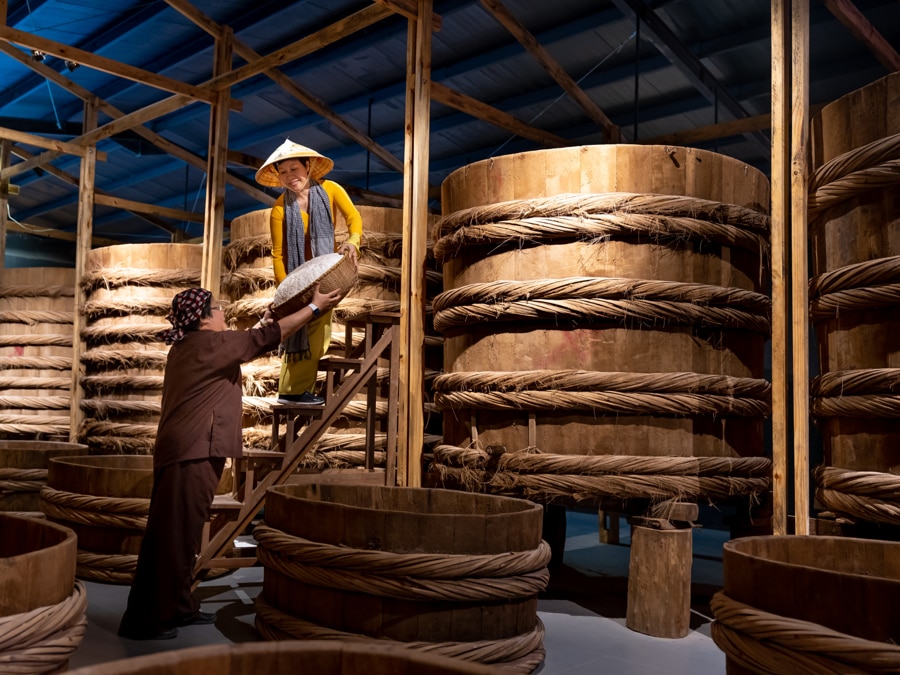
History of May Rut Island

May Rut Island boasts a rich history, deeply intertwined with the maritime culture of Phu Quoc and the livelihoods of its fishermen. For generations, the island remained uninhabited, serving primarily as a refuge, freshwater, and calm waters for fishermen during their long fishing voyages. Long before the development of tourism, the island’s natural landscape remained largely untouched, preserving its pristine beaches, coral reefs, and diverse marine ecosystems to this day.

May Rut Island boasts a rich history, deeply intertwined with the maritime culture of Phu Quoc and the livelihoods of its fishermen. For generations, the island remained uninhabited, serving primarily as a refuge, freshwater, and calm waters for fishermen during their long fishing voyages. Long before the development of tourism, the island’s natural landscape remained largely untouched, preserving its pristine beaches, coral reefs, and diverse marine ecosystems to this day.

Top 5 Iconic Attractions In May Rut Island

May Rut Island is a prime example of coastal karst topography, its landscape entirely shaped by natural forces rather than human intervention. Unlike the towering karst formations of the interior, May Rut’s “architecture” consists of a flat limestone base, coral platforms, and coastal landforms, all the result of centuries of wave erosion, sedimentation, and marine activity. This makes May Rut a one of the more distinctive coastal karst landscapes in Phu Quoc, perfectly blending tropical marine scenery with geological wonders in a small and easily accessible area.

May Rut Island’s Unique Landscape: Main Attractions

May Rut Island is a prime example of coastal karst topography, shaped not by human activity but by natural forces. Unlike the towering karst formations of the interior, the island’s “architecture” consists of a flat limestone base, coral platforms, and coastal landforms, all the result of centuries of wave erosion, sedimentation, and marine activity. This makes May Rut Island a unique tourist destination in the world’s karst regions, presenting a rare combination of tropical marine landscape and geological harmony within a small area.

Limestone Coast And Natural Rock Formations

The island’s coastline is surrounded by limestone layers formed from ancient marine sediments. Over time, waves and tides have sculpted these rocks into gentle edges and shallow bays, creating tranquil swimming areas and natural sandy terraces. This coastal karst landscape, distinct from the spectacular karst cliffs of other countries, highlights the gentle yet impressive geological features of May Rut Island.

Limestone Coast And Natural Rock Formations

Coral Reefs And Shallow Karst Landscapes

Beneath the clear waters surrounding May Rut Island lies a network of coral reefs formed by a limestone seabed. These shallow karst platforms nurture abundant marine life and contribute to the crystal-clear waters surrounding the island. Compared to many overdeveloped coral reef systems around the world, May Rut Island’s reefs are relatively untouched, offering visitors a superb location to experience authentic snorkeling in a naturally balanced karst marine ecosystem.

White Sand Beaches And Sedimentary Layers

May Rut Island’s white sand beaches are formed from a mixture of finely weathered limestone and coral fragments, creating a soft, light-colored coastline. These sedimentary layers reflect the island’s geological history and significantly shape its tranquil coastal landscape. The gentle slope from the beach to the sea accentuates the island’s unique karst topography, making it an ideal place for relaxation and shallow-water activities.

Coconut Groves And Flat Karst Area

A flat limestone landscape stretches across the island’s interior, dotted with coconut groves and native vegetation. Thanks to this gently sloping karst topography, rainwater can naturally seep into the porous rock, promoting sustainable plant growth. Unlike the steep karst regions elsewhere, May Rut Island boasts a more gentle and pleasant karst landscape, harmoniously integrated with tropical island life.

Coconut Groves And Flat Karst Area

3 Unforgettable Experiences You Shouldn’t Miss

May Rut Island not only boasts breathtaking scenery but also offers an authentic island experience shaped by nature and the ocean. From underwater exploration to tranquil moments on the shore, these activities perfectly embody the essence of this tropical paradise.

Unforgettable Experiences You Shouldn't Miss in May Rut Island

Snorkeling In Crystal-Clear Waters

Snorkeling around May Rut Island is an unforgettable experience, thanks to its exceptionally clear waters and pristine coral reefs. Underwater, visitors can explore colorful tropical fish, coral gardens, and limestone seabeds formed over hundreds of years. The shallow waters and calm surface make snorkeling safe and suitable for beginners, while the vibrant underwater world guarantees an unforgettable experience for everyone. This activity allows visitors to connect directly with the island’s rich marine ecosystem.

Kayaking Along The Scenic Coastline

Kayaking around May Rut Island offers a relaxing yet immersive way to explore the coastline. As you paddle through the turquoise waters, you’ll be treated to breathtaking views of limestone formations, coral reefs, and hidden coastlines. The tranquil rhythm of kayaking allows you to connect peacefully with nature and fully appreciate the island’s pristine beauty. It’s the perfect choice for travelers seeking both lighthearted adventure and stunning scenery.

Relax On The Pristine White Sand Beaches

May Rut Island’s white sand beaches invite you to unwind in a tranquil and peaceful environment. Soft sand, gentle waves, and expansive sea views create a serene and refreshing atmosphere. At dusk, the island’s western coastline presents a magnificent sunset, with golden rays reflecting on the sea, creating a breathtaking spectacle. These serene moments highlight the island’s natural charm and create unforgettable memories.
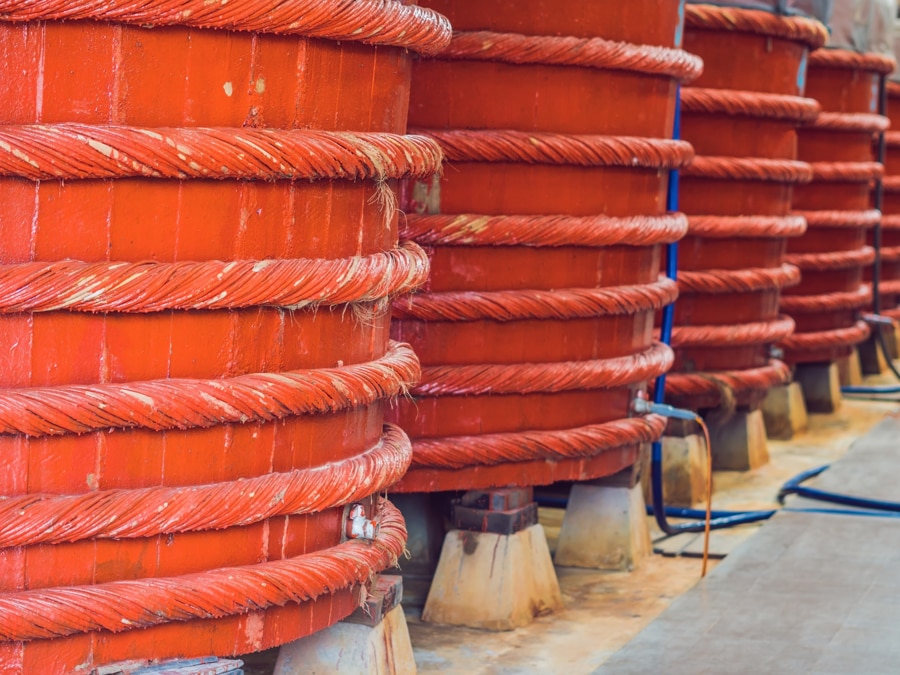
Relax On The Pristine White Sand Beaches

Entrance Fee

Visits to May Rut Island are generally reasonably priced, but the exact price depends on the experiences you choose. There is no fixed government entrance fee to the island. The cost is usually included in island-hopping tours or private boat trips departing from Phu Quoc. The following overview can help you plan your budget.

Ticket Type Price (VND) Approx. Price (USD) Included Services
Island-hopping tour 500,000 – 800,000 VND ~20 – 32 USD Boat transfer, snorkeling gear, lunch
Private boat rental 1,500,000 – 2,500,000 VND ~60 – 100 USD Flexible schedule, group use
Beach service fee 50,000 – 100,000 VND ~2 – 4 USD Beach access, facilities

Important notes:

  • Prices may vary depending on the season and the travel agency.
  • Some travel agencies offer discounts for children (e.g., children under 6 years old travel free or receive a discount
  • Private boats are charged per boat, so larger groups usually get a better price per person.

Opening Hours

May Rut Island is open to tourists year-round. Typical tour times are from 8:00 AM to 5:00 PM, depending on the boat timetable and island tour itinerary offered by Phu Quoc. Since there is no fixed entrance or ticket office on the island, visitors must travel by tour agency or private boat. For safety and optimal sea conditions, most activities take place during the day.

take photos in may rut island in phu quoc

The peak tourist season is from November to April, when the weather is clear, the sea is calm, and visibility is excellent, making it ideal for snorkeling and relaxing on the beach. The off-season is from May to October, when it is quieter and less crowded, but rain and inclement weather are possible. The best time to visit May Rut Island is from December to March, when the weather is most stable, making it ideal for appreciating the island’s natural beauty.

How To Get To May Rut Island

May Rut Island is located off the south coast of Phu Quoc Island and is only accessible by boat. Visitors typically arrive in Phu Quoc by plane or land transport and then take a short boat trip to the island. Below is a practical guide to help international travelers plan their trips.

Transport Type Route Estimated Time Approx. Cost (USD)
Flight Ho Chi Minh City → Phu Quoc 1 hour 40 to 80 USD
Flight Hanoi → Phu Quoc 2 hours 60 to 120 USD
Bus and Ferry HCMC → Ha Tien → Phu Quoc 8-10 hours 25 to 40 USD

Ferry schedules are highly dependent on weather and sea conditions, especially during the rainy season (May to October). Please be sure to check the weather forecast in advance. If you are traveling to An Thai Port by motorbike, it is recommended that you have an international driving permit or a valid Vietnamese driving license. Wearing a life jacket and following safety instructions during the journey are essential to ensuring a safe and enjoyable trip.

Things To Know Before Traveling to May Rut Island

To ensure a smooth and enjoyable island-hopping trip to May Rut, one of Phu Quoc’s most beautiful destinations, careful planning is essential. The following practical travel tips will help you travel safely and comfortably, and be fully prepared to appreciate the island’s natural beauty.

Please check the weather forecast in advance, especially during the rainy season from May to October, as strong winds and high waves can affect boat schedules and visibility.

  • Please bring lightweight, breathable clothing and swimwear, as well as a hat, sunglasses, and reef-safe sunscreen to stay comfortable in the tropical sun.
  • Please bring personal medications and basic first-aid supplies, as medical resources on May Rut Island are limited and a return to Phu Quoc Island may be necessary in emergencies.
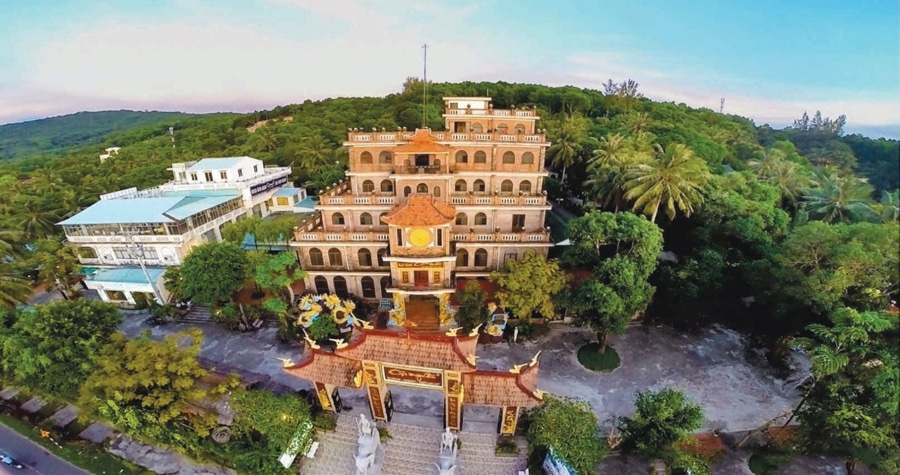
  • Please always follow swimming rules, wear a life jacket when on boat tours, and stay in designated swimming and snorkeling areas for your safety.
  • Please carry sufficient cash, as there are no ATMs on the island, and most merchants do not accept credit cards or electronic payments.
  • Please protect the environment; do not litter, do not touch the reefs, and avoid using single-use plastic products during your tour.
  • Please plan your trip as a day trip, as accommodation on the island is limited, and most tours return to Phu Quoc Island in the evening.

FAQs About May Rut Island

Visitors planning a trip to May Rut often have similar questions, especially regarding activities, transportation, and facilities. The following FAQs provide clear and practical answers to help you prepare and enjoy a pleasant and relaxing island getaway.
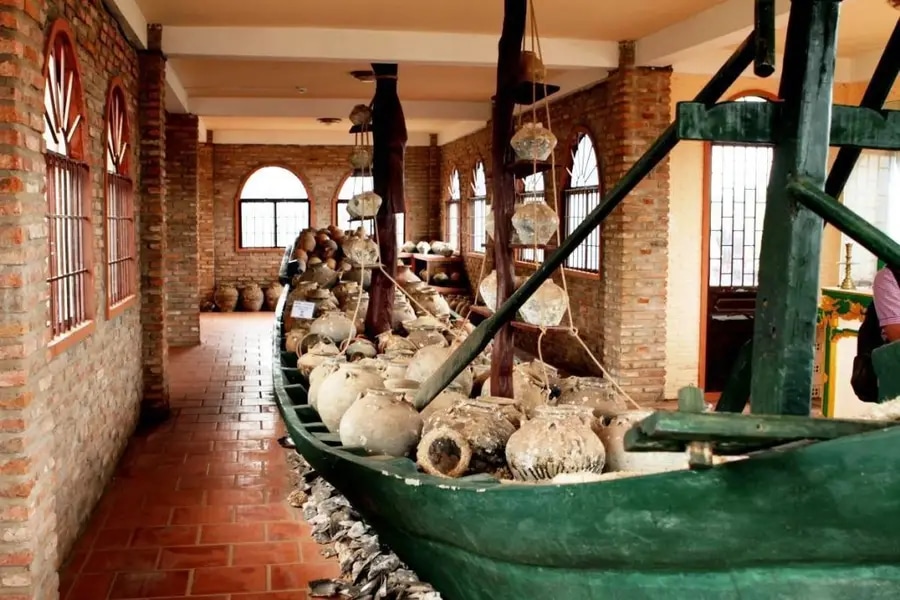
Is May Rut Island suitable for families with children?

Yes, May Rut Island is great for families, thanks to its calm waters, fine sandy beaches, and relaxed atmosphere. Many island-hopping tours provide life jackets and basic safety equipment, so activities such as swimming and snorkeling are safe for children under adult supervision.

Do I need to book my trip to May Rut Island in advance?

Booking in advance is highly recommended, especially during the peak tourist season from November to April in Phu Quoc. Advance booking allows you to enjoy better prices, guaranteed boat schedules, and includes snorkeling equipment, lunch, and guided tours.
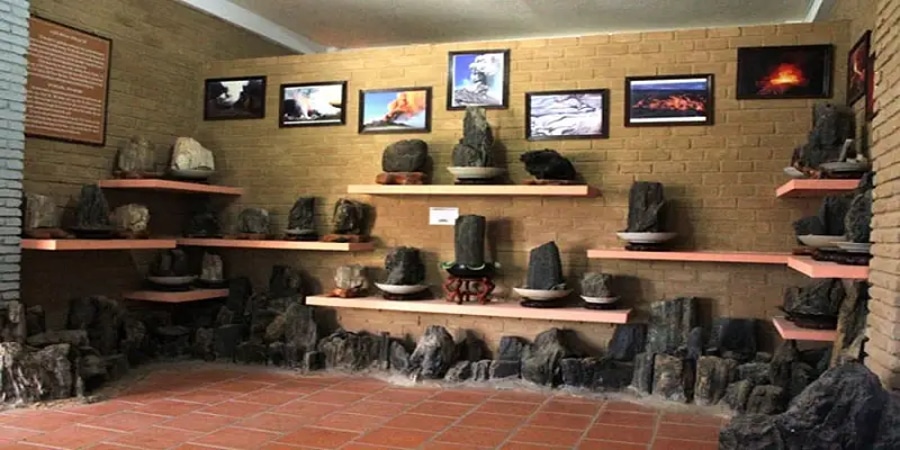
Can I stay overnight on May Rut Island?

Accommodation options on May Rut Island are very limited and not available everywhere. Most tourists opt for day trips, returning to Phu Quoc Island hotels in the afternoon. This allows ample time to leisurely explore the island and see its main attractions.
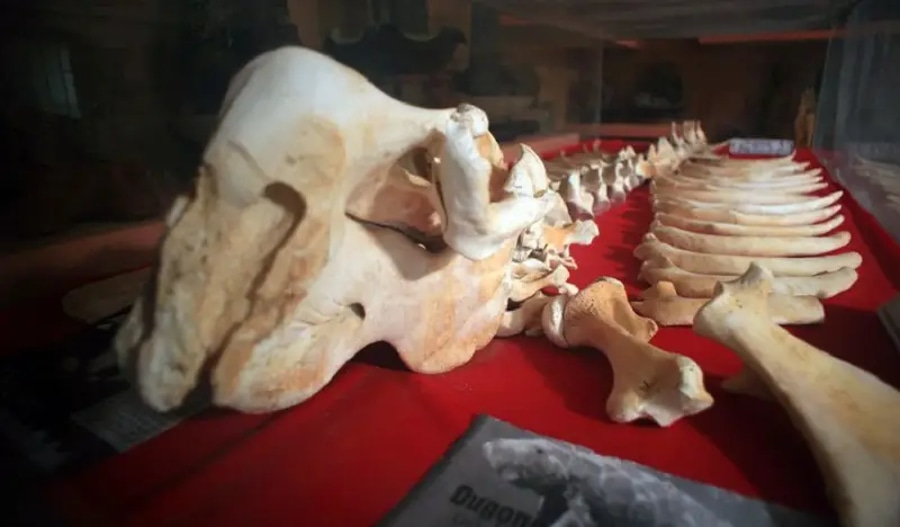
What activities can you do on May Rut Island?

Visitors can snorkel, swim, kayak, relax on the beach, and take photos. The clear waters, beautiful coral reefs, and tranquil environment make this island an ideal choice for nature lovers and travelers seeking a peaceful tropical getaway.

Final Thoughts: Is May Rut Island Worth Visiting?

For travelers seeking a tranquil tropical escape in Phu Quoc, May Rut Island is an absolute must-visit. Crystal-clear waters, pristine white sand beaches, and unspoiled natural surroundings provide the perfect backdrop for snorkeling, kayaking, and beach relaxation. The island’s serene atmosphere and breathtaking sunsets are sure to create unforgettable memories, making it an ideal island getaway. If you’re looking to escape the hustle and bustle and experience authentic coastal scenery, Seni World will take you to May Rut Island for a relaxing, inspiring, and unforgettable journey.

A Snorkeling Paradise On Gam Ghi Island, Phu Quoc For Adventurers

Gam Ghi Island, Phu Quoc, within the country of Vietnam, is an uninhabited island noted for its pristine waters, vibrant coral, and its suitability for snorkeling. The destination provides a serene retreat with numerous visits occurring through island-hopping tourism.

Introduction To Gam Ghi Island

Gam Ghi Island is a stunning small island located in the An Thoi Archipelago on Phu Quoc Island, Vietnam. It is renowned for its crystal-clear waters and vibrant coral reefs. Thanks to its rich marine biodiversity and calm, shallow waters, the island has become one of Phu Quoc’s most popular snorkeling spots. Visitors to Gam Ghi Island are drawn not only to its underwater beauty but also to its tranquil atmosphere and pristine landscapes, making it a favorite stop on island hopping tours.

Introduction To Gam Ghi Island

Tourists come to Gam Ghi Island to get away from the crowds and experience genuine island life. In this location, you are able to engage in snorkeling activities to see the colorful coral structures, marvel at the tropical fish species, or simply unwind with an uninterrupted ocean view. Boating accessibility to this location, which remains untouched and endowed with the charm of the coast, consequently makes Gam Ghi Island the most suitable destination for nature enthusiasts and any person willing to experience the authenticity of Phu Quoc.

History of Gam Ghi Island

Gam Ghi Island is part of the An Thoi Archipelago in southern Phu Quoc Island, which was formed by long-term geological processes involving marine erosion and sedimentation. Over thousands of years, waves and tectonic movements have shaped the island’s rocky coastline, creating a unique coastal landscape with underwater rock formations and coral ecosystems. Although Gam Ghi Island has no long recorded human history, it has played an important role in preserving Phu Quoc’s marine biodiversity and has gradually gained recognition as a key diving and island-hopping destination.

In terms of geological significance, Gam Ghi Island differs from famous karst regions, such as Ha Long Bay and Phong Nha-Ke Bang, known for their limestone towers and caves. Gam Ghi Island, on the other hand, is distinguished by its marine geology, characterized by coral reefs formed on a rocky seabed rather than the classic limestone karst structures. This combination of clear waters, rocky foundations, and thriving coral systems gives Gam Ghi Island exceptional geological and ecological significance in Vietnam’s coastal landscape.

Top 3 Iconic Attractions On Gam Ghi Island

Although Gam Ghi Island is relatively small, it is considered a major natural attraction thanks to its diverse marine landscape and unique coastal geology. Rather than man-made architecture, the island’s appeal lies in its natural structures, shaped by long-term marine processes. Below are the most distinctive areas that define Gam Ghi Island’s geological and scenic beauty.

Rocky Coast And Seabed Formations

The rocky coastline of Gam Ghi Island is one of its most striking features. Shaped by constant wave erosion and tectonic movements, these coastal rock formations create dramatic shapes and natural platforms along the seabed. Unlike the classic karst towers seen in Ha Long Bay or Guilin, the rocks of Gam Ghi are lower, denser, and closely connected to the seabed, highlighting the marine geology rather than towering limestone cliffs. This rugged coastline highlights the island’s wild, unspoiled character.

Coral Reefs And Underwater Rock Structures

One of Gam Ghi Island’s most valuable natural assets is its coral reef zone, which develops directly on the rocky seabed, rather than on traditional limestone structures. The clear, shallow waters allow for unimpeded sunlight, promoting healthy coral growth and a diverse marine life. This underwater geological structure makes Gam Ghi Island an excellent diving destination, where visitors can observe the close relationship between marine geology and biodiversity.

Coral Reefs And Underwater Rock Structures

Calm, Clear-Water Bays And Lagoons

Natural bays and lagoons are formed by protective rock formations surrounding parts of the island. These tranquil areas are characterized by crystal-clear water and gentle currents, making them ideal for snorkeling and swimming. Over time, sediment accumulation has created a smooth seabed, increasing both safety and visibility for visitors.

Calm, Clear-Water Bays And Lagoons

5 Unforgettable Experiences You Shouldn’t Miss

Gam Ghi Island offers more than just beautiful scenery, inviting tourists to enjoy a wide range of outdoor and marine activities. From snorkeling in the clear waters to relaxing on the rocky shores, each experience allows visitors to connect deeply with the island’s pristine beauty.

Snorkeling Among Vibrant Coral Reefs

Snorkeling on Gam Ghi Island is considered one of the most iconic experiences and a major reason travelers choose to visit. The island’s water and shallow seabed create excellent visibility, allowing visitors to easily observe colorful coral formations and tropical fish. This close interaction with a thriving marine ecosystem makes

Island Hopping Boat Tours

Joining an island-hopping boat tour is a great way to explore Gam Ghi Island and its surrounding waters. These tours typically visit several nearby islands, offering scenic ocean views and numerous snorkeling stops. The boat trip allows visitors to admire the coastal geology and pristine landscape of the island from a unique perspective, making the Phu Quoc journey as memorable as the destination itself.

Island Hopping Boat Tours

Swimming In Clear And Calm Waters

Gam Ghi Island offers tranquil bays sheltered by natural rock formations, creating ideal swimming conditions. Gentle waves and clear waters provide a safe and refreshing environment for visitors of all ages. Swimming in these pristine waters, surrounded by the open sea and natural scenery, is a true oasis of peace, secluded from crowded beaches.

Relaxation And Photography On The Rocky Shores

The island’s rocky coastline offers stunning views, perfect for relaxation and photography. Visitors can stroll along the rocks, enjoy the sea breeze, and capture the dramatic contrast between the blue waters and the texture of the stone surfaces. These peaceful moments on the shore allow travelers to fully appreciate the island’s rugged beauty and natural atmosphere.

Relaxation And Photography On The Rocky Shores

Enjoy Fresh Seafood Beyond The Sea

Surrounded by pristine waters and unspoiled natural beauty, dining on fresh seafood at Hon Gam Ghi Island in Phu Quoc is an absolutely unforgettable experience. When just-caught fish, squid, sea urchins, and shellfish are prepared simply, their inherent sweetness is highlighted. Each dish embodies the unadulterated flavors of the sea, whether it is steamed or grilled over an open flame. A laid-back and genuine island vibe is created when dining by the water with soft waves and a refreshing ocean breeze. It is more than just a meal; it is a sensory experience that fully immerses you in the coastal lifestyle of Phu Quoc.

Enjoy Fresh Seafood Beyond The Sea

Entrance Fee

Currently, Gam Ghi Island does not have a fixed entrance fee for independent travelers. Access to the island is typically included in the price of Phu Quoc Island and snorkeling tours, which depart from An Thoi Harbor. Ticket prices may vary depending on the tour operator, services offered, and group size. Below is a general price list to help travelers plan their visit.

Ticket/Service Type Price Range (VND) What’s Included
Island-Hopping Tour (Half Day) 450,000 – 700,000 Boat transfer, snorkeling gear, and guide
Premium Snorkeling Tour 800,000 – 1,200,000 Speedboat, lunch, coral viewing
Children (under 1.2m) Discounted Depending on the tour policy
Infants Free No separate seats or equipment

Most tours offer free or discounted tickets for small children, and infants are usually free. It’s recommended to check prices and inclusion details directly with the tour operator before booking to ensure a smooth and enjoyable experience.

Opening Hours

Gam Ghi Island doesn’t have regular opening hours, as it’s a natural island accessible only by guided boat. Most island tours and snorkeling trips operate daily from 8:00 AM to 4:00 PM, depending on sea and weather conditions. Tourists typically spend two to three hours exploring the island, snorkeling, swimming, and relaxing along the rocky shore. Tours primarily depart from An Thoi Harbor, and the schedule may change in the event of rough seas or inclement weather, so it’s recommended to check in advance.

The best time to visit Gam Ghi Island is during the dry season in Phu Quoc, from November to April, when calm seas and clear waters create ideal conditions for diving and marine exploration. This period, especially from December to March, is considered the peak season. The low season lasts from May to October, bringing fewer tourists and more variable weather. For the best experience, visit the island in the morning during the dry months, which provides excellent visibility, comfortable temperatures, and a more pleasant island atmosphere.

How To Get To Gam Ghi Island

Gam Ghi Island is located in the An Thoi archipelago, south of Phu Quoc. It can only be reached by boat, as part of an island-hopping tour or snorkeling trip. To get there, travelers must first reach Phu Quoc Island and then travel to An Thoi Harbor, where they can take a boat to Gam Ghi Island.

Transport Option Estimated Time Cost (VND) Cost (USD)
Domestic Flight to Phu Quoc 1 to 2 hours 1,200,000 to 3,000,000 48 to 120USD
Taxi to An Thoi Port 30 to 40 minutes 300,000 to 500,000 12 to 20USD
Ferry/Speedboat to Phu Quoc 2.5 to 3 hours 250,000 to 500,000 10 to 20USD
Boat Tour to Gam Ghi Island 20 to 30 minutes Included in the tour Included

Things To Know Before Traveling To Gam Ghi Island

If you are planning to visit Gam Ghi Island, it is necessary that you be prepared for a smooth and enjoyable experience. Here are the necessary tips you should know concerning the weather, safety, health, and preservation of the environment.

  • Always check the sea and weather forecasts before your trip, since strong winds or rain can affect boat schedules and snorkeling visibility.
  • Dress for island activities in lightweight, quick-dry clothing, swimsuits, and water shoes for comfort around rocky shores and water activities.
  • Bring sunscreen, medicine to prevent car sickness, and plenty of water to keep your energy up under Phu Quoc’s tropical climate.
  • Pay close attention to what is said by tour guides, put on a life jacket when called for, and never swim beyond the front edges of the designed snorkeling zone.
  • Never touch coral reefs or marine animals, as contact can damage fragile habitats and decrease underwater biodiversity.
  • Apply reef-safe sunscreen, avoid single-use plastics, and carry all waste back to the mainland after your visit.
  • Safeguard your personal belongings by storing important valuables in waterproof bags or bringing necessary identification so as not to misplace them during boat transfers.

FAQs About Gam Ghi Island

Before departing for Gam Ghi Island, learning some essential tips would help to increase the value of the experience that you get to enjoy during this amazing adventure. These tips would assist you in staying safe and environmentally conscious during the adventure.

Can first-time snorkelers go to Gam Ghi Island?

Nevertheless, Gam Ghi Island can be considered an ideal destination for beginner snorkelers since the sea is calm, and the depth levels of the water are not extremely low. Visibility at Gam Ghi Island can be ideal, making it easy for a beginner to understand the concept of coral reefs as well as seeing fish without any complications.

Do I have to pay a separate entrance fee on Gam Ghi Island?

There is no separate entrance fee for visitors to Gam Ghi Island. Normally, access to the island is included in island-hopping or snorkeling tour packages, which usually start from Phu Quoc. These tours cover the cost of a boat transfer, snorkeling gear, guides, and sometimes lunch. They come in different shapes and sizes, and the prices have variations depending on the tours and the levels of service. Travelers should confirm inclusions before booking.

What should I bring to Gam Ghi Island?

In their luggage to take to Gam Ghi Island, one would need to include swimwear, a towel, sunscreen, and light-clothed garments, considering the climate there. It would also be important to consider waterproof luggage to carry valuables while moving from one place to another. In addition, one would need to carry personal medication, motion sickness medication if needed, and a water bottle.

Can I visit Gam Ghi Island during the rainy season?

It is possible to visit Gam Ghi Island during the rainy season, but conditions can be less predictable. Between May and October, rough seas and sudden rain can affect the weather in relation to boat schedules and visibility for snorkeling tours. Tour operators can at any time cancel excursions on days deemed unsafe. People traveling during this period should remain flexible, closely monitor weather forecasts, and insist on safety over fixed plans.

Final Thoughts: Is Gam Ghi Island Worth Visiting?

It should also be noted that the Gam Ghi Islands represent an excellent destination for people who value unspoiled nature and authentic island experiences like those offered at this destination on the island of Phu Quoc, Vietnam. Moreover, the serene environment and lack of human activity at the destination provide an excellent chance to unwind and appreciate the simplicity and beauty of nature as seen at the beaches of the island. Let Seni World help you explore the destination with the best island experience stories and tips.

Fingernail Island Phu Quoc: A Hidden Tropical Paradise

Fingernail Island in Phu Quoc is a pristine tropical getaway known for its crystal-clear waters, white sandy beaches, and vibrant coral reefs, making it an ideal destination for snorkeling, island hopping, and peaceful seaside relaxation.

Introduction to Fingernail Island Phu Quoc

Fingernail Island Phu Quoc, locally known as Đảo Móng Tay, is one of the most famous island destinations in the An Thoi archipelago. Renowned for its crystal-clear turquoise water, powdery white sand, and lush coconut trees, the island offers a picture-perfect tropical setting that attracts both domestic and international travelers. Unlike larger tourist hubs, Fingernail Island maintains a peaceful and unspoiled atmosphere, making it a standout location for those seeking natural beauty and authentic island scenery. Its calm sea and clean shoreline create ideal conditions for swimming, snorkeling, and relaxing by the beach.

Fingernail Island in Phu Quoc

Travelers should visit Fingernail Island Phu Quoc for its rich marine life, colorful coral reefs, and breathtaking coastal views. The island is perfect for island-hopping tours, photography, and enjoying fresh seafood in a quiet environment. Easy access from Phu Quoc Island and its untouched charm make Fingernail Island a must-visit destination for a memorable tropical escape.

History of Fingernail Island Phu Quoc

Fingernail Island, Phu Quoc, known locally as Đảo Móng Tay, developed naturally as part of the An Thoi archipelago in southern Phu Quoc. For many years, the island remained largely untouched, used mainly as a temporary stop for fishermen seeking shelter and abundant fishing grounds. Its name comes from the island’s curved shape, which resembles a fingernail when viewed from above, reflecting how local people traditionally identified and described the island.

Historically, Fingernail Island was not densely populated but closely connected to nearby coastal fishing communities. Local fishermen relied on the surrounding waters for seafood harvesting and maintained simple, sea-based traditions passed down through generations. As Phu Quoc tourism gradually expanded, Fingernail Island gained recognition for its pristine beauty while still preserving its natural landscape and quiet character, making it a symbol of the region’s untouched island heritage.

Top 3 Iconic Attractions On Fingernail Island, Phu Quoc

Fingernail Island, Phu Quoc, is small but rich in natural highlights, making it perfect for exploration within a single day. Each attraction showcases the island’s untouched beauty, from pristine beaches to vibrant marine ecosystems.

Crystal-Clear Beaches

The beaches on Fingernail Island are famous for their soft white sand and transparent turquoise water. With minimal development, the shoreline remains clean and peaceful, ideal for swimming and sunbathing. Gentle waves and shallow water make it suitable for all ages, while coconut trees provide natural shade. These beaches are also popular for photography thanks to their postcard-perfect scenery and calm, relaxing atmosphere throughout the day.

beaches on Fingernail Island

Coral Reef Snorkeling Areas

Snorkeling is one of the main attractions on Fingernail Island, Phu Quoc, due to its healthy coral reefs. Just a short distance from the shore, visitors can see colorful corals, tropical fish, and other marine life. The clear visibility and calm sea conditions make snorkeling easy even for beginners. Many island-hopping tours include guided snorkeling stops, allowing travelers to explore underwater beauty safely.

Fishermen’s Resting Area

Fingernail Island also features simple resting spots traditionally used by local fishermen. These areas reflect the island’s connection to nearby fishing communities and their sea-based lifestyle. Visitors can observe fishing boats, nets, and daily routines, offering insight into local traditions. It is also a great place to enjoy fresh seafood, relax in a rustic setting, and experience the island’s authentic coastal culture.

4 Unforgettable Experiences You Shouldn’t Miss

Fingernail Island Phu Quoc offers simple yet memorable experiences centered on nature and island life. From marine adventures to peaceful beach moments, each activity highlights the island’s untouched beauty and relaxing atmosphere.

Snorkeling Among Colorful Coral Reefs

Snorkeling is a must-do experience on Fingernail Island, Phu Quoc thanks to its clear water and rich marine ecosystem. Just offshore, visitors can explore vibrant coral formations and schools of tropical fish. The calm sea conditions provide excellent visibility, making it suitable for beginners and experienced snorkelers alike. Guided tours often supply equipment and safety support, allowing travelers to fully enjoy the underwater scenery while learning about local marine life.

Snorkeling Among Colorful Coral Reefs

Relax on Pristine White-Sand Beaches

Spending time on the beach is one of the most unforgettable experiences on Fingernail Island. The soft white sand, gentle waves, and minimal crowds create a peaceful environment ideal for sunbathing and swimming. Visitors can unwind under coconut trees, listen to the sound of the sea, and enjoy uninterrupted ocean views. This relaxed beach setting perfectly captures the island’s quiet and natural charm.

Join an Island-Hopping Boat Tour

Island-hopping tours allow travelers to experience Fingernail Island Phu Quoc as part of a wider exploration of the An Thoi archipelago. These tours typically combine snorkeling, swimming, and sightseeing at multiple nearby islands. Traveling by boat offers scenic ocean views and a chance to discover less-visited locations. It is an efficient and enjoyable way to appreciate the region’s diverse island landscapes in one trip.

Join an Island-Hopping Boat Tour

Enjoy Fresh Seafood by the Sea

Tasting fresh seafood is an essential experience on Fingernail Island. Local fishermen supply freshly caught fish, squid, and shrimp, often prepared simply to preserve natural flavors. Enjoying seafood near the beach adds to the authentic island atmosphere. This experience connects visitors with local fishing traditions while offering a satisfying and memorable culinary highlight.

Entrance Fee

Fingernail Island, Phu Quoc, does not require an official entrance ticket. Visitors can freely access the island, but transportation by boat or organized tours involves additional costs. Below is a clear price table for international travelers.

Item Price (Approx.) Details
Island entrance fee Free No gate ticket or admission fee on the island
Shared boat/speedboat transfer 15 to 25 USD / person Round-trip transfer from the mainland or nearby islands
Island-hopping tour (including Fingernail Island) 25 to 45 USD / person Usually includes boats, snorkeling stops, and a guide
Snorkeling equipment rental Included or 3 to 5 USD Depending on the tour or boat service
Children (under 4 years old) Free or discounted Policy varies by tour operator

Note: Prices may change based on season, group size, and departure point. Booking a tour is the most convenient way to visit Fingernail Island, Phu Quoc, as it typically combines transportation and activities in one package.

Opening Hours

Fingernail Island Phu Quoc does not have fixed opening or closing hours, as it is a natural island without an official entrance gate. Visitors can access the island during daylight hours, typically from 8:00 AM to 4:30 PM, depending on boat schedules and weather conditions. Most tours operate in the morning and return by late afternoon to ensure safety and good sea visibility.

take photo in phu quoc

The best time to visit Fingernail Island Phu Quoc is during the dry season from November to April, when the sea is calm, the sky is clear, and snorkeling conditions are ideal. This period is also the peak travel season, offering the best experience for swimming, island hopping, and photography. The rainy season from May to October has fewer crowds, but tours may be limited due to rough seas and changing weather.

How To Get To Fingernail Island, Phu Quoc

Fingernail Island Phu Quoc is located in the An Thoi archipelago, south of Phu Quoc Island. Visitors must first travel to the departure pier on the main island, then continue by boat or speedboat to reach Fingernail Island.

Step 1: Get to An Thoi Port (Departure Point)

Transport Estimated Time Price (Approx.) Notes
Taxi / Private car 30 to 40 minutes 12 to 20 USD Convenient and comfortable for groups
Motorbike rental 40 to 50 minutes 6 to 8 USD / day International visitors should carry a valid driving license

An Thoi Port is the main departure point for island-hopping tours to Fingernail Island Phu Quoc.

Step 2: Boat or Speedboat to Fingernail Island

Transport Travel Time Price (Approx.) Details
Shared speedboat 20 to 30 minutes 15 to 25 USD / person Fast and commonly used by tour groups
Island-hopping tour boat 30 to 45 minutes 25 to 45 USD / person Includes multiple islands and activities
Private boat charter 25 to 40 minutes From 120 USD / boat Suitable for families or private groups

Note: Boat schedules may change due to weather conditions, especially during the rainy season. Visitors should confirm departure times in advance and follow safety instructions when traveling to Fingernail Island Phu Quoc.

Things To Know Before Traveling To Fingernail Island, Phu Quoc

Planning ahead will help you enjoy Fingernail Island Phu Quoc safely and comfortably. These essential travel tips focus on weather, activities, and practical preparation for a smooth island experience.

  • Visit Fingernail Island Phu Quoc during the dry season from November to April for calm seas, clear water, and the best conditions for swimming and snorkeling activities.
  • Book island-hopping tours in advance during peak season to secure boat schedules, avoid overcrowding, and ensure reliable transportation to Fingernail Island Phu Quoc.
  • Bring reef-safe sunscreen, sunglasses, and a hat to protect your skin from strong tropical sun while preserving the island’s marine ecosystem.
  • Wear light clothing and comfortable footwear suitable for beaches, boats, and walking on sandy or uneven natural surfaces.
  • Prepare cash in small amounts, as Fingernail Island Phu Quoc has no ATMs, shops, or formal payment services available on-site.
  • Follow snorkeling safety rules, avoid touching coral reefs, and respect marine life to help protect the island’s natural underwater environment.
  • Check weather forecasts before departure, especially during the rainy season, as boat trips to Fingernail Island Phu Quoc may be delayed or canceled.

FAQs About Fingernail Island Phu Quoc

Below are some of the most frequently asked questions to help travelers better plan their visit to Fingernail Island Phu Quoc. These answers cover access, activities, and practical travel information for a smooth island experience.

Is Fingernail Island Phu Quoc suitable for a day trip?

Yes, Fingernail Island Phu Quoc is ideal for a day trip due to its small size and convenient access from An Thoi Port. Most island-hopping tours allow visitors to explore the beaches, snorkel, swim, and relax within a few hours. Travelers can enjoy the island’s main highlights without needing overnight accommodation. A day trip also fits well into a broader Phu Quoc itinerary, making it a popular choice for first-time visitors.

Can you swim and snorkel at Fingernail Island Phu Quoc?

Swimming and snorkeling are among the top activities on Fingernail Island Phu Quoc. The island’s clear, calm water provides good visibility, especially during the dry season. Coral reefs are located close to shore, allowing easy access for beginners. Many tours include snorkeling equipment, making it convenient for visitors to explore colorful marine life safely and comfortably.

Are there restaurants or facilities on Fingernail Island Phu Quoc?

Fingernail Island Phu Quoc has very limited facilities, as it remains largely undeveloped. There are no formal restaurants, shops, or restrooms on the island. Some tours may offer basic meals or seafood prepared by local fishermen. Visitors are advised to bring drinking water, sunscreen, and personal items to ensure comfort during their stay.

What should visitors bring when traveling to Fingernail Island Phu Quoc?

Visitors should bring essentials such as sunscreen, swimwear, towels, and waterproof bags to protect belongings. Cash is recommended since there are no payment facilities on the island. Snorkeling gear is often provided by tours, but personal equipment can be brought for better comfort. Preparing in advance ensures a relaxed and enjoyable visit.

Final Thoughts: Is Fingernail Island Phu Quoc Worth Visiting?

Fingernail Island Phu Quoc is worth visiting for travelers seeking pristine beaches, crystal-clear waters, and a peaceful escape from crowded destinations. Its untouched natural scenery, excellent snorkeling spots, and relaxed island atmosphere create a truly memorable experience. Ideal for day trips and island-hopping adventures, Fingernail Island offers authentic coastal beauty and simple pleasures. For more inspiring travel guides and carefully curated destinations across Vietnam, explore Seni World and start planning your next unforgettable journey today..