logo mobile sidebar
support-image-mobile
Share your ideas with our local expert team - we’re here to listen and help you shape a meaningful journey through Indochina.
(+84) 868 663 993
Asia Leading Tour Operator 2025
tripadvisor travelers choice awards 2024
Travelers' Choice Awards 2025

Author: Tung Ngo

Discover Landmark 81 in Ho Chi Minh City

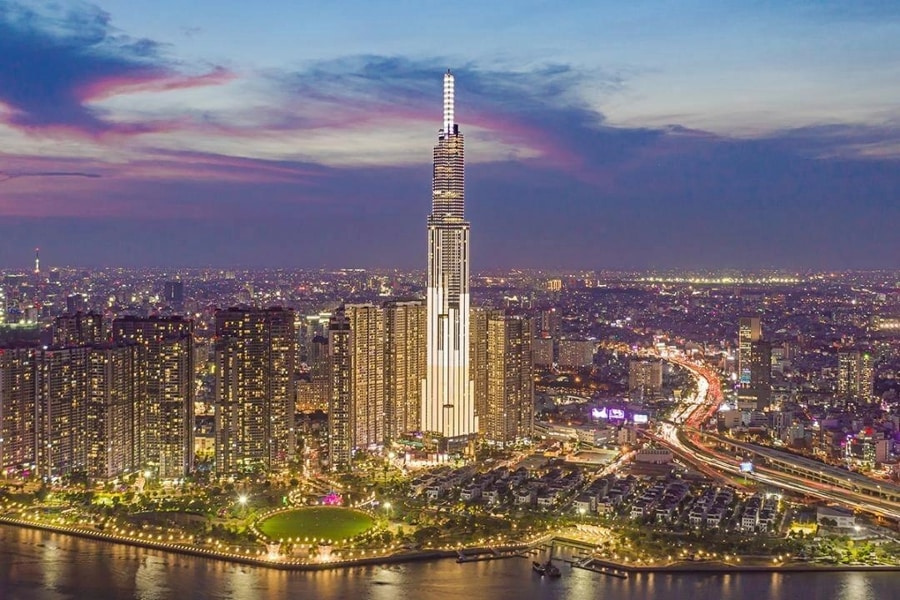
The Landmark 81 skyscraper is the tallest structure in Vietnam and can be considered the symbol of Ho Chi Minh City, offering luxurious living, a shopping area, a sky park, and a viewing area with views over the city.

Introduction to Landmark 81

Landmark 81 is located on the banks of the Saigon River in Ho Chi Minh City and is the tallest building in Vietnam and one of the most striking buildings in Southeast Asia. Not only does the structure feature striking and modern architectural features, but it also offers entertainment, shopping, and dining opportunities with modern facilities. As a result, it is instantly recognizable as a symbol of development and modernization in the region and is suitable for both tourist and local appeal.

Landmark 81 skyscraper is the tallest structure in Vietnam

Landmark 81, the only location you need to go to have a great experience, even if you are in Vietnam! At this location, you can get great views from the 81st floor of the ever-changing landscape of the downtown skyline, walk the riverfront park area, visit all of the upscale shops, and experience the many dining opportunities, which offer the opportunity to take in the views of the skyline. No matter what you want to do, you will have a fantastic experience at the Landmark81, providing you with a glimpse into the ever-changing spirit of Ho Chi Minh City.

History of Landmark 81

Landmark 81 was designed and developed within the framework of Ho Chi Minh City’s urban master plan, which set out to redefine the downtown area in the city and create a landmark skyline that can be easily identified as being modern and representative of Vietnam’s increasing economic development and architectural design. Landmark 81 started construction in the mid-2010s, and the desire was to develop a world-class facility that would represent Vietnam’s growth and architectural intent after its completion. It became the tallest building in Vietnam upon completion.

Serving as a symbol of progress, innovation, and worldwide connectivity while blending in with its environmentally friendly waterfront location, the structure sits on the riverbanks of the Saigon River. Since its completion, Landmark 81 has grown into more than just a massive real estate venture, becoming one of the city’s most iconic structures. It currently represents not just the newest architectural landmark, but also the city’s transformation into a vibrant, globally connected city.

Top 5 Iconic Attractions in Landmark 81

More than a skyscraper, Landmark 81 is a cluster of various spaces that are architecturally premeditated to define the modern Ho Chi Minh City. From the towering glass buildings to large open public areas, each separate amenity reflects scale, balance, and contemporary urban design.

Landmark 81 SkyView (Observation Deck)

The observation deck acts as the focal point of the design of Landmark 81; it shows the importance of verticality and openness at the greatest height achieved. This observation deck is dominated by glass walls on every floor, which open up the interior of the building to natural illumination while providing the best views of the city of Ho Chi Minh. Thus, the interior design of the observation deck shows simplicity, where nothing obtrusively impacts the views of the skyline.

Landmark 81 SkyView (Observation Deck)

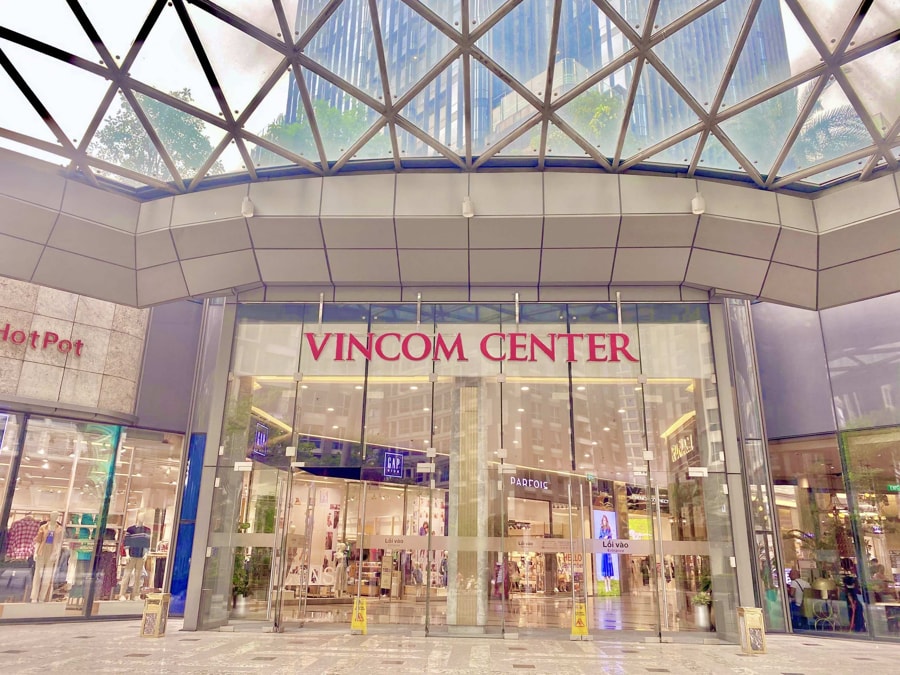
Vincom Center Landmark 81 – Main Hall & Atrium

The main hall and the atrium in Vincom Center Landmark 81 are unique in their scale and sophistication in modern design. A high ceiling, wide walkway, and symmetric arrangement of space create a sense of luxury in this architectural space. In the context of design, the usage of glass, steel, and stone further accentuates the sense of depth, while the presence of the vertical atrium provides a sense of connectivity between spaces.

Vincom Center Landmark 81

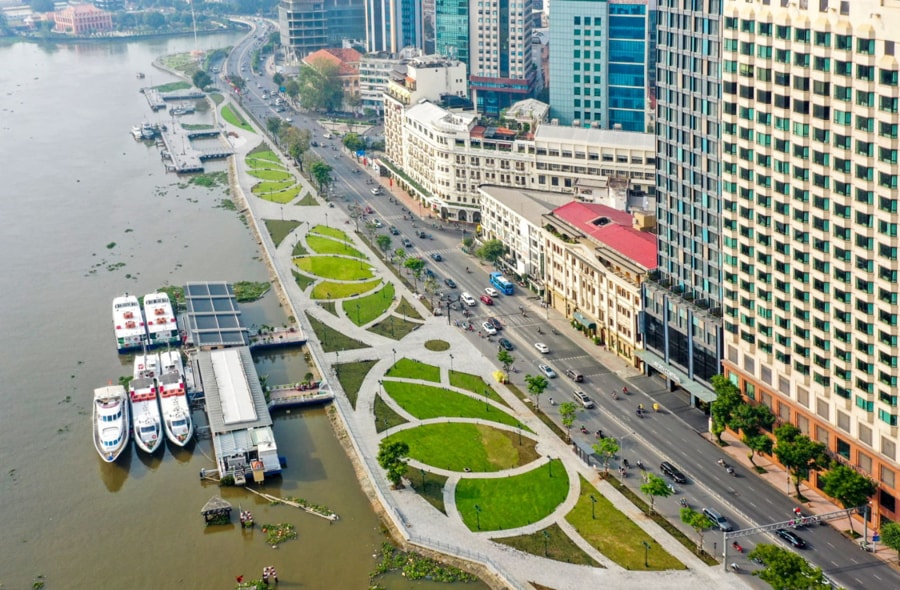
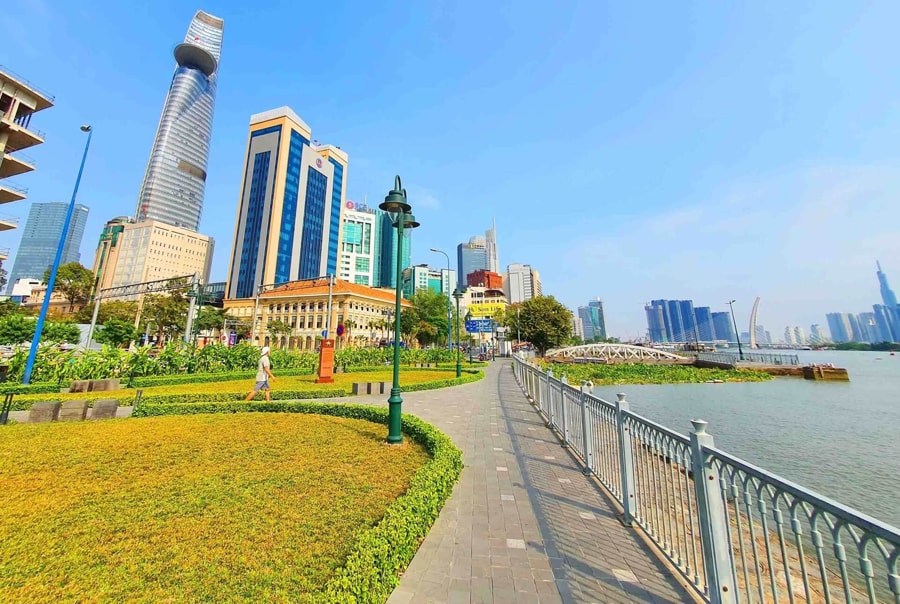
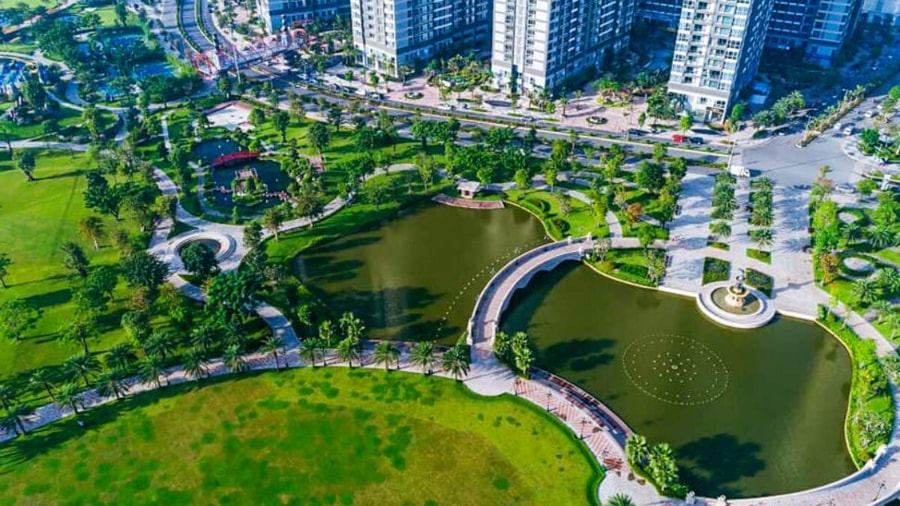
Landmark 81 Central Park Riverside Landscape

Landmark 81 Central Park, on the other hand, is envisioned as a continuation of the design of the building itself, providing a sense of contrast between density and open space. There are programmed circulation patterns, expansive lawn areas, and well-designed vegetation that evoke similarity to the clean geometric shapes of the building. Clear visual access to the river and the skyscraper itself also implies visual continuity, while the expansive space itself provides a sense of tranquility and proportion.

Landmark 81 Central Park Riverside Landscape

Podium & Lower Tower Architecture

The podium section of the Landmark 81 architectural structure provides the crucial function of visually anchoring the structure. The horizontal design of the podium provides a visual base by forming a stability and harmony effect due to its contrasting vertical structure with the building’s design. The layered terraces, wide surfaces, and clear structural lines of the architectural structure assist in the movement of visitors from the indoor space to the outdoor space through the podium’s proportionate scale.

Main Lobby & Entrance Area

The main lobby area within the Landmark 81 building is intended to create an impression through simplicity, grandness, and elegance. The high columns, expansive space, and elegant lighting create a sense of arrival, which is enhanced by the color scheme and quality materials that evoke feelings of modern luxury, yet without losing focus on the importance of proportion. In an architectural sense, the main lobby area is intended as a transitional space to prepare visitors for the vertical nature of the building’s design.

4 Unforgettable Experiences You Shouldn’t Miss

Landmark 81 promises not only architectural landmarks but also experiences that can be remembered, characterized by the contemporary lifestyle of Ho Chi Minh City. The activities provided are intended to emphasize the function of the tower as a complete destination in the city.

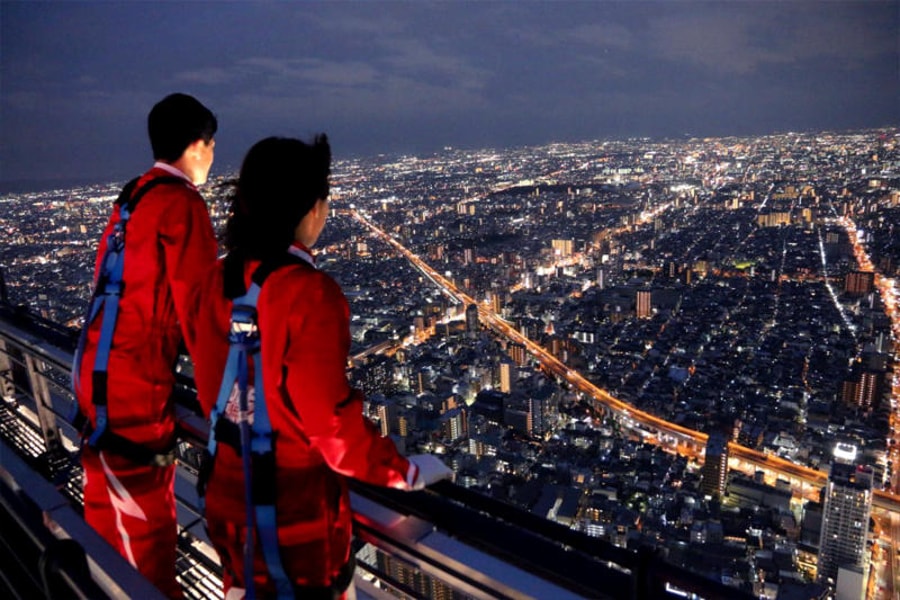
Enjoy Panoramic Views with SkyView

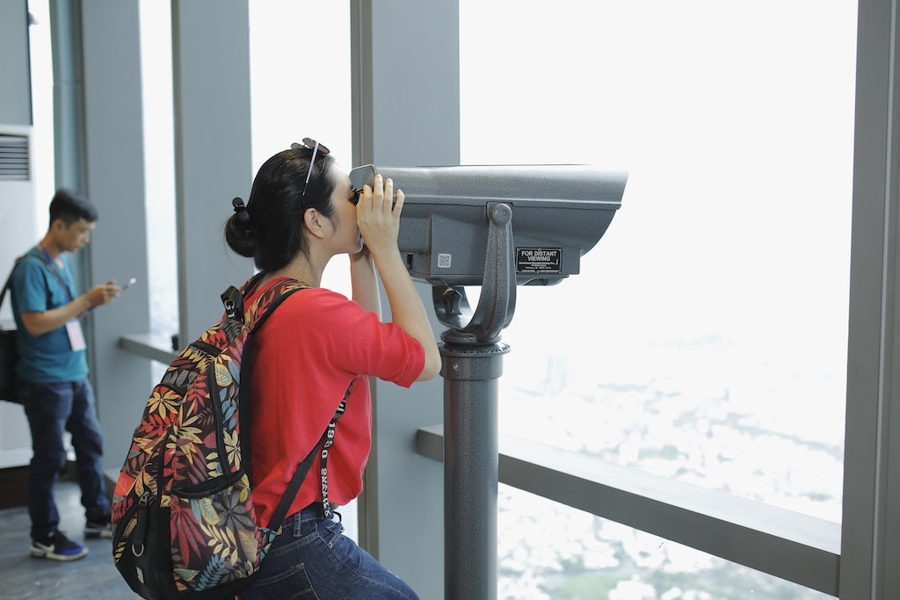
Visiting the SkyView, as it is called, is one of the most unforgettable experiences for anyone visiting Landmark 81. The SkyView is an observatory located at one of the highest points in Vietnam, giving users an opportunity to take in the wide vistas of Ho Chi Minh City, the Saigon River, and the surrounding territories. This is an experience that any traveler should have, so they can appreciate the scale, rhythm, and skyline of Ho Chi Minh City.

Panoramic Views with SkyView

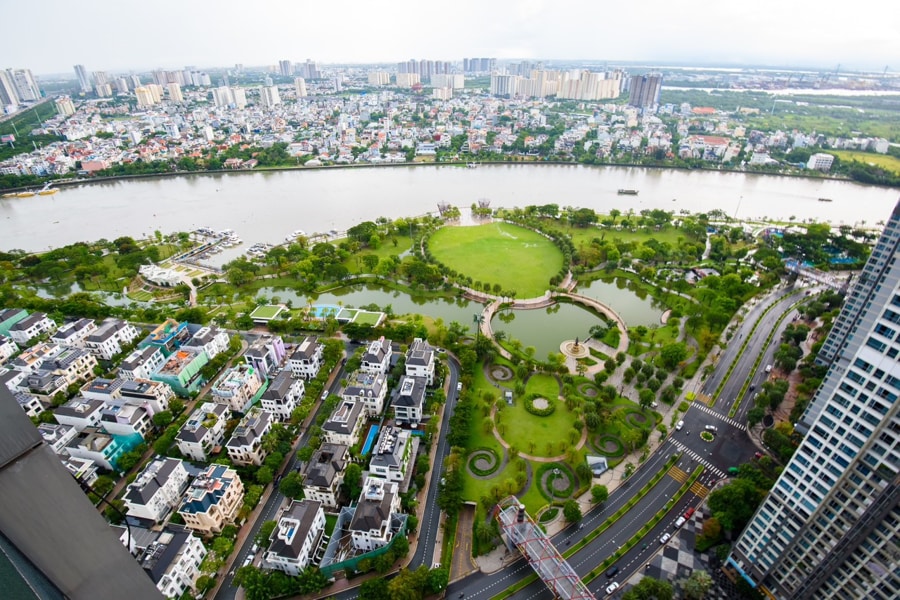
Relax at Landmark 81 Central Park

Spend time at Landmark 81 Central Park, where a change of environment from the vertical landscape of the tower can be best appreciated. Landmark 81 Central Park is a large riverside park with open areas of green lawns, walking paths, and well-designed spaces of greenery where people can simply relax. By spending time in this park, visitors get to appreciate how modern architecture and nature go hand in hand,

Landmark 81 Central Park

Explore: Shopping at Vincom Center Landmark 81

Visiting Vincom Center Landmark 81 for shopping is an exquisite experience of urban lifestyle within an architectural complex. The spacious interior of the shopping mall, its high ceiling, and neat planning offer a pleasant ambiance for shopping or other activities. Anyone can stroll through various international and domestic retail outlets, have a meal at posh restaurants, or hang around at food outlets and cafés with a city view. This is the modern-day lifestyle of Vietnam’s largest city, Ho Chi Minh.

Shopping at Vincom Center Landmark 81

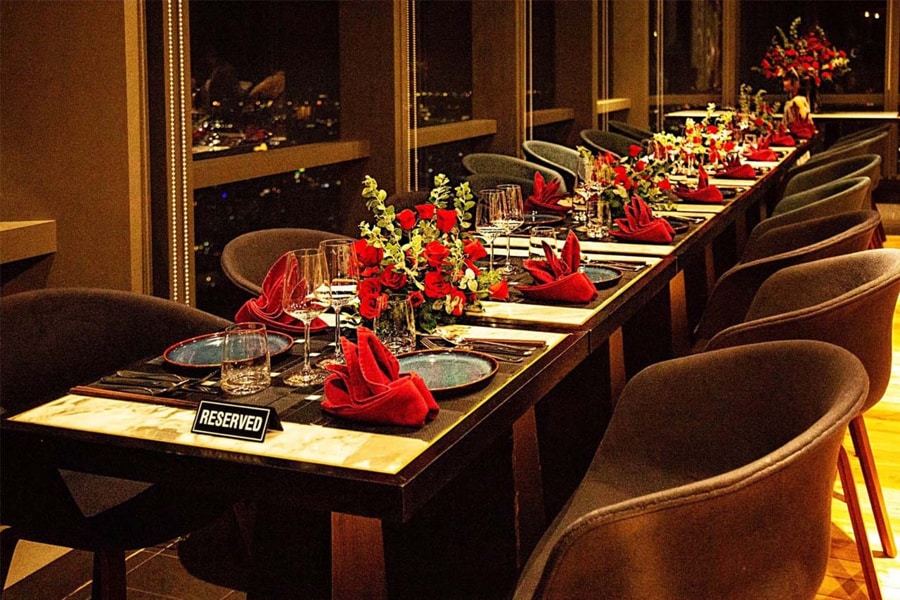
Dine with Skyline Views

Landmark 81 has memorably combined restaurants with modern design and panoramic city views. Most dining spaces are oriented to receive plenty of natural light and skyline scenery, making the atmosphere feel sophisticated. Whether enjoying a casual meal or a fine dining experience, visitors can appreciate how architecture enhances the dining setting. This is an ideal time when food and design come together in one refined moment with urban scenery.

Dine with Skyline Views

Entrance Fee

Anyone can enter the Landmark 81 for free at the ground level. This also includes the shopping mall and the central park. However, if one wishes to enter the SkyView Observation Deck, he or she has to pay for the ticket. Below is a table showing the ticket price.

Visitor Type Weekdays (Mon–Fri) Weekends & Holidays
Adults 300,000 VND (12 USD) 500,000 VND (20 USD)
Children (1m–1.4m) 150,000 VND (6 USD) 250,000 VND (10 USD)
Students & Seniors 200,000 VND (8 USD) 300,000 VND (12 USD)
Children under 1m Free Free

Discount & policy notes: Children below 1 meter go in for free. The discounted ticket prices will be given to students, seniors, and visitors with disabilities upon showing a valid identity card. Prices might have variations during peak seasons or special events. On-site checking is recommended prior to visiting.

Opening Hours

From a business point of view, Landmark 81 opens daily all year round. Most public places, such as the shopping mall and Central Park, open from 10:00 AM to 10:00 PM, while the SkyView Observation Deck usually opens at 10:00 AM and closes at 9:00 PM, with evening entry being the last one. Public holidays or special events may make the opening hours slightly different.

The best time to see Landmark 81 is from November through April since Ho Chi Minh City has dry weather with clear skies, and in general, the humidity is below average. This is ideal for taking city views and professional photography. For a perfect visit, late afternoon up to early evening hours is the best time to go to SkyView, allowing you to take in daylight views, sunset, and then the skyline illuminated at night.

How To Get To Landmark 81

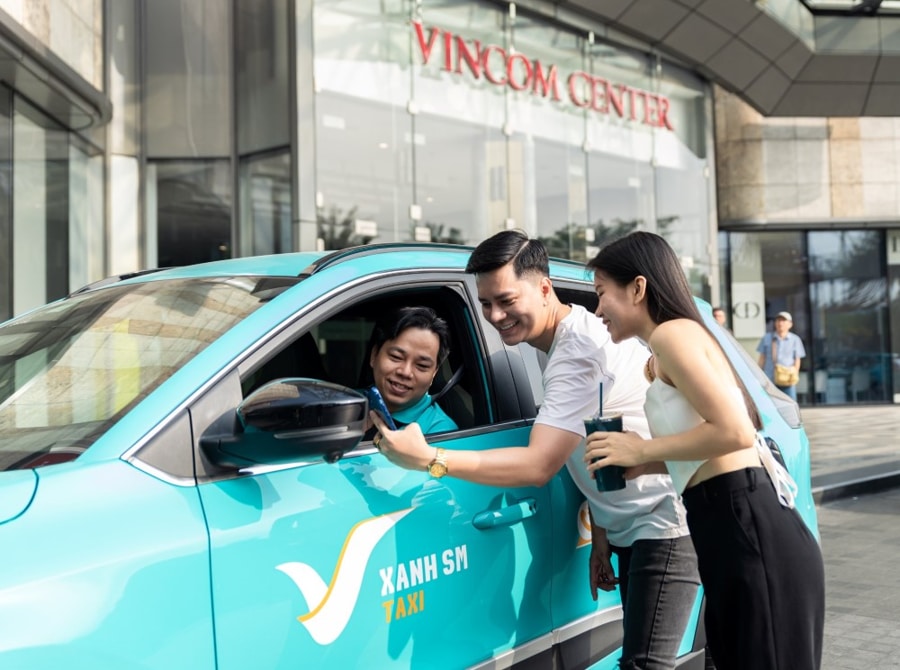
Landmark 81 is situated in Binh Thanh District, close to the city center. Hence, it can be easily accessed by both personal vehicles and public transport. Tourists can opt for flexible transport according to their preference.

get to landmark 81 by Taxi

Transport Type Travel Time (from District 1) Estimated Cost (USD) Notes
Taxi / Ride-hailing car 15 to 25 minutes 6 to 10 USD Most convenient, door-to-door service
Private car 15 to 25 minutes Parking fee applies On-site parking available
Motorbike 15 to 20 minutes 1 to 2 USD (fuel) Flexible, avoid peak traffic
Public bus 30 to 40 minutes 0.30 to 0.50 USD Budget-friendly, less direct

Travel tips: During peak hours (7:00–9:00 AM and 4:30–6:30 PM), traffic congestion is common, so allow extra time. If traveling by motorbike, visitors must carry a valid driving license and wear a helmet as required by local regulations. Taxis and ride-hailing services are recommended for first-time visitors due to ease of navigation and comfort.

Things To Know Before Traveling To Landmark 81

Before you go to visit Landmark 81, it is essential to consider some basic information that can help you have a smooth and perfect experience. Understanding what to expect can assist you in keeping away from some of the common annoyances you might face.

  • Also, visit during off-peak hours to avoid crowded times, especially at the SkyView Observation Deck during weekends and public holidays.
  • Wear comfortable clothing and light clothing, as walking space is extensive and the weather in Ho Chi Minh City is usually warm.
  • If you plan on buying discounted tickets for students or seniors at the observation deck itself, make sure you bring identification.
  • It is a good idea to make sure the weather is fine the next day, as the view of the city is better from the top floors on clear days.
  • Give extra time during rush hours to account for the traffic jams in the Binh Thanh area.
  • Obey all rules and regulations, including security checks and prohibited items on the observation deck, for a safe tour.

FAQs About Landmark 81

Visitors usually have some queries prior to visiting Landmark 81 for the first time. The FAQs provided below address some of the common queries of tourists, which would be useful for those planning a visit to this popular landmark.

Is it worth visiting Landmark 81 for tourists?

Yes, Landmark 81 is definitely worth visiting, particularly for those tourists interested in modern architecture and cityscapes. As the tallest structure in Vietnam, Landmark 81 indeed presents tourists with a fresh new view of Ho Chi Minh City from a different, elevated point. Of course, aside from the view deck, tourists can also enjoy a river park, a mall, and photo opportunities within this place. It is definitely a package all in one.

How much time should I spend in Landmark 81?

Most people tend to spend about two to three hours here at Landmark 81, depending on activities. When considering visiting the SkyView Observation Deck, account for at least one hour of entry, viewing, and photos. You may want to budget more time in order to walk around the park, shop, or eat. Those travelers who like to take their time or enjoy a sunset view may find themselves wanting to linger longer, especially during late afternoon and early evening.

Is Landmark 81 suitable for families, including children?

Landmark 81 will be suitable for families, including children of any age. Open park areas allow walking and taking a rest, while the shopping mall offers dining and rest areas. Children under one meter enter the observation deck free of charge, so it is family-friendly. Yet, parents should take care of small kids at observation spots at the high level or during periods with high flow for safety and comfort reasons.

try ice skiing in landmark 81

What is the best time to visit Landmark 81 SkyView?

The best time of the day to visit Landmark 81 SkyView is during late afternoons/early evenings on a clear day. This provides a mix of daytime views, views of the sunset, and evening views of the lit-up surroundings. Weekdays are also a better day to visit compared to weekends. The dry season is also a better time to visit as the weather is clear and unpolluted.

Final Thoughts: Is Landmark 81 Worth Visiting?

For travelers seeking a modern style, views of Ho Chi Minh City, and an entire urban experience, Landmark 81 is a must-visit. For instance, SkyView, an observatory, exists at Landmark 81, while there is a riverfront green, providing a beautiful mix of growth and development. Landmark 81 offers an extraordinary experience for sightseeing, relaxing, and more, making it an ideal place to visit with Seni World as your guide. With us, you are able to find your way around Landmark 81, as well as other key attractions in Vietnam.

Ao Dai Museum: Discover the Beauty of Vietnamese Culture

The Ao Dai Museum offers a meaningful journey into Vietnam’s cultural heritage, showcasing the evolution of the traditional ao dai through history, design, and personal stories, all set in a peaceful riverside setting near Ho Chi Minh City.

Introduction to the Ao Dai Museum

The Ao Dai Museum is one of Ho Chi Minh City’s most meaningful cultural attractions, dedicated to preserving and celebrating Vietnam’s traditional costume. Nestled in a tranquil riverside setting, the museum showcases the evolution of the ao dai through different historical periods, featuring original garments, photographs, and stories linked to Vietnamese identity. More than a display space, the museum offers visitors an immersive experience that connects fashion, history, and culture in a calm, natural environment away from the city’s hustle.

Ao Dai Museum is one of Ho Chi Minh City’s most meaningful cultural attractions

Visiting the Ao Dai Museum allows travelers to gain deeper insight into the elegance and symbolism of the ao dai, a timeless icon of Vietnamese culture. The museum’s well-curated exhibitions, traditional architecture, and scenic surroundings make it ideal for cultural exploration, photography, and relaxation. Whether you are a history enthusiast, culture lover, or first-time visitor to Vietnam, the Ao Dai Museum provides a unique and memorable experience that enriches any travel itinerary.

History of the Ao Dai Museum

The Ao Dai Museum was established with the mission of preserving and honoring the ao dai, Vietnam’s most iconic traditional costume. Founded by renowned fashion designer Si Hoang, the museum was created as a cultural space where history, art, and national identity intersect. From its early beginnings, the museum has collected valuable ao dai garments worn by influential figures, artists, and ordinary Vietnamese women, reflecting different eras and social contexts throughout Vietnam’s history.

Ao Dai Museum was established with the mission of preserving and honoring the ao dai

Over time, the Ao Dai Museum has grown into a respected cultural institution, highlighting the deep-rooted traditions associated with the ao dai. Beyond fashion, the museum tells stories of Vietnamese customs, craftsmanship, and aesthetic values passed down through generations. Its architecture and landscape are inspired by traditional Vietnamese houses, reinforcing a sense of heritage and continuity. Today, the Ao Dai Museum stands as both a historical archive and a living cultural destination, helping visitors understand how the Ao Dai remains relevant in modern Vietnamese life.

Unique Architecture Of Ao Dai Museum

The Ao Dai Museum stands out for its harmonious blend of traditional Vietnamese architecture and natural landscape. Each structure within the complex is thoughtfully designed to reflect cultural symbolism while creating a peaceful, immersive visitor experience.

Exterior Architecture

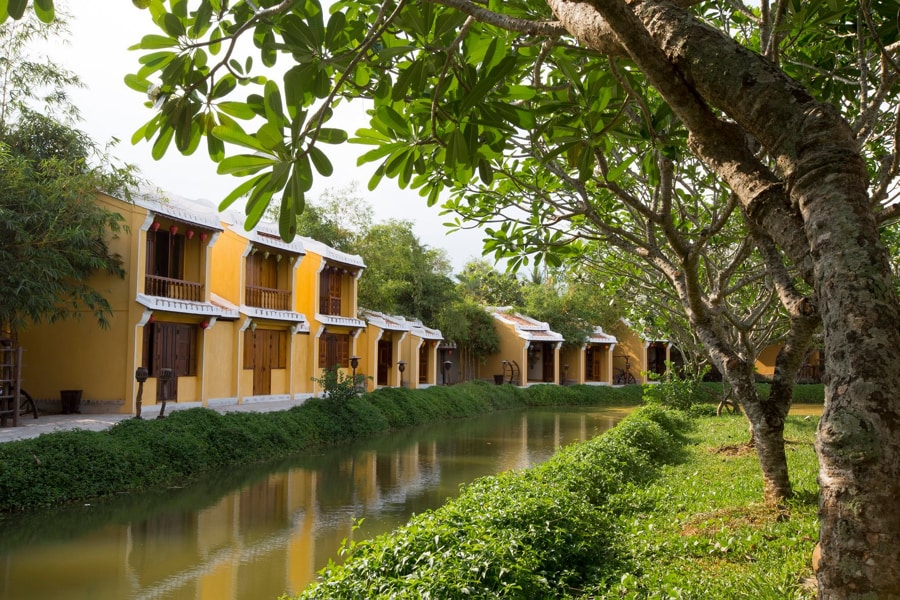
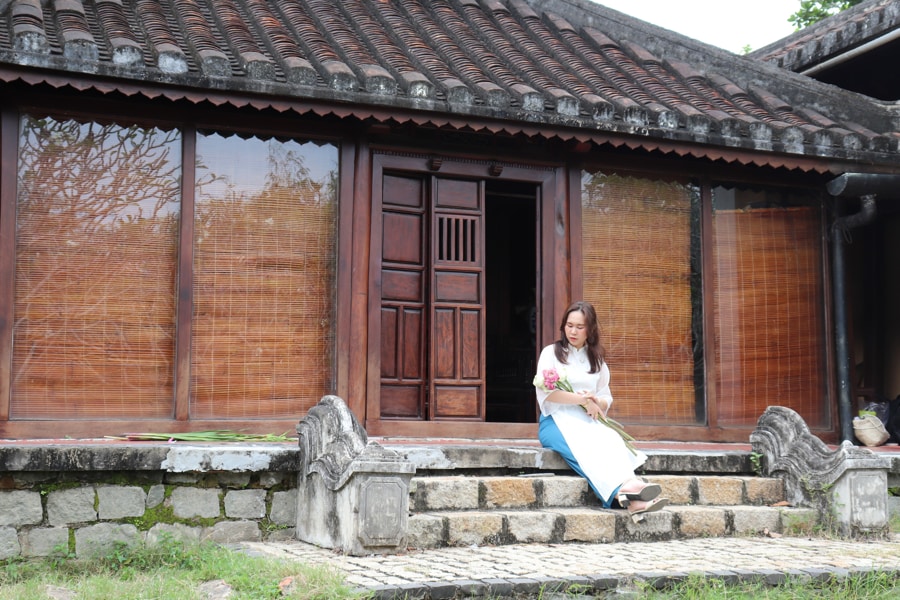
The exterior of the Ao Dai Museum is inspired by traditional southern Vietnamese houses, featuring wooden structures, tiled roofs, and open spaces surrounded by lush gardens and waterways. Pathways curve gently through the landscape, connecting display areas with lotus ponds, bamboo groves, and stone bridges. This design not only reflects rural Vietnamese life but also creates a calm atmosphere that enhances cultural exploration. The use of natural materials helps the museum blend seamlessly into its riverside setting.

exterior Architecture of Ao dai museum

Interior Architecture

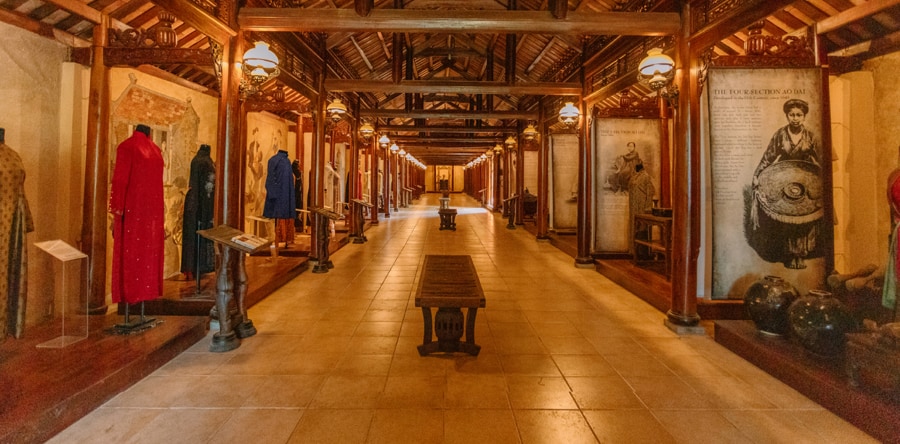
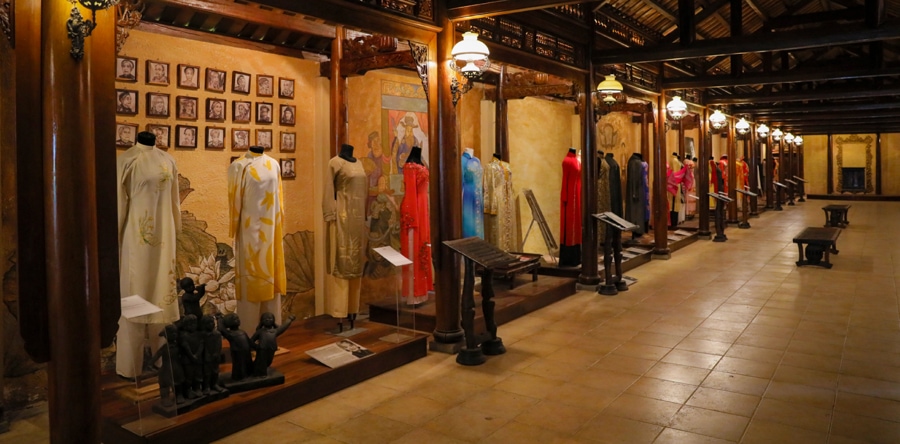
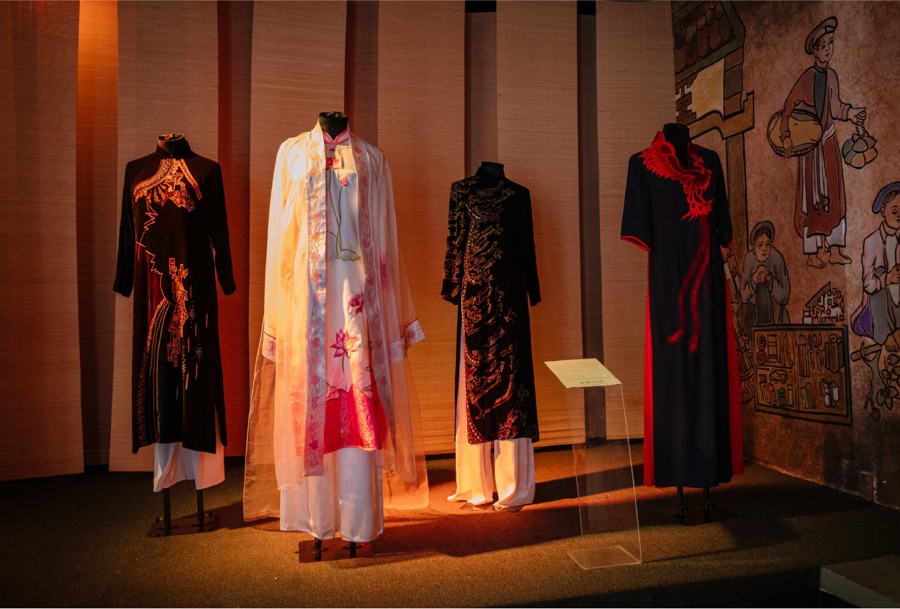
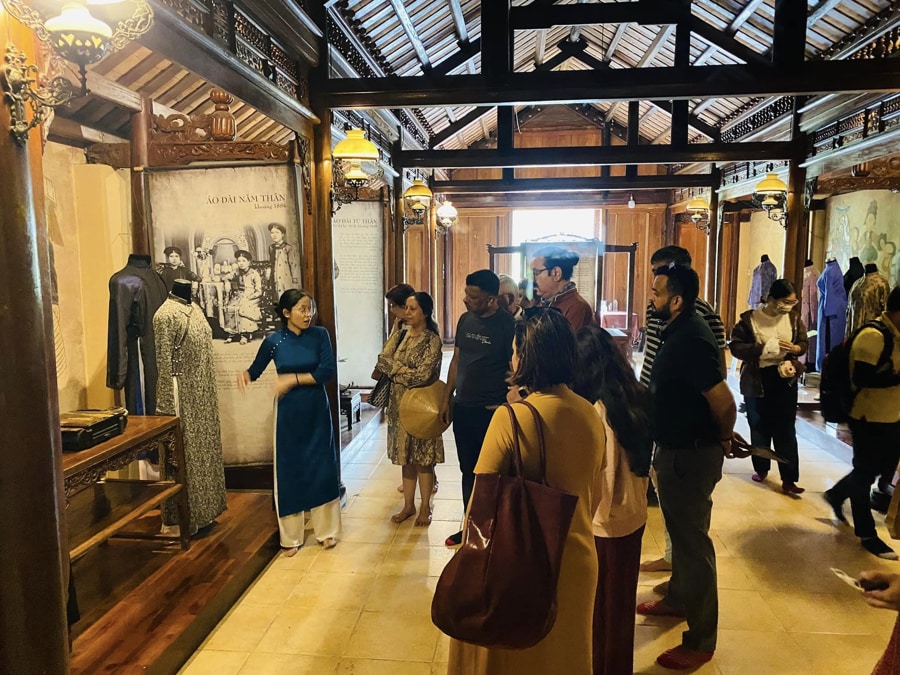
Inside, the museum’s exhibition halls are designed to feel warm and intimate, using wood, soft lighting, and open layouts. Display spaces are carefully arranged to guide visitors through the historical evolution of the ao dai, allowing each garment to stand out. Traditional decorative elements, such as carved panels and heritage motifs, add depth to the experience. The interior architecture balances functionality and aesthetics, encouraging quiet reflection and appreciation of Vietnamese cultural artistry.

Interior Architecture Of Ao Dai Museum

3 Unforgettable Experiences You Shouldn’t Miss

Two experiences define a visit to the Ao Dai Museum: cultural immersion and peaceful discovery. Below are unforgettable activities that allow visitors to connect deeply with Vietnamese heritage through fashion, history, and tradition.

Admire Historical Ao Dai Collections

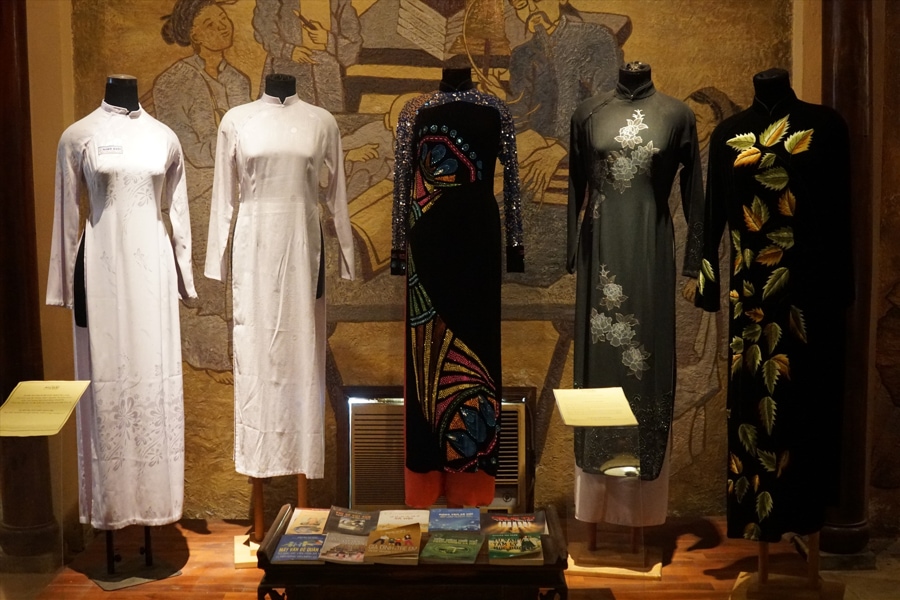
One of the most memorable experiences at the Ao Dai Museum is exploring its rich collection of historical ao dai. These garments represent different eras of Vietnamese history and were worn by notable figures, artists, and everyday women. Each ao dai tells a story through its fabric, colors, and design details, reflecting social values and aesthetic changes over time. Visitors gain a deeper understanding of how the ao dai has evolved while remaining a powerful symbol of Vietnamese identity and cultural pride.

Historical Ao Dai Collections

Experience Traditional Vietnamese Architecture

Walking through the Ao Dai Museum allows visitors to experience traditional Vietnamese architecture in a peaceful natural setting. The museum complex features wooden houses, tiled roofs, lotus ponds, and garden pathways inspired by southern rural homes. Every architectural detail is designed to blend harmoniously with the surrounding landscape, creating a calm and authentic atmosphere. This immersive environment helps visitors slow down, appreciate traditional design, and feel connected to Vietnam’s cultural roots beyond the exhibition spaces.

Traditional Vietnamese Architecture

Enjoy Ao Dai Wearing and Photography Experiences

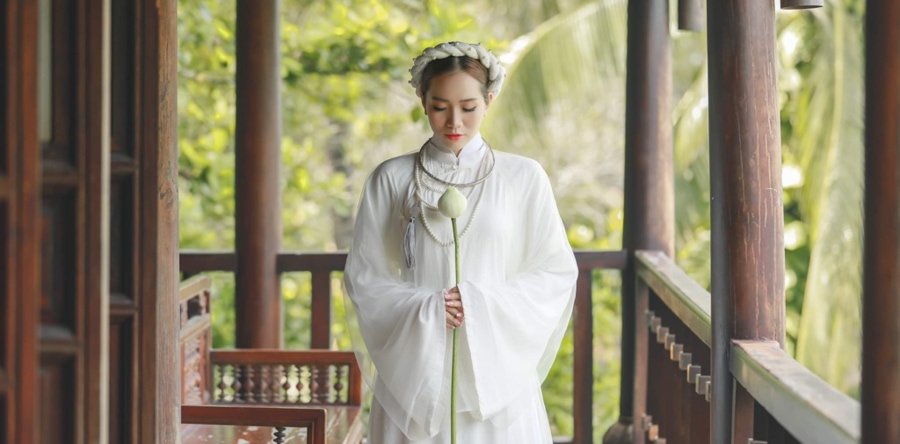
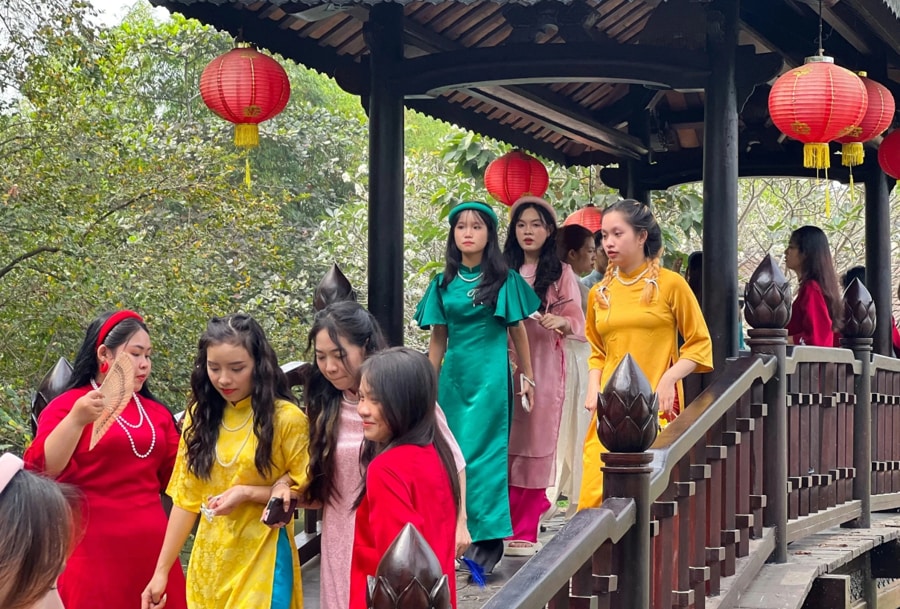
Wearing an ao dai and taking photos within the museum grounds is an unforgettable highlight for many visitors. The scenic backdrop of gardens, wooden houses, and riverside views creates perfect photo opportunities. This experience allows travelers to engage directly with Vietnamese culture rather than simply observing it. Whether visiting as a couple, family, or solo traveler, capturing moments in traditional attire adds a personal and meaningful memory to the journey through the Ao Dai Museum.

Enjoy Ao Dai Wearing and Photography Experiences

Entrance Fee

The Ao Dai Museum offers affordable entrance fees, making it an accessible cultural attraction for international visitors exploring Ho Chi Minh City. Ticket prices are clearly structured, allowing travelers to easily plan their visit without worrying about high costs or complicated policies.

Ticket Type Price (VND) Approx. Price (USD) Notes
Adult Ticket 50,000 2.00 USD Applicable to most international visitors
Student / Child 30,000 1.20 USD Student ID required for discount
Children under 2 Free Free No ticket required
Disabled Visitors Free Free Free admission policy
Group Tickets (10+ people) Discount available Varies Advance contact recommended

Note: Ticket prices may change over time. Visitors are advised to check locally for the most up-to-date information before visiting.

Opening Hours

The Ao Dai Museum is generally open daily from 8:30 AM to 5:30 PM, allowing visitors plenty of time to explore its exhibitions and outdoor spaces at a relaxed pace. Mornings are ideal for sightseeing, as the weather is cooler and the museum is quieter, especially on weekdays. During weekends and public holidays, the museum may receive more local visitors, so arriving early helps ensure a more peaceful experience.

best time to visit the Ao Dai Museum is during the dry season

The best time to visit the Ao Dai Museum is during the dry season from December to April, when Ho Chi Minh City enjoys pleasant weather and minimal rainfall. This period is considered the peak travel season, offering perfect conditions for walking around the gardens and taking photos in traditional ao dai. Visiting between 8:30 AM and 10:30 AM or after 3:30 PM provides comfortable temperatures and softer natural light for photography.

How To Get To Ao Dai Museum

Getting to the Ao Dai Museum is straightforward, with several transportation options suitable for international visitors. Depending on your budget and travel style, you can choose private, public, or ride-hailing services for a smooth journey.

Transportation Method Estimated Time Price (VND) Approx. Price (USD) Notes
Taxi / Ride-Hailing Car 40–50 minutes 250,000–350,000 ~10–14 USD Comfortable and convenient for tourists
Private Car 40–50 minutes 500,000–700,000 ~20–28 USD Ideal for families or groups
Motorbike 45–60 minutes 80,000–120,000 (fuel) ~3–5 USD Requires a valid driving license
Bus + Taxi 70–90 minutes 30,000–60,000 ~1.5–2.5 USD Budget option, less convenient

Notes: International visitors should choose taxis or ride-hailing services for safety and convenience, while motorbike travel requires a valid license and confidence navigating busy local traffic conditions in Ho Chi Minh City.

Things to Know Before Traveling to Ao Dai Museum

Before visiting the Ao Dai Museum, preparing a few practical details will help you enjoy a smooth and meaningful cultural experience. These essential travel tips are especially useful for international visitors exploring Vietnamese heritage for the first time.

  • Visit early in the morning to avoid crowds, enjoy cooler weather, and have more time to explore exhibitions and outdoor garden areas comfortably.
  • Wear comfortable clothing and shoes, as the museum grounds include walking paths, gardens, and traditional houses spread across a large outdoor area.
  • Bring cash in small denominations, since some services or nearby vendors may not accept international credit cards or digital payments.
  • Check the weather forecast in advance, especially during the rainy season, to plan indoor visits and protect cameras or personal belongings.
  • Respect cultural values by dressing modestly when entering exhibition halls showcasing traditional costumes and historical Vietnamese heritage.
  • Allocate at least two hours to fully explore the museum, including exhibition spaces, architecture, gardens, and photography areas.
  • Ask staff about ao dai wearing and photo experiences, as these activities may require advance registration or additional fees.
  • Combine your visit with nearby cultural attractions to optimize travel time, as the Ao Dai Museum is located outside the city center.

FAQs About Ao Dai Museum

Travelers often have common questions before visiting the Ao Dai Museum, especially regarding tickets, activities, and travel planning. The following frequently asked questions help international visitors better prepare for a smooth and enjoyable cultural experience.

Is the Ao Dai Museum suitable for international visitors?

Yes, the Ao Dai Museum is very welcoming to international visitors. Exhibitions are clearly organized, and many displays include English explanations to help foreigners understand the history and cultural significance of the ao dai. The peaceful setting, friendly staff, and visual storytelling make it easy to explore even without deep prior knowledge of Vietnamese culture.

international visitors in the Ao dai museum

How much time should I spend at the Ao Dai Museum?

Most visitors spend around two to three hours exploring the Ao Dai Museum. This allows enough time to view exhibitions, walk through traditional architecture, enjoy the gardens, and take photos. Visitors interested in ao dai history or photography may wish to stay longer for a more immersive experience.

Can visitors wear ao dai at the museum?

Yes, visitors can participate in ao dai wearing and photography experiences at the museum. These services may require an additional fee and are usually arranged on-site. Wearing ao dai allows travelers to connect more personally with Vietnamese culture while capturing memorable photos in a traditional setting.

Is the Ao Dai Museum suitable for families and children?

The Ao Dai Museum is suitable for families and children, offering open spaces, gardens, and educational exhibits. Children can learn about Vietnamese culture through visual displays, while parents enjoy a calm environment ideal for cultural exploration and relaxation.

Final Thoughts: Is the Ao Dai Museum Worth Visiting?

The Ao Dai Museum is truly worth visiting for travelers seeking an authentic cultural experience in Ho Chi Minh City. Its rich exhibitions, traditional architecture, and peaceful natural setting offer deep insight into Vietnam’s heritage. Whether you enjoy history, photography, or cultural exploration, this destination delivers lasting memories. For a well-planned visit and meaningful cultural journeys across Vietnam, let Seni World guide you to inspiring destinations and unforgettable travel experiences.

Ho Chi Minh City Museum of Fine Arts: A Cultural Landmark

Ho Chi Minh City Museum of Fine Arts is a prominent cultural attraction showcasing Vietnam’s rich artistic heritage. Located in a historic colonial-era building, the museum features diverse collections of traditional, modern, and contemporary Vietnamese art.

Introduction To Ho Chi Minh City Museum of Fine Arts

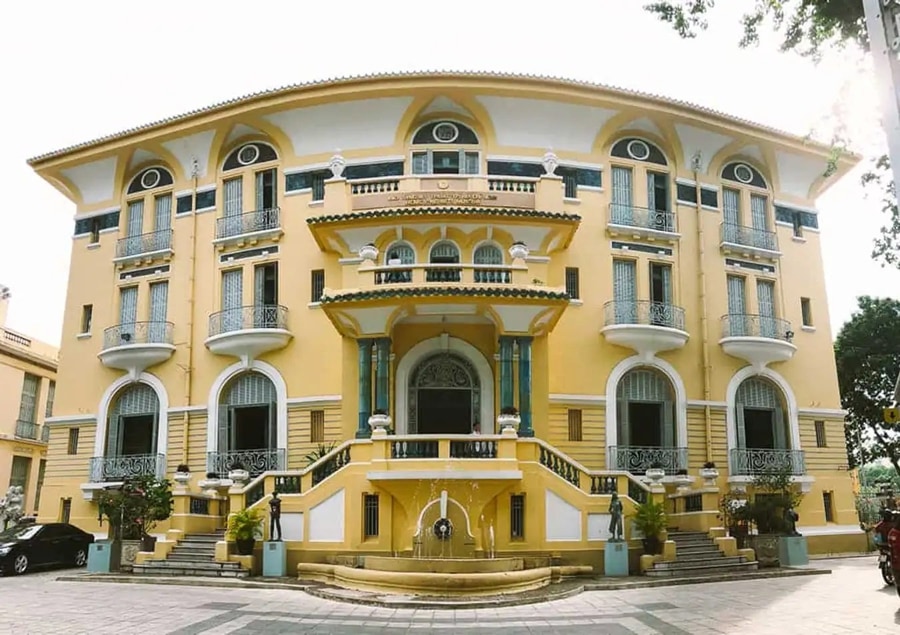
Ho Chi Minh City Museum of Fine Arts is one of the most renowned cultural attractions in southern Vietnam, offering visitors a deep insight into the country’s artistic heritage. Housed in a beautifully preserved colonial-era mansion, the museum showcases an impressive collection of Vietnamese fine art, including paintings, sculptures, lacquer works, and ceramics from different historical periods. Its central location makes it easy to combine with other major attractions in downtown Ho Chi Minh City, appealing to both first-time visitors and returning travelers.

outside the Ho Chi Minh City Museum of Fine Arts

Visiting the Ho Chi Minh City Museum of Fine Arts allows travelers to better understand Vietnam’s history, culture, and creative evolution through art. The museum highlights works by celebrated Vietnamese artists alongside contemporary pieces that reflect modern social themes. With its elegant architecture, peaceful atmosphere, and educational value, the museum is an ideal destination for art lovers, photographers, students, and anyone seeking a meaningful cultural experience in the city.

History of the Ho Chi Minh City Museum of Fine Arts

The Ho Chi Minh City Museum of Fine Arts was officially established in 1987, with the mission of preserving and showcasing Vietnam’s rich artistic heritage. The museum is located in a historic mansion built in the early 20th century by a wealthy Chinese merchant during the French colonial period. This elegant building itself is a valuable architectural landmark, reflecting a blend of French, Chinese, and traditional Vietnamese design elements that add historical depth to the visitor experience.

Over the decades, the museum has grown into one of Vietnam’s most important art institutions. Its collections span from ancient artifacts and traditional folk art to modern and contemporary Vietnamese works created after 1975. Through carefully curated exhibitions, the museum documents the evolution of Vietnamese fine arts, highlighting cultural identity, social change, and artistic innovation. Today, it stands as a cultural symbol, connecting past and present through art in the heart of Ho Chi Minh City.

Unique Architecture Of Ho Chi Minh City Museum of Fine Arts

The Ho Chi Minh City Museum of Fine Arts is not only valued for its art collections but also admired for its distinctive architecture. The building reflects a refined blend of French colonial design, Asian influences, and traditional Vietnamese aesthetics.

Main Hall

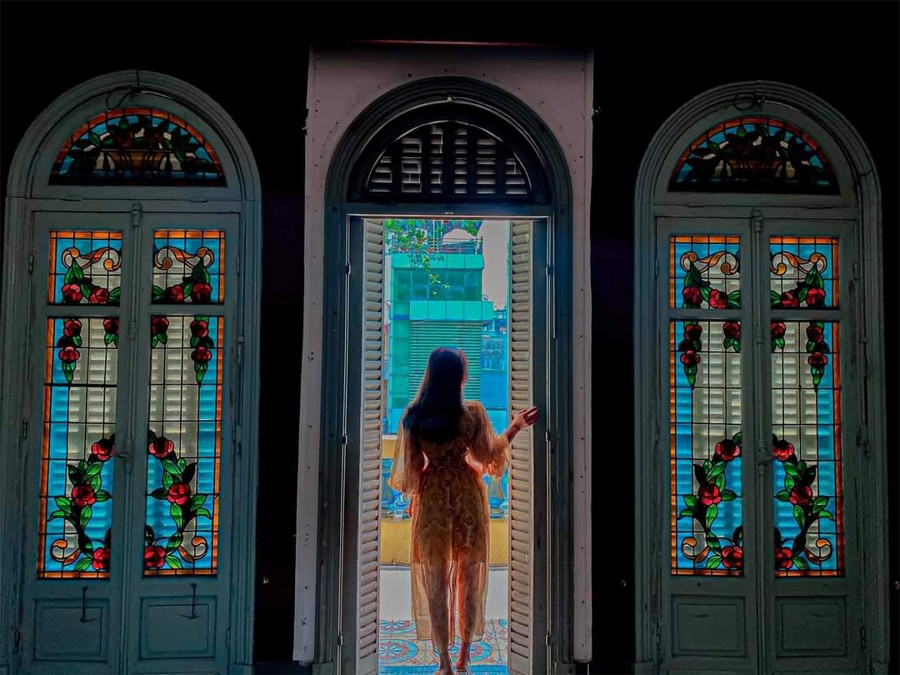
The Main Hall of the Ho Chi Minh City Museum of Fine Arts is designed to convey both grandeur and balance. High ceilings, thick walls, and large arched windows are classic features of French colonial architecture, helping regulate temperature and enhance natural ventilation. The spacious layout allows light to flow evenly across exhibition areas, creating an ideal environment for displaying fine art while maintaining visual comfort for visitors.

In addition, decorative floor tiles, carved wooden doors, and elegant balconies introduce strong Asian influences. These details soften the formal European structure and reflect traditional Vietnamese aesthetics. The careful combination of materials and proportions results in a dignified yet welcoming space that enhances the museum’s artistic atmosphere.

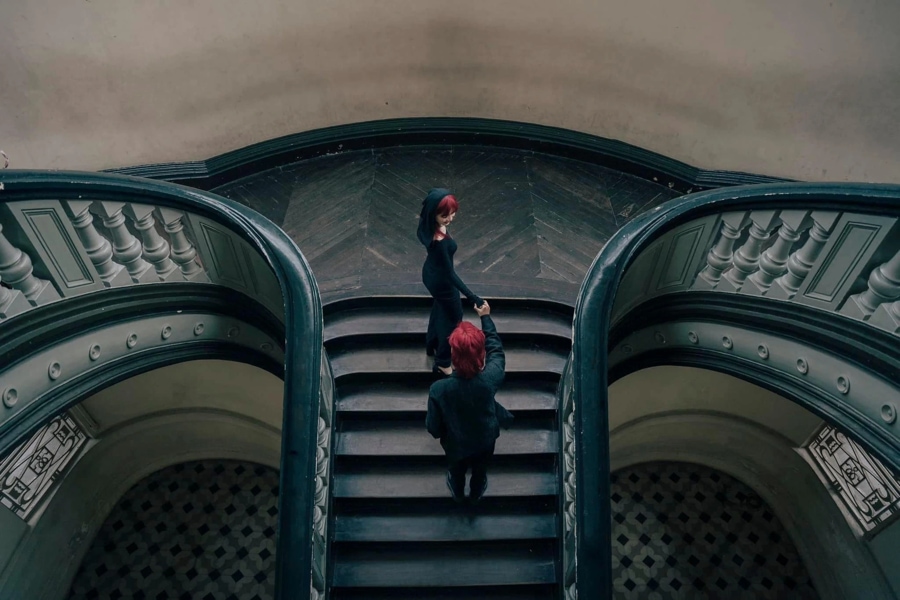
Courtyard & Staircase

The central courtyard is a defining architectural feature of the museum, designed to maximize airflow and natural light. Open to the sky, this space connects different exhibition rooms while creating a peaceful pause between galleries. Greenery and surrounding balconies add depth and symmetry, reflecting traditional Southeast Asian courtyard design adapted to an urban setting.

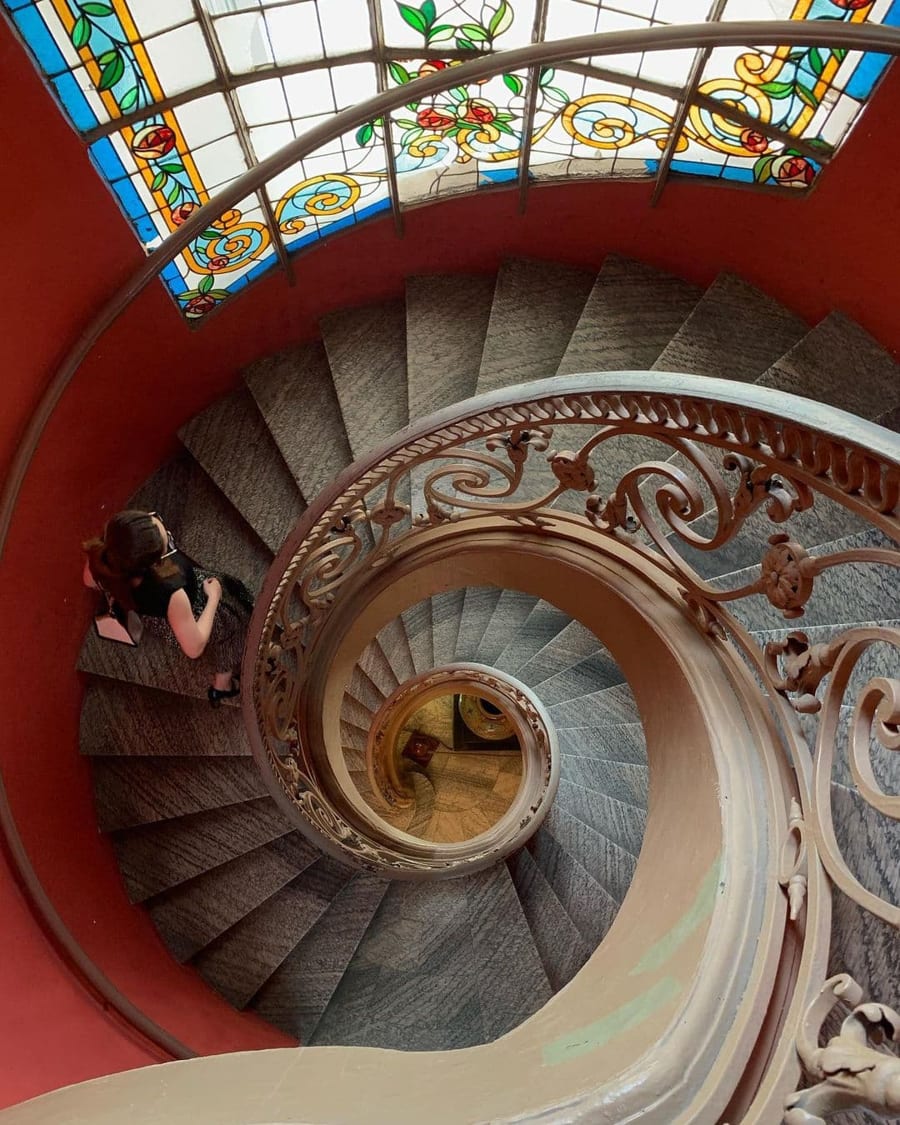
spiral staircase inside the ho chi minh city museum of fine arts

Equally striking is the spiral staircase, often regarded as the architectural highlight of the museum. Crafted with decorative iron railings and complemented by stained glass windows, the staircase blends function with artistry. Its graceful curves and soft lighting make it a favorite spot for photography, symbolizing the timeless elegance of the building.

Unforgettable Experiences You Shouldn’t Miss

Visiting the Ho Chi Minh City Museum of Fine Arts offers more than quiet gallery walks; it is an immersive cultural journey. From artistic exploration to architectural appreciation, each experience reveals a deeper layer of Vietnam’s creative identity.

Explore Vietnamese Fine Art Collections

One of the most rewarding experiences is exploring the museum’s diverse art collections spanning traditional, modern, and contemporary periods. Visitors can admire lacquer paintings, silk artworks, oil paintings, and sculptures created by Vietnam’s most respected artists. Each gallery tells a visual story of the country’s history, social change, and artistic evolution, making it ideal for both art lovers and first-time visitors.

Explore Vietnamese Fine Art Collections

Appreciate the Museum’s Architecture Up Close

Beyond the artwork, taking time to observe the building itself is an unforgettable experience. Walking through balconies, staircases, and courtyards allows visitors to appreciate the fusion of French colonial elegance with Asian design elements. The play of light, shadow, and space creates a calm atmosphere that enhances the overall visit and offers unique photo opportunities.

Appreciate the Museum’s Architecture Up Close

Learn About Vietnam’s Artistic History

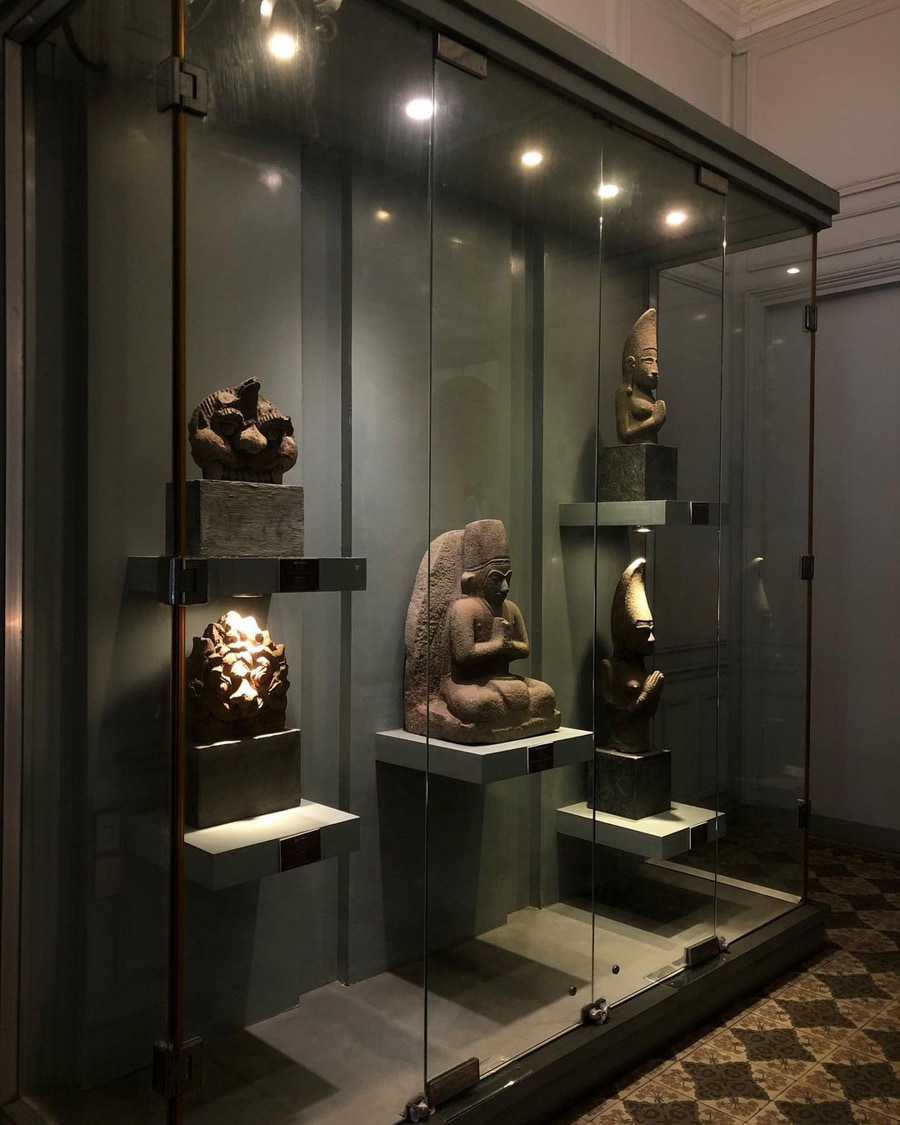
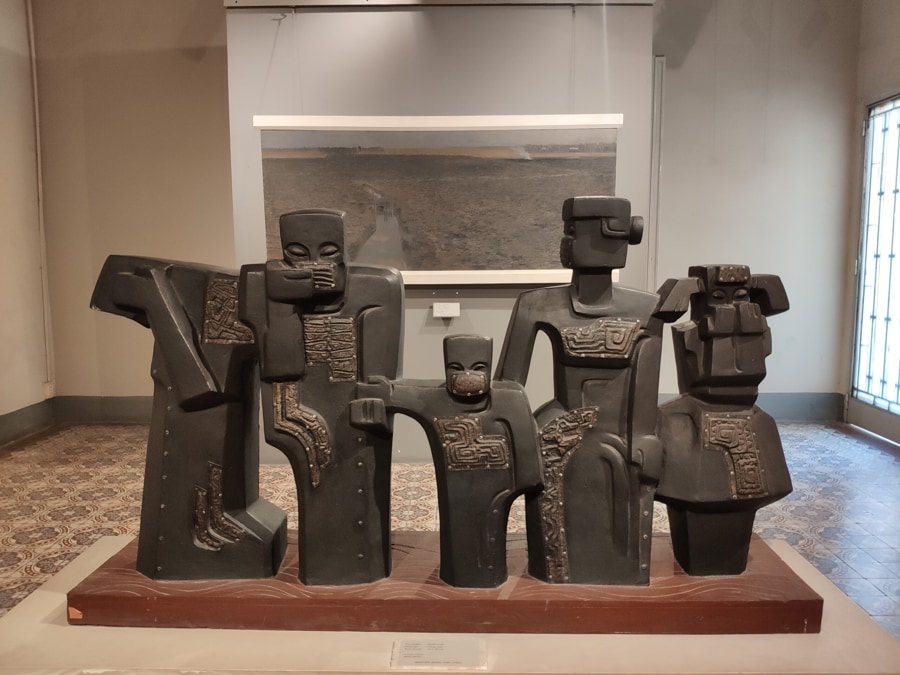
The museum provides valuable insights into Vietnam’s cultural and artistic development. Informative displays and well-curated exhibitions help visitors understand artistic movements, historical contexts, and regional styles. This experience is especially meaningful for travelers interested in history, education, and gaining a deeper appreciation of Vietnamese identity through art.

sculptures created by Vietnam’s most respected artists

Entrance Fee

The entrance fee to the Ho Chi Minh City Museum of Fine Arts is affordable for most travelers. Adult tickets cost around 30,000 VND, equivalent to approximately 1.2 USD, while students with valid identification pay about 15,000 VND, or 0.6 USD. Children under six years old, senior citizens, and visitors with disabilities are generally granted free admission. Thanks to its low ticket price, the museum remains an accessible cultural attraction for both local visitors and international tourists exploring Ho Chi Minh City.

Opening Hours

The Ho Chi Minh City Museum of Fine Arts is open daily, typically from 8:00 AM to 5:00 PM, allowing visitors plenty of time to explore its galleries at a relaxed pace. The museum is less crowded during weekday mornings, making this an ideal time for photography and quiet appreciation of artworks. Public holidays and weekends often attract more local visitors, especially students and art enthusiasts.

The best time to visit the Ho Chi Minh City Museum of Fine Arts is during the dry season, from December to April, when weather conditions are comfortable for city sightseeing. Visiting in the morning or early afternoon helps avoid heat and crowds. This period is perfect for combining cultural exploration with nearby attractions in central Ho Chi Minh City.

How To Get To Ho Chi Minh City Museum of Fine Arts

Located in District 1, the Ho Chi Minh City Museum of Fine Arts is easy to reach from most central areas. Travelers can choose flexible transport options depending on budget, travel style, and distance.

Transport Method Estimated Cost (USD) Travel Time Notes
Taxi / Car 2 to 3 USD 10 to 15 minutes Comfortable option from the central districts
Motorbike 1 to 2 USD 10 to 15 minutes Suitable for short distances in the city
Public Bus 0.3 to 0.5 USD 15 to 30 minutes Budget-friendly, short walk required
Walking Free 5 to 20 minutes Ideal from the Ben Thanh Market area

Travel tips: If traveling by motorbike, visitors should have a valid driving license and wear a helmet. Traffic can be busy during rush hours, so plan extra time and consider walking if staying nearby.

Things To Know Before Traveling to the Ho Chi Minh City Museum of Fine Arts

Before visiting the Ho Chi Minh City Museum of Fine Arts, travelers should prepare to make the most of their cultural experience. A little planning helps ensure a smooth, respectful, and enjoyable museum visit.

  • Dress appropriately: Wear comfortable clothing and modest attire, as this is a cultural site where respectful appearance is appreciated.
  • Visit during quiet hours: Weekday mornings are less crowded, offering better conditions for photography and peaceful art appreciation.
  • Bring small cash: Entrance tickets and minor fees are usually paid in cash, so carrying small denominations is convenient.
  • Photography rules: Personal photography is generally allowed, but flash and professional equipment may require additional permission.

take photos in the ho chi minh city museum

  • Allow enough time: Plan at least one to two hours to explore galleries without rushing through the exhibitions.
  • Respect artworks: Do not touch exhibits and follow museum guidelines to help preserve valuable art collections.

FAQs About Ho Chi Minh City Museum of Fine Arts

Travelers often have common questions before visiting the Ho Chi Minh City Museum of Fine Arts. The following FAQs provide helpful details to plan a smooth and meaningful cultural experience in the city center.

How much time should I spend at the museum?

Most visitors spend around one to two hours at the Ho Chi Minh City Museum of Fine Arts. This allows enough time to explore the main exhibition halls, appreciate architectural details, and enjoy the peaceful atmosphere. Art enthusiasts or photographers may prefer staying longer to study specific collections or capture unique interior spaces at a relaxed pace.

Can visitors take photos inside the museum?

Photography is generally allowed inside the Ho Chi Minh City Museum of Fine Arts for personal use. However, flash photography and professional equipment may require additional permission or fees. Visitors should always check current regulations at the entrance and respect posted signs to help protect artwork and ensure a pleasant experience for everyone.

Is the museum suitable for families and children?

The Ho Chi Minh City Museum of Fine Arts is suitable for families and children, especially older kids interested in art and culture. Spacious galleries, clear displays, and a calm environment make it educational and engaging. Parents should supervise children closely to ensure artworks are respected and museum rules are followed.

Final Thoughts: Is the Ho Chi Minh City Museum of Fine Arts Worth Visiting?

The Ho Chi Minh City Museum of Fine Arts is an ideal destination for travelers seeking a deeper cultural experience in Vietnam’s largest city. With its rich art collections, elegant colonial architecture, and central location, the museum offers a peaceful contrast to the city’s vibrant streets. Visitors can explore Vietnam’s artistic journey while enjoying a refined and educational atmosphere suitable for all ages. If you are planning a cultural itinerary in Ho Chi Minh City, let Seni World inspire your journey and help you discover meaningful destinations with confidence and ease.

Discover Nha Rong Wharf, A Key Site In Vietnam’s History

The historical Nha Rong Wharf in Ho Chi Minh City is where President Ho Chi Minh set out on his journey for independence for Vietnam. Visitors can visit the museum and learn the history of Ho Chi Minh, along with experiencing the culture of Saigon.

Introduction To Nha Rong Wharf

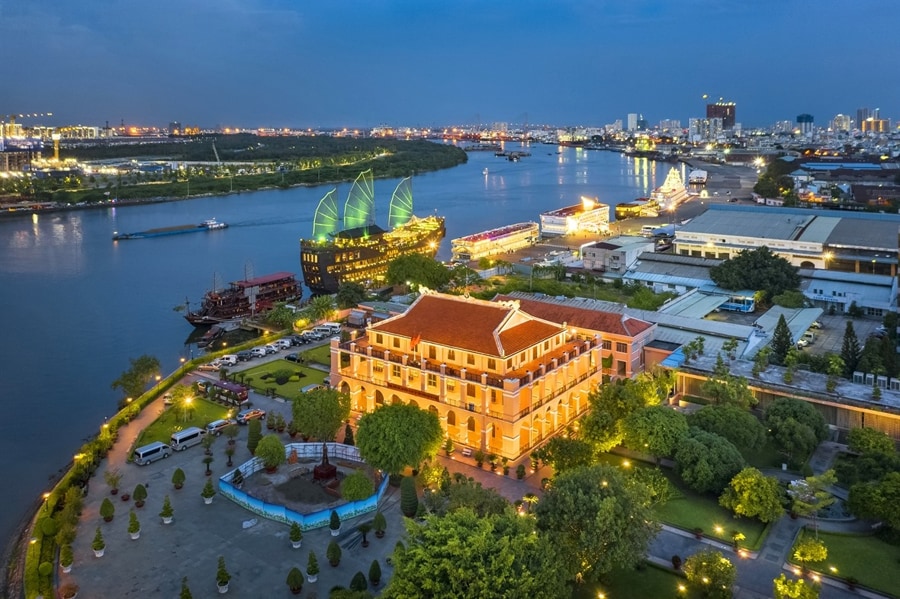
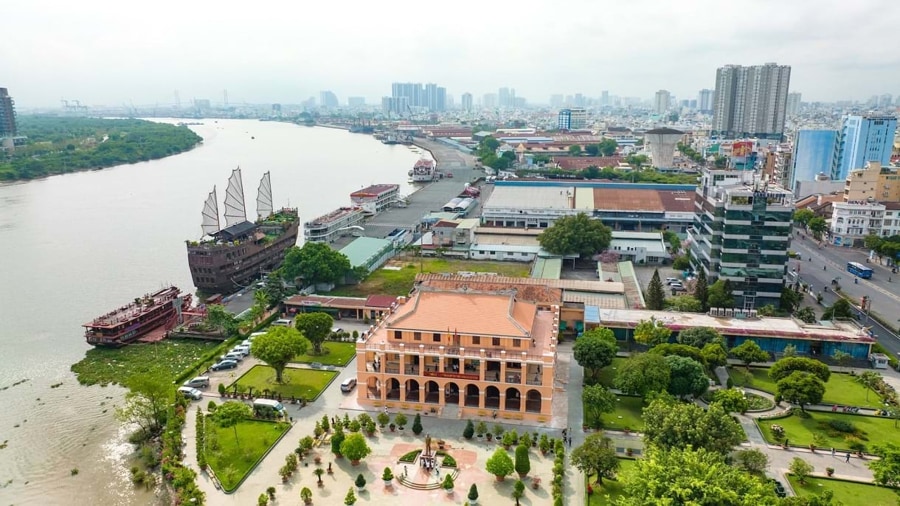
Nha Rong Wharf is one of the historic landmarks right in downtown Ho Chi Minh City. This place has now transformed into a top travel attraction and a historic museum where, according to history, it was the departure point of President Ho Chi Minh on his journey to seek Vietnam’s independence. The building offers an interesting vestige of modern history to travelers visiting this area. They can also admire colonial architecture and take a walk along the riverfront while discovering Saigon’s deep cultural heritage.

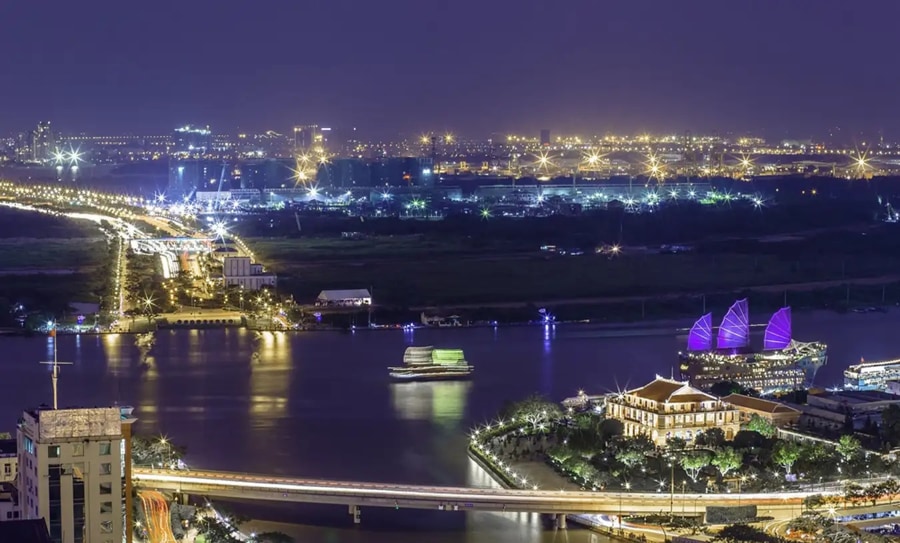
Nha Rong Wharf is one of the historic landmarks right in downtown Ho Chi Minh City

A trip to Nha Rong Wharf makes a good combination of cultural and historical knowledge with sightseeing. The museum inside is rich in valuable objects and stories displaying the country’s struggle for freedom, which is both educational and inspiring. More than just a journey through Vietnam’s past, visiting Nha Rong Wharf provides an experience of the lively local life around it.

History Of Nha Rong Wharf

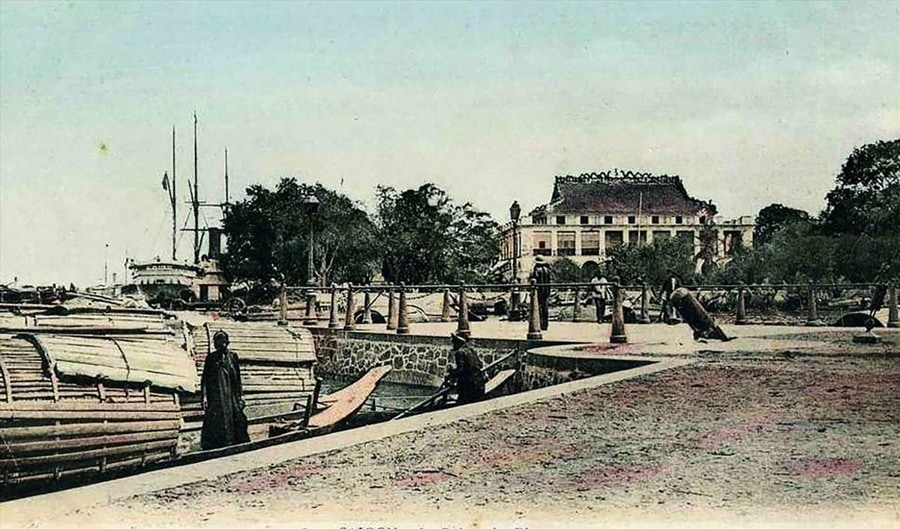
Nha Rong Wharf was constructed as a main port on the Saigon River during the early 20th century in the French colonial period. The building was originally intended for use in the trade of goods such as rice, rubber, and coffee, but quickly became an important hub location for commerce and transportation within southern Vietnam due to its strategic placement that offered accessibility to domestic and international shipping routes, making it a center of bustling trade. Over time wharf gained historical significance long before modern history when President Ho Chi Minh departed from the wharf seeking independence, shaping the nation’s modern history.

Nha Rong Wharf in the French colonial period

Long and narrow is the pier that juts out into the Saigon River. Flanked by warehouses and colonial buildings, all constructed during the French period of colonization in Vietnam, Nha Rong Wharf offers both a practical riverfront location as well as an excellent view over the water to the city beyond the wharf. Today, it forms a handy combination of historical values plus a pleasant riverside environment attracting any tourist with interests running from culture through history to urban landscapes of Vietnam.

Unique Architecture Of Nha Rong Wharf

Nha Rong Wharf’s beauty in terms of architecture and its historical and cultural values make it an attractive site for visitors. The design and beauty of Nha Rong Wharf provide a unique insight into the history of Saigon and the significance of river ports in the history of Vietnam.

Unique Architecture Of Nha Rong Wharf

Main Pier And River Alignment

The long main pier of the wharf is constructed parallel to the Saigon River. This alignment helps a lot in the easy loading and unloading of goods from boats moored along its entire length. The structure has both functional utility and provides a good vantage point for viewing either the river or the city skyline. A slight curve at one end, together with openness, allows daylight to freely penetrate inside, making it look bright, hence attracting people into it.

Colonial Warehouses And Structures

Along the pier are colonial warehouses, which are strong and elegant, with features such as arched windows, brick walls, and lofty ceilings. These warehouses embody the ingenuity of early 20th-century French architecture, which integrated functionality and beauty. These spacious warehouses are obviously intended for storage, but the fine details of their architecture, such as wooden beams and moldings, are a testament to craftsmanship not commonly found in current container ports today.

Main Hall And Vaulted Ceilings

It is the main hall that continues to impress, having high vaulted ceilings with timber frameworks. The large arched windows bring in natural air and light to add to the airy feeling inside the hall. All this testifies to a thoughtfulness of design that looks very much in tune with functional and aesthetic needs.

Riverside Viewpoints And Scenic Layout

The Nha Rong Wharf allows visitors to have access to open spaces and walkways that provide an opportunity for panoramic views of the Saigon River and traditional river traffic. This blend of architecture and nature makes Nha Rong Wharf unique compared to other city ports, as it provides a serene and picturesque experience.

4 Unforgettable Experiences You Shouldn’t Miss

Before delving into Nha Rong Wharf, it is important to consider what makes this historic monument so important to the nation. In addition to its peaceful riverside location, there are other experiences to be had at this monument.

Go To The Ho Chi Minh Museum At Nha Rong Wharf

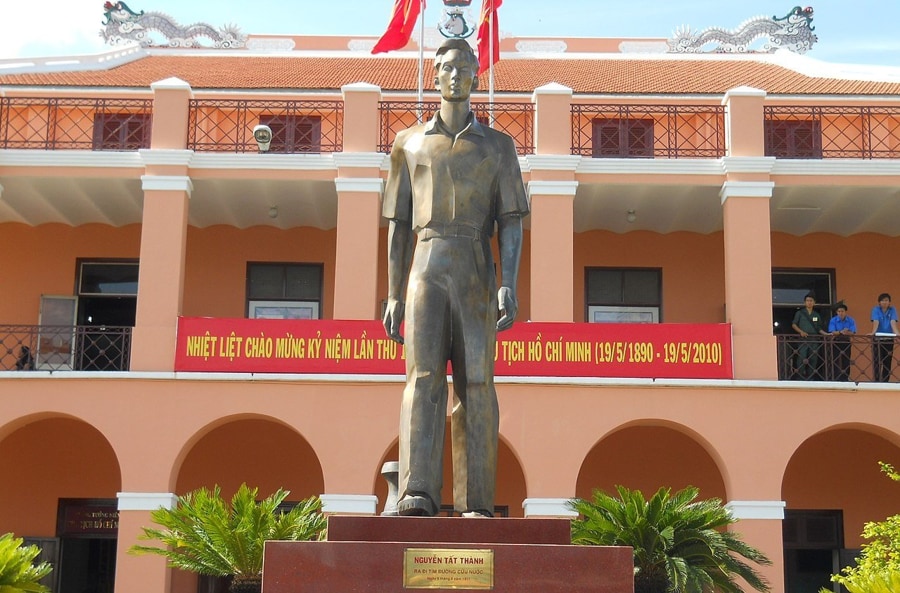
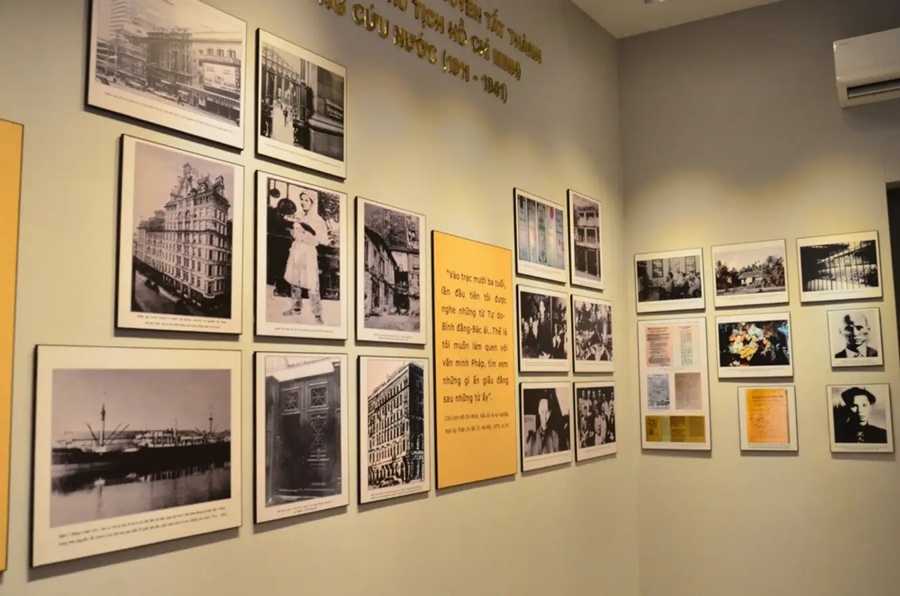
One of the most significant attractions at Nha Rong Wharf is a visit to the Ho Chi Minh Museum, which is located within the historic structure from which President Ho Chi Minh left Vietnam in 1911. The museum is home to images, documents, and artifacts that detail the president’s overseas journey as well as the struggle for national independence. A walk through the museum is a significant experience as it brings a lot of historical perspectives as well as insight into the revolution of Vietnam.

Statue of Ho chi minh president in front of ho chi minh museum

See The French Colonial Architecture End

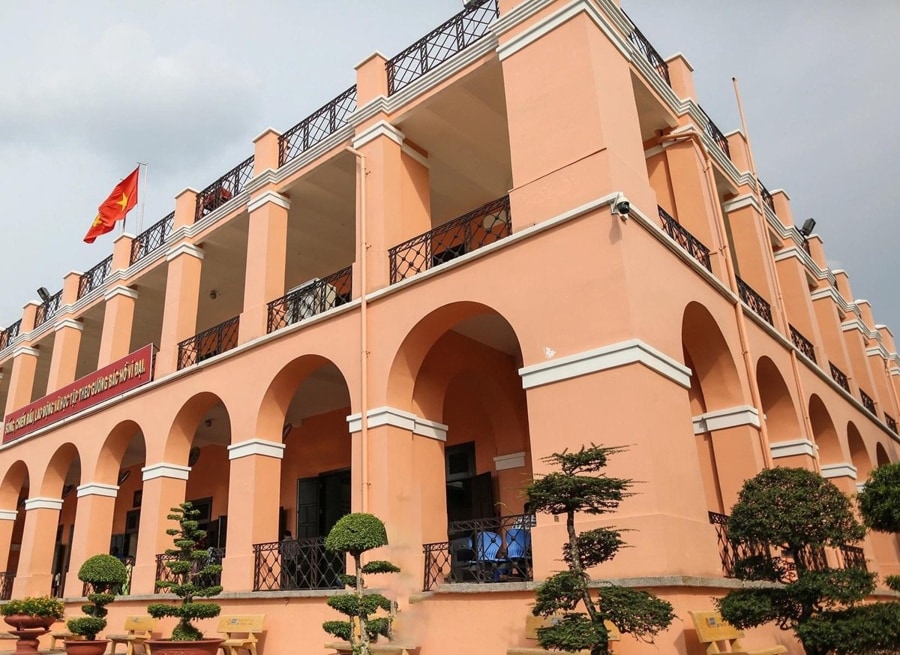
Nha Rong Wharf stands out for its well-preserved French colonial architecture, contrasting beautifully with the modern skyline of Ho Chi Minh City. The building is designed with classic European elements mixed with Vietnamese symbols, such as the iconic dragon roof. Spending some time observing the structure can give a closer look at the colonial period and its lasting influence. Moreover, this location would be very appealing to photography enthusiasts because of the architectural details and the historic atmosphere that surrounds this site.

The French Colonial Architecture End of nha rong wharf

Enjoy Scenic Views Along The Saigon River

Walking along the Saigon River, particularly the area around the Nha Rong River Wharf, is a very refreshing experience. The area surrounding the river is a great destination to witness the serenity of the river, along with the beauty of the different reflections encountered at various times. Early morning and late afternoon are the best times to enjoy the experience. It is a great way to experience relaxation amidst the bustle of Ho Chi Minh City.

Enjoy Scenic Views Along The Saigon River

Learn Through Cultural And Educational Exhibitions

Besides the fixed exhibits, Nha Rong Wharf also organizes cultural and educational exhibits that relate to the history and heritage of Vietnamese culture. These exhibits not only make the place more interesting for visitors to come and learn about its history, but they also help visitors develop a good grasp of what it means to build a nation and its identity by visiting such exhibits of history and culture. This is one of the memorable and amazing activities in Ho Chi Minh City.

Entrance Fee

A detailed list of the entry charges follows, making it easy for visitors to plan their budget and select the best entry option. The affordable costs and accessibility of the destination make it an attractive choice for locals and foreigners alike.

Visitor Type Entrance Fee (VND) Approx. Price (USD)
Adults 100,000 VND 4 USD
Children (below 1.2 m) 50,000 VND 2 USD
Children (below 90 cm) Free Free
Students and Seniors (with ID) 70,000 VND 3 USD
Group (10+ people, advance booking) 90,000 VND / person 3.6 USD

Opening Hours

Nha Rong Wharf is open from 7:00 AM until 6:00 PM. Long enough hours for you to enjoy both its historical sites and riverside scenery. This attraction enjoys its peak season from November until March when the weather becomes cool, dry, and perfect for sightseers. Bigger crowds can be expected during this period, hence advance planning is advisable. The off-peak months run from May until September, when temperatures are high with occasional rain, wherein a more laid-back experience can be had.

The best time to visit Nha Rong Wharf is during the early morning or late afternoon in the peak season in HCMC. At this hour, the temperature is cool, and the soft light is ideal for taking photos. There are quite a number of people making it lively but not too crowded. Whether you are a history buff or simply someone at leisure who has chosen carefully timed visits to ensure memorable experiences, the wharf, riverside landmark, and friendly felines.

How To Get To Nha Rong Wharf

Access to Nha Rong Wharf is quite easy, depending on the mode of transport each visitor wants. For motorbikes, taxis, and buses, planning the route is a must in order to achieve a safe and enjoyable journey to the iconic destination.

Transport Estimated Time Cost (VND/USD)
Motorbike 30-40 mins 150,000-200,000 (6-8 USD)
Car/Taxi 25-35 mins 250,000-400,000 (10-16 USD)
Bus 40-50 mins 20,000-30,000 (1-1.3 USD)

Things To Know Before Traveling To Nha Rong Wharf

Prior to your visit to Nha Rong Wharf, it is advisable to know a few points to make your visit worthwhile. Understanding what to expect beforehand shall improve your experience when you visit this historical site.

  • The optimal time to visit would be from November to March, as it is cooler and drier. Light and comfortable clothes, with comfortable footwear and a hat or sunscreen, would be appropriate attire.
  • Drink lots of water and take a break in the shade. Obey riverbank safety rules, as there may be large groups of people. Keep some basic first-aid stuff with you.
  • Be mindful of the historical and natural surroundings of the wharf. Dispose of your trash in the designated bins. Do not litter.
  • Take care of your personal belongings by keeping them safe, especially your valuable things, which you can store in a small backpack containing all your requirements.
  • Cultural norms and proper behavior. When taking pictures of the local people, remember to seek their permission. You are expected to follow rules regarding monuments and the presentation of history.

FAQs About Nha Rong Wharf

Whether a first-time visitor or returning traveler, knowing some key information about Nha Rong Wharf will help them to make their trip smooth and full of enjoyment and thus get the best out of its history, riverside views, and cultural attractions.

When are the opening hours of Nha Rong Wharf?

Nha Rong Wharf operates from 7:00 AM to 6:00 PM daily, giving enough time for visitors to explore the historical sites, have river strolls, and take photos. Early morning or late afternoon is the best time to visit the wharf in order to avoid many people and enjoy the cooler atmosphere.

How can I get there from Ho Chi Minh City?

Guests may reach the wharf via motorbikes, taxis, or buses. Motorbike rentals are around 150,000-200,000 VND (about 6-8 USD), and the cost of a taxi is about 250,000-400,000 VND (about 10-16 USD). The price of public buses is lower, but takes longer. Always carry ID with you and plan for traffic.

Is Nha Rong Wharf good for families?

Definitely, as the wharf is already lined up with safe pedestrian paths, scenic views along the river, and some cultural displays that are appropriate for visitors of all ages. Children can be allowed to explore, provided there is supervision, and families can take leisurely walks around the facility to understand more about the historical importance of the site.

images, documents, and artifacts of ho chi minh president inside the museum

Thoughts: Is Nha Rong Wharf Worth Visiting?

The Nha Rong Wharf is one of the travel attractions that you should not miss when you are looking for a combination of history, natural beauty, and cultural experiences. There are many different ways that you are able to explore the wharf, including taking leisurely strolls, taking breathtaking pictures, and sharing joyous moments with your beloved family and friends. With the beauty of nature, cultural exhibits, and easy accessibility, it is an excellent travel site for those who want to experience Ho Chi Minh in an unforgettable way.

Explore Vinh Nghiem Pagoda, an iconic Buddhist Temple in Saigon

Vinh Nghiem Pagoda is a renowned Buddhist temple located in Ho Chi Minh City, celebrated for its serene ambiance, traditional Vietnamese architectural style, and spiritual importance, rendering it a significant cultural site for both residents and tourists alike.

Introduction To Vinh Nghiem Pagoda

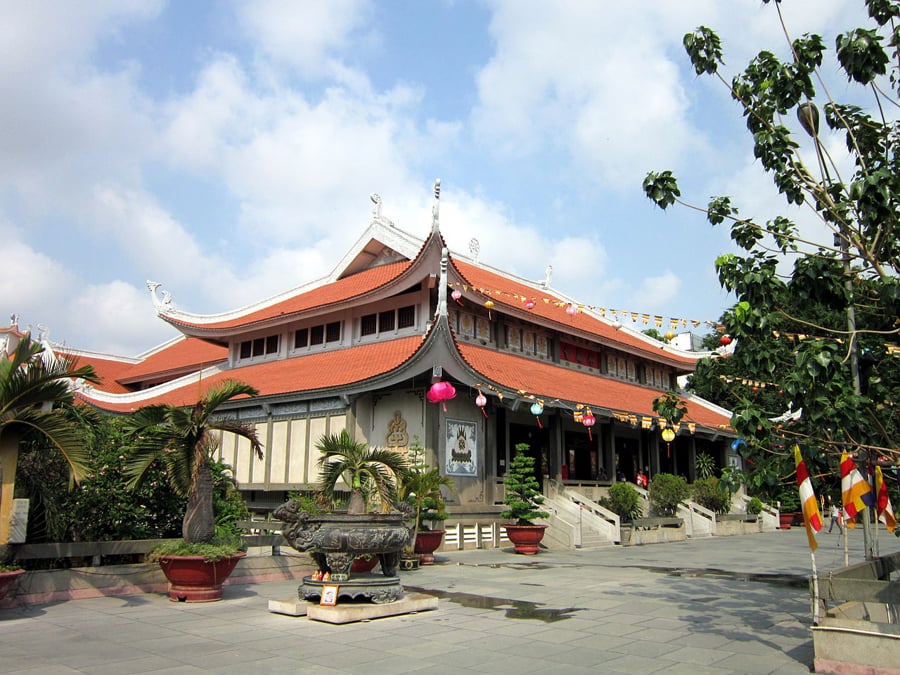
Vinh Nghiem Pagoda ranks among the most renowned Buddhist temples in Ho Chi Minh City, drawing visitors with its tranquil ambiance and unique Vietnamese architectural style. Situated conveniently close to the city center, this pagoda is readily accessible and serves as a significant spiritual and cultural landmark. Constructed in the traditional style of northern Vietnam, Vinh Nghiem Pagoda embodies profound Buddhist principles while providing a serene escape from the bustling urban environment. Its expansive grounds, notable stone stupa, and peaceful prayer halls render it a favored destination for both tourists and local devotees in search of contemplative solitude.

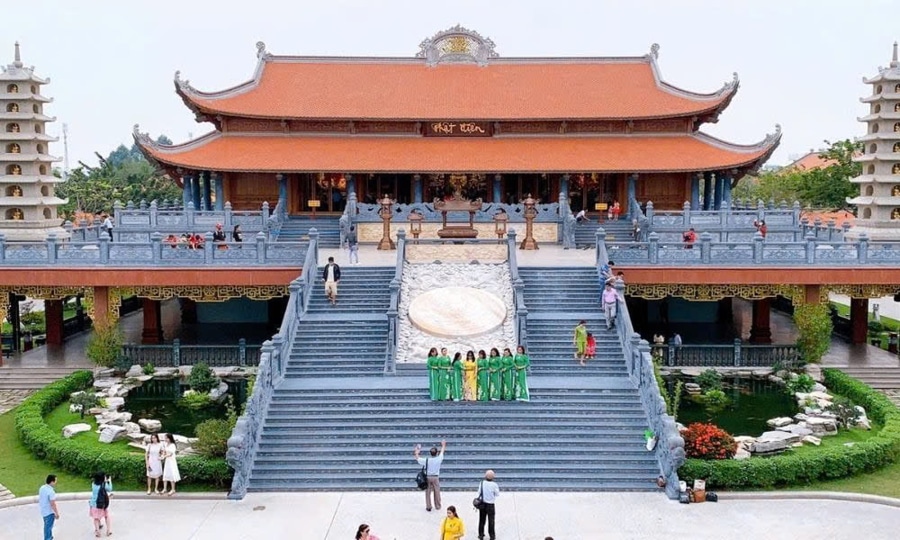
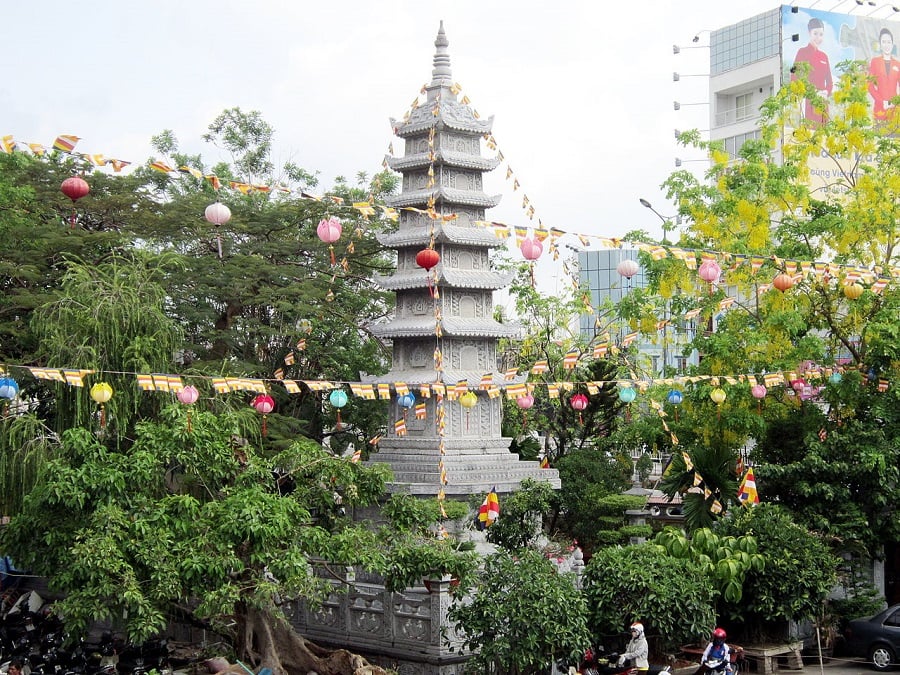
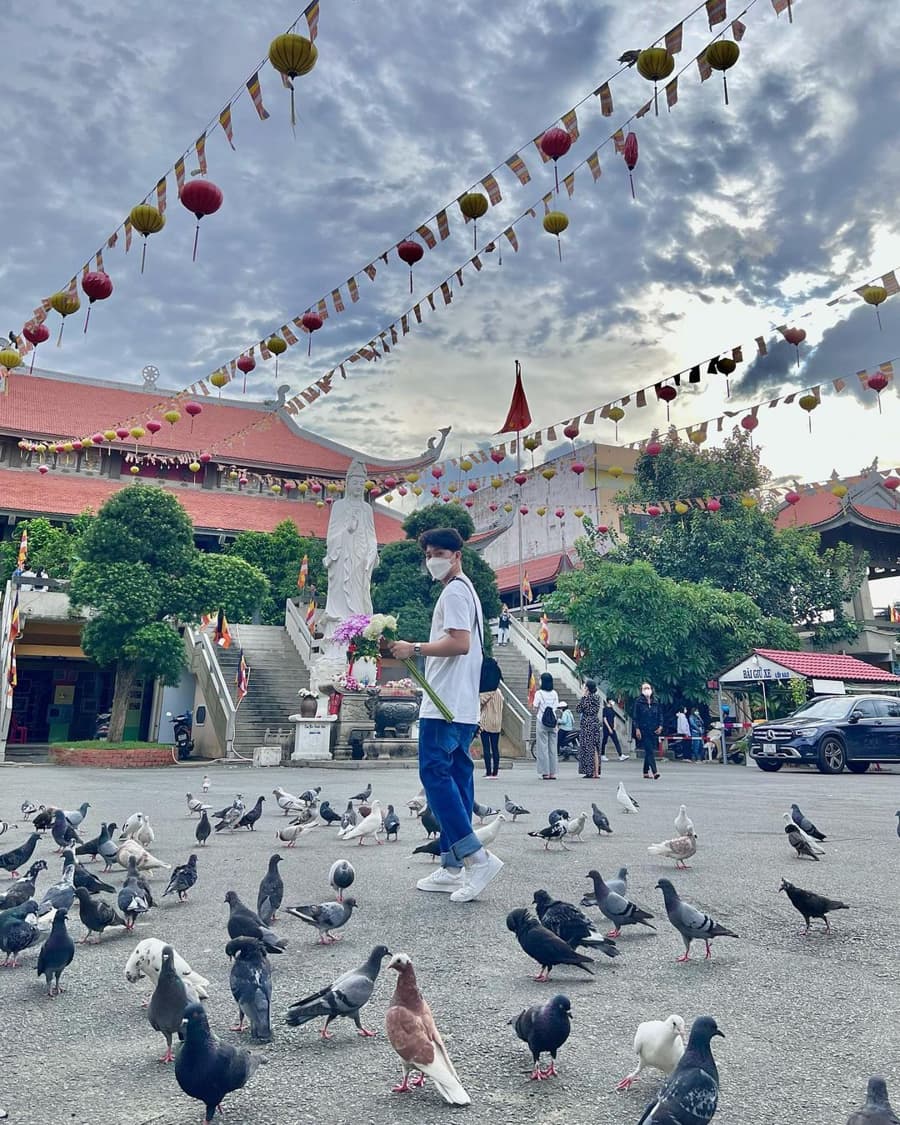
Vinh Nghiem Pagoda is the most renowned Buddhist temples in Ho Chi Minh City

A visit to Vinh Nghiem Pagoda provides travelers with the opportunity to immerse themselves in genuine Vietnamese Buddhism while gaining insight into the nation’s religious heritage. This site is particularly attractive to enthusiasts of culture, photography, and those seeking spiritual tourism. With no admission charge and a hospitable environment, it serves as an excellent location for contemplative exploration. Whether one seeks to appreciate architectural beauty, witness daily rituals, or simply savor a moment of peace, Vinh Nghiem Pagoda presents a significant and enriching travel experience in Ho Chi Minh City.

History Of Vinh Nghiem Pagoda

Constructed in the early 1970s by the esteemed Buddhist monks Thich Tam Giac and Thich Thanh Kiem, Vinh Nghiem Pagoda introduced northern Vietnamese Buddhist traditions to Ho Chi Minh City. Drawing inspiration from the ancient pagodas of Bac Ninh Province, it was designed in a traditional Mahayana style. The establishment of this pagoda represented a significant advancement in the preservation of traditional Buddhist architecture and spiritual practices in southern Vietnam amidst a time of swift urban growth.

Over the years, Vinh Nghiem Pagoda has established itself as a significant hub for Buddhist practices, education, and ceremonies within the city. The temple has served as the venue for numerous important religious events and continues to draw monks, devotees, and visitors from all over Vietnam. Presently, it exists not only as a site of worship but also as an emblem of cultural continuity, showcasing the lasting impact of Vietnamese Buddhism in contemporary Ho Chi Minh City.

Unique Architecture Of Vinh Nghiem Pagoda

Vinh Nghiem Pagoda is distinguished not only as a center of spirituality but also as an exceptional representation of traditional Vietnamese Buddhist architecture in Ho Chi Minh City. Every edifice within the complex embodies profound symbolism, meticulous design, and a significant link to Buddhist heritage.

Principal Hall (Chinh Dien)

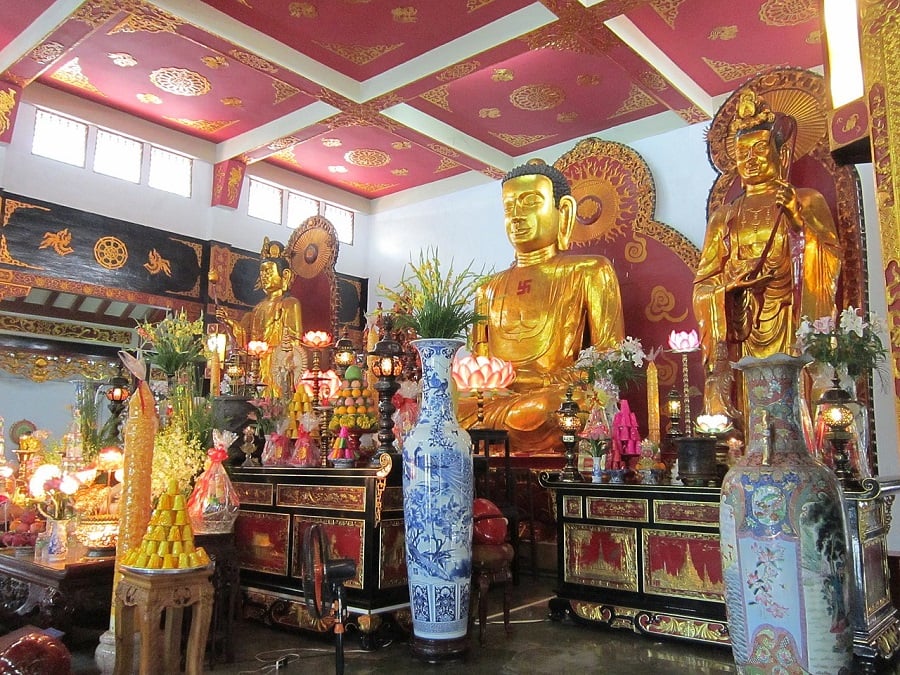
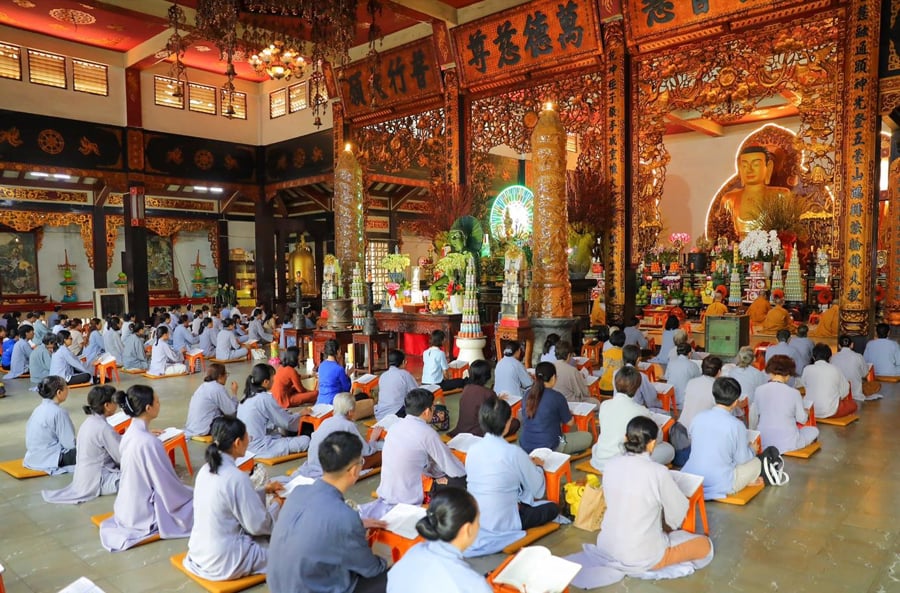
The Main Hall of Vinh Nghiem Pagoda serves as the central architectural and spiritual hub of the complex. Exhibiting a traditional northern Vietnamese design, it boasts lofty ceilings, robust wooden columns, and elegantly curved tiled roofs that embody classic Buddhist symbolism. The interior’s tranquil and expansive arrangement fosters a reverent ambiance conducive to prayer and meditation. This hall hosts significant Buddhist ceremonies, providing visitors with the opportunity to witness genuine religious practices while admiring exquisite craftsmanship and harmonious architectural equilibrium.

The worship space inside Vinh Nghiem Pagoda

Stone Stupa (Bao Thap)

The stone stupa stands as one of the most emblematic architectural features of Vinh Nghiem Pagoda, readily identifiable from a distance. Towering above the pagoda grounds, it embodies the concepts of enlightenment and spiritual awakening within the Buddhist tradition. Constructed from durable stone and characterized by its clean vertical lines, the stupa signifies strength, stability, and devotion. Its presence enhances the visual complexity of the temple complex and functions as a significant landmark, rendering it a favored location for both photography and moments of quiet contemplation.

stone stupa stands as one of the most emblematic architectural features of Vinh Nghiem Pagoda

Courtyard And Clock Tower

The architectural components of Vinh Nghiem Pagoda are intricately linked by the courtyard and bell tower. The open courtyard fosters a serene environment, facilitating the entry of natural light and airflow, which amplifies overall tranquility. Adjacent to this, the bell tower serves as a spiritual emblem, its profound resonating sound signifying times for prayer. Collectively, these edifices enhance the pagoda’s harmonious design and peaceful ambiance, providing visitors with a respite of calm amidst the urban landscape.

4 Unforgettable Experiences You Shouldn’t Miss

A visit to Vinh Nghiem Pagoda provides an opportunity that transcends mere sightseeing; it enables travelers to pause and engage with the spiritual and cultural traditions of Vietnam. Whether through moments of quiet contemplation or the observation of everyday Buddhist practices, each encounter leaves a profound impact on those who come.

Participate In A Tranquil Prayer Gathering

Engaging in a prayer session at Vinh Nghiem Pagoda offers a profoundly soothing experience. Guests have the opportunity to silently witness monks reciting sutras and locals presenting incense, which together foster a tranquil environment. This occasion enables travelers to gain insight into Buddhist practices while savoring a unique sense of tranquility amidst the bustling heart of Ho Chi Minh City. So if you have a chance, you should add this place to your list of the best activities to do in HCMC.

a prayer session at Vinh Nghiem Pagoda

Appreciate The Aesthetic Of Traditional Buddhist Architecture

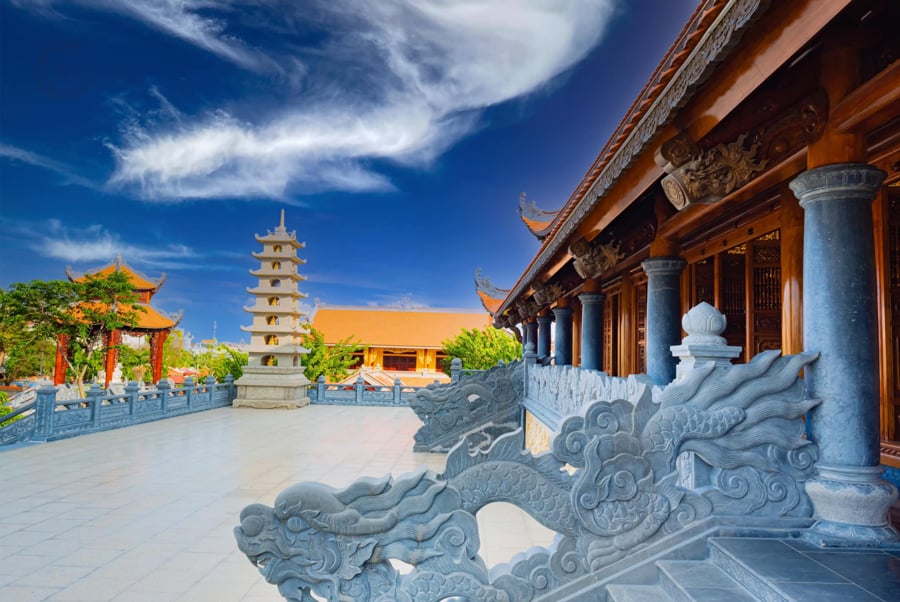
For enthusiasts of culture and history, an examination of the architectural intricacies of the pagoda is essential. Each aspect, from the elegantly curved tiled roofs to the robust wooden columns and stone edifices, embodies the traditional Buddhist design of northern Vietnam. A stroll through the complex provides an opportunity to appreciate the artistry, symbolism, and thoughtfully arranged spatial design.

Appreciate The Aesthetic Of Traditional Buddhist Architecture

Engage With The Local Spiritual Traditions

Vinh Nghiem Pagoda serves as a vibrant site of worship, rendering it an excellent venue for immersing oneself in the genuine spiritual practices of the local populace. Guests have the opportunity to witness daily offerings, observe respectful traditions, and partake in religious ceremonies conducted by the community. Such engagement offers a significant understanding of the ongoing impact of Buddhism on contemporary life in Vietnam.

Enjoy Serene Contemplation Within The Courtyard

The open courtyard of Vinh Nghiem Pagoda provides an excellent setting for tranquil reflection and relaxation. Encircled by hallowed edifices and the soothing sounds emanating from the bell tower, this area offers visitors the opportunity to rest, meditate, or merely appreciate the serene atmosphere. It serves as an ideal retreat from the bustling streets that lie beyond the temple grounds.

Enjoy Serene Contemplation Within The Courtyard

Entrance Fee

Access to Vinh Nghiem Pagoda is entirely free, enabling guests to discover this significant spiritual location without incurring any expenses. Nevertheless, visitors are invited to offer modest voluntary donations, typically between USD 1 and USD 5, to assist in the upkeep of the temple and its daily religious practices. While these contributions are not mandatory, they are valued.

Opening Hours

Vinh Nghiem Pagoda welcomes visitors every day, typically from 6:00 AM to 9:00 PM, providing opportunities for a serene experience either early in the morning or later in the evening. While the pagoda remains accessible throughout the year, it tends to attract larger crowds during significant Buddhist festivals, particularly on full moon days, the Lunar New Year, and other notable religious observances when numerous locals gather to pray and present offerings.

The optimal periods for visiting Vinh Nghiem Pagoda are early morning or late afternoon, as these times provide cooler weather and a more tranquil atmosphere. The dry season in Ho Chi Minh City, spanning from December to April, presents more favorable conditions for both walking and sightseeing. For those who favor a serene and contemplative experience, as well as enhanced opportunities for photography, it is advisable to visit outside of peak festival periods.

How To Get To Vinh Nghiem Pagoda

Reaching Vinh Nghiem Pagoda is straightforward due to its central placement within Ho Chi Minh City. Located on Nam Ky Khoi Nghia Street in District 3, the pagoda can be easily accessed from key tourist destinations and is well-served by public transportation and main thoroughfares.

Via Taxi Or Ride-Hailing Services

Utilizing a taxi or a ride-hailing service represents the most convenient method for arriving at Vinh Nghiem Pagoda. Typically, the trip from District 1 lasts approximately 10 to 15 minutes, contingent upon traffic circumstances. One should proceed along Nam Ky Khoi Nghia Street in the direction of District 3, where the pagoda will be prominently visible along the main thoroughfare.

By Bus Or Motorcycle

Public transportation in the form of buses operating on or adjacent to Nam Ky Khoi Nghia Street offers an economical means of accessing the pagoda. Travelers may disembark at a nearby bus stop and proceed on foot for a brief distance to reach the entrance. Additionally, the rental of motorbikes is a favored alternative, affording travelers the flexibility to navigate while adhering to well-marked road signs that guide them directly to Vinh Nghiem Pagoda.

Things To Know Before Traveling To Vinh Nghiem Pagoda

Prior to visiting Vinh Nghiem Pagoda, it is beneficial to familiarize oneself with several fundamental guidelines to guarantee a respectful and pleasant experience. Being an active Buddhist temple, the pagoda adheres to traditional customs of which visitors ought to be mindful.

  • To demonstrate respect, particularly when entering prayer halls and sacred spaces within the pagoda complex, it is advisable to wear modest attire that adequately covers the shoulders and knees.
  • To uphold the tranquil environment for monks, worshippers, and fellow visitors, it is essential to remain silent and speak in hushed tones while within the temple.

Enjoy Serene Contemplation Within The Courtyard of the pagoda

  • In accordance with traditional Buddhist customs, it is necessary to remove hats, sunglasses, and shoes prior to entering indoor worship spaces.
  • Photography is allowed in the majority of locations. However, it is advisable to refrain from using flash and to avoid capturing images during prayer ceremonies or meditation sessions.
  • To experience a more serene spiritual atmosphere, along with cooler temperatures and reduced crowds, it is advisable to visit either in the early morning or late afternoon.
  • While small voluntary donations to assist with the maintenance of the temple are welcome, contributions remain entirely optional and are not a prerequisite for entry.
  • You can also combine your trip with visits to famous sites like the Jade Emperor Pagoda and the Notre Dame Cathedral in Saigon if you are interested in spiritual and religious culture.

FAQs About Vinh Nghiem Pagoda

Prior to visiting Vinh Nghiem Pagoda, it is common for travelers to have inquiries, particularly concerning etiquette, hours of operation, and available activities. The subsequent frequently asked questions are designed to assist visitors in preparing for a respectful and enriching experience.

Is there a fee required for entry to Vinh Nghiem Pagoda?

No, all visitors can enter Vinh Nghiem Pagoda at no cost. There is neither an official ticket price nor a compulsory charge. Nonetheless, small voluntary donations are appreciated to assist with the temple’s daily operations and maintenance. These contributions remain entirely optional.

When visiting the pagoda, what attire is appropriate for guests?

Visitors should wear modest clothing that adequately covers both shoulders and knees. Given the warm climate, light and comfortable garments are recommended. Attire that is revealing or excessively casual should be avoided, as the pagoda serves as an active place of worship. Dressing in a respectful manner contributes to a positive experience for all visitors.

Are tourists permitted to capture photographs within Vinh Nghiem Pagoda?

Generally, photography is allowed in outdoor areas as well as certain interior spaces. Visitors are advised to refrain from using flash and to avoid taking photographs during prayer sessions. It is essential to remain considerate of both monks and worshippers while photographing. Respectful photography is highly encouraged.

Final Thoughts: Is Vinh Nghiem Pagoda Worth Visiting?

Vinh Nghiem Pagoda serves as an enriching destination for those travelers in search of cultural significance and spiritual tranquility within the bustling environment of Ho Chi Minh City. The pagoda’s traditional architecture, serene ambiance, and genuine Buddhist practices provide a visit that transcends conventional sightseeing experiences. Its central location and complimentary admission ensure accessibility for all types of travelers. Regardless of whether your interests lie in religion, history, or contemplative reflection, this temple presents enduring value. Consider organizing your cultural exploration in Vietnam and discovering additional inspiring locations with Seni World.
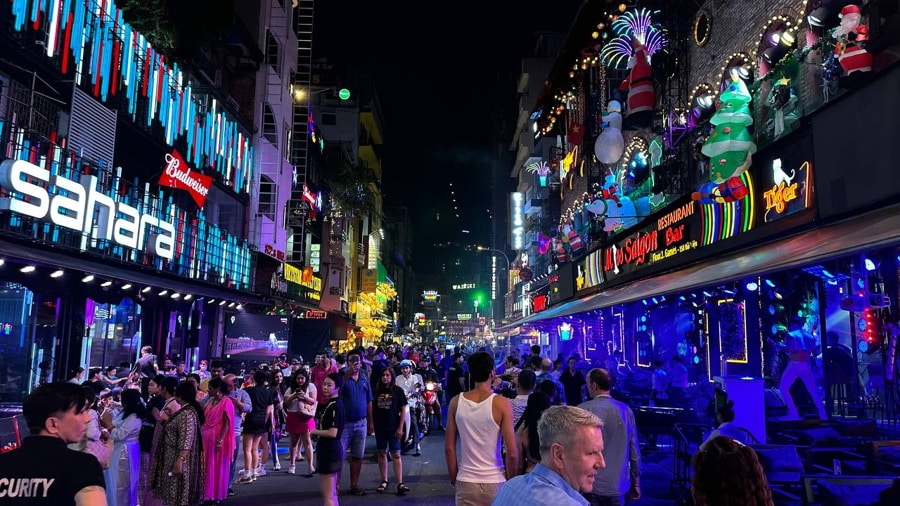
Ke Ga Lighthouse: A Timeless Coastal Icon of Vietnam

Ke Ga Lighthouse is one of Vietnam’s oldest and tallest lighthouses, standing proudly on a rocky island off Binh Thuan’s coast. It offers panoramic sea views, historic architecture, and a peaceful atmosphere for visitors.

Introduction to Ke ga lighthouse

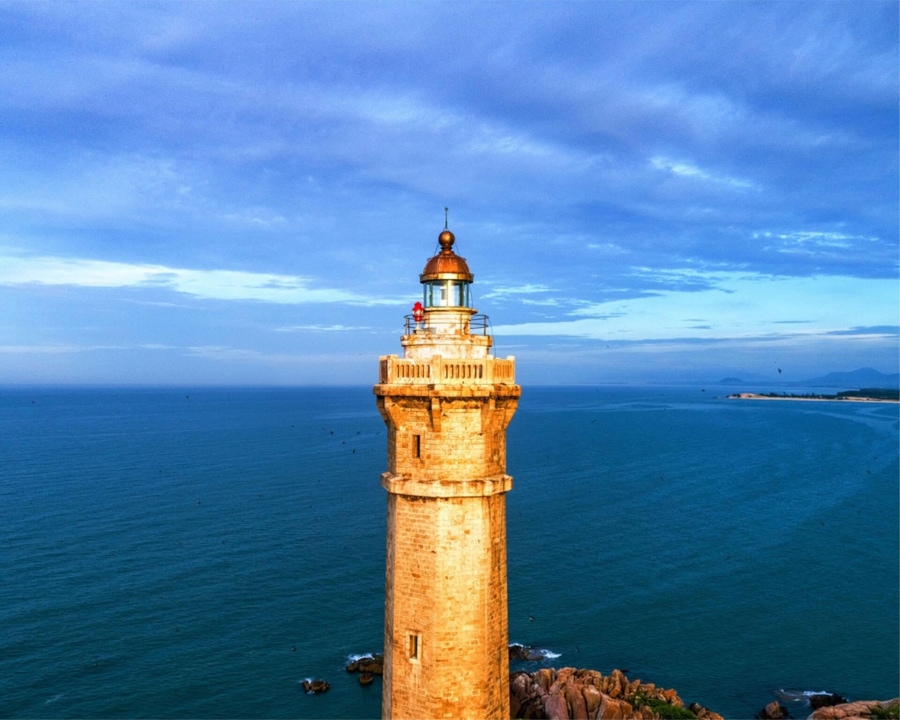
Ke Ga Lighthouse is one of the most iconic coastal landmarks in southern Vietnam, located on a small rocky island off the coast of Binh Thuan Province. Built during the French colonial era, this historic lighthouse stands as the tallest in Vietnam and continues to guide ships through nearby waters. Surrounded by rugged cliffs, clear blue seas, and unique granite formations, Ke Ga Lighthouse attracts travelers seeking scenic beauty, photography spots, and cultural heritage. Its remote setting creates a calm, untouched atmosphere that feels far removed from crowded tourist destinations.

Ke Ga Lighthouse located on a small rocky island off the coast of Binh Thuan Province

Visiting Ke Ga Lighthouse offers a memorable experience for those who love nature, history, and coastal exploration. The short boat ride to the island adds a sense of adventure, while the climb to the top rewards visitors with breathtaking panoramic views of the ocean and shoreline. This destination is ideal for peaceful escapes, sunrise or sunset viewing, and discovering an authentic side of Vietnam’s coastline that remains largely unspoiled.
History of Ke ga lighthouse

Ke Ga Lighthouse was built in 1897 during the French colonial period, marking an important milestone in Vietnam’s maritime history. Designed to guide ships along the busy southern coastline, the lighthouse was constructed using imported materials from France, including iron components and granite blocks. Standing over 65 meters tall, it remains the tallest lighthouse in Vietnam and continues to operate today. Its strategic location on a small offshore island helped improve navigation safety in an area once known for strong currents and hidden rocks.
Beyond its architectural significance, Ke Ga Lighthouse reflects the long-standing connection between coastal communities and the sea. Local fishermen have relied on its guiding light for generations, passing down stories and traditions tied to maritime life. Over time, the lighthouse has evolved from a functional navigation structure into a cultural and historical symbol, representing resilience, craftsmanship, and the enduring heritage of Vietnam’s southern coast.

Unique Architecture of Ke ga lighthouse

Standing tall against the open sea, Ke Ga Lighthouse is a striking example of durable coastal architecture shaped by both function and beauty. Every structural element reflects careful engineering designed to survive harsh marine conditions while maintaining timeless elegance.

Granite Lighthouse Tower

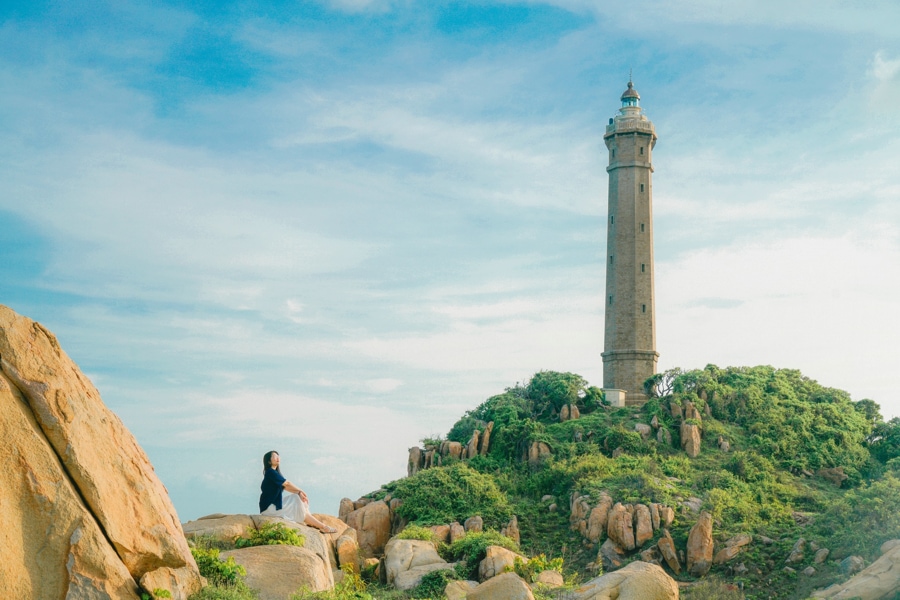
The granite lighthouse tower is the most striking architectural feature of Ke Ga Lighthouse. Built from solid granite blocks, the tower was designed to resist strong coastal winds, salt air, and powerful waves. Its octagonal form helps distribute pressure evenly, increasing long-term stability. The natural stone color blends harmoniously with the rocky island, creating a timeless appearance. This tower not only serves a functional maritime role but also stands as a symbol of strength and endurance along Vietnam’s southern coast.

Granite Lighthouse Tower

Spiral Iron Staircase

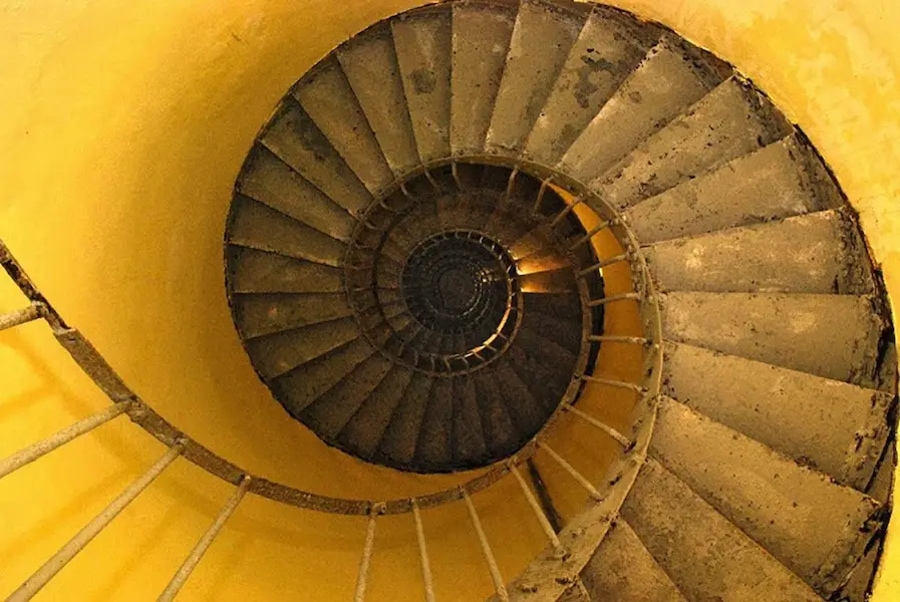
Inside the lighthouse, the spiral iron staircase reflects classic French industrial engineering from the late nineteenth century. The staircase was carefully designed to fit within the narrow tower while allowing safe and efficient movement to the top. Each iron step remains sturdy and well-preserved, showing impressive craftsmanship. Walking up the staircase gives visitors a sense of history, offering the same experience once shared by lighthouse keepers who maintained the beacon.

Spiral Iron Staircase

Lantern Room

The lantern room sits at the very top of Ke Ga Lighthouse and once housed powerful lighting equipment imported from France. Its glass panels were designed to project light far across the sea while protecting the interior from harsh weather. The metal framework adds both durability and elegance. This space played a crucial role in maritime navigation, guiding fishermen and passing ships safely through nearby waters, making it the functional heart of the lighthouse.

Stone Base and Natural Setting

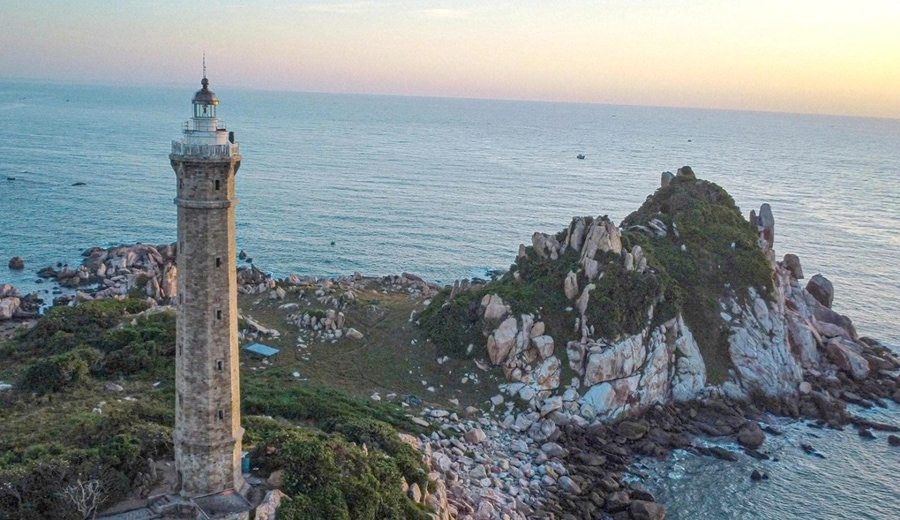
Ke Ga Lighthouse stands on a solid stone base anchored directly into the rocky island terrain. This foundation ensures stability against strong tides and seasonal storms. The surrounding natural granite formations enhance the lighthouse’s dramatic setting and highlight its isolation from the mainland. The thoughtful placement demonstrates how architecture was adapted to the natural environment, creating a harmonious balance between human construction and the rugged coastal landscape.

Ke Ga Lighthouse stands on a solid stone base

4 Unforgettable Experiences You Shouldn’t Miss

Ke Ga Lighthouse is more than a scenic landmark; it offers simple yet memorable experiences shaped by nature, history, and coastal life. Here are the top activities that make a visit truly worthwhile.

Take a Boat Ride to Ke Ga Island

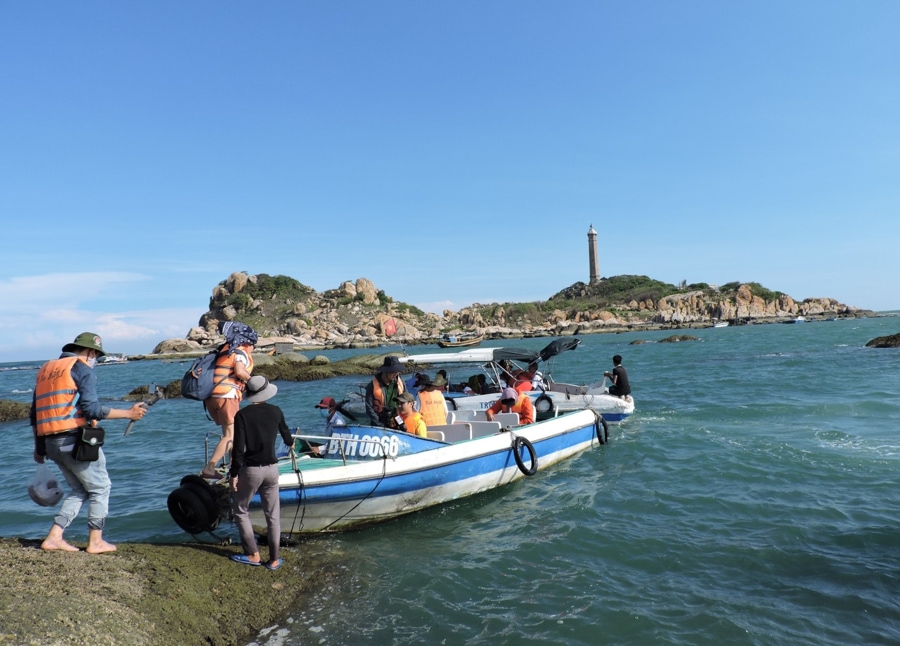
Reaching Ke Ga Lighthouse requires a short boat ride from the mainland, which is an experience in itself. As the boat cuts through clear blue waters, visitors can admire the rugged coastline and scattered rock formations. The journey adds a sense of adventure and isolation, making the destination feel special and untouched. This boat ride is also perfect for photography, offering unique angles of the lighthouse rising dramatically from the sea.

Take a Boat Ride to Ke Ga Island

Climb to the Top of the Lighthouse

Climbing the spiral staircase to the top of Ke Ga Lighthouse is a must for first-time visitors. Although the steps are narrow, the effort is rewarded with breathtaking panoramic views of the ocean and surrounding coastline. From above, you can see fishing boats, rocky shores, and endless blue horizons. This experience allows visitors to truly appreciate the lighthouse’s height, structure, and its important role in maritime navigation.

Explore the Rocky Island Landscape

The area surrounding Ke Ga Lighthouse has been filled with natural granite rock formations shaped by wind and waves for centuries. Walking around the island allows visitors to explore these unique textures and enjoy a peaceful coastal atmosphere. The untouched landscape contrasts beautifully with the solid stone lighthouse, making it ideal for slow exploration, nature walks, and quiet reflection away from busy tourist crowds.

Explore the Rocky Island Landscape

Watch Sunrise or Sunset by the Sea

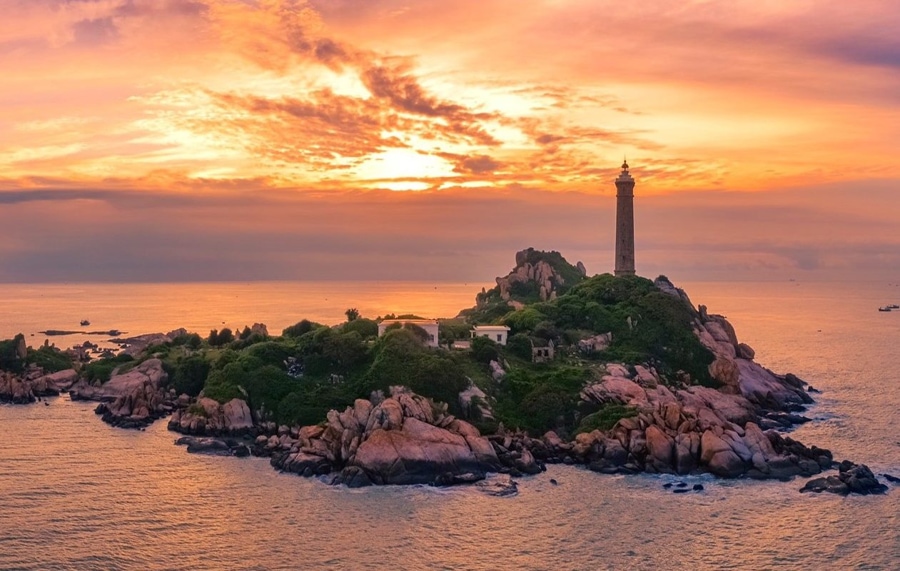
One of the most unforgettable experiences at Ke Ga Lighthouse is watching sunrise or sunset from the island. The changing colors of the sky reflect beautifully on the sea and granite rocks, creating a calm and romantic setting. Early morning offers soft light and fresh sea air, while sunset brings warm tones and dramatic silhouettes. This moment perfectly captures the serene charm of Ke Ga’s coastal beauty.

Watch Sunset at Ke Ga Lighthouse

Entrance Fee

Entrance to Ke Ga Lighthouse is completely free, making it an accessible destination for all travelers. Visitors can freely explore the island surroundings, admire the historic lighthouse exterior, and enjoy stunning coastal views without paying an admission fee. However, additional costs may apply for boat transfers to the island or special services, such as climbing to the top when available. This free entry policy makes Ke Ga Lighthouse an ideal stop for budget travelers seeking authentic coastal experiences.

Opening Hours

Ke Ga Lighthouse is generally open to visitors daily from 7:00 AM to 5:00 PM, allowing travelers to explore the island, walk around the lighthouse area, and take photos during daylight hours. Boat services from the mainland usually operate between 7:00 AM and 4:30 PM, depending on sea conditions and weather. During the rainy season from May to October, access may be limited due to strong waves or rough seas, so visitors should check local conditions before planning their trip.

The best time to visit Ke Ga Lighthouse is from November to April, when the weather is dry and the sea is calm. Early morning from 7:00 to 9:00 AM and late afternoon from 3:30 to 5:00 PM are ideal for sightseeing, photography, and enjoying cooler temperatures. These times also offer the most beautiful natural lighting for capturing the coastal scenery.

How To Get To Ke ga lighthouse

Ke Ga Lighthouse is located in Binh Thuan Province, about 30 km south of Phan Thiet, and can be reached easily by car or motorbike. From Ho Chi Minh City, travelers usually head toward Phan Thiet via National Highway 1A or the Dau Giay – Phan Thiet Expressway, then continue to Ke Ga Cape. After reaching the coast, visitors must take a short boat ride to Ke Ga Island, as the lighthouse is located offshore.

ke ga lighthouse at night

Transportation Route Estimated Time Approx. Cost (VND) Approx. Cost (USD)
Car (fuel + toll) Ho Chi Minh City → Ke Ga 3.5 to 4 hrs 700,000 VND 29 USD
Motorbike (fuel) Ho Chi Minh City → Ke Ga 4.5 to 5 hrs 400,000 VND 17 USD
Taxi / Private Car Phan Thiet → Ke Ga 45 to 60 min 400,000 to 600,000 VND 17 to 25 USD
Boat to Island (round trip) Ke Ga Beach → Ke Ga Island 5 to 10 min 200,000 to 300,000 VND 8 to 12 USD

Travel Tips: If traveling by motorbike, make sure you have a valid driver’s license and experience riding long distances. Boat services depend heavily on weather and tides, so avoid visiting during rough seas, especially in the rainy season. Wearing non-slip shoes is recommended when walking on rocky surfaces around the island.

Things to Know Before Traveling to Ke ga lighthouse

Planning ahead will help you enjoy a smooth and memorable visit to Ke Ga Lighthouse. These essential travel tips cover weather, transport, safety, and timing for a stress-free coastal experience.

  • Visit Ke Ga Lighthouse during the dry season from November to April for calm seas, clear skies, and easier boat access to the island.
  • Check local weather and tide conditions before departure, as strong waves or rain may affect boat services and island accessibility.
  • Wear comfortable shoes with a good grip because the island’s surface is rocky and can be slippery, especially after rain.
  • Bring sun protection such as hats, sunscreen, and sunglasses since there is limited shade around the lighthouse area.
  • Carry cash for boat fees and small services, as card payments are usually not available near Ke Ga Beach.
  • Travel early in the morning or late afternoon to avoid midday heat and capture the best natural light for photography.
  • If riding a motorbike, ensure you have a valid driver’s license and check your vehicle carefully for a safe long-distance journey.

FAQs About Ke ga lighthouse

Travelers often have common questions when planning a visit to Ke Ga Lighthouse, especially about access, costs, and timing. The answers below help you prepare better and enjoy a smooth, memorable coastal experience.

How do you get to Ke Ga Lighthouse?

To reach Ke Ga Lighthouse, travelers must first travel to Ke Ga Cape in Binh Thuan Province by car or motorbike. From there, a short boat ride of about five to ten minutes is required to reach the island. Boat services depend on weather and tide conditions, so schedules may change. During low tide, access may sometimes be easier, but boats are still the most common option.

When is the best time to visit Ke Ga Lighthouse?

The best time to visit Ke Ga Lighthouse is during the dry season from November to April, when the sea is calm and weather conditions are stable. Early morning and late afternoon are ideal for sightseeing and photography due to cooler temperatures and soft natural light. Visiting during these hours also helps avoid strong sunlight and provides a more peaceful atmosphere on the island.

Final Thoughts: Is Ke ga lighthouse Worth Visiting?

Ke Ga Lighthouse is absolutely worth visiting for travelers seeking history, natural beauty, and peaceful coastal scenery in one destination. Its iconic architecture, scenic boat journey, and panoramic ocean views create a memorable experience away from crowded tourist spots. Whether you enjoy photography, quiet exploration, or cultural landmarks, Ke Ga Lighthouse delivers lasting impressions. Plan your journey and discover more inspiring destinations across Vietnam with Seni World, your trusted guide for meaningful travel experiences.

Phu Quy Island: A Hidden Gem Of Vietnam’s Coast

Phu Quy Island is a pristine island destination off the coast of Binh Thuan, known for its clear turquoise waters, volcanic landscapes, and peaceful fishing villages, offering travelers an unspoiled escape from crowded mainland beaches.

Introduction To Phu Quy Island

Phu Quy Island is an emerging travel destination located off the coast of Binh Thuan Province, attracting visitors with its untouched natural beauty and laid-back island lifestyle. Surrounded by clear turquoise waters, the island is known for its dramatic volcanic cliffs, white sandy beaches, and vibrant coral reefs. Unlike more commercialized islands in Vietnam, Phu Quy maintains a peaceful atmosphere shaped by traditional fishing villages and local culture. Its growing popularity comes from travelers seeking authentic experiences, scenic landscapes, and a slower pace of life away from crowded tourist hubs.

Phu Quy Island is a pristine island destination off the coast of Binh Thuan

Visiting Phu Quy Island offers a perfect balance between adventure and relaxation. Travelers can explore unspoiled beaches, snorkel in crystal-clear waters, and enjoy panoramic ocean views from coastal viewpoints. Fresh seafood, friendly locals, and affordable travel costs further enhance the experience. With its unique landscapes and tranquil charm, Phu Quy Island is an ideal destination for those looking to discover a hidden gem along Vietnam’s southern coast.

History Of Phu Quy Island

Phu Quy Island has a long history closely connected to Vietnam’s maritime culture and coastal development. Historically known as Cu Lao Thu, the island was formed through ancient volcanic activity, which shaped its rugged cliffs and fertile land. For centuries, Phu Quy served as an important stop for fishermen and seafarers traveling along the South Central Coast. Its strategic location also made it significant for sea navigation and coastal defense during different historical periods in Vietnamese history.

The island is mainly inhabited by Kinh people, whose lives have traditionally revolved around fishing, seafood processing, and sea-related beliefs. Local temples and communal houses reflect long-standing spiritual traditions, especially rituals praying for calm seas and abundant catches. Despite modernization, Phu Quy Island has preserved many of its cultural practices and strong community values. This blend of geological history and enduring maritime traditions adds depth to the island’s appeal as a meaningful travel destination.

Top 4 Iconic Attractions On Phu Quy Island

Phu Quy Island features remarkable natural landscapes and cultural landmarks shaped by volcanic history and coastal life. Each attraction offers a unique experience, helping visitors explore the island’s scenery, spirituality, and modern identity.

Cao Cat Mountain

Cao Cat Mountain is one of the most impressive natural attractions on Phu Quy Island, created by ancient volcanic activity and shaped by years of erosion. Its layered rock formations and steep cliffs form a dramatic backdrop overlooking the sea. From the summit, visitors can enjoy sweeping panoramic views of the island, fishing villages, and the open ocean. This spot is especially popular with photographers and nature lovers seeking unique geological scenery and quiet moments surrounded by untouched landscapes.

Cao Cat Mountain

Linh Son Pagoda

Linh Son Pagoda is a spiritual landmark located near Cao Cat Mountain, deeply connected to the daily life of local residents. The pagoda offers a peaceful atmosphere with simple architecture and scenic coastal views from its elevated position. Many visitors come here to learn about local beliefs, admire the surrounding landscape, and enjoy moments of reflection. Combining spirituality with nature, Linh Son Pagoda adds cultural depth to any journey exploring Phu Quy Island.

linh son pagoda in phu quy island

Bai Nho – Ganh Hang

Bai Nho and Ganh Hang are among the most scenic coastal areas on Phu Quy Island, famous for their clear turquoise waters and dramatic volcanic cliffs. The sharp contrast between rugged rock formations and the open sea creates a stunning natural view. This area is ideal for swimming, snorkeling, and photography during calm weather. With fewer crowds and unspoiled surroundings, Bai Nho – Ganh Hang appeals to travelers seeking peaceful coastal experiences.

Phu Quy Wind Farm

The Phu Quy Wind Farm has become a modern symbol of the island, representing sustainable energy development against a striking coastal backdrop. Rows of wind turbines stand along the shoreline, creating a unique visual contrast between technology and nature. This location is popular for sightseeing and photography, especially at sunrise and sunset. Visiting the wind farm allows travelers to witness how Phu Quy Island balances environmental responsibility with tourism growth.

Phu Quy Wind Farm

4 Unforgettable Experiences You Shouldn’t Miss

Phu Quy Island offers authentic experiences that go beyond sightseeing, allowing travelers to connect with local culture and untouched nature. From island cuisine to outdoor adventures, each activity highlights the island’s unique charm and slow-paced lifestyle.

Enjoy Fresh Seafood And Local Cuisine

Trying local food is an essential experience on Phu Quy Island, especially its fresh seafood caught daily by local fishermen. Visitors can enjoy grilled lobster, squid, sea urchin, and traditional dishes prepared with simple yet flavorful recipes. Many small eateries serve meals at affordable prices, offering an authentic taste of island life. Dining here is not only about food but also about experiencing the close connection between locals and the sea.

seafood in phu quy island

Snorkeling In Crystal-Clear Waters

Snorkeling is one of the most popular activities on Phu Quy Island thanks to its clear waters and healthy coral reefs. Several coastal areas offer calm conditions suitable for beginners and experienced snorkelers alike. Colorful fish and coral formations can be seen just a short swim from shore. This experience allows visitors to explore the island’s underwater beauty while enjoying a refreshing escape from the heat.

Explore The Island By Motorbike

Exploring Phu Quy Island by motorbike is a memorable way to discover its hidden corners and scenic coastal roads. The island’s small size and quiet traffic make riding easy and enjoyable. Travelers can stop at viewpoints, beaches, and fishing villages along the way. This flexible experience offers freedom to explore at your own pace while enjoying uninterrupted views of the sea and countryside.

Explore The Island By Motorbike

Visit Local Fishing Villages

Visiting local fishing villages offers insight into the daily life and traditions of Phu Quy Island’s residents. Travelers can observe fishermen repairing nets, boats returning with fresh catches, and locals preparing seafood. These villages reflect a strong sense of community and long-standing maritime culture. Interacting with locals provides a deeper understanding of island life and creates meaningful, authentic travel experiences.

Entrance Fee

Phu Quy Island is a budget-friendly destination where most attractions are completely free to visit. Travelers can explore beaches, coastal viewpoints, temples, fishing villages, and scenic roads without paying any entrance fees. This allows visitors to enjoy the island’s natural beauty and cultural sites at their own pace. Only optional activities such as snorkeling tours, boat trips to nearby islets, or equipment rentals may require additional costs. Thanks to its free access attractions, Phu Quy Island is ideal for travelers seeking an affordable yet authentic island experience.

Opening Hours

Phu Quy Island does not have fixed opening hours for most attractions, as beaches, coastal viewpoints, and scenic roads are accessible throughout the day. Visitors can explore the island freely from early morning to late afternoon, while temples and cultural sites are usually open during daylight hours. Ferry services operate on scheduled times depending on sea conditions, so travelers should check ferry timetables in advance. Early mornings and late afternoons are ideal for sightseeing, photography, and outdoor activities, offering cooler temperatures and beautiful natural light.

The best time to visit Phu Quy Island is from December to June, when the weather is dry, the seas are calm, and ferry operations are more stable. Peak travel season often falls between April and June, especially during holidays. From July to November, rough seas may affect ferry schedules, making travel less predictable.

How To Get To Phu Quy Island

Phu Quy Island is reached by combining land travel and sea transport, starting from mainland Vietnam to Phan Thiet Port. Below is a clear overview of transportation options, costs, and travel time to help visitors plan efficiently.

Route & Transport Estimated Cost (USD) Travel Time Notes
Car / Bus to Phan Thiet 8 to 5 USD 4 to 5 hours From Ho Chi Minh City, buses and private cars are available
Motorbike to Phan Thiet 5 to 7 USD (fuel) 5 to 6 hours Requires a valid driving license and riding experience
Ferry to Phu Quy Island 15 to 20 USD 2.5 to 3.5 hours Depending on sea conditions and ferry type
Motorbike Rental on the Island 4 to 6 USD / day Flexible Best way to explore Phu Quy Island

Important travel notes: Travelers planning to ride a motorbike to Phan Thiet must carry a valid driving license and wear protective gear. Ferry schedules are highly dependent on weather and sea conditions, so booking tickets in advance and allowing buffer time is recommended. During peak season, ferries can sell out quickly, making early planning essential for a smooth journey to Phu Quy Island.

Things To Know Before Traveling To Phu Quy Island

Before traveling to Phu Quy Island, visitors should plan carefully due to limited services and weather-dependent transportation. These essential tips will help ensure a smooth, safe, and enjoyable island experience.

  • Check ferry schedules and sea conditions in advance, as trips to Phu Quy Island may be delayed or canceled during rough weather seasons.
  • Book accommodation early during peak months, especially from April to June, since hotels and homestays on the island are limited.
  • Carry sufficient cash because ATMs and card payment services are limited across Phu Quy Island.
  • Rent a motorbike to explore the island easily, and always carry a valid driving license when riding.
  • Bring sun protection such as sunscreen, hats, and light clothing due to strong sunlight and limited shade.
  • Respect local customs and religious sites by dressing modestly when visiting temples and fishing villages.
  • Pack basic medicines and personal items, as shopping options and medical facilities are limited on the island.

check in lonely tree in phu quy island

FAQs About Phu Quy Island

Phu Quy Island often raises common questions for travelers planning their first island getaway. The following frequently asked questions provide helpful insights to ensure a smooth and memorable visit.

Is Phu Quy Island suitable for families and children?

Phu Quy Island is suitable for families, including children, especially those who enjoy nature and outdoor activities. The island is generally safe, with low traffic and friendly locals. However, parents should supervise children during beach activities and boat trips, as facilities are basic. Planning ahead for accommodation, transportation, and medical needs helps ensure a comfortable, family-friendly experience on the island.

What is the best season to avoid crowds on Phu Quy Island?

The best season to avoid crowds on Phu Quy Island is from December to March, outside peak holiday periods. During this time, the weather remains pleasant, ferry services are stable, and visitor numbers are lower. Traveling during weekdays also helps reduce crowds. Avoiding national holidays and peak summer months allows travelers to enjoy quieter beaches, better accommodation availability, and a more relaxed island atmosphere.

check in Phu Quy flagpole

Final Thoughts: Is Phu Quy Island Worth Visiting?

Phu Quy Island is a perfect destination for travelers seeking unspoiled nature, peaceful island life, and authentic local culture. With its clear turquoise waters, dramatic volcanic landscapes, friendly fishing communities, and budget-friendly travel costs, the island offers a refreshing escape from crowded tourist hotspots. Flexible exploration, free attractions, and unique coastal scenery make Phu Quy Island suitable for nature lovers and slow travelers alike. If you are planning your next island adventure, let Seni World help you craft a seamless journey and discover the true charm of Phu Quy Island with confidence.

Ninh Van Bay Travel Guide: Beaches, Resorts And Nature

Ninh Van Bay is a secluded coastal paradise located in Khanh Hoa Province, Vietnam, renowned for its crystal white beaches, blue emerald waters, and luxurious eco-resorts. The place can be reached only by boat, which makes it exceptionally private, quiet, and fully interesting from the perspective of various immersions in the natural environment.

Introduction To Ninh Van Bay

Ninh Van Bay is one of the most beautiful and exclusive beach resorts in Vietnam, which is situated in a private peninsula away from Nha Trang, Khanh Hoa Province. It is nestled among the stunning views of the turquoise waters, towering mountain ranges, and untouched beaches, providing a truly exclusive and serene experience, which is becoming increasingly difficult to find in the vibrant beaches of Southeast Asia. Unlike busy beach destinations, the only way to get into Ninh Van Bay is by boat.

Ninh Van Bay is a secluded coastal paradise located in Khanh Hoa Province

For its luxurious eco-resorts, pristine marine life, and harmonious convergence of jungle and sea, Ninh Van Bay is commonly dubbed a paradise for couples on honeymoon, wellness enthusiasts, and luxury travelers. This guidebook discusses everything there is to know about visiting Ninh Van Bay. This includes its geography and activities, as well as hotels and tips on visiting the place.

History Of Ninh Van Bay

Ninh Van Bay has long been a remote coastal zone, and its history has been influenced by the lifestyle of fishing communities who relied on the calm waters and abundant marine resources. The natural protection provided by the bay and the ideal fishing resources made this place perfect for fishing, and since it has always been far away from external influence, it has remained unknown for quite a while. It has protected its beaches, reefs, and forest areas, which have always remained virgin and unspoiled. The lifestyle here has remained closely guarded and has developed side by side with nature.

ninh van bay has developed side by side with nature

During the early 21st century, the revival of sustainable tourism development saw the awakening of interest of sustainable tourism developers in exclusive yet environmentally sound destinations such as Ninh Van Bay. Luxury resorts designed by thoughtful planners using sustainable methods of development, such as low-rise and sustainable design, were incorporated into these sustainable tourism destinations. Such sustainable tourism development helped the region encompass new economic possibilities along with the environmental integrity of the bay at Ninh Van Bay.

Top 3 Iconic Attractions In Ninh Van Bay

The architecture in Ninh Van Bay demonstrates a thoughtful balance between nature, culture, and modern design, with each structure positioned to enhance the landscape. The use of natural materials with open layouts creates iconic spaces that evoke both luxury and organic feelings.

Overwater Rock Villas

The overwater rock villas at Ninh Van Bay have architectural interest and merge well with the coastline. These structures have been erected directly on top of giant granite rocks and have employed wood and stone as raw materials, as well as open designs to achieve cohesion with the ocean environment. Roofs at an angle, extensive terraces, and full-height openings enable free flow of natural light and sea breezes. These structures seem to have been naturally integrated into the landscape without overpowering it, as they demonstrate fine luxury.

Overwater Rock Villas at Ninh Van Bay

Cliffside Hilltop Pavilion

Hilltop pavilions embody an interesting aspect whereby architecture integrates with topography. These structures exist on top of slopes as they conform to the topography without flattening it. The use of natural resources along with vertical lines helps the structures attain dramatic views of the bay. The architectural designs accent the flow of spaces as the structures seem to float as they relate harmoniously to the forest around them.

Open Air Spa And Main Pavilion

The large pavilions and spa buildings incorporate outdoor architectural designs, which are typical for Vietnam. Wooden ceilings and lotus-shaped roofs, accompanied by pathway designs consisting of natural stones, facilitate a symbolic connection with the local culture while still feeling modern. The design ensures it is open, and nature becomes a part of the architectural design. This includes the presence of water bodies and views towards the ocean, which make architectural design an integral part of the wellness center.

4 Unforgettable Experiences You Shouldn’t Miss

A wide range of activities await in Ninh Van Bay because the destination has more to offer than natural scenery; it has experiences that allow visitors to connect with nature and culture. Every experience in the bay unveils a different facet of the destination.

Try Fresh Local Seafood

Seafood found in Ninh Van Bay is influenced by the coastal living and fishing culture present in this region. Seafood is sourced every day from the ocean around the region, so the dish is of the highest quality and tastes natural. Seafood is mostly prepared through methods like grilling and steaming to keep it fresh. Seafood consumed while enjoying the setting of the beach creates awareness among tourists regarding the relationship between the sea and the regional culture.

Fresh Local Seafood in ninh van bay

Watch Traditional Dance And Music

Cultural performance in traditional dance and music can reveal the cultural identity of coastal residents around Ninh Van Bay. Cultural performances usually convey meanings of daily life, fishermen’s rituals, and religious ideologies involving the sea. The performances, accompanied by traditional musical instruments and dance beats, give a private view. This can give a tourist a cultural depth that is not revealed in the luxury developed around Ninh Van Bay.

Participate In A Textile Weaving Demonstration

A weaving demo may be a practical introduction to traditional craftsmanship, the preservation of which is kept in this region. The weaving of cloth from natural fibers, done with traditional looms, shows the pattern, which sometimes consists of cultural symbols and everyday life. This will help tourists recognize the patience, skill, and creativity of the people behind the preservation of the intangible heritage of Vietnam.

Experience A Sunrise Or Sunset Boat Ride

A sunrise or sunset ride on a boat is one of the most serene ways to experience life in Ninh Van Bay. Watching the sunrise or sunset, with the serene waters and mountains of the bay providing an aesthetic background, is absolute bliss. This is one of the best ways to experience life in Nha Trang Beach City, with ample time for reflection.

Entrance Fee

There are no entrance costs to visit Ninh Van Bay, as it is not a recognized tour location where entry costs money. This bay is mostly visited through resort entry or organizational tours. This means that as a visitor, the cost of entry is already included within the resort where you may choose to stay. Even though there are no entry costs, the total cost may vary depending on the resort where you choose to stay or the tour you may wish to take.

Opening Hours

There are no operating hours in Ninh Van Bay because the place is a natural wonder and not an attraction that has controlled access. Access to the bay is always available because the resort offers transfers to the bay in the form of boat trips that are always subject to the presence of daylight for safety purposes. The major activities available in the resort either take place in the early mornings or late afternoons and evening hours.

enjoy Sunset in ninh van bay

The optimal period to visit Ninh Van Bay is between the months of January and August, as the Nha Trang weather at this time is dry, and the sea is calm. This marks the peak period to enjoy beach activities. Other periods, such as the months of September to December, may experience rain, which could affect transfers.

How To Get To Ninh Van Bay

It is situated north of Nha Trang, and there is no direct land route to get there. The only way to get to Ninh Van Bay is through land transport and then transfer by boat. It means that without traveling through these means, you will not be able to access the bay. People mainly access the bay through Cam Ranh International Airport and Nha Trang from main cities like Hanoi or Ho Chi Minh.

Starting Point Transport Type Estimated Time Approximate Cost (One Way)
Cam Ranh Airport → Nha Trang Taxi / Private Car 1–1.5 hours USD 25–40
Nha Trang → Ninh Van Pier Taxi / Motorbike 30–45 minutes USD 8–15
Ninh Van Pier → Ninh Van Bay Speedboat 15–20 minutes USD 20–40
Resort-arranged transfer Car and Speedboat 1.5–2 hours Included or USD 40–70

Notes: Boat services to and from Ninh Van Bay will only operate if the weather is good. Thus, it is always best to inquire about the schedule, especially when it is raining. For those who plan to bring along a motorbike, it would be best to bring a valid driving license and to be very careful when riding, since the roads along the coast might be narrower.

Things To Know Before Traveling To Ninh Van Bay

Before heading to Ninh Van Bay, it is a good idea to prepare well since the location of the bay is very remote. Knowing the vital travel secrets beforehand can ensure that a pleasant experience is attained while in the exotic location.

  • Because Ninh Van Bay is only accessible by boat, arrangements for transfers must be made ahead of time so that the weather won’t cause delays.
  • Credit cards can be used at most resorts, but it is always a good idea to have some money on hand for tips or any unforeseen expenses incurred in transfers.
  • One should bring lightweight materials, beachwear, reef-friendly sunscreen, and insect repellent, as the availability of such supplies after arrival at the bay remains very limited.
  • Internet and cellular connections may not be very strong in some parts, making it a perfect spot for a digital detox escape, but not a preferred choice for any critical internet-related task.
  • Visiting is ideal between January and August, although the possibility of rough seas may impact boat transfers and outdoor activities when it is raining.
  • Guests should take precedent natural directions on how to maintain a natural-friendly approach. Touch neither the marine life nor the resort’s sustainable practices.

FAQs About Ninh Van Bay

When planning to visit Ninh Van Bay, there are often many important questions to be asked, and many of these questions are particularly important for those who are not familiar with its isolated location and the way the resorts are made accessible.

Is Ninh Van Bay suitable for first-time visitors to Vietnam?

Yes, it is a good destination for first-time visitors, especially for those in need of comfort, privacy, and well-organized travel. Most of the resorts offer full service, including airport transfer, guided activities, and English-speaking staff, which reduces the challenges many new travelers face. However, since this is a secluded destination, it will be better for visitors who prefer relaxation instead of exploring on their own or sightseeing as one would do in the city.

Can tourists access Ninh Van Bay without being resort guests?

Usually, entry into Ninh Van Bay is restricted to the guests of the resort or those with planned activities. There isn’t a common entrance at the beach or a general viewing pass. Some resort areas may permit day visits only with a certain arrangement, but this isn’t very common. Staying in the accommodation is the best option to enjoy the bay.

luxury resort in ninh van bay

Is Ninh Van Bay suitable for families or couples?

Ninh Van Bay is mainly geared towards couples, newlyweds, and those in search of some peace. Although some resorts offer accommodations for families, there are not many activities for children. The emphasis in Ninh Van Bay is on nature, wellness, and seclusion, rather than action. Some families with children who love quiet surroundings might find this destination appealing.

Final Thoughts: Is Ninh Van Bay Worth Visiting?

Ninh Van Bay is an exemplar of the perfect destination for tourists in search of seclusion, natural surroundings, and luxury. Its virgin beaches, tranquil waters, and eco-designed resorts offer an excellent amalgamation of luxury and natural surroundings. Its private entrance guarantees a serene environment, an attribute very important for tourists in search of peaceful moments and events. Whether you want to revive, get romantic, or have some lovely moments, Ninh Van Bay will provide you with permanent memories. Let Seni World help you explore this paradise and tailor your trip in full adherence to coastal elegance.

Long Son Pagoda In Nha Trang: Famous White Buddha Temple

Long Son Pagoda is among the most prominent Buddhist temples in Nha Trang, and it has particularly attracted attention to its giant White Buddha, peaceful ambiance, and traditional architecture that has made it a point of interest for anyone visiting for cultural and heritage experiences. Introduction to Long Son Pagoda

Introduction To Long Son Pagoda

Long Son Pagoda is also one of the top spiritual and cultural tourist sites in Nha Trang that attracts thousands of visitors on an annual basis. Situated at the foothills of Trai Thuy Hill, Long Son Pagoda is easily accessible, and its uniqueness is ensured due to its traditional architectural design and serene surroundings. The major tourist feature of Long Son Pagoda is the gigantic white statue of the Buddha overlooking the city of Nha Trang, which also represents its iconic identity. From here, one can also enjoy the panoramic view of the surrounding landscape.

Long Son Pagoda is also one of the top spiritual and cultural tourist sites in Nha Trang

Visiting Long Son Pagoda offers more sightseeing than a chance to experience serenity and cultural depth. Travelers come in great numbers to be amazed by the impressive statue, explore the neatly decorated halls, and then get some knowledge about the pagoda’s historical significance. Its calm surroundings make it ideal for reflection, while its cultural value provides meaningful context to Vietnam’s spiritual heritage. Long Son Pagoda must be one of those places worth a visit.

History Of Long Son Pagoda

The Long Son Pagoda was first built in 1886 by the Buddhist monk Ngo Chi, who originally named it Dang Long Tu. First constructed on Trai Thuy Hill in Nha Trang, the pagoda provided a quiet place for monks to practice meditation and spread teachings about Buddha. Unfortunately, in 1900, it sustained heavy damage from a powerful storm that necessitated the relocation of the pagoda to a safer location at the foot of the hill. This marked an important turning point in the development of the pagoda.

There have been various restoration works done in the Long Son Pagoda over the 20th century due to the effects of wars as well as natural decay. Some of the most notable additions to the pagoda include the giant white statue of the Buddha, made in 1963 in memory of the monks and nuns who gave their lives during the political instabilities. Over time, the pagoda stands out as a place of worship as well as a cultural identifier of the city of Nha Trang.

Unique Architecture Of Long Son Pagoda

Long Son Pagoda has become famous not only due to its spiritual value but also because of the unique architecture, typical of Vietnamese Buddhism, filled with symbolic meanings. Each building in this pagoda complex carries the weight of history, faith, and artistic craftsmanship, a spectacle to behold and a culture of great intensity.

The Giant White Buddha Statue

The giant white Buddha statue (also known as the Great Buddha) is the most striking architectural feature of Long Son Pagoda. Completed in 1963, the majestic statue stands atop Trai Thuy Hill, symbolizing peace, compassion, and enlightenment. The pure white Buddha contrasts sharply with the surrounding greenery, creating a breathtaking visual effect. From its vantage point, visitors can enjoy panoramic views of Nha Trang and contemplate the spiritual meaning embodied in the Buddha.

Giant White Buddha Statue of Long Son Pagoda

Main Prayer Hall

The prayer area in the Long Son Pagoda shows the typical Vietnamese design for a Buddhist temple, with the curved tile roof. The design shows detailed carvings of dragons and lotus flowers, which represent protection and purity. The design within the prayer area uses wooden pillars and golden figurines to produce a spiritual and inviting environment. The prayer area serves as the spiritual center of the Long Son Pagoda.

Main Prayer Hall of Long Son Pagoda

Decorative Mosaic Staircase

One of the architectural highlights at Long Son Pagoda is the stairway to the giant Buddha statue, featuring bright mosaic dragons with floral patterns set up from the pieces of broken ceramics that are typical of traditional Vietnamese art. The path symbolizes spiritual ascension to the light of enlightenment. Vivid colors and decorations give it life and dynamics. Thus, walking along this stairway creates a chance to enjoy both aesthetic pleasures and symbolic meaning.

Memorial Reliefs Of Monks

The memorial relief sculptures are located at the rear of the white Buddha statue. They pay tribute to the monks who gave their lives during times of social or political instability. The relief sculptures show serene yet strong features. This represents their dedication and strength. On an architectural note, the sculptures merge well with the existing buildings. They add to the history of the place where the pagoda stands.

Memorial Reliefs Of Monks

4 Unforgettable Experiences You Shouldn’t Miss

A trip to Long Son Pagoda is not a mere sightseeing visit, but it lingers in meaningful cultural, spiritual, and scenic areas. From quiet moments of reflection to iconic views of Nha Trang, each activity will help travelers connect deeply with the site.

Visit The Giant White Buddha

Climbing up the stairs leading to the massive statue of the white Buddha is a must-do activity in Nha Trang. Standing in front of the statue gives visitors an opportunity to admire the massive statue and its serene face as they interpret the spiritual significance of the statue. This is a calm and appropriate setting for visitors who may wish to contemplate. This is the point from which visitors can view the entire Nha Trang city.

The Giant White Buddha

Admire The Main Prayer Hall

In the main prayer hall, you can experience the actual worship traditions of Vietnamese Buddhists. With your presence in the prayer hall, you are in a position to witness monks carrying out religious rituals in the prayer hall. In addition to that, you are in a better position to view elaborate prayer halls and learn from intricate statues in the prayer hall.

Go Up The Decorative Mosaic Stairway

The stairs going up to Trai Thuy Hill is itself a thrilling experience. The stairs are beautifully adorned with mosaic images of dragons and flowers, which demonstrate the traditional art of Vietnam. Walking up the stairs gives a sense of going on a spiritual path. Many tourists do not miss taking pictures along the way as they approach the Buddha statue.

Take A Moment To Relax And Reflect

Perhaps one of the most memorable experiences at Long Son Pagoda can be described as simply taking the time to slow down. Visitors sitting quietly in the courtyard or shaded areas are able to grasp the serenity inside, away from the noise of the city. Whether meditating, observing daily temple life, or reflecting personally, this peaceful moment may too easily become the most remembered part of a visit.

Entrance Fee

Visitors are able to visit the pagoda entirely for free. There is no admission fee that they have to pay for them to visit the pagoda grounds, the praying halls, as well as the iconic statue of the giant white Buddha.

Opening Hours

Generally, Long Son Pagoda is open daily from early morning to late afternoon, roughly from about 7:00 AM to 5:00 PM. This allows ample time for visitors to see the main prayer hall, climb up to the giant white Buddha statue, and enjoy the tranquility of the surroundings. Being an active religious site, the pagoda may close earlier on special Buddhist occasions or during private ceremonies. Daytime visits are thus advisable for a better experience.

Long Son Pagoda is open daily

The most suitable time to visit Long Son Pagoda is early morning or late afternoon, when the weather is cool and quiet. The peak tourist season is from January to August, particularly during summer when Nha Trang is a popular destination for visitors. Taking time to visit the pagoda during a different time, away from midday, is one way to escape the heat and crowds, making it easy to ascend the stairs and admire the spiritual beauty of the pagoda.

How To Get To Long Son Pagoda

Long Son Pagoda is located near the city center of Nha Trang, making it easily accessible using any means of transportation. It would not matter if you are taking a taxi, motorbike, ride-sharing service, or public transport, since getting there would only take a few minutes from any of the hotels that you might be staying in. It would only take a short walk since the pagoda is situated at the base of Trai Thuy Hill, which is only 1-2 km away from Nha Trang.

travellers can get to long son pagoda by taxi

Transport Type Approx. Cost (USD) Travel Time Notes
Car Taxi 2 to 4 USD 10 to 15 minutes Comfortable, suitable for families or groups
Motorbike Taxi 0.8 to 1.6 USD 10 minutes Fast and budget-friendly
Motorbike Rental 5 to 7 USD/day Flexible Ideal for independent travelers
Public Bus 0.3 to 0.4 USD 15 to 20 minutes Cheapest option, limited routes
Walking Free 30 to 40 minutes Suitable if staying nearby

Things To Know Before Traveling To Long Son Pagoda

Prior to going to Long Son Pagoda, it is important to know some important tips on how to visit the pagoda with respect as well as how to enjoy your visit. The tips on how to visit Long Son Pagoda would include

  • As Long Son Temple is a religious site, please wear clothing that covers your shoulders and knees. Appropriate attire shows respect for the temple and allows you access to all prayer areas.
  • Reaching the large white Buddha statue requires climbing several steps. Please wear comfortable shoes, bring drinking water, and take breaks as needed, especially in hot weather.
  • Please speak softly, remove your headscarf in the prayer hall, and do not point at the Buddha statue. Respecting others will enhance your visit and demonstrate respect for Buddhist traditions.
  • Photography is permitted in most areas. However, please avoid using flash and do not take photos during prayer times. Always ask for permission before photographing monks or devotees.
  • Please keep your belongings safe. Long Son Temple is generally safe, but it can be very crowded during peak tourist season. Please safeguard your valuables and remain vigilant in crowded areas.
  • Long Son Pagoda is a great place to stop on your itinerary because Nha Trang is known for its stunning beaches and cultural and historical sites like Po Nagar Cham Towers and Nha Trang Cathedral.

FAQs About Long Son Pagoda

Long Son Pagodas are very popular spiritual attractions in Nha Trang, and often come with many common questions. The answers to some of your queries are mentioned below to ensure you feel confident about visiting them.

Do I need to spend a lot of time at Long Son Pagoda?

Typically, the amount of time spent visiting the Long Son Pagoda takes roughly 45 minutes to 1.5 hours. However, if you feel the need to spend some time alone with yourself in the peaceful environment that the site presents, then you can certainly take as much time as you wish. The choice is yours.

How suitable is Long Son Pagoda for families and the elderly?

Yes, it can be accessed by families and senior citizens, particularly in those lower areas, although for the way to see the giant Buddha, there are stairs that might be a bit challenging for some visitors. However, they can still see the main hall without needing to ascend stairs.

Is photography permitted at Long Son Pagoda?

Taking photographs is permitted in most outdoor sections of the pagoda. In the prayer halls, it is appropriate to avoid using the flash and camera during ceremonies. It is imperative to be respectful and seek permission before taking photographs of the monks and followers.

Final Thoughts: Is Long Son Pagoda Worth Visiting?

Visiting Long Son Pagoda is a must for anyone interested in the cultural and spiritual aspects of Nha Trang. With such a rich history, distinctive Buddhist architecture, and a giant white Buddha watching over the city, it is a welcome refuge and a memorable introduction to the local culture. The fact that it is free and located in the heart of the city made it a delight for families, couples, or travelers alike. To help you explore Long Son Pagoda and other unforgettable places in Vietnam, allow Seni World to lead you to unforgettable travel experiences.

Hon Chong Beach, Nha Trang: A Peaceful Coastal Escape

Hon Chong Beach is a scenic coastal attraction in Nha Trang, famous for its unique granite rock formations, clear blue waters, and tranquil atmosphere, offering visitors a perfect place to relax, sightsee, and enjoy breathtaking seaside views.

Introduction To Hon Chong Beach

Hon Chong Beach is one of the most iconic coastal attractions in Nha Trang, well known for its striking granite rock formations stacked naturally along the shoreline. Located just a few kilometers north of the city center, this beach offers a peaceful contrast to Nha Trang’s busy main beaches. With clear turquoise waters, gentle waves, and panoramic views of the open sea, Hon Chong Beach attracts travelers seeking both natural beauty and cultural charm. The site is also linked to local legends, adding historical value to its scenic landscape.

Hon Chong Beach is a scenic coastal attraction in Nha Trang

Visiting Hon Chong Beach allows travelers to enjoy a calm seaside atmosphere while still being close to Nha Trang’s major attractions. The beach is ideal for sightseeing, photography, and leisurely walks along the coast, especially at sunrise or sunset. Its accessible location, unique rock formations, and relaxing environment make Hon Chong Beach a must-visit destination for visitors looking to experience a quieter, more authentic side of Nha Trang’s coastline.

History Of Hon Chong Beach

Hon Chong Beach has a long-standing history closely connected to the cultural and spiritual life of local coastal communities in Nha Trang. The name “Hon Chong” refers to a group of massive granite rocks stacked naturally by the sea, which have existed for centuries through geological formation and coastal erosion. According to local legends, the hand-shaped imprints on one of the rocks are believed to be left by a giant, adding a mystical element to the site’s origin. Over time, Hon Chong became a familiar landmark for fishermen navigating the nearby waters.

Beyond its geological significance, Hon Chong Beach has long been associated with the daily life and traditions of local residents. The surrounding area was historically home to fishing communities that relied on the sea for their livelihood and passed down maritime customs through generations. Today, while Hon Chong Beach has developed into a popular tourist attraction, it still preserves its cultural identity, blending natural heritage with local legends and traditional coastal values.

Top Iconic Attractions In Hon Chong Beach

Hon Chong Beach is home to several unique attractions that highlight its natural beauty and cultural value. Each spot offers a different perspective, from legendary rock formations to peaceful coastal viewpoints overlooking Nha Trang Bay.

Hon Chong Rock Formation

The Hon Chong Rock Formation is the most iconic feature of the area, known for its massive granite boulders stacked naturally along the shoreline. Shaped by centuries of wind and sea erosion, these rocks create a dramatic coastal landscape unlike anywhere else in Nha Trang. One rock famously bears hand-shaped indentations, which local legends attribute to a mythical giant. Today, this site is a favorite for photography, sightseeing, and quiet contemplation, allowing visitors to fully appreciate the raw beauty of Hon Chong Beach.

Hon Chong Rock Formation is the most iconic feature of the area

Hon Vo (Hon Chong Couple Rocks)

Hon Vo, often called the Couple Rocks, lies close to the main Hon Chong formation and faces directly toward the open sea. This area is associated with romantic folklore and symbolizes harmony and connection. With fewer crowds, Hon Vo offers a serene atmosphere where visitors can enjoy uninterrupted ocean views and gentle sea breezes. It is especially popular with couples and travelers seeking a calm place to relax, watch the waves, and admire the peaceful coastal scenery of Nha Trang.

Hon Chong Couple Rocks

Hon Chong Cultural Exhibition House

The Hon Chong Cultural Exhibition House provides valuable insight into the local heritage of Khanh Hoa Province. Inside, visitors can learn about coastal traditions, ancient legends, and the cultural significance of Hon Chong through displays and artifacts. The venue occasionally hosts traditional music performances using local instruments, offering a deeper cultural experience beyond sightseeing. This attraction helps preserve regional identity while enriching the visit with historical and artistic context.

4 Unforgettable Experiences You Shouldn’t Miss

Hon Chong Beach offers more than scenic views, giving travelers meaningful experiences that reflect local culture and coastal life. From relaxing moments by the sea to authentic cultural encounters, each activity adds depth to your visit.

Watch Sunrise And Sunset By The Sea

Watching sunrise or sunset at Hon Chong Beach is a memorable experience for many visitors. The wide open coastline and rock formations create a stunning natural frame as the sky shifts colors throughout the day. Early mornings offer calm seas and fresh air, while sunset brings warm golden tones reflecting over Nha Trang Bay. This peaceful moment is perfect for photography, quiet reflection, or simply enjoying the natural rhythm of the coast away from crowded tourist areas.

Sunrise at Hon Chong Beach

Explore Local Legends And Cultural Stories

Hon Chong Beach is closely tied to local folklore, especially the legend of the giant’s handprint on the rocks. Exploring these stories helps visitors understand the spiritual and cultural significance of the site. Many locals enjoy sharing tales passed down through generations, adding depth to the landscape beyond its visual beauty. Learning about these legends enhances the experience, transforming a simple visit into a cultural journey connected to the region’s identity.

Enjoy Traditional Music Performances

At the Hon Chong Cultural Exhibition House, visitors may have the opportunity to enjoy traditional music performances featuring local instruments. These performances reflect the cultural heritage of coastal communities in Khanh Hoa Province. The slow, melodic rhythms create a relaxing atmosphere that complements the seaside setting. Experiencing traditional music allows travelers to connect with local culture in an authentic way, adding emotional and artistic value to their visit.

Enjoy Traditional Music Performances

Take A Scenic Coastal Walk

Walking along the coastal path at Hon Chong Beach is a simple yet unforgettable experience. The path offers continuous views of the ocean, rocky shoreline, and distant islands. Gentle sea breezes and the sound of waves create a calming environment ideal for leisurely walks. This experience allows visitors to slow down, appreciate nature, and observe daily coastal life while enjoying one of the most scenic seaside walks in Nha Trang.

Entrance Fee

Hon Chong Beach is a budget-friendly attraction in Nha Trang, suitable for all travelers. Beach access is free, while entry to the main rock formation area costs about 30,000 VND (around 1.2 USD) for adults and 15,000 VND (around 0.6 USD) for children. Young children below a certain height may enter for free, depending on local regulations. Parking fees are usually free or very low. Ticket prices are affordable and may vary slightly during weekends, peak travel seasons, or public holidays.

Opening Hours

Hon Chong Beach is open daily, allowing visitors to explore the area throughout the year. The main sightseeing zone and rock formation area typically operate from 7:00 AM to 7:00 PM, while the surrounding beach remains accessible most of the day. These flexible opening hours make it easy for travelers to plan visits in the early morning or late afternoon. Facilities and ticket counters are fully active during daytime hours, ensuring a comfortable and safe sightseeing experience for visitors.

best time to visit Hon Chong Beach is during the dry season

The best time to visit Hon Chong Beach is during the dry season from January to August, when the weather is sunny, and the sea conditions are calm. Early mornings and late afternoons are ideal for sightseeing, photography, and coastal walks, especially during sunrise and sunset. Peak tourist months usually fall between June and August, while shoulder seasons offer a quieter and more relaxed atmosphere.

How To Get ToHon Chong Beach

Hon Chong Beach is located about 4 km north of Nha Trang city center, making it easy to reach by various means of transportation. Visitors can choose flexible options depending on budget, travel style, and group size. Below is a clear comparison to help you plan your trip efficiently.

Transportation Cost (USD / One Way) Travel Time Suitable For
Taxi / Grab Car 3.0 – 5.0 USD 10–15 minutes Families, groups, and comfortable travel
Motorbike Rental 5.0 – 6.0 USD / day 10–15 minutes Independent travelers, flexibility
Bicycle Rental 2.0 – 3.0 USD / day 25–30 minutes Slow travel, sightseeing lovers
Local Bus 0.3 – 0.4 USD Around 25 minutes Budget travelers

Travel tips: If you rent a motorbike, make sure you have and wear a helmet, as traffic police regularly check documents in Nha Trang. Roads to Hon Chong Beach are well-paved and easy to navigate, but travelers should ride carefully during peak hours. Using taxis or ride-hailing services is recommended for first-time visitors who prefer convenience and safety.

Things To Know Before Traveling To Hon Chong Beach

Before visiting Hon Chong Beach, travelers should prepare a few essentials to ensure a smooth and enjoyable experience. These practical tips help you make the most of your visit while respecting local customs and coastal conditions.

  • Visit early morning or late afternoon to avoid crowds, enjoy cooler weather, and capture stunning sunrise or sunset photos along the rocky shoreline.

Visit Hon Chong Beach in early morning or late afternoon to avoid crowds

  • Wear comfortable shoes with good grip, as granite rocks can be slippery, especially after rain or during high tide.
  • Bring sun protection such as sunscreen, hats, and sunglasses, since shaded areas around Hon Chong Beach are limited.
  • Carry small cash for entrance tickets, snacks, or parking fees, as card payments may not be accepted everywhere.
  • Check weather conditions in advance, especially during the rainy season, to ensure safe sightseeing and clear coastal views.
  • Respect local legends and cultural spaces by avoiding climbing restricted rocks or damaging natural formations.
  • Keep the beach clean by disposing of trash properly and helping preserve Hon Chong Beach’s natural beauty.

FAQs About Hon Chong Beach

Hon Chong Beach often raises questions for first-time visitors planning their Nha Trang itinerary. Below are the most frequently asked questions to help travelers prepare and enjoy a smooth, memorable visit.

Is Hon Chong Beach worth visiting compared to other Nha Trang beaches?

Hon Chong Beach is worth visiting for travelers seeking a quieter and more scenic alternative to Nha Trang’s central beaches. Its unique granite rock formations, open sea views, and cultural legends create a distinctive atmosphere. Unlike crowded beaches, Hon Chong offers a peaceful setting ideal for photography, coastal walks, and relaxation. Its close distance to the city center also makes it easy to combine with other attractions, making it a valuable stop on any Nha Trang travel itinerary.

Is Hon Chong Beach suitable for families and children?

Hon Chong Beach is suitable for families, including children, as long as basic safety precautions are followed. The area is calm and well-maintained, with clear walking paths and open viewing spaces. However, parents should supervise children near the rocks, as surfaces can be uneven or slippery. The affordable entrance fee and easy access make Hon Chong Beach a family-friendly destination for sightseeing and light outdoor activities.

Can I visit Hon Chong Beach during the rainy season?

Yes, Hon Chong Beach can still be visited during the rainy season, but weather conditions should be checked in advance. Rain may affect visibility and make rocks slippery, limiting movement. On clear days between showers, the scenery remains impressive and less crowded. For safety and comfort, visitors should avoid rough sea conditions and wear appropriate footwear when exploring rock formations.

Final Thoughts: Is Hon Chong Beach Worth Visiting?

Hon Chong Beach is a worthwhile destination for travelers looking to experience a quieter, more authentic side of Nha Trang’s coastline. Its iconic granite rock formations, peaceful seaside atmosphere, and rich local legends create a unique blend of natural beauty and cultural value. With affordable entrance fees, convenient access from the city center, and scenic viewpoints ideal for photography and relaxation, Hon Chong Beach suits a wide range of visitors. If you are planning your Nha Trang journey, let Seni World help you design a seamless travel experience and discover Hon Chong Beach with confidence and ease.