logo mobile sidebar
support-image-mobile
Share your ideas with our local expert team - we’re here to listen and help you shape a meaningful journey through Indochina.
(+84) 868 663 993
Asia Leading Tour Operator 2025
tripadvisor travelers choice awards 2024
Travelers' Choice Awards 2025

Author: Tung Ngo

Explore Vung Tau Lighthouse and Its Panoramic Views

Vung Tau Lighthouse is a historic coastal landmark located on Nui Nho Mountain, offering panoramic views of Vung Tau City and the surrounding sea. It attracts visitors for sightseeing, photography, and peaceful sunset moments.

Introduction To Vung Tau Lighthouse

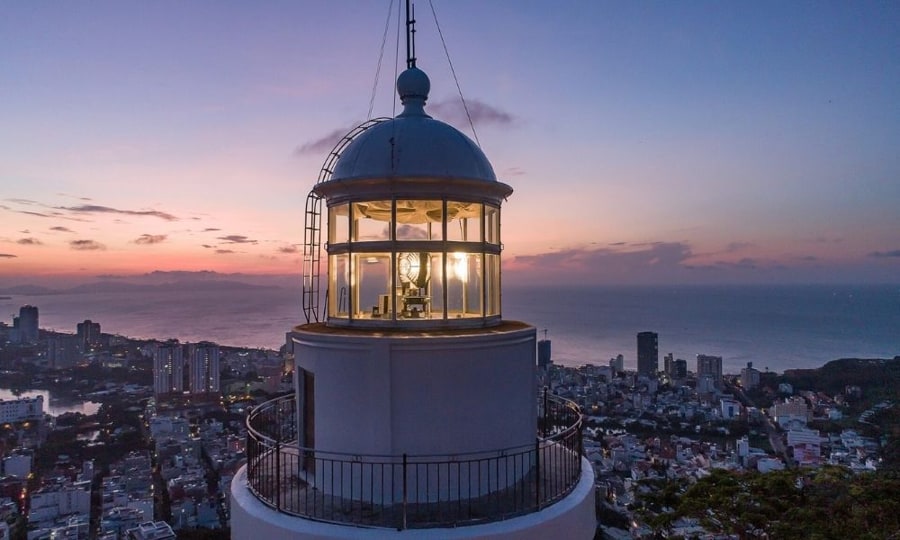
Vung Tau Lighthouse is one of the most well-known landmarks in Vung Tau City, located on Nui Nho Mountain and overlooking the coastline. Built during the late nineteenth century, the lighthouse plays an important role in maritime navigation while also serving as a popular sightseeing destination. Its elevated position provides panoramic views of the city, surrounding hills, and the open sea, making it a favorite stop for visitors exploring Vung Tau. The peaceful setting, combined with fresh sea air, creates an ideal environment for relaxation and photography.

Vung Tau Lighthouse is a historic coastal landmark

Visiting Vung Tau Lighthouse offers travelers a chance to enjoy scenic views and learn about the city’s maritime history at the same time. The site is easily accessible and suitable for all types of visitors, from solo travelers to families. Sunrise and sunset are especially beautiful, offering soft light and clear views across the coast. For those seeking a calm yet memorable experience, Vung Tau Lighthouse is a must-visit attraction in the city.

History Of Vung Tau Lighthouse

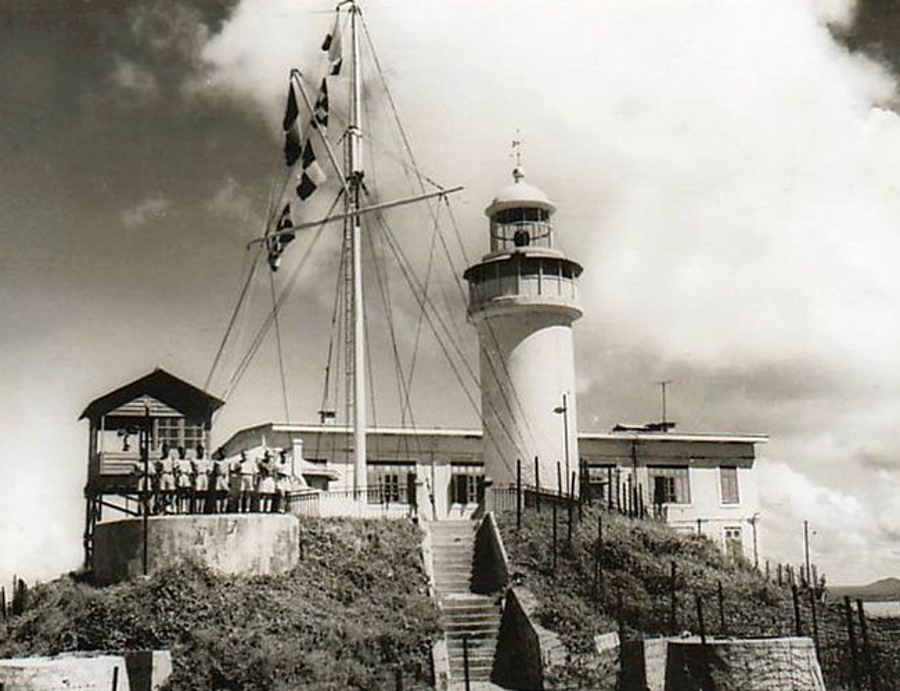
Vung Tau Lighthouse was constructed in 1862 during the French colonial period, making it one of the oldest lighthouses in Vietnam. Originally built to support maritime navigation along the southern coast, the lighthouse played a vital role in guiding ships safely through busy sea routes. Its strategic location on Nui Nho Mountain allowed for clear visibility over the surrounding waters, reinforcing Vung Tau’s importance as a coastal and port city.

History Of Vung Tau Lighthouse

Over time, Vung Tau Lighthouse has undergone several restorations to maintain its structure and functionality while preserving its historical character. Beyond its navigational purpose, the lighthouse gradually became a cultural and tourism landmark, reflecting the city’s maritime heritage. Today, it stands as a symbol of Vung Tau’s historical development, attracting visitors interested in history, architecture, and scenic coastal views.

Unique Architecture Of Vung Tau Lighthouse

Vung Tau Lighthouse stands out for its simple yet enduring design, reflecting both practical maritime needs and colonial architectural influence. Each architectural element contributes to its long-lasting function while adding historical and visual value to the landmark.

Unique Architecture Of Vung Tau Lighthouse

Lighthouse Tower

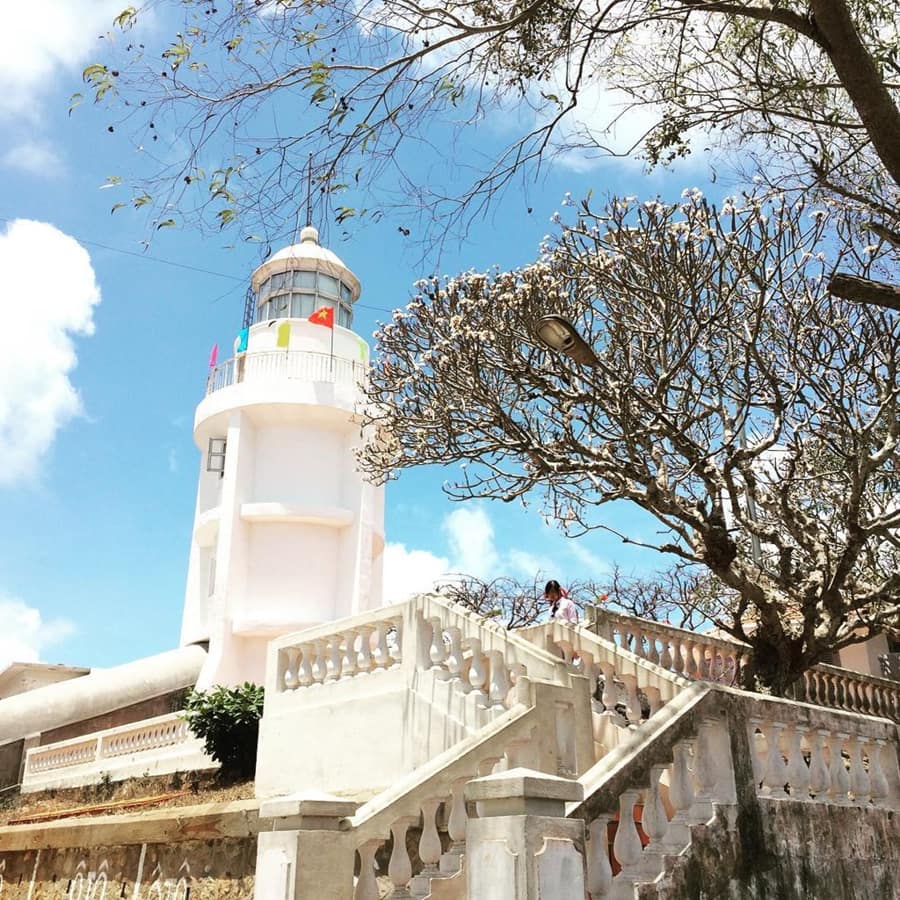
The lighthouse tower features a cylindrical white structure designed for maximum visibility against the coastal landscape. Built during the French colonial era, its form was chosen for durability and resistance to harsh sea weather. The tower has been carefully maintained through renovations, preserving its original proportions while ensuring modern navigational functionality. Today, it remains a key symbol of Vung Tau’s maritime history and a recognizable architectural feature visible from many parts of the city.

Spiral Staircase

Inside the lighthouse, a narrow spiral staircase leads visitors from the base to the top. This design was commonly used in nineteenth-century lighthouses to save space while providing structural stability. The staircase reflects traditional engineering methods of the time and has remained largely unchanged. Walking up the stairs offers visitors a sense of the lighthouse’s historical use and the craftsmanship involved in its construction.

Lantern Room

The lantern room at the top of Vung Tau Lighthouse houses the light system used to guide ships at sea. Historically, this space was designed to protect the light from strong winds while allowing maximum illumination. Over the years, the lighting technology has been updated, but the architectural layout remains true to its original design. The lantern room represents the lighthouse’s primary purpose and highlights its lasting maritime significance.

Unforgettable Experiences You Shouldn’t Miss

Visiting Vung Tau Lighthouse is not only about sightseeing but also about enjoying meaningful moments connected to nature, history, and local life. The experiences below help visitors fully appreciate the atmosphere and unique charm of this coastal landmark.

Unforgettable Experiences You Shouldn't Miss

Enjoy Panoramic Views from the Summit

Reaching the top of Vung Tau Lighthouse rewards visitors with sweeping views of Vung Tau City, the coastline, and the open sea. The elevated position allows clear visibility in multiple directions, making it ideal for photography and quiet observation. Many visitors enjoy spending time here to appreciate the contrast between the blue ocean and the city below. The fresh sea breeze and open space create a calm, relaxing experience away from busy streets.

Visit During Sunrise or Sunset

Sunrise and sunset are considered the most memorable times to visit Vung Tau Lighthouse. Early mornings offer soft light and a peaceful atmosphere, while sunsets paint the sky with warm colors over the sea. These moments attract photographers and travelers seeking scenic beauty. Visiting at these times allows guests to experience the lighthouse in different moods and enjoy a more emotional connection with the landscape.

Explore the Surrounding Hillside Area

The area around Vung Tau Lighthouse features tree-lined paths and viewpoints that encourage slow exploration. Walking along the hillside allows visitors to enjoy nature, fresh air, and occasional scenic stops. This experience is ideal for travelers who prefer relaxed activities and want to escape crowded beaches. The surrounding landscape adds depth to the visit, making the lighthouse experience more than just a quick stop.

Learn About Local Maritime History

Although small in scale, the lighthouse represents an important part of Vung Tau’s maritime heritage. Visitors can observe architectural details and imagine its role in guiding ships along the coast. This experience appeals to travelers interested in history and coastal culture. Understanding the lighthouse’s past adds meaning to the visit and enhances appreciation of its continued presence in modern Vung Tau.

Entrance Fee

Vung Tau Lighthouse is free to visit, making it an ideal attraction for travelers exploring the city on a flexible budget. Visitors can access the lighthouse area without an entrance fee and enjoy panoramic views of the coastline and the surrounding city. This free access allows guests to spend time sightseeing, taking photos, and relaxing without additional costs. While small parking fees may apply nearby, the lighthouse itself remains a popular and accessible destination for all visitors.

Opening Hours

Vung Tau Lighthouse is open daily from early morning until evening, allowing visitors to plan their trip with ease. The most popular visiting hours are between 7:00 AM and 5:00 PM, when visibility is clear and the weather is generally pleasant. During weekends and public holidays, the site can be busier, especially in the late afternoon when many visitors come to enjoy sunset views.

The best time to visit Vung Tau Lighthouse is from November to April, the dry season in southern Vietnam. During this period, skies are clearer, humidity is lower, and coastal views are at their best. Visiting early in the morning or just before sunset offers cooler temperatures and stunning photo opportunities.

How To Get To Vung Tau Lighthouse

Vung Tau Lighthouse is easily accessible from Ho Chi Minh City and central Vung Tau, making it a convenient stop for both day-trippers and independent travelers. Visitors can choose various transport options depending on budget, time, and travel style.

Transportation Method Route & Details Estimated Time Price (VND) Price (USD)*
Motorbike From the Vung Tau center via Ha Long Street, ride uphill to the lighthouse 10–15 minutes 30,000to 50,000 1.2–2 USD
Taxi / Grab Direct ride from the city center 10 minutes 80,000 to 120,000 3.3 to 5 USD
Private Car Self-drive from Ho Chi Minh City to Vung Tau, then Ha Long Road 2 to 2.5 hours Fuel & tolls 10 to 15 USD
Bus + Taxi Bus from HCMC to Vung Tau, then taxi to the lighthouse 3 hours 150,000 to 200,000 6 to 8 USD

Travel Tips:
If traveling by motorbike, ensure you have a valid driving license and are comfortable riding on uphill roads with sharp curves. Early morning or late afternoon is recommended to avoid heat and traffic while enjoying better views.

Things To Know Before Traveling To Vung Tau Lighthouse

Before visiting Vung Tau Lighthouse, preparing a few essentials will help you enjoy a smoother and more memorable experience. These practical tips ensure safety, comfort, and the best sightseeing conditions throughout your journey.

  • Visit early morning or late afternoon to avoid harsh sunlight and enjoy cooler weather, clearer views, and a peaceful atmosphere with fewer tourists.
  • Wear comfortable walking shoes because the uphill road and surrounding paths can be slippery, uneven, and tiring, especially after rain or during peak hours.
  • Bring sun protection such as hats, sunglasses, and sunscreen, as the area is mostly open with limited shade along the walking paths.
  • Carry drinking water and light snacks since there are few shops near the lighthouse, especially early in the morning or on weekdays.
  • Check the weather forecast before going, as fog, rain, or strong winds can reduce visibility and affect your sightseeing experience.
  • If riding a motorbike, ensure your vehicle is in good condition, and you have a valid driving license for a safe uphill ride.
  • Respect local regulations and keep the area clean by not littering, avoiding restricted zones, and preserving the peaceful environment.

FAQs About Vung Tau Lighthouse

Visitors often have common questions when planning a trip to Vung Tau Lighthouse, one of the city’s most iconic landmarks. Below are the most frequently asked questions to help you prepare a smooth, enjoyable, and well-informed visit.

Is Vung Tau Lighthouse free to visit?

Yes, Vung Tau Lighthouse is completely free to enter, making it a budget-friendly attraction for all travelers. Visitors can walk or ride up the hill without purchasing tickets, allowing everyone to enjoy panoramic views of the sea and city. However, small costs may apply for parking motorbikes or taxis near the entrance. Since there is no entrance fee, the lighthouse is especially popular with independent travelers, photographers, and families exploring Vung Tau on a flexible schedule.

What is the best time of day to visit Vung Tau Lighthouse?

The best time to visit Vung Tau Lighthouse is early morning or late afternoon when temperatures are cooler and sunlight is softer. Morning visits offer clear skies and fresh air, ideal for photography and sightseeing. Late afternoon is perfect for watching the sunset and enjoying romantic coastal views. Visiting at midday is less recommended due to strong sun and heat, especially when walking uphill to the lighthouse.

How can visitors get to Vung Tau Lighthouse easily?

Visitors can reach Vung Tau Lighthouse by motorbike, taxi, or on foot from central Vung Tau. Motorbikes are the most convenient option, allowing easy access to the hilltop via a paved road. Taxis are suitable for families or groups who prefer comfort. Walking is possible for active travelers but requires good stamina due to the uphill climb. Road conditions are generally safe, but caution is advised during rainy weather.

How long should you spend at Vung Tau Lighthouse?

Most visitors spend around 30 to 60 minutes at Vung Tau Lighthouse, which is enough time to enjoy the views, take photos, and relax. If you visit during sunrise or sunset, you may want to stay longer to fully experience the scenery. The lighthouse is often combined with nearby attractions such as beaches or cafes, making it an ideal short stop within a half-day sightseeing itinerary in Vung Tau.

Final Thoughts: Is Vung Tau Lighthouse Worth Visiting?

Vung Tau Lighthouse is absolutely worth visiting for travelers seeking scenic views, cultural charm, and a peaceful escape by the sea. With free entrance, easy access, and stunning panoramas over Vung Tau City, it suits all travel styles, from solo explorers to families. The lighthouse offers unforgettable sunrise and sunset moments, perfect for photography and relaxation. Add Vung Tau Lighthouse to your coastal journey and let Seni World inspire you with more authentic Vietnam travel experiences and expert itineraries.

Cao Dai Temple, Tay Ninh, and Vietnam’s Unique Religion

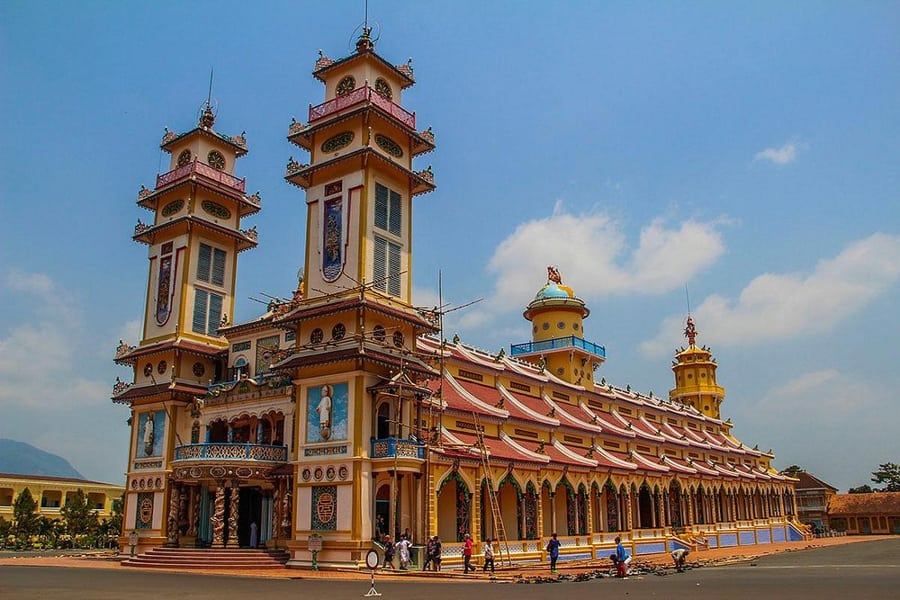
The Cao Dai Temple in Tay Ninh is the most unique religious destination in Vietnam, known for its colorful architecture and the combination of its beliefs in Buddhism, Taoism, Confucianism, and Christianity.

Introduction To Cao Dai Temple

The Cao Dai Temple, or Cao Dai Holy See, is one of the most popular religious tourist sites in Tay Ninh and a special cultural symbol in southern Vietnam. Founded in the early 20th century, the temple is famous for its colorful architecture, symmetrical design, and symbolic elements that represent the basic principles of Cao Daiism. This unique religion combines elements of Buddhism, Taoism, Confucianism, and Christianity, making the temple an interesting place to visit for tourists who focus on spirituality and cultural diversity.

The Cao Dai Temple in Tay Ninh

A visit to the Cao Dai Temple is more than just a visual experience; it is an immersion into the culture. Visitors can take part in the daily prayer sessions to observe the traditional rituals, harmonious singing, and serene environment in the main hall. With its historical and spiritual values, the Cao Dai Temple is a great place to visit for tourists who are interested in gaining a deeper understanding of the religious heritage of Vietnam while exploring the most popular site in Tay Ninh.

History Of Cao Dai Temple

The history of Cao Dai Temple is also connected to the birth of a unique Vietnamese religion called Cao Daiism, which emerged in 1926 in the province of Tay Ninh. This unique Vietnamese religion appeared at a time of social change, seeking to bring together the dominant world religions of the East and West under a single banner. Construction of the Cao Dai Holy See began in the 1930s, a process that took decades to complete, giving rise to a magnificent complex of religious buildings that symbolize harmony, peace, and unity of the world through its unique architectural style.

Over the years, Cao Dai Temple has been a spiritual center for millions of believers in Vietnam and abroad. Local communities in Tay Ninh have also been instrumental in maintaining the spiritual traditions of the temple. Today, the temple has come to be recognized as a place of worship as well as a historical site that symbolizes the spiritual values of southern Vietnam.

Unique Architecture Of Cao Dai Temple

Cao Dai Temple is renowned for its distinctive architecture, which features bold colors, symbolic structures, and spiritual significance. All aspects of its design are based on the philosophy of Cao Daiism, emphasizing harmony between religions, nature, and humanity.

Lotus-Shaped Entrance and Twin Towers

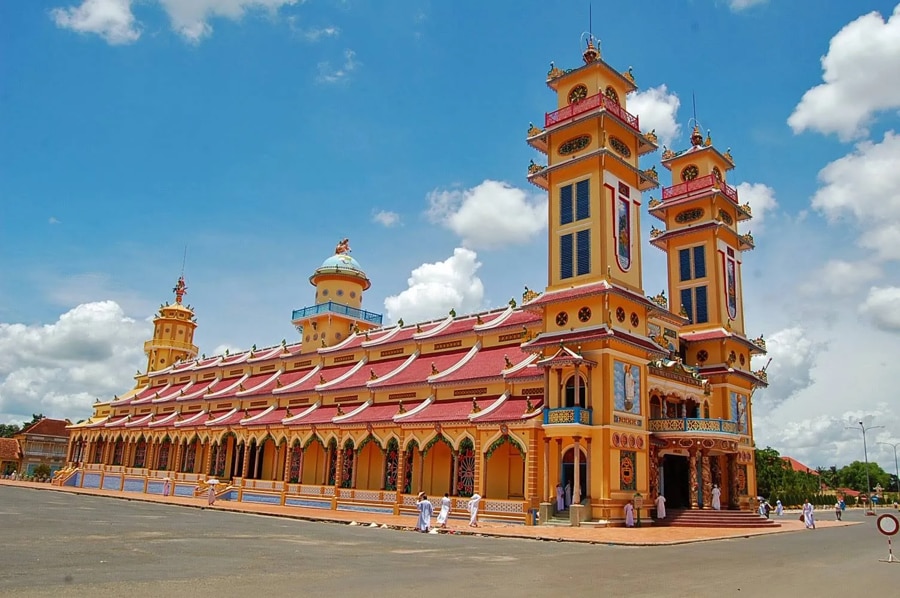
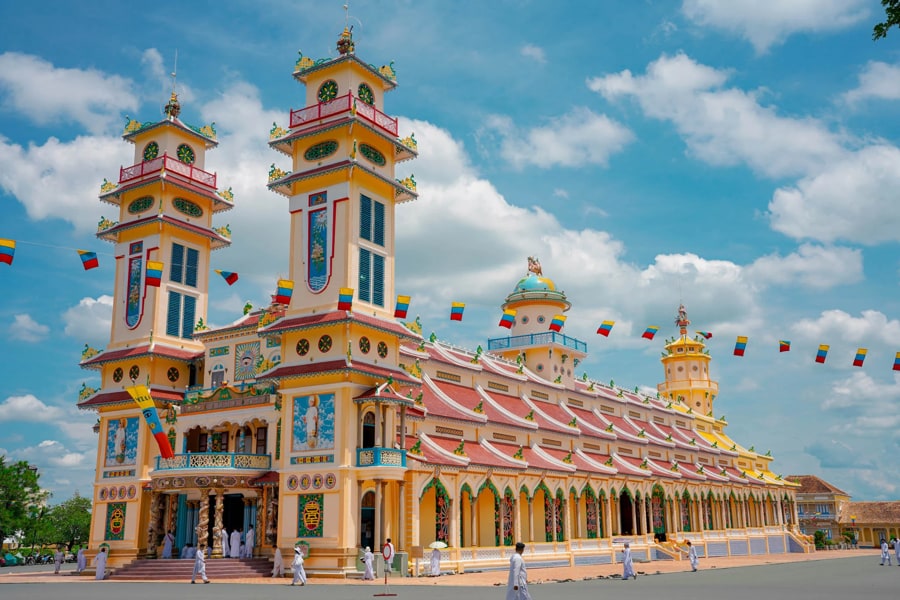
The entrance of the Cao Dai Temple has twin towers that symbolize purity, enlightenment, and awakening. The twin towers are tall and guide visitors towards the holy center, symbolizing the union between heaven and earth. The symmetrical twin towers also symbolize the Caodai belief in order and harmony, and the bright colors immediately grab the visitor’s attention. The twin towers not only serve as a landmark but also symbolize the spiritual journey that awaits the visitor at the temple complex.

Lotus-Shaped Entrance and Twin Towers

Main Hall of the Cao Dai Holy See

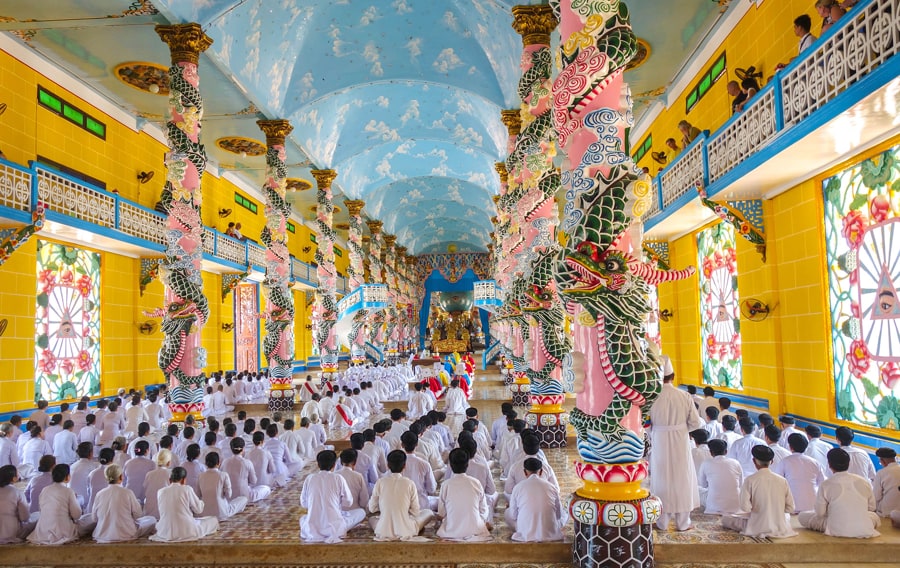
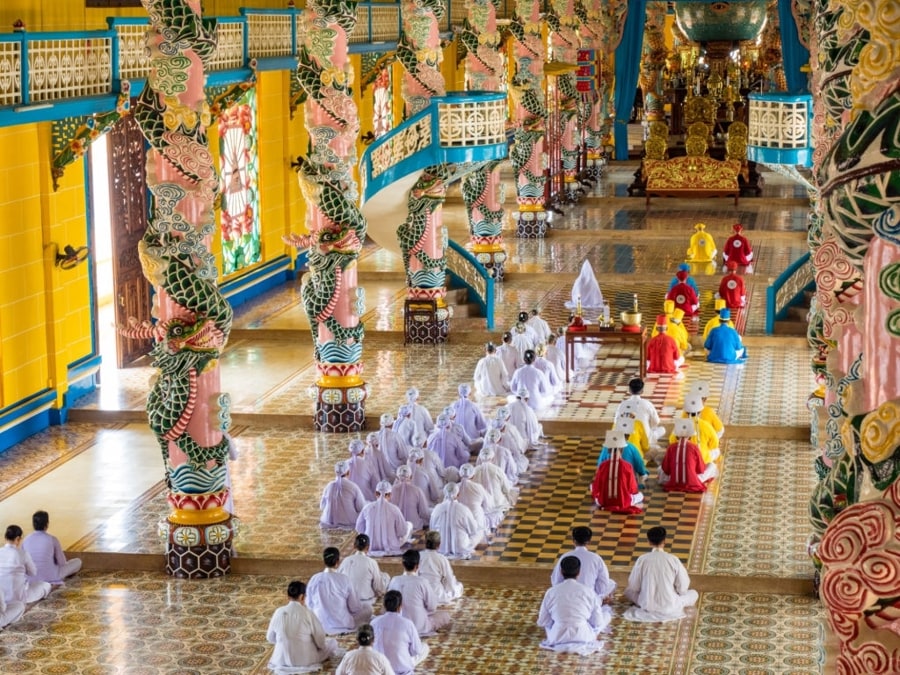
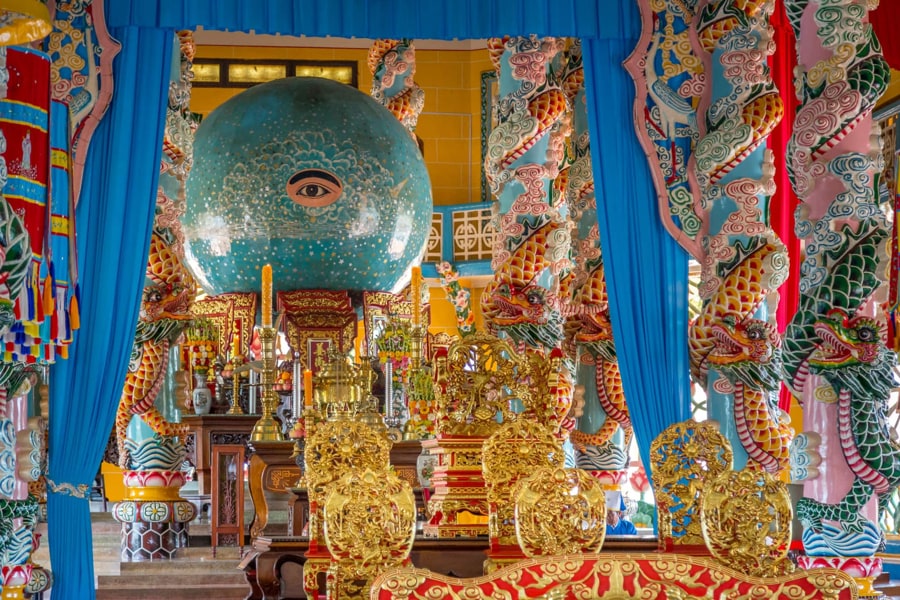
The Main Hall is the focal point of Cao Dai Temple architecture, with the most impressive interior space within the temple compound. In this hall, a long hall with a symmetrical structure, columns wrapped with dragons, directs the visitor’s eyes toward the Divine Eye altar. The use of vibrant colors, carvings, and placement of platforms symbolize order and balance, creating a space where devotees can view rituals with respect, thus making the Main Hall a sacred space with impressive architectural attributes.

Symbolic Colors and Decorative Elements

Another very distinctive architectural feature of Cao Dai Temple is the use of symbolic colors and decorative elements. Yellow, blue, and red colors are predominantly used in the design, symbolizing Buddhism, Taoism, and Confucianism respectively. These colors symbolically represent the fundamental tenet of combining multiple religions into one. The use of cloud, dragon, and holy symbol decorations also adds to the spiritual ambiance of the temple, making the entire structure a living embodiment of the philosophy of Caodaism.

Symbolic Colors and Decorative Elements

Unforgettable Experiences You Shouldn’t Miss

Cao Dai Temple promises a unique experience for its visitors as it provides more than just a place for sightseeing. Immersive experiences in culture and spirituality can be found here, which cannot be experienced anywhere else in Vietnam.

Attend a Daily Prayer Ceremony

Another experience that will leave a lasting impression on you at Cao Dai Temple is the daily prayer ceremony, which takes place at regular intervals. You can observe the devotees, dressed in white, as they conduct their choreographed rituals to the sound of soothing chanting. The ambience in the Main Hall is serene and respectful, allowing tourists to get a firsthand glimpse into the faith and harmony of Caodaism without any interruptions.

Attend a Daily Prayer Ceremony

Exploring the Main Hall and Sacred Architecture

The experience of moving through the Main Hall of Cao Dai Temple is an aesthetically pleasing experience. The long and symmetrical design of the hall, along with dragon columns and vibrant colors, directs travelers towards the Divine Eye. Every aspect of this architecture symbolizes religious order and unity. The experience of moving at a slower pace in this hall is best suited for travelers interested in religious architecture and the meaning behind such designs.

Sacred Architecture of Cao Dai Temple

Capture Stunning Photos of the Temple Complex

The Cao Dai Temple is one of the most photogenic religious complexes in southern Vietnam. From the bright and colorful exterior and two towers of this unique temple to the well-designed interior spaces, there are plenty of opportunities to capture unique photographs. The early morning or late afternoon sun will add to the bright and vibrant colors of this religious complex. Photography enthusiasts will enjoy taking photographs of this unique architecture and capturing candid shots of daily life.

Entrance Fee

Visitors can enter Cao Dai Temple for free, which makes it a wonderful place to explore for all travelers. Travelers can explore the temple compound, see the unusual architecture, and witness daily prayer services without the need to purchase a ticket. Although there is no cost to enter this temple, donations to support temple upkeep and religious activities are appreciated. Travelers must dress modestly when visiting this temple to have a meaningful experience in this sacred place

Opening Hours

It is open every day of the week, and tourists can visit the site and observe religious activities at any given time of the day. The best time to visit the temple is during prayer ceremonies, which take place at 6:00 AM, 12:00 PM, and 6:00 PM. These ceremonies provide tourists with further insight into the religion and its customs.
The best time to visit Cao Dai Temple is during the dry season, which falls between December and April. The weather is pleasant and perfect for travel and sightseeing. It is recommended that tourists visit the temple in the morning since it is cooler and there are fewer people around. The visit will provide tourists with a peaceful experience and enable them to take interesting pictures and observe religious activities in the temple located in Tay Ninh.

best time to visit Cao Dai Temple is during the dry season

How To Get To Cao Dai Temple

The Cao Dai Temple is in Tay Ninh City, and it is 95 km northwest of Ho Chi Minh City. This makes it easily accessible by different means of transport. The different means of transport include personal vehicles, motorbikes, and tour buses

Transportation Estimated Time Approximate Cost (One Way) Notes
Car / Taxi 2.5 to 3 hours 1,500,000 to 2,000,000 VND Comfortable, flexible schedule
Motorbike 3 to 3.5 hours 200,000 to 300,000 VND (fuel) Requires valid driving license
Public Bus 3 to 4 hours 120,000 to 180,000 VND Budget-friendly, less flexible
Guided Tour Full day From 800,000 VND Includes transport and guide

When traveling to Tay Ninh by motorbike, travelers need to bring a valid driving license and safety gear. The roads to Tay Ninh are generally in good condition, but there may be heavy traffic during peak hours near Ho Chi Minh City.

Things To Know Before Traveling To Cao Dai Temple

Therefore, before visiting Cao Dai Temple, tourists are encouraged to have some information about the rules and cultural practices involved. This will help you have a wonderful time and enjoy the spiritual experience at this sacred religious site.

  • Dress modestly by covering your shoulders and knees and wearing neat clothing while removing hats and sunglasses before getting into the main hall.
  • Come at least 15 minutes before prayer time and get a seat quietly without disturbing ceremonies. Moving around is strictly prohibited inside the temple.
  • Keep quiet and be silent during ceremonies, and do not talk. Follow instructions from temple officials to maintain a peaceful and spiritual environment for worshipers.
  • You can take photos while inside the temple, but do not take photos with flash and close-up shots of people while they are praying.
  • Wear comfortable shoes because you might need to walk around inside and outside the temple.
  • It is recommended that you carry water and some protection against the sun because you might visit this temple at midday, and it is hot in Tay Ninh.
  • You should not touch anything inside the temple and ask permission before touching monks and followers and participating in ceremonies.

FAQs About Cao Dai Temple

Tourists always have some common queries before finalizing their trip to Cao Dai Temple. The following are some of the FAQs that will help tourists have a smooth and respectful experience at this religious site.

Is Cao Dai Temple free to visit?

Yes, Cao Dai Temple is totally free for everyone. There is no entry fee required to visit this temple and watch prayer ceremonies. However, donations are always welcome from tourists in support of the maintenance of this temple. Visiting this temple is free and open for both domestic and international tourists at any time of the year.

Are there any prayer ceremonies that visitors can attend at Cao Dai Temple?

Yes, visitors can attend daily prayer ceremonies that take place at specific times of the day, such as early morning, noon, and evening. Tourists can observe the ceremonies quietly in designated areas in the Main Hall. It is important that visitors arrive early in order not to disturb the devotees.

What should one wear while visiting Cao Dai Temple?

Visitors should wear modest clothing while visiting Cao Dai Temple. One should wear clothing that covers their shoulders and knees while visiting Cao Dai Temple. Also, one should remove their hats and sunglasses while visiting the Main Hall. Wearing appropriate clothing is a sign of respect for the temple and allows one to enter the temple without restrictions.

Is there any restriction on photography inside Cao Dai Temple?

Photography is generally allowed in some areas of the complex, particularly outside and from some viewpoints inside the complex. However, flash photographs, drone shots, and close shots of worshippers during ceremonies are not encouraged. It is always advisable for visitors to follow the signs and rules at these sites.

Final Thoughts: Is Cao Dai Temple Worth Visiting?

Cao Dai Temple is a must-visit place for travelers who want to explore Vietnam beyond the ordinary tourist sites. The colorful architecture, serene environment, and prayer ceremonies at the temple give visitors a glimpse of the spirituality and depth of Vietnamese culture. The temple is open for free visits and is accessible for all types of travelers. Add Cao Dai Temple to your Tay Ninh tour with Seni World and discover one of the most unique temples of Vietnamese culture and religion.

Explore Suoi Tien Theme Park in Ho Chi Minh City

Suoi Tien Theme Park is a unique cultural attraction in Ho Chi Minh City, blending Vietnamese legends, spiritual themes, and modern entertainment. It offers diverse rides, water activities, and family-friendly experiences for all ages.

Introduction to Suoi Tien Theme Park

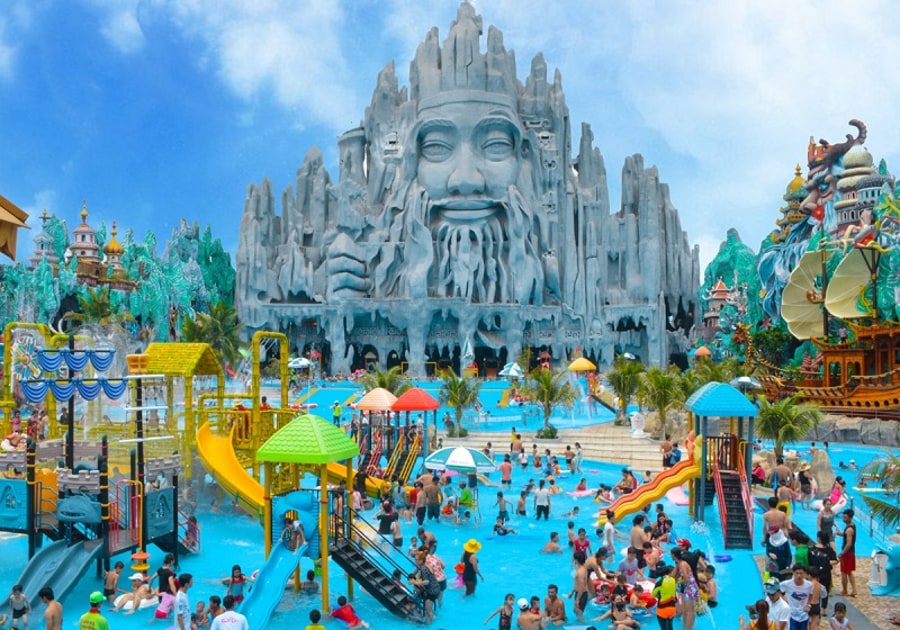
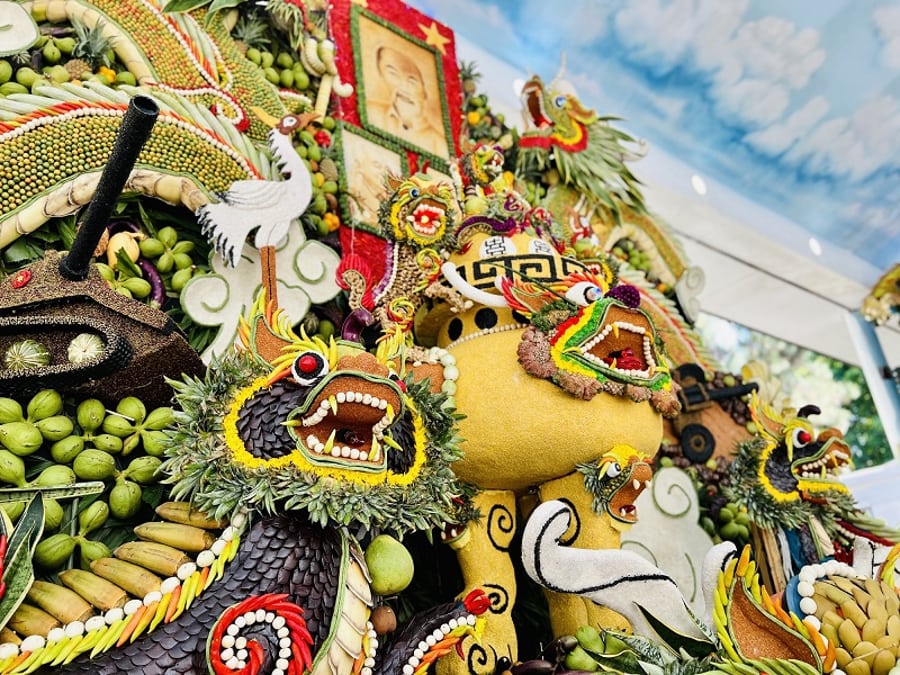
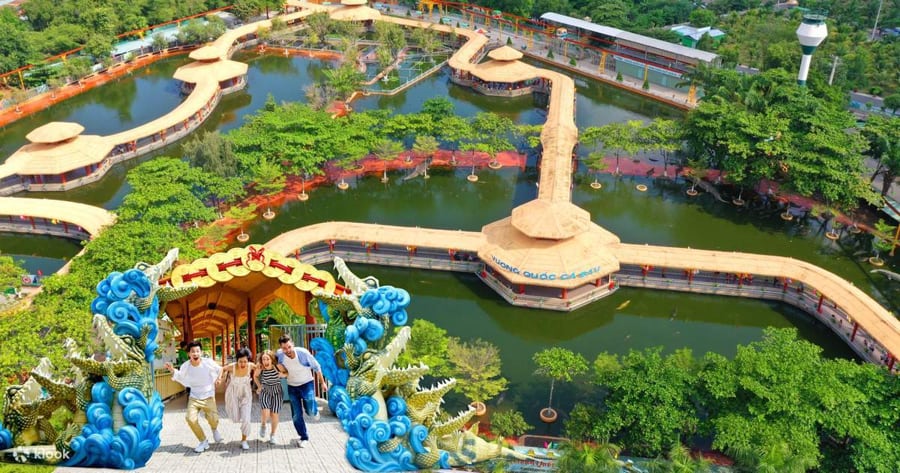
Suoi Tien Theme Park is one of the most distinctive attractions in Ho Chi Minh City, known for its creative blend of Vietnamese mythology, spiritual symbolism, and modern entertainment. Unlike conventional amusement parks, Suoi Tien is designed around traditional legends, historical stories, and cultural values, creating an immersive experience that reflects local identity. The park features a wide range of themed areas, from cultural landmarks and scenic lakes to interactive games and water-based activities, making it a popular destination for both locals and visitors.

Introduction to Suoi Tien Theme Park

Visiting Suoi Tien Theme Park offers more than just entertainment; it provides insight into Vietnamese culture in a lively and accessible way. The park is suitable for families, groups of friends, and travelers seeking a unique day trip in the city. With its diverse attractions, seasonal festivals, and spacious outdoor setting, Suoi Tien delivers a balanced mix of education, recreation, and relaxation, making it a worthwhile stop on any Ho Chi Minh City itinerary.
History Of Suoi Tien Theme Park

Suoi Tien Theme Park was established in the mid-1990s, during a period when Ho Chi Minh City was rapidly developing its tourism and entertainment infrastructure. From the beginning, the park followed a unique vision: creating a destination that combined leisure activities with Vietnamese cultural values. Instead of adopting Western-style amusement concepts, Suoi Tien was designed around national legends, Buddhist philosophy, and traditional folklore, giving it a strong local identity that set it apart from other theme parks.

Over the years, Suoi Tien Theme Park has expanded in both size and concept while maintaining its cultural foundation. Many of its architectural features and themed zones are inspired by ancient stories, spiritual beliefs, and moral teachings familiar to Vietnamese people. This long-standing focus on heritage and symbolism has helped Suoi Tien become not only a recreational space but also a cultural landmark, attracting generations of visitors and remaining a meaningful attraction in the city’s tourism landscape.

Top 5 Iconic Attractions In Suoi Tien Theme Park

Suoi Tien Theme Park is home to many iconic attractions that reflect Vietnamese culture, spirituality, and creative entertainment. Each area offers a different experience, allowing visitors to explore, learn, and enjoy a full day of diverse activities.

Suoi Tien Theme Park is home to many iconic attractions

18 Levels of Hell

The 18 Levels of Hell is one of the most iconic and thought-provoking attractions in Suoi Tien Theme Park. Designed around Buddhist beliefs, it uses statues and symbolic scenes to illustrate moral lessons about human behavior and karma. Visitors walk through a series of themed sections representing different consequences of wrongdoing, making the experience both educational and visually striking. This attraction is especially popular with travelers interested in cultural and spiritual themes unique to Vietnam.

Tien Dong – Ngoc Nu Beach

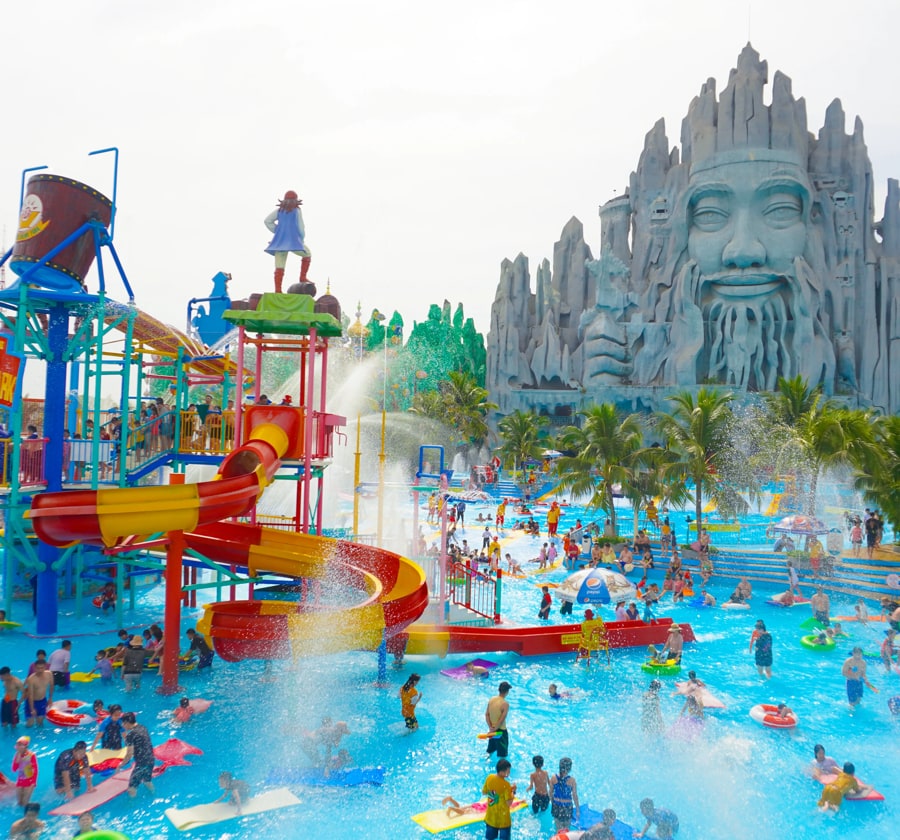
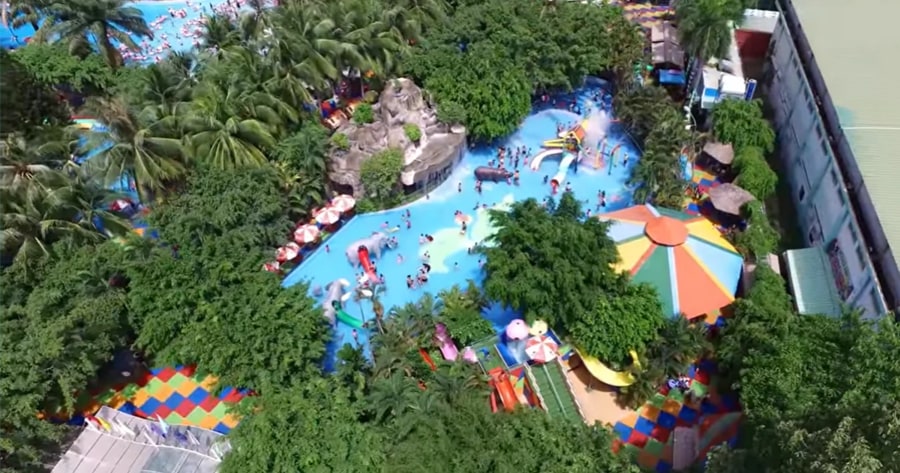
Tien Dong – Ngoc Nu Beach is a large artificial beach area that offers a refreshing escape from the city’s heat. Featuring wave pools, shallow water zones, and open sandy spaces, it is ideal for families and groups of friends. The area is designed for relaxation as well as light water activities, making it suitable for visitors of all ages. It is one of the most visited spots in the park during weekends and holidays.

Lac Canh Ho Thien Nga

Lac Canh Ho Thien Nga is a peaceful, scenic area known for its landscaped gardens and swan-shaped boats. This attraction provides a calm atmosphere where visitors can enjoy slow-paced activities and take photos. Surrounded by symbolic sculptures inspired by Vietnamese folklore, the lake represents harmony and balance. It is a great place to rest between more energetic attractions and appeals to visitors who prefer quiet, scenic experiences.

Four Sacred Beasts Area

The Four Sacred Beasts Area is inspired by traditional Eastern beliefs, featuring architectural designs based on the dragon, unicorn, turtle, and phoenix. Each structure represents important cultural values such as strength, longevity, wisdom, and prosperity. This zone highlights Suoi Tien Theme Park’s strong connection to Vietnamese symbolism and heritage. Visitors often stop here to admire the detailed designs and learn about the cultural meanings behind each sacred creature.

Snow Castle

The Snow Castle offers a rare cold-weather experience in Ho Chi Minh City, making it one of the most unique attractions in Suoi Tien Theme Park. Inside, visitors can enjoy artificial snow, icy interiors, and themed decorations. This attraction is especially popular with children and first-time visitors who want to experience a winter-like environment in a tropical climate. It provides fun photo opportunities and a refreshing break from the outdoor heat.

5 Unforgettable Experiences You Shouldn’t Miss

Suoi Tien Theme Park offers more than rides and attractions, delivering memorable experiences that highlight Vietnamese culture, entertainment, and leisure. From interactive activities to relaxing moments, these experiences help visitors fully enjoy a meaningful and well-rounded visit.

Experience Cultural Storytelling Through Themed Zones

Walking through Suoi Tien Theme Park feels like stepping into Vietnamese legends and spiritual stories. Each themed zone is carefully designed with symbolic architecture and detailed sculptures that represent moral values and folklore. Visitors can explore these areas at their own pace, learning about traditional beliefs while enjoying creative visual displays. This immersive storytelling experience sets Suoi Tien apart from typical amusement parks and appeals to travelers seeking cultural depth.

Enjoy Water-Based Activities

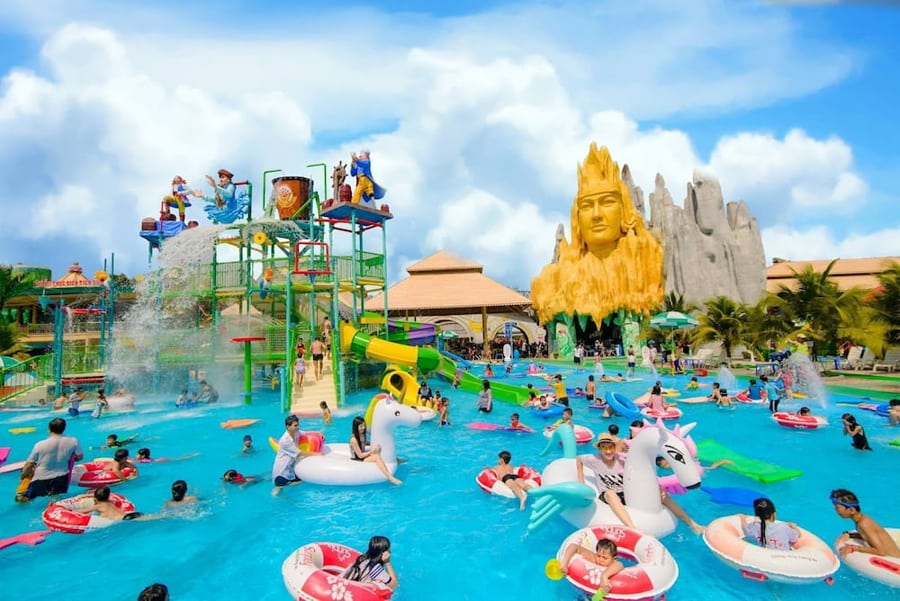
Water attractions are among the most enjoyable experiences at Suoi Tien Theme Park, especially during hot days in Ho Chi Minh City. From wave pools to spacious water zones, visitors can relax, cool off, and have fun with family or friends. These areas are designed for different age groups, ensuring both safety and enjoyment. Spending time here adds a refreshing balance to the park’s cultural and walking-based attractions.

Enjoy Water-Based Activities

Explore Spiritual and Symbolic Attractions

Suoi Tien Theme Park is known for its strong spiritual elements inspired by Buddhist philosophy. Attractions such as symbolic walkways and themed installations encourage reflection on life values and karma. Visitors often find these areas meaningful and thought-provoking, offering a deeper experience beyond entertainment. Exploring these spiritual attractions provides insight into Vietnamese beliefs and makes the visit more enriching and memorable.

Relax in Scenic Garden Areas

Beyond its energetic zones, Suoi Tien also features landscaped gardens and calm scenic spaces. These areas allow visitors to slow down, enjoy nature, and take photos among decorative elements inspired by Vietnamese culture. The peaceful environment is ideal for resting between activities, making it suitable for families and older visitors. These garden spaces help create a balanced experience throughout the park.

Relax in Scenic Garden Areas

Join Seasonal Festivals and Events

Seasonal festivals and themed events add excitement to Suoi Tien Theme Park throughout the year. Visitors may encounter cultural celebrations, holiday decorations, or special performances depending on the time of visit. These events create a lively atmosphere and offer unique experiences that differ from regular days. Participating in festivals helps visitors connect more closely with local traditions and makes each visit feel special.

Join Seasonal Festivals and Events

Entrance Fee

Below is a clear overview of Suoi Tien Theme Park ticket prices, including standard entrance tickets and combo options for international visitors. Prices are shown in VND with approximate USD equivalents for easy travel planning.

Ticket Type Price (VND) Approx. Price (USD)
Adult (≥ 1.4 m) 160,000 to 170,000 6.40 to 6.80
Child (1.0 m – 1.4 m) 90,000 to 95,000 3.60 to 3.80
Child (< 1.0 m) Free Free

Combo tickets at Suoi Tien Theme Park are designed to help visitors save money while enjoying more attractions in one visit. These packages combine entrance access with selected games or water activities, making them ideal for families and first-time visitors.

Combo Type Adult (VND / USD) Child (VND / USD)
Sightseeing Combo 255,000 to 10.20 175,000 to 7.00 USD
Discovery Combo 330,000 to 13.20 220,000 to 8.80 USD
Entrance + Tien Dong Beach 150,000to 6.00 100,000 to 4.00 USD

Opening Hours

Suoi Tien Theme Park is open throughout the week with different operating hours depending on the day. From Monday to Friday, the park operates from 8:00 AM to 5:30 PM, while on Saturday and Sunday, opening hours are extended until 6:00 PM. On public holidays and major festivals, the park opens earlier at 6:30 AM and remains open until 10:00 PM, allowing visitors more time to explore and enjoy special events.

Suoi Tien Theme Park is open throughout the week

The best time to visit Suoi Tien Theme Park is on weekday mornings, when the weather is cooler, and crowds are lighter. If you want to experience a lively atmosphere, holiday visits offer extended hours and festive activities, though they tend to be more crowded. Choosing the right time helps visitors enjoy the park more comfortably and efficiently.

How To Get To Suoi Tien Theme Park

Suoi Tien Theme Park is easily accessible from Ho Chi Minh City and other major cities in Vietnam by air and local transport. Below is a simple travel table showing common routes, estimated flight costs, and onward travel time for international and domestic visitors.

Departure City Flight to HCMC (USD) Travel Time (Flight) From Airport to Suoi Tien
Hanoi 50 to 90 USD 2 hours 30 to 40 minutes by car
Da Nang 40 to 80 USD 1.5 hours 30 to 40 minutes by car
Nha Trang 35 to 70 USD 1 hour 30 to 40 minutes by car
Phu Quoc 45 to 85 USD 1 hour 30 to 40 minutes by car

When traveling to Suoi Tien Theme Park, visitors should allow extra time during rush hours, weekends, and public holidays due to heavy traffic in Ho Chi Minh City. For those using motorbikes, a valid driving license and helmet are required, while car travelers should plan parking in advance to avoid delays.

Things To Know Before Traveling To Suoi Tien Theme Park

Planning ahead helps visitors save time and enjoy Suoi Tien Theme Park more comfortably. The tips below cover essential information to ensure a smooth and enjoyable visit, especially for first-time travelers.

  • Arrive early in the morning to avoid crowds, enjoy cooler weather, and experience popular attractions with shorter waiting times, especially on weekends and public holidays.
  • Wear comfortable clothing and walking shoes, as the park is large and requires a lot of walking between themed zones and attractions.
  • Entrance tickets do not include most rides, water areas, or special attractions, so prepare extra cash or plan to purchase suitable combo tickets.
  • Bring sun protection such as hats, sunscreen, and water, since many areas are outdoors and shade can be limited during midday hours.
  • Check height requirements for children before buying tickets, as pricing and ride access are strictly based on height measurements at the gate.
  • Visit on weekdays if possible to enjoy a quieter atmosphere, better photo opportunities, and a more relaxed pace throughout the park.
  • Allow additional time during festivals or holidays, as the park can be very busy and some attractions may have longer waiting times.

FAQs About Suoi Tien Theme Park

Below are some frequently asked questions to help visitors better plan their trip to Suoi Tien Theme Park. These answers provide practical details about tickets, activities, and suitability for different types of travelers.

Is Suoi Tien Theme Park suitable for families with children?

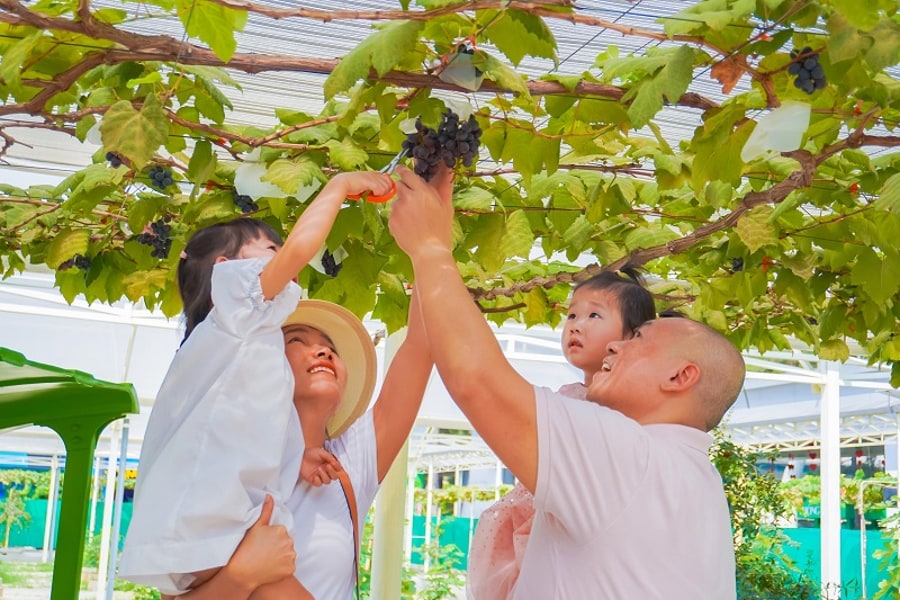
Yes, Suoi Tien Theme Park is suitable for families traveling with children of different ages. The park offers open spaces, cultural attractions, water areas, and light entertainment that children can enjoy safely. Height-based ticket pricing helps parents choose suitable options, while many attractions focus on education and visual storytelling rather than extreme thrills. Families are advised to visit in the morning and consider combo tickets to manage costs and access multiple activities conveniently.

Suoi Tien Theme Park suitable for families with children

Do entrance tickets include all rides and attractions?

No, the standard entrance ticket mainly allows access to the park grounds and general sightseeing areas. Most rides, water attractions, and themed experiences require separate tickets or combo packages. Visitors who plan to join multiple activities often find combo tickets more cost-effective. It is recommended to review attraction lists at the entrance and decide in advance which experiences are most suitable, especially for families or groups with limited time.

How much time should visitors spend at Suoi Tien Theme Park?

Most visitors spend between half a day and a full day at Suoi Tien Theme Park, depending on their interests. Those focused on sightseeing and photography may need only a few hours, while families and first-time visitors often spend longer exploring attractions and water areas. Arriving early helps maximize time and avoid crowds. Planning a loose schedule allows visitors to enjoy the park at a relaxed pace without feeling rushed.

Is Suoi Tien Theme Park crowded during holidays?

Yes, Suoi Tien Theme Park can become very crowded during weekends, public holidays, and school vacation periods. These times often feature special events or extended opening hours, which attract more visitors. Travelers seeking a quieter experience should visit on weekdays, preferably in the morning. During peak periods, waiting times for attractions may be longer, so patience and early arrival are highly recommended.

Final Thoughts: Is Suoi Tien Theme Park Worth Visiting?

Suoi Tien Theme Park is worth visiting for travelers seeking a unique blend of entertainment, culture, and local identity in Ho Chi Minh City. Unlike conventional amusement parks, it offers meaningful cultural storytelling, diverse attractions, and family-friendly spaces suitable for all ages. From symbolic landmarks to relaxing water areas, the park delivers a well-rounded experience within a single destination. For a deeper look at travel tips, ticket options, and nearby attractions, explore the complete guide and plan your visit with Seni World.

Dam Sen Water Park Ho Chi Minh City: Complete Visitor Guide

Dam Sen Water Park is one of Ho Chi Minh City’s most popular attractions, offering exciting water slides, wave pools, and family-friendly zones. It’s an ideal escape for cooling off, relaxing, and enjoying fun-filled moments.

Introduction To Dam Sen Water Park

Dam Sen Water Park is one of the most iconic and long-standing water parks in Ho Chi Minh City, attracting both locals and international travelers. Located in District 11, the park features a wide range of water slides, wave pools, lazy rivers, and dedicated play areas for children. With its tropical setting and modern facilities, Dam Sen Water Park offers a refreshing escape from the city’s heat while providing entertainment for all age groups. Whether you are traveling with family, friends, or on a short city break, this destination delivers a perfect blend of relaxation and excitement.

Introduction To Dam Sen Water Park

Visiting Dam Sen Water Park is a great way to experience fun, comfort, and value in one place. The park is well known for its affordable ticket prices, high safety standards, and convenient location close to central Ho Chi Minh City. From thrilling high-speed slides to calm pools designed for kids and beginners, every visitor can find something to enjoy. Its lively atmosphere and diverse attractions make Dam Sen Water Park a must-visit spot for a memorable day in the city.

History Of Dam Sen Water Park

Dam Sen Water Park is part of the Dam Sen Cultural Park complex, one of the earliest large-scale recreational developments in Ho Chi Minh City. The area was originally natural marshland before being transformed in the late 20th century into a modern entertainment zone designed to serve local communities and visitors. Dam Sen Water Park officially opened to meet the growing demand for family-friendly leisure spaces in the city’s hot tropical climate.

Dam Sen Water Park is part of the Dam Sen Cultural Park complex

Over the years, the park has continuously expanded and upgraded its facilities, introducing new water slides, pools, and safety systems to international standards. Today, Dam Sen Water Park is not only a symbol of urban recreation in Ho Chi Minh City but also a place closely associated with generations of local residents. Its long-standing presence reflects the city’s development and commitment to creating accessible, enjoyable public attractions for all ages.

Top 3 Iconic Attractions In Dam Sen Water Park

Dam Sen Water Park has a long-standing history closely linked to Ho Chi Minh City’s urban development. Over the decades, it has evolved into a beloved recreational landmark, attracting generations of locals and travelers seeking affordable water-based entertainment.

Origins and Early Development

Dam Sen Water Park was developed as part of the larger Dam Sen Cultural Park project, created to transform former wetlands into a public leisure space. In its early years, the park focused on basic swimming pools and simple slides designed mainly for local families. This initiative reflected the city’s effort to improve public entertainment infrastructure while preserving green space. Over time, the water park became a symbol of modernization and accessible recreation in Ho Chi Minh City.

Dam Sen Water Park was developed as part of the larger Dam Sen Cultural Park project

Expansion and Modernization Over Time

As tourism and domestic travel grew, Dam Sen Water Park underwent continuous upgrades to meet visitor expectations. New water slides, wave pools, and safety systems were gradually introduced, aligning with international standards. These improvements helped the park remain competitive with newer attractions while maintaining affordable pricing. The expansion also showed a commitment to creating a safe, enjoyable environment suitable for children, adults, and multi-generational families.

Cultural Significance and Local Connection

Beyond entertainment, Dam Sen Water Park holds strong cultural value for local residents. Many people associate it with childhood memories, school trips, and family outings during hot summers. Its long presence has made it part of the city’s social fabric, representing leisure, togetherness, and urban progress. Today, the park continues to serve both locals and visitors, preserving its legacy as one of Ho Chi Minh City’s most familiar recreational destinations.

Five Unforgettable Experiences You Shouldn’t Miss

Dam Sen Water Park offers more than just water slides, delivering a full day of excitement, relaxation, and family-friendly fun. From thrilling rides to calm leisure zones, each experience adds a unique highlight to your visit.

Thrilling High-Speed Water Slides

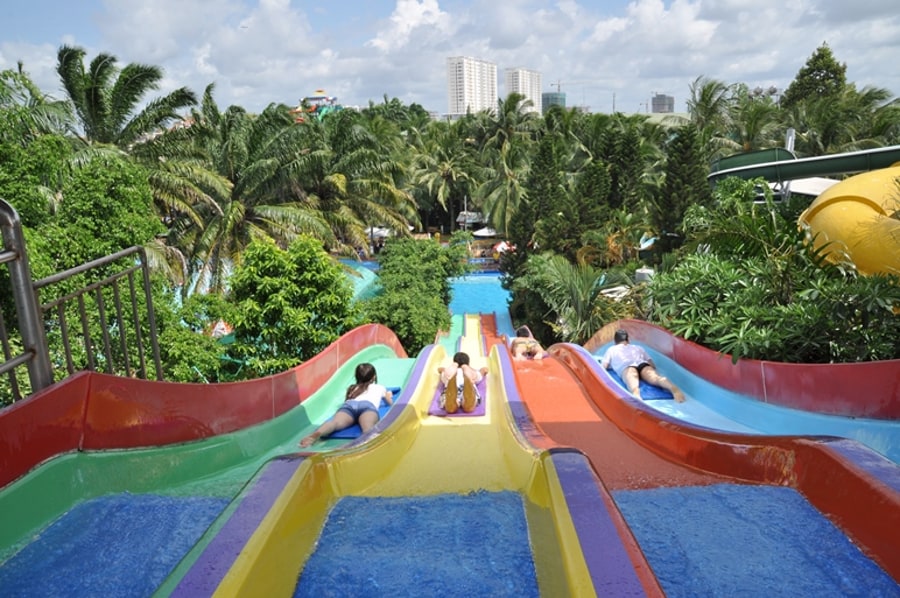
One of the most unforgettable experiences at Dam Sen Water Park is trying its high-speed water slides. These attractions are designed for adrenaline lovers, featuring steep drops, sharp turns, and splash-filled landings. Riders can choose from single or group slides, making them perfect for friends seeking excitement together. With strict safety standards and modern equipment, visitors can enjoy the thrill confidently. These slides are ideal for teenagers and adults looking to add an energetic, heart-pounding moment to their day at the park.

Thrilling High-Speed Water Slides

Relaxing in the Wave Pool

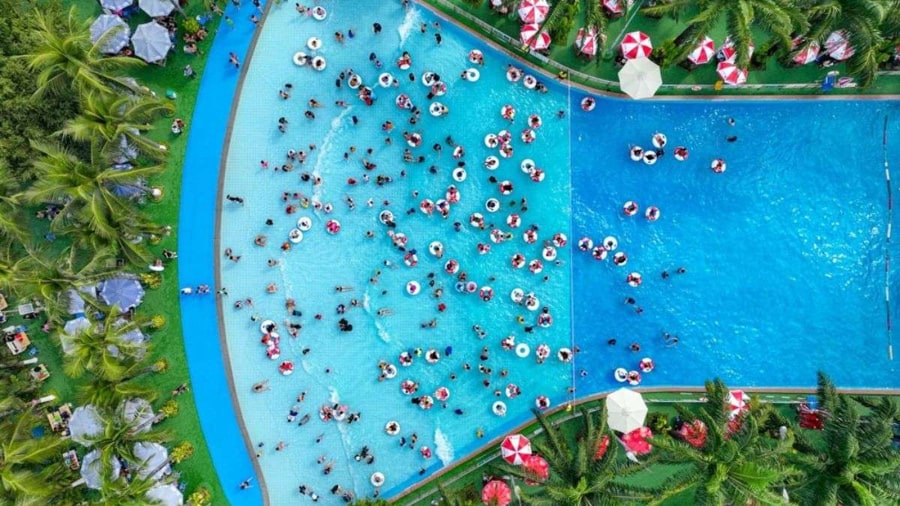
The wave pool is a favorite spot for visitors who prefer a more relaxing yet fun experience. Gentle to moderate artificial waves recreate the feeling of being at the beach, allowing guests to float, swim, or simply unwind. This area is suitable for all ages, making it perfect for families with children. Comfortable surroundings and lifeguard supervision ensure safety while you enjoy the calming rhythm of the water. It’s an excellent place to rest between more adventurous activities.

Floating Along the Lazy River

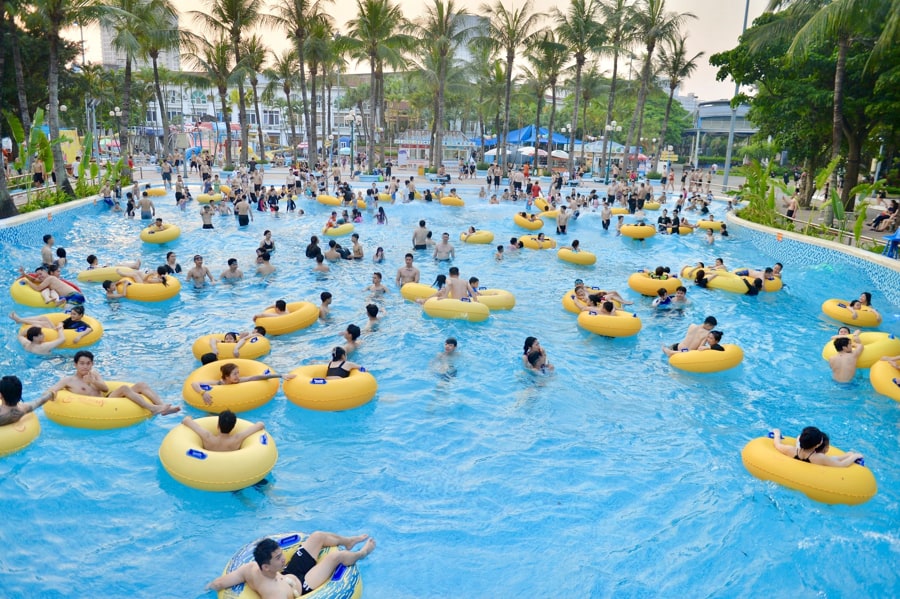
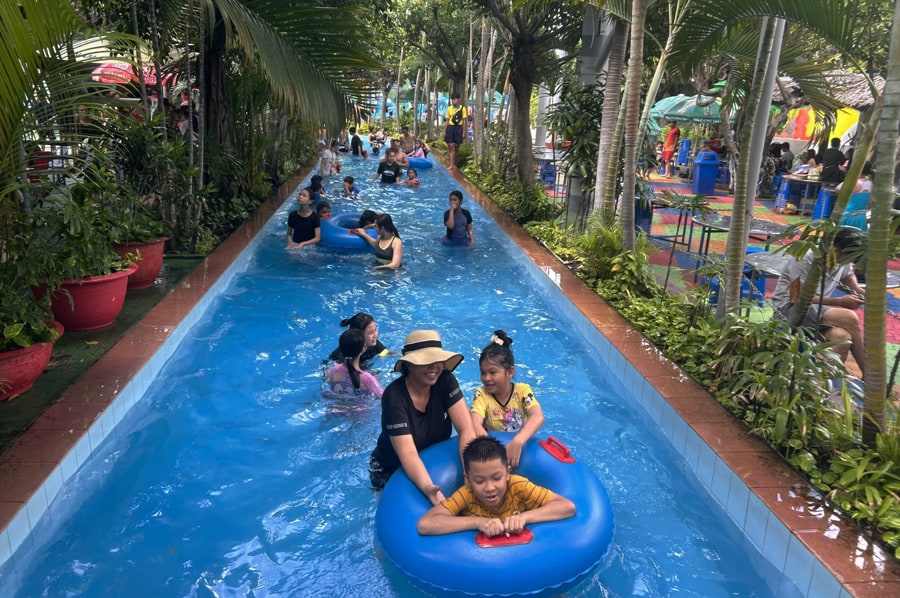
Drifting along the lazy river is a must-do experience for those seeking relaxation. Visitors can lie back on inflatable tubes and enjoy a slow, peaceful ride through scenic surroundings. This attraction offers a refreshing break from the park’s energetic rides and is ideal for all age groups. Families, couples, and solo travelers alike enjoy the soothing pace and shaded areas. The lazy river perfectly balances excitement and calm, making it a highlight of Dam Sen Water Park.

Floating Along the Lazy River

Family-Friendly Play Zones for Kids

Dam Sen Water Park is especially popular with families thanks to its dedicated children’s play areas. These zones feature shallow pools, mini slides, water sprays, and colorful designs tailored for young visitors. Safety features are carefully implemented, allowing parents to relax while children explore and play freely. The playful environment encourages interaction and enjoyment without overwhelming younger guests. This experience ensures that kids have just as much fun as adults, making the park truly family-friendly.

Enjoying a Full-Day Escape in the City

Spending a full day at the Dam Sen Water Park itself is an unforgettable experience. With food stalls, rest areas, and a variety of attractions, visitors can easily combine entertainment and relaxation in one location. The park’s convenient location in Ho Chi Minh City makes it an ideal escape from urban heat and daily routines. Whether you stay for a few hours or the whole day, the experience leaves lasting memories of fun and refreshment.

Entrance Fee

Dam Sen Water Park offers affordable entrance fees, making it an ideal attraction for international travelers visiting Ho Chi Minh City. Ticket prices are based on visitor height and include full-day access to most water attractions and facilities.

Ticket Category Height Requirement Price (VND) Approx. Price (USD)
Adult Ticket From 1.4 m and above 220,000 9 USD
Child Ticket 0.8 m to under 1.4 m 180,000 7.5 USD
Children Under 0.8 m Free Free
Locker Rental (Optional) All visitors 25,000 1 USD

Prices are for reference and may change during peak seasons or holidays. For the best experience, international visitors should check updated rates at the ticket counter before entry.

Opening Hours

Dam Sen Water Park is generally open daily, with operating hours typically from morning to late afternoon, allowing visitors to enjoy a full day of water-based activities. During weekends, public holidays, and summer months, the park often welcomes a higher number of guests, creating a lively and energetic atmosphere. Opening hours may be adjusted during special events or peak seasons, so checking official updates before visiting is recommended for international travelers planning their schedules.

The best time to visit Dam Sen Water Park is during the dry season, from December to April, when weather conditions are sunny and ideal for outdoor activities. For a more relaxed experience with shorter queues, weekdays and early mornings are the most suitable options. Visiting outside peak holiday periods helps travelers enjoy popular rides more comfortably while making the most of their time at one of Ho Chi Minh City’s top water attractions.

How To Get To Dam Sen Water Park

Dam Sen Water Park is conveniently located in District 11, Ho Chi Minh City, and can be reached easily by taxi, motorbike, bus, or private car. Travel time and costs are affordable, making it suitable for international visitors.

Transportation Method Estimated Travel Time Approx. Cost (VND) Approx. Cost (USD)
Taxi / Ride-hailing 25–35 minutes 100,000–150,000 ~4–6 USD
Public Bus 45–60 minutes 6,000–15,000 ~0.25–0.6 USD
Motorbike / Scooter 25–35 minutes Fuel cost only ~1–2 USD
Private Car 25–35 minutes Parking fee varies ~1–3 USD

Travel notes: Traffic can be heavy during rush hours (7–9 AM, 4:30–6:30 PM). Visitors renting motorbikes should wear helmets and carry a valid driving license or an International Driving Permit when required.

Things To Know Before Traveling To Dam Sen Water Park

Before visiting Dam Sen Water Park, travelers should prepare in advance to enjoy a smooth, safe, and fun experience. Knowing basic rules, facilities, and timing helps you save time and avoid unnecessary inconvenience.

  • Arrive early at Dam Sen Water Park to avoid crowds, enjoy popular water slides faster, and experience cooler weather during weekends, holidays, and peak summer season.
  • Wear proper swimwear when visiting Dam Sen Water Park because jeans or non-swimming clothes are not allowed on most water attractions for safety reasons.
  • Bring sunscreen and waterproof accessories to protect your skin, phone, and personal items from strong sunlight and constant water exposure throughout the day.
  • Use lockers inside Dam Sen Water Park to store valuables securely and avoid carrying bags or phones while joining water-based activities.
  • Follow all ride safety rules at Dam Sen Water Park, including height and health requirements, to ensure a safe and enjoyable experience.
  • Stay hydrated by drinking water regularly and taking short breaks between rides to prevent dehydration and fatigue during outdoor activities.
  • Check weather conditions and opening hours before visiting Dam Sen Water Park to avoid unexpected closures or schedule changes during holidays or events.

FAQs About Dam Sen Water Park

Visitors often have common questions when planning a trip to Dam Sen Water Park, especially regarding tickets, facilities, and rules. The FAQs below provide clear answers to help travelers prepare better and enjoy a smooth visit.

Is Dam Sen Water Park suitable for children and families?

Yes, Dam Sen Water Park is very suitable for families with children of different ages. The park offers dedicated kids’ zones with shallow pools, mini slides, and safe water playgrounds designed specifically for young visitors. Lifeguards are present throughout the park to ensure safety. Parents can relax while children enjoy age-appropriate attractions. In addition, family-friendly facilities such as rest areas, food stalls, and lockers make it convenient for groups traveling together.

What is included in the entrance ticket at Dam Sen Water Park?

A standard entrance ticket to Dam Sen Water Park usually includes full-day access to most water attractions, such as slides, wave pools, and lazy rivers. Visitors can enjoy unlimited rides during operating hours without additional charges. However, some services like locker rental, food, drinks, or special activities may require extra payment. It is recommended to check ticket details at the entrance to avoid unexpected costs.

Are outside food and drinks allowed inside the park?

Outside food and drinks are generally restricted at Dam Sen Water Park to maintain hygiene and safety standards. Visitors are encouraged to purchase meals, snacks, and beverages from food stalls inside the park. These outlets offer a variety of options suitable for adults and children. Baby food or special dietary items may be allowed, but guests should confirm with staff at the entrance before bringing them inside.

What is the best time of day to visit Dam Sen Water Park?

The best time to visit Dam Sen Water Park is early in the morning, especially on weekdays. Arriving early helps visitors avoid long queues and enjoy popular attractions with less waiting time. Morning hours are also cooler and more comfortable for outdoor activities. During weekends, holidays, and summer months, the park can become crowded, so early arrival significantly improves the overall experience.

Final Thoughts: Is Dam Sen Water Park Worth Visiting?

Dam Sen Water Park is worth visiting for travelers looking to enjoy a fun, affordable, and refreshing escape in Ho Chi Minh City. With exciting water slides, relaxing pools, and family-friendly zones, the park offers entertainment for all ages. Its convenient location, reasonable entrance fees, and long-standing reputation make it a reliable choice for both locals and international visitors. Whether you seek adventure or relaxation, this water park delivers a memorable experience. Explore more Vietnam travel guides and trip ideas with Seni World.

Saigon Zoo and Botanical Gardens Travel Guide

Saigon Zoo and Botanical Gardens is one of Ho Chi Minh City’s oldest attractions, offering a peaceful green escape with diverse wildlife, historic architecture, and lush gardens, making it ideal for families, nature lovers, and first-time visitors.

Introduction: Tosaigon zoo and botanical gardens

Saigon Zoo and Botanical Gardens is one of the oldest and most iconic attractions in Ho Chi Minh City, established in 1865 during the French colonial period. Located in the city center, this historic site combines a traditional zoo with a vast botanical garden, home to hundreds of animal species and thousands of rare plants. With its shady paths, colonial-era buildings, and spacious green areas, the zoo offers a refreshing escape from the busy urban atmosphere. It is a popular destination for both locals and international travelers seeking nature, education, and relaxation in one place.

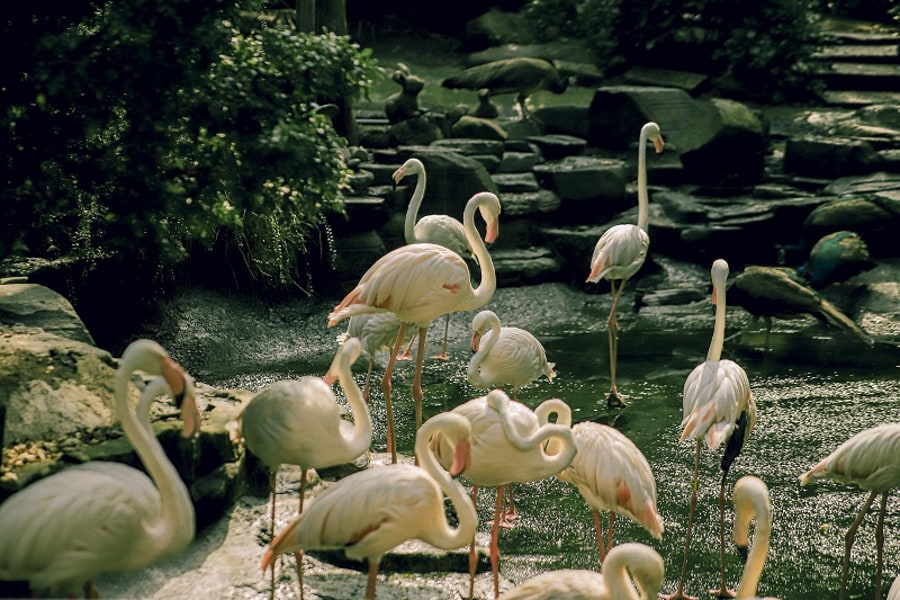
animals in Saigon Zoo and Botanical Gardens

Visiting Saigon Zoo and Botanical Gardens allows travelers to experience a unique blend of wildlife conservation, botanical diversity, and cultural heritage. The site is ideal for families with children, couples, and nature lovers who want to explore animals, enjoy peaceful gardens, and learn about Vietnam’s biodiversity. Its central location makes it easy to combine with other city attractions, making the zoo and botanical gardens a must-visit stop on any Ho Chi Minh City travel itinerary.

History of Saigon Zoo and Botanical Gardens

Saigon Zoo and Botanical Gardens was founded in 1865 by French botanist Jean Baptiste Louis Pierre, making it one of the oldest zoos in Southeast Asia. Originally designed as a botanical research center, it played an important role in studying tropical plants and animals during the colonial period. Over time, the site expanded to include animal enclosures, research facilities, and landscaped gardens, gradually becoming a major public attraction in Saigon.

Throughout its long history, Saigon Zoo and Botanical Gardens has witnessed significant historical changes, from the French colonial era to modern-day Ho Chi Minh City. Despite urban development surrounding it, the zoo has preserved many original trees, historic buildings, and cultural values. Today, it serves not only as a recreational space but also as a center for conservation, education, and environmental awareness, reflecting the city’s commitment to protecting biodiversity and green spaces.

Top 4 Iconic Attractions In Saigon Zoo and Botanical Gardens

Saigon Zoo and Botanical Gardens include several main areas that highlight its natural, educational, and historical value. Each section offers a different experience, making the zoo a well-rounded and popular attraction in Ho Chi Minh City.

Botanical Garden Area

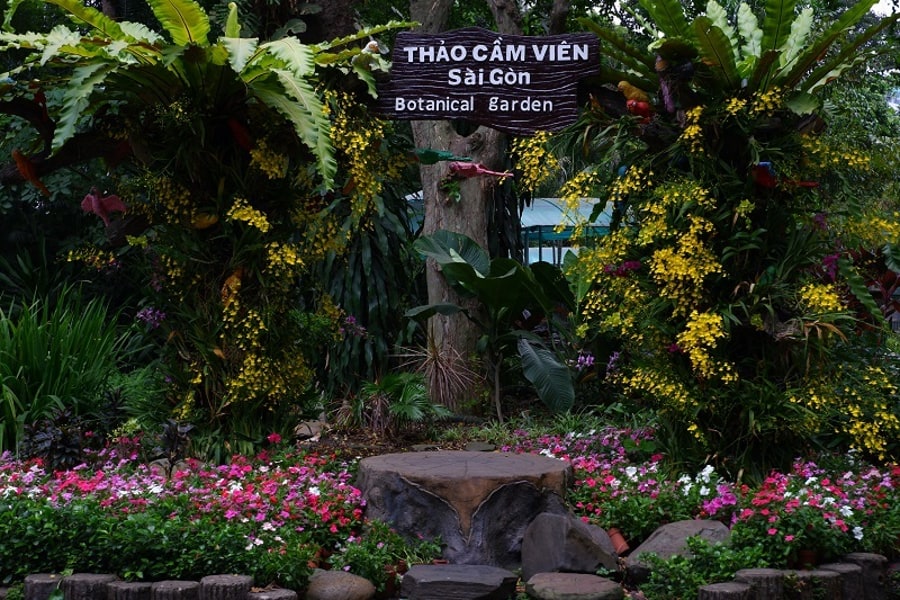
The Botanical Garden Area is one of the oldest sections of Saigon Zoo and Botanical Gardens, featuring a large collection of tropical and rare plant species. Many trees in this area have been preserved for more than a century, creating a peaceful green environment in the city center. Visitors can walk along shaded paths, explore themed plant collections, and learn about Vietnam’s botanical diversity through educational displays. This area is ideal for nature lovers and those seeking relaxation.

Botanical Garden Area

Wildlife Exhibition and Conservation Area

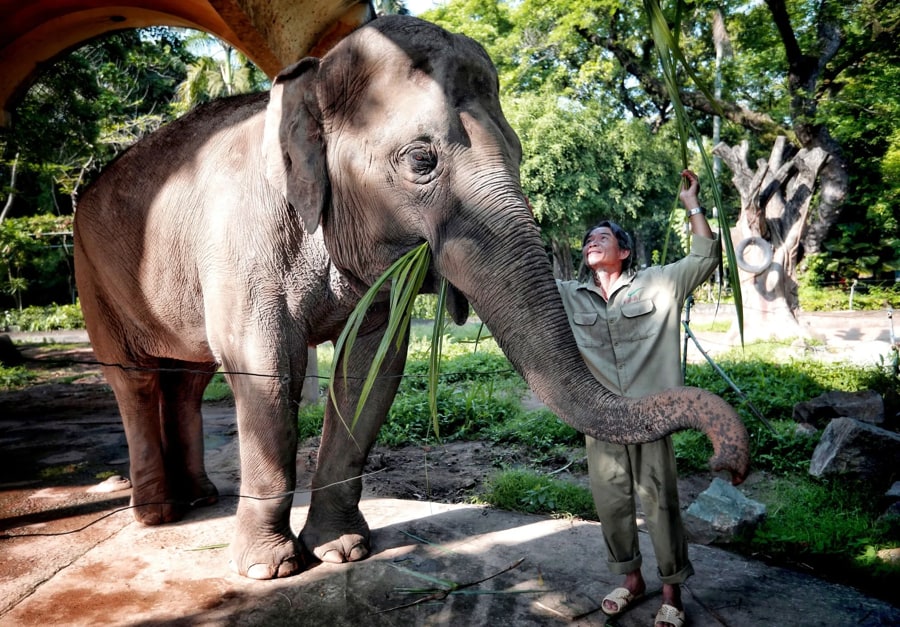
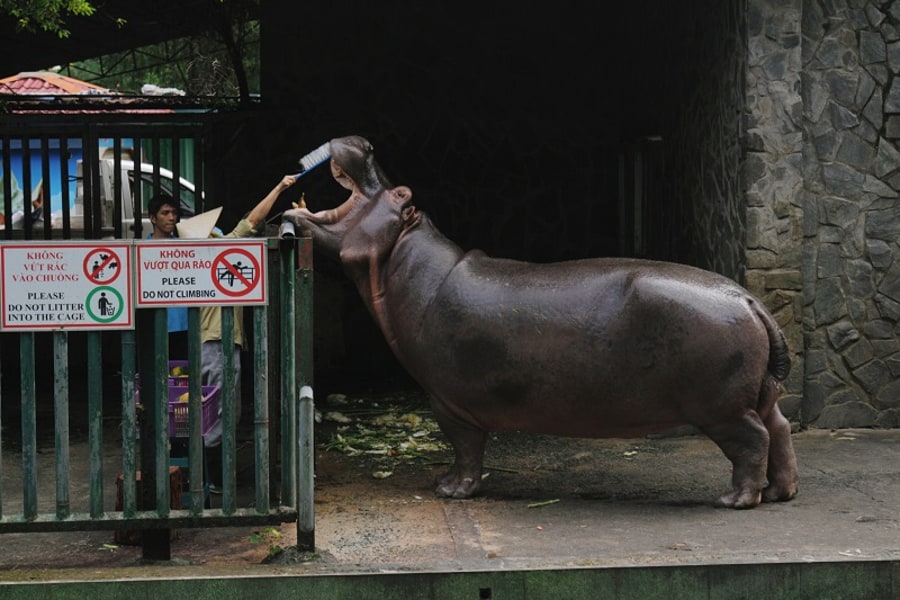
The Wildlife Exhibition Area is home to a wide range of animal species, including mammals, birds, and reptiles. The enclosures are designed to support animal welfare while allowing visitors to observe animals at close range. Informational panels provide insights into animal habitats, behaviors, and conservation efforts. This area plays an important role in raising awareness about wildlife protection and is especially popular with families and educational groups.

Wildlife Exhibition and Conservation Area

French Colonial Architecture Area

The French Colonial Architecture Area reflects the historical roots of Saigon Zoo and Botanical Gardens, dating back to its establishment in 1865. Several original buildings remain preserved, showcasing classic colonial design surrounded by lush greenery. Visiting this area allows travelers to understand the zoo’s early role as a botanical research center. The combination of architecture and nature adds cultural and historical depth to the overall visitor experience.

Children’s Recreation and Education Area

The Children’s Recreation Area is designed to provide safe and educational activities for young visitors. It includes playgrounds, interactive exhibits, and small animal displays suitable for children. This area encourages learning through hands-on experiences while offering a fun environment. With open spaces and family-oriented facilities, it makes Saigon Zoo and Botanical Gardens a popular destination for family trips and school excursions.

4 Unforgettable Experiences You Shouldn’t Miss

Visiting Saigon Zoo and Botanical Gardens is more than just sightseeing, as it offers memorable experiences that connect visitors with nature, wildlife, and local culture. These activities help create a deeper and more engaging travel experience.

Explore the Botanical Collections

Exploring the botanical collections is one of the most relaxing experiences at Saigon Zoo and Botanical Gardens. Visitors can walk through shaded pathways lined with rare tropical plants, medicinal herbs, and century-old trees. Each section is carefully maintained and labeled, allowing travelers to learn about plant species native to Vietnam and other regions. This experience is ideal for nature lovers who want to slow down, enjoy fresh air, and appreciate the zoo’s role in plant conservation and environmental education.

Observe Wildlife Up Close

Observing wildlife up close allows visitors to better understand animal behavior and biodiversity. Saigon Zoo and Botanical Gardens is home to a variety of mammals, birds, and reptiles, making it an educational experience for all ages. Informational displays explain the importance of wildlife conservation and habitat protection. This activity is especially meaningful for families and children, as it combines entertainment with learning in a natural, outdoor environment.

Observe Wildlife Up Close

Enjoy a Leisure Walk in Green Spaces

Taking a leisure walk through the zoo’s green spaces is an unforgettable way to escape the busy atmosphere of Ho Chi Minh City. Wide paths, large trees, and open lawns create a calm and refreshing environment. Visitors can relax, take photos, or simply enjoy the peaceful surroundings. This experience highlights why Saigon Zoo and Botanical Gardens is considered one of the city’s most important green spaces.

Learn Through Educational Programs

Participating in educational programs offers visitors valuable insights into wildlife protection and environmental awareness. Saigon Zoo and Botanical Gardens regularly organizes activities designed to educate both children and adults. These programs focus on biodiversity, conservation efforts, and sustainable living. Joining such activities allows travelers to gain a deeper understanding of the zoo’s mission while supporting its role as an educational and cultural institution.

Entrance Fee

The entrance fee to Saigon Zoo and Botanical Gardens is very affordable, with children under 1 m tall entering free, children from 1 m to under 1.3 m paying around 40,000 VND (1.7 USD), and visitors 1.3 m and above paying about 60,000 VND ( USD) per person. Tickets can be purchased at the gate or online, and additional activities inside may have separate charges. Groups, school excursions, and certain eligible visitors may qualify for discounts or exemptions with proper documentation.

Opening Hours

Saigon Zoo and Botanical Gardens are open daily, usually from 7:00 AM to 6:00 PM, allowing visitors to explore at a relaxed pace throughout the day. Morning hours are especially suitable for sightseeing, as the weather is cooler and animals tend to be more active. Weekends and public holidays are often busier, particularly in the late morning and early afternoon.

The best time to visit Saigon Zoo and Botanical Gardens is during the dry season from December to April, when rainfall is low, and walking conditions are more comfortable. Visiting on weekdays and arriving early in the morning helps avoid crowds and heat, offering a more peaceful and enjoyable experience in one of Ho Chi Minh City’s most important green spaces.

How To Get To Saigon Zoo and Botanical Gardens

Saigon Zoo and Botanical Gardens are located in District 1, making it easy to reach from most areas of Ho Chi Minh City. Visitors can choose various transportation options depending on budget, group size, and travel preference. Below is a simple overview for easy planning.

Transportation Estimated Time (from District 1) Estimated Cost (VND) Estimated Cost (USD)
Taxi / Grab (car) 5 to 10 minutes 50,000 to 100,000 VND 2 to 4 USD
Motorbike 5 to 10 minutes Fuel cost only 1 USD
Public Bus 15 to 25 minutes 6,000 to 7,000 VND 0.3 USD
Walking 15 to 30 minutes Free Free

For taxis and ride-hailing services, Grab is the most convenient option, especially for families and first-time visitors. Traveling by motorbike is popular with locals, but riders must have a valid driving license and wear helmets. Public buses are budget-friendly but may be crowded during peak hours. Visitors should allow extra time during rush hours and weekends due to traffic around the zoo area.

Things To Know Before Traveling To Saigon Zoo and Botanical Gardens

Before visiting Saigon Zoo and Botanical Gardens, it is helpful to prepare in advance for a smooth and enjoyable experience. The following essential tips will help you make the most of your visit.

Observe Wildlife Up Close

  • Visit early in the morning to avoid crowds, enjoy cooler weather, and see animals more active, especially during weekends and public holidays in Saigon, Vietnam.
  • Wear comfortable walking shoes because the zoo is large, with long paths, shaded areas, and uneven surfaces in some sections that require steady footing throughout.
  • Bring water, sunscreen, and hats to protect yourself from heat, especially during dry season visits between December and April when temperatures can rise significantly daily.
  • Check ticket prices and opening hours in advance, as schedules and fees may change during holidays or special events announced by management without prior notice.
  • Follow zoo rules by not feeding animals, keeping a distance from enclosures, and supervising children to ensure safety and animal welfare for visitors and staff alike.
  • Carry small cash for entrance tickets, food stalls, and extra activities, as some vendors may not accept card payments inside the zoo during busy days.
  • Plan your visit on weekdays if possible, since weekends and school holidays attract large crowds and longer waiting times for exhibits and popular photo spots.

FAQs About Saigon Zoo and Botanical Gardens

Saigon Zoo and Botanical Gardens is a popular attraction for both locals and international visitors, especially families and nature lovers. Below are some frequently asked questions to help travelers better plan their visit and understand what to expect.

Is Saigon Zoo and Botanical Gardens suitable for children and families?

Yes, Saigon Zoo and Botanical Gardens is very suitable for families with children. The zoo offers spacious walking paths, shaded green areas, and a variety of animal exhibits that are both educational and entertaining. There are also designated play areas and interactive zones designed for younger visitors. Parents can easily spend several hours here without feeling rushed, making it a convenient and enjoyable family-friendly attraction in Ho Chi Minh City.

How much time should I spend at Saigon Zoo and Botanical Gardens?

Most visitors spend between two and four hours exploring Saigon Zoo and Botanical Gardens. This allows enough time to walk through the botanical garden, observe animal exhibits, rest in shaded areas, and take photos. Families with children or visitors interested in learning about plants and wildlife may want to stay longer. Arriving early in the morning helps ensure a more relaxed visit without feeling pressured by crowds or heat.

Can I bring food and drinks into Saigon Zoo and Botanical Gardens?

Visitors are generally allowed to bring personal water bottles and light snacks into Saigon Zoo and Botanical Gardens. However, feeding animals is strictly prohibited to protect their health and safety. Inside the zoo, there are food stalls and small cafés offering basic meals and refreshments. To keep the environment clean, visitors are encouraged to dispose of trash properly and follow the zoo’s regulations during their visit.

Is Saigon Zoo and Botanical Gardens easy to access from the city center?

Yes, Saigon Zoo and Botanical Gardens is located in District 1, making it easily accessible from most central areas of Ho Chi Minh City. Visitors can reach the zoo by taxi, ride-hailing apps, motorbike, bus, or even on foot from nearby attractions. Its central location allows travelers to combine a zoo visit with other popular landmarks in the city on the same day.

Final Thoughts: Is Saigon Zoo and Botanical Gardens Worth Visiting?

Saigon Zoo and Botanical Gardens is a great choice for travelers who want to enjoy nature, history, and a relaxing atmosphere in the heart of Ho Chi Minh City. As one of the oldest zoos in Southeast Asia, it offers a unique mix of wildlife exhibits, botanical gardens, and colonial-era heritage. With affordable ticket prices, a central location, and family-friendly spaces, it suits visitors of all ages. For more practical travel tips and curated Vietnam itineraries, explore detailed guides with Seni World.

Tan Dinh Church: The Iconic Pink Cathedral of Ho Chi Minh City

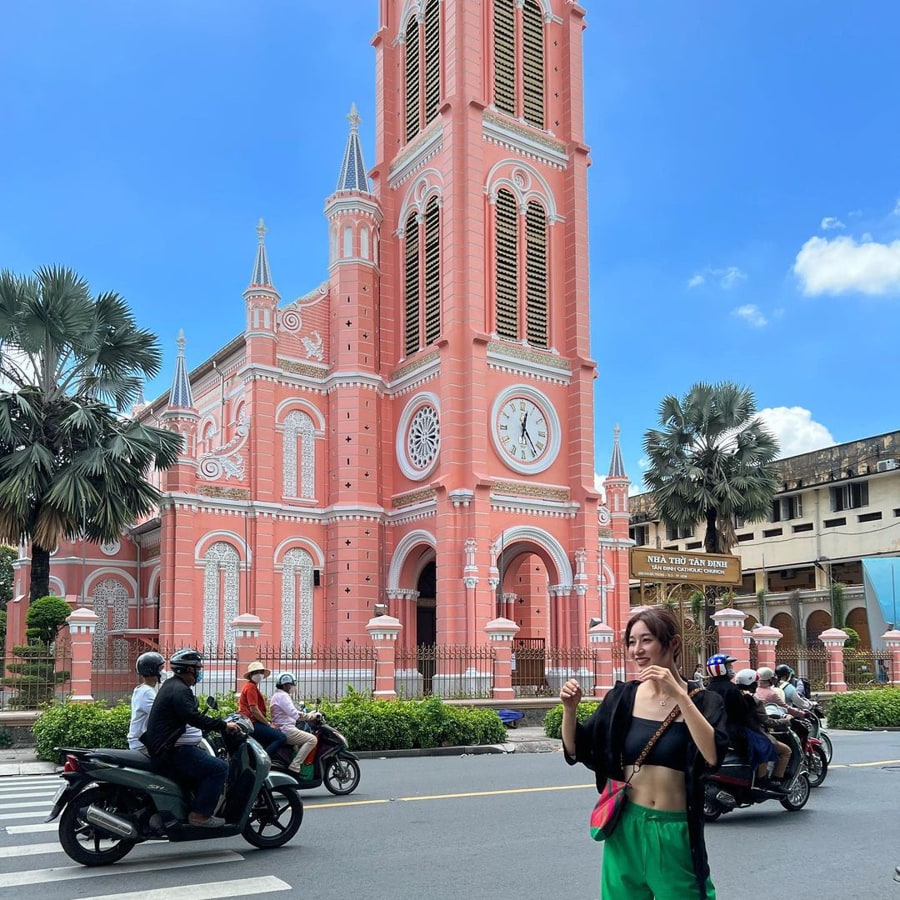
Tan Dinh Church is an iconic feature of Ho Chi Minh City, made famous by its distinctive pink-colored facade, Gothic architecture designed by the French, and its historical importance, making it popular not only among locals but also among foreign visitors.

Introduction to Tan Dinh church

Tan Dinh Church becomes one of the most popular religious attractions in Ho Chi Minh City. Many people recognize this monument for its characteristic pink color and Gothic architecture. The church was erected at the end of the 19th century under French colonial rule and has long been a representation of the cultural change that took place in Saigon. However, apart from its religious significance, Tan Dinh Church attracts many tourists who appreciate its harmonious combination of local and Western architecture. Such characteristics make this monument one of the most photogenic churches in Vietnam.

Introduction to Tan Dinh church

A visit to Tan Dinh Church provides a special experience for travelers beyond sightseeing. Tan Dinh Church offers a peaceful place in the middle of a crowded city, making it a great stopover for relaxation and exploration. It also makes a great place for people fascinated by history, architecture, and taking photographs. Due to its location and architectural nature, Tan Dinh Church is a must-visit destination for tourists visiting Ho Chi Minh City.

History of the Tan Dinh church

Tan Dinh Church was constructed in 1876 during the time of the French colonization and is one of Ho Chi Minh City’s oldest Catholic churches. It had been originally constructed to serve the growing Catholic community in Saigon. Its architectural style is strongly European; it is Gothic with a symmetrical design. Since then, Tan Dinh has gone through numerous renovation phases, the most memorable being the iconic pink color it took over the years, making it one of the most unique cultural and architectural manifestations in Vietnam.

Aside from its historical roots, Tan Dinh Church has a significant connection with religious tradition. Tan Dinh Church is a living site of worship, with frequent celebration of Masses, religious festivals, and significant ceremonies for this religious sector. These practices preserve the religious values of the community, offering visitors a chance to experience genuine religious tradition.

Tan Dinh Church’s Unique Architecture and Design Highlights

While Tan Dinh Church is celebrated for its vibrant pink facade, it can also be considered distinctive with regard to its design: the building is one of Ho Chi Minh City’s most noteworthy sights and a favorite destination of architecture lovers and international tourists.

Pink Gothic Facade and Twin Bell Towers

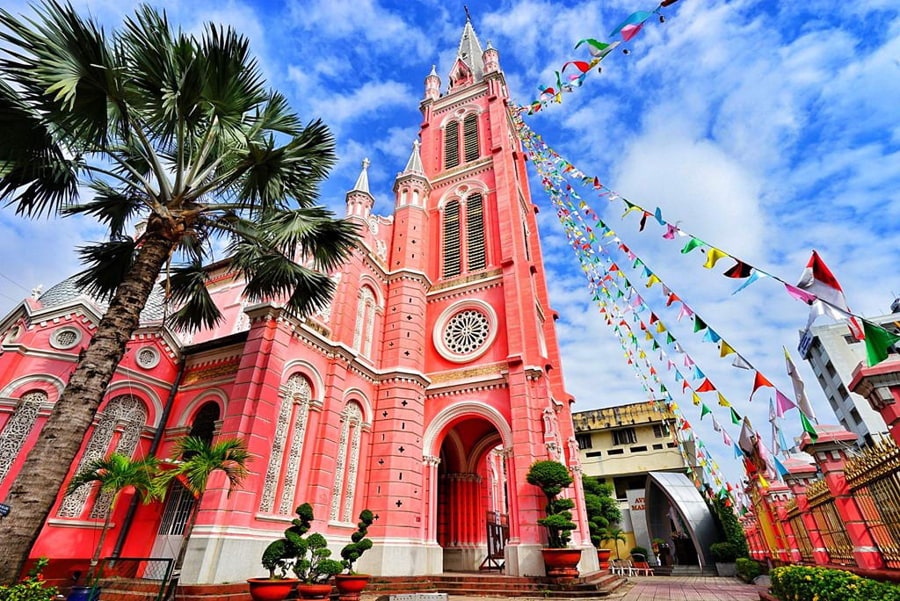
One of the most distinguishable landmarks of Tan Dinh Church is its bright pink façade, which makes the building different from other churches in Vietnam. The design is of Gothic architectural style, which bears distinct pointed arches, moldings, and symmetrical twin bell towers that are conspicuous in relation to the street. Although pink may not be an ideal color, especially when considering religious buildings, its choice has improved the elegance of the structure and even offered an aesthetic look to the structure.

Pink Gothic Facade and Twin Bell Towers

Complex Interior Design & Sacred Space

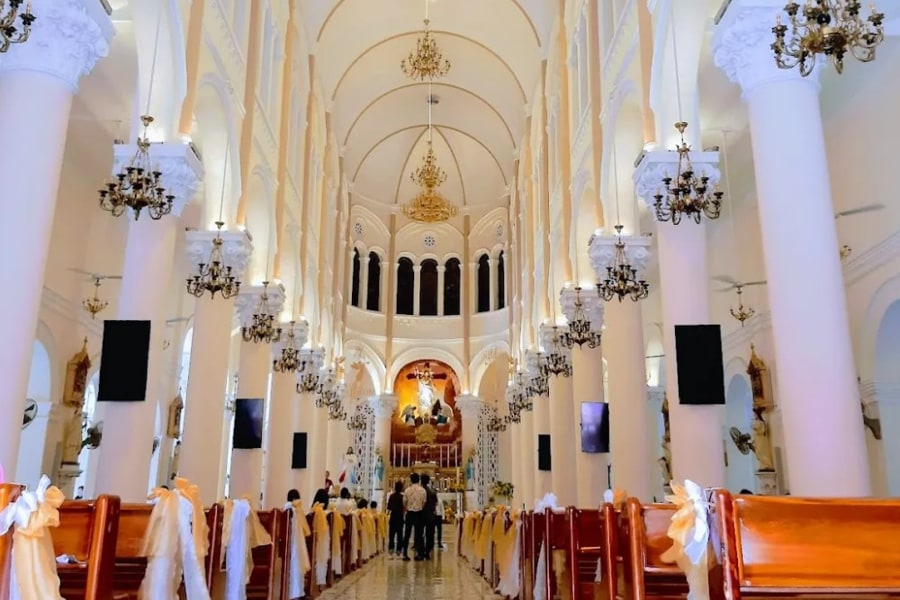
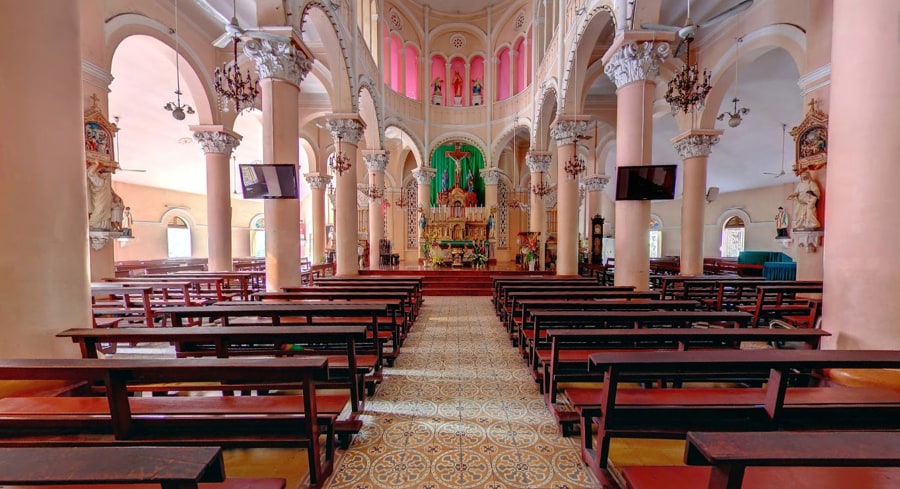
Inside Tan Dinh Church, tourists can experience a fine and serene ambiance created by high columns, vaulted ceilings, and filtered natural light. In terms of interior design, the structure conforms to the traditional design of Catholic Churches, which features an elongated central nave pointing to the altar. To enhance the interior, there are decorations, statues, and colorfully designed glass windows, which not only create aesthetic values but also imbue meaning to the structure of the building despite being located inside a famous tourist attraction.

Complex Interior Design & Sacred Space of Tan Dinh Church

Stained-Glass Windows and Decorative Details

One of the most striking architectural features that Tan Dinh Church boasts is its set of stained-glass windows depicting biblical scenes and saints, which allow colorful light to filter gently into the church throughout the day. Classic European craftsmanship in decorative patterns and religious symbolism is complemented in harmony with the church’s overall design. All these details, combined with rich carvings and meticulously designed altars, give a representation of the artistic value Tan Dinh Church holds as a big cultural and architectural monument.

4 Unforgettable Experiences You Shouldn’t Miss

The Tan Dinh Church is more than a beautiful structure, as it gives visitors experiences in terms of the culture and beauty the structure portrays in the midst of Ho Chi Minh, and every visit is a different experience that makes the iconic pink structure unforgettable.

Admire Iconic Pink Architecture

Among the most unforgettable experiences that can be had at Tan Dinh Church is getting to see its famous pink façade. This Gothic-inspired structure and twin bell towers provide a beautiful contrast to the modern setting of Ho Chi Minh, which makes it a favorite destination for photographers and a must-visit place for architecture enthusiasts and newcomer tourists alike.

Admire Iconic Pink Architecture

Attend a Traditional Catholic Mass

Participation in a mass at the Tan Dinh Church provides a great opportunity for a visit to be a culturally and spiritually enriching experience for the visitor. A mass is a symbol of the long-prevailing Catholic traditions in Vietnam, and one can learn about the religious practices in Vietnam while enjoying the serene surroundings of this historic church.

Uncover the Interior & Sacred Paintings

The entrance to the church allows tourists to admire its elaborate design, statues, and stained glass windows. The tranquil setting and softer light in the church form a complete contrast to what is experienced outside in the streets. This is the ideal setting for art and history lovers who are in search of perfection in architectural works.

Uncover the Interior & Sacred Paintings

Take Outstanding Pictures Around the Church

Photography is another activity that tourists can enjoy at Tan Dinh Church, especially during early morning hours or in the late afternoon. There are plenty of photo opportunities, from the pink façade to the surrounding roads and architectural angles of the structure. This is an ideal activity for tourists to take iconic photographs of the landmarks of Ho Chi Minh City.

Entrance Fee

The entrance to the Tan Dinh Church is also free. Thus, it is one of the most accessible tourist destinations in Paris for local and foreign visitors. Locals and foreigners are not charged any entrance fee in order to visit the church and appreciate its architecture. In addition, there are no entrance fees during Mass. Visitors are also advised to dress modestly. This is in order to maintain the spiritual ambiance of this historic church.

Opening Hours

The opening hours for the Tan Dinh Church are generally throughout the year, which enables visitors to access the church for exterior and interior viewing. Although it is a worship site, the opening hours might vary depending on mass sessions, religious programs, and special ceremonies, especially on weekends. However, there are no strict opening hours for visitors, which enables visitors to be respectful to avoid sightseeing, especially during church sessions, if they wish to attend Mass.

As for the best time to visit the Tan Dinh Church, it would either be early morning or late afternoon. During these times, the climate will be cooler, fewer people will be around, and the natural light will make the iconic pink façade of the church look even more picturesque.

How To Get ToTan Dinh Church

The location of the Tan Dinh Church is in District 3, right in the center of the city. This means that foreign tourists have no problem accessing the place from any part of Ho Chi Minh City using taxis, ride-sharing services, motorbikes, or buses.

Transportation Estimated Time (from District 1) Approx. Cost (VND) Approx. Cost (USD)
Taxi / Ride-hailing (Grab) 10 to 15 min 80,000–150,000 VND 3.50 to 6.25USD
Motorbike (rental or personal) 10 to 15 min 120,000–180,000 VND/day (rental) 5 to 7.50/dayUSD
Public Bus 20 to 30 min 7,000–10,000 VND 0.30 to 0.40USD
Walking (nearby areas) 25 to 30 min Free Free

Notes: When traveling by motorcycle, make sure you possess a valid driving license. Also, it is mandatory to wear a helmet while riding since traffic laws are strictly enforced. Taxis or online transportation networks are the best options for first-time visitors. Peak traffic may make travel times longer.

Things To Know Before Traveling To Tan Dinh Church

Listing a few practical tips should be known by the traveler before visiting Tan Dinh Church. These will make a trip there comfortable, enjoyable, and respectful. The following essential notes are helpful for international visitors when exploring this famous religious landmark.

  • When visiting the Tan Dinh Church, it is advisable to dress modestly and cover the shoulders and knees, considering it is a worship site and this is the dress code to wear.
  • Check the Mass schedules beforehand, especially on weekends or religious holidays, for the avoidance of disrupting the services or planning your visit if you want to attend.
  • Come during early morning or late afternoons for cooler climates, fewer people, and softer natural light that showcases the iconic exterior of the church in its pretty pink hue.
  • Taking photos is permitted everywhere, but do not use flash in the church, nor do you ever photograph during Mass.
  • Entrance fees are waived, but if you like your visit there, consider making a small donation to help maintain the church and other religious endeavors in the area.
  • You can take taxis or ride-hailing services because traffic in Ho Chi Minh can be pretty congested, especially for a beginner.
  • Conduct yourself properly on the inside since it is a common prayer site for locals, thus creating a serene environment not only for locals but also for visitors.

FAQs About Tan Dinh Church

This FAQ section will help foreign travelers know more about Tan Dinh Church before visiting it, especially in the context of traveling around Ho Chi Minh City. The following answers cover the necessary information in terms of concerns regarding visiting the location.

Is Tan Dinh Church free to visit?

However, yes, Tan Dinh Church is free to enter. There are no entrance fees to visit the church or attend regular mass. But donating to the church is always appreciated. The church does not need any entrance fees to maintain it. The mass in the church, however, is free. But voluntary contributions can always be appreciated.

Are tourists allowed to visit Tan Dinh Church while the Mass is ongoing?

However, visitors are allowed in church during Mass, but only if they are attending in a respectful manner. Sightseeing, picture-taking, and roaming around are not allowed, especially during services. If you want to go around, maybe you can go there during church hours, especially during weekends and religious holidays.

Why is Tan Dinh Church pink in color?

However, the iconic pink hue was also added during renovations, and this was done in order for the church to have its own identity while it is designed in the Gothic architectural style. Because of this iconic design, it has actually become one of the most photographed structures in Ho Chi Minh City.

At what time of day is it most recommended to visit Tan Dinh Church?

Early morning or late afternoon are the best times to visit Tan Dinh Church. At this time, the weather is cool, with fewer people, so it’s perfect for taking photos of the church with its rosy exterior adorned by the soft natural light.

Final Thoughts: Is Tan Dinh Church Worth Visiting?

Visiting Tan Dinh Church will definitely add a new dimension for tourists in search of a unique combination of history, architectural uniqueness, and local culture in Ho Chi Minh City. With its distinctive pink exterior, serene environment, and a long history linked to the Catholic religion in Vietnam, Tan Dinh Church cannot be missed on any sightseeing tour of the city. Not only is it easy to get there, but the best thing is that there are no charges for visiting the church. Let Seni World help you find more exciting travel spots in Vietnam.

Bach Dang Wharf: A Key Riverfront Hub In Ho Chi Minh City

Bach Dang Wharf is a principal waterfront space located in District 1, Ho Chi Minh City, and it is recognized as a transport hub for waterways, as well as a site for tourism and community events, with views of the Saigon River. Introduction to Bach Dang Wharf

Introduction To Bach Dang Wharf

Bach Dang Wharf is a popular riverside destination, found in Ho Chi Minh’s District 1, along the banks of the Saigon River. This is a significant riverside point for water transport, tourism, or public space within Ho Chi Minh’s city center. Bach Dang Wharf, due to its strategic position close to popular tourist attractions such as Nguyen Hue Walking Street and Ho Chi Minh’s central business district, is convenient for both locals and foreigners to access. Bach Dang Wharf has a broad riverbank, well-organized docking systems for cruise or boat transport, and riverbank space for walking and sightseeing.

Bach Dang Wharf is a principal waterfront space

Travelers can also consider Bach Dang Wharf for its mix of the city’s river views and convenience. This site is a peaceful location far from the hustle and bustle of the city’s busy streets but still near the city’s main attractions. This site is a great location for river cruise tours, observing the city’s skyline, holding events for everyone, or simply for a walk. Bach Dang Wharf is the best location for someone seeking a well-balanced travel experience showcasing the city’s modernization and its river environment.

History Of Bach Dang Wharf

Bach Dang Wharf has a long history in association with the development of Ho Chi Minh City. During the colonial period, the wharf operated as an important docking point for ships and river transportation over the Saigon River. This is due to its location at the heart of the city. Therefore, the wharf contributed significantly to the development of the surrounding urban area. This wharf is associated with the early history of Ho Chi Minh City.

Over the years, with the development of the ports in bigger infrastructure away from the city, Bach Dang Wharf gradually shifted its status from being an industrial wharf to a public riverside area. However, until today, the wharf continues to maintain its tradition as a linkage area for the city and its river. The Bach Dang Wharf today can be said to well represent both its history and current function.

Unique Architecture Of Bach Dang Wharf

Bach Dang Wharf is outstanding as a large waterside landmark, with an architecturally well-planned layout combining public space and the functions of transportation and tourism. Highlighting free views toward the Saigon River, its design maintains daily activities and a flow of visitors on a large scale.

Design For The Riverside Promenade

The design of the riverbank pedestrian area at Bach Dang Wharf ensures broad pedestrian paths for convenient movement while taking in the sight of the Saigon River. The design focuses on creating a sense of openness and safety, with the inclusion of railings, lighting, and seating areas along the riverbank. This design has resulted in a peaceful environment for strolling, sightseeing, and picture-taking, making it one of the most aesthetic areas in District 1.

The Riverside Promenade of Bach Dang Wharf

Boat Docking And Waterway Facilities

The Bach Dang Wharf provides docking areas for water buses, tourism boats, and personal boats. This is an important aspect since it helps in the proper flow of passengers without causing congestion and disorganization in the area. It is easier to differentiate the docking area and the walkways, making the area safe for visitors.

Boat Docking And Waterway Facilities

Open Spaces For Events And Public Activities

The open architectural space at Bach Dang Wharf provides support for cultural activities, exhibitions, and public events. This flexibility ensures that the space can be put to a variety of uses while still maintaining its identity as a riverside landmark that provides a sense of welcome. It is a reason why Bach Dang Wharf has become a favorite tourist destination.

4 Unforgettable Experiences You Shouldn’t Miss

Bach Dang Wharf is an ideal destination for tourists looking to explore the relationship between the Saigon River and city life. It offers opportunities for sightseeing, cultural experiences, and relaxation, making it worth visiting for anyone traveling to Ho Chi Minh City.

Enjoy A Saigon River Cruise

An excellent perspective of Ho Chi Minh City can be gained by taking a Saigon River cruise that sets off from Bach Dang Wharf. Passengers can enjoy observing modern buildings, historic buildings along the Saigon River, and river traffic in general along their routes. This experience of a cruise to and from the Saigon River will be excellent and suitable for people of all ages. They will be able to learn a lot about Ho Chi Minh City and enjoy a nice escape from a stressful and chaotic city like Ho Chi Minh.

Enjoy A Saigon River Cruise

Stroll Along the Riverside Promenade

Taking a walk along the riverbank at Bach Dang Wharf is a peaceful contrast to the surrounding urban setting. The wide walkways are intended for comfortable walking and unobstructed river views. People can take photos, sit around to enjoy the wind, and view boats moving along the Saigon River. This location is most enjoyable during the early morning and late afternoon since the climate is not too hot. This experience is a must-try in HCMC, and most suited for those willing to enjoy the urban setting at a slower pace.

Stroll Along the Riverside Promenade

Attend Public Events And Cultural Activities

It has regular public events and cultural activities representing local traditions and modern city life at Bach Dang Wharf. Sometimes, according to the season, one can witness live performances, exhibitions, or joint community celebrations. These events give vibrancy to this riverside open space and create opportunities for cultural interaction. Participating in one will give the visitor exposure to the city beyond mere sightseeing, a closer-to-reality local culture, and public life. It is this dynamism that every time one visits the wharf, it is different.

Attend Public Events And Cultural Activities

Observing The City Skyline During Sunset

Observing the cityscape during sunset is one of the most sought-after activities at Bach Dang Wharf. The sun sets, and the Saigon River shines in the colors of the sky and the surrounding buildings. This view becomes even more breathtaking as the lights in the city start to come on. This is the time when the wharf is most sought after by photographers, newly in love couples, and travelers looking for a serene and beautiful spot.

Entrance Fee

The Bach Dang Wharf is free to access and is available to the general public throughout the day. One can take a stroll along the waterfront to see the Saigon River without having to pay a fee. There are no entrance fees or restricted access when visiting the area. The services that are available are separate; one example is taking a ride in a water bus or a cruise, which costs differently depending on the operator.

Opening Hours

Bach Dang Wharf is always open and can be accessed anytime because it is conceptualized to serve as a public riverbank space. Visitors are welcome to stroll through it, admire the views of the river, or simply sit there without regard to set opening or closing times. On the other hand, water buses, tour boats, and organized program schedules run on specific times depending on the operator, so it would be best to find out their schedules if one is to use these.

Bach Dang Wharf is always open and can be accessed anytime

The best time to visit Bach Dang Wharf is in the early morning or in the late afternoon. During these times, the temperature is lower. The sunset hours are the most popular time among tourists. The scenic views of the Saigon River and the city skyline are a beautiful experience. The best time to visit is from December to April – the peak season in Ho Chi Minh.

How To Get To Bach Dang Wharf

Bach Dang Wharf is in District 1, Ho Chi Minh, and as a result, it is easily accessible by all possible transportation types. Visitors can conduct their transportation to and from Bach Dang Wharf either by taxi, ride, motorbike, private car, or even public transport, based on the budget they have and the convenience they prefer. The table below summarizes common modes of transportation, estimated travel time, and costs. Prices are approximate, and actual prices may vary depending on traffic conditions and distance.

Transportation Estimated Time (from city center) Estimated Cost (USD)
Taxi / Grab Car 5 to 5 minutes 2 to 6 USD
Motorbike (GrabBike) 5 to 15 minutes 1 to 3 USD
Private Car 5 to 15 minutes Fuel and parking fee
Public Bus 15 to 30 minutes Under 0.5 USD
Walking (nearby areas) 5 to 20 minutes Free

Notes: Motorbike riders are required to possess a driving license and wear helmets, as there is strict enforcement of traffic laws. During peak times or for special occasions, there might be traffic jams as well as parking space constraints. Hence, walking or ride-sharing is advisable.

Things To Know Before Traveling To Bach Dang Wharf

Bach Dang Wharf is also a popular public wharf, so preparation is important to ensure that visitors can comfortably and effectively utilize the area. Knowing more about the region, transportation, and safety tips is key to ensuring a successful visit, especially during peak times.

  • It is recommended to visit during the early morning and late afternoon to avoid the heat and enjoy the relatively cool climate and better river scenery on weekdays instead of weekends.
  • Wear comfortable walking shoes for exploring because it is a rather long, paved path that is best traversed on foot. Additionally, there are plenty of stops along the way.
  • Check the cruise schedules or water bus schedules in advance because their timings are different and can change during the weekends or holidays due to weather changes.
  • It is essential that personal items be secured in crowded places to prevent pickpockets and ensure that you feel relaxed and safe around the docking and walking area.
  • If traveling by motorbike, follow traffic regulations, including the wearing of helmets and possession of a valid driving license if required by traffic regulations within city limits.
  • In addition, consider bringing protection against the elements, like hats or sunscreen, because, come midday, the shade by the riverbank can be quite scant, particularly during dry season months.
  • Obey the rules and regulations within public space by maintaining the area clean, avoiding no-go areas, and following the guidance provided in case of a public event or a festival.

FAQs About Bach Dang Wharf

Bach Dang Wharf is a very popular riverbank, and it is often questioned with practical questions before planning trips. The list of frequently asked questions below offers clear and fundamental information to prepare travelers on common grounds and help avoid any concerns.

Is Bach Dang Wharf free to visit?

Bach Dang Wharf is absolutely free and accessible to the general public. Indeed, any visitor is free to take a riverside walk, enjoy the scenery, and engage in various recreational activities without paying for admission. No one will deny them admission for sightseeing and recreational functions. Private services such as water buses, sightseeing, and private boat tours may, however, require separate tickets depending on the nature of the desired service.

Bach Dang Wharf is absolutely free and accessible

What activities can one pursue at Bach Dang Wharf?

Though the site offers riverine trips, relaxing walks, taking photos of the skyline of the Saigon River, and participating in public events and cultural programs, if available. Relaxing walks, watching the sunset, and observing the river current would also work well here. Though it is located in the heart of the city, it is sometimes visited together with other sites like Nguyen Hue or Bui Vien Walking Street.

Is Bach Dang Wharf suitable for families or kids?

Yes, Bach Dang Wharf is a family- and child-friendly destination. This is possible thanks to the openness of the location, walkways, and public nature of the area. However, parents must be cautious around kids near the riverbank and piers. In addition, one must be cautious during peak periods. In general, this destination is a safe and accessible location for all visitors.

Final Thoughts: Is Bach Dang Wharf worth Visiting?

For tourists visiting Ho Chi Minh City seeking a central riverside destination with a blend of scenic views, easy access, and a relaxed urban atmosphere, Bach Dang Wharf is worth a visit. Its location facing the Saigon River allows visitors to enjoy walks, river cruises, and public spaces without an entrance fee, making it accessible and budget-friendly. Its proximity to major landmarks only adds convenience for short visits or city itineraries. Check out more practical travel insights and curated destinations in Bach Dang Wharf with Seni World.

Can Gio Mangrove Forest Travel Guide for Nature Lovers

Can Gio Mangrove Forest is a vast coastal wetland near Ho Chi Minh City, known for its rich biodiversity, winding waterways, and lush mangrove ecosystems. It offers a refreshing eco escape for nature lovers and responsible travelers.

Introduction To Can Gio Mangrove Forest

Can Gio Mangrove Forest is a renowned eco-tourism destination located southeast of Ho Chi Minh City, recognized as a UNESCO Biosphere Reserve. Covering thousands of hectares, the forest features dense mangroves, winding rivers, and diverse wildlife, including birds, monkeys, and aquatic species. Once heavily damaged by war, the area has been carefully restored and now stands as a symbol of successful environmental recovery. Its peaceful atmosphere and rich ecosystems make Can Gio Mangrove Forest an ideal destination for travelers seeking nature, education, and cultural insight close to the city.

Can Gio Mangrove Forest is a vast coastal wetland near Ho Chi Minh City

Visiting Can Gio Mangrove Forest offers a refreshing escape from urban life while promoting sustainable travel. Visitors can explore scenic waterways by boat, walk along elevated wooden paths, and learn about mangrove conservation efforts. The forest’s fresh air, calm surroundings, and unique biodiversity provide excellent opportunities for photography, birdwatching, and relaxation. Easy access from Ho Chi Minh City also makes Can Gio an ideal day trip for those looking to experience Vietnam’s natural beauty without traveling far.

History Of Can Gio Mangrove Forest

Can Gio Mangrove Forest has a history closely linked to war, restoration, and environmental protection. During the Vietnam War, the mangrove ecosystem was heavily damaged, leaving large areas destroyed. After the war, large-scale reforestation programs were implemented, helping the forest gradually recover. These efforts transformed Can Gio into one of the most successful mangrove restoration areas in Vietnam and led to its recognition as a UNESCO Biosphere Reserve.

For generations, local communities have lived in and around Can Gio Mangrove Forest, depending mainly on fishing, salt production, and aquaculture. Their daily lives are deeply connected to the tidal system and natural resources of the mangroves. Through traditional practices and sustainable livelihoods, local residents have contributed to protecting the forest, ensuring a balance between economic activities and long-term environmental conservation.

Top 5 Iconic Attractions In Can Gio Mangrove Forest

Can Gio Mangrove Forest offers a variety of iconic attractions spread across its vast wetland ecosystem, combining nature, wildlife, and history. These five must-visit sites showcase the forest’s ecological importance and create a complete eco-travel experience near Ho Chi Minh City.

Monkey Island (Dao Khi)

Monkey Island is one of the most popular attractions in Can Gio Mangrove Forest, home to thousands of free-roaming monkeys. Visitors can walk along forest paths and observe monkeys interacting naturally within their habitat. The area also features simple facilities and educational signs that explain local wildlife and conservation efforts. While lively and entertaining, Monkey Island highlights the rich biodiversity of the mangrove ecosystem and is especially appealing to families and first-time visitors.

Monkey Island (Dao Khi) In Can Gio Mangrove Forest

Vam Sat Ecological Tourist Area

Vam Sat is a key eco-tourism zone known for its dense mangroves and diverse wildlife. Visitors can explore the area by boat through narrow canals, climb observation towers for panoramic forest views, and visit bird sanctuaries or bat lagoons. The site focuses on environmental education and sustainable tourism, helping travelers understand the role of mangroves in coastal protection, climate regulation, and biodiversity conservation.

Vam Sat Ecological Tourist Area

Rung Sac Guerrilla Base

Rung Sac Guerrilla Base is a historically significant site located deep within the mangrove forest. During the Vietnam War, it served as a strategic base for resistance forces who survived and operated in harsh wetland conditions. Today, visitors reach the site by boat and explore reconstructed shelters, exhibits, and memorial areas. This attraction adds historical depth to the Can Gio experience and connects nature tourism with Vietnam’s wartime heritage.

Rung Sac Guerrilla Base

Can Gio Mangrove Biosphere Reserve Museum

The Can Gio Mangrove Biosphere Reserve Museum provides valuable insight into the forest’s formation, restoration, and ecological value. Exhibits display information about mangrove species, wildlife, and the large-scale reforestation efforts after the war. Visitors can learn about sustainable development and the balance between human activities and nature. This stop is ideal for travelers who want a deeper understanding of why Can Gio is recognized as a UNESCO Biosphere Reserve.

travellers visit Can Gio Mangrove Biosphere Reserve Museum

Tang Bong Tower

Tang Bong Tower is the highest observation point in Can Gio Mangrove Forest, offering sweeping views over the dense mangrove canopy. From the top, visitors can clearly see the winding waterways and vast green landscape stretching to the horizon. The tower is a favorite spot for photography and quiet observation, allowing travelers to appreciate the scale and beauty of the mangrove ecosystem from above.

Tang Bong Tower is the highest observation point in Can Gio Mangrove Forest

5 Unforgettable Experiences You Shouldn’t Miss

Can Gio Mangrove Forest offers more than sightseeing, with hands-on activities that help visitors connect deeply with nature and local culture. These unforgettable experiences highlight the forest’s biodiversity, daily life, and eco-tourism values.

Explore Mangrove Waterways by Boat

A boat trip through the mangrove canals is one of the most memorable experiences in Can Gio Mangrove Forest. Visitors glide along narrow waterways surrounded by dense mangroves, gaining a close view of the ecosystem. This experience allows travelers to observe aquatic life, birds, and plant species while learning how mangroves protect coastlines and regulate the environment.

Explore Mangrove Waterways by Boat

Observe Wildlife in Their Natural Habitat

Can Gio Mangrove Forest is home to monkeys, birds, reptiles, and many aquatic species. Walking through designated areas or visiting conservation zones gives visitors the chance to observe wildlife up close without disturbing their natural behavior. This experience is ideal for nature lovers, photographers, and families who want to better understand biodiversity in a protected wetland environment.

birds in Their Natural Habitat in Can Gio Mangrove Forest

Visit Rung Sac Guerrilla Base by Canoe

Traveling by canoe to Rung Sac Guerrilla Base offers a unique mix of history and nature. The journey through quiet mangrove channels recreates the conditions faced by soldiers during the war. On-site exhibits and reconstructed shelters help visitors understand survival strategies and historical significance, adding emotional depth to the Can Gio travel experience.

Enjoy Fresh Local Seafood

Trying local seafood is a must when visiting Can Gio Mangrove Forest. Restaurants near the forest serve fresh crab, shrimp, clams, and fish sourced directly from the surrounding waters. This experience reflects the close relationship between local communities and the mangrove ecosystem, while giving travelers an authentic taste of coastal cuisine.

Fresh Local Seafood in can gio

Climb Tang Bong Tower for Panoramic Views

Climbing Tang Bong Tower is an unforgettable way to appreciate the scale of Can Gio Mangrove Forest. From the top, visitors can see endless green mangroves, winding rivers, and distant coastlines. This quiet, scenic experience is perfect for photography, relaxation, and gaining a deeper appreciation of the forest’s vast and vital ecosystem.

Entrance Fee

Entrance fees at Can Gio Mangrove Forest are affordable and clearly structured, making it easy for international visitors to plan their trip. Below is a simple price table with VND and estimated USD values for better reference.

Ticket Type Price (VND) Approx. Price (USD) Notes
General entrance fee 60,000 2.5 USD Access to the main mangrove forest area
Children under 6 Free Free Free entry
Children 6–11 30,000 1.3 USD 50% of adult ticket
Monkey Island entrance Included Included Part of the main entrance
Rung Sac Guerrilla Base entry 35,000 1.5 USD Historical site ticket
Boat/canoe service (optional) 20,000 to 185,000 0.8 to 7.5 USD Depends on route and activity
Tang Bong Tower Included Included Included in the main entrance

Prices are approximate and may vary slightly by season or service provider. USD values are estimated based on average exchange rates for international travelers.

Opening Hours

The best time to visit Can Gio Mangrove Forest is during the dry season from December to April, when the weather is cooler and rainfall is minimal. This period offers comfortable temperatures and clear skies, making it ideal for boat trips, walking trails, and wildlife observation. Peak travel months are January to March, when both domestic and international visitors come to enjoy nature close to Ho Chi Minh City. The forest is generally open daily from early morning until late afternoon, allowing visitors enough time to explore key attractions.

The best time to visit Can Gio Mangrove Forest is during the dry season

From May to October, Can Gio enters the rainy season, with higher humidity and occasional heavy showers. However, this is also when the mangrove ecosystem is at its greenest and bird activity increases, especially during nesting season. Early mornings are the best time to visit year-round, as temperatures are cooler and wildlife is more active.

How To Get To Can Gio Mangrove Forest

Reaching Can Gio Mangrove Forest from Ho Chi Minh City is simple, with several transport options suitable for both independent travelers and groups. Below is a clear guide comparing travel methods, estimated costs, and travel time to help you plan efficiently.

Transport Option Estimated Time Cost (VND) Cost (USD approx.) Notes
Motorbike 1.5 to 2 hours 50,000 to 80,000 2 to 3.5 Includes fuel and ferry fee
Private car / Taxi 1.5 hours 700,000 to 1,200,000 28 to 48 One-way, flexible schedule
Public bus + ferry 2.5 to 3 hours 30,000 to 40,000 1.2 to 1.6 Budget-friendly option
Guided day tour Full day 900,000 to 1,500,000 36 to 60 Includes transport and guide

Travel notes:
Visitors traveling by motorbike must carry a valid driving license and wear a helmet, as police checks are common on main routes. The route includes a ferry crossing, which operates daily but may be crowded on weekends and holidays, so early departure is recommended.

Things To Know Before Traveling To Can Gio Mangrove Forest

Before visiting Can Gio Mangrove Forest, it is helpful to know a few practical tips to ensure a safe, comfortable, and enjoyable eco-travel experience. These essential notes will help visitors plan better and avoid common travel inconveniences.

  • Bring insect repellent to protect against mosquitoes, especially when exploring mangrove trails, boat routes, and shaded forest areas.
  • Wear lightweight, breathable clothing and comfortable walking shoes suitable for humid weather and uneven wooden paths.
  • Visit early in the morning to avoid crowds, enjoy cooler temperatures, and observe more active wildlife.
  • Keep personal belongings secure, as monkeys in some areas may grab food, bags, or loose items.
  • Carry cash in small denominations because many local services and boat rides do not accept card payments.
  • Follow eco-tourism rules by not littering, feeding wildlife, or damaging mangrove plants and natural habitats.
  • Check weather forecasts in advance, especially during the rainy season, to plan boat activities safely.

FAQs About Can Gio Mangrove Forest

Travelers often have common questions when planning a visit to Can Gio Mangrove Forest, especially regarding activities, accessibility, and travel planning. The following frequently asked questions provide helpful insights to make your trip smoother and more enjoyable.

Is Can Gio Mangrove Forest suitable for a day trip from Ho Chi Minh City?

Yes, Can Gio Mangrove Forest is ideal for a day trip thanks to its close distance from Ho Chi Minh City. Most visitors spend half to a full day exploring Monkey Island, Vam Sat Ecological Area, and observation towers. Early departure allows enough time for boat rides, walking trails, and local seafood meals before returning to the city in the evening.

Do I need a guide to visit Can Gio Mangrove Forest?

A guide is not mandatory, as the main attractions are clearly marked and easy to access. However, hiring a local guide or joining a tour can enhance the experience by providing detailed information about mangrove ecosystems, wildlife behavior, and historical sites like Rung Sac Guerrilla Base, especially for first-time visitors.

What wildlife can I see in Can Gio Mangrove Forest?

Can Gio Mangrove Forest is home to monkeys, birds, reptiles, and many aquatic species. Visitors commonly see long-tailed macaques, water birds, and crabs along the trails. Wildlife sightings vary by season and time of day, with early mornings offering the best chances for birdwatching and photography.

Is Can Gio Mangrove Forest safe for families and children?

Yes, the forest is generally safe for families and children when basic precautions are followed. Visitors should supervise children closely, especially near waterways and Monkey Island areas. Wearing proper footwear, using insect repellent, and following safety guidelines help ensure a comfortable, family-friendly visit.

Final Thoughts: Is Can Gio Mangrove Forest Worth Visiting?

Can Gio Mangrove Forest is worth visiting for its rare combination of untouched mangrove landscapes, rich biodiversity, and historical significance just outside Ho Chi Minh City. Visitors can enjoy peaceful boat rides, wildlife observation, and fresh coastal air while learning about successful ecosystem restoration. Easy access, affordable costs, and diverse activities make it ideal for day trips and nature-focused travelers. If you are seeking a meaningful eco-travel experience near the city, start planning your Can Gio journey with practical guides and inspiration from Seni World.

Explore Thien Hau Pagoda in Ho Chi Minh City

Thien Hau Pagoda is one of the oldest Chinese temples in Ho Chi Minh City, dedicated to the Goddess of the Sea. It attracts attention by its spiritual atmosphere, ornate architecture, and strong cultural meaning for the Chinese people living in this city.

Introduction To Thien Hau Pagoda

One of the most famous and ancient Chinese temples in this city, the Thien Hau Pagoda, can be found in the heart of Chinatown or the “Cho Lon” area. Built by the Cantonese community, the temple was constructed in the 19th century, mainly with the objective of praying for their safety. Designed specifically for the honor and worship of the Goddess of the Sea, the pagoda’s roofs are adorned magnificently, giving the place the essence of outstanding culture.

Thien Hau Pagoda is one of the oldest Chinese temples in Ho Chi Minh City

Visiting Thien Hau Pagoda provides an important insight into the spirituality and culture of the local Chinese community. Visitors to Ho Chi Minh City make a point of visiting Thien Hau Pagoda to see traditional Chinese architecture, witness Chinese prayer rituals, and enjoy the peaceful atmosphere amidst the chaotic city. Additionally, the pagoda is a famous destination for those praying for luck, good health, and a smooth trip. Thien Hau Pagoda is a destination worth visiting for all travelers, particularly those who appreciate culture, photography, and spirituality.

History Of Thien Hau Pagoda

Thien Hau Pagoda was constructed in the early 19th century by the Cantonese Chinese community who settled in Ho Chi Minh City’s Cho Lon. The temple is dedicated to Thien Hau Thanh Mau, the Goddess of the Sea, reflecting the beliefs of early Chinese migrants who depended on her protection during long and dangerous sea journeys to Vietnam. In due course, the pagoda became a significant spiritual hub where traders and families gathered to pray for safety, prosperity, and harmony that helped preserve Chinese religious traditions far from their homeland.

thien hau pagoda in the past

Through generations of restoration work and further urban development around it, this pagoda has guarded its original architectural style, religious rituals, and annual festivals. It continues to carry out traditional ceremonies, the offering of incense, and communal rejoicing, bridging the gap between past generations and today’s worshippers. Therefore, Thien Hau Pagoda is not only a historical monument but also a living heritage site deeply embedded in the local tradition.

Unique Architecture Of Thien Hau Pagoda

Thien Hau Pagoda is famous for its unique Chinese architectural design, symbolism, and workmanship. All the elements are symbolic, depicting the traditional Chinese belief system, yet sacred, visually stunning, and centrally located within Ho Chi Minh City.

Main Hall

The Main Hall is the spiritual heart of Thien Hau Pagoda, as it shelters the statue of Thien Hau Thanh Mau. The hall was built in harmony with symmetry, consisting of wooden pillars decorated with red and gold ornaments. The scent of incense adds to the sacrificial atmosphere within the hall. The altar was built following Chinese religious traditions, emphasizing harmony. The remainder of the hall encourages those visiting to stop and pray for safety, health, and prosperity within a sacred space.

statue of Thien Hau Thanh Mau in the main hall

Roof Decorations and Ceramic Figures

Another major architectural highlight of the pagoda is its roof, which is adorned by beautiful ceramic figurine sculptures. The sculptures are detailed artworks featuring legends, myths, symbols of success, and symbols of safety. The sculptures are significant artworks showcasing Cantonese designs. The roof, therefore, is an iconic component of this pagoda. In addition, there is a deeper significance associated with these sculptures, giving this pagoda roof an added beauty.

Roof Decorations of the thien hau pagoda

Courtyard and Incense Coils

The open courtyard is of much significance to the pagoda’s design, largely allowing natural light and air to travel through the complex. Large hanging incense coils dominate this space, creating a mystical and peaceful ambiance. Visitors write down wishes on red paper attached to the coils; when the smoke rises, one feels certain that the prayers have been carried to the heavens. Architecturally, it joins various parts of the pagoda and reinforces spiritual openness and shared worship.

the thien hau pagoda's open courtyard

3 Unforgettable Experiences You Shouldn’t Miss

An experience visiting the Thien Hau Pagoda is not only about looking; it is also a spiritual and cultural journey. Unforgettable moments like this help one appreciate the significance and rich Chinese culture surrounding the pagoda’s religious importance.

Pray For Luck And Safe Journeys

One of the more meaningful activities that can be experienced in the Thien Hau Pagoda is the offering of incense and prayer rituals to the Thien Hau Thanh Mau. People come here, either locals or tourists, to pray for safe passage, good fortune, and a smooth voyage. Observing the locals as they carry out this traditional impoverished rite can really teach one about the spiritual outlook of the Chinese people.

Pray For Luck And Safe Journeys in thien hau pagoda

Admire Traditional Chinese Architecture

Take time to slowly look at the pagoda’s architectural details, from the wood-carved door to the ceramic roof figures. Each detail represents Cantonese architecture and symbolism of safety, prosperity, and peacefulness. Strolling around the halls and courtyard enables the visitor to see how architecture, religion, and art come together in one beautiful form. This is best appreciated by culture enthusiasts and photography enthusiasts alike.

Traditional Chinese Architecture of the thien hau pagoda

Experience the Spiritual Atmosphere in Chinatown

As the Thien Hau Pagoda is located in the ChoLon area, it is possible to visit the place while experiencing the spiritual side of Chinatown. The stark contrasts between the frenetic pace of the streets outside the pagoda and the tranquil environment within warrant some time in the Thien Hau Pagoda, so it is possible to understand the spiritual side that guides the lives in this community.

Entrance Fee

Thien Hau Pagoda is a budget-friendly tourist spot to consider visiting, and anyone can go as no entrance fee is required to go inside the temple area. The site is open to both tourists and devotees for free, emphasizing its use as a thriving place of worship rather than as a tourist site in itself. Although no ticket is required for entering, a donation is appreciated, particularly if one wants to join in the rituals such as lighting the incense sticks and making wishes. Some people spend a small amount of money on the incense sticks or the offerings, ranging from 10,000 to 30,000 VND, approximately USD 0.40 to USD 0.80, in order to join in the rituals respectfully.

Opening Hours

Thien Hau Pagoda operates every day of the week from 8:00 AM to 4:30 PM. While it operates on each day of the year, it is more serene during mornings, especially during weekdays. However, it tends to become more crowded during weekends, full-moon days, and during festivities, as locals like to make their way to the pagoda to make prayers and offerings.

Thien Hau Pagoda operates every day of the week

The best time to visit Thien Hau pagoda is inthe early morning or in the afternoon when the weather is not hot, and the atmosphere seems peaceful. However, travelers should not consider traveling during peak season or festivals in order to maximize their appreciation of the architecture of the pagoda.

How To Get To Thien Hau Pagoda

Thien Hau Pagoda is located in Cho Lon (Chinatown) District 5 in the city of Ho Chi Minh. This location can be accessed by different modes of transport. There are many alternatives that can be chosen depending on your budget and comfort.

Transportation Estimated Time Price (VND) Price (USD) Notes
Taxi / Ride-hailing car 15 to 25 minutes 120,000 to 200,000 5.0 to 8.0 Convenient and comfortable, ideal for groups.
Motorbike 20 to 30 minutes 50,000t to 100,000 2.0 to 4.0 Suitable for experienced riders; traffic can be busy.
Public bus 30 to 40 minutes 7,000 to 10,000 0.30 to 0.40 Budget-friendly option; multiple routes serve District 5.
Walking (within District 5) 10 to 15 minutes Free Free Ideal if staying nearby in Chinatown.

Travel Tips: While traveling by motorcycle, tourists must have a valid license to drive and also be comfortable riding in city traffic. One should wear moderate clothing when entering the pagoda. It is recommended that tourists avoid traveling during peak hours.

Things To Know Before Traveling To Thien Hau Pagoda

Before visiting the Thien Hau Pagoda, it is important to understand the etiquette and norms of tipping to ensure a smooth visit, as this will help appreciate the spiritual scene and the cultural value of the place.

  • Dress Modestly: Always wear clothes that cover your knees and shoulders to comply with religion and look decent while visiting the sacred parts of the pagoda.
  • Maintain Silence: Ensure that your voice is low while in the prayer halls and courtyards to maintain peace. It should be done with respect for those praying.
  • Photography etiquette: Photography is allowed, but there is a need to avoid using flash or photography during rituals or while people are praying.
  • Obey the temple rules: Be mindful of the signs and instructions within the temple premises, avoiding restricted areas reserved only for monks or religious ceremonies.
  • Show respect to sacred objects: Never touch an altar, statue, or sacred objects, as they are of great spiritual significance.
  • Be mindful of one’s behavior. Walk quietly, avoid disruptive behavior, and respect local customs. It can help create the peaceful environment that this pagoda has.

FAQs About Thien Hau Pagoda

Prior to a visit, tourists are normally curious about certain aspects, such as the rules of conduct, activities conducted within this historical temple, and what they can expect from the sight, among other questions, as addressed in the following FAQs.

What is the Thien Hau Pagoda known for?

Thien Hau Pagoda is renowned for being dedicated to Thien Hau Thanh Mau, the Goddess of the Sea, who has the reputation of protecting sailors and travelers. This pagoda is highly famous for its traditional Chinese architecture and colorfully decorated ceramic roofs, along with huge hanging incense coils. Located in the Chinatown of Ho Chi Minh City, it reflects the spiritual and cultural heritage of the Chinese-Vietnamese people of the locality.

Is it possible for non-religious visitors to visit Thien Hau

Yes, Thien Hau Pagoda is very welcoming to non-religious visitors and international tourists. No need to be Buddhist or practice Chinese religious beliefs to visit this place. You are encouraged to walk and visit the site quietly. This way, you can learn from the cultural and spiritual values inside the temple. Simply by practicing proper decorum and etiquette, you can have a worthwhile experience.

Is Thien Hau Pagoda a proper place to go for cultural sightseeing?

Of course, Thien Hau Pagoda is a good place for cultural tourism because it allows one to learn about Chinese migration history, religious beliefs, and handcrafting. Visitors admire detailed carvings, symbolic decoration, and active worship practice. Its location in Cho Lon also allows travelers to combine visiting the pagoda with the exploration of Chinatown markets, streets, and cultural landmarks around.

Final Thoughts: Is Thien Hau Pagoda Worth Visiting?

It is absolutely worth visiting the Thien Hau Pagoda, especially for travelers who cherish culture, history, and spiritual knowledge. While you are in the midst of the busy streets of Ho Chi Minh City, the authentic Chinese architecture and rich culture of the Thien Hau Pagoda would be a real treat. Moreover, it is quite interesting to know more about the Chinese-Vietnamese community’s beliefs and culture while appreciating the beauty of the Thien Hau Pagoda. Are you on the lookout for a well-curated journey to the Thien Hau Pagoda and other such cultural and historical gems across Vietnam? Look no further than the Seni World for your next big adventure!

Bui Vien Walking Street: Saigon’s Famous Nightlife Hub

The street of Bui Vien is considered the most energetic nightlife area in Ho Chi Minh City, with its lively bars and street food, featuring live music and international crowds. It offers a vibrant peek into the after-dark culture of the city, along with its youthful urban spirit.

Introduction To Bui Vien Walking Street

Bui Vien Walking Street is one of the most famous destinations in Ho Chi Minh City, especially in terms of its nightlife. This popular walking street in District 1 has turned into an attraction in the evenings, with its colorful lights, vibrant music, and the constant flow of international tourists. Bars, pubs, food stalls, and shops fill both sides of the street, making it a bright destination in the evenings that represents the youthful vibe of the city.

Bui Vien Walking Street is one of the most famous destinations in Ho Chi Minh City

Visiting Bui Vien Walking Street allows travelers to experience nighttime in Saigon. It is the best place to enjoy the local food at reasonable prices, make new friends from different cultures, and enjoy the nightlife in the city. If you want to relax with a cup of coffee, watch the street performance, or observe the city’s hectic activity, then Bui Vien Walking Street is the best place to get an exciting travel experience.

History Of Bui Vien Walking Street

The walking street’s background is closely associated with the development of tourism in the city of Ho Chi Minh. It has been a residential street in District 1, but over time, it has been transformed, particularly in the latter part of the 20th century, when tourists, especially backpackers, began to frequent the area. There were several guesthouses, coffee shops, and bars created to accommodate international visitors, making it a convergence destination for tourists worldwide.

In due course of time, Bui Vien grew into an important nightlife center, being officially declared a walking street on weekends. Unlike other villages based on ethnicity, Bui Vien is an exhibit of urban cultural transformation through tourism and globalization. It is an epitome of street life with international flavor, reflecting an open and evolving spirit of Saigon, which is responsive to changing tourism trends.

Top 4 Iconic Attractions In Bui Vien Walking Street

Bui Vien Walking Street is known for its dynamic atmosphere and is one of the most popular places for nightlife in the city of Ho Chi Minh. Touring through the iconic spots in this area promises to give visitors a glimpse of the youthfulness of this city.

Bui Vien Pedestrian Street Zone

The pedestrian zone is the heart of Bui Vien Walking Street, which is the main attraction for visitors. On weekends, the street is closed in the evenings for motorists, making it possible for visitors to walk around freely, enjoying the bars, food, and performances on the street. The neon lights, music, and crowded streets display an energetic city culture, which clearly reflects Saigon’s nightlife culture.

Bui Vien Pedestrian Street Zone

International Bars and Pub Strip

This area in Bui Vien is particularly well-known for its concentrated arrangement of bars and pubs, some of which have an open frontage onto the sidewalk. Simple in its architecture but striking in its visual form, these bars and pubs utilize their lighting, signage, and music to draw consumers to them. The arrangement offers an interactive street space where indoor spaces merge effortlessly with the outdoors as one.

International Bars and Pub Strip

Street Food and Night Vendors Area

Street food stalls are a defining feature of the Bui Vien Walking Street, with these stalls usually located along the main road. Although humble in terms of architectural design, this area is a true representation of the urban culture of a country, which is a great contribution to the visitor experience through the aromas and sights of the street food.

Street food stalls are a defining feature of the Bui Vien Walking Street

Backpacker Accommodation Cluster

The streets surrounding Bui Vien are small, filled with budget hotels and guesthouses, creating what is known as the backpackers area. These are small and very effective in ensuring that space is utilized in this small world. The area itself is an example of how Hoi Vien came to be as a result of the need for international travelers.

4 Unforgettable Experiences You Shouldn’t Miss

It is more appropriately defined by the experiences to be had on Bui Vien Walking Street than by landmarks, with every corner pulsating with energy and excitement. From lively crowds to street food aromas and continuous music, it delivers moments found nowhere else in Saigon.

Try Local Street Food

Sampling street food on Bui Vien Walking Street is a part of the essential experience that every visitor is expected to have. There are food stalls on each side of the street, which serve some of the most popular Vietnamese dishes and street snacks, all at reasonable prices. So, you get to see the food being prepared while you enjoy the street atmosphere. It is an authentic experience of what the nightlife in Saigon is like.

Enjoy the live music and street performances

The presence of live music, as well as the freedom to watch street performances, is part of the nightlife scene in Bui Vien. There is the performance of local bands, singers, and DJs in the street, which gives it the feeling of a festival. This is part of the free-spirited nature of Bui Vien, as visitors can watch the performances at the street.

Enjoy the live music and street performances

Experience the Saigon nightlife culture

Bui Vien Street is probably the best place to get a first-hand view of nightlife culture in Ho Chi Minh City. Here, bars and pubs open onto the street so that their guests can sit outside and watch the crowd. Continuous contact between locals and international travelers creates a special social atmosphere. This experience gives a glimpse of the openness, diversity, and youthfulness of city life.

Take a walk and observe street life

Simply walking along Bui Vien Walking Street is an unforgettable experience in itself: bright lights, music, vendors, and people all combine in a non-stop flow of activity. Observing the daily street life after dark helps the visitor understand Saigon’s rhythm and energy. This tour will be right up the street for travelers who love people-watching and grabbing shots of real life in the city.

Take a walk and observe street life

Entrance Fee

Being completely free of charge, Bui Vien Walking Street is an ideal attraction for budget travelers or first-time travelers. Visitors do not need any entrance ticket to walk around, bask in the lively atmosphere, or simply watch the street performances. At this pedestrian street, visitors only need to cover personal expenses if they decide to try food or drinks or seek entertainment inside a certain place. Some bars or clubs may charge, but admission to the walking street itself is absolutely open to all.

Opening Hours

Bui Vien Walking Street operates every day, but the most active period falls in the evenings. Generally, the operations of shopping, food, bars, and restaurants happen between 6:00 PM and late at night, while the formal operation of the walking street on Fridays, Saturdays, and Sundays, in the evenings, is between 7:00 PM and 2:00 AM.

Bui Vien Walking Street operates every day

The best time of the day to visit the Bui Vien Walking Street is between 7:00 PM and 10:00 PM, as the mood is vibrant without the crowds. The peak season is from November to April, which is the dry season, as weather conditions favor an enjoyable outing for a night out.

How To Get To Bui Vien Walking Street

Bui Vien Walking Street is situated in the heart of Ho Chi Minh, specifically in District 1. Thus, it is accessible from nearly every area of the city. Tourists can opt for various transport mediums according to their budget, time, and level of convenience. We have 4 transportation options to Bui Vien Street:

Transport Type Travel Time (from District 1) Estimated Cost (USD) Notes
Walking 5–15 minutes Free Best option if staying nearby
Taxi / Ride-hailing car 10–20 minutes 4–8 USD Convenient, door-to-door
Motorbike 10–15 minutes 1–2 USD (fuel) Flexible, avoid traffic
Public bus 20–30 minutes 0.30–0.50 USD Budget-friendly option

Travel tips: Traffic congestion is expected during the evening. This is especially true on weekends. To travel by motorbike, one must have a driving license and wear a helmet, as mandated by law. On weekends, during pedestrian hours, vehicles are restricted, and taxis and motorbikes have to drop passengers off along the street and walk.

Things To Know Before Traveling To Bui Vien Walking Street

Travelers should, however, consider a few practical tips before visiting Bui Vien Walking Street in order to stay safe and comfortable in the area. Proper preparation will, no doubt, enable you to avoid a lot of trouble and fully enjoy the vibrant nightlife scene of Saigon.

  • Come by in the evening for the best atmosphere, as Bui Vien Walking Street is lively in the evenings with music, crowds, food stalls, and entertainment throughout the walking area.
  • Personal belongings should be kept safe at all times, especially when in a crowded area, as the street is very busy and pickpocketing sometimes happens during peak nightlife hours.
  • Bring some cash in small denominations, as many street hawkers and small bars only accept cash and do not favor card or digital transaction options.
  • Wear comfortable and casual clothing, as it is an informal, lively, and on-your-feet venue with much walking and standing along sidewalks.
  • Pay attention to noise levels because loud music is played until rather late at night, and travelers might not enjoy that.
  • Observe local rules and street regulations, such as pedestrian-only hours and security information, in order to provide a safe and enjoyable experience for all.

FAQs About Bui Vien Walking Street

There are several questions that most visitors often ask before heading on to Bui Vien Walking Street for the first time. Here are some clear answers to inform travelers about how to best plan a visit and enjoy Saigon’s most famous nightlife street with confidence.

Is Bui Vien Walking Street safe for tourists?

Bui Vien walking street is considered safe for tourists to visit, especially during the early evening or during peak hours, as it is well-lit and monitored. Despite its safety, there is also the fact that it is usually crowded, thus the need to always be alert and to avoid taking chances. Be it as it may, the decision to exercise appropriate traveling sense is what will make the visit comfortable.

Bui Vien Walking Street is safe for tourists

Is Bui Vien Walking Street family-friendly?

Bui Vien Walking Street is more suitable for adults, as well as young travelers, interested in nightlife. While families can visit the street in the early evening, later at night, it tends to get really loud and crowded. Parents traveling with children should consider visiting before 9:00 PM and staying in quieter areas within the vicinity.

Do bars on Bui Vien Walking Street charge an entrance fee?

Entrance Fee: The majority of bars at Bui Vien Walking Street do not require an entrance fee, which is good as tourists can enter for free. Some may, however, require customers to purchase a minimum number of drinks, while some may charge special fees during events. It is important to always ask about prices before ordering.

Final Thoughts: Is Bui Vien Walking Street Worth Visiting?

If you are planning a tour in Vietnam, Bui Vien Walking Street is a place that you shouldn’t miss as a traveler seeking the nightlife and culture of Vietnam. As a walking street, the dynamic ambiance of this place, together with the presence of international tourists, can already offer a tremendous experience that is sure to satisfy your interest in the city, which is imbued with the modern culture of the Vietnamese people. Explore Bui Vien Walking Street and more fun destinations in Vietnam with the help of Seni World.