logo mobile sidebar
support-image-mobile
Share your ideas with our local expert team - we’re here to listen and help you shape a meaningful journey through Indochina.
(+84) 868 663 993
Asia Leading Tour Operator 2025
tripadvisor travelers choice awards 2024
Travelers' Choice Awards 2025

Author: Tung Ngo

Vietnam Travel Cost: How Much Does A Trip to Vietnam Really Cost?

Vietnam is generally considered one of the most affordable countries in Southeast Asia, but it doesn’t feel even remotely cheap. Starting from affordable accommodations and street food through low-cost transportation and attractions, travelers can enjoy incredible value at almost every turn. Further in the guide, real travel costs in Vietnam have been separated to assist you in actually budgeting a realistic and well-balanced amount while enjoying yourself on your journey without overspending unnecessarily.

Introduction of Vietnam

Within the last decade, Vietnam has grown into a favorite among tourists due to its low costs and great value for money. Be it budget backpackers, mid-range travelers, or people seeking a luxurious experience, all kinds of options are available in Vietnam to fit any travel style without sacrificing quality. Be it accommodation and food or transportation and activities, the costs remain relatively low compared with most other places. In this article, we will itemize each of your travel costs in detail, using USD for clarity, to help visitors plan a smart, realistic budget for their Vietnam trip.

Average Vietnam Travel Cost Overview

Vietnam is viewed as one of the top tourist destinations that can give visitors value for money spent, offering a choice of spending options depending on individual needs. On average, the daily expenditures incurred during traveling in Vietnam are substantially lower compared to other neighboring nations like Thailand, Malaysia, or Indonesia, without compromising cultural, geographical, or quality of experience.

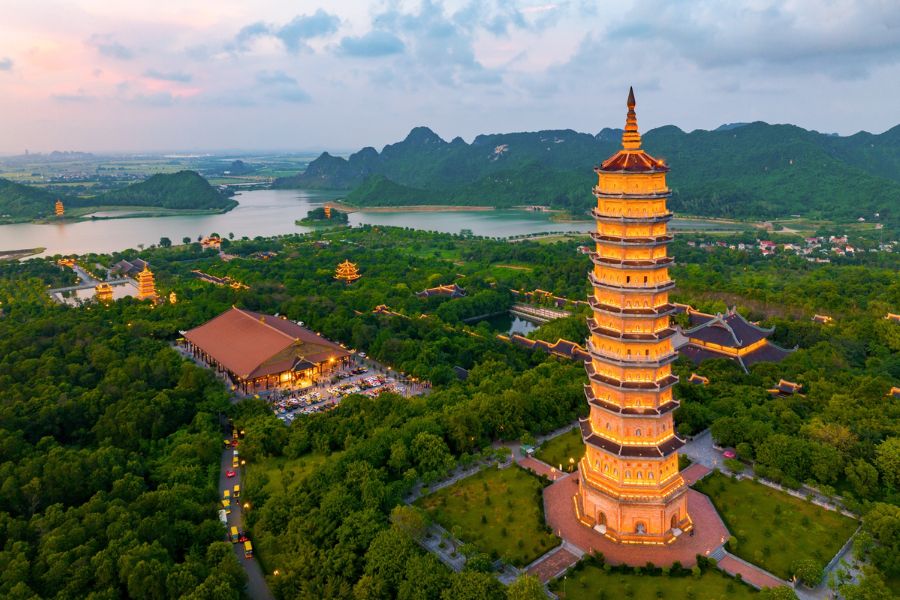
Ninh Binh is a beautiful province in northern Vietnam

For budget travelers, Vietnam is one of the most affordable countries. This would mean backpackers staying in hostels or guesthouses, eating locally from street vendors, and using public means of transport can comfortably travel at a fee of USD 25-40 per day. This budget will still accommodate sightseeing, local experiences, and occasional tours.

Mid-range travelers can budget around 50-80 USD daily, which covers hotel stays, air-conditioned hotel rooms, food from local restaurants, as well as domestic flights and hotel transfers, among other things.

This category is one of the most popular among travelers due to the economical nature of the prices.

For the luxury travelers, Vietnam has a lot to offer in terms of experiences at a fraction of the cost of other popular destinations. With an amount of only USD 120-200+ per day, tourists can indulge in luxurious lifestyle experiences.

Travel Style Average Cost / Day
Budget 25 to 40
Mid-range 50 to 80
Luxury 120 to 200+

Overall, Vietnam is a place where tourists can get good value compared to what they pay for, as the expenses are less, services are affordable, and there are a number of travel options available, enabling tourists to make the most out of what they spend.

Vietnam Visa and Entry Costs

Vietnam has relatively low and easy-to-understand visa and entrance fees for foreign tourists. For instance, the Vietnam e-visa is the most used visa category by foreign tourists. It has an application fee of 25 USD for a one-entry visa and 50 USD for a multiple-entry visa, which can last for up to 90 days. The application procedure is entirely online, thus very cost-effective.

In addition, Vietnam also has a visa exemption program for citizens of certain countries, where the stay can vary from 14 to 45 days, with no visa fee applicable.

At the airport, travelers do not have extra entry fees in most instances, apart from the normal immigration procedures. However, some services, such as fast-track immigration or airport assistance, may attract additional costs.

To save on visa costs, travelers should apply directly through the official government website, avoid third-party agencies, and check visa exemption eligibility before planning their trip.

Transportation Cost In Vietnam

Transportation in Vietnam is diverse, affordable, and well-developed, which allows travelers to easily move between cities or explore locally without having to overspend. From overseas arrivals down to domestic travels, there’s something to suit every budget level when it comes to finding options.

travel in vietnam by car

International Flights to Vietnam

The prices of international flights to Vietnam differ depending on the place of departure and travel seasons. On average, flights from the United States to Vietnam cost between 700 and 1,200 dollars, while flights from Europe could cost between 600 and 1,000 dollars. Some of the major airports for entry into Vietnam are Hanoi (HAN), Ho Chi Minh (SGN), and Da Nang (DAD).

The best time to book cheap flights is 2-4 months before the trip, especially long-haul flights. The best time to book cheaper airfares is during the shoulder season, i.e., April-May and September-October, as these periods offer cheap flights compared to the peak season, i.e., summer and holidays.
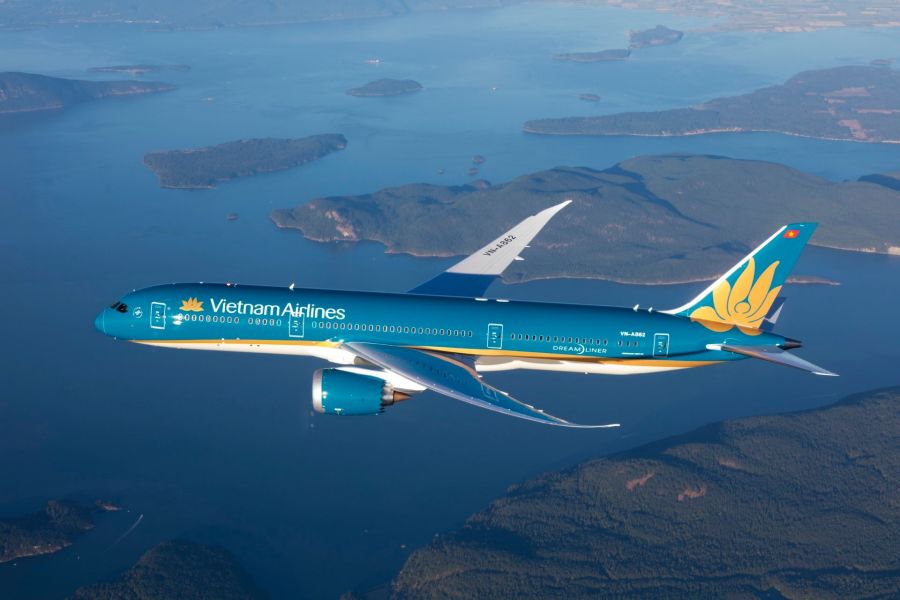
travel to vietnam by flight

Domestic Transportation

Vietnam’s transportation infrastructure for internal travel is cheap and efficient. Flights are perfect for long-distance travel. For example, flights cost between 30 and 80 USD for a one-way ticket if you book them in advance. Flying saves much time for people whose schedules are limited.

For scenic travel, one of the options taken into consideration by tourists is the train, particularly on the North-South route. The train fare for this route ranges between 15 and 60 dollars, depending on the type of seat used. For bus travel, which is the cheapest mode of transportation between cities, the fare ranges between 8 and 25 dollars.

Within cities, grab, taxis, and motorbike rental options are very cheap. Grab rides are priced between USD 1 and 5 for short trips, while motorbike rental per day ranges between USD 5 and 8.

Transportation Type Average Cost
Domestic flight (one-way) 30 to 80
Train (long distance) 15 to 60
Sleeper bus 8 to 25
Grab / Taxi (short ride) 1 to 5
Motorbike rental (per day) 5 to 8

Overall, Vietnam’s low transportation costs are a key reason why travelers can explore more destinations while staying well within budget, reinforcing its reputation as a true value-for-money destination.

Accommodation Cost In Vietnam

Vietnam is a country that provides a variety of accommodation options at highly competitive prices, thus offering visitors ample choice when it comes to finding a comfortable place to stay. Compared to other Asian travelers, Vietnam has a better-than-expected standard of accommodation based on its price level.

Budget Accommodation

For backpackers, there are a number of hostels and homestays throughout major cities and tourist areas. Most dormitory beds cost between USD 6 and USD 12 per night, while private rooms in guesthouses or homestays cost from USD 12 to 25. Yet, for such low prices, many of these budget accommodations are clean, centrally located, and include free Wi-Fi and air conditioning, not to mention warm, locally run hosts. This makes them perfect for backpackers and solo travelers looking to save money without sacrificing basic comfort.

Mid-Range Hotels

Travellers who are on the mid-range will find that the hotels in Vietnam with a 3-4 star rating offer the best value. Expect the hotels to cost between $30 and $70 per night. This type of hotel usually comes with modern amenities such as daily housekeeping, lifts, breakfast, pools, and professional staff. Hotels in the major cities of Hanoi, Ho Chi Minh, and Da Nang are particularly luxurious compared to the same-rated hotels in other countries.

Upscale Hotels & Resorts

What really sets Vietnam’s luxury accommodation apart, however, is the offering of high-quality experiences at relatively affordable rates. City luxury hotels range from USD 90-180 per night, while beachfront resorts in destinations like Phu Quoc, Nha Trang, and Da Nang generally go for USD 120-300+ per night. Spacious rooms, fine dining, spa services, private beaches, and personalized hospitality can be expected, quite often, at a fraction of the price compared to other luxury options in Asia.
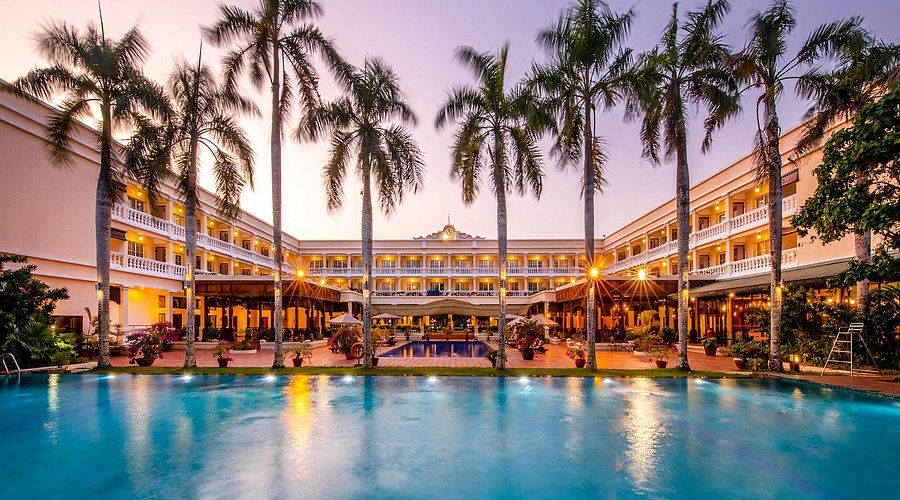
Victoria Can Tho Resort

Accommodation Type Average Price
Hostels / Homestays 6 to 25
3–4 Star Hotels 30 to 70
Luxury City Hotels 90 to 180
Beach Resorts 120 to 300+

In summary, Vietnam promises world-class accommodation for the price. From hostel-style stays to five-star resorts, tourists experience superior levels of accommodation quality and value for money – another factor that further solidifies Vietnam as a value-for-money travel destination.

Food & Drink Cost In Vietnam

Food is actually one of the biggest attractions in Vietnam, and the good news is that it can be enjoyed on any budget, ranging from street food to high-end restaurants and coffee

Street Food & Local Eats

The best value for money can be found in Vietnamese street food and local eateries. Popular dishes such as phở, bánh mì, and bún chả usually cost between USD 1.5 and 3 per serving. Even in small family-run restaurants, a full local meal will rarely cost more than USD 4-5. These restaurants are not only an affordable option but also a cultural experience; no wonder they are travelers’ favorites.
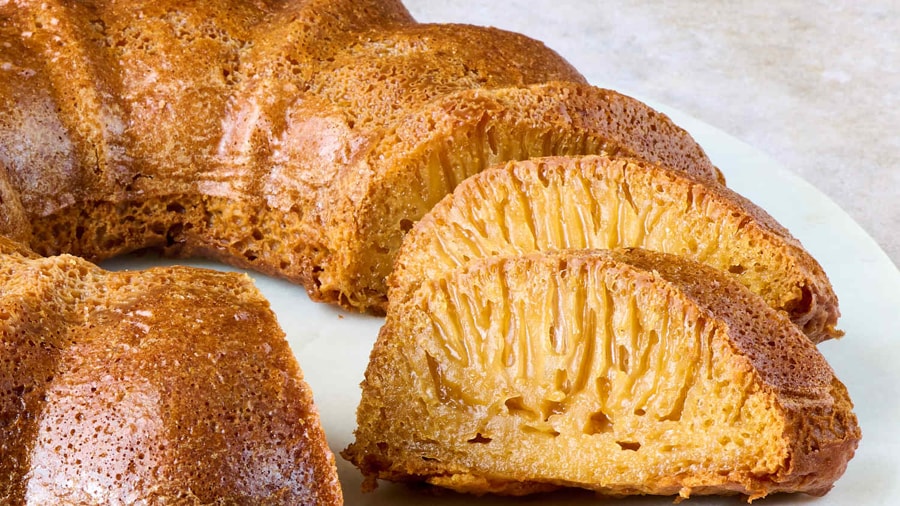
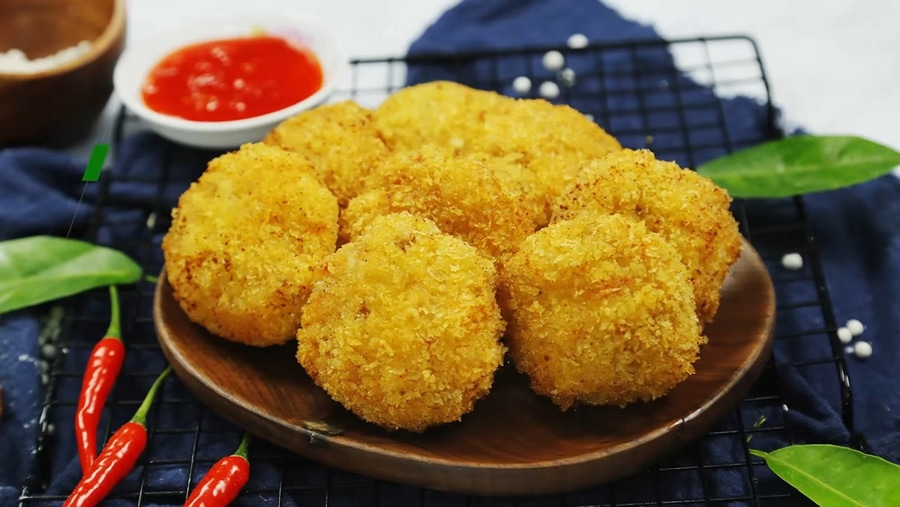
Honeycomb cake is one of Vietnam's most famous sweet treats

Restaurants & Cafés

Moreover, for those who prefer to dine in restaurants, Vietnam is still an affordable place. It takes only USD 5-10 per meal for those who dine in local sit-down restaurants. Moreover, restaurants serving Western food, including Italian, French, or American dishes, are still quite affordable, with an average of USD 10-20 per meal.

Vietnam’s café culture is also quite popular. While the price of Vietnamese coffee is between USD 1 and 2 per cup, the price of coffee/other drinks in modern coffeehouses or bars ranges from USD 3 to 7. Similarly, cocktails in bars are available between USD 4-8, which is relatively low compared to Western countries.

Travel Style Average Daily Food Cost
Budget Travelers 5 to 10
Mid-range Travelers 12 to 20
Luxury Dining 25 to 40

Overall, the food scene in Vietnam promises quality, variety, and affordability. Regardless of the nature of your adventure, you are assured of daily access to quality food without straining your finances. Vietnam is therefore truly the value for money destination.

Sightseeing & Activities Cost

The cost of sightseeing and other activities in Vietnam is generally low. Thus, travelers to Vietnam are able to explore the culture, history, and nature of Vietnam without having to break the bank.

Entrance Fees

Generally, the entrance fees for visiting museums, temples, and other heritage sites are quite low. For visiting museums, the entrance fees are between 1 and 3 USD, whereas for visiting places such as imperial citadels, ancient towns, or those designated by UNESCO, the prices are between 3 and 7 USD. For visiting places such as temples and pagodas, there are no entrance fees, but a donation would be appreciated.

Tours and Experiences

In terms of guided tours and experiences, Vietnam is also relatively inexpensive. For instance, day tours can cost between 25 and 60 USD, depending on the duration of the tour. This could mean the city tour or the countryside tour. Cooking classes are also popular, and the cost of cooking classes can start at 25-45 USD.
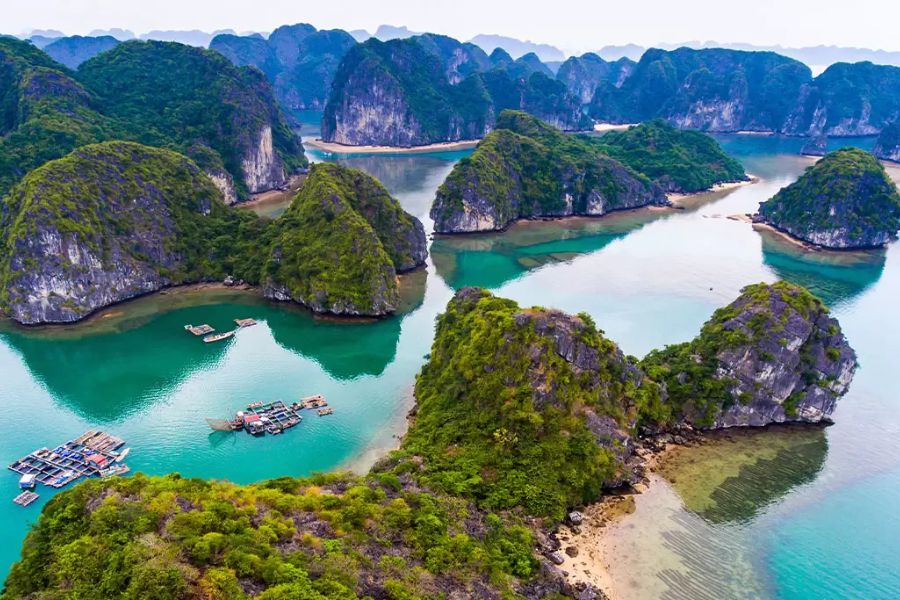
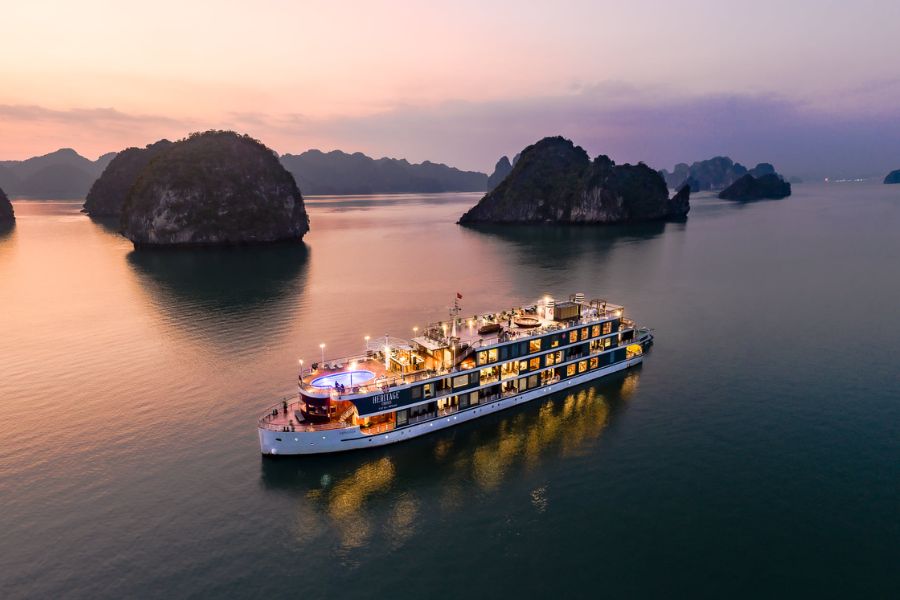
Halong Bay is located in Quang Ninh Province

Outdoor enthusiasts will love to spend time engaging in various activities such as a boat tour, trekking, or kayaking. A boat tour in destinations such as Ha Long Bay or the Mekong Delta costs between USD 20 and 50 for a one-day tour, while trekking excursions cost between USD 30 and 70 daily. Private tours attract a premium price, but they are still quite affordable.

Activity Type Average Cost
Museum entrance 1 to 3 USD
Heritage site tickets 3 to 7 USD
Day tours 25 to 60 USD
Cooking classes 25 to 45 USD
Boat tours / Trekking 20 to 70 USD

Overall, Vietnam’s low sightseeing and activity costs allow travelers to enjoy rich experiences, learn local culture, and explore iconic landscapes while staying well within budget.

Travel Cost by Destination In Vietnam

The cost of traveling in Vietnam varies depending on the area of choice, but irrespective of the place, the cost of traveling is still low. Different places have their own spending patterns; for instance, both city centers and beach resort towns have unique patterns.

Major Cities

Hanoi is one of the cheapest big cities to visit in Vietnam. For budget tourists, daily costs will typically range between 30 and 45 USD, including accommodation, street food, and transportation. Mid-range travelers will need 50-80 USD daily, with luxury accommodation still being relatively inexpensive compared to other Asian capitals.

Compared to other cities in Vietnam, Ho Chi Minh can be a bit pricey, especially because it has a relatively modern way of living and a booming nightlife scene. Budget travelers can expect a daily expenditure of around 35 to 50, whereas mid-range travelers can expect a daily expenditure of around 60 to 90.

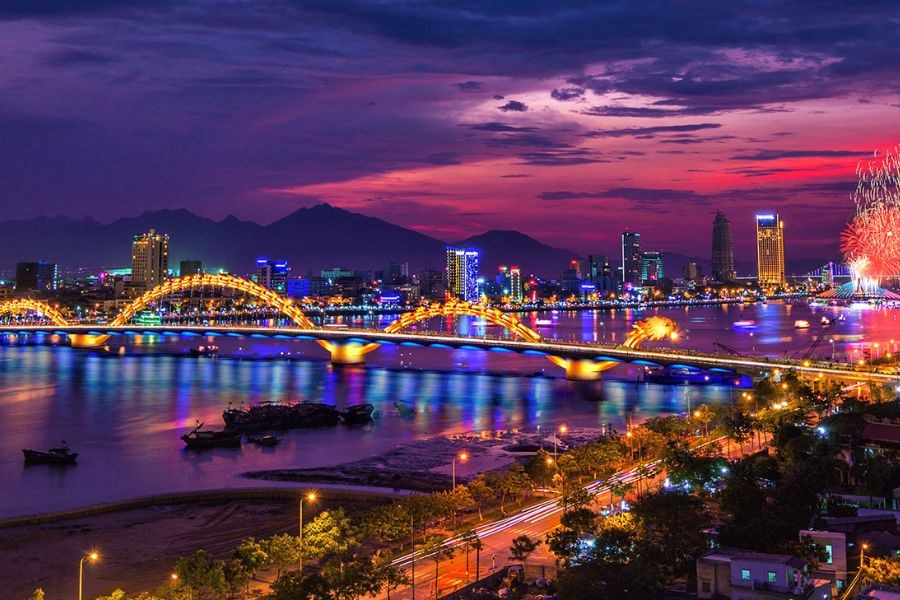
Da Nang, which offers a good balance of urban comfort and beach relaxation, has travel costs per day, on average, ranging from 30-45 USD for budget travelers and 55-85 USD for mid-range travelers. Da Nang has relatively lower costs for accommodations and food than Ho Chi Minh City.

Beach Destinations

Phu Quoc is the most developed beach resort in Vietnam and has many resorts to offer. For a budget traveler, USD 35–50 a day is sufficient, while for a middle-budget traveler, USD 70 to 100 dollars a day is sufficient. Luxury resort prices are steep, but even then, they remain competitive with any international resort.
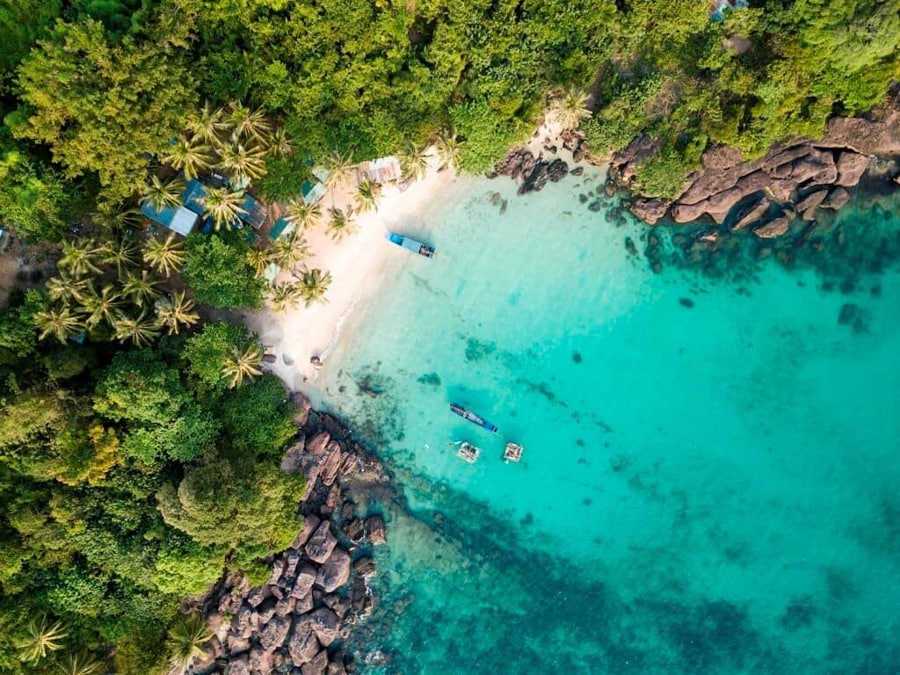
Fingernail Island in Phu Quoc

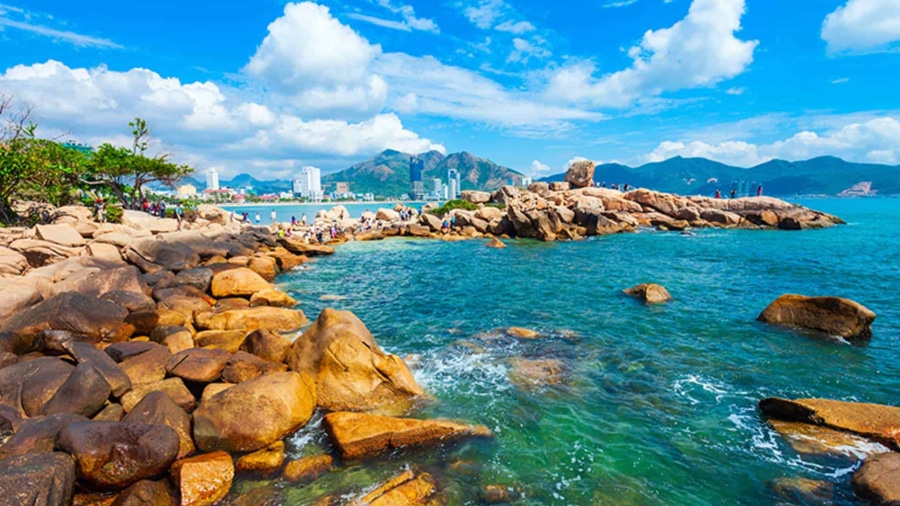
In Nha Trang, tourists can find dozens of affordable beachfront hotels. Additionally, the place provides entertaining activities. Daily expenses in Nha Trang range from 30-45USD for budget tourists and 55-85USD for mid-range tourists, making Nha Trang a good value destination.

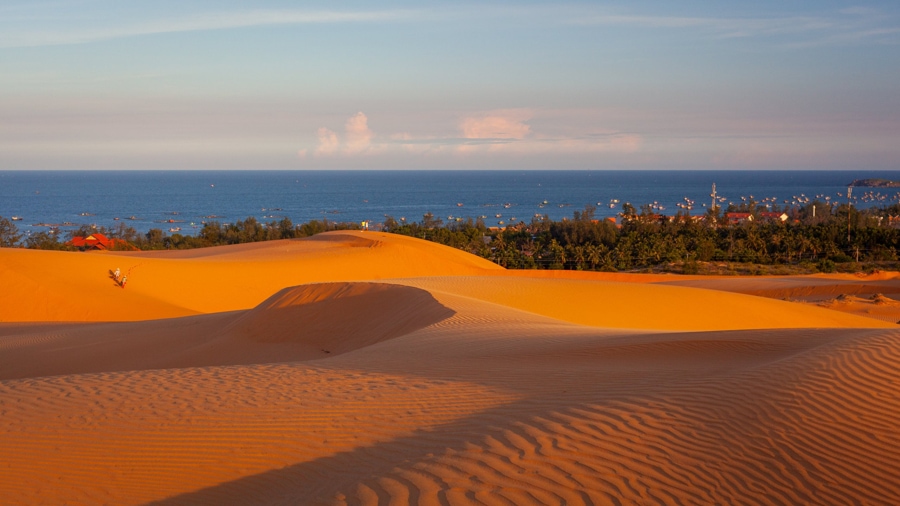
Mui Ne is not as lively or expensive as other beach towns. Budget travelers can spend around USD 28 – 40/day, while those with a mid-range budget should budget around USD 50 – 75/day. It’s a wonderful choice for a relaxed beach holiday.

Overall, irrespective of the destination, Vietnam provides flexibility in terms of pricing and value, which allows tourists to make the most of their visit by exploring a variety of experiences on their tour.

Nature & Cultural Areas

Vietnam is an incredible value for travelers who want to experience the beauty and depth of a culture at a fraction of the cost that many other popular global travel spots can offer. While the northern locations of Sapa, Ha Giang, and Ninh Binh are popular for their mountainous beauty, the central and southern regions offer many different types of travel experiences.
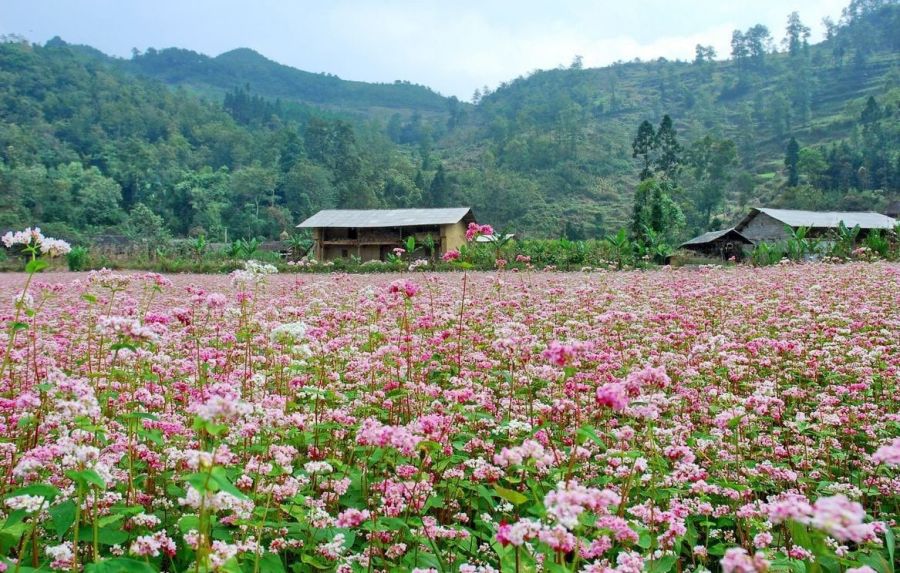
Ha Giang in buckwheat flower season

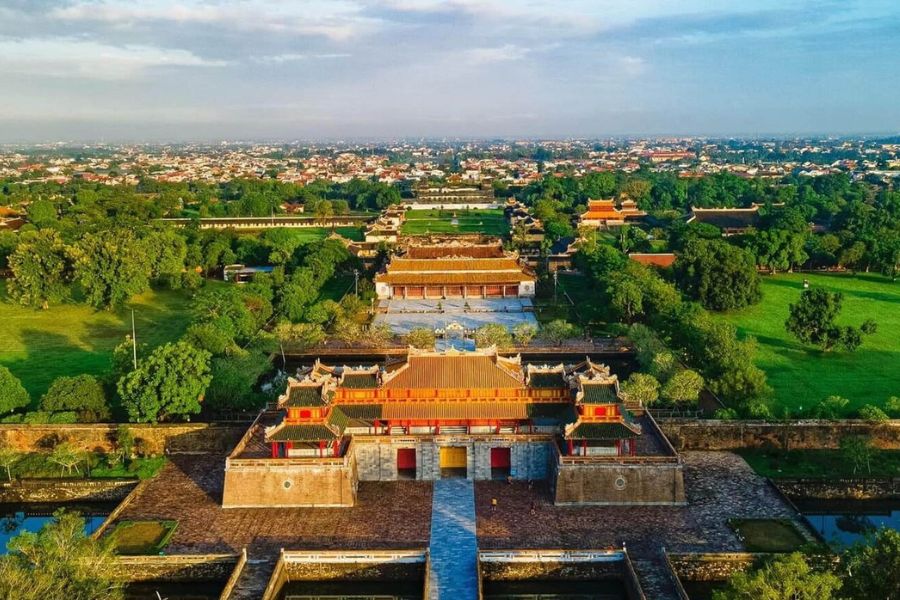
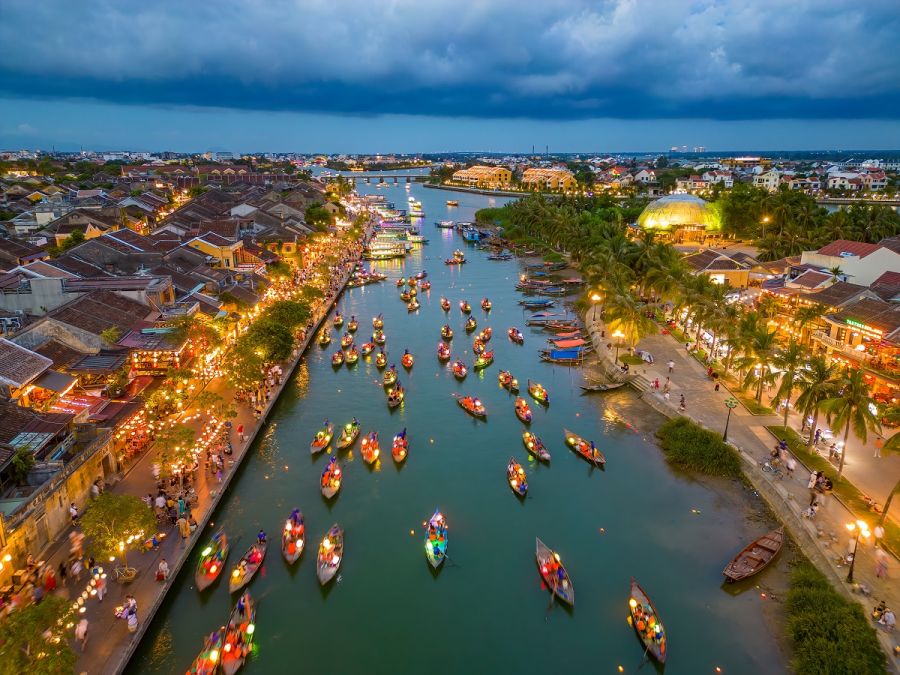
In Central Vietnam, Hue provides imperial heritage and relaxing riverfront living in a budget-friendly setting, while Da Nang and Hoi An offer a beach, cultural, and luxurious living experience in a flexible budget setting. For a beach experience, Nha Trang is recommended, while nature lovers should consider Da Lat for its cool climate and flowers.

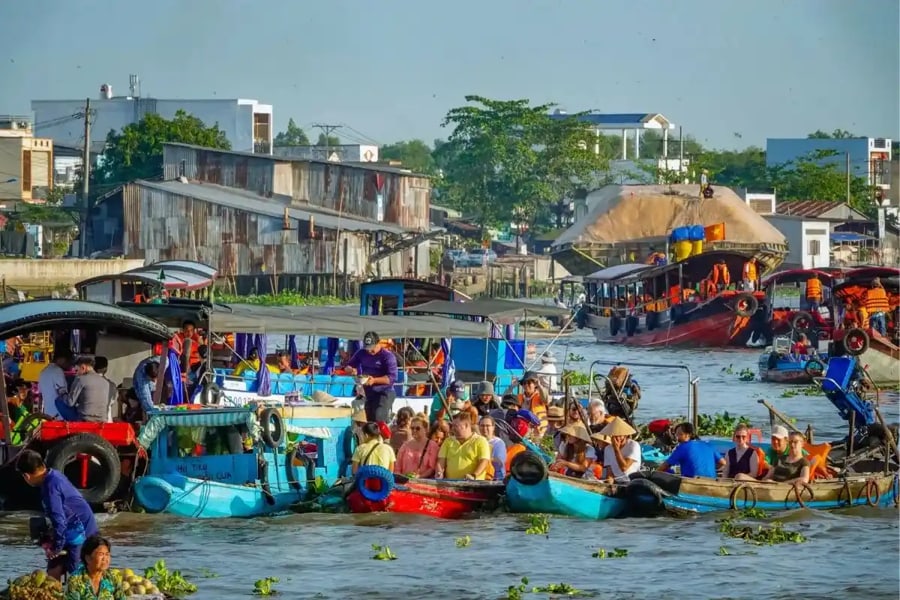
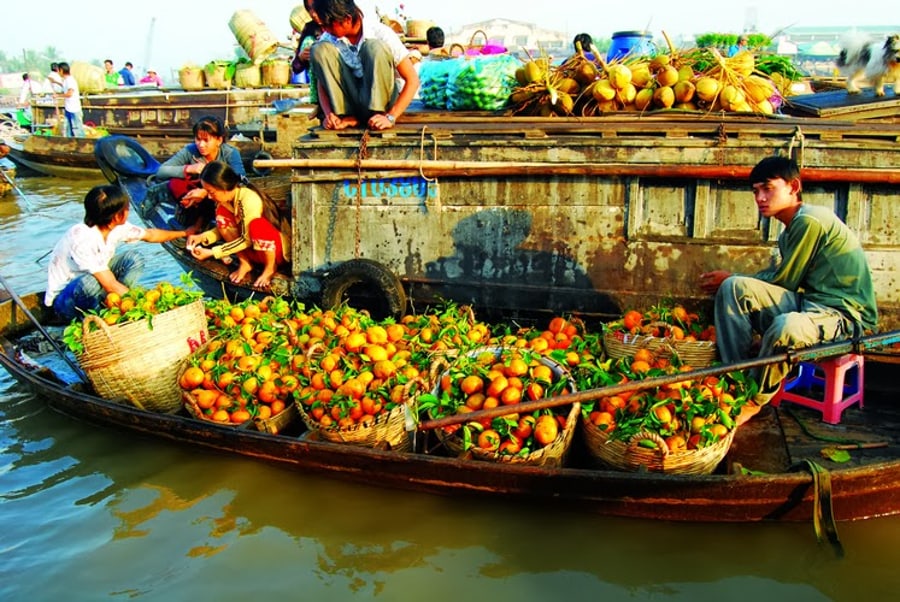
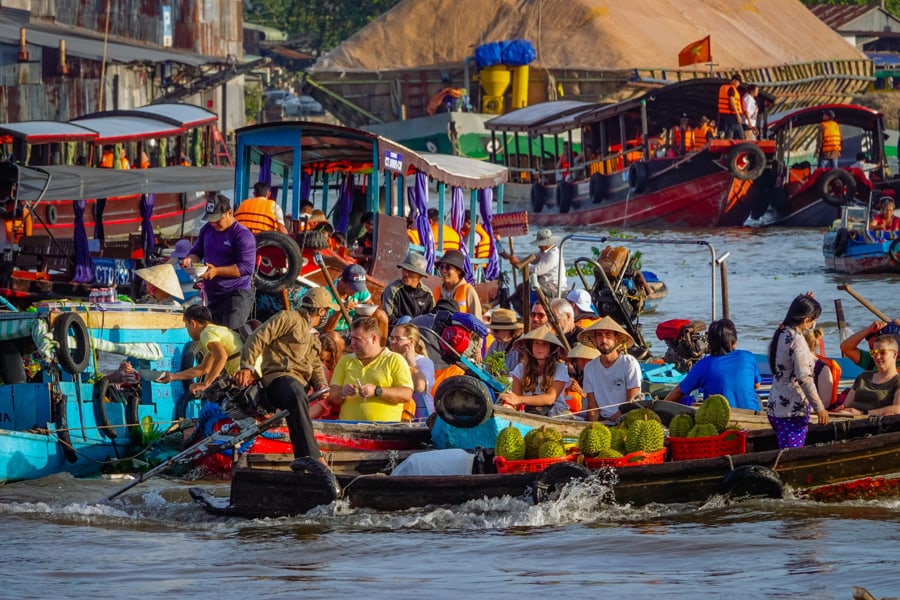
In Southern Vietnam, Ho Chi Minh City is recommended for its dynamic living experience, while the Mekong Delta provides a real river living experience in a very budget-friendly setting. For a beach experience, Phu Quoc is recommended, while a luxurious stay is also available in a budget-friendly setting.

Below is a broader cost overview for the North, Central, and South of Vietnam, including the average daily expenditure in USD:

Is Vietnam Cheap Compared to Other Countries?

Vietnam is known to be a location that provides reasonable and accessible travel costs. In other words, Vietnam is considered to offer value for money without compromising the quality of the experience. It is also important to note that, while making a comparison, Vietnam should not be considered a “cheap” location in a negative context. Instead, it should be considered a location that provides a range of experiences and good infrastructure at reasonable costs without compromising the quality of the experience.

When making a comparison with other countries, Vietnam is considered to be a mid-range location in Southeast Asia. In other words, Vietnam is considered to be a more reasonable location in comparison to Singapore and Japan, where the cost of living is much higher. At the same time, Vietnam is considered to be a slightly more expensive location in comparison to Laos and Cambodia. In fact, for sure, a tour to Laos and Cambodia via Seni World is considered to be a more reasonable option in comparison to a tour to Vietnam.

FAQS About Vietnam Travel Cost

Understanding travel costs is an essential part of planning a smooth and stress-free trip to Vietnam. Below are some frequently asked questions to help you estimate expenses and budget wisely for your journey.

How Much Money Do I Need for 2 Weeks Stay in Vietnam?

On a 2-week trip, a person spends around 500 to 1,100 USD, depending on their style of traveling. Low-budget travelers get by with hostels, street foods, and buses, while medium-budget travelers enjoy better hotels, flights, and guided tours, all without burning holes in their wallets.

Is Vietnam An Inexpensive Place for An American Traveler?

Yes, Vietnam is quite affordable for American travelers, and this is because of the good exchange rate and the cost of living in the country. Everything, whether it is food, lodging, transport, or other activities, is quite different and lower compared to the USA.

Is It Possible to Travel to Vietnam for 30 to 40 Per Day?

Although such a budget may be sufficient for backpackers who choose to stay at basic hostels, eat street food, and use public transport, for travelers who seek comfortable accommodations, experiences, and service, such a budget would not be sufficient.

However, for travelers who choose to stay at boutique hotels, use private transport, and go on guided cultural tours, a greater daily budget would be more feasible. At Seni World, we offer carefully crafted travel experiences that focus on quality, exclusivity, and authentic luxury, ensuring that your Vietnam experience is not only memorable but exceptional.

Final Thoughts: Is Vietnam Worth The Cost?

A perfect example of this is Vietnam, which validates that it is possible to have an unforgettable travel experience without necessarily breaking the bank. With its very affordable rates per day, infinite variety of destinations, and excellent value for money for all travel needs, Vietnam has something to offer for every class of traveler. From cultural explorations, verdant nature escapes, beach vacations, or any travel pursuits you might have, Vietnam has an array of experiences to share. And if you are looking for an economical but fulfilling experience, then travel to Vietnam at this perfect time, with Seni World.

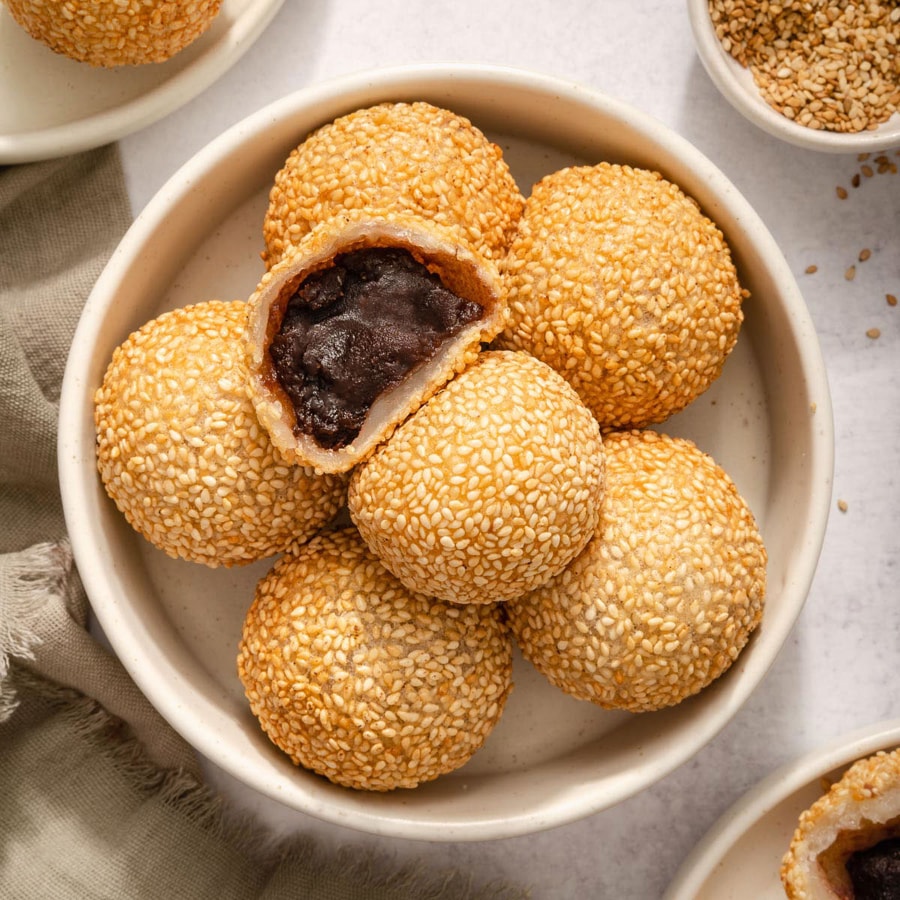
18 Must-Try Vietnamese Dessert Recipes for Sweet Lovers

Vietnamese dessert scenes provide a delightful contrast to the lush jungles, rivers, and tropical beaches of the region. Large areas of golden dunes, a windy atmosphere, and seemingly endless open spaces provide a peaceful scene that is almost surreal, creating a setting that is totally out of this world from the pace and chaos of the cities, with the serene atmosphere of the dessert a delight for travelers to uncover as they explore these natural surroundings. Trying Vietnamese desserts is not only a pleasure for your taste buds but also a simple, authentic way to connect with Vietnam during your travels.

Sweet Cakes

Honeycomb Cake

Honeycomb cake is one of Vietnam’s most famous sweet treats. It is famous for its unique sponge-like texture that is reminiscent of a honeycomb. The ingredients include rice flour, tapioca starch, sugar, coconut milk, and yeast or baking powder.

Honeycomb cake is one of Vietnam's most famous sweet treats

The mixture is then fermented before baking to produce its characteristic sponge-like interior. The sweetness is moderate but is balanced by the richness of coconut cream and a touch of caramel from the golden top crust. When you take a bite of honeycomb cake, you would be surprised by its soft and springy texture that is reminiscent of a sponge cake. It is best served fresh and warm and is perfect with tea or coffee.

Sesame Balls (Donuts)

Sesame balls consist of glutinous rice pastry balls that are deep-fried and coated with white sesame seeds, creating a snack that’s especially popular in street food stalls across Vietnam, even in markets near the windswept Vietnamese dessert regions. They are known for their crunchy exterior and chewy texture inside, made from a simple dough of glutinous rice flour, a hint of sugar, and water. The dough is shaped into round balls, rolled generously in sesame seeds, then fried until golden brown and crisp.

Sesame Balls (Donuts)

The taste is a wonderful combination of the fragrance of sesame seeds and the sweetness that is comforting to the palate. They are best served hot or warm and would be ideal as a quick snack or a sweet treat after a meal.

Banana Cake

Vietnamese banana cake is a sweet dessert that is rich, creamy, and fragrant, with a texture that is tender and melts in your mouth. Unlike banana bread, which is a typical dessert in Western countries, the Vietnamese version is sweeter and has a stronger fragrance. To make the cake, ripe bananas are used, which are mashed or cut up and incorporated into the mixture. These add natural sweetness to the cake.

The mixture is then steamed or baked, and the result is a sweet dessert that is best served warm. To add to the culinary delight of the banana cake, a cup of Vietnamese coffee or tea is the perfect accompaniment.

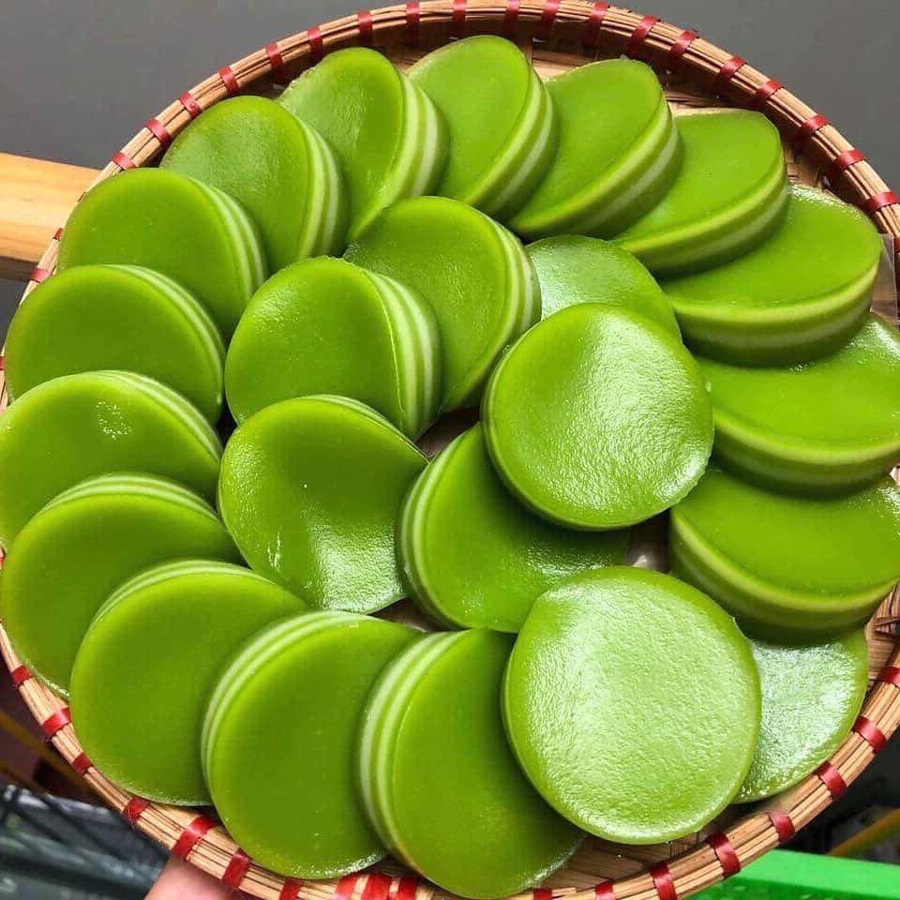
Pig Skin Cake

Pig skin cake is a steamed layered cake that is well-known for its green and yellow striped appearance, usually made with a combination of tapioca and rice flour with the juice of pandan leaves to give the green color, as well as mung bean paste to give the cake the yellow color.

Pig skin cake is a steamed layered cake

The cake does not contain any pork, as the name might imply, but the texture of the cake is smooth and slightly chewy, much like the texture of pig skin, hence the name. The cake has a mild sweet taste with the fragrance of pandan leaves and the creamy taste of mung bean paste, making a delightful combination of sweet and savory flavors.

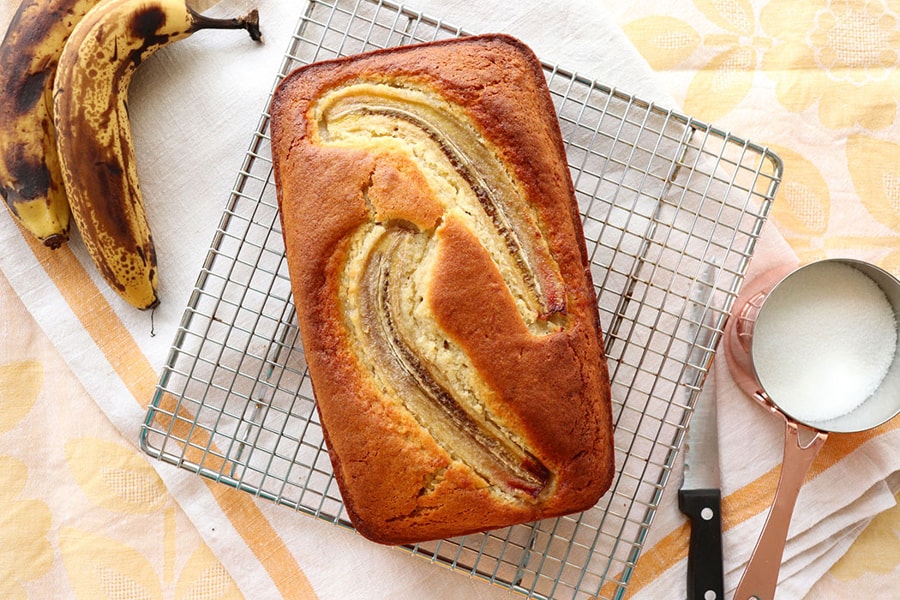
Baked Banana Cake

Baked banana cake is a very rich and aromatic Vietnamese sweet treat. It is made from bananas, condensed milk, eggs, sugar, butter, bread, or flour, thereby giving it a bread pudding-like texture. Bananas, when mature enough, are mashed together with these ingredients, put into the oven, and then baked until the surface turns golden brown.

Baked Banana Cake

Baked banana cake has the bananas’ tropical taste, which complements its custard-like flavor. The best way to enjoy banana cake is warm, straight out of the oven. As banana cake benefits from being served hot, this feature increases its temptation since it smells so good when fresh from the oven.

Mung Bean Cake

Mung bean cake is a classic Vietnamese sweet known for its smooth, fine texture and naturally gentle sweetness, often sold in local bakeries and small roadside stalls, even in towns near the Vietnamese dessert where simple traditional treats remain part of everyday life. It is made from peeled mung beans that are steamed until soft, then mashed and blended with sugar and sometimes coconut milk to create a creamy, fragrant paste. Some versions are wrapped in a thin layer of wheat flour or tapioca starch, while others are molded into dense, compact blocks that hold their shape well.

The taste is rich with a light sweetness and earthy, creamy undertones, which let the natural taste of the mung beans come through. Brew a cup of tea, and serve with the Mung Bean Cake – a classic dessert to be served on festive and special days, or as a sweet indulgence on an otherwise ordinary day!

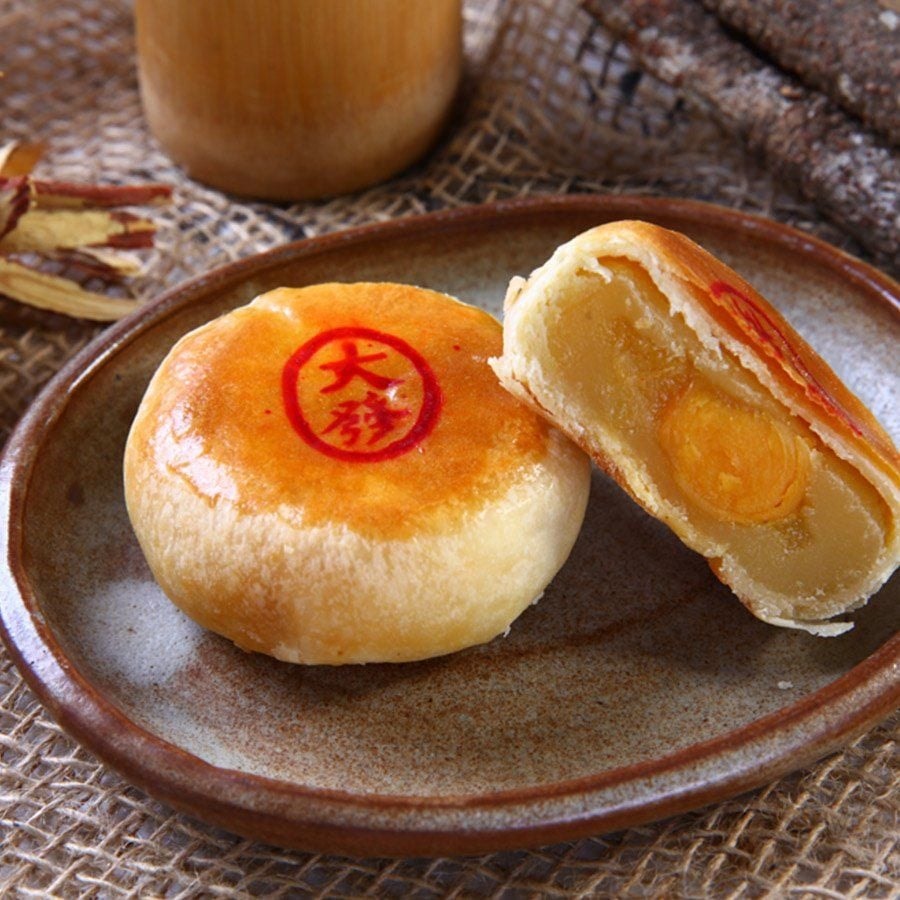
Pia Cake

Pia cake, also called durian mooncake in some places, consists of a flaky pastry crust that is rich and multi-laminated. It comes with a creamy filling that at times consists of durian, mung bean, salted egg yolk, or taro. This type of pastry gets its dough by laminating it, just like puff pastry. The texture of this particular pastry is therefore light and crisp. It comes at a time when other pastries are too rich. Durian comes with a rich aroma and sweetness, while others offer moderate flavors.

Pia cake, also called durian mooncake in some places

However, the combination of pastry and filling makes this a luxurious dessert indeed, both indulgent and unforgettable. Perfect for sharing, this Pia cake would go great with some hot tea, especially for the more adventurous dessert lover out there.

Creme Caramel

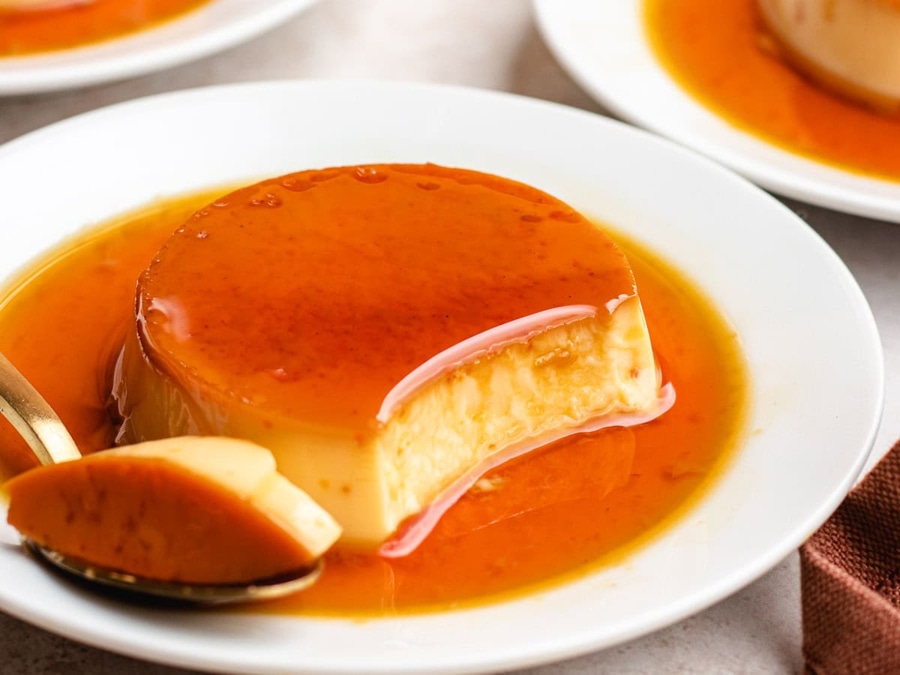
Crème caramel, also called Bánh Flan or Caramen, is a popular Vietnamese dessert that combines the flavors of both France and Vietnam. It is prepared using simple ingredients such as eggs, milk, sugar, and condensed milk, which are whisked together to create a smooth custard texture. The dessert also features a caramel sauce prepared from melted sugar, which is cooked until it turns golden brown and then added to the custard mixture and steamed until set.

Crème caramel, also called Bánh Flan or Caramen

This dessert is extremely smooth, jiggly, and has a melt-in-your-mouth texture. It has a creamy, sweet flavor with a hint of bitterness from the caramel sauce on top. It is best served chilled and can be accompanied by crushed ice, coffee, and coconut milk for a richer Vietnamese dessert.

Che Vietnamese Dessert (Sweet Soup)

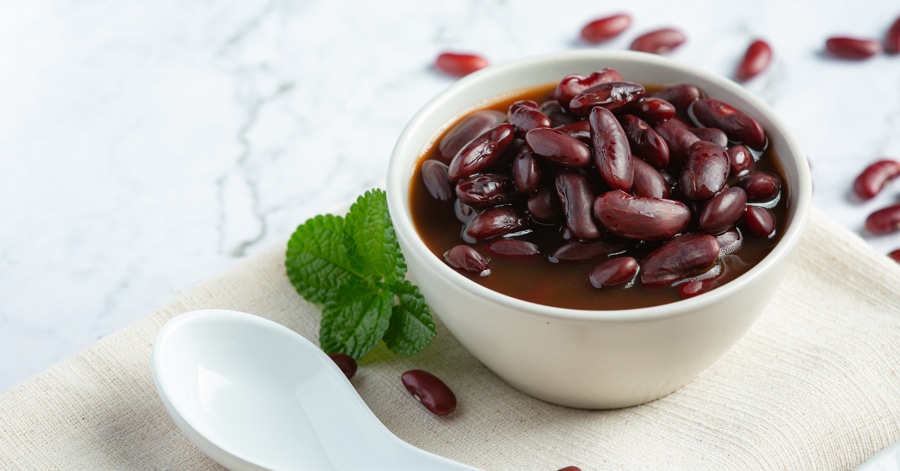
Red Bean Sweet Soup

Red Bean Sweet Soup is a famous sweet dessert from Vietnam that appears to be simple yet very comforting at the same time. This dish consists of red adzuki beans cooked with rock sugar over a slow fire until they are softened and very sweet, sometimes with a hint of pandan for a delicate aroma. There are also times when they add a cup of coconut milk just before serving to add richness and creaminess to this comfort dessert with very soft and sweet red bean paste that is not too sweet but just enough to end a very heavy meal.

Red Bean Sweet Soup

You can enjoy it warm on cool days, or chill it with some ice to help you escape the tropical weather. It can be served with a drizzle of coconut cream, some sesame seeds, or a scoop of ice cream.

Three-Colored Sweet Dessert

Three-Colored Sweet Dessert is one of the standout sweet soups that is very visually appealing, with a beautiful arrangement of green pandan jelly, yellow mung bean paste, and red beans, topped with ice and sweet coconut milk. Each one is prepared separately: pandan jelly is made from pandan juice and tapioca flour, while mung bean paste is cooked until creamy and sweet, and red beans are simmered in water until they are cooked through. Combining them together inside a glass or bowl creates a rainbow effect.

The dessert has a delightful mixture of textures: chewy jellies, bean paste, and tender, warm beans, which is offset by the coolness of the ice and milkiness of the milk. The dessert is best had on hot days. Apart from this, it is both refreshing and satisfying, allowing one to choose the degree of sweetness.

Lotus Seed Sweet Soup

Lotus Seed Sweet Soup is a refined dessert that can be recognized due to the mild taste and soothing vibe it carries within itself. The base of the dish begins with lotus seeds that are peeled and cooked until soft, then sweetened with sugar. Some versions of the dish include pandan leaves while cooking the lotus seeds for added fragrance.

The final product, therefore, becomes a light, sweet broth, silky smooth, with tender lotus seeds that have a hint of nuts. It looks more elegant when compared to richer desserts, providing a soothing, serene end to a meal, as well as a peaceful indulgence on a quiet afternoon. It can be savored hot, particularly as the hot temperatures bring out the aroma, or cold with ice, providing a soothing treat on hot days.

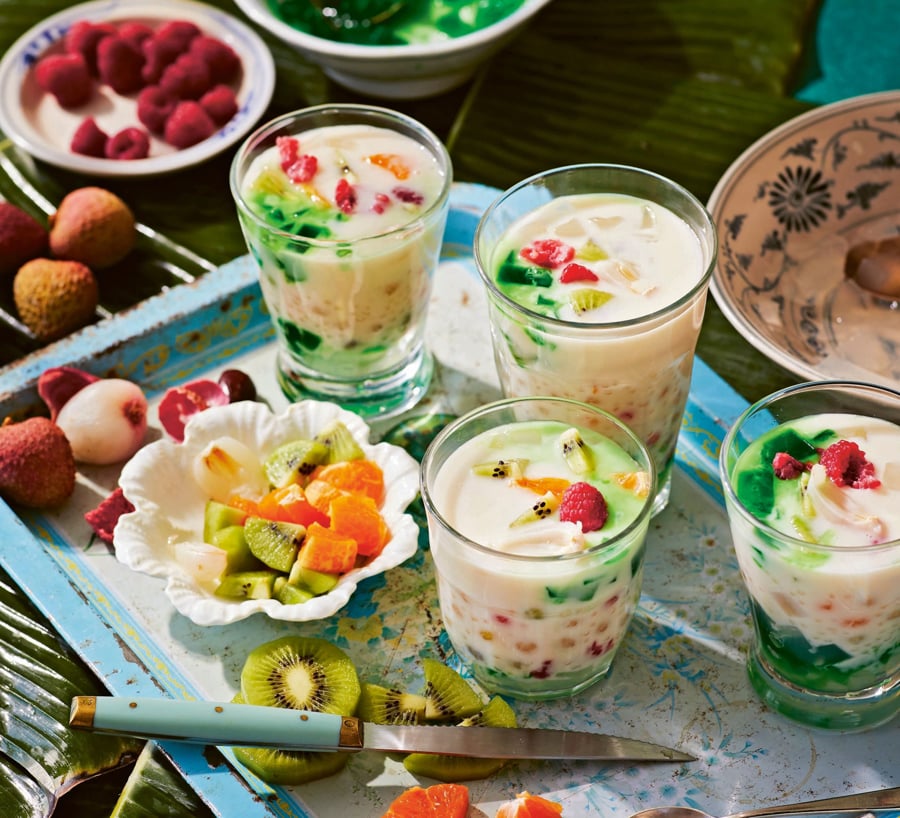
Vietnamese Fruit Cocktail

Vietnamese Fruit Cocktail is a vibrant sweet soup, with a colorful mixture of tropical fruits that may include jackfruit, longan, lychee, and mango, but sometimes includes banana or coconut jelly. To prepare these fruits, they are mixed in a sweet liquid made from coconut milk, sugar, and sometimes pandan leaves for added fragrance. The fruit pieces will stay fresh and juicy, providing a refreshing contrast with the creamy coconut base.

Vietnamese Fruit Cocktail

The flavor is a delightful balance of the natural sweetness of fruits and the richness of coconut flavors, along with several textures within every spoonful. Served cold, this sweet soup is a cool, fruity dessert-perfect on hot days and ideal for those who love tropical flavors with lighter desserts.

White Cloud Dessert

White Cloud Dessert is a soft and milky sweet soup made with tender taro cubes, chewy rice flour jelly, sugar, and rich coconut milk. The taro is boiled until fork-tender, then gently simmered with sugar to create a naturally sweet, starchy base before coconut milk is added for a creamy texture and subtle nutty flavor. This comforting dessert is commonly found at street stalls and local eateries across Vietnam, even in small towns near the Vietnamese dessert, where a cool bowl of sweet soup offers welcome relief from the heat.

The name White Cloud is inspired by the floating texture of the soup in the bowl. It is light in texture but rich in taste. White Cloud is a great dessert for people who like sweet and comforting flavors with a smooth texture.

Pomelo Sweet Soup

Pomelo Sweet Soup is another Vietnamese dessert that has a totally refreshing taste of citrus zest blended with sweet soup delight, made with pomelo peel that has been soaked, blanched, and then simmered with mung beans, sugar, and coconut milk, with all the ingredients blended together.

At times, tapioca pearls or crushed ice may be added for better texture and additional cold refreshment. The fragments of pomelo offer a bitter contrast and aromatic taste that cuts through the sweetness, making every spoonful of this cold dessert refreshing and highly complex. Not only that, the creamy coconut base has a lovely counterpoint with the light citrus flavors, making this dessert exotic and yet somehow familiar. Cold and refreshing, Pomelo Sweet Soup can be very delightful on hot days as an aromatic end to any meal.

Mixed Fruit Dessert

Mixed Fruit Dessert is a sweet and refreshing Vietnamese dessert soup that offers a variety of tropical fruits and chewy toppings all in one bowl. The ingredients are fresh and include jackfruit, longan, lychee, mango, watermelon, and sometimes banana or avocado, as well as jelly, tapioca, or grass jelly for added texture. The fruits are cut into bite-sized pieces, layered with crushed ice, and topped with sweet and creamy coconut milk or light sugar syrup.

It is a sweet and creamy flavor with a fruity taste, with a variety of textures that are crunchy, chewy, and smooth with every spoonful. This dessert is best enjoyed when chilled, making it an ideal treat for a hot day, as well as a refreshing snack after a meal.

Ice Cream and Yogurt

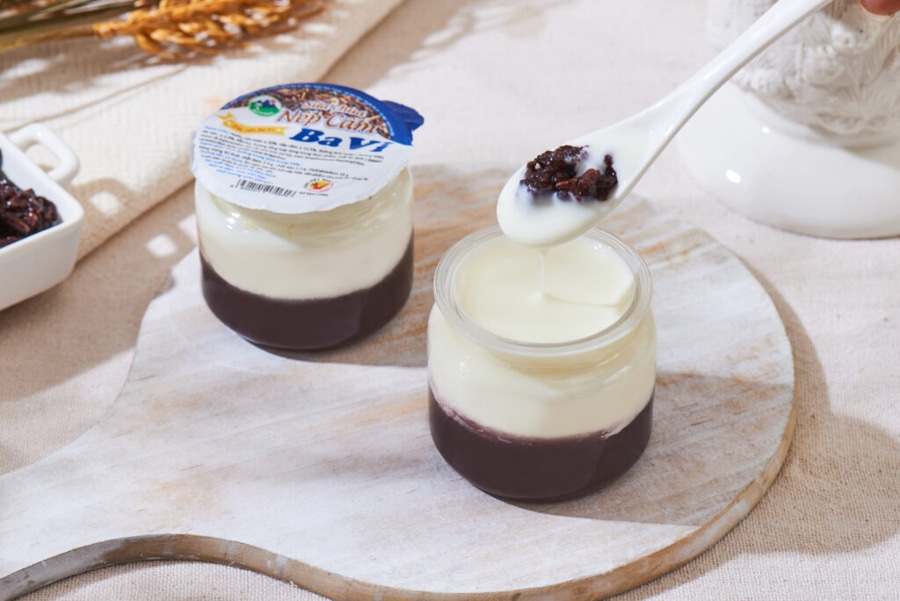
Purple Sticky Rice Yogurt

The purple sticky rice yogurt is a tasty combination of tangy yogurt and sweet, nutty rice. It contains steamed purple sticky rice, which has been mixed with cold Vietnamese yogurt, a thick and tangy yogurt that has a richer taste compared to yogurt consumed in Western countries. The purple rice has been sweetened with sugar and some coconut milk, giving it a silky texture. When combined, this dessert has a great combination of textures, with the chewy rice being balanced with cold, silky yogurt.

Purple Sticky Rice Yogurt

The taste of this dessert is refreshing and soothing, with an earthy taste of rice that complements the yogurt nicely. It should be consumed cold on a hot day, especially with a scoop of crushed ice or some sweet coconut syrup on top.

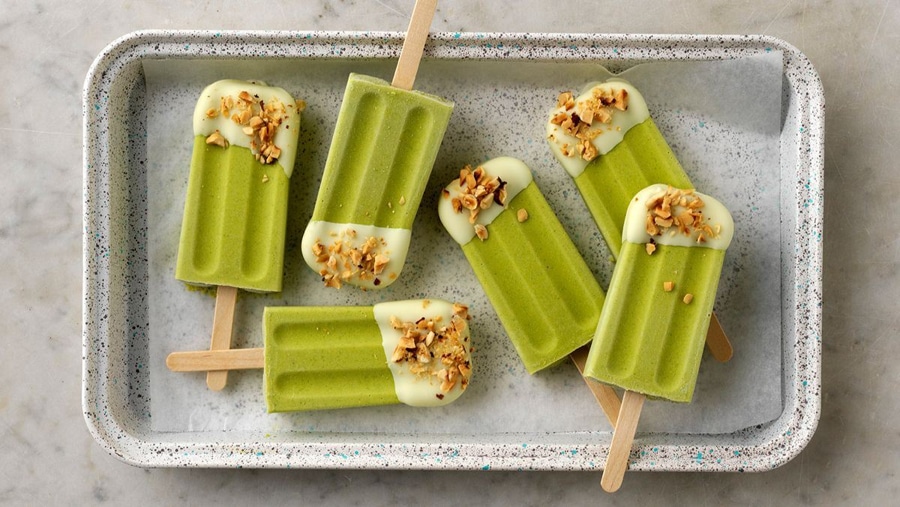
Sticky Rice Ice Cream

The idea of making sticky rice ice cream is an interesting one that incorporates familiar Vietnamese foods in a new way. It’s made using coconut milk, which is often sweetened, mixed with sticky rice that’s been mashed or blended with cooked rice kernels. The mixture is then converted into an ice cream.

Some recipes also include pandan or coconut cream for extra flavor. The sticky rice is also mixed into the ice cream. This provides an interesting texture that’s both chewy and cold. The ice cream tastes like coconut milk, which is sweet, and the inclusion of sticky rice provides a surprise. It’s an interesting dessert that’s perfect on a hot afternoon.

Avocado Ice Cream

Avocado ice cream is a rich, smooth dessert that is very popular throughout Vietnam, particularly from street vendors or on the beach. Avocados are combined with sweetened condensed milk, coconut milk, and sometimes a little bit of sugar or vanilla before being churned or frozen to make a creamy, smooth, and indulgent ice cream.

Avocado Ice Cream

The avocado ice cream is sweet with a hint of buttery avocado that melts in your mouth, making for a delightful combination of sweet and savory. Avocados are naturally rich, so ice cream does not require the addition of heavy cream to make it rich. Avocado ice cream is best served cold on a warm day, although it may be served with coconut flakes or fruit for an additional tropical twist.

Final Thoughts

The Vietnamese dessert is a surprising aspect of the country that travelers never get to see. From the sandy dunes to the sunset, the scenic views of the coastline, thesse dessert is a quiet retreat away from the crowds of tourists. Whether you are a fan of sunrise or sandboarding, the Vietnamese dessert is a unique experience for travelers. It is a place where nature is unspoiled, vast, and unparalleled. Let Seni World introduce you to the hidden gems of the dessert of Vietnam.

Vietnamese Flowers – Cultural Symbols Blooming Across Vietnam

Vietnamese flowers reflect the natural beauty, culture, and traditions of Vietnam. From delicate blossoms symbolizing purity to vibrant blooms representing prosperity and resilience, they appear in festivals, art, and daily life. Each flower carries a unique meaning, revealing the country’s deep connection to nature and seasonal change.

Introduction About Vietnamese Flowers

Flowers are an essential part of life and culture in Vietnam, woven deeply into traditions, celebrations, and everyday moments. From quiet rural villages to vibrant modern cities, flowers appear everywhere, decorating homes, honoring ancestors, and marking important ceremonies. Beyond their beauty, Vietnamese flowers reflect philosophy, symbolism, and emotional expression, making them especially fascinating to international visitors. Each bloom tells a story of resilience, purity, love, or renewal, shaped by history and seasonal rhythms. For travelers, discovering Vietnam through its blooming landscapes offers a unique cultural journey. Explore the country’s stunning flower seasons and meaningful traditions with Seni World for an unforgettable experience.

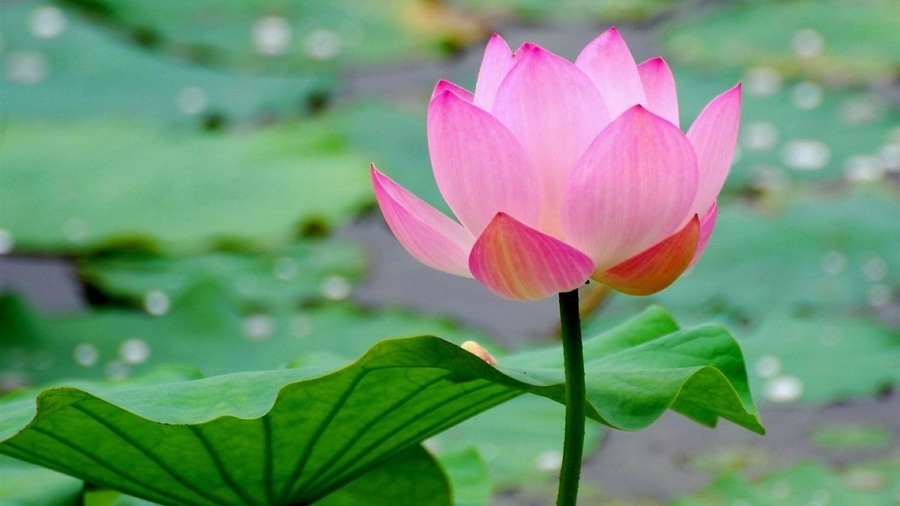
The National Flower of Vietnam – Lotus Flower

The lotus flower is widely regarded as the national flower of Vietnam, although it has not been officially approved by the government. Despite this, it holds deep cultural and spiritual importance and is strongly embraced by the public as a symbol of national identity. The lotus grows in muddy water yet rises above the surface to bloom beautifully, representing purity, resilience, and inner strength, qualities many Vietnamese people value in life.

The National Flower of Vietnam - Lotus Flower

For centuries, the lotus has appeared in poetry, art, architecture, and religious traditions. It is especially significant in Buddhist culture, where it symbolizes enlightenment and spiritual awakening. The flower’s elegant form and gentle fragrance also make it a common motif in traditional design, from temple carvings to everyday decorative items. Even Vietnamese cuisine celebrates the lotus, using its seeds, roots, and tea for both flavor and health benefits.

Traditional Flowers of The Vietnamese New Year

The Vietnamese New Year is a celebration of renewal, beauty, and hope, where nature plays a meaningful role in welcoming fresh beginnings. Among festive decorations, traditional flowers carry deep symbolism, shaping the atmosphere of joy and spiritual harmony.

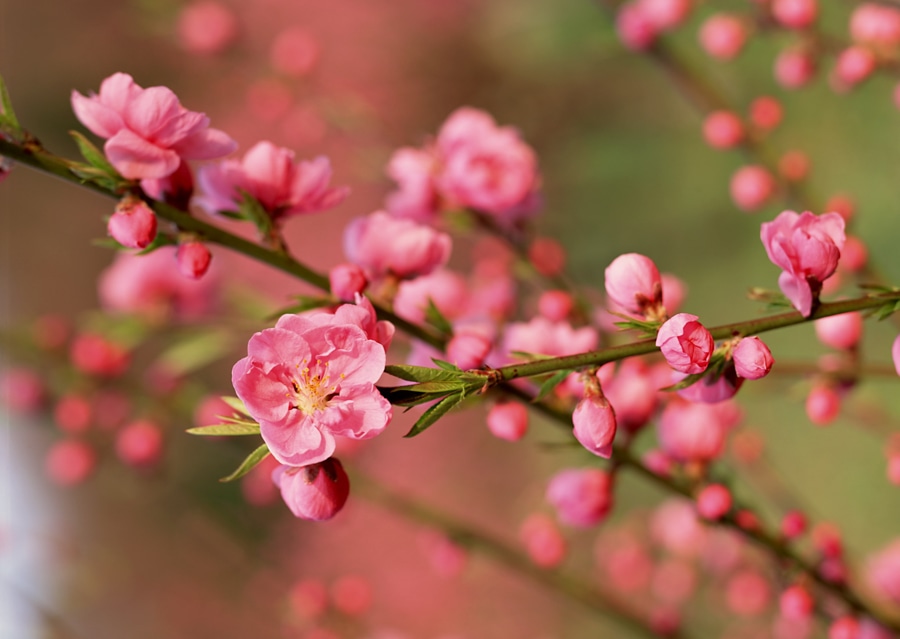
Peach Blossom – Symbol of Northern Vietnam

Peach blossoms have long been cultivated in northern regions of Vietnam, where cooler winters help the trees bloom just in time for the Lunar New Year. Famous growing areas near Hanoi produce branches carefully shaped and nurtured for festive display. These soft pink flowers symbolize new beginnings, renewal, and the hope of a fresh start. Many families also believe peach blossoms can ward off bad luck and negative energy, bringing peace and protection for the year ahead.

Peach Blossom - Symbol of Northern Vietnam

During the Northern Vietnamese New Year, peach blossom branches become the heart of home decoration. Families proudly display them in living rooms, on ancestral altars, and at entrances to welcome prosperity and happiness. Their gentle color brightens indoor spaces and reflects the joyful spirit of spring. Beyond decoration, peach blossoms create a warm gathering point where relatives celebrate traditions, share meals, and welcome good fortune together.

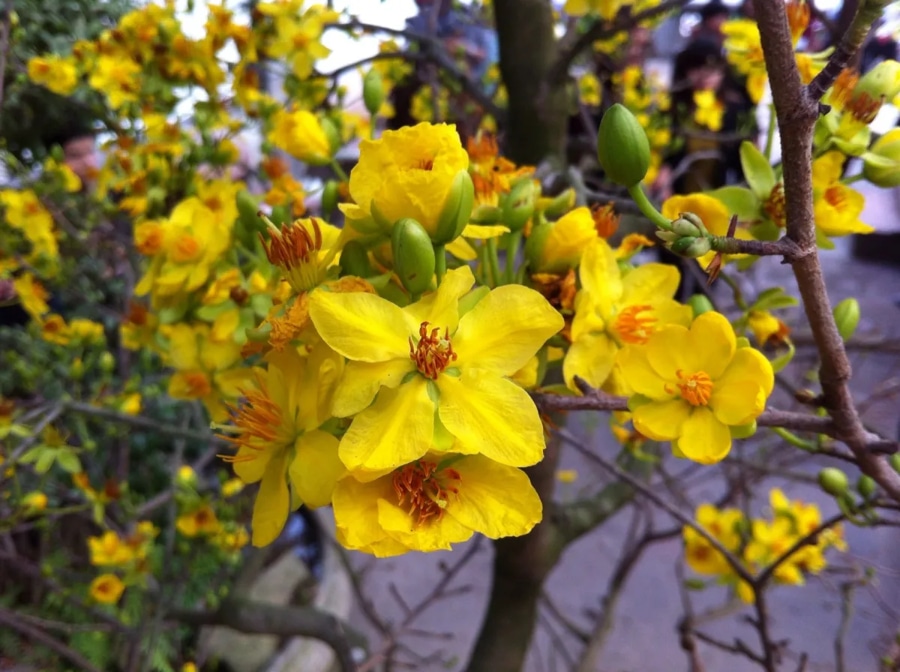
Apricot Blossom – Icon of Southern Vietnam

Apricot blossoms thrive in the warm climate of southern Vietnam, where sunshine and mild temperatures help the trees bloom brilliantly during the Lunar New Year. They are widely cultivated across fertile regions such as the Mekong Delta, where gardeners carefully time watering and pruning to encourage vibrant golden flowers. These bright yellow blossoms symbolize wealth, prosperity, and good fortune, making them an essential part of welcoming a successful new year.

Apricot Blossom - Icon of Southern Vietnam

For people in southern Vietnam, apricot blossoms reflect an open, optimistic, and joyful spirit. Homes, offices, and public spaces are decorated with blooming branches to invite happiness and abundance. The flower’s bright color mirrors the warmth and positivity often associated with southern culture. More than decoration, apricot blossoms express hope, generosity, and a cheerful outlook, embodying the festive energy that defines the Southern Vietnamese New Year.

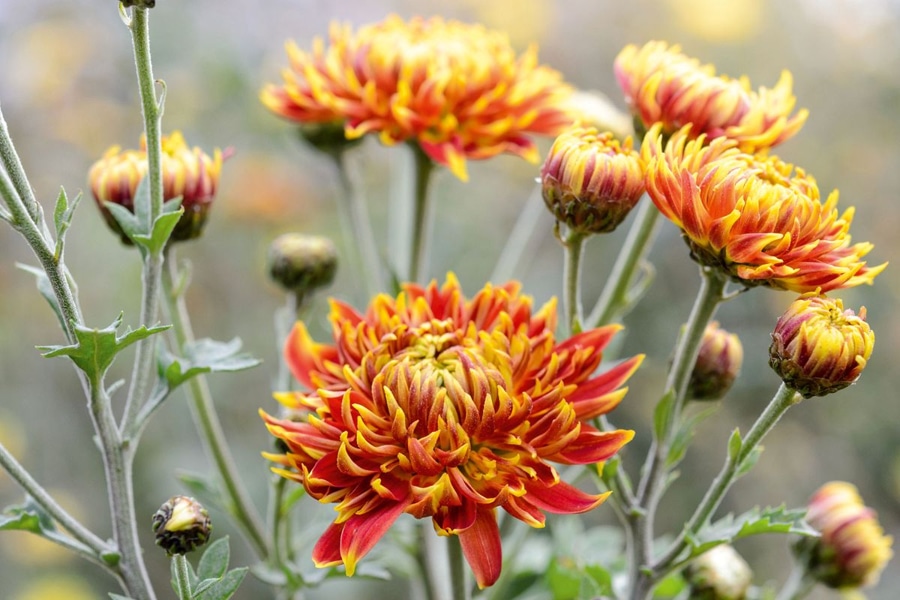
Chrysanthemum – Longevity and Respect

Chrysanthemums hold a special place in traditional celebrations and ancestral worship in Vietnam, especially during the Lunar New Year. Their bright, full blooms are often displayed on family altars and in living spaces as offerings of respect and gratitude. Because the flowers last long and remain vibrant, they symbolize endurance and sincerity when honoring ancestors and elders.

Chrysanthemum - Longevity and Respect

Beyond rituals, chrysanthemums represent longevity, harmony, and deep family bonds. Their presence during festive seasons reflects wishes for health, stability, and lasting happiness across generations. Many families choose them not only for beauty but for the meaningful message they carry, respect for tradition, appreciation for life, and hope for enduring wellbeing.

Regional Flowers Across Vietnam

Vietnam’s diverse geography creates a wide variety of flowers that bloom differently from north to south throughout the year. Each region has its own signature blossoms, reflecting unique climates, landscapes, and cultural identities.

Flowers of Northern Vietnam

Northern Vietnam is known for its poetic seasonal flowers, especially in Hanoi, where blooms shape the rhythm of daily life. Lotus flowers appear in summer, filling ponds with quiet elegance, while pomelo blossoms bring gentle fragrance to spring gardens. In autumn, milk flowers perfume the streets, creating a nostalgic atmosphere that many locals associate with memory, romance, and changing seasons. These blooms are more than natural beauty. They reflect mood, time, and emotion in the northern landscape.

Traveling through Vietnam during the flower seasons offers visitors a deeply sensory experience. Each bloom transforms familiar scenery into something new, from peaceful lakes to tree-lined avenues. Seasonal flower watching invites slower travel, photography, and cultural connection, allowing visitors to experience northern Vietnam’s beauty through its changing colors, scents, and emotions.

Flowers of Central Vietnam

Flowers in Central Vietnam reflect a quiet elegance shaped by history, spirituality, and refined cultural traditions. In Hue, lotus flowers bloom gently along rivers and palace ponds, enhancing the city’s serene imperial atmosphere. Their soft beauty mirrors Hue’s slow rhythm of life, where nature and heritage exist in perfect harmony. The lotus here feels contemplative rather than vibrant, inviting visitors to pause, reflect, and appreciate calm surroundings.

Frangipani trees, often seen in temple courtyards, add another layer of peaceful charm. Their delicate fragrance drifts through sacred spaces, creating a tranquil environment for prayer and meditation. Together, these flowers express Central Vietnam’s nostalgic beauty, quiet, poetic, and deeply spiritual.

Flowers of Southern Vietnam

Flowers in Southern Vietnam reflect the vibrant, open spirit of life shaped by rivers, canals, and fertile land. Golden apricot blossoms brighten homes during festive seasons, while bougainvillea climbs over gates and bridges, adding bold color to everyday scenery. Water lilies bloom across ponds and waterways, creating peaceful floating landscapes that feel inseparable from the region’s natural rhythm.

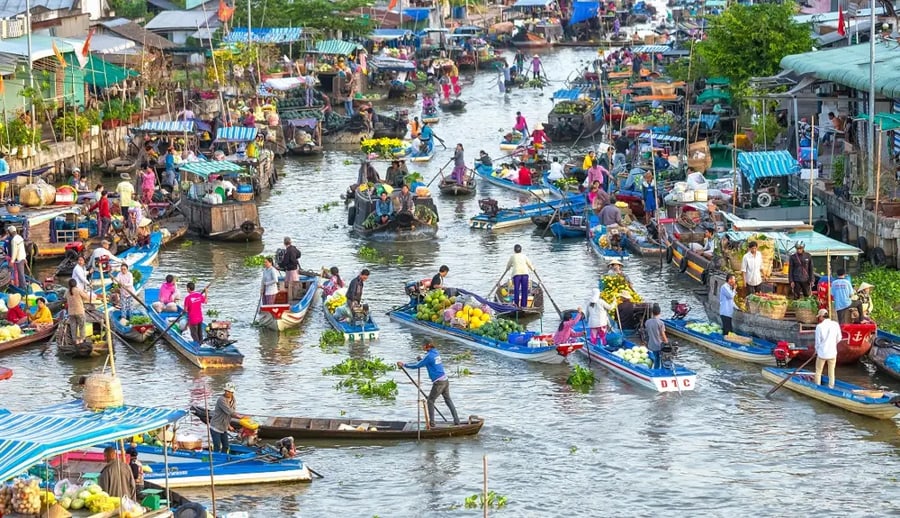
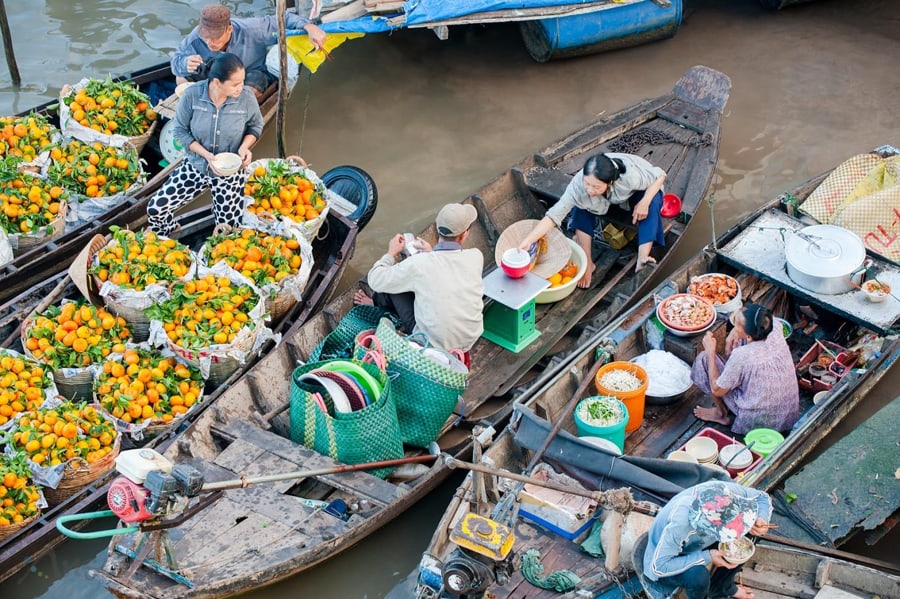
In the lush environment of the Mekong Delta, flowers are closely tied to daily life. They grow along riverbanks, beside homes, and throughout floating markets, blending beauty with livelihood. Here, flowers are not just decorative. They are part of the water-based culture, reflecting warmth, vitality, and the gentle flow of southern living.

Best Time and Places to See Flowers In Vietnam

Vietnam’s varied climate enables flowers to blossom in their own unique beauty in each season. Traveling in Vietnam during different flower seasons is one of the best ways to discover the culture, nature, and people in their most colorful form.

Spring (January – March)

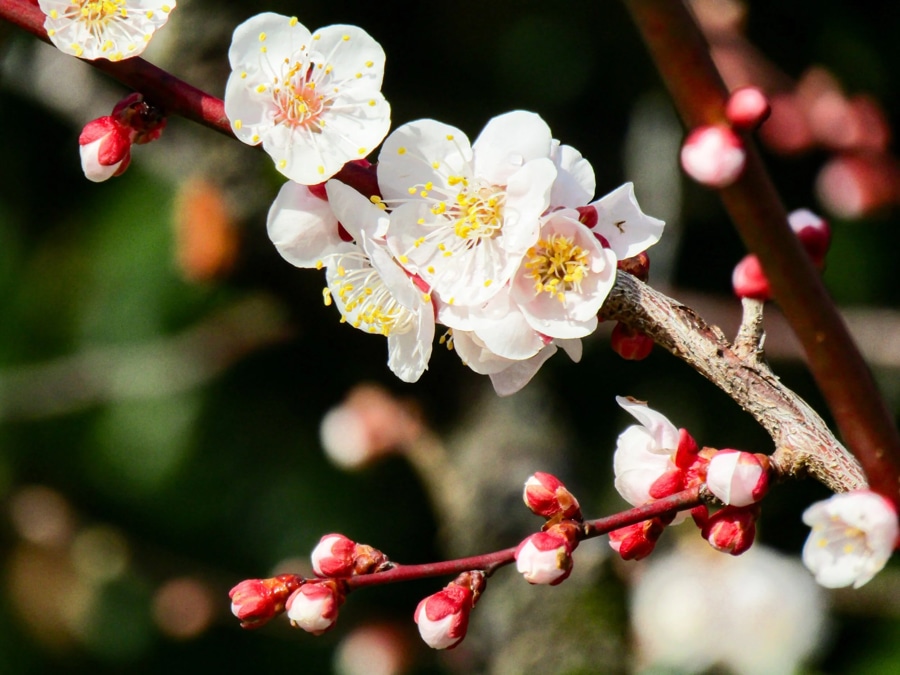
One of the most colorful flower seasons in Vietnam is in the spring. In the north, peach flowers adorn the city streets in Hanoi. Plum and apricot flowers also blossom in the mountainous regions around Moc Chau. Meanwhile, in the south, yellow apricot flowers add to the festivities during Tet holidays in Vietnam, especially in Ho Chi Minh City.

Plum and apricot flowers

Summer (April – June)

Summer is the time for the blooming of lotus flowers and flamboyant red flowers. Lotus flowers in ponds around Hanoi and Hue are a treat to the eyes and symbolize purity and elegance. Bright red flamboyant trees also blossom in the city streets and schoolyards. The sunny days in summer are perfect for capturing the vibrant colors of flowers in Vietnam.

Autumn (July – September)

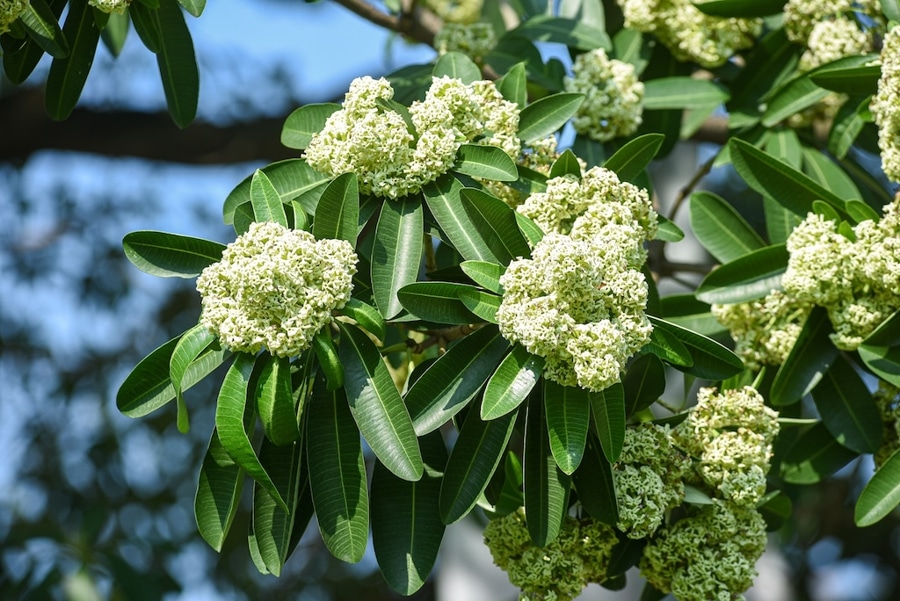
Autumn is a season with pleasant weather and beautiful flower scenes. For example, Hanoi is filled with daisies and milk flowers during the autumn season. Da Lat is also a beautiful destination during the autumn season. Traveling during the autumn season is a wonderful idea with pleasant weather.

milk flowers during the autumn season

Winter (October – December)

Vietnam is a beautiful destination during the winter season, with beautiful wild sunflowers in Da Lat and buckwheat flowers in Ha Giang. Traveling during the winter season is a wonderful idea with pleasant weather.

Travel Tips for Flower Lovers Visiting Vietnam

Traveling through Vietnam by means of seasonal flowers can be a really memorable experience, especially if you are able to plan your trip well. In order to make the most out of your flower travel, here are some useful and thoughtful tips for traveling beautifully and responsibly:

  • The best time to visit flower fields is in the early morning or late afternoon, as this provides the best natural light and avoids crowds. Soft natural light is ideal for taking beautiful and colorful photographs.
  • When visiting flower gardens, flower fields, and temple sites, always respect the sites and avoid stepping on the flowers and plucking them without permission. Also, while visiting pagodas, always wear modest clothing and behave calmly.
  • While traveling, always try to adopt sustainable tourism and avoid littering, carrying a water bottle, and buying products from local communities. This helps to preserve traditional ways of living.
  • The blooming seasons should also be checked before traveling to ensure that the flowers have not finished blooming. Weather conditions, especially rain in mountain areas, may also impact views and transportation.
  • Appropriate clothing should also be worn, especially when visiting flower farms in the countryside or the highlands. Wearing comfortable footwear and clothes will make the flower viewing experience enjoyable.

FAQS About Vietnamese Flowers (Optional)

Vietnamese flowers have a strong association with culture and tradition. Some of the common questions asked by visitors to Vietnam about its flowers have been mentioned below:

What Is The Most Famous Flower In Vietnam?

The most famous flower in Vietnam is the lotus. This flower is considered the national flower of Vietnam. The lotus flower represents purity and strength, as it grows in the mud and still remains beautiful. You can find ponds of lotus flowers in Vietnam, particularly in the rural areas and at temples.

What Flowers Are Associated with The Vietnamese New Year?

The flowers associated with the Vietnamese New Year or Tet are peach flowers in the north and yellow apricot flowers in the south. These flowers symbolize good fortune and happiness in the upcoming year. People put these flowers in their homes to usher in good fortune and positive energy in their lives.

Where Is The Best Place to See Flowers In Vietnam?

The best place to see flowers in Vietnam depends on the time of the year you visit Vietnam. Da Lat is known for its flowers throughout the year. People also celebrate flower festivals in Da Lat. Hanoi is known for its lotus flowers in the summer and peach flowers in the spring. Northern Vietnam also has beautiful flowers in the mountains during different seasons.

Final Thoughts: Why Vietnamese Flowers Are Worth Exploring

Vietnamese flowers are not just beautiful flowers found in nature; rather, they represent a culture and tradition deeply rooted in the country. Whether it is the lotus pond representing purity and innocence or the peach blossoms welcoming the Lunar New Year, every flower represents a story. Visiting Vietnam and learning about its flowers can give tourists a glimpse of the country beyond its tourist attractions. Flowers can be said to be a bridge between nature and people on a journey of self-discovery. If you are looking to experience Vietnam through the most beautiful lens possible, look no further than Seni World.

Top 14 Regional Vietnamese Fruits: A Guide To Tropical Flavors And Varieties

Vietnamese fruits are celebrated for their vibrant flavors, tropical freshness, and impressive seasonal variety. From the juicy sweetness of ripe mangoes to the refreshing coolness of dragon fruit, each fruit reflects the country’s diverse climate and fertile landscapes. Beyond their taste, these fruits are deeply connected to Vietnam’s culture and long-standing agricultural traditions, making them an essential part of daily life and local cuisine.

Durian

  • Price: ~ USD 5-15 per kilogram (depending on variety, season, and origin)

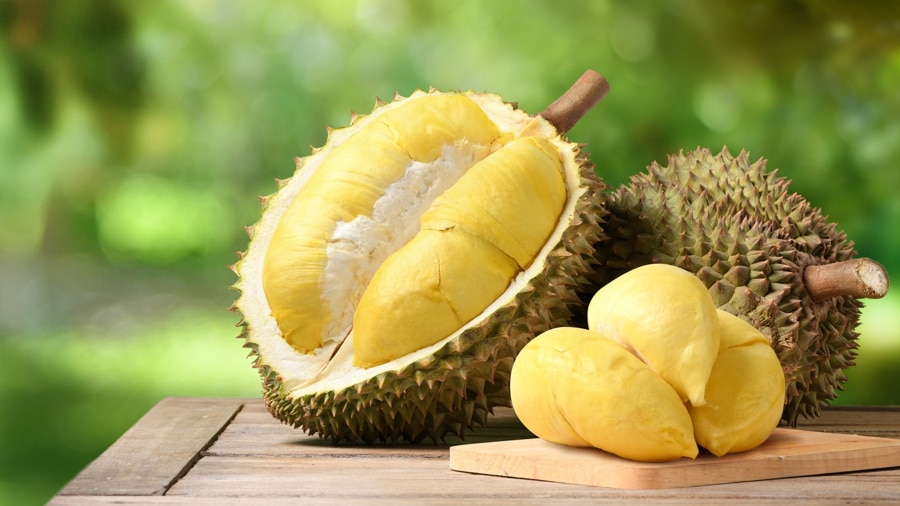
Sau Rieng, or the tropical fruit known as Durian, is a Southeast Asian fruit whose origins stretch back to Malaysia and Indonesia, eventually spreading throughout Thailand, Vietnam, and southern China. Dubbed the “King of Fruits,” the fruit is easily identifiable due to its size, thick outer shell, and strong scent. Although the smell of the fruit is renowned for being particularly strong, the taste of the fruit is often surprising for those who are not familiar with it. Described as having a creamy yellow flesh and a taste that is both sweet and creamy, the taste of the fruit is often compared to vanilla, butter, custard, and even cheese.

Sau Rieng, or the tropical fruit known as Durian

Durians are particularly appreciated by European and American food connoisseurs who enjoy exotic and adventurous tastes and food experiences. Durians’ high nutritional content, which includes healthy fats, dietary fiber, and natural energy, is also a contributing factor. In Vietnam, durians are mainly cultivated in the Mekong Delta and Central Highlands regions, including provinces like Dak Lak, Tien Giang, and Lam Dong. Travelers can buy fresh durians at local markets, fruit gardens, and specialty stores, while international durian enthusiasts can buy frozen durians or durian pulp at Asian stores and specialty food stores.

Mangosteen

  • Price: ~ USD 6-12 per kilogram (depending on season and quality)

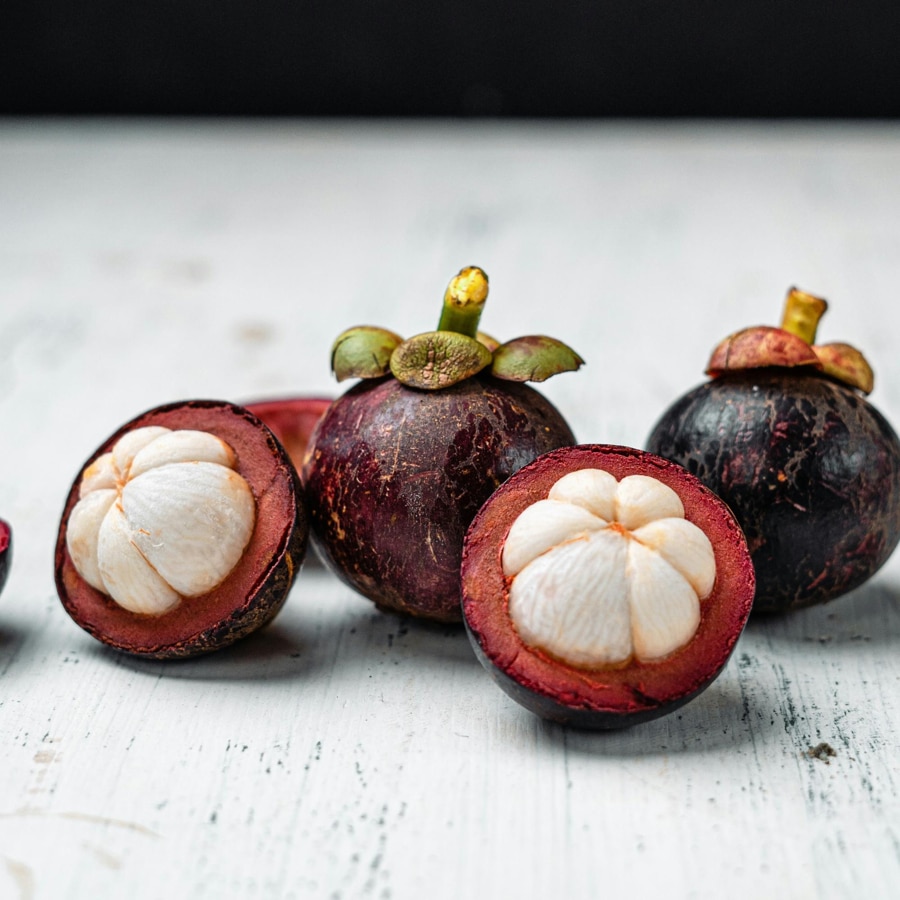
Mangosteen is another popular tropical fruit that is originally from Southeast Asia, specifically from Indonesia and southern Thailand. Today, Vietnam is home to many mangosteen plantations. It is popularly known as the ‘Queen of Fruits’ because of its thick, purplish rind and its snow-white interior. What is most unique about mangosteen is its taste, which is perfectly balanced between sweet and slightly sour. It has floral and citrus notes that are cooling rather than overwhelming. Its soft, juicy flesh is perfect even for those who are trying tropical fruits for the first time.

Mangosteen is another popular tropical fruit

Mangosteen is particularly favored by European and American consumers due to its pure taste, beautiful appearance, and reputation as a “luxury fruit.” Additionally, mangosteen has a sense of familiarity and foreignness for consumers who are accustomed to stronger-smelling fruits. Thus, mangosteen is a good option for those who want to try Southeast Asian fruits. Furthermore, mangosteen is rich in antioxidants. In Vietnam, mangosteen is mainly produced in the Mekong Delta and Southeast regions, particularly in Ben Tre, Tien Giang, and Binh Duong. Mangosteen is regarded as a specialty fruit in these regions. Consumers can buy fresh mangosteen at traditional markets, fruit orchards, and high-end fruit stores. On the other hand, overseas consumers can buy imported fresh mangosteen or frozen mangosteen pulp at Asian grocery stores and specialty food stores.

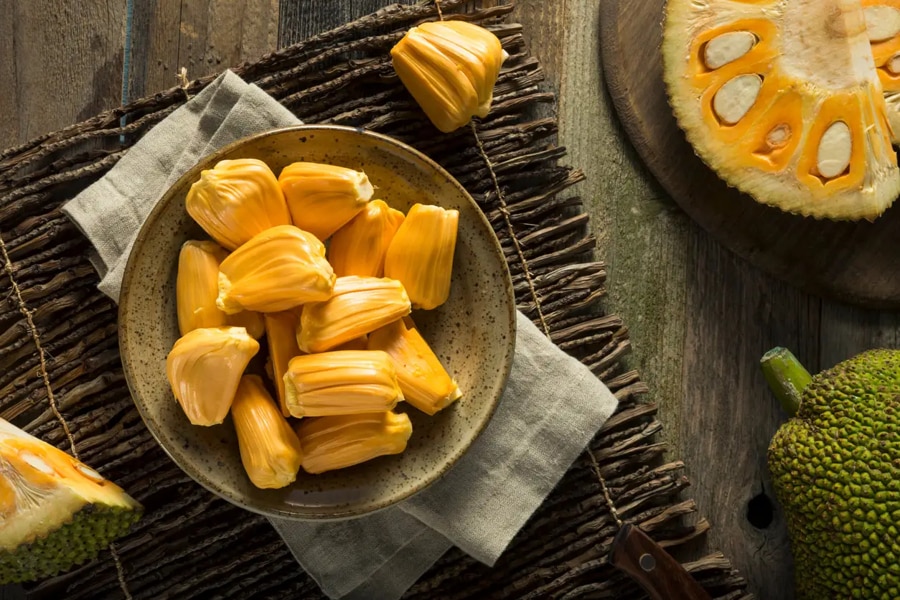
Jackfruit

  • Price: ~ USD 1.5-4 per kilogram (depending upon the ripeness and variety)

One of the biggest fruits cultivated on trees is the jackfruit, and its origin is traced back to South and Southeast Asia, with India being the first country to cultivate the fruit. Currently, the fruit is widely cultivated in Vietnam, Thailand, and Sri Lanka. The rough exterior of the fruit has a beautiful yellow interior with a firm and tender texture. When ripe, the fruit has an inherent sweet taste with hints of banana, mango, and pineapple, and an aroma similar to honey.

One of the biggest fruits cultivated on trees is the jackfruit

Jackfruiti especially loved by consumers from Europe and America for its flavor and versatility. Fresh ripe ackfruit is savored as a sweet and refreshing dessert from the tropics, and young ackfruit is commonly used as an alternative meat substitute for vegetarian and vegan food enthusiasts due to its meaty texture and ability to absorb flavor. In Vietnam, the Mekong Delta and Central Highlands are the major areas for jackfruit cultivation, with Tien Giang, Dong Nai, and Dak Lak being some of the key locations where it is recognized as a local delicacy. Fresh ackfruit is available in traditional stores, fruit gardens, and modern shopping malls, and for consumers from other countries, vacuum-sealed, frozen, or canned ackfruit is available from Asian stores and food stores.

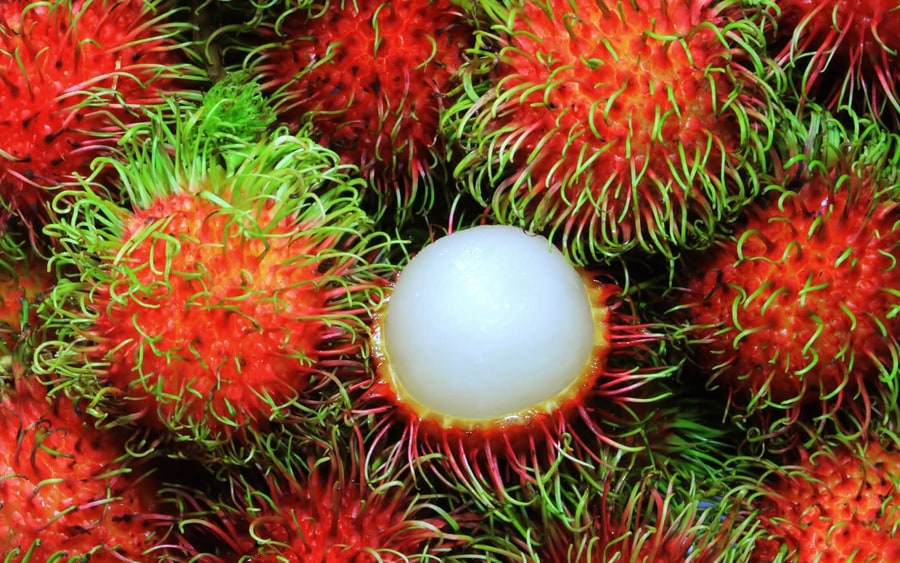
Rambutan

  • Price: ~ USD 3–7 per kilogram (depending on the season and freshness)

Rambutan is a tropical fruit, originally from Southeast Asia, with the history of cultivation recorded in Malaysia and Indonesia, and now grown in Vietnam and Thailand. The name “rambutan” is derived from the Malay word “rambut,” which means “hair,” because of hair-like protrusions covering bright red skin. The inner part of the rambutan is filled with translucent white pulp, crunchy and juicy to the taste. The taste is slightly sweet with a hint of floral, reminiscent of grapes and lychee, but less pronounced and more refreshing.

Rambutan is a tropical fruit

Rambutan also has a special appeal to Europeans and Americans because it looks unusual yet tastes familiar and accessible. It has no odor, a clean, sweet taste, and a playful look, making it appealing to adults as well as kids. Rambutan also has high vitamin C and hydrating content, which makes it a healthy snack. Rambutan is grown in the Mekong Delta region of Vietnam, particularly in the provinces of Tiền Giang, Vĩnh Long, and Ben Tre, which consider it a local delicacy. Fresh rambutans can be found in local markets, fruit farms, and stores, while international buyers may look for them in Asian stores or as imported seasonal fruits.

Longan

  • Price: ~ USD 4-8 per kilogram (depending upon the season and quality)

Longan is a tropical fruit that originally grew in southern China and Southeast Asia, and it has been cultivated for centuries in Vietnam and Thailand. The term longan literally means “dragon eye,” which is a play on its round shape, its transparent flesh, and its dark “dragon eye” at the center. Underneath its thin, light-brown skin, longan has juicy white flesh that is soft and slightly crisp in texture. Its flavor is mild and slightly sweet, with a hint of honey.

Longan is a tropical fruit

Longan is a fruit highly appreciated by European and American consumers for its pure taste, sweetness, and ease of eating. It has no distinctive aroma, making it accessible for first-time tropical fruit consumers who like balanced tastes. In addition, longan is a fruit commonly eaten fresh, dried, or used in desserts and beverages. In Vietnam, longan is mainly cultivated in the Red River Delta and Mekong Delta regions. Specialty areas for longan production include Hung Yen and Dong Thap. Fresh longan is commonly found in local markets, supermarkets, and fruit farms. As for international consumers, they can find imported fresh longan or dried longan at Asian stores and specialty food stores.

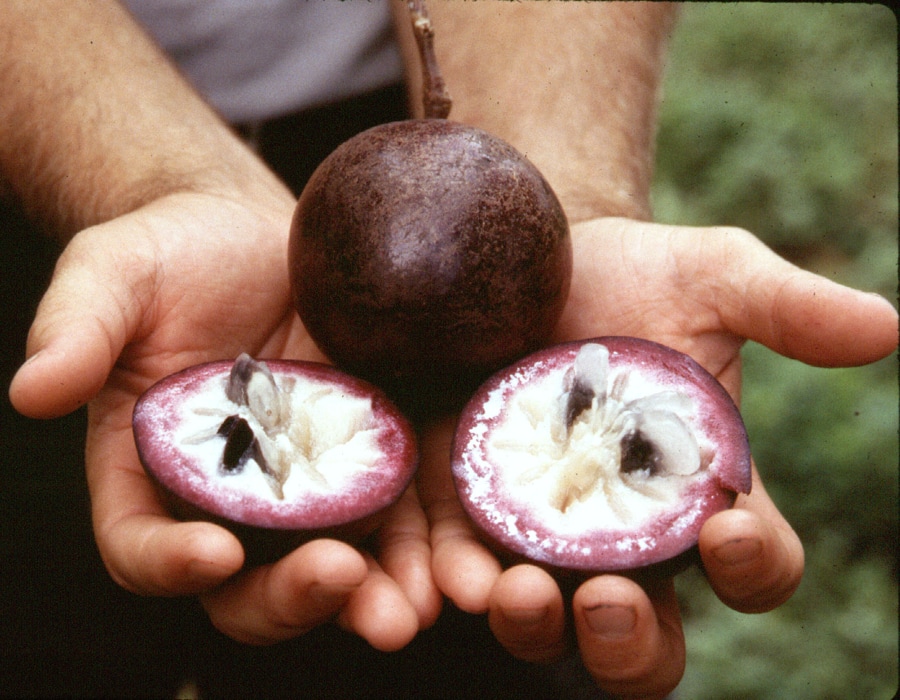
Star Apple

  • Price: Approximately 4-8 USD per kilogram, depending on season and quality.

Chrysophyllum cainito, also called star apple or milk fruit, is a delicacy in the tropical regions originally found in the Caribbean and Central America before it spread to Southeast Asia. In Vietnam, it is especially cultivated in the Mekong Delta Region, especially in Tien Giang and Can Tho. This fruit has a star-like pattern in the middle when it is cut in half horizontally. It is called a star apple due to this feature. Its outer cover is smooth and can be either purple or green in color. Inside the fruit is jelly-like with a glossy finish.

Star apple is especially favored

Star apple is especially favored due to its sweet taste with a creamy flavor and a hint of caramel and vanilla. This fruit is especially favored by people in European and American countries who prefer exotic fruits with a relatively low acidic taste. Unlike other fruits with a sour taste, the star apple has a smooth taste that can be eaten with a spoon. It is commonly found in the markets of southern Vietnam.

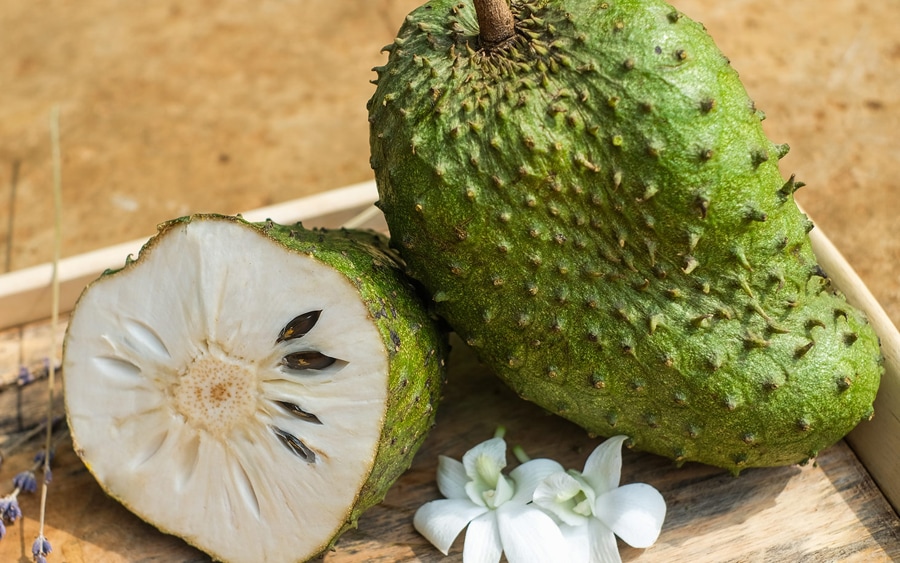
Soursop

  • Price: Approximately 3 – 6 USD per kilogram, depending on season and size.

Annona muricata, also known as soursop or graviola, is a tropical plant that is originally from Central and South America. However, it is also grown in Southeast Asia, especially in southern Vietnam. Soursop is characterized by the green spiky skin on the outside, while the inside is soft and white. Soursop is grown mainly in the Mekong Delta region in Vietnam, where the climate is favorable, and the soil is rich, enabling the cultivation of quality soursop all year round.

Annona muricata, also known as soursop or graviola

Soursop is also popular among consumers from Europe and America due to the unique sweet and sour taste, which is often compared to the combination of pineapple, strawberry, and citrus. It is also liked by many due to the refreshing taste and aroma. Soursop can be found in the local market, supermarket, or store selling fruits in the southern region of Vietnam.

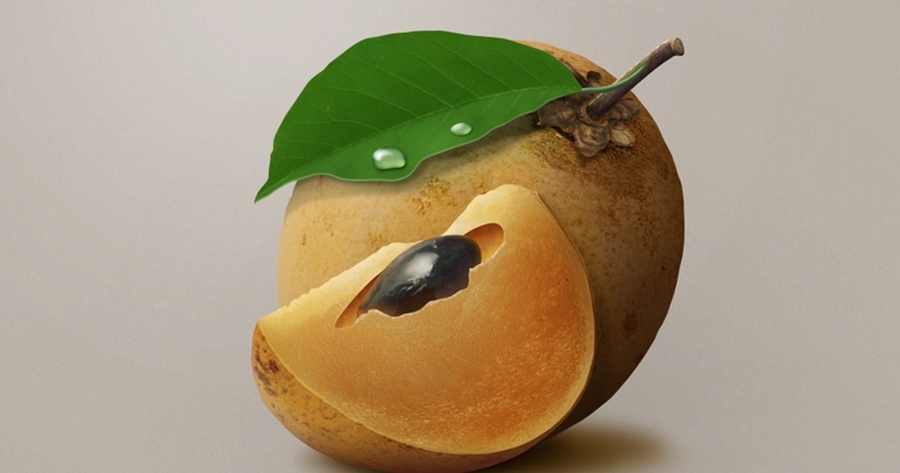
Sapodilla

  • Price: ~ USD 3–6/kg (depending on the level of ripeness and seasonality)

Sapodilla, also referred to as Sapoche, is a tropical fruit originally from Central America and southern Mexico, later extending to Southeast Asia during the colonial period. The fruit has a round or oval shape, with thin brown skin and a soft, grainy interior. The taste is naturally sweet and rich, often compared to caramel, brown sugar, or pear, with a hint of malty flavors, which makes it more like a dessert than a fruit. When ripe, the sapodilla is extremely smooth and juicy.

Sapodilla, also referred to as Sapoche

Sapodilla is particularly attractive to European and American consumers who prefer sweet flavors without any sharpness from acids. The familiar taste and smooth texture of sapodilla are easy to digest and can be readily eaten as fresh fruit even by people who are not familiar with tropical fruits. Additionally, the filling and rich energy content of the fruit contribute to its popularity as a healthy snack. In Vietnam, sapodilla is cultivated in the Red River Delta and Mekong Delta regions, especially in areas such as Hung Yen, Vinh Long, and Tien Giang, where it is considered a local specialty. Fresh sapodilla is available for purchase in local markets, gardens, and shopping centers, while for foreigners, it is available as imported products from Asian stores and retailers.

Cempedak

  • Price: ~USD 2-5/kg (depending on season and ripeness)

Cempedak is a tropical fruit that is native to Southeast Asia, specifically Malaysia and Indonesia. Cempedak is also related to jackfruit. Although it is smaller and softer compared to jackfruit, it still has a thin and spiky skin, as well as deep yellow to orange-colored flesh. Although it smells quite strong and distinct, it tastes surprisingly rich and complex. When ripe, it tastes sweet and rich, with notes of custard, honey, and banana, making it a bold experience unlike other tropical fruits.

Cempedak is being appreciated and enjoyed by food enthusiasts in Europe and America, particularly those looking for unique and adventurous food flavors. Its creamy texture and sweetness are the reasons for its popularity. Cempedak is also being fried or made into desserts in Asian cuisine, making its appeal wider for adventurous food enthusiasts around the world. In Vietnam, the variety of cempedak known as “mít nghệ” is mainly cultivated in the Mekong Delta and the southern provinces of An Giang, Dong Thap, and Can Tho. This variety of fruit is a regional specialty of the southern province of Vietnam. The fresh variety of the fruit is available in the markets and fruit orchards of the province, while the frozen variety of the fruit or the packaged product is available for international consumers.

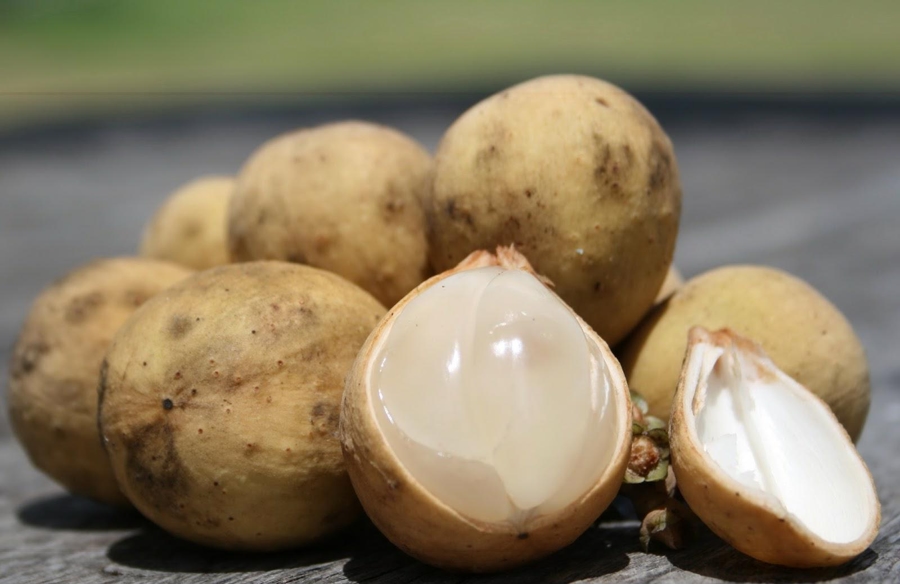
Langsat

  • Price: ~ USD 4–8/kg (depending on season and quality)

Langsat is a tropical fruit indigenous to Southeast Asia, particularly Malaysia and Indonesia. It is also commonly found in the southern parts of Thailand and Vietnam. Langsat grows in clusters and has a light yellow or light brown peel, which is easily removable. When one peels a langsat, he/she will find white segments inside. These segments are juicy and tender. Langsat has a delicate balance between sweet and sour tastes. It has a hint of citrus and grape flavors.

Langsat is a tropical fruit indigenous to Southeast Asia

Langsat is particularly appealing to European and American consumers because it has an exotic look but is still light and easy to consume. The mild, sweet, and sour taste makes it a favorite among people who like refreshing fruits rather than those that are too rich in taste. It is also consumed fresh as a snack or chilled for added freshness, which makes it even more appealing in tropical countries. In Vietnam, langsat, also known as a local specialty, is largely cultivated in the Mekong Delta, especially in the provinces of Tiền Giang, Vĩnh Long, and Bến Tre. Fresh langsat can be sourced from local markets, fruit farms, and fruit stalls, while foreign consumers can find it in Asian grocery stores or as imported fresh fruit.

Dragon Fruit

  • Price: ~ USD 2–5/kg (depending on variety and season)

Dragon fruit, also known as Pitaya, is originally from Central America and was later introduced to Southeast Asia, where it is now commonly farmed. This fruit is easily identifiable because of its bright pink or yellow color and white or red flesh filled with small black seeds. The taste of dragon fruit is mild and slightly sweet, and its taste is similar to that of kiwi and pear. Its light and juicy taste also makes the dragon fruit best when consumed cold.

Dragon fruit, also known as Pitaya

Dragon fruit is greatly enjoyed by European and American consumers because of its taste, appearance, and health benefits. It is low in calories, high in fiber, antioxidants, and vitamin C, which makes it a great addition to the diet of health-conscious individuals. Additionally, the taste is mild, which makes it great for those who are trying tropical fruits for the first time. In Vietnam, dragon fruit is one of the agricultural specialties, with the main growing areas including Bình Thuận, Long An, and Tiền Giang, which are considered the top agricultural areas in the country. Fresh dragon fruit is readily available in the local markets, supermarkets, and fruit farms, while international consumers can readily purchase imported dragon fruit from Vietnam in most supermarkets.

Lychee

  • Price: ~ USD 5-10/kg (depending on season and quality)

Lychee is a tropical fruit that is native to southern China and has been cultivated for over two thousand years in East and Southeast Asia. Lychee is small and round with rough red skin that can be easily peeled to reveal translucent white flesh. Lychee is appreciated for its fragrance and juicy flesh that provides sweet and floral flavors with hints of citrus. The flavor is invigorating and makes Lychee one of the most elegant and recognizable tropical fruits worldwide.

Lychee is particularly popular among European and American consumers because it offers an exotic taste yet remains relatable and accessible. It has a sweet taste without being too heavy, which makes it perfect for consumption as a snack, a dessert, or a cocktail. Lychee also has a number of health benefits, including a high concentration of Vitamin C and antioxidants, which makes it appealing to health-conscious consumers. In Vietnam, lychees, particularly the famous Bac Giang and Hai Duong varieties, are considered a seasonal product and a major agricultural export product. Fresh lychees can be found in local markets and stores during the harvest season, while international consumers can purchase imported fresh lychees, canned lychees, or frozen lychees from Asian stores and specialty food stores.

Pomelo

  • Price: ~ USD 1.5-3.5/kg (depending on variety and season)

Pomelo is the largest citrus fruit in the world and is native to Southeast Asia. Pomelo has been cultivated for centuries in Southeast Asia. Pomelo has a thick green or yellow skin that reveals pale yellow or pink segments that are firm, juicy, and easy to separate. The segments are slightly sweet with mild acidity and citrus aroma. Pomelo is less bitter and drier than grapefruit. The taste is balanced and is one of the major reasons for its popularity.

Pomelo is also attractive to European and American consumers who prefer refreshing fruits that have a light and crisp texture. Pomelo also has a low bitterness and sweet taste, making it attractive to people who do not prefer the sharpness of grapefruit. Pomelo also contains vitamins and fiber, making it attractive to people who follow health-oriented diets. Pomelo is grown on a large scale in the Mekong Delta and the Red River Delta of Vietnam. Some of the specialty pomelo-growing areas of Vietnam are Bến Tre, Vĩnh Long, and Phúc Trạch in Hà Tĩnh. Pomelo can be easily obtained from local markets, supermarkets, and fruit farms. Imported Vietnamese pomelo can also be obtained from Asian grocery stores and specialty produce markets.

Star Apple

  • Price: ~ USD 4–9/kg (depending on variety and season)

Star apple is a tropical fruit originally from Central America and the Caribbean region, and later introduced to Southeast Asia, where it flourishes in the tropical climate. The star apple is round with a smooth green or deep purple color. When cut open, the star apple displays a lovely star design inside. The milky white flesh is soft and creamy with a subtle sweetness and a hint of vanilla and coconut. The star apple is a refreshing and rich treat when chilled.

Star apple is becoming more and more sought after by European and American consumers due to its dessert-like appearance and comforting taste. Unlike other tropical fruits, the star apple lacks a sharp acidity and a strong aroma. Therefore, it is a good option for first-time buyers who want to venture into exotic fruits. Additionally, star apple is eaten with a spoon like a custard, and this has contributed to its popularity. In Vietnam, star apple is mainly cultivated in the Mekong Delta region, particularly in Tien Giang and Can Tho Provinces.

Final Thoughts: Vietnamese Fruits Worth Visiting?

Vietnamese fruits are indeed one of the best experiences for travelers who want to enjoy authentic flavors, rich local culture, and fresh farm-to-table experiences. Whether it is the busy fruit markets or the orchards in the Mekong Delta, every region has its own specialties and seasonal fruits that are worth trying. Experiencing Vietnamese fruits is not just a food experience but also a learning experience about the local culture and traditions. If you are planning a culinary trip to Vietnam, Seni World will guide you to the best fruit experiences in Vietnam.

Top 11 Traditional Vietnamese Dresses: From History To Modern Fashion

Vietnamese clothing is an embodiment of Vietnam’s rich history, cultural identity, and beauty. It encompasses everything from the traditional Vietnamese dress, popularly known as the ‘Ao Dai,’ to traditional clothing worn in different regions of Vietnam.

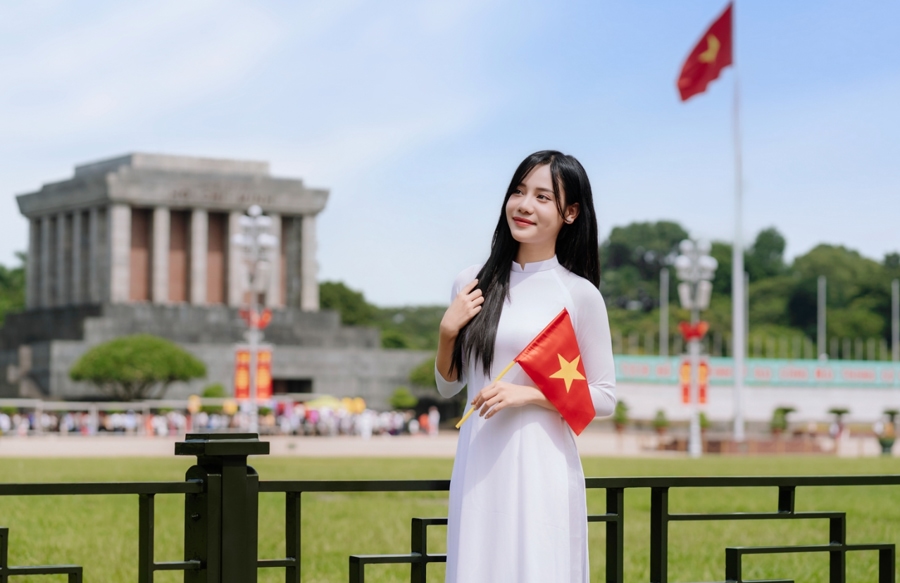
Ao Dai

The Ao Dai is the most popular traditional dress in Vietnam and represents elegance, modesty, and national pride. The Ao Dai has its origins in the 17th century and evolved from the Ao Ngu Than, which was worn by the Nguyen Lords. The Ao Dai has a long tunic with a high collar and flowing panels over trousers, emphasizing elegance and movement while maintaining traditional values.

Ao Dai is the most popular traditional dress in Vietnam

The Ao Dai not only represents elegance and beauty but has significant cultural and historical value as well. It is often worn on different occasions, such as festivals, weddings, school events, and national events, symbolizing the harmony between tradition and modern life. The Ao Dai can be rented for cultural experiences and photography in different locations, such as Hanoi, Hue, and Hoi An, for 10-25 USD, whereas purchasing an Ao Dai can cost around 40-100 USD.

Ao Tu Than

Ao Tu Than is a Vietnamese folk costume that has been closely linked with women, especially those from northern Vietnam, particularly during the 18th and 19th centuries. The name “Tu Than” literally translates to “four panel costume,” which reflects the importance placed on family values and harmony. The Ao Tu Than costume consists of a Yem, a long skirt, and a silk sash, with fabrics that are easy to move around in while creating an elegant look that reflects simplicity.

Ao Tu Than is a Vietnamese folk costume

The Ao Tu Than costume reflects simplicity, femininity, and agrarian heritage, especially from northern Vietnam. The costume is often used during cultural festivals, folk shows, and historical reenactments that reflect the Vietnamese lifestyle and moral values. The Ao Tu Than costume is not commonly used nowadays but can be rented for cultural activities or photography, especially within Hanoi, with costs ranging from 10 to 20 USD.

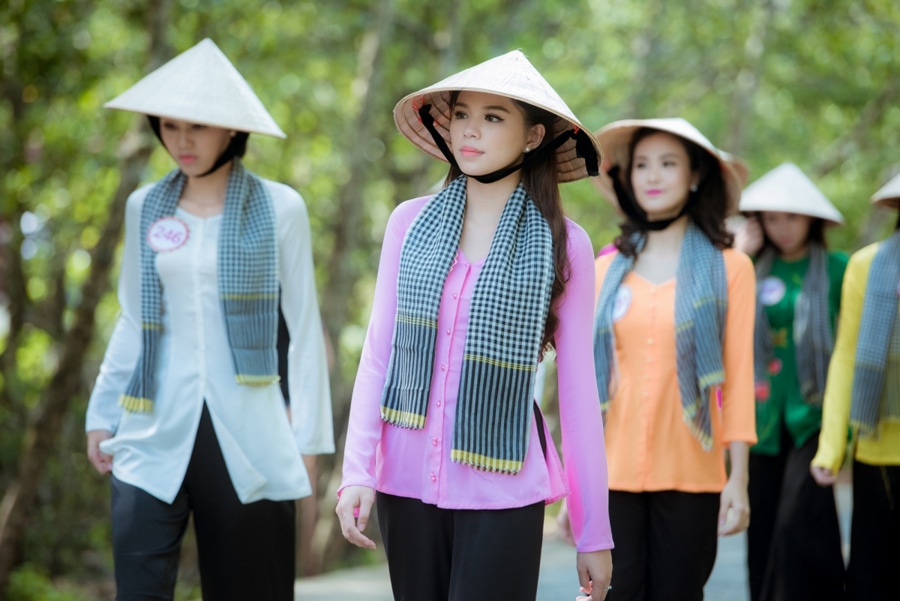
Ao Ba Ba

Ao Ba Ba, also referred to as the traditional Southern Vietnamese blouse, has been worn by farmers in the Mekong Delta region for generations. Its design, with a collarless style, buttons at the front, and comfortable fabric, ensures freedom of movement. Its modest yet elegant cut symbolizes the peaceful nature of Southern Vietnam, reflecting their attitude towards life, which is marked by humility, strength, and living in harmony with nature.

Ao Ba Ba, also referred to as the traditional Southern Vietnamese blouse

Aside from its use as an ordinary garment, the Ao Ba Ba also has cultural and historical significance as a symbol of Southern culture. Currently, it is appreciated for its simplicity and nostalgic value. A tourist can buy an Ao Ba Ba for USD 10 to 25, or they can rent it for a cultural experience and a photoshoot, with prices ranging from USD 5 to 10.

Ao Nhat Binh

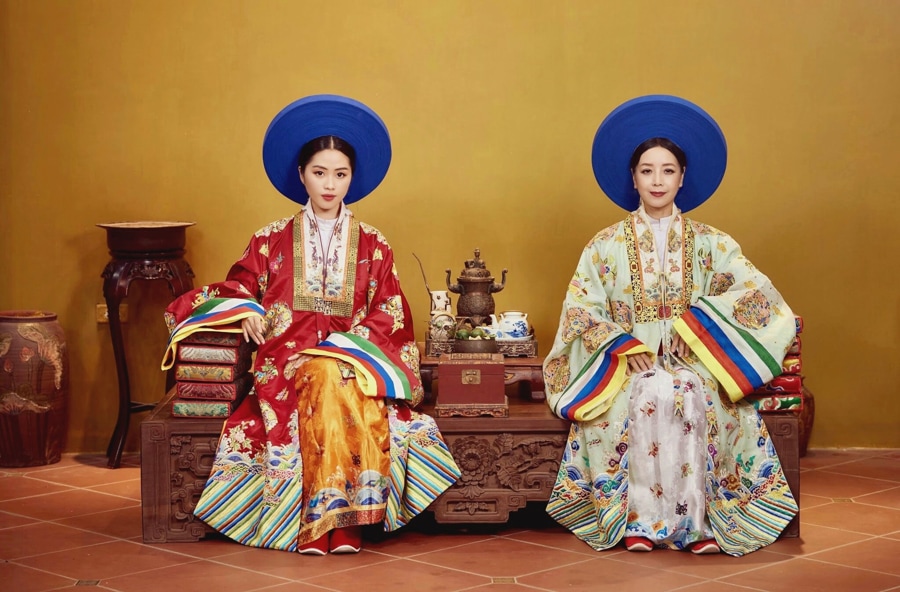
The traditional Vietnamese court dress known as Ao Nhat Binh is a traditional Vietnamese court dress originating from the Nguyen Dynasty, used by queens, princesses, and noble ladies of Vietnam. The dress is named after its characteristic rectangular neckline, which represents balance and nobleness. The dress is adorned with embroidered designs of phoenixes, flowers, clouds, and auspicious motifs, inspired by Confucianism and imperial aesthetics of East Asian culture.

Ao Nhat Binh

Culturally, the Ao Nhat Binh symbolizes power, elegance, and the hierarchical beauty of Vietnam’s feudal era. Today, Ao Nhat Binh is appreciated as a piece of historical and artistic heritage rather than as a practical garment. Genuine Ao Nhat Binh is hard to find and quite expensive, with prices going above USD 300. However, tourists can rent Ao Nhat Binh for photo shoots at Hue heritage studios or historical costume houses for about USD 20-40.

Yem

The Yem, also referred to as Ao Yem, is a traditional undergarment originating from Vietnam’s feudal period and is mostly worn by women in Northern Vietnam. The undergarment’s diamond or square-shaped fabric and thin neck strap with a tie at the back emphasize the beauty of femininity while being simple and functional at the same time. The undergarment is made of silk or cotton fabric with a natural color palette, evoking the concept of natural beauty and simplicity associated with rural areas.

The Yem, also referred to as Ao Yem

Culturally, the Yem is of poetic and historical significance, as it is found in folk songs, paintings, and classical literature as an embodiment of youthfulness and femininity. Today, it is mostly enjoyed in cultural performances and heritage photography. Contemporary ones are priced between USD 8-20, while the traditional Yem costumes can be rented at costume studios in Hanoi for photo shoots, ranging from USD 5-15 per session.

High-Neck Yem

The High-neck Yem, also known as Yem Co Xay, is a variant of the traditional Yem, a garment developed during the late feudal period in Northern Vietnam. Unlike the traditional Yem, which has an open neckline, the High-neck Yem has a high and rounded neckline, giving it a touch of elegance and refinement. Made of silk or fine cotton, this garment is carefully tailored to create a flattering look, with a touch of modesty and femininity.

Yem Co Xay, in the past, symbolized the development of women’s clothing according to changing societal norms, which became more refined and sophisticated. Today, garments are mostly found in heritage fashion and photography. The original garment is available for purchase at a price of around 20-40 USD, while renting the garment for photoshoots at cultural studios in Hanoi ranges between 10-20 USD.

V-Neck Yem

The V-neck Yem, or Yem Co Se, is a traditional Vietnamese dress that evolved from the traditional Yem in Northern Vietnam. The most distinctive aspect of the V-neck Yem is its split V-shaped neckline, which gives the wearer a sense of lightness and openness while still maintaining a sense of elegance. Typically made of silk or cotton, the dress emphasizes the natural curves of the wearer and captures the beauty of sensuality tempered with restraint.

The V-neck Yem, or Yem Co Se,

It has been historically linked to young women and celebrations, featuring in folk literature, art, and celebrations in the countryside. It represents the essence of youth, vitality, and femininity in the collective memory of the Vietnamese people. In contemporary times, it is only used for heritage performances and art photography, rather than for practical wear. The contemporary version is priced between USD 10 and 25, while the rental option is available in the studios of Hanoi for USD 8 to 15 per session.

Vay Dup

Vay Dup is a traditional Vietnamese skirt that was commonly worn by women in the northern rural regions of Vietnam in the past. Unlike modern skirts that are tailored, Vay Dup has a simple design where it is wrapped around the body without a waistband and is tied with a cloth belt. The skirt is made of dark indigo or brown fabric and was designed to give the wearer freedom of movement.

Vay Dup has historically reflected the daily lives of Vietnamese women prior to the use of trousers. It is often depicted in folk paintings, proverbs, and historical documents, reflecting the simplicity, diligence, and resilience of Vietnamese women. Today, Vay Dup is preserved in traditional festivals, cultural events, and heritage photography. Reproductions of Vay Dup can be purchased at a cost of 15-30 USD, while rentals are available at cultural studios in Hanoi at a cost of 10-20 USD per photoshoot.

Vay Linh

Vay Linh is a traditional Vietnamese dress worn by women of the North during the feudal era. The skirt is made of Linh silk, a type of hand-woven silk that is renowned for its smooth texture, dark black color, and subtle luster. The skirt is long and flowing, exuding a sense of elegance that is in contrast to the simplicity of rural Vietnamese clothing. The refined fabric of the skirt is a testament to the art of traditional silk weaving.

Vay Linh is a traditional Vietnamese dress

Culturally and historically, váy lĩnh reflects femininity, elegance, and civility, usually worn during special occasions, festivals, or when visiting communal houses. Vay Linh is often depicted in folk art and historical scenes, representing the quintessential beauty of Northern Vietnamese women. In modern times, authentic Vay Linh is scarce and precious, with prices over USD 100. Most people can only experience it through renting heritage studios in Hanoi, which costs between USD 15 and 30 per session.

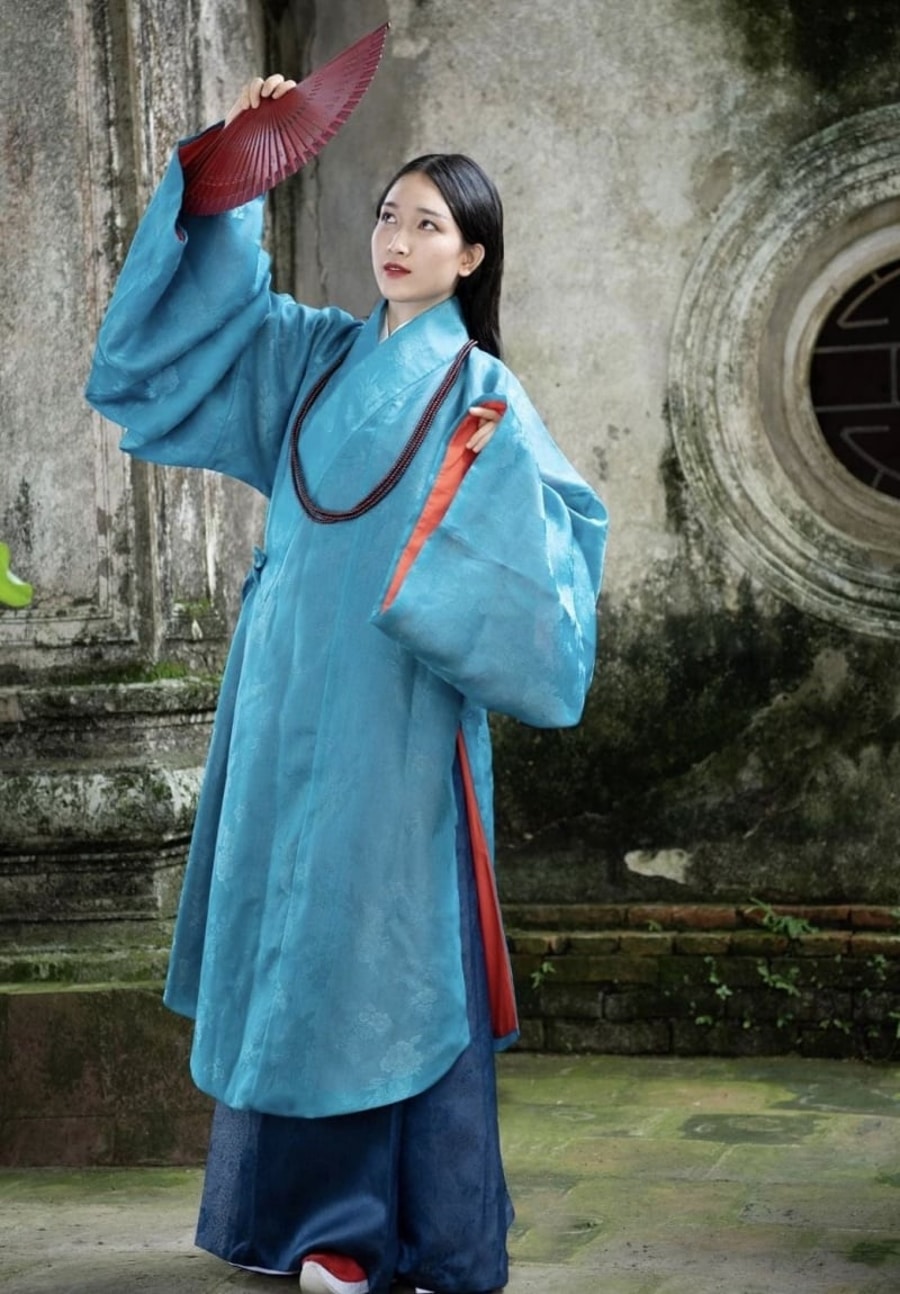
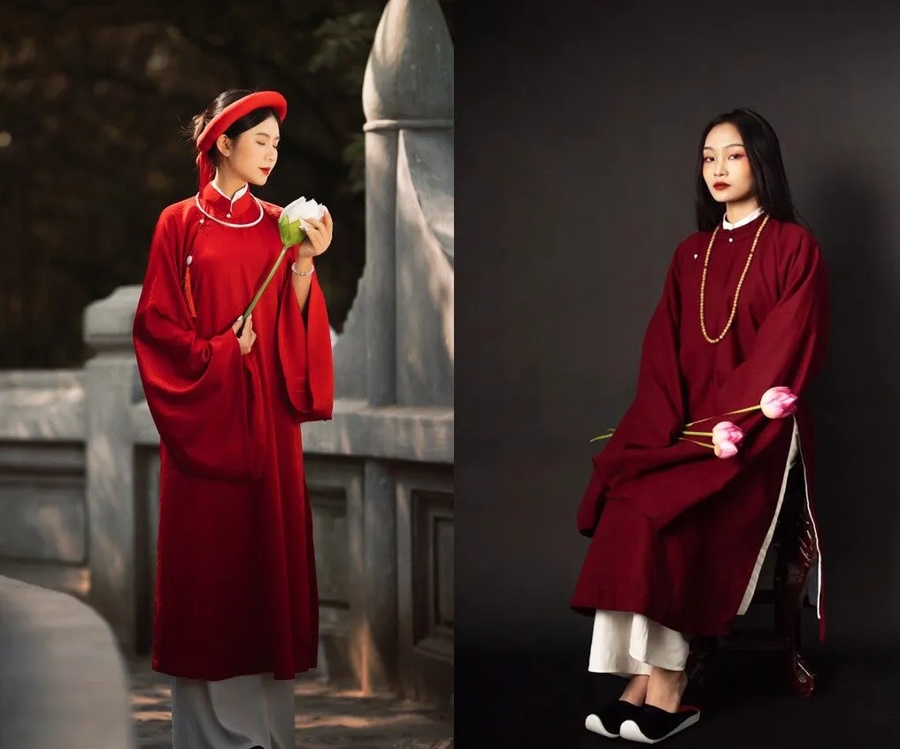
Ao Tac

The Ao Tac is a formal traditional Vietnamese robe created in the Nguyen Dynasty and used by scholars, officials, and aristocrats. It is called Ao Tac because its sleeves are broad, measuring a unit called tac, which translates to sleeve width measured in a traditional unit. It has a straight cut, five-panel design, and intricate details that signify order and symmetry. It is made from silk or brocade and represents the elegance and discipline of the imperial period in Vietnamese history.

Ao Tac is a formal traditional Vietnamese robe

Historically, Ao Tac is a symbol of Confucian virtues like propriety, hierarchy, and tradition. It was normally worn during royal ceremonies, ancestral rituals, and formal events. Modern-day Ao Tac is conserved as a cultural heritage and academic identity symbol. Original Ao Tac can cost anywhere from USD 150 onwards, while renting one for photo shoots or events is possible at the heritage costume studios in Hue and Hanoi for USD 20-40 per session.

Ao Ngu Than

Ao Ngu Than is a traditional Vietnamese garment standardized in the late eighteenth century and commonly worn during the Nguyen Dynasty. The garment gets its name from its five-panel design, which represents human values like humanity, righteousness, propriety, wisdom, and faith. With its standing collar, straight silhouette, and buttoned front, Ao Ngu Than combines formality and functionality. Made from silk or high-quality cotton, Ao Ngu Than represents a transition from ancient clothing to modern ao dai.

Ao Ngu Than is a traditional Vietnamese garment

In cultural and historical contexts, Ao Ngu Than symbolizes Vietnamese identity, society, and Confucian ethics. This garment was worn by both males and females, and it symbolized class and elegance. Today, Ao Ngu Than is appreciated as a cultural heritage and no longer as a fashion trend. Original pieces can be purchased from USD 120 and upwards, and rentals can be arranged at heritage studios in Hanoi and Hue cities, ranging from USD 15 to 35 per photoshoot.

Non La

Non La is a type of traditional Vietnamese hat that has been worn for centuries, whether in the countryside or the city. It is handmade from palm leaves and bamboo, with a light yet robust cone shape to protect the wearer from the sun and rain. The simplicity of the Non La represents harmony with nature, and the intricate stitching represents the skill of the artisans. The Non La is more than just a practical item; it is an aesthetic representation of life in Vietnam.

Non La is a type of traditional Vietnamese hat

Non La has traditionally symbolized strength, simplicity, and a strong connection with nature. Non La has also been frequently featured in folk art, poetry, paintings of farmers, and women, becoming a cultural icon in Vietnam. Non La has cultural significance today, but only in terms of symbolism. Its price varies from USD 5-20 for handmade Non La, while renting Non La at cultural villages or photography studios costs between USD 2-5.

Non Quai Thao

Non Quai Thao is a traditional Vietnamese hat made from palm leaves and bamboo, which is commonly linked to women in Northern folk culture. It differs from the Non La hat because of its broad and flat shape, which is held together by silk ribbons known as quai thao, flowing elegantly over the shoulders. The hat is light in weight yet visually appealing, particularly when paired with traditional dresses during festivals and performances. The hat’s style makes it look elegant, emphasizing the rhythm and movement of the body.

Non Quai Thao is a traditional Vietnamese hat

Non Quai Thao is culturally associated with Quan Ho folk songs and rural celebrations, embodying femininity, harmony, and communalism. It is commonly depicted in folk art and religious iconography, signifying rural elegance rather than practicality and work. Today, Non Quai Thao is maintained for cultural events and heritage photography. Handmade genuine products are available for USD 30-60. Alternatively, you can find rentals for cultural centers and studios in Bac Ninh and Hanoi for USD 10-20 per session.

Khan Mo Qua

Khan Mo Qua is a traditional Vietnamese headscarf that has been worn by women in the past, especially in the northern parts of Vietnam during the feudal era. Khan Mo Qua is normally made from soft silk or cotton materials and is folded in a unique way to form a shape around the face while still being light and comfortable. The headscarf is simple yet elegant, allowing the fabric to flow freely and accentuate a woman’s delicate facial features.

Khan Mo Qua is a traditional Vietnamese headscarf

From a cultural and historical perspective, Khan Mo Qua represents modesty and femininity and is a symbol of inner beauty and elegance in traditional Vietnamese culture. In terms of contemporary practice, Khan Mo Qua is preserved through cultural performances and heritage photography. The cost of a reproduction ranges between 10-25 USD, while the rental fee is available through heritage costume studios in Hanoi and costs between 5-10 USD per photoshoot session.

Final Thoughts: Is Vietnamese Dress Worth Exploring?

Vietnamese dress is an embodiment of its long history, artistry, and culture. Every traditional garment, from casual wear to formal wear, has its own symbolic meaning and is influenced by the culture and lifestyle of the people in each region. Travelers who are interested in learning more about Vietnam beyond its geography and tourist spots can start by learning more about these traditional costumes. Travelers who are interested in immersing themselves in the culture of Vietnam can discover its beauty and heritage with Seni World.
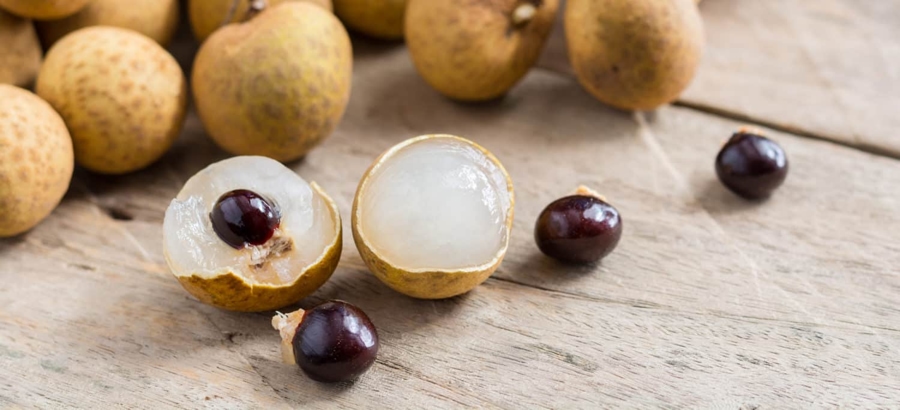
Top 20 Timeless Vietnamese Snacks That Define Local Street Life

Vietnamese snacks are a colorful representation of the dynamic street food scene in Vietnam, with a combination of flavors that are hard to resist. Ranging from crunchy to chewy and sweet desserts, each snack is a representation of local ingredients and creativity. Found abundantly on the sidewalks and night markets, these snacks are a must-have in Vietnam, not only for locals but also for tourists who visit the country.

Rice Paper Salad

  • Estimated price: USD 0.80-2.00 per serving
  • Where to buy: Street food stalls, school areas, night markets, and street walkways in Ho Chi Minh, Da Nang, and Hanoi cities

Rice Paper Salad

Rice Paper Salad is a well-known Vietnamese street food made from shredded rice paper, quail eggs, dried beef, and peanuts, among other ingredients, and a tangy sauce made of chili and tamarind. The food is famous for its strong taste, composed of saltiness, sourness, spiciness, and sweetness. The food can be found at street food stalls, especially near school areas and night markets. The best way to enjoy this food is during the day, preferably at night, with company. The food can be enjoyed at night, and it would be best to have it with company.

Grilled Baguette with Chili Salt

  • Estimated price: USD 1.00-2.50 per serving
  • Where to buy: Street food carts, night markets, and roadside food stalls in Ho Chi Minh City, Da Lat, Da Nang, and other major cities

Grilled Baguette with Chili Salt

Grilled Baguette with Chili Salt is a popular Vietnamese street food that involves cutting a baguette and topping it with chili salt, scallion oil, eggs, and other savory ingredients before grilling it until crispy. The dish has a crunchy exterior and a rich, spicy, and slightly smoky flavor. This is a great snack to have during the late afternoon or at night, as it is typically sold during these times. The best place to enjoy this dish is at street food stalls, especially in the night market areas.

Baguette Stick

  • Estimated price: USD 0.50-1.50 per stick
  • Where to buy: Street bakeries, food stalls, and snack stores in Hai Phong, Hanoi, and other cities

Baguette Stick

Baguette Stick is one of the easy yet quintessential Vietnamese snacks made from a small baguette with savory pâté, chili sauce, and sometimes dried pork floss. This snack has its roots in Hai Phong and is enjoyed for its crispy texture and rich, slightly spicy taste. Baguette Sticks are commonly sold in areas such as schools, markets, and street areas, providing an easily accessible snack for those who want something quick and easy. It is best eaten for breakfast or as an afternoon snack, especially if it is served hot. To get the best experience from this snack, one must visit food stores or crowded street stalls where the baguettes are freshly baked.

Baguette with Pork Sausage

  • Estimated price: USD 1.20-2.50 per sandwich
  • Where to buy: Roadside food stalls, local bakeries, morning markets in Hanoi, Ho Chi Minh City, central Vietnam

Baguette with Pork Sausage

Baguette with Pork Sausage is a popular snack in Vietnam made with a crispy baguette filled with grilled or steamed pork sausage, fresh herbs, pickled vegetables, and chili sauce. The taste is savory, slightly sweet, and perfectly balanced with contrasting textures. This snack is widely available at roadside food stalls and local bakeries, particularly in the morning and at lunchtime. It is normally consumed for breakfast or lunch. To fully enjoy this snack, it is advisable to purchase it at busy food stalls on the street, where the baguette is freshly baked, and the pork sausage is made fresh daily.

Fried Fermented Pork Rolls

  • Estimated price: USD 1.00-2.00 per serving
  • Where to buy: Street food stalls, school areas, night markets, and snack streets in Hanoi and the northern region of Vietnam

Fried Fermented Pork Rolls

Fried Fermented Pork Rolls are a popular snack made of fermented pork, garlic, and spices mixed together and deep-fried to a crispy golden brown. This snack stands out from the usual fresh fermented pork rolls because of its crunchy outside and soft inside. The taste of the Fried Fermented Pork Rolls is savory and slightly sour. The sour taste is often complemented by the use of chili sauce or sweet chili dip. Nem chua rán is often found in areas around schools, markets, and busy streets, particularly during the afternoon and evening. This snack is best enjoyed when eaten hot and fresh, making it ideal for socializing with friends.

Deep-Fried Fish Balls

  • Estimated Price: USD 0.80-1.80 per serving
  • Where to Buy: Street food carts, nearby schools, night markets, and roadside food stalls, etc., across Vietnam

Deep-Fried Fish Balls

Deep-Fried Fish Balls is a traditional Vietnamese street food dish consisting of fish paste mixed with other seasonings and formed into small balls, then deep-fried. The dish has a crunchy exterior and a soft interior, giving it a delightful texture. Deep-Fried Fish Balls are typically served hot and can be accompanied by chili sauce, sweet chili, and tamarind sauce. This dish is often found near schools and on busy streets, and it is best consumed as a snack during the afternoon or evening. It is ideal to have this dish at food stalls, as they tend to have a high turnover rate and serve hot, delicious fish balls.

Fresh Spring Rolls with Sausage

  • Estimated price: USD 0.80-1.50 per roll
  • Where to buy: Street food stalls and vendors, and local markets in Ho Chi Minh City, Hanoi, and southern Vietnam

Fresh Spring Rolls are one of the most popular street foods in Vietnam, and they are made by filling sausages, shredded vegetables, eggs, and herbs with fresh rice paper. This dish has a slightly sweet and savory flavor with fresh and herbaceous notes from the fresh ingredients, and is best paired with a rich and savory hoisin or peanut sauce. Fresh Spring Rolls are widely sold in the afternoon and early evening, especially near schools and sidewalks. This dish is both light and filling, and it is best shared with friends. It is highly recommended to choose street vendors who make fresh rolls for each customer.

Tamarind-Glazed Dried Squid

  • Approximate price: USD 1.50-3.00 per serving
  • Availability: Night markets, street food vendors, dried seafood shops, and markets in Vietnam

Tamarind-Glazed Dried Squid

Tamarind-Glazed Dried Squid is a favorite Vietnamese street food consisting of shredded dried squid braised in a thick tamarind sauce flavored with chili, sugar, and fish sauce. The combination of sweet, sour, salty, and spicy flavors results in a chewy yet addictive texture. This street food is usually sold at night markets, street food stalls, and seafood shops, particularly in major cities near the coast. It is best served as an afternoon or evening snack, often enjoyed with friends. To get the best product, look for vendors who use fresh dried squid and prepare the sauce on the spot.

Quail Eggs Stir-Fried with Tamarind Sauce

  • Estimated price: USD 1.20-2.50 per serving
  • Where to buy: Street food stalls, night markets, and vendors on sidewalks in Ho Chi Minh City, Hanoi, etc..

Quail Eggs Stir-Fried with Tamarind Sauce

Quail Eggs Stir-Fried with Tamarind Sauce is a popular Vietnamese street dish that consists of boiled quail eggs stir-fried in a tangy tamarind sauce with garlic, chili, and herbs. Quail Eggs Stir-Fried with Tamarind Sauce has a rich blend of sour, sweet, and savory tastes. Peanuts are also sometimes added as toppings. Quail Eggs Stir-Fried with Tamarind Sauce is best enjoyed in the late afternoon or in the evening, especially in night markets. Quail Eggs Stir-Fried with Tamarind Sauce is best enjoyed at street stalls, where it is freshly cooked.

Crispy Pork Skin Tossed In Fish Sauce

  • Estimated price: 1.50-3.00 USD per serving
  • Where to buy: Street food stalls, night markets, and local snack shops in Ho Chi Minh City and southern Vietnam

Crispy Pork Skin Tossed In Fish Sauce

Crispy Pork Skin Tossed in Fish Sauce is a popular Vietnamese dish that is made from pork skin that is fried and then tossed in a mixture of fish sauce, garlic, chili, and sugar. This dish is light and crispy on the outside and rich, salty, and sweet on the inside. This dish is served in the afternoon and evening, particularly in night markets and street food stalls. This dish should be consumed fresh and hot and shared among friends who have a craving for something delicious and savory. In order to fully enjoy the dish, it is recommended that you choose vendors that have pork skin that is freshly fried on-site.

Beef Jerky Salad

  • Estimated price: USD 1.50-3.00 per serving
  • Where to buy: Street food stalls, night markets, and sidewalk vendors near parks and tourist areas in Hanoi and major cities

Beef Jerky Salad

Beef Jerky Salad is a popular Vietnamese street food consisting of shredded green papaya, beef jerky, herbs, peanuts, and a fish sauce dressing. The salad is fresh, slightly sour, and savory, with the added texture of the beef jerky. This street food is usually sold in the afternoon and at night, particularly in areas near parks and popular walking streets. It is best eaten as a snack and not as a full meal. To get the best out of this dish, it is best to opt for busy vendors who use fresh ingredients and prepare the salad on the spot.

West Lake Shrimp Cakes

  • Estimated price: USD 2.50-5.00 per serving
  • Where to buy: West Lake (Tây Hồ) area, traditional eateries, and local restaurants in Hanoi

West Lake Shrimp Cakes

West Lake Shrimp Cakes is one of the well-known dishes in Hanoi cuisine, made from fresh whole shrimp coated with batter and then deep-fried until golden and crispy. The dish is crunchy from the outside and soft from the inside, with fresh herbs and dipping sauce for a perfect combination of savory flavors. This dish is highly related to the West Lake area and is commonly consumed as an afternoon snack or meal. It is highly recommended to consume the dish hot from local restaurants located near West Lake, where fresh shrimp is fried and ready for serving, providing an authentic taste of street food culture in Hanoi.

Deep-Fried Banana Fritters

  • Approximate price: USD 0.80-1.80 per serving
  • Where to buy: Street food carts, markets, and sidewalk vendors in Vietnam

Deep-Fried Banana Fritters

Deep-Fried Banana Fritters are a popular Vietnamese street food that involves dipping ripe bananas in a thin layer of batter and deep-frying them until they turn golden brown and crispy. The exterior is crunchy, while the interior is soft and sweet. This street food has a simple and comforting taste that is enjoyed by people of all ages in Vietnam. Deep-Fried Banana Fritters are typically sold in the afternoon, particularly in areas around markets and busy streets. It is best served hot, straight from the deep fryer, making it an ideal quick bite to munch on while exploring the neighborhood.

Sweet Desserts

  • Estimated price: 0.80-2.00 per bowl
  • Where to buy: Dessert streets, night markets, local food courts, traditional sweet shops, etc., all across Vietnam

Sweet Desserts, commonly known as Che, is a popular Vietnamese snack dish consisting of a variety of beans, fruits, jellies, coconut milk, and ice shavings mixed together. Different varieties of Che can be found across various regions of Vietnam, ranging from creamy coconut-based Che to iced versions of the dessert, ideal for hot weather conditions. The flavors of Che are lightly sweet, rich, and refreshing, accompanied by soft and chewy textures. Sweet Desserts are generally available for purchase in the afternoon and evening, especially at night markets and dessert streets. It is advisable to consume Chè as a light dessert after meals or while walking around the local area on hot days.

Stir-Fried Corn with Scallion Oil

  • Estimated price: USD 0.80-1.80 per serving
  • Where to buy: street food carts, school areas, night markets, and street stalls throughout Vietnam

Stir-Fried Corn with Scallion Oil

Stir-Fried Corn with Scallion Oil is a popular street food in Vietnam, consisting of corn kernels cooked with scallion oil, dried shrimp, butter, and chili. This street food is known for providing a savory taste with a sweet hint, accompanied by a strong smell and tender yet juicy texture. This food is best consumed during afternoons and evenings, especially near school areas and street roads. This food is best consumed hot, straight from the pan, making it an ideal choice during cold weather. To get the best taste, it is recommended to look for street stalls with high turnover to get fresh corn with generous servings.

Shaken Green Mango with Chili Salt

  • Estimated price: USD 0.80-1.50 per serving
  • Where to buy: Street fruit carts, street vendors, school grounds, and night markets throughout Vietnam

Shaken Green Mango with Chili Salt is a popular Vietnamese street food with a unique taste from a combination of ingredients such as unripe mango, chili salt, sugar, and shrimp salt. Shaken Green Mango with Chili Salt has an irresistible taste with a strong combination of sour, spicy, and sweet flavors. This street food is popular during afternoons and evenings when people are looking for something to eat that is light and cool to eat. Xoài lắc muối ớt is best consumed as a street food from fruit stalls with fresh mangoes to have an ideal combination of sweet and savory tastes from a well-balanced mix of ingredients.

Salt-Roasted Chicken Cartilage

  • Estimated price: USD 2.00-4.00 per serving
  • Where to buy: Street food stalls, local restaurants, beer snack shops, and night markets in major Vietnamese cities

Salt-Roasted Chicken Cartilage is a popular Vietnamese snack that is made from chicken cartilage that is deep-fried and seasoned with a mixture of aromatic salt, garlic, and herbs. It is popular because of its crunchy texture and its combination of salty and savory taste. It is best served in the evenings, either with drinks or as a snack with friends. Sụn gà rang muối is popularly sold in night markets and local restaurants, especially in cities. For an optimal experience, it is best to choose those that serve it hot and freshly cooked to maximize its crunchiness and aroma.

Fried Chicken Cakes

  • Estimated Price: USD 1.00-2.50 per serving
  • Where to buy: Street food stalls, school areas, night markets, and snack shops

Fried Chicken Cakes

Fried Chicken Cakes are a popular snack in Vietnam, which is made from minced chicken meat, flour, eggs, and other seasonings, and then deep-fried until golden brown. The cakes have a crunchy outer layer with a soft interior, and the taste is savory with a hint of peppery flavor. The cakes can be enjoyed with chili sauce or sweet chili dip for added flavor. Fried Chicken Cakes are typically available in the afternoon and evening, especially around schools and walkways. It is best enjoyed while still hot from the frying pan, which is great for a quick snack to satisfy one’s hunger for street food.

Rolled Pho Noodles

  • Estimated price: USD 2.00-4.00 per serving
  • Where to buy: Street food stalls, casual food outlets, and local restaurants in Hanoi, especially near West Lake (Tay Ho)

Rolled Pho Noodles is one of the popular dishes in Hanoi that consists of rolled wide pho noodles with stir-fried beef, herbs, and lettuce. Rolled Pho Noodles are delicious and easy to eat as they are light and fresh. The addition of herbs and lettuce makes it more delicious and attractive. The addition of fish sauce makes it even better. Rolled Pho Noodles are mostly eaten as a snack in the evening. Rolled Pho Noodles are best eaten in local food outlets near West Lake as they are freshly made and cooked for better taste and texture.

Final Thoughts: Are Vietnamese Snacks Worth Exploring?

Vietnamese snacks are an important element of the country’s travel experience, and they represent the local culture, life, and flavors of the food. When you are traveling to Vietnam, you will find that the food is not only affordable and accessible but also unique and flavorful. When you explore the world of snacks in Vietnam, you are not just enjoying the local food but also experiencing the local street food scene. For an amazing food experience, you need to explore the world of Seni World.
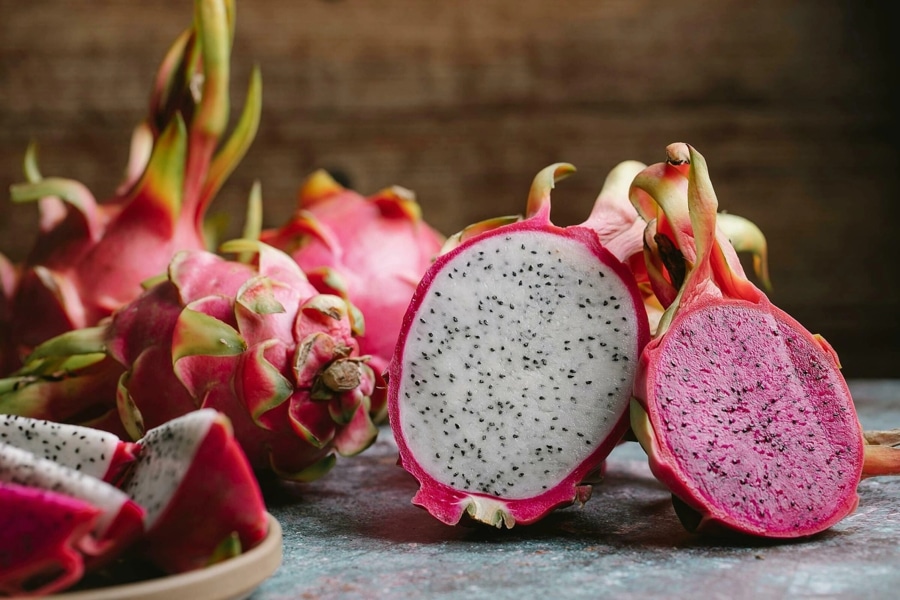
A Unique Cultural Experience At Chau Doc Floating Market

Chau Doc Floating Market is a colorful riverside market in the south of Vietnam. Locals trade fresh produce and regional delicacies from painted-wood boats, allowing visitors a glance at real daily life along the banks of the Mekong.

Introduction of Chau Doc Floating Market

The Chau Doc Floating Market is one of the most distinctive floating markets in southern Vietnam and represents an absolutely authentic river lifestyle peculiar to the Mekong Delta. The market is situated on the Hau River in An Giang Province and becomes very busy early in the morning when all kinds of boats congregate to sell fresh produce, local foods, and daily necessities. Unlike other floating markets, which are much larger, Chau Doc shows intimacy and genuineness-what the visitors observe here is real local commerce, rather than staged tourist performances. The colors of boats, traditional wooden sampans, and the friendliness of vendors create a bright picture of everyday life on the river.

Chau Doc Floating Market is a colorful riverside market

A visit to Chau Doc Floating Market allows tourists to participate and become familiar with local cultures. Activities, from enjoying boiled noodle soup prepared in boats to observing ancient ways of trading at the market, ensure that a visitor experiences the best of Mekong Delta cultures. The pristine simplicity of this market lies in its unbridled spirit of communalism that makes Chau Doc Floating Market one of the places worth visiting for those who wish to discover the Mekong Delta.

History of Chau Doc Floating Market

The Chau Doc Floating Market was formed along the length and width of river-based trade in the Mekong Delta. It is an area in which waterways are considered the main transportation routes that locals rely on. For generations, people in Chau Doc have depended on the Hau River as a bridge for exchanging goods like agricultural products and fish, as well as for everyday living. The two markets gradually became the center where Khmer, Cham, and Vietnamese traders met to exchange goods. This characterizes the rich ethnic identity and long-standing commercial traditions created by river life.

The Chau Doc Floating Market has maintained its cultural values that have a strong connection with living by the waterway. The tradition of conducting transactions through selling products in wooden boats and using a bamboo stick to display products is a practice that has been adopted by generations. The market is a testament and representation of the riverine lifestyle of southern Vietnam and its connection with the Mekong River.

Top 4 Iconic Attractions in Chau Doc Floating Market

In contrast with markets that exist on land, the Chau Doc Floating Market is a big open market that is completely determined by the surrounding environment. The “architecture” of this unique market is based on the functional structure of waterways and floats. Every part of this market contributes to its special atmosphere.

Boats to Trade and Floating Stalls

The most typical characteristics of Chau Doc Floating Market are the network of wooden trading boats. Traders dwell, cook, and sell right on their boats, making every vessel a floating shop. Goods are often displayed on top of tall bamboo poles, from which buyers can identify the products from far away. This pragmatic design testifies to how generations of river commerce have influenced local trading architecture.

Boats to Trade and Floating Stalls

Floating Food Boats

Food boats comprise a colorful sector of the market that includes freshly made local foods such as noodle soups, coffee, and snacks. Food boats are very efficient despite their small sizes, designed this way for riverine environments. Their simplicity demonstrates ingenuity, which is evident in the pace of life when people live on the river and require quick access to food for sustenance.

Food in chau doc flooding market

River Landscape and Flow of Market

The Hau River itself functions as the main structural element of the market. Natural water currents guide boat movements and create an organic flow rather than fixed stalls or walkways. This fluid layout allows the market to shift and adapt daily, making each visit a little bit different but retaining its traditional character nonetheless.

Cultural Interaction Spaces

Moreover, apart from trading, it serves as the spot for traders from different communities, such as the Vietnamese, Khmer, and Cham ethnic minorities. During rush hour, there is a great clustering of boats, thereby serving as natural meeting points that reinforce cultural exchange and community ties.

3 Unforgettable Experiences You Shouldn’t Miss

A rather interesting aspect of a visit to Chau Doc Floating Market is that it provides views of the river not just as a scenic background but also experiences that are shaped by life on the Mekong River. Floating cuisine and trading culture are examples of such experiences.

Savor the Dishes of the Floating Market Cuisine

One of the most memorable experiences at the Mekong Delta is the sampling of the local food directly on the river. Visitors can enjoy freshly cooked noodle soups, Vietnamese coffee, and traditional snacks right from small food boats. Eating while gently drifting along the river provides an intimacy with local life and flavors that are far more genuine than any restaurant experience.

Take a Boat Tour of the Market

The best way to experience this is to take a boat tour through the market. As you take your boat through the narrow passages and the wide parts of the river, you will see trading boats lined up with fruits, products, and necessities. This boat tour will give you an understanding of the workings of the river as a marketplace and a life-giving source for the people living in the Mekong Delta.

Take a Boat Tour of the Market

Observe the Traditional River Trade Practices

River trade activities can provide a glimpse into the lives of the people who have been carrying out this activity for generations. You can observe the vendors expertly handling their boats and using long bamboo poles to display what they have for sale.

They also haggle over prices by having animated conversations across the water. These activities are important because they show that there is more to the economic activities of the Mekong Delta than meets the eye. There is a rich culture among the people.

Observe the Traditional River Trade Practices

Entrance Fee

Chau Doc Floating Market does not have an entrance fee because it’s a community-run market, which takes place in a riverway. However, to tour this market, one would definitely require a boat, for which prices vary depending on the type of tour, duration, or services included. Here’s a price list for all visitors to refer to

Service Type Price (VND) Approx. Price (USD) What’s Included
Shared boat ride 50,000 – 100,000 2 to 4 USD Short river trip, market viewing
Private boat tour 150,000 – 300,000 6 to 12 USD Flexible route, photo stops
Guided boat tour 250,000 – 400,000 10 to 16 USD Local guide, cultural insights

Children, seniors, and groups may qualify for discounts if direct negotiations with local boat operators are conducted. The best time to go for boat tours would be early morning because this is when most markets are at their peak.

Opening Hours

Chau Doc Floating Market opens without fixed hours because it is a traditional market that takes place on a river and is influenced by the lifestyle of the locals. Thus, their market usually opens at approximately 5:00 AM to 8:30 or 9:00 AM, depending on the location near the Hau River, to sell produce, eatables, and housewares. Those who arrive early get to experience the peak hours when most vendors are on the river, along with cooler weather because fewer people are on the river by that time.

As far as seasons go, peak season in the Mekong Delta is from November to April, when it is dry in southern Vietnam, ensuring a calm river and pleasant weather. The low season is from May to October, when it is rainier, especially in the afternoon. Still, it is a great time for a scenic and peaceful environment with fewer tourists. The best time for a visit to Chau Doc Floating Market is early morning during the dry season, between December and March, when it is colorful and great for photography.

How to Get to Chau Doc Floating Market

The Chau Doc Floating Market is situated at Hau River in Chau Doc City of An Giang Province. Visitors first come to Chau Doc from Ho Chi Minh or Phnom Penh and then go for a boat ride to discover this market.

Transport Route Travel Time Estimated Price
Bus Ho Chi Minh City → Chau Doc 6 to 7 hours 8 to 12 USD
Private car Ho Chi Minh City → Chau Doc 5 to 6 hours 80 to 120USD
Motorbike Ho Chi Minh City → Chau Doc 7 to 8 hours Fuel cost
Speedboat Phnom Penh → Chau Doc 4 to 6 hours 35 to 45 USD

Things to Know Before Traveling to Chau Doc Floating Market

Before heading to the Chau Doc Floating Market, a brief orientation will definitely prepare you for a harmonious and fruitful encounter. The tips are mentioned in the following points that include the necessary information for foreigners.

Things to Know Before Traveling to Chau Doc Floating Market

  • Early morning visits between 5:30 and 7:30 AM can be planned in order to avoid the heat, the crowd, benefit from the best trading time of the season, photo opportunities, and the smooth movement of the riverboat.
  • Be prepared for humid tropical conditions every time of the year. Dressing should entail wearing light and breathable clothing, protection from the sunlight, and non-slip shoes.
  • Drink plenty of water and healthy food from clean boats, avoid ice if you are sensitive, and personal medications for yourself, sunscreen, and medications for vomiting and headaches associated with motion sickness will all help.
  • Select licensed local boatmen, wear life vests if offered, protect valuables, be cautious of slippery decks, heed tour guidance, and be mindful of river traffic to make your visit enjoyable and safe.
  • Be respectful of the culture and the environment by reducing or lessening plastic usage, declining single-use plastics, desisting from littering, refraining from photo-taking without permission, buying from local vendors, and keeping noise low.

FAQS About Chau Doc Floating Market

Planning your trip becomes easier once you have an idea of what to expect when visiting Chau Doc Floating Market. These common questions that people ask have been answered to help you get the best experience at this Mekong experience.

Is It Worth Visiting the Chau Doc Floating Market Compared with Other Floating Markets in Vietnam?

Yes, Chau Doc Floating Market can be recommended for tourist visitors in their quest for an authentic experience that is not so touristy. Unlike other large floating markets like Cai Rang, this particular market represents actual activity in terms of buying or selling, rather than just being for display or entertainment purposes. Its small nature enables tourist visitors to approach these vendors for an actual experience.

Is It Necessary to Take a Guided Tour to Visit the Floating Market?

There is no need to pre-book a tour, because renting a boat to go to Chau Doc to see these areas is easy from Chau Doc Wharf. But booking a local guide, if possible, would be beneficial to help understand different cultures and assist in effective communication.

Thoughts: Is the Chau Doc Floating Market Worth Visiting?

A visit to Chau Doc Floating Market is an experience worth having for any traveler who is interested in learning about an aspect of life on the rivers of the Mekong Delta. While other floating markets in other parts of Vietnam may be considered to be geared towards tourism and therefore fake and unnatural, this particular marketplace is very genuine and very connected to the people who engage in their living activities. Those who seek to experience the culture of a place and to enjoy experiences of a slower type of travel will certainly enjoy this particular marketplace at Chau Doc. Let Seni World help you discover this marketplace and this fascinating region of Vietnam.

Top 15 Places Worth Visiting in Cambodia

Cambodian cities are a rewarding and eclectic mix of ancient history, modern metropolises, and local culture. Whether one wants to explore temple cities or riverfront capitals, each travel option presents a different set of experiences.

Siem Reap

Siem Reap is an attractive city located in north-western Cambodia, particularly famous for being the primary entry point to the Angkor Archaeological Park, which is recognized by UNESCO as a World Heritage Site. The city is located close to Tonle Sap Lake, inheriting Khmer history while at the same time offering an engaging but also very relaxed environment. The environment of Siem Reap entails ancient temples, natural countryside, and villages; it is characterized by a striking contrast between historical sites and developments catering to tourism.

angkor wat temple in siem reap

Siem Reap, located in Cambodia, is accessible by air and offers visits to famous Angkor temples such as Angkor Wat, Angkor Thom, and Ta Prohm, particularly during sunrise or sunset hours. Additionally, there are cultural activities such as visiting floating villages on Tonle Sap Lake, Apsara traditional performances, and exploring local markets and shops. Siem Reap offers various culinary delights, including street food and fancy Khmer restaurants. Being culturally and naturally significant and boasting a great deal of activities, Siem Reap is a must-visit destination for people traveling to Cambodia.

Phnom Penh

Phnom Penh is the capital and largest city of Cambodia, standing at the junction of the confluence of the Mekong, Tonle Sap, and Bassac rivers. The city is also the political, economic, and cultural center of Cambodia. Because of this, the city’s complex history can be reflected in its rapidly modernizing development. Phnom Penh, therefore, bears striking French colonial architecture, royally poignant landmarks, and modern edifices, fitting into a diverse urban landscape. Riverside boulevards, tree-lined streets, and historic sites such as the Royal Palace and Silver Pagoda add to the city’s scenic and cultural value. Despite the fast pace, Phnom Penh still retains areas of calm along the riverfront.

The Painting Gallery in Tuol Sleng Genocide Museum

Travelers in Phnom Penh can visit significant historical spots like the Royal Palace, National Museum of Cambodia, Tuol Sleng Genocide Museum, and the Killing Fields, which offer valuable knowledge about Cambodian history. For relaxation, one can stroll along Sisowath Quay, enjoy sunset boat rides in the river, visit markets, and relish Khmer food at riverside eateries in Phnom Penh. The lively nights of Phnom Penh, coffee shops, and performances also await adventurous tourists in this capital of Cambodia. Thanks to its river views, rich history, and lively culture, Phnom Penh has something appealing to offer every tourist visiting Cambodia in search of knowledge as well as a modern city experience.

Sihanoukville

Sihanoukville is an important beachside city found in the southwestern part of Cambodia, particularly along the Gulf of Thailand. It is recognized for its beaches, ports, and proximity to other islands and is considered one of the critical tourism hubs of Cambodia and an important locality for sea trade and navigation. Sihanoukville is characterized by sand beaches, headland areas, and island areas that have blue and clear water. Beach areas such as Ochheuteal, Otres, and Serendipity have varying settings from lively ones along the beach to peaceful areas by the beach, and thus offer varying tourist attractions and sites based on the chosen area of stay.

Ochheuteal beach in Sihanoukville

The visitors of Sihanoukville can have a rest on the beach, swim, and try fresh seafood in the restaurants on the seashore. Island-hopping trips rank among the greatest activities that include snorkeling, diving, or relaxing on white-sand beaches offshore. The coastal experience is enhanced with sunset views, boat tours, and seaside walks. While the city itself keeps on growing rapidly, Sihanoukville continues to be an important base for beach holidays and island exploration. Due to its coastal scenery and easy access to the nearby islands, Sihanoukville is ideal for travelers who seek sun, sea, and relaxation in Cambodia.

Battambang

Battambang is a charming Cambodian city in the northwest, on the Sangker River near the Thai border, with a relatively well-preserved French colonial architectural style and a vibrant art identity. Battambang gives a more relaxed atmosphere compared to the bigger cities of Cambodia. The countryside is ripe with fertile rice fields and villages that have barely changed over time, reflecting its important function as an agricultural hub. The streets along the river, historical buildings, and local neighborhoods create a serene atmosphere that epitomizes common Cambodian life.

Khmer New Year in Battambang is usually in mid-April

Visitors to Battambang can see many cultural sites, including the Battambang Provincial Museum, galleries, and especially Phare Ponleu Selpak Circus School, which has gained world acclaim. Activities include taking a ride on a Bamboo Train, visiting local temples and caves like Phnom Sampeau, and cycling through countryside villages. Watching sunsets over the Sangker River and markets gives one a glimpse into local culture and food. With its spirit of creativity, natural surroundings, and culturally rich experiences, Battambang proves to be a great tourist destination for all who choose to explore it, apart from popular tourist spots in Cambodia.

Kratie

Kratie is an unassuming riverside town that lies in the east of Cambodia, along the banks of the Mekong River. Kratie is recognized for being a peaceful place with beautiful Mekong views and an intrinsic tie with Mekong culture. Kratie’s town is quite compact with colonial architecture, lined with palms and observational points that look out on vast Mekong banks. However, this is set against the backdrop of villages and wetlands surrounding Kratie and the tranquil environment of this Cambodian province, which differs from other larger Cambodian cities.

dolphins in kratie

People come to Kratie basically to witness the existence of the Irrawaddy dolphins that inhabit the Mekong River at Kampi. A boat ride and an escorted walk along the riverside are good ways to relax and appreciate the surroundings and the fishing villages along the way. By cycling around Kratie and exploring Koh Trong Island, visitors can experience rural Cambodia and the rural way of life of the villages. Kratie is the place to be for people who want to appreciate nature and the natural habitat of Cambodia, and those who want to get away from the bustling life of the city.

Kampot

Kampot is a tranquil town that borders a river in southern Cambodia. It is located along the banks of the Preaek Tuek Chhu River in the vicinity of the Elephant Mountains. Kampot is recognized for its laid-back culture and its rich colonial architecture inspired by the French colonial period in the country. There is a serene environment in Kampot that distinguishes it from other major cities with a hustle and bustle culture in Cambodia. Kampot is a world-renowned producer of quality pepper crops.

Bokor National Park, an icon for nature lovers in Kampot

There are boat rides along the river for tourists to enjoy, particularly at sunset, or cycling or motorbike rides for those who wish to explore the outskirts of Kampot. Activities for tourists include visiting pepper farms, trekking or driving to Bokor National Park, or spending time at river cafes. There are also caves, salt farms, and markets for tourists to explore to get an insight into the lives of the locals. The natural setting, pace of life, and activities of this beautiful southern Cambodian town make it an attractive place for tourists to vacation.

Kep

Kep is a quaint seaside town in southern Cambodia, situated along the Sihanoukville Province of the Gulf of Thailand and near the Vietnamese border. Originally a popular seaside destination in French colonial Cambodia, Kep today is recognized for its peaceful ambiance, sea breezes, and laid-back lifestyle. The seaside town boasts a beautiful coastline with hills and Kep National Park that engulf the entire municipality in shades of green. The seaside location of Kep creates the optimal destination for those escaping from bustling city life due to its sea breezes and beaches.

visit Kep Crab Market

Visitors to Kep can enjoy leisurely walks along the seaside promenade, explore hiking trails in Kep National Park, and relax by the ocean. Among activities to be named, one of the most popular things to do here is a visit to the famous Crab Market, where seafood, especially blue crab, is a local specialty. Boat trips to Rabbit Island (Koh Tonsay) offer a chance to swim, snorkel, and enjoy simple beach time. With its peaceful coastal scenery, fresh seafood, and easy-going pace, Kep is perfect for travelers seeking a tranquil Cambodian seaside getaway.

Koh Ker

Koh Ker is an isolated archaeological site in Northern Cambodia, and it lies in the deep jungles between Siem Reap and Preah Vihear. Koh Ker was the capital of the Khmer Empire in the 10th century, and the site is famous for its unusual temples and beautiful surrounding landscape. This place has dense jungles, water reservoirs, and more than one hundred ancient structures scattered in a large area. The most impressive monument here is the Prasat Thom Temple, a seven-level pyramid that stands tall above the jungle and gives a remarkable view of the surrounding area.

Koh Ker is an isolated archaeological site in Northern Cambodian

Those who come to Koh Ker can walk among the temple ruins, exploring and finding sculpted stone temples, lingas, and religious areas nestled within dense tree cover. A trek up Prasat Thom is one such experience, offering not only historical knowledge but also panoramic views. The peaceful, pristine environment lets visitors feel as though they are exploring Cambodia itself, and its ancient history in an adventure-seeking, unconventional manner. Nature treks, photography, and guided tours are obviously very popular within Koh Ker, which is so conducive to exploration by those interested in history, archaeology, and adventure trekking in Cambodia.

Kampong Cham

Kampong Cham is an unassuming town in eastern Cambodia, lining the banks of the Mekong River. The town is recognised as one of the oldest in Cambodia and is distinguished for its laid-back atmosphere, beautiful riverbank outlooks, and agricultural environment. The town boasts broad streets, colonial architecture, and corresponding temples in addition to lively landscapes and riverscapes. The agricultural land, rubber plantations, and rivers in and around Kampong Cham give it an agriculturally rural look despite being in an urban area. The Mekong River interacts with everyone in this town in beautiful and peaceful ways.

Kampong Cham is an unassuming town in eastern Cambodia

People travelling to the region can visit sites such as Wat Nokor, which is a rare temple complex featuring both ancient and new buildings designed alongside each other, and cross over to Koh Paen Island using the popular bamboo bridge available only in the dry season. One can also go on a ride along the bank of a river using cycles and get to see rubber plantations and local marketplaces. The setting sun on the Mekong River and peaceful strolls along its banks feature added advantages for people coming to this region.

Stung Treng

Stung Treng, which is pronounced “stung treng,” is an isolated riverside provincial town in north eastern Cambodia. Situated at the junction of the Mekong River and Sekong River, it is very close to the border of Laos. Because of its natural scenic environment and tranquillity, Stung Treng boasts an incredible number of river islands, floodplains, and flood forests. Stung Treng is also still unattractive to industrial development, giving visitors to this region of Cambodia an authentic experience of natural Cambodia. The broad rivers, as well as changes in water levels, have significant effects on this region.

Stung Treng (Cambodia)

In Stung Treng, tourists can take a riverboat to explore the water system and explore islands, fishing villages, and various bird species. Riverboat tours to see the inundated forest and Ramsar sites are other ecotourism activities offered in this region. In addition, cycling tours in this region help tourists to view the villages and river environments slowly. Sunset views along the Mekong River have long been a unique experience for many tourists. Poised in a tranquil environment and in a region rich in biodiversity with strong links to water environments, Stung Treng has been considered an appropriate destination for nature and unexplored tourists in Cambodia.

Ratanakiri

Ratanakiri is a far-flung region in the northeast of Cambodia, with rugged terrain, volcanic lakes, and ethnic diversity. The region is based around the town of Banlung and is marked by red soil roads, hills, forests, and waterfalls. Unlike the big cities of Cambodia, which are found in the lowland areas, Ratanakiri has a cooler climate and is very natural and close to nature. The region has many minority groups of people, whose natural way of life brings a richness of culture to the region. Ratanakiri is very beautiful and unique, and it is among the regions of Cambodia.

Tourists to Ratanakiri also get to enjoy swimming and relaxing at Yeak Laom volcanic lake and discover waterfalls such as Kachanh and Ka Tieng. Additionally, there is jungle trekking guided by local guides. Tourist attractions also include visiting ethnic communities, where one can discover more about their habits and handmade products. Adventure seekers will also get to enjoy trekking, searching for wildlife, and four-wheel-drive excursions. Ratanakiri has everything that would appeal to adventure seekers and those interested in learning more about Cambodia beyond tourist trails.

Final Thoughts: Are Cities In Cambodia Worth Visiting?

The cities in Cambodia represent a harmony of ancient heritage, riverside scenery, coastal charm, and the real local culture. From historic temple gateways to serene provincial towns, every destination offers meaningful experiences far beyond usual tourism. Explore Cambodia’s cities with Seni World to reveal culture, nature, and unforgettable journeys.

Top 9 Tourist Attractions to Visit in Laos

Laotian cities tend to have a serene fusion of cultural heritage, waterways, and indigenous communities. Whether looking at historical cities or new ones still popping up, all share cultural authenticity, natural beauty, and a laid-back travel experience.

Vientiane, the Peaceful Capital Of Laos

Vientiane, the capital and largest city of Laos, sits on the bank of the Mekong River near the border with Thailand. Unlike many busy Southeast Asian capitals, Vientiane is known for its calm atmosphere, wide boulevards, and a relaxed pace of life. The city blends the traditional Lao way of life with French colonial influences in its architecture, cafes, and tree-lined streets. Iconic landmarks like Pha That Luang, the national symbol of Laos, and Patuxai Monument, identify the cultural and historical importance of the city. Riverside areas add scenic charm, especially in the evenings.

Grand Main Stupa in Pha That Luang

There is a lot to see in Vientiane, including Buddhist temples to visit, a riverbank promenade along which to stroll, and a chance to experience village life at local markets in Vientiane. The possibilities include visiting cultural sites in Vientiane, eating riverside Lao food in restaurants in Vientiane, and exploring the back streets of Vientiane by bike in Vientiane. Alternatively, in Vientiane, visitors can sit at cafes in Vientiane, take a riverbank walk in Vientiane during sunset in Vientiane, and take a brief boat trip along the Mekong in Vientiane.

Luang Prabang

Luang Prabang is a historic town in northern Laos. The town is found where the Mekong River joins another river called the Nam Khan River. The historic town is a former royal capital city that is now a UNESCO World Heritage Site. The town is renowned for having retained its temples, traditional wooden houses, and colonial buildings. The town is set against a background of lush mountains and rivers; hence, it is a place where you can find peace. The town’s environment is combined with a very tranquil life, making it among the most beautiful towns in Southeast Asia.

Wat Xieng Thong built in 1559-1560 under King Setthathirath

In and around Luang Prabang, visitors can visit famous temples, including Wat Xieng Thong, participate in the early morning ceremony of alms giving, and enjoy sunset views of the Mekong River. Activities include visits to Kuang Si Waterfall, a walk through the night market, and sampling typical Lao dishes. Boats on the Mekong and bike trips into rural areas provide more in-depth exposure to life in this country. The diversity, charm, and laid-back lifestyle found in Luang Prabang make it a great place to visit if a traveler is looking to have more meaningful encounters in Laos.

Vang Vieng

Vang Vieng is a small riverside town in central Laos, lying between Vientiane and Luang Prabang along the Nam Song River. The dramatic limestone mountains, lush valleys, and rice fields surrounding the town create some of the most scenic landscapes in the country. Once known mainly as a backpacker stop, Vang Vieng has developed into a well-rounded destination that pairs natural beauty with eco-friendly tourism. The karst formations, caves, and river views make it an exceptional position for anyone who loves the outdoors and loves photography.

Magical Limestone Formations inside Tham Chang Cave

Vang Vieng is more famously known as a destination for adventure and nature-related pursuits. There are many things to do, such as kayaking and tubing on the Nam Song River, cave exploration at Tham Chang and Tham Phu Kham caves, and trekking to the viewpoints which give a glimpse into the valley below. The overall experience is topped off with a hot air balloon ride over the sunrise view for a sight which is nothing short of spectacular. For a more laid-back experience, one can opt to lounge at one of the many café bars along the riverbanks or go cycling through the nearby villages.

Savannakhet

Savannakhet is an old city in Southern Laos, situated on the Mekong River and close to the Thai border. As the country’s second-largest city, it is recognized as an amalgamation of Lao culture and colonial French architecture. The old town section of the city retains features of its laid-back lifestyle in its low-rise buildings, quiet roads, and Mekong River waterfront. There is an interesting cultural side to the city as it is the birthplace of Kaysone Phomvihane, the country’s founding leader.

That Ing Hang Stupa

People traveling to Savannakhet can discover colonial architecture, visit temples such as That Ing Hang Stupa, and walk along the banks of the Mekong River during sunset. The atmosphere of Savannakhet provides a serene experience for travelers when visiting this region on foot or on a bicycle to discover local markets and experience local daily life. One can enjoy local cuisine, coffee, and café cuisine while experiencing local and daily life, and enjoy and discover history and views in this region when traveling to Savannakhet.

Kaysone Phomvihane

Kaysone Phomvihane, also known as Savannakhet City, is a small but developing urban area in southern Laos and serves as the capital of Savannakhet Province. Geographically situated near the banks of the Mekong River and along its shared boundary with Thailand, Kaysone Phomvihane serves as a vital trading post in terms of transportation and commerce in its region. Kaysone Phomvihane has a relatively modern character compared to other historic towns in other countries, as it has wide roads and residential areas compared to its historic counterparts.

In Kaysone Phomvihane, visitors are able to experience local life without being in a typical tourist area. Walking along the banks of the Mekong River, touring local temples, and visiting local markets are ways in which visitors can experience local life in this city. Kaysone Phomvihane is also a great starting point for people who are interested in visiting other area attractions, such as local countryside areas and historical sites in Savannakhet Province. Cafes and riverside eateries are available for visitors to enjoy local cuisine and view sunsets in this quiet town and prime location.

Pakse

Pakse is an exciting city in the south of the country, situated where the Mekong River meets the Xe Don River. The city is the capital of Champasak Province in Laos and is an essential transportation and commercial center between the neighboring countries of Laos and Thailand, as well as the country of Cambodia. This city is where one gets to enjoy the delights of the city as well as the natural environment surrounding it, including its scenic waterfalls and the Bolaven Plateau.

Wat Phou Salao

Pakse is also a great place to visit if you are interested in visiting other sites in and around Pakse, such as Wat Phou, a UNESCO World Heritage Site that is renowned for its ancient Khmer architecture, and the scenic waterfalls that are found on the Bolaven Plateau, such as Tad Fane and Tad Yuang Waterfalls. Pakse itself provides a pleasant riverside walk, local markets, and restaurants that provide great views of the Mekong River, and it is a great staging post if you want to go on a motorbike tour of coffee plantations and rural villages around Pakse.

Thakhek

Thakhek is an unpretentious riverside town in the center of Laos, situated along the Mekong River and close to the Thai border. Being the capital of the province of Khammouane, Thakhek is famous for its stunning karst landscape and colonial buildings. There is an air of tranquility in this town because of the broad roads, old buildings, and the scenic views of the river. Thakhek is situated close to hills, caves, and countryside, making it an essential hub to explore the natural wonders of Laos.

Thakhek

Tourists who visit Thakhek usually do so because of the outdoor adventures it provides. The Thakhek Loop is one of the main tourist attractions in Thakhek, as it is an exciting motorbike ride through limestone ranges, caves, and local villages. The main attractions in the Thakhek Loop include the Kong Lor Cave, which is characterized by an underground river passing through an enormous karst cave, and the smaller caves dotted in various parts of the region. Furthermore, tourists can choose to cycle, kayak, or take walks along the riverside in Thakhek.

Luang Namtha

Luang Namtha is a smaller town in the northern region of the country, close to the boundaries of China and Myanmar. The topography of the region, that is, mountains, rivers, and dense forests, has made Luang Namtha famous as the entry to the Nam Ha National Protected Area, a region that is of prime importance in the protection of the region’s environment and biodiversity. Luang Namtha provides a peaceful environment and a rich sense of ethnic diversity, with several ethnic groups such as Akha, Lante, and Khmu found in the surrounding villages.

Nam Ha National Protected Area

Luang Namtha tourism also offers visitors opportunities to undertake trekking, jungle walking, and home-stay programs where visitors get to understand the local ways of living. Visitors can also take part in kayaking along rivers, cycling through countryside environments, and forest walking guided by professionals within the national protected area of Luang Namtha. Luang Namtha contains local markets for visitors to explore and offers Lao and hill tribe foods for visitors to get a taste of local culture. Luang Namtha stands out due to its emphasis on sustainability, nature, and visiting cultures.

Final Thoughts: Are Cities In Laos Worth Visiting?

The cities of Laos are a joy to explore, offering a distinct fusion of cultural heritage, landscapes of grace, and a pace of life. Whether it’s the cultural hubs of Luang Prabang or other places of serenity by a river, or developing metropolises, all of these places have something to offer travelers when it comes to immersing themselves in local culture and enjoying lovely landscapes without any crowds. For all your travel needs to explore the most stunning cities of Laos, get organized itineraries and expert travel solutions from Seni World.

Top 15 Best Cities for Traveling in Vietnam: Culture, Cuisine, and Experiences

Vietnamese cities are a delightful example of a harmonious combination of an age-old past and a newly burgeoning future, as they feature historic streets and bustling markets intertwined with vibrant cityscapes that are of great interest to international tourists.

Hanoi (Hà Nội)

Hanoi is the capital of Vietnam, located in the northern part of the country, within the Red River Delta. Hanoi is known for its rich history, preserved culture, and blend of both Vietnamese and French colonial architecture, which makes Hanoi one of the most attractive cities in Vietnam. Places like the Old Quarter, Hoan Kiem Lake, and the Temple of Literature, showcase the richness of Hanoi’s cultural heritage, while its many ponds and its shaded streets provide its inhabitants with a serene atmosphere. Hanoi is the political and cultural hub of Vietnam.

Tran Quoc Pagoda And West Lake in Hanoi

Visitors in Hanoi have a variety of activities to enjoy in terms of culture, food, and local lifestyles. A walk in the Old Quarter is the best activity to enjoy the local streets, stores, and local food, such as pho and bun cha. Cultural activities include watching water puppetry, visiting museums, and local markets. Relaxing at Hoan Kiem Lake in the evenings or taking a weekend walking street gives a significant determination of the lifestyles of the people of Hanoi. Hanoi is also a great place to begin a visit to other nearby scenic sites, for instance, Ha Long Bay and Ninh Binh.

Ha Long (Quảng Ninh)

Ha Long Bay is found in Quang Ninh Province in Northern Vietnam, being one of the most beautiful natural sights in this country. A UNESCO World Heritage Site, Ha Long Bay, is recognized throughout the world for its green waters and spectacular limestone peaks rising majestically out of the ocean. The natural beauty of Ha Long Bay is truly spectacular, with caves, islets, and rocks jutting out of the ocean like giant natural sculptures, making this site truly sought after by tourists all over the world. Situated in Northern Vietnam, Ha Long Bay symbolizes the natural beauty of this part of the country.

peaceful Overnight Cruise in halong bay

To truly have a Ha Long Bay experience, it is best enjoyed through water activities that showcase its natural beauty. One way to enjoy this is by taking a cruise around the area. This way, one can enjoy seeing the beauty of Ha Long Bay during sunrise and sunset. Trekking into caves such as Sung Sot and Thien Cung is also part of this adventure. Relaxing activities include kayaking inside a lagoon, swimming at a secluded beach, and visiting a fishing village atop a floating habitat. This travel wonder is also easily accessible since it is only a few hours away from Hanoi.

Sapa (Lào Cai)

Sapa is a mountainous town in Lao Cai Province in the far northwestern part of Vietnam, near the Chinese border. Sapa is famous for its cool climate, foggy weather, and breathtaking landscape. The region is marked by terraces of rice paddies on mountainsides, valleys, and observation points which offer breathtaking views of Muong Hoa Valley. Sapa is also known for its rich cultural diversity and highland culture, as it is inhabited by many groups of hill tribe people, including H’Mong, Dao, and Tay people, and many more that add up to more than thirty groups of people in the region.

Sin Chai Village in sapa

Sapa has many things that people interested in travel can enjoy when visiting this resort town. The most popular activity that many people choose when coming to this place is trekking along the rice terraces and visiting the inhabitants of ethnic communities. For adventure-seekers, Fansipan Peak, named the “Roof of Indochina,” can be climbed with the help of a cable car or by trekking. Other activities that people can enjoy include visiting markets, ethnic villages, or just soaking up the laid-back vibe of this mountainous resort town. Sapa is definitely a great place for adventure-seeking travelers wanting to experience Vietnam’s mountainous north.

Ninh Binh (Ninh Bình)

Ninh Binh, which is only 90 kilometers away from Hanoi, is a breathtaking place that seamlessly integrates limestone mountains, rivers, and countryside. Described as “Ha Long Bay on land,” this place is famous for the Trang An Scenic Landscape Complex, which has been named a UNESCO World Heritage Site for its karst mountains, rivers, and caves. Tam Coc is specia

Visit Bai Dinh Pagoda in ninh binh

Besides, up and down Ninh Binh are the trips by boats through caves in both Trang An and Tam Coc, cycling along peaceful village roads, and visiting Hoa Lu Ancient Capital with stories to tell about Vietnam’s early dynasties. For nature lovers, Cuc Phuong National Park- home to rich biodiversity and gentle trekking routes is definitely not to be missed. Adding a spiritual touch to the journey would be Bai Dinh Pagoda, considered one of the biggest Buddhist complexes in Southeast Asia. This makes Ninh Binh, with its landscape, culture, and outdoor activities, an ideal destination for travelers looking for both relaxation and adventure.

Da Nang (Đà Nẵng)

Da Nang is a vibrant coastal city in central Vietnam; it is situated between Hanoi in the north and Ho Chi Minh City in the south; hence, it is considered the preferred entry point for visitors in the region. The city is known for its long white sandy beaches; in particular, My Khe Beach is known for being among the most beautiful in Asia. Notably, the landscape of Da Nang is determined by a rare combination of natural elements such as the sea, the mountains, and the river. Da Nang’s town center is the Han River, which is known for creating a very vibrant waterfront environment in the city.

Witnessing The Dragon Bridge Show Nearby

Visitors to Da Nang will find numerous things that can be done, ranging from swimming to other water activities along the coast, with tourist attractions at famous landmarks such as the Dragon Bridge and the Golden Bridge of Ba Na Hills. For adventure lovers, there is the marble cave tour at Marble Mountains or trekking at Son Tra Nature Reserve. The city has a rich culinary experience, with fresh seafood dishes, including local food such as Mi Quang. Da Nang has modern infrastructure, clean roads, and lots of things to do, making it a great place for relaxation as well as cultural visits.

Hue (Huế)

Hue, which is situated in central Vietnam, where the Perfume River runs through, is a historical and cultural city. As the old Imperial Capital of the Nguyen Empire, Hue is most famous for having the Complex of Hue Monuments, which is recognized by UNESCO as comprising the Imperial City, Imperial Tombs, and Ancient Pagodas. Hue, being situated among lagoons and lower mountains, provides a less hectic lifestyle in comparison to other major cities in central Vietnam. The scenery of Hue is serene and poetic, with the Perfume River gently flowing by historical buildings and green gardens.

overview of hue old capital

Tourist attractions that can be enjoyed in Hue, Vietnam, include visiting the Imperial Citadel, taking a tour of famous tombs such as Emperor Minh Mang’s or Khai Dinh, or visiting spiritual landmarks such as Thien Mu Pagoda. Taking a Perfume River cruise gives one a chance to relax while enjoying the beauty of Hue. Other than exploring Hue, one can enjoy Hue cuisine, which has dishes like bun bo Hue or banh beo. The rich cultural background, beauty, and serene lifestyle make Hue a perfect tourist destination for travelers seeking a cultural or spiritual holiday experience.

Hoi An (Quảng Nam)

Hoi An is an ancient town in Quang Nam Province in Central Vietnam, with many historical buildings along the lower deltas of the Thu Bon River. Hoi An, with its historical significance as the busiest trading port in Central Vietnam, is today famous for its Ancient Town, recognized as a World Cultural Heritage Site, featuring yellow-painted buildings, wooden merchant homes, and ancestral assembly halls of Vietnamese-Chinese-Japanese diversities. The town is more beautiful because of its narrow streets, rice lanterns, and serene location along the riverbank. The nearby beaches of An Bang and Cua Dai give Hoi An a pleasant feel of being along the beach.

Thu Bon River by night at Hoi An ancient town

The tourists can take a walking tour around the ancient town, visit some historic places like the Japanese Covered Bridge, and enjoy riverside nights with lanterns. Other common activities include biking through the countryside nearby, attending cooking classes, and going on a boat cruise across the Thu Bon River. Also, travelers may wish to unwind at the beaches or see nearby craft villages known for pottery and carpentry. Indeed, Hoi An is a perfect destination for those travelers who want to experience heritage, nature, and locals due to its slow pace, cultural awareness, and multi-dimensional experiences.

Nha Trang (Khánh Hòa)

One such Vietnamese beach resort that is well-known is located within the province of Khanh Hoa, known as Nha Trang. This resort is situated within Vietnam’s South-Central coastline. The beach is found between a wide bay flanked by islands, ensuring its waters are serene and clear with a good climate. Other features include the famous beach with wide expanses of sand, the lively beachfront promenade, and the nearby islands with their natural beauty. Other natural sites include the protected area of Hon Mun Marine Protected Area, known for its coral reefs, as well as the views from the bay area.

Hon Chong Beach is a scenic coastal attraction in Nha Trang

Foreign visitors to Nha Trang have opportunities to swim, snorkel, or dive in nearby islands like Hon Mun and Hon Tam. The tourist can also go on an island-hopping tour in Nha Trang Bay. Those who prefer to explore the mainland have opportunities to visit mineral hot springs or simply explore local markets. Foreign visitors can also pay a visit to temples along the coast. The city of Nha Trang is ideal due to its favorable locations along the coast, perfect weather, hot mineral springs in the area, and its accessibility.

Phan Thiet – Mui Ne (Bình Thuận)

Phan Thiet – Mui Ne, situated in the Binh Thuan Province in the south-central region of Vietnam, is one of the popular beach resorts in the region, well-known for its favorable climate and also the diverse natural scenery. Phan Thiet is the cultural and economic capital of the area, while Mui Ne is particularly famed for its sandy beaches, coconut-lined roads, and fishing villages. The region is also particularly well-known for its natural sand dunes, known as the Red Sand Dunes and the White Sand Dunes, amidst the blue waters.

The ideal period to venture into the Red Sand Dunes is between April and August

Visitors to Phan Thiet Mui Ne can engage in a wide range of activities. Mui Ne boasts one of the best locations in Vietnam for windsurfing and kite-surfing due to the strong and consistent winds. Visitors can climb the sand dunes during the sunrise or sunset hours, explore the Fairy Stream with its colorful rock formations, or learn about the local culture by visiting fishing villages and the Cham ruins of Po Sah Inu Towers. The city of Phan Thiet Mui Ne offers fresh seafood and beach resorts for those looking for both adventure and relaxation.

Quang Binh (Quảng Bình)

Quang Binh is a province in Northern and Central Vietnam that is famous for its wild and breathtaking natural scenery. Covering an area of the Truong Son Mountain Range to the East Sea, Quang Binh Province is characterized by dense forests, waterways, and an unspoiled coast. However, what makes Quang Binh most renowned is the presence of the Phong Nha-Ke Bang Natural Reserve, a site inscribed as a UNESCO World Heritage Site that contains some of the world’s largest caves, including the renowned Son Doong Cave in Quang Binh Province in Central Vietnam.

Quang Binh_Son Doong Cave_ (4)

Quang Binh has a lot to offer in nature and adventure activities. One can choose to visit caves like Phong Nha, Paradise Cave, and Dark Cave using boats, walking trails, or adventure tours. Nature lovers can also indulge in activities such as trekking, kayaking, flying down zip lines, and swimming in natural streams present in the national park. Those interested in coastal activities can choose to relax in Nhat Le, a secluded beach along the coast. Given its emphasis on adventure tourism and natural beauty, it is a perfect place to visit for landscape and adventure enthusiasts.

Ho Chi Minh City (TP. Hồ Chí Minh)

Ho Chi Minh City is located in the south of Vietnam, close to the Mekong Delta River. It is considered to be the largest Vietnamese city in terms of economic, cultural, and population size. The city integrates modern buildings with French colonial structures; this gives it a unique urban appearance. The city is marked by historical buildings such as Notre Dame Cathedral, Central Post Office, and Ben Thanh Market, while busy roads along the Saigon River give it a dynamic lifestyle. The urban city is dramatically different from the countryside in terms of lifestyle.

dinner cruise in ho chi minh city

Ho Chi Minh City tourists can visit the War Remnants Museum and the Reunification Palace for history, and then move to the markets and food stalls for the normal daily activities of the residents. Activities for tourists may involve walking around Nguyen Hue Walking Street, having coffee and cocktails in the rooftop bars, and taking a river cruise along the Saigon River. Additionally, the city acts as a stepping-stone for trips to the Cu Chi Tunnels and the Mekong Delta. Ho Chi Minh City has it all for the study of present-day Vietnamese society.

Da Lat (Đà Lạt – Lâm Đồng)

Da Lat is a city in Lam Dong Province in the Central Highlands of Vietnam, which enjoys a cool climate and is situated at an average altitude of 1,500 meters above sea level. It is also commonly known as the “City of Eternal Spring.” The landscape in Da Lat includes lakes, waterfalls, and villas in the French colonial style, which fosters romantic and serene environments in the city. Xuan Huong Lake, in its center, and Tuyen Lam Lake, among other natural sites in and around the city, reflect its natural beauty.

dalat in the spring

Da Lat has a good number of activities for both the outdoors and relaxation. Visitors get to see waterfalls like Datanla and Pongour, as well as trekking and canyoning in the wooded area. Visitors may also cycle to the countryside. Da Lat is a place known for its garden of flowers, coffee plantations, and markets where fresh produce is sold. Places of culture and architecture include the Crazy House and the old railway station. Da Lat has a pleasant atmosphere for lovers of nature and a romantic getaway.
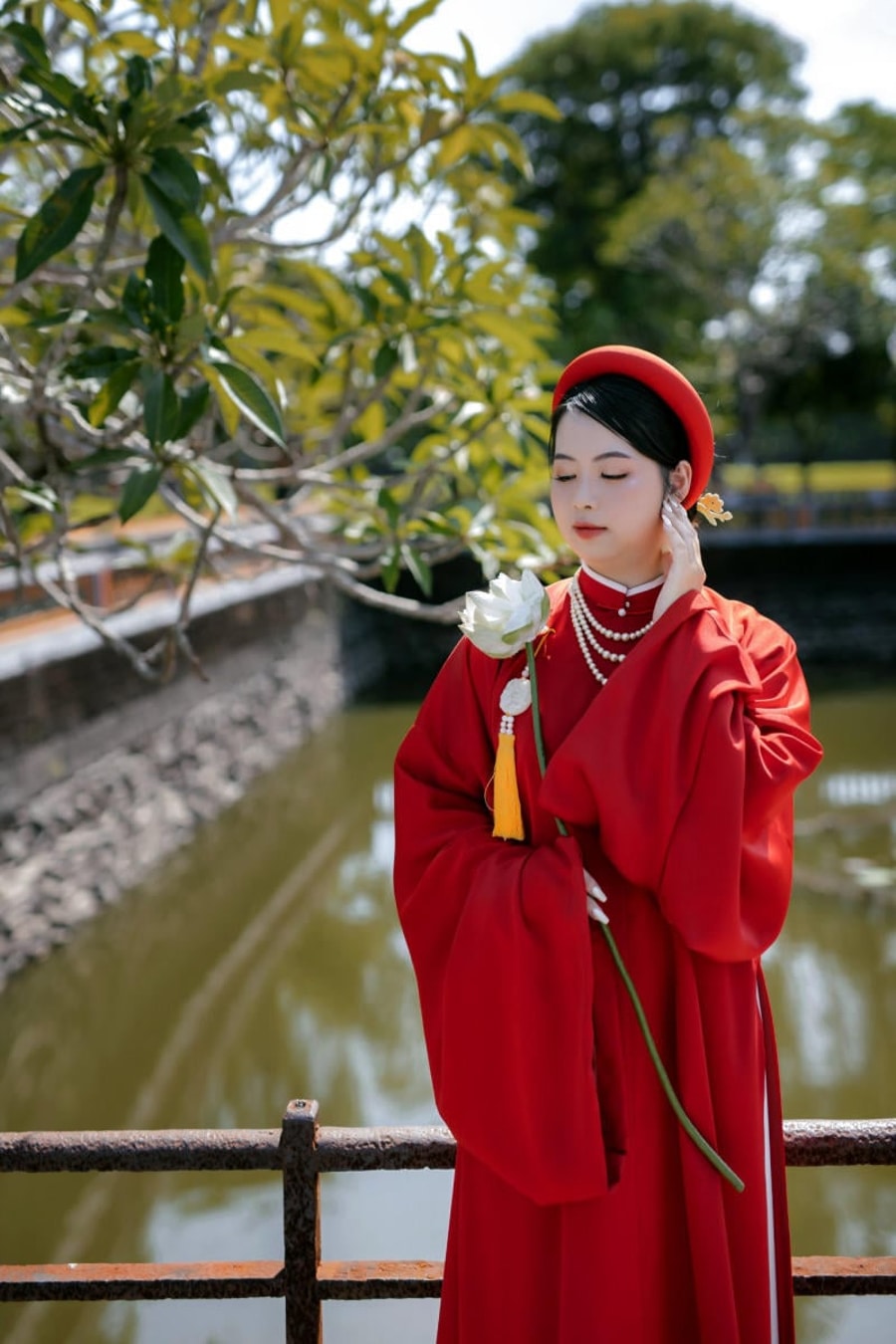
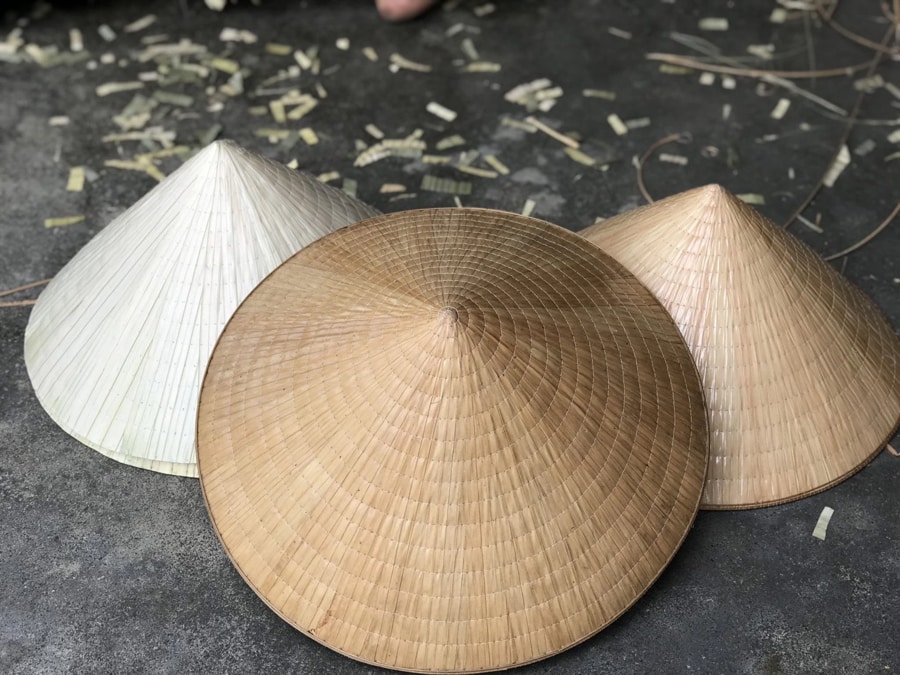
Vung Tau (Vũng Tàu – Bà Rịa – Vũng Tàu)

Vung Tau, in the province of Ba Ria-Vung Tau, is a beach resort area found in the southern coast of Vietnam, making it the beach resort area nearest to the city of Ho Chi Minh. The city is a peninsula, so the area has direct beachside access from various sides of the city. Vung Tau is famous for its extended beaches, namely Back Beach and Front Beach, as well as its cool sea wind, a combination of urban and natural environments because of the hills in the area. There are observation decks in Nui Nho and Nui Lon for a full view of the beach and the cityscape.

Vung Tau Nightlife

Visitors can have the opportunity to walk along the beach, swim, and have seafood at beach restaurants. Some activities that can be done there include climbing the statue of Christ the King to see the whole view of the ocean, the historic lighthouse, and road walks along the coastline during sunset. There are also water activities, seafood restaurants offering views of the sea, and temples for spiritual breaks in this beautiful destination. Its proximity, landscape, and nature, therefore, qualify Vung Tau to be the best destination for relaxation whenever one wishes to get away.

Nha Trang City

Nha Trang City, situated in Khanh Hoa Province, in the south-central region of Vietnam, is a bustling coastal town overlooking one of the most beautiful natural bays in the country. Nha Trang City is bounded by gently rolling mountains and an archipelago of islands, which makes its waters calm and its scenery bright blue. Nha Trang City is most famous for its sandy beach running along Tran Phu Street, a bustling promenade, and its pleasant tropical climate. The Po Nagar Cham Towers are some of its cultural attractions.

Po Nagar Temple

From swimming, snorkeling, and diving around the nearby islands to joining island-hopping tours across Nha Trang Bay, there are many marine and leisure activities available to visitors to Nha Trang City. On land, travelers can relax in mud baths and mineral hot springs, explore local markets, or take in sunset views along the beach. Fresh seafood and local specialties enhance the travel experience. In short, the combination of beach scenery, island adventures, and urban comfort found in Nha Trang City represents the perfect combination for travelers who want to either relax or be actively engaged on their holiday.

Phu Quoc Island (Phú Quốc – Kiên Giang)

Situated in Kien Giang Province of the Gulf of Thailand, Phu Quoc Island represents Vietnam’s largest island and one of the main tropical beach destinations. The waters are turquoise, with clear visibility; beaches are made up of white sand and bordered by dense tropical forests. Long Beach and Sao Beach are the most popular seaside coasts, boasting soft sand and quiet seas. Much of Phu Quoc is safeguarded within Phu Quoc National Park, which shields an area rich in biodiversity while striking a balance between the growth of nature and resort development.

take photos in grandworld phu quoc

Phu Quoc Island provides many options for tourists. They could swim, snorkel, and dive around other islands, or take a boat trip to discover coral reefs and fish villages. Those interested in natural attractions could go trekking through national parks or explore waterfalls in the rainy season. However, there are also places to learn, such as fish sauce and pepper plantations, which will make their trip to this island even more interesting. Through its luxurious resorts, fresh seafood, and laid-back atmosphere, Phu Quoc Island is indeed an interesting destination for tourists.

Final Thoughts: Are Cities In Vietnam Worth Visiting?

The cities of Vietnam are really worth exploring, with a great mix of culture, history, nature, and contemporary lifestyles. From beach resorts to old-world towns, hill station getaways to bustling cities, every place has its own special experiences to offer. Thus, whether you are a relaxation-seeker or an adventure-lover, the cities of Vietnam offer something for everybody. By designing expert packages for exploration and offering reliable services, Seni World assists you in discovering the best cities in Vietnam.