


Located in the extensive complex of Angkor Archaeological Park, the Pre Rup Temple is a magnificent 10th-century Hindu temple, characterized by its warm coloring and pyramidal shape. Constructed as a state temple, it provides a wide view and is a favorite spot to view the sunset over the Cambodian landscape.
Introduction To Pre Rup Temple
Pre Rup Temple is one of the most spectacular temple mountains in the Angkor Archaeological Park. This ancient Hindu temple, built in the 10th century during the rule of King Rajendravarman II, is unique for its beautiful reddish bricks and laterite stone, which reflect gold in the sun. The stepped pyramid shape of this temple represents Mount Meru, the holy mountain of the Hindu faith. Today, Pre Rup Temple is one of the must-visit sites for travelers visiting the Angkor Archaeological Park.
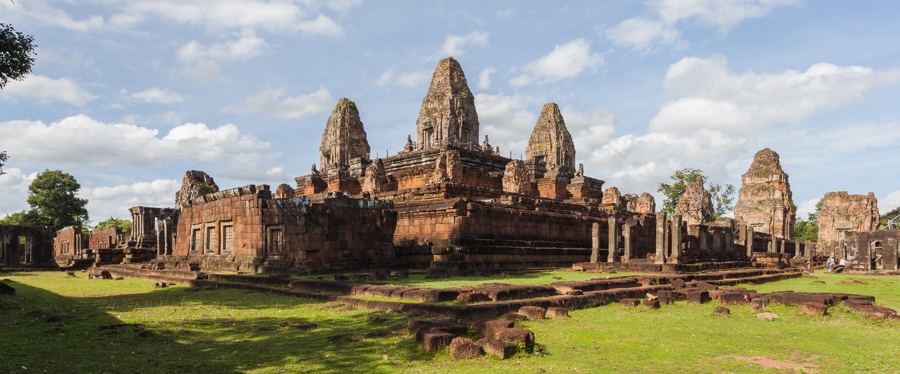
Tourists do not only visit this site for its historic importance but also for the spectacular views it offers. The views of the rice field and jungle surroundings from the upper levels of this temple are simply spectacular. This site is less crowded compared to other temples in the area. The spectacular views of the sunset make this site one of the best spots for taking photographs and creating unforgettable travel experiences.
History Of Pre Rup Temple
Pre Rup Temple was constructed in 961 AD under the reign of King Rajendravarman II of the Khmer Empire. It was the king’s state temple and was consecrated to the Hindu deity Shiva. The Pre Rup Temple was constructed using brick, laterite, and sandstone material. It is a reflection of the Khmer architectural style of the 10th century. The name ‘Pre Rup’ is derived from a cremation ceremony performed on a funeral pyre. However, the Pre Rup Temple was primarily a royal temple. “Pre Rup” also means “turn the body,” which led to theories that cremation rituals were performed here, though historians have not confirmed this.
Pre Rup Temple is a replica of the conventional ‘Temple Mountain’ concept, which symbolizes Mount Meru. It was a significant religious site in the Khmer region. Over the years, the Pre Rup Temple has been a victim of natural calamities. Despite this, the structure is still intact and provides a glimpse into the Khmer architectural style. Today, the Pre Rup Temple is a significant historical landmark at the Angkor Archaeological Park.
Unique Architecture Of Pre Rup Temple
The architecture of Pre Rup Temple is a reflection of the grandeur that existed in 10th-century Khmer architecture and the symbolic temple mountain idea. Its tower alignments, steep staircases, and platforms make Pre Rup one of the visually impressive buildings in the Angkor Archaeological Park.
Temple Mountain Pyramid Style
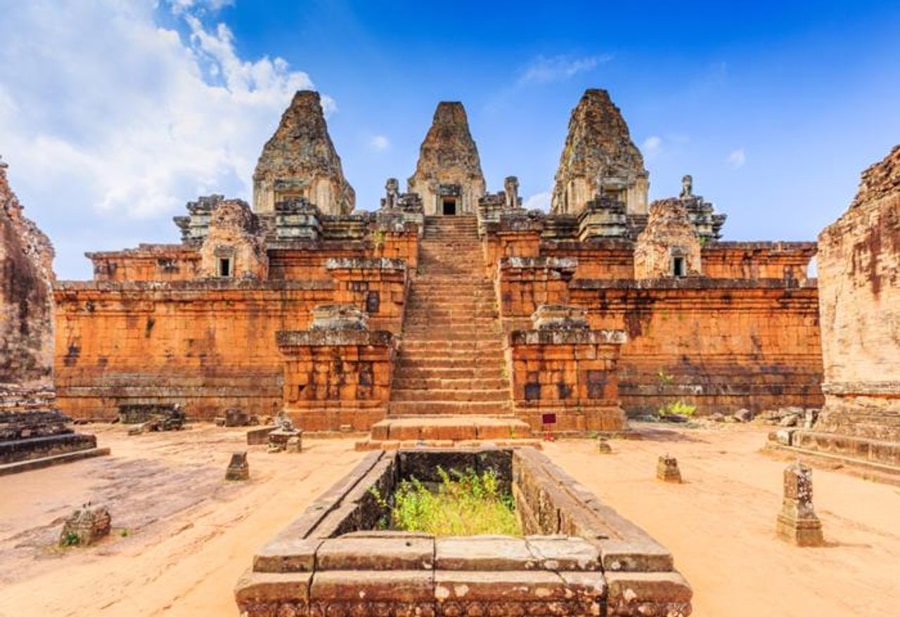
Pre Rup Temple is constructed in a pyramid style with three levels rising majestically from a square foundation. This style is a replica of Mount Meru, which is considered the core of the universe. The levels on the pyramid represent the different levels of the spiritual world. The structure is also a replica of the Khmer Empire’s advanced engineering skills during the 10th century, with the use of brick and laterite material. The steep stairs on the pyramid symbolize the concept of climbing the ladder of spirituality.
Central Sanctuary Towers
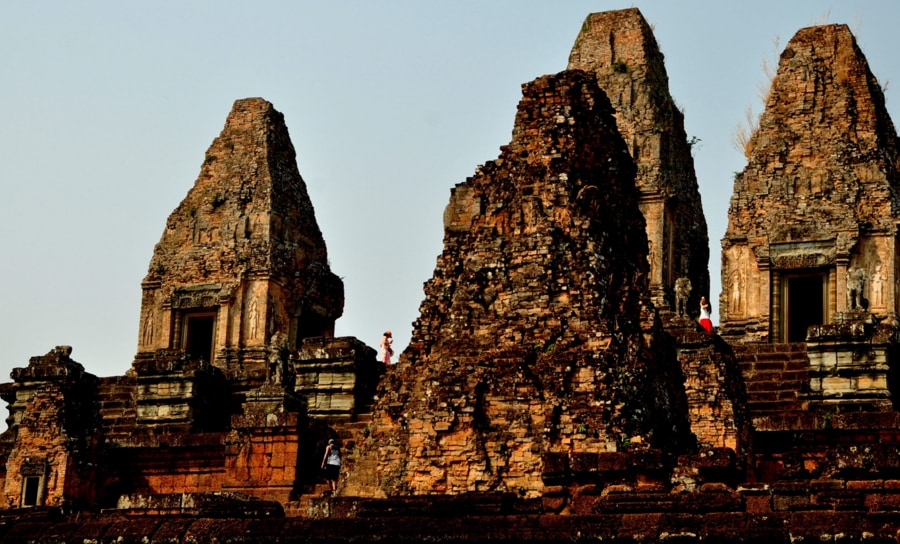
On the topmost level, five sanctuary towers are located in a quincunx configuration, with four of them located in the corners and one in the center. The towers were originally used to house Hindu deities, particularly Shiva. The towers, which were made of bricks with sandstone decorations, had intricate carvings and false doors, which were characteristic of early Khmer architecture. The central tower creates a strong vertical emphasis in the skyline, and from this level, one can enjoy a view of the surroundings, making it a spiritual and aesthetic experience.
Outer Enclosures And Gopuras
Surrounding the main pyramid are the rectangular enclosures and gateways referred to as gopuras. This demonstrates a multi-layered spatial arrangement where the devotees were encouraged to move closer to the inner sanctum. The gopuras are arranged along the cardinal directions, indicating a well-planned city and religious layout. The presence of decorative lintels and sandstone door frames indicates the intricate work done on the structure despite the passage of centuries. This structure, comprising walls and gateways, is a demonstration of the balance between symmetry, symbolism, and functionality—an essential feature associated with the Pre Rup Temple.
3 Unforgettable Experiences You Shouldn’t Miss
Going to Pre Rup Temple is not only a visit; it is a way to experience history, culture, and beautiful scenery all at once. By hiking on ancient levels or watching the sunset, you will surely have a memorable experience on your way to the famous Angkor Archaeological Park.
Climb The Pyramid For Panoramic Views
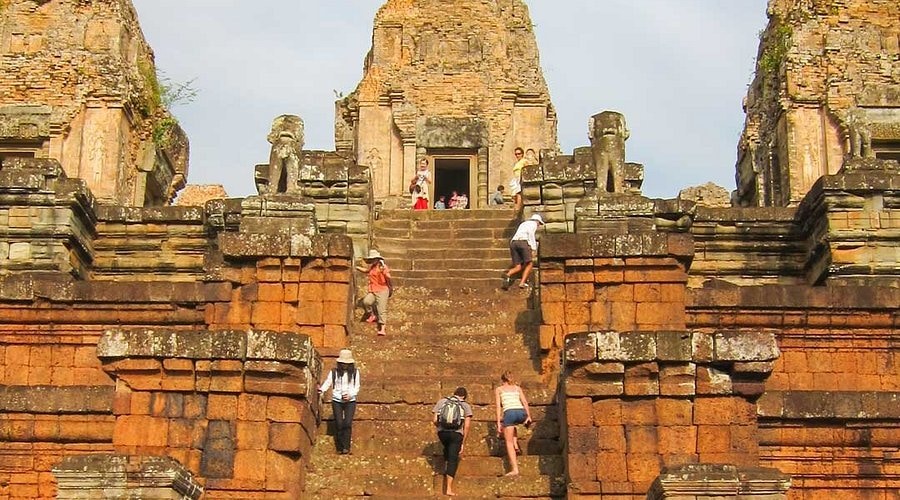
One of the most rewarding things to do at the Pre Rup Temple is to climb the steep staircases to the very top. This can be a bit challenging to do, but the views from the very top are well worth the climb. At the top of the temple, you can see the vast rice fields, palm trees, and jungle landscape. This is also a great way to see the symmetry and grandeur of the temples and their sanctuaries. For the best views and fewest people, try to go early in the morning or in the late afternoon.
Watch The Sunset Over The Cambodian Countryside
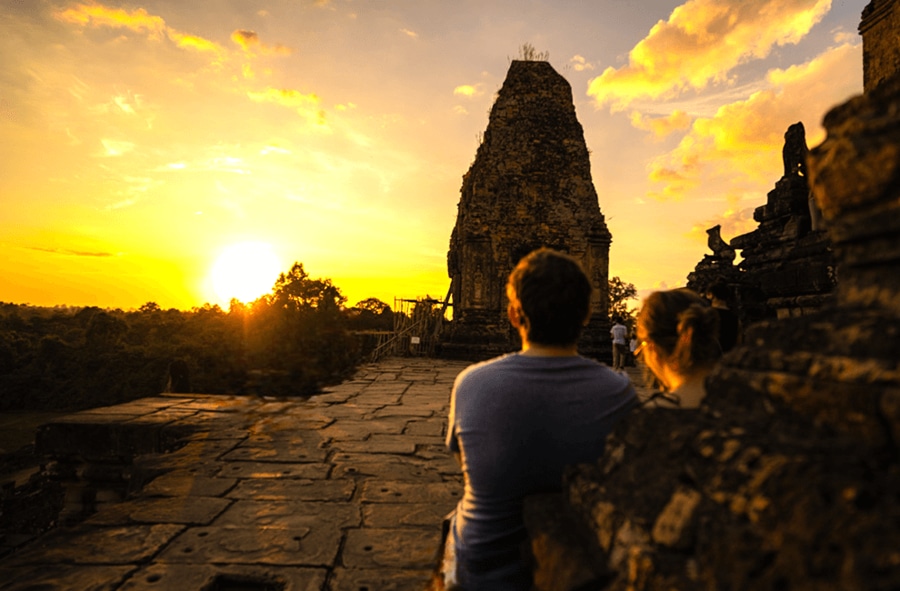
Pre Rup Temple is considered one of the best places to watch the sunset in the Angkor area. As the sun starts to set, the reddish color of the bricks on the temple shines with a golden hue. The open area around the temple is a perfect spot for a photo opportunity with the horizon clearly visible. It is recommended to get there early to get a good spot on the upper level. Seeing the sunset while on a 10th-century structure is a unique experience.
Explore The Intricate Brick And Stone Details
Aside from the impressive size, the Pre Rup Temple also boasts other interesting architectural details that are worth exploring. For example, one can see the intricately carved designs on the sandstone lintels, the ornate false doors, and the weathered sculptures that depict the early Khmer artistic styles. By walking around the lower platforms, one can also explore the use of brick, laterite, and sandstone materials, which depict the impressive engineering and artistic skills of the Khmer people, including the symbols of their early religion.
Entrance Fee
Visiting Pre Rup Temple will allow you the opportunity to see one of the best sunset spots in the area while exploring the impressive 10th-century Khmer architecture. Before you go, knowing the latest entrance fees and tickets will help you smoothly plan your budget.
|
Ticket Type
|
Price (USD)
|
Validity
|
Notes
|
|
1-Day Pass
|
37 USD
|
1 day
|
Valid for same-day entry to all Angkor temples, including Pre Rup
|
|
3-Day Pass
|
62 USD
|
Any 3 days within 10 days
|
Ideal for travelers exploring multiple temples
|
|
7-Day Pass
|
72 USD
|
Any 7 days within 1 month
|
Best value for in-depth exploration
|
Opening Hours
The opening hours of the Pre Rup Temple are from 7:30 AM to 5:30 PM, similar to the general opening hours of all temples in the Angkor Archaeological Park. It is a requirement for all visitors to carry an Angkor Pass during their visit to the temple. The temple is more crowded during the dry season, which spans from November to March, because of the pleasant weather conditions that allow visitors to enjoy their exploration of the site.
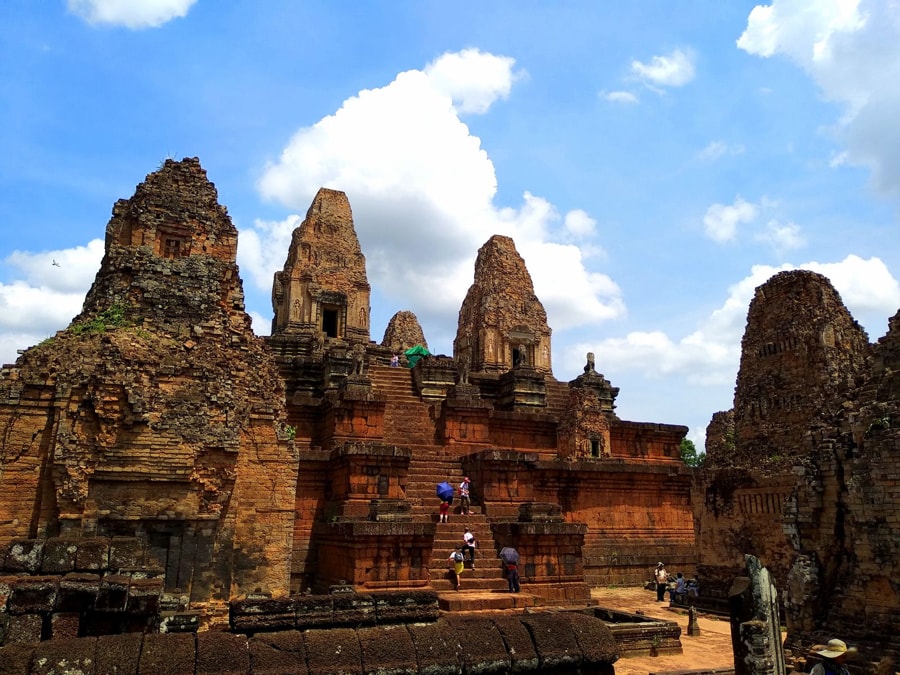
The best time to visit the Pre Rup Temple is in the late afternoon, particularly during sunset. This is because the temple is considered one of the most beautiful places to watch a sunset in the Angkor Park, offering a view of the surrounding areas. The view of the temple itself, painted in golden hues, is a great subject for photographs, but it is recommended that one arrive at least 30-45 minutes before the actual sunset to find a good spot to view the sunset.
How To Get To Pre Rup Temple
Reaching Pre Rup Temple is relatively easy due to its convenient location within the Angkor Archaeological Park, only 13 km away from the town center of Siem Reap. For international visitors, there are various options to reach the temple depending on their budget, comfort, and travel style.
|
Transportation
|
Estimated Price (USD)
|
Travel Time
|
Notes
|
|
Tuk-tuk (round trip)
|
15 to 25
|
20 to 30 minutes
|
Most popular option; price may vary depending on the number of temples included
|
|
Private Car with Driver
|
35 to 60
|
20 to 25 minutes
|
Comfortable and air-conditioned; suitable for families or groups
|
|
Motorbike Rental
|
10 to 15 per day
|
20 to 30 minutes
|
Flexible option for independent travelers
|
|
Bicycle Rental
|
3 to 6 per day
|
45–60 minutes
|
Budget-friendly but physically demanding in hot weather
|
|
Guided Tour Package
|
40 to 80+
|
Half-day or full-day
|
Includes transportation and a licensed guide
|
One may reach Pre Rup Temple from Siem Reap by tuk-tuk, private car, motorbike, or bicycle in 20 to 60 minutes. If one chooses to rent a motorbike to travel to the temple, it is advised that one should have an international driving license and wear a helmet during the journey.
Things To Know Before Traveling To Pre Rup Temple
Planning ahead will allow you to make the most of your visit to the Pre Rup Temple, one of the best places for viewing the sunset in Angkor. These are the essential travel tips for a smooth, safe, and respectful journey for international travelers.
-
Purchase your Angkor Pass prior to your visit and carry it always, as authorities regularly check passes upon entry into the temple sites.
-
Try to visit the temple early in the morning or later in the afternoon to avoid the scorching sun, as the heat in Siem Reap during the dry season can be unbearable.
-
Wear comfortable shoes, such as those with proper traction, because the temple has very steep staircases that can be difficult to navigate.
-
Wear modest clothing that covers your shoulders and knees, as the temple, being a sacred place, requires visitors to dress modestly.
-
Carry drinking water and other essentials, such as hats and sunscreen, because the temple does not have a lot of shade.
-
Come early if you want a spot to watch the sunset, as the temple is a favorite spot for viewing the sunset, and it is recommended that you arrive at the temple at least 30 minutes prior to the actual event.
-
Avoid climbing restricted areas of the temple, and refrain from touching the ancient carvings, as the temple has a rich history and needs to be preserved for future generations.
FAQs About Pre Rup Temple
Pre Rup Temple is visited by thousands of tourists every year who are interested in knowing about this site and exploring its history and culture. Below are some FAQs that you should know about this unique Angkor site before visiting.
-
What is the historical significance of Pre Rup Temple?
Pre Rup Temple was constructed during the 10th century under the reign of King Rajendravarman II and was dedicated to the Hindu deity Shiva. It was a state temple and was considered a symbol of Mount Meru, which is a sacred mountain for the Hindu religion. The distinctive brick structure with stepped terraces is characteristic of the evolution of early Khmer temple architecture during the Angkor period.
-
Why is Pre Rup Temple associated with cremation rituals?
The name ‘Pre Rup’ translates into ‘turn the body,’ which gave rise to the theory that the temple was once a site for royal cremation ceremonies. However, historians dispute this theory; yet the structure itself is a symbol of Hindu funeral rituals. Today, the site is a significant spiritual site rather than a site for ceremonies.
-
Is Pre Rup Temple accessible for families and seniors?
Pre Rup Temple is accessible for families and seniors to visit. However, reaching the upper levels of the temple is a bit challenging due to the steep staircases. Families and seniors with mobility issues may prefer to explore the lower levels of the temple while enjoying the views and architectural features. Visiting the temple during the cooler hours is ideal for all ages.
Final Thoughts: Is Pre Rup Temple Worth Visiting?
Pre Rup Temple is an incredible place for travelers who wish to enjoy the beauty of Angkor Wat, but not in the midst of crowds of tourists. The pyramidal shape of the temple, the ancient brick towers, and the scenic view of the surrounding countryside make it a serene yet awe-inspiring place to visit. The temple assumes a mystical look during sunset, as the rays of the setting sun reflect off the warm red color of the building. For an incredible adventure in Angkor Wat, join Seni World to find more inspiring travel destinations.
Content Seniworld
Subscribe
Login
0 Comments
Oldest


Related articles

Siem Reap Travel Guide

Siem Reap Travel Guide

Siem Reap Travel Guide

Siem Reap Travel Guide