logo mobile sidebar
support-image-mobile
Share your ideas with our local expert team - we’re here to listen and help you shape a meaningful journey through Indochina.
(+84) 868 663 993
Asia Leading Tour Operator 2025
tripadvisor travelers choice awards 2024
Travelers' Choice Awards 2025

Author: Content Seniworld

Can Tho Bridge Travel Guide to Dambri Waterfall

Can Tho Bridge is the longest cable-stayed bridge in Vietnam, crossing the Hau River and connecting Can Tho City with Vinh Long Province. It plays an important role in transport, trade, and tourism for the entire Mekong Delta region.

Introduction To Can Tho Bridge

The Can Tho Bridge is considered one of the most popular landmarks in southern Vietnam and is a symbol of modernization in the Mekong River Delta region, as it crosses over the water of the Hau River, joining Can Tho City and Vinh Long Province for more convenient traveling in the region and providing travelers and tourists with a great architectural marvel in its cable-stayed style and over 2.7 kilometers in length.
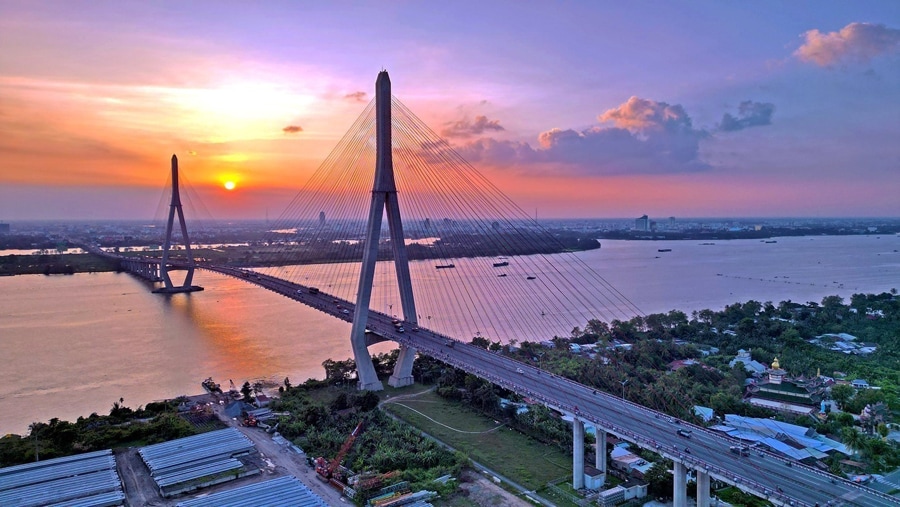
Can Tho Bridge is the longest cable-stayed bridge in Vietnam
But why should you miss visiting the Can Tho Bridge? Apart from the function that it undertakes, the bridge itself presents a unique sightseeing experience where tourists get to behold the life of the Mekong Delta along the Hau River. Towards the riverbanks and viewpoints, tourists are able to behold an amazing sight as the sun sets or as the night falls. The Can Tho Bridge is the epitome of functionality and aesthetics and, therefore, a must-see site for tourists visiting the southern part of Vietnam.

History Of The Can Tho Bridge

The Can Tho Bridge symbolizes an important milestone in the development of modern infrastructure in Vietnam. The construction of the bridge was initiated in the first decade of the 2000s, objectives being to enhance connectivity in the transportation of goods over the Hau River, which is an important branch of the Mekong River. However, after encountering technical problems on the course of its construction, the bridge was officially completed and opened to traffic in the year 2010, thus being the longest cable-stayed bridge in Southeast Asia at the time.
In addition to the modern history of the Can Tho Bridge, the bridge bears significant ties to the traditional cultures of water-based communities in the Mekong River area, as the majority of the movement between the Hau River was through ferry until the construction of the bridge, and the bridge represents progress and the past, signifying a new chapter in which modernity and the rich cultural heritage of the water-based communities come together.

Unique Architecture Of Can Tho Bridge

Can Tho Bridge is not only notable for its length but also for its beautiful cable stay structure, which is the hallmark of modern Vietnamese engineering. Below are the notable architectural features that accord the bridge an impressive status as a landmark in the Mekong Delta.

Cable-Stayed

The most distinguishing architectural feature is the cable-stayed system. Tall pillars of the cable-stay system stretch elegantly over the Hau River. This feature is the hallmark of the architectural style of the Can Tho Bridge. Metal cables branch out from the pillars, providing stability to the bridge. At the same time, the symmetrical system of the cable-stay provides an aesthetically graceful form to the bridge. This allows the bridge to stretch over long distances without the need for pillars in the water.
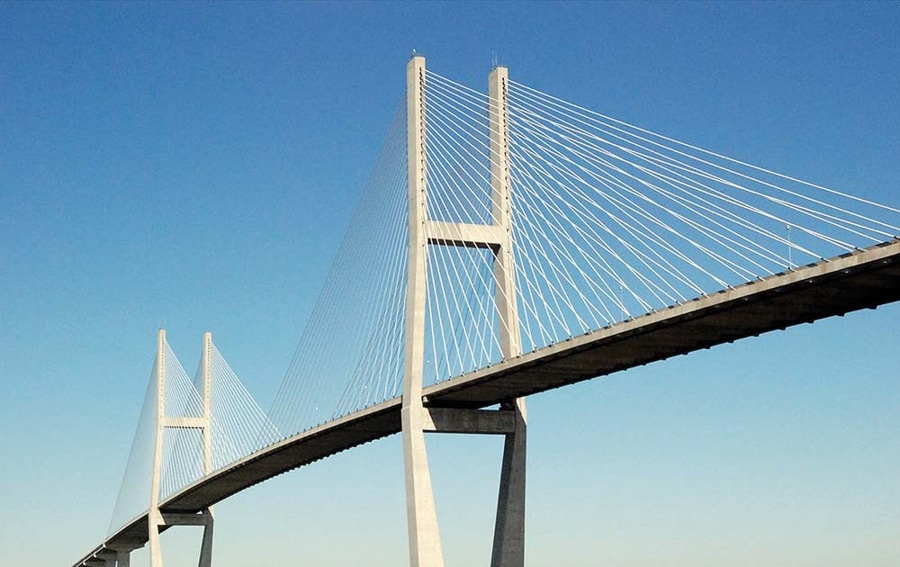
Cable-Stayed Of Can Tho Bridge

Central Pylons And Towers

The main pylons of Can Tho Bridge play the roles of structural anchoring and architectural focal points. These towers stand proudly above the river and symbolize strength, while binding the two banks together. The clean lines and symmetry in their forms reflect modern engineering aesthetics, blending with the openness of the river landscape. The pylons change with time due to the visual effects they create, especially at sunrises and sunsets, as light reflects off the cables and steel surfaces.
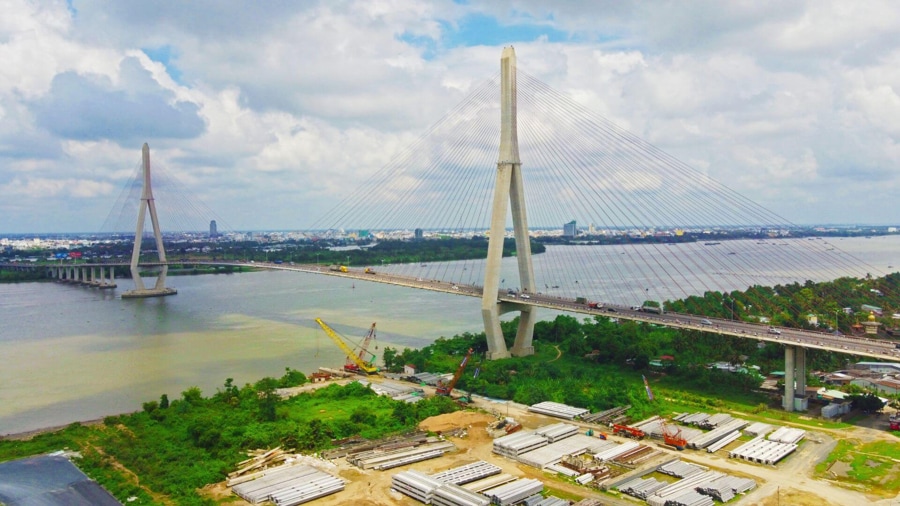
Central Pylons And Towers

Bridge Deck And Traffic Design

The deck of Can Tho Bridge has been designed keeping in mind its function and durability. The deck allows for various lanes of traffic, ensuring the smooth flow of traffic and its capacity to bear weight. The broad deck and strong barriers ensure safety, and the smooth curve of the road adds an aesthetic touch to the overall structure. The design has been innovative, suiting both its functions and beauty.

Night Lighting System

During nighttime, Can Tho Bridge is also changed into a beacon of light with its modern lighting system. The placement of lights provides illumination of the cables and towers, resulting in a spectacular view reflected on the Hau River. The placement of lights also accentuates the architectural design of Can Tho Bridge in the evening. The presence of this feature makes Can Tho Bridge a tourist destination for sightseeing in Can Tho City.
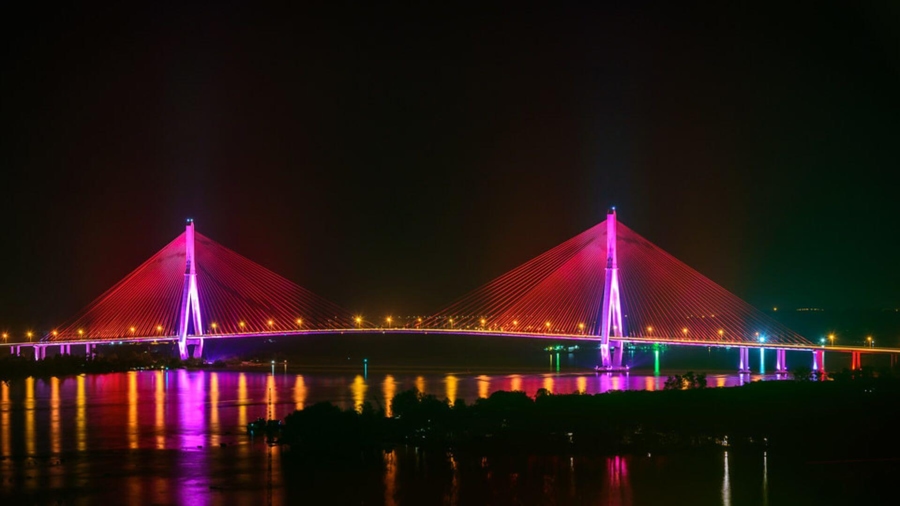
Night Lighting System

4 Unforgettable Experiences You Shouldn’t Miss

Visiting Can Tho Bridge is not just about appreciating the structure itself but, rather, an opportunity to be a part of the bustling life in the Mekong Delta. These unforgettable activities around the bridge give travelers an opportunity to connect with the local culture, scenery, and daily river life.

Enjoy Sunrise And Sunset Views

Viewing the sunrise or sunset from the Can Tho Bridge will surely be a wonderful memory for anyone to cherish. At sunrise in the early morning, the light reflects nicely on the Hau River, and boats begin their day as well. During sunset, the changing hue of the sky makes for beautiful photos, making this moment most suitable for relaxation and sightseeing.
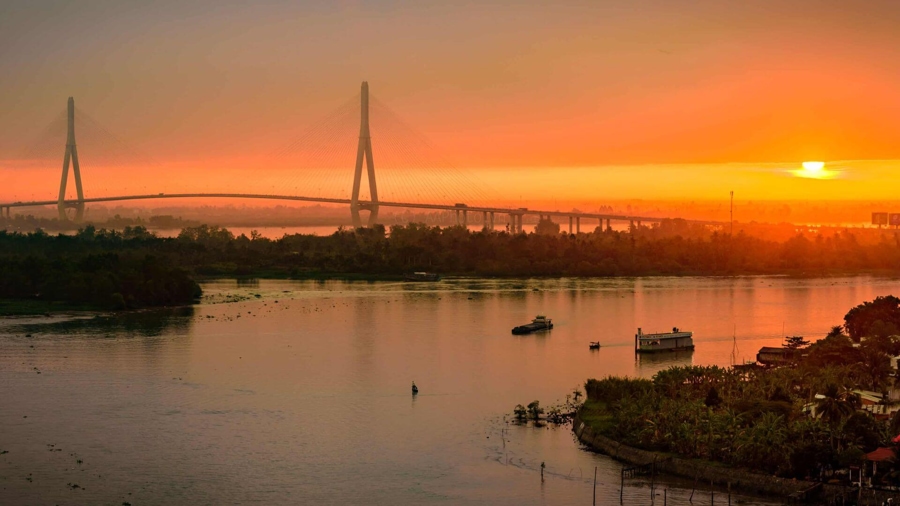
Enjoy Sunrise And Sunset Views from the Can Tho Bridge

Explore Local Food Near The Bridge

Areas near Can Tho Bridge are known for offering a variety of good local food, especially the local food stalls and restaurant areas near the river. People can have a sampling of Mekong Delta cuisine, which includes dishes like Banh Xeo, Hu Tieu, and seafood. Having a meal while overlooking the river gives a true experience of Southern culture.

Experience A River Cruise Along The Hau River

One of the things an individual could do is take a boat cruise along the Hau River, which is near a bridge in Can Tho. The bridge will be viewed from a different perspective, and an individual will also get a chance to see the size of the bridge. During the cruise, an individual will also get some information about the livelihood of the people, houses, and villages.

See Night Views And City Lights

At night, the Can Tho Bridge is one of the premier attractions of the landscape. As the cables and towers shine, they beautifully illuminate the water. Visitors can walk the area next to the water or grab a coffee and enjoy the bridge from an evening perspective. This is one way to see the new-world appeal of Can Tho City.
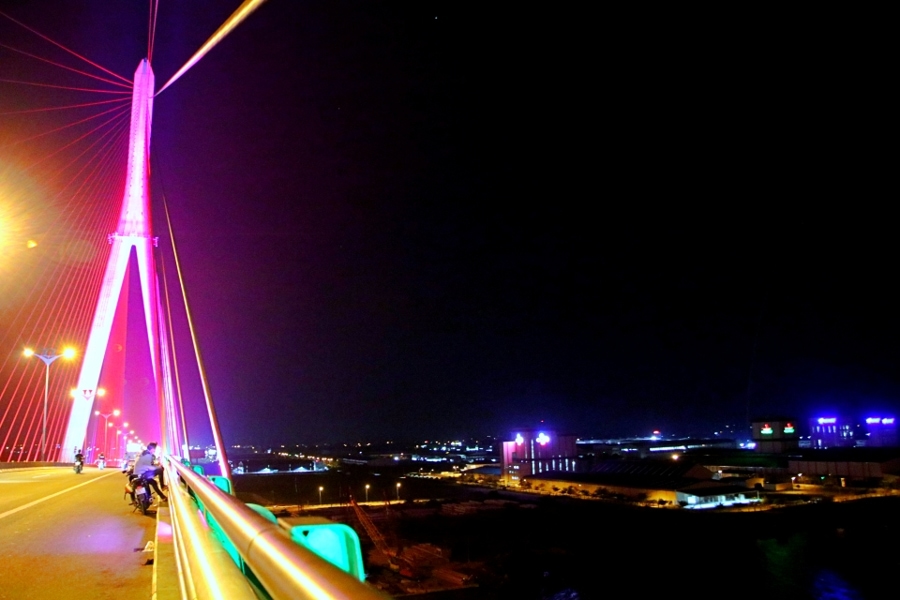
See Night Views And City Lights

Entrance Fee

There is no entrance fee for visitors at Can Tho Bridge since it is a public infrastructure. Travelers can cross the bridge by motorbike, car, or bus freely and anytime they want without a ticket. For sightseeing, photography, or enjoying views from nearby public areas, there are no visiting charges either. This makes access to the bridge very easy and budget-friendly, both for domestic and international travelers. Visitors need only to consider transportation costs while abiding by the proper rules of traffic and stopping at designated viewing areas near the bridge.

Opening Hours

The bridge operates 24 hours a day, and therefore, visitors have the ability to visit the bridge at any time of the day. Can Tho Bridge is a public transportation bridge, which means visitors do not have a limited period within which to visit the bridge. This means that visitors have the opportunity to visit the bridge anytime they want to have a view of the serene environment in the early hours of the day or at night.
The best time to visit Can Tho Bridge is during the dry season, i.e., between December and April. This is also considered the peak season for travel in the Mekong Delta region. The months between December and April are extremely pleasant, with relatively less rainfall, making it an optimal time for travel. Visitors can visit this place in the early morning or during the evening for a mesmerizing view.

How To Get To Can Tho Bridge

Getting to Can Tho Bridge is easy and convenient due to its location in the Mekong Delta region. This guide assists visitors in picking the most appropriate means of transport to reach Can Tho Bridge, including estimated time and cost in USD.
Transport Option
Starting Point
Travel Time
Estimated Cost (USD)
Notes
Taxi / Ride Service
Can Tho City Center
10 to 15 minutes
5 to 8
Comfortable and suitable for groups or families
Motorbike Rental
Can Tho City
15 to 20 minutes
6 to 8 per day
International visitors must carry a valid driving license
Private Car
City Center / Airport
15 to 25 minutes
10 to 15
Flexible schedule and ideal for sightseeing
Local Bus
Can Tho City
20 to 30 minutes
1 to 2
Budget-friendly but limited stops near viewpoints
When traveling by motorbike, it is recommended to put on a helmet as well as obtain a license to ride a motorbike in Vietnam. In terms of sightseeing, designated areas are recommended, and tourists are not allowed to stop at the bridge.
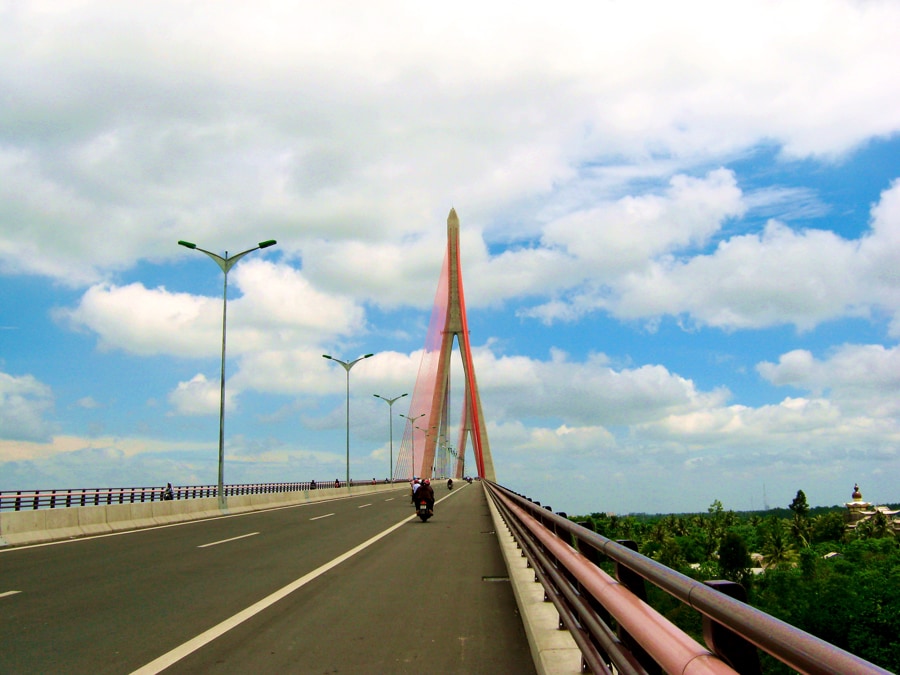
Getting to Can Tho Bridge is easy and convenient

Things To Know Before Traveling To Can Tho Bridge

To have a pleasant and safe experience at Can Tho Bridge, it is essential to learn a few key facts beforehand. The essential travel tips outlined below will greatly benefit overseas tourists visiting the Mekong Delta for the first time.
  • As the Can Tho Bridge is in use as a traffic road bridge, one cannot stop or walk on the bridge, but instead must go to a viewpoint for sightseeing.
  • The ideal times for a visit are early morning or evening, presumably, since it will be cool and the light will be good for photographs.
  • When traveling via motorbike, it is important to wear a helmet, in addition to carrying a driving license in Vietnam.
  • Weather in the delta changes quickly, so sun protection or a light rain jacket is recommended regardless of the time of year.
  • Obey local traffic rules and adhere to safety signs, particularly during peak hours when traffic volume across the bridge is high.

FAQs About Can Tho Bridge

Can Tho Bridge is one of the most familiar identifiers in the Mekong Delta region. Everyone has common questions before traveling to the location, and the following FAQs will guide you in the right context.
  1. Is the Can Tho Bridge open to pedestrians and tourists?

Can Tho Bridge is dedicated to the passage of vehicular traffic and does not encourage pedestrian walking on the bridge. There is no option to stop and walk on the bridge because of safety and security issues. However, it is possible to get quite scenic views of the surrounding area from the riverbanks and other related areas near the Hau River.
  1. What are the best times of day to view the Can Tho Bridge?

The best time to visit Can Tho Bridge is either early in the morning or in the evening. Visitors can enjoy an overcast temperature and serenity on the river in the mornings, while sunset colors adorn the evenings, and the night view of Can Tho looks great when its roads are brightly lit. It’s the best time for capturing photos and sightseeing without heavy traffic and very hot midday temperatures.
  1. How can international travelers explore Can Tho Bridge safely?

For international travelers, it is advised that the Can Tho Bridge be explored using taxis, personal cars, or licensed motorbike services. When in Vietnam, individuals must abide by road laws and never halt the vehicle on the bridge while crossing. For the views, travelers should select a safe public spot near the river. A Vietnamese guide for the tour can prove particularly helpful in this context.

Final Thoughts: Is Can Tho Bridge Worth Visiting?

To tourists who want to experience the heart of the Mekong Delta, the visitation of Can Tho Bridge is worthwhile. It is not just a means of transport but has more attractive architecture, scenery along the river, and is closely related to the locals’ daily life. From the reflection of sunrise to glowing lights, the bridge serves up magical moments in every season. Plan your journey along with inspiration at Seni World. Local insights and expert guides through unforgettable travel experiences across Vietnam await you.


Bach Long Glass Bridge: The World’s Longest Glass Skywalk

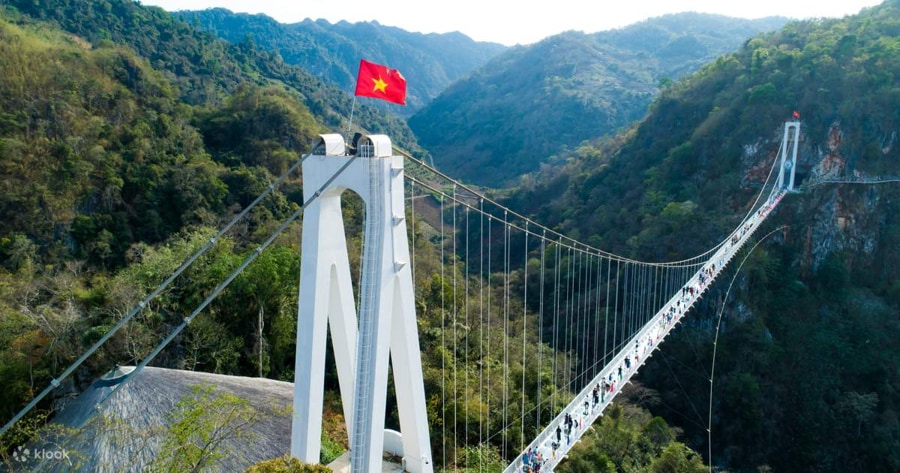
Bach Long Glass Bridge is officially recognized by Guinness World Records as the world’s longest glass-bottomed pedestrian bridge (as of 2022). This bridge is also renowned for its transparent structure, record-breaking length, and stunning vistas of the surrounding mountains. It offers tourists a unique and exciting experience like no other.

Introduction To Bach Long Glass Bridge

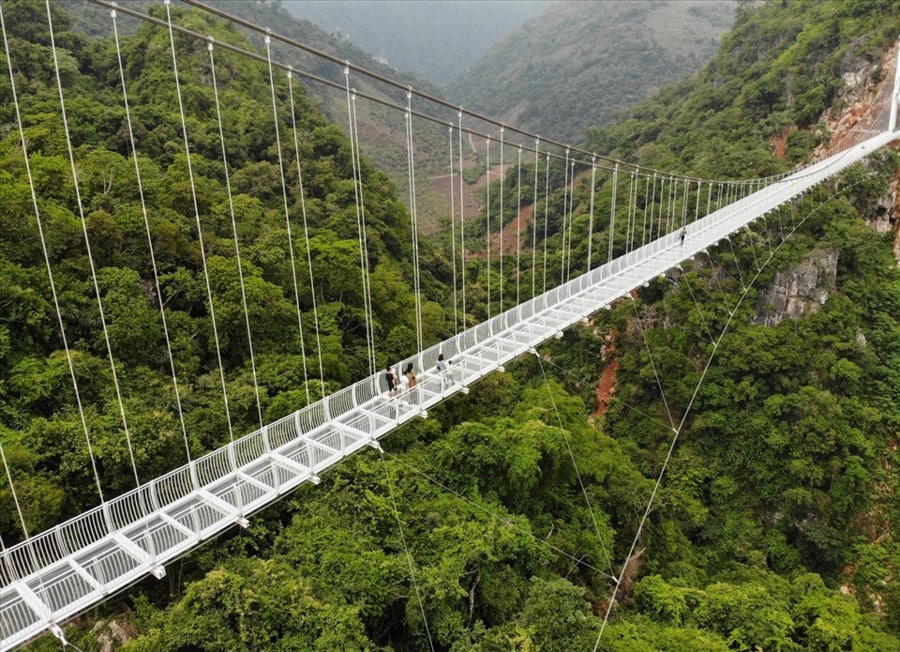
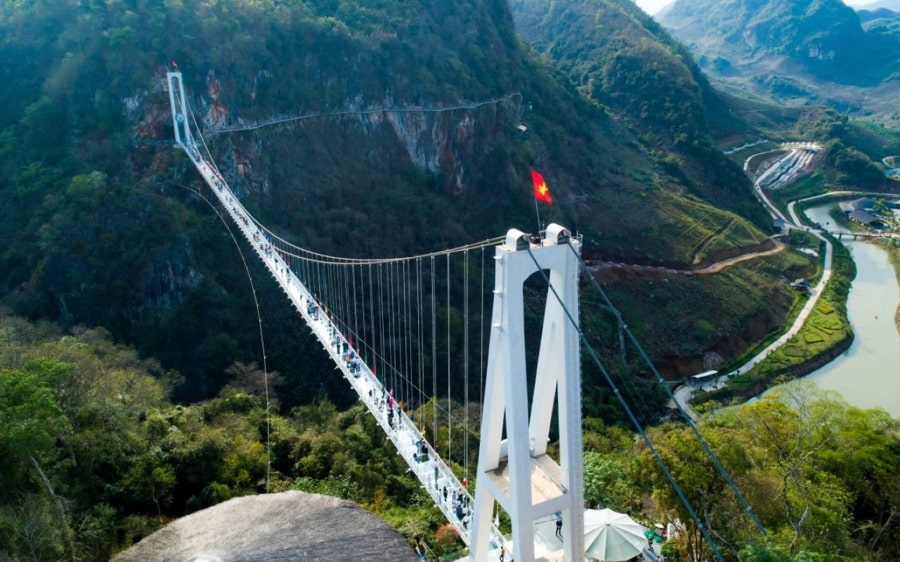
Bach Long Glass Bridge is one of the most impressive tourist sights in Vietnam. It is located in Moc Chau, Son La Province. This glass bridge is recognized and honored as the longest glass bridge in the world. It spans over the deep valleys and beautiful vistas of nature. It is made of mainly tempered glass that is very hard to break. This modern glass bridge is one of the most visited sights by local and worldwide tourists due to the long length and record-breaking title of the Bach Long Glass Bridge.
Bach Long Glass Bridge
The experience of visiting Bach Long Glass Bridge is a one-of-a-kind experience in Vietnam that can be enjoyed by adventure enthusiasts and sightseeing buffs. The experience of walking on the glass surface resembles an adventure in the sky, and at the same time, one can enjoy the fresh environment along with picturesque views. Hence, this place can be considered an ideal haven for tourists who wish to experience Vietnam’s natural surroundings in an adventurous manner.

History Of Bach Long Glass Bridge

However, it was officially opened in 2022 in Moc Chau, Son La Province, and it symbolized a great milestone in the development of tourism in Vietnam. The project was constructed with its intended aim being to develop eco-tourism as well as highlight and promote tourism in Northwest Vietnam. Given that the glass bridge was constructed using French technology, it did not take long before it gained worldwide recognition as the longest glass-bottomed bridge across the globe, with thousands visiting daily.
sunset in the Bach Long Glass Bridge
The locality of the Bach Long Glass Bridge is populated by many ethnic minority groups, especially the H’Mong population. They have been inhabiting the area for centuries. These people have preserved their traditions, especially in agriculture, textiles, and festivals. The lifestyles of the people in the area add large amounts of cultural value, as it is not just another place to visit but a place to see the authentic cultures of the ethnic minorities inhabiting the mountain areas of North Vietnam.

Unique Architecture Of Bach Long Glass Bridge

Bach Long Glass Bridge is not just a tourist attraction, but even a masterpiece of modern engineering. Its bold design is a perfect blend of the latest construction technologies with the grand natural landscape of the northwest mountains of Vietnam.

Contemporary And Bold Architecture

The design of Bach Long Glass Bridge is highlighted by its unique touch of modern architectural design, which emphasizes the glass feature of the bridge with a minimalist look. The bridge is composed entirely of tempered glass, proving the sophistication in the choice of its design material, which is procured from European countries. The unique feature of the design is such that it appears as if tourists walk on air, thus creating a futuristic image. The boldness of the design makes the bridge an icon of futuristic tourism.
Contemporary And Bold Architecture of Bach Long Glass Bridge

Integration of Modern Engineering and Natural Landscape

One of the most amazing features of the Bach Long Glass Bridge is how well modern engineering technology complements the surrounding scenic views of nature. The bridge traverses deep valleys, providing breathtaking views of the surrounding forests, cliffs, and mountain ranges. Unlike most modern constructions, this bridge complements the surrounding environment through its transparent aesthetic appeal. By doing so, one gets to enjoy the scenic views of the natural beauty of Moc Chau, as well as the modern technology incorporated in its construction.

3 Unforgettable Experiences You Shouldn’t Miss

The Bach Long Glass Bridge is not just about a fun experience walking in the sky; rather, it is a complete travel experience, with elements of culture, adventure, and beauty. All moments in this place are memorable, be it fun-filled activities or interactions with locals.

Walk On The Longest Glass Bridge In The World

The Bach Long Glass Bridge is an unforgettable experience that evokes a true sense of adventure in its visitors. With every step, transparent glass flooring offers the view of deep valleys and green mountains right at one’s feet, creating the feeling of floating in the air. This activity will be perfect for those who like thrill-seeking and photography, enabling them to shoot unique panoramic views. Besides, the bridge is designed according to very high standards of safety, making the exciting but safe experience suitable for all ages.
take photo on the Longest Glass Bridge In The World

Enjoy the Mountain Scenery At Moc Chau

One of the most enjoyable aspects of visiting Bach Long Glass Bridge is the opportunity to enjoy the panoramic view of the picturesque place of Moc Chau. The place is surrounded by hills, forests, and fresh air, providing visitors with a chance to enjoy a peaceful getaway from the chaos of a busy city. The experience is a must-visit for nature lovers who wish to enjoy the untouched landscapes of the northwestern part of Vietnam.
Mountain Scenery At Moc Chau

Explore Local Culture And Traditions

Moreover, in addition to the modern attraction, visitors have to avoid missing the opportunity to get to know the area around Bach Long Glass Bridge in terms of its local culture. The region is known as the place of residence of ethnic people, especially the H’Mong people. They have many traditional customs and practices. Travelers may get the opportunity to know more about the traditional lifestyle of the local people.
Explore Local Culture And Traditions

Entrance Fee

Prior to visiting the Bach Long Glass Bridge, it would be beneficial to have an idea of the ticket fare to effectively plan your budget. The entrance charges are reasonable, ranging from charges for adults, children, and special services.
Ticket Type
Price (VND)
Notes
Adult Ticket
650,000 VND (26 USD)
Full access to the glass bridge and main areas
Children (1m–1.4m)
450,000 VND (18 USD)
Discounted price
Children under 1m
Free
No ticket required
Seniors (60+)
450,000 VND (18 USD)
ID may be required
Combo Ticket (Bridge and Attractions)
750,000 VND (30 USD)
Includes additional activities
Children under 1 meter are free of charge, while seniors and children receive reduced prices. Group tours and special events may also offer seasonal promotions depending on travel periods.

Opening Hours

Bach Long Glass Bridge is open every day from 8:00 AM to 6:00 PM, and this gives visitors sufficient time to visit the attraction. On weekends and public holidays, the glass bridge opens early in the morning and closes late in the evening to cover the larger turnout of tourists on those days. To visit the attraction during the day, it is best to visit the glass bridge either early in the morning or late in the afternoon because the weather is cool during those times.
Bach Long Glass Bridge is open every day
The best time to visit Bach Long Glass Bridge is between October and April. Within this time frame, Moc Chau enjoys a pleasant climate, clear skies, as well as breathtaking landscape. However, it is not recommended to visit the site between May and September, as the rainy season is expected to set in during this time. The rain might make it hard to have a clear view because of the fog.

How To Get To Bach Long Glass Bridge

Accessing Bach Long Glass Bridge is quite convenient due to its location in Moc Chau, Son La Province. The location is well-connected to other main cities in northern Vietnam. One can access the location using different transport modes depending on their budget and time.
Transportation
From Hanoi
Travel Time
Cost (VND)
Notes
Private Car
Direct drive
4.5-5 hours
1,500,000-2,000,000
(60-80 USD)
Most comfortable and flexible
Bus/Limousine
My Dinh Bus Station
5-6 hours
250,000-350,000
(10-14 USD)
Affordable and popular option
Motorbike
Self-drive
6-7 hours
150,000 (6 USD fuel)
For experienced riders only
Taxi from Moc Chau Town
Local transfer
30 minutes
200,000 (8 USD)
Convenient for short distances
If you choose to go by motorbike, ensure you have a valid driving license. This is necessary so that you are safe on winding roads, which may be steep or foggy. For first-timers, going by bus or by private car may be a better option.

Things To Know Before Traveling To Bach Long Glass Bridge

Before heading to the Bach Long Glass Bridge, it is essential to prepare well to have a safe, comfortable, and enjoyable journey. These practical travel tips will guide you on how to get the best out of your trip.
  • Wear comfortable shoes: The shoes must be flat and non-slippery; this is essential to help the person walk comfortably over the glass platform.
  • Check the weather forecast: It is advisable to steer clear of rainy or foggy days because on those days, the glass might be slippery.
  • Bring a light jacket: The climate in the mountains is cold, especially in the early morning and late afternoon.
  • Arrive early: Visiting early will enable you to avoid the crowds and get good lighting shots.
  • Obey the safety rules: This includes listening to the staff’s guidance as well as avoiding running or jumping on the glass bridge.

FAQs About Bach Long Glass Bridge

Below are some frequently asked questions to facilitate an understanding of Bach Long Glass Bridge among travelers before they plan their tour. FAQs provide useful information to travelers regarding their experience while touring a particular place.
  1. Is Bach Long Glass Bridge safe for visitors?
Yes, the Bach Long Glass Bridge is built with many layers of strong tempered glass imported from European countries and is safe according to international standards. The bridge is maintained periodically by professional engineers. Even the most nervous persons regarding height will feel safe while crossing the bridge due to its extreme stability and the presence of extremely strong safety railings on both sides.
  1. Can children and the elderly go to the bridge?
Children and the elderly are allowed to be visitors at Bach Long Glass Bridge as long as they are in good health. The path for walkers is flat and well-maintained, making this attraction appropriate for different age groups. However, children are supposed to be accompanied by adults at all times, and the elderly should be cautious when walking to enjoy the attraction.

Final Thoughts: Is bach long glass bridge Worth Visiting?

Bach Long Glass Bridge is definitely a place that is worth visiting for travelers who are interested in exploring a destination that offers excitement, modernity, and beautiful scenery. Bach Long Glass Bridge is one of the longest glass bridges in the world that gives travelers an opportunity that is once-in-a-lifetime, offering excitement as well as the opportunity to explore culture while visiting Moc Chau. For a well-designed trip that is hassle-free, contact Seni World today to plan your ideal Vietnam tour.

Nam Du Island, Kien Giang: A Wild Paradise In The Gulf Of Thailand

Situated off the coast of Kien Giang province, Nam Du Islands is a serene tropical haven comprising more than 20 small islands surrounded by crystal-clear waters and green hills. Famous for its white sand beaches, fresh seafood, and peaceful fishing villages, Nam Du Islands is the epitome of relaxation and adventure. The island is suitable for those who wish to indulge in swimming, snorkeling, and other activities amidst its picturesque landscapes, away from the hustle and bustle of popular tourist destinations.

Introduction To Nam Du Island

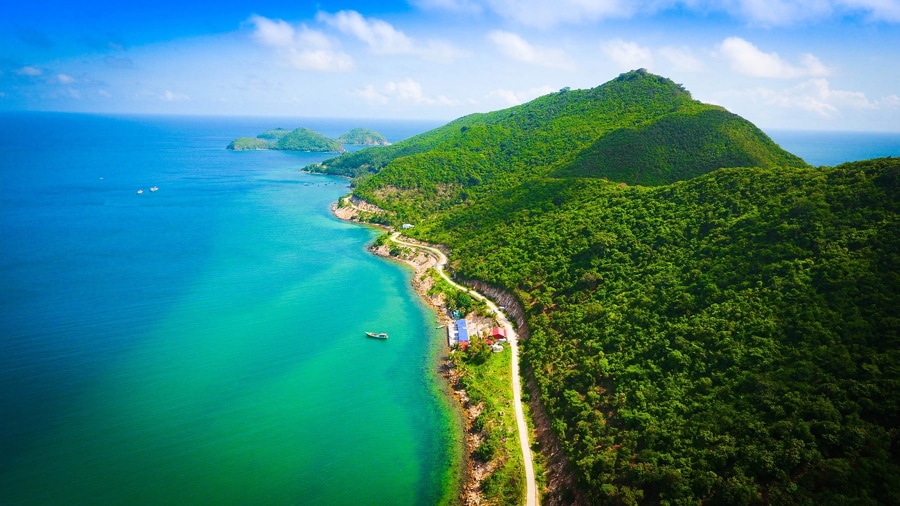
Located in the Kien Giang Province of Vietnam, off the southwestern coast of the country, Nam Du Island is a hidden tropical gem that is quickly becoming one of the most attractive island retreats in Vietnam. The island comprises over 20 small islands and is surrounded by turquoise water, untouched beaches, and green hills rising gently out of the ocean. Due to its untainted nature and serene atmosphere, Nam Du Island is the ideal retreat for those looking for a break from the hustle and bustle of popular tourist destinations.
Nam Du Islands is a serene tropical haven
Besides the picturesque landscape, Nam Du Island also offers the authentic experiences of the locals that make your journey even more enjoyable. You can take a refreshing dip in the water, snorkel in the coral-filled waters, or island-hop around the island. You can also take in the scenic view of the horizon as the sun sets. The fishing villages on the island will also provide you with a glimpse of the lives of the locals. The seafood on the island will also make your journey even more enjoyable.

History Of The Name “Nam Du Island”

The name “Nam Du” is thought to have both poetic and geographical significance, which relates to the island’s location in the far south of Vietnam. It has been interpreted to simply mean “a journey to the South,” which implies adventure and exploration of distant seas.
Another explanation of the origin of the name is based on the earlier form of the word “Nam Dự,” which translates to “southern island.” The term was used to refer to islands located in the southern water area, and over the years, the pronunciation of the word changed to “Nam Du,” a more comfortable and friendly term for the locals. The name not only indicates the position of the islands on the map but also represents the spirit of adventure and tranquility associated with the islands.

Top 6 Iconic Attractions In Nam Du Island

With over 20 large and small islands scattered across the emerald waters, the Nam Du archipelago is an endless source of adventure and exploration. With lively fishing villages, virgin beaches, and rugged mountain trails, each island is unique and holds its charm, making the archipelago an exciting destination for travelers.

Hon Lon Island

Hon Lon is the largest and most developed island within the Nam Du archipelago, covering approximately 771 hectares. It is also considered the gateway for travelers, where ferries arrive, and you can access essential facilities such as the harbor, seafood markets, night markets, guesthouses, and local restaurants. It is where most travelers start their trip before moving on to other smaller islands, making it an ideal place for exploration.
Hon Lon Island
The island also offers several beautiful beaches and tourist spots. Bai Cay Men can be considered the most beautiful beach, as it features white sandy shores, crystal-clear waters, and rows of swaying coconut trees. Bai Ngu features a historic freshwater well that once belonged to Emperor Gia Long. Another popular tourist destination is the Nam Du Lighthouse, which provides a panoramic view from one of the highest points along the coast. Visiting Hon Lon Island alone can already be made for a fulfilling day trip.

Hon Ngang Island

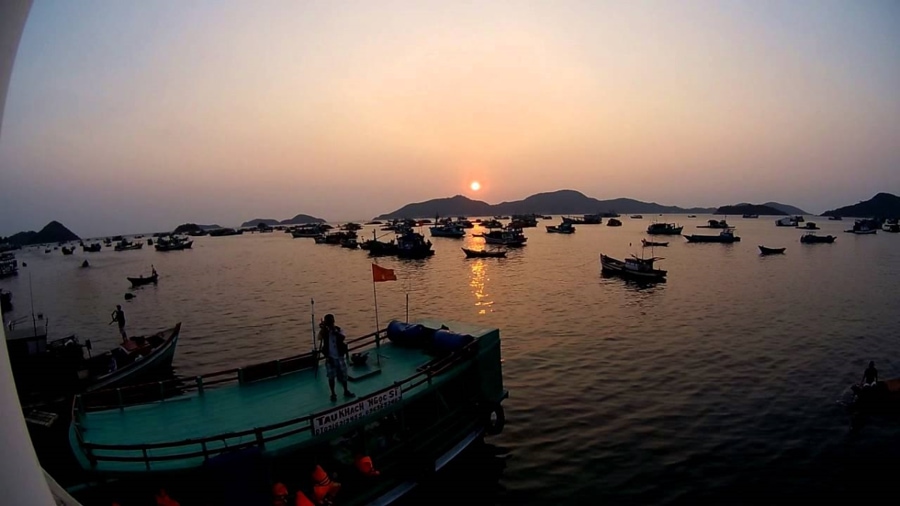
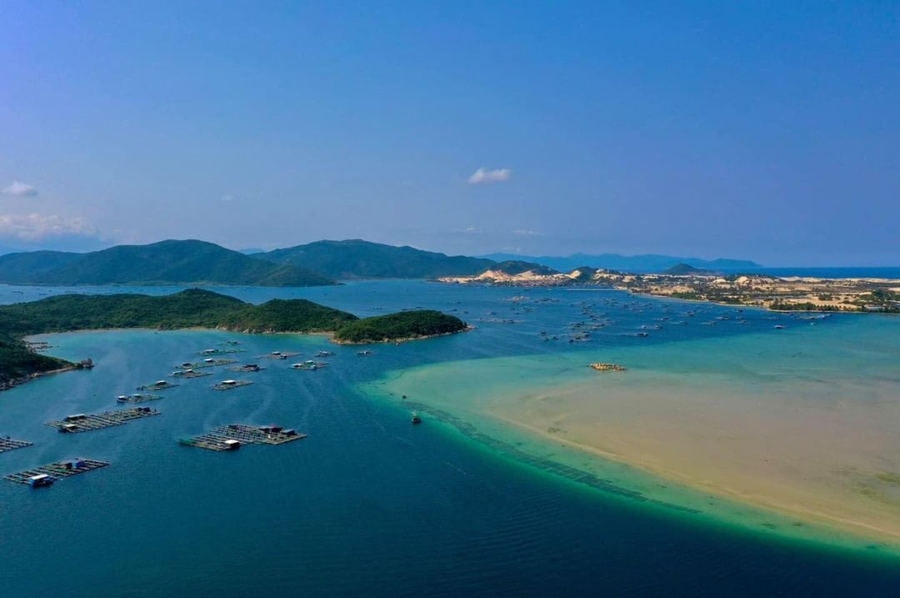
Hon Ngang is said to be the economic and fishing center of the Nam Du Islands. The island is located about 30 minutes by boat from Hon Lon and is known for its floating fish farms and bustling harbor with many colorful wooden boats. Viewing the local fishermen at work and transferring their catch is quite interesting.
Hon Ngang Island
One of the interesting things to see here is the sunset. As the sun slowly sets beneath the horizon, the sky is painted with vibrant shades of orange and red, which are reflected beautifully on the water and on the boats. Hon Ngang is also known for its fresh catch of fish and other seafood like prawns and squid, which are served at small food stalls right on the shore.

Hon Nom Island

Hon Nom is a set of a number of small islands located in Nam Du, comprising Hon Nom Trong, Hon Nom Giua, and Hon Nom Ngoai. This place is characterized by its wild and untouched look, with rocky mountains, blue water, and a few inhabitants. The place is untouched, making it a perfect place for travelers who wish to find a quiet place to visit. One can choose to swim in the calm waters or simply relax while enjoying the sounds of the ocean. This place is particularly interesting for photography enthusiasts because of the presence of stone formations and the ocean.
Hon Nom Island

Hon Mau Island

Hon Mau is one of the most beautiful islands in the Nam Du Archipelago. It is well known for its beautiful beaches and clean water. There are many beautiful beaches on the island. There are Bai Chuong, Bai Nam, and Bai Da Den. Bai Chuong is special for its white sandy beach and clean water. Bai Da Den is special for its smooth black rocks. With many coconut trees and simple fishing villages, Hon Mau is a great destination for tourists.
Hon Mau Island

Hon Dau Island

Hon Dau is well known for its rich ecosystem and primary forest. This island has much primary forest. With its clean beaches and primary forest, Hon Dau is a great place for tourists. This island is suitable for tourists who love nature and forests. With its calm atmosphere, Hon Dau is suitable for tourists who are looking for a calm atmosphere in the Nam Du Archipelago. This island has clean beaches and primary forests. With its calm atmosphere, tourists can relax on the island. There are many beautiful beaches on the island. Tourists can swim and snorkel on the island. With its calm atmosphere and primary forests, Hon Dau is a great destination for tourists.
Hon Dau Island

Hon Hai Bo Dap Island

Hon Hai Bo Dap is distinct and unique because of its natural formation, where two small land masses are connected by a strip of rocks that resembles a natural dam. This uniqueness has earned Hon Hai Bo Dap the nickname “Ha Long Bay of the South,” as there are many tiny islets and rock formations in the sea that surround the island. The natural scenery is raw and untouched, as there are very few inhabitants and no crowds here.
Because of its calm and crystal-clear water, Hon Hai Bo Dap is an ideal place for swimming and snorkeling. The colorful coral reefs are just beneath the water’s surface and make Hon Hai Bo Dap one of the favorite spots for snorkeling. If you’re looking for some peace and want to escape to a private and natural haven, Hon Hai Bo Dap is the perfect getaway in Nam Du.
Hon Hai Bo Dap Island

5 Unforgettable Experiences You Shouldn’t Miss

Nam Du is not only a tropical retreat, but also a place where the pace of life is slow, and everything is delightfully simple. In this place, you can exchange your busy schedules for the ocean breeze, the serenity of the beach, and the simplicity of life. Every experience here will bring you closer to nature.

Island Hopping Across Hidden Beaches And Islets

One of the best ways of visiting the area is by hopping from one of the many small islands in the area. Every island has its own charm, ranging from peaceful sandy beaches to rocky shores and crystal-clear lagoons for swimming. You can rent a local boat or take a tour to visit some of the untouched areas of the archipelago, swim in the clear waters of the ocean, and enjoy the sensation of having the entire beach to yourself.
The trip from one island to the next is just as magical, with endless horizons of turquoise ocean and green hills stretching as far as the eye can see. It’s an adventure that perfectly captures the wild beauty of the archipelago.
Island Hopping Across Hidden Beaches And Islets

Snorkeling and Swimming In Crystal-Clear Water

Nam Du Island’s water is known for its exceptional transparency, and the variety of marine life, and snorkeling is a must-try experience. Just a short distance from the shore, you can see coral reefs, tropical fish, and rock formations under the water. The shallow waters are suitable for beginners, and the deeper areas are more thrilling for experienced swimmers. Drifting in the water and feeling the warmth of the sun shining through the water is a very soothing feeling.

Watching Sunset From The Lighthouse Or The Harbor

The sunset in Nam Du is something to behold every day. You should climb to the top of the lighthouse on Hòn Lớn or sit by the harbor to see the gradual change of hue from blue to gold, orange, and eventually pink. Fishing vessels bob gently on the water to present a scenic picture of peace and romance. The sea breeze is perfect for contemplation or taking photos. It is one of those moments that linger long after the trip is over.

Riding A Motorbike Around The Island Roads

The best way to explore Nam Du is by motorbike, which will enable you to explore the hidden corners of the island at your own pace. The coastal route takes you through hills, coconut forests, and fishing villages, and the views of the sea will be a treat wherever you go. You can take breaks whenever you want to take a nap, have a snack, or enjoy a beach that is off the beaten track. This is one of the most enjoyable ways to explore the island, and the sea breeze will be with you every step of the way.

Enjoying Fresh Seafood Like A Local

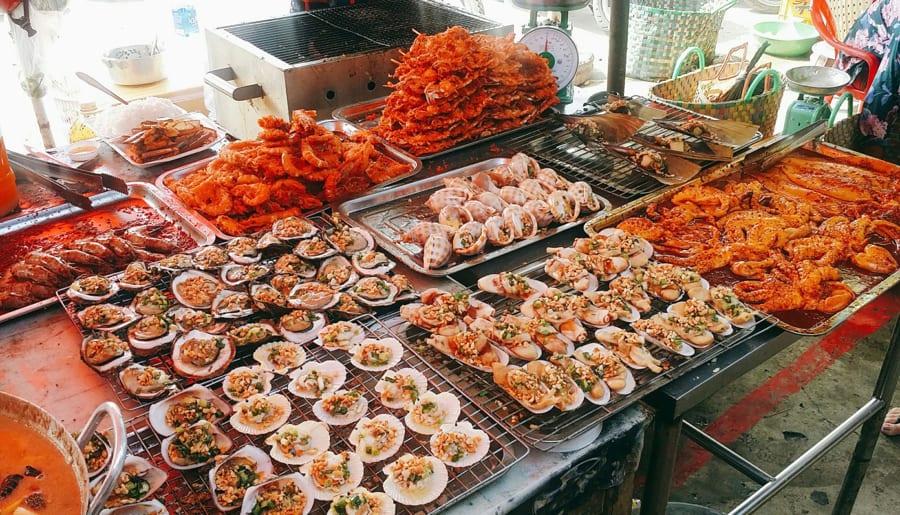
No trip to Nam Du is ever complete without indulging in the extremely fresh seafood available on the island. Every morning, fishermen sell their fresh catch of the day, and local restaurants offer a variety of dishes prepared using these ingredients, such as grilled fish, steamed squid, and other delicacies, such as sea urchins. Many of these restaurants allow patrons to choose their seafood live and cook them on the spot to ensure the best taste and freshness. Dining by the sea with simple tables and the sound of waves is a cozy experience.
Enjoying Fresh Seafood Like A Local

Entrance Fee

There is no entrance fee for those who want to visit the Nam Du Islands, and you can visit the beaches, villages, and scenic spots at your own pace. But you will need to pay for the services you use during the trip, including ferry tickets, boat trips, snorkeling, renting a motorbike, staying overnight, and meals. The cost is relatively low and will benefit the locals, who will make you feel comfortable during your visit.

Best Time To Visit Nam Du Island

The best season to visit Nam Du Island is from December to March, when the weather is favorable with lots of sunshine, calm waves, and crystal-clear waters. The calmness of the waters during this period is suitable for travelers who usually experience seasickness during their travels. Good weather is suitable for different activities such as swimming, snorkeling, island-hopping, and more. The months of December to March are considered the best time to visit the islands, as they look their best during this period.
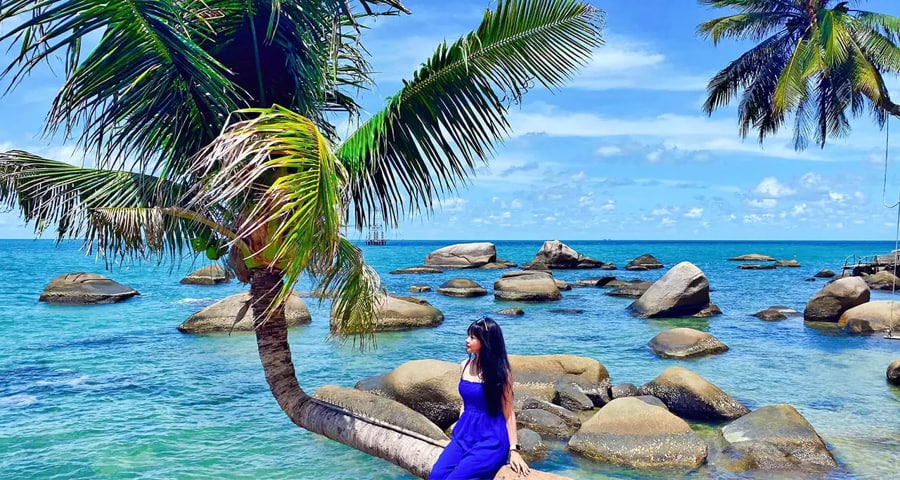
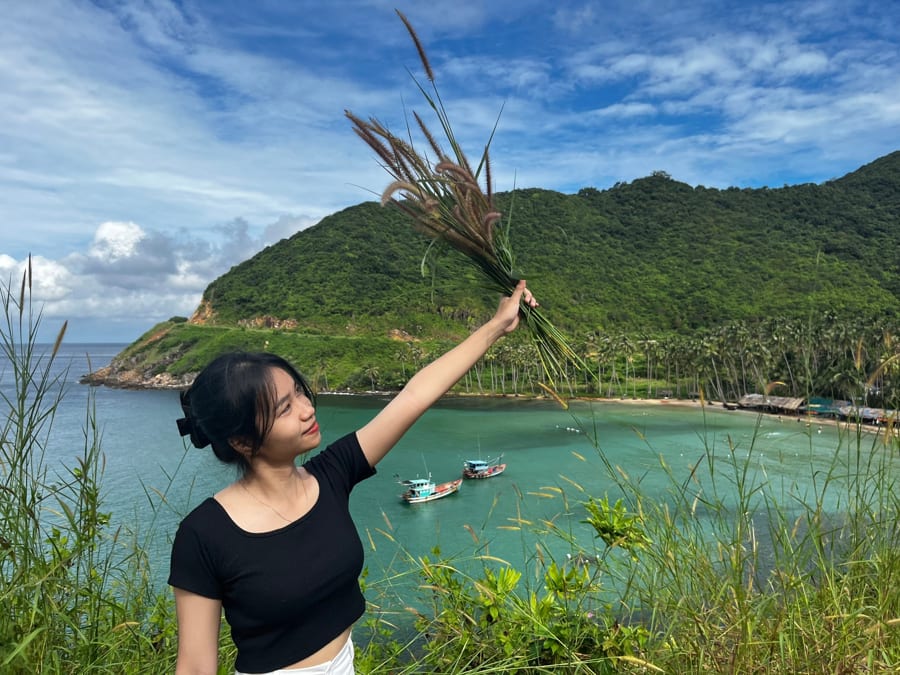
take photo in nam du island
Although the region is less affected by typhoons than central Vietnam, the rainy season lasts from April to November, with frequent rain and sometimes rough seas. During the rainy season, heavy rain can impact ferry schedules and beach or snorkeling activities. If you visit during the rainy season, you should consult the weather forecast in advance and remain flexible with your travel schedule. The right season will enable you to make the most out of the natural beauty of Nam Du.

How To Get To Nam Du Island

Accessing Nam Du Island requires some planning, but the journey is straightforward and worth the trouble. The journey begins by going to the mainland city of Rach Gia, which is the primary entry point for boats going to the islands.

Travel To Rach Gia

There are two ways to get to Rach Gia: either by bus or by plane, depending on your schedule and budget. The most popular and affordable way is by sleeper or coach bus. If you are coming from Ho Chi Minh City, you can take a bus from Mien Tay Bus Station, and the fare is around 300,000 VND (12-13 USD) per person. If you are coming from Hanoi, you can take long-distance buses, and the fare starts at 1,000,000 VND (40-43 USD).
If you want comfort and speed, you can take the airplane. Rach Gia Airport is small and offers domestic flights. This will save you time and energy before your island adventure.

Travel From Rach Gia To Nam Du Island

Once in Rach Gia, the next step is to take a high-speed ferry to Nam Du. Several ferry operators offer daily trips, with the cost ranging from 200,000 VND to 250,000 VND per person (8-11 USD). The trip takes about 2.5 hours, with nice ocean scenery en route.
Since there is a limited number of daily departures, it is advisable to book in advance, as tickets may be sold out, especially during weekends and holidays. This will ensure that you do not miss your return trip back to the mainland.

Getting Around The Island

Once you arrive, you will find it easy to get around these islands using local transport. The best option for transport is renting a motorbike, as it will give you the freedom to explore beaches, scenic spots, and fishing villages at your own pace. Because these islands are small, you can even go around the entire island within one day.
For island-hopping, you can rent a local boat at the harbor, or you can ask for one through homestay services. Renting a private boat will allow you to explore isolated beaches and small islands, making your stay at Nam Du even more enjoyable.

Things To Know Before Traveling To Nam Du Island

Before you go to Nam Du, there are some things you should know to ensure your trip to the islands is as comfortable as possible and to prevent common travel problems. Although this is still an underdeveloped and local travel spot, planning your trip will surely provide you with a smoother, safer, and more enjoyable island experience.
  • Before you go to the islands, check the ferry schedule in advance. Tickets may run out fast, and the ferry may not leave on time due to bad weather.
  • Bring enough cash. There are limited facilities for card payments on the islands, especially in local restaurants and homestays.
  • Rent a motorbike to explore these places. There are many beaches and viewing spots scattered around the place, and it is easier to move around by renting a motorbike.
  • Carry light clothing and essentials like sunscreen, swimming suits, flip-flops, insect repellent, and light jackets to wear on windy evenings by the beach.
  • To respect local people’s lives and the cleanliness of their islands. Throwing away trash correctly and supporting local business activities are essential to maintaining the beautiful nature of Nam Du.
  • Checking the weather during the rainy season is important. Strong waves during this season might influence your plans for island-hopping tours.

Final Thoughts: Is Nam Du Island Worth Visiting?

Absolutely. Nam Du Island is the perfect combination of untouched beaches, blue water, fresh seafood, and a quiet island lifestyle that feels miles away from crowded tourist areas. Whether you’re snorkeling in the waters around coral reefs, watching sunsets in the hills, or visiting quaint fishing villages, every experience in Nam Du feels uncomplicated, genuine, and invigorating. It’s the perfect place for travelers looking for a relaxing and adventurous experience in nature. For a wonderful and hassle-free getaway, plan your Nam Du experience with Seni World and have the ultimate experience of this tropical island hideaway.

Yen Tu Mountain: A Sacred Journey To Vietnam’s Spiritual Heart

Yen Tu Mountain is one of the most revered spiritual sites in Vietnam that draws the attention of pilgrims and adventurers alike due to its spiritual ambiance and picturesque landscapes. This mountain is especially known for its mystic clouds, stone paths, and scenic views over the surroundings of the forest and valley areas. This site also comprises ancient pagodas, temples, and hermitages that date back to the ancient era and are related to the establishment of Buddhism in Vietnam, especially Truc Lam Zen Buddhism.

Introduction To Yen Tu Mountain

Yen Tu Mountain is considered one of the most famous spiritual and cultural tourist destinations in Vietnam. It is located in Quang Ninh Province, northeast of the country. With its foggy peaks, ancient pagodas, and forest trails, Yen Tu attracts both pilgrims and foreign visitors who like to have meaningful experiences. The mountain has a close connection with Vietnamese Zen Buddhism and boasts a rare religious heritage combined with natural beauty. One can tour several hundred-year-old temples, walk along stone paths deemed sacred, or simply enjoy panoramic views over green valleys and mountains.
Yen Tu Mountain is one of the most revered spiritual sites in Vietnam
The visit to Yen Tu Mountain does not only involve visiting this destination. It is also an opportunity to chill out and explore history and nature. Unlike other popular tourist sites in cities where people visit to get the feeling of busy city life, Yen Tu Mountain is an opportunity for an authentic spiritual experience of Vietnamese culture and history. Yen Tu Mountain is accessible from Hanoi for a range of travelers.

History Of Yen Tu Mountain

Yen Tu Mountain has a long and significant history closely linked with the development of Vietnamese Buddhism. In the late 13th century, King Tran Nhan Tong relinquished his throne and took Yen Tu as a place for meditation and spiritual retreat. Here, he founded Truc Lam Zen Buddhism, a uniquely Vietnamese school that puts great stress on simplicity, mindfulness, and a relationship with nature. Since then, Yen Tu has become an important pilgrimage site. Over generations, many pagodas, stupas, and stone paths have been built.
Over the years, monks and locals have lived with practice at the foot of Yen Tu Mountain, retaining religious traditions and cultural values. Annual pilgrimages, rituals of meditation, and seasonal festivals are reproduced on the mountain, reenacting the living spiritual heritage. Unlike many historical sites, Yen Tu is still an active religious center where ancient beliefs and daily life are organically tied together with the landscape of this mountain.

Top 4 Iconic Attractions In Yen Tu Mountain

The vast area of Yen Tu Mountain brings together a system of sacred sights along the spiritual path. Each attraction represents another stage of the pilgrimage and combines religious meaning, historical value, and impressive natural scenery.

Hoa Yen Pagoda

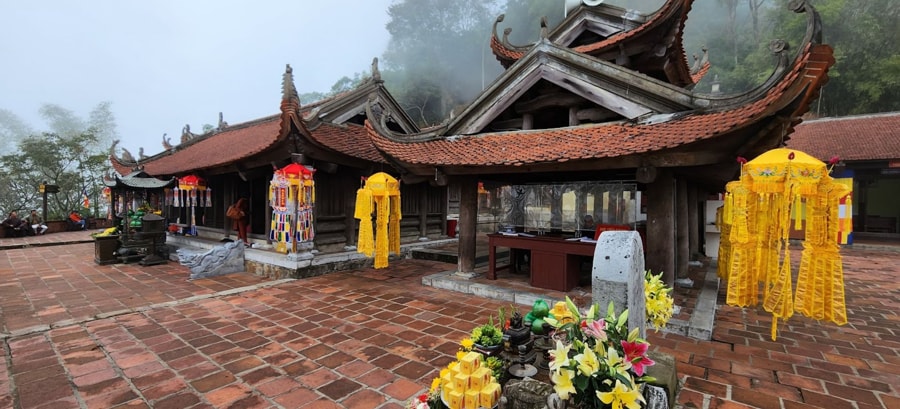
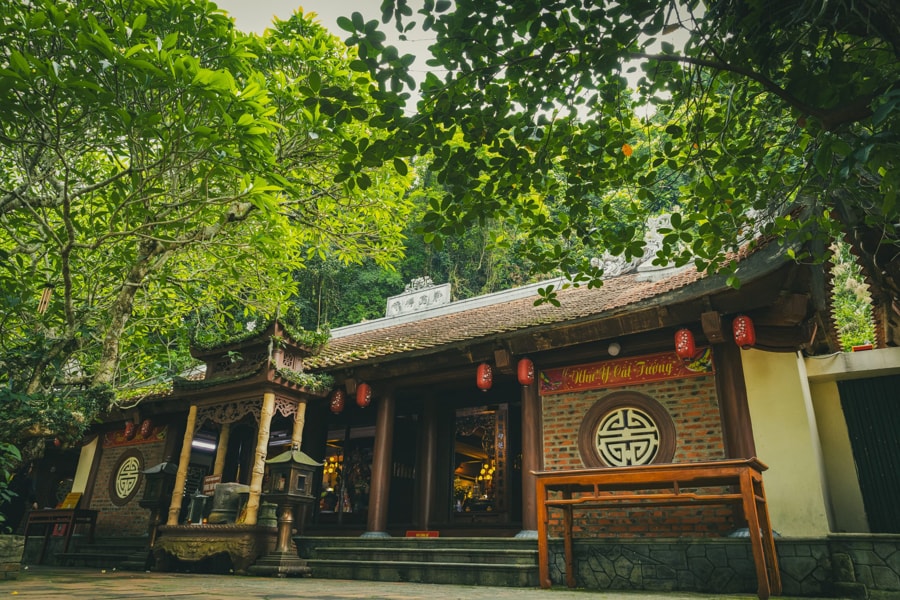
Hoa Yen Pagoda is the spiritual center of Yen Tu Mountain and is among the most popular attractions on the site. It is positioned halfway up the mountain and was once the main residence of King Tran Nhan Tong when he became a Buddhist monk. The location is surrounded by ancient pine trees and a series of stone courtyards, creating a serene environment with a wide view of the valley below. It is among the most popular pit stops for tourists to learn about the history of Truc Lam Zen Buddhism as they ascend the mountain.
Hoa Yen Pagoda

Giai Oan Stream And Pagoda

Giai Oan Stream is a symbolic gateway associated with the themes of compassion and spiritual release. According to local legend, the story goes that royal concubines, who accompanied King Tran Nhan Tong to Yen Tu, chose to end their lives upon being denied entry to the monkhood. The pagoda was erected in commemoration of the dedication and sacrifice of royal concubines. There are stone bridges walking over the flowing water, which makes it peaceful and calm. This is an emotional turning point, from the worldly to the spiritual.
Giai Oan Pagoda

An Ky Sinh Pagoda

An Ky Sinh Pagoda is a significant historical and spiritual site where there is a stone stupa containing the relics of King Tran Nhan Tong. The pagoda is a reflection of the simplicity and order which Truc Lam Buddhism promotes, a life of inner development rather than grandeur. Many travelers visit the pagoda to pray for wisdom and serenity, among other things, because it is situated on a high site with a peaceful atmosphere, making it one of the most peaceful places on Yen Tu Mountain.
An Ky Sinh Pagoda

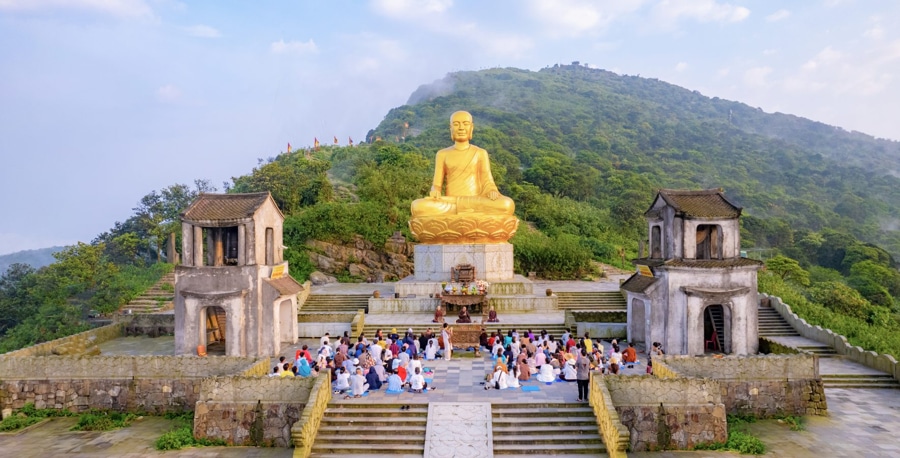
Dong Pagoda

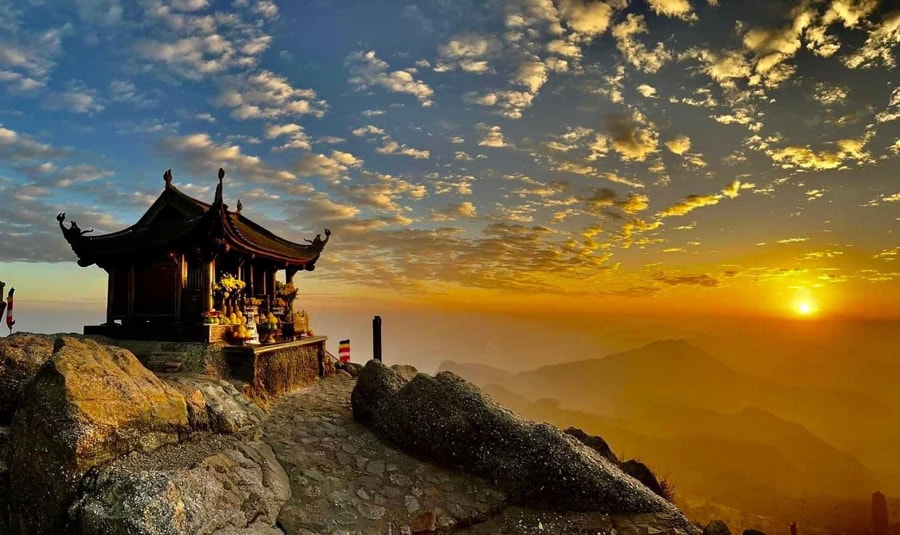
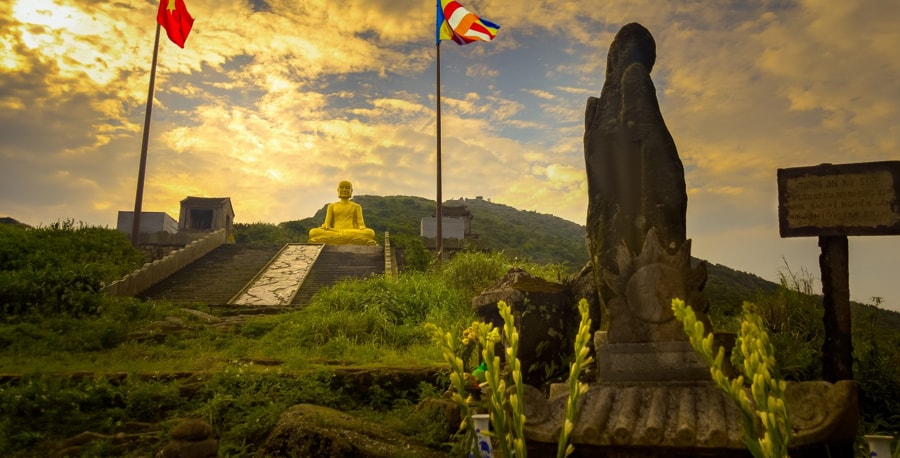
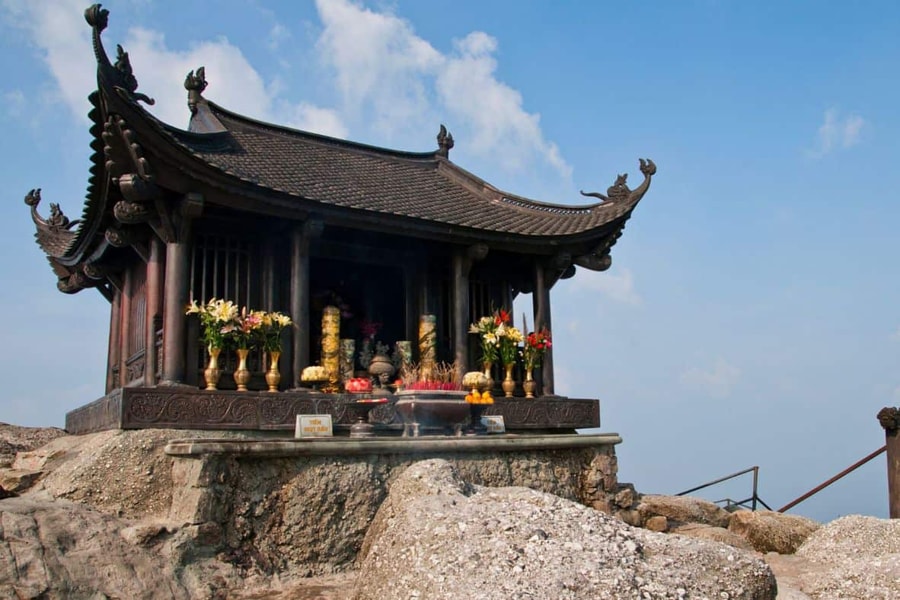
On top of Yen Tu Mountain, Dong Pagoda is said to be the final destination of the pilgrims. Being made entirely of bronze, this pagoda represents spiritual enlightenment and attainment after a long journey. From this pagoda, one can have a panoramic view of the mountains and clouds, especially on clear days. Going up to Dong Pagoda, whether by trekking or through the cable car, is said to be the most memorable trip for the pilgrims at Yen Tu.
Dong Pagoda on the top of Yen Tu Mountain

3 Unforgettable Experiences You Shouldn’t Miss

Beyond pagoda visits and viewpoints, Yen Tu Mountain allows travelers to soak into its spiritual atmosphere and cultural traditions. It is these moments that will transform any ordinary visit into a meaningful journey of discovery and reflection.

Walk The Sacred Pilgrimage Trail

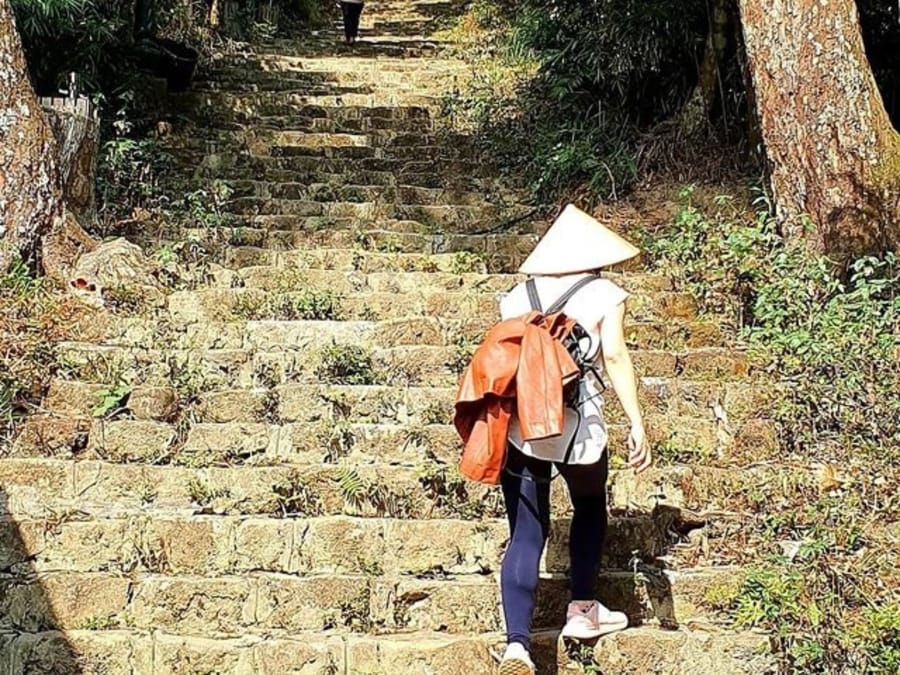
Walking along the pilgrimage trail may be considered the best way to access the natural beauty of Yen Tu Mountain, as it has actual paths made of stones that connect pagodas, forest areas, and other parts of the region that feature mountain streams, allowing pilgrims to follow the same path that Buddhist monks have taken for centuries. As you climb, the silence all around will remind you to be mindful, and along the way, you will see incidences of incense and prayers that help you grasp the spirituality of the region.
Walk The Sacred Pilgrimage Trail

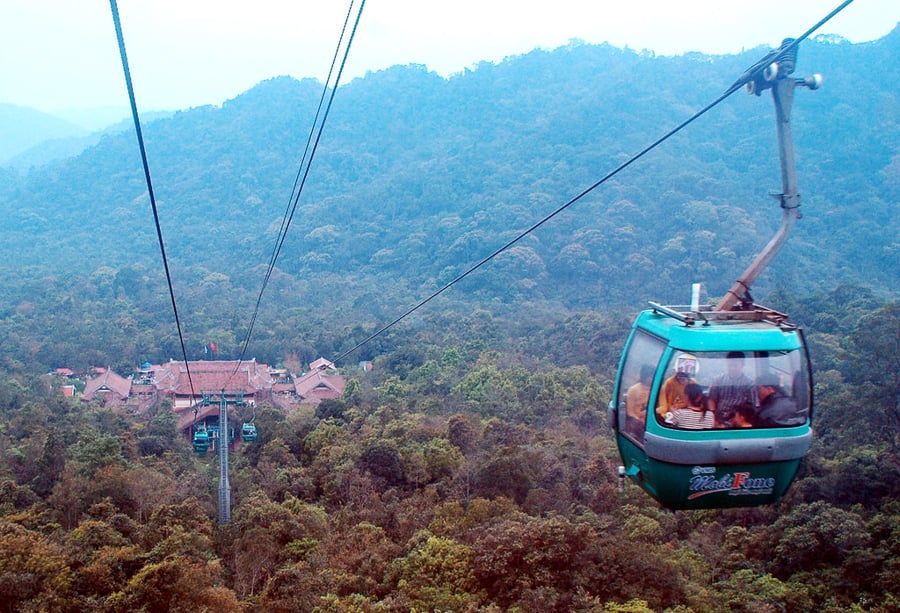
Cable Car Ride Above The Forest

Compared to walking uphill for a long distance, the cable car system in Yen Tu Mountain offers a casual and comfortable sightseeing tour. Floating above dense forests and mist-covered valleys, the ride offers panoramic views barely visible from the ground. It is especially suitable for visitors with limited time or physical constraints while still allowing access to the key spiritual sites. The journey of the cable car itself becomes part of the experience, combining convenience and breathtaking natural scenery.
Cable Car Ride Above The Forest

Observe Buddhist Rituals And Daily Practices

The most meaningful moments to be spent in Yen Tu Mountain are observing the daily routine of monks and pilgrims. Visitors can see various pagodas where incense is being offered, chanting, or silent meditation is in process. Such moments hint at traditions being followed by Vietnamese Buddhists for centuries now. By observing respectfully, travelers gain insight into the spiritual importance of Yen Tu, known to them, and its continued role in modern religious life.
Observe Buddhist Rituals And Daily Practices

Entrance Fee

The following are the entrance fees and cable car fares, all of which are set in USD. For students, kids, and elderly visitors, discounts are available upon presentation of ID. Fares may also increase slightly during festivals and holy days.

Entrance Ticket

Ticket Type
Price (USD)
Notes
Adult Ticket
2.00
Standard entry to the mountain area
Child Ticket (under 12)
1.00
Require age verification
Children under 1.2m
Free
No ticket required
Student Discount
1.50
Valid student ID required
Senior (over 60)
1.50
ID verification may be required

Cable Car Ticket

Route
One-way (USD)
Round-trip (USD)
Notes
Base to Hoa Yen
6.50
10.50
Main route to the central pagoda
Hoa Yen to Summit
6.50
10.50
Upper section above the central area
Full Route
11.00
18.00
Best for time-saving and panoramic views
Before heading to the cable car, visitors need to buy the entrance ticket at the Yen Tu Mountain Complex Main Gate. In the area, after entry inside, following the clear signboards will lead one to the cable car station, and different routes are ticketed at a separate price. Entrance tickets and cable car tickets are not convertible for each other, so travellers are advised to complete the entry first and then head towards the cable car area to have easy and hassle-free access.

Opening Hours

Yen Tu Mountain is open on a daily basis throughout the year, which enables visitors to visit this sacred site and its surroundings all year round. The opening hours of the main gate are from 7:00 AM to 6:00 PM, while the opening hours of the cable car system are from 7:00 AM to 5:30 PM. It is recommended that visitors reach Yen Tu Mountain early, especially during peak season, as this will enable them to spend as much time as possible at the location and then return home safely.
The best time to visit Yen Tu Mountain includes the period from October to April, as the climate is relatively cool and favourable for tourist activities. The peak season also takes place around the period from January to March, when there is the Yen Tu Festival. Interested visitors can also plan to visit during weekdays.

How To Get To Yen Tu Mountain

Access to Yen Tu Mountain is convenient from the major cities in northern Vietnam. Especially convenient are Hanoi and Ha Long. There are many transportation modes to choose from based on personal economic and comfort preferences.
Transportation
From
Travel Time
Estimated Cost (USD)
Notes
Private Car
Hanoi
2.5 to 3 hours
80 to 120
Flexible schedule, door-to-door
Shuttle Bus
Hanoi
3 to 3.5 hours
10 to 15
Fixed timetable, budget-friendly
Taxi
Ha Long
1 to 1.5 hours
40 to 60
Convenient for short distances
Motorbike
Hanoi
3 to 4 hours
5 to 8 (fuel)
Scenic route, experienced riders only
Traveling to Yen Tu Mountain requires visitors to pay close attention to transportation; this is especially so if one decides to make a motorbike trip. First, one should remember a valid driving license. Besides, the roads are foggy or slippery at times of the year. And there is no fuel station around the site, so refuel in advance.

Things To Know Before Traveling To Yen Tu Mountain

Before going to Yen Tu Mountain, travelers should prepare themselves to make their journey to Yen Tu Mountain an enjoyable and respectful one to this place of spiritual value. The following essential tips are given for the convenient and respectful journey of international travelers from different countries.
  • Comfortable walking shoes that can endure long stretches of stone, steep stairs, and irregular surfaces must be worn for the entire pilgrimage route.
  • Wear a modest dress and cover your shoulders and knees before entering pagodas to respect local culture and communal Buddhist traditions followed at Yen Tu Mountain.
  • Pack drinking water and light snacks, particularly if you are hiking uphill, since food and drink stalls are not readily available, especially in the higher mountains.
  • Try to visit the temple as early as possible in the morning to avoid massive crowds and heat exposure. Also, the atmosphere is peaceful and spiritual during this time.
  • Carry small amounts of money for entrance fees, cable car rides, donations, etc., as card transactions are not widely accepted.
  • Respect the spiritual traditions of the place by keeping noise levels down, adhering to the rules, and carrying out rituals silently to maintain the calm atmosphere.
  • Check the weather conditions before, as there might be fog, rain, or heavy winds, which might affect the hike or the cable car.

FAQs About Yen Tu Mountain

Travelers often have common questions before planning a trip to Yen Tu Mountain, especially regarding accessibility, difficulty, and cultural expectations. The answers below help international visitors prepare better and enjoy a smooth, meaningful experience.

Is Yen Tu Mountain suitable for travelers who are not religious?

Well, Yen Tu Mountain is suitable for non-religious travelers, too. Besides the spiritual aspect, the mountain provides wonderful natural scenery, quiet forest trails, and impressive viewpoints. Many tourists come for hiking, taking photos, and cultural exploration rather than visiting the temples to worship. The peaceful atmosphere, with historical architecture, makes Yen Tu an enriching destination even for those simply seeking nature, history, and a slow pace away from busy cities.

Do I have to hike the entire distance to reach the main attractions?

No, they don’t have to unless they want to. The distance is covered by a cable system at Yen Tu Mountain. The modern cable system makes it easy for tourists to commute to various tourism sites like Hoa Yen Pagoda and other high points without much hassle. It makes it suitable for the elderly and those with little time to spend. Hiking is just optional.

Is Yen Tu Mountain accessible as a day trip from Hanoi?

Yes, Yen Tu Mountain can be visited as a day trip from Hanoi because the travel time to the site is around three hours one way. Enough time can, therefore, be allocated to explore the major pagodas, take the cable car, and make the most out of the tour. Those who prefer a leisurely experience or want to attend morning religious activities can also stay overnight in the area.

Final Thoughts: Is Yen Tu Mountain Worth Visiting?

Yen Tu Mountain is a must-visit for travelers who want to absorb more of the cultural and spiritual experience of Vietnam. Sacred pagodas, mist-shrouded mountain landscapes, and a centuries-old Buddhist heritage blend to form a journey much beyond mere tourism. Each trek through ancient pilgrimage paths or taking in scenic views from atop cable car rides, Yen Tu offers balance, reflection, and authenticity. Plan your meaningful journey with Seni World for those who want a better, more comfortable insight into Vietnam’s spiritual heart.

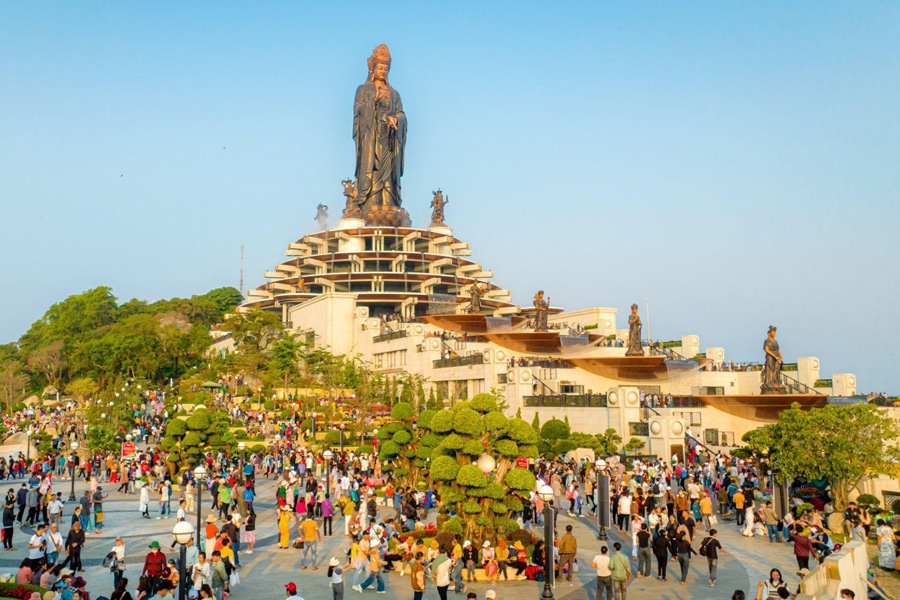
Black Virgin Mountain: The Sacred Peak Of Southern Vietnam

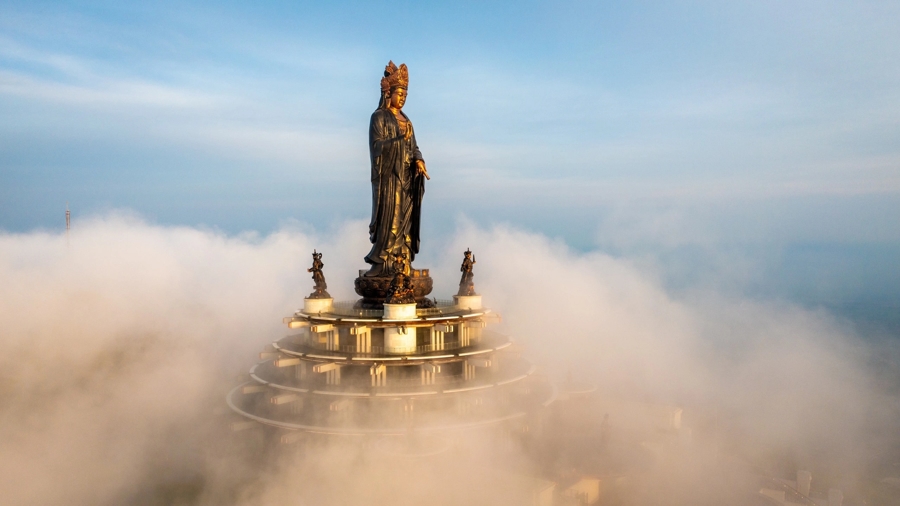
Black Virgin Mountain is the highest mountain in Southern Vietnam, and it is famous for its spiritual significance, dramatic landscapes, and panoramic views. It attracts pilgrims, trekkers, and tourists alike in search of culture, nature, and scenery.

Introduction To Black Virgin Mountain

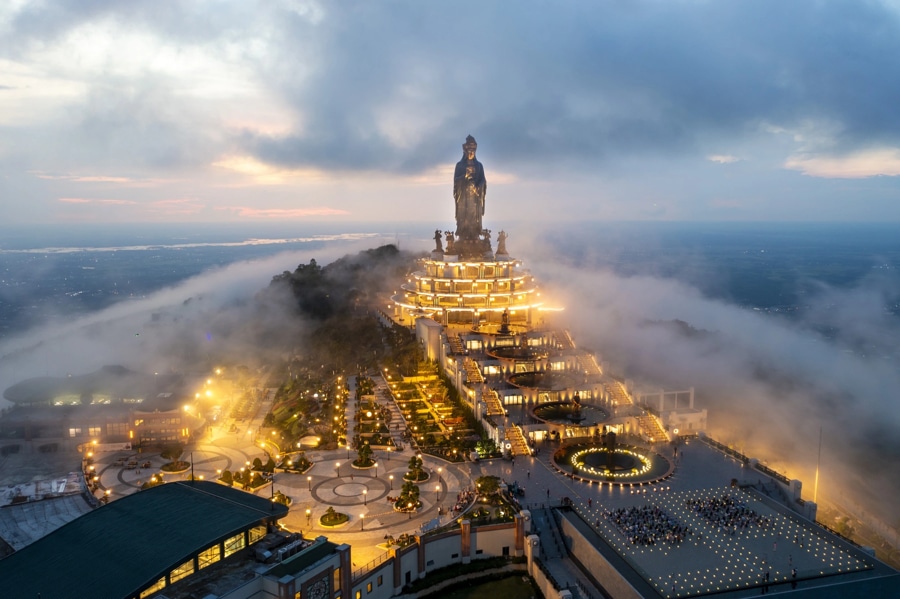
Black Virgin Mountain, also referred to as Ba Den Mountain, is one of the most distinguished tourism locations in Southern Vietnam. Situated high above the plain in Tay Ninh Province, the mountain is distinguished by its spiritual attractions, outstanding cable car facilities, and breathtaking beauty. Every year, millions of tourists visit the Black Virgin Mountain to see the breathtaking views, explore the spiritual temples and pagodas, and experience the unique blend of spirituality and nature.
Black Virgin Mountain is the highest mountain in Southern Vietnam
Going to Black Virgin Mountain is not merely for the purpose of sightseeing but also an enlightening cultural and spiritual exploration. One gets the chance to see sacred shrines, learn stories about myths related to the name of the mountain, and enjoy the cool climate on the mountain. Because of its facilities and accessibility throughout the year, Black Virgin Mountain is the best place for traveling pilgrims and adventurers, as well as other tourists interested in learning about the spiritual center of Vietnam.

History Of Black Virgin Mountain

History has long linked Black Virgin Mountain to natural formation and spiritual belief. Geologically, millions of years ago, volcanic activity thrust the mountain upwards, creating its distinctive granite peaks and rugged terrain. Over time, it became a natural landmark for communities living in the Tay Ninh region. Ancient pathways, caves, and springs around the mountain were once used by locals for shelter, worship, and daily life, gradually shaping its role as a place of cultural importance.
Black Virgin Mountain has strong attachments to local legends
Traditionally, Black Virgin Mountain has strong attachments to local legends, one of which is a young woman who was so loyal that her spirit protects the land. This gave rise to spiritual worship and temples and shrines built on the mountain. In different periods of history, the site also served as a strategic location and a religious refuge. Nowadays, Black Virgin Mountain continues to be a strong symbol representing faith, resilience, and cultural heritage in Southern Vietnam.

Top 3 Iconic Attractions In Black Virgin Mountain

Black Virgin Mountain is an extensive natural site that comprises various prominent attractions, each located in different areas. It involves different experiences, ranging from religious sites to viewing areas where visitors can enjoy the beauty of Southern Vietnam.

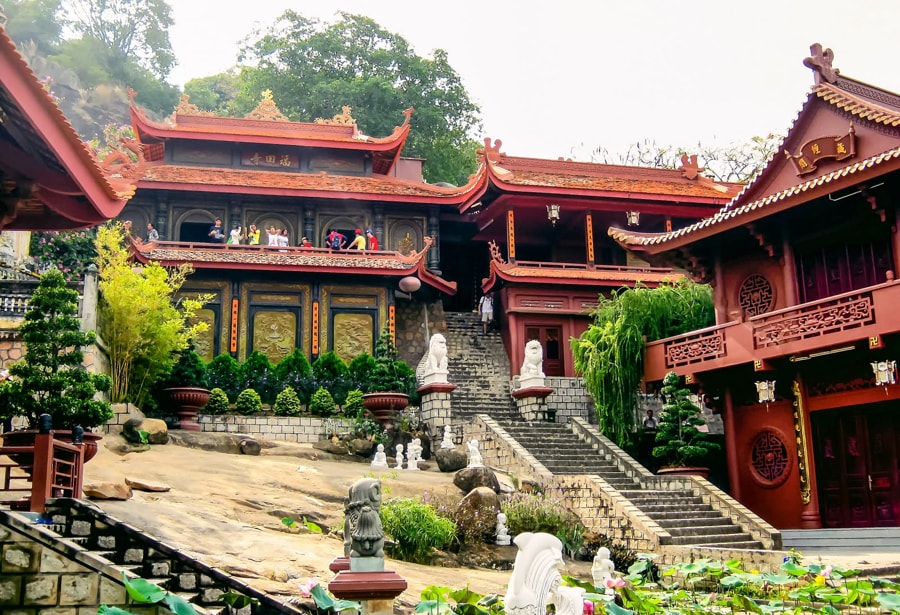
Ba Den Pagoda Complex

Ba Den Pagoda Complex is the spiritual heart of Black Virgin Mountain and one of the most important pilgrimage sites in Southern Vietnam. This precinct has various temples, shrines, and hallways for worship in respect to Buddhist deities and local spiritual figures. Many people come here to pray for peace and prosperity in their lives, particularly during major festivals. The complex enjoys a serene atmosphere, shrouded by mist and mountain air, which provides a wonderful contrast with its grand and monumental architecture, with a regular flow of pilgrims throughout the year.
Ba Den Pagoda Complex

Van Son Peak

Van Son Peak is the highest point in the Black Virgin Mountain that a traveler can reach and is one of the highlights for tourists coming to the mountain to explore the views from the peak. The views from the peak, reached via the modern cable car, give tourists a glimpse of the views in Tay Ninh Province, the rice paddies in the distance, and other areas from the mountain, besides providing a pleasant respite from the heat in the region due to the cooler weather at the top.

Hang Pagoda And Sacred Caves

Hang Pagoda and the nearby sacred caves are also some of the oldest spiritual sites on the mountain. The Hang Pagoda is built inside natural rock formations. This is a manifestation of the strong connection that exists between spirituality and nature. These caves were originally for meditation, but nowadays they function as essential destinations for pilgrims. By walking through the caves and the natural rock stairways, tourists get a sense of history, mystery, and spirituality, thus enriching their mountain-experience.
Hang Pagoda is built inside natural rock formations

3 Unforgettable Experiences You Shouldn’t Miss

Black Virgin Mountain has to offer a wide variety of unforgettable experiences, skillfully blending spirituality with nature and modern travel comfort. From quiet worship to scenic adventures, every activity contributes to a visitor’s deep connection with the mountain’s atmosphere.

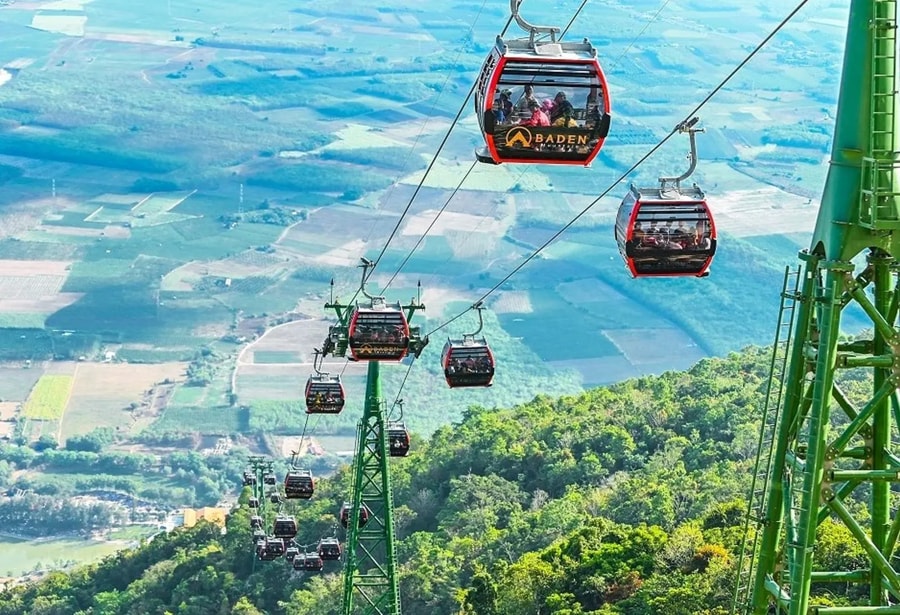
Take A Ride On The Cable Car To The Summit

The ride of the cable car up to the top of Black Virgin Mountain is a memorable experience that combines convenience with breathtaking scenery. As the cabins rise above forests and rocky slopes, visitors enjoy panoramic views of Tay Ninh Province from above. The smooth ride means that travelers of all ages can reach high elevations without difficulty. This often pays off when the weather is clear, and the landscape stretches out as far as the eye can see, just perfect for photography or even moments of silent appreciation of nature.
Take A Ride On The Cable Car To The Summit

Visit Sacred Temples And Pagodas

By exploring the sacred temples and pagodas in Black Virgin Mountain, tourists can gain a glimpse of the spiritual heritage of the region. Not only can pilgrims, but also tourists can witness the customs and practices of the locals and can light incense sticks in the sacred temples and structures related to the Buddhist faith. This serene environment can also create a state of mindfulness for tourists, even those who are unaware of the Buddhist faith.

Enjoy Panoramic Views And Nature Walks

Walking routes and viewing points along the path offer breathtaking views of the plains and the rugged mountain ranges from Black Virgin Mountain. Nature walks offer travelers the opportunity to enjoy the cooler climate, fresh air, and the beauty of nature from higher elevations. Resting points along the walk offer picturesque views of nature, making the walk accessible to most travelers. The combination of nature and physical exercise makes this an exciting mountain adventure.
Black Virgin Mountain at night

Entrance Fee

A visit to Black Virgin Mountain includes the basic service of entrance access, as well as optional cable car ticket purchases to access spiritual or scenic areas of the mountain range. Details of the prices of the tickets can be found at the entrance, where one can purchase as needed.
Ticket Type
Price (USD)
Notes
General entrance
0.5 to 1 USD
Access to the mountain area
Cable car to the pagoda
(round trip)
10 to 15 USD
Most popular route for pilgrims
Cable car to the summit (round trip)
15 to 25 USD
Panoramic views from the highest peak
Combo cable car tickets
25 to 35 USD
Includes multiple routes
Children
Discounted
Based on the height policy
Prices may vary slightly by season or holiday periods. Visitors are advised to prepare cash, as card payment options may be limited at certain ticket counters.

Opening Hours

The visiting time is from 6:00 AM to 6:00 PM.
Black Virgin Mountain is open daily to visitors, making it one of the most visited spiritual destinations in Southern Vietnam. Most facilities, including the cable car service and the major attractions, are operational between early morning and evening. On weekends, festivals, and even public holidays, the mountain never rests and is very active, especially during weekends and public holidays to create the most fascinating environment for pilgrimage and tourism.
Black Virgin Mountain is open daily to visitors,
The best time to visit Black Virgin Mountain is during the dry season, from November to April. During that time of the year, the prevailing weather is pleasant and conditions are clear. The early morning hours can be best utilized to get a good view of the pleasant environment. Similarly, during sunset hours, one can enjoy the picturesque view of the surrounding areas.

How To Get To Black Virgin Mountain

Black Virgin Mountain is located in Tay Ninh Province, approximately 100 kilometers northwest of Ho Chi Minh City. This location allows for convenient visits to the site for a day trip or a quick getaway. There are various transportation options available to tourists, depending on personal comfort and budget.
Transportation
Travel Time
Estimated Cost (USD)
Notes
Taxi / Private car
2.5 to 3 hours
60 to 90 USD
Comfortable, ideal for groups
Bus from Ho Chi Minh City
3 to 3.5 hours
6 to 10 USD
Budget-friendly option
Motorbike
3 to 4 hours
5 to 8 USD (fuel)
Valid driving license required
Guided tour
Full day
30 to 60 USD
Includes transport and guide
Visitors who travel by motorbike are advised to wear helmets and possess valid licenses, as traffic checks are a common occurrence on the roads. The roads to Black Virgin Mountain are in good condition, but extra caution must be taken when driving in rainy conditions.

Things To Know Before Traveling To Black Virgin Mountain

Being prepared in advance will enable tourists to have a safe and meaningful experience while visiting Black Virgin Mountain. It also helps tourists be aware of the customs of the people, the climate, and logistics while traveling.
  • Dress humbly using clothing that covers the shoulders and the knees. This is particularly necessary when one is visiting the temples or pagodas across the mountain complex.
  • Arrive early in the morning to avoid the crowd, to take advantage of the pleasant weather, and to absorb the spiritual energy of the place even before the crowds arrive.
  • Carrying enough cash is a necessity, as there are limited chances of getting a facility of card payments.
  • Use the cable car if you want to be comfortable, but remember to wear appropriate shoes if trails or stairs are involved in the activity.
  • Check the weather forecast in advance because weather, such as the presence of a lot of fog, rain, or sunshine, might impact the exploration experience.
  • On all safety signs, stay on designated footpaths, especially around steep areas, cliff tops, and popular viewpoints surrounding the summit.
  • Be respectful of local cultures by keeping quiet around prayer stations and refraining from disruptive activities during prayer or religious rituals.

FAQs About Black Virgin Mountain

There are some questions that tourists may be interested in before visiting the Black Virgin Mountain, such as the location, meaning, and travel experiences. From the above FAQs, you can get a clear insight into traveling to the Black Virgin Mountain.
  1. Where is Black Virgin Mountain located, and what does it spiritually signify?

Black Virgin Mountain is found in the Tay Ninh Province, which is about 100 km northwest of Ho Chi Minh City. It is seen as the holiest mountain in the Southern part of the country, and it has a strong community link in myth and Buddhist values. It represents trust, security, and perseverance, particularly attracting the faithful to pray for peace, health, and prosperity throughout the year.
  1. What is unique about travelling to Black Virgin Mountain?

The experience of traveling to Black Virgin Mountain is unique in that one is able to experience spirituality, modern facilities, and beauty. The experience helps one enjoy the cable car rides, sacred pagodas, views from the top of the mountain, and exploring nature. There is also the experience of cultural events, spiritual exercises, and the coolness of the place at higher altitudes.
  1. What is the best season to visit Black Virgin Mountain? What should be prepared?

The best time to visit Black Virgin Mountain is during the dry season, i.e., between November and April. Weather conditions during this time are favorable. It is advisable that visitors carry clothes that can be worn when going to temples, as well as some cash. It is also important to check the weather forecast in order to avoid any complications during the visit.

Final Thoughts: Is Black Virgin Mountain Worth Visiting?

Black Virgin Mountain is the ideal travel destination for those wanting to uncover spiritual, scenic, and cultural treasures in Southern Vietnam. Black Virgin Mountain’s spiritual temples, state-of-the-art cable car, and breathtaking views will provide a wonderful experience for every visitor. This travel destination is easily accessible from the bustling city of Ho Chi Minh, making it suitable for short or long trips. Discover the harmony of nature and faith at Black Virgin Mountain and plan your inspiring journey today with Seni World.

Stone Spirit Of Ninh Binh: The Soul Of Lying Dragon Mountain

Situated in the center of Ninh Binh, Lying Dragon Mountain is one of the most popular observation decks in northern Vietnam. Well-known for its dragon-shaped stone staircase and stunning views, this spot draws tourists who are looking for adventure as well as beautiful scenery.

Introduction To Lying Dragon Mountain

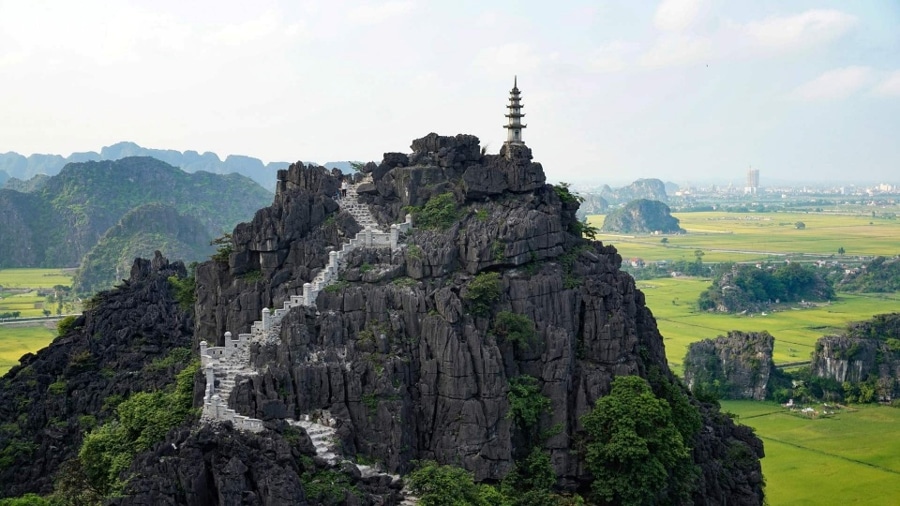
Lying Dragon Mountain is one of the most popular viewpoints in northern Vietnam, known for its stunning dragon-shaped stone staircase and panoramic views. This natural wonder is situated in the heart of Ninh Binh and attracts thousands of travelers every year who want to experience its breathtaking scenery and take in the stunning views of the limestone karsts, rivers, and rice fields.
Lying Dragon Mountain is one of the most popular observation decks in northern Vietnam
Although this location is sometimes referred to as part of the Hang Mua area, Lying Dragon Mountain is known for its adventure and photo opportunities. With 500 stone steps to climb, travelers can experience the breathtaking views of Tam Coc, known as “Halong Bay on Land.” Whether you go in the morning, evening, or during the golden season of the rice fields, this location is sure to provide you with memories to last a lifetime.

History Of Lying Dragon Mountain

Lying Dragon Mountain, also called Núi Ngoạ Long, has a significant history associated with the ancient land of Ninh Binh, the former capital of Vietnam during the Dinh and early Le dynasties in the 10th century. The area is part of the ancient heartland close to the Hoa Lu Ancient Capital, where the kings of old selected limestone mountains as their citadels. Though Lying Dragon Mountain was not used as a royal citadel, its dramatic mountain range symbolized power and security, consistent with Eastern ideology regarding dragons and their role in guarding sacred lands and bringing prosperity.
Eventually, the mountain gained meaning from legends about a giant dragon lying peacefully across the valley and creating the landscape with its body. The stone staircase carved on the mountain ridge was later added for easier access by tourists and pilgrims. Today, Lying Dragon Mountain symbolizes the blend of nature, history, and spirituality that defines the culture during the Ninh Binh trip.

Top 9 Iconic Attractions In Lying Dragon Mountain

Lying Dragon Mountain boasts various iconic tourist attractions that provide visitors with spectacular natural scenery and ethnic culture. It has various viewing platforms and natural formations, all of which promise to give tourists an excellent and unforgettable experience in Ninh Binh.

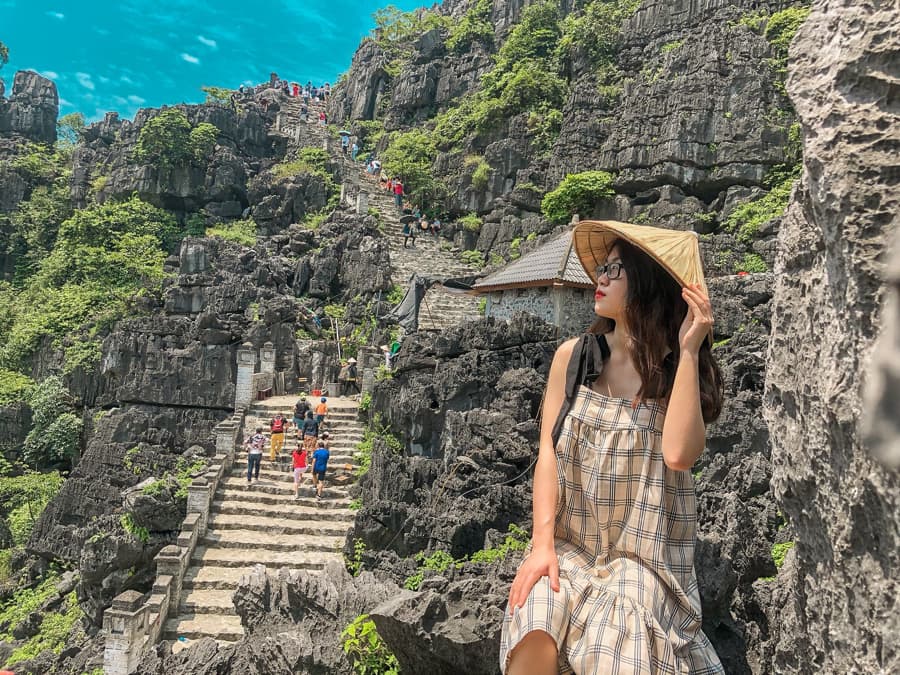
Dragon Stone Staircase

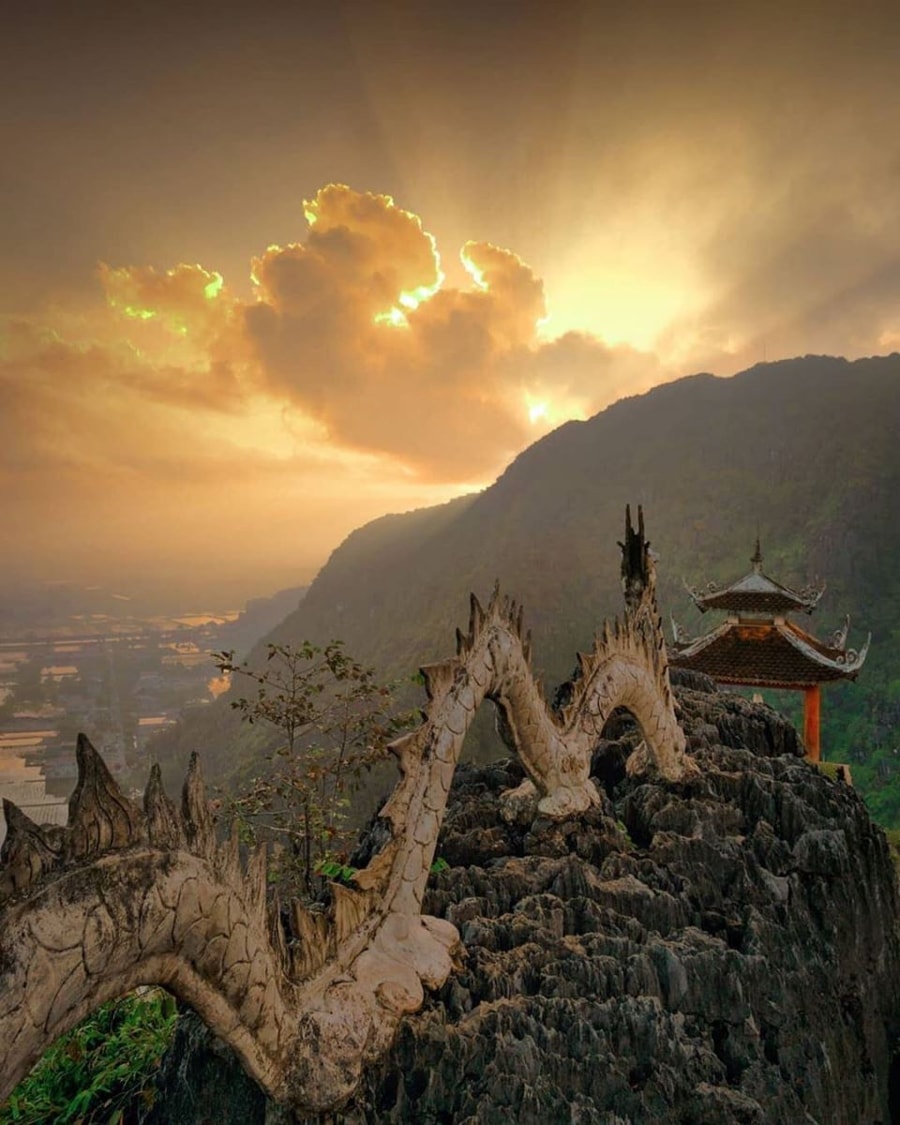
The Dragon Stone Staircase is the most iconic feature of Lying Dragon Mountain. Along the ridge of this mountain, this magnificent stone pathway stretches out before travelers, carefully carved to resemble the majestic dragon, symbolizing power and protection in Vietnamese culture. As one climbs the 500 steps leading to the top of this mountain, one can enjoy the intricate details that make this dragon seem alive against the limestone backdrop. Although the climb can be challenging, the staircase itself becomes part of the journey, leading adventurers to the breathtaking views that await at the top.
Dragon Stone Staircase

Dragon Head Peak Viewpoint

The Dragon Head Peak Viewpoint is the highest viewpoint on Lying Dragon Mountain. The viewpoint is marked by an awe-inspiring dragon head stone sculpture. The viewpoint provides breathtaking views of the beautiful landscape in Tam Coc. The viewpoint allows you to enjoy the beautiful scenes of winding rivers, endless rice fields, and limestone karsts that stretch out before you. The best time to visit this viewpoint is during sunrise or sunset when the valley looks like a beautiful painting, making it an ideal spot for photography.
Mua Cave

Situated at the foot of the Lying Dragon Mountain, the Mua Cave is a serene and picturesque site to visit before embarking on the ascent. Although it is relatively small compared to other caves in the area, it has natural limestone formations and a cool atmosphere, providing a respite from the scorching sun. Its name, “Dancing Cave,” has its origins in the legends of the Tran Dynasty, during which the royal performances took place. Today, the Mua Cave gives the experience of visiting the mountain a rich cultural and historical aspect.
viewpoint from the top of Mua cave

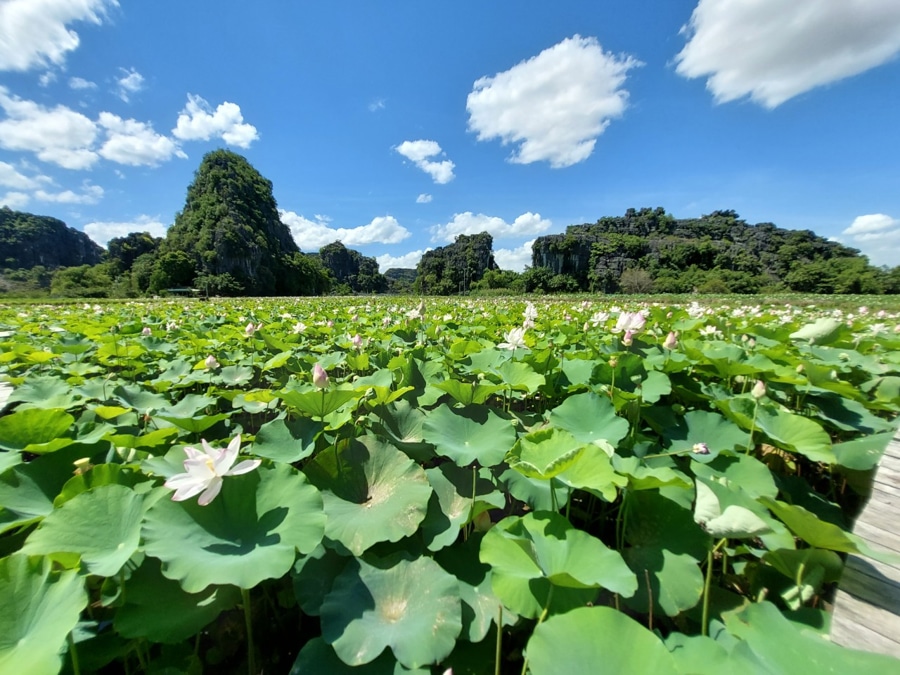
Lotus Pond Area

Lotus Pond Area at the foot of Lying Dragon Mountain is a peaceful and picturesque spot, especially in the summer. From May to July, the lotus flowers are in full bloom in this area, giving it a romantic touch in front of the dramatic scenery created by the karst topography in Ninh Binh. Wooden walkways are provided in this area to enable visitors to relax in the company of nature. The scent of lotus flowers will surely provide visitors with a chance to relax before or after climbing the mountain.
Lotus Pond Area at the foot of Lying Dragon Mountain

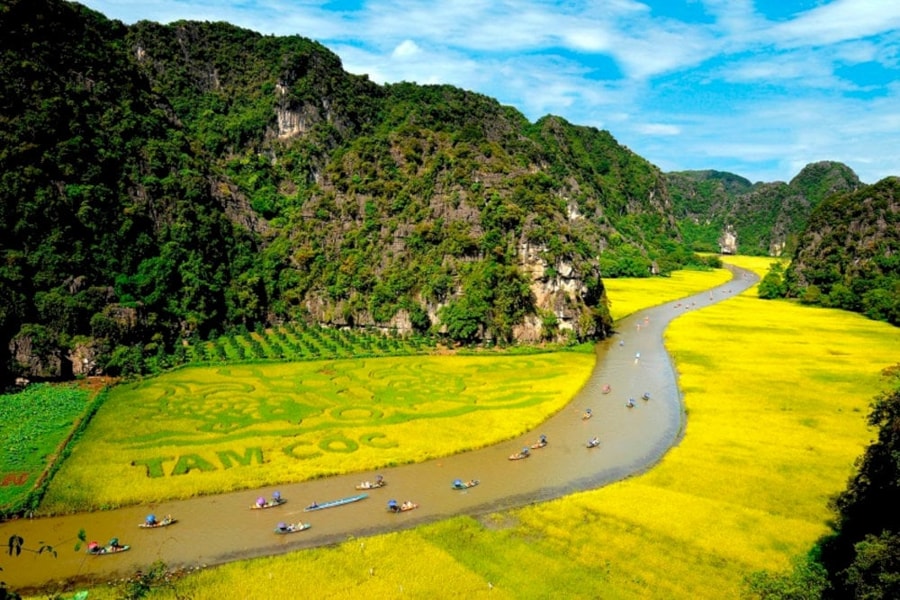
Tam Coc – Bich Dong Panorama View

The Tam Coc – Bich Dong Panorama View from the top of Lying Dragon Mountain is one of the most breathtaking scenes in northern Vietnam. From this viewpoint, you can enjoy the poetic beauty of Tam Coc – Bich Dong with winding rivers flowing through the golden rice fields and dramatic karst limestone formations. The scene also changes with the seasons: green in spring, yellow in summer. It is indeed a natural work of art. The breathtaking panorama is an epitome of why Ninh Binh is called “Halong Bay on Land.”

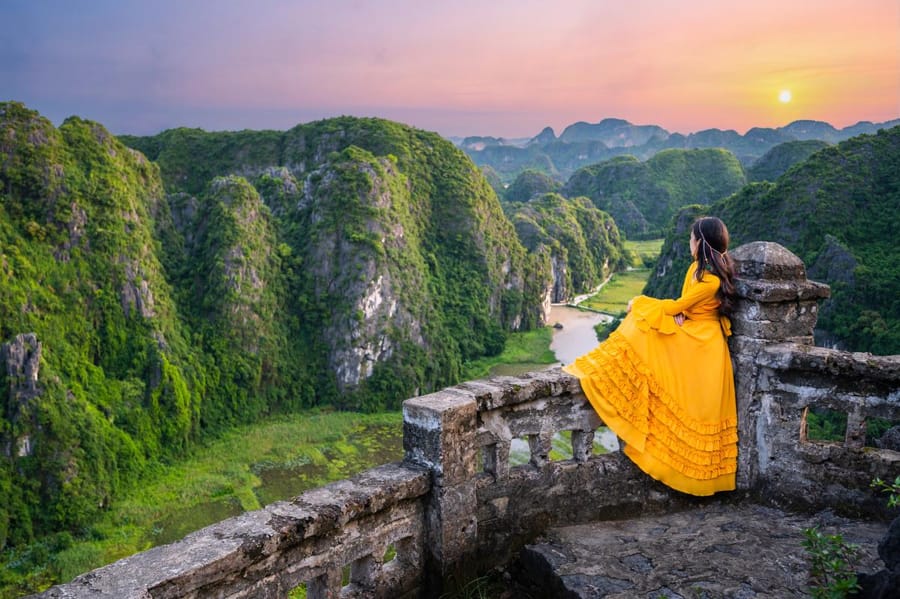
Sunset Viewpoint on the Mountain Ridge

One of the most magical experiences to be had at the Lying Dragon Mountain is the Sunset Viewpoint on the Mountain Ridge. As the sun dips slowly into the horizon behind the limestone mountains, the sky turns into hues of orange, pink, and purple, giving the valley below a golden illumination. From this picturesque viewpoint on the Mountain Ridge, one can view the shimmering waters of the river and the rice fields gently transitioning to the golden hour of the day.

Rice Field Scenic Overlook

Rice fields in Lying Dragon Mountain give visitors an amazing bird’s eye view of the vast rice paddies that cover the area around Tam Coc. From here, one can see rice farmers working in conical hats as the river flows through the rice fields. The landscape varies depending on the season: it is green during planting time and golden during the pre-harvest season. The scenery from here embodies the tranquility of Ninh Binh province and offers one of the most photographed scenes in Vietnam.
Rice fields in Lying Dragon Mountain

Check-in Rock Platforms Along the Ridge

Along the Ridge are popular photo spots at Lying Dragon Mountain. They are naturally occurring rocks scattered around the limestone ridge, which offer a picturesque backdrop to the stunning view of the landscape at Tam Coc – Bich Dong with the famous Bich Dong Pagoda. Many tourists stop at these platforms to take photos with a wide view of the rivers, rice paddies, and karst mountains in the distance. Although the platforms are very picturesque, tourists should be careful when taking in the view from one of the most Instagrammable spots in Ninh Binh.
Check-in Platforms Along the Ridge

5 Unforgettable Experiences You Shouldn’t Miss

Apart from the spectacular views from atop Lying Dragon Mountain, there are also interesting activities that allow travelers to get in touch with nature and culture. These activities provide travelers with a glimpse of the serene beauty of Ninh Binh in a special way.

Watching The Sunrise From Dragon Head Peak

Watching the sunrise from the top of Lying Dragon Mountain is one of the most memorable things to do in Ninh Binh Province. If you get there early enough, you can enjoy the beauty of the sunrise that shines over the limestone karst landscape and rice fields in the area. The peaceful atmosphere and cool morning air make this an ideal moment for photography enthusiasts and travelers seeking a peaceful experience with nature.
Watching The Sunrise From Dragon Head Peak

Capture Golden Rice Season From Above

Traveling during the golden rice season will turn your journey to Lying Dragon Mountain into an amazing feast for your eyes. During late May or early June, the rice paddies around Tam Coc are in a golden yellow color, creating an amazing sight for landscape photographers. From the mountain ridge, you can enjoy the stunning view and take great pictures. The golden rice season makes Ninh Binh one of Vietnam’s most beautiful destinations for landscape photographers.

Explore Mua Cave And Its Legends

Before ascending the mountain, take time to explore Mua Cave, which is situated at the foot of the hill. The cool cave is made of limestone and is a welcome respite from the heat. The cave has historical significance because, according to legend, the kings of the Tran Dynasty once came to watch traditional performances in this cave. Learning about this historical connection is part of the richness of traveling and learning about the interesting history of this region.

Cycle Through The Peaceful Countryside

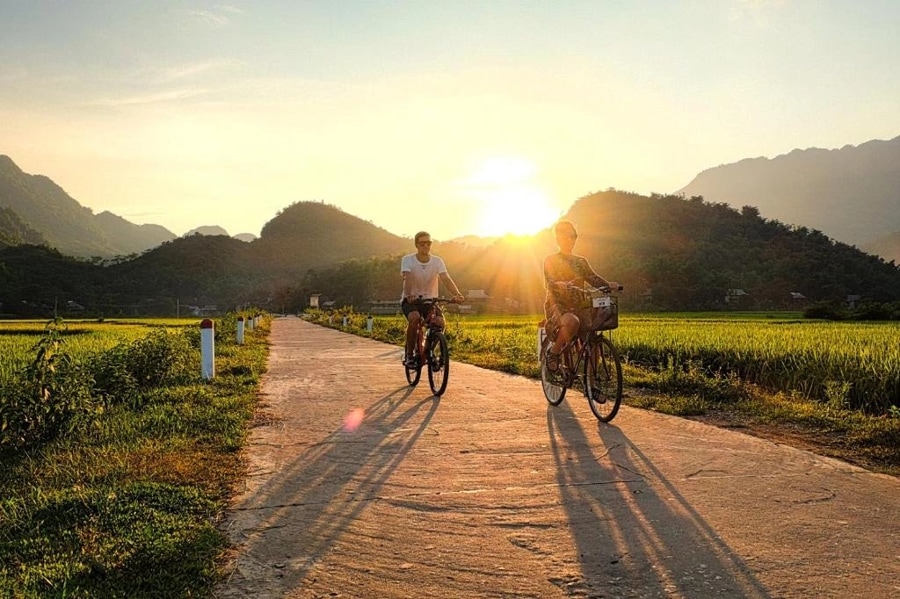
Going through the countryside near Lying Dragon Mountain is a great way to experience the peaceful countryside in Ninh Binh. This activity involves cycling through the countryside roads in the villages near Tam Coc. The countryside is filled with rice fields, lotus ponds, and limestone mountains. This activity is a slow-paced one that enables tourists to view the local farmers at work. This activity is a great way to experience the local culture in Vietnam.
Cycle Through Rice Paddies And Villages

Enjoy Local Specialties In Tam Coc

After your adventure, it is a good idea to experience traditional food in the nearby town of Tam Coc. Ninh Binh is known for its soft goat meat and crunchy rice, which are both very tasty. Eating at a rural restaurant will give you not only good food but also a warm welcome. Enjoying local specialties will add a cultural twist to your adventure and give you memories of your trip to Vietnam.

Entrance Fee

Planning your visit to Ninh Binh would be easier if you were aware of the current entrance fees. The reference below shows the latest ticket price update for 2026 for popular destinations and entrance fees to Lying Dragon Mountain.
Attraction
Adult
Child (VND)
Hang Mua (includes Lying Dragon Mountain)
100,000 (4 USD)
Free (<1m)
Tam Coc – Bich Dong
250,000 (10 USD)
120,000 (5 USD)
Trang An Scenic Landscape Complex
300,000 (12 USD)
200,000 (8 USD)
Hoa Lu Ancient Capital
20,000 (1 USD)
10,000 (0.5 USD)
Cuc Phuong National Park
60,000 (2.5 USD)
20,000 (1 USD)
Note: Ticket prices may change depending on season and local regulations, and additional services such as parking or electric cars are not included in the entrance fee.

Opening Hours

Typically, Lying Dragon Mountain is open from 6:00 AM to 7:00 PM every day, providing visitors with ample time to explore the dragon staircase and the viewpoints. Visiting Lying Dragon Mountain in the early morning is highly recommended, especially if you wish to take advantage of cooler temperatures and fewer crowds during your climb to the top.
The best time to visit Lying Dragon Mountain is from 6:00 AM to 9:00 AM for the sunrise or after 4:30 PM for the sunset over Tam Coc. However, the opening time might slightly differ during public holidays or peak travel seasons in Ninh Binh, so it is recommended to check in advance for a smooth and enjoyable travel experience.

How To Get To Lying Dragon Mountain

It is very convenient to get to Lying Dragon Mountain. For foreign tourists traveling in northern Vietnam, it is relatively accessible from Hanoi. It is located near Tam Coc in the province of Ninh Binh. One could get there by train or bus.
Starting Point
Transport Option
Duration
Estimated Cost (USD)
Notes
Hanoi
Limousine Bus
2 to 2.5 hours
8 to 15 USD
Comfortable seats, hotel pickup available
Hanoi
Train to Ninh Binh Station
2 to 2.5 hours
4 to 10 USD
Scenic route, book tickets in advance
Hanoi
Private Car
2 hours
60 to 90 USD
Best for families or small groups
Ninh Binh City Center
Taxi
15 minutes
3 to 5 USD
Fast and convenient
Tam Coc Area
Bicycle
5 to 10 minutes
1 to 2 USD (rental/day)
Budget-friendly and scenic
Travel Tip: Most tourists travel from Hanoi to Ninh Binh province first, then proceed to the area of Hang Mua to visit Lying Dragon Mountain. It is best to start early in the morning to avoid traffic and enjoy cooler temperatures during the climb.

Things To Know Before Traveling To Lying Dragon Mountain

It is important to prepare well before visiting Lying Dragon Mountain to get the most out of your adventure. The weather and geographical conditions are important factors to consider before visiting Lying Dragon Mountain in Ninh Binh.
  • Wear comfortable climbing shoes because there are nearly 500 steep stone steps on the mountain that can be slippery during rainy weather or in the morning dew.
  • Come in the early morning or late afternoon to escape the strong sun during the day and enjoy cooler temperatures with beautiful morning or evening sunrises or sunsets.
  • Bring water, sunscreen, sunglasses, and a hat to stay hydrated and protect yourself from the sun during your visit, which can be quite hot during the summer.
  • Make sure your phone or camera is secure while taking pictures on the narrow paths on the ridges to prevent dropping it from great heights.
  • Respect safety signs and do not litter to help preserve the natural beauty of this famous attraction in Ninh Binh province.

FAQs About Lying Dragon Mountain

If you are planning a visit to Lying Dragon Mountain, you might have a few questions in your mind before you visit this location. Here are a few FAQs for international travelers to know what to expect from this popular viewpoint in Ninh Binh.
  1. Is Lying Dragon Mountain elder-friendly?
Lying Dragon Mountain can be challenging for the elderly because the climb requires almost 500 steep steps of stone without elevators or railings in some parts. However, elderly people who are in good physical shape and do not mind hiking can manage to climb to the top of the mountain slowly with breaks in between. It is also recommended that you avoid visiting the mountain when it is raining and that you wear appropriate shoes for climbing.
  1. How long should I stay in Lying Dragon Mountain?
It is recommended to stay for 1.5 to 2 hours in Lying Dragon Mountain, considering climbing time, sightseeing, and taking photos. If you wish to stay longer in the lotus pond area or visit other attractions in Tam Coc, it is recommended to stay for half a day or longer if you arrive earlier.
  1. Are there any food and beverage vendors available at the location?
Yes, there are small local vendors and cafes around the entrance area of Hang Mua, where Lying Dragon Mountain is situated. You can purchase bottled water, soft drinks, and some snacks before or after your climb. But limited options are available at the top, so it is highly recommended that you bring your own water.

Final Thoughts: Is Lying Dragon Mountain Worth Visiting?

Lying Dragon Mountain is definitely a must-visit destination for travelers who are looking for awe-inspiring panoramic views and natural scenery in northern Vietnam. Starting from the famous dragon staircase to the beautiful Tam Coc landscape, every step of the way is a treat in itself. Whether it is adventure, photography, or the serene countryside landscape, this spot is one of the best places to enjoy a bird’s-eye view of Ninh Binh. If you are traveling to Ninh Binh, this destination should be at the top of your list.

Son Tra Mountain: Discovering The Home Of The Rare Red Langurs

Son Tra Mountain is one of the fascinating natural landmarks of Da Nang, known worldwide for its scenic ocean views, lush forests, and rich flora and fauna, as well as several peaceful Buddhist temples, which make it an attractive tourist spot.

Introduction To Son Tra Mountain

Son Tra Mountain is one of the most famous natural attractions in Da Nang, Vietnam, popularly known as Monkey Mountain. It is around a few kilometers away from the center of the city and is simply a perfect combination of lush forests with scenic coastal roads and stunning viewpoints overlooking the East Sea. Son Tra protects diverse wildlife, mainly its rare species of red-shanked douc langur, making it an important ecological area and a popular tourist destination.
Son Tra Mountain is one of the most famous natural attractions in Da Nang
A visit to Son Tra Mountain will be one of the best choices for nature-loving tourists who want to take photos and seek a tranquil atmosphere. The whole area is dotted with iconic landmarks, including Linh Ung Pagoda, panoramic observation points, and hidden beaches. Whether hiking, riding a motorbike, or simply enjoying fresh air and ocean views, there are unforgettable experiences awaiting guests on Son Tra Mountain away from busy city life.

History Of Son Tra Mountain

Son Tra Mountain has a rich history that is associated with the development of the city of Da Nang and the population inhabiting the central part of Vietnam. Before the development of the area, it was primarily covered by dense forest and served as a shelter for the local fishermen from the effects of the sea storms. The location of Son Tra Mountain, as the fishermen faced the sea, has enabled it to be considered an important military area in diverse historical periods, especially in the 20th century.
Son Tra Mountain is also call monkey moutain
Over the course of time, Son Tra Mountain has managed to establish its place as not only crucial for strategic purposes but also for its natural and spiritual importance. Indeed, the people of Danang believed that this mountain protected their town from natural calamities and ensured peaceful and prosperous living. However, due to the establishment of Linh Ung Pagoda and other modern roads, Son Tra has now become one of the main tourist attractions. Indeed, Son Tra today stands for the epitome of pristine harmonization of history, nature, and culture.

Top 4 Iconic Attractions In Son Tra Mountain

Son Tra Mountain has a host of famous landmarks that offer visitors a chance to enjoy its beauty, spirituality, and stunning views. Many of these attractions contribute to its position as one of the most popular landmarks in Da Nang.

Linh Ung Pagoda And Lady Buddha

Linh Ung Pagoda is the most popular spiritual site on Son Tra Mountain, which boasts the impressive 67-meter-tall Lady Buddha statue overlooking the sea. She symbolizes the feeling of safety and peace to the local population and fishermen. The religious site is located amidst a lush green environment and boasts a wonderful view of Da Nang City. This is a wonderful spot to visit and take pictures, pray, and enjoy the serene ambiance. This site combines spirituality and the ocean view to create a truly unforgettable experience.
Linh Ung Pagoda And Lady Buddha

Ban Co Peak (Chessboard Peak)

Ban Co Peak is the highest accessible viewpoint of Son Tra Mountain and is considered one of the most beautiful panoramic views in Da Nang City. Legend has it that fairies often came here to play chess, hence the poetic name. It offers a breathtaking view from the top of the city, My Khe Beach, and even Hai Van Pass whenever the skies are clear. It is highly recommended for photographers and all those in love with adventure, as this place gives them feelings of being above the clouds.
Ban Co Peak is one of the most famous tourist attractions in Da Nang

Son Tra Radar Station (Eye of Indochina)

The Son Tra Radar Station is referred to as the “Eye of Indochina” because of its military significance. Though visitors cannot go inside the radar station, they can enjoy the scenic views around it. This place is important for travelers because it gives them a glimpse into the military significance of Son Tra for Vietnam. It provides a cool climate for travelers and exposure to a historical location. The place is unique for those interested in military history and scenery.

Hidden Beaches (Bai But, Bai Rang, Bai Bac)

The hidden beaches of Son Tra Mountain are great for tourists who want to experience the peaceful beauty of nature. Bai But Beach, Bai Rang Beach, and Bai Bac Beach are less frequented by tourists compared to other beach destinations within the city. They offer clean water, fine sand, and attractive coral reefs. Tourists can swim or enjoy delicious meals at beachside food stalls. These beaches are great places to experience the beauty of Son Tra Mountain.

4 Unforgettable Experiences You Shouldn’t Miss

Son Tra Mountain promises much more than sightseeing; in addition, travelers can experience various immersive experiences that allow them to connect with nature and culture, as well as adventure. These unforgettable experiences enable visitors to appreciate the beauty of this iconic place.

Ride A Motorbike Along Coastal Roads

Riding a motorbike along the coasts of Son Tra Mountain presents one of Da Nang’s most thrilling experiences. The route meanders through mountain paths, green forests, and breathtaking ocean views. Several stops along different viewpoints could be made to shoot photos, or simply bask in the refreshing sea breeze. This is a trip that brings tourists a sense of freedom and adventure, which is really suitable for those who enjoy exploring by themselves and discovering hidden sceneries.
Coastal Roads of Son Tra Moutains

Visit Linh Ung Pagoda At Sunrise

The experience of going to Linh Ung Pagoda early in the morning or even at sunrise can bring a sense of peace that creates a serene atmosphere. The best time to visit Linh Ung Pagoda is in the early morning since it is not crowded. It is cool during this time, making it a great experience. The sunrise is also a great experience since the sunlight reflects well on the Lady Buddha statue. It is a serene experience that creates a sense of spirituality, as seen on Son Tra Mountain.
Linh Ung Pagoda perches on the stunning Son Tra Peninsula

Relax At Hidden Beaches

The experience of relaxing at less crowded beaches such as Bai But Beach, Bai Rang Beach, or Bai Bac Beach is a welcome reprieve from the busy schedules of modern cities. These beaches are calm, quiet, and clean, and visitors have access to local seafood at local eateries. The experience provides an opportunity for travelers to unwind at the natural sights of Son Tra Mountain.

Entrance Fee

Son Tra Mountain is one of the few famous attractions in Da Nang that is mostly free for visitors. However, some specific areas and services may charge small fees depending on what activities you choose.
Attraction / Service
Price (VND)
Approx. Price (USD)
General entrance to Son Tra Mountain
Free
Free
Tien Sa Port access
25,000 VND
1 USD
Tien Sa Lighthouse ticket
20,000 to 40,000 VND
1 to 2 USD
Beach hut rental (Bai Rang, Bai But)
200,000 to 400,000 VND
8 to 16 USD
Parking or local service fees
10,000 to 20,000 VND
0.4 to 0.8 USD
Most attractions do not require tickets, but visitors can prepare a small budget for optional services or rentals to enjoy a more comfortable experience.

Opening Hours

The Son Tra Mountain is open for visitation on a daily basis, and there is no official closing time for the most public places. In general, travelers are allowed to visit the mountain from 6:00 AM to 6:00 PM, and this is considered the best and safest period due to traffic rules and the protection of wildlife animals. Visiting the most popular places, including Linh Ung Pagoda, is possible between 7:00 AM and 9:00 PM.
The best time to visit Son Tra Mountain is during the dry season, which spans from March to September. During this period, the sun shines brightly, and the condition of the road is good. The best time to get there early in the morning or in the afternoon will allow you to avoid the crowd and the warmth of the sun.

How To Get To Son Tra Mountain

Son Tra Mountain is located at a distance of 10 kilometers from the Da Nang city center and is easily accessible by various modes of transport. Tourists can choose the best mode of transport as per their budget and comfort.
Transport Option
Estimated Time
Price (USD)
Notes
Motorbike rental
25 to 30 minutes
6 to 8 USD/day
Requires a valid driving license, best for flexible exploration
Taxi / Grab
20 to 25 minutes
8 to 12 USD/one way
Comfortable and convenient, good for groups
Private car rental
Half day
30 to 50 USD
Ideal for families or photography trips
Tour bus
Half day
15 to 25 USD
Includes a guide and a fixed itinerary
Visitors should drive carefully due to winding roads and steep slopes. Motorbike riders must wear helmets and carry a valid license, while private cars are recommended for rainy or foggy weather conditions.
travel to Son Tra Mountain by Car

Things To Know Before Traveling to Son Tra Mountain

With a little advance planning, you can visit Son Tra Mountain both safely and comfortably, especially if you are planning to explore the natural environments of the mountain. Here are some indispensable tips on how to visit Son Tra Mountain.
  • Bring water and snack provisions as there are not many stores at the mountain, especially when planning to spend hours at the location.
  • Comfortable shoes and light clothing should be worn, as many places will require walking along uneven paths.
  • It is advisable to check the weather forecast prior to embarking on the journey as rain and fog may cause the roads to become slippery, especially when driving in the mountain areas.
  • A reliable motorbike or car with good braking system is recommended as the roads are steep, narrow, with sharp turns and curves.
  • Bring your driving license and necessary documents if you are carrying your motorbike, as there could be checks on the road.
  • It is best not to feed wild animals like monkeys or langurs, as it is safe neither for yourself nor for the environment.
  • It is advisable to visit the place as early as possible in the morning or as late as possible in the afternoon.

FAQs About Son Tra Mountain

Some of the common questions that travelers want to know before visiting Son Tra Mountain include the safety of the area, the ease of access to the mountain, and the activities of interest. Below are the frequently asked questions.

Is Son Tra Mountain suitable for all kinds of travelers?

Son Tra Mountain is appropriate for most travelers, such as solo travelers, couples, and families, while it may not be appropriate for elderly travelers because of the steep roads. Travelers need to consider their physical condition and the appropriate transport to use in order to have a safe and enjoyable visit.

Is it easy to spot wildlife at Son Tra Mountain?

Yes, Son Tra Mountain is considered one of the best locations in Da Nang for wildlife viewing, particularly for the red-shanked douc langur. However, this may not be possible, and one may need to move quietly, undertake early morning visits, and be patient when exploring the forest areas.

Is it safe to travel to Son Tra Mountain by motorbike?

Generally, traveling by motorbike is safe as long as one has experience or sticks to road rules. However, one should be cautious when traveling as a beginner because of the sharp turns and steep slopes. One needs a helmet, proper brakes, and dry weather to be safe.

Final Thoughts: Is Son Tra Mountain Worth Visiting?

It is a must-visit destination when traveling to Da Nang, thanks to its unique combination of beautiful natural landscapes, spiritual tourist spots, wildlife, and breathtaking coastal scenery. From adventure to relaxation in one destination, it suits all kinds of trips. Name it: picturesque roads, serene temples, or hidden beaches-Son Tra creates memories of a lifetime. If you desire a meaningful journey to Vietnam, allow Seni World to assist you in planning your perfect tour today.

Tac Tinh Waterfall: The Silk Ribbon Of Northwest Vietnam

Situated in the beautiful mountainous area of Thác Tác Tình, Tac Tinh Waterfall is a beautiful and breathtaking place to visit. Surrounded by beautiful forest, this beautiful waterfall is characterized by its tiered waterfalls. Located in the peaceful countryside of Lai Chau, this beautiful waterfall cascades over rocky cliffs, forming cool, clear pools at its base. As a result, this beautiful place is perfect for travelers who want to relax, have fun, and get closer to nature.

Introduction To Tac Tinh Waterfall

Located in the midst of the lush forests of Lai Chau Province in Vietnam, Tac Tinh Waterfall is an awe-inspiring natural beauty that mesmerizes visitors with its sheer beauty and majesty. Cascading over several levels of rocky limestone cliffs, the water creates a melodic harmony of sounds and colors, making it an essential travel spot for nature enthusiasts and adventure enthusiasts alike. The cool and clear water, as well as the green surroundings, provide an ideal getaway from the scorching summers of Vietnam.
Tac Tinh Waterfall is a beautiful and breathtaking place
The thing that makes Tac Tinh Waterfall so unique is not just its beauty, but its cultural and historic importance. The area is usually connected to ancient legends, creating an air of mystery that complements its already picturesque view. Whether you’re up for trekking through the unspoiled jungle or just want to witness the power of the water, Tac Tinh is definitely an experience that will not be forgotten. With its accessibility to nearby towns, this is definitely the best option for travelers who are looking to experience not just the beauty of Vietnam’s natural landscapes, but its historic importance as well.

History Of Tac Tinh Waterfall

Aside from the beauty it presents, Tac Tinh Waterfall has cultural and spiritual value, especially to the Dao ethnic minority, and the inhabitants of Si Thau Chai village in Lai Chau Province. For many years, the waterfalls have been associated with a touching legend about love and loyalty. The waterfalls are, in a sense, a symbol of faithful love and memories because, according to the locals, the name “Tac Tinh” means “heartbreak.”
The story is about Lo Lan, a beautiful young woman with a sweet singing voice, and Ly Phan, a poor flute player. Despite their deep love for one another, their love was forbidden, and Ly Phan was forced to leave the village, leaving Lo Lan waiting alone on the mountain. She waited through countless seasons, and eventually, she vanished, believed by many to have turned into stone, while her long hair and tears became the waterfall that ran endlessly down the cliff.
Years later, Ly Phan came back and played his flute near the falls, hoping to lure her back. But he too disappeared, leaving only the faintest echoes of the music in the rushing water. From then on, the Tac Tinh Waterfall was seen as a symbol of true and eternal love in the northwest Vietnamese mountains.

4 Unforgettable Experiences You Shouldn’t Miss

It’s not just a picturesque waterfall, but a spot where nature, fresh mountain air, and culture combine to offer travelers a unique experience. Whether you’re into adventure travel or prefer to take your time exploring culture, you will find something here that will make your visit to Lai Chau unforgettable.

Camp Overnight In The Pine Forest

One of the most enjoyable experiences in Lai Chau is camping near the waterfalls. This place is located in an area covered by tall pine trees and green grass, making it an ideal spot to pitch your tents and enjoy the beauty of nature with your friends and family. During the day, you can enjoy your picnics and simple dishes with the background sounds of the waterfalls.
When night falls, the temperature goes down, and the place becomes calm and mystical with misty clouds and twinkling lights of the tents. Sleeping to the sounds of nature is an experience you will not get in hotels.
camping near the waterfalls

Trek Through The Forest Trails

The trek to the waterfalls is itself an adventure and one of the favorite activities of nature lovers. The trek passes through shaded forests, small hills, and moss-covered rocks, making it a cool and enjoyable trek with the songs of birds and the smell of fresh mountain air.
During the trek, you will come across many waterways, plants, and photography spots. The trek is not very hard, but it is suggested that proper shoes and water be carried to make the trek comfortable and safe. The feeling of reaching the waterfalls after trekking is itself a pleasure, as the roar of the water increases with each step, creating curiosity before the sight of the waterfalls appears.

Swim And Relax In The Natural Pools

There is nothing better than putting your feet in the cool, clear water of the pools located at the bottom of the falls on a warm day. There is nothing better than a refreshing swim in the fresh mountain water after a long day of trekking. There are several small pools located around the rocks that can serve as a perfect location to rest and relax while enjoying the serene environment and sounds of the waterfall. The sun rays passing through the trees also make for a perfect location to take pictures. Just make sure to check the current and water level, especially during the rainy season.
Swim And Relax In The Natural Pools

Discover Local Culture And Village Life

A visit to Tac Tinh is also an opportunity to explore the rich culture of the ethnic groups in Lai Chau. The nearby villages are full of opportunities for meeting the locals and learning about their way of life. You may try the local food, which could include sticky rice or smoked meat.
You may also have the opportunity to see the locals weaving handicrafts or working in the terraced fields. You may talk to the locals and get a better insight into their way of life. If you have the time and the energy, you may also want to visit some of the nearby attractions, which could include tea hills or waterfalls.

Entrance Fee

Visiting Tac Tinh Waterfall is completely free since it is a natural destination open to public exploration. There is no entrance ticket required, so you can explore the place as you wish.
If you want to use some services provided by locals, you will be charged a small fee. For instance, you can hire a guide, rent camping gear, park your motorbike, or purchase food and drinks from locals. All these activities will be charged a small fee. By using these services, you will make your journey more convenient while also contributing to the locals.

Best Time To Visit Tac Tinh Waterfall

The beauty of Tac Tinh Waterfall varies with the seasons, and the best time to visit depends on what kind of experience you are looking to get. During the rainy season, which lasts from May to September, the waterfalls look their best as strong water flows pour down the cliffs, and the forests look green and lush. The weather also looks fresher and cooler during this time, making it an ideal time to visit for photography enthusiasts and nature lovers who would love to see the waterfalls in their full strength.
take a beautiful photo in Tac Tinh Waterfall
On the other hand, the dry season from October to April provides stable weather and easier outdoor activities. During the dry season, the trails are dry and not slippery for trekking. In addition, the weather in Lai Chau is mild during the dry season. However, it can get cool in the evening. It is therefore important to bring a light jacket. Regardless of the season you prefer visiting Tac Tinh, it is essential to check the weather forecast before visiting the site.

How To Get To Tac Tinh Waterfall

It takes a little time to get to Tac Tinh Waterfall, but along the way, you get to see the most beautiful mountain scenery Vietnam’s northwest has to offer. The distance from Hanoi to Lai Chau is approximately 400 km, which takes around 8-10 hours by sleeper bus or private car. The bus fare for this route normally ranges from 350,000 to 400,000 VND, which is around $15-$17.
From Lai Chau city, it is about another 20 km to Tam Duong District by motorbike or rental vehicle. While the ride can get a little winding and rough, the beauty of the green hills, valleys, and fields makes it a fun and memorable ride. Hiring a motorbike will cost about 150,000 VND/day (~$6-$7 USD), and it will allow you to visit the surrounding attractions at your own leisure. Make sure to bring a helmet and good shoes, as it is just a short forest trek from the parking area to the waterfall.

Things To Know Before Traveling To Tac Tinh Waterfall

Before you proceed to Tac Tinh Waterfall, some preparation can help you have a safe and enjoyable experience. Since the location is in a mountainous and natural area, proper preparation can help you have a complete experience of nature while avoiding travel inconveniences.
  • Trekking shoes are a must. The paths can be quite challenging, especially after rain, as they can be very muddy and slippery.
  • Bring your own water and light snacks. There are not many shops around the waterfall, and bringing your own supplies will keep you energized throughout the day, especially when you plan to go trekking or camping.
  • Check the weather before heading out. Heavy rain can make the paths very challenging, and the currents can be stronger. On dry days, however, it is ideal for trekking and exploring.
  • Bring light clothing. It can be quite chilly in Lai Chau, especially in the mornings and evenings, so bring a light jacket.
  • Respect nature and keep the area clean. Take all trash with you, and avoid damaging plants and rocks to maintain the natural beauty of the waterfall.
  • Prepare for no phone signal. Phone signal strength is low in forest and mountainous areas, so it is better to download maps or directions beforehand.
  • Safety rules for swimming. Test the water depth before swimming. It is not recommended to swim during the rainy season.

FAQs About Tac Tinh Waterfall

Some of the frequently asked questions while planning a trip to Tac Tinh Waterfall can be related to the practical side of things, considering that it is a natural spot. Some of these questions have been answered below.
  1. How much time should I plan for the visit?
It will take you about two to four hours to visit the waterfall area. You can use the time to hike down the trail, swim in the pools, take some photos, and enjoy your picnic. If you are going camping or visiting the villages, you can stay for half a day or even overnight.
swimming in Tac Tinh Waterfall
  1. Can I combine Tac Tinh Waterfall with other attractions nearby?
Of course, the waterfall is easily included as part of a larger day trip to Lai Chau. There are many travelers who visit the area to see both nature and culture in one day. Visiting other areas around here gives variety to your trip and provides insight into life here in northwestern Vietnam.

Final Thoughts: Is Tac Tinh Waterfall Worth Visiting?

Absolutely. Tac Tinh Waterfall is an amazing combination of wild natural beauty, serene mountain landscapes, and cultural charm that makes each experience at the location incredibly refreshing and memorable. The experience, ranging from the refreshing mist and water to the serene natural landscapes, is just what anyone would need to unwind. The location is pristine, unspoiled, and not too crowded, giving visitors ample opportunities to unwind at their own pace. If you are planning to visit northwest Vietnam, Seni World can help design a unique Vietnam itinerary that will ensure that you experience the best of Tac Tinh Waterfall and more.

Mu Waterfall: A Hidden Natural Escape In Northern Vietnam

Mu Waterfall is a serene natural spot renowned for its pure waters, green forest, and authentic ethnic culture. Its location in northern Vietnam provides tourists with an opportunity to avoid the usual crowds of tourists and explore nature in an untamed area of the mountain landscape.

Introduction To Mu Waterfall

Mu Waterfall is a secret gem of nature tucked away in the Hoa Binh Province, north of Vietnam, and is known for its serene appeal and the rarity of such a multi-story water feature. The water flows gently down smooth stone terraces, creating a soft and misty effect as it flows from tier to tier. The place is surrounded by dense forests and mountains and is considered an excellent choice for a traveler who does not want a crowded scene.
Mu Waterfall is a serene natural spot
What makes Mu Waterfall particularly attractive is its proximity to local culture and rural areas. In the vicinity, there are ethnic communities living in harmony with nature, and visitors will have the chance to breathe fresh air, breathe the cool water, and enjoy the view while experiencing the more laid-back version of Vietnam, which is not typically found during the usual itinerary.

History Of Mu Waterfall

Mu Waterfall has been closely connected to the lives of local ethnic communities for generations. The area surrounding the waterfall has long been inhabited primarily by H’Mong people, who settled in the highlands due to the fertile land, fresh water sources, and natural protection offered by the mountains. Over time, the waterfall became an essential part of daily life, supplying water for farming, cooking, and traditional activities.
Besides practicality, it has a cultural and spiritual meaning as well. According to local beliefs, running water represents prosperity and a connection between people and nature. Traditional customs, farming routines, and festivals have been preserved by the H’Mong ethnic group in the area, allowing guests to understand how the people lived long ago and are still doing today, side by side with nature.

Top 3 Iconic Attractions In Mu Waterfall

Mu Waterfall is not simply a natural attraction, for as a constructed feature of a cultural landscape, water, mountains, and culture intersect to shape this environment. Visiting the iconic sites of Mu Waterfall can help visitors contextualize the region as much as the natural landscape.
Mu Waterfall usually opens all year round

Mu Waterfall Terraced Cascades

Terraced cascades are the most distinctive attribute of Mu Waterfall and the major point of interest for every tourist. The gentle flow over natural stone steps in limestone creates a soft, multi-layered structure that resembles a natural stairway. The cascades get full and more dramatic in the rainy season, whereas during the dry season, they remain quiet and crystal clear. This is the perfect location for photography, light trekking, and cooling off in shallow pools.

Traditional H’Mong Houses

At the location of the nearby Mu Waterfall, tourists can visit the traditional houses of the ethnic minority group known as the H’Mong, which are constructed entirely of wood and stone materials to withstand the harsh conditions of the mountainous climate. These houses showcase the simple living style of the Vietnamese people, as well as their love of the environment by including open spaces within their dwellings for family gatherings or for farming equipment.

Mu Waterfall Viewpoint

The Mu Waterfall viewpoint enjoys a panoramic perspective of cascading water, surrounding forests, and distant mountains. Reached by a short uphill walk, this spot especially enjoys the time of day when sunrise and late afternoon light soften this beautiful landscape. From here, one gets to appreciate the scale and harmony of nature. It is a quiet place to sit down for a while, looking below at the life going on in this village, while enjoying the freshness of the mountain air.

3 Unforgettable Experiences You Shouldn’t Miss

Mu Waterfall is not just a treat for the eyes; it is also a place where travelers get the opportunity to enjoy the culture, nature, and traditions of the place through a hands-on approach.

Try Local Mountain Cuisine

Sampling of local cuisine around Mu Waterfall is a vital part of this journey, as food can be sourced from fresh and seasonal local farms and forests, giving visitors a simple yet delicious experience of dishes commonly made and enjoyed by H’mong communities.
Sampling of local cuisine around Mu Waterfall
Visitors can experience a range of foods, including grilled meats, steamed vegetables, sticky rice, and river-like soups, which locals commonly consume and enjoy. Taking meals together can offer a deep understanding of locals and their culture, as well as the connection locals have with their food and environment.

Watch Traditional Dance And Music

The traditional dances or music performances showcase the ethnic identity of the H’mong people living close to the Mu Waterfall. The dances or music are normally accompanied by the sound of bamboo musical instruments, handmade drums, or traditional costumes. Music is mostly aimed at portraying the lifestyle of farming people, the beauty of nature, or legends from history. By watching the performance, tourists can get to know how the local people use music to celebrate the harvest or special events.

Attend A Textile Weaving Demonstration

Traditional crafting of textiles has been passed down for generations among H’Mong women, particularly those residing around Mu Waterfall. The visitor will see every step in the weaving process, from preparing natural fibers to dyeing fabrics with plant colors. The high decorative patterns can reflect symbols of nature and the family and spiritual beliefs of the people. By trying this activity, travelers show respect for patience and skill, and the cultural meaning of traditional clothes supports locals and preserves heritage.

Entrance Fee

The entrance fees at Mu Waterfall are very minimal, making this place accessible to all kinds of travelers. The entrance fees are usually 0.40 USD per individual, but sometimes children enter for free. This kind of entrance fee is very helpful in the maintenance of the area.

Opening Hours

Mu Waterfall usually opens all year round, from early morning to late afternoon. Most travelers visit the place between 7:00 AM and 5:30 PM to have enough time to explore the cascades, villages nearby, and viewpoints while there is still daylight. This is a natural site, not a formal tourist complex, so the hours of opening are flexible, but it is highly recommended to visit in daylight for safety and the best experience.
Mu Waterfall Terraced Cascades
It is best to visit Mu Waterfall when the water is higher, around May to September; the cascades will look better. At this time, the surrounding landscape will wear a lush green color. For tourists who prefer a quiet, calm environment with less-crowded pathways, the dry season, between October and April, is better because the weather is cooler and the number of tourists is lower.

How To Get To Mu Waterfall

Reaching Mu Waterfall is pretty easy for those travelers who are ready to conquer the mountainous parts of Vietnam. There are different ways of transportation from Hoa Binh City to this waterfall, which allow visitors to balance comfort, budget, and travel time according to their itinerary and experience.
Transportation Method
Estimated Time
Approx. Cost (USD)
Notes
Private Car
1.5 to 2 hours
25 to 40 USD
Most comfortable and safest option
Motorbike
2 to 2.5 hours
5 to 10 USD (fuel)
Requires a valid driving license
Local Taxi
1.5 to 2 hours
20 to 30 USD
Suitable for small groups
Visitors would do well to expect mountainous road conditions when traveling to Mu Waterfall. The weather can change very fast, even during the rainy season, since roads get slippery and visibility is low. Travelers by motorbike will be required to have a valid driving license and ride safely in narrow or steep areas. Wearing sturdy shoes, checking the forecast in advance, and allowing extra time for travel will help ensure a safe and enjoyable journey to the waterfall.

Things To Know Before Traveling To Mu Waterfall

A little preparation before traveling to Mu Waterfall will allow guests to enjoy the landscape, culture, and their journey safely and confidently. These practical tips help international visitors avoid common issues in ways that will optimize their experience.
Reaching Mu Waterfall is pretty easy
  • Good walking shoes should be worn as the paths can be rough and slippery around the waterfall area, especially after rain.
  • Bring cash in small denominations, as many of the villages around you will not accept cards, and there are few machines outside the current major towns on this route anyway.
  • Best time to visit: Try to visit early in the morning, as you will be able to get cool temperatures, good light for photography, and relatively fewer crowds at the cascades during peak tourist seasons.
  • Local traditions should be respected by dressing appropriately, seeking permission to photograph people, and keeping noise levels down near human settlements to foster a culture of mutual harmony.
  • Check the weather forecast before you go, as heavy rains may impact the road, water levels, and the overall safety of the place during some months of the year.
  • Light snacks and drinking water are recommended to be taken along, as food stalls are scarce, especially during weekdays and outside the peak tourist season.
  • Sufficient time must be allocated for going back, as fewer public transport facilities are available, and traveling after dark is not encouraged because of visibility problems.

FAQs About Mu Waterfall

Some travelers may be wondering about some frequently asked questions before visiting Mu Waterfall, especially related to safety and planning issues. The answers are to assist international travelers with a better plan for their trip to include this location.

Is Mu Waterfall suitable for every traveler?

Mu Waterfall is suitable for the majority of travelers, given a reasonable degree of mobility. The paths are easily walked, but there may be times, particularly after rain, when parts are quite slippery beneath their feet, as are the trails near the waterfalls themselves, so proper footwear would be required if visiting there. Elderly tourists and families with young children are also catered to, but not on the more precarious paths.

Do I need a guide to visit Mu Waterfall?

There is no need to hire a guide to visit Mu Waterfall, as the place is easy to explore. Hiring a local guide can also enrich a visit to this waterfall by learning about the culture and traditions of the people and how best to interact with the local community. This would also be important for visitors who are new to the jungle and are visiting during the rainy season.

What amount of time does Mu Waterfall require me to dedicate?

The average time spent by most visitors at Mu Waterfall is anywhere between two and three hours. This is the approximate time required to explore the waterfalls, take photos, relax by the water, and visit the nearby villages. However, visitors who are keen on slow traveling can spend more time visiting the destination, especially if they combine the visit with other experiences such as food tasting.

Final Thoughts: Is The Mu Waterfall Worth Visiting?

Mu Waterfall is definitely worth a visit for tourists looking for a respite from the world to spend some time amidst nature, while at the same time having an authentic experience of the cultures surrounding you. While the world around is bustling with tourists rushing to tourist spots, this waterfall offers the visitor a chance to take things easy and enjoy the beauty of the place. Seni World invites tourists looking to explore new aspects of Vietnam to consider adding the beauty of Mu Waterfall to their itinerary.
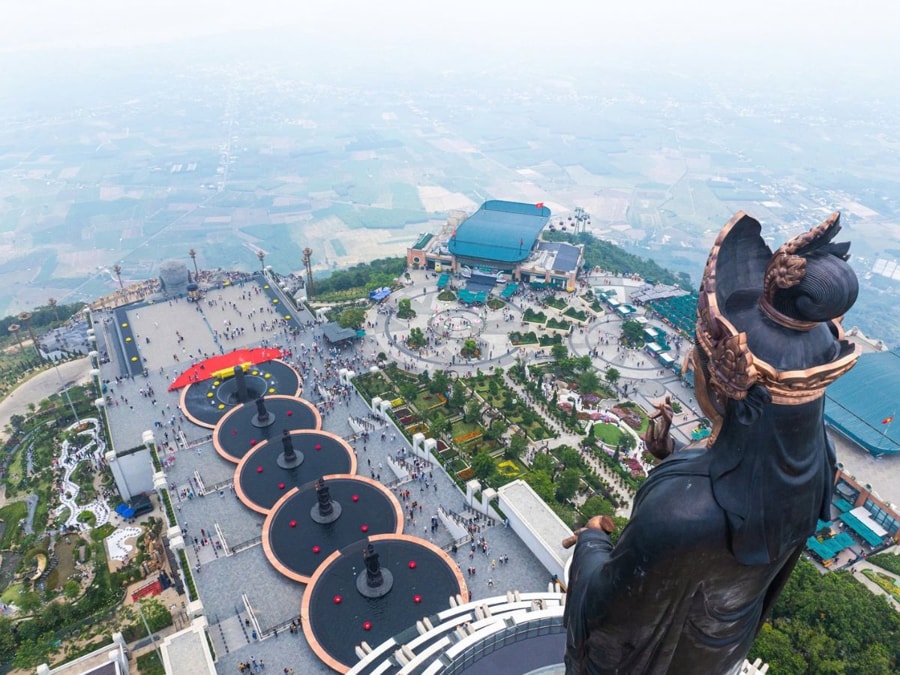
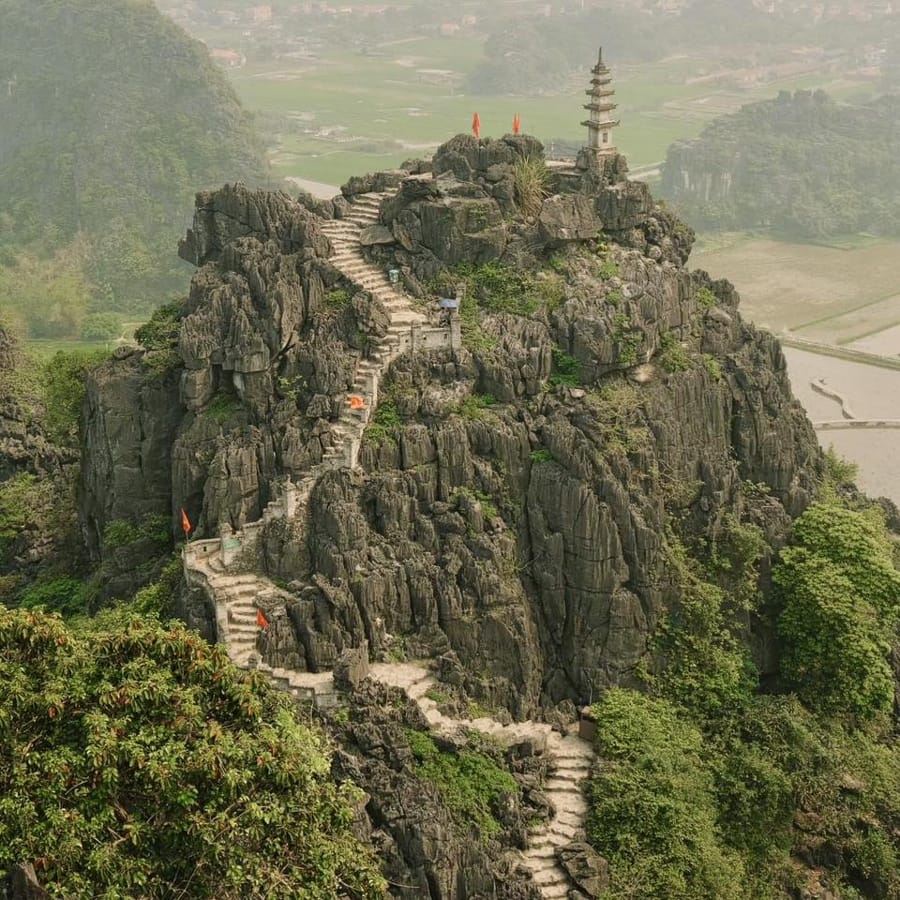
Dray Nur Waterfall: A Breathtaking Natural Wonder in Vietnam

Dray Nur Waterfall, one of the finest examples of natural beauty in Vietnam’s Central Highlands, is distinguished by its strong stream, rugged basalt rock faces, and pristine surroundings, which are definitely going to attract nature enthusiasts and adventurous travelers.

Introduction To Dray Nur Waterfall

Dray Nur Waterfall is one of the most popular natural landmarks in the Central Highlands region of Vietnam, situated on the Serepok River in Daklak Province. We can refer to this waterfall as the “Queen of Waterfalls” because of its width, waterfall force, and characteristic basalt rock formations, which are from volcanic activity in prehistoric times. The area itself is relatively untouched, giving it a lush, green atmosphere with pure air, which makes this waterfall stand out from other tourist spots.
Dray Nur Waterfall
Going to Dray Nur Waterfall is an excellent choice for travelers who seek a wonderful and enticing destination that combines beauty and depth. Besides visiting and viewing the place, tourists can also visit ethnic villages, delve into different stories and legends regarding the waterfalls, and stroll around the area. The cool climate and beauty of Dray Nur Waterfall give a wonderful respite for those who live a hectic lifestyle, thus making it a must-visit destination for adventure and nature enthusiasts.

History Of Dray Nur Waterfall

The Dray Nur Waterfall is a result of geological processes that happened for thousands of years along the Serepok River, which carries basalt rock formation and heavy water erosion, creating a wide and majestic waterfall. The origin of Dray Nur Waterfall is from the Ede language and refers to “female waterfalls,” associated with another nearby waterfall known as Dray Sap, meaning “male waterfalls,” which refer to legends of love and spirituality from prehistoric stories about nature and humanity in the Central Highlands.
The region around Dray Nur has been inhabited by indigenous ethnic groups like the Ede and M’nong people, and like many other regions, there is a strong connection between these people and their land, which is evident through the rich cultural heritage. According to sources, the waterfall has been a sacred site over the past few generations and has been a symbol of water gods, and through legends and cultural festivities, the cultural identity is being preserved, an identity linked to the natural wonder of Dray Nur.

Top 3 Iconic Attractions In Dray Nur Waterfall

Dray Nur Waterfall is not an actual waterfall. It is a vast complex of natural beauty composed of various iconic points created by the powerful flow of water and volcanic landforms. Every spot here displays its own view of the way the waterfall flows through the forests, cliffs, and rivers.

Main Dray Nur Cascade

The main cascade area looks the most impressive and features the spectacular display of the waterfall. In this section, the Serepok River flows extensively down a wide cliff made of basalt rock. The width of this waterfall reaches about 200 meters, and it makes roaring sounds and produces natural mist it produces. During the rainy season, the volume of the water increases significantly to create the majestic look of the waterfall. This area attracts the attention of visitors to enjoy the beauty of the nature created by the waterfall, which makes it the “Queen of Waterfalls.”
Main Dray Nur Cascade

Cave Behind The Waterfall

One of the most unique aspects of visiting Dray Nur is the presence of a natural cave situated behind the falling water. This cave, developed after centuries of erosion, gives travelers an opportunity to experience a waterfall from a different viewpoint, behind the falling water. The environment inside the cave is particularly cool and mysterious, with filtered lighting reflected from various wet surfaces. The cave provides travelers with an immersive experience, letting them feel the presence of nature while listening to the echoes of falling water from just behind the cave.
Cave Behind The Dray Nur Waterfall

Serepok River Downstream Area

However, once the water plunges, it flows gently to the downstream section of the Serepok River. This section of the river is much different from the thrilling waterfall, which has just been explored, since it has a gentle flow of water and volcanic rocks, along with lush vegetation on many banks of the river. This is an excellent place to go on a leisurely walk along the path of the river and enjoy interesting photographs of the natural surroundings shaped by the waterfall.
Serepok River Downstream Area

3 Unforgettable Experiences You Shouldn’t Miss

Dray Nur Waterfall provides tourists with more than its magnificent view. It offers an immersive experience that allows tourists to connect with nature and culture. From sightseeing to cultural discovery, tourists will be able to experience the importance of visiting Dray Nur Waterfall in the Central Highlands.
Unforgettable Experiences you Shouldn't Miss in Dray Nur Waterfall

Walk Behind The Waterfall Curtain

Walking behind Dray Nur Waterfall is one of those unforgettable moments of having the power of nature right on one’s skin. A natural cave path leads behind the cascading water, filled with mist and diffused light filtering through falling streams. From this angle, the waterfall looks even more dramatic, with roaring sounds echoing against stone walls. The air is cooled down, giving off a rare feeling of immersion. For travelers seeking adventure, the place is accessible and safe for most visitors.

Explore The Surrounding Forest Trails

The area surrounding Dray Nur Waterfall includes forest trails that help tourists progress through the greenery, rocks of volcanic nature, and river viewing areas. The trails provide peaceful walks where tourists can explore local flora and fauna and take in the crisp ambiance of the highlands.
Throughout the trails, tourists can access multiple viewing areas that offer the perfect photo opportunities with the waterfalls at different distances. The natural surroundings contribute to the value of the experience with the Serepok River ecosystem rather than the sole experience of the waterfalls.

Experiential Tourism: Local Culture And Village Life

To make one’s visit to Dray Nur Waterfall more enriching, one could consider visiting ethnic villages, where Ede and M’nong ethnic minority groups live. The visit would be expected to teach one about their way of living, architectural house types, and long-time beliefs related to water and nature. Generally, local legends about waterfalls are shared through oral approaches, creating cultural meanings. The activity would offer one a great opportunity to understand how waterfalls contribute to local identity, making the visit more meaningful and culturally engaging for international travelers.

Entrance Fee

A modest charge is necessary when one wants to enter Dray Nur Waterfall, but this helps conserve the environment. The fee must be paid at the main entry gate, and it is significantly affordable, irrespective of whether one is a local or an international tourist.
Category
Price (USD)
Notes
Adult ticket
1.2 to 1.7 USD
Standard entrance fee
Child / Student
1.2 USD
May vary by age or local policy
Motorbike parking
0.4 USD
Paid at the parking area
Car parking
1.0 USD
Subject to vehicle size
Ticket prices may change slightly depending on the season or management updates. Visitors are advised to prepare some small cash in advance, as card payments are usually unavailable at the entrance.

Opening Hours

Dray Nur Waterfall is open daily and is available for visitation throughout the year. This makes it a convenient site for any traveling plans due to its flexibility. On average, this place opens from early morning till late in the afternoon to ensure enough time for sightseeing. Staff members are available during the day to help with ticket sales and ensure that visitors are safe around the waterfall area.
Dray Nur Waterfall is open daily
The recommended time to visit Dray Nur Waterfall is during the dry season, from November to April. This time is ideal because it is possible to walk on the pathways with ease, and visibility is clear. For visitors who like to experience dramatic views, they can also visit during the rainy season, from May to October, but with caution because of slippery roads.

How To Get To Dray Nur Waterfall

Dray Nur Waterfall is found about 25 kilometers to the south of Buon Ma Thuot city, making it accessible both on your own and on a guided tour. People can decide to use different modes of transportation depending on their own preferences and comfort.
Transportation
Travel Time
Estimated Cost (USD)
Notes
Taxi / Private car
40 to 50 minutes
18 to 25 USD
Comfortable and suitable for families
Motorbike rental
45 to 60 minutes
6 to 10 USD per day
Valid driving license recommended
Guided tour
Half-day
25 to 40 USD
Often includes transport and guide
Self-drive car
40 to 50 minutes
Fuel costs 5 USD
Easy road access, parking available
Visitors to the area on a motorbike need to ensure that they carry a driving license, since traffic checks might be conducted. In addition, the roads to Dray Nur Waterfall are well-paved, although visitors need to be cautious, especially during the rainy season.

Things To Know Before Traveling To Dray Nur Waterfall

Planning ahead is crucial in ensuring a safe and enjoyable visit to Dray Nur Waterfall, especially for first-time travelers. Having advanced knowledge of specific details, in particular, allows every traveler to appreciate and enjoy the beauty of the surroundings, culture, and nature.
  • Wear comfortable walking shoes with a strong grip, since walking along the waterfall may be bumpy, slippery, and wet, especially during the rainy season or after a heavy downpour.
  • If you want to be dry from mist, it is recommended to carry light rain gear with you, like a rain jacket.
  • It is best that you visit early in the morning to get a better chance to enjoy cooler weather, soft lighting for photography, and a peaceful ambiance around the area.
  • Pay entrance fees, parking fees, snacks, etc., with cash, since card facilities are not easily accessible near the waterfall entrance point.
  • You should respect the environment by not littering, by sticking to the path, and by heeding safety signs to ensure your safety and the long-term sustainability of the waterfall’s environment.
  • It is wise to check the weather beforehand since heavy rain may cause water levels to rise, mist to occur, and walking paths to become challenging during rainy seasons.
  • Enough time should be allowed to explore the trails, caves, and views from every side at a leisurely pace to explore this larger-than-expected site for curious travelers.

FAQs About Dray Nur Waterfall

Common questions that travelers may want to know before visiting Dray Nur Waterfall include those on safety, the time of year to visit, and activities. The questions below are some of the most commonly asked by those visiting Dray Nur Waterfall.
  1. Is it safe for visitors to visit the Dray Nur Waterfall?

Dray Nur Waterfall is considered safe for visitors at all times, provided basic precautions are followed. Paths for walking, viewing areas, and safety signs guide travelers around the site accordingly. However, rocks can be slippery, especially during the rainy season, so proper footwear is recommended, as well as keeping one’s distance from fast-moving water. This means refraining from swimming in strong currents.
  1. Is it possible to visit Dray Nur Waterfall every year?

Yes, Dray Nur Waterfall can be visited at any time of the year, with different experiences during different times. The dry season makes it relatively easier, but during the rainy season, it’s even better because it’s more powerful. You have to be careful if you’re there during the rainy season, because it might be slippery.

Final Thoughts: Is Dray Nur Waterfall Worth Visiting?

Dray Nur Waterfall is a perfect choice for travelers looking for the real natural beauty, cultural significance, and tranquility of the Vietnamese Central Highlands. The natural beauty of the falling water, along with the geographical location of this site, makes the Dray Nur Waterfall a wonderful destination for travelers looking for natural beauty and adventure. It is strategically located near Buon Ma Thuot city for those looking for shorter and longer escapes as they discover the real essence of the Central Highlands of Vietnam through Seni World.