logo mobile sidebar
support-image-mobile
Share your ideas with our local expert team - we’re here to listen and help you shape a meaningful journey through Indochina.
(+84) 868 663 993
Asia Leading Tour Operator 2025
tripadvisor travelers choice awards 2024
Travelers' Choice Awards 2025

Author: Content Seniworld

How To Travel From Cao Bang To Sapa: Routes, Transport And Tips

Traveling from Cao Bang to Sapa takes you through quiet mountain valleys and dramatic passes linking the Northeast and Northwest. Many visitors combine both places to enjoy raw landscapes, cool weather, and a deeper look into northern Vietnam’s cultural life.

Overview Of Cao Bang To Sapa

The Cao Bang to Sapa route is one of the most beautiful land trips in northern Vietnam. It is a favorite because it bridges vastly different landscapes (from rugged karst peaks to the rounded, vast green steps of farmland). Over time, as you travel from east to west, the land changes from the regional roughness of the east towards the cooler mountain areas of the west.
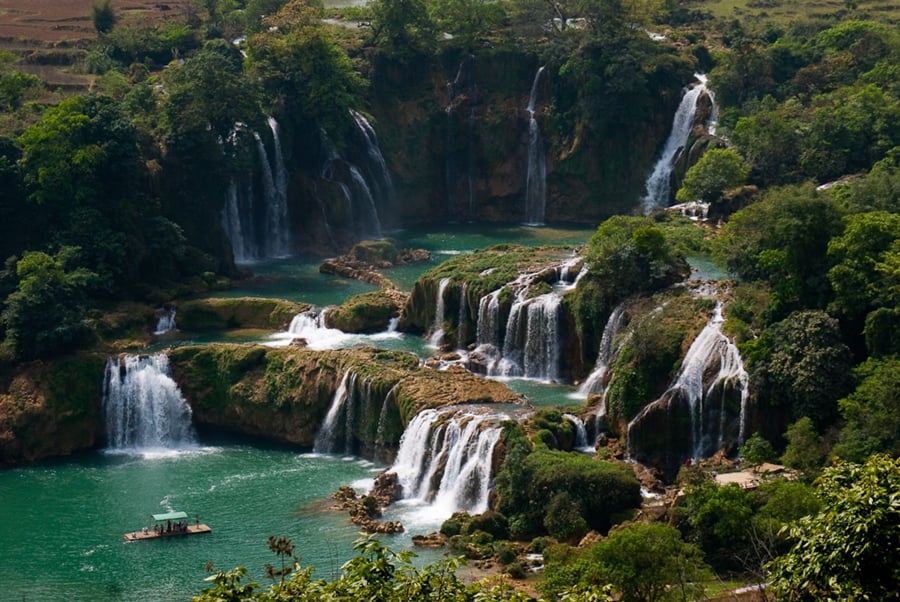
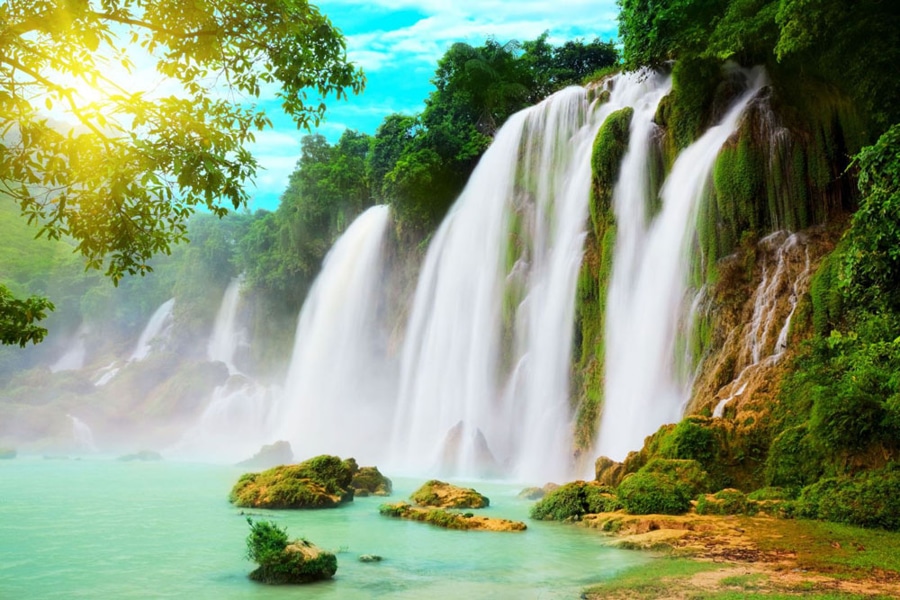
ban gioc waterfall in cao bang

Another key attraction is cultural variety along the way. Small villages are situated in the depths of the valley, populated by Tay, Nung, and Dao peoples. Occasionally, markets are set up along the road, primarily catering to highlanders living within a few kilometers. This allows them to have views and weather changes every day without having to go back and forth or standing around at busy terminals for hours.

How Far Is It From Cao Bang To Sapa?

The Cao Bang distance to Sapa is approximately 260-300 km, depending on your route option. Many travel through Bac Kan and Tuyen Quang, reaching Lao Cai as the final destination. This option tends to have more reliable paths with fewer crazy corners. By car, expect a timeline of approximately 6.5 to 8 hours; on a bike, it’ll take a little longer due to twists and turns, and rapid changes in weather conditions in the mountains. The best time to visit Cao Bang and Sapa is October through April because there is minimal rain during this period, and paths are not muddy, meaning they are passable.
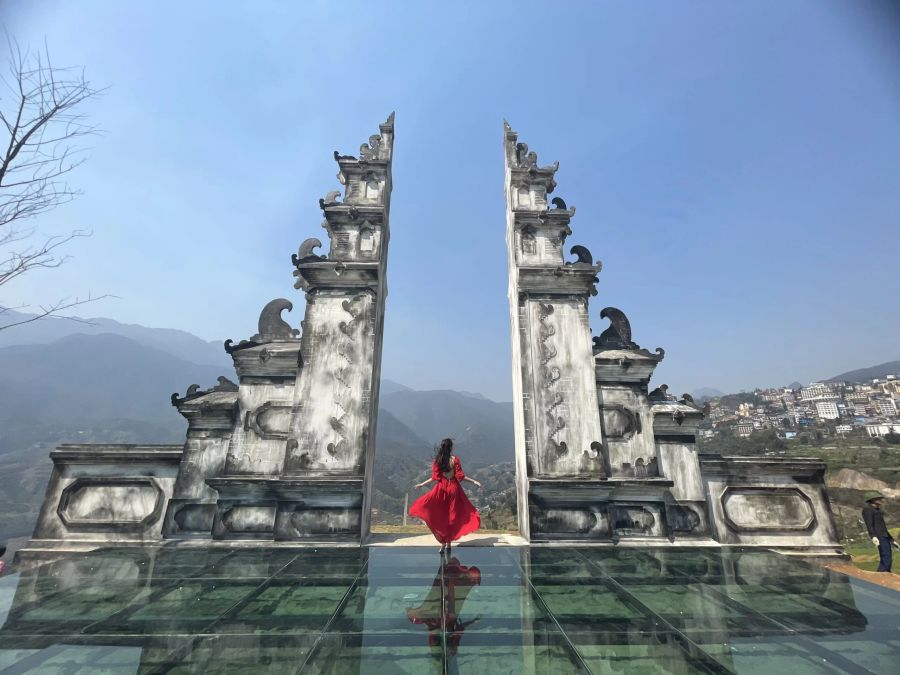
Moana Sapa Heaven Gate

How To Travel From Cao Bang To Sapa?

After visiting the highlights of Cao Bang, it’s up to the traveler how best to navigate the northern mountain region to Sapa. Each route offers various viewpoints, amenities, or independence, so it all comes down to which travel style suits you best.

By Motorbike

To get from Cao Bang to Sapa by motorbike means experiencing winding roads and mountainous terrains. Travelers like this journey when enjoying vast roadways at a leisurely pace through remote northern regions. Most go from Cao Bang to Bac Kan and then make their way to Tuyen Quang, cutting through Yen Bai, curving into Lao Cai, and then making their way up the final stretch to Sapa.

There are approximately 260 to 300 km between destinations, and it will take anywhere from 8 to 10 hours, depending on stops along the way. While some stretches are open and easy to ride on, other avenues become narrow with heavy trucks and locals passing by. Therefore, the motorbiker should be an experienced cyclist who is used to long rides and turns in mountainous areas uphill.
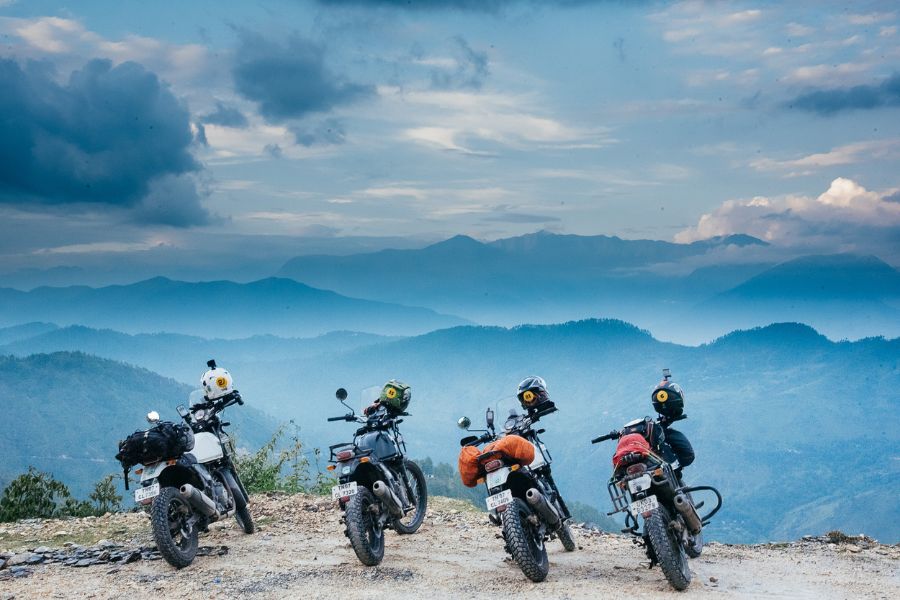
cao bang to sapa by motorbike

Aspect Details
Route Option Most people go from Cao Bang to Bac Kan and then go through Tuyen Quang to Yen Bai to Lao Cai before going up to Sapa. This would be the option that uses national roads and has more access to places and fuel.
Distance The total approximate distance is 260-300 kilometers. This is based on how you connect Tuyen Quang, Yen Bai, and Lao Cai.
Travel Time Expect a total of 8-10 hours of driving. It can take longer if you stop too much to take pictures, eat, or rest in small towns. This could turn into a full-day experience.
Weather The weather in the highlands can shift at any moment from rain to fog, meaning it’s recommended to leave early, avoid driving at night, keep your phone charged with offline maps accessible, and bring a light rain jacket.
Suggested Stops Bac Kan is a convenient first rest point, while Tuyen Quang or Yen Bai work well for a longer meal break. Lao Cai offers fuel, food, and basic repairs before the final climb to Sapa.

By Bus or Minivan

Traveling to Sapa from Cao Bang by bus or minivan is an easy option if you want to tackle the distance without taking on the mountain roads yourself. These vehicles travel on the main routes that are more stable, avoiding the more winding passes that make a motorbike trek exhausting.

Buses still operate in bad weather, which means that if rain or fog surrounds the northern mountains, trekking over mountain passes on a smaller vehicle may not be as reliable as traveling on a bus. If you struggle with motion sickness, sitting toward the front and on the window side is advisable for this part, as it’s incredibly windy.
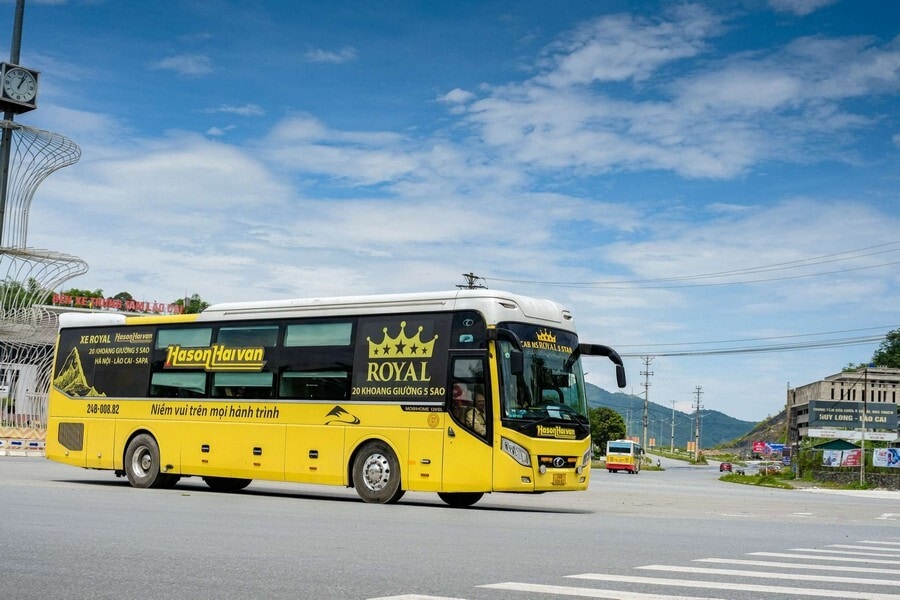
cao bang to sapa by bus

Vehicle Type Price (VND) Travel Time Notes & Tips
Standard Sleeper Bus Around 280,000 to 350,000 VND for the Cao Bang → Lao Cai leg, plus 50,000-70,000 VND for the connecting shuttle to Sapa 7 to 9 hours total This option costs less, yet plenty of locals plus visitors choose it. These buses stop now and then along the road; cabins aren’t fancy, though a thin jacket might help.
Limousine Minivan (9-16 seats) Fares range from about 350,000 to 500,000 VND 7 to 8 hrs to complete the trip Limousine minivans give you extra space to stretch your legs while carrying fewer people. Some companies grab you from hotels in Cao Bang and then drop you right in Sapa, so no hassle switching rides.
Combined Bus and Local Shuttle About 300,000 to 420,000 VND for the bus section, plus 50,000 to 70,000 VND for the Lao Cai → Sapa shuttle 8 to 9 hours total This choice pops up when no straight bus rides exist. While the mini-bus from Lao Cai to Sapa crawls up steep slopes, sitting close to the driver helps ease queasiness.

By Private Car

A private car from Cao Bang to Sapa offers the best flexibility for your schedule. The roads are the main national highways and gentle highland passes, so sitting in a more comfortable situation makes the distance feel less daunting. Many travelers will stop quickly in Bac Kan or Tuyen Quang for a bite to eat or coffee before heading deeper into the mountains. Drivers know the curves well and traverse them without hesitation. They will usually provide water or stops when they come across particularly winding areas closer to Lao Cai.

cao bang to sapa by private car

Vehicle Type Estimated Price (one-way) Estimated Travel Time Notes & Tips
4-Seater Sedan Around 2.8 to 3.2 million VND 6.5 to 8 hrs with brief pauses Folks traveling alone or in pairs with small bags will find this ideal. While sedans ride smoothly on main roads, their trunk room’s pretty tight. Grabbing a booking ahead means you’re more likely to get a fresh model.
7-Seater SUV Approximately 3,200,000 to 3,800,000 VND for the full transfer About 6.5 to 8 hours, time changes if it’s rainy or the roads are busy Families or groups needing extra space find these SUVs handy, not just for passengers but also for luggage.
16-Seater Minibus Costs range from 3.8 to 4.8 million VND Typically around 7 to 8 hours, including extra breaks along the way A solid pick for crews of 8 to 14 people. Ride remains smooth, folks stick close, yet you’re free to ask for quick photo pauses or brief munchie breaks en route.

Recommended Stops Along the Way

From Cao Bang to Sapa, there are many northern provinces you’ll be passing through. Thus, if you start early and take your time, a few stops in between are easier than just a long-distance connection.

Bac Kan City

The first major stop along the way toward Sapa is Bac Kan. It’s easy to stop here without venturing too far off course before moving into deeper mountains. It’s a good place for a refuel, meal, or coffee break. The calm streets of the city bring you a step back into local life in the Northern Midlands, so it’s not uncommon for people to spend 20-30 minutes here before heading back toward Ba Be or Tuyen Quang.
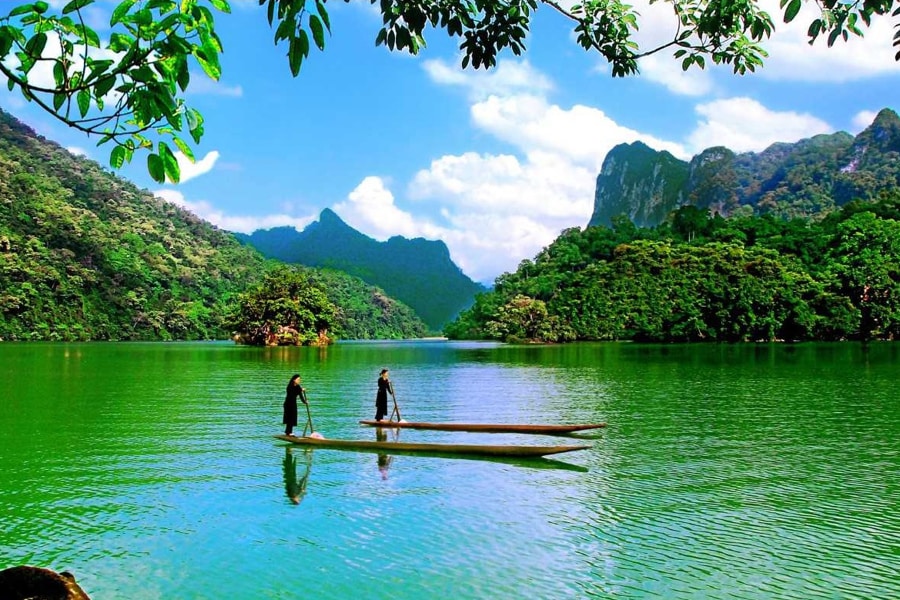
Ba Be Lake in Bac can

Tuyen Quang

Even further south, Tuyen Quang meets travelers along the route as a city larger than Bac Kan. This means better restaurants, cafes, and regrouping opportunities before continuing. Tuyen Quang is based on long stretches of forested hills. The exit from Tuyen Quang is often a smoother connection, which makes for an easier drive for the next hour or so.

Yen Bai

As travelers begin to approach Lao Cai, the landscapes become more open with greener hills and valleys. A quick stop in Yen Bai for a meal or a walk into some small shops should be had. Furthermore, this is where the landscapes transition to more terraced representations typical of the Northwest, which foreshadow the awaiters in Sapa.

Lao Cai

Finally, Lao Cai is the last gateway before heading up to Sapa. This access provides ATMs, legit restaurants, and repair shops, which help before the final 30-40 km of winding roads. If travelers happen in this city at dusk, the riverside near the Vietnam-China border is surprisingly nice for a short walk, and offers a good refresher before tackling the final destination.

Tips For Traveling From Cao Bang To Sapa
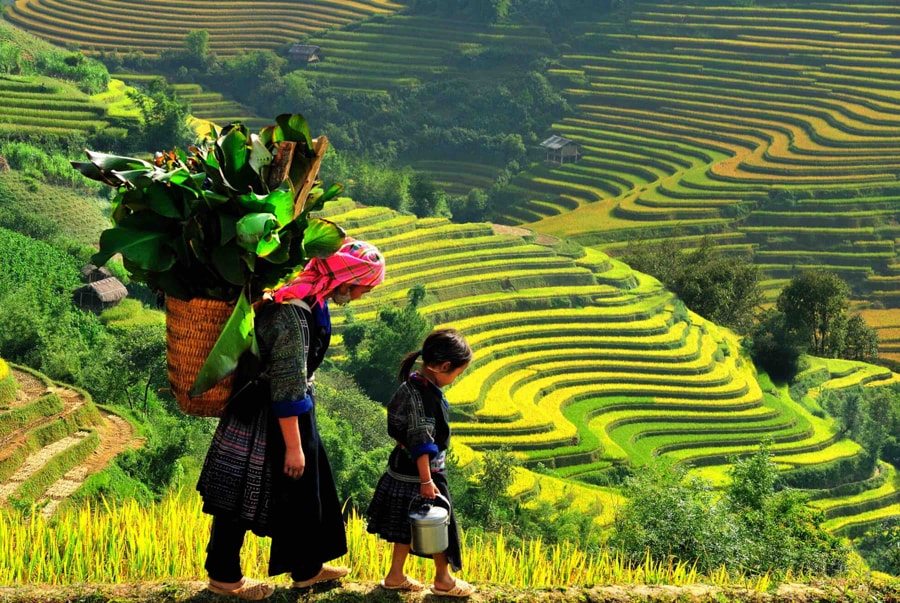
lao cai province

Sapa is connected to Cao Bang through a roadway that traverses multiple provinces and lengthened mountain areas, so there are some logistical considerations to keep in mind to stay on your path without detours.

  • First, try to leave Cao Bang before 7:00 AM. The final ascent, a mile from Lao Cai to Sapa, almost always enters fog the later it gets, and visibility lessens on the twists and turns.
  • Second, make sure your bus/minivan does not stop in Lao Cai. You could miss your transfer in Lao Cai and add anywhere from one to two hours to your Sapa arrival.
  • Third, you may want to avoid the detour through Ba Be if it’s raining heavily. The gravel roads and other detours leading into Ba Be Lake are slow and slippery, and could add unexpected hours to your itinerary.
  • When you book ahead (one day in advance), you can also choose your departure time based on your needs. If you buy a ticket the day of, you might be stuck with the later options and arriving in Sapa at night.
  • If you plan on traveling by motorbike, fill up on gas beforehand. The long stretches from home base between Bac Kan, Tuyen Quang, and Yen Bai have closed gas stations, and some stations aren’t even open that late.
  • Checking live updates for the Tuyen Quang – Yen Bai portion will ensure you’re not stuck in temporary constructions or road blocks, as they tend to happen post-storm.

Final Thoughts

Traveling from Cao Bang to Sapa gives you a clear picture of how northern Vietnam transitions from jagged limestone valleys to cooler, terraced mountains. It’s better to understand how long the routes are first before deciding which way is best. Actually, traveling between them shows it shouldn’t be a challenge. For a more seamless Vietnam experience, Seni World can customize reliable transportation and an intricate itinerary that aligns with your needs.

Cao Bang To Ninh Binh Transportation Options And Essential Travel Tips

The journey from Cao Bang to Ninh Binh takes travelers from misty northern mountains to quiet river valleys carved between limestone peaks. Many visitors pair these two regions to experience Vietnam’s wild beauty in one seamless overland adventure.

Overview Of Cao Bang To Ninh Binh

The route between Cao Bang and Ninh Binh appeals to those looking to cover 2 sides of northern Vietnam on one connecting route. Cao Bang boasts more remote highland terrain, ethnic villages, and mountain passes, while Ninh Binh opens to more calming river valleys, limestone cliffs, and the transition from rock to rice is mesmerizing. The movement from one to another in the north allows one to truly appreciate how the landscape transitions from karst peaks to larger flat plains in seconds.
admire nam tra waterfall in cao bang

Many people connect these two places because the connecting road is fairly easy and natural, and avoids having to head back to Hanoi, and in doing so, travel a greater distance. Connecting the two regions also provides an understanding of the geography of the people of northern Vietnam as they weave in and out of patently different living situations. It’s the sparsely populated areas that connect to the UNESCO heritage landscapes of Ninh Binh and render the journey feel rewarding to the eye and of cultural substance.
How Far Is It From Cao Bang To Ninh Binh?

The distance between Cao Bang and Ninh Binh is approximately 420 to 450 kilometers, depending on the route taken. Many travelers travel up the main north-south route to Hanoi, then National Route 1A then toward Ninh Binh. Expect travel distances of 8 to 10 hours. Private cars and self-driving present a shorter trip, while buses take longer due to scheduled stops and added traffic when approaching Hanoi. The route does not include technical mountain passes after leaving Cao Bang, so road conditions are manageable for travelers.

Cruise Through Waterways Of Tam Coc ninh binh

How To Travel From Cao Bang To Ninh Binh?

Once you’ve checked out what Cao Bang’s famous for, plenty of folks head down to Ninh Binh. Figuring out how to get there works better when you know your travel choices.

By Motorbike

You kick off in the chilly peaks up north, then after a few hours, you’re weaving through Hanoi’s hectic streets. Soon enough, the views burst back open into wide karst fields near Ninh Binh. This trip asks for some grit. Up top, storms roll in fast, while riding into Hanoi means staying sharp as vehicles pack the lanes tighter. But once you slip out of the capital heading south, things smooth out. If you’re steady on two wheels, this mix of winding ridges, straight-shot tarmac, and endless horizons gives a quick yet vivid taste of what northern Vietnam really feels like.

Aspect Details
Route Overview The path along QL3 works well, starting from Cao Bang, passing through Bac Kan, and then moving directly toward Hanoi. When nearing Ninh Binh, switch to CT01 or go with Ql1A. Many choose this option since it skips long loops, so you spend fewer hours driving.
Distance & Duration The trip covers roughly 360 to 400 km, give or take, based on where you roll out from in Cao Bang. Most bikers are on the move for nearly 10 or even 12 hours, tossing in short stops now and then.
Safety Notes Check your brakes, tires, or lights before you roll. Cyclists would be better off skipping nighttime rides, yet bring a raincoat along with downloaded maps. Keep an eye on Cao Bang’s weather – sudden shifts could ruin plans.
Suggested Stops Bac Kan’s good if you need gas or a bite. After Hanoi, little places show up where you can chill before moving again. Get to Ninh Binh by nightfall; it keeps the last leg way calmer.

Cao bang to ninh binh by motorbike

By Bus or Minivan

This possibility is best if you crave a direct connection without much financial investment or driving the wheel yourself. You must travel from Cao Bang to Hanoi and then from Hanoi to Ninh Binh. It won’t be difficult to transition between the two, however, as many buses run during the daytime and many areas in Hanoi are centralized for easy accommodations between both. This is a common method of travel, but not only because times remain similar, but also because prices tend to remain stable, and for less stress without needing to be in the driver’s seat.

Vehicle Type Price (VND) Travel Time Notes & Tips
Standard Sleeper Bus About 250,000 to 350,000 VND About six or seven hours, traffic plus pit stops changes things. Cabins are basic but still work well for daytime journeys. A small pillow or travel blanket might help pass the time, particularly when boarding before sunrise. While comfort’s limited, a little prep makes it manageable if you’re stuck on board a while.
Limousine Minivan (9-16 seats) About 150,000 to 250,000 VND 1.5 up to 2 hours, depending on your pickup spot in Hanoi. Most drivers pick you up in central Hanoi, but drop you near Tam Coc or Trang An. This way’s simpler, plenty choose it if they’re heading further.
Limousine Minivan Around 350,000 to 450,000 VND Roughly 5.5 to 6.5 hours, speedier ’cause it skips many stops that sleeper buses make. Seats seem more spacious since the bumps don’t hit as hard anymore, and better suspension helps. Book sooner rather than later, maybe 24 hours before. Especially if your trip runs from Saturday to Monday or lands near holidays.

By Private Car

Taking a private car from Cao Bang to Ninh Binh allows you to have control over your travel experience. It will definitely cost more than a bus or minibus; however, the added value of ease, comfort, and a seamless journey usually pays for itself if traveling with extended family, small groups, or anyone seeking an effortless travel connection between cities.

A private car means you have a driver who knows where they’re going. They’ll handle all navigation, parking situations, and stops along the way. No need to complicate life by switching cars midway or carrying your luggage through a bus station, it’s travel made easy, and it makes those hours on the road much more bearable, potentially, enjoyable.

Cao bang to ninh binh by private car

Vehicle Type Estimated Price (one-way) Estimated Travel Time Notes & Tips
4-Seater Sedan Around 4.5 to 5.5 million VND for a one-way trip About eight or nine hours, throw in a couple of quick stops along the ride. Great if you’re traveling alone or with a partner and don’t have much stuff. It’s small yet cozy inside, pick an early ride so you get to Ninh Binh while it’s still light out.
7-Seater SUV Usually about 5 to 6.5 million VND per trip. Roughly 8 to 9 hours, similar to a sedan, but you’ve got extra room to stretch. A good pick for families or compact groups needing extra legroom and space for bags. When driving through hilly areas, the higher seating gives you a better look at what’s beyond the windows.
16-Seater Minibus 6.5 to 8 million VND for a one-on-one trip Around 9 to 10 hours, space to stop once in a while, grab food, refuel, or take photos. Good for groups of 8 to 12 who want to stay together. Sort break stops early with the driver, making it easier while reducing tiredness.

Recommended Stops Along the Way

The drive from Cao Bang to Ninh Binh provides many opportunities to break the drive into shorter, more meaningful stops. If you’re driving by motorbike, self-drive car, or private car, these options lighten the day without diverting too far off course.

Bac Kan – Ba Be Lake Junction Area

This is the first intentional stop after leaving Cao Bang. Located along QL3, there are gas stations, food vendors on the side of the road, and quaint cafes where you can take a breather before digging in for the long drive down. Even if you don’t go into Ba Be National Park, the area enables you to take a breath and reset. Many people stop here because it brings more motivation to keep going, since it’s an efficient rest stop to maintain timely travel.

Ba Be Lake in Bac can

Northern Hanoi (Song Cong – Soc Son)

As the road gets flatter and nears Hanoi, the options become even more accommodating as comfortable places to rest begin to pop up more consistently. Many people use this part of the road as an invitation into Hanoi, while others avoid traffic by waiting until noon or mid to late afternoon for proper navigation. A quick break here helps recenter you before heading into city-laden madness from rural quietude.

Ninh Binh (Gia Vien Or Tam Coc Area)

As you get into Ninh Binh proper, the landscape opens up suddenly to rice paddies and limestone karsts, an unexpectedly nice and easy finish to your intended destination. A stop here for a drink or quick picture helps you relax before check-in and helps you enjoy an early glimpse of what’s in store for Ninh Binh, a destination that sees many tourists for such unique landscapes.

lotus in ninh binh in summer

Tips For Traveling From Cao Bang To Ninh Binh

The trip from Cao Bang to Ninh Binh goes more easily when you check the forecast first, particularly if you’re aware of when Cao Bang is at its finest. Small smart moves during the drive might shift a tiring ride into a relaxed stretch on wheels, rather than a hectic scramble.

  • The early bird gets the worm. Leaving early from Cao Bang usually helps keep things smooth on the mountains until heavy traffic slows everything down near the outskirts of Hanoi.
  • Opening the door to catch a bus or van early can make it easier to get through Hanoi, and if there are ‘hard’ roads to Ninh Binh later on, it does not feel pressured when things unfold.
  • Looking at the weather report the night before helps prepare for anything that occurs between Cao Bang and Bac Kan, since rain or mist often happens any day, and delays would be accounted for if there is a delay.
  • Changing between public transport, freight transport, into ride-sharing or bus companies ahead of time keeps everything planned for the trip.
  • Scheduling a travel break in Bac Kan sometimes, or down the road from Thai Nguyen, or at a place suggested earlier, keeps long-haul drivers also sharp to manage fatigue against busy roads towards Hanoi.
  • Downloading the maps first helps you along the way once in Cao Bang, especially if you venture out on Q73, as phones may only flicker in some low spots between villages.
  • Depending on your travel disposition, breaking the trip up with an overnight stay in either Bac Kan or Hanoi may make it feel less daunting. Both destinations have sufficient comfort for you to recover. A small break like that can change everything for a wide number of people.

Final Thoughts

The journey from Cao Bang to Ninh Binh bridges together two very distinct landscapes. Knowing and “owning” the route and timing makes the trip feel easier. To make it as easy-going as possible, Seni World can organize your private transportation, itinerary, route, and coordinate your support on the trip. Our team can help plan each phase with clarity so you can experience Vietnam, the landscape and not the logistics.

Vientiane Nightlife: Things To Do, Taste, And Tips To Enjoy

Vientiane nightlife brings travelers a dynamic mixture of local night markets, Mekong riverside strolls, delicious street foods, and nightclubs. With the great arrangement and local insight, an evening in Vientiane will be one of the best things in your journey.

Top 10 Things To Do In Vientiane At Night

Vientiane becomes more attractive after sunset, bringing vacationers a mixture of unique culture and society, delicious street food, as well as exciting entertainment. The Vientiane activities below highlight the best ways to unwind in the capital of Lao after the day’s heat fades.

Stroll Through The Vientiane Night Market

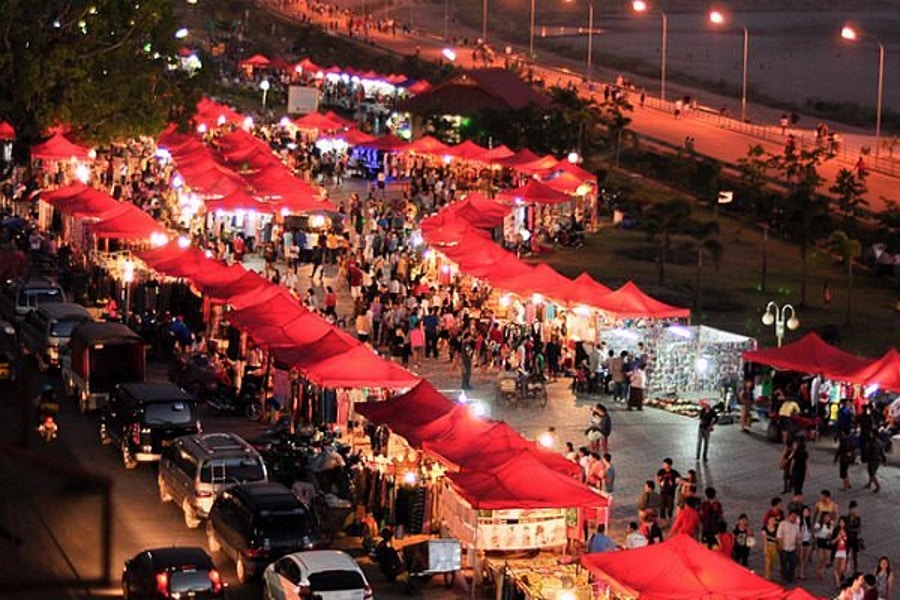
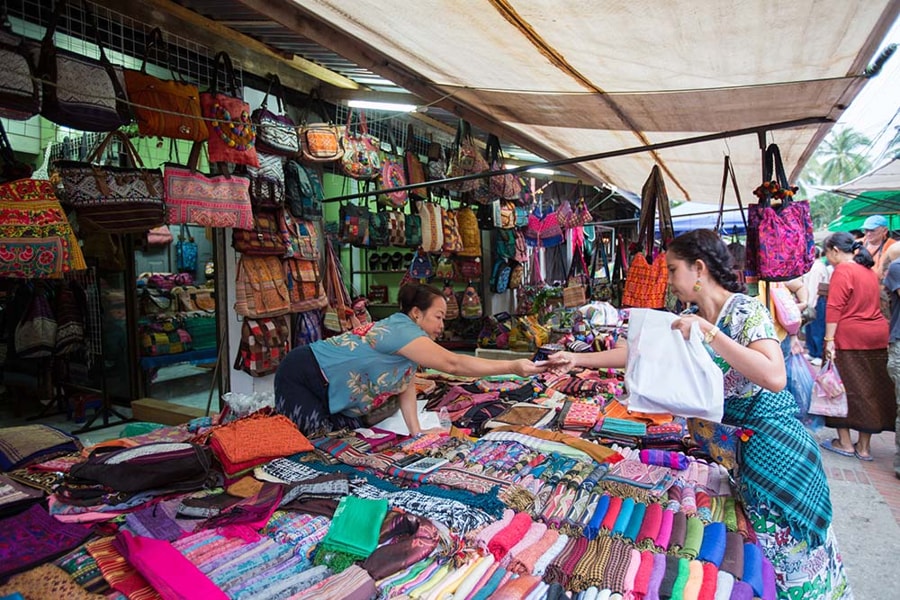
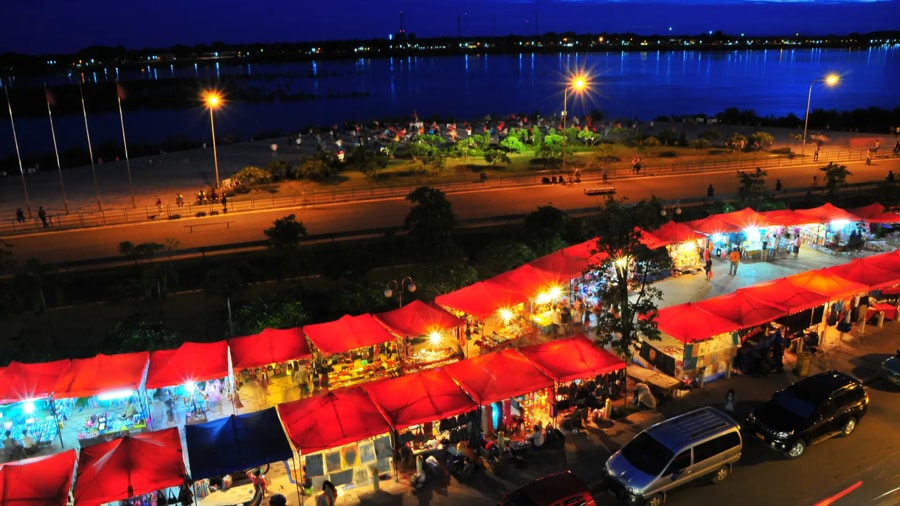
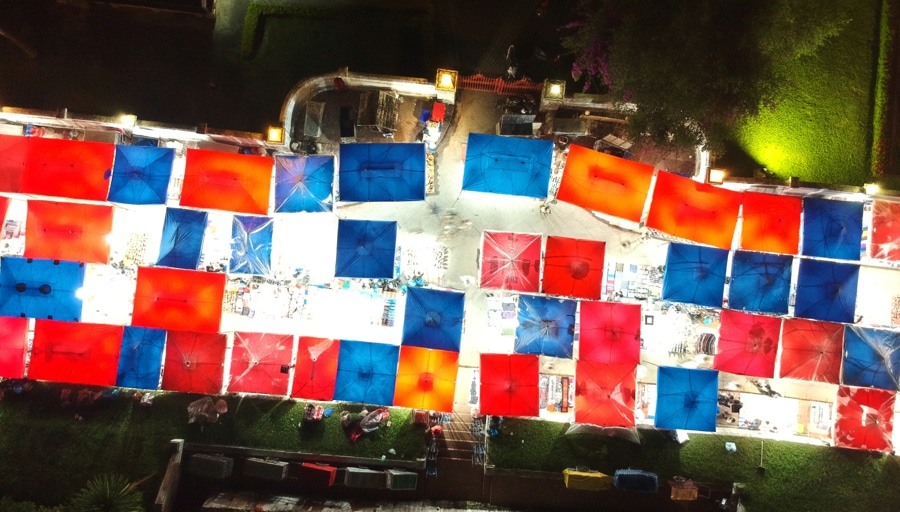
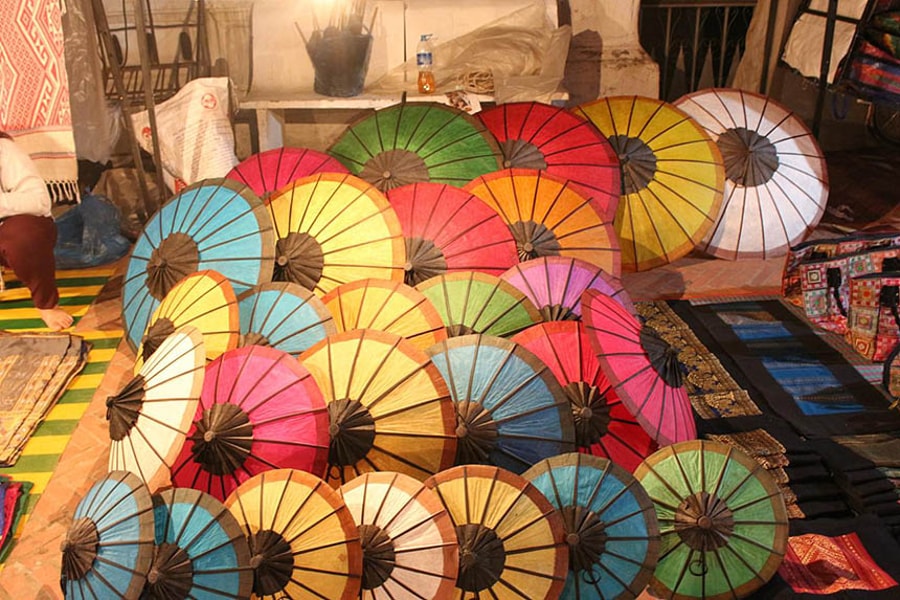
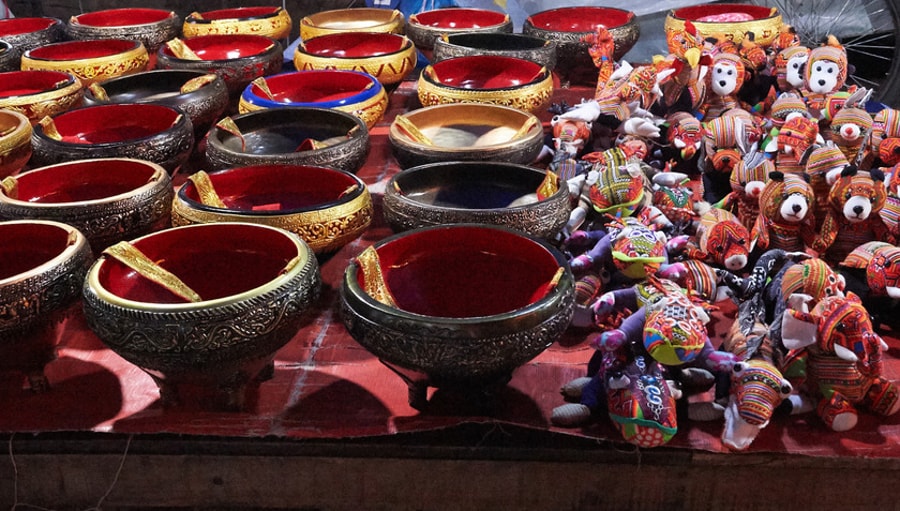
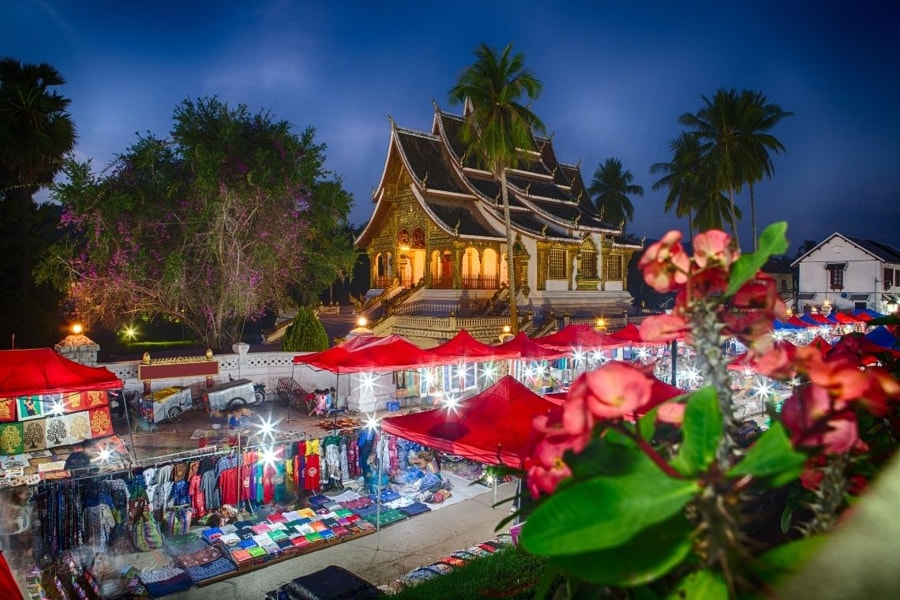
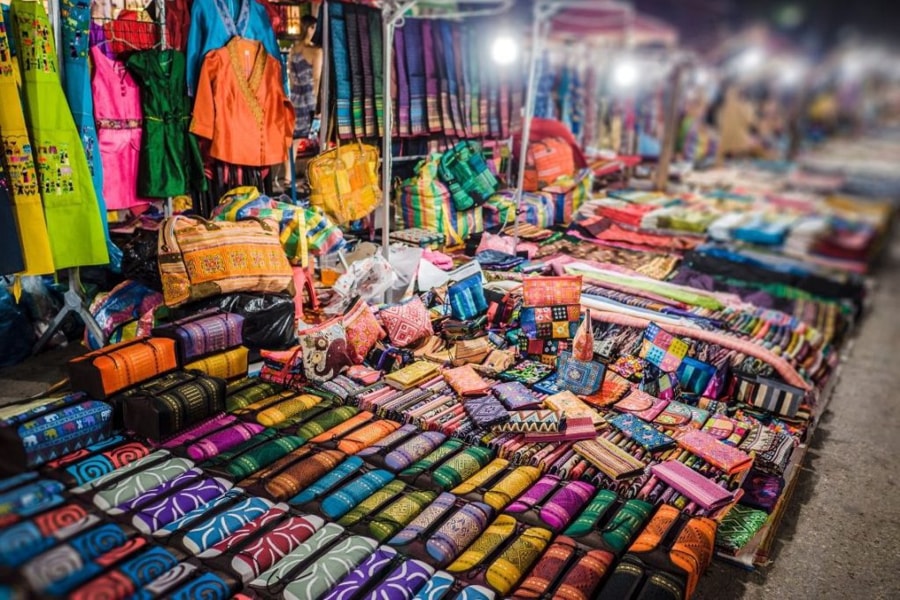
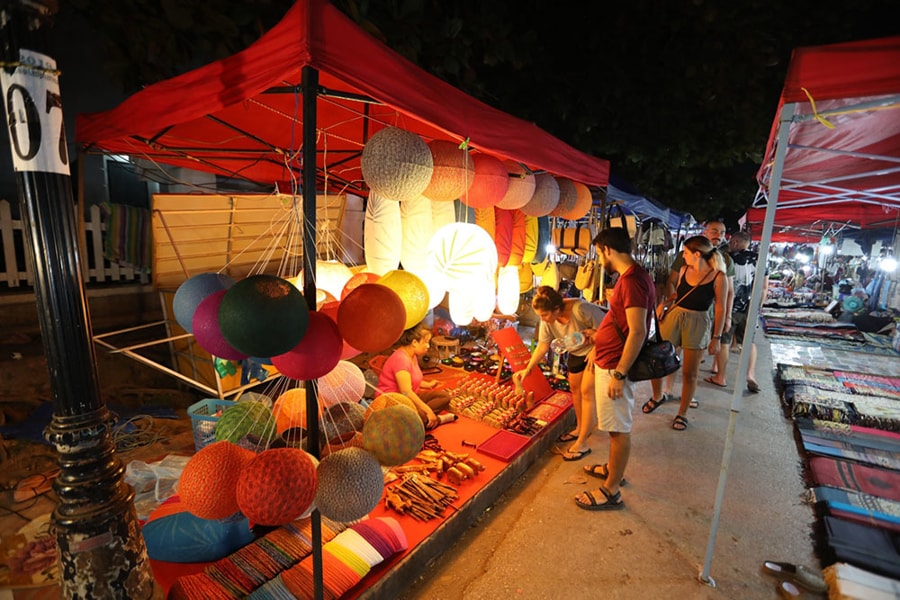
The Vientiane Night Market along the famous Mekong River is the most iconic night activity in the capital. When the sun sets, numerous red-roofed stalls and vendors open up, selling everything from apparel and handicrafts to artworks and souvenirs. The surroundings of the night market are dynamic but not too tense, wonderful for an enjoyable experience.

Stroll Through The Vientiane Night Market

Travelers love to arrive at the Vientiane Night Market to revel in the cool riverside breeze and see the poetic midnight perspectives. Bargaining is a common icon for you to try once. This place is not only an outstanding area to pick up souvenirs, but it is also a perfect experience in Vientiane nightlife. After shopping, you can freely take a stroll along the riverfront for a serene feeling in this Vientiane itinerary.

Watch The Sunset At The Mekong Riverside Promenade

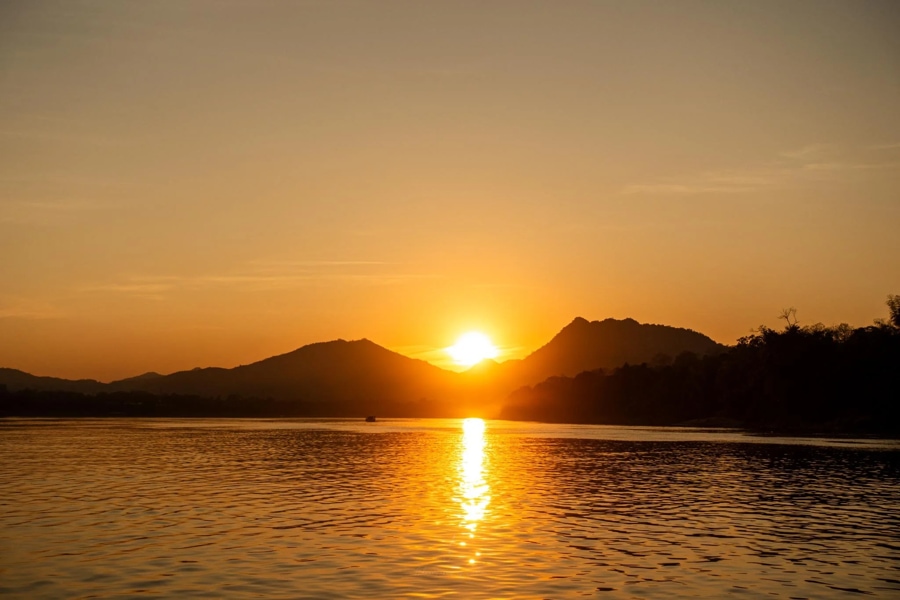
The Mekong riverside will be brilliant at sunset, with golden reflections over the scenic water. At this time, many local people come here for exercise, enjoy delicious street food, chat with friends, and take evening strolls. Let’s take part in these activities with them, so you can immerse yourself in the daily rhythm of Vientiane authentically.

Watch The Sunset At The Mekong Riverside Promenade

Particularly, after the sun goes down, the Mekong riverside promenade starts energetically with interesting songs, various vendors, and lighted restaurants along the riverbank. Whether or not you are photographing the beautiful view or just unwinding in a moment, this is one of the must-try things to do in Vientiane at night, together with your friends and family.

Visit The Vangtong Evening Food Market

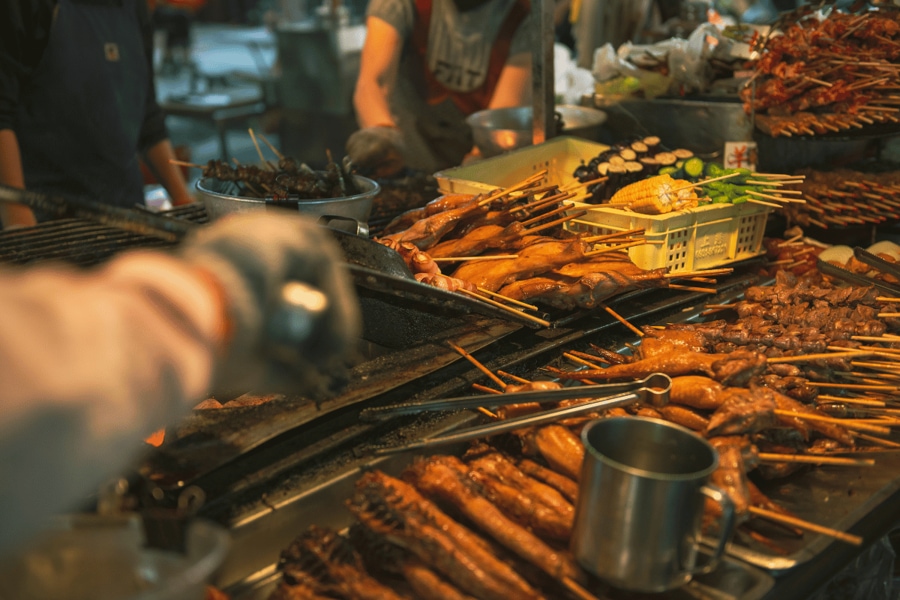
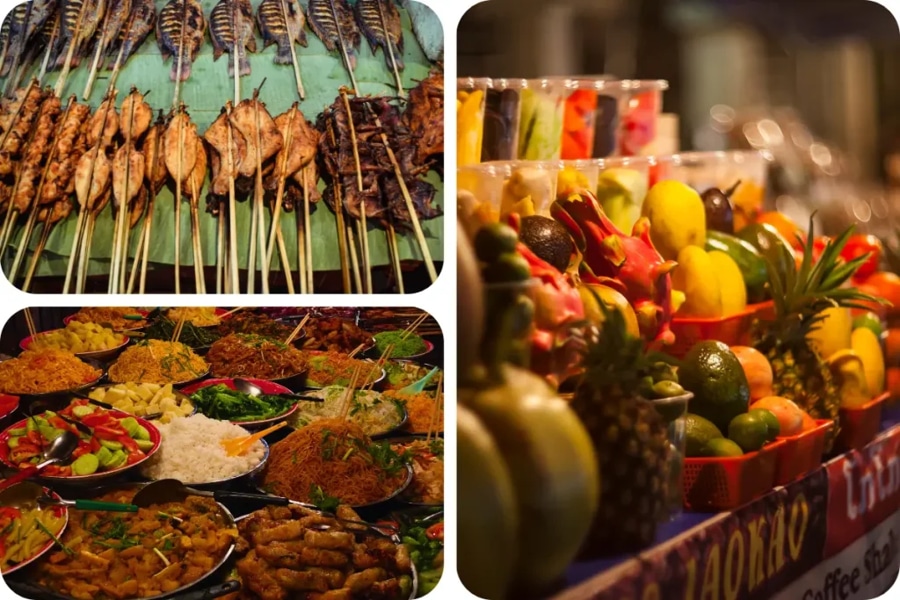
The well-known Vangtong evening food market is ideal if you want to try Lao dishes in a hospitable atmosphere with local people. There are numerous traditional Lao foods for you to choose and taste, such as grilled fish, papaya salad, fried noodles, hotpot, and desserts. Through these dishes, you will discover a wonderful corner of Lao culture and life.

Visit The Vangtong Evening Food Market

The surroundings are dynamic but not touristy, giving you an honest view of how the local people enjoy their daily lives and revel in food at night. If you are adventurous eaters or a vacationers who love investigating local markets after dark, the Vangtong evening food market will be a must-visit destination in this Vientiane nightlife journey.

Try Lao Street Food At Chao Anouvong Park

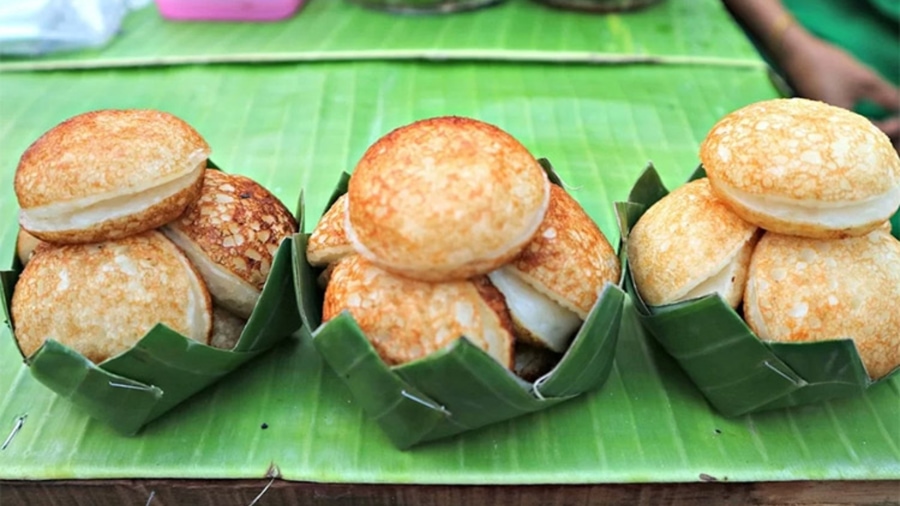
At nighttime, Chao Anouvong Park changes into a small outdoor food paradise for both local people and travelers. Dozens of stalls serve many different Lao street foods, consisting of Lao grilled meats, noodle soups, Kaipen (also called riverweed chips), various fresh fruit shakes, sesame brittle, coconut candies, sticky rice, and sticky rice chips.

Going to the street food area at Chao Anouvong Park is a delectable and budget-friendly way for economical travelers to taste the local flavors. Don’t miss out on sitting down among the local people, trying different dishes, and soaking up the lively but laid-back nighttime atmosphere, especially from November to February, which is the best time to visit Vientiane.

Explore Vientiane’s Craft Beer Bars

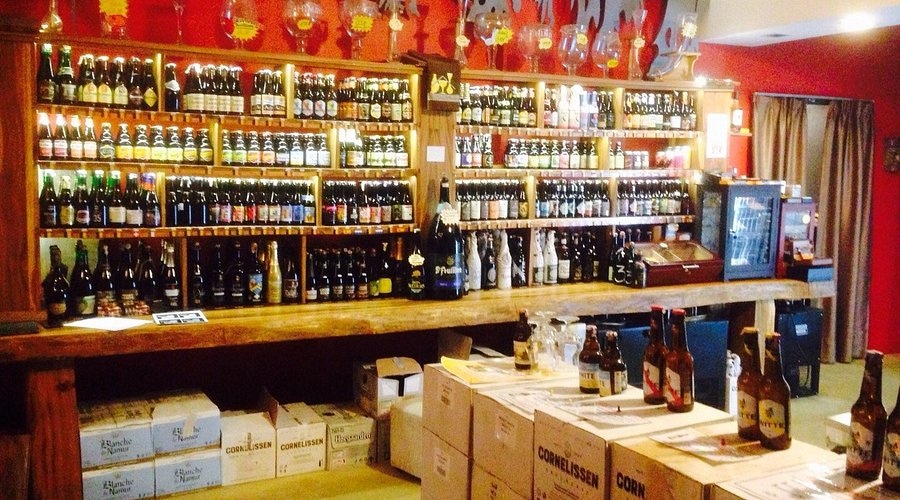
The craft beer scene in Vientiane has grown fast, with small bars serving local brews in pleasant nightlife areas. You should try Lao craft beers with many different impressive flavors like lemongrass, passion fruit, or coffee. Choosing one of the best bars in Vientiane and spending your evening will be a modern way to refresh your energy, especially if you are an extrovert.

Explore Vientiane’s Craft Beer Bars

Most bars in Vientiane offer a cozy atmosphere with music, creating a great opportunity for a louder nightlife experience. This is best for hanging out, meeting and communicating with new friends, and experiencing something uniquely Lao. However, let’s keep your belongings carefully in crowded areas of these bars to ensure your safety.

Spend The Evening At A Rooftop Bar

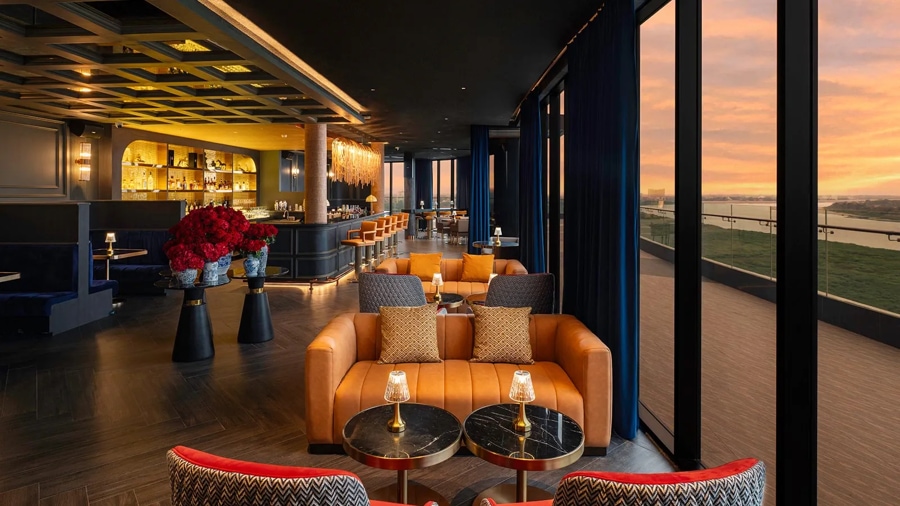
Vientiane has numerous rooftop bars that provide panoramic views of the capital and a relaxing night environment. These destinations combine smooth lights, cutting-edge decoration and design, and relaxed song performances. So, these rooftop bars are relatively suitable for stylish vacationers who don’t mind about money on this journey.

Spend The Evening At A Rooftop Bar

Whether you are sipping aromatic cocktails or just wanting to admire the cityscape, spending your evening in a Vientiane rooftop bar provides a wonderful break from the more casual riverside scene. Not only can you enjoy simple and low-priced ones, but you can also revel in a luxurious atmosphere with a high-end Vientiane nightclub.

Enjoy A Relaxing Evening Massage Or Spa

After a long day of sightseeing captivating attractions in Vientiane, unwinding in a Lao massage or herbal traditional spa treatment is a great way for any tourist. Many massage shops or spas in the center of Vientiane stay open till late at night. Therefore, after having dinner and going for a walk to digest food, you can arrive at a massage shop or spa along the street.

Whether or not you select a traditional Lao massage, hot herbal compress, or aromatherapy treatment, the feeling will be calming and rejuvenating. Feel free to ask your massage staff to adjust the level to suit your physical condition. This is a perfect way to end a long travel day before returning to where to stay in Vientiane and spend a comfortable night.

Explore The Riverfront Fitness And Dance Sessions

Every evening, local people usually gather on the Mekong riverside for group exercise and dance workouts. At this time, the music is upbeat, and the energy is strongly contagious. Vacationers should ask to take part in these happy activities to feel like a part of the community’s nightly routine. Even if you do not join in with them and just witness, it is still an amusing scene.

Take A Nighttime Tuk-Tuk Ride Around The City

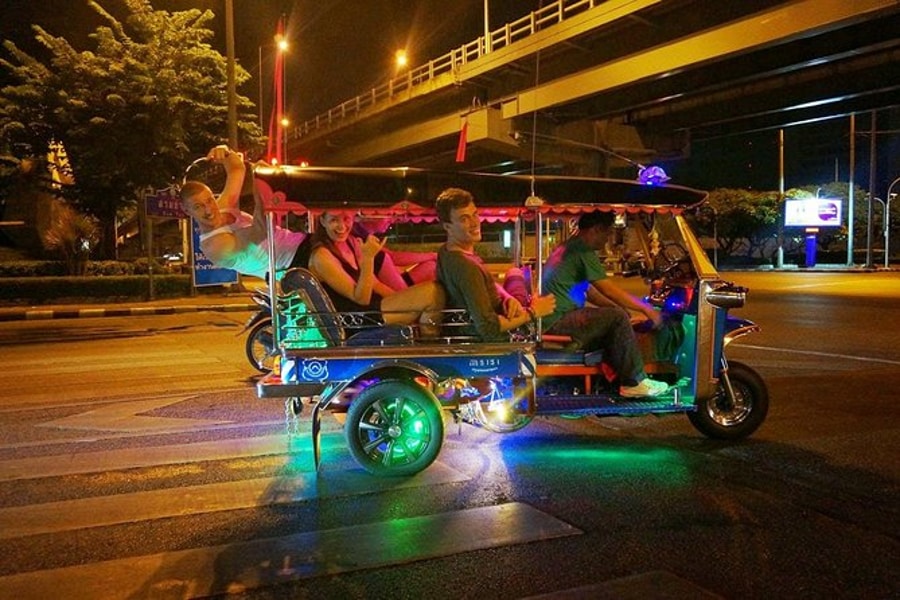
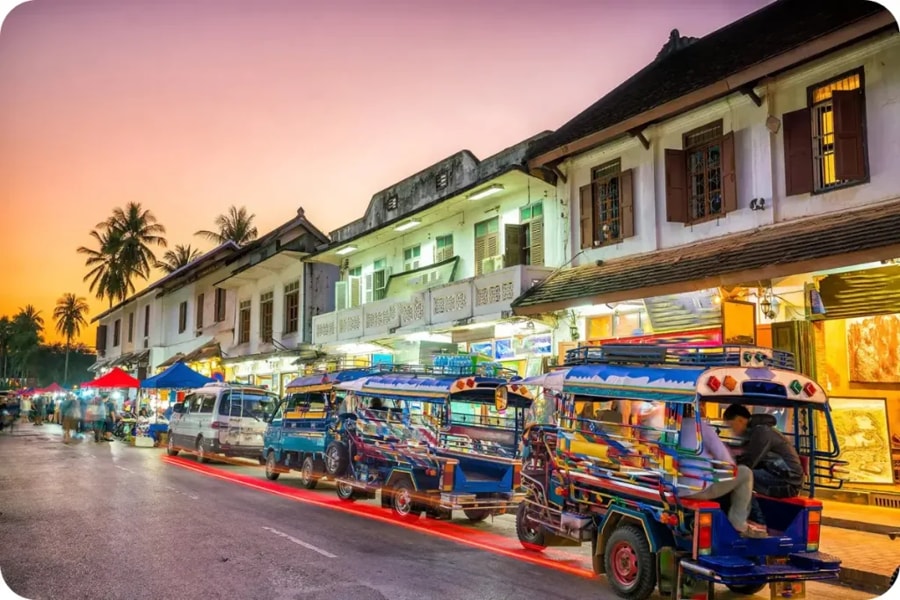
A nighttime tuk-tuk experience around the capital of Laos offers a new perspective of this place, especially when Vientiane’s lighting comes on. The roads are more tranquil, and the climate is cooler, making the journey more enjoyable. You can ask for a short tour around famous landmarks, like Patuxai, the Presidential Palace, and illuminated temples.

Take A Nighttime Tuk-Tuk Ride Around The City

Try A Night Bike Ride

If you want to revel in a gentle adventure when the sun sets, renting a bike for an evening trip is an excellent way to explore a very different Vientiane. At this time, the streets are quieter, and temperatures are cooler, bringing a more pleasant feeling for everyone. Cycling past temples, pretty coffee shops, and the Mekong riverside will give you a serene and peaceful experience.

What To Eat When Unwinding In Vientiane Nightlife

Vientiane nightlife is a wonderful chance for you to uncover and unwind in many great dining places here. Many stalls, vendors, and local restaurants stay open late for both local people and travelers to experience a particular angle of the culture and society of Laos.

Lao BBQ (Sin Dat)

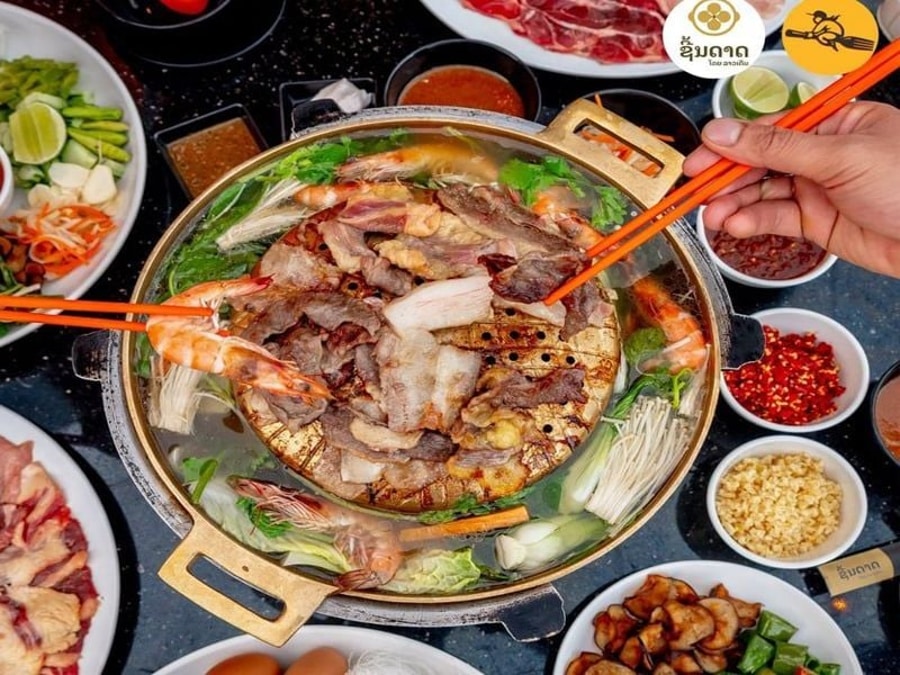
Lao BBQ or Sin Dat is an interactive dining experience in Vientiane at night. You will get a charcoal grill positioned at your table, along with fresh marinated meats, various vegetables, noodles, and a flavorful broth surrounding the grill. The dipping sauces are the highlighted point of this dish, particularly the spicy, tangy jeow that adds a bold kick. Lao BBQ is a low-priced food, filling, and a cultural eating ritual in Vientiane. You can enjoy Lao BBQ at:

  • Ms. Pouy’s Lao Grilled Meat: XJ74+R49, Th, Rue Nokeokoummane, Vientiane.
  • Street food (Grilled offal): XJ94+6W2, Rue Nokeokoummane, Vientiane.

Lao BBQ (Sin Dat)

Laap (Lao Minced Meat Salad)

Laap or Lao Minced Meat Salad is a wonderful mixture of minced meat, lime juice, herbs, chili, and toasted rice powder. The nighttime version in Vientiane regularly has the bolder seasoning and an extra severe aroma, perfect when tasting with a cold Beer Lao. Restaurants and street eateries in Vientiane serve both cooked and raw varieties, based on your favorite. You can pair Laap with sticky rice for a more flavorful experience. You can enjoy Laap at:

  • Lao Derm Restaurant: Khun Bu Lom Rd, Vientiane.
  • Makphet: Entrance of Peaun Mit center, Rue Phai Nam, Vientiane.

Khao Jee (Lao Baguette Sandwich)

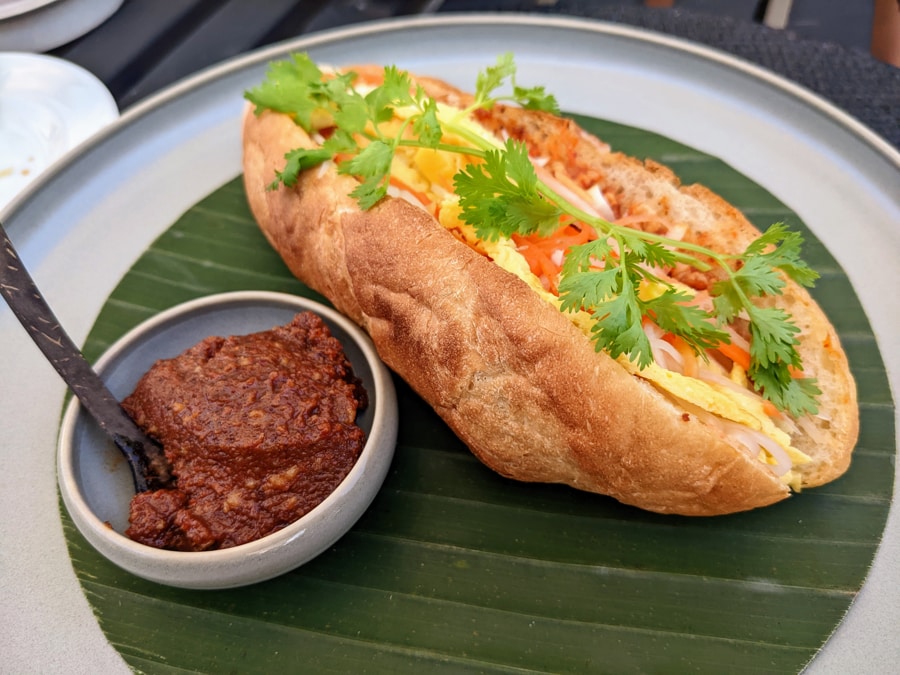
Khao Jee or Lao Baguette Sandwich, inspired by the French colonial heritage. Filled with full of grilled meats, pate, eggs, pickles, and fresh local herbs, Khao Jee is both crunchy and hearty. The bread is frequently grilled over charcoal for additional fragrance. Khao Jee is the best choice for quick bites between bars or after energetic shopping at the night market. With its affordable price, scrumptious, and easy to carry around, you can bring Khao Jee to eat even as you wander the riverside. You can enjoy Khao Jee at:

  • Khao Gee Mae Sab Sandwich Shop: XJG3+5XG, Unnamed Road, Vientiane.
  • Khaoji Paté Sihom: XJ93+45P, Vientiane.

Khao Jee (Lao Baguette Sandwich)

Grilled Mekong Fish

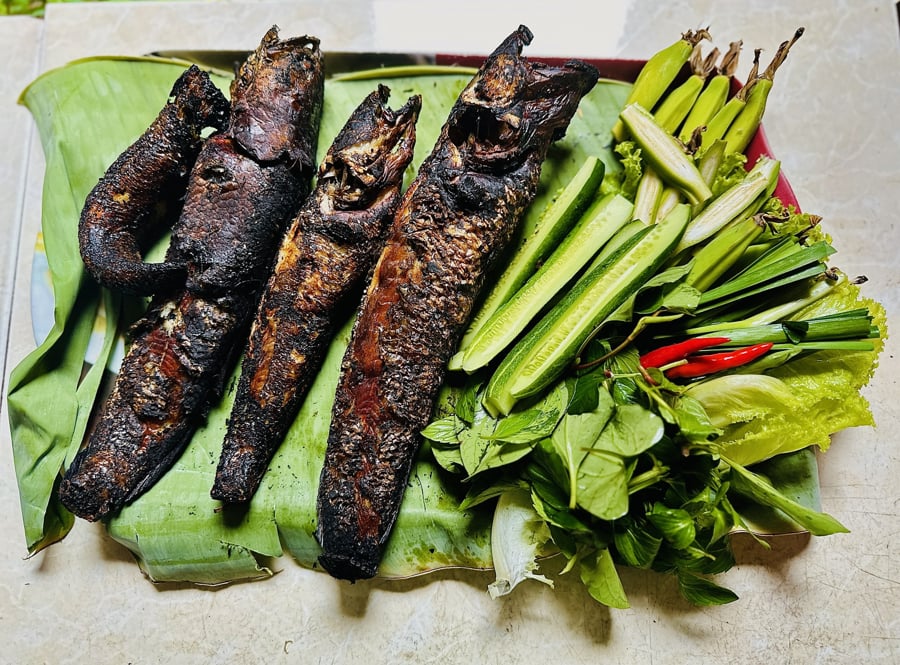
Grilled Mekong Fish is one of Vientiane’s best nighttime iconic foods. Fresh fish from the Mekong River seasoned with fresh lemongrass, garlic, and salt, then grilled slowly over charcoal. The result is a grilled fish with gentle, aromatic meat with crispy skin. You can eat a grilled fish with sticky rice and spicy dipping sauce for a healthy yet flavorful selection. Many riverside restaurants serve it under lantern lighting, adding a more peaceful and rural experience for travelers. You can enjoy Grilled Mekong Fish at:

  • Kong View: 183 Souphanouvong RD, Hom 1 Ban Nongpanay, Sikottabong District, Vientiane.
  • Khambang Lao Food Restaurant: XJ82+5JG, Khun Bu Lom Rd, Vientiane.

Grilled Mekong River Fish (Banana-Leaf Grilled Fish)

Or Lam (Lao Spicy Stew)

Or Lam or Lao Spicy Stew is a conventional Lao stew cooked with vegetables, mushrooms, fresh meat, and the particular “Sakhan” pepperwood. All of them offer a pleasantly tingling flavor for travelers, which is comforting, earthy, and wonderful for cooler nights in Vientiane. Many local eating places here serve a barely richer version of Or Lam in the evenings, pairing nicely with steamed rice or sticky rice. You can enjoy Lao Spicy Stew at:

  • Saveuy Thai-Lao Cuisine: Dongpalane Rd, Vientiane.
  • Lako Pocha & Chicken: XJ6G+X47, Vientiane.

Tips For Experiencing Vientiane Nightlife

To have an exciting, safe, comfortable, and memorable Vientiane nightlife experience, remember the following essential travel tips. They will help you enjoy the capital of Laos at night comfortably and protect yourself best:

  • Arrange safe transport, such as using tuk-tuks or ride-hailing apps. You must avoid strolling alone at night in dimly lit areas.
  • Keep belongings secure: Pickpocketing in Vientiane is rare, but you must stay cautious, particularly in crowded markets or clubs.
  • Dress comfortably but politely: Vientiane nightlife is casual, but luxurious bars and lounges require a smart-casual dress code.
  • Learn basic Lao phrases, such as a simple “Sabaidee” (Hello) when ordering drinks or food.
  • Eat before drinking heavily to ensure your health during the Vientiane nightlife trip.

Final Thoughts

Not only traveling to famous attractions or taking a Vientiane shopping trip during the day, but you can also revel in Vientiane nightlife with numerous interesting activities to do and delicious local dishes to try. If you want to learn more about the capital of Laos, consult travel tips, and receive support for the visa process, let’s contact Seni World, a reputable travel operator. We are here to help you from A to Z on your Vientiane discovery adventure.

A Vientiane Shopping Trip To Have Many Memorable Souvenirs

Taking a Vientiane shopping trip, you can buy many things, like local delicacies, special crafts, silk and fabrics, and traditional cultural treasures. Strolling through energetic markets, stores, and streets, you can experience flavors, colors, and culture with every step.

What To Buy When Enjoying Vientiane Shopping

If you want to choose a memorable souvenir after the Vientiane itinerary, taking a Vientiane shopping trip will offer a combination of local delicacies, unique crafts, and traditional cultural treasures. You can choose many different types of products, from premium souvenirs to affordable ones. Here are some hints from Seni World for you to refer to:

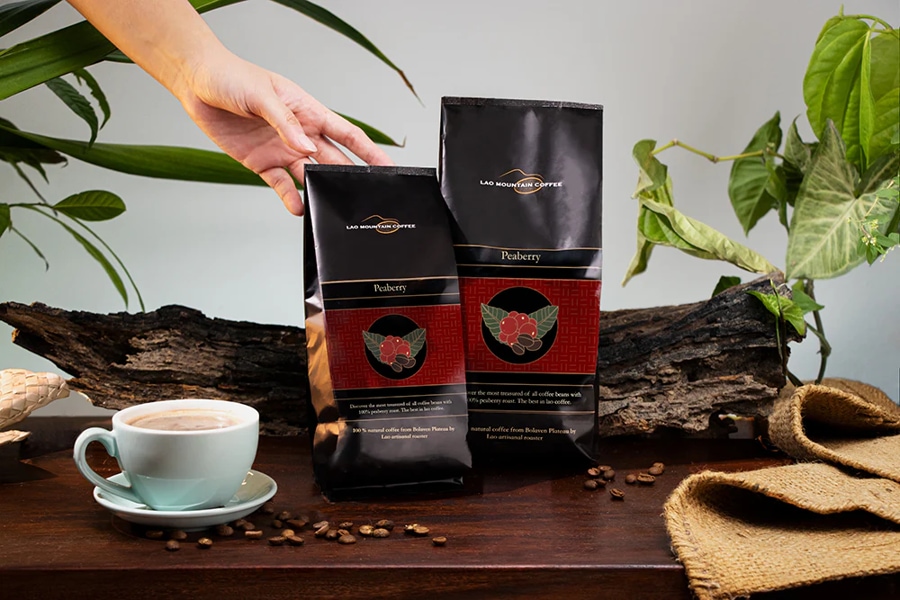
Lao Coffee (Bolaven Plateau Coffee)

Lao Coffee (also called Bolaven Plateau Coffee) is one of the most well-known and symbolic products when enjoying Vientiane shopping. Lao coffee is grown in the special, fertile volcanic soil of the Bolaven Plateau. You can choose to buy aromatic Robusta or smooth Arabica beans. Both of them are known for their rich flavor as well as chocolate-like notes.

Many stores in Vientiane also sell ground coffee or a drip bag type, which is very easy and comfortable for travelers, especially international vacationers, to take home and brew. This is a meaningful and memorable souvenir for coffee lovers who want to try an authentic flavor of Laos in every cup of coffee.

Lao Coffee (Bolaven Plateau Coffee)

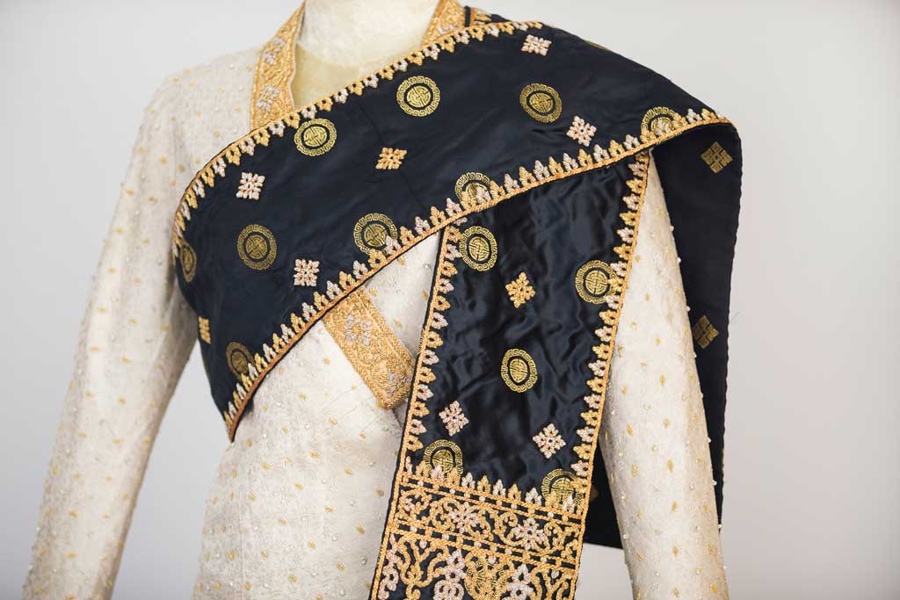
Sinh (Traditional Lao Skirt)

The Lao Sinh is a stunning traditional skirt that various women throughout Lao wear. This type of skirt is made from silk or cotton, with an elegant handwoven style representing the culture and spirituality of the local people. You can see both daily Sinh and highly-priced, luxurious silk Sinh suitable for unique occasions in Vientiane. All of them reflect particular local craftsmanship in Laos.

Sinh (Traditional Lao Skirt)

Handmade Bamboo Products

From baskets, trays, to bamboo straws, these eco-friendly handmade bamboo products showcase traditional Lao craftsmanship. They are long-lasting, affordable, and practical for ordinary use. Vientiane’s handmade bamboo products are light and easy to use, making them a comfortable and convenient souvenir for international vacationers.

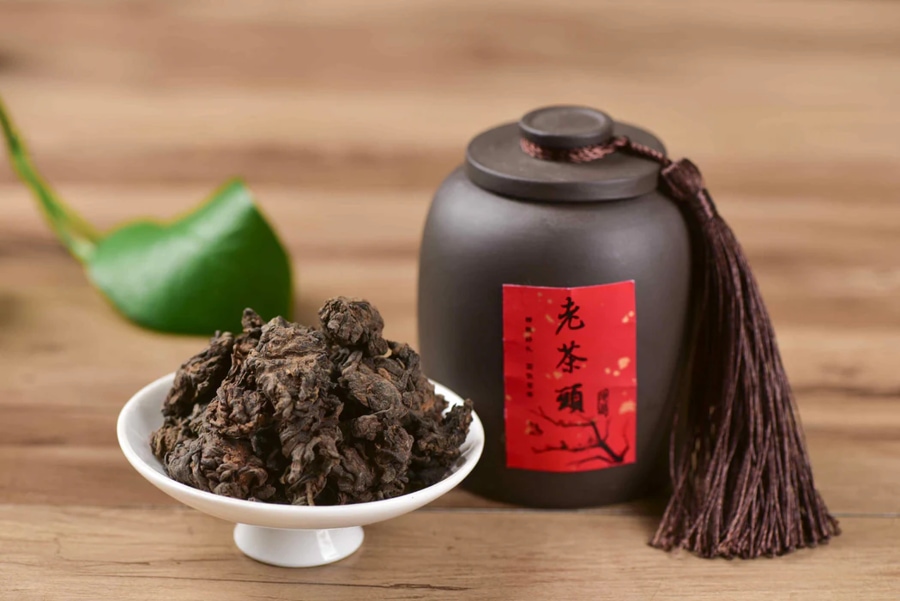
Lao Tea

Vientiane markets sell many different types of high-quality, super green tea, black tea, and wild, wooded area tea harvested from mountain regions. The flavors of Lao tea are moderate but aromatic, attracting both local people and tourists. The Lao’s cool climate and fertile mountain soil provide tea leaves in this region a naturally smooth, slightly sweet, pleasant flavor and gentle aroma.

Lao Tea

Lao tea is a wonderful choice for enjoyable tea sessions or becoming a unique souvenir for global travelers who want to bring a part of Laos to their home after this trip. It is frequently packed in ornamental bamboo or pretty paper boxes, making it best as a light and portable souvenir.

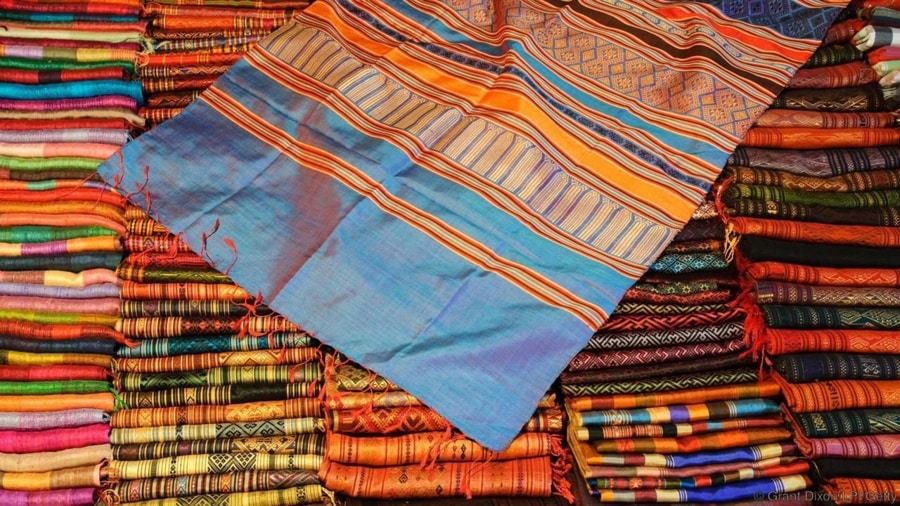
Lao Silk Scarves And Textiles

Vientiane is famous for superb silk weaving, particularly in local craft villages like Ban Nongbouathong. Lao silk scarves and textiles have gentle colors, conventional motifs, and premium quality. Silk scarves in Vientiane are lightweight, easy, and quick to pack, so they are perfect for gifts or personal use. Not only useful products, but they are also the artistry of Lao weaving.

Handwoven Cotton Fabrics

While Lao silk is too expensive, Lao handwoven cotton fabrics are an economical but equally impressive choice for you when choosing a symbolic thing as a souvenir. These handwoven fabrics have numerous patterns and colors inspired by the Lao ethnic communities. Lao handwoven cotton fabrics can be used for apparel, luggage, tablecloths, or home decoration, bringing both practicality and cultural value.

Handwoven Cotton Fabrics

Silver Jewelry

Laos and Vientiane are well-known for their exceptional handmade silver with hill-tribe designs. When shopping in Vientiane, you can find various types of bracelets, earrings, rings, and pendants that commonly feature conventional symbols or animal motifs. Silver jewelry in Laos is strongly and deeply connected to the cultural traditions of ethnic groups, consisting of the Hmong, Khmu, and Akha.

When buying silver in Vientiane, you can have a chance to communicate with local artisans about how they can create this silver jewelry. Let’s bring home a unique accessory that highlights the cultural and traditional significance of this Southeast Asia country.

Woodcraft and Carved Souvenirs

Wood carvings in Vientiane, like Buddha statues, beautiful animal figurines, and unique ornamental panels, are popular in local markets. Almost all these items are carved by hand and made from local hardwoods. Woodcraft and carved souvenirs bring a warm and cultural touch to home decoration. If you have more time to enjoy this Vientiane shopping trip, let’s ask local people for a detailed explanation of the symbolism behind each design.

Lao Spices And Herbs

Traveling in Vientiane, you can see many stores and markets that offer fragrant spices and herbs like lemongrass powder, dried chili, galangal, and some other local herb mixture. They are regularly used in Lao cuisine to make the flavors and tastes more attractive. By purchasing these ingredients, you can easily cook and recreate authentic Lao foods at home, bringing a part of this Lao itinerary with you.

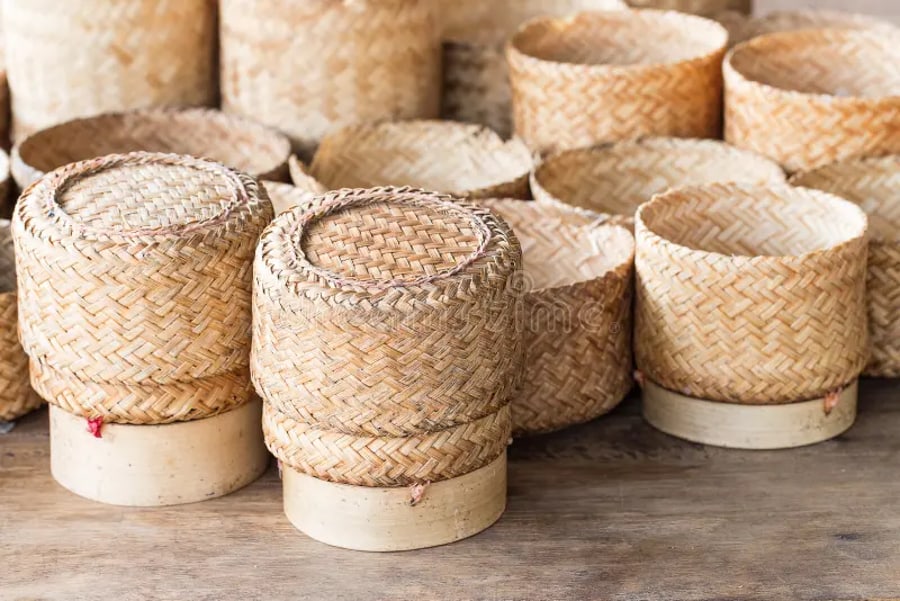
Sticky Rice Baskets (Kratip Khao)

Sticky rice baskets (also called Kratip Khao), which are small woven baskets, are used throughout Laos by local people to store and serve sticky rice. They are uniquely designed and are full of the cultural heritage of Laos. A Kratip Khao is not only decorative but also practical, so it is a meaningful kitchen souvenir after an adventure to Vientiane.

Sticky Rice Baskets (Kratip Khao)

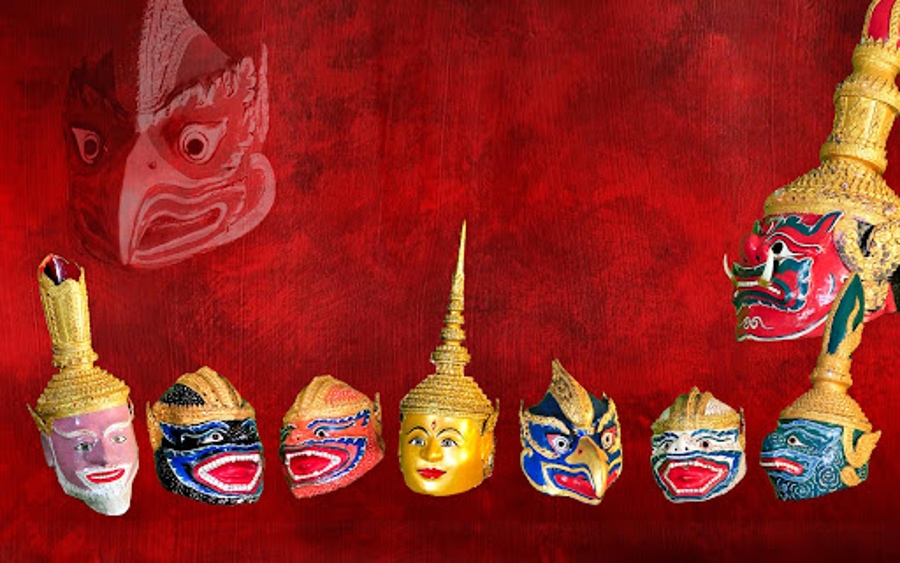
Traditional Mask Art

A few stores in Vientiane sell traditional handmade masks, which are popularly used in Lao festivals and religious ceremonies. The designs of these traditional mask arts are colorful and symbolic, impressing tourists at first sight. They make putting up wall decoration pieces and an exciting conversation starter about Lao performing arts with your family and friends at home after this journey.

Traditional Mask Art in laos

Natural Skincare Products

Vientiane offers natural skincare products made from many different local ingredients, consisting of coconut oil, lemongrass, honey, tamarind, and other special herbs. They smell clean and are gentle on almost all skin. When taking a Vientiane shopping trip, you can see that body scrubs, soaps, essential oils, as well as balms are the most common selections. They are wonderful for both presents and self-care.

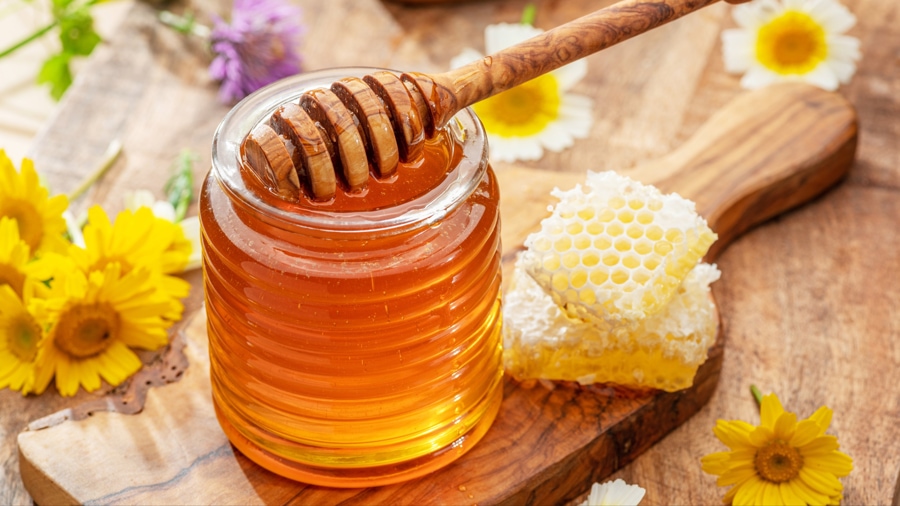
Lao Honey

Laos is a place that produces rich and aromatic honey sourced from forest bees. Lao honey is organic, natural, and frequently sold in glass bottles in local markets or souvenir stores. Lao honey is a brilliant choice for tea, baking, or skin care. It is very delicious and healthy. However, you should choose a reputable store or stall to ensure the authentic honey source.

Laos is a place that produces rich and aromatic honey

Local Snacks

One of the most famous and signature local snacks in Vientiane is Kaipen or riverweed chips, which attracts food lovers with their crispy and flavorful. Besides Kaipen, you can additionally taste some other delicious local snacks, like sesame brittle, coconut chocolates, as well as sticky rice chips. These snacks are light, delicious, and gorgeous to share with your family and friends back home. They can taste a part of the traditional, wonderful flavor of Laos in general and Vientiane in particular with you.

laos Local Snacks

Lao Whiskey And Rice Wine

Lao herb-infused whiskey and rice wine can be found in lots of local markets and area of some specialty shops in Vientiane. Both flavors are bold and distinctive, with a unique part of the Laotian spirit. Lao herb-infused whiskey and rice wine come in decorative and beautiful bottles, making them appealing gifts for vacationers who enjoy the social side of this Southeast Asia country.

Buddhist Amulets

In Vientiane, monks or local artisans usually craft small amulets believed to bring safety or good fortune for recipients. These amulets regularly depict Buddha or some other sacred symbols based on the culture, tradition, and religion in Laos. Buddhist amulets are meaningful and valuable souvenirs for travelers who are inquisitive about spirituality or Buddhist culture.

Ceramics And Pottery

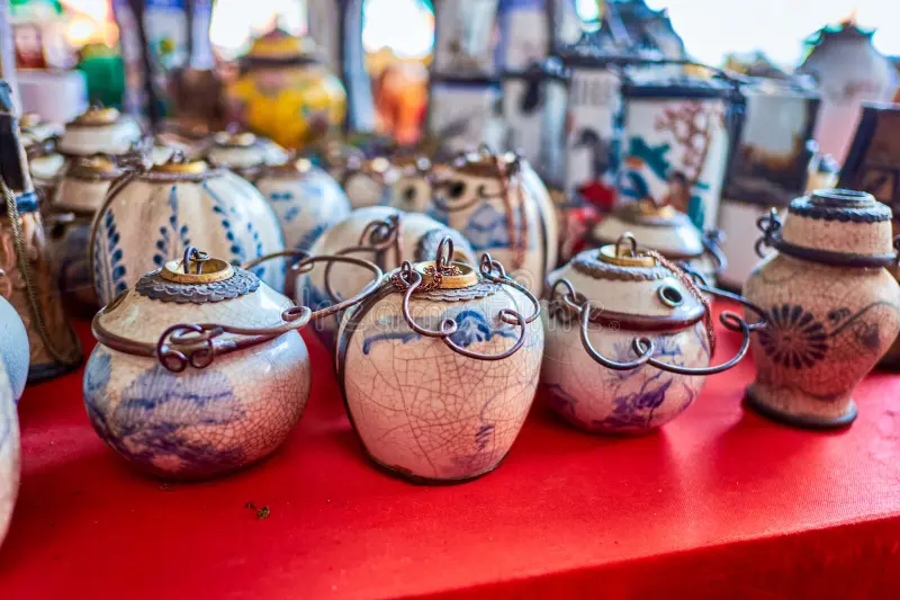
Ceramics and pottery in Vientiane include pretty and small bowls, cups, vases, as well as some decorative items. They are handmade products using traditional pottery techniques of Laos. The natural earthy tones of these ceramics and pottery are suitable for a cutting-edge interior layout. They are durable and significant presents, ideal for tourists who love to store handcrafted items.

Ceramics and pottery in Vientiane

Where To Buy When Enjoying Vientiane Shopping

Not only do you know what to buy, but you also find out more about destinations to buy souvenirs in Vientiane. Let’s explore where to buy when you take a Vientiane shopping trip in this section of the article.

Talat Sao Morning Market

  • Location: Located at the eastern corner of Lan Xang Road and Khu Vieng Road in the center of Vientiane.
  • Opening hours: Daily, from 07:00 AM to 05:00 PM

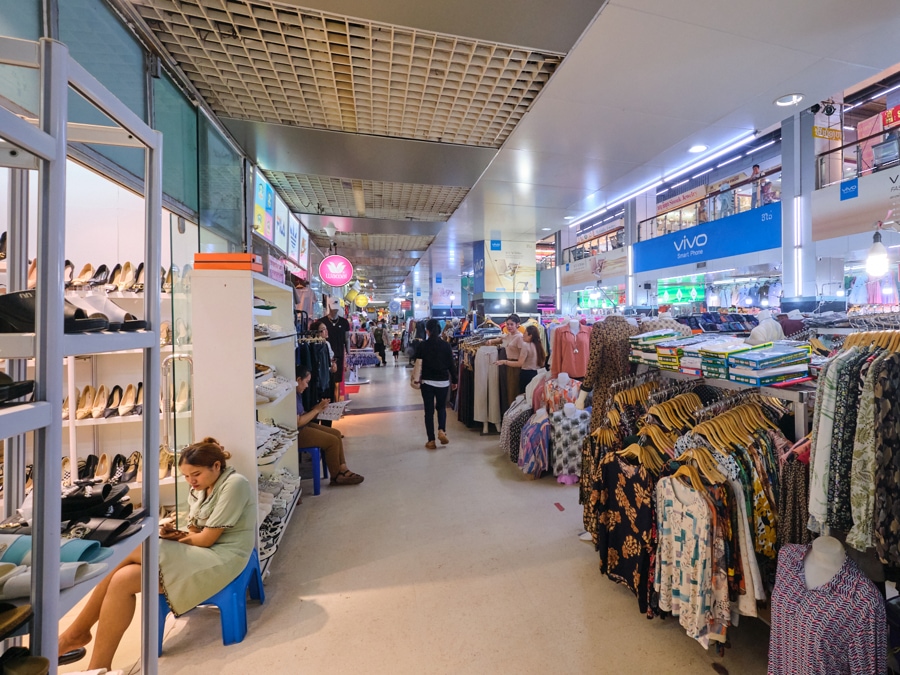
Talat Sao Morning Market blends a conventional open-air market and a contemporary indoor mall section. You can choose to stroll here, especially from November to February, which is the best time to visit Vientiane to enjoy the pleasant vibe of this morning market. Coming here, you will find everything you want, from local handicrafts, traditional textiles, and silver jewelry to other regular items, such as fresh food and electronics.

talat sao morning market in vientiane

Vientiane Night Market

  • Location: Located along the Mekong Riverfront promenade, near Chao Anouvong Park.
  • Opening hours: Daily, from 06:00 PM to 10:00 PM

Visiting the Vientiane Night Market, you can unwind in an energetic evening of shopping and enjoy many delicious local foods. Below red-roofed stalls, you will see traditional handicrafts, garments, souvenirs, captivating paintings, and local snacks. Don’t miss out on immersing yourself in a pleasant riverside sundown background at this night market.

Carol Cassidy Lao Textiles

  • Location: Located on Rue Nokeokoummane, in the Ban Mixay area, Vientiane.
  • Opening hours: Monday to Friday: from 08:00 AM to 12:00 PM and from 02:00 PM to 05:00 PM. Saturday: from 08:00 AM to 12:00 PM. Closed Sundays.

Carol Cassidy Lao Textiles is a specialized weaving studio and shop, which is recognized for excellent handwoven silk textiles, including scarves, wall hangings, and brocade fabric. All of them are created and made by local artisans and use conventional techniques, so they have a strong point of Laotian culture, tradition, and society.

Saoban Handicraft Shop (Tai Baan)

  • Location: Located at 97/1 Ban Watchan, Rue Chao Anou, Chanthabouly District, Vientiane.
  • Opening hours: Monday to Saturday, from 09:00 AM to 08:00 PM. Closed Sundays.

Saoban Handicraft Shop (Tai Baan)

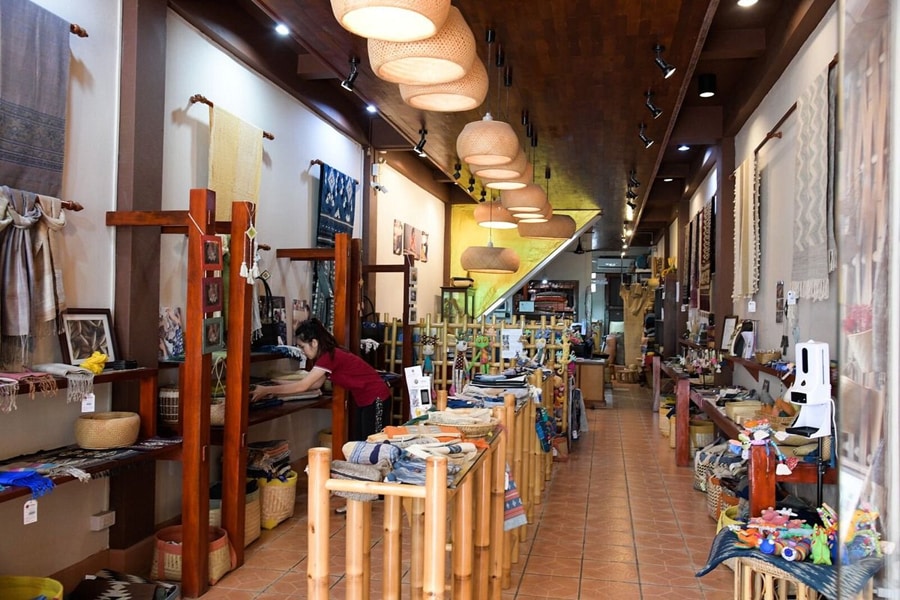
Saoban Handicraft Shop (known as Tai Baan) is a reputable handicraft shop in Vientiane. This shop sells local souvenirs, consisting of handwoven silk and cotton fabrics, special bamboo items, beautiful silver rings, baggage, and accessories made by village artisans. Buying gifts here, you will support rural artisans directly to enhance their lives and work.

Elegant Boutique Vientiane

  • Location: Located at 103 Rue Pangkham, near the Namphu Fountain area, Vientiane.
  • Opening hours: Daily, from 09:30 AM to 08:00 PM.

Elegant Boutique Vientiane is a local store that sells tailor-made apparel crafted from Lao silk or cotton. Besides, at this store, you can also find many different types of hill-tribe inspired silver jewellery. This place is perfect if you want custom-made items or luxurious handicrafts instead of mass-market souvenirs, suitable for special occasions.

Final Thoughts

A Vientiane shopping trip is a special journey that mixes flavors, craftsmanship, and culture. Strolling through local markets, souvenir stores, or visiting craft centers, you can have an opportunity to discover products that showcase culture, society, tradition, and spirituality in Laos in general and in Vientiane in particular. If you want to be consulted about an adventure in the capital of Laos, what to see, and interesting things to do in Vientiane, as well as receive support for the visa process, let’s contact Seni World, a reputable tour operator from Vietnam.

Where To Stay In Vientiane: Perfect Places And Hotel Choices

There are numerous wonderful hotels to choose from when looking for a place to stay in Vientiane. Let’s discover more about the most suitable hotels in Vientiane for you, which are favored and trusted by both local people and vacationers.

Top 10 Where To Stay In Vientiane

With an attractive combination of traditional culture and laid-back modern life, there is a long list of things to do in Vientiane for travelers to enjoy. After a full day of exploring, let’s refresh our energy by choosing where to stay in Vientiane. The ten accommodations below are usually mentioned first when travelers share stories about the capital of Laos.

City Inn Vientiane (3 ★)

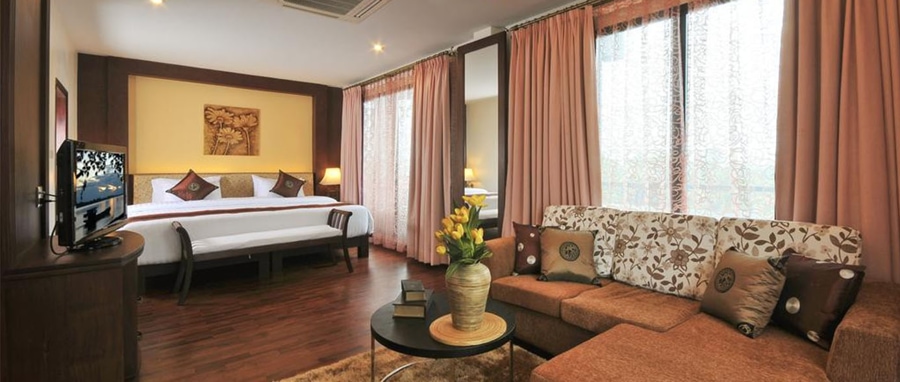
City Inn Vientiane is a comfortable mid-range accommodation that mixes modern design with diffused Lao touches. Rooms in this hotel are designed simply yet cleanly, and are decorated with timber fixtures, air conditioning, tiled or wood floors, as well as private balconies. All of them give travelers a brilliant sense of both openness and light.

City Inn Vientiane

Rooms in City Inn Vientiane are prepared with a shower and a bathtub, and they include in-room tea or coffee facilities, a safe, a minibar, a refrigerator, and a flat-screen television. Therefore, staying at City Inn Vientiane brings you an excellent balance between pleasant and comfort. The price of the City Inn Vientiane hotel in Vientiane is from $53.8 to $105.8 per night, depending on the type of room you book for your adventure.

Family Boutique Hotel (3 ★)

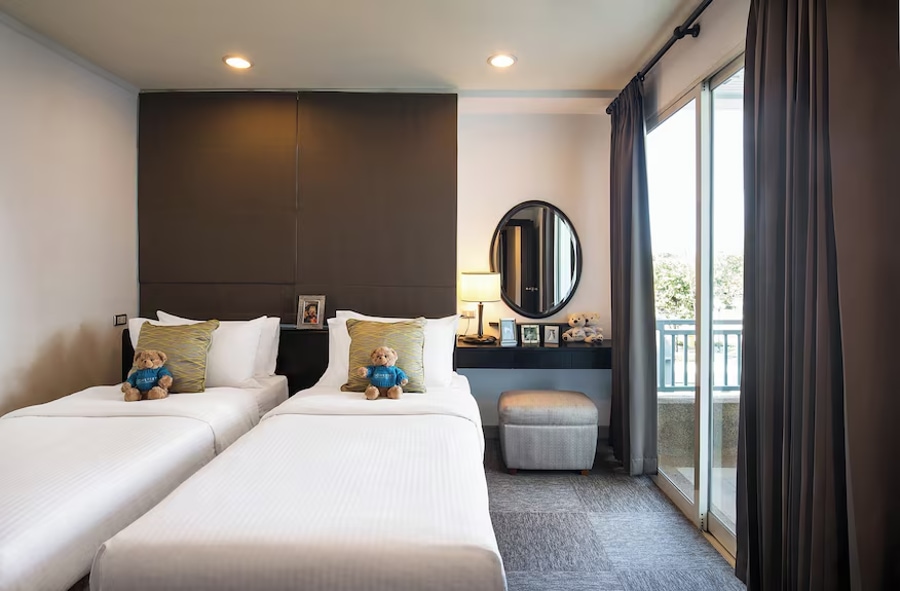
Family Boutique Hotel is a secure accommodation in Vientiane with simple, modern decoration and practical room layouts, excellent for budget-minded visitors. The minimalist design focuses on cleanliness and ease of use of the Family Boutique Hotel to create a welcoming atmosphere for everyone to enjoy after a full day of exploring attractions in Vientiane.

Family Boutique Hotel in Vientiane

Being one of the famous choices when searching for where to stay in Vientiane, there are many helpful benefits and services in the Family Boutique Hotel, including free breakfast, airport transfers, and a convenient central area. Besides, travelers can appreciate the warm hospitality of the staff in this accommodation. The price of the Family Boutique Hotel in Vientiane is from $53.8 to $80.8 per night, depending on the type of room you book for your adventure.

Bloom Boutique Hotel & Café (3 ★)

Bloom Boutique Hotel & Café has a sublime and minimalist layout with pastel tones and tasteful decoration. All of the rooms in the Bloom Boutique Hotel & Café are thoughtfully organized to maximize space, bringing vacationers a warm, comfortable, and relaxed environment with their friends and family after an energetic investigation in Vientiane.

The on-site coffee shop, hospitable staff, and personalized service make Bloom Boutique Hotel & Café particularly appealing for solo tourists and couples. You can enjoy many other amenities, such as traditional, delicious breakfast and bike rentals at an affordable price. The price of the Bloom Boutique Hotel & Café in Vientiane is from $65.4 to $86.2 per night, depending on the type of room you book for your adventure.

Bloom Boutique Hotel & Café

Green Park Boutique Hotel (4 ★)

Green Park Boutique Hotel has captivating Lao-traditional architecture with teak wooden designs, complicated handcrafted decorations and ornaments, and green, lush tropical gardens. The wonderful layout of Green Park Boutique Hotel embraces an open and resort-like style, giving it a tranquil and enjoyable atmosphere within the capital of Laos.

Visitors enjoy various benefits like a serene pool region, an excellent eating place, and attentive service, which you can feel is a boutique luxurious experience. Green Park Boutique Hotel has a quiet setting and creative touches, so it is perfect for vacationers who prefer both relaxation and cultural charm. The price of the Green Park Boutique Hotel in Vientiane is from $173.1 to $376.9 per night, depending on the type of room you book for your adventure.

Le That Luang Boutique Hotel (4 ★)

This elegant Le That Luang Boutique Hotel blends French-colonial appeal with Lao cultural motifs, presenting beautiful rooms with warm lighting and beautifully crafted timber furnishings. The layout and design emphasize comfort and sophistication, bringing vacationers a luxurious feel like they are staying in a high-end boutique with an international standard.

Le That Luang Boutique Hotel

Visitors can have an opportunity to revel in a stunning outdoor swimming pool, on-site dining, and many different amazing services. Especially, its location is close to That Luang Stupa, so you can enjoy a quiet and scenic surroundings, best for cultural travelers. The price of the Le That Luang Boutique Hotel in Vientiane is from $100.9 to $257.7 per night, depending on the type of room you book for your adventure.

Salana Boutique Hotel (4 ★)

Salana Boutique Hotel mixes contemporary chic with Lao accents in decoration and design, providing a fashionable yet welcoming atmosphere for everyone who chooses to stay in this hotel. Its rooms are thoughtfully designed with modern convenience, timber textures, and warm lighting that enhances the intimate sense for vacationers.

Salana Boutique Hotel

Salana Boutique Hotel features a first-rate rooftop bar, cozy on-site restaurant, a great spa service, as well as outstanding customer care. Positioned close to the well-known Mekong River with scenic views, the accommodation offers both convenience and an attractive capital enjoyment for travelers. The price of the Salana Boutique Hotel in Vientiane is from $92.3 to $176.9 per night, depending on the type of room you book for your adventure.

S Park Design Hotel (4 ★)

S Park Design Hotel’s capabilities include bold and modern interiors inspired by contemporary art and unique urban concepts. The spacious rooms have stylish furniture, special ornamental portions, and clean lines that impress more younger and design-driven vacationers. Not only can you stay here, but you can also take some memorable photos of the great architecture to save these brilliant moments.

The benefits and services of the S Park Design Hotel include a rooftop swimming pool, a fitness center, an on-site coffee shop, as well as friendly and hospitable staff who offer efficient service. Its trendy surroundings and vibe make it a common mid-range choice for many travelers. The price of the S Park Design Hotel in Vientiane is from $101.2 to $107.7 per night, depending on the type of room you book for your adventure.

Somerset Vientiane (4 ★)

Somerset Vientiane offers spacious and modern serviced apartments with pleasant and convenient layouts, wonderful for families and long-stay visitors. Each room in this hotel includes a kitchenette and a living area for your family and friends. The contemporary decoration enhances comfort and convenience for travelers, particularly after a dynamic Vientiane nightlife.

Somerset Vientiane

The benefits and services here include a swimming pool, a gym, a playground, and, especially, professional hospitality from all staff. Its neighborhood is very peaceful and well-connected, so this is a high-quality choice for travelers when they are searching for where to stay in Vientiane to have both comfort and independence. The price of the Somerset Vientiane hotel in Vientiane is from $73.1 to $151.3 per night, depending on the type of room you book for your adventure.

Crowne Plaza Vientiane (5 ★)

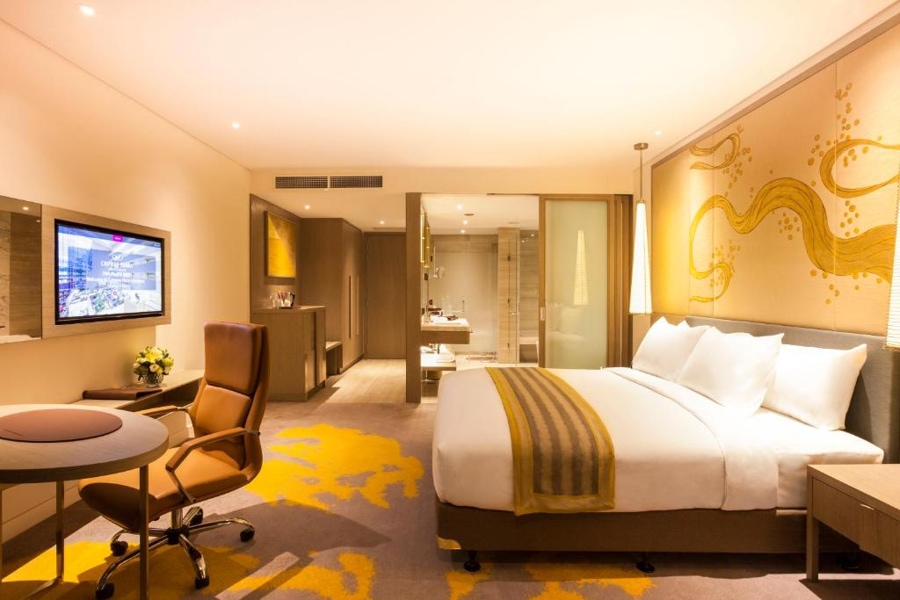
Crowne Plaza Vientiane is one of the most luxurious hotels in Vientiane, having a modern layout, elegant interiors, and international standards. Its rooms have minimalist decoration with warm tones, plush bedding, and floor-to-ceiling windows. All of them create a spacious and vibrant atmosphere in the room. The design of the hotel is sophisticated yet convenient, impressing both business and leisure vacationers.

Crowne Plaza Vientiane

Visitors can unwind in top-class services, consisting of a stunning infinity swimming pool, a fully equipped gym, and many different dining options serving global dishes. Some additional benefits and services include meeting rooms, airport transfers, and wonderful hospitality and friendliness from well-trained staff. The price of the room in Vientiane is from $121.8 to $511.50 per night, depending on the type of room you book for your adventure.

Lao Plaza Hotel (5 ★)

Lao Plaza Hotel combines traditional luxury with subtle Lao layout points, creating a both refined and timeless modern environment. Rooms are spacious, with elegant wooden furniture and a simple, clean design that prioritizes pleasure and functionality. All of them are reasons that make the Lao Plaza Hotel a perfect choice when you search for where to stay in Vientiane.

Lao Plaza Hotel

The hotel also offers amazing amenities, consisting of a huge swimming pool, a gym, a sauna, and some exquisite on-site restaurants. With the central vicinity and professional service, Lao Plaza Hotel is ideal for business journeys and upscale tourists looking for convenience and luxury. The price of the Lao Plaza Hotel in Vientiane is from $88.5 to $264.8 per night, depending on the type of room you book for your adventure.

Tips To Choose Where To Stay In Vientiane

If you want to feel pleasant, comfortable, and safe with your family and friends in this Laos itinerary, you need to remember the following important travel tips to pick the best area to stay in Vientiane.

  • Read reviews and feedback from other guests: You can check accommodation ratings by reading recent vacationers’ reviews and feedback on online platforms. Let’s focus on the cleanliness of accommodation, which varies widely between places.
  • Choosing hotels with good security: When searching for where to stay in Vientiane, you need to ensure your safety by selecting hotels with good security, like key-card access or 24/7 guards.
  • Check cancellation policies: A lodging that has flexible cancellation policies is very useful during the rainy season. You should check this point carefully and ask the manager before booking the room.
  • Booking the room early: Particularly in the peak travel season (from November to February), which is the best time to visit Vientiane, you need to book the room in advance to ensure availability for you, your family, and your friends.
  • Compare prices between accommodations: If you are budget-friendly travelers, don’t forget to check and compare across multiple booking platforms. Therefore, you can find hidden deals or some special free upgrades of hostels or hotels in Vientiane.
  • Check the accommodation’s cooling system: In Vientiane, air-conditioning quality is very important during the hot months. So you should check the hotel’s cooling system and ask the manager for support if there is any issue.
  • Consider your budget early: Vientiane has many different hotel options, from low-priced guesthouses to luxury hotels and boutiques. Let’s review your budget and favorites to choose the best one.

Final Thoughts

If you know your pace in this adventure, you can easily choose where to stay in Vientiane. No matter when you visit, the right resorts, hotels, or hostels in Vientiane can increase your stay as much as activities do and bring you memorable moments. If you want to be consulted about this journey in Vientiane, interesting things to do and to see in the capital of Laos, as well as receive support for the visa process, let’s contact Seni World, a reputable tour operator from Vietnam.

17 Best Things To Do In Vientiane To Have Brilliant Moments

There are numerous things to do in Vientiane for vacationers to have memorable moments, like visiting Pha That Luang, Patuxai Monument, Wat Si Saket, Wat Ho Phra Keo,… Let’s read Seni World’s blog to know what to do in Vientiane!

Visit Pha That Luang

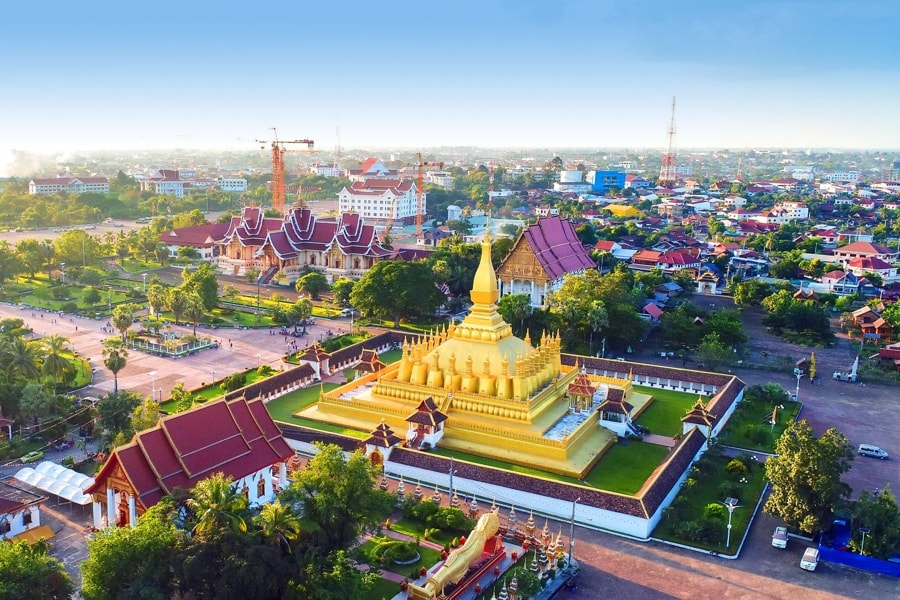
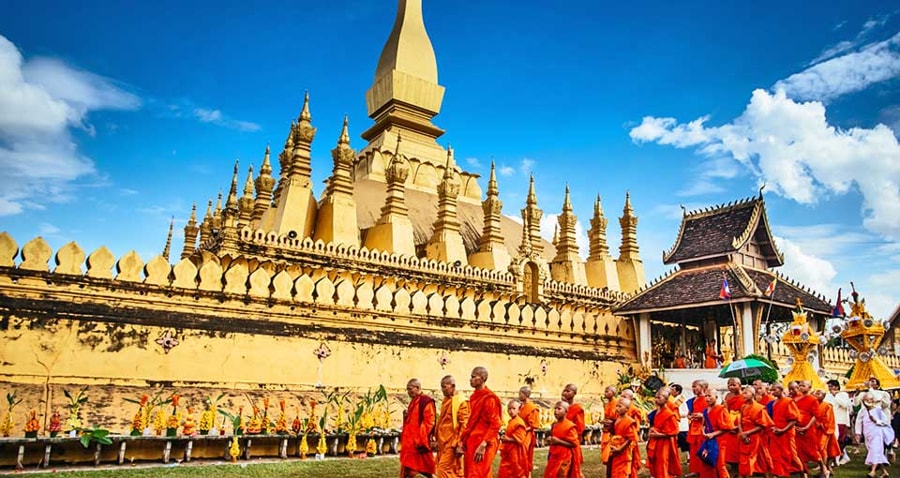
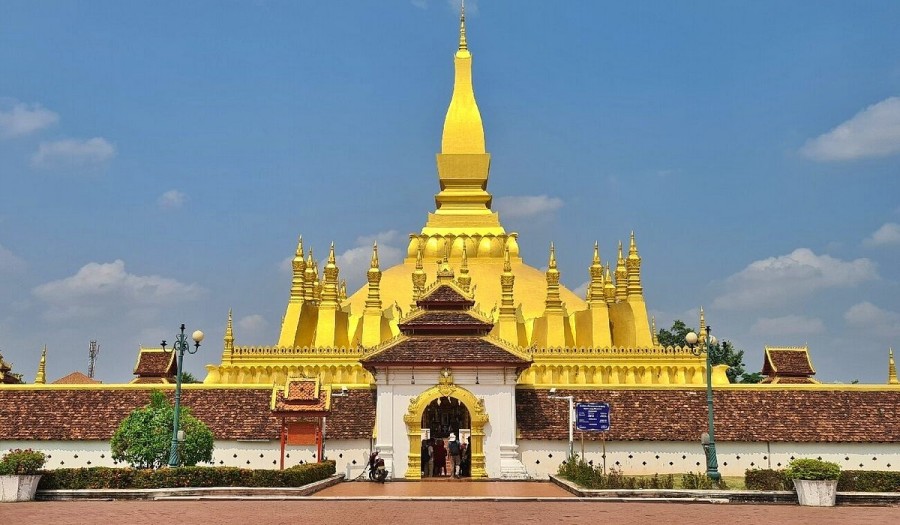
Pha That Luang is the Great Stupa of Laos, which is the first answer to the question “What to see in Vientiane?” Especially, it is the most vital national monument and a meaningful icon of both Buddhism and Lao sovereignty. Pha That Luang’s striking golden exterior shines vibrantly under sunlight, bringing a dramatic and huge sight from every perspective. This structure shows centuries of history and has been rebuilt several times after invasions and wars.

visit Pha That Luang

When walking into the complex, you can see some smaller stupas, tranquil courtyards, and great statues that have traditional Lao spiritual art. If you want to take memorable photos of these Vientiane attractions, let’s choose to visit during the early morning or late afternoon, when you can unwind in a peaceful atmosphere. Pha That Luang is a perfect destination for travelers, especially international visitors, to understand the wonderful cultural heartbeat of Laos in general, and Vientiane in particular.

Explore Patuxai Monument

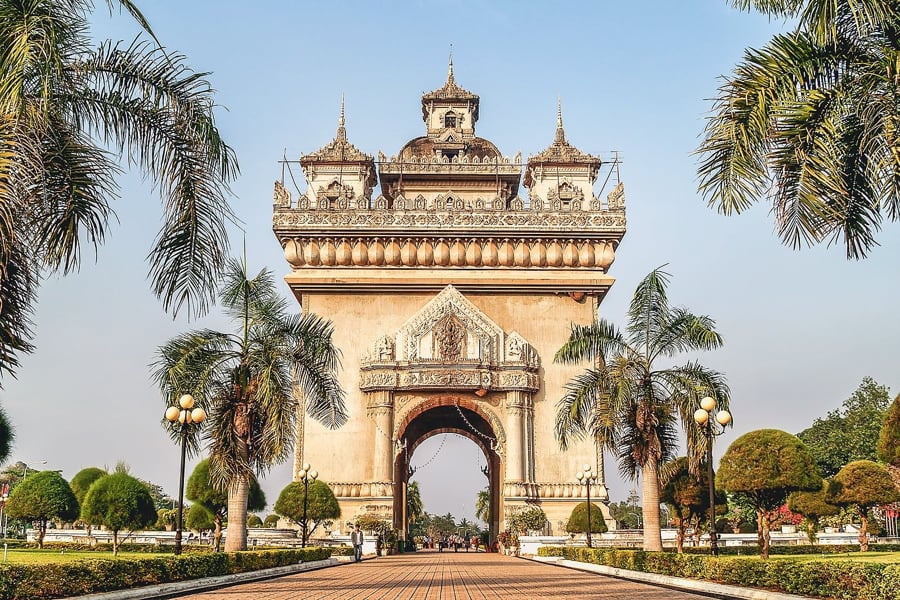
Frequently called the “Laotian Arc de Triomphe,” Patuxai Monument is a symbolic architecture dedicated to Lao soldiers. Although its exterior seems like the Parisian arch, its complicated carvings and conventional Lao motifs provide Patuxai Monument with a unique identity. The surrounding park also adds to this place’s appeal, making it an enjoyable site to hang around.

explore Patuxai Monument in Vientiane

When climbing to the pinnacle of Patuxai Monument, you can witness the panoramic views of Vientiane’s boulevards as well as tree-lined streets. The steps are steep, but once you reach the top, the view is well worth it. The sunset here is particularly breathtaking and captivating, especially when the city lights start to glow. Let’s immerse ourselves in the peaceful and romantic vibe at Patuxai Monument this time, which is an unforgettable moment in this Vientiane itinerary.

Wander Around Wat Si Saket

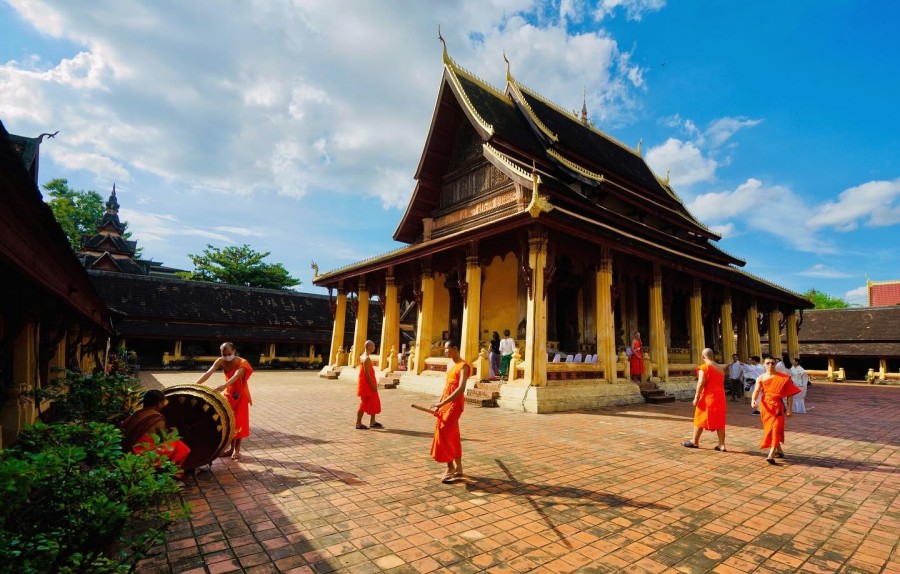
Wat Si Saket is one of the oldest surviving temples in Vientiane. The temple is well-known for its cloister lined with thousands of small and careful Buddha statues. Wat Si Saket mixes Siamese style and Lao architecture, creating a unique yet serene atmosphere. Its quiet grounds bring travelers a peaceful escape from the dynamic city center, so many global vacationers consider that investigating Wat Si Saket is among the top things to do in Vientiane.

walking around Wat Si Saket

When you walk inside Wat Si Saket, you can have an opportunity to discover fantastically preserved murals and old relics that remind memories and tell significant stories of Lao Buddhist history. This temple is a terrific place for vacationers interested in architecture, culture, and meditation. You should visit here in the early morning to have a wonderful experience.

Go To Wat Ho Phra Keo

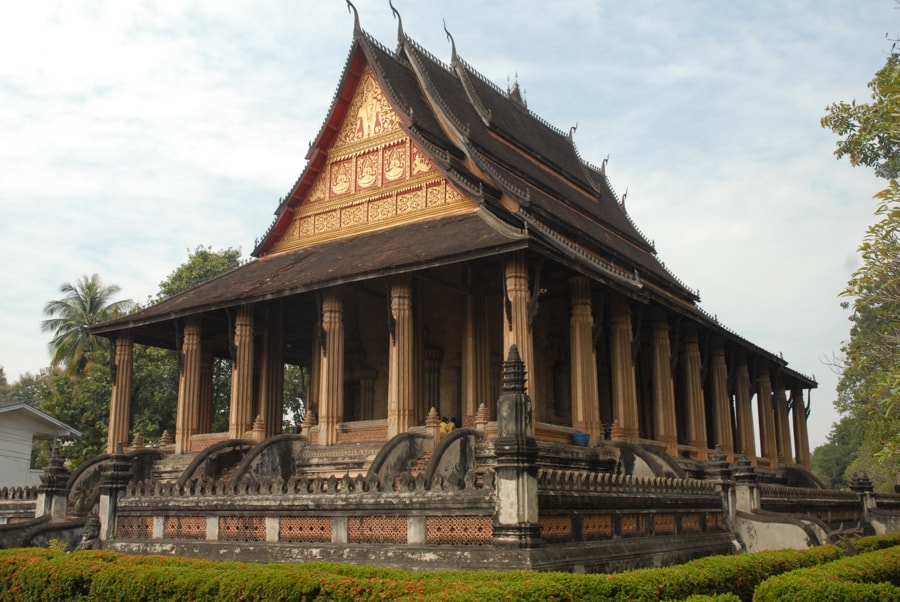
Once the home of the Emerald Buddha, Wat Ho Phra Keo is a grand architectural showcase of conventional Lao art. At present, although the original Buddha statue was taken to Thailand, Wat Ho Phra Keo still houses remarkable sculptures and artifacts. Moreover, the beautifully manicured gardens surrounding the temple add to its elegance.

wat ho phra keo vientiane

Inside the museum of Wat Ho Phra Keo, you can investigate complicated ancient carvings, valuable bronze images, and meaningful religious relics. The environment of both the temple and museum is quiet and introspective, so it is ideal for travelers who are culture lovers and photographers. However, don’t forget to behave politely and wear respectful attire when you are here.

Discover The Riverside Night Market

Placed along the Mekong River, the Vientiane Night Market will be alive every night with brilliant local stalls. Vendors here sell traditional handicrafts, handmade souvenirs, conventional clothing, as well as local snacks. Therefore, exploring the night market is one of the must-try things to do in Vientiane for global travelers and food lovers. Particularly, the riverfront vicinity provides a chill ambiance.

It is additionally among the exceptional places to visit in Vientiane for you to learn more about the local people’s daily life and activities, such as families taking a stroll to energetic street performers exciting crowds. Beyond, don’t miss out on reveling in sunset perspectives before going into the night market for the attractive evening experiences in Vientiane.

Enjoy Sunset At Mekong Riverside

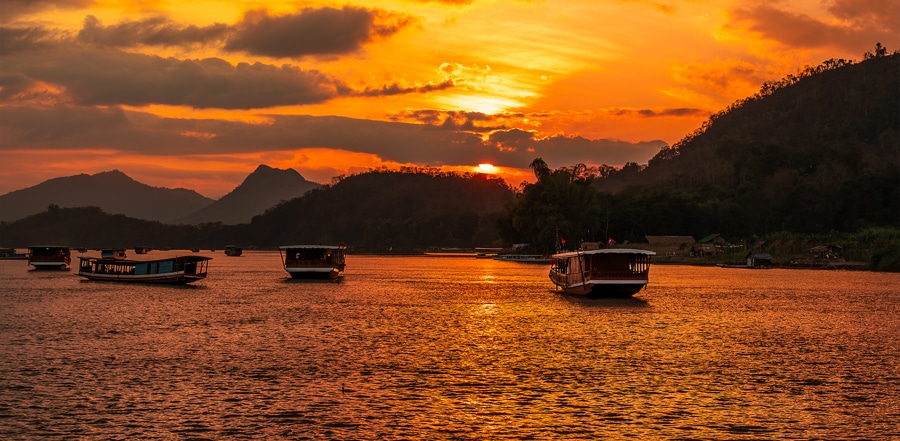
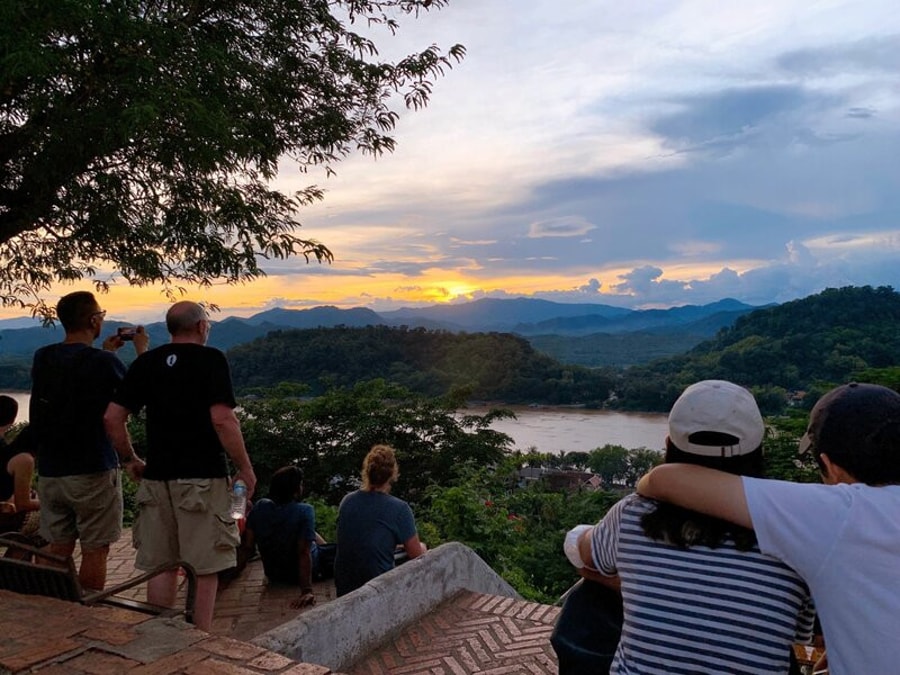
The Mekong River is the center and relevant to life in Vientiane in particular, and Laos in general. Visiting Vientiane, don’t forget to spend time enjoying the unforgettable sunset perspectives at the Mekong River. Here, you can see local people gather to relax, exercise, or revel in fresh river breezes. The wide promenade near the river is great for a calm walk.

Join A Mekong Sunset Cruise

Not only can you witness the sunset view, but you can also try a drink from a local coffee shop. Let’s see the sky turn shades of orange and red with a cup of coffee that has the unique Laotian flavor. The Mekong River is also a tremendous destination for photography, enjoying Vientiane nightlife, or communicating with local people, giving you an actual feel for the city’s laid-back lifestyle.

Stroll Through Chao Anouvong Park

Chao Anouvong Park is a poetic riverside area offering a massive statue of King Anouvong, the last monarch of Lan Xang. Chao Anouvong Park is a favourite place for local people to socialize, exercise, or just loosen up after a busy working or studying day. The park’s wide pathways are a suitable choice for both relaxed walking and biking.

As evening approaches Chao Anouvong Park, this place becomes dynamic with various street vendors and many families enjoying the outdoors. For travelers, after a full day of exploring attractions and scenery, Chao Anouvong Park will be an exceptional spot to refresh and immerse yourself in the local atmosphere for a complete experience in the capital of Laos.

Uncover Buddha Park

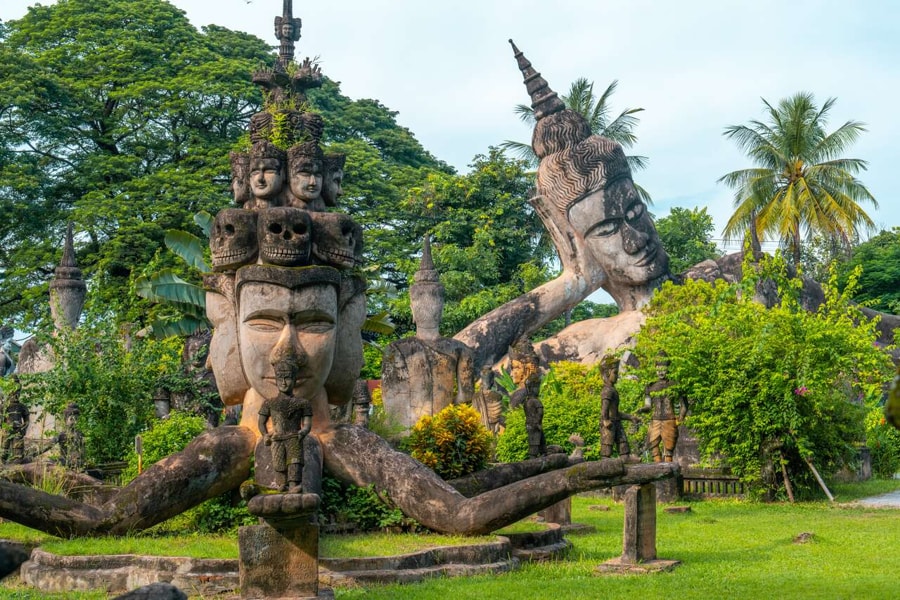
Positioned 25 kilometers outside the city center, Buddha Park (also called Xieng Khuan) is filled with over 200 Buddhist and Hindu statues. Particularly, some towering here are up to 40 meters. This surreal and spiritual park gives a mysterious and creative landscape, which is wonderful for vacationers who love photography and exploration of Southeast Asian culture and art.

visit buddha park in vientiane

The highlight point at this destination is the giant pumpkin structure with three significant levels representing earth, heaven, and hell, based on the traditional thought. Travelers can climb the interior for a breathtaking and panoramic view of Buddha Park. From the high spot, you can see that the peaceful riverside setting adds to its otherworldly impression.

Shop At Talat Sao Morning Market

Talat Sao Morning Market is one of the busiest markets in Vientiane, providing everything for local people, from textiles to electronics. Going to this market is one of the must-try things to do in Vientiane to experience the Lao capital’s commercial side. You can buy local goods and traditional things at affordable prices in comparison to other places in Vientiane.

Shop At Talat Sao Morning Market

The food section at Talat Sao Morning Market is especially interesting, with fresh produce, local snacks, and Lao specialties. The morning market is a captivating destination for you to discover, in case you want to find out more about daily life and work, as well as taste many different types of food in Vientiane with the authentic flavor.

Explore the Lao National Museum

The Lao National Museum brings both local people and travelers a historical overview of the country’s ancient kingdoms, the real details of colonial periods, and modern growth and development. Exhibits at the Lao National Museum consist of conventional clothing, valuable artifacts, and photographs that symbolize both the Lao and Vientiane’s complex past.

Despite modesty, the Lao National Museum gives a precious context for the entire knowledge of the old history and modern Lao culture. The museum is a quiet and informative attraction for vacationers who are history lovers, especially travelers who love learning more about the special things of Southeast Asian during their adventure to these great areas.

Relax At A Local Spa

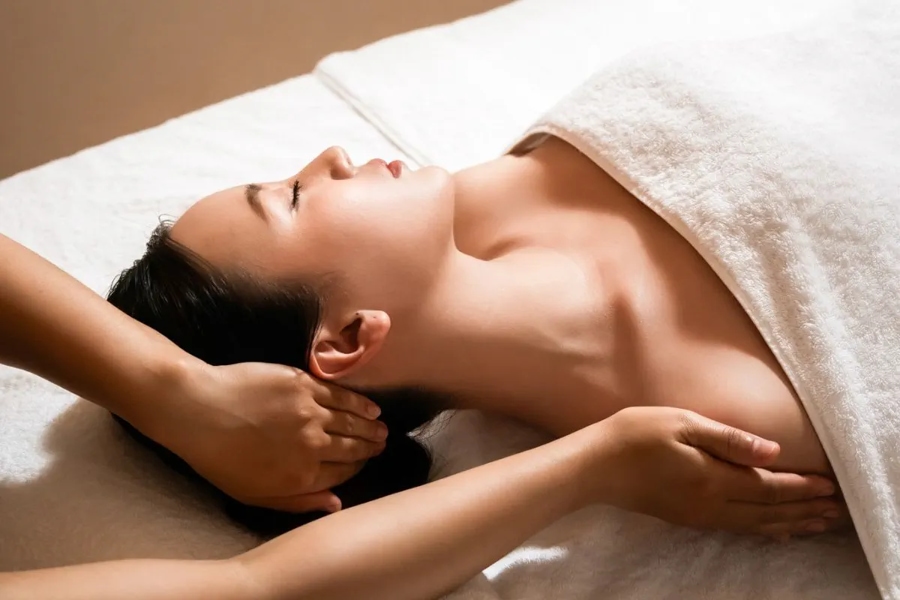
Vientiane is very famous for low-priced but still high-quality and super conventional Lao massages. Spas across the capital provide perfect treatments that mix local herbal remedies with relaxation techniques. A massage at a local store is a gorgeous way to unwind after long days of exploring, sightseeing, or biking. Many spas here additionally offer unique aromatherapy and spa packages at affordable prices.

Relax At A Local Spa

Try Lao Coffee At Local Coffee Shops

Laos is home to some of the most delicious coffee in Southeast Asia, mainly from the Bolaven Plateau. Vientiane’s coffee shop scene is vibrant, serving both local people and travelers many different types of coffee, from traditional drip coffee to modern espresso drinks. Vacationers, particularly coffee lovers, should spend time at a pretty riverside coffee shop in Vientiane to unwind in the slow-paced local lifestyle.

Unveil That Dam

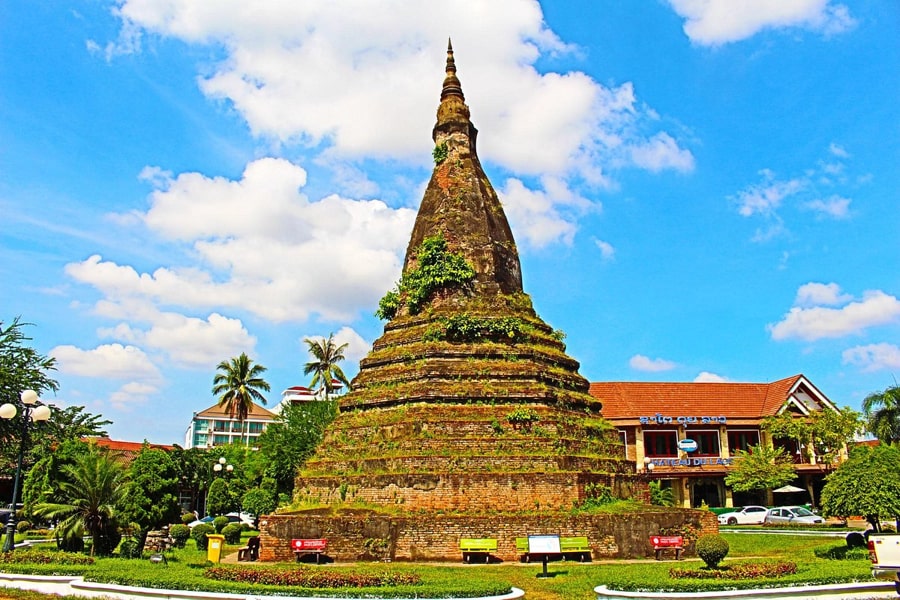
That Dam or Black Stupa is a mysterious old stupa. According to the Laotian legend, it seems to be guarded by a mythical seven-headed Naga. The stupa’s dark color and overgrown outside make it an impressive appearance that fascinates all of vacationers. Located in a quiet roundabout, That Dam is a pleasant stop for you to explore on foot. It is especially beautiful in the early morning light.

That Dam or Black Stupa is a mysterious old stupa

Go Cycling Around Vientiane

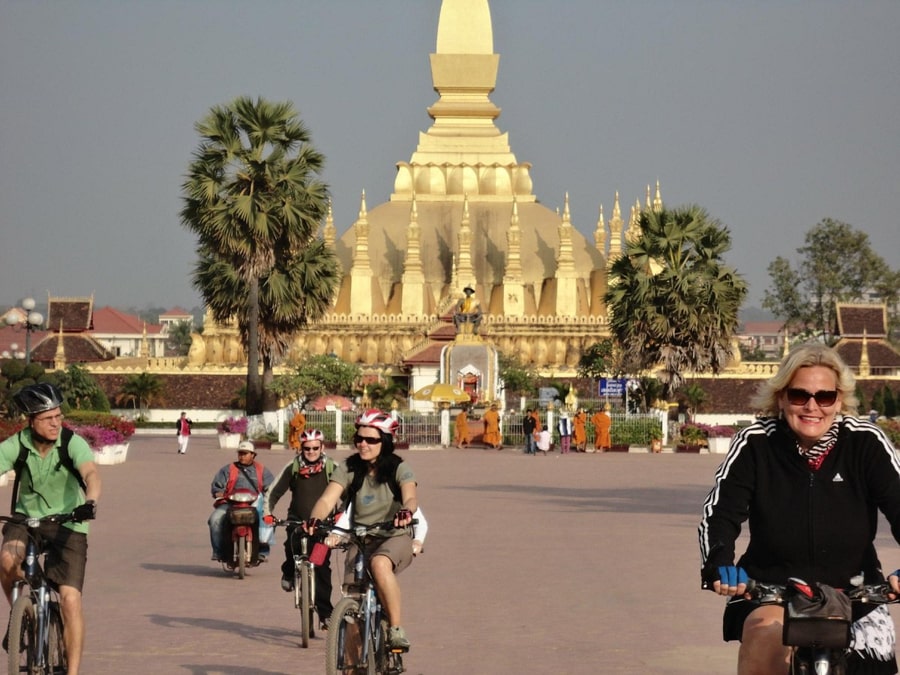
With its flat terrain and tranquil streets, Vientiane is one of Southeast Asia’s most suitable and pretty cities for cycling and enjoying a peaceful rural atmosphere. You can rent a bike and ride it to discover hidden temples, coffee shops, and local areas at your own pace. Among in chilled things to do in Vientiane, cycling allows you to see local lifestyles and know more about mysterious gemstones along the way. It is both fun and an economic choice.

Go Cycling Around Vientiane

Discover The French Quarter

The French Quarter in Vientiane showcases colonial-era structures, consisting of antique villas, grand government buildings, and captivating shady boulevards. The French Quarter offers an insight into Laos’s historical ties with France. Coffee shops and bakeries at this place serve incredible pastries, so don’t miss out on coming to this captivating area for a calming meal or an exciting photo walk.

Uncover Vientiane’s Street Art Scene

Nowadays, Vientiane’s street art scene is growing, with numerous colorful murals appearing in small alleys and partitions across the capital. These artworks frequently depict Lao culture, tradition, folklore, and contemporary life. Investigating Vientiane’s street art scene is an interesting way to experience the capital’s creative and distinctive side. Going to these places, you should bring your camera for brilliant photo-taking and sharing them on Social media platforms for your networks.

Take A Day Trip To Nam Ngum Lake

About 90 minutes from Vientiane, Nam Ngum Lake has many different beautiful scenes as well as peaceful waters. You can happily take boat excursions, swim, or just relax by the lakeside with your friends and family. The captivating surrounding mountains and pretty small islands make Nam Ngum Lake an excellent escape from the dynamic capital for all the vacationers who love nature and calmness.

Take A Day Trip To Nam Ngum Lake

Final Thoughts: Is Vientiane Worth Traveling?

Being a famous and strong cultural capital of Laos, there are many different things to do in Vientiane for travelers who love the special culture of this place. Besides, Vientiane also has a beautiful natural scenery, traditional local foods, as well as exciting outdoor activities, such as cycling around the capital under the pleasant weather or strolling around the Vientiane Night Market. Let’s contact Seni World, a reputable tour operator from Vietnam, to have an impressive itinerary of Laos.

Best Time To Visit Vientiane For A Serene And Wonderful Trip

The best time to visit Vientiane is from November to February, when the climate is cool, dry, and the skies are clear, which is wonderful for strolling around the capital. Read Seni World’s guide to understand the weather and tips.

Where Is Vientiane?

Vientiane is the capital of Laos, which has an attractive combination of traditional culture and laid-back modern life. Positioned along the banks of the Vientiane, the capital brings travelers a peaceful vibe, which is very different from many busy Southeast Asian capitals. Here, there are many unique tree-lined boulevards, French-inspired architecture, and golden Buddhist temples. Especially, visiting iconic landmarks like Pha That Luang, Patuxai Monument, and Wat Sisaket makes Vientiane a terrific destination in this Laos itinerary.

Vientiane is the capital of Laos

Besides its historical attractions, Vientiane is famous for its enjoyable rhythm and welcoming local lifestyle. Vacationers can enjoy captivating riverside sunsets, energetic night markets, and a growing coffee tradition with both Lao coffee and global flavors. Vientiane is additionally a gateway to natural sights, including Buddha Park and the surrounding countryside. With its gentle pace, cultural richness, and friendly local people, Vientiane gives a perfectly balanced view of Laos.

What Is The Best Time To Visit Vientiane?

The best time to visit Vientiane is from November to February, when the climate is cool, dry, and wonderful for strolling around the capital. During this peak season, Vientiane temperature hovers from 18 to 28°C, which is a great chance for discovering attractions like Pha That Luang, Patuxai Monument, as well as the dynamic riverside night market. With clear skies and low humidity, you can have cycling tours and sunset perspectives along the beautiful Mekong River.

Patuxai Monument in Vientiane

From March to May, Vientiane enters the hot season, which can reach from 35 to 38°C. At this time, there are fewer crowds and better accommodation prices. The wet season (from June to October) brings travelers refreshing showers. The capital of Laos becomes cooler, and the surrounding scenery will be lush and green. Rain usually falls in quick bursts, so sightseeing remains accessible. This is also the best time to visit Vientiane for budget vacationers or people who love tranquility.

Vientiane Weather Overview By Season

Vientiane has three seasons in a year, consisting of cool and dry season, hot and dry season, as well as rainy (also called monsoon season). Seni World has listed the Vientiane weather by month and also the Vientiane temperature by month for travelers to refer to. Therefore, you can easily check, follow, and schedule an interesting adventure:

Season Months Temperature (°C) Typical Weather Experience
Cool and dry season November to February From 18 to 28 This is the best time to visit Vientiane. The cool and dry season has cool mornings and mild afternoons. The skies are clear, the humidity is low, and the temperatures are comfortable.
Hot and dry season March to April From 28 to 38 The capital of Laos becomes very hot during these months, particularly in the afternoons. The heat of Vientiane can be intense, so it has fewer tourists.
Rainy or monsoon season May to October From 24 to 32 This season regularly has rain showers and high humidity. The scenery will be green and lush, and tourism costs are generally lower. There is occasional rain, but mornings and late afternoons are still clear.

The Cool And Dry Season (From November To February)

The period from November to February is known as the cool and dry season, and is considered the best time to visit Vientiane. With the pleasant temperature, there are many exciting things to do in Vientiane for you, such as walking across this capital, going to ancient temples, or unwinding in outdoor coffee shops along the Mekong River. The mornings and evenings at this time are refreshingly cool, the humidity is low, and the skies are clear. So it is also wonderful for both photography and enjoyable sightseeing.

enjoy the That Luang Festival

The cool and dry season brings vacationers energetic surroundings to the capital of Laos. You can have an opportunity to take part in many festivals, like Loy Krathong and the That Luang Festival. All of them have brilliant atmospheres and strong cultural feelings of a Southeast Asia country. Particularly with the comfortable weather, vacationers can easily relax and immerse themselves in the cultural and local vibe during this Vientiane adventure.

The Hot And Dry Season (From March To April)

The hot and dry season in Vientiane (from March to April) is highlighted by rising temperatures, which can sometimes reach from 35 to 38°C, especially in the afternoons. The air will be drier, and the capital will have strong sunlight during the day. Although the temperature can be excessive, both the mornings and late afternoons are still excellent for sightseeing, temple exploration, and riverside activities. If you can handle warmer climates, let’s choose the hot and dry season to enjoy Vientiane to avoid sudden rains.

Vientiane night market

Tourism levels in the hot and dry season will drop, so attractions in Vientiane become quieter and have lower-priced lodging rates. Local markets, coffee shops with an authentic flavor, and cultural sites are still open with fewer crowds. So travelers not only experience a slower pace in mornings, but they also revel in more peaceful Vientiane nightlife. For those seeking a serene and affordable journey, the hot and dry season will be an impressive selection.

The Rainy Or Monsoon Season (From May To October)

The rainy or monsoon season (from May to October) in Vientiane has regular showers, high humidity, and green, lush surroundings. Temperatures commonly range from 24 to 32°C. Although rain can fall heavily at times, it typically falls in short bursts instead of lasting all day. This creates clear weather, mainly in the mornings, so you can uncover famous temples, go to pretty coffee shops, and see beautiful riverside spots. The Mekong River will be fuller and more dramatic, adding an impression to boat views and sunset scenes.

At this time, vacationers can face occasional travel delays or bad conditions. However, the landscape changes into colorful and photogenic, accommodation prices drop drastically, and the capital of Laos feels quieter with fewer travelers, as well as a clean and refreshing atmosphere. For travelers who love nature, an economical tour, and a more tranquil atmosphere, the monsoon season in Vientiane can bring them a unique and rewarding experience in this place.

Tips For Visiting Vientiane In Different Seasons

visit buddha park in vientiane

To have a pleasant, interesting, enjoyable, and safe trip in Vientiane, you should not only learn more about the attractions, but also need to remember the following essential travel tips. These tips will help you have this Vientiane itinerary more conveniently and protect yourself more effectively:

  • Book the lodging early in the cool and dry season: This is peak tourist season, so don’t forget to book the accommodation in advance to ensure availability.
  • Bring a light jacket in the cool and dry season: A light jacket will be perfect for cool mornings and evenings this time. It will protect your health.
  • Protect your skin in the cool and dry season as well as the hot and dry season: You should bring and apply sunscreen with a high level of SPF, wear a hat, and glasses to protect your skin from the sun.
  • Stay hydrated in the hot and dry season: You need to carry a reusable water bottle and drink enough water to ensure your health.
  • Enjoy outdoor activities at a suitable time in the hot and dry season: Let’s plan outdoor sightseeing early morning or late afternoon to say no to extreme heat.
  • Ensure the comfort of your body in the hot and dry season: You should choose accommodations with good air-conditioning or a cool swimming pool. Besides, let’s wear breathable apparel like cotton or linen to make our bodies comfortable.
  • Bring rain gear in the rainy or monsoon season: Don’t forget to prepare a small umbrella or lightweight raincoat in your baggage for sudden rains.
  • Wear suitable footwear in the rainy or monsoon season: You should wear sandals or waterproof shoes for wet streets during this time to ensure your safety.

FAQs About The Best Time To Visit Vientiane

Seni World also summarized some FAQs to help you know more about the best time to visit Vientiane. Let’s see them more below!

Does it rain all day during the monsoon in Vientiane?

Rain does not usually appear all day during the monsoon in Vientiane. Most rain in the capital comes in short and heavy bursts. It is often in the afternoon or evening, so you should be careful when arranging your travel plan to ensure your excellent experience.

Is air quality an issue in Vientiane?

Sometimes, air quality is an issue in Vientiane. Air quality can worsen slightly from March to April due to regional burning, but it is not usually severe. If you are sensitive and face this situation, you should wear a mask when going out in the sun.

Are hotel prices lower in the rainy season?

Yes, hotel prices in Vientiane are lower in the rainy or monsoon season. Many accommodations offer discounts or bring vacationers many promotions from May to October. Don’t miss out on this great opportunity to have an affordable journey in Vientiane.

What is the best time to see wildlife or nature in Vientiane?

If you want to enjoy the best wildlife or nature in Vientiane, you can choose to visit the capital in the rainy season. This season makes waterfalls, parks, as well as landscapes more refreshing and brilliant.

What is the worst time to visit Vientiane?

There is no truly worst time to visit Vientiane. However, April, which is the hottest month of the year, can be uncomfortably hot for some travelers. You should be careful when choosing to visit Vientiane this time.

Final Thoughts: Is Vientiane Worth Visiting?

The best time to visit Vientiane is from November to February, when the weather capital of Laos is cool and dry. The climate is cool, dry, with cool mornings and mild afternoons. The skies are clear, and the humidity is low. So you can unwind in various outdoor activities, such as walking across this capital, going to ancient temples, or unwinding in outdoor coffee shops along the Mekong River. If you want to learn more about this Vientiane journey, like what to do and where to stay in Vientiane, and receive support for the visa process, let’s contact Seni World, a reputable travel operator.

A Peaceful Morning At Luang Prabang’s Sacred Giving Alms Ceremony

The Alms Giving Ceremony in Luang Prabang is a tranquil morning ritual where Buddhist monks receive offerings from locals. Visitors can observe and engage with this tradition and learn about Lao culture, mindfulness, and the everyday life of the city.

Introduction To The Alms Giving Ceremony

The Alms Giving Ceremony, or “Tak Bat,” is one of the most recognizable cultural activities in Luang Prabang. Each morning at dawn, monks in bright saffron robes walk silently along the streets, receiving food and alms from locals. The tranquility of the ritual creates an ambiance of calmness and spirituality in the town.

Alms Giving Ceremony in Luang Prabang

Participating and observing the ceremony provides visibility into the Buddhist traditions of Laos. For locals, giving alms is a process meant to create merit and offer generosity, whereas visitors observe the deep connection between the monks and the community. Being a part of Tak Bat not only has visual appeal but will also leave a very nostalgic experience of Laotian culture. Travelers will leave any experience of Tak Bat with a memorable impression of the culture.

History Of Alms Giving Ceremony

The origins of the Alms Giving Ceremony can be traced to Theravada Buddhism, the main religion of Laos, and have been practiced for centuries. and is thought to have been established in Luang Prabang in the 14th century. During that time, the city was known as the capital of the great Lan Xang Kingdom. The ceremony has continued to hold a meaningful place in the spiritual lives of the local residents and is an important indication of the connection between the monks and the local community.

4 Unforgettable Experiences You Shouldn’t Miss

Participating in the Alms Giving Ceremony in Luang Prabang is not just a travel experience, but a profound cultural and spiritual experience. Below are meaningful moments that will last long after your travels are over.

Watch The Dawn Procession

As the sky slowly turns golden, you will see lines of barefoot monks and novices walking unhurriedly along the quiet streets of Luang Prabang. Their saffron robes become brilliantly lit by the gentle morning light and create a serene scene. The sound of silence enhances the spiritual nature of the moment; tranquility takes you back in time. Watching the ceremony at dawn presents an opportunity to enjoy some serenity before the city awakes to chaos. It is a powerful reminder of a simple, humble life lived in mindfulness and discipline.

Participate In Offering Ritual With Respect

The Tak Bat ceremony offers you an opportunity to take part in this Buddhist tradition that has existed over time. Tourists can make offerings to monks as they walk by, and this can include offering them rice, fruits, and food. This tradition allows tourists to learn more about values such as generosity, compassion, and appreciation, which exist in Lao culture. The tradition is not conducted by performers intended to entertain tourists. Participating in respect can make this one of your special moments while traveling.

Participate In Offering Ritual With Respect

Explore The Deep Bond Between Monks And Locals

One of the most poignant moments in the ceremony is seeing the relationship between monks and local people. Locals wake up early in order to prepare food at home, instead of buying it from food vendors. The local people offer food with their heads down and their hearts full of devotion and respect.

The monks, in return, divide all this food among the poor, symbolically representing compassion and harmony in society. This represents a balance between religious and social support. For tourists, this is one of the most interesting ways to learn about values in Luang Prabang society.

Experience A Tranquil And Spiritual Atmosphere

The Tak Bat is conducted in complete silence, and this serves to heighten the religious nature of this ceremony. All you can hear is the sound of the monastery footsteps and the praying voices. This ceremony seems remote from today’s fast-moving world of travel and serves to encourage one to slow down and take notice. Many tourists come away with a spirit of perfect tranquility after experiencing this ceremony. This ceremony is one of reflection and serves to make one realize the peacefulness and purity of Theravada Buddhism.

Experience A Tranquil And Spiritual Atmosphere

Entrance Fee

There is no entrance fee charged to observe the Alms Giving Ceremony in Luang Prabang, as this is a daily religious practice open for all to see.

If you want to take part in giving alms, you can provide food items like sticky rice, fruit, or simple snacks that are within your preference and budget. Of course, there is no minimum amount that is required, and the contributions totally depend on one’s will. It is recommended that the visitor prepare the offerings accordingly and refrain from purchasing low-quality food from street vendors that may be unsuitable for the monks.

Best Time To Enjoy The Alms Giving Ceremony

In Luang Prabang, the Alms Giving Ceremony is held at dawn, typically commencing at around 5:30 AM during the summer season and 6:30 AM during winter, while the city still lies peacefully quiet. This early morning moment is viewed as a representation of purity and an indicator of a meaningful start to a new day. The ceremony is particularly famous for the large number of monks and novices wearing their traditional saffron dress walking barefoot in line through the streets with their alms bowls.

In Luang Prabang, the Alms Giving Ceremony is held at dawn

The majority of the processional process occurs along the main streets – Sisavangvong Street, Sakkaline Street, around the ancient temple, and in front of Wat Xieng Thong. The setting contributes to a calm and spiritual environment, making it an exceptional experience for visitors.

Things To Know Before Traveling To The Alms Giving Ceremony

To fully enjoy the Alms Giving Ceremony in Luang Prabang, you need to be prepared and respectful. Here are some simple but important tips to experience this wonderful tradition in a more intentional way.

  • Try to arrive early (at around 5:30 AM) to grab a good view right along the monk’s walking route. It is best to see the whole ceremony from beginning to end from that viewpoint.
  • Dress in loose-fitting clothing that keeps your shoulders and knees covered. Avoid bright, flashy, or revealing garments that look disrespectful.
  • Be quiet and contemplative while the monks go by. Do not laugh or make loud noises at all while they walk by.
  • Prepare a small offering that you can place gently into the monk’s alms bowl with both hands, to show respect for the monk and the ceremony. You could make an offering of sticky rice or fruit, or meat.
  • Either purchase sticky rice and foods very early in the morning from the market, or ask your hotel or homestay to help prepare fresh offerings for the Ceremony.
  • Do not touch the monk, their robes, or the alms bowl at any time, and space yourself respectfully from the monk at all times.
  • Do not take a photo as the monks proceed through the ceremony. Rather, wait until you have finished and take a respectful photo of the scene, then.

FAQs About Alms Giving Ceremony

The ceremony of Alms Giving is an important religious practice that attracts numerous tourists. To make it easier for first-time tourists, some FAQs are as follows:

Can tourists take part in the ceremony?

Yes, of course, and tourists can participate as long as they act according to etiquette rules. This means dressing modestly, conducting oneself with respect, and offering food while keeping quiet and with honest intentions.

tourists take part in the ceremony

What time does the ceremony take place?

The ceremony generally begins at about 5:30 in the morning during summer and a bit later in winter. Visitors must come early to get a respectful viewpoint or prepare an offering. The whole procession generally takes about 30 to 45 minutes.

Is it permissible to take pictures during the ceremony?

The act of photography is not prohibited, but tourists are requested not to take pictures while making the offering. This is because disrupting either the monks or the religious ambiance with loud photo flashes or intrusive closeness can be quite distracting. The opportune moments to take pictures are either prior to or after such ceremonies.

Can photo shoots be conducted during the ceremony?

Taking pictures is not prohibited, but tourists are asked not to take pictures during the offerings. This is because cameras with loud shutters, flashes, and those that take pictures from afar may disrupt the monks and reverent surroundings. The act of picture-taking should be undertaken before or after the ceremony.

What type of food should be offered?

Typical offerings can be in the form of rice, snacks, fruits, or packaged foods. Consider buying food from markets in case you need fresh food, and you can request your hotel to prepare food offerings. Low-quality food can be found along your route from some vendors.

Where is the best location to watch the ceremony?

The tradition is conducted along various roads in Luang Prabang, particularly in and around historic temples. The roads include Sisavangvong and Sakkaline. Coming early can ensure one finds a quiet location that does not interfere with the locals.

Final Thoughts: Is the Alms Giving Ceremony Worth Visiting?

The Alms Giving Ceremony in Luang Prabang is a fantastic way to access the spiritual core of Laos by blending tradition, devotion, and community in a tranquil morning practice. Watching or participating in this ceremony is a great way for travelers to immerse themselves in the local culture in addition to viewing a wonderful expression of generosity. The monks’ steady pace as they receive the alms sets a peaceful and contemplative mood that stays in the memory. We recommend that you plan your Laos visit to Seni World to maximize your experience of this unforgettable tradition.

Climb Mount Phousi In Luang Prabang For Stunning Viewpoints

Mount Phousi is the iconic hill in the center of Luang Prabang, recognized for its sacred temples and its panoramic views. Guests ascend an almost 300-step pathway restful ambiance, golden stupas, and an unforgettable sunrise or sunset vista.

Introduction To Mount Phousi

Mount Phousi, or Phu Si, stands some 100 meters above the heart of Luang Prabang and is a sacred hill. Nestled between the Mekong and Nam Khan Rivers, it is a spiritual and geographical feature overlooking the town’s skyline and offering a tranquil contrast to the bustling streets below.

Mount Phousi is the iconic hill in the center of Luang Prabang

Visitors make the short ascension to this tranquil summit for panoramic 360° views of the old town with its gold temples and winding rivers down below. The gilded stupa of Wat Chom Si crowns the mountaintop, a respected shrine in Buddhism that imbues the scene with beauty and spirituality. The hilltop is an excellent place to watch the sunrise or sunset, inviting travelers to muse upon, take photos of, and immerse themselves in the gentle beauty of Luang Prabang.

History Of Mount Phousi

Mount Phousi holds great spiritual significance for the residents of Luang Prabang, also known as a ‘sacred mountain’, which features various temples and stupas that demonstrate the relationship between nature and spirituality. Locals, along with tourists, visit the site to see the beautiful views of the sunrise and sunset while reflecting on the town’s cultural and religious history.

“Phousi” comes from the Lao vocabulary, where the word “Phou” means mountain, and also “Si” means sacred or holy. Mount Phousi is roughly 100 meters high from sea level, around 330 feet, and is the tallest hill in the historical town of Luang Prabang. Visitors can observe everything around the hill, including both the tremendously winding Nam Khan and Mekong rivers.

Unique Structure Of Mount Phousi

Breathtaking color views Of Mount Phousi

Mount Phousi is a quaint mountain, but it still has an interesting and picturesque landscape, making it worthy of a visit. The different climatic slopes, along with constructed stairways to climb to the top and wide views back over the mountain, make the process of climbing fun and rewarding.

  • Lush green slopes: As one climbs the mountain, the surrounding green slopes reveal a rich greenery of trees, shrubs, and vegetation. The green slope has an air of peacefulness that makes a climb towards the summit refreshing.
  • Architectural appeal: The well-maintained stairways and serpentine paths leading to the top are thoughtfully integrated into the natural environment. These pathways help improve the overall experience and highlight the beauty of the mountain.
  • Breathtaking color views: Mount Phousi is famous for the variety of hues both at dawn and sunset. From the top, the sky turns into a palette of colors, a visual treat that is unforgettable and breathtakingly beautiful.
  • 360-degree panorama: From the top, travelers have sweeping views in every direction. Luang Prabang, the Mekong and Nam Khan Rivers, and surrounding mountains come into view, all together bringing a mesmerizing panorama, especially during serene early mornings and golden evenings.

5 Unforgettable Experiences You Shouldn’t Miss

Mount Phousi offers a unique experience of natural beauty and spirituality while providing spectacular views of Luang Prabang at sundown and sunrise. Mount Phousi will inspire lasting memories for every visitor.

See The Panoramic View Of Luang Prabang

The climb to the summit of Mount Phousi presents significant views and truly expansive views of Luang Prabang. The calm town unravels below you, while the Mekong and Nam Khan rivers weave and curve around the landscape. Golden Rooftops of Temples and ancient houses where the townspeople live meld the hilltop in nature back to time and place outside the human world. The views are ideal for photographs and self-reflection.

See The Panoramic View Of Luang Prabang

Enjoy The Beautiful Sunset On The Top

One of the most powerful experiences for travelers visiting Luang Prabang, or the region of Southeast Asia, is the sunset from the top of a mountain. As the sun sets behind the mountains, the sky’s vibrant colors explode into hues of golden oranges, and light bounces off the Mekong River. It is an unbelievable and romantic scene, allowing you to embrace just the exact moment of life and breathe into the peacefulness of the view of Luang Prabang above.

Hike And Discover The Mountain

The ascent of Mount Phousi consists of about 300–328 steps, but the hike is anything but tiring. Along the way, carved statues of Buddhas create intrigue and a spiritual telling. The hike is maintained and has stairs that are safe, as well as resting areas, making this hike enjoyable for both an easy-going walker and an avid hiker.

Hike And Discover The Mountain

Visit The Spiritual Sites

Mount Phousi has many historical spiritual sites that encapsulate the cultural heritage of Laos. At the top, Wat Chom Si is a golden Buddhist temple. It has a courtyard that holds breathtaking views looking over the town of Luang Prabang. Wat Tham Phousi is a smaller standout cave temple that hosts a reclining Buddha statue that has attracted many visitors throughout the years.

Encounter Buddha Statues and Everyday Spiritual Monuments

During your hike, you will encounter forms of sitting Buddha statues, sacred footings, and other spiritual monuments. Each site creates small snippets of information about local spiritualism, prayer, and a moment of reflection. Walking and exploring these locations promotes reflection and time to appreciate the rich culture that Mount Phousi builds upon.

Entrance Fee

A fee of 20,000 kip, or approximately $0.87 USD, must be paid by each visitor to Mount Phousi. The low cost of entry allows you to enter the hill and the historic Wat Chom Si temple at its summit.

Prices may vary depending on the time of year, so be sure to check before you go. You can purchase tickets for entry to Mount Phousi at the bottom of the hill near a ticket counter. Be sure to bring cash as card payments are not available.

Best Time To Visit Mount Phousi

Mount Phousi is accessible throughout the year, including the rainy season, between June and September in Luang Prabang. Just be careful, the stairs and rocks can be slippery, and the views may be obstructed by heavy clouds. Unless you are feeling brave, a better time to visit would be between November and March. This period is after the rains and typically has warmer and milder weather.

Best Time To Visit Mount Phousi

For the best experience, you should hike early in the morning to watch the sunrise or in the evening for the sunset. Both times offer cooler weather and more enjoyable hiking. The sunset is very popular with visitors and can become crowded quickly. When there are many visitors, some may have to go around the areas of the temple to find the best place to take photographs.

If you want to avoid crowds, consider summiting before sunrise. There is another perk to summiting before sunrise, and that is being able to see the daily offerings and almsgiving of the monks in Luang Prabang. Just make sure to take a flashlight or a headlamp with you, as it will be very dark before sunrise.

How To Get To Mount Phousi

In the heart of Luang Prabang, Mount Phousi rises at the meeting point of the Mekong and Nam Khan Rivers, taking prime position in the city. Most travelers find Luang Prabang to be compact and walkable; for them, the base is within walking distance from the central area. For those who do not wish to walk, bicycles, motorbike rentals, and tuk-tuks are also available and convenient.

There are two paths up Mount Phousi. The most popular route begins off Sisavangvong Road, opposite the Royal Palace Museum, near the Night Market. This stairway has approximately 328 steps and is the fastest route up, despite there being fewer scenic viewpoints to stop at along the way. Another entrance to Mount Phousi is off Phousi Road, near the Nam Khan River, and has around 355 steps. It also includes a map at this entrance, a number of viewpoints, Buddha statues, a small cave temple called Wat Tham Phousi, and even the legendary Buddha footprint.

For a more cultural and scenic climb, the second route is recommended. The journey allows you to visit spiritual sites along the way and appreciate the great views of Luang Prabang and its two rivers. Take your time on the climb up, relishing the peaceful surroundings and the beauty that Mount Phousi affords.

Things To Know Before Traveling To Mount Phousi

Things To Know Before Traveling To Mount Phousi

Mount Phousi has many attractions: beautiful panoramic views and encounters with the spiritual ground of Luang Prabang. Here are some important tips and customs to keep in mind during your visit:

  • It is early. The roads may well be totally dark, so bring a flashlight or headlamp and watch your step very carefully along the stairways.
  • Make a hike up and down the opposite staircase, wherein you experience the overlooking scenery and viewpoints from both sides.
  • The locals do regard Mount Phousi as a holy place, and so, it goes without saying that one should never climb over the temples, statues, or into sacred areas. A respectful attitude is also encouraged.
  • Suppliers along the stairs sell flowering offerings, incense, and other items for temple offerings. These are great to offer at shrines or statues during your visit.
  • Some stalls sell birds in cages for release as one of the rituals, although it sometimes turns out to be harmful connections with wildlife. It is best to just enjoy their presence without taking part in any of the rituals.
  • The climb exposes you to hundreds of steps, hence carry some sturdy footwear for a safe and enjoyable journey.

FAQs About Mount Phousi

Mount Phousi is among the most famous landmarks in Luang Prabang, and it is known for its beautiful views, religious significance, and cultural appeal. Here are some frequently asked questions to help you plan your experience and ensure the best visit possible:

Is Mount Phousi for children or very elderly guests?

Climbing Mount Phousi involves walking around 300-328 steps, so it may be difficult for very young children or guests who have limited mobility. However, the effort is achievable for most visitors if they take their time, with rest stops along the way. The views and temples along the way make it all worth it!

Are there any rules, etiquette, or guidelines?

Yes! Mount Phousi is considered sacred, so guests should not walk over the temple boundaries or statues, should keep noise to a minimum, and should avoid alcohol. Dressing modestly is recommended, especially if entering Wat Chom Si.

How long will I spend on Mount Phousi?

A general visit will require about 1-2 hours for the walking distance, the temples, and the view spots. However, you may take longer if you want to catch the sunset, watch the glow from either stairway, or include educational content.

Final Thoughts: Is Mount Phousi Worth Visiting?

For anyone visiting Luang Prabang, a trip to Mount Phousi is highly recommended. The hike to the top gives an impressive and fulfilling experience of serene pathways, sacred temples, and stunning views of the town and the Mekong River. Mount Phousi is a space to slow down and enjoy nature while enjoying the spiritual legacy of Laos. You can pre-arrange a hassle-free experience with expertly planned activities and guided tours to Mount Phousi with Seni World.

Luang Prabang Night Market Guide For Your Perfect Night

The Luang Prabang Night Market is a vibrant and lively evening destination featuring local artisans with handmade crafts, textiles, souvenirs, and an opportunity to enjoy authentic Lao street food, colorful stalls, and a vibrant atmosphere in the heart of the old-town historic site.

Introduction To Luang Prabang Night Market

Every evening, the Luang Prabang Night Market lights up the stretch of Sisavangvong Road, turning the historic town centre into an enjoyable open-air marketplace. Hundreds of local craftsmen display their textiles, silver, and other specially hand-crafted Lao licensed merchandise.

Luang Prabang Night Market lights up the stretch of Sisavangvong Road

This place offers an evening market, starting from the time of sunset and continuing into the evening, which is a great experience to have at this spot, offering many refreshing markets and street food options. One can find typical market food items like sticky rice, meat, and colored lanterns at every corner, fresh and perfect to take along. This market is surely a laid-back way of experiencing the local culture, and all this happens right in Laos.

History of the Luang Prabang Night Market

The Luang Prabang Night Market started in December 2002 when a few local merchants who sell handicrafts and other items began gathering along the main street of the town. Today, it is one of the strongest cultural attractions among locals and visitors alike. The dynamism of the market moves people through it. What was once solely a place for exchange has transformed into a display of traditional Lao craftsmanship, local food, and local engagement.

Currently, this market has become not only a source of income for many artisans, but also a chance for visitors to experience a cultural celebration of Luang Prabang and a lively community engagement of real importance to be visited during their time in the ancient city.

Top 4 Iconic Attractions In The Luang Prabang Night Market

As the day draws to a close, this 1-kilometer stretch of road becomes a vibrant pedestrian zone lined with enough color, aroma from street food, and what can be described as an endless array of unique handicrafts. The Night Market of Luang Prabang has been divided into different regions. Every region presents a completely different experience to visitors.

The Food Zone: A Foodie’s Paradise Of Lao Street Flavors

This part of the night market is where things truly come alive, as there are plenty of BBQ foods, steaming soups, and stalls laden with local cuisine choices. The travelers will circuit through the choices of Lao, Chinese, and Thai foods, which will include BBQ poultry and fish, sticky rice, noodle soups, and an infamous vegetarian spread.

The Food Zone in luang prabang night market

The more adventurous eaters might consider trying the fried insects to truly indulge in the local fare. As you wander through the food alleys, the smell of spices and charcoal hits you from every direction. It’s hard not to be at least a little bit repelled by the smell of this dish. This truly is the best part of town to unwind and enjoy dinner as the warm evening of Luang Prabang envelops you.

Handicraft Zone: A Celebration Of Local Artistry

This market road has hundreds of stalls, which are managed by artisans from the villages close to the city of Luang Prabang. Tourists are encouraged to browse through silver jewelry, clothes embroidered in various designs, ceramics, paints, as well as natural materials, which the vendors take great care of to ensure that only the best materials are sold. Most of the items sold are made through traditional methods passed from mother to child, hence the priceless experience of culture whenever one visits the market.

Handicraft Zone In The Luang Prabang Night Market

The prices are quite reasonable (and negotiating is encouraged), and the vendors are mostly friendly and prone to friendly repartee rather than hard-sell tactics. A portion of each sale will support local families directly and also support the preservation of indigenous craft.

Textiles And Weaving Displays: Beautiful Colors Of Lao Heritage

One of the most exciting attractions is the variety of fabrics that are handwoven, naturally dyed, and decorated with traditional Lao motifs. From scarves and shawls to clothing and furnishings, textiles are made by skilled women artisans. It is wonderful to sit and watch women work or listen as they explain what each design means; learning the stories gives a greater context of Lao culture. This is an area for people who value authentic, purposeful, slow-made work.

The Art And Souvenir Corner: Creative Artworks From Local Artisans

If you’re looking for unique souvenirs, this corner has independent works ranging from paintings, hand-made postcards, woodwork, and small collectables that draw inspiration from life in Luang Prabang. Many artisans sell their work directly, allowing visitors to discuss with artisans what their inspiration was for their work. A perfect souvenir that embodies a reflective and sensitive artistic community.

Creative Artworks From Local Artisans

6 Unforgettable Experiences You Shouldn’t Miss

The Luang Prabang Night Market is much more than a shopping site. It is a cultural, culinary, and creative hotspot. It’s definitely a place that visitors cannot afford to miss when planning a trip to the beautiful city of Luang Prabang.

Experience The Bustling Night Market Atmosphere

As the sun goes down, the evening street vendors line up along the main road, offering a colorful assortment of goods. The evening market is full of the sound of happy chatter and the occasional bout of haggling, accompanied by the soft tunes of local musicians. Taking a walk through the evening market, visitors are immersed in the true rhythm of Luang Prabang, where every step becomes a discovery of handcrafted items and a look into the local way of life. Bargaining is encouraged, and refusal is not an issue.

Experience The Bustling Night Market Atmosphere

Enjoy The Flavors Of Street Food

The night market is a paradise for the senses with food stalls featuring hot soups, barbecue delights, and other snacks. Though the dishes are tourist-friendly, they are a good way to experience the culinary delights of Laos. If you are looking for a true experience, you could also check the local food market that sells ingredients and food sourced from local farmers and fishermen. The vibrant night market provides the opportunity to feast on meals starting from a mere 40,000 LAK (approximately 4.50 USD).

Discover Unique Local Crafts

Aside from the food, the night market is also a paradise of arts and crafts. Colorful woven fabrics, custom-made clothing, and other decorative items are a testament to the skills of local craftsmen. Painted artworks, leather items, accessories, and unusual souvenirs are all worth buying, not only because they help the local economy but also because of the exclusivity that travelers can bring back home. Careful consideration should be given to items such as animal products that might not be allowable in other countries.

Discover Unique Local Crafts

Engage With Cultural Performances

At times, local artists are brought into the market to entertain the crowd through local dances and songs. These cultural events will give you a chance to experience the cultural aspects of Laos and interact with the local residents. This includes local songs, local dances, and entertainers. So admiring these amazing performances is one of the must-see activities when you enter Luang Prabang.

Featuring The Magic Of Sunset Coverage

The experience of reaching the marketplace during the twilight hours is even more exhilarating. The colors of the sunset add to the colors of the market, and the effect is even more photogenic. Taking a cue from the surroundings and people around you, you could consider the colorful culture of Luang Prabang and the community that lives through the vibrant streets.

Optional: Attend A Mini Workshop

Stands are also offering interactive experiences such as weaving and craft workshops. Tourists are also able to participate and even make a small item of their own using the traditional Lao method. This experience not only brings back fond memories but also shows a level of respect for the time and effort put into these craftworks.

Entrance Fee

The Night Market in Luang Prabang is free to enter, making it one of the easiest places to access in the city. Once you enter the market, you only need to pay for what you decide to buy – street food, handicrafts, souvenirs, or drinks. You can wander as leisurely as you like, with no required purchases.

Opening Hours

The Luang Prabang Night Market is open daily from 5:00 PM to around 10:00 PM, providing plenty of opportunities to explore the stalls and lively atmosphere. The market runs every day, rain or shine, and there is no admission fee, unless you are buying food, drinks, or items. The best time to visit is in the early evening when the night market is illuminated with lights, sellers showcasing local crafts, and a variety of street food, providing an authentic cultural experience in the midst of the historic town of Luang Prabang.

The Luang Prabang Night Market is open daily from 5:00 PM to around 10:00 PM

From November until March in Luang Prabang, the market peaks during the dry season when the weather is nice and enjoyable for a stroll in the evening. The market operates year-round, but the weekend is usually the most popular time, so you may want to get there a little early. If you go after visiting the historic town for the day, it will be a great way to immerse yourself in local crafts, culture, and street food.

How To Get To The Luang Prabang Night Market

The Luang Prabang Night Market is located on Sisavangvong Road close to the Royal Palace and is about one kilometer long with stalls selling handicrafts and décor, clothing, tea, and, of course, Lao whisky. The food section is located in the square at the intersection of Sisavangvong Road and Kingkitsalat Road, and a smaller food area is just across the street, down a small alley. This will be easy to find on Google Maps.

It’s easy to get to the Night Market because it is centrally located in the heart of town. If you’re staying in a nearby hotel or guesthouse, you will simply be able to walk there while enjoying a pleasant after-dinner stroll. For those who are staying further away, tuk-tuks and taxis are always around town waiting to give you a quick and easy ride. Some of the really nice Mekong River cruises will even stop at the Luang Prabang Night Market to give travelers periodic opportunities for exploring some activity in the local scene.

Things To Know Before Traveling To The Luang Prabang Night Market

Discover Unique Local Crafts

Before going to the Luang Prabang Night Market, here are a few practical tips to keep in mind so you can best enjoy the buzz of the market. These tips will allow you to shop with confidence, eat local food with peace of mind, and maximize your night out in this lovely small town.

  • Bring enough cash with you, because most vendors accept only Lao Kip. Credit cards can be used for some vendors, but the options are limited. Also, just be aware that there are some ATMs nearby, but they can have high fees, or may even run out of cash on busy nights, so it’s better not to rely on them.
  • Bargain politely, and with a little smile. The vendors here are relaxed and friendly, and while prices are probably already affordable, politely negotiating a little bit is expected and makes it easier to have fun picking up a bargain.
  • Watch your belongings. The market can get crowded, particularly around the food section and the souvenir stalls. The market is very safe, but just as a precaution, it’s better to be aware of your belongings.
  • Wear comfortable shoes, as the market is along a long street, and you will likely be walking, browsing, and stopping many times to look at handmade crafts.
  • Bring your reusable shopping bag if you are going to buy souvenirs, such as handmade textiles, silver jewelry, or tea and coffee. It’s good for the planet and makes carrying your purchases easier.

Final Thoughts: Is Luang Prabang Night Market Worth Visiting?

The Luang Prabang Night Market should be on the Luang Prabang itinerary of anybody who is visiting the city. While walking through its busy stalls, you’ll find a great selection of handmade souvenirs, delicious authentic Lao street food, and an irresistible atmosphere. When planning your visit, contact Seni World to have an unforgettable trip to the Night Market and ensure you have an unforgettable night.