logo mobile sidebar
support-image-mobile
Share your ideas with our local expert team - we’re here to listen and help you shape a meaningful journey through Indochina.
(+84) 868 663 993
Asia Leading Tour Operator 2025
tripadvisor travelers choice awards 2024
Travelers' Choice Awards 2025

Author: Content Seniworld

Best Way To Travel From Mai Chau To Sapa With a Detailed Guide

Mai Chau to Sapa is a trip that combines the plains and plateaus. It offers an exciting change of pace as you leave the peaceful villages of Mai Chau and head up to the misty mountains of Sa Pa.

Overview Of Mai Chau To Sapa

If you’ve ever been to Mai Chau, you’ll remember the calm feeling of the valley with its stilt houses next to rice fields, and the sound of the Khen blowing in the afternoon wind. But if your trip has not ended there, and you want to continue to Sapa, to feel the chill of the highlands and the clouds drifting on the top of Fansipan, this article will assist in giving you a clearer idea of that road.

Sapa in January

How Far Is It From Mai Chau To Sapa

Going from Mai Chau to Sapa is not a short journey. In distance, going from Mai Chau to Sapa is about 400 km to 450 km, depending on which way you travel. By car, it normally takes 9 to 11 hours to travel from Mai Chau to Sapa. If you go by motorbike, it is best to break the trip into two days of travel.

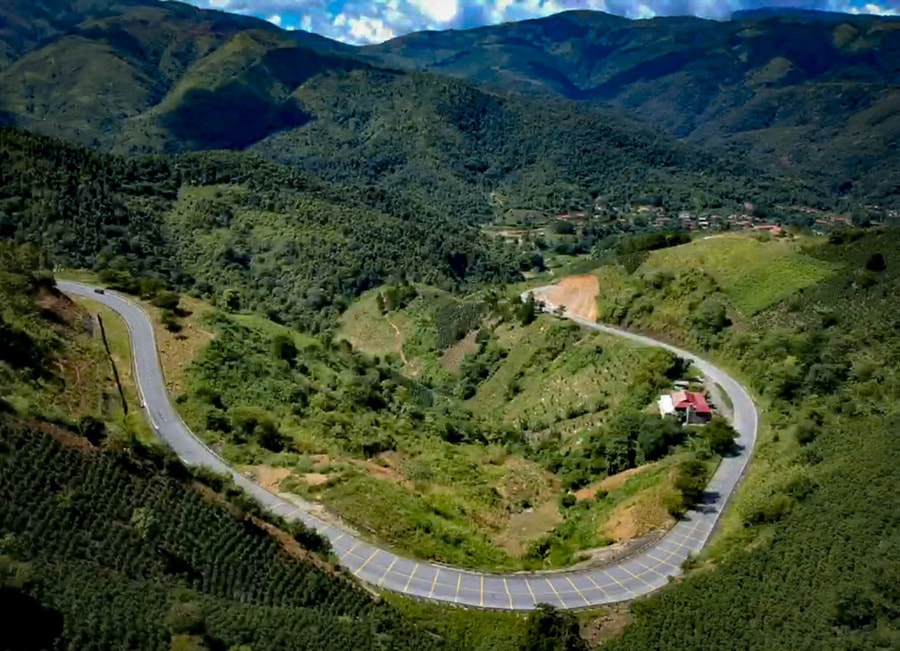
The route features twisting mountain passes that go up and down in rotation, but enjoy the beautiful scenery from both sides. From Mai Chau valley, you will go through Moc Chau with its green tea hills. On to Son La, you can see the land of vast corn fields. On to Yen Bai, all the views will turn into undulating mountains before you finally arrive close to Sapa.

How To Travel From Mai Chau To Sapa

There are many ways to travel from Mai Chau to Sapa. The table below outlines three main route options to suit different preferences.

Aspect Option 1 Option 2 Option 3
Route Mai Chau -> Hoa Binh -> Hanoi -> CT05 -> Sapa Mai Chau -> Son La -> Moc Chau -> Yen Bai -> Sapa Mai Chau -> Hoa Binh -> Son La -> Lai Chau -> Sapa
Distance Approximately 300km Approximately 340km Approximately 320km
Travel Time 6-7 hours (8-9 hours with stops) 7-8 hours (9-10 hours with stops) 6.5-7.5 hours (9-10 hours with stops)

By Motorbike

For those who love to explore, enjoy the scenery, and are not afraid of challenges, the Mai Chau – Sapa route is a very worthwhile choice to travel by motorbike.

This is one of the most beautiful backpacking routes in the North. The road has many twists, and every curve will showcase a completely different scene, such as clouds drifting on the mountains, small villages, or beautiful terraced fields in the sun. If you travel by motorbike, you should stop in Moc Chau or Son La to find a safe place to rest overnight and have enough time to explore all the places along the way.

Watering Season in Sapa, Vietnam

Cost:

Rental Duration Price Range (VND) Price Range (USD)
Per Hour 30,000 – 50,000 $2 – $5
Per Day 100,000 – 250,000 $4.50 – $6
Per Month 1,000,000 – 2,500,000 $45 – $110

By Bus

If you are not used to long-distance travel or do not want to drive, the easiest way is to take a bus.

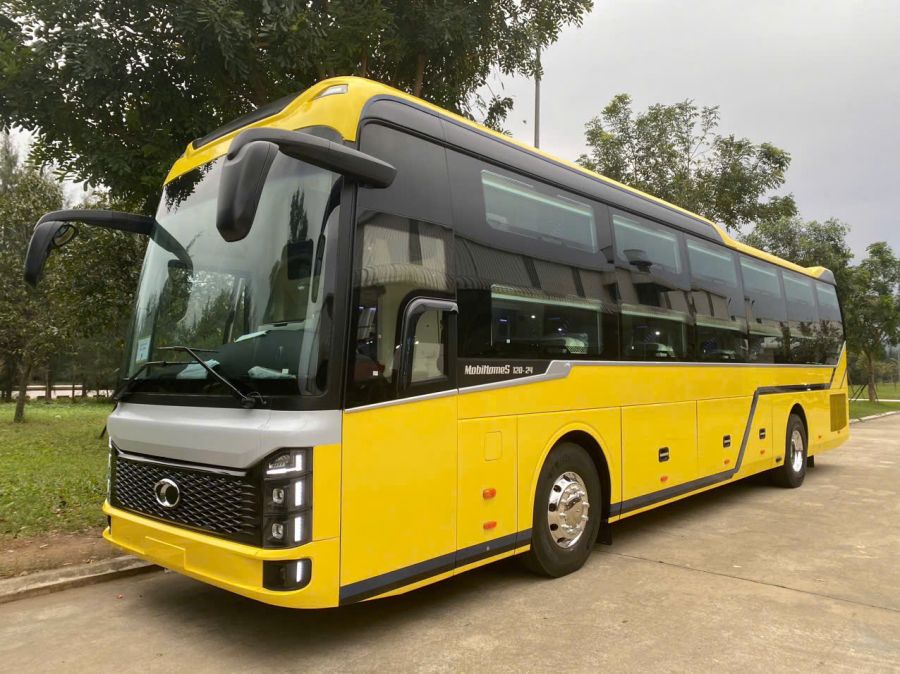
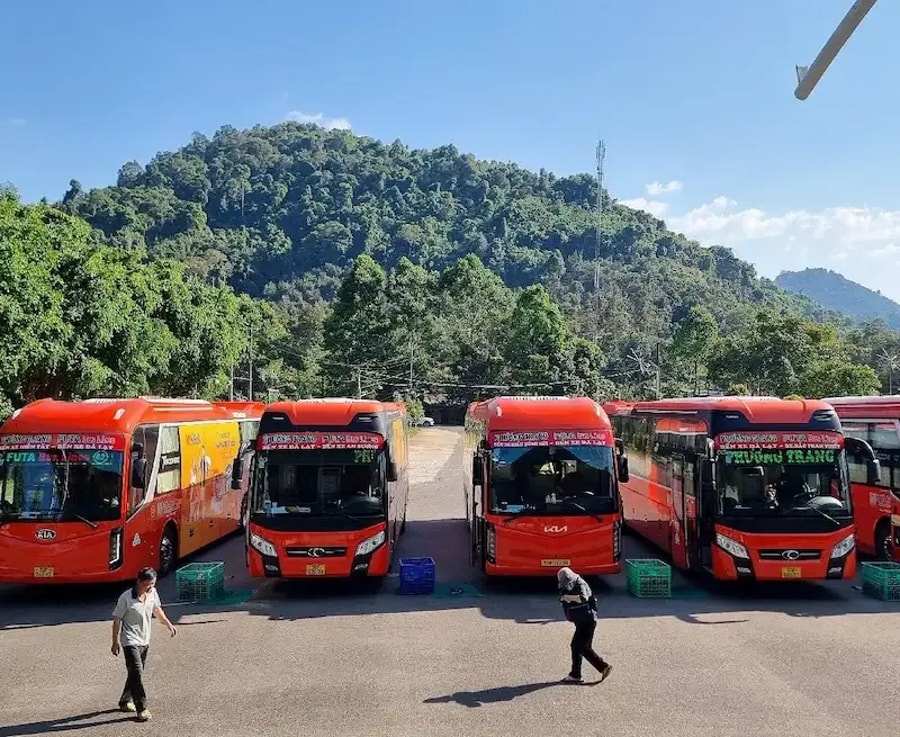
The journey from Mai Chau to Hanoi can be taken by bus and takes about 4 hours. Once there, you’ll find many sleeper buses leaving directly for Sapa, usually later in the same evening and arriving early the next day. Inter Bus Lines, Sapa Express, or Queen Cafe are some of the bus companies that run this route on a daily basis.

Cost:

The price for traveling from Mai Chau to Sapa by bus is around 800,000 VND to 900,000 VND ($32 to $36) per route.

mai chau to sapa by bus

By Taxi

Actually, taking a taxi straight from Mai Chau to Sapa is completely possible, but this is not a popular choice. The reason is that the distance is quite far – about 420–450 km and takes about 9–10 hours of continuous driving.

However, if you are traveling in a small group, have a lot of luggage, or want to move comfortably, a taxi is also an option worth considering.

Cost:

The price per taxi for a Mai Chau to Sapa route ranges from $159 to $229 (3,975,000 VND to 5,725,000 VND) based on the kind of car you want.

By Multiple Modes Of Transport

If you don’t want to drive long distances but still want to be proactive, combining multiple means of transport is the most reasonable way. Many tourists go this way because it’s less tiring and allows them to experience many different types of transportation.

Step 1: From Mai Chau, you start your journey by bus or taxi to Hanoi. When you arrive in Hanoi, you can rest a bit, have lunch, or have coffee to continue the next leg.

Step 2: From Hanoi, there are two popular options to go to Lao Cai: by train or sleeper bus. If you like comfort, we recommend taking the night train departing at 9 pm. You can sleep and wake up in the morning to arrive at Lao Cai station. If you want to be faster, a sleeper bus is also a good choice, taking about five to six hours to get there.

Step 3: Once you arrive in Lao Cai, you only have a short distance of about thirty kilometers to get to Sapa. You can take a taxi or ask the homestay owner to take you to Sapa town

mai chau to sapa by train

Cost:

The total cost to travel from Mai Chau to Sapa will include:

Types of tickets Price Range (VND) Price Range (USD)
Bus ticket from Mai Chau to Hanoi 100.000 – 375.000 VND 4 – 15 USD
Train ticket from Hanoi to Lao Cai 250.000 – 1.750.000 VND 10 – 70 USD
Bus ticket from Lao Cai to Sapa 50.000 – 175.000 VND 2 – 7 USD
Taxi from Lao Cai to Sapa 750.000 – 1.500.000 VND 30 – 60 USD

Recommended Stops Along The Way

If you travel by road from Mai Chau to Sapa, it will take about 9-10 hours. Although it is a long road, there are many interesting places for you to stop, rest, and enjoy the scenery. Here are some highly recommended stops that are easy to find and really worth visiting.

Thung Khe Pass

After only fifteen minutes from Mai Chau, you will reach Thung Khe Pass, also called Da Trang Pass. Located along National Highway 6 in Hoa Binh Province, Thung Khe Pass is one of the most spectacular mountain passes in Vietnam. It is famous for its spectacular limestone cliffs and sweeping views. Adrenaline seekers will enjoy the winding turns, while nature lovers can enjoy the panoramic views and peaceful surroundings.

Thung Khe Pass in Mai Chau Valley

Moc Chau

From Mai Chau, it takes about an hour and a half to reach Moc Chau. Everyone coming to the Northwest should visit Moc Chau at least once. The Heart Tea Hill in Tan Lap is much liked in Moc Chau. Early in the morning, travellers can stand in the center of this green tea hill with dew still on leaves underfoot and take a deep breath. It features Dai Yem Waterfall, which is basically pure white, and a colored glass bridge across it. Come around noon any day when time is ample for a break, halt here and have beef noodle soup or yogurt before stepping ahead.

Pha Din Pass (Son La – Dien Bien border)

Most tourists and backpackers come here to satisfy their passion for adventure. The rugged mountain pass and majestic nature here seem to have a strange hypnotic power. From afar, the mountain pass stretches and winds like a rope suspended between the mountains and hills.

Each season, Pha Din Pass has a different beauty, but the most beautiful seasons in Pha Din are spring and summer. Spring is the season of blooming wild flowers with pink peach blossoms, pure white plum blossoms, and white bauhinia flowers covering the sky. Summer in the delta provinces is scorching hot, but the climate in Pha Din is cool and pleasant.

Hang Tom Bridge

Pha Din Pass (Son La - Dien Bien border)
Not only impressive as the largest cable-stayed bridge in the Northwest region, Hang Tom Bridge also attracts tourists with its beauty, like a musical frame spanning the poetic Da River. When standing on Hang Tom Bridge, visitors will admire the immense mountain and forest scenery in front and the Da River flowing tirelessly below. Immerse yourself in the fresh natural air here to relax, and don’t forget to pose for photos.

O Quy Ho Pass – Heaven’s Gate Sapa

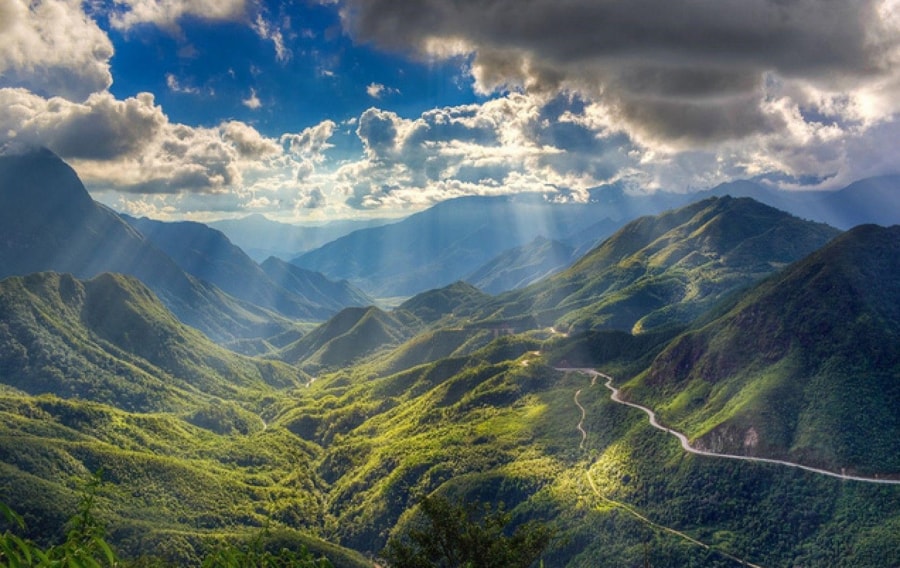
Before reaching Sapa town, you will cross O Quy Ho Pass in Lai Chau, Lao Cai. This summit has an altitude exceeding 2000m and incredibly scenic views of the valley below. O Quy Ho Pass is a common stop for travelers who want to observe the clouds and take a break before heading to Sapa.

o quy ho pass

FAQ About Traveling From Mai Chau To Sapa

If you still have some doubts about traveling between Mai Chau and Sapa, read the FAQs that Seni World has compiled from travelers who have experienced this trip.

Should I take this trip during the rainy season?

If you want to be safe and easy to go, you should avoid the rainy season in the Northwest. At that time, the mountain passes are slippery, foggy, and you have to go slowly in many sections. But if you go during this season, you will see more beautiful green mountains and waterfalls.

Are there gas stations and repair shops along the way from Mai Chau to Sapa?

Yes, there are. However, there are a few long mountain passes. You should fill up the tank in Mai Chau or Moc Chau, then check again when you reach Son La. Especially when going through the O Quy Ho pass area, you should not let the gas run low.

If you get carsick, which means of transport should you choose?

If you get carsick, we advise you to travel by train or motorbike.

Are there any places to buy local specialties on the way?

Yes! In Thung Khe, you can buy grilled corn and sticky rice. In Moc Chau, you can enjoy yogurt and sweet soup. When coming to Son La, do not forget to sell dried buffalo meat. And near O Quy Ho, there are honey and wild apples.

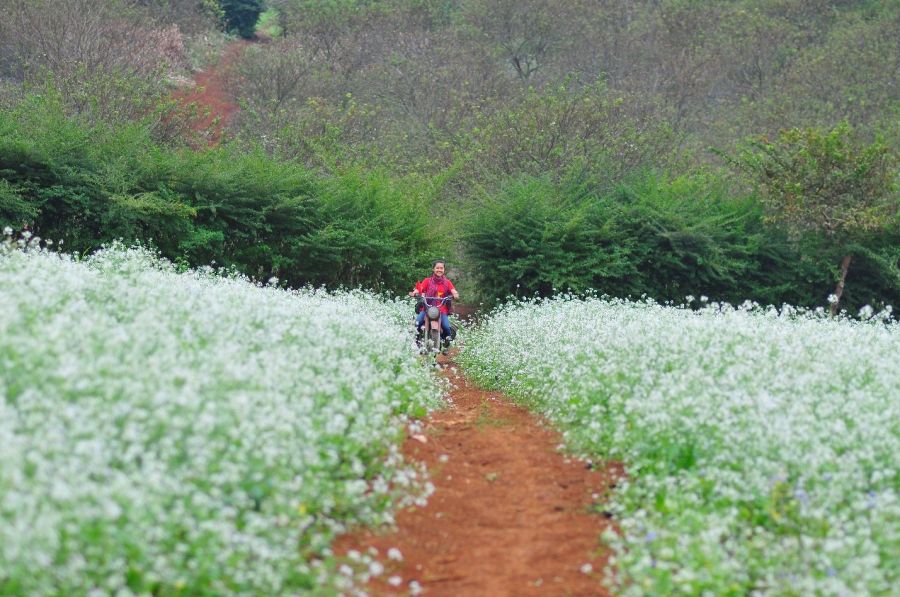
White mustard flowers bloom in Moc Chau

Final Thoughts

The ride from Mai Chau to Sapa is an exciting journey through northwest Vietnam (300-340km), connecting the Thai valley with the mountains and misty hills of Sapa. No matter what means of transport you use (motorbike, bus, train, or private car), you will have the opportunity to take in culture and nature.

If you are ready to explore, book a full experience trip with Seni World today!

Mai Chau To Pu Luong: Travel Options, Distance, Route, And How to Go

A trip from Mai Chau to Pu Luong is a beautiful journey in the peaceful northwestern region of Vietnam. This short escape is a great mix of cultural learning and eco-experience, making it an excellent quick getaway.

Overview Of Mai Chau To Pu Luong

The journey from Mai Chau to Pu Luong, with a short distance of only around 50-60 km, connects two of northern Vietnam’s most charming destinations. Travelers often couple these two places together for their delightful charm: one for cultural experiences (homestay and weaving workshops) and the other for exploring hiking trails or biodiversity, as both areas are very much off the beaten track.

mai chau in summer


The experience makes both areas appealing for weekend adventurers and backpackers who are seeking insight into a slightly alternative experience in Sapa. Similar to the Mai Chau to Pu Luong experience, you could continue to Hanoi or Ha Giang to make a larger loop in northern Vietnam.

How Far Is It From Mai Chau To Pu Luong

The distance by road from Mai Chau to Pu Luong is usually between 50 to 60 km, depending on which way you go and your exact destination (for example, from Mai Chau town to Kho Muong Village in Pu Luong, or from Mai Chau to Hieu Village in Pu Luong). The main road follows Provincial Road 15A (DT15A), passing through the hill country and some ethnic villages.

How To Travel From Mai Chau To Pu Luong

Travelers can choose from several transportation options to get on a short journey. In this part of this article, Seni World will show you how to get from Mai Chau to Pu Luong by motorbike, by bus, and by private car.

Aspect Option 1 (DT15A, Direct Route) Option 2 (DT15A via Co Lung, Scenic Route) Option 3 (Mixed Route: DT15A → Local Trails)
Route Mai Chau → Lac Village → Cang Village → Pu Luong (Kho Muong Village) Mai Chau → Co Lung → Don Village → Pu Luong (Hieu Village) Mai Chau → Lac Village → Pu Luong Valley Trails → Kho Muong Village
Distance Approximately 40km Approximately 55km Approximately 45km
Travel Time 1-1.5 hours (2-3 hours with stops) 1.5-2 hours (3-4 hours with stops) 1.5-2 hours (3-4 hours with stops)

beautiful pu luong with green rice

By Motorbike

When you rent a motorbike, you have the freedom to stop at picturesque viewpoints, ethnic villages, and markets along your route at your own pace. If you are just starting out, we would recommend renting an automatic scooter. Manual motorbikes are typically only suited for experienced riders, as the Lung Van route is very difficult to traverse.

Motorbikes are great for the National Road 15 or Lung Van and are better suited to navigate narrower roads, as well as to see some hidden gems, like Go Lao Waterfall and Hieu Village. Just make sure that you select a bike with good brakes and tires, as it will be difficult to find repair shops in rural areas of Vietnam. Of course, you should always bring a spare canister of fuel for peace of mind (especially if you plan to travel on longer or not frequently travelled routes).

The price for renting a motorbike is from 150,000 VND to 300,000 VND/day.

By Shuttle Bus

Buses provide a favorable, low-cost transportation option connecting Pu Luong with Mai Chau Valley, particularly for those who are traveling from Hanoi and are doing a loop connecting both destinations. The ticket price is 150,000 VND from Mai Chau Farm Stay (only available if you stay in Pu Luong Eco Garden). There are no public buses heading to Mai Chau directly from Pu Luong, but you can board a bus to Mai Chau, typically transferring in Hoa Binh from a district in Ba Thuoc neighboring Pu Luong.

mai chau to pu luong by By Shuttle Bus

By Taxi

The one-way price from Mai Chau to Pu Luong is roughly 1 million Vietnamese dong ($40 USD). The overall price does vary based on vehicle type, non-inclusive driver fees, and optional tolls for bridges and roads. This route is best suited when travelling on the Ho Chi Minh Trail.

Larger/bulk vehicles can have difficulty navigating the narrow roads of the Lung Van route, especially during the rainy season (normally May – September) when roads possibly become slippery or muddy. Private cars are very suitable for families, small groups, or anyone who enjoys a comfortable and relaxed ride while also having door-to-door service (or at least the convenience of your vehicle being close by).

By Private Car With A Local Driver

For a worry-free travel experience, we fully recommend hiring a private car with a driver! Local drivers are familiar with the routes, road conditions, and hidden gems, which is ideal for first-time visitors to the area. You can relax and focus on the sights and experiences while your driver deals with navigating the way.

mai chau to pu luong by car

A private-car arrangement is fantastic for groups or families traveling together, so they are not separated in their travels and can customize their trip without extensive planning. For a round-trip experience, the total cost is generally between $100 and $150 and could include stops at beautiful places like Thung Khe Pass or visits to local ethnic villages.

Tips For Traveling From Mai Chau To Pu Luong

While traveling from Mai Chau to Pu Luong is common for travelers seeking to explore natural beauty and culture, it is helpful to prepare for the trip ahead of time to have a smooth travel experience. The following is a set of tips based on the latest travel guide from Seni World.

  • Choose the Dry Season: Go in these months for guaranteed good weather and safer road conditions. The rainy season can leave areas like Lung Van muddy and treacherous.
  • Check Vehicle Condition: Ensure brakes and tires are in good condition for either the motorbike or the car you choose to drive. There are a few repair shops in these rural areas, and you may want to consider carrying an extra canister, as there will be limited options in more remote areas.
  • Pack Essentials: These include, but are not limited to, water, snacks, currency in VND, rain gear, and first-aid supplies. Vendors in these areas do not often have carding capabilities, and ATMs are limited or not available.
  • Book with Trusted Providers: When making rental or tour arrangements, you should book those services through trusted agencies or platforms in order to avoid scams or ensure drivers have experience in the area.
  • Respect Local Culture: When considering taking pictures of villagers in ethnic villages, you should ask permission before doing so and dress conservatively to demonstrate respect for their culture.
  • Maps may be inaccurate: GPS apps can be unreliable in mountainous areas, so don’t hesitate to ask locals for maps or directions.
  • Travel lightly and practically: Bring sports gear and walking/hiking shoes, as well as a refillable water bottle, for hiking or biking. A small backpack is useful for carrying your belongings on a day trip without being too heavy.

Recommended Stops Along The Route From Mai Chau To Pu Luong

If you have the time, all these attractions share great proximity to travel easily and without stress; and if you are outdoorsy – someone who likes to mix nature’s beauty, local restaurants, and history – then add these stops to your journey.

Lac Village

About 10km from Mai Chau Town, Lac Village is a peaceful White Thai village with traditional stilt houses situated amid green paddy fields. If you arrive at Lac Village on the weekend, you will have the opportunity to witness the villagers performing Thai dances. This is a perfect place to discover Thai culture, from the architecture of stilt houses to a simple lifestyle that conveys a sense of connection to their rural lives. Be sure to try banh day at small stalls along the road; it is both a cheap snack and a chance to experience some of the specialties of Mai Chau.

Visit White Thai Villages (Lac And Pom Coong)

Ban Co Lung

The second stop on the journey from Mai Chau to Pu Luong is Co Lung village. After 20 km (12 miles) of traveling from Mai Chau town, stop for about 20 – 30 minutes in a roadside cafe to enjoy a cup of filter coffee (15,000 VND) and take in the mountain view. You can also take some photos on the small bamboo bridge over the stream, a favorite eating location for photographers. The peaceful, slow, less-touristy space of Co Lung village offers a peaceful resting moment, perfect for taking beautiful photos before heading to Pu Luong.

Thung Khe Pass

Located around 30km north of the town center on the Mai Chau to Pu Luong route, Thung Khe Pass is one of the highlights of any trip to the stunning northern region of Vietnam. One of the most beautiful times to visit Thung Khe Pass is the harvest season (September to October). This is when the rice fields change from green to a golden sea, which glimmers in the sunlight.

It really only takes 20-40 minutes to enjoy the views, take photographs, and have a quick snack, so it is a perfect break in your travels. However, it is a memorable experience for nature lovers, photographers, or anyone just wanting to take a break and experience the charm of the northwest of Vietnam.

FAQs About Traveling From Mai Chau To Pu Luong

Here are some key questions that people often ask and their corresponding answers to support you in planning your travel itinerary from Mai Chau to Pu Luong via Seni World to ensure your travel is smooth and easy.

When is the best time to travel from Mai Chau to Pu Luong?

The best time to visit Mai Chau and Pu Luong is during the dry season (from October to April), when continuous dry weather occurs and the road is safer.

best time to visit Mai Chau is from September to November

How long does it take to travel from Mai Chau to Pu Luong?

It takes around 2 to 3 hours to travel, depending on the way you travel (motorbike, bus, or car) and road conditions.

Will I find guided tours along the Mai Chau to Pu Luong route?

You can find guided tours through local agencies or travel websites. The tours typically include the ride, a local guide, and organized trips to sites of interest along the route, like Thung Khe Pass or the ethnic villages. Ideal self-organized travel for those looking for set itineraries and local knowledge.

What can I expect for food along the route or in Pu Luong?

You can expect local Vietnamese and Thai ethnic food. This includes dishes like com lam (bamboo-cooked sticky rice), grilled pork, and fresh river fish. There will be roadside stalls and homestay meals, but they aren’t numerous. Plan to bring snacks for your dietary preferences or needs in case you don’t find a meal you are willing to eat.

Are there cultural elements or festivals on the route?

If you travel in September-October along the Mai Chau- to Pu Luong route, you would possibly experience the rice harvest festival. In January-February, you could experience the Tet festival, which is the Vietnamese Lunar New Year. Please consult a local calendar for dates of festival visits.

Final Thoughts

The trip from Mai Chau to Pu Luong is an undiscovered paradise in Northern Vietnam, where the Thai-Muong culture intersects with a beautiful green jungle in Pu Luong. The trip is accessible by motorbike, shuttle bus, or private car, and the journey can be done cheaply and authentically. If you’re ready for this eco escape, book with Seni World so that you can relax and enjoy the adventure of a lifetime!

Mai Chau To Ninh Binh Travel Options, Distance, Route, And Ways To Go

The journey from the peaceful Mai Chau valley to the majestic Ninh Binh offers a blend of ethnic culture and majestic karst landscapes. This route attracts visitors with its unique combination of nature and history.

Overview Of Mai Chau To Ninh Binh

The trip from Mai Chau to Ninh Binh is a wonderful experience. You can meet the White Thai community in Mai Chau as well as explore the Hoa Lu historical site in Ninh Binh. This journey is ideal for backpackers and families or eco-tourists, offering another option that is less popular than Mai Chau to Sapa or Ha Giang.

How Far Is It From Mai Chau To Ninh Binh

According to travel information, the road distance from Mai Chau to Ninh Binh is between 150 – 160 km. The shortest distance, which is comparable via the route of QL15 and QL12B to Tam Diep, is 150 km. Trips made via the Hanoi road, which is primarily for tourist sightseeing, are about 190km. The distance as the crow flies is 159 km, but again, the road distance travels down and around through the Hoa Binh Hills and the Ninh Binh Plain area.

mai chau in spring

How To Travel From Mai Chau To Ninh Binh?

To travel from Mai Chau to Ninh Binh, visitors have many transportation options to suit their budget, group size, and preferences. To make the selection process easier, Seni World has compiled the 4 most popular transportation methods with detailed information for each type.

Travel Routes from Mai Chau to Ninh Binh:

Aspect Option 1 (QL6 → QL15, Direct Rural Route) Option 2 (QL6 → CT01 via Hanoi, Urban Route) Option 3 (Mixed Route: QL6 → QL12B → QL15)
Route Mai Chau → Hoa Binh → Tan Lac → Tam Diep → Ninh Binh (Tam Coc/Trang An) Mai Chau → Hoa Binh → Hanoi (southern suburbs) → CT01 → Ninh Binh Mai Chau → Hoa Binh → Mai Chau Valley → Nho Quan → Ninh Binh
Distance Approximately 150km Approximately 190km Approximately 165km
Travel Time 3.5-4.5 hours 4-5.5 hours 4-5 hours

lotus in mua cave ninh binh in july

By Motorbike

For people who want to enjoy freedom and outdoor scenery, renting a motorbike from shops in Mai Chau is the optimal method for getting from Mai Chau to Ninh Binh. The main ride from Mai Chau town to the valleys takes on a separate route, which takes on different routes each, depending on which segments you decide to verify on your way (look at the table developed in the earlier section).

You’ll be able to enjoy the ride through villages like Ban Lac or traveling through majestic Thung Khe Pass with many winding, climbing hairpin turns and high views of the lush green bottom valleys. The stopping point would ultimately be completed past Tam Coc or Trang An (at the Ninh Binh base).

mai chau to ninh binh by motorbike

Travel Time: Approximately 3.5 to 4.5 hours on average.

Advantages: If choosing to travel by motorbike, you will have the flexibility to take a break for viewing or for pictures at scenic spots like Thung Khe Pass (Routes 1 and 3), or at the numerous riverbank stalls around the Da River. Additionally, you will feel the fresh air surrounding you, smell the rice paddies, and listen to the sounds of the countryside.

Disadvantages: Although moving by motorbike brings fresh air and freedom, it still has some drawbacks. The first one is that Thung Khe Pass (Routes 1 and 3) is steep and has dangerous curves that will be especially slippery in the rain. Secondly, Route 2 through Hanoi can be congested during rush hours. Moreover, luggage is limited to small backpacks, not suitable for large pieces of luggage.

Safety Notes: To ensure your safety, you must wear a standard helmet when driving at the permitted speed. Besides, you should not travel at night to avoid fog or poor visibility. Do not forget to check the weather forecast to avoid rare landslides on Routes 1 and 3.

By Bus Or Minivan

Buses and minibuses are affordable and convenient modes of transportation, departing from either Mai Chau Bus Station or your homestay (if applicable). You can choose between the two routes listed above. Route 1 is a direct route, taking you through some rural areas. Route 2 goes through Hanoi, which is better suited for connecting trips. The bus will drop you and passengers off at the central terminal in Ninh Binh, which is a short taxi ride to Tam Coc.

Explore Tam Coc By Sampan Boat in ninh binh

Reference Prices (one-way/person):

Vehicle Type Price (VND) Amenities
Standard Bus 150,000-200,000 Have basic seating. Have fan
Premium Bus 200,000-300,000 Have air conditioning, reclining seats, and USB ports
Limousine Minivan 300,000-400,000 Have Spacious leather seats, WiFi, water, and wet wipes

Time: 3.5 – 4.5 hours (Route 1), 4-5.5 hours (Route 2), 4-5 hours (Route 3) with 1-2 rest stops.

Advantages: Inexpensive. You can meet local people on the same route, too.

Disadvantages: Fixed times and may be overcrowded during holidays.

By Private Car

The maximum comfort and flexibility may be obtained from private cars with drivers arranged through your hotel or an agent. If you choose to travel by private car from Mai Chau to Ninh Binh, the routes can be adjusted. Route 1 is the fastest option, but you will miss a chance to visit traditional hamlets, etc. Route 3 takes you through traditional hamlets, while Route 2 brings you back to the urban stimulation of Hanoi.

mai chau to ninh binh by private car

Reference Prices (one-way/vehicle):

Vehicle Type Price (VND) Capacity
4-Seater Sedan 1,300,000 Up to 4 people + small luggage
7-Seater SUV 1,500,000 Up to 6 people + large luggage
16-Seater Minibus 2,300,000 Groups of 10+, ample luggage

Duration: Approximately 3.5-4 hours (Route 1), 4-5.5 hours (Route 2), 4-5 hours (Route 3)

Advantages: Door-to-door service; a better option for groups. Drivers who speak English and will share local knowledge.

Disadvantages: More expensive for solo travelers.

By Rented Cars

If you’re a traveler who is already comfortable driving in Hanoi or Mai Chau, then a self-driving car can be a good option for you. Car rental rates depend on what kind of car you want to rent (500,000 VND – 2.1 million VND/day).

Who is it suitable for? Travelers with a Vietnamese license who are comfortable driving in Asia.

Preparation:

  • Documents: International license, passport, and Vietnamese License.
  • Equipment: GPS offline, cash for toll fees, and a roadside repair kit.
  • Recommendations: Look out for potholes if it recently rained; refill the tank in Hoa Binh, the next gas station is about 50 km away.

Advantages: Freedom, you can take more luggage.

Disadvantages: Traffic can be complicated; it can also be tiring to drive for many hours.

Tips For Traveling From Mai Chau To Ninh Binh

Thung Khe Pass in Mai Chau Valley

To help you prepare for a convenient, safe, happy, and memorable journey from Mai Chau to Ninh Binh, Seni World has some essential travel tips for you:

  • When to leave: You should leave Mai Chau between 7 AM to 9 AM to avoid the heat if you are visiting in the summertime or chill if you are visiting in the wintertime in Ninh Binh. This also means enjoying the sunrise at the Thung Khe Pass at that time of day.
  • Thung Khe Pass in Mai Chau Valley
  • How to be safe: Use low gear on the Pass; wear a raincoat if it rains. Make sure to signal when passing. In the countryside, women will want to wear less revealing clothing.
  • The best weather: It may be best if you visit in March – April or September – October (20-28°C is the temperature, the view is beautiful).
  • What to bring: Light shirt, sunscreen, mosquito spray, reusable water bottle, and some snacks too.

Recommended Stops Along The Way From Mai Chau To Ninh Binh

You can extend your trip by visiting several stops, which would require an additional 2-4 hours, to enjoy your trip completely. Below are the stops with extended information to include activities, local dishes, and reasons to stop there:

Thung Khe Pass

  • Location: About 30km from Mai Chau, on Highway 6.
  • Stop Duration: 20 – 40 minutes.

Thung Khe Pass is an excellent stop to capture the untouched beauty of the Northwest region, during the ripe rice season, and serves as a stop to rejuvenate and take in the fresh air and beauty to forget your travel fatigue!

You can take in the valley with majestic karst mountains and expansive rice fields. At the rice harvest (September-October), the color is bright yellow with the natural landscape as your backdrop. You can stop at small shops along the roadway and enjoy strong filter coffee or fresh grilled corn; there are shops that sell wild “honey” and specialty dried bamboo addressed.

Hoa Binh Hydroelectric Dam

  • Location: Approximately 70km from Mai Chau on the way to Ninh Binh in Hoa Binh province.
  • Stop Duration: 45 – 60 minutes.

Hoa Binh Dam not only presents an impressive engineering structure but also provides the opportunity to take a look at Vietnam’s industrial history. The quiet lake views and fresh air will not be forgotten.

You can go on a boat trip around the lake to enjoy the sightseeing views and take photos. You can also take mini tours for a fee that lets you discover the brief account of the dam’s construction. Do not forget to eat some local food at nearby restaurants, such as grilled Muong pork, or grilled river fish, and don’t forget to try che lam, the local sweet cake.

Cuc Phuong National Park

  • Location: About 10km off Highway 1A, near Ninh Binh, 150km from Mai Chau.
  • Stop Duration: 1-2 hours.

Cuc Phuong National Park is a great in-between the beauty of wild Mai Chau and the cultural heritage of Ninh Binh. It is a great space to fall in love with nature, learn about different ecosystems, and relax before moving to the next main stop.

butterfly on Cuc phuong national park in Ninh Binh

You can take short walks (1-2km) into Vietnam’s first National Park and see spectacular trees up to thousands of years old or rare primates (e.g., Delacour’s langur, Black-shanked douc) at the Primate Rescue Center. If you have time, check out the Ancient People’s Cave, which has evidence of where prehistoric Man settled.

Final Thoughts

With a distance of about 150 – 160 km of rural beauty and natural sights alongside, a journey from Mai Chau to Ninh Binh cannot be neglected. Whether you drive a motorbike, a minivan, or a private car, you will identify local culture and enjoy the scenery. The question is… Are you ready for the journey to Mai Chau and Ninh Binh? Get tour guidelines to consider packages from Seni World!

Mai Chau To Hanoi Travel Options, Distance, Route, And Ways To Go

The transition from the Mai Chau valley to the capital city of Vietnam is around 140km. This short journey is suitable for travellers who want to experience some ethnic culture before going to the active life of a big city.

Overview Of Mai Chau To Hanoi

Tourists often combine these two destinations to enjoy the contrast between Mai Chau and Hanoi. While the Mai Chau valley is tranquil and refreshing, Ha Noi city is dynamic, alluring, and has a lot of historic sites. For people who want to explore the north of Vietnam, traveling from Mai Chau to Ha Noi is less maintenance and easier than traveling from Mai Chau to Sapa or Mai Chau to Ha Giang, or to a faraway place.

golden rice field in mai chau

How Far Is It From Mai Chau To Hanoi

The distance on the map from the center of Mai Chau City to the center of Hanoi City is about 130 km. However, the distance via road on Highway 6 is about 140 km. This distance follows from the Da River to the hills of Hoa Binh and the Red River Delta. In fact, additional factors such as rush hour or rainy days can add to your travelling time.

How to Travel From Mai Chau to Hanoi

When traveling from Mai Chau to Hanoi, motorbikes, buses/minivans, and rented cars are the three most popular options. Travellers can choose one of them, based on their budget and travel preferences. Whatever kind of transportation you choose, you still have to take Highway 6 to the North, which will allow travelers the scenic experience of the trip. Below is the detailed guide for you to consider and determine the best method for travel.

By Motorbike

By renting a motorbike, you will have the freedom to ride around Mai Chau. The route begins in the center of Mai Chau Valley, taking Highway 6 to Poom Coong village. After this, you can visit the Thung Khe pass, then travel through Hoa Binh city, and finally, return to the suburbs of Hanoi.

mai chau to hanoi by motorbike

Moving time: 4 – 5 hours (including the time you stop to take photos or refuel).

Advantages: As we mentioned, if you travel by motorbike, you can stop whenever you want. Moreover, nothing is fresher than enjoying the cool breeze throughout the whole trip. Cost-wise, travelling by motorbike stands out as probably the most economical mode of transport if you are traveling by yourself or with just one companion.

Disadvantages:

In spite of being free and flexible when travelling, riding a motorbike from Mai Chau to Hanoi also comes with some disadvantages. The biggest one is that it’s tiring with all the winding mountain passes. Besides, the weather will be a big factor – it is always a good idea to have a raincoat with you in case there is suddenly inclement weather. Also, caution should be taken when entering heavy traffic in Hanoi, especially given the active flow of vehicles that requires more focus.

By Bus Or Minivan

Public buses and minivans are an inexpensive and convenient option for travellers to go from Mai Chau to Hanoi. You can depart from Mai Chau bus station or be picked up at your homestay by a minivan. There are many types of buses: regular buses, premium buses, and minivan limousines. The buses operate from 6 AM to 5 PM and depart every 1 to 2 hours. Some night buses leave around 8-10 pm if you would like to sleep overnight to save time.

mai chau to hanoi by minivans

Moving time: 3.5-4 hours, depending on vehicle type and traffic.

Reference Ticket Prices (one-way/person):

Vehicle Type Price (VND) Amenities
Regular Bus 100,000-150,000 Basic seating
Premium Bus 150,000-200,000 Air conditioning, reclining seats, USB ports
Limousine Minivan 250,000-350,000 Wide seats, free WiFi, bottled water, wet wipes

Advantages:

  • Affordable, especially for a single traveler
  • Comfort – luxury buses are air-conditioned, with soft seats that can accommodate families or any special elderly needs better than a private car could.
  • You will get to interact with locals. It is always good not to isolate yourself and have a cultural experience with the locals on local buses.
  • Safer than motorcycles, with no worry about the weather.

Disadvantages:

  • Fixed schedule fare, so it is not flexible if you want to stop looking around.
  • Local buses will be crowded around major holidays (January – February, September)

Pro tip: When staying in a town overnight, you should buy your tickets through an online app at least one day prior to ensure you get a good 2-person seat near the viewing windows for the riding experience. Bring headphones or your book to help ease the long bus ride.

By Rented Car

Renting a car provides a more comfortable and personal experience from Mai Chau to Hanoi, and the added benefit of being picked up from your homestay and dropped off at your hotel in Hanoi. The new rates shown below are for half or one-way rates for one trip (or round trip with an overnight stay, for example), with some expectation that the cost will vary based on the vehicle size and group size or the length of the ride.

mai chau to hanoi by rent car

Private Car Rental Prices (Hanoi to Mai Chau or vice versa):

Trip Type 4-Seater Sedan (VND) 7-Seater SUV (VND) 16-Seater Minibus (VND)
One-Way 1,200,000 1,400,000 2,200,000
Round-Trip (2 Days, Vehicle Stays) 2,600,000 2,900,000 4,500,000
Round-Trip (3 Days, Vehicle Stays) 3,500,000 3,900,000 6,200,000
Round-Trip (Vehicle Not Staying) 2,000,000 2,300,000 3,600,000

Who is this suitable for:

  • International driver with a driving license from Vietnam.
  • Familiar and accustomed to driving in the complexity of traffic. Highly recommend not doing this if you are a new driver.

Preparation:

  • Agenda: International driver’s permit, passport, Vietnam driver’s license (double-check your documents to ensure you have it).
  • Luggage: GPS (Google Maps downloaded and highlighted) and/or cash to pay road tolls (total costs approximately 200,000 VND), emergency repair kit (i.e., tires, tow rope, gas, etc.).
  • Route: Highway 6 is flat; caution on potholes after it rains. Entrances and exits into Hanoi can be extremely traffic-clogged during rush hour.

Advantages:

  • Can stop whenever the driver desires, listen to music, and adjust the driver’s speed preference.
  • Generally, it is more comfortable than on a motorbike, and you can carry more luggage (perfect for small families)
  • Adding to the experience by driving through all the unique Northern landscapes.

Disadvantages:

  • Hanoi traffic at rush hour can be intimidating and stressful.
  • It costs a little more than taking the bus (gasoline will run you approximately 300,000 VND/one way.
  • A more complicated rental process if you are a once-in-a-while international guest.

Bonus Tip: Download an offline map and mark gas stations on Highway 6 (approximately one every 50km). Recommend not driving at night to decrease the risks involved.

Tips For Traveling From Mai Chau To Hanoi

mai chau to hanoi by limousine

If you want to have a convenient, safe, happy, and memorable journey from Mai Chau to Hanoi, you need to learn more about the essential travel tips for this adventure.

  • Departure time: You should leave Mai Chau between 7 AM to 9 AM to avoid both the heat and the traffic near Hanoi from 5 PM to 7 PM. If you leave early, you can see the sunrise at Thung Khe Pass.
  • Book tickets if travelling by bus/ limousine: You should confirm pick up at least 24 hours in advance.
  • Ride safety: When going downhill, remember to always use low gear and signal smoothly when you need to change lanes. For women, make sure the clothing you wear is still fairly conservative.
  • Weather: Depending on conditions, the dry season is an ideal time to travel from Mai Chau to Hanoi, while the rainy season can present slippery roads. Be sure to check AccuWeather to make sure you have a raincoat if needed.
  • Luggage: Bring a light jacket, some snacks, and a spare battery (cell service can be lacking in the pass).

FAQs About Traveling From Mai Chau To Hanoi

Smooth travels hinge on smart planning. Here’s a curated list to elevate your trip:

Is the road easy to drive?

Mostly paved Highway 6, but the Thung Khe curves challenge novices. Good condition year-round; rainy slips possible, experienced drivers fine

Thung Khe Pass in Mai Chau Valley

What should I prepare for safe travel during the rainy season?

The rainy season (June-August) causes Highway 6, especially Thung Khe Pass, to be more slippery. Wear a rain jacket, some non-slip shoes, and check the weather report via AccuWeather. If you are traveling by motorbike, you should maintain a speed of 40-50km/h on the pass and bring a tire repair kit. It is safer to travel by bus or a private car. Also, you should prepare a bottle of water and wet towels for comfort.

How can I save money when traveling?

Select a reliable bus service instead of reserving a limousine, as it will save you money. Reserve tickets early through the online application to receive a reasonable price (particularly during the high season or from September through November).

If traveling with a spouse or group, it might be more affordable to hire a private vehicle throughout the experience. Don’t forget to get your snacks in Mai Chau if you don’t want to pay an exorbitant amount for some snacks during the stop on the trip.

Can you combine the Mai Chau to Hanoi tour with the Hanoi to Ninh Binh tour?

Certainly, you can easily travel from Hanoi to Ninh Binh.

Final Thoughts

The Mai Chau to Hanoi experience is a short yet emotional journey that reflects the beauty of the country and the tranquillity of rural life versus the chaos of urban life. Whether you opt for the easy breezy ride on a motorbike, a comfortable minivan, or a fanciful luxury car, you will have the full experience of Northern Vietnam at your disposal. Want to travel worry-free? Leave the planning to Seni World, get in touch today!

Discover Mai Chau Valley: A Peaceful Sanctuary of Culture & Scenery

Mai Chau Valley is not only an ideal destination for natural beauty lovers, but also a place to preserve the unique cultural identity of the indigenous peoples.

Introduction To Mai Chau Valley

Located in the northwest region of Vietnam, Mai Chau is a peaceful mountainous district of Hoa Binh province. Being about 140 km from Hanoi, it is a popular weekend getaway for both domestic and international tourists looking for a quiet escape from the bustling capital.

Mai Chau Valley in the green rice season

Covering an area of 564 square kilometers, Mai Chau Valley is notable for its rugged and diverse terrain. The district’s terrain is complex, formed by a network of high mountain ranges, deep valleys, streams, and rivers. This natural layout not only creates spectacular scenery but also offers opportunities for outdoor activities such as hiking, cycling, and exploring nature. Thanks to the unique topography, Mai Chau possesses many beautiful natural landscapes, including lush green valleys, majestic waterfalls, and crystal clear streams.

History Of Mai Chau Valley

According to David Wyatt in his book “Thailand: A Short History,” the Thai people migrated to Vietnam between the 7th and 13th centuries. From Dien Bien Phu, they spread out across Northern Vietnam. Mai Chau is also one of the valleys where the Thai people settled and gradually separated into a branch called the White Thai, different from the Black Thai in most other regions in the Northwest.

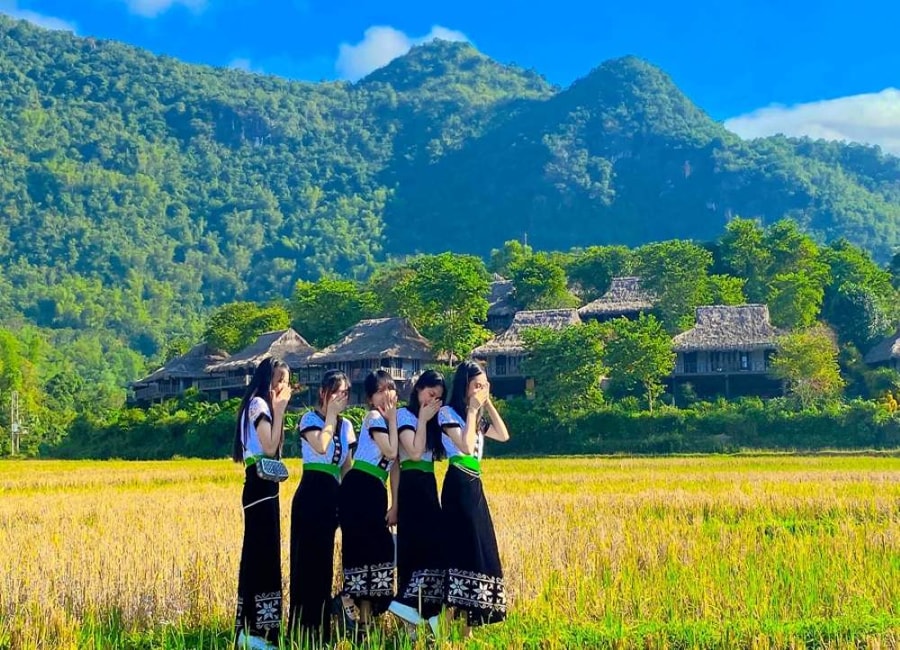
Today, it is estimated that 55% of the population in Mai Chau is of the Thai ethnic group. The rest are other ethnic groups such as Muong, H’Mong, and Dzao, etc. These ethnic groups still preserve their customs, costumes, architecture, dances, and traditional crafts, making Mai Chau a living museum of the culture of Vietnam’s ethnic minorities.

Top 5 Iconic Attractions In Mai Chau Valley

Mai Chau tourist destinations always attract visitors with their wild beauty and tranquility. From green valleys to traditional villages, Seni World will list the top 5 most attractive destinations in this green valley.

Thung Khe Pass

Before entering Mai Chau, you will travel through Thung Khe Pass. Don’t rush! Stop here to admire the beautiful scenery of Mai Chau from afar and take some special photos next to the white hill. Being considered as the Northern European hill of Mai Chau, Thung Khe makes visitors feel like they are lost in a European scene with the white space of rocky mountains and the surrounding fog.

Thung Khe Pass in Mai Chau Valley

The outstanding feature of Thung Khe Pass is the continuous change in weather during the day, creating a “four seasons in one day” experience for visitors. When the sun rises, the first rays of sunlight here are faintly covered with early morning mist. At noon, the sunlight shines golden like summer, but not hot, but gentle. Then, when evening comes, the air is cold like a fresh autumn night.

Lac Village

When it comes to Mai Chau tourism, it is impossible not to mention Lac Village, the most beautiful village in Mai Chau. Instead of being a bustling or magnificent place, Lac Village Mai Chau converges all the characteristics of rusticity, nature, and friendliness.

Visit White Thai Villages (Lac And Pom Coong)

This is where the cultural identity of the White Thai people is strongly imprinted, with 5 Thai ethnic families living in Ban Lac: Ha, Lo, Vi, Mac, and Loc. The village has existed for 700 years until now. Coming here, you will admire the vast rice fields, interspersed with villages, and hand-pick the brocade souvenirs you like. The brocade products here are very popular with both domestic and international tourists.

Mo Luong Cave

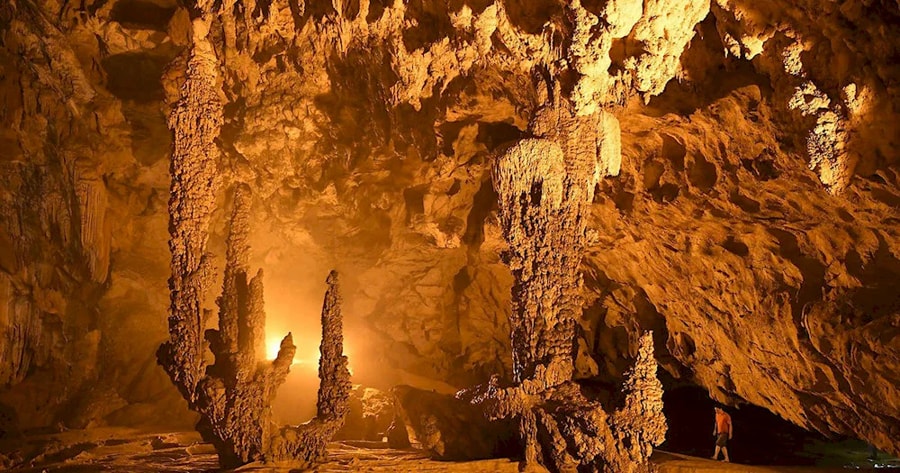
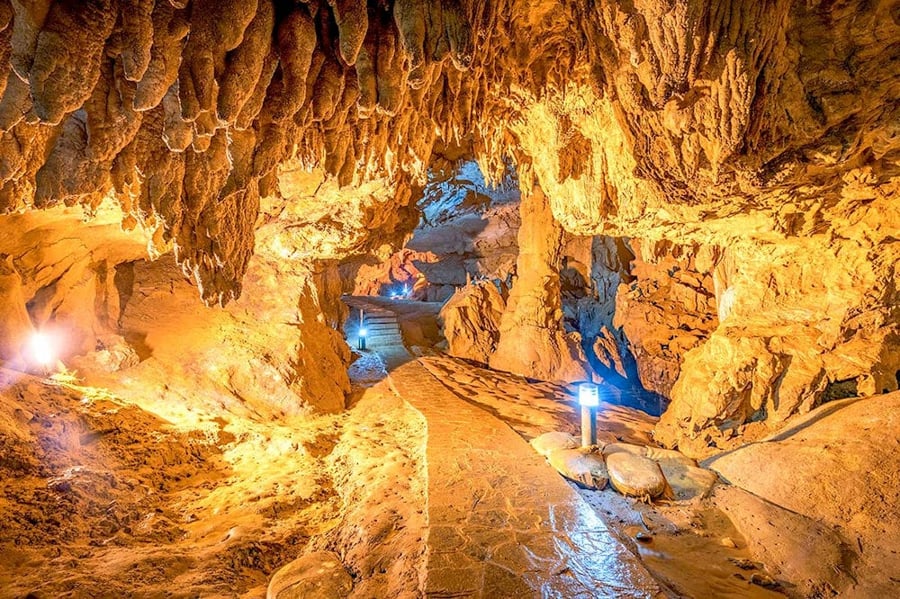
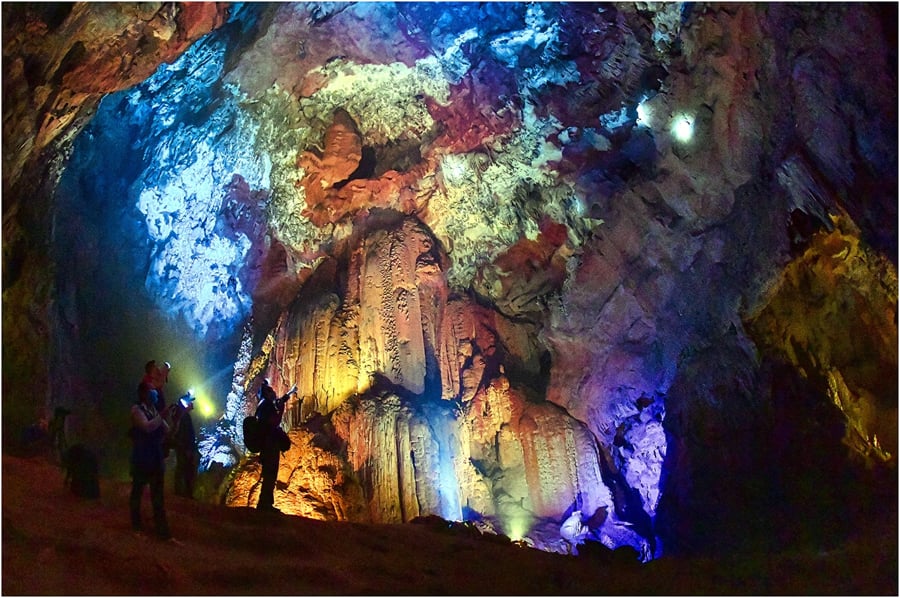
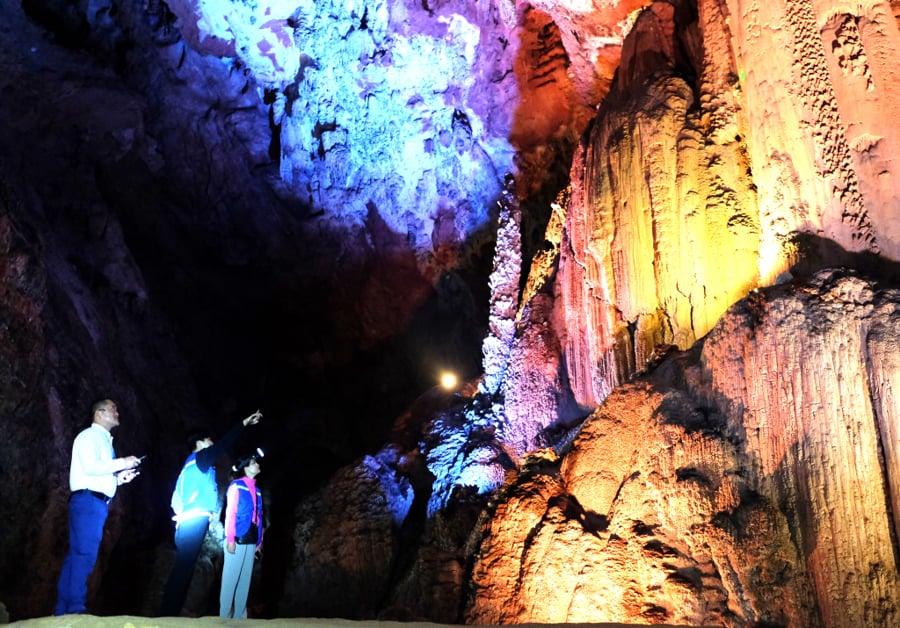
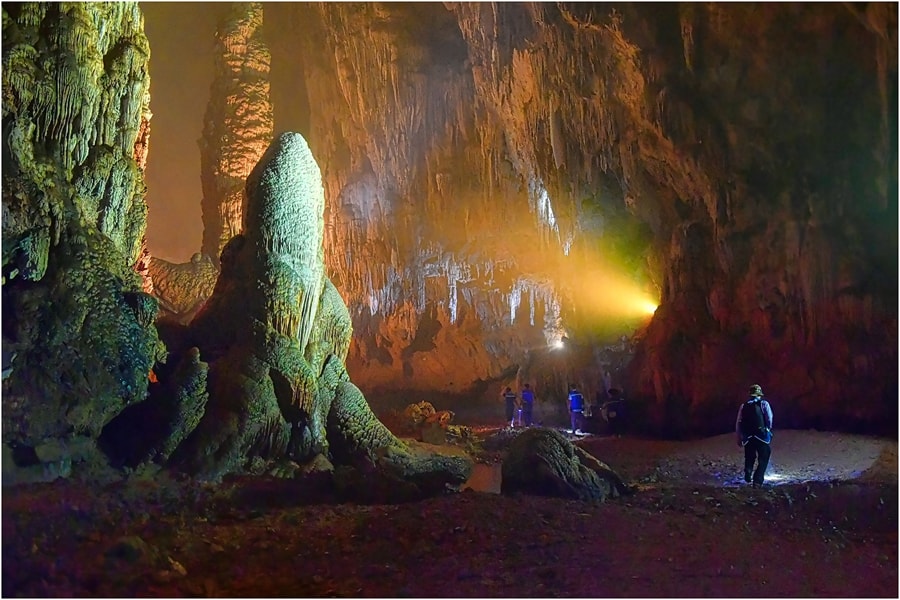
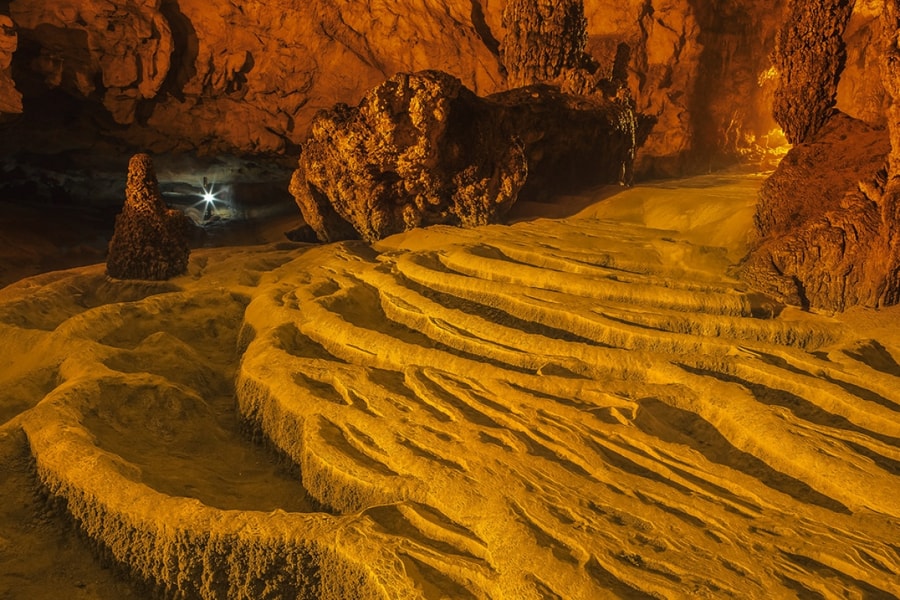
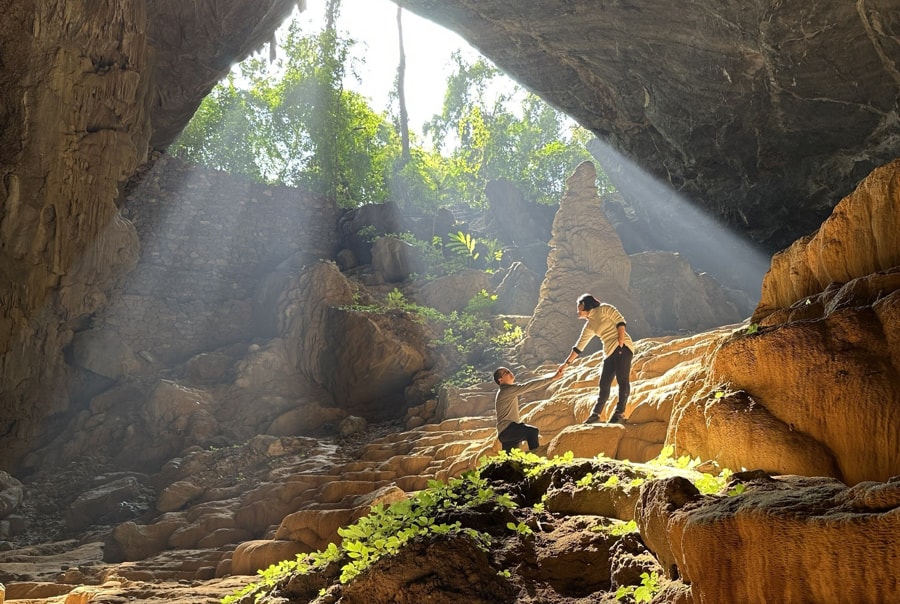
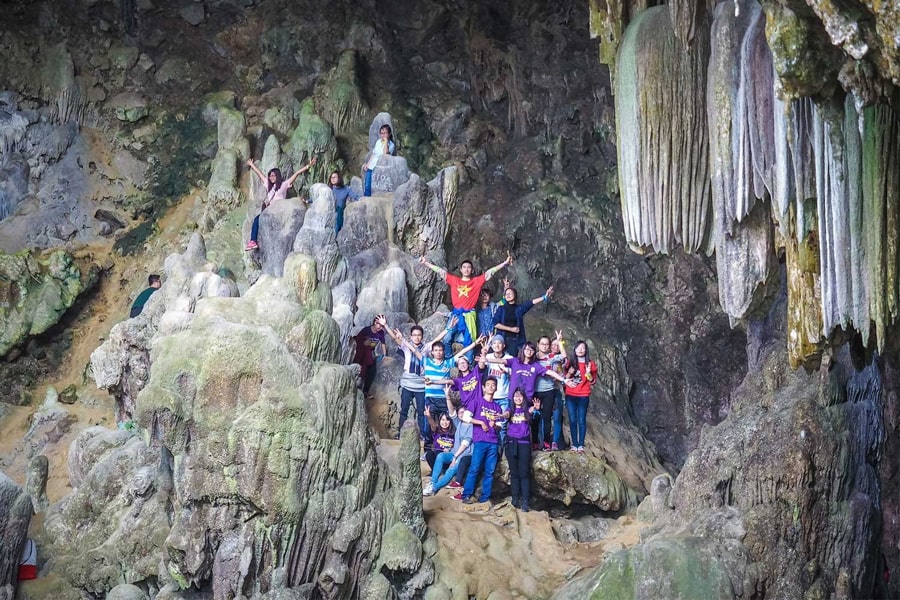
Only 2 km from Lac village, Mo Luong Cave is one of the most beautiful caves in Mai Chau Valley. Mo Luong Cave stretches about 500 m, including four large caves connected together, forming a majestic complex. After thousands of years of water erosion, the cave has a unique appearance with many stalactites of various shapes.

visit mo luong cave

The wild, unique beauty is associated with meaningful historical stories that are worth visiting once. During the resistance war against the French, this place was once a meeting base for the Vietnamese army and people.

Mai Chau Flagpole

Tourists coming to Mai Chau Valley should note that this flagpole is just a photo stop, not a professional tourist area. However, the experiences and emotions it brings are extremely impressive and unforgettable. On the way to Mai Chau, if you drive through Thung Khe Pass, you will see a flagpole standing tall right in front of your eyes. From the foot of the Mai Chau flagpole, we can see the whole scene below. The white clouds are drifting in the sky, combined with the looming red-tiled houses, creating a scene like a fairyland.

Check In At Mai Chau Flagpole

Go Lao Waterfall

If you like to explore the wild and somewhat fierce beauty, Go Lao waterfall in Mai Chau Valley will be an impressive destination that attracts you. With a height of about 20m, the waterfall pours into white and strong streams, creating bustling echoes. On the journey to the waterfall area, you will experience a rustic green patch of mountains and forests, and the wildness of the waterfall.

Go Lao Waterfall

Not only that, along the way to the foot of the waterfall, tourists will admire the romantic space: on one side is a vast hydroelectric lake, on the other side is a waterfall that is foaming along the mountainside. At the foot of the waterfall is a clear lake where visitors can soak and enjoy the peaceful scenery in the middle of the forest.

5 Unforgettable Experiences You Shouldn’t Miss In Mai Chau Valley

To have a great experience and memorable memories, here are some things you can not miss in Mai Chau Valley:

Trekking Through Villages

Trekking in Mai Chau is a great experience to explore the natural beauty and local culture. You can choose the route through villages such as Ban Lac, Ban Pom Coong, or Ban Nhot, where there are winding trails between green rice fields and hills. A popular trekking route is reaching the top of Pa Co to see the whole Mai Chau Valley from above, especially in the early morning when the fog covers the road. This experience not only brings a feeling of relaxation but also helps you understand more about the life of Thai people through traditional stilt houses.

Enjoying Mai Chau Cuisine

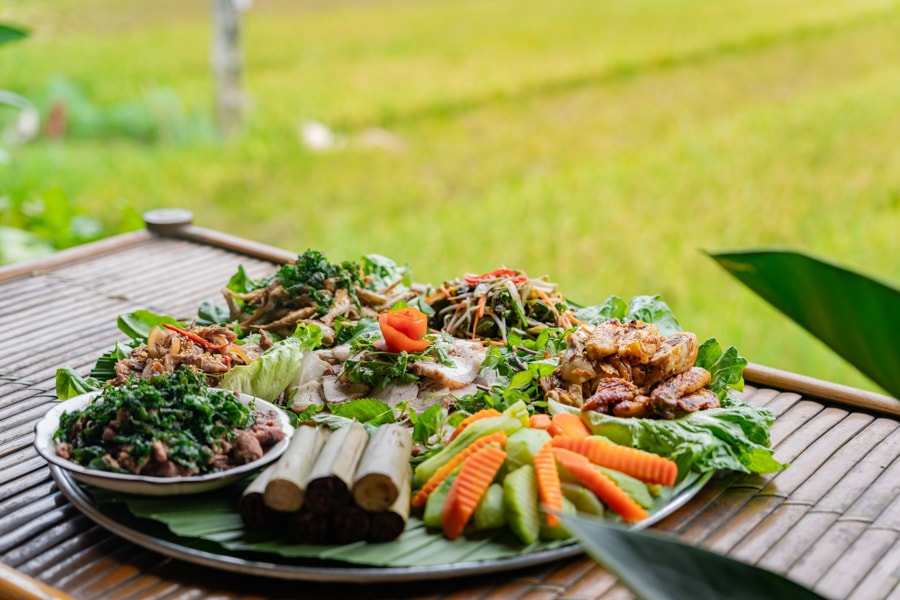
Mai Chau cuisine is a highlight that cannot be missed because the food here is imbued with the Thai ethnic identity. You should try Com Lam, a type of sticky rice baked in bamboo tubes, fragrant and sweet, often served with grilled pork or grilled chicken. Some other highly recommended dishes include stir-fried bitter bamboo shoots and chicken soup with sour bamboo shoots.

Enjoying Mai Chau Cuisine

To enjoy these dishes, consider visiting local restaurants or homestays in Ban Lac or Ban Pom Coong, where you can savor cozy, family-style meals. While eating, don’t forget to try a cup of Mai Ha wine, a traditional local rice wine, to have a complete culinary experience in Mai Chau Valley.

Taking Photos At Famous Attractions

Mai Chau is a paradise for photography lovers, with countless beautiful shooting angles at famous locations. Some famous check-in locations loved by young people include: Mai Chau flagpole, Go Lao waterfall, Thung Khe cave, Ngoi Hoa bay, or Hoa Tien cave. In particular, Mai Chau has a green rice season (spring) and a ripe rice season (autumn) with extremely impressive terraced fields.

Visitors should choose dawn or dusk for the greatest shots because these times of day offer soft light and produce striking shadow effects on the fields. You can better capture the panoramic magnificence of the golden rice fields by taking pictures from above or from the mountain passes.

Admiring Flowers In Spring

Spring (February to March), when the valley is covered with the brilliant colors of peach blossoms, plum blossoms, and Bauhinia flowers, is considered the best time to visit Mai Chau. For the people of the Northwest, Bauhinia flowers have an extremely important meaning: a peaceful and happy new year. You can walk in the flower gardens to admire the scenery, enjoy the Northwest spring air, and take poetic photos.

mai chau in spring

Under the golden sunlight of spring, Bauhinia flowers are even more brilliant and outstanding. The scent of flowers creates a fresh and pleasant surrounding space, making you feel like you are lost in a watercolor painting.

Hunting Cloud In Winter

If you visit Mai Chau Valley in Winter (November to January), hunting clouds is a must-try experience. When the temperature drops and fog covers the valley, creating a sea of white, fluffy clouds as beautiful as those in Ta Xua. To hunt clouds, you should wake up early, wear warm clothes, and climb to high points such as Hang Kia – Pa Co, Pa Co Village, Thung Khe Pass, Thung Mai Village, or Mai Chau Flagpole.

Don’t forget to bring a good camera to capture these majestic moments. Besides, a cup of hot tea or coffee will be a little spice for the magical experience of Mai Chau in winter.

Entrance Fee

Mai Chau has some small fees to visit, such as the entrance ticket to Ban Lac (15,000 VND/adult) or the entrance ticket to Hang Chieu (10,000 VND/adult), along with optional fees such as bicycle rental (about 50,000 VND), or ethnic costumes (50,000 – 100,000 VND). However, most natural landscapes, such as streams, waterfalls, or rice fields, are free.

How To Get To Mai Chau Valley

Below are some suggestions for transport and ways of travel for visitors to Mai Chau:

  • By car along the Hoa Lac – Hoa Binh Expressway: Go along Thang Long Avenue (Lang Hoa Lac Road), then go straight on the Hoa Lac – Hoa Binh Expressway, and then follow through Cao Phong and Tan Lac districts, then through Thung Khe Pass. At Tong Dau intersection, turn left to reach Mai Chau town.
  • By motorbike along National Highway 6: You should travel along the route Nguyen Trai – Quang Trung – Ba La – Chuc Son – Xuan Mai of the old Ha Tay, then continue through the districts of Luong Son – Ky Son – Cao Phong – Tan Lac of Hoa Binh province. Finally, after passing Thung Khe Pass, you will reach Tong Dau intersection to reach Mai Chau town.
  • By coach: You can go to coach stations such as My Dinh, Yen Nghia, and Giap Ba. All of which have coaches to Mai Chau, Hoa Binh, with a frequency of about 1 hour/trip. The ticket price for each trip ranges from 200,000 to 250,000 VND.

Things To Know Before Traveling To Mai Chau Valley

best time to visit Mai Chau is from September to November

To optimize your time to fully enjoy your Mai Chau trip, you need to make a detailed plan. Here are some tips from Seni World to help you shorten the time for this task:

  • Identify your desired destinations: Mai Chau has countless attractive attractions. Therefore, you should research the characteristics of each destination to choose the locations that suit your plan. Some rich sources of information include travel websites, blogs, or social networks.
  • Choose a place to stay early: Tourists come to Mai Chau all year round, but it will be crowded during peak seasons. Therefore, to avoid the situation where homestays or hotels are full, you should book in advance to ensure the best accommodation.
  • Check the weather and prepare for unexpected situations: Mai Chau’s weather changes with the seasons, so you should prepare clothes and items suitable for the weather. – Meal planning: While researching locations, also check out the cuisine. Don’t forget to save famous dishes like grilled Man pork, sticky rice, bamboo rice, etc.

Final Thoughts: Is Mai Chau Valley Worth Visiting?

Absolutely! Mai Chau Valley distills Vietnam’s essence into serene valleys, warm smiles, and timeless traditions. Hopefully, through the above sharing, Seni World has helped you have more necessary information about Mai Chau, thereby having a complete and meaningful valley trip.

14 Unmissable Things To Do In Mai Chau To Explore Hidden Valley

Nestled in the serene mountains of Northwest Vietnam, Mai Chau is a tranquil valley and an ideal retreat from the vibrant chaos of Hanoi. This charming destination offers a wealth of unforgettable activities, promising truly exciting experiences.

Cycle Through Rice Paddies And Villages

One of the best things to do in Mai Chau is to ride a bike through the green rice fields and charming villages. This activity gives you a wonderful experience, letting you enjoy the calm and beauty of the Northwest valley. As you pedal along the winding paths, you’ll pass by lush green rice fields (or bright golden ones in autumn) and see the traditional wooden stilt houses of the White Thai people. The fresh air, the sound of birds singing, and the warm, friendly smiles of the locals make the bike ride even more special and unforgettable.

Cycle Through Rice Paddies And Villages

To experience it, rent a bicycle from the homestay (approximately 90,000 VND/day) and get ready to explore Mai Chau in the most intimate and free way!

Trekking In Pu Luong Nature Reserve

Hiking in Pu Luong Nature Reserve is a fantastic opportunity to continue to experience the natural beauty of Mai Chau Valley after cycling through rice paddies and small hamlets. You will meander through beautiful green terraced fields and lush, untouched forests, and visit Thai villages in the valleys. The lunches can last around 4 to 6 hours in total, depending on your route and pace. The great thing about a local guide is that you can take in stunning views while learning about the local life – the traditions of stall house life, and you warm-hearted villagers and welcoming smiles.

Visit White Thai Villages (Lac And Pom Coong)

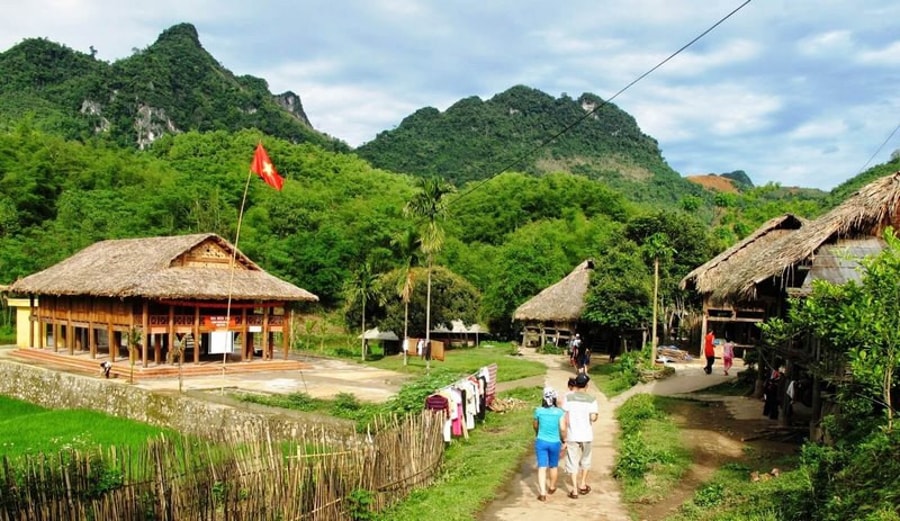
If you enjoy traditional cultures, be sure to plan a trek to the White Thai villages as one of your top things to do in Mai Chau. Lac and Pom Coong villages are famous for their distinct wooden, stilt houses that the White Thai people have lived in for hundreds of years. You can stroll through the small alleyways, appreciate the elegant designs of the stilt houses, and purchase handmade brocade products such as scarves, bags or traditional shirts.

This activity is free. Although this journey takes just 1-2 hours, it offers an intimate and profound connection to the vibrant Northwest culture.

Visit White Thai Villages (Lac And Pom Coong)

Rock Climbing At Hang Chieu Cave

Do you want to explore the wild, majestic nature with a strong Northwest imprint in the beautiful land of Mai Chau? Hang Chieu is the perfect suggestion for you. To discover the beauty of Hang Chieu, visitors must embark on a challenging journey with more than 1,200 stone steps. This path has created an attractive part of the cave. Going through each step is not only a way to exercise but also an opportunity for visitors to enjoy the cool green space of the mountains and forests, breathe fresh air, and admire the majestic natural scenery.

Rock Climbing At Hang Chieu Cave

Standing at the highest peak and looking down, visitors can admire the panoramic view of Mai Chau valley with golden rice fields, small villages nestled at the foot of the mountain, and the surrounding mountain ranges. This majestic natural scenery will definitely leave an unforgettable impression on the hearts of every visitor.

Kayak On Hoa Binh Lake

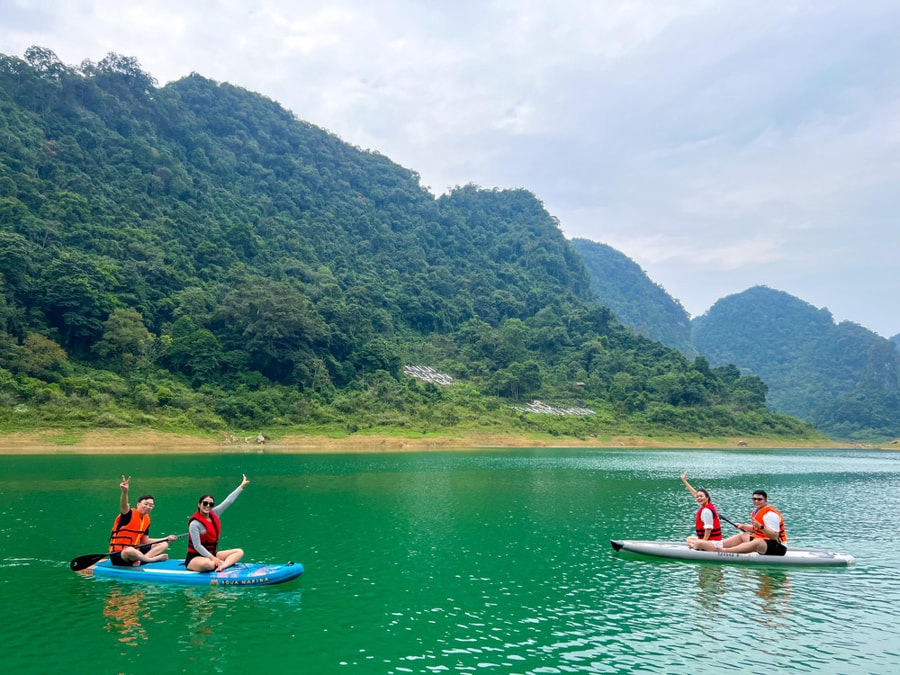
With 47 small islands surrounded by green mountains and forests, Hoa Binh Lake is one of the largest lakes in Vietnam. If choosing a homestay around this lake, you can go kayaking, glide through the small islands, feel the cool water, and watch the brilliant sunrise or sunset. The cost for this activity is about 200,000 VND/hour and is suitable for beginners. It is one of the greatest things to do in Mai Chau with friends and family. Remember to bring a hat and sunscreen to fully enjoy exploring this beautiful lake!

Kayak On Hoa Binh Lake

Explore Mo Luong Cave

Mo Luong is a cave located in a limestone mountain range and has been eroded by water for thousands of years. The effect of water erosion created stalactites and stone pillars with many interesting shapes. When exploring Mo Luong cave, visitors will be overwhelmed by the vastness of this cave. The cave system comprises four main chambers, extending up to 500 meters, offering visitors a series of breathtaking surprises.

After exploring these chambers, you can step outside to admire an overview of lush green trees and charming stilt houses nestled in serene valleys.

Taste Local Cuisine At Homestays

Having the opportunity to visit the Northwest region, you will be surprised by the richness and uniqueness of the cuisine here. In particular, discovering the dishes in Mai Chau, Hoa Binh, is an experience not to be missed. Some typical dishes include pickled pork, bamboo rice, Mai Chau hill chicken, and grilled wild boar. These dishes not only demonstrate the sophistication in the cooking methods of Thai ethnic people, but also bring authentic and unforgettable culinary experiences to visitors.

Taste Local Cuisine At Homestays

Sleep In A Stilt House

If you have never slept in a stilt house, plan a trip to Mai Chau to experience this fascinating activity. In this way, visitors can experience the culture and lifestyle of the local people. At night, do not forget to participate in entertainment activities such as traditional festivals, bamboo dancing, and ethnic performances. The stilt houses in Lac village also often have full catering services. Therefore, you can contact us to order dishes in advance to enjoy authentic Thai meals.

Travel To Thung Khe Pass By Car/Motorbike

Instead of biking around the villages, you can rent a motorbike or car to explore the mountain roads in Mai Chau. This is a fun activity to try. On the way, you can enjoy beautiful views of Mai Chau Valley from above, with clouds, big mountains, and green forests. Stopping at Mai Chau Flag Tower is great for taking photos and breathing fresh air. The trip takes about 2 hours, and you need to drive carefully to stay safe.

Check In At Mai Chau Flagpole

The Mai Chau Flagpole is located about 60 km northwest of the Hoa Binh city center. Although not a professional tourist area, Mai Chau Flagpole is still an attractive destination for photography enthusiasts. This is also an opportunity for you to stop, relax, and enjoy the surrounding natural scenery. In particular, if you go through Thung Khe Pass, Mai Chau Flagpole will appear before your eyes, giving you a beautiful panoramic view from above. At this time, do not forget to stop capturing impressive moments here.

Check In At Mai Chau Flagpole

Enjoy Folk Music And Dance

Traditional shows are a special part of every Mai Chau trip. White Thai musicians use natural materials to make instruments that play beautiful music. After dinner, you can relax and watch a Thai performance with folk instruments and dancers in colorful traditional clothes, giving an exciting show.

Swim In The Go Lao Waterfall

On the list of things to do in Mai Chau, swimming at Go Lao Waterfall offers a refreshing feeling amidst the pristine natural scenery. Go Lao Waterfall is more than 20 meters tall, made from two streams, Thung Cang and Phieng Xa. At the bottom, the water flows like a curtain, forming a clear blue lake perfect for fun swimming. The gentle water running over small stone steps makes a soft sound, blending beautifully with nature.

Take Some Photos In The Golden Rice Fields

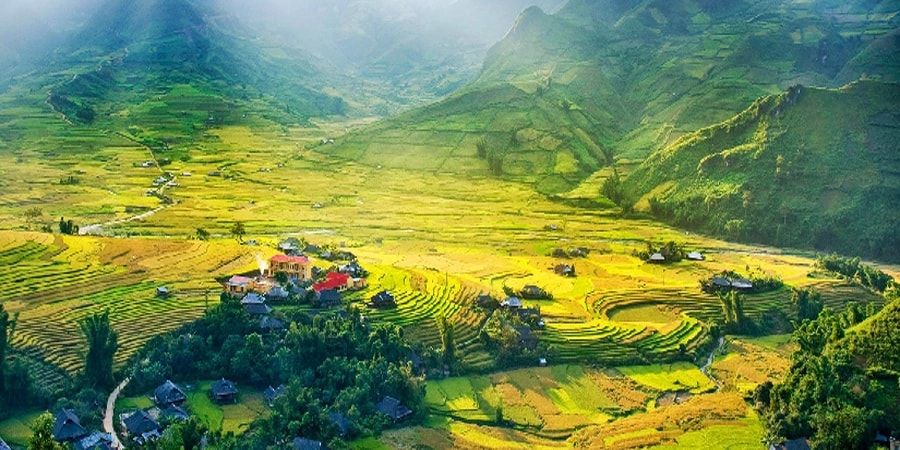
The best time to visit Mai Chau to see the ripe rice season is in September and October every year. At this time, all the Northwestern provinces, such as Ha Giang, Lao Cai, Sapa, Yen Bai, Dien Bien, and Lai Chau, are covered with a golden coat of ripe rice. The beautiful scenery is like a giant painting, drawn by the talented hands of nature and the diligence of humans, making anyone surprised and captivated.

golden rice field in mai chau

For the best photos, visit at dawn or dusk when the light is soft and makes beautiful shadows on the fields. Taking pictures from high up or from mountain passes lets you capture the stunning view of the golden rice fields.

Stargaze From A Stilt House Balcony

After a day of exploring, there’s nothing better than stargazing from the balcony of a stilt house to appreciate the tranquility of Mai Chau’s mountains and forests. The air is fresh, and the night sky is unobstructed by urban light. To make sure the stars can be seen well, select homestays a little further from the center. This is the best option for relaxation while forgetting about worries in nature.

FAQs About Things To Do In Mai Chau

best time to visit Mai Chau is from September to November

Besides the must-try activities, Seni World also summarized some FAQs to help visitors have the best preparation.

What should I bring for trekking in Mai Chau?

You should bring some comfortable clothes, trekking shoes, sunscreen, a raincoat (in case it’s the rainy season), and cash (because some small shops don’t accept cards).

Where to stay in Mai Chau?

Stay in the valley center or villages for easy sightseeing and a local homestay experience. Or, pick a mountain resort for a quieter, more relaxing stay.

What is the best time to visit Mai Chau?

The best time to visit Mai Chau is from September to November (ripe rice season) or from March to May (flower season). You shouldn’t come to Mai Chau from June to August to avoid the heavy rain.

How many days are needed to visit Mai Chau?

A trip of 2 to 3 days is ideal: Day 1 for exploring the village. Day 2 of adventure caves. Day 3 is for relaxing and buying souvenirs.

How long does it take from Mai Chau to Sa Pa?

Mai Chau to Sa Pa takes nearly 6-7 hours, depending on the specific route and vehicle.

Final Thoughts: Is Mai Chau Worth Traveling To?

Mai Chau is an ideal destination for those who want to live slowly, relax, and connect with nature and indigenous culture in the Northwest mountains. Hopefully, Seni World’s list of things to do in Mai Chau can help you have the most satisfying trip. Pack your bags and go!

The Best Time To Visit Mai Chau For A Perfect Valley Journey

The best time to visit Mai Chau is from March to May and from September to November. Let’s explore the weather and suitable activities in Mai Chau in detail with Seni World.

Where Is Mai Chau?

Mai Chau is a peaceful mountainous district located at the westernmost point of Hoa Binh province. It is about 110 km from the center of Hanoi, equivalent to nearly 3 hours of travel by car. Nestled behind the hustle and bustle of urban life, Mai Chau still retains its quiet, shy, and gentle beauty like a highland girl. With such impressive beauty, Mai Chau attracts the hearts of many travelers who have visited this place.

Mai Chau in the golden rice season

Not only possessing peaceful beauty and fresh air, but Mai Chau is also favored by heaven and earth with precious landscapes. The 4-season rustling fields or the white apricot and plum blossoms are the scenes that many travel enthusiasts seek out when traveling to Mai Chau. Besides, the villages in Mai Chau stand out with their typical stilt house architecture, rich customs, and unique folk festivals.

What Is The Best Time To Visit Mai Chau?

Mai Chau in the green rice season

Mai Chau is beautiful in every season in its own way. However, the two most popular times are spring (from March to May) and autumn (from September to November).

  • From March to May: Spring is considered the best time to visit Mai Chau when the trees are budding and everywhere is filled with flowers. In particular, this is the season of forest white flowers and plum blossoms, creating a poetic and magical scene. The cool spring weather in Mai Chau is also favorable for sightseeing and picnic activities.
  • From September to November: In autumn, Mai Chau’s weather is cool and pleasant with clear blue skies and few clouds. This is the season of brilliant, ripe rice, and when Mai Chau valley is covered in a shimmering golden color. If visiting Mai Chau in autumn, you can admire the beautiful natural scenery and participate in the unique cultural festivals of the Thai people.

Mai Chau Weather Overview By Season

Each season in Mai Chau has its own unique and attractive beauty. Depending on your preferences and travel purpose, you can choose the most suitable time to experience it. Below is a table of average temperatures in Mai Chau by season. Afterwards, Seni World will analyze more closely the weather in Mai Chau according to the time frames suitable for the natural scenery and activities there.

Season Month Average
Temperature (°C)
Typical Weather Experience
Spring February to April 20 Spring is pleasant with low rainfall and blooming Ban flowers. Ideal activities are sightseeing, biking, and cultural immersion.
Summer May to August 27 Summer in Mai Chau is hot and humid with frequent rains and lush greenery. It is suitable for indoor activities like weaving classes or short hikes.
Autumn September to November 24 In Autumn, the weather becomes cooler, with golden harvest fields and occasional showers. This season is perfect for photography, trekking, and joining harvest festivals.
Winter December to February 13 In Winter, it’s dry, mild days with chilly evenings and foggy vistas. You can participate in relaxed treks and cultural bonfire evenings.

Spring (From February to April)

Spring in the North of Viet Nam starts from February to April, when Mai Chau puts on a brilliant display of flowers with a warm, gentle climate and mild sunshine. Between the brilliant peach garden and the pure white plum garden, people’s hearts are purified, finding the peace and purity of nature.

These months are the best time to go to Mai Chau with family to capture beautiful moments of the poetic scenery of peach and plum blossoms. The end of April is also the time when the plums start to grow, preparing for a bumper plum harvest season.

mai chau in spring

Summer (From May To August)

If Mai Chau in the spring brings freshness and purity, Mai Chau in the summer is the cool breeze blowing from nature. From April to July is the hot season of Vietnam’s weather. Fortunately, thanks to the terrain, Mai Chau Valley still retains the typical cool tropical mountain climate, with low humidity. The temperature this season in Mai Chau is only about 22 to 30 degrees Celsius, lower than the plains of Northern Vietnam.

mai chau in summer

Occasionally, in the afternoon, sudden rain visits, bringing moisture and fresh air. Summer is also the green rice season, so if you want to admire the sparkling terraced fields, this will be the best time to visit Mai Chau.

Autumn (From September To November)

Autumn in Mai Chau begins from September to November. This is when the green rice fields turn golden and stretch endlessly. At that time, the temperature is slightly lower than in the summer with clear skies and cool wind. Autumn is also the rice harvest season, so visitors can easily see farmers harvesting in the fields with the sound of laughter and chatter.

One of the favorite activities of Mai Chau tourists this season is to rent a motorbike and drive through the fields. They can take photos, record videos, or simply admire the golden color of the rice flowers mixed with the red sunset on the horizon. Autumn in Mai Chau brings a peaceful, romantic feeling of a perfect countryside picture.

Mai chau in Autumn

Winter (From December To February)

Like most places in the North, Mai Chau is cold in winter, especially in the early morning and late evening. At this time, the rice has been harvested, and the trees are no longer lush and green. Sounds gloomy, right? However, Mai Chau in winter is the hottest place for young people who love backpacking and cloud hunting. Tourists who have experienced cloud hunting have confessed that the feeling of admiring the magical floating clouds from above is the most unforgettable memory of their trip to Mai Chau.

And when night falls, you can try sitting around the fire with friends, enjoying specialties such as grilled pork, bamboo rice, and chatting with the locals. Mai Chau winter brings a feeling of warmth and closeness, like returning to a familiar home in the middle of nature.

Tips For Visiting Mai Chau In Different Seasons

mai chau in winter

To have a happy, safe, and memorable journey to Mai Chau Valley, please carefully read the tips and advice that Seni World compiled from travelers who have experienced traveling here:

  • Choose the right outfit: The most important point is that clothes need to be suitable for the time you come to Mai Chau. For example, if you go in winter or early spring, bring a warm coat; if you go in summer, you should bring sunscreen and a wide-brimmed hat to protect your skin.
  • Choose the right time: Each season in Mai Chau has different beauty and activities. The tip is that you should choose the best time to visit Mai Chau based on the weather and appropriate activities to avoid wasting time on unwanted experiences.
  • Choose accommodation early: Mai Chau has many accommodation options, from traditional Thai homestays (Lac village, Pom Coong village) to more upscale resorts, so that you do not have to worry about where to stay in Mai Chau. However, you should book a room in advance, especially during peak season or weekends, to ensure a satisfactory place.
  • Don’t forget to enjoy the food in Mai Chau: Note these specialties in your list: bamboo rice, grilled chicken, grilled stream fish, wild boar meat, five-color sticky rice, and cat cabbage. These dishes are often simply prepared but have a rich mountain flavor.
  • Remember to bring cash: Because not all stores here accept cards, you should prepare some cash for payment.
  • Book a tour if you need convenience: Going to Mai Chau by yourself is easy, but a Mai Chau tour through Seni World (or a reputable company) helps save time, including car, guide, and Pu Luong itinerary.
  • Rent a bicycle or motorbike for flexibility: If you want to explore the village freely, rent a bicycle or motorbike and go early in the morning to enjoy the fresh air.

FAQs About The Best Time To Visit Mai Chau

travel to mai chau by bus

Seni World also collects some FAQs to help you understand deeply about the best time to visit Mai Chau. Let’s see more of them below!

Does it snow in Mai Chau in winter?

Unlike Sapa, it rarely snows in Mai Chau. Usually, from December to January, light frost will appear.

When is the most beautiful time for the Mai Chau rice fields?

The best time to visit Mai Chau and see the rice is from September to November. At that time, the rice is golden ripe, creating a poetic and prosperous scene of the Northwest region.

How long does it take from Mai Chau to Ninh Binh?

Mai Chau to Ninh Binh takes nearly 3.5 to 4 hours, depending on traffic, vehicle, and weather conditions.

Is Mai Chau safe for foreign tourists?

It is very safe to travel, and the locals are friendly. However, you need to be careful of slippery roads during the rainy season (June-August) and winter fog.

Is it possible to visit Mai Chau in one day?

Yes, but it would be a bit rushed. The ideal trip is within 3 days to fully explore the village, go trekking, and experience the culture.

What are some exciting things to do in Mai Chau?

Some highlights of Mai Chau: cycling to Lac village, Pom Coong, trekking to Go Lao waterfall, visiting Chieu cave, watching Thai dance, or learning to weave brocade.

Which festivals in Mai Chau are worth attending?

If you come to Mai Chau at the beginning of the year, you can attend the Praying for Rain Festival (March) with Thai dance, the Long Tong Festival (January) with H’Mong/Tay drums, and the colorful Lunar New Year (February).

Final Thoughts: Is Mai Chau Worth Visiting?

Above are some shares about the best time to visit Mai Chau in the year. Hopefully, this travel guide will help you choose the ideal time to experience the unique beauty of this land. Plan and start your journey to explore Mai Chau with Seni World today to enjoy memorable moments!

Discover Ninh Kieu Wharf: Magical Riverside Evenings In Can Tho

Ninh Kieu Wharf is the center of Can Tho, where you will experience river views, a vibrant river walk, and a lively night market. You can walk along the river, eat fresh seafood, and enjoy the Mekong Delta vibe!

Introduction To Ninh Kieu Wharf

Situated in the heart of Can Tho along the tranquil Hau River, Ninh Kieu Wharf is a must-see destination in the Mekong Delta region. This lively riverside location is always bustling with boats, food vendors, and performers, demonstrating the vivacity of local life daily. It features a beautiful boulevard, a tree-lined park, and sweeping views of the river; it’s an ideal location for relaxing and learning about local culture.

Ninh Kieu Wharf is a must-see destination in the Mekong Delta region

As dusk blankets the setting, a single scene becomes a sparkling array of lights and sounds. Words cannot describe the ambiance created by the gentle glow of neighbourhood cafés, soft smells of grilled seafood, and the sounds of music from the cruise boats. This creates a destination that is regularly frequented by locals and visitors alike.

History Of Ninh Kieu Wharf

Ninh Kieu Wharf can be traced back to the 19th century, during the reign of King Gia Long of the Nguyen Dynasty. It used to be a small riverside wharf at the end of Can Tho Market that served essentially as a trading wharf. Given its function as a trading area, the French referred to it as “Quai de Commerce”, meaning Commercial Wharf.

History Of Ninh Kieu Wharf

In 1957, it was renovated and renamed Ninh Kieu Park. “Ninh Kieu” came from the historic battle of Ninh Kieu, where the Lam Son army, led by national hero Le Loi, defeated the Ming invaders. This is a meaningful name that expresses the Vietnamese spirit of gratitude and remembrance of the roots of our nation.

Top 3 Iconic Attractions In Ninh Kieu Wharf

Ninh Kieu Wharf is an exciting cultural, historical, and waterfront destination full of life in Can Tho. Visitors can admire the brilliant views overlooking the Hau River, visit classic historical sites, and take pleasure in the casual open-air atmosphere at this well-known river site

The Pier

The pier is located on the right bank of the Hau River, where it meets the Can Tho River, and is a historical symbol for the city. For many years, it has been a center for trade and transit and exemplifies Can Tho’s cultural and economic development. Visitors will love watching and taking pictures of local boats, best enjoyed while admiring the canal views.

The Pedestrian Bridge (Love Bridge)

The pedestrian bridge is a gracefully S-shaped bridge, 199 meters long and 7.2 meters wide. Two large lotus flowers have been designed into the center of the bridge. There are solar-powered LED lights and seating areas throughout the bridge that provide spectacular views of the Can Tho River and the city skyline. This charming bridge is a popular place for both locals and tourists.

The Pedestrian Bridge (Love Bridge)

The Riverside Park And The Walking Street

The riverside park and walking street host approximately 1.5 km of the riverfront, linking the Old Market, the walking bridge, and the park area next to the Hau River. It is a beautiful place to walk, unwind, and take in the view of the river. It has street merchants, local arts and entertainment, and an overall relaxing escape from the city, and is an excellent place to go with family, for an evening stroll, or to take pictures.

7 Unforgettable Experiences You Shouldn’t Miss

A visit to Ninh Kieu Wharf wouldn’t be complete without exploring its most famous attractions: from leisurely walks along the riverbank to night markets with bright colors, each corner of this area shows its own charm and the soul of Can Tho.

Visit Ninh Kieu Park

Your journey in Can Tho often begins from Ninh Kieu Park, the green oasis just next to the Hau River. The park is full of green trees, stone benches, and open spaces where locals and tourists alike take their time to relax. At its very center, there is an enormous bronze statue of President Ho Chi Minh, 7.2 meters in height and weighing 12 tons.

Visit Ninh Kieu Park

Stroll Along Hau River

The Hau River is likely to be the most beautiful place in Ninh Kieu, representing a perfect combination of serenity and fascination. At dawn, you could enjoy the golden sun rising slowly in the sky and light up the day, showing you the images of locals getting ready to start a new day. At sunset, the river shines with beautiful shades of orange and red, evoking a perfect moment for travelers to take their cameras out. And by night, when lights from the nearby cafes and boats reflect beautifully in the water, the scene becomes really romantic and serene.

Walk Through The Can Tho Love Bridge

The Can Tho Love Bridge, or pedestrian bridge, is a modern landmark in the shape of an S, which is Vietnam’s land shape. It is beautiful with color-changing LED lights that illuminate magically along the riverside at night. Two big lotus-shaped platforms face the middle of the bridge for visitors to sit and rest or take memorable photos. If your luck permits, then you will get to see hundreds of floating lights surrounding the bridge during the lantern festival-a sight to remember.

Admire Can Tho Bridge

From Ninh Kieu Wharf, you can also admire the magnificent Can Tho Bridge – Vietnam’s first cable-stayed bridge. This masterpiece in engineering is especially dramatic at sunset, with a sky turning into a warm color palette. At night, the colors of the LEDs light up in the bridge, reflected across the Hau River. For the best view, take a river cruise from Ninh Kieu Wharf and watch it from the water. And before starting the trip, do not forget to agree on the fare with the boatman.

can tho bridge on the sunset

Enjoy A Ninh Kieu River Cruise

One of the highlights of visiting Ninh Kieu Wharf is the evening river cruise. Boats normally run from 7:00 PM to 9:00 PM; this will take you down the quiet Hau River, and you can see the glittering city lights while on board. Onboard, you can appreciate traditional folk music forms, including Don Ca Tai Tu – the signature art form of the Mekong Delta. If your luck permits, a full moon night cruise gives the view an added poetic touch, with the moon reflected on the water. You will also be able to enjoy real local dishes right on the cruise for an unforgettable Can Tho experience.

Enjoy A Ninh Kieu River Cruise

Discover Ninh Kieu Night Market

End your day with a visit to one of the most dynamic shopping places in the city, the Ninh Kieu Night Market. The market is always busy, full of locals and tourists who take a walk along rows of different colorful stalls selling clothes, accessories, souvenirs, and local specialties. Even if you don’t plan to buy anything, the friendly vendors will gladly let you look and sample their products. The glowing lights and happy noises of the market are also appropriate for an evening stroll. Grab a few Mekong Delta delicacies for home gifts!

Visit The Ong Pagoda

Ong Pagoda is a very sacred and one of the most beautifully designed Chinese temples in Can Tho, located just a short walk from the wharf. It is famous for its intricate architecture, bright red details, and hundreds of spiral incense coils hanging from the ceiling. The scent of the incense combined with the ringing of bells creates a serene, spiritual atmosphere. Every year, thousands of tourists come to pray and admire the beauty of Ong Pagoda, especially during festivals.

Unique Architecture Of Ong Pagoda

Entrance Fee

You can visit Ninh Kieu wharf and walk around the riverside park totally free. Some activities do require a ticket, for example, taking a river cruise (the price depends on the time and type of cruise), having dinner on a cruise, or walking through and shopping at the Ninh Kieu night market with a variety of products for sale.

Best Time To Visit Ninh Kieu Wharf

Can Tho has a mild and pleasant climate throughout the year. Therefore, you can visit Ninh Kieu Wharf at any time of year. Nevertheless, the best time to go there is in the dry season, starting in December and ending in April, when the weather is sunny and ideal for visiting. In April and December, when the traditional festivals of Thuong Dien and Ha Dien take place, you may encounter the lively cultural life of the city at that time. The riverside is the scene of historic celebrations and festivals.

ninh kieu wharf at night

One of the best times to watch local life in action is early in the morning. People can be seen exercising by the Hau River. They laugh and talk cheerfully while they wait for the sun to start rising. As the day moves on, things get busier both for the local farmers and tourists. At night, colorful LED lights reflect from the water, making Ninh Kieu Wharf a lively, sparkling destination with an abundance of music, laughter, and energy.

How To Get To Ninh Kieu Wharf

Knowing the most effective ways to get to Can Tho and around the city, planning a trip to Ninh Kieu Wharf is simple. Here is a list of useful options for the traveler.

Traveling To Can Tho

If you are departing from the Southern provinces like Ho Chi Minh city, traveling by motorbike could ultimately save you money and give you more convenience, though be cautious with potholes and take your time for safety. If you would like more comfort, intercity buses or limousines are other options. Mien Tay Station has tickets for around 130,000-140,000 VND, and if coming from Hanoi, expect to pay approximately 900,000 VND per ticket. Air travel is another substantial choice, providing speed, safety, and resources while onboard to make travel pleasant.

From Can Tho Airport To Ninh Kieu Wharf

It takes roughly 40 minutes to travel to Can Tho City Center from the airport, since the airport is at a distance of 22 km. Travelers can taxi, Grab, or city bus to downtown, or arrange for an airport transfer. Ninh Kieu Wharf is located on the right bank of the Hau River in downtown Can Tho, and is accessible from nearby streets such as Nguyen Thai Hoc, Ngo Quyen, and Hai Ba Trung.

Things To Know Before Traveling To Ninh Kieu Wharf

Planning ahead of time can help make your visit to Ninh Kieu Wharf a fun experience. Here are a few tips to make your trip easier and more enjoyable:

  • Schedule your visit late in the day when you can enjoy the river in daylight and experience the lights along the riverside at night.
  • Wear comfortable shoes because you will probably be walking a lot on the wharf, in the park, and at the night market.
  • Be sure to have a bit of cash with you for the river cruise, snacks from street vendors, and shopping at the night market.
  • Take a camera or your cellphone to take scenic pictures, including at the love bridge and sunsets along the riverside.

Final Thoughts: Is Ninh Kieu Wharf Worth Visiting?

For anyone looking to experience the heart of Can Tho’s riverside allure, Ninh Kieu Wharf is a prime destination worth a stop. Ninh Kieu Wharf boasts a convivial riverside atmosphere, a lovely night market, and pretty views of the river. It also offers an idyllic space to experience culture, cuisine, and leisure. The wharf will have enough photo opportunities and things to do that it can enchant visitors of all ages. Make an appointment with Seni World today to experience Ninh Kieu Wharf to the fullest!

Tay Do Night Market: The Lively Shopping And Food Paradise In Can Tho

The Tay Do Night Market in Can Tho is a vibrant market where visitors can buy local products, eat delicious street food, and enjoy traditional music performances that provide a glimpse of the colorful culture of the Mekong Delta in Vietnam.

Introduction To Tay Do Night Market

Nestled in vibrant Can Tho, the Tay Do Night Market is one of the most famous and lively night markets in the whole Mekong Delta. Once the sun sets, the night market comes alive with colorful lights shining, upbeat music played, and the smell of delicious local street food drifting in the air. Stalls filled with goods line the river’s edge, welcoming both locals and visitors who enjoy eating, shopping, and soaking up southern Vietnam’s cultural charm.

The Tay Do Night Market in Can Tho

What makes Tay Do Night Market so outstanding is its wonderful combination of traditional elements with modern vitality. The variety of goods available is impressive, as Tay Do represents a little of everything, from handmade handicrafts, local attire, and fresh fruits to rich Asian delicacies. Similarly, the market reflects the warm hospitality and relaxed lifestyle of Can Tho’s customs and citizens. If you are in this quaint riverside town, it would be impossible not to enjoy walking through the market, experiencing the bright atmosphere, and eating genuine Mekong food.

History Of Tay Do Night Market

The Tay Do Night Market, initially referred to as Luc Tinh Market, opened in about 1915 and has long been recognized as a key trading area of Can Tho. The name “Luc Tinh” (meaning “Six Provinces”) was given because the market was a busy commercial area serving to connect merchants from six provinces throughout southern Vietnam during French colonization. The market was built around the same time as the Binh Tay and Ben Thanh Markets in Saigon, which signifies its importance as one of the oldest trading areas in the region.

Tay Do Night Market in Can Tho

Over the years, the market has changed quite a bit, and during a lull, it was known as Hang Duong Market, and operated as a market mostly for small local vendors, providing the market with few foreign merchants. The market was completely renovated in 2005 after almost 90 years of work to become Can Tho Market, and it began to provide an important space for both commerce and culture in Can Tho. Tourists’ influx in Can Tho led to the market operating at night, where people would generously refer to it as Tay Do Night Market, to which the historic meaning of Tay Do or “Capital of the West” captures its vibrancy.

Unique Architecture Of Tay Do Night Market

Tay Do Night Market welcomes visitors with its unique Asian style that combines tradition and modernity. The lively atmosphere, beautiful layout, and glowing lanterns at night create a magical view by the Hau River.

Tiled Roofs In Southern Style

One of the most recognizable aspects of the market is the red tiled roofs, created in a traditional style of Southern Vietnam, featuring soft curves and countless layers are not only meaningful and nostalgic, but also keep users cool and enjoyable throughout the day.

Layout And Structure

The market brings an open layout and structure with stalls that are organized in a way where visitors can move freely without risk of crowding, even in situations where it is busy. Each section has a designated use – food court, handicrafts, etc, and will follow its own orderly process for creating enjoyable related shopping experiences.

Night Sparkle

As it becomes night, Tay Do night market lights brightly and beautifully with thousands of LED lights and decorations. The mixture of warm yellow colors and color creations causes the market to offer more magic to the lively atmosphere by appealing to every visitor.

Unique Architecture Of Tay Do Night Market

Large Waterfront Area

Different from plenty of classic markets, the Tay Do Night Market is located on wide-open land directly next to the beautiful Hau River. The open space creates a comfortable environment for a leisurely evening of walking, shopping, and experiencing local friendliness.

5 Unforgettable Experiences You Shouldn’t Miss

Before departing Can Tho, be sure to include an evening spent at the Tay Do Night Market in your schedule – A fusion of culture, cuisine, and community awaits you. The market offers a range of experiences from the sounds of folk music to shopping and dining that you will carry with you long after the trip is over!

Listen To The Melodies Of Don Ca Tai Tu

At the Tay Do Night Market, listening to Don Ca Tai Tu is one of the best experiences. This Southern folk music is recognized and protected by UNESCO. These heartfelt sounds played on the Moon lute, Vietnamese zither, and other instruments convey feelings and a rhythm of Mekong life, and don’t require a stage or lights; performances are often held in the corners of the market with travelers and locals listening in. It’s a wonderful chance to connect with the heart of the Mekong – the home of the love and warmth of Western Vietnam.

Experience The Vibrant Nightlife Atmosphere

Walking and browsing through the busy stalls of Tay Do Night Market is more than a little sightseeing – it is truly a look into local life in night. The air is filled with the smell of recently cooked street foods, chatter from the vendors, and laughter from visitors.

Experience The Vibrant Nightlife Atmosphere

Each stall shares a story, from baskets of tropical fruits, including mangoes and mangosteens, to handmade crafts and colorful lanterns. Watching locals work and interact with tourists does provide some insight into the community’s liveliness and charm. It is a true celebration of the nighttime spirit of the Mekong River.

Explore Local Handicrafts And Specialties

Tay Do Night Market is a mecca for anyone who enjoys shopping for unique souvenirs. Everything from bamboo baskets to handwoven bags, miniature conical hats, or decorations made from coconut shells captures the wonder of craftsmanship and the creativity of the local artisans. Do not forget to sample more regional specialties, including dried snakehead fish or shrimp, or the famous Sa Dec noodles, sold at neighboring stalls. Each purchase or bite leads toward taking home a piece of the Can Tho culture.

Explore Local Handicrafts And Specialties

Savor The Culinary Delights Of The Mekong Delta

No trip to Tay Do Night Market is ever complete without some delicious food. Follow the enticing smell of hot batter to crispy Banh Xeo filled with river shrimp, then try Sa Dec Hu Tieu with beef broth. For dessert, cool off with Che Thot Not (sweet soup) with palm fruit and coconut milk. More adventurous eaters should try grilled snakehead fish or bánh tằm bì and experience these delicious appetizers. Every bite tells a story of the land, simple, fresh, and full of love.

Take In The Incredible Night Views At Ninh Kieu Wharf

Ninh Kieu Wharf is one of Can Tho’s landmarks, located just a few hundred meters from Tay Do Night Market. Visitors can take a saunter to the wharf from the market to behold the twinkling lights reflected on the Hau River for a calm and romantic feeling.

Incredible Night Views At Ninh Kieu Wharf

The delightful evening breeze, the toots of boats and their engines sliding by in the river, and the celebration of nearby eateries can make the evening an experience. After walking through the market, there is no better way to end the night at Can Tho than at Ninh Kieu Wharf, sipping on a cool beverage or local snack.

Entrance Fee

Visiting Tay Do Night Market is free. You will only need to pay for items you purchase or food from the many stalls selling delicious street food, with prices for food options and products varying from stall to stall.

Opening Hours

Tay Do Night Market is generally open privately from sunset to early morning, and thrives with a big crowd and colorful ambiance. The best time to enjoy Tay Do Night Market would be from about 5:00 PM through 11:00 PM, when the numbers are the largest. This is when the night market experiences the most colorful hustle of food stalls, shops for souvenirs, and cultural activity. If you’re hoping for a quieter experience, you can come a little earlier in the night to prepare and walk around before crowds arrive.

How To Get To Tay Do Night Market

There are several easy options to get to Tay Do Night Market. If you are traveling from other provinces, you can take a plane or drive in your own vehicle to District 4. Depending on your budget and preference, you can take the train or a bus.

Many bus companies go from Hanoi or Ho Chi Minh City to Can Tho, where it will take 38-48 hours and cost around 900,000 VND per person from Hanoi. If you want to leave from Mien Dong or Mien Tay stations, from Ho Chi Minh City, there, the cost is between 100,000-200,000 VND.

You can fly from a variety of prices between 900,000 to 5,000,000VND, depending on seat class, for about two hours. Train tickets from their stations (Hanoi or Saigon) take about 10-15 hours and cost approximately 700,000 VND per person, and then the bus, taxi, or drive will take you to Can Tho. The downtown Tay Do Night Market is about 1 km away and has many transportation options: motorbike, taxi, or you can walk. The road to the market is wide and even, so visitors can see anything they want to see during the day or night.

Things To Know Before Traveling To Tay Do Night Market

cafe in the tay do night market

Before you head to Tay Do Night Market, here are some helpful tips that will make your visit more enjoyable and easier. Use these recommendations to have the best shopping and dining experience with local food in Can Tho.

  • Keep your personal belongings safe, particularly your wallet and cellular device, because the market can be crowded in the evening.
  • Carefully examine the origin and quality of all products before purchasing, as goods are produced in multiple countries.
  • Do not be shy to bargain in a respectful manner. Many vendors expect a little friendliness.
  • Wear light, comfortable clothes and shoes for some flexibility when moving through the packed lane.
  • Make sure to bring enough cash because most stalls do not accept cards or digital payments.
  • Try to get to the market earlier in the evening to avoid congestion, especially after 8 p.m.
  • If you will participate in local street food taste testing or simply sampling, choose stalls with busy preparation and sanitary seating when possible.
  • When taking photos of vendors or stall food, of course, respect in photo-taking; a few local vendors will ask to take their photo, but most likely will simply ask for respect in photo-taking.
  • Consider going during the dry season when the weather will be overall more tolerable for being outside at the night market.

Final Thoughts: Is Tay Do Night Market Worth Visiting?

Tay Do Night Market is one of the biggest and most colorful destinations in Can Tho, allowing visitors to see the essence of local life in the Mekong Delta. It blends traditional Vietnamese culture with the vivacity of modern nightlife, comprised of street food, local handicrafts, and live music. Tay Do Night Market is a must when traveling in Vietnam with Seni World to really experience the tastes and sights of Can Tho at night.

Can Tho Museum: The Soulful Story Of Southern Vietnam

Can Tho Museum is one of the biggest museums of the Mekong Delta and also displays the province’s diverse history, culture, and way of life covering thousands of years of interesting artifacts and modern presentations.

Introduction To Can Tho Museum

Can Tho Museum, situated in the center of Can Tho, is indeed one of the best places to discover the history and culture of the Mekong Delta. The museum houses more than 5,000 relics that present the history of the Delta from the past to the present day. Inside the museum is a fascinating journey through ancient people, traditional crafts, and the daily lives of the local ethnic groups.

Can Tho Museum is one of the biggest museums of the Mekong Delta

This museum is not only a monument but also a vibrant exhibition of the identity of the Mekong people. With a series of exhibits, each with its own introduction, value, and description, travelers can gain a higher value of the harmony between humans and nature in this land of richness and fertility. This visit generates both understanding and inspiration, making it a necessary part of any trip to Can Tho.

History Of Can Tho Museum

The Can Tho Museum was established on July 31, 1980, under the name Hau Giang Provincial Museum by the People’s Committee of Hau Giang Province. The museum completed its first exhibition hall on December 3 of that year, which displayed the revolutionary struggles of the Party, the army, and the people of Hau Giang. The collection increased steadily to 1,157 artifacts in 1981 and 1,500 artifacts in 1986, supporting the museum’s role as a repository of local heritage.

Exhibition in the can tho museum

After Hau Giang Province was divided into Can Tho and Soc Trang cities in 1992, the museum was renamed Can Tho Provincial Museum. From June 24, 1998, the new museum was constructed with an area of 1,200m2 and an investment of 17.8 billion VND. On August 31, 2001, the museum was officially inaugurated and opened to the public, with many delegates invited to celebrate the occasion.

The museum was renamed the Can Tho City Museum on January 1, 2004, when Can Tho officially became a centrally governed city; however, the museum continued with the responsibility to preserve and promote the region’s historical and cultural values.

Unique Architecture Of Can Tho Museum

Every floor displays a distinct journey based on the natural, cultural, and historical heritage of the Mekong Delta. This place surely belongs on your bucket list when seeking to experience Can Tho from its origins. Let’s discover the highlights on each floor and see if it meets the hype.

Floor 1: Learning about Can Tho’s Natural and Cultural Heritage

The first floor provides an introduction to Can Tho’s geography, climate, and daily life. This area offers a nice representation of Can Tho’s rivers, landscapes, flora, and fauna through high-quality photographs alongside short documentary films. The Oc Eo Culture area is another highlight of this floor.

Learning about Can Tho’s Natural and Cultural Heritage

This ancient civilization existed from the 1st to the 7th century, and the artifacts recovered from this era offer valuable information about the early cultural and trading development of southern Vietnam. The daily life, beliefs, and traditions of the Kinh, Hoa, and Khmer community organizations are also collected on this floor. From ancient agricultural tools, models of temples, and traditional musical instruments to dress costumes, you can take the kaleidoscope of cultural diversity and harmony found in this region.

Floor 2: Re-experiencing the Heroic Resistance Period

The second floor focuses on Vietnam’s resistance against French and American colonialists. Visitors can view some war artifacts, including weapons, uniforms, and personal items that belonged to native soldiers. Histories and photographs visually display stories of the courage and resilience of the people of Can Tho and Hau Giang during the resistance period. This floor offers an emotional experience, elevating understanding of the courage and sacrifice that formed modern Vietnam.

4 Unforgettable Experiences You Shouldn’t Miss

From interactive galleries to cultural workshops, everything here allows you to connect with the heart of the Mekong Delta. Here are some exciting experiences you should definitely try while you are there.

Explore The Modern Exhibition Space

The Can Tho Museum wows visitors with its neat and spacious exhibition spaces featuring state-of-the-art lighting and sound systems. In a modern and cool building, visitors can learn the exciting story of the history and people of the Mekong Delta through interactive displays, screens, video gameplay, and 3D model displays.

Each section is thoroughly organized by the theme or storyline, complete with everything from ancient culture to some phenomenally impressive scientific advancements. Whether you’re a history buff or simply interested in the region, visiting this contemporary, bright museum allows local heritage to present itself in a rich and entertaining way.

Appreciate A Rich Collection Of Artifacts

The museum contains over 5,000 artifacts. The collection has examples of ancient tools, textiles and clothing, fine art, and even scientific advances. Each artifact tells a story, a story about struggles, creativity, and the everyday life of the cultures and peoples who have shaped this land.

Appreciate A Rich Collection Of Artifacts

There are opportunities to get involved and take part in hands-on experiences such as pottery making or weaving, allowing you to better appreciate and understand traditional crafts. Ultimately, this experience connects you to the rich cultural heritage and roots of Can Tho.

Explore The History And Culture Of The Area

The museum has a strong connection to the past and present of Can Tho. You can see the transformation of this land, from early prehistoric life, a period of struggle and independence, to present-day life.

Explore The History And Culture Of The Area

The history, customs, beliefs, and identity of this place and the people who have inhabited it are dynamically expressed visually and through interactive technology, through tangible artifacts, and the experience of community folk art. As travelers, each visitor will experience a greater understanding of local life, beliefs, and identity as they navigate through each gallery. The experience is enlightening for each traveler.

Enjoy Unique Exhibitions

The Can Tho Museum regularly provides themed exhibitions showcasing interesting history, culture, art, and science. Each exhibition is curated, bringing together technology and narratives through the use of 3D models, imagery, and immersive sound.

Enjoy Unique Exhibitions

Additionally, you can take part in hands-on workshops, including pottery making and traditional weaving. These exhibitions will enhance your experience and put you in the mood by providing educational insight into the local culture while also having fun and engaging moments in the museum.

Entrance Fee

The cost to enter Can Tho Museum is very reasonable for everyone. Tickets are priced at 30,000 VND for adults and 15,000 VND for students. For a small price, it is a great way to experience the abundant culture and history of the city.

Opening Hours

The Can Tho Museum is available for visits every day of the week, so it makes a great addition to your itinerary. It is open from 8:00 AM to 11:00 AM and again from 2:00 PM to 5:00 PM from Tuesday through Thursday. Then, on weekends and holidays, the museum is open from 8:00 AM to 11:00 AM and then again at night from 6:30 PM to 9:00 PM for a unique night experience.

The ideal time to visit is during the dry season (December to April), when the weather is good for traveling and sightseeing. The early hours on weekday mornings are usually the least crowded, so you can enjoy the exhibitions at your leisure before the crowds arrive.

How To Get To Can Tho Museum

Can Tho Museum is situated approximately 1 km from Ninh Kieu Wharf and has good accessibility from the city center. You can travel there by motorbike, taxi, or even by bus, the route of Hai Ba Trung Street, taking a left onto Ngo Quyen Street, right onto Ly Thuong Kiet Street, and left onto Tran Quoc Toan Street.

If you want to go from Can Tho International Airport, take a taxi or private car via Truong Dai – Nguyen Van Linh – Ton Duc Thang Street, and it would take you about 10-15 minutes to reach. Alternatively from the Can Tho Bus Station, go towards Ton Duc Thang Street, situated on Nguyen Van Linh, and then exactly the same is true for travel time, about 10-15 minutes.

Things To Know Before Traveling To Can Tho Museum

Appreciate A Rich Collection Of Artifacts

Visiting the Can Tho Museum can be both a fun and informative experience, but there are a few things to keep in mind to make things as smooth and respectful as possible. Below are helpful tips so that you can make the most out of your experience during your trip.

  • To prevent any damage or breakage, refrain from touching the displayed artifacts, as a number of the items are extremely valuable and very fragile.
  • You may decide to join a guided tour if you want to learn about the stories, history, and meaning behind each exhibit.
  • To keep the museum clean and safe, do not bring food, drinks, or flammable items into the museum.
  • Minimize noise, don’t shout, run, or play in exhibition areas.
  • Wear comfortable clothing and shoes, because you may be walking through several different floors for a while.
  • Photography will be restricted in some areas, so please check before taking a photograph.
  • Combine your museum experience in Can Tho with excursions to nearby attractions, like Tay Do Night Market, Hoa Sung Ecological Garden, and My Khanh Tourist Village.

FAQs About Can Tho Museum

It’s understandable that before visiting Can Tho Museum, you might have a few questions regarding opening hours, tickets, and so forth. To help alleviate some of the uncertainty, here are some of the most common questions asked by travelers, and corresponding answers:

What does the museum have inside?

The exhibit at the museum has more than 5,000 objects centered around the culture, history, and inhabitants of the Mekong Delta. Highlights of the exhibit are about the Oc Eo civilization, the various ethnic communities, and the resistance wars. The museum also has interactivity displays and uses multimedia presentations.

How long will I need at Can Tho Museum?

Most visitors report spending one to two hours inside the museum. If you enjoy customs, history, and culture, you may stay longer to read the detailed displays and watch the documentary videos if you enjoy doing.

Can I take photographs inside the museum?

Yes, in most areas of the museum, taking photographs is fine, but flash and tripods are usually restricted or not allowed. You may want to check with the staff for their policy because sometimes individual exhibits have different rules regarding taking images.

Final Thoughts: Is Can Tho Museum Worth Visiting?

A trip to Can Tho Museum gives you a great opportunity to discover the unique culture and diverse history in the Mekong Delta area. The wonderful location highlights the spirit of the region through its collections of objects, which range from traditional crafts to ancient artifacts. The museum is just a calming and nice experience for visitors who are traveling through the area and want to appreciate the essence of southern Vietnam outside of the floating markets. Invite Seni World to explore the cultural gems of Can Tho that are unforgettable.